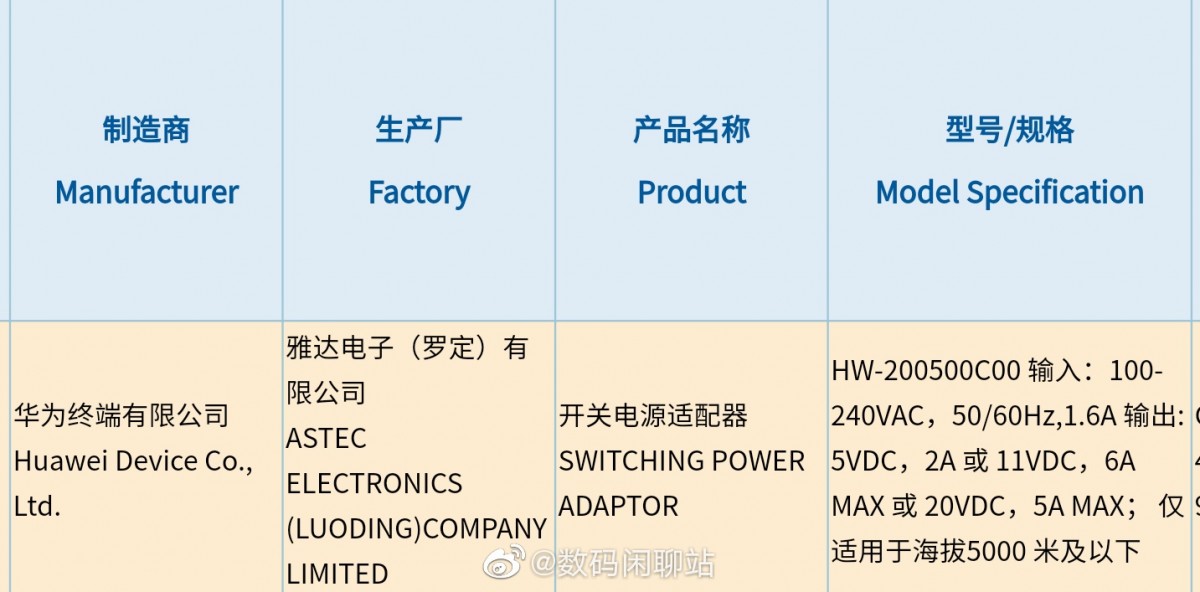
Huawei has just received the 3C certification in China for its upcoming 100W fast charger. The model number for this charger is HW-200500C00 and just recently been spotted on the Chinese certification platform’s database.
Earlier this month, Honor had launched its Honor 50 series, in which, its Pro model supported 100W fast charging rates. Now, it appears that its former parent company is also seeking to launch a smartphone with 100W fast charging support as well. The certification was spotted by known Weibo (a Chinese microblogging website) tipster DigitalChatStation. Looking at the data on the website, the 100W Huawei charger will support 20V@5A.
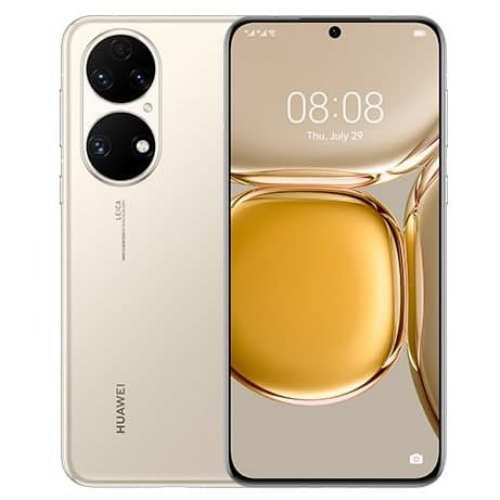
Unfortunately, we have no idea which device will feature this high speed charging or when this smartphone will even launch. Although, the certification implies that the Chinese tech giant is probably working on/ is planning a handset that will support the fast charging rates. Recently, the company had launched the Huawei P50 series, which supports 66W fast charger. In other words, this unknown upcoming smartphone is likely a premium grade flagship. So stay tuned for more, as we will be providing updates when more information is available regarding this matter.
Earlier today (2nd August 2021), HiSilicon, the Huawei chip subsidiary, announced its new self developed low latency image transmission technology in China. This technology is aimed to empower multi screen smart terminals and will support low memory usage and 4K UHD image quality on HiSilicon chips.
According to the Chinese tech giant, one of the highlighting features of HiAir is its ultra low latency transmission technology, which the company believes will be the industry benchmark in the next three years. Furthermore, this technology will also be integrated with Huawei Cast+, supports automatic device discovery, among others features like minimalist connection to offer a more enjoyable control experience.
It will also arrive with deep protocol optimization for Cast+, DLNA, Miracast, Lelink, and more. Notably, the new image transmission technology will also support low memory footprint and strong scalability as well. The technology also offers support for 4K UHD image quality as well, which would benefit streaming media, leading the industry’s image quality PQ standard. It even offers a high energy efficiency ratio as well since it only requires to be connected to a TV’s USB for power supply while the surface temperature does not exceed 40 degrees even with long hours of usage.
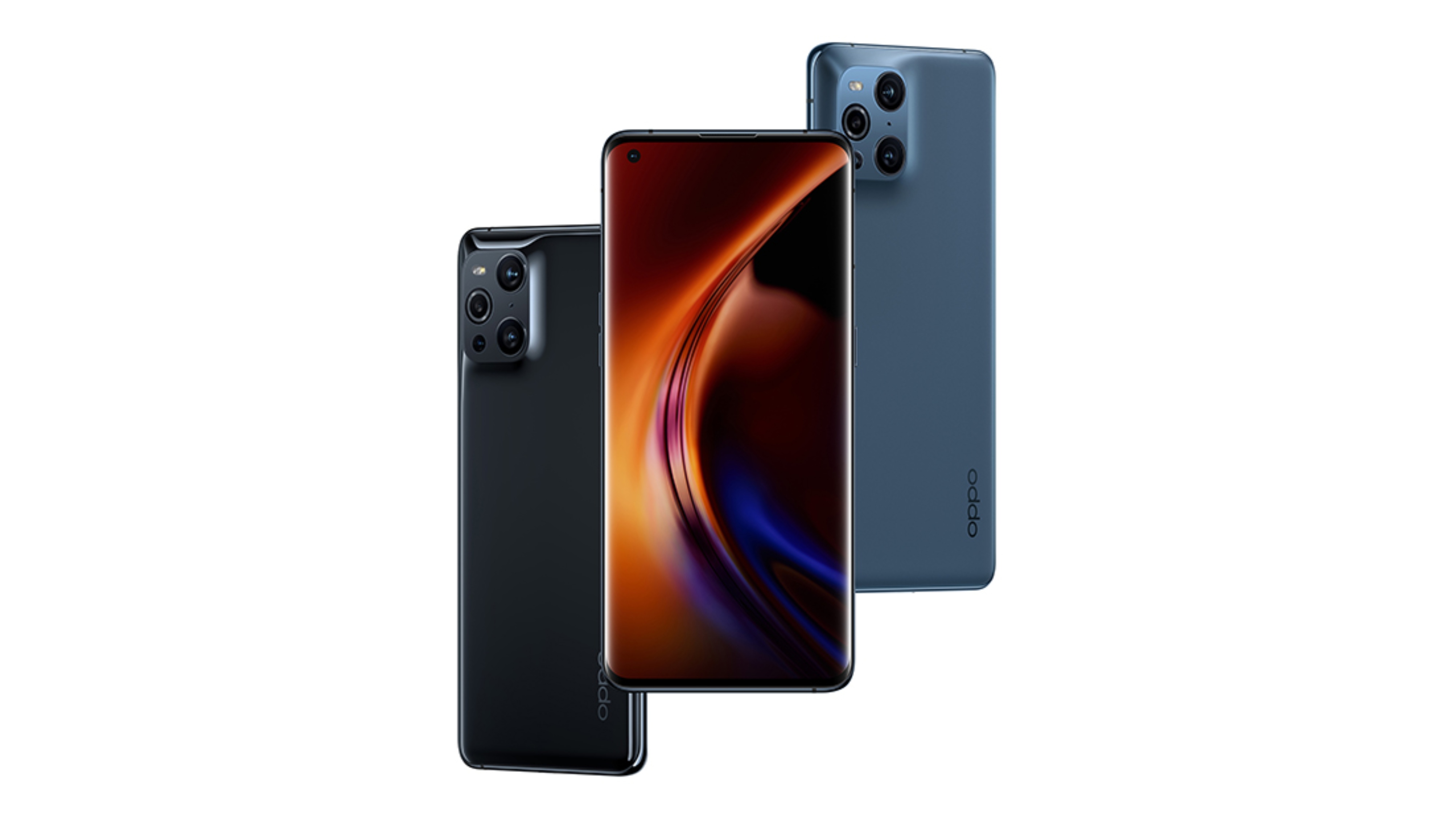
OPPO launched the OPPO Find X3 series in March. The lineup includes two devices in China, namely OPPO Find X3 and OPPO Find X3 Pro. Both these phones are heavily discounted in the brand’s home country for a limited time.
OPPO Find X3 Pro
OPPO is currently holding its annual O Fan Festival in China. As part of it, the company is offering a ¥500 ($77) discount on the OPPO Find X3 series. This offer is valid from yesterday (August 1) till midnight tonight (August 2).
Hence, people in China can get their hands on the OPPO Find X3 and the OPPO Find X3 Pro for the following price tags.
Model
Variant
Launch Price
Discount
Offer Price
OPPO Find X3
8GB + 256GB
¥4,499
¥500
¥3,999
12GB + 256GB
¥4,999
¥500
¥4,499
OPPO Find X3 Pro
8GB + 256GB
¥5,499
¥500
¥4,999
12GB + 256GB
¥5,999
¥500
¥5,499
12GB + 512GB
¥6,999
¥500
¥6,499
Unfortunately, OPPO is not known for running a similar promotion outside China. As a result, we don’t get to see such steep discounts on newly released OPPO smartphones in international markets.
That said, this year’s Find X series phones can be termed forgettable. Because OPPO not only gave up the lineup’s original design language but also dropped the zoom camera. But we don’t have any exact sales figures to determine their popularity.
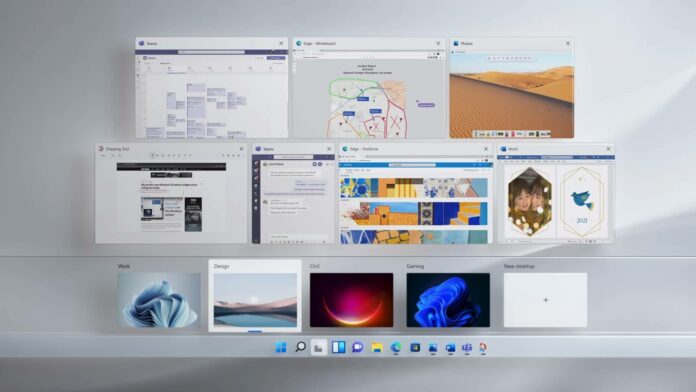
The latest version of Windows will arrive with a fresh redesign of its iconic MS Paint and Photos app. Microsoft has just unveiled the new modern interface and look of the two apps that matches the aesthetic of Windows 11 design.
The American tech giant has quietly shared (Via WindowsLatest) the first glimpse of the new visual overhaul for the Paint and Photos app. Apparently, the company is working on a new design for nearly all stock apps for the Windows 11. In other words, other basic pre installed applications like the Clock, Voice Recorder, Calculator, Office, Notepad, and others will also be receiving the visual upgrade to match the look of the latest version of the popular operating system.
With the new Windows version, the MS Paint and Photos app will be ditching its traditional ribbon menu for a Fluent header that is similar to the new File Explorer and also matches with the rest of the operating system’s visuals. Looking at the images shared by Microsoft, the new Paint app will also feature a simplified toolbar. Furthermore, its Fluent header will also house certain important functions like “File,” “Edit” brushes, among other features.
The new overhaul will also add simple icons to perform basic tasks. The company will begin to roll out the updated stock apps for Windows 11 during the course of the next several weeks for feedback from consumers. Along with these apps, the company is also working on a new outlook and Microsoft Teams client for the OS.
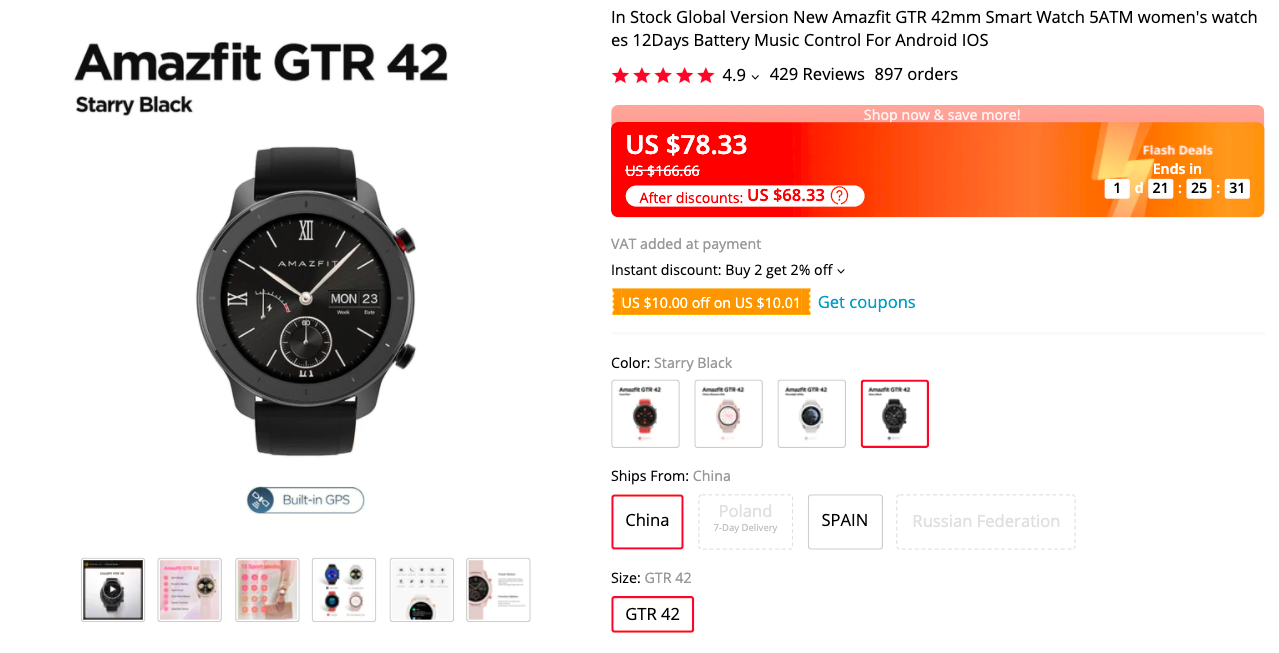
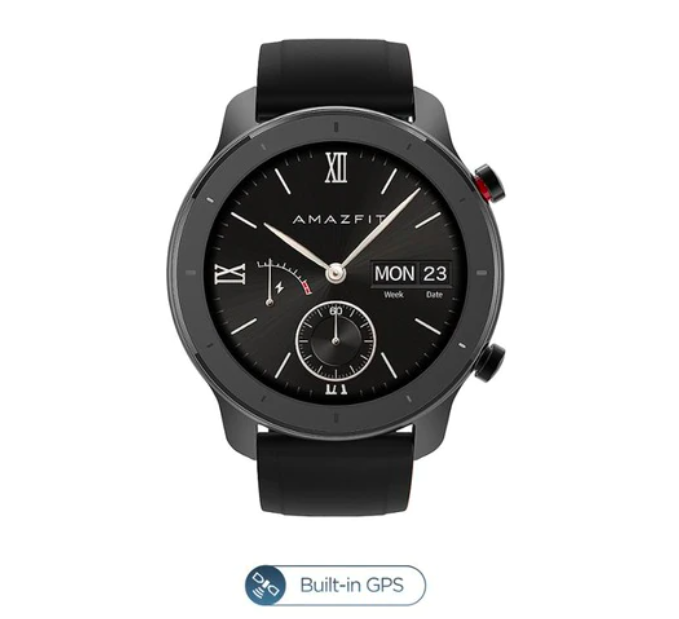
Amazfit GTR Smartwatch which generally retails for $130 is now available at a heavily discounted price of $68.33 only at AliExpress. This super deal ends tomorrow.
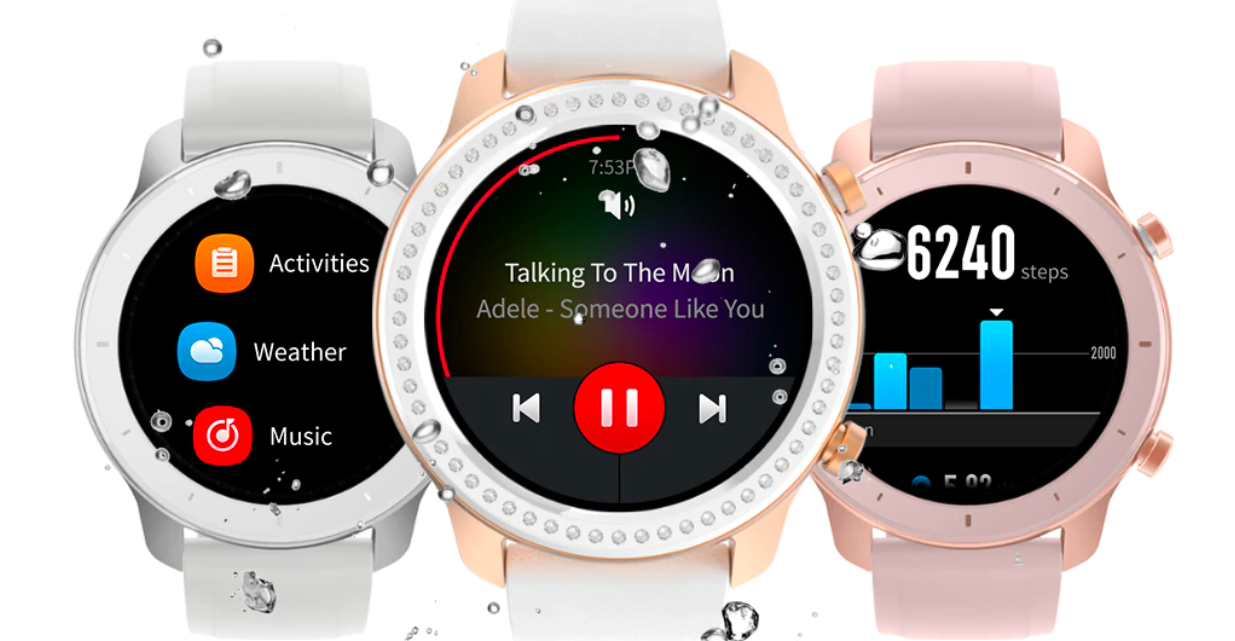
Battery: 12 days normal mode, 34 days watch only mode
12 sports mode
24×7 Heart rate monitor
Bio Tracker ™ ( PPG Bio tracking optical sensor)
5ATM: Water-resistant
Bluetooth v5.0
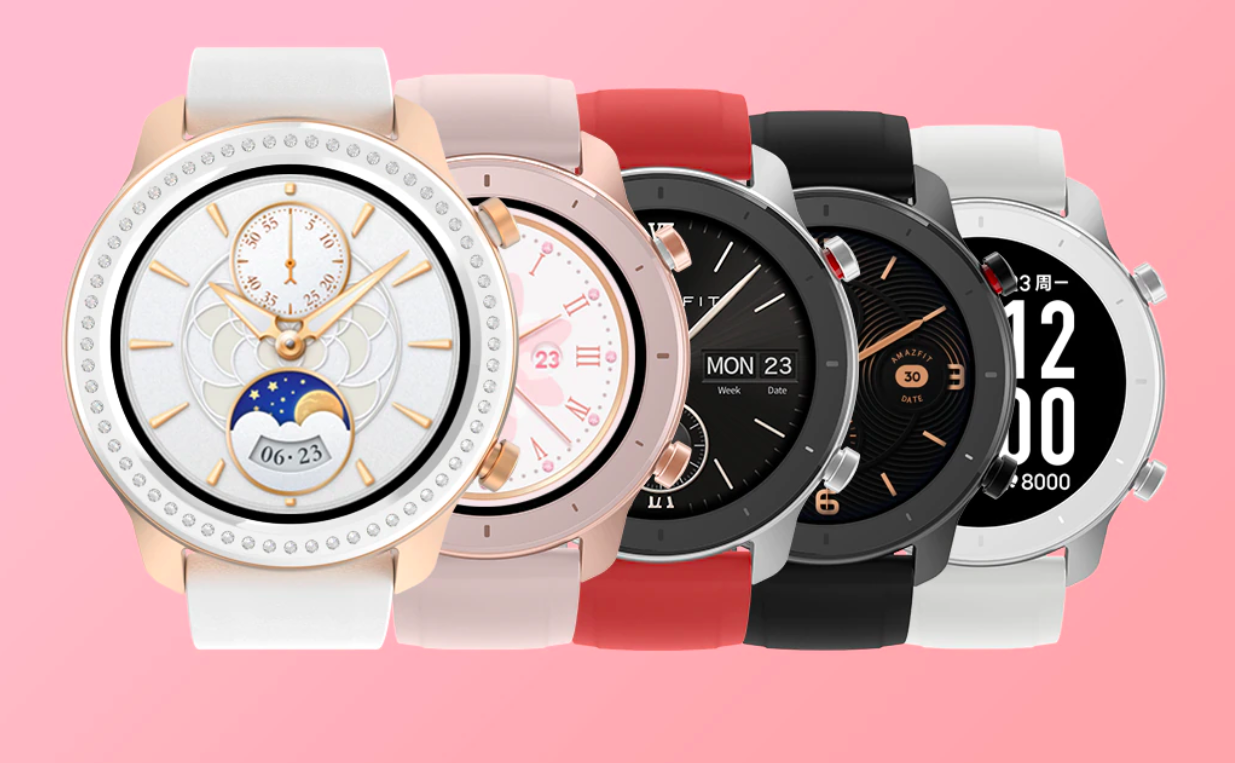
Colors: Cherry Blossom Pink, Coral Red, Moonlight White, Starry Black
Generally retailing for $130, you can now buy Amazfit GTR Smartwatch at a heavily discounted price of $68.33 only at AliExpress. Please note that this super deal ends tomorrow. So place your order asap.
For more information on such exciting deals and offers check out ourdeals hub.
* Please Note: When you buy something using the links in our articles, we may earn a small commission at no cost to you.
Xiaomi has discredited the information below and has confirmed via TechRadar that the Mi 11 Lite 4G will not be discontinued in India. It also added that if and when the Mi 11 Lite 5G arrives, the 4G version will continue to be sold.
The Xiaomi Mi 11 Lite 4G might have been discontinued in India. Reportedly, the company has discontinued the Mi 11 Lite to make way for the arrival of a new 5G variant.
As per a tweet by known tipster Abhishek Yadav, the Chinese tech giant will be discomfiting the Mi 11 Lite 4G in place of its 5G variant. In other words, the Mi 11 Lite 4G will be replaced by the Mi 11 Lite 5G in the Southeast Asian country. Apparently, the company is aiming on relaunching the device in a 5G variant that will support the newer and faster bandwidth. The news arrives from one of the tipster’s sources.
For those unaware, the Mi 11 Lite 4G arrived in India with a Qualcomm Snapdragon 732G processor. This 4G only variant was also launched for the global market as well. Although, the Chinese variant of the device sported the more powerful Snapdragon 780G processor that is 5G enabled. Meaning, the brand might be planning on releasing this 5G version of the device in India.
Notably, the Mi 11 Lite 5G was even launched as the world’s first smartphone to sport the Snapdragon 780G chipset and was also the thinnest 5G handset, measuring just 6.81mm thick. Keep in mind that this is still an unconfirmed report so take it with a pinch of salt. Xiaomi has also yet to make any official announcement as of right now. So stay tuned for more updates regarding this matter.
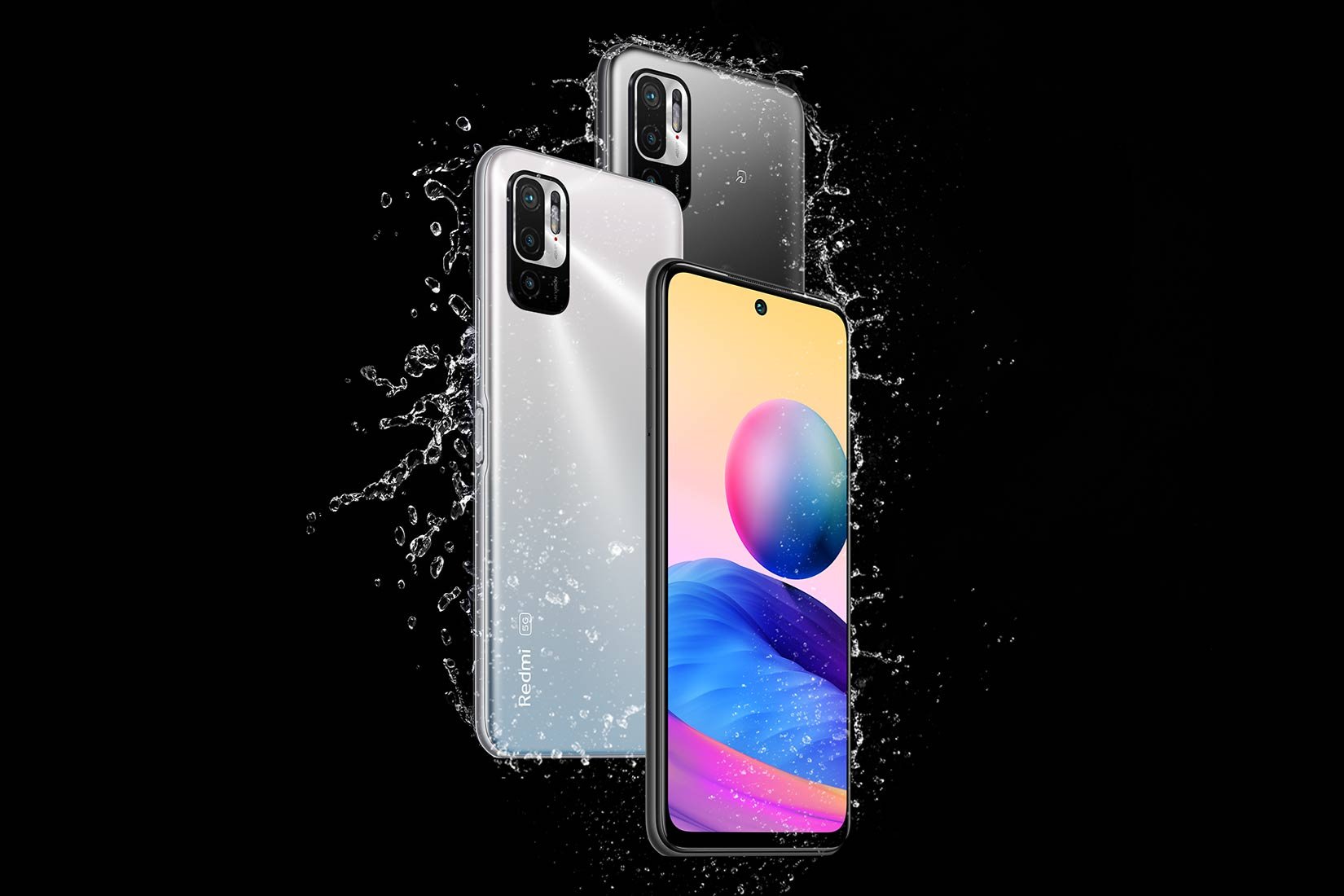
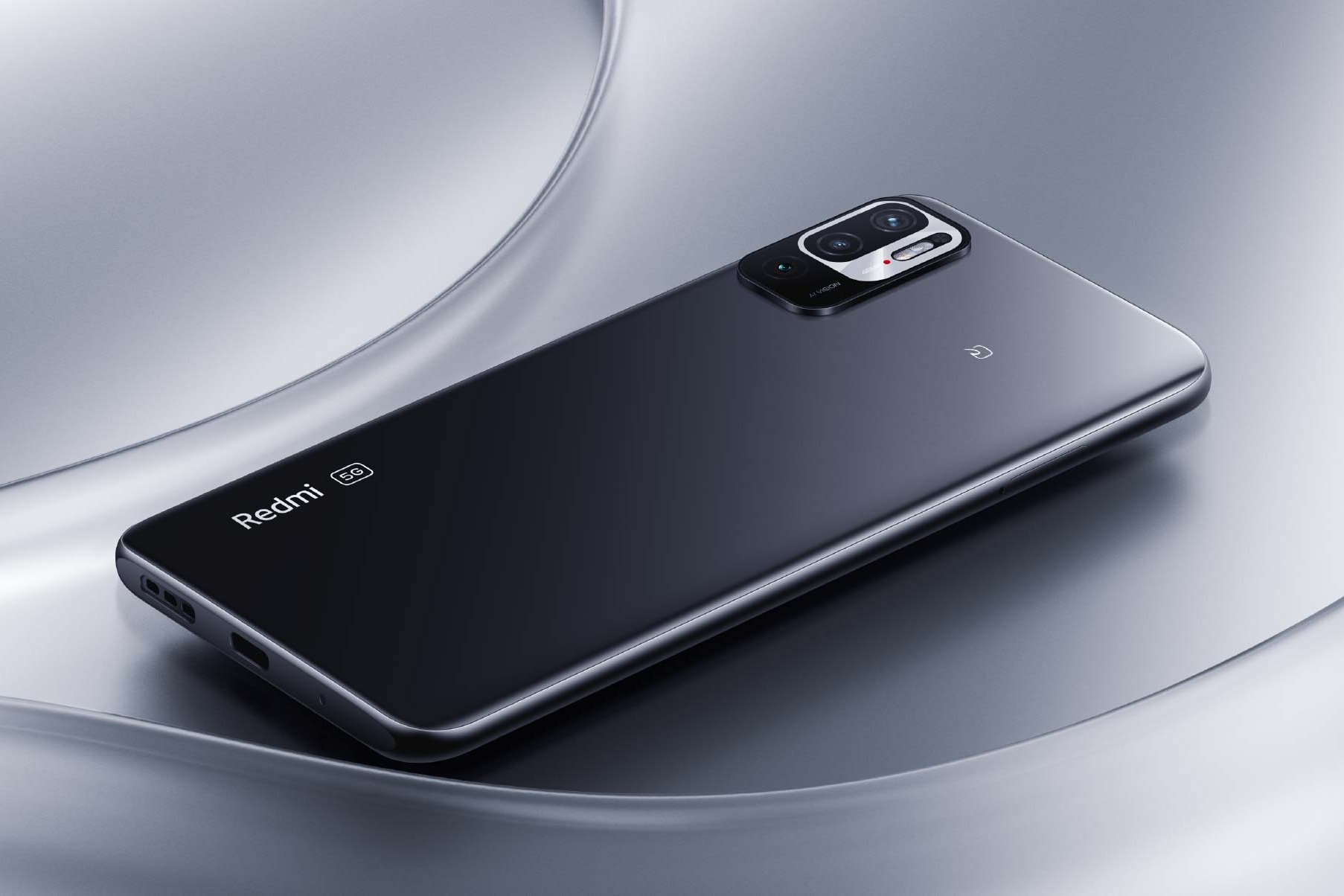
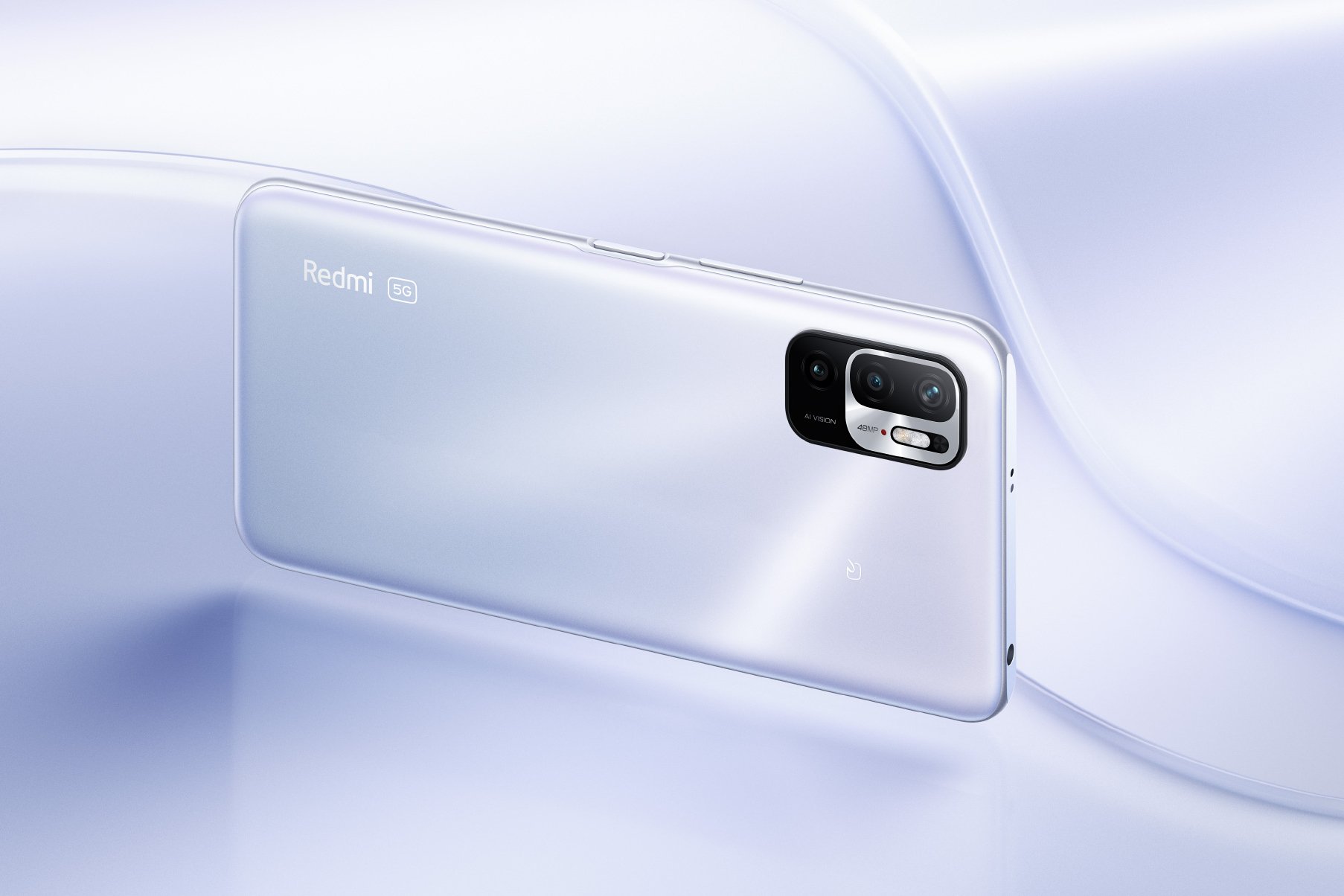
Xiaomi has launched yet another Redmi Note 10 series smartphone called Redmi Note 10 JE. This handset exclusive to Japan is the eighth model in the lineup. This phone can be considered as a better version of Redmi Note 10 5G and Redmi Note 10T 5G. It has some special features tailored for the Japanese market just like the recently released OPPO Reno5 A.
Redmi Note 10 JE Specifications and Features
The newly announced Redmi Note 10 JE features the exact same design as the Redmi Note 10 5G, which is also known as Redmi Note 10T 5G. In fact, the device has a near identical set of specs with some changes.
First and foremost, the Redmi Note 10 JE is powered by a Qualcomm Snapdragon 480 chipset instead of a MediaTek Dimensity 700 SoC. Further, the handset is IP68-certified for dust and water resistance but it is backed by a smaller 4,800mAh battery (18W fast charging) and lacks dual stereo speakers. Lastly, it comes with a single SIM card slot and it is also compatible with FeliCa / Osaifu-Keitai contactless IC card technology.
Other than the above-mentioned differences, the Redmi Note 10 JE is nothing but a Redmi Note 10 5G inside out. Hence, it sports a 6.5-inch punch-hole (centered) LCD panel with a resolution of 2400 x 1080 pixels, 1500:1 contrast ratio, and AdaptiveSync refresh rate (30Hz, 50Hz, 60Hz, 90Hz).
The device comes with 4GB LPDDR4x RAM and 64GB UFS 2.2 storage. If needed, users can further expand the storage via a MicroSD card slot (up to 1TB). For optics, the phone uses a 48MP (wide) + 2MP (macro) + 2MP (depth) triple camera setup and an 8MP selfie camera.
On the connectivity front, the smartphone supports 5G, dual-band WiFi, Bluetooth 5.1, GNSS (GPS, A-GPS, GALILEO, GLONASS, BeiDou) USB Type-C, and a 3.5mm headphone jack. It has all the essential sensors like an accelerometer, ambient light sensor, gyroscope, proximity sensor, compass, infrared sensor, and a side-mounted fingerprint sensor.
The Redmi Note 10 JE runs MIUI 12.5 based on Android 11. It measures 163 x 76 x 9mm in dimensions, weighs 200g, and comes in two colors (Graphite Gray, Chrome Silver). Last but not least, the handset does not ship with a charger.
Redmi Note 10 JE Price and Availability
The Redmi Note 10 JE will be sold exclusively by KDDI-owned ‘au’ and ‘UQ mobile’ carriers in Japan. The telecom company is yet to reveal the price of this smartphone.
Anyway, as per Xiaomi Japan’s official Twitter account, the phone will be available for purchase from August 13.
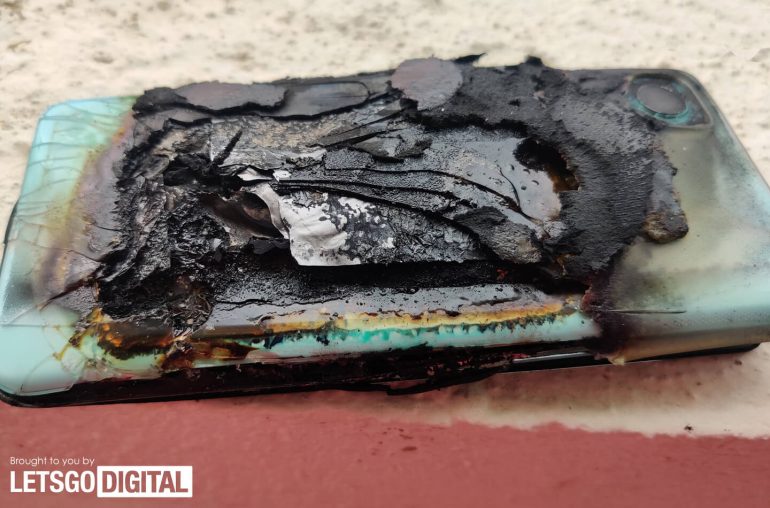
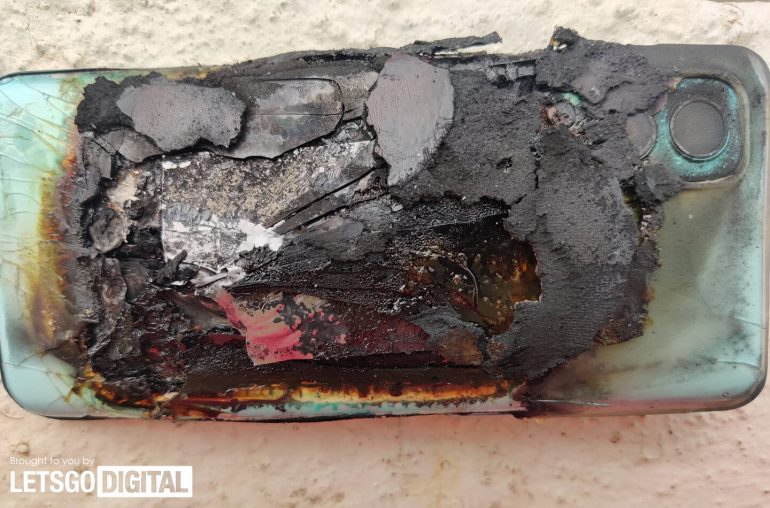
A new OnePlus Nord 2 smartphone has apparently exploded, which caused the owner to suffer from trauma. The owner in question is Ankur Sharma from Bengaluru, India who shared the incident on Twitter (now deleted).
While Sharma deleted the tweet, LetsGoDigital managed to share the original images posted by the Indian user. As per the tweet, Sharma’s wife faced an accident due to this incident, which also traumatized her. His wife had went cycling in the morning, when all of a sudden, the Nord 2 in her sling starts exploded, with smoke coming out of the device. Looking at the images shared in the tweet, it is clear that the battery of the Nord 2 exploded when she was cycling.
Furthermore, the Nord 2 unit from the Chinese brand appears to be utterly destroyed, with its rear panel being charred and burned offering us a glimpse of the damaged internal components as well. At the moment, it is unknown what exactly caused this explosion. Keep in mind, this could be an isolated event, which is something that has occurred in the past for other smartphones. Back in July 2021, an Oppo A53 had also exploded in a users pocket, which was another such isolated incident.
In other words, the other Nord 2 units that are in circulation are likely not in any risk of exploding spontaneously. As of right now, OnePlus has yet to offer any statements regarding its own investigation into this incident. Although, the company did extend its apologies to Ankur through a tweet offering “amends.” So stay tuned for more updates regarding this matter.
A new Xiaomi phone with model number 2107113SG has received certification from the Malaysian SIRIM authority. The listing reveals that this device will be released in Malaysia with the Xiaomi Mi 11T Pro moniker.
The SIRIM listing has no information available on the specifications of the Mi 11T Pro. The existence of the Pro model suggests that there could be a vanilla variant called the Mi 11T. Apart from SIRIM, the Mi 11T Pro name and the model number have also appeared in the IMEI database.
Xiaomi Mi 11T Pro receives the SIRIM certification in Malaysia. Moniker confirmed. Plus, the device has already received the FCC certification in the past. Also, Mi 11T is also likely to launch. Feel free to retweet.#Xiaomi#Mi11T#Mi11TPropic.twitter.com/GjxoEHaFJx
The Mi 10T and Mi 10T Pro smartphones from last year were driven by the Snapdragon 865 mobile platform. Hence, it is likely that the Mi 11T series could be equipped with a Snapdragon 8-series flagship chip. It remains to be seen whether the company powers the Mi 11T duo with Snapdragon 870 or Snapdragon 888.
Xiaomi Mi 10T and Mi 10T Pro specifications
The Xiaomi Mi 10T has a 6.67-inch IPS LCD 144Hz FHD+ display with Gorilla Glass 5 protection, MIUI 12 based on Android 12 OS, and a side-facing fingerprint scanner.
The rear camera of the Mi 10T Pro has a 64-megapixel primary camera, a 13-megapixel ultrawide lens, and a 5-megapixel macro camera. It has a selfie camera of 20-megapixel.
Xiaomi Mi 10T Pro
The Mi 10T has a 5,000mAh battery that supports 33W fast charging. The Mi 10T Pro has an OIS-enabled 108-megapixel primary camera instead of the 64-megapixel lens found on the Mi 10T. The rest of the specs are identical on both phones.
The MI 10T was rebadged as the Redmi K30S phone in China. Hence, it is likely that the Mi 10T could be heading to China as a Redmi K40 series phone or Redmi K40S branding.
Honor has released another teaser of its new Magic 3 series of smartphones. The company’s CEO has just recently participated in an upcoming conference regarding new technologies with one of the highlighting topics being about the AI technologies that will arrive with the Magic 3 series.
During the conference , Zhao Ming, CEO of the Chinese smartphone maker, will work with former CCTV host Zhang Quanling and Chess Grandmaster Nie Weiping to discuss the future of AI and the various benefits it can offer the world. So far, the brand has already teased its Magic series of flagship handsets a couple of times in the past few days. And now, the most recent hints at the new artificial intelligence tech that will be featured in the new lineup.
At the moment, the company did not reveal any finer details regarding these AI systems. Although, we can likely expect it to be related to the device’s camera system, battery, and more as well. For those unaware, the series will sport the Qualcomm Snapdragon 888+ processor, along with other top notch specs and features. The Pro variant is also teased to feature more than one primary rear camera sensors.
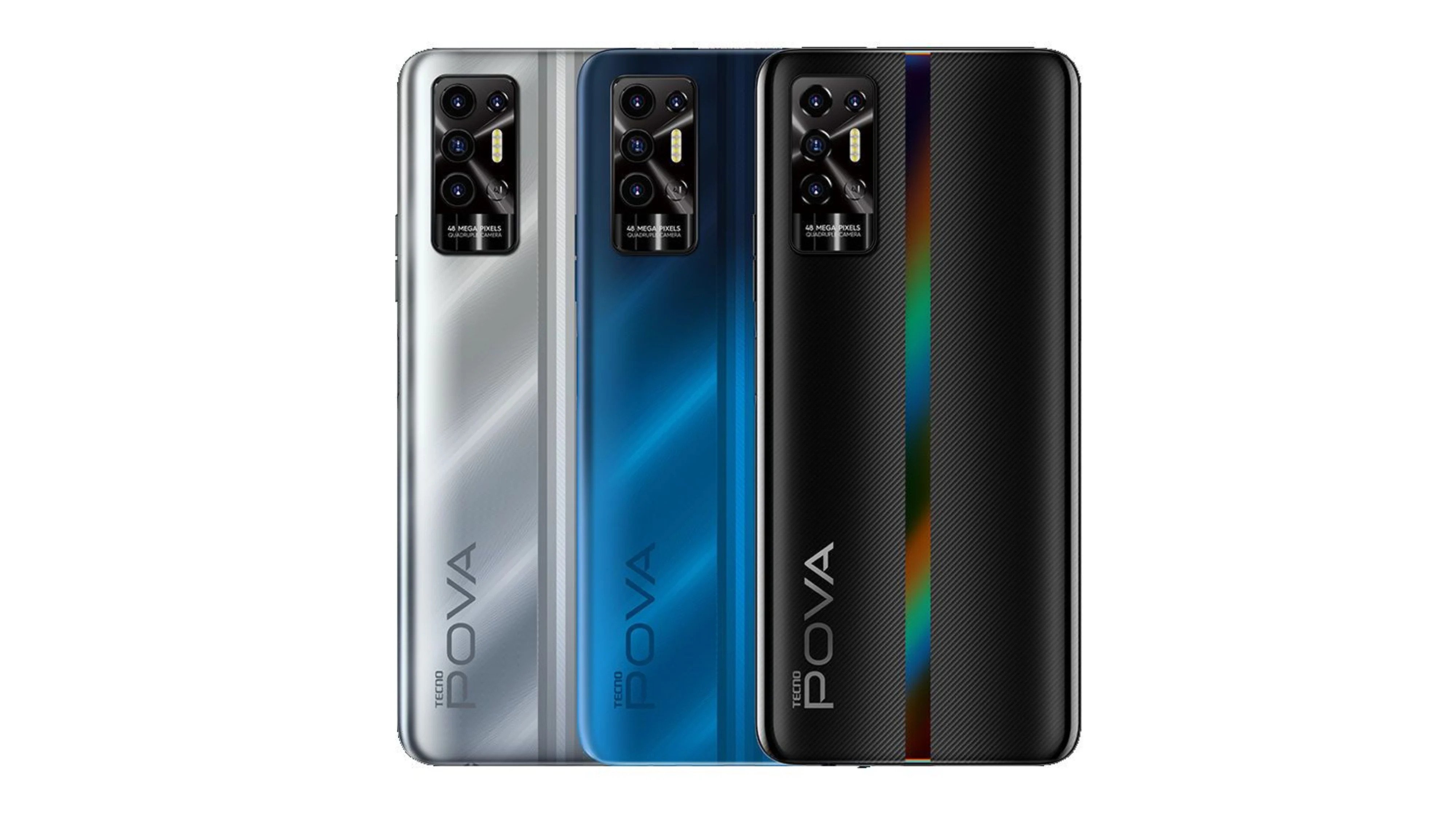
Tecno India has unveiled the Tecno POVA 2 smartphone in India. As the name suggests, it has arrived as a successor for the last original Tecno POVA smartphone that debuted last year in China. Some of the major attractions of the POVA 2 include an Helio G85 chipset and a 7,000mAh battery.
Tecno POVA 2 specifications and features
The POVA 2 flaunts a massive 6.9-inch LCD panel display that produces a Full HD+ resolution of 1080 x 2460 pixels and a 20.5:9 aspect ratio. The device is preloaded with HiOS 7.6 based on Android 11 OS. The power button available on the right edge of the device is integrated with a fingerprint scanner.
The Helio G85 chipset is present under the hood of the POVA 2. The device comes with 4 GB / 6 GB of RAM and 64 GB / 128 GB of storage. For more storage, it features a dedicated microSD card slot.
Tecno Pova 2
Its 8-megapixel front camera is coupled with a dual-LED flash unit. Its rear camera system has a 48-megapixel main camera, a pair of 2-megapixel lenses for depth effects and macro shots, and an AI lens. The rear camera setup is accompanied by a quad-LED flash unit. It offers other features such as dual SIM support, 4G VoLTE, Wi-Fi 802.11ac, Bluetooth 5.0, USB-C, and a 3.5mm headphone port.
Tecno POVA 2 price in India
The Tecno POVA 2 variants such as 4 GB RAM + 64 GB storage and 6 GB RAM + 128 GB storage are priced at Rs 10,499 (~$141) and Rs 12,499 (~$168), respectively, in India. The pricing is inclusive of the Rs 500 coupon. it will be available for buying through Amazon India from 12 AM on Aug. 5. It can be bought in colors like black, silver, and blue.
Last week, Infinix announced the Infinix X1 40-inch Android TV in India. The brand is now back with a new phone called the Infinix Smart 5A for India. It has gone official today as the toned-down version of the existing Infinix Smart 5 handset. Here is all the information on the specifications, features, and pricing of the Smart 5A:
Infinix Smart 5A specifications and features
The Infinix Smart 5A features a 6.52-inch teardrop notch display that offers an HD+ resolution. For snapping selfies, the modest phone sports an 8-megapixel selfie camera. The rear camera setup of the device has a 13-megapixel primary camera and a 2-megapixel depth sensor.
Infinix Smart 5A
The Smart 5A is powered by the Helio A20 chipset and 2 GB of RAM. It has a native storage of 32 GB and a dedicated microSD card slot for additional storage. The smartphone is backed by a 5,000mAh battery that supports only 10W charging.
The entry-level offering from Infinix is fitted with a rear-facing fingerprint and AI face unlock. It comes with other features like dual 4G VoLTE, Wi-Fi, GPS, a microUSB port, DTS Surround Sound support, and a 3.5mm audio jack.
Infinix Smart 5A price in India
The Infinix Smart 5A has arrived in India with introductory pricing of Rs 6,499 (~$87) and it can be purchased in colors like Midnight Black, Ocean Wave, and Quetzal Cyan. The device will be available for buying through Flipkart on Aug. 9.
A few days ago, Chinese giant Huawei officially launched the P50 series flagship smartphones as the company’s first phones to come pre-installed with the HarmonyOS operating system instead of Android, but it does support Android apps.
Now, days after officially announcing the new smartphones, Huawei has now officially launched custom themes for the P50 series phones which the company claims are inspired by gems and fragrances.
The brand has launched four themes — Amber Crystal, Moonlight Silver, Moonlight Blue, and Rose Powder. All these new themes can be downloaded on the Huawei P50 series smartphones using the Huawei Theme App.
While the themes are available for free for the Huawei P50 models, the company has also launched them for other models as a paid download. The themes are compatible with the Huawei Mate40 series, Mate30 series, P40 series, Nova8 series. It’s noteworthy that the phones must be running the HarmonyOS 2.0 for using these themes.
The Huawei P50 features a 6.5-inch FHD+ OLED display with a 90Hz refresh rate while the Pro model comes with a 6.6-inch FHD+ OLED screen offering a 120Hz refresh rate. Both the phones are powered by Qualcomm Snapdragon 888 SoC with a 4G modem. There’s also a Kirin 9000-powered model, which is also limited to 4G connectivity.
The standard model has a 50MP f/1.8 RGB primary camera, a 13MP f/2.2 ultrawide angle camera, and a 12MP f/3.4 telephoto camera with OIS. On the front side, there’s a 13MP f/2.4 camera that sits inside the punch hole in the display.
On the other hand, the Pro model has a 50MP f/1.8 RGB sensor with OIS and a 40MP f/1.6 Black and White sensor, coupled with a 13MP f/2.2 ultrawide angle camera and a 64MP f/3.5 telephoto camera with OIS. There’s also a 13MP f/2.4 front-facing camera with support for autofocus and AIS anti-shake.
The Huawei P50 is powered by a 4,100mAh battery while the Huawei P50 Pro is powered by a 4,360mAh battery. Both of them come with support for 66W fast charging technology but only the Pro model has support for wireless charging.
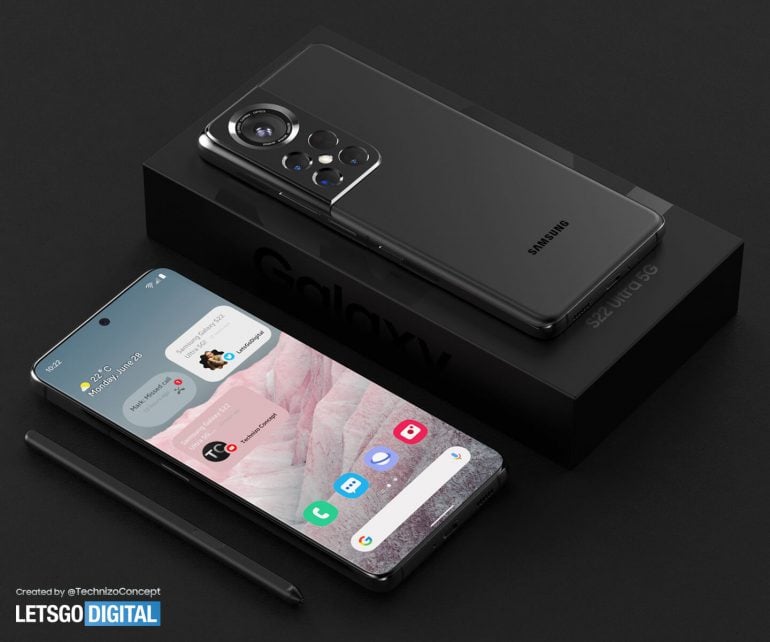
Samsung is working on its next-generation Galaxy S-series flagship smartphones which will be launched early next year in the form of the Samsung Galaxy S22 lineup. While there’s plenty of time to the official launch, leaks related to the smartphones keep surfacing online.
In the latest leak, tipster Yogesh claims that the Galaxy S22 series from Samsung, as well as some other non-Samsung phones, will come with a new 50MP RGBW sensor.
Samsung Galaxy S22 Ultra Render
Ice Universe has claimed that the South Korean giant will be launching a new 200-megapixel camera sensor and a 50-megapixel RGBW unit next month. Samsung had previously confirmed that it was working on a 200-megapixel camera sensor.
Earlier it was said that the top-end variant of the lineup, the Galaxy S22 Ultra will be retaining the 108-megapixel sensor. However, the report was refuted and the device was claimed to have a new 200-megapixel sensor in a five-camera setup. The 200MP sensor is reportedly being made in collaboration with Japan-based Olympus.
Samsung recently announced the world’s smallest 0.64μm-pixel sensor, 50MP ISOCELL JN1 camera which is meant for mid-tier phones. In February, it had unveiled the 50MP ISOCELL GN2 sensor which is 1/1.12-inches and has 1.4μm-sized pixels.
The Samsung Galaxy S22 series is also expected to come with 65W charging support and the firm is reportedly testing the technology. The 65W charger from Samsung was certified by TÜV SÜD in February this year. This is the same charger with model number EP-TA865 which was certified by South Korea’s NRRA certification in September last year.
Last week, it was leaked that the Galaxy S22, Galaxy S22+, and Galaxy S22 Ultra are likely to carry model numbers SM-S901x, SM-906x, and SM-S908x. While not yet confirmed, the phones are expected to get launched in January 2022.
Realme Book, the first laptop from Realme may launch this month. Ahead of the launch, the company has been consistently teasing its design and features. Realme CEO Madhav Sheth is expected to reveal some information about the Realme Book in the upcoming 28th episode of Ask Madhav YouTube video. Before the arrival of the video, Sheth has teased the design of the laptop through Instagram stories.
The below-shown image shared by Sheth showcases the blue variant of the Realme Book. A recent leak had claimed that the blue edition of the laptop will be called Real Blue. The device is also expected to arrive in other colors like Real Red and Real Apricot. The image also suggests that the notebook may come with support for a 150-degree tilt.
Recent reports have revealed that the Realme Book has a 14-inch screen that delivers an aspect ratio of 3:2. It is expected to arrive in 11th generation Core i5 and Core i3 processors. It will come preinstalled with Windows 10 OS and is confirmed to receive the Windows 11 upgrade.
The laptop will come equipped with a chiclet keyboard. Its power button will also function as a fingerprint reader. The exact size of its battery is not known yet. However, its 3C certification in China has revealed that it will arrive with support for 65W fast charging. The notebook is likely to arrive with multiple ports such as a USB-A port, a pair of USB-C ports, a 3.5mm audio jack, and a charging port. It is likely to cost 40,000 (~$538).
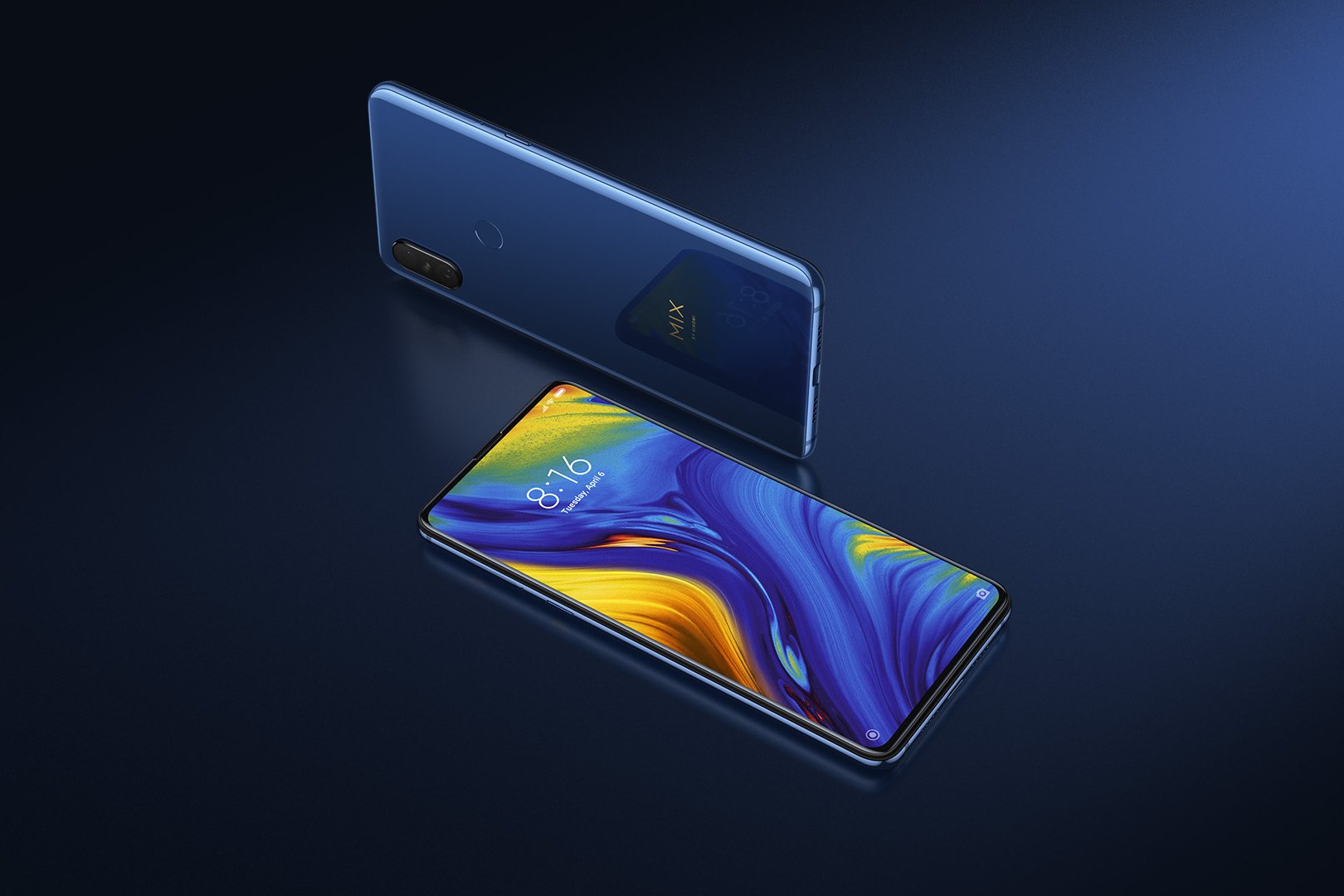
Xiaomi has been working on its new flagship smartphone under the Mi MIX lineup and the brand is all set to launch the Mi MIX 4 later this month. Rumors indicate that the device could come running MIUI 13 but those claims have been refuted by the company.
Wang Hua from Xiaomi’s PR department has said that developers are still working on fine-tuning or polishing the latest version of the MIUI software, i.e. MIUI 13 and it will take some time before the new version is officially released.
Xiaomi Mi MIX 3
This confirms that the upcoming Mi MIX 4 will come running the existing MIUI 12.5 custom user interface based on the Android operating system. Earlier, Digital Chat Station had also claimed that Xiaomi’s phones in the foreseeable future will come with MIUI 12.5 out-of-the-box, including the Mi MIX 4.
Based on the reports so far, the upcoming MIX-series flagship smartphone, which is codenamed Odin, will feature a 6.67-inch Full-HD+ curved OLED display offering a high refresh rate. It will also pack an under-display fingerprint sensor and an in-display fingerprint scanner for security.
Under the hood, the device will come powered by the Qualcomm Snapdragon 888 or Snapdragon 888+ SoC, coupled with 12GB LPDDR5 RAM and 512GB UFS 3.1 storage. In the camera department, it is expected to have a triple-camera setup on the back.
It could feature a 50-megapixel Samsung GN1 primary camera sensor, a 48-megapixel ultra-wide sensor, and a 48-megapixel telephoto lens. The device is said to be powered by a 5,000mAh battery with support for 120W fast charging technology. A variant of the phone was recently spotted on TENAA, indicating its imminent launch.
Xiaomi is among the world’s leading companies in the wearable devices category and the reason behind that is the brand’s Mi Band series of fitness trackers. Each year, the company launches a successor in the lineup with some exciting new features but keeps the pricing almost the same as the predecessor.
Currently, the Mi Band series is in its sixth generation and the latest product, the Mi Band 6 managed to sell more than a million units within a month of getting launched. Now, there are rumors about a new wearable product from the brand — Mi Band X.
Xiaomi Mi Band X Leaked PPT
Recently, Xiaomi’s Mi Band X was leaked through a PPT presentation inside the company, sparking rumors about the upcoming launch of the device. However, Wang Hua of Xiaomi Group’s Public Relations Department has clarified that while the PPT is genuine, there’s no product like Mi Band X coming from the brand.
He added that the presentation was a part of the company’s internal training program for new employees and it happens to be a two-year-old PPT. So well, there you have it. The Mi Band X isn’t a legitimate product and thus, it is not getting launched by Xiaomi.
The wearable product was first leaked by a Weibo user @我才是羽度非凡 and revealed that Xiaomi is working on a Mi Band with a flexible display that goes around the entire circumference of the device, thus needing no strap.
Nonetheless, we are still excited about the company’s upcoming Mi Band product which is likely to be the Mi Band 7 and could go official early next year. In that case, we expect to start getting leaks related to that in the coming months.
Zoom Video Communications, the company behind the popular Zoom platform, has agreed to pay $85 million and improve its security practices to settle a lawsuit that claimed that the company violated users’ privacy rights.
The lawsuit alleged that the platform shared users’ personal data with Facebook, Google, and LinkedIn. It also talked about letting hackers disrupt Zoom meetings in a practice called “Zoombombing”, reports Reuters.
In the settlement agreement, the company denied wrongdoing. A preliminary settlement still requires approval by U.S. District Judge Lucy Koh in San Jose, California.
As for the compensation, the subscribers of the platform in the proposed class action would be eligible for 15% refunds on their core subscriptions or $25, whichever is larger while others could receive up to $15.
Apart from monetary compensation, Zoom has also agreed to security measures including alerting users when meeting hosts or other participants use third-party apps in meetings and providing specialized training to employees on privacy and data handling.
Though Zoom collected about $1.3 billion in Zoom Meetings subscriptions from class members, the plaintiffs’ lawyers called the $85 million settlement reasonable given the litigation risks. They intend to seek up to $21.25 million for legal fees.
The usage of Zoom surged during the COVID-19 pandemic as companies and companies, schools, and colleges opted for online meetings instead of in-person conduct. It had 497,000 customers with more than 10 employees in April 2021, a substantial increase from 81,900 in January 2020. But the company says that the user growth could slow or decline as more people get vaccines and return to work or school in person.
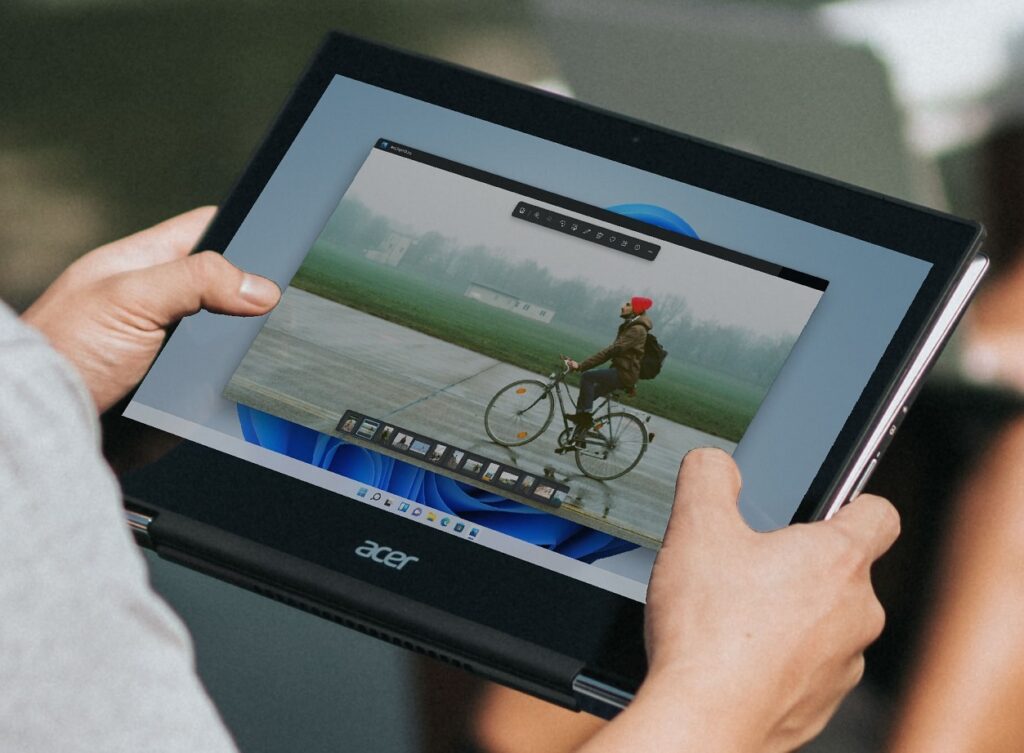
Due to the global COVID-19 pandemic, tablets recorded one of the fastest sales growth in the past few months. If you’re looking for an entry-level tablet for video and audio entertainment, or video conferencing, we have a recommendation here – the ALLDOCUBE iPlay 40 Pro.
ALLDOCUBE iPlay 40 Pro Review: Design & Display
I’ll start with the appearance of the ALLDOCUBE iPlay 40 Pro.
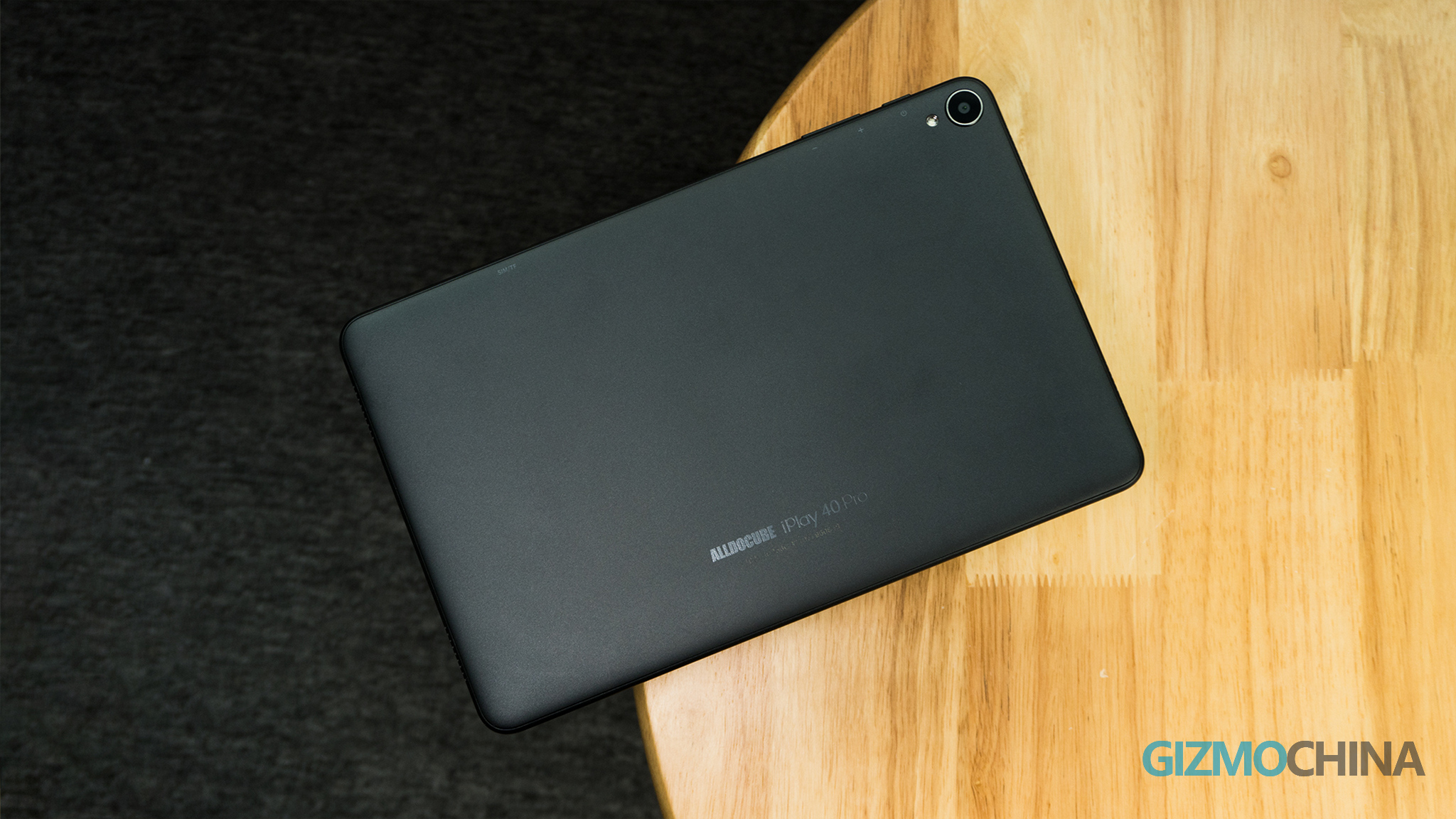
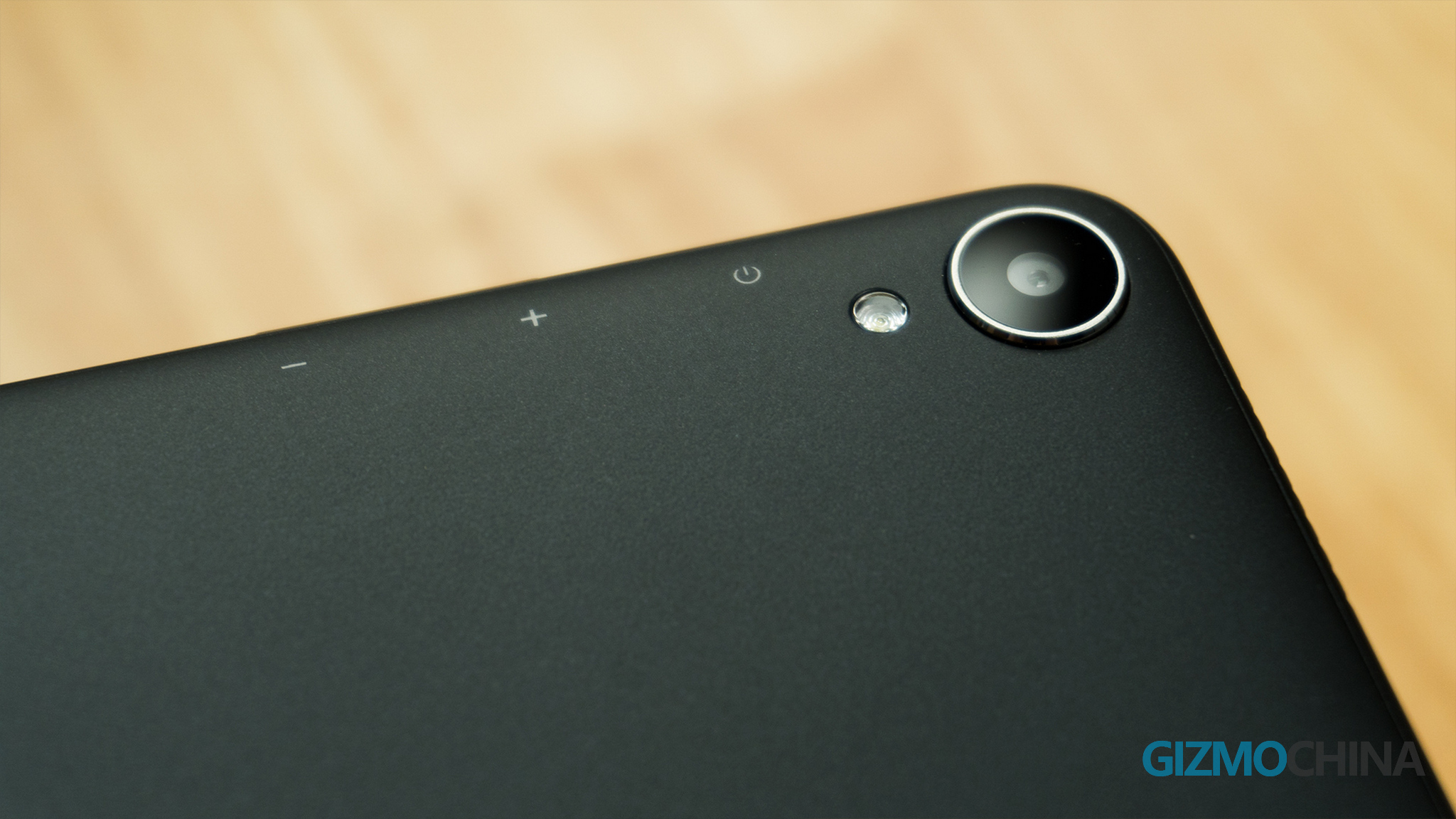
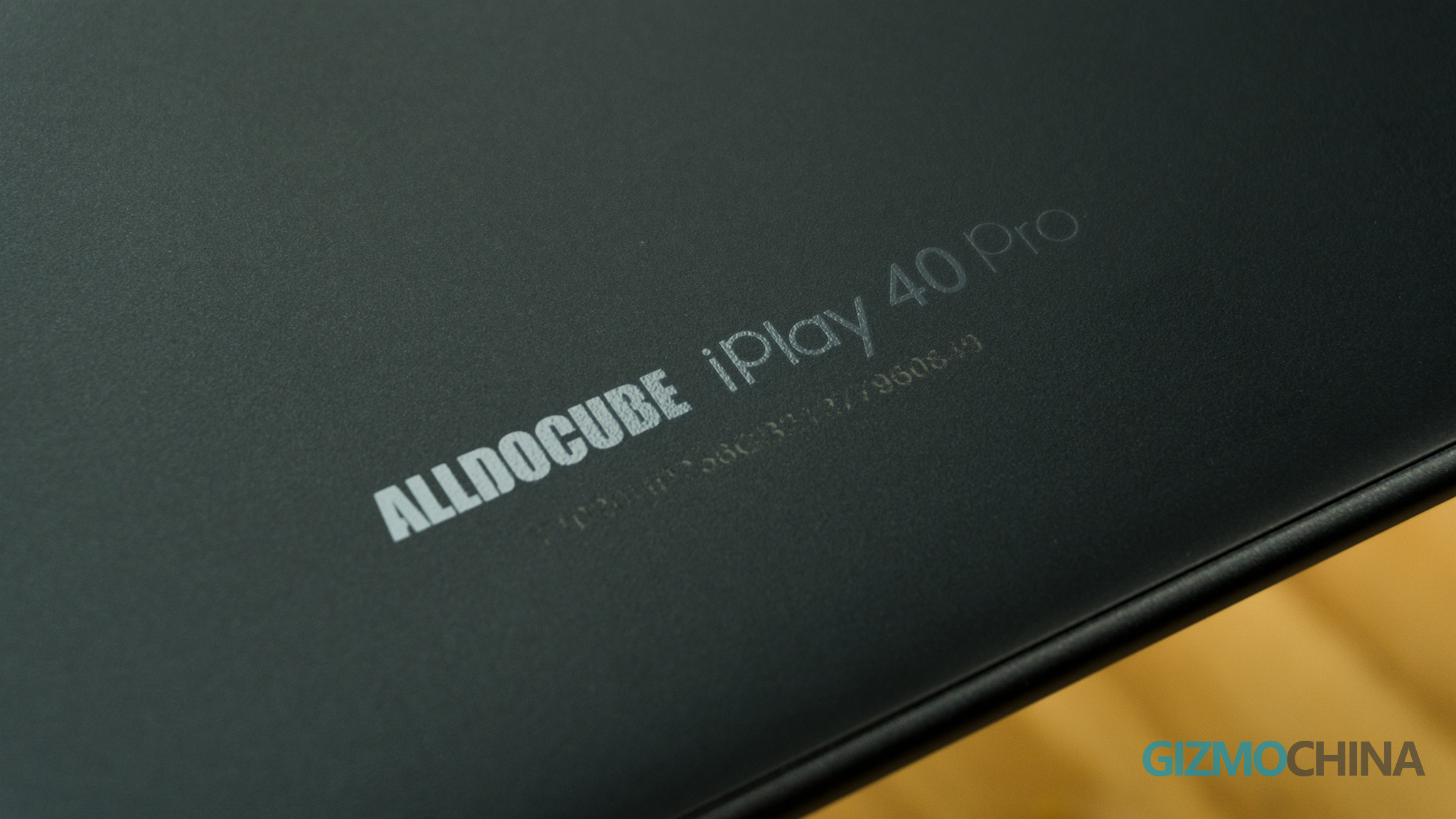
The back has a frosted texture and the frame is made of aluminum-magnesium alloy. The metal frame increases the overall strength and prevents any possible structural issues in the long term. The volume, power button, and SIM/MicroSD card tray are engraved with their names. SIM/MicroSD card tray has a hybrid design, so you can insert two nano-SIM cards or one TF card, and a nano-SIM card. The MicroSD card slot supports up to 2TB, so you don’t have to worry about the problem of insufficient storage capacity in the future.
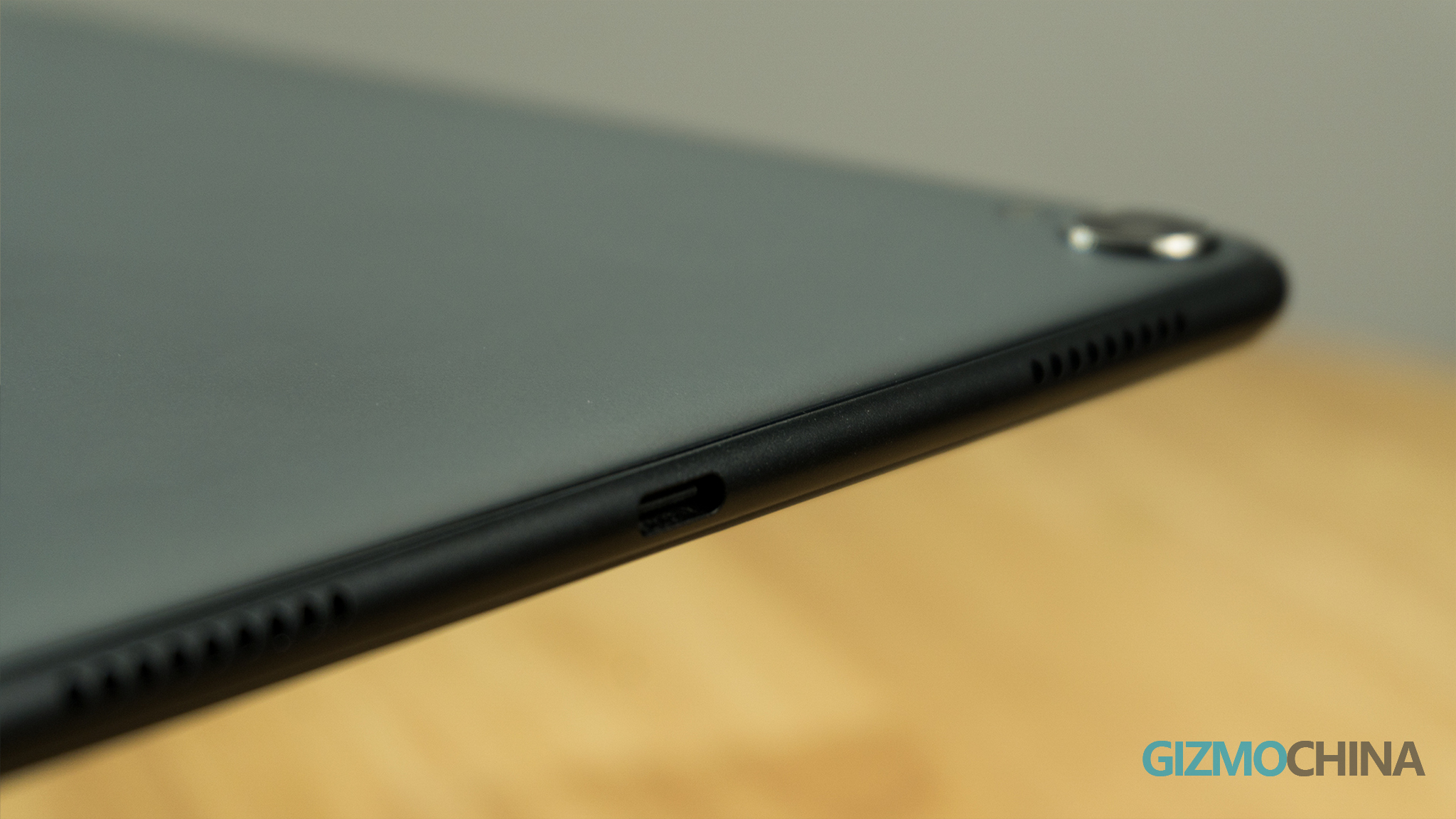
The camera and flash are in the corner, and the four speakers are placed symmetrically. Interestingly, the Type-C port is placed on the top of the body, on the same side as the camera. There is no inconvenience with this design though. The camera on the back also protrudes very little, making for a simple design.
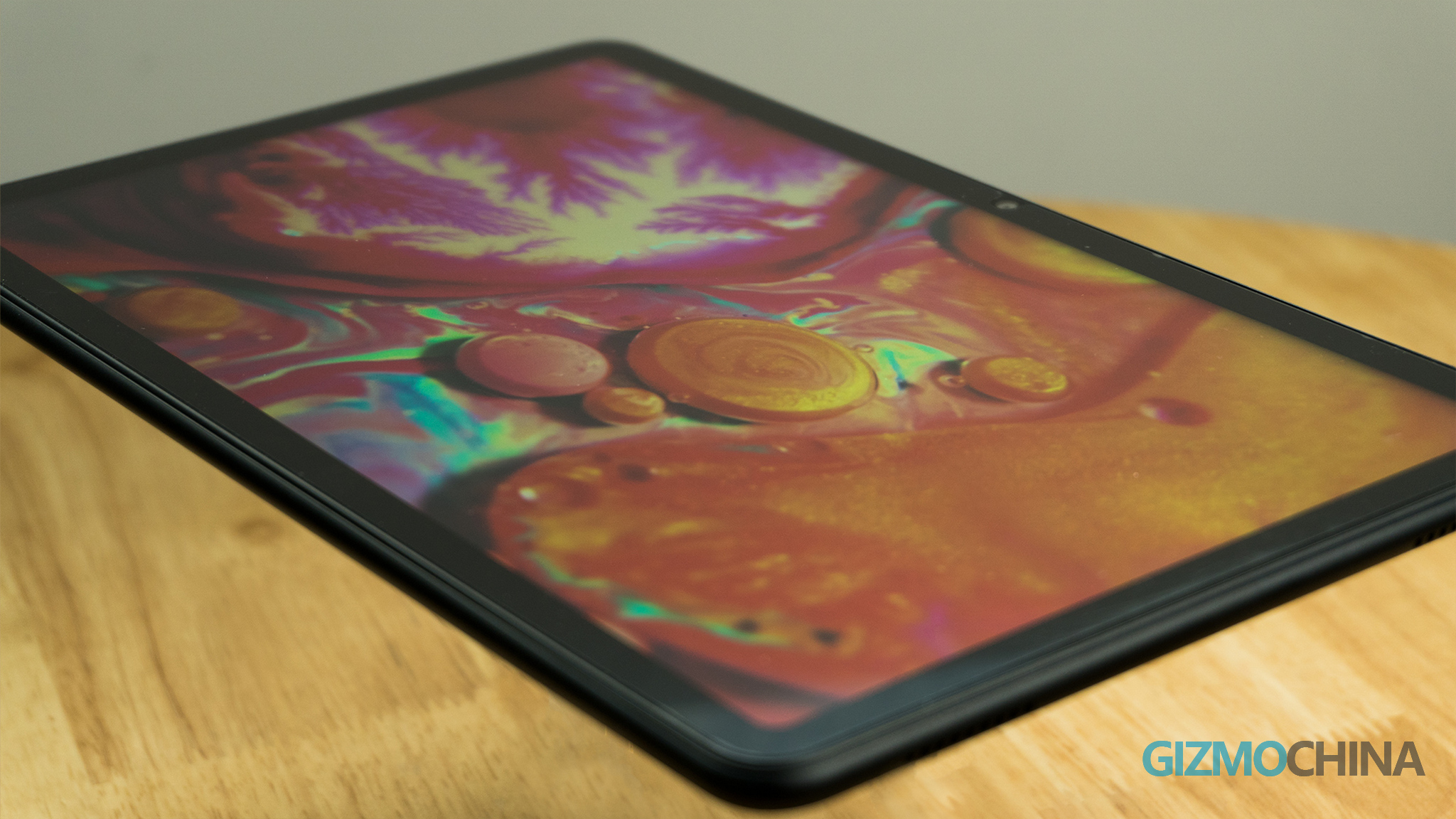
ALLDOCUBE iPlay 40 Pro uses a 2000×1200 resolution LCD screen. In-Cell Full lamination technology is used to make the screen look more premium. If you have used other entry-level tablets or phones, you will find that the screen looks like there is a layer of glass separating it, which is the result of not using Full lamination technology. The color of the screen looks good too. One of the drawbacks is that it doesn’t have a high refresh rate display.
ALLDOCUBE iPlay 40 Pro Review: Performance
The iPlay 40 Pro is an entry-level tablet that focuses on audio and video entertainment. As you might expect, performance is its weakest point. It uses the UNISOC Tiger T618 chip, which you may have not heard of, so let me give you a general overview.
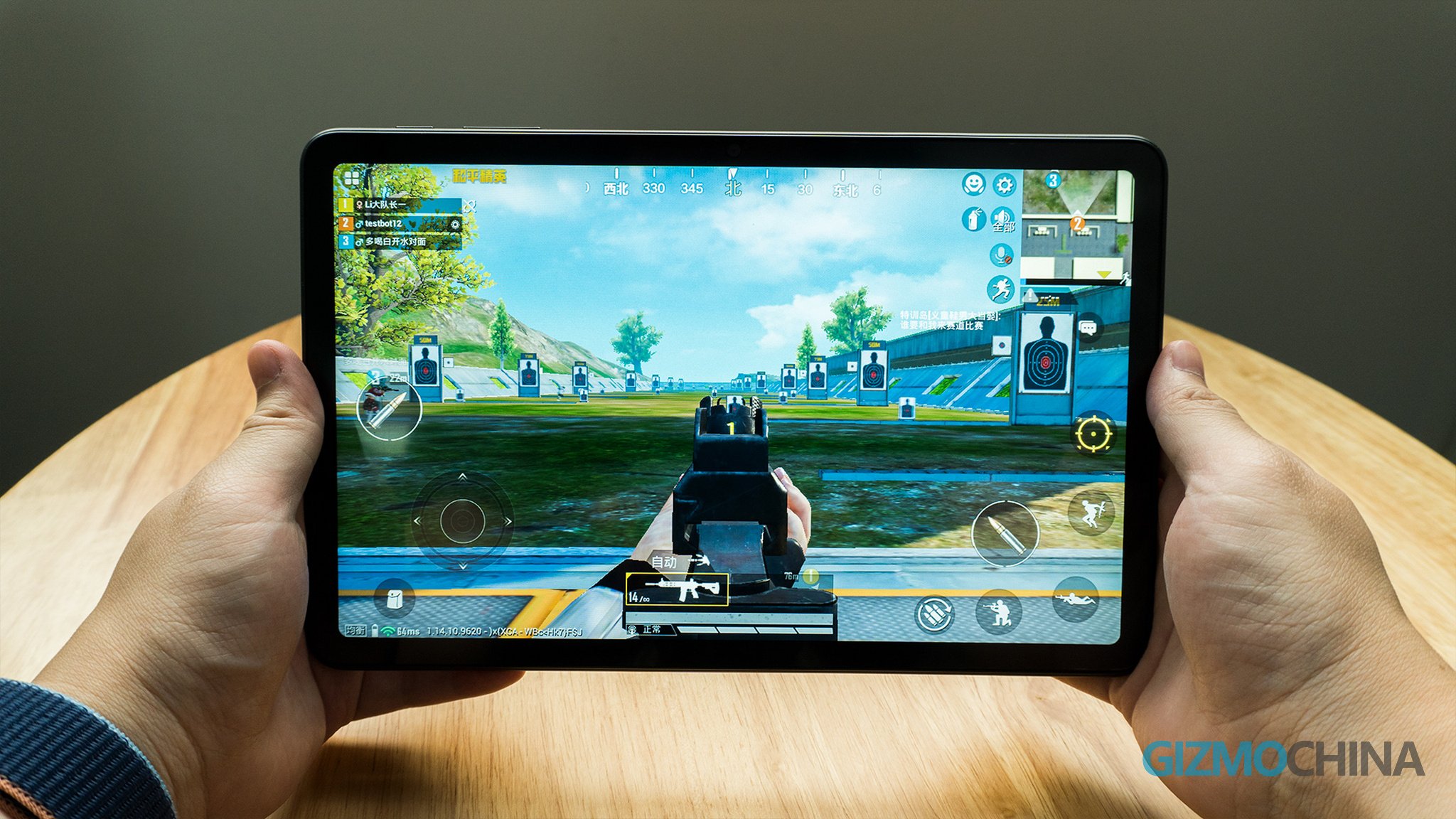
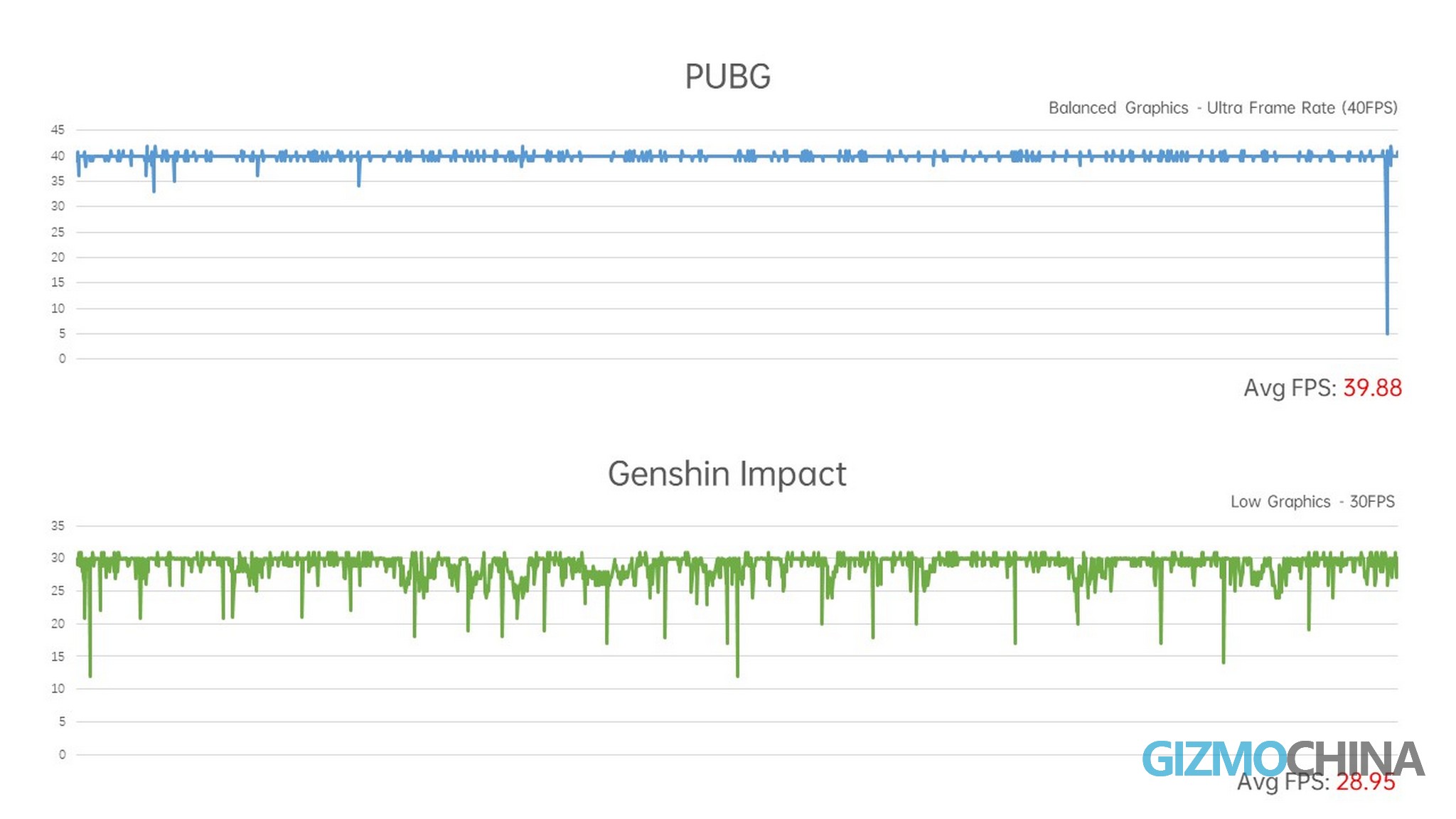
It’s an entry-level chip with an AnTuTu Benchmark score of 245,032, which is roughly between the Snapdragon 660 and Snapdragon 710 levels. The highest Graphics in PUBG can only be selected in HD, and Ultra Frame Rate (40FPS) can only be selected in Balanced and Smooth Graphics. Genshin Impact also jumps to Low Graphics and 30FPS to run smoothly at full frame rate. But the good news is that it is very stable and the temperature control is so good that you can barely feel the heat. It seems that the iPlay 40 Pro can still handle some mainstream games, but if you want a better gaming experience, it may not be your best choice.
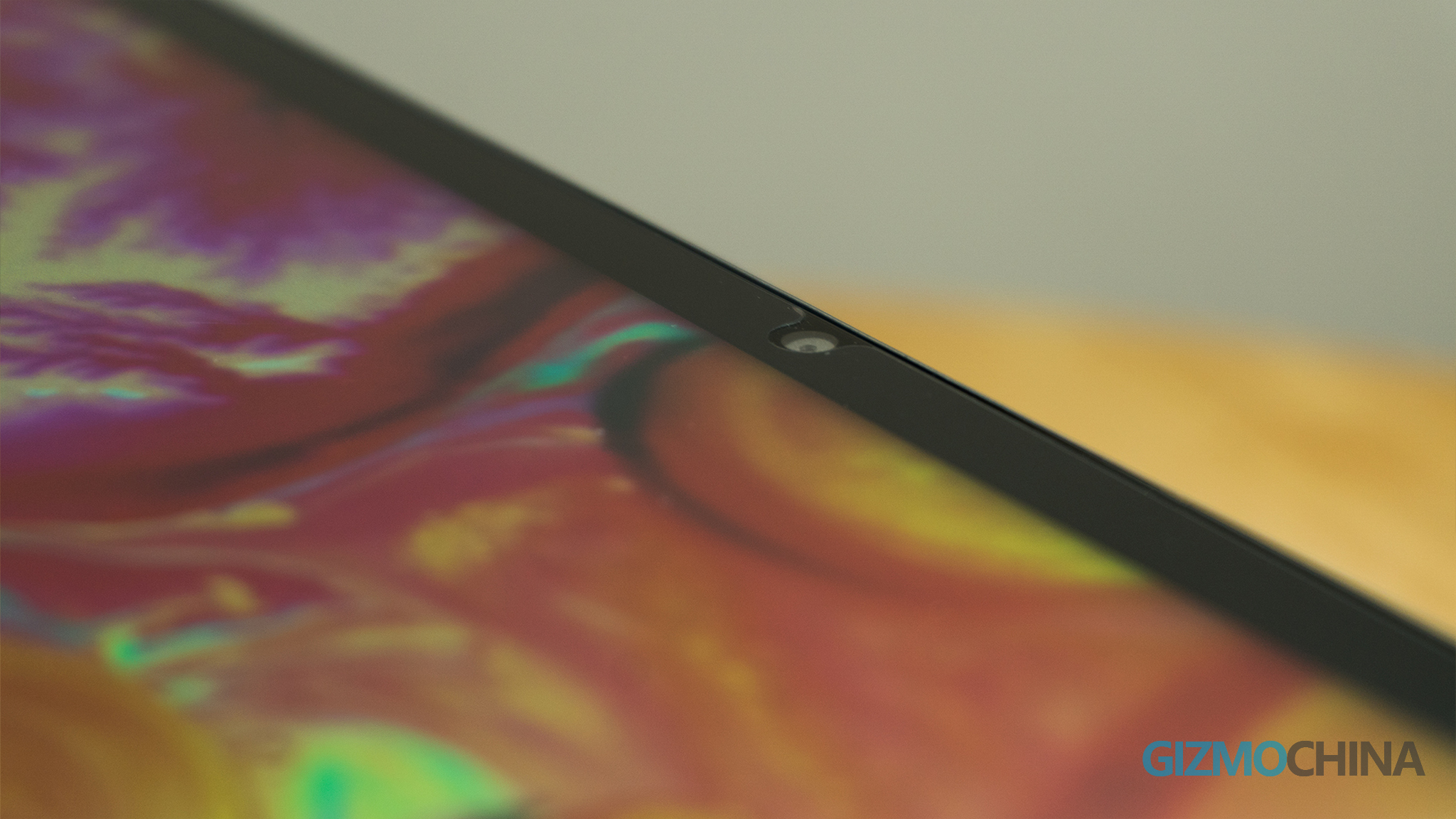
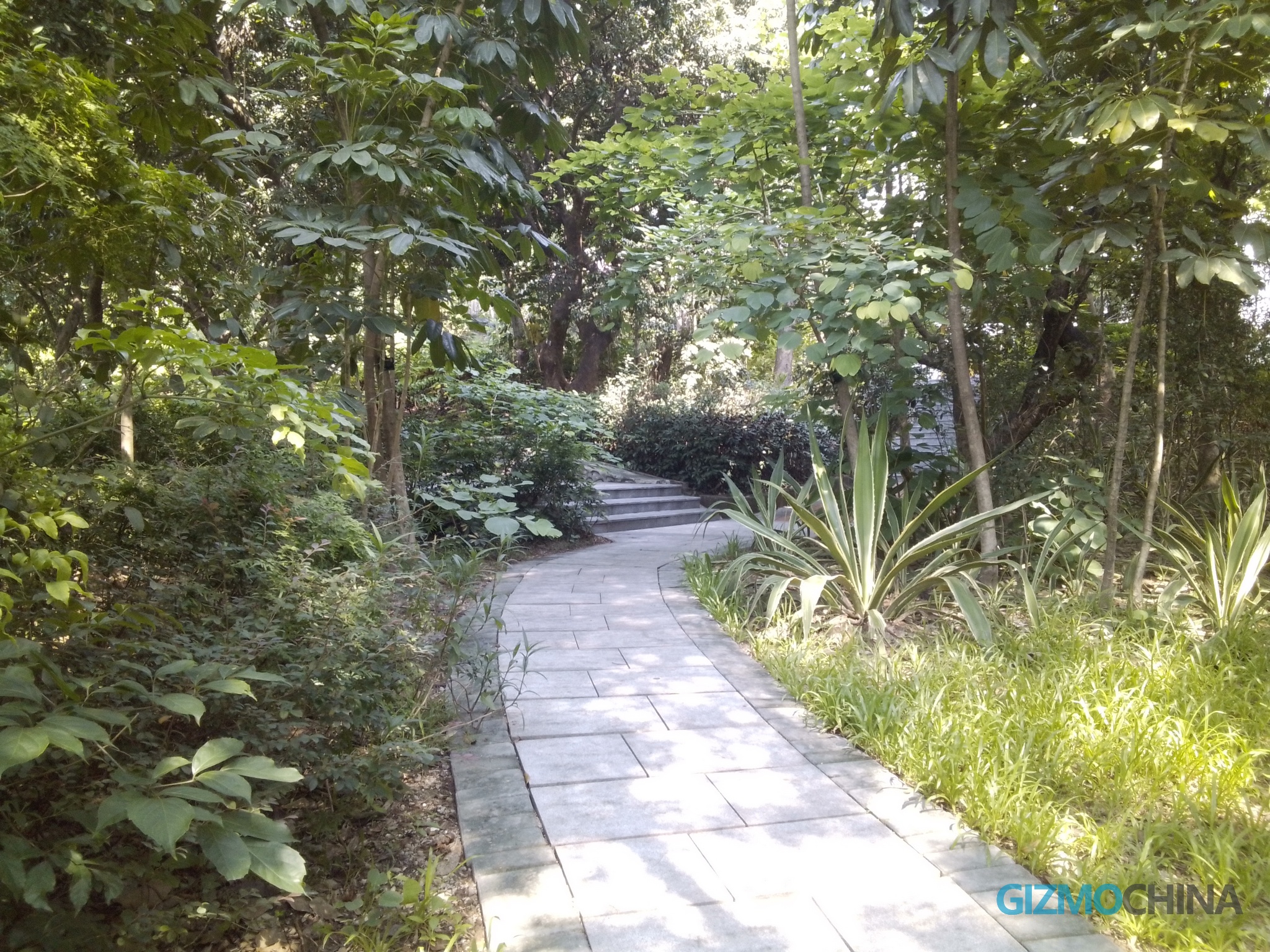
Because tablets usually don’t need a powerful camera, the iPlay 40 Pro is equipped with only a rare 8-megapixel camera with auto-focus. And there’s a front 5-megapixel camera for video calls and Zoom conferences. Its camera quality can be judged in the samples below. In short, it can be used for video conferencing and even scanning QR codes is no problem at all.
front camera sample
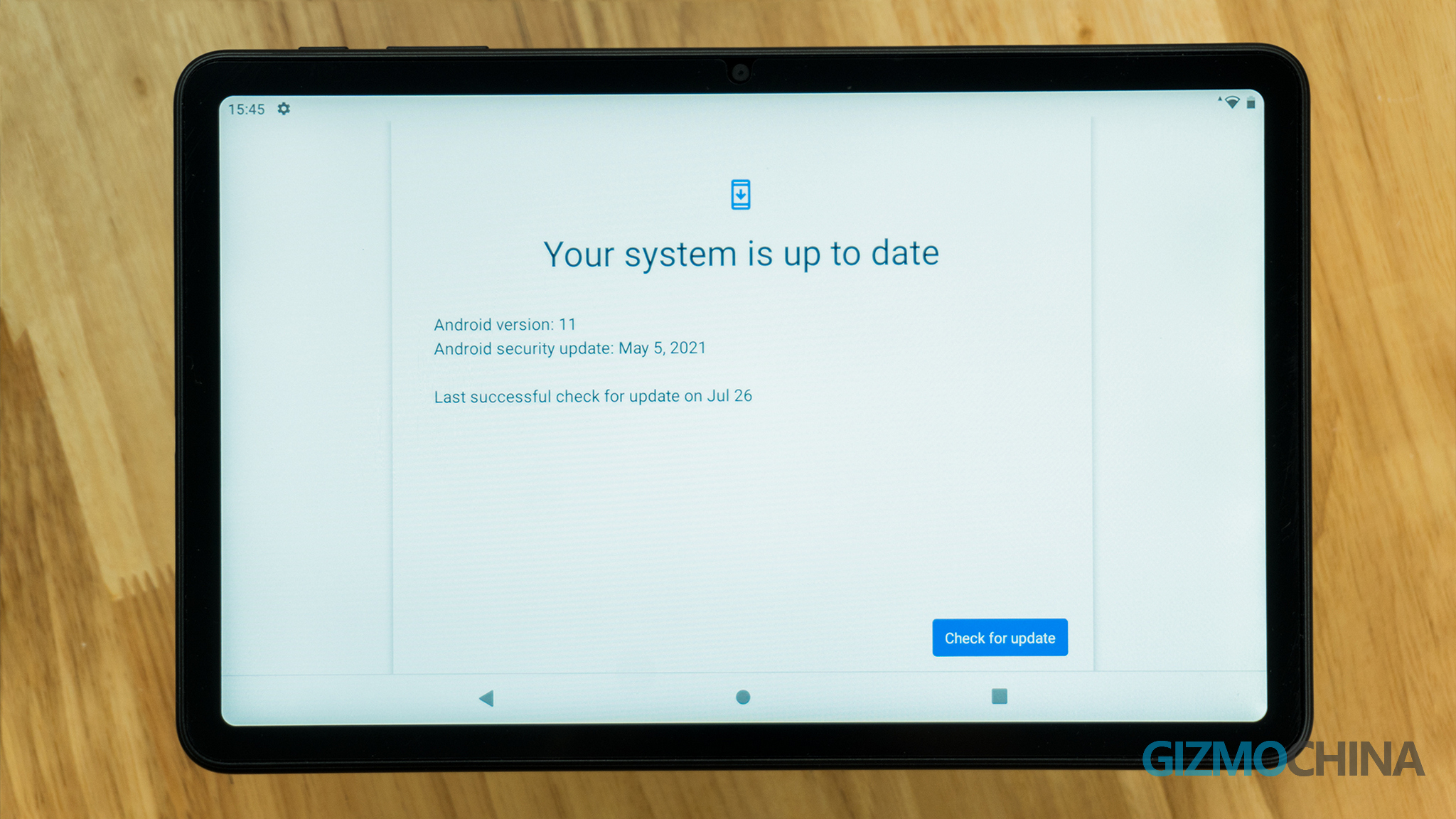
The iPlay 40 Pro’s system is based on Android 11, which I believe you are all very familiar with, so I won’t go into too much detail.
ALLDOCUBE iPlay 40 Pro Review: Battery Life
The iPlay 40 Pro packs a 6200mAh battery into a 10.4-inch body.
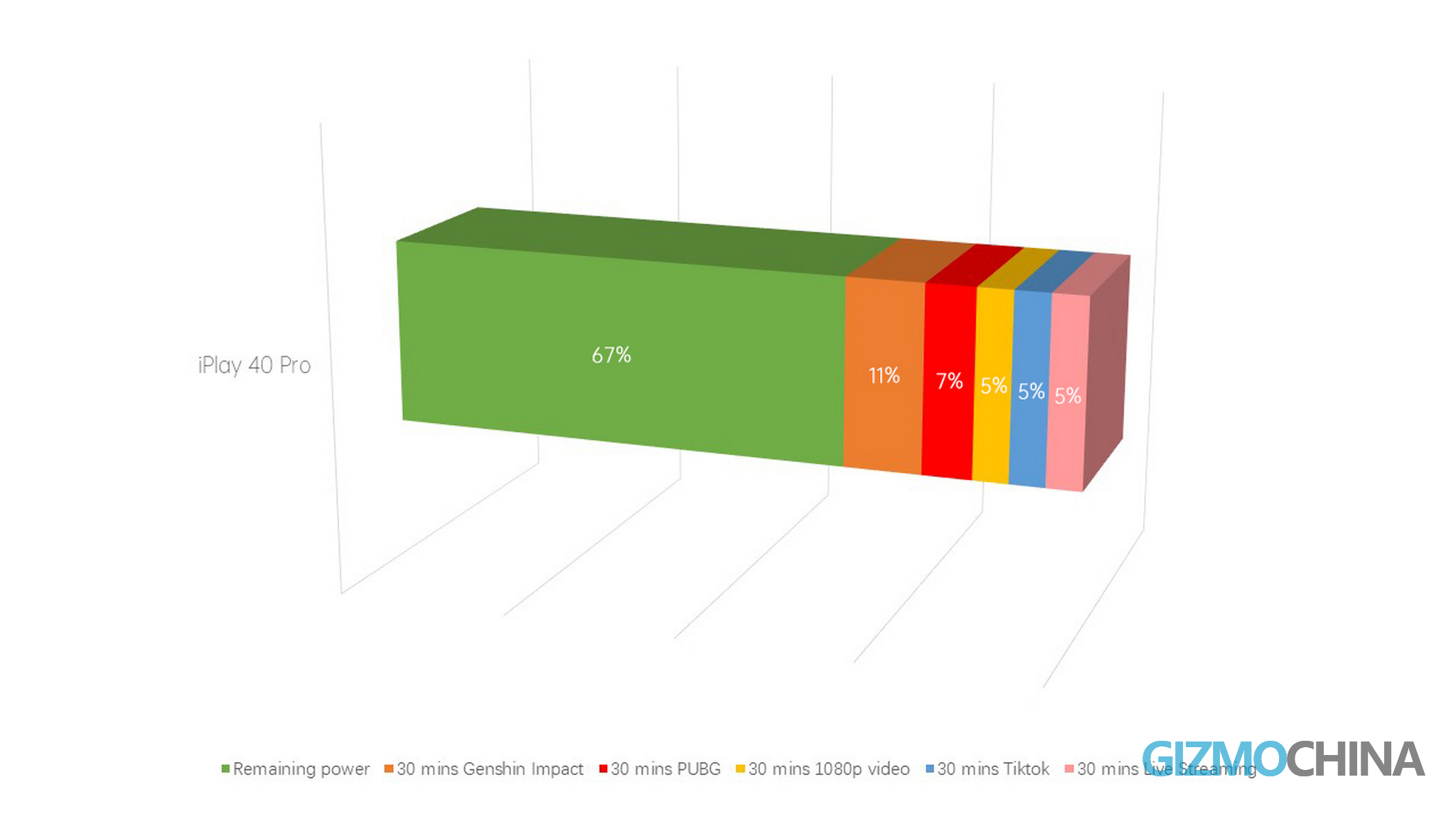
How long it can be used as an AV device is also a great concern. After testing half an hour of 1080P online video, half an hour of Tiktok, and half an hour of watching, each activity consumed around 5% of battery life. Thirty minutes of PUBG further consumed 7%, another thirty minutes of Genshin Impact used up 11%, with the final remaining power at 67%. So the battery life is pretty good for your daily needs.
ALLDOCUBE iPlay 40 Pro Review: Verdict
The iPlay 40 Pro is very well positioned for audio and video entertainment, with a balance of video conferencing. It may lag behind in terms of performance, but it can meet your basic tablet needs at a low price.
If you’re not buying a tablet to play high-end games, then the iPlay 40 Pro is a good choice. For just $200, it gets all the essentials right, making for an interesting entertainment tablet on a budget.
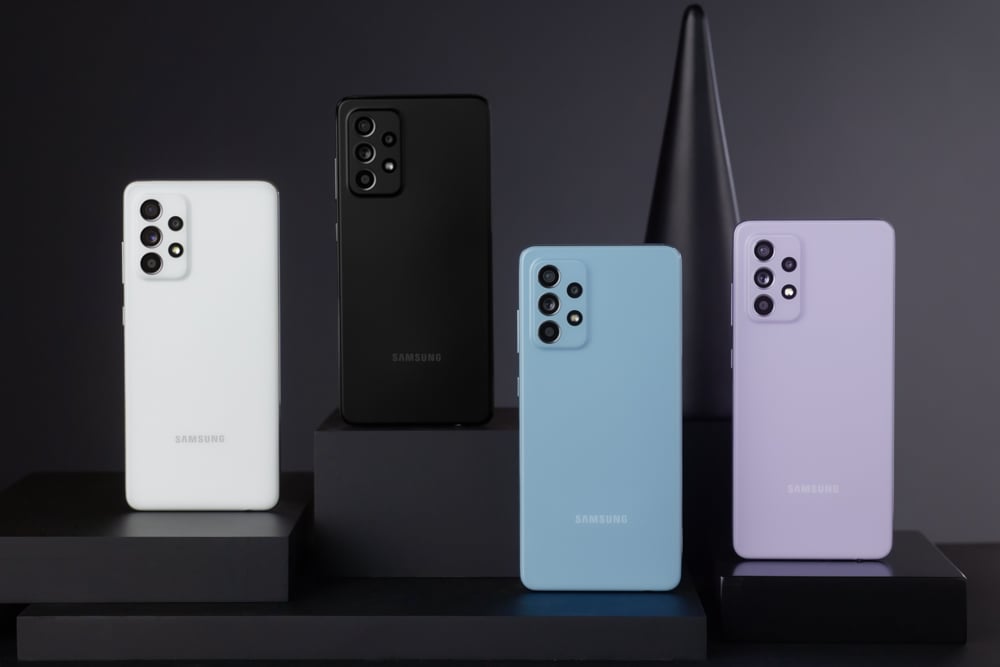
Samsung is reportedly working on the Galaxy A52s smartphone as an upgraded version of the existing Galaxy A52 smartphone. A recent leak had revealed the pricing of the A52s for the European market. Now DealnTechhas come across the retailer listing of the Galaxy A52s through which its pricing, storage, and color variants have been revealed.
The newly spotted retailer listing reveals that the Galaxy A52s will be available with an internal storage of 128 GB. The listing further reveals that it will be priced at €434.64 (~$515) and it will be available in four colors like Awesome White, Awesome Black, Awesome Violet, and Awesome Mint.
The other specs of the Galaxy A52s 5G are under wraps. It is likely that the phone may borrow most of its other specs from the Galaxy A52s 5G. Hence, it is likely to arrive with a 6.5-inch S-AMOLED FHD+ display with a 120Hz refresh rate support, a 32-megapixel front camera, a 64-megapixel (main, with OIS support) + 12-megapixel (ultrawide) + 5-megapixel (macro) + 5-megapixel (depth) quad-camera system, a 4,500mAh battery that supports 25W rapid charging, an in-screen fingerprint reader, a microSD card slot, stereo speakers, and IP67 rated dustproof and water-resistant device.
We use cookies on our website to give you the most relevant experience by remembering your preferences and repeat visits. By clicking “Accept”, you consent to the use of ALL the cookies.
This website uses cookies to improve your experience while you navigate through the website. Out of these, the cookies that are categorized as necessary are stored on your browser as they are essential for the working of basic functionalities of the website. We also use third-party cookies that help us analyze and understand how you use this website. These cookies will be stored in your browser only with your consent. You also have the option to opt-out of these cookies. But opting out of some of these cookies may affect your browsing experience.
Necessary cookies are absolutely essential for the website to function properly. This category only includes cookies that ensures basic functionalities and security features of the website. These cookies do not store any personal information.
Any cookies that may not be particularly necessary for the website to function and is used specifically to collect user personal data via analytics, ads, other embedded contents are termed as non-necessary cookies. It is mandatory to procure user consent prior to running these cookies on your website.