Previously, there have been instances where a brand was trolled for using another company’s device on social media. The most common scenario is when Android brands tweet from an iPhone. Similar events have happened with popular phone brands like Samsung and even Huawei. Now, surprisingly the Chinese tech giant OnePlus seems to have taken it further with a tweet, praising its rival Samsung’s S-Pen.
You heard it right, OnePlus knowingly or unknowingly tweeted about Samsung’s S-Pen from its OnePlus India Twitter handle. The tweet goes by “The enhanced #SPen is my weapon of choice”, with a short video of the Samsung Galaxy Note 20 Ultra and S-Pen.
Well, OnePlus obviously deleted the tweet, seconds after it was posted but the Twitter leakster, Abhishek Yadav, managed to spot it and share screenshots on the internet.
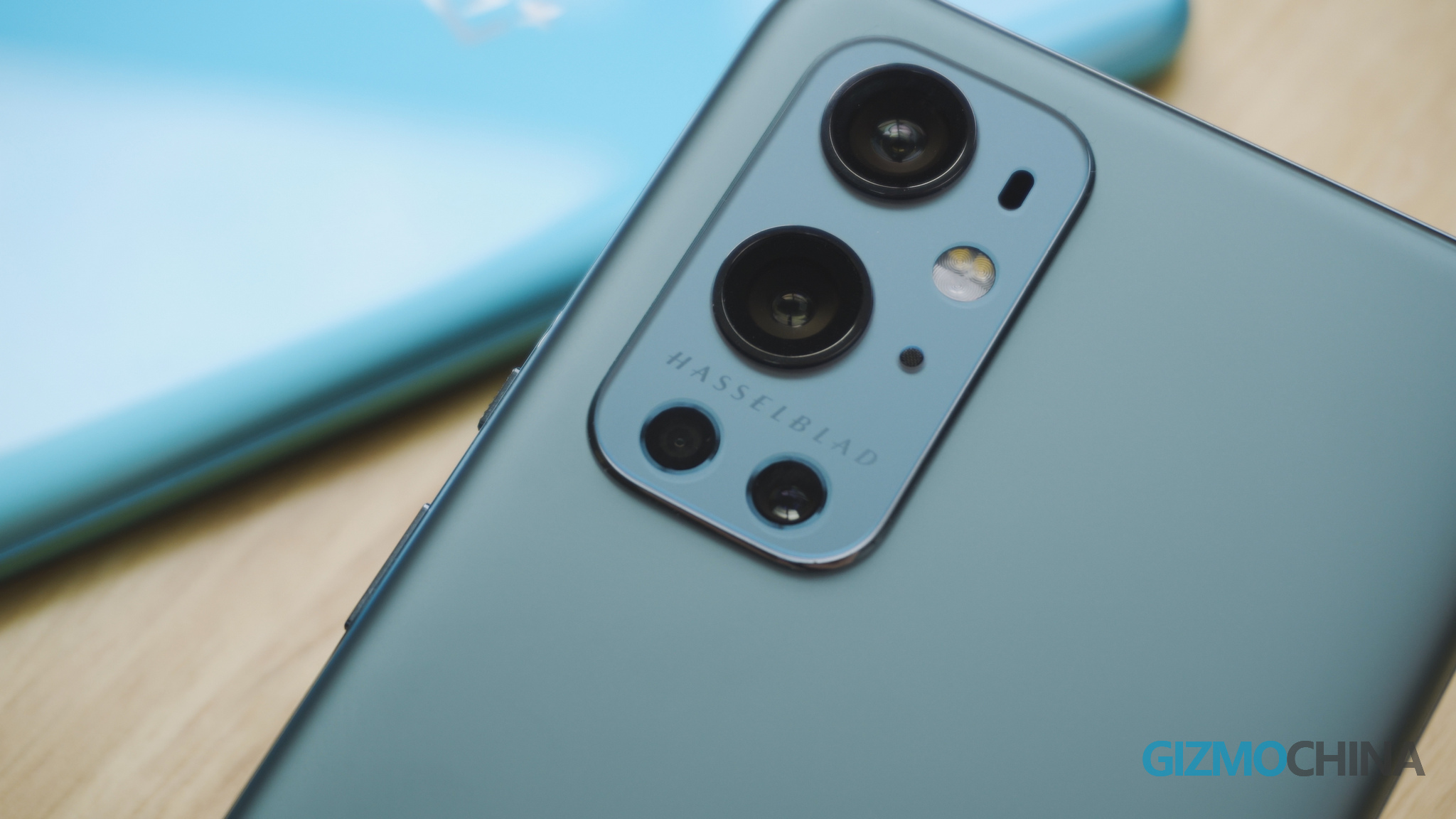
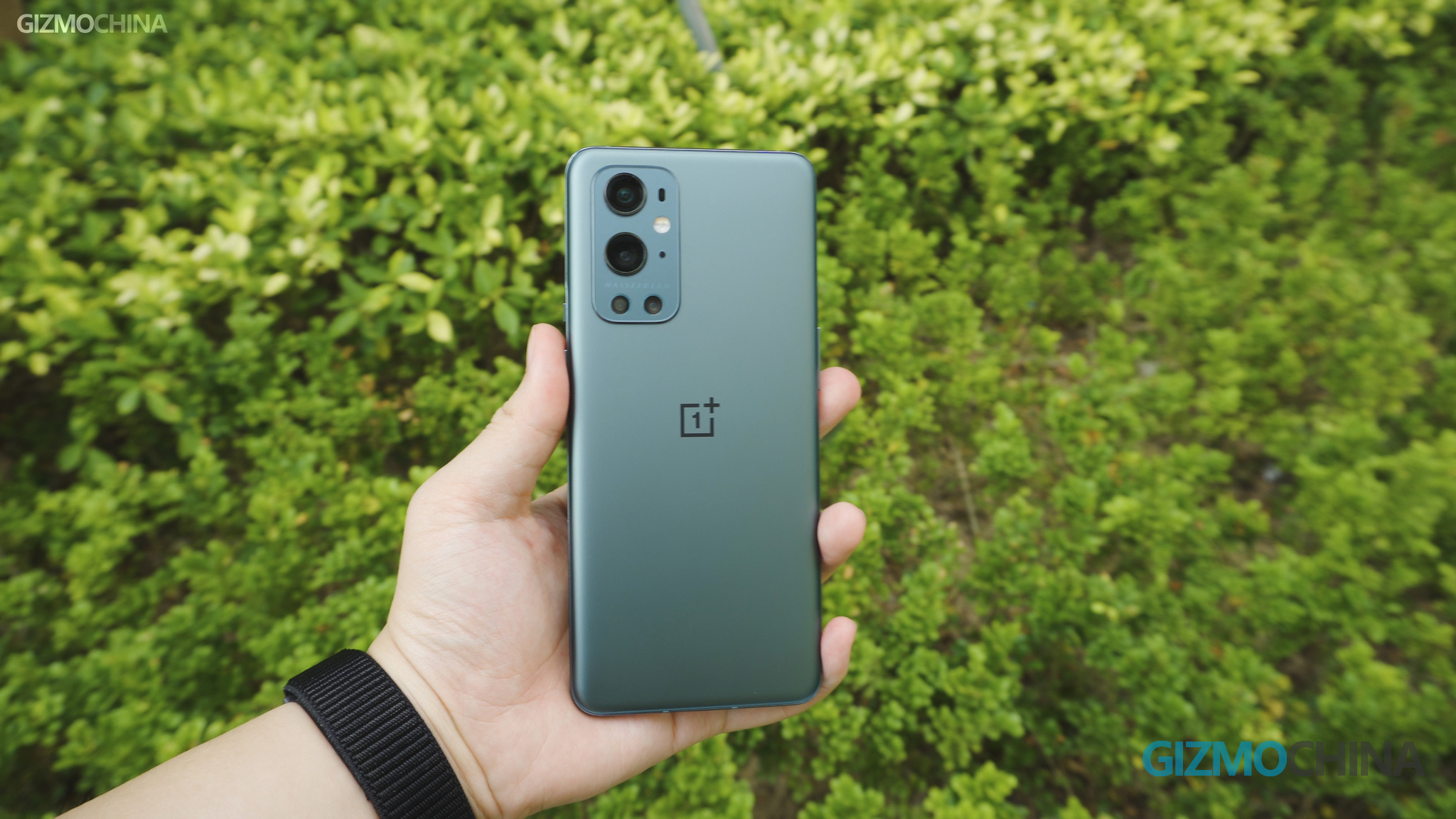
Brands can often make mistakes while promoting an ad campaign but it’s another story when you promote your rival’s products. Although it is laugh-worthy (at least from the netizen’s point of view), this could have happened because of a simple goof-up by the PR company handling the brand account. If you recall, earlier, OnePlus was subjected to similar trolling when it posted about the OnePlus 9 series from an iPhone.
Ever since the launch of Huawei’s own app store, the Huawei AppGallery, there has been a tremendous increase in its application list. With a ton of new games and apps directly coming on the AppGallery, it is no longer a sidelined app downloading platform for Huawei smartphone users. That said, CrazyLabs, one of the top 3 game publishers, has now reached the Huawei AppGallery and launched four new smartphone games on the platform.
CrazyLabs has announced four super-simple games on the AppGallery. These games include Tie-Dye, Acrylic Nails, Phone Case DIY, and Light it Up.
All these games were launched on the Playstore and App store earlier and now with the launch on one of the fastest-growing app stores, AppGallery, its reach has increased. Starting with the Tie-Dye game, it allows you to get a real-life painting experience on a T-shirt. There are multiple levels and colors to choose from giving players an option to DIY the T-shirt as per their likings.
As the name suggests, Acrylic Nails, this game is great for getting your nails done on the go (virtually). It is said to be the most satisfying ASMR app for nail salons in the market. Moving to the Phone Case DIY, it is as simple as it sounds. Players can customize the back of their phones with the help of various tools in the game.
If you are looking for a game to play in between your daily commute to work, Light it Up is a great choice. It is another entertaining game from CrazyLabs that allows multiple actions like swinging, jumping, and flipping to make neon shapes glow in the game.
Other than this, CrazyLabs had earlier launched a bunch of new games like Coin Rush, ASMR Slicing and Soap cutting, Run Sausage Run, and others on the Playstore and App store.
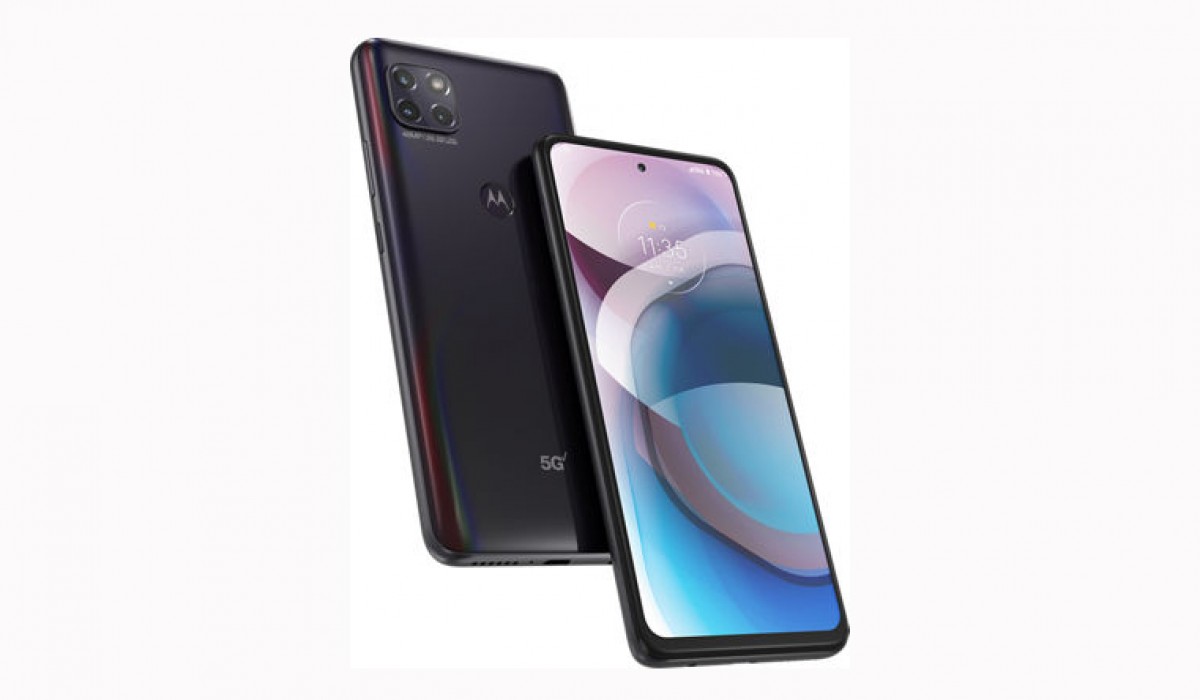
Motorola has announced a new smartphone called the Motorola One 5G UW Ace in the U.S. The handset is available exclusively through Verizon Wireless. In terms of specs, it is similar to the One 5G Ace that debuted earlier this year. However, it comes with two features that set it apart from the One 5G Ace.
The Motorola One 5G UW Ace carries support for the mmWave 5G network, which offers faster 5G connectivity. The other differentiating feature available on the device is Verizon’s Adaptive Sound that produces a spatial surround sound experience regardless of connected speakers like headphones, earbuds, or soundbar. It even works on different kinds of apps, including Dolby Atmos-enabled content.
Motorola One 5G UW Ace specificatons and price
The One 5G UW Ace has a 6.7-inch IPS LCD punch-hole screen that delivers a Full HD+ resolution. It runs on My UX based on Android 11 OS.
For selfies, it has a front camera of 16-megapixel. The rear-mounted camera setup of the phone features a 48-megapixel main camera, an 8-megapixel superwide lens, and a 2-megapixel macro shooter.
Motorola One 5G UW Ace
The Snapdragon 750G is present under the hood of the device, which is accompanied by 4 GB of RAM and 64 GB of built-in storage. The device is backed by a 5,000mAh battery.
The One 5G UW Ace is pred at $299.99, and it is already up for purchase in the U.S.
In related news, Motorola is working on the Edge 20 series of smartphones. Yesterday, the Edge 20 and Edge 20 Pro smartphones were spotted at China’s TENAA certification with full specifications and images. Speculations are rife that the Edge 20 models will be announced by end of July.
In recent weeks, brands like Xiaomi, OPPO, and Micromax have increased the prices of their mid-range phones in India. Fresh information reveals that even Samsung has also hiked the prices of its phones in the country.
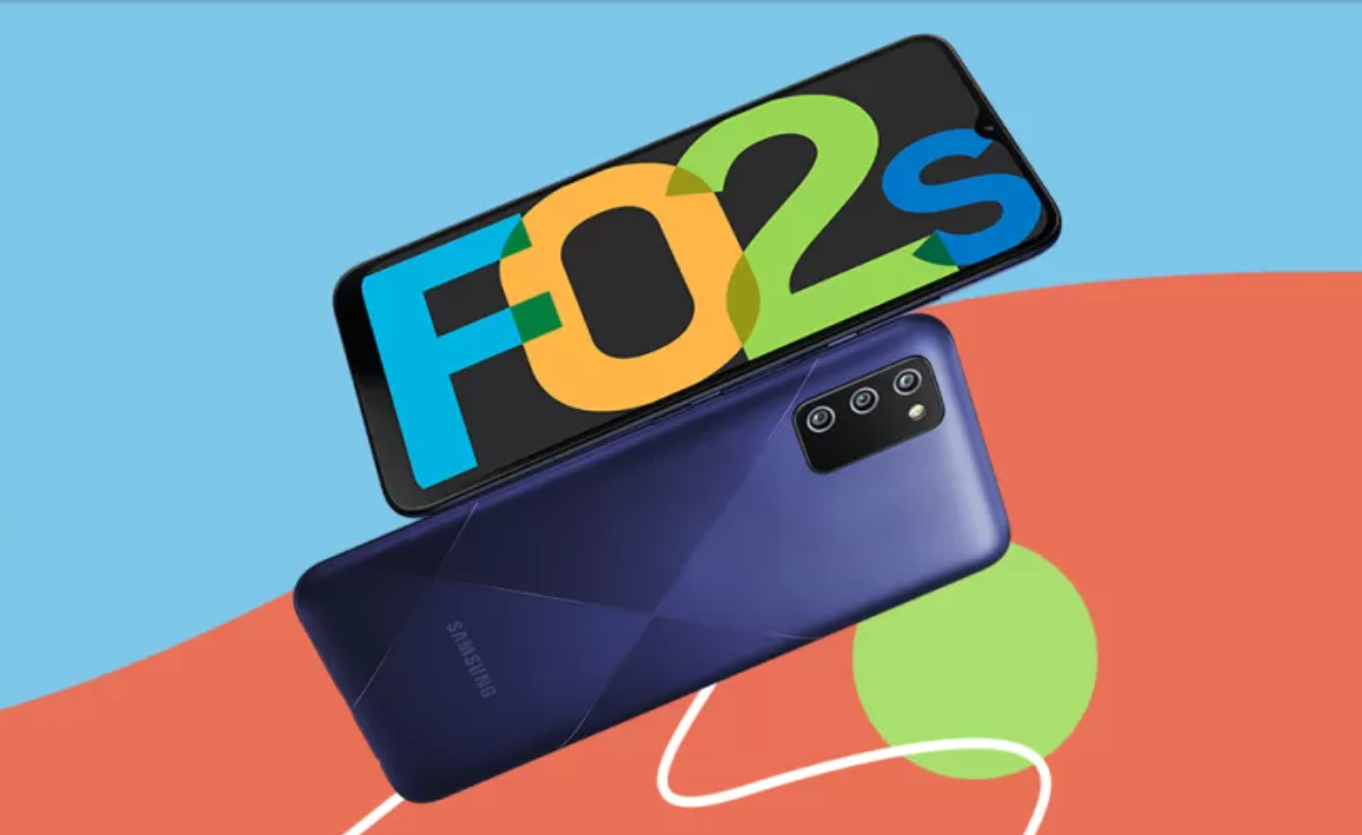
The South Korean company has hiked the price of the Galaxy F02s, Galaxy M02s, and Galaxy A12 by Rs 500. The F02s variants such as 3 GB RAM + 32 GB storage and 4 GB RAM + 64 GB storage were priced at Rs 8,999 (~$120) and Rs 9,999 (~$138) at launch, respectively. With a Rs 500 price hike, these models are now available for Rs 9,499 (~$127) and Rs 10,499 (~$140), respectively.
At launch, the 3 GB RAM + 32 GB storage and 4 GB RAM + 64 GB storage editions of the Galaxy M02s were priced at Rs 8,999 (~$120) and Rs 9,999 (~$138), respectively. After an increment of Rs 500, these variants are now priced at Rs 9,499 (~$127) and Rs 10,499 (~$140), respectively.
The Galaxy A12 models such as 4 GB RAM + 64 GB storage and 4 GB RAM + 128 GB storage were priced at Rs 12,999 (~$179) and Rs 13,999 (~$187) at launch, respectively. These models are priced at Rs 13,499 (~$180) and Rs 14,499 (~$194), respectively.
In related news, Samsung is expected to announce the Galaxy Z Fold3, Galaxy Z Flip3, and Galaxy Watch4 in August. The South Korean company is also expected to launch the Galaxy S21 FE smartphone soon. Yesterday, it was spotted with full specs and images at a Chinese certification site, which indicates that it may debut soon.
Last month, Vivo announced the Snapdragon 480 powered Vivo Y53s 5G. The company has now unveiled its 4G edition in Vietnam. The Y53s 4G offers users exciting features such as Helio G80, a 5,000mAh battery, and 64-megapixel triple cameras.
Vivo Y53s specifications and features
The Vivo Y53s measures 164 x 75.46 x 8.38mm and weighs 190 grams. It has a 6.58-inch IPS LCD panel with a teardrop notch, which offers a 1080 x 2408 pixels Full HD+ resolution. The device runs on Android 11 OS and FunTouch OS 11.1.
Vivo Y53s 4G
The Y53s is driven by the Helio G80 and 8 GB of RAM. The device offers 128 GB of built-in storage and a dedicated microSD card slot. It is backed by a 5,000mAh battery that supports rapid charging through USB-C. For security, the power button of the Y53s doubles up as a fingerprint scanner.
A 16-megapixel camera is available on the front side of the Vivo Y53s. Its triple camera system has a 64-megapixel main camera with an f/1.79 aperture, a 2-megapixel depth sensor, and a 2-megapixel macro camera. It offers photography features such as night shot (front and rear), portrait, panorama, live photo, slow motion, time-lapse, professional mode, and Full HD video recording. The Y53s offers connectivity options like dual SIIM with VoLTE support, Wi-Fi 802.11ac, Bluetooth 5.0, GPS, and a 3.5mm audio jack.
Vivo Y53s pricing and availability
The Vivo Y53s has arrived in Vietnam with a price tag VND 6,990,000. It can be bought in colors like Black Blue and Blue Purple.
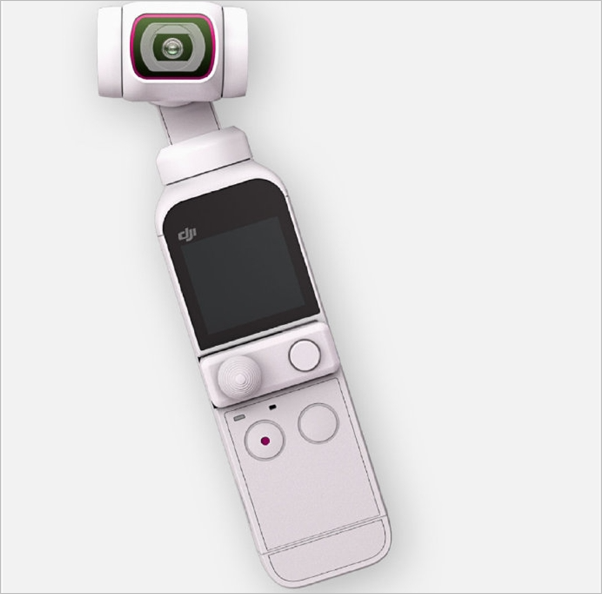
DJI Innovation has officially launched the DJI Pocket 2 Exclusive Combo Limited version globally. The new version comes with a new, cool Sunset White color. The Pocket 2 was first unveiled in November last year as DJI’s smallest handheld camera gimbal. It was available in Classic Black color. This version only has a new Sunset White paint job and is bundled with a couple of new accessories. It is priced at 2,999 yuan in China while on the global turf, it will retail for $439.
DJI Pocket 2 is a sports camera with an integrated gimbal function. It is the successor to the Osmo Pocket and is equipped with a quick start function which only takes a few seconds to boot. The camera performance is also highly improved, the field of view is wider, and it is possible to capture better-quality landscapes and portraits.
It is equipped with a Sony IMX686 sensor that is found on flagship phones. The camera has a 64MP sensor with 1/1.7 inches pixel size and supports 4K/60fps video. It also features a four-array microphone as well as DJI’s array stereo technology which brings an immersive listening experience. The camera also supports one-click editing, automatic beauty, smart follow 3.0 and other features.
The DJI Pocket 2 Sunset White version is bundled with several accessories such as versatile handles and lanyards to form a lightweight starter set that is stylish and practical. The combo also includes a protective case, a mini joystick, a charging cable (single head), a hand strap, and a mobile phone connector (USB-C) and mobile phone connector (Lightning).
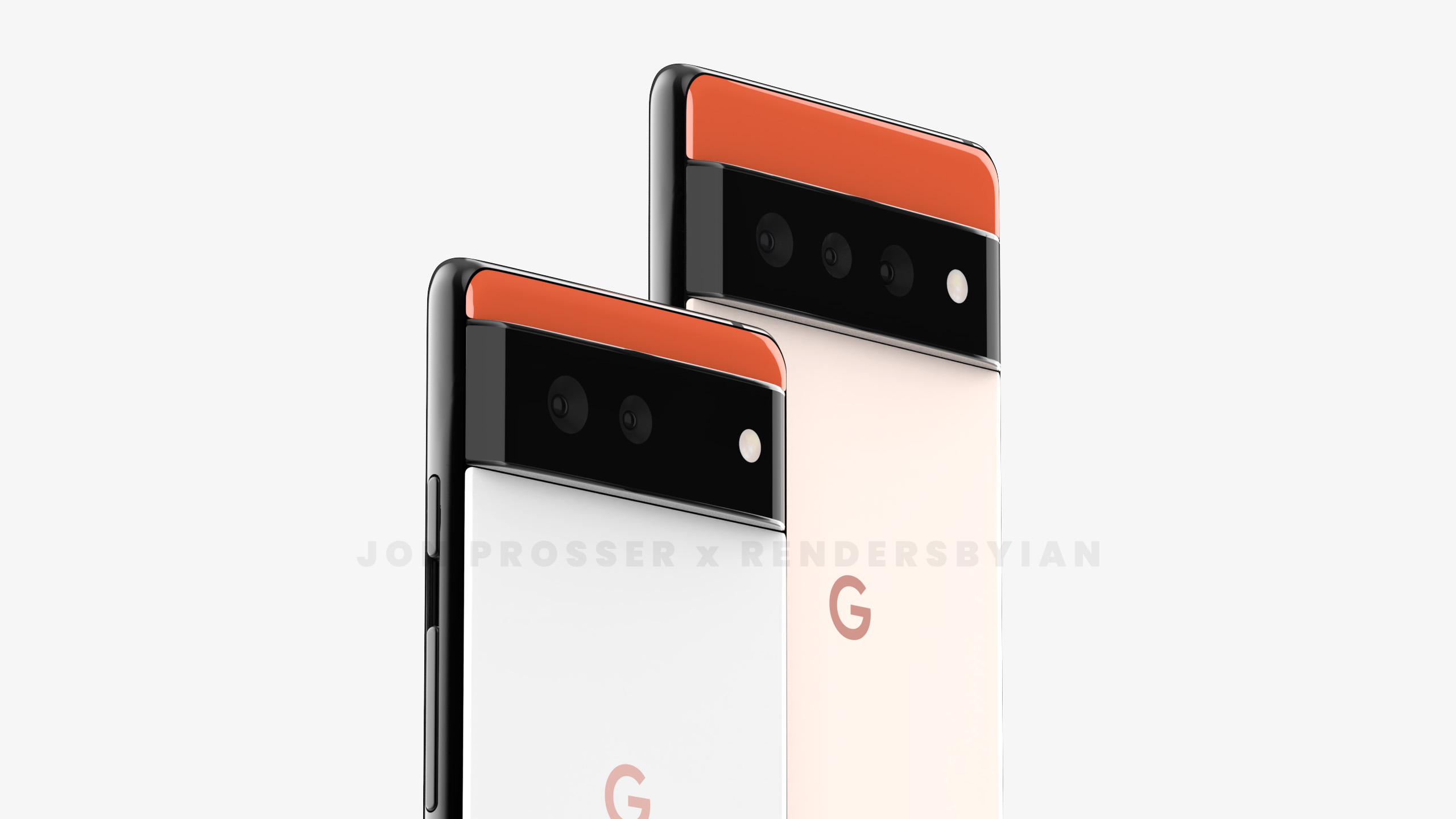
Google’s Pixel 6 series is highly anticipated. Not ony is Google going with a fresh design for the two phones, it has also been reported that they will come with custom chipsets. A new leak has revealed the specification sheet of both devices ahead of their release later ths year.
The Pixel 6 and Pixel 6 Pro are codenamed “Oriole” and “Raven” respectively according to Front Page Tech and XDA Developers. the former is the source that gave us our first look at the device back in May and they have got more details about the two devices.
Pixel 6
The Pixel 6 will have a 6.4-inch AMOLED screen. The GS101 custom chipset will be paired with 8GB of RAM and buyers will be able to choose between having 128GB or 256GB of storage.
For its cameras, the Pixel 6 has a 50MP wide angle main camera and a 12MP ultrawide angle camera. Up in front is an 8MP sensor. The phone packs a 4614mAh battery and will run Android 12 out of the box.
Pixel 6 Pro
The Pixel 6 Pro has a 6.71-inch Plastic OLED (P-OLED) screen. It comes with 12GB of RAM and will be available in 128GB, 256GB, and 512GB of storage. Along with the 50MP primary wide camera and 12MP ultrawide camera, the Pixel 6 Pro has a 48MP telephoto camera. Its batery is also bigger at 5000mAh.
The more interesting info revealed in the leak is that the Pixel 6 series will receive software support for at least 5 years. It wasn’t specified if it means five OS upgrades or a combination of OS upgrades and security updates that goes up to 5 years. We expect at least three OS upgrades, maybe even four, with a fifth year for additional security updates before its end of life.
While there is no confirmed release date yet, the source disclosed the Pixel 6 series may launch in October.
In December 2020, Hisense unveiled its 55-inch smart TV to the Indian market, and it has enjoyed a decent reception since then. Hisense is now adding two more 4K smart TVs to its Indian lineup. The two new smart 4K TVs are the Hisense Tornado 4K TV and the Hisense A71 UHD smart TV.
The two new offerings are projected with their giant screens. While the Tornado TV is 65 inches wide, the A71F has a 70-inch screen. Both TVs have a wide array of features, including Dolby Atmos and Dolby Vision, combining to give the user an excellent viewing and listening experience.
The Hisense Tornado smart TV has a 102W JBL speaker system which consists of 4 full-range speakers and two high-frequency speakers. The Tornado TV has Dolby Vision support for enhanced picture quality.
The Hisense A71F ultra high definition (UHD) TV displays ultra dimming technology across the screen to give an enhanced overall viewing experience. Another feature of the 4K TV is that the UHD AI Upscaler enables a seamless conversion of normal HD pictures to ultra HD 4K picture quality. Two powerful 18W bottom-firing speakers help to provide an excellent quality audio output.
They are both running on Android TV 9.0 Pie, with access to the Play Store and an array of important and entertaining apps. The smart TVs feature Chromecast, Google Assistant, and some other in-built applications.
The two new HiSense TV models will be available from July 10 in India via Flipkart. The Tornado is coming towards the end of July, while the A71F goes on sale from July 10, with a promo in place until July 15, including a 4-year comprehensive warranty for the model. The A71F will be sold at Rs. 91,990 ($1,281), while the Tornado 4K TV will sell at Rs. 71,990 (4964).
The Snapdragon Insiders Phone is the Android device of the week. There is so much to unpack from the announcement which should explain why it is getting a lot of attention. If you wanted to know about its software support, we asked Qualcomm and we’ve gotten a response.
According to the official Snapdragon Twitter account, Qualcomm will provide “4- years of regular security updates for Android software” for the Smartphone for Snapdragon Insiders/Snapdragon Insiders Phone.
Thanks for the question. At launch, the smartphone will run stock Android 11 and Qualcomm provides 4-years of regular security updates for Android software.
The answer is a blanket statement that doesn’t say how many OS upgrades they will provide. However, providing 4 years of security updates is impressive and matches OnePlus’s new maintenance schedule for its flagship phones. It is also double the duration ASUS will provide for its own flagships, the Zenfone 8 and Zenfone 8 Flip.
Qualcomm also revealed that the Smartphone for Snapdragon Insiders will run stock Android 11 out of the box, unlike ASUS’s own phones that run Zen UI.
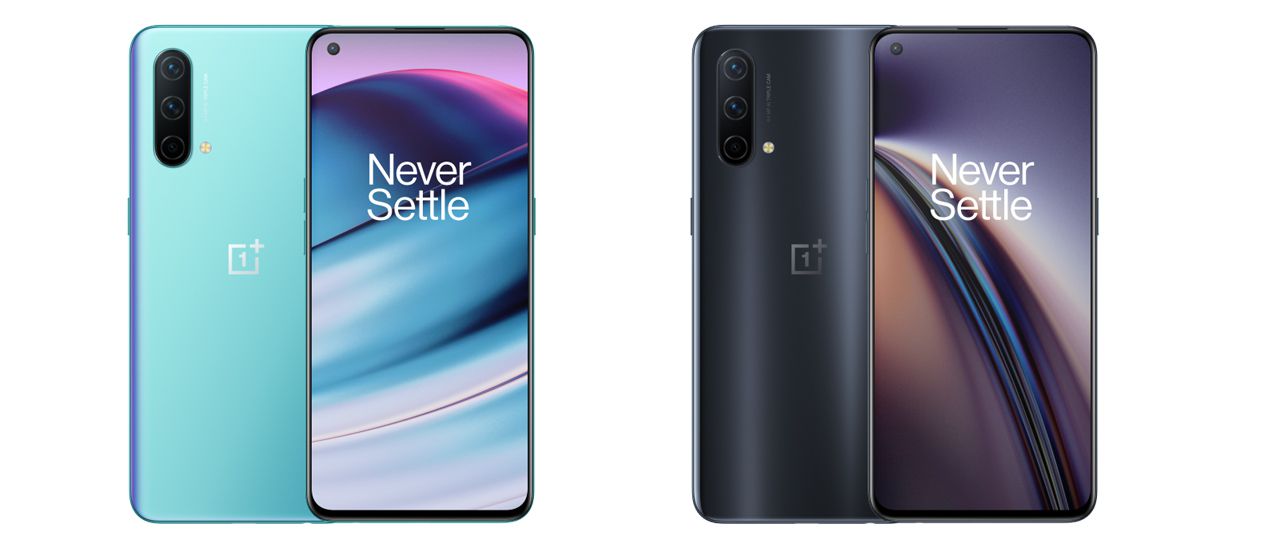
OnePlus recently released the Nord CE 5G: a revisitation of the first device from the Nord series with a more affordable price tag. The Core Edition looks like the original Nord, but if you dig deeper, there are a lot of differences between the two phones. Ahead of the launch of the Nord 2, we decided to publish a comparison between these two handsets for those who want to save money and get the greatest mid-ranger for their actual needs. If you think you can not afford the Nord 2 and you love the specifications of the OnePlus Nord and its brother Nord CE 5G, you are in the right place and you should go ahead with this specs comparison.
OnePlus Nord CE 5G vs OnePlus Nord 5G
OnePlus Nord CE 5G
OnePlus Nord 5G
DIMENSIONS AND WEIGHT
159.2 x 73.5 x 7.9 mm, 170 grams
158.3 x 73.3 x 8.2 mm, 184 grams
DISPLAY
6.43 inches, 1080 x 2400p (Full HD+), Fluid AMOLED
6.44 inches, 1080 x 2400p (Full HD+), Fluid AMOLED
The OnePlus Nord and its Core Edition are not so different in terms of design. Given that it is a revisitation, the Nord CE 5G retains a similar design to its predecessor, but we still have a few differences. The original Nord has a slightly higher screen-to-body ratio, but it comes with a dual punch hole instead of a single punch hole like the Nord CE 5G. The younger sibling has a thinner and lighter body, which makes it more attractive. However, its overall dimensions are bigger despite they have similar display diagonals.
Display
With the OnePlus Nord and its Core Edition, you get exactly the same display specifications. They come with a Full HD+ resolution, the HDR10+ certification which improves the image quality on streaming platforms, and a 90 Hz refresh rate making the viewing experience smoother. The vanilla Nord has a 6.43-inch panel, while the Core Edition has 6.44 inches. Both the phones rely on an in-display fingerprint reader for authentication. There is no much to say since both are good, but not astonishing displays, and they provide more or less the same level of quality.
Specs & Software
Even when it comes to the hardware department, these devices are almost the same deal. The OnePlus Nord has an older chipset, but it is actually a slightly better SoC than the OnePlus Nord CE 5G. We are talking about the Snapdragon 765G which is built at 7 nm and offers a bit more power. The Snapdragon 750G is very close but its GPU performance is inferior (Adreno 620 vs Adreno 619). Further, it is built at 8 nm so it is inferior even when it comes to power management. Both the phones feature up to 12 GB of RAM and up to 256 GB of native storage (UFS 2.1). The OnePlus Nord wins the hardware comparison but I would still choose the Nord CE 5G because it has a more recent operating system: it runs Android 11 out of the box instead of Android 10. This means that it will get longer software support from the company.
Camera
OnePlus Nord 5G wins the camera phone battle first of all thanks to a more interesting main camera. We are referring to a 48 MP sensor that supports OIS, paired with an 8 MP ultrawide sensor and a pair of 2 MP useless cameras for macros and depth. OnePlus Nord CE 5G has a 64 MP main camera but it lacks OIS. Further, the original Nord has a better front camera department: a dual sensor composed of a 32 MP main selfie camera and an 8 MP ultrawide lens.
The OnePlus Nord CE 5G has a way bigger battery: with a capacity of 4500 mAh, it is able to last longer on a single charge. It is an important added value, given that OnePlus Nord has a below-average battery with a capacity of just 4115 mAh.
Price
OnePlus Nord launched last year with a €399/$473 starting price in the global market, while OnePlus Nord CE 5G launched a few weeks ago with a €299/$355 starting price. I personally prefer the Nord CE 5G due to its bigger battery and Android 11, but the original Nord actually offers a better camera department and chipset.
OnePlus Nord CE 5G vs OnePlus Nord 5G: PRO and CONS
The Smartphone for Snapdragon Insiders a.k.a. Snapdragon Insiders Phone was announced today, and according to Qualcomm, the hardware is designed by ASUS. It turns out ASUS did or will do more than design the phone.
It has been revealed that ASUS will also handle the manufacturing of the device as well as be in charge of sales and software (support). It should also handle warranty and repairs. The info was revealed by Mishaal Rahman of XDA Developers.
We are particularly curious about software support and we have contacted Qualcomm to inquire about the duration of updates. The phone runs Android 11 out of the box and we expect it to get at least two OS upgrades. For a phone priced at $1499, we expect three OS upgrades.
Qualcomm will sell the phone in the U.S., China, U.K., Germany, and India. It also said in its press release that it will be made available in other regions.
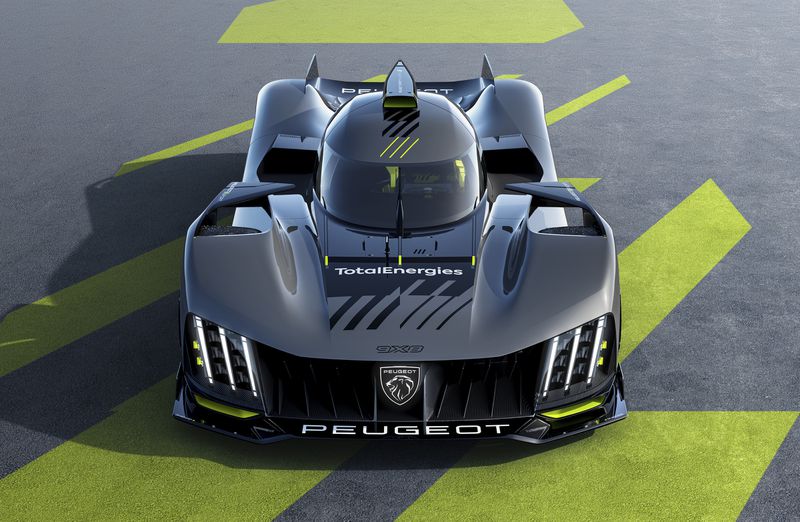
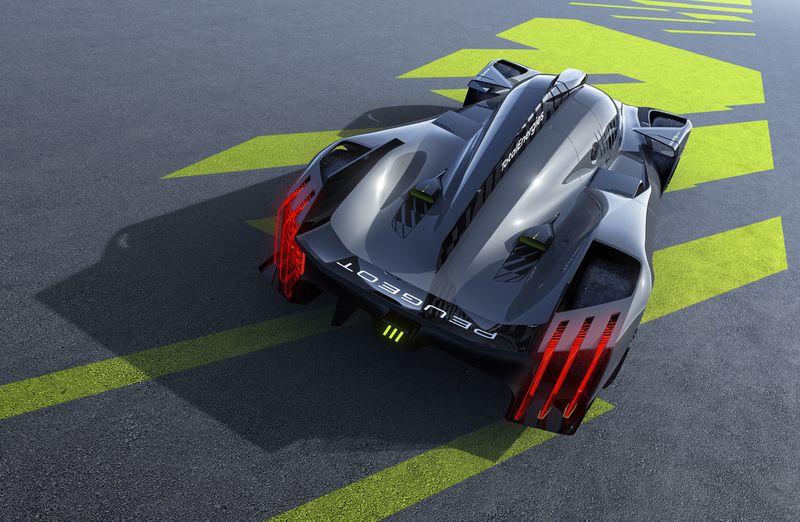
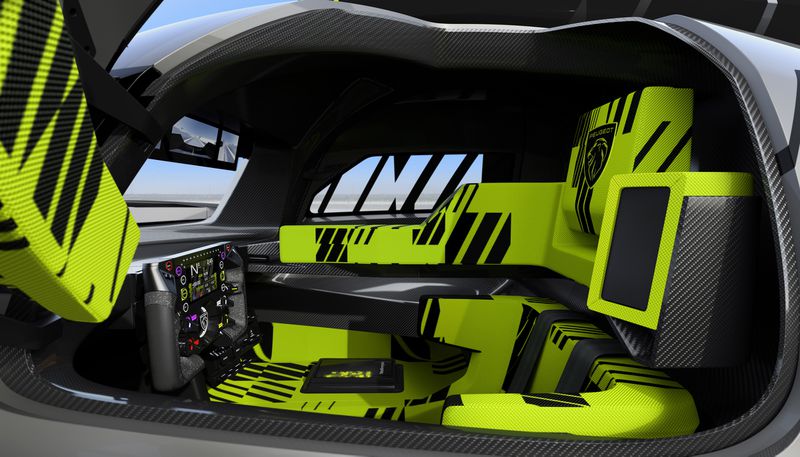
Peugeot has an impressive track record of some pretty iconic cars that were matched with durability and endurance. The French carmaker has revealed its newest hybrid hypercar that packs some innovative designs. The company will debut the new hypercar at the Le Mans 24 hours race and the World Endurance Championships in 2022.
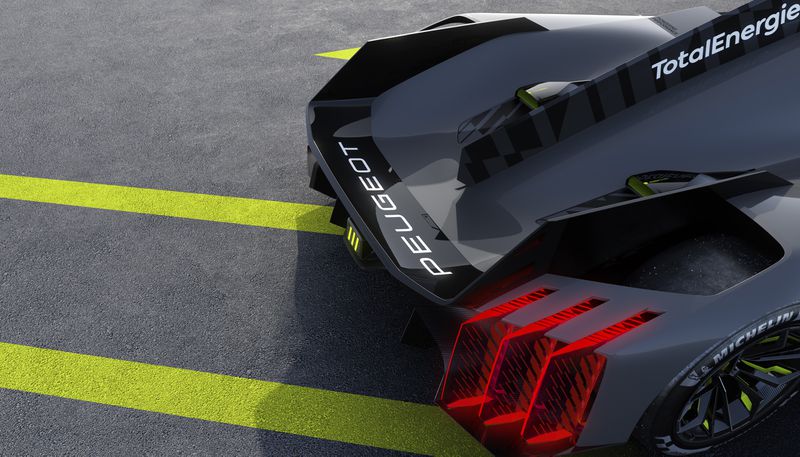
The new hypercar packs some power and beauty into its design. It is a beauty to behold and seems to be a speed racer capable of endurance races. However, it looks Peugeot is revamping its aerodynamics design with a wicked wing glass and lacking in the traditional rear wing commons in prototype racing models. The rear wing serves the vital purpose of providing aerodynamic balance and downforce, making the car highly competitive and fast.
Peugeot will join several traditional automakers like Toyota in the Le Mans Hypercar races as the field continues to swell with carmakers of different hues. Ferrari is also primed to join the 2023 Le Mans, as it continues work on its first prototype-class racing car in more than 50 years.
The Peugeot 9X8 hypercar has a 680 HP V6 engine, a 2000KW electric motor powered by a 900V battery developed by the French automaker in collaboration with Saft, another French company. It is yet unclear how Peugeot will balance the massive combined power available for the hypercar to fit championship regulations of a maximum of 680HP. Possibly Peugeot would have conceptualized a mechanism for the hypercar’s powertrain to dynamically balance the power output of the two power sources to meet race requirements.
The Le Mans Hypercar class series affords flexibility in the rules that encourage innovation, like Peugeot’s wingless design. Indeed the greater flexibility allowed by the sport’s new technical rules relating to aerodynamics, according to Peugeot Sport, has permitted radical new thinking that is driving the emergence and development of innovative cars. There are still some details not yet revealed about Peugeot’s concept car, especially what its top speed would be. We await Le Man’s 2022 and the World Endurance Championships series to see the Peugeot 9X8 in action.
The chipmaker, Qualcomm, announced its first smartphone today. The Snapdragon Insiders phone priced at $1499 packs high-end specs you will find on a flagship phone in 2021 and some that are even yet to appear in any other device. Qualcomm has confirmed that the phone will be launching in India but with a slight difference.
The Snapdragon Insiders Phone has support for 65W fast charging and Quick Charge 5. Unlike Samsung and Apple who have stopped shipping their phones with a power adapter, Qualcomm will include a 65W USB-C charger in the box along with other accessories. However, that won’t be the case in India.
The ASUS-designed phone will still ship with a charger but Indian buyers will get a slower 35W charger. This means it will take longer to refill the 4000mAh battery capacity. Nevertheless, a 35W charger is pretty fast and a slower charger is better than no charger at all.
We don’t know how much the Snapdragon Insiders Phone will sell for when it arrives in India, so we can’t say if it will be slightly cheaper since it is getting a slower power brick.
The Snapdragon Insiders Phone has a 6.78-inch AMOLED display with an FHD+ resolution, a 144Hz refresh rate, and Gorilla Glass Victus protection. There is a Snapdragon 888 processor powering it and it has 16GB of RAM and 512GB of storage.
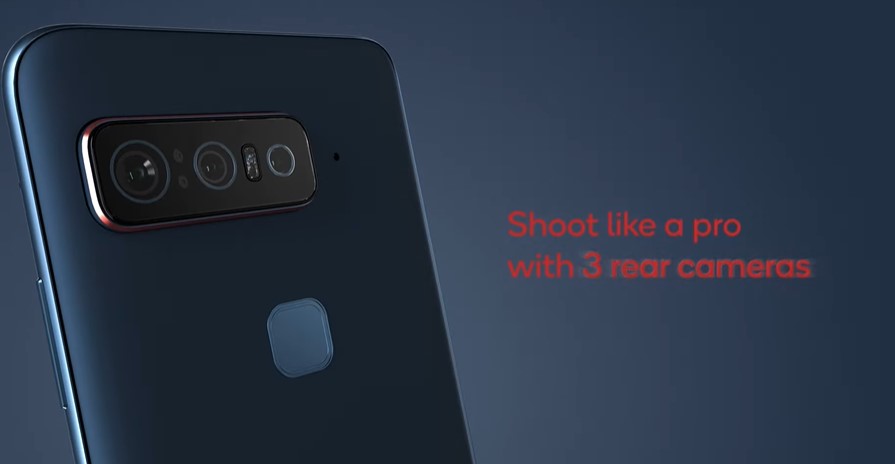
There are three cameras on the back of the phone – a 64MP main sensor, a 12MP ultrawide angle camera that can take macro photos, and an 8MP telephoto camera with OIS and 3x optical zoom. There is a 24MP camera in front for selfies and video calls.
The Snapdragon Insiders Phone Cameras packs a 4000mAh battery, stereo speakers, dual SIM support, NFC, Wi-Fi 6E, and has a rear-mounted fingerprint scanner. It runs Android 11 out of the box.
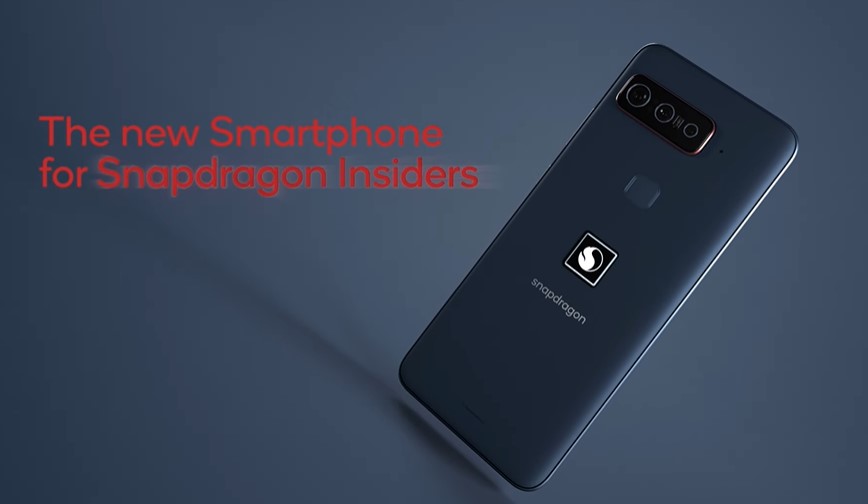
Qualcomm has announced its first smartphone today as a special device for members of its Snapdragon Insiders program. The phone is designed by ASUS and packs high-end specs and features.
Snapdragon Insiders Phone specifications
The Snapdragon Insiders phone has a 6.78-inch display with a 144Hz refresh rate and a 2448 x 1080 resolution. The AMOLED panel is supplied by Samsung, has a 1ms rate, a Delta-E level less than 1, and a peak brightness of 1200 nits (800 nits outdoor-readable brightness). The display doesn’t have a cutout in the screen for a camera but settles for bezels to house the cameras and sensors. It is protected by Gorilla Glass Victus.
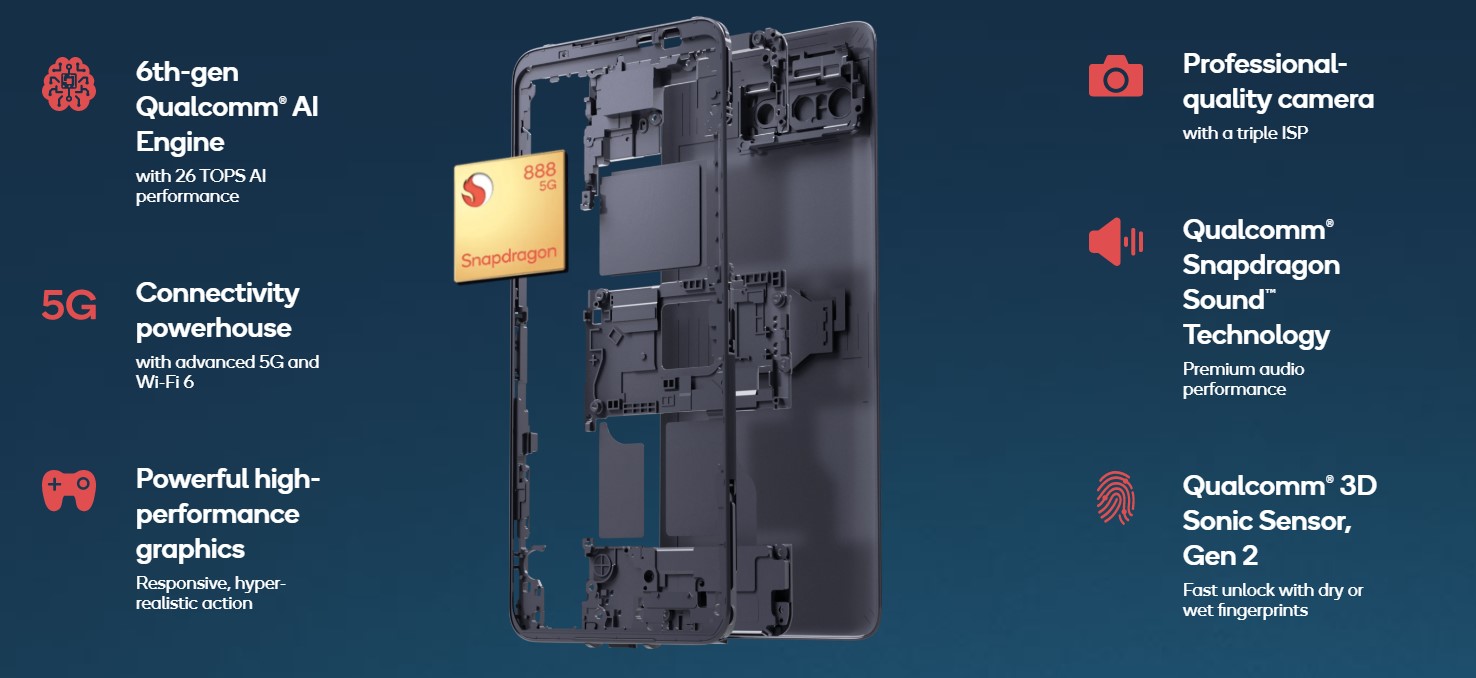
The Snapdragon 888 processor is the chipset under the hood and it is paired with 16GB of LPDDR5 RAM and 512GB of UFS 3.1 storage. We are actually surprised that the phone isn’t powered by the newer Snapdragon 888 Plus.
For its cameras, the Snapdragon phone has a 24MP front-facing camera with a 27mm focal length. On the back are three cameras – a 64MP f/1.8 Sony IMX686 sensor with a 1/1.73” large sensor size and 0.8 µm pixel size. The camera has On-chip-lens PDAF, 4-axis OIS, and instant camera switching. There is also a Sony IMX363 12MP f/2.2 ultrawide angle camera with real-time distortion correction that can also shoot 4cm macro photos. The last sensor is an 8MP telephoto camera with 3x optical zoom, 4-axis OIS, and an 80mm focal length. The Snapdragon phone has AI auto zoom and can record in 8K at 30fps and 4K UHD at 30/60fps.
Qualcomm ships the phone with dual stereo speakers with a smart amp and is one of the first phones with support for Qualcomm’s Snapdragon Sound technology. There is dual 5G SIM support, Wi-Fi 6E, Bluetooth 5.2, Wi-Fi Direct, and NFC. It also has a Qualcomm 3D Sonic Sensor Gen 2 rear-mounted fingerprint sensor. Below the scanner is a Snapdragon logo that lights up, but we do not know if it is customizable.
The Snapdragon Phone has a 4000mAh battery with support for Quick Charge 5 and 65W fast charging. Qualcomm includes a 65W adapter in the box. It also includes a pair of premium Snapdragon-branded earbuds with a charging case, a 1m-long USB-C to USB-C Quick Charge 5 cable, a 50cm USB-C to USB-A cable for the earbuds, and a phone case.
Snapdragon Insiders Phone – Availability and Specs
The Snapdragon Insiders Phone has a price tag of $1499 and will be available in August. You can also sign up to be notified, although Qualcomm says Snapdragon Insiders will be the first to be informed of its availability.
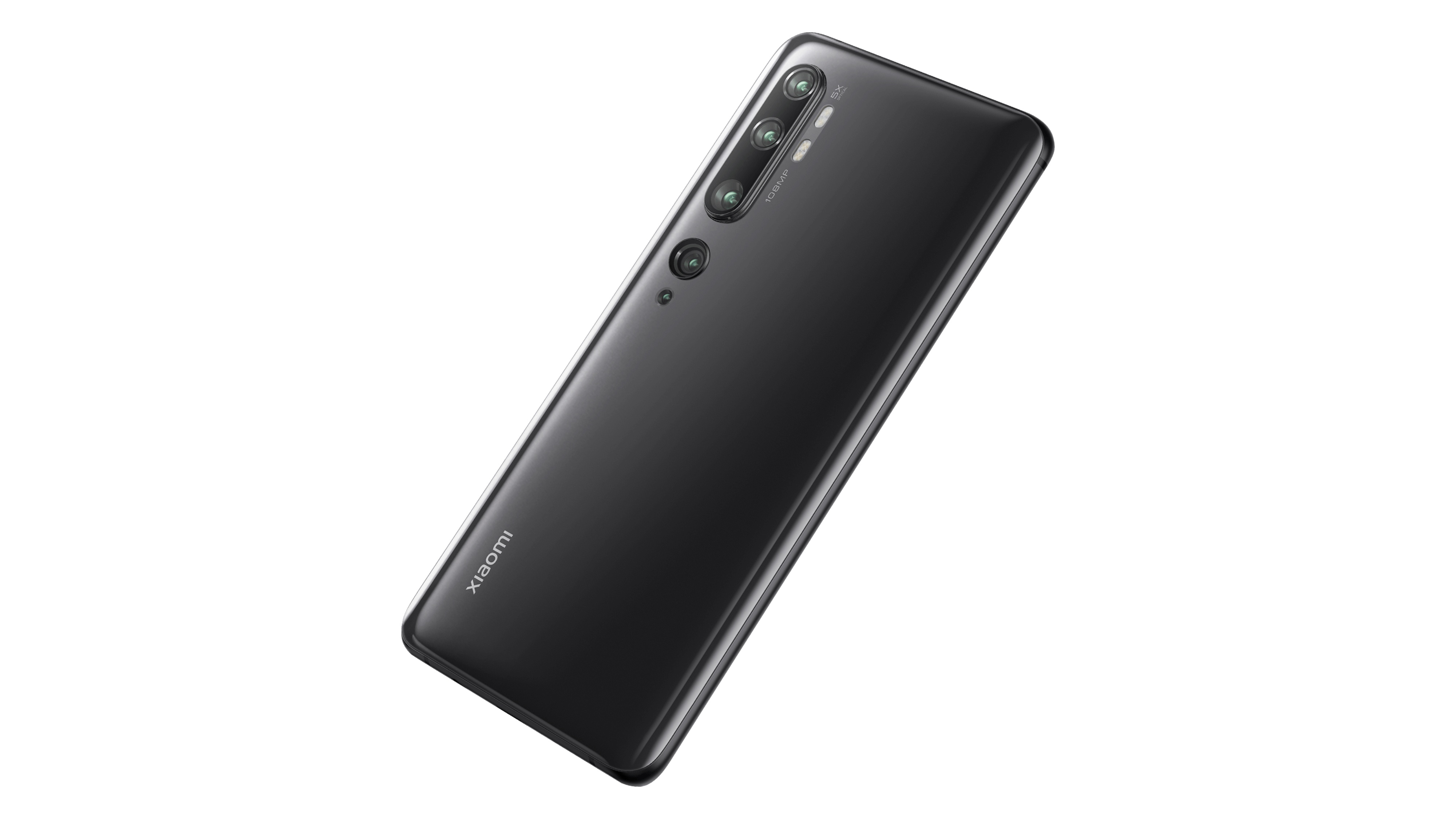
Xiaomi is expected to announce MIUI 13 very soon. But the company is yet to deliver the MIUI 12.5 update to most of its devices. The latest smartphones to get this update are Mi Note 10 and Mi Note 10 Pro.
Xiaomi Mi Note 10 Pro
The Mi Note 10 and the Mi Note 10 Pro are rebranded Mi CC9 Pro and Mi CC9 Pro Premium Edition for international markets. The duo runs a common MIUI build. Hence, they receive new updates together.
The original Mi CC9 Pro handsets got the MIUI 12.5 update in late May. Hence, the Mi Note 10 Pro models were expected to get it soon.
Weeks later, the MIUI 12.5 update is finally live for the Mi Note 10 and the Mi Note 10 Pro. The latest system update is currently available for the ‘Indonesia’ and the ‘EEA’ variants of the phones. They arrive with build numbers V12.5.1.0.RFDIDXM and V12.5.1.0.RFDEUXM respectively.
Like any other OTA system update, this one is also being rolled out in batches. Therefore, it may not be available for everyone at this moment. But it should reach all users in the coming days. The update shall also hit the Global and the Russian variants of the smartphones soon.
The Xiaomi Mi Note 10 series debuted in late 2019 with MIUI 11 based on Android 9.0 Pie. So far, the devices have received updates for MIUI 12, MIUI 12.5, Android 10, and Android 11. As per a reliable tipster, it may also get an update to MIUI 13.
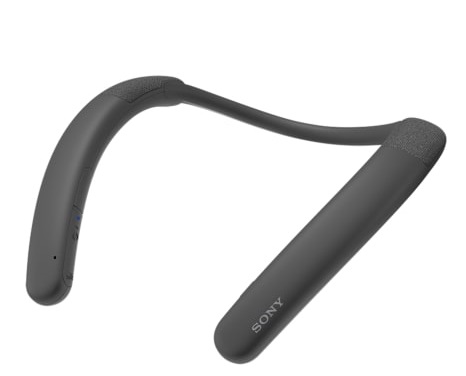
Sony has unveiled a new wireless speaker dubbed Sony SRS-NB10 wireless neckband speaker. The SRS-NB10 wireless neckband speaker comes with several features that put it on a strong pedestal on the marketing front. The wireless neckband speaker allows users to take calls, listen to music and other audio content seamlessly while walking around or doing other tasks without distraction.
There has been a surge in the acquisition of wireless neckband audio devices, due mainly to their convenience, battery life, and the entertainment they offer via excellent audio outputs. The Sony SRS-NB10 is designed as a comfortable device that can be worn on the shoulder all day. It has a full-range speaker, bass boost via a passive radiator, and is compatible with Bluetooth 5.1 (30 meters radius of service). The audio system of the wireless neckband speaker support SBC and AAC codecs, and the gadget comes with a frequency transmission range between 20 Hz and 20,000 Hz. The Sony SRS-NB10 offers excellent clarity in calls and a comfortable design. Users can easily connect their device to a TV, smartphone or audio input source via Bluetooth to enjoy crisp audio content while engaging in other tasks.
The Sony SRS-NB10 uses Voice Pickup technology using a beam-forming array with two microphones combined with advanced signal processing. You can connect to two devices simultaneously because the Sony wireless neckband speaker has support for a multi-point connection. Sony says its latest wireless neckband speaker guarantees up to 20 hours of entertainment due to its extended battery life. The device also supports USB-C fast charging, with a full charge achieved within a short time. The neckband is lightweight (weighing about 113 grams), and is very comfortable to wear.
The SRS NB10 wireless neckband speaker is expected to go on sale in September 2021 and will sell for $149.99. It is not clear whether Sony will have a global rollout when the SRS-NB10 wireless neckband speaker becomes available from September but we expect it to get to Sony enthusiasts even in far-flung parts of the world ultimately.
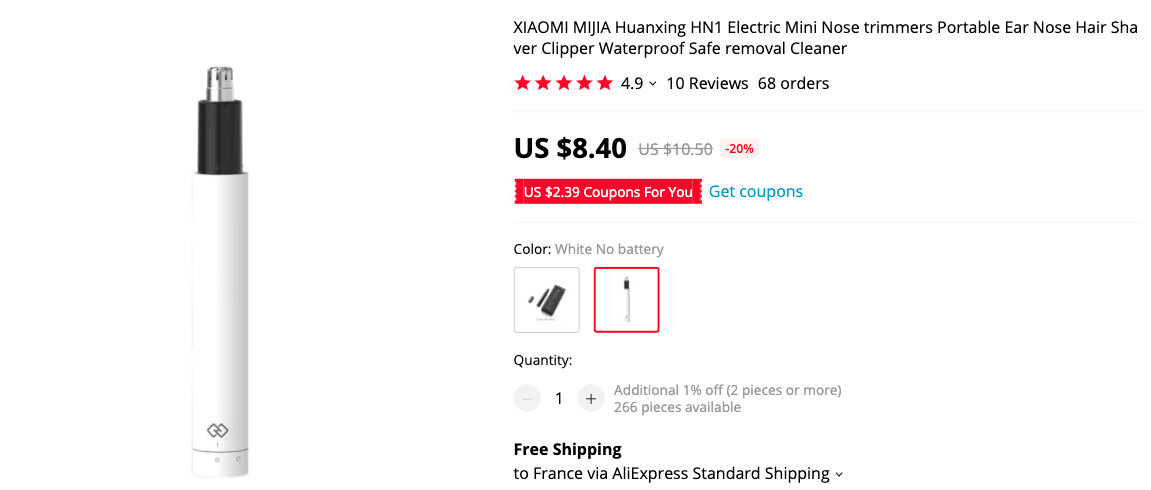
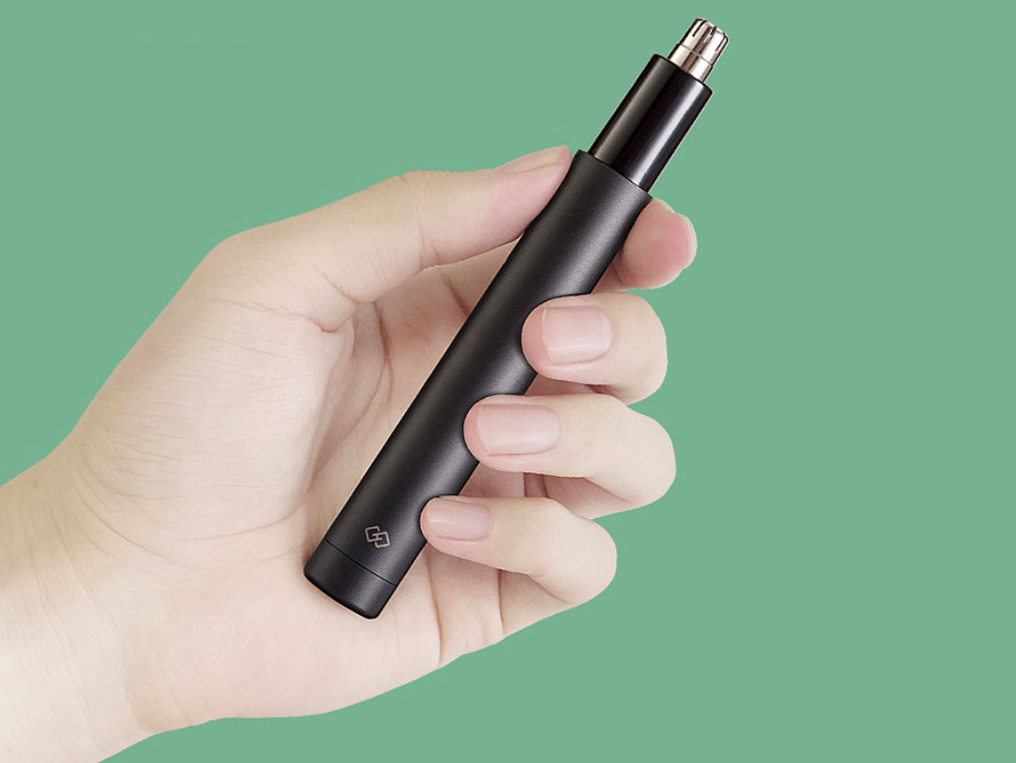
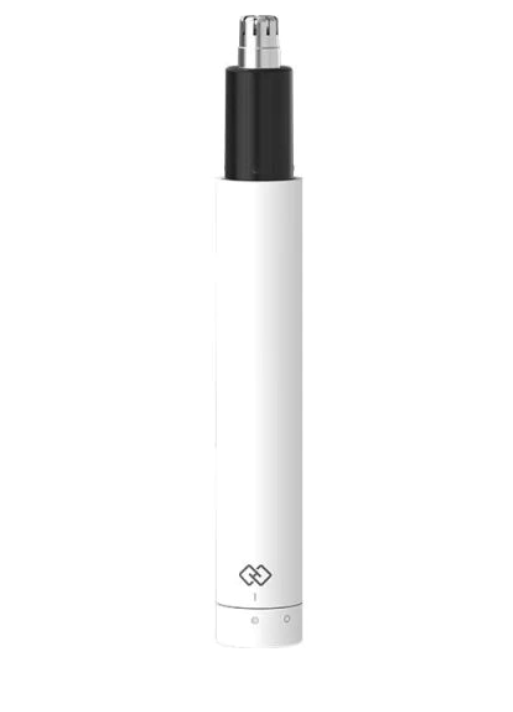
Generally retailing for $14, you can now buy Xiaomi Huan Xing Nose Hair Trimmer at a discounted price of $8.40 only at AliExpress. Please note that this super deal is applicable to the white color variant only. However, you can buy the black color variant for $11.12 only. This is a limited-time offer. So place your order asap.
For more information on such exciting deals and offers check out ourdeals hub.
* Please Note: When you buy something using the links in our articles, we may earn a small commission at no cost to you.
OnePlus has confirmed that it intentionally throttles its smartphone performance in “many of the most popular apps.” The company stated that this is done to improve battery life on the newly launched flagship OnePlus 9 series.
The news arrives after a series of tests from Anandtech‘s Andrei Frumusanu. After discovering this issue, he called it “rather baffling” that the latest flagship handsets saw a slowdown in a wide range of prominent applications from the Google Play Store. The tests came to the conclusion that the company is “blacklisting popular applications away from its fastest cores, causing slowdown in typical workloads such as web browsing.”
The test included applications like Google Chrome and Twitter among other popular apps and found that the slowed performance “applies to pretty much everything that has any level of popularity in the Play Store.” This intentional throttling has apparently affected all Google apps, all Microsoft Office apps, and all notable social media apps and web browsers, although, certain demanding mobile game titles like Genshin Impact remain unaffected by this slowdown. Recently, the OnePlus 9 Pro was also removed from Geekbench, a popular benchmarking platform, over claims of performance throttling.
As of right now, the brand confirmed this throttling issue and stated that “Following the launch of the OnePlus 9 and 9 Pro in March, some users told us about some areas where we could improve the devices’ battery life and heat management. As a result of this feedback, our R&D team has been working over the past few months to optimize the devices’ performance when using many of the most popular apps, including Chrome, by matching the app’s processor requirements with the most appropriate power. This has helped to provide a smooth experience while reducing power consumption.”
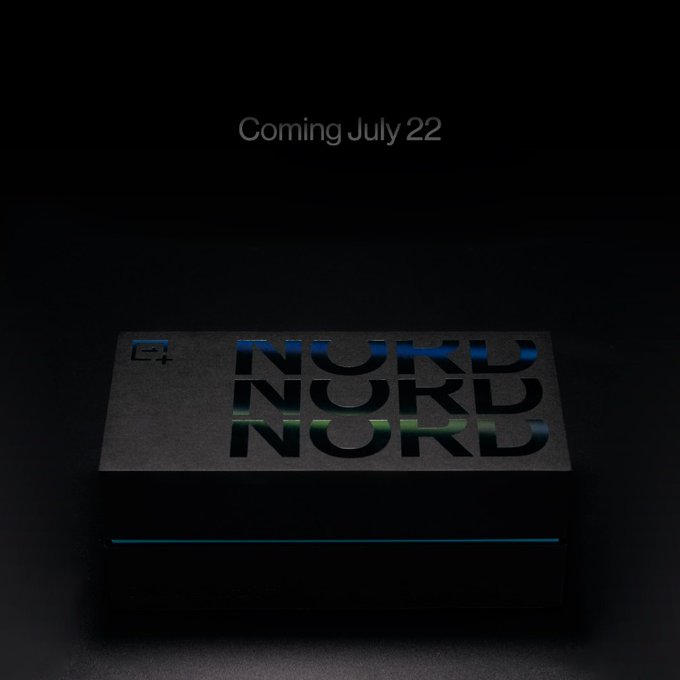
Last year, OnePlus launched the Nord smartphone, its first offering in the mid-range segment in a long while. The premium mid-range smartphone enjoyed a massive reception and so it is no surprise the Chinese company was planning to replicate the success with the launch of a successor this year. The OnePlus Nord 2 will be the Nord’s successor and it has featured in several leaks and teasers but no official word about its launch. Well, until now. OnePlus has now confirmed that the flagship killer OnePlus Nord 2 will be launched on July 22.
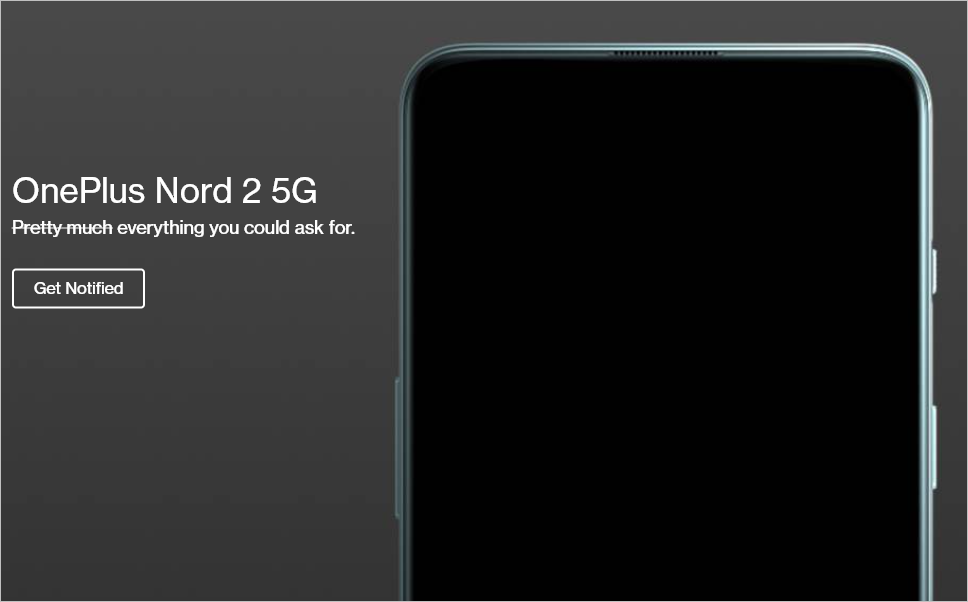
This information was released via the company’s official Twitter handles. The launch event is slated to commence at 3 PM UK time on the said date. The tech giant has even created a landing page for the Nord 2 on its website. Fans can register to get notified when the device goes live and also stand a chance to win a Nord 2 5G smartphone.
Our new Flagship Killer, OnePlus Nord 2, launches 22 July at 3PM UK time. Sign up to get notified about the launch and join our Lucky Draw to win cool prizes.
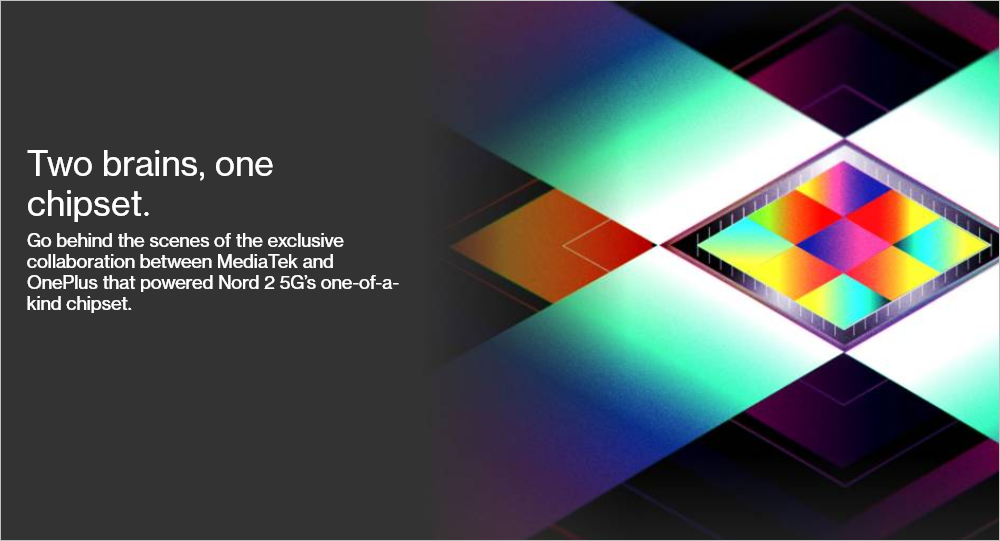
The landing page also contains a couple of teasers of the Nord 2. The most prominent one is the MediaTek chipset that the device will pack. OnePlus describes the chipset as one-of-a-kind and touts the device as having “Two brains, one chipset”. This is obviously in reference to the MediaTek Dimensity 1200 AI chipset that will fire up the smartphone. OnePlus had earlier confirmed the SoC will power the Nord 2. The new chipset is a customized chip from MediaTek in collaboration with OnePlus as a part of its Dimensity 5G Open Resource Architecture. Benchmark listing for the Nord 2 had confirmed the Dimensity 1200-AI has an improved AI performance over the Dimensity 1200. The entire specifications of the device are still unknown but the Nord 2 5G is said to sport a 6.43-inch FHD+ AMOLED display with a 90Hz refresh rate, a punch-hole, and an in-screen fingerprint reader. The device will also come with up to 12GB RAM and 256GB internal storage.
For photography, the device is rumored to pack a triple rear camera setup comprised of a 50MP (wide) + 8MP (ultra-wide) + 2MP (unknown) combo. For selfies, a 32MP front camera is said to be embedded under the hole punch. Interestingly, the placeholder image on the Nord 2 landing page doesn’t seem to have a punch-hole or notch at the top. Perhaps, OnePlus just wants to keep it secret.
The premium smartphone will also pack a 4500mAh battery and will have support for Warp Charge 30T Plus fast charging protocol, among other features.
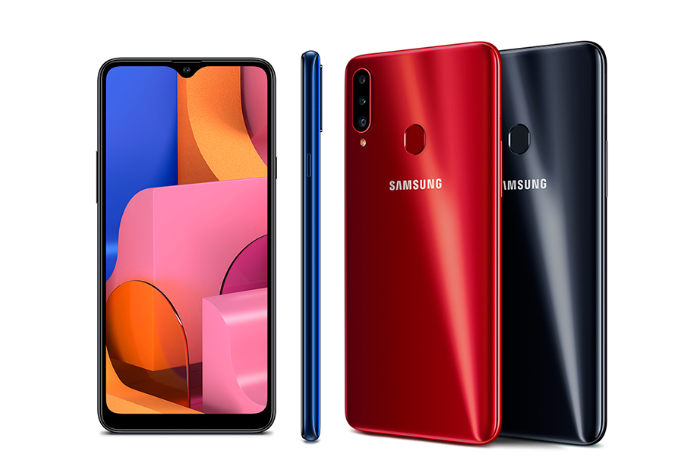
Google is expected to release Android 12 stable in a couple of months. However, OEMs are yet to deliver Android 11 stable update for their older and budget devices. Even Samsung with its resources is yet to complete last year’s Android rollout for some of its products. The latest handset from the South Korean tech giant to receive the Android 11 update is Galaxy A20s.
Samsung Galaxy A20s
Samsung launched the Galaxy A20s in October 2019. The smartphone debuted with One UI based on Android 9.0 Pie. It was updated to Android 10-based One UI 2.x last year.
Now, the phone has started receiving the Android 11 (One UI 3.1) update. According to SamMobile, the update is currently live in Malaysia with build number A207FXXU2CUFA.
The latest system update for the handset brings all the new One UI features that are supported by its hardware. Additionally, it also bumps up the security patch level to June 2021.
The update should be available in all regions in the coming days. Users of the device can navigate to Settings > Software update > Download and install to check whether their unit has got the One UI 3.1 (Android 11) update.
We use cookies on our website to give you the most relevant experience by remembering your preferences and repeat visits. By clicking “Accept”, you consent to the use of ALL the cookies.
This website uses cookies to improve your experience while you navigate through the website. Out of these, the cookies that are categorized as necessary are stored on your browser as they are essential for the working of basic functionalities of the website. We also use third-party cookies that help us analyze and understand how you use this website. These cookies will be stored in your browser only with your consent. You also have the option to opt-out of these cookies. But opting out of some of these cookies may affect your browsing experience.
Necessary cookies are absolutely essential for the website to function properly. This category only includes cookies that ensures basic functionalities and security features of the website. These cookies do not store any personal information.
Any cookies that may not be particularly necessary for the website to function and is used specifically to collect user personal data via analytics, ads, other embedded contents are termed as non-necessary cookies. It is mandatory to procure user consent prior to running these cookies on your website.