Redmi, the sub-brand of Xiaomi launched the Redmi K30 Pro in late March in China. The device debuted with MIUI 11 based on Android 10. It was later updated to MIUI 12 as well as Android 11. Now, a year from its release, the handset is receiving MIUI 12.5 update.
MIUI 12.5 is the latest version of MIUI available right now. This version of Xiaomi’s mobile operating system brings improvements for devices already on MIUI 12. The company has been rolling out this update to its smartphones in China for the past few weeks.
The Redmi K30 Pro MIUI 12.5 update arrives with build number V12.5.2.0.RJKCNXM. The update is in the ‘Stable Beta’ phase. Hence, it is only available for a select few users. However, all the units should receive the update in the coming days.
Internationally, this phone is sold as POCO F2 Pro. Therefore, we can expect that handset to get the MIUI 12.5 update very soon. But we cannot tell for sure how soon since even after weeks, many Xiaomi group smartphones that have got the MIUI 12.5 update in China are yet to receive it in global markets.
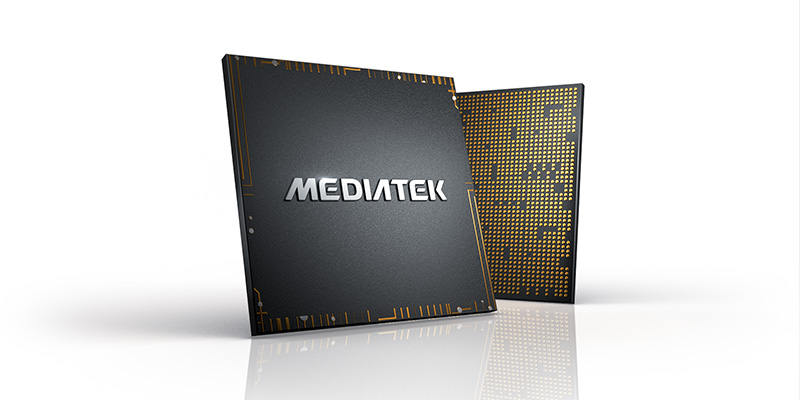
With its entry into the 5G smartphone processor market, MediaTek has seen a surge in its revenue and overall market share. Now, the company recently announced that it brought in 1.32 billion US Dollars in revenue in April 2021 alone, marking a year on year growth of more than 70 percent.
According to an official announcement, the chipmaker announced that it recorded consolidated net sales of 36,572 million New Taiwan Dollar in the month of April. This roughly translates to about 1.32 billion US Dollars in revenue. Back in the same month last year, the company saw a revenue of 20,546 New Taiwan Dollar (roughly 735 million US Dollars), thus marking a growth of 78 percent year on year and 16,026 billion New Taiwan Dollar (roughly 573 million US Dollars).
Furthermore, the company also shared the consolidated net sales for the first three months along with April as well. Through this, we can observe that the company saw a year on year revenue growth of 77.63 percent, with the chip maker recording sales worth 144,605 New Taiwan Dollar (roughly 5.18 billion US Dollars) this year compared to 81,409 New Taiwan Dollar (roughly 2.91 billion US Dollars) earnings during the same period last year.
While MediaTek saw a strong growth year on year, it also saw a slight decline sequentially. Just a month prior, the company generated 40,147 million New Taiwan US Dollar (roughly 1.43 billion US Dollars) in revenue. This marks a slight decline of 8.91 percent month on month. Although, in an annual comparison, the company has still seen great growth.
Yesterday, Xiaomi revealed that it will be launching a new pair of truly wireless earphones with ANC on May 13. Today, the company has not only shared two more teaser images but also the official name of this product.
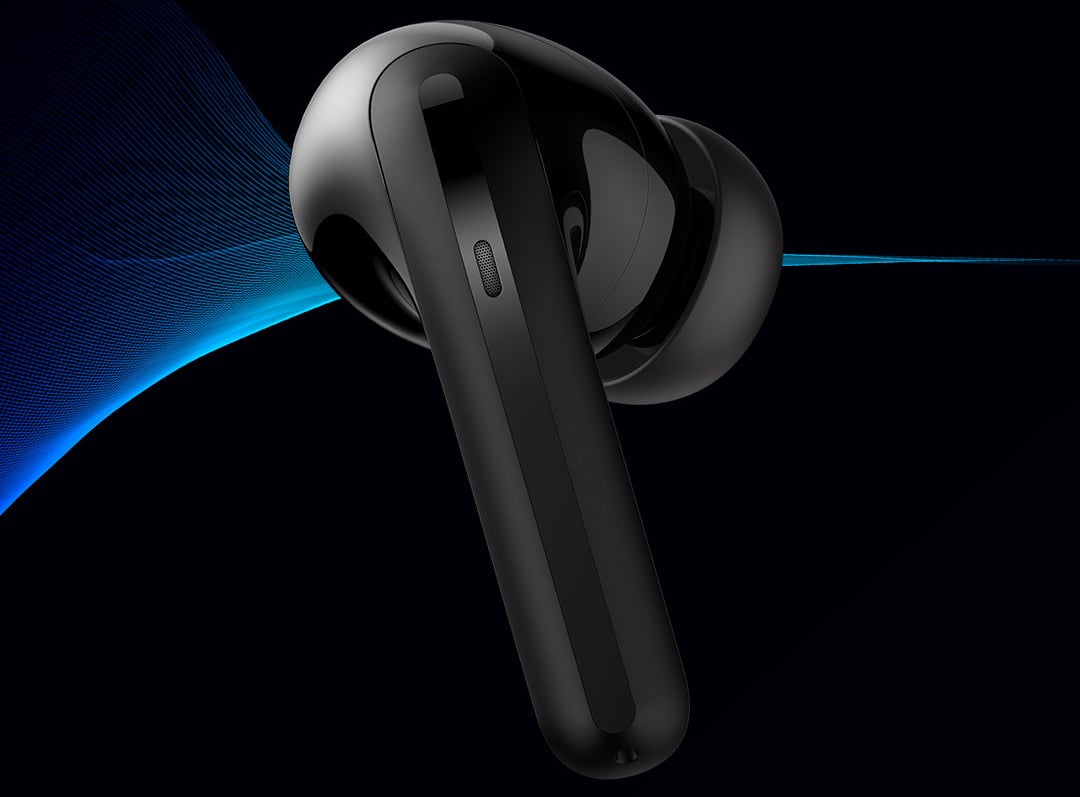
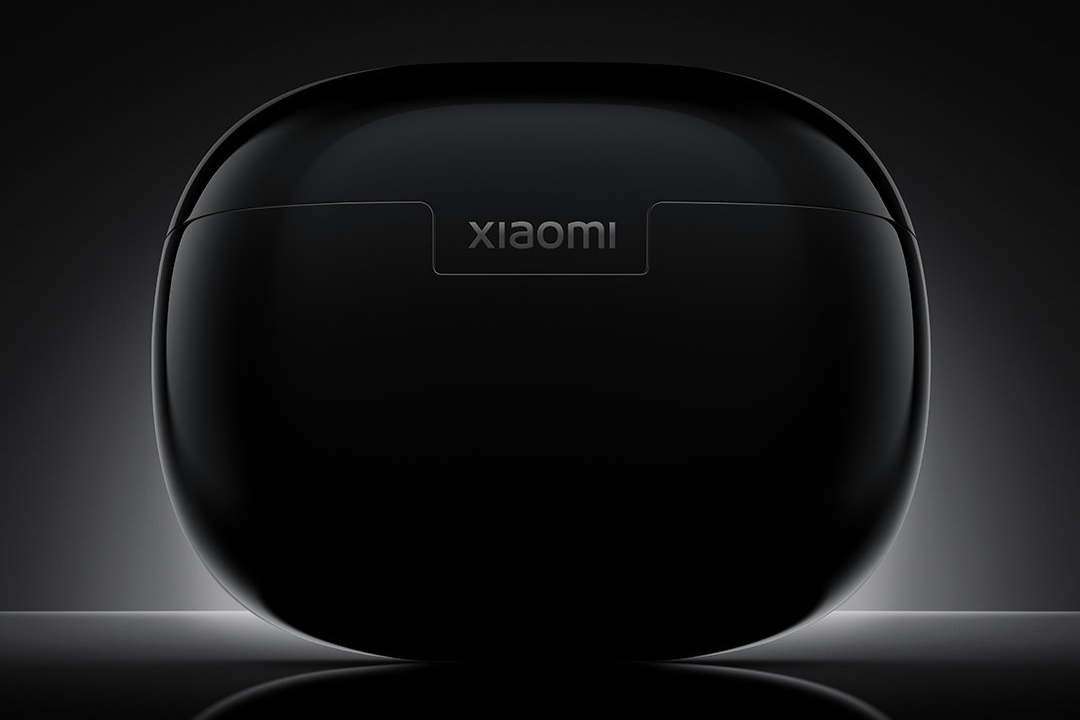
The upcoming Xiaomi wireless earbuds are called Mi FlipBuds Pro, as per the official Xiaomi Smart Life Weibo account. The two teaser pictures posted by the company earlier today expose the front design of the charging case as well as the buds themselves.
For those unaware, yesterday’s teaser poster showcased the rear side of the charging case with the new ‘Xiaomi’ branding. The firm claims that it has designed this audio accessory in line with its new logo.
But to our eyes, the design of the Xiaomi Mi FlipBuds Pro looks like a combination of Apple AirPods Pro and HUAWEI FreeBuds Pro. The charging case seems to be inspired by the latter, whereas the buds look a lot like the former.
1 of 2
That said, this is not the first time we are hearing about the word ‘FlipBuds Pro’. That’s because Xiaomi had already trademarked the terms ‘FlipBuds’ and ‘FlipBuds Pro’ back in February. In late April, a rumor also suggested that the company was building a new product team for this new lineup of TWS.
Unfortunately, not much is known about these truly wireless earphones except that they will be able to reduce noise by up to 40db, and will have an LED indicator on the front of the charging case, which will also sport the new Xiaomi logo on its back.
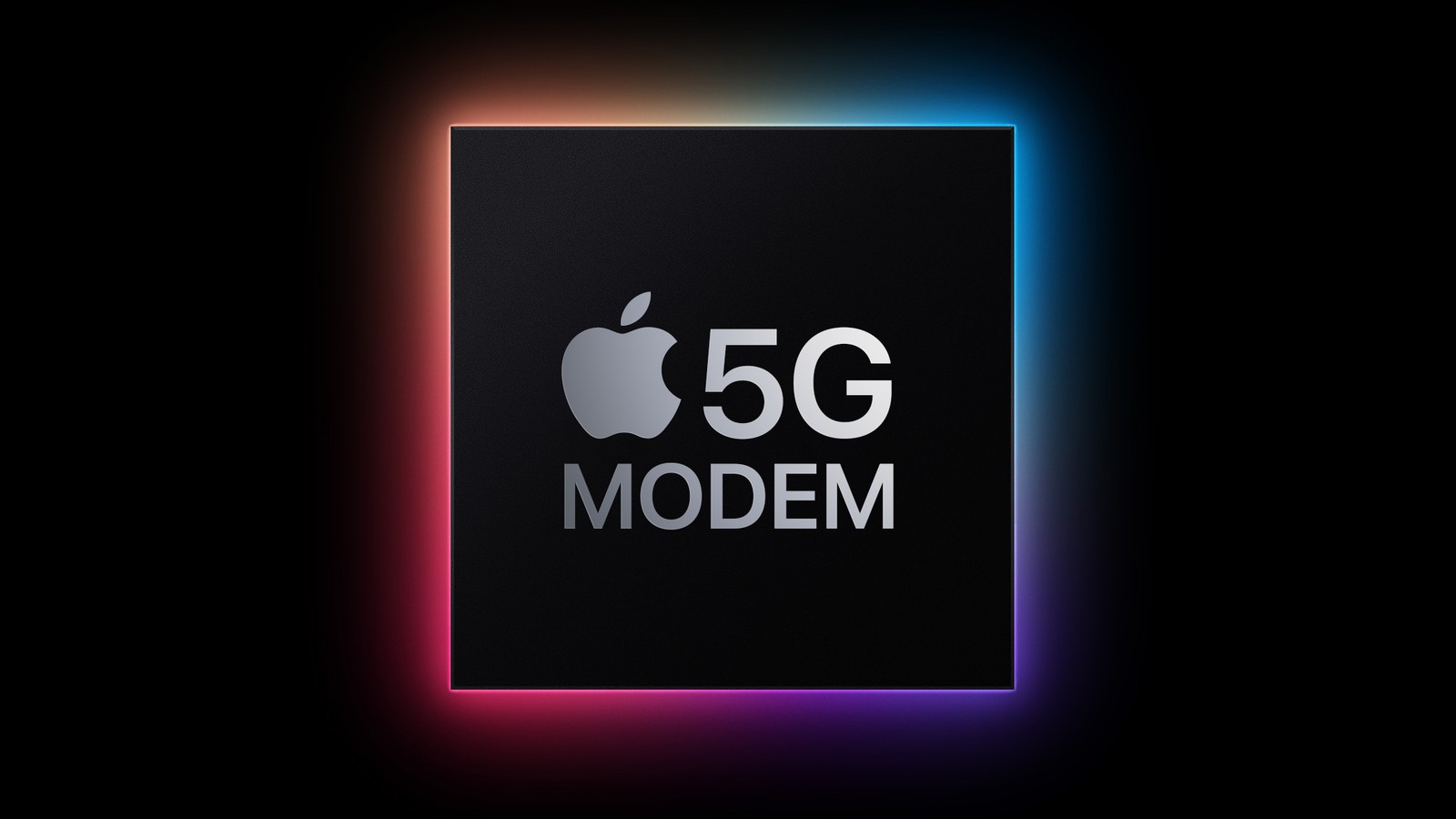
Apple is apparently planning on adopting its own custom designed 5G modems for its iPhones. These in house 5G baseband chips might be seen in iPhones as early as 2023, as per a known analyst.
According to Ming-Chi Kuo (Via MacRumors), the Cupertino based giant is seeking to reduce its reliance on Qualcomm for the suppy of 5G based cellular modems for its future iPhone lineup. The analyst made the announcement in an investors note earlier this month. As per the note, the company is aiming on adopting its own custom designed 5G baseband chips that will debut with the launch of the 2023 iPhones “at the earliest.”
Till then, Apple would need to reply on QUalcomm for its 5G iPhone modems and will continue to depend on the chip maker till its shifts to its own solutions. After the iPhone maker makes the shift, Qualcomm would have to enter new markets to overcome the loss of orders from Apple. Back in March 2021, a Barclays report had stated that the company will launch its 2023 iPhones its own custom designed 5G modems. In other words, this report is also in line with previous rumors.
The new in house developed 5G modems could offer faster speeds, lowered latency, and other improvements over Intel or even Qualcomm modems, although it is still too early to offer any concrete statements. Furthermore, the company has reportedly been working on its self developed modems since early 2020. So stay tuned for more, as we will be providing updates when additional information is available regarding this matter.
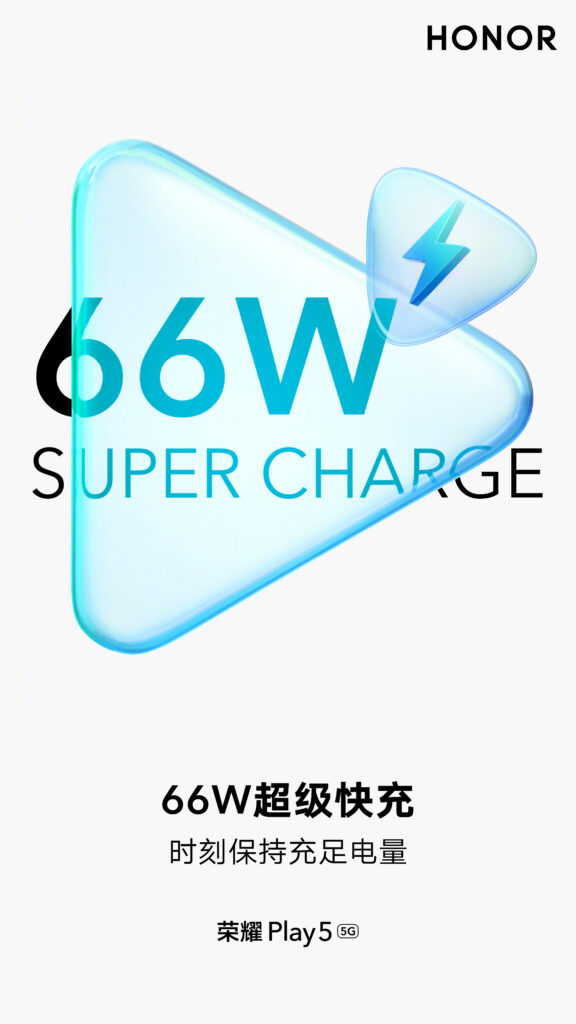
Honor will be launching the Honor Play5 smartphone in China on May 18. Recent reports have revealed that it will be an upper mid-range phone from the brand. Ahead of the launch, the company has released a few posters to confirm the color variants and the fast charging capabilities of the phone.
The official posters show that the smartphone will be available in color options like white gradient, silver gradient, and black. The Chinese firm has also confirmed that it will carry support for 66W rapid charging.
Honor Play5 specifications (Rumored)
Rumors have it that the Honor Play5 is fitted with a 6.53-inch OLED panel that produces a Full HD+ resolution. The screen features a waterdrop notch and an in-screen fingerprint scanner. It is unclear whether it supports a high refresh rate.
The Dimensity 800U chipset fuels the Honor Play5. Probably, it will ship with up to 8 GB of RAM and up to 256 GB of storage. It is backed by a 3,800mAh battery and it will come loaded with Android 11 OS.
Honor Play5
There is no information on the front camera of the Play5. Its rear-facing camera system has a 64-megapixel main camera, an 8-megapixel superwide lens, a 2-megapixel macro camera, and a 2-megapixel depth assist lens. At present, there is no word on the pricing of the device.
Last year in November, Honor was separated from its then-parent brand Huawei. Since then, it has been consistently increasing its product portfolio. Apart from launching the Honor V40 series earlier this year, the company recently announced the Honor MagicBook X 14 and MagicBook X 15 notebooksand Honor Tab X7 tablet in China. Speculations are rife that the company may announce the Honor 50 series of flagship phones in June.
Last month, Apple confirmed that the company has started production of its latest smartphone, the iPhone 12, in India at Foxconn’s Tamil Nadu plant. But not everything is going as per the plan.
A new report from Reuters claims that the production of iPhone 12 in India has dropped by more than 50 percent because of the COVID-19. The report, citing two sources aware of the matter, says that workers infected with COVID-19 have had to leave their posts, resulting in a drop in production.
Apple iPhone 12
It is claimed that more than 100 Foxconn employees have tested positive for COVID-19 and the company has enforced a no-entry ban at its factory in the capital of Chennai until late May. A person aware of the matter said: “Employees are only allowed to leave but not to enter the facility since yesterday. Only a small part of the output is being kept.”
The sources claim that more than 50 percent of the plant’s capacity had been cut but they did not specify the plant’s capacity and it was unclear how many workers were at the facility, which also provides dormitory accommodation for employees.
In a statement to Reuters, Foxconn said: “Foxconn places the health and safety of our employees as our highest priority and that is why we have been working closely with local government and public health authorities in India to address the challenges that we and all companies are facing in dealing with the COVID-19 crisis.”
Tamil Nadu, the state where the production plant is located, is also one of the worst-hit regions in the second wave of coronavirus in India. To curb the spread, the government has imposed a full lockdown from this week. The Foxconn facility in Tamil Nadu produces iPhones specifically for the Indian market — the world’s second-largest smartphone market.
It’s noteworthy that Foxconn isn’t the only producer affected by the coronavirus. Nokia and OPPO had also suspended production at factories in India after some workers had tested positive for COVID-19.
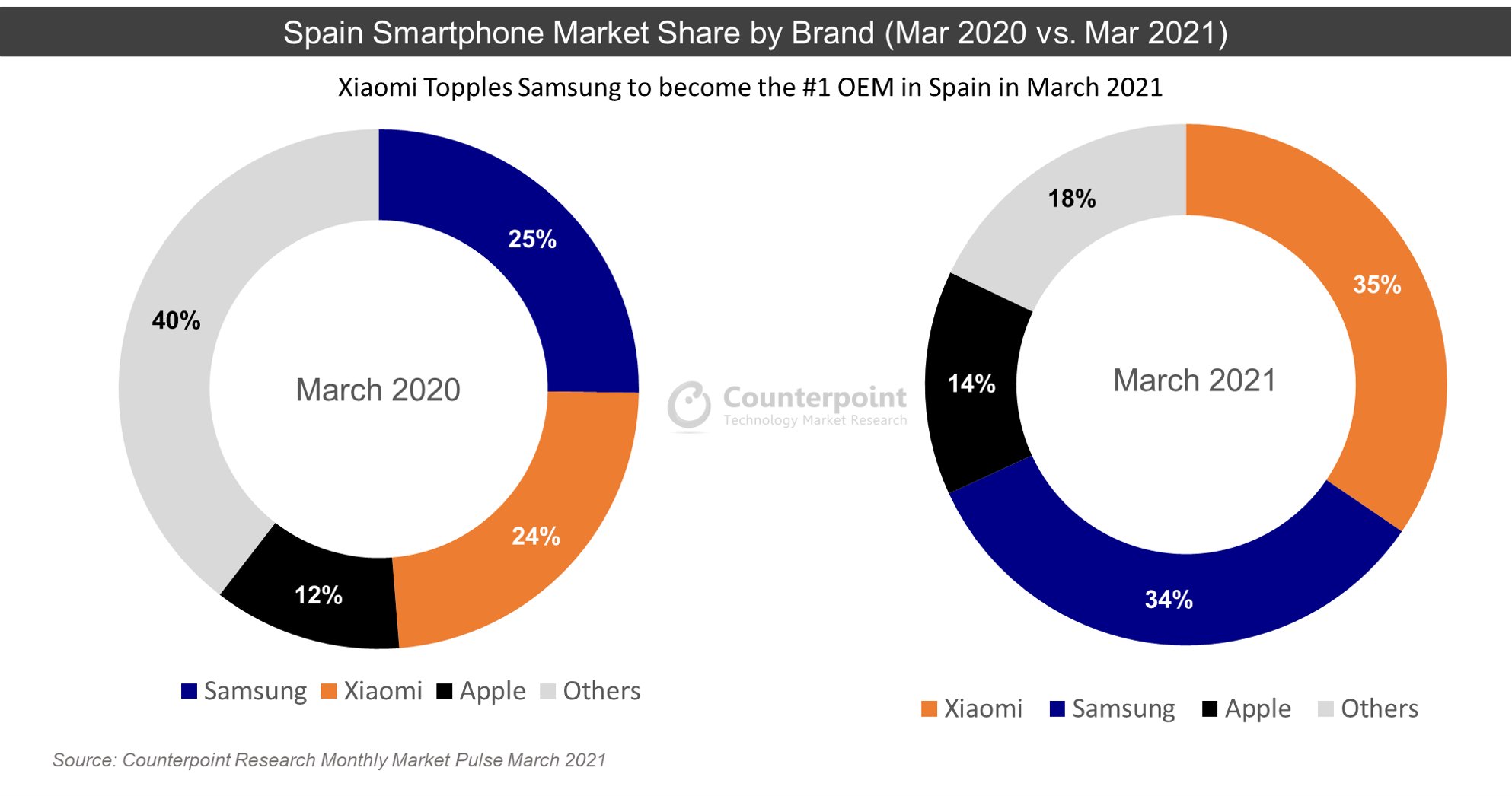
Xiaomi, a China-based smartphone manufacturer, has dethroned South Korean giant Samsung to take the pole position in the smartphone market of Spain for the very first time in March 2021, reveals a new report from Counterpoint.
As per the report, Xiaomi accounts for 35 percent of the total smartphone market in Spain, followed by Samsung with a market share of 34 percent — just behind Xiaomi. Apple comes in third by capturing 14 percent of the market and the rest of the companies make for the remaining 18 percent.
The market share of Xiaomi in Spain in March 2020 was 24 percent and now it stands at 35 percent in March 2021, registering impressive growth. Even Samsung registered growth from 25 percent in March 2020 to 34 percent in March this year.
The Counterpoint report adds that the sales of Xiaomi increased 3 percent Month-on-Month and were mainly driven by the strong performance of its budget-focused Redmi 9A and Redmi K40 series smartphones.
Xiaomi, similar to other China-based smartphone brands, has been strategically expanding its operations to overseas markets. Companies like Xiaomi, Vivo, and OPPO are trying to fill the gap left by Huawei and Honor.
It’s noteworthy that companies like Xiaomi, OPPO, and Vivo didn’t face issues due to the shortage of chips in the market compared to other smaller manufacturers. This helped them push ahead with new devices in the market.
Xiaomi has been aggressively gaining market share and has now become the third-largest smartphone brand globally after Samsung and Apple. Xiaomi, which now holds 14 percent of the global market share, grew its smartphone shipments by 62 percent in the first quarter of this year to reach shipments of 49 million units globally.
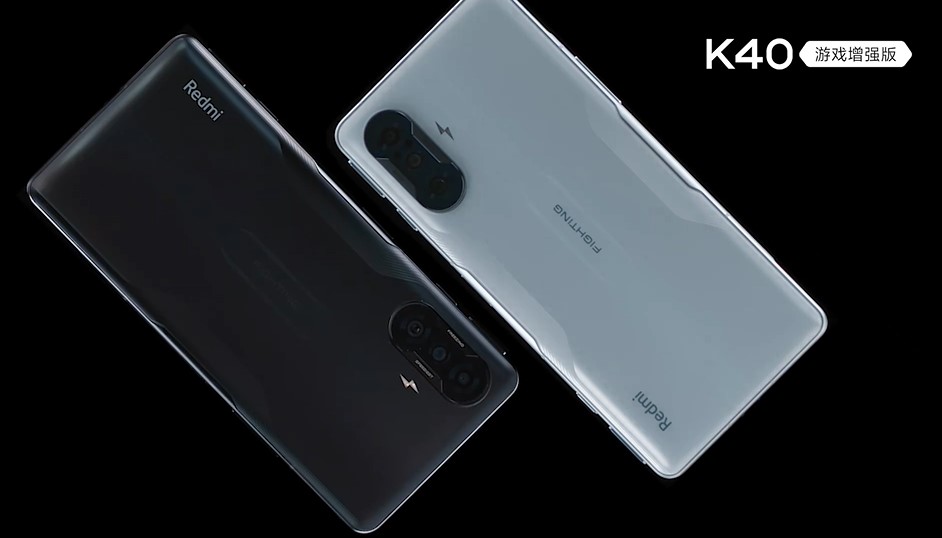
Last month, Xiaomi launched the Redmi K40 Gaming smartphone in its home country China and now it seems that the company is all set to launch the device in the Indian market under its POCO branding.
A tweet from Mukul Sharma claims that the smartphone’s battery has been certified by the Bureau of Indian Standards. He also adds that the phone is supposed to be a POCO device.
Xiaomi has been launching some Redmi-branded devices in the Indian market under the POCO brand and is likely to continue doing the same for the upcoming Redmi K40 Gaming Enhanced Edition smartphone.
Currently, there’s not much known about the device’s launch in the Indian market but given that the phone is now getting certified, the official announcement of the smartphone in India should a few weeks away.
Now, coming to the specifications of the Redmi K40 Gaming Edition, the smartphone features a 6.67-inch AMOLED screen that offers a Full HD+ resolution, a 120Hz refresh rate, and a touch sampling rate of 480Hz.
Under the hood, the device is powered by the MediaTek Dimensity 1200 chipset and comes with up to 12GB of RAM and 256GB of internal storage. It is backed by a 5,065mAh battery that supports 67W fast charging.
In the camera department, the device features a triple camera setup on the back that includes a 64MP f/1.65 sensor, an 8MP 120° ultrawide angle camera, and a 2MP 40mm macro camera. On the front, there’s a 16MP snapper for taking selfies.
The smartphone runs the latest MIUI 12.5 custom user interface which is based on the Android 11 operating system. Being a gaming device, the company has also added a special Game Mode that allows users to customize the gaming experience.
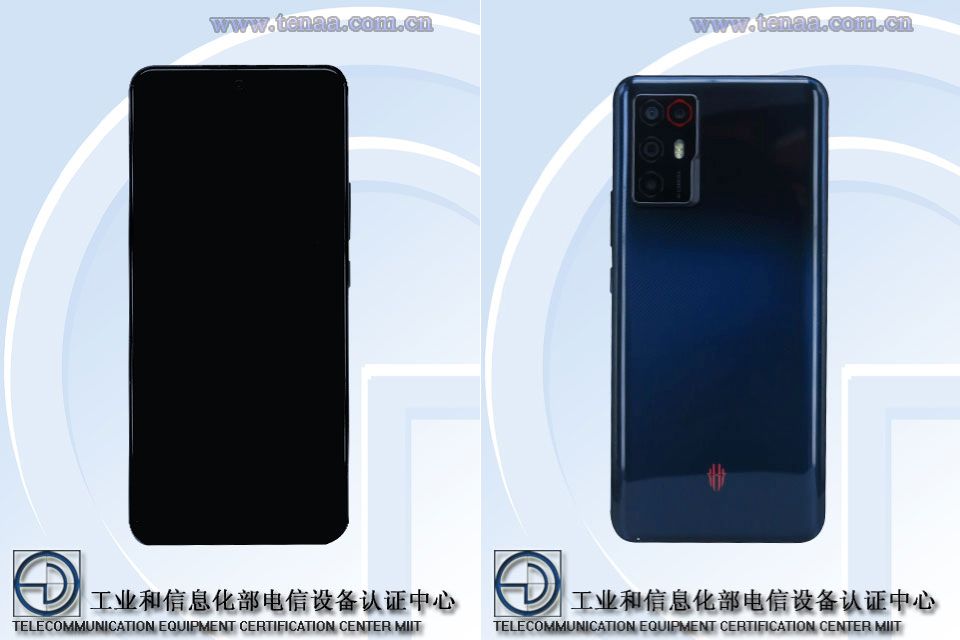
Earlier this year, Nubia unleashed the Red Magic 6 and Red Magic 6 Pro smartphones. Recent reports have revealed that the company is gearing up to launch a new and affordable gaming phone called the Red Magic 6R. The handset was recently seen at the TENAA certification site with the NX666J model number. Fresh information reveals that it has also received certification from the 3C regulatory body of China.
The Red Magic 6R’s 3C appearance reveals that its retail box may include a 55W rapid charger. Also, the listing confirms that it is a 5G-ready device. In comparison, the Red Magic 6 supports 66W fast charging, whereas the Red Magic 6 Pro comes with a faster 120W charger.
3C listing of the RedMagic 6R
Red Magic 6R specifications (Rumored)
The TENAA appearance of the RedMagic 6R revealed that it will be sporting a 6.67-inch OLED screen that offers a Full HD+ resolution. The device is likely to be powered by the Snapdragon 888 mobile platform.
The phone may hit the Chinese markets in multiple RAM options like 6 GB, 8 GB, and 12 GB. In terms of storage, it may offer users options like 128 GB, 256 GB, and 512 GB.
RedMagic 6R’s TENAA images
The handset will draw power from a 4,100mAh rated battery. It has a 16-megapixel camera for capturing selfies and its rear camera setup is headlined by a 64-megapixel lens. The device measures 163.03 x 75.34 x 8.20mm and weighs 186.4 grams.
Nubia is currently silent on the existence of the RedMagic 6R. Currently, it seems to be focused on the Nubia Z30 flagship, which is set to launch on May 20. Probably, the Red Magic 6R will break cover by the end of this month.
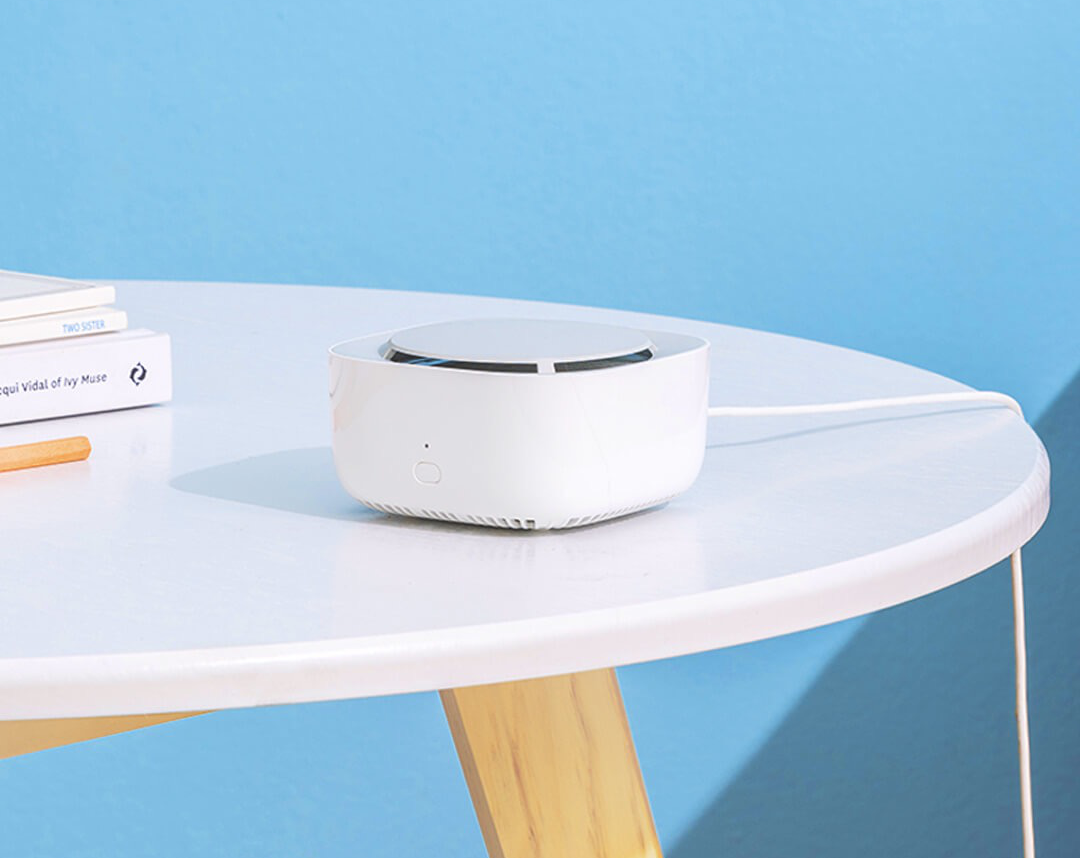
Xiaomi has launched a new improved MIJIA Smart Mosquito Repellant 2 under crowdfunding in China. The new version takes over from the model that was launched last year. Recall that Xiaomi first launched the MIJIA Mosquito Repellant with a minimalist design a couple of years back. The Chinese tech giant then reintroduced the same device last year but with Bluetooth connectivity. This new version takes things to the next level as it comes with not just Bluetooth connectivity, but also with XiaoAI voice control. The product will be up for grabs via crowdfunding from May 12. It carries a retail price of 69 yuan (~$11) and a crowdfunding price of 59 yuan (~$9).
For its anti-mosquito agent, it uses trifluthrin. The repellant has a single effective time of 1080 hours before completely evaporate, and it can be used for about 4.5 months based on 8 hours per night. A single device is suitable for a space of 28 square meters, and users can place them in multiple locations according to the size of the space.
The MIJIA Smart Mosquito Repellant 2 comes with two power supply modes. It can be powered by two AA batteries and also via a USB-C cable that can be connected to any power source. The smart repellant promotes the uniform volatilization of the medicine through the rotation of the built-in fan.
When the Smart Mosquito Repellant 2 is powered on in the USB-C power supply mode, it supports voice control deploying XiaoAI. It also supports connection to the mobile phone via Bluetooth. You can set the timer via a mobile phone and also check the remaining amount of medicine. In addition, when connected to the XiaoAI speaker using the Bluetooth Mesh gateway function, it can then be linked with other smart devices at home such that turning it on also turns on other devices.
Two new OPPO phones with model numbers PEPM00 and PENM00 appeared at the Chinese 3C certification site today. These phones are speculated to launch as the Reno6 Pro and Reno6 Pro+, respectively, in China. There is another OPPO phone with model number PEQM00 in the works. It has recently certification by the 3C authority. Unfortunately, it is unclear whether this device is the vanilla Reno6 or some other device.
The PEQM00 smartphone’s 3C listing shows that it is a 5G phone and it could be shipping with a 65W charger. As usual, the 3C listing has no other information on the specs of the device.
3C listing of OPPO PEQM00
A recent leak claimed that the PEQM00 phone will be featuring a new MediaTek Dimensity chipset that has a model number MT6877. The final marketing name of this upcoming Dimensity chip is not known yet.
Rumors surrounding the PEQM00 phone revealed that it has a punch-hole OLED screen of 6.43 inches. It offers an FHD+ resolution, a 90Hz refresh rate, and an in-screen fingerprint scanner. For selfies, it has a 32-megapixel camera, and its rear-facing camera system is led by an OmniVision OV64B lens.
The OPPO PEQM00 is expected to arrive with 12 GB of RAM and internal storage of 256 GB. It could be fueled by a 4,400mAh battery. These specs seem good enough to consider it as the vanilla Reno6. Nevertheless, it is advisable to wait for further reports to know its identity.
1 of 2
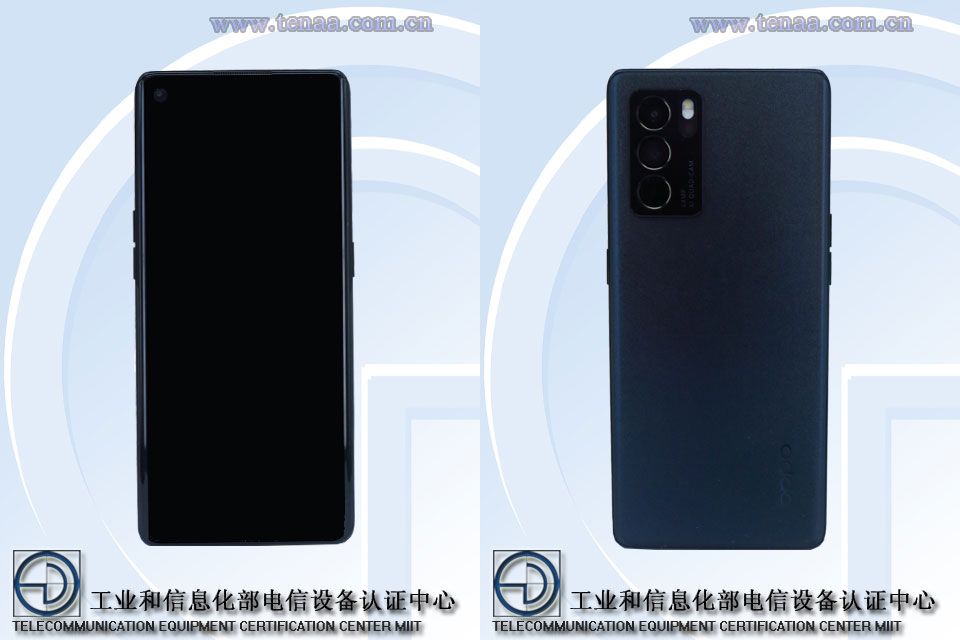
OPPO Reno6 Pro's TENAA images
OPPO Reno6 Pro TENAA
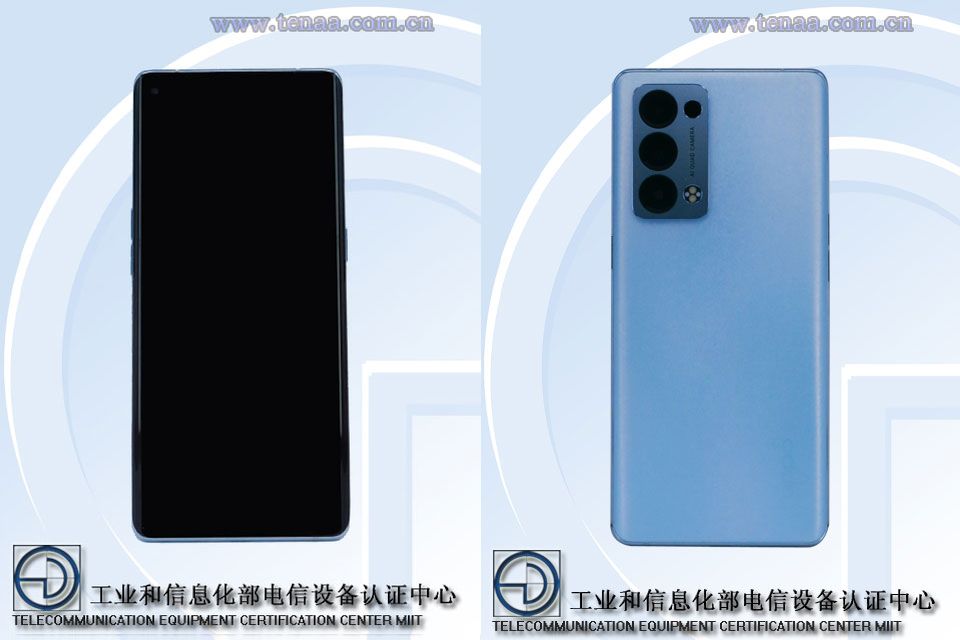
TENAA images of OPPO Reno6 Pro+
OPPO Reno6 Pro+ TENAA
As far as the Reno6 Pro and Reno6 Pro+ are concerned, these phones are expected to arrive with common features like a 90Hz curved edge OLED display (FHD+), a 4,500mAh dual-cell battery, and 65W fast charging support. These phones are likely to be fueled by the Dimensity 1200 and Snapdragon 870, respectively.
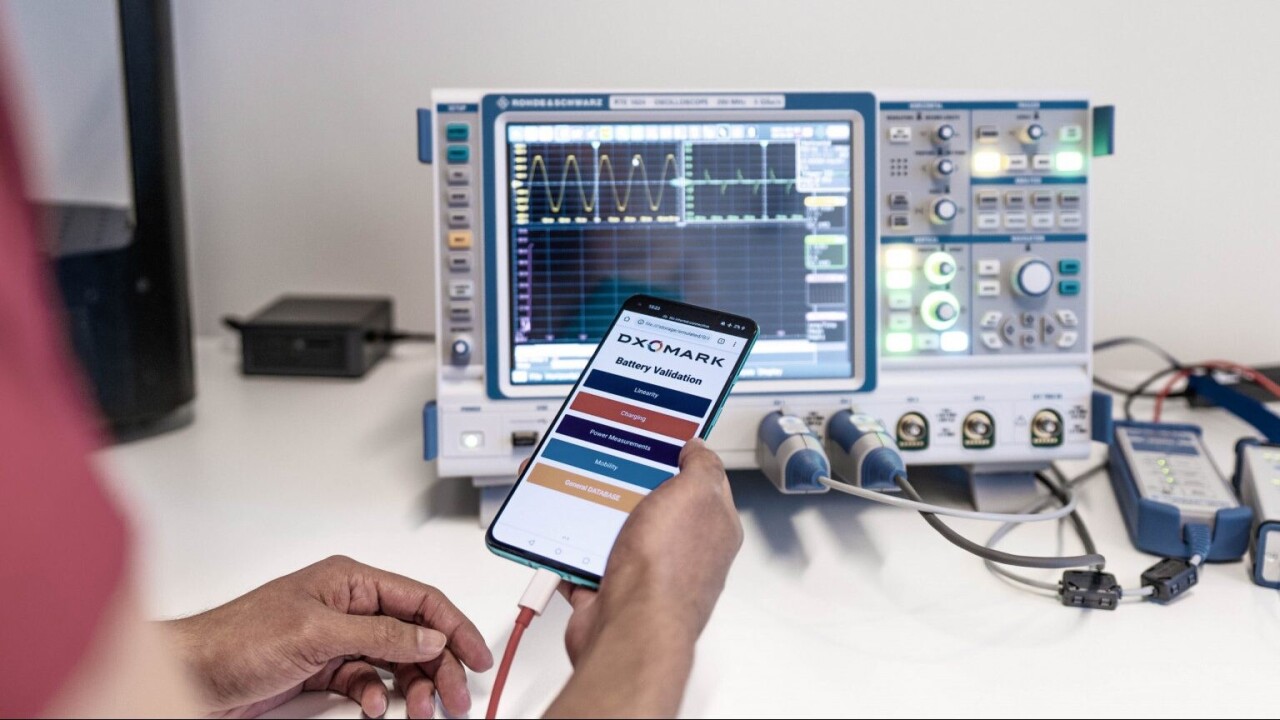
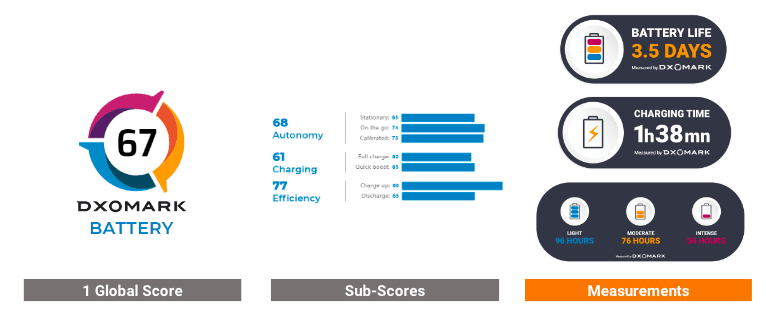
French analytics firm DxOMark is known primarily for its photography reviews. Still, the past few years have seen the company expanding its scope of operations with the addition of new measures for screen performance and audio tests on smartphones. The company has now further extended its operational capacity to include performance evaluation of device batteries.
DxOMark has developed a new battery benchmark that provides a fair and scientific assessment of a phone’s battery based on several parameters like the charging speed, efficiency, and performance in different scenarios. The new score has enabled the French analytics company to rank smartphones based on their battery’s capabilities and performance.
The score is a culmination of several experiments and tests in a broad spectrum of everyday activities. The company carried out extensive simulations on various scenarios and evolved a scientifically sound metric that could honestly assess a phone’s battery. Up to 100 battery parameters were tested according to DxOMark, and for each device tested, the duration was up to 150 hours. Three important components were narrowed down through which the rating would be accomplished. These are battery autonomy, charging, and efficiency. These three components help the company to conceptualize a score for each battery.
The tests by DxOMark on phone batteries are indeed pervasive and offer a pretty accurate assessment of a battery. However, it would take time to produce an exhaustive list of smartphones ranked through DxOMark’s battery assessment metric.
Seventeen smartphones have been assessed in the first list unveiled by DxOMark. The Samsung Galaxy M51 comes top, followed by Wico Power U30, and the OPPO Find X3 comes third. A few other premium brands make up the list.
We expect that DxOMarks will come up with a more comprehensive list of smartphones ranked on their performance criteria.
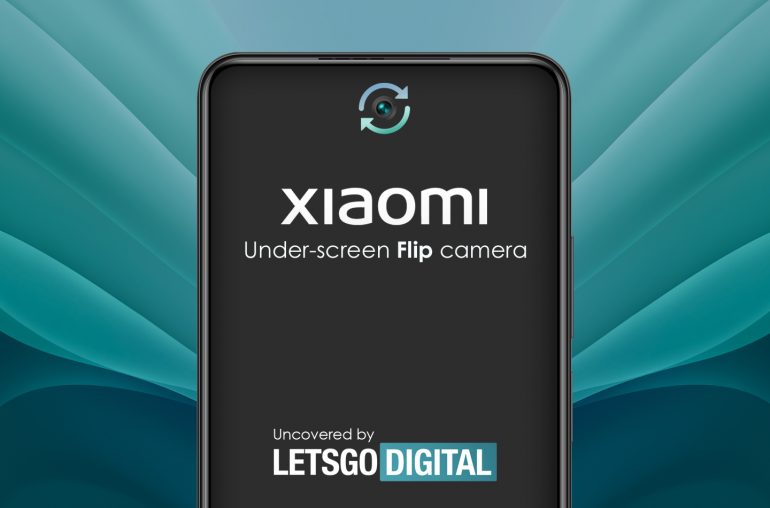
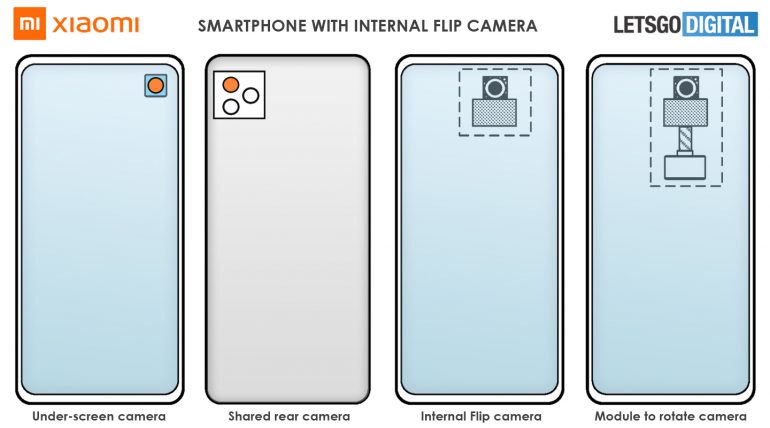
Chinese rising tech company Xiaomi has successfully gotten a patent for a smartphone with an under-screen flip camera that can serve the dual purpose of the primary camera and a selfie camera. The flip technology to be used in the phone’s camera setup will enable the camera to rotate 180 degrees and serve as both a selfie cam and a rear-facing camera.
Xiaomi has carved a niche for itself with its array of mid-range and high-end smartphones. The company continues to pursue active research and development within the smartphone segment of the tech industry. It recently displayed a concept phone featuring a curved display and an under-display camera. Xiaomi is not the only company working on innovative curved displays and under-screen camera technology. However, the company is making giant strides in the development of a rotating under-display camera module, as indicated by a new patent granted it by the World Intellectual Property Organization (WIPO).
According to WIPO documents spotted by LetsGoDigital, the patent application was filed in February 2020, for a “Terminal device,” which features an under-display camera. There are indications that Xiaomi may unveil the first of such devices within the year. The flip camera module is placed at the back of the device and is just a part of an elaborate system of lenses that would provide excellent quality visuals. The triple camera setup has a rotatable top lens. Extensive details were provided in the documentation document and showed that a magnetic drive module may be deployed for the operation of the under-display, internally rotated camera.
The patent documentation also revealed that the front-facing camera is activated internally with the rotating rear camera. The display is adjusted to fit in with the activated camera module and provide an equally powerful shot. The patent documentation reveals several other minute details, and we await the unveiling of the first Xiaomi smartphone that would feature the under-display rotatable camera setup.
There are indications that the first Xiaomi smartphone to have an under-display camera that can be rotated to serve as a selfie camera will be the Mi Mix 4. However, there are no definitive details concerning these developments, and we keep our fingers crossed.
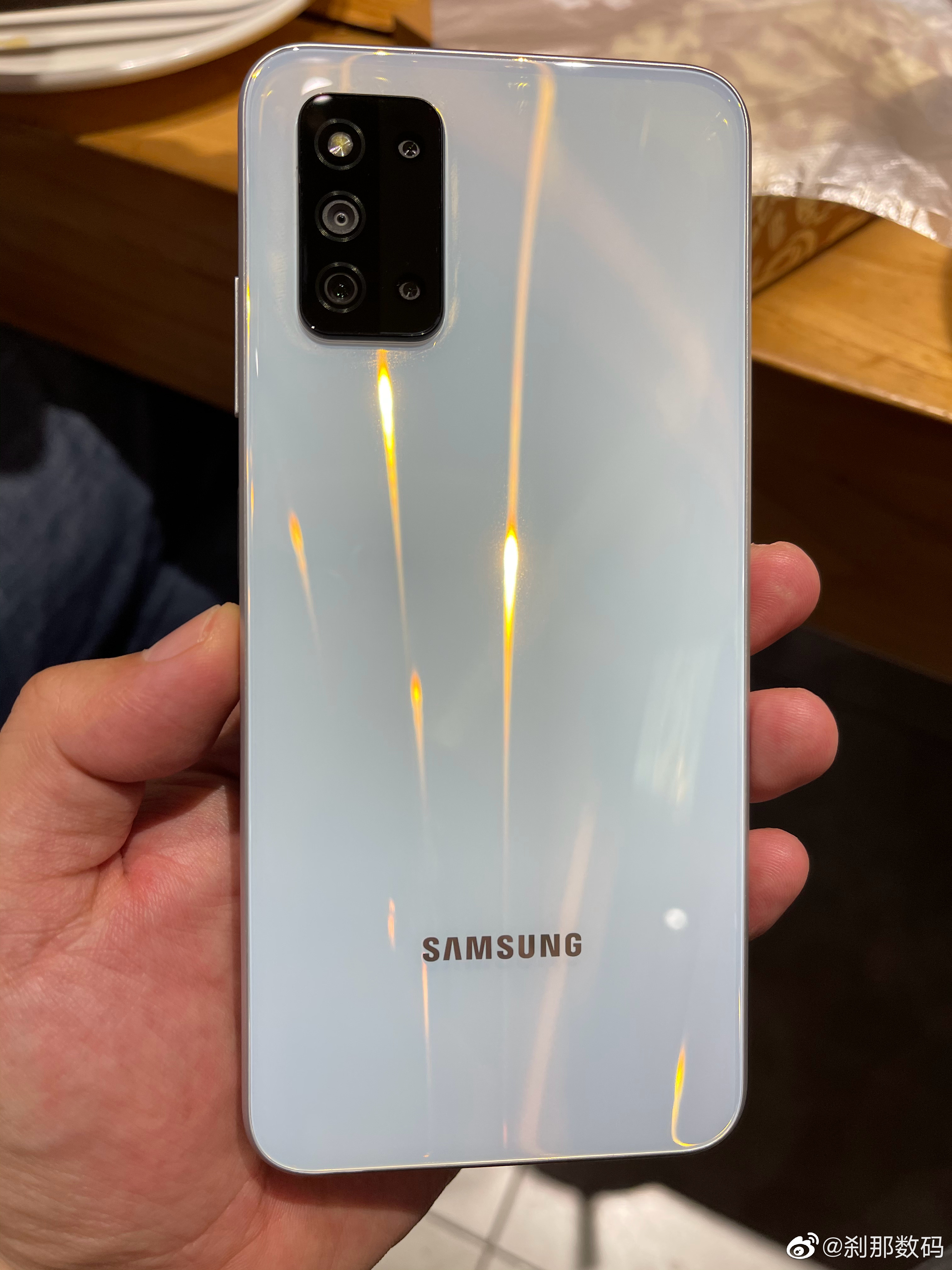
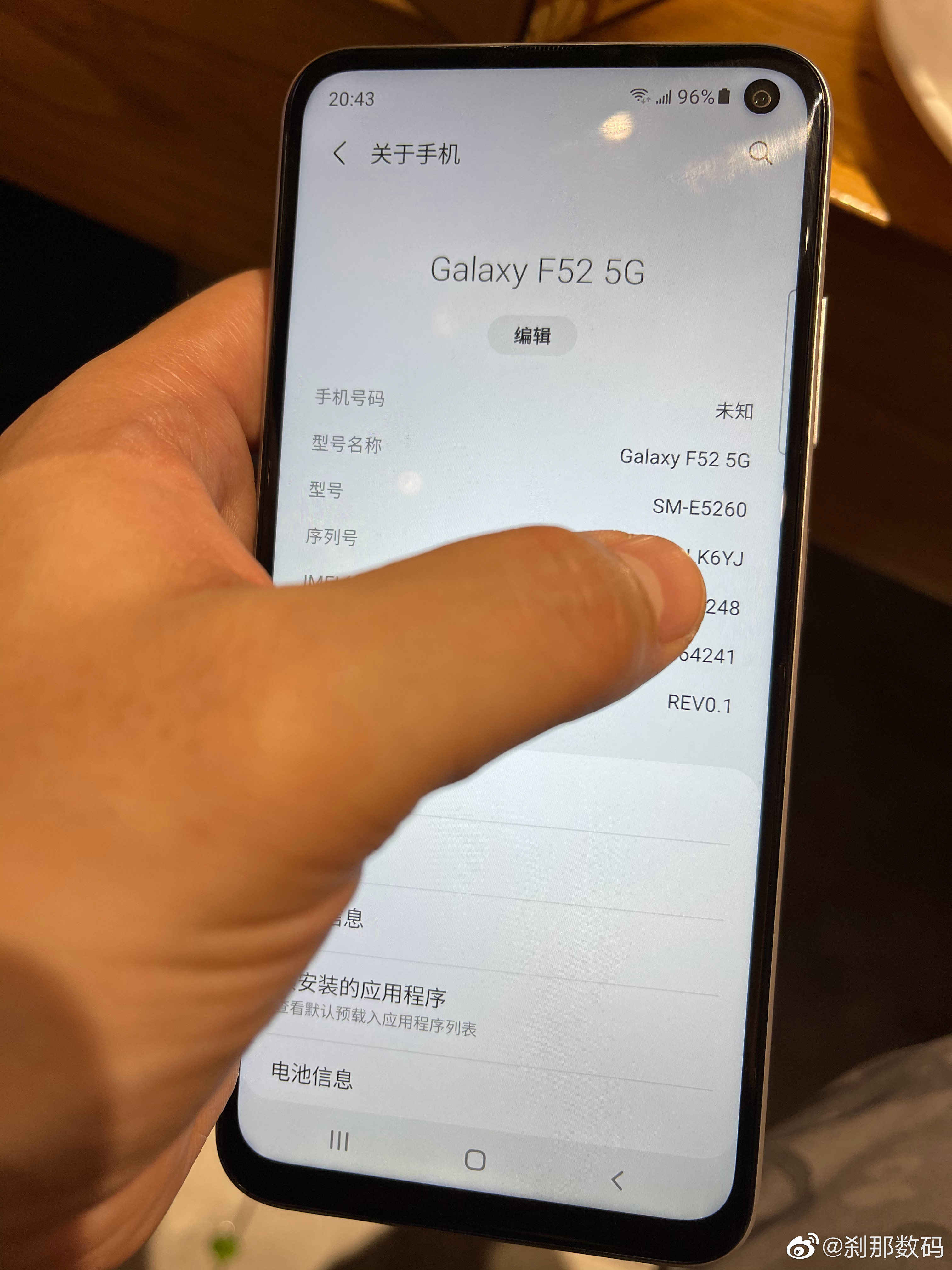
Recent reports have revealed that the Samsung phone with model number SM-E5260 at the TENAA certification platform of China will be debuting as the Galaxy F52 5G. A couple of live shot of the smartphone have appeared on Weibo, which indicates that it may not take too long for it to go official.
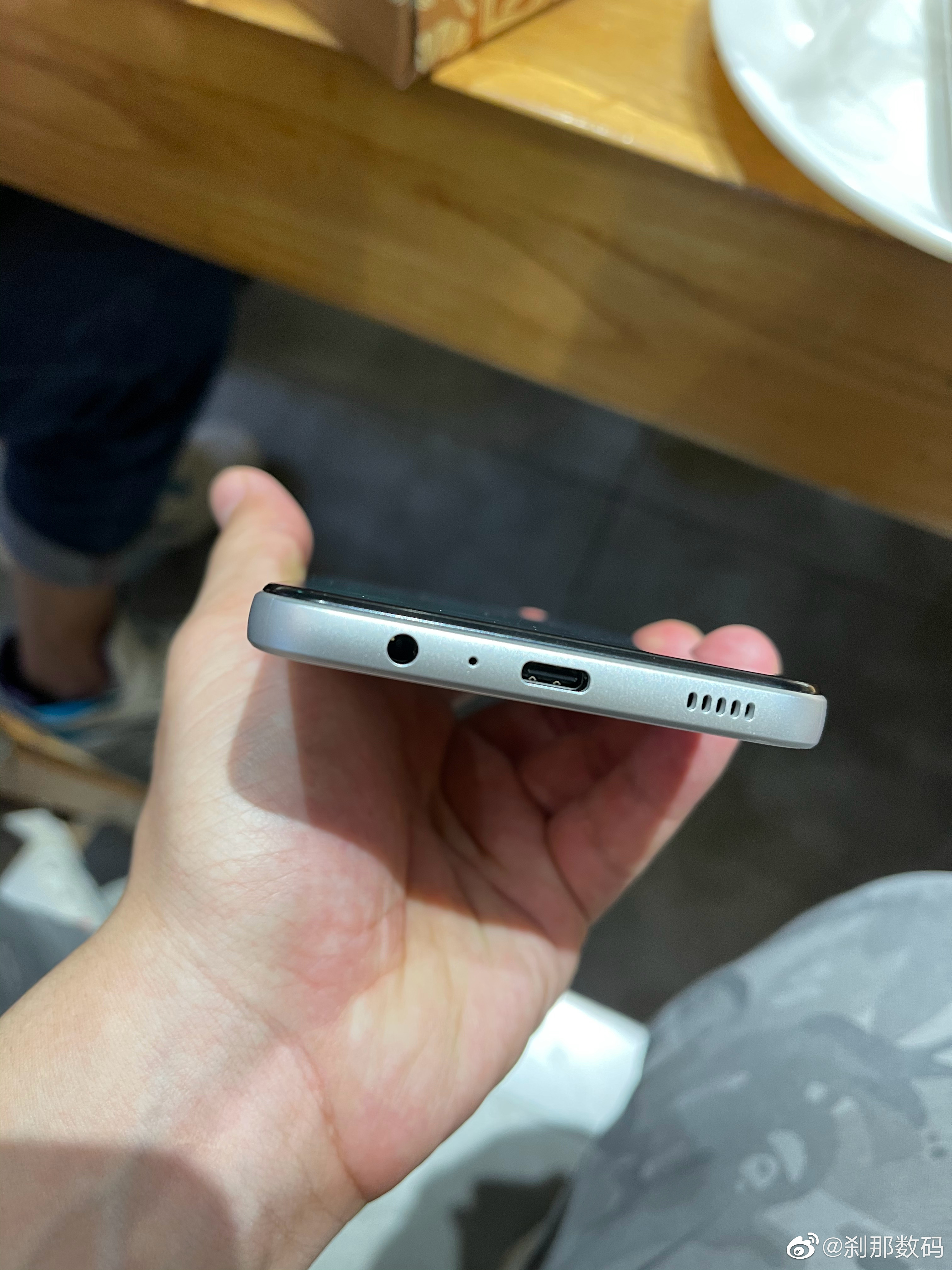
The Galaxy F52 5G has a punch-hole at the top-right corner of its screen. The bottom bezel of the phone appears to be slightly thick. A quad-camera housing can be seen on the glossy rear of the device. A view of the bottom edge of the phone shows that it has a 3.5mm audio jack, a microphone, a USB-C pot, and a speaker grille.
1 of 4
Samsung Galaxy F52 5G live shots
Samsung Galaxy F52 5G live shots
Samsung Galaxy F52 5G live shots
Samsung Galaxy F52 5G live shots
Samsung Galaxy F52 5G specifications
The Galaxy F52 5G’s TENAA listing revealed that it has a 6.57-inch LCD screen that delivers a Full HD+ resolution of 1080 x 2408 pixels and it measures 164.63 x 76.2 x 8.7mm. It is expected to arrive in China in colors like Dark Blue, Gray, and White.
TENAA mentions that the Galaxy F52 5G is equipped with a 2.4GHz octa-core processor. Its appearance at Google Play Console revealed that it features the Snapdragon 750G chipset. The TENAA listing further revealed that the device will come with 8 GB of RAM, 128 GB of storage, and a microSD card slot for more storage.
For photography, it features a front camera of 16-megapixel and its rear camera setup has a 64-megapixel primary camera. It has a 4,350mAh rated battery and it is expected to arrive with support for 25W rapid charging. The phone is expected to ship with Android 11 OS and the newest version of One UI.
The Chinese tipster who shared the above images of the Galaxy F52 5G claimed that it will be priced at 1,999 Yuan (~$311).
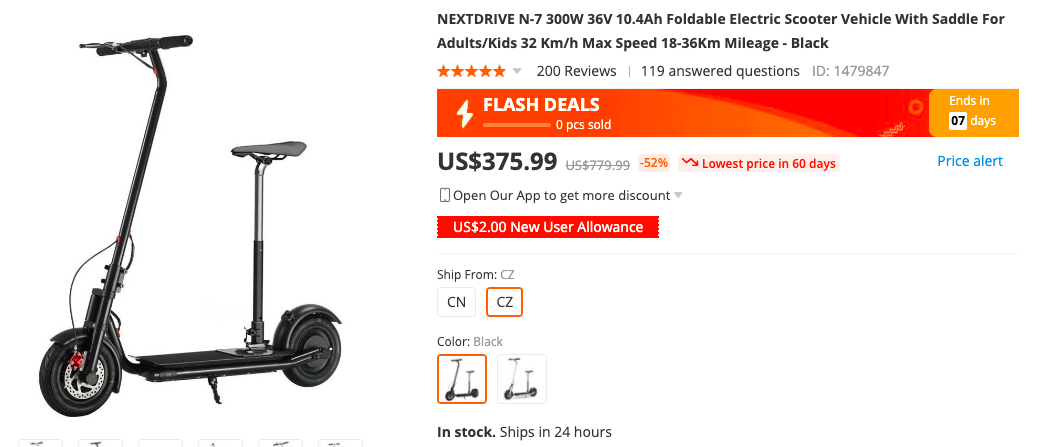
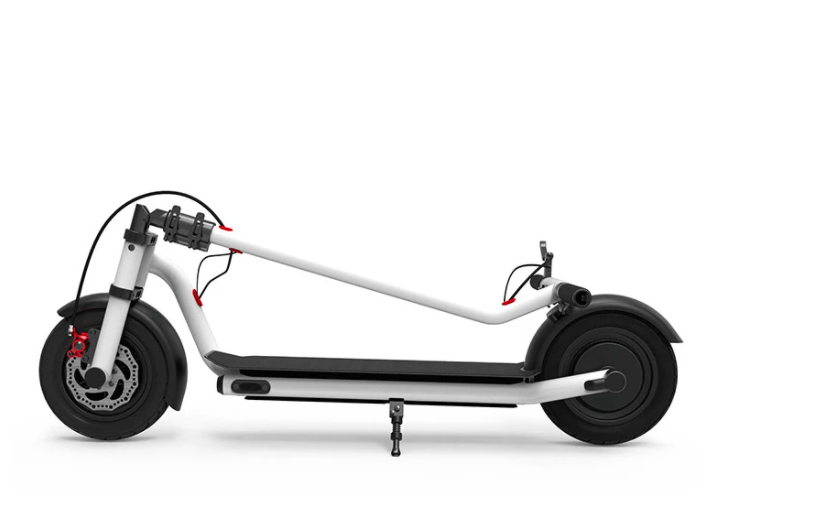
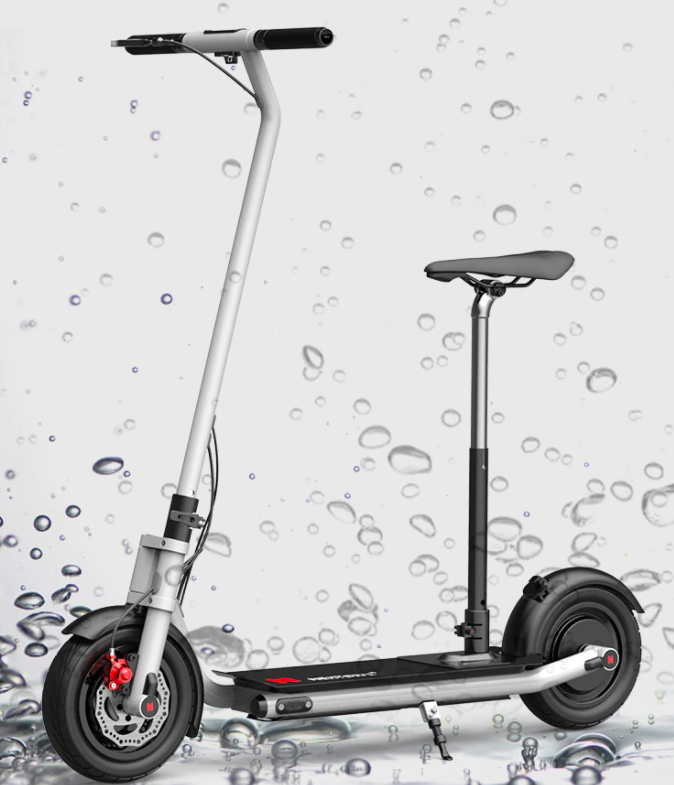
Banggood is giving a fantastic deal on Nextdrive N-7 300W Foldable Scooter. The scooter which generally retails for $450 is now available at a heavily discounted price of $375.99 only.
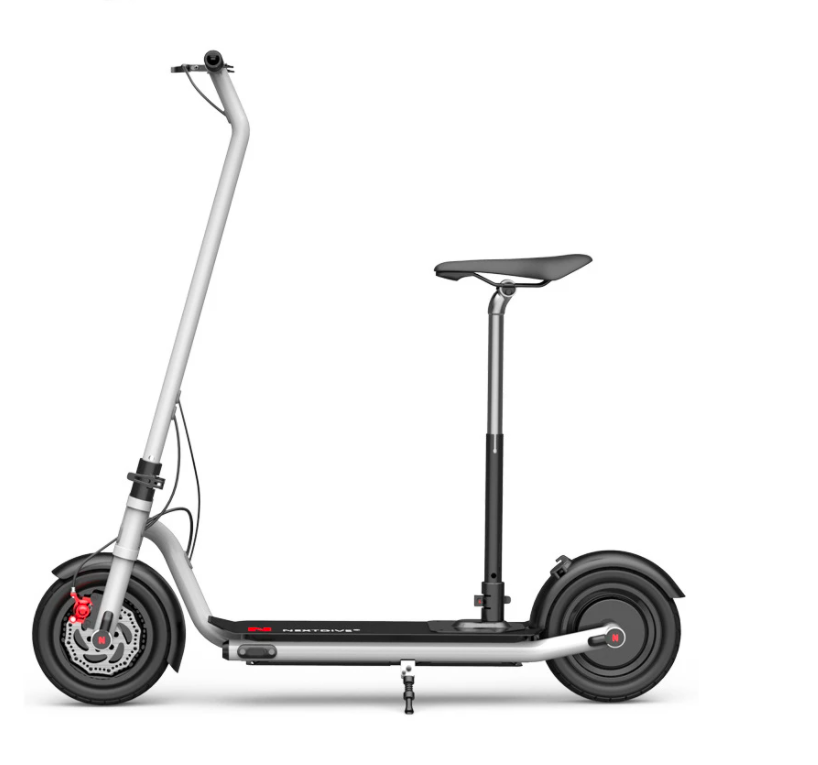
Nextdrive N-7 Foldable Electric Scooter, with Saddle.
Key Features:
Foldable Electric Scooter, with saddle
Waterproof – IP55
Max Speed – 32Km/h
Mileage per charge – 18 to 36Km
300W motor with 15-degree max climbing
Reinforced steel tube frame
One Key Operation- ON / OFF / Shift
EBS + Disc Brake
Max Load – 120 Kg
Lithium Battery – 10.4Ah
LCD Display – Speed, Gear, and Power
Charging Time – 3 to 4 hour
Nextdrive N-7 Foldable Scooter with saddle usually retails at around $450. But for the next 7 days, Banggood is giving a flash deal on this device. Hence you can now buy Nextdrive N-7 foldable scooter for $375.99 only.
Please note that this offer is applicable on both the Black and White color variants ordered from the CZ warehouse only. The flash deal will end in the next 7 days. So place your order asap.
For more information on such exciting deals and offers check out ourdeals hub.
* Please Note: When you buy something using the links in our articles, we may earn a small commission at no cost to you.
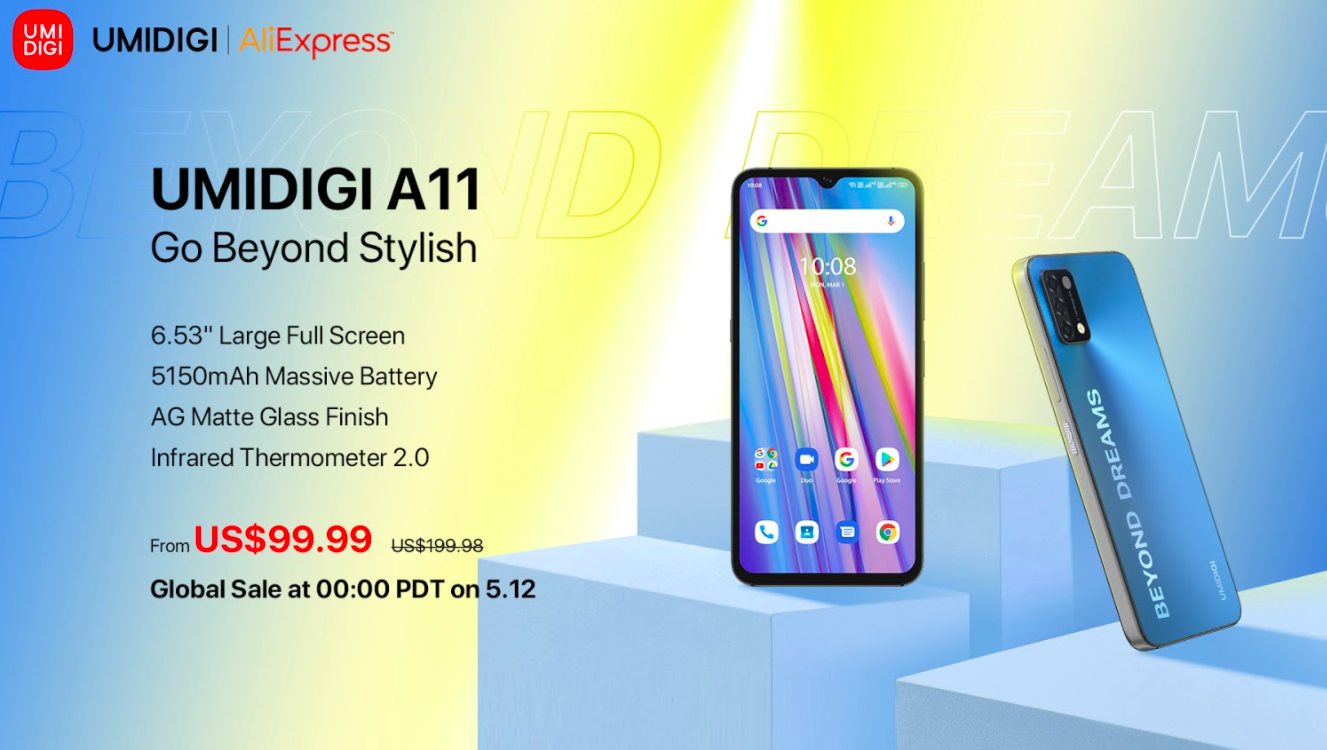
UMIDIGI is launching its latest budget smartphone UMIDIGI A11 and the brand new UMIDIGI AirBuds U on 12 May 2021 at AliExpress.
UMIDIGI A11
The latest in the A-Series, UMIDIGI A11 comes with some serious upgrades and flaunts a beautiful AG Matte glass back, giving it a premium look. The 6.53” large full-screen display is encased in an iconic flat-edged metal frame, making it super comfortable to hold and control your smartphone, single-handedly. Moreover, with an AG Matte Glass finish, you don’t have to worry about fingerprints and smudges.
The immersive 6.53” display comes with a 20:9 aspect ratio and an advanced in-cell technology that pops up the brightness and colors and gives you a wide viewing angle. Also keeping the pandemic in mind A11 like its predecessors features a Digital Infrared thermometer. The new upgraded infrared thermometer gives you a much more accurate reading than its predecessors, thereby helping you to maintain your health and safety.
Talking bout the camera setup, the smartphone sports a triple camera arranged vertically on a single panel along with the Infrared Thermometer sensor and Dual LED flash. A 16MP main camera is combined with an 8MP ultra-wide-angle camera and 5MP macro lens to give you the best photography and videography experience under the budget segment. Additionally, with a super night mode function, you can capture beautiful, bright, and clear images, even in low light. The front display holds an 8MP AI Camera, sufficient for all your selfie needs.
UMIDIGI A11 comes with an Helio G25 Octa-Core processor with up to 2.0GHz high frequency. The smartphone comes with Hyperengine technology which increases your game power and takes your gameplay to the next level. It offers two memory variants with LPDDR4X RAM viz: 3GB+64GB and 4GB+128GB, expandable up to 256GB with a dedicated Micro-SD slot.
The rugged smartphone is fueled by a 5150mAh battery and supports 10W charging via a TYPE-C port. It also comes with a side-mounted fingerprint sensor and AI facial ID and runs on the latest stock Android 11.
The UMIDIGI A11 will go on sale on 12 May 2021 for $99.99 only at AliExpress.
UMIDIGI AirBuds U
Designed with a unique U-shaped charging case, the AirBuds U is a True Wireless Stereo Earbuds from UMIDIGI. The earbuds feature a 13mm Dynamic driver which reportedly gives out deep and powerful bass and crystal clear sound at high frequency. Moreover, embedded with a noise cancellation algorithm, AirBuds U should give you a noise-free environment to make your calls.
UMIDIGI AirBuds U features a simple touch and tap control function, to play and pause music and reject and accept calls. You can also access the Google voice assistant simply by triple tapping the side shell and customize your gestures and controls using the UMIDIGI App. The earbuds give you 24 hours of playback time and 5 hours of continuous music on one single charge.
Available in three colors viz: Black, White, and Red, this IPX5 certified water-resistant earbud is launching globally on 12 May 2021 for $24.99 only at AliExpress.
As a part of this global launch event, UMIDIGI is running a giveaway of free earbuds and smartphones for 110 lucky winners. So be sure to check out their website to avail this offer.
The much-awaited Clubhouse app for Android can now be downloaded from Google’s Play Store. The beta version of the Android app has just been released. However, it seems that the app is only available for users in the United States for now. The rollout will, after that, target English-speaking countries, and then, the rest of the world would follow next.
Rumors had surrounded the extension of the app to Android. When the app was unveiled in 2020, it was only available on iOS, and there has been much debate on the need to have an Android version. The Clubhouse app is a popular app, with millions of users latching on to the audio-chat, invitation-only app.
The company began developing the Android app early in the year. Several tweets from inside sources and experts indicated that the Beta version would be available within May. And a confirmation has now been made that the Android app is now available on the Play Store.
Clubhouse app will use the critical feedback from the Beta version to fix all the problems it had observed before the release of the Android app.
The success of the Clubhouse iOS platform had seen a proliferation of similar apps by Facebook, Twitter, LinkedIn, and others. Multiple reports have indicated that the popularity of the app has declined in recent months. The release of the Android app will galvanize more users to pick the app. In comparison with its successful iOS app, the Android version lacks a few features, and we would expect this to be addressed by Clubhouse moving forward.
The chat app has endured some censorship in parts of the world, as it quickly became a platform for people to ventilate their grievances in their own words.
A few years back, Chinese phone maker OPPO made its entrance into the market and actually ate into the market share of Xiaomi with its offline store strategy. The R9 released in 2016 gave the company the breakthrough it needed with a high sales volume mostly via offline sales while Xiaomi concentrated on an online-only sales model back then. The company replicated the same strategy in India where it has thousands of offline stores spread across the country. Unfortunately, the COVID 19 pandemic has made it impossible for people to access physical retail outlets leading to a slump in sales.
In order to boost its sale, OPPO has launched an e-store in India which gives fans another channel to buy its phones. The channel will serve as an alternative to Amazon where the brand currently sells its phones online in China. The e-store will be incorporated into OPPO’s official website for the region and in due course, a dedicated app will be launched.
A press statement released by the company promises customers unfettered access to the one-stop-shop where they’ll get access to all the brand’s products ranging from smartphones to IoT products, and wearables.
As part of activities to mark the opening of the online store, OPPO has also unveiled some discount offers that will go live on May 11 and will run through to May 17. Other activities include a 1 rupee flash deal on selected OPPO wearables such as the W31 and W11 TWS earbuds. OPPO is offering an 80% discount off the Band Style as well as the Oppo A5 (2020), Oppo A5s, Oppo F11, Oppo F15, and the Oppo Reno 10X Zoom smartphones.
In addition, OPPO will also be rolling out a 1 rupee “Mystery Box” sale which can contain any product ranging from the Oppo F19 Pro+ to the Oppo Band Style. There will also be bundle offers taking off up to Rs. 1000 from the prices of some smart products including the Oppo Reno5 Pro or Oppo F19 and the Oppo W31 true wireless headphones, and the Oppo A15s and the W11 TWS headphones.
Fans can also try out their luck in the “spin-to-win” exercise with products such as the Oppo Reno5 Pro, Oppo A53, the Oppo Enco X headphones, and the Band Style up for grabs. There will also be coupons ranging from Rs. 50 to Rs 150 as prices for the lucky spin.
ASUS will be announcing the ZenFone 8 and ZenFone 8 Flip tomorrow. The entire specs of both phones have appeared in recent reports. A fresh report by 91mobileshas revealed the pricing of the three variants of the ZenFone 8.
Citing information received from tipster Sudhanshu Ambhore, the publication claimed that the ZenFone 8 will arrive in three variants such as 8 GB RAM + 128 GB storage, 8 GB RAM + 256 GB storage, and 16 GB RAM + 256 GB storage. These models will be priced at 700 euros (~$850), 750 euros (~$910), and 800 euros (~$970), respectively. The leaked renders of the phone have revealed that it will be available in silver and black colors.
Leaked render of ZenFone 8 by 91mobiles
ASUS ZenFone 8 specifications (Rumored)
The ASUS ZenFone 8 will be arriving with a 5.92-inch display that delivers a Full HD+ resolution and a 120Hz refresh rate. It features an OLED panel with an in-screen fingerprint scanner.
The compact flagship will draw power from the Snapdragon 888 mobile platform. The device is expected to ship with LPDDR5 RAM and UFS 3.1 storage. It will come preinstalled with ZenUI based Android 11 OS.
The ZenFone 8 has a 4,000mAh battery, which supports 30W rapid charging. It has a front camera of 12-megapixel and its rear camera system has a Sony IMX686 64-megapixel main camera and a 12-megapixel wide-angle lens, which can also capture macro shots. The handset is expected with other features like dual speakers and a 3.5mm audio jack.
At present, there is no word on the pricing of the ZenFone 8 Flip. As the name goes, it will continue to sport a flip-up camera module like the predecessor ZenFone 7 and ZenFone 6 series.
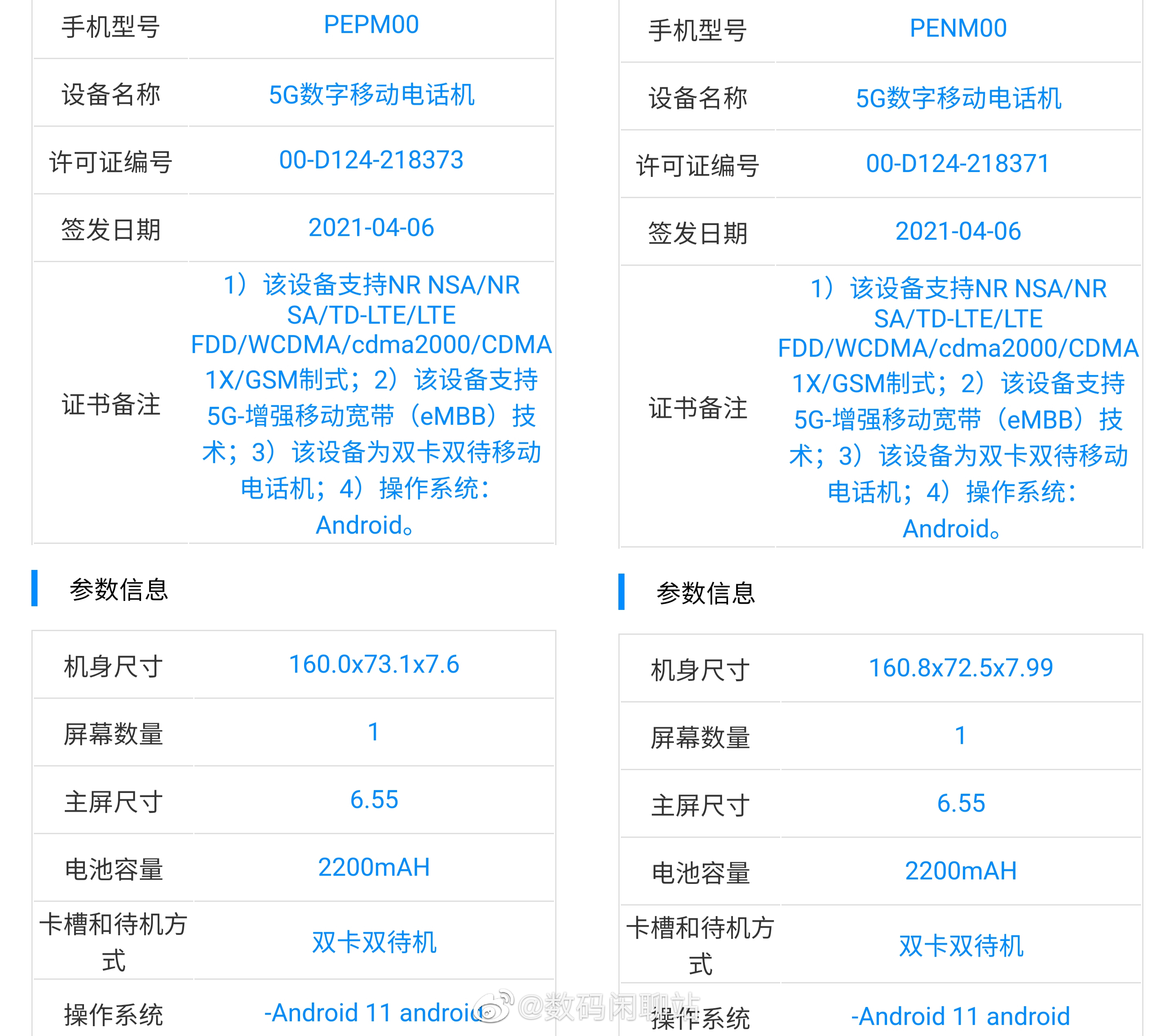
While there is no official confirmation yet, OPPO is expected to announce the Reno6 series of smartphones on May 22 in China. Two OPPO phones with model numbers PEPM00 and PENM00 were recently seen at the 3C certification platform. Now the preliminary specs of both phones have appeared on TENAA. These listings suggest that the arrival of the Reno6 series may not be too far away.
OPPO Reno6 Pro’s TENAA images
According to Chinese tipster Digital Chat Station, the PEPM00 phone will be released in China with the Reno6 Pro moniker, whereas the PENM00 phone will be launching as the Reno6 Pro+. Their TENAA listings have only revealed their dimensions, display size, and battery capacity.
The alleged Reno6 Pro measures 160 x 73.1 x 7.6mm and it has a 6.55-inch display. The device runs on Android 11 OS and is backed by a 2,200mAh dual-cell battery. The tipster claims that this model is powered by the Dimensity 1200 chipset.
On the other side, the purported Reno6 Pro+ has 160.8 x 72.5 x 7.99mm dimensions and it features a 6.55-inch screen. This phone also runs on Android 11 OS and has a 2,200mAh dual-cell battery. According to the leakster, this phone is driven by the Snapdragon 870 chipset.
TENAA images of OPPO Reno6 Pro+
The tipster added that both phones will be sporting an FHD+ OLED panel with a single punch-hole and curved edge design. Both phones are backed by a 4,500mAh dual-cell battery and they carry support for 65W rapid charging. The TENAA listings of both phones are expected to get updated with full specs in the next few days. The model number of the vanilla Reno6 is not clear.
A recent report claimed an upcoming OPPO phone with PEQM00 model number will feature a new Dimensity MT6877 chip. It remains to be seen whether this device will launch as Reno6 or with some other moniker.
We use cookies on our website to give you the most relevant experience by remembering your preferences and repeat visits. By clicking “Accept”, you consent to the use of ALL the cookies.
This website uses cookies to improve your experience while you navigate through the website. Out of these, the cookies that are categorized as necessary are stored on your browser as they are essential for the working of basic functionalities of the website. We also use third-party cookies that help us analyze and understand how you use this website. These cookies will be stored in your browser only with your consent. You also have the option to opt-out of these cookies. But opting out of some of these cookies may affect your browsing experience.
Necessary cookies are absolutely essential for the website to function properly. This category only includes cookies that ensures basic functionalities and security features of the website. These cookies do not store any personal information.
Any cookies that may not be particularly necessary for the website to function and is used specifically to collect user personal data via analytics, ads, other embedded contents are termed as non-necessary cookies. It is mandatory to procure user consent prior to running these cookies on your website.