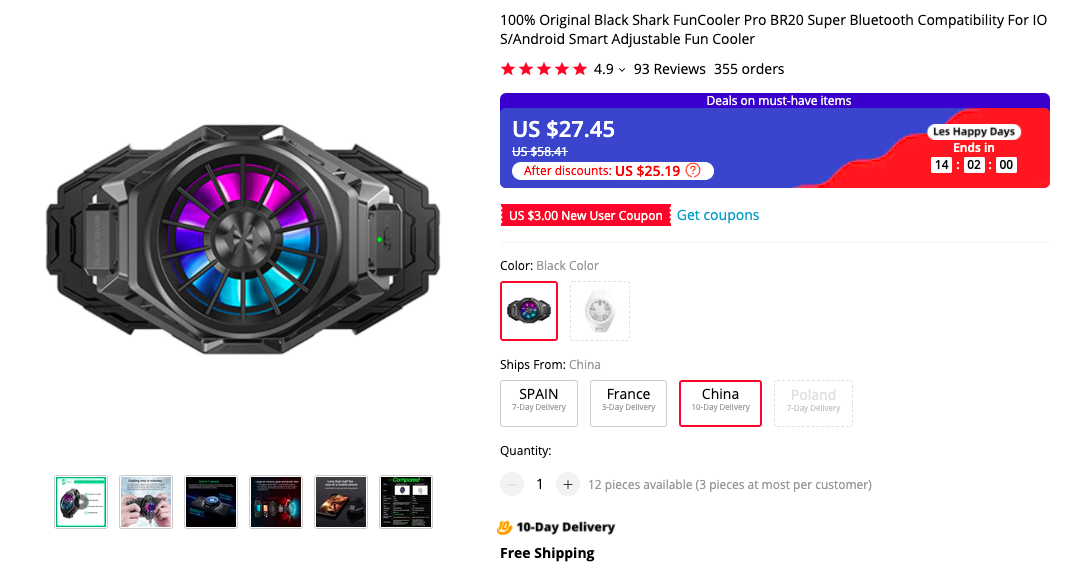
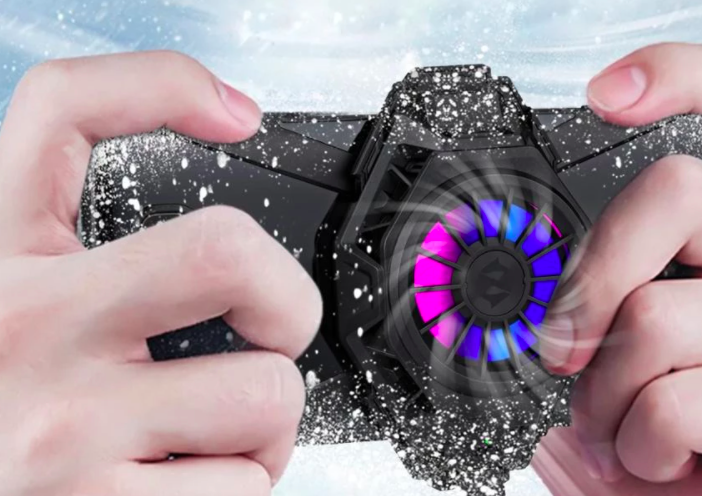
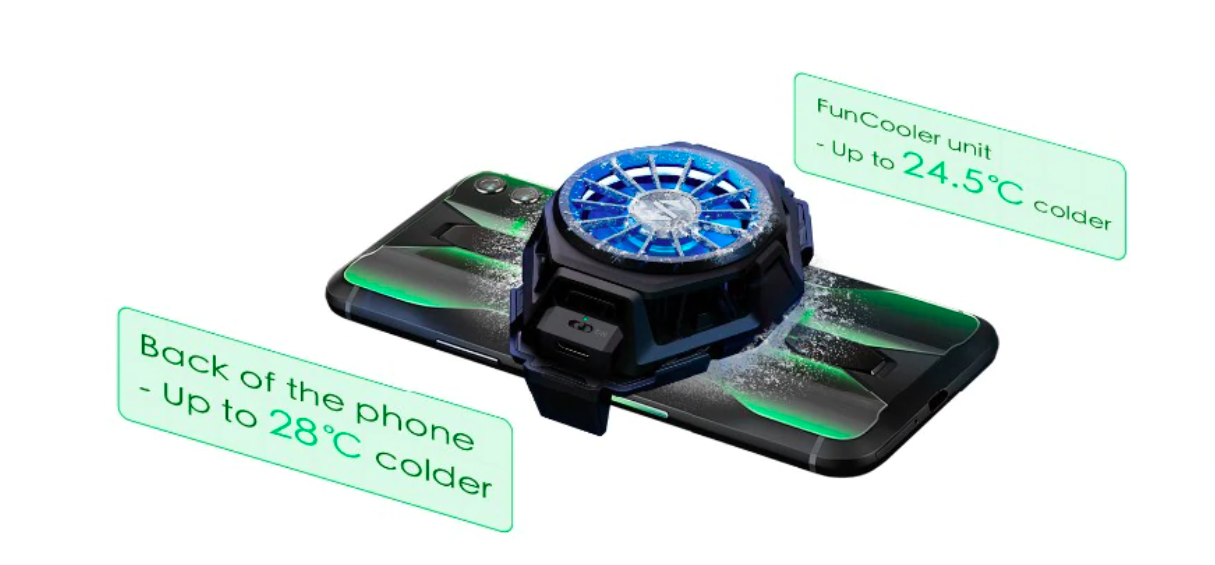
Black Shark FunCooler Pro is a mobile phone cooler/ fan that combines a freezer chip and turbofan to bring down your smartphone temperature by 14 degrees celsius, in just one minute. Packed with a thermal electronic cooling system the FunCooler absorbs heat from the surface of your smartphone and releases it into the fan.
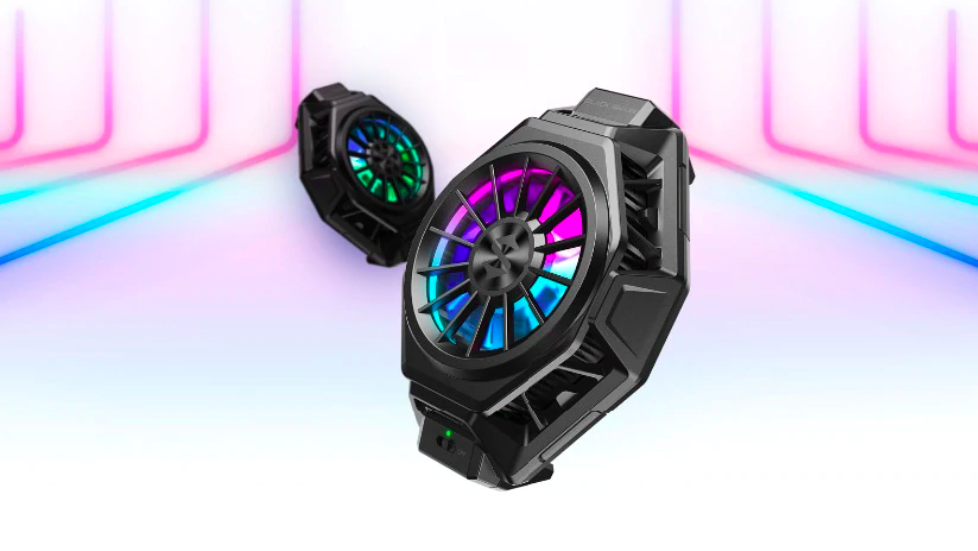
The device features seven fan blades that spin at a speed of 6200RPM giving you quick and stronger heat release. Moreover, to increase the fun element of your gameplay, the device is fitted with an RGB halo light strip made from 12 LED lights with 34 customizable patterns.
Compatible with any smartphone that can fit into a 2.63-4.46 inch (67-88mm) spring-loaded clamps, the device can easily hold the latest smartphones from iPhone, Samsung, etc. For more information check out this review on Black Shark FunCooler Pro from Gizmochina.
Generally retailing at $40, you can now buy Black Shark FunCooler Pro for just $25.19. Please note that this flash deal ends in the next 14 hours. So hurry up and buy your discounted FunCooler asap.
For more information on such exciting deals and offers check out ourdeals hub.
* Please Note: When you buy something using the links in our articles, we may earn a small commission at no cost to you.
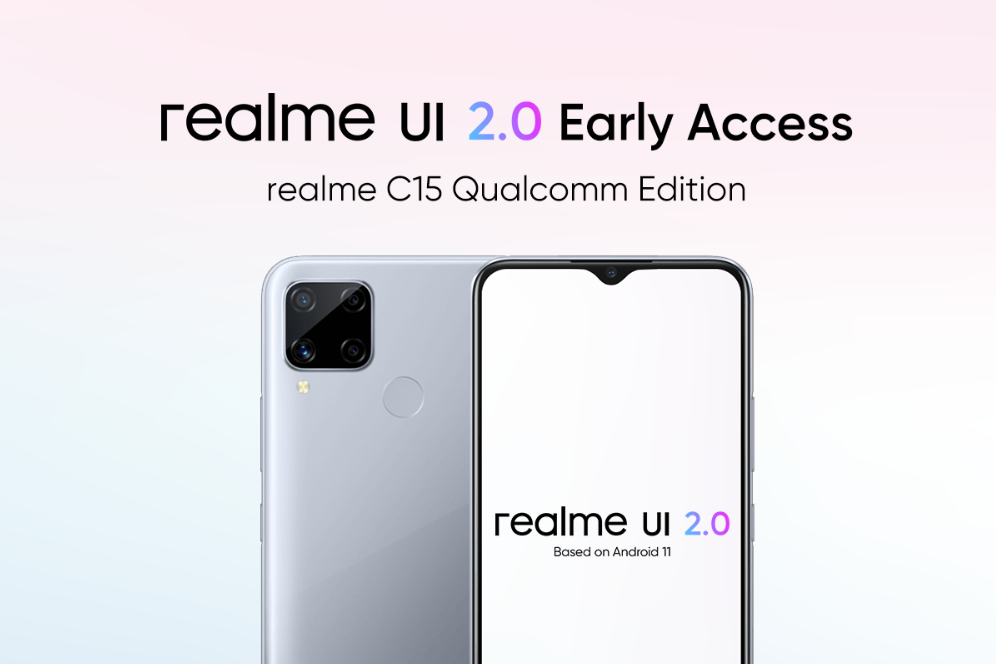
The realme C15 Qualcomm Edition was launched in India in late October 2020. This smartphone is also known as realme C15 Holliday Edition in Indonesia. It debuted with realme UI based on Android 10. Now, months after its release, users of this handset can finally taste Android 11 (realme UI 2.0).
Chinese handset maker realme announced realme UI 2.0 based on Android 11 in September. Since then, the company has been running beta programs for eligible devices. However, only a few have received the stable update so far.
The latest phone to join the realme UI 2.0 Early Access program is the realme C15 Qualcomm Edition. Interested users of this smartphone need to be on either of these two firmware versions to enroll themselves – RMX2195PU_11.A.29 and RMX2195PU_11.A.31.
If they are running any of the above-mentioned builds, then they can head over to Settings > Software Update > Gear Icon > Trial Version > Apply Now and submit the required details.
Unfortunately, the brand has not revealed the number of seats for the first batch of testers. Hence, interested users are advised to register as soon as possible to get selected. On approval of their application, they will receive the Android 11-based realme UI 2.0 beta update via OTA.
If users are facing major issues or do not like the experience, they can roll back to Android 10 (realme UI) by installing the rollback package offered by the brand. But this process will wipe the phone’s internal storage and the unit cannot be registered again for the Early Access program.
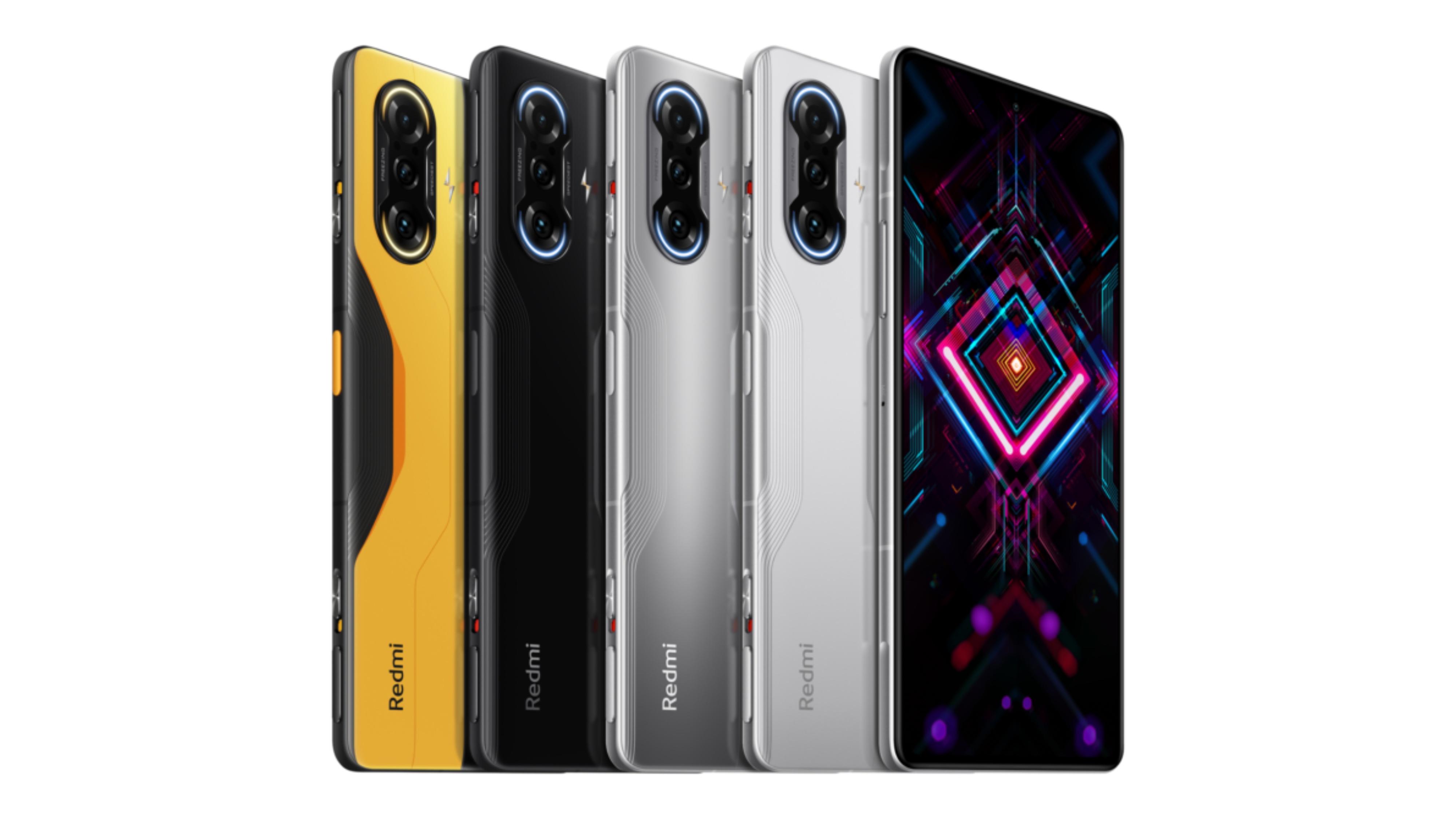
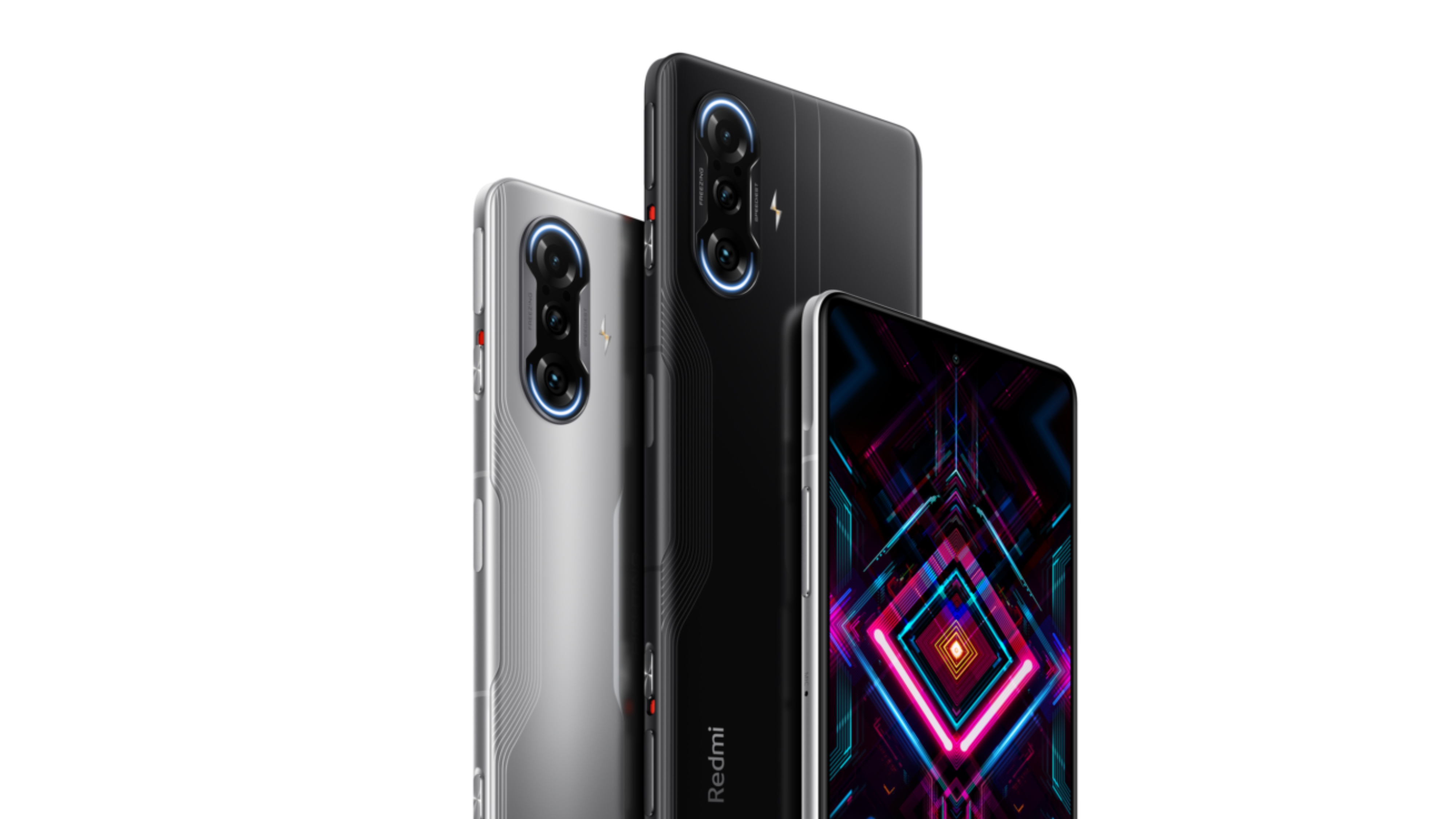
Redmi’s General Manager Lu Weibing has provided his perspective on the lack of acceptance of gaming smartphones, stressing that the company is well-primed to engender greater popularity of gaming smartphones in the market. Weibing’s statement comes in the wake of the unveiling of the Redmi K40 Gaming Edition in China.
Redmi K40 Game Enhanced Edition
The Redmi K40 Game Enhanced Edition is Xiaomi’s first gaming smartphone outside of the BlackShark brand. The company expects it to catch the appeal of its customers due to its impressive gaming features and affordability. Liu Weibing disclosed that Redmi decided to enter the gaming smartphone market due to the lack of popularity of gaming smartphones.
Redmi’s gaming phone is the most affordable model around as gaming phones are mostly expensive. Weibing attributed the premium pricing to the higher cost of production of premium gaming smartphones. Getting an appropriate processor, decent screen, memory, and other aspects in the production and marketing spectrum combine to make the cost of the phones to be generally exorbitant.
The K40 Game Enhanced version sells for around 2000 yuan (~$310), making it by far the cheapest gaming smartphone among the popular brands by a mile. The phone was sold out within a minute during its first sale today in China. It is expected that the acceptance given the K40 Gaming edition in China would be replicated in other countries where a rollout of the model or its variants will take place in the coming weeks. There are speculations that it will launch as POCO F3 GT in India.
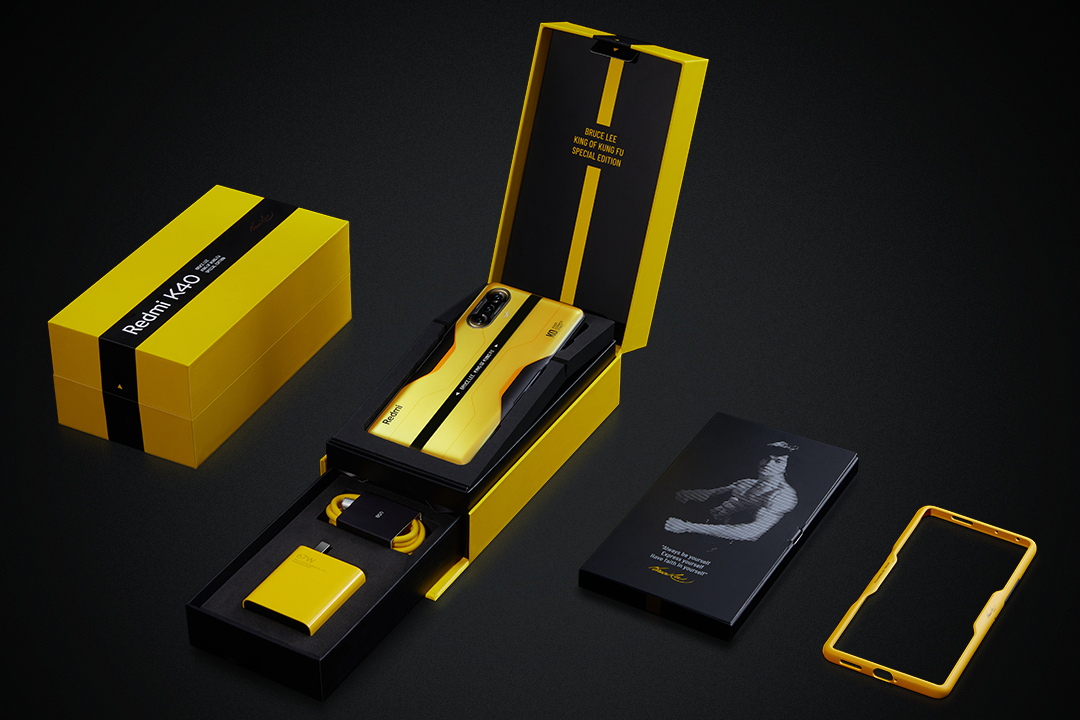
Redmi K40 Gaming Bruce Lee Special Edition
The Redmi K40 features an impressive overall form factor and has a relatively lower weight than its competitors like the ASUS ROG Phone 5 and the Nubia Red Magic 5. It is, therefore, lighter and thinner than its present competitors and is a fair reflection of the research and innovative effort put in by Xiaomi in the design and production of the gadget. The company is targeting sales of up to 1.7 million units of the K40 Gaming Enhanced Edition in China alone and the early results indicate that the outlook remains bright for the model.
The Redmi General Manager also noted that the popularization of gaming smartphones could be a difficult task, but the company is ready to plunge into the task because of the opportunities it sees, going forward.
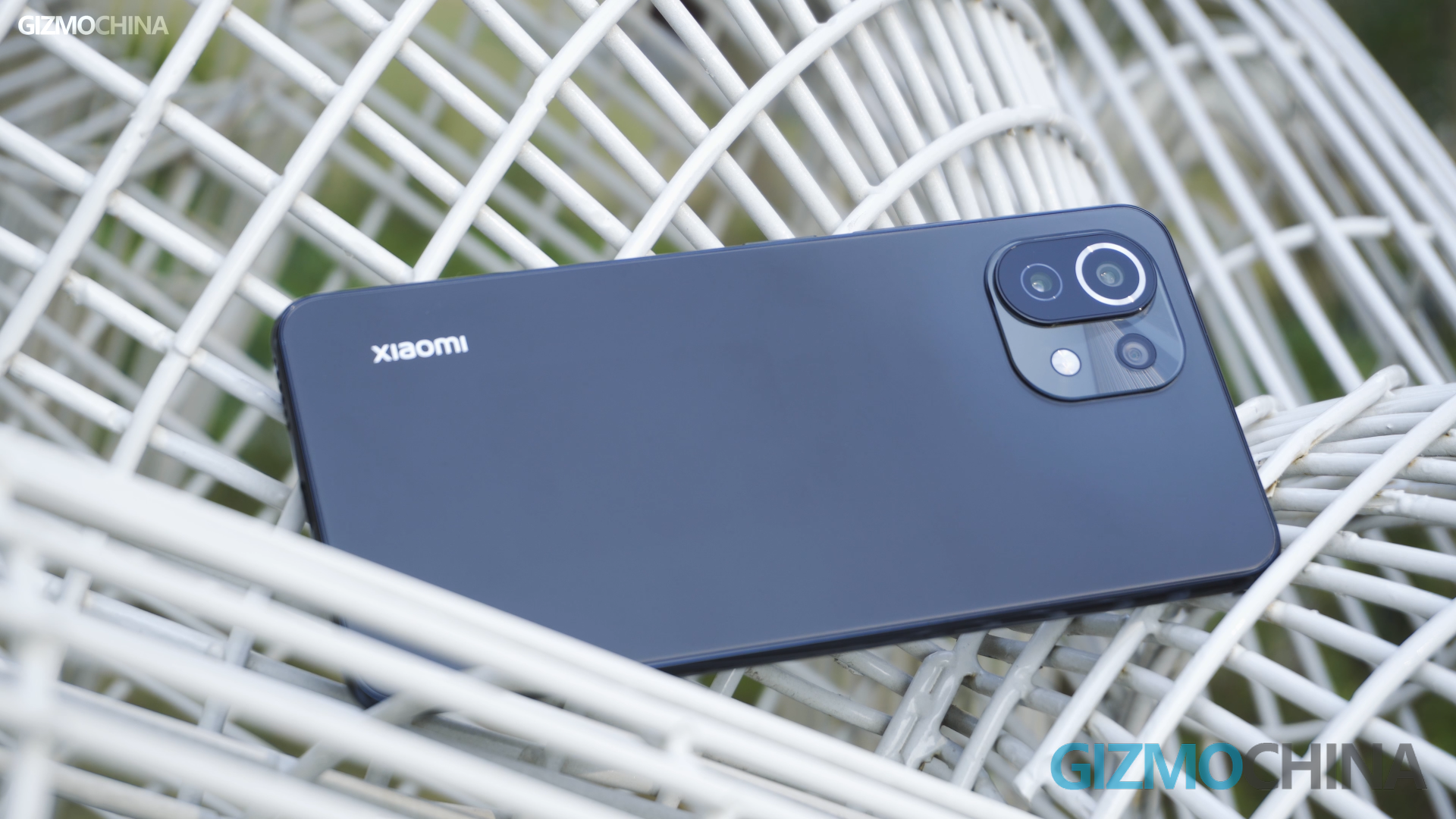
Xiaomi Mi 11 Lite 5G is supposed to be the cheapest and least impressive model in this year’s Mi 11 series. It doesn’t have a powerful camera or a top-notch screen. But I think it still has some highlights that are unique to the model. For these rare highlights, I think there are still many people who will pay for it.
Before I start the review I want to make one thing clear. The Mi 11 Lite in this review is the 5G-enabled Chinese version, not the 4G-only global version.
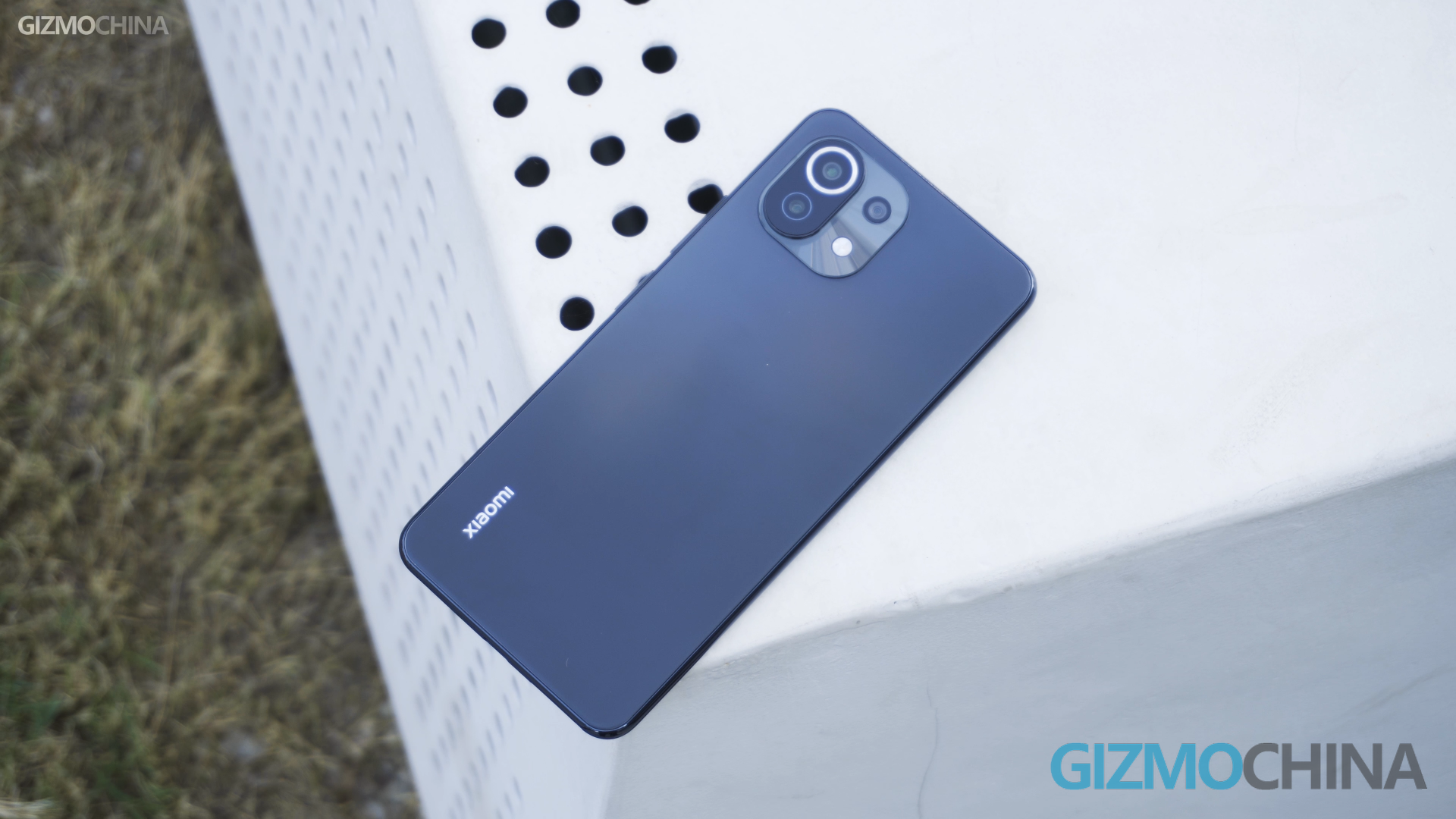
Xiaomi Mi 11 Lite 5G Review: Design
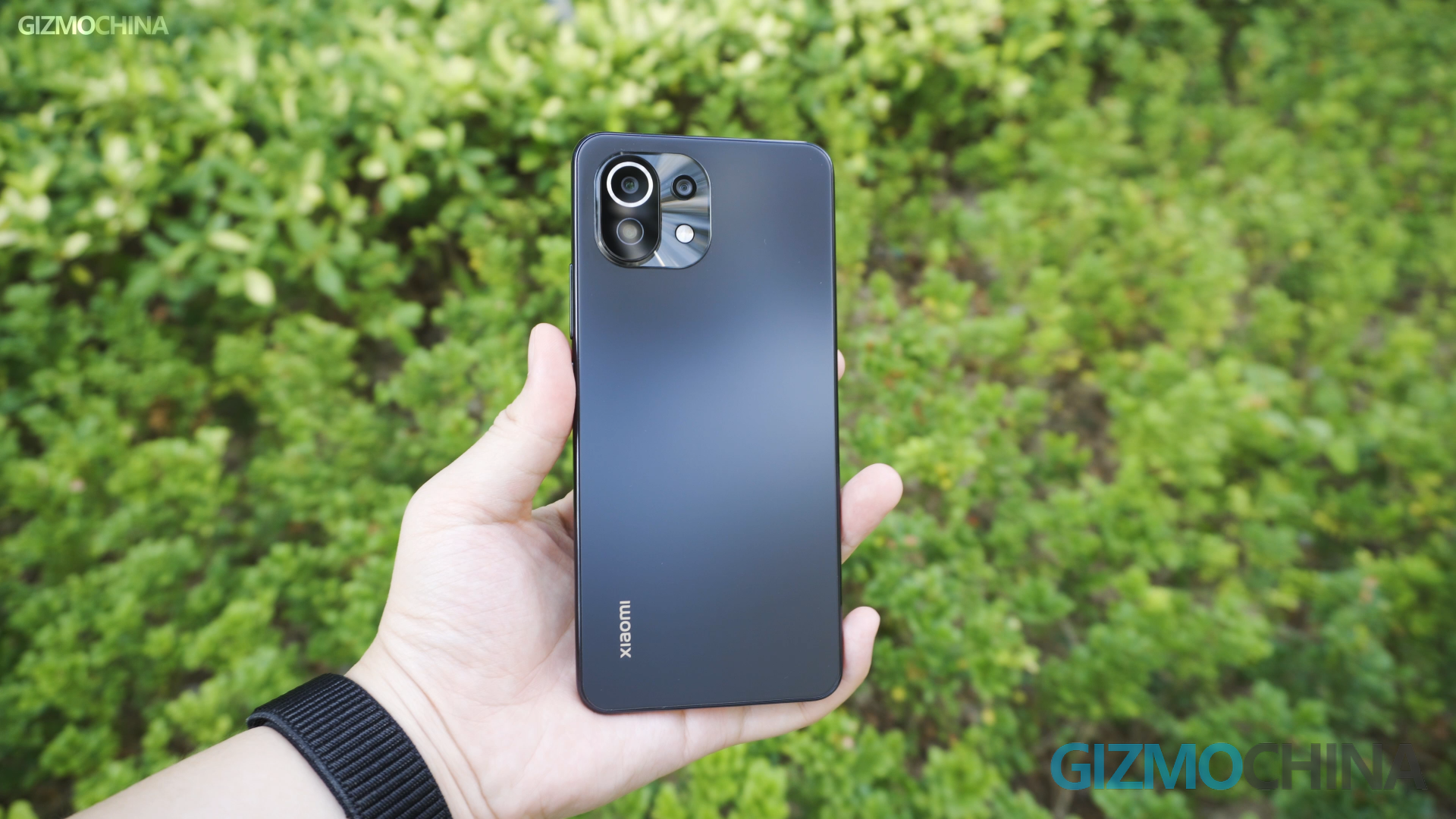
Its appearance at first glance is almost identical to that of the Mi 11. It has the same lens module design, the same logo position. But the details are different. For example, the back panel has become flat, the power button has integrated fingerprint recognition, and the “108MP” on the lens is gone.
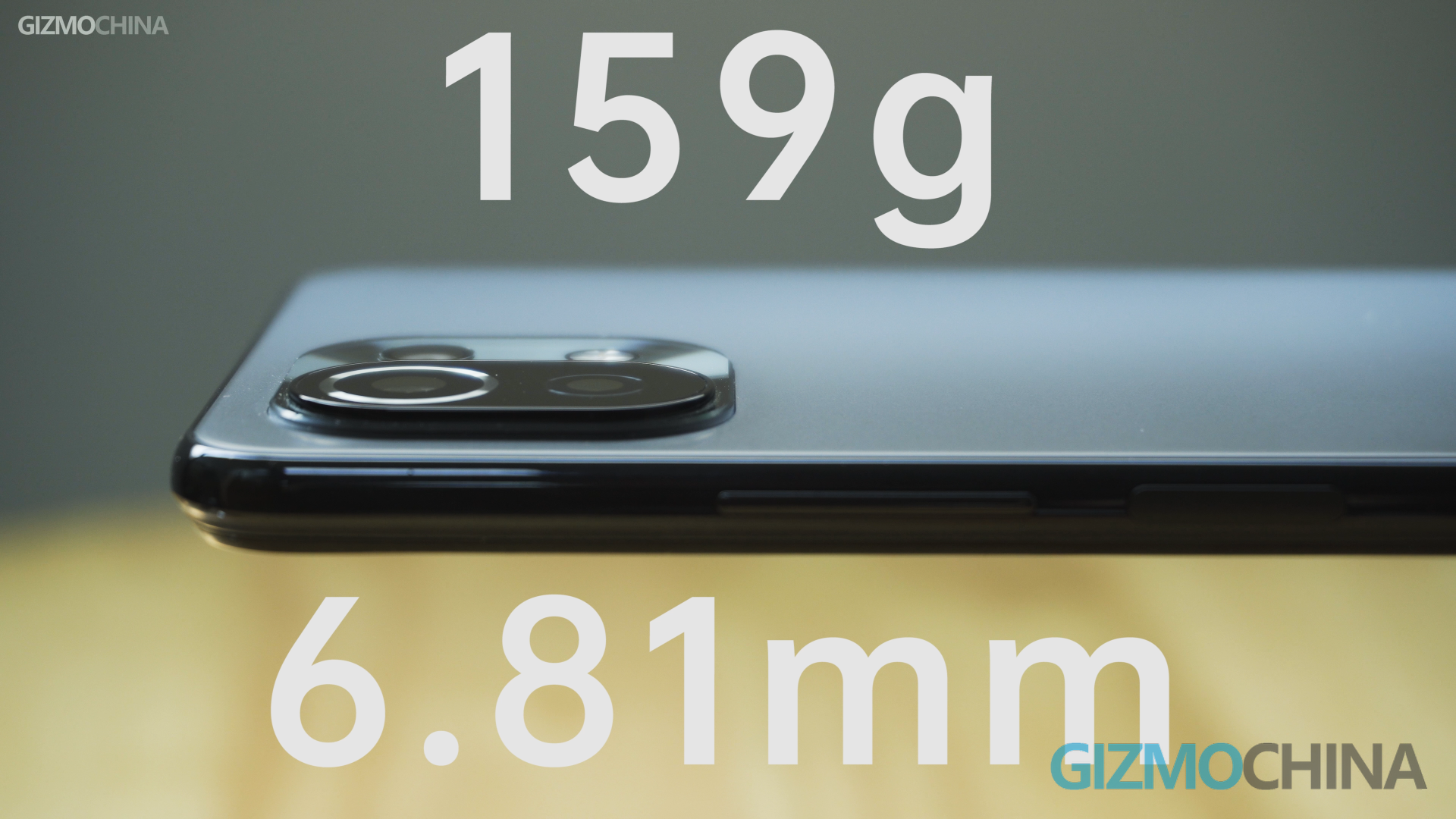
In terms of design alone, it is very ordinary. But its biggest highlight is its weight and thickness control. 159g weight and 6.81mm thickness is very rare for a 5G phone. And this is also the lightest and thinnest 5G phone we’ve tested.
The weight of this phone plus an egg is only as much as a Mi 11 Pro. And most importantly, although the frame is still plastic, the back panel is still made of AG frosted glass. It feels much better than a phone that is entirely made of plastic. At least it won’t feel so cheap. Although the Mi 11 Lite 5G design is very ordinary, I am willing to give it a high rating for this extreme weight and thickness control.
Xiaomi Mi 11 Lite 5G Review: Display
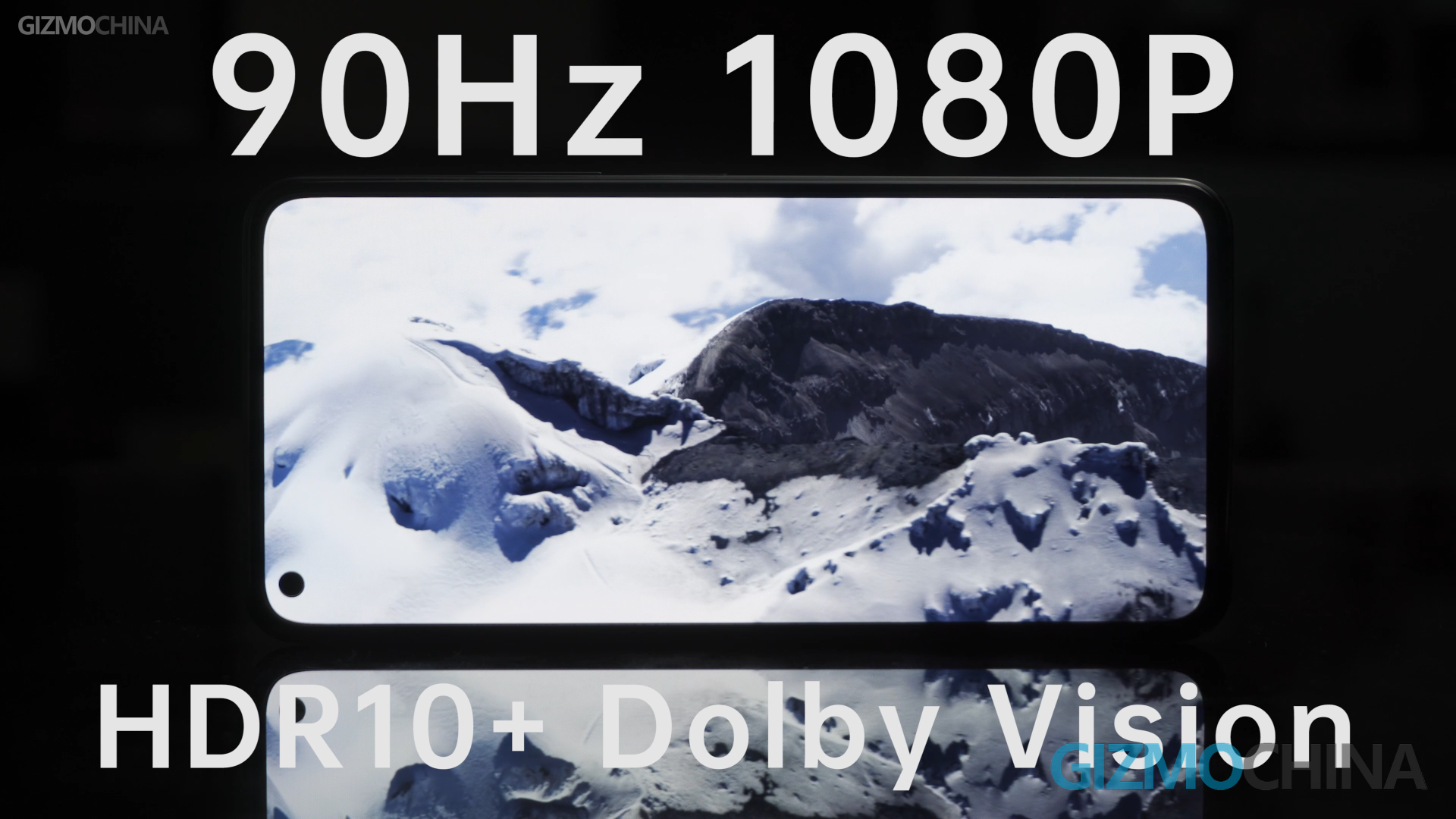
The front of the Mi 11 Lite 5G features a 6.55-inch 90Hz 1080p screen with HDR10+ and Dolby Vision support. The bottom bezel width is well controlled, and the screen is a bit like the iPhone 11 with four equal widths. And this straight screen is made of flexible AMOLED, so theoretically the look and feel should be good.
But Mi 11 Lite 5G’s comes in two types of displays in the market. Basically, the pixels are arranged in two different configurations. One variant features a screen with Diamond-like pixels, while the other has RGB Delta pixels. Unfortunately, the RGB Delta pixels screen when compared to the diamond-like pixel’s screen has worse font clarity, and the font edge has a color edge problem. The unit we have features a screen with RGB Delta pixels, so the screen quality is low compared to the other variant that comes at the same price. And if you look at the phone’s screen from the side, the problem of the color cast is obvious. But if you’re lucky and get a version with diamond-like pixels of the screen, I believe the screen can still score a passing grade. But the RGB Delta pixels version is obviously a failing grade.
Xiaomi Mi 11 Lite 5G Review: Performance and Gaming
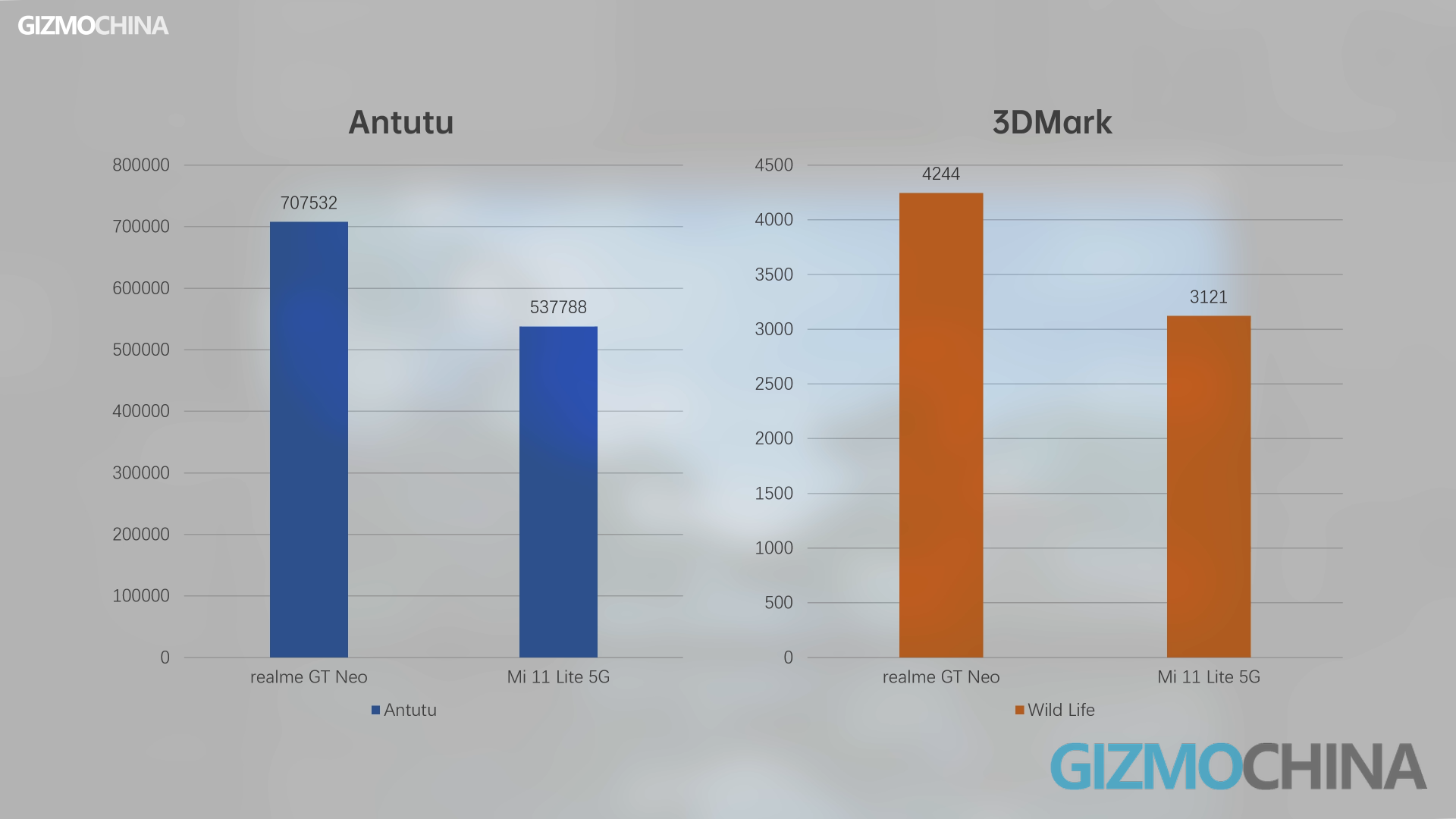
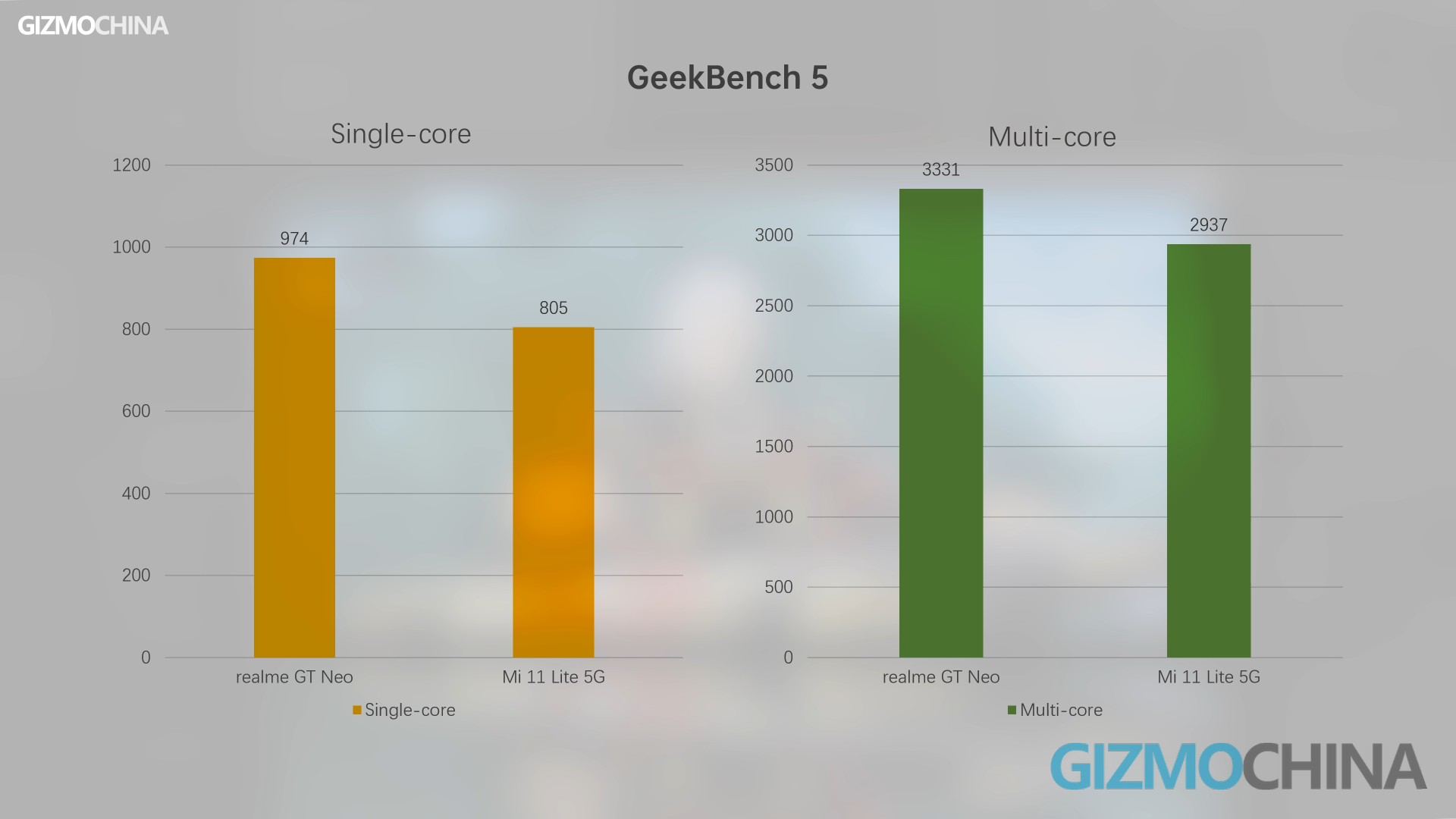
The second highlight of the Mi 11 Lite 5G is the new Snapdragon 780G processor. The performance of the new 5nm Snapdragon mid-range processor is as follows: AnTuTu Benchmark runs at 537788, 3Dmark at 3121, Geekbench 5 single-core at 805, and multi-core at 2937. Compared to MTK’s Dimensity 1200, it is still a bit worse.
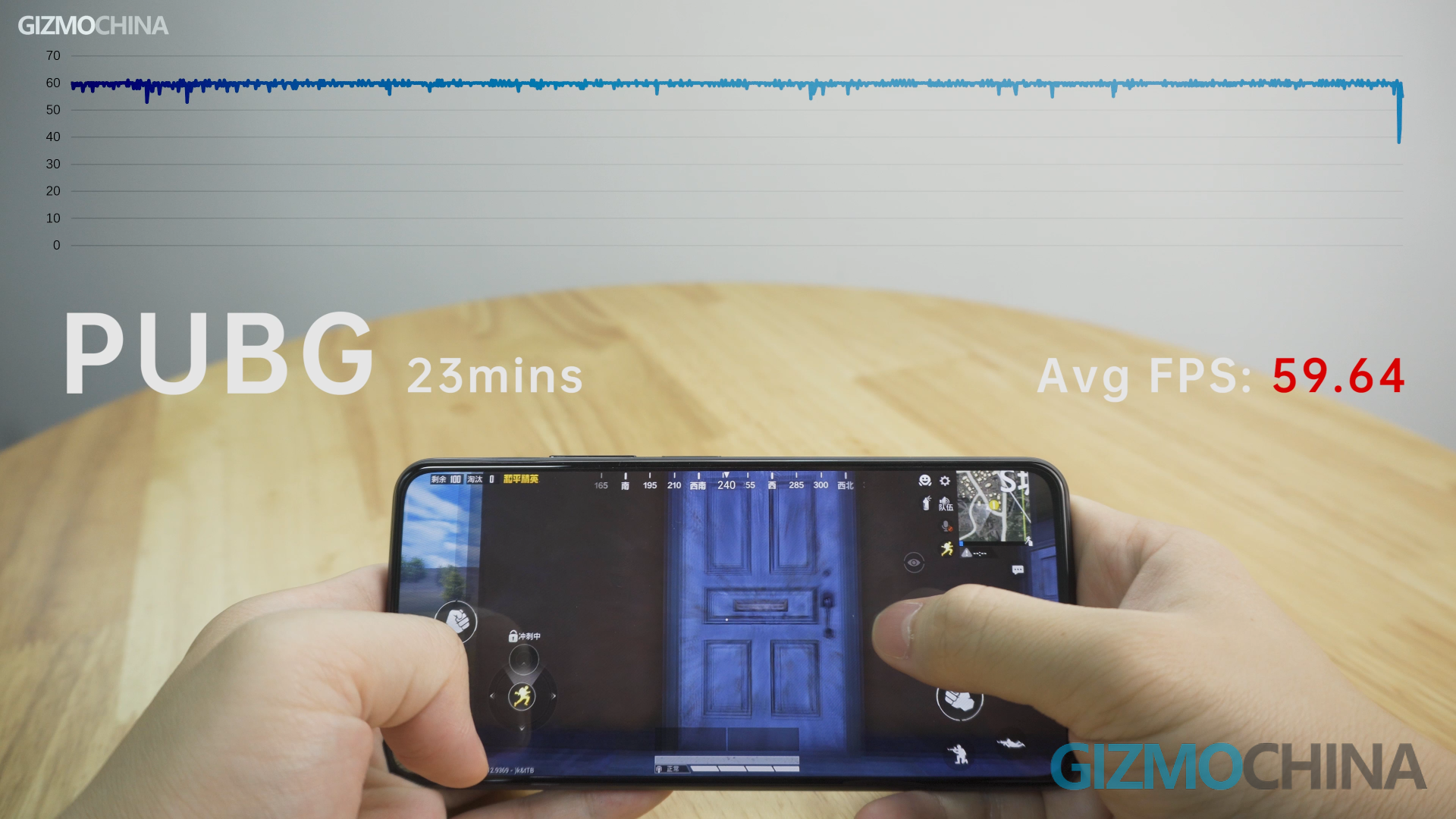
The gaming test also confirms this view. PUBG seems to exert no significant pressure on the mid-range chip, running at almost full frame rate with HDR Graphics Extreme frame rate.
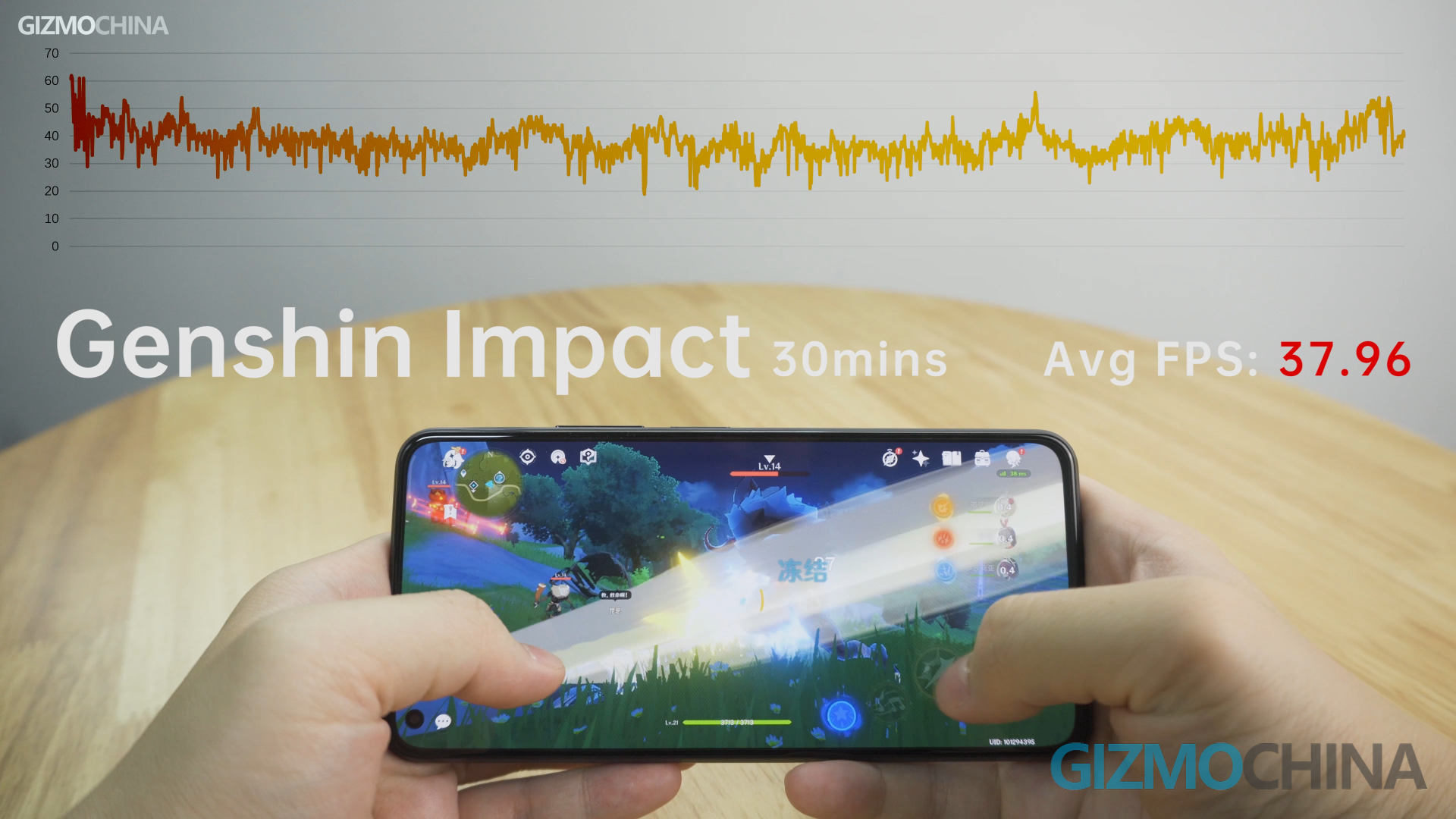
However, Genshin Impact had an average frame rate of 37.96fps, which was a rather mediocre experience.
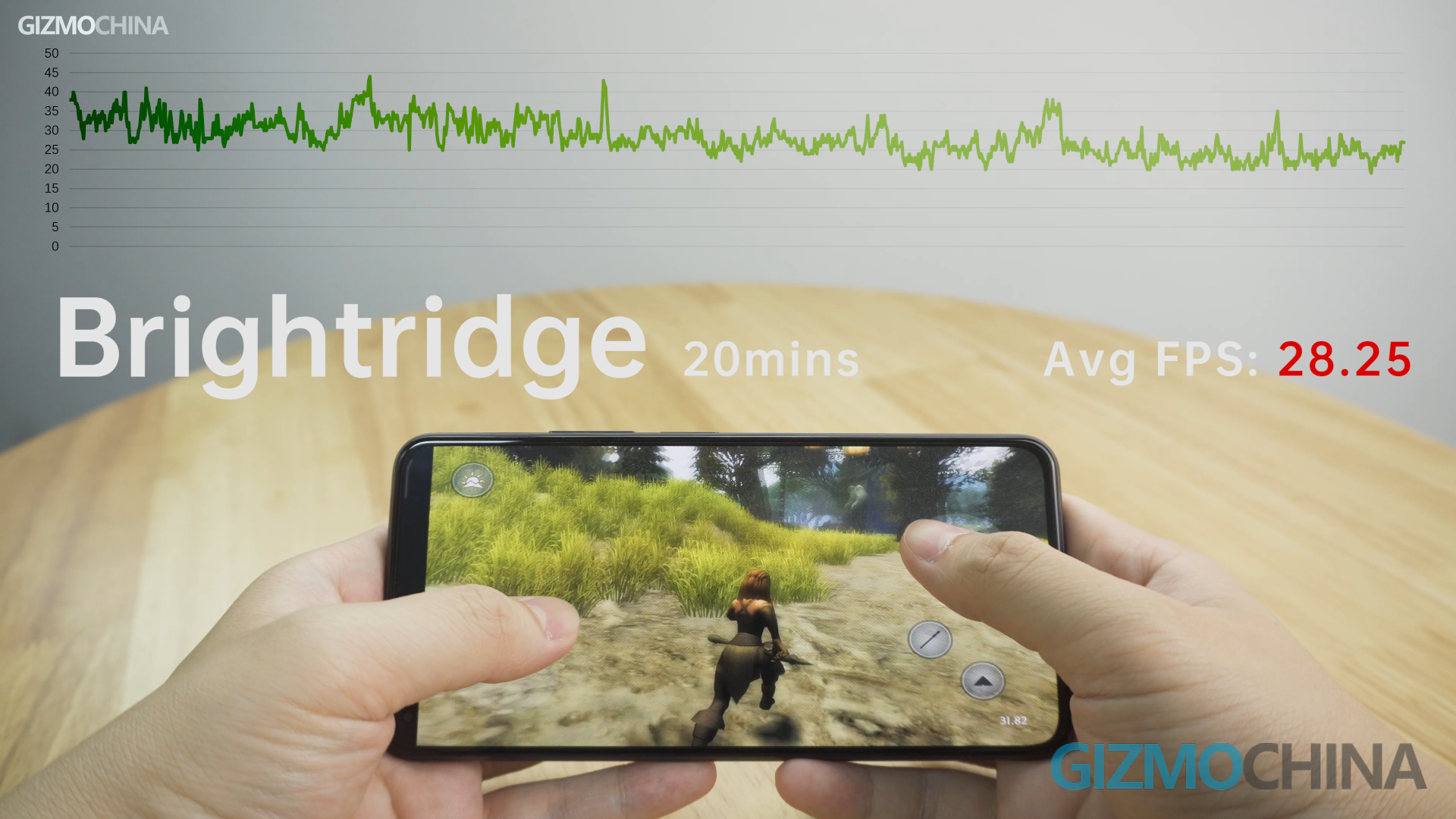
Brightridge was even worse, with an average of less than 30fps.
The one thing that performed better was the temperature control. The maximum temperature reached was only 50 degrees Celsius, and the chip wasn’t down-clocked during gaming. The screen brightness wasn’t forced down either. Overall, the Mi 11 Lite 5G is only suitable for light gaming users.
Xiaomi Mi 11 Lite 5G Review: Camera
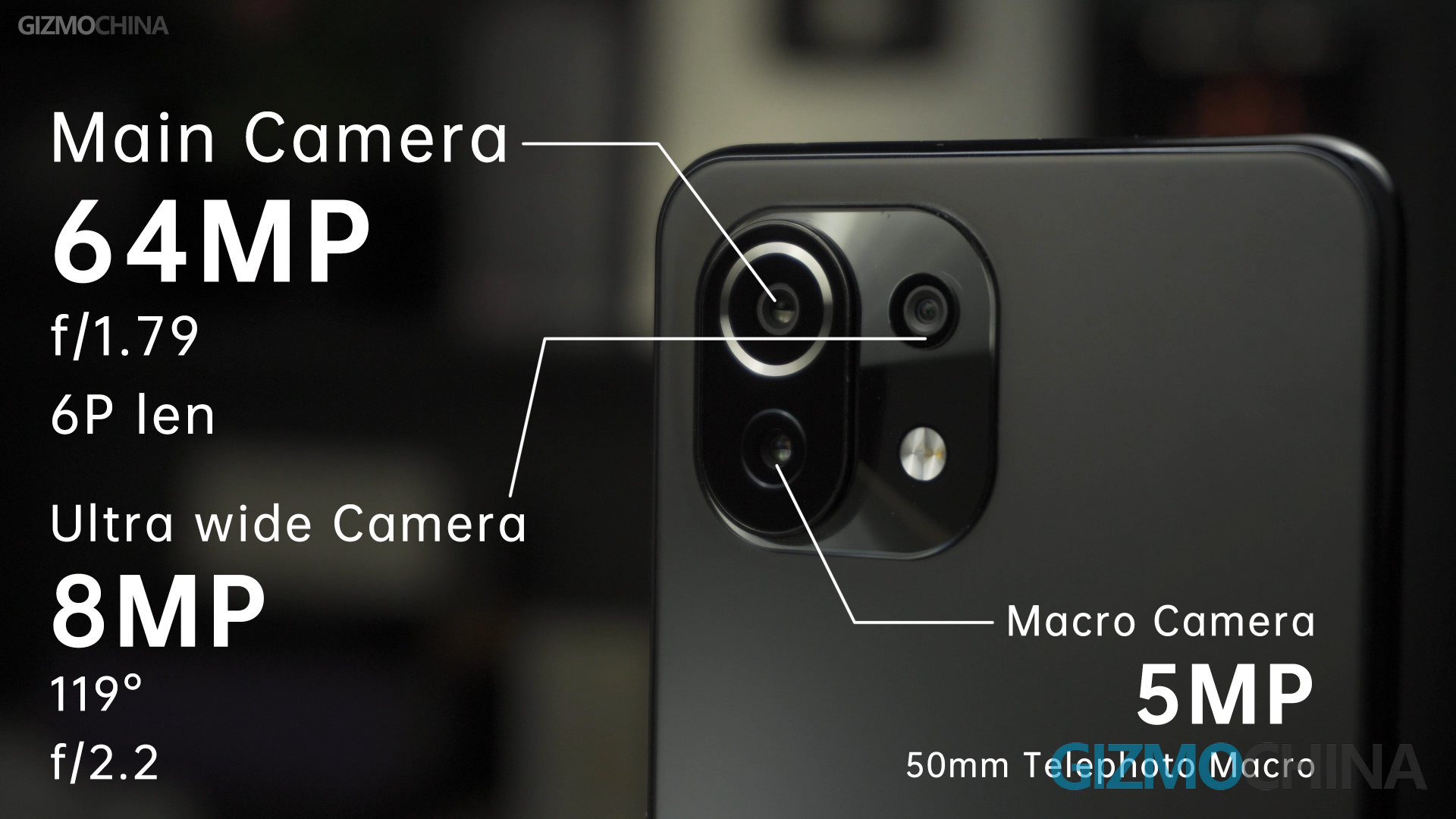
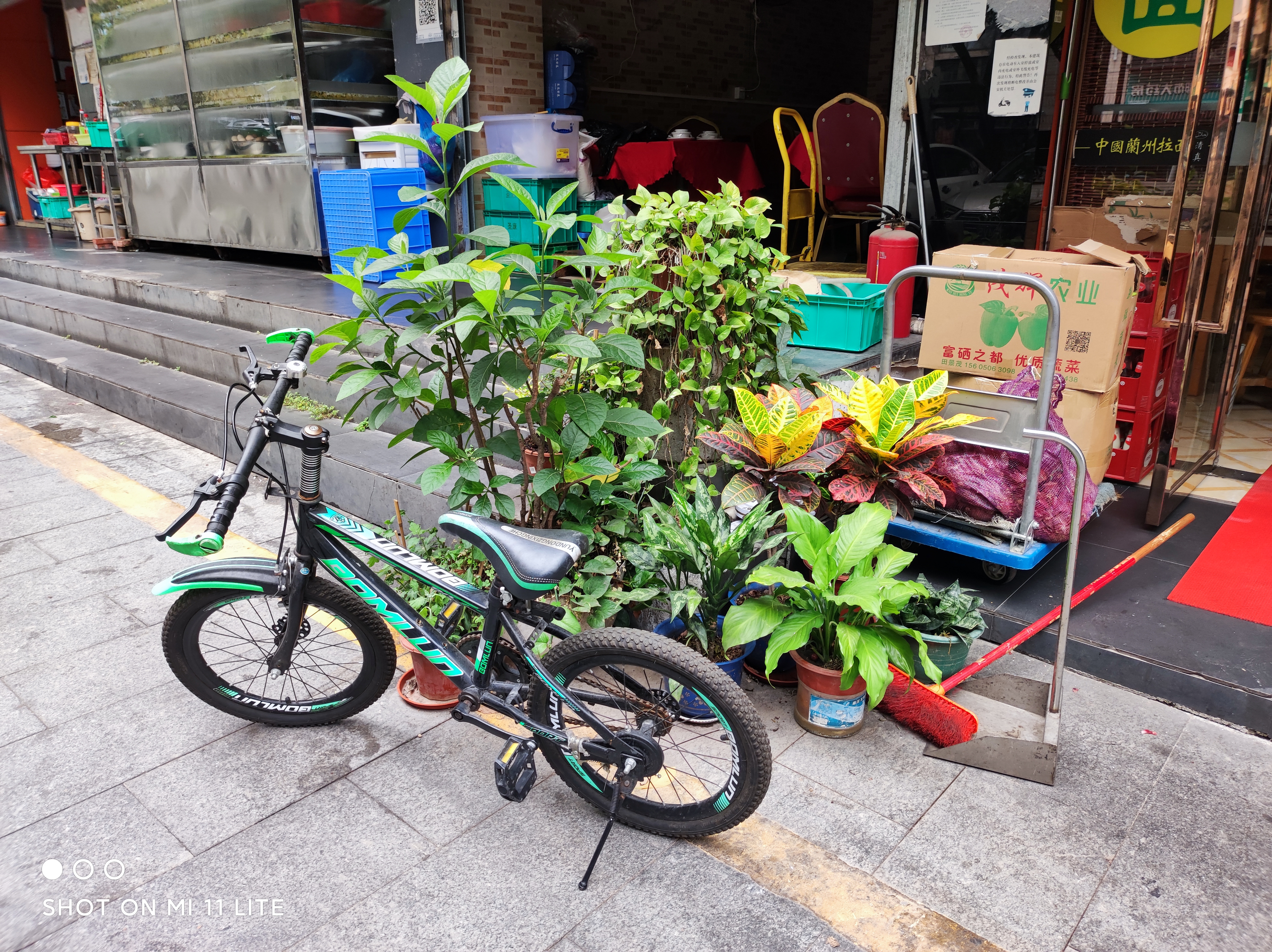
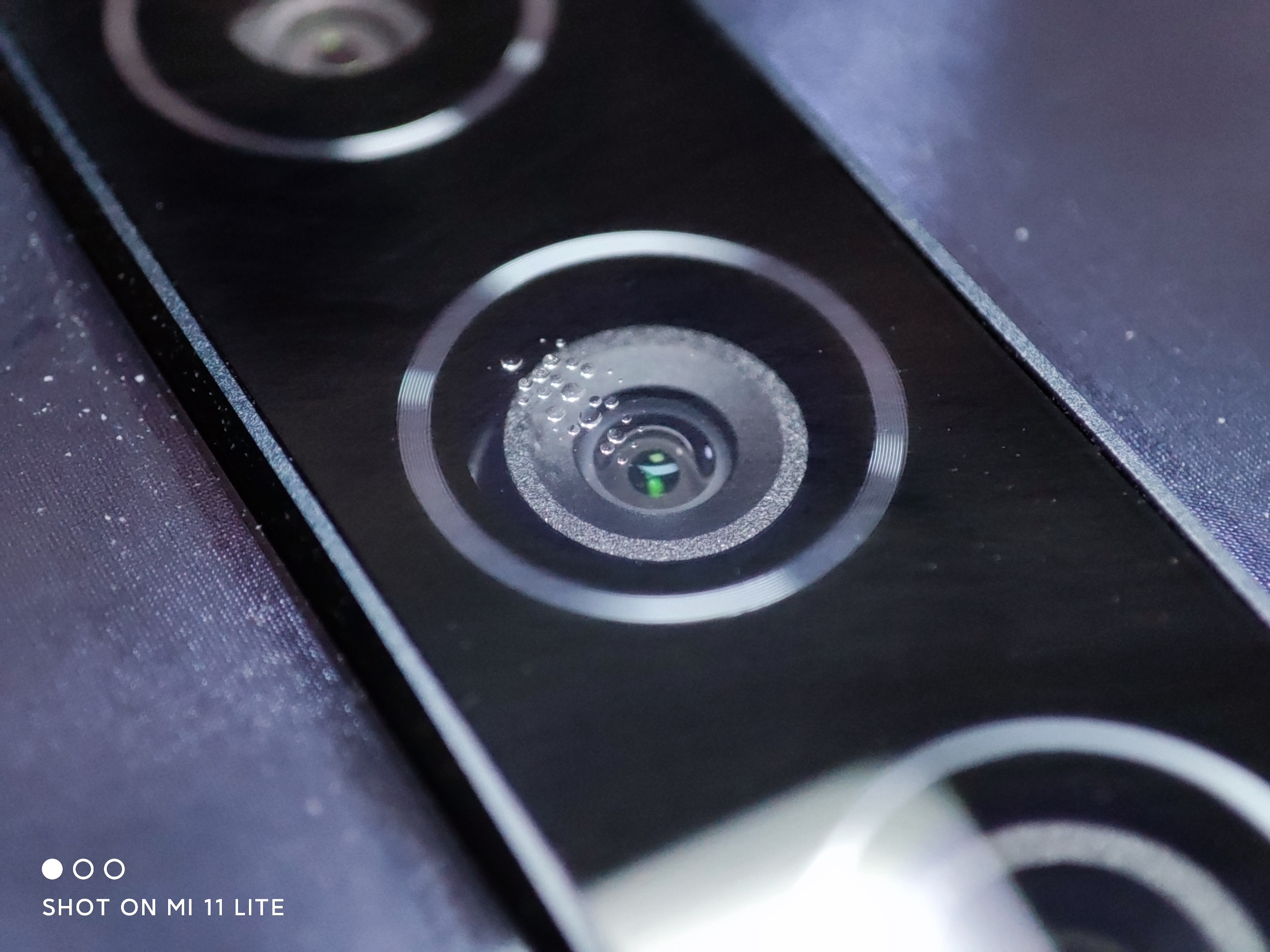
The camera on the Mi 11 Lite 5G is a budget camera. The three cameras consist of a 64mp main camera, an 8mp ultra-wide lens, and a 5mp telephoto macro lens.
Main Camera
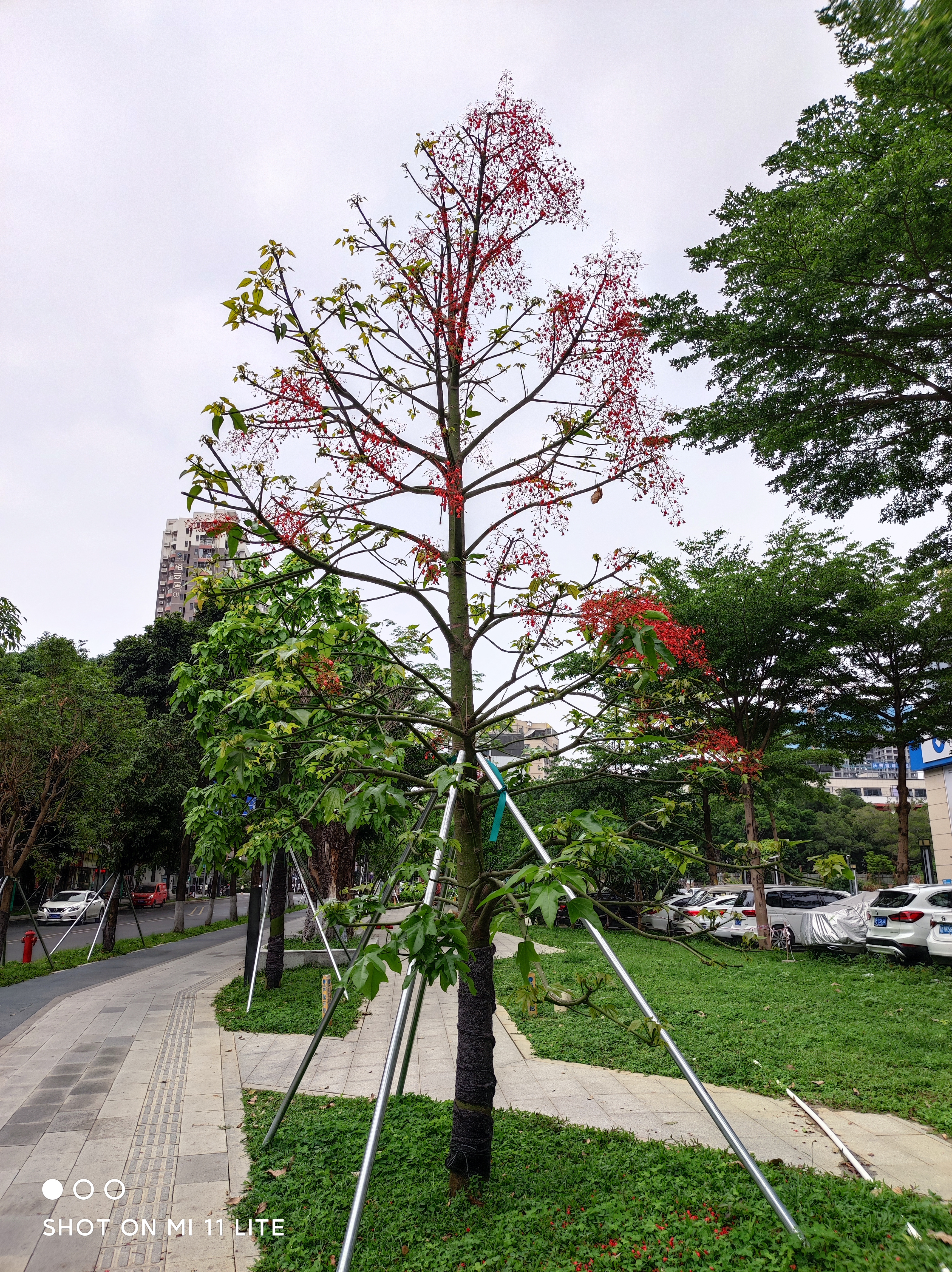
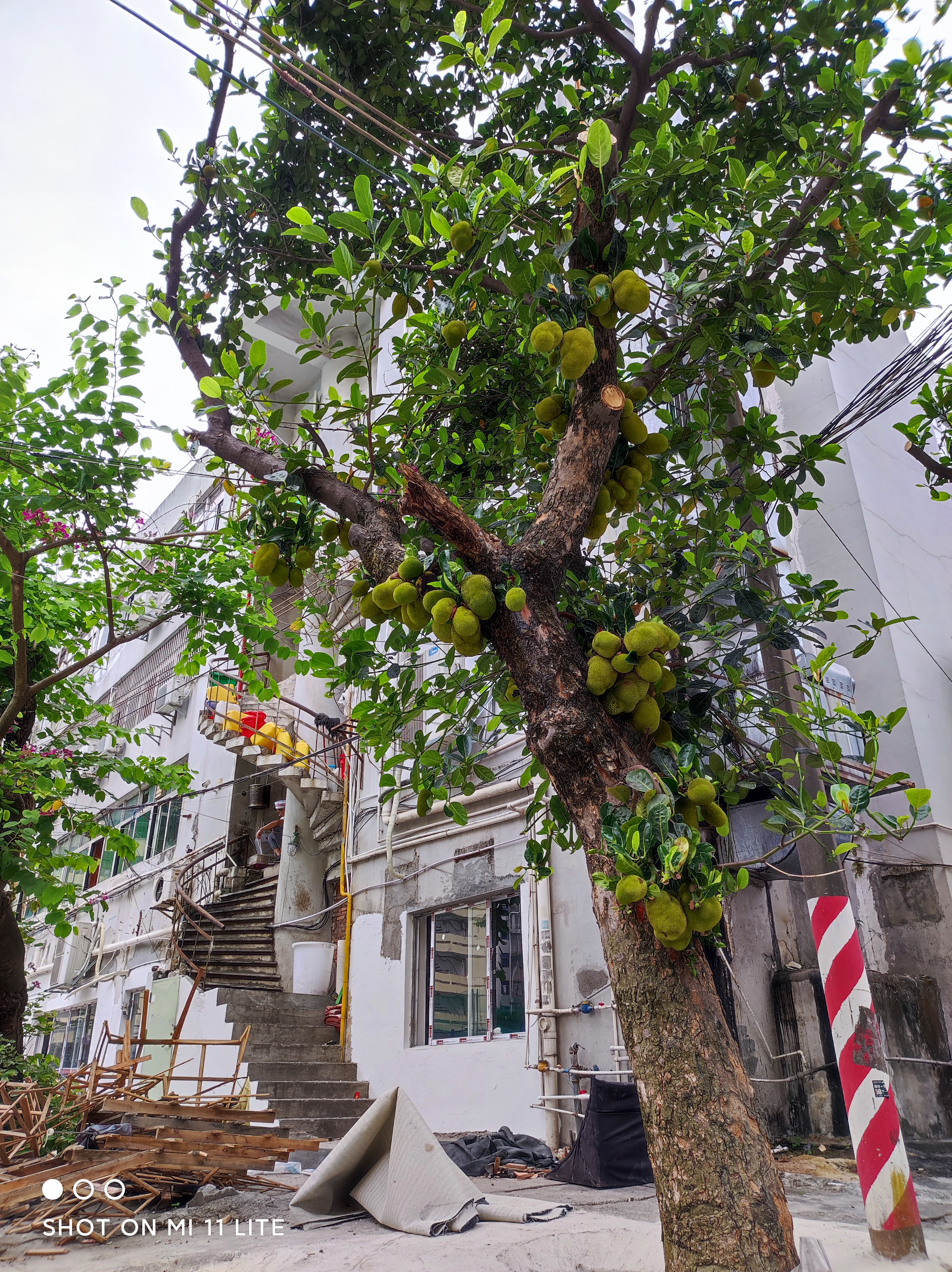
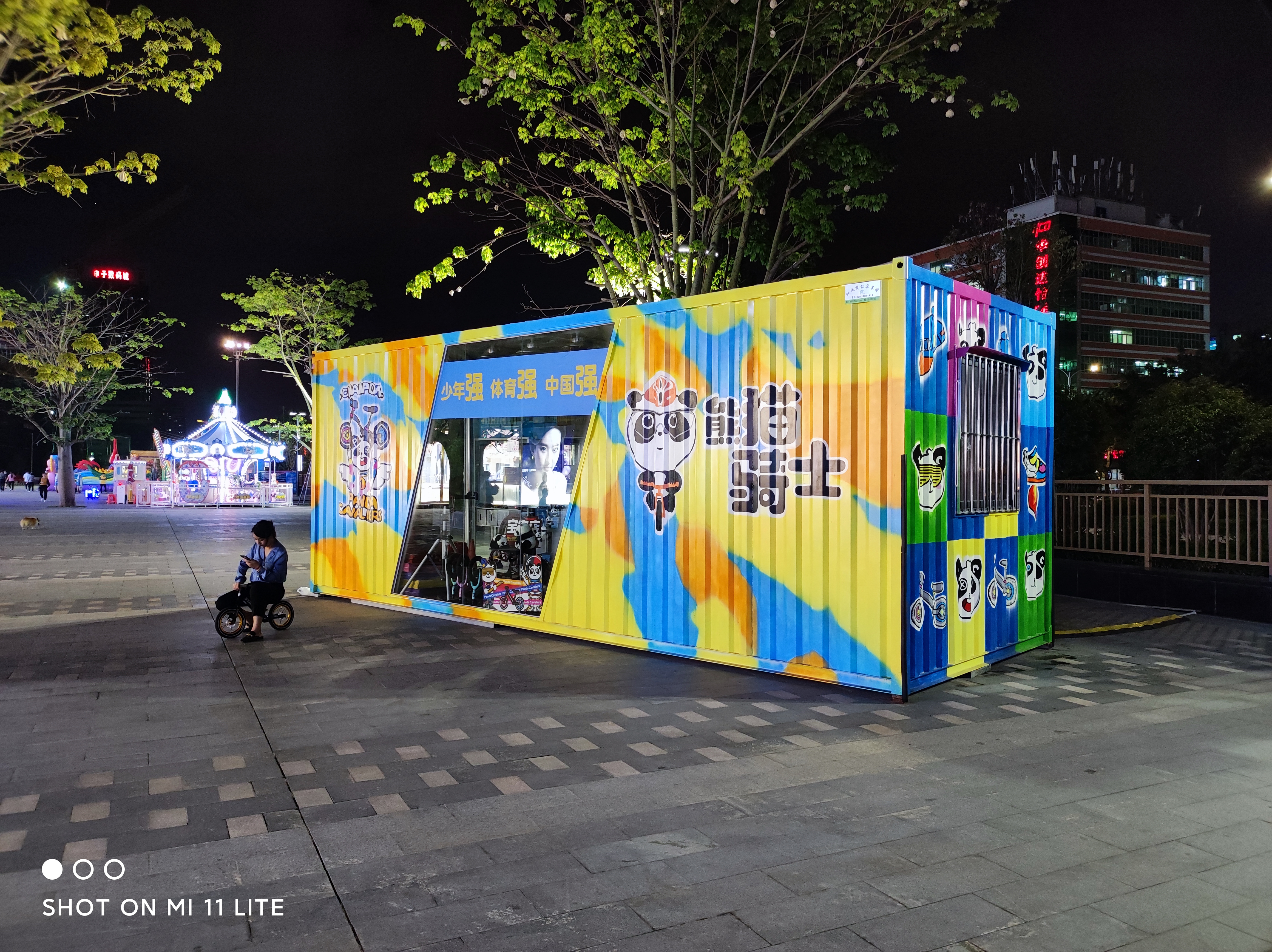
The color style of the main camera is on the high contrast side. The contrast is higher than the realme GT Neo. Some scenes will look sharper, but the dynamic range is not as good. The probability of automatic HDR triggering is not high, but even if HDR is manually turned on, the dynamic range improvement is not much. When taking photos, be careful not to choose a scene that’s extremely bright.
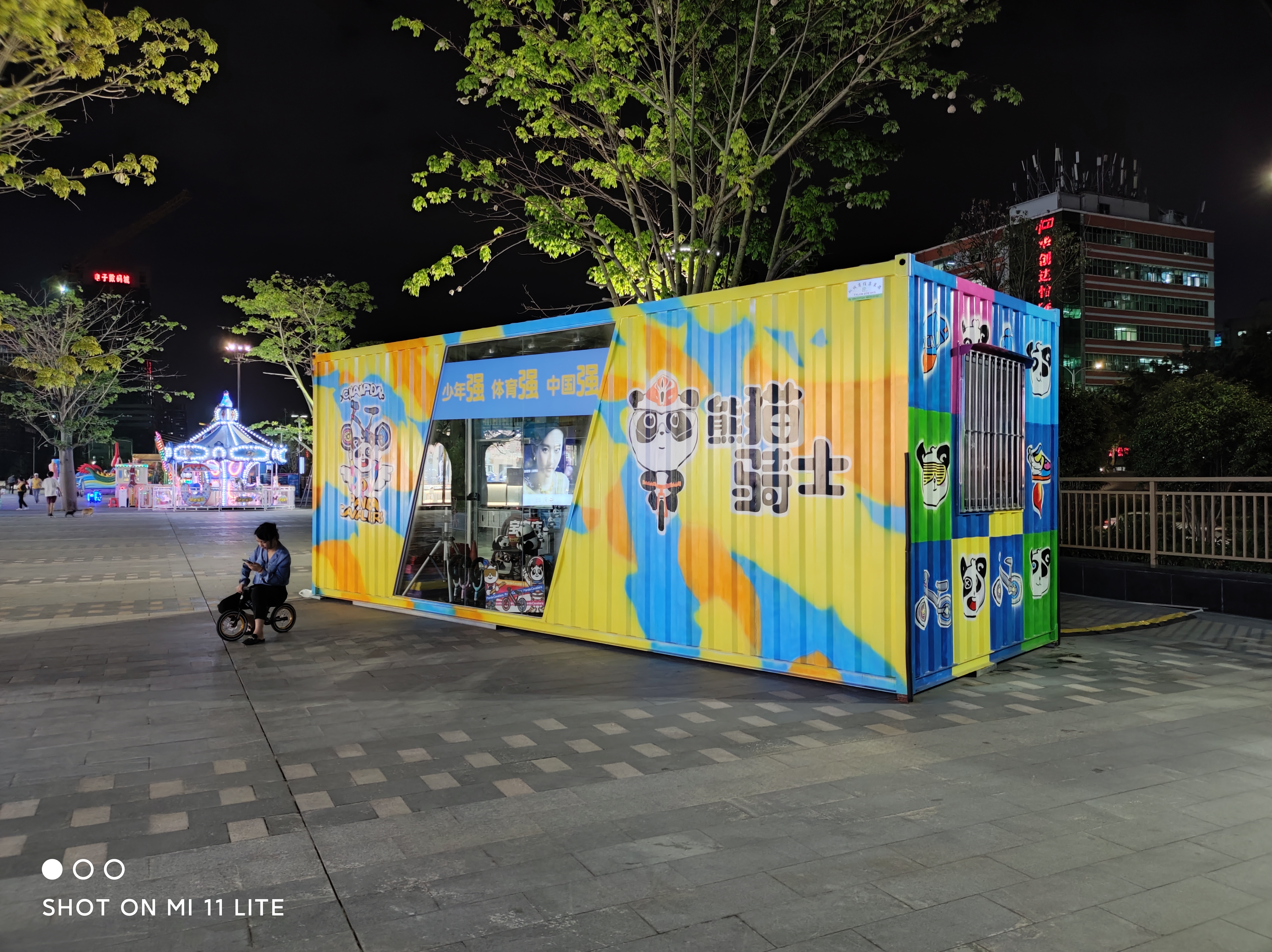
night mode
night mode
The Two times zoom sharpening is too heavy, the line will appear jagged. The performance at night is similar to that of the day, with the high contrast ratio causing the night scene to look a little underexposed. But the highlights are well controlled. The highlights are further depressed in night mode, and the exposure can be slightly improved in extreme darkness. But when there is plenty of light, lowering the highlights will make your eyes uncomfortable. Unless the light is very weak, it is not recommended to use night mode to take pictures.
Ultra-Wide Camera
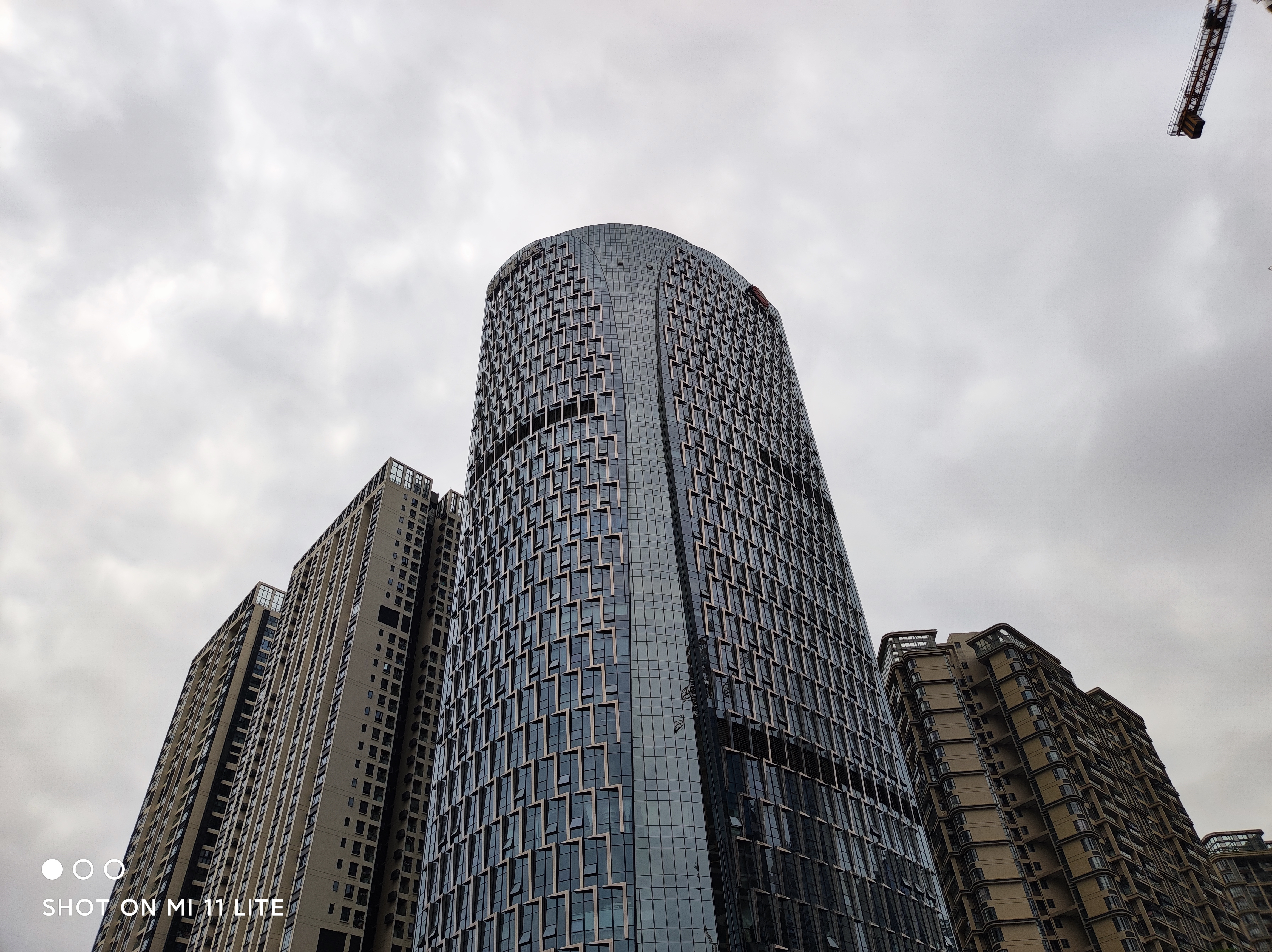
The performance of the ultra-wide-angle lens is almost the same as the main camera, the main difference is that the hardware limitations lead to more serious underexposure of night photos. Check out a few groups of sample photos to get an idea.
Macro
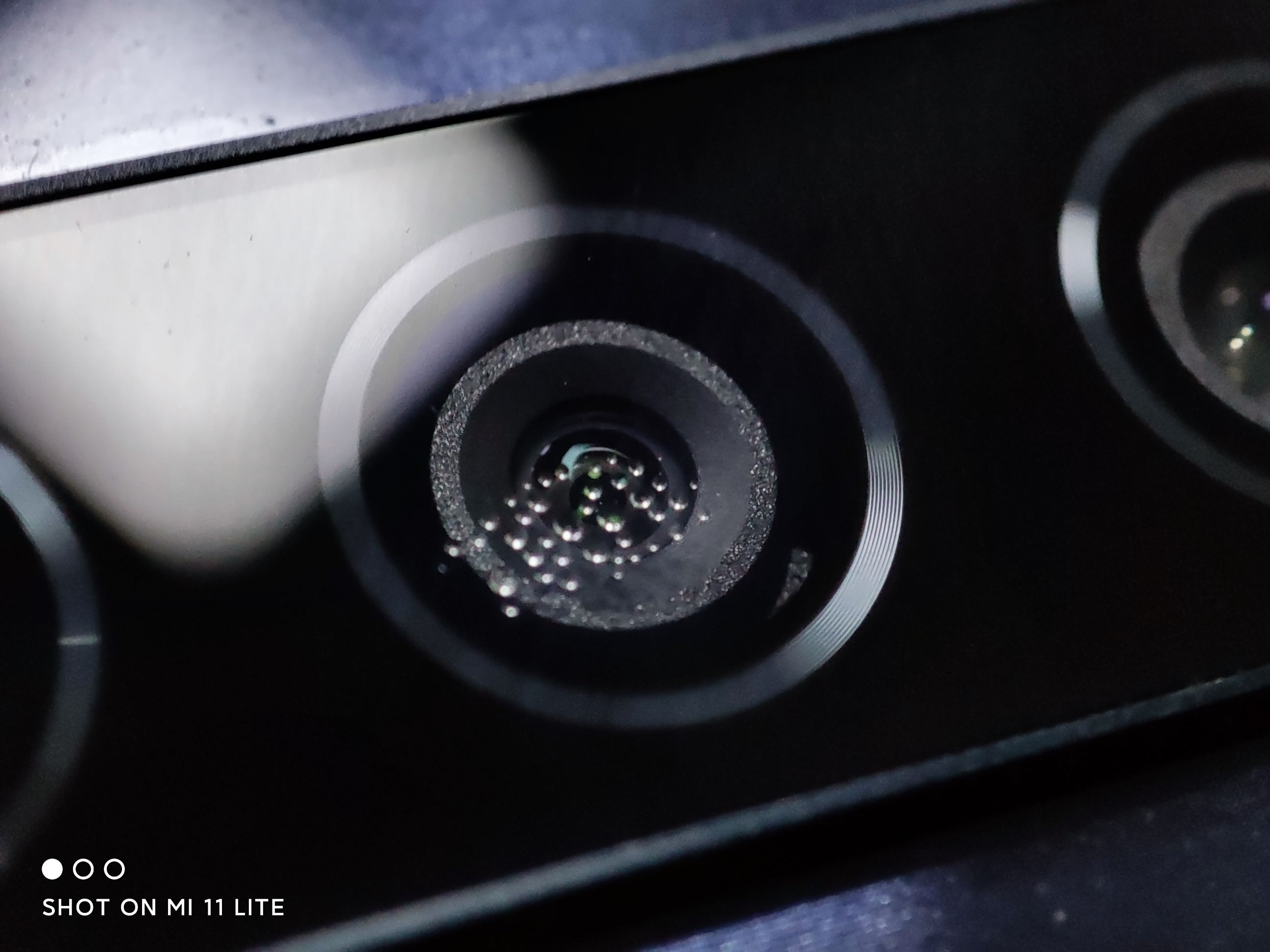
The macro lens is the same as the one on the Redmi K40. I believe you are already very familiar with the strength of this telephoto macro lens. It can take some good close-up photos that the main camera and ultra-wide lens can’t take.
Xiaomi Mi 11 Lite 5G Review: Battery Life & Charging
The box is still without the charger and charging cable. The charger and charging cable are still separately included. 33w charging power is also the standard configuration for the Xiaomi family of mid-range phones.
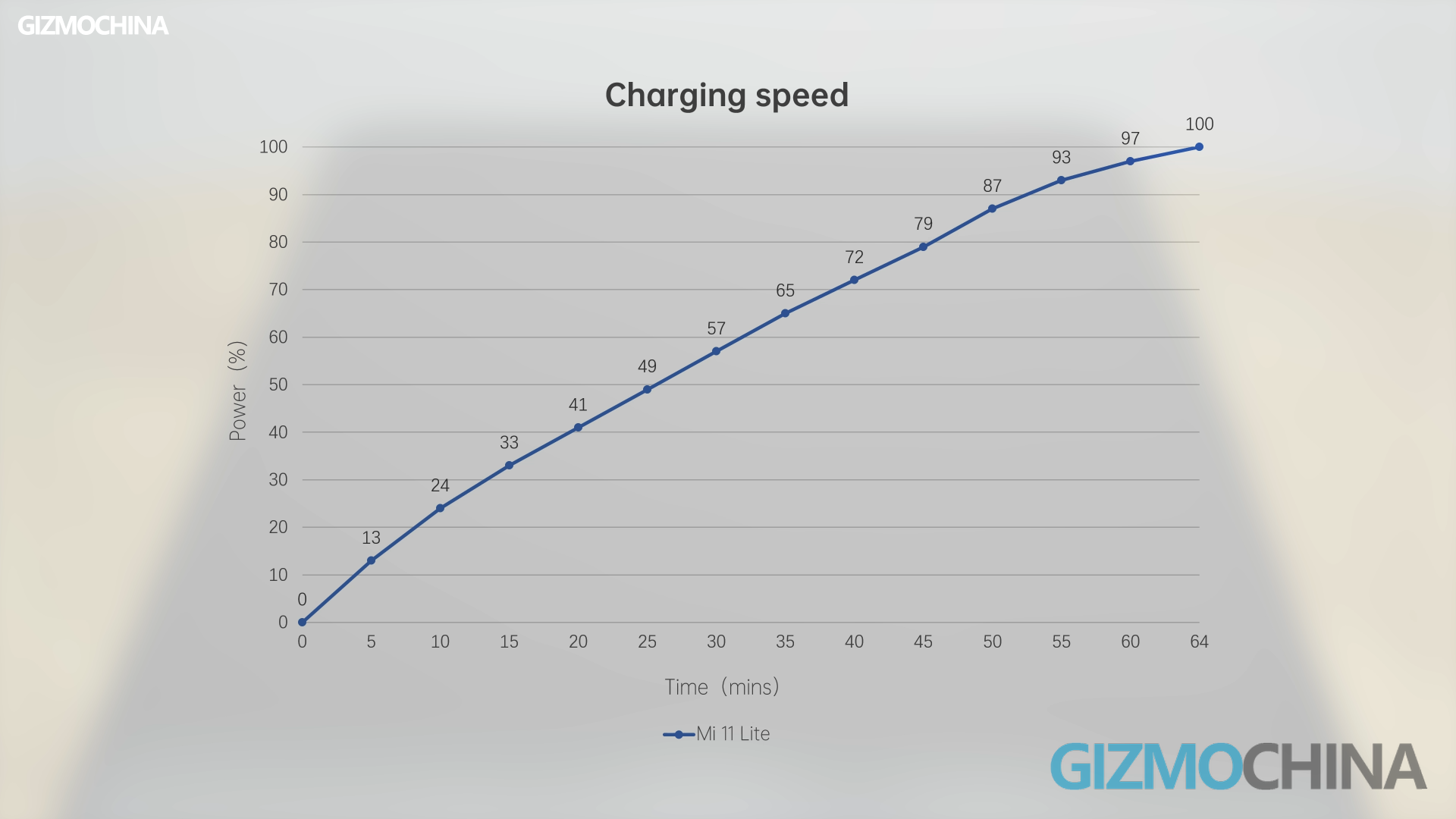
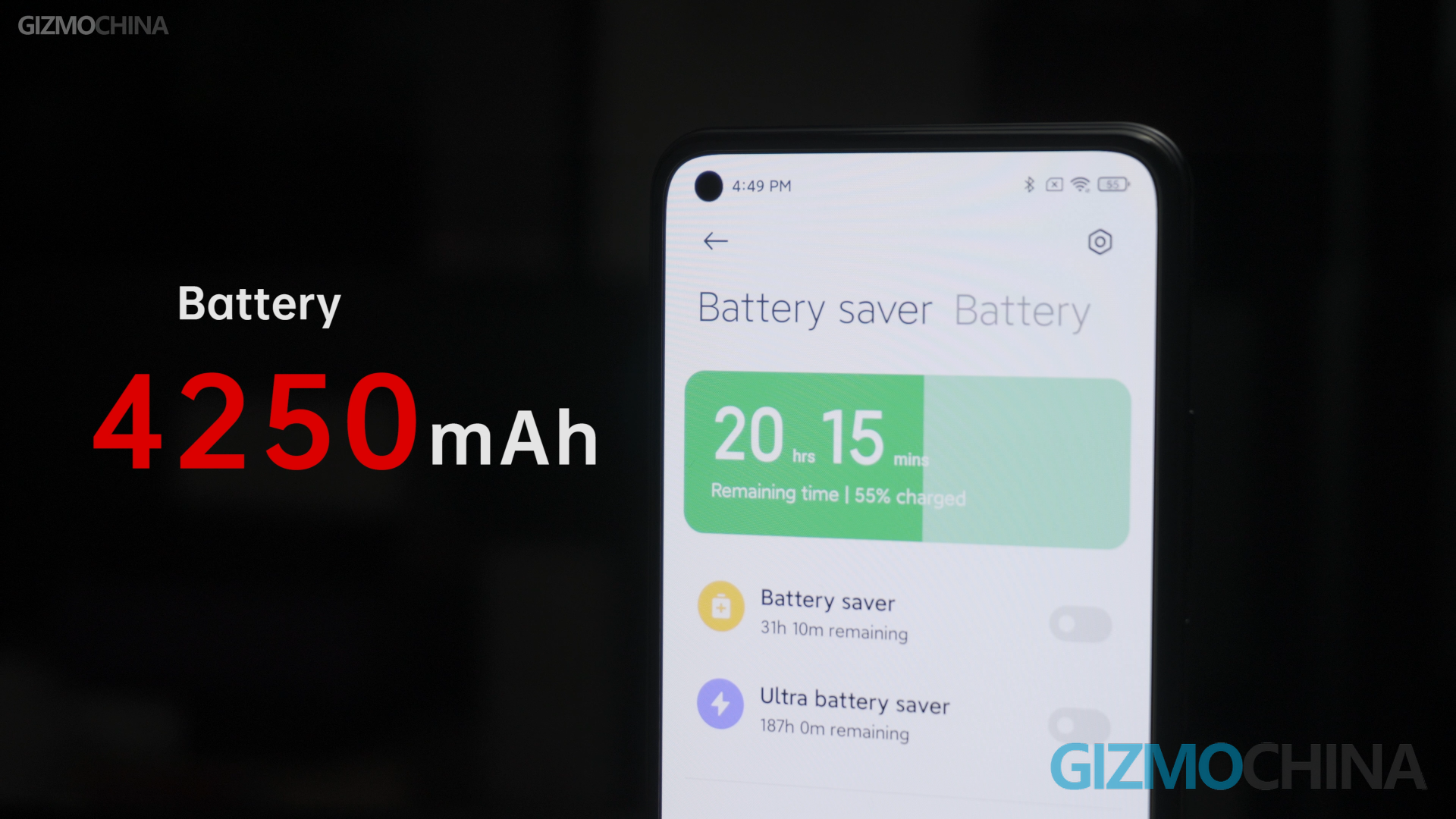
In 10 minutes it charged to 24%, after half an hour it got to 57%, and for full charge it needed 64 minutes. Generally speaking, the battery capacity of thin and light phones is not very large. It is shocking that Xiaomi still managed to put a 4250mAh battery into it, knowing that this is a 159g phone.
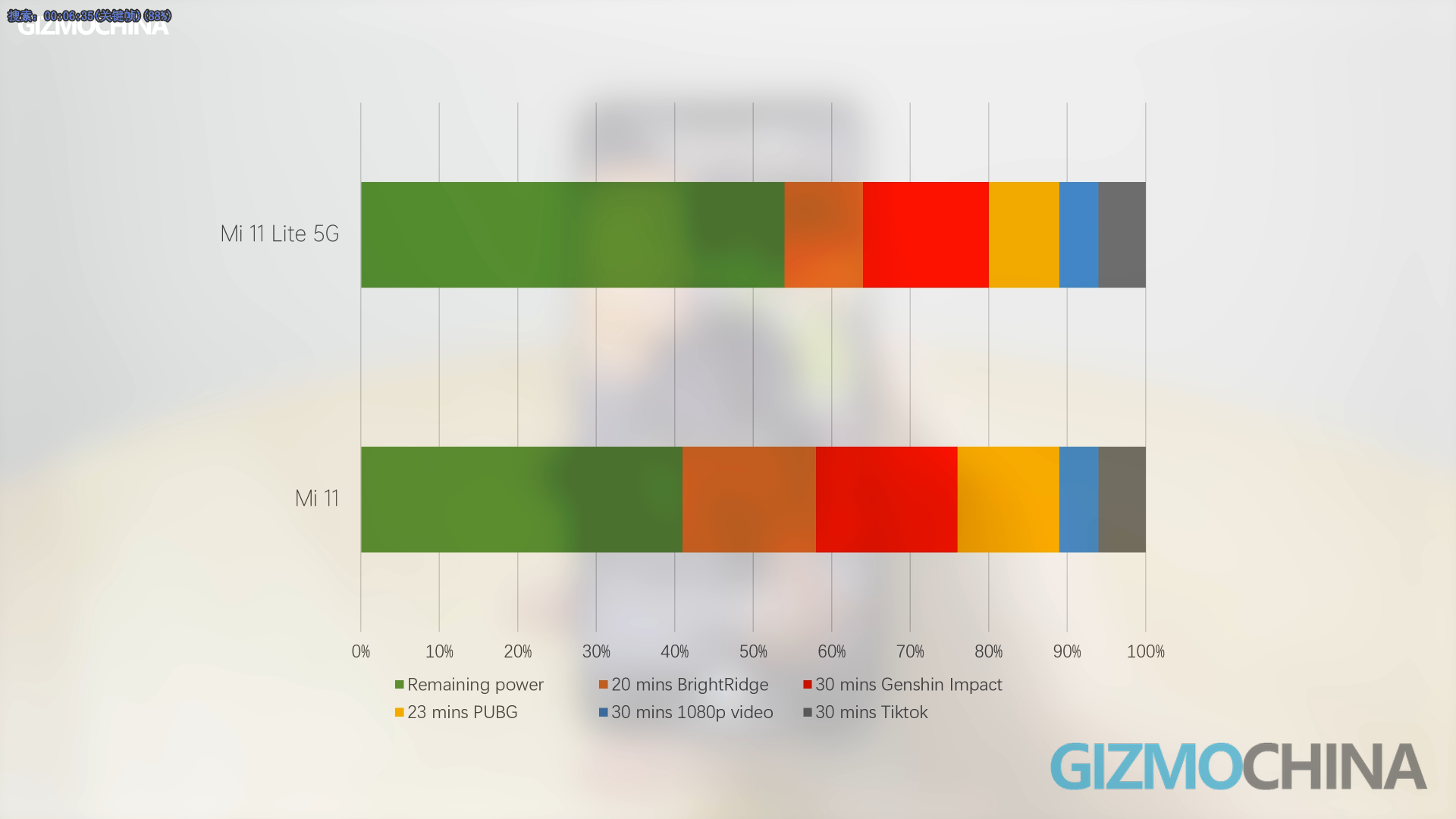
In our test, the phone consumed 6% for half-hour of Tiktok and 5% for half-hour of 1080P video. Two mainstream games “PUBG” and “Genshin Impact” consumed 9% and 16%, respectively. The high-load game “Brightridge” consumed 10%. This battery life level is now comparable to many 4500mAh phones. This battery on such a light phone should be its third highlight in this review.
Xiaomi Mi 11 Lite 5G Review: Verdict
To conclude, the Mi 11 Lite 5G is not a traditional Xiaomi phone. It doesn’t have strong hardware, and it isn’t priced very low either. In terms of hardware configuration, it doesn’t even give you as much value as the Redmi K40, which is cheaper.
But in the 5G era, it offers one of the few options for users who like to use light and thin phones. In fact, I would recommend you to go to an offline store and get your hands on this phone. Then you’ll understand its significance in Xiaomi’s lineup.
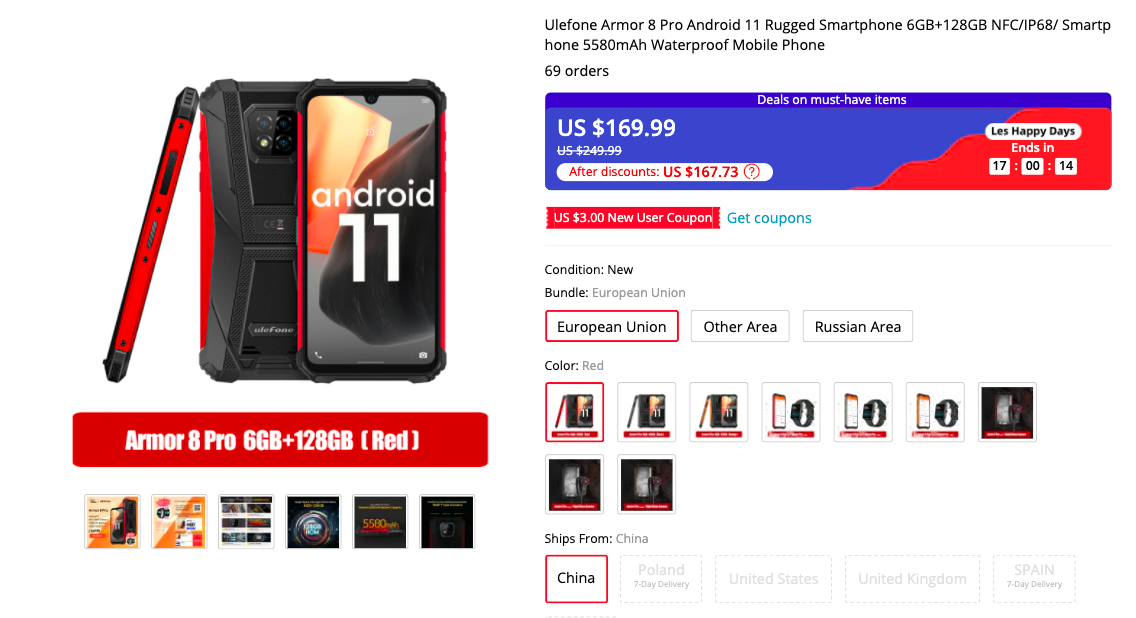
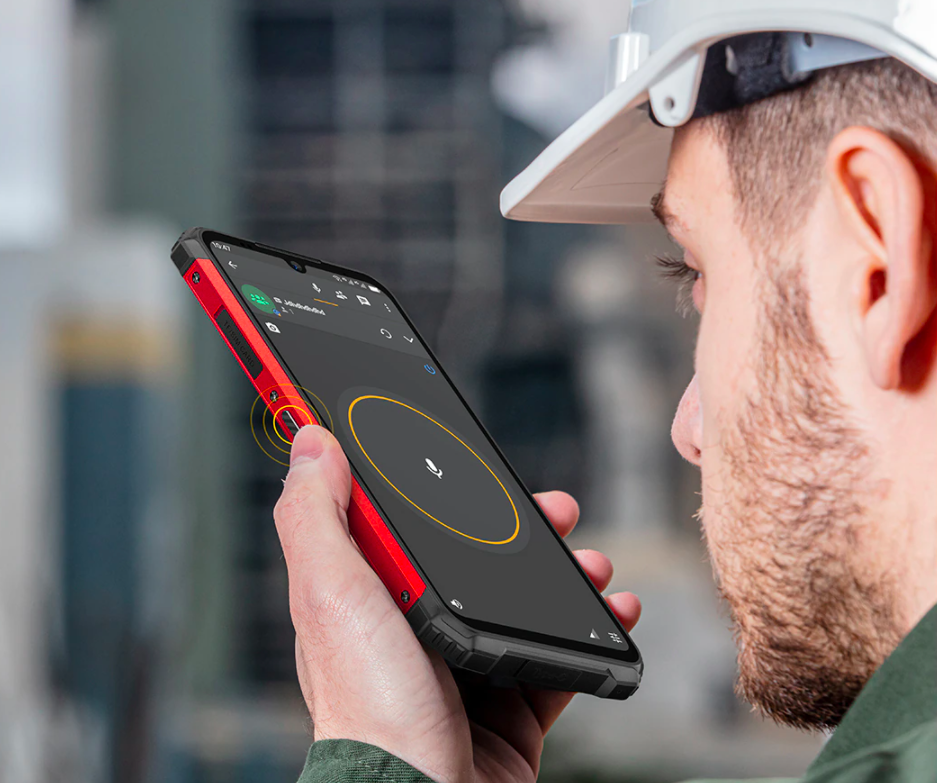
Ulefone in collaboration with AliExpress is giving out a fantastic discount on the world premiere of its latest smartphone Ulefone Armor 8 Pro. The rugged smartphone which has a retail price of $249.99 is available for a heavily discounted price of $167.73 only under the AliExpress Les Happy Days Sale.
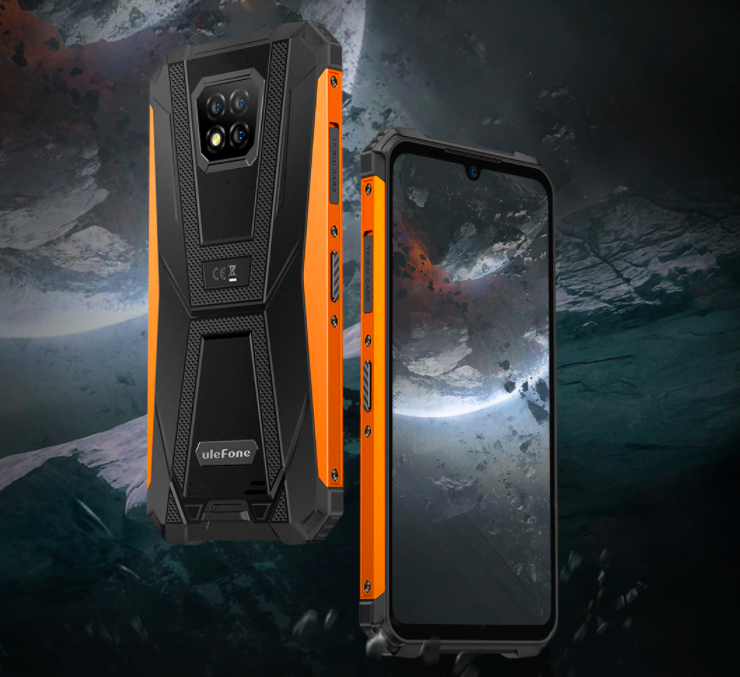
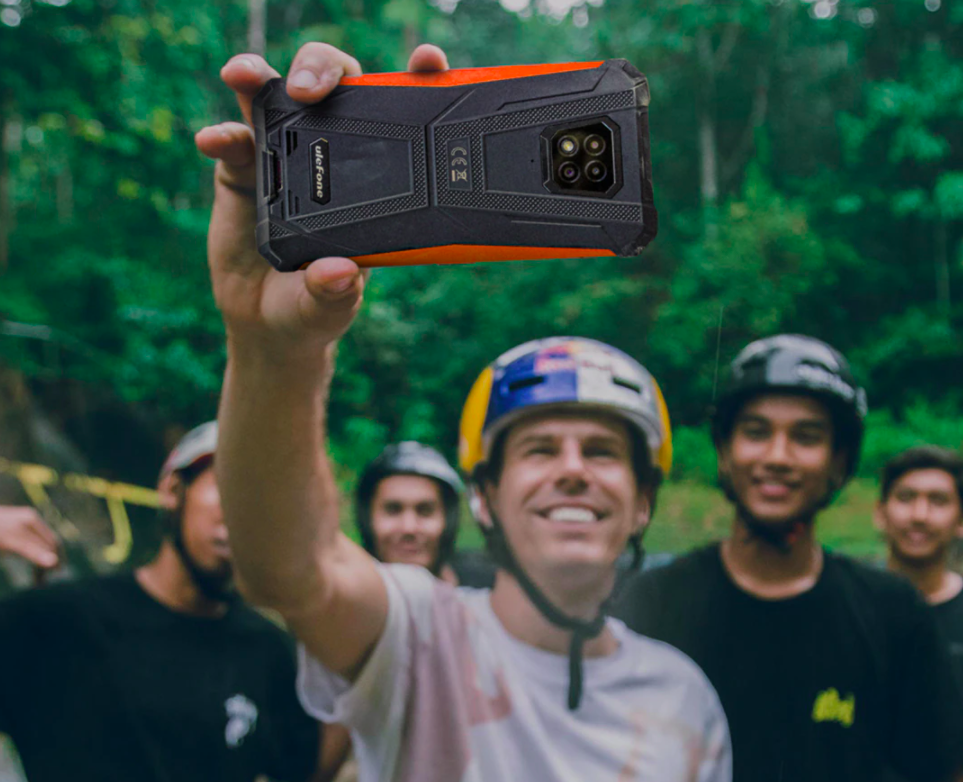
Ulefone Armor 8 Pro is specifically designed for adventure lovers and globe trotters who regularly find themselves in harsh conditions and extreme environments. The smartphone is powered by a MediaTek Helio P60 AI processor and comes with 6GB RAM and 128GB storage space. The beautiful waterdrop 6.1-inch screen is both scratch and drop-proof.
Fueled with a massive 5580mAh battery the smartphone supports 15W fast charging. The phone comes with IP68/69 certification and MIL-STD 810G military certification which basically makes it waterproof, dustproof, drop-proof, and high temperature and pressure resistant. This means basically you have a rugged, stylish yet durable smartphone designed to be your best friend in harsh and extreme surroundings.
The smartphone features a rear triple camera set up with a 16MP main camera and 5MP + 2MP secondary cameras. As for your selfies, you have a versatile 8MP front-facing camera. With tailor-made shortcut keys and a face ID and fingerprint sensor, the smartphone is easy to use and safe and secure.
Generally retailing at $249.99, you can now buy Ulefone Armor 8 Pro for just $167.73 on AliExpress. Please note that this deal will end in the next 16 hours. So place your orders asap.
For more information on such exciting deals and offers check out ourdeals hub.
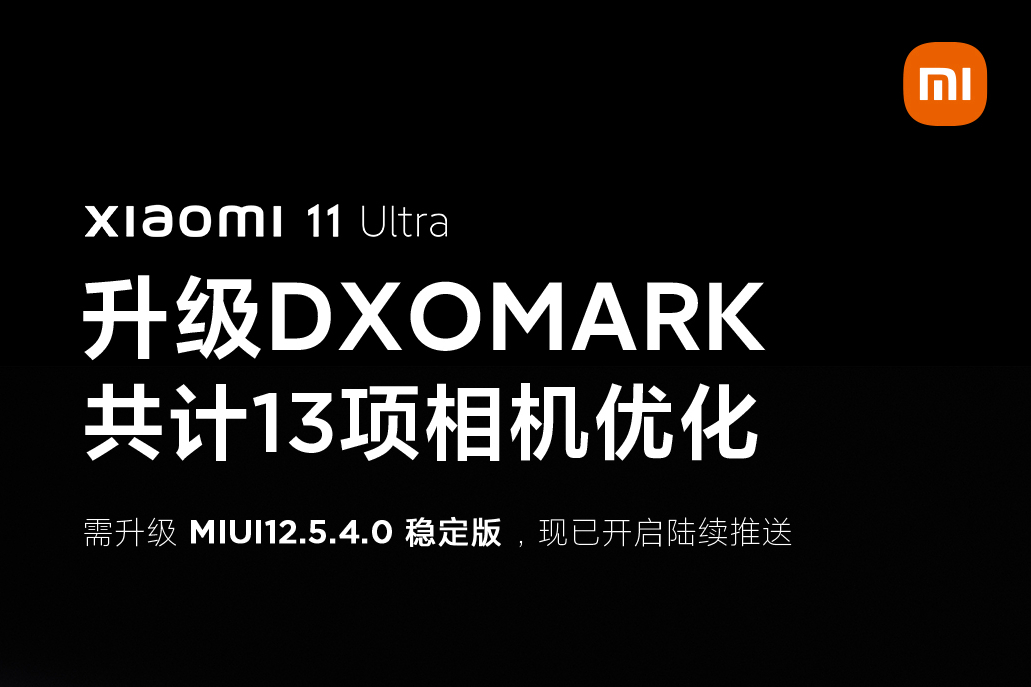
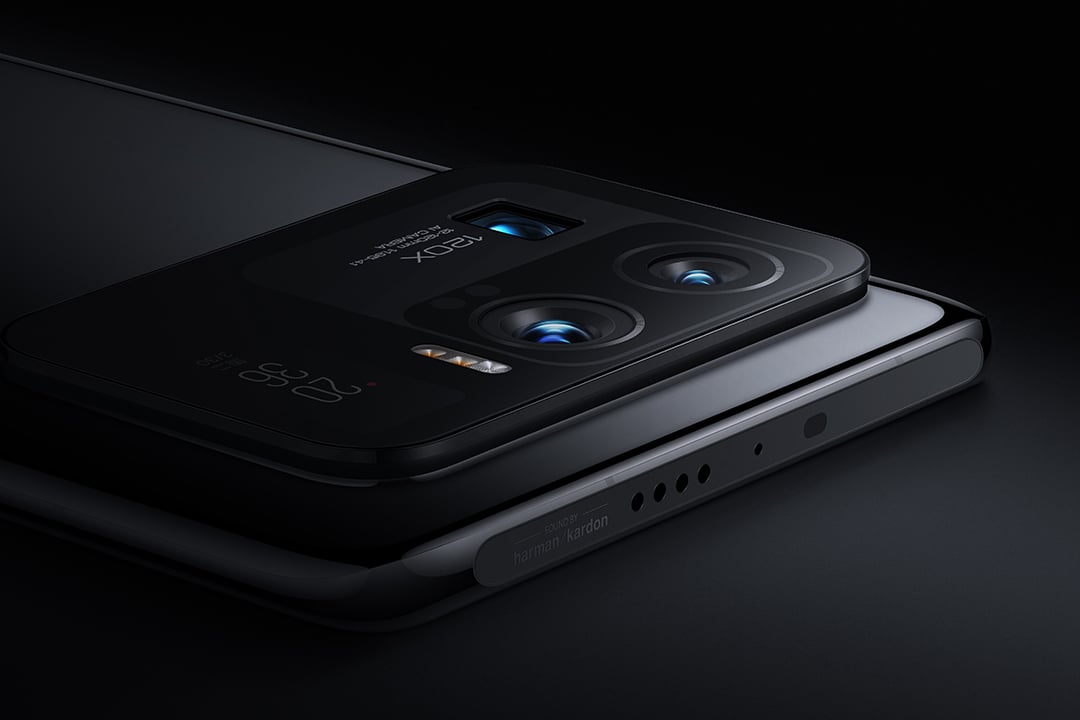
Xiaomi launched the Mi 11 Ultra with MIUI 12 based on Android 11. Last week, the company started rolling out the MIUI 12.5 update for this smartphone in China. Now, days later, the firm is seeding out another build that brings DXOMARK camera optimizations.
Earlier today, the official Xiaomi Mobile Phone Weibo account announced that the firm has released MIUI 12.5.4.0 update for the Mi 11 Ultra. This update brings 13 DXOMARK camera optimizations.
However, the official changelog for this build (V12.5.4.0.RKACNXM) does not say anything about these camera improvements. Instead, it only mentions optimizations for system performance and improvements for system security as well as stability.
Xiaomi Mi 11 Ultra MIUI V12.5.4.0.RKACNXM Official Changelog
Other
Optimized system performance
Improved system security and stability
Anyway, since Xiaomi has officially made an announcement for this update, it should indeed bring those unnamed 13 DXOMARK camera optimizations.
Further, it is worth noting that both Mi 11 Ultra and Mi 11 Pro run a common MIUI build. Hence, this update should be available for the latter smartphone as well. However, we don’t think that these unknown camera tunings are available for the Mi 11 Pro.
Lastly, as of now, there’s no official word from Xiaomi regarding the availability of this update for the global variants of the Mi 11 Ultra.
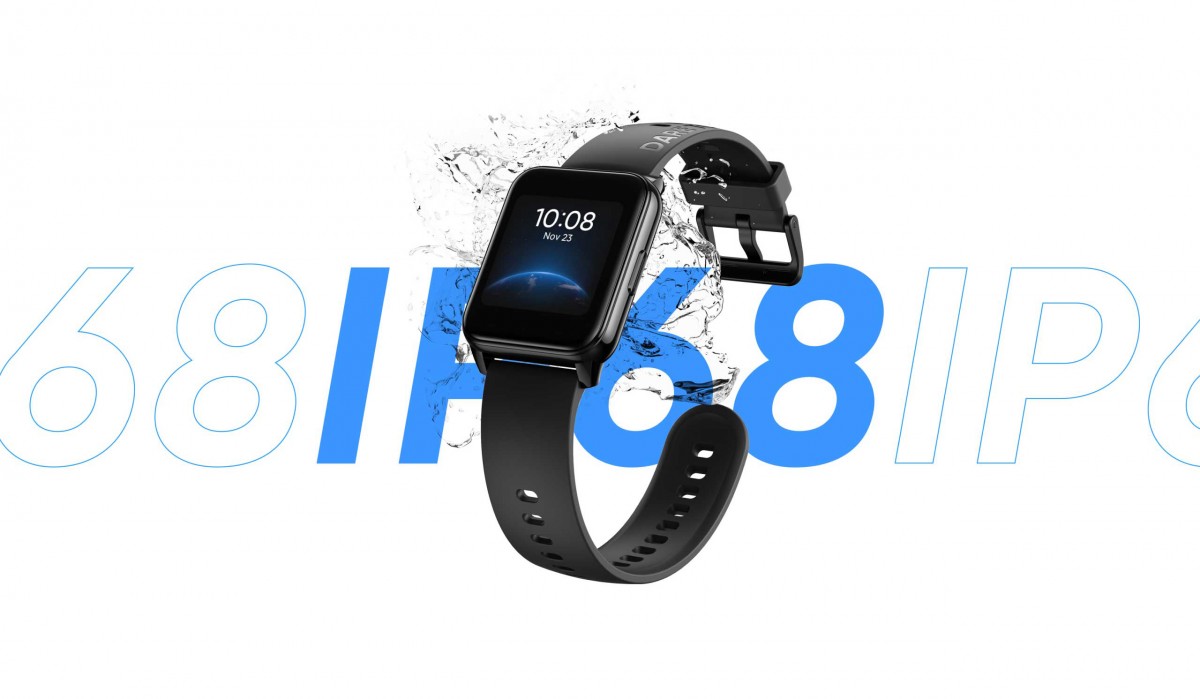
Just yesterday, we saw Realme unveil the Buds Q TWS earbuds in Pakistan. The Chinese company has now launched yet another interesting product in Malaysia. The Realme Watch 2 smartwatch just made its entry and it is an Apple Watch look-alike.
The Watch 2 is the successor of the brand’s first smartwatch that was launched last year and named Realme Watch. Realme had earlier launched the Watch S series with two models in tow but this is the first to utilize a square design like the first-gen Realme Watch.
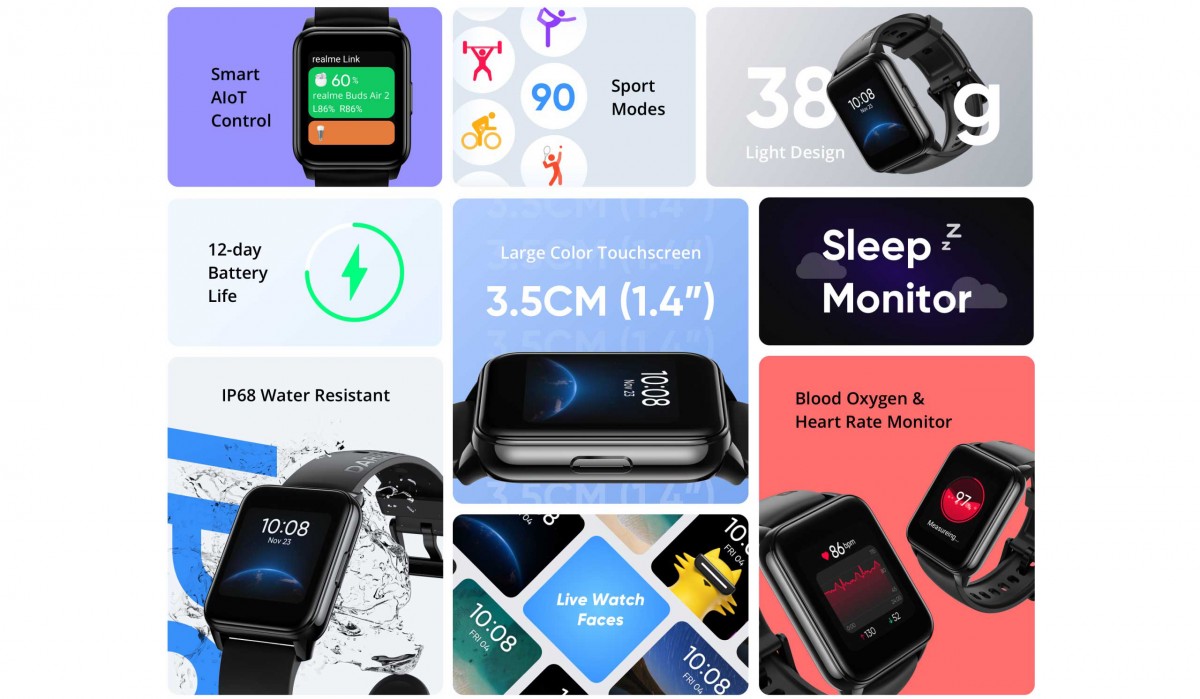
In terms of specifications, the Realme Watch 2 packs a 1.4-inch touchscreen IPS LCD screen with a resolution of 320×320 pixels. The display also has up to 600 nits of brightness. It arrives with more than a hundred cool watch faces which users can choose from and this includes new live watch faces. The watch has a single button on the right-hand side for capacitive functions. The entire watch weighs 38g and it also comes with IP68 water/dust resistance.
As for the software, the watch brings support for over 90 sports modes which is an astronomic upgrade from 14 on the previous model. Some of the sports modes onboard include outdoor walking, basketball, yoga, indoor walking, outdoor running, indoor running, dynamic cycling, Hiking, cricket, rowing, strength training, and an elliptical machine. Other features onboard include sleep and stress tracking, heart rate, and SpO2 monitors. The watch also supports Smart AIoT control which allows the user to control several Realme smart devices and appliances right from the smartwatch.
The battery is also bumped up to 315mAh from 160mAh on the first-gen Realme Watch. Thus, you can squeeze up to 12 days of usage from a single charge depending on the usage style. The watch also supports Bluetooth 5.0 connectivity.
In terms of pricing, the Realme Watch 2 carries a decent price tag of MYR 229 ($55). There is no news about the availability yet.
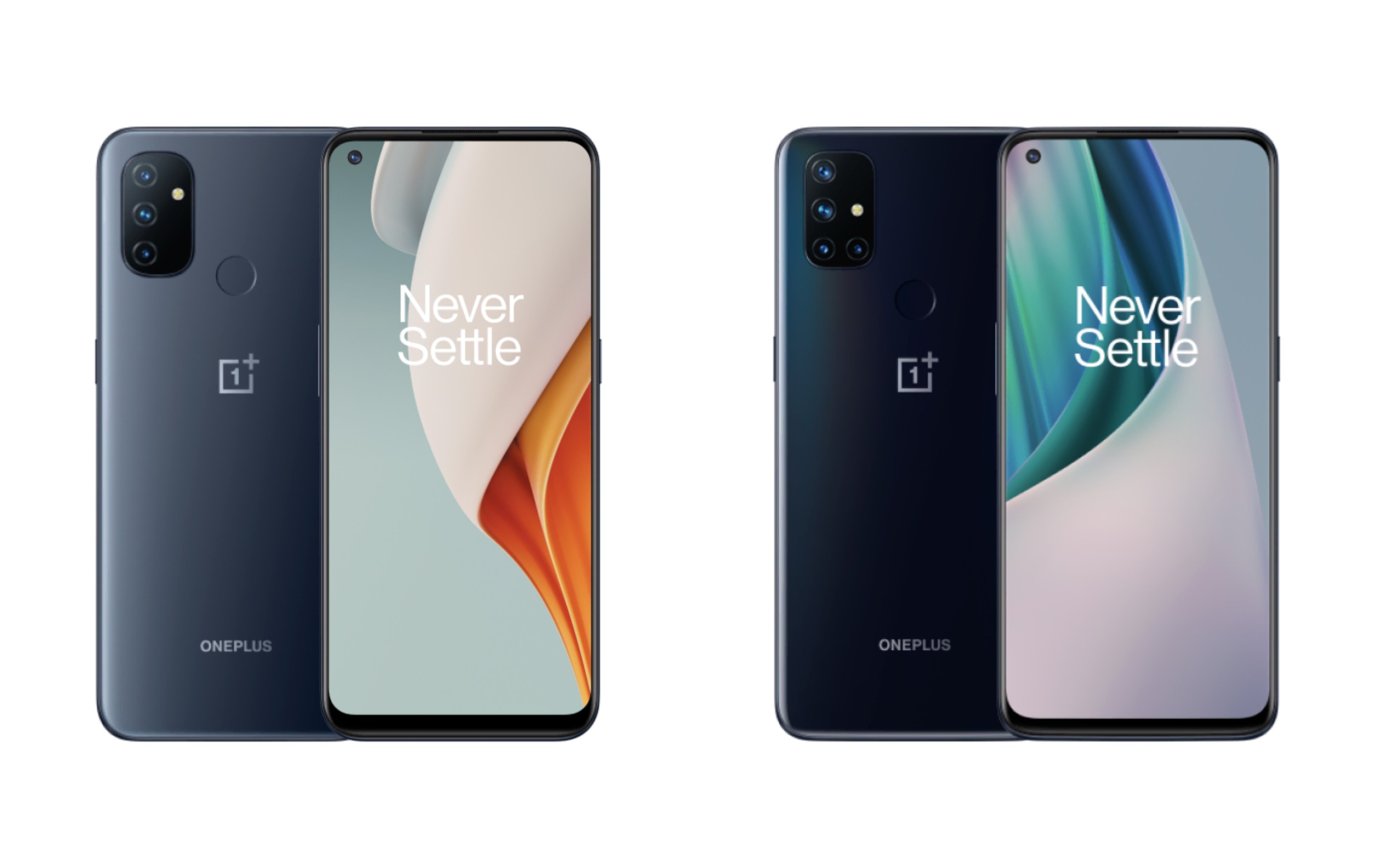
Last year, OnePlus launched the OnePlus Nord N100 and the OnePlus Nord N10 5G as its first budget smartphones. These two handsets are only sold in select few markets. Now, months after their release, the duo could make their debut in India.
OnePlus Nord N100 and OnePlus Nord N10 5G
According to an automated OnePlus update tracker Telegram channel (via MySmartPrice), the company has released India-specific OxygenOS builds for the OnePlus Nord N100 and the OnePlus Nord N10 5G.
There were only two regional software builds for these two smartphones prior to this. But now, with the addition of India, the number of builds has been incremented to three for both of them
However, we cannot tell for sure if the brand is planning to launch these handsets in India. Also, it will be weird if OnePlus debuts these devices in the country since they are already six months old.
Anyway, we don’t think that these phones will make their way to India because the budget smartphone competition in the country is intense. The OnePlus Nord N100 and the OnePlus Nord N10 5G pale in comparison with devices from Xiaomi and OnePlus’ sister brand realme.
But we cannot rule out the possibility as there are OxygenOS builds for India. However, we can expect the OnePlus Ebba (OnePlus Nord N10 5G successor) to launch in the region as it has been certified by BIS.
Meizu Technology has just announced that it is partnering up with an automobile maker. The company will work together with Mini JCW (the brand behind the popular Mini Cooper line of cars) and is developing the Flyme for Cars in vehicle system, which the company teased earlier this week.
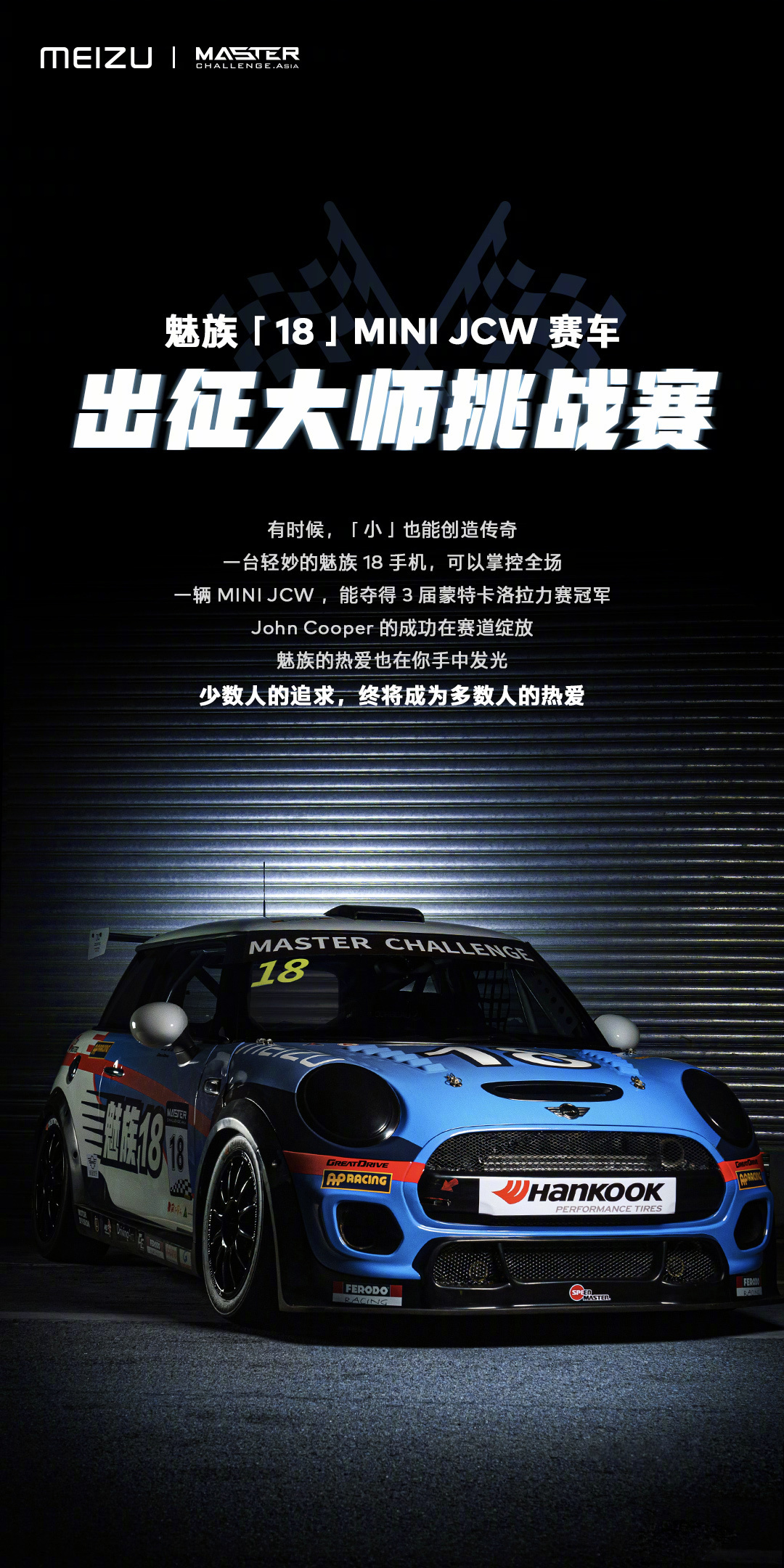
Earlier today (30th April 2021), the Chinese smartphone maker announced on its official Weibo account, a Chinese microblogging website. In the online post, the company shared a promotional image that revealed that the company’s branding will appear in the Mini JCW’ car that will compete in the 2021 Master Challenge Asia. Looking at this image poster, it can be observed that the car will have the Meizu 18 Mini JCW printed on the side. The firm believes that the co branding on the car is a notable deal.
Furthermore, the smartphone brand is also working on developing the Flyme for Car system, which is an in vehicle system that would soon be launched. At the moment, not a lot is known regarding the upcoming car system, but the company has assured that the development is steadily moving ahead. So stay tuned for more, as we will be providing updates when additional information is available regarding this matter.
In February, iQOO announced the iQOO Neo5 smartphone in China. Fresh information shared by a reliable tipster from China revealed that the company is prepping up to launch a new phone named the iQOO Neo5 Youth (Vitality Edition) in May.
The iQOO Neo5 Youth (Vitality Edition) is said to be a renewed version of the iQOO Neo3 handset from last year. While the Neo3 was powered by the Snapdragon 865 mobile platform, the upcoming Neo5 Youth is like to feature the Snapdragon 870 SoC.
The iQOO Neo5 Youth is believed to be the V2118A Vivo phone, which was spotted at the Google Play Console and China’s 3C certification earlier this month. The presence of the SD870 chip was confirmed through the Paly Console appearance. The listing also revealed that it has 8 GB of RAM and it boots to Android 11 OS.
The purported iQOO Neo5 Youth (Vitality Edition)
Its display supports a Full HD+ resolution of 1080 x 2400 pixels and a 480ppi pixel density. While the tipster has claimed that the smartphone offers a high refresh rate, it is yet to confirmed whether its LCD panel carries support for a 144Hz refresh rate like the Neo3.
The front image of the iQOO Neo5 Youth (Vitality Edition), which is available in the Google Play Console listing shows that it has a circular camera cutout at the top-right of the display. The volume controller and a power button, which is integrated with a fingerprint scanner is available on its right spine.
The 3C appearance of the iQOO Neo5 Vitality Edition revealed that its retail box may include a 44W fast charger. The listing also confirmed that is supports 5G connectivity. The other details like the battery size and camera configurations of the upcoming iQOO are under wraps.
Huawei’s smartphone business is in turmoil as a result of the US ban. However, the company has been releasing other consumer products, in addition to some high-end phones. Last month, the firm’s first high-end monitor got certified by 3C. Now, more details about this monitor and another model emerge.
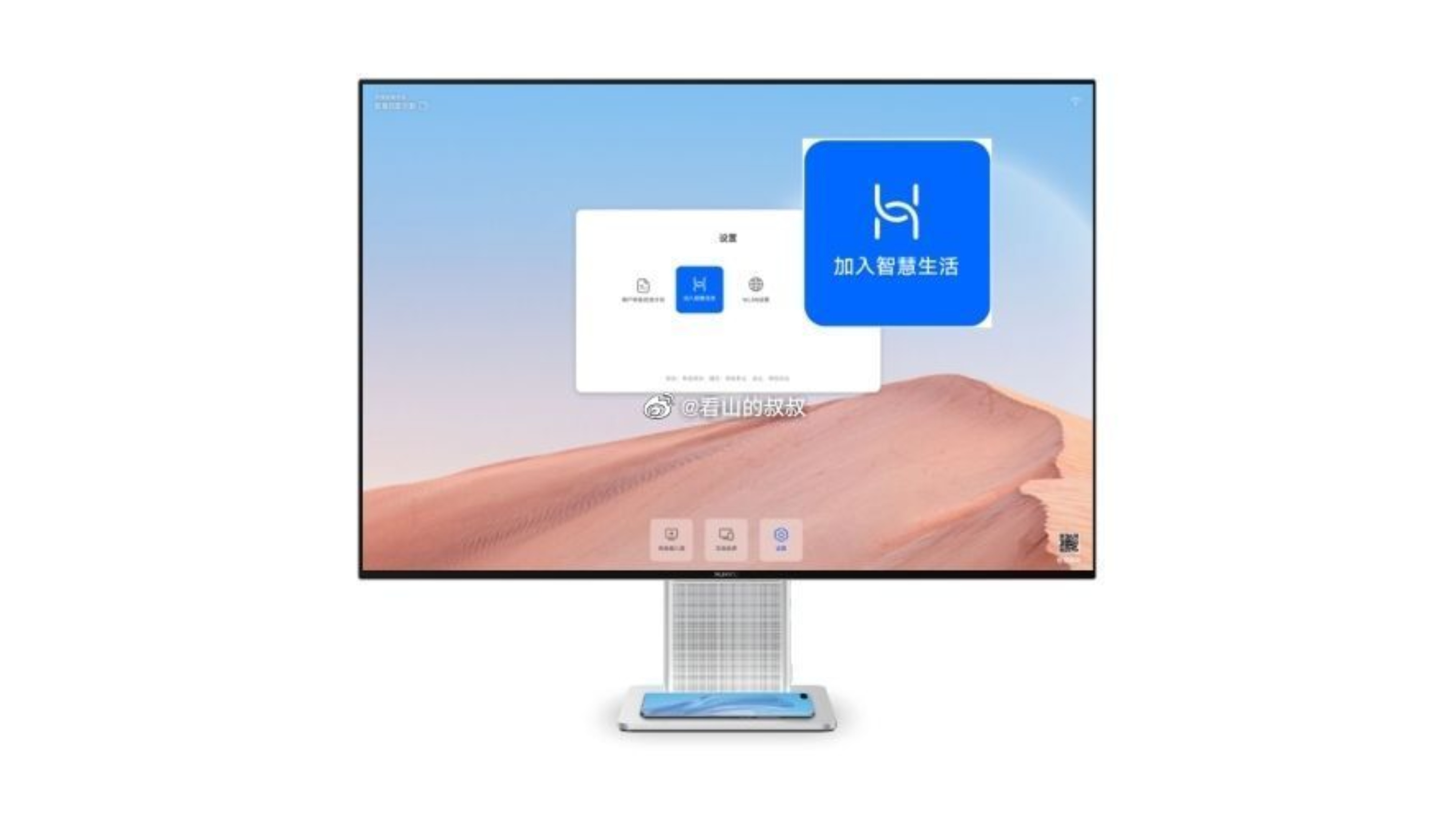
HUAWEI MateView 32-inch Professional Monitor
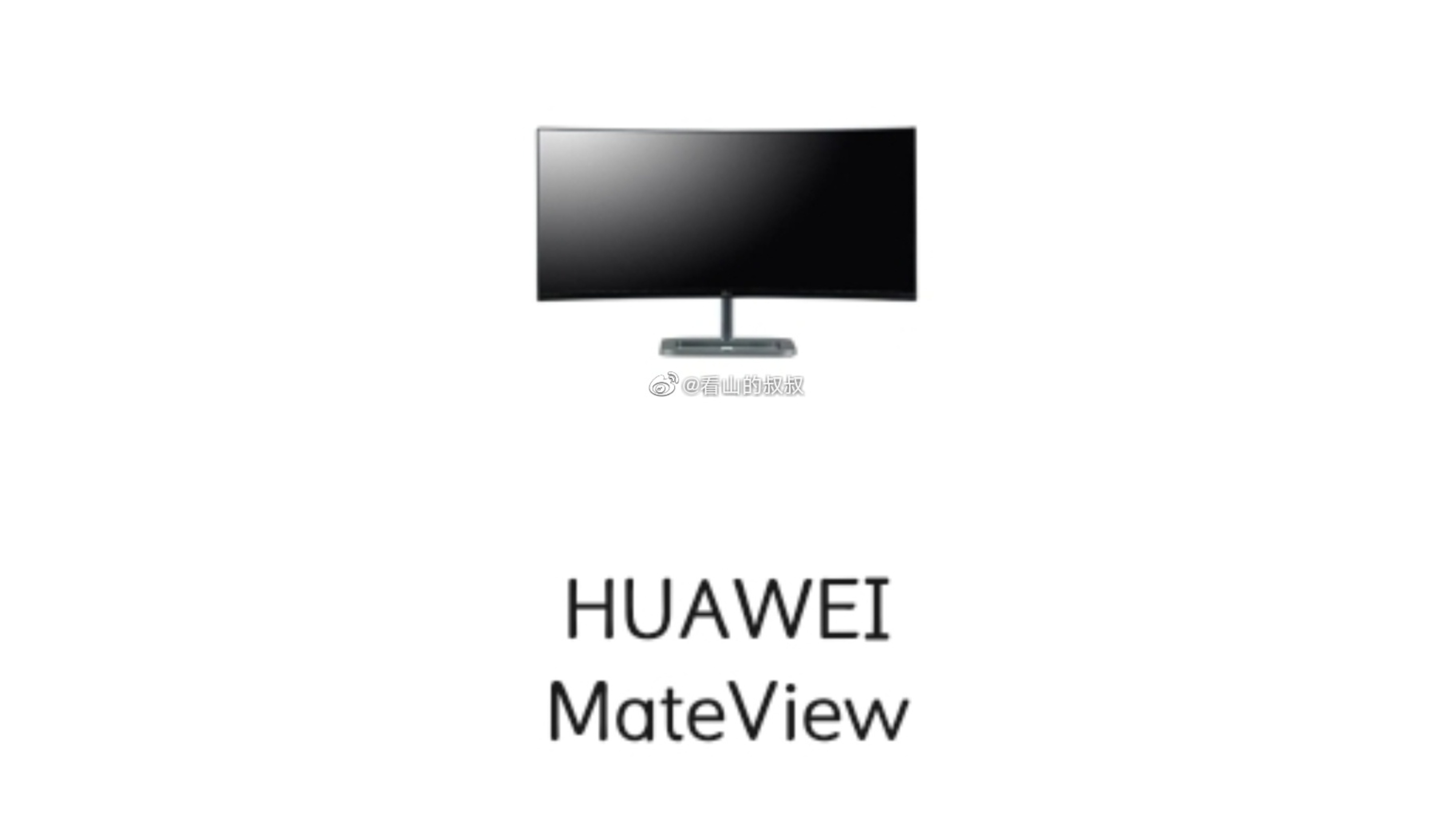
According to a popular leaker who goes by the username @看山的叔叔 on Weibo, the upcoming Huawei monitors will be called HUAWEI MateView. Initially, the company will be releasing two models.
The first monitor will be targeted at professionals. It will have a 32-inch flat panel. On the other hand, the second monitor will be aimed at gamers with a 42-inch curved display. This was the one that was certified by 3C in March.
Apart from revealing their screen sizes, target consumers, and branding, the leakster also shared low-quality images of these monitors.
Additionally, according to ITHome, another tipster (@长安数码君) on Weibo had already shared the primary specs of these two monitors a few days back. However, we could not find his post since we are not sure when it was published.
HUAWEI MateView 42-inch Curved Gaming Monitor
Anyway, as per him, the 32-inch HUAWEI MateView professional monitor will feature a 4K+ display with a resolution of 4500 x 3000 pixels, 3:2 aspect ratio, 10-bit color, HDR400 certification, and a close to 100% screen-to-body ratio.
On the other hand, the 42-inch HUAWEI MateView curved gaming monitor will sport a 3K+ panel with a resolution of 3440 x 1440 pixels, a 165Hz refresh rate, and a 21:9 aspect ratio. This monitor will also include dual speakers.
Lastly, as per another user (@菊厂影业Fans) on Weibo, these two monitors will be launched alongside HUAWEI MateBook 16 in May.
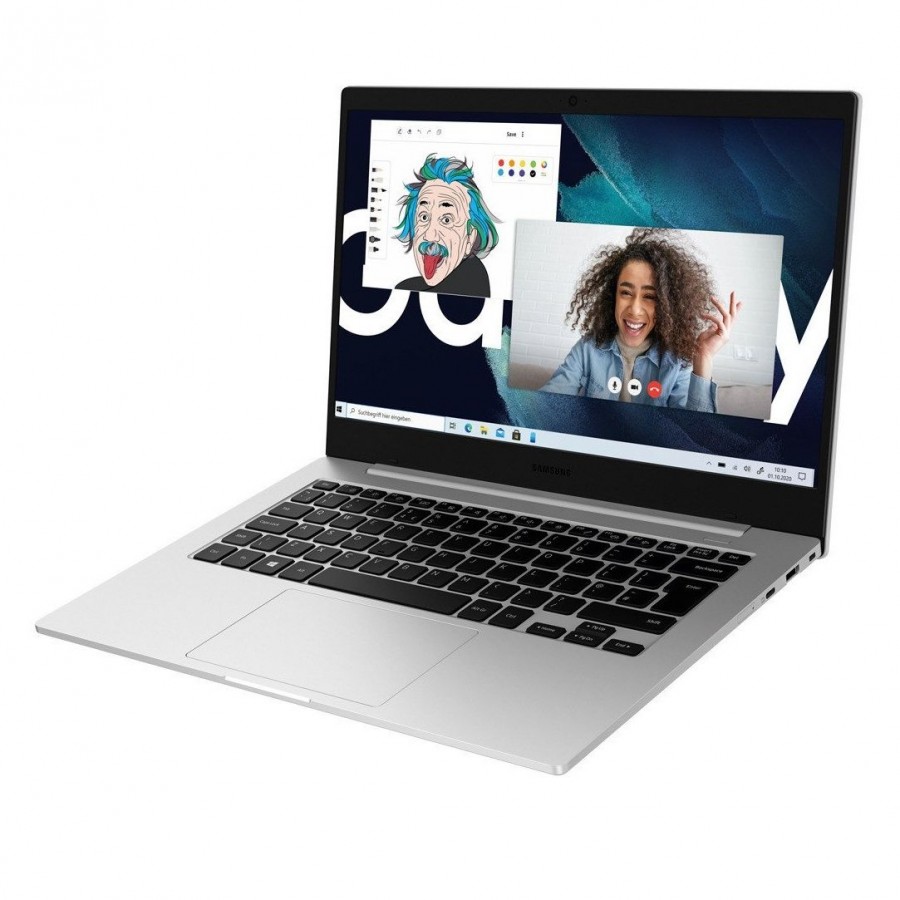
Samsung is gearing up for the launch of a new laptop. This notebook is the Galaxy Book Go, which is an affordable laptop that ships with Windows 10 OS that is powered by an ARM processor.
The South Korean tech giant recently announced multiple laptops earlier this week, which includes the Galaxy Book Flex2 Alpha that launches in the US and the Galaxy Book Odyssey gaming laptop. Talking about the Galaxy Book Go, the notebook is powered by an 8nm Qualcomm Snapdragon 7c processor and the ARM version of Windows 10 operating system. The laptop is a thin and light notebook that is fanless.
The Galaxy Book Go sports a 14 inchIPS LCD display that supports 1920 x 1080px resolution. It also ships with LTE support and offers 4GB of RAM and 128GB of SSD storage. The display isn’t touch enabled while the company also offers a basic housing to reduce cost. Although, Samsung ensures that the Galaxy Book Go is compliant with the Mil-810G durability standard. In other words, the laptop can withstand a drop of 1.2 meters and is dust tight.
The laptop weighs just 1.39 kilograms and offers two USB Type C ports, a single USB Type A, a 3.5mm headphone jack, a microSD card slot, and even a SIM card slot. The power efficient ARM based processor is paired with a 42.3Wh battery that should offer robust battery life. The device is expected to launch for 449 Euros (roughly 542 US Dollars) in Germany, while it will be available in a cheaper 349 US Dollars in the US, but this version doesn’t feature LTE support.
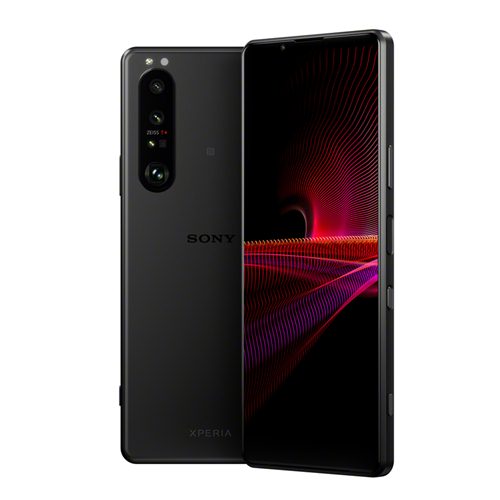
While Sony has announced the Xperia 1 III, the company has yet to announce the pricing and availability for its latest flagship handset. But now, a recent leak has hinted at the pricing for the upcoming smartphone in China.
According to a Weibopost (Via GSMArena), the premium grade handset from the Japanese tech giant will have its pricing start from 8,499 Yuan (roughly 1314 US Dollars). This is for the 256GB internal storage variant, while the higher end 512GB internal storage version is said to be available for 9,499 Yuan (roughly 1,470 US Dollars). Notably, these pricing are similar to prices that were seen in the pre order listings that was found in the company’s official web store in Russia.
For those unaware, the Xperia 1 III is set to be announced on 20th May 2021 in China. Talking about the device itself, the smartphone is equipped with a Qualcomm Snapdragon 888 processor paired with a 6.5 inch display that supports 4K resolution and 120Hz high refresh rate. The device will also support memory expansion and also be powered by a large 4,500mAh battery pack that offers up to 30W wired fast charging as well.
MediaTek is apparently expecting to see another sequential rise of 10 to 18 percent in terms of revenue in the second quarter of this year. The company is projecting the revenue to be anywhere between 118.8 to 127.5 billion New Taiwan Dollars (roughly 4.22 to 4.53 billion US Dollars).
According to a DigiTimesreport, the chip maker has even raised its internal revenue growth and gross margin projections for this year to 40 percent and 44 to 46 percent respectively. Furthermore, the company is even expecting the momentum to stay strong next year as well, as per sources close to the matter. The company has even begun talks with its partners in its supply chain regarding capacity support for 2022 and has also achieved good results so far, as per the source.
Additionally, MediaTek has reported its consolidated revenue for the first quarter of this year, which is around 108.3 billion New Taiwan Dollars. This figure is up from 12.1 percent sequentially and also marks a significant rise of 77.5 percent year on year. During the same period, the chip maker also had a gross margin of around 44.9 percent and net profits of 25.77 billion US Dollars.
This again marks a 73.4 percent sequential rise and a whopping 348 percent year on year grwoth. Interestingly, both the revenues and the net profits were new quarterly records for the company in Q1 2021, which is likely due to its booming business in recent months.
Telecom Italia is looking to cancel to contract with Huawei for supplying equipment to build part of the telecom firm’s 5G network in the country, reports Reuters citing sources aware of the development.
If the company goes ahead with the plan, then it will be a major blow to the Chinese telecom giant as Telecom Italia is one of Huawei’s biggest clients in Europe. The company has already lost some business to its rivals Nokia and Ericsson.
The development comes as the United States has been pressuring its allies to ban Huawei equipment from their 5G infrastructure, citing a national security risk. However, in the European region, only Britain and Sweden have banned Huawei for 5G.
Now, this new report, citing a source aware of the development, claims that Telecom Italia has sent a letter to Huawei informing its intention to call off the contract. The development was first reported by the newspaper Il Sole 24 Ore.
Earlier, the plan of the Italian company was to give the contract to Huawei and Ericsson but later the company split in among three companies by bringing Nokia to the mix. But now it seems that the contract will be split between Nokia and Ericsson.
Huawei was already excluded from the core of the 5G network which is used for processing sensitive data. The new development related to the Chinese giant comes after a review of supply policy, including a cost and benefit analysis, says the report.
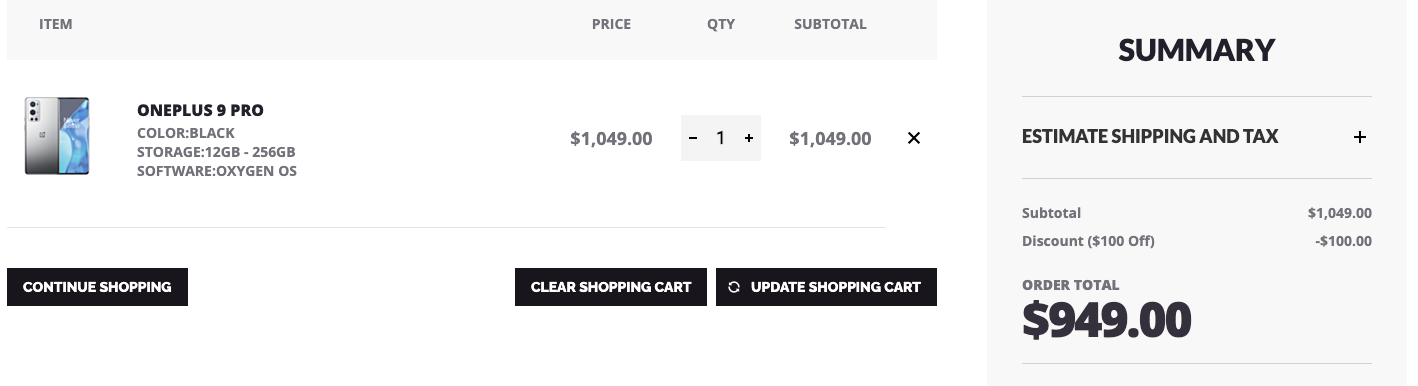
Giztop is giving a $100 discount coupon on OnePlus 9 Pro , 12GB + 256GB variant. The smartphone which is retailing at $1049 can be bought for a discounted price of $949 via coupon code: OP9P100
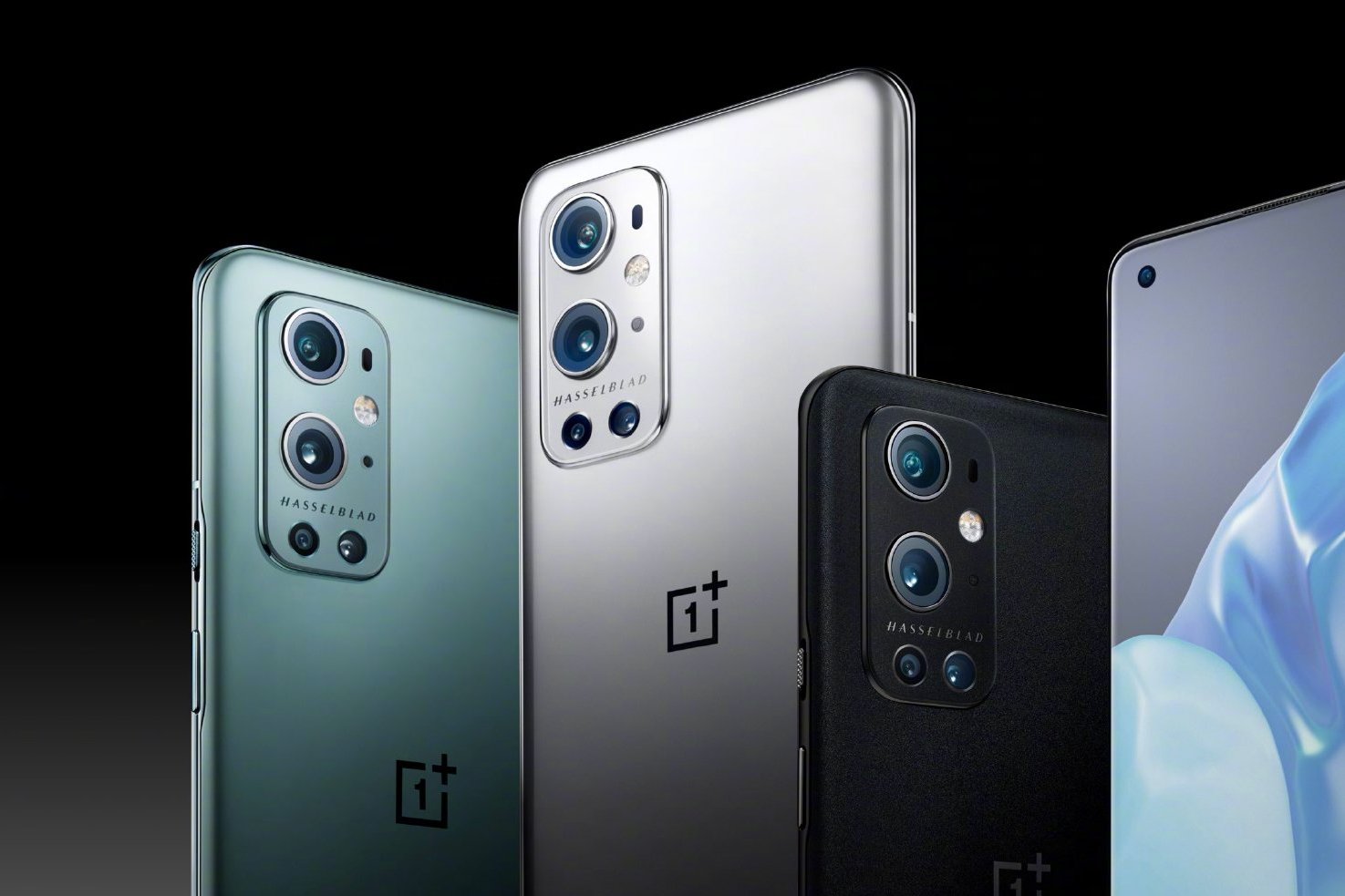
OnePlus 9 Pro is powered by a Qualcomm Snapdragon 888 octa-core processor and packs a quad-camera set up with a 48MP main camera and 8MP + 50MP + 2MP secondary cameras which feature the unique Hasselblad color calibration.
The smartphone features a 6.7 inches LTPO Fluid2 AMOLED capacitive touchscreen with a screen resolution of 1440 x 3216 pixels and is protected by Corning Gorilla Glass 5. It is fueled by a 4500mAh battery and supports 65W fast charging and 50W fast wireless charging.
OnePlus 9 Pro , 12GB + 256GB is now retailing at Giztop for $1049. However, the first 100 customers can get a whopping $100 OFF on the said product by using the coupon code: OP9P100. Thus effectively you can buy the Oneplus 9 Pro, 12GB + 256GB variant for $949 only.
Please note that the above-mentioned discount is only on the 12GB + 256GB variant and the first 100 orders. The coupon code will expire in the next 7 days. So go grab your discounted smartphone asap.
For more information on such exciting deals and offers check out ourdeals hub.
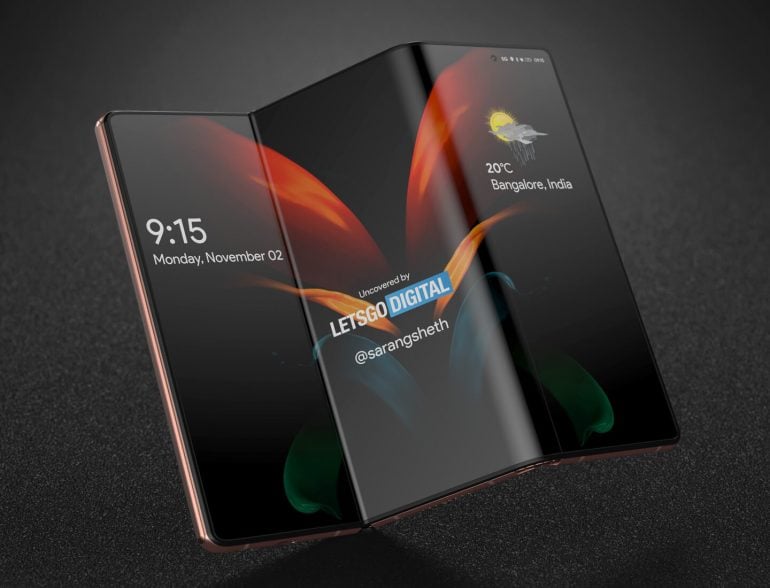
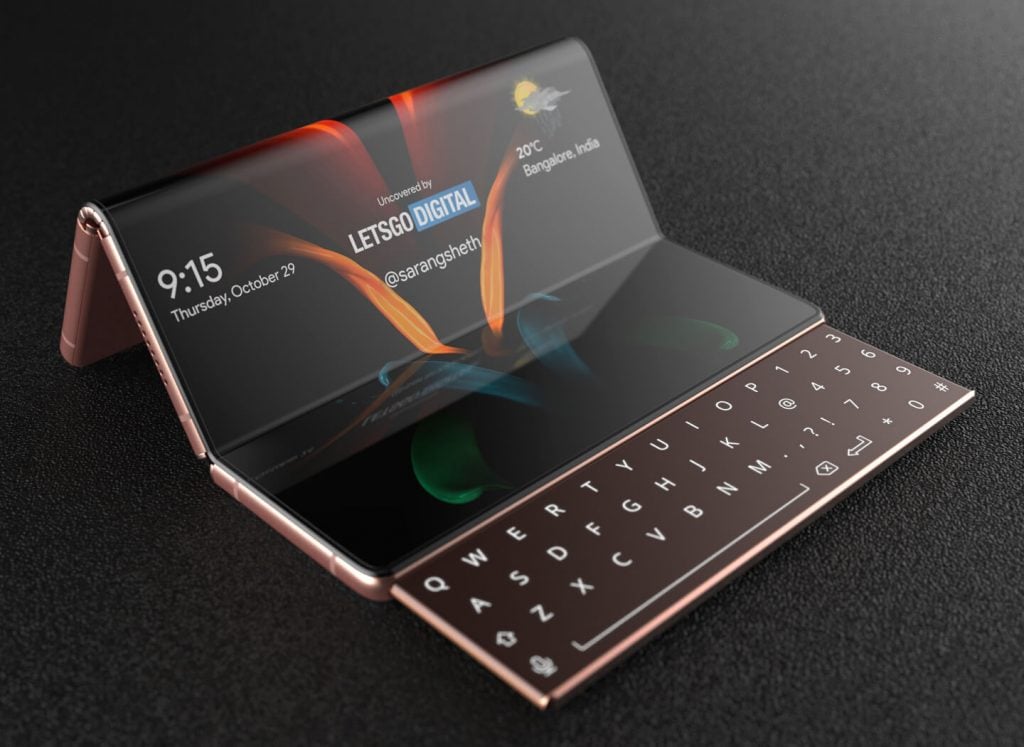
Samsung is expected to launch new foldable smartphones this year. But prior to any official announcement, the company has applied for a trademark for S Foldable displays, which might be the screen panels used in these upcoming flexible devices.
According to a LetsGoDigitalreport, the South Korean tech giant filed for a trademark with the European Union Intellectual Property Office (EUIPO) and the Korean Intellectual Property Office (KIPO) for the name ‘S Foldable.’ The news arrives amid other rumors of upcoming launches for the Galaxy Z Fold 3 and Galaxy Z Flip 3. While these devices are likely to arrive sometime in the future with designs similar to the predecessor, the company is apparently also working on a new extra large foldable tablet device as well.
One of the unique aspect about the S Foldable display is likely its Z shared hinge design, which implies that the foldable smartphone will feature two hinge mechanism for a single display. Meaning, the handset would fold twice. The report also adds that this technology might also be seen with the Galaxy Z Fold Tab that could release later this year, but is more likely to be unveiled sometime in 2022. The ‘S’ in the trademark name is likely a hint towards the dual folding design that showcases its S shaped fold.
In the past, we had reported on the company patenting devices that have the S or Z shaped folding design. So, this might be the company’s move to trademark the design before the launch of a device that ships with it. Unfortunately, this is still a trademark application so finer details regarding any future launches are still unknown. So stay tuned for more updates regarding this matter.
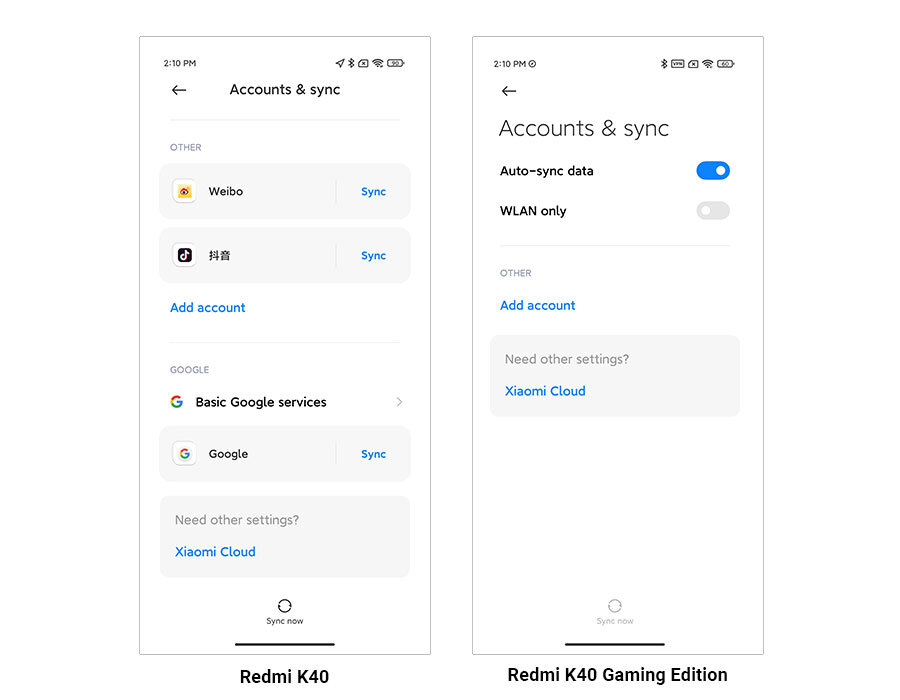
Earlier this week, Redmi launched the Redmi K40 Gaming Edition (aka Redmi K40 Game Enhanced Edition) in China. We got our hands on a review unit. While playing around with the device, we found out that it does not support GMS (Google Mobile Services) installation.
Redmi K40 Gaming Edition
Back in February, Xiaomi confirmed that it will no longer include the GMS framework on its future smartphones running MIUI China ROM. With the MIUI 12.5 update, the company has been also removing the framework on older phones.
The firm claims that this move will reduce the storage space consumed by the OS. The Chinese handset maker even allows users to uninstall a bunch of system apps on MIUI 12.5.
Since the Redmi K40 Gaming Edition ships with MIUI 12.5 out of the box, it does not have the necessary GMS framework files that are required for Google apps and services. Hence, users cannot install GMS from the Mi App store on this phone.
1 of 2
We can confirm that this is the case with all the units and not only ours alone. We enquired about this matter with a local Mi Store executive. They revealed that the Redmi K40 Gaming Edition does not support GMS installation as of now. There are also multiple discussion threads on this issue on forums like Kuan.
That said, it is worth noting that Xiaomi could add the GMS framework in a future system update. Because the company had earlier stated that it will ship phones with the GMS framework based on demand.
Since the Redmi K40 Game Enhanced Edition is the brand’s first gaming smartphone, it is already popular internationally. We expect more enthusiasts to import it. Hence, there’s a high chance Xiaomi could bring GMS installation support to this handset.
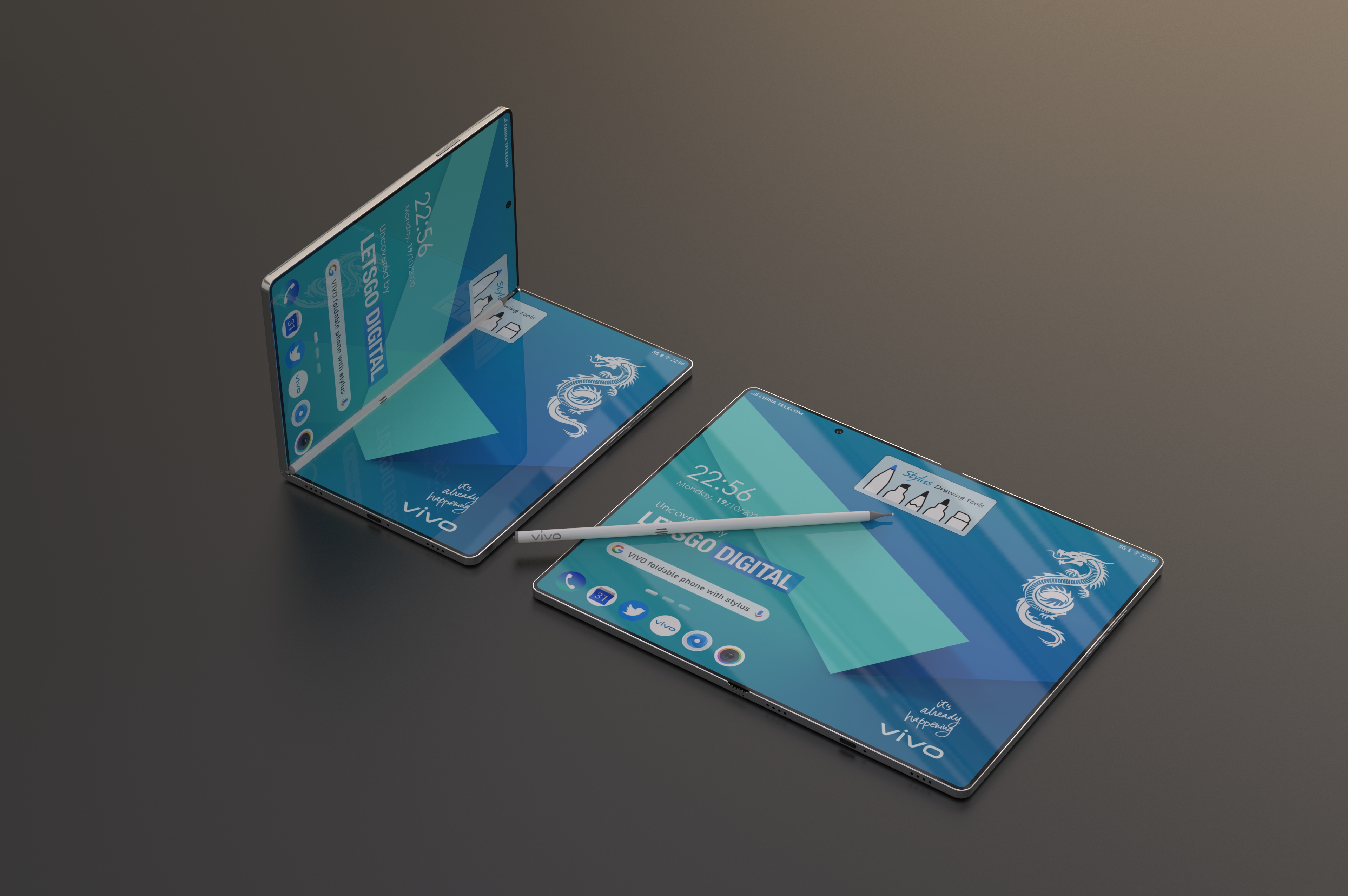
Vivo had one of its patents recently be published by the CNIPA (China National Intellectual Property Administration). The patent is for a foldable smartphone that has a full front screen body.
As per a patent filing with the CNIPA, the Chinese tech giant is apparently working on a “folding electronic equipment” that has the publication number CN112711301A. The patent in question describes a foldable electronic device that includes a housing and a display a screen mounted on this housing. One side of the housing is a non display area, with this region housing the internal components.
Furthermore, the foldable smartphone from the brand is also designed to offer a full front screen body experience, which means that there will be no visible seems, notches or chin at the front. This is further supplemented by the folding mechanism itself, allowing for a better reading, gaming, and overall viewing experience, which is hinted by its supposed inward folding design. Unfortunately, it is unknown if the device would also sport a under display selfie shooter as well.
Keep in mind that this is still just a patent so we have no way of knowing if the company is actually working on such a product or covering all bases. So stay tuned, as we will be providing updates when additional updates or other interesting developments surface regarding the company’s foldable smartphone.
Redmi India has teased the arrival of a new smartphone. It has released an image of a box package that has key features of the upcoming phone mentioned on it. It can be said based on recent reports that the company could be teasing the arrival of the Redmi Note 10S smartphone.
The teaser suggests that the forthcoming Redmi phone will offer MIUI 12.5 experience, blazing fast performance, long-lasting battery, 64-megapixel main camera, and a super display. The three dots seem to show the three color variants of the device.
Brace yourselves folks, there's going to be a new player in town!
We're dropping hints but are you #savage enough to spot 'em! 😉
A recent leak revealed that the Redmi Note 10S will arrive in color editions like grey, white, and blue in India. The leak also revealed that it may sell in variants like 6 GB RAM + 64 GB storage, 6 GB RAM + 128 GB storage, and 8 GB RAM + 128 GB storage.
The Redmi Note 10S is expected to arrive with a 6.43-inch AMOLED FHD+ display, Helio G95 chipset, up to 8 GB of RAM, up to 128 GB of UFS 2.2 storage, MIUI 12.5 based Android 11 OS, a side-facing fingerprint scanner, and a 5,000mAh battery with 33W rapid charge support. It has a 13-megapixel front camera and a 64-megapixel + 8-megapixel (ultrawide) + 2-megapixel (macro) + 2-megapixel (depth) quad-camera system.
We use cookies on our website to give you the most relevant experience by remembering your preferences and repeat visits. By clicking “Accept”, you consent to the use of ALL the cookies.
This website uses cookies to improve your experience while you navigate through the website. Out of these, the cookies that are categorized as necessary are stored on your browser as they are essential for the working of basic functionalities of the website. We also use third-party cookies that help us analyze and understand how you use this website. These cookies will be stored in your browser only with your consent. You also have the option to opt-out of these cookies. But opting out of some of these cookies may affect your browsing experience.
Necessary cookies are absolutely essential for the website to function properly. This category only includes cookies that ensures basic functionalities and security features of the website. These cookies do not store any personal information.
Any cookies that may not be particularly necessary for the website to function and is used specifically to collect user personal data via analytics, ads, other embedded contents are termed as non-necessary cookies. It is mandatory to procure user consent prior to running these cookies on your website.