Advertisement

OnePlus 15 India launch officially confirmed, launching earlier than expected?

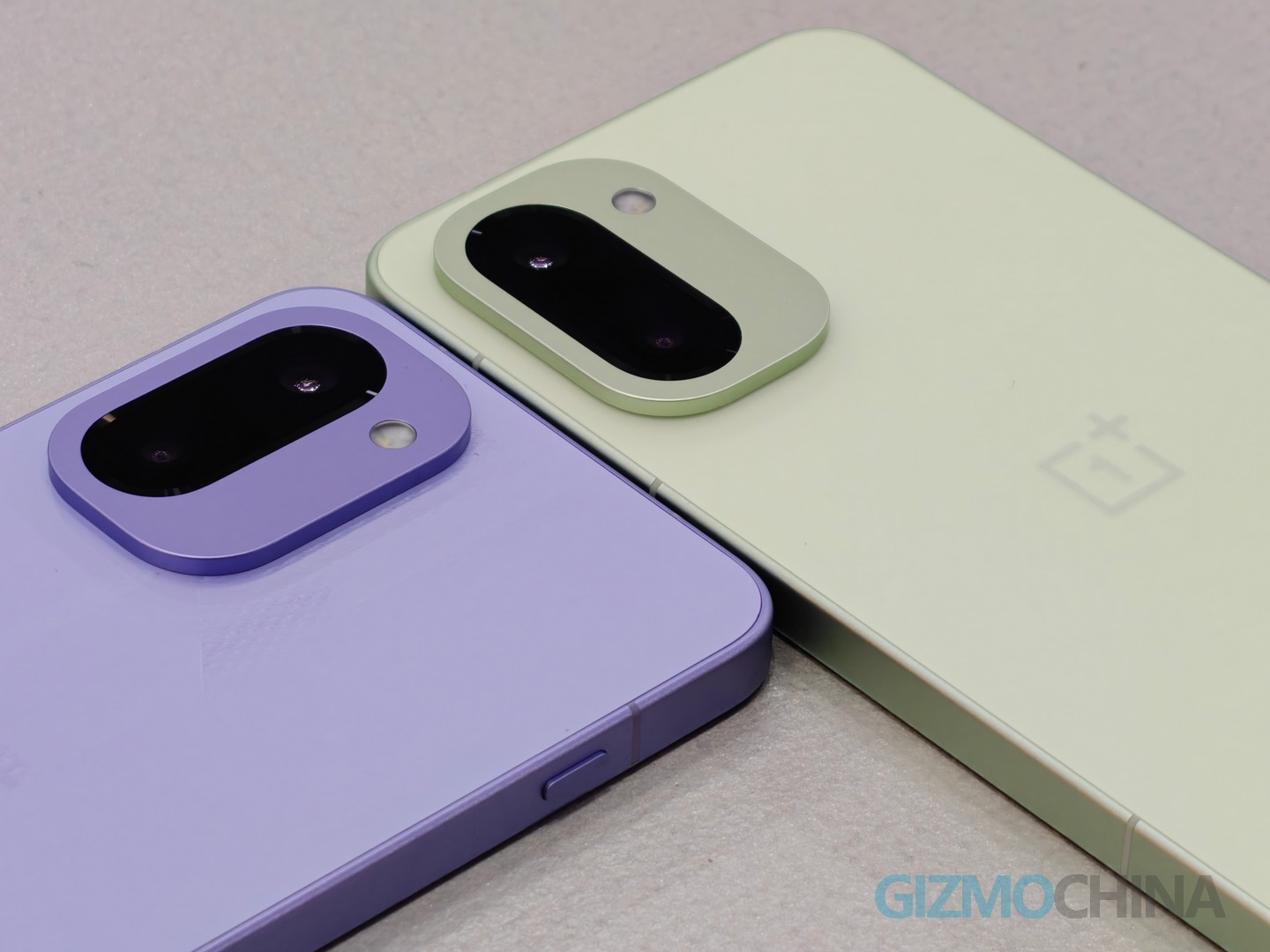
So far, the Indian divisions of Realme and iQOO have confirmed plans to launch flagship phones powered by the all-new Snapdragon 8 Elite Gen 5 chipset. Realme will take the lead with the GT 8 Pro, which is set to debut as India’s first Snapdragon 8 Elite Gen 5 phone. The iQOO 15 is also expected to follow soon after. Now, OnePlus has joined the race, confirming that the Snapdragon 8 Elite Gen 5-powered OnePlus 15 will also launch in India.

OnePlus India teases the OnePlus 15’s arrival

OnePlus 15 India launch confirmed

To recall, OnePlus unveiled the OnePlus 13 in October 2024 in China. Its first teaser for the global market came in December, and it debuted in January 2025 in regions outside of China.

As far as the OnePlus 15 launch is concerned, it is scheduled to launch in October in China. Surprisingly, the above teaser released by the Indian division of the brand confirms that it will soon debut in the country. This suggests that the OnePlus 15 may debut in November or December in India.

Apart from packing the new chipset, the OnePlus 15 will also feature its DetailMax image engine. This system is designed to apply advanced algorithms through powerful processing units to deliver sharper, more natural photographs with improved clarity. While full camera specifications are not yet disclosed, the emphasis is on lifelike imagery and enhanced detail capture.

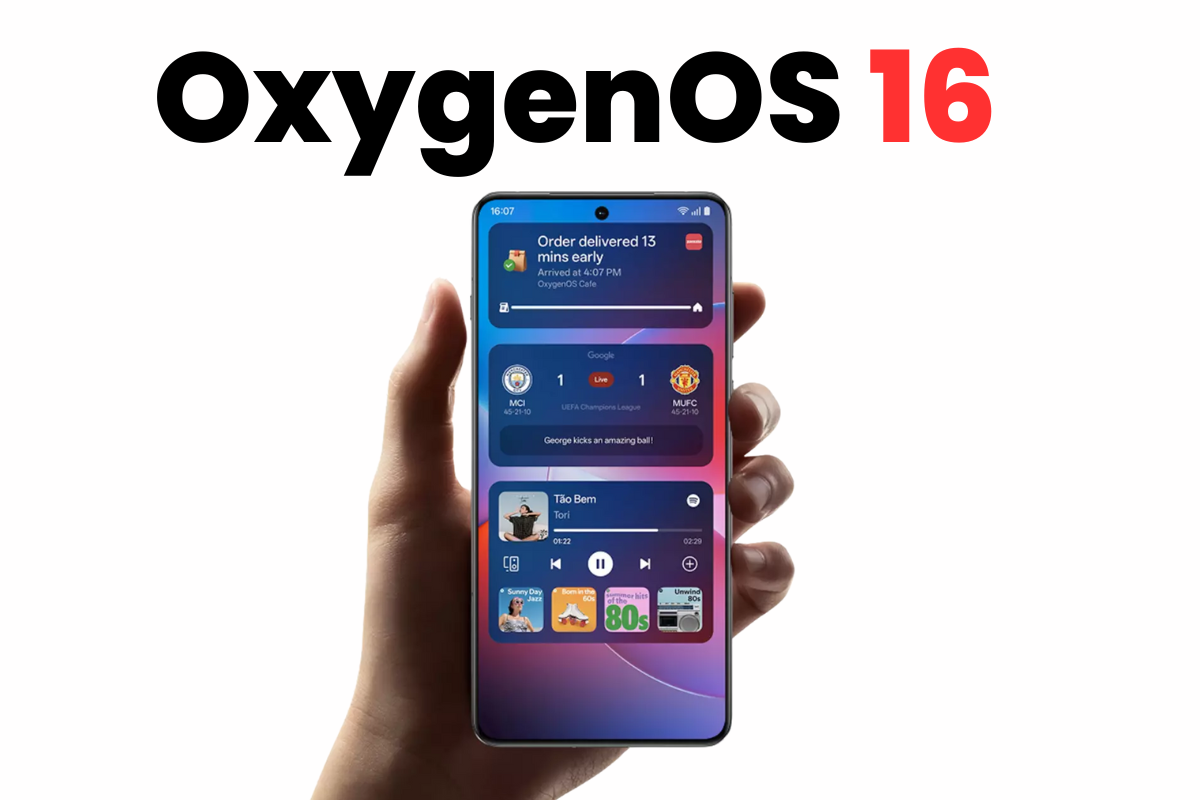
The company also underlined the gaming potential of the OnePlus 15. According to the brand, OxygenOS on the new flagship is tuned for demanding titles, offering adaptive optimisation for consistent frame rates and lower heat build-up during extended gaming sessions. This combination of the latest Qualcomm platform and software customisation is positioned to provide an uncompromised mobile gaming experience.

More specifications, including battery capacity, charging speeds, and camera megapixels, are expected to be revealed by OnePlus closer to launch. Readers can visit our OnePlus 15 posts to know what the Chinese wing of the brand has confirmed about it so far.

If you are wondering what happened to the OnePlus 14, the company has just skipped this moniker.

For more daily updates, please visit our News Section.

Stay ahead in tech! Join our Telegram community and sign up for our daily newsletter of top stories.

iQOO 15’s India launch confirmed, Snapdragon 8 Elite Gen 5 phone to rival Realme GT 8 Pro

iQOO recently confirmed that it will unveil the iQOO 15 in October in China. Now, the brand has also revealed that the phone will be released in India. The following poster released by iQOO India confirms that the device will come equipped with the Snapdragon 8 Elite Gen 5 SoC.

iQOO 15 India launch confirmed

iQOO 15 India launch confirmed

Recently, Realme confirmed that the Realme GT 8 Pro will launch as India’s first Snapdragon 8 Elite Gen 5 phone. It appears that the iQOO 15 will be a major rival to the Realme offering, as both are confirmed to feature the same Snapdragon 8-series chip. While the India launch has been confirmed, there is no clarity on whether it will break cover in October or November in the country.

While iQOO India hasn’t shared anything else about the iQOO 15’s specifications, its Chinese wing has already shared a lot of details about it. Last week, the brand released official images to showcase its rear design. The new poster shown below showcases the phone’s front, which shows that it has ultra-thin bezels around the screen.

IQOO 15 display
IQOO 15 display

Recent reports have revealed that the iQOO 15 will feature a 6.85-inch Samsung AMOLED screen that supports a 2K resolution and a 144Hz refresh rate. Under the hood, the device will feature the Snapdragon 8 Elite Gen 5 chipset, up to 16GB of RAM, up to 1TB of storage, and a massive 7,000mAh battery with 100W charging and 50W wireless charging.

The iQOO 15’s rear camera setup is expected to feature three 50-megapixel cameras, including a periscope telephoto camera. The phone will run on the latest OriginOS 6-based Android 16. It will also come equipped with other features, such as a Q3 gaming chip, a new x-axis motor, and satellite communication support.

For more daily updates, please visit our News Section.

Stay ahead in tech! Join our Telegram community and sign up for our daily newsletter of top stories.

Realme GT 8 Pro to launch as India’s first Snapdragon 8 Elite Gen 5 phone

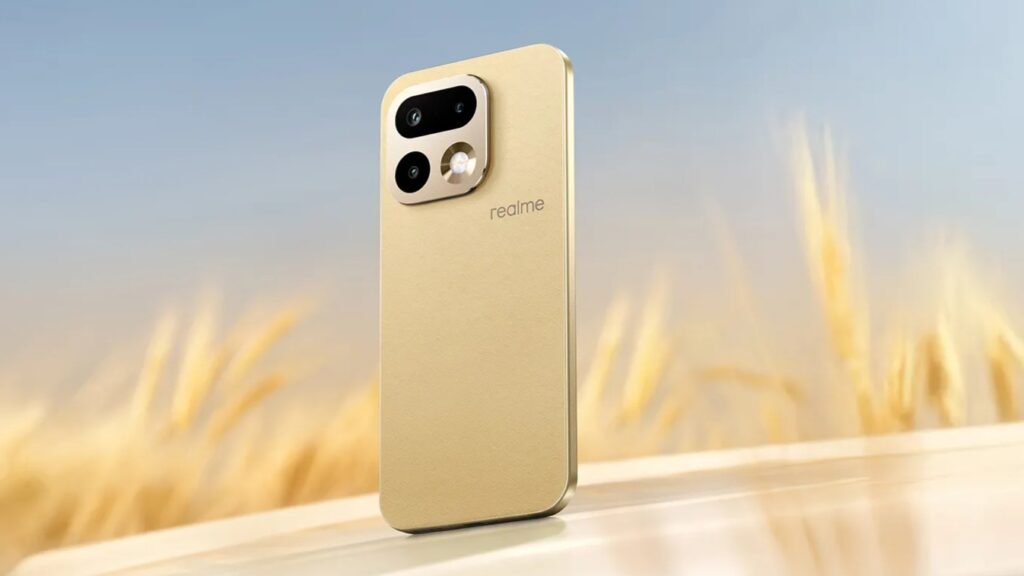
Yesterday, Xiaomi held a launch event in China to unveil the Xiaomi 17 series as the world’s first Snapdragon 8 Elite Gen 5-powered smartphones. A slew of other SD8EG5 phones, such as the Honor Magic 8 series, iQOO 15, Realme GT 8 Pro, OnePlus 15, ZTE Nubia Z80 Ultra, and Red Magic 11 Pro series, are expected to hit the Chinese market in October. A new announcement reveals that the Realme GT 8 Pro could be the first Snapdragon 8 Elite Gen 5 phone to debut in markets outside of China.

Realme GT 8 Pro’s India launch confirmed

Reakne GT 8 Pro Snapdragon 8 Elite Gen 5
Reakne GT 8 Pro India launch confirmed

As can be seen above, Realme has confirmed that the Realme GT 8 Pro will debut as India’s first Snapdragon 8 Elite Gen 5 phone. The poster reveals that the device can achieve a 4M+ score on AnTuTu benchmarks. While the company hasn’t shared any details about the device, recent reports have spilt a lot of information about it.

Reports have revealed that while its Chinese variant has the RMX5200 model number, its global version has the RMX5210 model number. Recently, the Chinese edition of the phone was approved by the 3C certification platform, revealing that it may support 120W fast charging.

Realme GT 8 Pro 3C certification
Realme GT 8 Pro 3C certified

Realme’s China division recently confirmed that the Realme GT 8 Pro has a 2K AMOLED screen offering a 144Hz refresh rate, up to 7,000 nits of brightness, and an ultrasonic in-screen fingerprint sensor. The phone is confirmed to pack a massive 7,000mAh battery, but there’s no clarity on whether it will support wireless charging.

Another major highlight of the Realme GT 8 Pro is that it will feature a 200-megapixel periscope telephoto camera with support for 3x optical zoom and 12x lossless zoom. The rest of the specs of the device are yet to be revealed. Finally, its global version was recently spotted on Geekbench with the Snapdragon 8 Elite Gen 5 chip, 16GB of RAM, and Android 16.

For more daily updates, please visit our News Section.

Stay ahead in tech! Join our Telegram community and sign up for our daily newsletter of top stories.

OnePlus 15 to offer 165fps gaming with Snapdragon 8 Elite Gen 5 and a major redesign from the front

OnePlus is skipping the “14” and moving straight to the OnePlus 15, with early details emerging ahead of its October launch. Teasers shared on Weibo by Louis Lee, president of OnePlus China, confirm that the new flagship runs on the just-announced Snapdragon 8 Elite Gen 5 and Android 16-based ColorOS 16.

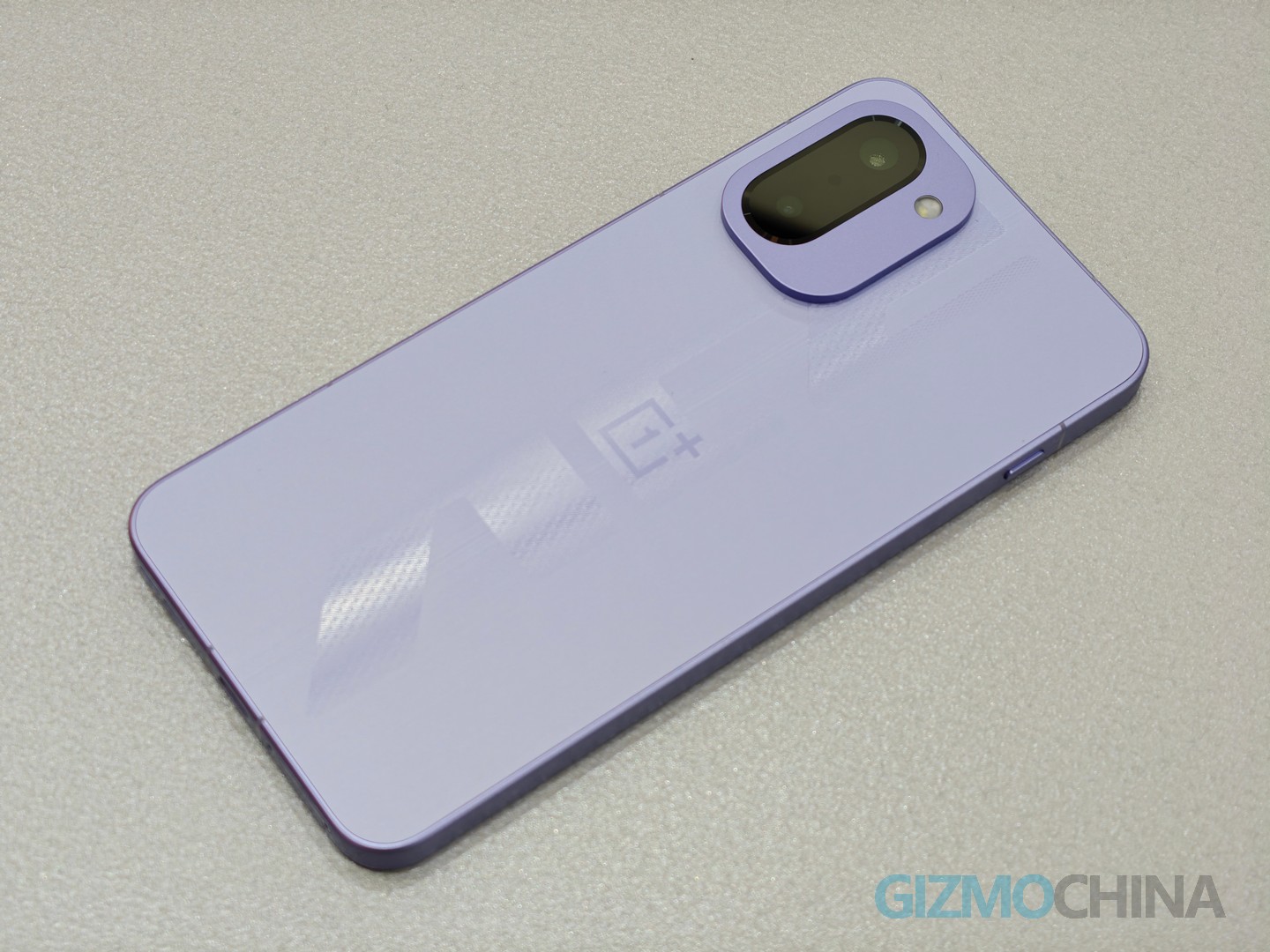
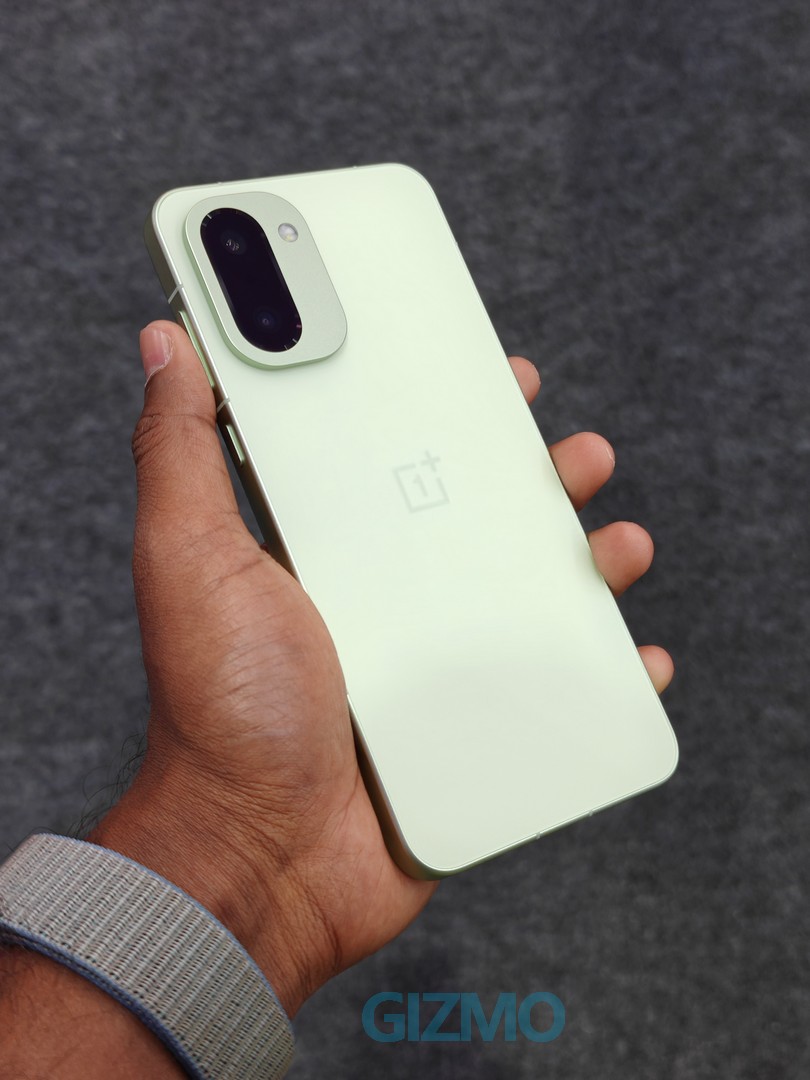
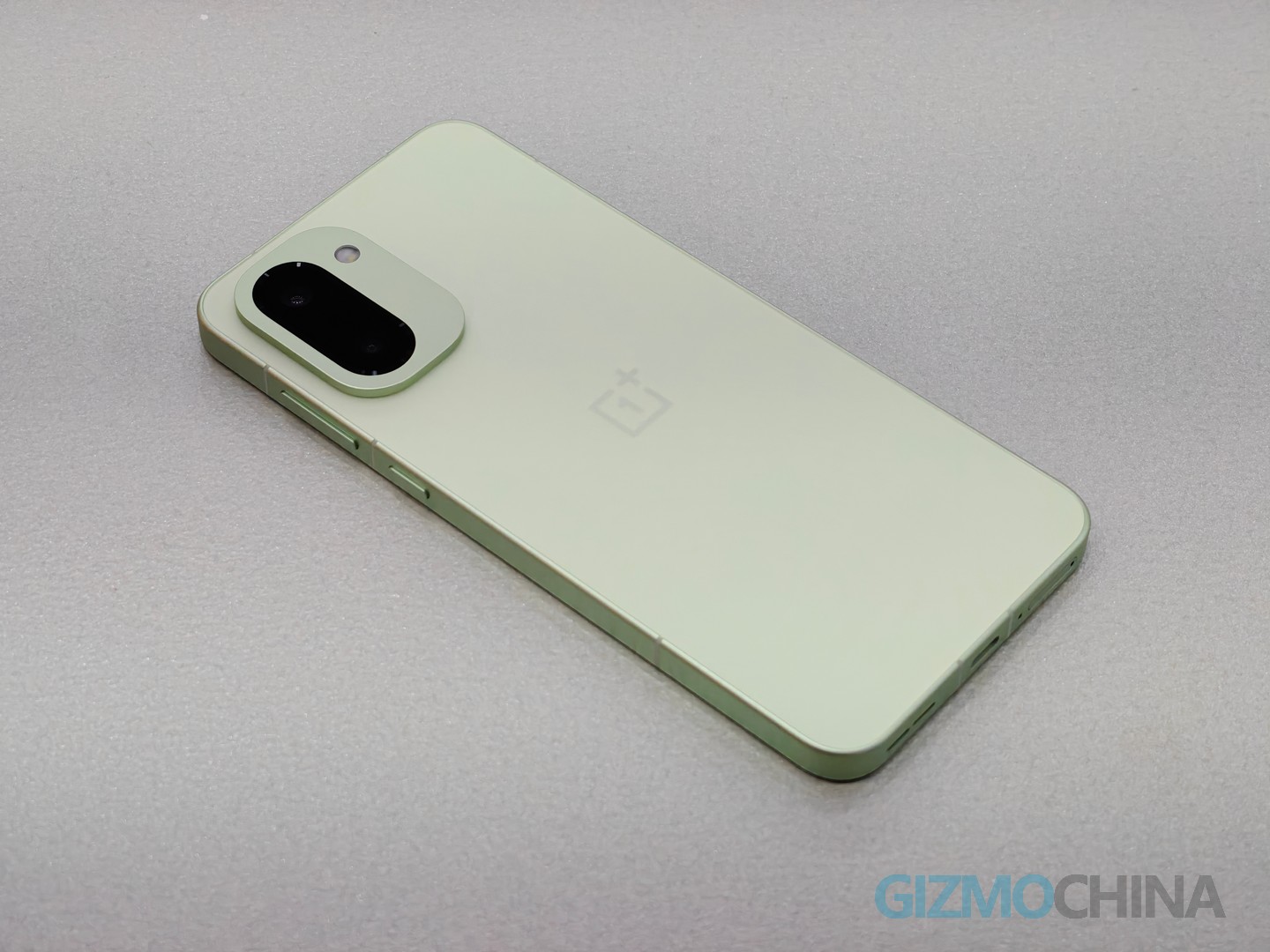
The teaser video also shows OnePlus moving away from the micro-quad curved display in favor of a flat panel. The corners are now more rounded, and the bezels appear slightly slimmer.

The display makes another leap with a 165Hz refresh rate, up from 120Hz. What makes this stand out is that some compatible games will actually run at 165fps — a rare feature for a phone. This frame interpolation is now handled natively by the Snapdragon 8 Elite Gen 5, instead of relying on the dual-chip setup used in earlier models like the OnePlus 12 and OnePlus 13. However, the company executive did not confirm whether this new integrated solution improves visuals or power efficiency.

Not all changes may appeal to everyone. The panel is rumored to feature a 1.5K resolution, a step down from the 2K screens used in past flagships.

Paired with up to 16GB of RAM, early Geekbench results place the device close to Apple’s A19 Pro in single-core performance and ahead in multi-core. OnePlus is also developing its own gaming engine to further boost sustained performance and efficiency.

Other rumored specs include a 7,000mAh battery with 120W fast charging. The long-running Hasselblad partnership may also be ending, with OnePlus shifting to its own imaging solution. The phone is expected to launch in China this October, followed by a global rollout in early 2026.

If accurate, the OnePlus 15 could shape up to be one of the most performance-driven Android flagships of the year, targeting gamers and power users alike.

Don’t miss a thing! Join our Telegram community for instant updates and grab our free daily newsletter for the best tech stories!

For more daily updates, please visit our News Section.
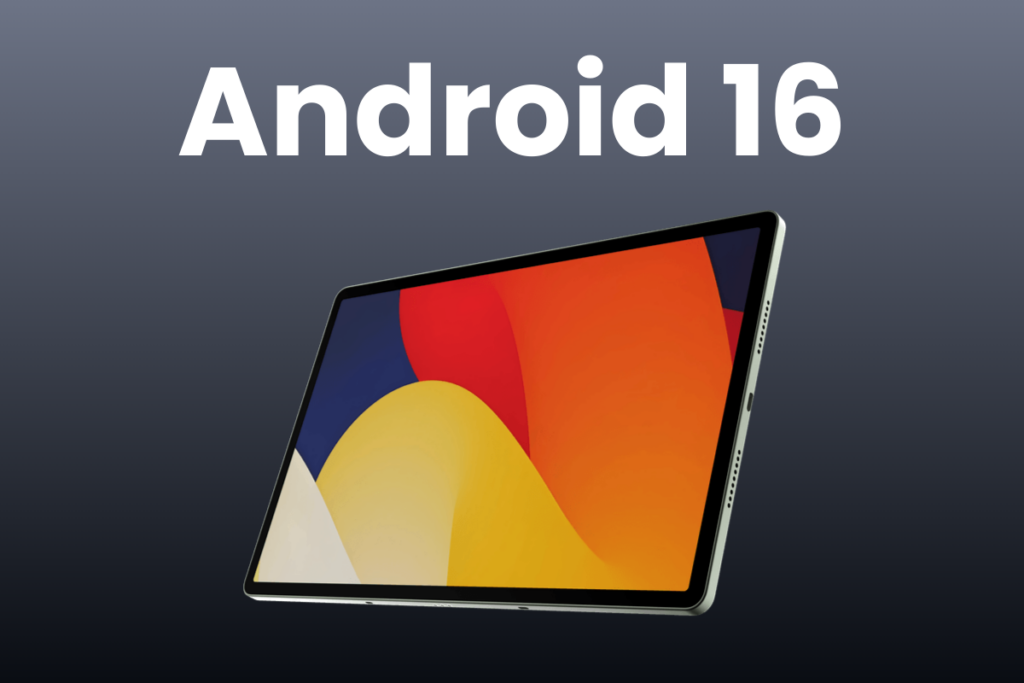
(Sources: 1, 2)

Xiaomi launches a new portable speaker with triple-unit drivers, 4GB storage & 10h battery

Xiaomi has introduced a new Portable Bluetooth Speaker at its Xiaomi 17 series event. The speaker is priced at 299 yuan ($42) and is available in six colors, including Obsidian Black, Sunset Pink, Gem Green, Dawn Purple, Titanium, and Mountain Blue.

Xiaomi Portable Bluetooth Speaker

Xiaomi Portable Bluetooth Speaker Specs

The new portable speaker features a compact and lightweight design with a unibody aluminum alloy build. Xiaomi used sandblasting and anodizing techniques to give the speaker a refined texture. It measures 154 x 56 x 25.4mm and weighs 249g, making it suitable for travel and outdoor use. The design features a boxy shape with slightly curved edges for added comfort, anti-slip pads for enhanced stability, and side-mounted physical buttons for easy control.

Xiaomi Portable Bluetooth Speaker

The Xiaomi speaker features a triple-unit acoustic system with two 40mm full-range drivers and a centrally positioned passive radiator. Its aluminum diaphragms extend high frequencies up to 20kHz, delivering clear and detailed sound.

The audio of the speaker is further refined by Xiaomi’s Nightingale Algorithm, which offers three preset modes: Balanced, Indoor, and Outdoor. For more control, the Mi Home app allows users to fine-tune treble, mids, and bass or create personalized sound profiles through Xiaomi Audio ID.

Xiaomi Portable Bluetooth Speaker

The speaker includes 4GB of internal storage, allowing users to store up to 750 tracks for offline playback. It supports one-click saving from QQ Music and NetEase Cloud Music, and can sync favorites directly to both the speaker and connected playlists.

In terms of connectivity, the device supports Bluetooth 5.4, NFC one-tap pairing, USB Type-C charging, and Xiaomi HyperOS wireless casting. It allows users to pair two speakers for stereo sound or link up to ten units for synchronized group playback. It also features a built-in microphone and sound card that enable hands-free calling and interactive features.

Xiaomi Portable Bluetooth Speaker

The speaker houses a 1980mAh battery and delivers up to 10 hours of playback under lab-tested conditions. It has an IP66 rating for dust and water resistance, making it suitable for light outdoor use.

In related news, Xiaomi has also introduced the Sound 2 Max, its most premium speaker to date.

For more daily updates, please visit our News Section.

Stay ahead in tech! Join our Telegram community and sign up for our daily newsletter of top stories! 💡

Xiaomi 17 vs Xiaomi 15: Every Major Upgrade You Need to Know

Xiaomi has officially launched the Xiaomi 17 as its latest standard flagship smartphone model. With its relatively compact size, the device manages to pack premium hardware, an absolutely jaw dropping battery size, and much more. So here’s everything way the Xiaomi 17 improved upon its predecessor, the Xiaomi 15.

Xiaomi 17 vs Xiaomi 15: Design & Display

The Chinese tech giant isn’t bringing any crazy redesign to its vanilla Xiaomi 17. Instead, it chose to refine the existing design even further. Xiaomi 15 got minor updates to its design, and the Xiaomi 17 just looks to be a more polished version overall. The camera module is now transparent, and the overall shape is more rounded in the corners. This makes it appear more like an iPhone in some ways. Meanwhile, the Xiaomi 15 has a large square camera module that sticks out from the rear panel and has a boxier form factor.

Xiaomi 17

Xiaomi 15 was announced as a compact flagship model, and the Xiaomi 17 continues this trend. It gets an updated 6.3-inch M10 display (M9 on the Xiaomi 15), which has the same 1.5K resolution, LTPO support, a 120Hz refresh rate, and a higher 3,500 nits of peak brightness. But what really impresses are the bezels. The Xiaomi 15 was praised for its uniform bezels on all sides, which measure just 1.38mm thick. But its successor even managed to beat the latest iPhones with super slim 1.18mm uniform bezels.

Please Note: When you buy something using the links in our articles, we may earn a small commission at no cost to you.

Performance

Xiaomi equips its flagship smartphones with Qualcomm’s latest and greatest. The Xiaomi 15 debuted with the Snapdragon 8 Elite chipset, and the Xiaomi 17 is no different, with its Snapdragon 8 Elite Gen 5 SoC. Thanks to this new chip, the newer model is expected to offer a 20 percent boost in overall performance while also getting a 35 percent bump in power efficiency.

Xiaomi 15
Xiaomi 15

The Adreno GPU on the Snapdragon 8 Elite Gen 5 also gets a notable upgrade, bringing improved ray tracing support. Alongside this, you get a faster 37 percent NPU that allows for better on-device AI tasks. The newer chip also brings better image processing thanks to the newer Spectra ISP.

Next-Gen Battery Life

Back when the Xiaomi 15 debuted, it was praised for its impressive 5,400mAh (5,200mAh global variant) battery pack, which supports 90W wired fast charging, 50W wireless fast charging, and 10W reverse wireless charging. However, the Xiaomi 17 blows every other premium phone out there with its gigantic 7,000mAh battery pack. Even the fast charging rates are getting an upgrade with 100W wired fast charging, 50W wireless fast charging, and 22.5W wired and wireless reverse charging speeds.

No Price Hike

Notably, Xiaomi managed to bring all of these changes and upgrades without hiking up the price. Back in 2024, the Xiaomi 15 was announced for 4,499 Yuan (roughly 630 US Dollars), and a year later, the Xiaomi 17 arrives for the exact same starting price. So the value you pay for a Xiaomi flagship is even better now.

For more daily updates, please visit our News Section.

Don’t miss a thing! Join our Telegram community for instant updates and grab our free daily newsletter for the best tech stories!

Xiaomi launches Sound 2 Max, its most premium speaker yet

Xiaomi has announced the Sound 2 Max Bluetooth speaker during the Xiaomi 17 series launch event. The new speaker is positioned as Xiaomi’s most high-end audio product to date and is priced at 1,999 yuan ($280).

Xiaomi Sound 2 Max

Xiaomi Sound 2 Max Specifications

The Sound 2 Max features a professional-grade three-way acoustic system. It includes two 4-inch 30W woofers, a 4-inch 30W midrange driver, and a 1.5-inch 10W tweeter. Xiaomi uses a symmetrical MTM (Mid-Tweeter-Mid) layout with coaxial mid-high drivers to ensure better sound integration and clarity. The speaker delivers a frequency response range of 47Hz to 22kHz and reaches a maximum sound pressure level of 101dB SPL.

Xiaomi equips the speaker with its proprietary computational audio engine, offering Classic, Vocal, and Professional Monitor modes along with six-level EQ tuning for treble, midrange, and bass.

Xiaomi Sound 2 Max

Xiaomi allows users to pair two Sound 2 Max units for stereo playback or link four speakers to create a 4.0 wireless surround setup. The company claims a latency as low as 64ms and support for Dolby Audio decoding when used with the optional 299 yuan ($42) Xiaomi wireless audio connector.

The Sound 2 Max comes with a unibody die-cast aluminum design in a minimalist Bauhaus style. The speaker ships in pure white and supports interchangeable magnetic front panels made of wood, fabric, or metal. Xiaomi also includes a pre-wired metal stand and a full-color linear ambient light bar.

In terms of connectivity, the speaker supports Bluetooth 5.2, dual-band Wi-Fi 6, RCA analog input, and USB Type-C digital input. It runs on a 24V/5A power adapter and weighs 8.1kg. Dimensions measure 197.6mm × 135.3mm × 363.8mm.

Xiaomi Sound 2 Max

The Sound 2 Max integrates with Xiaomi HyperOS and includes a built-in Super XiaoAi voice assistant. It supports large-model AI interactions, multi-round conversations, and natural speech responses. It also functions as a smart home hub with support for Xiaomi Mesh 2.0. The speaker is compatible with services like QQ Music, NetEase Cloud Music, and Ximalaya.

In related news, Xiaomi has recently launched an ultra-thin power bank for the iPhone 17 series, measuring only 6mm in thickness.

For more daily updates, please visit our News Section.

Stay ahead in tech! Join our Telegram community and sign up for our daily newsletter of top stories! 💡

Why Buying a Premium Phone Today Is a Huge Mistake

If you’re eyeing a premium smartphone today, you may want to pause for just a little longer. The next wave of flagship devices powered by next-generation chips is right around the corner. These new processors promise significant leaps in performance, efficiency, and AI-driven features, making current premium smartphones feel outdated faster than ever. Here’s why waiting might save you from early buyer’s regret.

1. The Next Generation of Chips Is Almost Here

iPhone Air
iPhone Air

While Google and Apple just announced their latest generation of flagship smartphones with their respective custom silicon, chip giants like MediaTek and Qualcomm are also working on powerful new smartphone chips. MediaTek just unveiled the Dimensity 9500 with upgrades to the CPU, GPU, and NPU performance, while Qualcomm’s latest and greatest Snapdragon 8 Elite Gen 5 just made its debut as well.

These processors feature cutting edge tech that bring notable upgrades over their predecessors. This isn’t just about raw speed or better benchmark numbers. The upcoming chipsets will focus heavily on on-device AI, smarter power management, and more advanced image processing as well. So if you’ve already waited a couple of years for an upgrade, these new Android flagships could be game changers in photography, battery life, performance, and much more.

Please Note: When you buy something using the links in our articles, we may earn a small commission at no cost to you.

2. Xiaomi 17 Series is Just the Tip of the Iceberg

Xiaomi 17 Pro Max

Xiaomi just held a major announcement where it unveiled a series of high end devices like smartphones, tablets, wearables, and more. But the highlight of this event was undoubtedly the Xiaomi 17 series. The Xiaomi 17, Xiaomi 17 Pro, and Xiaomi 17 Pro Max are all beasts when it comes to performance and battery life. Even the Xiaomi 17 Pro which has the smallest battery pack in the series, has a mammoth 6,300mAh cell.

Meanwhile, the base and Pro Max variants cross the 7,000mAh mark. You also get the latest Snapdragon 8 Elite Gen 5 chips, improved Leica tuned cameras, and a tiny secondary display on the rear. Despite all of this, the Xiaomi 17 series is just the first in the market, and there are plenty of premium phones coming from other giants like Oppo, Vivo, Honor, and others.

3. Festive Deals on the Way

Vivo X300 Pro telephoto converter

While new launches tend to grab headlines, the festive season often makes older premium smartphones the smarter buy. Events like Black Friday, Christmas sales, and New Year promotions bring significant discounts, sometimes slashing prices of last year’s flagships by hundreds of dollars. As the newer flagship smartphones drop, the older models also get official price cuts that make them a lot more attractive as a deal.

4. Better Longevity for Your Money

Most people buying a premium smartphone want a device that will last for years. Waiting for the upcoming models ensures you’re getting the most advanced technology right at launch. This not only guarantees better performance but also longer support cycles, since newer devices typically receive software updates for more years than their predecessors. With battery efficiency improvements, faster modems, and cutting-edge displays coming alongside the new chips, the phones released in the next few weeks will simply age better, over the devices from a few generations back.

For more daily updates, please visit our News Section.

Tech enthusiast? Get the latest news first! Follow our Telegram channel and subscribe to our free newsletter for your daily tech fix! ⚡

Qualcomm launches its 2nd gen Windows-on-Arm laptop chips with big performance and efficiency gains

Qualcomm is pushing further into the PC space with its new Snapdragon X2 Elite lineup, announced at the 2025 Snapdragon Summit in Maui. These second-generation Arm-based chips are designed for high-performance Windows laptops, with claims of up to 31% higher CPU performance at the same power level, or the same performance while using 43% less power compared to the Snapdragon X Elite.

The X2 Elite family consists of three models, all manufactured on TSMC’s 3nm process. The base X2E-80-100 features a 12-core CPU with six efficiency cores at 3.4GHz and six performance cores at 4.0GHz, boosting up to 4.7GHz. A step up is the X2E-88-100, which increases the core count to 18, adding six more performance cores for heavier workloads such as content creation.

At the top is the X2E-96-100, also an 18-core part but with higher clocks. Its performance cores run at 4.4GHz, with two able to boost up to 5.0GHz, while the efficiency cluster reaches 3.6GHz. Qualcomm is positioning this “Extreme” version for premium laptops where sustained power is crucial.

Graphics have been reworked as well. The upgraded Adreno X2 GPU can run up to 1.85GHz on the Extreme model, and up to up to 1.70GHz on the other two models. Qualcomm says this upgraded GPU offers more than twice the performance-per-watt of the first generation. It supports modern standards, including DirectX 12.2 Ultimate, Vulkan 1.4, and OpenCL 3.0.

AI performance gets a big bump too. The Hexagon NPU now delivers 80 TOPS, which Qualcomm claims is the fastest for any laptop chip to date. That level of power is meant to support Microsoft’s Copilot+ features, enabling on-device AI tools like real-time translation and image editing.

The X2 series supports up to 128GB of LPDDR5X memory, UFS 4.0 storage, and PCIe Gen 5. The first laptops powered by the new chips are expected to arrive in spring 2026.

Stay ahead in tech! Join our Telegram community and sign up for our daily newsletter of top stories!

For more daily updates, please visit our News Section.

(Source)

These Popular JBL Speakers Are Now on Sale: Charge 6 & Flip 7

If you’ve been eyeing a new Bluetooth speaker, now might be the perfect time. JBL has slashed prices on its popular Charge 6 and Flip 7 models, two of its best-selling portable speakers. The brand unveiled the two Bluetooth speakers earlier this year, so here are all the details of this new deal.

JBL Charge 6 & JBL Flip 7 Bluetooth Speakers Get Major Discounts

JBL-Charge-6
JBL Charge 6

As of right now, the JBL Charge 6 is currently selling for a notable discount of 60 US Dollars. So you can grab one right now on Woot (a deals website from Amazon) for just 139.95 US Dollars. To recall, the new portable speaker was announced with an IP68 rated design, which allowed you to use it outdoors, and AI Sound Boost. It promises up to 28 hours of audio playback. One of its notable design elements was the built in handle for better portability.

Please Note: When you buy something using the links in our articles, we may earn a small commission at no cost to you.

Similarly, the known audio brand is also offering great deals on the JBL Flip 7 as well. You get another 50 US Dollar discount, bringing its price down to just 99.95 US Dollars. The Flip 7 arrives with a 25W woofer and 10W tweeters for an improved audio experience. It also features AI Sound Boost, IP68 rating for water and dust resistance, and Bluetooth 5.4 support.

JBL Flip 7
JBL Flip 7

This model also supports Bluetooth 5.4 for connectivity and promises up to 16 hours of battery life on a single full charge. In related news, JBL just announced the updated Tune headphones. For those looking for more powerful sound, there is even the JBL Boombox 4, with an impressive 34 hours of playback, and PartyBox 720 tower speaker.

Please Note: When you buy something using the links in our articles, we may earn a small commission at no cost to you.

For more daily updates, please visit our News Section.

Don’t miss a thing! Join our Telegram community for instant updates and grab our free daily newsletter for the best tech stories!

Samsung Refreshes Galaxy A56 & Galaxy A36 in Fresh, Vibrant Color Options

Samsung is giving its mid-range Galaxy A lineup a stylish makeover with the launch of the Galaxy A56 and Galaxy A36 in bold new color options. The refreshed hues bring a trendy twist to the series, so here’s everything you need to know about these eye catching shades.

Galaxy A56 and A36 Drop in Bright New Colors

The South Korean tech giant just announced the Galaxy A56 and Galaxy A36 in new limited edition options. So now, the Galaxy A56 is available in a new Awesome Pink color option, which joins the existing Awesome Graphite and Awesome Light Gray variants. Similarly, the Galaxy A36 is now available in Awesome Lime alongside the previous Awesome Lavender, Awesome Black, and Awesome White versions.

Samsung Galaxy A56 and Galaxy A36 New Colors

These new colors also arrive with new pricing, thanks to festive deals. Samsung is selling the Galaxy A56 for a starting price tag of just 35,999 INR with an instant bank discount of up to 4,000 INR. Meanwhile, the Galaxy A36 starts from 25,999 INR with a limited time discount of 5,000 INR. Even the Galaxy A17 and Galaxy A06 models are seeing a discount, selling for 17,999 INR and 9,899 INR respectively.

Furthermore, customers that purchase any of these four Galaxy A series smartphones can also purchase the Galaxy Buds Core for a discounted price of 3,999 INR, marking a 1,000 INR discount over its actual price tag. For those interested, you can click here to check out our hands on for the Galaxy A56 and Galaxy A36 models. In related news, Samsung just announced the One UI 8 rollout schedule for India and other festive offers on its Vision series of AI powered smart TVs and Bespoke lineup of AI appliances in the region.

For more daily updates, please visit our News Section.

Tech enthusiast? Get the latest news first! Follow our Telegram channel and subscribe to our free newsletter for your daily tech fix! ⚡

Xiaomi 15T vs Google Pixel 10: Which Flagship Should You Buy in 2025?

Xiaomi 15T and Google Pixel 10 stand out as two very different approaches to the premium smartphone market. Xiaomi focuses on hardware strength and display brilliance, while Google emphasizes software longevity, AI features, and camera excellence. This comparison matters because buyers must decide whether to prioritize raw power and multimedia or long-term updates and computational photography.

1. Design and Display

Xiaomi 15T
Xiaomi 15T

Build and Feel:
Xiaomi 15T comes with a Gorilla Glass 7i front, glass fiber back, and a plastic frame, giving it a lightweight yet durable build. It also boasts stronger water resistance at up to 3m. The Pixel 10 uses Gorilla Glass Victus 2 on both sides with an aluminum frame, offering a more premium feel and sturdier scratch resistance. Pixel’s Victus 2 protection is less shatter-prone, while Xiaomi’s 7i resists scratches better.

Verdict: Pixel 10 feels more premium, but Xiaomi 15T wins in water protection.

Display Quality:
Xiaomi 15T delivers a 6.83-inch AMOLED panel with Dolby Vision, HDR10+, and a peak brightness of 3200 nits. Its ultra-high PWM dimming ensures reduced eye strain. The Pixel 10, with a smaller 6.3-inch OLED, reaches 3000 nits peak but offers slightly lower resolution and fewer display enhancements. Xiaomi clearly pushes harder on visual brilliance, making it ideal for media-heavy users.

Verdict: Xiaomi 15T provides a better display experience.

Verdict:
While the Pixel 10 feels sturdier with a more refined build, the Xiaomi 15T excels in display quality and immersion. For those who value screen performance, Xiaomi is the stronger choice, but Pixel appeals more to those who prioritize premium materials.

Please Note: When you buy something using the links in our articles, we may earn a small commission at no cost to you.

Please Note: When you buy something using the links in our articles, we may earn a small commission at no cost to you.

2. Specifications

Google Pixel 10
Google Pixel 10

Performance:
Xiaomi 15T runs on MediaTek Dimensity 8400 Ultra with UFS 4.1 storage, ensuring high speed for gaming and multitasking. The Pixel 10 uses Google’s Tensor G5, optimized for AI-driven tasks and with longer software support. While Xiaomi excels in raw power efficiency, the Pixel’s strength lies in on-device AI features like voice recognition and advanced photo processing.

Verdict: Xiaomi wins for raw performance, but Pixel offers smarter integration and software longevity.

Battery and Charging:
Xiaomi 15T packs a larger 5500 mAh battery with 67W wired charging, giving a full charge in under an hour. Pixel 10 has a 4970 mAh battery with slower 30W wired charging, but adds 15W wireless Qi2 support and reverse wired charging. Xiaomi focuses on endurance and speed, while Pixel emphasizes flexibility.

Verdict: Xiaomi dominates in capacity and charging speed, but Pixel offers more versatile charging options.

Verdict:
Xiaomi 15T is better suited for performance-heavy and battery-demanding users. Pixel 10, while slightly behind in raw specs, balances longevity with added convenience features like wireless and reverse charging.

3. Camera

Google Pixel 10
Google Pixel 10

Main and Secondary Lenses:
Xiaomi 15T carries a Leica-branded triple setup with a 50MP wide, 50MP telephoto (2x zoom), and 12MP ultrawide. It emphasizes color accuracy, Ultra HDR, and high frame-rate video recording. Pixel 10 has a 48MP wide, 10.8MP telephoto with 5x zoom, and 13MP ultrawide. While Xiaomi offers versatility and Leica tuning, Pixel’s computational photography and superior 5x zoom give it a clear advantage in detail and low-light shots.

Verdict: Pixel 10 delivers a stronger camera package, especially for zoom and software processing.

Selfie Camera:
Xiaomi features a 32MP wide front camera with 4K video recording, while Pixel has a 10.5MP ultrawide selfie lens with autofocus and better field-of-view. Pixel’s smaller sensor works with advanced AI to enhance group selfies and stabilization. Xiaomi is sharper in resolution, but Pixel offers better usability.

Verdict: Pixel 10 edges ahead in selfies thanks to its ultrawide lens and AI enhancements.

Verdict:
Xiaomi delivers high-quality Leica hardware and vibrant imaging, but Google’s AI tuning, superior zoom, and selfie versatility make the Pixel 10 stronger overall for photography enthusiasts.

4. Pricing

Xiaomi 15T is priced around $760, while the Pixel 10 costs about $800. The difference is small, but Xiaomi offers more storage at the base level and better display and charging specs for the price. Pixel justifies its slightly higher cost with AI-driven features, longer updates, and stronger camera performance.

Verdict: Xiaomi 15T gives better raw value, but Pixel 10 is worth the extra for those prioritizing software and photography.

Disclaimer:
Prices are approximate and may vary based on country, region, and applicable taxes.

5. Specs Comparison

FeatureXiaomi 15TGoogle Pixel 10
BuildGorilla Glass 7i front, plastic frame, glass fiber backGorilla Glass Victus 2 front & back, aluminum frame
Water ResistanceIP68, up to 3m for 30 minIP68, up to 1.5m for 30 min
Display6.83″ AMOLED, 120Hz, Dolby Vision, HDR10+, 3200 nits peak, 3840Hz PWM6.3″ OLED, 120Hz, HDR10+, 3000 nits peak
Resolution / Density1280 x 2772 (~447 ppi)1080 x 2424 (~422 ppi)
OSAndroid 15, HyperOS 2Android 16, 7 major upgrades
ChipsetMediaTek Dimensity 8400 Ultra (4nm)Google Tensor G5 (3nm)
CPUOcta-core (1×3.25 + 3×3.0 + 4×2.1 GHz Cortex-A725)Octa-core (1×3.78 GHz Cortex-X4 + 5×3.05 A725 + 2×2.25 A520)
GPUMali-G720 MC7PowerVR DXT-48-1536
Storage & RAM256GB/512GB UFS 4.1, 12GB RAM128GB UFS 3.1, 256GB UFS 4.0, 12GB RAM
Main Cameras50MP wide + 50MP tele (2x) + 12MP ultrawide, Leica lens48MP wide + 10.8MP tele (5x) + 13MP ultrawide
Camera FeaturesUltra HDR, Leica optics, 4K60 video, HDR10+Pixel Shift, Ultra-HDR, 4K60 video, OIS
Selfie Camera32MP wide, 4K video10.5MP ultrawide, PDAF, 4K video
Battery5500 mAh4970 mAh
Charging67W wired (100% in ~50 min)30W wired, 15W wireless (Qi2), reverse wired
AudioStereo speakers, Dolby Atmos, Hi-Res audioStereo speakers
ExtrasInfrared port, Circle to SearchSatellite SOS, Circle to Search
USBType-C 2.0, OTGType-C 3.2
Price (approx.)$760$800

6. Conclusion

Xiaomi 15T
Xiaomi 15T

Xiaomi 15T stands out with its massive 5500 mAh battery, 67W fast charging, and brilliant 3200-nit AMOLED display. The Pixel 10 shines with 7 years of Android updates, satellite SOS support, advanced computational photography, and wireless charging versatility.

Verdict:
Xiaomi 15T is the better choice for users who want raw power, long-lasting battery life, and immersive media performance. Pixel 10, however, is designed for users who value long-term software reliability, superior cameras, and AI-driven usability. Ultimately, power users may lean toward Xiaomi, while photography lovers and those who prefer extended support should choose Pixel.

Read More:

Xiaomi 15T vs iPhone 17: Performance, Camera, and Battery Compared

Xiaomi 15T and iPhone 17 represent two different approaches to flagship smartphones. Xiaomi pushes hardware innovation with bigger displays, larger batteries, and advanced camera systems, while Apple refines its ecosystem-driven experience with optimized performance, software integration, and premium design. This comparison highlights where each phone brings upgrades that matter to users.

1. Design and display

Xiaomi 15T
Xiaomi 15T

Build and Feel:
Xiaomi 15T uses a Gorilla Glass 7i front, aluminum frame, and glass fiber back, reinforced with impressive rigidity ratings. It feels sturdy, rugged, and more resistant to drops. In contrast, the iPhone 17 continues with Ceramic Shield 2 glass and an aluminum frame. While Apple prioritizes a lighter and sleeker build, its durability falls slightly behind Xiaomi’s. For durability and toughness, the Xiaomi 15T has the advantage, but for lightweight elegance, the iPhone 17 stands out.

Verdict: Xiaomi offers more rugged strength, Apple offers refined sleekness.

Display Quality:
Xiaomi 15T boasts a 6.83-inch AMOLED panel with a 144Hz refresh rate, 3840Hz PWM, HDR10+, Dolby Vision, and up to 3200 nits brightness. Apple’s iPhone 17 features a smaller 6.3-inch LTPO Super Retina XDR OLED with a 120Hz refresh rate, HDR10, Dolby Vision, and peak 3000 nits. While Apple’s LTPO panel ensures efficiency and color accuracy, Xiaomi wins in refresh rate smoothness and brightness slightly.

Verdict: Xiaomi is better for gamers and multimedia, and iPhone 17 is for accurate visuals with power efficiency.

Verdict:
Both phones deliver excellent displays, but Xiaomi edges out with smoother refresh rates and higher durability, while the iPhone 17 appeals more to users who value portability and energy-optimized visuals.

Please Note: When you buy something using the links in our articles, we may earn a small commission at no cost to you.

Please Note: When you buy something using the links in our articles, we may earn a small commission at no cost to you.

2. Specifications 

iPhone 17
iPhone 17

Performance:
Xiaomi 15T is powered by MediaTek’s Dimensity 9400+ with 12GB RAM and UFS 4.1 storage. It’s built for raw power, multitasking, and high GPU performance. The iPhone 17 relies on Apple’s A19 chip with 8GB RAM and NVMe storage, optimized for efficiency and long-term stability. While Xiaomi provides more RAM and aggressive performance tuning, Apple’s chip consistently outperforms in sustained efficiency and software synergy.

Verdict: iPhone 17 is superior for longevity and software integration, Xiaomi 15T for sheer multitasking power.

Battery and Charging:
Xiaomi packs a massive 5500 mAh battery with 90W wired and 50W wireless charging, offering a full charge in under an hour. The iPhone 17 houses a smaller 3692 mAh battery with 25W wireless MagSafe and a 50% charge in 20 minutes. Xiaomi clearly offers longer endurance and faster top-ups, while Apple’s smaller cell is offset by optimized iOS efficiency.

Verdict: Xiaomi wins for endurance and flexibility, iPhone for efficient yet smaller-scale charging.

Verdict:
Xiaomi’s hardware dominance in battery life and faster charging makes it more appealing to power users, while the iPhone 17 is optimized for balanced efficiency but lacks endurance in comparison.

3. Camera

Xiaomi 15T
Xiaomi 15T

Main and Secondary Lenses:
Xiaomi 15T delivers a triple setup: a 50MP wide lens, 50MP periscope telephoto with 5x zoom, and 12MP ultrawide, supported by Leica optics and advanced HDR features. It also supports 8K video recording. The iPhone 17 carries a dual 48MP system with wide and ultrawide lenses, Dolby Vision HDR, and consistent performance in all lighting conditions. Xiaomi offers more versatility and zoom capabilities, while Apple ensures reliable color science and professional-grade video.

Verdict: Xiaomi is superior for zoom and versatility, iPhone 17 excels in video consistency.

Selfie Camera:
Xiaomi uses a 32MP front camera with 4K recording and HDR10+. Apple integrates an 18MP ultrawide selfie shooter with OIS, PDAF, and SL 3D sensors for depth and Face ID. While Xiaomi captures sharper selfies, Apple’s integration of depth sensing and stabilization offers a more advanced overall experience.

Verdict: Xiaomi wins in raw resolution, Apple in facial recognition and stability.

Verdict:
For photography versatility, the Xiaomi 15T takes the lead, but the iPhone 17 provides superior front-facing tech and balanced video performance for creators.

4. Pricing

Both phones are positioned in a similar premium range, making the choice less about cost and more about user preference. The Xiaomi 15T offers stronger hardware at the same tier, while the iPhone 17 leverages ecosystem value and long-term support.

5. Specs Comparison

FeatureXiaomi 15TiPhone 17
BuildGorilla Glass 7i front, aluminum frame, glass fiber back, IP68 (3m for 30 min)Ceramic Shield 2 front, aluminum frame, glass back, IP68 (6m for 30 min)
Display6.83″ AMOLED, 144Hz, HDR10+, Dolby Vision, 3200 nits peak6.3″ LTPO Super Retina XDR OLED, 120Hz, HDR10, Dolby Vision, 3000 nits peak
OSAndroid 15, HyperOS 2iOS 26
ChipsetMediaTek Dimensity 9400+ (3nm)Apple A19 (3nm)
RAM & Storage12GB RAM, 256GB/512GB/1TB (UFS 4.1)8GB RAM, 256GB/512GB (NVMe)
Main CamerasTriple: 50MP wide + 50MP periscope 5x + 12MP ultrawide, Leica lensDual: 48MP wide + 48MP ultrawide
Video RecordingUp to 8K@30fps, 4K@120fps, HDR10+Up to 4K@60fps, Dolby Vision HDR
Selfie Camera32MP, 4K video, HDR10+18MP ultrawide with OIS + SL 3D, 4K video
Battery5500 mAh3692 mAh
Charging90W wired (100% in 36 min), 50W wireless (100% in 56 min)Wired fast charge (50% in 20 min), 25W MagSafe/Qi2 wireless (50% in 30 min)
ConnectivityWi-Fi 7, Bluetooth 6.0, NFC, Infrared port, USB-C 2.0Wi-Fi 7, Bluetooth 6.0, NFC, USB-C 2.0 with DisplayPort, UWB, Satellite SOS
AudioStereo speakers, Dolby Atmos, Hi-Res audioStereo speakers, spatial audio, Dolby Vision HDR recording
Unique FeaturesLeica camera tuning, 144Hz refresh rate, larger battery, fast chargingFace ID with SL 3D, satellite connectivity, UWB, iOS ecosystem
Approx Price$760$800

6. Conclusion

iPhone 17
iPhone 17

The Xiaomi 15T stands out with its massive battery, ultra-fast charging, 144Hz AMOLED display, and Leica-powered triple camera with periscope zoom. Meanwhile, the iPhone 17 focuses on ecosystem-driven perks like Face ID with SL 3D sensors, satellite connectivity, UWB support, and software reliability.

Verdict:
Choose the Xiaomi 15T if hardware muscle, gaming smoothness, and versatile photography matter most. The iPhone 17 is better for those prioritizing ecosystem reliability, video quality, and long-term software updates. Both devices deliver premium flagship experiences, but their strengths appeal to distinctly different users.

Read More;

Xiaomi launches ultra-thin power bank for iPhone 17 series that’s just 6mm thick

Xiaomi unveiled a new 5000mAh magnetic power bank alongside the Xiaomi 17 and 17 Pro series at its 2025 Lei Jun Annual Speech event. The product, named the Jinshajiang Power Bank, is priced at 299 yuan ($42) and is designed for both Xiaomi and Apple smartphones. Xiaomi confirmed full compatibility with the iPhone 17 lineup, including the iPhone 17, 17 Pro, 17 Pro Max, and iPhone Air.

Xiaomi Magnetic Power Bank

Xiaomi 5K Magnetic Power Bank Specs

The power bank measures just 6mm in thickness and weighs 98 grams. It uses a silicon-carbon anode battery cell with 16% silicon content and a large-area graphite sheet. This cell design helps improve energy density while maintaining a slim form factor. The rated capacity is 4900mAh (18.58Wh), and the typical capacity is 5000mAh (18.95Wh), with a USB-C output supporting up to 22.5W.

For wireless charging, the device supports 15W magnetic wireless fast charging using magnetic induction technology. It can charge two devices at once using both wired and wireless connections, and it continues powering devices even when the power bank is plugged in.

In addition to the latest iPhones, the Jinshajiang Power Bank supports previous generations down to the iPhone 14 series, including the iPhone 14, 14 Plus, 14 Pro, and 14 Pro Max. It is also compatible with Xiaomi’s latest phones, including the Xiaomi 17 series, Mix Flip 2, Mix Fold 4, and 15 series.

Xiaomi Magnetic Power Bank

The device features an aluminum alloy body with a semi-reflective logo and curved edges for comfort. The charging surface uses a fiberglass material with an excimer spray coating that enhances texture and heat resistance.

Xiaomi has included ten layers of safety protection, covering overcharging, overheating, short-circuits, and foreign object detection. The product complies with the 2025 CCC certification standards, which means it meets the latest safety regulations in China. The company also confirmed that the power bank is safe to carry during air travel.

For more daily updates, please visit our News Section.

Stay ahead in tech! Join our Telegram community and sign up for our daily newsletter of top stories! 💡

Xiaomi 17 Pro Max launched: Snapdragon 8 Elite Gen 5, massive 7,500 mAh battery, secondary display, and more

Xiaomi has expanded its flagship lineup with the launch of the 17 series, and this article is about the Pro Max model. Positioned above the Xiaomi 17 and 17 Pro, it’s the largest device in the series and introduces several hardware firsts for the company. It will be available in China starting September 27, with prices beginning at 5,999 yuan (~$842). You can read more about the Xiaomi 17 and Xiaomi 17 Pro here.

The Pro Max model is built around a 6.9-inch LTPO AMOLED display that reaches 3,500 nits of peak brightness and supports a 120Hz refresh rate. Protection comes from the company’s third-generation Dragon Crystal Glass, which is claimed to offer stronger drop resistance. A 2.9-inch AMOLED secondary screen is also integrated into the camera module, giving users quick access to notifications, always-on information, or framing for selfies.

Inside, the 17 Pro Max is powered by Qualcomm’s latest Snapdragon 8 Elite Gen 5 processor, paired with a redesigned heatsink to handle sustained workloads. Storage options scale up to 16GB of RAM and 1TB of internal storage.

Battery life is one of the headline features. The device carries a 7,500mAh unit that uses a high-silicon design to maximize capacity without making the phone too bulky. It supports 100W wired charging and 50W wireless charging. Xiaomi says this setup gives it an edge over rival large-screen flagships, including Apple’s iPhone 17 Pro Max.

For cameras, Xiaomi continues its collaboration with Leica. The triple-camera system consists of a 50MP Light Hunter 950L main sensor (1/1.28″), a 50MP ultra-wide lens, and a 5x periscope telephoto. The company highlights improved performance in dynamic range and low-light situations.

Pricing and availability:

12GB + 512GB – 5,999 yuan
16GB + 51GB – 6,299 yuan
16GB + 1TB – 6,999 yuan

The Xiaomi 17 family is already up for pre-orders in China and will hit the shelves at 10:00 AM local time on September 27. While no global launch date has been officially revealed yet, the phones are expected to launch globally sometime in early 2026.

Don’t miss a thing! Join our Telegram community for instant updates and grab our free daily newsletter for the best tech stories!

For more daily updates, please visit our News Section.
Xiaomi Smart Band 10 Glimmer Edition Goes Global with a Stylish Twist

Xiaomi has officially launched the Smart Band 10 Glimmer Edition worldwide, adding a sparkling new look to its already popular wearable. Apart from its new design, this model is similar to the regular Smart Band 10, bringing various useful fitness based features.

Xiaomi Smart Band 10 Glimmer Edition: What’s New?

The Chinese tech giant first unveiled the Xiaomi Smart Band 10 back in June. Now, the new Glimmer Edition is adding a hint of bling into the smart wearable. To recall, Xiaomi had released the Smart Band 10 in various silicone color options and a few metallic straps. So this new options brings new gold body and a strap that uses metal and glass crystal links. But apart from these design changes, the Glimmer Edition offers the same exact specs as the standard version.

Xiaomi Smart Band 10 Glimmer Edition

Meaning, it sports a 1.72-inch oval shaped AMOLED display that has a 520 x 212 pixel resolution, 326ppi pixel density, 60Hz refresh rate, 2.5D curved glass, and 1500 nits of peak brightness. You still get more than 150 sports modes and various sensors that enables health features like heart rate tracking. On a single full charge, the Xiaomi Smart Band 10 Glimmer Edition offers up to 21 days of battery life thanks to its 233mAh battery pack.

Other notable features include Bluetooth 5.4, Mi Fitness app support, 16.25 gram body, over 200 watch faces, and 5ATM water resistance. The company just announced the Xiaomi Smart Band 10 Glimmer Edition in the European market for 79.99 Euros. In related news, Xiaomi just unveiled a bunch of new anticipated devices, like the Xiaomi 17 Pro, Xiaomi Pad 8 Pro, and more.

For more daily updates, please visit our News Section.
Don’t miss a thing! Join our Telegram community for instant updates and grab our free daily newsletter for the best tech stories!

Xiaomi 17 Pro: Snapdragon 8 Elite Gen 5 and rear “Magic Back Screen” take aim at iPhone 17 Pro

Xiaomi has officially introduced the 17 Pro in China, a compact flagship that blends raw power with an unusual design twist—a secondary display built into the camera island. With Qualcomm’s latest flagship chipset under the hood and a price starting at CNY 4,999 (~$702), the phone looks positioned as a direct competitor to Apple’s iPhone 17 Pro.

The 17 Pro measures 151.1 x 71.8 x 8 mm and weighs 192g. For context, the Galaxy S25+ weighs almost the same but is much larger and yet packs a much smaller battery.

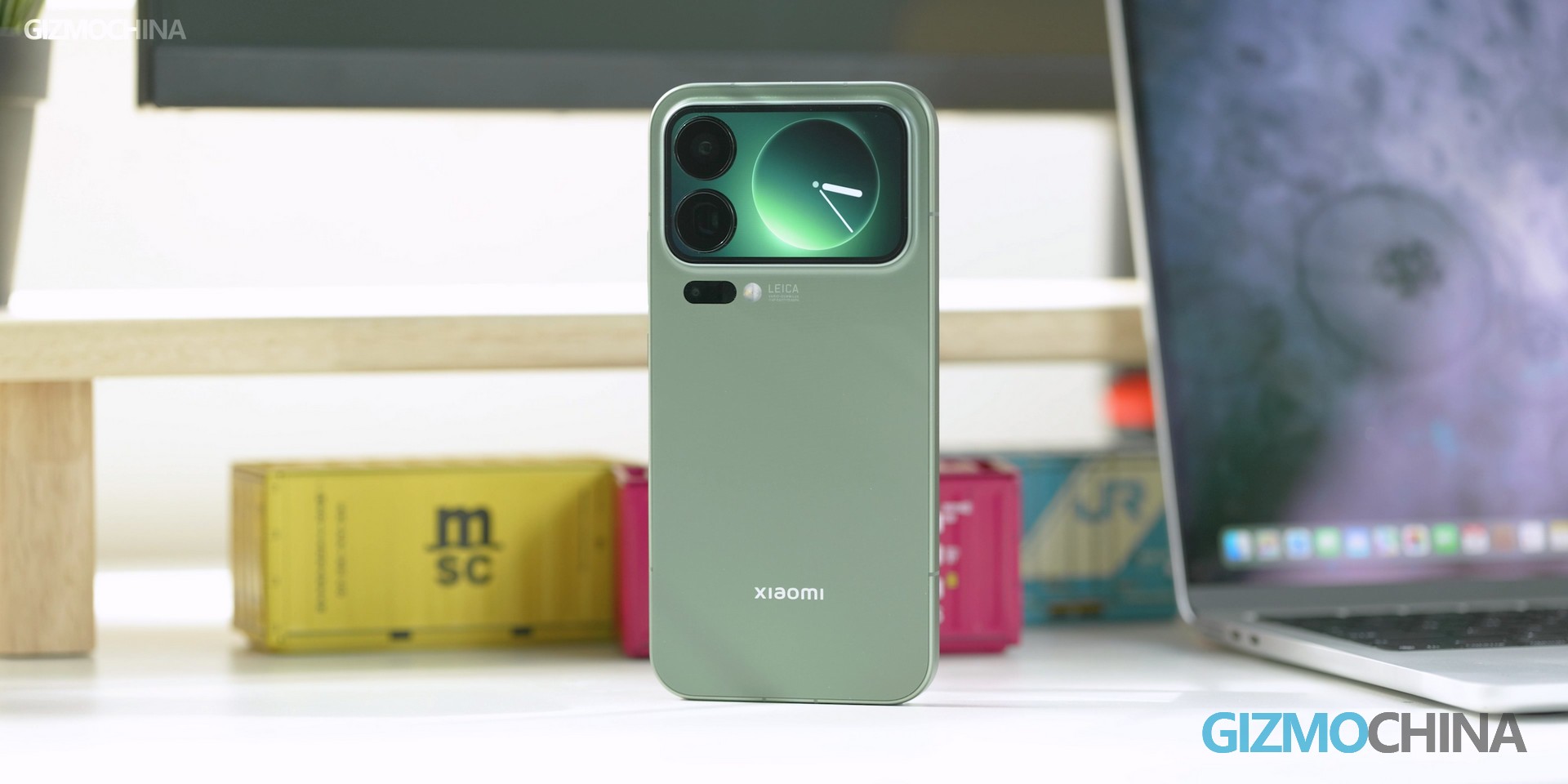
Up front is the same 6.3-inch LTPO AMOLED screen seen on the standard Xiaomi 17, offering a 2,656 x 1,220 resolution, 120Hz refresh rate, and an impressive 3,500 nits of peak brightness. Around the back is what Xiaomi calls the “Magic Back Screen”—a 2.7-inch AMOLED panel with 904 x 572 resolution, 120Hz refresh, and the same 3,500-nit brightness. It can display notifications, act as an always-on clock, or serve as a viewfinder for selfies with the rear cameras.

The camera system continues Xiaomi’s Leica partnership, featuring a 50MP Light Hunter 950L main sensor, 50MP 5x telephoto with OIS, 50MP ultra-wide, and a 50MP front camera. Xiaomi highlights a wider dynamic range and improved lens coatings for reduced glare.

Power comes from the Snapdragon 8 Elite Gen 5, promising better CPU, GPU, and AI performance compared to last year’s models. The phone runs on a 6,300mAh battery with 100W wired charging—slightly smaller than the standard Xiaomi 17’s 7,000mAh, but still sizeable for the form factor.

The smaller battery is likely a trade-off for the larger 5x periscope telephoto lens (replacing the 2.6x telephoto on the standard model) and the addition of the secondary display. Even so, the trade seems worthwhile, as the 17 Pro still manages to pack over 6,000 mAh of capacity.

Pricing and availability:

Pricing starts at 4,999 yuan (about $700) for the 12GB/256GB model. Higher configurations are priced as follows:

12GB + 512GB – 5,299 yuan
16GB + 51GB – 5,599 yuan
16GB + 1TB – 5,999 yuan

The Xiaomi 17 family is already up for pre-orders in China and will hit the shelves at 10:00 AM local time on September 27. While no global launch date has been officially revealed yet, the phones are expected to cross borders sometime in early 2026. For now, the 17 Pro stands out in China as a bold attempt to rethink the flagship formula with its rear screen experiment.

(Source)

Nothing turns CMF into a standalone brand, and it bets big on India

Nothing, the London-based hardware startup founded by Carl Pei, is giving its budget-friendly sub-brand CMF more room to grow. The company announced on Thursday that CMF will become a standalone entity and India will serve as its manufacturing and R&D headquarters.

CMF, short for “Color, Material, Finish,” first entered the market in 2023 with a modest lineup that included wireless earbuds and a smartwatch. Since then, the company has also entered the smartphone market, targeting budget and mid-range segments.

As another major shift for the brand, Nothing is making CMF independent. It’s partnering with Optiemus, one of India’s leading original design manufacturers, to form a joint venture that will handle CMF’s production locally. 

Nothing says it will invest more than $100 million into the venture over the next three years and will create around 1,800 jobs in the process. The equity structure of the partnership hasn’t been disclosed.

As TechCrunch notes, India is a natural choice for CMF’s expansion. According to IDC data, phones in the $100–$200 range make up over 40 percent of India’s shipments, and CMF’s lineup fits squarely in that segment. The country has also become Nothing’s strongest market. Its shipments jumped 85 percent year-over-year in Q2 2025, giving it over 2 percent of market share.

CMF also has strong leadership in place. Last month, the company appointed Himanshu Tondon, previously with Xiaomi’s POCO brand, as Vice President of CMF Business.

By separating CMF and anchoring it in India, Nothing is betting on a two-brand strategy. Nothing will continue to focus on the high-end premium smartphone and accessory market, while CMF will compete in the dominant budget and mid-range segment.

For more daily updates, please visit our News Section.
Tech enthusiast? Get the latest news first! Follow our Telegram channel and subscribe to our free newsletter for your daily tech fix! ⚡

Xiaomi Pad 8 launched with Snapdragon 8s Gen 4, 11.2-inch 3.2K display & 9200mAh battery

Alongside the Pad 8 Pro, Xiaomi has also launched the Pad 8, a slightly trimmed-down model positioned as a PC-grade productivity tablet. It carries many of the same design and software enhancements while offering a more accessible starting price.

Xiaomi Pad 8

Xiaomi Pad 8 Specifications

The Pad 8 features an 11.2-inch 3.2K LCD (3200×2136, 345 PPI) with up to 144Hz adaptive refresh, 12-bit color, 800 nits brightness, and HDR10, HDR Vivid, and Dolby Vision support. It carries TÜV triple eye protection, full DC dimming, and a 3:2 aspect ratio for productivity and reading. The Matte Edition adds AG nano-etching to cut reflections by 70% and filter 99% of stray light.

The Pad 8 runs on Snapdragon 8s Gen 4 (4nm) with an octa-core CPU up to 3.21GHz, Adreno GPU, and Qualcomm AI Engine. Xiaomi claims 32.5% faster CPU and 51% GPU gains over the last gen, with benchmarks like 119.68fps in 60-minute MOBA sessions highlighting its gaming power.

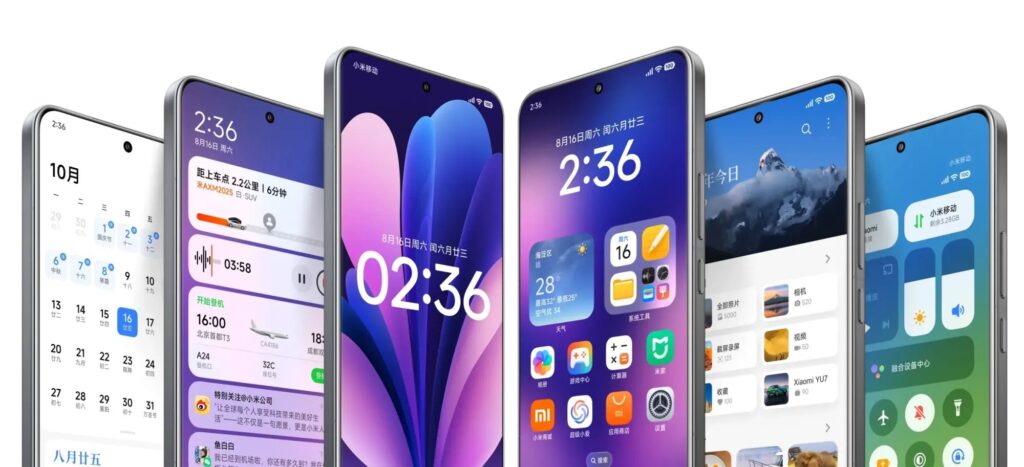
The tablet runs HyperOS 3, bringing features like a redesigned lockscreen, dynamic AI-generated wallpapers, and a revamped multitasking system with hover previews, 1:9 quick splits, and improved split-screen layouts. It also supports a PC-level browser with desktop-like UI and extensive keyboard shortcuts, as well as seamless collaboration across iOS/macOS devices.

Xiaomi Pad 8

The Pad 8 is equipped with a 13MP rear camera supporting 4K@30fps video and a variety of shooting modes. On the front is an 8MP ultra-wide camera that supports AI-powered portrait centering, video beauty modes, and real-time fill light.

The device houses a 9,200mAh battery that supports 45W wired fast charging and 22.5W reverse charging. Xiaomi promises up to 9.37 hours of gaming, 13 hours of video playback, and 18.5 hours of online meetings on a single charge.

The Pad 8 is equipped with quad speakers that support Dolby Atmos, carry Hi-Res audio certification, and use multi-scene AI voiceprint noise reduction for clearer sound. For connectivity, it offers Wi-Fi 7, Bluetooth 5.4, and USB 3.2 Gen1.

Memory options include 8GB of LPDDR5X RAM or 12GB of LPDDR5T RAM, while storage configurations range from 128GB UFS 3.1 to 256GB UFS 4.1. The device is built with a unibody metal design, measuring 5.75mm in thickness (5.8mm for the Matte Edition) and weighing 485g (494g for the Matte Edition).

Xiaomi Pad 8

Pricing & Availability

The Xiaomi Pad 8 starts at 2,199 yuan ($308) for the 8GB+128GB variant. Here is the full pricing breakdown:

  • 8GB + 128GB: 2,199 yuan ($308)
  • 8GB + 256GB: 2,499 yuan ($350)
  • 12GB + 256GB: 2,799 yuan ($392)
  • 8GB + 256GB (Matte Edition): 2,699 yuan ($378)
  • 12GB + 256GB (Matte Edition): 2,999 yuan ($420)

The tablet comes in Black, Turquoise Green, and Ice Crystal Blue. The Xiaomi Focus Pro stylus and floating magnetic keyboard are sold separately, with the keyboard priced at 699 yuan ($98).

For more daily updates, please visit our News Section.

Stay ahead in tech! Join our Telegram community and sign up for our daily newsletter of top stories! 💡

OnePlus 15R May Be the World’s First Snapdragon 8 Gen 5 Powered Smartphone

While there are plenty of rumors and reports regarding OnePlus’ next flagship smartphone, a fresh teaser has revealed some interesting details regarding another upcoming smartphone from the brand. OnePlus just confirmed that it will launch the world’s first smartphone with the new Snapdragon 8 Gen 5 chip, and the OnePlus 15R could be the model carrying it.

OnePlus 15R Could Beat Rivals to the Snapdragon 8 Gen 5 Chip

OnePlus-15-real-life-image-2
OnePlus 15

In a recent post on Weibo, the Chinese brand confirmed that it will debut the first Snapdragon 8 Gen 5 powered smartphone. The brand shared a teaser image poster that showcased the new chipset, but has yet to confirm which model will feature this new chipset. This was shared on the brand’s Chinese social media account, but OnePlus executive Li Jie Louis has confirmed that this model will be seeing a global debut.

To recall, the upcoming OnePlus 15 flagship phone is set to debut with the Snapdragon 8 Elite Gen 5 chip, which will soon be announced as Qualcomm’s latest and greatest. So the Snapdragon 8 Gen 5 will arrive as a step below option that could likely power next gen flagship killer or budget flagship smartphones. In other words, the OnePlus 15R could very well be the first to feature this chipset.

OnePlus 13R
OnePlus 13R

Another likely contender is the OnePlus 15T, which is a compact flagship phone. But since its predecessor got the top end chip last year, the OnePlus 15R seems like the better candidate at the moment. This is all the information we have at the moment, so stick around for more.

For more daily updates, please visit our News Section.
Tech enthusiast? Get the latest news first! Follow our Telegram channel and subscribe to our free newsletter for your daily tech fix! ⚡