Samsung recently confirmed that its upcoming budget M-series smartphone — Samsung Galaxy M02s will be officially launched in the Indian market on 7th January. Now, just days before the launch, the same device has been officially unveiled in Nepal.
The smartphone features a 6.5-inch HD+ IPS LCD display with 1560 x 720 pixels screen resolution and a notch on top of the screen that the company refers to as Infinity-V. Under the hood, it is powered by the Qualcomm Snapdragon 450 octa-core processor.
As for the memory configurations, it comes packed with 4GB RAM and 64GB of internal storage. There’s also a microSD card slot for expanding the storage capacity up to 512GB.
In the camera department, the phone features a triple-camera setup on the back that includes a 13MP primary sensor, a 2MP depth sensor, and another 2MP macro lens. On the front side, there’s a 5MP snapper for taking selfies and video calling.
Coming to the software, the smartphone runs the Android 10 operating system out-of-the-box along with the company’s own OneUI custom interface on top. The phone is powered by a 5,000mAh battery and supports 15W fast charging.
The Samsung Galaxy M02s is priced at ₹15,999 in Nepal and comes in three color options — Blue, Black, and Red. We expect the phone to have similar pricing when it gets launched in the Indian market on 7th January.
A few days ago, Vivo officially launched its next-generation X-series smartphones under the X60 lineup — Vivo X60 and Vivo X60 Pro. At the time, the company had confirmed that the top-end phone in the series — Vivo X60 Pro+ will be launched in late January.
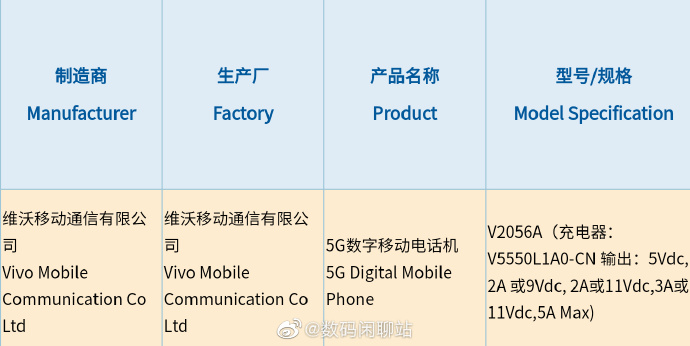
Now, the upcoming smartphone has passed through the network certification process, as reported by leaker ‘Digital Chat Station.’ Along with that, some of the key specifications of the device have also surfaced online.
It has been reported that the Vivo X60 Pro+ smartphone will feature a 120Hz refresh rate display and will have a single punch-hole cutout in the top-center for housing the front-facing camera sensor.
The leak also claims that the phone will be powered by the latest Qualcomm Snapdragon 888 flagship chipset, making it Vivo’s first smartphone to pack this new processor. This is the same chipset that powers the Mi 11 and will be in many upcoming flagship phones.
For those who are unaware, the recently launched X60 and X60 Pro come powered by the Samsung Exynos 1080 chipset which was announced in November. They are also the first phones to come powered by the Exynos 1080 SoC.
Further, it has also been revealed that the smartphone will have a quad-camera setup on the back which will include a 50MP full-focal range sensor. While the battery capacity is not yet known, the phone is said to have 55W fast charging support.
Based on the leaks, it’s evident that the upcoming Vivo X60 Pro+ will be the company’s flagship offering, competing against the likes of Xiaomi Mi 11 and the upcoming iQOO 7, among several others.
Last month, Chinese smartphone maker OPPO had launched its next-generation Reno lineup in its home market — OPPO Reno5. The series includes four phones — Reno5, Reno5 Pro, Reno5 Pro+, and the newly launched Reno5 4G.
Today, OPPO has officially confirmed that the OPPO Reno5 Pro 5G smartphone will be launched in the Indian market on 18th January. It is touted to be India’s first device to come powered by the MediaTek Dimensity 1000+ chipset.
As for the specifications, the Reno5 Pro features a 6.55-inch OLED display that offers 2400 x 1080 pixels screen resolution and a 90Hz refresh rate. Apart from being powered by the Dimensity 1000+ SoC, the phone comes with up to 12GB RAM and 256GB storage.
Currently, there’s no information available about which memory variants will be unveiled in the Indian market. To know for sure, we will have to wait for a couple of weeks more for the official launch event to take place.
However, the highlight of the OPPO Reno5 Pro remains the camera department and the company is making sure to market the phone as such. It features a 64MP primary sensor, an 8MP ultra-wide sensor, and two 2MP sensors, completing the quad-camera module.
On the front side, the device features a 32MP snapper for taking selfies and video calling. The phone, which supports Dual SIM 5G, is running the latest Android 11 operating system out-of-the-box with ColorOS 11 on top. The device is powered by a 4,350mAh battery that supports 65W SuperVOOC 2.0 fast charging technology.
The Xiaomi Redmi Note 9T 5G is all set to launch at 12 PM on Jan. 8. Ahead of the launch, the handset was found prematurely listed at Amazon Germany. The listing carried the key specs and renders of the smartphone. It is now no longer accessible as it has been taken down.
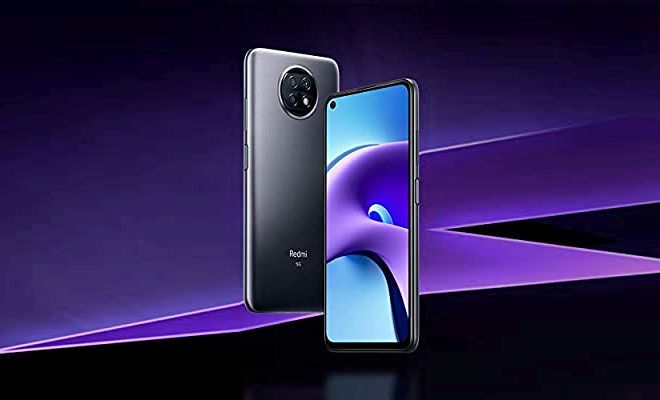
Shown below are some of the renders of the Redmi Note 9T 5G that a tipster managed to download before the Amazon listing was deleted. As can be seen, the Redmi Note 9T 5G will be available in at least black and violet colors.
The renders show that the Redmi Note 9T 5G has a punch-hole display and a side-facing fingerprint scanner. The back panel of the phone has a round-shaped camera module with three cameras and an LED flash inside it.
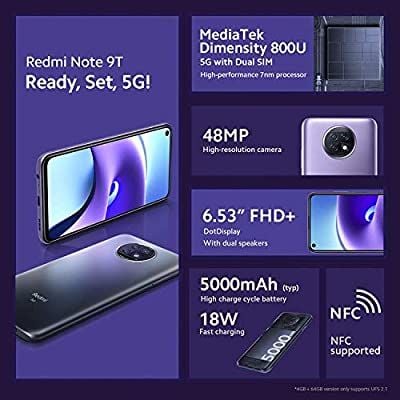
The Redmi Note 9T 5G has a 6.53-inch FHD+ display. The screen supports a Full HD+ resolution of 1080 x 2340 pixels and an aspect ratio of 19.5:9. The handset is fitted with dual speakers.
The Dimensity 800U chipset is present under the hood of the Redmi Note 9T 5G. It has LPPRDR4x RAM, UFS 2.2 storage, and a microSD card slot. The handset has support for 18W fast charging for its 5,000mAh battery. It carries support for NFC connectivity.
The Redmi Note 9T 5G has a front camera of 13-megapixel. The rear-facing triple camera system has a 48-megapixel main camera, an 8-megapixel ultrawide shooter, and a 2-megapixel.
At present, there is no word on the pricing of Note 9T 5G. It will be breaking cover as a rebadged version of China’s Redmi Note 9 5G.
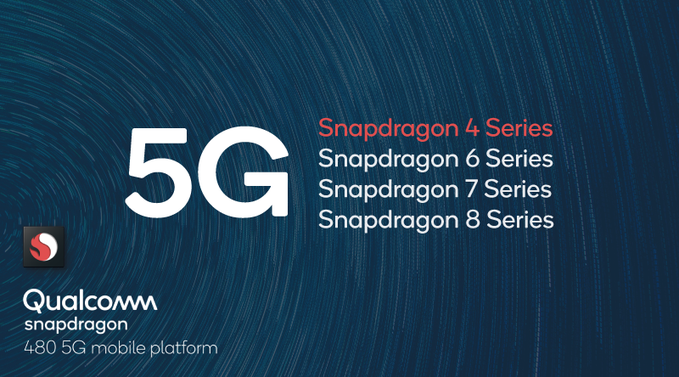
Last year was a significant one for the mobile industry as chip manufacturers such as MediaTek, Qualcomm, and UNISOC announced 5G chipsets that helped phone manufacturers bring affordable 5G smartphones to the market. This year is expected to be no different, and Qualcomm has decided to take the lead with a new 5G chipset, the Snapdragon 480 5G.
The Snapdragon 480 5G is a significant chipset not only for Qualcomm but also for the mobile industry at large. The Snapdragon 400 series is known to power phones and tablets in the ~$150 category, and with this new chipset, it means we should expect 5G phones that can be bought for less than $150 to hit markets soon.
Snapdragon 480 5G specs
Part number – SM4350
Process – 8nm
CPU – Kryo 460 octa-core processor clocked at 2.0GHz
GPU – Adreno 619; OpenGL ES 3.2, Vulkan 1.1, Open CL 2.0
Modem – Snapdragon X51 5G with support for sub-6GHz and mmWave
The Snapdragon 480 5G is an 8nm octa-core processor. The shift to a smaller node size from the 11nm mode of the Snapdragon 460 will bring improvements in efficiency and power management. Qualcomm says the Kryo 460 CPU and Adreno 619 GPU each bring an improvement of over 100% over its predecessor.
The processor has a Snapdragon X51 5G modem that brings support for sub-6Ghz and mmWave networks and both SA and NSA modes. The chipset is also Wi-Fi 6-ready and boasts connectivity speeds that reach up to 9.6 Gbps. It also has support for WPA3 security protocols.
The Snapdragon 480 5G has a Spectra 345 image signal processor that supports a single camera up to 64MP. The ISP allows for simultaneous capturing from all three (wide, ultrawide, and telephoto) cameras. It also supports HEIF photo capture and HEVC video capture. Support for FHD+ display with a 120Hz refresh rate combined with Qualcomm aptX audio means that users can enjoy smooth gaming with great audio. The Hexagon 686 inside the processor brings a 70% improvement in AI performance compared to the previous generation. And last but not the least, Qualcomm states that the chipset also supports Quick Charge 4+.
HMD Global, OnePlus, and OPPO to launch Snapdragon 480 5G phones
The official press release for the chipset revealed that HMD Global, the current licensee for Nokia-branded smartphones will announce a smartphone powered by the chipset. Chinse manufacturers, OPPO and OnePlus, have also confirmed they will launch phones with the Snapdragon 480 5G inside.
The first set of Snapdragon 480 5G phones are expected to arrive early this year.
Over the past few weeks, LG Display has showcased a number of innovative displays that are expected to be officially unveiled at CES 2021. About a week ago, they revealed their QNED Mini LED TVs. The company also recently announced that it would be showcasing its transparent OLED panels at the upcoming event. In the same light, the Korean tech giant has now announced a 48-inch Bendable Cinematic Sound OLED (CSO) TV that is optimized for gaming. The innovative display will equally be showcased to the public at CES 2021.
The new LG Bendable Cinematic Sound OLED (CSO) TV utilises an extremely thin OLED panel, something LG is known for. The display features a 48-inch screen and can unfold to curvature of 1,000R for immersion when gaming. The display can also be straightened out to a flat display when watching regular TV.
The display is specifically designed for gaming and has a response time of 0.1 milliseconds thanks to its OLED technology. It also features a wide variable refresh rate range of 40Hz to a peak refresh rate of 120Hz. Another impressive technology built-in is how the display itself produces sound with an ultra-slim film exciter that measures just 0.6mm thick.
Commenting on the announcement, Chang-ho Oh, Executive Vice President & Head of the TV Business Unit at LG Display said:
“LG Display’s 48-inch Bendable CSO display is optimized for gaming as it maximizes the use of advanced technology that produces another level in terms of providing an immersive experience. In other words, it offers the very best gaming environment to gamers”.
We might have to wait until the later part of the year to get this product on store shelves as LG isn’t expected to announce the pricing and availability details at the Consumer Electronics Show (CES).
The Mi A series of Android One smartphones by Xiaomi is practically dead already seeing as no new model was released last year. Nevertheless, the last model in the series, the Mi A3 is still receiving updates as it has not yet reached its end of life. Unfortunately, the latest update released for the phone has brought sadness to owners rather than joy as it ended up bricking the device. Now, Xiaomi is offering free repairs to those affected.
Last week, Xiaomi had rolled out a surprise Android 11 update for the Mi A3 which, unfortunately, had caused the device to get bricked. Following widespread reports, Xiaomi had to halt the rollout. An official statement sent to us has informed us that affected users can get their device fixed for free even if their device is out of warranty. All they have to do is visit any of the over 2000 service centers across the country near to them.
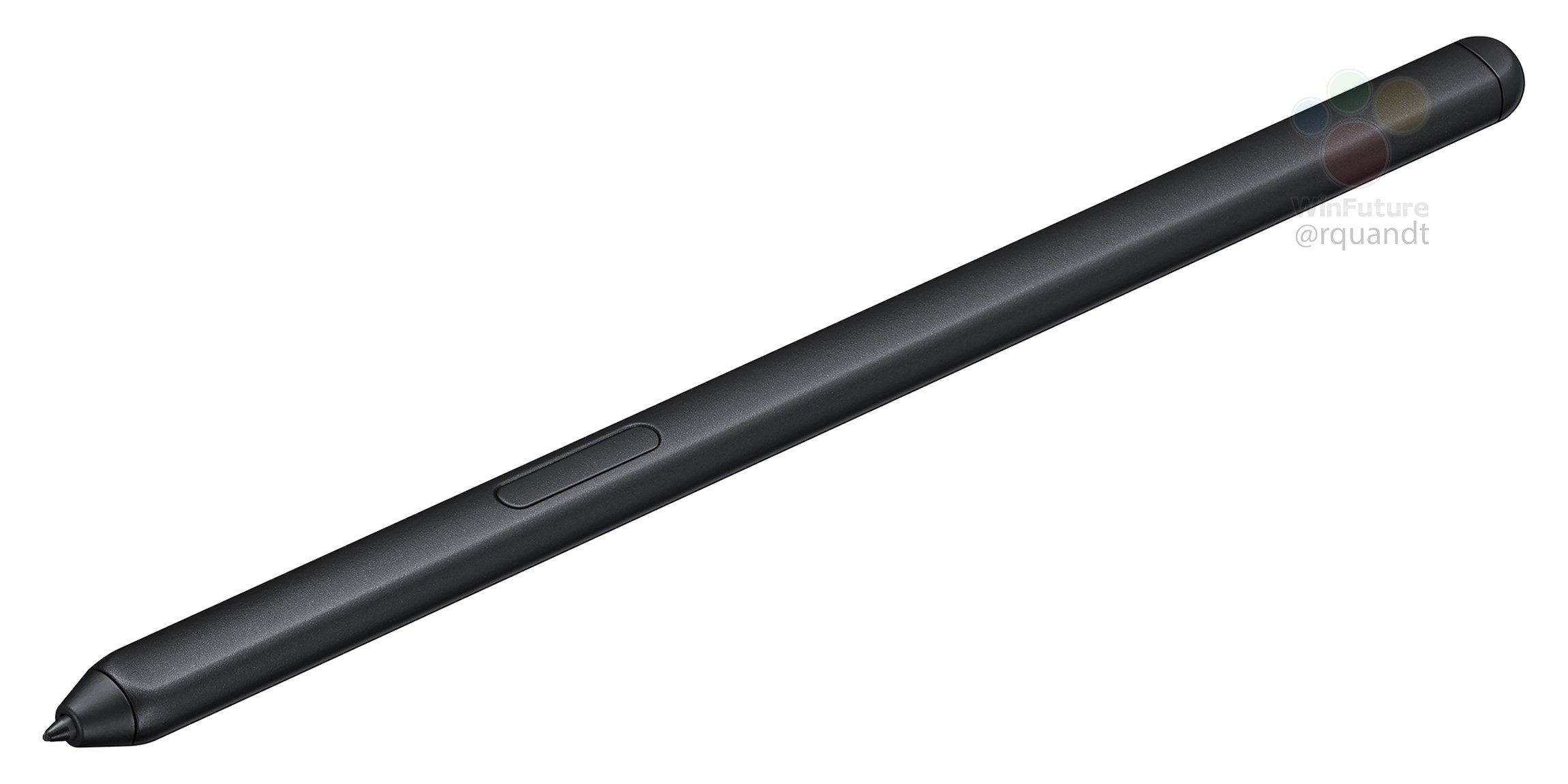
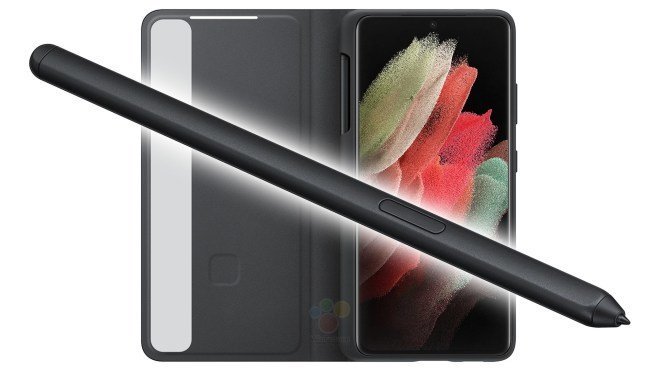
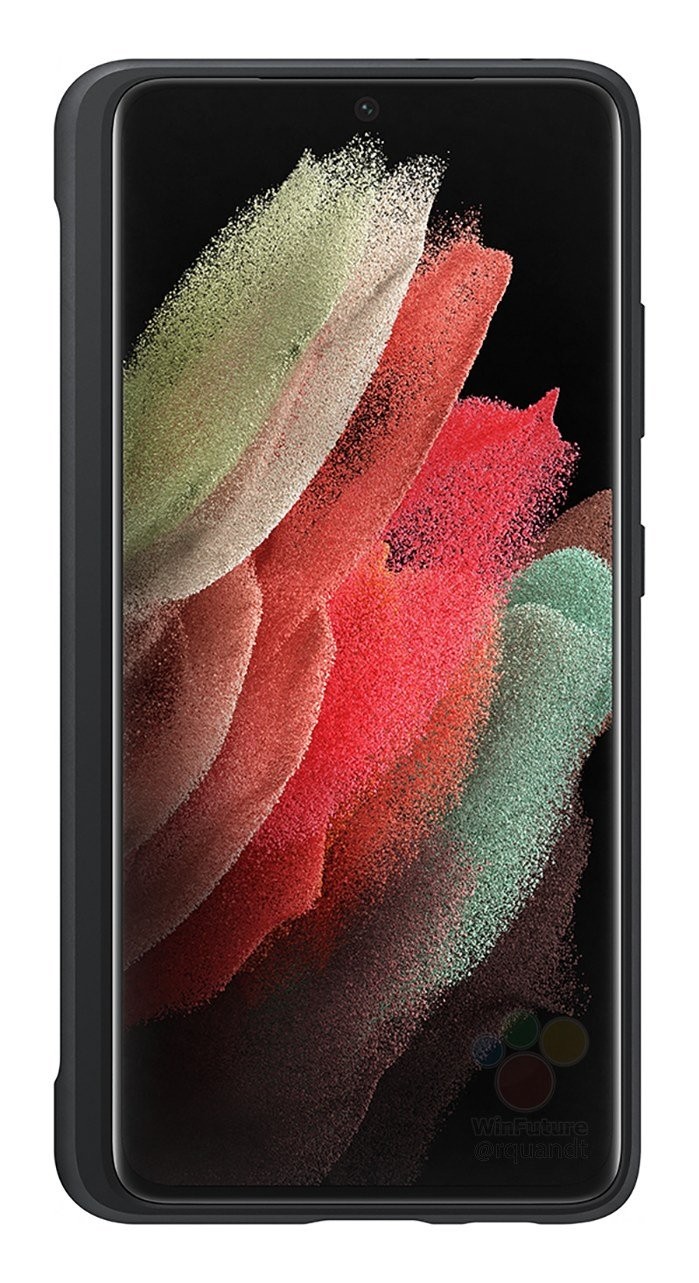
Samsung just confirmed today that the Galaxy S21 series will officially be unveiled on January 14, ending weeks of speculations about the launch date. The Galaxy S21 series will continue to keep the rumour mill buzzing until the official unveiling. The Galaxy S21 Ultra case has now appeared online and it seems to confirm a key feature that will find its way to the Galaxy S series for the first time. That is an S-Pen stylus.
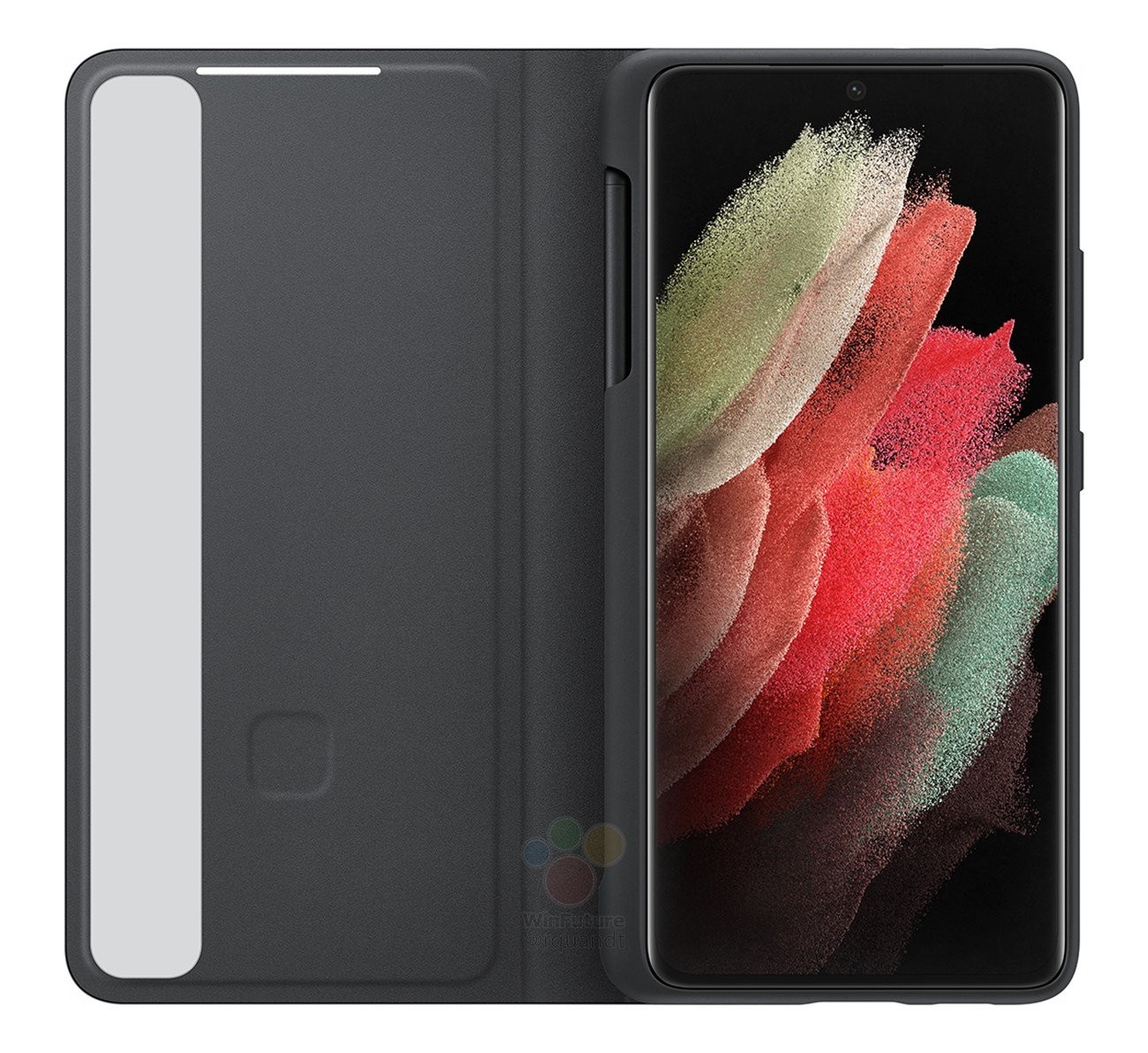
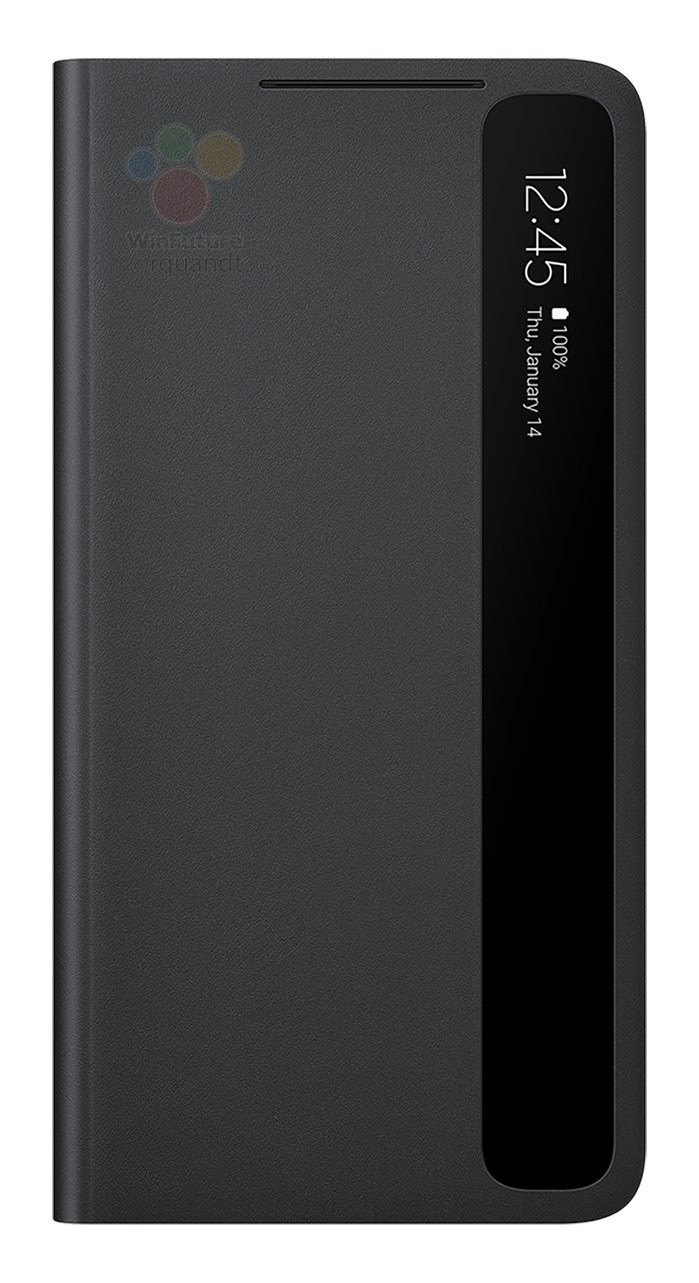
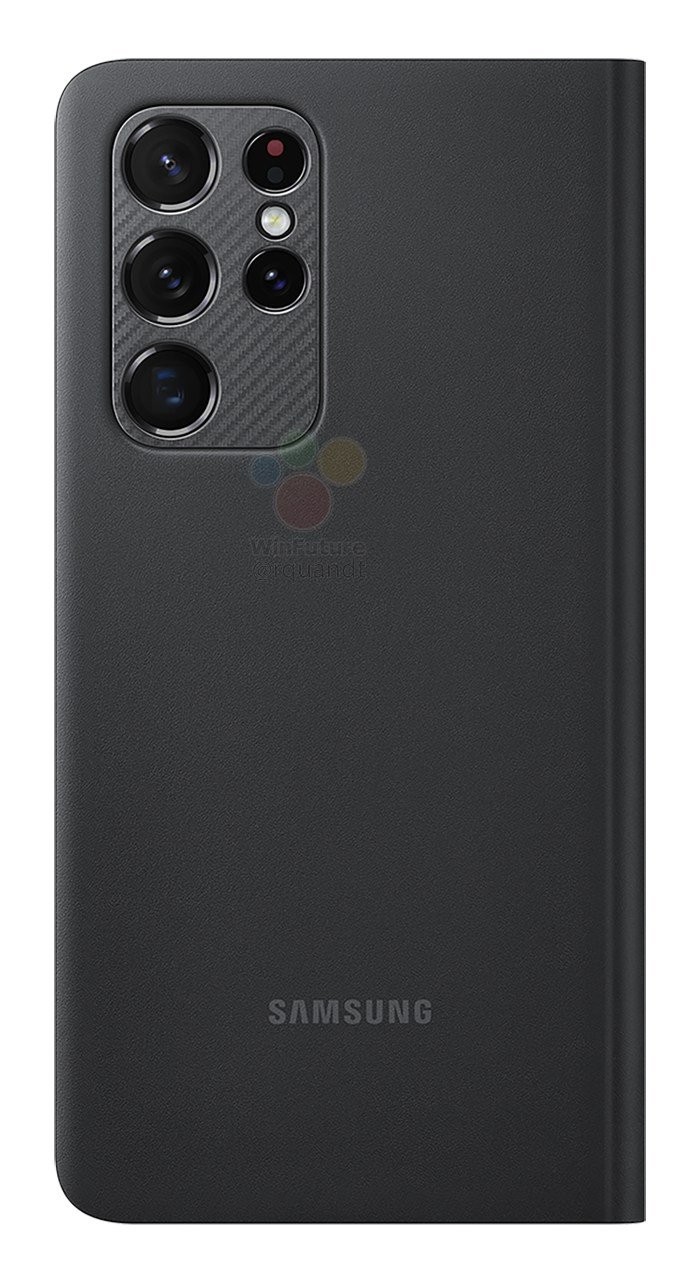
The leaked S View Flip Cover with S Pen for the Samsung Galaxy S21 Ultra seems to suggest that the S21 Ultra will not have a housing on the fuselage for the stylus. Instead, you will need to get a case that will hold the stylus.
The renders which were uncovered by German blog WinFuture, show that the device will have a slightly wider frame so as to be able to accommodate the thick S pen. Also, the case will hold the stylus in the right position for it to be charged wirelessly by the phone. The Bluetooth functions of the stylus such as a remote shutter and an accelerometer and gyroscope to detect gestures make it mandatory to keep the stylus charged always.
The leak also revealed that the S21 Ultra’s S Pen will cost €40, the same price as the Note20 model. Samsung will also sell it in a bundle with the Flip Cover and select silicone case as well.
1 of 3
Further, tipster Roland Quandt has tipped that the Galaxy S21 Ultra will be the only variant in the series that will have a MicroSD slot. In other words, both the Galaxy S21 and Galaxy S21+ will NOT have an SD card slot. The detail is said to have emerged from two different sources and not from an official specs sheet. However, the tipster scores the info a 9/10 confidence rating.
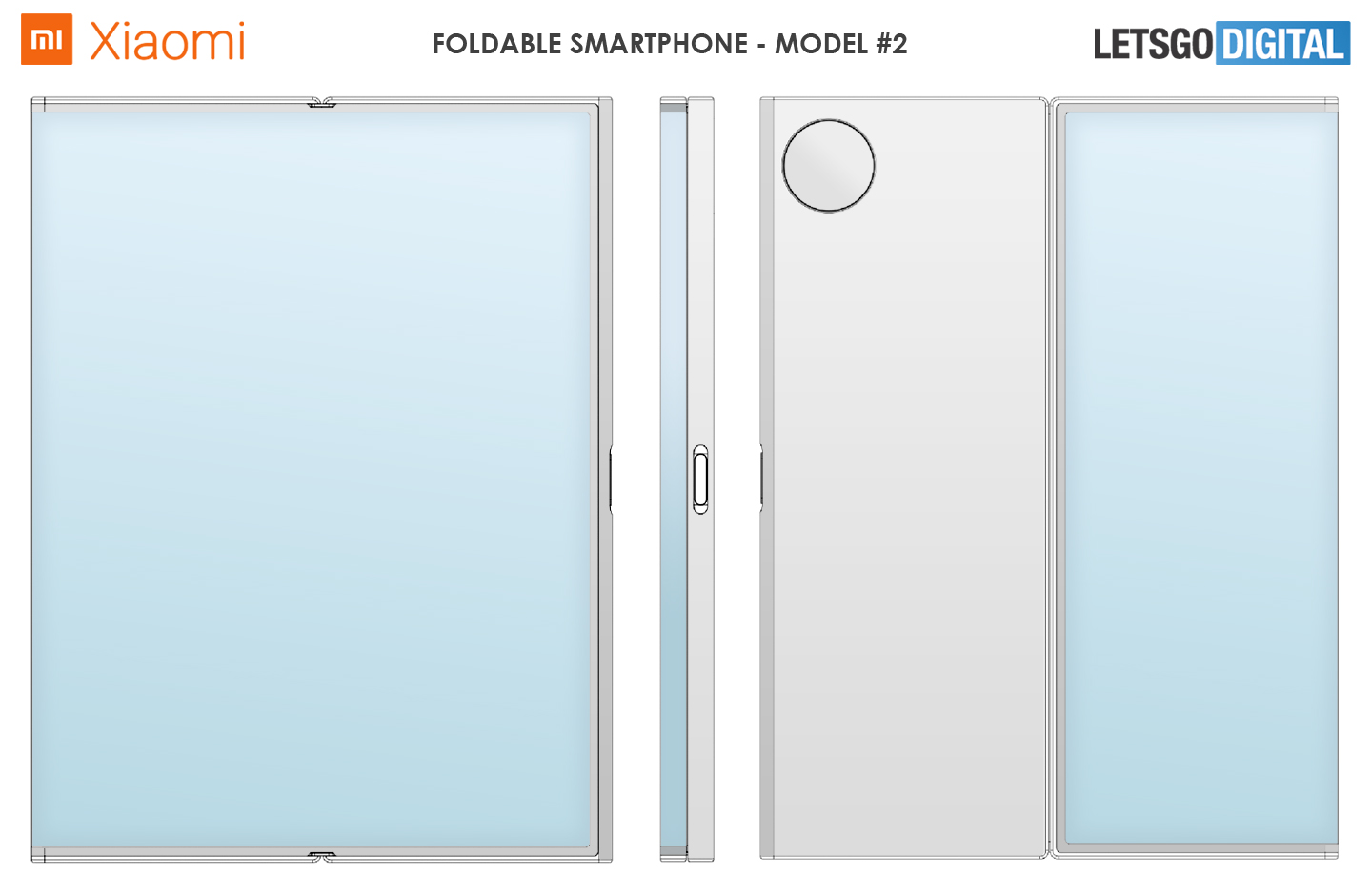
Earlier in December, Ross Young, the founder as well as the lead analyst at DSCC (Display Supply Chain Consultants) revealed that there will be four foldable smartphones from Xiaomi, OPPO, and vivo combined in 2021. Then, on Christmas Eve, he tweeted that Xiaomi itself may release three different types of foldables this year. Now, after New Year, four Xiaomi patents have emerged exposing seven different foldable smartphone designs.
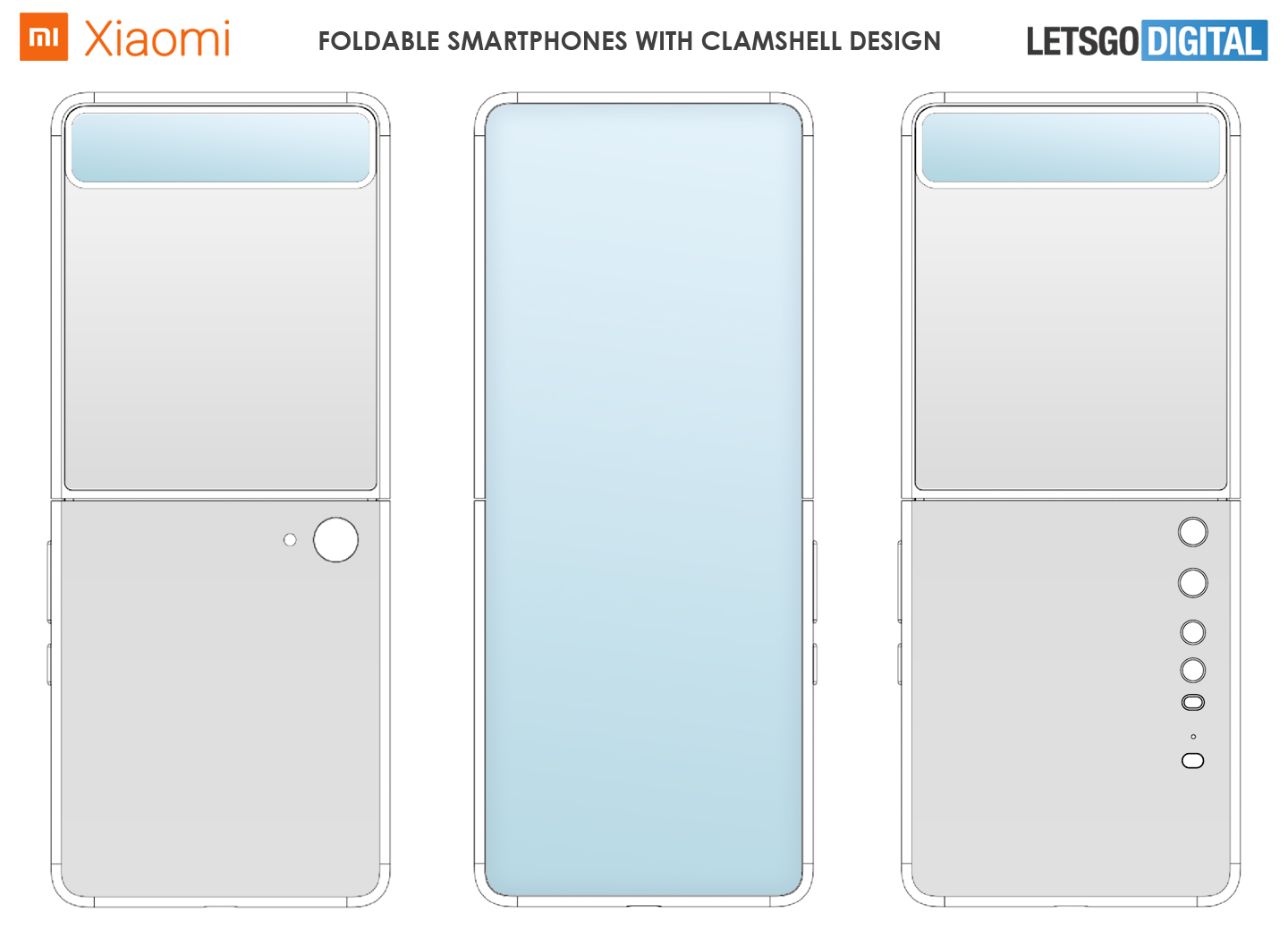
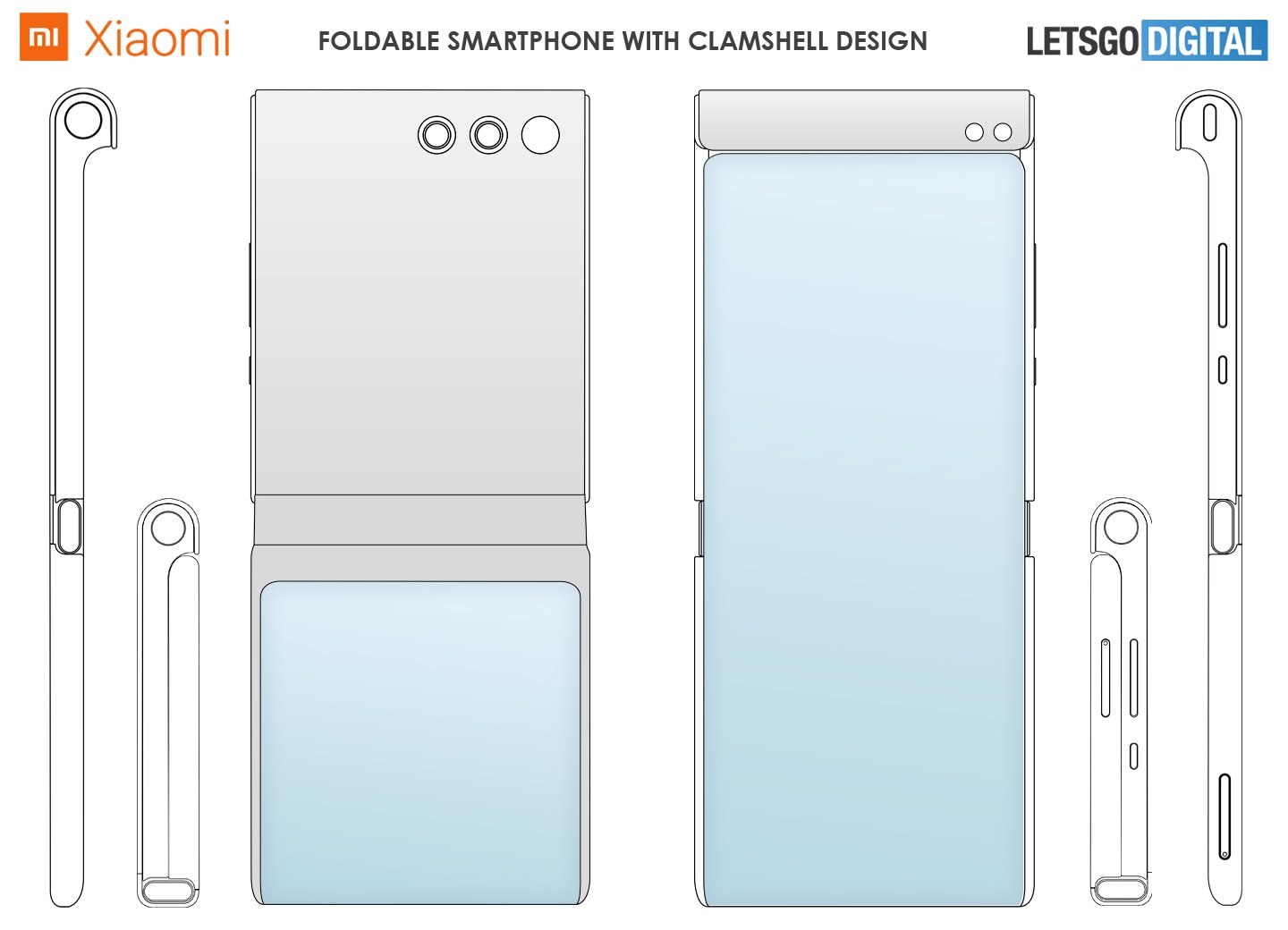
These four Xiaomi patents were unearthed by none other than LetsGoDigital. They were published on January 1, 2021, and contain a total of 7 foldable smartphone designs. Out of the total count, 3 models feature clamshell form factor, whereas the remaining 4 sport tablet form factor. Let us take a look at them one by one.
As mentioned above, Xiaomi patented three new clamshell foldable smartphones. The first two models have a full-screen display without any notch or punch-hole and a narrow horizontal cover display at the top portion of the phone on the back.
Whereas, the bottom portion of the rear includes the camera setup. The first model has a single large camera paired with an LED flash. On the other hand, the second design includes a vertically aligned quad-camera setup accompanied by an LED flash, an unknown sensor (could be a laser for auto-focus), and what appears to be the secondary microphone hole.
Lastly, the power, as well as volume keys, reside on the right side and the USB Type-C port sits at the bottom.
Talking about the third and the last clamshell design, this one looks like an upside-down Motorola razr 5G. This model has a thick forehead nesting a dual-camera setup for selfies and video calls. Hence, the bottom part is bezel-less and it may interfere while operating the phone.
On the plus side, this one features a much larger cover display, even bigger than the one found on Motorola razr 5G. Further, there’s a triple camera setup on the back, and the power key, volume rocker, as well as SIM card slot are present on the right side.
Xiaomi Large Screen Foldable Smartphone Design Patents
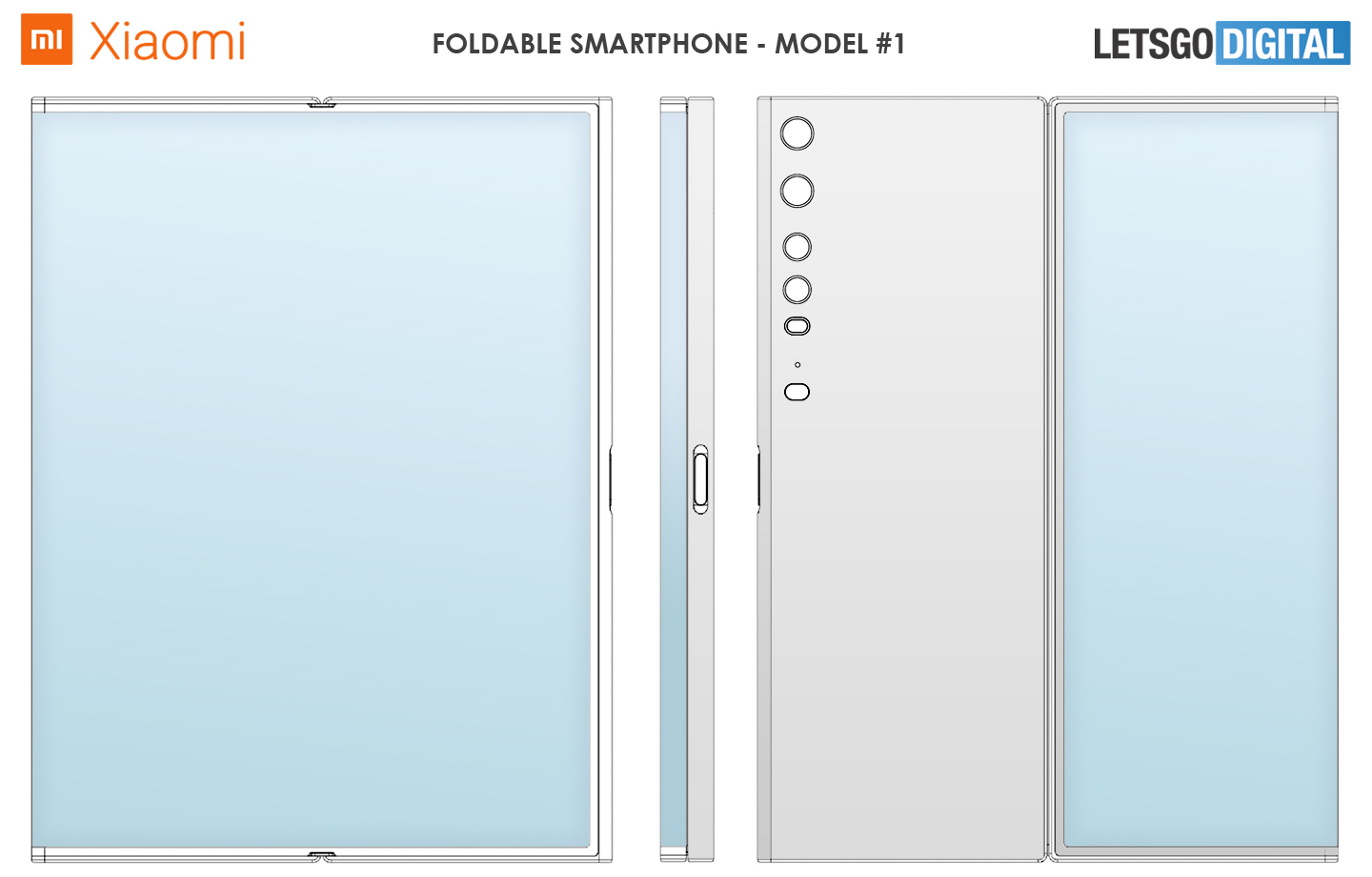
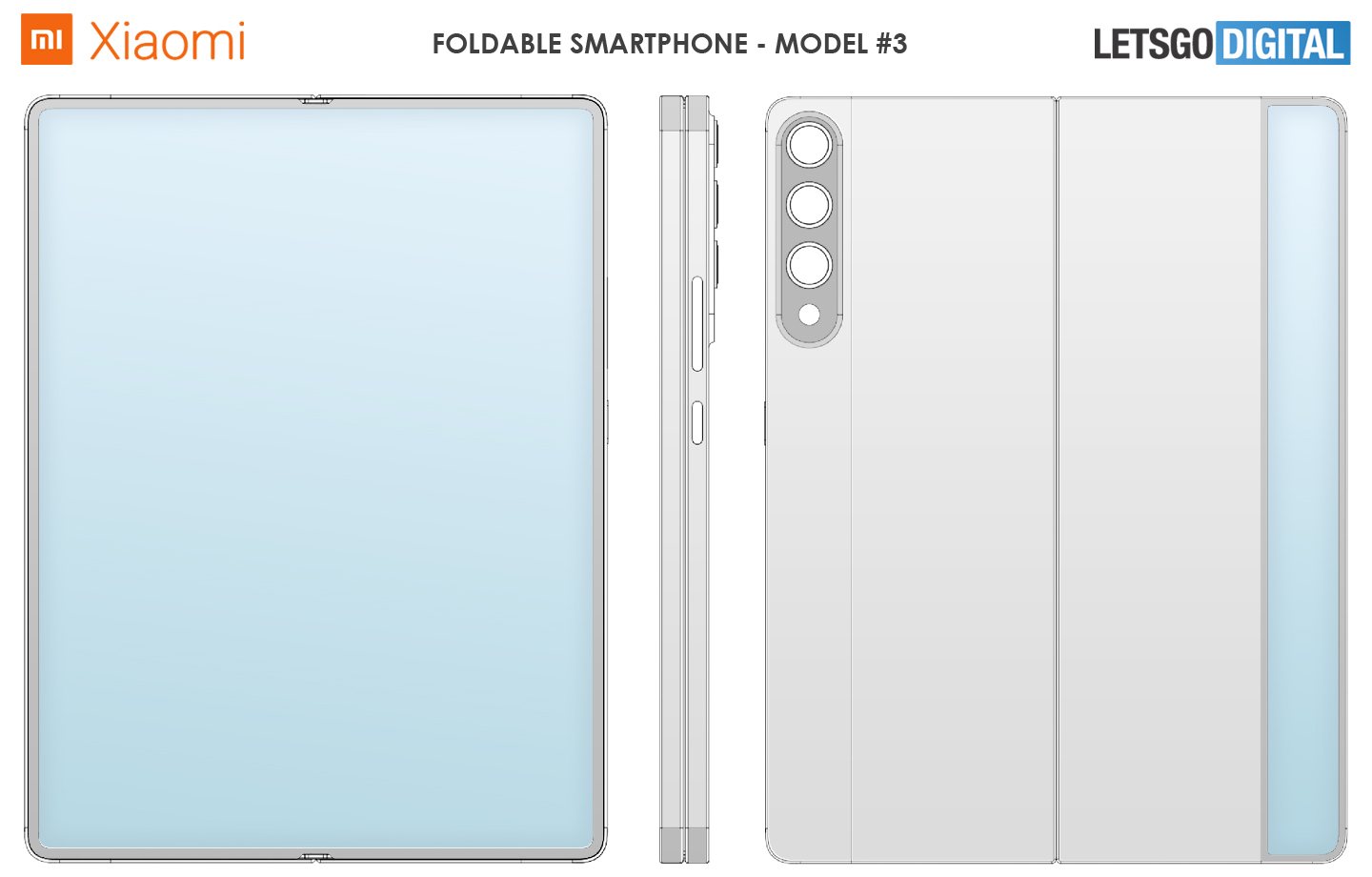
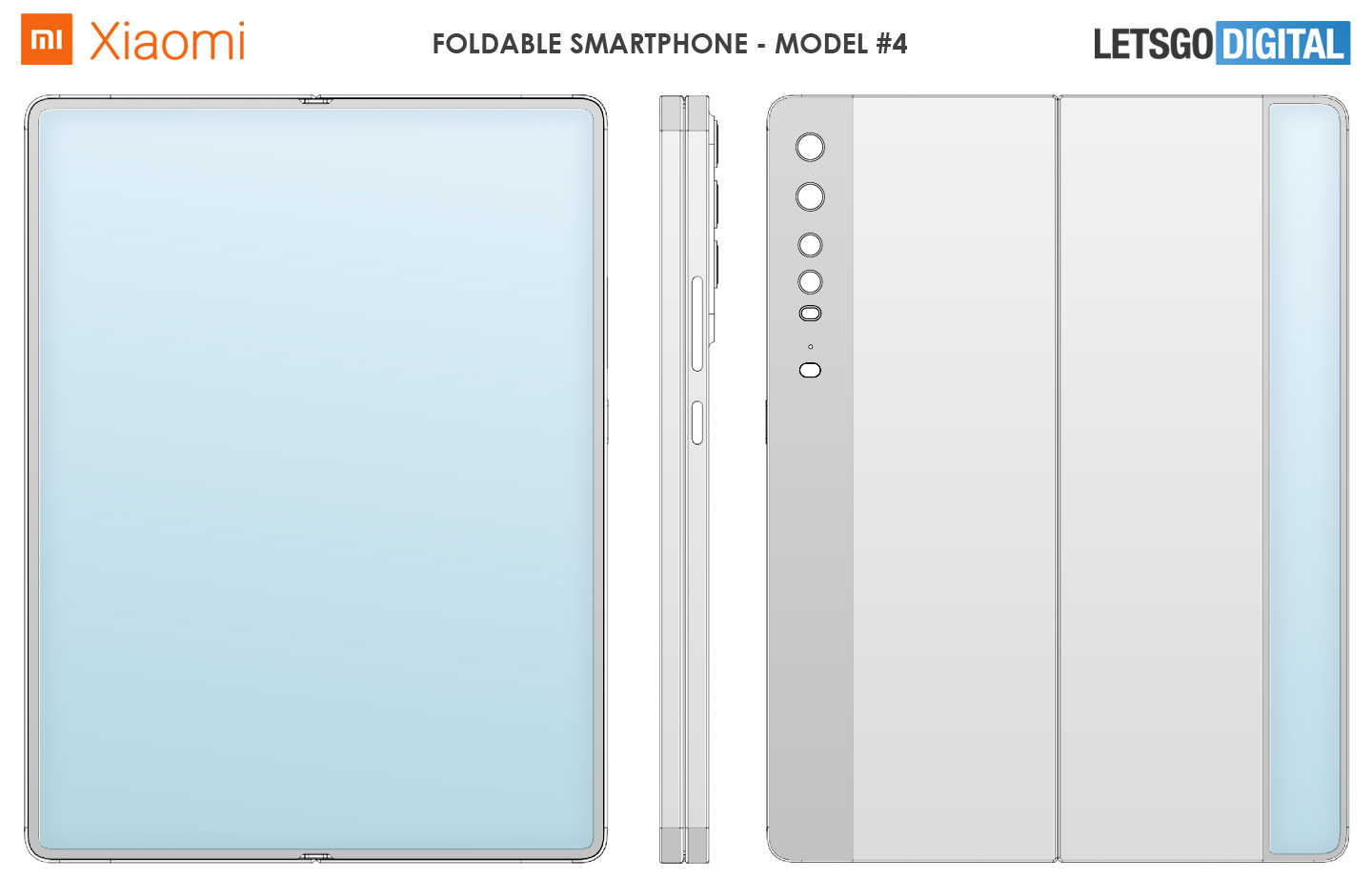
Apart from three clamshell foldable phone designs, Xiaomi has also patented four large screen foldable smartphones that unfold into a tablet. All of them look like Galaxy Z Fold2 with some minor differences between them.
Two of them feature Mi MIX Alpha’s signature design element (surround display). Their folding screen runs along the side to the outside to become the cover display. In simpler words, these two designs feature a single flexible OLED panel that acts as both the main inside screen and the outside cover screen without any notch or punch hole.
1 of 2
The only dissimilarity between them is the camera setup. One of them sports a vertically aligned quad-camera setup, whereas the other features a single large AI Super Camera. Further, there’s a single button on the right side, which could be either for turning on the screen or for unlocking the device to unfold it (like HUAWEI Mate Xs).
Finally, the last two designs do not feature a fancy surround display. Instead, the inside main display and the outside vertically place narrow cover screen are two different panels. Just like the above-listed five designs, they also do not sport any notch or punch-hole.
1 of 2
Although both have a quad-camera setup, the design and size of the camera sensors are different. But the power and volume keys are located on the right side of both of them.
Having said that, we cannot tell for sure if these foldable smartphone designs will be implemented by Xiaomi. As of now, only one thing is sure that the Chinese tech giant is working on a foldable smartphone codenamed ‘cetus’ with a Qualcomm Snapdragon chipset, a 108MP camera, and MIUI based on Android 11.
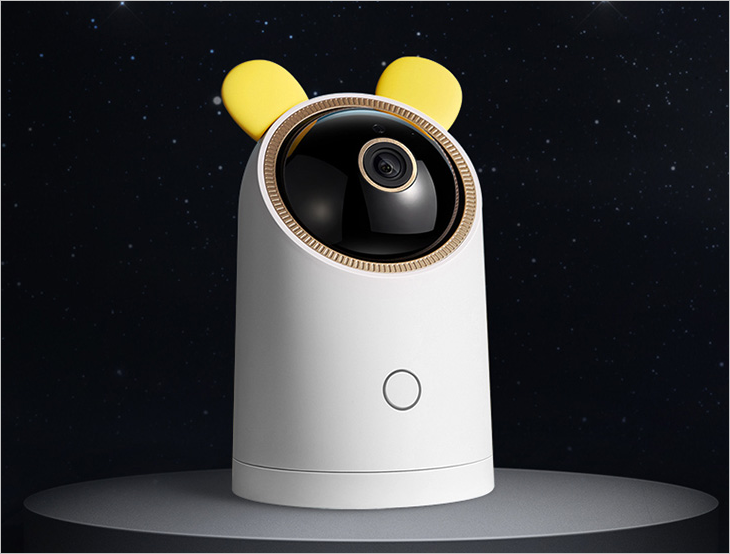
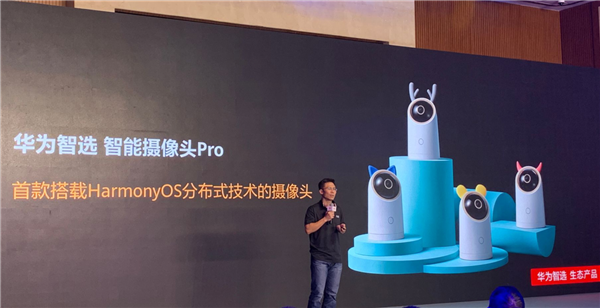
In November last year, Huawei held an online event where the Smart Selection Camera Pro and Smart DoorBell Pro were unveiled. The camera happens to be the first smart camera equipped with HarmonyOS but it was yet to go on sale since then. Well, until now. The Huawei Smarty Selection camera Pro is now on pre-sale on Jingdong (JD.com). The product is on offer for 289 yuan (~$44) for the 32GB version and 389 yuan (~$60) for the 64GB variant. This is slightly lower than the RRP which is 299 yuan (~$46) for the 32GB storage version and 399 yuan ($61) for the 64GB storage version. It is expected to start shipping on January 16.
The Huawei Smart Choice Camera Pro is a surveillance camera that has four selling points: HarmonyOS, secure built-in storage, AI smart detection+, and 2K ultra-high-definition picture quality. The camera can be placed in the child’s room and can achieve a 360-degree portrait that automatically tracks the child’s movement. The camera can also be connected to a screen in the living room or in the parent’s bedroom.
In addition, the Huawei Smart Camera Pro also supports one-click video calls and NFC tags which support one-touch fast network distribution. The smart camera is equipped with 32GB and 64GB eMMC flash memory which makes it capable of storing surveillance videos without an SD card. The read and write life is 5 times that of ordinary SD cards, and the speed is 10 times that of SD cards.
In terms of security, the HiLink SDK of Huawei Smart Camera Pro has obtained the highest security certification in the IoT field, which can ensure camera security and prevent intrusion. The camera can be connected to a smartphone, providing live surveillance and other possibilities.
Huawei also launched a smart camera S which starts at 159 yuan (~$24).
The prices of semiconductors are expected to rise due to shortages in production capacity in comparison to their demand. This has already caused certain companies to inform their customers about the increase in prices.
According to TheElecreport, the world’s largest contract chip maker, TSMC, recently reversed its price cut policy for its major customers, due to the higher demands. Furthermore, this is also reflected in the actions of other foundry based firms like GlobalFounderies, which reportedly is operating all of its fabs at near 100 percent capacity. The South Korean tech giant, Samsung Electronics, is apparently also in a similar position at the moment.
Other chipmakers in Taiwan, including UMC and VIS, have also increased chip production prices, and in the case of DB HiTek from South Korea, prices have hiked as high as 20 percent despite their fabs running at 100 percent capacity. Thus, the shortages of supply in the market are expected to cause a rise in memory and semiconductor systems prices.
Similarly, the fixed prices of DRAMs are also expected to rise by around 5 percent in the first quarter of 2021. These chips spot prices were around 3.46 US Dollars back in December 2020, marking a rise of 30 percent from November 2020. This price hike also being witnessed by Chinese companies like Goodix, and LCD components makers like Novatek.
Ahead of the launch of the Xiaomi Mi 10i tomorrow, listings for the phone have appeared on Amazon India and they reveal the price tags of the variants that will be sold in the country. However, there is a possibility that the prices may be different when they are announced tomorrow.
As seen in the video below, shared on Twitter by Sudhanshu Ambhore, the phone will be available in two configurations – 6GB RAM + 128GB and 8GB RAM + 128GB. The former will be available in Atlantic Blue and Pacific Sunrise while the 8GB RAM version will come in the aforementioned colors and Midnight Black.
Seems like Amazon has accidently leaked the pricing of Mi 10i. -6GB+128GB: ₹24,999 -8GB+128GB: ₹27,999#Mi10ipic.twitter.com/V2fFSHIo8P
The listing shows that the 6GB RAM variant will be sold for INR 24,999 (~$342) while the 8GB RAM variant will go for INR 27,999 (~$384). When compared to the Redmi Note 9 Pro 5G’s price tag in China (¥1599/~$247 and ¥1799/~$278), the Mi 10i is about $100 more expensive.
While these prices do go in line with the CEO’s under INR 30,000 price tag, the phone may sell for a lesser price tag. Xiaomi is known to offer discounts on its new products immediately after they are launched, and as you can see, these prices have no discounts. So, we are keeping our fingers crossed and expecting the final prices to be about INR 2000 (~$27) less.
The Mi 10i will be going against other 5G phones in the sub INR 30,000 category such as the OnePlus Nord which starts at INR 24,999 (~$343), has a 90Hz AMOLED display, and a Snapdragon 765G processor but 48MP quad rear cameras and a smaller battery with a slightly slower charging technology.
There is also the Moto G 5G that has the same Snapdragon 750G processor as the Mi 10i, a bigger 5000mAh battery but with 20W slower charging, 48MP quad rear cameras, and a price tag of INR 20,999 (~$288) for the 6+128GB version.
The Mi 10i is a new phone scheduled to launch in India tomorrow. The Pacific Sunrise color variant of the device has already appeared in several hands-on photos online. If you are wondering if that is the only color variant that will be sold in the country, that will not be the case.
Xiaomi has confirmed that the Mi 10i will also be available in Atlantic Blue and Midnight Black colors.
The Mi 10i is a rebadged Redmi Note 9 Pro 5G but Xiaomi India says it will have some region-specific features. Nevertheless, we expect it to have a 6.67-inch 1080 x 2400 display with a centered punch hole for the selfie camera. Powering the phone should be a Snapdragon 750G processor with 6GB or 8GB of RAM and 128GB or 256GB of storage. However, we won’t be surprised if Xiaomi were to announce a 64GB version for India. The Redmi Note 9 Pro 5G has a MicroSD card slot, so this should too.
It has already been confirmed that the phone has a 108MP quad-camera system. It should also have a 16MP selfie camera. There is a side-mounted fingerprint scanner, a 4820mAh battery with support for 33W fast wired charging, stereo speakers, IR blaster, and NFC. The Mi 10i should also ship with MIUI 12 based on Android 10 out of the box.
With respect to the price, Manu Kumar Jain, the CEO of Xiaomi India, has said the phone will be priced under INR 30,000 (~$410).
Samsung has confirmed to host the first-ever Galaxy Unpacked event of 2021 on January 14. The company is expected to announce the Galaxy S21 series at this conference. Along with these smartphones, the firm is also reported to unveil a new pair of truly wireless earphones called Galaxy Buds Pro. Ahead of their official announcement, these earbuds get an unboxing and first impressions treatment on YouTube.
The Galaxy Buds series of truly wireless earphones is one of the popular TWS products in the market. The first model in the series simply called Galaxy Buds were introduced alongside the Galaxy S10 series. The second model known as Galaxy Buds+ debuted with the Galaxy S20 series. Then, came the Galaxy Buds Live with the Galaxy Note20 series.
Next week, the company is all set to announce the Galaxy Buds Pro at the Galaxy S21 series launch event on January 14. Almost everything about this product is now known, thanks to multiple leaks. Now, we even get to see them in real life in an unboxing and first impressions video on YouTube (embedded above).
The video confirms all the leaked specs but it does not say anything about their price. According to previous reports, Samsung’s new pair of truly wireless earphones will cost about $199 in the US and €229 in Europe. Anyway, we will know the official pricing next week at the launch conference.
Recent reports have revealed that the Redmi Note 9T phone has passed several certifications such as Malaysia’s SIRIM, Thailand’s NBTC, and TUV Rheinland certification. The handset was also recently seen at Geekbench benchmarking platform with the Dimensity 800U chipset. Rumors surrounding it have revealed that it could be a global version of the Redmi Note 9 5G that launched in China in November. Earlier today, Xiaomi Spain released a tweet that confirmed Jan. 8 as the launch date of Redmi Note 9T. The official tweet that was first spotted by tipster Abhishek Yadav is no longer accessible as it has been taken down.
The deleted tweet carried the below-shown poster. It mentioned that the Redmi Note 9T will be breaking cover at 11:00 AM (GMT+1) on Jan. 8 in Spain. The handset is expected to arrive in Spain as one of the most affordable 5G-ready smartphones. While the tweet has been deleted, the official Twitter handle of Xiaomi global has claimed that the Redmi Note 9T is coming soon.
The Redmi Note 9T is likely to arrive with a 6.53-inch IPS LCD panel with a punch-hole design. It may support a Full HD+ resolution and a 19.5:9 aspect ratio. The Dimensity 800U chip could be equipped with up to 8 GB of LPPDR4x RAM and up to 256 GB of UFS 2.2 storage.
The MIUI 12 based Android 10 OS may come preinstalled on the Redmi Note 9T. It may sport a front camera of 13-megapixel and its rear shell could be fitted with a triple camera setup. The latter may include a 48-megapixel main camera, an 8-megapixel ultrawide lens, and a 2-megapixel depth sensor.
The Redmi Note 9T carries support for 18W fast charging for its 5,000mAh battery. It is fitted with a side-facing fingerprint reader. There is no word on the pricing of Note 9T for the European markets.
Late last week, a tipster claimed Samsung to launch a Galaxy M series smartphone with a big screen in India this week. Yesterday, this device’s names, specs, and price were revealed by a report. And today, the South Korean tech giant has officially confirmed to announce this handset on January 7 in the country.
When Mukul Sharma shared a teaser poster with the text #MAXUP, we thought this phone could be either the Galaxy M62 phablet or the most leaked Galaxy M12. But this smartphone turns out to be Galaxy M02s, a rebadged Galaxy A02s with more RAM and storage, as per its Google Play Console listing, an IANS report as well as official teasers by the company.
This handset has been confirmed to flaunt a 6.5-inch IPS LCD panel with a V-shaped notch at the top center (aka Infinity-V Display). It will be powered by Qualcomm Snapdragon 450 SoC paired with 3GB/4GB RAM and 32GB/64GB internal storage.
On the back, the device will sport a vertically aligned triple camera setup consisting of a 13MP primary sensor, 2MP macro shooter, and a 2MP depth sensor accompanied by an LED flash. Whereas, for selfies and video calls, the phone will use a 5MP sensor.
Last but not least, the handset will be backed by a 5,000mAh battery. Also, since it is expected to be the same as Galaxy A02s, it should also feature USB Type-C, 3.5mm headphone jack, and a dedicated microSD card slot. But unfortunately, it won’t come with a fingerprint sensor.
Anyway, the main highlight of the Galaxy M02s will be its price. That’s because it is reported to be the first Samsung smartphone with 4GB RAM under ₹10,000 in India.
Xiaomi’s latest 2021 flagship, the Xiaomi Mi 11 offers tremendous value for your money. It starts at just 3999 RMB (~$613) yet offers premium performance and display with the brand new Snapdragon 888 processor and an excellent 2K 120Hz AMOLED display
The phone recently went on sale in China and will soon be available globally as well. Despite being a standard edition (non-Pro), the Mi 11 has enough premium features to be called a full-fledged flagship model in 2021. So, let’s take a look at what the phone has to offer in this Xiaomi Mi 11 hands-on.
Xiaomi Mi 11 Hands-on: Design & Display
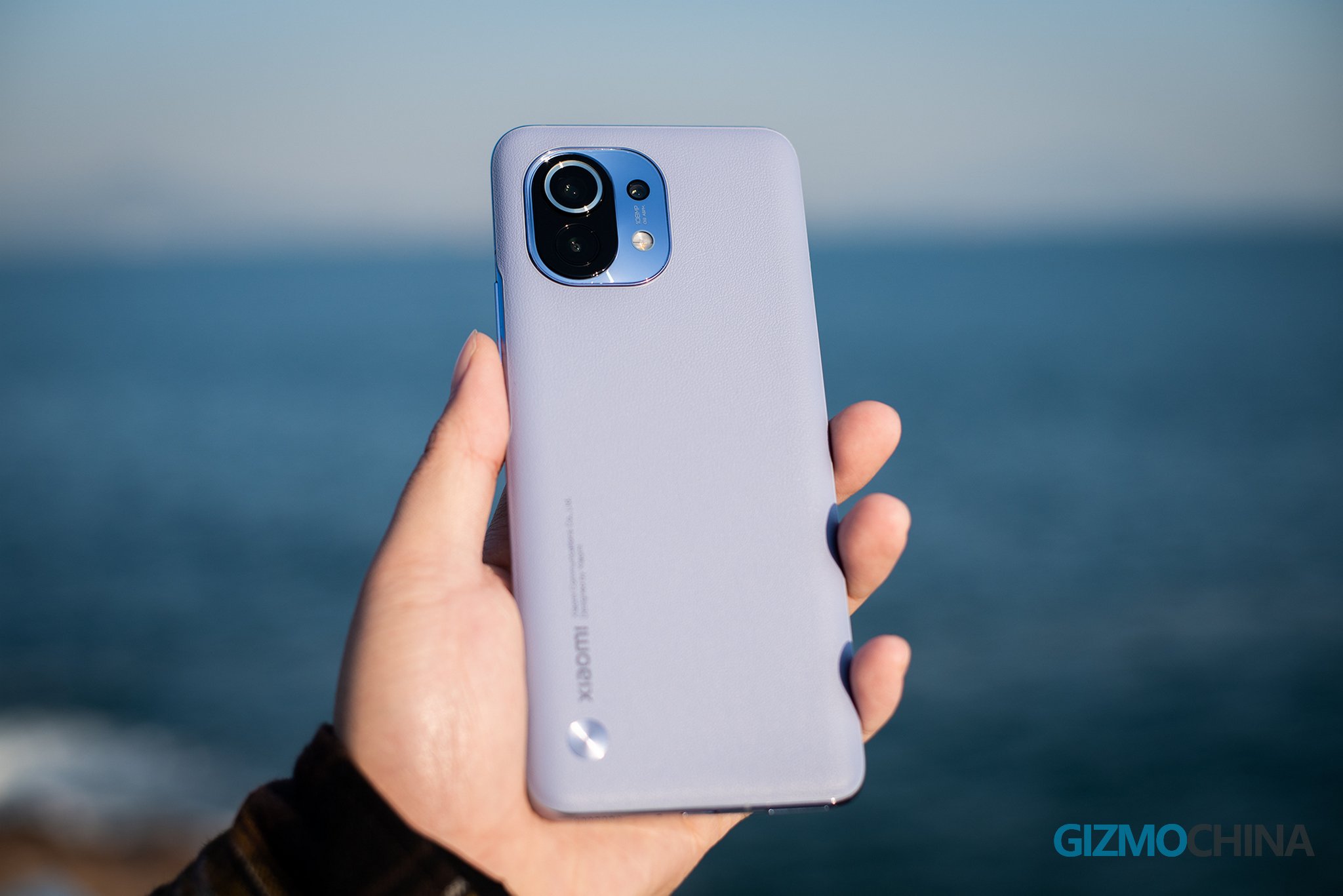
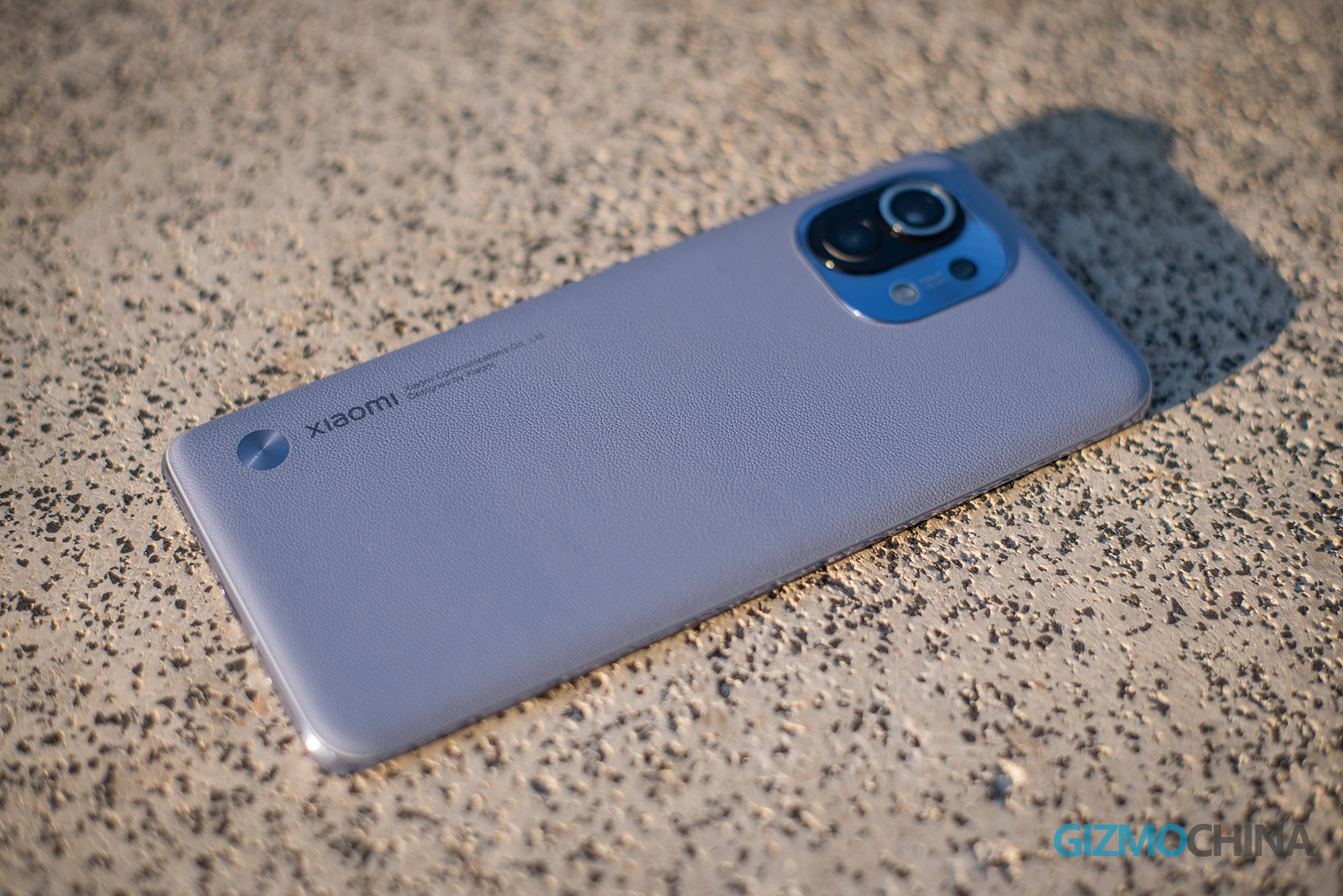
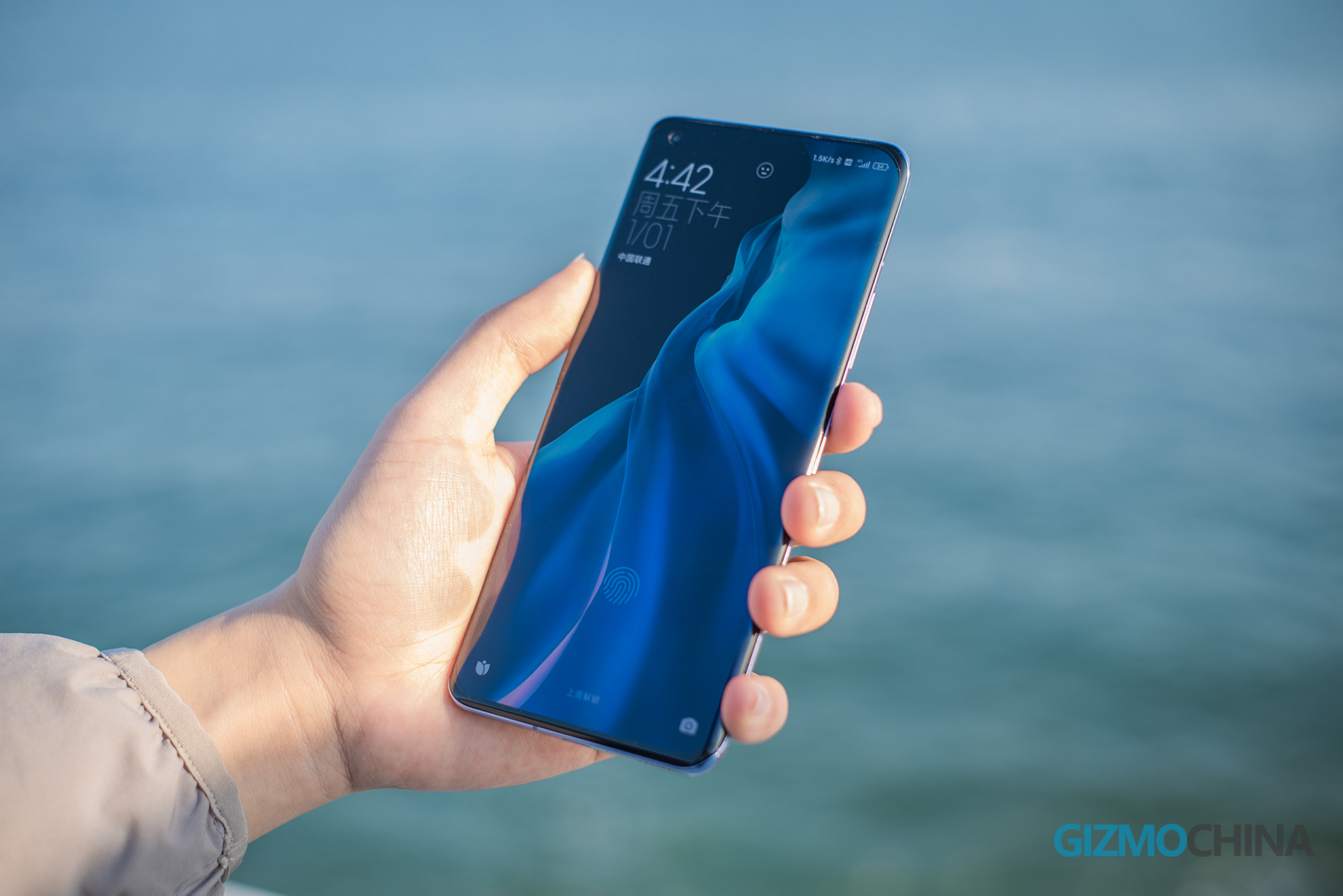
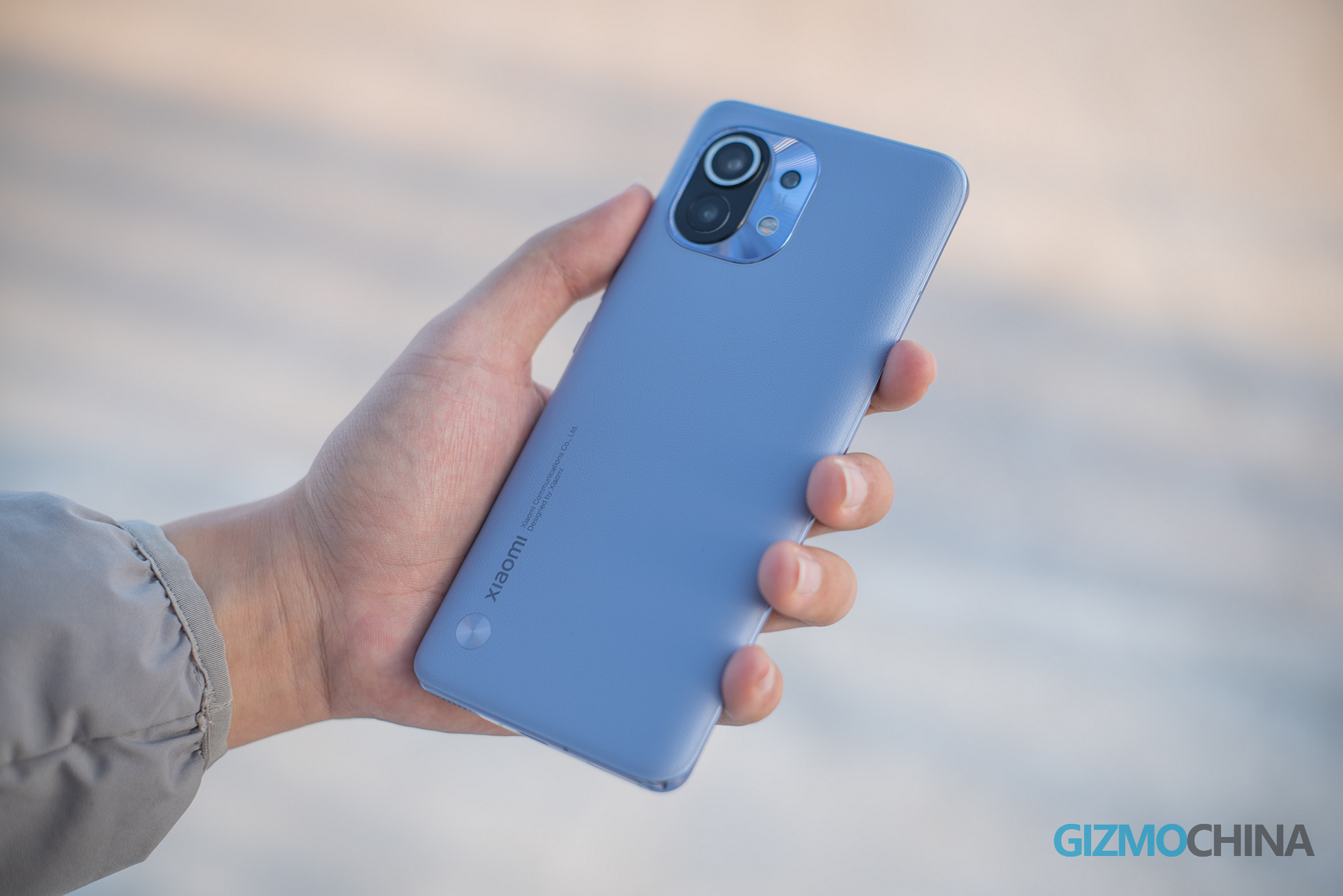
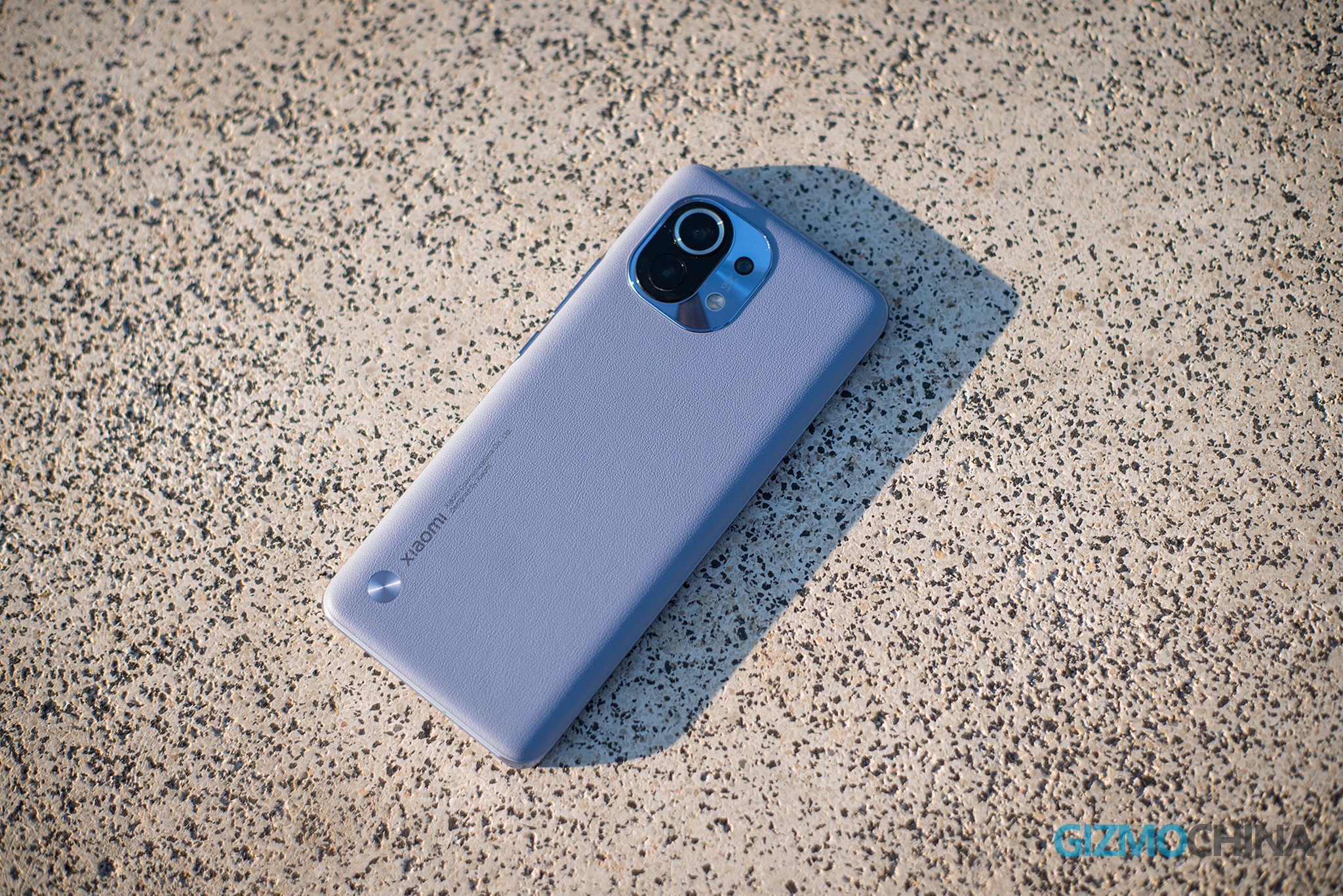
The Xiaomi Mi 11 comes in two variants – an AG matte finish variant and a vegan leather one. The AG matte model comes with a metal and glass sandwich design while the vegan leather model, unsurprisingly, has a leather finish on the back.
Xiaomi Mi 11 – Vegan Leather
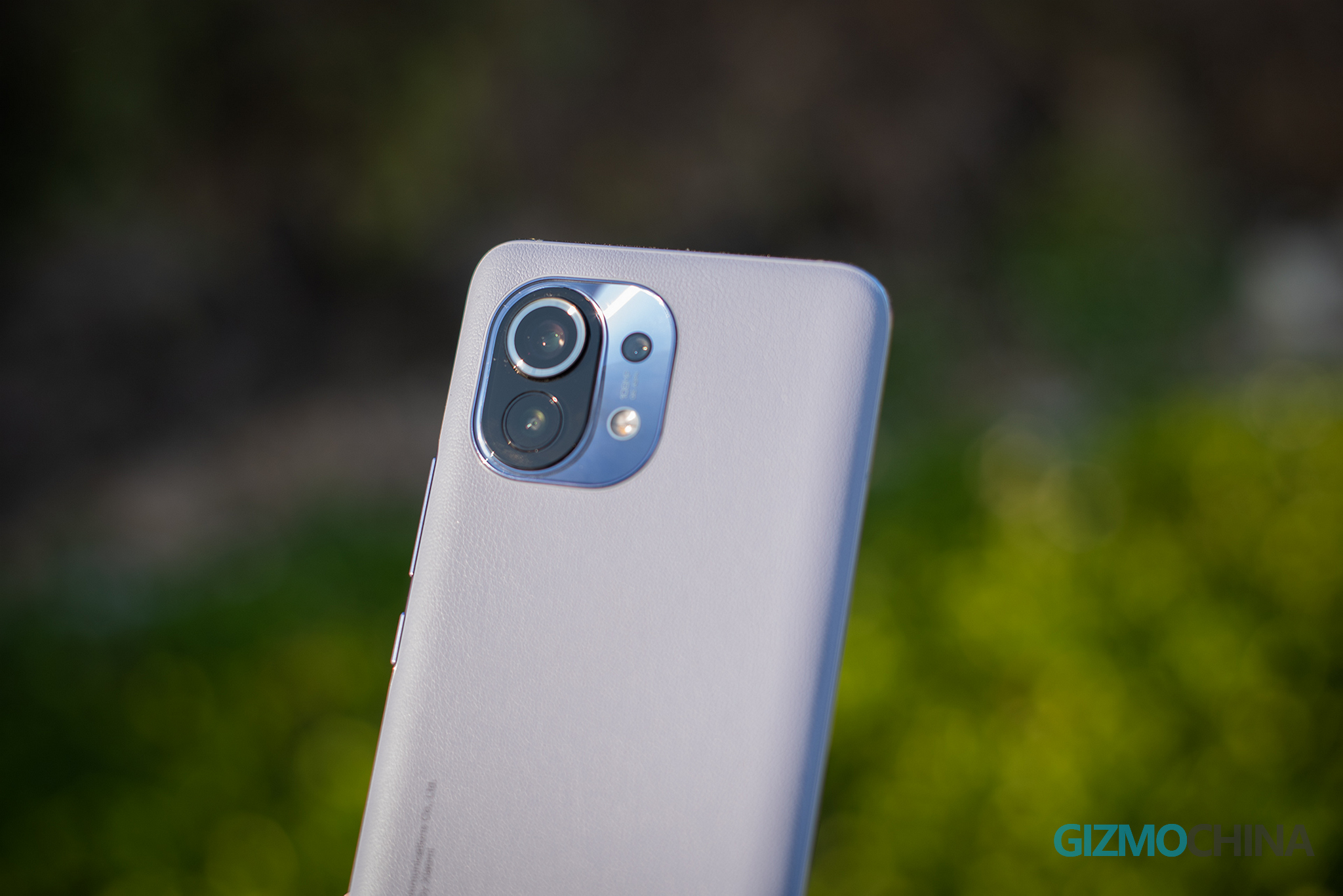
We got the Vegan Leather Xiaomi Mi 11 model for our review and we have to tell you that the back cover feels pretty premium. Another slight advantage of this leather variant is that the square rear camera module doesn’t protrude as much as the AG matte finish variant. This is because the vegan leather model is slightly thicker (194g, 8.56mm) as compared to the AG matte variant (196g, 8.06mm).
Despite weighing 194grams, the phone feels pretty lightweight. On closer analysis, we found that the overall body weight is well balanced which enables a much better hands-on feel on the Mi 11 as compared to its predecessor – the Mi 10. Also, the four curved design with smooth corners looks and feels very premium and makes it very comfortable to hold, even with one hand.
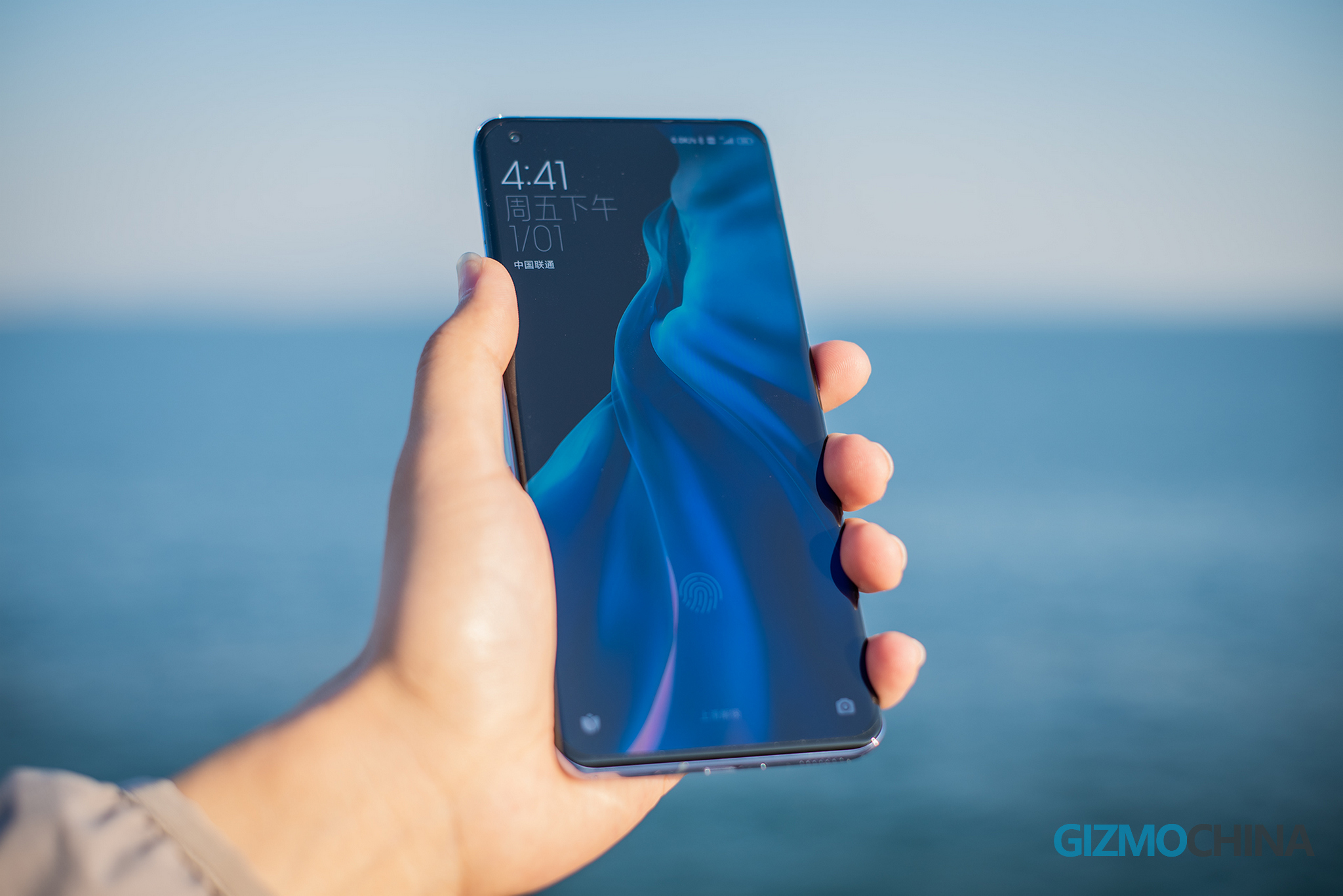
The Mi 11 comes with a larger and better display than its predecessor, featuring a 6.81-inch 2K 120Hz AMOLED panel. The display is definitely the biggest highlight of the new flagship and it’s probably the BEST OLED screen we’ve seen on a smartphone so far. Notably, the Mi 11 supports a 120Hz high screen refresh rate even at 2K WQHD+ resolution. The curved edges on the phone don’t come in between your user experience and there wasn’t any visible color shift either. Note that the new flagship has also reduced the size of the front selfie punch-hole camera.
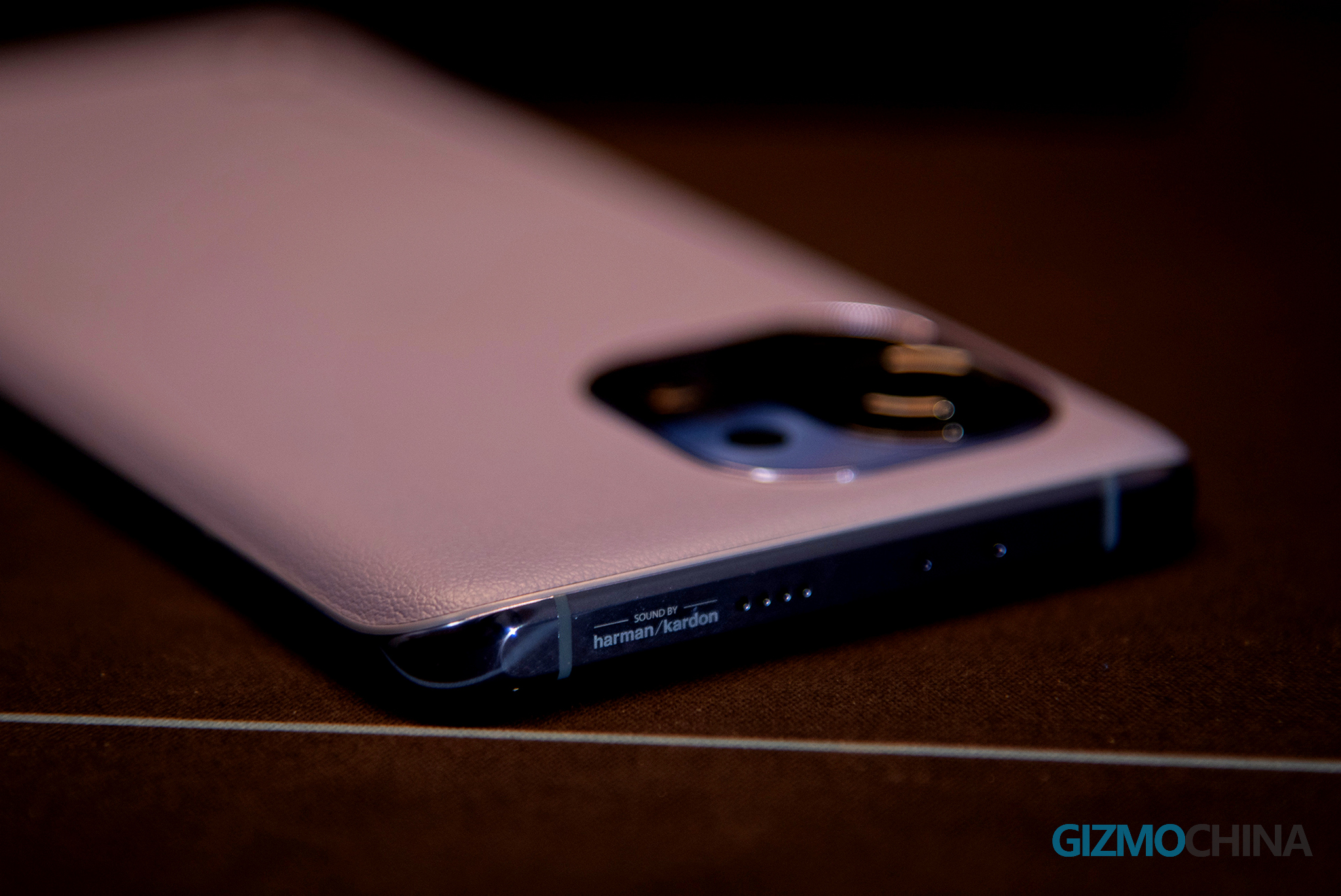
Coming to the specs, the Xiaomi 11 is the world’s first Snapdragon 888 smartphone to launch in the market. The new chip ensures that the phone is extremely fast and fluid and it can register AnTuTu scores upwards of 700,000. Another important highlight of the Mi 11 is the Harmon Kardon tuned audio and there’s a perceived improvement in the sound quality. In our initial tests, we found the stereo speakers on the new flagship had excellent audio output.
Harmon Kardon Xiaomi Mi 11
While the Mi 11 is heavy on performance, design, and display, Xiaomi has taken a toned-down approach for its camera setup. Don’t get us wrong, the 108MP primary camera will give you pretty good shots especially in daylight conditions. But know that the triple camera setup that includes a 13MP ultra-wide-angle shooter and a 5MP macro lens doesn’t bring a whole lot of improvement in the camera department as compared to the Xiaomi Mi 10. Upfront, you get a 20MP selfie shooter.
The Mi 11 also features a pretty large 4600mAh battery on board with 55W wired charging support. However, the most impressive battery feature is the support for high-speed 50W wireless charging and 10W reverse wireless charging. The phone also supports Quick Charge 4 plus, QC3 plus, and PD3.0 fast charging protocols. Finally, it supports 5G and the new generation Wi-Fi 6E standard.
Xiaomi’s strategy for the Mi 11 is pretty clear. Focus on a few key areas of the flagship by adding top-notch specs while toning down certain areas like the camera department for the ideal price to performance ratio.
We’ll be releasing our full review of the Xiaomi Mi 11 pretty soon, so stay tuned for that!
So what do you think of the new Xiaomi Mi 11? If you have any questions about the Mi 11, let us know in the comments down below.
If you are looking to purchase the new Xiaomi Mi 11 5G, it is currently available on Giztop.
Ren Zhengfei, the CEO and founder of Huawei Technologies has stated that the company has to scale back on its enterprise businesses and focus more on its strategic areas.
According to a GlobalTimesreport, the senior official of the Chinese tech giant stated this to the staff through a recent internal email. This indicates that the company might further adjust its strategies to better face the challenges and competition. Ren said that “Because we are a company with limited power, we must do well and fine-tune the projects we are going to do. We must seize opportunities in the areas where we can, focus our energies, and do a good job in a down-to-earth manner. Only then can we truly find a better solution than others.”
The founder also discussed the company’s cloud computing businesses and even said that the company must learn from the likes of Amazon and Microsoft. As per the founder, Huawei must use its 30 years’ worth of network experience as a unique advantage in the cloud computing market and stand out in the industry. Although, he further added that “But Huawei can’t take the same path as Alibaba and Amazon, since we don’t have ‘endless money’ from the US stock market like them.”
According to Jiang Junmu, chief writer at C114.com, “Huawei’s enterprise is still limited in size and faces barriers to develop on a bigger scale, the points Ren mentioned are also some attempts the firm is going to make to try to break through the bottleneck.” Furthermore, Ren said that Huawei is currently discussing on “how to seize the opportunity of digitalization of government and enterprises, how to achieve better development in both, and how to achieve the world’s leading position.”
Ren Zhengfei, CEO and Founder of Huawei
In other words, the founder believes that the company must “go all out” to build a large application ecosystem like Amazon to grow its Huawei Cloud business. It also has to downscale on its enterprise businesses and focus more on strengthening its software and application ecosystems that would be more beneficial to the brand at the moment.
Despite 5G smartphones becoming a lot more common in recent times, most affordable 5G handsets still arrive in the mid range segments. This might now soon change as Qualcomm is apparently planning on announcing its Snapdragon 480 5G chipset today (4th January 2020), bringing the newer and faster bandwidth to more affordable devices.
[Exclusive] In all likelihood, Qualcomm will unveil its Snapdragon 480 5G processor today. 8nm octa-core Kryo 460, up to 2GHz 100% improvement over Snapdragon 460 Adreno 619 Support for up to 120Hz displays Wi-Fi 6 ready
According to a Tweet by known tipster Mukul Sharma (@stufflistings), the chip making giant is reportedly going to unveil the Snapdragon 480 5G processor today. The new chip is based on an 8nm process and features the Kyro 460 octa cores that can clock up to 2GHz. As per the tweet, the new chipset offers a 100 percent improvement in performance over the previous generation’s Snapdragon 460 and the Adreno 619 GPU.
The leakster also added that the new chipset will support up to 120Hz refresh rate displays. Meaning, we might soon possibly see certain affordable handsets launching with high refresh rate display panels as well. And lastly, the Twitter post also mentioned that the new chip will also support Wi-Fi 6 standards as well. If the report is true, then we can expect to see a shift in the affordable smartphone segments, with more OEMs offering 5G networking in cheap handsets.
Unfortunately, this is still an unconfirmed report so take it with a pinch of salt for now. Although, StuffListings leaks have been accurate in the past so stay tuned for more, as we will be providing more updates when additional information is available.
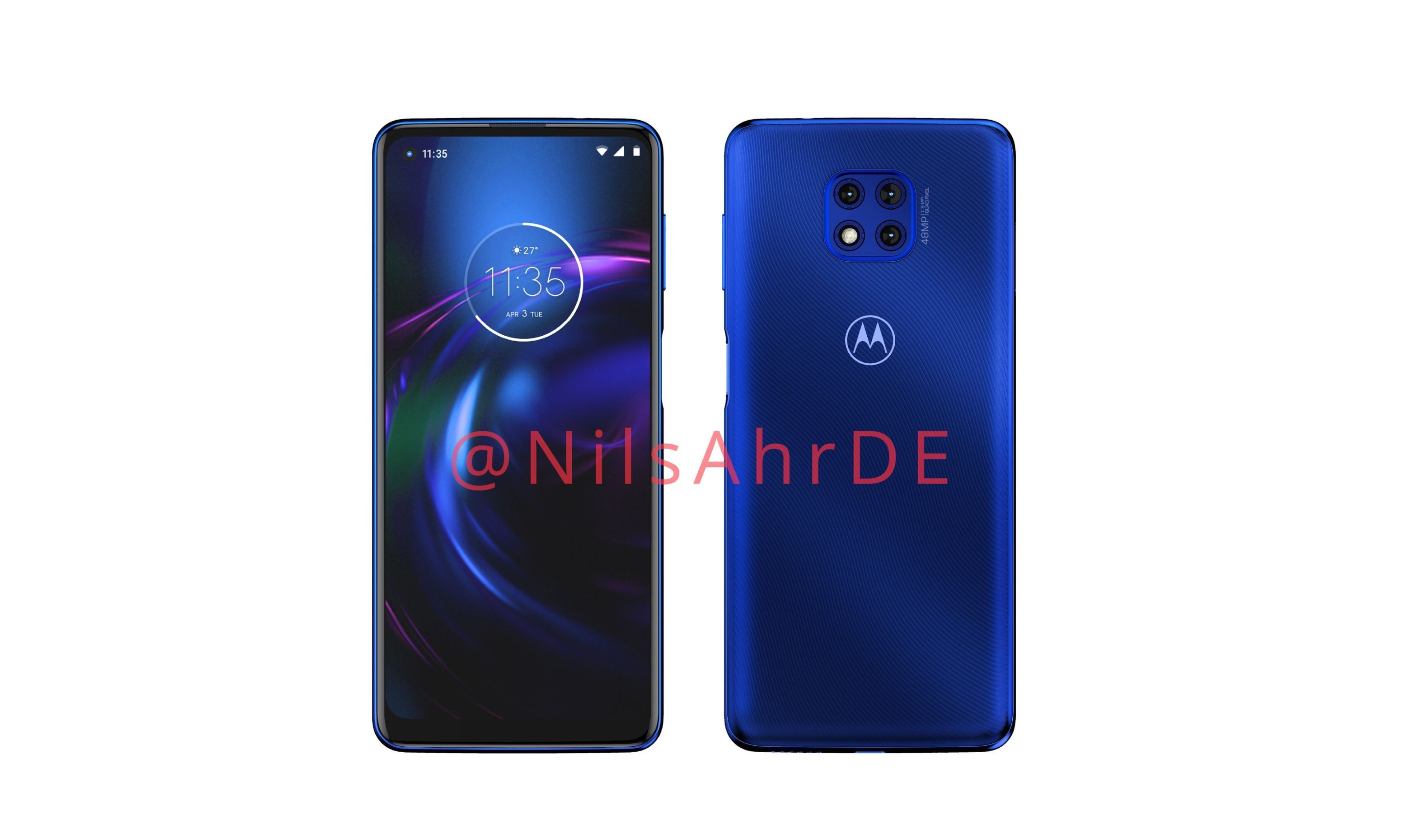
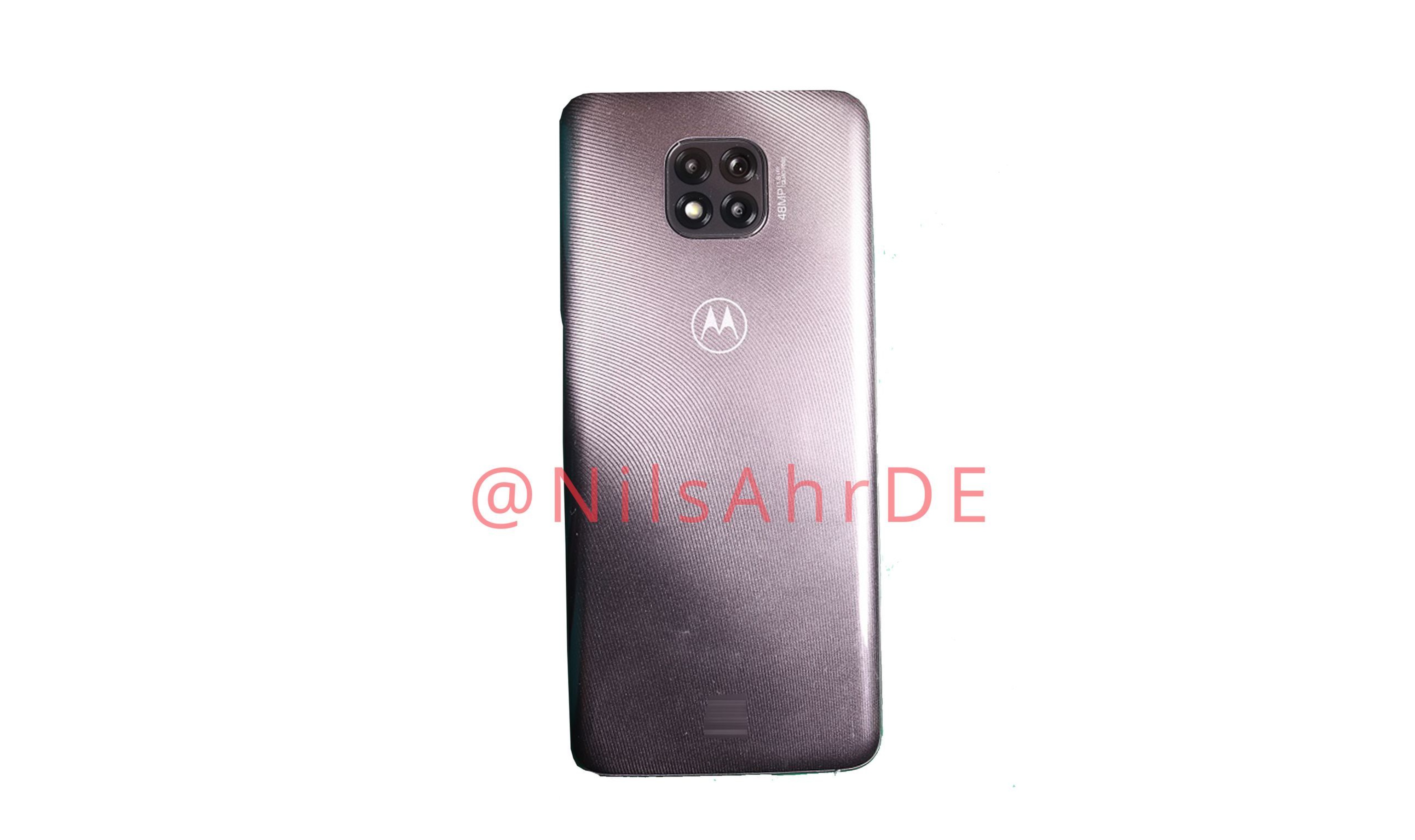
Lately, Lenovo has been releasing the same smartphones with different brandings (Motorola and Lenovo) and specifications in various regions. Back in November, a device said to be the successor of Moto G9 Play leaked in 3D CAD renders. Now, the very same phone has leaked once again as Moto G Power 2021.
The Moto G Power 2021 leak comes from Nils Ahrensmeier of TechnikNews. The tipster shared a render, a live image, and some specs on Voice.
According to him, this smartphone will be releasing in the US. He did not say anything about other regions. But we believe it could go official as Moto G Play 2021 in those markets.
This handset with model number XT2117 will be powered by Qualcomm Snapdragon 662 chipset paired with 3GB/4GB RAM and 32GB/64GB internal storage. It will come with a triple camera setup consisting of a 48MP primary sensor, a 2MP macro shooter, and a 2MP depth sensor.
Interestingly, despite featuring ‘Power’ in its name, the phone will be backed by a not so high capacity 4,850mAh battery. Lastly, it will be available in three colors namely Gray, Blue, and Silver respectively.
Further, going by the renders shared by both Nils and @OnLeaks, the upcoming Moto G Power/Play 2021 will sport a punch-hole (top left-aligned) display, matrix camera alignment, side-mounted fingerprint sensor, USB Type-C, and 3.5mm headphone jack.
That said, the launch dates of these Motorola phones are not known as of now. But they could go official anytime now in the coming days
We use cookies on our website to give you the most relevant experience by remembering your preferences and repeat visits. By clicking “Accept”, you consent to the use of ALL the cookies.
This website uses cookies to improve your experience while you navigate through the website. Out of these, the cookies that are categorized as necessary are stored on your browser as they are essential for the working of basic functionalities of the website. We also use third-party cookies that help us analyze and understand how you use this website. These cookies will be stored in your browser only with your consent. You also have the option to opt-out of these cookies. But opting out of some of these cookies may affect your browsing experience.
Necessary cookies are absolutely essential for the website to function properly. This category only includes cookies that ensures basic functionalities and security features of the website. These cookies do not store any personal information.
Any cookies that may not be particularly necessary for the website to function and is used specifically to collect user personal data via analytics, ads, other embedded contents are termed as non-necessary cookies. It is mandatory to procure user consent prior to running these cookies on your website.









 Similarly, the fixed prices of DRAMs are also expected to rise by around 5 percent in the first quarter of 2021. These chips spot prices were around 3.46 US Dollars back in December 2020, marking a rise of 30 percent from November 2020. This price hike also being witnessed by Chinese companies like Goodix, and LCD components makers like Novatek.