Advertisement

Apple HomePod mini and iPhone 12 Pro Max undergo DXOMARK Audio trial

DXOMARK has released more reports and this time it is the HomePod mini and iPhone 12 Pro Max‘s Audio tests. The former, despite performing well for the size, is nowhere near the competition in score. The iPhone, however, gets a step closer to rankings compared to its sibling.
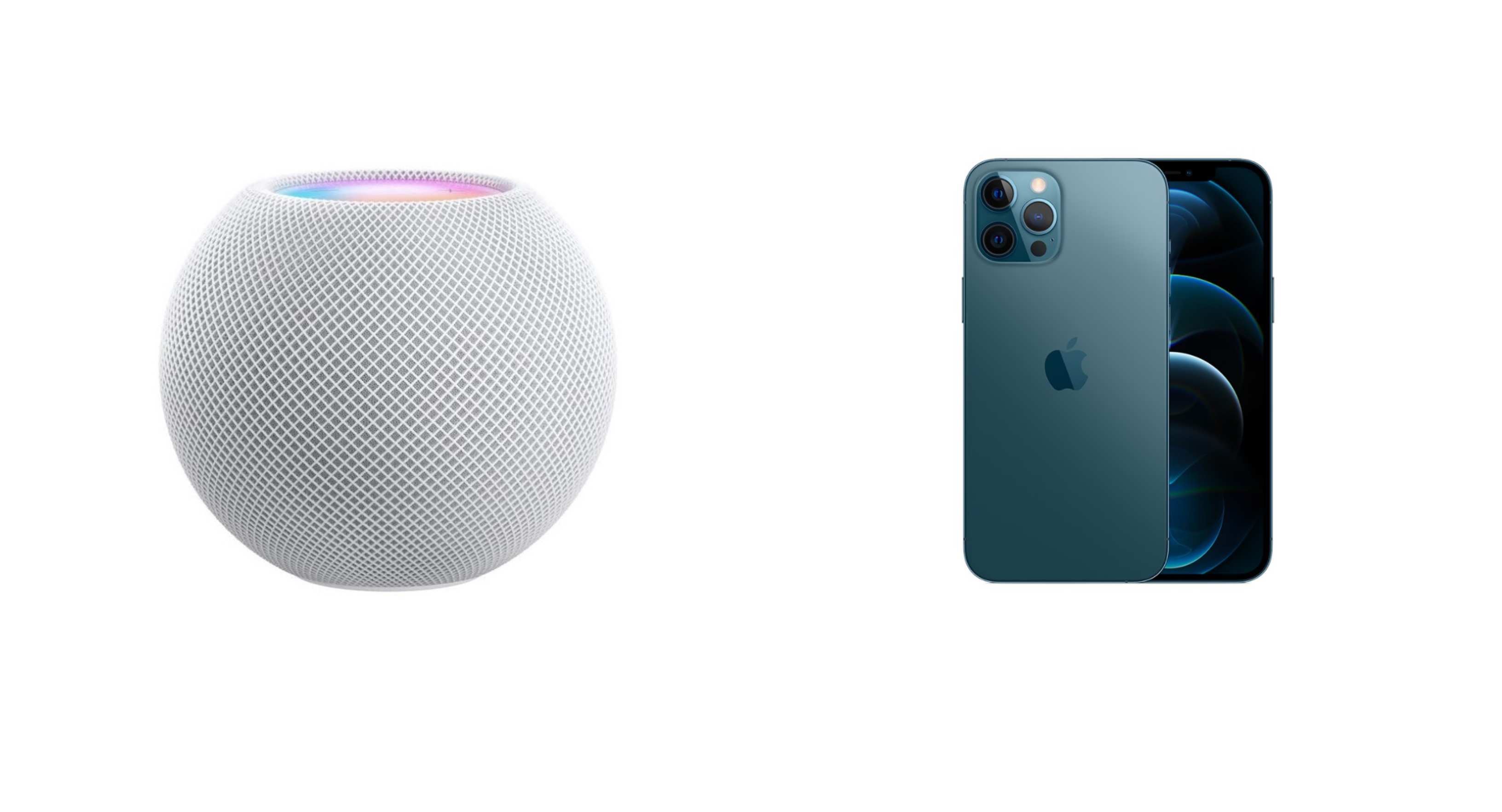
Apple HomePod mini

To begin with, Apple’s HomePod mini gets a global score of 98. Not that this score is outstanding or anything but it seems to do a good job despite a smaller dimension. To compare, top contenders like Amazon Echo Studio and Google Nest Audio sit at the top with 124 and 112 points respectively.

Do note that this category is for Essential Wireless Speakers(under EUR 200). The report says the speaker produces good timbre, treble, and clear mid-range sounds. Although it has a smaller(8.5cm) height, the 360° sound helps it get a consistent sound throughout with less artifacts.
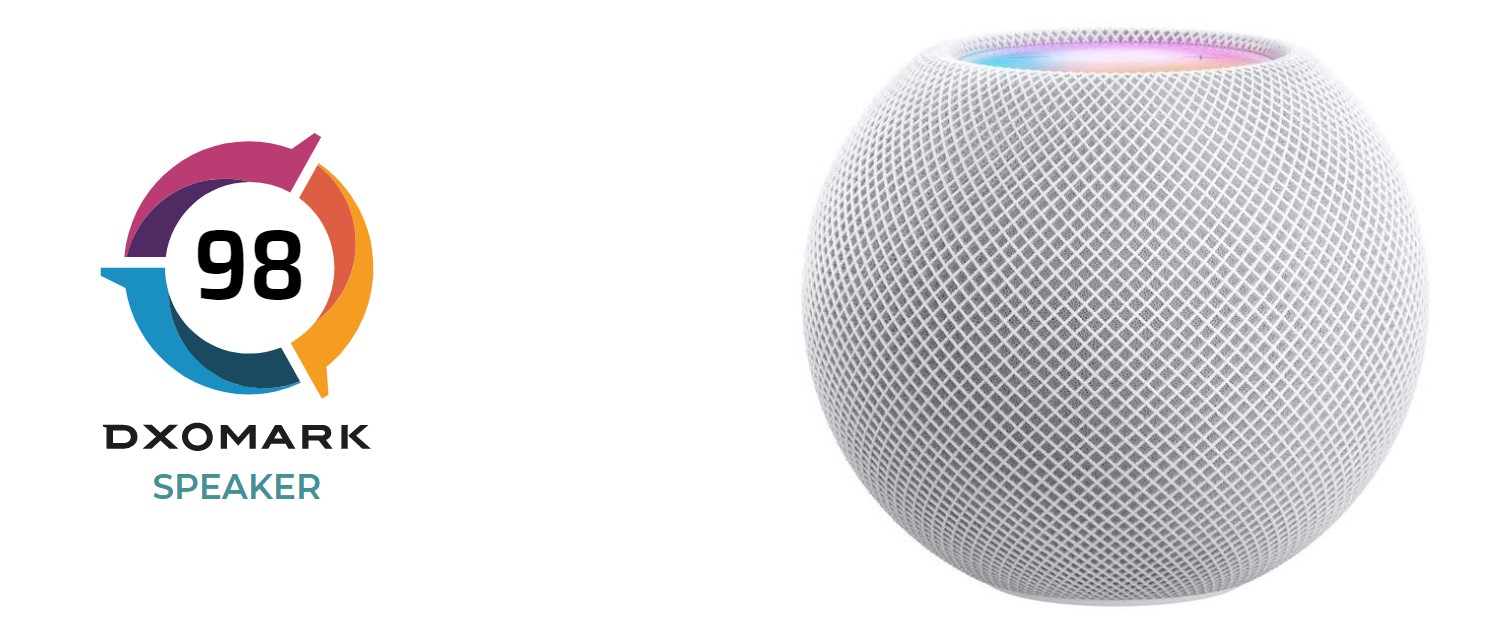
However, it lacks bass, stereo effect, not-so-high Max volume, and has low-mid tones. Typically, it looks to be suitable for indoors(background music), and casual listening but doesn’t impress as a speaker in a loud party scenario.

iPhone 12 Pro Max

Apple’s iPhone 12 recently got a score of 73 points but the higher sibling beats it by a point more. And in doing so, Apple’s 2020 top-of-the-line flagship iPhone 12 Pro Max scores a good 74 overall points. It also gets the better of its spiritual predecessor iPhone 11 Pro Max which is three points behind(71).
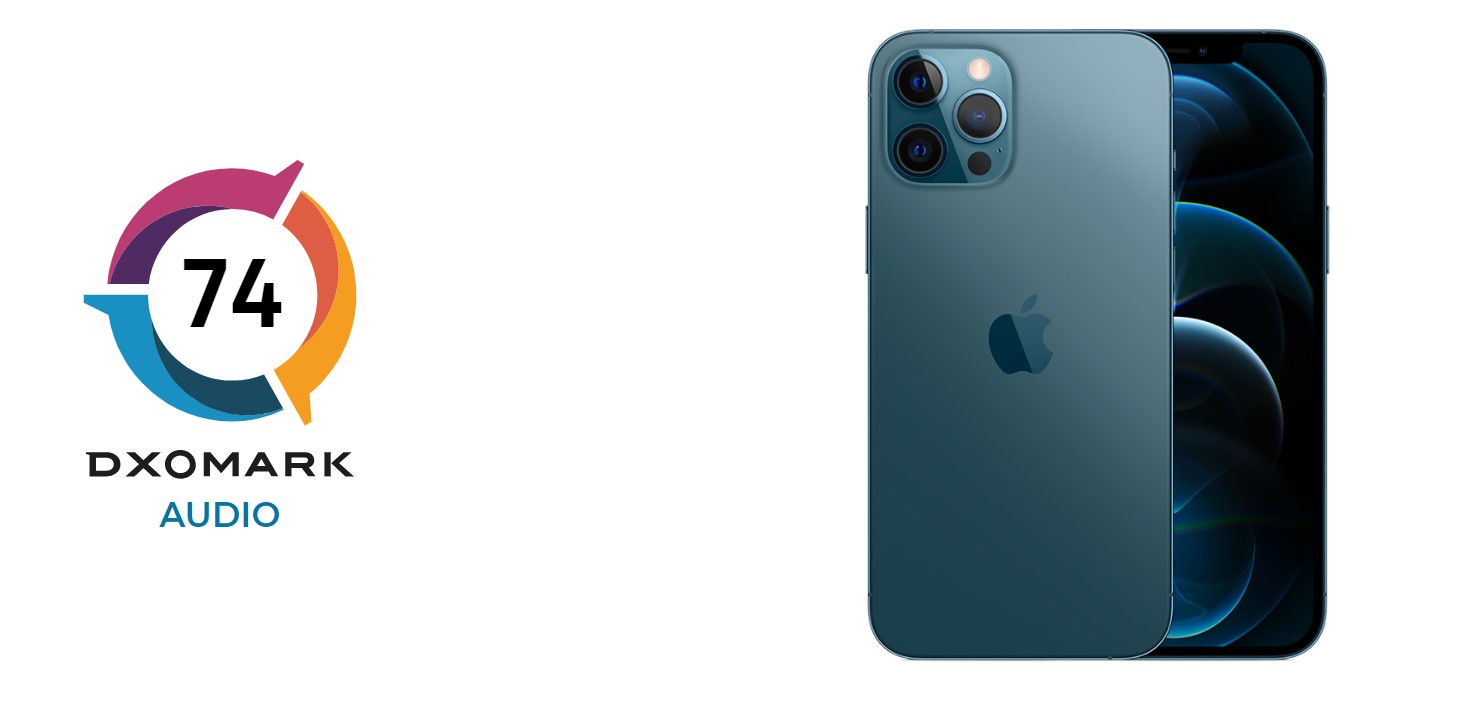
The device offers good timbre with good high-end/low-end extension and consistent tones at all volumes. The dynamics of sound seem to be good and the report also says the speaker is suited for gaming with good spatial attributes(playback).

Overall, Audio is also good when recording/playing in noisy environments, and selfie-videos’ output is above-average. But it has Cons like occluded microphone placement(while playing/recording), small distortion in loud content, too bright and aggressive trebles.


ZTE Axon 20 5G survives JerryRigEverything’s durability tests

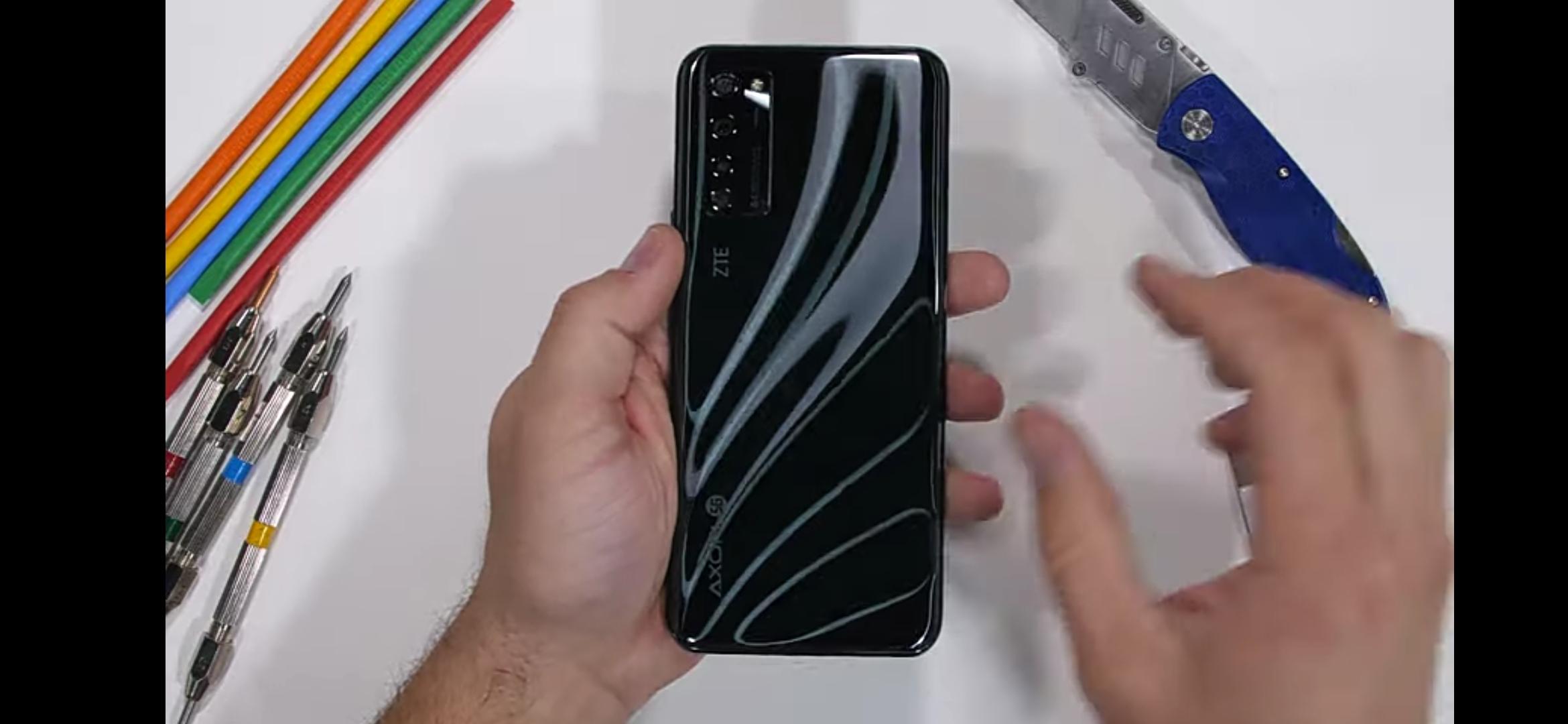
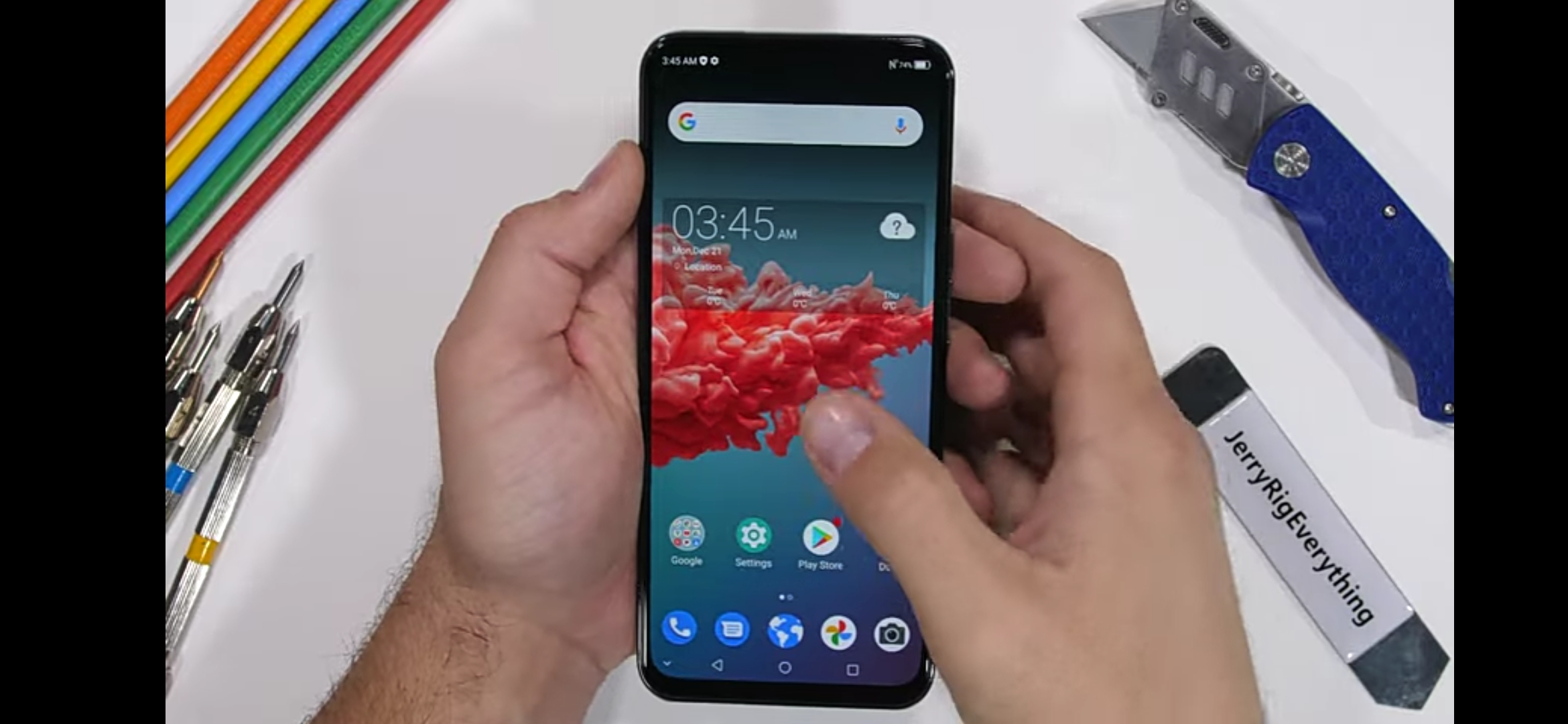
A couple of months back, Chinese tech giant ZTE unveiled the world’s first smartphone with an Under Display camera – the Axon 20  5G. The smartphone has now gotten a teardown treatment by Zach from the YouTube channel JerryRigEverything.ZTE Axon 20 5G

The Under Display camera is the major focus of the Axon 20 5G and that is reflected in the special attention given to it. After analyzing the camera, the Youtuber then proceeded to the usually Scratch, Bend and Burn tests to determine if the device is worth the salt.

For the scratch test, like most other devices with a glass display, it scratches at a level 6 on the Mohs scale of hardness. Zach’s blade was able to chip some chunks clean off the frame because it is made from plastic. Also, the rear panel and camera cutouts are both made from regular glass with the back panel having a cool glossy finish.

The scratch test was also carried out on the under-display optical fingerprint sensor and even after scratches from a level 7 mineral pick it was still able to unlock the phone with ease. However, a quick burn near the selfie cam area of the display messes with its hiding properties and leaves a more visible trail.

During the bend test, the device experienced a slight bend. That isn’t a surprise as the device utilized a plastic frame but despite bending slightly, the device still remains intact.ZTE Axon 20 5G

As a reminder, the Axon 20 5G has a 6.92-inch OLED display with a 2460 x 1080p resolution and a 90Hz refresh rate. It is powered by a Snapdragon 765G processor that draws juice from a 4220mAh battery with support for 30W wired fast charging and Quick Charge 4+.

The phone has four rear cameras – a 64MP primary camera, an 8MP ultrawide angle camera, a 2MP depth sensor, and a 2MP macro camera. The camera under the display is a 32MP sensor. The phone also has an in-display fingerprint scanner, an “under-screen speaker”, and runs Android 10 out of the box.

The Axon 20 5G was recently unveiled for a price tag of $449 for the global market.

UP NEXT: OPPO Reno5 Pro+ 5G launched with Sony IMX766 sensor, SD865, 65W fast charging, and more


MediaTek dethrones Qualcomm to become biggest Smartphone chipset vendor in Q3 2020

Smartphones’ importance in 2020 meant chipset giants like Qualcomm, MediaTek witnessed growth towards the second half of the year. Among this, the latter anticipates that it will ship 500 million 5G chipsets next year. Now, a Counterpoint report says that more than 100 million smartphones were sold in Q3 2020 with MediaTek getting the most share.

MediaTek

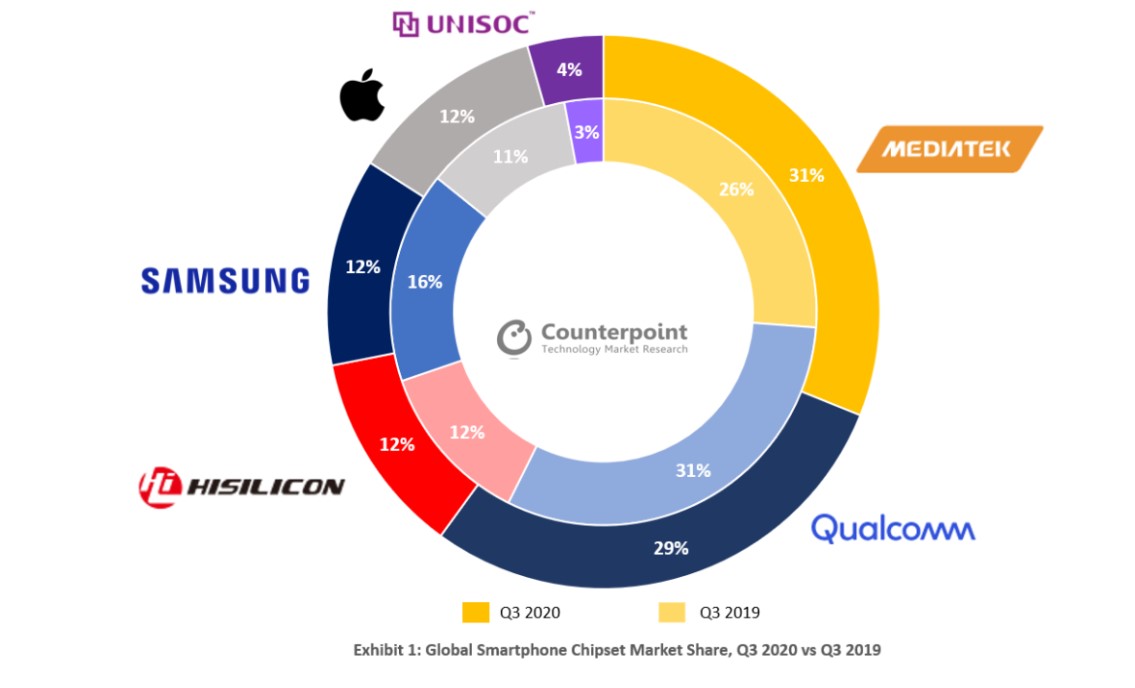
According to the report, MediaTek grabs 31% of the Global Smartphone chipset market share in Q3 2020. Although it didn’t top the 5G category, it overtakes Qualcomm by 2% and also clocks a 5% YoY growth. With this, it gets the crown of biggest chipset vendor for the first time.

Previously, a report on the Application Processor market revealed that MediaTek was trailing behind Qualcomm at a 26% share in Q2. That said, it has gained a lot of grounds on Smartphone chipsets. And it has reportedly happened due to the sale of $100-$250 phones in India and China.

Anyway, the rest of the share is occupied by giants like Samsung, Huawei’s HiSilicon, Apple, and UNISOC. Among this, Apple, HiSilicon, Samsung’s share sits at 12% each while UNISOC gets 4% of the market share. Also, if you notice closely, Huawei’s HiSilicon remains unchanged from 2019 despite showing a declining trend due to the US ban.

Credit: Counterpoint Research

Coming back, the report says Qualcomm was the biggest 5G vendor for Q3. Although only 17% of the devices sold in Q3 were 5G, the company gets a resounding share of 39%. With Smartphone production reviving in Q3, and other equipment sales jumping by 30%, companies have managed to outsell themselves compared to previous quarters.

Research Director Dale Gai says MediaTek has raised the bars with its mid-range chipsets and has managed to power 3x more Xiaomi phones compared to 2019. This, along with good performance in LATAM(Latin America) and MEA(Middle East, Africa), leveraging the ban on Huawei meant it’s progress steered faster.

Just like Research Analyst Ankit Malhotra says, MediaTek also managed to power the World’s cheapest 5G-smartphone realme V3, and Europe’s cheapest 5G-device realme 7 5G. However, it still has a lot of ground to capture in the area where its rival Qualcomm has been dominating. Despite the pressure from Apple’s 5G iPhone 12 series and MediaTek, Report says Qualcomm has the potential to get back in Q4.


OPPO Reno5 4G version appears in hands-on video; bares it all

OPPO unveiled the Reno5 Pro+ today in China but hours before then, a less powerful variant that doesn’t have 5G support appeared on the web. This model, which is called the Reno5 4G is meant for global markets and while it is yet to launch, its specs and design have become public knowledge thanks to an early hands-on video.

OPPO Reno5 4G

The Reno5 4G hands-on video was posted on Youtube by the Indonesian publication, Nextren Grid. The video seems to have been taken at a store, but surprisingly there is no news of a launch.

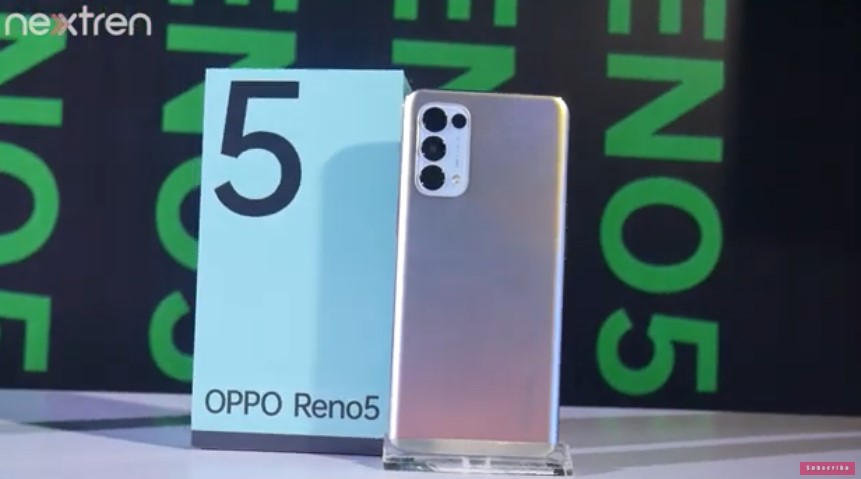
The OPPO Reno5 4G comes in a Cyan-colored box with a big bold 5 written at the top left corner and the phone’s name at the bottom. The phone is shown in two colors – Starry Black and Fantasy White but it is the latter that is better looking with its color-switching design even though it is made of plastic. It also seems to be the one better at hiding fingerprints.

OPPO ships the phone with a 6.4-inch FHD+ display with a hole in the top left corner of the screen and a 90Hz refresh rate. There is Gorilla Glass 5 for protection against scratches and under the screen is a fingerprint scanner. As revealed earlier this month in a leak, the Reno5 4G does come with the same processor as the Reno4 4G which is a Snapdragon 720G processor. Users get a single configuration – 8GB RAM and 128GB of storage.

EDITOR’S PICK: OPPO and Samsung to soon start smartphone production in Turkey

New leak says OnePlus 9 (non-Pro) will finally support Wireless and Reverse Wireless Charging

Leaks regarding OnePlus devices break free every year months before the launch. The trend is continuing with the upcoming OnePlus 9. Although the company hasn’t confirmed the names yet, it is kind of obvious going by the numbers. Accordingly, we have already seen the first hands-on images of the OnePlus 9. Now, an exclusive report by 91Mobiles gives us more details.

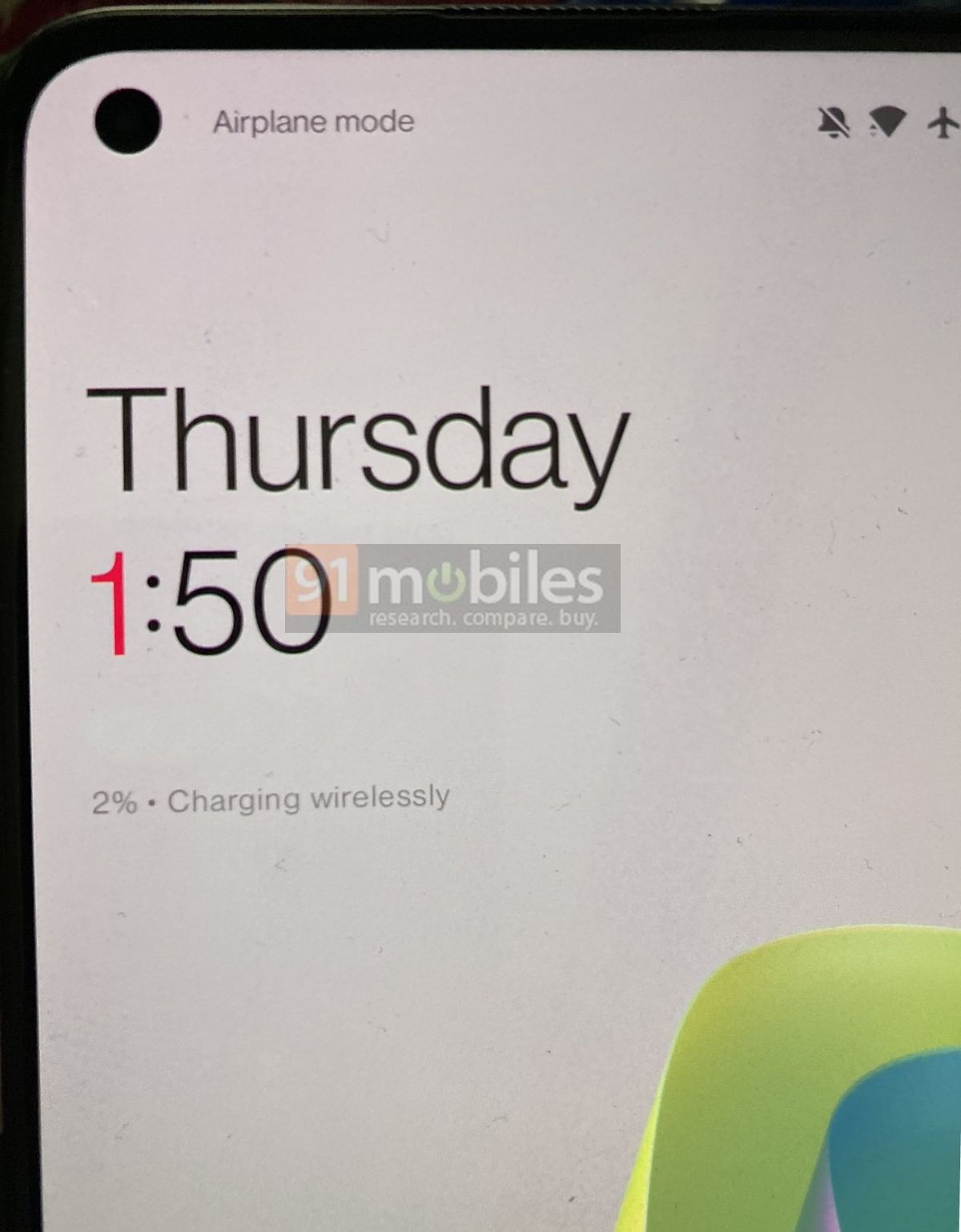
Citing its sources, the report says that the OnePlus 9 will come with a 4,500mAh battery with 65W Warp Charging. This is about a 5% increase in capacity over its predecessor, the OnePlus 8(4,300mAh). Further, if the report is true OnePlus 9 will support Wireless, Reverse Wireless charging apart from having a bigger battery.

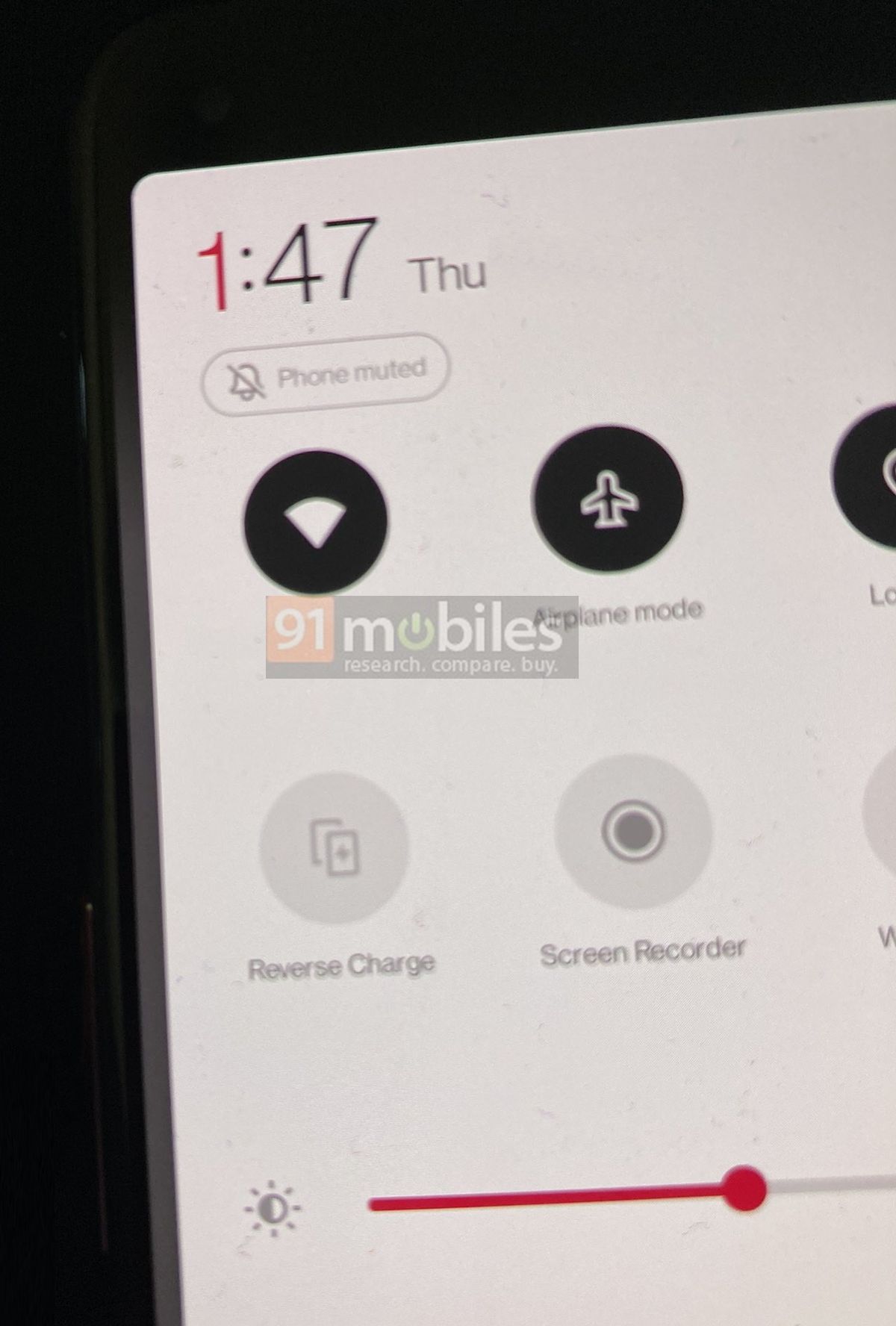
Precisely, the OnePlus 9 will finally support wireless charging up to 30W. Previously, the OnePlus 8 non-Pro didn’t have it back then but the OnePlus 8 Pro was the company’s first to sport it up to 30W. Anyway, it is appreciative of OnePlus finally bringing the nitty-gritty of a premium device to the vanilla model.

Moving on, the report shows two additional images claimed to be of the OnePlus 9 as seen above. One of them even shows a Reverse Charge icon in the quick-pull down menu. This indicates that the device could also support Reverse Wireless charging. That’s a no-brainer considering the 8 Pro also had it.

However, the OnePlus 8 Pro had a very slow-rated reverse wireless charging speed. In fact, it’s very slow that OnePlus doesn’t even mention it in the spec sheet on the website. Either way, let’s hope the company spices it up this time as it will be helpful for quickly juicing up accessories like Wireless earbuds that are getting popular these days.

The OnePlus 9 is expected to feature a 6.55-inch FHD+ AMOLED 120Hz flat display, Snapdragon 888 SoC, 50MP/48MP triple-camera setup(Leica branding), at least have 8GB RAM, 128GB storage, and ship with OxygenOS 11 based on Android 11, and debut in mi-March of 2021.

Best Entry-Level Smartphones of 2020 (India)

Being among the largest smartphone markets across the globe, companies are actively launching new smartphones in India. To attract price-conscious buyers, there are plenty of offerings from the smartphone manufacturers in the entry-level and mid-range segments. We have concluded a list of the best entry-level smartphones of 2020 launched in India.

Must See: Gizmochina’s Best Android Smartphones of 2020

Best affordable smartphones in India (2020)

1Samsung Galaxy M01

Samsung Galaxy M01
Samsung Galaxy M01

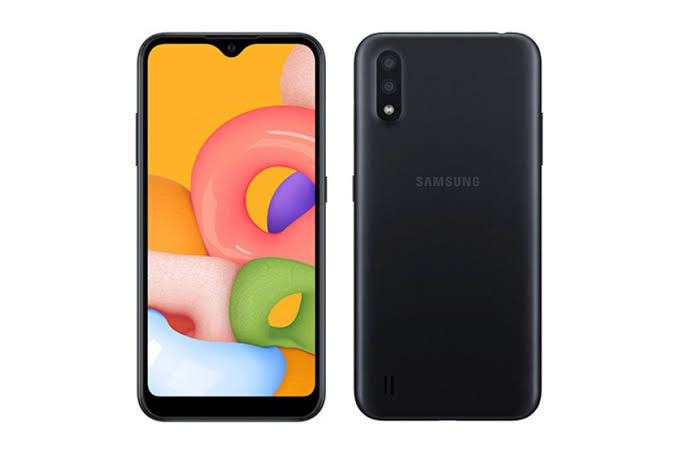
The M01 is Samsung’s attempt to lure the entry-level segment while still offering value-for-money. The device houses Snapdragon 439 SoC with 2/3GB  RAM and 32GB internal storage. There’s a 5.7-inch PLS IPS HD display. A dual-rear-camera with 13MP primary and 2MP depth camera is present. Meanwhile, a single 5MP is encased in water-drop display on the front. It is available in India for Rs 5,999 and Rs 7,499, respectively for different storage variants.

Price: Rs 5,999

Buy Now

2Redmi 9

Xiaomi Redmi 9 Launch

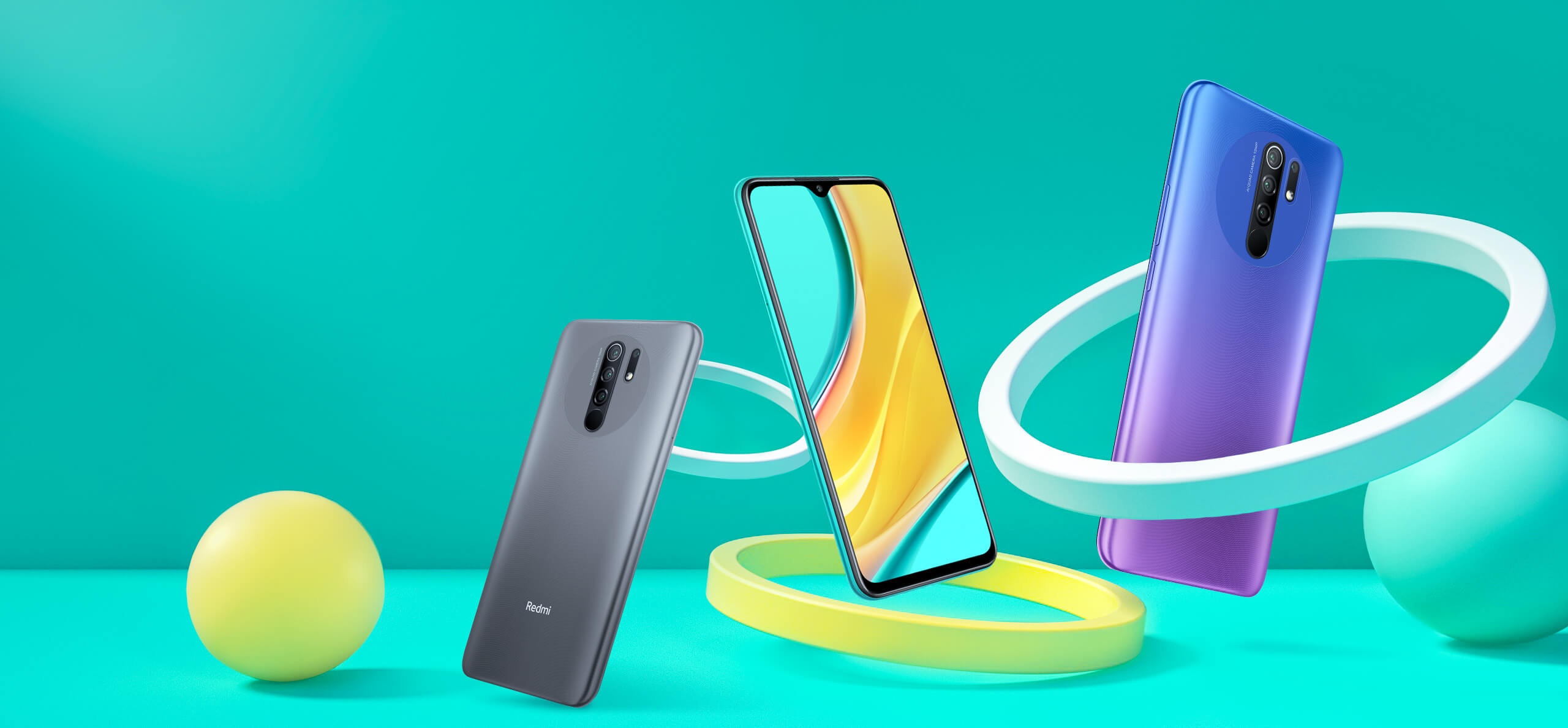
Redmi launched the Redmi 9 smartphone in June carrying a 6.53-inch IPS LCD with 1080 x 2340 pixels resolution. It comes powered with MediaTek Helio G85 SoC coupled with 3/4/6GB RAM and 32/64/128GB internal storage. It houses a quad-rear camera with 13MP + 8MP + 5MP + 2MP lenses configuration. An 8MP sensor resides on the front for selfies.  The device is available in India for Rs 8,999.

Price: Rs 8,999

Buy Now

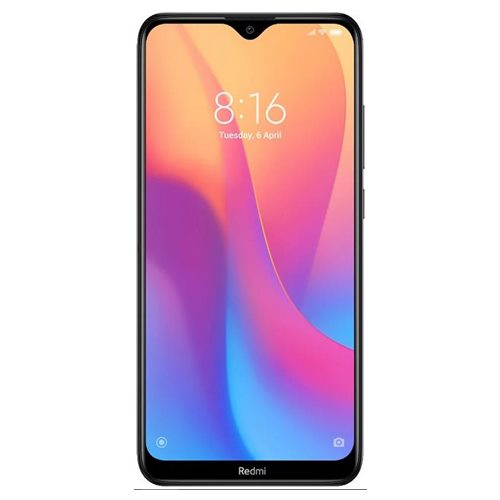
3Redmi 8A Dual

Xiaomi Redmi 8A

Redmi 8A dual runs on Qualcomm Snapdragon 439 and is available in 2/3GB RAM and 32/64GB storage. The device carries a dual-rear camera including a 13MP primary camera and a 2MP depth lens. Meanwhile, an 8MP camera is present on the front. Redmi 8A Dual features a 6.22-inch IPS LCD display with 720 x 1520 pixel resolution. A 5000 mAh battery with 18W charging can be enough for a couple of days usage.

Price: Rs 7,999 (3GB RAM+64GB)

Buy Now

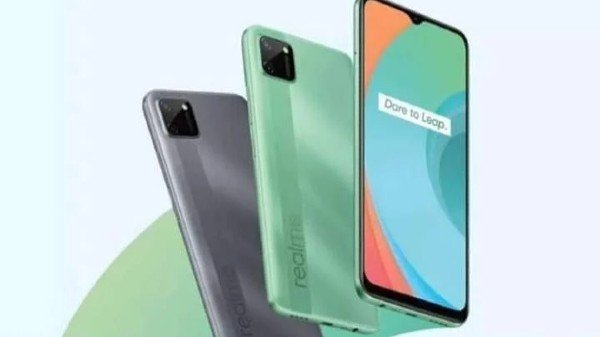
4Realme C11

Realme C11
Realme C11

Realme’s affordable smartphone – Realme C11 is available with MediaTek Helio G35. It features a 6.5-inch IPS LCD display with 720 x 1520 pixels resolution. There’s a dual-rear sensor (13MP + 2MP) and a single 5MP sensor on the front.  It houses a 5000 mAh battery with 10W fast charging. Realme C11 comes in two storage variants of 2GB RAM + 32GB storage and 3GB RAM + 32GB storage.

Price: Rs 7849

Buy Now

5Realme Narzo 20A

Realme Narzo 20A

The Realme Narzo 20A smartphone runs on Android 10 based Realme UI and houses Snapdragon 665 SoC. There’s a 6.5-inch LCD display with 720 x 1600 pixels resolution. It comes with Qualcomm Snapdragon 665 SoC and 3/4GB RAM + 32/64GB Storage. There’s a triple-camera module featuring a 12MP primary camera and 2x 2MP depth sensors. An 8MP camera sits on the front for selfies.

Price: Rs 9190 (3GB RAM + 32GB)

Buy Now

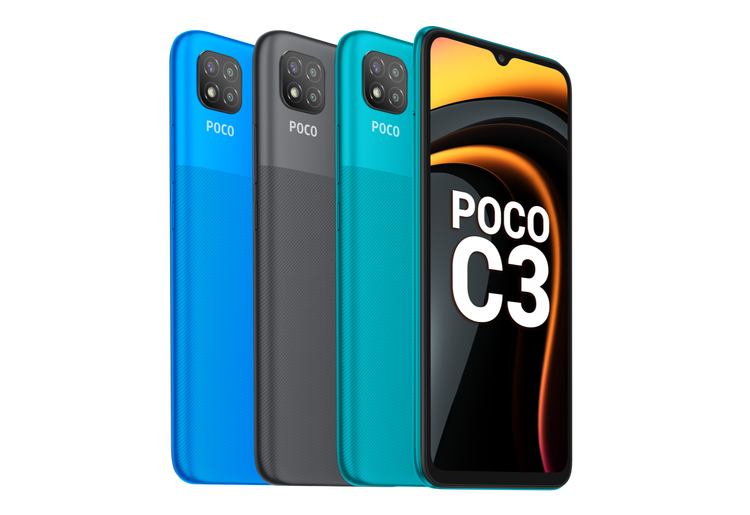
6Poco C3

POCO C3
POCO C3

Poco recently unveiled Poco C3 to diversify its budget lineup. The smartphone features a 6.43-inch IPS LCD display carrying a 720 x 1600 pixels resolution. It comes powered with MediaTek Helio G35 SoC, coupled with an octa-core PowerVR GE8320 GPU. Poco C3 is available in two storage options of 3GB RAM + 32GB storage and 4GB RAM + 64GB storage.  A triple rear-camera module with 13MP + 2MP + 2MP is present. There’s a 5000 mAh battery with 10W fast charging.

Price: Rs 7922

Buy Now

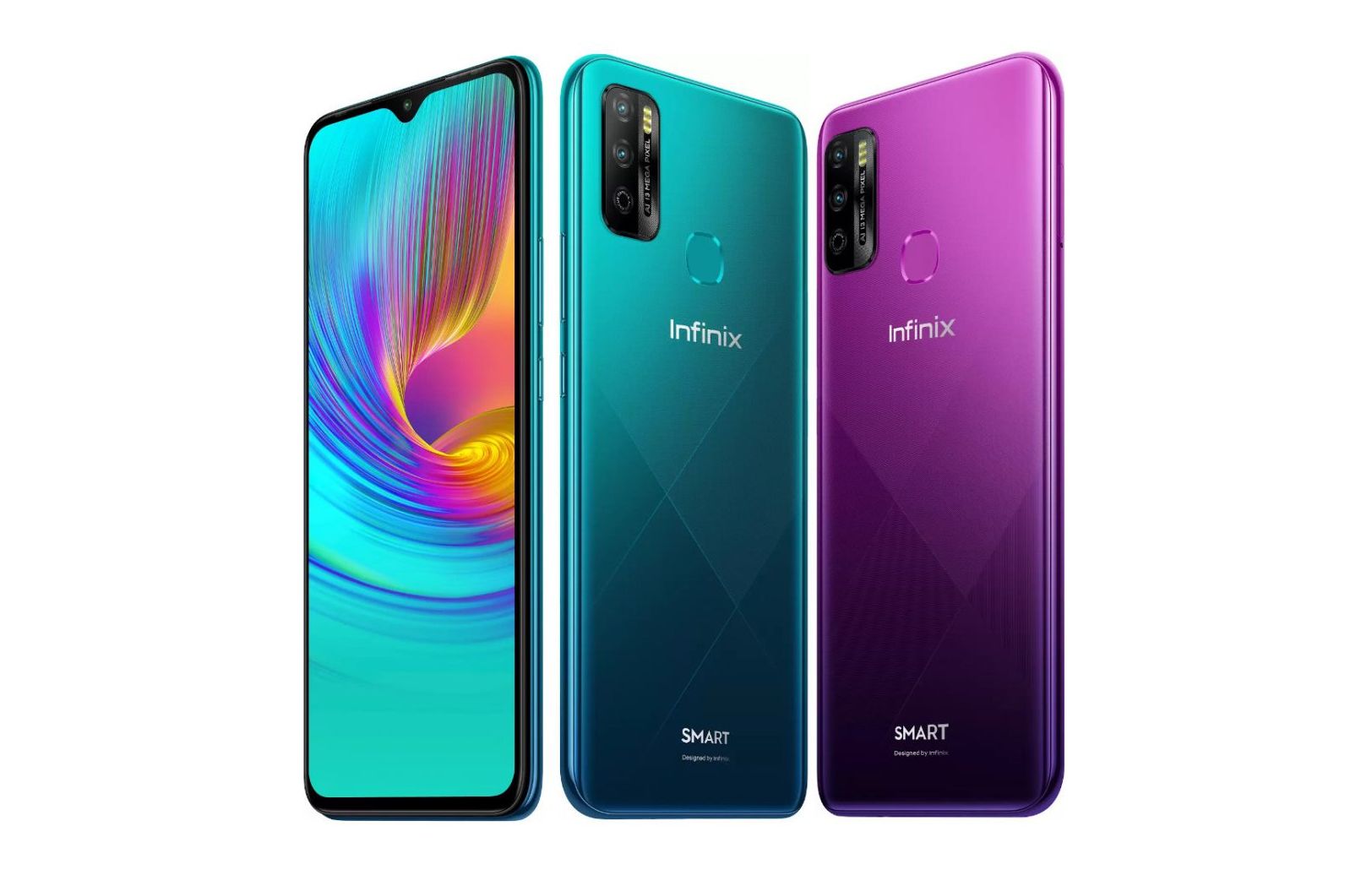
7Infinix Smart 4 Plus

Infinix Smart 4 Plus

The Infinix Smart 4 Plus is another useful device that comes with a MediaTek Helio A25 SoC, 3GB RAM and 32GB storage. There’s a 6.82-inch LCD display carrying 720 x 1640 pixel resolution. It houses a dual-rear camera coupled with a 13MP primary camera and another depth sensor. An 8MP selfie camera is present on the front.

Price: Rs 7999

Buy Now


There are several other devices available in the entry-level segment, but the above ones are popular in India. Xiaomi and Redmi drive the majority of the sales in the affordable smartphone market. However, we can expect better devices in 2021 at more competitive prices.

So do you think any other model deserves a place in this list? Let us know in the comments section below!

Related: Gizmochina’s Best Android Smartphones of 2020

Samsung Galaxy Smart Tag design revealed in two Color options

Samsung is working on a Galaxy Smart Tag and the trackers have already received Indonesia Telecom Certification. Now, an exclusive report by 91Mobiles shows the first-look of the Smart Tag.

Galaxy Smart Tag

According to the report, tipster Ishan Agarwal has found a GIF(Graphics Interchange Format) of the Galaxy Smart Tag. This lossless image file appears on the latest APK file of the Samsung SmartThings App. If we recall, the South Korean giant unveiled a new SmartThings Find feature on the App to help locate our devices(when offline).

Anyway, the image shows a device with a rounded-square design. As you can see below, when titled it does look like a diamond shape with tapered edges. Although Samsung hasn’t departed too much from the ubiquitous design, the edges do look a bit more curved than others like Tile Trackers.

Credit: 91Mobiles

There is a ring shape at the center and a cut-out at the top which could either be a button or a hole for Lanyard. Also, just like the previous leaks, this reveals the Smart Tag in Black and White(Oatmeal) Colors. A small animation also depicts the Tracking(Bluetooth) functionality of the tracker.

In case you don’t know, Smart Trackers(like Tile) are the devices that use Bluetooth LE(Low-Energy) and Battery to help find essential objects like Keys, wallets, remote, earbuds, Smartphones etc. Samsung has already launched a similar product called SmartThings Tracker in 2018.

That said, the new Tracker should bring improvements like Bluetooth 5.1, UWB(Ultra Wide Band), interfacing with NFC, and RFID. Besides, the naming of ‘Smart Tag’ does sound a bit familiar to Apple’s rumored AirTags.

Earlier this month, a trademark filing at EUIPO revealed Samsung Smart Tag with a model number EI-T5300. The same has been spotted on Bluetooth LE and South Korean certifications. With the new Tracker, Samsung will probably take on the competitors in US, Europe.

The company will likely launch it alongside the Galaxy S21 series on January 14 and price it around EUR 15(₹1,344).


Nokia’s 5G deal with Telecom Italia (TIM) deals another blow to Huawei

Italian mobile network provider Telecom Italia has decided to continue to retain Nokia as its major supplier in its planned purchase of equipment for building a 5G network, thus significantly scaling down its reliance on Huawei, sources say. This move may not be unrelated to pressure to exclude the company completely on security concerns.Nokia Logo

The United States has lobbied Italy and other European allies to avoid using Huawei’s equipment alleging it could pose a security risk – a charge Huawei has continued to debunk. Italy has so far declined to slam an outright ban on Huawei for now.

At the start of the year 2020, Italy’s defunct national telecoms provider, Telecom Italia (TIM) had considered the possibility of splitting the supply contract for the radio access network (RAN) part of its 5G architecture between Huawei and Sweden’s Ericsson, sources had said.

The RAN architecture consists of the base stations and antennas that serve as an interface between a user’s smartphone and the mobile network. It accounts for the bulk of the cost of a new network.

The helsinki-based company, Nokia which has previously been among TIM’s mobile RAN equipment suppliers, was earlier projected to likely miss out on the 5G RAN order. However, the agreement has since been reviewed and has captured supplies from the Finnish giant.

Ericsson is expected to provide the bulk of the 5G equipment supplies to TIM, while Huawei and Nokia will get up to 25% each of the supplies, according to a reliable source earlier on Wednesday.

At this time, a definitive statement is still being expected from the companies, as neither of them was willing to either confirm or deny the claims. There is however no public evidence of the initial agreement which would have seen Nokia dropped.

As a direct consequence of the US clamp-down on Huawei, telecom operators in Europe have become more circumspect in continuing their previous supply contracts and other operations with the Chinese company. Several sources who are conversant with the matter said it is obvious that Rome has aligned itself with US concerns and adopted a more reserved approach in consummating 5G deals by encouraging operators to diversify their 5G suppliers – a way of reducing the influence of Huawei.

This present move follows the action of Telecom Italia earlier this year, who did not consider extending an invitation to Huawei to tender for a 5G equipment supply contract for its core network operations.

UP NEXT: OPPO Reno5 Pro+ 5G launched with Sony IMX766 sensor, SD865, 65W fast charging, and more


Telegram new update brings Group Voice Chats, New Animations, SD card support, and more

Telegram seems to emphasize more on engaging Group activities. Back in October, it brought comment sections, anonymous admins to Public Channels. Now, it has made quite the jump in improving the virtual office-like experience with the latest update. The new update brings always-on Voice Chats, SD storage support, and more.
Telegram, in its blog post, explains the benefits of using Voice chats. According to the company, the new Voice Chat is not a mere replacement to Voice call but it “achieves similar goals”. Precisely, Groups can now turn on this feature and become a Voice Chat room similar to Discord App’s features.

Voice Chats

You can create a Voice Chat for your group by navigating to a Group’s Profile-> Tap (⋮)->Start Voice Chat. After joining a chat, users can do other things in the App. If you go into the same group, you can see a special bar at the top which shows who is talking at that moment. Telegram says that individuals also get a dedicated chat and microphone toggles to access anytime.

Android users also get a full-fledged experience with a system-wide floating widget functionality.  The float shows three options- Speaker, Mic, Leave button. The Voice Chat, as Telegram says, can include a few thousand participants but a definitive limit is not known.

For Desktop mode, Voice Chats also get a Push-to-talk shortcut. Even when the window isn’t live, you can hold the SPACEBAR key to go live and voice your message. In any case, Future updates will bring improvements like Noise cancellation, video, and screen sharing.

Other Additions

Apart from Voice Chats, stickers get a nifty-little update where an outline will show before the animation sticker is loaded. On Android, Telegram has added improvements to animations for the New Message button, opening profiles, managing chat folders.

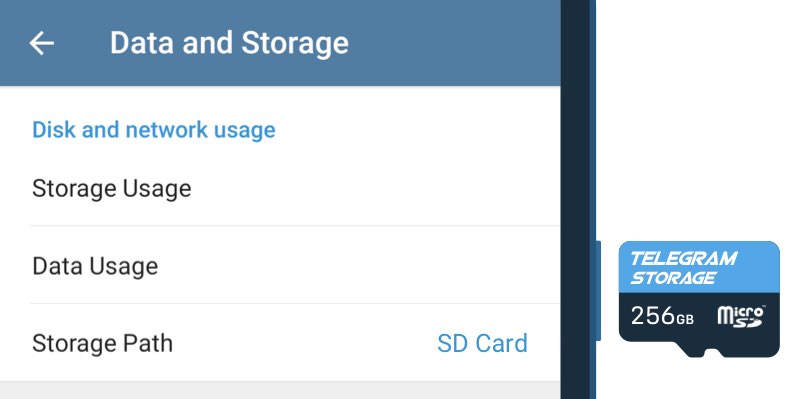
We also get a new set of animated emojis this time just like the earlier update. An update to Android also includes the option to Telegram Data to SD card. As for iOS and Android, users can now tap on Photo sent to quickly edit and resend it. iOS also gets a Siri reading messages on headphones. You can toggle it in iOS settings->Notifications > Announce Messages.
 

Stable version of MIUI 12.5 will reportedly arrive Late February of 2021; Beta to begin next month

Earlier this month, Xiaomi confirmed the arrival of the next iteration of MIUI, the MIUI 12.5. Now, we have some details on the intermediary version(x.5)’s Beta and stable release timelines.

MIUI 12 Logo Mars

As per a Telegram post, the stable version of MIUI 12.5 will arrive as soon as Late February of 2021 in China. This information is posted on the Xiaomi MIUI Turkey channel. The post also mentions that there are no plans for Closed Beta at least till 2020 ends.

MIUI 12.5 will be a moderate upgrade from the MIUI 12 that launched back in April 2020. In the past, similarly named MIUI versions like 11.5, 10.5, and 9.5 haven’t really brought any significant changes. That is, Xiaomi keeps things simple for such versions and uses it to get ready for the next big UI change.

Coming back, the post says the delay is probably due to the vacation time in China. At the confirmation of MIUI 12.5, it had said that it will be suspending the weekly Beta Builds. In case you don’t know, Xiaomi generally begins with a Closed Beta where only Few individuals get the hang of the new MIUI.

Later, it gets expanded to weekly Beta before reaching the Stable version. Anyway, the next MIUI version is expected to get a new Desktop mode(like the Samsung DeX), revamped animations, and few changes to privacy as well. If the report is true, a Closed Beta would begin in January of 2021 and if you are a Global user, don’t expect a stable version to arrive anytime before Q1 2021 ends.

That said, we also can’t rule out the possibility of Xiaomi announcing the new UI at the Xiaomi Mi 11 launch. Let’s wait for more details in the coming days.


Tianma plans on shipping 20 million flexible panels in 2021

Tianma is planning on shipping a total of 40 million OLED display panels next year. Out of this figure, 20 million units are flexible OLED panels that are planned for shipments in 2021.

Tianma

According to TheElec report, the Chinese display maker’s goal is half of BOE‘s target of shipping 40 million flexible OLED panels, which it announced back in August 2020. market research had also found that Tianma has already shipped around a million OLED panels this year, so the target for next year is a whopping 40 times this figure. The analysis from Stone Partners also estimates that the company will only be able to ship 7.5 million OLED panels in 2021, which is just around 20 percent of the company’s far fetched goals.

At the moment, Tianma is proceeding to place orders for equipment for its 6th gen OLED factory, TM18. This equipment will be placed in the factory by the first half of 2022 and will have a production capacity of 48,000 substrates per month, which is higher than its current gen TM17’s 37,500 substrates production capacity. Furthermore, the company is producing its rigid OLED panels at its TM15 factory in Shanghai and has been used to supply smartphone OEMs like Xiaomi, Lenovo, Asus, HTC, and LG Electronics.

Tianma

Notably, the company’s flexible panels are also being tested by Xiaomi, Vivo, and Honor. Tianma also has a chance of becoming another supplier of Xiaomi along with BOE. At the moment, both display makers are facing difficulties in securing customers for their flexible OLED panels, especially after the void left behind by Huawei. Currently, many smartphone brands are yet to adopt flexible display technology.


Xiaomi takes a jab at OnePlus, asks its buyers ‘Why Settle for less’

In recent times, brands taking jabs at each other through advertisements on billboards or even social media has a lot more common. Companies use these platforms to sometimes playfully mock each other, and now, Xiaomi has joined in as well, taking a dig at OnePlus and its ‘expensive phone.’

The jab from the Chinese tech giant arrives just shortly after OnePlus mocked Apple saying, “In a world of apples, stand out with a OnePlus.” While the Cupertino based giant didn’t respond to the matter, Xiaomi took the opportunity to fire its own response. In the same Twitter thread as the original, saying “But why settle for less when you can have more. New Year. 108MP resolution,” as a response to OnePlus’ first tweet.

Notably, in the Xiaomi response, the company even shared an image of its recently launched Mi 10T Pro, which sports a 108 megapixel primary camera on the rear. Furthermore, the Chinese smartphone maker also had used the hashtag “SettleFor Better,” which is another jab at OnePlus, whose motto is ‘Never Settle.’ At the moment, OnePlus has yet to respond to this, but we hope to see another round of banter. So stay tuned for more, as we will be providing updates on this matter.


OPPO Reno5 Pro+ 5G launched with Sony IMX766 sensor, SD865, 65W fast charging, and more

The OPPO Reno5 Pro+ 5G has just been launched. It is the company’s latest flagship and features top notch specs like the Qualcomm Snapdragon 865 SoC, Sony’s high end IMX766 image sensor, and other notable features.

Camera

The Chinese tech giant held a conference earlier today (24th December 2020), where it officially unveiled the premium grade handset. One of its highlighting features is its cameras, with its primary lens being an IMX766 sensor, which was jointly developed with Sony. The sensor is able to intake 63.8 percent more light in comparison to IMX586 sensor. This translates to brighter and clearer photos and videos. This sensor has a 1.0μm large pixel and a size of about 1/1.56 inch.

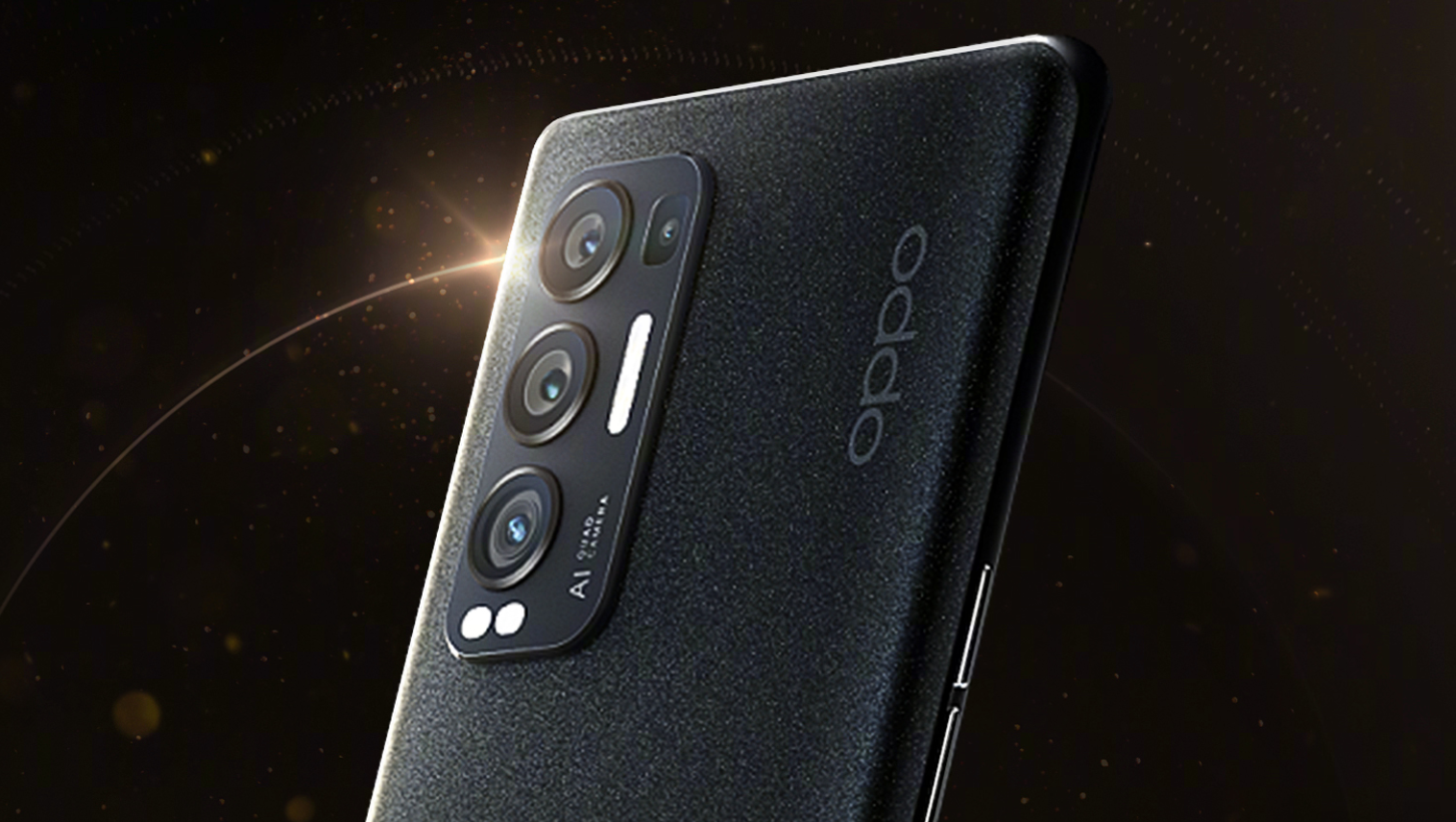
OPPO Reno5 Pro+ poster

The device sports a quad camera module on the rear, with a 50 megapixel primary camera, 16 megapixel ultra wide angle lens, 13 megapixel telephoto shooter, and a 2 megapixel marco sensor. Its telephoto lens offers a 5x hybrid zoom. Furthermore, the OPPO Reno5 Pro+ 5G supports DOL-HDR (digital overlay dynamic range technology), which improves the dynamic range and image and video quality when recording.

On the front, the Reno5 Pro+ 5G houses a 32 megapixel selfie shooter in a punch hole display. Additionally, the smartphone supports full pixel omnidirectional focusing technology with a unique 2×2 pixel structure, which enables faster and more accurate focusing. This also allows video lock tracking that locks onto a static subject to offer better stabilization during focus tracking.

OPPO

Specifications and Features

The display on the OPPO Reno5 Pro+ 5G is a 6.5 inch FHD+ curved display with a 90Hz high refresh rate. Under the hood, a Qualcomm Snapdragon 865 SoC runs the device, which is paired with up to 12GB of RAM and 256GB of internal storage. The device is powered by a large 4,500mAh battery pack that supports up to 65W fast charging. In terms of thickness, the device only measures 7.9mm and weighs 184 grams. For cooling, a three dimensional VC liquid cooling system is housed as well.

OPPO

Price and Availability

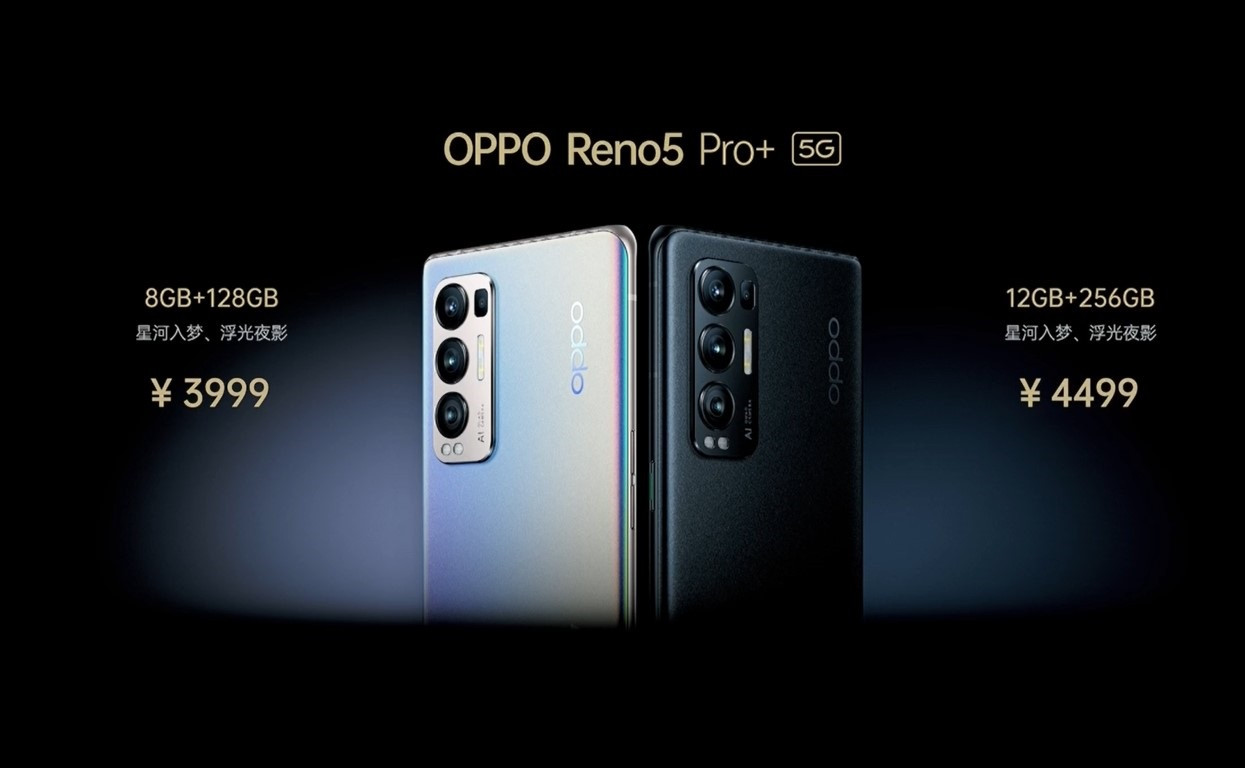
The OPPO Reno5 Pro+ 5G is priced at 3,999 Yuan (roughly 612 US Dollars) for the 8GB RAM and 128GB storage variant and 4,499 Yuan (roughly 690 US Dollars) for the 12GB RAM and 256GB storage. It will officially launch on 29th December 2020 and arrives in either black or white two color options. Notably, the company is collaborating with known artist Joshua Vides for a limited edition of the device, which is priced at 4,499 Yuan as well; its pre order begin from 18th January 2020, and sales start from 22nd January 2020.


Realme has launched MediaTek powered 5G smartphones in Taiwan

Realme has just launched two new 5G smartphone in Taiwan. The new smartphones are the company’s efforts to expand its presence and market share in the region and feature MediaTek processors.

Realme X7 Pro teased

The two new 5G enabled handsets includes the Realme X7 Pro and Realme 7. Both devices sport MediaTek’s Dimensity chipset that supports the newer and faster bandwidth. Looking at the higher end model first, the Chinese tech giant’s Realme X7 Pro features MediaTek Dimensity 1000+ SoC, and will start for a price of 13,999 New Taiwan Dollars (roughly 500 US Dollars), which can be higher depending on the memory configuration the customer chooses.

On the other hand, with the Realme 7, the company is pushing for the mid range segment, which is its strong suit. The device is powered by a MediaTek Dimensity 800U processor and is priced at 9,990 New Taiwan Dollars (roughly 355 US Dollars). Realme is aiming at growing its foothold in Taiwan by launching budget friendly 5G enabled smartphones. The devices would help accelerate the development and growth of the 5G handset market in the region and also boost’s the company’s market share, as per hung Hsiang-wei, chief commercial officer of Realme Taiwan.

Realme

According to the DigiTimes report, the company is currently the fifth largest OEM in the Taiwanese market in November with just a 5 percent share. Although, its 5G offerings are expected to account for 40 percent of its total smartphone shipment in 2021, based on local retail channels. The other major players in Taiwan include Apple, Samsung Electronics, Oppo, and Vivo, with the market having shipped a combined 620,000 units last month.


Russia’s own version of TikTok is being developed with Vladimir Putin’s Alleged Daughter Katerina Tikhonova

Russia is apparently working on its own version of TikTok. The nation’s leading media holding, which is backed by the state’s energy giant Gazprom, is planning on launching a short video sharing application similar to the popular social media platform.

TikTok

Gazprom-Media CEO, Alexander Zharov, confirmed the news and stated that the holding had purchased a service called “Ya Molodets” (“I am great”). According to Zharov, the app was developed with support from the Innopraktika foundation, which is an organization run by one of Vladimir Putin’s alleged daughters Katerina Tikhonova. The media firm will “use the project’s software to speed up the creation of a new video service for Russian bloggers.”

As per the NDTV report, the CEO said that the app will be launching within two years and will support short portrait videos, similar to ByteDance’s TikTok. For those unaware, Gazprom-Media is one of Russia’s largest media organizations and owns a number of the top television channels and a range of radio stations as well. The news of the upcoming TikTok alternative also arrives as the government is tightening its reins around the internet and platforms like YouTube that offers independent sources of news.

TikTok
Russia’s RuNeta

Zharov further added that the company has been working on the platform for “about a year to modernize it and make it no worse than YouTube in terms of tools.” Notably, the country is also working on RuNet, which is essentially a nationwide intranet. This would enable it to control both the platforms and the content being portrayed on it.


Samsung Galaxy Buds Pro key details and pricing leaks ahead of launch

Samsung is rumored to launch its Galaxy S21-series flagship smartphones at a launch event on 14th January. At the same event, along with the phones, the company is also expected to launch its next-generation TWS earphones — Samsung Galaxy Buds Pro.

While we have seen a few reports related to the upcoming wireless earphones from Samsung, a new set of leaked images have surfaced online, thanks to Twitter user WalkingCat, which reveals some key details.

Samsung Galaxy Buds Pro Leak

Samsung Galaxy Buds Pro Leak

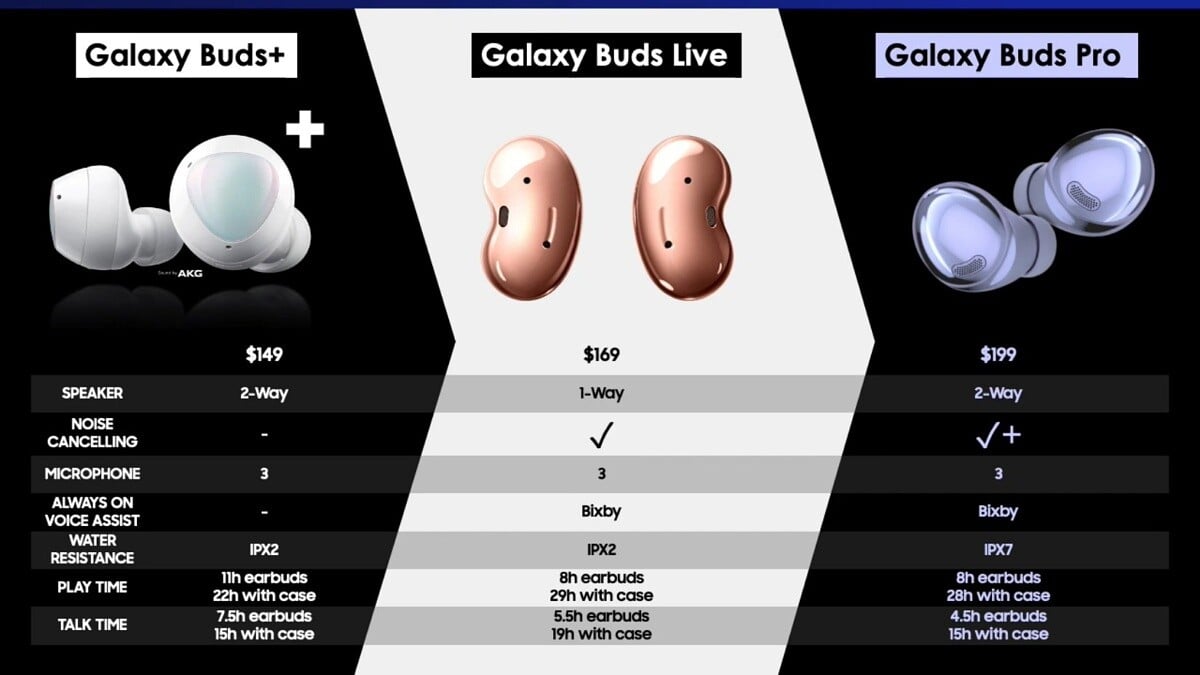
The leak indicates that the Galaxy Buds Pro will come with a 2-way speaker, similar to the Galaxy Buds Plus. There will also be a more powerful active noise cancellation feature, which the company is calling Intelligent Noise Cancellation.

It is also said to provide users with greater control over the experience. The earphones will reportedly have three modes — Conversation Mode, Ambient Sound Mode, and Active Noise Cancellation Mode, which will also have level controls.

EDITOR’S PICK: Realme Koi smartphone powered by Snapdragon 888 confirmed, expected to arrive with beautiful design

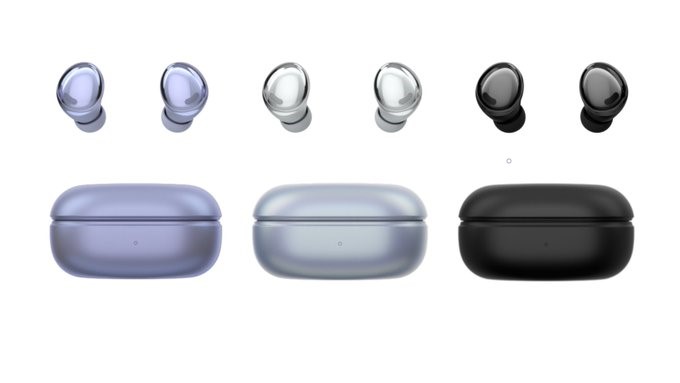
Galaxy Buds Pro all colors

Further, it appears that the TWS earphones will also have Spatial Audio and an IPX7 rating for water resistance. There’s something mentioned about the Galaxy Buds widget for Samsung devices but currently, nothing is known about this.

In the battery department, the Samsung Galaxy Buds Pro are expected to offer eight hours of playback time and 4.5 hours of talk time on a single charge. With the charging case, the talk time can be increased to 15 hours while the playtime can be upped to 28 hours.

As for the pricing, the earphones are expected to be priced at $199 — the most expensive in the lineup. For comparison, the Galaxy Buds Plus and the Galaxy Buds Live are priced at $149 and $169 respectively.


Samsung Galaxy Chromebook 2 tipped to cost $699; key specs revealed

Earlier this year, Samsung launched its Galaxy Chromebook as a premium device in the market and now the company seems to be gearing up to launch its successor, named Samsung Galaxy Chromebook 2.

Recently, Evan Blass shared images of the upcoming device and leaked Samsung slides have revealed what to expect from the laptop in terms of specifications. Now, the pricing details have also leaked online.

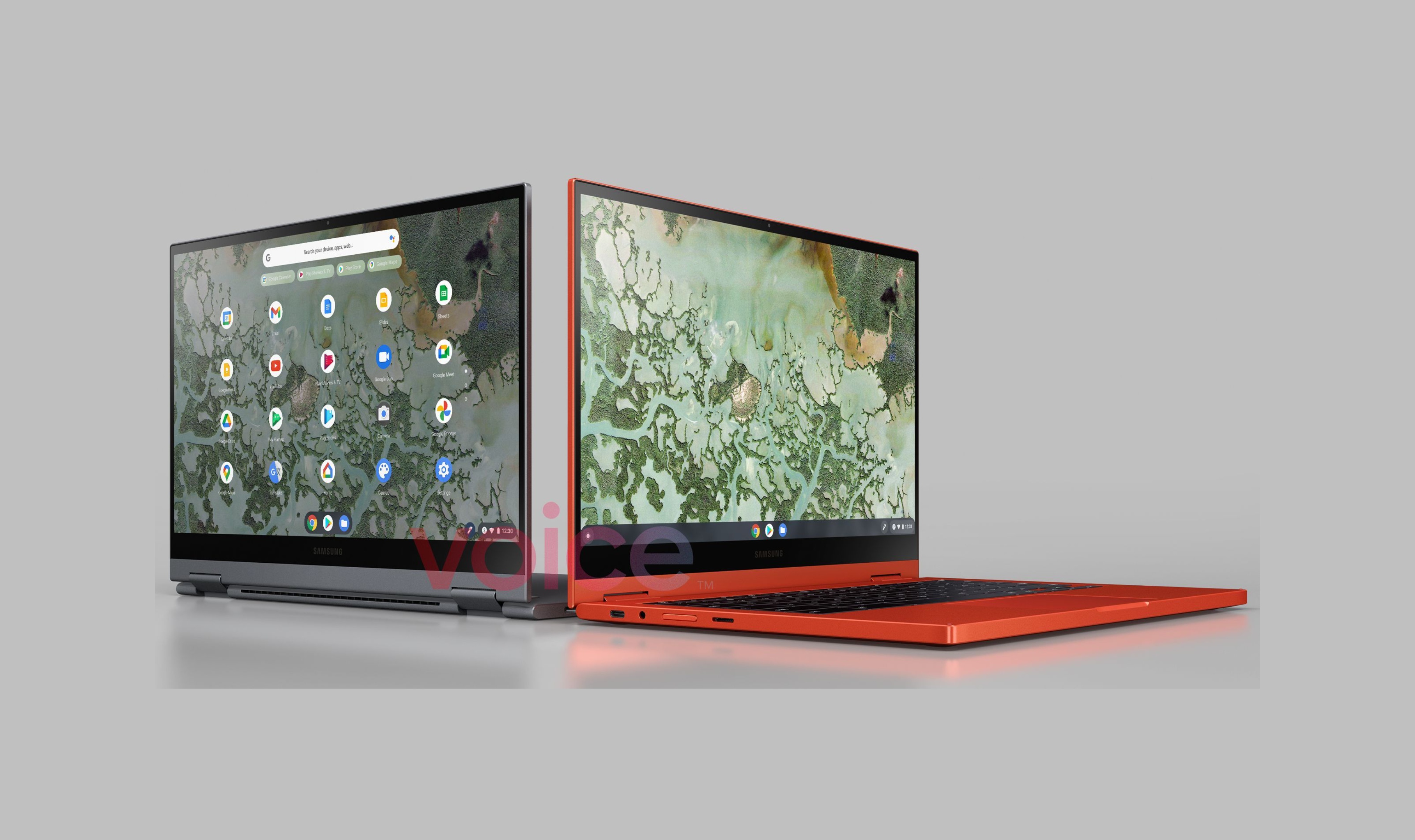
Samsung Galaxy Chromebook 2 Render Leak Featured

A Twitter user with the handle @_h0x0d_ has claimed that the Samsung Galaxy Chromebook 2 could get launched for a price of $699. The pricing suggested is much lower than the $999 price of the Galaxy Chromebook launched earlier this year.

In the upcoming successor, the South Korean giant is reportedly addressing the major concern of the original model — battery life. The leak hints that the company is aiming for 12-hour battery life on the Galaxy Chromebook 2, which is much higher than around four hours of battery life available on the original Galaxy Chromebook model, although the company promised eight hours of battery life.

EDITOR’S PICK: Xiaomi’s market value crosses the $100 Billion mark, achieving its 2018 IPO Goal

One of the changes being done by the company to increase the battery life comes in the choice of display. This time, Samsung has opted for a QLED or Quantum Dot LED screen instead of the 4K AMOLED panel.

To lower the pricing of this device, the company is also downgrading internals. So, instead of the Intel Core i5, the upcoming Chromebook 2 will come packed with 10th generation Intel Core i3, which should easily handle tasks in Chrome OS. However, the choice of a 10th-generation processor is a bit odd as Intel has already launched 11th-gen chipsets.

If this report turns out to be true, then the Samsung Galaxy Chromebook 2 will compete against the likes of Google Pixelbook Go. It could also help the company register more sales with such low pricing.


Xiaomi Market Value crosses the $100 Billion mark, achieving its 2018 IPO Goal

Xiaomi Corp‘s market value has just crossed the 100 billion US Dollar mark. The company has finally reached its IPO goal set in 2018, which it had failed to achieve back then.

Xiaomi

According to a Bloomberg report, the Chinese tech giant’s market value cross 100 billion US dollars after it rallied as much as 9.1 percent earlier this week in Hong Kong. This marked a new record for the company and even made it the 13th stock in the city’s Hang Seng Index to have a market capitalization that was over 100 billion US Dollars. The company ended the day 7.6 percent higher, with a market value of 802 billion Hong Kong Dollars (roughly 103 billion US Dollars).

Back in 2018, Xiaomi had aimed at a 100 billion US Dollar evaluation for its initial public offering. Although, the company had managed to achieve only half of that original goal upon its debut. Since then, the company has seen great success across the globe, especially in 2020. The news arrives after the smartphone maker saw strong sales with its shares having nearly tripled in 2020 after its post IPO struggles.

Xiaomi Logo Co-founder Lei Jun

In November 2020, Xiaomi had reported its fastest quarterly sales growth in two years. These earnings had surpasses analysts’ expectations as the company remains one of the few Chinese tech firms that are able to see strong growth outside of its home country China. At the moment, the brand is also benefitting from China’s rollout of 5G technology, while also taking advantage of Huawei‘s current situation to take over its domestic market share as well.


Realme Koi phone with Snapdragon 888 confirmed, expected to arrive with beautiful design

Realme will be launching its first Snapdragon 888 powered smartphone in the first quarter of 2021. Yesterday, Realme China President confirmed that it will be a part of a new smartphone series in the home market. While the rumor mill speculated that it could be arriving with Ace branding, the company confirmed today that its first SD888 phone will be called Realme Koi phone.

Koi is the name of an ornamented domesticated fish that is mainly known for its color and beauty. Koi fish means luck in Chinese and Japanese culture. Hence, it appears that the Realme Koi phone will be arriving with an incredibly attractive design and it could be available in vibrant colors.

Realme has created a dedicated profile for the Realme Koi phone on Weibo. The company is expected to use the profile to share more information on the Snapdragon 888 powered Koi phone.


Realme Koi phone
Realme Koi phone

It can be said based on recent reports that the Realme Koi phone is codenamed Race and its model number is RMX2022. The handset includes 12 GB of RAM and 256 GB of internal storage. It will come preloaded with Realme UI 2.0 based Android 11 OS.

There is no word on the front design of the Realme Koi phone. A leaked shot that was revealed by GSMArena earlier this month that the glass rear of the phone has curved edges. A quad-camera setup housed inside a round-shaped camera module along with an elongated LED flash unit is available on the phone’s back. The device could be equipped with an in-display fingerprint reader. it remains to be seen whether it carries support for 125W UltraDart fast charging technology that was announced in July.


Huami launches Amazfit Bip U and Bip U Pro smartwatches in the US

Huami, the Xiaomi-backed wearable device maker has a popular lineup of smartwatches under the Amazfit brand, which has also established its presence in the United States. Now, the company has launched two more devices in the US — Amazfit Bip U and Bip U Pro.

The Amazfit Bip U, which was first launched a couple of months ago in October, has now been launched in the United States for a price of $59.99. However, the company is currently offering a $10 discount.

Huami Amazfit Bip U
Huami Amazfit Bip U

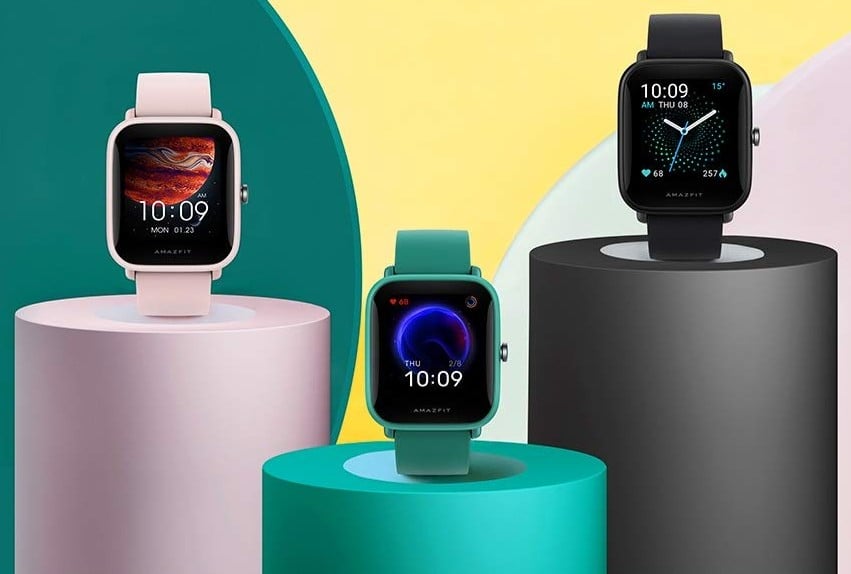
It features a 1.43-inch LCD display in a square-shaped dial, which looks similar to the Apple Watch, offering 302 x 302 pixels screen resolution and 2.5D curved glass with an anti-fingerprint coating on top.

The company is offering 50 watch faces, including a few animated ones. However, only four of them are pre-loaded on the device and more can be downloaded by the user through the Zepp application. The smartwatch displays relevant information such as time, weather, and heart rate, with users also being given an option to customize the home screen.

EDITOR’S PICK: Huawei Nova 8, Nova 8 Pro with 120Hz display, Kirin 985, 64MP quad cameras, 66W charging launched in China

It supports 60 sports modes and packs an optical tracking sensor that can even measure users’ blood oxygen levels during deep sleep, light sleep, REM, and even when awake. It also houses the proprietary BioTracker PPG biological optical sensor and can track menstrual and ovulation periods for female users.

The Amazfit Bip U smartwatch supports Bluetooth 5.0 for connectivity and can be used with both the platforms — iOS and Android. It is powered by a 230mAh battery that the company claims can offer nine days of battery life.

Huami Amazfit Bip U Pro

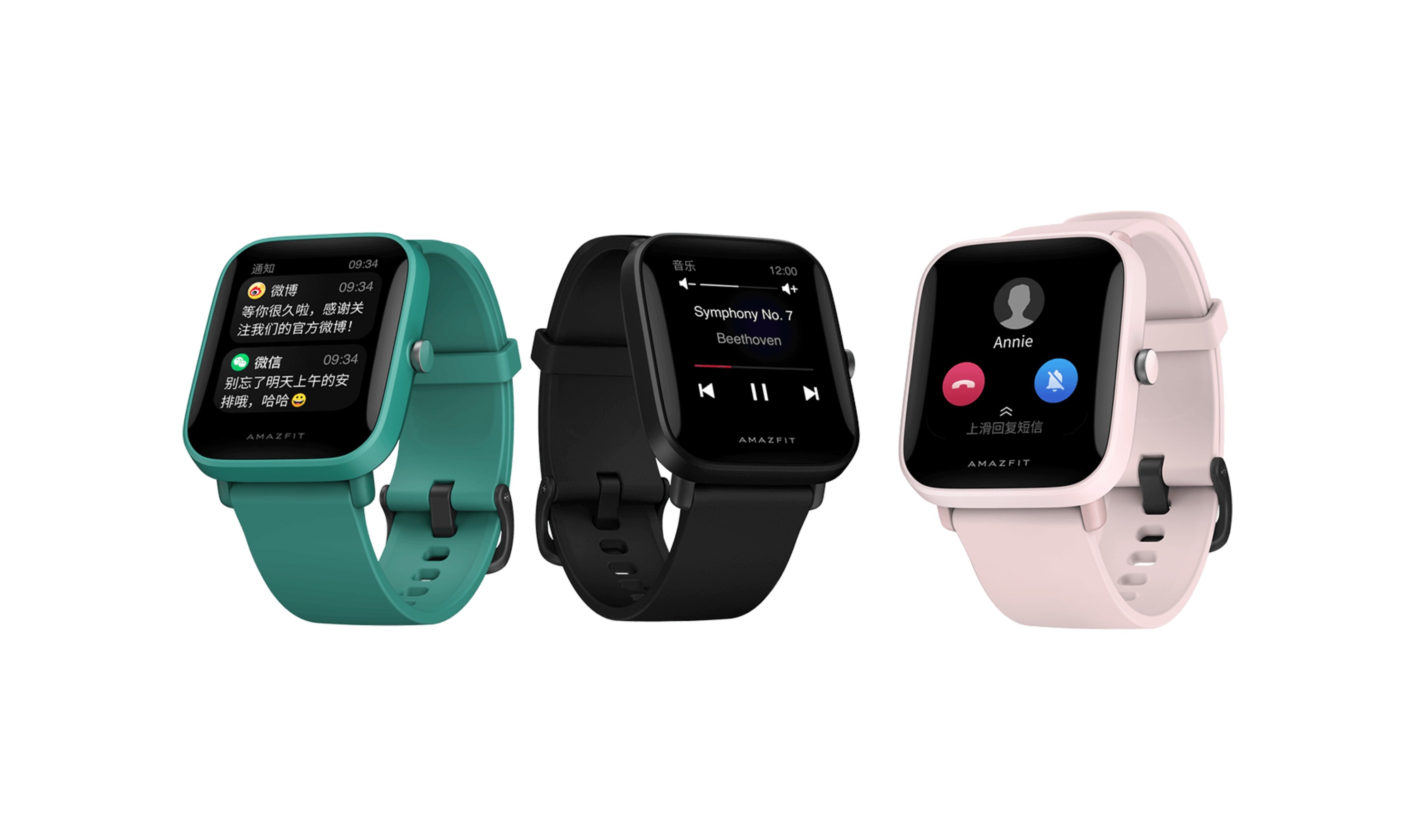
On the other hand, the Amazfit Bip U Pro is nothing but a rebranded Amazfit Pop Pro. Almost everything in this Pro variant is similar to the standard variant and the only difference is the addition of GPS and support of Amazon Alexa.

The Amazfit Bip U Pro is priced at $69.99 in the United States, which is a bit more expensive than the Chinese version launched earlier this month for a price of 349 yuan, which is about $52.