Advertisement

POCO M3 key specifications leak reveals Snapdragon 662, 6,000mAh battery and more

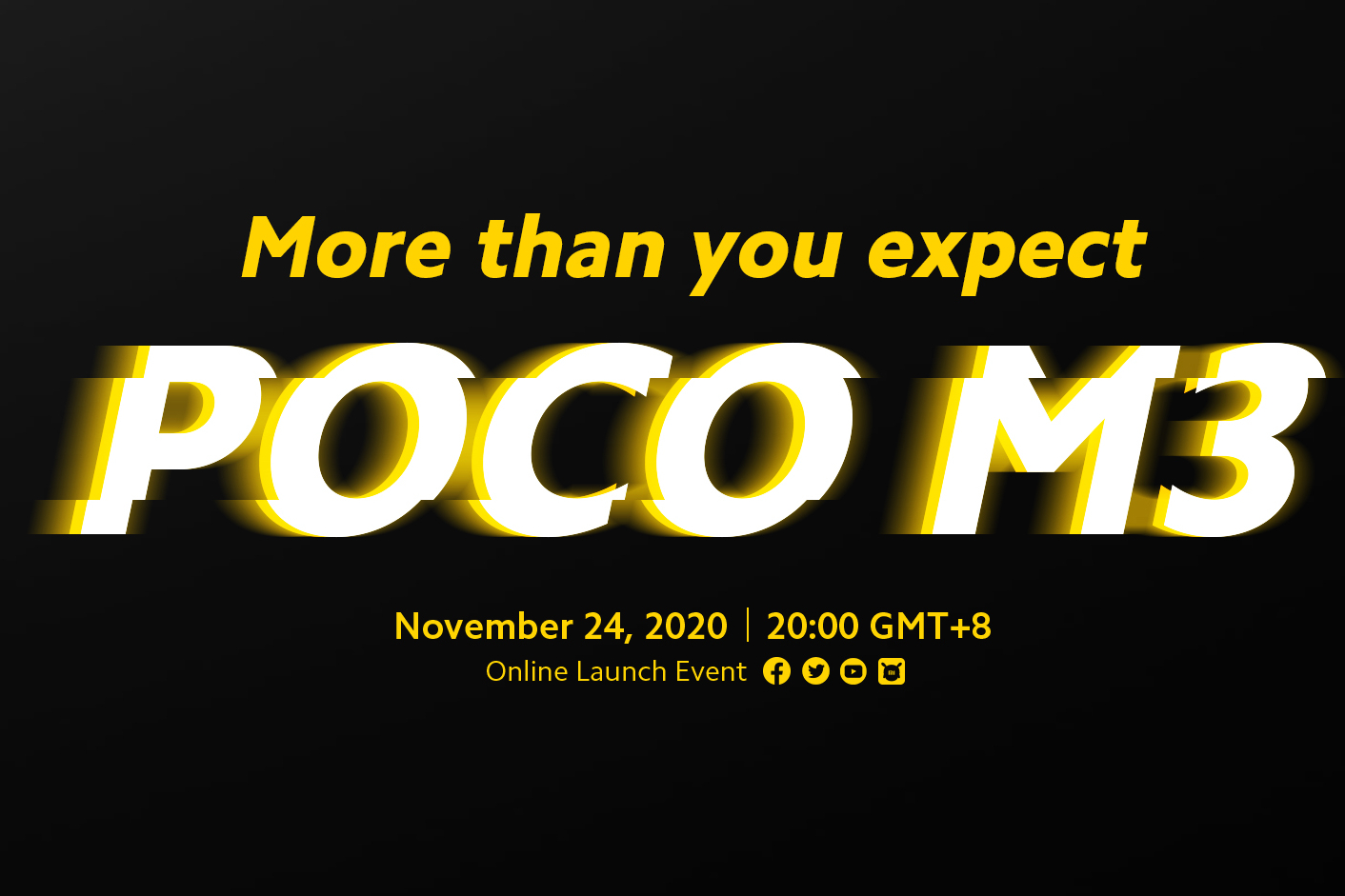
Yesterday, POCO confirmed that it will be launching the POCO M3 smartphone on Nov. 24 in global markets. The event will be live-streamed at GMT+8 on the said date through its social media channels. Soon after the confirmation of the POCO M3 launch date, tipster Mukul Sharma shared some of its key specs.

POCO M3 key specifications (Rumored)

The POCO M3 that has a model number of M2010J19CG was recently spotted at the Geekbench benchmarking platform with the Snapdragon 662 mobile platform. The new leak by Sharma reiterates that the POCO M3 will be driven by the SD662 chipset. He also claimed that the device is backed by a massive battery of 6,000mAh capacity. The handset will arrive with support for 18W fast charging.

The POCO M3 is fitted with a 6.53-inch display with a waterdrop notch. The rear-facing triple camera system of the smartphone will be led by a 48-megapixel sensor. The leak has no information on the other cameras of the phone. The tipster also revealed that the device is equipped with stereo speakers.
Redmi-Note-10-4G-TENAA
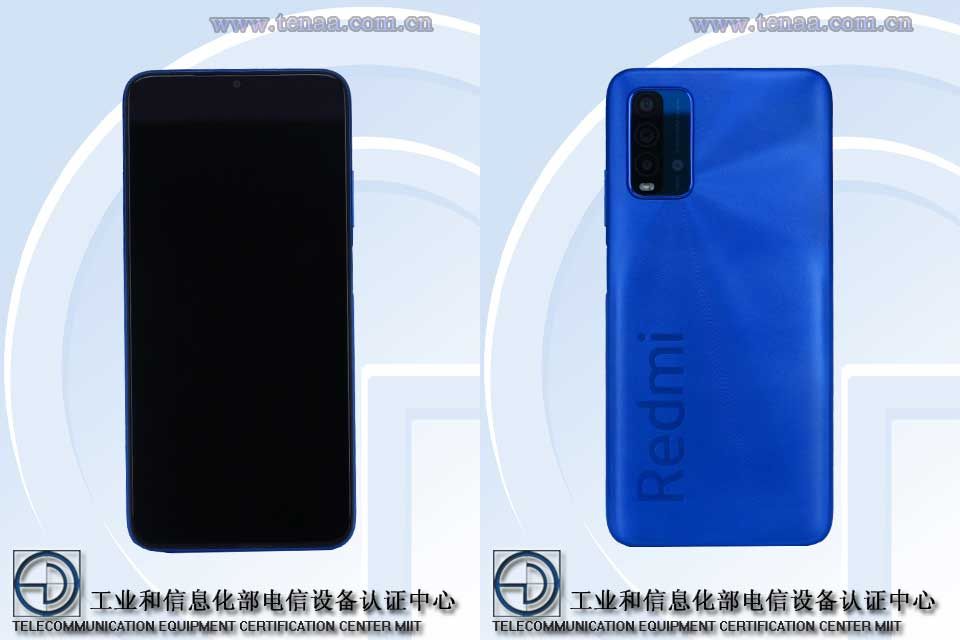
Alleged Redmi 10’s images at TENAA

Rebranded Redmi 10?

The POCO M3 will be a rebranded version of the upcoming Redmi phone that a model number M2010J19SC. The handset surfaced at TENAA’s database in the previous week. The listing revealed that the phone measures 162.29 x 77.24 x 9.6mm and it weighs 198 grams. It has up to 6 GB of RAM and up to 256 GB of storage. The phone runs on Android 10 OS and it has a microSD card slot for additional storage. A fingerprint scanner is available on the right edge of the device.

The final product name of the Redmi M2010J19SC. The rumor mill is calling it Redmi Note 10 4G or Redmi 10. The upcoming POCO M3 will be a rebadged version of this phone.


Amazon Pharmacy is an online store for ordering your prescription medication

When Amazon acquired PillPack in 2018 for $753 million dollars, it was a sign the retail giant was entering into the pharmacy business. Two years later, Amazon Pharmacy, a digital drug store, has been announced, and its arrival has made a big splash.

Amazon Pharmacy

Amazon Pharmacy is a section on Amazon where buyers can purchase their medication. According to a report by Bloomberg, buyers will be able to pay using their health insurance while those with a Prime subscription who don’t use their insurance will get discounts on drugs on the site and at about 50,000 partner pharmacies

Following the unveiling on Tuesday, shares of health giants CVS Health Corp. and Walgreens Boots Alliance Inc. fell 8.5% and 10.3% respectively. A number of other businesses involved in drug distribution and sales also saw their shares take a hit.

Prior to the announcement, folks who wanted to purchase prescription drugs were redirected to PillPack but now they can get their meds on the same site or app where they shop for home supplies and electronics. However, information on the site says PillPack by Amazon Pharmacy will still cater to users that require their medication to be sorted into packets by date and time.

Amazon Pharmacy is for customers that are 18 years and above and setting it up is straightforward. A profile will be created for the user and details including basic info, medications, allergies, and health conditions will have to be provided.

When done signing up, you can get your prescription by contacting your prescriber to send it to Amazon or asking Amazon to contact them (prescriber) on your behalf. The latter takes 2 to 4 days, so if it is urgent, Amazon advises you to get your medications from your local pharmacy.

Once Amazon gets your prescription, you can place your order and pay with or without insurance. Prime members who do not use insurance not only get discounts on orders but also get free 2-day delivery. Amazon says it also has pharmacists available 24/7 if you have questions about your medication. These pharmacists will also help you review your prescriptions.


Xiaomi launches the MIJIA Air-conditioner with a DC inverter compressor

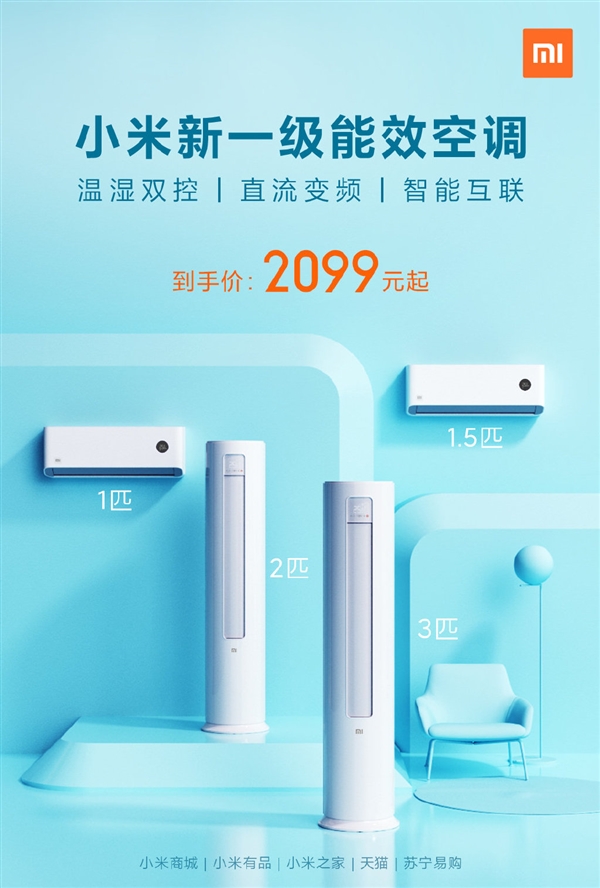
As previously announced, Xiaomi officially launched the new season of energy-efficient air-conditioning series. The biggest selling point is the “temperature and humidity dual control” which it features. The AC comes in 1 HP, 1.5 HP, 2 HP and 3 HP models, and the price starts at 2099 yuan (~$320).

According to the official introduction, the new energy-efficient air conditioner can not only accurately control the temperature, but also intelligently moisturize. Xiaomi the temperature and humidity dual control function, using 0.5 fine temperature adjustment, with a 45% ~ 65% humidity control range, making humidity and temperature changes more comfortable.

However, the humidity control function is only suitable for warm and humid environments to reduce and maintain comfortable air humidity. Currently, humidification services cannot be provided for users in dry environments . If the room is too dry, the Mijia humidifier can be linked to supplement air moisture.

Xiaomi’s new first-class energy-efficient air conditioner meets the national new first-class energy efficiency standard. Under the same conditions, compared with the original first-class energy-efficient wall-mounted air conditioner, it saves about 91 degrees of electricity a year and saves 45.5 yuan.

In addition, Xiaomi’s new first-level energy-efficient air conditioner uses a DC inverter compressor and supports one-button energy-saving mode, which can intelligently reduce power consumption.

Xiaomi’s new first-class energy-efficient air conditioner also supports a self-cleaning mode , with hydrophilic aluminum foil fins, which automatically cleans up dirt, and uses an antibacterial and anti-mildew filter, which is refreshing and odorless.

Connecting to the Mijia App, it also supports smart reminders for filter blockage, voice control by XiaoAI smart speaker, and linkage with other Xiaomi IoT products.

UP NEXT: Xiaomi XiaoAI Speaker Art Battery Edition launched for 399 yuan ($59)


OnePlus to sell OnePlus Buds for $1 tomorrow; 7T discounted to $349

It is raining deals all over. Motorola announced its holiday deals last week which you can grab right away and there are Google’s own deals which will go live later this week. Now it is the turn of OnePlus and it has a mouth-watering deal on its very first TWS earbuds, the OnePlus Buds as well as the OnePlus 7T from last year.

According to a tweet from the OnePlus USA account, the OnePlus Buds will be on sale tomorrow for just $1. That is an awesome deal considering the earbuds are currently priced at $59. OnePlus says the deal ends when the item goes out of stock.

There is no mention of how many units a buyer can purchase but we won’t be surprised if it is limited to just one. The earbuds are also available in white and gray only.

Alongside the OnePlus Buds, The OnePlus 7T has also received a Black Friday price cut. The 2019 flagship phone can be picked up for $349 right now, a significant cut from its launch price of $599. Unfortunately, only the T-Mobile version is available for purchase.

OnePlus 7T Black Friday Deal

It is important to state that the US variant of the phone has 8GB of RAM and 128GB of storage. Nevertheless, this is a good deal, and to make it even sweeter, OnePlus is including a free pair of Bullets Wireless Z earphones which sells for $29.95 separately.


Xiaomi Mi 10T Lite vs OPPO Reno4 Z vs Realme X50 5G: Specs Comparison

5G phones started to become very affordable in the second half of 2020, even in the European market. You actually have several choices if you want to get a 5G-ready phone in the old continent with a low budget. Xiaomi recently announced the Mi 10T Lite 5G with an incredibly affordable price tag, while OPPO launched the Reno4 Z 5G: the first European smartphone with a Dimensity chipset; it is very affordable as well. This is a comparison between cheap 5G phones in which we included the Realme X50 5G too because its street prices are actually very interesting.

Xiaomi Mi 10T Lite 5G vs OPPO Reno4 Z 5G vs Realme X50 5G

Xiaomi Mi 10T Lite 5G OPPO Reno4 Z 5G Realme X50 5G
DIMENSIONS AND WEIGHT 165.4 x 76.8 x 9 mm, 214.5 g 163.8 x 75.5 x 8.1 mm, 184 g 163.8 x 75.8 x 8.9 mm, 202 grams
DISPLAY  6.67 inches, 1080 x 2400p (Full HD+), IPS LCD  6.57 inches, 1080 x 2400p (Full HD+), LTPS IPS LCD 6.57 inches, 1080 x 2400p (Full HD+), 401 ppi, 20:9 ratio, IPS LCD
PROCESSOR Qualcomm Snapdragon 750G, octa-core 2.2 GHz Mediatek Dimensity 800, octa-core 2 GHz Qualcomm Snapdragon 765G, octa-core 2.4 GHz
MEMORY  6 GB RAM, 64 GB – 6 GB RAM, 128 GB – 8 GB RAM, 128 GB – micro SD dedicated slot  8 GB RAM, 128 GB 6 GB RAM, 64 GB – 8 GB RAM, 128 GB – 8 GB RAM, 256 GB – 12 GB RAM, 256 GB
SOFTWARE  Android 10, MIUI  Android 10, ColorOS Android 10, ColorOS
CONNECTIVITY  Wi-Fi 802.11 a/b/g/n/ac, Bluetooth, GPS Wi-Fi 802.11 a/b/g/n/ac, Bluetooth 5.1, GPS Wi-Fi 802.11 a/b/g/n/ac, Bluetooth 5, GPS
CAMERA  Quad 64 + 8 + 2 + 2 MP, f/1.9 + f/2.2 + f/2.4 + f/2.4
16 MP f/2.5 front camera
Quad 48 + 8 + 2 + 2 MP, f/1.7 + f/2.2 + f/2.4 + f/2.4
Dual 16 + 2 MP f/2.0 + f/2.4 front camera
Quad 64 + 12 MP + 8 + 2 MP f/1.8, f/3.0, f/2.3 and f/2.4
Dual 16 + 8 MP f/2.0 and f/2.2 front camera
BATTERY  4820 mAh, fast charging 33W  4000 mAh, fast charging 18W 4200 mAh, Fast charging 30W
ADDITIONAL FEATURES Dual SIM slot, 5G Dual SIM slot, 5G Dual SIM slot, 5G

Design

You can not say that these three handsets are not beautiful phones. They are not the most premium devices out there, but their design is nice. The most beautiful one, at least according to my tastes, is the OPPO Reno4 Z 5G. It has a thinner design and it is even lighter than its rivals, as well as more compact. With the Xiaomi Mi 10T Lite you get a glass back, but the overall design is not that great due to that big and rectangle-shaped camera module. The Realme X50 5G sits right in the middle with its minimal look, it has similar dimensions to the OPPO Reno4 Z 5G but it is thicker.


Display

The best display quality is provided by the OPPO Reno4 Z 5G, which sports a slightly better LTPS panel. But we are only talking about marginal differences: in each case, you get an LCD display and a high 120 Hz refresh rate, as well as a Full HD+ resolution. While you get a slightly better daily experience with the Reno4 Z 5G, the Xiaomi Mi 10T Lite offers the HDR10 certification for better quality on streaming platforms: you do not get this technology with OPPO Reno4 Z 5G and Realme X50 5G. Further, the Xiaomi Mi 10T Lite features stereo speakers. All of these phones are equipped with side-mounted fingerprint scanners.


Hardware/Software

Here, it is a hard fight between Xiaomi Mi 10T Lite and Realme X50 5G. The former sports a Snapdragon 750G chipset, while the latter has Snapdragon 765G. The Snapdragon 750G offers better CPU performance, while the 765G has a better GPU. But at the end of the day, Realme X50 5G wins because it offers up to 8 GB of RAM instead of 6 GB, despite the most advanced configuration of the Mi 10T Lite has UFS 2.2 native storage instead of UFS 2.1. However, note that Mi 10T LIte is the only one with expandable storage. Xiaomi Mi 10T Lite, OPPO Reno4 Z 5G, and Realme X50 5G run Android 10 out of the box.


Camera

The Xiaomi Mi 10T Lite is equipped with a more interesting camera department thanks to its 64 MP main sensor providing a high level of detail. But it loses when it comes to the front camera. OPPO Reno4 Z 5G and Realme X50 5G have very similar camera setups including a 48 MP quad camera and 16 MP dual front camera with a depth sensor.


Battery

The Xiaomi Mi 10T Lite has the biggest battery, hence the longest battery life. But with the Realme X50 5G you need less time for a full charge because the battery is smaller and it features 30W fast charging technology.


Price

The starting price of the Xiaomi Mi 10T Lite is €280, Realme X50 5G begins at €350 (but you can actually find it for about €300), and OPPO Reno 4 Z 5G costs €399 in the 8/128 GB configuration. The Mi 10T Lite has the highest value for money, it features the biggest battery, stereo speakers, and it has a pretty nice camera. But you should not underestimate the OPPO Reno4 Z 5G with its sleeker design and nice display.


Xiaomi Mi 10T Lite 5G vs OPPO Reno4 Z 5G vs Realme X50 5G: PRO and CONS

Xiaomi Mi 10T Lite 5G

PROS

  • Wider display
  • IR blaster
  • Stereo speakers
  • Bigger battery

CONS

  • Dimensions


OPPO Reno4 Z 5G

PROS

  • Dual front snapper
  • Thinner
  • Lighter
  • Great display

CONS

  • Smallest battery


Realme X50 5G

PROS

  • Great hardware
  • Dual front camera
  • Charges faster
  • FM radio

CONS

  • Nothing particular

Ulefone Armor 10 5G Rugged phone powered by Dimensity 800 SoC launched

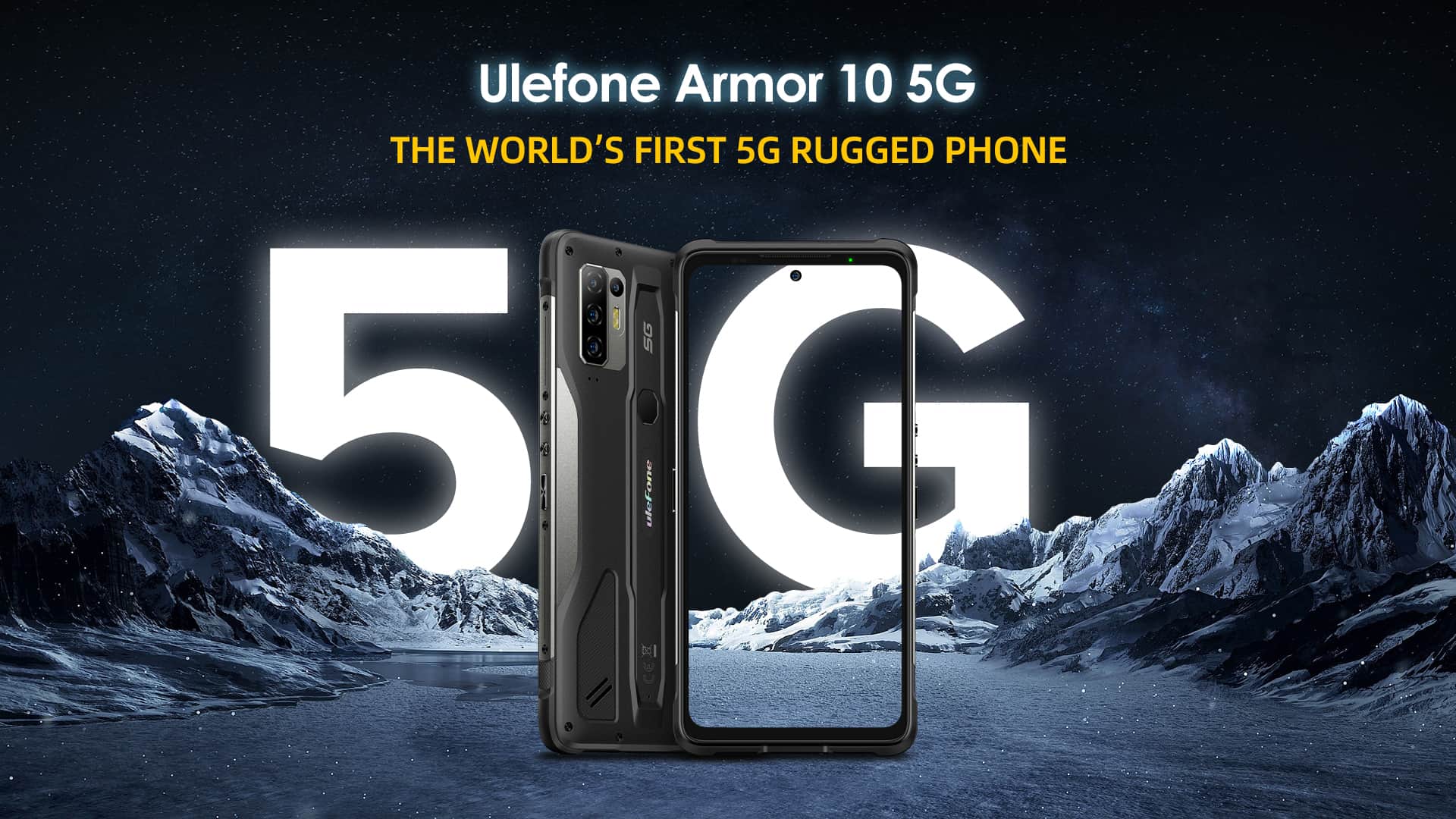
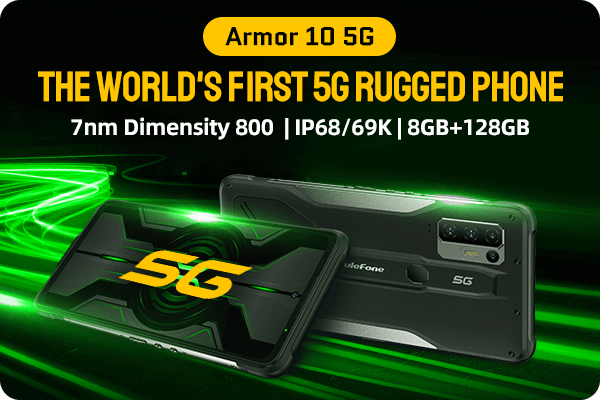
Rugged smartphones have been around for a while and are a popular choice for those who work in the fields. However, there are not so many 5G phones with rugged build around. Ulefone has launched what it touts to be the world’s first rugged 5G smartphone. The Ulefone Armor 10 5G continues the long line of the premium Armor series but emerges as the first 5G model in the lineup. Whether the phone is the first 5G rugged phone around, we are not sure about that. Doogee S96 Pro had earlier been launched and Blackview just launched the BL6000 Pro 5G on Indiegogo.   

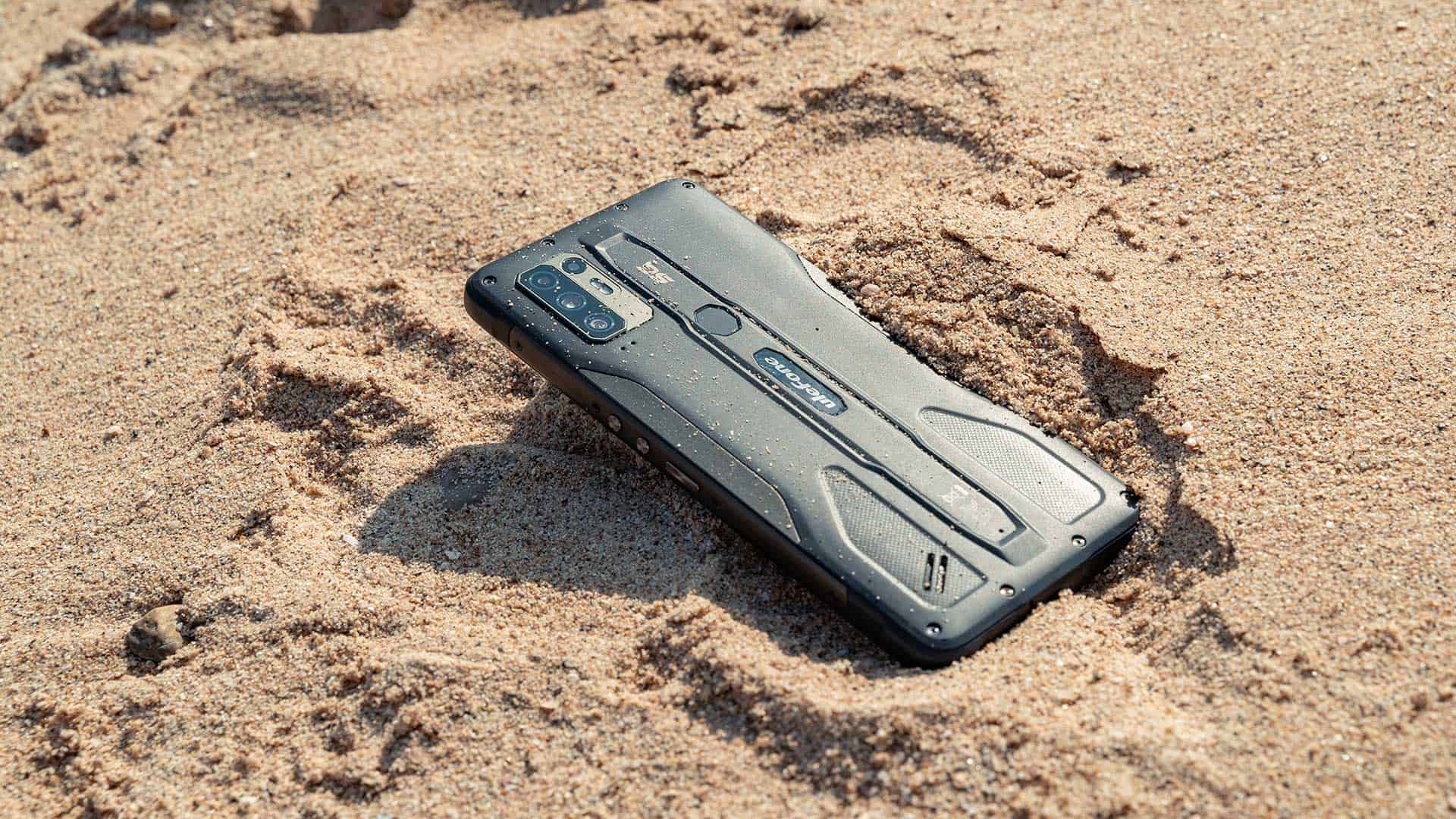
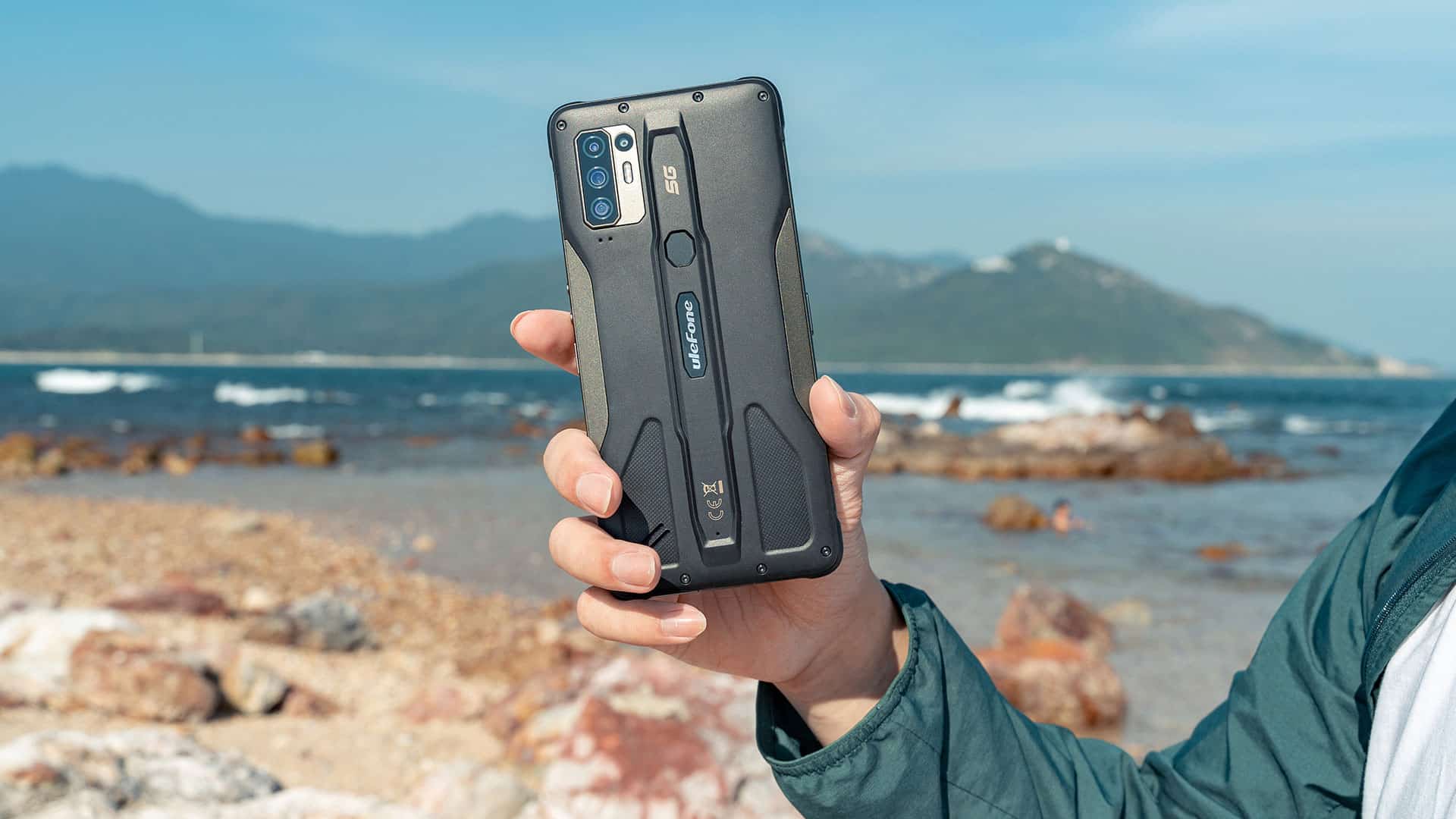
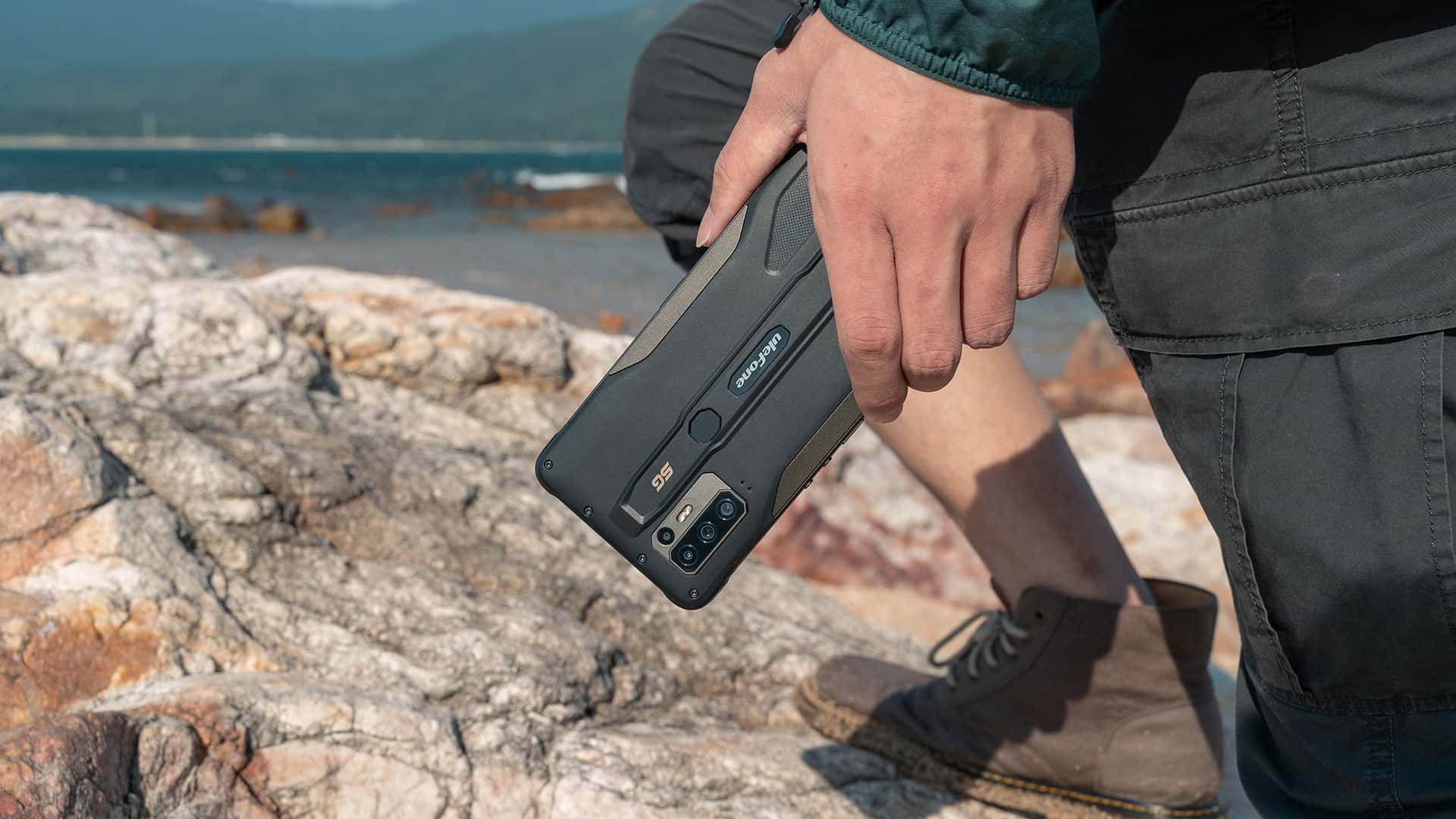
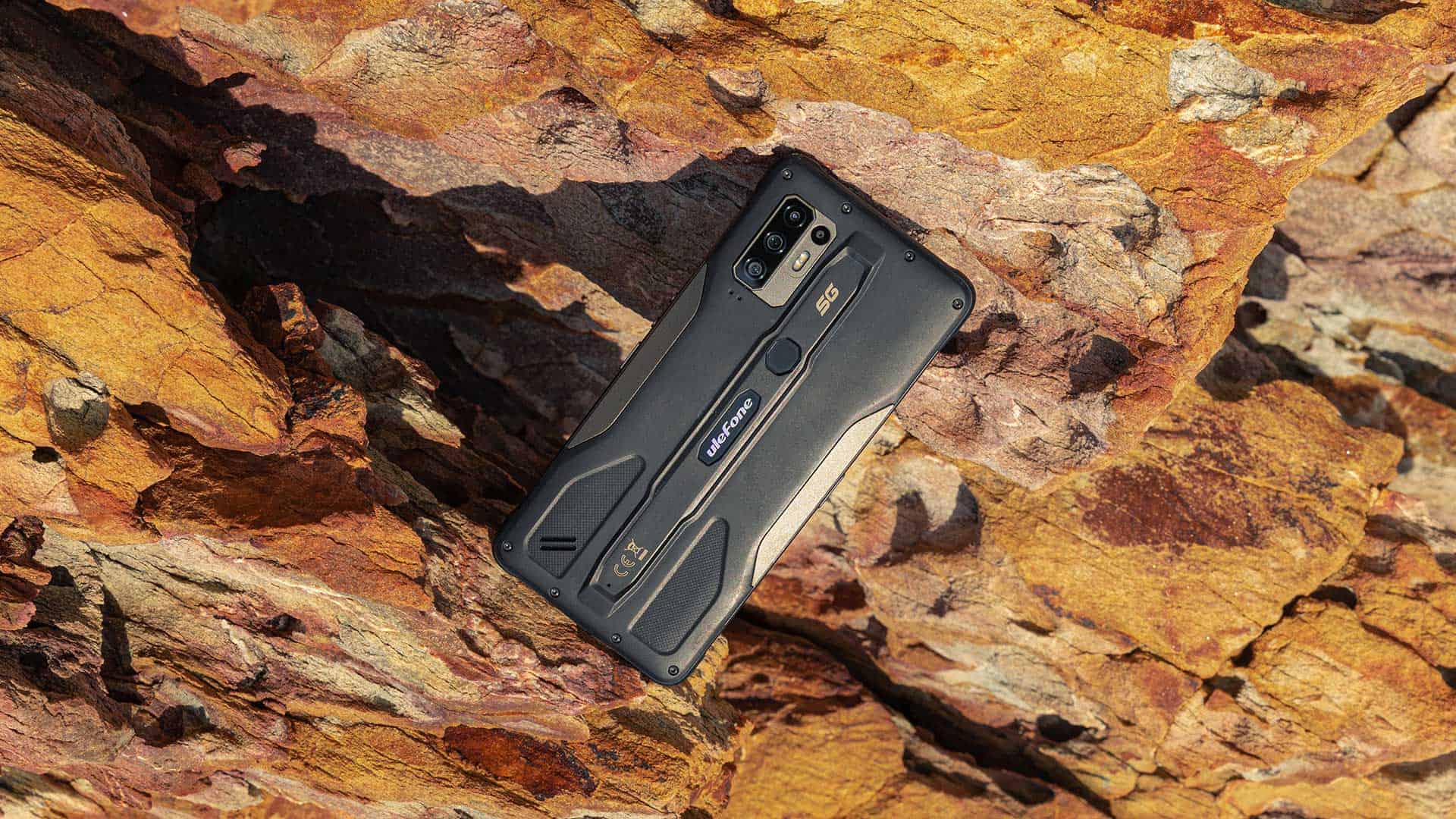
Design-wise, the Armor 10 5G clearly resembles a rugged phone as it is wrapped on the back with a polycarbonate material that isn’t brittle and stylishly designed to get you confusing this one for a gaming phone. At the rear, there is a Quad camera setup stacked in a vertical pattern at the top left corner of the back panel. The main camera is a 64MP sensor. There is equally a rear-mounted fingerprint sensor onboard.

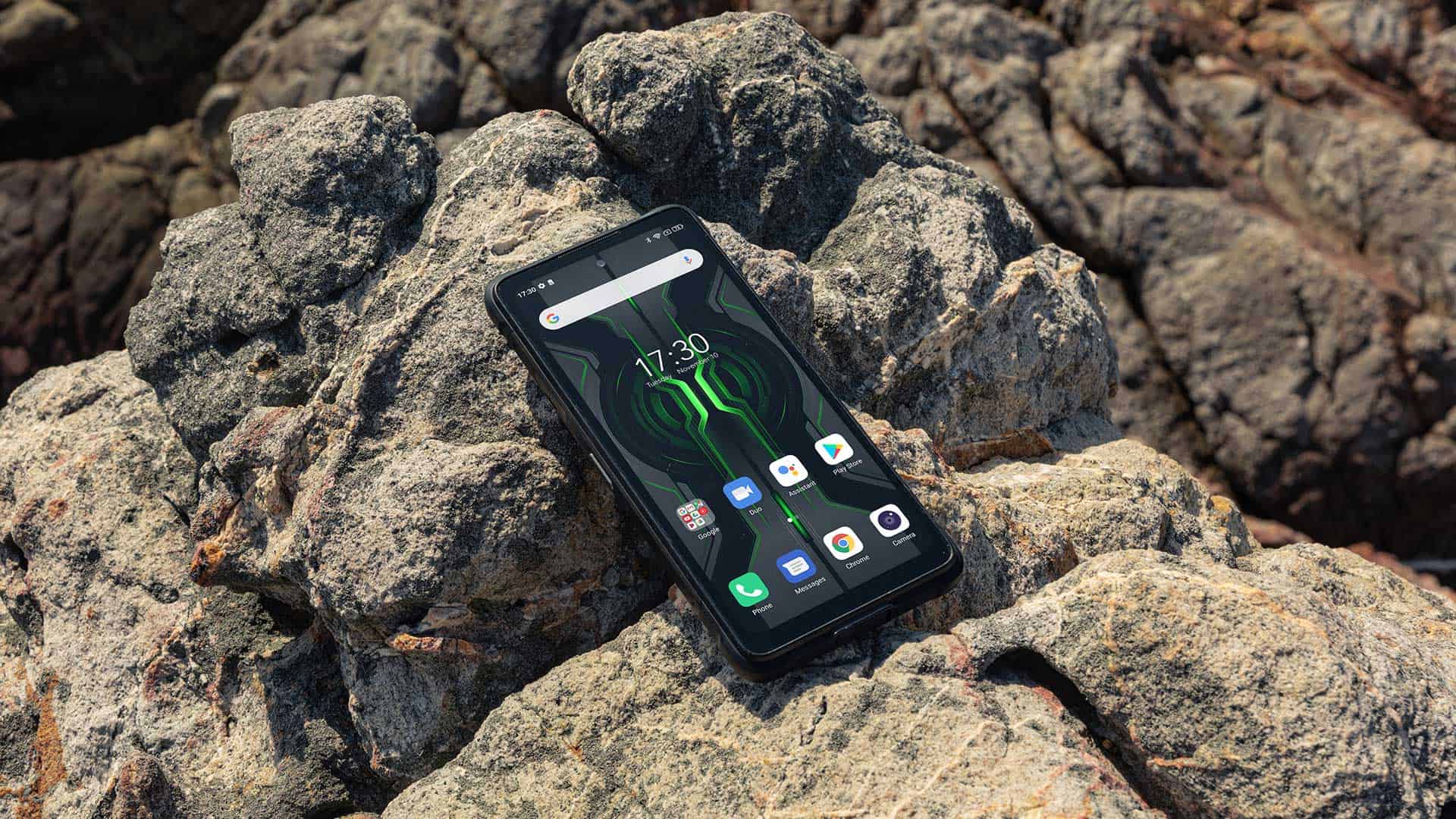
The Ulefone Armor 10 5G packs a 6.67-inch display with FHD+ resolution with a punch-hole which houses a 16MP sensor. It is powered by a MediaTek Dimensity 800 5G chipset paired with 8GB of RAM. There is 128GB of internal storage on the device. Keeping the lights on is a massive 5,800mAH battery which can surely last for more than a day.

The rugged Armor 10 5G is resistant to water, dust can also take a hit. You can check out Ulefone’s promotional video detailing the features of the flagship phone from below.

Ulefone is yet to reveal the price of the device as it is billed to go on sale at the end of November. The phone is already officially listed on the company’s website at the moment.

UP NEXT: Xiaomi XiaoAI Speaker Art Battery Edition launched for 399 yuan ($59)


Huami announces Zepp Z flagship smartwatch with Amazon Alexa; ECG version to come later

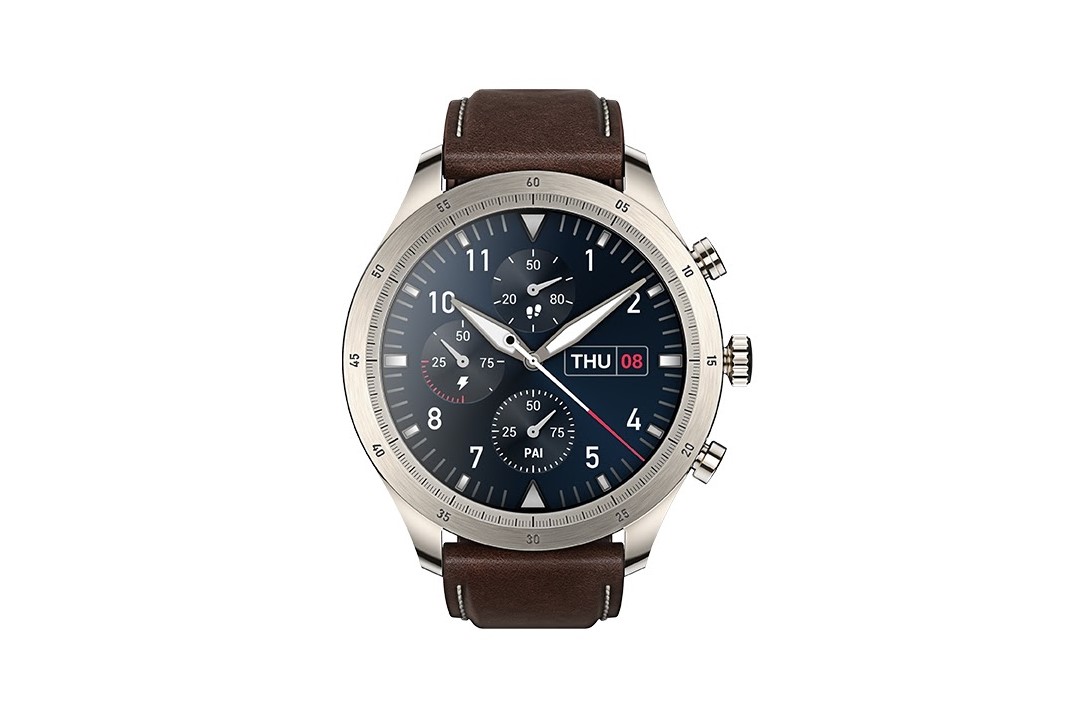
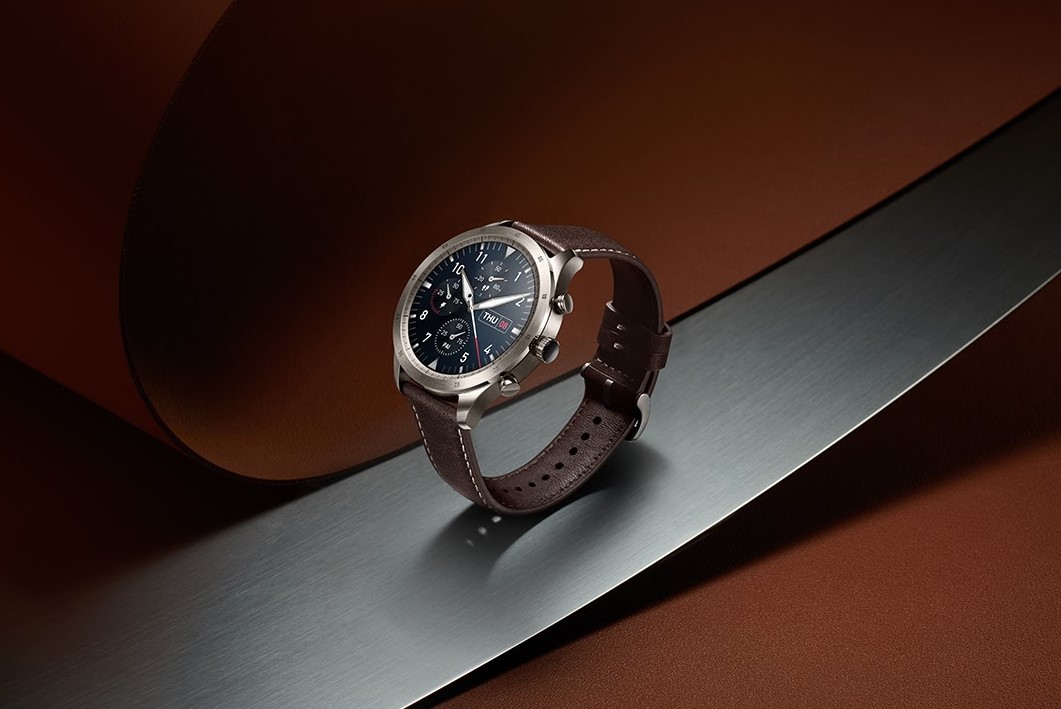
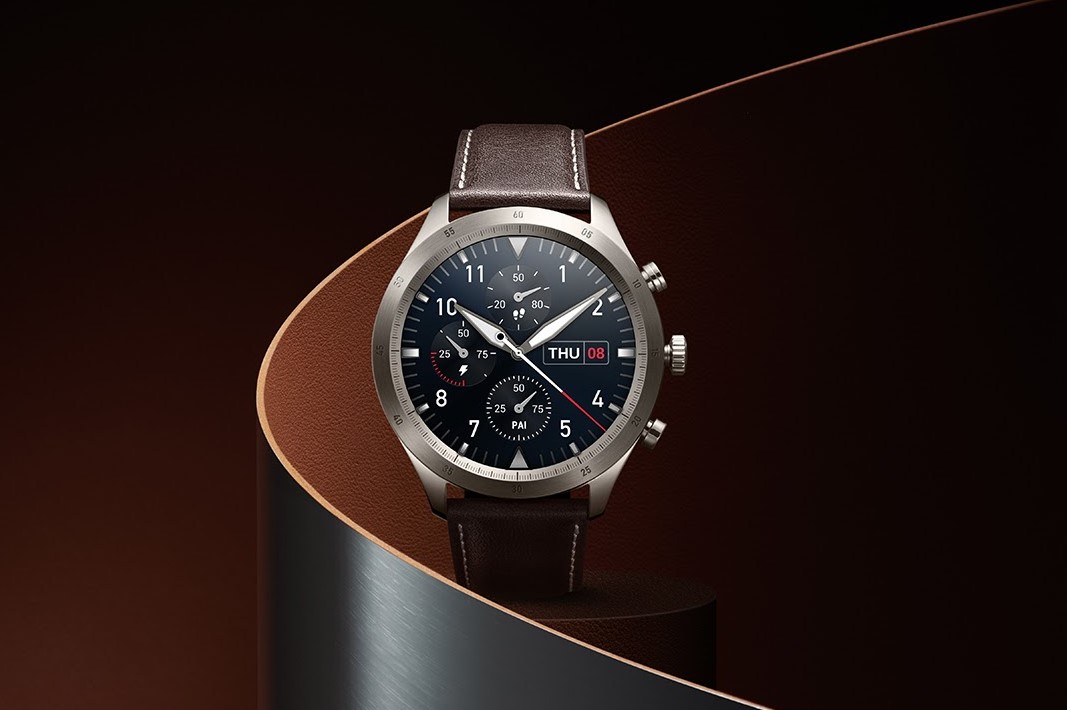
Huami announced the Zepp Z smartwatch today. The new smartwatch is its second smartwatch under the Zepp brand (third if you count the variants of the Zepp E as separate watches). The new smartwatch features a premium design and can be termed a high-end version of the Amazfit GTR 2.

Zepp Z

The Zepp Z features a titanium alloy frame. This is the same material used for the buttons and the clasp. Huami says that for the finish, the frame is polished 5 times longer than other smartwatches which cost 4 times more. Attached to the watch dial are 22mm leather straps, to complete its classic look.

The Zepp Z has a 1.39-inch AMOLED with a 454 x 454 resolution that draws power from a 340mAh battery. Users will be able to choose from up to 50 watch faces using the Zepp app. Don’t like any of the watch faces? You can also upload your own photo for use.

The watch packs a lot of sensors including a SpO2 sensor for blood oxygen saturation detection; a  24-hour heart rate monitor; a geomagnetic sensor; a gyroscope; a barometer; an accelerometer; and an ambient light sensor.

Zepp Z health key

There are three buttons on the watch. The top button is called the health button and can be customized to provide quick access to measure heart rate, SpO2 level, or stress level. Huami says an OTA update will activate this feature which makes us wonder if the button will be useless out of the box.

The Classic Crown is used for navigating the watch. Users can turn to scroll through the menu and press it down to select an option. A built-in linear motor provides haptic feedback, and it can be customized as deemed fit by the user.

Just like the Amazfir GTR 2 and Amazfit GTS 2, this new Zepp watch also has Amazon’s Alexa voice assistant. Users will be able to call on the assistant using the built-in microphone to set reminders, ask questions about the weather, and control compatible smart home devices. The feature will not be available right out of the box but be made available via an OTA update. There is also an offline assistant that supports up to 58 voice commands.

The Zepp Z has GPS and GLONASS, is water-resistant up to 5ATM, and can track a total of 12 professional sports modes. There is the PAI health assessment system too.

The watch has a battery life of up to 15 days for typical usage but it goes up to 30 days in basic usage. It connects via Bluetooth 5.0 and works with devices running Android 5.0 and up and iOS 10.0 and above.

The Zepp Z will be sold for $349 and will go on sale later this month in the US and Europe. It will be available for purchase on the Zepp site and on Amazon. Huami says there will be an ECG version in the future once approval is gotten from the regulatory bodies.


Samsung Galaxy A12 spotted on Russia’s official support page; could launch soon

Earlier this year, Samsung unveiled the Galaxy A11, a budget smartphone with a punch-hole display. After a while, its successor, expected to darn the Galaxy A12 moniker, appeared on the Geekbench listing recently. Now, the same device has appeared on Samsung’s official support page.

Samsung Galaxy A11 Featured
Representative image: Galaxy A11

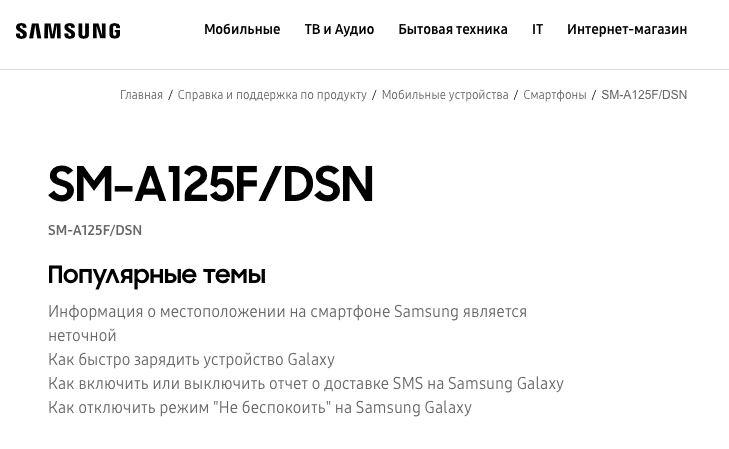
As reported by 91Mobiles, Samsung Russia’s official support page has listed a model number SM-A125F/DSN. Now, if we recall, an earlier report said that Samsung Galaxy A12 will have a model number SM-A125F. The new listing on Samsung’s support page is similar and corroborates the previous info. That said, apart from the model number, there is no info on the page.

Samsung Galaxy A12 Specifications(Expected)

However, thanks to early reports we know what features the device will likely bring to the table. As per a recent Geekbench listing, Galaxy A12 will sport the MediaTek’s Helio P35 SoC. This is a departure from the Qualcomm (Snapdragon 450 SoC) on the predecessor Galaxy A11. While the device tested on Geekbench had 3GB RAM, reports say that it will come with 32GB, and 64GB storage options. Hence, we can expect a higher 4GB variant as well.

Furthermore, reports say that the Galaxy A12 will be very similar to the predecessor. Thus, we can expect features like a punch-hole display at the front. At the back, the device is expected to retain the physical fingerprint sensor(capacitive) and come in Black, White, Blue, and Red colors.

That said, it will likely have other features like microSD card support, Android 10, triple rear cameras, NFC, and more. Precisely, if the device were to be similar to the Galaxy A11 as reports say, it could feature an HD+ display, 4,000mAh(or higher) battery with 15W fast charging. Let’s wait for concrete info to confirm the same but in any case, the listing suggests that the launch is very near.

Samsung reportedly postpones One UI 3.0 Beta program for Galaxy S10, Z Flip 5G, & more

Samsung has reportedly suspended the One UI 3.0 beta update after users reported persistent issues on the recent update for Galaxy Note 10 series. The list of devices whose update is postponed includes Galaxy S10, S10+, S10e, Z Flip 5G, Z Fold 2, and more.

As reported by Tizenhelp(via Sammobile), a Beta Operation Manager has informed the new decision on Samsung’s South Korean community forums. As per the post, the manager says they are working to stabilize the errors since the One UI 3.0 beta update for Galaxy Note 10, Note 10+ rolled out. Further, he mentions that the postponement will last till the stabilization work is done to some extent. Henceforth, we can expect the update cycle to resume for Galaxy S10 models and beyond.

That said, as per the report, the prime issue is the battery drain on the Galaxy Note 10 series devices. Additionally, few other users also faced app crashes. Besides, the report also says Samsung rolled out the One UI 3.0 update for Galaxy Z Flip 5G yesterday. But quickly pulled it back and now the community page shows the UI update for the device as ‘coming soon’.  This is probably to avoid the above issues extending to other devices.

Samsung confirmed the OneUI 3.0 based on Android 11 back at the event on August 5. The beta program began after the initial developer build. And was already on course with Beta Program and a vision to bring it close to 90 devices. Anyway, the public final version will reportedly roll out before 2020 ends. We hope that Samsung finds a fix soon so that it can continue the earlier pace and stick to the plan.

OPPO announces COVID-19 Computer Aided Detection Research Platform

At the INNO DAY 2020 event held today, OPPO announced its Computer-Aided Detection Research Platform which will help in the fight against the COVID-19 pandemic.

According to OPPO, the platform is used to detect coronavirus cases and boasts an accuracy of 99.67%. There is no explanation for how the diagnosis is carried out but OPPO says the framework will be made open to health institutions so that they can develop faster and more effective screening tools that can assist in combating the pandemic.

OPPO COVID-19 Computer Aided Detection Research Platform

OPPO is not the only tech company that has developed ways to assist with the fight against COVID-19. Google and Apple partnered together to develop the Exposure Notifications System which helps with contact tracing. The app (for Android) or feature (iOS) will notify users who have been exposed to someone who has contracted COVID-19.

Users who opt-in for the service will have a random ID generated for their device. For security, the ID changes every 10-20 minutes. Using Bluetooth, your phone communicates with other devices and exchanges these IDs, and periodically checks to know if any of the IDs it has come in contact with is associated with that of a user that has tested positive. If there is a match, you get a notification and instructions on how to keep safe.


OPPO 50W mini SuperVOOC charger will go on sale on December 12

Back in July, OPPO announced 125W flash charge technology. At the very same event, the Chinese smartphone maker also unveiled two new high-speed Gallium Nitride (GaN) chargers namely 50W mini SuperVOOC and 110W mini flash charger. Now, after four months, the company has finally revealed the availability of the former charger.

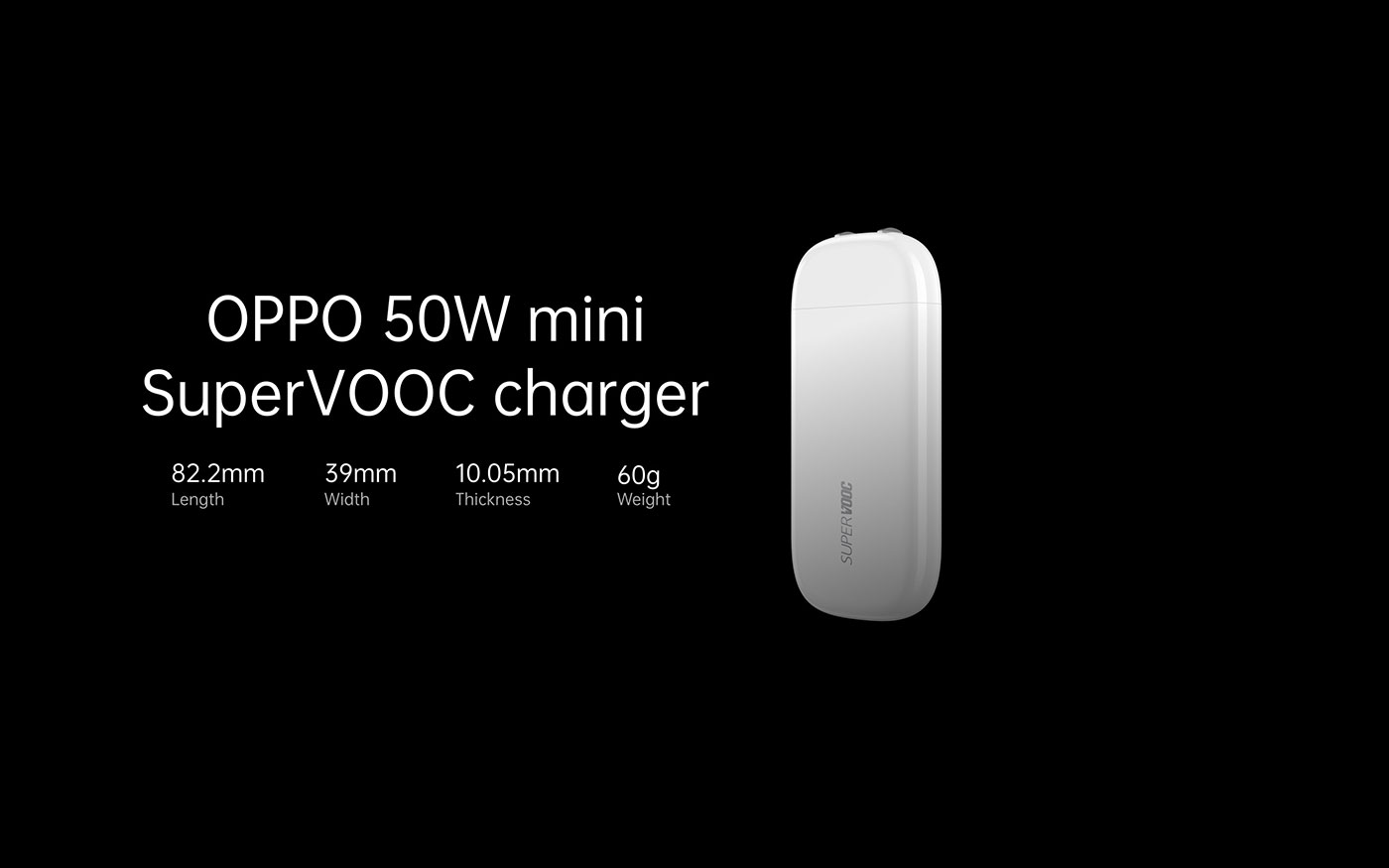
Oppo 50W mini SuperVOOC Charger

The OPPO 50W mini SuperVOOC charger is the smallest fast charger from the brand. It is also slimmer than any other 50W chargers available in the market with a mere 1.05cm thickness.

This charger not only supports SuperVOOC but also other charging protocols like 27W USB PD (Power Delivery) and 50W USB PD with PPS (Programmable Power Supply) to name a few.

Unfortunately, though OPPO has announced the availability of this charger, it is yet to release its entire specifications. Hence, we are still not sure of many things. Anyway, we expect the company to reveal more things about its mini fast charger, including the price before its first sale on December 12 in China.

As of now, we are only sure of the charger’s certain supported charging protocols, in addition to its dimensions and weight, which happens to be 82.2 x 39 x 10.05mm and 60g respectively. In a nutshell, it is small as a biscuit, as per the brand.


Renowned Watchmaker Citizen launches the CZ Smart model, its first smartwatch

The smartwatch industry has continued to grow with Apple at the helm. Interestingly, among the top smartwatch manufacturers, none of the top watchmakers made the cut. but in recent times, we have seen a number of traditional watch manufacturers release smartwatches. In June this year, Hublot released the Big Bang E, its first full-production smartwatch. Timex also launched the Ironman R300 in February this year as its first smartwatch.Citizen CZ Smart

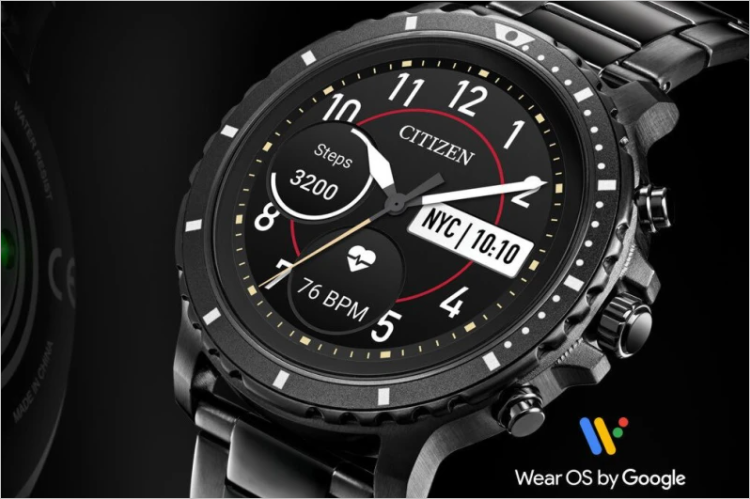
Japanese watch manufacturer Citizen, best known for its Eco-drive watches and cool atomic clock synchronized timepieces, has now joined the fray with its first smartwatch. The product is dubbed Citizen CZ Smart.

The CZ Smart is a full-on smartwatch replete with all the features you’ll find on the popular brands around. The smartwatch packs a 1.28-inch AMOLED display with 416 x 416  resolution. It is powered by the Snapdragon Wear 3100 platform and has 8GB of storage. The watch also packs an avalanche of sensors on board which includes a heart rate sensor, barometer, accelerometer, and gyroscope.

On the interface, the CZ Smart runs on Google Wear OS which affords users the opportunity to download several apps from the Play Store. The watch also comes with several features aimed at enhancing your health. It also comes with Call function as there is a built-in speaker for receiving calls directly on the watch. The watch has a 3ATM waterproof rating meaning it can be immersed in water of up to a depth of 30 meters.Citizen CZ Smart smartwatch

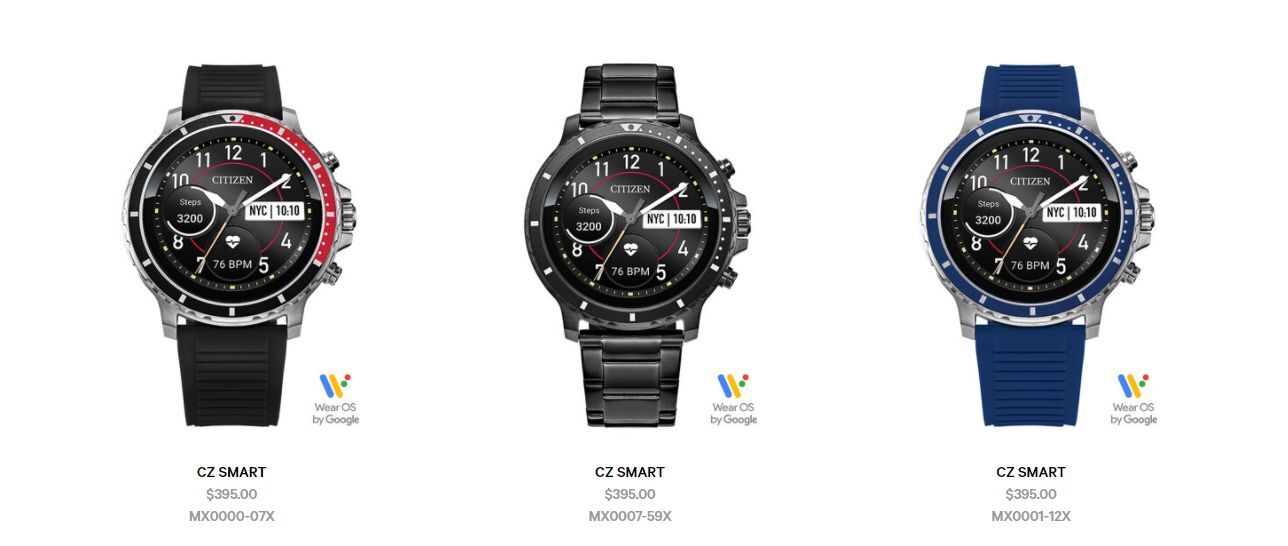
As for the price, the Citizen CZ Smart carries a hefty price tag of $395. It is presently available to pre-order but will start shipping from December 14. It comes in three options, a black chain strap, a black rubber strap and a blue rubber strap option. All three options carry the same price tag.

UP NEXT: Xiaomi XiaoAI Speaker Art Battery Edition launched for 399 yuan ($59)


Samsung gambles with a $116 billion investment to catch up TSMC by 2022

Samsung is gearing up for a long-term plan with a gambling investment of $116 billion to outperform TSMC. A report by Bloomberg says the company is going all-in to try and mass produce 3nm chips by 2022.

The report says(via Sammobile) according to a senior executive at Samsung’s foundry division, the company is on course to mass-produce 3nm chips in 2022. Park Jae-hong, executive VP of foundry design, says that the company is already developing initial design tools with partners. If we look at the arch-rival TSMC, it is also expected to be ready for 3nm by H2 2022. Hence, one would think that it is going to be a neck-and-neck battle.

However, Samsung is going to jump TSMC by adopting the GAA(Gate-All-Around)tech before TSMC on the 3nm. The latter is continuing the FinFeT process before it can go into the GAA on 2nm process. This technology will reduce power consumption, regulate current flow, and manage the overall chip area well. That said, experts feel that Samsung needs to hit the right mark. It can do it by testing the yields successfully in the initial stages. Else, it is at the risk of tossing up the investment to nothing.

Despite having a successful memory chip, display business, Samsung lacks the market share in the foundry and logic-chip industry. It reportedly had only 18% of contracts last year whereas TSMC dominated with more than half as per TrendForce. To change this, Samsung’s semiconductor division plans to invest $26 billion this year compared to TSMC’s $17 billion.

Additionally, report says Lee Jae-Young, Samsung Chairman, visited ASML Holdings in the Netherlands to discuss the supply of EUV machines. For the unware, ASML is one of the world leaders in manufacturing chip-making equipment. Currently, Samsung and TSMC have established the EUV process as Intel recently announced its open for outsourcing chips. Hence, analysts feel that the difference between the two lies in techniques like cutting-edge fabrication and power efficiency.

Although TSMC has secured enough orders from giants like Apple, companies like NVIDIA, IBM Corp., Qualcomm are turning towards Samsung which is a good sign for the company. Anyway, Samsung has set up a dedicated EUV factory in Hwaseong while another one at Pyeongtaek is likely to be ready by H2 2021. Nevertheless, if Samsung succeeds in jumping TSMC in this mission, it can attract giants like Apple, AMD who are stuck with TSMC so far.

Adobe Photoshop Beta for Apple Silicon-powered Mac released

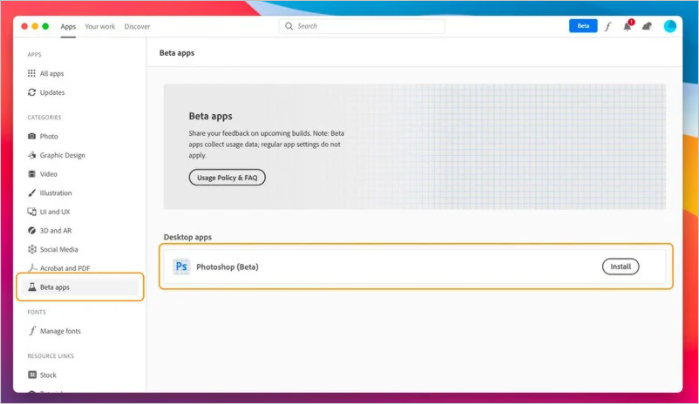
Earlier today, premium solutions provider Adobe announced the release of Photoshop Beta for Apple Silicon devices having Creative Cloud desktop version 5.3.1.470 or later. This is the very first Beta release of Photoshop that will be running on ‌Apple Silicon‌ hardware.

macbook pro 16 inch
Macbook Pro 16″

Apple recently unveiled the silicon M1 chipset recently which will signal the transition of the CPUs in Apple’s Macintosh line of computers from Intel’s x86-64 to one designed by Apple based on the ARM64 architecture. In terms of specs, the new M1 chip has a staggering 16 billion transistors, which is significantly higher than the 11.8 billion used in the iPhone 12’s A14 Bionic. The CPU core is also increased from six to an eight-core arrangement in order to boost the performance. Additionally, the M1 has four high-performance cores for heavy-duty work, compared to two on the iPhone 12, and four high-efficiency cores for low-priority tasks.

This Photoshop version for ‌Apple Silicon‌ offers many of the principal Photoshop features that provide invaluable assistance to millions of users every day in meeting their editing needs. Adobe will also be adding other great features in the coming weeks. Although the Beta software is not yet officially supported by Adobe, it would seem that something is in the offing in this regard and we will keep you on the loop as events unfold.

Adobe has stated that there are a number of limitations in the beta release and several features are absent, coupled with the likelihood of slow performance of the application. Also notable is that running Adobe Photoshop under Rosetta emulation does not have the support functionality of Adobe.

So if Photoshop is important to your workflow processes, the choice of running it on an ‌Apple Silicon‌ Mac may not be very viable presently, as it is still work in progress. 

UP NEXT: Xiaomi XiaoAI Speaker Art Battery Edition launched for 399 yuan ($59)


Microsoft Surface Book 3 and Surface Go 2 launched in India

Microsoft initially debuted the Surface Book 3 and the Surface Go 2 in May. After six months, these two devices have finally landed in India. Strangely, the software giant launched these devices after the Diwali festive season. Anyway, the duo is mostly targeted at enterprise customers, and therefore, it may not affect its sales.

Microsoft Surface Book 3 India Pricing & Availability

The Microsoft Surface Book 3 comes in two sizes – 13-inch and 15-inch. However, all the variants of this product are only available for commercial customers. Hence, interested such customers will have to contact their local commercial resellers to buy them.

Surface Book 3

That said, here’s the list of Surface Book 3 variants and their price in India.

  • 13-inch
    • Intel Core i5-1035G7 8GB + 256GB   – ₹156,299
    • Intel Core i7-1065G7 16GB + 256GB – ₹195,899
    • Intel Core i7-1065G7 32GB + 512GB – ₹237,199
    • Intel Core i7-1065G7 32GB + 1TB     – ₹259,299
  • 15-inch
    • Intel Core i7-1065G7 16GB + 256GB – ₹220,399
    • Intel Core i7-1065G7 32GB + 512GB – ₹266,499
    • Intel Core i7-1065G7 32GB + 1TB     – ₹286,199
    • Intel Core i7-1065G7 32GB + 512GB + Nvidia Quadra RTX 3000 – ₹321,899
    • Intel Core i7-1065G7 32GB + 1TB + Nvidia Quadra RTX 3000      – ₹340,399

Microsoft Surface Book 3 Specifications

Microsoft Surface Go 2 India Pricing & Availability

Surface-Go-2 featured


On the other hand, Surface Go 2 can be purchased by any customer in India. Its variants and their price are as listed below.

  • Intel Pentium Gold 4425Y 4GB + 64GB   – ₹42,999
  • Intel Pentium Gold 4425Y 8GB + 128GB – ₹57,999
  • 8th Gen Intel Core m3 4GB + 64GB    – ₹47,599
  • 8th Gen Intel Core m3 8GB + 128GB  – ₹63,499

Microsoft Surface Go 2 Specifications


Vigorous iPhone 12 sales could pave way for more Cooling solution orders: Report

While early reports predicted low sales figures for the iPhone 12, it looks like the opposite could happen. Apple’s latest flagship iPhone 12 is already in huge demand. And it is only going to get better as the pandemic may ease into 2021. Ahead of this, a Digitimes report says that iPhone 12 sales will rise the demand for cooling solutions.

iPhone 12 featured

Digitimes report says that according to industry sources, recent sales of iPhone 12 indicate an imminent demand for 5G smartphones in 2021. The sales will also reportedly raise the demand and increase the order for smartphone cooling solutions according to Taiwan’s suppliers.

For the unware, cooling solution generally refers to the heat pipes/vapor chambers(copper) inside a smartphone. They aid in absorbing the excess heat that may result from heavy tasks like gaming, video rendering etc. Additionally, with 5G technology, both the battery and SoC are put to strain as the 5G antenna demands more juice.

This paves way for a mandatory inclusion of cooling solutions inside every 5G smartphone. And Apple’s iPhone 12 is already selling like hot-cakes everywhere including China. Besides facing a shortage of components, it is trying to load up the inventories in the run-up to dominate the market. This healthy trend will obviously increase demand for 5G, and inturn the cooling solutions inside. And that is reflected in the report as well.

Cooling solution makers like Chaun-Choung Technology, Auras Technology, Taisol Electronics, and Asia Vital Components believe demand for vapor chamber/heat pipes will bounce back in 2021. Among the above, Auras Technology reportedly saw a 5% sales drop of total revenue during Q3 2020 compared to 24% in Q1. Comparably, Chaun-Choung Technology also saw a 4% drop in Q3 down from 6%, 10% in Q2, and Q1 respectively.

That said the sales figures of 5G smartphones are expected to improve going forward. In particular, if the report is true, the sales will reach 450-500 million units compared to the prediction of about 220 million this year. In turn, this might trigger the orders for cooling solution which is a good sign for the suppliers.

Redmi K40 Pro likely to flaunt high refresh rate display and faster charging technology

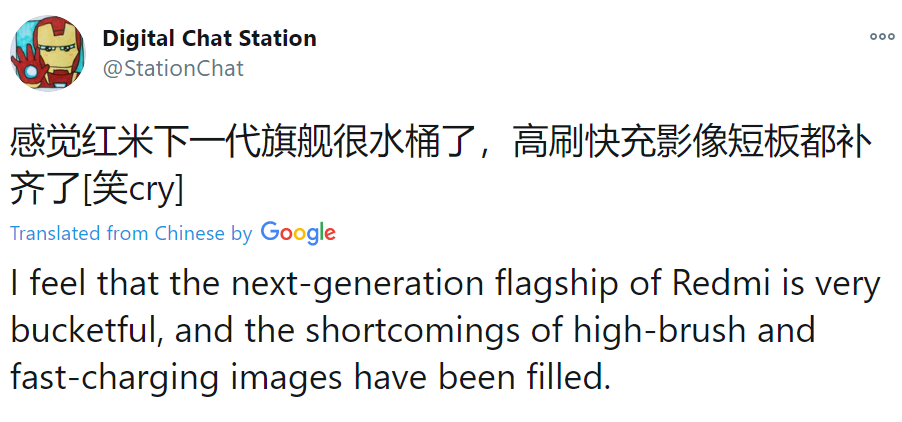
This year, Redmi announced the Snapdragon 865 powered Redmi K30 Pro smartphone in March. It is likely that Redmi may replace it with the Redmi K40 Pro in Q1 next year. While the Redmi K30 Pro was a well-received smartphone, consumers were unhappy that its screen only supports a 60Hz refresh rate. A known tipster from China has claimed that it could be coming with a better display and faster-charging capabilities.

Redmi K40 Pro high refresh rate fast charging leak

With Redmi offering up to 144Hz refresh rate screen on the Redmi K30S that went official in August, fans can expect the Redmi K40 Pro to at least arrive with 90Hz refresh rate support. The Redmi K30 Pro and K30S both came with 33W fast charging support. The K40 Pro is expected to arrive with a faster charging solution. Being a flagship device, it could be driven by the Snapdragon 875 mobile platform.

Redmi K30 Pro
Redmi K30 Pro

Currently, the company is not talking about the Redmi K40 series since it is focused on the Redmi Note 9 5G and Note 9 5G Pro phones in China. Rumors have that the Redmi Note 9 5G phone will break cover as early as next week.

The Redmi Note 9 5G is also heading to global markets. It is speculated that the device could be called Redmi Note 9T in markets outside of China. There is no word on whether the Note 9 5G Pro will be also made available outside the home market in the near future.

The lineup also includes a 4G phone. It is yet to be confirmed whether it will be called Redmi 10 or Redmi Note 10 4G or something else. What is known is that the same device will debut as the POCO M3 in global markets on Nov. 24.


OPPO announces a new “3+N+X” strategy at the INNO DAY 2020 event

Today, OPPO held the second iteration of its “OPPO INNO DAY” event in Shenzhen, China. At the event, the company announced three new developments including an AR Glass, and a rollable smartphone. Alongside the new concept products, OPPO also announced a new development strategy to integrate its products, technologies under one ecosystem.

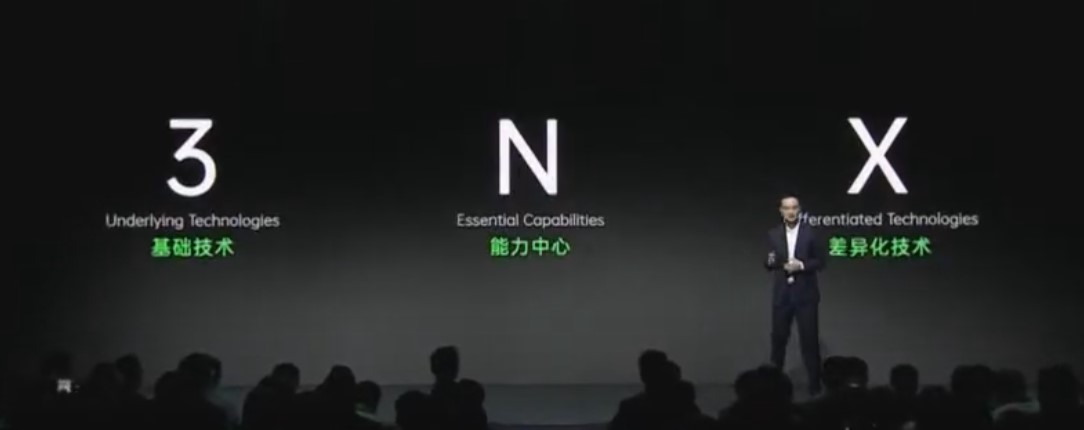
OPPO 3+N+X Strategy
Credits: YouTube/OPPO

OPPO calls it the “3+N+X” Technology transition Strategy. Here “3” refers to the prime capacities of its hardware, software, and service technologies. “N” stands for essential AI, Security and Privacy, Multimedia, and interconnectivity. “X” signifies its innovative tech like AR, flash charging, new form factors(concepts), imaging, and more. Going forward, OPPO says the strategy is going to be the key priority of its R&D development.

3- Hardware, Software, Service

Talking about the “3” underlying technologies, OPPO says it’s emphasizing more on short-distance wireless communications. That is, in addition to the already evolving hardware tech. It also aims to connect multiple-devices like Smart Home Products under one roof.

Next, for software, OPPO not only aims to have a software that is backward compatible but also make it work seamlessly across multiple devices through collaboration and one-stop engineering solution across ecosystems. Oppo’s services tech to provide internet services involves Cloud computing, Big Data, Machine Learning, and smart services. They work in tandem to improve the value of data online.

According to OPPO, it has a daily Application and Smart services distribution of 1.7 billion, 330 million respectively. The company also says it has around 280 million monthly active content users.

N- Essential Capabilities

Talking about the essential technological capabilities, OPPO said that it’s HeyThings IoT platform offers a one-stop solution for developers to share resources. It says the platform has about more than 50 categories and partnerships with more than 30 brands including Midea so far.

Furthermore, it says car machine interconnection is also on the list of OPPO’s interconnectivity. It believes with resource co-ordination, technology transfers between car devices, we can achieve sensorless car keys, remote car control, and intelligent screencast(Smart screen).

X- Differentiated technologies

As mentioned earlier, OPPO’s differentiated tech aims to be innovative, disruptive whilst improving the overall user experience. For instance, OPPO’s SuperVOOC(125W), AirVOOC(65W), 50W SuperVOOC mini Charger are examples of what the company is capable of.

Lastly, OPPO says that it’s ideal for a company to properly integrate the technologies apart from developing it. And with persistent investment in R&D, it is going to let the users reap the benefits while absorbing all the hard tasks for itself.

POCO M3 launch confirmed for November 24

In case you are not aware, Xiaomi’s POCO brand has two main divisions – global and India. Both of them operate separately and their product portfolio is different. Hence, when POCO Global teased the arrival of a new smartphone by the end of 2020, POCO India confirmed that there will no new phone from them. Now, weeks later, this upcoming handset’s moniker has been officially confirmed as POCO M3 and it will be unveiled on November 24.

POCO M3 Launch Date

The upcoming POCO M3 has been in the news for a while now. However, its exact branding has been only confirmed now. This handset is expected to be nothing but a tweaked version of Redmi Note 10 4G.

That’s because the Chinese version of this device bears the model number M2010J19SC. Similarly, the Global and Indian versions of this phone have been spotted on IMDA, EEC, and Geekbench with similar model numbers – M2010J19SG and M2010J19SI respectively.

Hence, according to TENAA and other listings, the forthcoming POCO M3 will be powered by Qualcomm Snapdragon 662 chipset paired with a minimum of 4GB RAM and 64GB internal storage. On the front, it will sport a 6.53-inch FHD IPS LCD panel with a dew-drop notch housing an 8MP selfie camera.

Redmi-Note-10-4G-TENAA

Whereas, on the back, the smartphone will house a triple camera setup consisting of a 48MP primary sensor. Last but not least, it will run Android 10 and will be backed by a 6,000mAh battery with support for 22.5W fast charging.


After OnePlus 9 Pro, the OnePlus 9 vanilla gets spotted at Geekbench

Last week, an OnePlus phone with model number LE2117 was spotted at the Geekbench listing. It is speculated that this device could be the OnePlus 9 Pro. Today, another OnePlus phone with LE2113 model number appeared on the same benchmarking platform. This one seems to be the vanilla OnePlus 9.

OnePlus 9 Geekbench listing

The OnePlus 9 Geekbench appearance reveals that it is powered by a Qualcomm processor that has “Lahaina” codename, which is a clear hint that it the Snapdragon 875 flagship chip. The SoC is coupled with 8 GB of RAM.

OnePlus 9 Geekbench

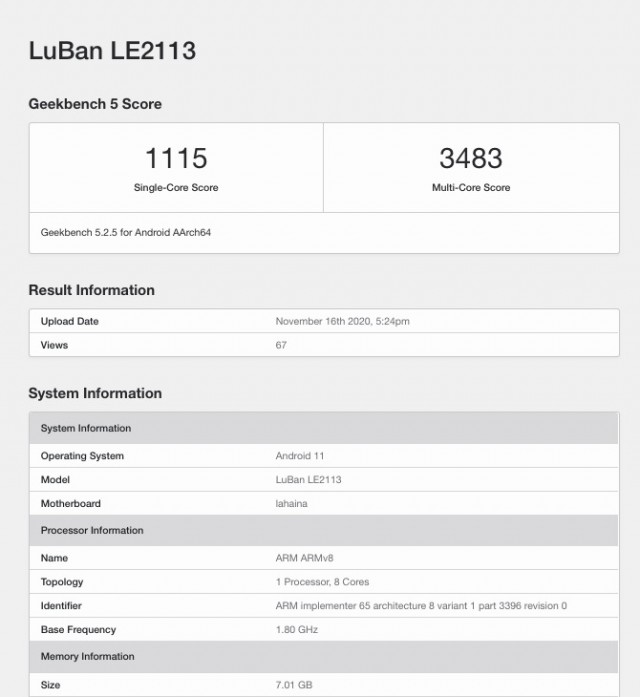
The smartphone is preinstalled with Android 10 OS. In the single-core test, the OnePlus 9 scored 1115 points and it achieved 3483 in the multi-core test In comparison, the OnePlus 9 Pro had scored 1122 and 2733, respectively in the single-core and multi-core tests of Geekbench.

The Pro model was also seen with the same specs as the SD875 chip, 8 GB of RAM, and Android 10 OS at the benchmarking site. These scores should be taken with a pin of salt because the benchmarked devices could be prototype units.

At present, there is no information available on the other specs of the phone. Since the Warp Charge 65 fast charging technology was introduced with the OnePlus 8T, it is likely that the OnePlus 9 and OnePlus 9 Pro could be equipped with Warp Charge 65.

The OnePlus 9 series is expected to break cover by mid-March next year. In the U.S., the company expected to sell the flagship phones through Verizon and T-Mobile. Speculations are rife that the OnePlus Nord 2 will also arrive in Q1 next year.


(via)