WhatsApp is the most-used cross-platform messaging service in the world. It is popular because of its simplicity. To keep up with the competition, parent company Facebook has been implementing useful features every now and then like the newly introduced storage management tool.
We’ve made it easy to review, bulk delete items and free up space. This new storage management tool can be found in Settings > Storage and Data > Manage Storage. pic.twitter.com/eIMFZ1Oyzr
WhatsApp has two channels for releases – beta & stable. As the name suggests, new features are introduced first in the beta channel. But not all those features make their way to the stable.
The messaging service has been testing the storge management tool in the beta channel for a while now. A few weeks back, it even received a design tweak. Now, the same design has been made available for stable users as well.
To make use of the tool, users will have to update to the latest version of WhatsApp from either Play Store or App Store depending on their smartphones. Then, launch the app and navigate to Settings > Storage & Data > Manage Storage.
On this screen, users can not only take a look at the storage used by media and chats on WhatsApp but will be also able to delete unwanted files, especially multi-forwarded pictures and videos.
With this new feature, users will no longer have to manually go through the gallery or files app to clear storage occupied by WhatsApp media.
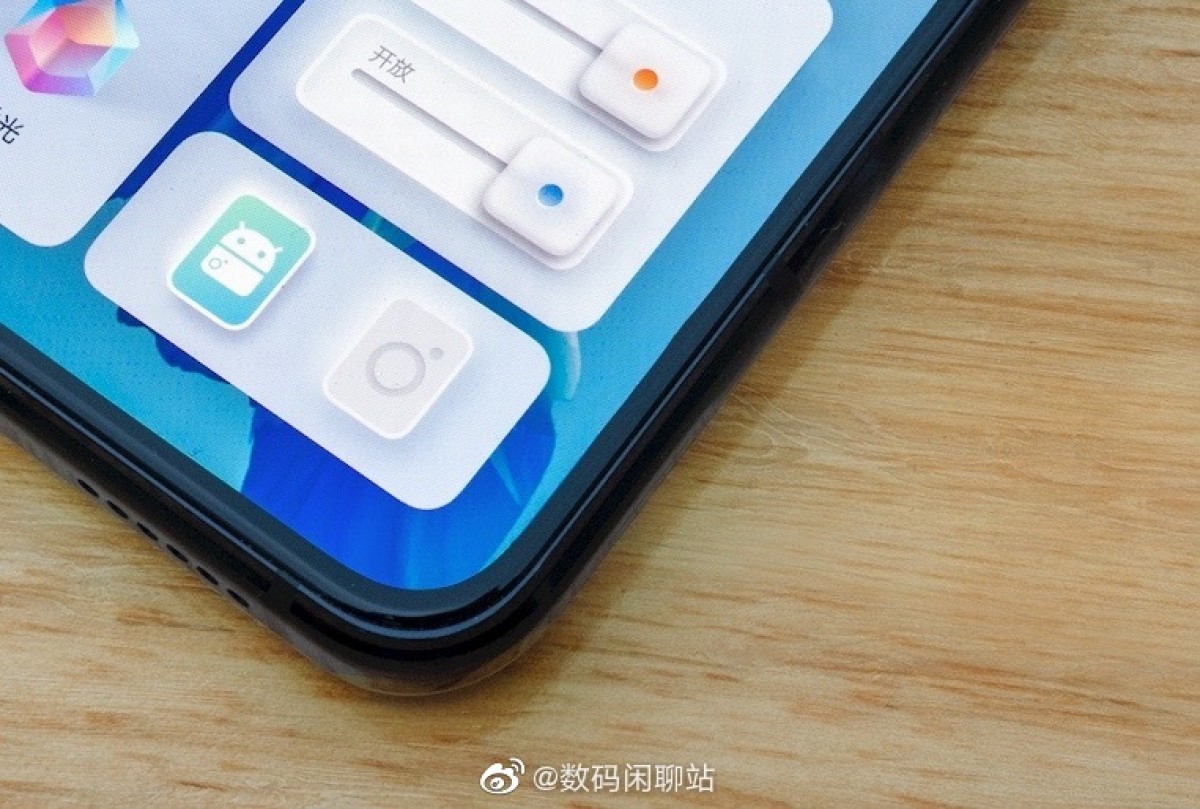
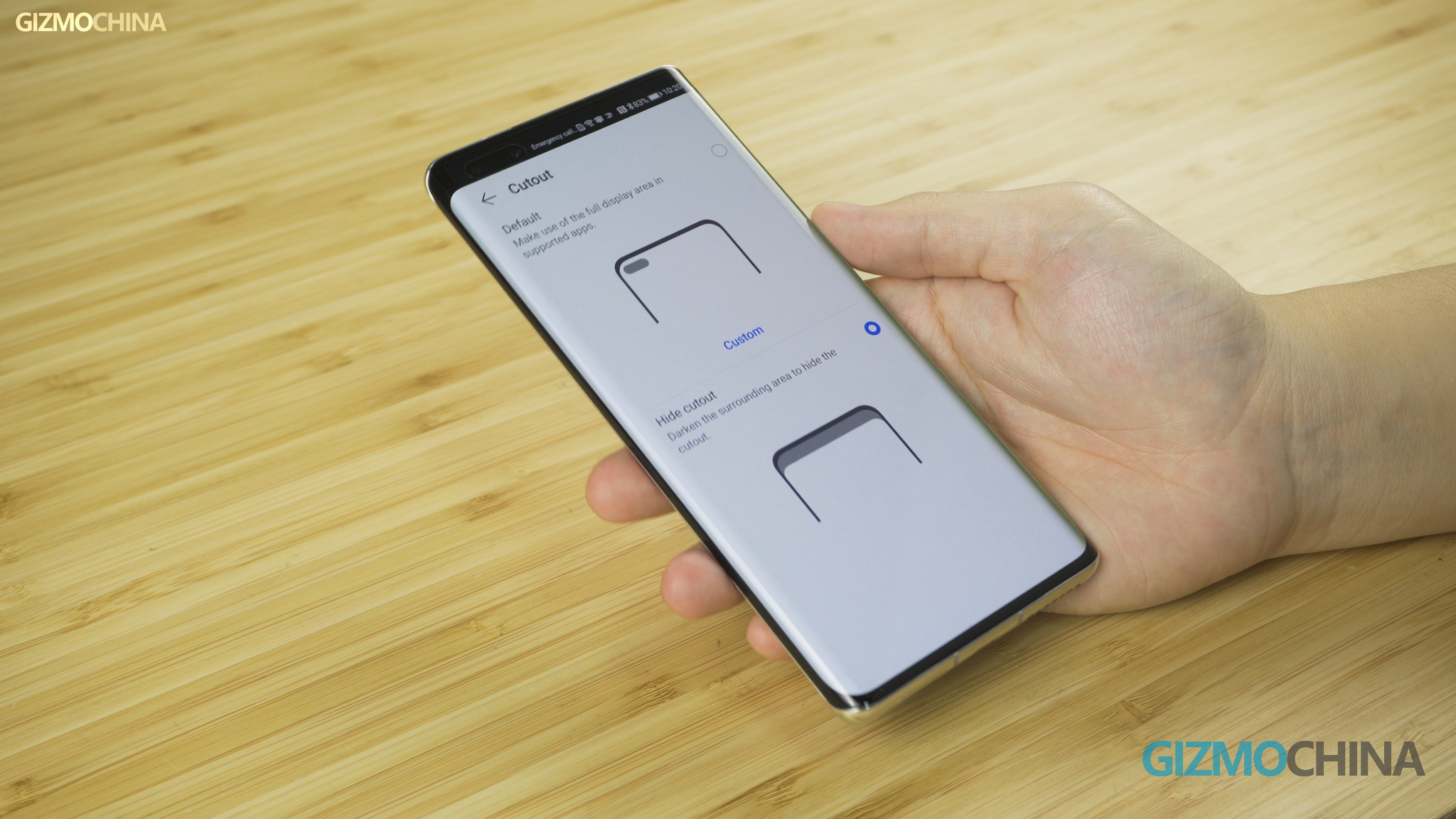
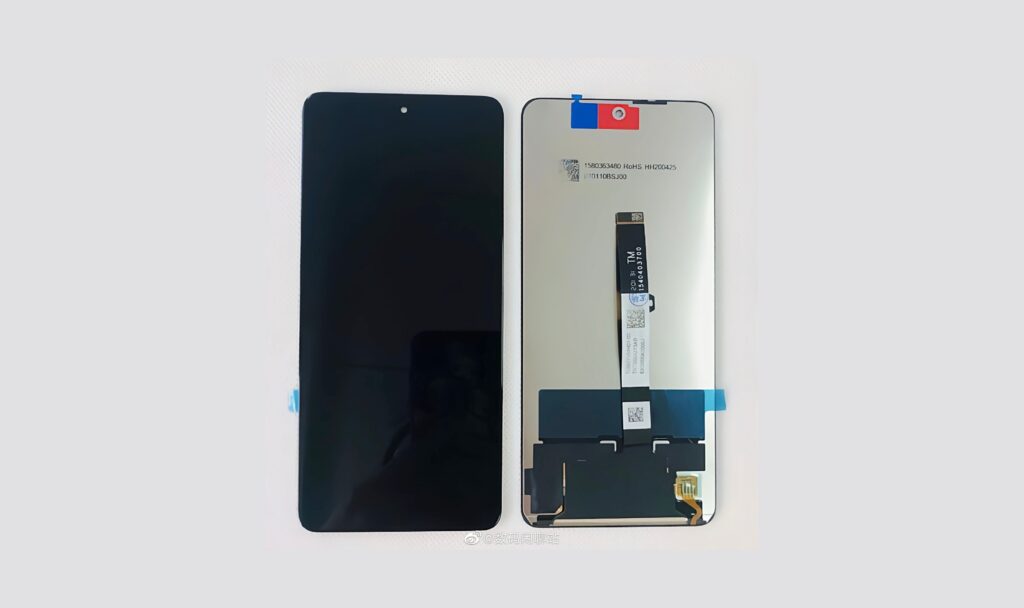
The rumor mill is now actively spilling information about the upcoming Redmi Note 9 series for China. A tipster recently claimed that the series has three phones, and they are likely to go official later this month. Earlier today, the tipster shared an image that revealed that LCD panel of one of the Redmi Note 9 series phones. The image revealed the presence of a top-center positioned punch-hole for the front camera. Later, he took Weibo again to reveal that the lower positioned model of the Redmi Note 9 will not have the same display. He revealed that has a selfie camera cutout at the top-left corner.
The tipster claimed that the punch-hole cutout of Note 9’s base variant is a bit large measuring around 3.9mm in diameter. He also claimed that the screen supports a high refresh rate.
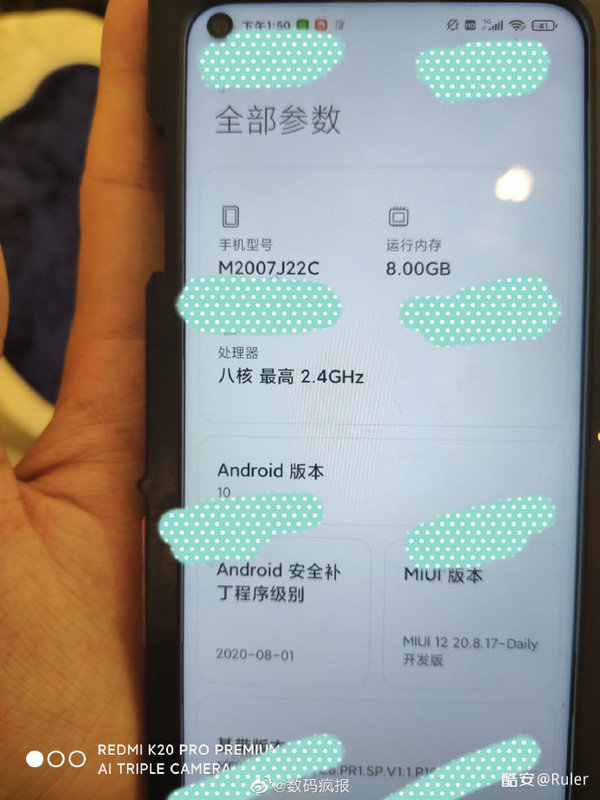
In September, a leaked shot of an upcoming Redmi phone had surfaced on Weibo. The device had an upper-left corner positioned selfie camera cutout. There is a possibility that this handset could be the Redmi Note 9’s base version.
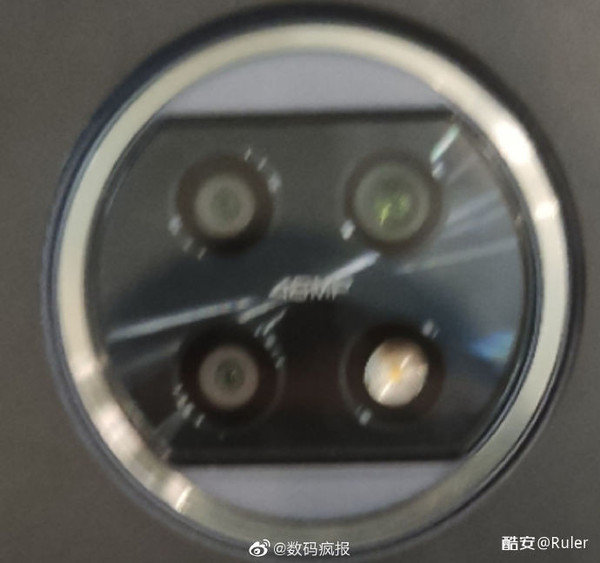
The image revealed a couple of vital details such as M200722C model number, 8 GB of RAM, MIUI 12 based Android 10 OS, and a 2.4GHz octa-core processor. The device could be powered by a Dimensity 800U chipset. The M2007J22C 5G phone was recently spotted at the 3C certification platform with a 22.5W fast charger. There was another leak shot of the device that revealed that it is equipped with 48-megapixel triple cameras.
Huawei has been rejected by Romania for building 5G networking in the region. The news arrives after the Romanian Prime Minister Ludovic Orban stated that the company “does not meet [security] conditions” that would allow it to be a part of the 5G building process.
According to an RFERLreport, the Romanian Prime Minister stated in an interview that “With respect to 5G, [China] cannot be our partner.” Furthermore, the US Ambassador to Romania Adrian Zuckerman has also repeatedly warned about the security risk the Chinese tech giant poses, which is the reason why America had seemingly banned the company from its 5G network, as did the UK earlier this year.
The move is also reflective of the US’ stance against Chinese telecom equipment providers, which even has them pressure other allied nations to block Huawei. On multiple occasions, the Trump administration has also alleged that the company could potentially be a front for the Chinese government for espionage, which has strongly been denied by both Huawei and Beijing.
Back in 2019, US President Donald Trump and Romanian President Klaus Iohannis signed a memorandum that careful consideration would be taken when using 5G equipment from a company that could possibly have ties to another government. Orban further added that “We’ll choose a company that poses no threat to national security or other areas.”
Google has begun to roll out November 2020 security patch to eligible Pixel smartphones worldwide. As expected, the Pixel 2 and Pixel 2XL did not make the list as they have reached the end of support. Nevertheless, these two handsets will be receiving one last update in December.
The latest security patch update for Pixels brings more bug fixes than patches for vulnerabilities. Here’s a breakdown of all the fixes the new system update tags along.
Common Fixes
Apps: Preventative fix for inadvertent playlist removal in YouTube Music
Audio: Fix for bug preventing ringer audio for starred contacts in DND mode
Camera: Fix for bug causing the screen to wake after locking device in certain conditions
System UI: Fix for hidden navigation during fullscreen media playback
Fixes for Pixel 3/3 XL & Pixel 3a/3a XL
System UI: Improvements for screenshot access on devices with 2-button navigation
Fixes for Pixel 4/4 XL & Pixel 4a
Apps: Fix for bug causing incorrect audio routing in Android Auto mode
Audio: Fix for media audio stutter during playback in certain apps
Fixes for Pixel 4/4XL
Sensors: Fix for dark screen during phone calls
Fixes for Pixel 4a
Touch: Improvements for touch response with certain screen protectors.
Fixes for Pixel 4a 5G and Pixel 4
Apps: Fix for bug preventing phone calls while in Android Auto mode
Sensors: Improvements for auto-brightness response in ceratin outdoor lighting conditions
Touch: Fix for inconsistent touch sound in certain conditions.
Having said that, the November 2020 security update for Pixes is being currently pushed to units worldwide. The OTA update may take some time to arrive on every device out there. If you cannot wait, you can manually sideload them from Google Developers.
Tomorrow, OPPO will be announcing the OPPO K7x smartphone in China. It will be the second K-series from the brand after the Snapdragon 765G powered OPPO K7 that went official in August. Ahead of the launch, the phone is now up for reservations through multiple Chinese e-commerce platforms. Renders of the smartphone have surfaced to reveal its front and rear design.
In the renders, the OPPO K7x can be seen in a gradient white and a gradient blue. The backside of the phone has a square-shaped camera module that includes three lenses and an LED flash. At the front, the OPPO K7x features a punch-hole display. There is a possibility that the OPPO K7x could be available in more colors at launch.
The OPPO K7x was spotted last month in the database of China’s TENAA certification platform with all the important specs. The handset has a 6.5-inch LCD panel that produces a Full HD+ resolution. The Chinese manufacturer has confirmed that the OPPO K7x’s screen delivers a refresh rate of 90Hz and a touch sampling rate of 180Hz. It features a side-mounted fingerprint reader. Today, the company also confirmed that the device houses a 5,000mAh battery that supports 30W VOOC fast charging technology.
The OPPO K7x recently appeared at Geekbench benchmarking platform to reveal that it is powered by the Dimensity 720 chipset. The handset is expected to arrive in 6 GB and 8 GB RAM versions and storage choices like 64 GB, 128 GB, and 256 GB. It has a front camera of 16-megapixel and its rear has a 48-megapixel + 8-megapixel + 2-megapixel + 2-megapixel quad-camera system. There is no word on its pricing yet.
Vivo had recently confirmed that its upcoming Origin OS will be replacing its existing Funtouch OS. Despite its announcement, the company refrained from divulging any additional information. But now, a new leak has suggested that the company might be offering users to manually switch from Origin OS to stock Android on the fly.
According to a GSMArenareport, the Chinese smartphone manufacturer will offer users the option to switch to stock Android with ease. At least that is what the direct translation has suggested. On the other hand, it could also mean that Origin OS is a completely different OS built from the ground up, but will still offer the users a chance to switch to Android OS. But, that seems rather improbable.
The company did state that the new OS will arrive on existing smartphones as well. So, it is safe to assume that it is a custom sin layered on top of the Android platform. The Vivo V20 with Funtouch OS 11 was the company’s first stepping stone to stock like UI. So, we can expect more along the same lines from future launches and Origin OS as well. But, this is still a leak so take this report with a pinch of salt for now, and stay tuned for more updates on the matter.
While Nokia did make a comeback in the smartphone industry a couple of years prior, it has yet to penetrate the high end flagship market. While rumors have been going around about the Nokia 9.3 PureView, a new report has revealed that the device in question might be called the Nokia 10 PureView, which is already in the testing phase.
According to a NokiaPowerUserreport, a source has claimed that the upcoming flagship from the company will be called Nokia 10 PureView. Furthermore, this device is already being tested but is still in the early development phase. Reportedly, the prototype is currently running on the Qualcomm Snapdragon 875 SoC and Nokia plans on launching the device sometime in the second half of 2021, going by the ongoing stage of development.
Unfortunately, finer details regarding the flagship smartphone is still unknown. Although, the source had also added that the device may arrive with a Sapphire glass display. Similarly, the report also mentions that the handset could also sport a stainless steel frame and will have Zeiss optics for its camera lens. That is all we have to go on, for now, so stay tuned for more and we will provide more updates when more information is available.
It is a known fact that Xiaomi power banks are popular, at least in Asia. The company began to assemble its power banks in India in 2017. The first models were 10,000mAh & 20,000mAh variants of Mi Power Bank 2i. Since then, all the power banks sold by Xiaomi India have been assembled locally in the country. Now, after three years, the company reveals that it has sold over 10 million units of ‘Made in India’ Mi Power Banks.
In case you are not aware, Xiaomi mostly announces its achievements ahead of launching a new product. Yesterday, the company revealed to launch its first compact and fastest charging power bank in India on November 5. The very next day, the firm now boasts that it has sold over 10 million ‘Made in India’ Mi Power Banks.
Though Xiaomi took 3 years to achieve this milestone, it is impressive anyway. Currently, the company sells the following Power Bank models in India.
This coming Thursday, Xiaomi will be unveiling the sixth model. It could be either Mi Power Bank 3 Pocket Edition or Mi Power Bank 3 Super Flash Charge Edition.
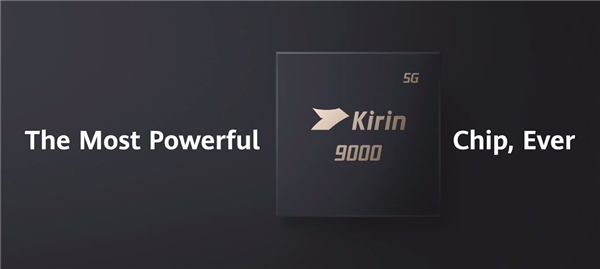
A few weeks ago, Huawei launched its highly anticipated Huawei Mate 40 series smartphones in the market, making it the first devices to come powered by the company’s own Kirin 9000 SoC.
Now, if the statements coming from the company’s executive are to be believed, then it could be the most complicated smartphone to make in the series so far. Richard Yu, CEO of Huawei’s Consumer Electronics Business said that it took them three years to make the Mate 40 series phones.
He added that the Huawei Mate 40 series has now become the company’s longest development lineup and one of the most difficult. For the first time, the company used the 5nm chipset in the phones — HiSilicon Kirin 9000.
The primary reason for such a long duration for the phones in the making is the chipset. Huawei had to develop its own Intellectual Properties (IP) since they cannot get it from the outside, and this takes up a lot of time — from planning to production.
Because of the development of its own next-generation advanced chipset and the longer duration for the Research & Development, the total investment from the company for this Mate 40 series is also among the largest from the company so far.
Additionally, the Mate lineup from Huawei is well-known for the camera performance and the company took care of that part in this year’s models as well. Further, the company is also trying to offer advanced 5G connectivity support.
Adding to the cost and time for development is the software department. Despite getting banned from using Google’s Android operating system because of the restrictions imposed by the United States, the company keeps on improving its EMUI custom user interface, which is now based on Android Open Source Project (AOSP). But, there are reports that from next year, the company will transition its devices to HarmonyOS.
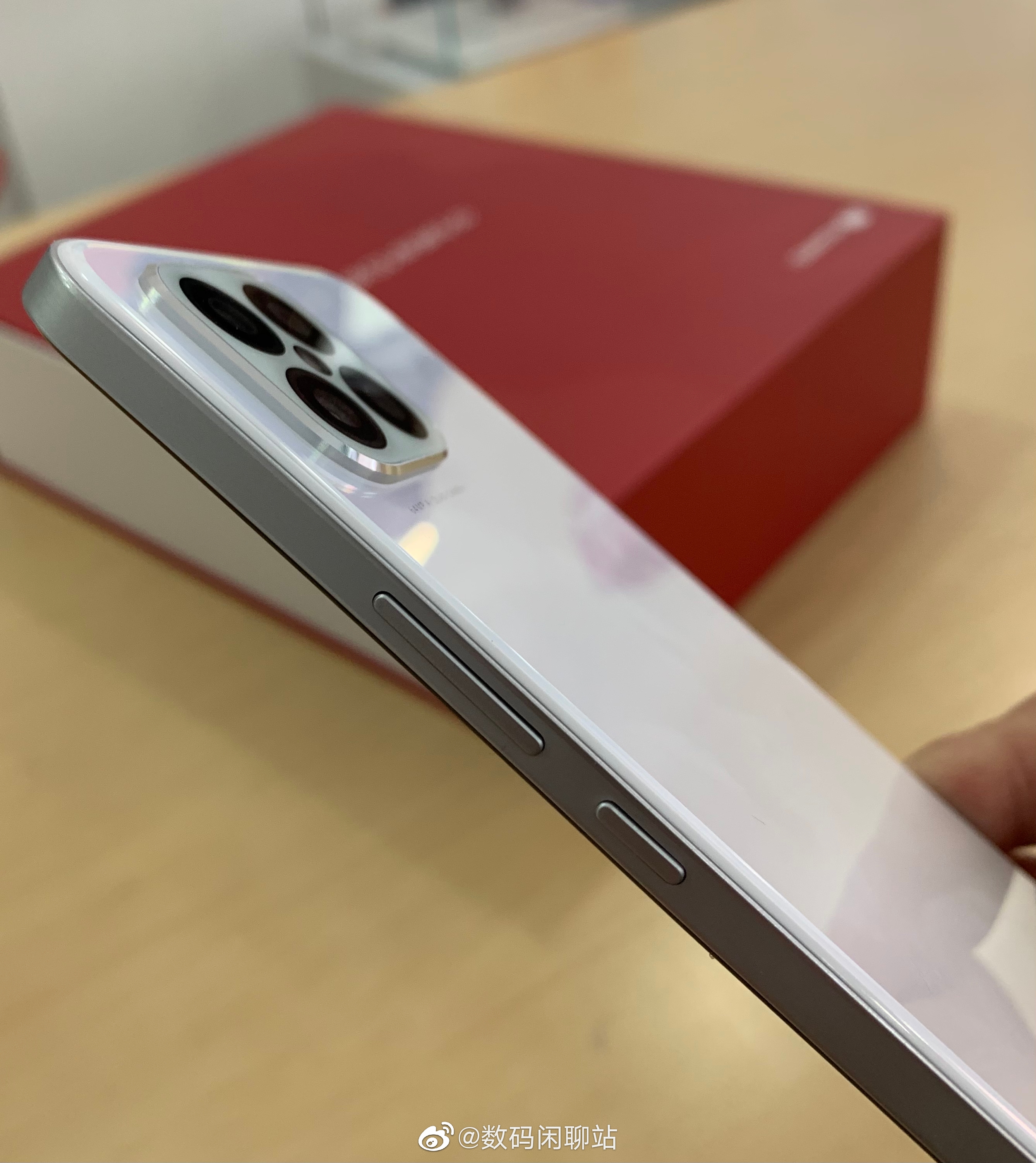
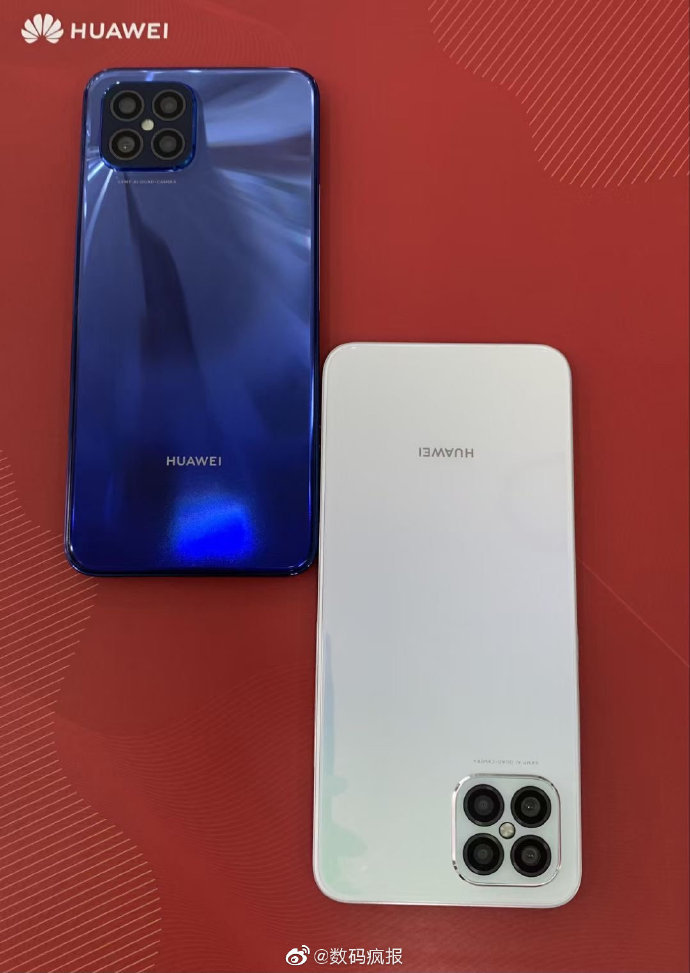
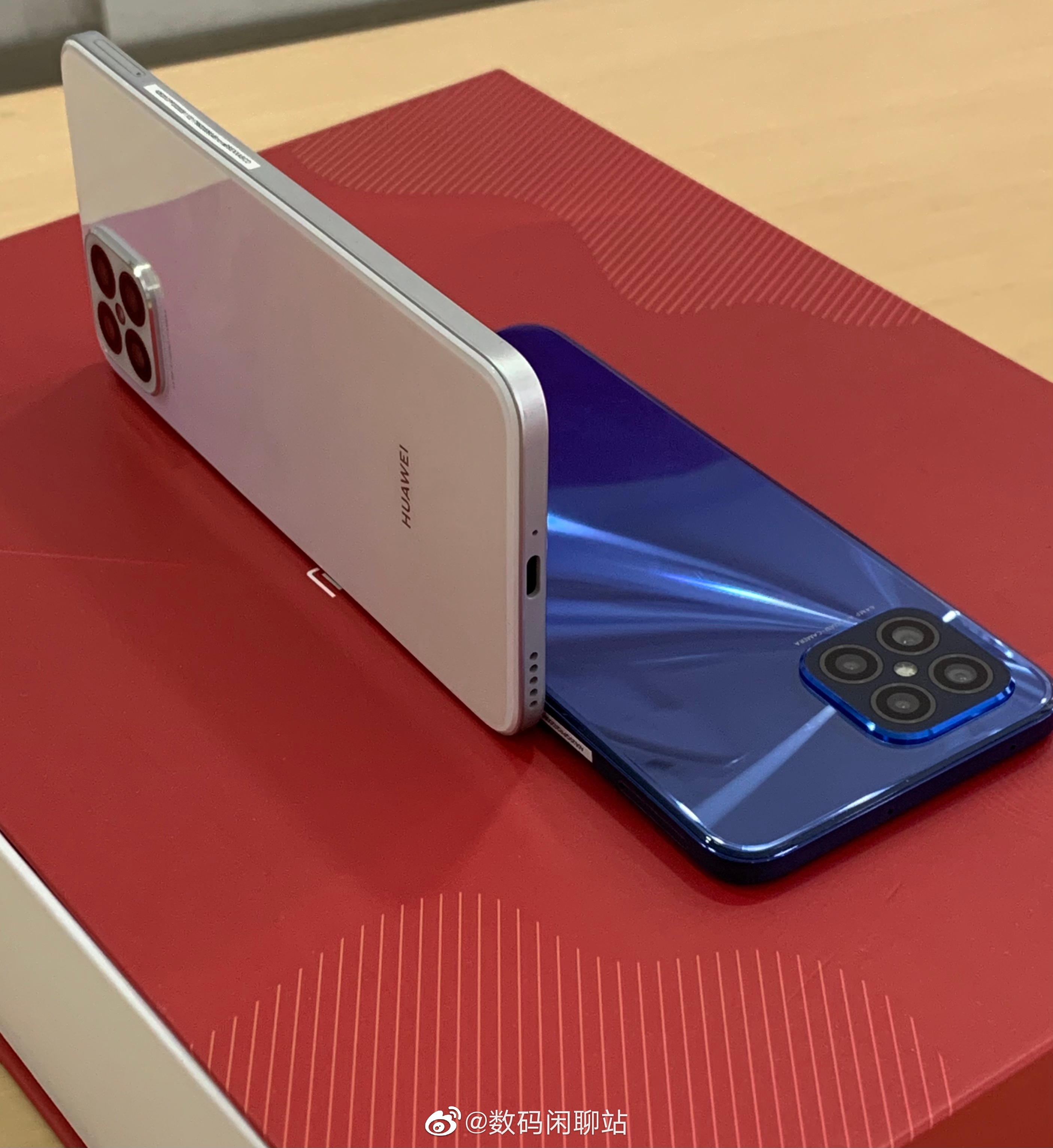
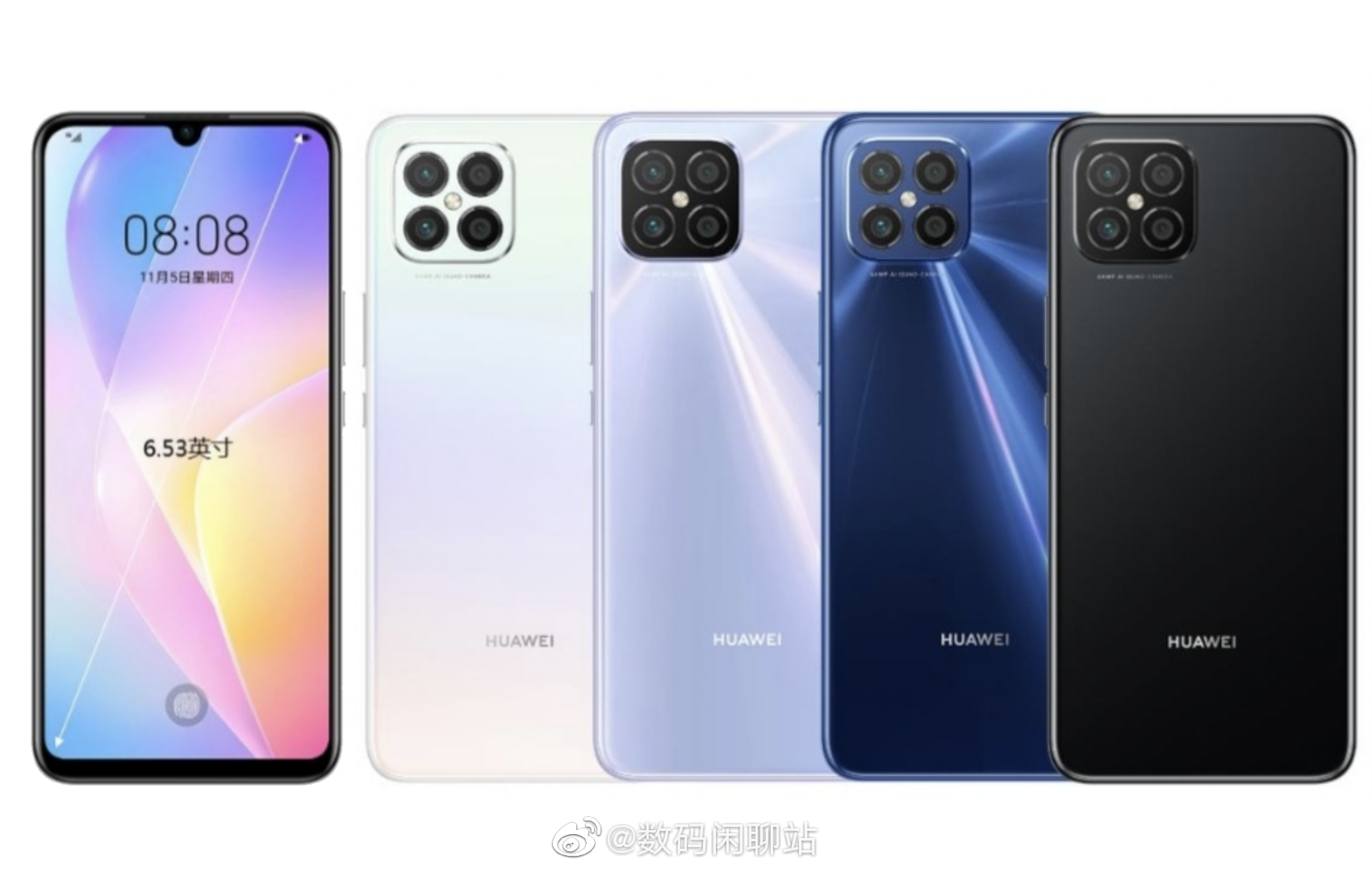
Huawei is all set to launch the Nova 8 SE smartphone on Nov. 5 in China. Ahead of the official announcement, the entire specs of the phone have surfaced in recent leaks. Live shots of the Nova 8 SE have appeared today to reveal its appearance in real.
The Huawei Nova 8 SE can be seen in two colors such as white and blue in the live shots that emerged today. The phone’s front is not visible in the new shots, but an official render that appeared to reveal that it has a waterdrop notch screen.
1 of 3
The backside of the phone has a protruding camera module at the top-left corner. It houses four cameras with an LED flash at the center. A fingerprint scanner is not visible on the edge or on the back since it is integrated under the OLED screen. The handset sports a slim profile of 7.46mm and it weighs 178 grams. As the below-shown render shows, the handset will be also available in black and silver color editions.
The Huawei Nova 8 SE has a 6.53-inch OLED panel that offers a Full HD+ resolution and a 60Hz refresh rate support. For capturing selfies, it has a 16-megapixel, and its rear features a 64-megapixel + 8-megapixel + 2-megapixel + 2-megapixel quad-camera system.
Huawei Nova 8 SE render
The Dimensity 800U chipset by MediaTek drives the Nova 8 SE’s higher and its base edition is equipped with the Dimensity 720 chipset. The handset is packed with a 3,800mAh battery and it has support for 66W fast charging. At present, there is no new
Since the first iPhone, Apple has cemented itself as one of the market leaders in the smartphone industry, especially in regards to premium grade flagships. This apparently has held true for even a few old and disassembled models of iPhones as well, which in some cases are selling anywhere between 800 to 1,000 Yuan (roughly 150 US Dollars) in China.
According to a post on Weibo, a Chinese microblogging website, a few Chinese stores are selling these older disassembled iPhone models for prices as high as 1000 Yuan. The post even shared a video regarding these shops, which revealed models like the iPhone 4 and iPhone 4S. Notably, it was also stated that the second hand value of these handsets (roughly 6 to 12 US Dollars) just 40 to 80 Yuan. But despite this, the disassembled variants are being sold for a much higher price.
The old iPhones are disassembled by hand by the store owners, with the disassembled parts being kept in good condition. Apparently, these broken down parts of the old iPhones also serve as a collector’s item, since the iPhone 4 series has been touted to be one of the best handsets from the Cupertino based giant. The devices take about 30 minutes to be disassembled with care, so as to maintain its appearance.
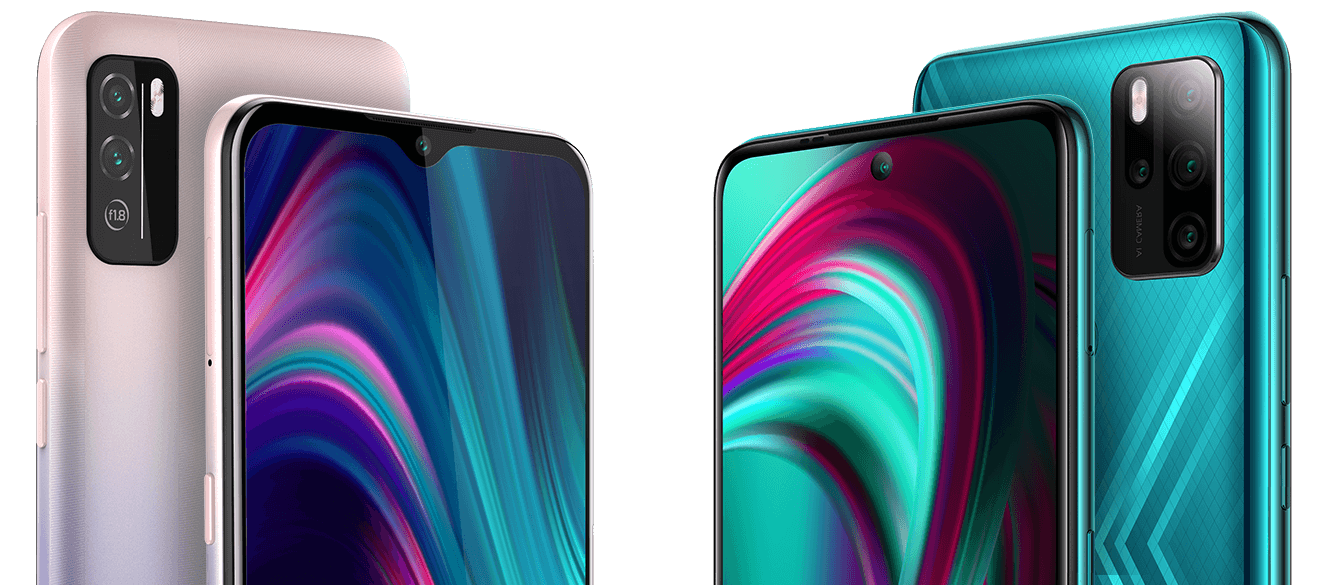
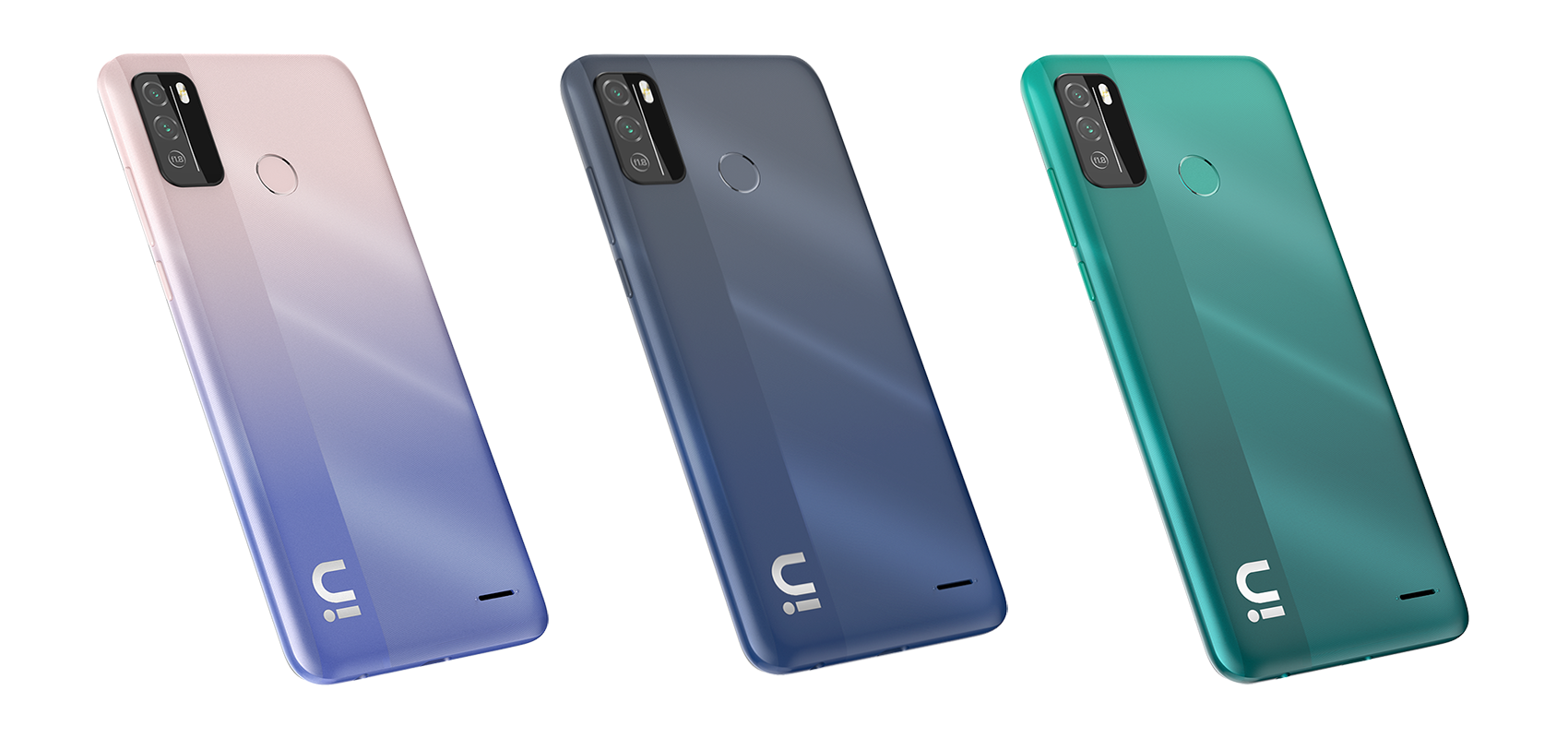
Micromax is back at launching new phones in India. A few years ago, the brand was immensely famous in India, but its popularity declined when the Chinese phone brands started dominating the market. With tensions brewing up between India and China at the borders, many people in India have been waiting for Indian phone brands to launch to new smartphones. Today, Micromax announced its comeback by introducing the new In-branded smartphones named the Micromax IN Note 1 and IN 1B.
The Micromax IN Note 1 and IN 1B smartphones have landed in the country with contemporary design and stellar specs. Here is all the information on the specifications, features, and pricing of the new Micromax phones.
Micromax IN Note 1 specifications and features
The Micromax IN Note 1 has a 6.67-inch IPS LCD display with a punch-hole design that produces a Full HD+ resolution of 1080 x 2460 pixels, a 21:9 aspect ratio, and up to 450nits brightness. It has a front-facing camera of 16-megapixel and its rear side features a quad-camera module. The latter houses a 48-megapixel main camera with f/1.79 aperture, a 5-megapixel wide-angle lens with f/2.2 aperture, a 2-megapixel macro lens with f/2.4 aperture, and a 2-megapixel depth assist lens with f/2.4 aperture.
Micromax IN Note 1
The IN Note 1 is driven by the Helio G85 chipset and 4 GB of RAM. It comes with 64 GB / 128 GB of internal storage. It has a 5,000mAh battery that supports reverse charging and 18W rapid charging.
The Micromax IN 1B has a 6.52-inch IPS LCD display with a mini-drop notch. It produces an HD+ resolution of 720 x 1600 pixels and a 20:9 aspect ratio. For selfies, it has an 8-megapixel front camera. The backside of the phone has a dual-camera setup that comprises of a 13-megapixel main shooter and a 2-megapixel lens for adding depth effects.
The Helio G35 and 4 GB of RAM powers the Micromax IN 1B. It offers an internal storage of 64 GB. There is a 5,000mAh battery onboard that is coupled with 10W charging. It also supports reverse charging.
Micromax In 1B
Micromax’s new phones come with a stock edition of Android 10 OS. The company has also guaranteed upgrades for 2 years. There is a dedicated button on both phones for summoning Google Assistant. These phones have other features such as a microSD card slot, face unlock, rear-facing fingerprint reader, dual 4G VoLTE, Wi-Fi 802.11ac (b/g/n on 1B), Bluetooth 5.0, GPS, USB-C, and a 3.5mm audio jack.
Micromax IN Note 1 and 1B pricing in India and release date
Here is the pricing and availability of the new In-series phones by Micromax:
Micromax IN Note 1 price in India
4GB RAM + 64GB storage – Rs 10,999 (~$148)
4GB RAM + 128GB storage – Rs 12,499 (~$168)
Color variants: Green and White
Micromax IN 1B price in India
2GB RAM + 32GB storage – Rs 6,999 (~$94)
4GB RAM + 64GB storage – Rs 7,999 (~$107)
Color variants: Purple, Blue, and Green
The Micromax IN Note 1 and IN 1B are available for registrations through Flipkart and Micomaxinfo.com. Both platforms will carry out the sales of the IN Note 1 and IN 1B from Nov. 24, and Nov. 26, respectively.
What is your opinion on the specifications and pricing of the Micromax IN Note 1 and IN 1B? Will the new phones help the brand in disrupting the Indian phone market? Share your views by posting your comments below.
Xiaomi’s sub-brand Redmi has been long-rumored to the much-awaited Redmi Note 10 series. But to everyone’s surprise, a couple of days back, well-known tipster Digital Chat Station revealed that the brand will be launching three new models in the already crowded Redmi Note 9 series and not Redmi Note 10 phones. Now, the same leakster has shared a picture of one of these handset’s LCD panel.
The Redmi Note 9 series did not make its way to the brand’s home country. Instead, it made its global debut in India and later was made available in other regions across the world. So it was thought that Redmi skipped these handsets for its homeland.
As months passed by, Redmi Note 10 series started coming into the picture in the form of rumors and leaks. But then, all of a sudden, Digital Chat Station claimed that these leaked handsets will launch as Redmi Note 9 series in China.
Now, by sharing a picture of one of the three phones’ LCD panel, he says that the punch hole on these upcoming devices will measure around 3.8mm in diameter. That means display holes on these smartphones will comparable to the flagship models.
Also, he says that the holes will further shrink up to around 2.4 – 2.9mm on mainstream smartphones next year. He also assures that tiny holes will not hinder the selfie camera quality as companies are expected to use 0.7μm sensors.
Having said that, the specifications of the new Redmi Note 9 models are not clear. We recently published an article compiling all the rumors and leaks of the Redmi Note 10 series, which is now said to launch as Redmi Note 9 devices. So give it a read to know more about these upcoming phones.
Samsung Electronics is set to supply the Xiaomi, Vivo, and Oppo with smartphone Exynos based application processor (AP). The deal is for the year 2021 and will have the South Korean company’s System LSI Business Divison supply Exynos APs to the Chinese tech giants.
According to a BusinessKoreareport, Samsung is planning on supplying its APs to the Chinese smartphone makers in the first half of 2021. These APs will be used in their respective budget smartphone series. At the moment, Qualcomm is the primary supplier for APs in premium handsets, so the Exynos chips in the budget lineup might grow the recognition of the brand and might even lead to it supplying premium chips to these OEMs in the near future.
For those unaware, Exynos chips have mostly been used in Samsung Galaxy devices. Although, there have been smartphones from other brands that sport Exynos APs, like Motorola and Meizu. Earlier this year, the South Korean tech giant faced a major setback as it decided to not ship its Galaxy S20 series with its own Exynos 990 AP. However, the next generation is expected to revitalize its proprietary APs and is said to even outperform the current Qualcomm flagship chip, the Snapdragon 865.
Furthermore, the company is also another competitor in the AP market as companies like Xiaomi, Oppo, and Vivo relied on either Qualcomm or MediaTek for chips. Securing deals within the budget segments would have Samsung expand its production and even attract the attention of other popular Chinese smartphone vendors as well.
After the successful launch of gaming laptops, Xiaomi has now shifted its focus to monitors. The Chinese tech giant recently added Xiaomi Fast LCD 24.5-inch Monitor to its wide range of electronics. It is priced at $299 and is already up for sale on Giztop. For this price, the consumers can expect a decent gaming/multimedia monitor that is packed to the brim with attractive features and competent specifications for the price point.
Xiaomi Fast monitor features a 144Hz refresh rate with a full HD display with a 1080p resolution for immersive viewing. It offers a maximum brightness of 400cd/m2 and can support coverage of up to 95% of the DCI-P3 color gamut and 100% sRGB. Additionally, its 2ms GTG (gray-to-gray) response time and Adaptive-Sync technology ensure the high-core games are processed from the connected computer’s graphics card to this Fast LCD Monitor as smoothly as possible. This feature helps reduce the tearing and stuttering of fast-paced content.
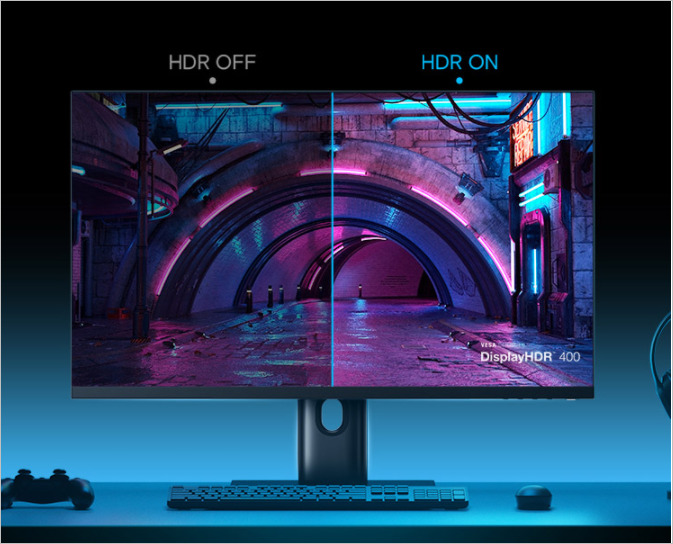
Xiaomi Fast LCD Monitor boasts narrow bezels for a sleek and elegant look. The unit is HDR compatible and supports lifting and rotating the panel to adjust the display angle on the stand. This Xiaomi monitor features 2 HDMI 2.0 connections, a DisplayPort 1.2, a headphone connector, and a power port.
Xiaomi Fast LCD 24.5-inch monitor is perfect for avid gamers and content creators with a strict budget and decent picture production expectation. This unit is currently up for sale at Giztop for just $299.
Xiaomi has already launched a few water purification devices in the market and today the Chinese company has announced yet another such product in its home country — Xioami UltraFilter Water Purifier.
It is currently available for crowdfunding at a price of 299 yuan which is roughly $45. Once the campaign gets over, it will retail for 499 yuan, which converts to around $75.
This new Xiaomi UltraFilter Water Purifier uses a composite filter and comes with an activated carbon rod and ultrafiltration membrane technology. This ensures that the device effectively filters the rust, sediment, collomes, and others such particulates from water.
Apart from that, the company claims that this new water purifier can also remove residual chlorine, bacteria, as well as other pollutants thanks to the four heavy filters, for a good and healthy quality of water. It also claims to offer filtration accuracy of 0.1um and also removes the odor.
It doesn’t come with a water tank, which means that the filtered water will directly come from the tap and takes about 4 seconds to fill a glass. Further, Xiaomi claims that the single filter only needs to be replaced once a year.
The company also adds that compared to the traditional RO water purifiers, this new Xioami UltraFilter Water Purifier doesn’t need to reserve power and further adds that the water filtration process does not waste water.
The Huawei Mate 40 series has just been recently launched. Now, renders for the smartphone’s cases have popped up online as well, which feature a Pokemon themed design aesthetic.
Looking at the renders, the cases are for the Huawei Mate 40 and Mate 40 Pro. On the rear, the iconic Pokemon branding can be observed at the bottom, while the round camera module blends into the design as well. For those unaware, the popular Pokemon anime series featured Pokeballs that were used to catch the titular creatures. The top half is red and the bottom is white while the middle sports a circular design, which is what the Mate 40’s circular camera module fills in, as per a TechSinareport.
Furthermore, another case renders featured sports cars. In this design, sports cars can be seen from a side view, through which, the camera module again functions as a part of the design, filling in for the wheels. Unfortunately, these are just case renders and finer details to such products are currently unavailable. It is also unknown if these will be actually made and sold. But due to the Mate 40’s camera module, we can expect to see cases that take advantage of it.
A new benchmark result for the upcoming Snapdragon 875 SoC has revealed some promising figures. The report also pits the next gen Qualcomm processor against the HiSilicon Kirin 9000 chip, which it outperforms on the CPU side while evenly matching its GPU.
According to a GSMArenareport, a Chinese leakster shared the score sheet of Master Lu, which had the results on an engineering device. The new processor also features a similar 1+3+4 core layout that was also found in the previous gen Snapdragon 865 processor. However, the Prime core’s clock speed of the new Qualcomm flagship chip is also identical to its predecessor, clocking in at 2.84Hz. This is even below the 3.09GHz clock speeds of the Snapdragon 865+.
In other words, the upgraded core design might be what’s adding to the processor’s performance over the previous iteration, which also allows it to beat out the newly launched Kirin 9000 SoC in the benchmarks. Unfortunately for Qualcomm, the same results are not reflected for its GPU, as the Mali-G78 MP24 evenly matches and trades blow with the custom Adreno GPU designed by Qualcomm.
In CPU performance, the Snapdragon 875 and 865 achieve a score of 333,269 and 290,169 points respectively on Master Lu’s benchmarks, while the Kirin 9000 scored 275,862 points, which is below both chips. Although, in GPU performance, the Kirin 9000 (344,334) managed to gain a negligible lead over the Snapdragon 875 (342,225) and a noticeable one against the older 865 chip (294,913).
Keep in mind that synthetic benchmarks and tests such as these do not always equate to a more powerful device when used in real life scenarios. Furthermore, smartphones that ran two chips also ran with different memory configurations as well. So take this report with a pinch of salt, and stay tuned for more updates regarding the new Qualcomm SoC.
Earlier this year, Samsung launched the Galaxy S20 series flagship smartphones but it didn’t perform as per the company’s expectations in terms of sale and the situation created by the COVID-19 pandemic also didn’t help.
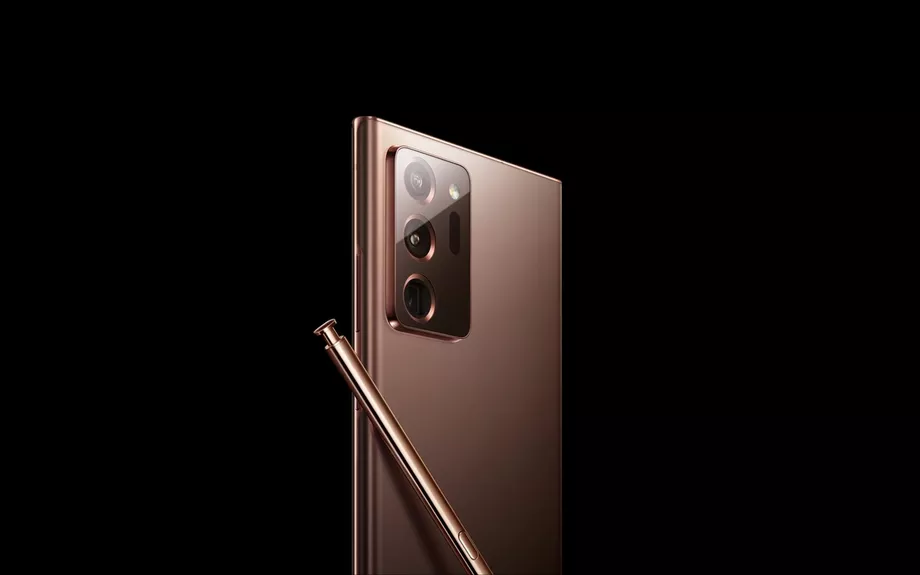
Recently, the South Korean giant launched the Galaxy Note20 lineup and since the Galaxy S20 didn’t perform well, expectations were high with the newly announced Galaxy Note20 lineup to make up for the weak sales of the S20 series.
However, a new report coming from Korea claims that Samsung has scaled down the production of the Galaxy Note20 series smartphones, indicating that the sales are not as per the company’s expectations.
The report claims that the company aimed to product 900,000 units of the Note20 lineup in October but only manufactured 600,000 units — only 70 percent of what the brand originally planned to make.
It further adds that the production ratio between the Galaxy Note20 and Galaxy Note20 Ultra was around 1:2, and the drop in the production rate for the Note20 was worst compared to the Note20 Ultra.
The report also adds that the company is now gearing up to start the production for the next-generation Samsung Galaxy S21 series smartphones from next month and for the initial batch, the company is aiming to make two million units.
Samsung recently announced its financial report for the third quarter in which the smartphone sales increased 50 percent compared to the previous quarter, but the credit for that goes to the low-end and mid-range offerings more than the premium models.
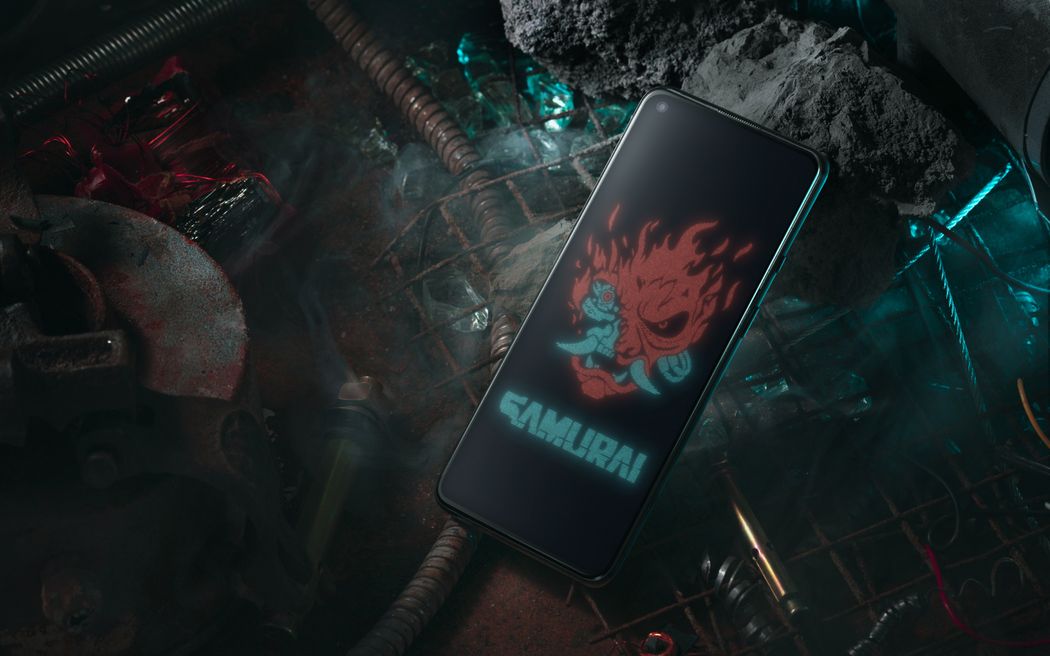
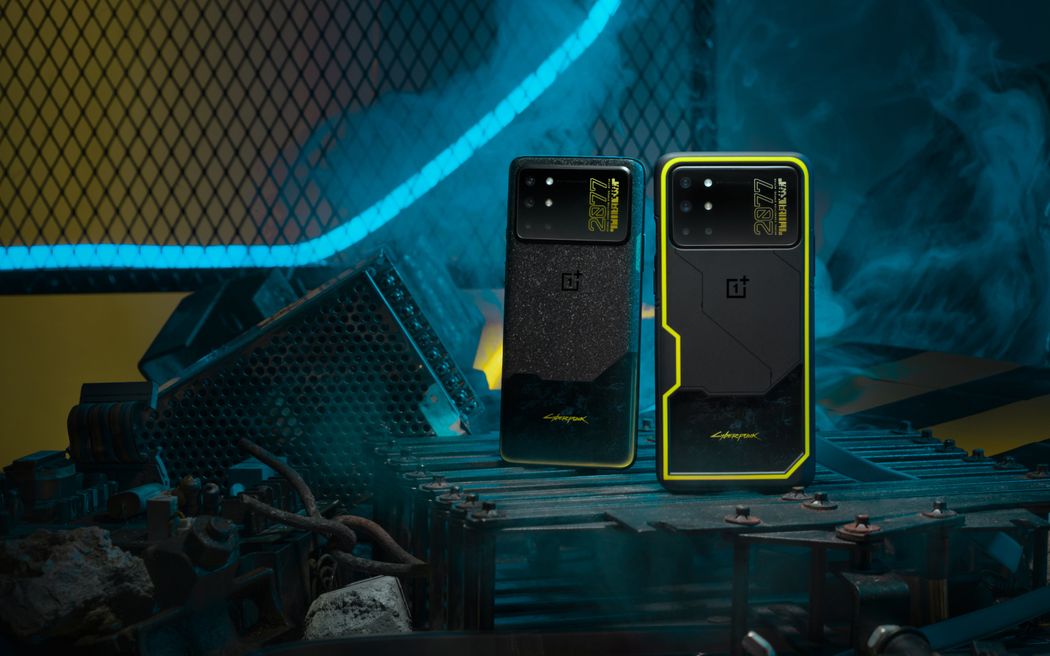
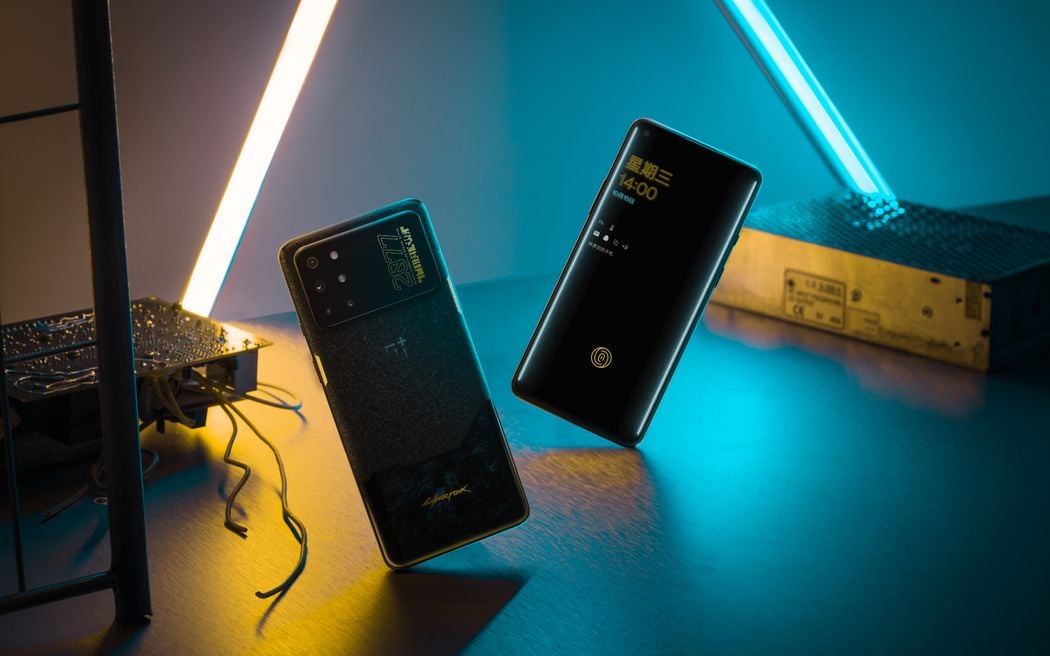
The OnePlus’s flagship OnePlus 8T Cyberpunk 2077 Limited Edition smartphone launched on November 2, 2020. This unit boasts a unique design for the regular OnePlus 8T, runs on the latest OS, and has a large camera module on the back covering the phone’s top section. This flagship phone is already available for purchase onGiztop for just $799.
This OnePlus smartphone features a 6.55-inch touchscreen with a resolution of 1080 x 2400p at a pixel density of 402ppi and an aspect ratio of 20:9. It is powered by an octa-core Qualcomm Snapdragon 865 processor and comes with 8GB/12GB of RAM. This limited edition phone runs on HydrogenOS based on Android 11.
As for the camera, the OnePlus 8T Cyberpunk 2077 Limited Edition packs a 48MP primary camera with f/1.7 aperture; a second 16MP camera with an f/2.2 aperture; a third 5MP camera and a fourth 2MP camera on the rear. The front camera sports a 16MP lens with an f/2.4 aperture for selfies.OnePlus 8T Cyberpunk 2077 Limited Edition is a dual-SIM(GSM and GSM) smartphone with Nano-SIM slots. and features a 4500mAh non-removable battery and supports proprietary fast charging. This OnePlus smartphone further comes with various sensors like accelerometer, ambient light, compass/ magnetometer, gyroscope, proximity sensor, and in-display fingerprint sensor. With a power-packed battery, latest OS and a decent camera, the OnePlus 8T Cyberpunk 2077 Limited Edition comes out as a unique offering for its price range. All interested readers can buy this smartphone at Giztop for just $799.
We use cookies on our website to give you the most relevant experience by remembering your preferences and repeat visits. By clicking “Accept”, you consent to the use of ALL the cookies.
This website uses cookies to improve your experience while you navigate through the website. Out of these, the cookies that are categorized as necessary are stored on your browser as they are essential for the working of basic functionalities of the website. We also use third-party cookies that help us analyze and understand how you use this website. These cookies will be stored in your browser only with your consent. You also have the option to opt-out of these cookies. But opting out of some of these cookies may affect your browsing experience.
Necessary cookies are absolutely essential for the website to function properly. This category only includes cookies that ensures basic functionalities and security features of the website. These cookies do not store any personal information.
Any cookies that may not be particularly necessary for the website to function and is used specifically to collect user personal data via analytics, ads, other embedded contents are termed as non-necessary cookies. It is mandatory to procure user consent prior to running these cookies on your website.