Rumors are rife that Samsung’s next flagship phones namely, the Galaxy S21, Galaxy S21 Plus, and Galaxy S21 Ultra will go official in January. The rumor may turn out to be true as key details of the S21 series have been cropping up through different sources. Today, 91mobilesshared the key specifications of the S21 Ultra smartphone.
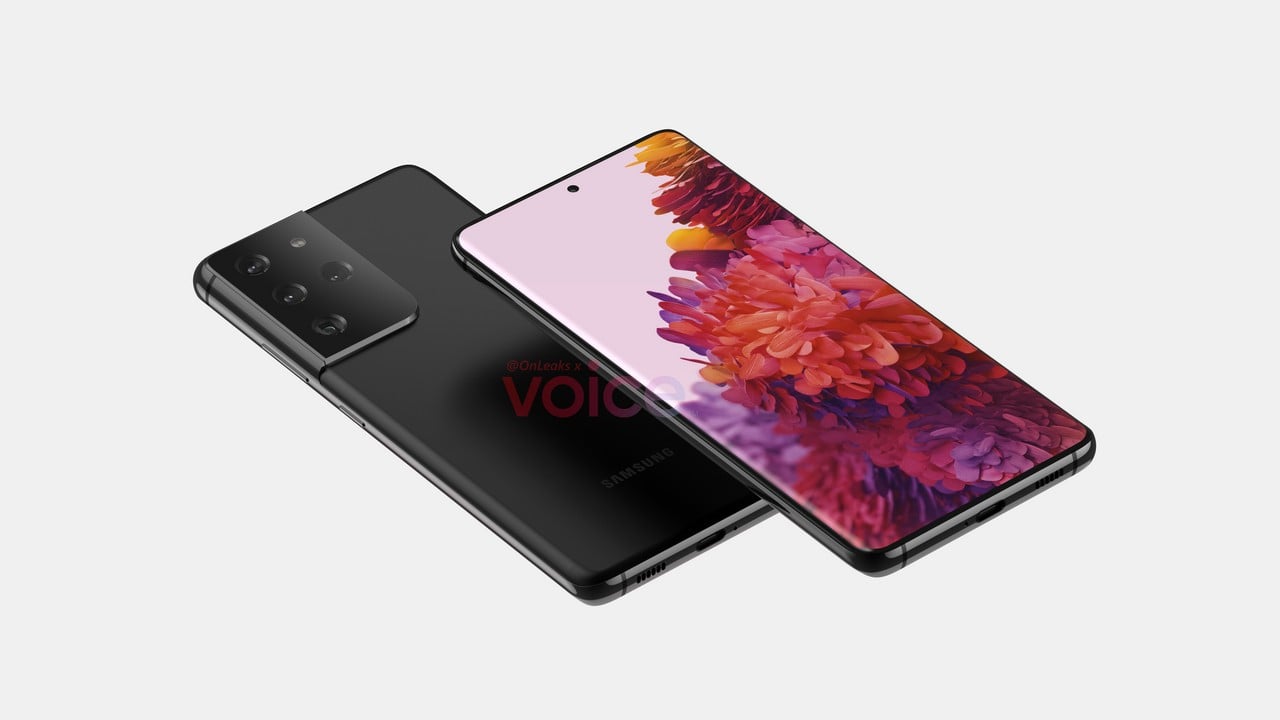
The Galaxy S21 Ultra is codenamed O3 and its model number is SM-G998U. Citing leaked information acquired from tipster Ishan Agarwal, the publication revealed that the Galaxy S21 Ultra will feature a Dynamic AMOLED display of 6.8 inches. The screen will produce a 2K resolution and a high refresh rate of 120Hz or 144Hz. As it is known through its CAD renders, the S21 Ultra will have sport a curved edge display with a top-center positioned selfie camera cutout.
Speaking of selfies, the Galaxy S21 Ultra is expected to flaunt a selfie camera of 40-megapixel. The CAD renders have also revealed that its camera housing fuses the mid-frame, and it is packed with four lenses. It is speculated to house a 108-megapixel main camera.
Depending on the market, the Galaxy S21 Ultra will be made available in Snapdragon 875 or Exynos 2100 CPU version. The SD875 model is most likely to go towards markets like the U.S. and China. India could be one of the markets that will receive its Exynos edition.
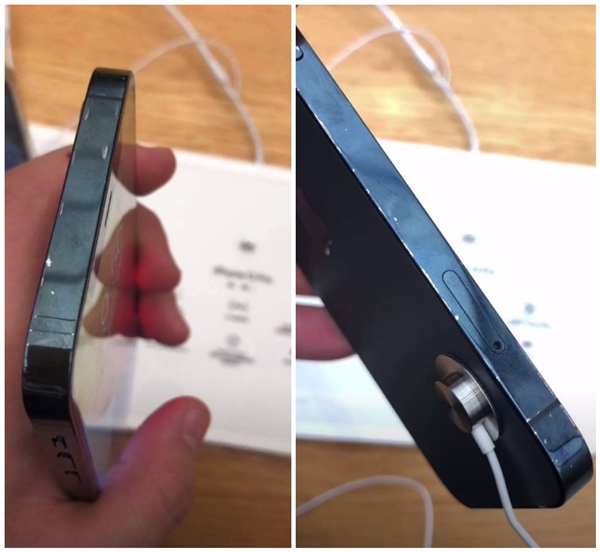
Apple iPhone 12 units that were on display in stores in China have had their paint peeled off. Images of the latest flagship have been shared online with the device’s frame have lost its paint job in certain areas.
According to a TechSinareport, a blogger named Lie Feng shared these images of the iPhone 12 unit in the official Apple offline stores. Looking at the images, we can clearly see the paint peeling off, which the blogger believes to be due to frequent touches. This holds true since the first weekend when the iPhone 12 went on sale had brought in a massive number of people to the stores who wanted to try out the device themselves.
Although, while it is understandable that a large number of people would have likely frequently held the device, the paint job being scuffed by just being used seems a bit odd. Furthermore, a series of tweets from Max Weinbach (@MaxWeinbach) had revealed that his new iPhone 12 Pro had cracked without him dropping or damaging the device in any way. The handset had a crack running along the frame and the camera module of the device.
What in the actual fuck. My phone didn’t fall, drop, or do anything anywhere. I literally placed it on a table face down and when I look at it, the glass is broken.
The issue has since been resolved as Apple support has replaced the device. However, as per the leakster, the issue should not have occurred in the first place since these are “$1000+ phones we’re talking about, not $200 ones.” Meaning, we might soon be hearing more regarding the durability of the new flagship lineup. So stay tuned for more updates.
OnePlus is expected to launch its cheapest smartphones ever in a few hours from now. The specifications of these devices have leaked multiple times in the past few days. Now, ahead of their launch, we finally get to see how these phones will look.
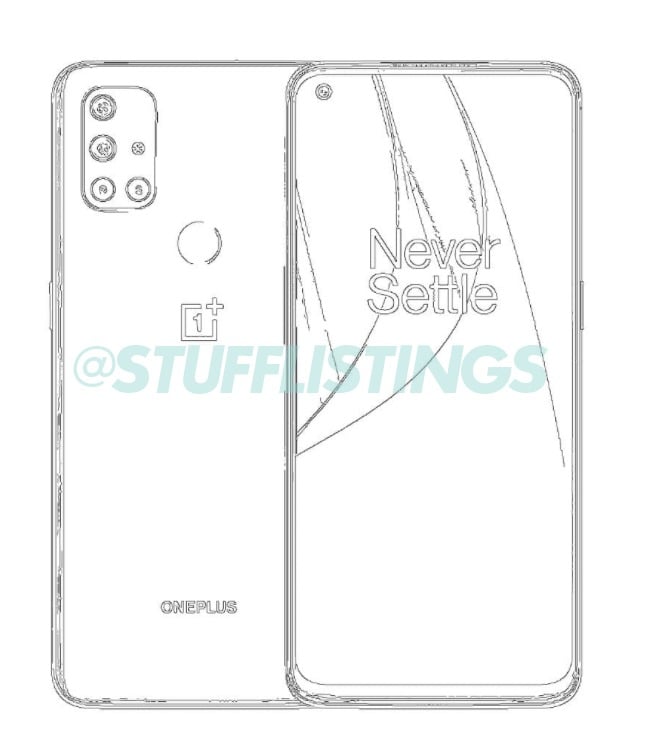
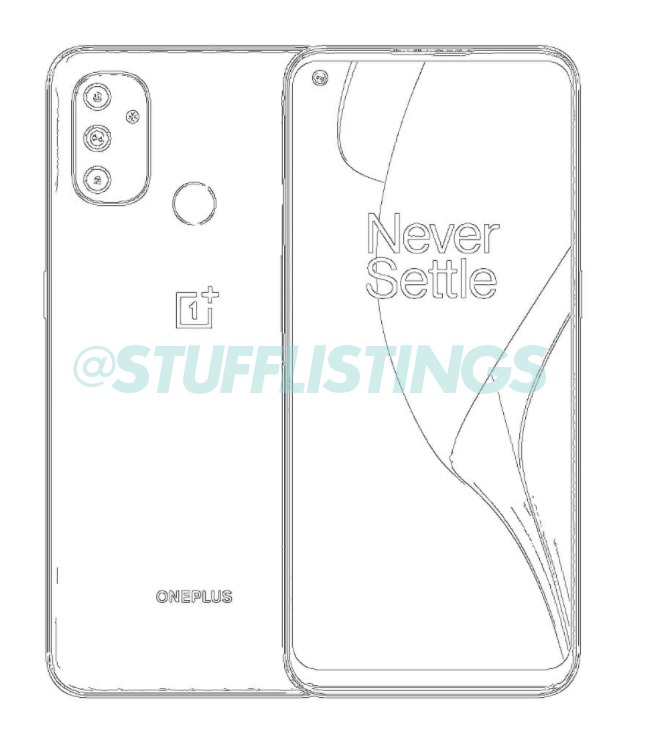
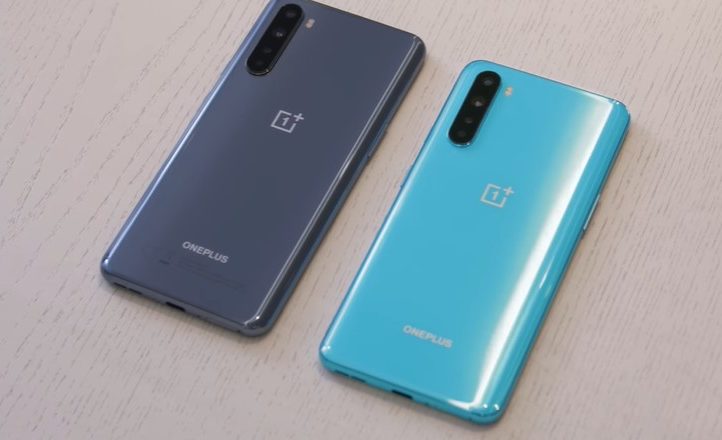
Mukul Sharma, a popular tech influencer in India shared the design sketches of the upcoming Oneplus Nord N10 and OnePlus Nord N100 on Twitter. As expected, the designs of these smartphones confirm them to be rebranded OPPO handsets.
OnePlus Nord N10 5G
OnePlus Nord N100
Anyway, it is worth noting that the OnePlus Nord N10 with 5G connectivity, thanks to Qualcomm Snapdragon 690 is yet to launch as an OPPO device but we believe it will happen in the coming days.
Now, talking about the designs, there are subtle changes between the OPPO A53 and OnePlus Nord N100. Although the camera module is the same on both the handsets, the one on the OnePlus is more curved making it oval in shape and the LED flash is circular in shape instead of rounded rectangle (oblong).
There, there’s an OnePlus branding at the bottom of the rear panel and an OnePlus logo below the capacitive fingerprint sensor. The OnePlus Nord N10 5G also has a similar design but the camera module is not as curved as on the N100 and has an additional camera.
Interestingly, both of them lack an alert slider, making them the first OnePlus smartphones to launch without one of the company’s signature features. However, they come with modern punch-hole displays like the expensive models.
As far as their specifications are concerned, make sure to read our previous detailed coverage on the same.
The OnePlus Nord N10 5G and OnePlus Nord N100 are scheduled to launch later today. The latter is tipped to be priced around €199 for the 4GB + 64GB storage configuration.
Realme announced the 5G-ready Realme X7 series of smartphones at the beginning of September in China. Various phone companies in China are expected to sell smartphones with attractive discounts during the 11/11 Singles’ Day sale in the home market. Today, Realme officially confirmed that it will be selling the Realme X7 Pro with a price cut of 300 Yuan (~$45) during the Double Eleven sale.
Realme is currently selling the Realme X7 Pro 5G in two options in China such as 8 GB RAM + 128 GB storage and 8 GB RAM + 256 GB storage. Both are priced at 2,499 Yuan and 3,199 Yuan. During the Double Eleven shopping festival, the 128 GB edition will be available for 2,199 Yuan, after a discount of 300 Yuan (~$45). The handset comes in three color editions such as Rainbow, Black, and Fantasy White.
The Realme X7 Pro 5G is fitted with an S-AMOLED display of 6.55 inches. It offers a Full HD+ resolution of 1080 x 2400 pixels, a 20:9 aspect ratio, and a 120Hz refresh rate. It has an under-screen fingerprint reader. The Realme UI based Android 10 OS comes preloaded on the Realme X7 Pro.
Realme X7 Pro
The X7 Pro is fueled by the Dimensity 1000+ 5G chipset and 8 GB of LPPDD4x RAM. The phone comes with up to 256 GB of UFS 2.1 storage and it lacks support for external storage. It is packed with a 4,500mAh battery that supports 65W SuperDart fast charging technology.
The Realme X7 Pro 5G has a selfie camera of 32-megapixel. Its rear side features a 64-megapixel (main) + 8-megapixel (119-degree ultrawide) + 2-megapixel (macro) + 2-megapixel (depth) quad-camera system. It comes with other features such as stereo speakers, dual-frequency GPS, and NFC.
Apple has been trying to diversify its supply chain and production facility and as a part of that, the company has made major inroads in the Indian market. Now, yet another Apple supplier is set to start mass-production in India.
As per the latest report from Bloomberg, Taiwan-based Cheng Uei Precision Industry Co., which makes cables and connectors for Apple, will be starting mass production at its plant in India later this year.
Cheng Uei is also known as Foxlink and the company’s chairman is T. C. Gou which is the brother of Foxconn founder Terry Gou.
Several of Apple’s suppliers and contract manufacturers have recently expanded their presence in India. Foxconn Technology Group, Pegatron Corp., and Wistron Corp. have either set up their subsidiary or assemble plant in India.
Apple started assembling the iPhone in India in 2017, starting with a low-cost iPhone SE through Wistron’s local unit and later ramped up production. Now, Wistron has widened its operations in India while Foxconn has started assembling in the country.
India has introduced a new production-linked incentive (PLI) scheme that offers companies cash incentives on locally-made smartphones over the next five years. Under this scheme, as per the reports, Foxconn has applied to invest about ₹4,000 crores, while Wistron and Pegatron have committed to invest close to ₹1300 crore and ₹1200 crore, respectively.
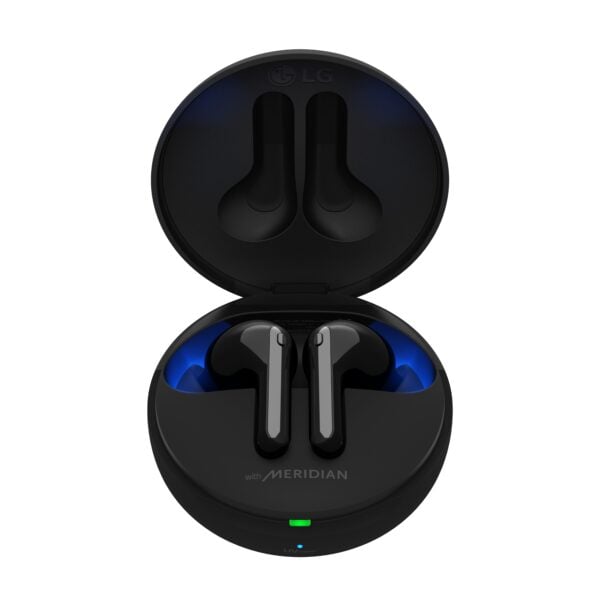
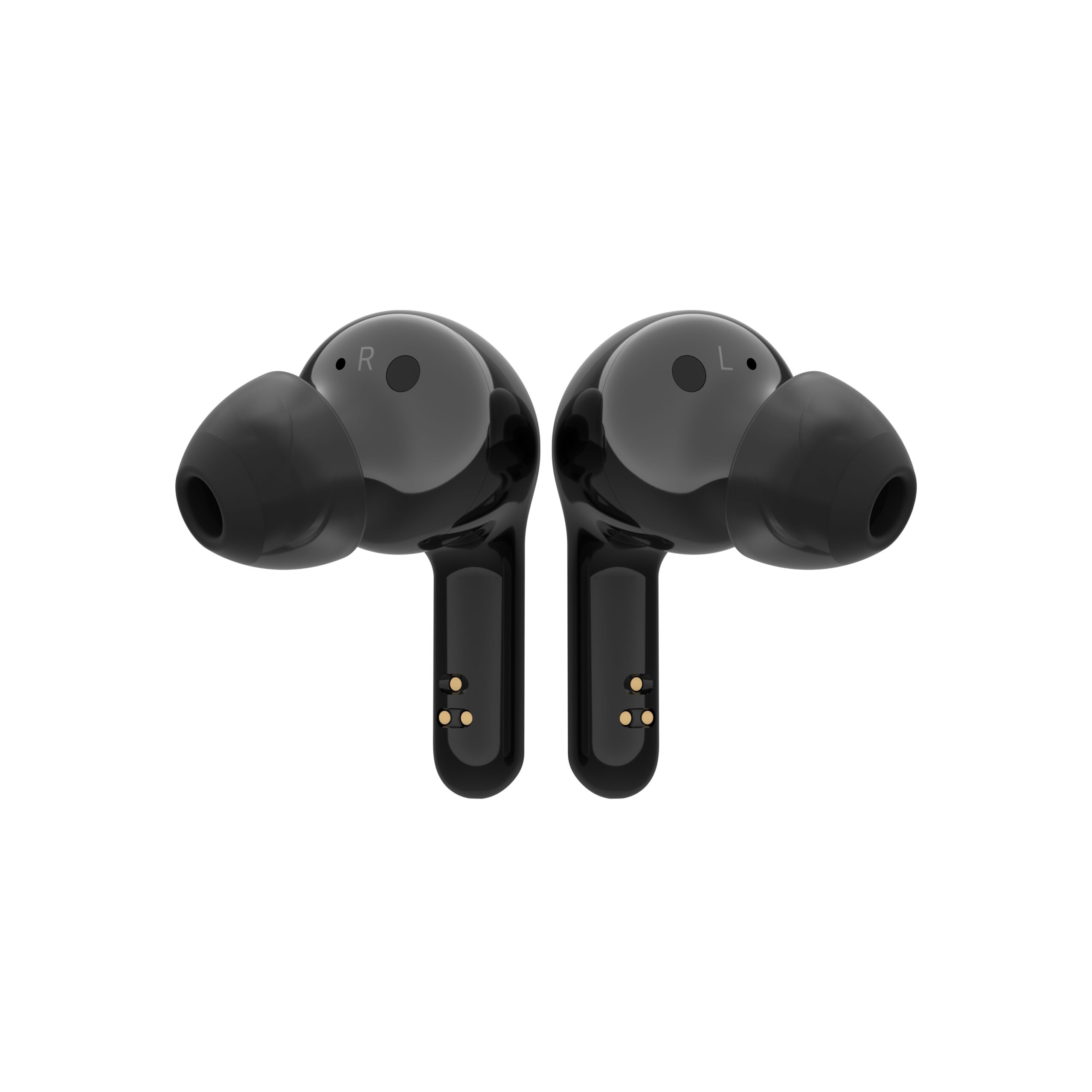
In a bid to expand its presence in the wearables market, South Korea-based LG has today launched a new true wireless earphone — LG TONE Free with model number HBS-TFN7. This newly launched product is priced at 219,000 won, which is roughly $190.
The highlight of the earphones is that it comes with Active Noise Cancellation (ANC) technology that tunes out ambient noise and thus allows users to have better sound output without any disturbances.
It comes with adjustable ear gels with patented twist-fit Vortex Ribs design deliver a tighter in-ear seal to minimize outside noise seepage. The company has also confirmed that the earphones have been tuned by British company Meridian Audio.
The company is offering Meridian’s EQ sound settings with four customizable presets for better output — Natural for clean and balanced sound; Immersive for a more three-dimensional performance; Bass Boost for extra power and depth; and Treble Boost for better clarity of vocals.
LG is bundling its UVnano charging case which was first introduced with the TONE Free FN6 model. The case uses ultraviolet light which helps to keep the wearer’s ears cleaner by eliminating 99.9 percent of E. coli and S. aureus bacteria. Now, there’s a new LED lighting on top of the case for indicating the charging level and UVnano status.
As for the battery life, the LG TONE Free HBS-TFN7 is powered by a 390mAh battery and with fast charging, it offers one hour of playback with just five minutes of charging. The charging case provides additional 21 hours of usage.
Today, Redmi officially confirmed that it will be announcing the Redmi K30S flagship phone tomorrow. Since the beginning of this year, Redmi has been launching K30 series phones across different price points. The Redmi K30 Pro is the only phone in the K30 series to feature the Snapdragon 865 flagship chipset. Fresh information reveals that Redmi K30S launching tomorrow could be debuting as the cheapest SD865 phone.
The iQOO Neo3 is currently the cheapest Snapdragon 865 SoC powered phone in the Chinese market with a starting price of 2,598 Yuan (~$388). A Weibo post by Redmi Product Director, Wang Teng Thomas reads that the Redmi K30S will be priced around 2,500 Yuan (~$374), which it could be the most affordable SD865 phone.
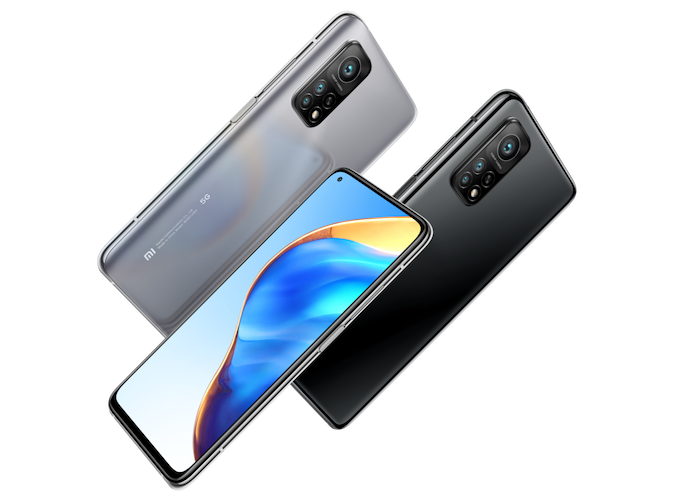
The Redmi K30S is not a brand-new phone as recent reports have revealed that it will be arriving as a rebadged Xiaomi Mi 10T. The Xiaomi phone is available for 499 euros (~$590) in the European markets and it is priced at Rs 35,999 (~$488) in India.
While recent reports claimed that the Redmi K30S will launch on Oct. 27, it is only today that the company has officially confirmed it. The handset that is referred to as the Redmi K30S Commemorative Edition in Redmi General Manager Lu Weibing’s recent post will be aimed towards the Double Eleven (Nov. 11 Singles’ Day) shopping festival in China.
The Xiaomi Mi 10T will be rebranded as the Redmi K30S in China
Redmi K30S specifications
The Redmi K30S specs sheet includes a 6.67-inch IPS LCD FHD+ display with punch-hole design and 144Hz refresh rate support, Snapdragon 865 SoC, LPPDDR5 RAM, UFS 3.1 storage, a side-facing fingerprint reader, and a 5,000mAh battery with 33W fast charge support. For photography, the Redmi K30S has a 20-megapixel front-facing camera and its triple camera setup that has a Sony IMX682 64-megapixel main lens, a 13-megapixel ultrawide shooter, and a 5-megapixel macro camera.
A few days ago, with the launch of the new iPhone 12 models in the market, Apple confirmed what was being rumored for a couple of months. The company won’t be including the power adapter and earphones with the iPhone purchase.
Not only the newly launched iPhone 12 models, but even the older iPhones that the company is selling also come without the power adapter and Earpods. While people are not happy with the company’s decision, the customers have no choice but to purchase those products separately, if needed.
While the company has cited environmental issues as the reason for taking such a step, it is nonetheless going to help the company boost sales for these products, as DigiTimes predicts. All the iPhones sold before the iPhone 11 doesn’t come with a USB-C power adapter. So, all those people upgrading will need to purchase a new one.
As we said in our recent opinion piece, Apple should offer an option for buyers to decide if they want accessories or not when purchasing a phone, just like what it does for the storage and color option. Even Samsung removed earphones from the Galaxy Note20 box at least for the North American market, but it is offering it for free to those who want it.
AirPods have become one of the best-selling products from Apple and with Earpods not being included in the box for the new iPhone purchase, the company is expected to see a boost in sales for its wireless earphones.
The Cupertino-giant is also making efforts for the same, which are quite evident. For instance, on the day Apple launched its iPhone 12 models, Beats announced the Beats Flex earphones which went on sale on 23rd October, the same day the new iPhone models were made available for purchase. For those who are unaware, Beats is owned by Apple.
As per the report from Counterpoint Research, AirPods from Apple had 35 percent of the market share for True Wireless Earphones (TWS) in the second quarter of this year. Also, another report from Canalys predicts that the sales of TWS will grow 29 percent this year.
Samsung Electronics and Stanford University have announced that their collaboration has led to the development of an impressive 10,000 pixels per inch (PPI) OLED display. It will be useful for devices that offer close-eye viewing experiences, such as virtual reality.
This new 10,000PPI display is much better than what currently exists for virtual reality headsets. It is a major development given that most VR devices currently have what is called a “screen door” effect where the gap between pixels is visible.
OLED, a short form of the organic light-emitting diode is one of the most advanced technology displays available right now. It is used in several consumer electronic devices, including smartphones, TVs, etc.
To compare the newly developed 10,000PPI OLED display, most smartphones getting launched these days, including the premium ones, offer a pixel density of around 400 to 500 PPIs, which is less than one percent of what Samsung and Stanford have developed.
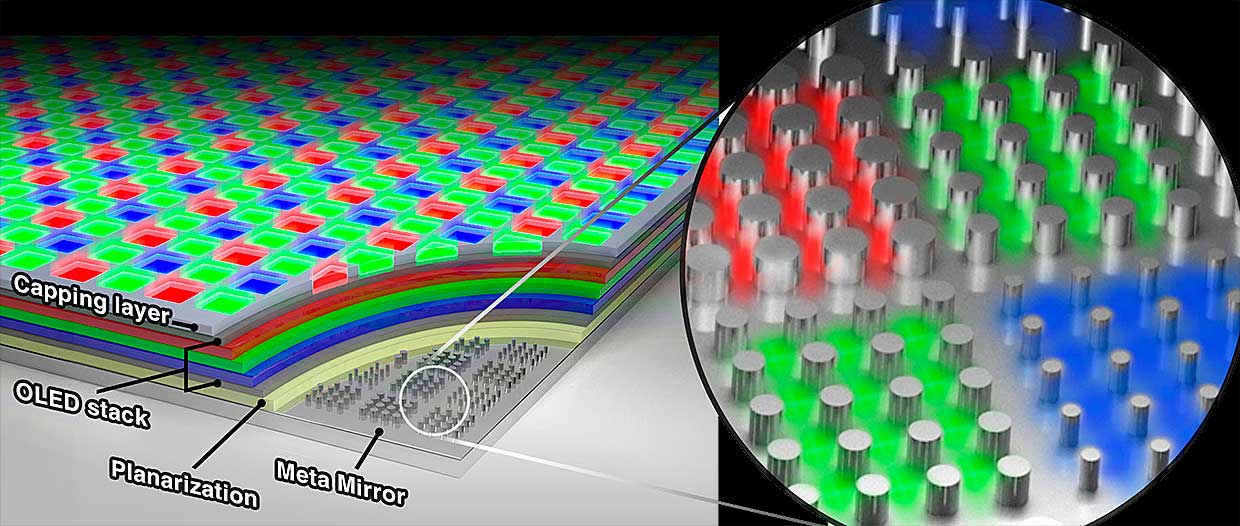
As for the technology, this new OLED tech uses films to emit white light between reflecting layers — one silver and another made of reflective metal with nano-sized corrugations. This allows specific colors to resonate through pixels and thus allows for much higher pixel density than RGB OLEDs on phones.
In laboratory tests, the researchers claim to have successfully produced miniature proof-of-concept pixels that offer higher color purity and a twofold increase in luminescence efficiency compared to color-filtered white-OLEDs.
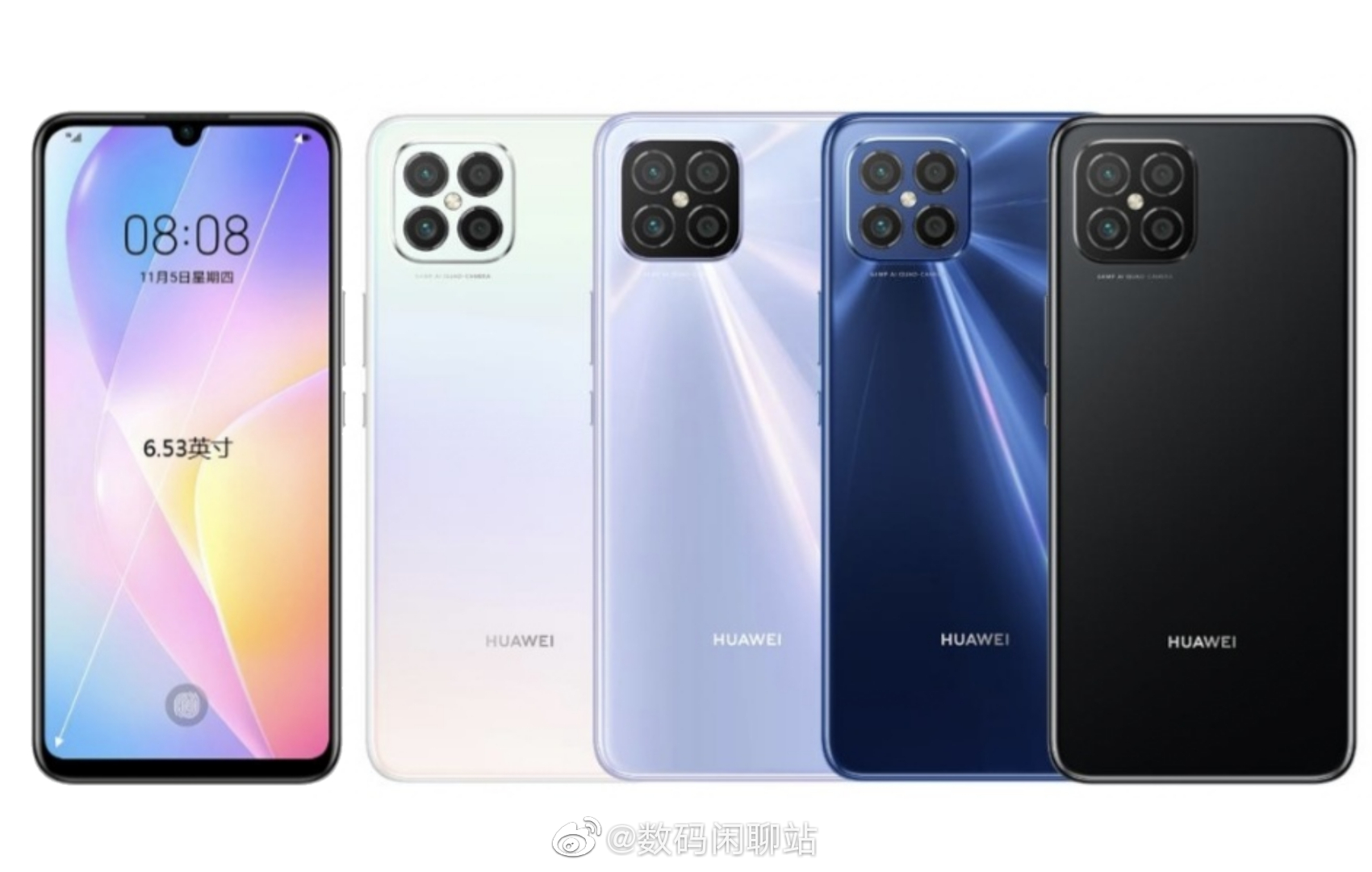
In the previous week, Huawei held a global launch event to unleash the Huawei Mate 40, Mate 40 Pro, Mate 40 Pro+, and Mate 40 RS Porsche Design flagship phones. There will be a dedicated launch event for the Mate 40 series in China on Oct. 30. There are speculations that the Nova 8 series will break cover at some point in November. Over the weekend, a tipster from China claimed that not only the Nova 8 lineup but also the Honor V40 flagship series will be announced in the coming month. Also, a reliable leakster from China shared the full specifications of the Nova 8 SE smartphone.
Previous leaks have revealed that the Nova 8 family includes three handsets such as the Nova 8 SE, Nova 8, and Nova 8 Pro. There is less information available about the Honor V40 series at present. Last year, Huawei’s sub-brand Honor had announced the Honor V30 and Honor V30 Pro smartphones in November. Hence, there is a possibility that the company may announce the Honor V40 and Honor V40 Pro as successor models next month.
The Huawei Nova 8 SE is speculated to feature a 6.53-inch LCD screen with a punch-hole cutout. It is unclear whether the device has an under-screen fingerprint reader. The device measures 7.46mm in thickness and it weighs 178 grams.
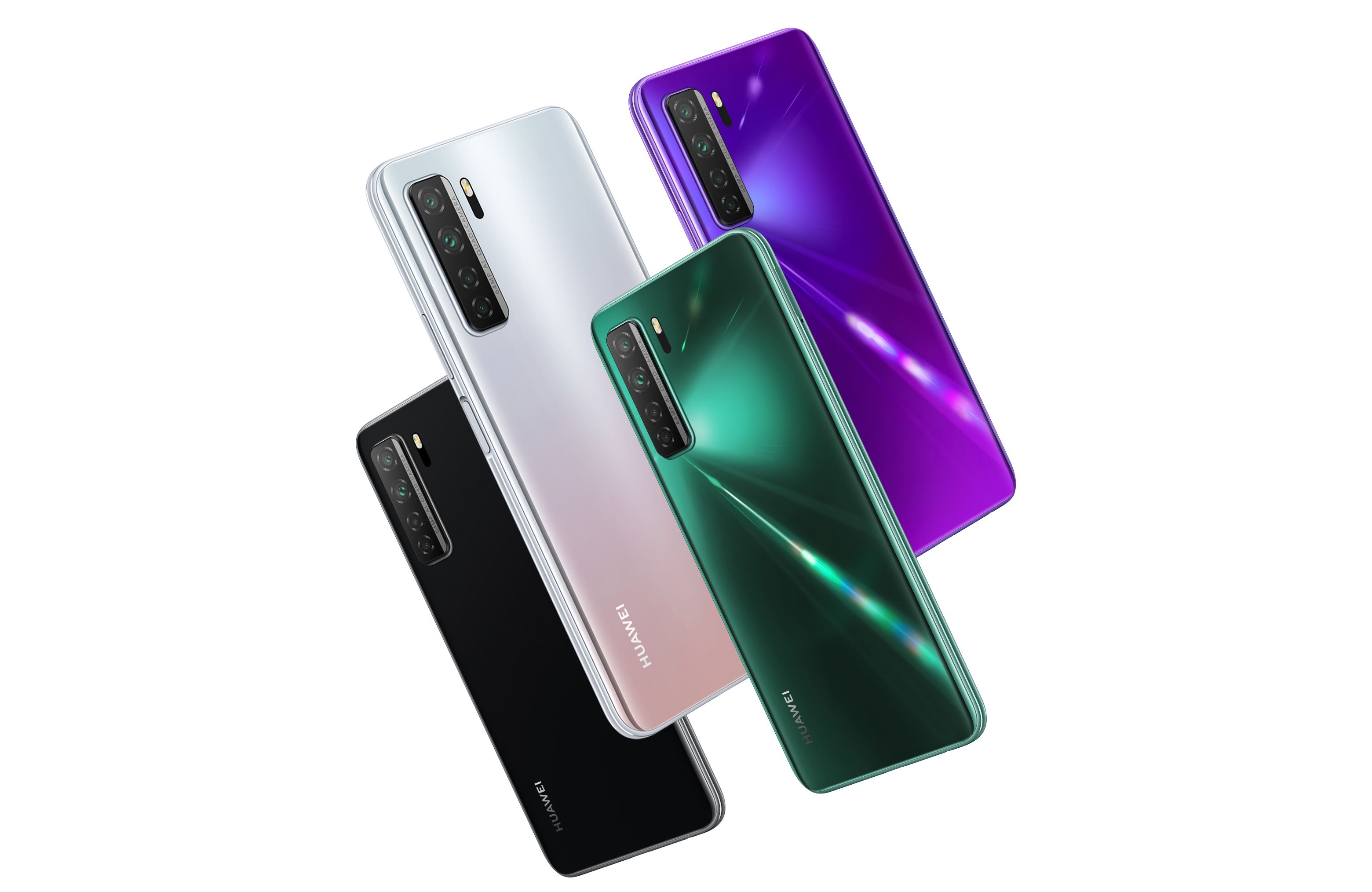
Huawei Nova 7 SE 5G Youth
For selfies, the smartphone may possess a 16-megapixel selfie camera and its back panel is expected to house a 64-megapixel + 8-megapixel + 2-megapixel + 2-megapixel quad-camera system. The Nova 8 SE could be housing a 3,800mAh battery and it is likely to come with 66W fast charging support.
The Nova 8 SE is likely to arrive in China in two CPU variants. The starting model may have the Dimensity 720 SoC, whereas the higher edition could be fueled by the Dimensity 800U chipset. The leak has no details on the RAM and storage capacities of the Nova 8 SE.
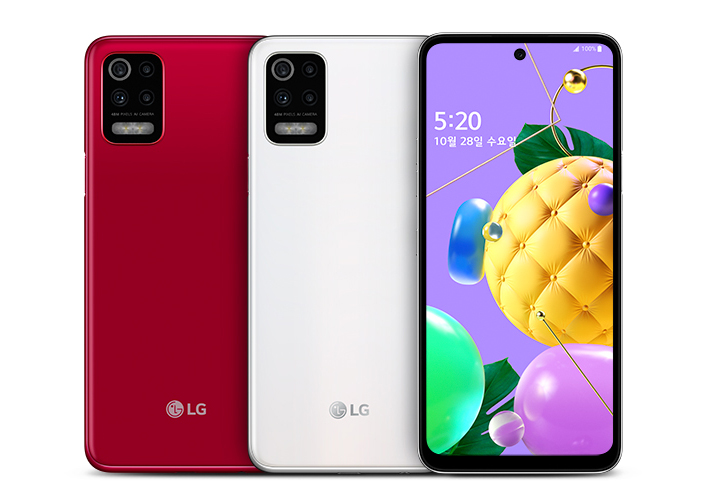
LG has officially announced the LG Q52 smartphone in South Korea. As the name goes, it has arrived as the successor to the LG Q51 phone that went official earlier this year. The LG Q52 is a mid-ranger that comes with an impressive display, a 48-megapixel quad-camera setup, and a decent battery.
LG Q52
LG Q52 specifications and features
The LG Q52 is MIL-STD-810G certified smartphone that measures 160 x 76.7 x 8.4mm. The phone is fitted with a 6.6-inch IPS LCD punch-hole screen that produces an HD+ resolution. It has a front-facing camera of 13-megapixel.
The polycarbonate rear of the LG Q52 that has a matte finish prevents fingerprint marks. The rear camera setup of the Q52 is pioneered by a 48-megapixel main camera with f/1.8 aperture, an 8-megapixel wide-angle lens, a 2-megapixel macro lens, and a 2-megapixel depth sensor.
The 2.3GHz MediaTek Helio P35 chipset is at the helm of the LG Q52. The predecessor Q51 was driven by the Helio P22 chipset. The SoC of the Q52 is assisted by 4 GB of RAM. The device offers users a 64 GB of storage and an external storage slot. The device is backed by a 4,000mAh battery.
The LG Q52 is preinstalled with Android 10 OS and it has a side-facing fingerprint sensor. The device offers users features like 4G, dual SIM support, Wi-Fi, Bluetooth 5.0, NFC, UBS-C, and a 3.5mm audio jack.
LG Q52 pricing and availability
The LG Q52 has landed in South Korea with a price tag of KRW 330,000 (~$299). The handset can be bought in Silky White and Silky Red color editions. It is unclear which other markets will be receiving the Q52.
What’s your opinion on the specs of the LQ 52? Share your thoughts by posting your comments below.
The new OnePlus Nord phones are expected to launch later today. The company is expected to announce two phones namely, the Nord N10 5G and Nord N100. The key specs of both phones were recently revealed by popular tipster Steve Hemmerstoffer (aka OnLeaks). Citing reliable tipster Ishan Agarwal as a source, 91mobileshas published a report to reveal the pricing and some more information about the Nord N100.
OnePlus Nord N100 price and availability
The new leak reveals that the OnePlus Nord N100 will be priced around 199 euros (~$236). This price tag belongs to the 4 GB RAM + 64 GB storage edition. At present, the phone is expected to debut in the U.S. and Europe. As far as the availability is concerned, it is expected to go on sale on Nov. 10.
It was revealed last week that the OnePlus Nord N100 has an LCD screen of 6.52 inches that offers HD+ resolution. The Snapdragon 460v mobile platform is present under the hood of the phone. It has 4 GB of RAM and internal storage of 64 GB.
At the front, the OnePlus Nord N100 has a selfie camera of 8-megapixel. The backside of the device has a triple camera system that comprises of a 13-megapixel main camera, a 2-megapixel macro lens, and a 2-megapixel bokeh lens. The device is backed by a 5,000mAh battery and it offers other features such as 4G, dual SIM support, USB-C, and a 3.5mm audio jack.
Agarwal’s corroborates with the above mentioned specs. He also revealed that the Nord N100 has stereo speakers and it runs on OxygenOS 11 based Android 11 OS.
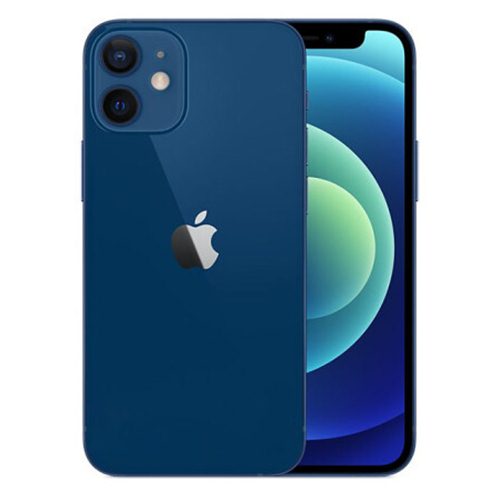
In a world filled with large-screen phones, the 5.4-inch iPhone 12 Mini stands out very clearly. Even with its small size, Apple doesn’t skip on features such as support for wireless charging, Face ID, and stereo speakers.
The iPhone 12 Mini has a 5.4-inch screen, making it way smaller than all the flagship Android phones released this year.
For those who want an Android flagship phone with similar screen size, there is no option to choose from. Manufacturers keep coming up with various excuses such as a smaller battery capacity, an excuse that doesn’t even hold water.
For this week’s poll, we want to know how many of our readers believe there needs to be a small flagship Android smartphone that is an alternative to Apple’s own phone. Also, post a comment telling us which manufacturers you will like to see make one and what features you want the phone to have.
A new feature is being introduced on WhatsApp that would help users mute specific chats forever. The tech giant has taken to Twitter to announce that it is adding a new option known as ‘Always‘ in chat settings. This feature has been rolled out under beta testing for a while now but the company has it is finally rolling out to the stable version.
Before this update, the Mute Settings features three options allowing you to mute a chat for 8 Hours, 1 Week, or 1 year. The third option is now changing to ‘Always’, which will let you mute a chat forever. However, WhatsApp will still allow you to choose whether you want to show notifications for that chat or not. The feature is now being pushed to iOS and Android devices, as well as on WhatsApp web.
For clarity, here are the steps to mute a chat forever on WhatsApp. Open the chat > tap on the menu option on the top right and select Mute notifications. It will lead to three options where you have to select the third, ‘Always’ button > Press Ok. As stated, you can select Show notifications if you want to just see notifications without an alert. However, once muted, you will see the Unmute notifications option in the chat settings instead of the Mute notifications option.
WhatsApp is doing considerable much to ensure that the app continues to meet the dynamic needs of users. One of the several features the company is working on is multi-device support which will see users use the same account on different devices, something that is not possible at the moment. Also, the company is said to be working on the ability to make voice and video calls using the web client.
The messaging app could soon allow you to use the same account on different devices. It could allow users to work with the same account on four different devices at the same time.
Moreover, it could be adding video call and voice call support for the web client. When you get a call on WhatsApp while using the web client, a pop-up window will appear with options for receiving and rejecting the call. Plus, there will be an ‘Ignore’ option at the bottom. If you happen to make a call, a small pop-up will appear with options for starting the video, mute, decline, and more settings.
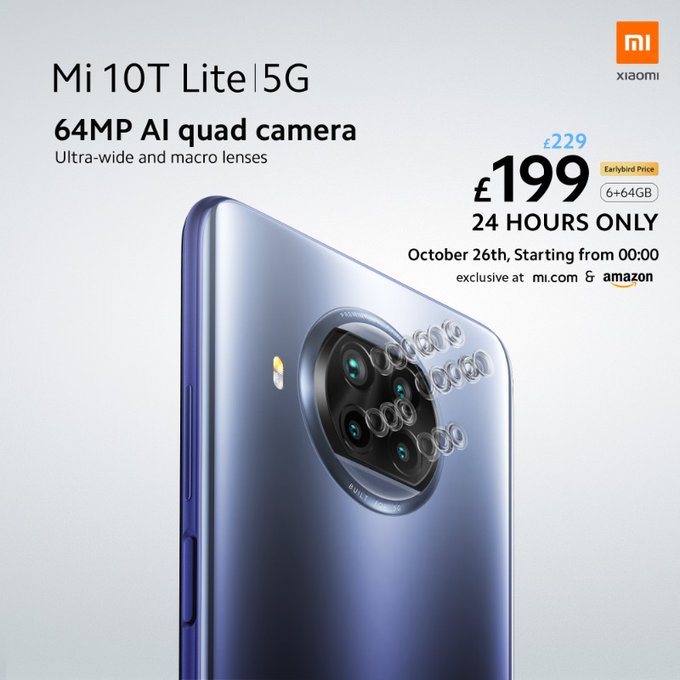
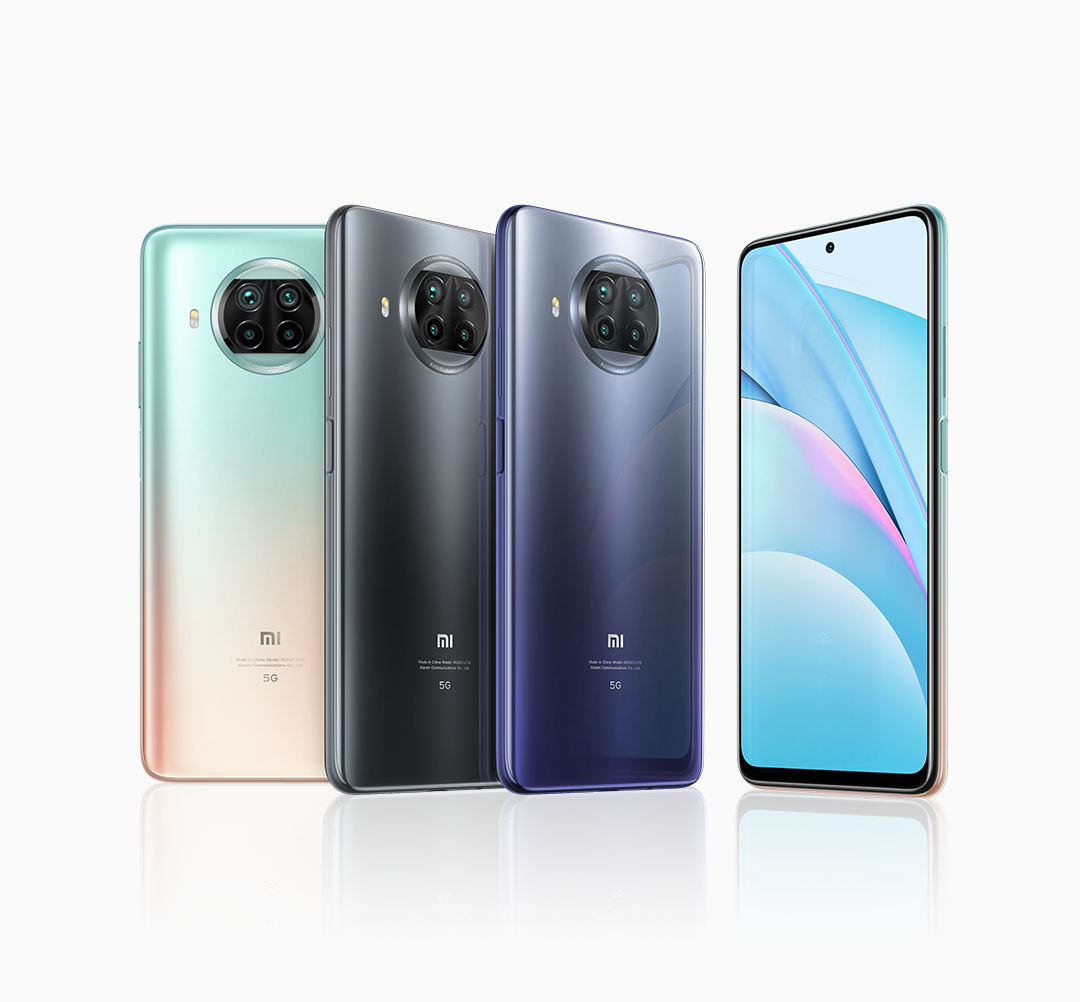
Xiaomi UK has taken to Twitter to announce that the Mi 10T Lite will be going on sale in the UK from October 26. The Mi 10TLite was first launched alongside the mi 10T and mi 10T Pro in Europe on September 30. The model is a mid-range smartphone and emerged as the first Snapdragon 750G-powered phone. The model will retail for £229 for the 6GB+64GB variant but there is an early bird offer of £199. This offer will open at 0.00 on October 26 and will be up for 24 hours only via Mi.com and Amazon.
The Mi 10T Lite features a 6.67-inch LCD with an adaptive refresh rate of 120Hz which can also be reduced down to 30Hz. The display comes with an FHD+ resolution of 1080p+, an aspect ratio of 20:9 and is covered with a layer of Corning’s Gorilla Glass 5.
The display is HDR10-certified and has 450 nits of brightness and equally promises 84% NTSC colour coverage. The phone is also armed with dual speakers and a Hi-Res Audio certification.
For photography, the Mi 10T Lite packs a Quad-camera setup at the rear comprising a 64MP main camera with a 1/1.7-inch sensor. There is also an 8MP ultrawide camera as well as a 2MP macro cam and 2MP depth sensor. At the front, the phone packs a 16MP selfie camera is inside a centrally placed punch hole.
As stated earlier, the Mi 10T Lite is the first phone to be powered by the new Snapdragon 750G chipset. The chipset is built on the 8nm silicon wafer and has a built-in 5G modem. It offers sub-6 connectivity along with a slight performance boost over the S730G (+20% CPU performance, +10% GPU). The processor is paired with 6GB of RAM while there is the option of 64GB storage and 128GB storage.
Under the hood, there is a 4,820mAh battery with 33W fast charger.
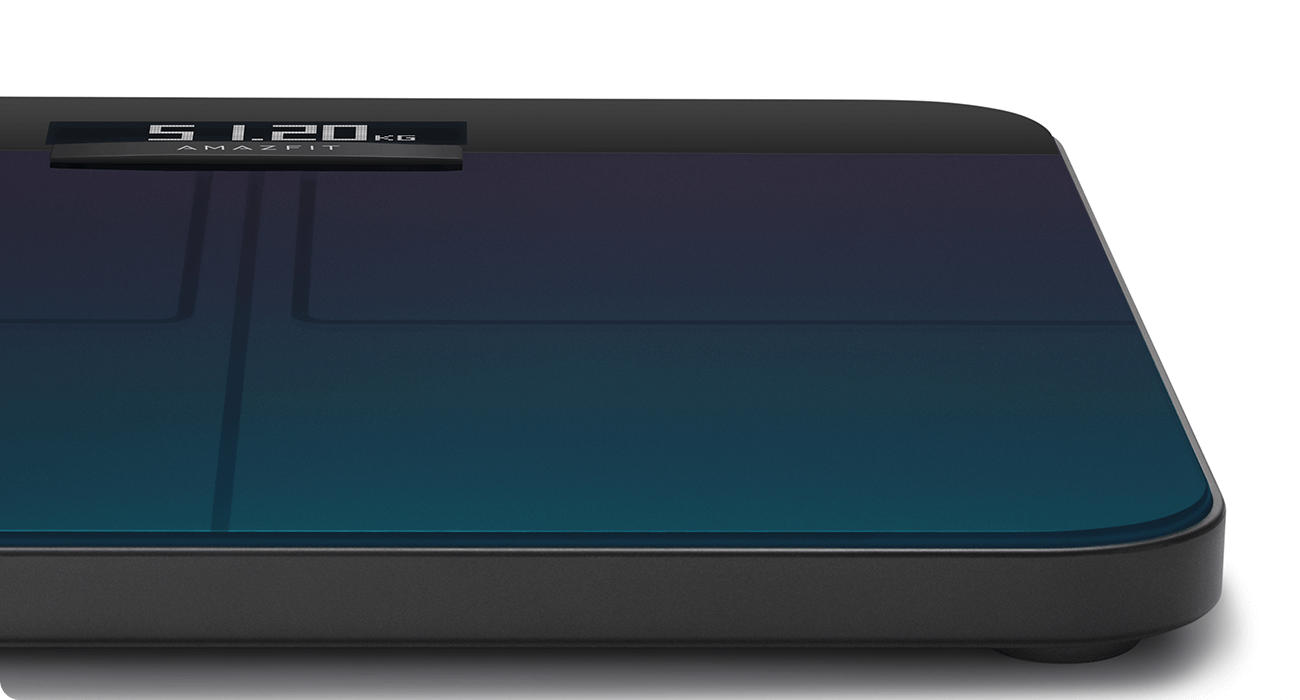
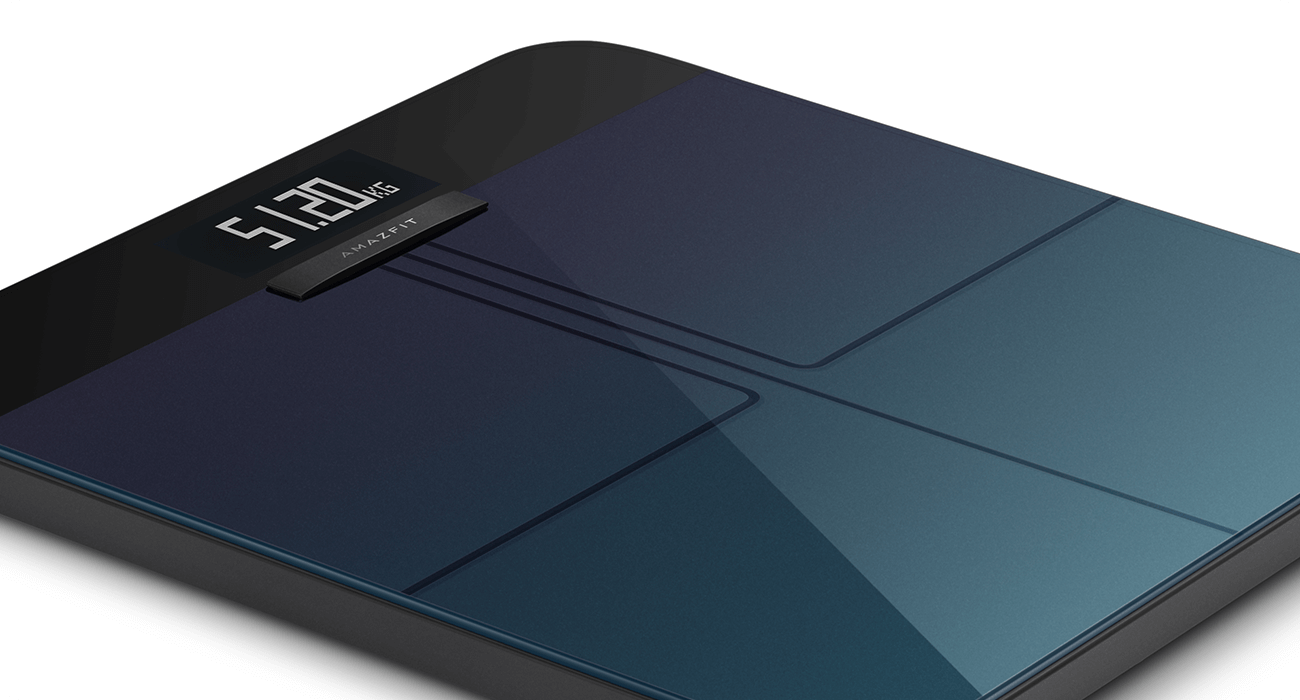
The Amazfit Smart Scale has been a long time coming. We first reported about the smart scale in August when we spotted it on the Bluetooth SIG website and also found that the Amazfit app has added support for a smart scale. Now, Huami has put up a listing of the Amazit Smart Scale on its site even though it is yet to officially announce it.
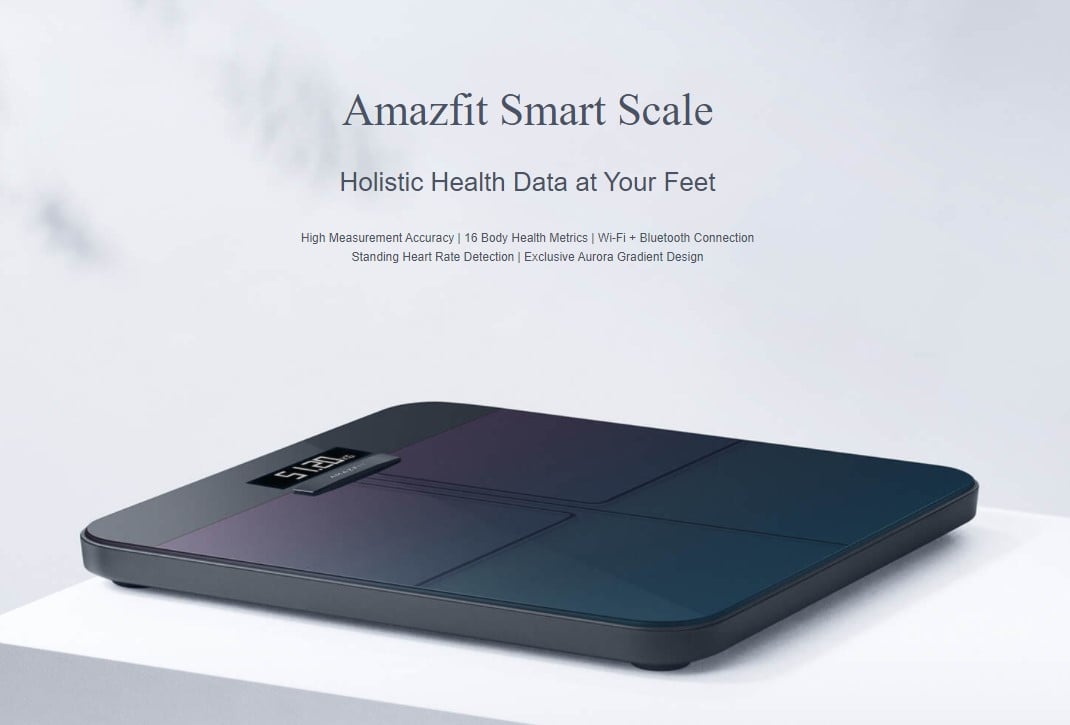
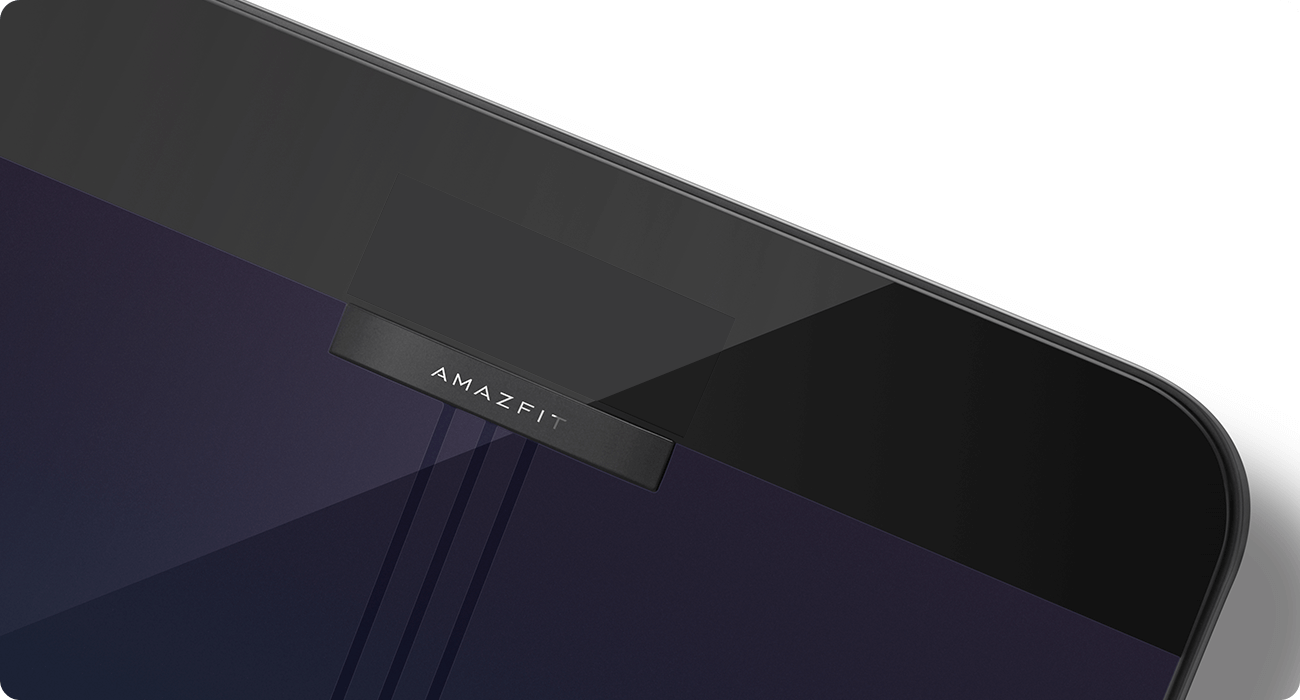
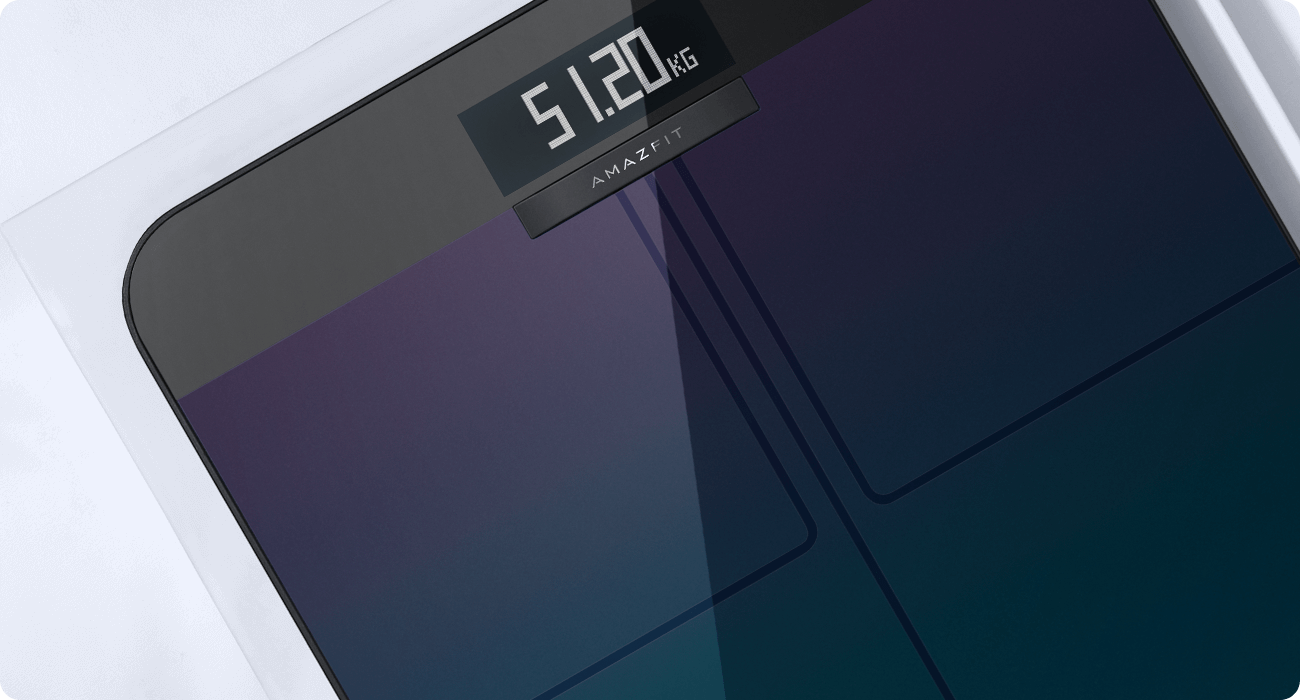
The tempered glass top of the Amazfit Smart Scale has an aurora gradient design that should make the scale stand out, though not jarringly, in your home regardless of where you put it. The ABS plastic frame is gray while the top part where the display sits is black. The LCD display is 3.4-inches and should be large enough for users to see the readings clearly.
The smart scale has a high-precision G-shaped sensor that is sensitive enough to detect minor weight changes up to 50 grams. Huami says this means it can detect the change in weight even if you drink just a cup of water. The scale has a weighing range of 5 kg – 180 kg. The product page says the screen can display up to 8 different metrics depending on the user configuration.
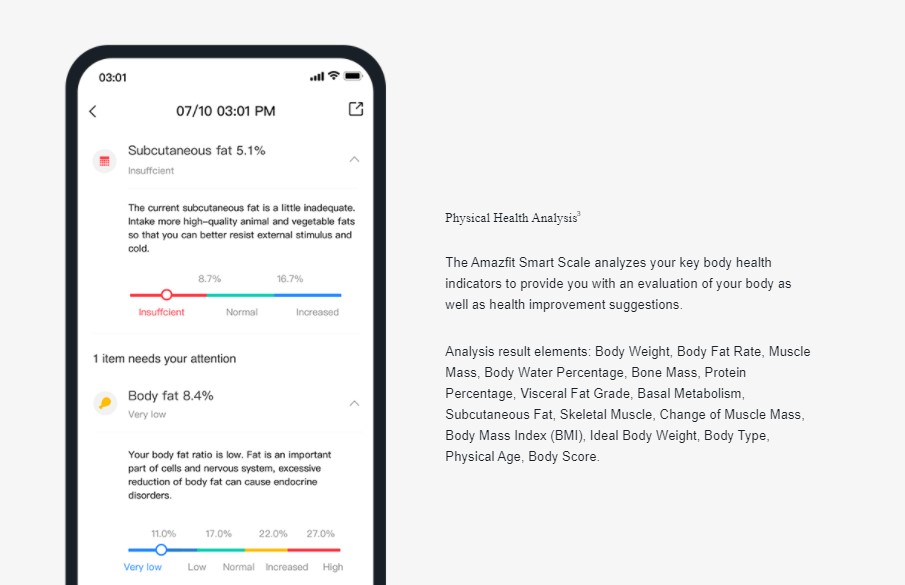
The Amazfit Smart Scale measures not only weight but also 15 other body health metrics including body fat range, muscle mass, body water percentage, bone mass, physical age, visceral fat, and body type. It is able to achieve this thanks to its high-precision data processing chip.
Huami says it also has a feature called Calorie Cost that calculates the calories burned every 30 minutes for 18 supported sports. The supported sports include walking, jogging, cycling, swimming, mountain climbing, aerobics, table tennis, rope skipping, taekwondo, and golf. The Calorie Cost feature allows users to formulate a personalized exercise plan for bodybuilding. The feature isn’t available right out of the box but will be added via an OTA update.
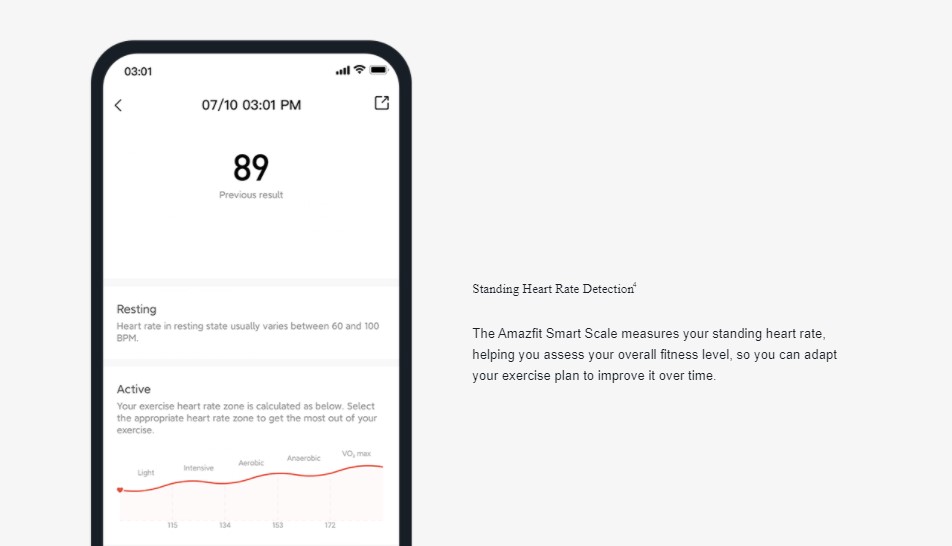
The smart scale also has a feature called Balance Ability Analysis that evaluates your body’s skill at supporting movements. An improved balance ability is said to lower the risk of injury while exercising. The feature will be available via an OTA update. Another feature it has is Standing Heart Rate detection which assesses your overall fitness level.
The Amazfit Smart Scale can also be used by pregnant women as there is a feature that allows you to turn off body composition measurement and safely measure weight at zero current. There is also a baby weighing feature that calculates the weight of your baby on your phone when you stand on the scale with the baby in your arms.
The Amazfit Smart Scale connects via Bluetooth 5.0 and 2.4GHz Wi-Fi. It works with the Zepp app and is compatible with devices running Android 5.0 and above and iOS 10 and above. It supports 10 accounts and each account can be used by up to 12 family members. It will identify family members sharing the same account and also has a guest mode whose data gets erased later.
The scale weighs 2.2 kilograms and is powered by four AAA batteries which will not be included in the box. There is no info on a launch date yet but Amazfit has a global event on October 27 and we believe the scale will be announced on that day.
The announcement was made on Twitter by the official Amazfit account, and the tweet teases the arrival of the global version of the Amazfit GTR 2. Huami is also expected to announce the Amazfit GTS 2 on the same day.
The Amazfit GTR 2 and Amazfit GTS 2 were announced in China last month at an offline conference, however, Tuesday’s event will most likely be live-streamed. The two smartwatches bring new features such as blood oxygen saturation measurement, built-in storage, and improvements in heart rate measurement and sleep tracking. The two smartwatches also feature a refined design.
The global versions of the two watches should pack practically the same features save for the replacement of the XiaoAI voice assistant with Amazon’s Alexa assistant.
With respect to price, the Amazfit GTR 2 and Amazfit GTS 2 both sell for ¥999 in China which converts to about $149/€126. We expect a global price of €149 since they will be announced first in Europe. However, the classic version of the Amazfit GTR 2 which is ¥1099 (~€139) should cost more. We also expect the Amazfit Bip U to get a European launch on Tuesday.
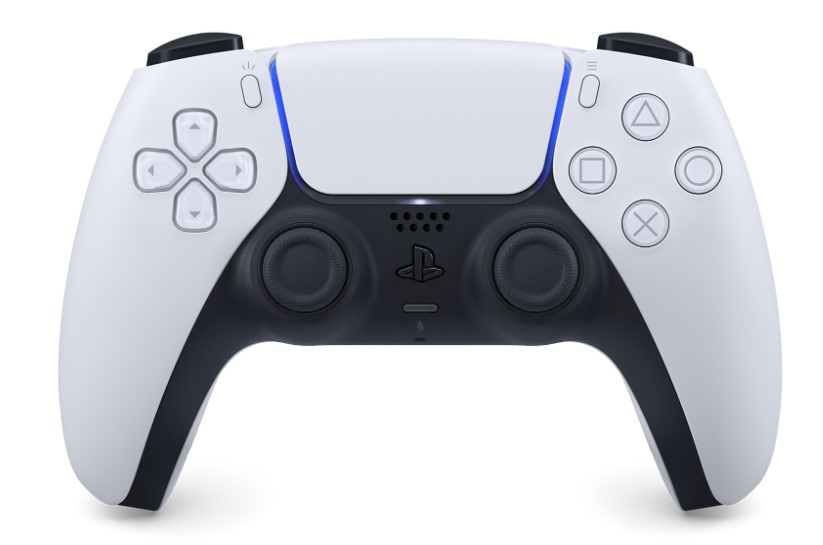
The DualSense Controller is what you will find in the box when you purchase a PlayStation 5. The controller has a new design, a handful of new features, and apparently, compatibility with other devices.
Sony has begun sending out PlayStation 5 units to influencers including YouTubers, and one of them has made a video showing the new controller work with Android and Windows.
An unboxing video of the DualSense Controller made by YouTuber, Austin Evans, shows the controller work with the Windows-powered Surface Laptop Go and the Pixel 5 even though the box clearly states that it is only compatible with the PlayStation 5.
Austin plugs it into an Xbox Series X but it doesn’t work however it works mostly well with the Surface Laptop Go. He also connects it to the Pixel 5 via Bluetooth and even uses it to play a game via Xbox Game Streaming. The controller is also connected to a PlayStation 4 successfully but doesn’t work.
It is nice to know that the $70 DualSense Controller works not only with the PlayStation 5. However, its features such as haptic feedback and adaptive triggers don’t work with these unofficially supported devices.
There are speculations that the controller may eventually work with the PS4 with a future update but don’t bank on it. The DualShock 4 controller works with the PS5 but only with PS4 games. You will also be able to use license third-party controllers and the DualSense Controler to play PS4 games on the PS5.
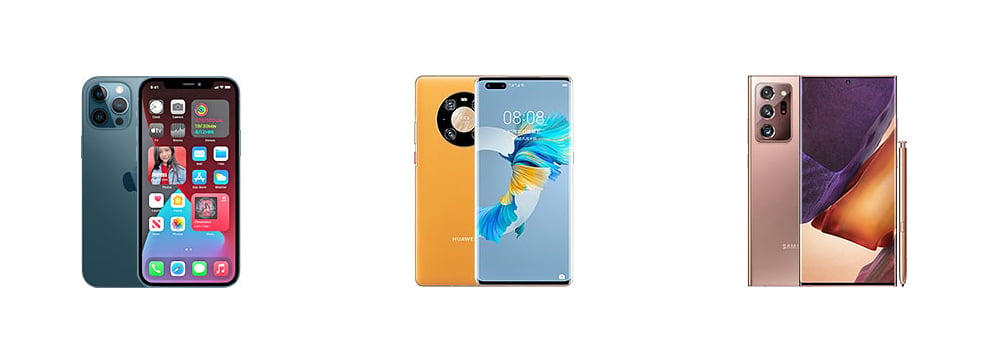
The most powerful variant of the latest Apple lineup is the iPhone 12 Pro Max. It packs amazing specifications but it is sold at a very expensive price: it is one of the most expensive phones in the market. But is it also the best phone out there? There is no better way to understand it than comparing it to the best top-tier Android flagships. For this comparison, we choose the most powerful flagships from the most important smartphone manufacturers in terms of sales (alongside Apple): Huawei Mate 40 Pro and Samsung Galaxy Note 20 Ultra 5G.
Apple iPhone 12 Pro Max vs Huawei Mate 40 Pro vs Samsung Galaxy Note 20 Ultra
Apple iPhone 12 Pro Max
Samsung Galaxy Note 20 Ultra 5G
Huawei Mate 40 Pro
DIMENSIONS AND WEIGHT
160.8 x 78.1 x 7.4 mm, 228 g
164.8 x 77.2 x 8.1 mm, 208 g
162.9 x 75.5 x 9.1 mm, 212 g
DISPLAY
6.7 inches, 1284 x 2778p (Full HD+), Super Retina XDR OLED
6.9 inches, 1440 x 3088p (Quad HD+), Dynamic AMOLED 2X
iPhone 12 Pro Max, Huawei Mate 40 Pro, and Samsung Galaxy Note 20 Ultra 5G all feature an astonishing design. The first has a stainless steel frame and narrow bezels with a symmetric look, the second distinguishes from its rivals for its extremely curved display which allows replacing physical keys with touch controls to regulate the volume. The third has a very high screen-to-body ratio, stainless steel frame, and a single punch hole. In each case, you get an amazing build quality and a waterproof device with the IP68 certification, but the iPhone 12 Pro Max is waterproof up to 6 meters deep, while Huawei Mate 40 Pro and Samsung Galaxy Note 20 Ultra 5G go up to 1.5 meters. The design of the iPhone 12 Pro Max is the trendiest one, but my favorite one is the Samsung Galaxy Note 20 Ultra 5G, despite it is the biggest device from the trio.
Display
The most stunning display belongs to the Samsung Galaxy Note 20 Ultra 5G. First of all, it has a higher resolution with 1440 x 3088 pixels. Further, the refresh rate goes up to 120 Hz, while on the iPhone 12 Pro Max and on the Huawei Mate 40 Pro it stops at 60 and 90 Hz, respectively. The Samsung Galaxy Note 20 Ultra 5G has a wider diagonal and it is protected by Gorilla Glass Victus, while iPhone 12 Pro Max has Ceramic Shield to improve the protection. Samsung Galaxy Note 20 Ultra 5G and Huawei Mate 40 Pro support a stylus (S Pen and M Pen 2 respectively) which allows handwriting and drawing with up to 4096 pressure levels.
Hardware and Software
The iPhone 12 Pro Max is fueled by the most powerful and efficient processor of the trio: the Apple A14 Bionic built at 5 nm. Further, the high optimization of the iOS operating system makes the phone even faster. Despite it sports just 6 gigs of RAM, the iPhone 12 Pro Max should be the most performing device of the trio. But in each case, we are talking about top-tier flagship smartphones with no limits in every scenario. You can play the most demanding games, use the most demanding apps and you can do everything you want. Samsung Galaxy Note 20 Ultra 5G and Huawei Mate 40 Pro run Android 10 out of the box, but Huawei Mate 40 Pro will lack Google apps in the global market, replaced by Huawei Mobile Services.
Camera
It looks like the Huawei Mate 40 Pro provides the best camera performance. It is not the most advanced device of this comparison to record videos, but it clicks the best photos. But you do not need to necessarily go for the Huawei Mate 40 Pro if you need a top camera phone: Samsung Galaxy Note 20 Ultra 5G and iPhone 12 Pro Max are still amazing camera phones and they are even better at video recording.
Battery
The Samsung Galaxy Note 20 Ultra 5G has the biggest battery, but its battery life is not so good. The Huawei Mate 40 Pro should be able to last a lot more on a single charge thanks to its more efficient display (with Full HD+ resolution and 90 Hz refresh rate) and more efficient chipset (the Kirin 9000 built at 5 nm). Unfortunately, no one tested the iPhone 12 ProMax because it will be available to purchase starting from November. Huawei Mate 40 Pro supports the fastest technology to charge the battery.
Price
The iPhone 12 Pro Max has a €1289/$1099 starting price, Huawei Mate 40 Pro costs €1249/$1480 globally, and Samsung Galaxy Note 20 Ultra 5G begins at €1309/$1299 There is not a definitive winner of this comparison: I love the Samsung Galaxy Note 20 Ultra due to its advanced S Pen and better display, but its battery life is disappointing. Huawei Mate 40 Pro has better cameras, while iPhone 12 Pro Max offers higher performance.
While countries like the USA vouched for 6G long back, it looks like Chinese companies are now hopping on the train slowly. Qin Fei, who is a Dean of Vivo Communications Research Institute, says 6G requires smartphones, AR, VR, and Robotics to build a better wireless network.
At a 6G series meeting held by Vivo, he says(via ITHome) Vivo has begun the 6G research and subsequent scenarios. He feels 6G will emphasize more on AR(Augmented Reality), VR(Virtual Reality), and other adjacent technologies. According to him, future AR/VR glasses will be much thinner, comfortable. And will be in sync with a brain-computer to read people’s minds.
After 2030, multi-function robots will replace the current primary ones with updated AI-intelligence. And advancement in other technologies, predicts Fei. However, he says Smartphones are less likely to get replaced in 6G era. Complexity of touch screen, custom communication modules, computing unit, ARM cores, etc., are reportedly the reasons for that.
Furthermore, he says Vivo prefers to develop more 2C(To C) terminals in the future. When asked about the differences between 5G and 6G, he says, 6G will focus on strengthening to predecessors like 5G, 4G. Also, 6G will combine AI to become a complete service by integrating communication, computation, and storage. However, he says 6G≠5G+AI.
That said, Vivo is not the only company to embrace the next generation of wireless communication technology. South Korean giant LG, and Samsung have already begun its R&D. And Samsung is expecting that 6G will launch commercially by 2028. Nevertheless, 6G will probably have improvements like 1 terabyte per second(1 Tbps) speed, MEC(multi-access edge computing), faster sampling rates, combination of sub-mmWave, and Frequency Selectivity for better EM absorption rates, etc.
We use cookies on our website to give you the most relevant experience by remembering your preferences and repeat visits. By clicking “Accept”, you consent to the use of ALL the cookies.
This website uses cookies to improve your experience while you navigate through the website. Out of these, the cookies that are categorized as necessary are stored on your browser as they are essential for the working of basic functionalities of the website. We also use third-party cookies that help us analyze and understand how you use this website. These cookies will be stored in your browser only with your consent. You also have the option to opt-out of these cookies. But opting out of some of these cookies may affect your browsing experience.
Necessary cookies are absolutely essential for the website to function properly. This category only includes cookies that ensures basic functionalities and security features of the website. These cookies do not store any personal information.
Any cookies that may not be particularly necessary for the website to function and is used specifically to collect user personal data via analytics, ads, other embedded contents are termed as non-necessary cookies. It is mandatory to procure user consent prior to running these cookies on your website.