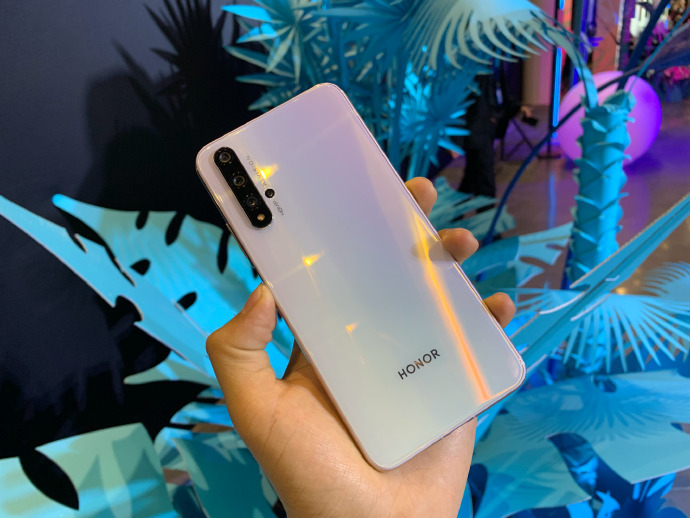
Huawei unveiled EMUI 10.1/Magic UI 3.1 alongside the P40 series earlier this year. Since then, the company has bee continuously seeding the update to all the eligible devices worldwide. As the rollout is about to end in China, the firm has now begun to focus on global variants of its handsets. Hence, Honor 20 and Honor 20 Pro have begun to receive the update in Europe.
Unlike Huawei smartphones, Honor handsets are getting Magic UI 3.1 update, instead of EMUI 10.1. Anyway, both are identical except for some minor features here and there.
That said, Magic UI 3.1 update for Honor 20 and Honor 20 Pro users in Europe comes with build number 10.1.0.230 and weigh 4.63GB in size. It brings all the new features like Huawei Celia voice assistant, MeeTime video calling app, multi-screen collaboration, cross-device gallery, convenient multi-window, multi-device control panel, and lots more.
Currently, the update is being rolled out in a phased manner across different countries in Europe. If the brand gets positive feedback from the first batch of users, it will begin to seed the latest software update to more users gradually.
Smart wearable manufacturer Huami has teased the launch of a Lite smartwatch which look like the Amazfit Bip S. The company has created a microsite for the device on Flipkart and it confirms it will be called Amazfit Bip S Lite.
The Bip S Lite looks like a trimmed-down version of the Amazfit Bip S which was first launched in India just last month. The Flipkart page shows that the device will be launched on July 29.
In terms of the design, an official video teaser by Huami confirms a design similar to that of the Amazfit Bip S. The features are also likely to overlap but with some bit of trimming on the Lite model. The teaser also says the smartwatch would be “Lite on your pocket” which is an indication that it will adopt a cheaper price tag. For reference, the Bip S adopts a retail price of Rs. 4999.
The Amazfit Bip S Lite is expected to feature 8 sport modes as against 10 on the Bip S. It also weighs 30g, 1g less than the Bip S. The smartwatch will be available in three colour option – Charcoal Black, Sakura Pink, and Oxford Blue.
The Redmi Note 9 is making its way to India. The official Redmi India account has announced that the smartphone will be unveiled on July 20.
The Redmi Note 9’s siblings – the Redmi Note 9 Pro and Redmi Note 9 Pro Max already launched in the country back in May. The launch will take place online and begin at 12 PM IST.
The teaser image attached to the tweet shows the phone has four rear cameras and also hints at fast charging.
The Redmi Note 9 has a 6.53-inch LCD display with a punch-hole at the top left corner of the screen. There is an Helio G85 processor inside with 3GB RAM and 64GB of storage. There is also a variant with 4GB of RAM and 128GB of storage. A 48MP + 8MP + 2MP + 2MP quad-camera setup sits on the back of the phone while a 13MP camera sits in front for taking selfies.
Other features are a 5020mAh battery, 18W fast charging, NFC, IR blaster, USB-C port, and a rear-mounted fingerprint scanner. The phone also runs Android 10 out of the box.
We presume the variant coming to India may have slightly different specs such as a different RAM and storage configuration. It may also not have NFC.
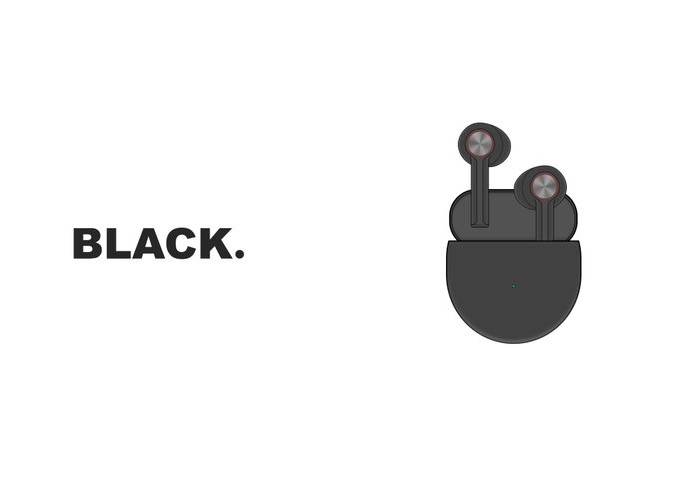
OnePlus is finally cutting the cord. After a handful of wired and wireless Bluetooth earphones, it has confirmed it will announce its very first TWS earbuds called the OnePlus Buds on July 21.
The press release sent to us says that the new Bluetooth audio device will “deliver high-quality audio playback and easy-to-use experience on the go”.
The launch of the OnePlus Buds is part of the manufacturer’s plan to expand its portfolio of products that already includes phones and smart TVs.
Pete Lau, the founder and CEO of OnePlus, said that the earbuds will deliver the right combination of sound quality, seamless connectivity, and easy-to-use experience.
The OnePlus Buds has appeared in multiple leaks over the past couple of months. The last leak revealed the earbuds will come in black and have a closed-fit design. It will be housed in a pebble-like case. Also, just like the OnePlus Nord, the Buds will be sold by Amazon India.
OnePlus is a bit late to the market with its TWS earbuds. Its competitors such as Samsung, Huawei, and Xiaomi have launched several models already with varying features and price tags. It remains to be seen if the OnePlus Buds can outperform the buds from these brands.
OnePlus Nord is scheduled to launch on July 21. To celebrate its unveil, the brand has made a 4-part series documentary whose two episodes have already aired. In addition to that, OnePlus executives have also been giving exclusive interviews to media houses revealing some of the features of their new handset. Now, a post on Instagram by the company confirms the phone to feature a secondary 105° ultra-wide selfie camera.
Before revealing the name of its new mid-range smartphone, OnePlus created an Instagram account named “OnePlusLiteZThing” to hype its upcoming phone. Later, after revealing its name, the account was renamed to “OnePlus.Nord”.
The same account has been teasing the specs via small animation clips for a few days now. The latest one posted today reveals the forthcoming OnePlus Nord to feature an additional 105° ultra-wide selfie camera to accommodate more people or background.
Though the brand did not reveal anything about the sensor, according to an exclusive leak by Android Central, the handset will sport a 32MP (wide) + 8MP (ultra-wide) dual camera setup on the front.
Realme has a launch in India tomorrow for the unveiling of new products. One of the confirmed products launching tomorrow is the Realme C11 budget phone. Madhav Sheth, the CEO, has now confirmed that the realme 30W Dart Charge 10000mAh Power Bank will also be announced tomorrow.
It’s been long awaited & here it is!
Introducing the realme 30W Dart Charge 10000mAh Power Bank in tomorrow’s launch.
The power bank was announced in China in May and is sold for ¥199 (~$28.43). It has a USB-A output port that has a maximum power output of 30W. There is also a USB-C port that doubles as both an input and output port. The power bank supports a maximum power input of 30W too. This means you can recharge it faster than the Realme 10000mAh Power Bank 2 that only supports 18W fast charging.
The realme 30W Dart Charge 10000mAh Power Bank is sold in yellow and black in China but India may be getting it in just black when it launches tomorrow. We also presume the power bank will be priced at about INR 2000 (~$26).
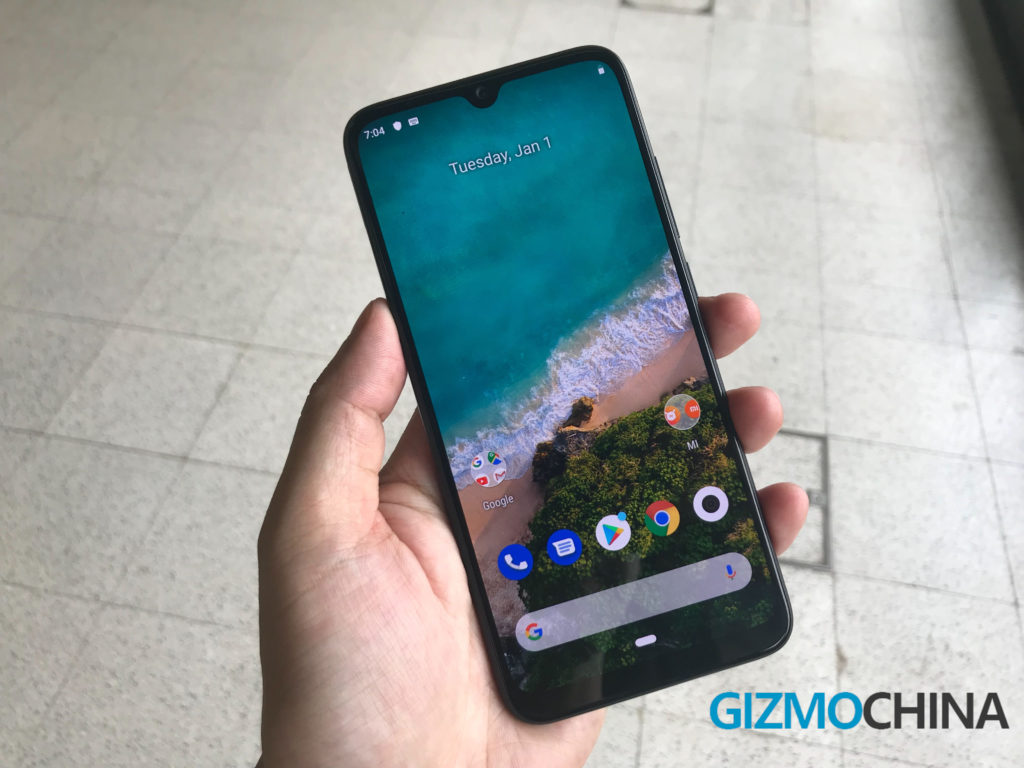
Within a day from issuing the official statement, Xiaomi is rolling out the fix for Mi A3 users who had installed the Mexican firmware. The OTA update weighs 1.33GB in size and is said to fix the dual SIM issue.
Update (July 14): Statement from Xiaomi
Xiaomi issued a statement saying that they are aware of Mi A3 update issue and are working on a solution to fix it.
“We are aware of the software update issue on a few Mi A3 devices. On further investigation, we have identified it to be a technical issue due to which a software update not meant for Indian users, was shared inadvertently. This issue has been fixed already from our side and our technical teams are working on a recovery solution that will be rolled out soon.”
Original Story (July 13)
Xiaomi has accidentally rolled out Mexican carrier Telcel firmware to the global variant of Mi A3. The company asks its users to not install the new OTA update – V11.0.3.0.QFQMXTC weighing 1.40GB. According to various users, this update disables dual SIM functionality, brings new bootanimation, and two system apps – Mi Telcel & Claro Musica.
The Chinese smartphone maker has been messing up Mi A3 Android 10 update for months. The handset has received multiple builds so far, however, some users are still facing issues. What’s interesting is the bugs are limited to certain units only.
Amidst this, the company has now seeded out the build for carrier-exclusive Mi A3 to the global variant. The global version of the phone runs QFQMIXM build but the one Xiaomi sent out by mistake is QFQMXTC.
Since the changelog does not mention build number as it is an Android One smartphone, some users have installed it thinking it to be July 2020 security patch. But actually, it is June 2020 update for Telcel Mi A3. These users soon shared the issue on social media and forums.
After getting the information, Xiaomi has published an announcement post on Mi Community Global asking users to not update their phone. Unfortunately, the harm is already done and the update is yet to be removed from the OTA server.
Even our Indian unit has received this update, however, we did not receive any notification. We checked for updates in “Settings” only after knowing the news. That said, we strongly advise you not to download this update.
Xiaomi itself is not sure if it can fix this as per the community post. This is what the company has to say, “We will try to see if there is a fix, BUT… once again… DO NOT UPDATE (if you have not already)!”
Samsung Electronics has just announced earlier today (13th July 2020) that it would be spending 100 billion won (roughly 83 million US Dollars) this year for cooperation within the industry and academia to improve chip and display technology.
For those unaware, Samsung had opened its industry-academia cooperation center back in 2018. This center has supported research projects in the chip and display sectors by more than 700 professors and students. The latest investment from the South Korean tech giant is to boost development for future technology in both chip and display technology.
According to official notes, “The latest investment is likely to help researchers at local universities whose projects have been delayed or suspended amid the COVID-19 pandemic.” Through this initiative, local universities can use the company’s advanced chip equipment for research projects; with Samsung having plans to expands its industry-academia cooperation program in multiple different fields.
A fresh report has revealed that Samsung Electronics is currently in talks with LG Display to buy display panels. Industry sources revealed earlier today (13th July 2020) that the South Korean tech giant is seeking supply during its transition to production of newer display technology.
Reportedly, Samsung and LG Display may strike a deal for LCD TV panel supply in the near future. The news arrives a while after Samsung Display announced that it would be discontinuing the production of LCD display panels from next year. The LCD market has declined noticeably in recent years and the South Korean company is focusing more on the new generation of display, namely quantum dot display.
Notably, previous reports had also revealed that Samsung might be seeking LCD panel supplies from Chinese firms like China Star Optoelectronics Technology, BOE Technology Group, and even Sharp Corp. According to analysts, the deal between Samsung and LG could be worth be over 1 trillion won (roughly 833 million US Dollars).
Despite both South Korean brands being known rivals in the display industry, LG may be supplying Samsung with large LCD panels from its plant in Guangzhou, China. At the moment, the former is known for its OLED TVs while the latter for its QLED TVs. Interestingly, Samsung has supplied LCD panels from LG in the past, after Sharp abruptly cut off supply back in 2017.
Madhav Sheth, CEO of Realme, has hinted at an upcoming launch for a smartphone with a 121W fast charging support. The device in question is said to arrive soon and could launch in India first.
Through his official Twitter handle, the senior executive of the Chinese smartphone maker tweeted out 121 lightning bolts to signify its upcoming smartphone’s capabilities. At the moment, we do not have any details regarding the name of the device or its other specifications, but it is likely to be a flagship handset from the company.
Telecom operators in the UK have warned Members of Parliament that banning Huawei could potentially lead to phones not working for days. This can occur due to Huawei equipment being forcibly removed from the UK’s telecommunications infrastructure.
While Huawei had a market cap of 35 percent, but since it is a high risk vendor, it cannot be allowed to work in core areas. Furthermore, Vodafone and BT warned that companies would lose “billions of pounds” if new government sanctions completely remove Huawei equipment from their networks. They even stated that customers could lose signals in their phones for days.
According to Andrea Dona, Vodafone UK Head, “Should the guidance become stricter it will have an effect, it will delay the rollout of our 5G, it will have cost implications and focus our investment in the removal of the existing equipment. If the current guidance were to be tightened and further restrictions were to be imposed, we would need to spend in the order of billions to change our current infrastructure.”
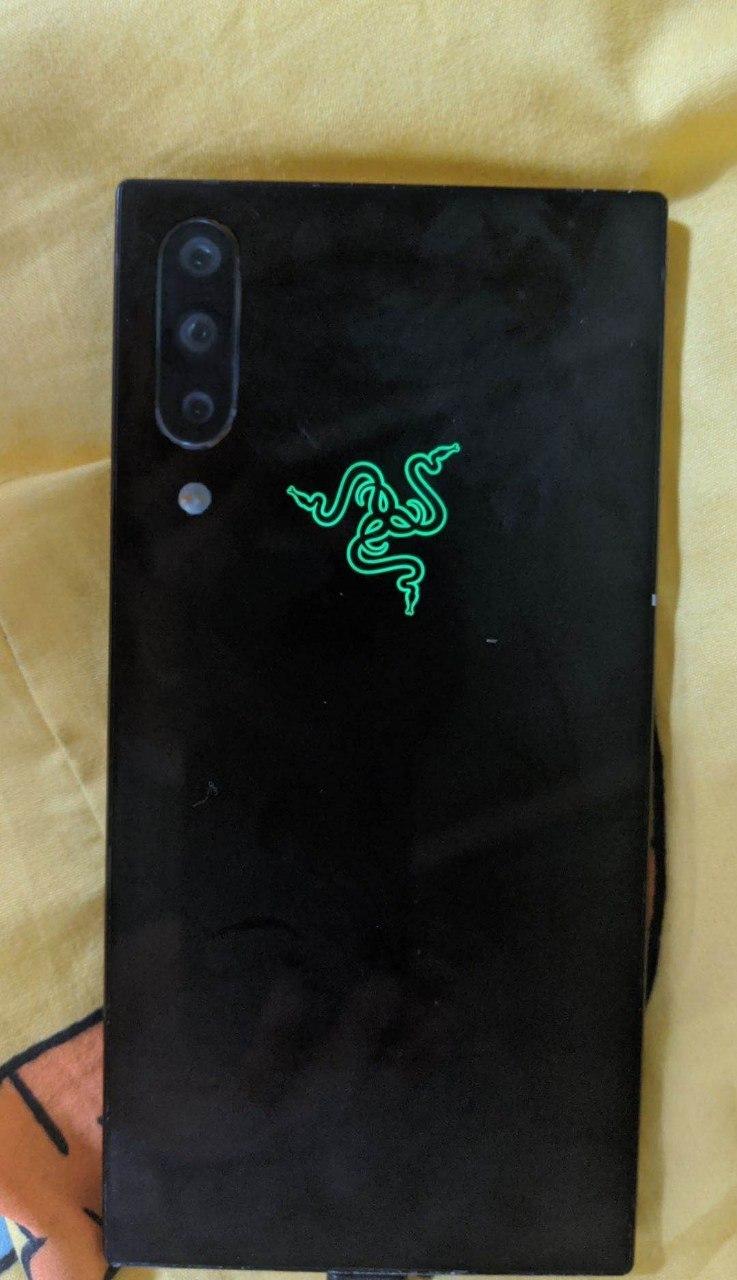
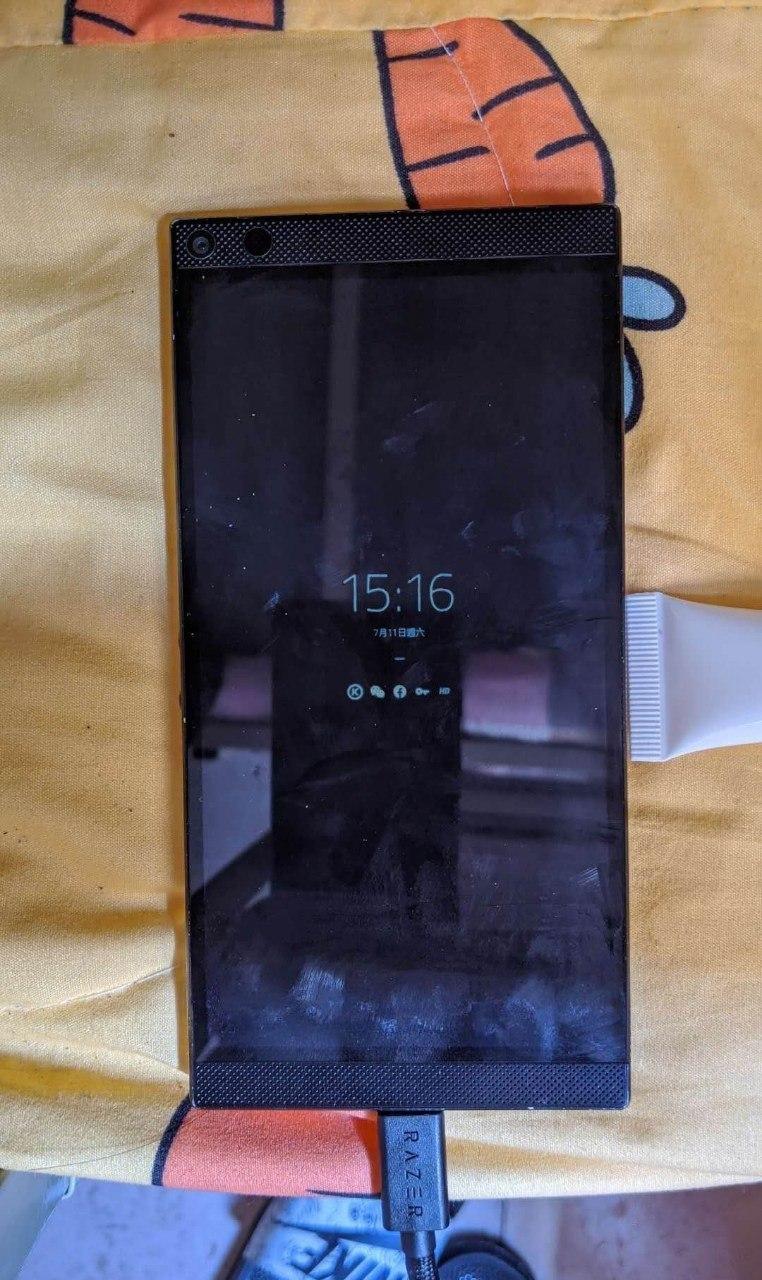
These alleged images of Razer Phone 3 prototype came into light when Twitter user @Boby25846908shared them earlier today. Replying to his tweet with unwatermarked versions, Mishaal Rahman, the Editor-in-Chief of XDA Developers revealed that they are being shared on Telegram as well.
He also notes that the original source of these pictures is not known and he is even not sure if this prototype is legitimate. On the other hand, Boby, the one who shared the images on Twitter says that according to his source, this could be 70% one of the prototypes of Razer Phone 3.
Anyway, Razer has shuttered is mobile division and there’s no way its third gaming phone will ever see the light of the day. Going by the so-called prototype, it would have arrived with a vertical triple camera setup, curved corners, and smaller speaker grill as Boby notes in a tweet.
The Chinese electric car maker BYD and smartphone maker Huawei has announced the world’s first series of cars that will feature the latter’s HiCar system. This new system has been developed by Huawei and is based on its proprietary HarmonyOS.
The new HiCar system is an intelligent connectivity based solution that is built on Huawei’s self developed operating system. It was announced on July 12th and marks the company’s expansion into the automotive networking field. BYD’s latest electric flagship car model Han will be the first to feature the new OS, according to Richard Yu Chengdong, CEO of Huawei.
This is also the first time Huawei is offering 5G solutions in vehicles. HarmonyOS was built to be a widely supported cross platform OS and this expansion follows the same philosophy. Notably, the HiCar system will be available in more than 120 car modes from over 30 different automobile makers including Audi, BYD, GAC, and BAIC. The new system will basically allow users to control their cars with smartphones, check car status in real time, and more.
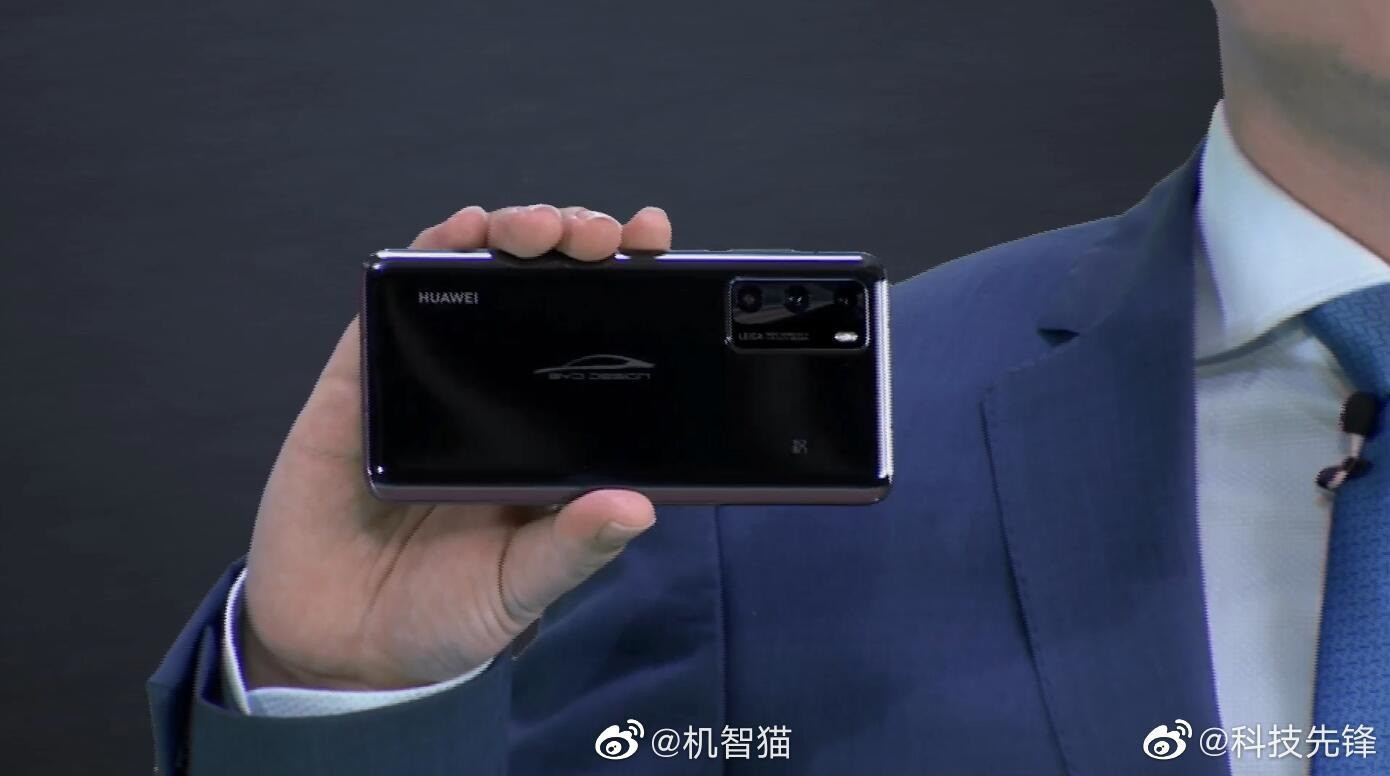
Furthermore, during the Sunday launch conference, the senior executive also unveiled a new special variant of the Huawei P40. This new variant of the flagship carries a logo on the rear that commemorates the new HiCar system and BYD collaboration and the word “Han” on the top right corner. Apart from the appearance, the device sports identical feature on the inside.
The Xiaomi Youpin platform has recently launched a new notebook. This notebook is noteworthy due to its privacy/security feature, which has it receive a fingerprint reader on the side.
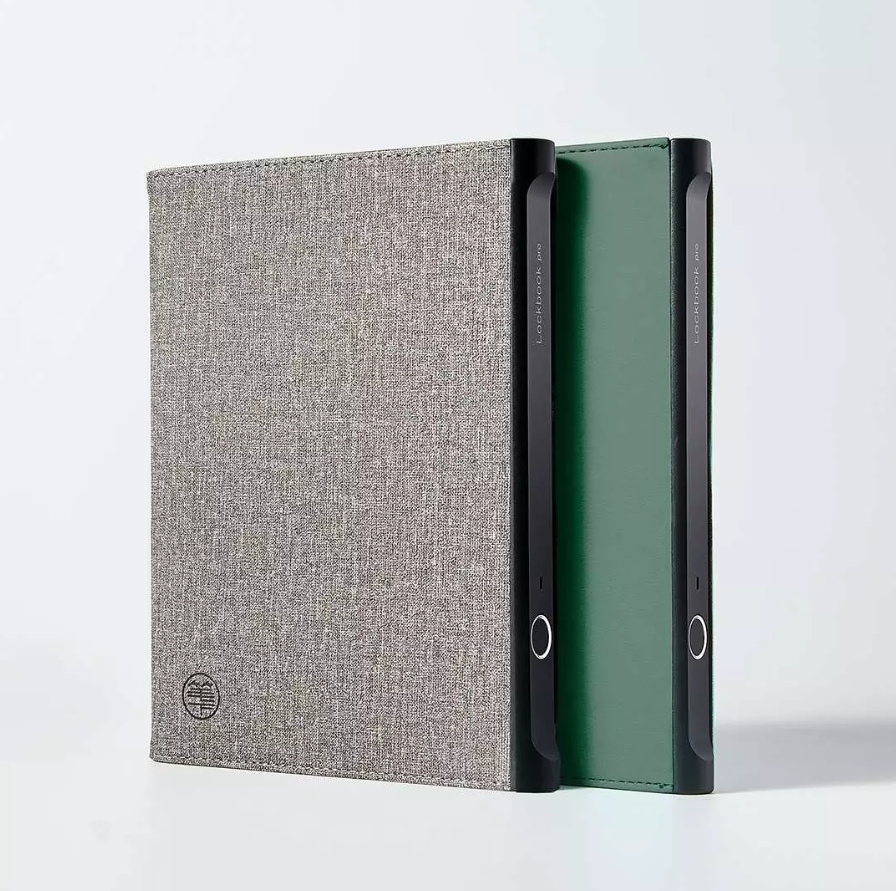
When we say notebook, we do not mean a thin laptop, but an actual notebook that arrives with a fingerprint sensor. The Lockbook Pro has just started sale on the online platform and goes for a price of 279 Yuan (roughly 40 US Dollars). It comes in two different colors, namely Gray and Dark Green, and is made with privacy in mind for its users.
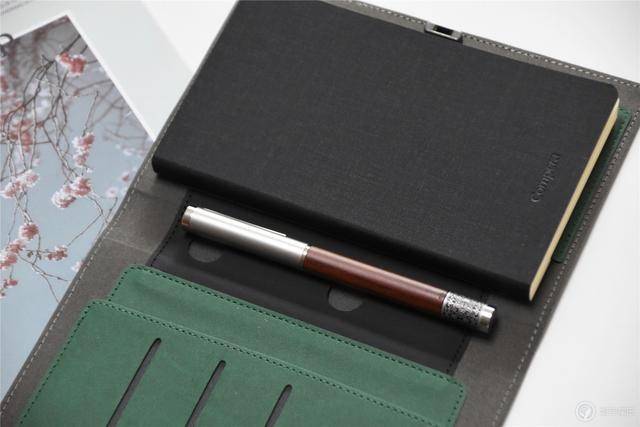
The book itself is bound in a leather cover with the fingerprint scanner being housed on the side. A LED indicator can also be found on top of the sensor along with its Lockbook Pro branding. This product was designed with privacy being its highlighting aspect since it allows users to keep their important handwritten information written down in a secure way. In other words, rather than keeping notes in a locker, you can carry a secure notebook that has your important details.
Under the hood, a 160mAh battery powers the notebook, which has the standard B6 sized paper pages on the inside. The battery will last for up to 60 days if you open and close the notebook 10 times a day, while the fingerprint sensor has a quick response of 0.5 seconds to unlock. So for those interested, you can click on this link here.
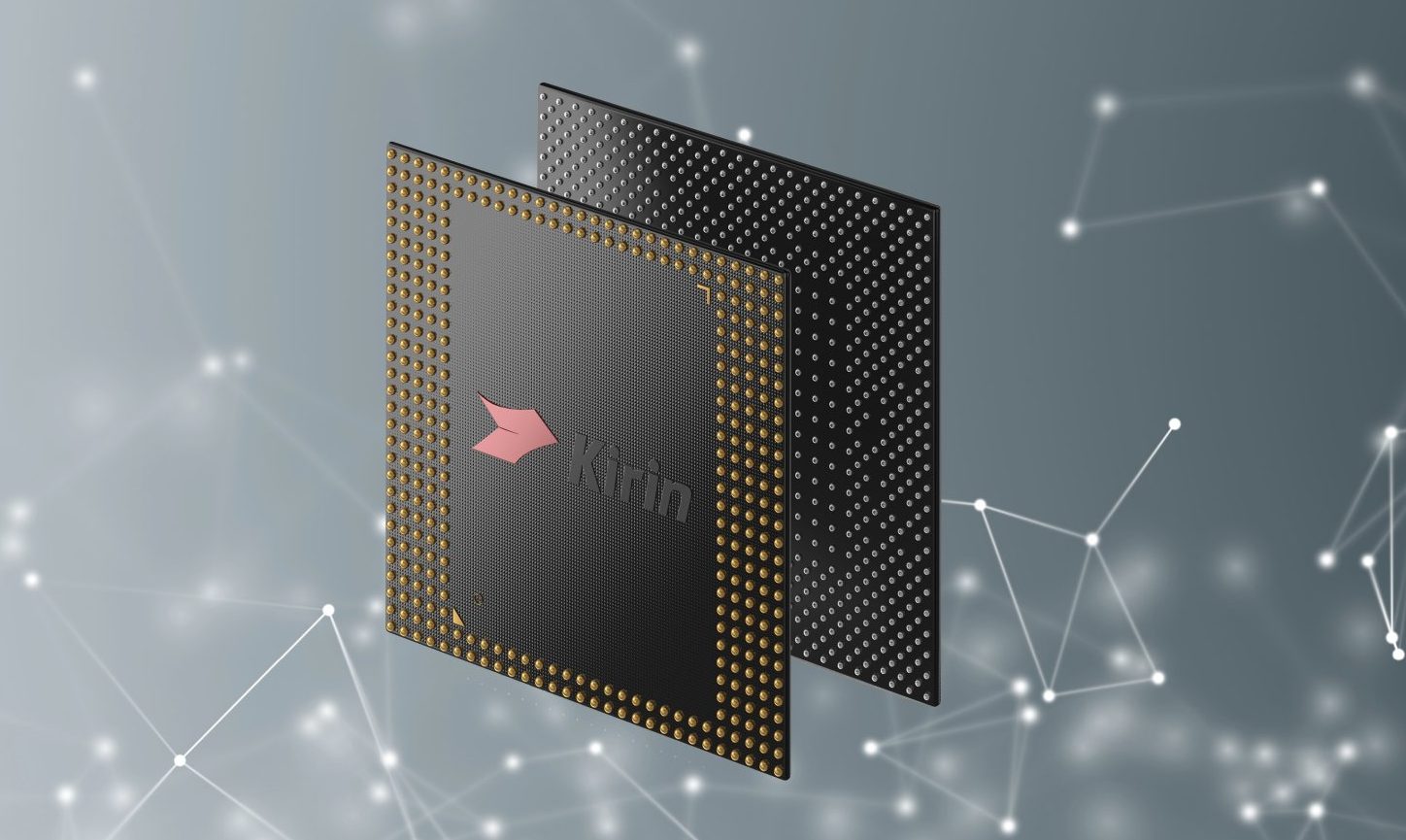
Back in May, Huawei had lost its chip supply for TSMC due to new US sanctions. This ban shifted the possible new chip orders to other industry giants like MediaTek, which had reportedly received a large order from the Chinese tech giant for 5G chips. But now, a new report suggests that the US is trying to persuade the chipmaker to reduce its supply to Huawei.
According to a CSLA report, the US is trying to hamper Huawei’s operations again by hindering its chip supply. Furthermore, it is also being reported that Qualcomm might also be planning on supplying the smartphone manufacturer. Apparently, Qualcomm is currently in talks with the US government to attain a license to supply Huawei with its chips and may receive it as early as mid July.
Unfortunately, the news is still unconfirmed, so take it with a pinch of salt for now. When asked about this report, MediaTek denied being persuaded by the US and called the news groundless. Although, we will have to wait and see if Qualcomm is also stepping up to supply Huawei with 5G chips in the near future, but, that also depends on whether or not it receives a license from the US government.
According to him, the upcoming Honor notebooks will be powered byAMD Ryzen 7 4800H/Ryzen 5 4600H paired with 16GB/8GB RAM and 1TB/512GB Samsung PM981a/PM981 NVMe SSD. That said, the leakster does note that “SSD vendor may vary”.
Unfortunately, these models will only come with DDR4 2666MHz RAM modules and they are expected to be soldered as well. This could be a deal-breaker for some who were looking for these laptops for hardcore multitasking and gaming.
Anyway, it is worth noting that Honor is advertising its upcoming thin and light notebooks for productivity and thus, it makes sense for them to not include RAM with 300Mhz+ clock rate.
Having said that, according to official teasers, the forthcoming Honor Windows 10 laptops will support 65W fast charging and will also feature a fingerprint sensor.
Ever since the US-China trade war began, there have been several major developments in technology, especially those related to smartphones. The ban on Huawei by the United States and the constant lobbying with other countries to do the same, led to several Chinese companies, including Huawei, to become self-reliant.
Now, it seems that China has started a process using which it could become the leader in 5G chipmaking. The Suzhou Institute of Nano-tech and Nano-Bionics under the Chinese Academy of Sciences (Sinano), and the National Center for Nanoscience and Technology, have made important discoveries related to ultra-high precision laser lithography.
For those who are unaware, lithography machines play quite a crucial role in the production of chips as they etch patterns on wafers for placing transistors. One of the biggest breakthroughs has been EUV that creates extremely thin markings.
However, the discovery is still at the theoretical state and it could take years as well as plenty of money to make this a reality. Compared to others, China is still behind when it comes to manufacturing chipsets, which is often outsourced to the likes of TSMC.
Nonetheless, the discovery of a new process laser lithography by China is a major step forward for the country. ASML, which is the global leader in lithography and holds a monopoly in the market, was recently blocked by the Dutch government from selling its machines to the Chinese customers, after pressure from the United States.
China’s largest foundry — SMIC — still produces chipsets on a 14nm node process while most of the latest chipsets are being manufactured on 5nm node, including the upcoming Apple A14 and Huawei’s next-gen Kirin SoC.
But if the development regarding chip manufacturing in China keeps going at a rapid pace, combined with proper investments, SMIC and similar companies in China could soon start using the latest technology for making chips. This will present an advantage to China and the smartphone makers in the country such as Huawei. In fact, SMIC is reportedly planning to raise $2.8 billion in Shanghai’s Star Market for its growth.
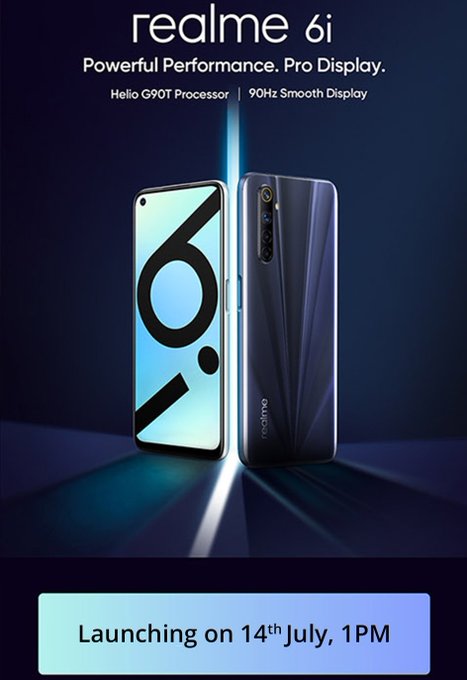
The Realme C11 smartphone is all set to launch on July 14. Leakster Sudhanshu Ambhore came across a listing for the Realme 6i on Flipkart retailer site. It revealed some of its key features and carried a pricing hint. Also, it stated that the Realme 6i will be launching at 1 PM IST on July 14. There is no official confirmation on the arrival of the Realme 6i phone yet from Realme India. The company is currently teasing on the features of Realme C11 before its launch. It is likely that the company may also unveil the Realme 6i alongside it.
The Flipkart appearance revealed that the Realme 6i could be priced under Rs. 15,000 (~$199) in India. A screenshot of the homepage of the retailer site carried “Flipkart’s most powerful mid-ranger under 15k” text. The Realme 6i will be priced lower than the Realme 6 that carries a starting price of Rs. 14,999 in the country.
The smartphone features a 90Hz refresh rate supporting screen and it is powered by MediaTek Helio G90T processor. The image of the phone reveals that it has a punch-hole display and a quad-camera setup.
In March, Realme launched the Realme 6i phone in Myanmar. This phone landed in India as Realme Narzo 10. Hence, the Realme 6i coming to India won’t be the one that launched in Myanmar. Instead, it is said to be the rebadged edition of the Realme 6s that went official in Europe in May. The Realme 6i for India is expected to arrive in colors like black and white. It is equipped with a 48-megapixel main lens on its back.
Realme 6s specifications
The Realme 6s has a 90Hz 6.5-inch FHD+ resolution supporting IPS LCD display. It has a 16-megapixel front camera and a 48-megapixel + 8-megapixel (ultrawide) + 2-megapixel (macro) + 2-megapixel (depth) quad-camera system. It runs on Realme UI based Android 10 OS and comes with 4 GB of RAM and UFS 2.1 storage. It has a side-facing fingerprint sensor. The Realme 6s houses a 4,300mAh battery with 30W fast charging support.
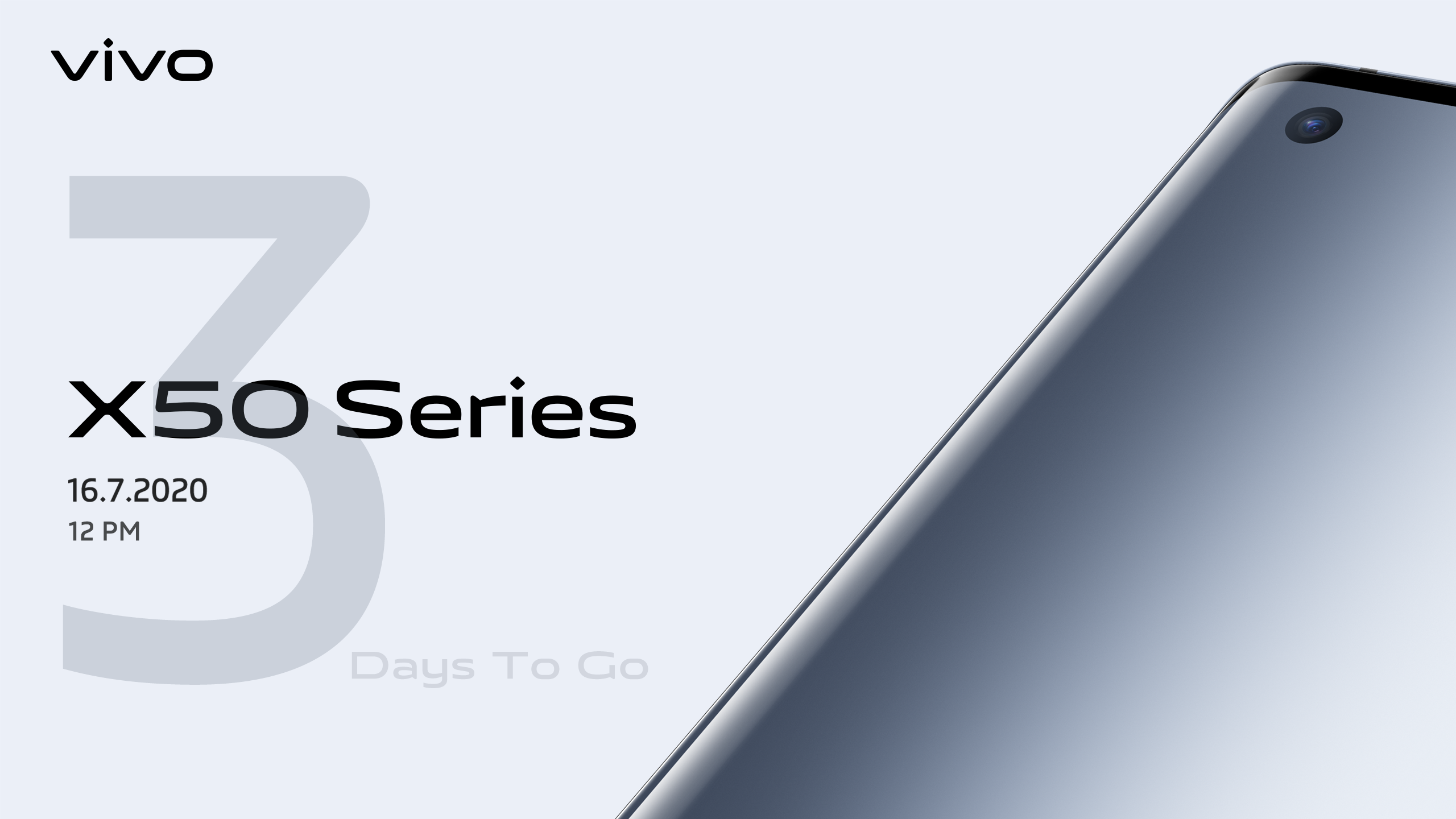
Last month, Vivo had unveiled its Vivo X50 series smartphones, which includes three models — X50, X50 Pro, and X50 Pro+. Now, the company has confirmed that the Vivo X50 series will be officially launched in India on 16th July.
Vivo has revealed that the launch event will begin at 12:00 PM IST on 16th July. The company is promoting this upcoming smartphone lineup by claiming the smartphone to be the “future of smartphone pro-photography.”
To remind you of the specifications, the Vivo X50 and X50 Pro feature a 6.56-inch FHD+ AMOLED screen with a 90Hz refresh rate. The X50 Pro also comes with a 55-degree curved screen. Under the hood, both of them are powered by the Qualcomm Snapdragon 765G SoC with support for 5G SA/ NSA.
The X50 comes with a 48-megapixel rear camera with a Sony IMX598 sensor, an 8-megapixel 120° ultra-wide lens, 13-megapixel 50mm equivalent portrait camera, and a 5cm 1.5cm macro sensor. The X50 Pro features the same 48-megapixel rear camera with a Sony IMX598 sensor but comes with 5-axis OIS gimbal-like structure. It has the same 13-megapixel 50mm equivalent portrait camera and an 8-megapixel 120° ultra-wide lens, and an 8-megapixel 5x periscope telephoto lens that supports up to 60x zoom.
On the other hand, the X50 Pro+ comes with a 6.56-inch FHD+ AMOLED 55-degree curved screen with a 120Hz refresh rate, 240Hz touch sampling rate. It is powered by Qualcomm Snapdragon 865 with 5G SA/ NSA support.
In the camera department, it features 50MP Samsung ISOCELL GN1 1/1.31″ CMOS sensor with 1.2μm size, uses the optical anti-shock feature, along with 13-megapixel periscope 5x telephoto camera with up to 60x zoom, a 32-megapixel 50mm portrait camera and a 13-megapixel 120° ultra-wide-angle lens.
All the models run the Android 10 operating system with the company’s own FunTouch OS 10.5 on top. The X50, X50 Pro, and X50 Pro+ are powered by 4,200mAh, 4,315mAh, and 4,350mAh batteries respectively.
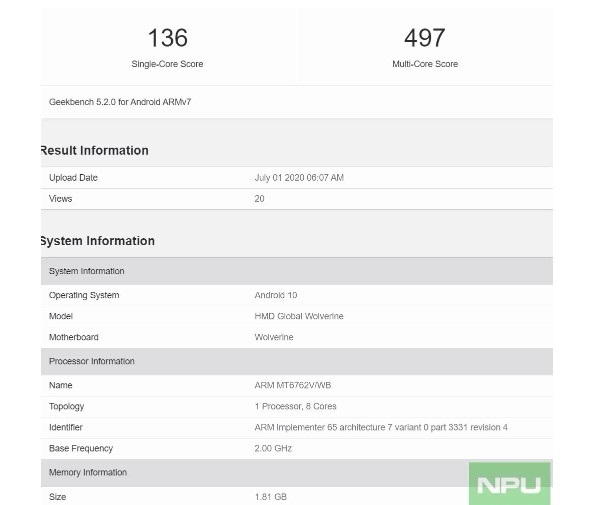
In December last year, HMD Global had launched the Nokia 2.3 entry-level smartphone and now the company seems to be all set to launch its successor, dubbed as Nokia 2.4. The smartphone has now been spotted on the benchmarking platform GeekBench, revealing some of the key details.
The Geekbench listing shows that the smartphone will come powered by the MediaTek MT6762V/WB chipset, which is the MediaTek Helio P22 SoC. In comparison, the Nokia 2.3 is powered by the MediaTek Helio A22 processor.
The listing also reveals that the phone will have 2GB of RAM. While the storage capacity is not yet known, we expect it to be either 16GB or 32GB. As for the score, it managed 136 points in the single-core test and 497 points in the multi-core test.
Given that the smartphone has appeared on the benchmarking platform, the launch should not be far away. We expect to get more information about this upcoming smartphone in the coming days or weeks, ahead of its launch.
Meanwhile, the company has confirmed that it will be among the first to launch a smartphone powered by the newly announced Qualcomm Snapdragon 690 SoC. The phone is confirmed to be “truly global 5G” and is expected to be priced lower than the Nokia 8.3.
We use cookies on our website to give you the most relevant experience by remembering your preferences and repeat visits. By clicking “Accept”, you consent to the use of ALL the cookies.
This website uses cookies to improve your experience while you navigate through the website. Out of these, the cookies that are categorized as necessary are stored on your browser as they are essential for the working of basic functionalities of the website. We also use third-party cookies that help us analyze and understand how you use this website. These cookies will be stored in your browser only with your consent. You also have the option to opt-out of these cookies. But opting out of some of these cookies may affect your browsing experience.
Necessary cookies are absolutely essential for the website to function properly. This category only includes cookies that ensures basic functionalities and security features of the website. These cookies do not store any personal information.
Any cookies that may not be particularly necessary for the website to function and is used specifically to collect user personal data via analytics, ads, other embedded contents are termed as non-necessary cookies. It is mandatory to procure user consent prior to running these cookies on your website.