Huawei launched the P40 flagship series smartphones in China in March this year and started selling the top-end variant in the lineup — Huawei P40 Pro+ earlier this month which comes with a penta-camera setup.
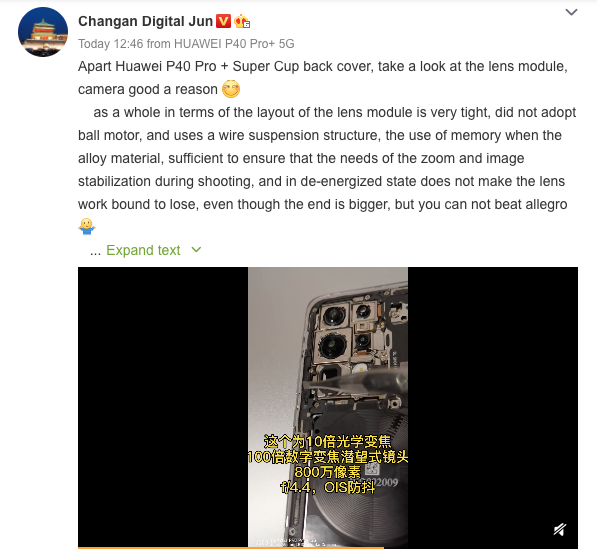
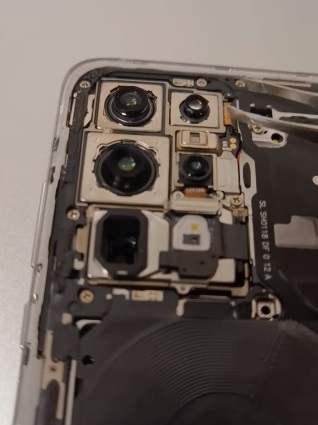
Now, a user has disassembled the back panel of the Huawei P40 Pro+ smartphone, showcasing the camera module. The video of the same, shared on Weibo, shows that almost a quarter part of the device is covered by the camera system.
It shows that the five-camera setup on the smartphone has a compact layout without any ball motor. It also has a suspended wire structure design which is composed of memory alloy. Thanks to this design, it guarantees zoom and anti-shake features along with the stability of the lens.
The smartphone features a 40MP f/1.8 Ultra Wide Cine Lens, an upgraded 50MP RYYB f/1.9 sensor with OIS, an 8MP f/2.4 Optical Super Periscope Telephoto camera, an 8MP f/2.4 Optical Periscope camera with OIS, and ToF depth sensor.
It is capable of capturing 10x optical zoom, 20x Hybrid zoom, and up to 100x digital zoom. On the front side, the device is equipped with a dual 32MP selfie shooter and an IR depth sensor, capable of capturing 4K selfie videos.
As for the other specifications, the phone features a 6.58-inch 19.8:9 aspect ratio display with 2640 x 1200 pixels screen resolution, 441 PPI pixel density, and a 90Hz refresh rate. Under the hood, the device is powered by the flagship Huawei HiSilicon Kirin 990 5G processor, coupled with 8GB of RAM.
The device comes with Wi-Fi 6 Plus support with transfer speeds up to 2600Mbps. It runs the latest EMUI 10.1 user interface out-of-the-box, based on Android 10 operating system and comes with the company’s own Huawei Mobile Services (HMS) and its own AppGallery App Store as a replacement of Google services.
The Huawei P40 Pro+ is powered by a decent 4,200mAh battery and comes with support for 40W fast charging technology. It also comes with the world’s fastest 40W wireless charging support as well as reverse wireless charging.
Xiaomi-backed Redmi had introduced the flagship Redmi K30 series in December last year and the company keeps adding new devices at regular intervals — K30 Pro, K30 Pro Zoom, K30 5G Racing Edition, and K30i.
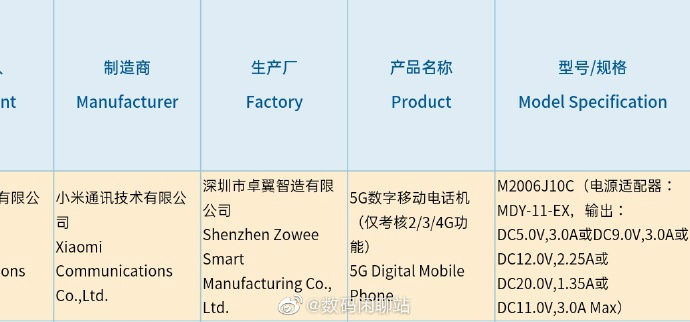
Now, it seems that the company is finally done launching the K30 series smartphones and is now gearing up to launch its successor. In line with this, an alleged Redmi K40 has surfaced online through 3C certification.
The smartphone in question carries model number M2006J10C and is listed to support 33W fast charging technology. It will also come with an MDY-11-EX charger, which is the same charger that ships with the Redmi K30 Pro. While the listing doesn’t mention the phone’s name, it is speculated to be the Redmi K40.
Rumors also indicate that the smartphone could launch as the Mi CC10, which as the name indicates, will be the successor to the Mi CC9 launched last year. However, there’s nothing known about this and we’ll have to wait for more information to surface online.
While nothing much is known about the Redmi K40, the Mi CC10 has been rumored earlier and is said to have been codenamed CAS. It reportedly features a 108-megapixel primary sensor which will be Samsung HM2 — an improved version of the Samsung HM1 sensor.
The handset is expected to come with support for 120x digital zoom and 12x optical zoom. Under the hood, the phone could come powered by the Qualcomm Snapdragon 775G chipset with 5G support.
Since the smartphone has been certified by 3C, we expect more information about the device to surface online in the coming days or weeks. It also seems that the launch could happen in the coming weeks or months.
A tipster known for leaks on upcoming Huawei and Honor products claimed that Honor will be launching the Honor 30 Youth and Honor 10X Max in early July. The same tipster has speculated that both handsets may go official on July 4 or July 5. He also shared a few key details of the two smartphones.
The tipster claims that the Honor 30 Youth Edition 5G is codenamed as ‘Maxwell’ and its model number is MXW-AN00. The device will be equipped with Dimensity SoC. It could be the Dimensity 800 or 820 5G SoC.
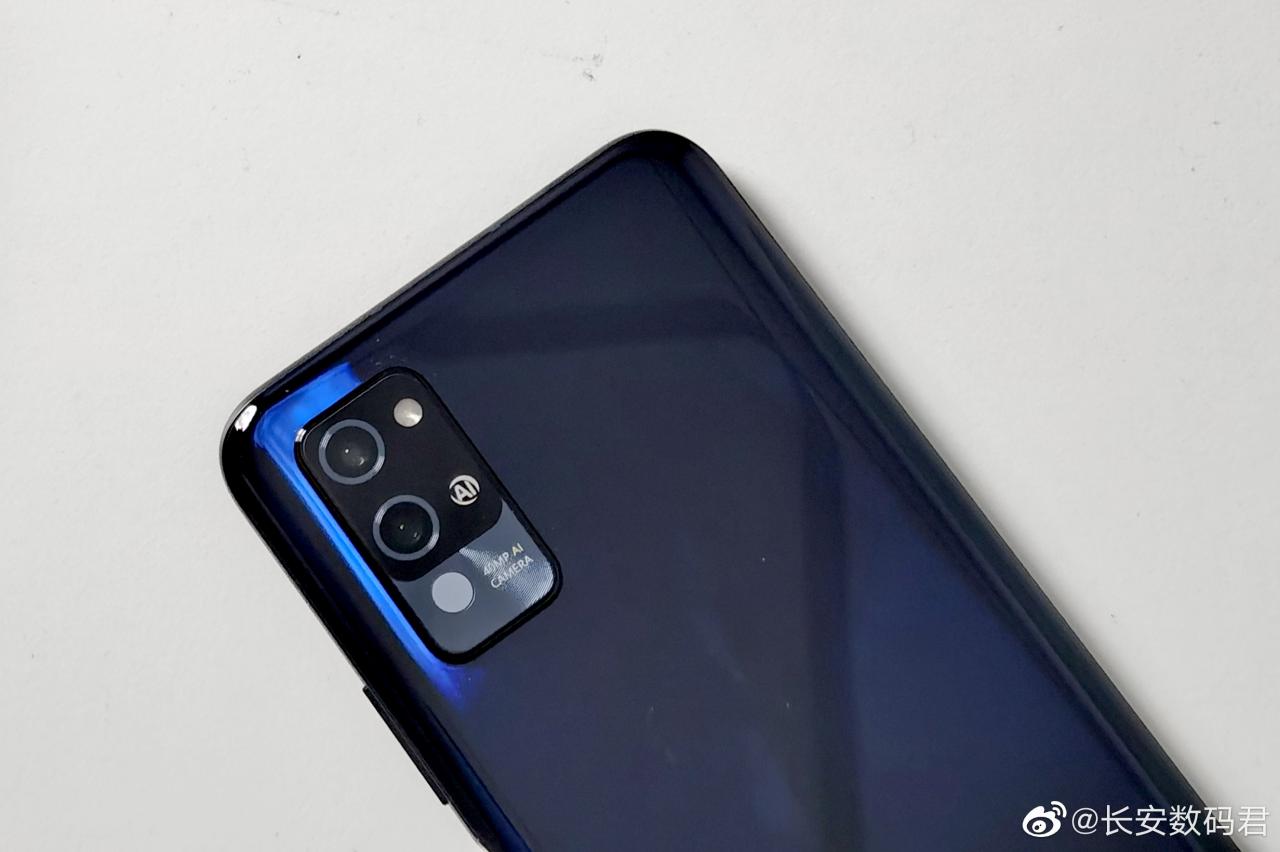
The Honor 30 Youth Edition 5G is likely to be called Honor 30 Lite 5G outside China. The image of the watermark reveals that the Honor 30 Lite 5G will come with an AI-powered triple camera system. It will have a 28mm 48-megapixel main camera with f/1.8 aperture. It could be priced around 1,600 Yuan.
The Honor X10 Max is codenamed as King Kong. The codename reveals that it will be arriving with a huge smartphone. The tipster is of the view that it will be succeeding the Honor 8X Max phone from 2018.
Past reports have revealed that the Honor X10 Max could be coming with a 7.09-inch display. It is likely to feature the Kirin 820 5G processor that fuels the Honor X10. It is also likely to house a behemoth battery. As far as the Honor X10 Pro is concerned, the launch date of the phone is yet to be finalized. The Pro model may come with the same 6.63-inch notch-less display available on the Honor X10 5G. Also, it may feature an additional camera on its back.
Now, Meizu is pushing a new update which further enhances the display performance on the flagship smartphones. The company has announced that it is now enabling support for 90 frames per second for the “Peace Elite” game.
For those who are unaware, Peace Elite is the Chinese version of the popular PUBG Mobile game. Recently, the OnePlus 8 series became the first in the world to support the Fornite game in 90 frames per second. However, it came at a compromise as enabling 90fps mode changes the graphics settings to low.
Coming to the specifications, both Meizu 17 and 17 Pro features a 6.6-inch S-AMOLED Full HD+ display which comes with an in-display fingerprint sensor. Under the hood, the devices are powered by the Qualcomm Snapdragon 865 octa-core processor.
The Meizu 17 has a quad-camera setup that includes a 64-megapixel primary shooter, a 12-megapixel wide-angle lens, an 8-megapixel ultrawide sensor, and a 5-megapixel macro lens. On the other hand, the Pro model comes with a 64-megapixel main lens, an 8-megapixel telephoto shooter, a 32-megapixel ultrawide sensor, and 0.3MP ToF lens.
Both the devices are equipped with a 20-megapixel front-facing snapper for taking selfies and video calling. Compared to the standard model, the Pro variant comes with features like ceramic chassis, LPDDR5 RAM, and 27W fast wireless charging.
As for the pricing, the Meizu 17 with 8GB RAM + 128GB storage is priced at 3,699 yuan while the 8GB RAM + 256GB storage variant costs 3,999 yuan. On the other hand, the Pro model has 8GB RAM + 128GB storage and 12GB RAM + 256GB storage models which cost 4,299 yuan and 4,699 yuan respectively.
Qualcomm recently announced its new Snapdragon 600-series processors with the launch of Snapdragon 690 SoC. Now, Finland-based HMD Global has teased that it is ready to launch a Nokia smartphone powered by this new chipset.
Juho Sarvikas, Chief Product Officer at HMD Global has teased an unnamed Nokia smartphone that will be running the newly launched Qualcomm Snapdragon 690 SoC. He says that the phone will be “truly global 5G” and given the SD690 chipset, we expect the device to be cheaper than the Nokia 8.3 5G.
There’s a possibility that the upcoming Nokia 6.3 or Nokia 7.3 could come powered by this new chipset and is the one that the company’s executive is teasing. Do note that the company has not confirmed the name of the device yet.
The Qualcomm Snapdragon 690 is an 8nm chipset that claims to bring about a 20 percent increase in CPU performance and around 60 percent increase in GPU performance compared to the Snapdragon 675.
It is packed with the Snapdragon X51 modem that brings support for sub-6GHz networks. There is also support for Wi-Fi 6 thanks to Qualcomm’s FastConnect 6200. It includes a new AI engine called ARCSOFT with Hexagon Tensor Accelerator.
The chipset comes with support for FHD+ displays with a 120Hz refresh rate and support for 4K video recording at 30fps and stills up to 192MP. Qualcomm says there is also a new enhancement for video encoding. The mobile platform also supports Quick Charge 4+ fast charging technology.
The development comes at a time when it’s been three months since the company announced Nokia 8.3 5G as the world’s first “truly global 5G” smartphone but the device is yet to be available for purchase.
Earlier this month, Honor took off covers from the Honor Play4 series. The lineup includes Honor Play4 and Honor Play4 Pro and there is a special variant of the Pro model that features an infrared sensor for measuring temperature. The Honor Play4 Pro phone was recently made available for purchase in China. Today the Chinese firm began with the sales of the temperature measurement edition of the Play4 Pro.
The infrared sensor for measuring temperature is placed near the rear cameras of the Play4 Pro. It can be used to measure the temperature range of -20-degree to 100-degree Celsius. The company claims that the sensor can offer 0.1-degree Celsius accuracy. It can be used for measuring the body of people and animals. Also, it can measure the temperature of objects. Apart from the inclusion of the IR sensor for temperature measurement, its other specs are identical to the Pro model.
The Honor Play4 Pro temperature measurement version with 8 GB of RAM and 128 GB of storage is now available for purchase through Vmall and JD.com. It carries a pricing of 2,999 Yuan, which is 100 Yuan more than the Pro model.
The Play4 Pro temperature measurement features a 6.57-inch IPS LCD display with a cutout for 32-megapixel + 8-megapixel (ultrawide) dual selfie camera system. The rear side of the device has a Sony IMX600Y RYYB 40-megapixel + 8-megapixel (telephoto) dual-camera system. It has a side-mounted fingerprint reader.
The smartphone is loaded with Magic UI 3.1 based Android 10 OS. It lacks an external storage slot. The 4,200mAh battery of the phone comes with support for 40W rapid charging. The handset is drive by Kirin 990 and it features a liquid cooling technology.
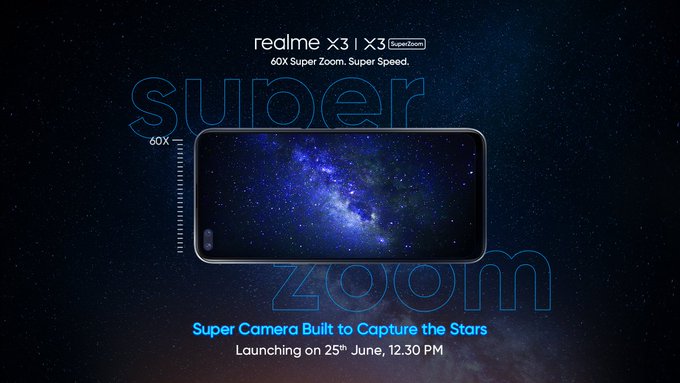
Realme will be launching the Realme X3 series in India on June 25. The microsite for the Realme X3 series is now active on the Flipkart e-commerce site. The listing once again confirms that the brand will be launching two phones namely, Realme X3 and Realme X3 SuperZoom.
The Realme X3 series microsite on Flipkart highlights the key features of the Realme X3 SuperZoom’s camera. The phone will offer users with Starry Mode. The company proudly boasts that the Realme X3 SuperZoom is the first camera phone built to capture the stars. Since the smartphone has already gone official in Europe, it is known that it will arrive with support for 60x zoom.
The Realme X3 SuperZoom will also allow users to capture better shots in dim-light conditions through Nightscape 4.0. It brings features like AI Super Nightscape, Tripod Mode, and Ultra Nightscape.
The Realme X3 SuperZoom has a Full HD+ 120Hz IPS LCD panel with a pill-shaped cutout for its 32-megapixel + 8-megapixel dual selfie camera system. A 64-megapixel + 8-megapixel (periscope telephoto) + 8-megapixel (ultrawide) + 2-megapixel (macro) quad-camera system is available on the rear of the phone.
The X3 SuperZoom is a Snapdragon 855+ powered phone. It comes with 8 GB of LPDDR4x RAM and UFS 3.0 storage of up to 256 GB. There is a 4,200mAh battery inside the device that supports 30W fast charging. It also features a side-facing fingerprint reader. In Europe, the Realme X3 SuperZoom is priced at 499 euros (~$561; ~Rs. 42,800).
There is no word on the specifications of the Realme X3. Being a vanilla device, it may come with inferior cameras compared to the X3 SuperZoom. The Realme X3 series will break cover at 12:30 PM IST (local time) on June 25.
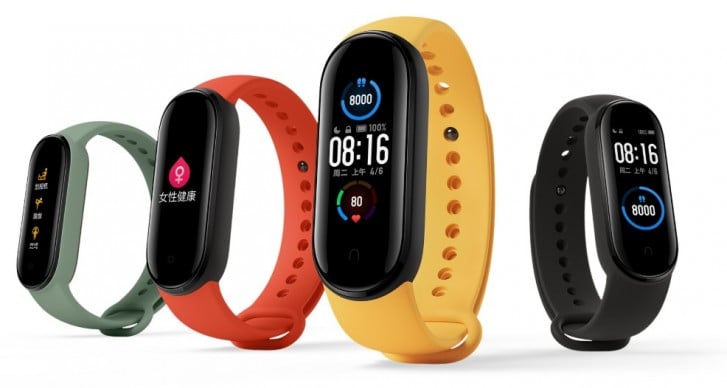
On June 11, Xiaomi unveiled the Xiaomi Mi Band 5 fitness tracker in China. It came in NFC and non-NFC editions. The Mi Band 5 has gone on sale for the first time in China today.
The Xiaomi Mi Band 5 is a major upgrade as compared to the Mi Band 4. It is equipped with a large-sized 1.1-inch AMOLED color display. It can be customized with various animated watch faces. The screen is protected by 2.5D scratch-resistant glass.
The Mi Band 5 is equipped with sensors like heart rate tracker, barometer, gyroscope, and accelerometer. The fitness band comes with support for 11 sport modes and it features Personal Activity Intelligence (PAI) that allows users to better understand their fitness activity. It can be also used for tracking menstrual cycles and sleep tracking.
Once paired with a smartphone, the Mi Band 5 can sync notifications for calls and messages. It also comes with music control and camera remote control function.
The presence of NFC chip on the Mi Band 5 lets users to make contactless payments. The smart band comes with a XiaoAI voice assistant. The Mi Band 5 promises a battery life of 14 days. It comes with a magnetic charger that allows users to charge the device with detaching it from the band. Lastly, it is a 5ATM waterproof device.
The Xiaomi Mi Band 5 has arrived with a price tag of 189 Yuan (~$27). Its NFC version is priced at 229 Yuan (~$32).
It is expected to arrive in the global markets in July. Markets outside China are likely to receive it as Xiaomi Mi Smart Band 5. The global edition is likely to come with Amazon Alexa support.
Xiaomi fans are eagerly waiting for the arrival of the next Mi MIX series smartphone. Last year in September, the Chinese firm unveiled the Mi MIX Alpha concept smartphone with a wraparound display in the home market. The concept phone was never made available for purchase. So, the last Mi MIX 3 5G that debuted in February 2019 is the last commercially available Mi MIX phone. The rumor mill is speculating that the Mi MIX 4 or 5 could be the name of the next Mi MIX device. However, new information reveals that the upcoming Mi MIX handset could be arriving as Mi MIX 10.
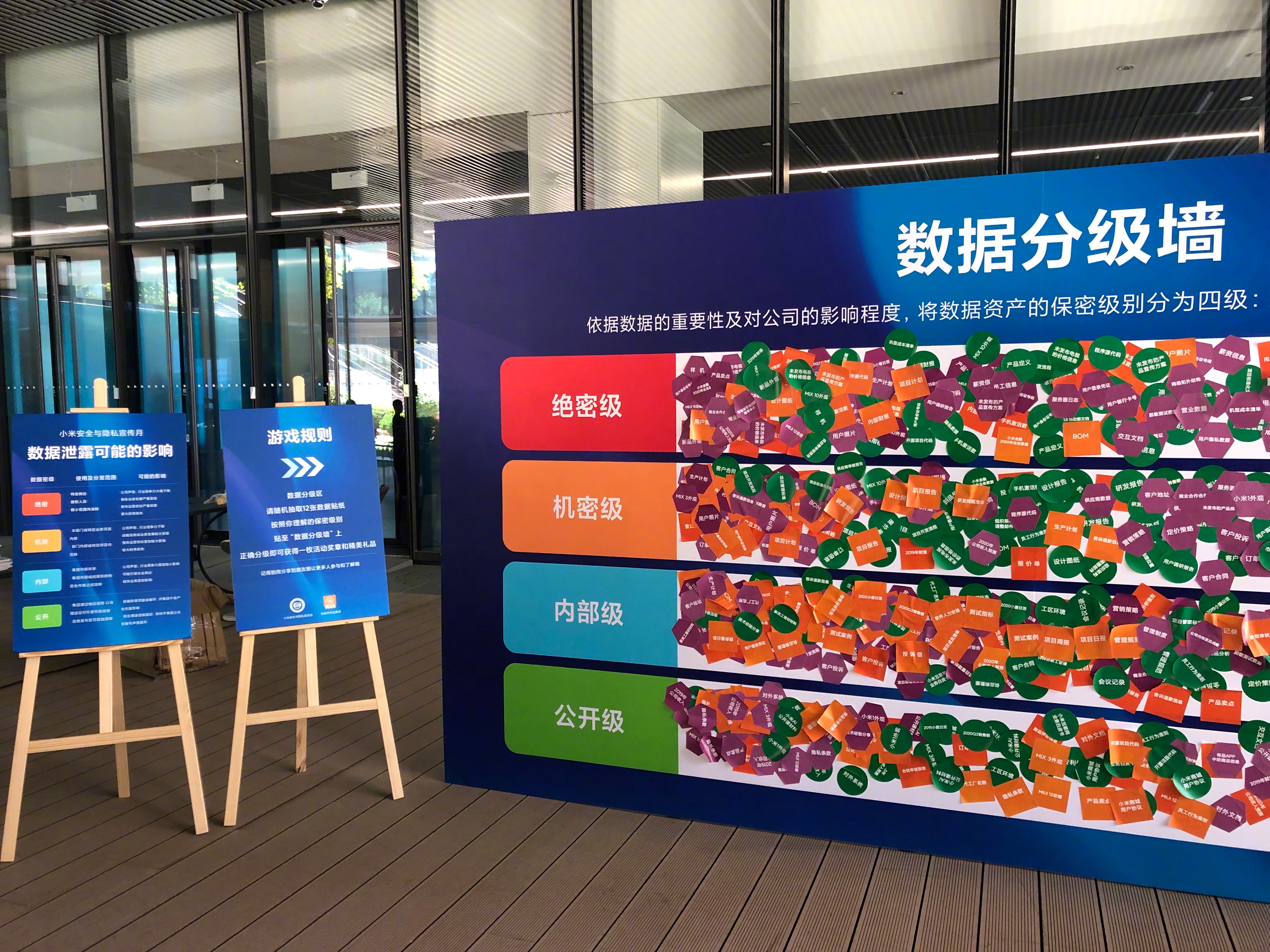
On June 16, Xiaomi organized Xiaomi Security and Privacy Promotion Event in China to promote the awareness of data security. Based on the importance of the data and the degree of impact on the company, the data assets were classified into four levels of confidentiality such as top secret, confidential, internet level, and public level. Students were seen placing names of different Xiaomi products in the four categories.
The stickers also carried names of some unannounced products such as Mi MIX 10 and MIUI 15. The Chinese firm introduced MIUI 12 in China in April and its global edition was announced a month later. The MIUI 15 sticker suggests that the company could be skipping ‘13’ and ‘14’ numbers for its next MIUI version. This edition is expected to arrive with optimizations for the 120Hz refresh rate among other features.
This year marks the 10th anniversary of Xiaomi. Earlier this year, the company launched phones like Xiaomi Mi 10, Mi 10 Pro, and Mi 10 Youth in China. It appears that the next MIX series smartphone will also have the number ‘10’ in its branding. At present, there is no official word on the specs of the phone Mi MIX 10. It could be the first Mi branded phone with a 120Hz refresh rate supporting OLED panel. Also, it could be featuring the rumored Snapdragon 865+ SoC.
Adobe Photoshop Express and Lightroom are some of the popular photo editing tools available in the market. The Android and iOS apps of these tools also support lens correction. Every now and then, Adobe extends the support for more devices. Now, in June 2020, the firm has added support for Huawei P40 Pro, a plethora of Apple iPads, and iPhone SE 2020.
Smartphones and tablets these days are capable of clicking RAW pictures. But these images tend to have distortions and exposure issues compared to normal shots. Thankfully, it can be fixed in editing tools like Photoshop Express and Lightroom by Adobe using device-specific lens correction profiles.
Hence, Adobe regularly adds lens correction profiles for newly released devices. For this month the company added support for a total of 9 devices, out of which, 8 are Apple products and a single Huawei model.
Here’s the complete list of newly added lens correction profiles in Photoshop Express and Lightroom.
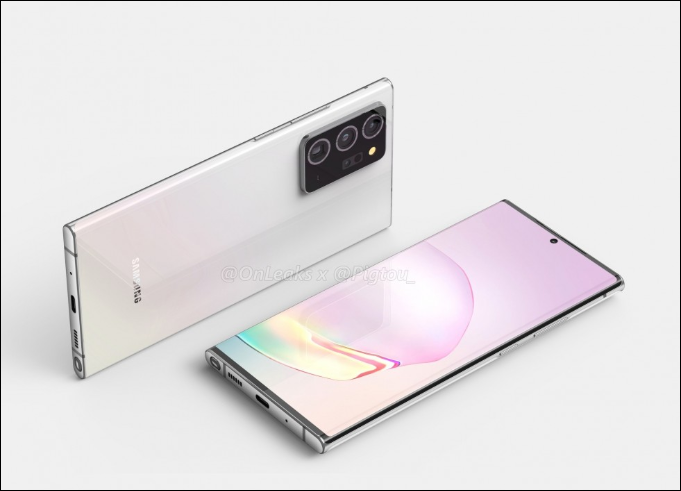
So far, the rumor mill has been claiming that the Samsung Galaxy Note 20 series includes two devices such as Galaxy Note 20 and Galaxy Note 20+. Recently, a device named Galaxy Note 20 Ultra had emerged at the database of Bluetooth SIG. At that time, it was speculated that the Note 20+ could be debuting as Note 20 Ultra. Fresh information reveals that the lineup may include three devices such as Note 20, Note 20+, and Note 20 Ultra. The display details of these phones have also appeared.
According to well-known tipster Ice Universe, the Galaxy Note 20 will be arriving with a flat display that supports Full HD+ resolution and a conventional refresh rate of 60Hz. The tipster also claimed that it has a wide frame.
It is effectively a Note 20 ‘lite’ handset and its specs are quite different from the Note 20 Ultra. Th tipster added that the comprehensive specifications of the Note 20 are even lower than the Galaxy Note 10 from last year that came with a curved screen and narrow bezels.
Hence, the Galaxy Note 20 is likely to arrive as the most affordable Note 20 series device. The leakster also revealed that the Note 20+ and Note 20 Ultra will be arriving with 120Hz LTPO displays that will offer Quad HD+ resolution. The CAD renders of the Note 20 series by OnLeaks had revealed that its display features a top-center positioned punch-hole. A recent report had claimed that the Note 20+ will have a triple camera setup with a 108-megapixel main lens along with 50x zoom support.
The Galaxy Note 20 series is expected to go official on Aug. 5. Rumors are rife that the Galaxy Fold 2 and Galaxy Z Flip 5G will also break cover at the same event.
One reason why fans of the OnePlus brand has stuck to the brand over the years after from its affordable flagship models is the regular software updates it pushes to the custom OxygenOS. The company has now started pushing OxygenOS Open Beta 15 update for the OnePlus 7 and 7 Pro models.
Oneplus 7 Pro
The main highlight of this new update is the dark mode toggle option it brings to the UI. The toggle button is accessible on the notification bar, alongside other quick toggles. The toggle button is a shortcut to switch between light and dark modes instead of navigating to the Dak mode switch in the settings menu.
Apart from the new Dark mode toggle, the new update also brings fix for the sharp edges of application cards in the recent apps screen. In addition, the update ushers in a fix for the screen flashing issue after locking the device. The OnePlus brand logo has also been updated for a refreshed look.
Yet another entry on the changelog is the addition of the Bluetooth hearing aid app connection under the Android 10 Audio Streaming for Hearing Aid (ASHA) Agreement. The step counter’s accuracy for recording movement has also been improved.
Furthermore, OxygenOS Open Beta 15 update also ushers in Android Security Patch for June 2020. That is the latest security patch that Google released for the Android operating system. Finally, the call app now shows a list of frequently dialled contacts in the number dial interface of the app.
OnePlus 7 and 7 Pro users running the OxygenOS open Beta build are now receiving the Open Beta 15 update via OTA. Users running stable build can also install the new update manually by downloading the update package when it becomes available. The package can be installed manually without any loss of data. However, such users won’t be able to switch back to the stable version without loss of data.
Realme’s CEO Madhav Sheth resumed his regular video Q&A session on YouTube after a two-month break. During the session, the CEO spoke on several aspects including expected software updates for some of the company’s products. He also reeled out details of some of the new products that are expected to be added to the brand’s portfolio later this year.
What should interest most fans the most is the news that the budget Realme C2 will receive the Android 10-based Realme UI update in September. The Realme C2 was a top-selling model that was launched in India and some other South East Asia markets such as the Philippines last year. A new update for the phone will open up new Android 10 features to users as well as bring a new UI design and other custom features.
Realme’s newly introduced flash tool for installing ColorOS/Realme UI updates on its devices will be made available to more Android 10-powered Realme devices. Prior to this disclosure, the flash tool is only compatible with the X50 Pro. The CEO promised to update fans via the Realme community forums as soon as the flash tool receives support for more devices.
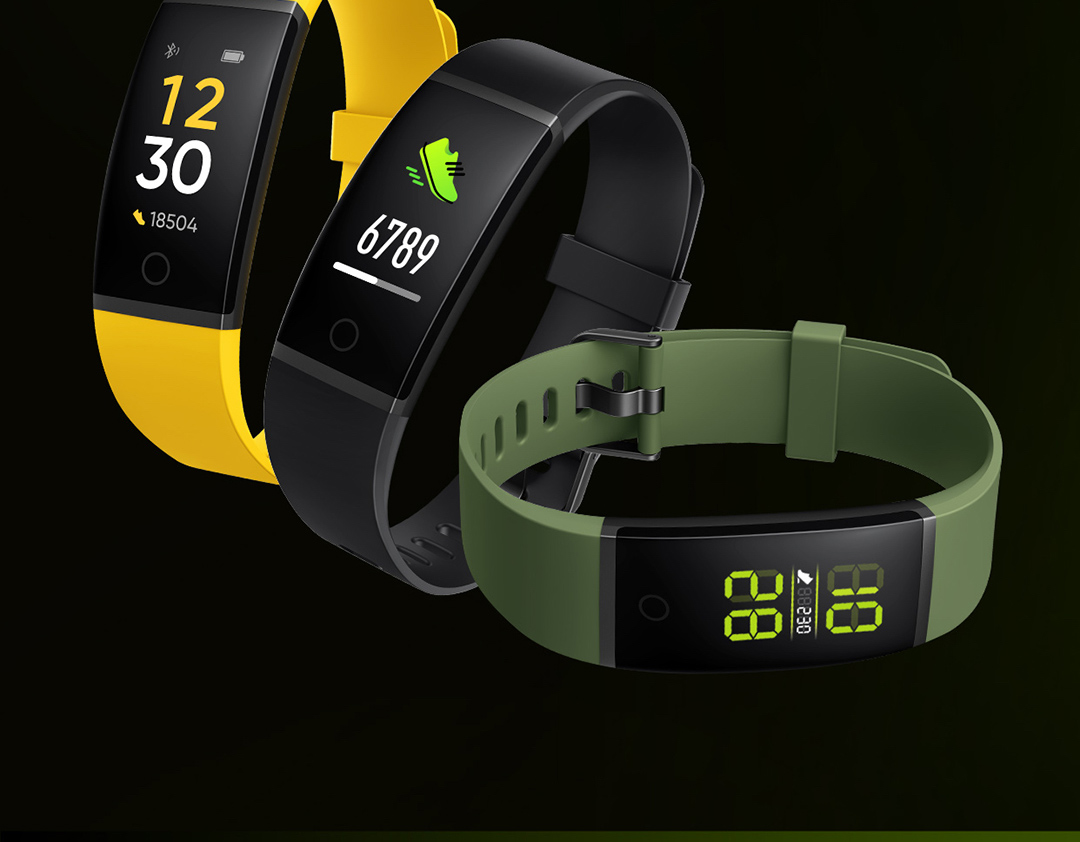
Madhav Sheth also announced that the Realme Band has started receiving the music controls feature via an OTA update. He also disclosed that the brand is working on new watch faces wrist band with the new watch faces scheduled to roll out pretty soon. The Realme Watch is also getting a new update which will usher in an improved notification management system.
As for the devices that the company is planning to launch in India, Sheth disclosed that a new 55-inch ‘flagship’ Realme TV will be launched in India next month. He also hinted that a wireless charger will be unveiled in India later this month.
Samsung launched the Galaxy A41 in France a couple of weeks back. The tech giant is now introducing two new Galaxy A models in France. The Galaxy A51 5G as well as the budget Galaxy A21s which was launched today in India.
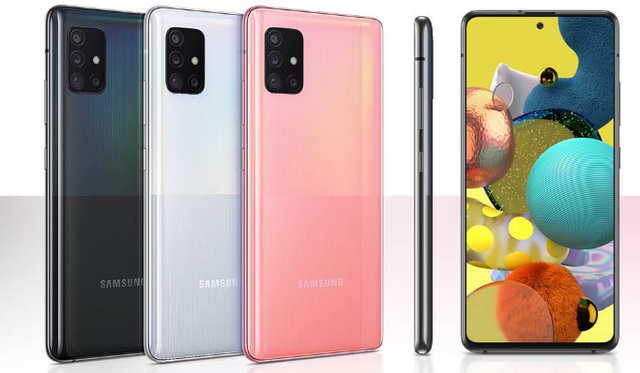
The mid-range Galaxy A51 5G was first launched in China mid-May with its major highlight being the 5G connectivity which it brings. The phone is billed to go on sale this month’s end via Samsung’s online store and partner retailers across France. It will be available in black, pink, and white.
The Galaxy A21s, on the other hand, is expected to be listed on the firm’s e-tail stores soon. For now, it is just the product support page that has gone live. Whenever it does go on sale, it will be available in black, blue, and white. Both smartphones will ship alongside a two-month subscription to YouTube Premium for free.
As a reminder of the specifications, both the Galaxy A51 5G and A21s share a similar 6.5-inch display but the premium Galaxy A51 5G features a higher resolution and a Super AMOLED panel instead of a PLS TFT. It’s also 5G-enabled, while the Galaxy A21s is limited to LTE connectivity.
Samsung Galaxy A21s
In the same vein, both models pack a Quad camera setup as well as a 48MP wide-angle main camera but that is just about it. The other sensors and the selfie camera onboard the two models are different. For clarity, the other sensors on the A51 5G include a 123-degree 12-megapixel ultrawide sensor, a 5-megapixel depth sensor and a 5-megapixel macro lens. On the other hand, the Galaxy A21s sports 8-megapixel ultra-wide lens with f/2.2 aperture, a 2-megapixel depth sensor with f/2.4 aperture and a 2-megapixel macro lens with f/2.4 aperture. The selfie camera is a 13-megapixel sensor while the A51 5G utilises a 32MP selfie sensor.
while the Galaxy A21s is powered by an Exynos 850 SoC, the Galaxy A51 5G conceals an Exynos 980 chipset under the hood. All these differences combined should lead to a price gap of around $350-$400, at least judging by Samsung’s launch prices in other markets.
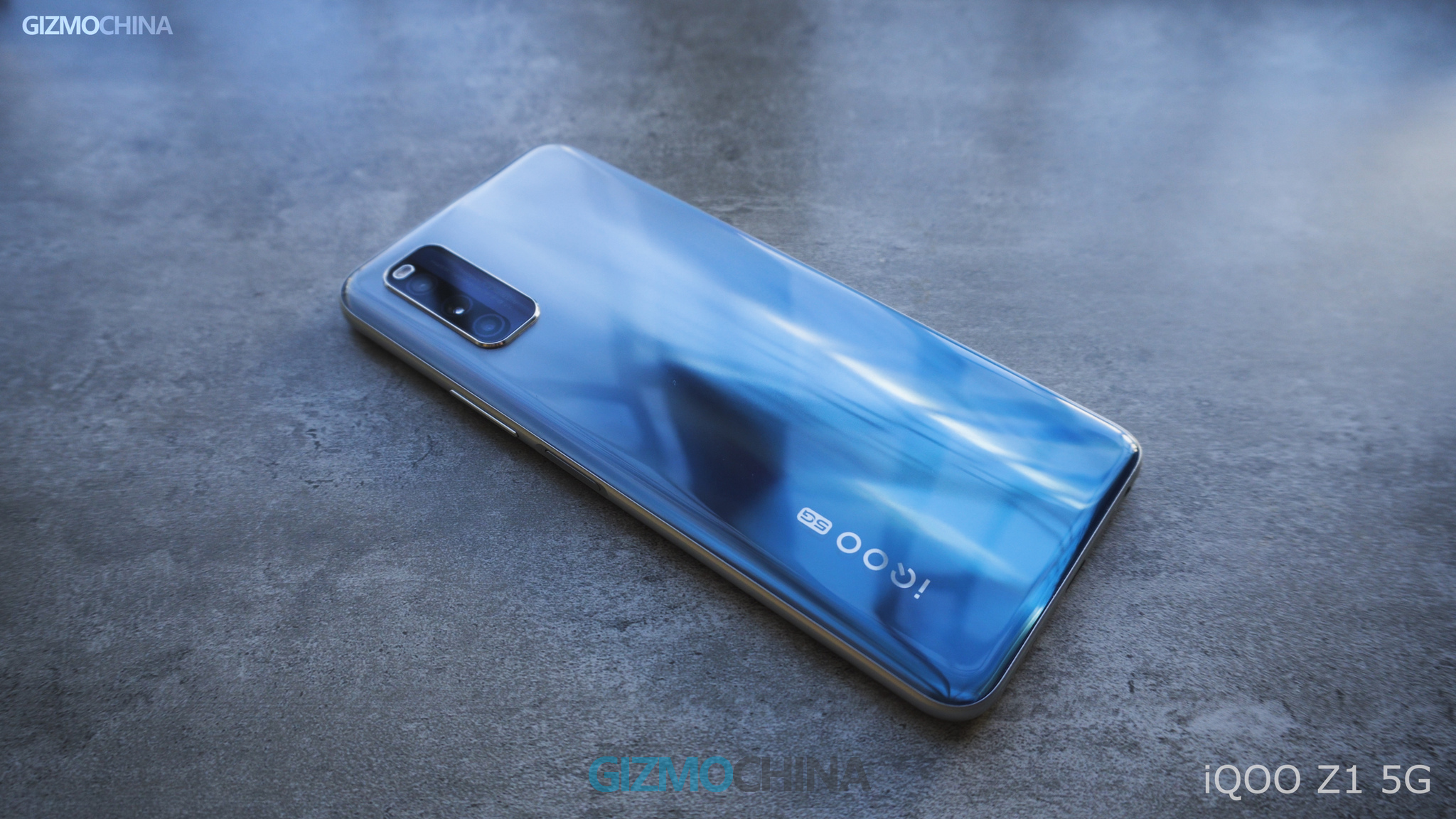
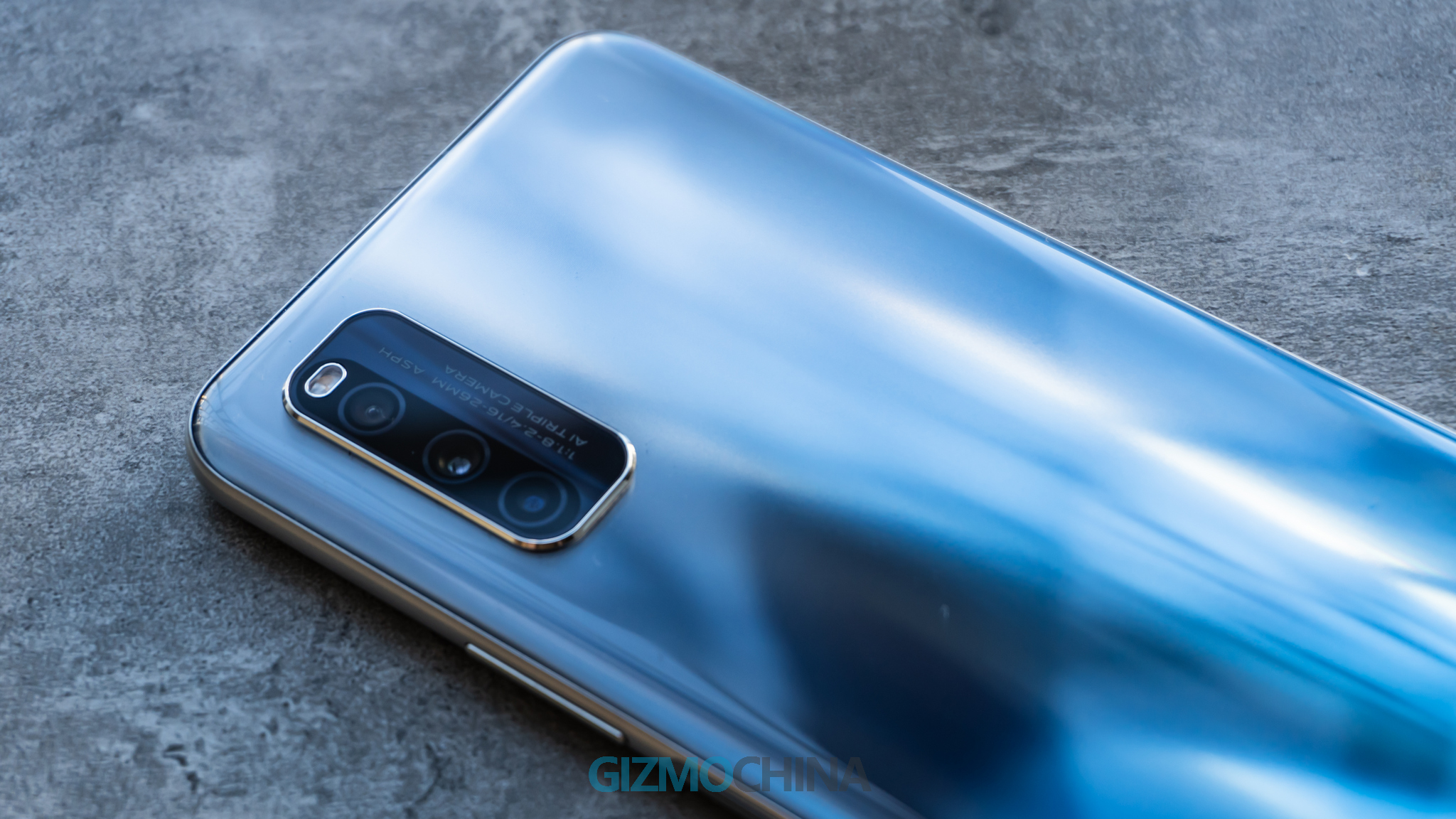
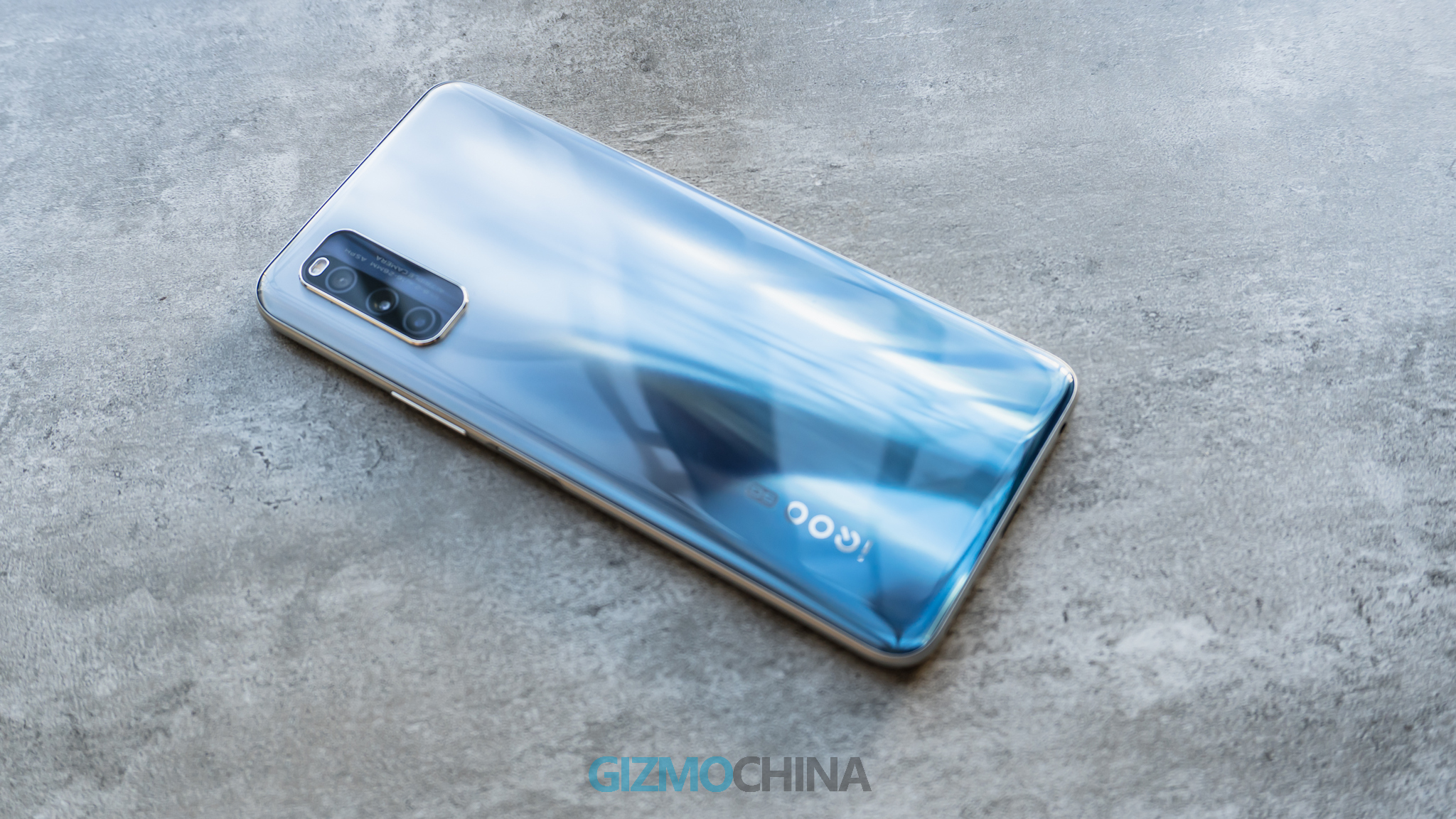
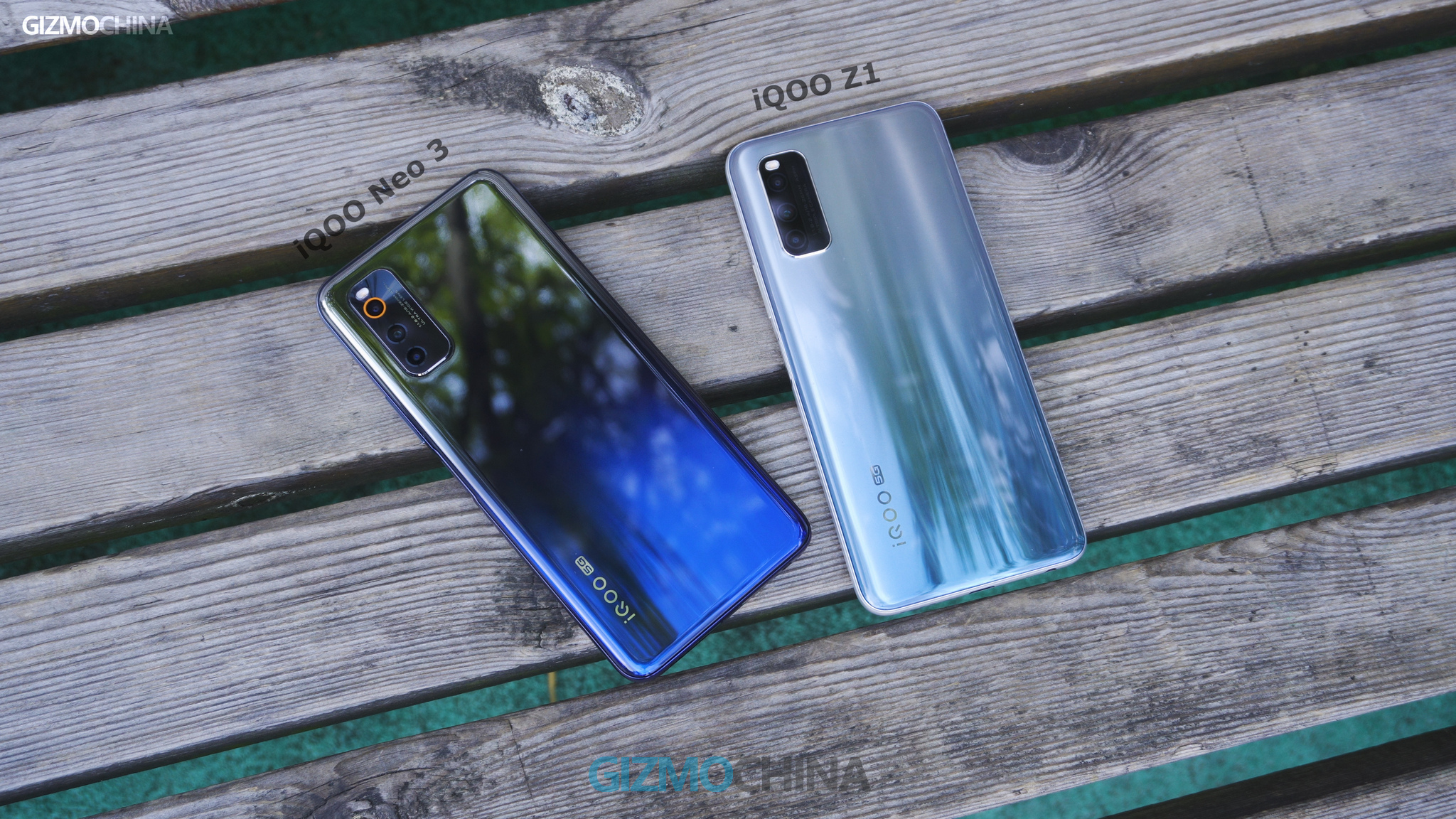
Today, we’ve got our hands on the latest iQOO gaming phone, the iQOO Z1 5G. We are excited about the Z1 because it features the latest MediaTek flagship chipset, the MTK Dimensity 1000 Plus. It’s the first one to feature this chip. So it’s not just the review of the phone but also of the new chipset from MediaTek.
We’ve seen a lot of gaming phones featuring Snapdragon 865 chip this year, which generally retail at a relatively high price. So we were waiting for a more affordable chip to come out, featuring performance close to the best.
Even though iQOO launched two powerful flagships – the iQOO 3 and the iQOO Neo 3 this year, the brand believes that it can cover a wider price range of the gaming market. As a result, we’ve got the iQOO Z1 powered by the new MTK Dimensity 1000 plus.
1 of 5
It’s unfortunate that Snapdragon chips dominate the smartphone gaming market in recent years. Although we know that the HUAWEI Krin series is working hard to catch up, Kirin chipsets are limited to Huawei devices. But the MTK Dimensity series is in a better position to stand up as the challenger against Snapdragon for Android brands.
It might be too early to say this but MediaTek could be a real threat to Qualcomm and its Snapdragon series in 2020.
iQOO Z1 Review: Display
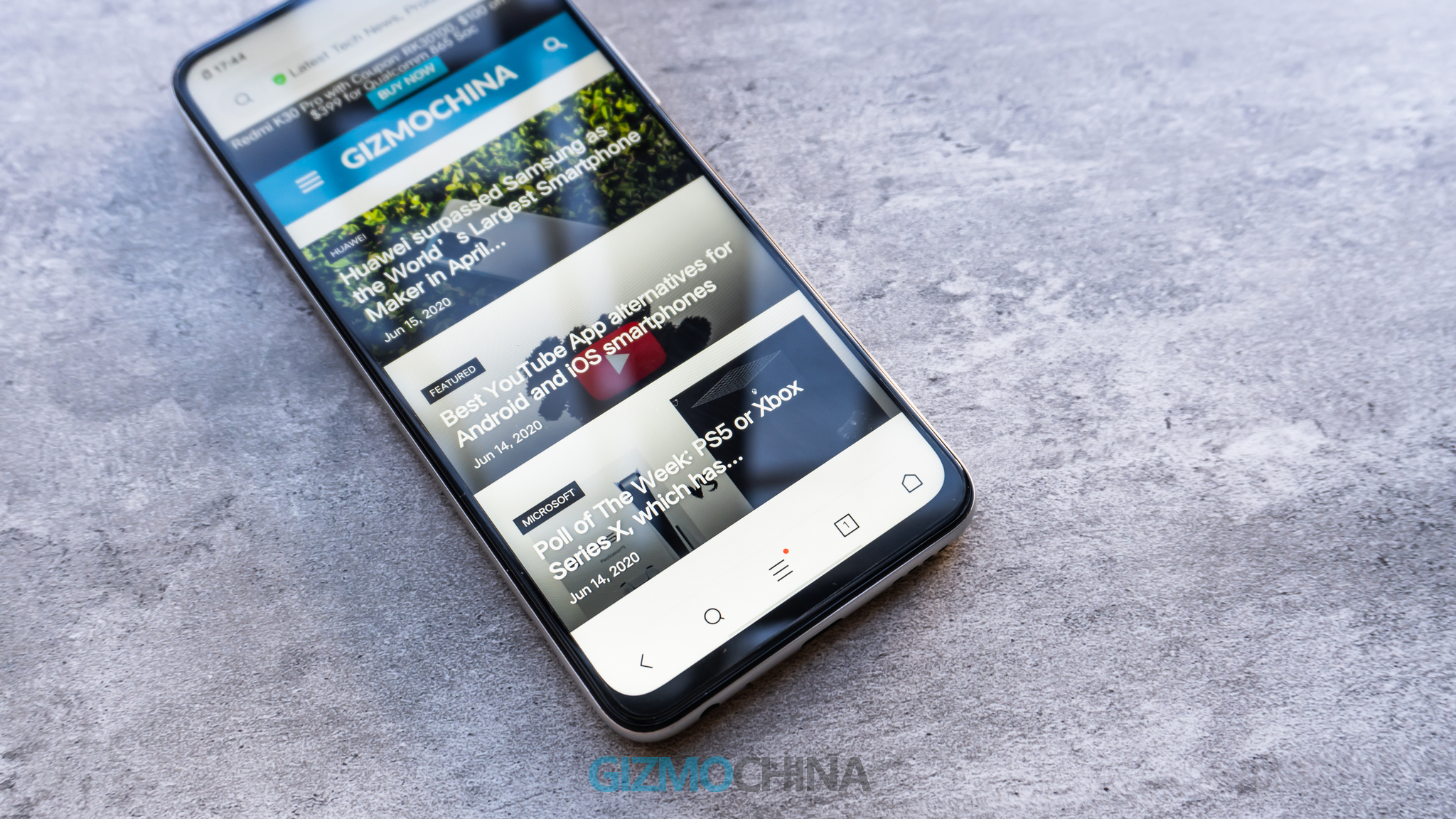
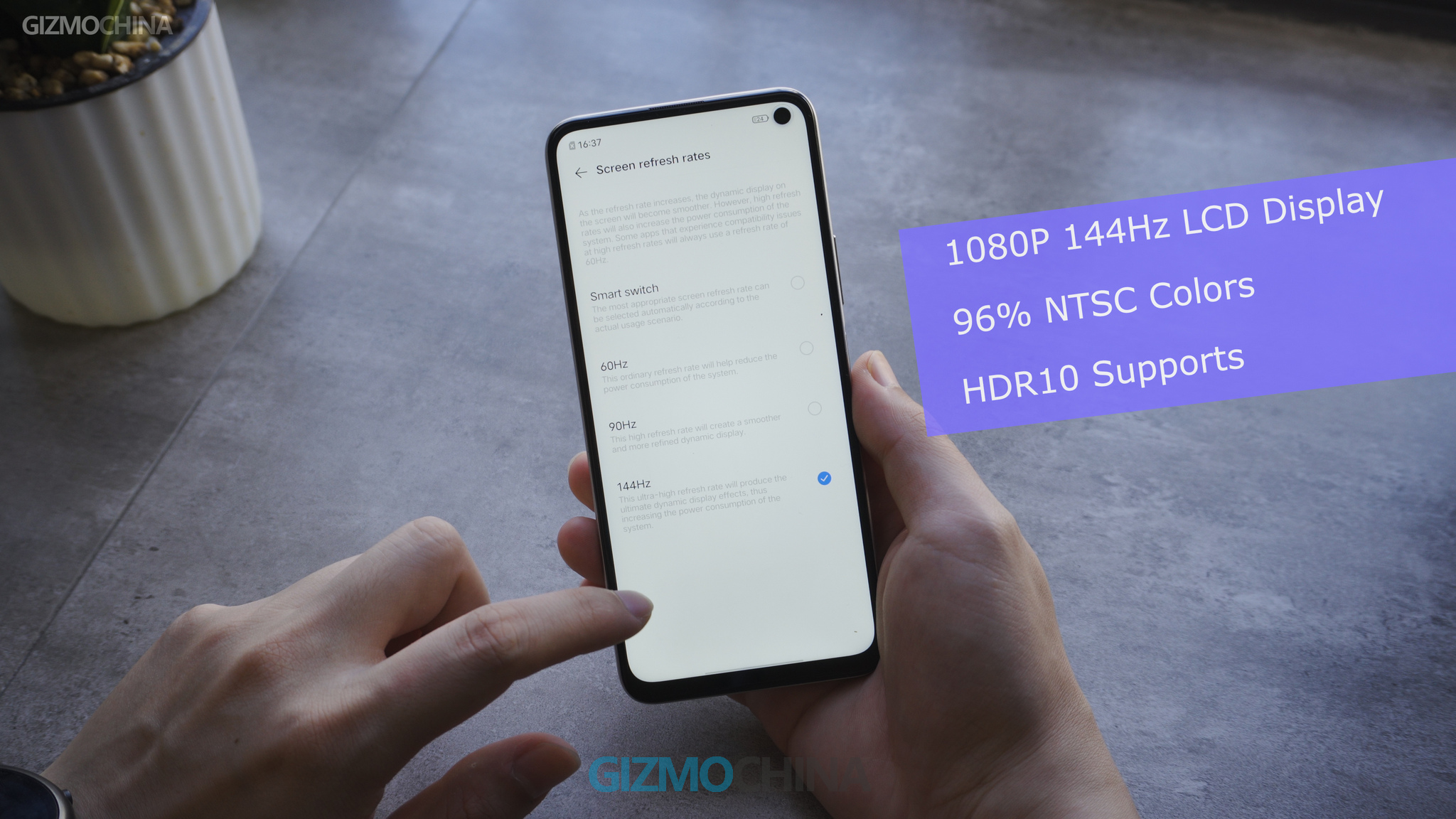
But before talking about its performance, let’s look at the 1080P 144Hz LCD display of the Z1. It also features HDR10 colors to support HDR video play and HDR graphics in some games. We weren’t expecting a lot but with our naked eyes, we can say it’s probably one of the best 144Hz LCD smartphone displays as it covers 96% of NTSC colors. Oh yes, you read that right – the Z1 has an LCD display.
Like previous models running MediaTek chipsets, the iQOO Z1 also has a pretty competitive price starting from 2200 yuan (RMB), which comes to around US$310. Most 5G models running the snapdragon 865 are priced relatively higher than the flagships released last year. Even compared to the cheapest Snapdragon 865 model, the iQOO Neo 3 which starts from 380USD, the Z1 still has an advantage in terms of its price.
But is the Dimensity 1000 Plus as powerful as the snapdragon 865? Let’s see the results on some benchmark apps.
iQOO Z1 Review: Benchmark
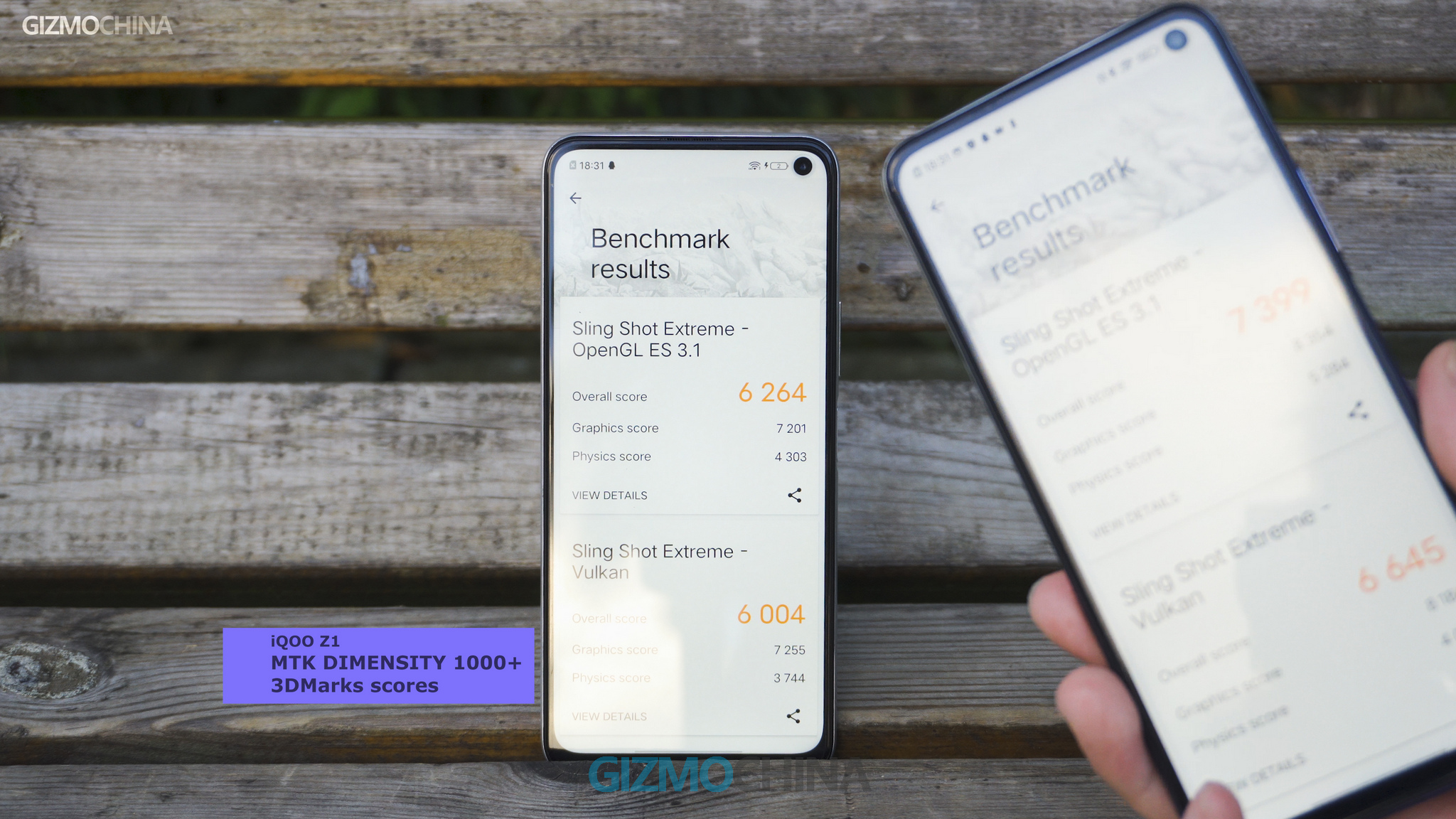
In the Antutu benchmark, the Z1 scored over 520000 points but there’s still a remarkable gap as compared to the 597000 points of the Neo 3 running the snapdragon 865. But we can see that the GPU performance of the MTK chipset is much closer to the Snapdragon than ever. And we found that the snapdragon 865’s peak CPU frequency is 2841 MHz, while the Dimensity 1000 Plus could run up to 2549 MHz. The Geekbench & 3DMark confirms the performance gap exists but it’s not really significant.
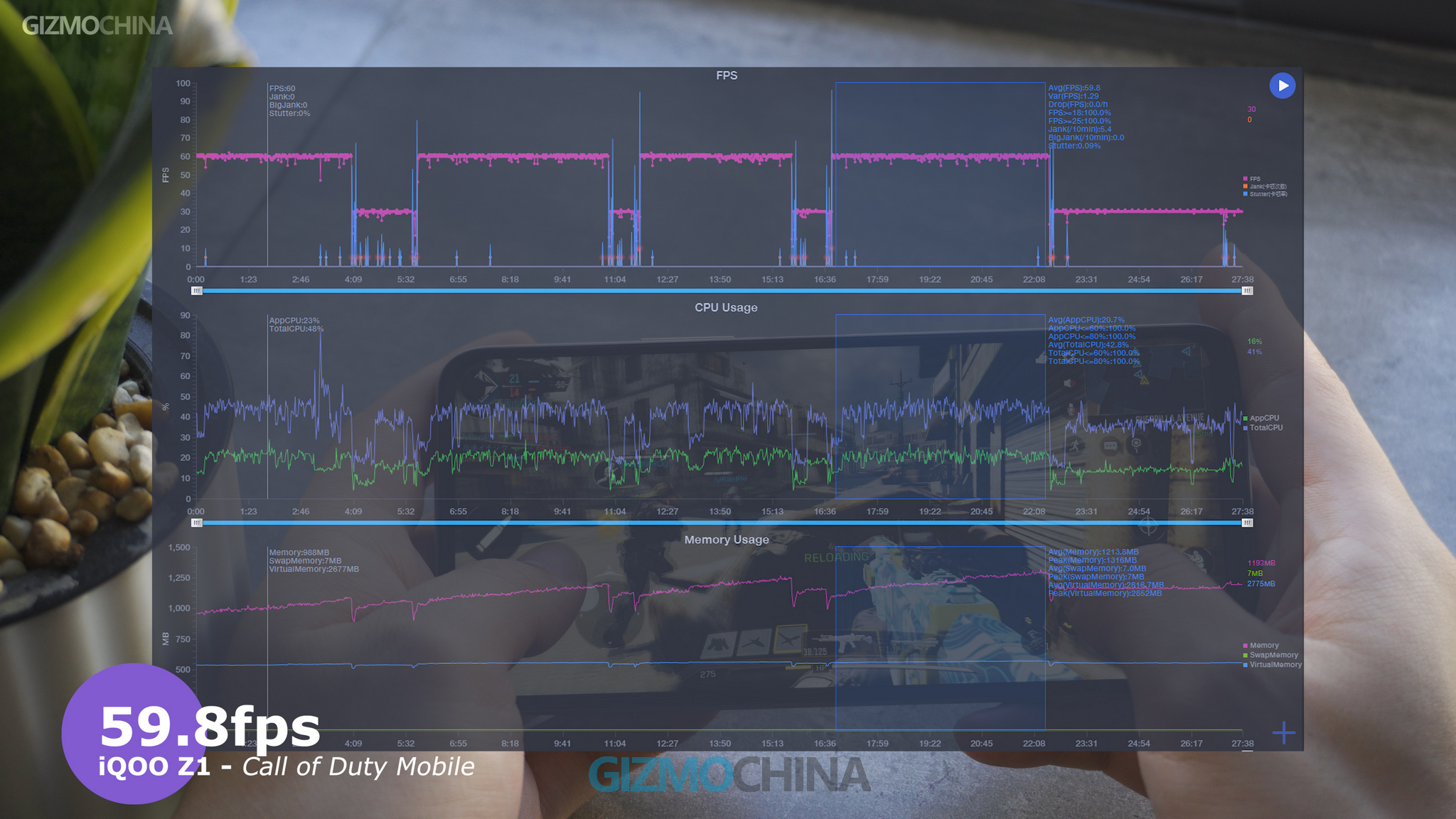
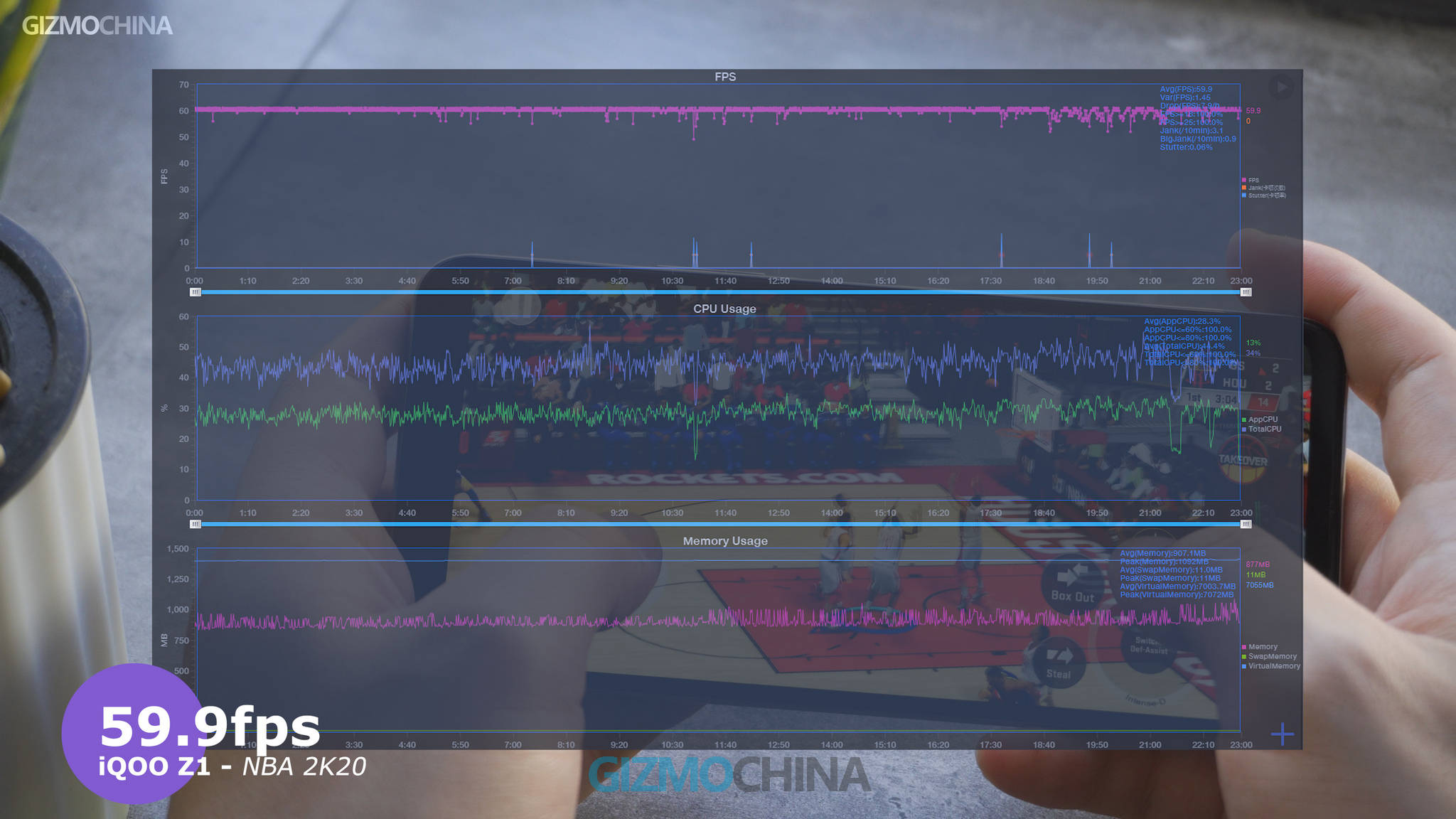
As for the actual gaming test, we have to say the gaming experience is not really different from what we have on the Snapdragon 865 platform since there are very few games requiring extremely high CPU or GPU performance from Android phones. Most games only support up to 60fps framerate. The Z1 with Dimensity 1000 plus could stably complete gaming test at 60fps on an average even under the highest graphics in these 60fps games. For example, in NBA 2k20 which has a 60fps framerate-limit, the iQOO Z1 stably runs at 59.9fps under the highest graphics. And in Call of Duty mobile also with 60fps framerate limit, the framerate is as stable as in NBA 2k20, which remained at an average of 59.8fps.
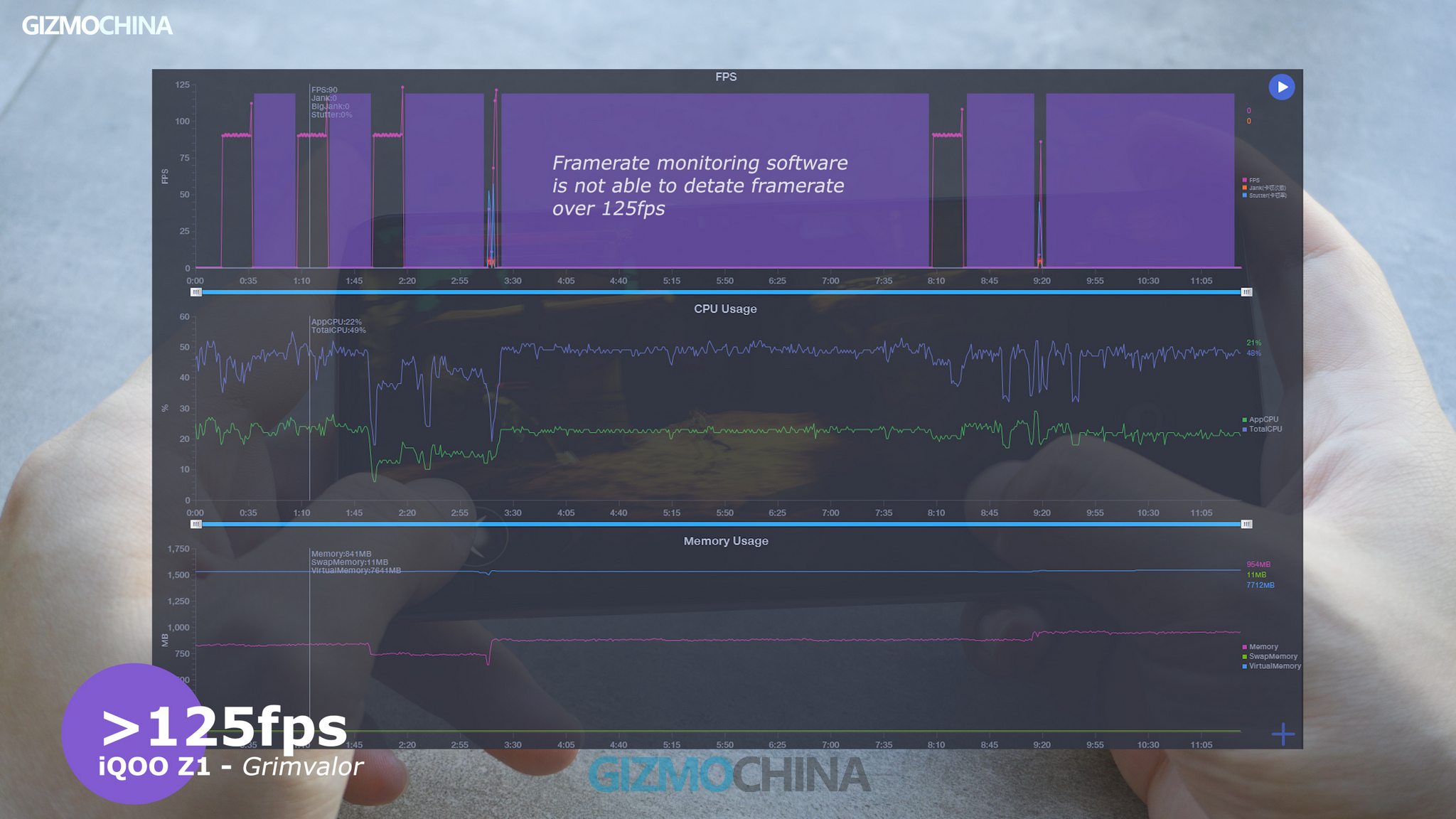
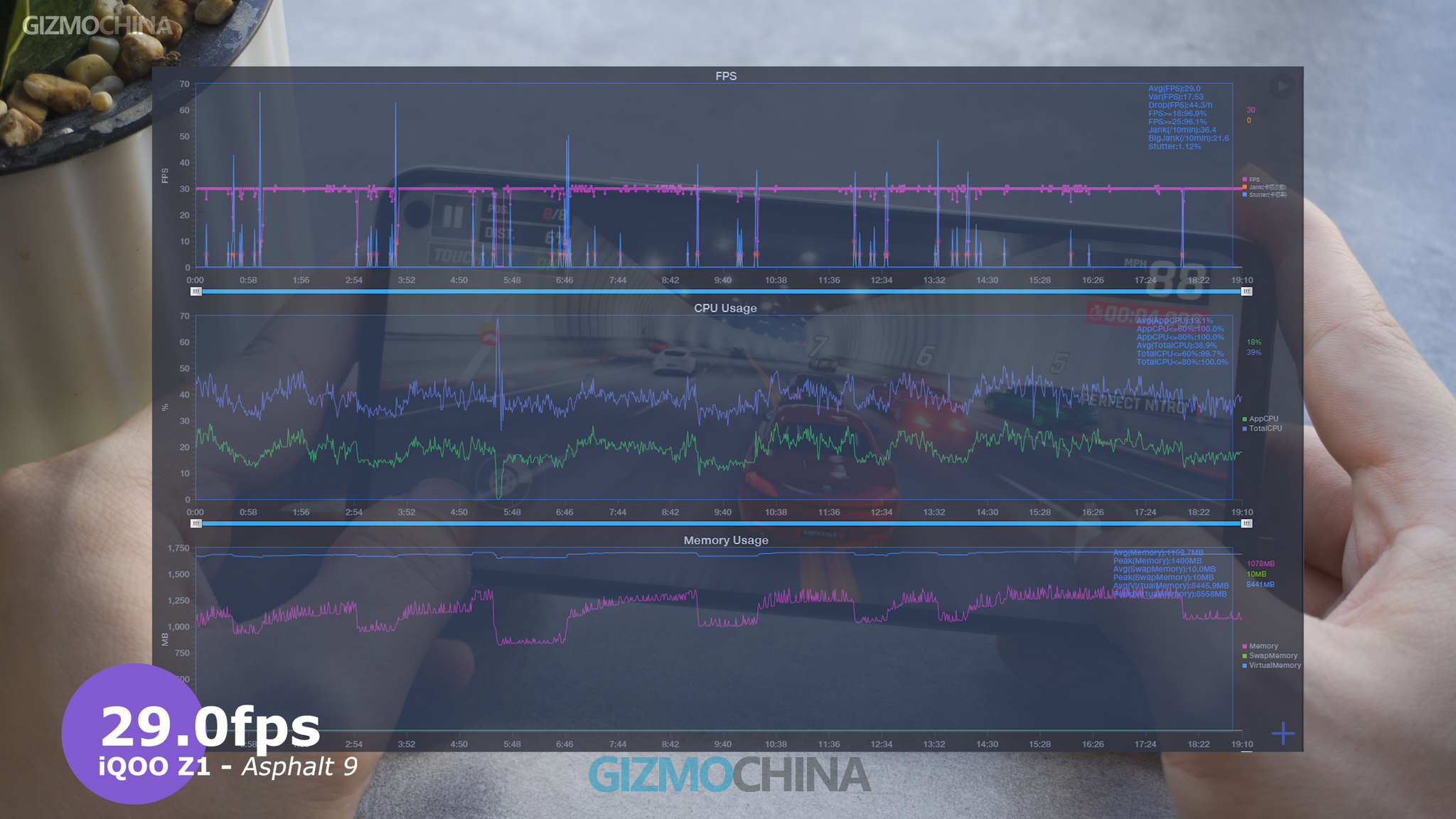
But there are still some games even lock the framerate under 30fps like Asphalt 9. In Asphalt 9, although the Z1 got stutter sometimes, it still could reach at 29fps on an average. Then we found some games which may not limit framerate on the Android platform such as Grimvalor. Because our tested tool cannot record the framerate over 125fps, we can see actually the Z1 could run this game at over 125fps, and achieved a super smooth gaming experience with its 144Hz display. But we also found that it sometimes dropped down to 90fps. The possible reason here has been discussed in the last video of the iQOO Neo 3. It could be an active strategy of the iQOO system to maintain a balance between temperature and gaming fluency.
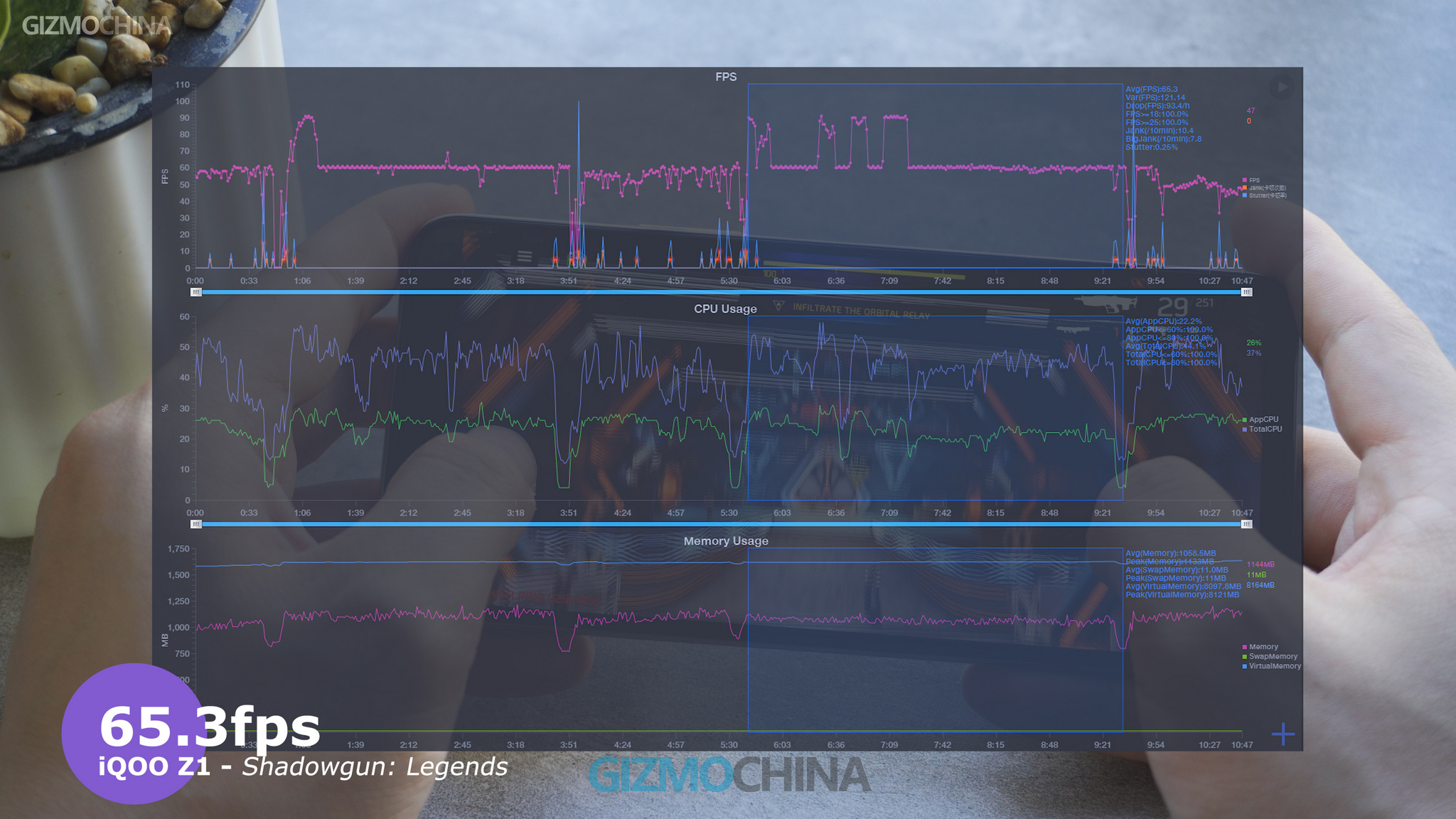
The same result was spotted during the gameplay of Shadowgun: Legends. In the beginning, it touched the 90fps framerate and then dropped down to a stable 60fps framerate. The overall framerate eventually remained at 65.3fps on an average. But in comparison to the gaming review of the OnePlus 8 Pro on the same game, which struggled to get over 60fps, the Z1’s result is already good enough.
1 of 7
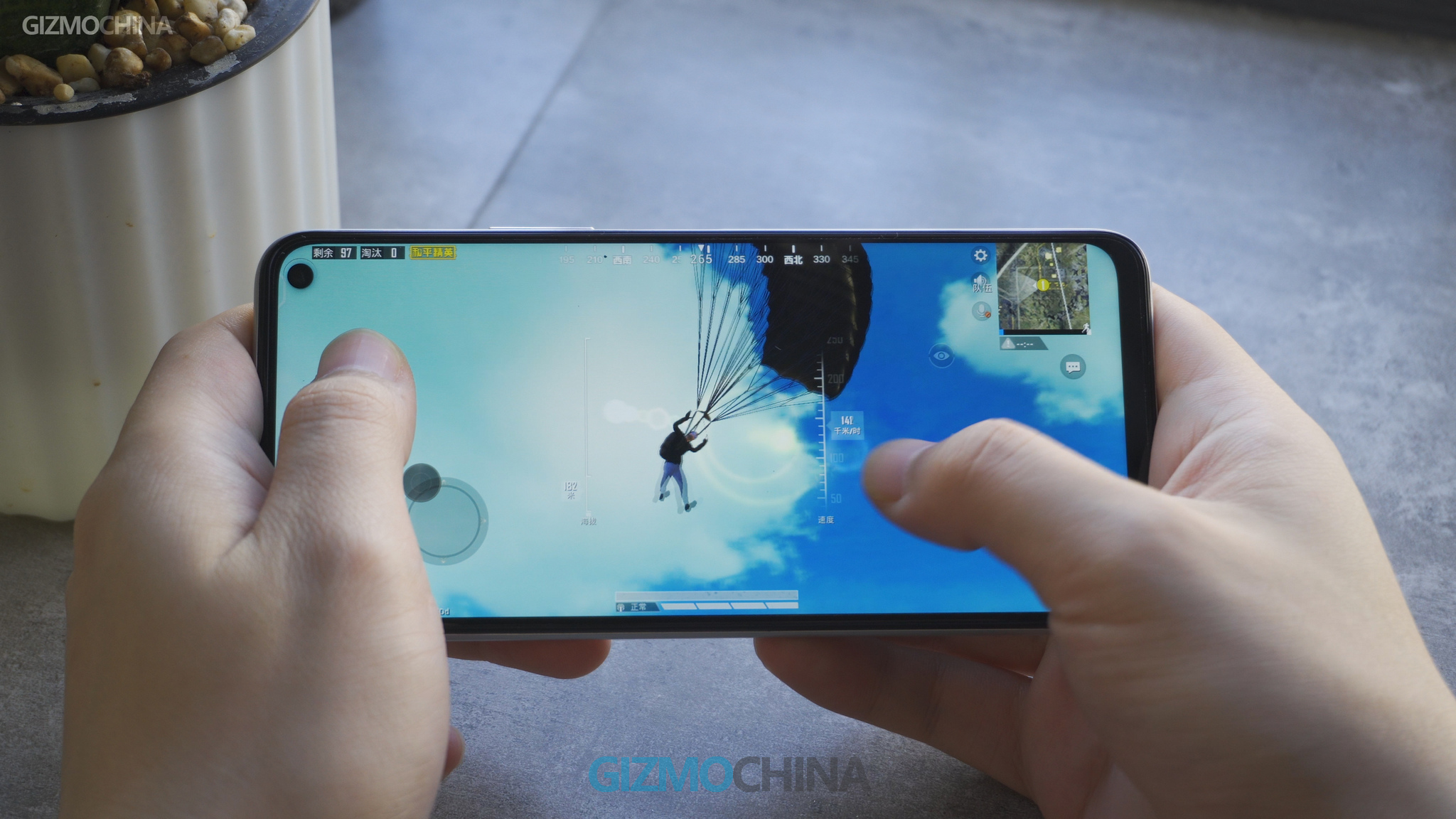
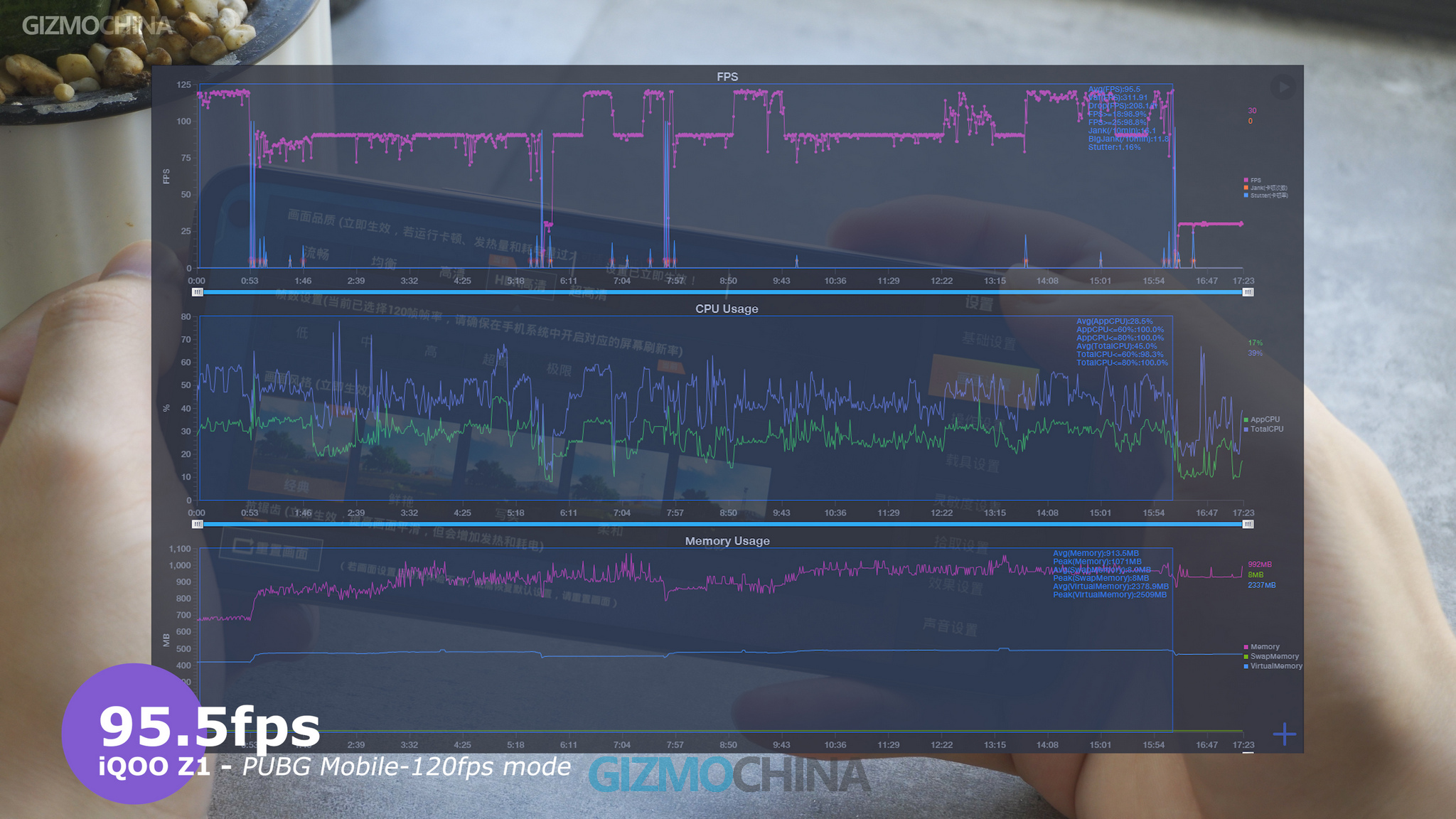
And when we tested the 120fps mode on PUBG Mobile, this performance throttling was again spotted. Sometimes it reached up to 120fps but generally stayed at the level of 90fps. Even so, the average framerate still remains at 95.5fps.
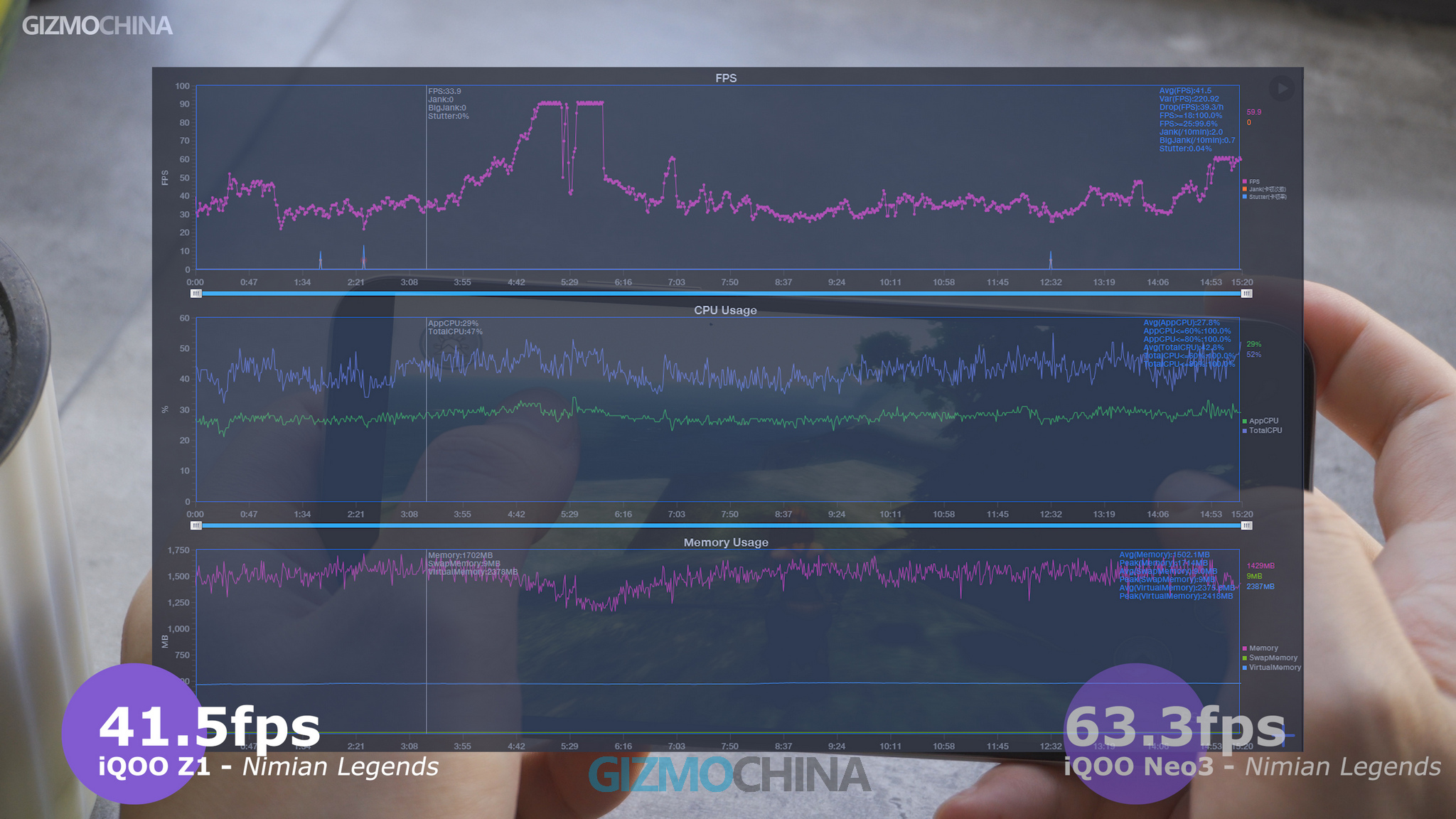
We also conducted a stress test – like we usually do in our gaming reviews – 15mins test on Nimian Legends. Well, this time we eventually reached the limit of the Dimensity 1000 Plus. Compared to the iQOO Neo 3, the Z1’s performance in this round is much weaker. The Neo 3 could run at 63.39fps on an average, while the figure for the Z1 is only 41.5 and it also got the 90fps limit. So accordingly, we have to say there is still a performance gap between Snapdragon 865 and the Dimensity 1000 Plus. However, when playing most android games, the gap is really hard to perceive due to those games’ framerate limit and low performance required. And considering its attractive price, we still recommend it as an excellent 2020 gaming phone.
But compared to other professional gaming phones like Redmagic 5G and Blackshark 3 Pro, there are no shoulder buttons for better gaming operation, which should be considered as a drawback especially since it’s marketed as a gaming device.
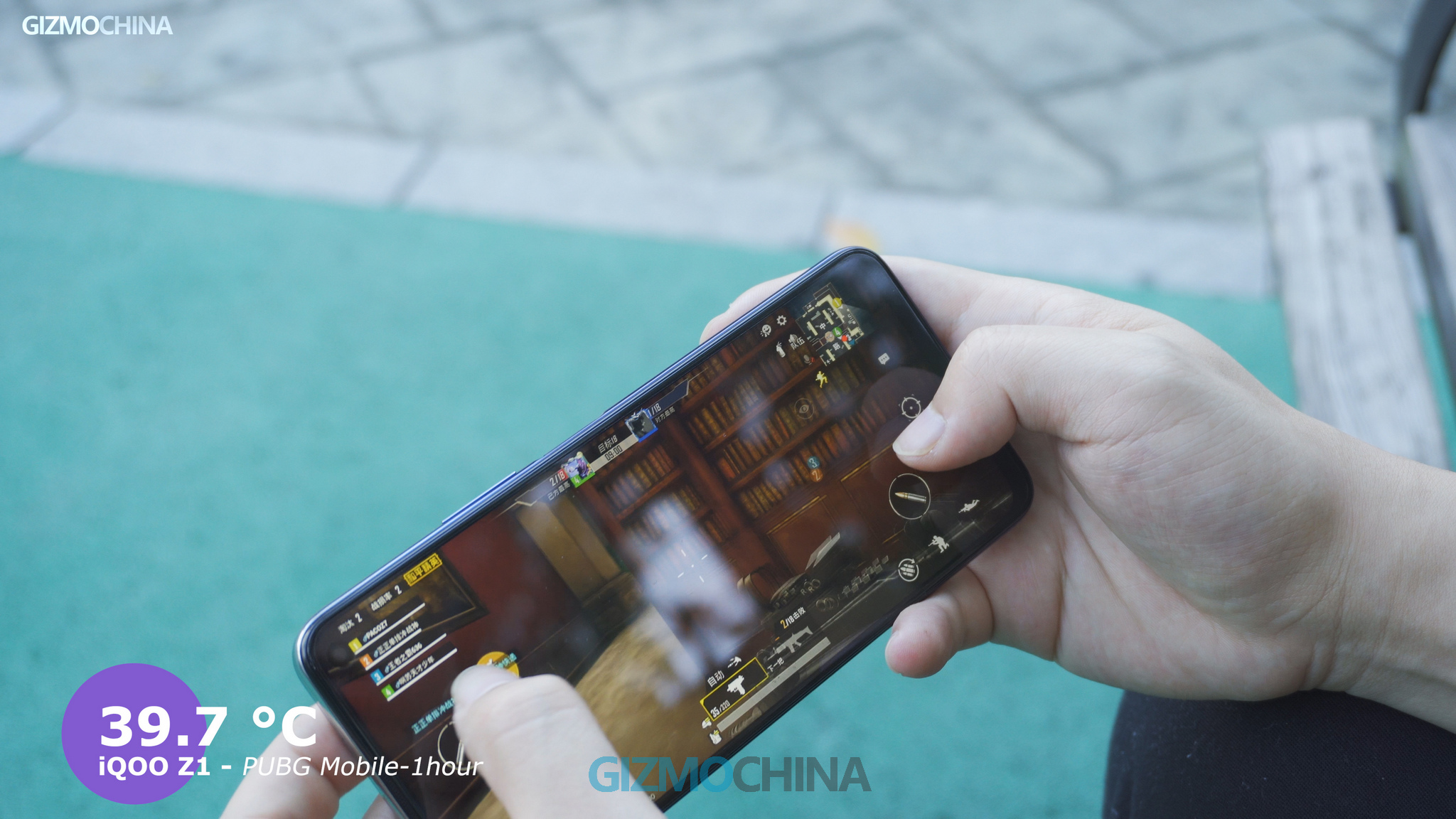
One more thing I have to praise is the cooling system. As we mentioned, the active strategy of framerate limiting provided an excellent cooling effect in actual gaming. So during almost all the tests we did, the device did not overheat at all. And after our 1-hour PUBG Mobile gaming test, the temperature was only 39.7℃, which is really impressive.
iQOO Z1 Review: Battery
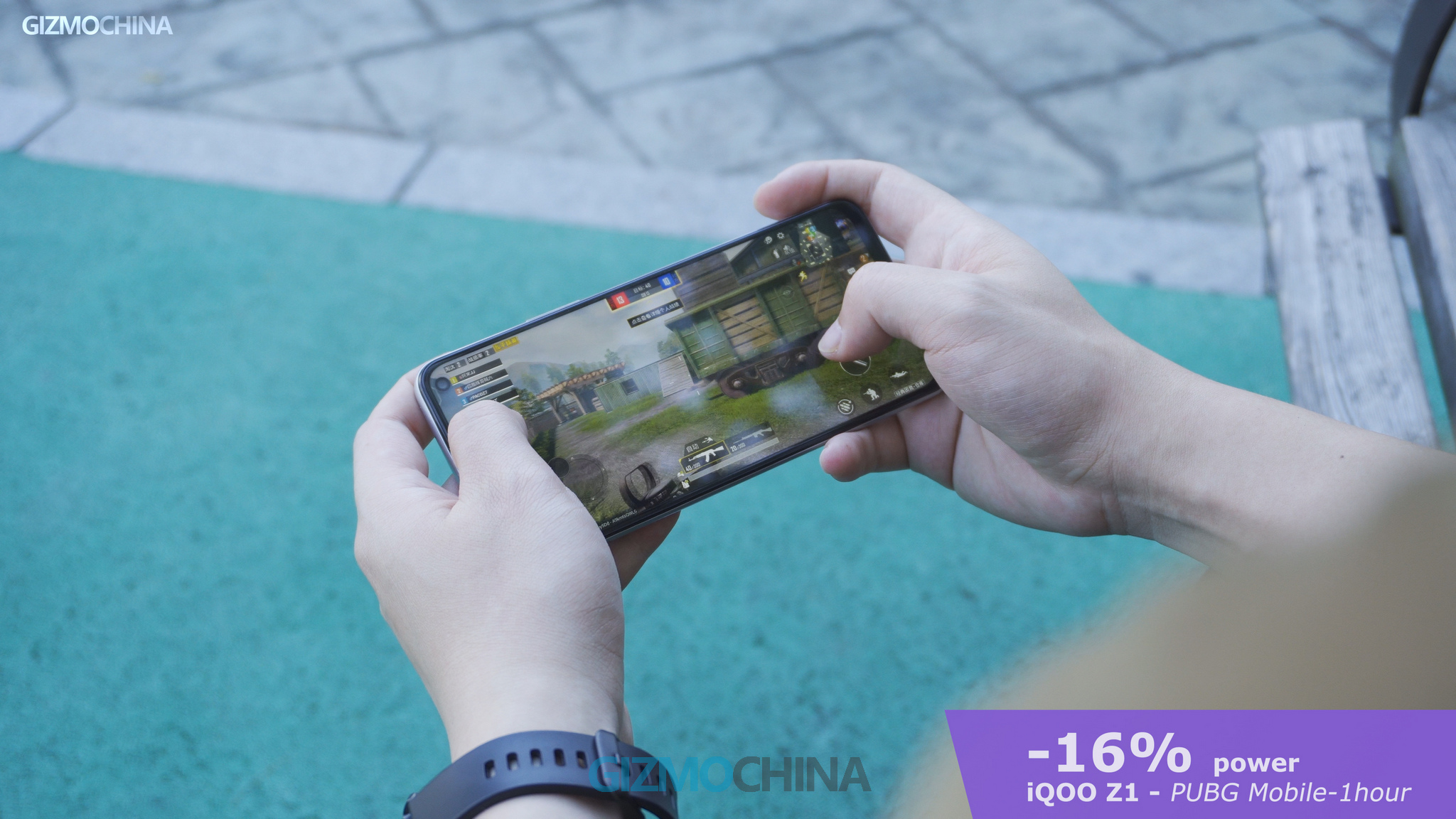
In the aspect of charging, the included 44W charger is so powerful that it only took us 23 mins to charge up to 50% of power, and 64 mins for a full charge. And the 1-hour PUBG Mobile gameplay consumed around 16% of power. Accordingly, it could be expected to last for around 6 hours in gameplay.
iQOO Neo 3 – SD865 vs iQOO Z1 – Dimensity 1000+
So that’s it. As we concluded, there is a performance gap between the snapdragon 865 and the Dimensity 1000 Plus as flagship chipsets. However, when we were playing most android games, the gap is really hard to perceive due to their framerate limits.
Given that it costs just around $310, you can’t go wrong with the iQOO Z1 as a cheap gaming flagship.
Remember Samsung‘s The Frame smart TV? The brand’s innovative smart TV that can double as a digital photo frame. The Korean tech giant has launched the 2020 edition of the smart TV alongside ten other TV models for the Indian market.
The Frame 2020 is available in three different sizes – 50-inch, 55-inch and 65-inch models. The high-end TV features QLED technology that enables beautiful colors, exceptional contrasts and impeccable details with 100% color volume. It still retains the Art mode feature which turns it into a picture frame that can display over 1,200 digital art from around the world. This transforms the everyday living space into an art gallery. The Frame adjusts the screen brightness based on the ambient light in the room, using its in-built motion and brightness sensors.
Also unveiled is a set of 4K UHD TVs which are available in four sizes 43-inch, 50-inch, 55-inch and 65-inch. The 4K UHD TVs feature segment-first thee-side Boundless Design and a 4K Processor. Finally, there is a set of new FHD and HD Ready Smart TV range which will be available in 43-inch and 32-inch respectively.
All the new models come with Auto Hotspot technology, USB 3.0 and feature support for voice assistants such as Google Assistant and Amazon Alexa as well as Samsung’s native Bixby. The smart TVs are also crammed with features such as Game Enhancer for smooth lag-free gaming, Content Guide for curated content, Personal Computer Mode, Home Cloud and Music Player, among others.
Furthermore, you also get a free subscription to Office 365 and 5 GB of cloud storage space. These TVs come with the unique Personal Computer mode allowing users to transform their TV into a full-fledged PC. With this, users can choose to work from the cloud, mirror their laptop wirelessly without internet for big screen convenience or remotely access their office computer.
The Frame 2020 is priced at Rs. 74,990 for the 50-inch model, Rs. 84,990 for the 55-inch version while the 65-inch model will retail for Rs. 139,990. The premium smart TV comes with a 10-year warranty against screen burn-in, one-year comprehensive warranty and one-year additional warranty on the panel. It will go on sale from June 19 via Flipkart and Samsung’s official online store Samsung Shop.
Samsung’s 4K UHD Smart TV models will retail for Rs. 36,990 for the 43-inch version while the 65-inch version costs Rs. 89,990. The FHD and HD Ready Smart TV models will start from Rs. 14,490 for the 32-inch model and go up to Rs. 31,990 for the 43-inch model. The new range of TVs will come with one-year comprehensive warranty and one-year additional warranty on the panel available under the ‘Get More from TV’ campaign on Flipkart and the ‘Wondertainment’ campaign on Amazon.
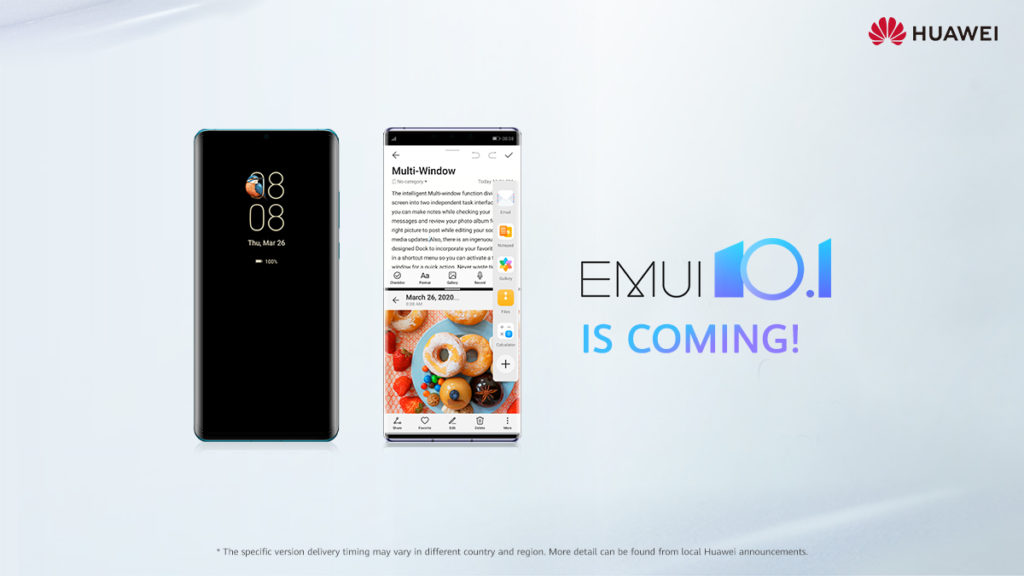
Huawei debuted EMUI 10.1 with the P40 series in late March. The same mobile software is known as Magic UI 3.1 for Honor devices withs some tweaks. The company has been continuously rolling out this update to all the eligible devices in China. Now, after almost three months, it has finally announced the list of eligible/supported devices in global markets.
The EMUI 10.1/Magic UI 3.1 is a minor update to the previous iteration (EMUI 10) of the software first announced in late 2019 alongside Huawei Mate 30 series. The highlights of the new update are as listed below.
The Motorola RAZR is one of the two commercially-available vertically folding phones you can buy. The other is the Samsung Galaxy Z Flip. Motorola’s phone has a price tag of $1499.99, but for a limited time, you can get it for $999 (or $42/month)!
Motorola is running a promo until June 21 which allows folks to pick up the phone in the US for one-third off the price. That is a pretty good deal if you have your eyes set on this mid-range foldable phone.
The Motorola RZR has a 6.2-inch 2142 x 876 P-OLED display that folds in half. There is a smaller G-OLED display on the back that measures 2.7-inches in size and has a 600 x 800 resolution.
Inside the phone is a Snapdragon 710 processor with 6GB of RAM and 128GB of non-expandable storage. There is a 16MP camera on the back of the phone while a 5MP camera sits in front for taking selfies. You also get a front-mounted fingerprint scanner, NFC, an eSIM, and a 2510mAh battery with support for 15W fast charging.
Back in late February, UNISOC announced the Tiger T7520 mobile processor as the world’s first 6nm EUV processor. The 5G chipset is the successor to the Tiger T7510 that was announced last year and that powers the Hisense F50 5G.
Almost four months after the announcement, the chipset is yet to appear in any mobile device. The latest news from China says the Tiger T7520 will be mass-produced this year. The source also said the chipset should appear in devices in early 2021; practically a year after launch.
That seems like a long time for a chipset to enter the market and it remains to be seen which manufacturers will launch products powered by it.
The Tiger T7520 is an octa-core chipset with 4x Cortex-A76 cores and 4x Cortex-A55 cores. It packs a Mali-G57 GPU whose clockspeed, like that of the CPU, is unknown. UNISOC says that the built-in modem supports coverage enhancement and also supports dual-SIM dual-5G.
Other features of the processor include support for displays with a 120Hz refresh rate, 4K resolutions, and HDR10+. It also has an integrated financial-level Secure Element that provides higher security than embedded SE.
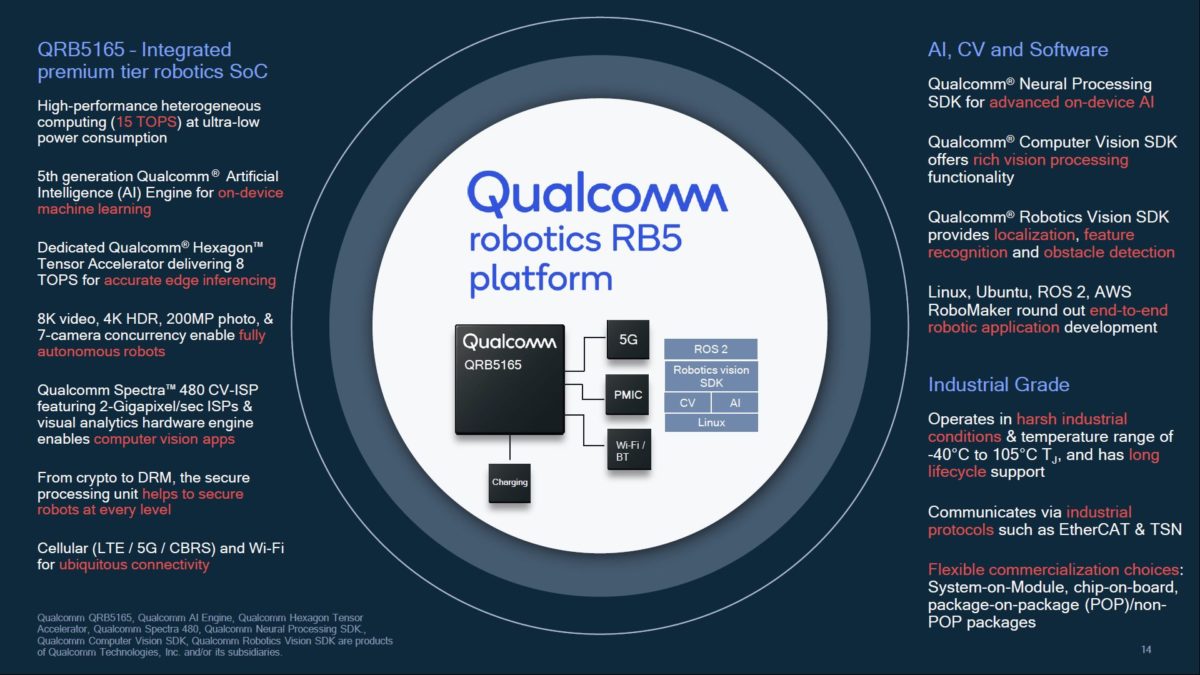
Qualcomm is mostly known for its wide range of smartphone SoCs but that isn’t all it manufactures. Qualcomm also manufactures chipsets for smartwatches, laptops, smart TVs and even robotics. The US fabless chip maker has unveiled a new robotics platform dubbed Robotics RB5.
The new platform is based around a variant of its Snapdragon 865 processor. The RB5 uses the QRB5165 processor with the same CPU, GPU, ISP, and DSP as the Snapdragon 865. This time around, the platform features support for industrial-grade temperate ranges from -40°C to 105°C. It also brings some nice enhancements to computer vision.
The new QRB5165 processor at the heart of the RB5 includes the Kryo 585 CPU (4x Cortex-A77 CPU cores in the 1+3 configuration, plus 4x Cortex-A55 cores). The processor also teams up with the Adreno 650 GPU, the Spectra 480 ISP plus the Hexagon DSP. The processor can be used for heavy compute tasks, advanced AI tasks (using the DSP and the GPU together), and for computer vision.
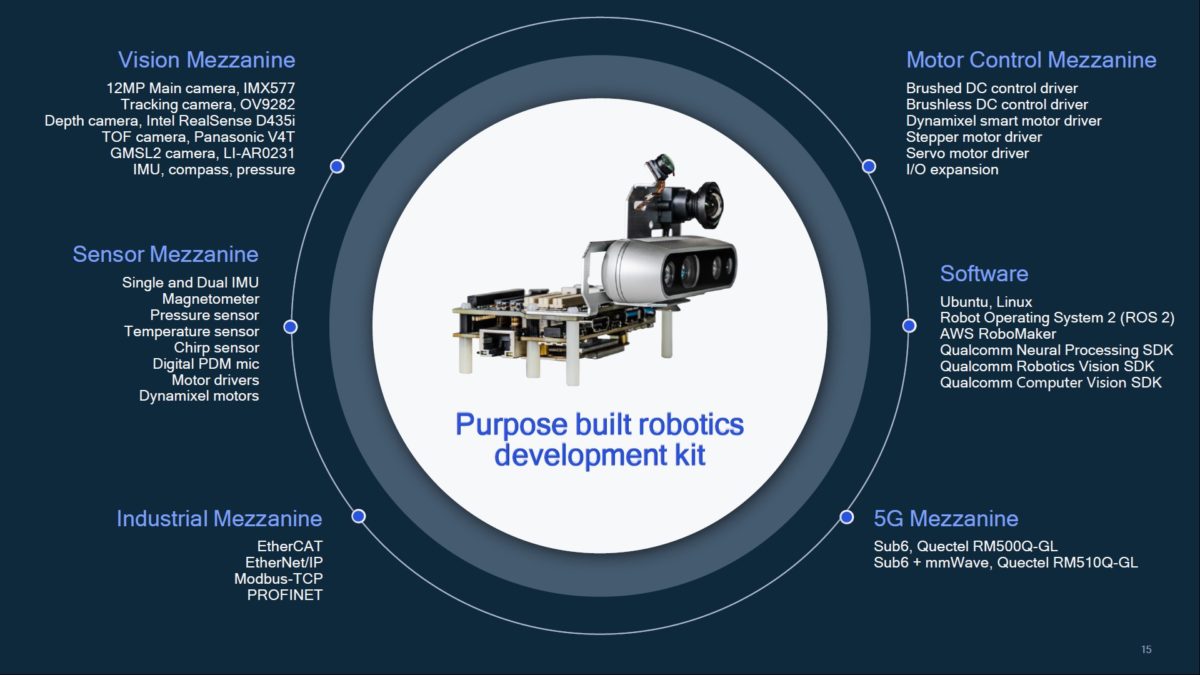
The Spectra 480 ISP onboard is said to be capable of processing 2 Gigapixels per second. On the RB5165, that means developers can connect up to seven cameras (great for fully autonomous robotics) as well as process 8K video and 4K HDR video. The Spectra 480 also includes the Engine for Video Analytics (EVA) to handle all Computer Vision and Robot Vision tasks.
For software options, the RB5 will run on Ubuntu Linux, Yocto, and Robot Operating System (ROS) 2.0. It even features support for AWS RoboMaker. Qualcomm also provides a Neural Processing SDK for advanced on-device AI, Computer Vision SDK for vision processing and the Robotics Vision SDK for feature recognition, obstacle detection, etc.
We use cookies on our website to give you the most relevant experience by remembering your preferences and repeat visits. By clicking “Accept”, you consent to the use of ALL the cookies.
This website uses cookies to improve your experience while you navigate through the website. Out of these, the cookies that are categorized as necessary are stored on your browser as they are essential for the working of basic functionalities of the website. We also use third-party cookies that help us analyze and understand how you use this website. These cookies will be stored in your browser only with your consent. You also have the option to opt-out of these cookies. But opting out of some of these cookies may affect your browsing experience.
Necessary cookies are absolutely essential for the website to function properly. This category only includes cookies that ensures basic functionalities and security features of the website. These cookies do not store any personal information.
Any cookies that may not be particularly necessary for the website to function and is used specifically to collect user personal data via analytics, ads, other embedded contents are termed as non-necessary cookies. It is mandatory to procure user consent prior to running these cookies on your website.