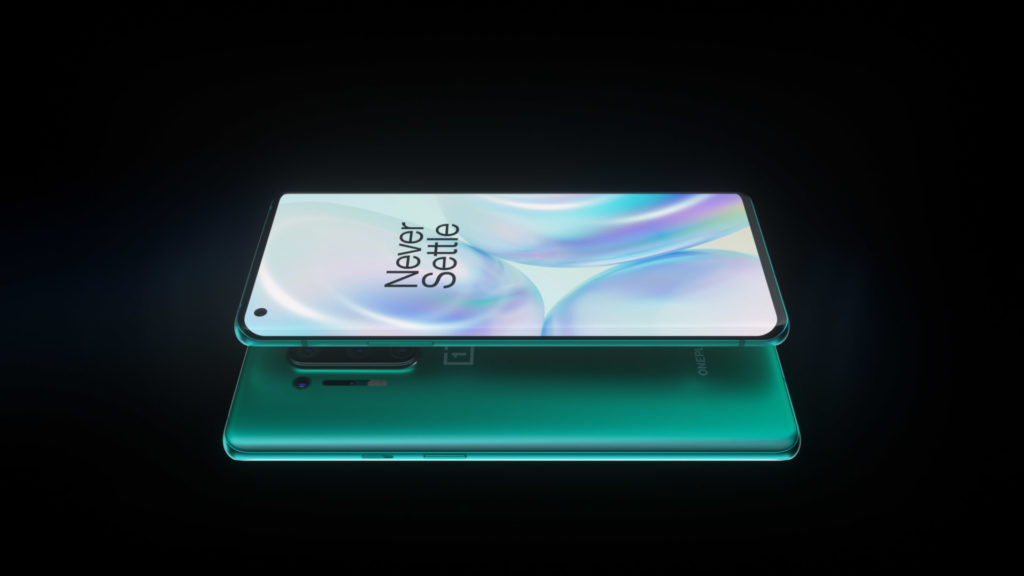
The OnePlus 8 and OnePlus 8 Pro went official last month. They are already on sale in various regions. Also, both the handsets in the series have received multiple updates fixing various bugs. Now, their kernel source code is out as well.
Normally, OnePlus is quick to release kernel source code for its devices. But the company took more time this year with the OnePlus 8 series. Anyway, it is out now and interested developers can already start fiddling with it.
On the other hand, the code names for these handsets are too boring.
OnePlus 8 – instantnoodle
OnePlus 8 Pro – instantnoodlep
Don’t know why OnePlus went with ‘instantnoodlep’ for the OnePlus 8 Pro. The previous generations had different and better codenames for each model.
That said, now as the kernel source code is out, we can expect developers to begin compiling custom recoveries like TWRP and more. Since OnePlus is popular in third-party development like Xiaomi, we will likely see a number of custom ROMs, kernels, and mods in the near future.
But there might be a delay this time around due to the COVID-19 global pandemic. OnePlus is yet to start sales in its biggest markets like India. Also, as most countries are under lockdown, there are fewer chances of developers receiving their units on time.
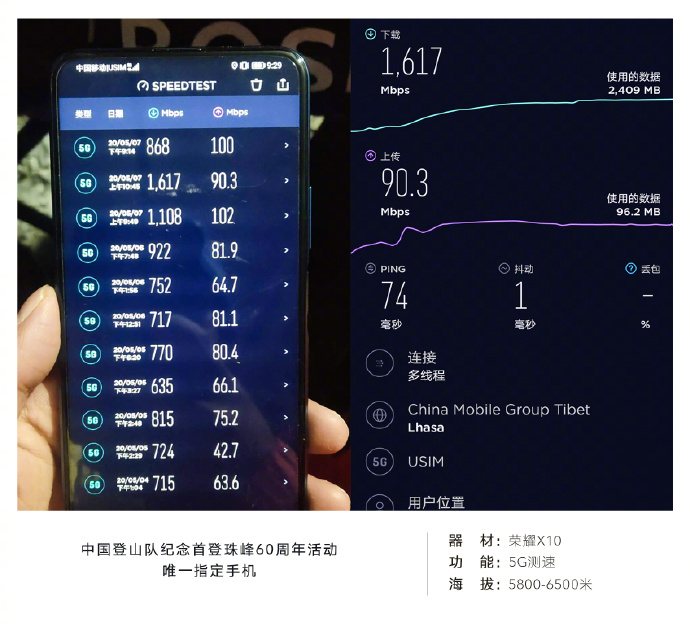
Honor recently announced that members of China’s 2020 Everest Survey Mountaineering Team were given the Honor 30 Pro Plus and the upcoming Honor X10 5G. Some samples captured by the 10X were shared, the same way Xiaomi shared samples captured by the Mi 10 Pro. The tech giant has shared some more images from the expedition and one of them is the real-life image of the Honor 10X 5G which was used to test the 5G connectivity on the mountain.
The 5G test is said to have been conducted at an altitude of 5800-6500 meters. The phone was able to achieve a download speed of 5G can reach 1617Mbps, the upload speed reaches 90.3Mbps, and the ping value is only 74ms. Thi test is perhaps made possible by the 5G base station established by Huawei and China Telecom last month.
About the phone, the front view is all we get to see now but this will suffice considering that the 10X has been certified by TENAA but it is usually difficult to make out any details from the front shots shared by the certification outfit. The image shows the Honor 10X will come with a notch-less, bezel-less design. The bezels are almost non-existent on the top and side edges that are visible on the picture. In addition, the device will feature a pop-up selfie camera.
TENAA data shows the Honor 10X will pack a matrix rear camera design. The device will sport a 6.63-inch LCD screen with a 2400 × 1080 pixels resolution. The mid-range phone is equipped with a Kirin 820 5G chip, a built-in 4200mAh battery with 22.5W fast charge support, and a side-mounted fingerprint sensor.
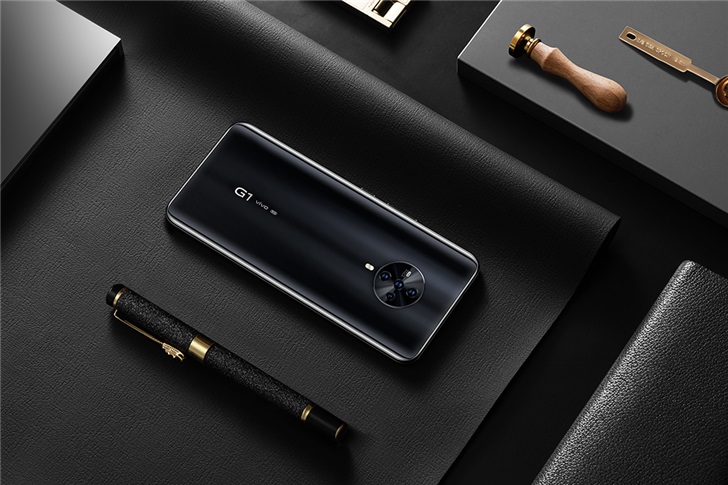
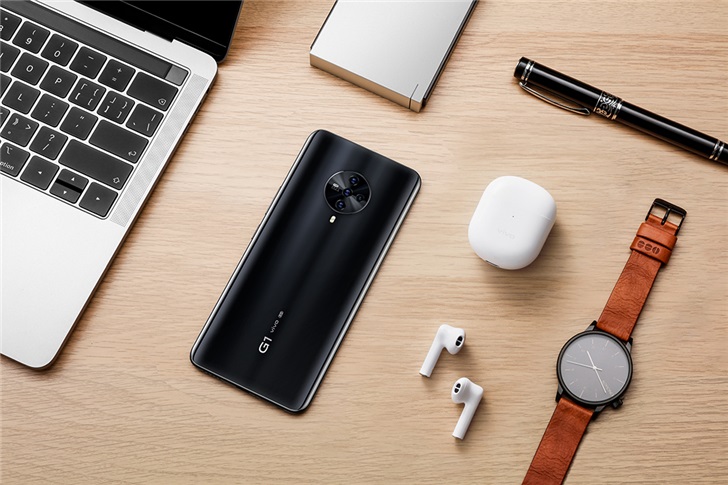
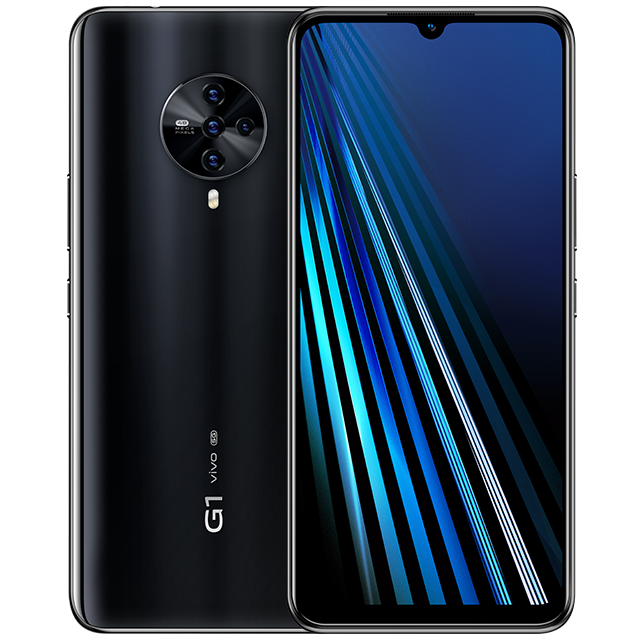
Vivo unveiled Vivo S6 5G in late March. Now, the company launches a new version of this handset called Vivo G1 5G customized for enterprise customers. The only difference between the two devices is the inclusion of NFC as well as dual-profile for work and personal use.
Vivo G1 5G Specifications
Unlike the standard Vivo S6 5G, the Vivo G1 5G only comes in a single Black color option. Further, it is powered by the same Samsung Exynos 980 SoC paired with 8GB LPDDR4X RAM and 128GB UFS 2.1 storage.
On the front, it sports a 6.44-inch FHD+ ( 2400×1080 pixels) AMOLED HDR10 panel with an in-display fingerprint sensor. A 32MP selfie camera sits in the dew-drop notch located at the top center of the screen.
As for the rear, the handset features an Oreo-like structure accommodating a 48MP (primary) + 8MP (ultra-wide) + 2MP (macro) + 2MP (depth) quad-camera setup. The back of the looks very much formal compared to the recently launched Vivo S6 5G Streaming Mystery color variant.
Other features of the handset include dual-mode 5G (SA & NSA), USB Type-C port, 3.5mm headphone jack, Jovi virtual assistant, software-based face unlock, 4,500 mAh battery, and 18W fast charging.
Vivo G1 5G Special Enterprise Features
The phone runs Funtouch OS 10 based on Android 10 with dual profile functionality. The work and personal space are independent of each other. The overall configurations of the work profile can be only controlled by the employee’s company, however, he/she can operate the handset normally in the personal profile.
In other words, the work profile is centrally managed by the enterprise with full control for app installation, system updates, connectivity settings such as WiFi and Bluetooth, and more. Also, personal information is not stored in this profile, and users cannot transfer any data via wired or wireless.
There’s also a special Police Edition of this device with customized features. For example, for police officers, the phone can be directly connected to the public security intranet, and can also be customized to always show the position of the police officer. This way the command center can arrange for the police to be dispatched nearby.
Furthermore, the NFC chip included in the device can be used for multiple purposes like card identification, eID, consumer payment, tag reading, and more.
Vivo G1 5G Variants and Pricing
As far as variants and prices are concerned, the Vivo G1 5G comes in two versions and they are as mentioned below.
Vivo G1 Standard Edition (8GB + 128GB) – 3,498 Yuan ($494)
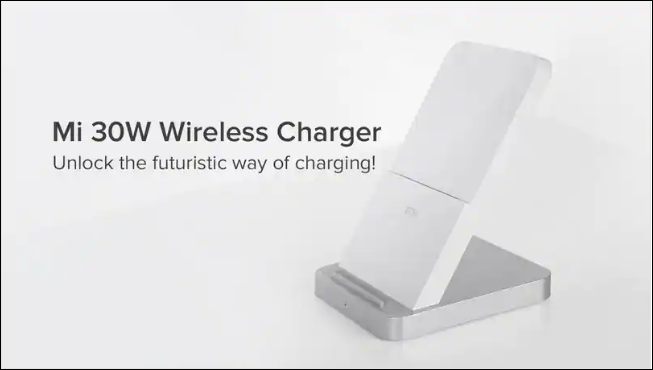
The Mi 30W wireless charger adopts a new air duct design, which directly removes heat without passing through the coil. According to Xiaomi, this design ensures that the heat dissipation efficiency is higher and safer.
The wireless charger utilises an ergonomic tilt design which resembles a kickstand that is meant to hold the phone. Sure, that is an extra function which the wireless charger can perform when not in use. As the name suggests, the wireless fast charger has a maximum power rating of 30W. The charger uses the Qi charging standard and is compatible with most phones that support wireless charging. It also packs an ultra-quiet built-in fan which actively and efficiently cools the charger when compared to other vertical wireless chargers in the market. The heat dissipation is equally more efficient.
The Mi 30W Wireless charger will go on pre-order for a special price of Rs. 1,999 ($26) price tag. After the pre-order period, the charger will sell for Rs 2,299 ($39).
Xiaomi launched the Mi Note 10 as a rebranded Mi CC9 Pro for international markets. It is the world’s first smartphone to feature 108MP camera. But it is also one of the last phones from the brand to receive Android 10 update, which is currently being rolled out to a handful of users with the global variant.
The Xiaomi Mi Note 10 comes in three variants for international markets – Global, Europe (EEA), and Russia. However, the Android 10 update is only available for Global, that too for a few set of users.
For the unaware, this kind of MIUI builds is known as Stable Beta. If there’s positive feedback from the users, then the same build will be rolled out to all. If not, a new build will be released again with bug fixes.
Anyway, talking about the update, it comes with build number MIUI 11.1.1.0.QFDMIXM and weighs 2.6GB in size. The software is still MIUI 11 with MIUI 12 scheduled to arrive in a couple of months from now. Last but not least, the security patch level also gets a bump to April 2020.
Xiaomi Mi Note 10 Android 10 Update Official Changelog
System
Optimization: Updated Android Security Patch to April 2020
Increased System Security
Stable MIUI based on Android 10
We are not sure when the remaining variants of Mi Note 10 will receive the Android 10 update.
Meizu‘s launch event held today saw the Chinese company released a total of fourteen products. The Meizu 17 and 17 Pro are no doubt the star products but the other products include the HD60 noise-cancelling headphones and 10,000mAh Supercharged power bank. Here’s a rundown of other products that were also launched.
Meizu supercharged GaN three-port charger
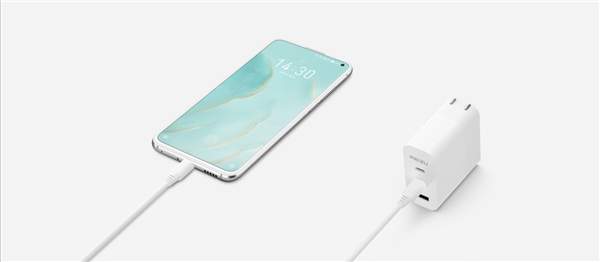
Just like other GaNchargersin the market, Meizu’s GaN three-port charger is manufactured using gallium nitride semiconductors. The use of gallium nitride semiconductor materials has the advantages of super thermal conductivity, high-temperature resistance, acid and alkali resistance, and greatly reduces the size of the charger.
Meizu GaN three-port charger features an ultra-high 65W power support. It is fully compatible with QC3.0, FCP, PD3.0, AFC, PPS, PE2.0 and other fast charging protocols. The charger is designed with three ports – two USB-C and one USB-A output port. Any single port can output 65W full power when used.
The charger is priced at 199 yuan (~$28) and will go on sale soon.
Meizu supercharged wireless pad
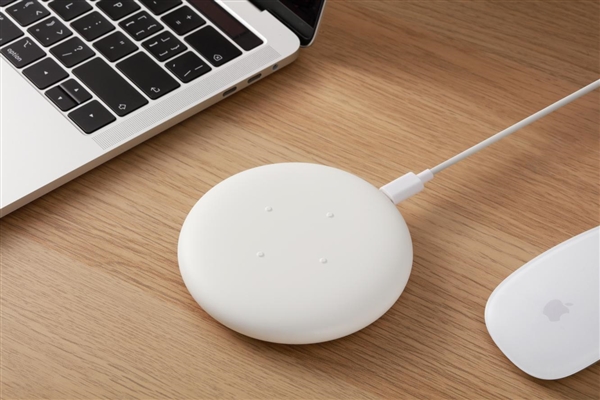
The Meizu supercharged wireless pad uses a zero ridgeline minimalist design style. It has a pure white comfortable non-slip liquid silicone pad. The wireless charging pad also features a large active silent cooling fan. The 23-blade fan design greatly improves heat dissipation.
The charger comes with up to 27W power support for the Meizu 17 Pro and can also provide up to 10W output for other Qi-standard gadgets.
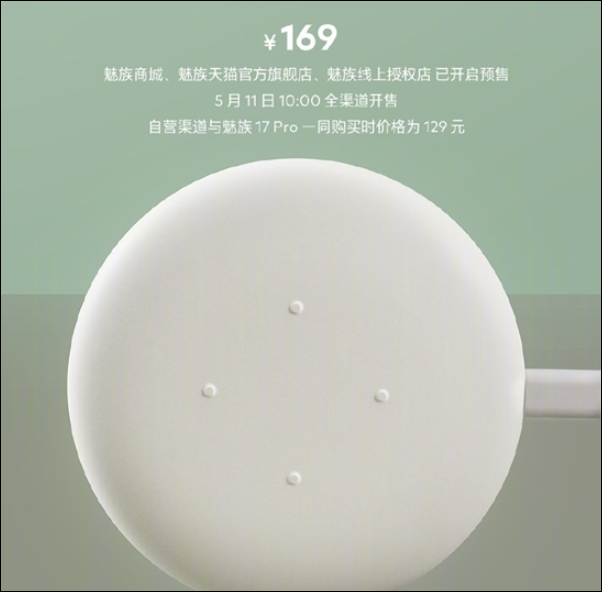
The charger adopts a 169 yuan (~$23) price tag. It is presently on pre-sale at Meizu official website, Meizu Tmall official flagship store, Meizu authorized online store, Meizu official website, Meizu speciality store, Jingdong, and Suning. Meizu will reduce the price to 129 yuan for those buying the Meizu 17 Pro mobile phone.
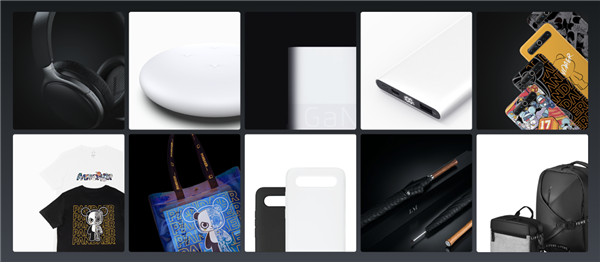
Meizu also launched a couple of PANDAER 17 series products including a cotton t-shirt, a branded case for the Meizu 17 series and a jelly bag. Also unveiled is the Lifeme backpack, camera bag and a silicone case for the Meizu 17. All the products will go on sale from May 11.
The Xiaomi Mi TV 4 55″ launched in India in early 2018 as the world’s thinnest TV at 4.9mm thickness. The company even advertised it to be thinner than a coin. Priced at ₹39,999 (increased to ₹44,999), it was the most expensive product from the brand for the Indian market at that time. But the TV was left out for Android TV update, which is even available for cheaper models launched alongside it. But now, it seems like the update is indeed coming for this model after over 2 years from its release.
Customer service reveals Android TV update for Mi TV 4 55″
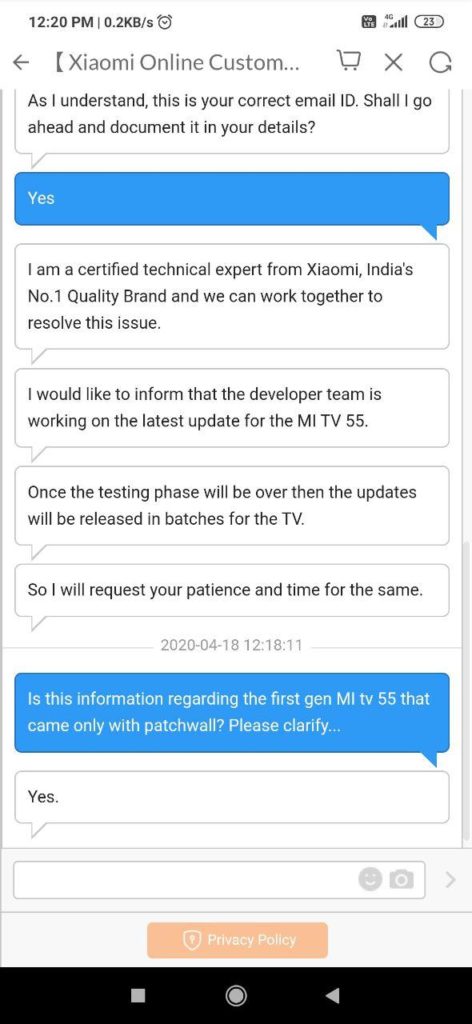
A user shared the screenshot of his chat with Xiaomi India Customer Service. He asked if the Mi TV 4 55″ would receive Android TV update. To his surprise, the executive replied the developers on working on it and will be rolling out in phases after testing.
Hearing this, the user was puzzled and asked if the executive is really talking about Mi TV 4 55″ since most of the users have lost hope. To this, the executive simply replied ‘Yes’ confirming the fact from his side.
Anyway, we would like you to take this information with a pinch of salt. Because information from customer service executives is always not accurate.
Sub-standard software support for Mi TVs in India
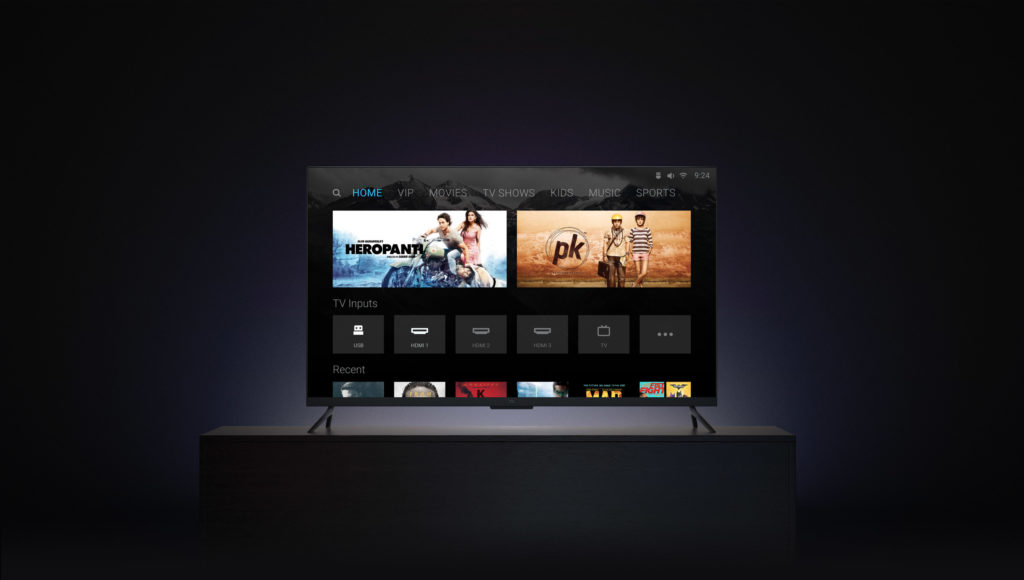
Xiaomi entered the smart TV market of India with the launch of Mi TV 4 55″ and Mi TV 4A 43″ / 32″ in early 2018. These TVs ran AOSP Android with PatchWall interface on top of it for content aggregation.
Later, in the same year, the company launched new TV models powered by Android TV platform with support for Google services like Play Store, Chromecast, YouTube, and Google Assistant. During the launch, Xiaomi promised to update Mi TV 4A 43″ and 32″ to this new platform but did not even mention the premium Mi TV 4 55″.
Users have been requesting for updates for over two years on Twitter and Mi Community. But the company’s executives don’t pay heed to their tweets or community threads.
On the other hand, the update for Mi TV 4A 43″ / 32″ was delayed for over a year and was only rolled out in late 2019. That too, with a lot of bugs like the buzzing of speakers in lower volume levels. Above all, these TVs still don’t support Netflix.
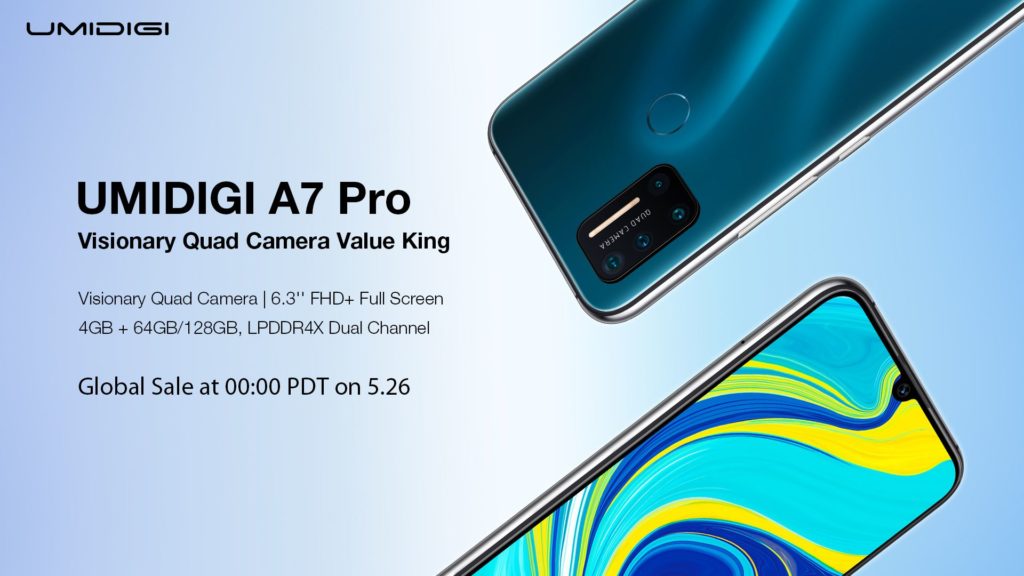
After the global launch of the most affordable flagship – Umidigi S5 Pro, the Chinese smartphone maker is here with a new mid-range device – UMIDIGI A7 Pro. It is the successor of the popular entry-level smartphone Umidigi A5 Pro. The new smartphone features a Quad AI camera, Full HD+ display, and a powerful Octa-Core processor for under $150. Umidigi A7 Pro will be made available during the Umidigi Fan Festival on May 26.
During the ongoing COVID-19 pandemic, Umidigi is not stopping by in bringing affordable smartphones for the users. It has launched highly-anticipated Umidigi A7 Pro featuring compelling specifications with the expected price of under $150.
Many astonishing features of Umidigi A7 Pro makes the smartphone as value king.
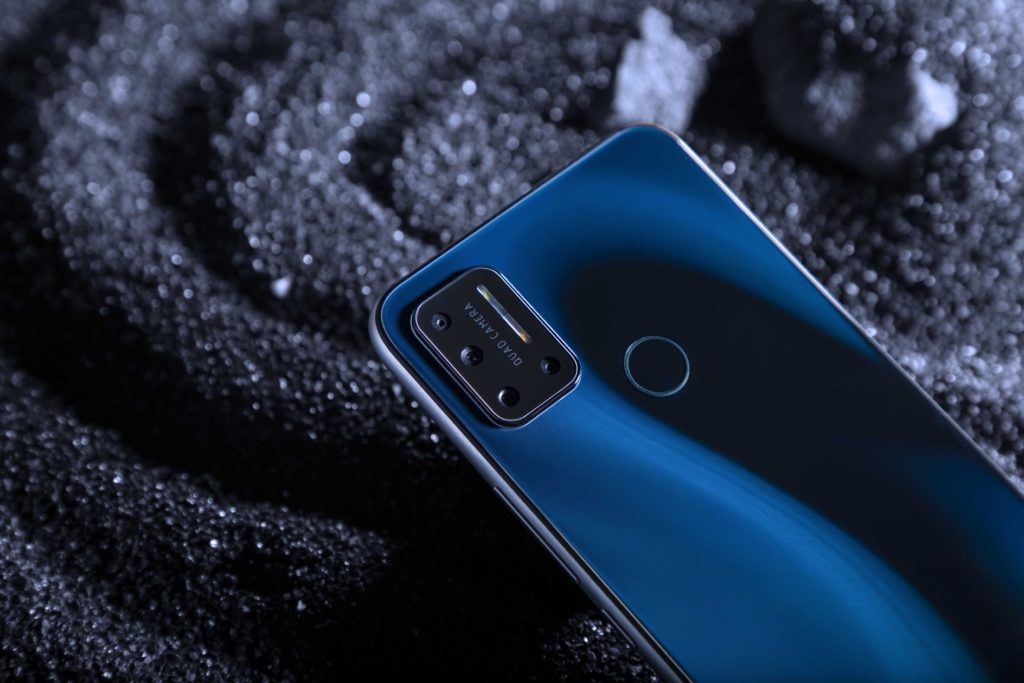
The Umidigi A7 Pro packs a Quad rear camera featuring a 16-megapixel primary camera for detailed pictures. Other sensors include a 16-megapixel ultra-wide sensor with a 120-degree view, 5-megapixel macro sensor, and a 5-megapixel depth sensor. It can capture high-quality photos even in the low light environment using AI scene recognition. There’s a 16-megapixel selfie camera on the front.
Immersive Full HD+ Display
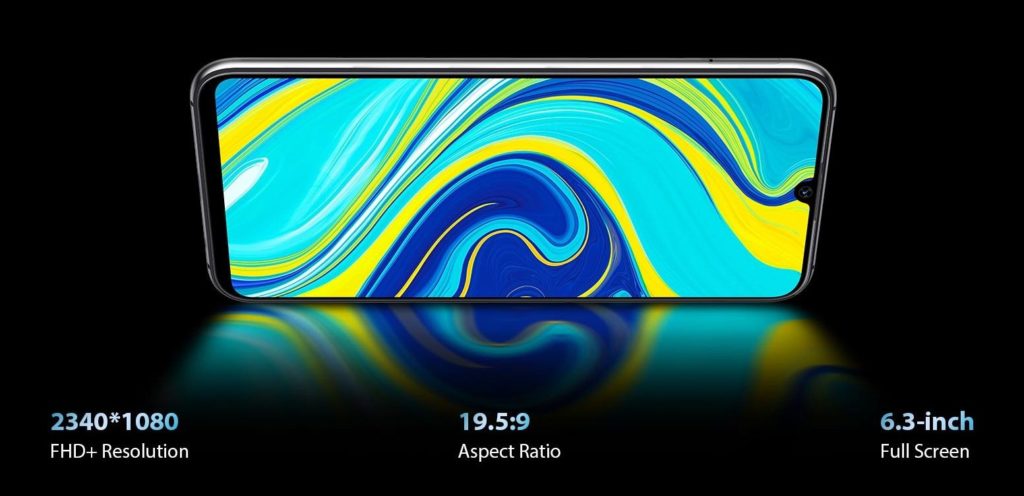
Umidigi always prefers to bring high-quality displays to improve the viewing experience of the device. Umidigi A7 Pro features a large 6.3-inch waterdrop full view display based on in-cell LTPS build with 2340 x 1080 Full HD+ resolution, and 19.5:9 aspect ratio.
Powerful CPU and large memory
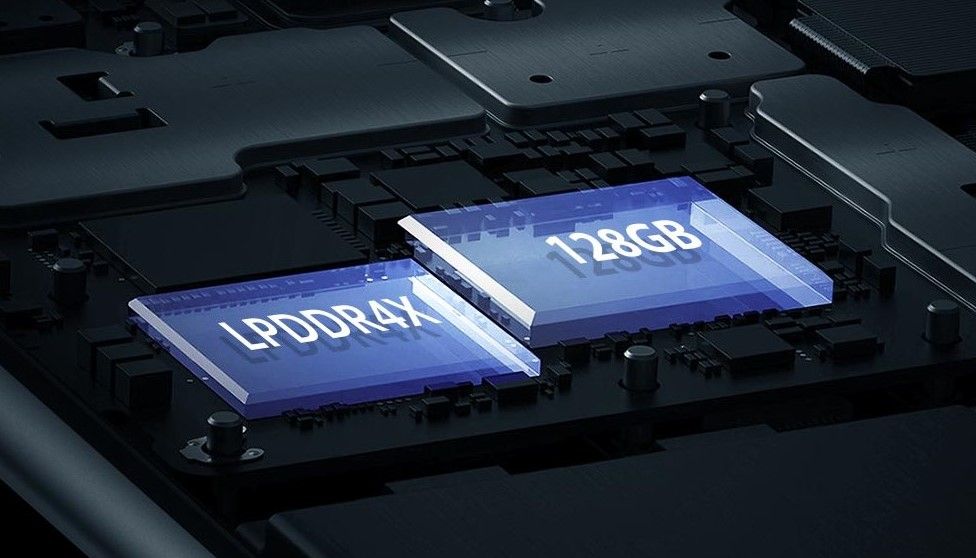
Umidigi A7 Pro comes powered with an Octa-Core processor, 4GB LPDDR4X RAM, 64/128GB internal storage. The smartphone scores 122,547 in AnTuTu configuration which fares well against 92,514 of A5 Pro. There’s a 4150 mAh battery with a 10W charger in the box.
Premium Design
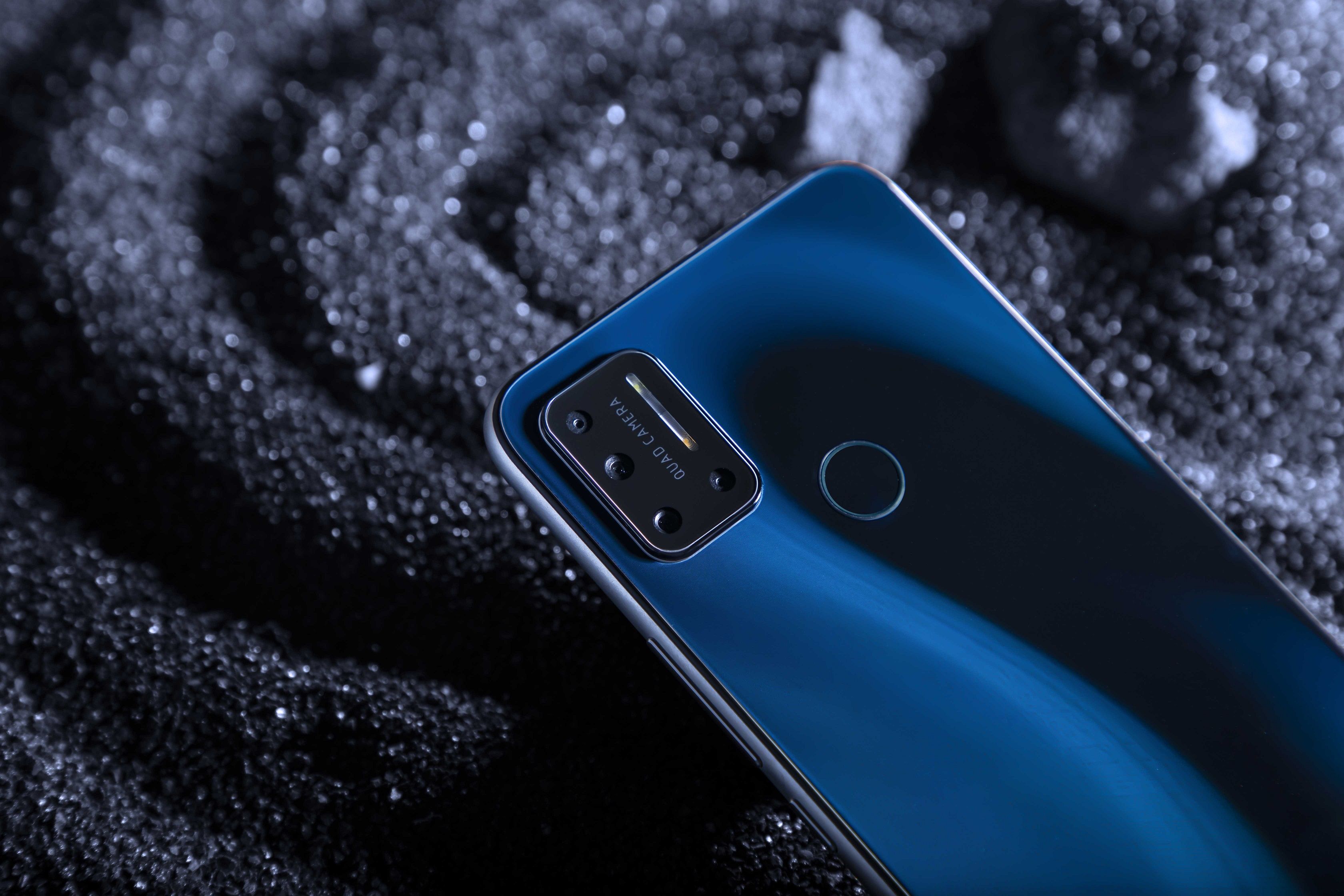
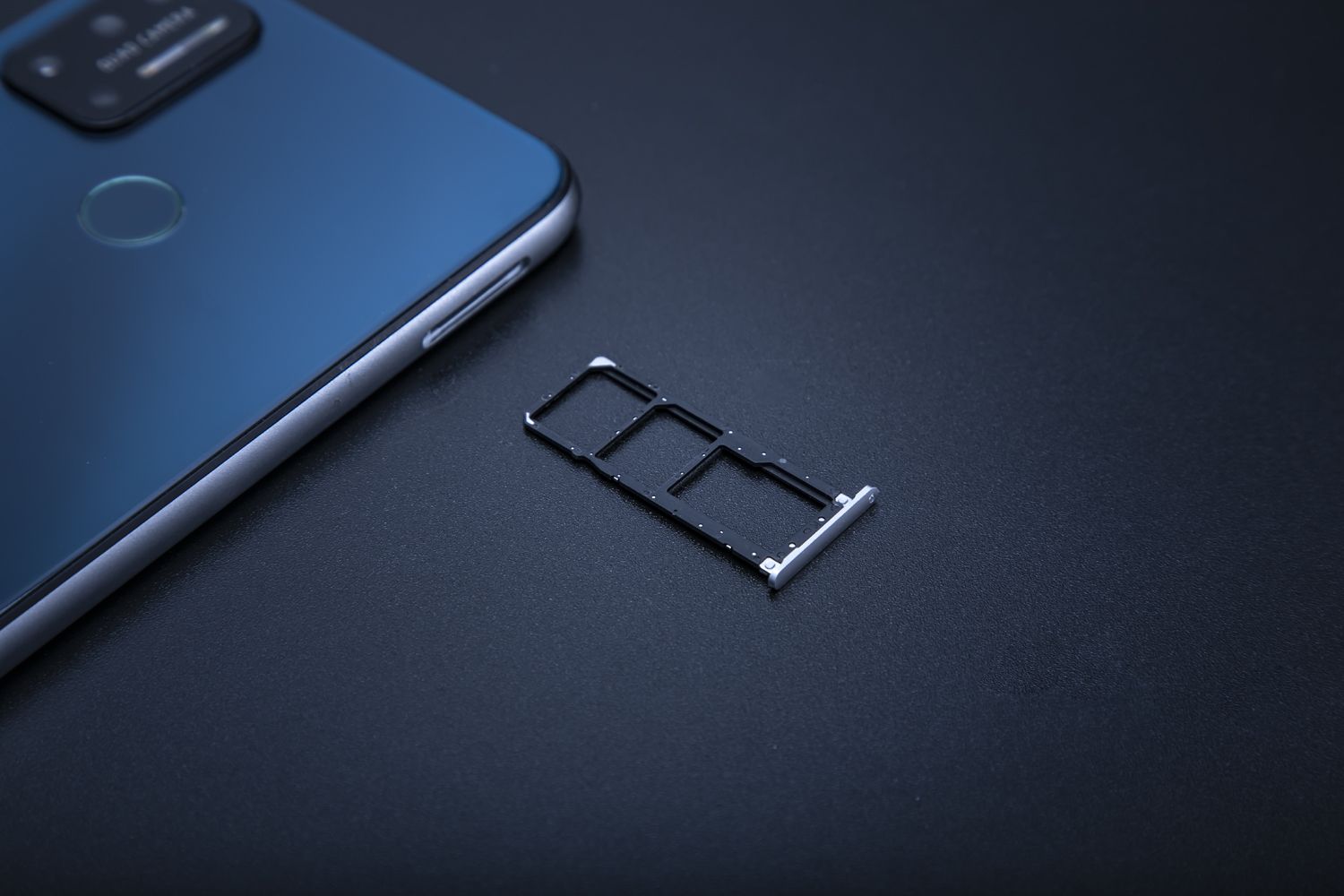
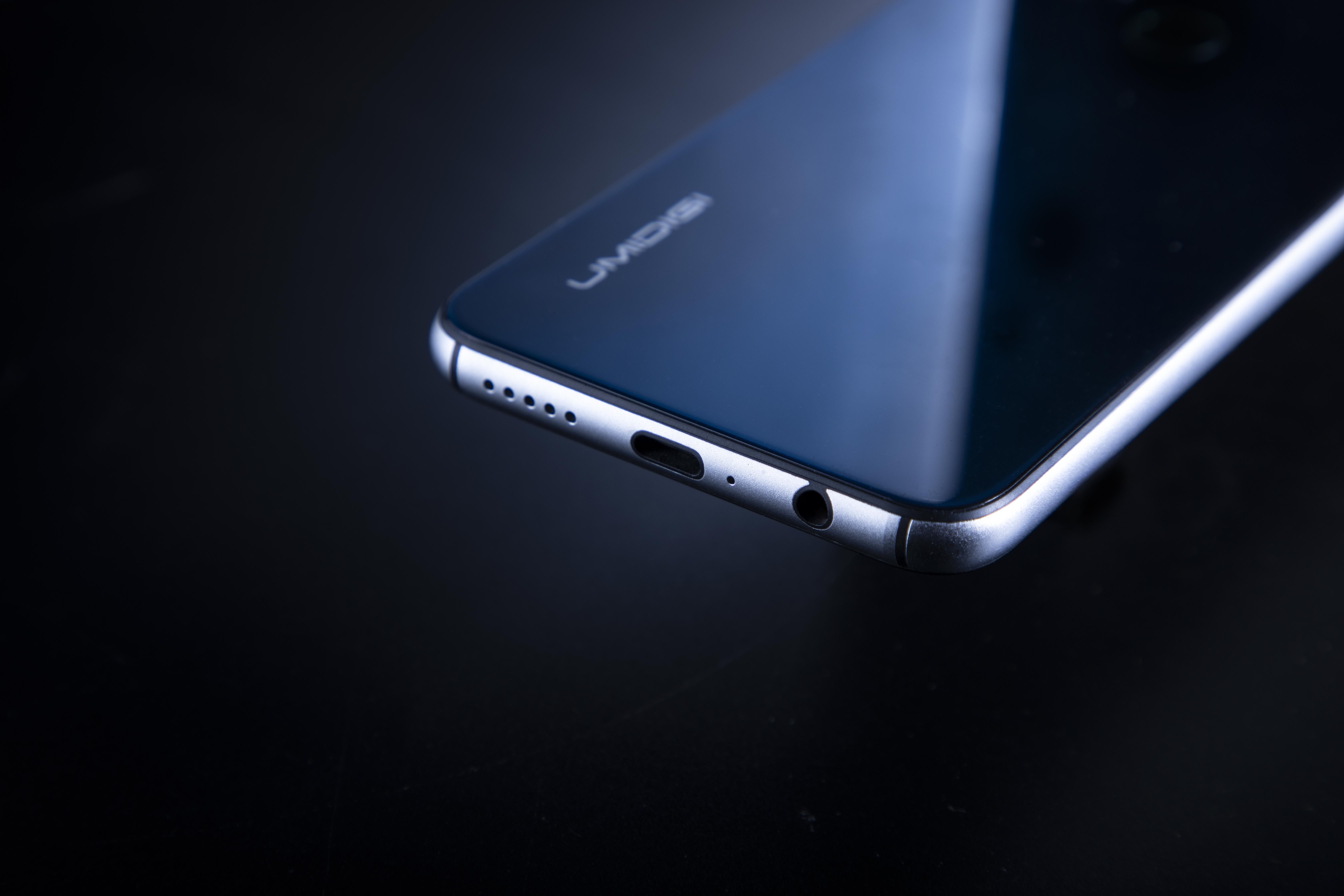
Umidigi A7 Pro carries premium quality finish with a 2.5D glass back and metal chassis engraved with the new optical plating technology. The beautiful shine gives a premium look on both the front and the rear side. Fingerprint sensors and a quad-camera module sit on the rear side of the smartphone. Moreover, there’s an expandable 3-card slot (Dual SIM + MicroSD) on the side of the smartphone, and Type-C charging port on the bottom.
Umidigi A7 Pro Design
1 of 3
The smartphone runs on Android 10 and supports global 4G LTE bands and VoLTE.
Pricing and Availability
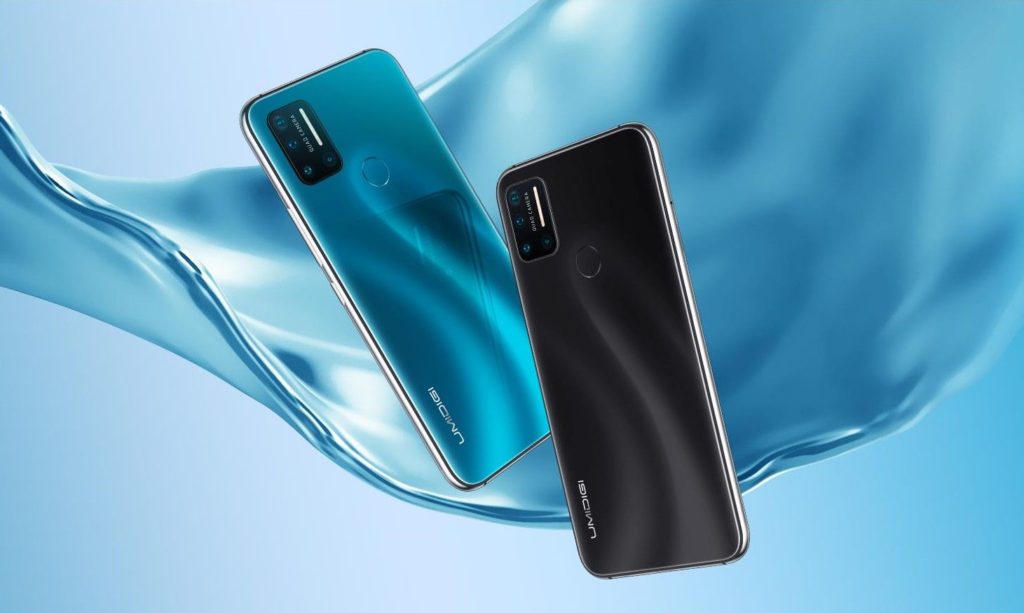
Umidigi A7 Pro will start retailing on May 26 along with the recently announced A7 Pro during UMIDIGI Fan Festival on AliExpress. The exact pricing details are not yet out, but both the 64GB and 128GB storage variants will be made available for under $150. It is available in two different colors of Ocean Blue and Cosmic Black.
However, the interested users can add S5 Pro and A7 Pro to cart on Aliexpress to get a massive discount when it goes live on May 26. The company confirms the optimal stock of the device, and shipping will start as soon as the global sale kicks-off.
The users can also join the UMIDIGI A7 Pro giveaway to get the smartphone for free by heading to the Umidigi official website.
Google Lens is one of the useful tools, which comes with Android smartphones (with GMS) out of the box within the Google app. The search giant has now added a new feature, which enables users to copy-paste their handwritten notes.
There are lots of apps on the Play Store and App Store that helps in scanning handwritten text. But getting this functionality without installing any third-party app is a boon for Android users. However, iOS users will have to install Google App.
The new copy-paste feature can help users copy their handwritten notes and paste it in their phone or even on a computer. All they need is the updated Google App on their smartphones and the latest Google Chrome on their computers.
To use this feature, users will have to access Google Lens on their smartphones first. Android users can do it by installing the standalone Google Lens app, in addition to updating the Google App. They can even access it by provoking Google Assistant. Whereas, iOS users can only access it through the Google App.
Then, point smartphone’s camera to their desired handwritten notes, highlight it and copy. The data can be now pasted in the phone as well as in Google Docs by accessing it on Chrome on a computer. Do note that same account should be signed in on both Google app on smartphone and Google Chrome on computer.
Anyway, the text prediction will depend on how legible the user’s handwriting is to Google’s AI algorithm.
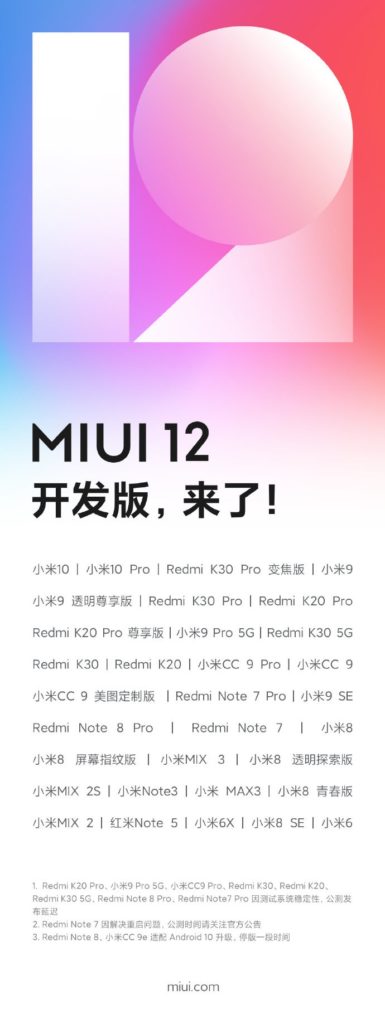
After the MIUI 12 announcement last week, the Chinese electronics giant is now working to improve the system stability across multiple devices. It is making MIUI 12 closed beta builds accessible for more and more devices since last week. Moreover, the company started rolling out MIUI 12 Developer builds for 33 Xiaomi and Redmi smartphones in China.
MIUI took to Weibo to officially announce the availability of MIUI 12 Developer builds across 33 models. The list includes:
Xiaomi Mi 10
Xiaomi Mi 10 Pro
Xiaomi Mi 10 Youth Edition
Xiaomi Mi 9 Pro 5G
Xiaomi Mi 9 Explorer Edition
Xiaomi Mi 9
Redmi K30 Pro Zoom Edition
Redmi K30 Pro
Redmi K30 5G
Redmi K30
Redmi K20 Pro Premium Edition
Redmi K20 Pro
Redmi K20
Xiaomi Mi CC9 Pro
Xiaomi Mi CC9 Meitu Edition
Redmi Note 7 Pro
Xiaomi Mi 9 SE
Redmi Note 8 Pro
Redmi Note 7
Xiaomi Mi 8
Xiaomi Mi 8 Screen Fingerprint Edition
Xiaomi Mi 8 Explorer Edition
Xiaomi Mi Mix 3
Xiaomi Mi Mix 2S
Xiaomi Mi Note 3
Xiaomi Mi Max 3
Xiaomi Mi 8 Youth Edition
Xiaomi Mi Mix 2
Xiaomi Mi Note 5
Xiaomi Mi 6X
Xiaomi Mi 8 SE
Xiaomi Mi 6
The MIUI 12 support for Redmi Note 8 Pro is dropped due to bricking issues in China.
These China-based builds are not intended to be used by Global users as these builds lacks Google apps and support for different languages. However, Xiaomi.EU published MIUI 12 builds for over 28 devices Europe with access to Google apps, more languages, and without Chinese services.
Xiaomi MIUI 12 brings various new features and enhancements like new design animations with real-time light and shadow effects using MIUI Light Cone Motion Effect Architecture. The new layered Dynamic Icons generates real-time feedback based on speed and direction. Other features include a new Control Center instead of quick settings panel, improved navigation gestures, app drawer, live wallpapers, floating windows, enhanced dark mode, Mi Share, and much more. MIUI 12 emphasis the privacy features to secure user data.
The interested users can pull CHina based MIUI 12 development ROM for the compatible devices by heading to the team’s official website.
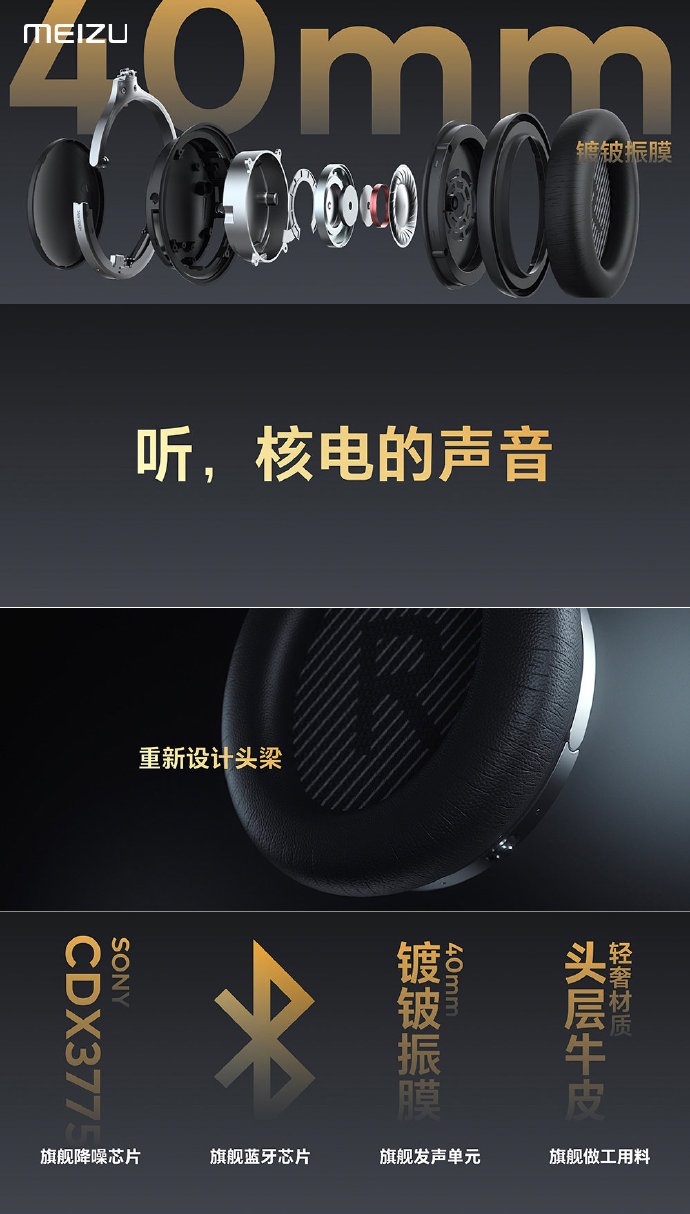
In the Meizu 17 launch conference that was held earlier today (8th May 2020), the Chinese company launched a wide variety of new products. This includes the Meizu HD60 headphones, which are capable of noise cancellation and are priced at 1099 Yuan (roughly 155 US Dollars).
The Meizu HD60 headphones feature a new 40mm oversized beryllium-plated driver. This offers a better audio experience by reducing distortion. the beryllium drivers have a high rigidity that greatly reduces the movement of the diaphragm. In other words, a better material that delivers more true to life listening experience. The headphones are made from light materials and one of its highlighting features is undoubtedly its noice cancellation technology.
Apparently, the noise canceling chip used in the headphones were designed and made by Sony, a pioneering figure in the audio accessory industry. Furthermore, Qualcomm, the known chipmaker, is behind the Bluetooth chip housed in the Meizu HD60 headphones. These charge through a USB Type C port and are capable of fast charging as well. It is priced at 1,099 Yuan and will start sales later today.
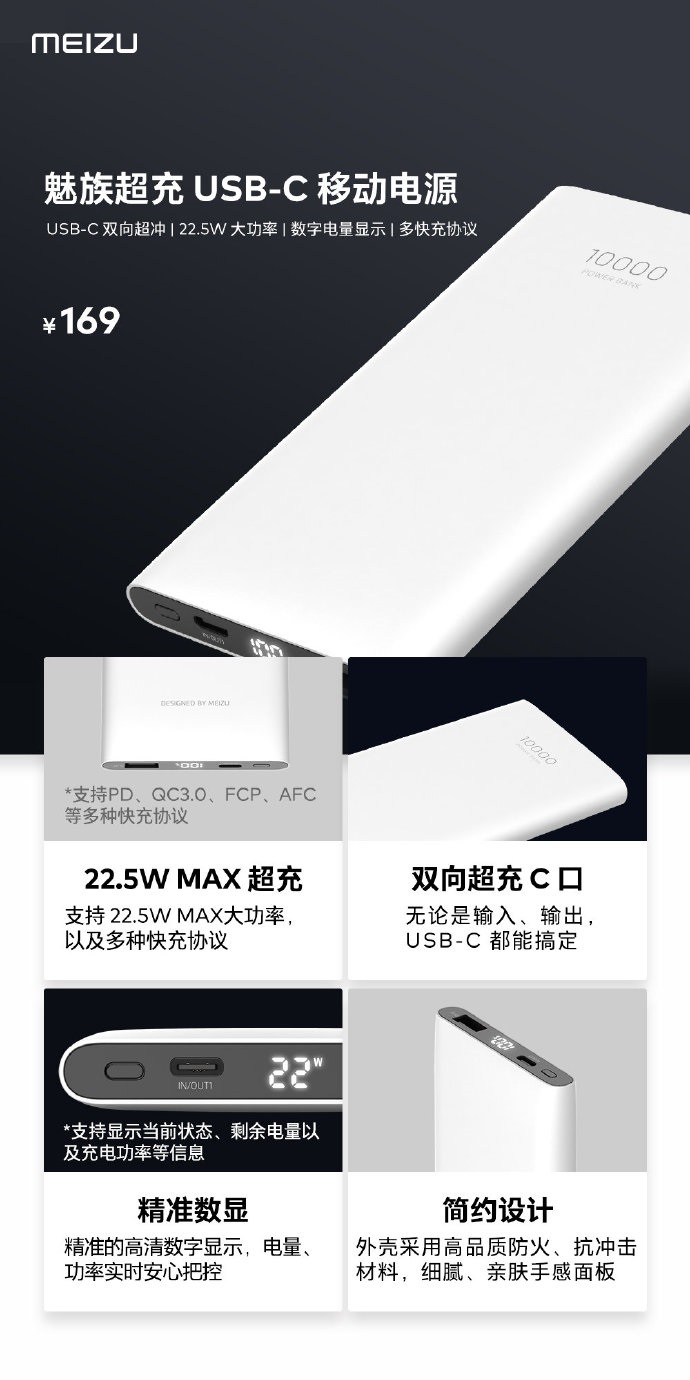
Earlier today (8th May 2020), Meizu launched a bunch of new products alongside the launch of the company’s flagship smartphone series, Meizu 17. Among the new products was a new power bank that has a 10,000mAh capacity and is capable of charging devices up to 22.5W.
The Meizu Supercharged power bank charges smartphones via a USB Type-C port and has a massive 10,000mAh capacity. It also supports USB Type-A for both input and output. Notably, the power bank also has a status display function, meaning a small display at the bottom indicated various information like battery level and power output levels as well.
The power bank is Qualcomm’s Quick Charge 3.0 compliant, so supporting smartphones can be fast charged through this device. The Supercharged power bank was announced in the launch conference which was held online today, but the company has yet to give out an official date for its availability as of right now.
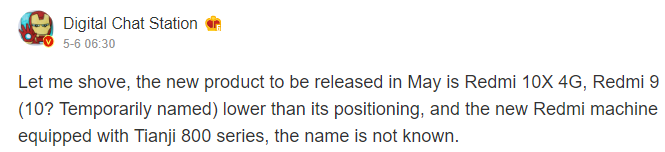
On May 11, Redmi will be announcing the Redmi K30 5G Extreme Edition. From the moniker, it appears that it will be a more powerful version of the Redmi K30 5G which debuted in December last year. It will be debuting as the world’s first smartphone with Snapdragon 768 onboard. Apart from this, Redmi is expected to announce three other phones this month.
Redmi General Manager had recently said on Weibo that, “Redmi will have new surprises in May.” The first one is most likely the Redmi K30 5G Extreme Edition launching next week. A reliable Chinese tipster recently claimed that the company is also planning to launch at least three more phones such as Redmi 10X 4G, Redmi 9, and a Redmi 5G phone fueled by Dimensity 800 chipset.
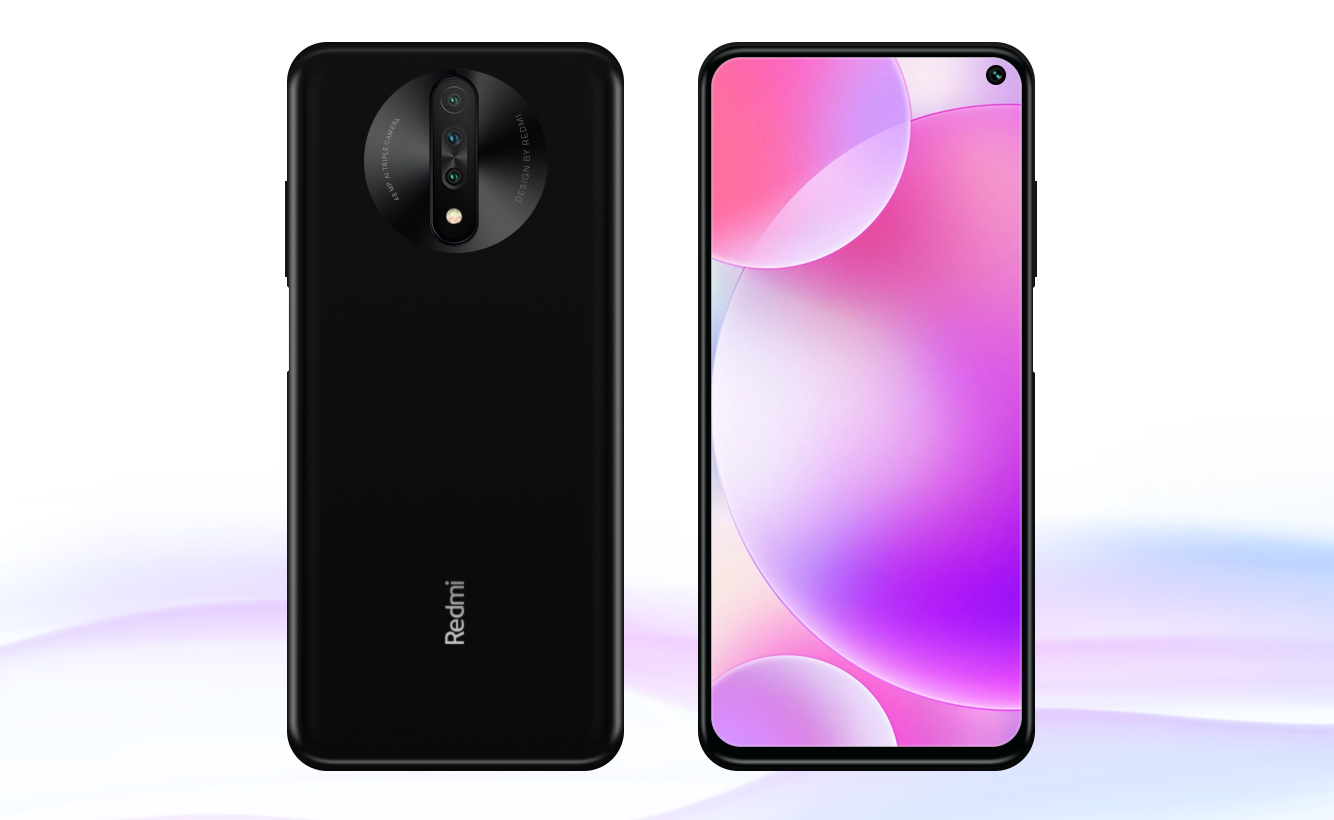
The Redmi 10X 4G for China is a rebranded version of the Redmi Note 9 that was recently announced in European markets. The Redmi 9 moniker is not yet confirmed. Probably, it could be coming as Redmi 10, claims the tipster.
The alleged Redmi 9 seems to Xiaomi Merlin phone that was seen on Geekbench. It had revealed that the phone is powered by Helio G70 chipset and 6 GB of RAM. Contradictory reports have claimed that the Redmi 9 could be coming with Helio G80 SoC.
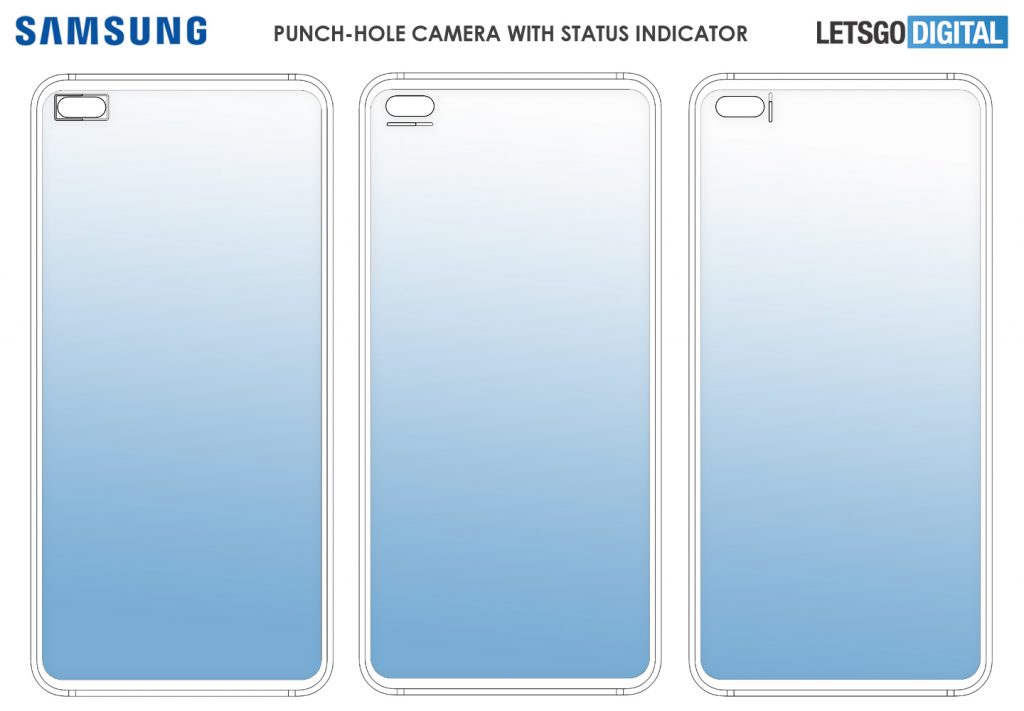
Smartphone manufacturers have been using increasingly creative ways to achieve a full front screen body on for their offerings. Currently, one of the more popular ones is the punch hole selfie camera format. Now, Samsung is getting creative with this type of selfie shooter that it employs on its flagship devices as it has patented a new device that depicts a status indicator on the punch hole camera.
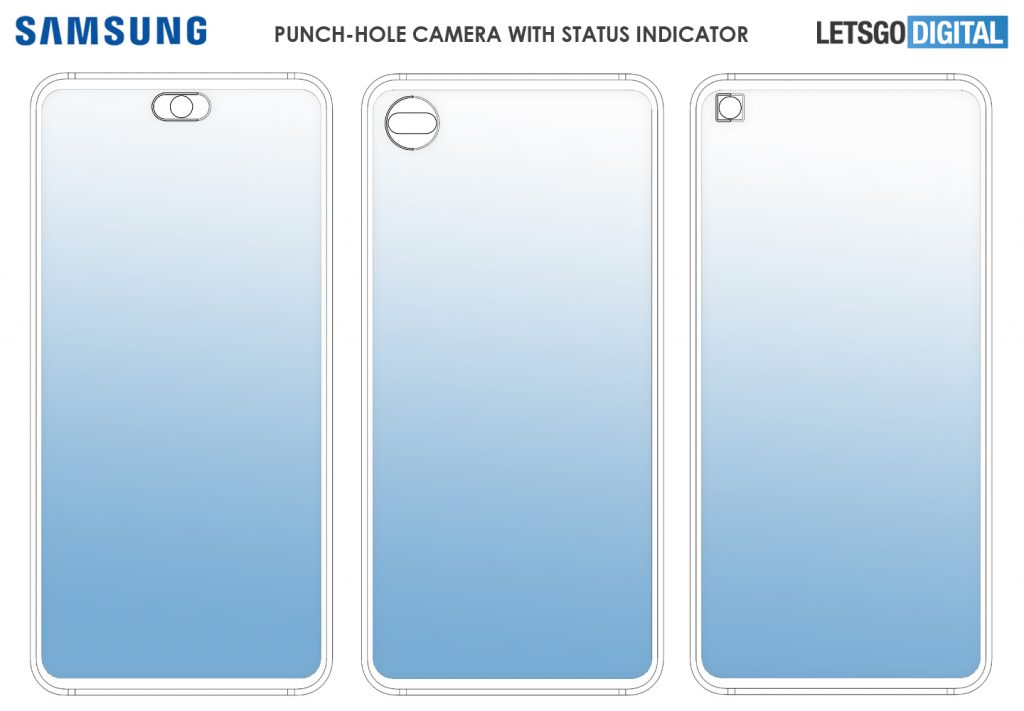
Samsung Electronics had filed five design patents with the CNIPA (China National Intellectual Property Administration) back in 2019. These patents all focused on the selfie camera, which was surrounded by a graphical interface. The interface serves the purpose of revealing the status of the task the user is performing and more. An example given in the patent description describes its use in a time lapse video, where the status indicator will display the progress status of the camera timer.
While there had been rumors regarding the Galaxy Note 20 series arriving with an under display camera, the viability of the technology is still unknown. So, it is likely that the flagship series will launch in the latter half of this year with a punch hole format. Hence, we might see a status indicator around its single or even dual selfie setup on the front, as depicted within the patented designs themselves. The status indicator around the camera is in various shapes like square, ovaloid, and even circular.
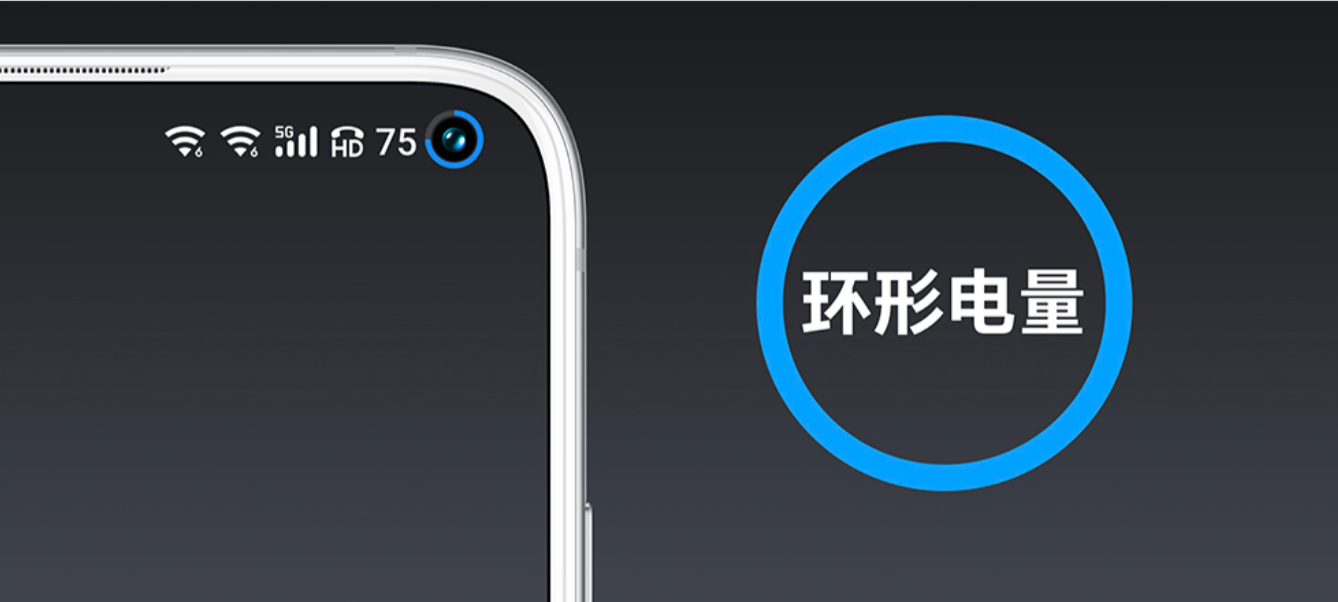
The graphical interface also indicates other statuses like the downloads. This could be in the form of a status bar that fills up and progresses according to the live download a user may have in the background. This design isn’t completely unheard of, as the Meizu 17 also uses this in a certain manner, like having the punch hole camera to act as a battery indicator. So, we may see it in the near future, although, this is just a patent and has yet to be confirmed officially. Thus, take it with a grain of salt.
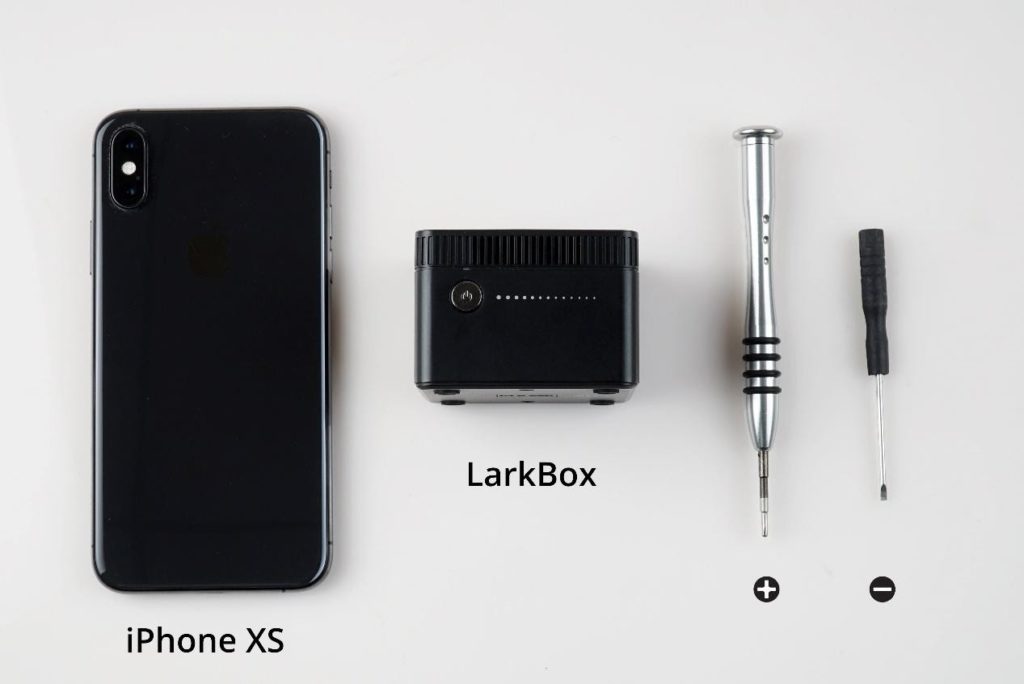
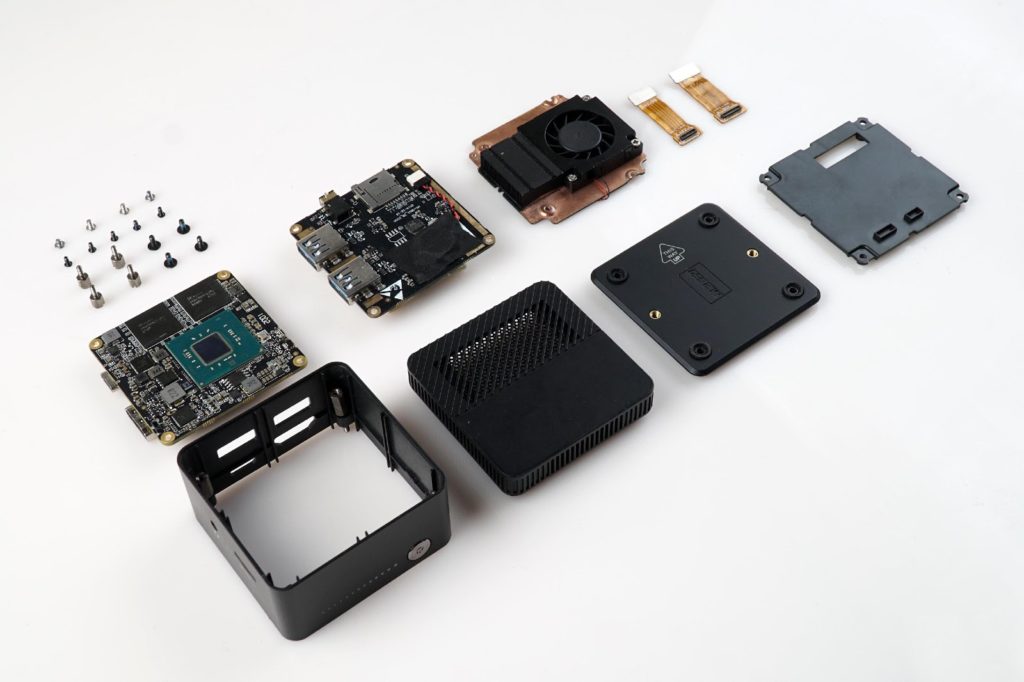
Chuwi LarkBox has already gained a lot of appreciation for being the world’s smallest 4K mini PC before its launch. The high-end specifications and compelling assembly inside the box is another positive aspect coming out of its recent teardown. The whole internal structure can be disassembled easily using a couple of screwdrivers (1.8x25mm cross, one-word screwdriver).
Chuwi Larkbox 4K mini PC uses BTB (Board to Board) connections between motherboard and different components. Overall, the whole disassembly process is quite easy and takes only a few minutes.
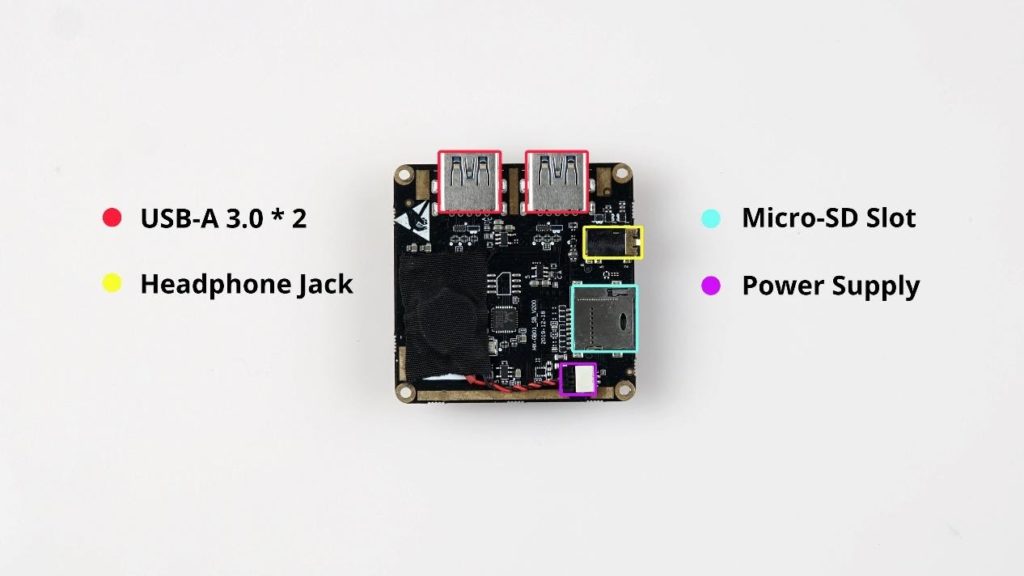
Taking off the initial casing from the bottom of the box, you will find a small motherboard encasing multiple ports, power IC, USB-A * 2, 3.5mm audio jack and a MicroSD expansion slot.
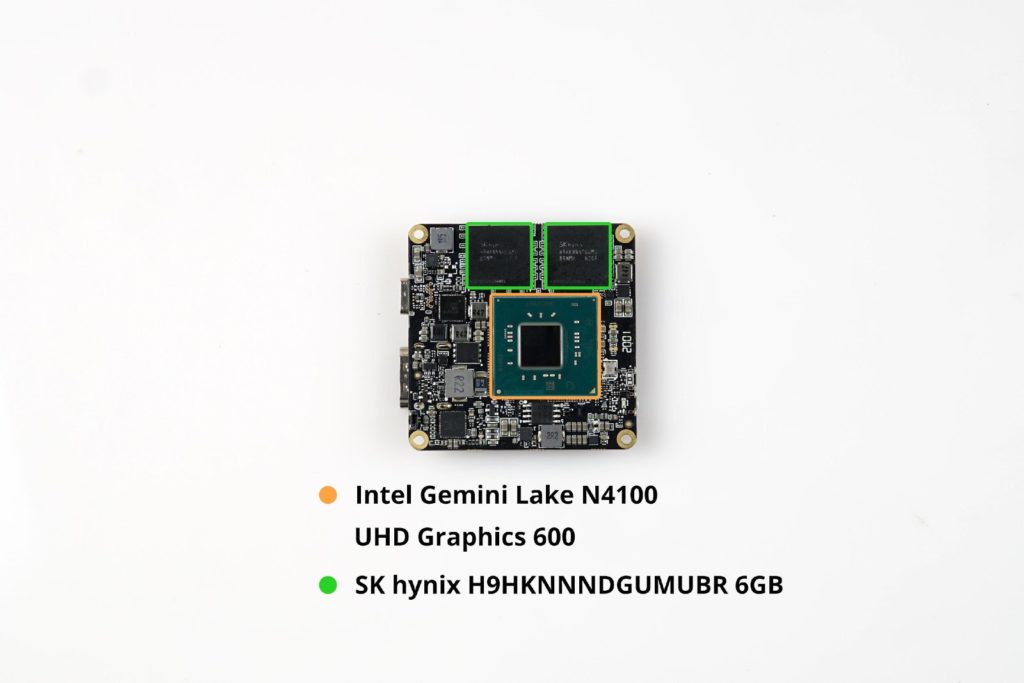
Digging deeper, there’s another motherboard interconnected with the above board via different wires. On this motherboard, you will find core parts of the PC including processor, RAM, storage, USB-C, and HDMI interface. The Intel Gemini Lake N4100 with UHD Graphics 600 and SK Hynix 6GB RAM is encased in the same board.
Things present on the Main Motherboard:
Processor:Intel Gemini Lake N4100 with UHD Graphics 600
Memory:SK Hynix H9HKNNNDGUMUBR 3GB LPDDR4*2
Storage:FORESEE NCEMASLD-128GB
Wireless mode:Intel Wireless-AC 9461
Interface:HDMI(Type-A)*1、USB Type-C*1
Moreover, there’s a small quiet fan running atop Full Copper chassis to reduce the heat and perfectly balance the power consumption and performance. The noise volume of the small fan is lower than 20db even at full speed.
The whole assembly is easy to disassemble without any complex tools. The ultra-small body incorporates all the components and chips in an organized way. LarkBox Mini 4K PC is well designed, powerful, and affordable mini PC worth buying.
Chuwi LarBox Mini PC will be listed on Indiegogo by the end of this month. You can know more about the World’s smallest PC by heading to the official website.
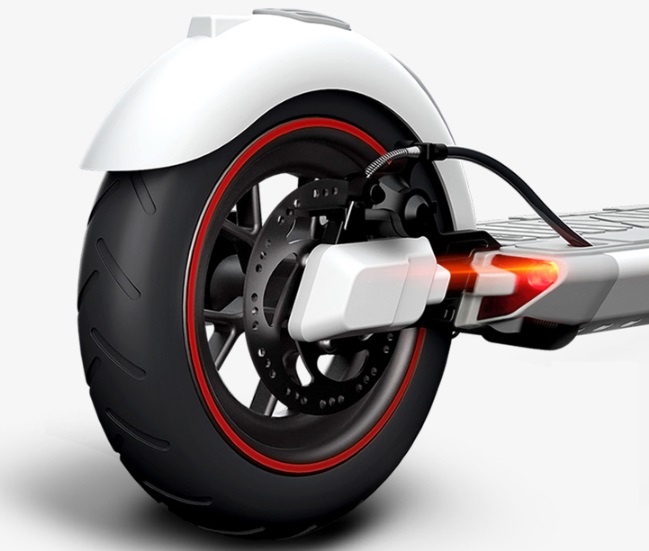
Lenovo held an online press conference earlier this week, where the company launched few new products. In the event, the Lenovo M2 electric scooter was also announced. This electric scooter was previously revealed for a price of 1,999 Yuan (roughly 282 US Dollars) but is now launching in the evening later today (8th March 2020) for a price of 1,699 Yuan (roughly 240 US Dollars.
For those unaware, the M2 electric scooter can run for up to 30 kilometers in a single full charge. It features a triple brake system alongside a triple shock absorption system as well. The battery outputs about 350W of power and is the driving force behind the endurance centric scooter. The electric scooter’s frame is built from an aluminum alloy structure that is also rated for IP54 protection and even can support weights of about 120 kilograms.
The Lenovo M2 electric scooter weighs just under 15 kilograms since it is made from a light magnesium alloy. On the handle, an LED control panel can be found, which displays the current speed, power, gear, and other statuses. The scooter is powered by a 18650mAh lithium battery and one can even check the status of the battery through the WeChat app companion.
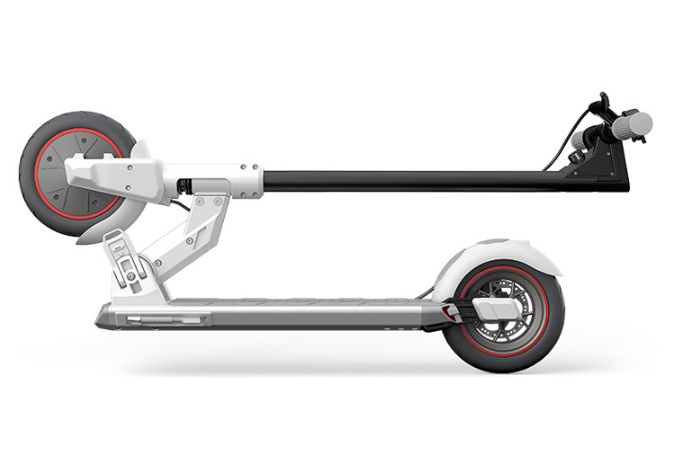
The output of the battery is up to 350W and the scooter features a triple brake system alongside a triple shock absorption system as well. Lenovo’s M2 electric scooter follows a minimalistic design with gray themes and a red lining on the insides of the wheel. It is designed with portability in mind and is also capable of folding inward from the front wheel.
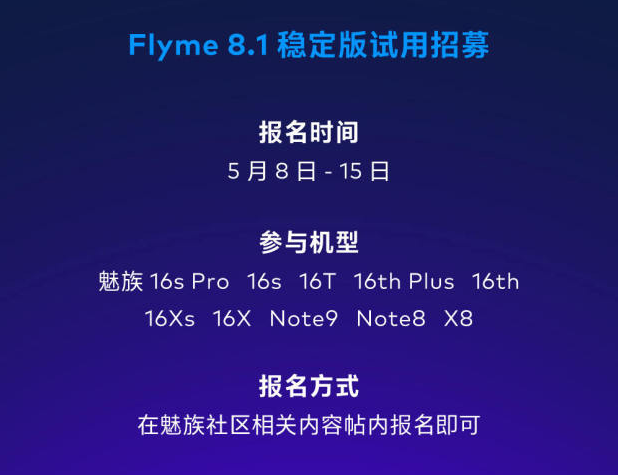
Meizu officially launched the Meizu 17 series and a number of accessories in China. At the same event, the brand also unveiled Flyme 8.1 based on Android 10. The updated OS comes pre-installed on the newly announced handsets. Additionally, it will be available for 10 of the company’s older devices.
The new Flyme 8.1 is an incremental update to Flyme 8 released last year. The underlying system is now updated to Android 10 from Android 9.0 Pie.
The new version integrates over 300 deep Android customization improvements and optimizations according to the company. It also brings enhanced Aicy voice assistant as well as better AI and gaming performance.
Flyme 8.1 brings a new OneMind 4.0 AI Engine, which is 30% better than its predecessor OneMind 3.5. The new software also adds small window mode 2.1 with improvements. As teased earlier by the company, the latest version of its mobile software also adopts native Android 10 Dark Mode.
As far as support is concerned, Meizu’s new flagships smartphones, Meizu 17 and Meizu 17 Pro will ship with Flyme 8.1 out of the box. Further, it will be available as an OTA update for the following 10 devices.
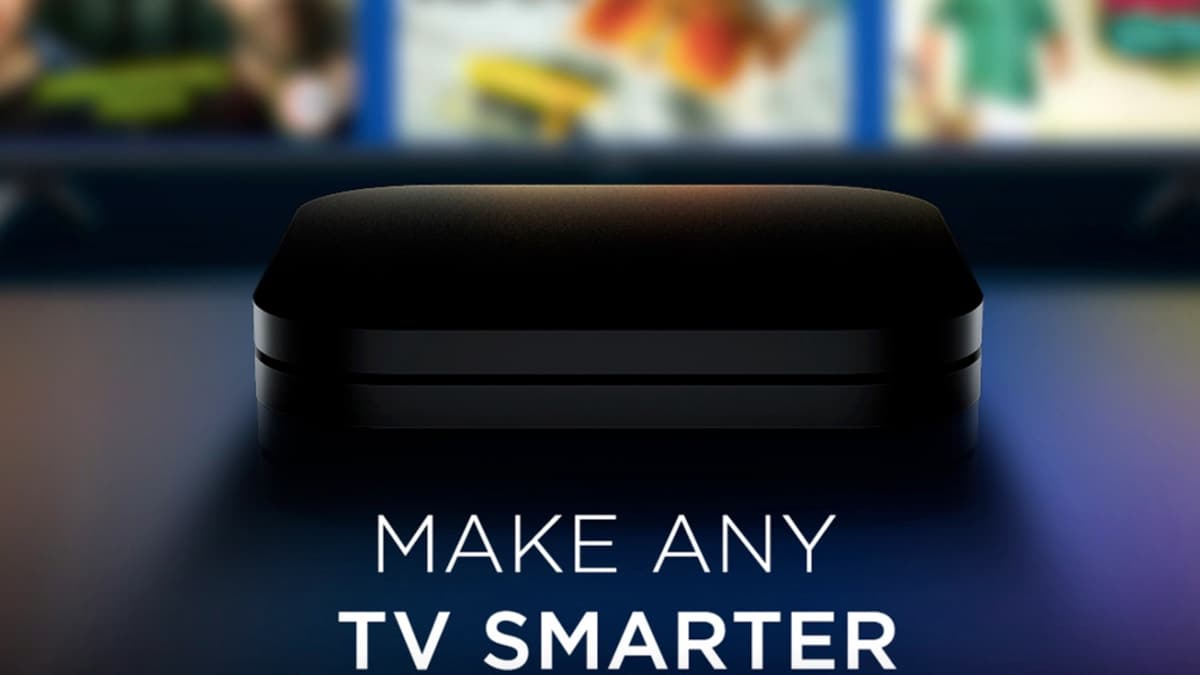
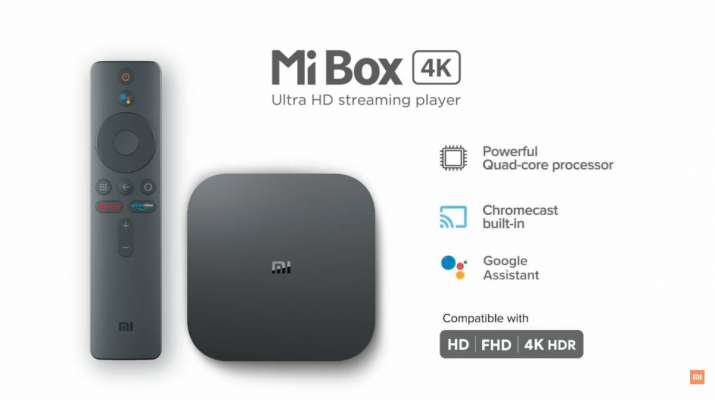
Xiaomi has just announced the Mi Box 4K for the Indian market. The streaming device was announced in the online launch event for the Mi 10 and is priced at 3,499 INR (roughly 46 US Dollars).
The Mi Box 4K runs the Android TV 9 Pie OS and plugs directly into televisions through the HDMI port. It supports Wi-Fi for connectivity, which grants users access to a large variety of apps and services online. This includes popular video streaming platforms like Netflix, Amazon Prime Video, Disney+ Hotstar, and more. Xiaomi has partnered with various brands like Docubay, Epic, HoiChoi, and Shemaroo to offer exciting deals to Mi Box 4K buyers.
Similar to set-top boxes, the Mi Box 4K is designed to placed on table-tops and connects to the TV via the HDMI cable. The device is powered by a quad core Amlogic processor and features 2GB of RAM and 8GB of internal storage. It even supports up to 4K resolution for various streaming services and also supports HDR enabled content from Netflix, Amazon Prime Video, and others.
The Mi Box 4K runs the Android TV interface, unlike most of its smart TV offerings that run the PatchWall interface. In terms of additional connectivity, the device also supports USB port and 3.5mm audio jack. The former acts as a local media player allowing pen drives to play various audio and video formats. There is also a built in Chromecast Ultra that helps users to cast content in up to 4K resolution.
The Mi Box 4K will go on sale starting from 11th May 2020 at 12pm (noon IST) and will be available through popular e-retailers like Flipkart, and also the company’s official website, Mi Home stores, and Mi Studio stores as well. The streaming device is also expected to soon arrive in affiliated stores.
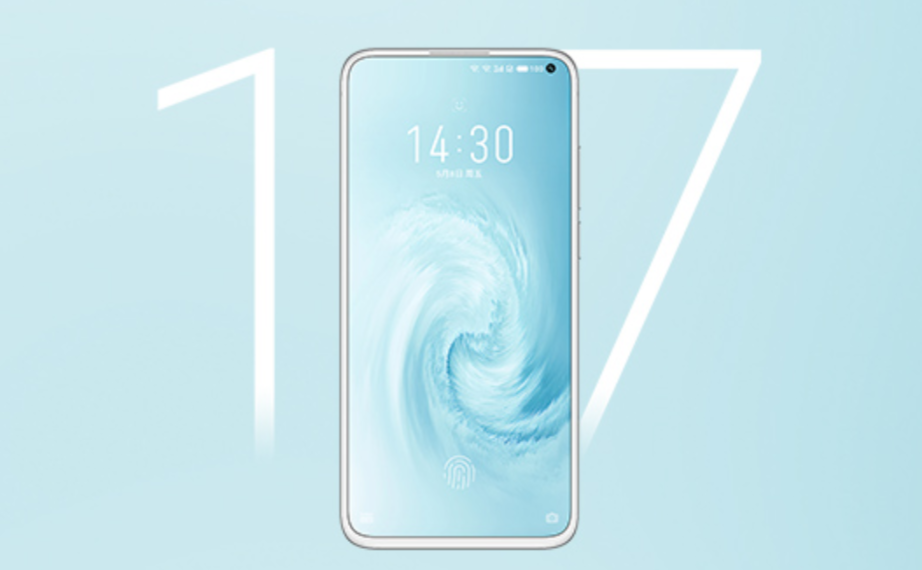
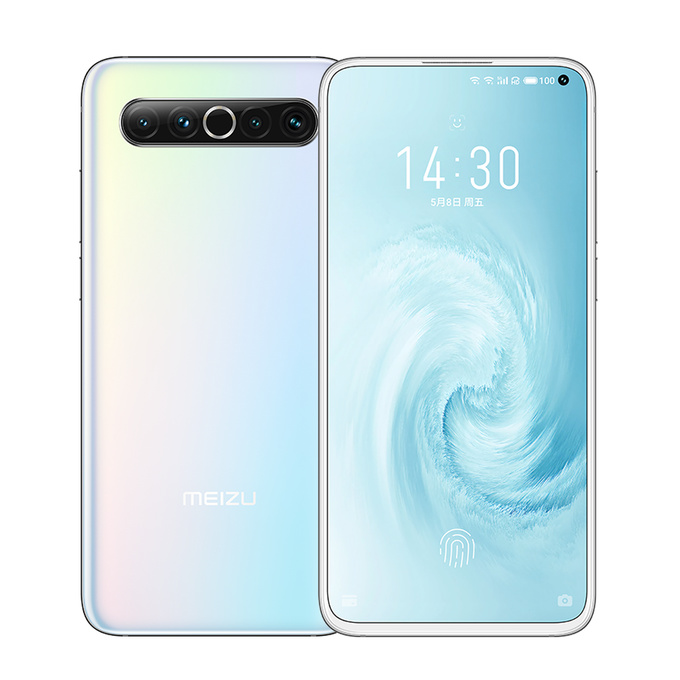
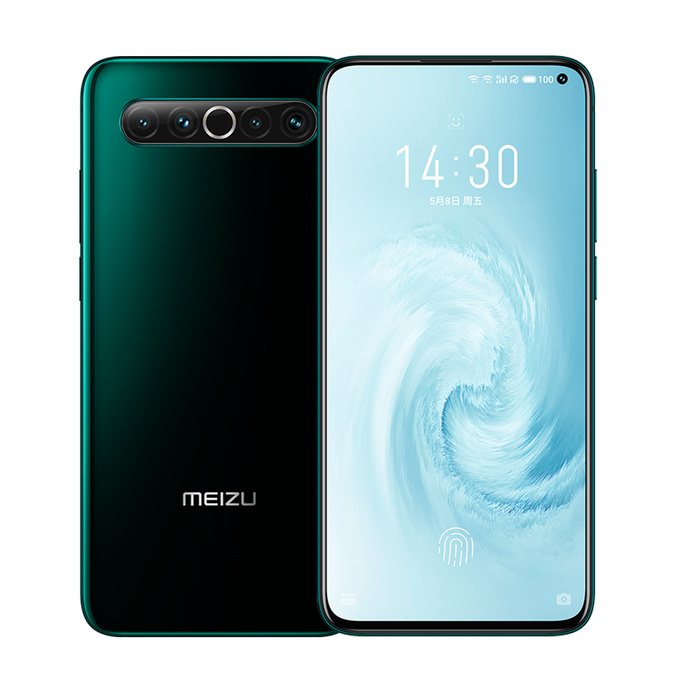
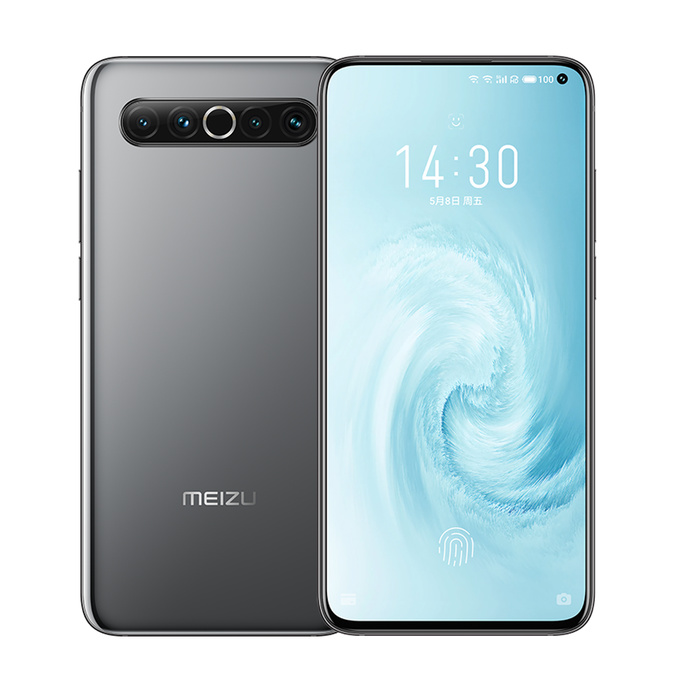
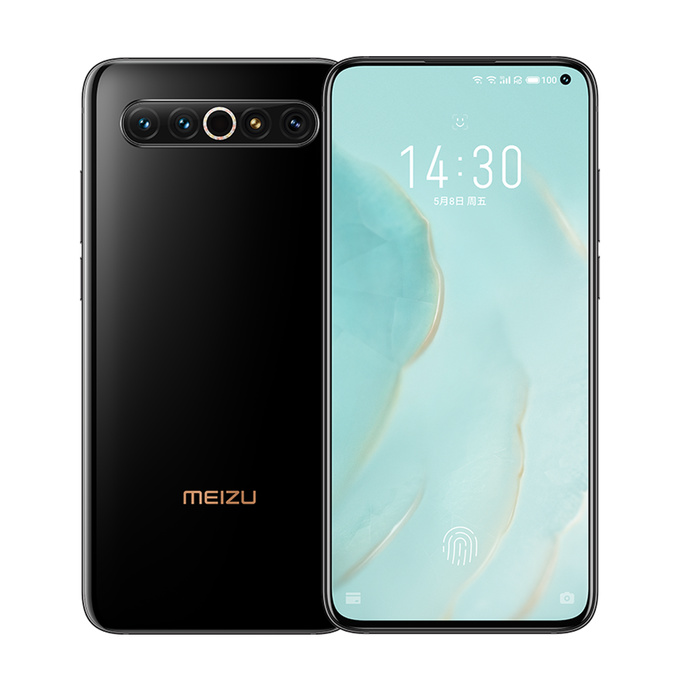
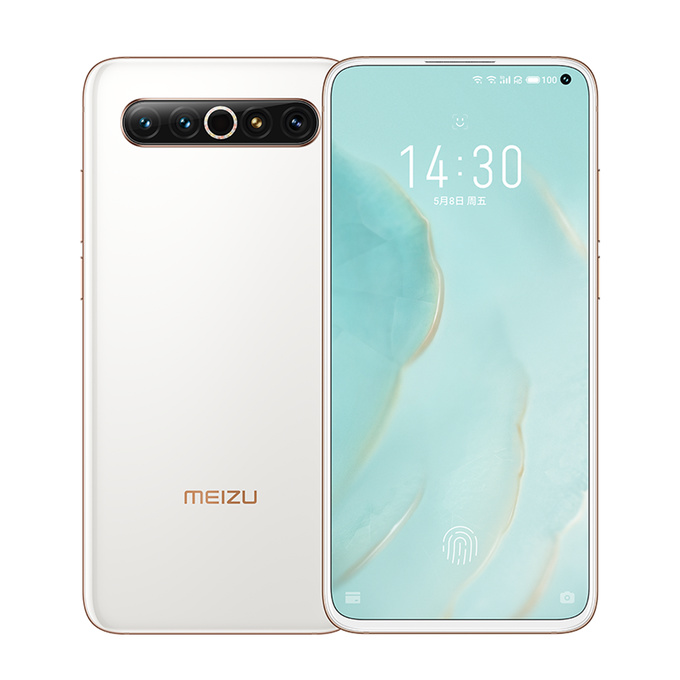
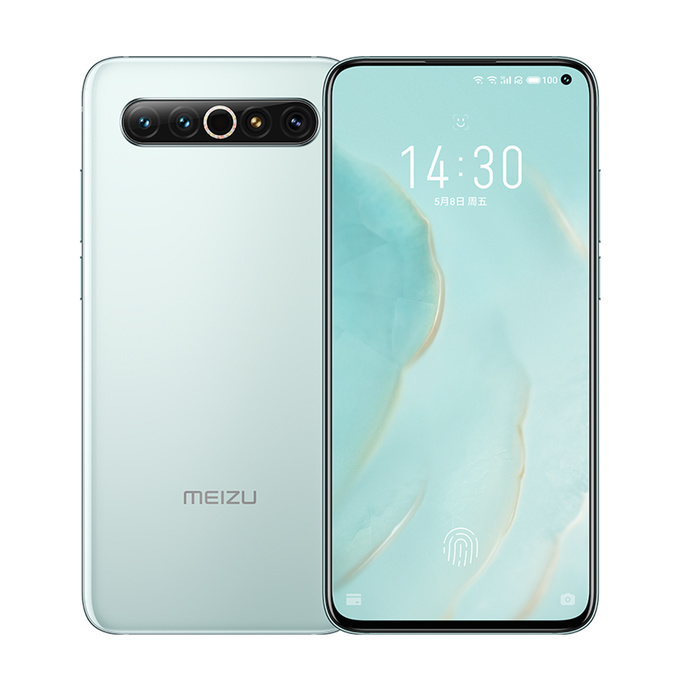
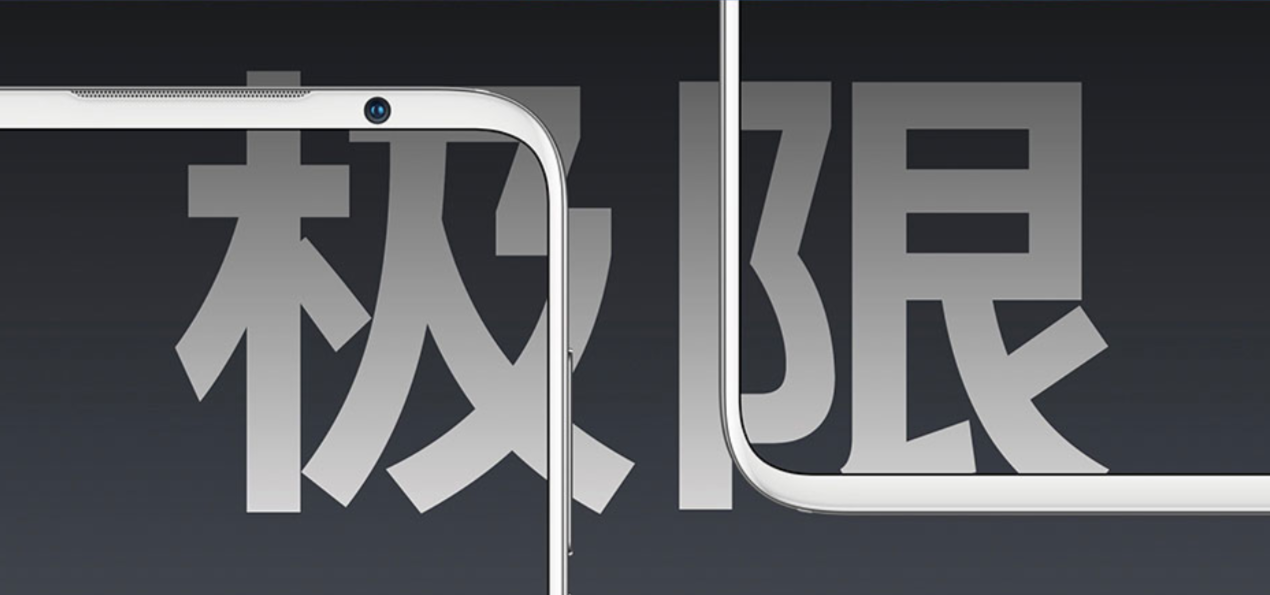
Meizu’s biggest smartphone launch of 2020 is here and the company has announced not one, but two new flagship-grade smartphones for China. Staying true to its minimalistic design, the phone slims down the bezels on the side and adds a horizontal camera housing at the back featuring four cameras in total. The Meizu 17 Pro is the company’s most powerful flagship for the first half of 2020 while Meizu 17 comes as a slightly cheaper alternative.
Meizu 17 & Meizu 17 Pro Design
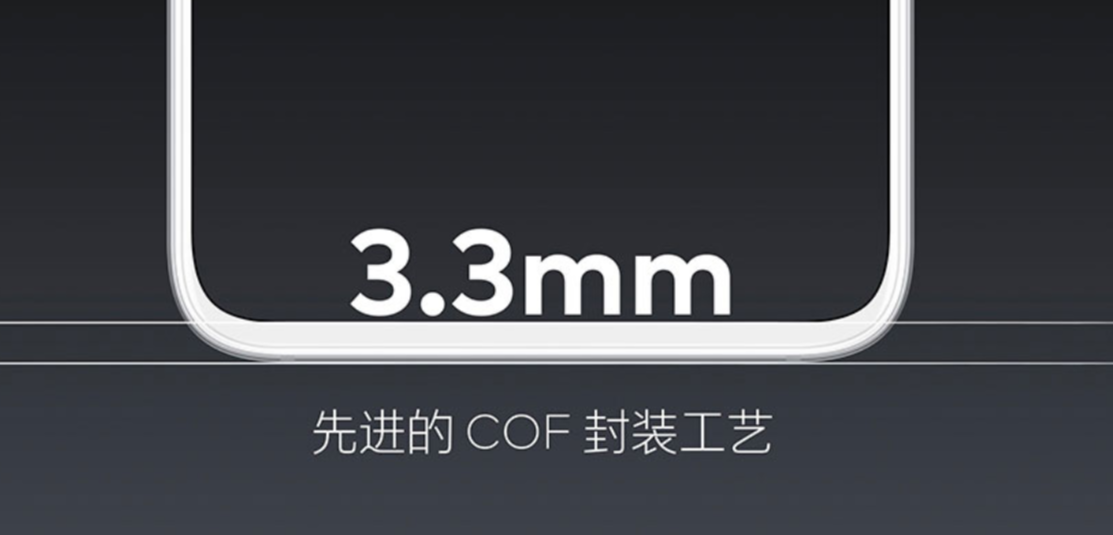
The Meizu 17 and Meizu 17 Pro come with a simple punch-hole design upfront. The two phones feature an advanced CoF packaging technology which increases the screen to body ratio by limiting the lower bezel to just 3.3mm. The Meizu 17 duo come with a 6.6-inch custom Samsung AMOLED display with a 19.5:9 aspect ratio and 92.2% screen to body ratio. The AMOLED panel supports 100% DCI-P3 color gamut with a 90Hz high refresh rate and 180Hz touch sampling rate. The display panel has a peak brightness of 1100 nits with a pixel density of 390 ppi. You get a 0.15-sec fast screen fingerprint sensor on the front as well.
1 of 3
Meizu has always given due importance its flagship designs. The new Meizu 17 weights 199 grams and is just 8.5mm thick. The phone isn’t top or bottom-heavy as Meizu has used a balanced design to make it comfortable to hold. The standard Meizu 17 comes in three colors at launch: Black, Dark Green, and White.
1 of 3
Note that the biggest difference between the Meizu 17 and the 17 Pro is in the material of the body. The Meizu 17 Pro comes in a premium ceramic body in white, black, and light green colors.
The company also justified its decision to add a 2.9mm diameter camera on the top right corner because it believes this position creates the least amount of visual interference. Meizu explained at the event that we are used to reading from left to right and having the selfie camera on the right won’t hinder our reading experience. Furthermore, the company is making full use of the punch-hole camera by using it as a battery indicator. The phone also boasts of stereo speakers and Meizu claims that the sound output has increased by 30% as compared to its predecessor.
Meizu 17 & Meizu 17 Pro Specs
Both the models come with the flagship 2.84GHz Snapdragon 865 5G chipset under its hood with support for SA /NSA 5G. The company employs a new mSmart 5G technology inside its new flagships which reportedly improves its battery life when using the new-age cellular network. Meizu claims that mSmart 5G is fast and stable, so the Meizu 17 can last up to 4 hours and 25 minutes longer after turning on this special mode as compared to the regular 5G mode. The phone’s battery efficiency is also attributed to the 360-degree surround antenna design that will ensure a stable network connection.
The Meizu 17 has 8GB RAM onboard with up to 256GB of UFS 3.1 storage. The biggest difference between the standard and the Pro model is the presence of LPDDR5. The Meizu 17 Pro comes with the new-age LPDDR5 standard and UFS 3.1 as standard across its variants. Meizu claims that the Pro version’s AnTuTu score goes up to 600K.
Meizu 17 battery life comparison
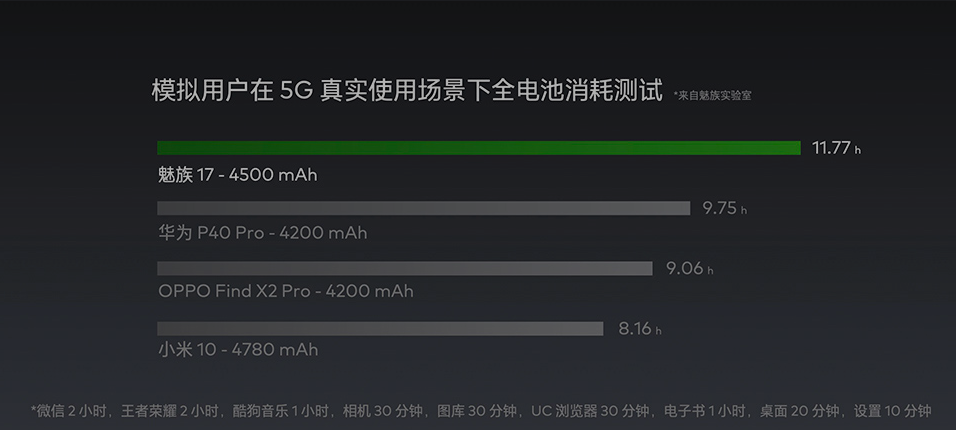
The Meizu 17 and the 17 Pro feature a 4500mAh battery inside with 30W Super mCharge fast charging technology that promises 56% in half an hour. Meizu claims that the Meizu 17 can easily outlast other flagships like Huawei P40 Pro, Xiaomi Mi 10, and OPPO Find X2 Pro in a typical battery test – all thanks to its mSmart 5G technology. Note that only the Pro model comes with the Super Wireless mCharge 27W charging solution that can charge up to 47% in 30 minutes. The Pro model also supports reverse wireless charging.
The new Meizu flagship comes with mEngine 3.0 that improves the gaming performance of the device. It also features the new One Mind AI 4.0 that significantly improves the fluency of the UI (35% improvement over One Mind 3.0). The phone supports NFC, Wi-Fi 6 as well as eID.
Meizu 17 & Meizu 17 Pro Cameras
Meizu 17 cameras
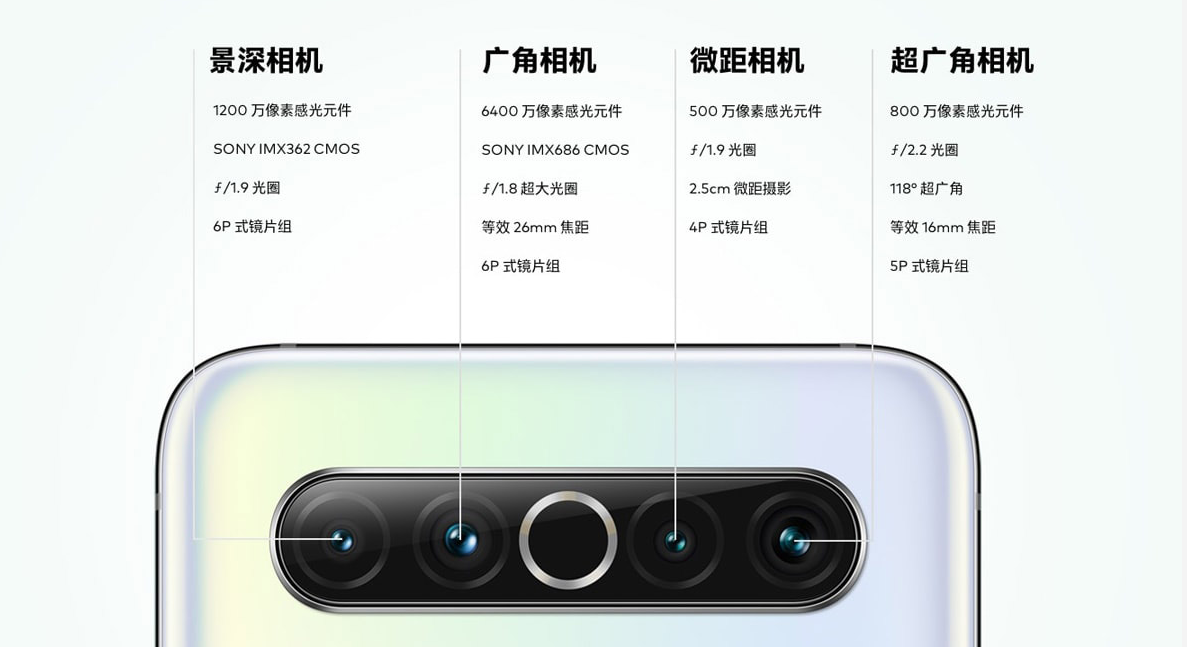
The Meizu 17 series come with a quad-camera setup in a horizontal camera housing. The standard 17 model features a 64MP Sony IMX686 f/1.8 primary camera with a 12MP f/1.9 portrait camera, a 5MP dedicated f/1.9 macro camera that can take shots as close as 2.5cm, and finally, a 118° 8MP f/2.2 ultra-wide-angle lens.
Meizu 17 pro cameras
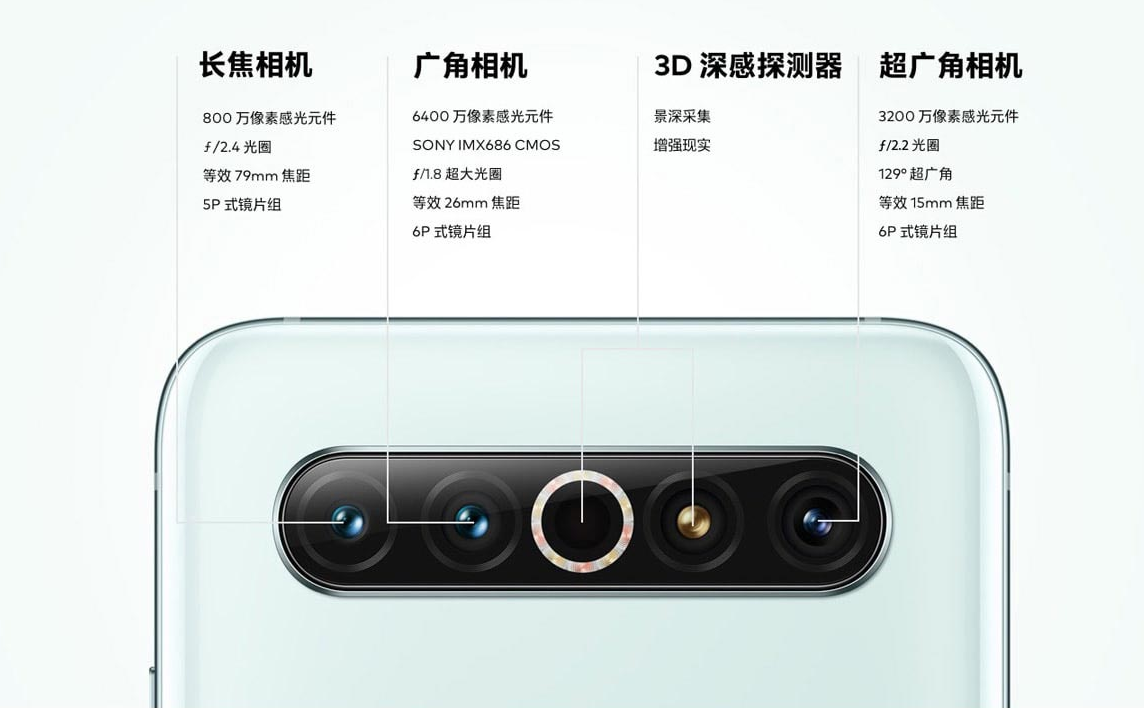
The Meizu 17 Pro features a much more powerful camera setup. It consists of the same 64MP IMX686 f/1.8 primary camera but features an 8MP f/2.4 79mm telephoto camera too. With the help of these two sensors, the phone can capture up to 8x lossless zoom samples with a focal length range of 26mm-210mm.
Another big highlight of the Pro’s camera setup is the brand new Sony IMX616 32MP ultra-wide-angle camera lens. This f/2.2 aperture lens can capture extremely wide 129° camera samples. The Meizu 17 Pro is also the world’s first smartphone to use the Samsung S5K33D 3D depth-sensing camera that brings hardware-level portrait blur to photos and even videos and adds unique features to the device like 3D wallpapers and AR tools. Meizu has said that it will add more AR features to its Flyme 8.1 OS in the future to take advantage of this hardware.
Upfront you have a powerful 20MP camera taking care of your selfies. The company claims that the front camera now features the third generation night mode algorithms (Super Night Mode 3.0) which ensure clear and bright selfies even in low light situations.
Meizu 17 & Meizu 17 Pro Pricing & Availability
The Meizu 17 is priced as follows.
8GB RAM + 128GB ROM – 3699 yuan ($523)
8GB RAM + 256GB ROM – 3999 yuan ($565)
The Meizu 17 Pro is priced as follows.
8GB RAM + 128GB ROM – 4299 yuan ($607)
12GB RAM + 256GB ROM – 4699 yuan ($664)
Both models will go on sale via online and offline sales channels in China from May 11.
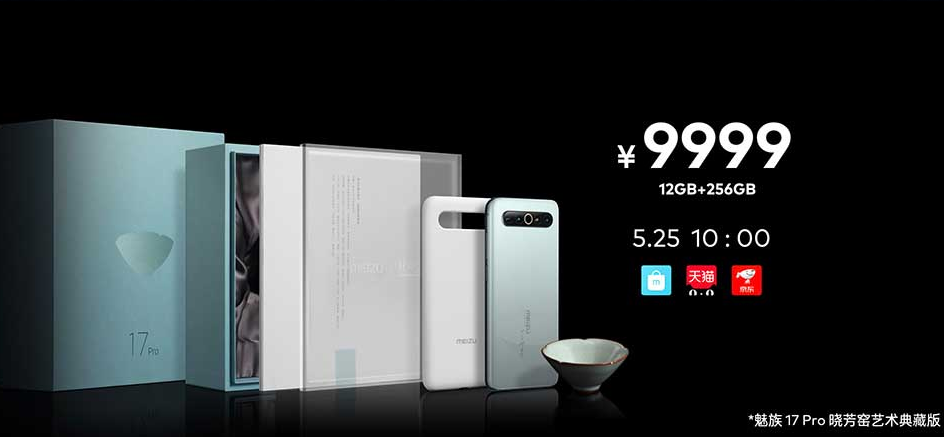
Meizu 17 collectors edition kiln
The Meizu 17 Pro Collectors edition will be priced at 9999 yuan ($) and will go on sale on May 25.
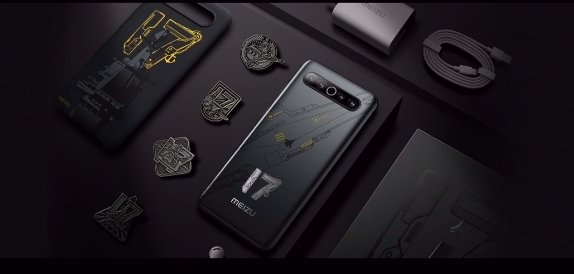
There’s a special Meizu 17 Aircraft Carrier Limited Edition which will feature cool graphics at the back and customized themes for hardcore fans. This limited edition will also feature customized accessories such as a unique charger, customized case, badge, and even a SIM card ejector pin. This special limited edition is priced at 4299 yuan ($607) and goes on sale on May 27.
Meizu will also offer a bunch of PANDAER 17 series funky cases for the Meizu 17 series starting at 49 yuan (~$7). The cases go on sale from May 20. You can also get special silicone protective cases starting at 89 yuan (~$13).
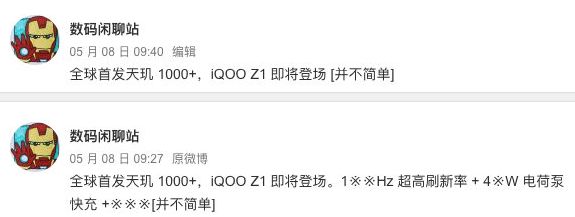
Its official that the next iQOO phone will be coming with newly announced Dimensity 1000+ chipset. iQOO has not shared information on its Dimensity 1000+ powered smartphone. However, a trustworthy leakster from China has claimed that the device will be debuting as iQOO Z1.
The Weibo posts by the tipster hints that the iQOO Z1’s display may support 120Hz or 144Hz refresh rate and it could be coming with a 44W fast charger. The tipster has removed the Weibo post that hints about the refresh rate and charging capabilities of the iQOO Z1. The presence of the new MediaTek will possibly allow the phone to support 5G + 5G dual SIM / dual standby.
In related news, Nashville Chatter Class reported that a Vivo smartphone with model number V1986A has received certification from the 3C regulatory body of China. The listing confirms that it is a 5G handset. Also, it reveals that the retail package of the device will include a 44W rapid charger. It is unclear whether the phone will be debuting as a Vivo or iQOO branded device in China.
iQOO smartphones such as iQOO, iQOO Pro, iQOO Pro 5G, and iQOO Neo3 are all equipped with a 44W fast charger. Hence, there is a possibility that the V1986A could be an iQOO Z1 phone with 44W fast charge support. Since it is just an assumption, readers are advised to wait for further reports to know the identity of V1986A.
We use cookies on our website to give you the most relevant experience by remembering your preferences and repeat visits. By clicking “Accept”, you consent to the use of ALL the cookies.
This website uses cookies to improve your experience while you navigate through the website. Out of these, the cookies that are categorized as necessary are stored on your browser as they are essential for the working of basic functionalities of the website. We also use third-party cookies that help us analyze and understand how you use this website. These cookies will be stored in your browser only with your consent. You also have the option to opt-out of these cookies. But opting out of some of these cookies may affect your browsing experience.
Necessary cookies are absolutely essential for the website to function properly. This category only includes cookies that ensures basic functionalities and security features of the website. These cookies do not store any personal information.
Any cookies that may not be particularly necessary for the website to function and is used specifically to collect user personal data via analytics, ads, other embedded contents are termed as non-necessary cookies. It is mandatory to procure user consent prior to running these cookies on your website.