Xiaomi first launched the Mi Box set-top box in 2016 and since then several versions have been revealed in China. These models include the Mi Box 3, Mi Box 3C, Mi Box 4 and Mi Box 4C among others. Outside China, the Mi Box and Mi Box S are the only models that have been launched. There are rumours that the tech giant has got the Mi TV Box 2 in the works.
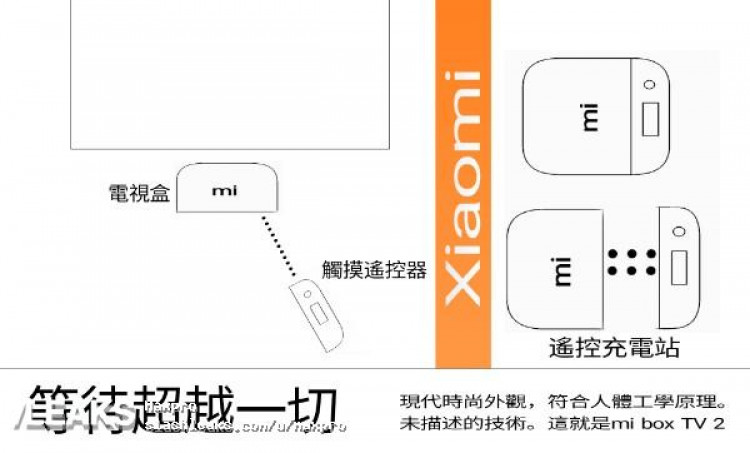
A sketch of the set-top box has now leaked on Slashleaks website. The device was listed with the moniker Mi Box TV 2 and features a detachable design. The design is such that the TV box will serve as a charging dock for the remote control. When in use, the remote can be removed and after use, attached back to the TV box.
This is also an innovative one as there is no such design in the market. It will also save you the hassle of looking for the remote control any time it is needed. However, considering the size of the Mi Set-top box, it is left to be seen if such design will be practicable and won’t affect the aesthetics of the device. The remote may likely adopt a smaller size.
There is no other clue to suggest Xiaomi is working on a set-to box except the Mi TV Stick that was recently leaked to launch in Europe this year. It has been a while since a set-top box is released under the brand. Thus, Xiaomi may be working on refreshing its set-top box lineup.
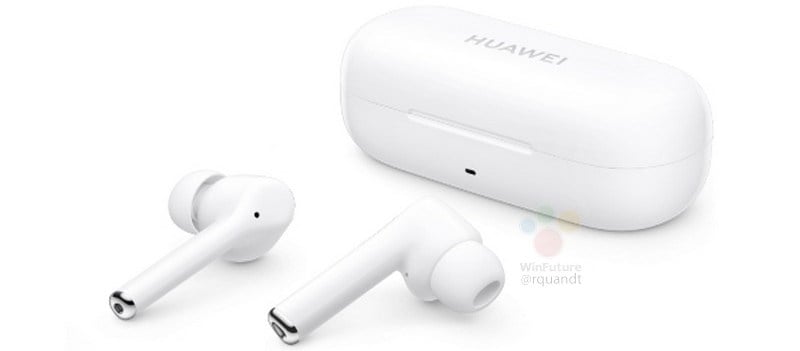
Huawei will soon announce a new pair of truly wireless earbuds according to a leak by Winfuture.de. The earbuds will launch as the Huawei Freebuds 3i and may launch alongside the Nova 7 series.
Huawei FreeBuds 3i
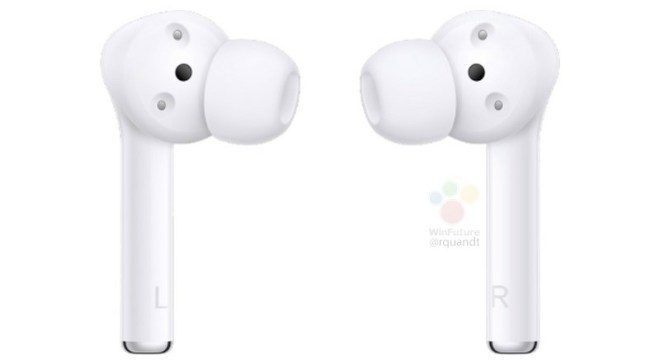
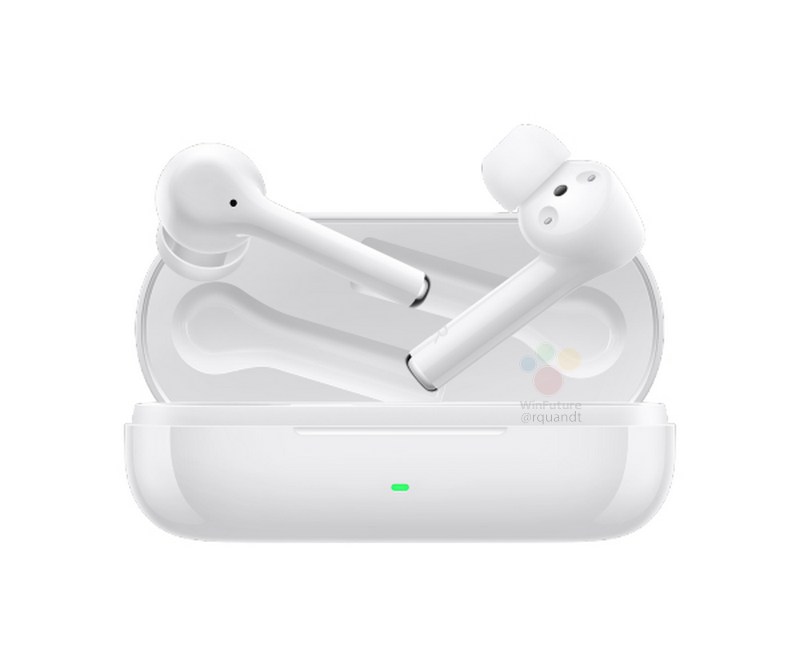
The Huawei FreeBuds 3i has a different design from the FreeBuds 3. Rather than an open-fit design, they have a closed design with silicone tips for a better seal. The case also has a different design; actually like that of the FreeBuds Lite, though the FreeBuds 3i comes in white rather than black.
The FreeBuds 3i isn’t actually a successor to the FreeBuds 3. The case doesn’t have wireless charging but it has the same 410mAh battery capacity as that of the FreeBuds 3. The FreeBuds 3i actually has a bigger battery capacity, 37mAh, compared to the FreeBuds 3’s 30mAh per earbud. However, it is reported to last 3.5 hours with ANC turned on, unlike the FreeBuds 3 that lasts 4 hours on a single charge.
1 of 3
The earbuds also have a dedicated Bluetooth chip; which should be the Kirin A1 and have support for fast pairing with phones running EMUI 10.
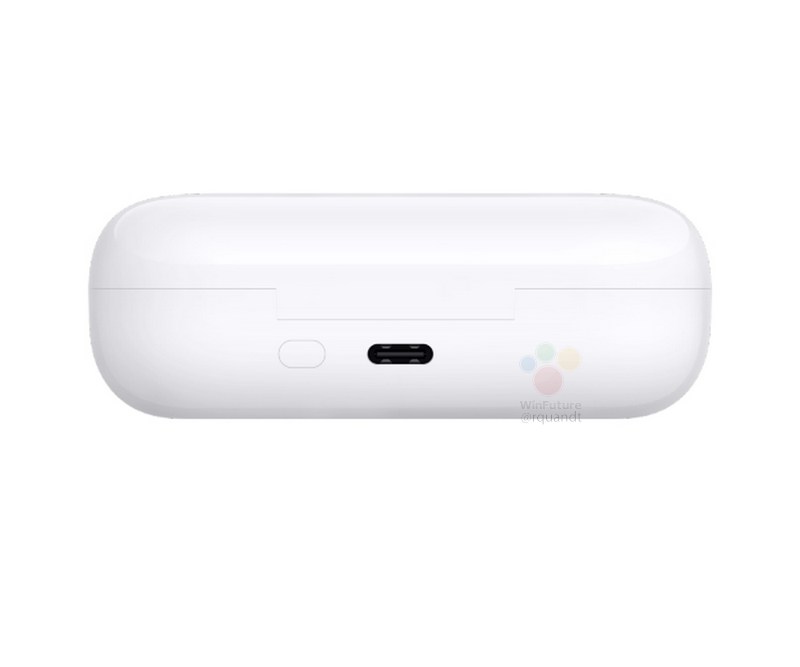
The FreeBuds 3i take about 1 hour to fully charge and you should be able to get 3 full charges from the case which itself supports USB Type-C charging and takes 100 minutes to fully charge. Winfuture.de reports that the earbuds weigh 5.5 grams each while the case weighs 51 grams.
There is no info on the price of the Huawei FreeBuds 3i but it is expected to be more affordable than the FreeBuds 3.
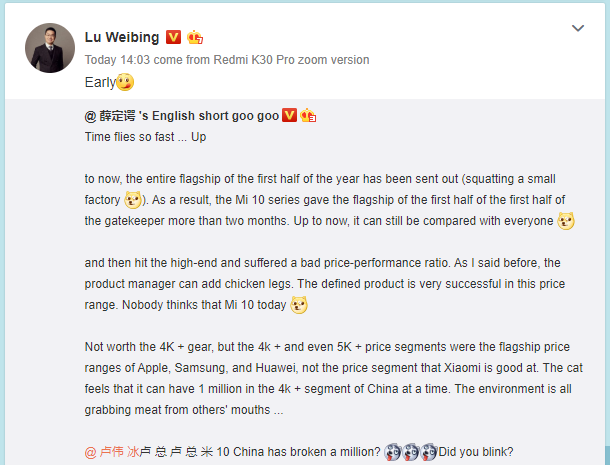
It has been only two months since Xiaomi launched the Mi 10 series in China. However, the company has still managed to sell over a million units even during a global pandemic. The information comes directly from Lu Weibing, the Vice President of Xiaomi who is also the General Manager of Redmi brand.
A blogger praised the price to performance ratio offered by the Xiaomi Mi 10 series when compared to phones from competitors on Weibo. At the end of the post, the person also tagged Mr Lu and asked whether the series has sold 1 million units yet.
Surprisingly, quoting the blogger’s post, Lu Weibing answered that the company has already sold over a million units of Mi 10 series long ago. This sales figure is really impressive as the worldwide smartphone shipments dropped by 38% in February, the month in which these devices were launched. Additionally, the Mi 10 series is the costliest primary flagship phone from the company yet.
The overall smartphone shipments dipped by 13.3% in the first quarter of 2020 due to lockdowns issued by governments across the world to curb the outbreak of coronavirus. But a report from last week mentioned Xiaomi along with Apple has been slowly recovering from the COVID-19 crisis.
Xiaomi’s CFO Shou Zi Chew also claimed the Chinese market has recovered by 80-90%, however, he did admit poor sales for his company’s products. But unfortunately, he did not reveal the exact number. Thankfully, we now have some numbers, at least for the Mi 10 series.
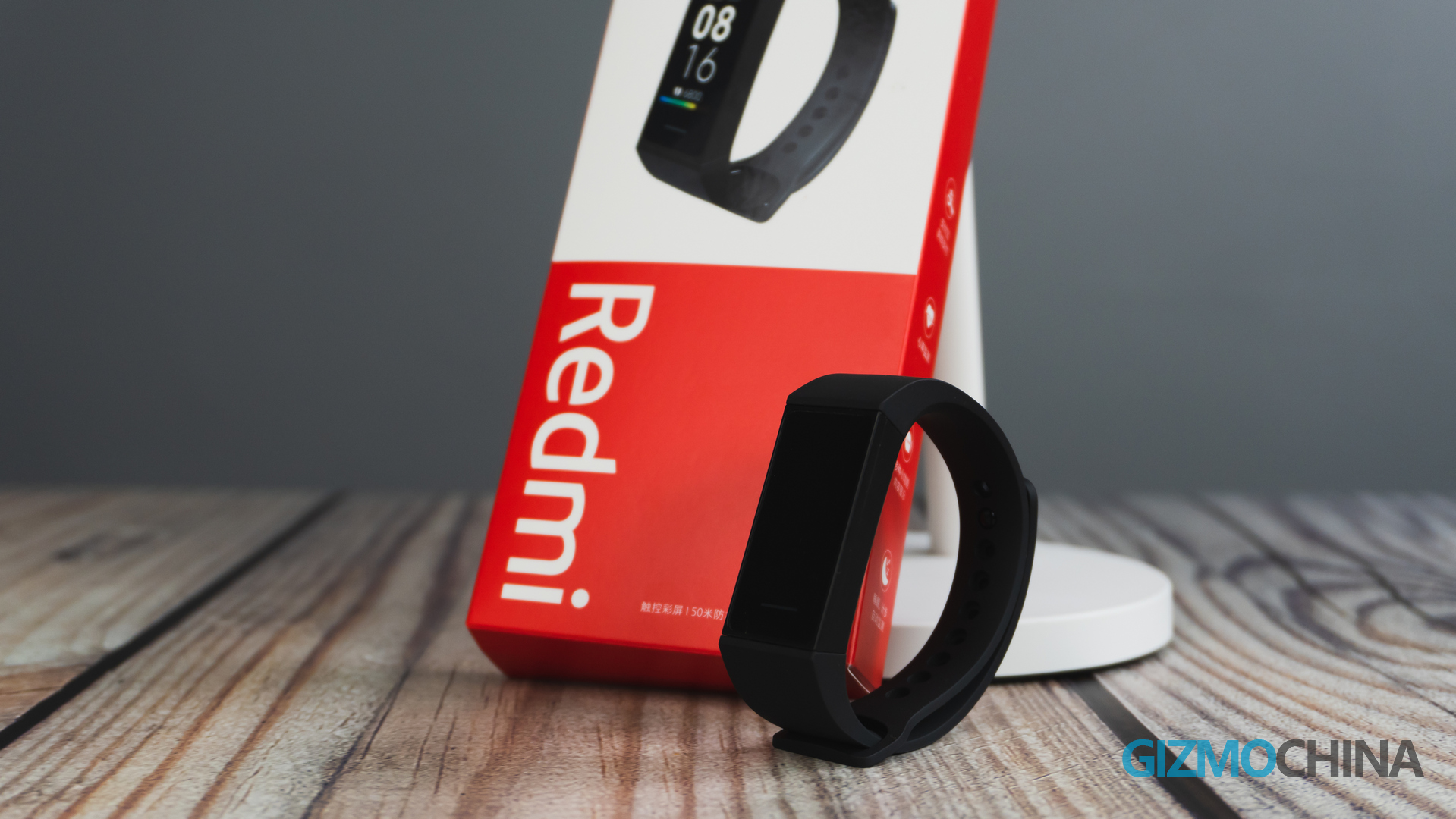
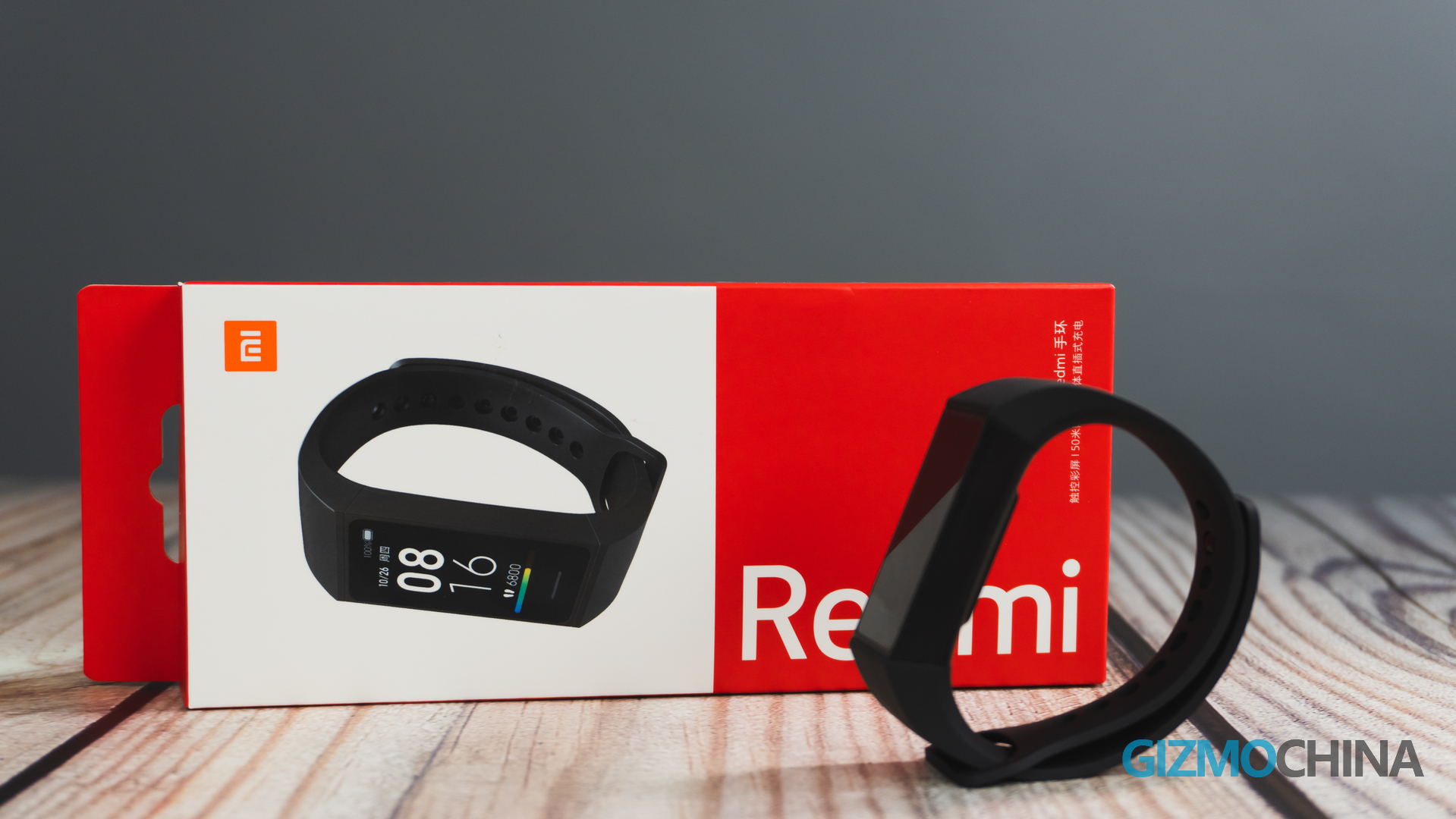
Redmi entered the smart band market earlier this month in China with its own Redmi Band. The company is targeting the ultra-cheap fitness band segment with users who just want the basic fitness tracking features at an extremely affordable price tag. The Redmi Band goes for 99 yuan ($14) in China, which is even cheaper than Xiaomi’s Mi Band 4.
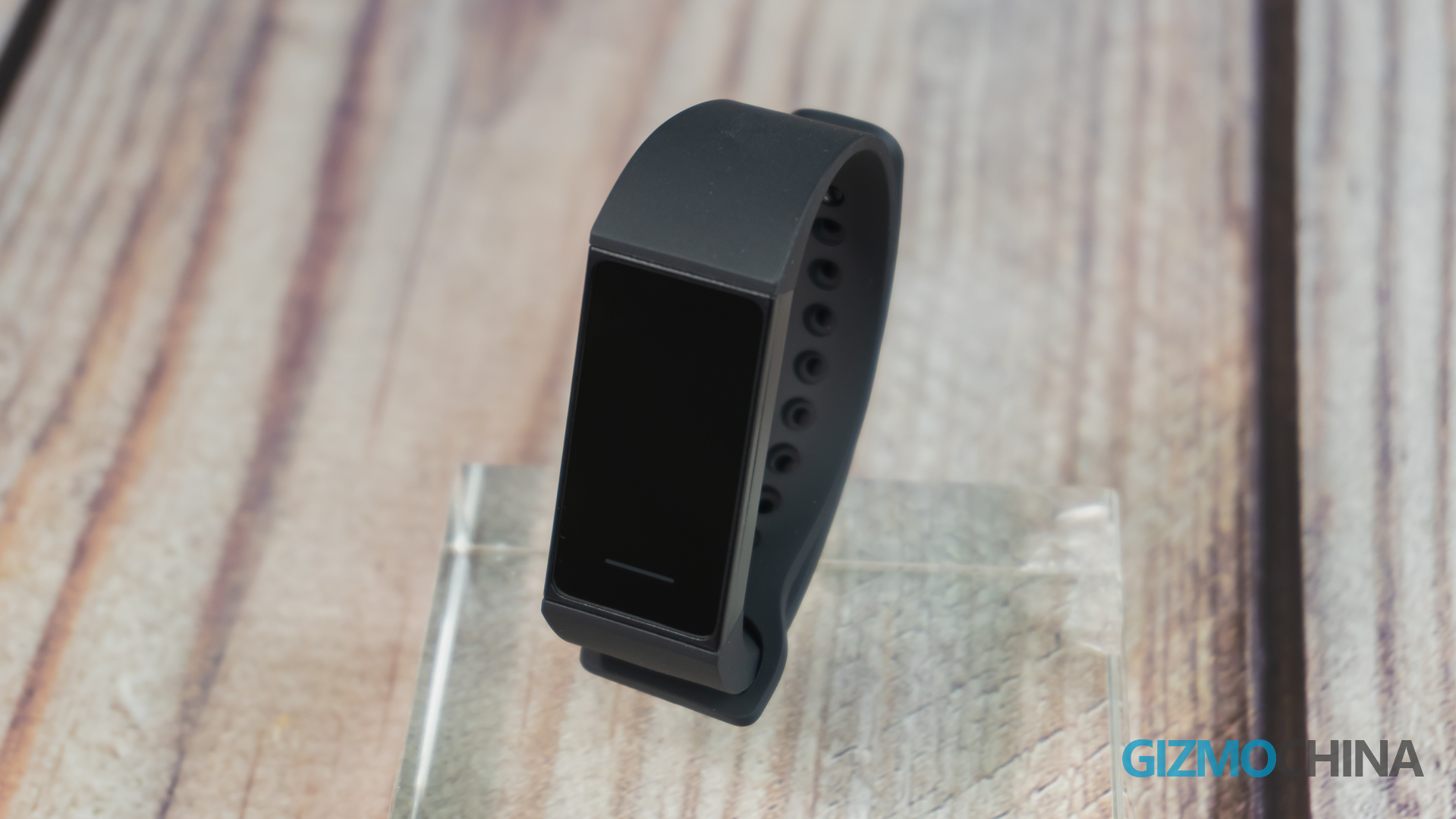
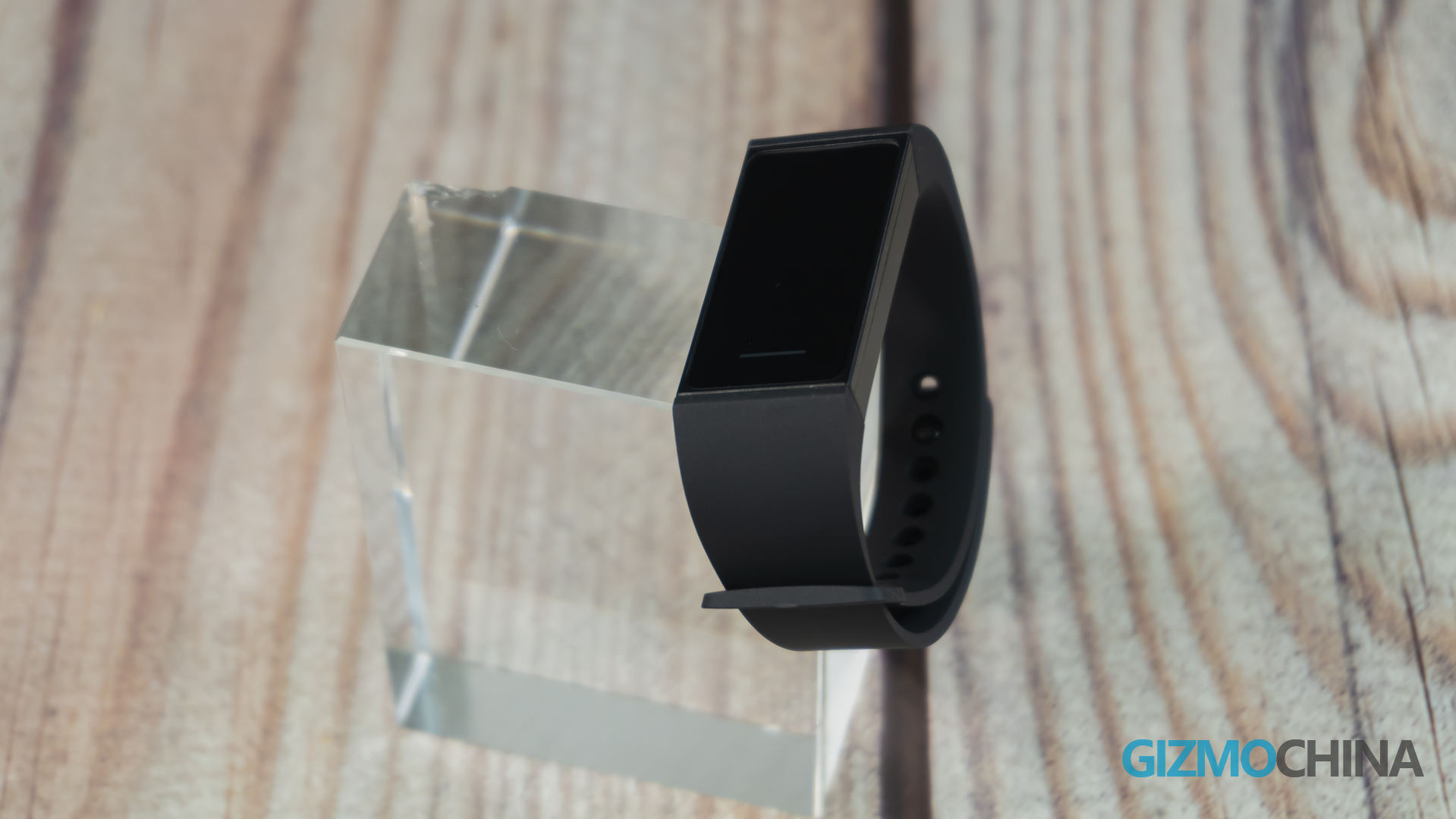
We just got the Redmi Band in our hands yesterday and decided to give you guys a quick tour of its design and features. Our first impressions have been pretty positive with the band offering a comfortable design and enough features to get you started on your fitness journey.
Redmi Band Hands-on
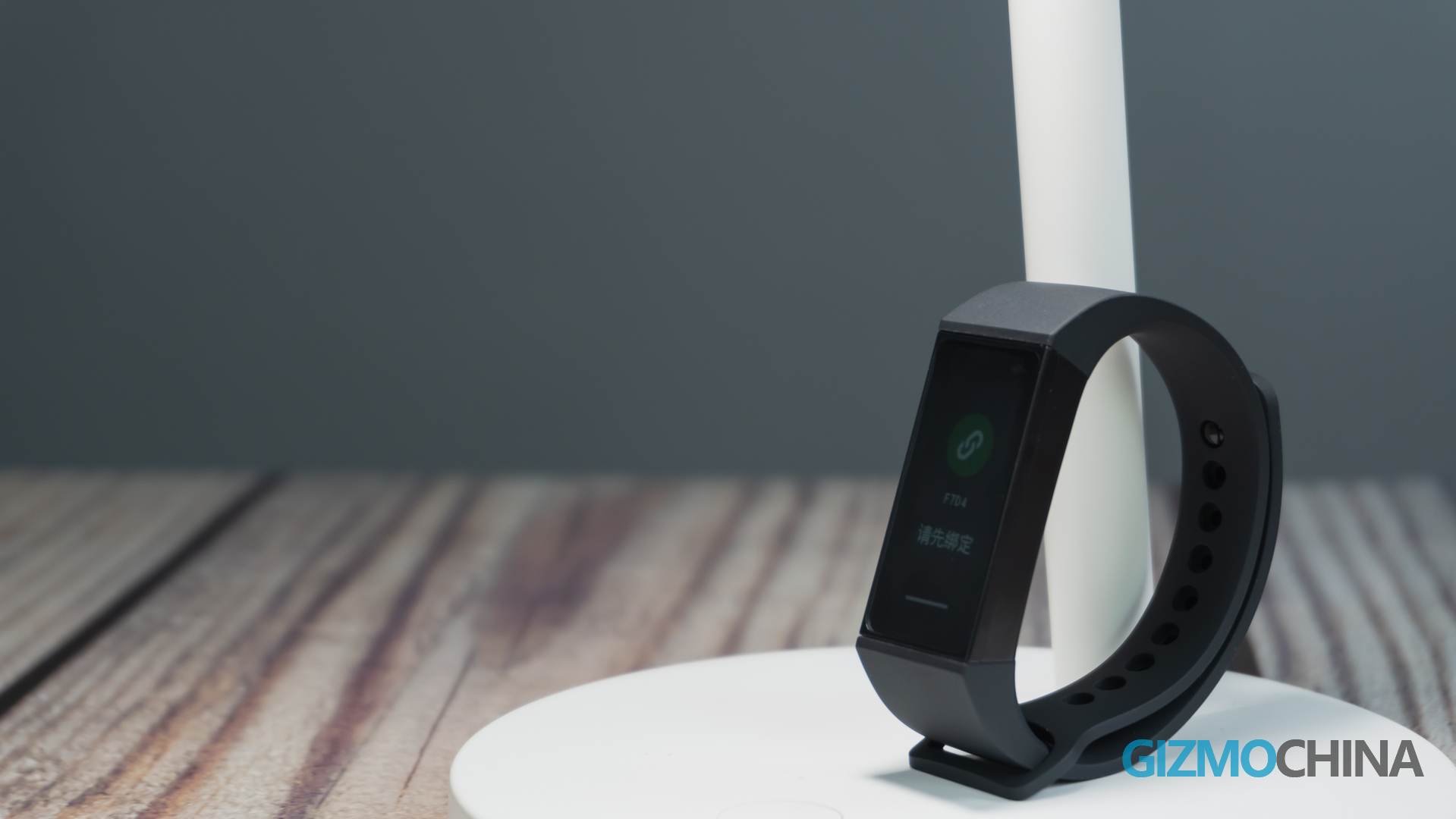
The Redmi Band may not be the best-looking fitness band in the market right now it is quite refined for its price tag. The main body of the Redmi band and the strap fit well together, so much so that it feels like a one-piece design. But note that the strap can be removed from the side to expose the USB plug used for charging. This is one of the most convenient charging designs in the fitness wearable market – so you don’t need any external cables or cradles. You can practically charge the Redmi Band anywhere with a USB slot.
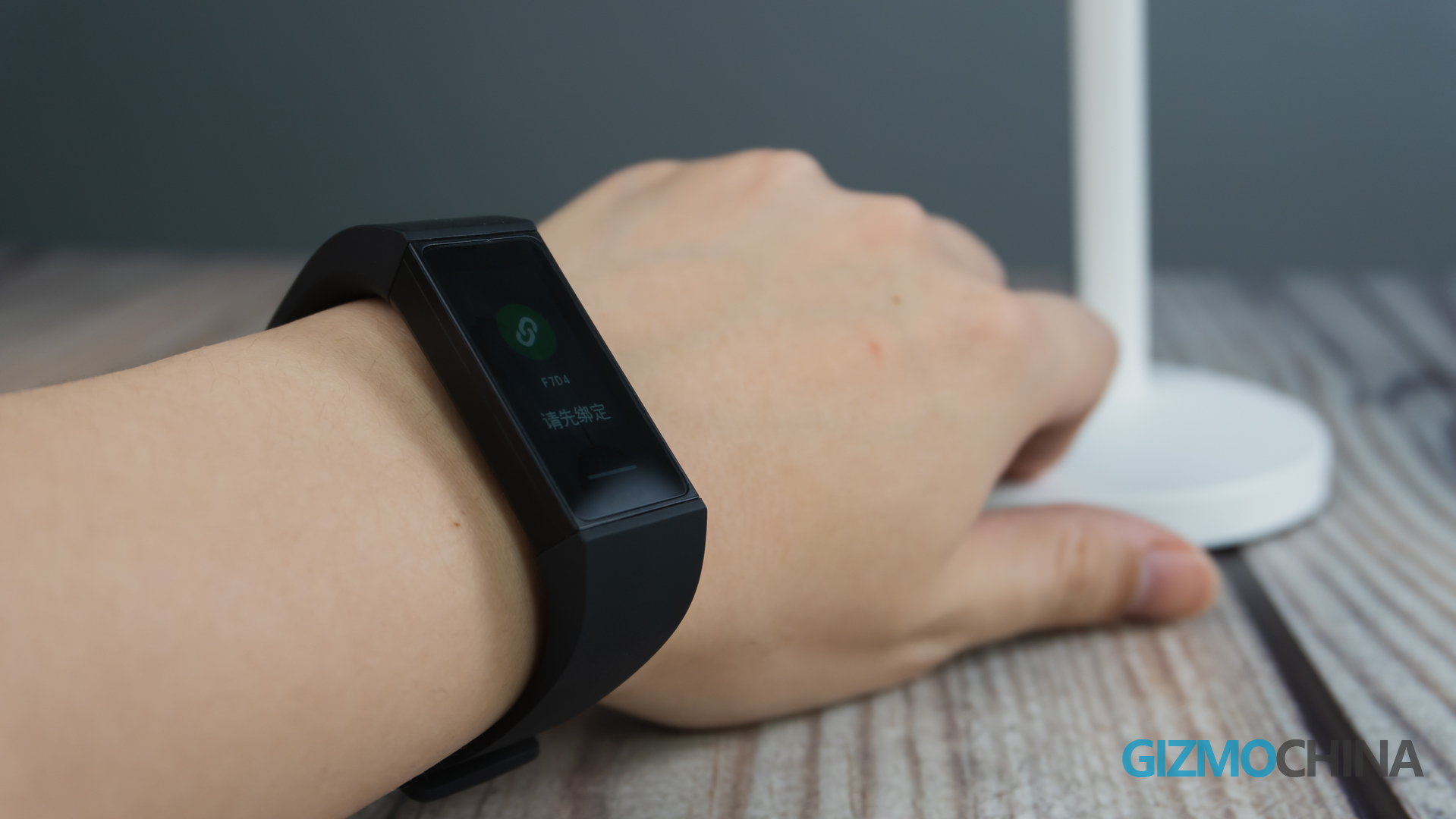
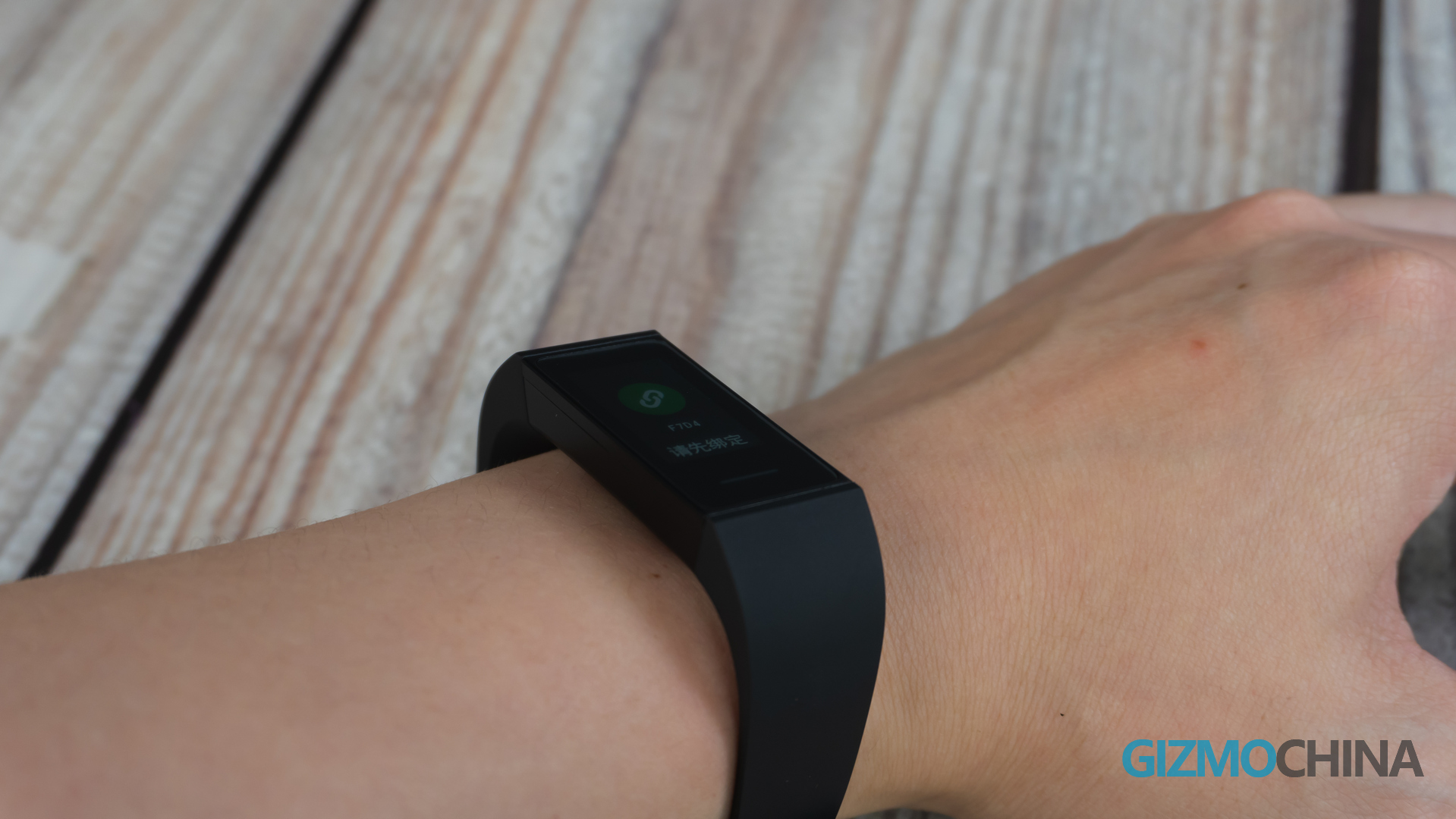
The Redmi Band is light and comfortable to wear. If you have worn a Xiaomi Mi Band, the feeling is similar. So most of you won’t mind wearing it for a long period of time.
Simply put, the design of the Redmi Band isn’t special but that’s not really a bad thing. A simple yet useful design is what we expect from an extremely cheap wearable fitness band.
1 of 4
The 1.08-inch color LCD display offers a pretty decent viewing experience. The display is big enough to show important information at a glance. Unlike other black and white display wearables, the Redmi Band’s display offers interesting and colorful visual elements for fitness tracking and over 70 watch faces ensuring enough customization options.
The display resolution does feel a bit low but for the $14 price tag, we can’t really complain about this screen.
The Redmi Band can be charged via the USB plug under 2 hours. Once charged, you don’t have to worry about charging for nearly 14 days. You can literally wear the band anywhere you want, including while swimming, thanks to its 5ATM waterproofing.
The band comes with all the basic features you would expect from a fitness wearable. This includes 5 professional sports modes like running, walking, cycling, and even indoor exercise, 24-hour heart rate check, sleep monitoring, and even text and call notifications.
Overall, for $14, the Redmi Band offers everything you expect from a smart band and even more. Despite being a first-generation wearable, the band is built well and caters to first-time fitness enthusiasts.
We will be testing the Redmi Band in detail in the coming days, so stay tuned for a complete review very soon.
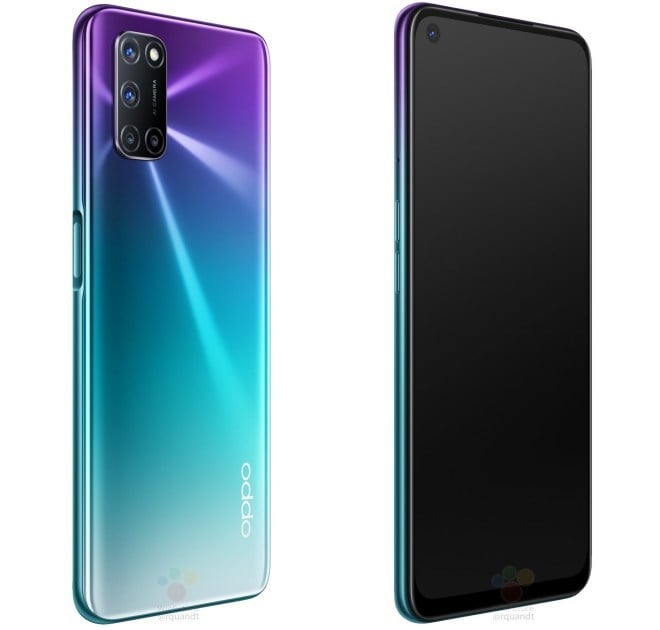
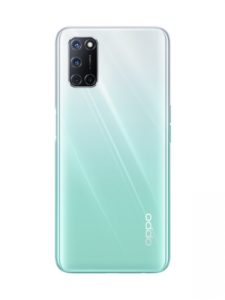
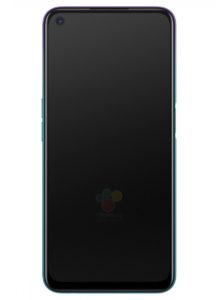
OPPO has been on a launch spree lately which has seen several new models released. The Find X2 Lite, Find X2 Neo, OPPO A52, A92s, A12 were all announced in different markets within the past few days. The company isn’t stopping as the OPPO A72 has now been announced.
The OPPO A72 is a sibling of the A52 that has been launched in China. It features a similar 6.5-inch display with FHD+ resolution of 2340 x 1080pixels. The A72 is powered by a Qualcomm Snapdragon 665 chipset paired with 4GB of RAM. This is similar to the A52 but while the A52 has 64GB storage onboard, OPPO A72 comes with 128GB of internal storage. Both are expandable via MicroSD slots.
The camera aspect is another area where the two models differ. The A72 features a Quad-camera setup at the rear just like the A52 but the sensors are slightly different. The A72 setup consists of a 48MP main sensor teaming up with an 8MP ultrawide camera, a 2MP macro lens and a 2MP depth sensor. For selfies, there is a 16MP sensor. This is an upgrade over the A52 which has a smaller 12MP main sensor and an 8MP selfie sensor.
Further, the OPPO A72 features a side-mounted fingerprint sensor and a 3.5mm jack on the bottom. The device gets its power supply from a 5,000mAh battery and supports 18W fast charge. Both models run the latest Android 10-based Color OS 7.1.
The OPPO A72 is expected to be sold in Europe alongside the A52. The prices are not known but the A52 was launched with a retail price of 1,600 yuan in China ( around €210). We expect the prices to be slightly higher due to taxes and other expenses.
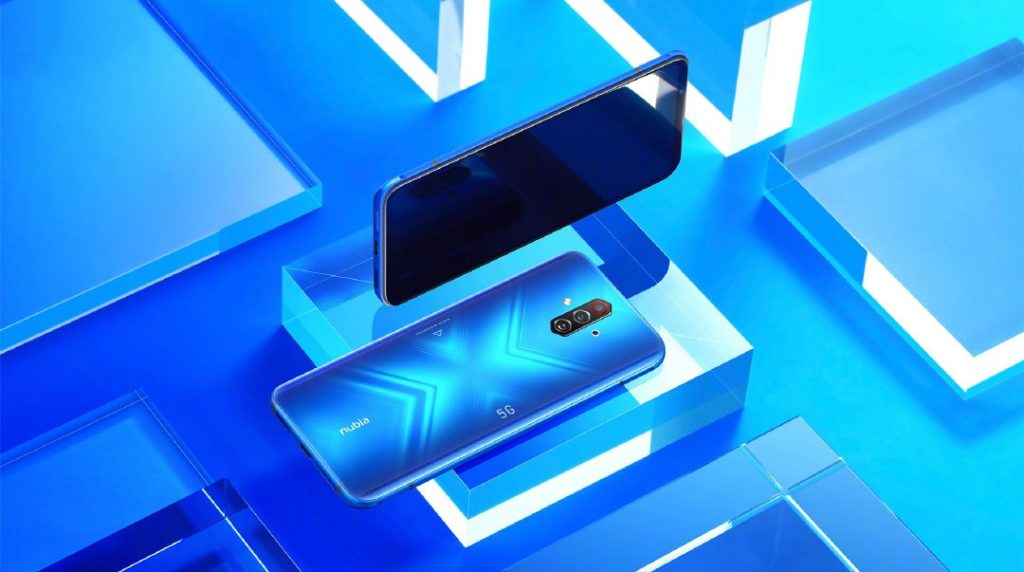
Nubia officially launches Nubia Play 5G mid-range smartphone in China. Targeted at youths, this device is unlike any other handset released by the brand so far. Nubia is known for gaming smartphones, however, the company shed its old logo for a new avatar with a different vision last week. The company also announced a smart electric toothbrush called Nubia Neo at the same event.
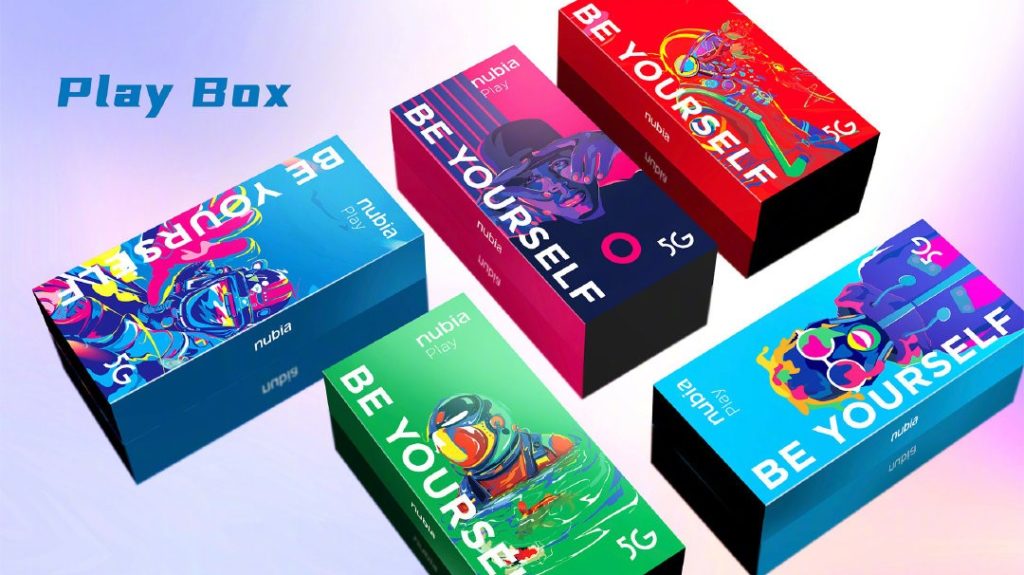
Nubia Play 5G Box
Nubia Play 5G Specifications
As confirmed via teasers last week, the newly launched Nubia Play 5G smartphone comes powered by Qualcomm Snapdragon 765G processor and Adreno 620 GPU paired with LPDDR4X RAM and UFS 2.1 storage.
On the front, the phone sports a 6.65-inches FHD+ AMOLED display with 144Hz refresh rate and 240Hz touch sampling rate similar to Nubia Red Magic 5G. The best part of this panel is it does not have have any notch or punch-hole to interfere full-screen viewing experience.
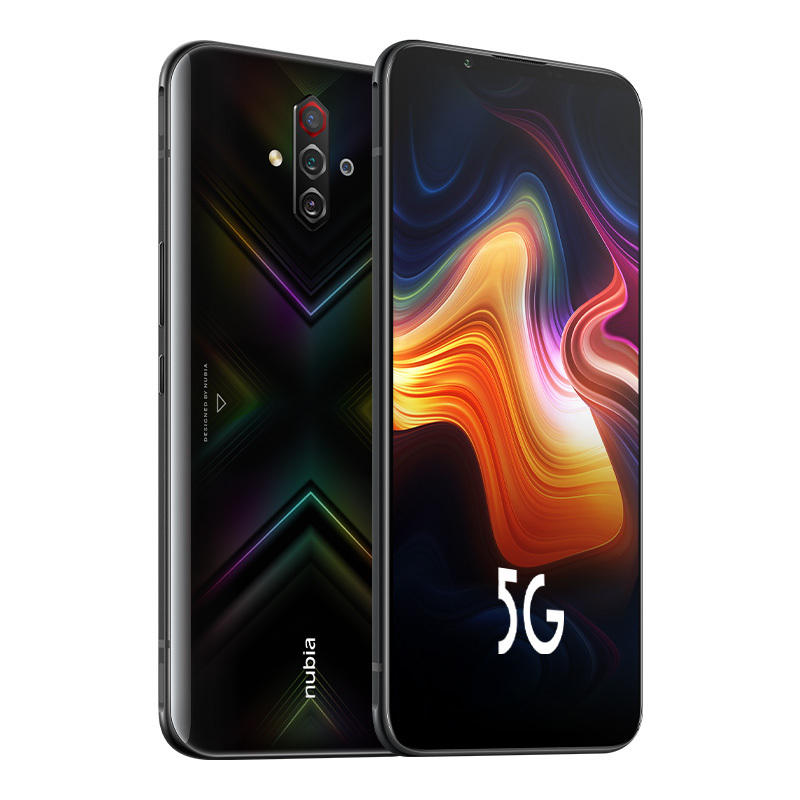
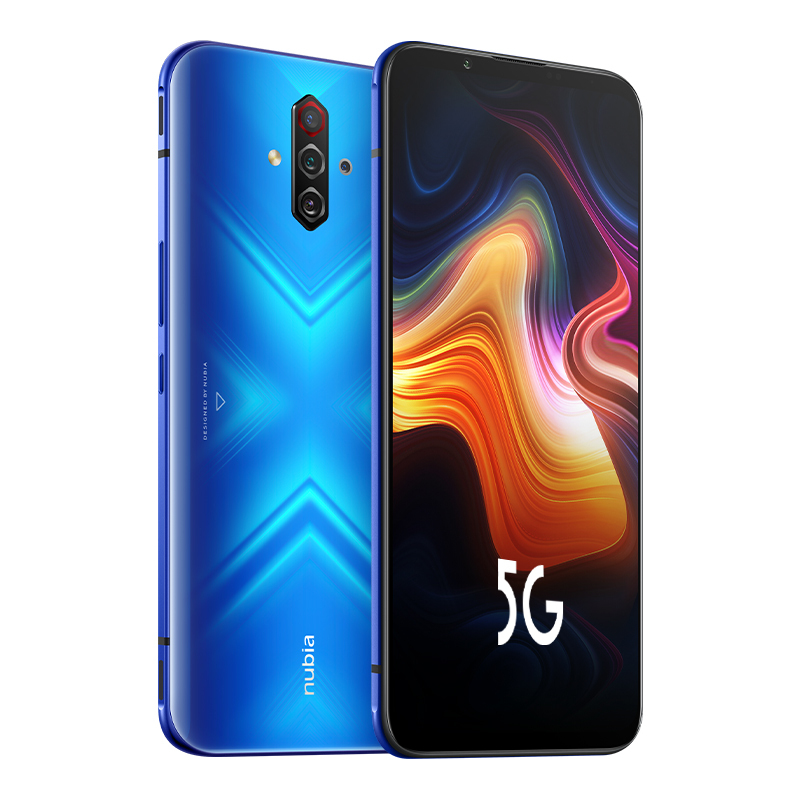
The back of the handset features an X gradient pattern (similar to Honor 9X) along with ‘5G’ branding on the right side, ‘Nubia’ branding at the bottom, and ‘Powered by Nubia’ branding on the left side. Further, the top portion of the device’s rear side houses a vertical strip housing three cameras, whereas the fourth camera sits to the right side of the strip opposite to LED flash on the left side.
As for camera configuration, the phone comes with a 48MP Sony IMX582 primary sensor similar to Redmi K20 from last year. That means 4K video recording on this smartphone is capped at 30 fps. The other cameras on the device include an 8MP ultra-wide unit, a 2MP macro camera, another 2MP depth sensor, and a 16MP selfie camera.
The handset comes with a number of camera features including a vlog mode like the one found on MIUI 11, a weird slow-motion video recording to capture dance moves and lightsaber effects, and more.
For gaming, the device features dual customizable shoulder buttons as well as ICE 2.5 cooling system which is a combination of 61mm liquid cooling pipe, thermal gel, copper foil, and graphite sheet. Other features of the phone include dual-mode 5G – SA (standalone) / NSA (non-standalone) support, in-display fingerprint sensor, DTS Audio, and dual stereo speakers.
Lastly, for software, the device runs Nubia UI 8.0 based on Android 10 and is backed by a large 5,100 mAh battery with support for 30W PD fast charging compatible with Qualcomm Quick Charge and PPS chargers.
Nubia Play 5G Pricing and Availability
The Nubia Play 5G comes in three paint jobs and they are Black, Blue, and White respectively. The handset is already up for pre-order on multiple retailers and will go on sale for the first time from April 24 for the following prices.
Most of the high-end and mid-range smartphone has either received or on the verge to receive the latest and the greatest Android 10 update. The latest iteration of the Android offers various new features and advancements while enriching the overall user experience. Unfortunately, such experience has become a distant dream for some Android 10 users as they are facing random freezing and unresponsive UI issues.
According to Android Police’s Artem Russakovskii, his Pixel 4 is constantly freezing, and the whole system UI keeps hanging. However, the UI unfreezes sometimes if the app comes to life after a few seconds. The apps like Amazon, Twitter, YouTube, YouTube Music, and Google PlayStore are freezing. Many users affected by the same issue reported to his tweet by sharing their ordeal via comments.
Another thing that really bothers me on the Pixel 4 XL – when an app freezes up, it oftentimes locks up the whole UI. Notifications, home gesture – everything becomes unresponsive.
Sometimes the UI unfreezes when the app does, sometimes the app remains frozen.
The issue mostly affects Google’s Pixel devices with the stock Pixel launcher. OnePlus and Xiaomi devices are second-in-line reportedly facing the same bug. Moreover, the devices running Android 10, and an Android 11 developer are affected by the bug.
The feature doesn’t seem to be Pixel launcher related, as multiple users using third-party launcher also reported the same error. The issues are more related to Android 10, as some Reddit users revealed that it is also visible on Android 10 based custom ROMs, including AOSP 10, LineageOS 17.1, and more.
We expect an official statement from Google regarding the freezing issue. It is a widespread issue on Android 10 running devices. Do you have any such problem on your Android devices? Share with us via the comments below.
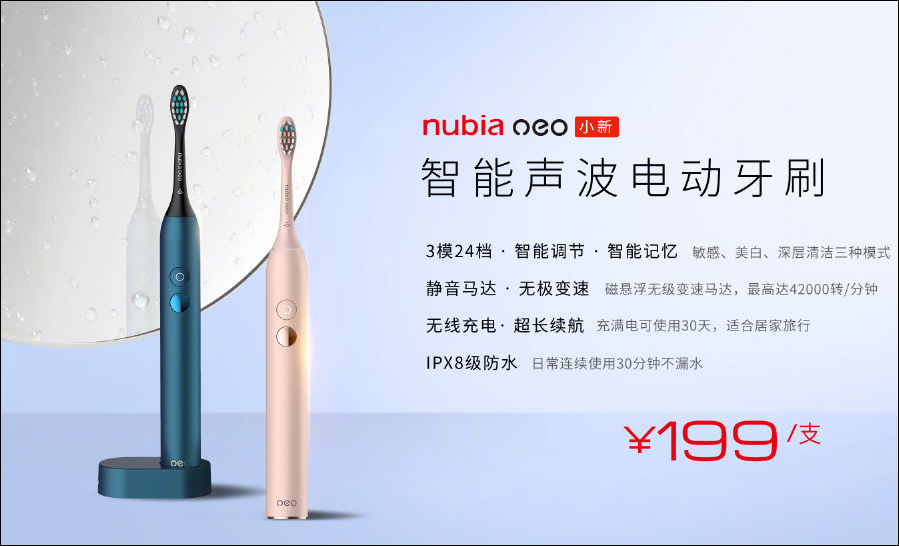
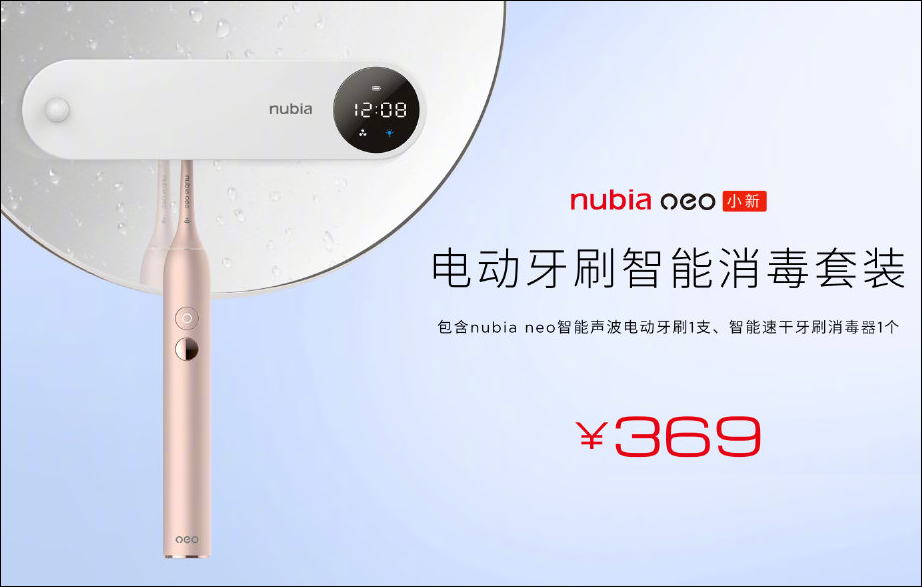
Nubia today held an online event where the Nubia Play was the main product announced. The company equally took the wraps off the Nubia Neo Sonic Electic Toothbrush and the Nubia Neo Smart Toothbrush Sterilizer.
The Nubia Neo Smart Sonic Electic Toothbrush adopts a sleek design which includes a tiny brush head that can penetrate all aspects of the mouth. The brush also has a wide handle that makes keeping a firm grip easier. There is also a stand which doubles as the wireless charging base. A full charge can last for up to 30 days usage without running out of battery.
The electric toothbrush comes with three different cleaning modes. It also adopts features such as smart adjustment, whitening, deep cleaning. The brush utilises a silent, magnetic, variable-speed motor of up to 42000 revolutions per minute. You also get an IPX8 waterproof build which means it can be submerged in water of up to 1m depth for up to 30 minutes without damage.
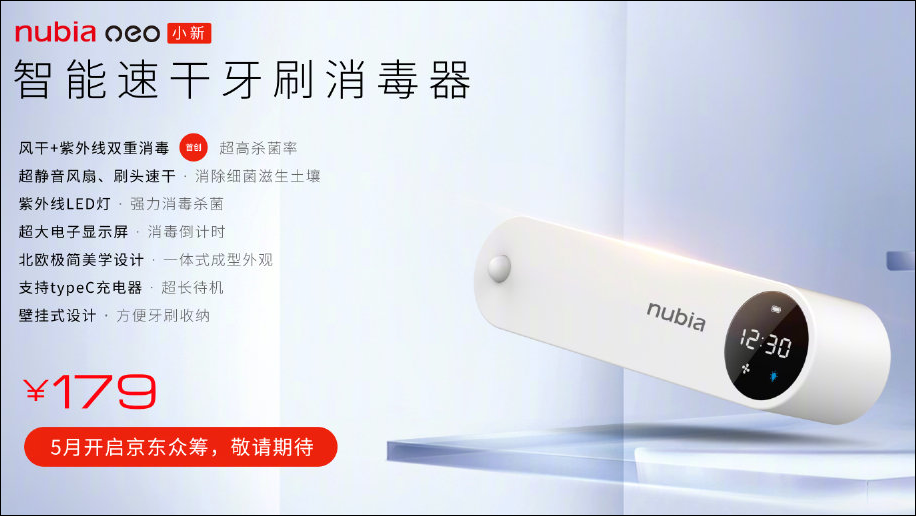
The Nubia Neo Smart Toothbrush Sterilizer is yet another impressive product that Nubia is released. The sterilizer also doubles as a wall holder for your toothbrush but the sterilization function is what interests us the most.
As a result of the frequency at which the toothbrush stays moist, it is a potential beehive of micro-organisms if not properly dried after use. The Nubia Neo Smart Toothbrush Sterilizer features an ultra-quiet fan which dries the brush after use. It also uses Ultraviolet (UV) LED light sterilization to eliminate any bacteria on the bristle.
The device comes with an LCD display which also doubles as a clock and shows when it is sterilising or when the fan is blowing. The brush hold can only take one toothbrush at a time. There is also a USB-C port for charging the gadget.
As for the pricing, the Nubia Neo Smart Sonic Electric Toothbrush comes with a 199 yuan ($28) price tag while the Nubia Neo Smart Toothbrush Sterilizer is priced at 179 yuan ($25). The two products will be sold as a kit for 369 yuan ($51). Nubia says the products will be available on Jingdong crowdfunding in May.
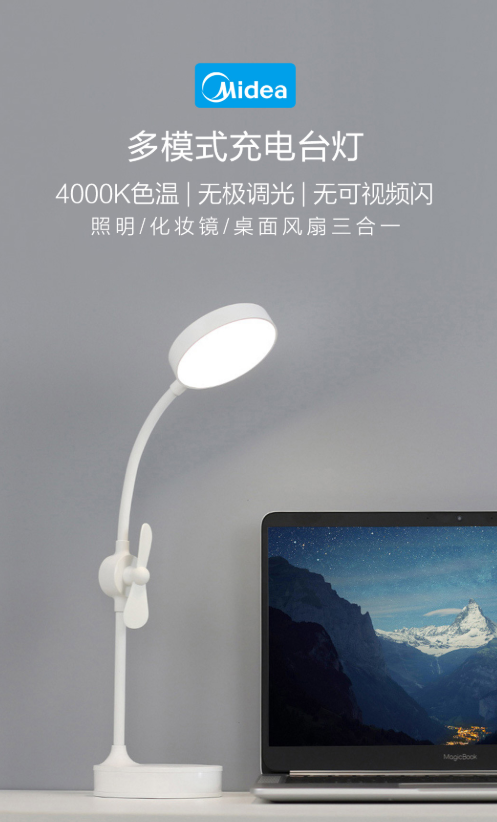
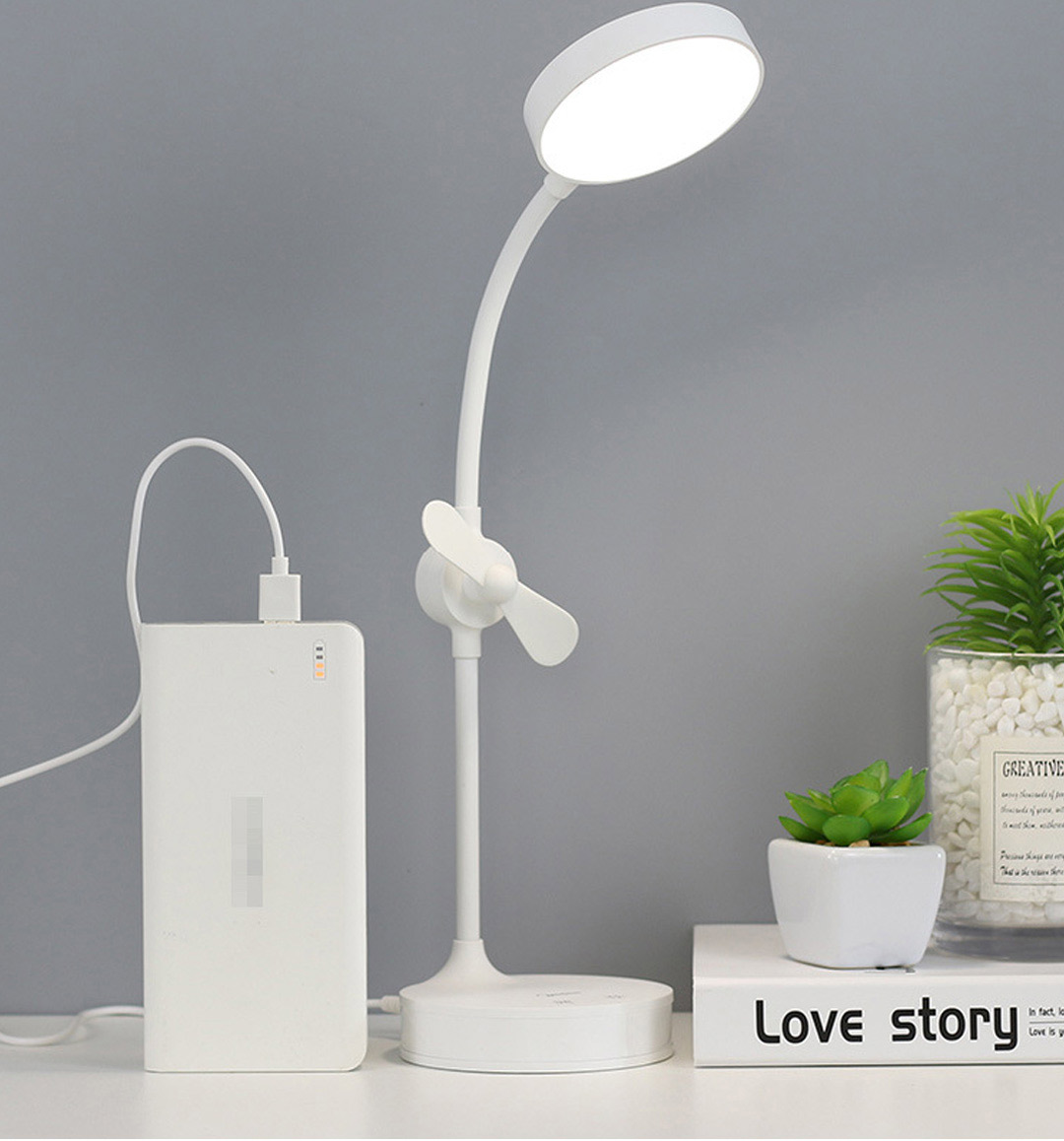
There are tons of desk lamps available and it is not unusual to see some that serve a dual function such as being able to charge a phone wirelessly or via a USB port. Midea takes things further with its own multi-functional desk lamp which also has a built-in fan and a makeup mirror.
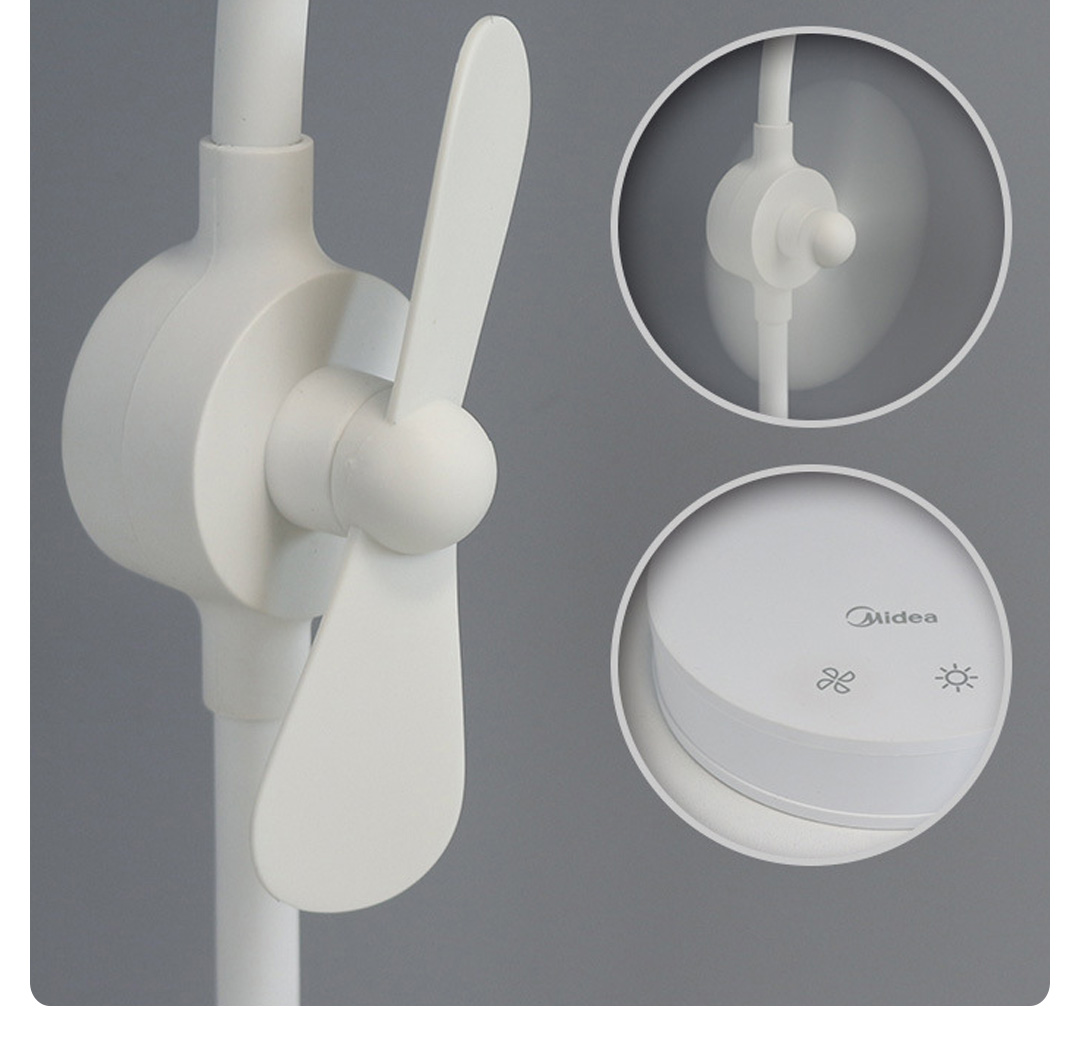
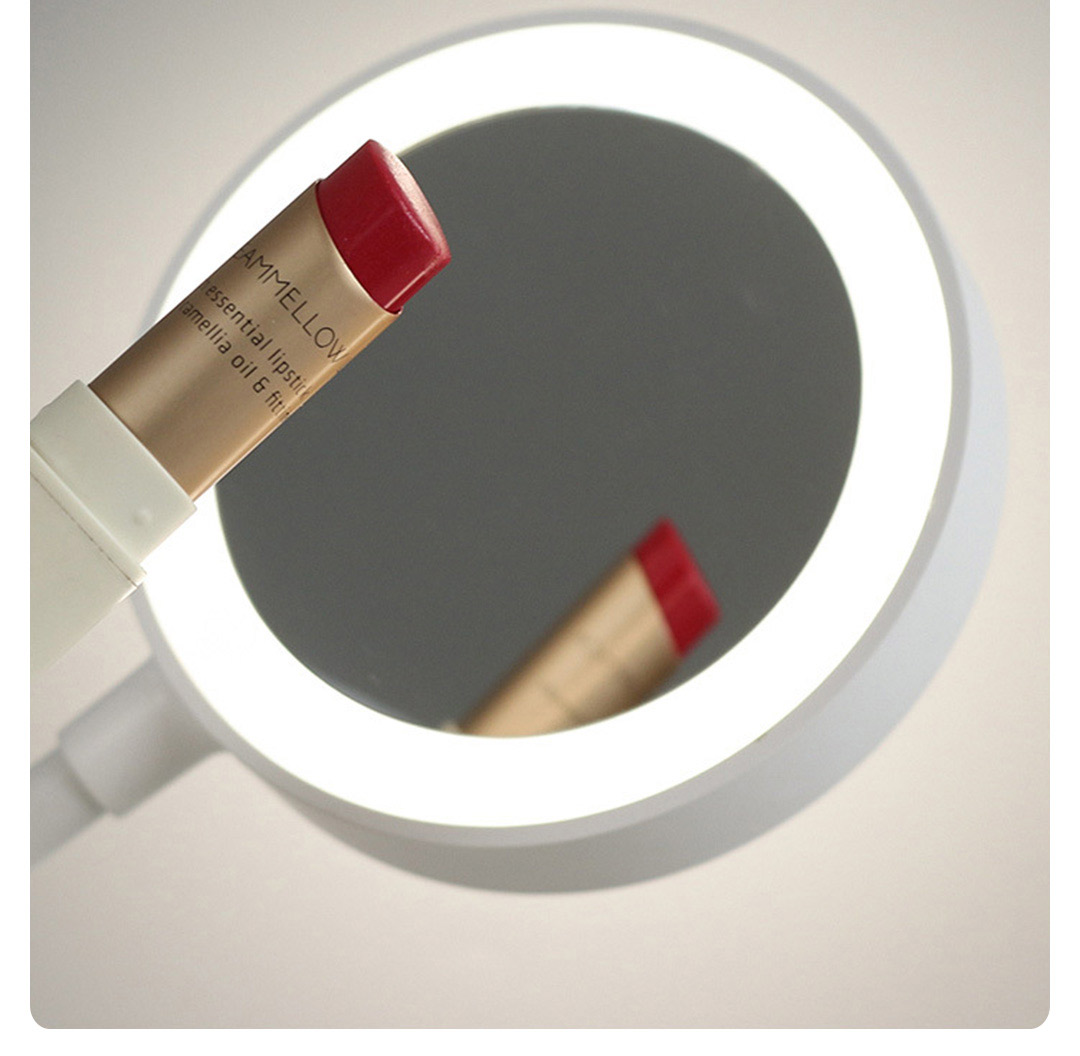
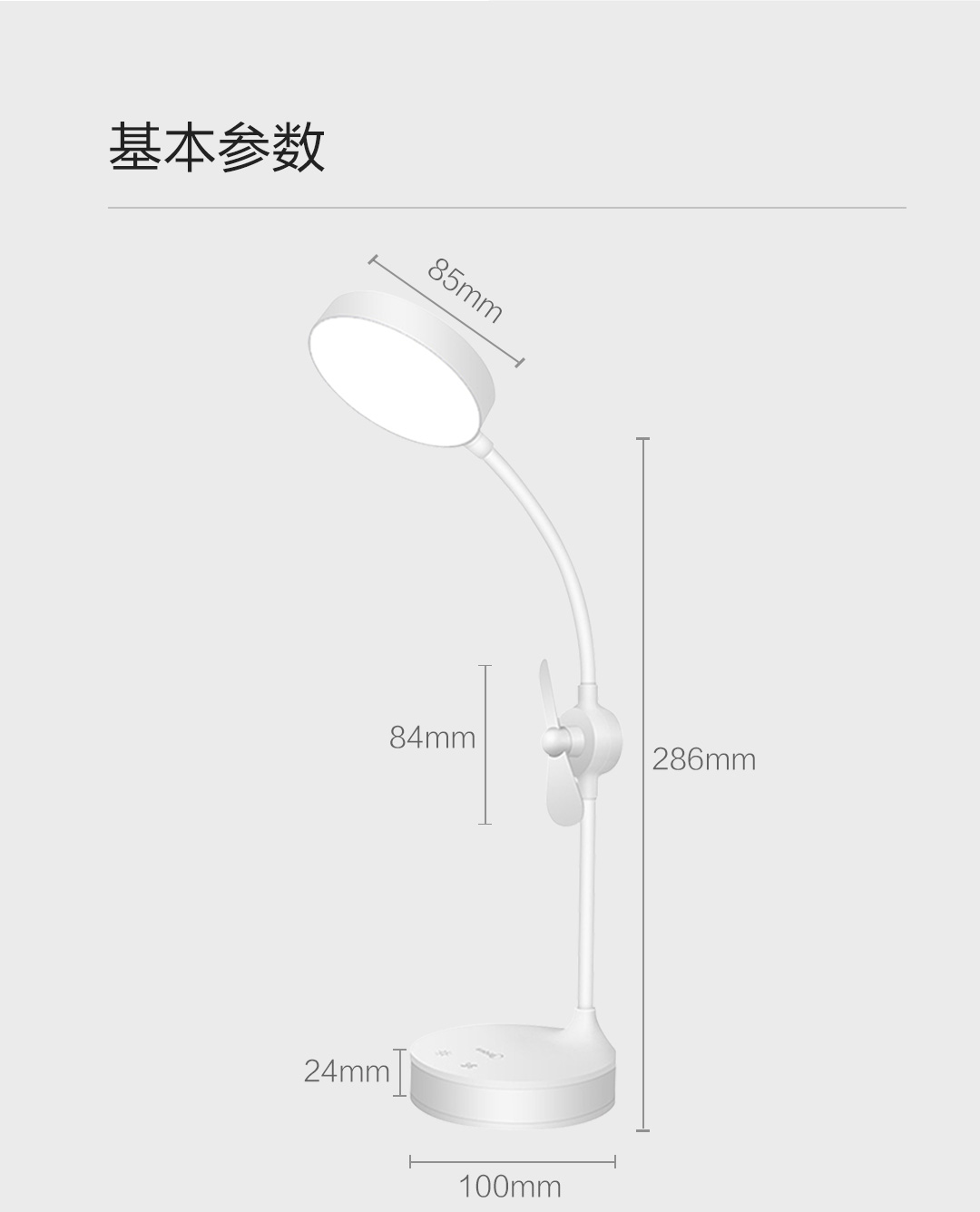
The Midea multi-functional desk lamp comes in white with a round base and a round lamp head. It actually has a minimalist design. Midea spices the design up by adding a two-blade fan along the stem of the lamp. The base of the lamp has two touch controls for controlling the fan and the lamp.
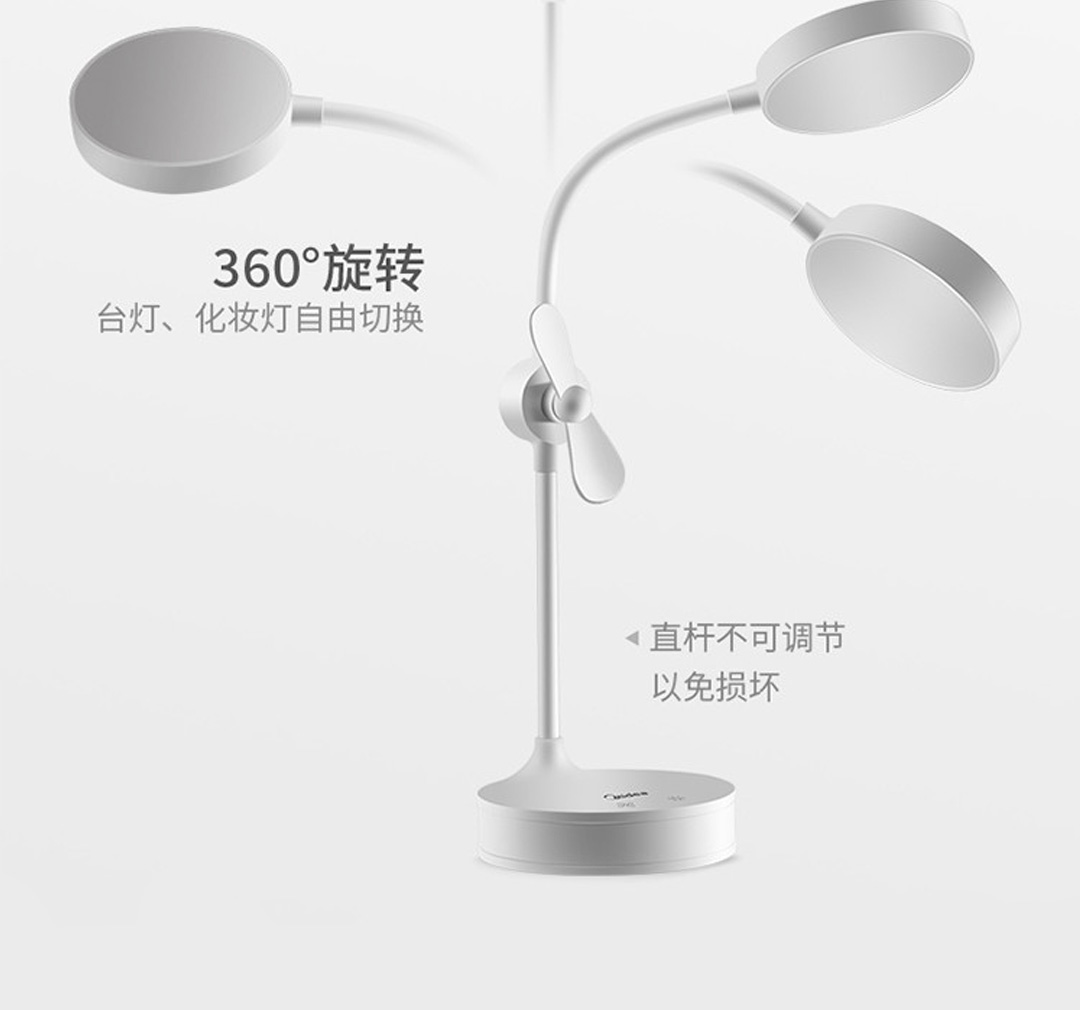
The product page says the lamp uses a 4000K LED that simulates natural light making it safe for the eyes. The stem is also flexible, allowing you to bend it to any angle you want. The lamp also has multiple modes including one that is suitable for use with the makeup mirror.
1 of 5
Midea Multi-functional Desk Lamp
Midea Multi-functional Desk Lamp
Midea Multi-functional Desk Lamp
Midea Multi-functional Desk Lamp
Midea Multi-functional Desk Lamp
Midea says the lamp has a rechargeable 1800mAh battery but doesn’t say how long it will last on a single charge. It charges via a MicroUSB cable and supports 5W charging via a wall adapter or a power bank.
Midea’s multi-functional desk lamp combines multiple products into one while keeping the price tag low at just ¥98 (~$14). It is already available for purchase on Youpin.com.
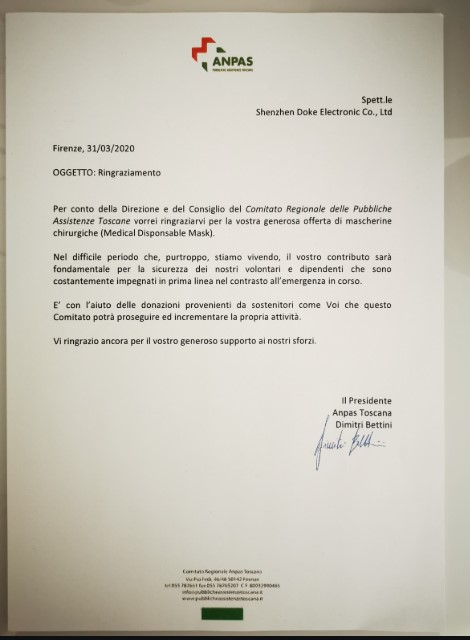
Blackview has come forward to help by donating fifty thousand medical masks in Italy. The donated masks have finally arrived in the country and were handed over to the Aid centre officials. The shipment boxes came with a tag line printed “Everything will be all right. Keep Fighting” to boost the spirit of everyone fighting against the pandemic. These masks are direly needed by the frontline professionals and the people in need.
The company also extended its kind gesture by donating the masks to other countries like France, Romania, the Czech Republic, Portugal and others. The company believes, “people all over the world will win the fight against the disease with the concerted effort at last.”
Most of the countries across the globe are reeling under COVID-19 pandemic. These gestures will not only boost the morale of medical practitioners but also helps in healing the patients.
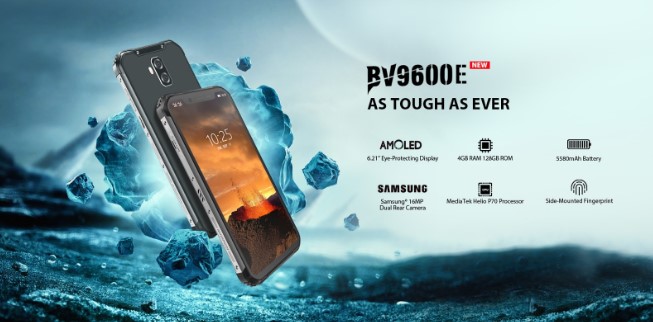
Blackview is a major Chinese electronics maker which is popularly known for manufacturing high-quality rugged smartphones. The company has built various popular smartphones featuring cutting-edge technology, exceptional hardware, matchless performance and stealthy design. Most of the smartphone packs IP68 and IP69 certifications for being waterproof, dust-proof and drop-proof. These smartphones can survive in an extreme environment when most of the other smartphones become dead.
Blackview has served millions of outdoor enthusiasts and health workers who often do adventurous activities and visit some scarcely populated areas. Blackview smartphones are the perfect companion in farming, industrial, and hazardous environments. Its smartphone is globally known for various reasons. Here’s the list of best records of Blackview smartphones:
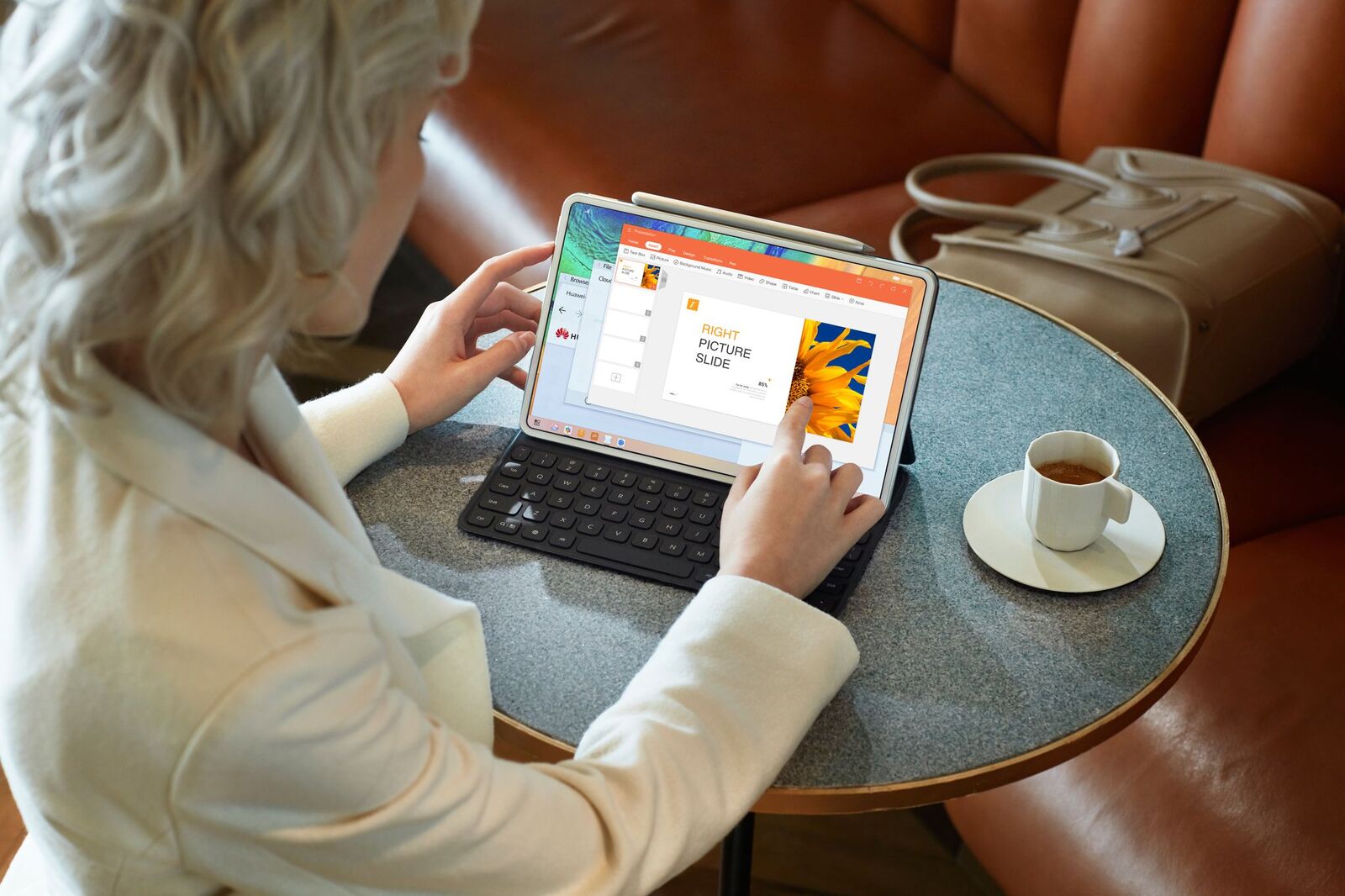
Last year, Huawei announced the MatePad Pro. While it has released other premium tablets before, the MatePad Pro raised the bar higher with its features and design. Huawei is set to announce a less powerful variant soon that ditches the “Pro” suffix and will have a more affordable price tag.
Huawei MatePad Pro
A report from China says the MatePad line may replace the MediaPad line. According to the source, the MatePad Pro was originally termed the MediaPad M7, thus lending further credence to the report.
The question is why is Huawei ditching MediaPad for MatePad? First, let’s go back in time to when the series was first announced.
Huawei announced the MediaPad tablet line in 2011 and its selling point was its audio and visual performance which is why features such as stereo and quad speakers were some of the top features of MediaPad tablets.
Now that tablets are serving as alternatives to PCs and MacBooks, the MediaPad name doesn’t fit for a tablet targeted at professionals. As we all know the MatePad Pro is advertised as a productivity device with a stylus and an optional keyboard. The upcoming MatePad is also being marketed as a productivity device and also has support for a stylus.
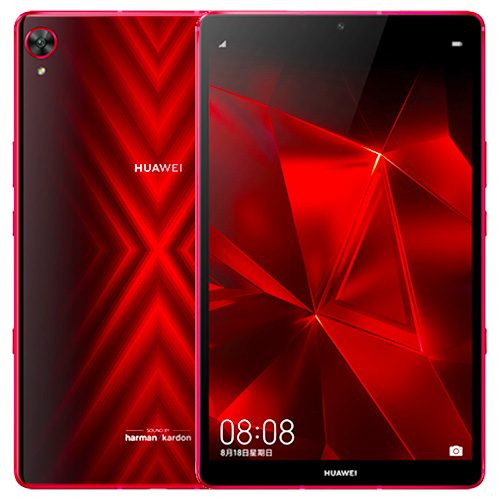
Huawei MediaPad M6 Turbo 8.4
Does that mean, Huawei is no longer catering to those who just want to buy a tablet for entertainment?
Not really. Aside from the upcoming MatePad, there is also a third model that is called the MediaPad T that received Wi-Fi certification earlier this month. This model appears to be an entry-level model with modest specs that can be used for reading and entertainment but not productive work like the MatePad and MatePad Pro. Honor also seems to still be in the tablet game, so there should be more options to choose from if you want an affordable tablet.
Huawei should complete the transition from MediaPad to MatePad this year. It is reported that the MediaPad M6 8.4-inch is no longer available on Huawei’s Vmall online store. The 10.8 version may also be pulled down when the MatePad with its 10.4-inch screen is announced.
What do you think about Huawei’s ditching MediaPad in favor of MatePad? Let us know in the comment box below.
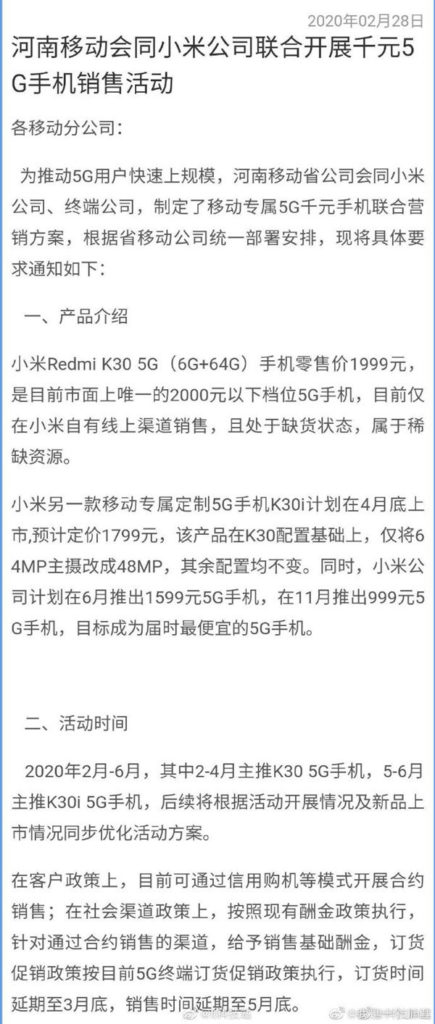
Xiaomi is one of the early adopters of 5G technology. The company’s first 5G smartphone Mi Mix 3 5G went on sale in May 2019 in Europe for only €599. Later, the brand announced Mi 9 Pro 5G in China for a lower starting price of 3,699 Yuan ($523).
Then came Redmi K30 5G in January 2020 for an even lower price of 1,999 Yuan ($283). Now, according to an internal document leak, the Chinese smartphone maker will be launching a 5G handset priced at 999 Yuan ($141) by the end of this year.
As per the document, the company’s next 5G device will be Redmi K30i, a stripped-down version of regular K30 5G with a 48MP primary camera instead of 64MP. This device will be unveiled at the end of April and is expected to retail at 1,799 Yuan ($254).
Then, the brand will launch an unknown 5G smartphone for 1,599 Yuan in June, which could be the rumoured Redmi Note 9 5G. Followed by that in November, Xiaomi will finally launch an affordable 999 Yuan ($141) 5G smartphone.
For the unware, the company’s founder Lei Jun made a statement in November 2019 that 1000 Yuan ($141) 5G smartphone will be a reality by 2021. And if all goes fine as planned, his statement will indeed come true by the end of 2020.
Interestingly, the internal document does not mention anything about the Mi 10 Youth Edition, which has been confirmed to debut on April 27 alongside MIUI 12.
Oukitel finally took off the wraps from Oukitel C18 Pro for global sales. The new smartphone with the finest specifications and optimized software is available for $99 from Aliexpress. Primarily, Oukitel C18 Pro sports a Quad-True camera module, 6.55-inch HD+ display, 4000 mAh battery and various other specifications. Here’s an introduction video of the new device showing all its features:
Oukitel C18 Pro launch price may be revised after the initial launch days. The latest device from Oukitel is smart enough to perform better with its 5MP macro lens than the Xiaomi CC9 Pro.
Let’s discuss each aspect of the Oukitel C19 Pro in detail, and starting with its camera department.
Oukitel C19 Pro camera
The smartphone features a high-end quad rear camera module featuring 16-megapixel primary sensors, 8-megapixel ultrawide sensors + 5-megapixel macro lens and 2-megapixel depth sensors. It competes against quite popular smartphones such as Xiaomi CC9 Pro. The Oukitel C18 Pro captures much better photo with its 5-megapixel macro lens in comparison with its competitors. The macro lens also supports video recording with a minimum object distance of 2.5cm.
6.55-inch HD+ Fullview display
Apart from the camera, the Oukitel C18 Pro houses a beautiful 6.55-inch HD+ display with the vivid and immersive viewing experience. It can provide the best viewing experience during these tough times when a global lockdown is going on due to a pandemic. Oukitel C18 Pro offers wider display to let gamers and movie watchers enjoy their favourite movies and games.
Large Battery
Oukitel C18 Pro embeds a massive 4000 mAh battery which is enough to sustain a full busy day. The user need not to carry any power bank to recharge the device on the go.
Powerful Chipset
The smartphone houses a powerful Helio P25 Octa-Core processor which supports maximum clocking speed of 2.5GHz. the chipset also supports 6GB LPDDR4X-200 RAM. Moreover, there’s support for Turbo Engine, 12bit ISP, Mali-T800 GPU with 900MHz frequency. It is a perfect companion for any affordable smartphone providing cutting-edge performance.
Stock Android Exeirence
Oukitel C18 Pro offers stock Android experience while running on Android 9.0 Pie. The company has promised Android 10 update for the device and it will be rolling out very soon. It will get all the luxuries of Android 10 like live caption, smart replies, improved privacy and various other features.
Other Features
The smartphone features a Proximity, Light, Accelerometer, Compass, and Fingerprint sensors. There’s support for WiFi, Bluetooth 4.2, USB 2.0, GPS and FM Radio.
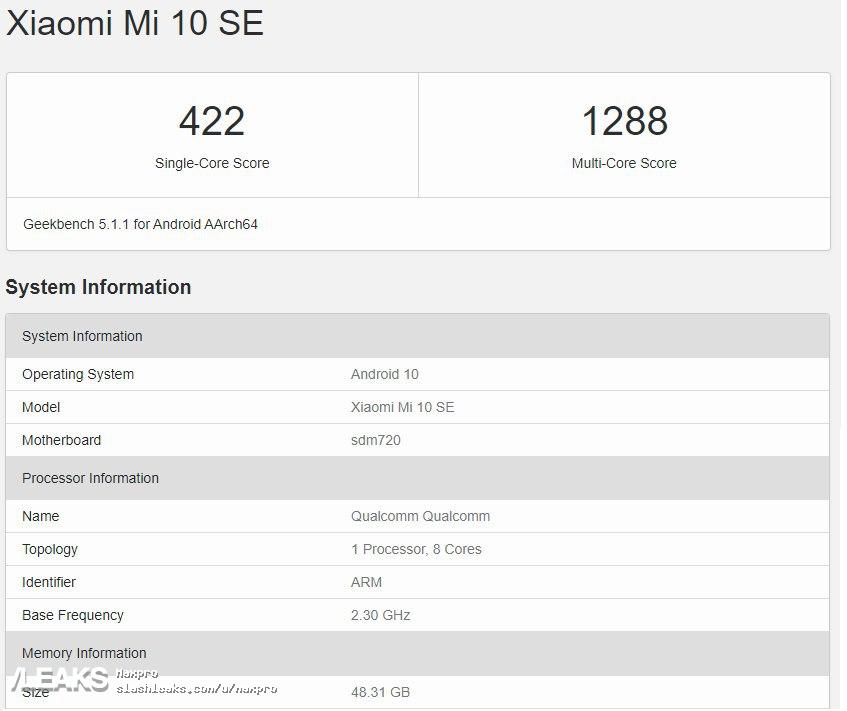
Since the Mi 8 series, Xiaomi has always released a trimmed down SE variant, specifically the Mi 8 SE and Mi 9 SE. The Mi 10 and Mi 10 Pro were the two variants announced this year. Xiaomi skipped not just the Mi 10 SE but also the Mi 10 Explorer Edition. However, a screenshot of the Mi 10 SE GeekBench listing has been leaked on Slashleaks. We were unable to find the listing on Geekbench database which means this is likely fake.
The Xiaomi mi 10 SE listing shows the device is powered by a Qualcomm Snapdragon 720G processor which is the same SoC on the Poco X2. However, the RAM is given as 48.31GB, which is another discrepancy that gives this one out as fake.
Nevertheless, there are fans who still look forward to a Mi 10 SE model which will bless expensive tan the flagship Mi 10 and Mi 10 Pro. Xiaomi had earlier confirmed that it would launch a Snapdragon 720G-powered smartphone this year. The Mi 10 SE could be that model but still, that is doubtful because the chipset doesn’t support 5G. Already, the Chinese tech giant threw in a surprise recently when it launched the Mi 10 Lite in Europe. The device succeeds the Mi 9 Lite which itself was preceded by the Mi 8 Lite.
Since there has been no official confirmation of this model, we can as well hold that the Mi 10 SE doesn’t exist. There is a possibility Xiaomi may release the model later this year.
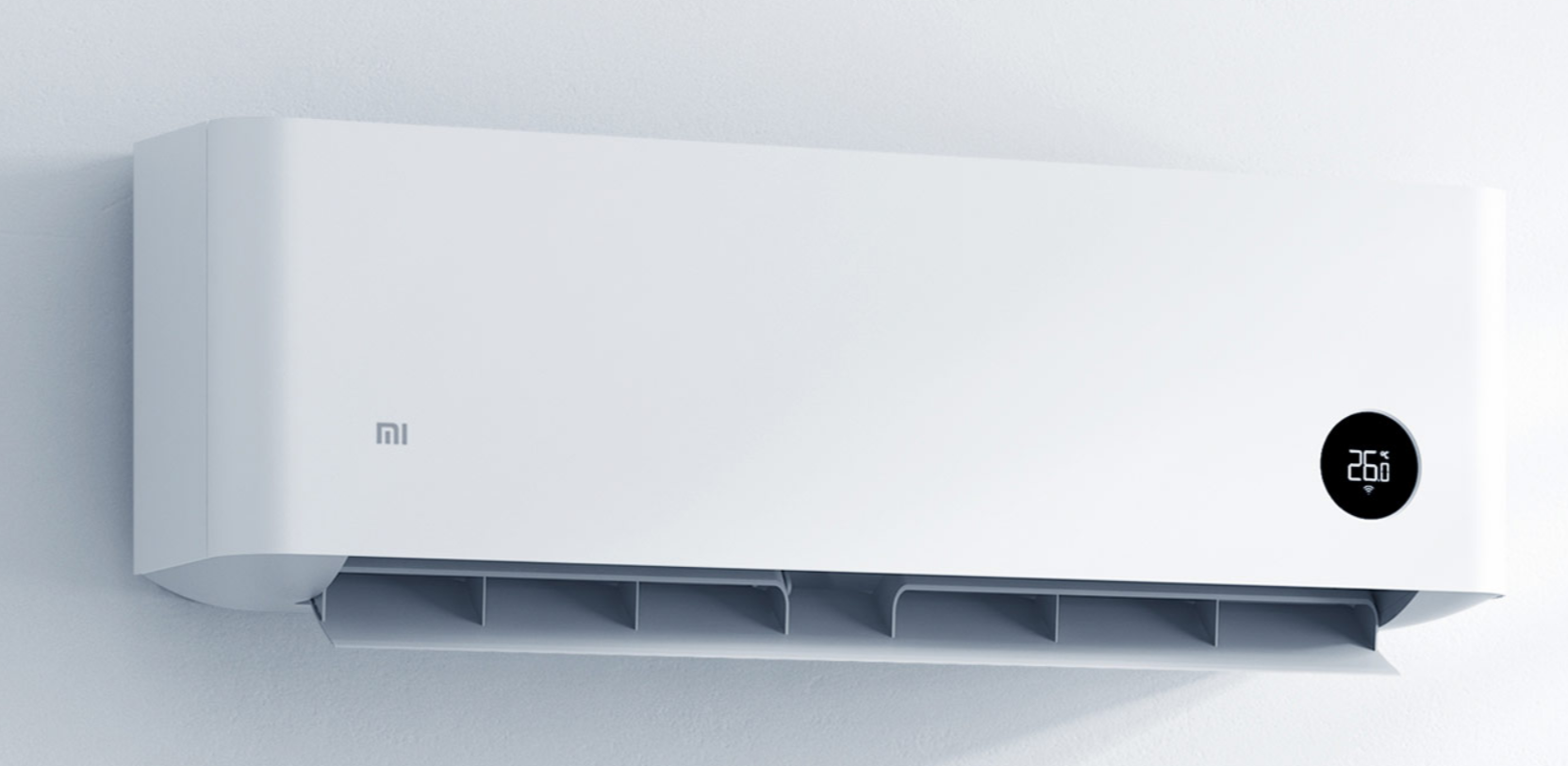
Earlier today (21st April 2020), Xiaomi announced a new air conditioner through its official Weibo account, a Chinese microblogging website, of its Smart Home appliances department.
According to the official post, “Compared to the ordinary air-conditioning wind, how long have you never felt the breeze of nature? How do you achieve the environment switch between the city and the valley on a busy day?” This highly implies that the new air conditioner will be made with a natural feeling breeze in mind. The Chinese tech giant emphasized greatly on the countryside experience.
In the post, the company shared a teaser poster image which also depicted the countryside. From what we can gather, the company is focusing on its new Natura Breeze feature, which will likely be an aromatic enhancement. Meaning, Xiaomi may be trying to provide a fresh airflow experience through a fresh smell over traditional air conditioners.
Xiaomi Smartmi Air Conditioner A
Furthermore, the airflow itself is said to be gentler or “softer.” This again emphasizes the natural breeze over the artificial cold air which isn’t very healthy on the human body. The airflow will also have a wider coverage with less temperature difference within the room. In other words, one will not have areas that the airflow doesn’t reach while it will not hit anyone directly and spread more evenly.
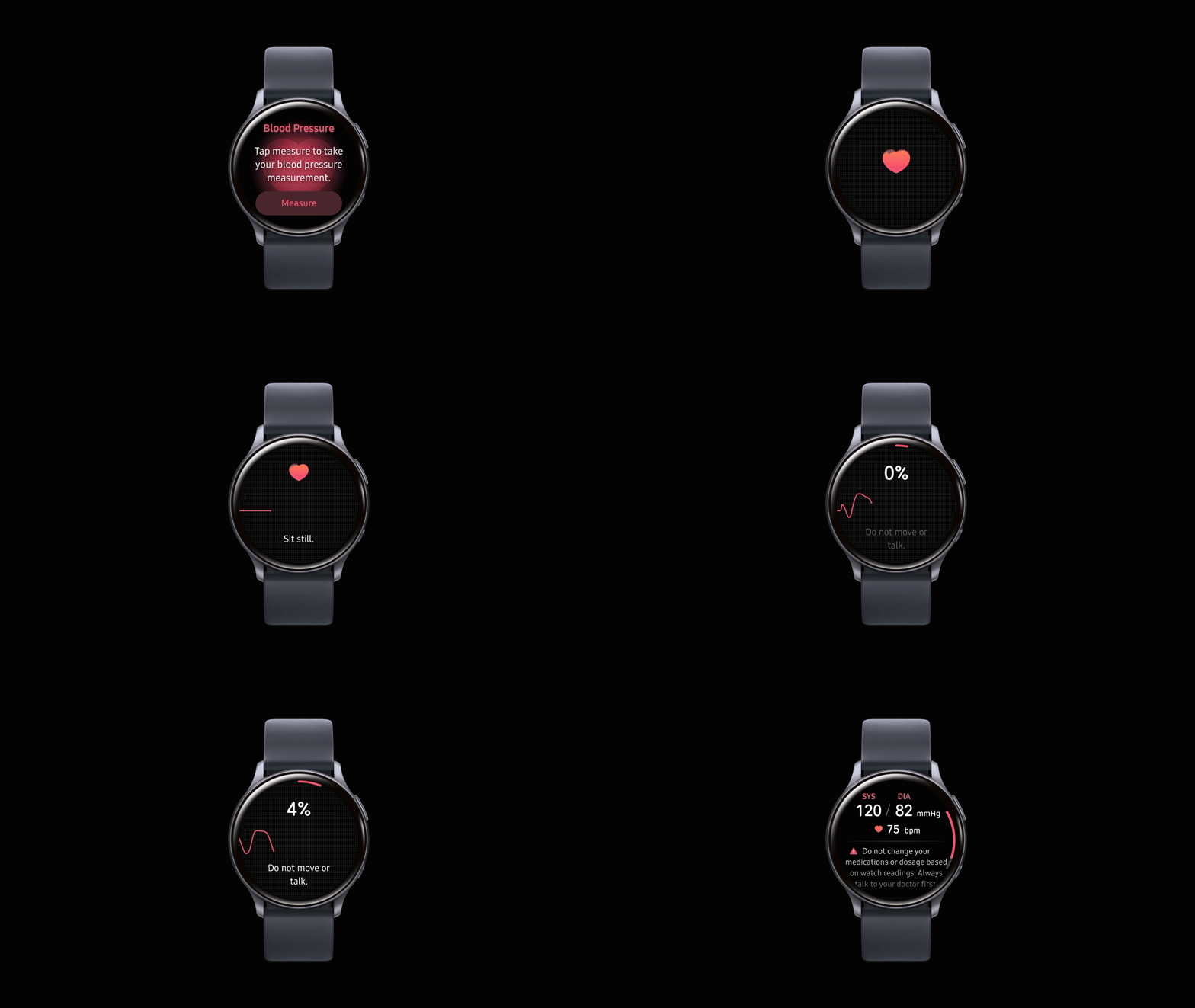
Smartwatches have evolved from being able to track just physical activities to be able to measure other important health data such as your heart rate, your oxygen intake, and your blood pressure. Yesterday, Samsung announced that its Galaxy Watch series will now be able to measure blood pressure. However, users will actually need a sphygmomanometer to calibrate the watch.
The nearly minute-long video released by the official Samsung Newsroom YouTube channel walks users through the process. First, you have to ensure that your watch is tightly fitted to your non-dominant wrist. Then wear the cuff of the blood pressure monitor on the arm of your other hand. Just as you begin measuring with the monitor, your watch also begins to measure your blood pressure automatically.
When the watch is done measuring, you enter the reading from the monitor on your phone. You will be required to take two more measurements before calibration is completed after which you will then be able to use your watch to measure your blood pressure with the watch anytime. The press release advises users to calibrate their watch every four weeks to ensure accuracy.
With the health app on your phone, you will be able to monitor your different blood pressure readings over a period of time as recorded measurements will be synced to the device.
Samsung said the Health Monitor app will be available on the Galaxy Watch Active2 in Q3 2020 and then roll out to upcoming models. So if you own the original Watch Active, you will not be able to make use of this feature.
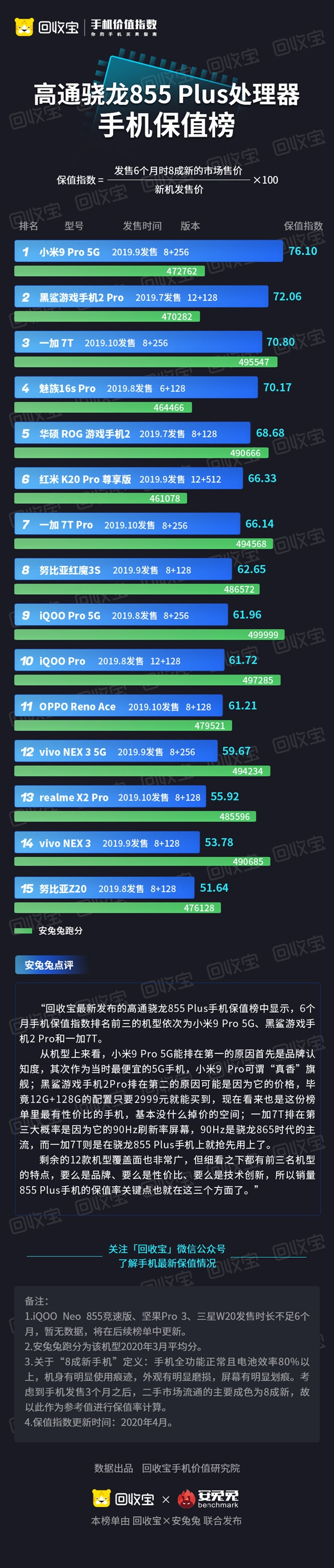
Earlier today (21st April 2020), Huishoubao, a popular second hand phone dealer in China, released a list for the best resale value for smartphones with Qualcomm’s Snapdragon 855+ SoC. In the list, the reseller also added AnTuTu benchmarking stats as well.
For those unaware, Qualcomm released its flagship mobile chipset, Snapdragon 855+ back in the second half of 2019. So in terms of performance, it is very similar in technical prowess with the latest Snapdragon 865 SoC. This flagship chip from 2019 was used in various Android flagships from brands including, Oppo, Vivo, Xiaomi, Realme, OnePlus, Nubia, Asus, Meizu, Black Shark, iQOO, Nubia and more.
The list released by the second hand smartphone dealer arrives in the form of an image that reveals the highest resale value of certain handsets. The company calculated the value by dividing the market price of a smartphone 6 months after its launch by its original selling price at the initial launch. Then, it multiplies it by 100 to get a percentage.
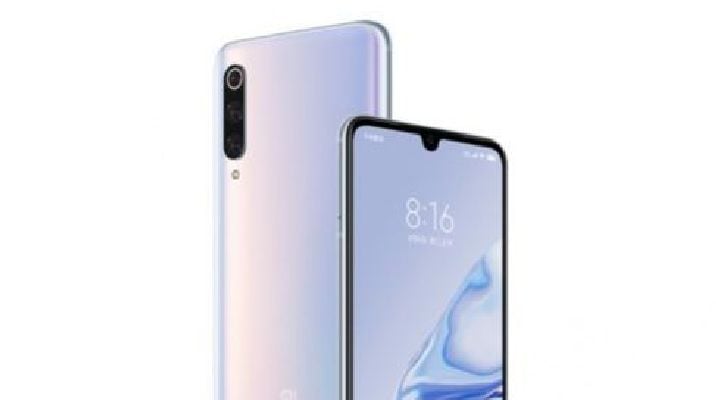
Through this, we can observe that the Xiaomi Mi 9 Pro 5G ranked first since it had a resale value of 76.10 percent. In other words, despite 6 months have passed, the smartphone saw lower depreciation of its market price. On the second spot, the Black Shark 2 Pro comes in with 72.06 percent while OnePlus 7T arrives third with 70.80 percent.
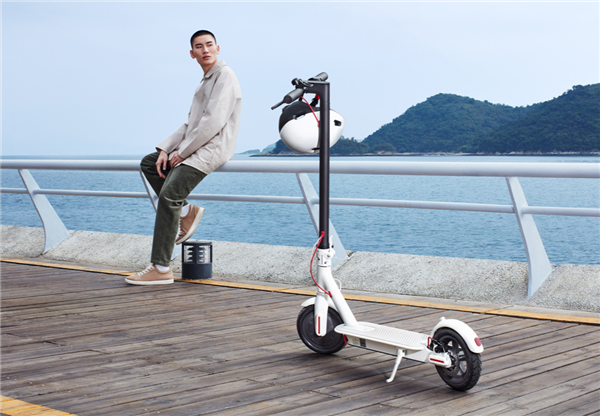
Back in 2016, Xiaomi had released an electric scooter which had received various awards and praises. Now, nearly 4 years after the original launch, the Chinese tech giant has now released the Xiaomi Mijia Scooter 1S. It is priced at 1,999 Yuan (roughly 282 US Dollars) and is currently available at the Xiaomi Mall platform.
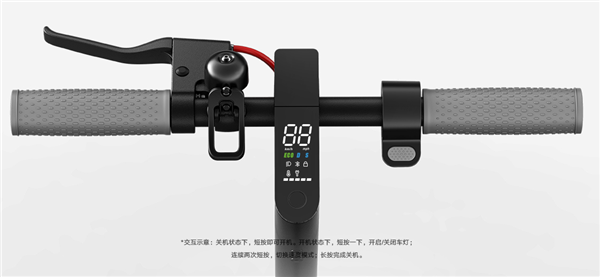
The Scooter 1S brings various upgrades and new features. This includes a new interactive visual dashboard, which also supports self diagnosis and checking. In other words, if there is a malfunction in any system of the electric scooter, the display can notify the user. Furthermore, the screen also reveals real time speed, driving status, battery life and other important information as well, all in one glance.
Being interactive, one can navigate through various functions with just the single button provided below it. The Mijia Scooter 1S follows a minimalistic design with aviation grade aluminum alloy body and a total weight of just 12.5 kilograms. Notably, it is capable of carrying loads up to 100kg. The electric scooter can also be folded in just under 3 seconds, making it portable when not in use.
The integrated DC motor that powers the Scooter 1S is rated for a service life of 3,000 hours with a 250W power rating and a maximum output of 500W. The scooter can reach speeds up to 25km/h and can last up to 30 kilometers in a single ful charge. It also features an energy saving mode, normal mode, and an adjustable sports mode as well.
The Xiaomi Mijia Scooter 1S is equipped with two 8.5 inch tires that are wear and skid resistant. The handle adopts a double brake design for both the front and rear wheels. Interestingly, when the throttle is released and the brake handle is pressed, the scooter can recover a small portion of the energy from the front wheels, providing a longer battery life. it also supports the ABS system (Anti Brake) and anti brake lock system and has large disc brake structure as well.
The USB-C standard was originally announced back in 2014. Initially, consumers weren’t completely sure about buying USB-C cables but things have changed drastically with the -C cables reaching a safer and more stable standard.
If you have a Nintendo Switch, iPad Pro, MacBook, Android phone, or any other device with a USB-C port, you need to some cables for transferring data, charging, and displaying video. Regrettably, when it comes to USB-C, cables that seem identical can perform in another way.
For instance, a cable that offers fast charging may turn out to be maddeningly slow when it comes to transferring data. Much to our relief, the market is teeming with all sorts of USB-C cables that are safe, as well as stable. Here’s our list of best USB-C cables in 2020 that don’t cost a bomb.
Anker Powerline II USB-C to USB-C 2.0 Cord
An ideal cable for charging USB-C devices such as laptops, tablets, and phones with up to 60W chargers, the Anker Powerline II USB-C to USB-C 2.0 Cord, but offers slower USB 2.0 data transfer speeds. WireCutter confirmed that it carries up to 60W power after testing.
Moreover, the Anker Powerline II is USB-IF certified and backed by a lifetime warranty from Anker. The 6-foot long cable comes in handy for charging even when you sit on a bed or couch. On the downside, it is not the best product to charge large laptops such as the MacBook Pro 15-inch or 16-inch model due to its limited data transfer speeds to USB 2.0.
It is a 6.6-foot cable carrying a 100 W rating. It delivers a performance similar to the MacBook Pro charging cable without emptying your pocket. Thanks to its 100 W charging rating, the cable can be used for recharging the MacBook Pro 16-inch model, which comes with a 96 W charger, at full speed.
Moreover, the Cable Matters USB C to USB C Charging Cable is USB-IF certified and is backed by the company’s one-year warranty. Its performance is as good as Apple’s 2-meter (6.6-foot) and 1-meter (3.3-foot) charging cables for MacBook Pro, but bear comparatively more affordable price tag than the aforementioned 60 W Anker charging cable.
On the downside, it supports only USB 2.0 data transfer speeds and is bulkier and thicker. The one-year warranty that it comes with isn’t as helpful as the lifetime warranty available on the Anker PowerLine II USB-C to USB-C 2.0 Cable.
If you are in the market for a cable that does everything, the Anker Powerline II is likely to fill the bill. It offers up to 10 Gbps transfer speeds for USB 3.1 Gen 2 and is a great choice for charging most USB-C laptops, including the MacBook Pro 16-inch model, at full speed.
Unfortunately, the Anker Powerline II USB-C to USB-C 3.1 Gen 2 Cable is too short for charging a smartphone. With the right charger, it offers up to 100-watt charging, meaning, it can charge any USB-C device at maximum speeds.
In terms of data transmission, the Anker Powerline II delivers USB 3.1 Gen 2 speeds of up to 10 Gbps, which is as fast as a non-Thunderbolt USB-C port delivers. In short, it can transfer a full-length movie in HD format in just about three seconds.
While loaded with top-end features, Anker Powerline II USB-C to USB-C 3.1 Gen 2 Cable is more expensive than other USB-C cables available on the market. While it is just 3 feet long, the cable is designed to be used to connect to a storage device, a laptop or a monitor, and not trying to connect it from your bed or nightstand.
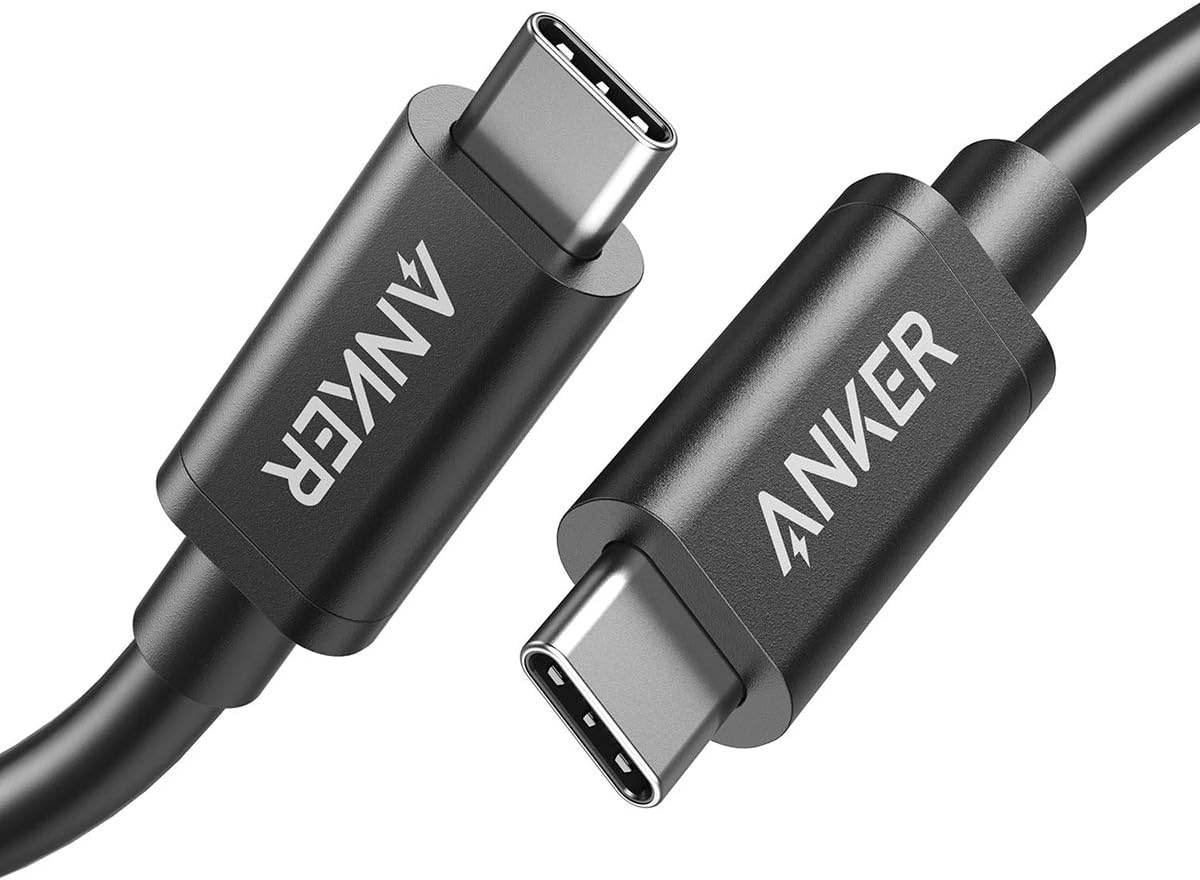
There aren’t too many devices that are Thunderbolt 3 capable, but if you have restlessly been looking for top data speeds i.e. up to 40 Gbps. coupled with 100 W charging, you might want to check out the Anker USB-C Thunderbolt Cable. It is capable of charging a high-powered laptop including the MacBook Pro 16-inch model.
It is Thunderbolt 3 capable, so despite looking exactly like any other USB-C–to–USB-C cable, it is capable of transferring data at up to 40 Gbps between supported devices. On top of that, it is backed by Anker’s 18-month warranty, which is the best in this category.
The Anker USB-C Thunderbolt Cable is quite short, but for a practical reason. According to AppleInsider, Thunderbolt 3 cables that are longer than 1.6 feet do not deliver data transfer speeds and require you to shell out more money on a premium active cable. Moreover, it is designed to be used to connect a laptop to a portable SSD, which is usually placed next to it, which means the 1.6 feet length long enough.
Belkin USB-IF Certified 2.0 USB-A to USB-C (USB Type C) Charge Cable
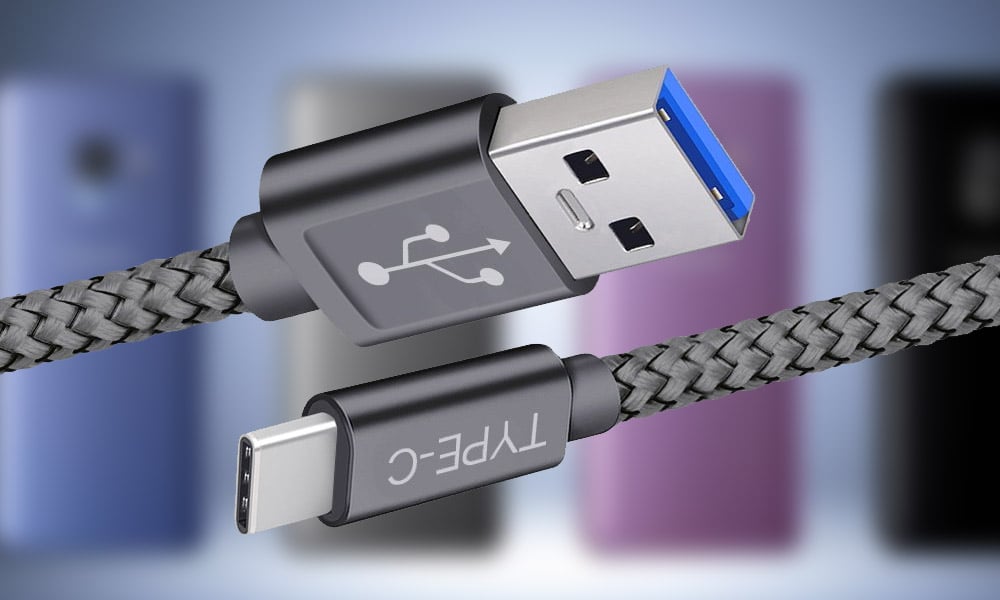
When it comes to transferring data, this USB-A–to–USB-C cable seems to take forever, but it is 6-feet long and comes in handy for charging older batteries and chargers. This cable can be used to connect USB-C device to a USB-A charging port on a laptop, a wall outlet, a wall charger or a battery pack featuring legacy ports.
The USB-IF certified Belkin USB-A to USB-C Charge Cable comes with a lifetime warranty and has a solid built. Despite its 6-feet length, the cable is relatively thin and can compactly coil up. Unfortunately, it supports only up to USB 2.0 data transfer speeds i.e. 480 Mbps, making it a substandard alternative when it comes to transferring a lot of data between devices.
It is worth noting though that it is the fastest USB-IF certified cable that’s 6-feet long. According to a rep at Anker, the company’s engineers found that integrating full USB 3.1 Gen 2 speeds with a 6-foot cable would make the cable too thick.
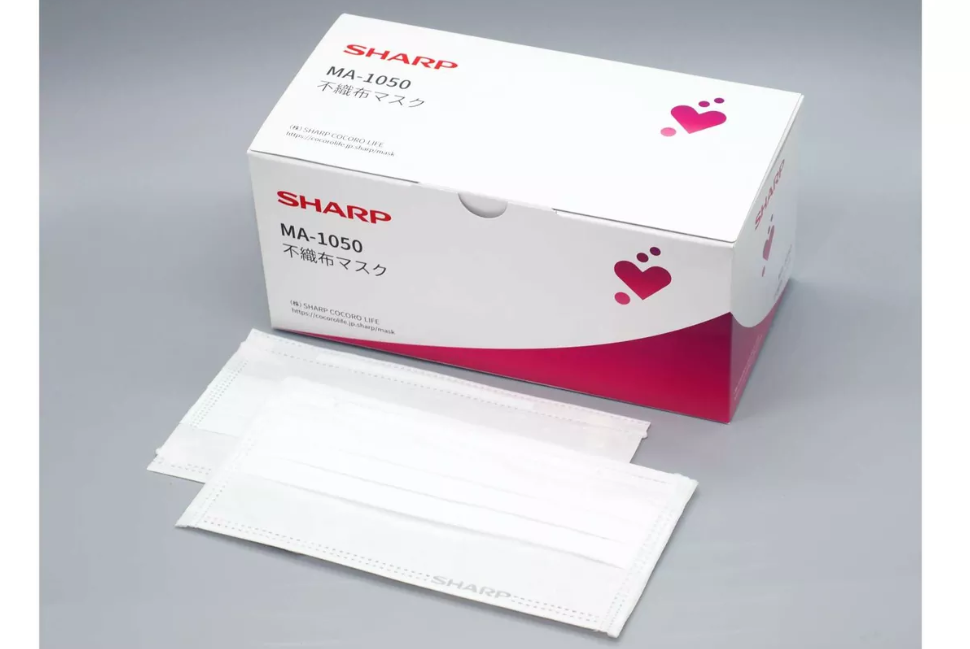
Last month, Sharp, the known electronics brand, had announced that it would begin the production of face masks in Japan. Now, these were finally commercially available earlier today (21st April 2020) but due to immense demand and traffic, it seems like the network structure has collapsed with crashes affecting the company’s servers for the official website and its smart IoT devices network as well.
According to a new report, the digital infrastructure collapse has even extended to home appliances made by Sharp. This includes air conditioners that connect to the internet and other products that can be controlled via a smartphone facing various issues at the moment. Similarly, it is almost impossible to access the official Sharp online store due to the heavy demand.
A Sharp representative issues a statement and apologized for the troubles users are facing with the website and their smart home gadgets. The official stated that the concentrated traffic to the server that handles user accounts for both online store and smart home products was the reason for the dual sided malfunction. Furthermore, Sharp is currently working on fixing the issue.
The mask that caused the entire ordeal is just an ordinary looking face mask that is commonly used in Japan and other Asian countries. However, it is different since it has a noticeable Sharp logo branding on the bottom. The mask costs 2,980 Yen (roughly about 28 US Dollars) for a box of 50 with 680 Yen (roughly 6 US Dollars) shipping charges as well. Customers are also restricted from buying more than 3 boxes at a time to prevent hoarding and as of recently, the website is still offline.
We use cookies on our website to give you the most relevant experience by remembering your preferences and repeat visits. By clicking “Accept”, you consent to the use of ALL the cookies.
This website uses cookies to improve your experience while you navigate through the website. Out of these, the cookies that are categorized as necessary are stored on your browser as they are essential for the working of basic functionalities of the website. We also use third-party cookies that help us analyze and understand how you use this website. These cookies will be stored in your browser only with your consent. You also have the option to opt-out of these cookies. But opting out of some of these cookies may affect your browsing experience.
Necessary cookies are absolutely essential for the website to function properly. This category only includes cookies that ensures basic functionalities and security features of the website. These cookies do not store any personal information.
Any cookies that may not be particularly necessary for the website to function and is used specifically to collect user personal data via analytics, ads, other embedded contents are termed as non-necessary cookies. It is mandatory to procure user consent prior to running these cookies on your website.




 Moreover, the Anker Powerline II is USB-IF certified and backed by a lifetime warranty from Anker. The 6-foot long cable comes in handy for charging even when you sit on a bed or couch. On the downside, it is not the best product to charge large laptops such as the MacBook Pro 15-inch or 16-inch model due to its limited data transfer speeds to USB 2.0.