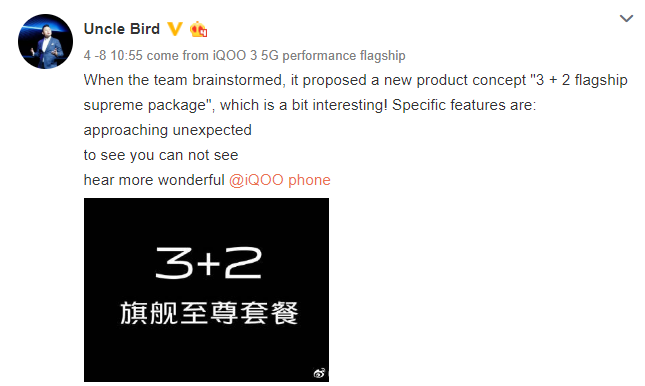
The iQOO 3 5G phone debuted in February as the first 5G-ready iQOO phone. The handset was powered by Snapdragon 865 mobile platform. Rumors have it that the upcoming iQOO Neo3 will be the second Snapdragon 865 SoC driven phone from the company. Unlike the iQOO 3, the Neo3 is expected to support higher refresh rates. iQOO’s General Manager has released a Weibo post that talks about an upcoming product. It seems to be another iQOO Neo3 teaser from the company after the one that was released last month.
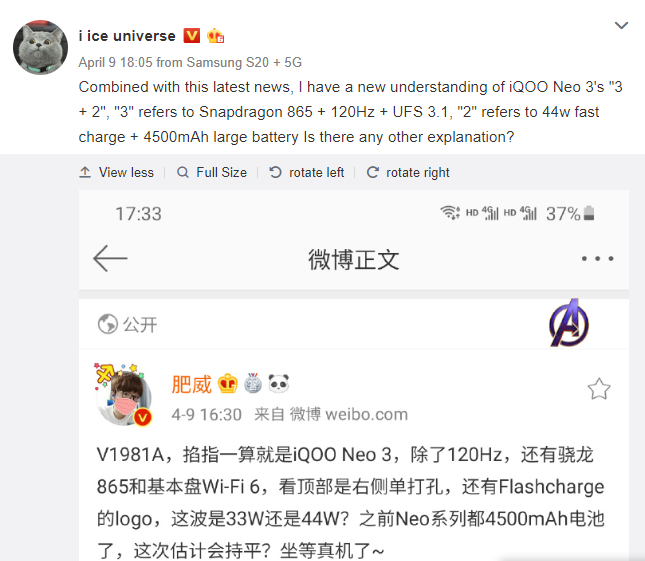
The iQOO executive said that the company has adopted a new concept of “3 + 2 flagship supreme package.” Reliable tipster Ice Universe shared a possible explanation on what “3 + 2” referring to. Based on the available leaked details of the Neo3, the said that “3” relates to features like Snapdragon 865, 120Hz high refresh rate display and UFS 3.1 storage and “2” could refer to 4,500mAh and 44W fast charging.
The new leak also reveals that the iQOO Neo3 will be equipped with Wi-Fi 6. Leaked screengrabs that were reportedly taken from the same phone revealed that it could be coming with a punch-hole display. It won’t be an AMOLED, but an IPS LCD panel. Probably, it could be coming with a side-mounted fingerprint reader, but there is no evidence available to support this claim. The handset is said to be equipped with a 48-megapixel quad camera system on it back. Also, the phone will be arriving with 6 GB of RAM and 128 GB of built-in storage.
The Redmi K30 Pro was recently introduced in China with a starting price of 2,999 Yuan (~$426). It is currently available as the cheapest Snapdragon 865 powered phone in China. It is speculated that the iQOO Neo3 will be rivaling with Redmi K30 Pro. Hence, there is a possibility that iQOO Neo3 could be coming with a staring cost of 3,000 Yuan.
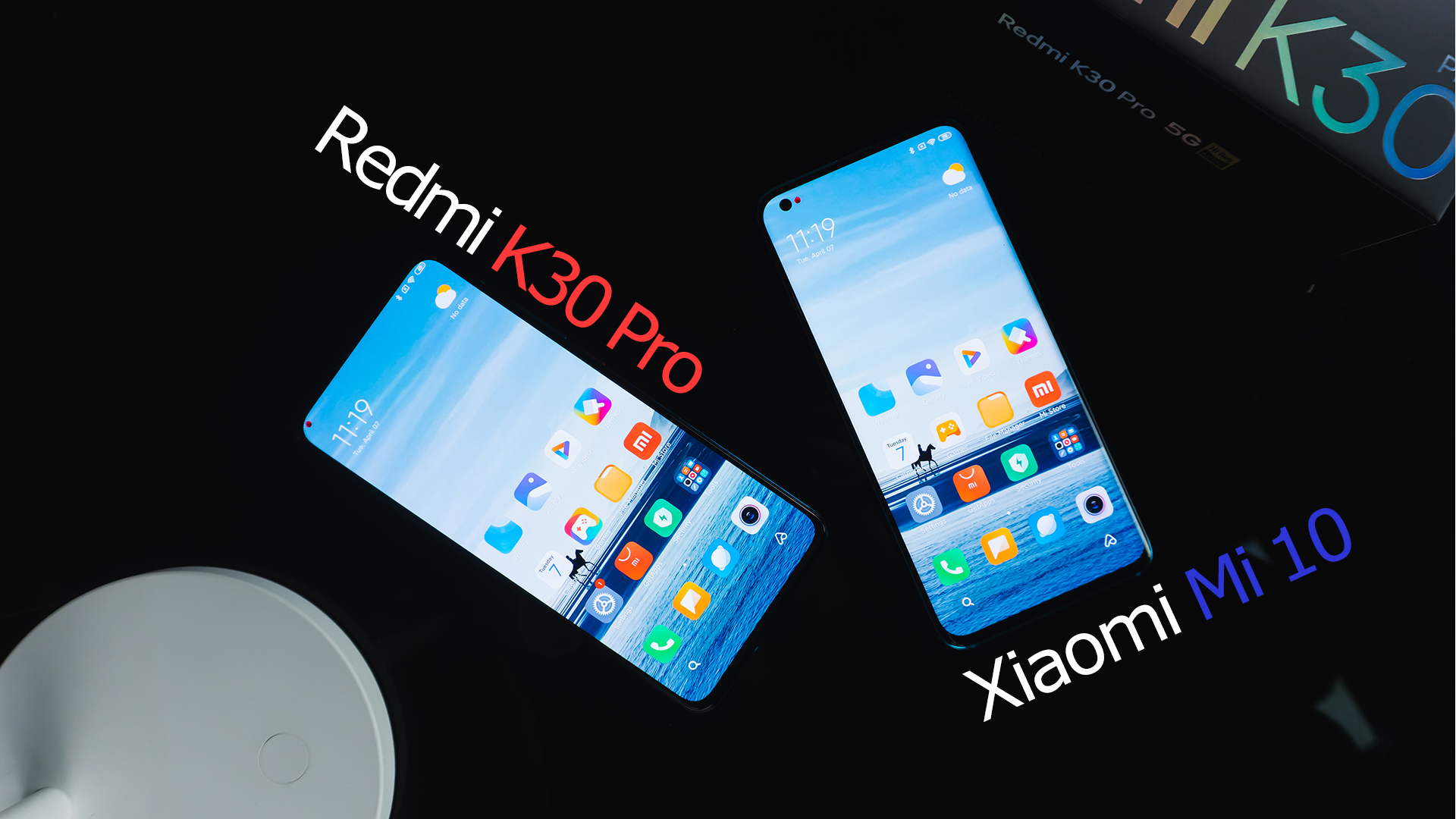
Redmi released the K30 Pro model earlier this year. Since the K30 model released in January, it’s been over 2 months for us to imagine how the K30 Pro would kill those flagships as the K20 Pro did. And right now, the Redmi k30 Pro is just in our hands. Along with that, we’ve also got the Mi 10, which puts in the perfect position to see if Redmi’s flagship and Xiaomi’s flagship competes with each other.
Redmi K30 Pro vs Mi 10
Design
Its good to see that the K30 Pro used the complete full-screen design without any hole-punch or notch. In 2020, you will see almost all the flagships would turn to different kinds of hole-punch displays. For those who cannot accept the imperfection, the K30 Pro has given you the perfect solution.
The pop-up front camera is still one of the most effective setups for solving the dilemma between higher screen-to-body ratio and front camera components. Most phone producers have abandoned the pop-up mechanism, which probably is more about suppliers’ choices on balancing cost and user sensibility. But smartphone designers are still working on or, at least, waiting for the next solution, which is likely to be the in-screen camera. Comingback to the pop-up cameras, some users may worry about the thickness problem caused by the pop-up camera but in fact, the Redmi K30 Pro is not much thicker than the Mi 10.
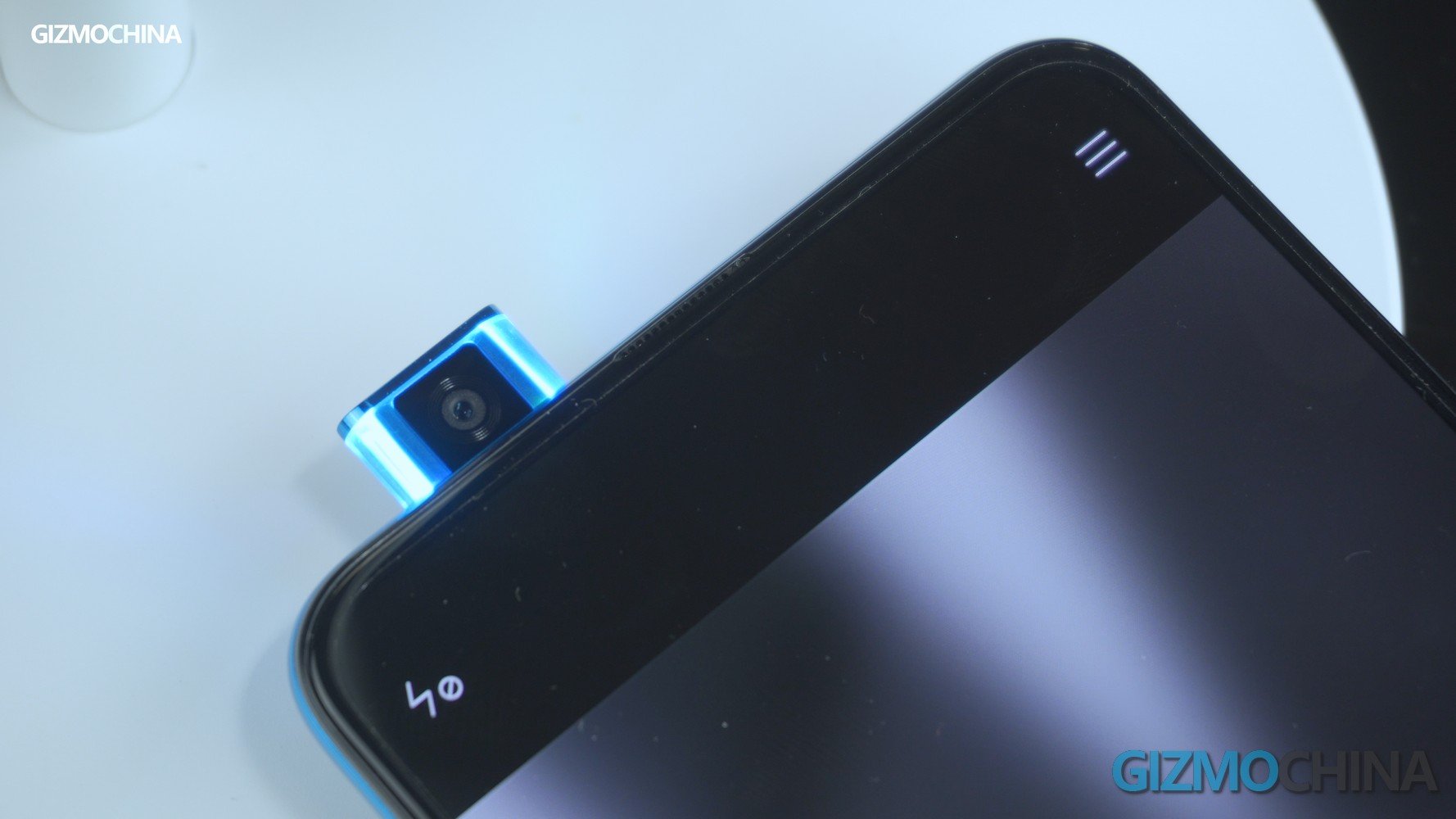
Here’s how it pops-up from the top. Redmi has inherited its shiny pop-up motion, which is really not an elegant design but makes it more like a fancy toy.
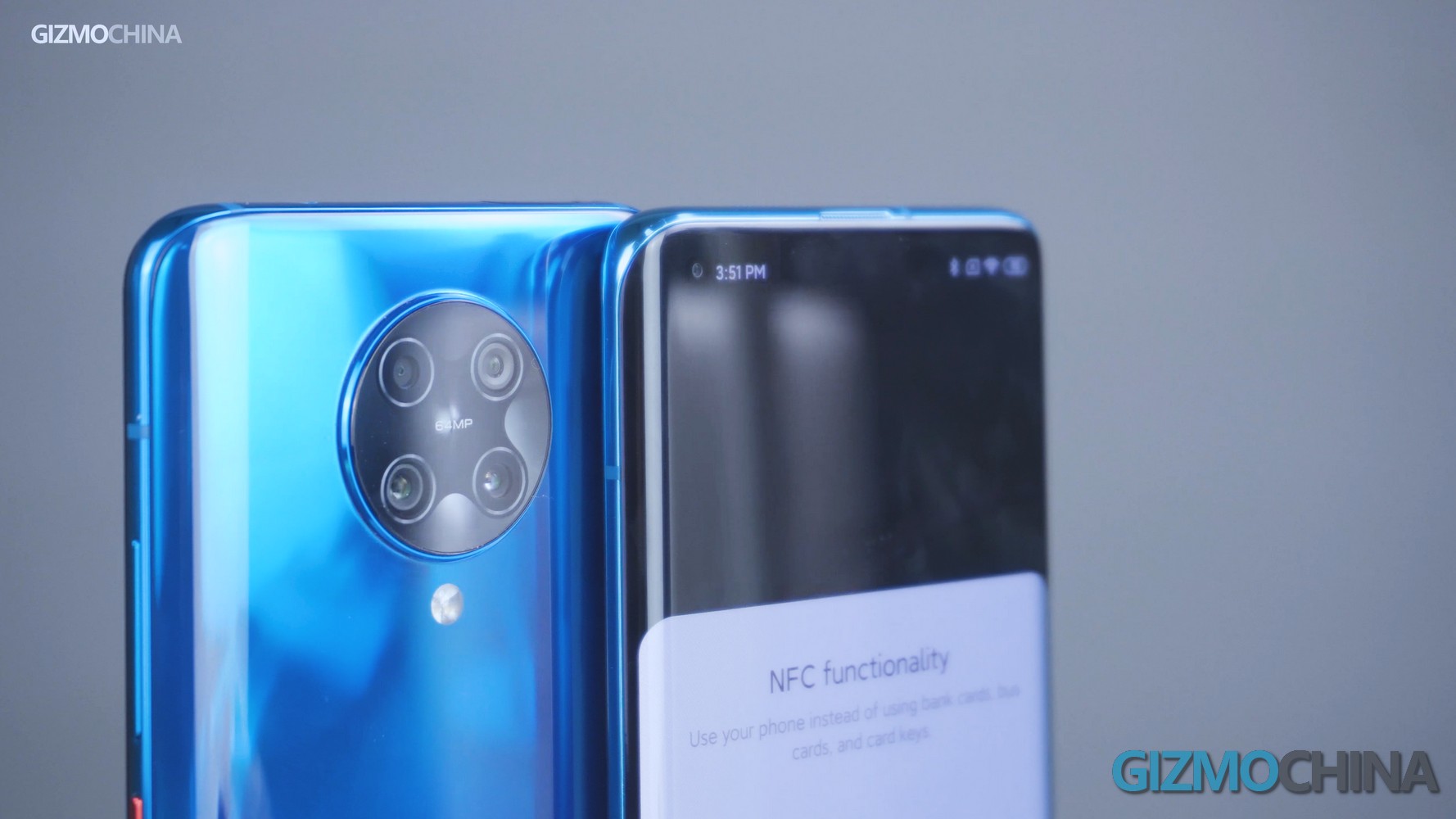
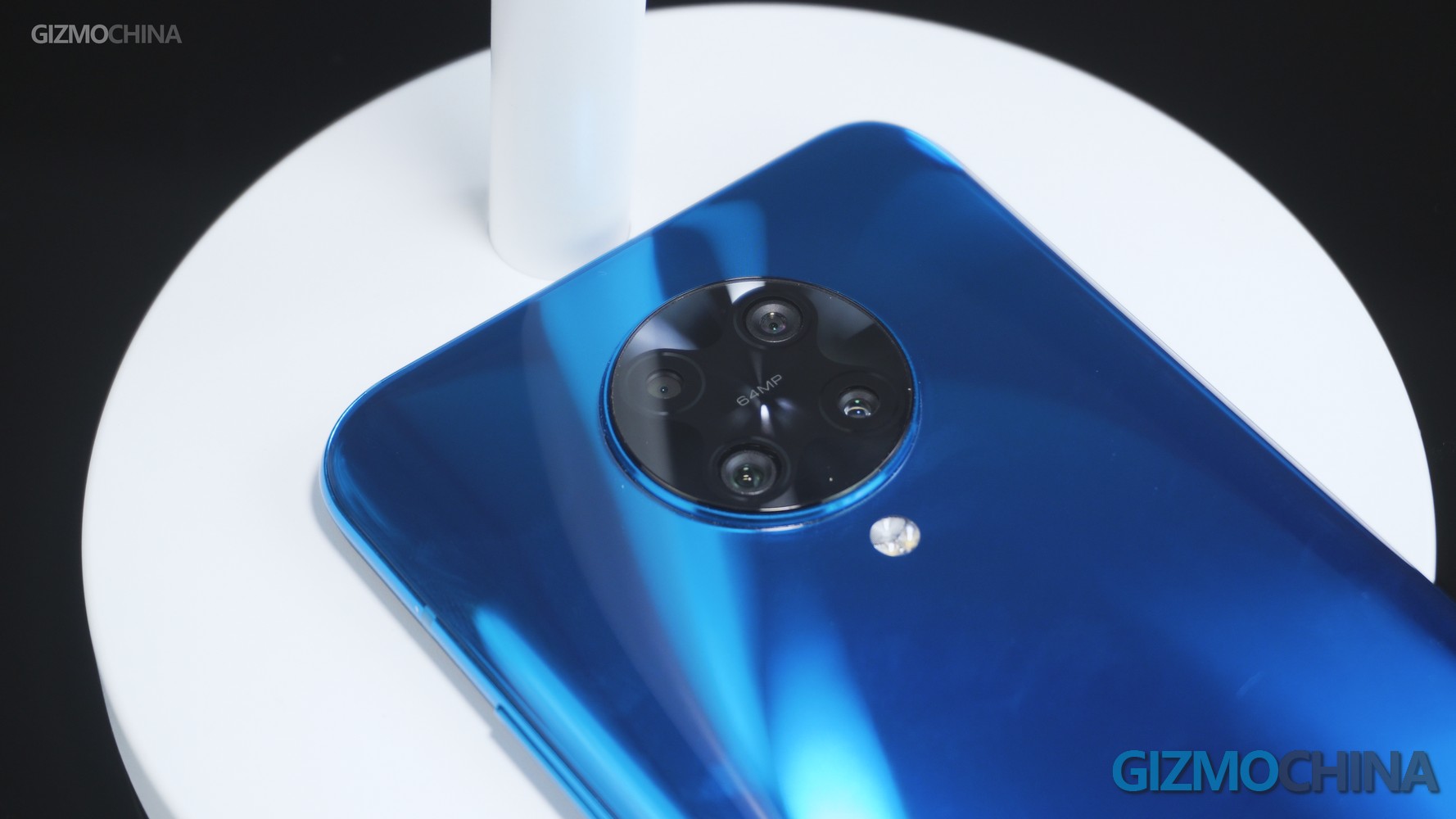
And another detail different from the Mi10 is the flat display. Although a curved display is really able to catch eyes at first glance, we found that users usually got annoyed by the edge-mistouch problem. So, we appreciate that Redmi did not follow the trend for curved screen displays. Looking back to the rear camera arrangement, it reminded us of the Huawei Mate 30 Pro, though the design of K30 Pro looks much simpler.
At the same time, the K30 Pro reserved a 3.5mm Audio port, which has been taken away on most flagships including the Mi 10. But the Mi 10 has dual speakers which are able to have stereo when holding the phone in hands, while the K30 Pro, though having a certification of Hi-Res Audio, struggle to provide the same enjoyment with only one speaker.
Display
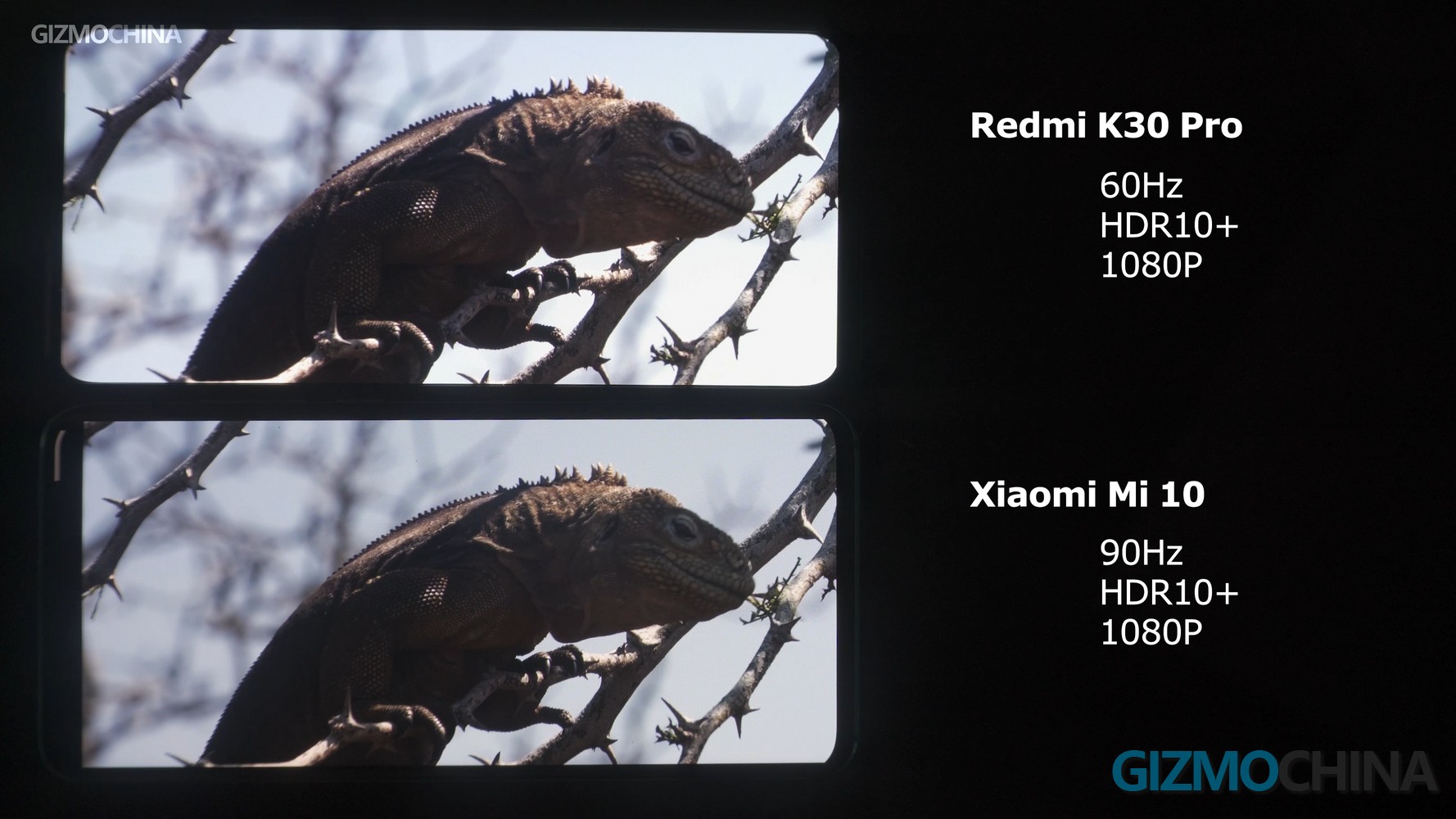
One of the biggest differences in user experience is their display. Mi 10’s display features a 90Hz refresh rate, while the K30 Pro equipped a 60Hz one. I have to say one of the most intuitive feelings about using a phone is the visual experience on their displays. Thanks to the high refresh-rate, Mi 10 seems to be a bit more fluent in the system layout, though their inside CPU performance should be very close to each other.
But other than that, the Redmi K30 Pro is definitely an excellent 1080P HDR display and had a similar color presentation to the Mi 10.
Performance
About their performance, they both are equipped with a Snapdragon 865 SOC and LPDDR5 memory, which is the best combination for performance you can have in a 2020 Android Phone. But pay attention here not to get the wrong option, because the 6GB RAM and 128 ROM version of the K30 Pro features the LPDD4X memory. In addition, the K30 Pro is equipped with the UFS3.1 storage, while the Mi 10 features the UFS3.0 storage which was considered as one of the pros in Mi 10’s advertisement.
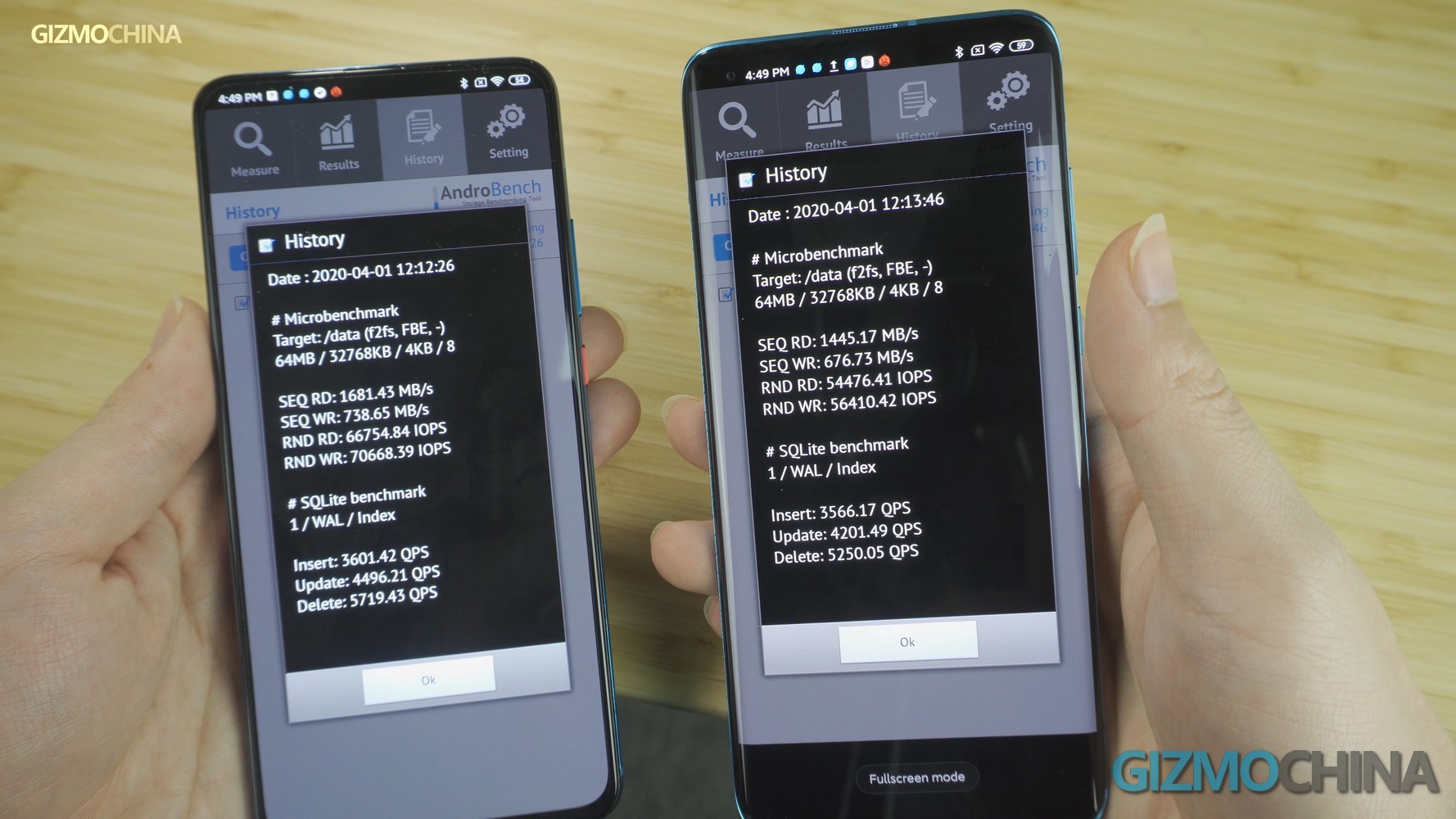
In our test, the UFS3.1 did have around 10% speed improvement of file transmission. And more importantly, the K30 Pro is a cheaper model.
AndroBench-Redmi K30 Pro vs Mi 10
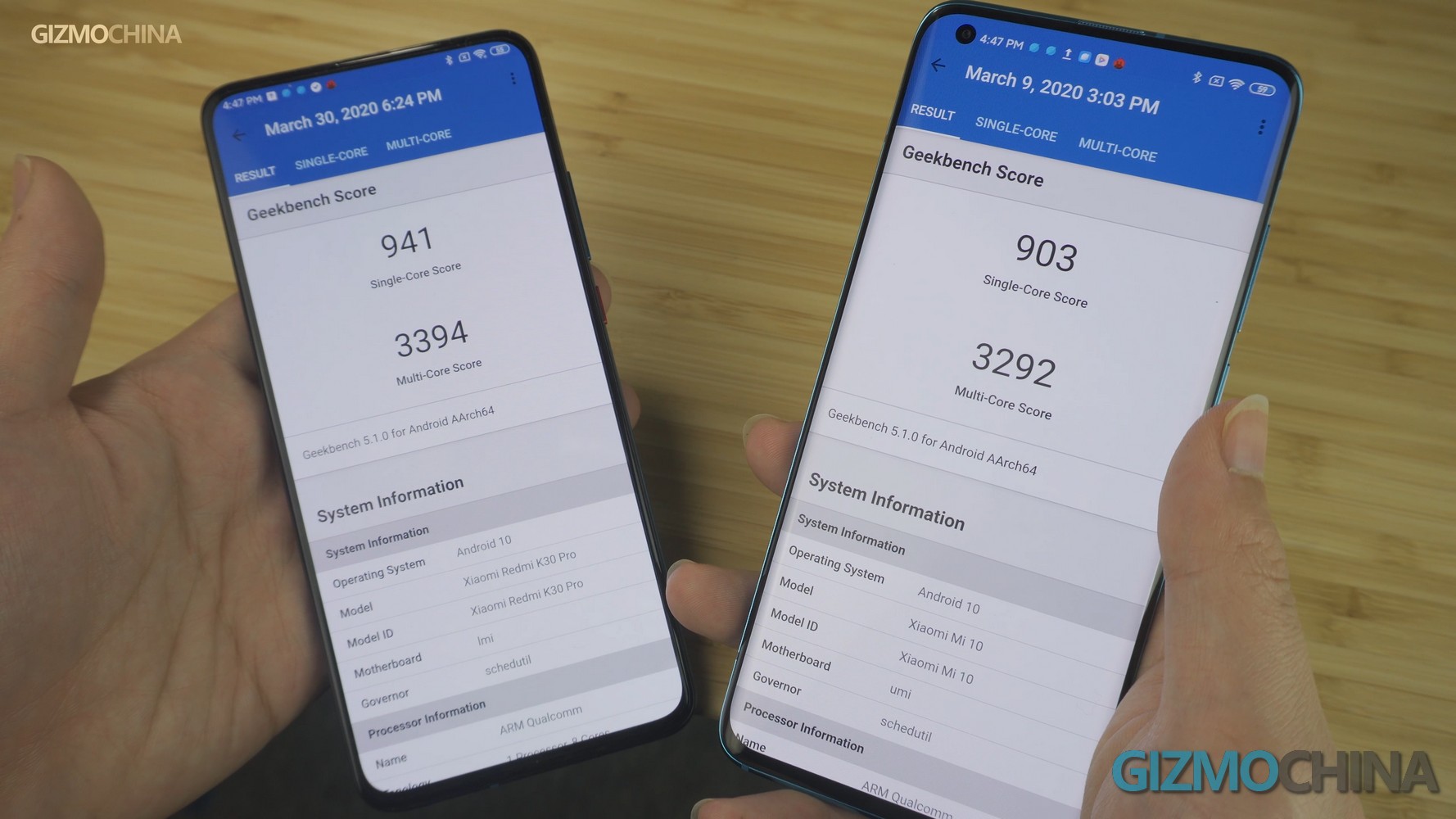
In Geekbench 5 test, the K30 Pro performed a bit better than the Mi 10 in both single-core and multi-core tests. And then we moved to the Andro-bench, the Redmi K30 Pro was not just leading the race of sequence read and write speed affected by the storage capacity but also had better results of random read and write. And the Andro-bench storage test also proved that there was over 10% improvement of the sequence read and write speed with the UFS3.1 storage.
Gaming
But when we moved to gaming tests, the K30 Pro’s gaming performance was obviously limited by the 60Hz display. In PUBG Mobile, even though we applied the highest graphic settings, the K30 Pro stably maintained 60 fps through the whole test. And the Mi 10 amazingly reached at 83.6fps averagely under the same picture quality. And looking back at the PUBG Mobile on the K30 Pro, it’s a performance waste!
And then we did a stress test in Namian Legend. this time the results were able to reflect their actual CPU performance. Although Mi10’s frame rate peaked at 90 frames, it averaged at 47.5, while the average frame rate of K30 Pro is 49.5fps. And that also met the results shown in those benchmark apps.
Cameras
Redmi was known as a sub-brand pursuing cost-effectiveness. Cameras on Redmi generally were not able to challenge those outstanding camera phones. And unfortunately, Mi 10 series were just one of them. We shot photos on both of them and let’s see what we got.
From the samples we found that Mi 10 was able to produce vivid colors with a bit higher saturation, but we also admire the K30 Pro’s 64MP primary camera due to its ability to portray the true colors. And if we were thinking to have more editing possibilities, the 108MP cameras of the Mi 10 would reserve more detail and better color tolerance.
When things come down to the high-resolution mode, obviously we see the gap between these two phones. 64MP resolution is definitely one of the most popular high-resolution solutions, but if there could be a better option like this 108MP sensor, all we have to concern is just the software tuning. But to be honest, the improvement from 64 to 108MP probably is hard to notice for most users in daily use. Because it’s not easy to perceive the difference in the details when the resolutions get so high.
And we tried several wide-angle photos but found that they may feature the same wide-angle lens and sensors. The samples looked very close with good resolution and good anti-distortion.
They both feature a macro camera. But from their samples, we thought they were still at a ‘have fun’ level. Xiaomi has developed its own powerful night mode just like its rivals have developed a few software solutions on improving and balancing the brightness. These two models both could shoot night photos under extremely low light conditions. The night mode samples significantly reduced noise in the darkness. The Mi 10’s advantage of high resolution still worked in night mode, which was impressive during our whole camera review.
Charge
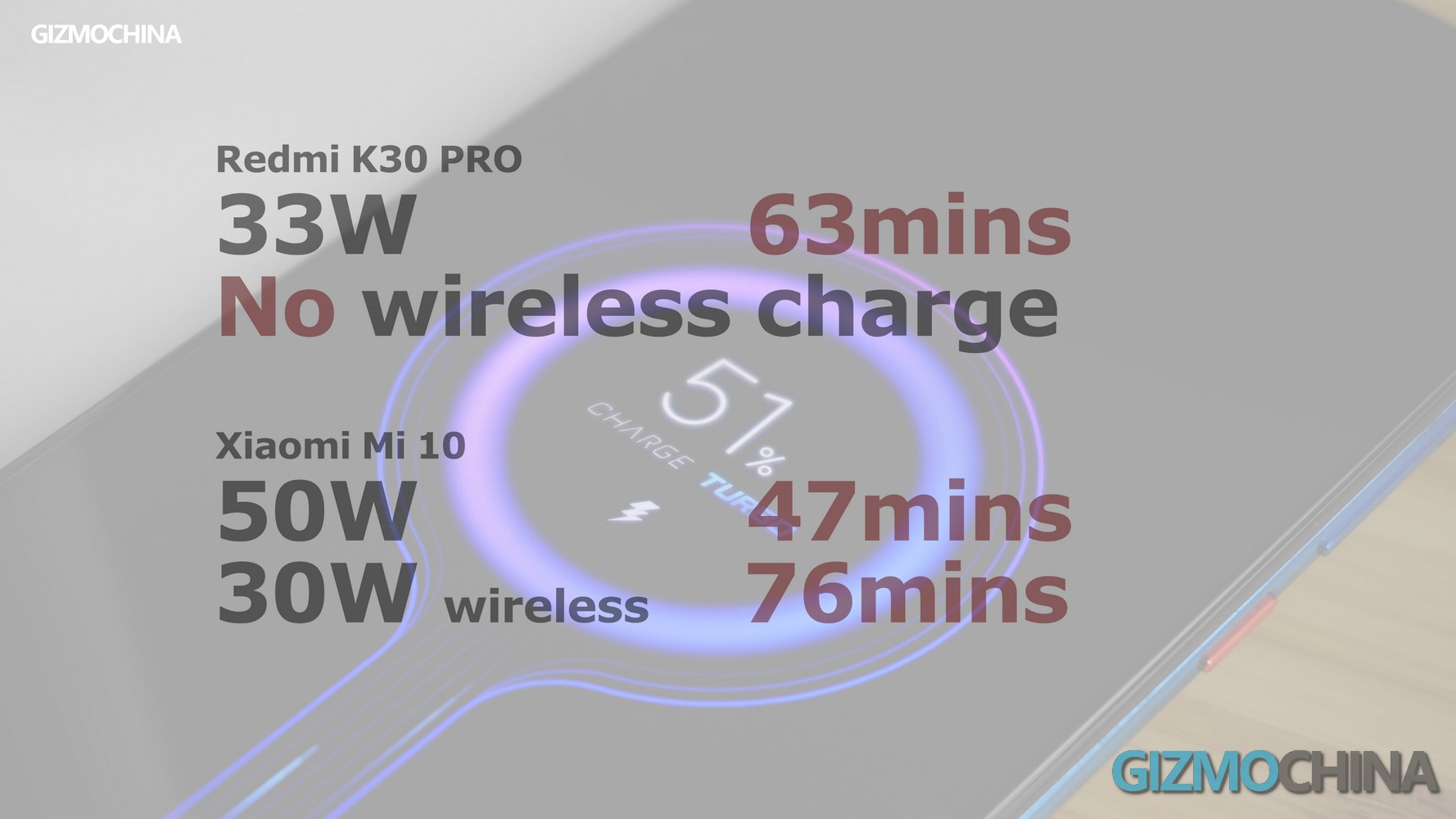
Another feature worth talking about is the charging efficiency. An included 33W charger gave the K30 Pro a full-charge just in around 63 minutes, while the 50W charger did it in just 47 minutes. Both of them were impressive. Especially for the Mi 10, it features the 30W wireless charging, which is even faster than on some flagship models’ wired charging. However, there’s no wireless charging on the K30 pro.
Conclusion
From a market perspective, the Redmi K series has inherited the former role of the Mi series, which were popular as cost-effective flagship killers. But as we’ve observed, it is getting more difficult than ever to play the role of an all-round candidate and save cost at the same time. The Redmi K30 Pro, to some extent, has matched its market positioning, and it’s still one of the high-end models to get your money’s worth. For most users the K30 Pro is a better buy starting at 2999 yuan ($426) despite its 60Hz display. It has a capable camera setup with a good design and powerful hardware to satisfy the requirements of most upper mid-range users.
The near $100 difference between the Redmi K30 Pro (8GB) and Mi 10 could be significant enough for most buyers to lean towards the former.
Redmi recently expanded its product offering to include a fitness tracker recently with the launch of the Redmi Band. The band isn’t any spectacular but is a cheap fitness tracker with several features.
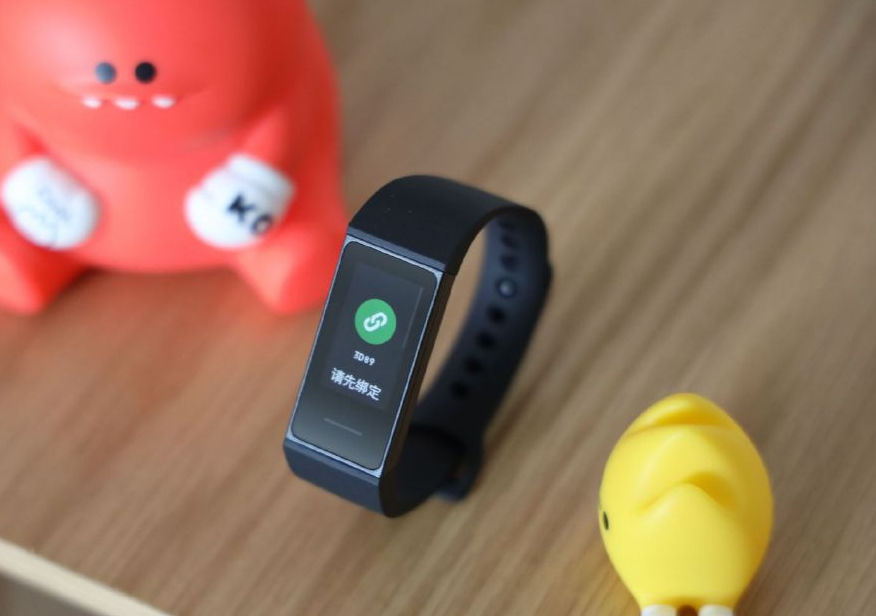
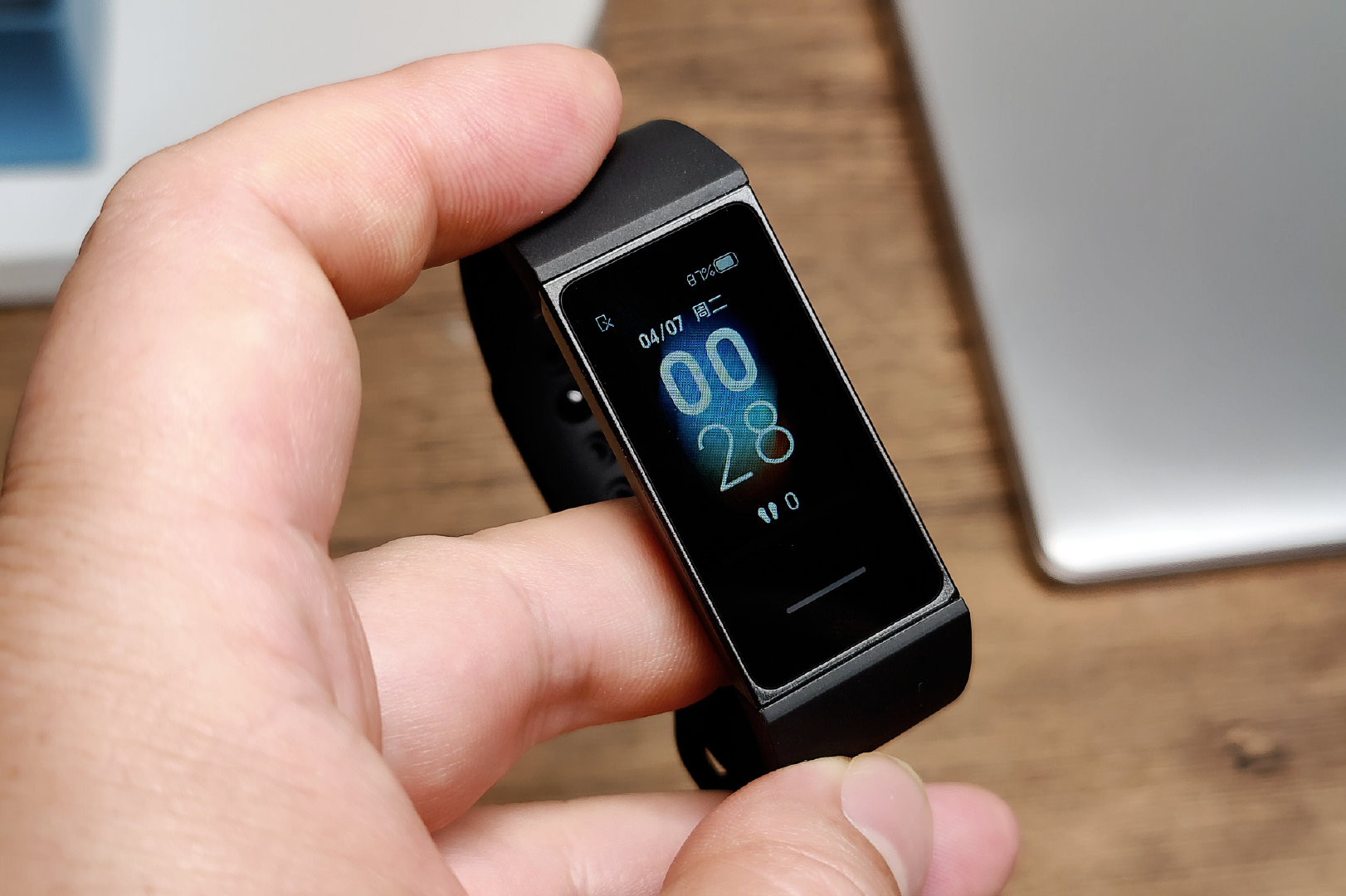
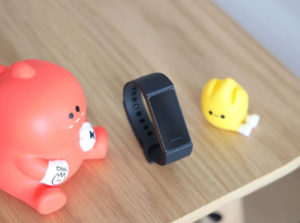
The Redmi Band adopts a design different from the Mi Band models. Instead of a curved OLED screen, it features a flat AMOLED display which from the hands-on/unboxing images doesn’t look bad. The band equally comes in four attractive colours namely; black, blue, red and brown.
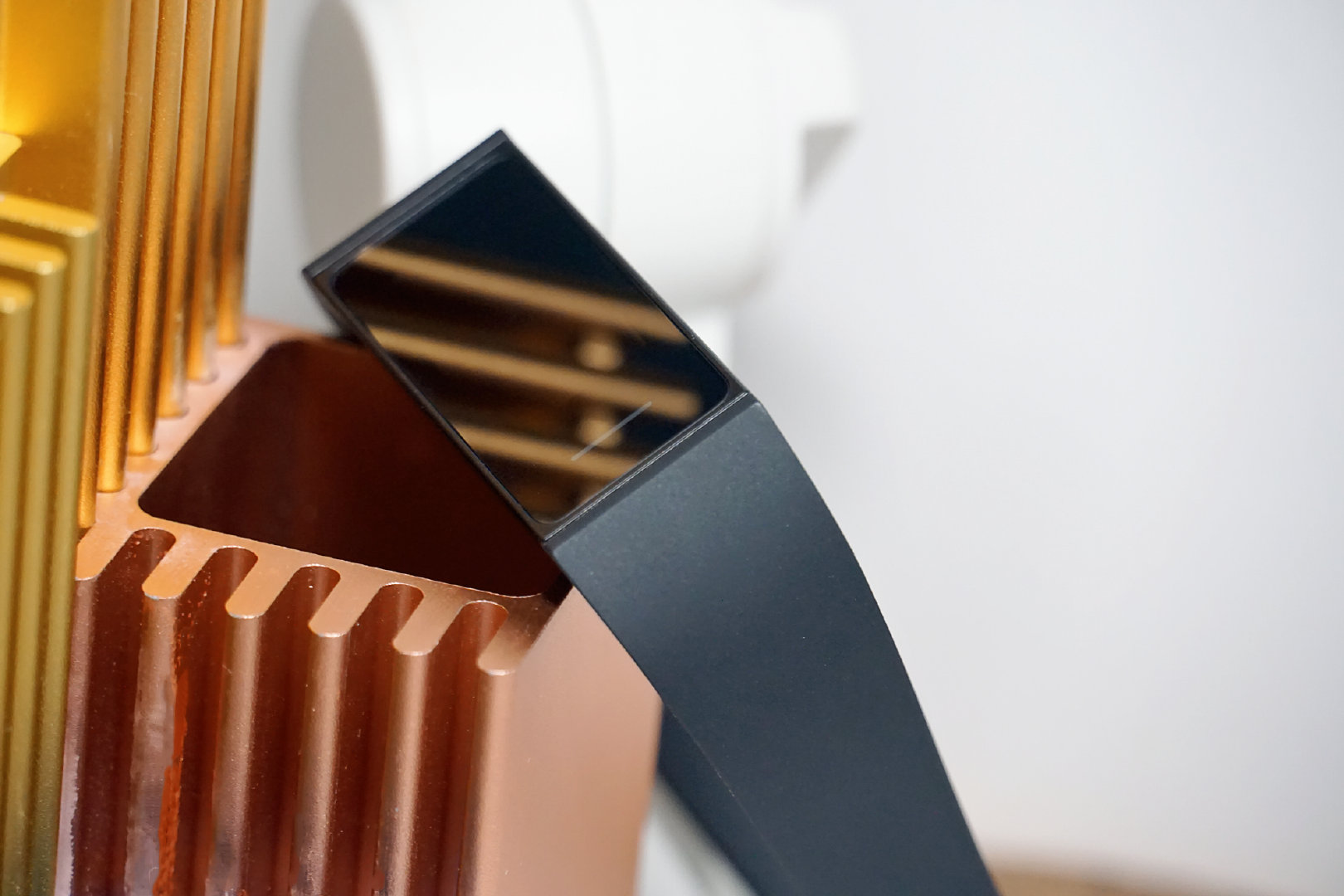
The Redmi Band features a rectangular-shaped 0.95-inch color AMOLED display with a 2.5D tempered glass on top to prevent the screen from scratches. The entire screen is touch-sensitive.
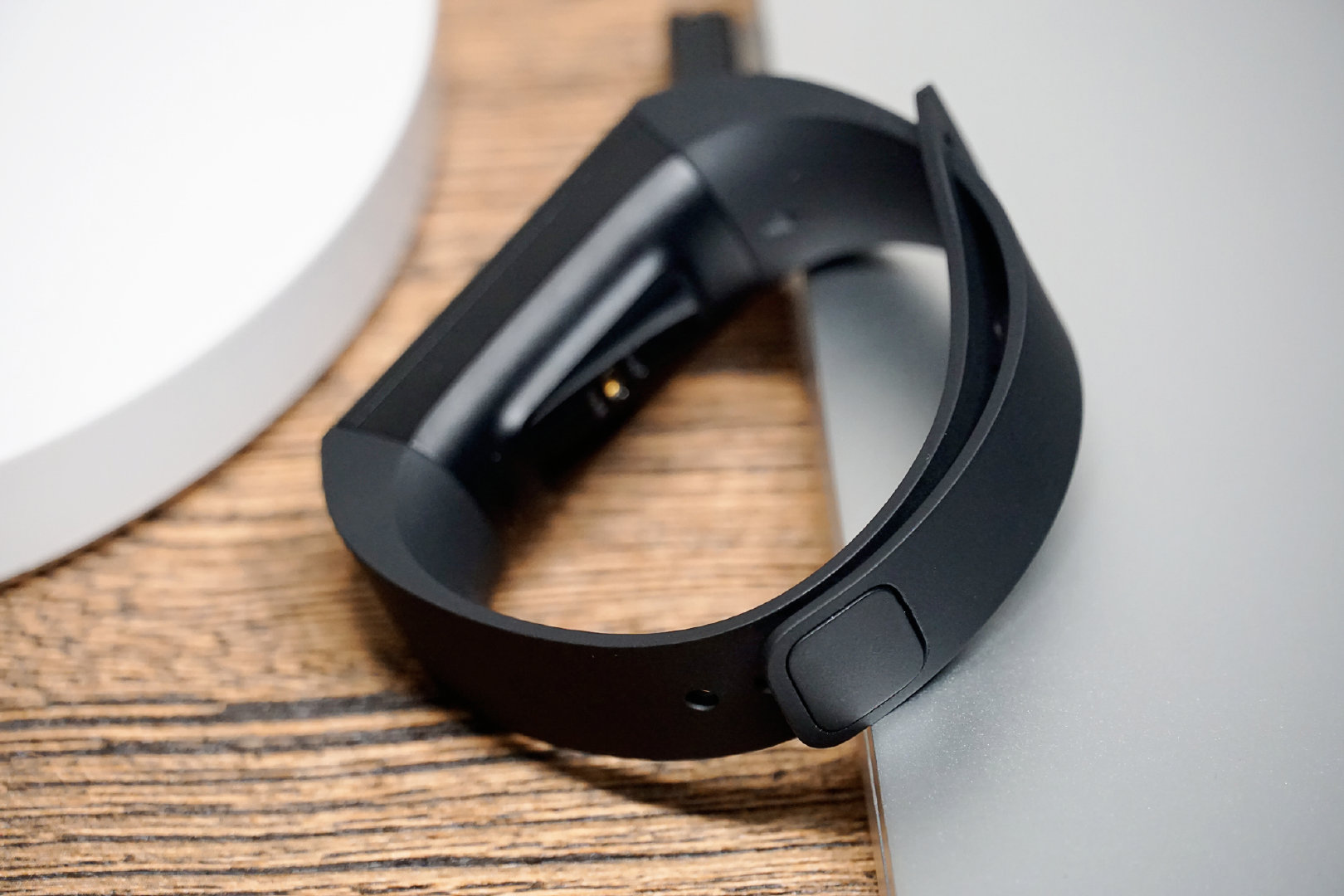
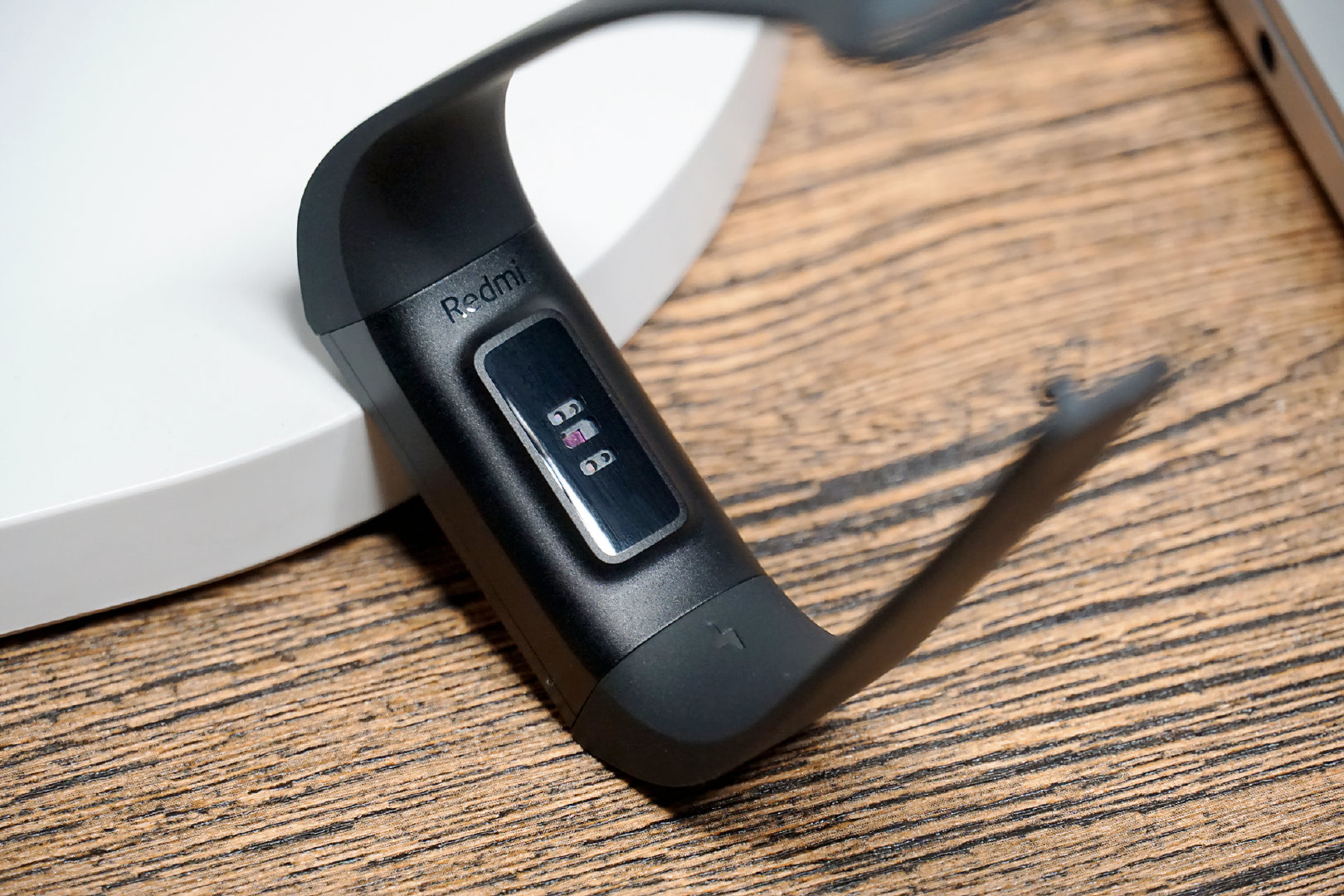
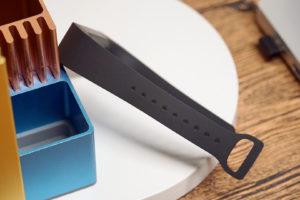
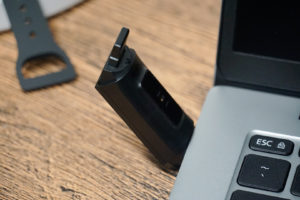
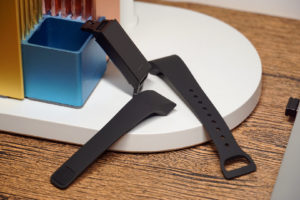
The Redmi smart band also comes with removable rubber straps. The strap is soft and made from skin-friendly material which makes it comfortable to wear for a longer duration. The band is designed in such a way that the charging port is embedded inside the straps with a charging icon embossed on the strap where it is located. It charges via a USB A port and as such, you can charge it on a laptop or any other device with a USB port.
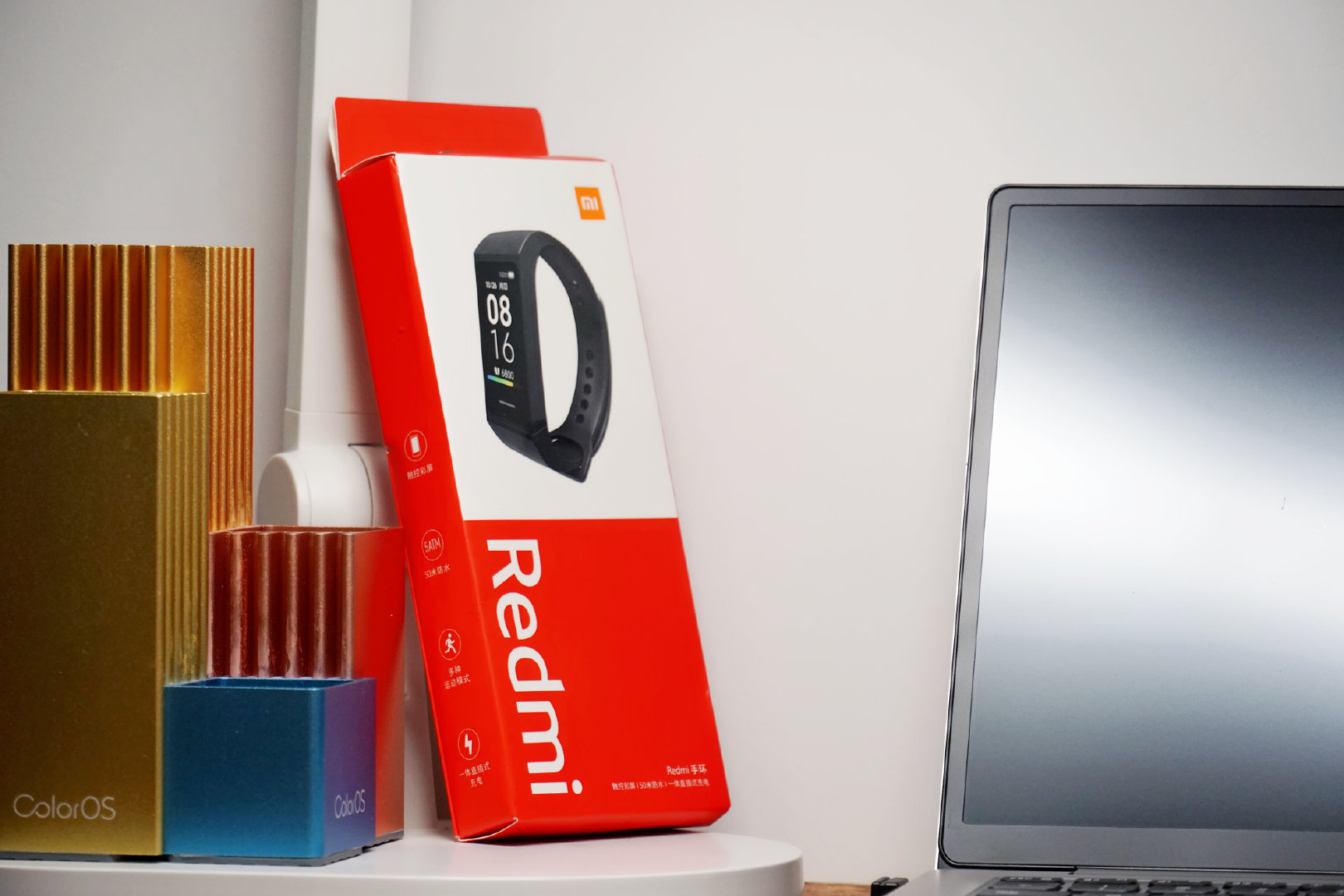
The band comes in a colourful retail box similar to the one the Mi Band 4 comes in. The retail box contains only the smart band and a user manual.
For features, the Redmi Band comes with Bluetooth 5.0 BLE which enables it to connect with smartphones. The smart band presents with features such as heart rate monitor, five sports modes, pedometer, alarm, sedentary alert, call and SMS notifications
The band can conveniently pair with any smartphone running Android 4.4 or above and iOS 9.0 or higher. Most of all, it boasts of 14 days of battery life.
You’ll have to pay just $14 for the Redmi Band but that’s if you are in China. However, it is available to preorder outside China for $19.99 on Giztop.
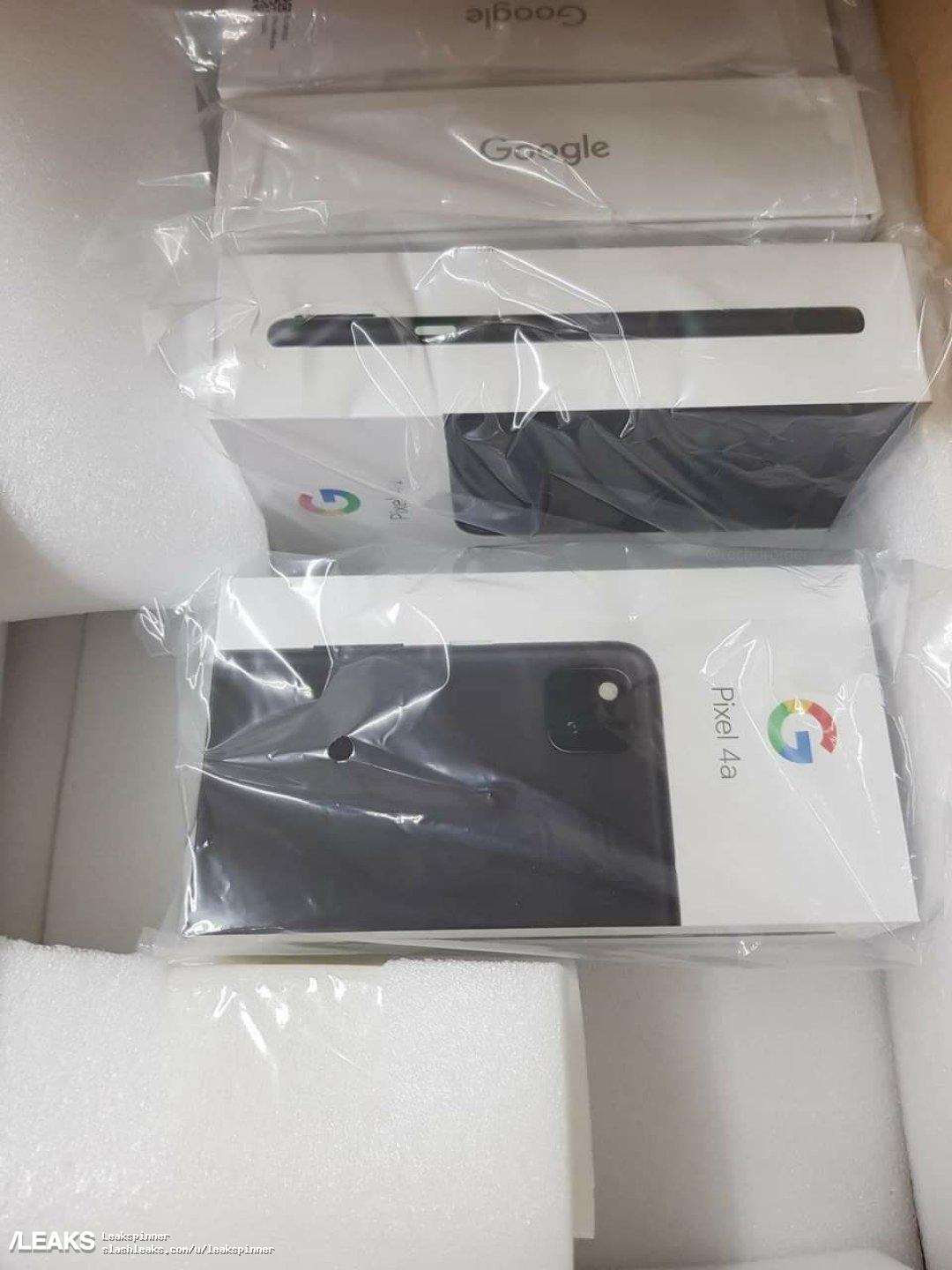
Google may be launching the Pixel 4a soon as the leaks surrounding the model have been on the increase. There has bee an avalanche of sort of leaks surrounding the Pixel 4a. One of them is the retail box of the device which confirms the rear camera design of the device.
The Google Pixel 4a is expected to feature a square-shaped camera located at the left corner of the device. The module houses a single sensor as well as an LED flash. The retail box also shows a rear fingerprint sensor.
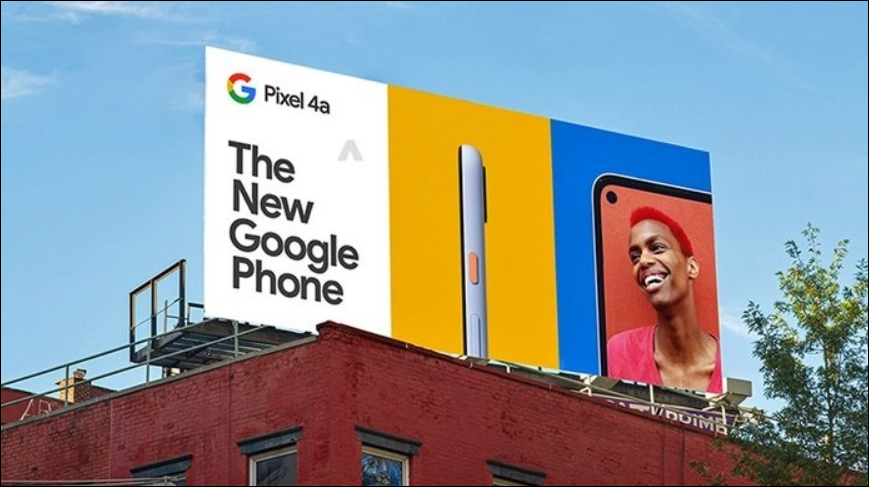
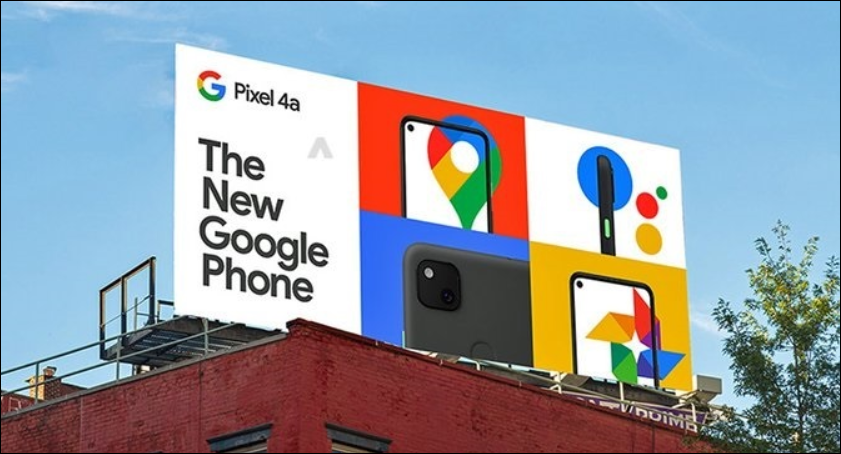
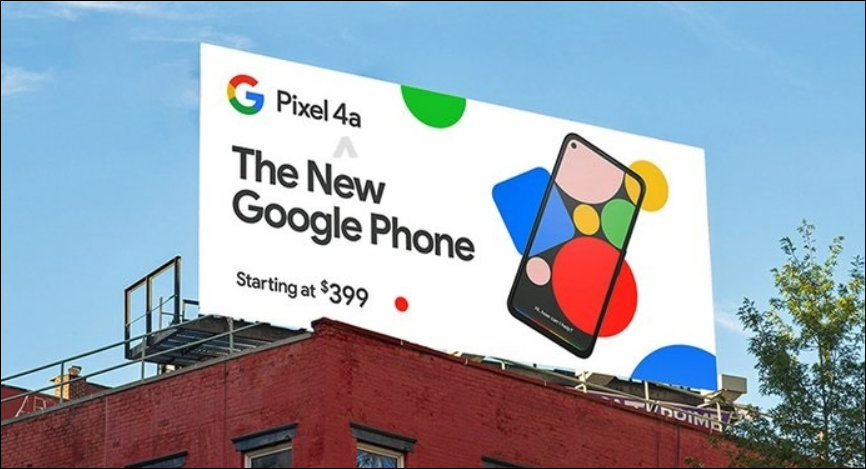
The Pixel 4a poster scooped from a promotional billboard was also spotted online. The poster also shows the front design of the device including the punch-hole selfie camera. The poster also shows the Pixel 4A will adopt a $399 price tag which will likely be the base variant.
As for the specs, 9to5google tips an inside source to have revealed that the Pixel 4a features a 5.81-inch OLED display with an FHD+ resolution of 2340 x 1080 pixels. The device will be powered by a Qualcomm Snapdragon 730 SoC. The processor is integrated with an Adreno 618 GPU. The Pixel 4a will have Google’s own Titan M security chip just like last year Pixel 3a.
The source also hinted that the Pixel 4a will come with 6GB of RAM and will have a 3080mAh battery with 18W fast charge support. The Pixel 4a has previously been shown to have a 64GB model while the current source hints at a 128GB storage variant. The device will come with a 12.2MP rear camera and for selfies, there is an 8MP camera.
The Pixel 4a is expected to be announced during the Google I/O 2020 keynote on May 12th.
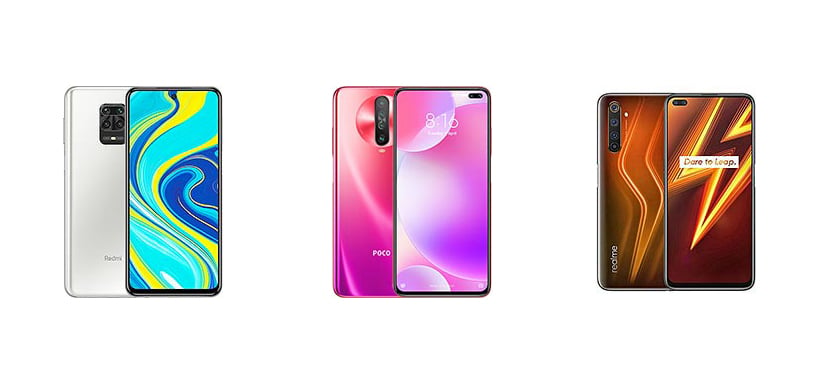
A lot of potential best-sellers hitten the Indian shelves during the last months. While waiting for their global debut, we think it is worth comparing the most interesting ones in order to establish which is the device with the highest value for money. Among the most interesting potential best-sellers, we got Redmi Note 9S, Poco X2, and Realme 6 Pro. All of them are actually available to purchase with very interesting price tags and advanced specifications, but which one deserves your money? This comparison will highlight the differences, the pro and the cons of these three amazing value for money handsets.
Xiaomi Redmi Note 9S vs Xiaomi POCO X2 vs Oppo Realme 6 Pro
Quad 48 + 8 + 5 + 2 MP f/1.8, f/2.2, f/2.4 and f/2.4
16 MP f/2.5 front camera
Quad 64 + 8 + 2 + 2 MP f/1.9, f/2.2, f/2.4 and f/2.4
Dual 20 + 2 MP f/2.2 and f/2.4 front camera
Quad 64 + 12 + 8 + 2 MP f/1.8, f/2.5, f/2.3 and f/2.4
Dual 16 + 8 MP f/2.1 and f/2.2 front camera
BATTERY
5020 mAh, fast charging 18W
4500 mAh, fast charging 27W
4300 mAh, fast charging 30W
ADDITIONAL FEATURES
Dual SIM slot, splash resistant
Hybrid Dual SIM slot
Dual SIM slot, splash resistant
Design
The most premium design is offered by the Poco X2. The Indian rebrand of the Redmi K30 4G is the only phone in this trio sporting an aluminum frame paired with a glass back. Realme 6 Pro is slightly more compact, but it has a plastic frame instead of an aluminum one, just like the Redmi Note 9S. In each case, you get protection against water (they are splash resistant), but they are not waterproof. Both the front glass and the glass back are protected by Gorilla Glass 5.
Display
Poco X2 is one of the few and most affordable smartphones with a display supporting a 120 Hz refresh rate and it wins the display comparison. All of these devices come with a Full HD+ IPS panel and a high refresh rate makes the difference with such displays. Further, Poco X2 supports HDR10, while its rivals do not. Righ after, we got the Realme 6 Pro with a still high 90 Hz refresh rate (unlike the Redmi Note 9S).
Specs & Software
With the Poco X2, you get a better processor, so also better performance. The Snapdragon 730G is obviously superior to the Snapdragon 720G, despite the latter is a more recent chipset. It has higher CPU and GPU performance, but the same efficiency. In its high-end memory configuration, Poco X2 also offers more internal storage: up to 256 GB. Redmi Note 9S and Realme 6 Pro have the same chipset, but Realme 6 Pro offers up to 8 GB of RAM while Redmi Note 9S stops at 6 GB. That is the reason why Realme 6 Pro takes the silver medal in the hardware comparison. Redmi Note 9S and Poco X2 run Android 10 customized by MIUI 11, while Realme 6 Pro has the Realme UI, still based on Android 10, out of the box.
Camera
The camera award goes to the Realme 6 Pro. What makes the difference on the rear side is its 12 MP telephoto lens with 2x optical zoom. Instead of a telephoto lens, Redmi Note 9S and Poco X2 come with a pretty standard 2 MP depth sensor. Further, Realme 6 Pro is the only which offers an ultrawide dual front camera. The second place in the camera ranking goes to the Poco X2 coming with a 64 MP quad camera on the rear side and a dual camera on the front side including a depth sensor. Redmi Note 9S is inferior to both with its 48 MP quad camera and a single 16 MP selfie snapper.
Battery
Finally a moment of glory even for the Redmi Note 9S: thanks to its huge 5020 mAh battery, it is the king of battery life. Realme 6 Pro and Poco X2 are more or less at the same level even though their battery capacities are not the same, but Realme 6 Pro charges faster.
Price
In India, Redmi Note 9S is pretty affordable with a starting price of $249/€228, Realme 6 Pro starts at $228/€209, and Poco X2 is actually available for about $210/€192. If we exclude the battery life, Redmi Note 9S lags behind its two rivals. Realme 6 Pro wins the camera comparison (both front and rear cameras), while Poco X2 has a better display and a better chipset.
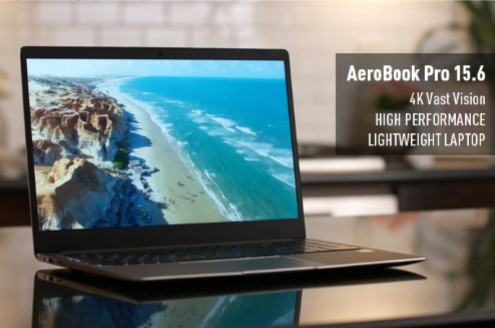
Chuwi is always known for its exemplary laptop and tablet products. The company’s AeroBook series has already received a lot of appreciation in recent years due to competitive pricing. Chuwi is on the verge to introduce a new AeroBook series laptop in the market as it already listed on the IndieGoGo platform. Chuwi AeroBook Pro 15.6 carries all the high-performing hardware to give you powerful gaming experience. The 15.6-inch Ultra HD display, Intel i5 processor with Intel Iris Graphics 500, metal body, and full-sized keyboard is a perfect combination for a gaming laptop.
The new Aerobook Chuwi 15.6 laptop comprises of all the top-notch specs. It is a perfect companion for a gamer who wants to own a gaming laptop at jaw breaking prices. Below we are discussing some important aspects that makes the laptop a gaming machine.
Powerful Intel i5 Processor
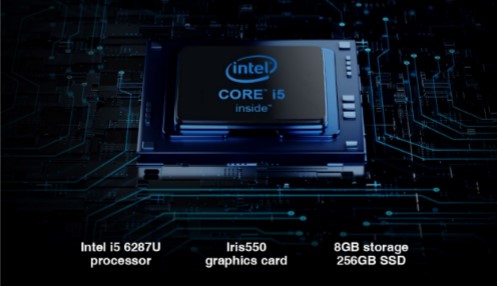
The processor is known as the powerhouse of a laptop which do all the processing. Chuwi AeroBook Pro features an Intel i5 6287U processor with a frequency of 3.5GHz featuring four threads. It also carries an Iris Graphics 550 graphics card with a base frequency of 300 MHz and can reach 1.1Ghz. It is a perfect match for playing graphics-intensive and light stand-alone games.
Better display for smooth gaming experience
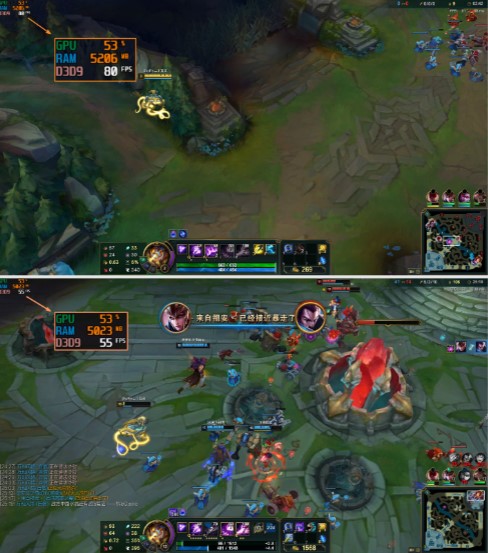
The company has tested the display and all other hardware configuration with Hero League game and found that it can give a great gaming experience. The laptop maintains 80 frames per second with 1080P picture quality. The display quality drops to 55 frames per second while rendering complex scenes in warfares.
The Iris 550 graphics card is smart enough to handle any large 3D scenes efficiently at 55 frames per second. It can easily run stand-alone games like a Tomb raider with 50 frames per second in the game test.
The laptop is designed in a way to dissipate heat accumulated while gaming for hours.
CHuwi AeroBook 15.6 is listed on Indiegogo for a 20% discount. You can know more about the device by heading to the official website.
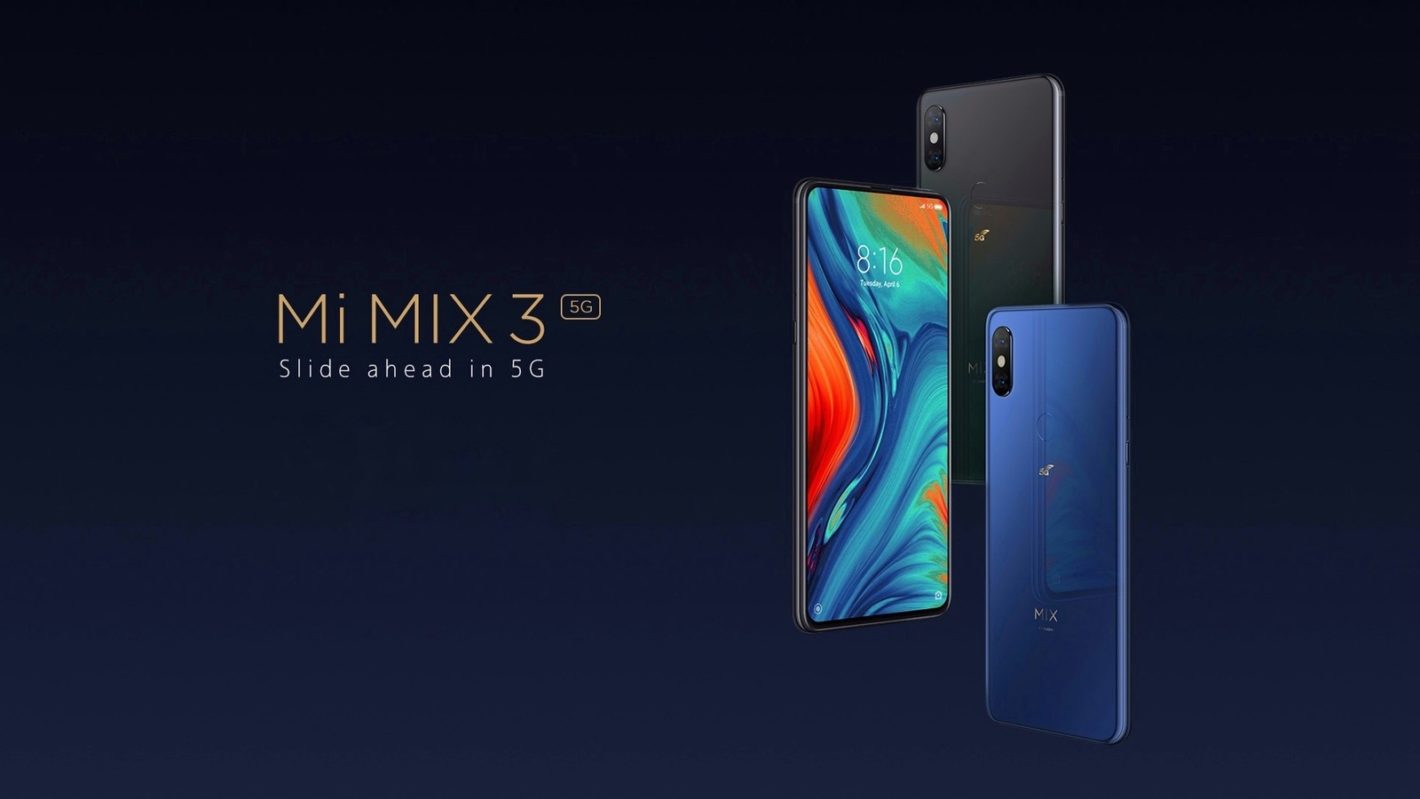
Team Win Recovery Project or TWRP for short plays an important role in the Android modding community. It is essential for backups and installing custom ROMs and mods on smartphones and tablets. Being an open-source project, TWRP recovery is available for various devices and now Xiaomi Mi Note 10 and Mi Mix 3 5G also obtain official support.
Stock recoveries on Android devices have limited functionalities. They are designed to only install official OEM software. Therefore, custom recoveries came into picture and TWRP is the most popular one.
These recoveries can backup all the partition of the device and can even restore them when needed. Further, they are also capable of installing non-OEM software like custom ROMs and mods. Modified versions of TWRP can also enable dual-booting on certain devices.
Now as TWRP adds official support for Xiaomi Mi Note 10 and Mi Mix 3 5G (the company’s first 5G smartphone), users of these devices can finally enjoy the benefits of an official custom recovery. However, they will need to unlock the bootloader of their handsets first to install it.
1 of 2
Mi Mix 3 5G was Xiaomi's first 5G phone
After installing TWRP, users of the above-mentioned devices can backup their stock MIUI ROM, install custom ROMs and custom mods of their choice or even install the latest stable or beta MIUI Recovery ROM.
If you are using any of these devices and want to try TWRP on it, then download it from the link provided below.
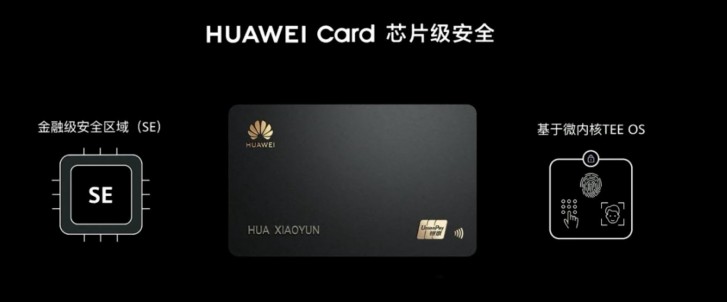
Yesterday at the Huawei P40 series Chinese launch event, the company also announced Huawei Card, a knock-off of Apple Card. But the details of it are scarce just like its availability.
1 of 2
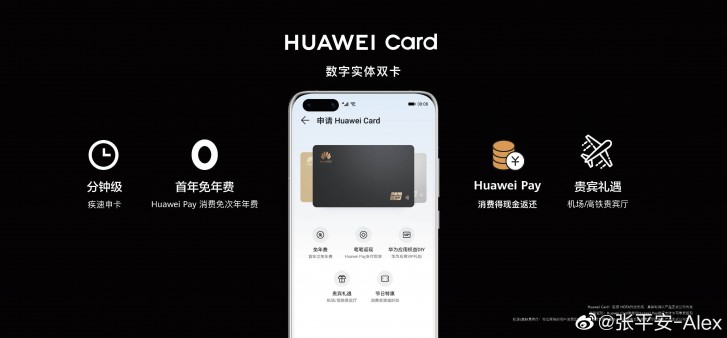
The newly announced Huawei Card will be available in both virtual and physical versions just like the Apple Card. However, unlike the latter, it will have an annual fee but the company is waiving it for early adopters for the first year. Additionally, those users will be eligible for the waiver of the second-year annual fee by making a certain required amount of transactions.
The Huawei Card in partnership with Union Pay will be NFC-enabled for contactless payments. Apart from the waiver schemes mentioned above, the cardholders can also enjoy cashback offers, VIP lounge access, travel bonuses, and others.
1 of 3
As for security, Huawei assures the Huawei Card and Huawei Pay services will have a robust security system just like its other offerings.
Huawei is yet to reveal the availability of Huawei Cards in its home country China. If it succeeds, the company might introduce it in other markets. The Chinese tech giant’s Huawei Pay service is available only in limited countries, hence Huawei card may not make it to a lot of countries outside of China.
Richar Yu also unveiled the firm’s shipment results and market share for 2019. The CEO hinted that Huawei’s consumer business raked in total revenue of 467.304 billion yuan ($65 billion). This represents a year-on-year increase of 34.0%. Shipment of both Huawei and Honor phones exceeded 240 million units, an increase of more than 16% year-on-year. He also disclosed that the company shipped over 6.9 million units of 5G phones last year.
Yu Chengdong added that with Huawei’s impressive record, the company could easily have dethroned Samsung to become the world’s number one mobile phone manufacturer in terms of shipping volume if not for the US/China trade war. Even with the sanctions, Huawei’s record shipping makes it the number 2 phone manufacturer globally after Samsung.
The Huawei exec also spoke about the DXOMark-topping camera technology onboard its latest smartphones. Yu Chengdong mentioned that Huawei cameras are far ahead of its industry rivals including Apple. He hinted that the Huawei P40 Pro camera parts cost $100 which is quite expensive considering there are other parts sourced from suppliers inside the phone. Thus, revealed that the profit margin for the P40 Pro is very low. He lamented how Apple is selling low-cost things very expensive, while Huawei is selling its products with expensive, cutting-edge technology at cheap prices.
Yu Chengdong equally hinted that Huawei has always invested heavily in R&D. In 2019, Huawei’s R&D expenses reached 131.7 billion yuan (about $18.5 billion US dollars). The huge investment is yielding results, though. Huawei currently holds more than 85,000 patents worldwide, 90% of which are invention patents. In 2019, the Chinese tech giant ranked first in terms of patent applications as its patent filings in the EU reached 3524, WIPO data revealed recently.
The Honor 8A which launched in China in January 2019 has now gotten a successor in the UK. Called the Honor 8A 2020, the phone is now available for pre-order on Clove.
The Honor 8A 2020 shares practically a lot of its specs with the 2019 version. It has the same 6.09-inch Dewdrop Display and the resolution remains unchanged at 720 x 1560.
The processor is also the same MediaTek Helio P35 processor with 3GB of RAM and 64GB of expandable storage. The rear camera is a single 13MP f/1.8 sensor and there is an 8MP f/2.0 camera. The new additions are a rear-mounted fingerprint scanner and a USB Type-C port for charging.
The battery capacity remains at 3020mAh and the phone ships with EMUI 9 based on Android 9 Pie. The Honor 8A 2020 is available in Blue and Black with a price tag of £108.33 (£130 including tax). The listing on Clove says the phone will be in stock by April 15.
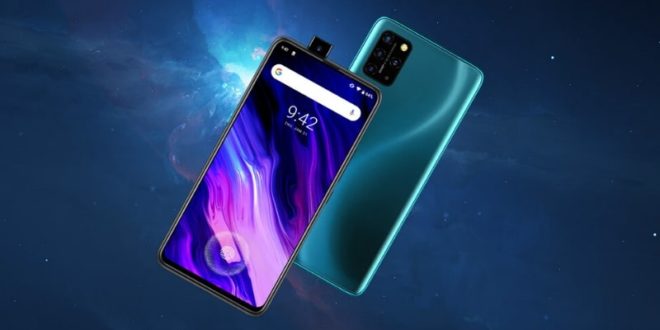
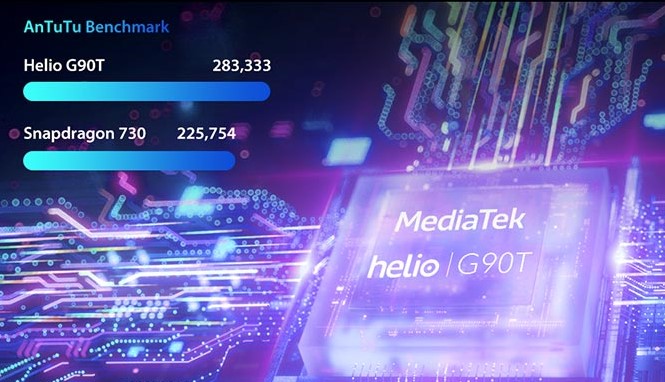
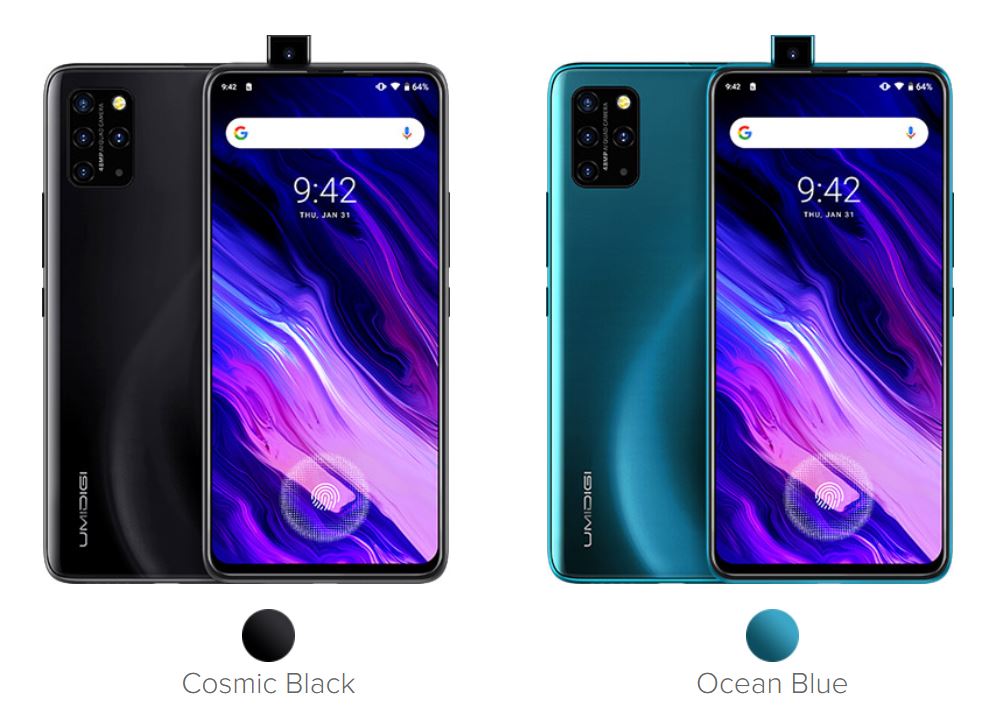
After several leaks and rumors, Umidigi unveiled an affordable flagship Umidigi S5 Pro smartphone. It features high-end specifications including Helio G90T processor, 6.39-inch FHD+ AMOLED display, 256GB Storage and much more at jaw breaking price of $300. The beautifully carved device is actually competing against the Honor P40. Moreover, the users will find an in-display fingerprint sensor and a pop-up selfie camera to make space for a full-view display. The smartphone is expected to start retailing in May.
Umidigi S5 Pro is an affordably priced smartphone with promising performance using MediaTek Helio G90T gaming chipset. The Cortex-A76 CPU with 2 x A76 2.05GHz large core, 6 x A55 2.0GHz octa-core makes the smartphone faster and powerful. Moreover, it houses a liquid cooling system to keep performance intact while gaming or doing any CPU intensive task. Besides, the S5 Pro comes with a 6GB RAM and 256 GB internal storage.
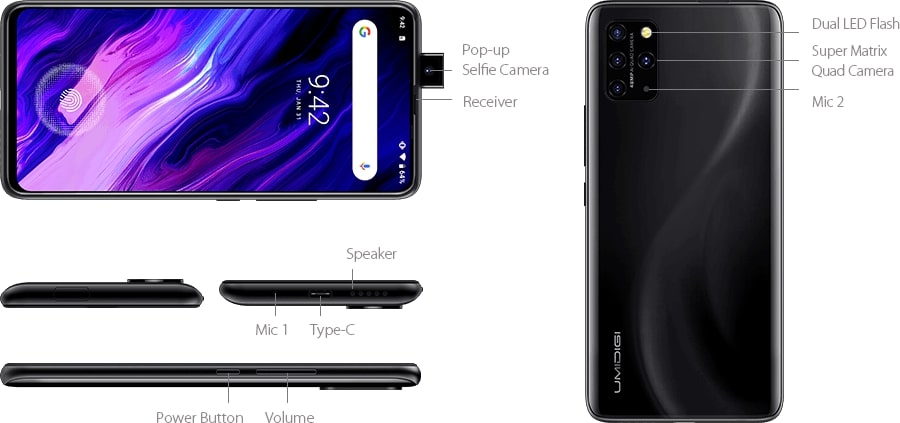
Umidigi S5 Pro embeds a beautiful full-view 6.39-inch Full HD+ AMOLED display housing an in-display fingerprint sensor and a pop-up selfie camera. The display offers 2340 x 1080 pixels resolution having a 93.1% screen-to-body ratio. The full-view display will provide an immersive and vivid viewing experience.
In the camera department, Umidigi S5 pro features a quad-camera rear module featuring a 48-megapixel primary camera with f/1.79 aperture, a 16-megapixel ultra-wide-angle lens, a 5-megapixel macro camera, and another 5-megapixel depth camera. On the front, the users can take beautiful selfies with an AI-enabled 16-megapixel f/2.0 aperture lens encased in a pop-up module.
There’s a 4680 mAh battery with an 18W fast charger in the box. The S5 Pro runs on Android 10 with near-stock Android experience packing system-wide dark mode, new gestures and much more. In sensors, there are proximity, accelerometer, ambient light sensor, gyroscope, electronic compass and -in-screen fingerprint. It measures 159.2 x 75.7 x 9.6 mm and weighs 202g. The users will get GPS, Glonass, Galileo, and BeiDou as navigation sensors.
Umidigi S5 Pro Review video:
UMIDIGI S5 Pro Full Specs
Screen: 6.39″ FHD+ AMOLED Ultra FullView Display
CPU: MediaTek, Helio G90T, 2 x A76 2.05GHz large core, 6 x A55 2.0GHz
Umidigi S5 Pro will start retailing at a price less than $300 (~INR 22,800) and will take place in May 2020. However, it is listed for $333 on AliExpress. It will be available on Ocean Blue and Cosmic Black colors.
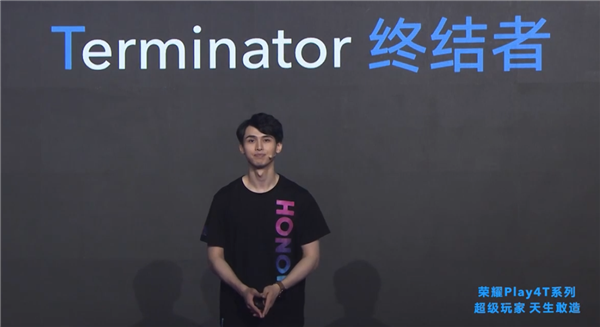
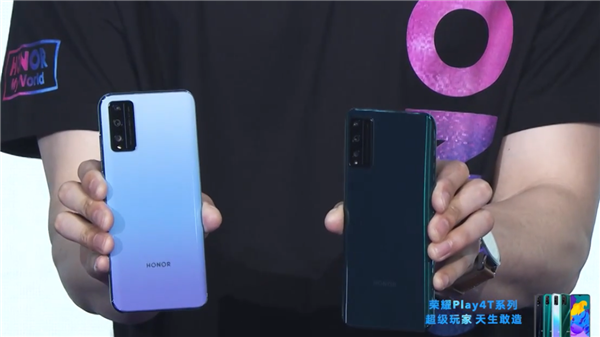
Honor held an online launch event where the Honor Play 4T series was unveiled. The event was anchored by Honor’s product manager Wei Xialong, who is making his debut on the launch stage. The Honor exec disclosed that the Play 4T series launch was the first time the “T” suffix appearing on the Honor product line.
Wei Xiaolong explained that his view is that “T” stands for Terminator because the Honor Play 4T is a mission with super players and a natural dare to create. He also added that the Play 4T may be the last 4G mobile phone from Honor. In other words, starting with the Honor 30 series launching on April 15, the Honor phone is expected to fully enter the 5G era. Now, let get something clear here. The Honor exec didn’t definitively state that the 4T would be the last but his statement could be seen as a teaser.
Honor 4T and 4T Pro featured a Kirin 710 and Kirin 810chipset respectively. Basically, they are mid-range models and Huawei has already launched the mid-range Kirin 820 5G chipset which may power successive models. The Kirin 710 and 810 SoC were utilised by a number of Honor models including the 2018 Honor 8x, Honor 9X, Honor 10 Lite, Honor 9X Pro and several others. Thus, we expect Honor to use the Kirin 820 for a while and on several upcoming mid-range models. Honor has not been known for entry-level phones so we may see this development happening going forward. We believe this is a developing story. We’ll update you when further information arrives.
Samsung has often been criticized for its Exynos lineup of mobile SoCs. Recently, the chipset line was further under fire for being underpowered as compared to its rival Snapdragon 865. The Galaxy S20 series sold in most markets including Europe and India come with the Exynos 990 chip.
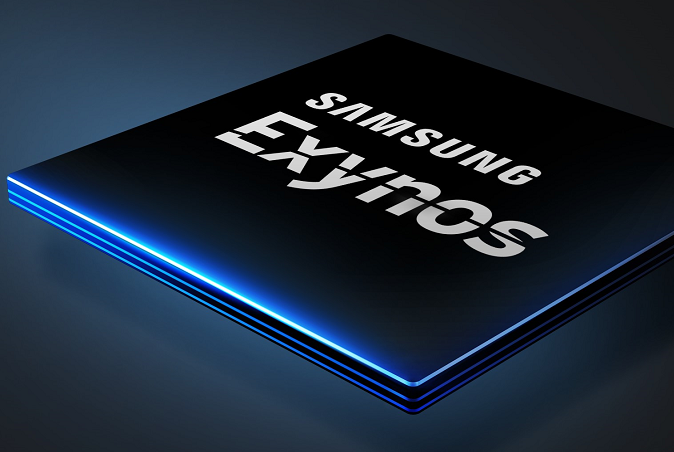
Despite all this, a report from South Korea says Google has partnered with the South Korean conglomerate for a custom Exynos chip scheduled to release this year.
Though fans and media have been suggesting Samsung to stop using Exynos chips on their flagship Galaxy S and Galaxy Note lineup of smartphones for years, the company seems to be have made a firm decision to continue doing it. By using in-house chips, the brand has been continually reducing its dependence on suppliers like Qualcomm and MediaTek.
In fact, Samsung is currently the world’s third-largest mobile chipmaker. Now, it has even signed a deal with Google to make a custom chip for the internet search giant. Even the alleged specifications for the same are out.
The chipset which is expected to release this year will be manufactured using Samsung’s 5nm LPE process. It will feature an octa-core CPU consisting of two Cortex-A78 cores, two Cortex-A76 cores, and four Cortex-A55 cores. The graphics will be taken care of by an unannounced Mali MP20 GPU based on Borr microarchitecture. Lastly, the custom Exynos SoC will include Google’s own Visual Core ISP and NPU instead of Samsung’s.
Last year, it was reported Google was poaching chip designers from Intel, Qualcomm, Broadcom, and NVIDIA to build its own chipset for smartphones and servers. But for now, the above-mentioned custom Exynos chips looks to do the job as the internet company is expected to hire more engineers apart from the team of 16 engineers it already has in Bengaluru, India.
It is not known which device will be using this custom Exynos chipset first. It could be for a mid-range Pixel smartphone or even for its data center servers.
Additionally, Samsung ditched its custom Mongoose CPU cores for stock ARM CPU cores last year and has even partnered with AMD to bring Radeon GPUs to its chipsets. But there is still no information about the development of chips using the above configuration.
Google altered its product cycle last year with the launch of the Pixel 3a and Pixel 3a XL after launching the flagship-grade Pixel 3 models. The tech giant is likely to follow the same product path as last year’s Pixel 4 and 4 XL are expected to get two cheaper versions dubbed Pixel 4a and 4a XL.
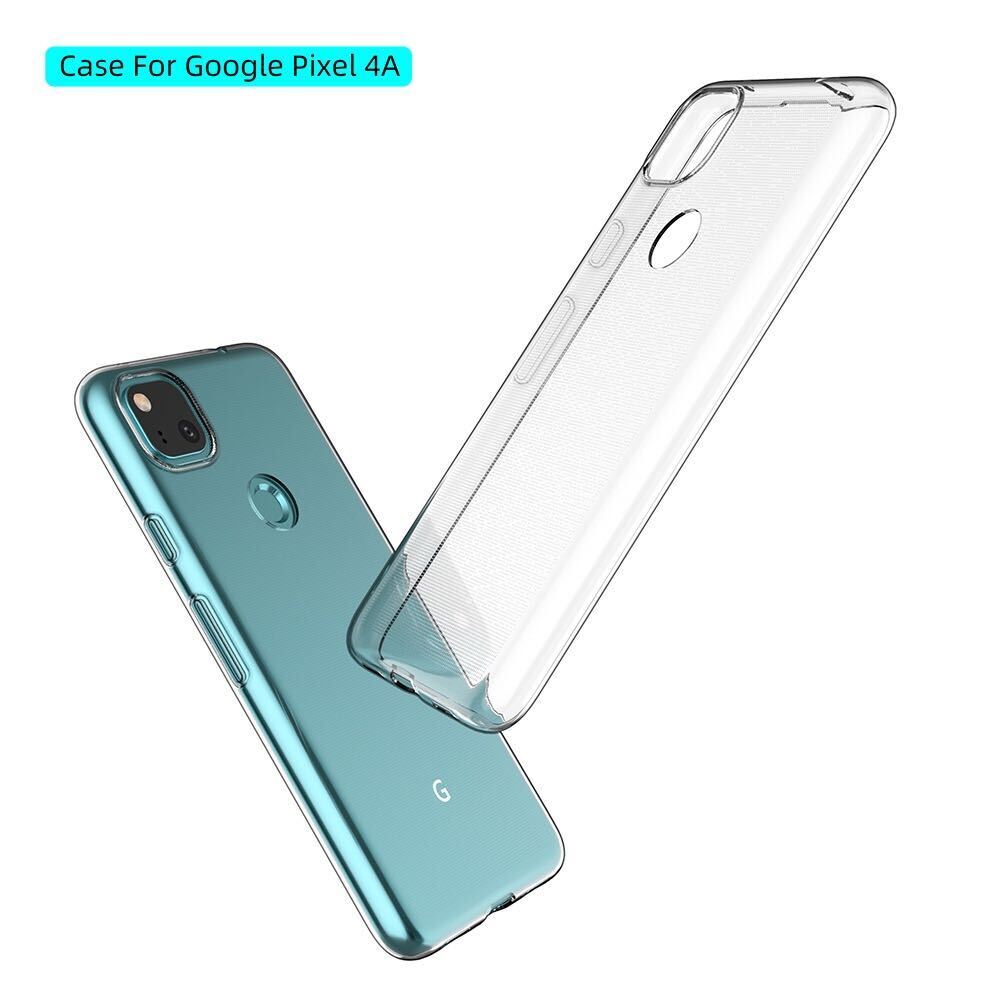
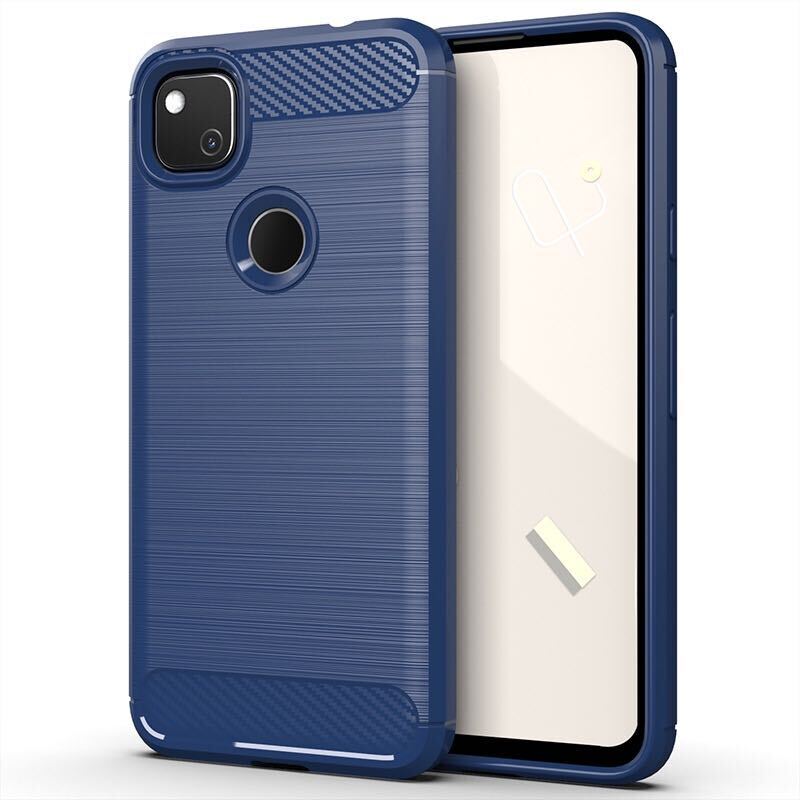
The Pixel 4a series has been appearing in leaks for a while now. We have got a couple of pictures of the Pixel 4a protective casing which give us clearer views of the device as they contain renders of the model.
The renders are consistent with the leaked photos of the Pixel 4A that have made the rounds in recent times. The front view details a punch-hole selfie camera located at the top left corner. At the rear, the device packs a square-shaped camera module. Interestingly, the module houses a single sensor and LED flash. The device equally houses a fingerprint sensor at the rear.
The device will also come with USB Type-C port throwing up the possibility of fast charge support. There is also opening for the good old 3.5mm audio jack at the top edge. The power button and volume rockers are located on the right side of the device.
Google is yet to reveal when the Pixel 4A and 4A XL will be launched but the Pixel 3A models were launched in May 2019. Thus, it is safe to presume the launch is imminent.
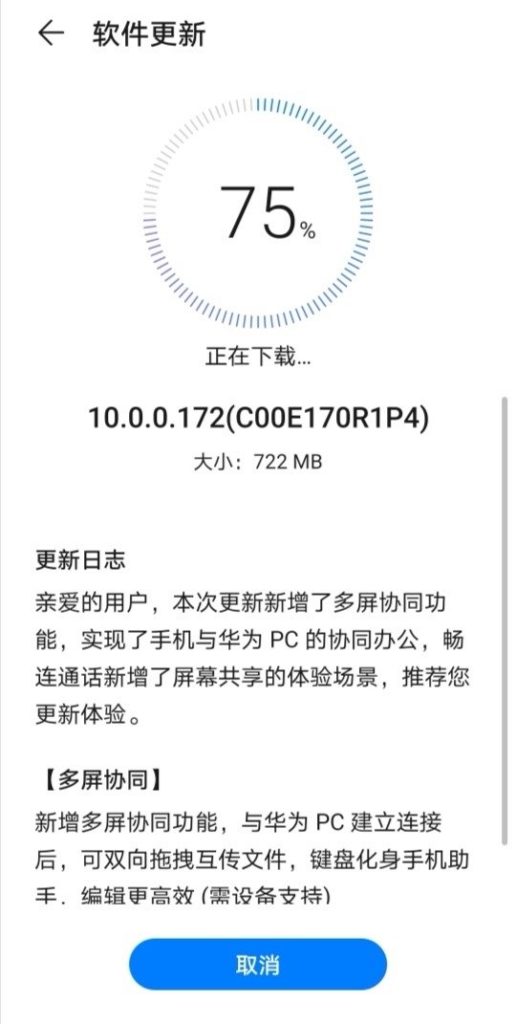
Huawei launched the P40 series a few days back. Along with it, the company also debuted a new version of its mobile software dubbed as EMUI 10.1. Seven of the brand’s devices have already started receiving beta updates. But the 2018 Huawei P20 series is not one of them as it currently receiving a new stable update with build number EMUI 10.0.0.172.
The new EMUI 10.0.0.172 stable update for the Huawei P20 and P20 Pro weighs 722 MB in size. The update brings three new features to the devices along with April 2020 security patch.
The users of Huawei P20 series can finally use the company’s new multi-screen collaboration feature with the new update. Files can be now easily shared between supported Huawei MateBook laptops and the phone by simply performing drag and drop operations. Also, users can now mirror their phone on the laptop and even control it from there. This feature initially debuted on the Huawei Mate 30 series last year.
The second new feature is Screen Sharing, which enables users to share their smartphone screens on video calls to discuss meetings, plans, and more. Lastly, the third new feature is an AI-powered smart battery charging mode. This feature is turned on by default and it avoids charging the phone’s battery to full by slowing down the charging speed to increase its lifespan.
As of now, this update is only available for the Chinese variants of the Huawei P20 and Huawei P20 Pro. We expect it too soon reach the international versions of the devices in the coming days.
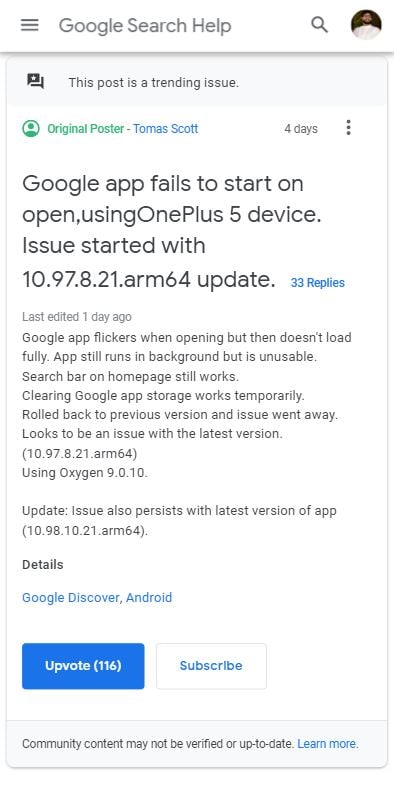
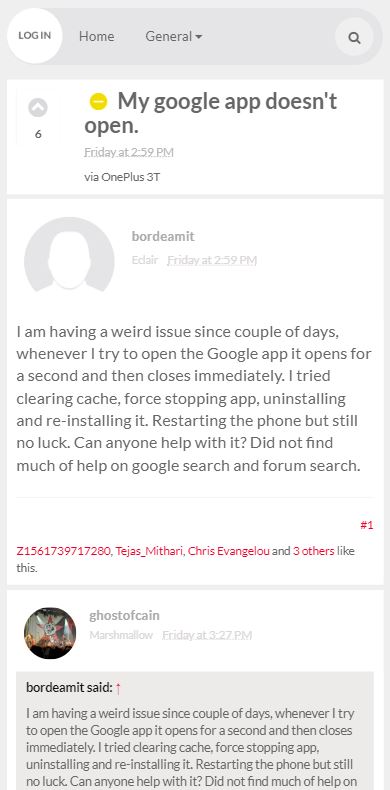
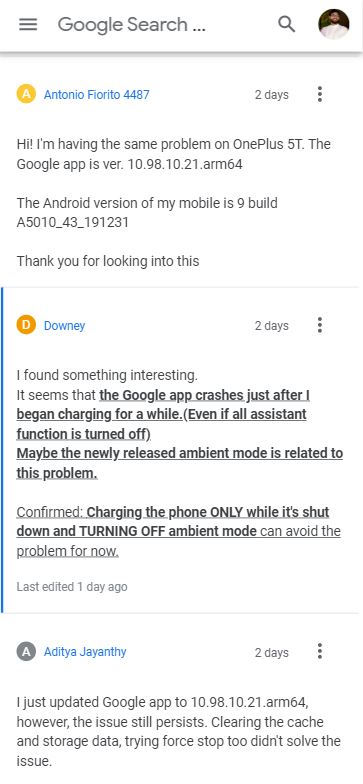
Google App has been misbehaving on OnePlus smartphones for a while now. Users have been reporting various issues related to it on multiple forums and social media like Twitter. Interestingly, even Google is aware of the bug and thus the fix is expected to arrive soon.
OnePlus users, mostly the ones using OnePlus 5 and OnePlus 5T have been complaining in forums and social media regarding a strange bug on Google App. It started when the app was updated to v10.97.8.21.arm64. Since then, the app has received multiple updates, however, the issue still persists.
1 of 4
According to users, the Google search widget works properly but opening the app leads to crashes or flickering. When the latter occurs, the app runs in the background but could not be used. Users have tried several hacks such as clearing cache and data of the app, reinstalling the app, restarting the phone, and others. Sadly, none of it seems to work for them.
Anyway, there are two methods, which work without any issue as per some users. The first solution is to roll back to an older version of Google App (releases before the version mentioned above). And the second solution is to switch off the phone while charging because as per the user who suggested this, the bug seems to be related with the newly added Ambient Mode feature.
1 of 4
Hence, if you are OnePlus user and facing problems with the Google app, then revert to an older version rather than charging the phone powered off. Hopefully, Google fixes the bug sooner than later as they are already aware of it.
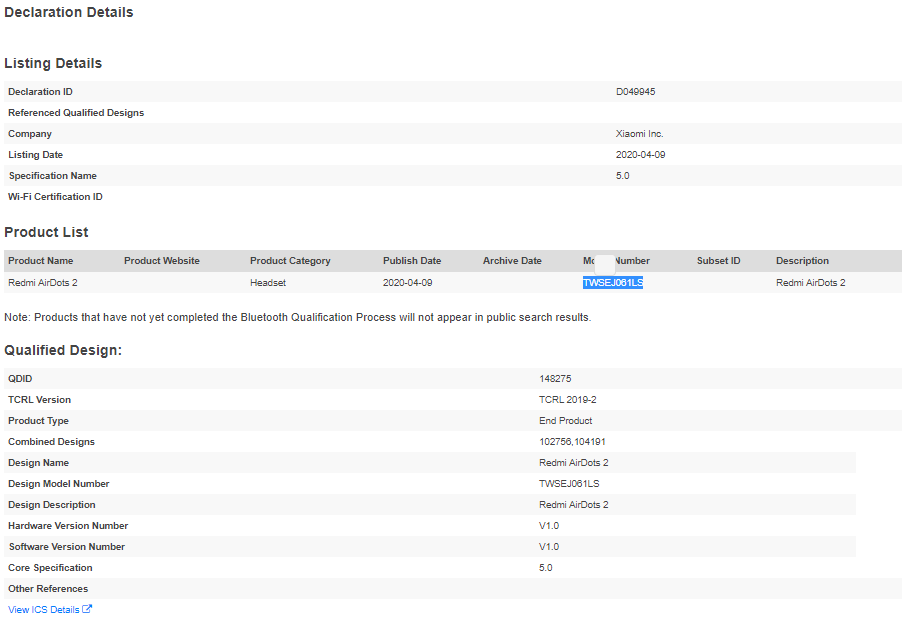
Last week, we reported that the Bluetooth SIG has certified a new pair of TWS earphones from Xiaomi called the Mi True Wireless Earphones Basic 2. Based on the similarities between the first-gen Mi True Wireless Earphones Basic (Mi AirDots Lite/Youth Edition), we presumed the successor will also be similar to the successor to the Redmi AirDots. Today, the Redmi AirDots 2 has also received its Bluetooth certification.
The certification of the TWS earbuds was published today and it reveals the earbuds have the model number TWSEJ061LS and will connect via Bluetooth 5.0. Not much else is known about the earbuds.
While the Redmi AirDots 2 does have a different model number from the Mi True Wireless Earphones Basic 2, both devices may actually share a similar design and features just like their predecessors.
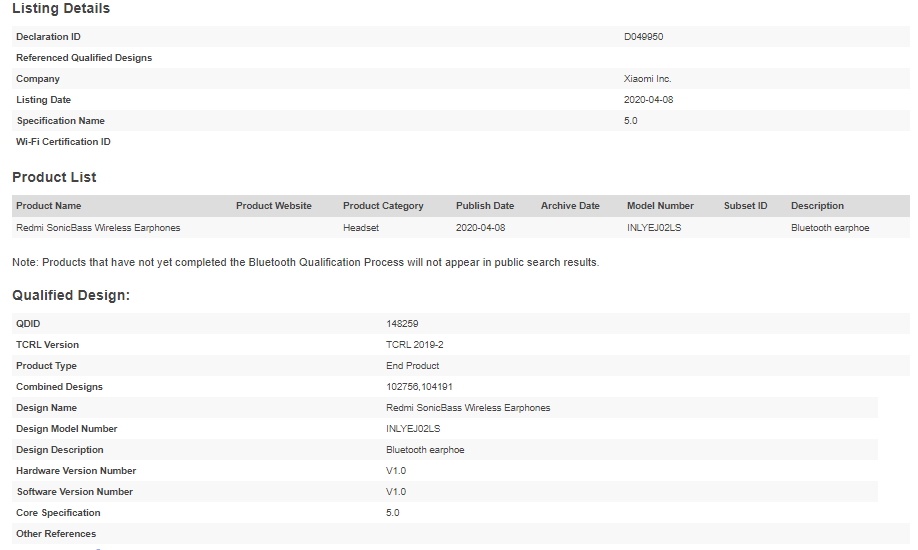
The Redmi AirDots 2 isn’t the only audio product Redmi has in development. Yesterday, the Bluetooth SIG also published the certificate for a product called the Redmi SonicBass Wireless Earphones. The earphones whose model number is INLYEJ02LS might have a neckband design. It also connects via Bluetooth 5.0.
We expect both products to be announced soon but there is also a chance they arrive later due to the coronavirus outbreak.
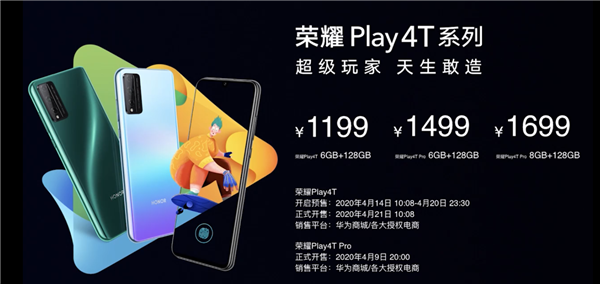
Honor has officially unveiled two new smartphones that are targeted at young people. The Honor Play 4T and Honor Play 4T Pro as they are called, come with impressive hardware and beautiful designs. Most of all, they are affordable with pricing starting at 1,199 yuan ($168).
Honor Play 4T- Specs, Features, Price
The Honor Play is the base model but that doesn’t make it a pushover. The device packs a 6.39-inch display with a waterdrop notch having a diameter of 4.5mm. The use of the waterdrop notch and a bezel-less design allows the screen ratio to get up to 90%. The display also bags the TUV Rheinland’s Blu-ray eye certification.
The Play 4T is powered by the old Hisilicon Kirin 710 chipset which is a 12nm chipset. The models start at 6GB RAM and 128GB storage as there won’t be a 64GB variant.
On the rear camera aspect, the Honor Play 4T packs a similar triple camera setup as the Pro version. The sensors include a 48-megapixel sensor, an 8 mega-pixel ultra-wide angle and a 2-megapixel depth sensor. The device is said to feature a rear-mounted camera sensor.
The Honor Play 4T comes in Magic Night Black and Blue Water Emerald colors.
Honor Play 4T Pro – Specs, Features, Price
The Honor Play 4T Pro packs a 6.3-inch OLED display with a resolution of 2400×1080 pixels and 20:9 aspect ratio. The display uses a waterdrop notch design which still remains my favourite notch design. The OLED display was fully utilized with the inclusion of an under-display fingerprint sensor.
The Honor Play 4T Pro is fired up by a Kirin 810 chipset which isn’t a 5G SoC. The chipset is still a powerful one, manufactured on a 7nm wafer. It features two large Cortex-A76 cores and six energy-efficient Cortex-A55 cores. The processor teams up with a Mali-G52 GPU to take care of the graphics. The GPU supports Kirin Gaming+ technology and fully upgrades the game experience through system-level AI FM scheduling technology. It supports 60fps high performance, HD image quality and GPU load optimization
In terms of AI, the Kirin 810 processor features a single-core Da Vinci architecture NPU which greatly improves the AI computing power per unit area and fully stimulate the computing potential of the end-side AI. In addition, the processor is paired with 6GB / 8GB RAM options and 128GB storage.
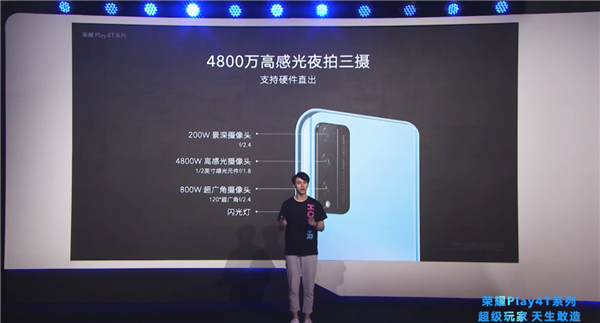
In terms of photography, the Honor Play 4T series packs a triple rear camera setup housed in a rectangular module. The three sensors include; 48-megapixel + 8-megapixel ultra-wide angle lens + 2 megapixels depth of field sensor. In addition, the Honor Play 4T series also supports Al ultra-clear photography, owl algorithm, with AIS handheld super night scene 2.0, super wide-angle camera and Al magic short video and other optimisations.
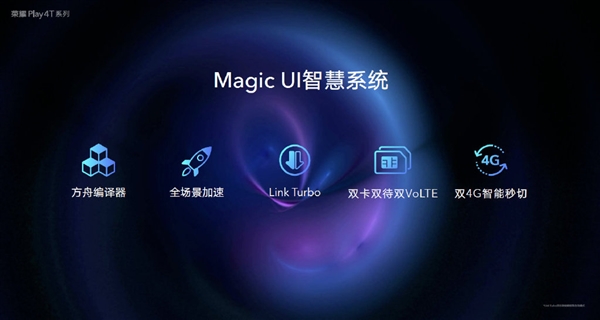
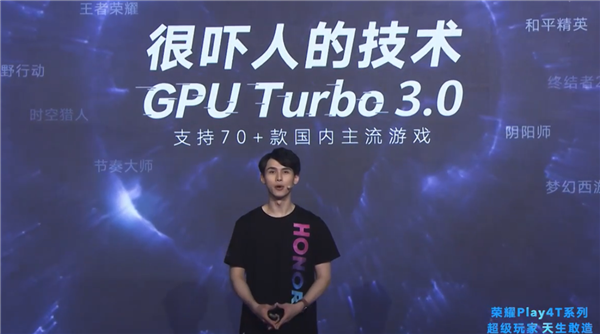
For interface, both the Honor Play 4T and Play 4T Pro runs on Magic UI OS and features GPU Turbo 3.0 support.
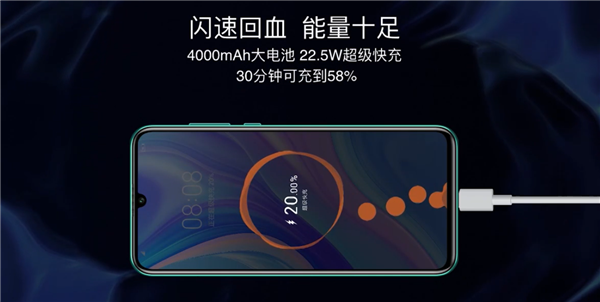
In terms of battery, the Honor Play 4T series uses a 4000mAh battery and supports 22.5W superfast charging, which can charge up to 58% in 30 minutes.
In terms of color options, the Play 4T Pro has three hues: Magic Night Black, Blue Water Emerald, and Icelandic White.
As for the prices, the Honor Play 4T model which comes in 6GB + 128GB option is priced at 1,199 yuan ($168). On the other hand, the Honor Play 4T Pro 6GB + 128GB version is priced at 1499 yuan ($211), and the 8GB + 128GB version carries a price tag of 1699 yuan ($239).
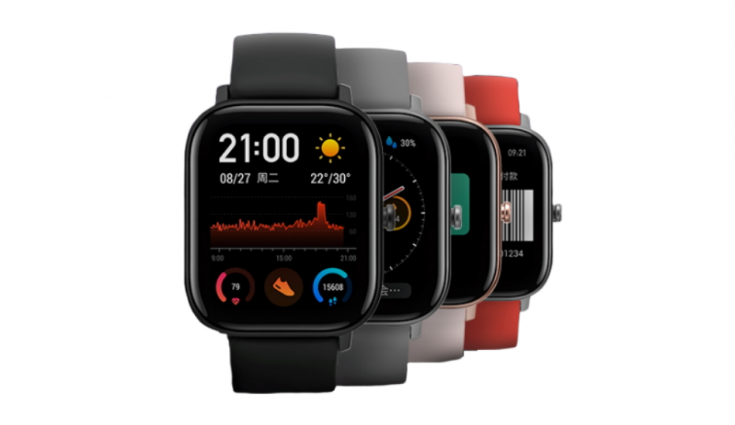
Huami is partnering up with medical expert Zhong Nanshan to build a laboratory that specializes in wrist wearables. The collaboration’s framework agreement was officially signed by a health care institute and research center that is led by Zhong Nanshan.
The three parties including Huami will use the wrist wearables technology and artificial intelligence powered algorithms alongside medical expertise to bring about advancement in the field. The collaboration will have the National Clinical Research Center for Respiratory Disease carry out various tests to map a person’s exercise, sleep, heart rate, and rehabilitation prognosis. In other words, develop a system that can detect the coronavirus infection and support early warning systems.
According to medical experts at the research center, the process of having followed up treatment or rehabilitation programs for recently discharged patients is difficult. Thus, by using Huami’s wrist wearables sensing technology, its AI powered algorithms and more, the medical institute can essentially detect any health complications, not just limited to the coronavirus infection.
The project is being undertaken by the National Clinical Research Center for Respiratory Disease and Guangzhou Institute of Respiratory Health along with Huami. For those unaware, Huami is a major brand in the wearables department, and its wealth of database regarding human activity through its wearable offerings will be a perfect match.
Notably, Zhong Nanshan is one of China’s top experts on respiratory diseases. He was one of the pioneers during the Sars virus epidemic back in 2002-2003 and is also currently advising Apple, who is ramping up its production again in China. So, on one side we have medical experts and on the other, we have the existing technology which has the potential to detect medical complications. The applications have great potential, as future smartwatches could soon detect infections and other respiratory diseases as well.
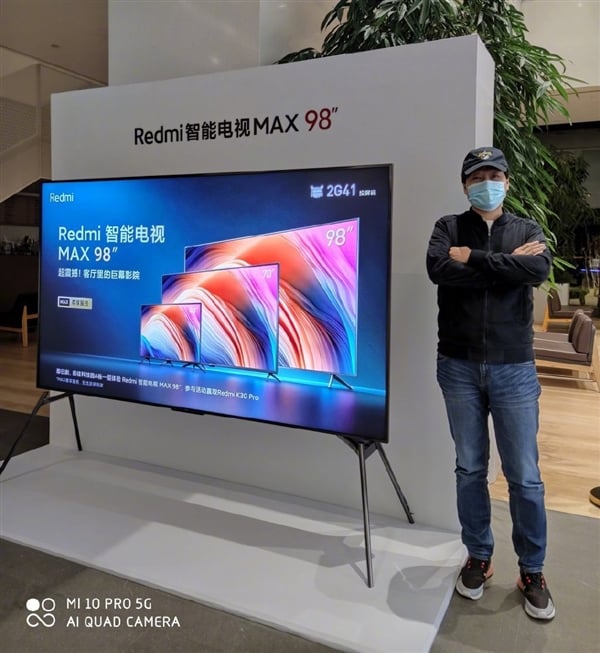
Earlier today (9th April 2020), Redmi Smart TV MAX 98 inch officially went on sale. It is priced at 19,999 Yuan (2,833 US Dollars) and features a massive 98 inch 4K display with dynamic backlighting, MEMC compensation, XiaoAI voice assistant and also be linked between other smart IoT devices. Now, Xiaomi has also released the official factory video that shows the massive TV being manufactured through the official Redmi Smart TV’s Weibo account.
Looking at the video, the Redmi Smart MAX TV 98 inch screen is an LCD panel, which is made from the only fully automated LCD production line in the world. Notably, the space required for the manufacturing process is about 10 times larger than that of conventional TVs and is more complicated as well. In terms of sheer size, the Redmi Smart MAX TV 98 inch stands at a tall 1.2 meters height in length, making it akin to a ping pong table when laid flat.
Despite its size, the Chinese tech giant has paid extra focus on each display zone of the massive TV. To ensure the reduction of the bleeding effect and other issues that plague large LCD panels, Redmi has a dedicated processor chip, which is custom made, and handles all the 192 partition dynamic backlight and other image improvement technologies. Its NTSC wide color gamut sits in at 85 percent while its dynamic contrast ratio is 140,000:1.
Lei Jun standing next to the Redmi Smart TV MAX 98 inch
Additionally, it features MEMC motion compensation technolgo as well, which effectively solves problems like jittering, tailing and ghosting of moving pictures. The Redmi Smart TV MAX 98 inch also supports PatchWall and features the XiaoAI voice assistant too. It is capable of smart interlinking, connecting to other IoT device in a home.
We use cookies on our website to give you the most relevant experience by remembering your preferences and repeat visits. By clicking “Accept”, you consent to the use of ALL the cookies.
This website uses cookies to improve your experience while you navigate through the website. Out of these, the cookies that are categorized as necessary are stored on your browser as they are essential for the working of basic functionalities of the website. We also use third-party cookies that help us analyze and understand how you use this website. These cookies will be stored in your browser only with your consent. You also have the option to opt-out of these cookies. But opting out of some of these cookies may affect your browsing experience.
Necessary cookies are absolutely essential for the website to function properly. This category only includes cookies that ensures basic functionalities and security features of the website. These cookies do not store any personal information.
Any cookies that may not be particularly necessary for the website to function and is used specifically to collect user personal data via analytics, ads, other embedded contents are termed as non-necessary cookies. It is mandatory to procure user consent prior to running these cookies on your website.