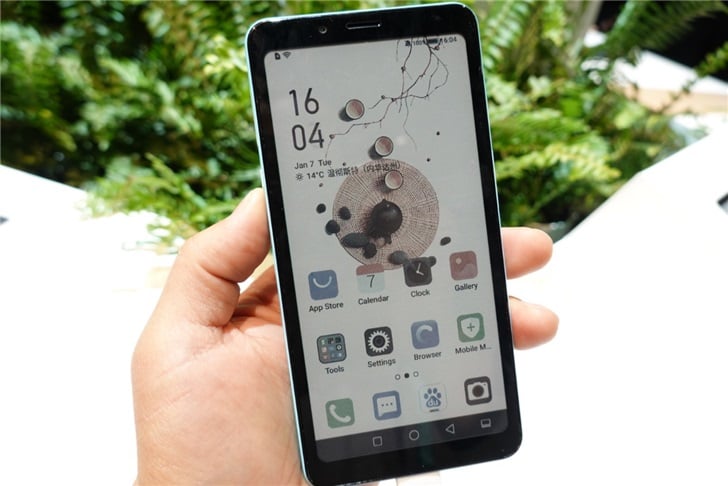
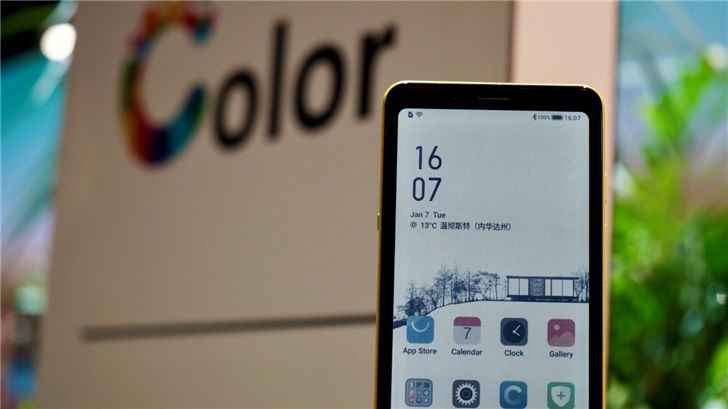
Earlier this year, Hisense had showcased new technologies in the CES 2020 (Consumer Electronics Show). One of the notable devices that stood out was the world’s first color e-ink screen mobile phone. This device attracted a lot of attention in the event and is now confirmed to launch on 23rd April 2020.
The primary highlighting feature of the device is undoubtedly its display. The Hisense device features the world’s first color e-ink display. The company has achieved this by combining the e-ink technology with the latest color printing technology to display 4096 colors. The characteristics of this enable softer colors being displayed, which does not hurt users’ eyes and is more comfortable for longer use.
This type of display also has certain advantages as well. Including, ultra low power consumption and continuous display, even when the power is off. Through this, users can enjoy reading anytime and are quite similar to the Amazon Kindle reader. The e-ink technology makes the image or text being display seem more like on paper than conventional LCD or OLED panels.
Interestingly, the screen does not emit light on its own but relies on natural light imaging. This means that there is no blue light being given out, which is generally considered as harmful for the eyes. During the night, the device will use built in warm front lights as a source of illumination that relies on the reflection being defused on the display.
The Hisense Color Ink Reader will arrive with many different apps for content. It will partner with major publications from China and more to deliver an optimized reading experience. It will be launched on the 23rd of April and will be seen in the company’s launch conference on that day.
At the Huawei P40 series launch event, the company also released a new version of its mobile software called EMUI 10.1. It comes pre-installed on the new devices, however, several old devices are also guaranteed to receive them. The first batch of handsets has already received a closed beta build. Now, the second batch of devices such as Huawei Nova 5 series and Honor 20S are getting a similar treatment.
The second batch of devices that are currently receiving EMUI 10.1 closed beta is as listed below.
Since EMUI on Honor devices is known as MagicUI, the Honor 20S is actually receiving MagicUI 3.1, which is nothing but a rebranded EMUI 10.1.
Huawei released EMUI 10 based on Android 10 soon after Google officially released the latter. The Huawei Mate 30 and Mate 30 Pro were the first devices to come with this software out of the box late last year.
Then in late March 2020, Huawei unveiled the P40, P40 Pro, and P40 Pro Plus with EMUI 10.1 on board. The new iteration of EMUI brings Huawei’s own AI voice assistant called Celia, new multi-window functionality, MeeTime video calling app, new AODs, and more.
Earlier today (10th April 2020), a senior executive of Nubia announced that the company will be revealing its new brand logo soon. The announcement was made on Weibo, the Chinese microblogging website, on the official account of Nubia’s President and Co Founder, Ni Fei.
In the Weibo post, Ni Fei shared an image poster. This picture showcased Nubia’s current brand logo, which was being peeled off. This offers just a slight view of the upcoming new brand logo underneath, like a sticker being removed. The brand logo we see today is etched in white on a red background, while the yet to be announced one features the inverse, with red branding on a white background.
Unfortunately, the image shared doesn’t reveal even a single letter of the new logo. So, it is unclear if the change will be drastic, or whether the company would go for a more sober look; something that brands tend to lean on after a certain period of time. What we do know so far is that the new branding will be unveiled on 13th April 2020, which is on a Monday next week. So stay tuned for more.
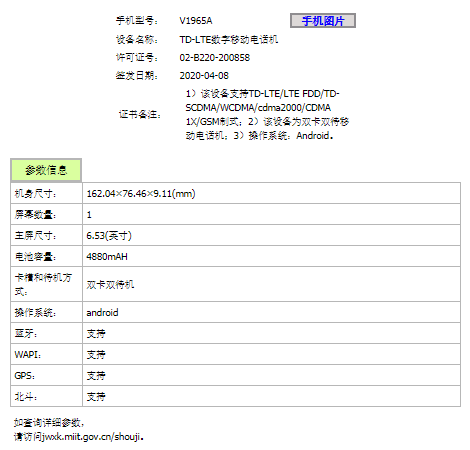
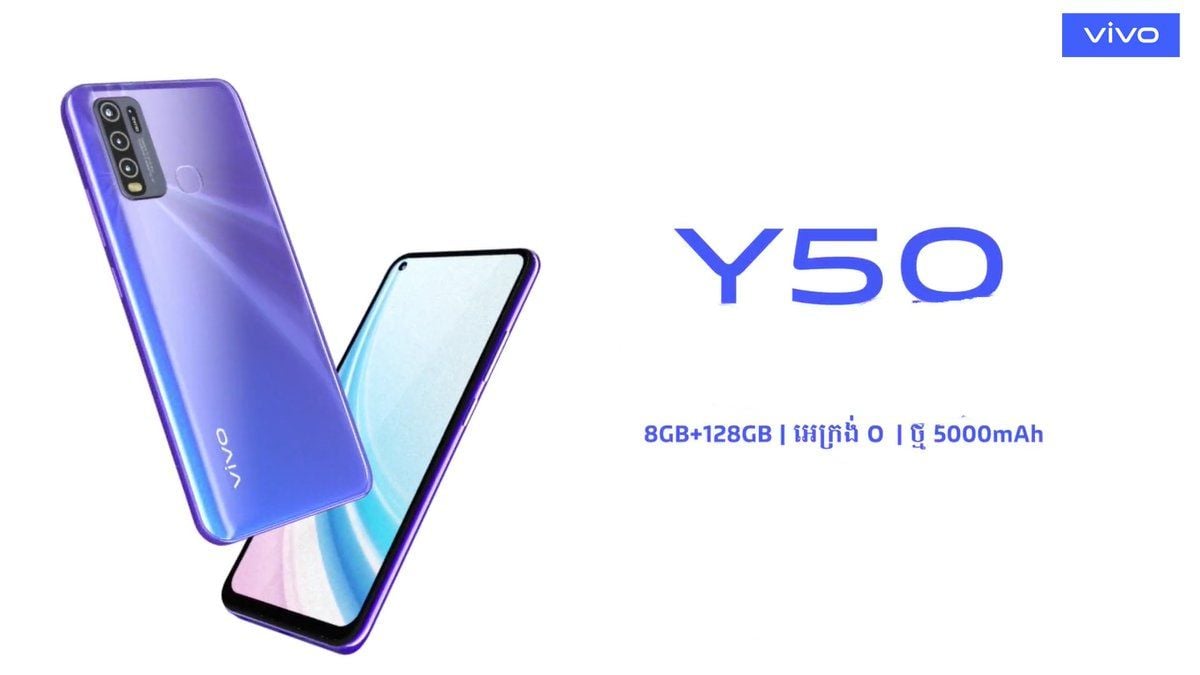
A new Vivo phone that has a model number of Vivo V1965A has been spotted on TENAA and 3C authorities of China. The exact identity of the phone is not known yet. However, it seems to bear resemblance with the Vivo Y50 phone that went official in Cambodia recently
The Vivo V1965A TENAA listing has only minimum information on its specifications. The listing currently reveals only the dimensions, display size and minimum rated capacity of the smartphone. The phone measures 162.06 x 76.5 x 9.11mm.
It has been found that the Vivo V1965A has a 6.53-inch display. The exact resolution and display design of the phone is not known yet. The size of its battery is 4,880mAh capacity. The 3C appearance of the smartphone has revealed that it carries support for 18W fast charging.
The above specs of the Vivo V1965A resembles with the Vivo Y50 smartphone. There is a possibility that the Vivo V1965A could be the Chinese edition of the Vivo Y50 phone. It remains to be seen whether the Vivo V1965A phone will debut in China as Vivo Y50 or with some other moniker.
The Vivo Y50 has a 6.53-inch IPS LCD full HD+ display with punch-hole design. It has a front camera of 16-megapixel. The rear side of the phone features a quad camera system that has a main lens of 13-megapixel, an 8-megapixel ultrawide lens, a 2-megapixel depth sensor and a 2-megapixel macro lens.
The Snapdragon 665 chipset powers the phone with 8 GB of RAM. It has an internal storage of 128 GB. The phone houses a 5,000mAh battery that carries support for 18W fast charging. The phone is available in Cambodia with a price tag of $249. Starry Black and Iris Blue are its two color variants.
Earlier this month, Xiaomi held its Mi Fan Festival in China. This marked the company launching various new products whilst also offering discounts to its pre existing products as well. Now, the Chinese tech giant has shared the stats of the Mi Fan Festival, with Xiaomi making over 2.89 billion Yuan in sales (roughly 410 million US Dollars).
According to the official data shared by Xiaomi, the popular electronics brand sold over 1.826 million smart AIoT products during this period. This marks a year on year increase of a whopping 160 percent. Similarly, its TV sales have exceeded a significant 231,000 units as well. Lu Weibing, the President of Xiaomi, stated that the first sale sold nearly 65 million products in just a single hour.
In the Mi Fan Festival, it has been reported that total number of people participating had reached 98.06 million. These stats were showcased online via an image poster from Xiaomi. It depicted the large transaction and notable sales numbers. So, it is clearly evident that the festival period was a massive success, despite the ongoing crisis due to the Coronavirus pandemic.
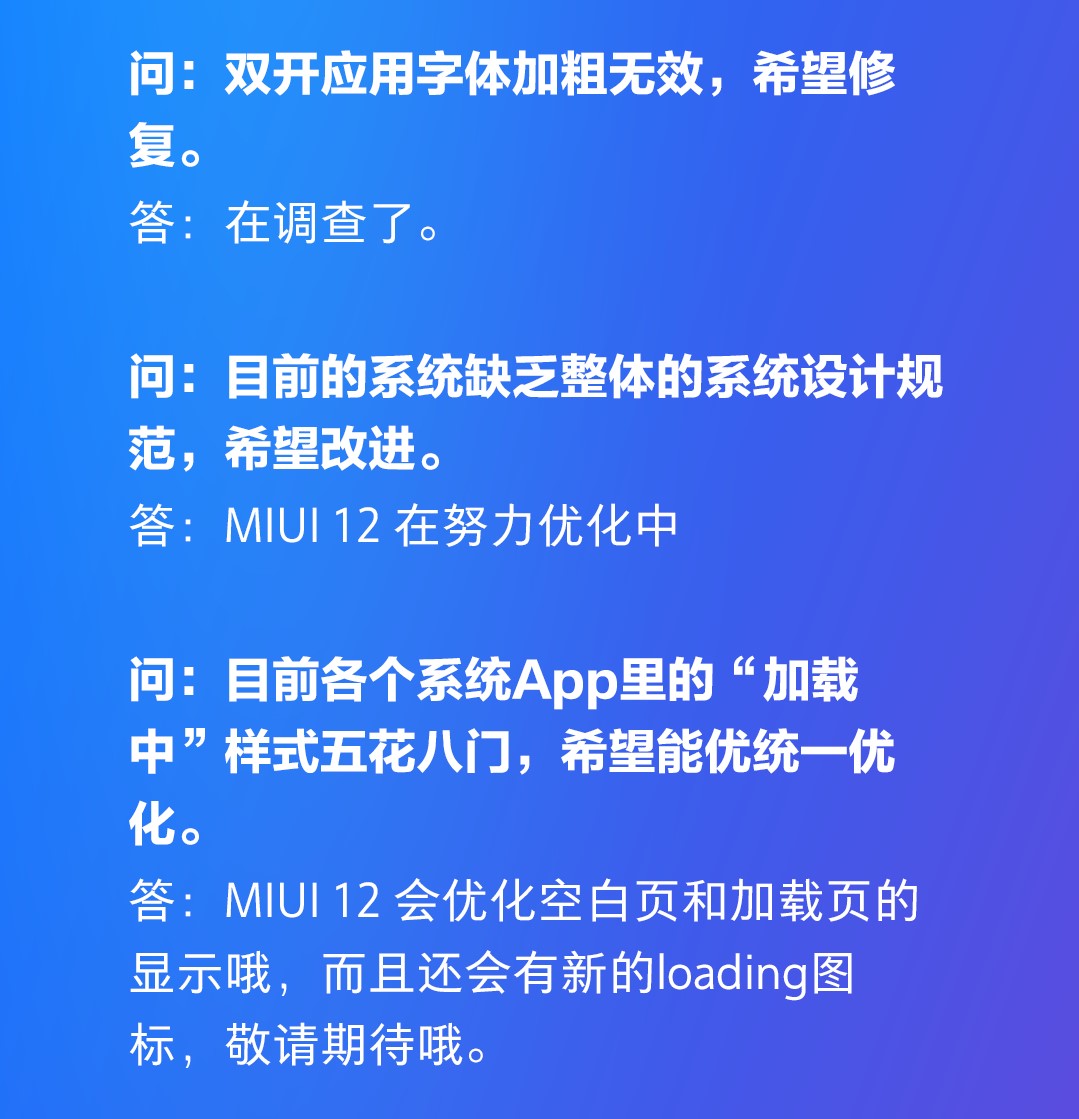
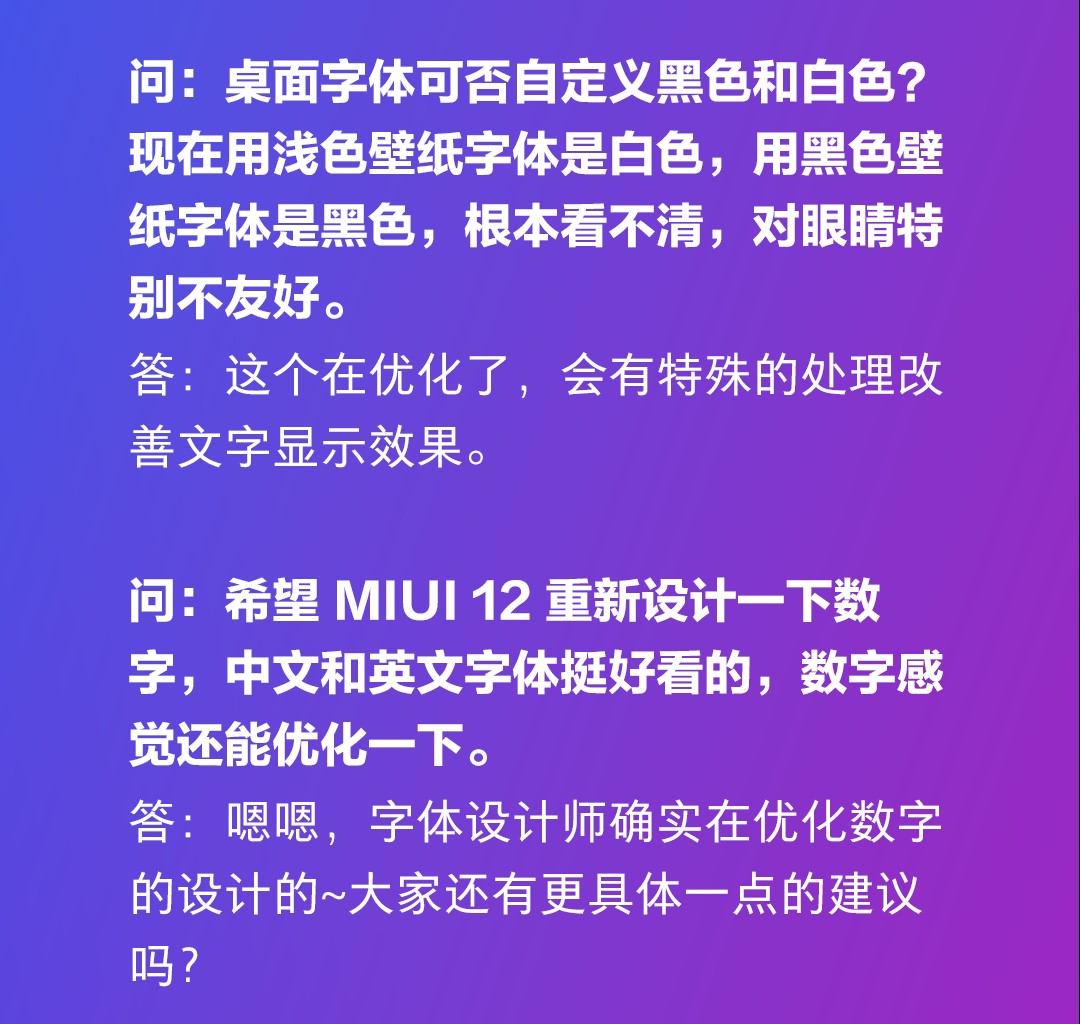
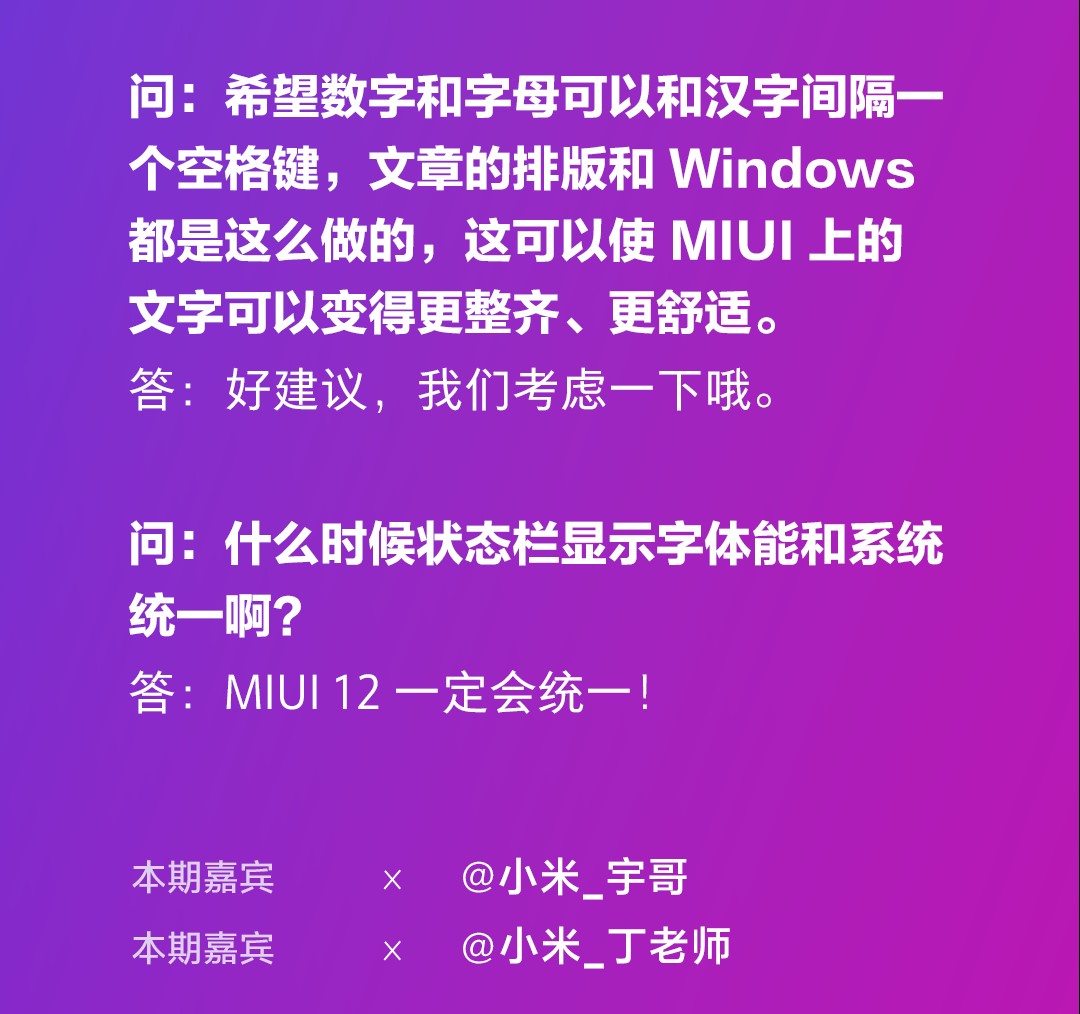
A couple of days back, MIUI head designer conducted an AMA (Ask Me Anything) on Mi Community in China to discuss new features in MIUI. Now, the official Weibo account of MIUI has shared some of the questions discussed hinting us a number of changes that are headed to MIUI 12.
Most of the questions from Chinese MIUI users were regarding fonts, which is interesting for us global MIUI users. The first question suggested adding support for fonts globally. For this, the MIUI personnel replied that they have been working on it for a while now, however, font change will still not have an effect in webview.
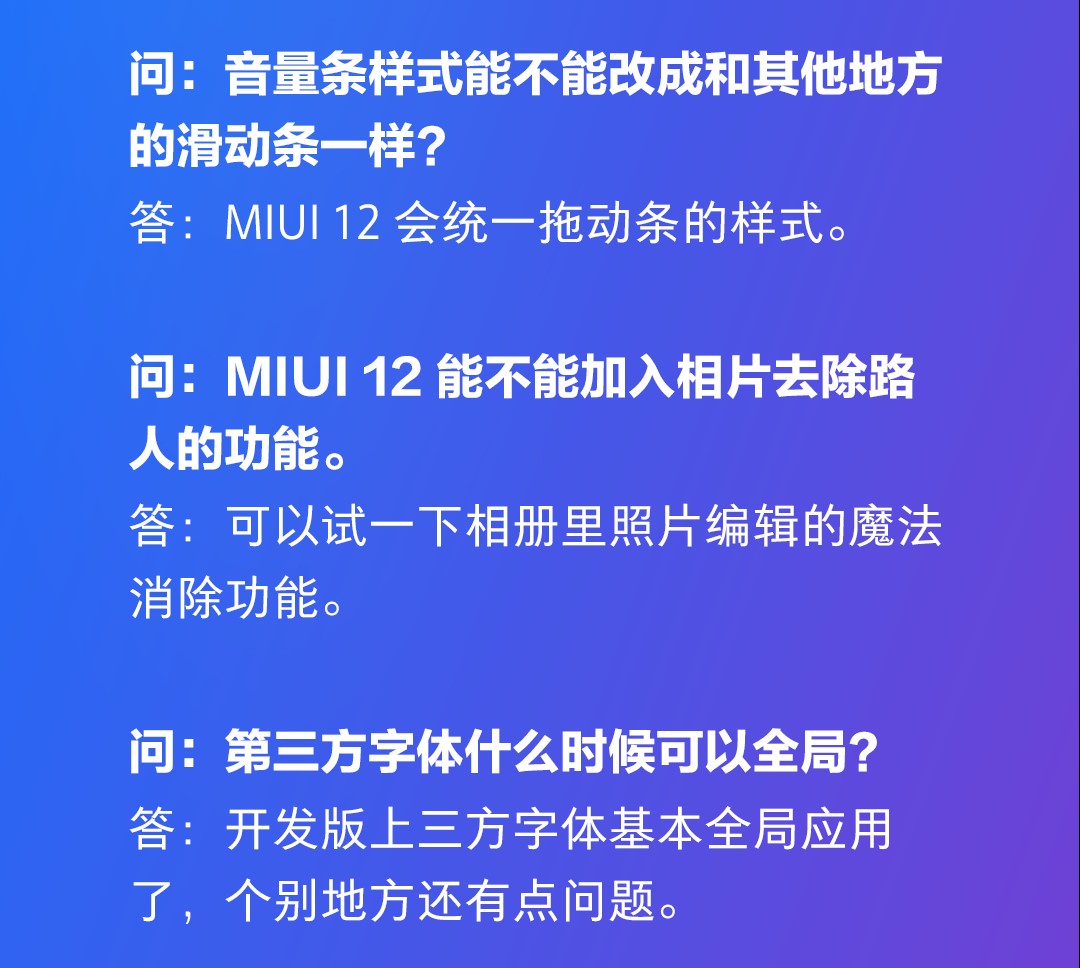
Another person asked regarding dynamic third-part fonts. For that, the designer said that third-party apps do not support dynamic functionality like the system fonts introduced in MIUI 11. But he assured they will work with third-party developers to bring this feature to users.
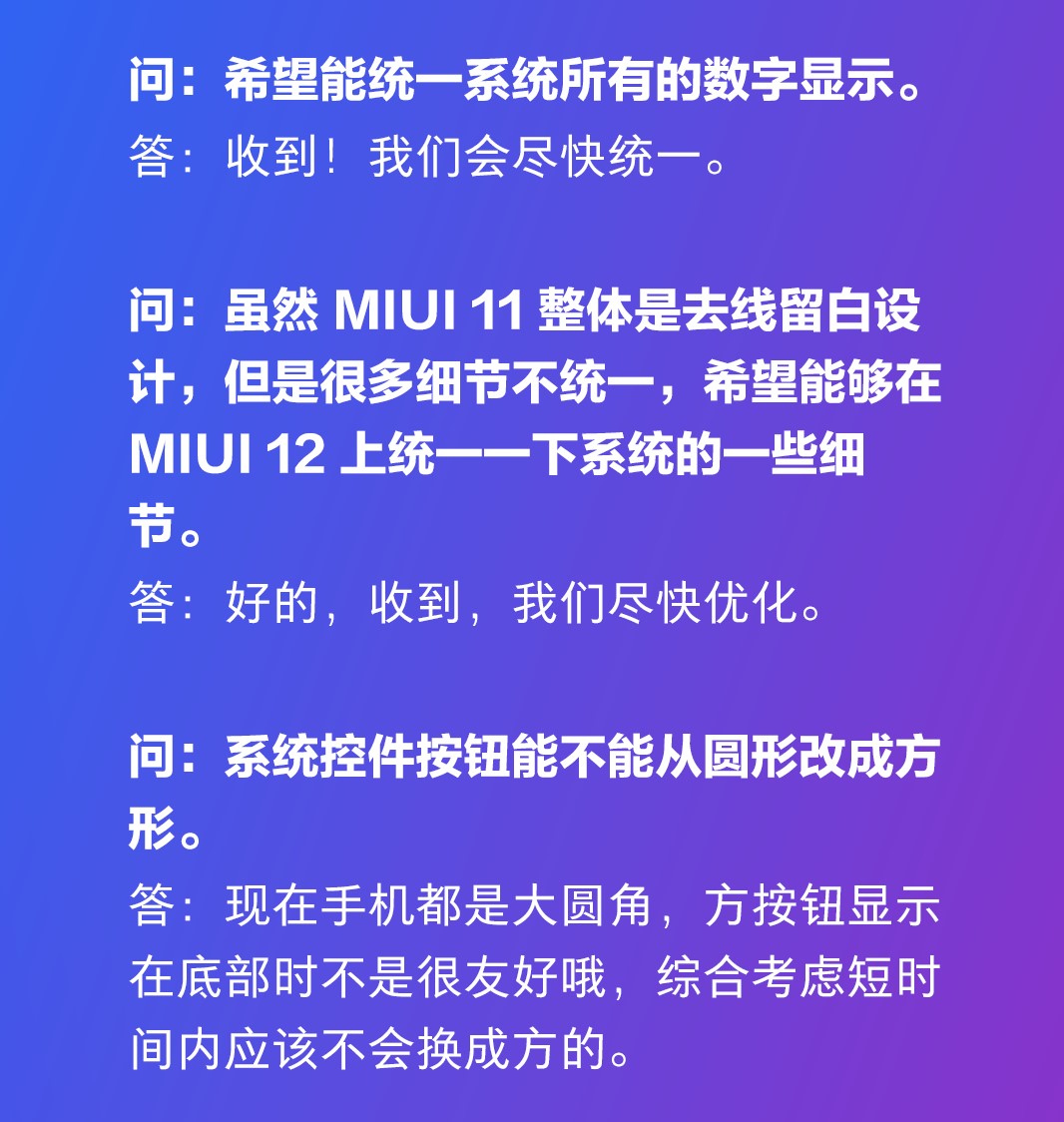
One user criticized the current UI elements to be ununiform and the reply to that was ‘MIUI 12 will optimize it’. That means we can expect an overall refined UI with uniformity in MIUI 12.
1 of 4
Further, another user said that currently all system apps have different loading screen and thus suggested to make them uniform. To this, the MIUI designer confirmed MIUI 12 to bring unified blank pages, loading pages and loading icons to all the system apps.
A user even suggested optimizing volume sliders and the reply for that was it will be unified with other sliders in MIUI 12. Another UI suggestion was to make quick toggles square. But for that, the head of MIUI explained it will look bad with modern phones with curved edges. So, it will continue to remain circular even in MIUI 12.
As mentioned in the beginning, most of the suggestions and questions were related to fonts such as improvement in dark and light scenarios, bold in certain places to highlight headings, optimization of numerical fonts, bigger battery percentage in phone with a dew-drop notch, and more.
1 of 3
In a nutshell, the MIUI head has assured that all the possible features and changes to MIUI 12 as suggested by users who attended the virtual AMA on Mi Community in China will be implemented in the upcoming MIUI version. The latest iteration of Xiaomi mobile software is expected to debut in the second half of 2020.
On Mar. 30, Huawei explained WiFi 6+ technology during an online communication conference. During the conference, the Chinese tech giant also unveiled two routers that support the aforesaid technology.
The WiFi 6+ technology was launched in Feb. this year at Huawei’s terminal product conference. It is worth mentioning here that the company’s P40 series of smartphones support the WiFi 6 Plus technology.
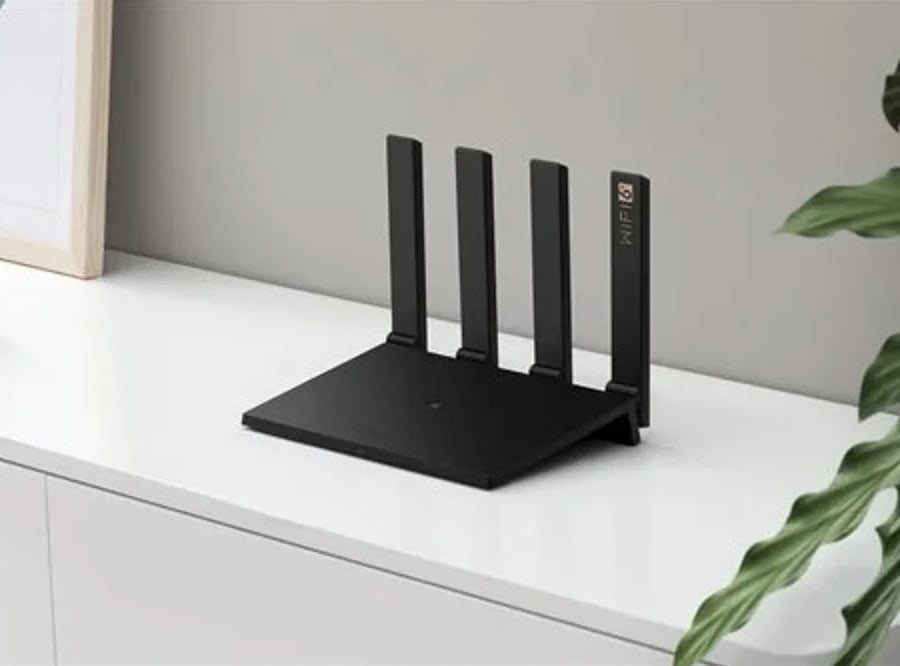
Dubbed as the Huawei AX3, and the AX3 Pro, the recently unveiled Wi-Fi 6+ smart routers have gone up for sale bearing unbeatable prices through Giztop. So without further ado, let’s dive straight into the details.
Huawei WiFi AX3
With a Kirin 650 chip under the hood, the Huawei WiFi AX3 supports 160 MHz frequency bandwidth. It reaches an impressive Theoretical speed of 3000 Mbps and features two amplifiers for 2.4 GHz and two amplifiers for 5 GHz.
Furthermore, the Huawei WiFi AX3 supports the company’s one-touch networking and a slew of other features including child online protection, remote office acceleration, online lesson acceleration, and mobile acceleration. Available in white color option, this Wi-Fi 6+ smart router will set you back $45.99.
You can follow this link to check out more details about the Huawei WiFi AX3 and place your pre-order via Giztop.
The Pro variant of the Huawei WiFi AX3 is powered by a Kirin 650 (Quad-core) chip that supports a frequency bandwidth of 160 MHz. As far as Theoretical speed is concerned, the Pro model is capable of reaching up to 3000 Mbps. Moreover, it features two amplifiers for 2.4 GHz and two amplifiers for 5 GHz, just like the standard model. It comes with Huawei’s one-touch networking supports boasts a slew of highly advantageous features including mobile acceleration, online lesson acceleration, remote office acceleration, and child online protection.
You can head straight to this link to pre-order the Huawei WiFi AX3 Pro Wi-Fi 6+ smart router from Giztop. Note that the product is estimated to start shipping from Apr. 30.
The Gizmochina Coupons is a community that finds, reports and evaluates deals and coupons of Chinese products from online shops. Please visit it here to find more coupons to save money on mobiles and smart gadgets.
Huawei has been facing large scale failure of its Cloud services in China. Reports from many users started flooding in earlier today (10th April 2020), and the issue seems to largely affect China, with its website and service being unavailable.
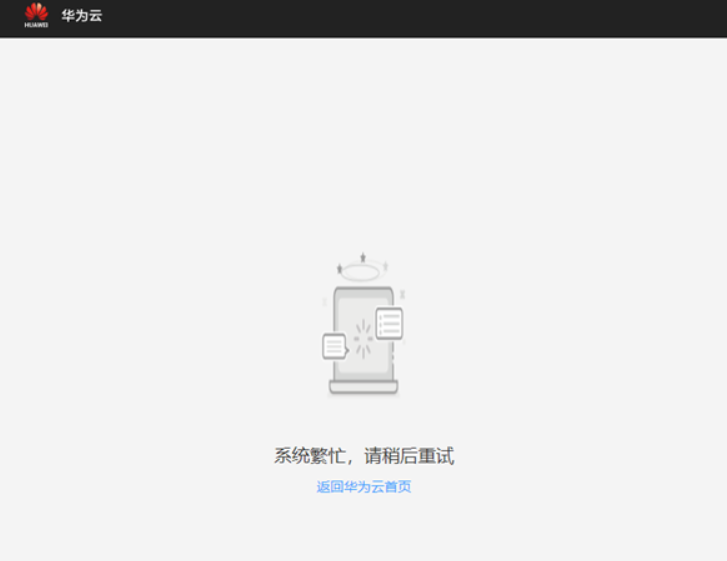
Many Weibo users, a Chinese microblogging website, shared posts online regarding the Huawei Cloud services being unavailable. They shared issues like being unable to login and more. A few people even shared screenshots online that showed them using the Chinese tech giant’s service, but being greeted by the messages saying that the service was down.
These included messages like, “The server is temporarily overloaded or under maintenance. Please try again later,” or “An error occurred while establishing a database connection.” Certain individuals online even claimed that the loss of the service had grave impacts on their enterprises or businesses. Furthermore, a few even reported on Huawei smartphones exploding, which seems highly unlikely.
One of the many screenshots shared online that showcase the unavailability of Huawei services
Since the Cloud service was down, people in China couldn’t access a few applications or play games either. Unfortunately, Huawei has yet to make an official statement regarding this outage. Thus, it is currently unknown what caused the failure and many are asking Huawei when the issue will be resolved. So stay tuned for more news which should arrive soon
Much to the chagrin of Xiaomi’s huge fanbase, the Mi 10 series launch event which was slated to take place at a pre-MWC event on February 23 was pushed back citing GSMA’s decision to cancel MWC 2020. The Chinese tech giant resorted to unveiling the Mi 10 series during an online event on Mar. 27.
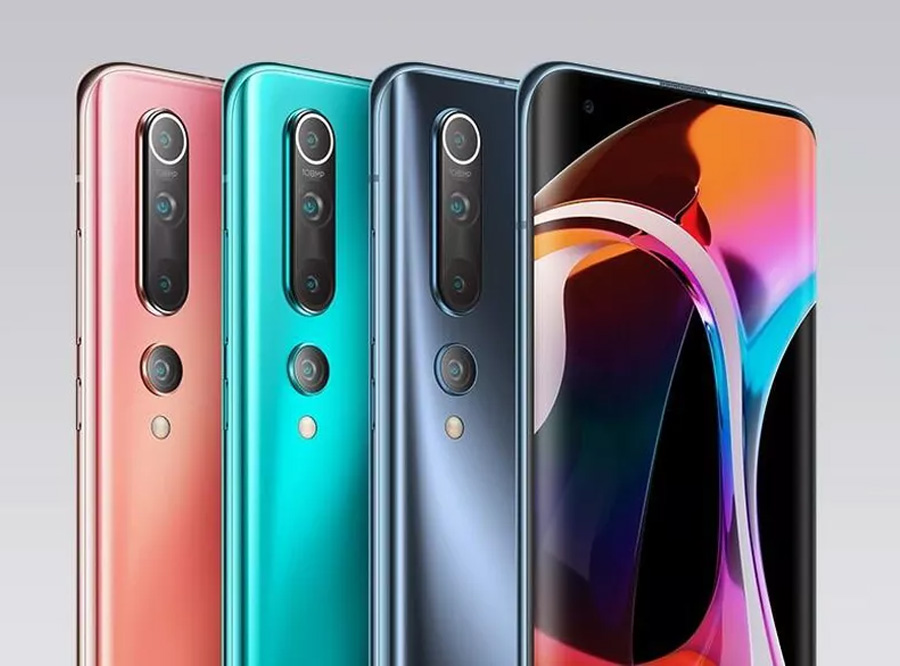
Available in two eye-catching color options including green and grey, the Xiaomi Mi 10 Global Version with 8GB of RAM and 128GB of internal storage capacity is now available for $699 through one of China’s most reliable e-tailers, Giztop. Giztop has come up with coupon code M10GE30 so that cost-conscious buyers can get their hands on the well-received smartphone without emptying their pockets.
You can save $30 simply by applying the aforesaid coupon during the check out process. In short, the Xiaomi Mi 10 Global Version can be yours for a lowered price of only $669, provided you place your order through Giztop before the coupon expires by following this link.
An absolute steal at this price, the phone sports a 6.67-inch curved AMOLED punch-hole display that offers an impressive refresh rate of 90Hz. It packs a powerful Snapdragon 865 5G processor along with an Adreno 650 GPU for a superior overall experience. In the optics department, the Mi 10 Global Version houses a quad-camera setup with a 108MP, 13MP, 2MP, and a 2MP camera at the back. Upfront, there’s a 20MP selfie camera.
Moreover, the dual-SIM handset runs MIUI 11 based on the latest Android 10 OS and is backed by a 4780mAh battery that supports fast 30W wired and 30W wireless charging. On top of that, the Mi 10 supports multi-functional NFC, HPUE, an IR blaster, 4×4 MIMO and dual-frequency GPS.
The Gizmochina Coupons is a community that finds, reports and evaluates deals and coupons of Chinese products from online shops. Please visit it here to find more coupons to save money on mobiles and smart gadgets.
Last year, in October, Microsoft revealed unique future product that the company planned to start shipping from this year — Microsoft Surface Neo. The device is a dual-screen notebook with an extra keyboard and stylus support.
For this unique form-factor of the device, the Redmond-giant also developed a new branch of Windows operating system called Windows 10X, which is aimed to make the user experience better on such foldable devices.
Now, it is being said that the company will miss its planned release date of holiday 2020 for the Surface Neo. However, the report adds that the launch timeline for the Surface Duo, a dual-screen Android smartphone, remains unaffected.
The dual-screen devices running the all-new Windows 10X were slated to ship around the holiday season of 2020. However, the company has pushed back the dates for this, which is likely due to the ongoing COVID-19 pandemic. The company had warned in February this year that COVID-19 coronavirus was affecting the its China-based supply chain.
The Microsoft Surface Neo is a dual-screen laptop with 360-degree hinges that allows you to use it in various forms. It has two 9-inch displays, is powered by Intel’s Lakefield processor. The Surface Neo and the Surface Duo look alike but the latter is much smaller and their internals are also different.
The device also has a magnetic keyboard that attaches to the back of the device. In laptop mode, you can decide to use this keyboard or the on-screen one. If you opt for the former, which is smaller than the screen, the remaining visible display at the top becomes what is called a WonderBar.
Windows 10X is a stripped-down version of Windows 10 but unlike Microsoft’s previous attempts at a lite-version of its operating system, Windows 10X can run legacy programs and not just Windows apps.
Redmi launched the K30 Pro model two months after unveiling the K30 smartphone in January 2020. During the two month waiting period, Redmi fans speculated that the K30 Pro would follow in the footstep of its well-received predecessor, the K20 Pro and give those flagships a run for their money.
When the Redmi K30 Pro was launched earlier this year, fans were pleased to find out that the phone not just meets, but exceed their expectations. Sporting a full-screen design without a notch or a hole-punch, the k30 Pro is a highly-appealing smartphone.
The K30 Pro was announced alongside the K30 Pro Zoom Edition smartphone back in March. A Weibo post shared by the company suggests that the total sales of the aforesaid smartphones surpassed a whopping 100 million Yuan (about $14.1542) in just 30 seconds.
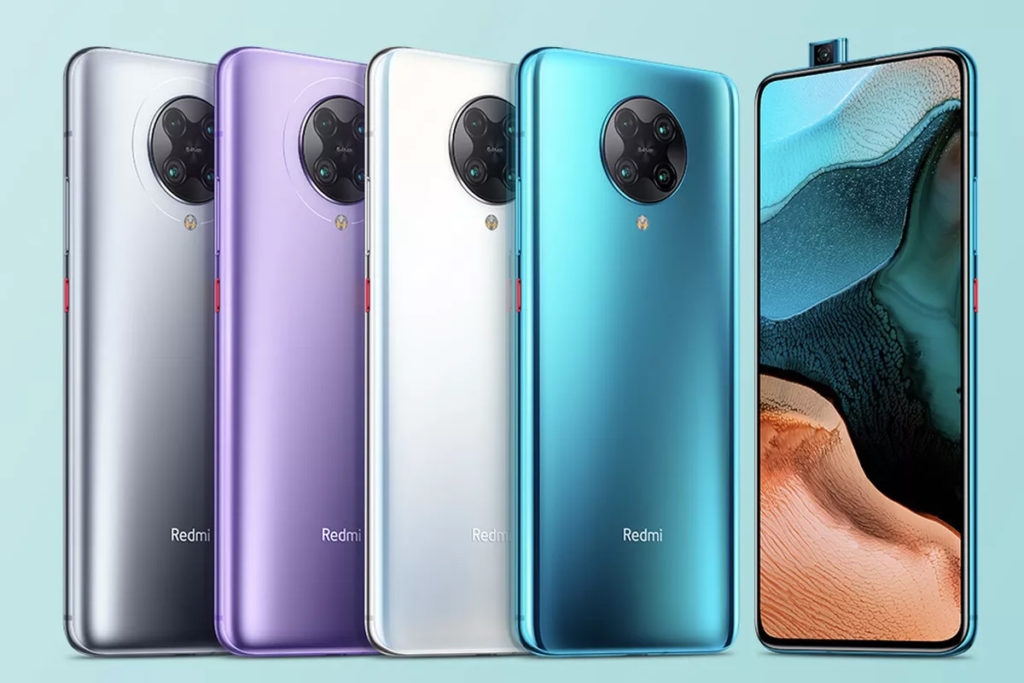
The Xiaomi Redmi K30 Pro is currently available in two variants including 6GB RAM+128GB ROM and 8GB RAM+128GB ROM on Giztop. The 6GB RAM variant would set you back $549, while the slightly larger model that ships with 8GB RAM is currently up for grabs bearing a $649 price tag.Much to the relief of those unwilling to shell out that kind of money on a handset, the popular Chinese e-tailer is giving its loyal users a chance to save $50. To avail of this noteworthy discount, all you need to do is to apply coupon code RK30P50 at check out.
In short, you can purchase the 8GB RAM model for just $599 and get your hands on the 6GB RAM variant for a lowered price of only $499, simply by applying the aforesaid coupon. To take advantage of the coupon, all you need to do is to follow this link without wasting time.
The irresistible Xiaomi Redmi K30 Pro offers the following features:
67-inch AMOLED FHD+ display
Qualcomm Snapdragon 865 processor
Adreno 650 GPU
64MP+13MP+5MP+2MP rear cameras
20M front pop-up camera
4700mAh battery
MIUI 11 base on Android 10 OS
The Gizmochina Coupons is a community that finds, reports and evaluates deals and coupons of Chinese products from online shops. Please visit it here to find more coupons to save money on mobiles and smart gadgets.
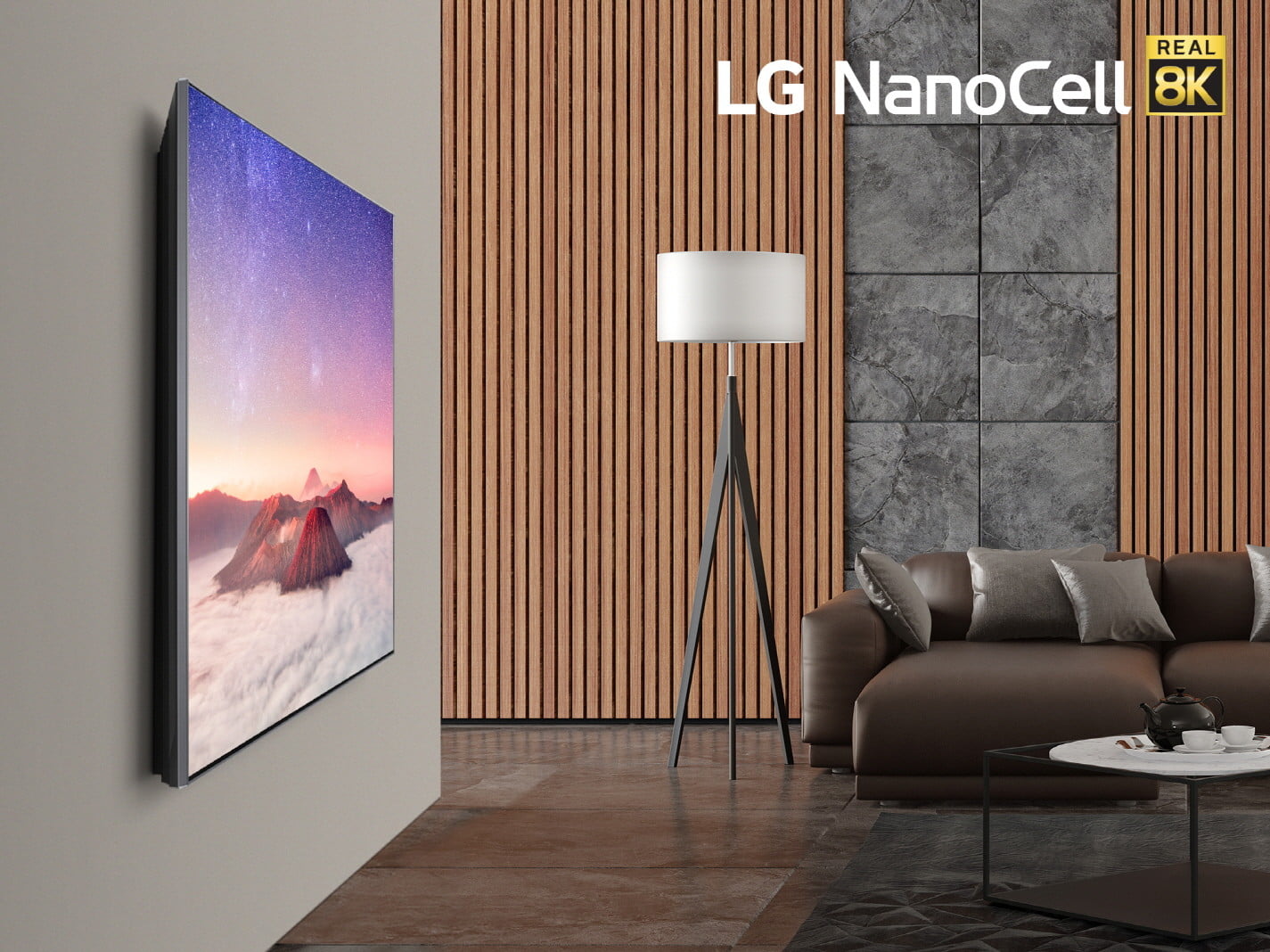
LG has today announced the details of 12 new models under its NanoCell TV lineup. As the name indicates, the NanoCell TVs are LCD-based displays that the company says uses a layer of 1-nanometer-sized particles to provide more accurate color reproduction.
The biggest TV in the Nano90 4K TV lineup is 86-inch model, which is now available for purchase at $3,299. Other models in the series will go on sale later this month and next month. The Nano99 8K series that features both 75-inch and 65-inch models will go on sale in May and June of this year.
Both the Nano99 series and the Nano90 4K series will implement full array local dimming that divides backlighting into small sections for more precise control and to improve black levels and overall contrast.
The Nano 99 series comes powered by an Alpha 9 Gen 3 AI Processor 8K which is similar to the one used in LG’s 2020 OLED TVs. The company says that it uses “deep learning technology” to provide an ideal 8K viewing experience.
The company has also noted that these 8K models exceed the Consumer Technology Association’s requirements for 8K TVs, joining LG’s 2020 ZX series of 8K OLED TVs in being among the first models that actually qualify for the CTA 8K Ultra HD logo.
All these 12 TV models will support all major HDR formats, including Dolby Vision and HDR 10, confirms LG. They will all support Dolby Atmos as well, along with a few features focused on improving the viewing experience of movies, sports, and games.
The TV lineup also comes with support for built-in Google Assistant and Amazon Alexa smart voice assistants. They also carry support for Apple’s AirPlay 2 and HomeKit and run the company’s webOS Smart TV platform.
Here are the pricing and availability details of all the models:
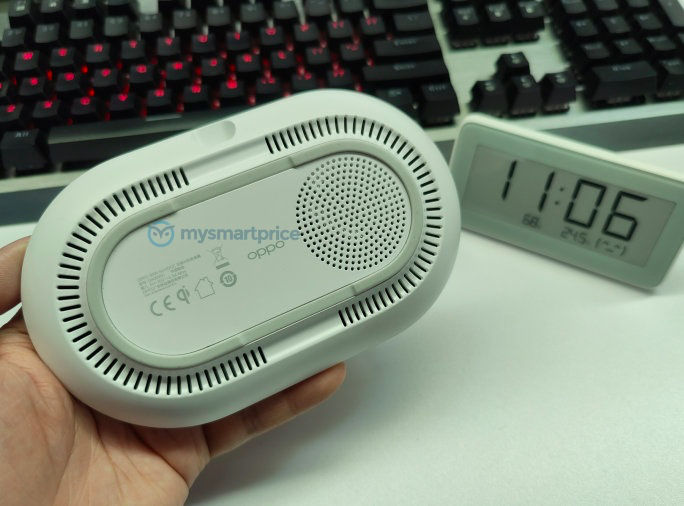
A few days back, the Oppo 40W AirVOOC wireless charger was spotted on Wireless Power Consortium (WPC) certification listing. It also revealed the design of the charger in the form of renders. Now, a live image has emerged on the internet suggesting it to launch soon.
The upcoming Oppo Ace 2 has been already confirmed to feature support for 40W wireless charging, in addition to 65W wired charging and this leaked Oppo AirVOOC wireless charger is definitely designed for this phone and other upcoming devices from the brand.
The live image of Oppo 40W AirVOOC wireless charger once again confirms the presence of multiple vents to dissipate heat. It could also include a fan to further lower the temperature.
As per the WPC listing, the upcoming wireless charger will support 9V 2A (18W), 5V 6A (30W), and 10V 6.5A (65W) power inputs. But the wireless charging output will be 40W. It will most likely launch alongside the Oppo Ace 2 on April 13.
Chinese smartphone makers have been long avoiding wireless charging on their smartphones to cut costs. But for the past two years after making a breakthrough in wireless charging speeds because of intense R&D, they have been slowly joining the bandwagon.
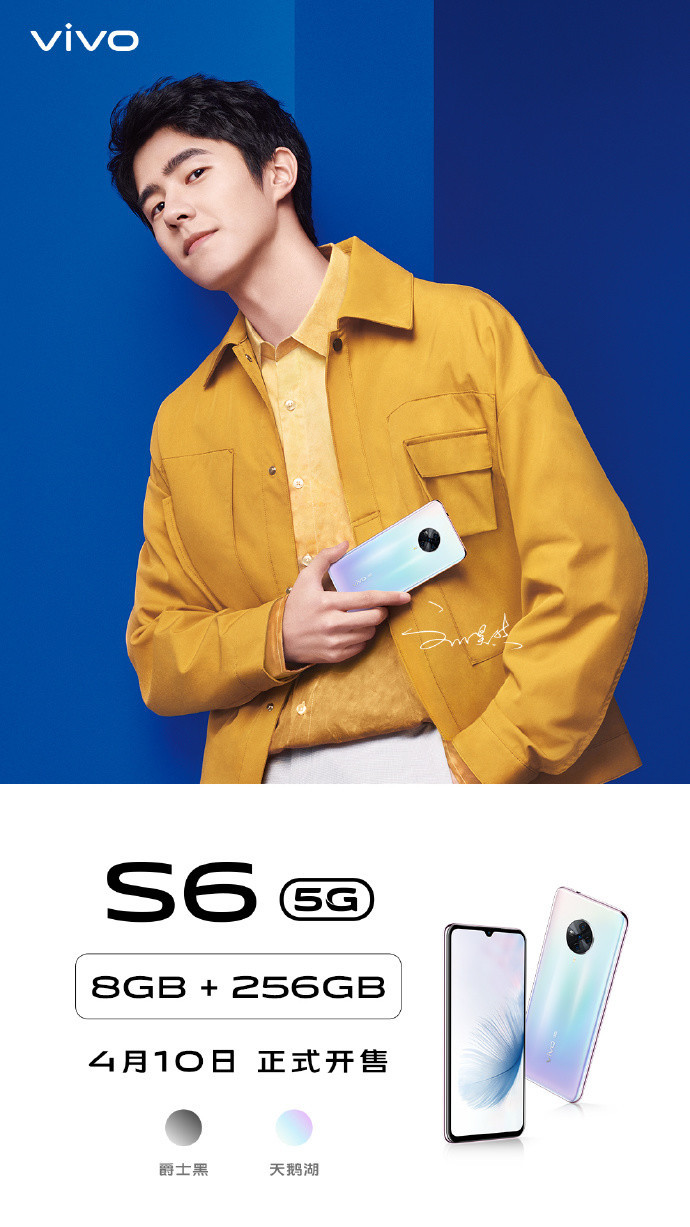
Last month, Vivo had launched its Vivo S6 mid-range 5G smartphone in the Chinese market. The company had announced two variants — 8GB RAM + 128GB storage and 8GB RAM + 256GB storage and three color options — Swan Lake Blue, Danube Blue and Jazz Black.
While the 8GB RAM + 128GB storage model was made available for purchase in China from 3rd April for 2,698 yuan (~$383), the company has today finally started selling the 8GB RAM + 256GB internal storage variants for 2,998 yuan, which is around $426.
The Vivo S6 features a 6.44-inch AMOLED HDR10 certified waterdrop display with 2400 × 1080 pixels Full HD+ screen resolution, 103 percent NTSC ultra-wide color gamut and ultra-high contrast of up to 1200000:1.
Under the hood, it is powered by Samsung Exynos 980 chipsets and comes with Multi-Turbo technology that consists of six individual technologies, including CPU Turbo, AI Turbo, Net Turbo, Cooling Turbo, Game Turbo, and ART++ Turbo. The company claims that the new generation of Cooling Turbo reduces the phone’s temperature by up to 10-degree celsius as compared to its predecessor.
The device comes with a quad-camera setup on the back that consists of a 48MP primary shooter, coupled with an 8MP ultra-wide-angle lens, a 2MP depth of field lens, and a 2MP macro lens. On the front side, there’s a 32MP selfie shooter with f/2.08 aperture.
The smartphone runs the latest Android 10 operating system out-of-the-box with the company’s own FunTouch OS On top. It is powered by a 4,500mAh battery and comes with support for 18W fast charging technology.
OnePlus is all set to launch its flagship smartphones — OnePlus 8 and 8 Pro globally at a launch event on 14th April. Now, with just few days to go for the official launch, the company’s CEO Pete Lau has shared camera sample of the OnePlus 8 Pro.
He has shared a couple of images taken using the ultra wide camera sensor on the OnePlus 8 Pro. While sharing the images, he said: “ultra wide that can get ultra close. One side here was taken with a OnePlus 8 Pro, the other with another flagship phone (I think you can probably tell which is which).”
Here are the images shared by Pete Lau on Twitter.
The OnePlus 8 Pro smartphone is expected to come with a quad-camera setup that includes Sony IMX689 48-megapixel primary camera sensor with OIS and EIS, a 120-degree Sony IMX586 ultrawide lens, an 8-megapixel telephoto lens with 3x optical zoom, 30x digital zoom and OIS and a 5-megapixel color filter with PDAF.
The quad cameras are coupled with dual-LED flash and Laser AF and the camera will have support for 30/60fps 4K video shooting, 48fps and 240fps slow-motion video recording, along with 3D Audio Zoom and flicker sensor.
The smartphone is expected to feature a 6.78-inch quad HD+ AMOLED display with 120Hz refresh rate and 19.8:9 aspect ratio. It is confirmed that the phone will be powered by the Qualcomm Snapdragon 865 SoC, coupled with LPRRDR5 RAM and UFS 3.1 internal storage.
It runs Android 10 operating system out-of-the-box with the company’s own OxygenOS UI on top. The device will be powered by a 4,510mAh battery with 30W OnePlus Warp Charge 30T fast charging, 30W wireless charging and 3W reverse wireless charging.
Reports indicate that the OnePlus 8 Pro will come in three colors — Onyx Black, Glacial Green, and Ultramine Blue. As for the pricing, the 8GB + 128GB model will cost 930 euros while the 12GB + 256GB model will be priced at 1,020 euros with sale expected to start from 30th April.
OnePlus will be holding a global launch event for the OnePlus 8 series on April 14. The Chinese firm recently confirmed that the company will be holding a dedicated launch event for unveiling the OnePlus 8 and OnePlus 8 Pro phones in China on April 16. Ahead of the market release in China, OnePlus has started with the reservations of the OnePlus 8 lineup.
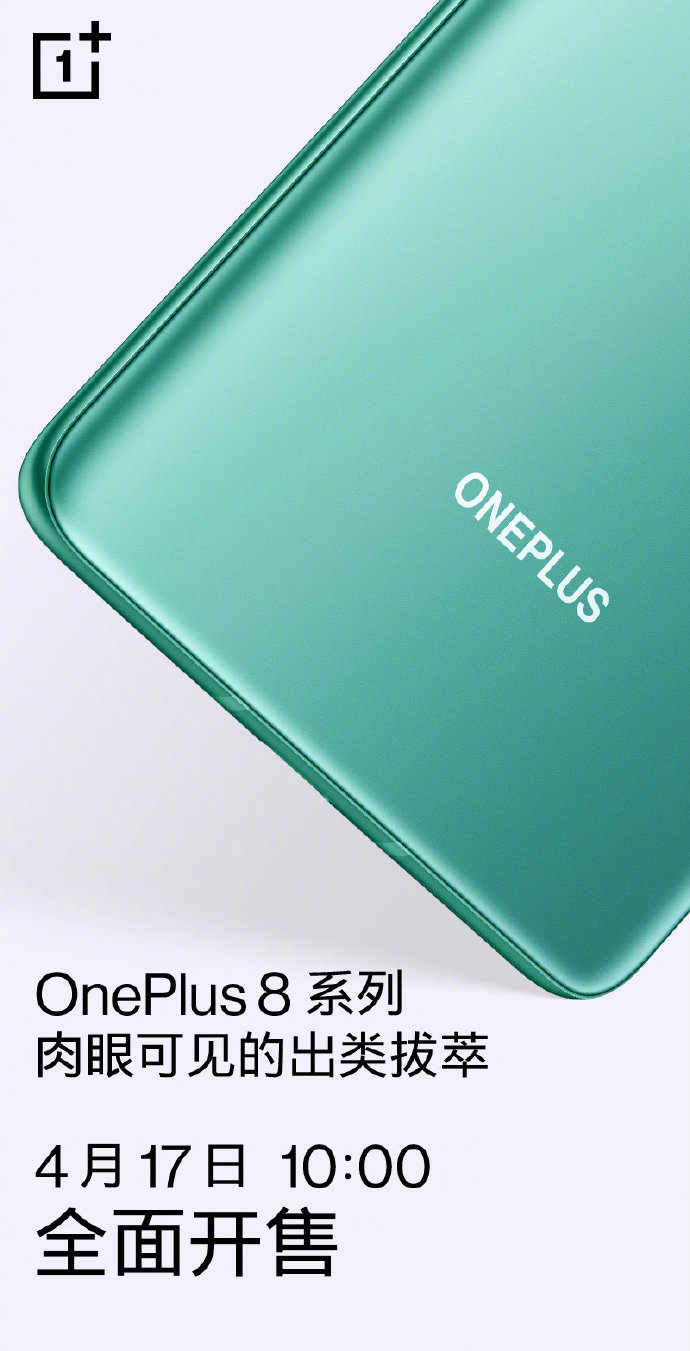
The OnePlus 8 series is now up for reservations through OnePlus’ official online store, JD.com and Tmall. The Chinese firm has also revealed that the first sales will be carried out on April 17 at 10AM (local time). There is no word on the pricing of the OnePlus 8 series for the Chinese markets.
OnePlus 8 pricing (Rumored)
A recent leak had revealed that the OnePlus 8 will be coming to Europe with a starting price of 729 euros for 8 GB + 128 GB model. The OnePlus 8 Pro may cost 930 euros for its 8 GB RAM and 128 GB variant. The OnePlus 8 will come in colors like Onyx Black, Glacial Green and Interstellar Glow. The Pro model will have come in the same black and green color variants along with Ultramarine Blue model.
OnePlus 8 and OnePlus 8 Pro Specifications (Rumored)
The OnePlus 8 and 8 Pro will be sporting full HD+ 6.55-inch and quad HD+ 6.78-inch AMOLED displays, respectively. The OnePlus 8 duo will have in-screen fingerprint sensors. The Snapdragon 865 mobile platform will be powering both phones. The OnePlus 8 has a 4,310mAh battery and the Pro model has 4,510mAh battery. Both phones support 30W Warp Charge 30T. The Pro model will come with 30W wireless charging and 3W reverse wireless charging.
The OnePlus 8 duo will have 16-megapixel front-facing cameras. The OnePlus 8 has a triple camera system with Sony IMX586 main lens, a 16-megapixel ultrawide lens and 2-megapixel macro shooter. The OnePlus 8 Pro’s quad camera setup has a Sony IMX689 48-megapixel primary lens, a Sony IMX586 ultrawide shooter, an 8-megapixel telephoto lens and a color filter.
The OnePlus 8 and 8 Pro are both expected to arrive in 128 GB and 256 GB UFS 3.0 storage versions. The OnePlus 8 will come with 8 GB LPDDR4x RAM while the Pro model will come with 8 GB and 12 GB LPDDR5 RAM. The OnePlus 8 Pro will be the company’s first IP68 rated smartphone.
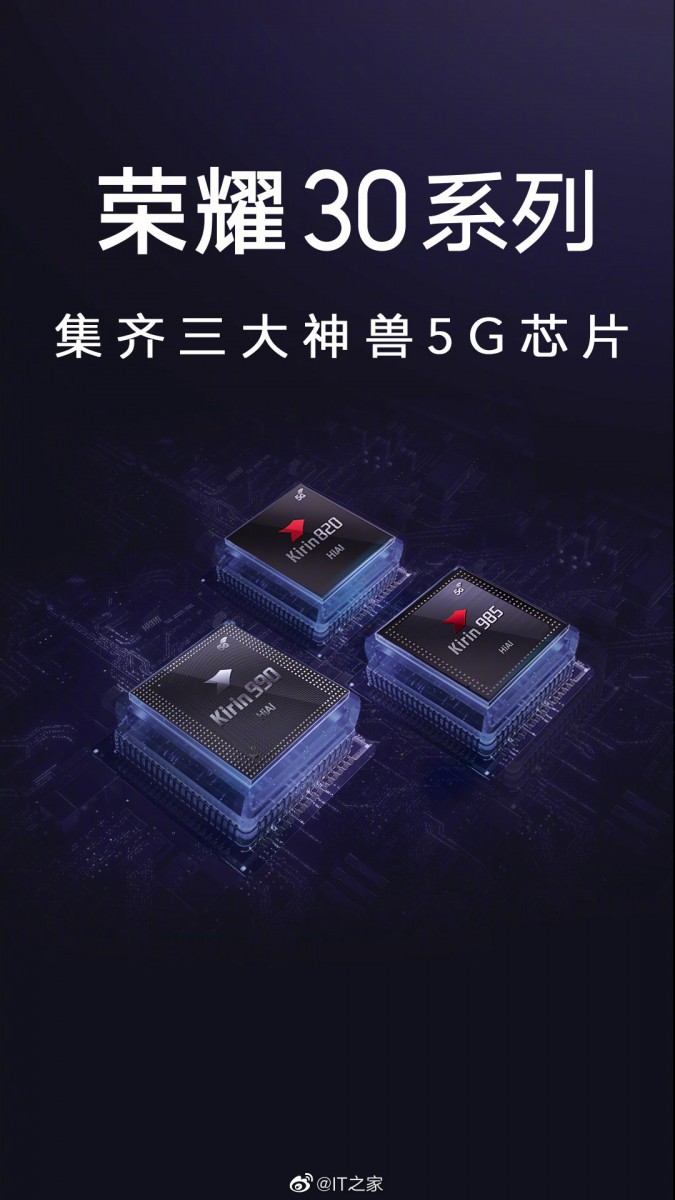
Honor has released a new poster through its Weibo account in China. The image shows that the Honor 30 series is powered by three different 5G-capable processors. The Honor 30S which belongs to the same series is powered by the Kirin 820 chipset. The poster reveals that Honor 30 and Honor 30 Pro will be arriving with Kirin 985 5G and Kirin 990 5G, respectively.
The Honor 30S debuted as the first Kirin 820 5G phone. The Honor 30 will be the first phone powered by the Kirin 985 5G chipset. The Kirin 990 5G chipset that powered the likes of the Huawei P40 series, Mate Xs foldable phone and Mate 30 Pro 5G will be driving the Honor 30 Pro.
Past reports have revealed that Honor 30 and Honor 30 Pro will have different rear-facing cameras. The Honor 30 Pro will have a primary Sony IMX700 lens whereas the vanilla model will flaunt a 40-megapixel lens. The Honor 30 is expected to arrive with 8 GB of RAM while the Pro model could be available in 8 GB as well as 12 GB RAM versions. The rest of the specs are believed to be identical on both phones.
The Honor 30 and Honor 30 Pro are expected to come with 6.57-inch AMOLED displays that deliver full HD+ resolution. These phones are likely to arrive with 4,000mAh batteries that will support 40W fast charging.
The Android 10 OS along with the latest version of the Magic UI will be loaded on the Honor 30 and 30 Pro. These phones are likely to come in 128 GB and 256 GB storage versions. Lastly, both phones will have 32-megapixel frontal shooters.
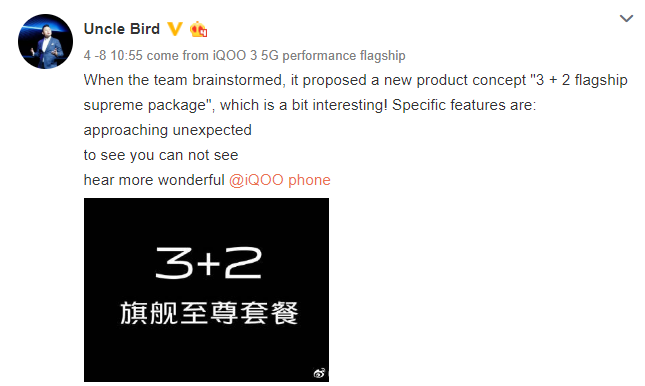
The iQOO 3 5G phone debuted in February as the first 5G-ready iQOO phone. The handset was powered by Snapdragon 865 mobile platform. Rumors have it that the upcoming iQOO Neo3 will be the second Snapdragon 865 SoC driven phone from the company. Unlike the iQOO 3, the Neo3 is expected to support higher refresh rates. iQOO’s General Manager has released a Weibo post that talks about an upcoming product. It seems to be another iQOO Neo3 teaser from the company after the one that was released last month.
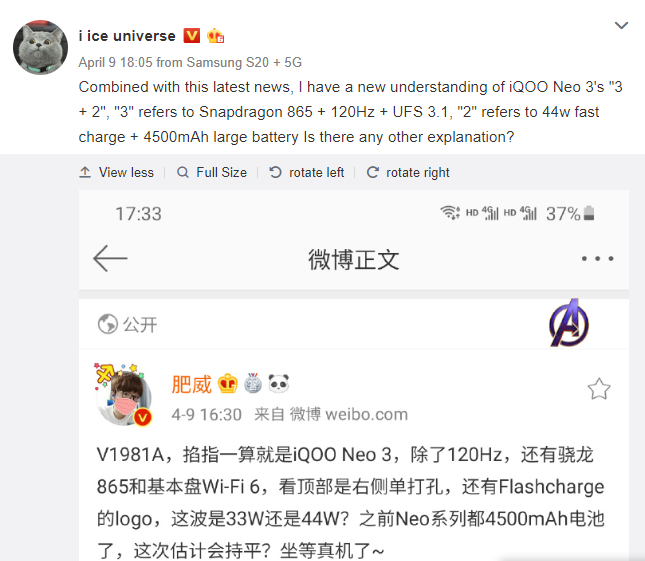
The iQOO executive said that the company has adopted a new concept of “3 + 2 flagship supreme package.” Reliable tipster Ice Universe shared a possible explanation on what “3 + 2” referring to. Based on the available leaked details of the Neo3, the said that “3” relates to features like Snapdragon 865, 120Hz high refresh rate display and UFS 3.1 storage and “2” could refer to 4,500mAh and 44W fast charging.
The new leak also reveals that the iQOO Neo3 will be equipped with Wi-Fi 6. Leaked screengrabs that were reportedly taken from the same phone revealed that it could be coming with a punch-hole display. It won’t be an AMOLED, but an IPS LCD panel. Probably, it could be coming with a side-mounted fingerprint reader, but there is no evidence available to support this claim. The handset is said to be equipped with a 48-megapixel quad camera system on it back. Also, the phone will be arriving with 6 GB of RAM and 128 GB of built-in storage.
The Redmi K30 Pro was recently introduced in China with a starting price of 2,999 Yuan (~$426). It is currently available as the cheapest Snapdragon 865 powered phone in China. It is speculated that the iQOO Neo3 will be rivaling with Redmi K30 Pro. Hence, there is a possibility that iQOO Neo3 could be coming with a staring cost of 3,000 Yuan.
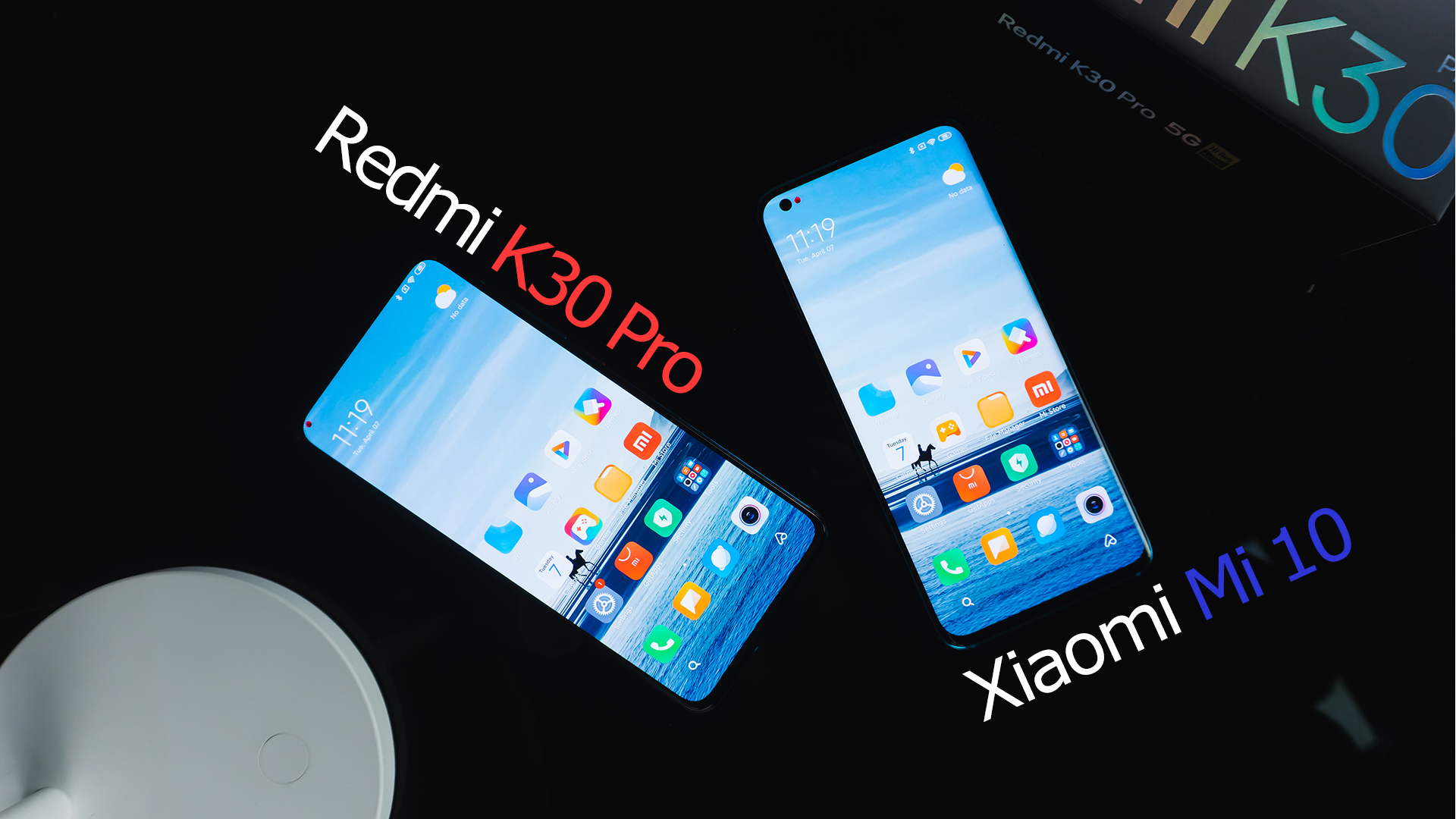
Redmi released the K30 Pro model earlier this year. Since the K30 model released in January, it’s been over 2 months for us to imagine how the K30 Pro would kill those flagships as the K20 Pro did. And right now, the Redmi k30 Pro is just in our hands. Along with that, we’ve also got the Mi 10, which puts in the perfect position to see if Redmi’s flagship and Xiaomi’s flagship competes with each other.
Redmi K30 Pro vs Mi 10
Design
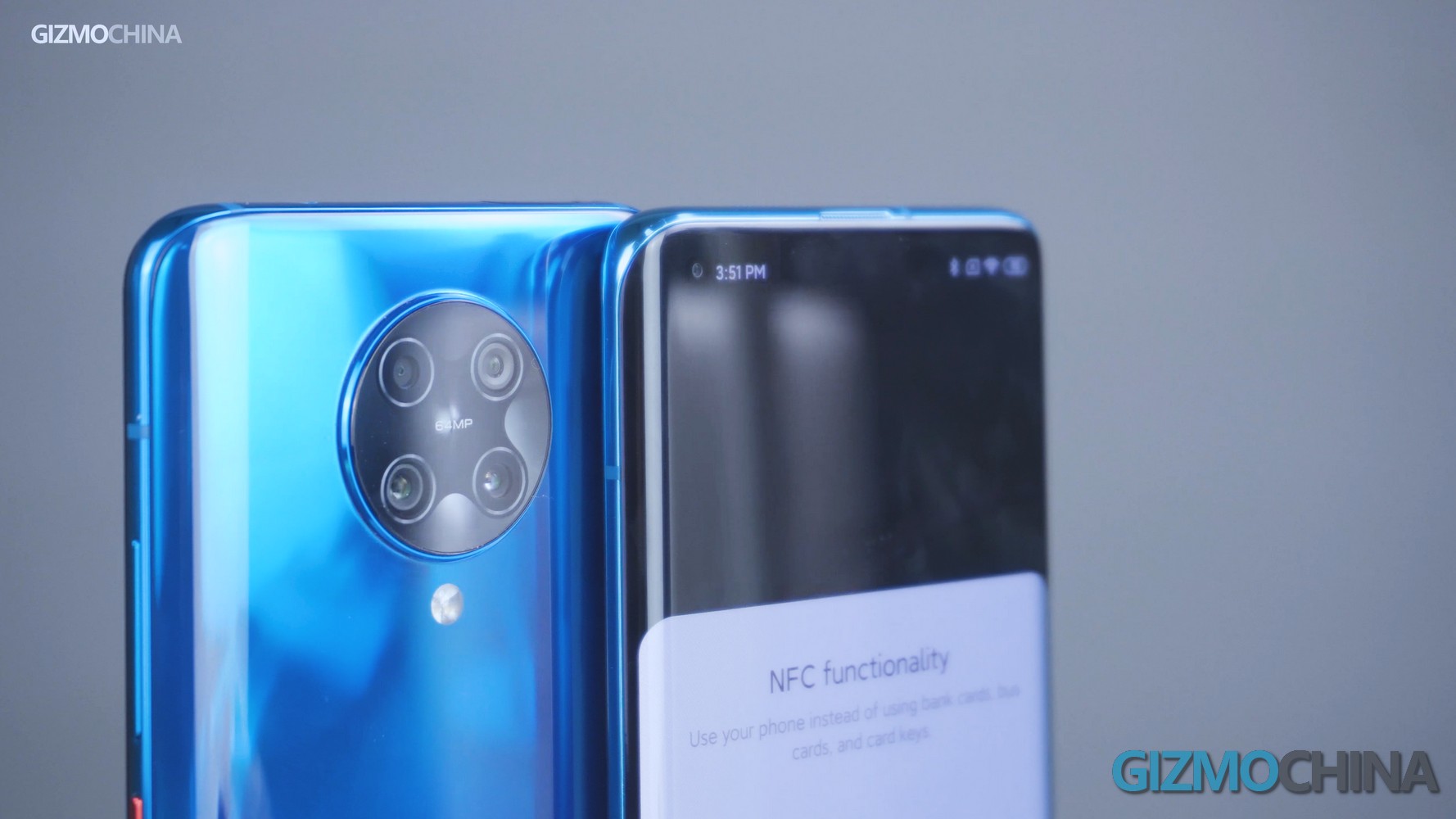
Its good to see that the K30 Pro used the complete full-screen design without any hole-punch or notch. In 2020, you will see almost all the flagships would turn to different kinds of hole-punch displays. For those who cannot accept the imperfection, the K30 Pro has given you the perfect solution.
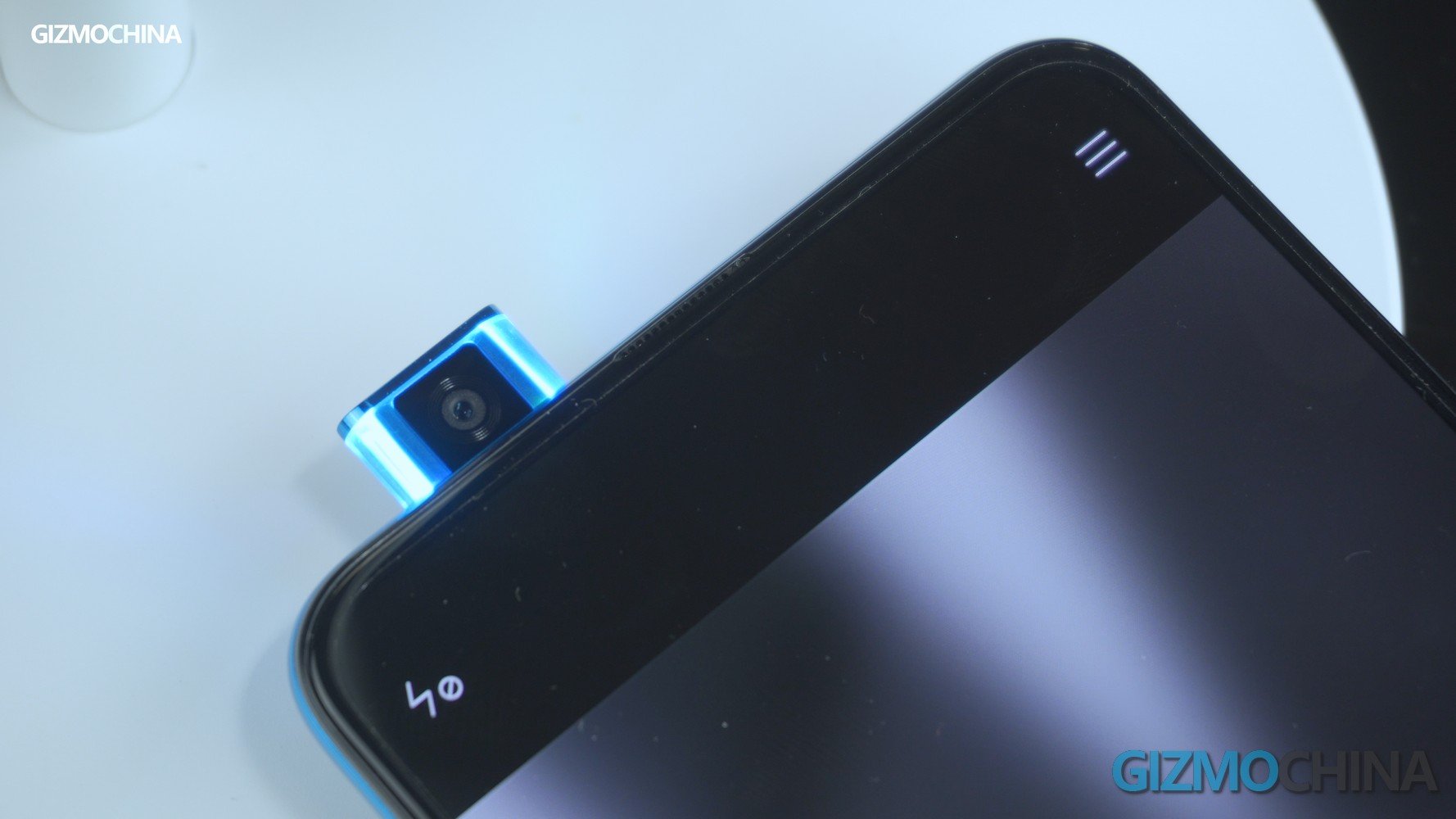
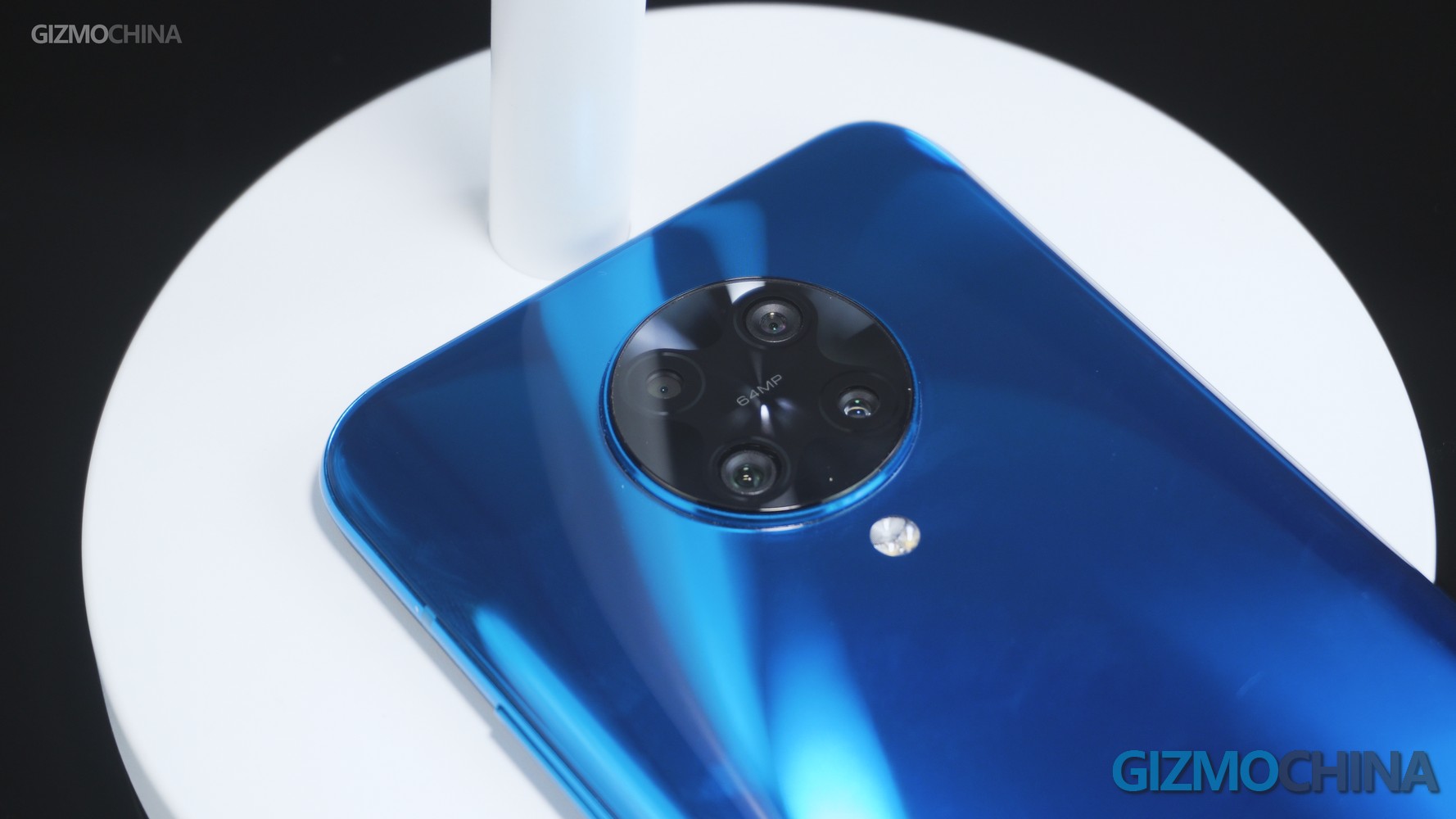
The pop-up front camera is still one of the most effective setups for solving the dilemma between higher screen-to-body ratio and front camera components. Most phone producers have abandoned the pop-up mechanism, which probably is more about suppliers’ choices on balancing cost and user sensibility. But smartphone designers are still working on or, at least, waiting for the next solution, which is likely to be the in-screen camera. Comingback to the pop-up cameras, some users may worry about the thickness problem caused by the pop-up camera but in fact, the Redmi K30 Pro is not much thicker than the Mi 10.
Here’s how it pops-up from the top. Redmi has inherited its shiny pop-up motion, which is really not an elegant design but makes it more like a fancy toy.
And another detail different from the Mi10 is the flat display. Although a curved display is really able to catch eyes at first glance, we found that users usually got annoyed by the edge-mistouch problem. So, we appreciate that Redmi did not follow the trend for curved screen displays. Looking back to the rear camera arrangement, it reminded us of the Huawei Mate 30 Pro, though the design of K30 Pro looks much simpler.
At the same time, the K30 Pro reserved a 3.5mm Audio port, which has been taken away on most flagships including the Mi 10. But the Mi 10 has dual speakers which are able to have stereo when holding the phone in hands, while the K30 Pro, though having a certification of Hi-Res Audio, struggle to provide the same enjoyment with only one speaker.
Display
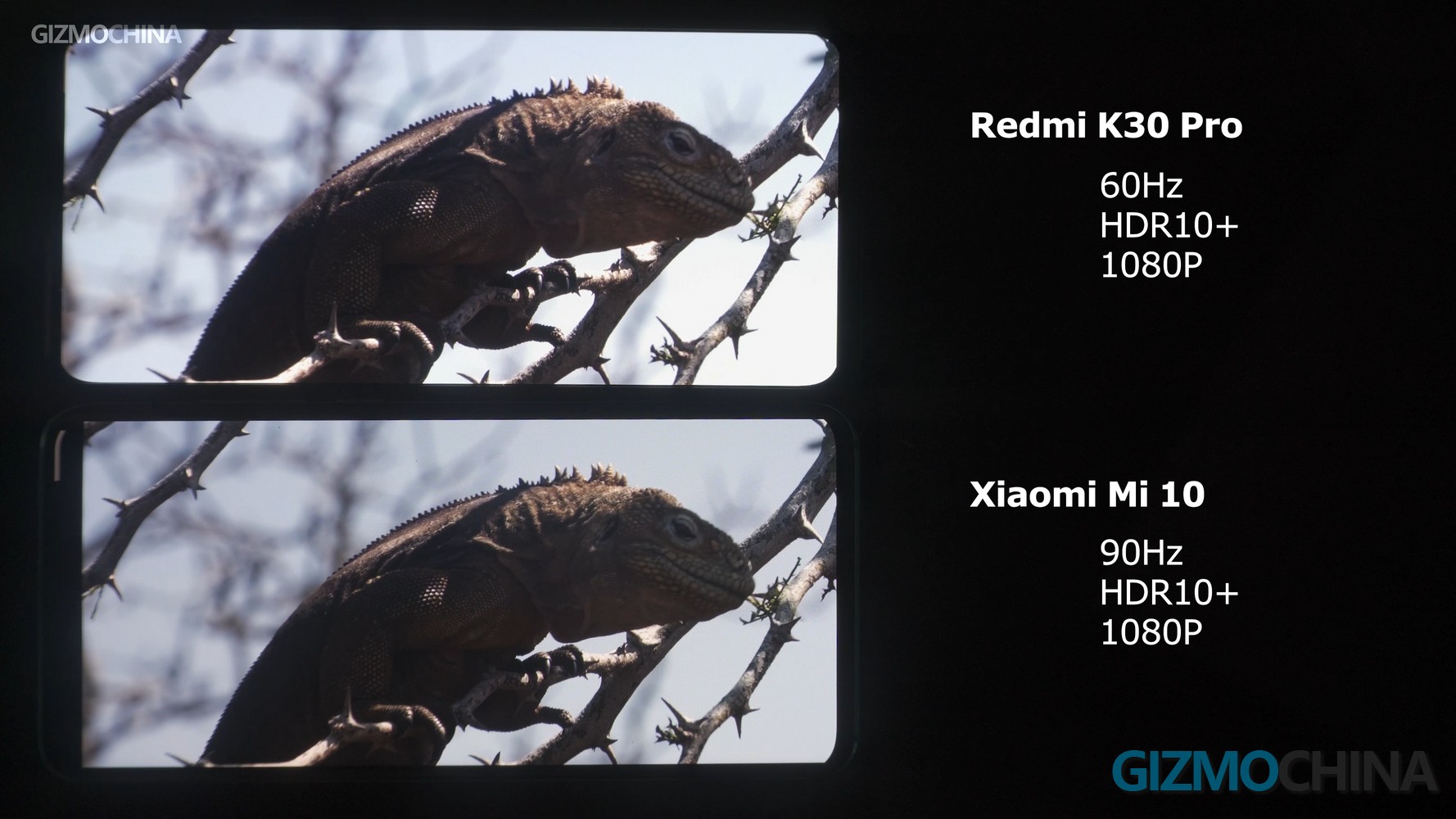
One of the biggest differences in user experience is their display. Mi 10’s display features a 90Hz refresh rate, while the K30 Pro equipped a 60Hz one. I have to say one of the most intuitive feelings about using a phone is the visual experience on their displays. Thanks to the high refresh-rate, Mi 10 seems to be a bit more fluent in the system layout, though their inside CPU performance should be very close to each other.
But other than that, the Redmi K30 Pro is definitely an excellent 1080P HDR display and had a similar color presentation to the Mi 10.
Performance
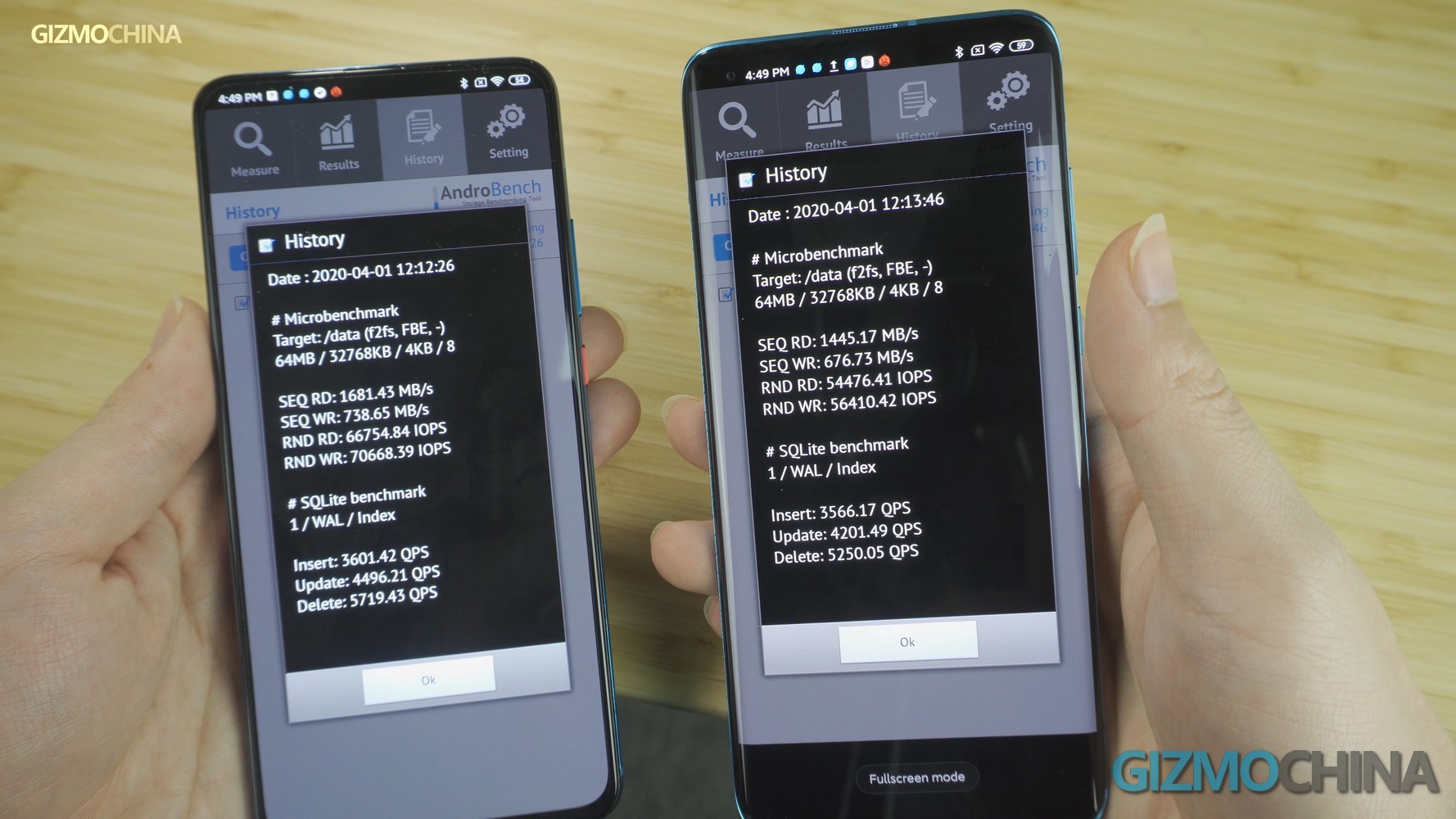
About their performance, they both are equipped with a Snapdragon 865 SOC and LPDDR5 memory, which is the best combination for performance you can have in a 2020 Android Phone. But pay attention here not to get the wrong option, because the 6GB RAM and 128 ROM version of the K30 Pro features the LPDD4X memory. In addition, the K30 Pro is equipped with the UFS3.1 storage, while the Mi 10 features the UFS3.0 storage which was considered as one of the pros in Mi 10’s advertisement.
In our test, the UFS3.1 did have around 10% speed improvement of file transmission. And more importantly, the K30 Pro is a cheaper model.
AndroBench-Redmi K30 Pro vs Mi 10
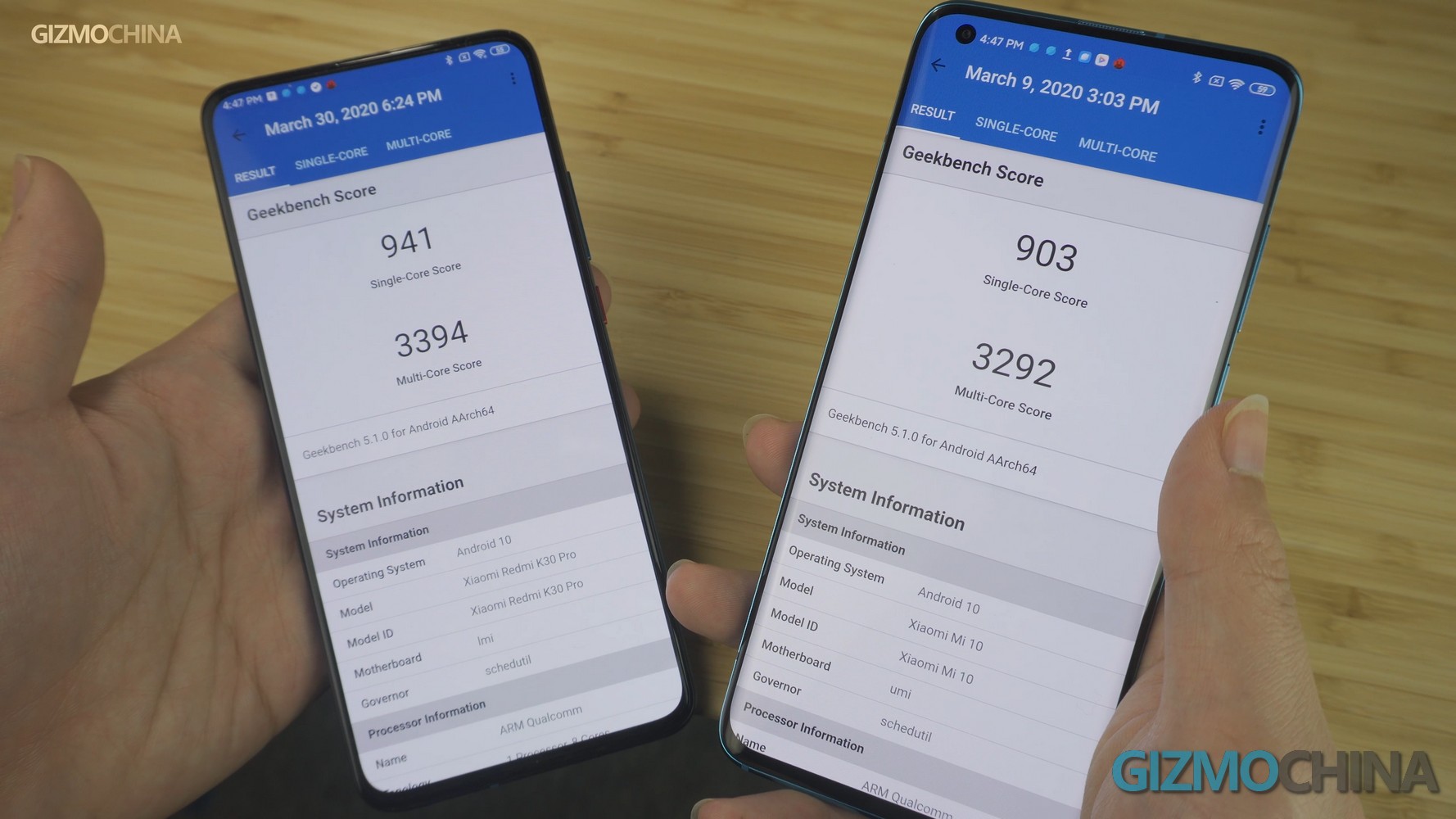
In Geekbench 5 test, the K30 Pro performed a bit better than the Mi 10 in both single-core and multi-core tests. And then we moved to the Andro-bench, the Redmi K30 Pro was not just leading the race of sequence read and write speed affected by the storage capacity but also had better results of random read and write. And the Andro-bench storage test also proved that there was over 10% improvement of the sequence read and write speed with the UFS3.1 storage.
Gaming
But when we moved to gaming tests, the K30 Pro’s gaming performance was obviously limited by the 60Hz display. In PUBG Mobile, even though we applied the highest graphic settings, the K30 Pro stably maintained 60 fps through the whole test. And the Mi 10 amazingly reached at 83.6fps averagely under the same picture quality. And looking back at the PUBG Mobile on the K30 Pro, it’s a performance waste!
And then we did a stress test in Namian Legend. this time the results were able to reflect their actual CPU performance. Although Mi10’s frame rate peaked at 90 frames, it averaged at 47.5, while the average frame rate of K30 Pro is 49.5fps. And that also met the results shown in those benchmark apps.
Cameras
Redmi was known as a sub-brand pursuing cost-effectiveness. Cameras on Redmi generally were not able to challenge those outstanding camera phones. And unfortunately, Mi 10 series were just one of them. We shot photos on both of them and let’s see what we got.
From the samples we found that Mi 10 was able to produce vivid colors with a bit higher saturation, but we also admire the K30 Pro’s 64MP primary camera due to its ability to portray the true colors. And if we were thinking to have more editing possibilities, the 108MP cameras of the Mi 10 would reserve more detail and better color tolerance.
When things come down to the high-resolution mode, obviously we see the gap between these two phones. 64MP resolution is definitely one of the most popular high-resolution solutions, but if there could be a better option like this 108MP sensor, all we have to concern is just the software tuning. But to be honest, the improvement from 64 to 108MP probably is hard to notice for most users in daily use. Because it’s not easy to perceive the difference in the details when the resolutions get so high.
And we tried several wide-angle photos but found that they may feature the same wide-angle lens and sensors. The samples looked very close with good resolution and good anti-distortion.
They both feature a macro camera. But from their samples, we thought they were still at a ‘have fun’ level. Xiaomi has developed its own powerful night mode just like its rivals have developed a few software solutions on improving and balancing the brightness. These two models both could shoot night photos under extremely low light conditions. The night mode samples significantly reduced noise in the darkness. The Mi 10’s advantage of high resolution still worked in night mode, which was impressive during our whole camera review.
Charge
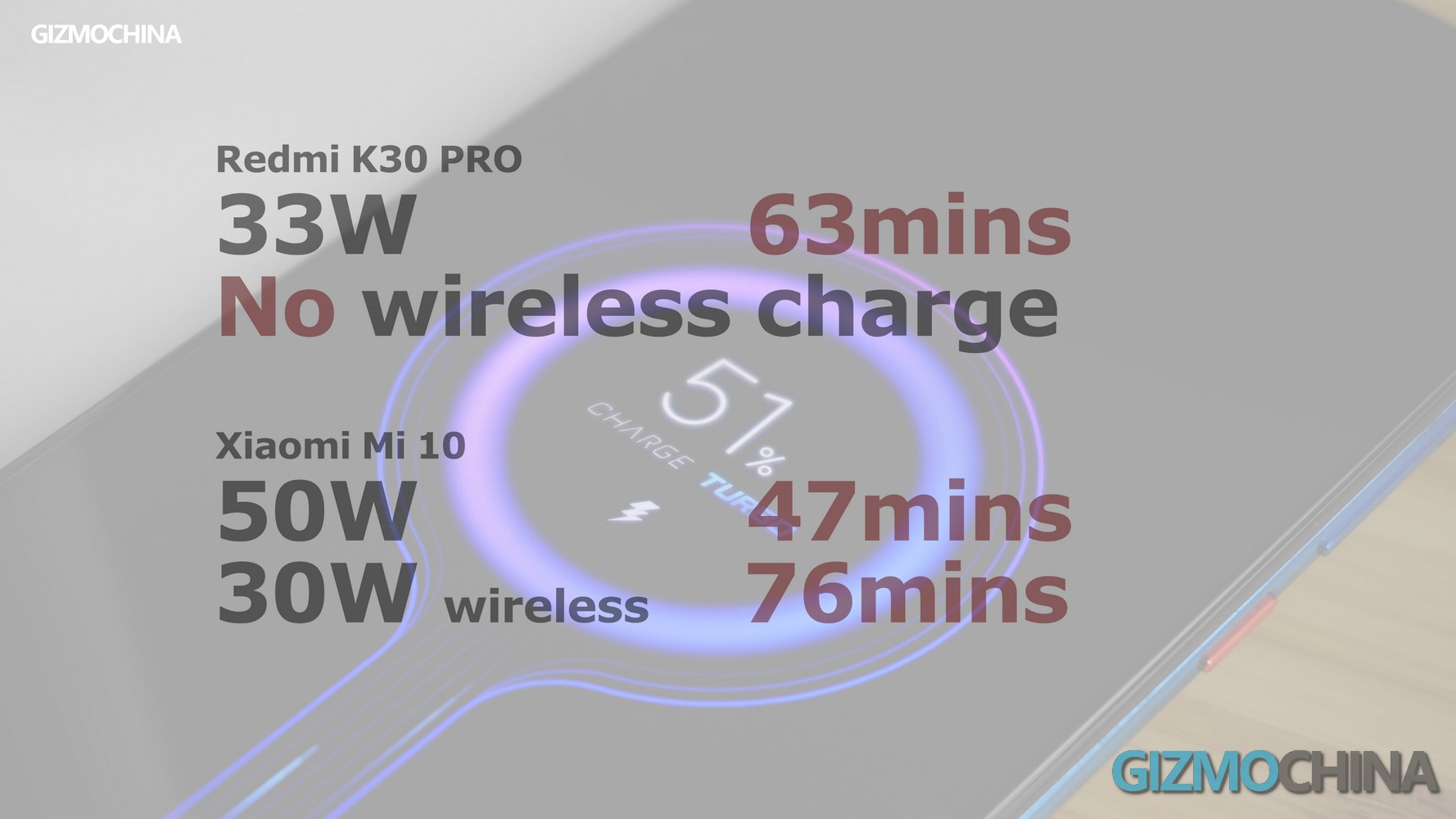
Another feature worth talking about is the charging efficiency. An included 33W charger gave the K30 Pro a full-charge just in around 63 minutes, while the 50W charger did it in just 47 minutes. Both of them were impressive. Especially for the Mi 10, it features the 30W wireless charging, which is even faster than on some flagship models’ wired charging. However, there’s no wireless charging on the K30 pro.
Conclusion
From a market perspective, the Redmi K series has inherited the former role of the Mi series, which were popular as cost-effective flagship killers. But as we’ve observed, it is getting more difficult than ever to play the role of an all-round candidate and save cost at the same time. The Redmi K30 Pro, to some extent, has matched its market positioning, and it’s still one of the high-end models to get your money’s worth. For most users the K30 Pro is a better buy starting at 2999 yuan ($426) despite its 60Hz display. It has a capable camera setup with a good design and powerful hardware to satisfy the requirements of most upper mid-range users.
The near $100 difference between the Redmi K30 Pro (8GB) and Mi 10 could be significant enough for most buyers to lean towards the former.
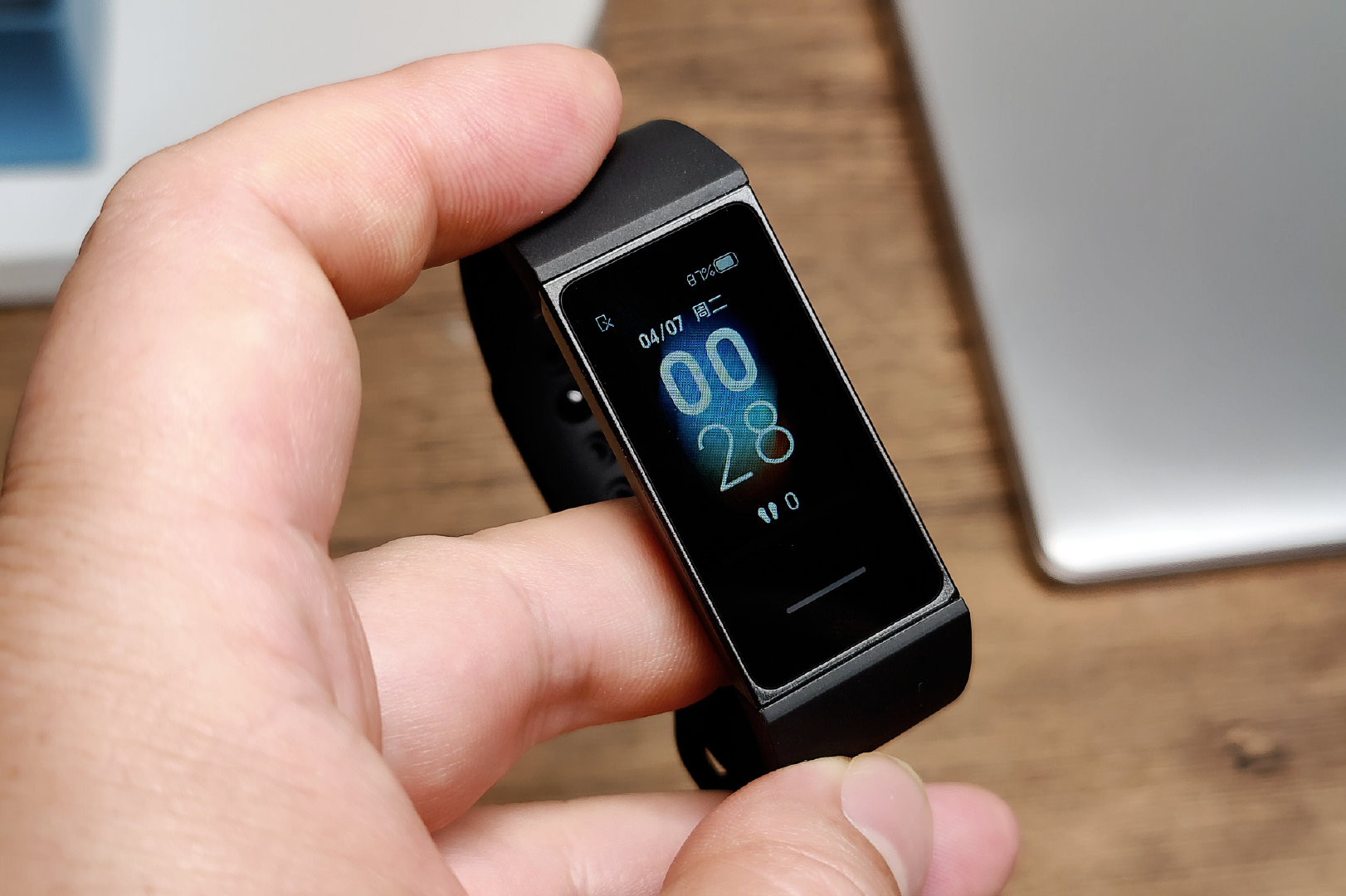
Redmi recently expanded its product offering to include a fitness tracker recently with the launch of the Redmi Band. The band isn’t any spectacular but is a cheap fitness tracker with several features.
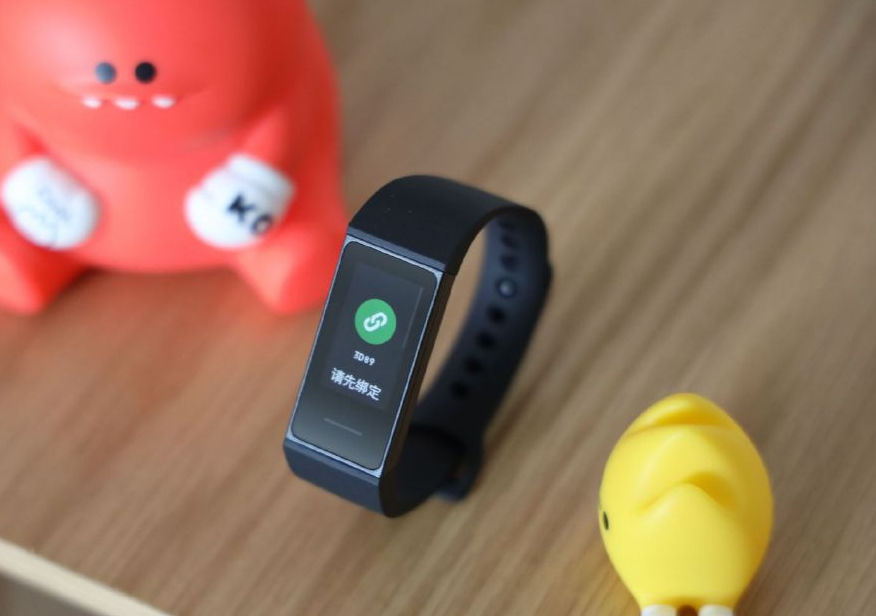
The Redmi Band adopts a design different from the Mi Band models. Instead of a curved OLED screen, it features a flat AMOLED display which from the hands-on/unboxing images doesn’t look bad. The band equally comes in four attractive colours namely; black, blue, red and brown.
The Redmi Band features a rectangular-shaped 0.95-inch color AMOLED display with a 2.5D tempered glass on top to prevent the screen from scratches. The entire screen is touch-sensitive.
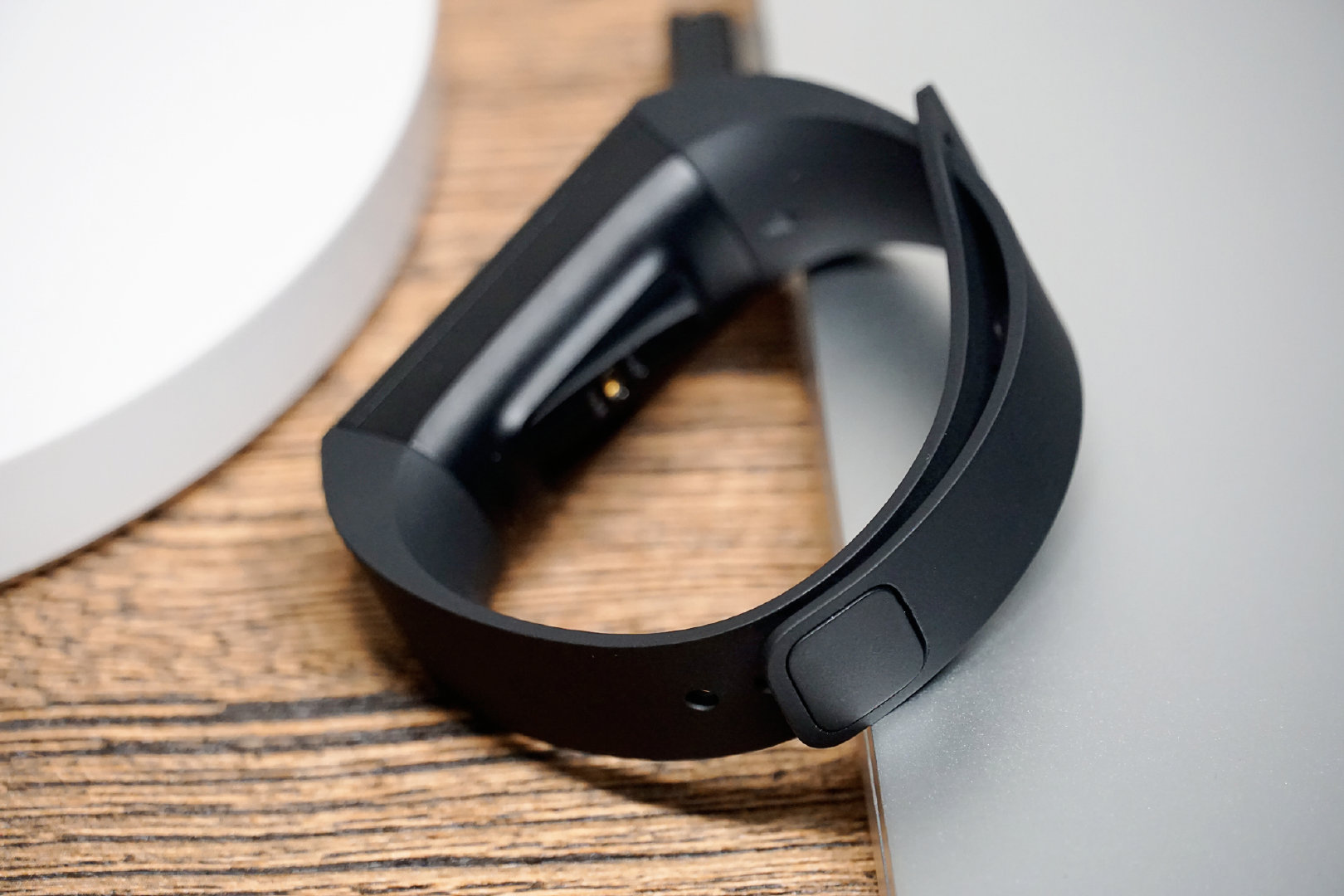
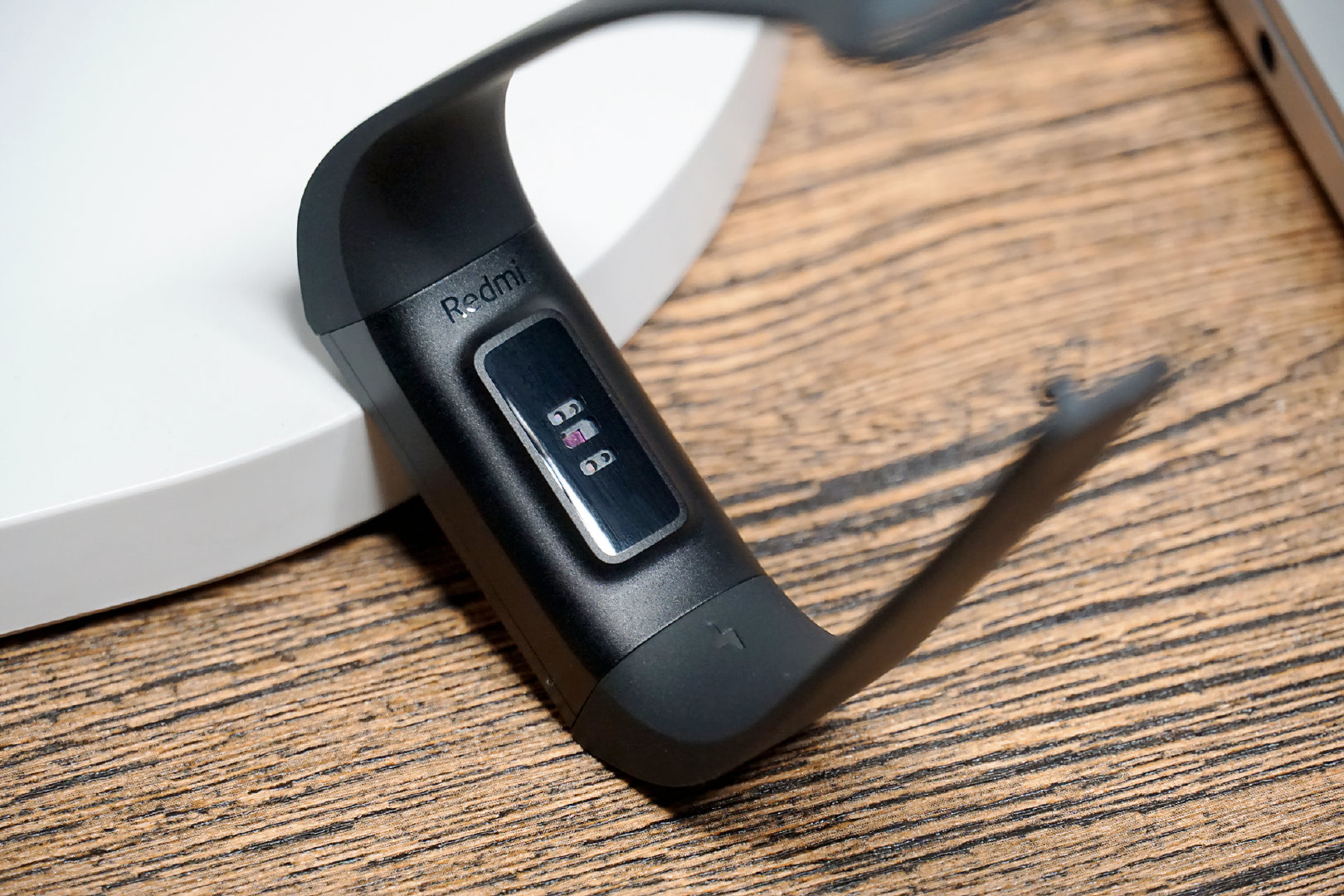
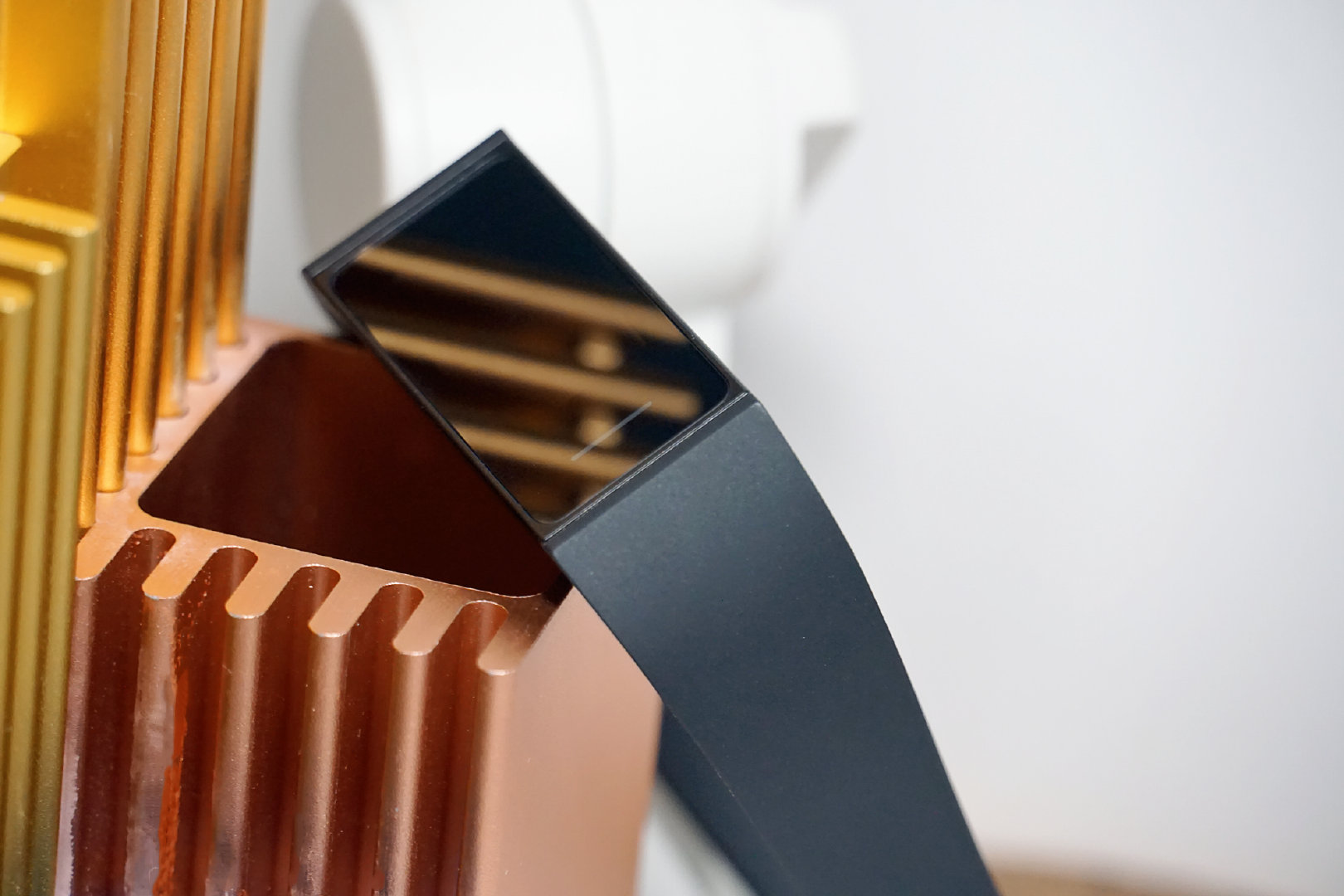
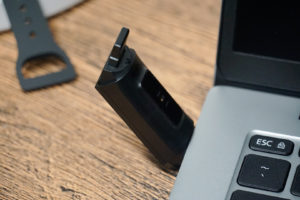
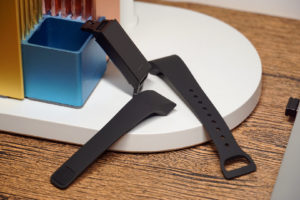
The Redmi smart band also comes with removable rubber straps. The strap is soft and made from skin-friendly material which makes it comfortable to wear for a longer duration. The band is designed in such a way that the charging port is embedded inside the straps with a charging icon embossed on the strap where it is located. It charges via a USB A port and as such, you can charge it on a laptop or any other device with a USB port.
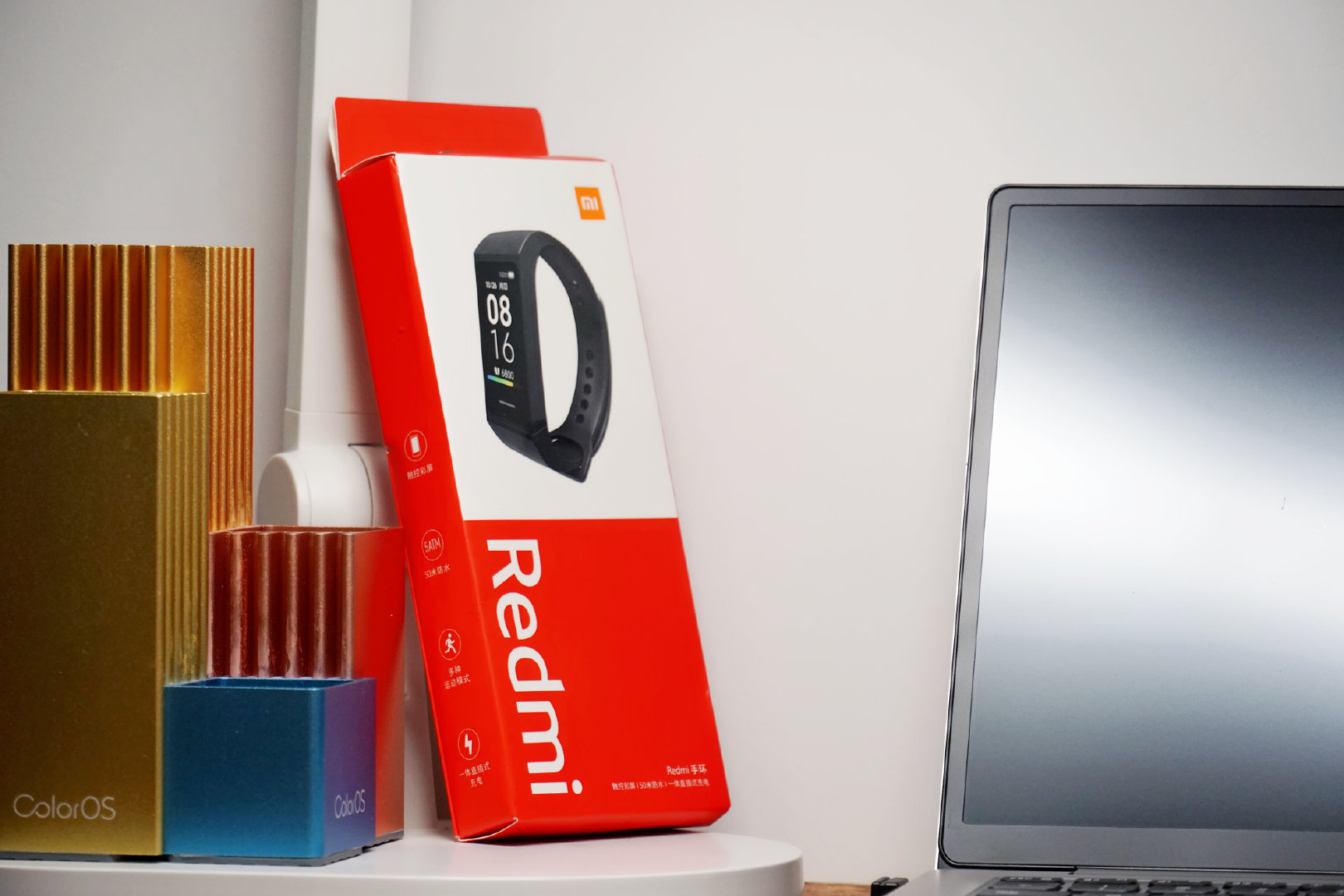
The band comes in a colourful retail box similar to the one the Mi Band 4 comes in. The retail box contains only the smart band and a user manual.
For features, the Redmi Band comes with Bluetooth 5.0 BLE which enables it to connect with smartphones. The smart band presents with features such as heart rate monitor, five sports modes, pedometer, alarm, sedentary alert, call and SMS notifications
The band can conveniently pair with any smartphone running Android 4.4 or above and iOS 9.0 or higher. Most of all, it boasts of 14 days of battery life.
You’ll have to pay just $14 for the Redmi Band but that’s if you are in China. However, it is available to preorder outside China for $19.99 on Giztop.
We use cookies on our website to give you the most relevant experience by remembering your preferences and repeat visits. By clicking “Accept”, you consent to the use of ALL the cookies.
This website uses cookies to improve your experience while you navigate through the website. Out of these, the cookies that are categorized as necessary are stored on your browser as they are essential for the working of basic functionalities of the website. We also use third-party cookies that help us analyze and understand how you use this website. These cookies will be stored in your browser only with your consent. You also have the option to opt-out of these cookies. But opting out of some of these cookies may affect your browsing experience.
Necessary cookies are absolutely essential for the website to function properly. This category only includes cookies that ensures basic functionalities and security features of the website. These cookies do not store any personal information.
Any cookies that may not be particularly necessary for the website to function and is used specifically to collect user personal data via analytics, ads, other embedded contents are termed as non-necessary cookies. It is mandatory to procure user consent prior to running these cookies on your website.









 Moreover, it features two amplifiers for 2.4 GHz and two amplifiers for 5 GHz, just like the standard model. It comes with Huawei’s one-touch networking supports boasts a slew of highly advantageous features including mobile acceleration, online lesson acceleration, remote office acceleration, and child online protection.
 In the optics department, the Mi 10 Global Version houses a quad-camera setup with a 108MP, 13MP, 2MP, and a 2MP camera at the back. Upfront, there’s a 20MP selfie camera.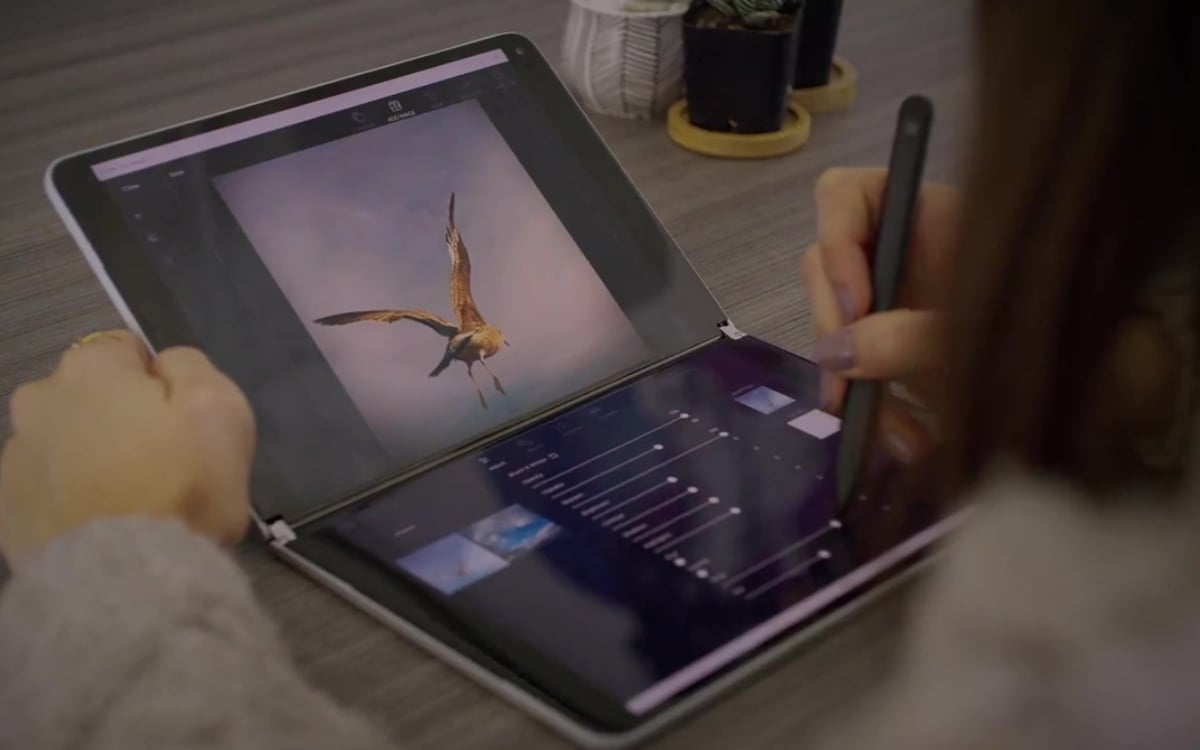
 Much to the relief of those unwilling to shell out that kind of money on a handset, the popular Chinese e-tailer is giving its loyal users a chance to save $50. To avail of this noteworthy discount, all you need to do is to apply coupon code RK30P50 at check out.