It was launched last year along with the top-end GoPro HERO13 Black action camera. The GoPro Hero Lightweight Waterproof 4K Action Camera is an entry-level action camera. The main highlight of the GoPro Hero is that it’s the smallest and lightest 4K action camera, weighing just about 86g. The launch price of the camera was Rs. 23,990, and now it’s available for just Rs. 18,990 [effectively] on Amazon India.
GoPro Hero Lightweight Waterproof 4K Action Camera Discount Details
GoPro Hero Lightweight action camera list price on Amazon India right now is Rs. 19,990, which is already Rs 4000 less than the launch price. You will get Rs. 1000 instant discount if you use a Debit or Credit card of any bank. So now the effective price of buying the Pro Hero Lightweight Waterproof 4K Action Camera is Rs. 18,990. Moreover, if you pay with an Amazon Pay ICICI credit card, then you can also get up to Rs. 999 cashback in your Amazon Pay wallet.
Please Note: When you buy something using the links in our articles, we may earn a small commission at no cost to you.
GoPro Hero Lightweight Waterproof 4K Action Camera Features and Specifications
GoPro Hero Lightweight action camera, as its name suggest, it is Lightweight enough to carry everywhere, tough enough to survive any adventure. It’s weighs around 86g, 35% smaller and 44% lighter than the HERO12 Black. Despite its a lightweight action camera, the GoPro Hero is rugged and waterproof down to 16ft (5m) without the need for an external housing. GoPro Hero Lightweight action camera can record up to 4K Ultra HD, 2X slow-motion capture.
It has an LCD touch screen for live view, playback & easy controls. The package comes complete with the essentials—HERO camera, curved adhesive mount, mounting buckle with thumb screw, and a USB-C cable. GoPro Hero has an Enduro battery for longer run-time & cold-weather performance. Its accessories in the box include Curved Adhesive Mount, Mounting Buckle + Thumb Screw, USB-C cable. The company provides a 1-year international and Indian warranty.
Itel has launched the Zeno 20 in India, positioning it as a rugged, budget-friendly smartphone built for everyday usage. Let’s check out its key specs and pricing details.
Itel Zeno 20 Specifications
The Zeno 20 sports a 6.6-inch HD+ IPS display with a 90Hz refresh rate and a waterdrop-style notch for smoother visuals. It offers 480 nits brightness, a 1500:1 contrast ratio, 16.7 million colors, 10-point multitouch, and 4096 levels of brightness adjustment.
Under the hood, the device is powered by the Unisoc T7100 octa-core processor. It is optimized for everyday apps, multitasking, and basic productivity. Itel backs this with a 36-month fluency guarantee, suggesting long-term smoothness in performance.
The phone runs Android 14 Go Edition out of the box. This lightweight OS variant is optimized for budget hardware and ensures smooth operation for essential apps. It includes features like Landscape Mode, Dynamic Bar, and Find My Phone, along with a new Always-On Display that shows the clock and notifications while charging.
In terms of photography, the phone features a 13MP rear camera with HDR support and LED flash. On the front, it sports an 8MP selfie shooter. The device packs a 5000mAh battery, which should easily last a full day or more on moderate usage.
The Zeno 20 features DTS audio, a 3.5mm jack, a side fingerprint sensor, face unlock, and dual SIM with a dedicated microSD slot. It offers 64GB or 128GB storage, 3GB+5GB or 4GB+8GB RAM (with virtual expansion), and supports dual 4G VoLTE, Wi-Fi, Bluetooth, and GPS.
Pricing & Availability
The Zeno 20 is available in two variants: a 3GB RAM + 64GB storage model with 5GB virtual RAM priced at ₹5,999, and a 4GB RAM + 128GB storage model with 8GB virtual RAM priced at ₹6,899. It will be offered in Starlit Black, Space Titanium, and Aurora Blue, and will be sold exclusively on Amazon.in starting August 25, 2025.
In related news, Itel has recently launched the S9 Star wireless earbuds in India, featuring AI ENC and up to 30 hours of battery life, priced at ₹899.
For more daily updates, please visit ourNews Section.
Realme’s upcoming 15 series might not be done yet. While the company launched the Realme 15 and 15 Pro globally back in July, a leak from tipster Abhishek Yadav on X reveals a new Realme 15T smartphone could be on the horizon.
The Realme 15T looks set to stand out in the lineup with a few notable design and hardware choices. The back of the device features a camera module that looks strikingly similar to recent iPhone Pro models.
It has three distinct camera rings, though only two of them house actual sensors, a 50-megapixel main shooter and a 2-megapixel secondary sensor. On the front, Realme will equip the phone with a 50-megapixel selfie camera.
The third ring appears to be decorative, mainly serving to complete the visual symmetry. The rear panel itself carries a marble-like texture finish.
Realme 15T Specifications
Beyond the cameras, the Realme 15T could end up being a solid midrange option on paper. The phone will feature a 6.5-inch FHD+ AMOLED display with peak brightness of 2200 nits.
Under the hood, it is powered by MediaTek’s Dimensity 6400 Max chipset. And software-wise, it runs on Realme UI 6 based on Android 15. The 15T will have the same 7000mAh battery capacity and 80W charging as the Realme 15 and 15 Pro. The device is said to measure 7.79mm thick.
Realme is set to launch the Realme 15 series in China in September. The 15T could debut alongside its siblings in the mainland, though there’s no word yet on when the device will reach international markets. Its absence from the earlier global rollout hints that it could remain exclusive to China, at least at first.
For more daily updates, please visit our News Section.
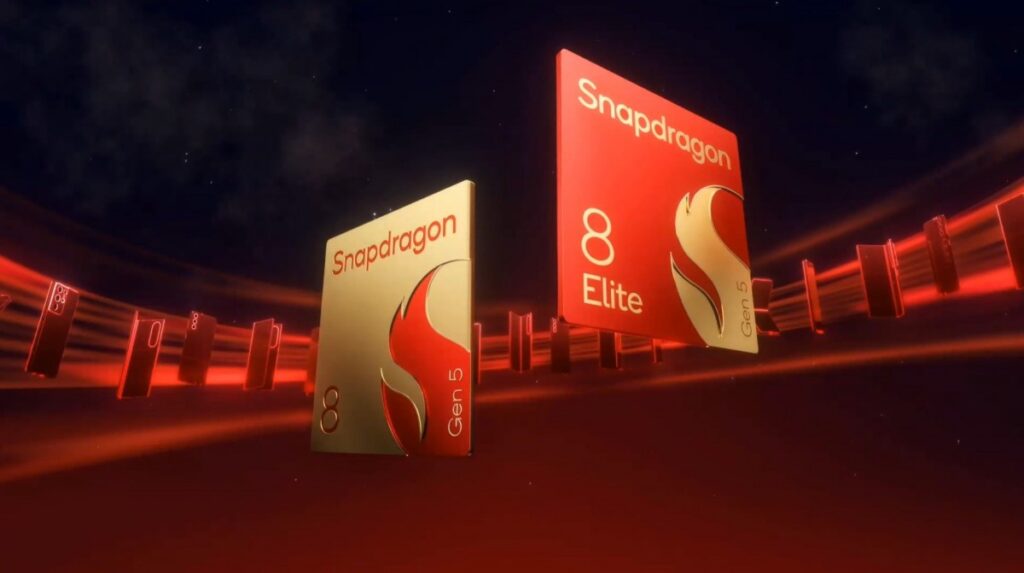
The next generation of Android flagships isn’t too far off, and a fresh leak has revealed the names of some Snapdragon 8 Elite 2 powered premium devices. It appears that the upcoming Xiaomi 16 series might be the first to feature Qualcomm’s latest and greatest.
Xiaomi 16 Series Set to Launch Snapdragon 8 Elite 2 First
The new info arrives from known tipster Digital Chat Station (via NotebookCheck), who shared the details on Weibo. The Xiaomi 16, Xiaomi 16 Pro, and Xiaomi 16 Pro Max might be the first to debut this flagship Android chipset. This isn’t surprising considering the close relationship Xiaomi has had with Qualcomm. In the past, Xiaomi’s flagships have been the first to feature the newest Snapdragon 8 series processors.
Xiaomi 16 Render
A good example is the Xiaomi 15 lineup, which debuted in October 2024 with the Snapdragon 8 Elite. The Pro Max is a brand new entry from the company. There have even been rumors of a compact Xiaomi 16 Pro Mini model, which could feature a huge 6,300mAh battery, wireless charging, and a periscope telephoto shooter.
Keep in mind that this is still just an unconfirmed tip at the moment, so take this report with a pinch of salt for now. In related news, the Xiaomi 16 and Xiaomi 16 Pro are slated to get big camera upgrades. The brand is also making major changes in its product positioning with the Xiaomi 16 lineup overall.
For more daily updates, please visit our News Section.
It’s been over two months since Google released Android 16, but the update is yet to reach any Realme phone. The brand, however, promises to be among the first to release Android 16 to the flagship phones. This should also mean a faster-than-usual rollout for mid-range and budget phones.
Realme will upgrade a bunch of phones to Android 16 across price segments. But for some of them, it will be the end of the road for major upgrades. In other words, those devices will spend the rest of their lives running the same OS; no major upgrades will be offered beyond Android 16. We’ve curated a list of such devices. Review it below to find out if you’ll need a smartphone upgrade soon.
Android 16 will be the final major upgrade for these Realme phones
Realme GT 5
Realme GT 5 240W
Realme GT 3
Realme 14x
Realme 14 Pro Lite
Realme 13 (LTE/5G)
Realme 13+
Realme 13 Pro
Realme 13 Pro+
Realme 12 (LTE/5G)
Realme 12+
Realme 12 Pro
Realme 12 Pro+
Realme 12x
Realme 12 Lite
Realme Narzo 70
Realme Narzo 70 Pro
Realme Narzo 70x
Realme Narzo 70 Turbo
Realme Narzo N65
Realme C75 4G
Realme C67 4G
Realme C65
Realme C65 4G
Realme C63 5G
Realme C63
Realme C61
Realme P2 Pro
Realme P1
Realme P1 Pro
Realme P1 Speed
Realme Note 60
Realme Note 60x
We’ve prepared the list based on the update policy and past rollouts. While it should be mostly accurate, I still recommend double-checking with the official announcement for the final confirmation.
When will Realme start rolling out the Android 16 update?
Realme hasn’t announced a release date for Android 16 yet. However, the brand has already confirmed that the Realme GT 7 Pro will be the phone to receive the Realme UI 7.0 update, based on Android 16. The GT 7 and GT 7T will join the party shortly after.
After the Realme GT 7 series, the brand will push the stable Realme UI 7.0 to the GT 6 series, starting with the GT 6 and GT 6T. The update will then gradually reach other eligible Realme devices (see the complete list here).
While the brand remains silent on the Android 16 release, it must be preparing for a Realme UI 7.0 beta release very soon, as its rivals, such as Oppo, OnePlus, and Samsung, are already doing so for their respective Android skins. In a few days, Realme is expected to start recruiting beta testers for Realme UI 7.0, with the stable rollout likely to begin sometime in September.
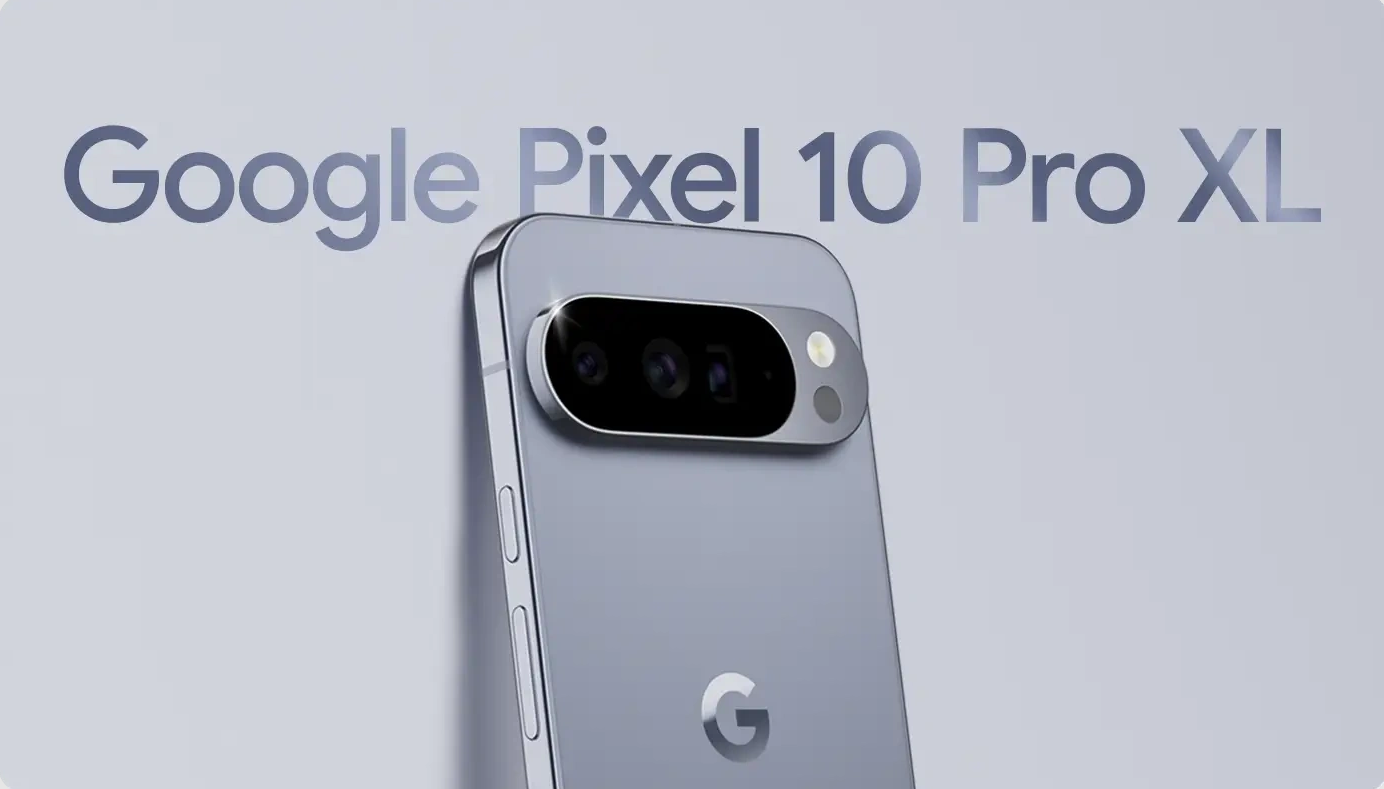
The Tensor G5 is the latest and greatest smartphone chip from Google, debuted this week with the Pixel 10 series. Google describes it as its biggest upgrade yet, promising a significant boost in performance — a key area where previous Tensor chips have often been criticized.
The Tensor G5 chip is a game-changer for Pixel, says Google. Besides a major performance leap, the new chip promises better efficiency, greater on-device AI capabilities, and excellent photography, thanks to a new ISP. But how does Google’s latest Tensor chip stack up against Qualcomm’s most powerful Snapdragon 8 Elite? Let’s dive into benchmark scores and real-world differences to find out.
Tensor G5 vs Snapdragon 8 Elite: Benchmark score
[Note: The Tensor G5 benchmark scores are obtained from leaked sources (1,2). We’ll update them once we test the device. The devices in question are Pixel 10 Pro XL (Tensor G5) and Galaxy S25 Ultra (Snapdragon 8 Elite).]
AnTuTu comparison
The Snapdragon 8 Elite easily outperforms the Tensor G4, scoring 2,209,476 on AnTuTu compared to 1,140,286 — nearly double the score. It delivers stronger CPU (574,518 vs 313,500) and GPU (842,351 vs 394,695) performance on AnTuTu. Even in memory and UX, the Snapdragon chip maintains a clear advantage, resulting in smoother multitasking, faster app performance, and better gaming.
Tensor G5
Snapdragon 8 Elite
AnTuTu score
1,140,286
2,209,476
CPU
313,500
574,518
GPU
394,695
842,351
Memory
246,571
437,621
UX
185,520
354,986
Geekbench comparison
The Snapdragon 8 Elite delivers a commanding lead over the Tensor G4 on Geekbench as well. Its 3,179 single-core score easily outperforms Tensor’s 2,296, giving Qualcomm a 38% advantage.
In multi-core performance, the gap widens further — 10,114 vs 6,203 — meaning the Snapdragon handles multitasking, productivity apps, and demanding workloads far more efficiently.
Tensor G5
Snapdragon 8 Elite
Single core
2,296
3,179
Multi core
6,203
10,114
So, while Google claims a significant performance upgrade for the Tensor G5, it’s still a lot behind Qualcomm’s Snapdragon 8 Elite. This gap could widen even further with the Snapdragon 8 Elite 2, set to be announced next month.
2 x 4.32GHz — Oryon (2nd-gen) 6 x 3.53GHz — Oryon (2nd-gen)
GPU
PowerVR DXT-48-1536 GPU No ray tracing support
Adreno 830 GPU Ray tacing support Snapdragon Elite Gaming features
NPU
New Google Edge TPU
Qualcomm Hexagon NPU
Memory
LPDDR5X
LPDDR5x, up to 5.3GHz
Storage
UFS 4.0
UFS 4.0
Camera
New ISP Real-time semantic segmentation Up to 8K video recording
AI Spectra ISP (18-bit) Limitless real-time semantic segmentation Up to 8K video recording
Connectivity
Samsung Exynos 5400 5G modem Wi-Fi 7 Bluetooth 6.0
Snapdragon X80 5G modem (up to 10Gbps download, up to 3.5Gbps upload) Wi-Fi 7 (peak speed: 5.8Gbps) Bluetooth 6.0 UWB
Tensor G5 vs Snapdragon 8 Elite: Conclusion
The Tensor G5 marks a big leap forward for Google, bringing much better performance, efficiency, and AI capabilities than any previous Tensor chip. However, when compared to Qualcomm’s Snapdragon 8 Elite, it’s clear that Google still has some catching up to do. The Snapdragon chip dominates in almost every benchmark category — from CPU and GPU to memory and overall system performance — delivering faster gaming, smoother multitasking, and a more responsive experience.
With the Tensor G5, the focus is also on advanced AI processing, smarter on-device intelligence, and camera-driven optimizations that aren’t reflected in raw benchmark scores. If your priority is sheer power, the Snapdragon 8 Elite still leads the pack. But if you’re after Google’s unique AI features and Pixel’s software-first experience, the Tensor G5 could still be the better fit.
The three new products on the Redmi Note 15 lineup are finally official. The company has launched the standard Note 15, the Note 15 Pro, and the Note 15 Pro+, each targeting a slightly different price and performance bracket.
While the phones share some common design cues, software features, and display technologies, there are obvious differences in hardware once you look closer.
Redmi Note 15
The company employs a similar strategy with new phones. The regular Note 15 is a balanced mid-range device, while the Pro variant is meant for people who want a bit more processing power and imaging flexibility.
The Pro+ sits at the top with the lineup’s most advanced camera hardware, charging speeds, and even a satellite-enabled edition for emergency use.
At a glance, all three devices run Xiaomi’s new HyperOS 2 on top of Android 15, support high-brightness AMOLED displays, and carry large batteries with wired reverse charging. But the choice of chipsets, camera sensors, and charging speeds separates them into different segments.
IP66/68/69K, Dragon Crystal Glass, fiberglass back
Same as Pro, with cooling pump & Pascal T1S chip
Audio
Dual stereo speakers, Dolby Atmos
Dual stereo speakers, Dolby Atmos (400% volume)
Connectivity
5G, Wi-Fi 6, Bluetooth 5.1, NFC, GPS/GLONASS/Galileo/Beidou
5G, Wi-Fi 6, Bluetooth 5.4, NFC, GPS
Same as Pro + Pascal T1S, Satellite Messaging edition
Price (China)
From 999 yuan ($140)
From 1399 yuan ($196)
From 1899 yuan ($266)
2. Display
The Note 15 and its Pro siblings share bright AMOLED displays, with all models reaching 3200 nits peak brightness and supporting a 120Hz refresh rate. That makes them suitable for outdoor use and smooth scrolling. The differences lie in resolution and touch responsiveness.
Redmi Note 15 Pro
The base Note 15 sticks to a 1080p (FHD+) panel, while both Pro models jump to a sharper 1.5K resolution (2772 × 1280). They also get 480Hz touch sampling and 3840Hz PWM dimming, features missing on the standard Note 15. This means the Pro and Pro+ are better equipped for gaming precision and eye comfort in dim lighting.
3. Processor
Xiaomi has split the series across three chipsets:
Redmi Note 15 → Snapdragon 6 Gen 3, a 4nm mid-range processor that balances efficiency with moderate gaming capabilities.
Redmi Note 15 Pro → Dimensity 7400 Ultra, slightly more powerful with higher CPU clocks and a Mali-G615 MC2 GPU.
Redmi Note 15 Pro+ → Snapdragon 7s Gen 4, Qualcomm’s newer mid-tier platform with better efficiency and paired with advanced cooling hardware.
The separation makes the standard Note 15 better suited for casual use, while the Pro can reliably handle heavy multitasking. The Pro+ goes further with thermal management through an Ice-Sealed Cooling Pump and a Pascal T1S chip for better Wi-Fi and Bluetooth speeds.
4. Cameras
The most visible differences between the three are in the camera systems.
Note 15: Has a dual setup with a 50MP Light Hunter 400 sensor and a 2MP depth camera. It covers the basics—portraits, documents, and some 4K video recording. It has an 8MP lens in front.
Note 15 Pro: Steps up with a 50MP Sony LYT-600 primary lens with OIS, paired with an 8MP ultra-wide and a 2MP macro. Selfies are handled by a 20MP sensor.
Note 15 Pro+: The most advanced with a 50MP Light Fusion 800 main sensor, a 50MP telephoto with 2.5x zoom, and an 8MP ultra-wide. It also offers a 32MP selfie camera. This puts it closer to premium mid-range flagships.
5. Battery and Charging
All three models focus on large batteries, but differ in terms of size and charging speed:
Note 15 → 5800mAh with 45W charging.
Note 15 Pro → 7000mAh with 45W charging.
Note 15 Pro+ → 7000mAh with 90W charging.
Both Pro models also support 22.5W reverse wired charging.
6. Durability and Protection
The Redmi Note 15 keeps a slimmer design (7.35mm, 178g) with an IP66 rating, making it resistant to dust and splashes.
Redmi Note 15 Pro Plus
The Pro and Pro+ add more protection layers: Dragon Crystal Glass, fiberglass backs, and IP66, IP68, IP69, and IP69K certifications. This means they can handle submersion, high-pressure water jets, and more rugged usage. Xiaomi even claims they can survive a fall of up to 2 meters on a granite surface.
7. Audio and Connectivity
All three models feature dual stereo speakers with Dolby Atmos, but the Pro series is tuned for higher loudness—Xiaomi claims up to 400% volume output compared to previous Notes.
On the connectivity front, all models support 5G, NFC, and multiple navigation systems. The Pro+ goes a step further with the Pascal T1S chip for faster, more stable wireless connections.
Finally, there’s the Note 15 Pro+ Satellite Messaging Edition, which uses Beidou satellites for two-way texts and SOS alerts when no mobile network is available. It is the first Redmi phone to support satellite connectivity.
8. Pricing
Redmi Note 15 starts at 999 yuan ($140), making it the budget-friendly option.
Redmi Note 15 Pro starts at 1399 yuan ($196) and scales up depending on storage.
Redmi Note 15 Pro+ begins at 1899 yuan ($266), with the satellite edition priced even higher.
For more daily updates, please visit ourNews Section.
Anker has officially released the Soundcore Sleep A30 earbuds in the US, priced at $230. The product was previously offered through a crowdfunding campaign. Availability in other regions has not yet been confirmed.
The Sleep A30 is the successor to the Sleep A20, which was designed for comfort during sleep and included sleep tracking and analytics. The A20’s low-profile design made it possible for side sleepers to use it in place of traditional earplugs. The A30 keeps the same side-sleeper-friendly design while adding new features aimed at improving sleep quality.
The main upgrade is snore detection. Anker says the earbuds can detect snoring in real time with 93 percent accuracy. Once snoring is identified, the A30 generates a masking sound matched to the frequency, volume, and pattern of the snore, reducing interruptions while sleeping.
Anker Soundcore Sleep A30 TWS Earbuds
The earbuds also feature Active Noise Cancellation (ANC) of up to 30 decibels. Anker is marketing them as the world’s first smart ANC sleep earbuds, combining sleep functions with noise cancellation. This allows users to block out background sounds like traffic or household noise.
Battery life is rated at up to 9 hours on a single charge with ANC turned on. With the charging case, total playback time reaches 45 hours. This makes it suitable for multiple nights of use before needing a recharge.
The Soundcore Sleep A30 is designed for users who want both sleep-focused features and standard earbud functionality. With its combination of snore detection, adaptive sound masking, and ANC, it offers an option for those looking for quiet sleep as well as everyday wireless listening.
Sony’s Xperia 1 VII is back on sale in Europe starting August 25 — following a brief sales pause triggered by hardware issues affecting some units.
Sony Xperia 1 VII
Sony confirmed that a manufacturing defect in the circuit board was causing random shutdowns, reboots, and failure to power on, particularly impacting devices sold through its official channels.
In response, Sony launched a free replacement program and deployed an IMEI checker for affected users. The company has also corrected its production process to prevent future failures In a move that demonstrates transparency, Sony reached out proactively to purchasers, ship replacements, and affirmed that new stock will be free from the defect.
Priced at €1,399 (~$1,550), the Xperia 1 VII is a high-end phone featuring a 6.5-inch 4K OLED display with 120 Hz refresh, Snapdragon 8 Elite chipset, 12 GB RAM, up to 512 GB storage, and a 5,000 mAh battery with 45 W charging.
It also packs a triple 48 MP camera setup, expandable storage, and premium audio features including a 3.5 mm jack and Walkman tech in the circuitry—elements that set it apart for enthusiasts.
Sony estimates that inventory levels in key markets like the UK, Germany, and France should normalize by early September. This comeback shows the company’s ability to respond quickly and reinforce its commitment to the Xperia series.
Samsung’s first tri-folding phone is starting to take shape, with new leaks hinting at how the company plans to push foldables into new territory. Expected to arrive by late 2025, the device looks set to focus heavily on multitasking and productivity.
According to UI design leaks (via Sammobile), the Galaxy Z TriFold will feature a new multitasking tool called “Split Trio.” Unlike the Galaxy Z Fold7, which forces two apps to share a quarter of the screen, Split Trio lets users run three full-sized app windows side by side, each behaving like its own phone display.
Another addition is the ability to mirror the cover screen’s three home screens onto the larger display. This means widgets and apps can carry over seamlessly, though users can also choose independent layouts, similar to Samsung’s current foldables.
The TriFold is expected to ship with Android 16 and run on Qualcomm’s Snapdragon 8 Elite processor. Leaks also suggest a triple-camera setup similar to the Galaxy Z Fold 7, a slim build with a bigger battery, and Samsung’s seven-year update promise for OS and security patches. Pricing hasn’t been confirmed but could fall between $2,500 and $3,000, putting it up against Huawei’s Mate XT in the ultra-premium foldable space.
Samsung is likely to showcase the Galaxy Z TriFold at its late-2025 Unpacked event, or possibly early 2026. If the leaks hold up, the device could mark a major step forward for foldables, offering a blend of portability and multitasking that we haven’t seen before.
Oppo’s next F-series phone for India won’t be called the F30. Instead, the company is skipping directly to the F31 series, which has already made a few headlines. Now, a new leak from tipster Abhishek Yadav on X has revealed more about the upcoming smartphones.
According to the leak, the F31 series will include three models, unlike the two we were expecting. The series will reportedly consist of the vanilla Oppo F31, an Oppo F31 Pro, and probably a more feature-packed Oppo F31 Pro Plus.
Oppo F31, F31 Pro, F31 Pro Plus Specs (Rumored)
As for the specs, the Oppo F31 will reportedly be powered by the MediaTek Dimensity 6300 processor and feature a 7,000mAh battery with 80W wired charging support.
Likewise, the F31 Pro is said to use the MediaTek Dimensity 7300, with the same battery and charging setup as the vanilla model.
The top-tier Oppo F31 Pro Plus could be the standout model of the series. Unlike its siblings, this device may feature a flat display, which is often preferred for its sleek design and practical usability.
More importantly, it is expected to ditch MediaTek in favor of Qualcomm’s Snapdragon 7 Gen 3 processor. This will be paired with 12GB of RAM and 256GB of internal storage. What may remain the same is the battery size and probably the charging as well.
As for availability, it seems like buyers in India won’t have to wait long. The leak suggests that Oppo is preparing to launch the F31 series in mid-September, with possible launch dates being either September 12 or September 14.
For now, Oppo hasn’t teased the series, and there are no certification listings pointing to an imminent release. Still, with leaks coming from multiple sources, it wouldn’t be surprising if Oppo starts talking about the F31 lineup in the coming weeks.
For more daily updates, please visit our News Section.
Honor’s next round of flagship phones might arrive a little sooner than expected. According to a new leak from tipster Fixed Focus Digital on Weibo, the company is preparing to launch the Magic 8 lineup in mid-October.
That would put it a few weeks ahead of last year’s Magic 7 series, which debuted in late October before going on sale in early November 2024.
The Magic 8 series is rumored to include several models this year. In October, we may see the launch of the standard Magic 8 and Magic 8 Pro, while a smaller Magic 8 Mini and a high-end Magic 8 Ultra could follow in early 2026.
What to expect?
According to previous leaks, the Magic 8 and 8 Pro will feature OLED displays measuring around 6.6 and 6.7 inches, respectively.
Both phones will be powered by Qualcomm’s Snapdragon 8 Elite 2 chipset, have support for wireless charging, and ultrasonic under-display fingerprint scanners. The devices are also expected to feature larger batteries than their predecessors.
The Magic 8 Pro, in particular, may come with a 7000mAh cell and support for 90W wired charging.
The Magic 8 Mini, meanwhile, is said to take a different approach. It’s rumored to use MediaTek’s Dimensity 9500 chip, paired with a smaller 6.3-inch screen and a slimmer overall design.
As for the Magic 8 Ultra, it is expected to feature dual 200-megapixel cameras, one for the main sensor and another for a periscope telephoto lens. It will also run on the Snapdragon 8 Elite 2 chip and may share features with the Magic 8 Pro, such as charging and display technology.
For more daily updates, please visit our News Section.
Beyerdynamic has added two new models to its MMX gaming headset series, the MMX 150 wireless and the MMX 230 wireless. Both will be available in Europe and Canada through the beyerdynamic e-shop in Q4 2025.
The headsets are being showcased this week at Gamescom 2025 in Cologne. In partnership with Freaks 4U Gaming, four gaming stations are equipped with the MMX 150 wireless for visitors to try. The MMX 230 wireless is also on display for the first time.
The MMX 150 wireless is built for casual gaming and everyday use. It offers up to 50 hours of battery life and is compatible with consoles, PCs, and mobile devices, featuring fast pairing and plug-and-play setup. A detachable META VOICE microphone with sidetone allows players to hear their own voice in real time for accurate communication. The microphone is an electret condenser with a 20–20,000 Hz range and instant mute control. It can be removed to use the headset as standard headphones. Audio comes from a 40 mm dynamic driver tuned in Germany. The headset includes premium materials, an ergonomic design, and comes with a 1.8 m USB-C cable and a 1.8 m USB-C to 3.5 mm jack cable.
The MMX 230 wireless is designed as the flagship model. It is the first beyerdynamic gaming headset with a replaceable battery that lasts up to 60 hours. It uses Bluetooth 6.0 for low-latency performance. A 40 mm dynamic driver provides accurate sound positioning, while environmental noise cancellation filters background noise from the microphone. The headset includes lightweight construction, replaceable velour ear pads, and breathable materials. It supports PCs, consoles, interfaces, and capture cards.
Pricing & availability
Both models will be offered in Black and Arctic White. They ship with a detachable microphone, USB-C low latency dongle, USB-A to USB-C adapter, and cables. Pricing is set at €179 / $249.99 CAD for the MMX 150 wireless and €249 / $349.99 CAD for the MMX 230 wireless.
Vivo has kicked off beta testing for its next major software update, OriginOS 6, giving early access to users of the Vivo X200 Pro and iQOO 13. The company announced the program on August 22 through its community forum, confirming limited slots and a strict registration window.
Vivo X200 Pro
Vivo is looking for 500 testers per model, with a total of 1,000 spots available. Registration is open from 10:00 AM on August 22 until 11:59 PM on August 26 (China Standard Time), with the final list of participants to be published by 10:00 PM on August 28. The beta build itself, based on Android 16, will be pushed out starting September 1.
To be eligible, devices must be running the latest system versions — at least 15.0.24.5.W10.V000L1 for the X200 Pro and 15.0.24.15.W10.V000L1 for the iQOO 13. Users can check this via Settings > System Management & Upgrade > System Upgrade > Check for Updates.
Things to keep in mind
Since this is a beta release, Vivo warns that bugs, high power consumption, and app compatibility issues are to be expected. A built-in log tool will run in the background to collect fault data, with an icon showing in the status bar. The company recommends backing up important data before installing the update, even though the process won’t wipe the device.
Other points worth noting: a “confidential” watermark will appear on the interface, apps should be updated through the App Store after upgrading, and Wi-Fi is required for the download to avoid excessive mobile data use. Vivo is also providing a downgrade tool along with a step-by-step guide for users who wish to return to a stable build.
OriginOS 6 is expected to bring a smoother interface and tighter AI integration, though exact features will be revealed closer to launch. For now, the beta is an exclusive chance for enthusiasts to get an early look — and to help Vivo iron out the kinks ahead of the stable rollout.
With the HyperOS 3 beta release around the corner, Xiaomi users may be wondering how to sign up for early access to the software. The brand allows limited users to test early builds once they are approved for the HyperOS beta testing program. The process is straightforward and requires only a few simple steps.
If you want to be a HyperOS Mi Pilot beta tester and get an early look at the upcoming major release before the public rollout, follow the steps in the next section below.
How to register for the HyperOS Mi Pilot Beta program?
Step 1: Get the Mi Community app.
This app is required to apply for the beta program. You can download it from the Google Play Store or GetApps (Xiaomi’s app store). If you already have the app, make sure it’s up to date.
Step 2: Log in or sign up on the Mi Community app (if you haven’t already).
Step 3: Make sure the region is set to “Global”
Inside the Mi Community app, tap ME in the bottom-right corner to go to the profile section. Now, go to Set up > Change region and change the region to Global (if it isn’t already).
Step 4: Tap ME again and then choose the Beta testing option.
Step 5: Select the beta program
The app will automatically detect your device and show the available beta testing opportunities under the Recruiting test section. If there’s one available for your device, you should see the Apply button. Tap on it to continue.
Step 6: Answer a few questions
Tap the Answer button and sign in to your Xiaomi account. Then, answer easy questions on your screen. Earning at least 60 points increases your chances of selection for the beta program.
Step 7: Submit your application
Tap the back button and then click Apply. Tap Apply again, type in your reason for becoming a beta tester, and hit the Apply button. You should see the Application successful message on your screen.
Step 8: Wait for approval
Xiaomi may take up to seven days to make a final decision on your beta application. You can check the status within the Mi Community app by navigating to ME > Beta testing.
Step 9: Check for beta updates
Once your application is approved, you can expect a beta update very soon. The update may not arrive immediately, but it will likely arrive within a few days. You can manually check for updates by going to Settings > About phone and tapping the HyperOS version.
Here, we’ll discuss the risks associated with the HyperOS beta builds, provide tips for a smoother installation, and address several common problems.
HyperOS beta builds, or any beta builds for that matter, are likely to have bugs and unfinished features. Not all functions may work properly, and the software experience may not be smooth. Also, keep in mind that there’s no easy way to revert to the stable version without erasing your data. Therefore, it’s advised to install beta builds on a secondary device.
Remember to take a complete backup of your Xiaomi phone, or at least back up your important data, to prevent data loss due to firmware or installation failures. Although such things happen rarely, it’s good to have peace of mind. Additionally, ensure that your device has sufficient storage and at least 40% battery for a smoother installation.
Common problems & solutions
Beta testing page shows “No data found”
If you see the “No data found” message on the Beta Testing Recruitment page, it means your Xiaomi device has reached its end of life (EOL), meaning no more major software updates. It may also show up if there’s currently no beta testing opportunity available for your device.
If you’re sure that your Xiaomi phone hasn’t reached EOL status, double-check if Xiaomi has an ongoing beta testing program for your device.
What if you’re already a Xiaomi ROM beta tester?
If you are a Xiaomi ROM beta tester, you must reapply for the HyperOS beta program using the steps mentioned in this article.
Application status says “Approving”
This means your beta application is under consideration. It may take up to seven working days for Xiaomi to make a final decision.
How to know if your application gets selected?
The Approving status will change to Passed once your beta application is selected. You can track your application status by navigating to Mi Community > ME > Beta testing.
How to download the beta update?
The beta update may not necessarily become available immediately after your application gets approved. It may take a few days. You can manually check for updates by going to Settings > About phone and tapping the HyperOS version.
Google is rolling out a big update to its Search AI Mode, introducing smarter restaurant booking in the US while also taking the feature global in a separate expansion. Announced on August 21, the changes mark the biggest step yet for Google’s AI-powered search assistant.
The standout update is a new “agentic” capability that makes dining reservations far easier. Users can type in details like date, time, party size, cuisine, and location, and Google’s AI will surface options with real-time availability from platforms such as OpenTable, Resy, and Tock. Tapping through takes you directly to the booking page, streamlining the process. For now, this feature is limited to Google AI Ultra subscribers in the US ($249.99/month) as part of the “Agentic capabilities in AI Mode” experiment within Search Labs.
Global AI Mode rollout
Alongside this, Google announced that AI Mode itself is expanding to 180 new countries and territories. Until now, the feature was only available in the US, India, and the UK. The expansion is English-only for now, but it represents a major step toward making Google’s conversational search tools more widely accessible.
In regions where AI Mode is live, Google is also refining results to better match user preferences, drawing on past searches, Maps check-ins, and conversations. For dining specifically, it can suggest restaurants that fit your usual style — like Italian spots with outdoor seating. A new Share button makes it easy to send AI-generated shortlists to friends, which could make group planning more seamless.
Google has hinted that agentic capabilities won’t stop at food. Partnerships with Ticketmaster, StubHub, and other services are already in motion, paving the way for AI-powered booking of events, appointments, and more.
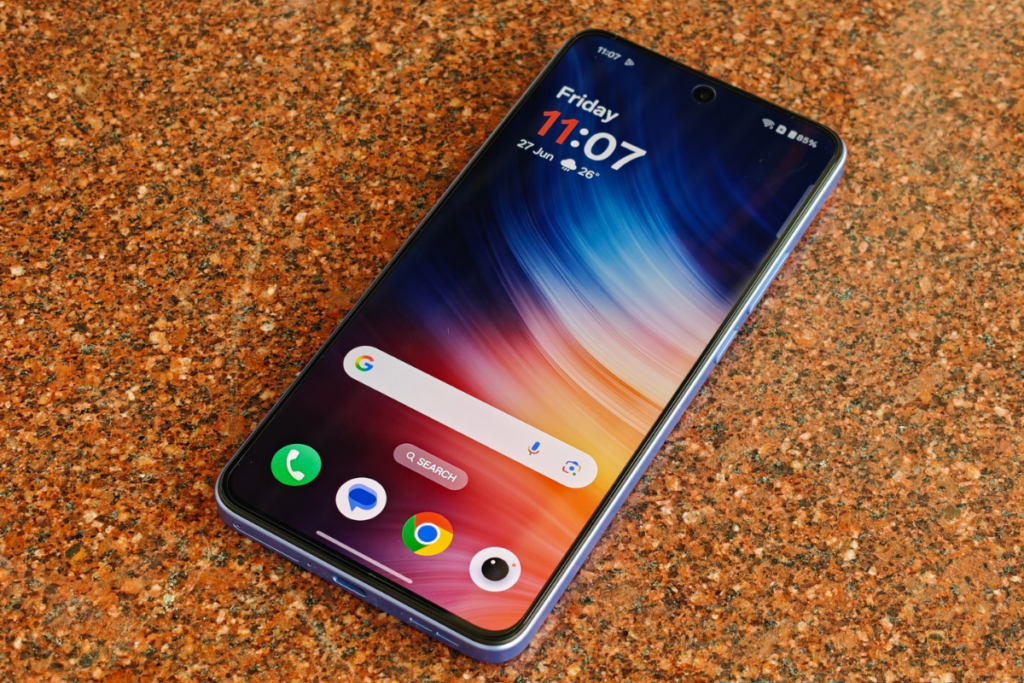
OnePlus Nord CE 5 and Realme 11 Pro are two mid-range phones competing to deliver flagship features at lower prices. While the Nord CE 5 emphasizes performance, battery, and durability, the Realme 11 Pro focuses on stylish design and camera strength. This comparison breaks down which phone offers better overall value.
Build and Feel: OnePlus Nord CE 5 offers a more premium build with IP65 dust and water resistance, giving it an advantage for durability. Realme 11 Pro, on the other hand, emphasizes design flair with its leather back option, appealing to style-conscious users. While Realme feels lighter and sleeker, the Nord CE 5’s added protection and sturdier design make it more practical for long-term use.
Verdict: OnePlus Nord CE 5 is better for durability, while Realme 11 Pro is more stylish.
Display Quality: The Nord CE 5 uses a Fluid AMOLED panel with 1B colors, HDR10+, and a higher peak brightness of 1430 nits, making it more vibrant and outdoor-friendly. Realme 11 Pro’s AMOLED display is solid at 120Hz and HDR10+, but with a lower peak brightness at 950 nits. For HDR streaming and gaming, Nord CE 5’s display stands out with richer brightness and clarity.
Verdict: OnePlus Nord CE 5 provides a superior display experience.
Verdict: Between build and display, the Nord CE 5 focuses on utility and performance, while the Realme 11 Pro emphasizes design aesthetics. Overall, the OnePlus Nord CE 5 edges ahead for its IP rating and superior screen brightness, offering a more balanced package.
Please Note: When you buy something using the links in our articles, we may earn a small commission at no cost to you.
2. Specifications
Realme 11 Pro
Performance: OnePlus Nord CE 5 packs the Dimensity 8350 Apex (4nm), offering higher clock speeds and a stronger GPU compared to Realme 11 Pro’s Dimensity 7050 (6nm). This makes the Nord CE 5 more future-proof for demanding apps and gaming. Realme 11 Pro still performs well for daily use, but lacks the raw performance needed for extended gaming. Verdict: Nord CE 5 offers more powerful performance.
Battery and Charging: Nord CE 5 has a larger 5200 mAh global battery (7100 mAh in India) with 80W charging, giving it both endurance and fast top-ups. Realme 11 Pro has a 5000 mAh battery with 67W charging, respectable but not as strong. The bypass charging option on the Nord CE 5 also helps during gaming.
Verdict: Nord CE 5 clearly takes the lead with bigger capacity and faster charging.
Verdict: Both phones provide strong performance and battery reliability, but the Nord CE 5 excels in power and endurance. Realme 11 Pro remains efficient but is better suited for light to moderate users rather than power-hungry gamers.
3. Camera
Realme 11 Pro
Main and Secondary Lenses: Realme 11 Pro sports a 100 MP primary sensor with OIS, giving it higher resolution, though the secondary lens is just a 2 MP depth sensor. Nord CE 5 counters with a 50 MP OIS main lens paired with an 8 MP ultrawide, making it more versatile. While Realme wins in raw detail, OnePlus offers better flexibility in photography scenarios.
Verdict: Realme 11 Pro for detail, Nord CE 5 for versatility.
Selfie Camera: Both phones use a 16 MP selfie camera, but the Nord CE 5 offers higher video recording options (1080p at 60fps with EIS) compared to Realme’s 1080p at 30fps. This makes the Nord CE 5 better for vlogging and video calls.
Verdict: Nord CE 5 provides a superior selfie camera experience.
Verdict: Realme 11 Pro shines with its high-resolution main sensor, but Nord CE 5 delivers a more balanced and practical camera setup. For users who prioritize versatility and video quality, the Nord CE 5 is a stronger choice.
4. Pricing
Realme 11 Pro
OnePlus Nord CE 5 is priced around $400, while the Realme 11 Pro is available for about $300. The Realme 11 Pro is the more affordable option, offering strong camera hardware and a stylish design for less money. However, the Nord CE 5 justifies its higher price with a faster chipset, better display brightness, an IP65 rating, and superior battery life.
Verdict: Realme 11 Pro is better for budget buyers, while Nord CE 5 offers better value for long-term performance.
5. Conclusion
OnePlus Nord CE 5
OnePlus Nord CE 5 stands out with its IP65 protection, higher peak brightness, larger battery, and Circle to Search feature. Realme 11 Pro offers a striking leather design and a 100 MP main sensor that appeals to those who prioritize style and photography.
Verdict: Both phones target different buyers: the Realme 11 Pro is ideal for those seeking affordability, stylish looks, and high-resolution photography, while the OnePlus Nord CE 5 is a better long-term investment with superior performance, display, durability, and battery life.
For balanced power and practicality, the Nord CE 5 is the better overall choice.
Ulefone has launched its latest rugged smartphone lineup, the Armor 33 Series, designed for outdoor adventurers, professionals, and anyone who needs a reliable device that can withstand tough conditions. With the Armor 33 Pro and Armor 33, Ulefone brings together military-grade durability, long-lasting battery, and one feature that truly sets them apart, the industry-leading ultra-loudspeaker.
The Loudspeaker That Redefines Rugged Phones
The highlight of the Armor 33 Series is its super-powerful loudspeaker. Unlike regular rugged smartphones, Ulefone has equipped these models with an ultra-large speaker unit, delivering sound that is louder, clearer, and more impactful.
In comparison tests, the Armor 33 Pro was directly matched against Apple’s flagship iPhone 16 Pro Max. Surprisingly, the rugged Ulefone phone came out on top, producing louder and more powerful audio output. This is a significant achievement, as premium smartphones usually dominate in media performance.
For users in noisy environments, construction sites, or windy outdoor conditions, this louder speaker ensures you never miss a call, alarm, or notification. It also doubles as a powerful tool in emergencies, allowing the phone to broadcast alerts or signals across long distances.
Built to Perform: Even Underwater
Another unique aspect of the Armor 33’s speaker is its water resistance. Ulefone demonstrated that the loudspeaker continues working even when the phone is submerged in water. For outdoor adventurers, this means reliable performance whether you’re caught in the rain, crossing rivers, or dealing with unpredictable weather. It ensures that communication and alerts remain clear, no matter the conditions.
Infinite Halo Light: Function Meets Style
Adding to its unique design, both models feature the Infinite Halo RGB light. This isn’t just about style; it syncs with music for a dynamic visual effect, flashes for calls and notifications, and can even work as a warning beacon in low-visibility situations. It’s a perfect blend of entertainment, practicality, and safety.
Long-Lasting Power and Rugged Build
Powering these devices is a massive 25,500mAh battery, capable of lasting over 10 days on a single charge. With 66W fast charging and 10W reverse charging, the phones can also act as power banks for other devices.
Both models are built with military-grade durability, resistant to water, dust, and accidental drops. The Armor 33 Pro adds a dual-screen design for better multitasking, while the Armor 33 comes with integrated, versatile LED lights for outdoor illumination.
Availability and Early Bird Pricing
Ulefone is offering a limited-time early bird discount until August 27th. The Armor 33 Pro is priced at $399.99, while the Armor 33 is available for $299.99. Buyers can grab these rugged powerhouses from AliExpress, Amazon, and the Ulefone Official Store.
With its record-breaking loudspeaker, massive battery life, and rugged durability, the Ulefone Armor 33 Series proves that rugged phones can be both practical and innovative. Whether you choose the dual-screen Pro model or the LED-equipped Armor 33, you’re getting a device built to handle extreme environments while delivering unmatched audio performance.
Huawei has confirmed the launch date of its next big wearable. The Huawei Watch GT 6 Series will officially arrive on September 19, 2025. Ahead of the launch, the company is teasing design cues and has opened early-bird discounts for fans who sign up in advance.
Shoppers in the UK can register for Huawei’s newsletter before launch day to claim a £50 discount, which will be delivered as a coupon code once sales go live. The offer, however, varies by market. In France, for example, customers will instead get 10 percent off.
Aside from this, Huaewi hasn’t revealed any details on the smartwatches. The company has only shared a teaser image showing two versions of the upcoming model.
Both wearables retain the octagonal design from last year’s Watch GT 5 Pro, and the image also shows a rotating crown and an additional button on the right-hand side.
Possible specification
Moreover, tipster Digital Chat Station claims the vanilla model will come in Brilliant Gold, Flowing Purple, Saddle Brown, Floating White, and Phantom Black. The Watch 5 Pro will have its own Glacier Gray, Amber Brown, Titanium Silver, Field Green, and Yadan Black options.
They are rumored to come in 41mm to 46mm dial options and support for Star Flash or NearLink technology. The latter is a wireless communication technology specifically used for short-distance data transmission.
Huawei Watch GT 5
Last year’s Watch GT 5 series brought some notable upgrades, including enhanced health tracking with Huawei’s TruSense system, better GPS accuracy, and improved sleep monitoring.
The Pro variant went further with premium materials like titanium and sapphire glass, ECG support, offline maps, and even golf course mapping. The smartwatches have a battery life of up to 14 days, depending on the model and usage.
The Galaxy Tab S11 isn’t official yet, but leaks are already giving us a good idea of what Samsung has planned for its next mid-sized tablet. New renders that surfaced this week show a sleek design, paired with specs that suggest Samsung is aiming to make it a real alternative to Apple’s iPad Air.
According to WinFuture, the Tab S11 will pack an 11-inch AMOLED display with a 2560 x 1600 resolution and 120Hz refresh rate. Power is expected to come from MediaTek’s Dimensity 9400 chip, backed by 12GB of RAM and up to 512GB of storage.
Cameras aren’t the main focus here — the Tab S11 includes a 13MP rear camera and a 12MP front-facing one for video calls. Other hardware details include four speakers, Wi-Fi 6E, Bluetooth 5.4, and a 5G option.
The Tab S11 measures just 5.5mm thick and weighs 482g. Like other recent Samsung devices, it uses the company’s Armour Aluminium frame and has IP68 water resistance. Battery capacity sits at 8,400mAh with 45W fast charging. As expected, S Pen support is included.
On the software side, the tablet should launch with Android 16 and One UI 8. Samsung is also extending its update promise here, with seven years of OS and security updates confirmed.
Pricing in Europe is tipped at €899 (around $1,050). In the US, it may land closer to $899–$999. The launch is expected around IFA 2025 in September, where it will debut alongside the larger Tab S11 Ultra and the more affordable Tab S10 Lite.
If the leaks prove accurate, the Galaxy Tab S11 could shape up as a compact but capable option for buyers who don’t need the sheer size — or price tag — of the Ultra model.
We use cookies on our website to give you the most relevant experience by remembering your preferences and repeat visits. By clicking “Accept”, you consent to the use of ALL the cookies.
This website uses cookies to improve your experience while you navigate through the website. Out of these, the cookies that are categorized as necessary are stored on your browser as they are essential for the working of basic functionalities of the website. We also use third-party cookies that help us analyze and understand how you use this website. These cookies will be stored in your browser only with your consent. You also have the option to opt-out of these cookies. But opting out of some of these cookies may affect your browsing experience.
Necessary cookies are absolutely essential for the website to function properly. This category only includes cookies that ensures basic functionalities and security features of the website. These cookies do not store any personal information.
Any cookies that may not be particularly necessary for the website to function and is used specifically to collect user personal data via analytics, ads, other embedded contents are termed as non-necessary cookies. It is mandatory to procure user consent prior to running these cookies on your website.