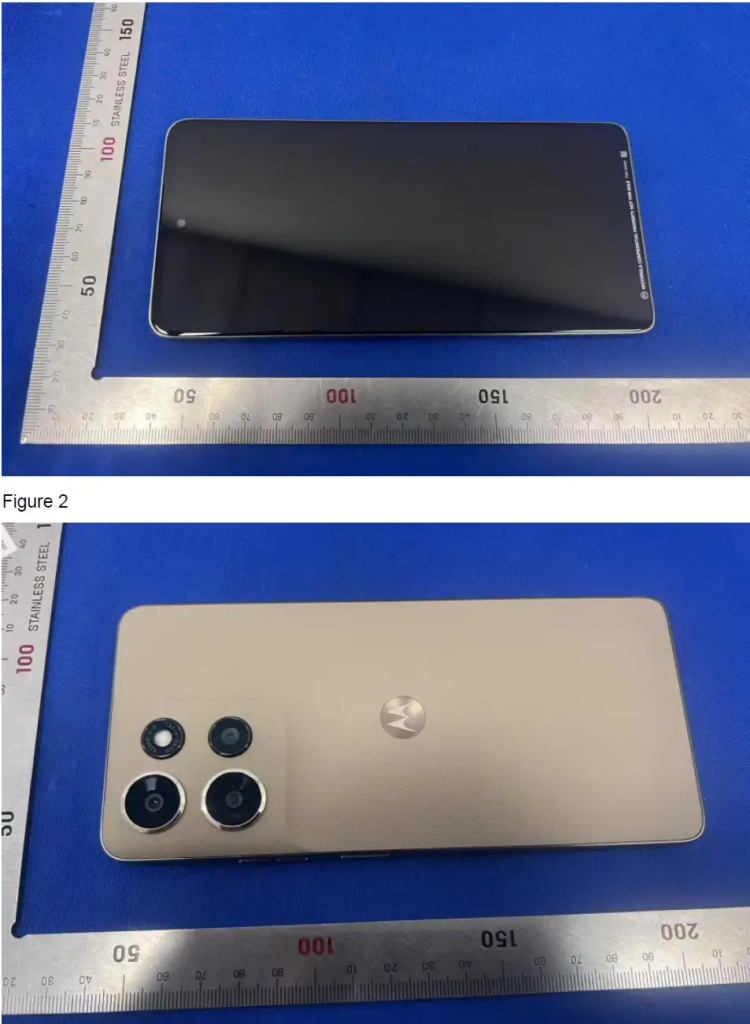
Tipster claims a recent Motorola leak wasn’t what most people thought it was. A few days ago, a set of clean-looking renders popped up online, and it was reported to be the successor to the Moto G Stylus (2025).
Reliable leaker Evan Blass now claims the phone in those images is actually the Moto G Power (2026) — the follow-up to the Moto G Power (2025), which has been on sale since Q1 2025.
This lines up with some breadcrumbs from earlier in the year too. The exact same blue and cream finishes showed up in promotional material spotted by Android Headlines back in May, and those images were specifically tied to the G Power line.
Design-wise, not much is changing. The new model sticks closely to Motorola’s current template — flat sides, centered punch-hole camera, and a familiar rear layout. The biggest update visible so far? New paint jobs. The refreshed colors replace the options offered with the 2025 version and give the phone a slightly cleaner look.
Motorola usually refreshes the G Power series in the first few months of the year, so an early-2026 launch still feels likely. Specs are a mystery for now, so we’ll have to wait and see whether Motorola boosts the battery capacity, swaps in a more capable chipset, or just keeps things modest.
Still, if you were expecting a redesign or major reinvention, don’t hold your breath. Motorola seems happy to stick with the same big battery, low-cost formula — with a fresh coat of paint to keep things moving into 2026.
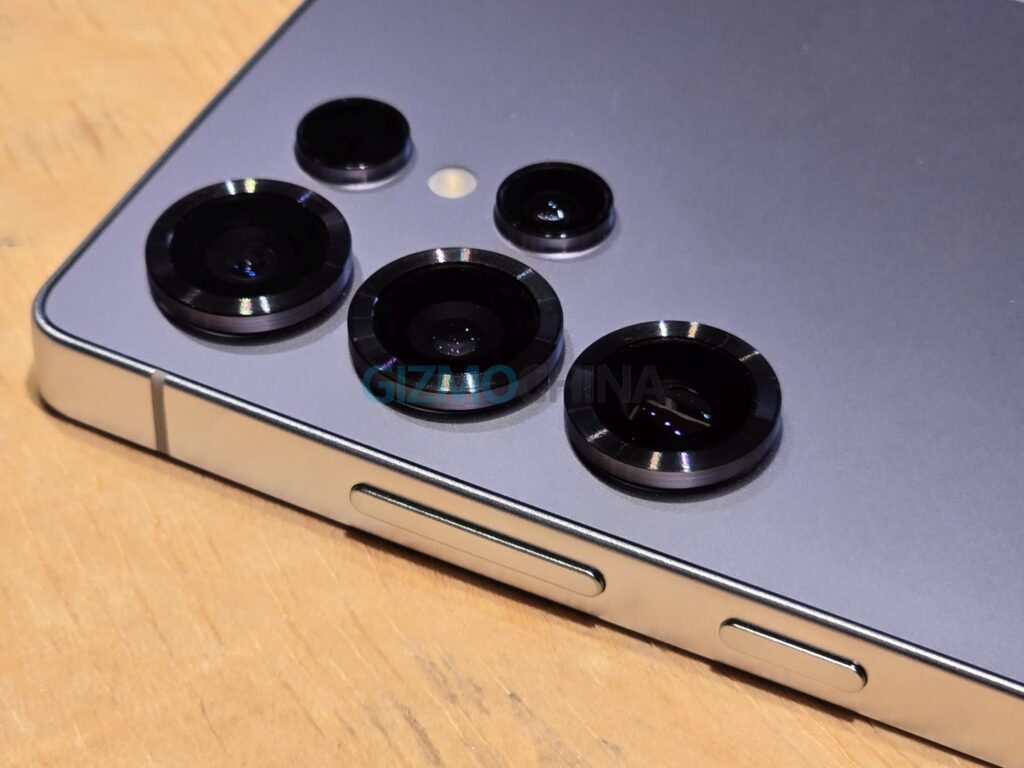
Samsung fans hoping for a big camera upgrade in 2027 might want to lower their expectations a bit.
There’s been plenty of speculation that the Galaxy S27 Ultra would finally move past the familiar 1/1.3″ 200-megapixel sensor Samsung has been using since the S23 Ultra. The most exciting rumor pointed to Sony’s new LYT-901 — a 1/1.12-inch 200 MP sensor unveiled recently and already being hyped as the next big thing in Android photography.
Galaxy S25 Ultra
But according to well-known tipster Ice Universe, Samsung isn’t planning to use it. While that may sound obvious considering Samsung makes its own sensors, his prediction that the S27 Ultra’s sensor size will remain unchanged does seem reasonable. In fact, Samsung has steadily been shrinking its 200MP sensor generation after generation since the very first one. In other words, it’s highly unlikely we’ll see a near-1-inch (or even slightly larger) 200MP ISOCELL sensor anytime soon.
ISOCELL HP1: 1/1.22″
ISOCELL HP2: 1/1.3″
ISOCELL HP3: 1/1.4″
ISOCELL HPX / HP9: 1/1.4″
And for those wondering why it matters, a smaller sensor with smaller pixels produces less accurate signals, which generally results in relatively poorer image quality. This aligns with what we’ve seen in camera comparison tests between the Galaxy S25 Ultra and its Chinese counterparts such as the vivo X300 Pro.
Good News: Sony has officially launched its new 200MP sensor LYTIA 901 featuring a 1/1.12" large format, 0.7 µm pixels, the Quad-Quad Bayer Coding (QQBC) array, and flagship-grade technologies such as DCG-HDR, Fine 12-bit ADC, and HF-HDR. At the same time, OmniVision has… pic.twitter.com/zD41tTqy9R
Samsung’s top-tier phone in 2027 could once again rely on a slightly “updated” version of the 1/1.3-inch ISOCELL sensor we’ve seen for several years now.
Over the past few generations, the company has leaned heavily on software processing to squeeze improvements out of largely unchanged camera hardware. Meanwhile, rivals have been pushing ahead with bigger sensors, and many of the phones, such as the Oppo Find X9 Pro (our review) and vivo X300 Pro, are nicely tuned for those sensors as well.
For now, the latest leak suggests the next few Ultra phones won’t be the generational camera jump many are hoping for — even when the rest of the industry keeps moving forward.
Xiaomi’s 17 Ultra is the last holdout in the company’s annual flagship lineup. The phone is expected to land in two variants, and local testing in India reportedly kicked off not long ago.
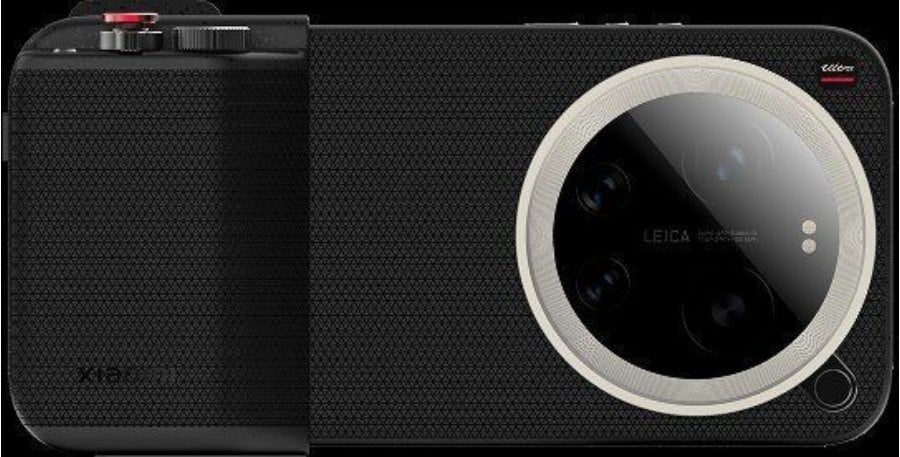
Now, a fresh set of renders showing the Xiaomi 17 Ultra wrapped in the company’s Photography Kit has made its way to the rumor mill.
The images show the Photography Kit in two variants, beige and black. But the bigger surprise sits on the phone itself. It sports a triple-camera setup on the rear. The module has four cutouts, but if you look closely, it has only three lenses.
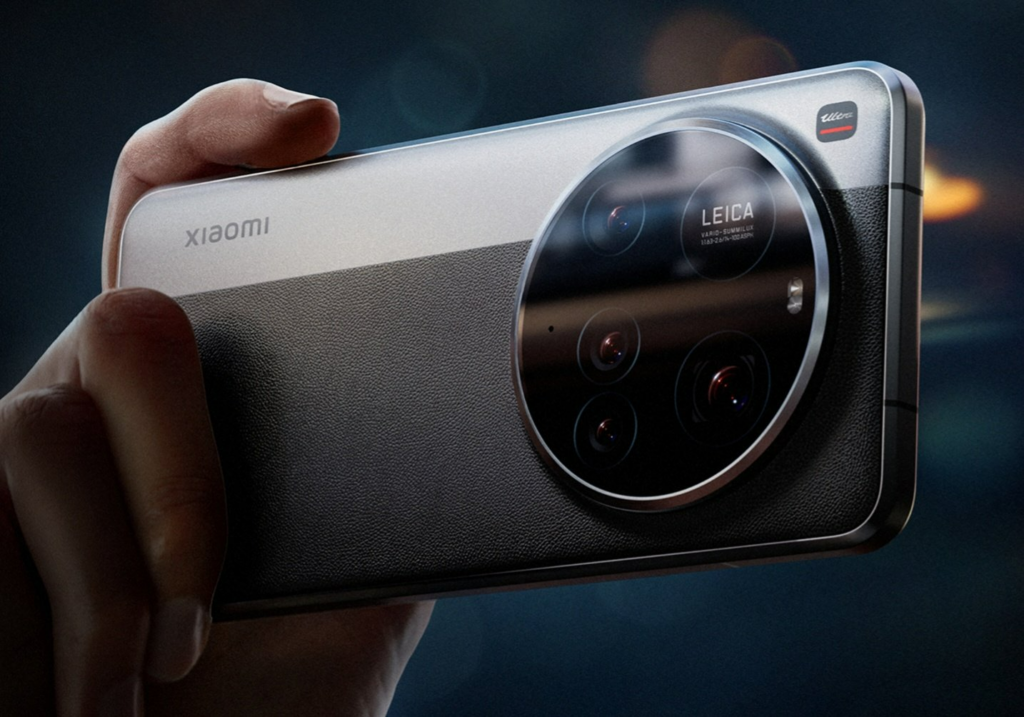
If you remember the Xiaomi 15 Ultra’s quad-camera system, this might look like a downgrade on paper. So what’s changing this year?
Xiaomi 17 Ultra camera setup
The 15 Ultra used dual telephoto shooters, but this time Xiaomi is reportedly cutting the 50MP 3x optical telephoto lens in favor of a more capable, higher-resolution sensor. According to the latest leak, the Xiaomi 17 Ultra’s cameras include:
50 MP OmniVision OVX10500U main camera
200 MP Samsung S5KHPE telephoto camera
50 MP OmniVision OV50M or Samsung S5KJN5 ultra-wide camera
So despite the change in cameras from four to three, Xiaomi is making up for it with larger, more advanced sensors across the board. In other words, you’re losing a sensor but gaining better hardware overall.
On the front, Xiaomi is expected to stick a 50 MP OmniVision OV50ME selfie camera.
The Photography Kit also shows a detachable camera grip, similar to what Xiaomi offered with the 15 Ultra. The grip includes a physical shutter button and a textured finish.
Xiaomi 17 Ultra might launch in China in December or early January. A global launch is likely to follow soon after, where the company will announce it alongside other Xiaomi 17 phones.
For more daily updates, please visit our News Section.
Samsung’s next mid-range lineup might have shown its face a bit earlier than planned. A new Geekbench entry — believed to be the Galaxy A37 — has popped up online, hinting at what could be a curious hardware decision if the listing holds up.
The device, which matches Samsung’s typical model numbering for the A37 series, was tested running Android 16 with 6GB of RAM. So far, so normal. But the real eyebrow-raiser is the chipset: the Exynos 1480 paired with the Xclipse 530 GPU. That’s the same processor Samsung used in the Galaxy A55… way back in early 2024. Earlier this year, it also powered the Galaxy M56.
Sure, the Exynos 1480 looks a bit stronger than the A36‘s Snapdragon 6 Gen 3 on benchmarks, but efficiency is just as important. Whether that translates into better long-term performance or battery life is something we’ll only know once the A37 hits shelves next year. After all, the Exynos 1480 isn’t much (if any) better based on previous reviews.
Samsung is reportedly prepping the Galaxy A27, A37, and A57 for a spring 2026 launch. The A57 just leaked with Samsung’s newer Exynos 1680, making the A37’s chipset feel a bit out of place. Many expected the A37 to take a step forward with the Exynos 1580, the same chip used in the Galaxy A56.
Then again, Samsung has a long track record of recycling silicon between generations — the A26 and A35 both rely on the aging Exynos 1280 — so the idea isn’t completely unbelievable.
Of course, there’s still a chance this listing isn’t the real deal. Just recently, a “Galaxy A77” benchmark made the rounds before being debunked as fake. So nothing is guaranteed until Samsung speaks up.
If the leak is legit, though, it tells us something about Samsung’s 2026 strategy: keep costs down, even if that means tuning expectations for performance. Whether that helps the A37 stay affordable or leaves it looking outclassed next to the A36 is a question we won’t have answers to until next year’s launch.
The OnePlus Ace 6T is officially set to launch on Dec. 3 in China and will enter the market carrying the title of the world’s first Snapdragon 8 Gen 5 phone. The company recently released its official images to showcase its design. Now, a premature China Telecom listing of the phone has appeared online, revealing all the key details about this device.
OnePlus Ace 6T specifications (rumored)
OnePlus Ace 6T
The OnePlus Ace 6T (model number PLR110) is listed in China Telecom’s product library with a 6.83-inch OLED display supporting a 1.5K resolution of 2800 x 1272 pixels. OnePlus has already confirmed the phone will push the segment further with a 165Hz refresh rate.
At its core is Qualcomm’s SM8845 chipset, the Snapdragon 8 Gen 5, which went official recently. Buyers in China may be able to choose from a wide range of configurations, including: 12GB+256GB, 12GB+512GB, 16GB+256GB, 16GB+512GB, and 16GB+1TB.
The Ace 6T will house an enormous 8,300mAh battery, the largest ever on a OnePlus phone. Rumours suggest that it may support 100W fast charging. For software, the phone is expected to run Android 16 layered with ColorOS 16 out of the box. Connectivity options include dual SIM, Bluetooth, Wi-Fi, NFC, and USB-C, while unlocking is handled by an ultrasonic in-screen fingerprint sensor.
In the optics department, the phone will likely use a 16-megapixel front camera, paired with a rear dual system consisting of 50MP + 8MP sensors. Design details show dimensions of 163.41 x 77.04 x 8.32mm and a weight of 215 grams.
The China Telecom listing does not reveal pricing, but it mentions that the phone will go on sale from December 19. It is expected to be positioned above the existing OnePlus Ace 6, which starts at 2,599 Yuan (~$370) in China. It will be available in three finishes: Flash Black, Lightning Purple, and Glimpse Green. It will also come in a special Genshin Impact Kamisato Ayaka edition.
What this means for OnePlus 15R
OnePlus is currently working on the OnePlus 15R for global markets (including India). Recent reports suggest it may arrive as Ace 6T’s a rebranded or tweaked version, as both devices share the same design and the Snapdragon 8 Gen 5 chip.
For more daily updates, please visit our News Section.
Asus has released a new monitor called VA259HGA in the Chinese market. The model targets office and everyday productivity needs while still handling casual gaming and entertainment. It is priced at 610 yuan ($86) and is now available on JD.com.
Asus VA259HGA Monitor Specifications
The VA259HGA features a 24.5-inch Full HD (1920×1080) IPS panel with a 16:9 aspect ratio and an anti-glare surface. The screen supports wide 178-degree viewing angles and uses an LED backlight. Asus has used a frameless design on three sides to give the monitor a more modern look and support multi-monitor setups.
The display supports a 120Hz refresh rate and delivers a 1ms MPRT response time. It also supports Adaptive-Sync technology to minimize screen tearing and input lag. These features allow smoother visuals while gaming, watching videos, or scrolling through content. Asus claims 99% sRGB coverage, with a typical brightness of 300 nits and contrast ratios of 1500:1 (typical) and 3000:1 (maximum).
Asus includes TÜV Rheinland-certified Flicker-Free and Low Blue Light technologies to reduce eye fatigue. These features are designed for users who spend long hours at the desk. The panel uses DC dimming to reduce flickering and includes a Blue Light Filter accessible via the on-screen menu.
The monitor provides one HDMI 1.4 port, one VGA port, a headphone jack, and a PC audio input. Asus has equipped the VA259HGA with dual 2W speakers, which eliminates the need for separate external audio devices for basic use.
The design includes a tilt-adjustable stand with a +23° to -5° range and support for 100×100mm VESA wall mounting. The monitor also supports Power Sync, which lets it switch on or off together with compatible Asus mini PCs through HDMI.
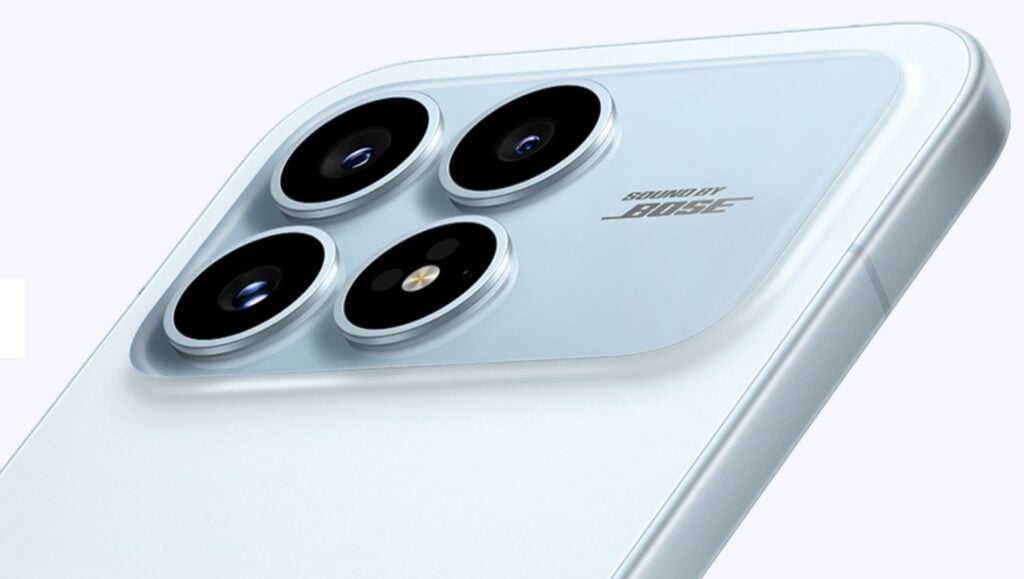
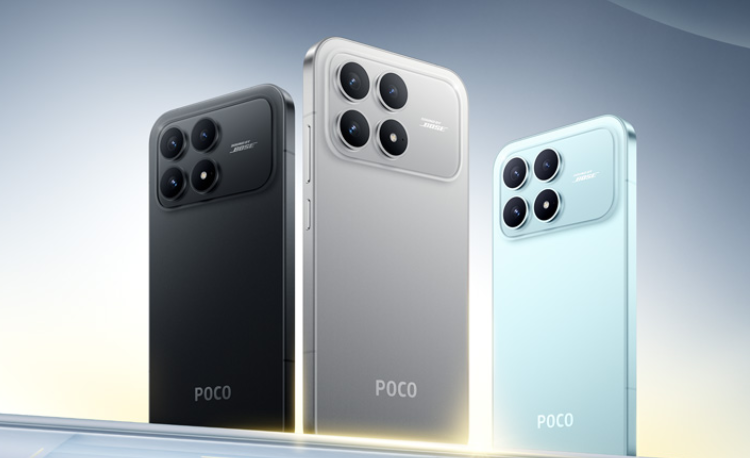
With the launch of both POCO F8 Pro and POCO F8 Ultra, buyers now have two powerful “affordable flagships” to choose from. These devices are rebranded versions of the Redmi K90 and Redmi K90 Pro Max for the global market, bringing high end specs for an approachable price. However, both bring different sets of features and pricing. So in this article, we’ll break down their differences to help you pick the version that fits you best.
POCO F8 Ultra vs POCO F8 Pro: Design, Display, & Multimedia Experience
Display size and presentation are a clear differentiator. The POCO F8 sports a 6.59-inch OLED display with a 1.5K resolution, a 120Hz refresh rate, and 3500 nits of peak brightness. Meanwhile, the overall design appears to have a large camera module that seems inspired by the iPhone 17 Pro. On the other hand, the POCO F8 Ultra offers a much larger 6.9-inch OLED display with a 1.5K resolution, 120Hz refresh rate, and 1-3500 nits of peak brightness. So the F8 Pro is better for those who want a relatively compact phone, while the F8 Ultra brings a better watching experience.
POCO F8 Ultra and POCO F8 Pro
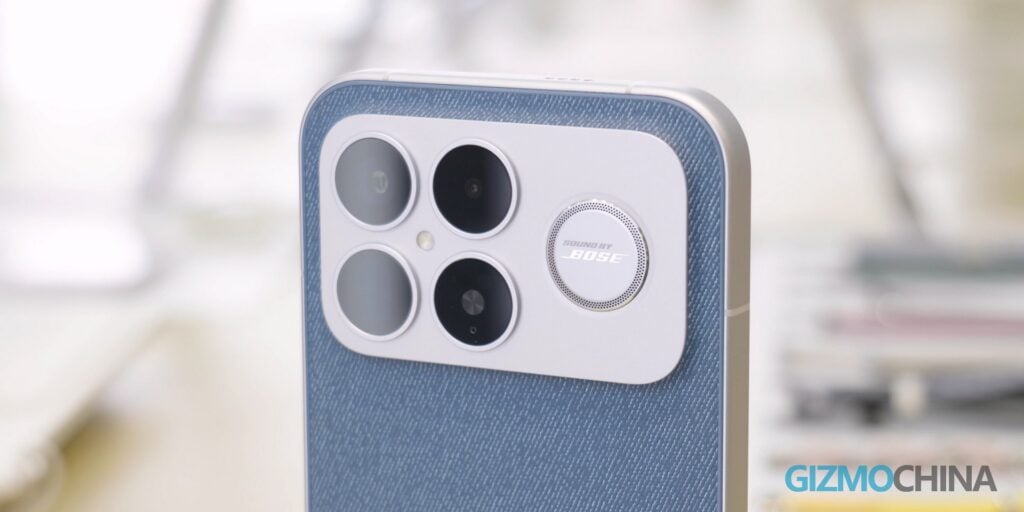
When it comes to audio and media consumption, both phones benefit from “Sound by Bose” stereo tuning. But the F8 Ultra also includes a dedicated rear subwoofer along with the stereo speakers, delivering deeper bass and fuller audio, which is a rare trait in smartphones. If you watch movies, play games, or care about multimedia immersion, that extra audio punch makes the F8 Ultra stand out.
Camera Capability & Versatility
Photography and zoom flexibility are another key area of divergence. The POCO F8 Pro is equipped with a 50MP Light Fusion main sensor (OIS, 1/1.55-inch) along with a 50MP telephoto shooter with a 2.5x optical zoom, and an 8MP ultra wide angle lens, while the front houses a 20MP shooter for selfies and video calls. This offers great versatility and three usable image sensors on the rear.
However, the POCO F8 Ultra basically upgrades all three cameras. It features a 50MP Light Fusion 950 main camera with OIS and a 1/1.31-inch sensor size that is paired with a 50MP periscope telephoto shooter with 5x optical zoom, and a 50MP ultra wide angle lens. Meanwhile, the front houses a 32MP camera for selfies and video calls. If photography, zoomed shots, or content creation matters to you, the Ultra offers a noticeably more powerful setup.
Battery, Charging & Everyday Use
Battery life and charging remain strengths for both phones, though with slight differences. The F8 Pro houses a 6,210 mAh battery, paired with 100 W wired fast charging for rapid top-ups. The F8 Ultra comes with a slightly larger 6,500mAh cell, and even adds 50W wireless charging on top of 100W wired fast charging. For most users, both phones will last a full day (or more) of heavy use. If you value wireless charging, media consumption, or just prefer the convenience, the F8 Ultra is definitely more versatile.
POCO F8 Pro
Performance
Both models use Qualcomm’s flagship-class chipsets from the 8-series lineage and deliver strong performance. But the Ultra model easily edges ahead thanks to the latest Snapdragon 8 Elite Gen 5 chip, offering better GPU and CPU performance compared to the Snapdragon 8 Elite on the POCO F8 Pro. Long term performance for gaming, video editing, or even heavy daily use is better on the F8 Ultra, which is also more future proofed.
Price & Value
Given their specs and features, the F8 Pro is the more compact, lighter, and likely more affordable option. The POCO F8 Ultra basically has an advantage in every key area, but the F8 Pro still offers a robust set of features. It is ideal for those who prefer balanced performance in a manageable form factor. Meanwhile, the F8 Ultra, with its larger screen, premium features, better cameras, and richer audio, pushes toward a “flagship killer” category that comes at a higher price tag and increased size.
Redmi K90 Pro Max
It is also $150 more expensive than the Pro variant with all of its upgrades. In other words, the POCO F8 Pro is a great balanced phone for everyday use with a competent set of hardware and specs, while the F8 Ultra brings a more premium flagship level experience for those with a higher budget.
For more daily updates, please visit our News Section.
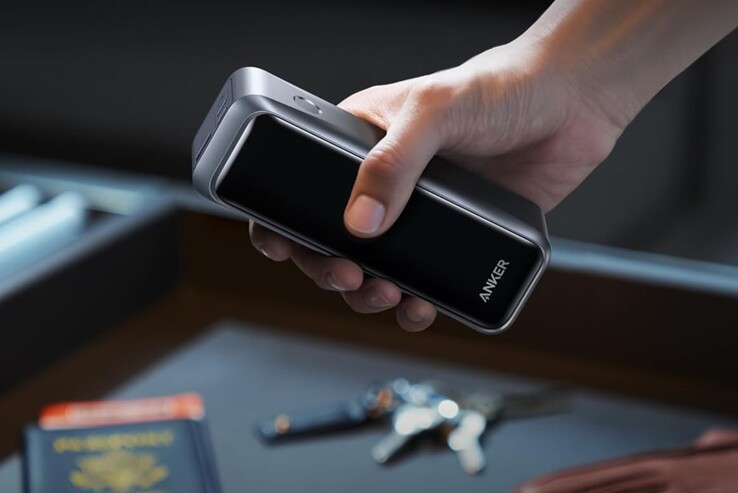
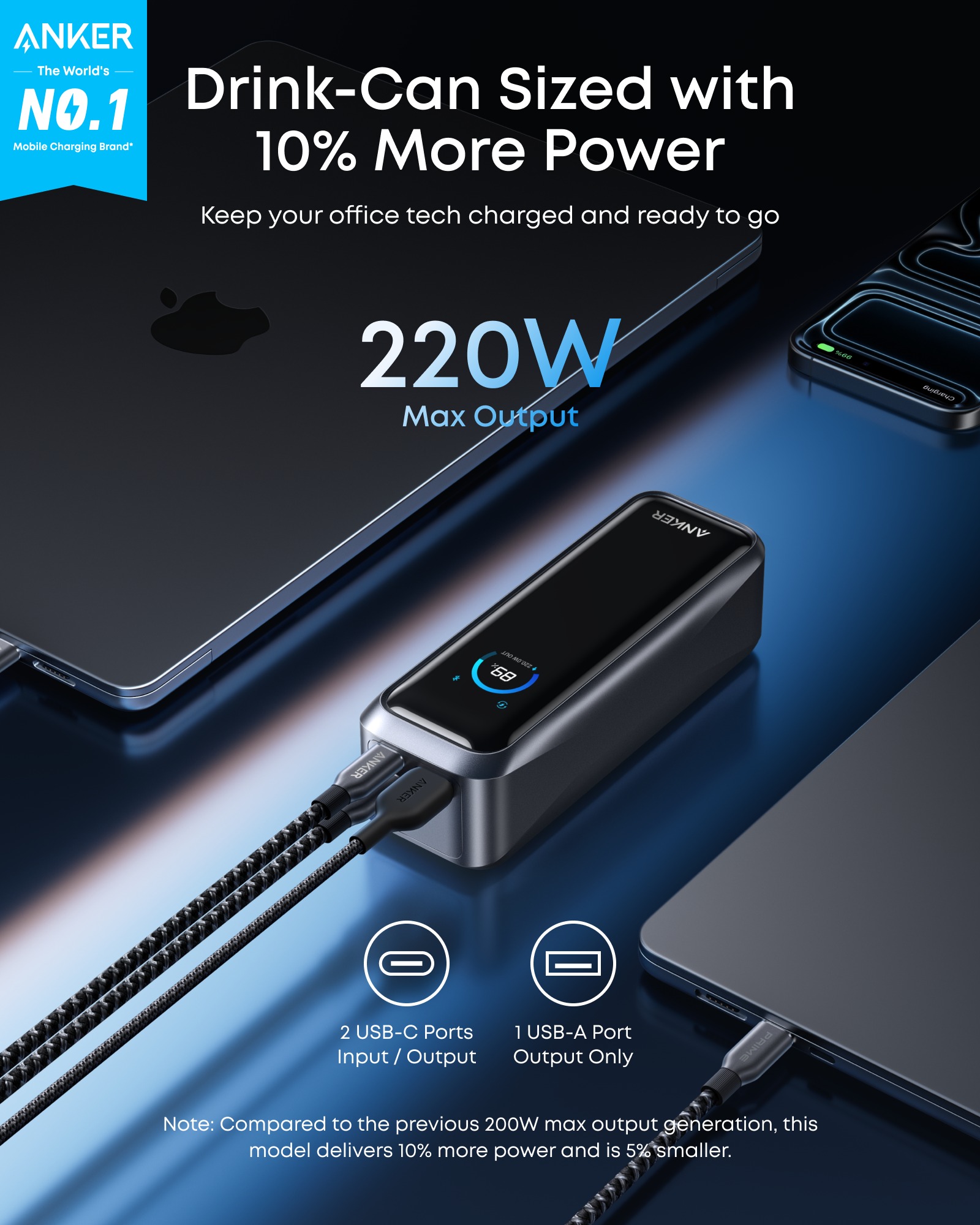
Anker has brought its Prime Power Bank (20K, 220W) to the US after releasing it earlier in the UK and Germany. It is now available on Amazon US for $179.99.
This model sits right below Anker’s 300W flagship and is built for users who want strong charging speeds without carrying a heavy block. It has a 20,100mAh battery inside a 490 g aluminum body. The size is compact at 147 x 44 x 50.5 mm, so it fits easily into a backpack or work bag.
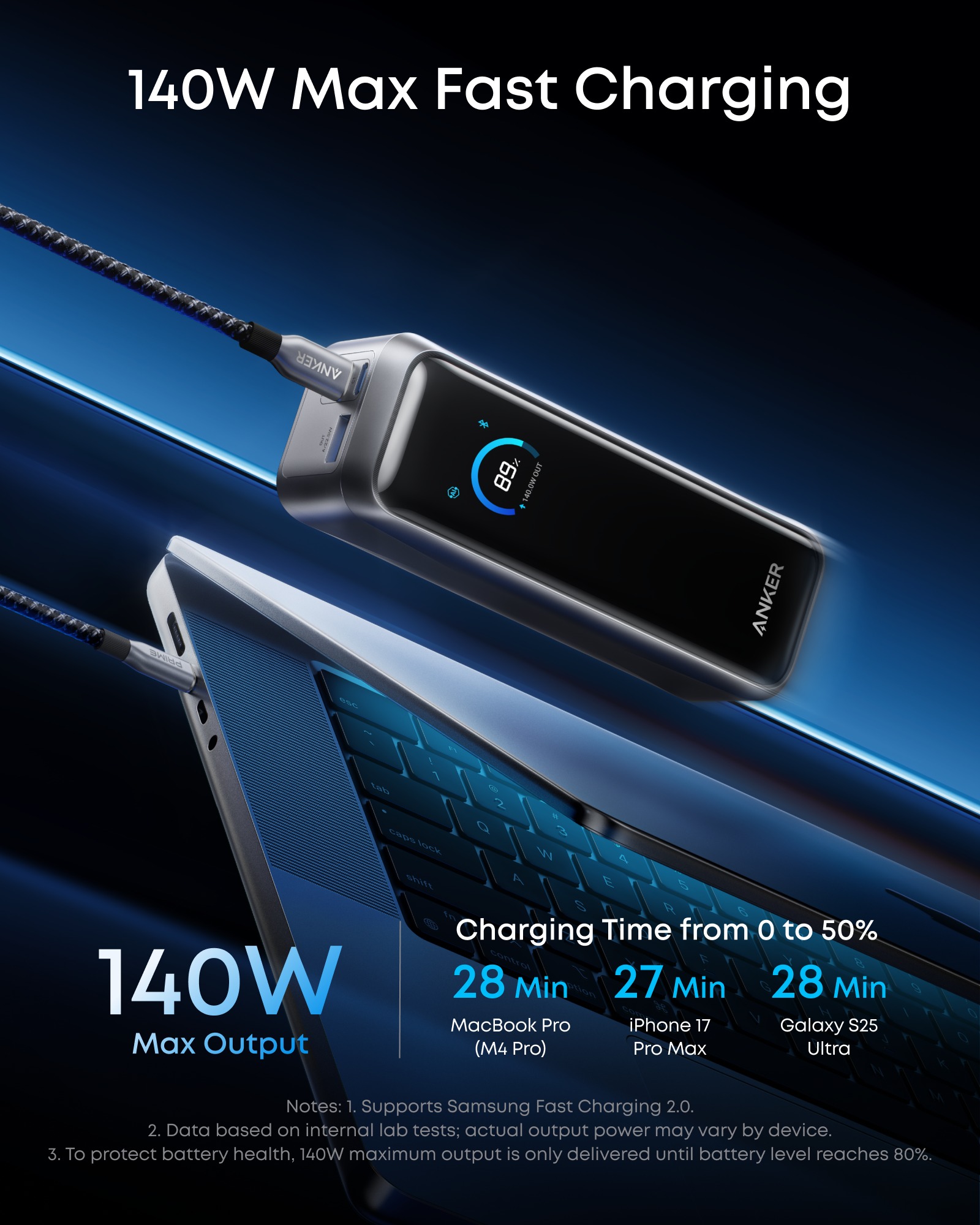
The 220W output is the main highlight. There are two USB C ports and one USB A port. Each USB C port can deliver up to 140W on its own. When all ports are used together, each USB C port goes up to 100W. The USB A port covers older devices. This setup can charge a 14 inch MacBook Pro, a phone, and a tablet at the same time without needing a wall outlet.
A color display on the front shows real time power use, battery percentage, and a timer. You can also check and adjust settings through the Anker app. The power bank supports 100W USB C recharging, which helps it refill quickly. It is also compatible with Anker’s upcoming Prime Charging Base that will let you place the bank on the dock for a drop and go charge. ActiveShield temperature monitoring is built in for safety.
In Europe, the 220W Prime model costs €149.99. It sits between Anker’s 140W model priced at $89.99 and the 300W version. For people who want laptop level charging in a smaller body, the 220W Prime Power Bank offers a practical balance of power, size, and features.
Vivo is expected to unveil the Vivo S50 and S50 Pro Mini smartphones in December in China. It is already known that the Vivo S50 Pro Mini will be one of the early adopters of the recently unveiled Snapdragon 8 Gen 5 chip. However, the brand is yet to confirm the chipset that powers the standard S50. A new Geekbench listing of the S50 has appeared, revealing that it is also powered by a Snapdragon 8-series chip. At the same time, official teasers have emerged to give a good look at its design.
Vivo S50 design
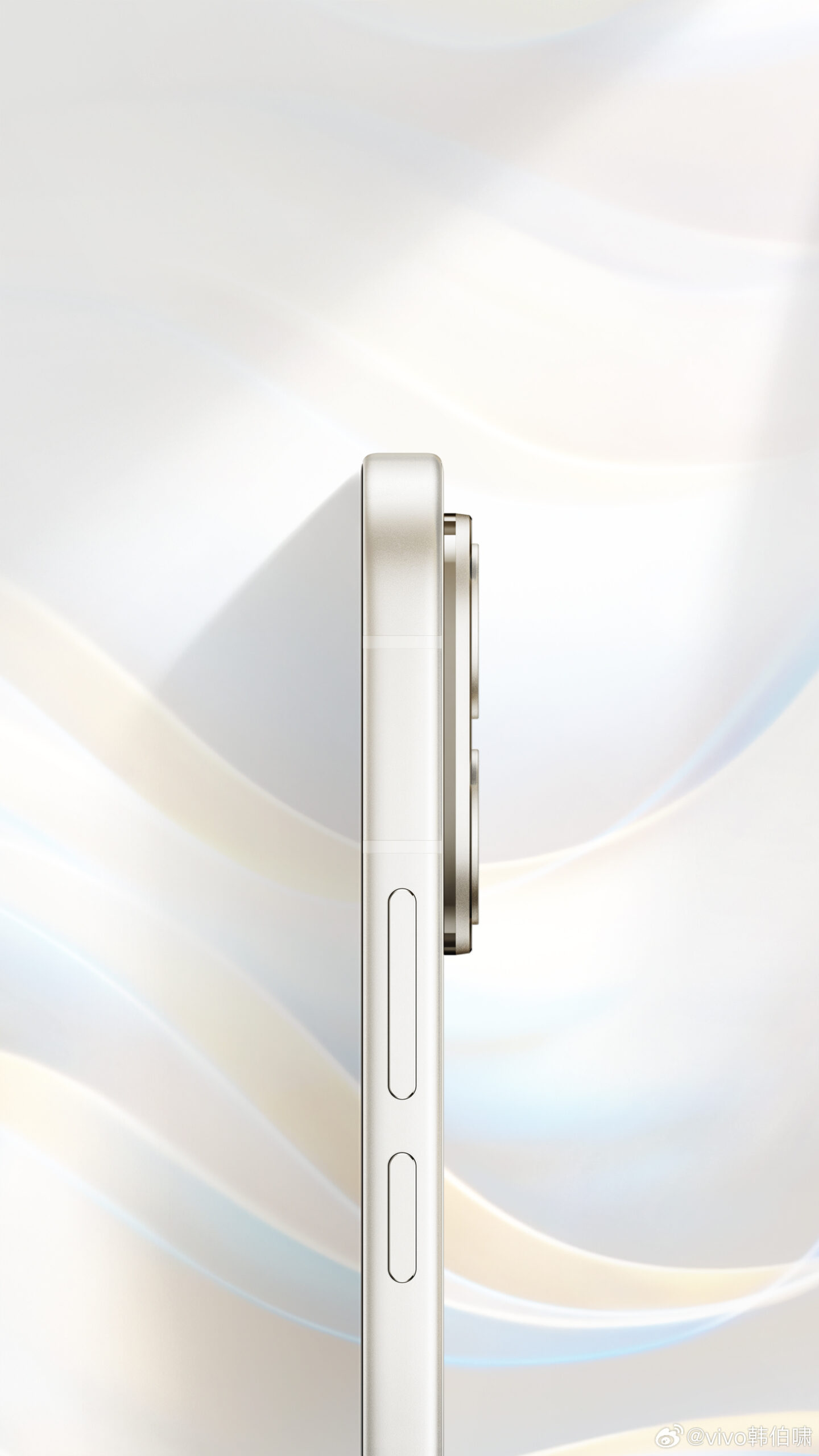
The first image in this post provides a view of the Vivo S50 series’ side profile, revealing an aerospace-grade metal frame. The other image reveals that the S50 series will have an iPhone-like triangular camera setup housed in a square camera island with rounded corners.
Vivo S50 Geekbench listing
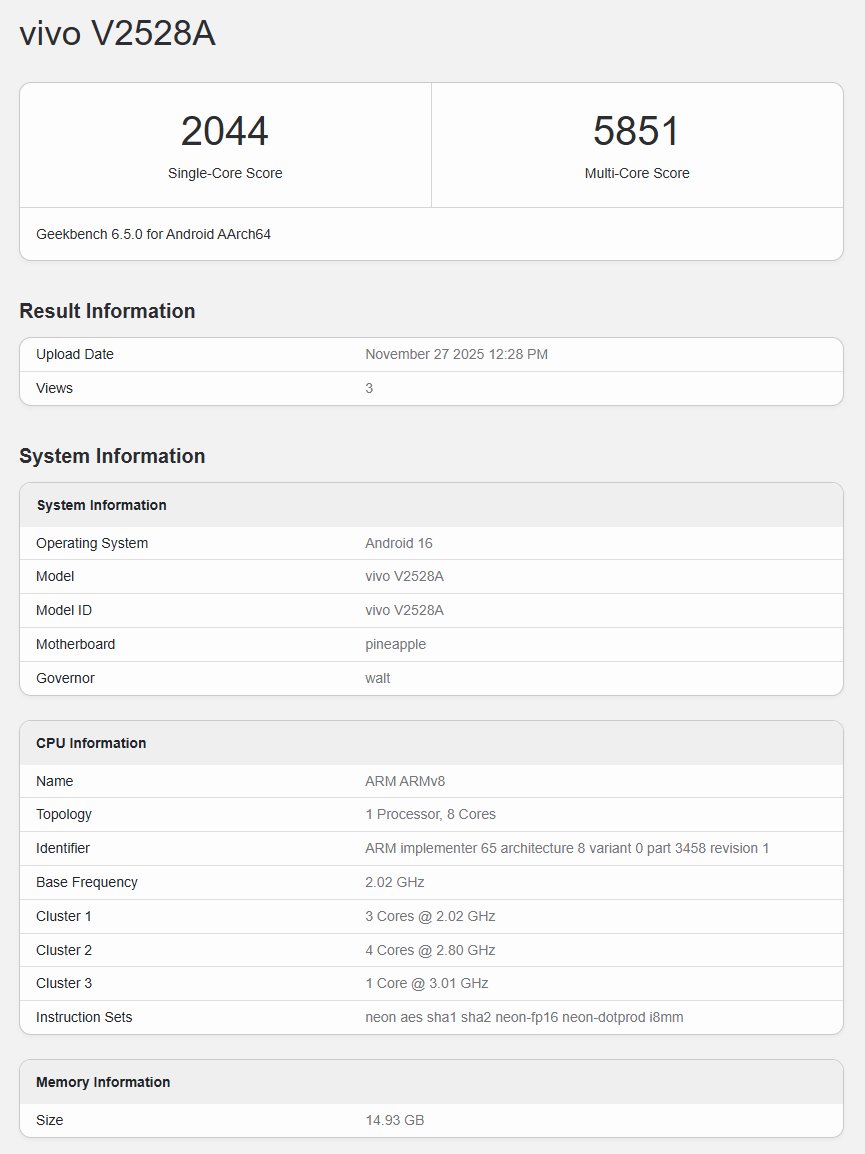
Reports have revealed that the Vivo S50 has the V2582A model number. Earlier this month, the said device was spotted on China’s 3C certification platform with a 90W fast charger. Now, the same model has appeared in Geekbench’s database.
The CPU and GPU details that have emerged through Vivo S50’s Geekbench listing (via) reveal that it is powered by the Snapdragon 8s Gen 3 chipset. The SoC is accompanied by 16GB of RAM and Android 16.
The brand has already confirmed that the entire S50 series will be equipped with LPDDR5x RAM and UFS 4.1 storage. It scored 2044 and 5851 points in the single-core and multi-core Geekbench tests, respectively.
As per other reports, the Vivo S50 could be equipped with a 6.59-inch OLED screen that offers 1.5K resolution and a 120Hz refresh rate. Its rear camera setup is expected to include a Sony IMX882 50-megapixel periscope telephoto camera. The other details of this phone are currently under wraps.
For more daily updates, please visit our News Section.
Samsung has led the global smartphone market for so long that it’s practically tradition. But if the latest forecast from Counterpoint Research plays out, that streak is ending — and sooner than you’d think.
Counterpoint expects Apple to climb back to the No. 1 position by the end of this year, a title it hasn’t held since 2011. Overall smartphone shipments are only predicted to rise about 3.3% next year, yet Apple’s growth is projected to more than triple that pace at roughly 10%. That would give the company a 19.4% share of the global market — just enough to push Samsung into second place despite its own solid 4.6% growth.
And if Apple takes the crown, analysts don’t see it giving it up anytime soon. The projections suggest the company could stay out front through at least 2029.
A few major trends are working in Apple’s favor. The iPhone 17 line is performing strongly in key regions, including China — a market that has been notoriously difficult for Western brands recently. On top of that, we’ve hit a massive upgrade wave: smartphones bought during the pandemic are now aging out, driving millions to replace cracked screens and fading batteries.
Global Smartphone Forecast for 2025 (Source: Counterpoint Research)
There’s also the second-hand factor. From 2023 to mid-2025, roughly 358 million used iPhones traded hands globally. And once someone gets into the iPhone ecosystem, even through a refurbished device, they tend to stay there.
The road ahead looks just as aggressive. Apple is widely rumored to be preparing its first foldable iPhone for 2026 — a direct challenge to Samsung’s current dominance in the premium foldable market. A lower-cost iPhone 17e is reportedly on the way as well, potentially taking over the SE’s role or launching a new “Slim” family to court budget-minded shoppers. Then in 2027, Apple is expected to introduce a major design overhaul. If these forecasts prove accurate, next year could break Samsung’s reign.
OnePlus seems ready to refresh its budget-friendly tablet lineup with the Pad Go 2. The first OnePlus Pad Go found a decent audience because it offered a large screen, a clean Android experience, and solid battery life without costing too much.
But it also had some clear gaps, like no accessory support and no 5G option.
The company seems to be quietly fixing these complaints with the Pad Go 2 while giving the tablet a more modern finish. So let’s break down how the OnePlus Pad Go 2 will differ from the original Pad Go.
A noticeably different design and new colors
The first big difference between the two tablets is simply how they look.
The original OnePlus Pad Go came only in Twin Mint, a soft green tone that gives off a calm, pastel-style vibe. The overall design was functional, with an 11.35-inch display, rounded corners, and a flat back holding a single camera in the middle.
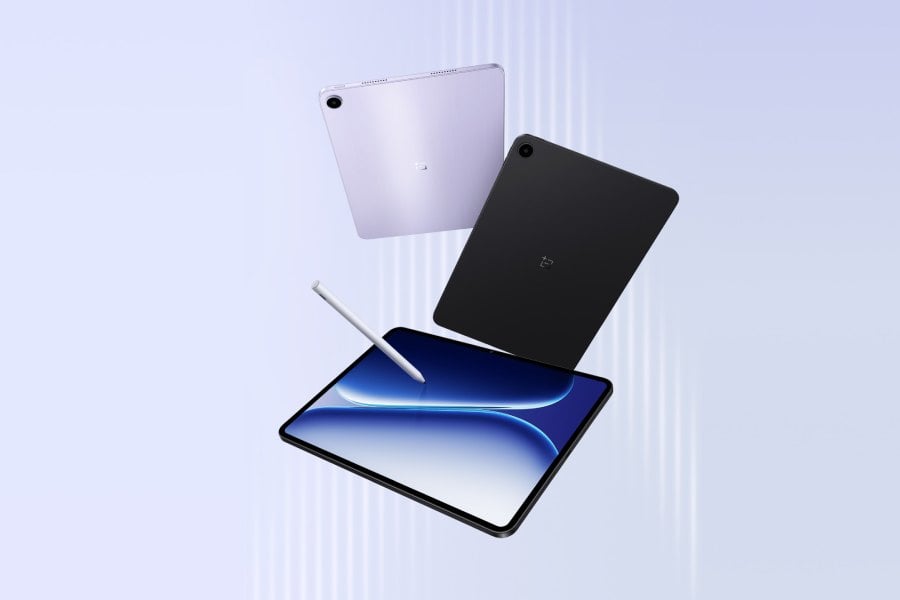
The Pad Go 2 switches things up. This time we’re getting two color options: Shadow Black and Lavender Drift.
The Pad Go 2 is also built to look cleaner and more modern. The single rear camera sits as a minimal bump on the top left, and the overall form factor gives it an iPad kind of vibe. iPad mini to be exact and even the Lavender Drift color matches with iPad’s Purple shade.
The original Pad Go has dimensions of 255.1 x 188 x 6.9 mm and 532g. We don’t yet have the exact numbers for the Pad Go 2, but based on its target audience and design hints, it’s likely to stay in that same lightweight category.
Stylus support: finally added
If there was one big miss on the first Pad Go, it was the lack of stylus support. A budget tablet with a big display but no way to use a pen felt like a missed opportunity. Even casual users expect at least some level of writing or drawing capability these days.
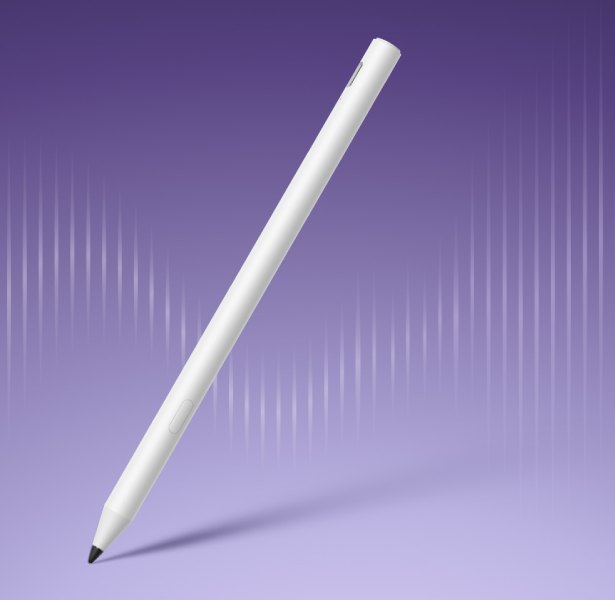
The Pad Go 2 fixes that. OnePlus is preparing Pad Go 2 Stylo support, allowing users to write, sketch, annotate PDFs, or just doodle in class. This addition alone can make the tablet more useful for students and office users.
Stylus support will also help the Pad Go 2 compete with budget tablets from Samsung and Xiaomi, which already offer pen features at similar prices.
Connectivity
Another major upgrade is wireless connectivity.
The original OnePlus Pad Go was limited to 4G, and even that was only available in the cellular model. If you needed faster mobile data or better network flexibility, you were basically out of luck.
A lot of budget tablets still skip 5G to cut costs, but it’s becoming more noticeable as everyday apps and work tools increasingly rely on fast, stable internet.
The Pad Go 2 doesn’t fully jump into 5G across the lineup, but it does introduce one 5G-capable variant: the Shadow Black model.
Wi-Fi details haven’t been fully shared yet, but the original tablet supported dual-band Wi-Fi and Bluetooth 5.2 with aptX HD. The Pad Go 2 is expected to stay at least at that level, if not offer a mild upgrade in Bluetooth support.
Performance and software
The original Pad Go used the MediaTek Helio G99, a 6nm chip. It can handle streaming, web browsing, note-taking, and lightweight games just fine. Paired with 8GB RAM and UFS 2.2 storage, the tablet offers stable everyday performance.
OnePlus hasn’t revealed the chipset for the Pad Go 2 yet, but we are not expecting any major upgrade here. Since the tablet is for study and light work users, OnePlus may continue using a mid-range MediaTek chip.
Software-wise, the Pad Go 2 will ship with Android 15 (if not Android 16) based OxygenOS.
Display and media
The Pad Go’s display was an 11.35-inch IPS LCD, with a 90Hz refresh rate, 400 nits brightness, and sharpness at 1720 x 2408 pixels. The quad-speaker setup also helped it feel more premium during movies or classes.
There’s no direct confirmation about display changes on the Pad Go 2, so for now, assume a similar setup. And honestly, that’s okay. The screen was already one of the tablet’s better components. A brightness bump would be welcome, but we’ll know more after the launch.
Battery and charging
The original Pad Go used an 8000 mAh battery with 33W fast charging. It wasn’t the fastest charger around, but the battery comfortably lasted a full day of light use.
OnePlus tends to repeat battery tech in updates unless it’s a major redesign, so the Pad Go 2 will likely carry something similar.
So… how different will the OnePlus Pad Go 2 be, really?
In some ways, the OnePlus Pad Go 2 is an upgrade.It simply fixes the biggest issues of the first model: lack of stylus support, lack of 5G, and limited design options.
If you liked the size, battery life, and simplicity of the Pad Go but wished it were a bit more flexible, the Pad Go 2 might be exactly what that tablet should have been the first time. It launches globally and in India on December 17th.
For more daily updates, please visit our News Section.
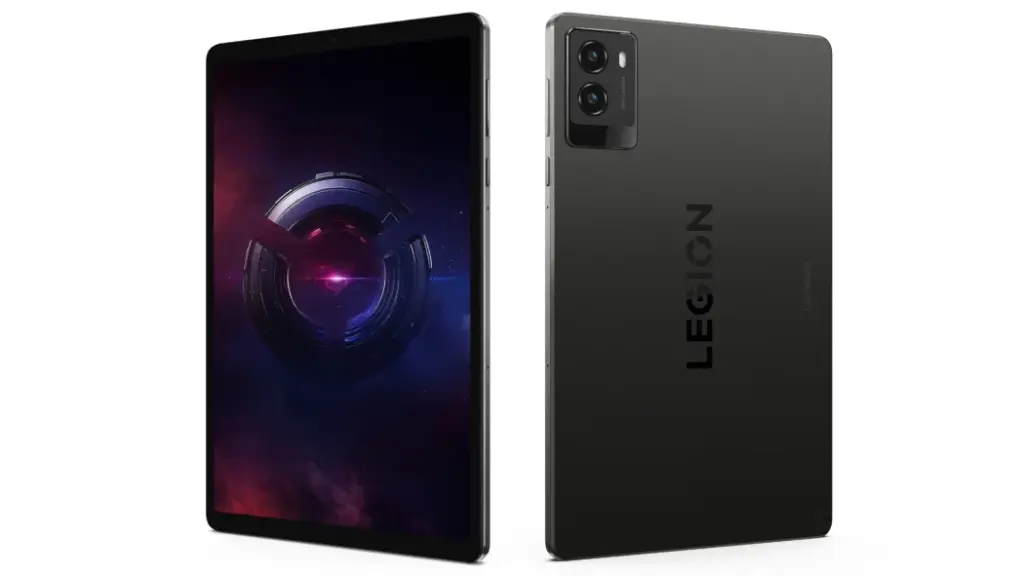
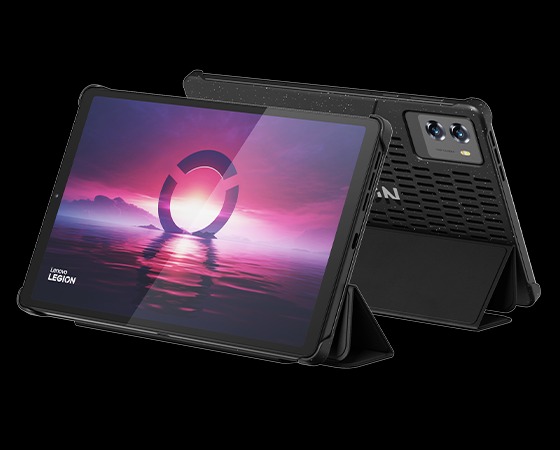
The Lenovo Legion Tab Gen 3 is selling for its lowest price yet this Black Friday. The 8.8-inch gaming tablet, usually priced at 550 dollars, is now available for 390 dollars. At this price, it becomes an easy choice for anyone who wants a compact Android tablet that can handle heavy gaming and everyday work.
The Legion Tab Gen 3 has an 8.8-inch 2.5K LTPS display with a 2560 x 1600 resolution, a 16:10 aspect ratio, a 165Hz refresh rate, 98 percent DCI P3 coverage, 500 nits brightness with 900 nits in high brightness mode, HDR10 support, 10-point touch input, and TÜV Low Blue Light, Flicker Free, and Precise Touch certifications. It weighs 350 grams and measures 7.79mm by 208.54mm by 129.46mm.
The tablet is powered by the Snapdragon 8 Gen 3 processor and comes with 12GB of LPDDR5X RAM and 256GB of UFS 4.0 storage. It uses a large vapor chamber and a 3D heat dissipation structure to keep performance stable during long gaming sessions. It runs Android 14 out of the box, and Lenovo promises three years of OS updates. The tablet also has a dedicated desktop mode. You can pair it with a wireless keyboard and mouse, and when the 8-inch display feels small, you can connect it to an external monitor using one of its USB 3.2 Gen 1 ports.
Other features include a 6,550mAh battery with 65W fast charging, Wi-Fi 7 support, Bluetooth 5.4, Dolby Atmos speakers, dual X axis haptics, and two noise reducing microphones. The rear camera setup has a 13MP autofocus camera and a 2MP macro camera with flash. The front camera is an 8MP fixed focus unit with flash. Ports include one USB C port at 480Mb per second and another USB C port at 10Gb per second.
Lenovo has launched the ThinkPlus 100W GaN charger in China. The new charger supports up to 100W output through a single USB-C port and is compatible with laptops, tablets, smartphones, and accessories. It features three ports in total and carries a price tag of 249 yuan ($35). Lenovo also includes a 1.5-meter 240W dual USB-C cable in the box.
Lenovo ThinkPlus 100W Charger Specifications
The charger comes with a compact, dual-color design that looks modern while keeping the overall style familiar. It also features a revised internal layout that improves space utilization, which helps airflow and reduces heat buildup during long charging sessions.
Due to GaN tech, the company is able to reduce the overall size by 50% compared to earlier models, which makes the charger easier to carry and more convenient in tight desk setups or travel bags. Lenovo says the new design is five times smaller than older multi-port chargers with similar power output.
There are two USB-C ports and one USB-A port. Either USB-C port delivers up to 100W individually, and the USB-A port reaches up to 30W. It can fast-charge a laptop and a smartphone simultaneously. It fills a 16-inch MacBook Pro to around 40% in 30 minutes. It can also charge an iPhone 17 Pro to roughly 46% in the same time, while the Galaxy S24 Ultra reaches about 63%.
The charger supports a wide range of fast-charging protocols, including PD 3.0, PPS, QC 3.0, AFC, FCP, and Motorola Turbopower. It works with devices from various brands and is compatible with smartphones, tablets, laptops, drones, gaming consoles, and wearables.
Lenovo uses third-generation gallium nitride (GaN) and silver-nitride materials to improve efficiency and heat control. The charger reaches a peak energy efficiency of 93% while maintaining stable output during high-power usage.
It supports a 12-layer protection system that ensures safety with built-in safeguards against overcurrent, overvoltage, overheating, short circuits, and electromagnetic interference. The charger also supports wide-voltage input, making it suitable for global travel.
Earlier this month, Oppo unveiled the Reno 15 and Reno 15 Pro in China. Next, the brand will announce the Reno 15c in the home market. For the global market, the Reno 15 series will include as many as four models. Here’s a look at their names and associated model numbers.
Global Oppo Reno 15 series models
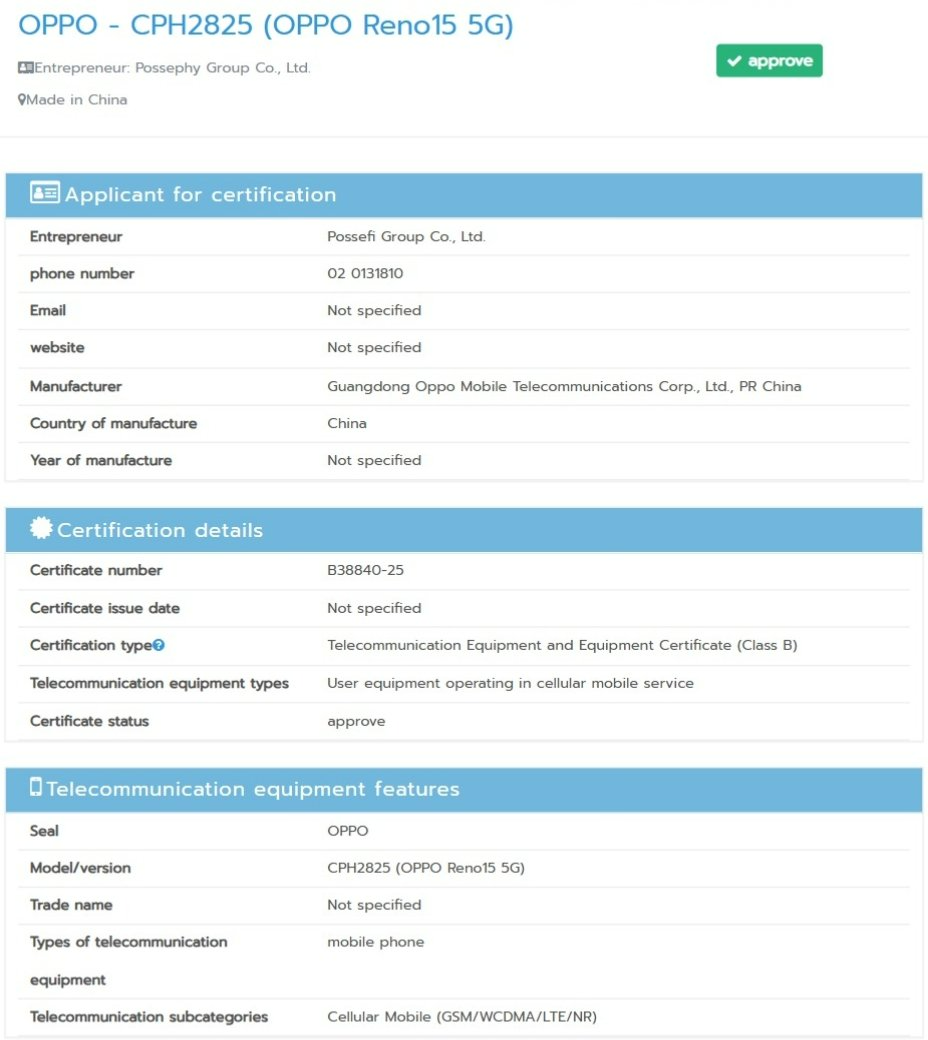
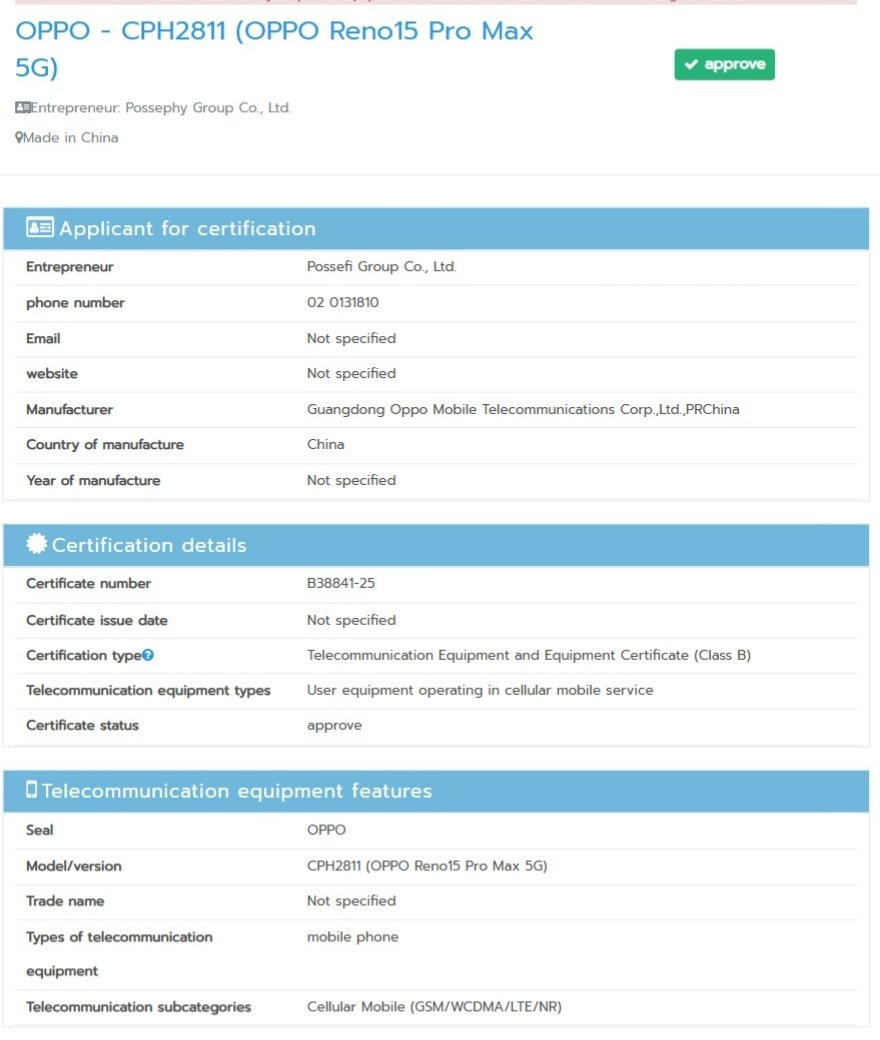
Oppo Reno 15 NBTC listingOppo Reno 15 Pro NBTC listingOppo Reno 15 Pro Max NBTC listing
The Reno 15 series for the global market will include the following models, along with their model numbers:
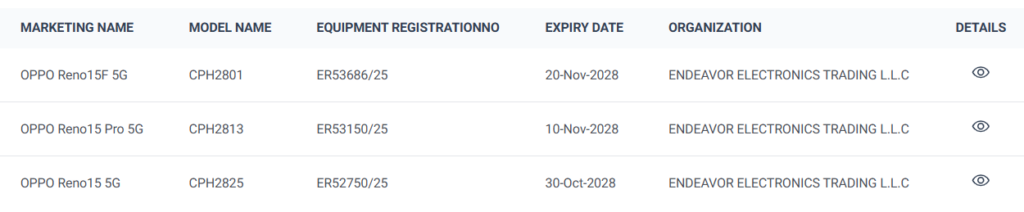
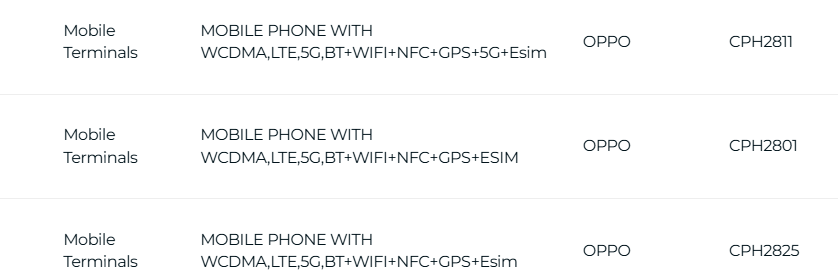
• Reno 15 (CPH2825) • Reno 15F (CPH2801) • Reno 15 Pro (CPH2813) • Reno 15 Pro Max (CPH2811)
Europe’s EEC, the UAE’s TDRA (above screenshot), and TUV certification platforms have already approved the Reno 15, 15F, and 15 Pro, but they have yet to approve the 15 Pro Max. The TDRA certification revealed that these devices will support 80W wired charging.
Coming to India, the above screenshot shows that the BIS has approved all four Reno 15 models. However, it is unclear whether the Reno 15F will carry the same marketing name in India.
All four Oppo Reno 15 models have been approved by India’s BIS
Singapore’s IMDA approves Reno 15, Reno 15F, and Reno 15 Pro
The Indonesian TKDN listing has revealed the Reno 15F, whereas Singapore’s IMDA certification platform lists all three models, but it has yet to approve the Reno 15 Pro Max.
The above certifications also suggest that not all four variants will be available in all regions. The certifications also indicate that not every model will launch in every market.
China’s Reno 15 series
The Reno 15 and Reno 15 Pro available in China are powered by the Dimensity 8450 chipset, whereas the upcoming Reno 15c will feature the Snapdragon 7 Gen 4. These devices have 6.32-inch, 6.78-inch, and 6.59-inch displays, respectively.
Oppo Reno 15 Pro Max’s leaked specs
As far as the global market is concerned, the rumor mill has yet to leak concrete details about the global Reno 15 series models. However, leaked specifications that have surfaced so far have revealed that the Reno 15 Pro Max will include a 6.78-inch OLED LTPO 1.5K 120Hz screen, a Dimensity 9400 chip, 200-megapixel triple rear cameras, a 50-megapixel front camera, and a 6,500mAh battery.
For more daily updates, please visit our News Section.
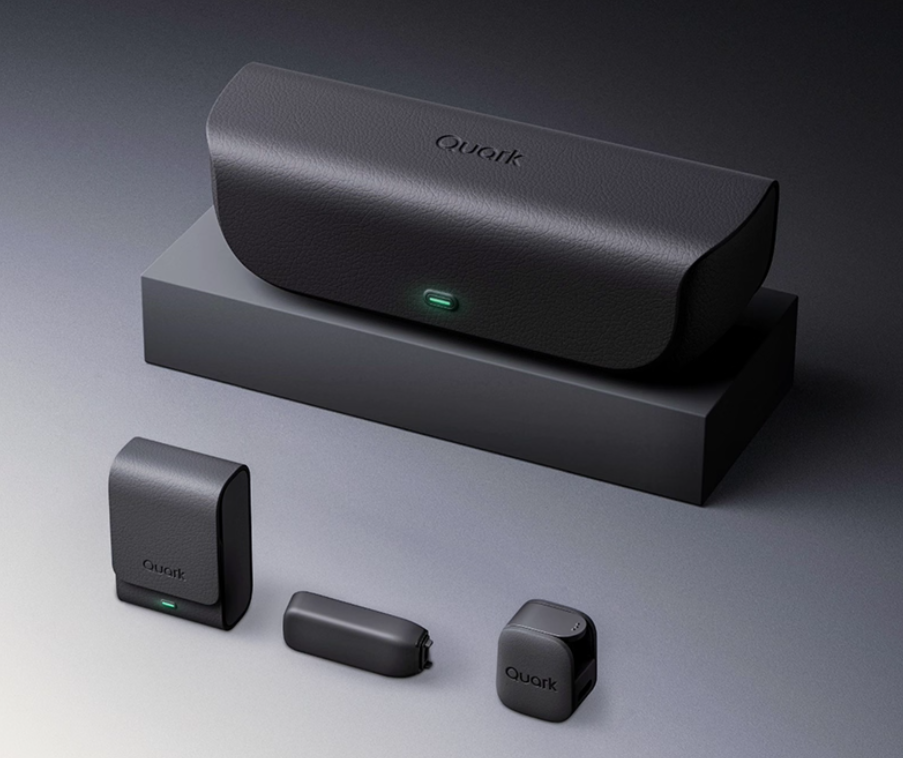
Alibaba’s Quark AI glasses, launched earlier this month, have now officially gone on sale in China. The company has opened purchases for three variants of the flagship S1 model and three versions of the more affordable G1 model. Both series pair with Alibaba’s new Qwen App, which uses the company’s in-house AI system to provide voice- and touch-based assistance.
The Quark AI Glasses S1 function as a wearable AI assistant for real-time translation, object recognition, POV video capture and voice interaction. The device runs on Alibaba’s Qwen large language model to provide hands-free access to contextual information throughout the day.
The S1 uses dual Micro LED light engines and diffractive waveguide lenses, delivering up to 2,300 nits of eye brightness. Users can adjust both the viewing distance and display height, and Alibaba supports prescription lenses from 0 to 800 degrees in 1.6, 1.67 and 1.74 refractive index options. The frame weighs 51g and uses a 7.5mm slim temple arm with balanced weight distribution.
The device runs on a dual-chip setup combining Qualcomm’s Snapdragon AR1 for AR tasks and the BES2800 chip for audio. Connectivity options include Bluetooth 5.4 and Wi-Fi 6. The S1 features five microphones, including a bone-conduction mic, and dual 10mm speakers.
Imaging is handled by a Sony IMX681 sensor with a 109-degree field of view. It captures 4032×3024 photos and records 3K 30fps video with EIS stabilization, Super Night Mode and instant capture support.
Power comes from two 280mAh swappable batteries housed in the temples. Users can extend usage with a 700mAh MiniBag dock, a 2500mAh charging case or a USB-C fast-charging clip that delivers 50 percent power in 10 minutes. Expected runtimes include 45 minutes of calling, 2.5 hours of music, 20 minutes of navigation and 15 short video clips. The glasses offer up to 7 hours of active use, 25 hours of standby time and IPX4 splash resistance. They also support Apple’s MFi standard.
Pricing & availability
Alibaba has yet to disclose whether the glasses will be sold outside China. The S1 and G1 are currently listed on Chinese e-commerce platforms at ¥3,799 ($537) and ¥1,899 ($268).
For more daily updates, please visit ourNews Section.
Oppo’s next budget smartphone for India just had its pricing leaked. The Oppo A6x model is expected to debut in the global market soon. But ahead of the official release, this device had its Indian pricing leaked. So here are all the details.
Oppo A6x India Price Leak Reveals Rs 12,499 Starting Price
The latest information arrives from known tipster Abhishek Yadav, who shared the details on X (formerly Twitter). He claims that the Oppo A6x will debut in India in three storage options, namely 4GB + 64GB, 4GB + 128GB, and 6GB + 128GB. This model will reportedly have a starting price tag of Rs 12,499, while the higher storage variants will be priced at Rs 13,499 and Rs 14,999, respectively. It is unclear if this price includes any kind of discounts.
Oppo A6x
That was all the details revealed in the tweet. However, a previous leak from the same tipster revealed most of the key specs and features of the Oppo A6x 5G model. It will reportedly sport a tall 6.75-inch+ LCD panel with HD+ resolution and a 120Hz refresh rate. Under the hood, this budget model could be equipped with the MediaTek Dimensity 6300 SoC. A huge 6,500mAh battery pack powers this device, which supports 45W wired fast charging.
For optics, the rear has a 13MP camera with a VGA secondary sensor while the front houses a 5MP shooter for selfies and video calls. Out of the box, this budget phone runs on the Android 15 OS based ColorOS 15 custom skin. Other notable features include an IP64 rating for water and dust resistance, and an 8.58mm body that weighs 212 grams.
For more daily updates, please visit our News Section.
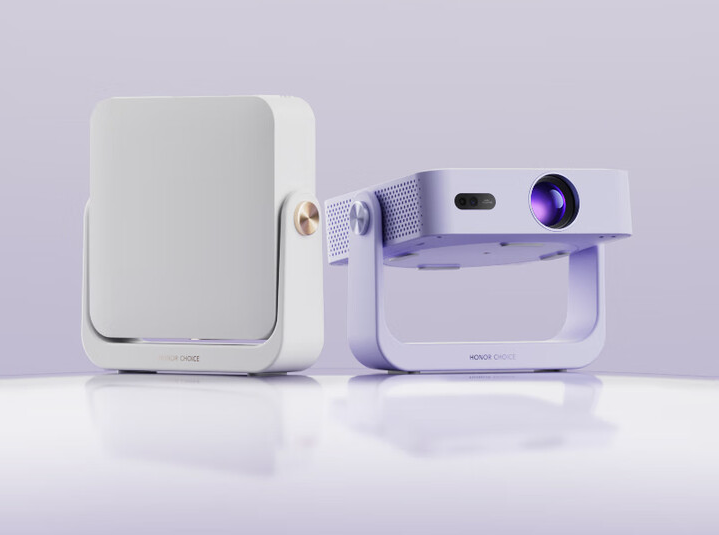
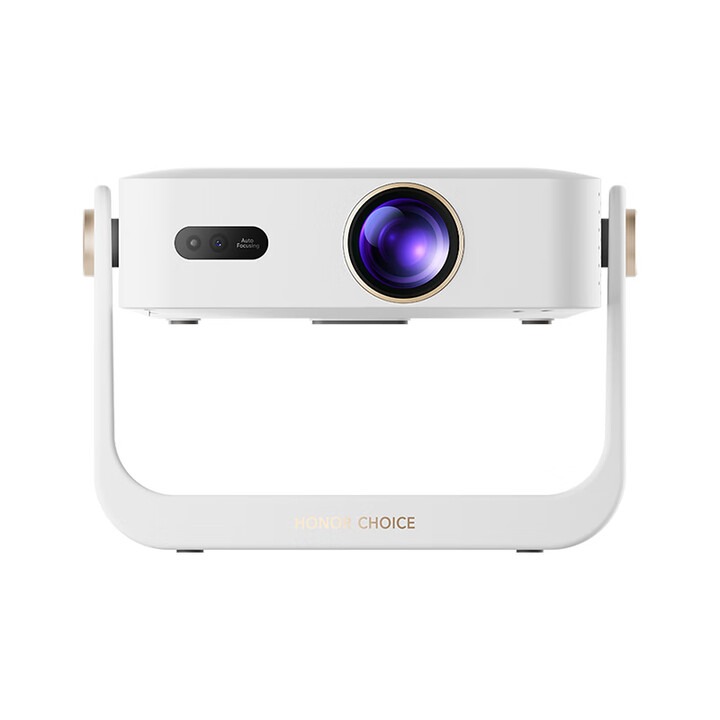
Honor has introduced the Honor Choice Firefly AI Projector Air at the Honor 500 Series launch event. The compact 1080p projector is powered by the HiSilicon 352 quad-core chip, paired with 32GB of storage to support smoother system performance and faster video processing. It uses a 1LCD optical engine and a 4-element lanthanide glass lens designed to reduce light loss and improve clarity.
The projector delivers 280 CVIA lumens of brightness and a 2500:1 contrast ratio, targeting home viewing and small-room projection needs. It supports AI air-gesture control, enabling slide, tap, drag, and select actions without touching a remote. AI touch projection and remote-based air-operation are also included, giving users multiple hands-free interaction options.
For setup and calibration, the device offers a full AI image-adjustment system, featuring auto keystone correction, auto focus, auto obstacle avoidance, and auto screen alignment. The system can detect borders, screens, and environmental obstacles to optimize framing without manual input.
Design-wise, the Firefly AI Projector Air weighs 1.22 kg, measures 55 mm, and features an integrated U-shaped gimbal stand with 160° tilt adjustment. Its compact profile allows it to be stored upright like a book and carried easily. Color options include Starry White and Mauve Purple.
Pricing & availability
The Honor Choice Firefly AI Projector Air will go on sale on December 8 at 10:00. It is priced at 599 yuan (~$84), and will be available via JD.com.
For more daily updates, please visit our News Section.
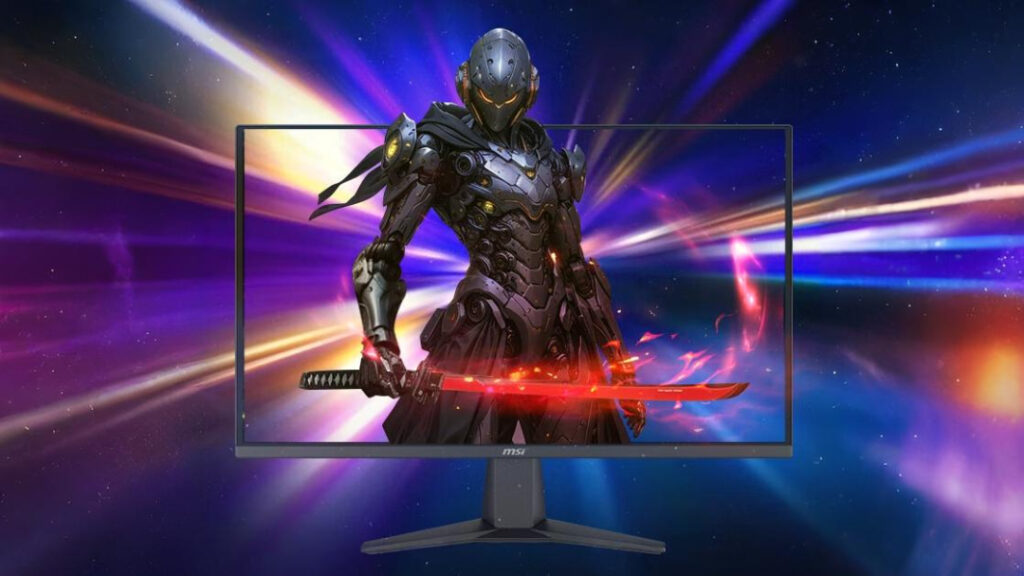
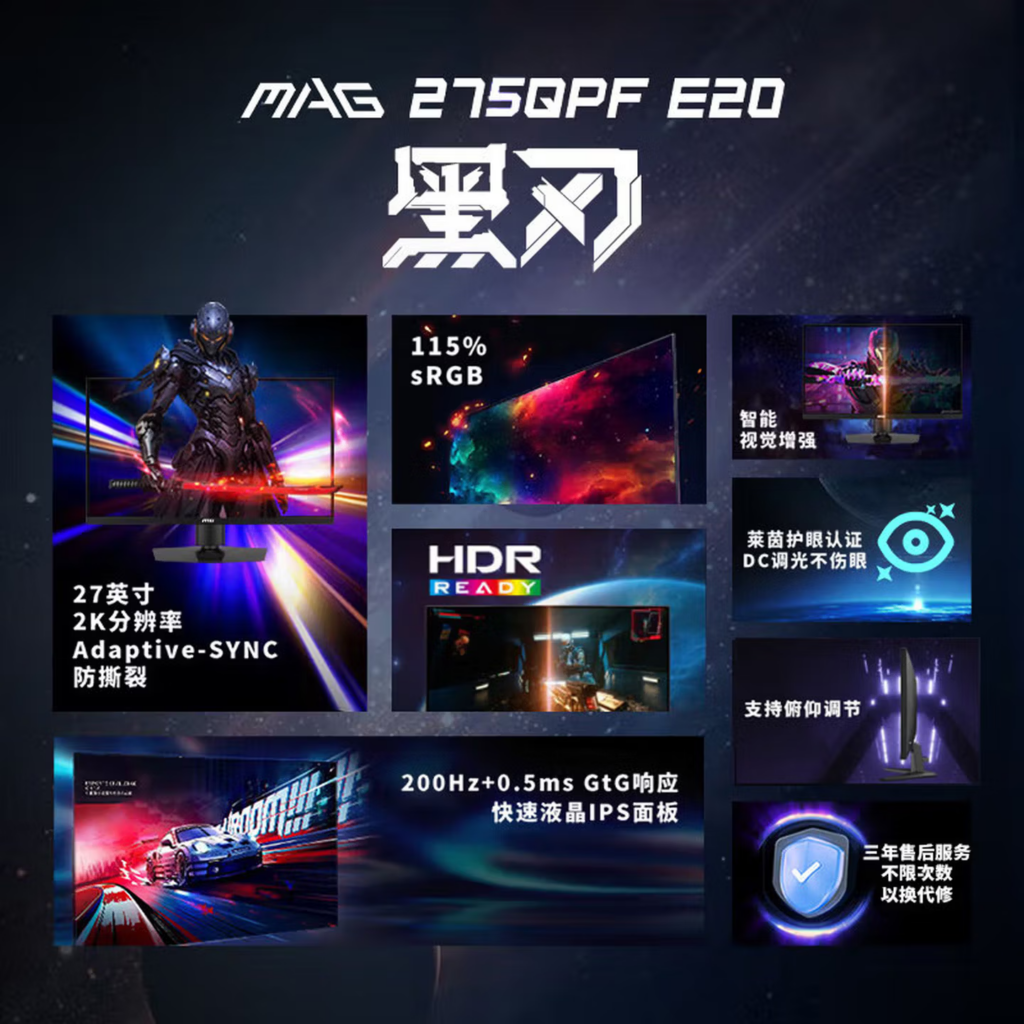
MSI has introduced a new budget gaming monitor under its MAG series in China. The MAG 275QF E20 is aimed at gamers looking for a fast and immersive experience without spending too much. The product is now available at a retail price of 789 yuan ($111).
MSI MAG 275QF E20 Specifications
The MAG 275QF E20 uses a 27-inch flat Fast IPS panel with a native QHD resolution of 2560 × 1440. It supports a 200Hz refresh rate when connected through DisplayPort, while HDMI reaches up to 144Hz. MSI rates the response time at 0.5ms GtG, which helps reduce motion blur and ghosting during fast action. The panel works with Adaptive Sync to limit screen tearing and lower input lag.
The monitor delivers 101% sRGB coverage under the CIE 1976 standard and uses an 8-bit panel with FRC to simulate 10-bit color output. It reaches a typical brightness of 300 nits and maintains a 1000:1 contrast ratio, which is standard for IPS panels in this range. MSI lists HDR support, although the 300 nit brightness indicates entry-level HDR capabilities. The panel offers wide 178° viewing angles both horizontally and vertically.
MSI equips the display with TÜV Rheinland-certified low blue light and flicker-free modes, DC dimming, and a matte anti-glare coating to reduce eye strain and reflections.
Connectivity includes two HDMI 2.0b ports, a DisplayPort 1.4a, and a 3.5mm audio output jack. The monitor supports tilt adjustments from -5° to 20°, and users can mount it using a 100×100mm VESA bracket. MSI also provides internal cable routing options to keep desk setups clean. The monitor weighs 3.95kg with the stand and 3.57kg without it.
The monitor uses smart visual enhancement tools that adjust brightness, saturation, and contrast in real time to improve visibility in darker scenes. It also sports a dynamic crosshair that shifts its color based on the background, making aiming clearer during gameplay.
In related news, AOC recently introduced the Q27G4SP, a 27-inch QHD IPS gaming monitor with a 320Hz refresh rate, and also unveiled the Q27G4SMN, a Mini LED gaming model that features a QHD panel, 300Hz support, and HDR1000 certification.
For more daily updates, please visit ourNews Section.
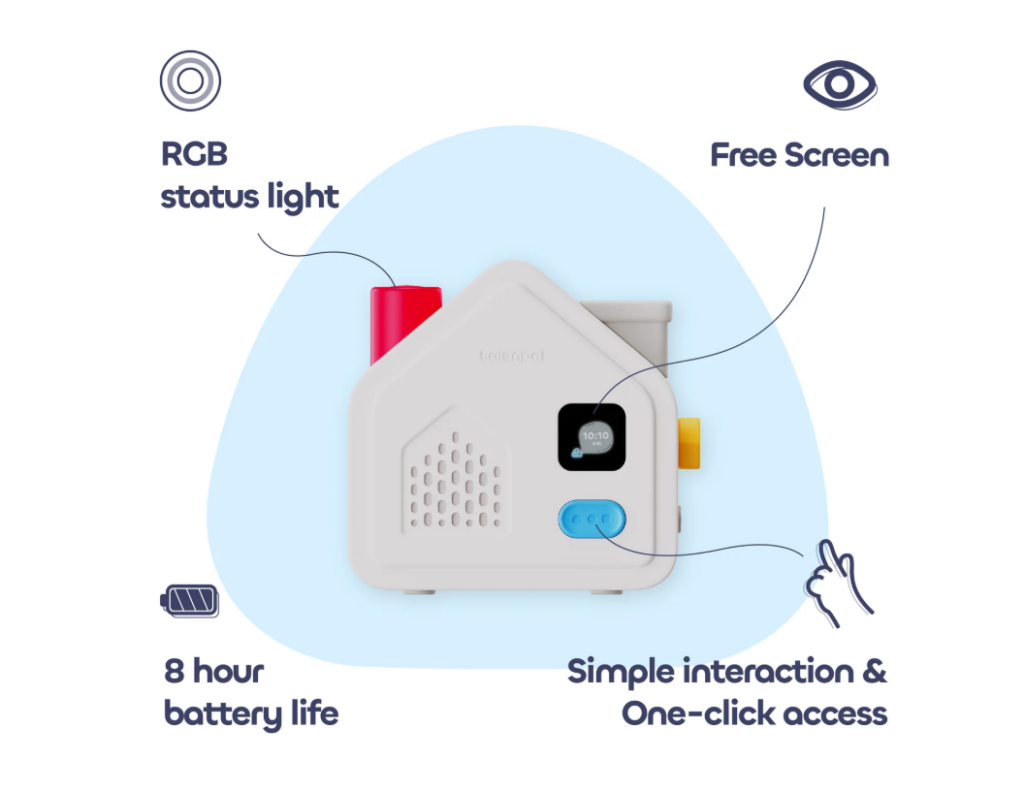
Talenpal is designed to inspire children through storytelling, music, and safe AI conversations. It helps kids explore ideas, express creativity, and build confidence, all through a playful and interactive experience. Whether they want to listen, talk, or create, Talenpal supports independent learning while keeping fun at the center. Every interaction feels natural, warm, and engaging, making it a perfect everyday companion for young minds.
Interactive AI Chats That Spark Curiosity
Kids can talk to Talens anytime and enjoy real-time, kid-safe AI conversations. These chats are designed to be gentle, informative, and age-appropriate. Children can ask questions, explore new topics, and enjoy discussions that fuel imagination and learning. With built-in safety controls, parents can trust every chat to be wholesome and secure.
Personalized Stories and Voice Replication
Talenpal creates personalized stories that reflect your child’s world, featuring their interests, routines, and characters they love. The built-in voice replication feature lets parents record their own voice, turning each story into a warm and familiar experience. This transforms story time into something magical, emotional, and truly personal.
A Growing World of Songs, Stories & Talens
Each Talen unlocks new songs, stories, and adventures. Children can explore a wide range of content that changes every month, keeping them inspired and excited. Talens attach magnetically and are made from safe PVC materials. They encourage kids to discover new worlds and stay engaged through fresh storytelling experiences.
Kid-Friendly, Safe, and Worry-Free for Parents
Every Talenpal Player experience is made with safety in mind, no ads, no unsafe browsing, and fully parent-controlled. Parents can track their child’s developmental journey, understand what interests them, and enjoy peace of mind knowing the environment is trustworthy. Volume levels are designed for child safety, with a limit below 85 dB.
Simple Controls Made for Kids
Talenpal Player uses large, easy-to-press buttons for power, volume, play/pause, AI activation, and voice recording. The 1.3-inch color LCD screen is bright and clear, while the durable ABS body is water-resistant and safe for daily kiddie adventures. With 8 hours of battery life and wired headphone support, it works perfectly for bedtime routines, quiet play, outings, and parent-child bonding time.
Powerful, Kid-Safe Hardware
Inside, Talenpal Player runs on a secure Armv8-M MCU with TrustZone protection. It supports Wi-Fi and Bluetooth LE for smooth connectivity. The device includes 8GB of storage, an omnidirectional microphone, and high-quality audio tuned for children’s hearing. It’s built to withstand drops, splashes, and everyday handling.
Designed for Durability and Comfort
Weighing 496g with dimensions of 128 × 102 × 121.5 mm, Talenpal Player is sturdy yet child-friendly. Made from safe ABS material, it passes drop tests and offers IPX-rated water and dust resistance. It ensures long-lasting performance even in energetic play environments.
A Companion That Grows With Your Child
From independent play to bedtime storytelling, Talenpal supports every moment of a child’s day. It encourages imagination, builds communication skills, and keeps learning fun. Backed by a 30-day happiness guarantee and a 1-year warranty, it’s a thoughtful, reliable companion for growing minds.
Big Savings on Talenpal Player
Grab the Talenpal Player now! Regular price $169.99, only $99.99 during Black Friday. And when your order crosses $100, you can take an extra $20 off using the code WELCOME20. There’s no better moment to bring home this kid-safe, creativity-boosting storytelling companion at an incredible deal.
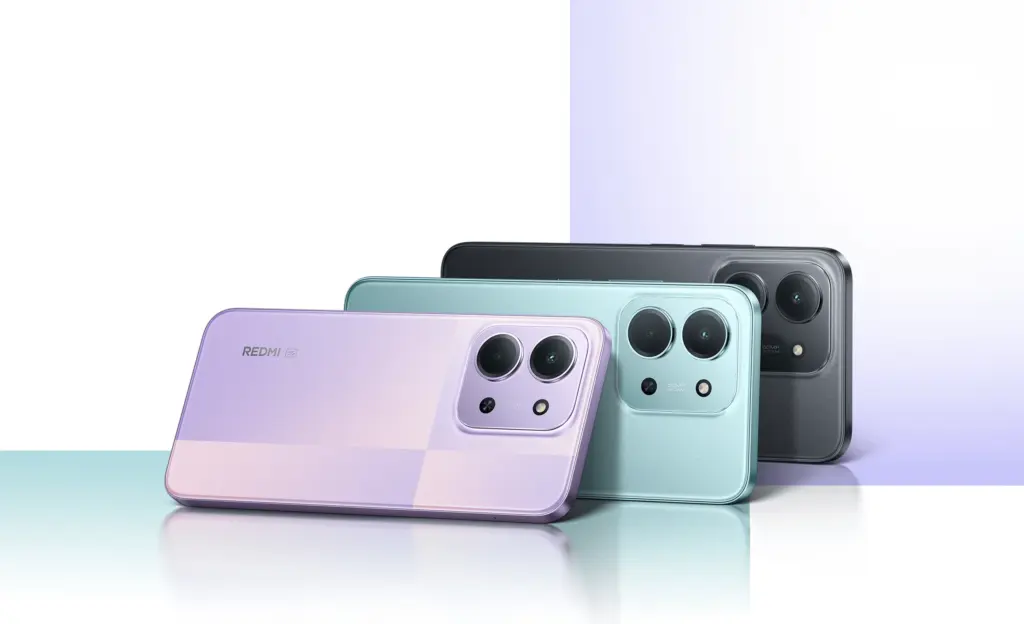
Xiaomi is gearing up to launch a new budget smartphone in India from its Redmi sub-brand soon. The Redmi 15C has just been teased in the region following its wider release. This model will be launching next month, so here’s everything we know so far.
Redmi 15C: When does it debut in India?
In a fresh teaser, the Chinese tech giant confirmed that the Redmi 15C will debut in India on 3rd December 2025. Looking at the image poster, we also get a glimpse of the upcoming budget phone. The rear appears to have a dual camera setup on the rear. However, the 4G version made its debut in China back in September 2025, with a European release of the 5G model following a few weeks later. So we can speculate regarding its key specs and features.
Redmi 15C 5G
What to expect?
To recall, the Redmi 15C sports a tall 6.9-inch LCD panel with an HD+ resolution, a 120Hz refresh rate, and 810 nits of peak brightness. Under the hood, this model is equipped with the MediaTek Dimensity 6300, unlike the Helio G81 Ultra on the Redmi 15C 4G version. This is paired with up to 8GB of RAM and 256GB of internal storage. Xiaomi also offered a microSD card slot for storage expansion up to 1TB.
A massive 6,000mAh battery pack powers this device, which supports 33W wired fast charging. On the rear, there is a 50MP dual camera setup, while the front houses an 8MP shooter for selfies and video calls. Other notable features include an IP64 rating for water and dust resistance, a 3.5mm audio jack, Bluetooth 5.4, a side mounted fingerprint scanner, NFC, and Android 15 OS based HyperOS 2.0.
For more daily updates, please visit our News Section.
We use cookies on our website to give you the most relevant experience by remembering your preferences and repeat visits. By clicking “Accept”, you consent to the use of ALL the cookies.
This website uses cookies to improve your experience while you navigate through the website. Out of these, the cookies that are categorized as necessary are stored on your browser as they are essential for the working of basic functionalities of the website. We also use third-party cookies that help us analyze and understand how you use this website. These cookies will be stored in your browser only with your consent. You also have the option to opt-out of these cookies. But opting out of some of these cookies may affect your browsing experience.
Necessary cookies are absolutely essential for the website to function properly. This category only includes cookies that ensures basic functionalities and security features of the website. These cookies do not store any personal information.
Any cookies that may not be particularly necessary for the website to function and is used specifically to collect user personal data via analytics, ads, other embedded contents are termed as non-necessary cookies. It is mandatory to procure user consent prior to running these cookies on your website.