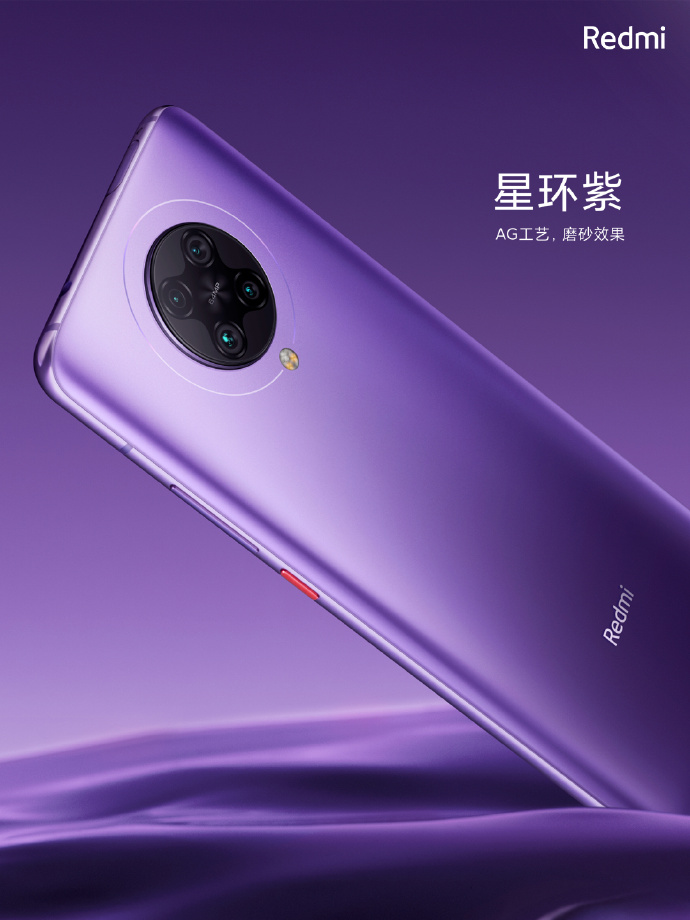
Xiaomi’s Redmi brand recently launched its new flagship smartphone — Redmi K30 Pro. At the time of the promotion period, the company had revealed that the 6GB RAM and 128GB storage version has LPDDR4x RAM.
However, many users have reported that the phone shows LPDDR5 RAM through the software. This has left many users confused about what’s true among them. Well, a Xiaomi executive has now clarified.
Wang Teng, an executive at Xiaomi has now clarified that the software is detection the RAM type wrong on the smartphone. This means that the phone indeed comes with LPDDR4x RAM and not LPDDR5.
The Redmi K30 Pro is currently the cheapest Snapdragon 865 mobile platform powered smartphone as it comes with a price tag of 2,999 Yuan (~$425) for 6GB RAM (LPDDR4X) + 128GB storage base variant.
The smartphone also comes in higher memory configuration options such as 8GB RAM + 128GB storage and 8GB RAM + 256GB storage, both of which are priced at 3,399 Yuan (~$480) and 3,699 Yuan (~$525) respectively.
The device features a 6.67-inch AMOLED FHD+ display, with a fingerprint scanner embedded under the screen. It is powered by the powerful Qualcomm Snapdragon 865 processor, along with Adreno 650 GPU under the hood.
As far as the optics department is concerned, the phone has a quad camera setup on the back that comprises of a 64-megapixel, 13-megapixel, 5-megapixel, and a 2-megapixel camera sensors. Upfront, it features a 20-megapixel camera for selfies and video calling.
It has a VC cooling system with 9 temperature sensors to restrict overheating while carrying out intensive tasks. The handset runs MIUI 11 based on the the latest Android 10 operating system. It draws power from a 4,700mAh battery that comes with support for 33W Fast Flash Charge technology.
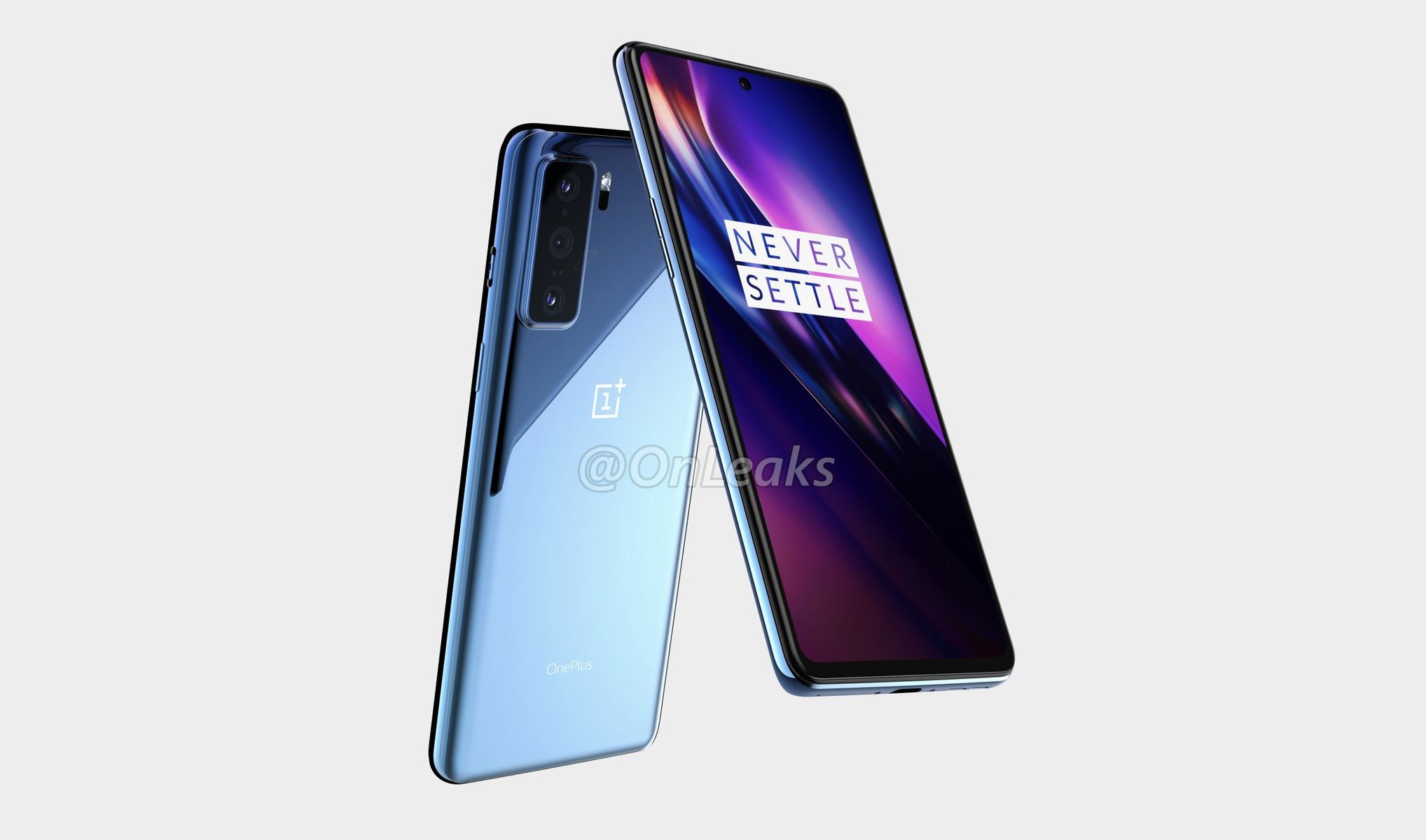
The OnePlus 8 and OnePlus 8 Pro smartpones are going to debut next month. The OnePlus 8 series will also include an upper mid-range model. The handset which is being referred to as OnePlus 8 Lite by the rumor mill is unlikely to go official with OnePlus 8 and 8 Pro. Reports claim that it may go official by the end of Q2. Max Weinbach who had leaked plenty of information on the Galaxy S20 series and Galaxy Z Flip before their official announcement. He is back with a vital information on the OnePlus 8 Lite phone. He has claimed that it will be debuting as “OnePlus Z.”
The source referred to it as "OnePlus Z" and said the hardware matched the previous OnePlus 8 Lite render. https://t.co/zB5PN9nQjW
The tipster first claimed that OnePlus is soon going to revamp the older OnePlus X under a new series. He further revealed that his source which revealed this information said that it will be arriving as OnePlus Z and its hardware matched the OnePlus 8 Lite. Now that the OnePlus Z is said to be a part of new series, it is likely that the company may release more upper mid-range Z series in future. At present, there is no information available on the upcoming OnePlus Z smartphone.
Rumors surrounding the OnePlus Z phone suggest that the phone will be sporting a 6.4-inch display that offers full HD+ resolution and 90Hz refresh rate. Like the OnePlus 8, it will be equipped with a flat display with a small round-shaped cutout for the selfie camera.
Rumors have it that it could be fueled by MediaTek Dimensity 1000L or Dimensity 1000 SoC. The rear side of the phone may sport a 48-megapixel + 16-megapixel + 12-megapixel triple camera setup. It may house a 4,000mAh battery that supports 30W Warp Charge 30T fast charging technology.
The OnePlus Z is expected to arrive in two options such as 8 GB RAM + 128 GB storage and 8 GB RAM + 256 GB storage. It may carry a starting price of GBP 400 (~$495).
Smartphone makers in India have requested the government to label phones as an essential commodity. They have also appealed to the authorities to let them deliver phones via e-commerce platforms amid 21 days lockdown to fight the outbreak of coronavirus in the country.
Industry bodies Manufacturers’ Association of Information Technology (MAIT) and India Cellular & Electronics Association (ICEA), which include top smartphone and other electronics manufacturers have drafted letters to the government appealing to remove restrictions on transportation of components for both inland and export businesses.
MAIT, in its letter, proposed the government to list e-commerce companies under essential services so that they could execute deliveries of essential goods under a ‘controlled logistics framework’. On the other hand, the letter written by ICEA raises concerns of miscommunication between the home ministry and state/district authorities, which has led to the stoppage of the electronics goods movement as the local authorities are being overcautious.
Mau Kumar Jain, the managing director of Xiaomi India said that smartphones have become an essential item after food and groceries. He also added that smartphones can help in increasing social distancing but due to unavailability, sales have declined by one crore this month alone. Out of which, 30%-40% purchases are made by first-time smartphone buyers, who are in dire need of them at the moment. Hence, Xiaomi is asking the government to let them carry on their business so they could help the people in need.
Realme India CEO Madhav Sheth also made a similar claim that smartphones are a ‘gateway to other services’, which could be invaluable during these hard times. Apart from asking the government to let them sell their devices, he goes a step ahead and even urges to let the brand open its certain service centers with safety precaution as it has been receiving multiple requests from customers who need after-sales support badly.
The OnePlus 8 series will go official next month. The rumor mill is now actively spilling information on the OnePlus 8 lineup. The leaked press renders of the OnePlus 8 have revealed its color variants. Also, the camera specs of the OnePlus 8 Pro are no secret. Moreover, a report from the past week had carried the key specifications of the OnePlus 8 and OnePlus 8 Pro. Many smartphone companies have been using the subway to tease its upcoming phones. Recently, a person was facemask was found using the OnePlus 8 Pro in subway.
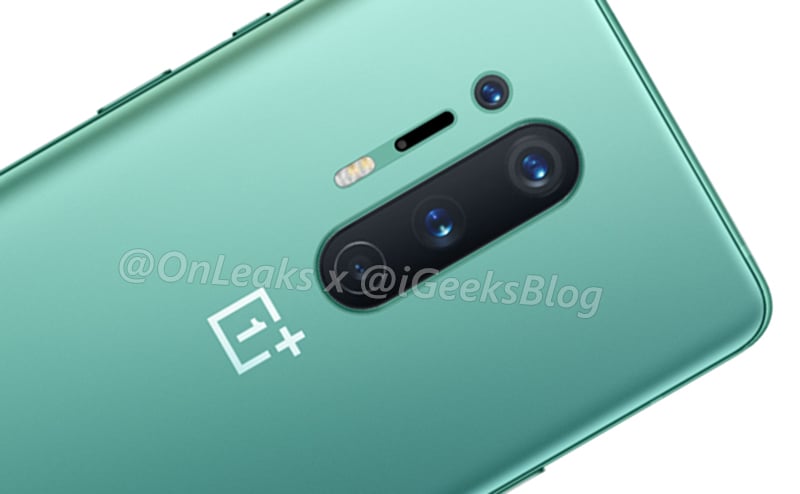
The leaked shot shows the OnePlus 8 Pro handset covered in protective case. However, the rear shot clearly reveals the presence of a vertical camera setup that includes three lenses. The fourth camera and an LED flash unit can be seen on the left of the camera strip.
The OnePlus 8 Pro’s quad camera setup has a 48-megapixel Sony IMX689 lens with f/1.78 aperture. This lens is also available on the OPPO Find X2 Pro’s triple camera system. The main shooter is coupled with an f/2.2 aperture Sony IMX586 48-megapixel ultrawide lens with a field-of-view of 120 degrees. An 8-megapixel telephoto lens with f/2.4 aperture is available as the third lens. It carries support for 3x optical zoom. The fourth camera is a 5-megapixel color filter. The OnePlus 8 Pro will come with photography features like OIS, EIS, Night Portrait Mode and 3-HDR.
The OnePlus 8 Pro has a 6.78-inch quad HD+ display that produces a refresh rate of 120Hz. The screen that curves towards the edges has a punch-hole for the 16-megapixel selfie camera. The Snapdragon 865 mobile platform powers the device.
The handset will come in 8 GB and 12 GB LPDDR5 RAM choices and UFS 3.0 storage versions of 128 GB and 256 GB. It will be backed by a 4,510mAh battery that supports 30W Warp Charge 30T, 30W fast wireless charging and 3W reverse wireless charging. It will be the first IP68 rated OnePlus phone and it will arrive in blue, black and green colorways.
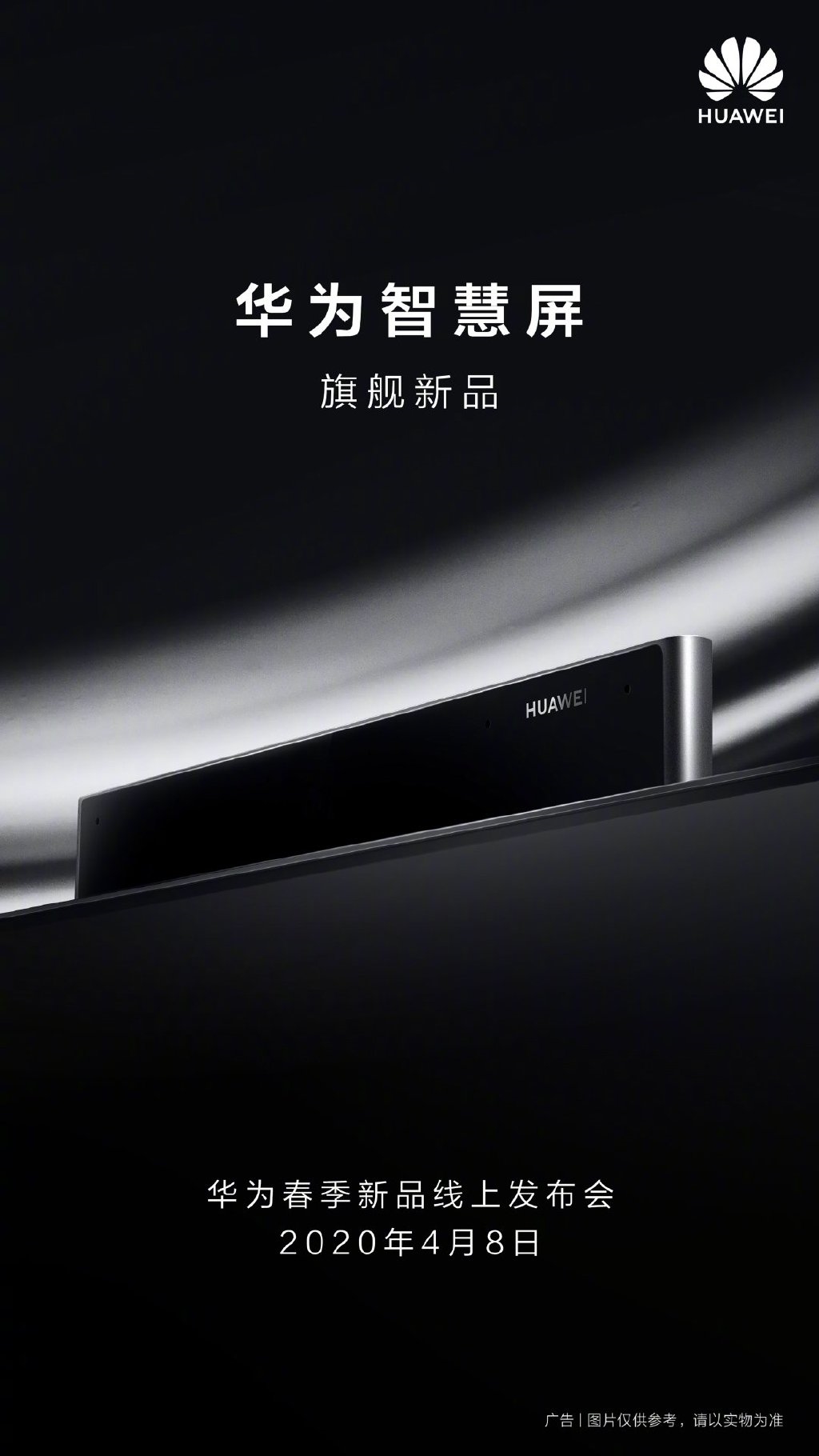
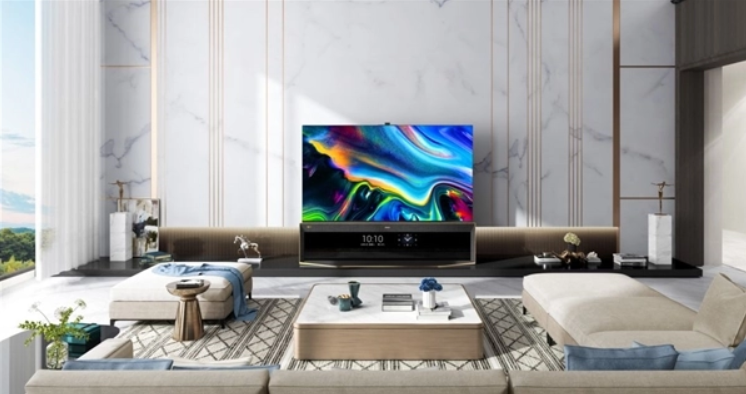
Last week, Huawei unveiled the Huawei P40, P40 Pro and P40 Pro+ flagship phones. These handsets will get a dedicated launch in China on April 8. The upcoming event in China will also see the arrival of some other products. Today, Huawei rolled out a new poster to reveal that it will be unleashing the Huawei Vision Smart TV with built-in pop-up camera alongside the P40 smartphones on April 8.
Unfortunately, nothing else is known about the mysterious Huawei Vision Smart TV. The Chinese firm had introduced its first 75-inch and 65-inch Vision Smart TVs last year in November. Priced at 12,999 Yuan (~$1,832), the 75-inch edition offered users with a Quantum Dot LED display. It produced 4K resolution with a high refresh rate of 120Hz along with HDR boost support. It came loaded with the company’s very own HongMeng OS (also known as HarmonyOS).
The Vision Smart TV was fueled by Honghu 818 quad-core processor.The smart TV was fueled by a 65W speaker unit that comprised of 6 full-range speakers coupled with a pair of tweeters, two passive radiators and a 1 woofer. Just as it is shown in the teaser poster above, the first Vision Smart TVs were equipped with pop-up camera for 1080p (30fps) video calls.
On the connectivity front, the TV came with support for dual-band Wi-Fi, Bluetooth 5., HDMI 2.0, USB 3.0 ports and coaxial. It also featured the Xiaoyi voice-assistant Earlier this month, the Chinese firm unveiled 65-inch Huawei Smart Vision TV Premium Edition that came with 4 GB of RAM and 128 GB of storage.
The Smart Vision TV from Huawei is a part of its “1 + 8 + N” strategy. In the three-layer structured strategy, 1 refers to smartphones, 8 refers to products like TV, PC, tablet, glasses, smartwatches, locomotives and earphones and N signifies a larger number of IoT devices.
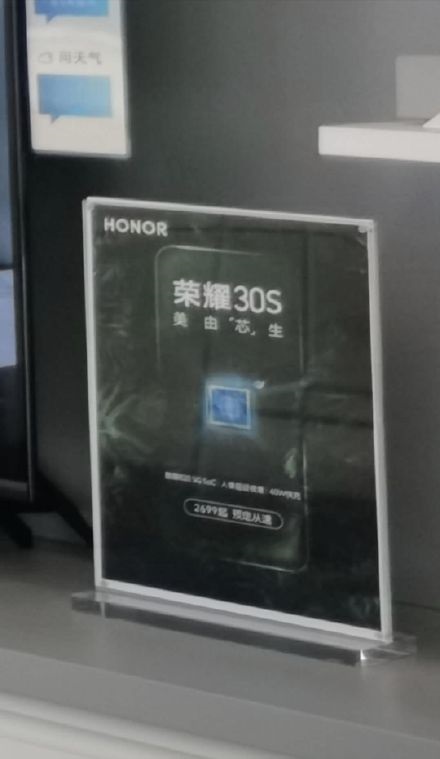
The Honor 30S is one device that has been in the news a lot lately. From leaked press renders to official teasers confirming certain features. A new leak that has appeared on the web just before the launch reveals the price of the phone.
The price was gotten from an image that is reported to have been taken at an official Honor Store. The photo shows a price plaque of the Honor 30S and at the bottom, it has a ¥2699 (~$380) price tag. This is believed to be the starting price of the phone.
The Honor 30S is an upper mid-range 5G phone with a Kirin 820 5G processor inside, 8GB of RAM, and 128GB of storage. It will have four rear cameras with a 64MP primary camera. It is also reported to have 3x optical zoom.
The phone has an FHD+ punch-hole display, a rectangular camera housing, and a side-mounted fingerprint scanner. It will run Android 10 out of the box and have support for 40W wired charging. It will be available in gradient blue-purple and green colorways.
The Honor 30S launches tomorrow alongside the Honor 30 and Honor 30 Pro.
Update: The source of the leak has posted new info that says the phone has four rear cameras and not five. The article has been corrected to reflect the new camera specs.
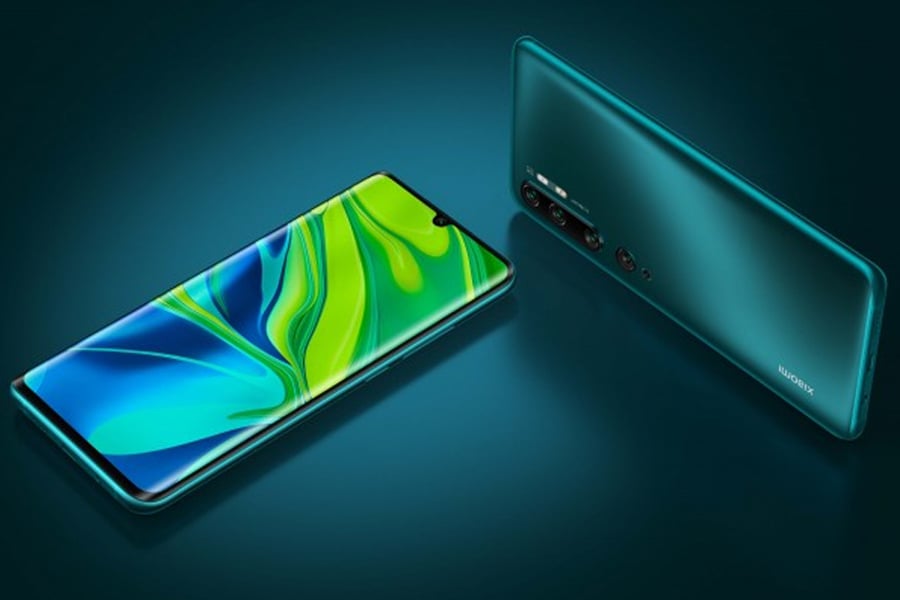
Xiaomi’s Mi Note 10 launched late last year as a premium mid-range phone with a focus on camera performance. The phone and its Pro version are the first in the world to have a 108MP sensor and the pro-model currently sits at the sixth spot on DXOMark’s list of phones with the best cameras. A new leak has revealed there will be a “Lite” version of the phone.
The specs of the Mi Note 10 Lite were posted on Twitter by Sudhanshu Ambhore last Friday but he wasn’t sure about the name of the device. Yesterday, he confirmed in a quoted tweet that the phone is indeed the Mi Note 10 Lite.
According to the original tweet, the phone has model number M2002F4LG. It will have a 6.47-inch display just like the Mi Note 10 but there is no mention of the type of display (AMOLED or LCD). We also don’t know if it will have a waterdrop notch or a punch-hole.
And there's a 16MP front camera, instead of 32MP found in Mi Note 10
The Mi Note 10 Lite will swap the 108MP primary camera for a 64MP camera. It will also have an 8MP camera, a 5MP camera, and a 2MP camera for a quad-camera setup. The phone also replaces the 32MP selfie camera of the Mi Note 10 with a 16MP sensor.
With respect to the processor, the Mi Note 10 Lite will have Qualcomm’s Snapdragon 730 under the hood. The RAM and storage capacity wasn’t stated but there will be two versions.
The phone will pack a 5260mAh battery just like its siblings with support for 30W wired fast charging and will run Android 10 out of the box.
There is no info about a release date yet but more details should surface next month.
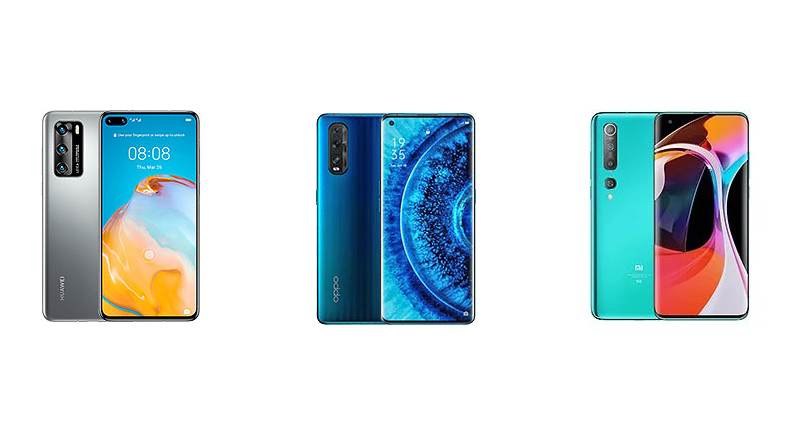
Every time new flagships series get released, everyone looks at the Pro versions and a lot of people do not understand that vanilla versions have a way higher value for money and they can be enough for their needs. That may be the case of Huawei P40, Oppo Find X2 and Xiaomi Mi 10. If you do not need the most impressive camera ever and a few other special features such as a waterproof design and wireless charging, they can let you save a lot of money while still being the perfect devices for you. But which is the best device for your needs from this trio? Through this comparison, we will try to give you the answer to this question.
Huawei P40 vs Oppo Find X2 vs Xiaomi Mi 10
Xiaomi Mi 10
Huawei P40
Oppo Find X2
DIMENSIONS AND WEIGHT
162.6 x 74.8 x 9 mm, 208 g
148.9 x 71.1 x 8.5 mm, 175 g
164.9 x 74.5 x 8 mm, 196 g
DISPLAY
6.67 inches, 1080 x 2340p (Full HD+), Super AMOLED
Triple 50 + 8 + 16 MP, f/1.9 + f/2.4 + f/2.2
32 MP f/2.0 + IR TOF 3D front camera
Triple 48 + 13 + 12 MP, f/1.7 + f/2.4 + f/2.2
32 MP f/2.2 front camera
BATTERY
4780 mAh, fast charging 30W, Fast wireless charging 30W
3800 mAh, fast charging 22.5W
4065 mAh, fast charging 65W
ADDITIONAL FEATURES
Dual SIM slot, reverse wireless charging 10W, 5G
Dual SIM slot, 5G, IP53 splash resistant
Dual SIM slot, 5G, IP54 splash proof
Design
Oppo Find X2 is one step forward when it comes to the aesthetics, at least in its ceramic variant. Besides offering a very high screen-to-body ratio and a camera module comprising all the camera elements, the device has a ceramic back and it is also splash resistant with the IP54 certification. While Oppo Find X2 offers a more premium design, Huawei P40 has a more compact body. With its smaller display, it is much easier for one-handed use and to keep in a pocket. But its huge camera module and its big punch hole are not the best solutions to make a beautiful phone. Xiaomi Mi 10 sits in the middle but unlike the Huawei P40 and the Oppo Find X2 it does not offer any protection against dust and water.
Display
Oppo Find X2 is one of the best smartphones for display quality. It has exactly the same panel as the Oppo Find X2 Pro and it is superior to both Huawei P40 and Xiaomi Mi 10 by a huge margin. It offers a high Quad HD+ resolution, a 120 Hz refresh rate, a 240 Hz touch-sampling rate, up to 800 nits brightness, HDR and complete DCI-P3 gamut. The second place goes to Xiaomi Mi 10 boasting a 90 Hz refresh rate, a 180 Hz touch-sampling rate, and HDR10+. Huawei P40 is disappointing if we compare its display to Xiaomi Mi 10 and Oppo Find X2, but it has a more compact size.
Hardware/Software
With the Oppo Find X2 and Xiaomi Mi 10, you get a better chipset: the Snapdragon 865 paired with a Snapdragon X55 which is an external 5G modem supporting both sub-6 GHz frequencies and mmWave. You even get exactly the same memory configurations, so you should not notice big differences in performance. What differs is the software side, but excellent software in both cases. The ColorOS 7 contains several improvements and new features compared to the sixth version, and the MIUI 11 is amazing as well. Huawei P40 has a less performing chipset and less RAM, and it does not come with Google services out of the box.
Camera
If we talk about the camera we still can not give you a definitive verdict since we still did not test all the cameras. While Xiaomi Mi 10 might offer better capabilities at video recording, Oppo Find X2 and Huawei P40 may actually give you a better overall experience. But specs on the paper are not enough to judge the overall quality of these devices like camera phones.
Battery
Xiaomi Mi 10 is the winner of the battery comparison since it packs a way bigger 4780 mAh battery which should last a lot more on a single charge. It is also the only to support wireless charging and reverse wireless charging. On the other hand, Oppo Find X2 has the fastest wired charging technology with a power of 65W. The phone is able to go from 0 to 100 percent in just 38 minutes.
Price
Huawei P40 and Xiaomi Mi 10 have a starting price of €800 globally, Oppo Find X2 will cost €999 (12/256 GB). There is not a definitive winner of this comparison, but I would not go for the Huawei P40 for that price. Oppo Find X2 is my favorite one due to its amazing display and fastest charging technology, as well as an amazing triple camera. But Xiaomi Mi 10 will offer a longer battery life and wireless charging, so it is still a valid handset.
The OnePlus 8 Pro’s launch draws closer with each passing day, and while we wait for an official confirmation, leaks are pouring in that reveal key details about the upcoming phone.
If you are curious about the camera configuration of the OnePlus 8 Pro, you don’t have to wait till launch day as the teenage leaker, Ishan Agarwal (@ishanagarwal24), has shared the specifications.
According to the leaker who has partnered with the Indian blog, PriceBaba, the OnePlus 8 Pro will have a 48MP primary camera which is a Sony IMX689 sensor with F1.78 aperture size. This is the same sensor used by the OPPO Find X2 Pro.
The phone will also have a second 48MP camera but this is the Sony IMX586 sensor. This second camera is the ultrawide angle camera with an f/2.2 aperture and a 120° field of view. The third camera is an 8MP telephoto camera with an f/2.4 aperture and 3x optical zoom. The OnePlus 8 Pro will also be capable of 30x digital zoom. The fourth camera sensor is a 5MP color filter.
The leaker mentioned some software features coming to the phone such as Night Portrait Mode, improved OIS and EIS, cinematic effects and a feature called “3-HDR”.
The OnePlus 8 Pro will make it to DXOMark’s list and should be among the top 5 devices but it remains to be seen how long it will retain its spot before being pushed out of the top 10 list.
A new leak of the OnePlus 8 has just been posted on the web and it reveals a color variant we have never seen before as well as several pictures of the phone from different angles.
The source of the leak is Roland Quandt’s WinFuture.de tech blog. According to the site, the OnePlus 8 will be announced on April 15. The phone will come in three colorways – Glacial Green, which leaked recently; Onyx Black; and a third color gradient variant called Interstellar Glow.
[envira-gallery id=”313462″]
The OnePlus 8 has a 6.55-inch Fluid AMOLED display with an FHD+ resolution and curved sides. There is a punch-hole at the top left corner for the selfie camera. Unlike last year’s OnePlus 7 which skipped on the high refresh rate, the OnePlus 8 will have a 90Hz refresh rate.
The back of the phone is also curved and covered in glass. There is a USB Type-C port at the bottom of the device flanked by two cut-outs for the speaker on one side and the microphone and SIM tray on the other side.
The OnePlus 8 will have a Snapdragon 865 processor inside with 8GB of RAM and 128GB of storage or 12GB of RAM and 256GB of storage. This is a OnePlus phone after all, so there is no support for storage expansion.
[envira-gallery id=”313467″]
Unlike last year’s model that has just two rear cameras, the OnePlus 8 has three – a 48MP primary sensor, a 16MP ultrawide angle camera, and a 2MP depth sensor. The selfie camera is a 16MP sensor, the same pixel count OnePlus has used since the OnePlus 3T.
There is a 4300mAh battery inside with support for 30W fast charging. The phone will run Android 10 out of the box with a new version of OxygenOS that we expect will bring lots of new features.
Several countries have asked their citizens to stay at home to stem the transmission of COVID-19. Based on this, people are turning to their devices to keep them from being bored. The internet is flooded with several challenges, talks of what shows to stream, and of course games to play.
For this week’s poll, we want to know which device is your most-used during this forced-but-very-necessary stay-at-home period. Are you glued to your phone? Watching TV? Working (or playing) on your computer? Or trying to finish that game you’ve been playing for months on your console? Also, do share other activities you are doing during this period.
The Meizu 17 series is expected to launch next month. Alongside the Meizu 17 5G, there will also be a Meizu 17 Pro 5G. There have been lots of leaks covering the specifications and design of the two phones. A new one has been posted on the web and this time it confirms both the specs and the design of the phone.
The source of the leak is Digital Chat Station and he has shared camera watermarks for the two devices. These watermarks confirm the official names of the phones, reveal their camera arrangements, and also the number of cameras they have.
1 of 2
Meizu 17 5G
Meizu 17 Pro 5G
The Meizu 17 5G and Meizu 17 Pro 5G will both have their rear cameras arranged horizontally just like those of the Samsung Galaxy S10 Plus. There are five circles based on the watermark but the phones most likely have four rear cameras with the fifth (middle) being the LED flash.
The source not only shared the watermarks for the phones but also their model numbers. The Meizu 17 5G is said to have model number M2081 while the Meizu 17 Pro 5G has model number M2091.
Meizu’s flagships will come with Qualcomm’s Snapdragon 865 processor. There are reports they will have AMOLED displays with a punch hole for the selfie camera. It has also been reported that the flagships will have wireless charging support.
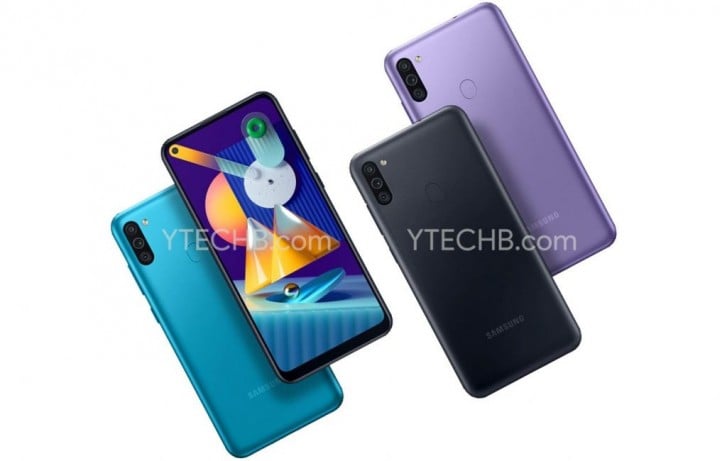
Samsung recently unveiled the Galaxy M31 and Galaxy M21 smartphones in India. Recent reports have suggested that the Galaxy M11 entry-level smartphone may go official soon since it has been spotted at Taiwan’s NCC regulatory body, Wi-Fi Alliance and Google Play Console. While the launch date of the phone is still under the wraps, a fresh leak has revealed its press renders and entire specifications.
Samsung Galaxy M11 design
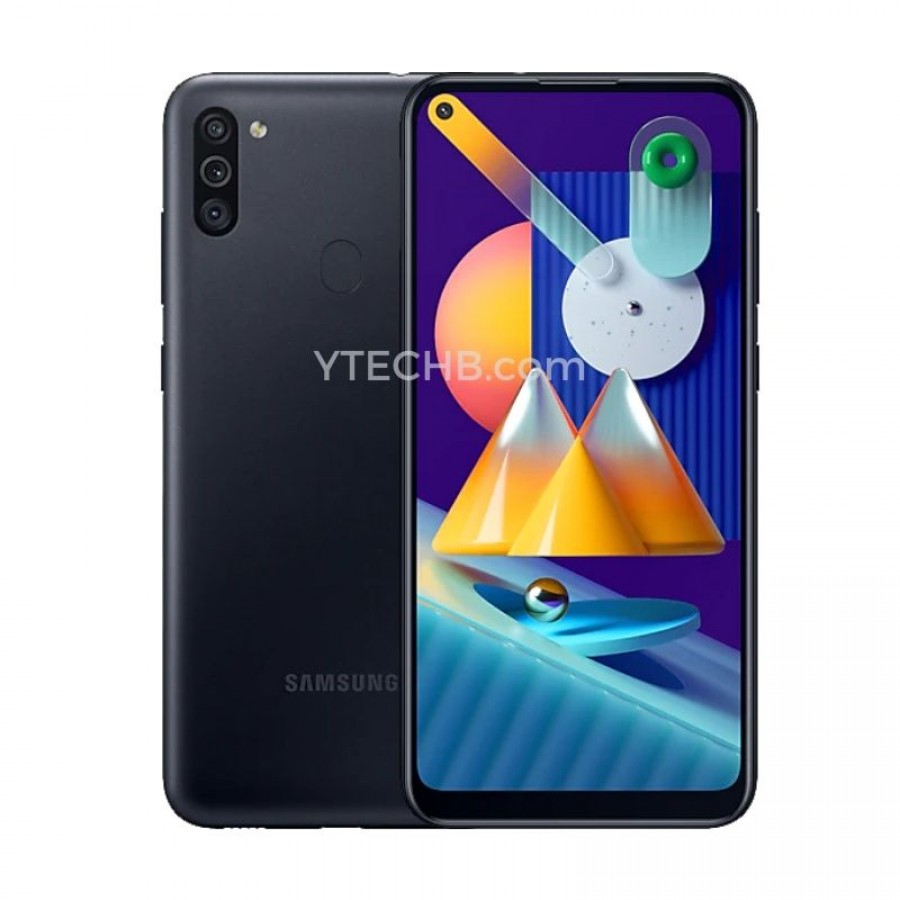
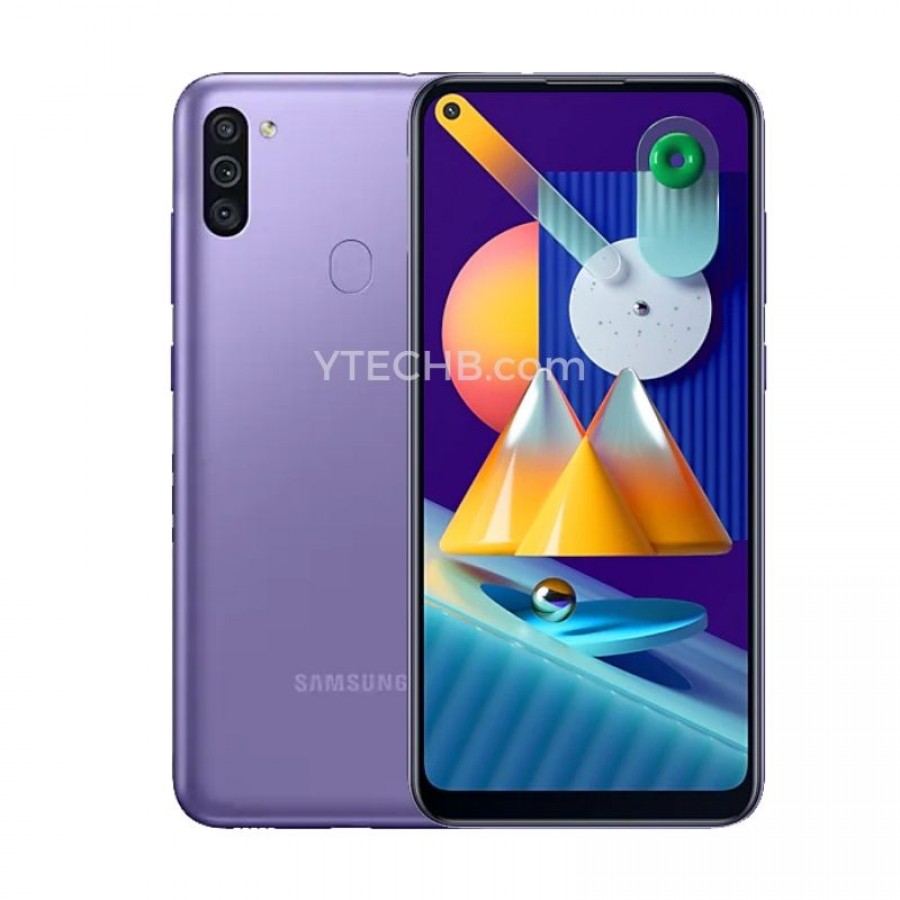
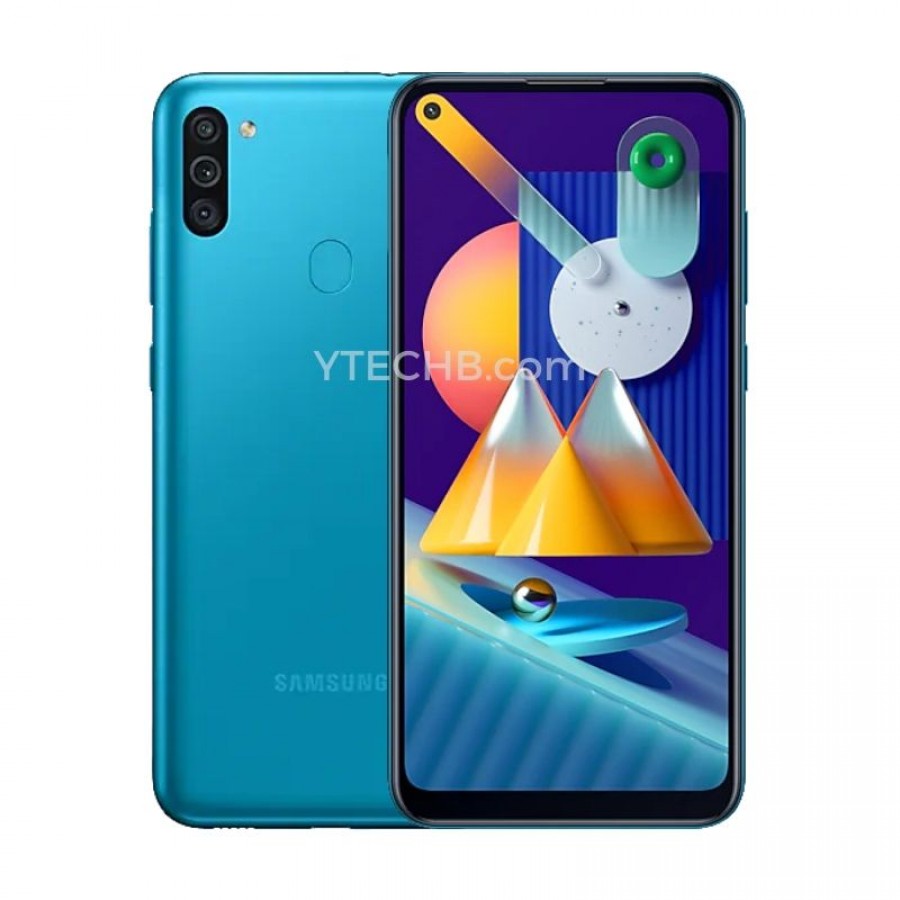
The leaked images show that the Galaxy M11 will come in three colors such as black, purple and blue. The rear shell of the phone seems to be made out of polycarbonate material. The back panel of the phone has an LED assisted triple camera system and a fingerprint reader. A punch-hole display is present on the device.
The Galaxy M11 specs leak reveals that it has a 6.4-inch LCD display. The screen produces 720 x 1560 pixels. The punch-hole on the screen housing a frontal shooter of 8-megapixel with f/2.0 aperture.
The older Snapdragon 450 chipset with its 1.8GHz octa-core processor powers the Galaxy M11. The phone will come in 3 GB and 4 GB RAM choices. The smartphone will be available in 32 GB and 64 GB storage choices. A microSD card slot is onboard for additional storage.
The rear side of the Galaxy M11 has a triple camera system. It has a 13-megapixel main lens with f/1.8 aperture, a 5-megapixel ultrawide sensor with f/2.2 aperture and a 2-megapixel depth assist lens with f/2.4 aperture.
The Galaxy M11 houses a 5,000mAh battery that is equipped with support for 15W charging through USB-C. The One UI 2.0 based Android 10 OS will come preinstalled on the smartphone. The other features of the phone include face unlock and 3.5mm audio jack.
After launching new smartphones, smartwatches and other wearables, the Chinese electronics maker are soon launching a new premium smartphone having high-end specification on April 8. Already, a lot about the UMIDIGI S5 Pro has appeared in recent leaks and rumors. A new leak today has uncovered its beautiful display design which is looking better than Huawei P40 Pro.
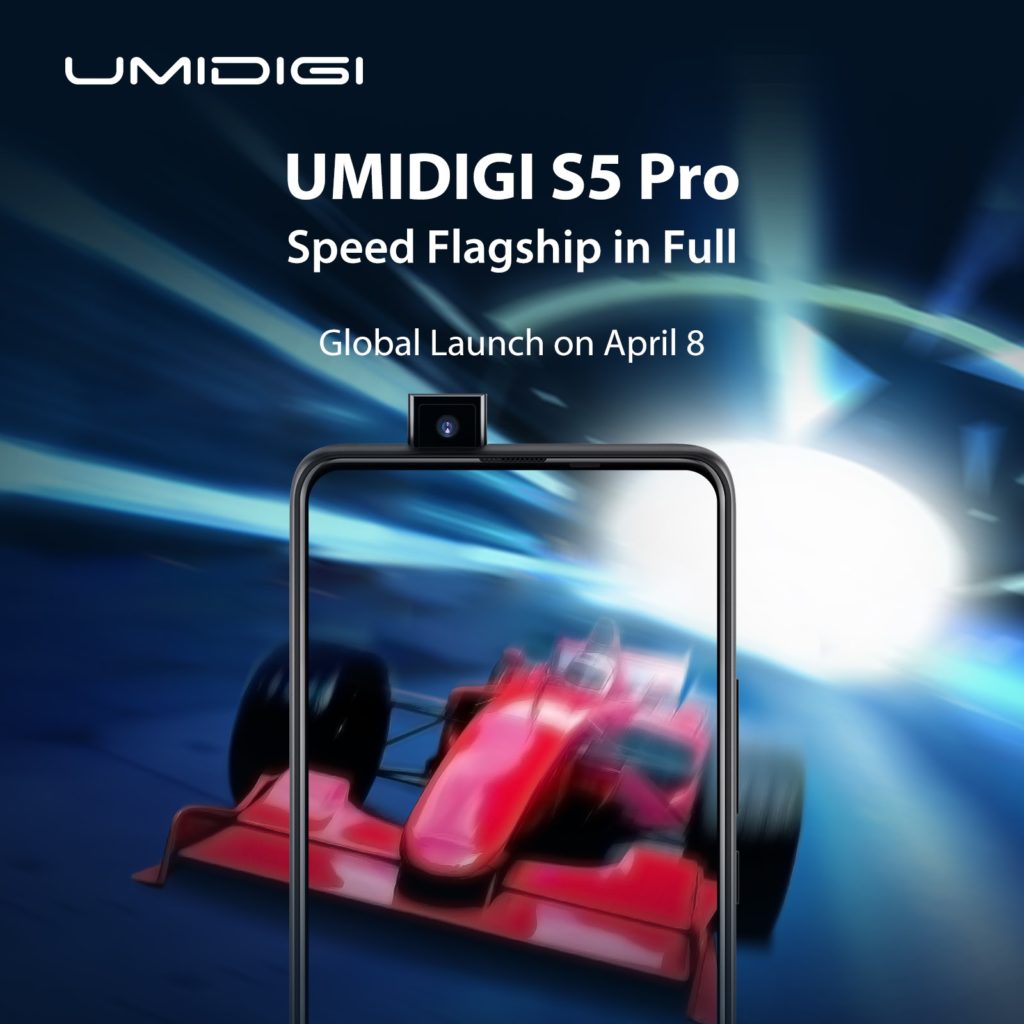
Umidigi’s next flagship device is launching early next month with an amazing full view display featuring a pop-up selfie camera instead of the punch hole.
Following the flagship launchings from Huawei and Xiaomi, the Umidigi is around the corner with its new premium S series smartphone. The Umidigi S5 Pro will have some top-notch features that we are detailing below.
Pop-Up camera for full-view display
Eliminating any punch-hole or waterdrop notch as like on Huawei P40 Pro, Umidigi will bring a pop-up camera to provide fluent user-experience without any problem. In a recent launch teaser from the company, the smartphone will provide premium display experience.
In-Display Fingerprint
Busting the rumors of side fingerprint sensors, Umidigi in a new teaser hints the phone to carry a regular-sized power button that confirms the presence of an in-display fingerprint sensor on UMIDIGI S5 Pro. It will be a great addition to enhancing the user experience.
Performance
The company didn’t reveal anything about the processor or GPU present on the device. However, some rumors state the presence of a liquid cooling system and massive internal storage capacity. It will be the “Speed Flagship” that will hosts specifications on par with its predecessors.
Availability and Pricing
There are scarce details available regarding smartphone pricing, but we expect it would be priced under $300. The smartphone is teased to be launching on April 8.
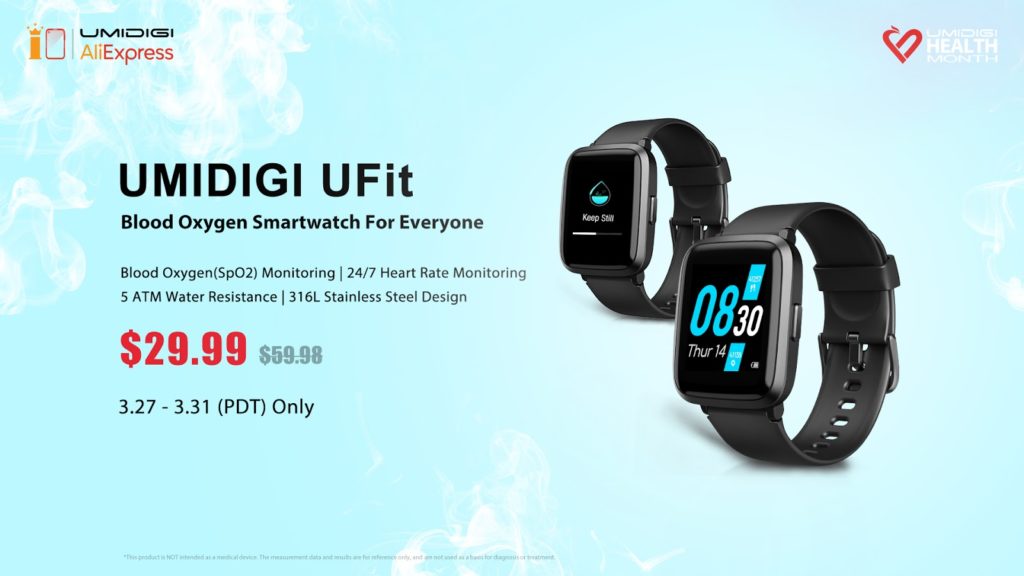
Additionally, the health enthusiasts can grab the UMIDIGI UFit smartwatch with a SpO2 monitor at only $29.99. Moreover, Umidigi is offering massive discounts on most of the products to celebrate the AliExpress 10th Anniversary. The interested users can shop here the discounted products on AliExpress.
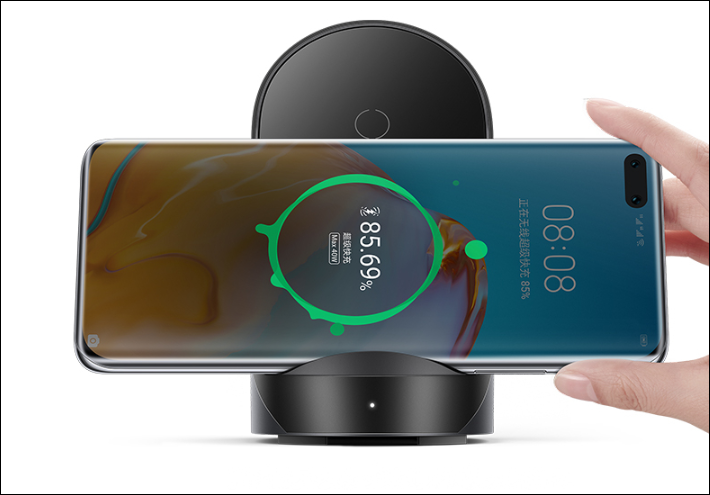
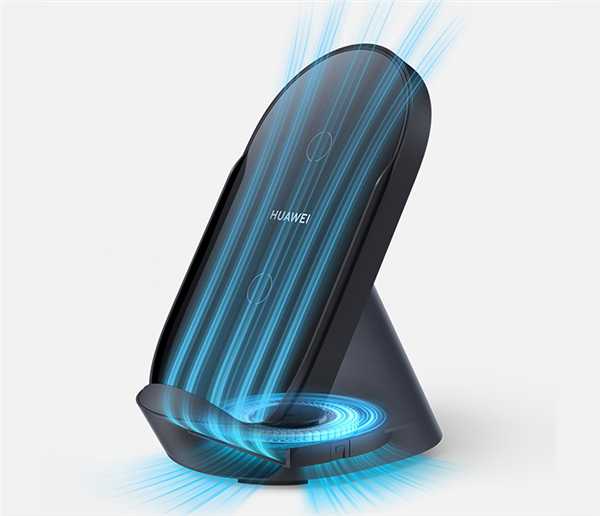
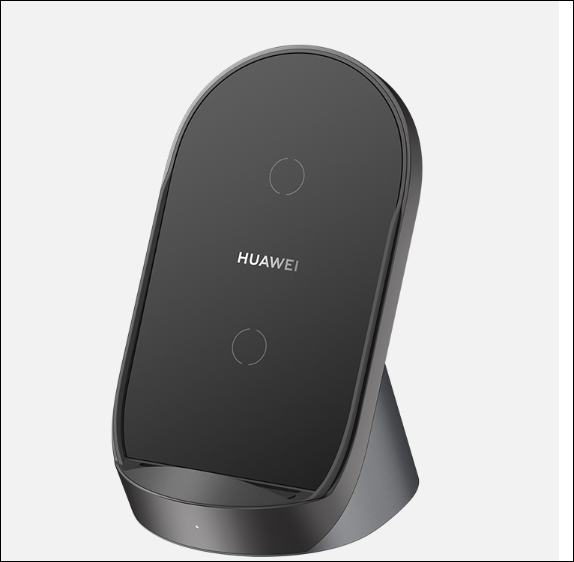
During the P40 series launch event held on March 26, Huawei equally launched a couple of accessories including protective cases and wireless chargers for the models. One of the wireless chargers is the Huawei SuperCharge Wireless Charger Stand. The product has now opened for pre-orders on Jungdond (JD.com).
The JD.com product page for the gadget requires intending buyers to deposit 30 yuan to join the queue. The page countdown timer also suggests that the product will go on sale in ten days time, specifically on April 7. Unfortunately, the price is yet to be revealed.
Wireless charging is fast becoming one of the important standards for flagship mobile phones. As a result, we have seen some improvements in the power output of wireless chargers and the output has even surpassed that of wired chargers in some cases. Huawei’s latest P40 series support wireless charging at different capacities. While the P40 and P40 Pro support 27W wireless fast charging, the P40 Pro Plus brings support for 40W wireless fast charging.
Huawei’s latest SuperCharge Wireless Charger Stand supports 40W wireless fast charging. The charger uses a high-gloss glass panel + aluminium alloy, with a 60-degree elevation as well as a silicone non-slip mat at the bottom. There is an external LED indicator which displays the current charging status of the phone at any point in time. The LED also flashes in different ways to show if it is in the standby state charging mode or if there is a metal obstruction (quick flashes).
The charging dock comes with a built-in centrifugal fan which cools the phone while charging. The fan automatically adjusts its speed based on the ambient temperature, such that it automatically switches to the ultra-quiet mode at night. The product is compatible with most phones that support wireless charging.
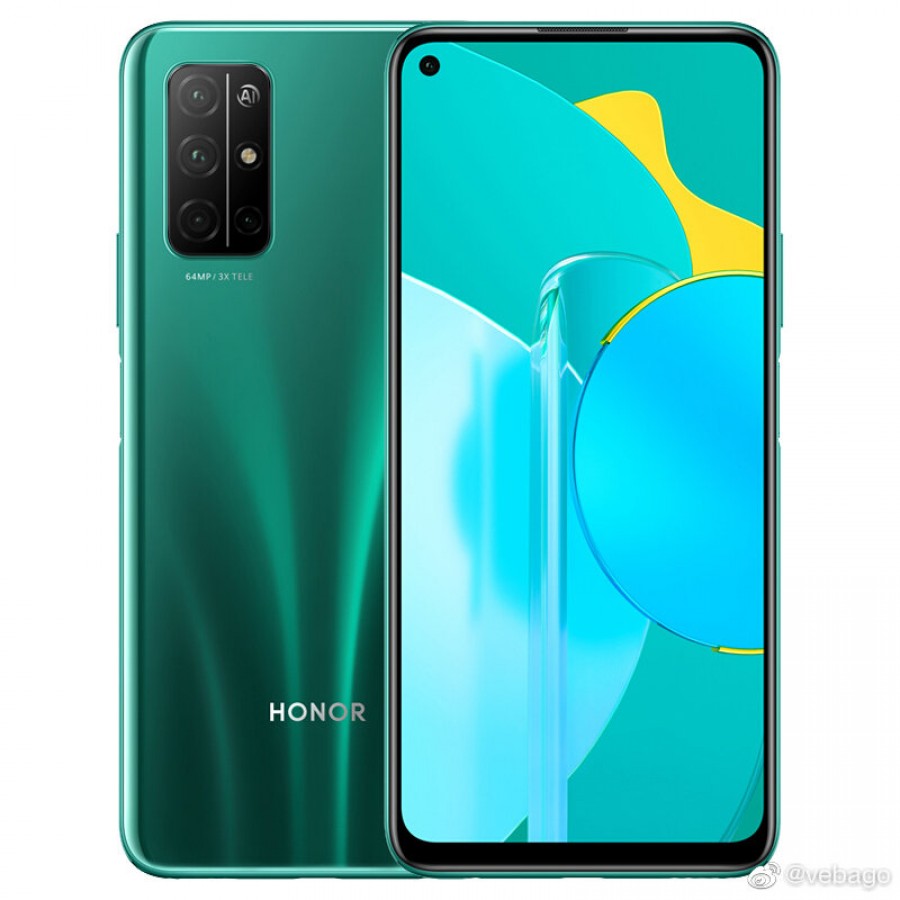
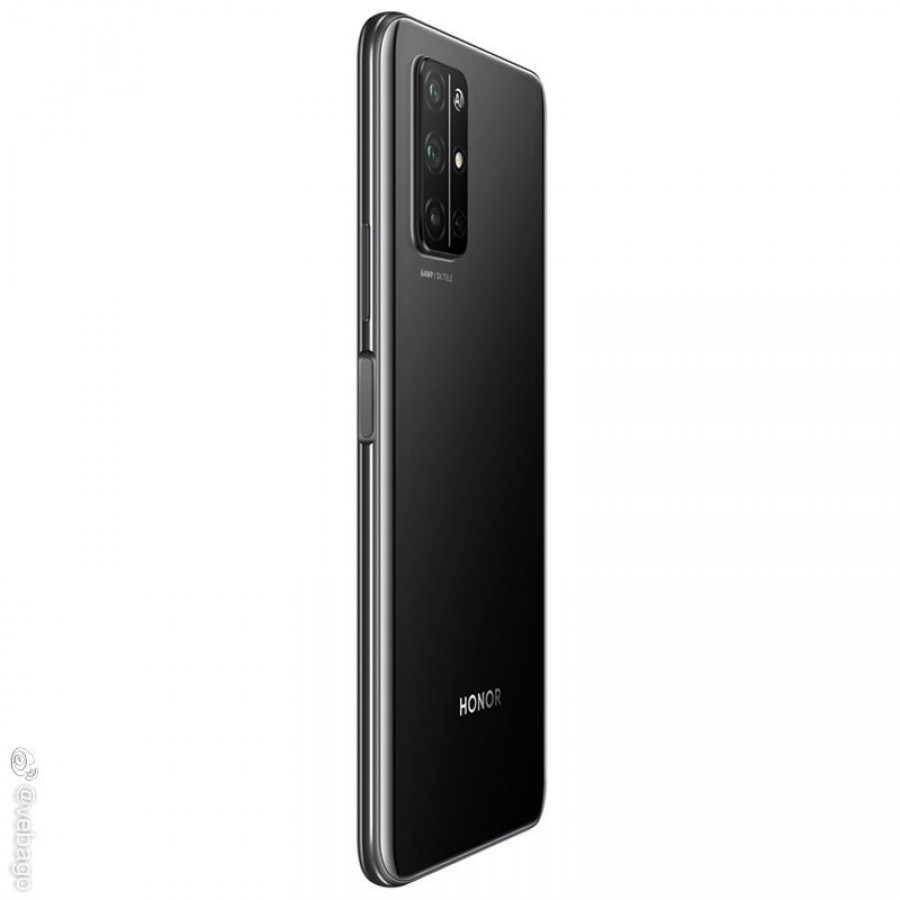
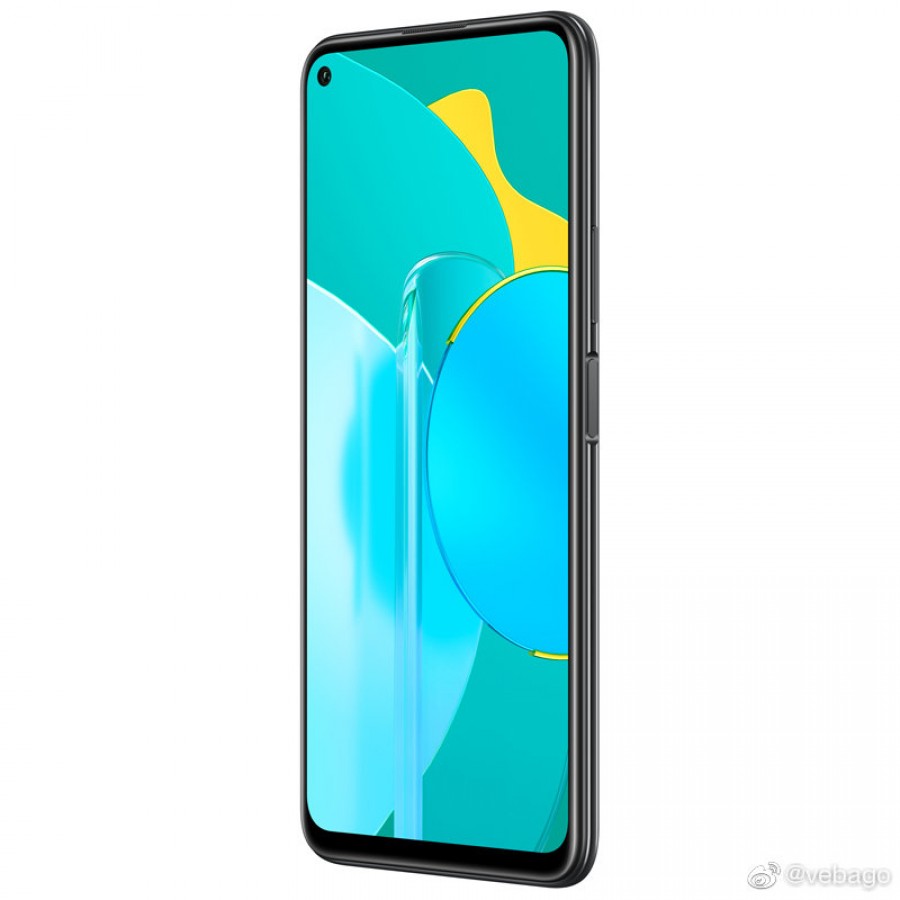
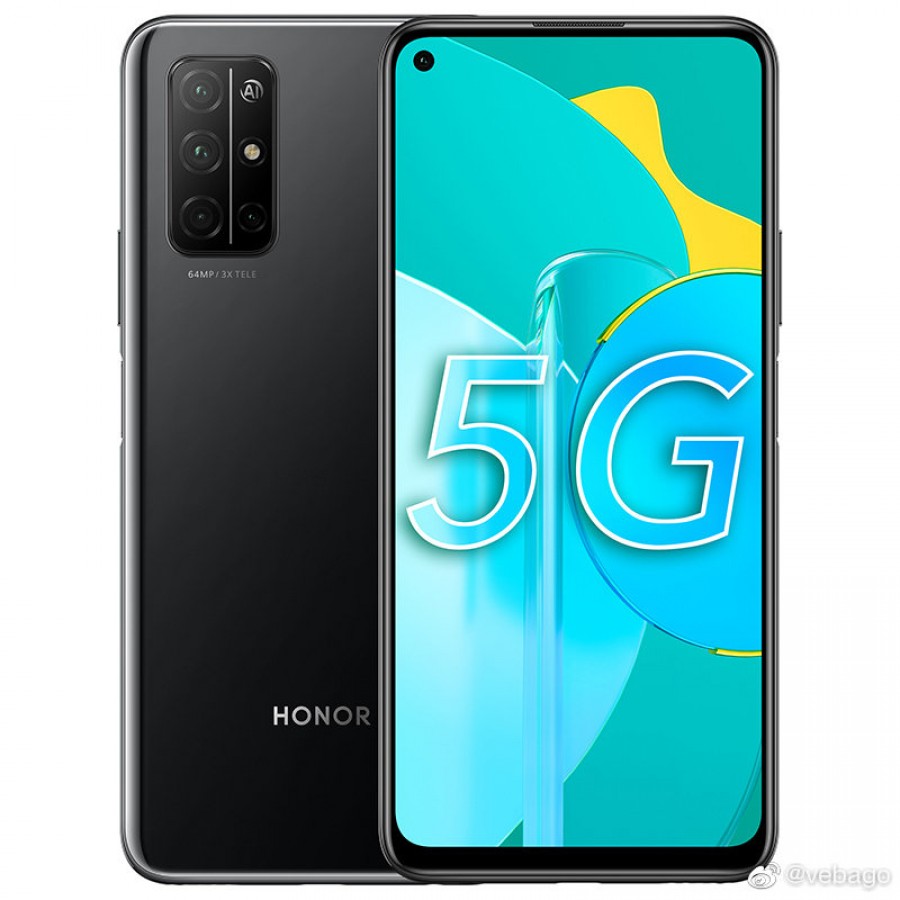
Honor will be launching the Honor 30S smartphone on March 30. It will be the world’s first phone to come equipped with the Kirin 820 5G chipset. Recent leaks have revealed the rear design of the device. Fresh set of renders have surfaced on Weibo to reveal its front and rear design in full glory. Another leak has revealed the camera details of the Honor 30S phone.
Past reports have revealed that the Honor 30S will be arriving in white and orange color editions. Newly spotted renders show that It will be also available in black and green colorways. The rear shell of the device can be seen flaunting the trendy rectangle-shaped camera system. It comprises four cameras, an LED flash and AI branding.
The camera setup includes a 64-megapixel primary lens and a telephoto sensor that delivers 3x optical zoom. The design of the Honor 30S’ rear is inspired from the wings of butterflies. The side view of the phone reveals its camera bump.
The images confirm that the Honor 30S is equipped with a side-mounted fingerprint reader. The front view of the phone shows that it has a punch-hole screen. Since the handset has a side-facing fingerprint sensor, it appears that the phone features an LCD display.
The specifications of the Honor 30S are currently under the wraps. The company recently confirmed that it will be arriving with support for 40W rapid charging. The smartphone was recently spotted on AnTuTu benchmarks with 375K+ average benchmarking score. The performance of the Kirin 820 5G SoC was found to be better than Snapdragon 765G and around 22,000 points less than Kirin 980. The AnTuTu listing revealed that the Honor 30S runs on Android 10 and is equipped with 8 GB of RAM and 128 GB of storage. Its display supports 1080 x 2400 pixels and 20:9 aspect ratio.
Xiaomi launched the MIJIA Juicer around July 2019 and the product was well-received with crowdfunding support exceeding 3 million persons in less than one month. The tech giant has now launched a much-improved version dubbed Zhenmi Wireless Vacuum Juicer. The product is a third-party one and is on crowdfunding for 199 yuan ($28). After the crowdfunding exercise, it will be sold at 239 yuan ($33).
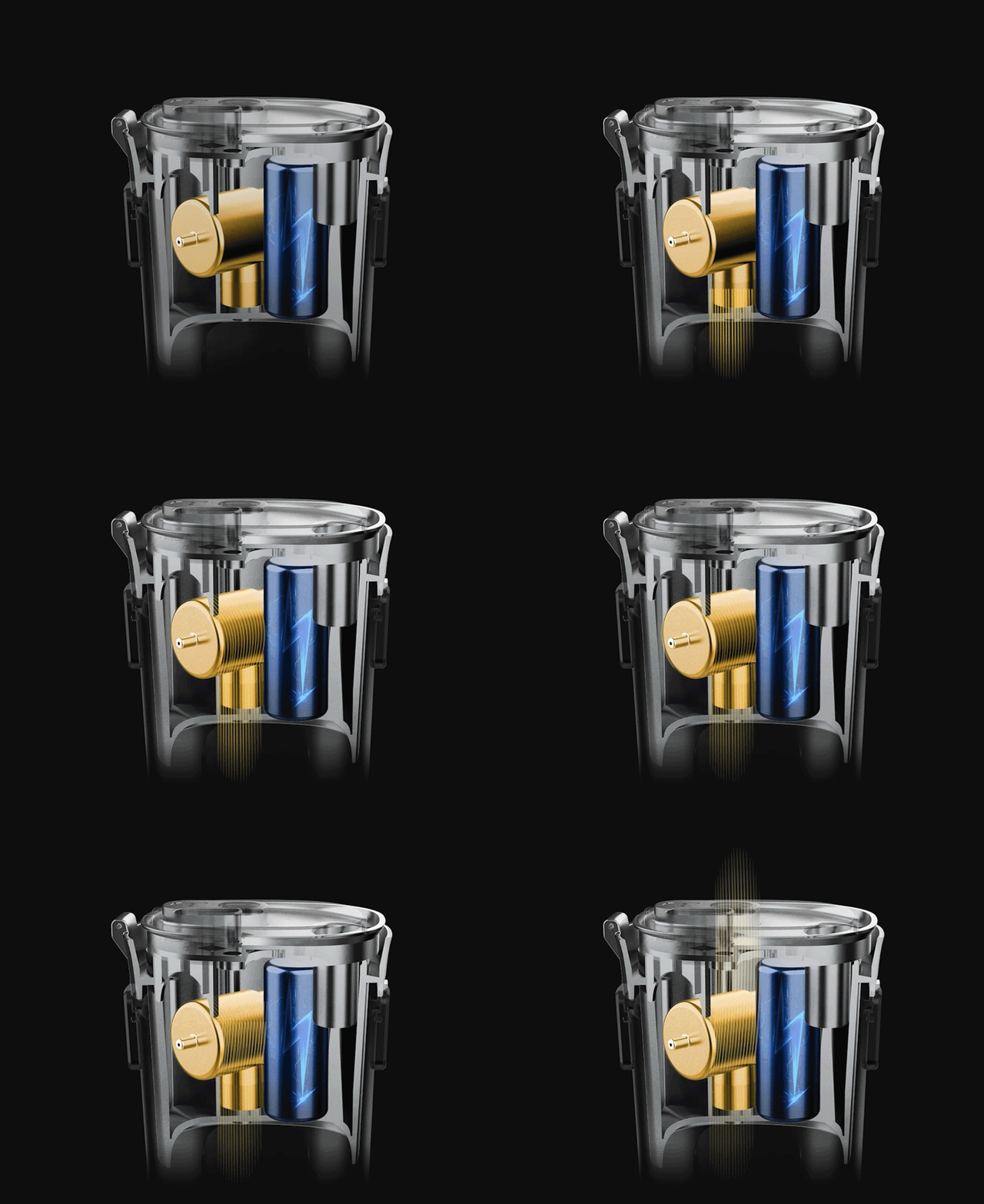
The Zhenmi Wireless Vacuum Portable Juicer uses an innovative oval cup body which not only guarantees visual beauty but also allows users to maintain a comfortable grip. It comes in Cherry Pink and Light Blue colours. For juicing, it features a 4-leaf stainless steel blade, combined with the eccentric spoiler technology which increases the whipped force by 35%. As a result, there is no need to shake the juicer while blending. It is touted as capable of even breaking ice cubes.
The new juicer is designed with a quick juice function which only requires you to double-click to turn on fast juice. In this mode, it only takes 28 seconds to quickly squeeze the juice whereas the traditional juicer takes 40 seconds to squeeze a cup of juice.
It adopts 301 stainless steel blade and an environment-friendly PC + ABS food-grade material. The cup body and whipping head can be washed with water as they are 100% sealed and drip-proof.
As the name implies, the Zhenmi Wireless Vacuum Portable Juicer comes with vacuum function which is deployed to evacuate the device after use. It only takes one button to automatically evacuate in 15 seconds in order to prevent oxidation of the fruit residue. The vacuum can maintain a pressure of -30kPa for 4 hours (recyclable vacuum). This will ensure the interior is fresh even when locked.
The gadget gets its power from an impressive 2400mAh battery which it claims can squeeze 25 cups of fresh juice when fully charged. It uses a simple and efficient adsorption charging method and can be charged by attaching the charging head to the top of the juicer. It also supports charging modes such as power bank, and car charging and will be fully charged in just 2 hours.
The product is expected to start shipping in China on April 19.
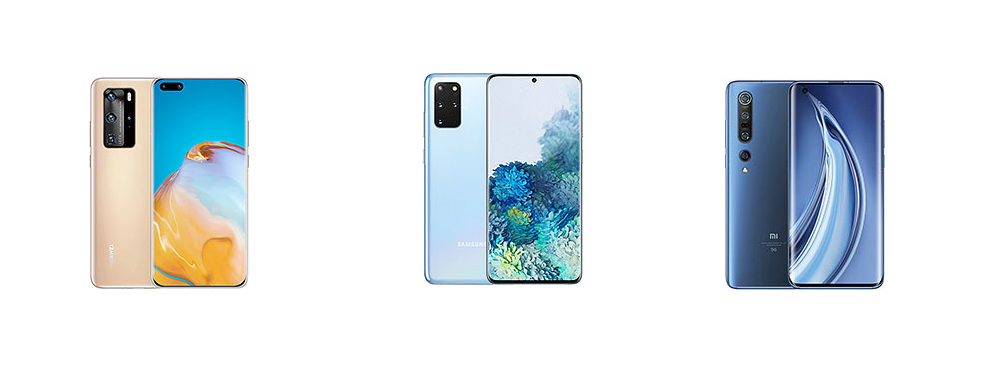
Samsung, Huawei, and Xiaomi officially announced their main flagship smartphones of 2020 for the global market. Prices raised, but they bring 5G and a lot of new exciting features on the shelves. In this specs comparison, we will shed some light on the differences between the new flagship series by focusing on the Pro and Plus versions. This is a specs comparison between Huawei P40 Pro, Samsung Galaxy S20+ and Xiaomi Mi 10 Pro. While the Mi 10 Pro is the most advanced Xiaomi device, Huawei and Samsung released even more advanced variants of the P40 and the S20. If you want to read a comparison between them, head to this link.
Huawei P40 Pro vs Samsung Galaxy S20+ vs Xiaomi Mi 10 Pro
Huawei P40 Pro
Samsung Galaxy S20+
Xiaomi Mi 10 Pro
DIMENSIONS AND WEIGHT
158.2 x 72.6 x 9 mm, 209 g
161.9 x 73.7 x 7.8 mm, 188 g
162.6 x 74.8 x 9 mm, 208 g
DISPLAY
6.58 inches, 1200 x 2640p (Full HD+), OLED
6.7 inches, 1440 x 3200p (Quad HD+), Dynamic AMOLED 2X
6.67 inches, 1080 x 2340p (Full HD+), Super AMOLED
I like the minimalism of the Xiaomi Mi 10 Pro. With a single punch-hole camera, very narrow bezels and a less invasive camera module, it looks sweet. But unfortunately, it is the only which does not offer any kind of water resistance. Just like the Samsung Galaxy S20+, Huawei P40 Pro has the IP68 certification making it waterproof. Further, it has the highest screen-to-body ratio, even though not everyone may like the huge punch-hole housing the front cameras and sensors. Samsung Galaxy S20+ is the perfect compromise with its single punch-hole display, IP68 certification, and a more compact and thinner design.
Display
Despite it is the smallest panel, the display of the Samsung Galaxy S20+ is the most stunning one. It is the only to support a refresh rate up to 120 Hz, as well as a higher Quad HD+ resolution. According to the specs on the paper, right after we got the Xiaomi Mi 10 with an HDR10+ panel supporting a 90 Hz refresh rate and a 180 Hz touch-sampling rate. Xiaomi Mi 10 Pro also comes with a wider 6.67-inch panel. The fingerprint scanner of the Samsung Galaxy S20+ should be better since it is an ultrasonic sensor. Samsung Galaxy S20+ should even provide better audio quality with its AKG stereo speakers. Even the Xiaomi Mi 10 Pro has stereo speakers, while Huawei P40 Pro does not.
Hardware/Software
If we exclude the European version of the S20+, Xiaomi Mi 10 Pro and Samsung Galaxy S20+ come with the amazing Snapdragon 865 chipset paired with up to 12 GB of RAM and up to 512 GB of UFS 3.0 internal storage, and they boast the highest performance. Samsung Galaxy S20+ has expandable storage, while Xiaomi Mi 10 Pro does not. The Exynos version of the Samsung Galaxy S20+ launched in the European market has an inferior chipset, especially when it comes to 5G connectivity since it does not support mmWave. Huawei P40 Pro is still a very powerful flagship, but Snapdragon 865 is more performing than its Kirin 990 and its two rivals come with more RAM, while the P40 Pro stops at 8 GB. Further, Huawei P40 Pro does not have Google services preinstalled due to the U.S. ban but it relies on Huawei Mobile Services.
Camera
On the paper, the quad rear camera of the Xiaomi Mi 10 Pro looks very impressive with its 108 MP main sensor, two telephoto lens with 10x hybrid zoom, and a 20 MP ultrawide sensor. But Huawei P40 Pro may actually offer an even better photo quality with its 50 MP main sensor, a 40 MP ultrawide lens and a 12 MP periscopic sensor with 5x optical zoom. Even Samsung Galaxy S20+ is one of the best camera phones out there, but it might be able to compete with its opponents only when it comes to video recording, especially thanks to its amazing stabilization system.
Battery
Due to their bigger batteries, Xiaomi Mi 10 Pro and Samsung Galaxy S20+ should offer a longer battery life on a single charge. But given that we did not test all of these devices thoroughly, we still can not give a precise and definitive opinion. What we know is that Xiaomi Mi 10 Pro offers the fastest wired charging and wireless charging technologies, while Huawei P40 Pro reaches the highest speeds at reverse wireless charging.
Price
Both Xiaomi Mi 10 Pro and Huawei P40 Pro start at €1000/$895 globally, while for the Samsung Galaxy S20+ you need €1,099. Considering the whole specs sheets, Samsung Galaxy S20+ and Xiaomi Mi 10 Pro are more or less at the same level and we will need to test both thoroughly in order to give you a definitive verdict. I would personally go for the Snapdragon 865 version of the Samsung Galaxy S20+ since it is waterproof and it has a better display. On the paper, Huawei P40 Pro is slightly inferior in terms of hardware and battery, but its cameras might offer a higher photo quality.
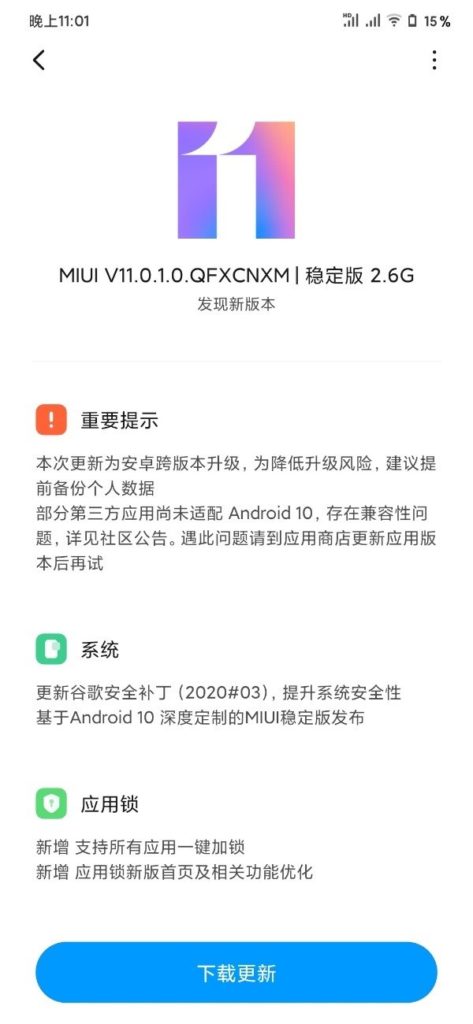
The Xiaomi Mi 9 Pro 5G was the Chinese smartphone maker’s as well as the world’s cheapest 5G flagship smartphone at the time of its launch. But unfortunately, the device is yet to receive an Android 10 update, the latest version of Android released in September 2019. Thankfully, the firm has now started seeding out the first batch of stable Android 10 build to beta testers.
Xiaomi launched the Mi 9 Pro with 5G connectivity in the second half of 2019 exclusively for China. Although Android 10 was out when the device hit the shelves, it came with Android 9.0 Pie but with MIUI 11 onboard. However, the company did not update it to the latest version of Android until now even though it is the brand’s first 5G phone in its home country.
It took Xiaomi nearly six months to roll out the first batch of stable Android 10 update to the Mi 9 Pro 5G. Better late than never, the update is currently being seeded out to the beta users and thus stable users will have to still hang on for a while. The OTA update weighs 2.6GB in size and bumps up the security patch level to March 2020.
If the initial beta users do not encounter any critical bugs, then the same build will be rolled out as stable to normal users. Else, the beta users will receive another patch to fix those bugs and only then the normal users will get to use Android 10 on their Mi 9 Pro 5G.
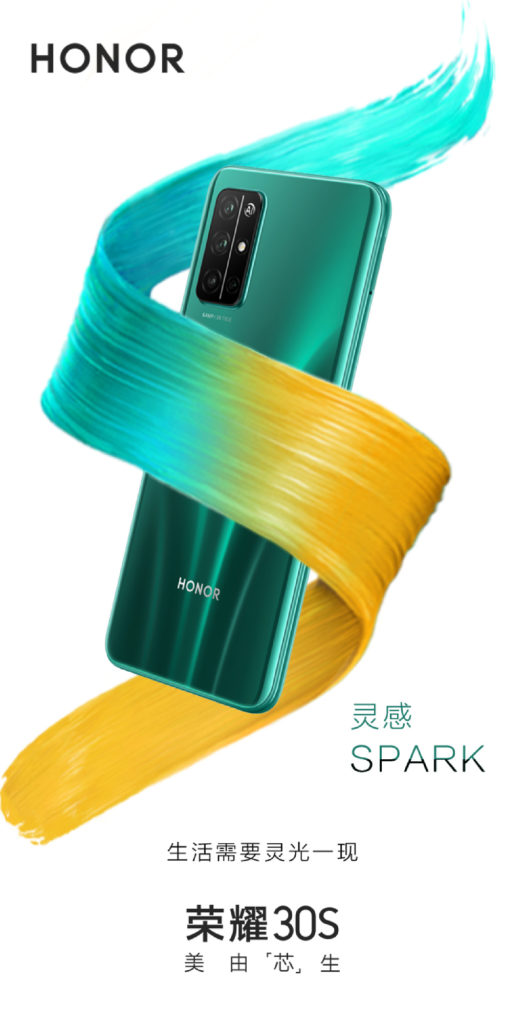
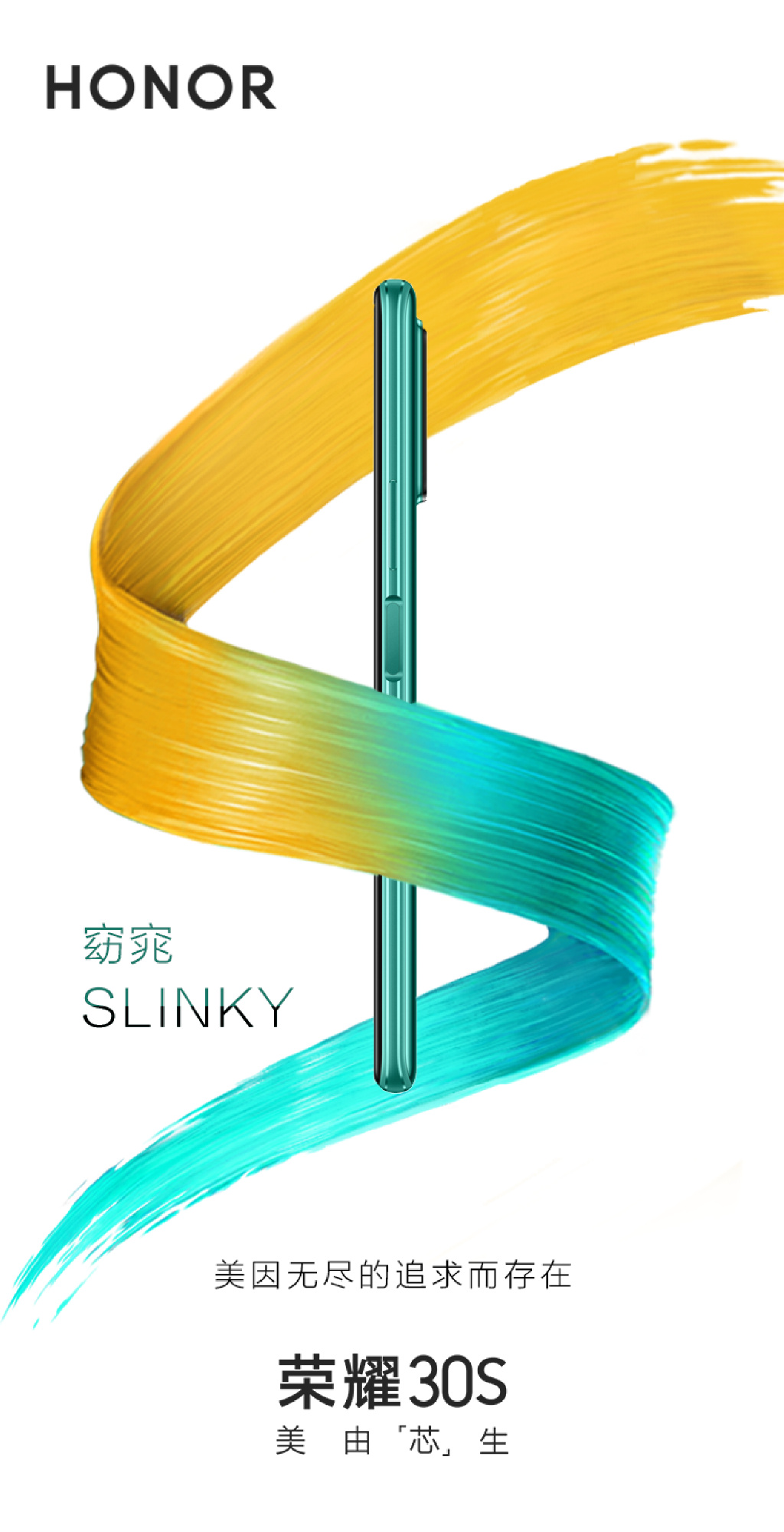
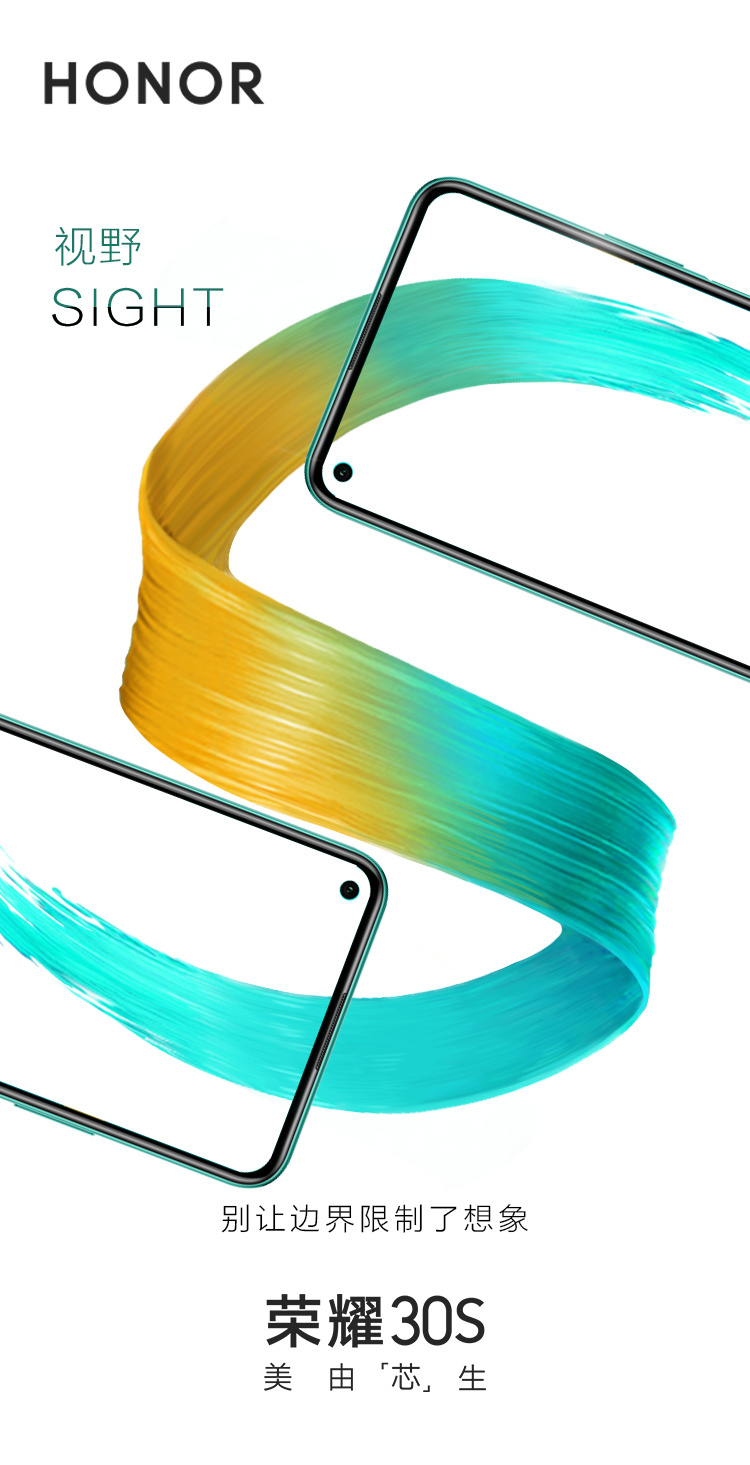
Honor will be launching the Honor 30S in China on March 30 as planned. Ever since the launch date was announced, the brand has been teasing the design and certain specs of the handset on Weibo. Now, a new set of teasers reveal the phone’s front, side, and back in full glory.
Glory Cheung, Strategy and Cheif Brand Officer of Honor has shared three teaser renders of the upcoming Honor 30S since March 26. The first teaser poster reveals the back of the device, which houses a quad-camera setup at the top left corner. The cameras are arranged in a rectangular block in a symmetrical manner with 3 sensors on one side separated by a line with a single sensor, LED flash as well as AI branding on the other side. Further, the rear panel of the device features a gradient design inspired by the wings of butterflies as per the brand executive.
The second teaser poster shows us the right side of Honor 30S housing volume rockers and power key with an integrated fingerprint sensor. Additionally, this render also gives us an idea about the bump of the camera array, which interestingly looks to be slimmer than the competition even though the phone is tipped to feature a custom large primary sensor with 64 megapixels.
1 of 2
Finally, the latest teaser shared today gives us the first-ever clear glimpse of the device’s front. This confirms the forthcoming Honor 30S to sport a punch-hole display, which was somewhat visible in the teaser for 40W fast charging support posted by the brand yesterday. Also, the punch-hole sits at the top left corner and seems to be smaller than other mid-range smartphones.
All the teasers posted by Honor’s Zhang Xiaoyun flaunted the Honor 30S in Green color, which was leaked a couple of days back. Apart from this color, the handset is also expected to arrive in Blue and Orange gradients. Anyway, the biggest star of this smartphone will be the new HiSilicon Kirin 820 5G chipset, which has been confirmed to outperform Qualcomm Snapdragon 765G and HiSilicon Kirin 980.
We use cookies on our website to give you the most relevant experience by remembering your preferences and repeat visits. By clicking “Accept”, you consent to the use of ALL the cookies.
This website uses cookies to improve your experience while you navigate through the website. Out of these, the cookies that are categorized as necessary are stored on your browser as they are essential for the working of basic functionalities of the website. We also use third-party cookies that help us analyze and understand how you use this website. These cookies will be stored in your browser only with your consent. You also have the option to opt-out of these cookies. But opting out of some of these cookies may affect your browsing experience.
Necessary cookies are absolutely essential for the website to function properly. This category only includes cookies that ensures basic functionalities and security features of the website. These cookies do not store any personal information.
Any cookies that may not be particularly necessary for the website to function and is used specifically to collect user personal data via analytics, ads, other embedded contents are termed as non-necessary cookies. It is mandatory to procure user consent prior to running these cookies on your website.