A few days back, Nubia announced the launch date of its next smartphone called Nubia Play. Since then, the brand has been teasing the features of this new handset on Weibo. For today, the company confirmed the presence of shoulder buttons for better gaming.
Ni Fei, the president of Nubia Technology and co-founder of Nubia brand has been sharing features of the Nubia Play in the form of teasers on his official Weibo account. Today, he revealed the device to feature shoulder buttons like the brand’s mainstream gaming smartphones.
Mr Fei claims the Nubia Play will offer an immersive smooth gameplay experience with a Qualcomm Snapdragon 765G underneath. As revealed earlier, the 144Hz refresh rate AMOLED display with 240Hz touch sampling rate and shoulder buttons will further enrich the gameplay. These buttons will be customizable and thus can be used in multiple games like PUBG Mobile, QQ Flying Car, and others.
The device will also feature an in-display fingerprint reader like any other new smartphones with OLED displays. For such power-hungry features including support for 5G connectivity, the Nubia Play will get its energy from a huge 5,100 mAh battery with support for 30W PD fast charging compatible with Quick Charge 4.0 chargers.
As for optics, the Nubia Play will come equipped with a qua-camera setup consisting of a 48MP Sony IMX586 sensor and a 12MP unknown selfie camera. Lastly, one of the least talked speciality of this handset is its no-nonsense display without any kind of notch or punch-hole.
ASUS is trying to update quite a number of its phones to Android 10 and one of the ways it is doing it is by releasing an AOSP-based version for them. A little over a week ago, we reported that the Zenfone 5 had gotten an AOSP-based beta Android 10 update, now four more ASUS phones are getting the same treatment.
The Taiwanese electronics manufacturer has released AOSP-based Android 10 beta updates for the Zenfone Max M1, the Zenfone Lite, and the Zenfone Live L1 and Zenfone Live L2.
All of the aforementioned entry-level phones launched with Android 8.0 Oreo/Android 8.0 Oreo (Go Edition) and it is good to see that ASUS is updating them to Android 10.
Just like in the case of the Zenfone 5, if you intend to sideload these beta updates, you have to backup your data first. The files are over 1.5GB in size and the description says they come with updated security patches. Also, do ensure that you confirm the firmware version your device currently runs before downloading the update.
One of the spectacular products unveiled by Lenovo at the Consumer Electronics Show in Las Vegas this year was the ThinkBook Plus. A dual-screen notebook, Lenovo ThinkBook Plus features a second screen made from electronic ink (e-ink). The good news is the laptop will soon meet with us as it is now on reservation in China via Jingdong (JD.com). The sleek notebook now carries a price tag of 8499 yuan (~$1200) and will go on sale from April 24.
The Lenovo ThinkBook Plus is a high-end notebook PC with a 10.8-inch secondary e-ink screen. The secondary screen can display calendar, weather information, e-mail and other information. It also supports custom wallpapers which can be used to improve the aesthetic appeal of the laptop.
The e-ink screen isn’t even the high-end feature of the laptop. The ThinkBook Plus is equipped with a 2096-level pressure-sensitive stylus. The e-ink display and stylus can be used to take notes that sync to Microsoft OneNote.
The main display is a 13.3-inch screen with a resolution of 1920×1080, and a maximum brightness of 300 nits. The display also supports 100% sRGB color gamut and has an ultra-thin 5.5mm bezel. The body is as thin as 17.4mm while the laptop weighs 1.5kg.
In terms of performance, Lenovo ThinkBook Plus is equipped with a Core i5-10210U processor with the highest core frequency of 4.2GHz. The device is equipped with 16GB of RAM and 512GB of solid-state drive. Further, it features support for Wi-Fi 6, Bluetooth 5.0, bringing faster and more stable connection.
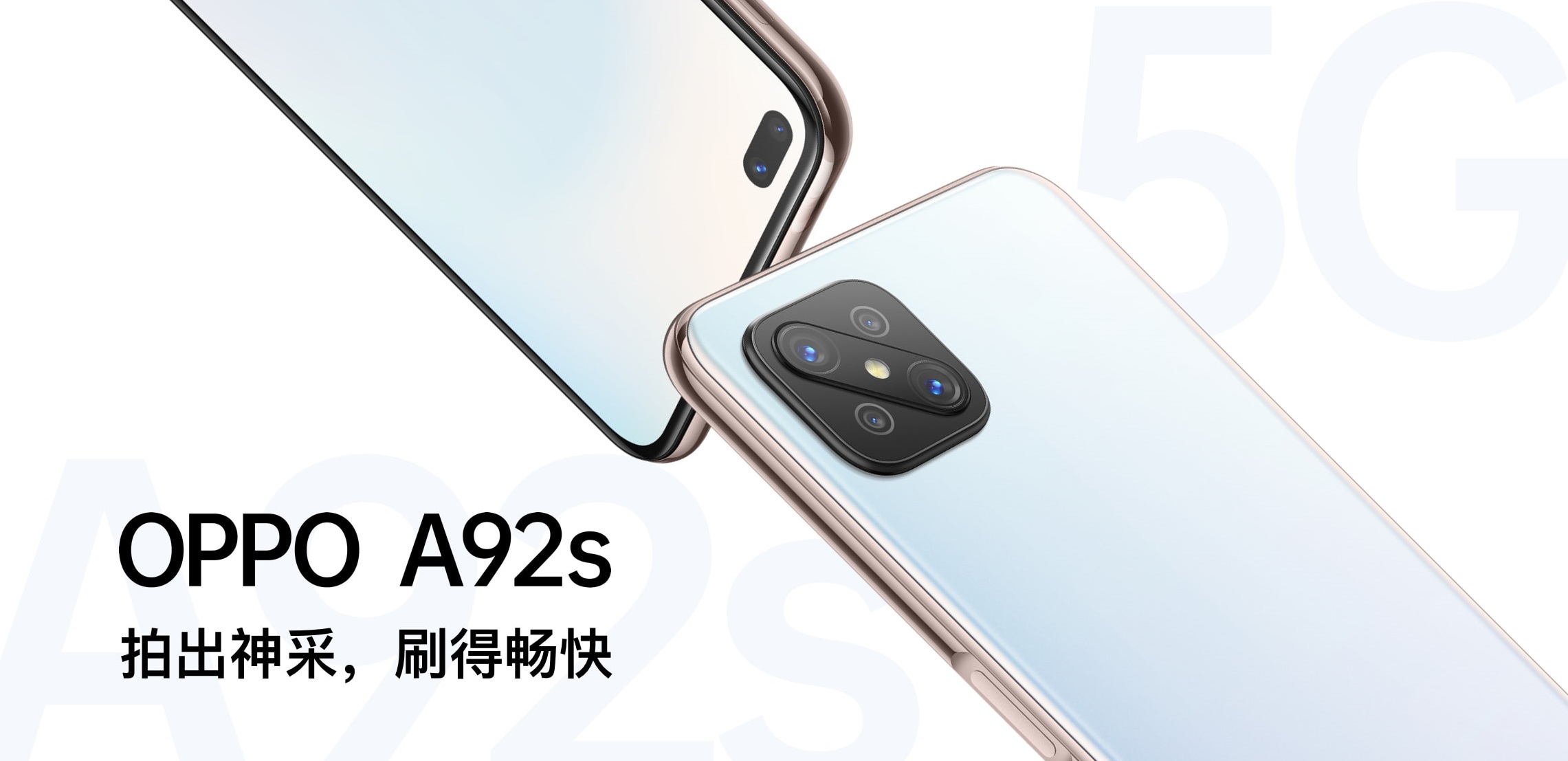
OPPO has quietly announced the OPPO A92s mid-range 5G smartphone in China. The phone is the first in the world powered by MediaTek’s Dimensity 800 5G SoC announced last December. The SoC allows for manufacturers to make affordable 5G smartphones, and the OPPO A92s is a perfect example.
OPPO has put a starting price of ¥2199 (~$310) on the new phone and it offers quite a lot for that price. It has a 6.57-inch 1080p screen albeit LCD with a 120Hz refresh rate. There is a pill-shaped punch-hole for two selfie cameras (a 16MP sensor and a 2MP sensor with an ultrawide angle lens) at the top left corner of the display.
The OPPO A92s has a squircle-shaped camera module on the back that houses four cameras – a primary 48MP sensor, an 8MP ultrawide angle camera, a 2MP macro camera, and a 2MP depth sensor. OPPO has adopted the side-mounted fingerprint scanner design, so you unlock the phone by placing your finger on the power button.
[envira-gallery id=”317685″]
The Dimensity 800 is paired with 6GB or 8GB of RAM and you get 128GB of storage on the variants. There is a 4000mAh battery inside the phone with support for 18W fast charge. OPPO ships the phone with Android 10 out of the box.
The A92s will go on sale on April 29 at 10 AM but you can make a reservation on the official OPPO online shop. As stated above, the base model will sell for ¥2199 (~$310) but if you want the 8GB RAM version, you will have to shell out ¥2499 (~$353). The phone will be available in black and purple.
The worldwide smartphone shipments fell by 13.3% in the first quarter of 2020. Sales in February alone was declined by 38% annually accounting for only 60 million units. The COVID-19 pandemic has severely affected already slowing smartphone market. To recover from it, according to a report from South Korea, Samsung will be launching a new number of affordable 5G smartphones throughout the remaining year.
Samsung has already unveiled its first two cheap affordable 5G smartphones in the form of Galaxy A51 5G and Galaxy A71 5G last week in the US. But they are yet to go on sale in the region with a stipulated availability some later in summer. Interestingly, the Galaxy A71 5G is already up for sale in China where the company has the lowest presence.
As for pricing, the Galaxy A51 5G will retail for $499.99 and the Galaxy A71 5G will cost $599.99. In South Korea, they are expected to be priced around 500,000 Won ($411) and 700,000 Won ($575) respectively. Whereas, in China, the latter device is sold at 3,999 Yuan ($480).
Looking at the prices of this first generation of cheap affordable 5G smartphones by Samsung, we can conclude the brand has slashed the price of its 5G smartphones by 62% just within 11 months. For the unware, the first Samsung 5G smartphone, the Galaxy S10 5G was priced at $1299.99.
Samsung is expected to launch these models and other upcoming affordable 5G smartphones in all the countries where 5G networks are up and running. In addition to this, the South Korean smartphone maker will continue launching new Galaxy A and Galaxy M series devices in all markets to recover from sales decline.
Huawei is involved in a number of industries which include smartphones, telecommunications, and even smart TVs. A few days back, the company announced the launch of a new Hauwei HiCharger DC fast charging module on April 24. This new charging module will be used as an energy charging infrastructure solution in co-operation with a number of electric departments in China such as Grid (Beijing) and Xingxing Charging (Changzhou), Nanwang Electric (Shenzhen), China Merchants Sanyou (Beijing), Zhuhai Titan (Zhuhai) and Dalian Robinson (Dalian), and others.
The release of HiCharger DC fast charging module will officially mark Huawei’s entry into the field of charging solutions. The company’s energy product lineup will cover four areas namely data center energy, communications energy, smart photovoltaic, and smart electric.
Out of the which, the Huawei smart electric division is committed to creating high-quality, high-standard automotive electrification solutions, providing components such as charging and power supply, electronic control, and battery management.
If Huawei continues to thrive in the new charging solutions like the upcoming HiCharger DC fast charging module, it could become one of the primary suppliers of smart car charging solutions in a few years from now, at least in its home country China.
In addition to charging solutions, the company has already announced a smart interactive system for cars called HiCar late last year. This feature is baked into the brand’s EMUI mobile software and is available on certain high-end smartphones like Mate 30 series.
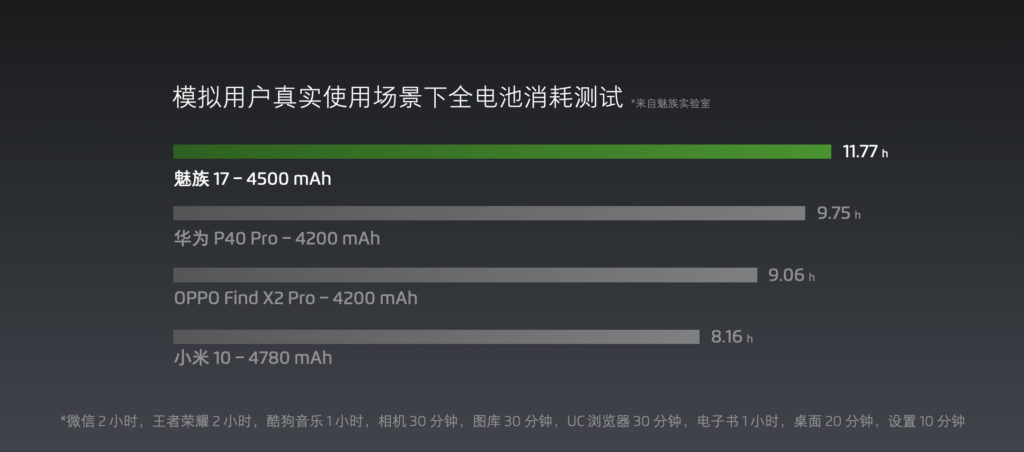
Meizu 17 will be soon launched on April 22. Ahead of it, the device has been leaked multiple times over the past few weeks. Additionally, the brand itself has now started teasing its features. Yesterday, the company confirmed the processor and battery capacity of the handset. And now, it has shared the internal battery endurance test results of Meizu 17 against competitors like Huawei P40 Pro, Oppo Find X2 Pro, and Xiaomi Mi 10.
As you can see from the image above, the upcoming Meizu 17 performs better than all the competitors that were tested alongside it. Bizarrely, the Xiaomi Mi 10 with the largest capacity battery, 4,780 mAh to be precise, performs the worst with only 8.16 hours.
Further, although the Huawei P40 Pro and Oppo Find X2 Pro have a similar 4,200 mAh battery, the former achieved 9.75 hours compared to the latter’s 9.06 hours.
Whereas, the star of the show, Meizu 17 with a 4,500 mAh battery scores 11.77 hours, which is much better than all the handsets mentioned above.
The 8 hours battery endurance test conducted by Meizu laboratory included the devices to run WeChat for 2 hours, Kings of Glory gameplay for 2 hours, music playback for 1 hour, 30 minutes of camera usage followed by another 30 minutes for the gallery app, 1 hour of E-book reading, 20 minutes on the homescreen, and 10 minutes in Settings.
The Redmi AirDots 2 passed through the Bluetooth SIG certification last week, hinting at an impending launch of a successor for the well-received Redmi AirDots that was made available to the public in 2019.
On Apr. 14, the Xiaomi-owned brand unveiled a new pair of TWS earbuds, surprisingly bearing a different moniker. Redmi decided to deviate from its naming scheme by calling the long-awaited Redmi AirDots successor, the Redmi AirDots S rather than the Redmi AirDots 2.
The Redmi AirDots S retains most of the design elements of the original Redmi AirDots. The company didn’t even come up with a new colorway, sticking to the plain and low-profile black. Nevertheless, the new earbuds are loaded with an array of impressive features.
Before we dive into more details, it might interest you to know that the Redmi AirDots S is now available for a considerably lowered price through Giztop. Touted as one of China’s most reliable e-tailers, Giztop is offering the recently unveiled earbuds for just $14.99, which is a significant reduction in its original asking price of $16.99.
One of the upgraded features includes a better pairing. The original model used a master-slave connection to connect with a device. The right earbuds connect your mobile device, then the left earbuds connect to the right earbud. You can even use a single earbud (either the right or the less earbud).
The Redmi AirDots S adopts a different method. As soon as you pair them to your phone for the first time, both earbuds are connected without the master-slave function. Moreover, you can use the right, as well as the left earbud in mono-mode and it switches to stereo automatically when you place the second earbud into your ear.
The AirDots S packs a Bluetooth 5.0 chip, which Redmi claims delivers double the data transmission as compared to its predecessor. On top of that, it offers faster and more stable connectivity. You can activate a new low-latency game mode simply by pressing the button on the earbud three times.
For clearer calls, the new Redmi TWS earbuds use 7.2mm drivers and a DSP for smart noise reduction features. The battery lasts for 4 hours and 12 hours with the case. It supports Google Assistant, Siri, and XiaoAI voice assistants.
You can follow this link to check out more details about the Redmi AirDots S and place your order through Giztop. Note that the earbuds will go back to their original asking price as soon as the promo comes to an end.
The Gizmochina Coupons is a community that finds, reports and evaluates deals and coupons of Chinese products from online shops. Please visit it here to find more coupons to save money on mobiles and smart gadgets.
OnePlus launched its long-awaited OnePlus 8 series of smartphones during an online event on April 14. The recently unveiled line comprises the OnePlus 8 and the OnePlus 8 Pro smartphones.
The Chinese phone maker revealed full specifications along with the pricing and availability for the U.S., U.K., and Europe. The company released a teaser for the India prices for the OnePlus 8 series.
Much to the delight of those restlessly waiting to get their hands on new phones, the OnePlus 8 and the OnePlus 8 Pro smartphones are now available for pre-order through Giztop. Touted as one of China’s most reliable e-tailers, Giztop is giving its loyal users a chance to purchase the OnePlus 8 Pro at a lowered price.
OnePlus 8 Pro
The OnePlus 8 Pro smartphone is available in 8GB RAM+128GB ROM and 12GB RAM+256GB ROM. With 8GB RAM and 128GB of internal storage, this model usually retails for $899, and the larger variant that offers 12GB of RAM and offers 256GB of onboard storage carries a $999 price tag. You can save $50 simply by applying coupon code OP850 at checkout. In other words, the 8GB RAM+128GB ROM variant can now be yours for just $849, while the larger 12GB RAM+256GB ROM model will set you back only $949.
The OnePlus 8 Pro comes in black, green, and blue color options. You can follow this link to check them all out and place your pre-order. Note that the estimated delivery of the phone is set for the end of April. The OnePlus 8 Pro offers the following features:
The OnePlus 8 has gone up for pre-order through Giztop, just like its Pro sibling. The phone comes in two variants including one that ships with 8GB RAM and 128GB native storage, and the other that features 12GB of RAM, coupled with a hefty 256GB of internal storage space. The 8GB RAM model bears a $699, while the 12GB RAM model is available for $799. These variants come in three eye-catching color options including black, green and Interstellar Glow. You can place your pre-order by heading straight to this link. You can check out the phone’s top-end features below:
The Gizmochina Coupons is a community that finds, reports and evaluates deals and coupons of Chinese products from online shops. Please visit it here to find more coupons to save money on mobiles and smart gadgets.
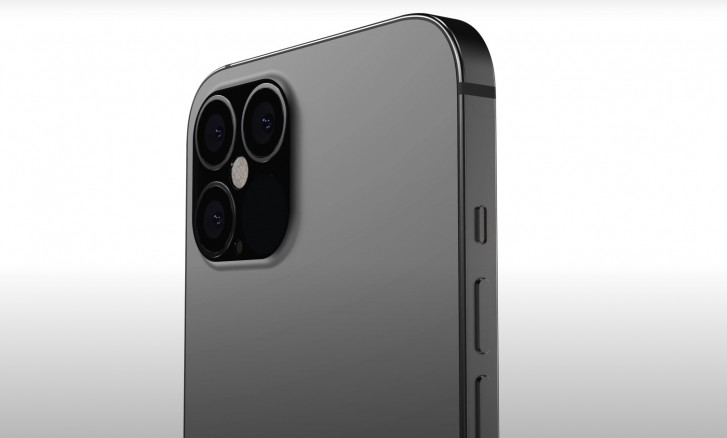
September is still several months away, for that is when Apple is expected to go official with the 2020 iPhone 12 flagship models. Interestingly, the rumour mill has become active with details of the iPhone 12. A Youtuber has now created CAD renders of the iPhone 12 Pro Max based n what has been leaked so far.
Apple is expected to retain the large display Pro Max version which featured on the phone 10a and iPhone 11. The iPhone 12 Pro Max display is expected to have thinner bezel said to be around 0.9mm thinner. The device will pack a 6.7-inch display.
According to the YouTuber, the rear design showing the camera placement is yet to be concluded as well as the notch. However, the iPhone 12 Pro Max will pack a quad-camera setup with a LiDAR sensor but the arrangement may differ from the render as the design is yet to be finalized.
In addition, the smartphone will adopt a different speaker grille design different from what we are used to. The loudspeakers will also reportedly get a bump of 10 to 15% in loudness.
The COVID-19 has stalled the whole world with over two million people infected with the pandemic. Most of the countries have ordered lockdown to reduce the infection rate among the population. There are over one twenty thousand deaths recorded until this week. It is quite an alarming situation throughout the globe and every nation is reeling through the impact. However, we have got a smart gadget to help the users for early detection of the infection. The users can get Ticwris GTS smartwatch to measure real-time body temperature.
Out of the total cases, around 450000 people have fully recovered due to countless efforts from our medical practitioners. The chances of recovery improve if the COVID-19 is detected at an early stage. Ticwris GTS smartwatch can help you to evaluate your real-time temperature on a real-time basis. It can help you treat illness as soon as possible without any further delay. There are many other advantages of using the smartwatch as compared to an ordinary thermometer.
Benefits of a smartwatch to measure body temperature
Ther are several benefits that Ticwris GTS Smartwatch features apart from the normal thermometer to body temperature.
Ticwris GTS Smartwatch free you from carrying thermometer all the time. The smartwatch can calculate temperature anytime without sitting or standing in an appropriate posture.
The smartwatch monitors your general health using four different sensors including pedometer, temperature sensors, gravity and pedometer sensor.
It is quite easy to use! The users can measure temperature automatically after an hour or you can manually start measuring with few taps in 10 seconds. The smartwatch gets more accurate results if you wear it for more than 60 minutes.
The user can manually set the temperature limit for better precision.
We highly recommend contacting your doctor if you find any abnormality in your temperature.
Apart from these benefits, the smartwatch also features some other highlights.
Other Features of Ticwris GTS Smartwatch
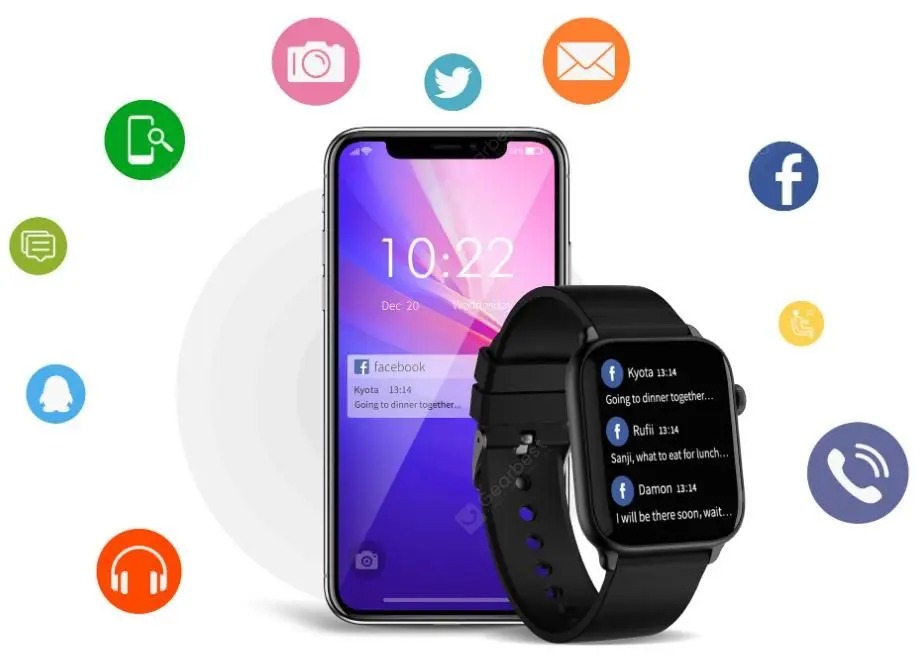
The Ticwris GTS smartwatch is quite a useful and productive smartwatch. It can measure your step count, sync messages and perform various other functions. Moreover, it can control the camera, measure distance, and count calories. It can keep a record of all the metrics like temperature, camera, measure distance, and count calories.
You will be amazed to know that the smartwatch can even monitor your sleep. The other basic features like an alarm clock, stopwatch and others are also present. It can track your heart rate and even measures systolic and diastolic blood pressure and even shows your blood oxygen levels.
The smartwatch can sync your messages and notifications from social media handle like QQ, Twitter, SMS, WeChat and Facebook. It is amazing to see that the smartwatch also supports different sports likes walking, climbing, cycling, running, indoor running, swimming and normal walking.
Ticwris GTS Smartwatch hardware specifications
It features a 1.3-inch extremely vibrant display. Its battery lasts for 5 days with normal daily use. However, it can remain on standby for 20 days after a full charge in one to two hours.
It can easily sync with Android and iOS devices using Bluetooth. It can smoothly run on any iOS device running version 9.0 or Android 5.1. The app supports all the major languages like French, Burmese, Italian, Japanese, Russian, Polish, Ukrainian and Portuguese. It is available three different colours of Black, Pink and Blue.
Overview
It is quite a useful and feature-rich smartwatch with inbuilt real-time temperature measurement sensor to prevent COVID-19 pandemic. However, it is not recommended to be used on a clinical basis as it is not a medical tool.
The multi-functional smartwatch can also be your daily driver if you’re health enthusiast. You can get the smartwatch for the price of $36.45. Surprisingly, the company is offering a discount and you can get it at the flash sale price of $29.99. Moreover, you will get an additional $5 coupon if you visit here. You can buy it for $24.99 from Gearbest.
After the launch of the OnePlus 8 series, we can finally say all the main flagships of the first half of 2020 are official. And we can finally make the first comparison between them. After comparing the OnePlus 8 Pro to Xiaomi Mi 10 Pro and Oppo Find X2 Pro, we decided to compare it with the remaining flagships from the main smartphone manufacturers released in the last period in order to give you a complete view of the actual scene. We are naturally talking about the Huawei P40 Pro and Samsung Galaxy S20+ which will be the main rivals of the OnePlus 8 Pro if we exclude the devices included in the previous comparison.
OnePlus 8 Pro vs Huawei P40 Pro vs Samsung Galaxy S20+
Huawei P40 Pro
Samsung Galaxy S20+
OnePlus 8 Pro
DIMENSIONS AND WEIGHT
158.2 x 72.6 x 9 mm, 209 g
161.9 x 73.7 x 7.8 mm, 188 g
165.3 x 74.4 x 8.5 mm, 199 g
DISPLAY
6.58 inches, 1200 x 2640p (Full HD+), OLED
6.7 inches, 1440 x 3200p (Quad HD+), Dynamic AMOLED 2X
6.78 inches, 1440 x 3168p (Quad HD+), Fluid AMOLED
Which device has the best design? It is all a matter of taste. All come with an impressive screen-to-body ratio, punch-hole displays, glass backs, and aluminum frames. And all of them are waterproof with the IP68 certification. Huawei P40 Pro seems to offer a higher screen-to-body ratio, but its dual punch hole makes the front panel less minimalistic than OnePlus 8 Pro and Samsung Galaxy S20+. Huawei P40 Pro is also the most compact device due to its smaller display. Which design do you prefer?
Display
On the paper, OnePlus 8 Pro offers the most impressive display. It has an amazing 10 bit panel displaying one billion colors with a Quad HD+ resolution and the HDR10+ technology. The handset also provides a very smooth user experience with its 120 Hz refresh rate. And it has the widest panel of the trio with a 6.78-inch diagonal. Right after, we got the Samsung Galaxy S20+ with the same resolution and the same refresh rate, but it can be used at 120 Hz only with the Full HD+ resolution. Huawei P40 Pro offers a lower, but still high, 90 Hz refresh rate. But the max resolution stops at 1080p.
Hardware/Software
OnePlus 8 Pro is fueled by the Snapdragon 865 chipset, Samsung Galaxy S20+ packs either a Snapdragon 865 or an Exynos 990 SoC (slightly inferior to Snapdragon 865, according to benchmarks) depending on the market, while Huawei P40 Pro has a Kirin 990. With Samsung Galaxy S20+ and OnePlus 8 Pro, you get up to 12 GB of RAM. Besides a chipset that can be considered inferior to the Snapdragon 865, Huawei P40 Pro even comes with less RAM: just 8 GB. In each case, you get Android 10 out of the box.
Camera
As for now, it is hard to establish which devices of this trio sports the best cameras. We can only analyze the specs on the paper since we still had no chance to test the OnePlus 8 Pro as it just went official. On the paper, Huawei P40 Pro looks more interesting with its periscope lens supporting up to 5x optical zoom, an amazing 50 MP sensor with RYYB filter, and a 40 MP ultrawide lens. This handset is currently in the first place of DxOMark’s ranking of the best camera phones.
Battery
Due to its smaller battery, Huawei P40 Pro should provide a shorter battery life than OnePlus 8 Pro and Samsung Galaxy S20+. But it has the fastest charging technology with a power of 40W.
Price
OnePlus 8 Pro is priced €899/$899 in its base variant, Samsung Galaxy S20+ 5G (in Europe there is also a 4G version costing €999) costs $1,199/€1,099, and Huawei P40 Pro starts from €999 (it is not sold in the U.S. for obvious reasons). With its amazing display, fastest wireless charging technology, amazing hardware, big battery, and even nice cameras, OnePlus 8 Pro looks like the most balanced device of this trio, at least on the paper. But Huawei P40 Pro may be the most impressive one in terms of camera. But you should not underestimate Samsung Galaxy S20+ which is more or less at the same level as the OnePlus 8 Pro. Unfortunately, we still can not make a comparison based on the usage and given the marginal differences, we can not pick a definitive winner. Which one would you choose?
When Xiaomi first made its entry into Europe, some persons were left disappointed with the number of products that were available to buy. Xiaomi has garnered a towering reputation for its large ecosystem consisting of smartphones, smartwatches, smart home gadgets and other IoT products. Over time, the Chinese brand has released more products on Mi Stores across various European cities. The company may even be planning to release more IoT products in Europe if a leaked list of upcoming Xiaomi IoT products is to be believed.
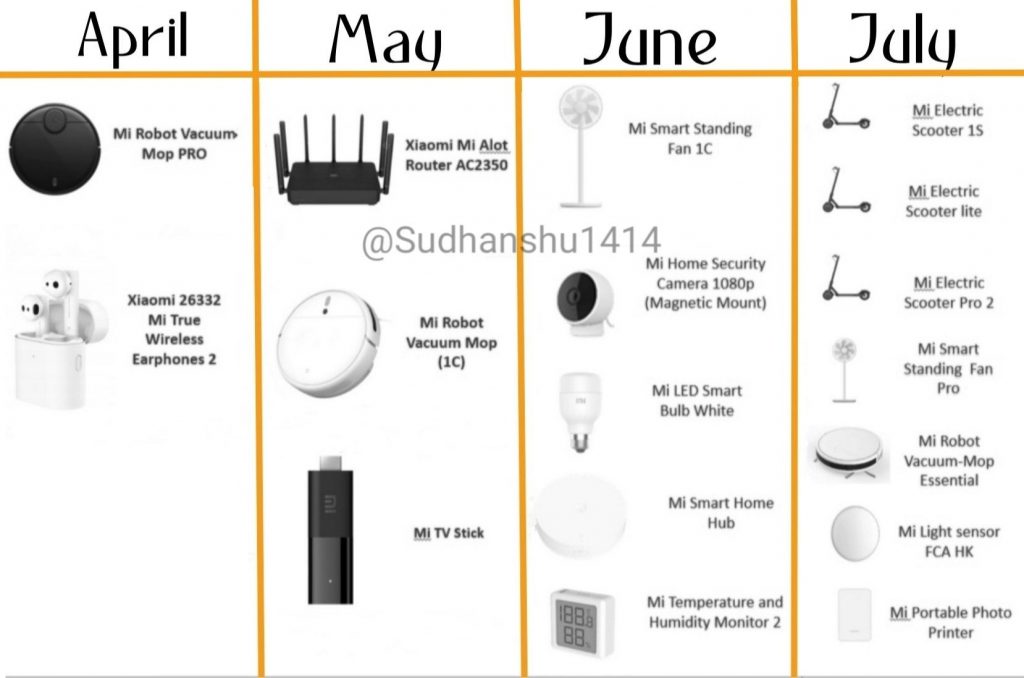
The list is said to contain Xiaomi’s product roadmap for the European market and contains some products that haven’t been launched at all, like the mi TV Stick. Also, some of the products have already been announced when Xiaomi announced the Mi 10 series for Europe. The Mi True Wireless Earphones 2 is one of them, the Mi AIoT Router AC2350 is another. Both products alongside the Mi Robot Vaccum Mop 1C and Mi TV Stick are expected to be released in May.
Other products on the list include the Mi Smart Standing Fan 1C, Mi Home Security Camera 1080p (Magnetic Mount), Mi Smart Home Hub, Mi Temperature and Humidity Monitor 2 and Mi LED Smart Bulb White, expected to be released in June. The Mi Electric Scooter 1S, Mi Electric Scooter Lite, Mi Electric Scooter Pro 2, Mi Smart Standing Fan Pro, Mi Robot Vacuum Mop Essential, Mi Light Sensor FCA HK and Mi Portable Photo Printer are scheduled for release in Europe in July.
Here's the entire list of Xiaomi's Smart IoT products that will be launching in Europe in upcoming months! Thanks to my exclusive Chinese source 😉 pic.twitter.com/qQMH3FTGyX
This is amazing news, even though it still remains a rumour at this point. If it turns out to be true, it is definitely the right step in the right direction for a company who has got a huge following in Europe.
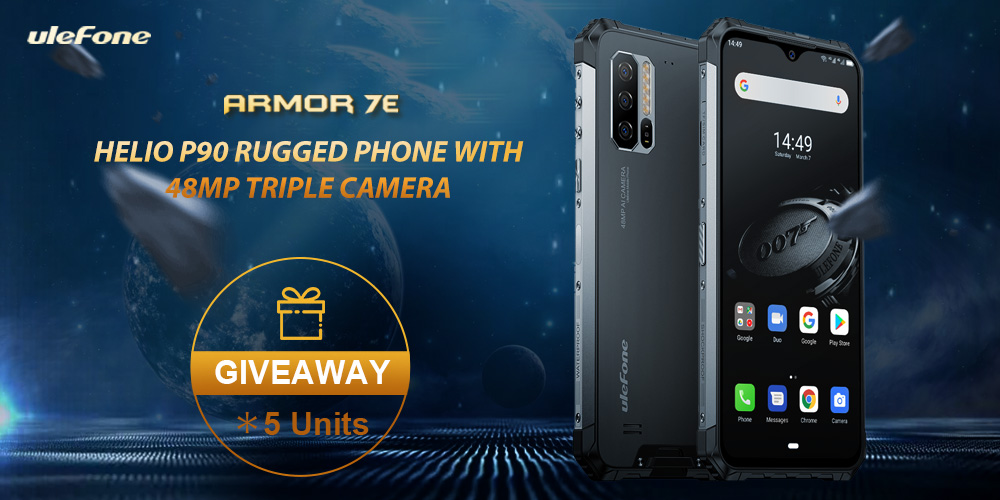
Ulefone is hosting a giveaway for its newly launched professional rugged smartphone – Ulefone Armor 7E. The company is offering a chance to win 5 Ulefone Armor 7E units for free by entering the giveaway. It is to celebrate the smartphone’s international launch. Ulefone Armor 7E is a much sought-after rugged smartphone comprising a powerful camera equipped with AI scene recognition.
Ulefone Armor 7E is an affordable smartphone featuring a triple rear camera module with a 48-megapixel primary camera and two 2-megapixel sensors. The camera is capable to capture high-quality images with ultra-clear and detailed photos in super-high-resolution. Moreover, the camera can handle different scenes effectively with the help of AI-enhanced algorithms. The camera capabilities are perfectly demonstrated in the video below:
The video shows the low noise photos without stuttering even after zooming up to certain levels. Artificial Intelligence can easily detect different scenes and helps the camera to adjust settings like brightness, contrast, and saturation while capturing the photos. This is the only reason the camera captures well-saturated photos. It can even capture detailed photos in low light or during night time. Ulefone Armor 7E supports 4K video recording, slow-mo recording, time-lapse, pro mode, underwater camera mode, etc.
Ulefone Armor 7E is powered with Helio P90 AI processor, 4GB RAM and 128 GB internal storage. There’s a huge 5500 mAh battery with 10W Qi Wireless Charging is sufficient enough to withstand for a couple of days. The smartphone runs on Android 9 Pie and supports global network bands, quad positioning system and much more. In sensors, the device consists of a heart rate sensor, NFC & Google Pay, and other necessary equipment.
Enter Ulefone Armor 7E giveaway
Ulefone Armor 7E is a powerful rugged smartphone and the users can own it for free by entering the giveaway. The giveaway for Ulefone Armor 7E will take place from April 17 to May 16. The interested users have to follow the rules of the giveaway. To participate the users can head over to the giveaway page and read all the instructions.
Moreover, if you are willing to buy the smartphone, then head over to AliExpress and you can grab it for the discounted price of $219.
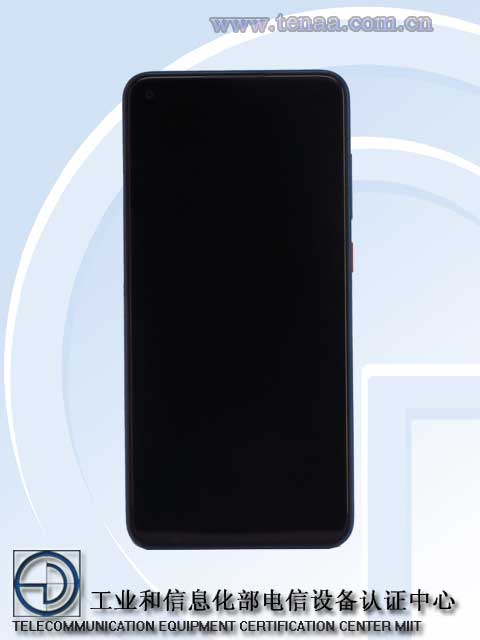
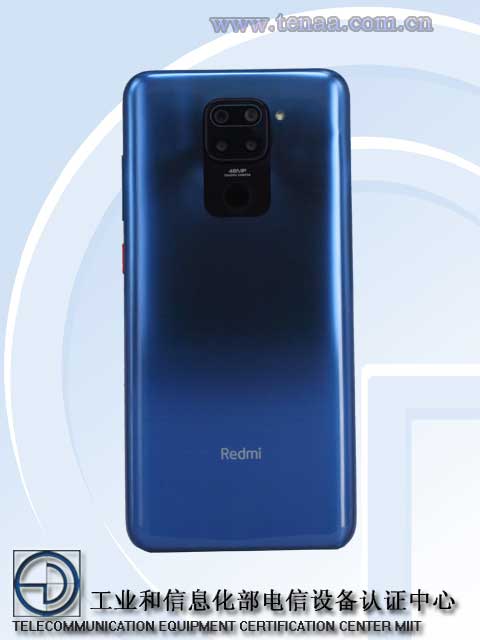
Xiaomi‘s independent Redmi brand recently launched the Redmi Note 9 Pro and Not 9 Pro Max. The Redmi Note 9S was later launched in other markets with similar specs as the Note 9 Pro. No mention has been made of the Redmi Note 9 since then but a TENAA listing for the model has emerged suggesting that the brand may take the wraps off the model soon.
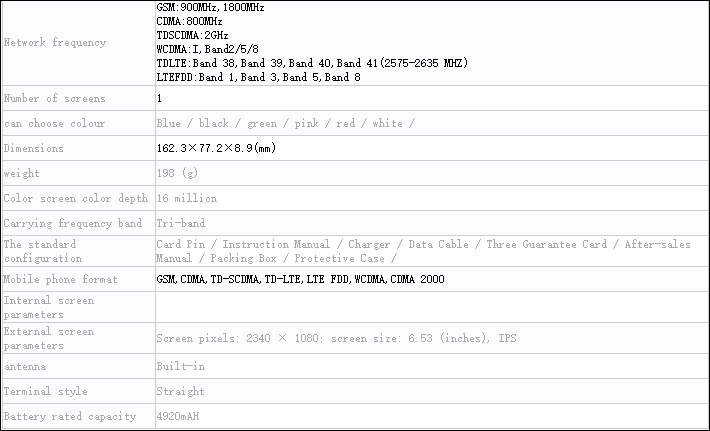
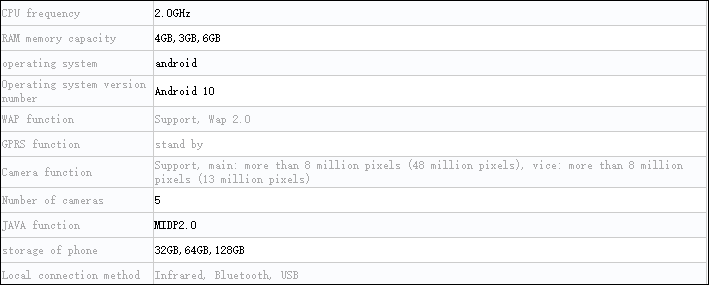
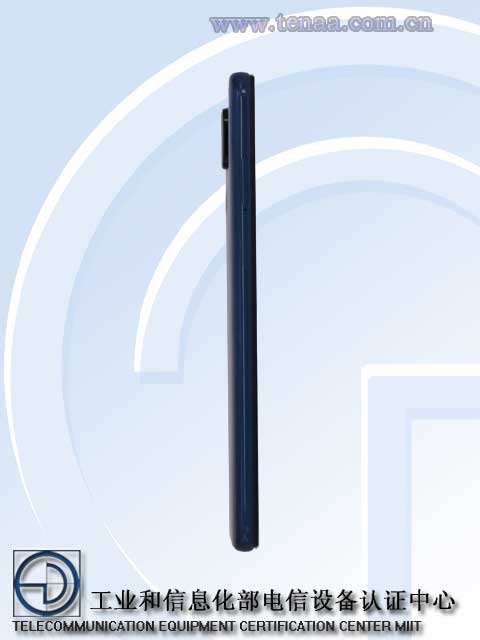
The device hits TENAA with the model number Redmi M2003J15SC. A model bearing this same model number had earlier appeared on China’s 3C website. The TENAA listing reveals the specifications as well as the images of the device.
The Redmi Note 9 is listed to feature a 6.43-inch IPS LCD display with an FHD+ resolution of 1080 x 2340 pixels. The device is 8.9mm thick and weighs just 198g. The device equally comes with a 4,920mAh battery.
The front and rear designs are similar to those of the Note 9 Pro with a few modifications. First, the device packs a punch-hole located at the upper-left corner as against a centrally placed one. Also, there is a rear-mounted fingerprint sensor just underneath the quad-camera setup. Recall that the Redmi Note 9 Pro models feature a side-mounted fingerprint sensor.
The Redmi Note 9 is listed to pack a 2.0GHz processor which is possibly a MediaTek Helio G8O chipset. The device will have 4GB, 6GB and 8GB RAM versions as well as 32GB, 64GB and 128GB internal storage options. For photography, there is a 48MP main sensor and a 13MP selfie shooter. It will run on Android 10 OS which will definitely have the MIUI custom overlay.
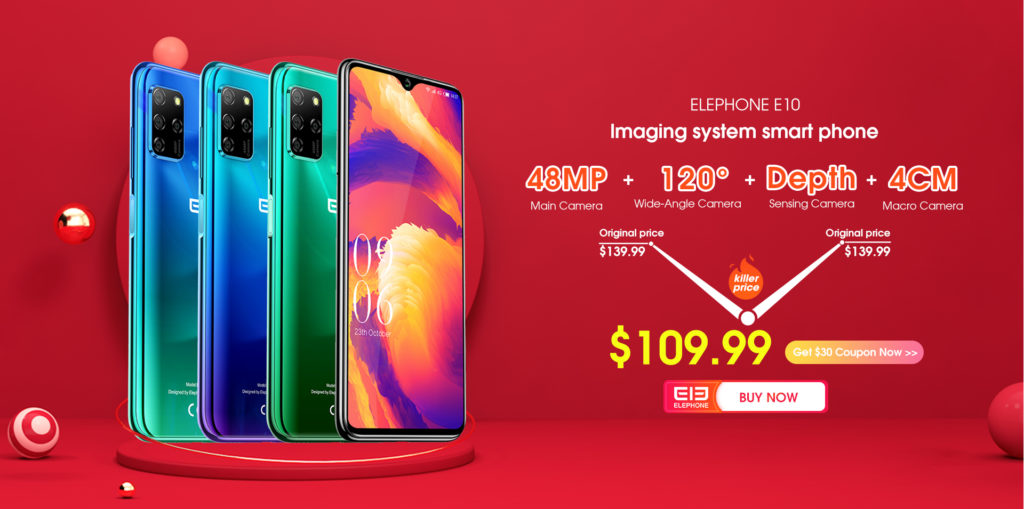
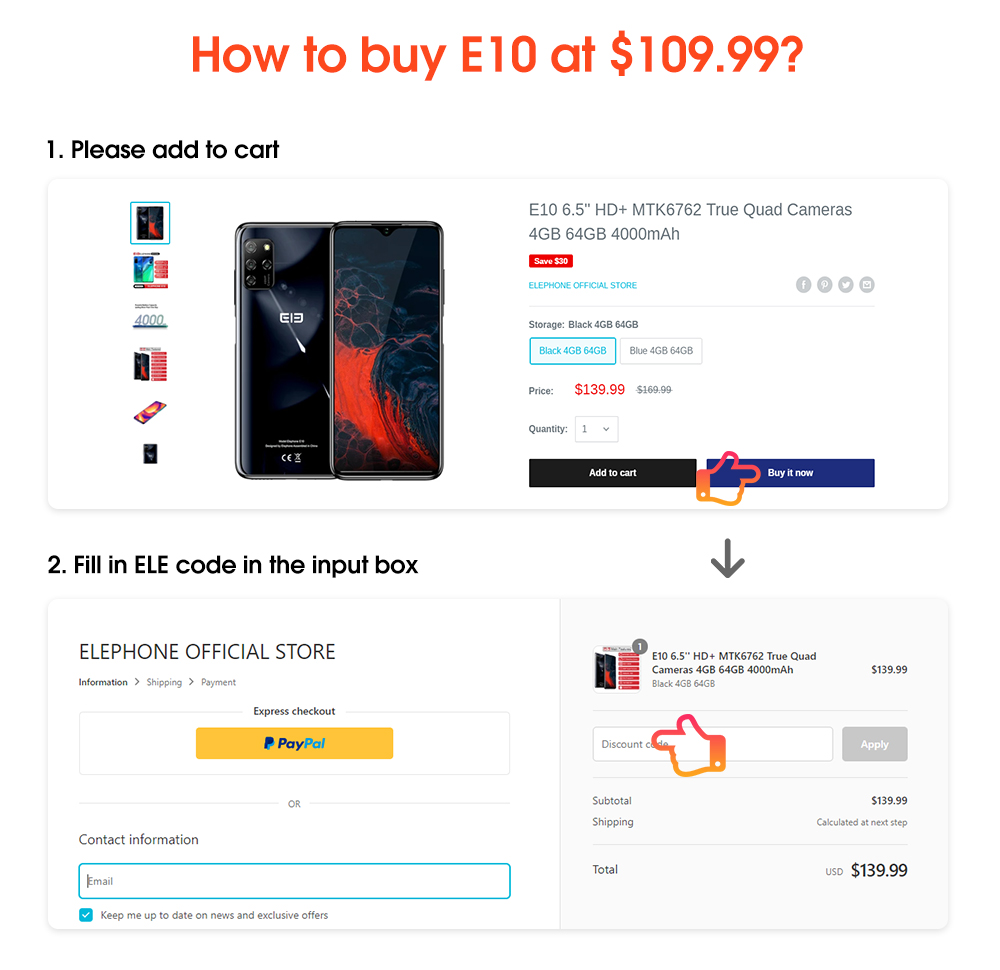
Elephone E10 is the most cost-effective camera smartphone till now, and it has become more affordable with the $30 discount coupon code. The company in a recent promotion activity started offering a discount coupon to offer Elephone E10 at a reduced price of $109. Elephone E10 offers powerful specifications at such competitive pricing.
Elephone E10 carries a 6.5-inch waterdrop display having a 19:9 aspect ratio and 90.3% screen-to-body ratio for better viewing experience. The smartphone is a perfect fit to enjoy movies and games with a high-resolution display. Its waterdrop notch distracts less and provides clear sight. The front and the rear glass of the device makes it easy to hold the device.
The smartphone embeds a quad-camera sensor consisting of a 48-megapixel primary camera 13-megapixel 120-degree ultra-wide-angle lens, a depth-sensing camera and a 4cm macro lens. There’s a 13-megapixel front camera for selfies and video calling.
It is powered with an MTK’s new generation processor built on 16nm processor featuring eight cores with a maximum clocking speed of 2.0GHz. The Helio P22 chipset is well designed to take care of graphics-intensive tasks and manage AI functions efficiently. It is coupled with 4GB RAM and 128GB internal storage. However, the users can even expand the external storage up to 512GB via SD card.
Elephone E10 also supports Google Pay contactless payments via the NFC chip. A 4000 mAh battery is more than enough to withstand a day full of gaming, camera and other power-intensive tasks.
The Honor 9X and the Honor 9X Pro launched in July 2019 were the world’s first smartphones to be powered by HiSilicon Kirin 810 SoC. This duo has now successfully sold over 10 million units in China according to a Weibo post by Guan Haitao, the vice president of marketing at Honor.
The Honor 9X series sold over 3 million units just within 29 days of its launch in China. However, it took about 8 months to reach 10 million units, thanks to intense competition from competitors as well as newer devices from Honor and its parent company Huawei.
Still, it’s a great accomplishment by the brand to sell such a huge number of units of a single series in a sea of smartphones launching every other week. This count could have been even larger if the original Honor 9X and Honor 9X Pro ever saw a launch in international markets.
As for the brand, it is also celebrating the success of the HiSilicon Kirin 810 chipset as it debuted on these smartphones. This chip was recently succeeded by HiSilion Kirin 820 5G. As the name suggests, it features an integrated 5G modem and powers the brand new Honor 30S. The upcoming Huawei Nova 7 SE is also expected to feature this new 7nm 5G chipset.
This is not the golden age of mainstream smartphones anymore. The crazy time of smartphones may have long gone – now its the time of smartphones with incremental updates.
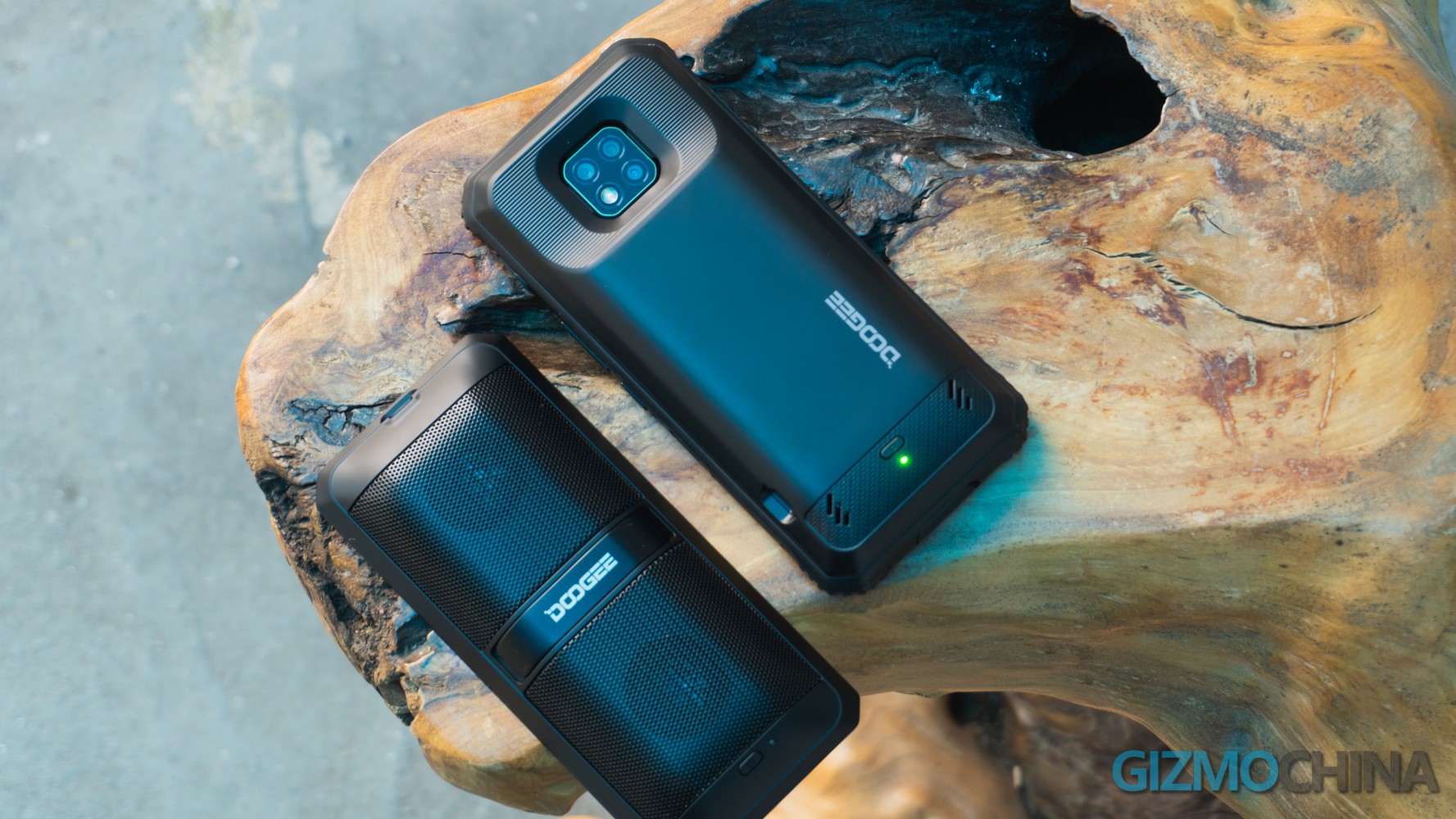
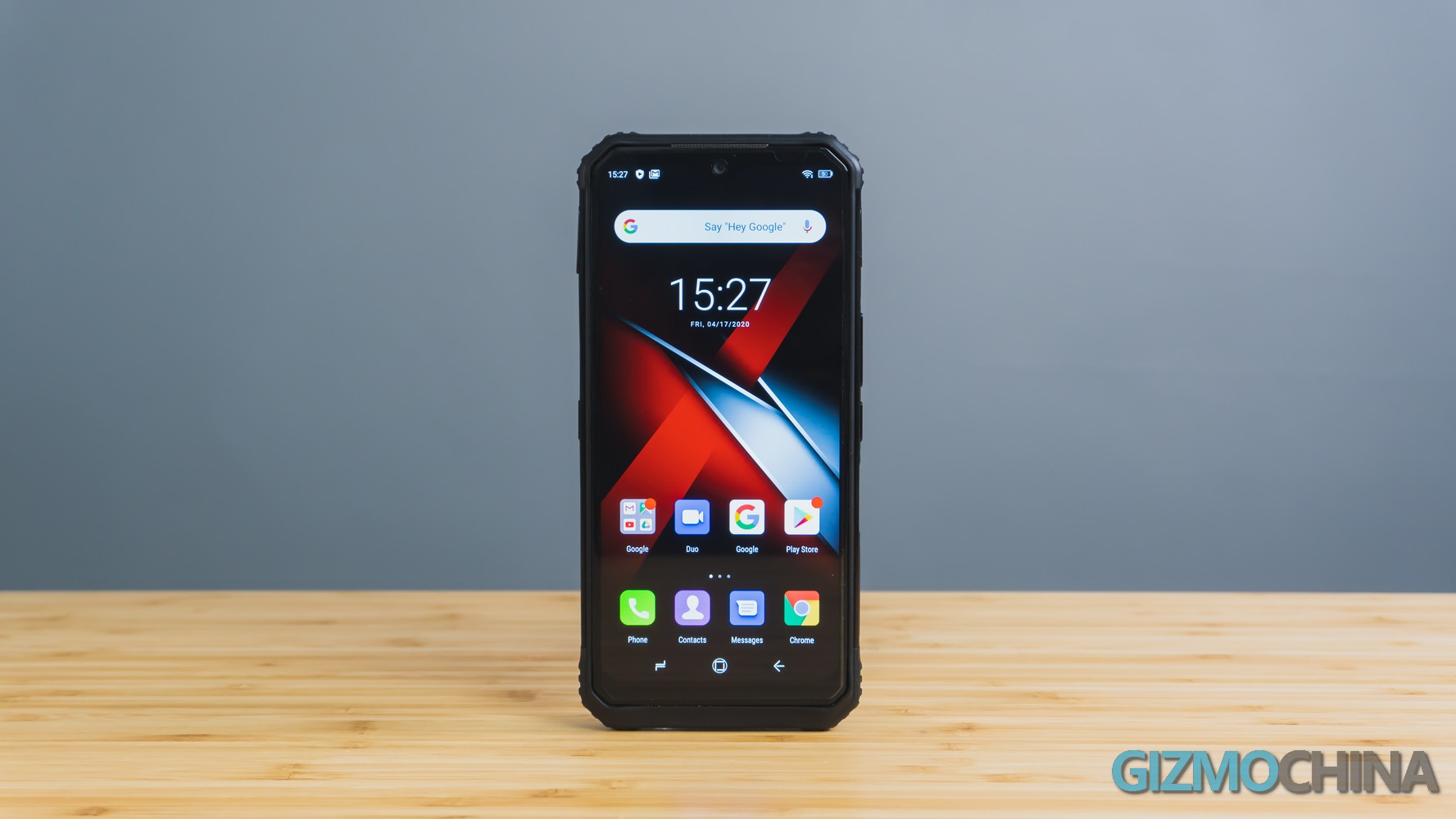
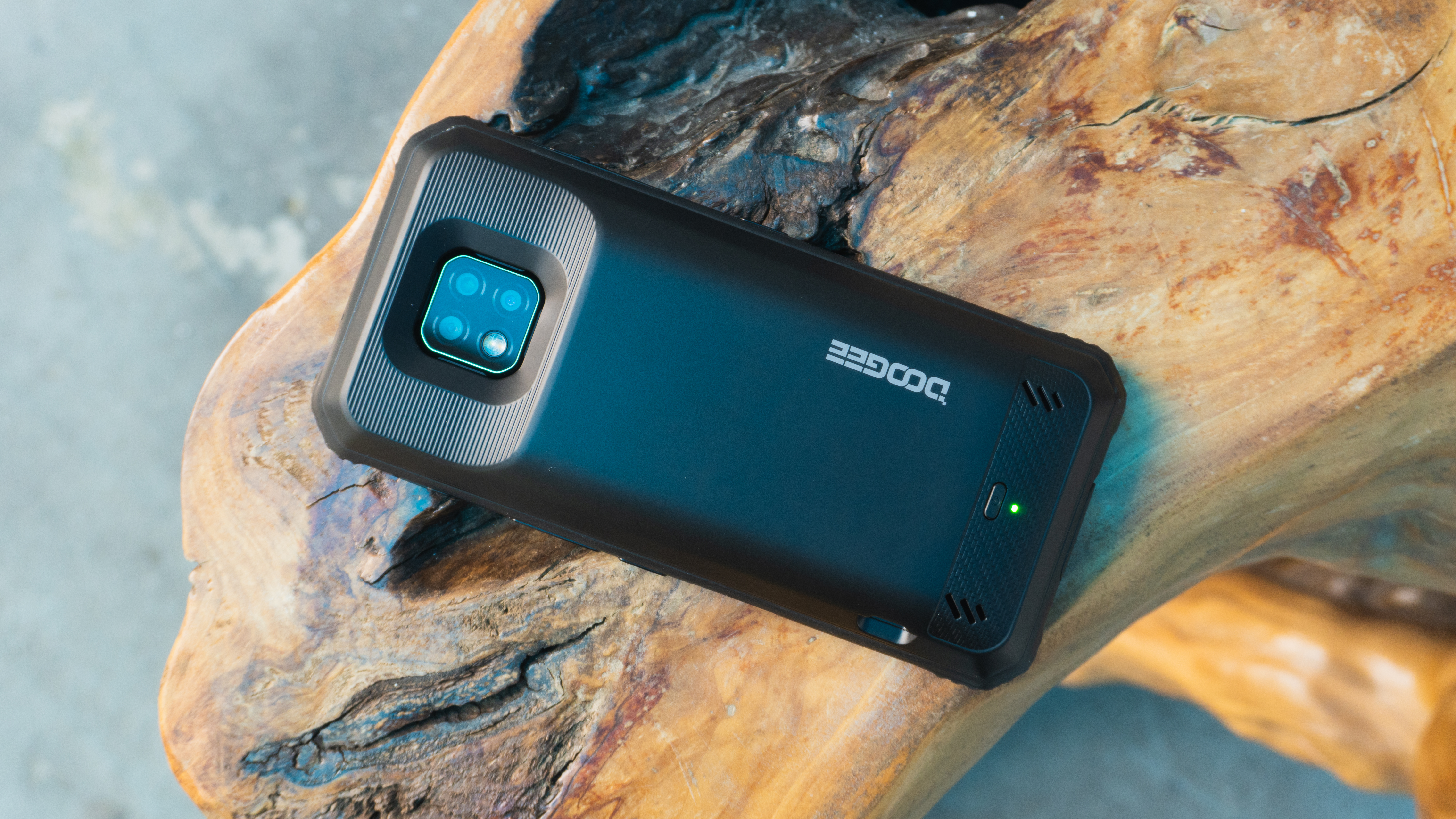
However, the segment of rugged smartphones is rising up. There is no certain standard dictating how a rugged smartphone should look like. From this point, DOOGEE is definitely on the top of the range with its latest modular rugged phone, DOOGEE S95 Pro. If the DOOGEE smartphone is just waterproof, shockproof and scratchproof, I wouldn’t be impressed. But the most attractive feature of the S95 Pro are the attached modular components.
DOOGEE S95 Pro Review: Design
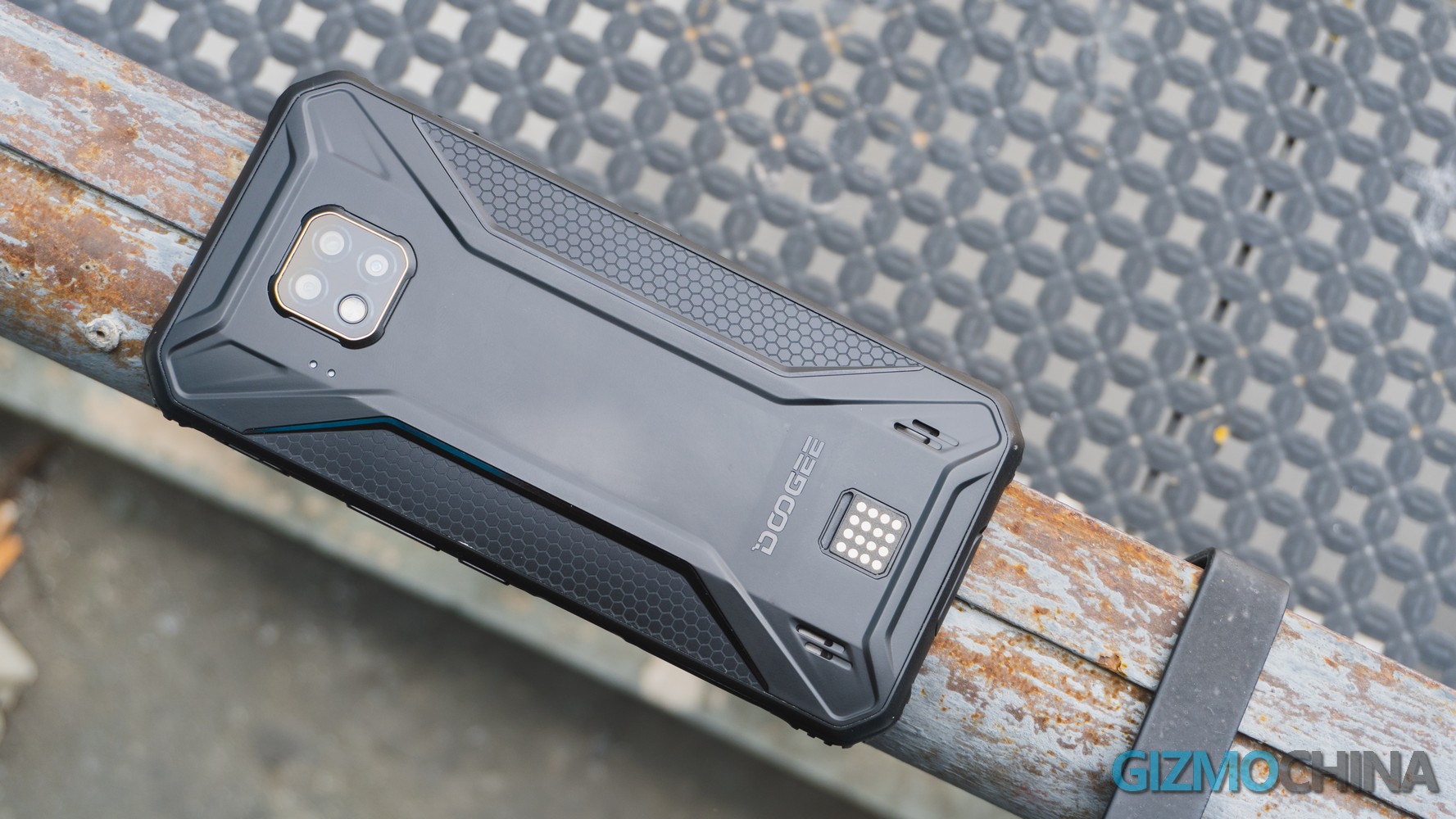
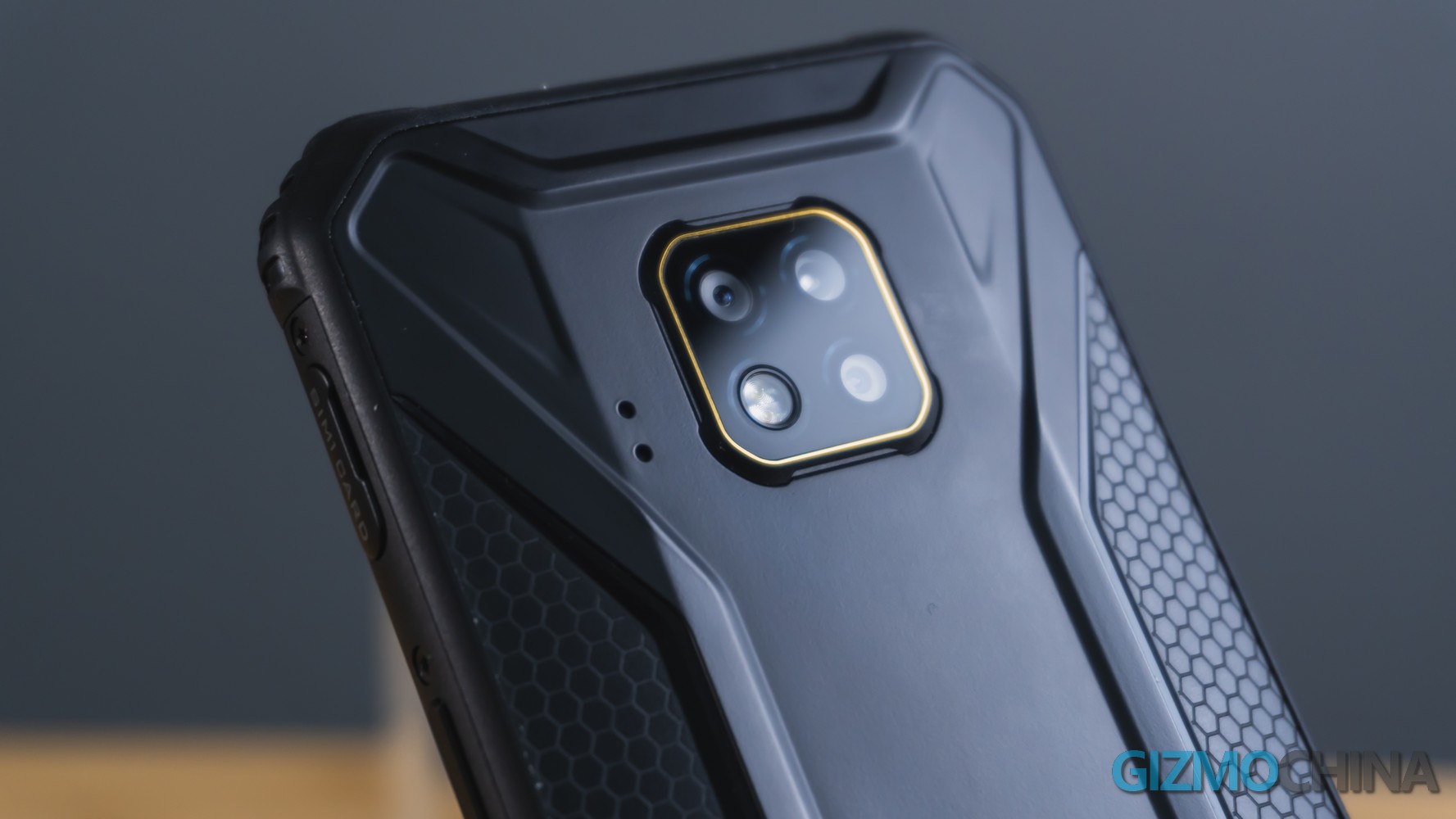
DOOGEE is one of the most prolific rugged phone producers. After upgrade over the past few years, it has developed a unique design on its rugged devices. Especially for the DOOGEE S95 Pro, compared to most large rugged phones, DOOGEE has worked to refine its smartphone design by making it relatively lightweight (284g) with an extremely tough built. But for a rugged phone, thin body size is not the priority. The S95 Pro is armed with a solid metal frame and special rubber sheet which was claimed as ‘industry-leading’ rubber protection. Such a combination of metal frame and rubber protection allows users to enter extreme conditions – without worry.
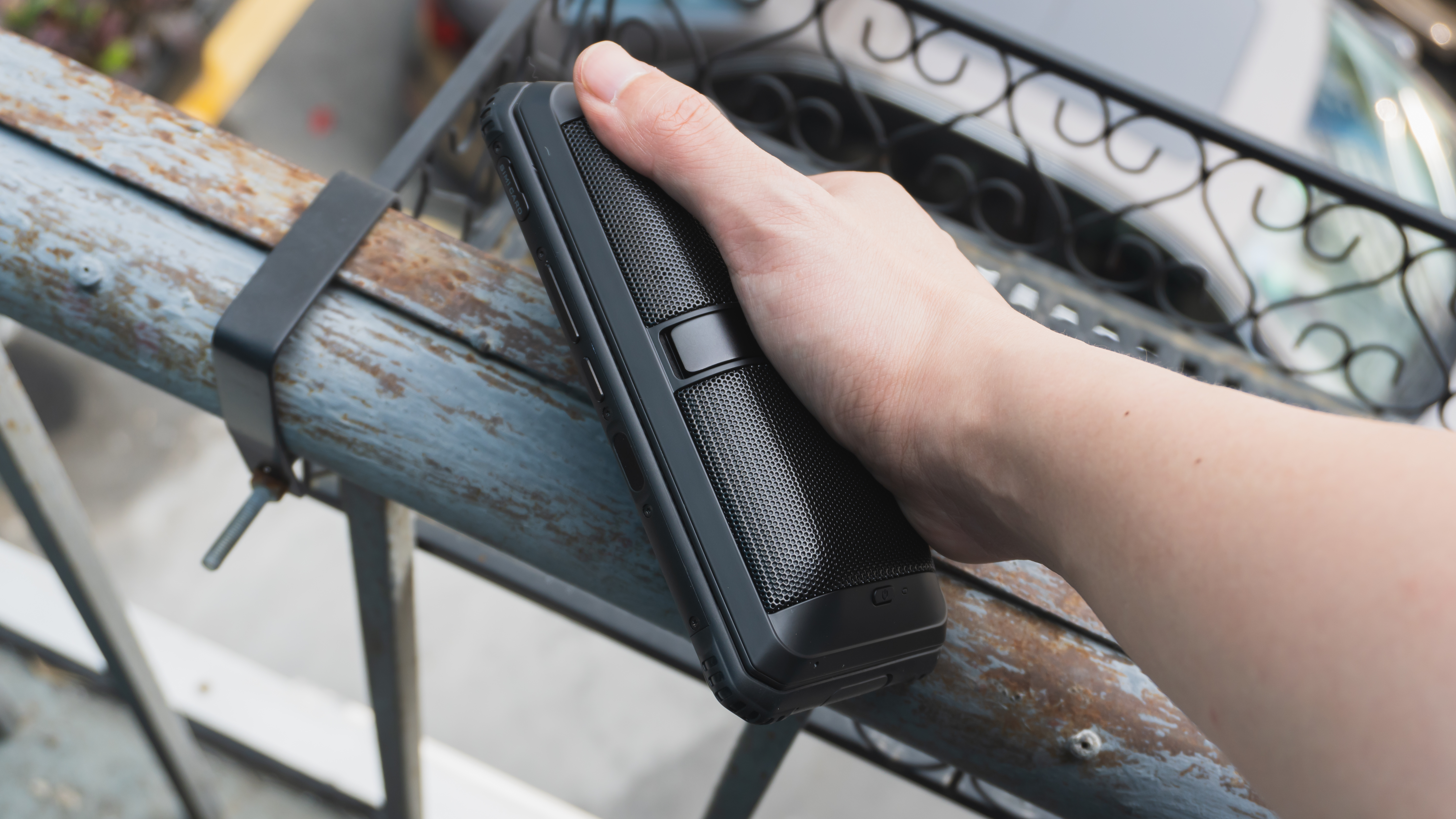
There are two SIM slots on both sides of the phone frame. One is simply applied for SIM card, and the other one can be taken for either a second SIM card or a micro-SD card as external storage. Below the SIM1 slot, there is a sequence of buttons including volume buttons, a power button, and another fingerprint recognition sensor. The military-style of the rear design brings a unified and clear production positioning for the device. The S95 is rated IP68/IP69K, which is on top of the usual dust and water resistance. And it also has MIL-STD-810G certification.
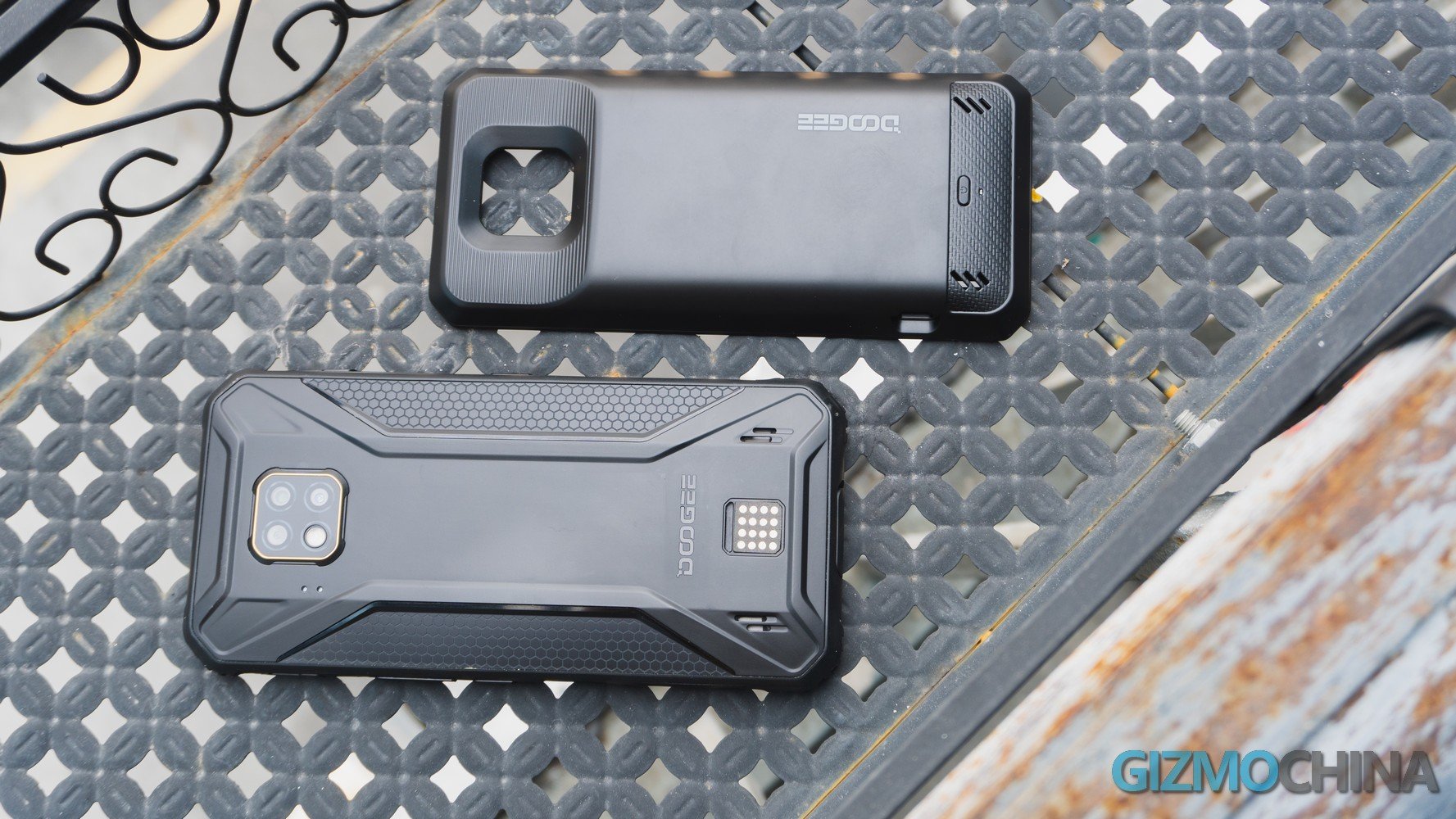
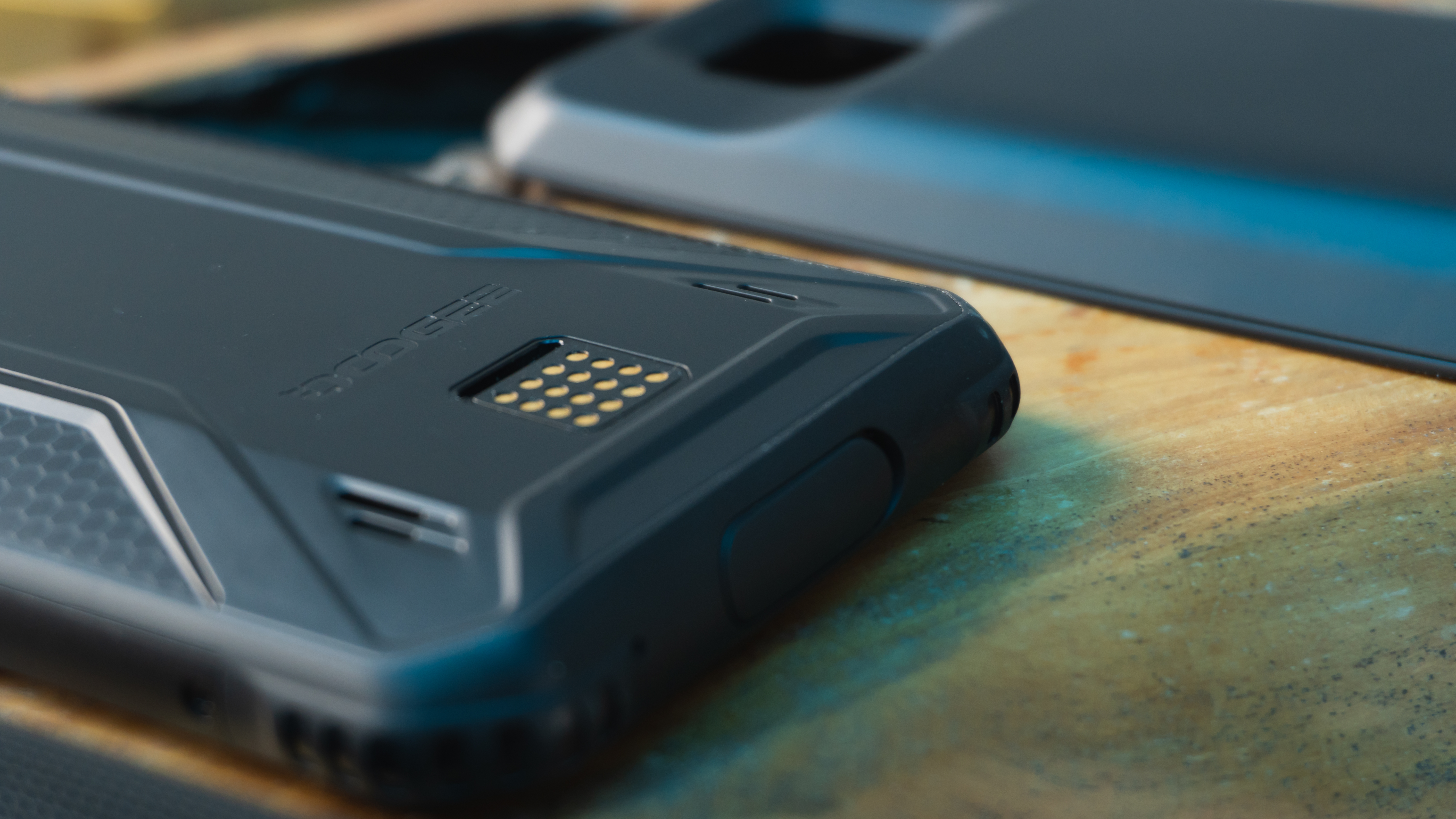
In addition to this, the S95 Pro equipped triple rear cameras, including a Sony IMX 582 48MP camera, an 8MP ultrawide camera (117°) and 8MP depth sensor. As a module phone, it has a magnetic module port for attaching the official modules. So far, the DOOGEE has developed a speaker module and another power module.
DOOGEE S95 Pro Review: Display
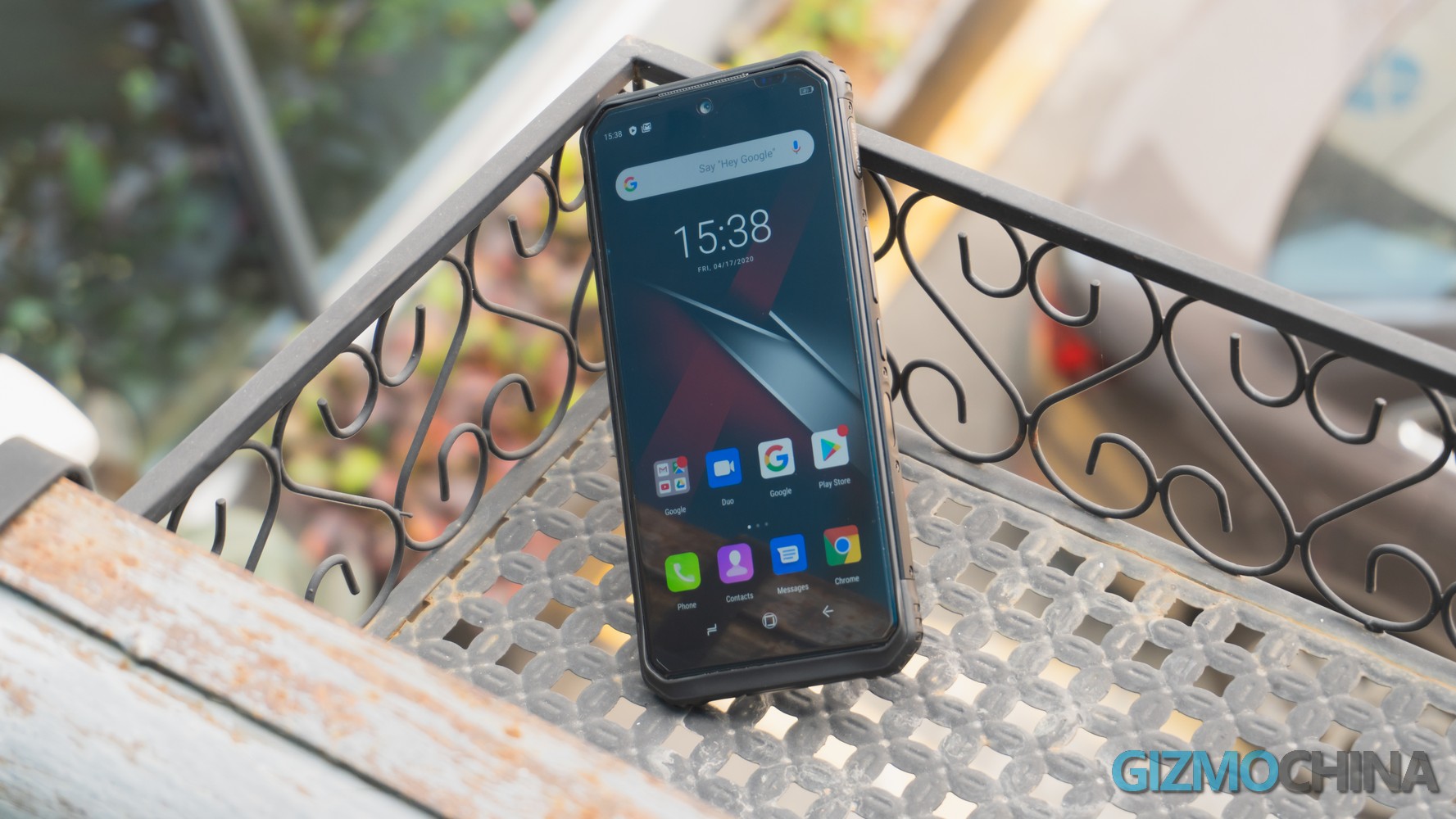
The S95 Pro features a 6.3-inch screen with a 2160 x 1080 pixel resolution and Corning Gorilla Glass 5 covered. And it supports a MiraVision tuning, which allows users to tailor picture quality based on their needs, and further choose Picture/User Mode by themselves.
Hardware
The S95 Pro equipped an MTK Helio P90 Soc, which is considered as a worthy opponent of the Snapdragon 710. And it offers 8GB RAM and 128GB Samsung UFS 2.0 storage, which is not as fast as the UFS3.0 used in 2020 flagships, but still better than the eMMC storage used in other mid-rangers.
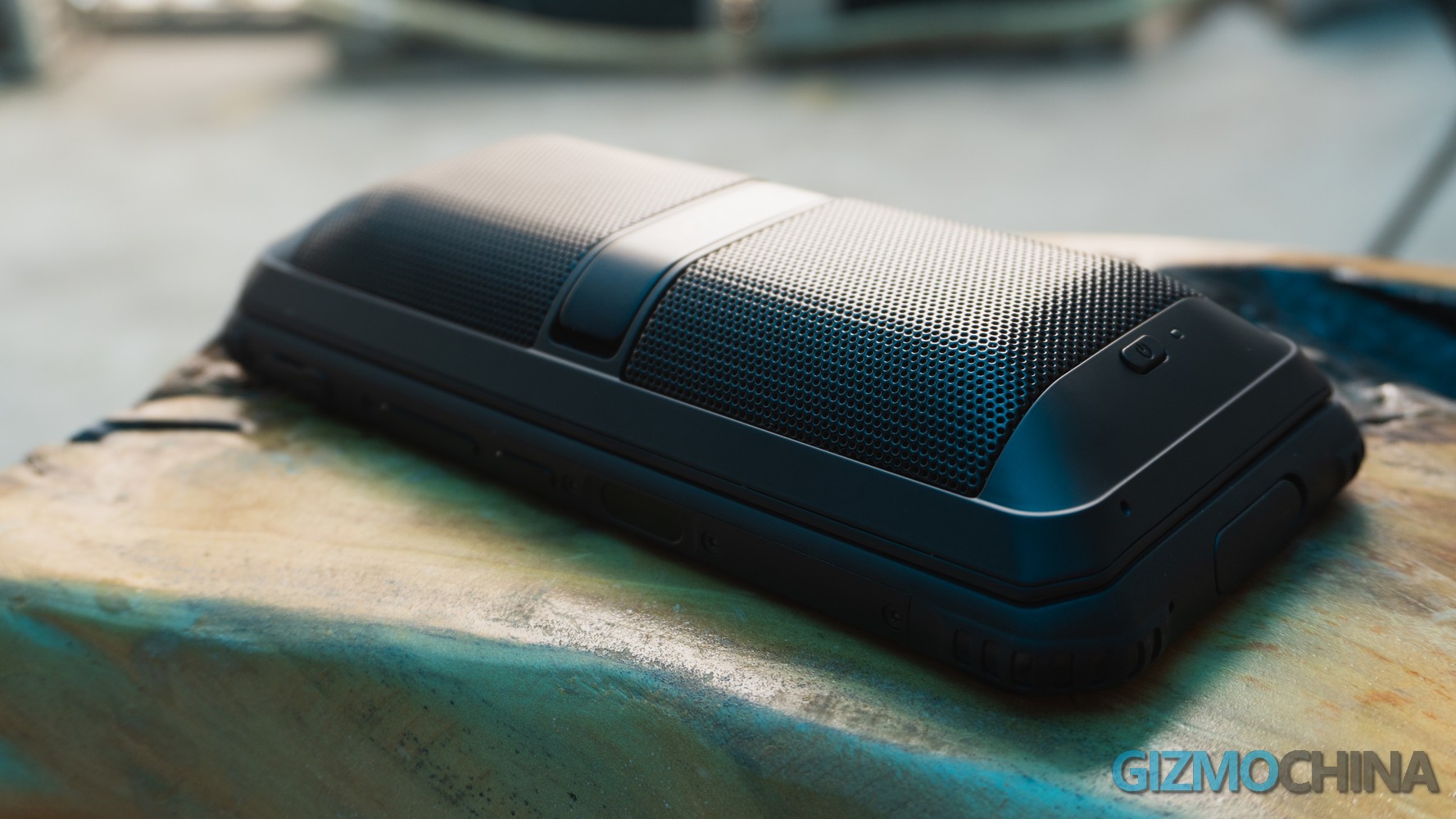
Speaker Module & Power Module
Like the other rugged phones, the 5150mAh large battery is necessary for long-lasting endurance when facing an awful situation. After seeing some rugged phones with even 10000mAh, the S95 Pro’s battery capacity may not be surprising. However, the attachable 3850mAh battery pack and the size-down body provides another solution. The phone can fast-charge at up to 24W.
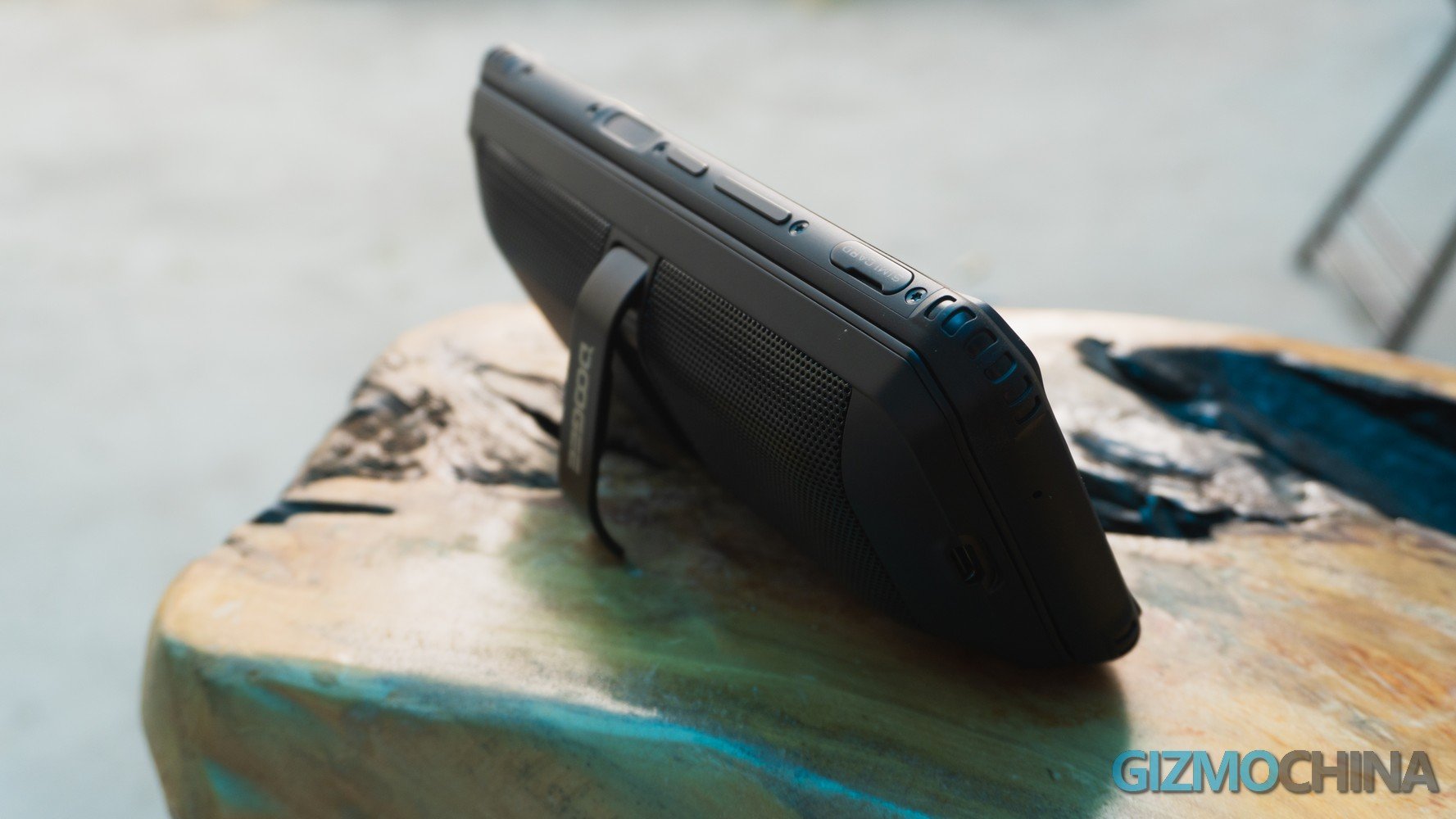
The speaker module has two 27mm speakers and a kickstand to prop up the phone. No need to worry about power consumption as the separate battery inside can last for around 10 hours. A noteworthy detail is that the speaker module will cover the phone’s camera while the power pack will not, which is much reasonable as we can imagine what scenarios users will put these two on. But these modules are not as waterproof or shock resistant as the phone is, so pay attention not to drop them on the ground or in the water.
Use experience
The S95 Pro runs the Android 9.0 Pie system, which is kind of disappointing. The system was updated to February 10, 2020, with the January 5, 2020 security patch level. As for its performance, it’s known that most Rugged phones cannot be compared to the performance of mainstream flagships and the S95 Pro is no exception. However, with Helio P90 onboard the S95 Pro is still one of the most powerful rugged smartphones. Helio P90 is pretty good for the device, after all, a rugged phone’s priority is always its toughness and its capacity of adapting to different bad conditions.
In our daily use, it did match our expectations of a top rugged phone. The rubber protected the machine well when accidentally dropping the phone on the ground. Especially the thickened rubber of four corners could sustain the impact of dropping and not even hit the display. Then we exposed it in the rain for over an hour and it came out fine.
Cameras
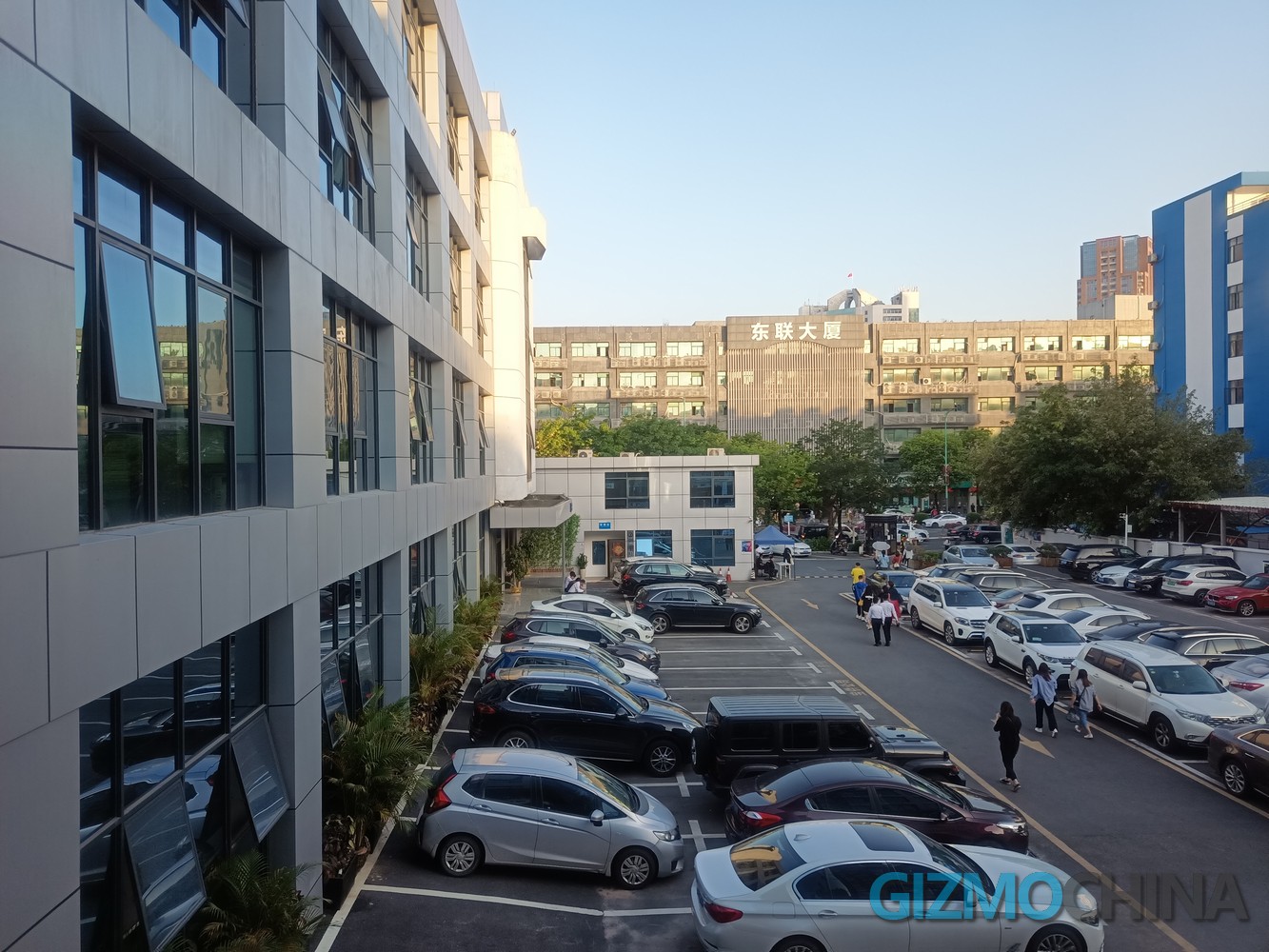
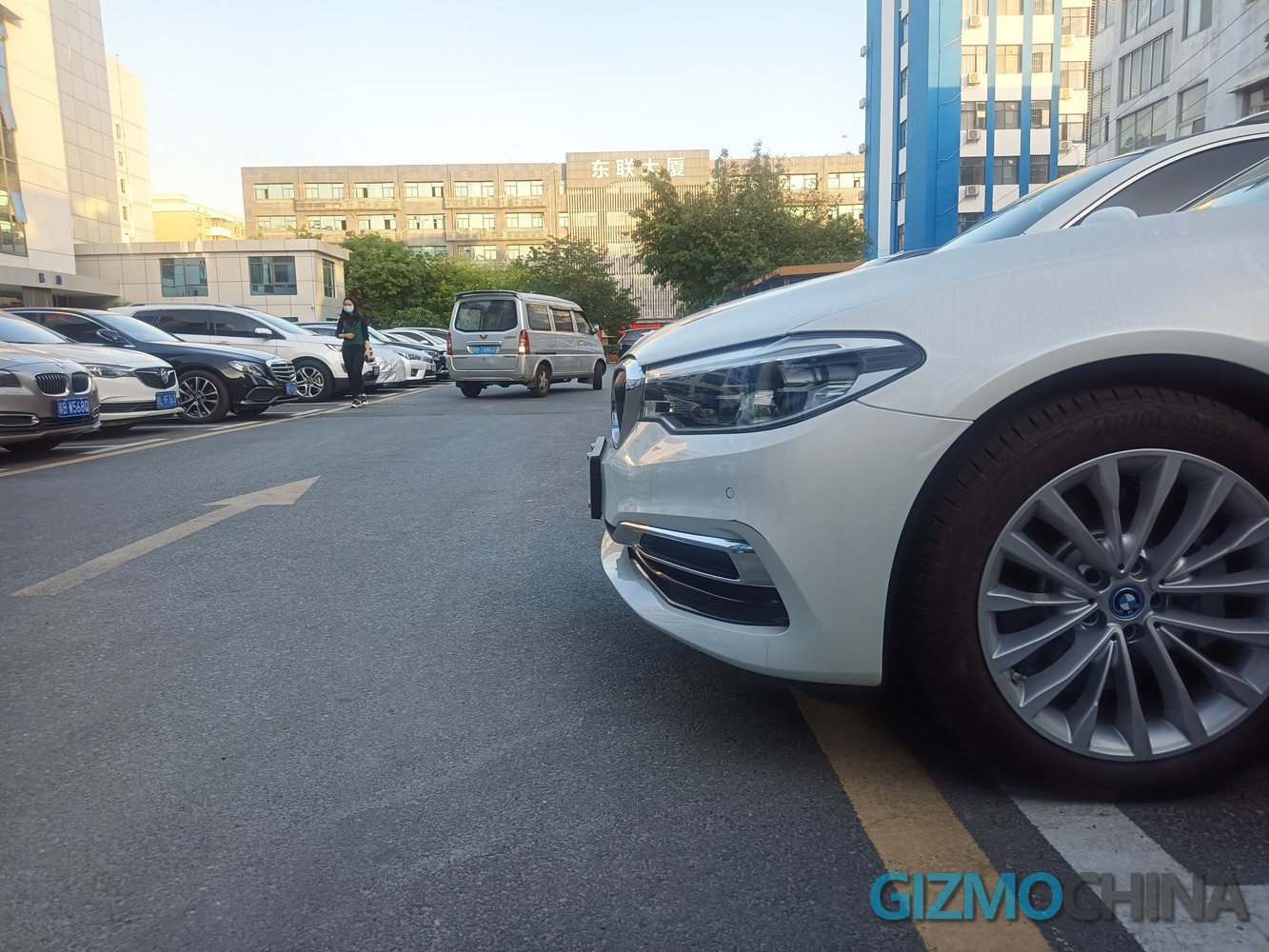
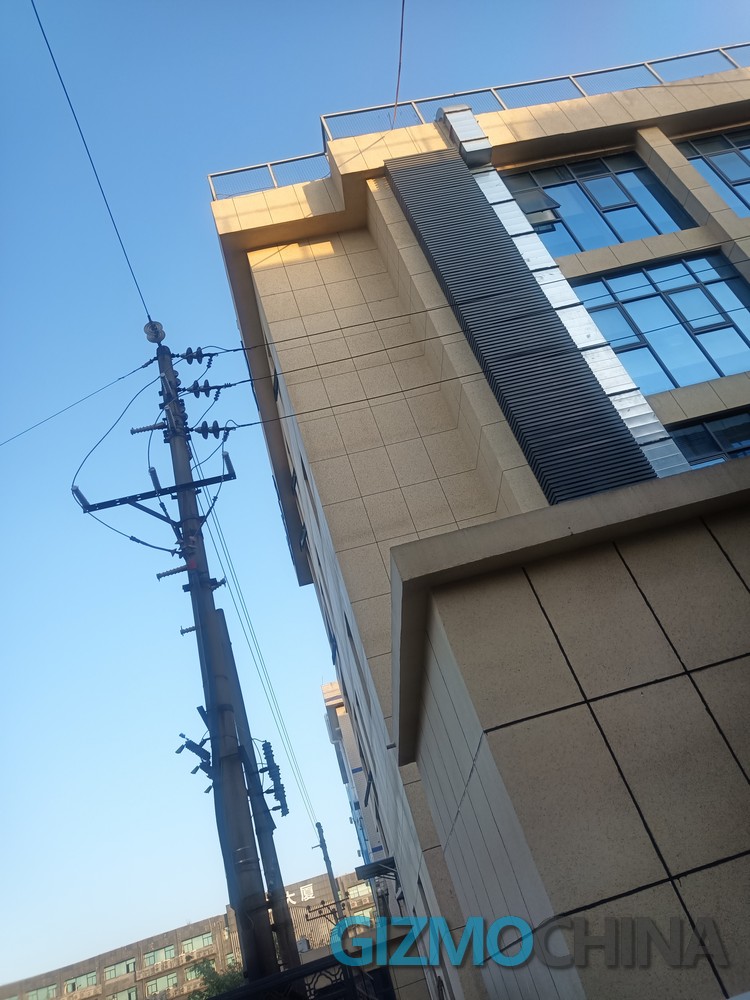
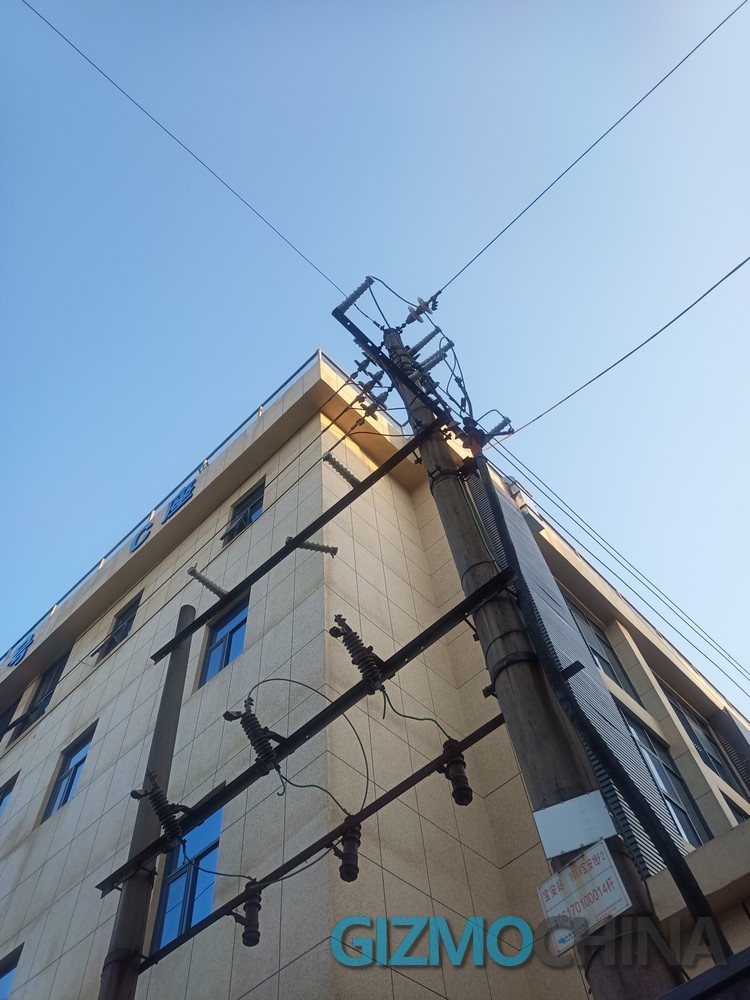
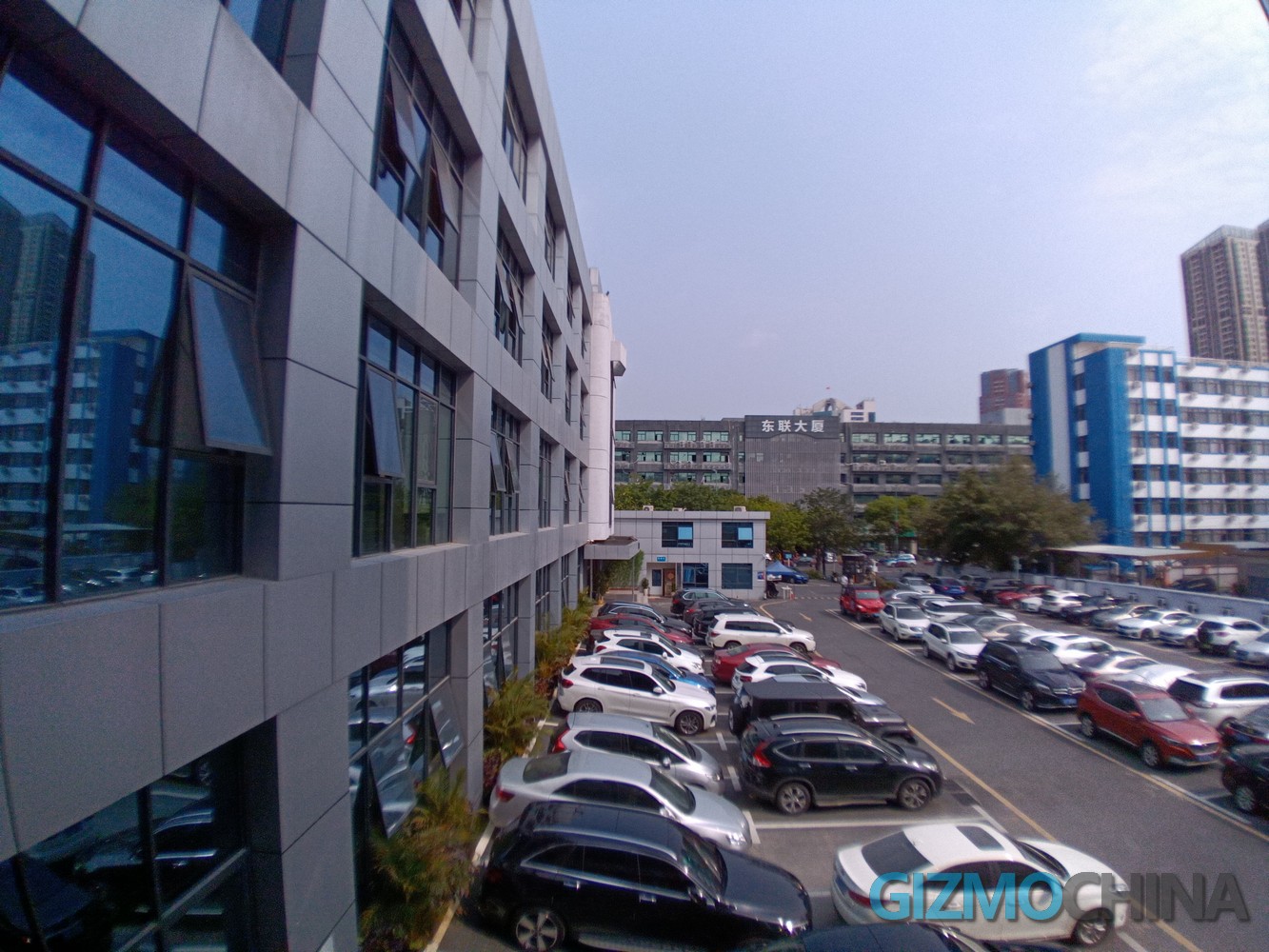
We took some photos with the S95 Pro. The 48MP primary camera can produce relatively true colors with a good resolution. The wide-angle samples could reach a wider angle but still, need to improve the anti-distortion. Just look at the samples and see whether it met your needs.
1 of 8
WIDE ANGLE
Conclusion
The S95 Pro is an excellent rugged phone that can handle extreme conditions. But what’s more surprising is its modular capability that expands its features. There are even some interesting ways to make good use of the module set. For example, connect to the computer with the speaker module and turn it as MIDI.
With an affordable price tag, the S95 Pro is not just another alternative to a primary smartphone. It is an ideal choice for those who enjoy outdoor activities or have to work outdoors, such as adventure enthusiasts or construction workers.
Here is the best price for Doogee S95 Pro with this coupon to save 10%: DGS95PRO10OFF, Please click here: BUY Doogee S95 Pro on Official shop
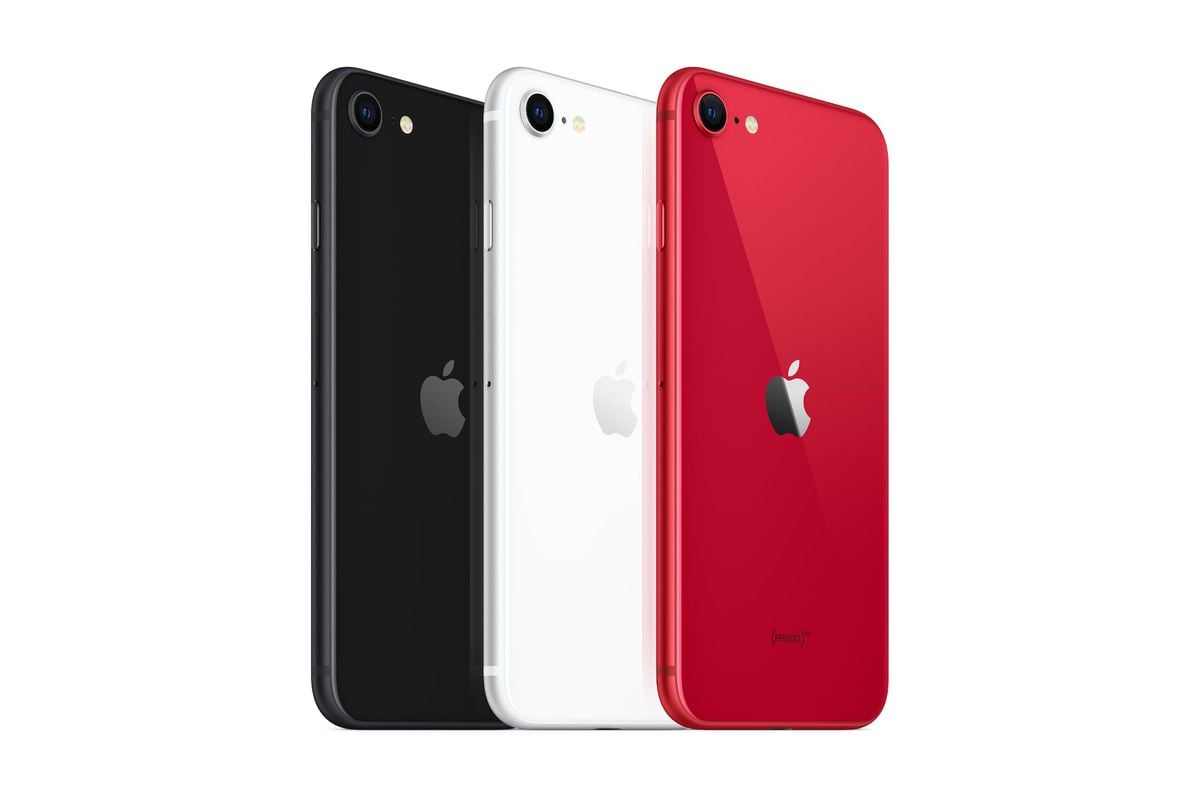
Apple launched the iPhone SE 2020 on April 15 with the pricing starting at $399 for the 64GB storage version. The iPhone SE has now been launched for sale in China. The main sales will kick off on April 24 but pre-sale commences at 8 PM UTC+1 today. Pricing starts at 3299 yuan ($466) for the 64GB variant while the 128GB storage version is priced at 3799 yuan ($537). The 256GB version comes with a 4599 yuan ($650) price tag. However, Apple is offering a 400 yuan (~$56) rebate on all the variants bringing down the starting price to 2899 yuan (~$409).
The iPhone SE 2020 is a 4G phone released at a time when the industry is rapidly shifting focus to 5G especially in China. Curiously, that may not affect the sales as the pricing and configuration make this a potentially hot-selling model in China. Fans are already ecstatic about the solid design and most especially the processor. The iPhone SE 2 packs an A13 Bionic chipset which is the same chipset inside the iPhone 11 series.
The iPhone SE 2020 adopts huge bezels around its 4.7-inch Retina HD display. The display supports Haptic Touch for Quick Actions (previewing messages, rearranging apps and more). The home button is covered in sapphire crystal and Touch ID is embedded with it. The rear panel is covered in glass and dorns a single 12MP camera.
Hisense revealed its F50 5G smartphone back in February. However, the handset is yet to be announced officially. Only a few days back, the UNISOC’s Tiger T710 powered device received its April 20 launch date. Now today, the brand teased the complete design of its first-ever 5G smartphone in a video on Weibo.
The teaser video posted by the company confirms the Hisense F50 5G to sport a dew-drop notch display with visible bezels all-around including a larger chin than other 5G smartphones in the market. According to the video, the phone will come in three gradient colour options. The first version resembles ‘Black’ Galaxy A50, the second variant looks similar to ‘More than White’ Mi A3, and the last one mimics ‘Aura Glow’ Galaxy Note 10 Plus.
Further, the teaser once again confirms the presence of UNISOC Tiger T710 Dual Mode (SA / NSA) 5G chipset, a 5,010 mAh battery, and 48MP quad-camera setup. According to a previous teaser, the phone will also have support for 18W fast charging.
The star of the Hisense F50 5G is the UNISOC Tiger T710 5G SoC. It will be the first phone to feature this chipset when it will be launched officially in a few days. The T710 is a 12nm octa-core processor consisting of four Cortex-A75 cores and four Cortex-A55 cores clocked at 2.0GHz and 1.8GHz respectively. The graphics are handled by a PowerVR GM 9444 GPU, whereas the 5G connectivity is possible because of Ivy V510 modem.
We use cookies on our website to give you the most relevant experience by remembering your preferences and repeat visits. By clicking “Accept”, you consent to the use of ALL the cookies.
This website uses cookies to improve your experience while you navigate through the website. Out of these, the cookies that are categorized as necessary are stored on your browser as they are essential for the working of basic functionalities of the website. We also use third-party cookies that help us analyze and understand how you use this website. These cookies will be stored in your browser only with your consent. You also have the option to opt-out of these cookies. But opting out of some of these cookies may affect your browsing experience.
Necessary cookies are absolutely essential for the website to function properly. This category only includes cookies that ensures basic functionalities and security features of the website. These cookies do not store any personal information.
Any cookies that may not be particularly necessary for the website to function and is used specifically to collect user personal data via analytics, ads, other embedded contents are termed as non-necessary cookies. It is mandatory to procure user consent prior to running these cookies on your website.











 The Chinese phone maker revealed full specifications along with the pricing and availability for the U.S., U.K., and Europe. The company released a teaser for the India prices for the OnePlus 8 series.
 You can save $50 simply by applying coupon code OP850 at checkout. In other words, the 8GB RAM+128GB ROM variant can now be yours for just $849, while the larger 12GB RAM+256GB ROM model will set you back only $949.
 The 8GB RAM model bears a $699, while the 12GB RAM model is available for $799. These variants come in three eye-catching color options including black, green and Interstellar Glow. You can place your pre-order by heading straight to