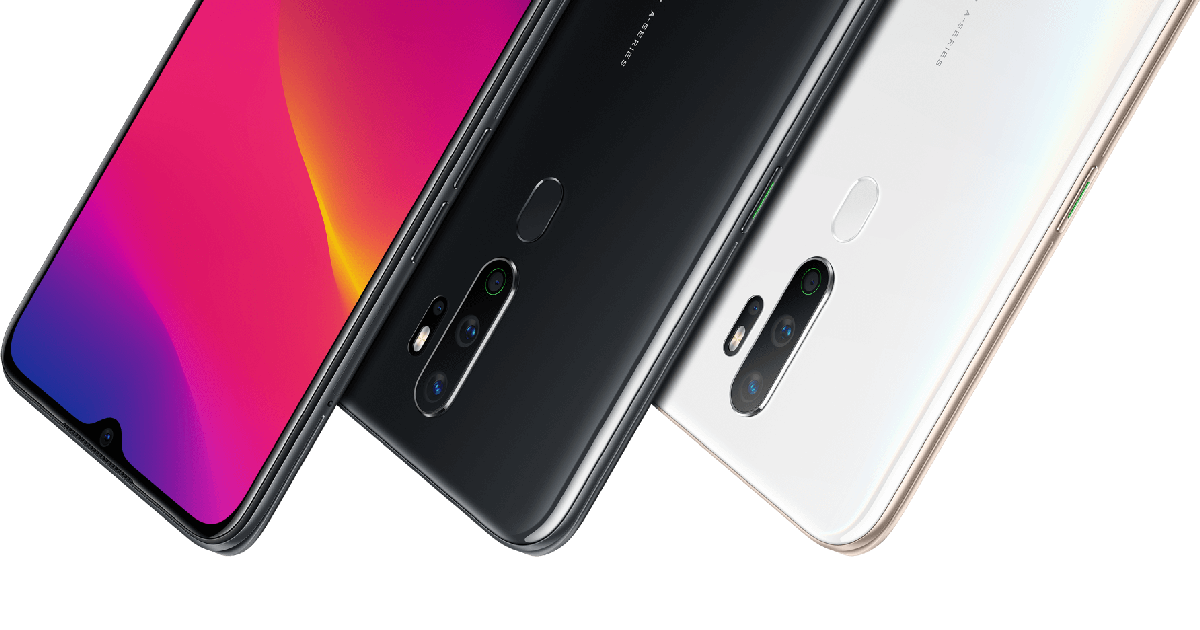
A few days ago, Oppo launched its Oppo Reno3 and Reno3 Pro smartphones in its home market China. Before the company starts selling the devices from 31st December, it had opened reservations for the same.
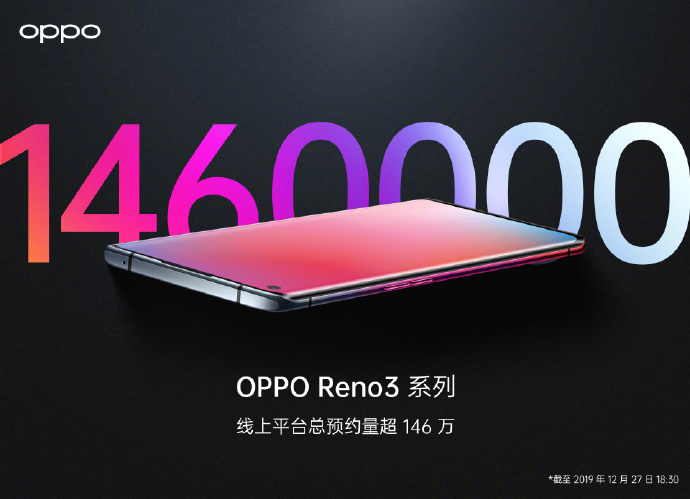
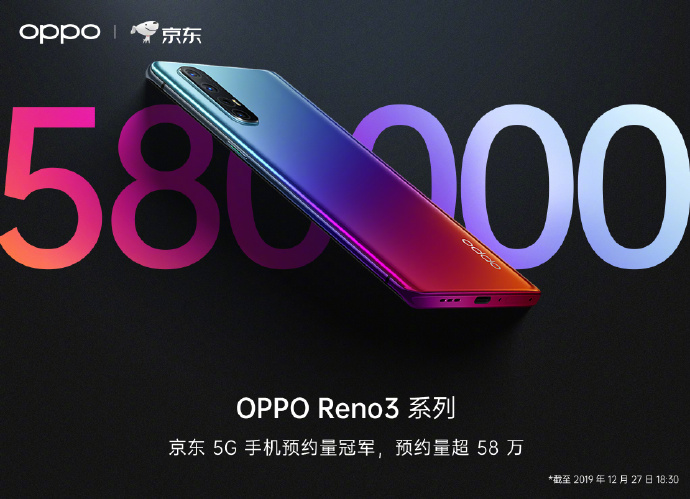
Now, the company has revealed that the reservations for the Oppo Reno3 series smartphones have exceeded the 1.46 million mark. Out of those 1.5 million registrations, about 580,000 came through JD.com and it has also been said that the lineup became the booking champion on TMall for 2019.
Since the announcement was made a couple of days ago, the numbers may have exceeded the 1.5 million mark by now. However, do note that these are just the registration numbers and not the actual sales. It remains to be seen how the device actually performs in the market in terms of sales.
As for the pricing, the Oppo Reno3 5G smartphone starts at 3,399 yuan (approximately $486) for the 8GB RAM and 128GB ROM variant and goes up to 3,699 yuan (approx. $528) for the 12GB RAM and 128GB variant.
On the other hand, the Reno3 Pro 5G starts at 3,999 yuan (approx. $571) for the 8GB +128GB variant and goes up to 4,499 yuan (approximately $643) for the 12GB + 256GB variant. The 8GB RAM model goes on sale on December 31 while the 12GB model goes on sale on January 10.
Along with these models, the company has also unveiled a special Oppo Reno3 Pro 5G Classic Blue Edition (Pantone’s color of the year 2020) which is priced at 4,199 yuan (~$600) and comes with 8GB + 128GB configuration and will go on sale on 10th January.
To check out the detailed specifications and features of these two smartphone, head over to this article.
If you like OLED TVs but haven’t loved the low peak brightness of the panels, you’ll definitely want to tune in to CES 2020 – especially to what TCL is doing this year. The Shenzhen-based TV manufacturer announced that it’s bringing its latest crop of Mini-LED TVs to the show and they could pose a real threat to LG’s OLED dominance.
Mini-LED TVs, for those who missed their debut a few years ago, use smaller LEDs that allow for more precise control over the TV’s backlight. While they don’t offer pixel-by-pixel brightness control the same way OLED does, Mini-LED TVs can get much brighter than OLED.
TCL is coming to this major tech expo to show off something new to add to the experience. They claims that Mini-LED technology will be paired with their proprietary Quantum Contrast, delivering “a new standard for TV picture quality”. The screens based on this spec combo will each have tens of thousands of the next-gen LEDs to maintain this.
“TCL is thrilled to be at tech’s biggest show and stand on tech’s grandest stage to share our latest Mini-LED developments alongside our vision for the industry in the AI and IoT age,” said Kevin Wang, CEO of TCL Industrial Holdings and TCL Electronics.
“TCL is committed to offering a wider range of products to satisfy the needs of consumers and provide them with better, more personalized experiences. Like all of our products, I hope this new line of TVs improves their lives by bringing joy into homes worldwide.”
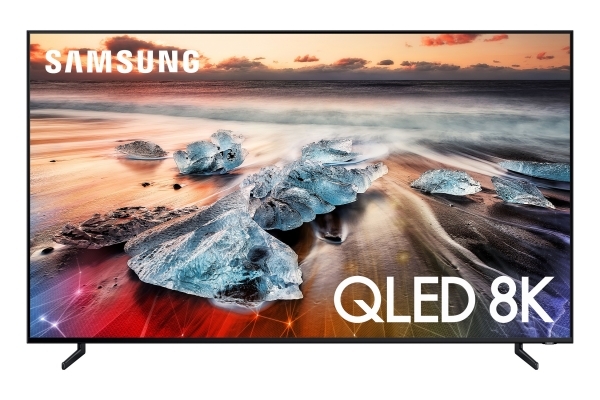
According to a new report, Samsung Electronics is set to unveil its premium grade bezel-less TV in CES 2020 (Consumer Electronics Show). Apparently, the TV will also be the first design of its kind.
Reportedly, multiple senior executives like Kim Hyun-seok and others from the South Korean tech giant, gave the upcoming top notch entertainment product a thumbs up. This implies that Samsung has plans to start mass production of the TV from February.
One of the notable aspects regarding the TV which sets it apart is its bezel-less display. In other words, the borders of the TV’s body are now more seamless with its display panel.
Samsung will be making this a basic feature for its TV series lineup sized 65 inches and larger. The company has achieved this by closely welding together the display panel and the main body of the TV; using equipment from the Shinsegye Engineering for the process. Additionally, Samsung also collaborated with another local supplier named Taewha Precision to supply the parts for the equipment.
According to one developer that worked on the upcoming product, the TV unlike “other bezel-less” TVs that still have bezels, actually offers “zero-bezels.” The developer stated that Samsung is the only company to have such an “extreme design” ready for production.
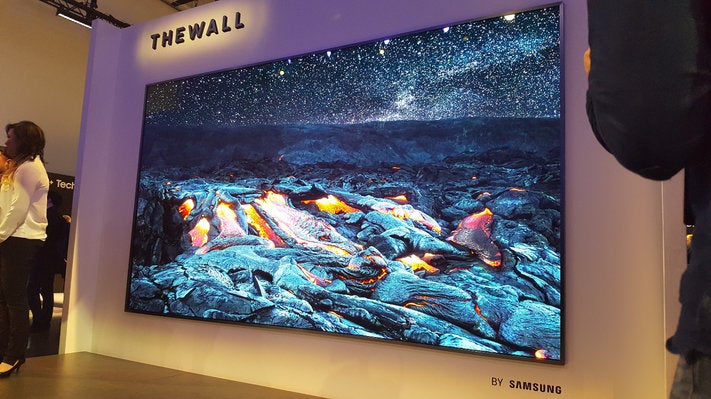
Samsung’s The Wall TV that utilizes microLED technology
Additionally, the source also mentioned that the company’s image display division has voiced concerns regarding the TV’s structural integrity; pointing out to the possible separation between the panel and main body of the TV. Unfortunately, finer details and exact specifications regarding the upcoming bezel-less TV are still at large and we will have to wait till CES 2020 for any official confirmations.
Chinese smartphone manufacturer OPPO silently introduced an upgraded variant of the OPPO A5 2020 smartphone with 6 GB of RAM in India in September along with the with OPPO A9 2020 phone. The OPPO A5 2020 launched in India back in September 2019 with 3GB and 4GB of RAM and was sold exclusively at offline retail stores. The new variant sports additional RAM and storage, while the other specifications remain unaltered.
The latest variant sports 6GB of RAM and 128GB of built-in-storage, while the older variants came in 3GB + 32GB, and 4GB + 64GB variants. OPPO is currently selling the 6GB variant for Rs. 14,990 (~$210), while the 3GB and 4GB variants are priced at Rs. 12,490 (~$175) and Rs. 13,990 (~$196) respectively.
The OPPO A5 2020 flaunts a 6.5-inch display with an HD+ resolution of 1600 x 720 pixels and an aspect ratio of 19:9. The device delivers a screen-to-body ratio of 89 percent. It features a waterdrop notch housing the front camera. The smartphone draws power from an octa-core Snapdragon 665 SoC that includes Adreno 610 GPU, and is available in three RAM and storage variants listed above. The storage of the device is further expandable through a microSD card.
The quad-camera setup on the OPPO A5 2020 consists of a 12-megapixel primary sensor coupled with an 8-megapixel ultrawide lens with a 119-degree field of view, and two 2-megapixel cameras for depth sensing and macro photography. The smartphone flaunts an 8-megapixel selfie camera with an aperture ratio of f/2.0.
The OPPO A5 2020 draws power from a 5,000 mAh battery and runs on Android 9.0 Pie-based ColorOS 6.1. The A5 features a rear-mounted fingerprint scanner, and sports dual Dolby Atmos speakers for an immersive audio experience. Connectivity options include dual SIM 4G VoLTE, Bluetooth 5.0, Wi-Fi 802.11 ac, USB-C, GPS and 3.5mm audio jack. The device measures 163.6 x 75.6 x 9.1 mm and weighs 195 grams.
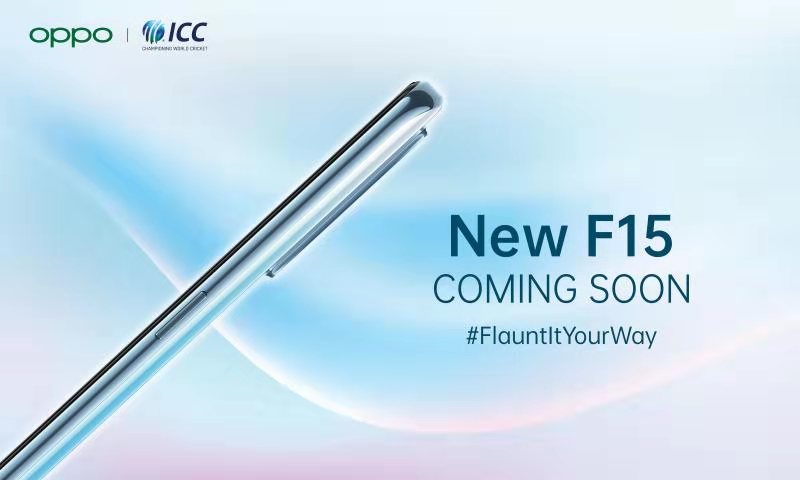
Oppo is all set to launch its next-generation Oppo F-series smartphone in the Indian market, which is dubbed as Oppo F15. The upcoming device will be the successor to the Oppo F11 smartphone in India.
The company has shared a teaser video which reveals some of the phone’s features. While the launch date is not yet confirmed by the company, it is said that the smartphone will go official in India in January 2020.
The teaser video shows that the device will come with a waterdrop-notch display and there will be a quad-camera setup on the back side. Nothing much is known about this smartphone at this point in time.
However, looking at the phone’s design, it seems quite similar to the Oppo A91 smartphone that was recently launched in China. There’s a possibility that the upcoming Oppo F15 in India could be a rebranded model of the Oppo A91.
The Oppo A91, launched in China last week, comes with a 6.4-inch AMOLED display that offers Full HD+ screen resolution of 1080 x 2400 pixels, 90.7 percent screen-to-body ratio, and 20:9 aspect ratio. The display offers features like eye protection mode, DC dimming 2.0 and packs third generation in-screen fingerprint sensor.
Under the hood, the device is powered by MediaTek Helio P70 chipset along with 8GB of RAM and 128GB of internal storage. The quad-camera setup consists of a 48MP main lens, a 119-degree ultrawide lens of 8MP, a 2MP macro lens and another 2MP sensor.
On the front side, it features a 16MP snapper for taking selfies and video calling. The smartphone, which runs Android 9 Pie operating system out-of-the-box with the company’s own ColorOS 6.1 on top, is powered by a 4,025mAh battery with VOOC 4.0 fast charging.
At a time when the definition of smartphone innovation means doing foldables or working towards making the foldable technology reliable and mainstream, Samsung has come with an interesting idea that solves many of the problems, for which the foldables claim to have a solution.
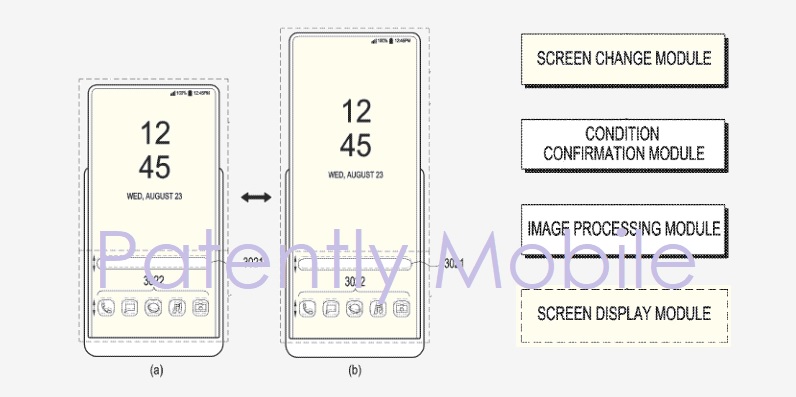
Samsung recently filed a patent for a smartphone, the display of which can expand, giving you more screen real estate when required. You can operate the patented smartphone in two states — open and closed. In the closed state, it’ll look like a traditional smartphone, while the open state means that the display of the smartphone is expanded to a comparatively bigger size.
You’ll be able to increase or decrease the size of the display at will, thanks to the moveable backside plate, which you’ll be able to manipulate. The patented smartphone also has a quirky sensor that can recognize a change in the touch input coordinate in real-time to calculate the degree of increase or decrease of the display screen size.
With this new design, Samsung could technically provide a smartphone that offers multiple screen sizes for a price or offer two smartphones with a greater variety of screen sizes. In any case, this could provide Samsung with a competitive advantage. Of course, this is all speculative. It’s fully possible that we’ll never see this patent come to life, though we hope it eventually does materialize into an actual product.
On 30th December 2019, Xiaomi announced its total TV sales report for the year; stating that the smartphone manufacturer has surpassed its goal of shipping 10 million units.
Reportedly, Xiaomi’s January to November smart TV’s cumulative sales number has it placed at the top of the Chinese TV markets. This meant that the company also beat established TV manufacturers such as Skyworth, Hisense, TCL, and more, according to a statistics report.
Lei Jun’s initial post on his Official Weibo account back in 24th December 2019
Initially, The Chinese tech giant first entered the smart TV field back in 2013; and have announced today (30t December 2019) that it has hit the goal of becoming China’s number one, according to the General Manager of Xiaomi’s TV Department. Furthermore, Jiang Cong, the General Manager of Sales and Operation of Xiaomi, also expressed this achievement in his official Weibo account.
The senior executive stated that the company is excited for achieving this milestone of 10 million units sold in the Chinese market just before the has ended. Jiang also mentioned that the sales numbers are stable which is indicative of Xiaomi possibly taking top ranks again in the following year.
Xiaomi Mi TV 5
Notably, we had previously reported on this achievement last week but today have received actual confirmation for the same. Jiang Cong in his post on the Chinese microblogging website also shared the sales data of Xiaomi TVs in China. According to the report, Xiaomi TV saw a sales number of 10.198 million units being shipped in 2019. On the other hand, the investment volume had reached 10.136 million units as well.
Huawei will be announcing the Huawei P40 and P40 Pro flagship phones in Q1 2020. The rumor mill is gradually picking up pace on revealing the key details of the P40 series. A leaked image that surfaced in the previous week had revealed that Huawei P40 Pro could be equipped with as many as five cameras on its rear. Now, another leak courtesy of leakster Teme on Twitter and 9TechEleven has shared the renders of the Huawei P40 Pro. The new images have revealed the front and rear design of the smartphone. The new leak reveals that the P40 Pro will be equipped with as many as 7 cameras!
Huawei P40 Pro renders and specifications
The source reveals that the penta-lens camera of the Huawei P40 Pro has a main wide-angle lens, a cine lens, a ToF (Time of Flight) sensor, a periscope lens with support for 10x optical zoom and a either a telephoto lens with up to 9x optical zoom or an ultrawide lens. The renders show that a large LED flash is also present inside the rectangular camera module. The glass rear of the phone appears to be curved towards the edges. The renders show the P40 Pro in Breathing Crystal and Black color variants. The black model seems to sport a two-tone color design.
The frontside of the Huawei P40 Pro is flanked with a curved display. It features a pill-shaped punch-hole at the top-left corner. The P40 Pro could be fitted with a 6.5-inch or 6.7-inch screen that will offer quad HD+ resolution and an aspect ratio of 20:9. The screen will offer 90Hz refresh rate and it will be integrated with a fingerprint sensor. Also, the smartphone could be equipped with under display speaker.
The Huawei P40 Pro could be fueled by Kirin 990 5G chipset and 8 GB / 12 GB of RAM. The base model of the phone may offer users with 128 GB of storage. The Android 10 OS couple with EMUI 10.1 will come preloaded on the device. If the US trade ban continues, the P40 and P40 Pro are unlikely to feature Google Mobile Services (GMS).
Huawei P40 series may arrive early
The Huawei Mate 30 series had debuted around a week after the IFA 2019 tech trade show in September. Tipster Teme has claimed that the P40 series may have an early launch. The P40a and P40 Pro may get announced after the Mobile World Congress (MWC) 2020 tech exhibition in February. The tipster has also claimed that Huawei will be launching NovaBuds (a rebranded edition of Honor Flypods 3) and Nova 6 Pro will also break cover in the first half of 2020.
Realme will be unveiling the Realme X50 as its 5G smartphone on Jan. 7. The company has confirmed some of the key specs of the smartphone ahead of its arrival. A leaked specs sheet of the Realme X50 5G surfaced over the weekend to reveal the entire specs of the phone. The leaked information may not be true, and it could be just based on the rumors surrounding the smartphone. However, it does suggest what to expected from the Realme X50 5G that will be arriving as a major rival for the Redmi K30 5G.
Realme X50 Specifications (Rumored)
The Realme X50 5G is expected to come equipped with a 6.67-inch IPS LCD display made by JDI. The screen supports full HD+ resolution of 1080 x 2400 pixels. The front and rear sides of the phone are said to be flanked with Gorilla Glass 5 panels. The company has already the phone is equipped with a dual punch-hole on the screen. The leaked sheet reveals that it features a main lens of 32-megapixal and an 8-megapixel sensor.
The quad camera setup placed on the rear side of the Realme X50 5G could be fitted with a 64-megapixel Samsung GW1 primary shooter, an ultrawide lens of 8-megapixel, a 13-megapixel telephoto lens with 5x hybrid zoom and a 2-megapixel super macro lens. The quad cameras could be coupled with features like image stabilization feature for the main and ultrawide lens.
The Snapdragon 765G mobile platform will power the smartphone and it may ship with up to 8 GB of LPDDR4x RAM. The phone users with up to 256 GB of UFS 2.1 storage. A microSD card slot will be available on the device for additional storage. The handset could be housing a 4,500mAh battery that carries support for 30W fast charging. The connectivity features that could be available on the Realme X50 are 5G, Wi-Fi 802.11ac, Bluetooth 5.0, dual frequency GPS, USB-C and 3.5mm audio jack. The phone also features a side-facing fingerprint reader. The handset is said to come with P2i coating. It may measure 8.7mm in thickness and weigh 185 grams.
Realme X50 5G Price (Rumored)
The leak states that the Realme X50 5G will be available in options like 6 GB RAM + 128 GB storage, 8 GB RAM + 128 GB storage and 8 GB RAM + 256 GB storage. These models could be respectively priced at 2,199 Yuan (~$315), 2,499 Yuan (~$358) and 2,799 Yuan (~$401). The Redmi K30 5G that will hit the Chinese markets on Jan. 7 has a starting price of 1,999 Yuan (~$280).’
Reports emanating from the UK indicates that Britain’s security chiefs may have given PM Boris Johnson the green light to allow Chinese tech giant Huawei to provide Britain’s 5G networks, despite fears that the Chinese government can use Huawei’s technology to spy on other countries.
An exhibitor stands near a Huawei Technologies Co. Ltd. logo at the CeBIT 2017 tech fair in Hannover, Germany, on Tuesday, March 21, 2017. Photographer: Krisztian Bocsi/Bloomberg
British tabloid Daily Mail quotes an unnamed senior security source to have disclosed that ‘the balance between national security and the economic benefit to the UK is something we are confident we can manage’.
This is coming ahead of the convening of UK’s National Security Council by the Prime Minister in the third week of January to make a decision on whether Huawei can be trusted to provide elements of the vital upgrade. Earlier talks had ended with a recommendation that Huawei is excluded from ‘core’ aspects of the British network. However, the firm has been given the nod to supply ‘non-core’ elements such as antennae for high-speed mobile internet. This decision may have been reached following the realization that blocking Huawei’s access to the UK’s 5G network risks leaving Britain behind in the 5G race in the technological dark age.
However, the UK government risks getting into a diplomatic row with the US which has taken a harder line on Huawei and has even advised allies against using Huawei’s 5G technology.
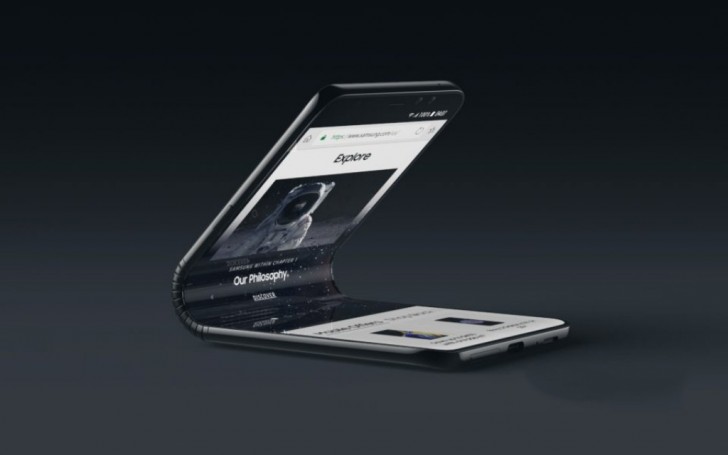
Samsung recently started selling its first foldable smartphone named Samsung Galaxy Fold and now reports about a new foldable phone from the South Korean giant is surfacing online. As per a new report, the company is getting ready to launch a new foldable smartphone with a clamshell design.
But what’s more interesting about this upcoming foldable smartphone is the launch date. The report claims that the phone will be launched in February before the launch of the company’s flagship Galaxy S11 series.
According to the reports, the company is currently in talks with three of the leading mobile carries in its home country to launch its second-generation of foldable smartphones and is aiming for the February launch for the same.
It is expected that the company could share more details about the said smartphone as well as information about the global available during its Unpacked event that will be hosted in the United States in mid-February for the launch of Galaxy S11 lineup.
While not much is known about the upcoming clamshell foldable smartphone from the company, the device is expected to boast a 6.7-inch display and will become nearly square-shaped when folded.
As for the pricing, compared with the Galaxy Fold, which came with a price tag of around $2,000, this new foldable version from Samsung will be available in the mid-$1,000 range, claims the report based on unnamed sources.
It seems that Samsung is rushing to launch its new foldable smartphone as its competitor Huawei is gearing up to launch two new foldable phones early next year and Motorola is also set to start selling its Motorola Razr foldable smartphone. Other major smartphone brand are also working on similar designs and could launch their own foldable devices in the year 2020 but its not yet confirmed officially.
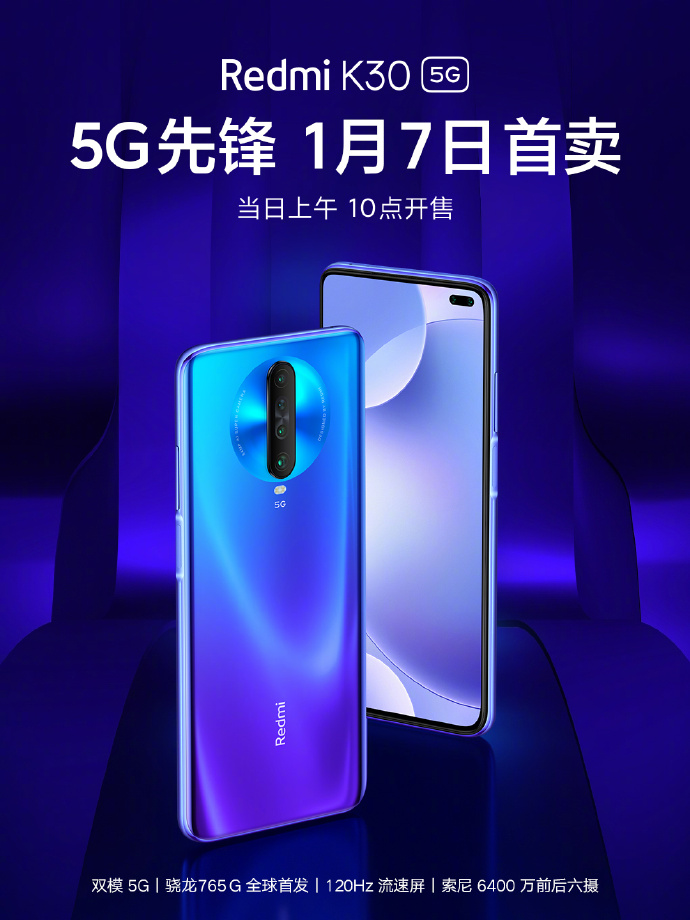
Earlier this month, Xiaomi-backed Redmi brand announced its new Redmi K30 series of smartphones at an event in China. While the 4G variant of the smartphone went on sale in the second week of December, the Redmi K30 5G was slated to go on sale in January 2020.
Now, the company has confirmed that the 5G model of the Redmi K30 smartphone will be available for purchase in the Chinese market from 7th January. When announced, this was the first SD765G-powered 5G smartphone, however, Oppo Reno3 Pro 5G will be the first to be available as it will go on sale tomorrow.
The Redmi K30 5G will be available in three color options — White, Blue, Red, and Purple. Its pricing starts at 1999 yuan (~$286) for the 6GB + 64GB model and goes up to 2899 yuan (~$414) for the 8GB + 256GB version.
As for the specifications, the smartphone features a 6.67-inch punch-hole display and Gorilla Glass 5 panels for protection on its front and rear. The HDR 10 complaint display produces a tall aspect ratio of 20:9 and offers Full HD+ screen resolution of 1080 x 2400 pixels. It is also the first Redmi phone to arrive with support for 120Hz refresh rate.
Under the hood, the device is powered by the new 7nm Qualcomm Snapdragon 765G chipset and comes with up to 8GB of LPDDR4x RAM and inbuilt storage of up to 256GB UFS 2.1. There’s also a microSD card slot on the device for expanding the storage capacity.
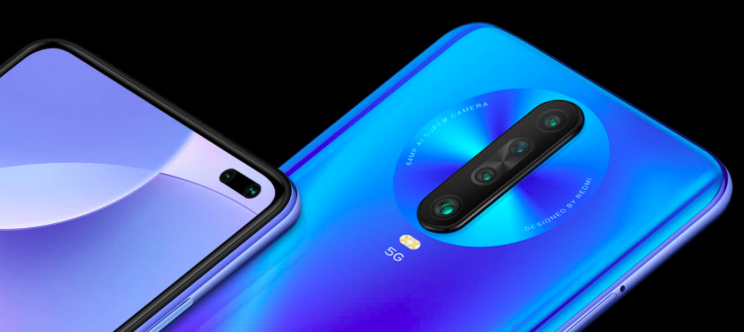
The back panel of the phone features a vertical quad camera setup which is placed inside a glossy round pattern. It comes with Sony IMX686 64-megapixel primary lens with an f/1.89 aperture and a 1/1.73″ sensor size. The other sensors on the device include an 8-megapixel ultra-wide lens with 120-degree field-of-view, a 5-megapixel macro lens and a 2-megapixel depth assist lens.
The company claims that the Redmi K30 5G has the same camera algorithms that is available on the Xiaomi Mi CC9 Pro that features 108-megapixel penta-lens camera setup. On the front, the Redmi K30 5G features an AI powered dual camera setup that includes a 20-megapixel main lens and a 2-megapixel depth sensor.
It is the company’s first phone to arrive with Android 10 OS which is overlaid with the latest MIUI 11 user interface. The Mi Turbo 2.0 optimised the system performance whereas Game Turbo 2.0 enhances the device for gaming. It is powered by a 4,500mAh battery and carries support for 30W fast charging technology.
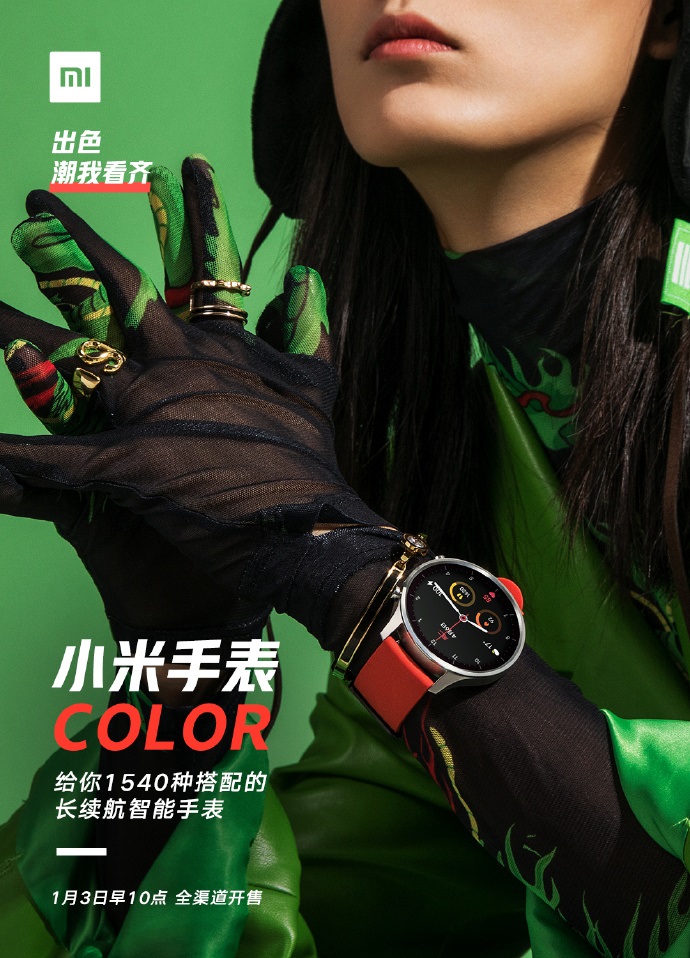
Xiaomi, the Chinese company known for making value-for-money smartphones, recently launched a smartwatch under its own brand. Now, the company has announced yet another smartwatch named Xiaomi Watch Color.
As the name itself suggests, this new smartwatch has support for colorful straps, which the company claims is suitable for all the occasions and genders. The company further adds that it comes with support for different types of color combinations.
While the company has announced this Xiaomi Watch Color, it has not yet revealed details related to its specifications, variants, and pricing. However, Xiaomi has confirmed that the smartwatch will be available for purchase in China from 3rd January.
If the rumors are to be believed, then this upcoming smart wearable product from the Chinese company is expected to be have similar set of features and specifications as the Huami Amazfit GTR.
It could come with a 1.39-inch circular display with 454 x 454 pixels screen resolution and packed with various sensors including heart rate sensor, accelerometer, barometer along with features such as 5ATM waterproof among others. We expect to know more about this wearable device in the coming days.
A few months ago, in September, we reported about Xiaomi working on a new smartwatch named Xiaomi Watch Color based on the trademark application filed by the Chinese company, along with the trademark for the MIX Alpha.
The announcement of this Xiaomi Watch Color comes just weeks after the company launched the Mi Watch Forbidden City Edition on its crowdfunding platform for a price of 1,299 yuan (~$186) against its regular price of 1,699 yuan (~$243). In terms of design, the watch is very similar to the Mobvoi Ticwatch C2.
Meanwhile, there are also reports claiming that the company is getting ready to launch a new Xiaomi Watch Pro which will come with a circular dial, unlike the standard Xiaomi Watch which has design similar to the Apple Watch.
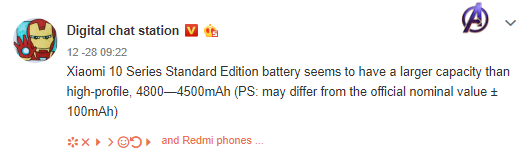
Xiaomi Mi 10 and Mi 10 Pro are the next flagship phones from Xiaomi. The Chinese manufacturer is expected to unleash it in February. The Snapdragon 865 mobile platform will be driving both smartphones. Very few details of the Mi 10 series have appeared so far. A reliable tipster from China has shared some information on the battery capacity of the Xiaomi Mi 10.
According to the leakster, the standard edition of Xiaomi Mi 10 series will be equipped with a 4,800 – 4,500mAh battery. The tipster has also said that the battery size of the Mi 10 may differ by 100 mAh from the actual capacity.
The leak indicates that the Xiaomi Mi 10 will come with a significantly large-sized battery as the predecessor Xiaomi Mi 9 had featured a 3,300mAh battery. It is believed that the 5G-ready Xiaomi M2001J2E/C phone that was 3C authority of China in November is the upcoming Xiaomi Mi 10. The 3C certification had suggested that the phone may ship with a charger that supports 30W fast charging. The battery size of Xiaomi Mi 10 Prov is not known yet. However, the phone is rumored to have a model number M2001J1E/C and it may carry support for 66W fast charging.
Through another Weibo post, the tipster has claimed that the phones in the Mi 10 series will differ in screen size, cameras, battery size, fast charging capabilities and memory specifications. The rumor mill is yet to spill information on the specifications of the Mi 10 and Mi 10 Pro. The Mi 10 series is expected to come preloaded with MIUI 11 based Android 10 OS. Some reports have claimed that the Xiaomi Mi 10 Pro may feature a 108-megapixel main lens on its rear.
It remains to be seen whether the company announces Xiaomi Mi 10 SE as the successor for the Xiaomi Mi 9 SE smartphone that was made official along with Xiaomi Mi 9 earlier this year. The Black Shark 2 gaming phone had gone official around a month after the time Xiaomi Mi 9 series was announced. Hence, there is a possibility that the Black Shark 3 gaming smartphone may go official soon after the launch of the Xiaomi Mi 10 series.
Since the Redmi Note 8 series made its debut in the Indian market in mid-October, the models have been available to buy via flash sale only. However, that is now over as Xiaomi has disclosed that the Redmi Note 8 series made up of the Redmi Note 8, Redmi Note 8 Pro and Redmi 8 are all now available to buy on open sales. The three models are readily available to buy in India from Flipkart, Amazon India or Mi.com as well as on some offline stores.
The Redmi Note 8 series comes with several outstanding features that made them hot-selling models. The Redmi Note 8 Pro emerged as one of the first phones on the market with a 64 MP camera and an Helio G90T chipset. It equally features a massive 4,500 mAh battery and a microSD slot, which is exclusive for India. Xiaomi also included an 18W charger in the box for the quick-charging capabilities of the phone. The price of the phone starts from INR14,999 ($210) for the 6GB+64GB variant.
The Redmi Note 8 also supports 18W fast-charging but has a basic 10W power block in its retail box. It comes with Snapdragon 665 chipset, up to 6 GB RAM, and 128 GB storage and costs INR9,999 ($140) for the basic 4/64 GB option.
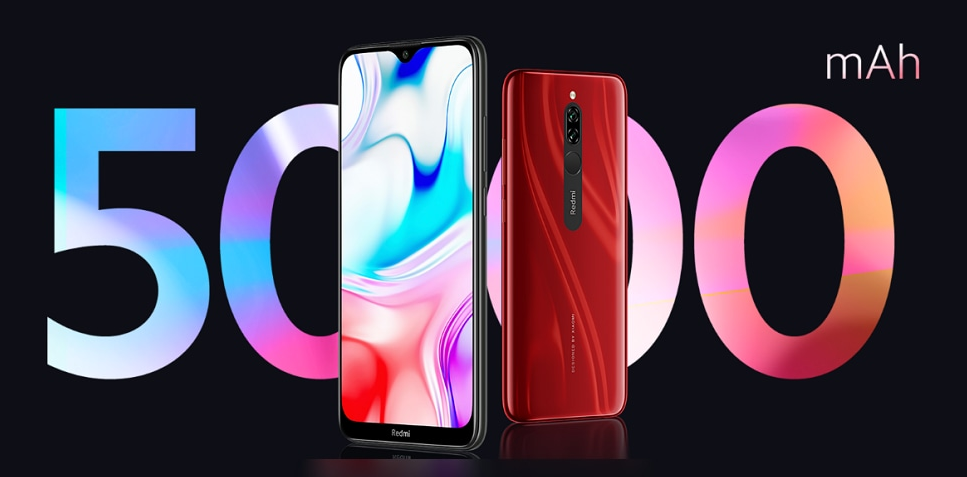
O the other hand, the budget Redmi 8 brings affordability to the mix with a starting price tag of INR7,999 ($110). The phone is powered by a Snapdragon 439 chipset and Xiaomi slapped a dual-camera setup on the back as well as a fingerprint scanner. Just like its bigger siblings, the Redmi 8 also supports fast-charging at 18W for the 5,000 mAh power cell.
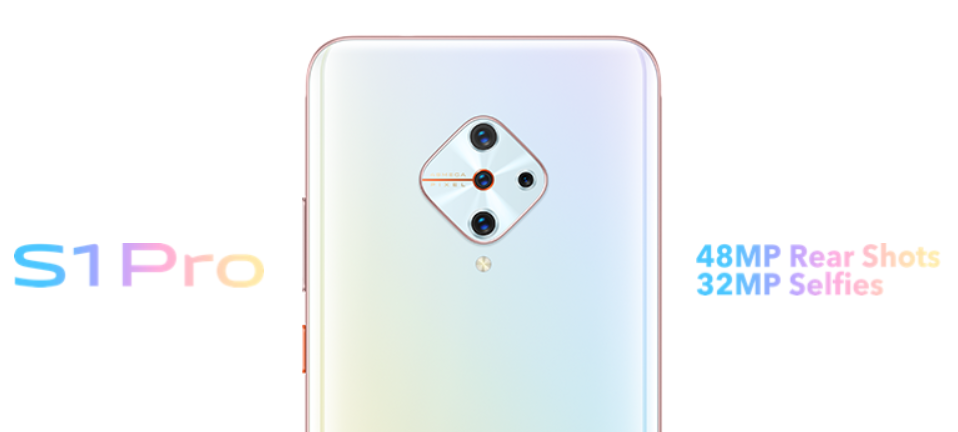
Recently, Amazon India started teasing on the arrival of the Vivo S1 Pro smartphone. On Saturday, the official Twitter account of Vivo India released a tweet to confirm that the Vivo S1 Pro will be made official in the country on Jan. 4. By this, it will become the first Vivo phone to break cover in the year 2020.
The Vivo S1 Pro teaser confirms that that it features a diamond-patterned camera module on its rear. The AI driven quad rear cameras of the smartphone has a 48-megapixel main lens. The phone is also fitted with a 32-megapixel selfie camera. As it is already known, the Vivo S1 Pro is not an entirely new smartphone since the company has already unveiled it in some Southeast Asian markets.
The Vivo S1 Pro has a S-AMOLED display with waterdrop notch. It measures 6.38 inches and offers full HD+ resolution of 1080 x 2340 pixels along with 19.5:9 aspect ratio. The screen is embedded with a fingerprint reader. The Snapdragon 665 mobile platform powers the smartphone. India is expected to receive the phone in 6 GB and 8 GB RAM editions. The 8 GB RAM variant may come with 128 GB of native storage. There is a microSD card slot on the Vivo S1 Pro for more storage.
The front notch of the Vivo S1 Pro has an f/2.0 aperture 32-megapixel main lens. The rear camera setup has a Samsung GM1 48-megapixel main lens, an 8-megapixel ultrawide lens, a 2-megapixel macro lens and a 2-megapixel depth sensor. The device is preloaded with Android 9 Pie OS that is overlaid with FunTouchOS 9.2 skin. The smartphone is packed with a 4,500mAh battery that carries support for 18W fast charging through USB-C.
Vivo S1 Pro Price in India (Rumored)
The 8 GB RAM + 128 GB variant of the Vivo S1 Pro could be hitting the Indian markets with a price tag of Rs. 19,990 (~$280). There is no word on the pricing of the 6 GB RAM edition of the Vivo S1 Pro. In Philippines, the S1 Pro comes in colors like Fancy Sky and Knight Black. However, teasers on Vivo India’s Twitter suggest that the phone will come in Fancy Sky and Blue color options in the country.
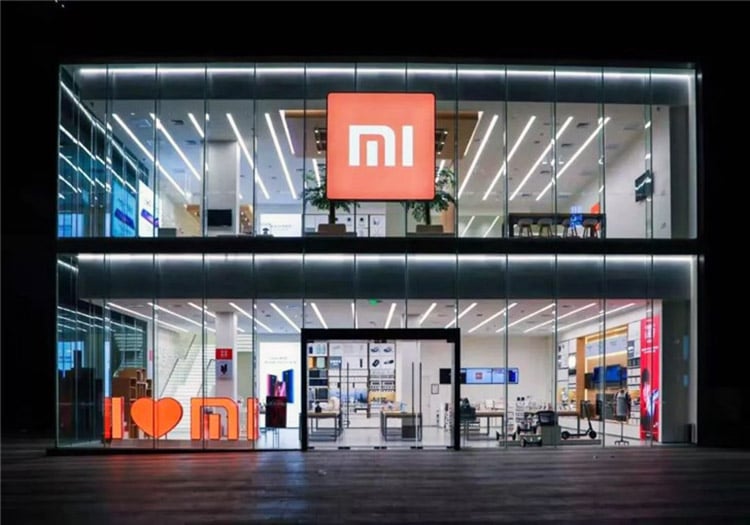
Xiaomi holds a Guinness World Record for the most stores opened simultaneously with its feat of opening over 500 Mi Stores in India in November last year. The tech giant has now recorded another milestone even though it won’t upset the Guinness World Record. The company has reportedly opened more than 100 offline Mi stores in China.
The opening of more retail stores is said to be part of Lu Weibing’s measures for offline channel reform since he took over as president of Xiaomi China on November 29. After proposing a dual-engine strategy and clear target plan, Xiaomi began focusing on the expansion of new retail channels and more on the cultivation of core customers. From the list of 100 stores opened this time, more than 80% are owned by third-party vendors.
As at today, the number of Xiaomi offline terminals has exceeded 6000 stores. As a reminder, Xiaomi opened its first Mi Store in China on September 12, 2015.
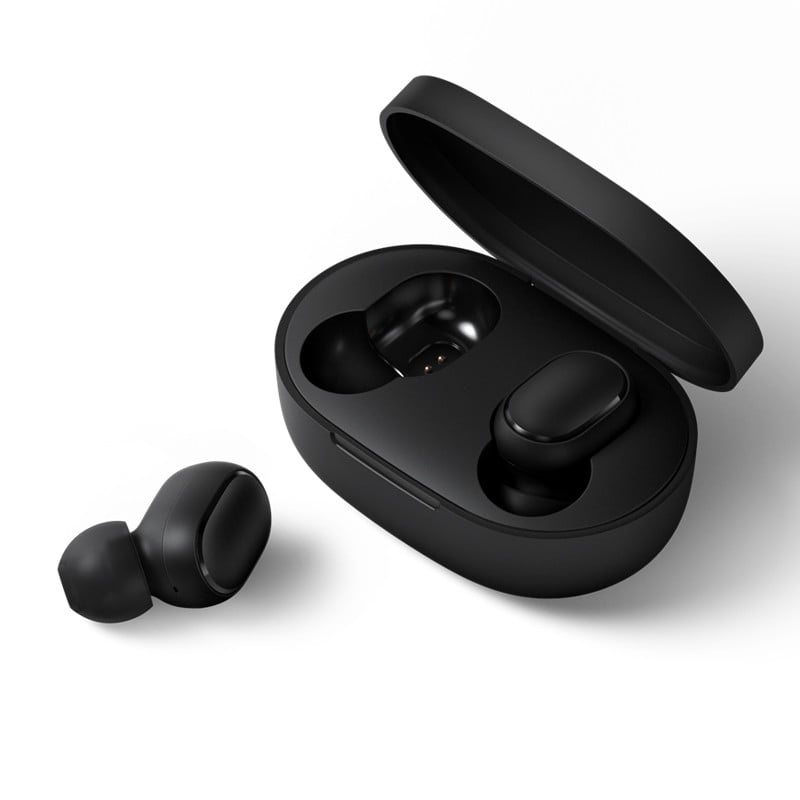
Wireless earbuds have become more popular since more manufacturers have removed the earphone jack from their phones. Unlike wireless headphones (read earphones), wireless earbuds do not have a cord connecting the two parts together making them true wireless.
However, since there is no cord connecting the earbuds, it makes it easier to lose an earbud. If it happens that an earbud falls out of your ear, there is no cord holding it across your shoulder like in the case of wired earphones.
For today’s poll, we want to know if you have ever lost an earbud. Also, use the comment box to tell us how it happened and if you bought a new pair or you switched to a “wired” wireless type.
A few days ago, Oppo announced the Reno3 series with a base variant which can almost be considered as a flagship killer. As we showed you, it was even able to beat the Reno3 Pro on the first benchmarks. That is why we decided to compare it with the most attractive flagship killers actually in the market. Among the global ones, we got the Realme X2 Pro and the OnePlus 7T, both flagships available at modest prices. Is it better to go for a flagship killer offering the max performance or for a complete device with no extreme performance like the Oppo Reno3? If you want to know, go ahead with this specs comparison.
Oppo Reno3 vs Realme X2 Pro vs OnePlus 7T
Oppo Realme X2 Pro
OnePlus 7T
Oppo Reno3
DIMENSIONS AND WEIGHT
161 x 75.7 x 8.7 mm, 199 g
160.9 x 74.4 x 8.1 mm, 190 grams
160.3 x 74.3 x 8 mm, 181 g
DISPLAY
6.5 inches, 1080 x 2400p (Full HD+), Fluid AMOLED
6.55 inches, 1080 x 2400p (Full HD+), Fluid AMOLED
Triple 48 + 12 + 16 MP, f/1.6, f/2.2 and f/2.2
16 MP f/2.0 front camera
Quad 64 + 8 + 2 + 2 MP, f/1.8, f/2.2 and f/2.4
32 MP f/2.4 front camera
BATTERY
4000 mAh, fast charging 50W with SuperVOOC Flash Charge
3800 mAh, fast charging 30W
4025 mAh, fast charging 30W with VOOC Flash Charge 4.0
ADDITIONAL FEATURES
Dual SIM slot
Dual SIM slot
Dual SIM slot
Design
We doubt you are a real design fanatic if you are checking this comparison, but if you are, then you may be interested in knowing that Oppo Reno3 has more attractive aesthetics. Despite having a bigger battery than OnePlus 7T, it has a slimmer body. Further, it is a more compact design and it has a cleaner rear side thanks to a smaller camera module. I even prefer its gradient color variants to both Realme X2 Pro and OnePlus 7T.
Display
With each of these devices, you get a high-end AMOLED display with a classic waterdrop notch. But Realme X2 Pro and OnePlus 7T offer something more: the HDR10+ certification, full DCI P3 coverage and even a 90 Hz refresh rate providing smoother user experience. Between the Realme X2 Pro and the OnePlus 7T, there are very marginal differences, so we will not pick a winner. Both are amazing displays in terms of image reproduction. In each case, you get a Full HD+ resolution. OnePlus 7T and Realme X2 Pro provide Dolby Atmos stereo speakers, while Oppo Reno3 does not.
Hardware/Software
While Oppo Reno3 is the world’s first smartphone to be fueled by the MediaTek Dimensity 1000L chipset, Realme X2 Pro and OnePlus 7T are equipped with a Snapdragon 855+ SoC. MediaTek Dimensity 1000L is supposed to be a flagship processor, but there is no way it can compete with the amazing Snapdragon 855+ chipset found on the Realme X2 Pro and the OnePlus 7T. These two devices even offer a fast UFS 3.0 internal storage and up to 12 GB of RAM (the 6/64 GB variant of the Realme X2 Pro has UFS 2.1 storage). But Oppo Reno3 is still an amazing performance phone and, unlike its rivals, it supports 5G connectivity through an integrated 5G modem, while OnePlus 7T and Realme X2 Pro are 4G-only. OnePlus 7T and Oppo Reno3 run Android 10 out of the box, while Realme X2 Pro is still based on Android Pie.
Camera
We know that Oppo Reno3 and OnePlus 7T offer something more when it comes to camera quality. Unfortunately, we still had no chance to test the Oppo Reno3 thoroughly since it was announced just three days ago, but we know for sure it will be superior to the Realme X2 Pro, just like the OnePlus 7T.
Battery
With battery capacities of 4025 mAh and 4000 mAh respectively, Oppo Reno3 and Realme X2 Pro offer a longer battery life than OnePlus 7T. We did not test the battery life of the Oppo Reno3, so we still can not tell which will last more on a single charge. But we can tell you Realme X2 Pro charges a lot faster thanks to its 50W fast charging technology allowing the phone to reach 100 percent of battery life in just 35 minutes.
Price
Oppo Reno3 launched in the Chinese market with a €440/$492 starting price for the 8/128 GB configuration, Realme X2 Pro 6/64 GB costs €399/$445, and OnePlus 7T is currently available for about €450/$503 in its 8/128 GB version, thanks to online street prices. There is not a clear winner here. If you want 5G your only choice is Oppo Reno3, which also provides a slimmer and more compact design. OnePlus 7T and Realme X2 Pro have better performance and displays and the latter offers them at a more affordable price, while the former has more convincing cameras. Which one would you pick?
Cellular calls have become the thing of the past in today’s fast-paced internet world. VoLTE and VoIP call through the internet offer much better quality and other additional features that are not possible through normal cellular networks. The internet also permits video calling with screen sharing and various other functionalities depending on the service. That being said, there are a vast number of services and apps for VoIP calls. Hence, to help you decide, we have compiled a list of best VoIP calling apps.
The below-listed app for VoIP calls have been existing for a long time and most of us might have used it at least once or maybe even use them on a daily basis. These apps not only allow you to make calls but also allow you to text and video call. Lastly, not all of them are free as some of them need a subscription to use additional features.
Best Apps for VoIP Calling
Skype
Skype is one of the oldest players in the VoIP services since its existence from 2003. It has been associated with video calls for a very long time, even before the rise of smartphones. It offers various functionalities such as chat, voice calls, video calls, SMS, and even calls to landline phones which requires a subscription. All-around, Skype is the best option if you looking to use VoIP calls. Android users can also opt for a lite version of the app if their phones could not run the app efficiently.
Viber is yet another VoIP app that is newer than Skype but can still easily compete with it. It is available for various other platforms and offers features such as chat, video calling, public group chats, and even calls to landline phones via subscription. In other words, Viber is a replacement for Skype since both of them have identical functionalities.
If you are a Facebook user, you will be definitely using Messenger since it is the only way to communicate with your friends. Since it is used by most people, there’s nothing we could say that you are not aware of. Apart from chatting, calls, and video calls, Messenger also has games that you can play to compete with your friends. In case your Android smartphone could not handle the standard app, you can opt for Facebook Messenger Lite from the Play Store.
Google Duo is the newest app in our list of best apps for VoIP calling. Although it is new, the app has generated a huge number of the user base in a short period of time since it comes pre-installed on most Android smartphones as part of Google apps suite. It offers high-quality audio and video call support even on a slower internet connection. Unlike other apps in the list, it does not offer chat or any other additional features but it does the job as intended
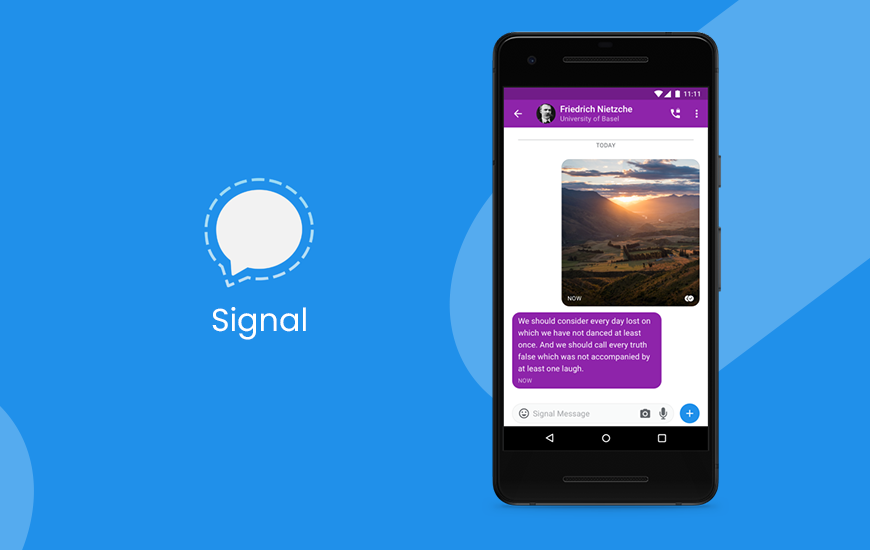
Signal Private Messenger is all about privacy. If that is your first priority, Signal is a must-have app for chat and voice calls. There is nothing else to say about Signal since it is all about privacy, encryption, and security. The app features a minimal design similar to its features and is completely free to use.
The last app on our list is quite strange since this one is solely recommended for gamers. There is not a single app out there which is as efficient as Discord. Gamers prefer Discord voice calling over in-game audio which itself says the quality of the service the app offers to its users. It offers only voice calls and chats with additional in-app purchases for customization.
We use cookies on our website to give you the most relevant experience by remembering your preferences and repeat visits. By clicking “Accept”, you consent to the use of ALL the cookies.
This website uses cookies to improve your experience while you navigate through the website. Out of these, the cookies that are categorized as necessary are stored on your browser as they are essential for the working of basic functionalities of the website. We also use third-party cookies that help us analyze and understand how you use this website. These cookies will be stored in your browser only with your consent. You also have the option to opt-out of these cookies. But opting out of some of these cookies may affect your browsing experience.
Necessary cookies are absolutely essential for the website to function properly. This category only includes cookies that ensures basic functionalities and security features of the website. These cookies do not store any personal information.
Any cookies that may not be particularly necessary for the website to function and is used specifically to collect user personal data via analytics, ads, other embedded contents are termed as non-necessary cookies. It is mandatory to procure user consent prior to running these cookies on your website.