Advertisement

Huawei Mate 30 Pro 5G 8GB + 128GB variant goes on sale in China

The Huawei Mate 30 series of smartphones have been available in China since the past few months. The Chinese manufacturer has been selling the Mate 30 Pro 5G in 256 GB and 512 GB storage models. Today, the Chinese manufacturer has started with the sales of the 128 GB variant of the phone.

Like the 256 GB and 512 GB storage variants of the Mate 30 Pro 5G, its 128 GB model is also equipped with 8 GB of RAM. The 128 GB Mate 30 Pro 5G can be availed with a price tag of 6,399 Yuan (~$915). It will co-exist with 256 GB and 512 GB variants that are respectively priced at 6,899 Yuan (~$986) and 7,899 Yuan (~$1,129). The new variant is available for purchase through Vmall in colors like Vegan Leather Forest Green and Vegan Leather Orange.

Huawei Mate 30 Pro 5G Specifications and Features
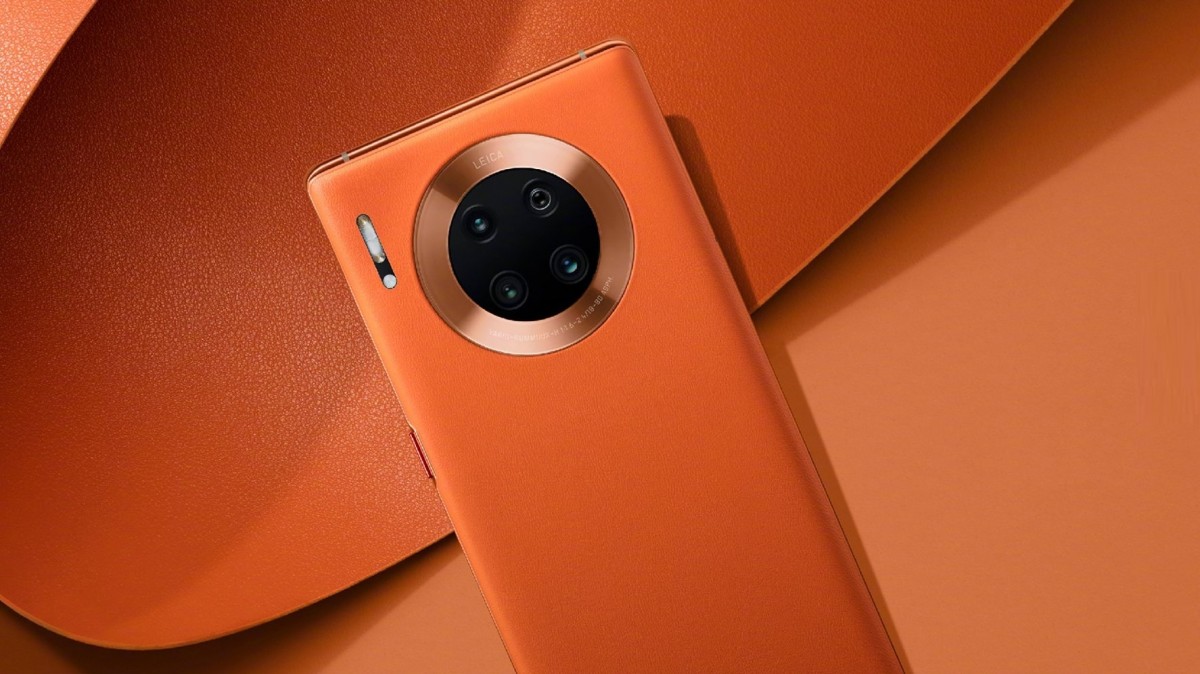
Huawei Mate 30 Pro 5G Vegan Leather Orange

The Mate 30 Pro 5G houses a 6.53-inch OLED display that offers full HD+ resolution of 1176 x 2400 pixels. With the wider notch on the screen that houses a front-facing of 32-mgeapixel and complex sensors for 3D face unlock, the smartphone offers an aspect ratio of 18.5:9. The front and rear sides of the phone are shielded by Gorilla Glass 6.

The Kirin 990 5G chipset powers the smartphone. It ships with up 12 GB of LPDDR4x RAM and UFS 3.0 storage of up to 512 GB. There is a nanoSD card slot (shared SIM slot) for expanding its storage. The EMUI 10 based Android 10 OS runs on the device.
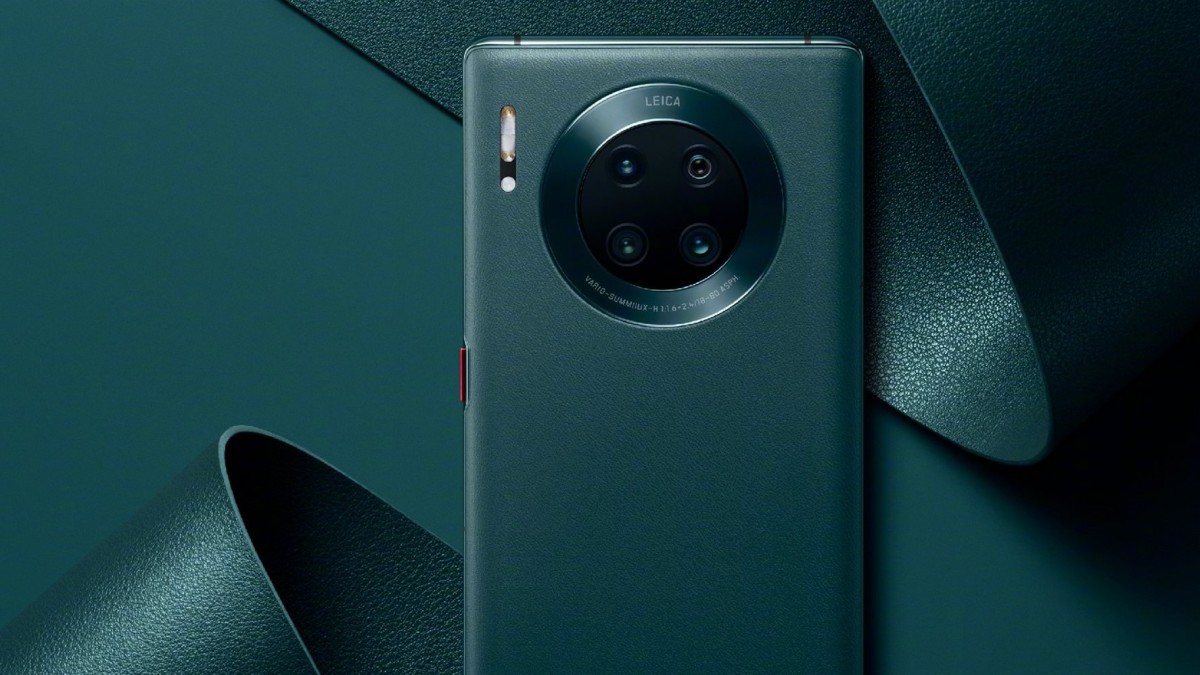
Huawei Mate 30 Pro 5G Vegan Leather Forest Green

The Leica engineered quad camera setup resides on the backside of the phone. It includes an OIS assisted 40-megapixel main lens, an 8-megapixel telephoto sensor with 3x optical zoom support, a 40-megapixel ultrawide shooter and a 3D ToF lens. The phone features a front-facing camera of 32-megapixel.

The 4,500mAh battery of the Huawei Mate 30 Pro 5G supports 40W fast charging, 27W fast wireless charging and reverse wireless charging. The handset is equipped with an in-screen fingerprint. It lacks support for 3.5mm audio jack. The phone comes with an IP68 rated dust and water-resistant body.


(source)
Redmi 9 with Helio G70 arriving in early 2020, claims report

In September, Xiaomi India had launched the Redmi 8A phone. The Redmi 8 had debuted in India with slightly better specs in October. A new report on 91mobiles states that the Chinese firm may launch Redmi 9 phone in early 2020. It claims that the Redmi 9 will debut first in China and it will also arrive in India in quick succession. The publication has also shared some of the key specs of the phone.

Xiaomi Redmi 9 Specifications (Rumored)

The Redmi 9 is expected to sport a notch display of 6.6 inches. The predecessor has a 6.22-inch display. Since the Redmi 9 is rumored to launch with a bigger display, it will be sporting a larger form factor. The publication has claimed that the Redmi 9 will be receiving power to perform from the MediaTek Helio G70 chipset. The SoC is said to arrive in the market as an inferior version of the Helio G90 and Helio G90T processors. The SoC could be coupled with 4 GB of RAM. The phone may offer an internal storage of 64 GB. The smartphone could be available in other variants.

The Redmi 9 is expected to go official in China first in Q1 2020. It remains to be seen whether the Redmi 8 also debuts by the end of the same quarter. Xiaomi fans can expect Redmi 9 to deliver better performance and improved photography experience. It could be running on MIUI 11 based Android 10 OS. The other details of the phone are currently under the wraps.

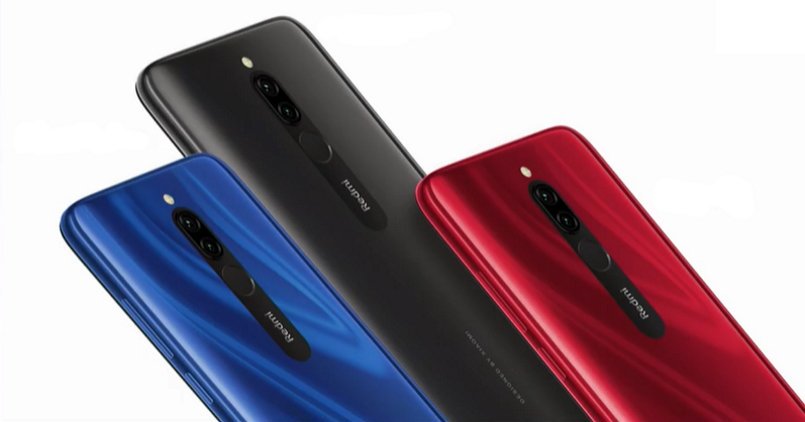
Redmi 8 colors

Redmi 8 Specifications and Price

The Xiaomi Redmi 8 has a 6.22-inch IPS LCD display with dot notch. The Snapdragon 439 SoC fuels the smartphone. It houses a 5,000mAh battery that supports 18W fast charging through USB-C. It has a front camera of 8-megapixel and it is fitted with a Sony IMX363 12-megapixel + 2-megapixel dual camera system on the back. The MIUI 10 based Android 10 OS runs on the phone and it is equipped with a fingerprint reader.

In China, the 3 GB RAM + 32 GB storage and 4 GB RAM + 64 Gb storage models of the Redmi 8 are respectively priced at 899 Yuan (~$128) and 999 Yuan (~$143). The smartphone comes in color options like Black, Blue and Green. In India, it comes in additional color of Red. The country has received only the 4 GB RAM + 64 GB storage edition of the phone with a price tag of Rs. 7,999 (~$112).


(source)
Xiaomi Mi 8 gets MIUI 11 stable based on Android 10

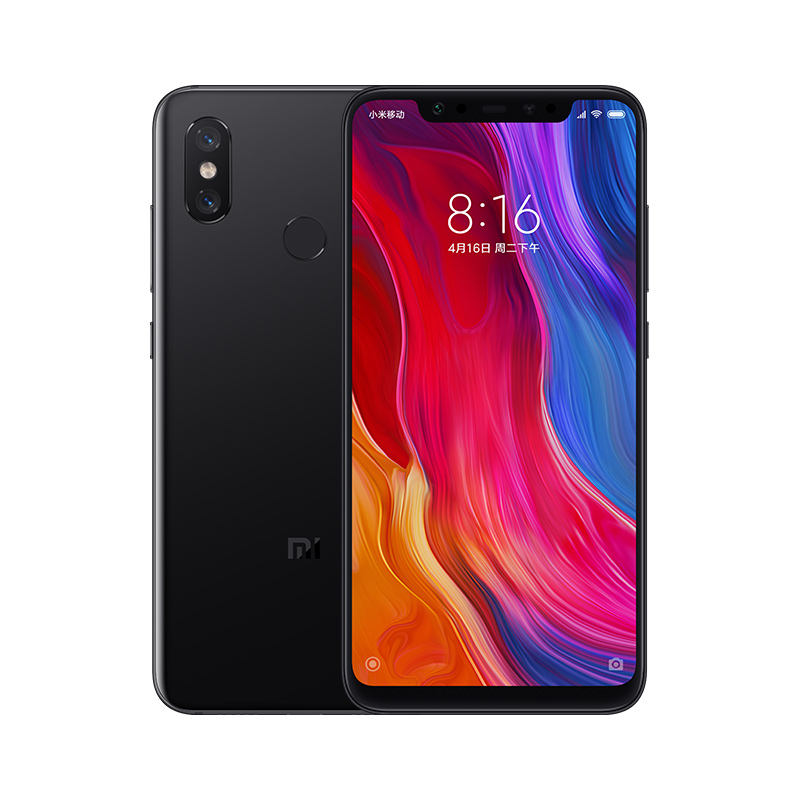
Xiaomi has begun rolling out a stable MIUI 11 update to its 2018 flagship, the Mi 8, in China. The update not only brings a new user interface and new features to the phone but also brings Android 10.

Mi 8

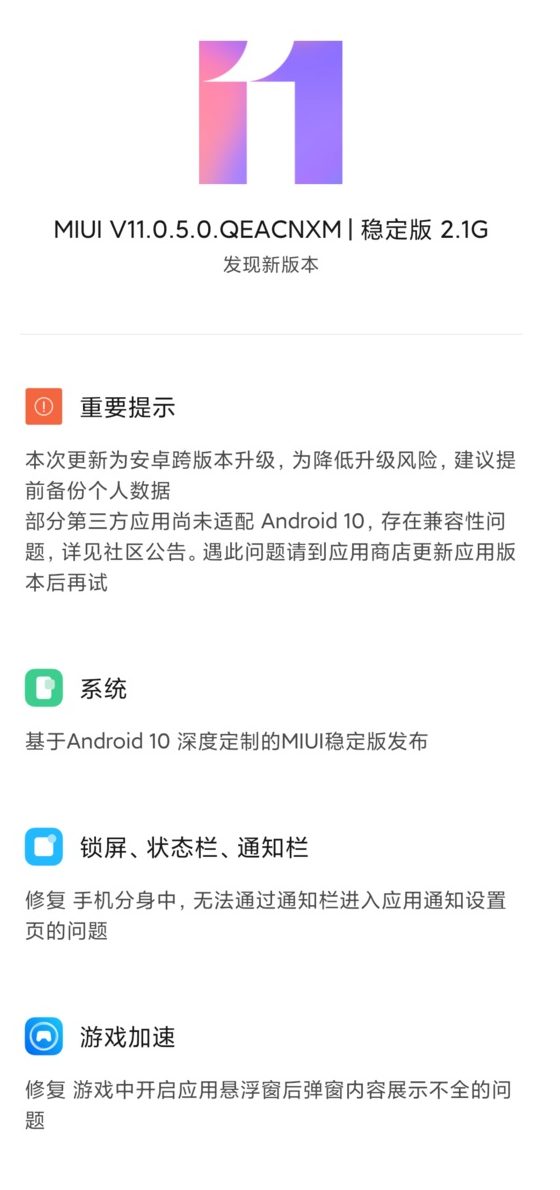
The update arrives as MIUI V11.0.5.0.QEACNXM and is 2.1GB in size. Xiaomi advises that users back up their data before they install the update since it not only comes with a new version of MIUI but also upgrades the Android version. Users are also warned that certain apps may be incompatible with Android 10 and may not function properly. However, it is advised that you update your apps afterward as the latest version of the app may have fixed the incompatibility issue.

Mi 8 MIUI 11 stable update

MIUI 11 brings a redesigned user interface, always-on-display with new customization and personalization options, breathing lights for notifications using the display, new notification sounds inspired by nature, and Mi Work and Mi Life to helo you improve productivity and balance work and personal life. There is also Mi Share for file sharing between compatible devices.

MIUI 11 also has a built-in document viewer called Mi Doc Viewer so you don’t have to download a document viewing app for your device. There is also wireless printing with support for more than 2000 printer models from HP, Lexmark, HP, Sharp, Epson, Toshiba, Kyocera, Lenovo, Mijia and NEC e.t.c. Xiaomi has also included a period tracker, an emergency SOS feature, and a step counter.

There is no news yet with respect to when the stable update will be available for the global version but it should not be far off. The phone launched with Android 8.1 Oreo out of the box and was updated to Android 9 Pie. It should still be eligible for future MIUI updates but this may be its last Android OS upgrade.


(Source)

Xiaomi launches Mi Step Out Backpack and Mi Protective Glass in India

Xiaomi recently launched the Redmi K30 series smartphones in the Chinese market which is yet to make its debut in the Indian market. However, the company has brought a few other products in India.

The company has launched a new Mi Step Out Backpack in India which is priced at ₹249. Along with that, Xiaomi also launched Mi Protective Glass in partnership with Corning, for the protection of display for the Redmi Note 8 Pro.

Mi Protective Glass

This new 2.5D glass screen protector is just 0.4mm thin and features silicon adhesive for an effortless bubble-free installation. It is made using Accessory Glass by Corning which is an alkali-aluminosilicate glass offering better safety compared to the generic tempered glass, as per Xiaomi.

The company also claims that the Mi Protective Glass goes through an additional ion-exchange process that again provides 5x better protection against scratches and contact with sharp objects. It also has 9H hardness to protect the smartphone display from scratches and drops.

Xiaomi Mi Step Out Backpack

Apart from this, the screen protector comes with high light transmittance that allows full clarity and colour and the oleophobic coating on top reduces glare and prevents fingerprints and smudges. The Mi Protective Glass for the Redmi Note 8 Pro is available for purchase via Mi.com at a price of ₹399.

On the other hand, the Mi Step Out Backpack has a capacity of 12 litres and two zipper pockets that can house gym wear and travel essentials. The backpack is made of 600D polyester fabric which is said to be water repellant and lightweight.

It measures 40 x 30 x 6.5 mm in dimensions and is touted to be built using 100 per cent polyester material. The Mi Step Out Backpack is available for purchase in four colours — Navy Blue, Royal Blue, Black and Red. It will go on sale on Mi.com for ₹249.


Xiaomi Wuhan Headquarters officially opened in just 2 years

On 18th December 2019, Xiaomi‘s Wuhan headquarters has officially opened with Lei Jun, the CEO of Xiaomi Group, attending the opening ceremony. The new headquarters of the Chinese company is located in Optics Valley Central City, in the Hubei province and has been completed in just two years since its official listing.

Xiaomi Wuhan
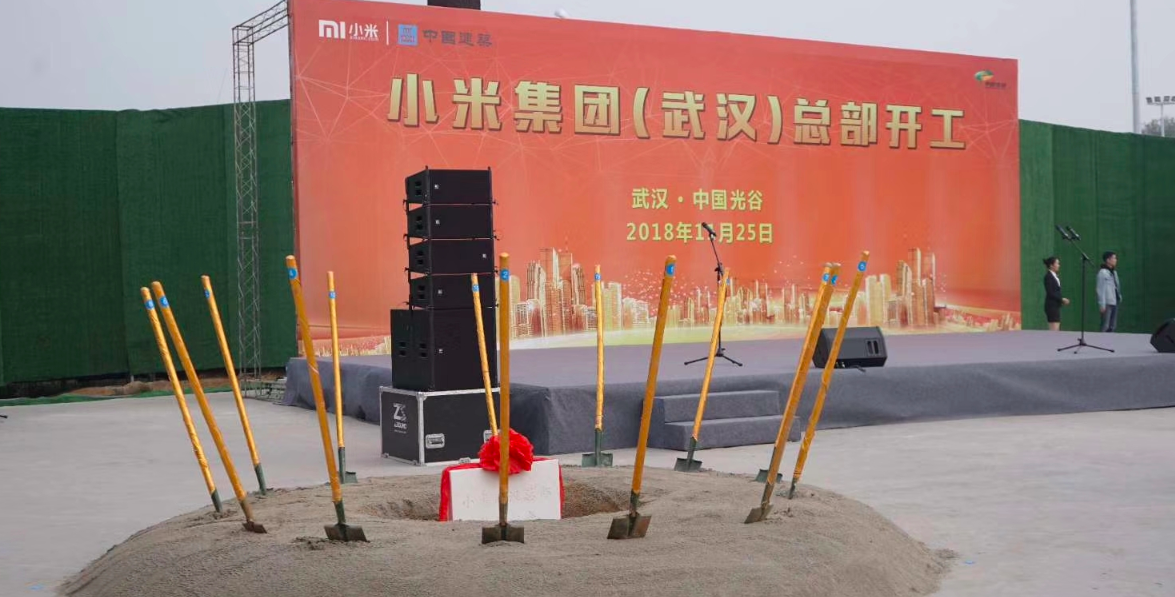
Xiaomi commencing the start of building the Wuhan Headquarters on 25th November 2018

Back in 2017, Xiaomi’s Wuhan Headquarters was first announced in the East Lake Development zone as a new area of settlement. Jump forward to 25th November 2018, the company held the unveiling ceremony in the same location announcing that the project is officially started. Now, in just two years since its official announcement, the headquarters is finally complete.

The total construction area of Xiaomi’s new Wuhan headquarters is about 52,000 square meters which can accommodate anywhere between 2,400 to 3,000 employees. Previously, Lei Jun had revealed that the production cost alone for the new headquarters was 10.5 billion Yuan or roughly 1.5 billion US dollars. Notably, the company has also recruited about 2,000 employees out of which 80 percent were hired from the local areas.

Xiaomi Wuhan Headquarters
Xiaomi Wuhan Headquarters with an area size of 52,000 square metres

The Wuhan Headquarters of Xiaomi is the second center of the company’s artificial intelligence department; through which the company plans on building Hubei Xiaomi Artificial Intelligence Technology Innovation Center for future techs scientific research and development. This will further be supplemented by employees taken up directly from various reputable universities in the region.


(Via)

OnePlus 8, 8 Pro and 8 Lite specifications and prices leaked

OnePlus is expected to announce the OnePlus 8 and OnePlus 8 Pro smartphones in the second quarter of 2020. A recent leak had revealed that the Chinese firm is also working on a more affordable smartphone called OnePlus 8 Lite. The launch event for the OnePlus 8 series is couple of months away. However, the rumor mill is working hard to spill new details on the OnePlus 8 series. A Chinese tipster has shared full specs of OnePlus 8, OnePlus 8 Pro and OnePlus 8 Lite. The leak appears to be a calculated guess based on the rumors surrounding the OnePlus 8 lineup.

OnePlus 8, 8 Pro and 8 Lite Specifications (Unconfirmed)

The OnePlus 8 and OnePlus 8 Pro are rumored to be equipped with 6.4-inch and 6.7-inch S-AMOLED E3 curved dual punch-hole display that supports 120Hz refresh rate. The OnePlus 8 is expected to produce quad HD+ resolution of 1440 x 3140 pixels. The OnePlus 8 Lite may house a 6.4-inch S-AMOLED E2 display with 90Hz refresh rate. The OP8 and OP8 Lite will offer full HD+ resolution of 1080 x 2400 pixels. The Lite model will support 90Hz refresh rate. All three phones will sport an in-screen fingerprint reader.

The OnePlus 8 and 8 Pro is powered by Snapdragon 865 mobile platform and X55 5G modem that brings support for 5G connectivity. Both models are expected to come in 8 GB and 12 GB LPDDR5 RAM variants and USF 3.0 storage options such as 128 GB and 256 GB. On the other side, the OnePlus 8 Lite is expected to feature the Dimensity 1000 SoC, 8 GB of LPDDR4x RAM and UFS 3.0 storage of 128 GB and 256 GB.

OnePlus 8 featured
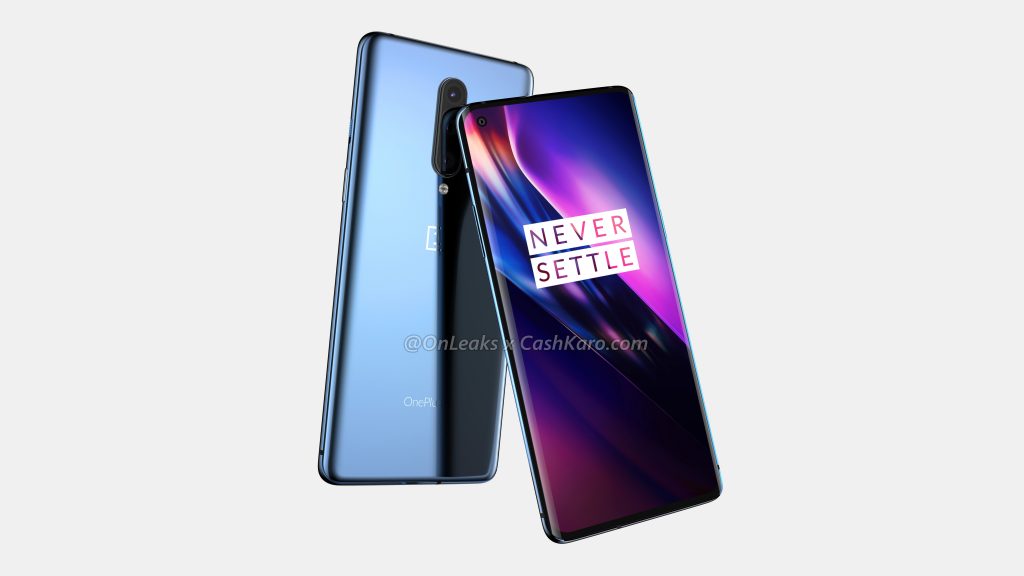
OnePlus 8 renders

The OnePlus 8 and 8 Pro may feature 32-megapixel (Sony IMX616 Iens) + 3D ToF dual camera system. The OnePlus 8 Lite may feature a front-facing camera of 16-megapixel (Sony IMX471) housed inside a single punch-hole on the screen. The rear shell of the OnePlus 8 Lite may sport a triple camera setup with an f/1.7 aperture 48-megapixel Sony IMX586 main lens, a 16-megapixel ultrawide lens with f/2.2 aperture and a 12-megapixel telephoto lens with f/2.4 aperture. The rear camera may carry support for OIS and EIS.

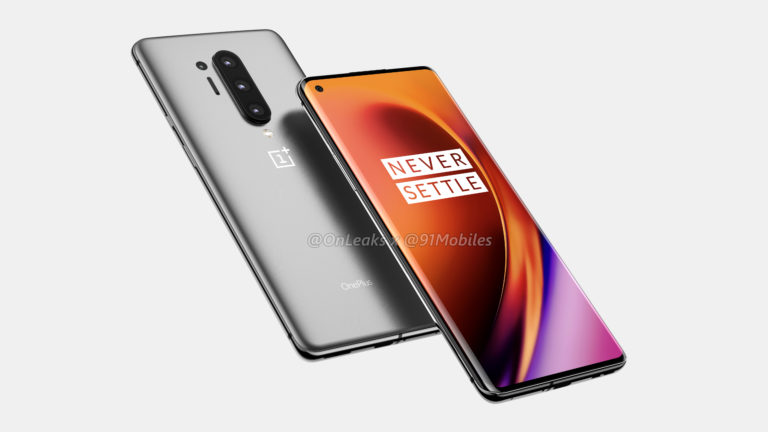
OnePlus 8 Pro renders

The OnePlus 8 is expected to come with an OIS and EIS enabled rear camera setup that includes an f/1.6 aperture 64-megapixel Sony IMX686 main lens, an f/2.2 aperture 20-megapixel ultrawide lens, an f/2.4 aperture 12-megapixel telephoto lens with 5x hybrid optical zoom support. The OnePlus 8 Pro is said to feature the same three sensors that are available on the OP8 along with an additional 3D ToF sensor. The OP8 Pro may offer 10x hybrid optical zoom, dual OIS and EIS.

The OnePlus 8 and OnePlus 8 Lite may come with a 4,000mAh batteries that support 30W fast charging. The Pro model may come with a larger 4,500mAh battery with 35W fast charging. The leak states that OP8 series will come with stereo speakers.

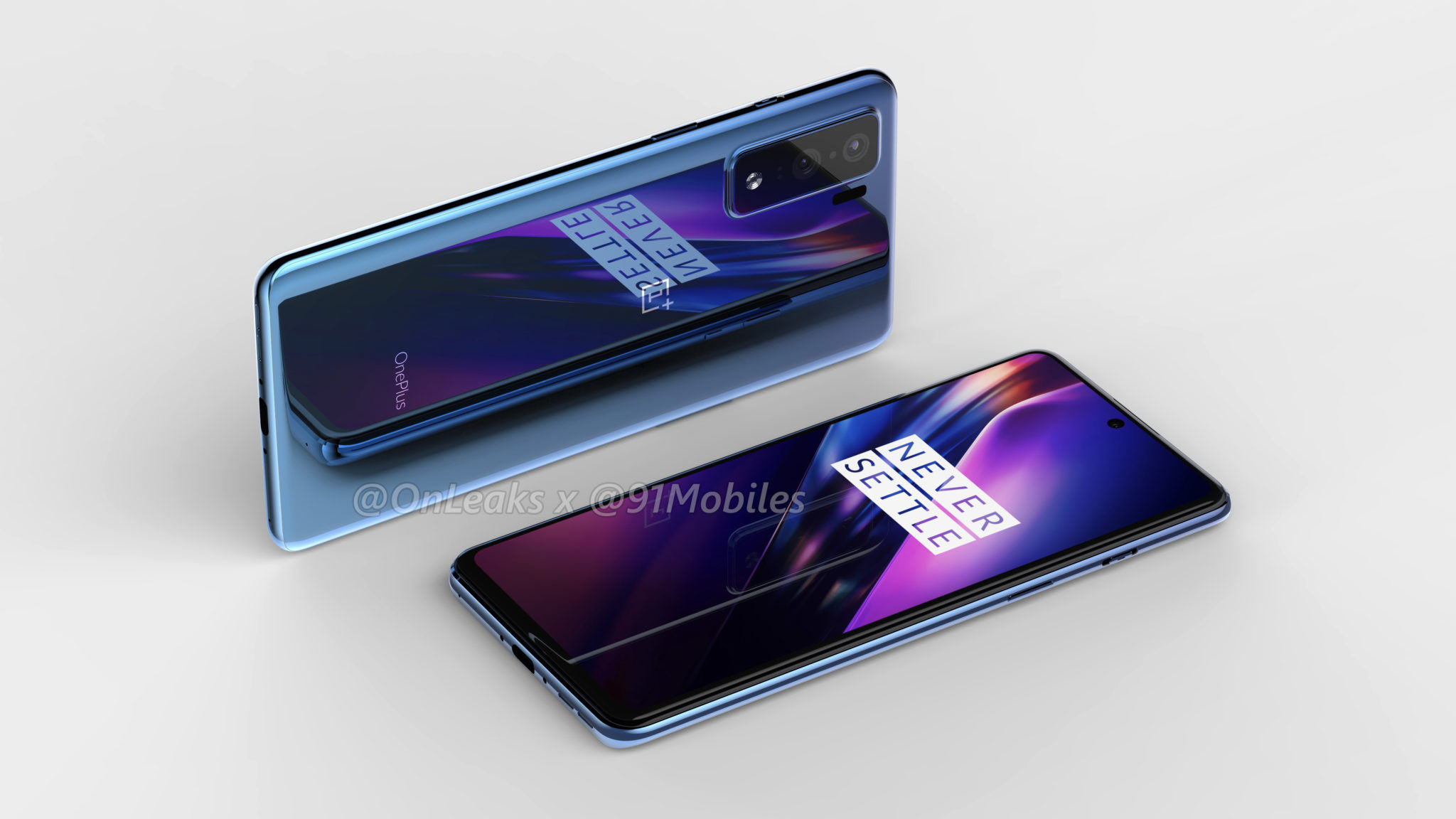
OnePlus 8 Lite
OnePlus 8 Lite renders

The front rear sides of OnePlus 8 and 8 Lite are protected by Gorilla Glass 5 panels. The OnePlus 8 may come with a Gorilla Glass 6 panel on the front and its rear will be shielded by Gorilla Glass 5. The OnePlus 8 Lite will be an IP53 certified device whereas the OnePlus 8 and 8 Pro will have IP68 rated chassis.

OnePlus 8, 8 Pro and 8 Lite Pricing (Unconfirmed)

The leak claims that the OnePlus 8 models such as 8 GB RAM + 128 GB storage, 8 GB RAM + 256 GB storage and 12 GB RAM + 256 GB storage will be respectively priced at 3,699 Yuan ($528), 3,999 Yuan (~$571) and 4,299 Yuan (~$614)

The OnePlus 8 Pro is also expected to come in same variants as the OP8 phone. The three models could be respectively priced at 4,999 Yuan (~$714), 5,499 Yuan (~$786) and 5,999 Yuan (~$858). The OnePlus 8 Lite is likely to come in two models such as 8 GB RAM + 128 GB storage and 8 GB RAM + 256 GB storage. These could be respectively priced at 2,999 Yuan (~$428) and 3,299 Yuan (~$472).

Readers are advised to digest the leaked specs of the OnePlus 8 series with a grain of salt. Concrete on the specs of the OnePlus 8, 8 Pro and 8 Lite will appear as their launch date draws near.


(via)

New Xiaomi UI patent hints at possible Mi MIX Alpha 2, with under-display cameras

It wouldn’t be a stretch to say that Xiaomi are currently one of the most important smartphone companies around. They have an extremely strong lineup of devices, from budget devices, to mid-rangers, to top-of-the-line flagships. The current crown jewel of the company is the Mi MIX Alpha, a stunning device, but instead we’re going to discuss a possible Mi MIX Alpha 2 based on these recently released leaks.

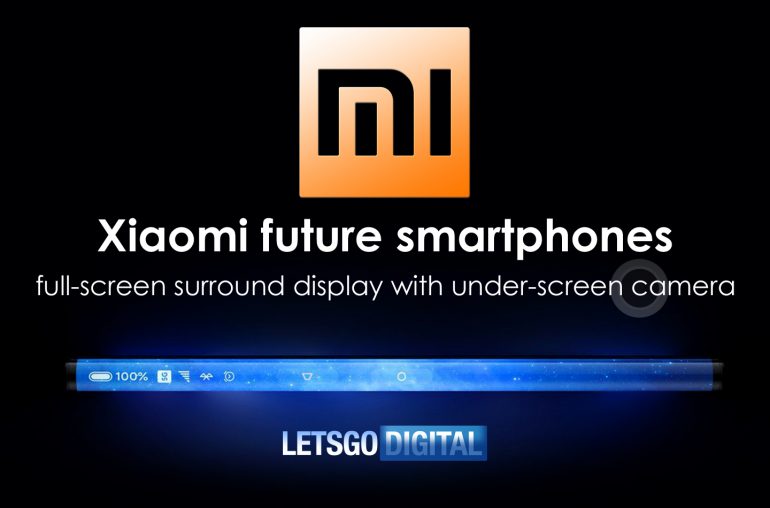
LetsGoDigital has discovered that Xiaomi has filed a series of patents with the Chinese patent office for a smartphone that consists entirely of a full screen surface, with no camera bar to speak of and even narrower screen edges.

According to LetsGoDigital, Xiaomi filed this series of design patents for a smartphone that consists entirely of screen surface about a year ago. It took until December 13, 2019 before these patents were approved and published in the WIPO Design database for worldwide protection of this design.

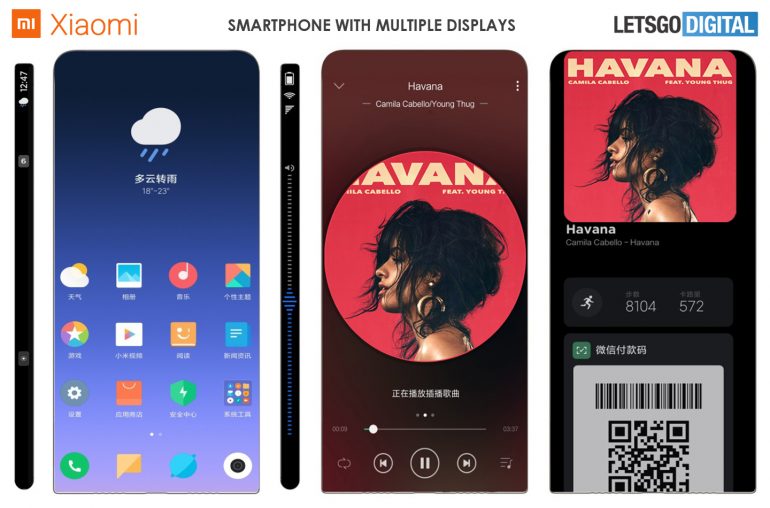
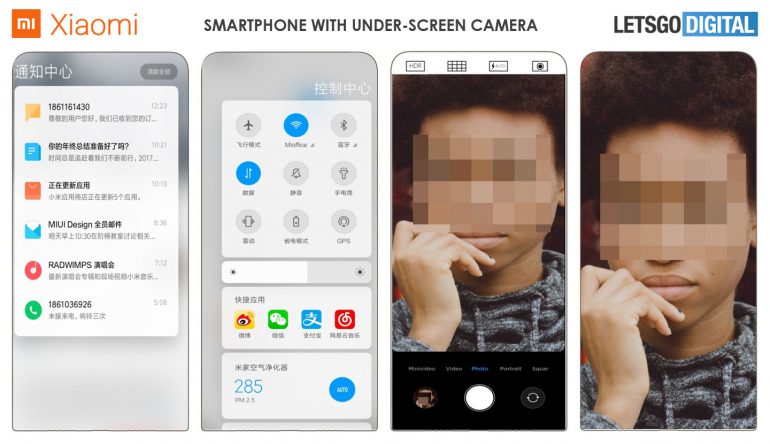
While we did bring up the Mi MIX Alpha, this user interface is for a smartphone with a full surround display AND under-screen cameras on both the front and rear side of the device. This phone has ultra thin bezels at the top and bottom as well as no physical buttons.
All graphical user interface pictures presented in this publication are from Xiaomi.

The screen itself does not run through the bottom or top, seeing how the bottom offers space for the device’s stereo speakers and a USB Type-C port. The microphone is placed on top, along with nothing else. Outside of these details, the patent mainly focuses on the details of the GUI design, and all the screenshots are in full colour which indicates that Xiaomi may already have the device in the works.

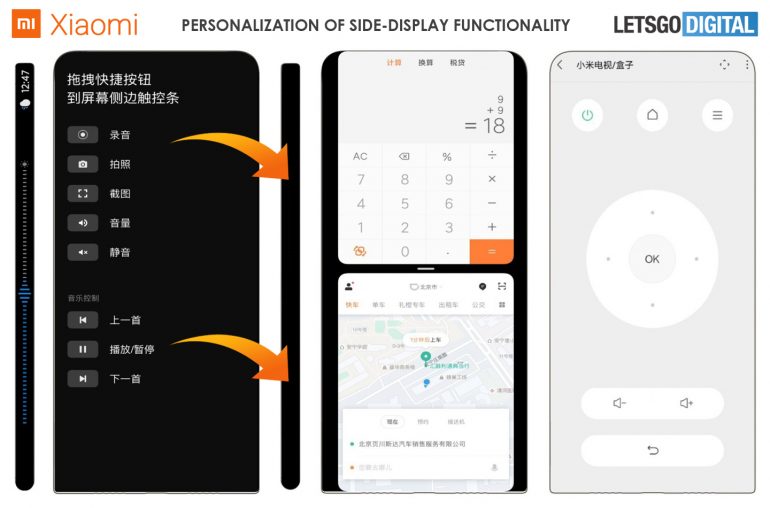
The description shows that the screen icons on the side of the device will change based on the content / application shown on the main screen. For example, general status icons such as the battery indicator and network signal strength can be displayed on the right-hand side, while the left side offers space for displaying time, weather, etc.

In addition, a simple swipe movement will make it possible to add icons to the sides yourself for things like cameras and music controls. This way you can customize the phone and its functions to suit your needs. On the right side of the smartphone, a virtual button is also provided that functions as a system shortcut and as the power button.

While the Mi MIX Alpha is certainly a stunning display of Xiaomi’s engineering capabilities, it’s also very similar to the first Mi MIX in that it’s an expensive concept device that’s meant to show off something extremely new and fresh. Now that it’s out of the way, it may open the doors toward a camera bar-less Mi MIX Alpha 2, which is where this UI might apply.

Whatever the case is with these patents, it certainly leaves us quite excited for Xiaomi‘s future prospects. We’re looking forward to seeing what the Chinese giants can conjure up, and if they’re anywhere near as interesting as the Mi MIX Alpha, then we’re absolutely on board.

(Source)

Huawei Founder: Retirement plans spoiled due to the US ban

Ren Zhengfei, the Founder and CEO of Shenzhen-based Huawei, had stated that his retirement plans were ruined after the company faced a ban from the US Commerce Department.

Earlier today (18th December 2019), the Chinese company publicized an interview of the Senior executive who was addressing 5G network development in Latin America, Huawei’s HarmonyOS (HongMengOS in China), and temporary extensions. In the conference, Zhengfei was asked by a reporter regarding his retirement plans. He answered this by mentioning the US Government’s actions to suppress the company had motivated him.

HarmonyOS
HarmonyOS (HongMengOS in China)

Reportedly, the CEO was planning on retiring soon but the sudden ban in early 2019 led him to work for the public relations department of Huawei. Following this, Ren Zhengfei stated Huawei’s plans in Spain to build the best 5G network in Europe and further went on to mention Huawei’s cooperation with Telefonica in Latin America. Notably, the company is also facing issues with the Spanish Government regarding security concerns.

The Founder also answered questions regarding its HarmonyOS’ relationship between Google‘s Android system and whether the extension of temporary licenses by the US Government affects the company. According to Zhengfei, the HarmonyOS will be open source for each country similar to Android OS but will have no ties with the latter and also will be completely separate with its own ecosystem and app development.

US CHina trade war featured
US-China Trade Disputes

The proprietary OS would help the company lessen its reliance on western-based companies, a move the company supports every country in making. This would also help its OS achieve digital sovereignty. Huawei’s CEO even stated that whether or not the US Government extends its temporary licensing to its business partners is irrelevant and will have no effect on the company.


(Via)

French telcos worried about not being able to use Huawei equipment for 5G

Although 5G is not expected to arrive in France until summer next year, operators have already sent their requests to ANSSI (French National Cybersecurity Agency) to find out if they will be able to use Huawei equipment. Unfortunately however, it seems the administration isn’t just refusing, but outright not replying to queries at all.

Huawei is no longer entitled to supply new antennas to operators in the United States. However, it can still offer its services to European countries like Germany and Great Britain. In France however, there are some peculiar problems playing out between the government and telecom operators over 5G development and Huawei equipment.

A law aimed at securing the 5G network, promulgated a few days ago, stipulates that operators must validate with ANSSI, who are in charge of monitoring electronic services – placed under the authority of the Prime Minister, any radio towers the telco want to deploy. On top of this, any query not replied to in over two months amounts to a refusal, and submissions regarding Huawei equipment currently aren’t being responded to.

As it stands, ANSSI and the French government aren’t responding to any queries regarding the use of Huawei equipment in 5G networks for the country. There’s a general lack of information for the telecommunication companies to go off, and it’s resulted in a rather frustrating experience for them according to reports and interviews.

A manager at Orange, a French telco” tells in an interview from Frandroid that “We want to understand the rules of the game so that we don’t get stuck afterwards. Even at ANSSI, everything is not crystal clear… Everyone is waiting for news. So we want to test the mechanism.” This essentially means that due to these issues from the government, they can’t test their networks.

This applies to all telcos submitting these files to ANSSI. Despite this, all companies are still pushing for Huawei equipment, as SFR has already submitted files for the antennas of Huawei and Nokia. Bouygues plans to send its file quickly, and Orange also intends to try to file files for equipment from Nokia, Ericsson and Huawei, even though it does not use antennas of the Chinese brand for its 4G network.

(Source)

US to apply new limits on hardware sales to Huawei

The US government is weighing new limits on sales of chips and other vital components to Huawei, sparking another furious round of lobbying by technology companies. Industry associations representing US chip makers, software companies and manufacturers have written to Secretary of Commerce Wilbur Ross in recent weeks arguing against the changes, according to copies obtained by Bloomberg News.

Some U.S. companies have continued selling to Huawei even after the blacklisting, citing rules that limit the government’s ability to restrict exports. De minimis provisions exempt certain products if companies can prove the majority of work done to create the items happens outside the U.S. The current threshold effectively kicks in when 75% of the work occurs overseas.

The administration is considering raising that to 90%, and broadening the list of products, people familiar with the discussions said. The change could come as soon as January, added the people, who asked not to be identified discussing policy deliberations. This will obviously put a cork on the current loophole, effectively reducing Huawei’s presence.

U.S. tech companies have already struggled to comply with the original Huawei ban, while keeping access to the Chinese market, the largest in the world. The government in Beijing has threatened to retaliate against companies that stop supporting Huawei, resulting in just a very messy situation all around.

In November, the Commerce Department said it started approving some applications for licenses to do business with Huawei, while rejecting others. It characterized the approvals as “narrow.” Microsoft Corp. got a license. It’s unclear which other companies got approved and how the decisions were made, but it’d be great if these got streamlined quicker.

(Source)

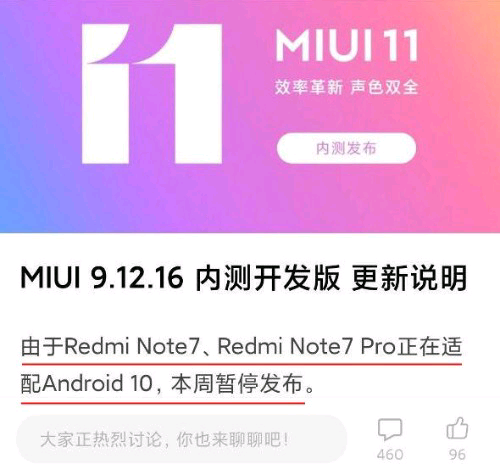
Redmi Note 7 to receive Android 10 update a month early

Earlier this year, Xiaomi had announced its schedule for the planned update of various smartphones which will be the first wave of devices to receive Android 10 OS alongside MIUI 11. Redmi Note 7 was one of those handsets which were to receive the major update first and currently has the company already working on a build for it.

Xiaomi Redmi Note 7 Android 10
Redmi Note 7 with Android 10

According to sources from the MIUI forums, the Android 10 based MIUI 11, which is a custom skin from the company, has entered closed beta in China. The early build stays in this phase for two to three weeks for various bug fixing and performance tweaking before being launched in open beta. From here, it can take anywhere up to eight weeks before the official stable build can be ready for a global launch.

With the Redmi Note 7 entering closed beta now, Xiaomi seems to be ahead in the schedule. Previously, the Chinese tech giant had stated that it would start working on Android 10 for the Redmi Note 7 and Redmi Note 7 Pro in the first quarter of 2020. Although the new year is just around the corner, the early testing is still a great sign for the Redmi smartphone users.

Xiaomi Redmi Note 7 Android 10
Android 10 based MIUI 11 for Redmi Note 7 and Note 7 Pro

Notably, Redmi Note 7 series is a year-old smartphone lineup and might just receive Android 10 and MIUI 11 ahead of its successors, the Redmi Note 8 and Redmi Note 8 Pro. Xiaomi has yet to announce any official major update for the latter series so far.


(Source,Via)


Disputes over Huawei security threats leads to Czechs Cybersecurity Chief being fired

Huawei, the smartphone manufacturer, has faced multiple issues and allegations from different western Governments over the past one year. These accusations are generally related to security and information and have seen it receive a ban in the US and issues in its European region of operations as well.

Now, the Chinese tech giant is facing more problems, but this time in Eastern Europe, in the Czech Republic; as amidst the disputes regarding Huawei’s security threat, the country’s Cybersecurity Chief has just been fired.

Huawei
Huawei being caught in the crossfires of the US-China Trade Disputes

According to a new report, Dusan Navratil, who became the first director of the National Cyber and Information security Agency (also knows as Nukib), has just been fired by the leading Government. This arrives after he was alleged to lack experience, managerial skills, and communication expertise for the job. Reportedly, the Czech Government unanimously agreed to the dismissal of Navratil, who also served as head of the National Security Authority for 10 years.

Navratil said he was “surprised” over this sudden dismissal by the Prime Minister and has refused to comment further on the situation. The cybersecurity chief was known for being involved in a year-long controversy over his December 2018 reports that condemned Chinese brands like Huawei and ZTE for being national security threats.

After the report, Government agencies were banned from using Huawei smartphones by the Prime Minister, Babis, but ordered more evidence for the accusation. Since then, a Nukib spokesperson has denied any ties or pressures from the US Government regarding the decision against Huawei; citing, “it surprised the US authorities as much as it surprised Huawei.”

Huawei
Czech Republic’s Cybersecurity Chief, Dusan Navratil

It is still unclear if the dismissal of the Navratil is based on his allegations against Huawei, which is expanding in Europe to better take on its western competitors. According to Cui Hongjian, the director of China Institute of International Studies think tank, Huawei has been in a chaotic position in the Czech Republic which is also indicative of the broader trend in Europe regarding the company and 5G networking as a whole.


(Source)

Samsung offers attractive discounts on S10, Note 10 and A-series to celebrate 10 years of Galaxy lineup

Samsung is celebrating 10 years of its Galaxy lineup. In order to commemorate the occasion, the company is offering discounts, cashback and bundle offer on a range of smartphones in India, including the flagship Galaxy S10, Note 10 and the A-series lineup. The discounts are valid till Dec. 31. Potential buyers can avail the limited period offer at Amazon India, Flipkart, Tata CliQ, the Samsung e-Store, and authorized retail dealerships throughout the country. Samsung claims customers can avail benefits up to Rs. 21,000 (~$295) on the Galaxy S10, Note 10, and the Note 10+. And up to Rs.29,000 (~$408) on the Galaxy S10, S10+, and the S10e.

Samsung Galaxy S10 Offers

The 128 GB variant of the Galaxy S10 is available at Rs. 61,900 (~$871) instead of Rs. 71,000 (~$999). No-cost EMI starts at Rs. 6,577 (~$93) per month. While the 512 GB variant can be purchased for Rs. 76,900 (~$1082) instead of Rs. 84,900 (~$1194). No-cost EMI starts at Rs. 8,544 (~$120) per month. 

The 128 GB variant of the Galaxy S10+ is priced at Rs. 69,900 (~$983) with no-cost EMI starting at Rs. 7,766 (~$109) per month. While the 512 GB variant is priced at Rs. 87,900 (~$1236), with no-cost EMI of Rs. 9,766 (~$137) per month. The 128 GB variant of the Galaxy S10e is priced at Rs. 47,900 (~$674). Customers can also get one for Rs. 5,322 (~$75) per month at no-cost EMI.

Samsung Galaxy Series 10th Anniversary Sale

Samsung Galaxy Note 10 Offers

Prices for the Galaxy Note 10 starts at Rs. 69,999 (~$985) for the 256 GB variant. No-cost EMI starts at Rs. 7,777 (~$109) per month. While the 1TB variant is priced at Rs. 1,13,900 (~$1602) instead of Rs. 1,29,000 (~$1815). No-cost EMI offers start at Rs. 12,655 (~$178). The 256 GB variant of the Galaxy Note 10 is priced at Rs. 79,999 (~$1125) instead of Rs. 85,000 (~$1196), with no-cost EMI starting at Rs. 8,888 (~$125) per month. The 512 GB variant is priced at Rs. 89,999 (~$1266) instead of Rs. 95,000 (~$1336). No-cost EMI starting Rs. 9,999 (~$141).

Samsung Galaxy A-Series Offers

Starting with the 4GB RAM variant of the Galaxy A30s, which is priced at Rs. 15,999 (~$225) instead of Rs. 18,900 (~$266), at a monthly expense of Rs. 2,901 (~$41) per month at no cost. The 4GB RAM variant of the Galaxy A50s is priced at Rs. 19,999 (~$281) instead of Rs. 24,900 (~$350). No-cost EMI begins at Rs. 3,333 (~$47) per month with instant cashback offers of Rs. 2,000 (~$28). The 6GB RAM variant of the Galaxy A50s is priced at Rs. 21,999 (~$309), with no-cost EMI starting at Rs. 3,666 (~$52) and instant discounts worth Rs. 2,000 (~$28).

The Galaxy A70s with 6GB of RAM does not get a price cut and still retails at Rs. 28,999 (~$408). However, Samsung is offering no-cost EMI deals starting Rs. 4,832 (~$68) per month, along with instant cashback offers of Rs. 3,000 (~$42). The 8GB (RAM) variant of the Galaxy A70s also does not receive a price cut and costs Rs. 30,999 (~$436). Samsung is offering a cashback of Rs. 3,000 (~$42) along with no-cost EMI deals starting Rs. 5,166 (~$73). Buyers also get an ITFIT wireless headphone worth Rs. 1,999 (~$28) free with every purchase of the Galaxy A70s. The offer is valid on both the 6GB and the 8GB variants.

Moreover, HDFC credit card users can avail a flat Rs. 6,000 (~$84) cashback on the entire Galaxy S10 and Note 10 lineup. Samsung is offering a bundle deal, where customers can buy the Galaxy Watch Active worth Rs. 19,990 (~$281) at Rs. 4,990 (~$70) alongside any of Samsung’s flagship products.


(source)
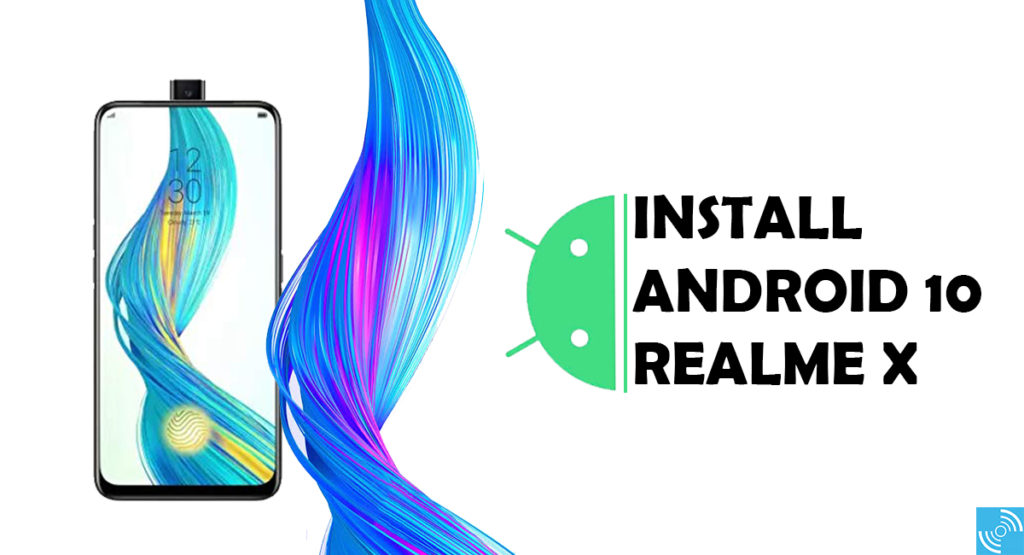
How to install Android 10 on Realme X using Unofficial LineageOS 17

Realme X is one of the best budget phones from earlier this year. It is still the only phone with the fastest pop-up camera when compared to other phones in its segment. It was launched with ColorOS 6 based on Android 9 Pie. Also, it is eligible for the ColorOS 7 update based on Android 10. But the update will be only released in February 2020. However, you can enjoy Android 10 on your Realme X now itself by a simple hack. All you have to do is install the latest LineageOS 17 based on Android 10 on your Realme X.

realme x android 10

Installing LineageOS 17 Android 10 ROM on Realme X is an easy task, but the steps must be performed accurately to avoid any mistake. Hence, we have written this guide on ‘How to install Android 10 on Realme X’ to help you. If you are interested in doing it, follow our guide step by step to achieve it without any problem.

Before getting into the guide, let us refresh what Realme X offers.

Realme X Specifications

Realme X comes equipped with a non-obstructive 6.53-inches FHD+(1080 x 2340 pixels) AMOLED display with a fingerprint sensor underneath. The front 16MP camera nests in a motorized pop-up module, which is faster than any smartphone in its price segment. Under the hood, the phone is powered by a Qualcomm Snapdragon 710 paired with 4GB/6GB/8GB of RAM and 64GB/128GB/256GB of internal storage.

At the back, the phone features a dual-camera setup comprising of 48MP Sony IMX586 sensor and a 5MP depth sensor. Apart from that, the Realme X comes with a 3.5mm headphone jack, a USB Type-C, Corning Gorilla Glass 5 protection for the display, and a 3,765mAh battery with support for Oppo’s proprietary 20W VOOC 3.0 fast charging. It runs ColorOS 6 based on Android Pie and comes in Steam White and Punk Blue color options as well as Master Editions with onion and garlic themes.

LineageOS 17 Android 10

LineageOS, which is born from the ashes of CyanogenMod, is one of the most popular custom ROMs. It comes with cherry-picked useful features that are not present on the AOSP(Android Open Source Project) builds. Most of the custom ROMs use LineageOS as their base, and therefore, it plays a vital role in the custom ROM development community.

That being said, LineageOS 17 is the newest version of the ROM based on Android 10. Additionally, it will be the first version of the ROM to come without the Privacy Guard since it was introduced. The team behind the project had to drop this feature as they could not port it to the latest version of Android. But it does feature Google’s Permission Hub instead of that.

Pre-requisites for installing LineageOS 17 Android 10 on Realme X

Steps to install LineageOS 17 Android 10 on Realme X

  1. Copy the downloaded LineageOS 17 ROM and Android 10 GApps to your phone’s internal storage.
  2. Switch off your phone.
  3. Reboot your phone to TWRP recovery by pressing power and volume up keys simultaneously.
  4. Once TWRP boots up, go to Wipe, then select System, Data, Cache, and ART cache.
  5. After the selection, swipe the slider below to wipe those partitions.
  6. Now, go to Install, select the LineageOS Android 10 ROM zip file.
  7. Then, tap on, add more zips and select the Android 10 GApps file.
  8. Next, swipe the slider to install the selected two files.
  9. After the installation process, tap on Reboot to reboot your phone.
  10. If you have followed the above steps correctly, your Realme X will be booted into LineageOS 17 Android 10.

Anyways, if you are facing problems or have queries, then make sure to mention them in the comment section below. We will try to help you as soon as possible.


Xiaomi’s Mi AI Touchscreen Speaker Pro 8 goes on sale in China from today

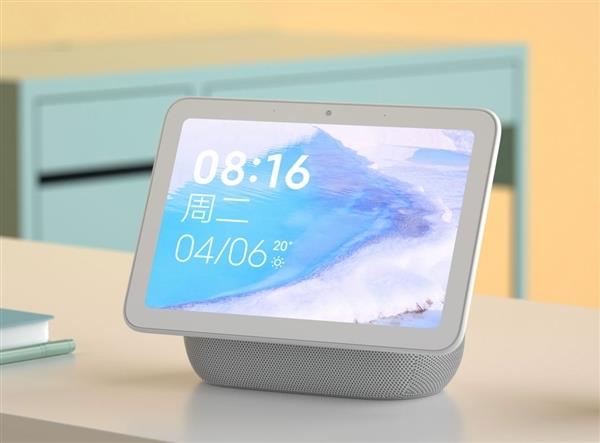
A few days ago, Xiaomi launched a new product in its home country China — Mi AI Touchscreen Speaker Pro 8. The device will now go on sale from today for a price of 499 yuan (approximately $71) although the regular price of the product is 599 yuan (~$86).

This new Xiaomi’s Mi AI Touchscreen Speaker Pro 8 seems to be inspired from the Google Nest Hub/Nest Hub Max and Amazon‘s Echo Show. However, Xiaomi’s own smart display is not a total copy of Google’s product.

Xiaomi Mi AI Touchscreen Speaker Pro 8

It comes with an 8-inch display, sitting between the Nest Hub’s 7-inch screen and the Max’s 10-inch screen. Its base houses the speaker while the power and volume control buttons are behind the right side of the display while a camera sits above the screen.

According to the company, the 8-inch screen offers 36 percent more screen estate compared to a 7-inch display. The resolution is 1280 x 800 pixels the screen is said to have a high-image quality and has an oleophobic coating, so you won’t see fingerprints on it.

The device packs three subwoofers – each of them measuring 50.8 millimeters in size and featuring Neodymium Iron Boron magnets. The company says that the speakers are professionally tuned by DTS.

The Mi AI Touchscreen Pro 8 works with a plethora of smart home products covering 28 different categories and from up to 54 different IoT platforms including Philips, Viomi, Yellight, Smartmi, Konke, and Roborock.

Connecting a device is easy thanks to the Advanced Bluetooth Mesh Gateway. Xiaomi says it will roll out a feature by March 31, that allows you to connect new smart home devices to the smart display just by voice.

Xiaomi has also partnered with QQ Music for music streaming while iQIYI, Youku, Bilibili, and TikTok handle video streaming. There are also other audio streaming platforms they have partnered with for podcasts, storytelling, and audiobooks. Kids also get custom content and there are security protections in place to keep your child safe.

The Mi AI Touchscreen Speaker Pro 8 also doubles as an alarm clock, a digital photo frame, and a Bluetooth speaker. It is only available in one color variant and that is Chalk and carries a price tag of 599 yuan, roughly $86.


Huawei Nova 6 SE pre-sales begin in China

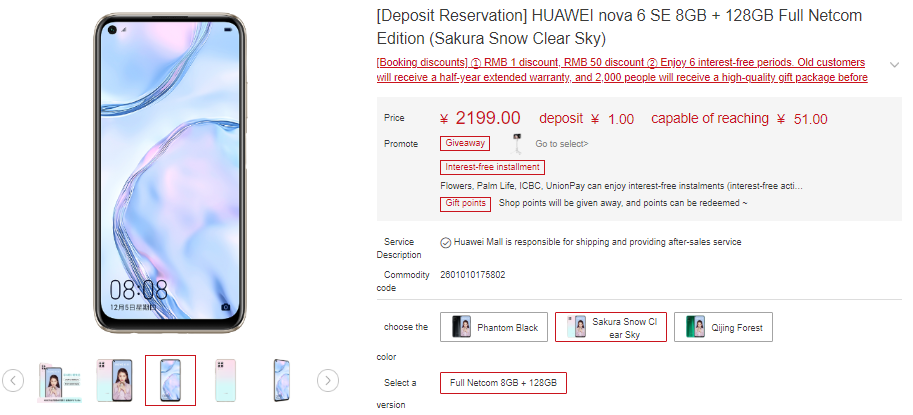
Earlier this month, Huawei had held an unveil event in China to announce the Nova 6 smartphone. Apart from launching the Nova 6 phone, the Chinese firm also introduced the Nova 6 SE alongside it. The phone sports a punch-hole display and iPhone-11 like quad camera system on its rear. The Nova 6 SE wasn’t made available readily for purchase. Starting from today, the Chinese firm is receiving the pre-orders of the Nova 6 SE on Vmall. The phone will go on sale on Dec. 25.

The Nova 6 SE is listed in colors like Phantom Black, Sakura Snow Clear Sky and QJing Forest. The smartphone comes in a single edition that features 8 GB of RAM and 128 GB of native storage. The device is priced at 2,199 Yuan (~$314). However, customers who pre-order it with 1 Yuan will be provided with a discount of 51 Yuan (~$7). Hence, customers who book the device during the pre-order period can get it for 2,149 Yuan (~$307).

Huawei Nova 6 SE Vmall

Huawei Nova 6 SE Specifications and Features

The Huawei Nova 6 SE has a 6.4-inch IPS LCD punch-hole display that offers 1080 x 2310 pixels full HD+ resolution. The 8nm Kirin 810 chipset is present under the hood of the phone. The phone houses a 4,200mAh battery that carries support for 40W SuperCharge fast charging technology. Within 30 minutes, the phone’s battery can reach 70 percent capacity through rapid charging.

The Nova 6 SE has a quad camera system on its back. It includes a main lens of 48-megapixel, a 2-megapixel depth sensor, a 2-megapixel macro lens and an 8-megapixel ultrawide lens. The device is fitted with a side-mounted fingerprint scanner. The EMUI 10 based Android 10 OS runs on the device.

Huawei is now reportedly working on the Huawei P40 series of flagship phones. The company is also known for introducing a ‘Lite’ edition of its P-series flagship. While the Huawei P40 and P40 Pro are expected to go official by the end of March 2020, the Huawei P40 Lite may break cover few weeks before the launch of P40 series. A recent leak had claimed that the Chinese company may rebrand the Nova 6 SE as P40 Lite in some markets.


(source)
New study claims blue light filters more harmful to sleep than blue light

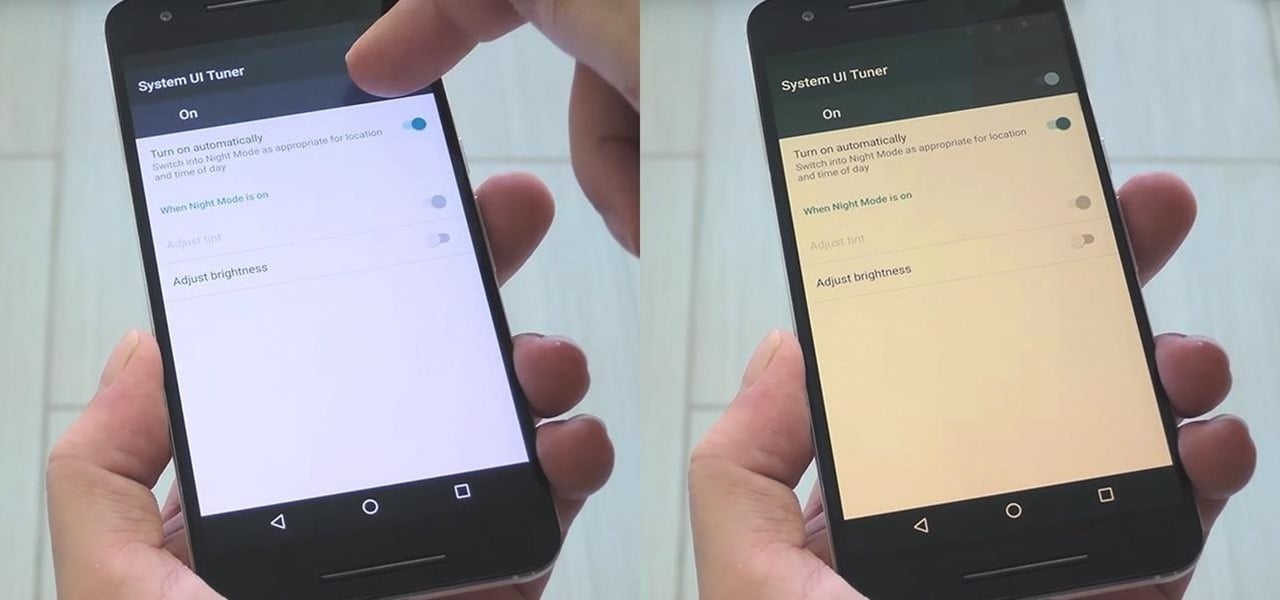
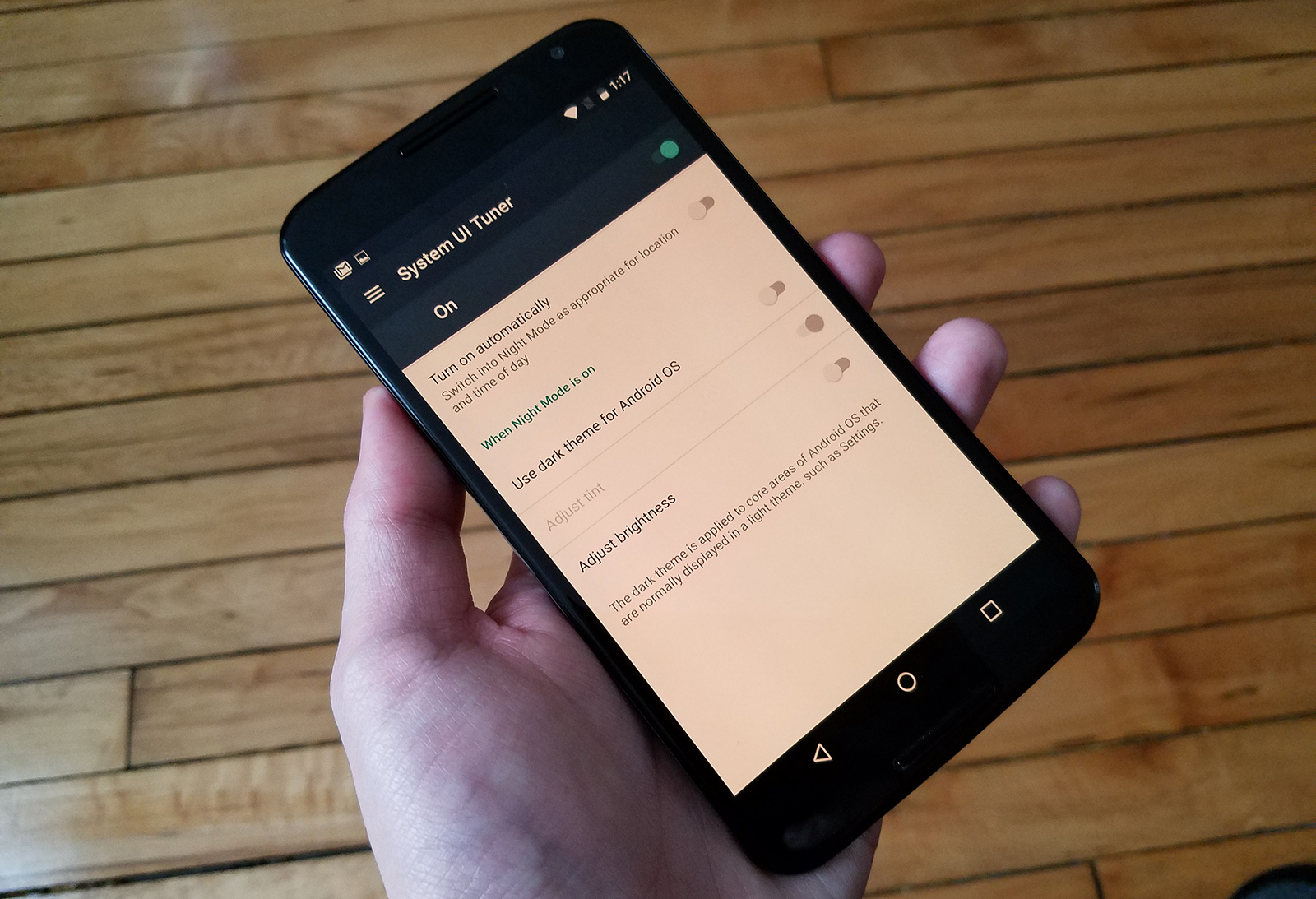
It turns out that blue light filter like Night Light — which tint the screen to reduce blue light and help users fall asleep — may not actually help users fall asleep. In fact, tinting your screen may actually be worse. According to a study conducted by the University of Manchester, using night modes to make your display more ‘yellow’ is possibly worse than leaving it in the regular untinted mode.

Previous research had suggested that exposure to blue light, particularly from phone and TV screens, reduced the production of melatonin, the hormone that helps you to sleep. The University of Manchester conducted a study on a group of mice after the research team — led by Dr. Tim Brown — believed the view that this was a false assumption.

Using specially designed lighting to adjust the color temperature without changing the brightness, the team exposed the mice to various colors and observed the effects it had. The university found that colour-sensing cone cells in the eye may be more responsive to yellow light than the response of melanopsin to blue light. In other words, using your phone with a blue light filter may actually be telling your brain it isn’t time for sleep.

Of course, there are a few things to be aware of here. First off, the study was conducted on mice, not people. Second, the university didn’t conduct the study on a microbiological level — instead, the study was observational and it drew conclusions from mice who were exposed to different colours of light at identical brightnesses.

But there may also be merit to the study. If you think about the colour of light as it appears throughout the day, dawn and dusk usually have bluer light than during the day, which has yellower light. It would make sense that our biological clock would respond to colour as described by the researchers.

Regardless of the effect of blue light on your eyes, it is better to keep your smart device away before heading to bed. Excess screen time has other adverse effects, such as obesity, as well. Furthermore, surfing social media sites can impact your brain in such a way that you don’t find sleep soon when you finally squeeze your eyes shut for the day.

(Source)
Realme X50 5G teased to support dual-channel Wi-Fi and 5G simultaneously

Realme, the Oppo-backed smartphone brand which is gearing up to launch its first 5G smartphone in the Chinese market — Realme X50 5G, has been teasing the features of the upcoming device.

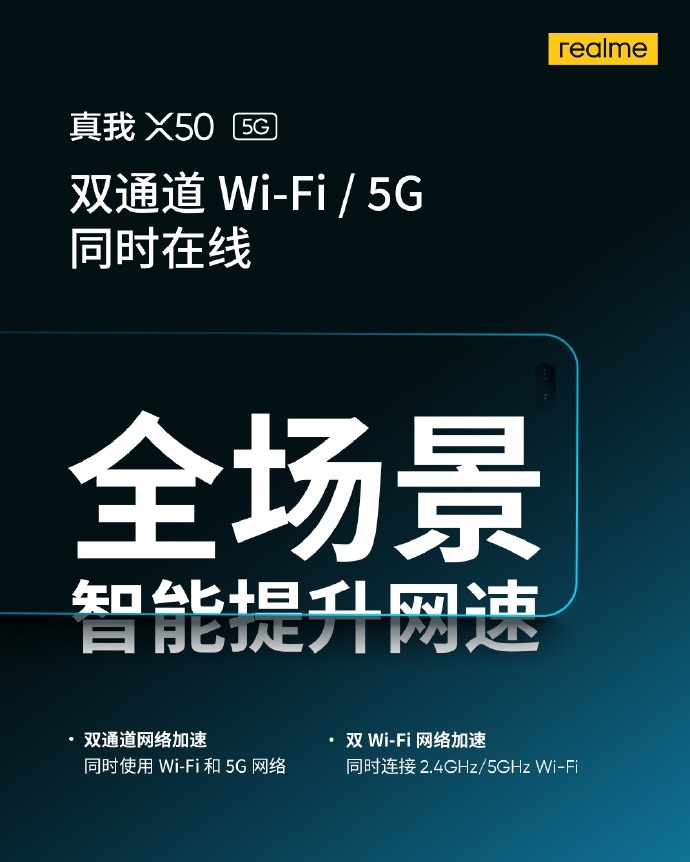
In the latest move, the company has shared a teaser poster of the upcoming Realme X50 5G smartphone which reveals that the device will come with support for dual-channel which will enable simultaneous use of Wi-Fi and 5G.

Realme X50 5G Dual Channel

The company says that the Realme X50 5G will support dual-channel Wi-Fi and 5G for online connectivity at the same time, which can smartly increase the network speed under all scenarios. It further adds that the phone can be network accelerated and can make use of both 2.4GHz and 5GHz for Wi-Fi.

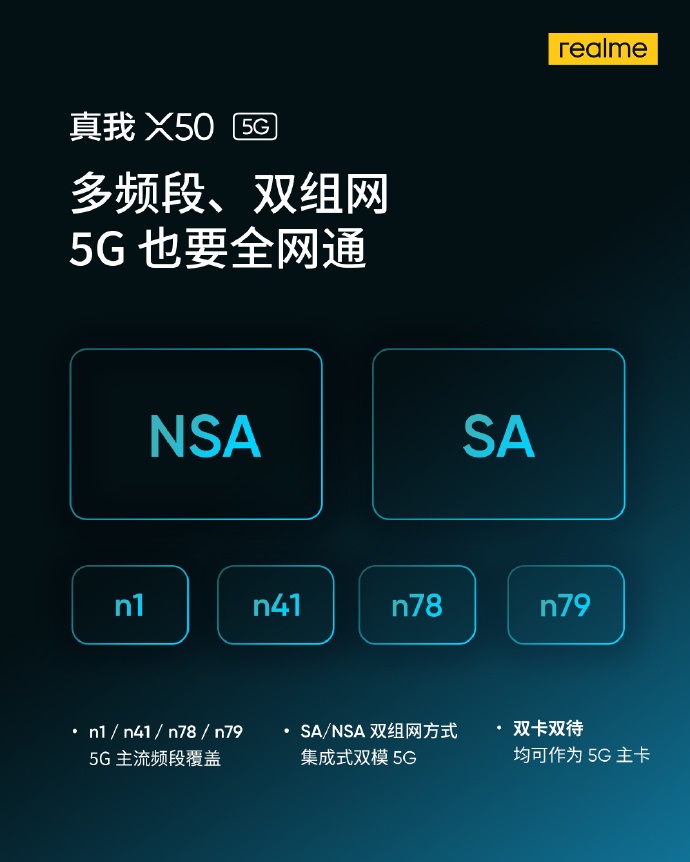
Realme has also revealed that the smartphone will cover all the mainstream frequency bands for 5G connectivity, including n1, n41, n78, n79 and will support both SA and NSA dual-mode networking with 5G.

Realme X50 5G Bands

So far, the Chinese company has confirmed that the Realme X50 will come powered by the newly launched Qualcomm Snapdragon 765G chipset. This is the same SoC that powers the Redmi K30 5G smartphone and will power the upcoming Oppo Reno3 Pro.

Rumors indicate that the phone will be equipped with a 6.44-inch AMOLED display. It could be coming with Sony IMX686 60-megapixel + 8-megapixel + 2-megapixel + 2-megapixel quad rear cameras and 32-megapixel + 8-megapixel dual front facing cameras.

When some users on Weibo inquired about the 120Hz refresh rate of the upcoming smartphone, Realme’s General Manager Wang replied, “If so, would you buy it?”. This strongly suggests that the company could offer 120Hz refresh rate on the Realme X50 5G.

The device could be backed by a 4,500mAh battery with VOOC 4.0 Flash Charge technology. The handset may come with up of 12GB of RAM and 256GB of internal storage. We expect Android 10-based custom ColorOS 7 running the smartphone.

As the phone is powered by a mid-range processor that it is integrated with a 5G modem, the handset is expected to arrive in China with an attractive price tag. The company is also set to launch the Realme X50 Lite (Youth Edition) along with the standard model. While the launch date is not yet known, a recent teaser hints at 5th January as the launch date.


HMD Global’s Juho Sarvikas explains why Nokia 9 Pureview doesn’t have a Night mode

The year 2019 is coming to end and the smartphone technology has improved vastly this year. Along with the in-display fingerprint sensor and different types of display design, another major thing that became mainstream was Night Mode.

Although Night Mode feature for low-light photography was mainly limited to premium flagship smartphones, this year the smartphone manufacturers started offering the same with their mid-range devices as well.

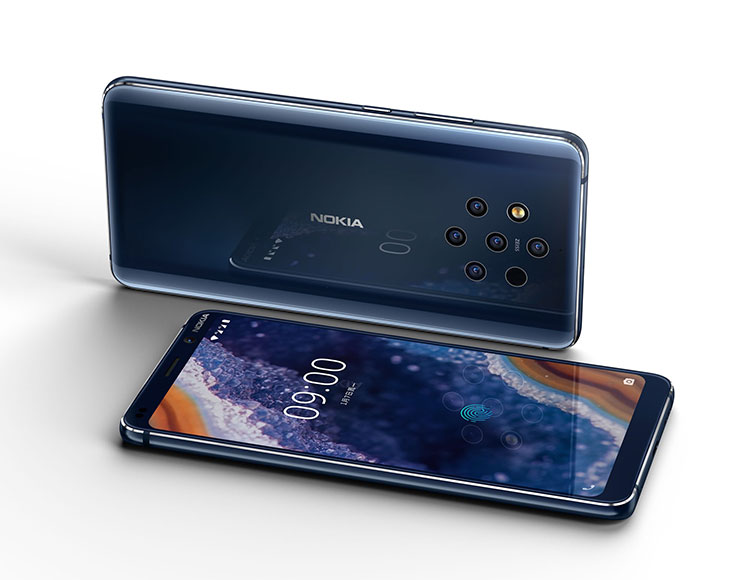
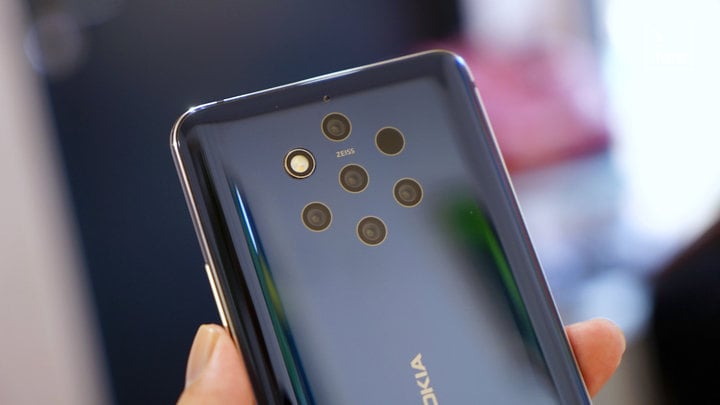
However, HMD Global‘s Nokia 9 PureView, which comes with a penta-camera setup on the back panel, and touted as the company’s flagship smartphone with impressive camera performance, doesn’t feature Night Mode.

Nokia 9 Pureview

Explaining the reason behind the lack of Night Mode on the Nokia 9 PureView smartphone, HMD’s Chief Product Officer Juho Sarvikas said that since the company is using Light technology, it is very difficult for the company to make changes in the phone’s camera.

He explained that due to the camera subsystem design, they cannot leverage “low light algorithm” on top of Light technology’s fusion algorithm that the system already has. He advised that in other lighting conditions, if the user gets .jpeg result they don’t like, then keep .dng (RAW) capture and revisit the same in Lightroom.

As for the specifications, the phone features a 5.99-inch OLED display that carries support for 2880 x 1440 pixels Quad HD+ screen resolution and comes with 18:9 aspect ratio, HDR10, and always-on display.

The display of the phone is shielded by Gorilla Glass 5. This is also the first Nokia smartphone that comes with an optical in-display fingerprint sensor. The phone is powered by Qualcomm Snapdragon 845 SoC, coupled with 6 GB RAM and 128 GB internal storage.

The rear shell of has dual-LED flash enabled Nokia 9 PureView has five cameras and a ToF (Time of Flight) sensor. The Penta-lens setup of the phone includes two 12-megapixel RGB sensors and three monochrome 12-megapixel sensors.

Nokia 9 Pureview

All the five camera sensors of the Nokia 9 PureView (Details) can function simultaneously to capture a single image of 50-megapixel powered a dedicated image co-processor. With the help of the ToF sensor, the phone can capture a depth map with up to 1200 layers of depth data for up to 40 meters away from the camera.

On the front side, there’s a 20-megapixel camera with f/1.8 aperture with Tetracell pixel binning technology that can merge four pixels into one for brighter images in low-light conditions. The front camera also carries support for AI Face Unlock.

The smartphone offers pure Android experience of latest Android 9 Pie OS. Like other Android One phones, the Nokia 9 will be treated with OS updates for two years and security patches for three years.

It comes certified with IP67 ratings, making it a water-resistant and dustproof device. Further, the phone is powered by a 3,320mAh battery with Quick Charge 3.0 as well as 10W wireless charging support.


Samsung Chairman bags 18 months jail term for labor laws violation

Samsung has been battling several court cases in recent times. The latest is the conviction of the company’s board chairman, Lee Sang-hoon by a Seoul court for violating South Korean labour union laws. The court also sentenced him to 18 months in jail.Samsung

Before becoming board chairman two years ago, Lee Sang-hoon is said to have served as Samsung’s chief financial officer and it was during that period that the offence was committed.

The investigation into the case for which Lee has just been convicted dates back to 2013 when company documents describing methods for combating employee unionization efforts were leaked. It was the beginning of a years-long set of interconnected cases that would eventually lead to indictments and jail time for dozens of executives there. However, the case against Lee Sang-hoon was eventually dropped for lack of evidence.

In a twist of fate, the case was reopened last year when investigators accidentally stumbled on additional evidence during a raid on the company for a separate investigation. Conclusive evidence was unearthed showing that Lee conspired with others at Samsung to crush unions and unionizing efforts there, in violation of South Korea’s labour laws.

This surely won’t be last we’ll be hearing about this matter as Lee still has the option of filing an appeal against the ruling.


(source)