Advertisement

AI expert Daniel Povey hints at joining Xiaomi; Is XiaoAI going global soon?

Chinese tech giant Xiaomi launched its own voice-activated smart assistant dubbed XiaoAI which is installed on its smartphones and other products, including smart speakers and smart home products. Earlier this year, Lei Jun revealed that XiaoAI has been activated on a massive 100 million gadgets but that is definitely in China alone. We are yet to see the voice assistant gets adapted for its English users as well as other popular languages. That may change soon as popular speech recognition expert Daniel Povey has taken to Twitter to disclose that he will be joining Xiaomi in Beijing soon.

Daniel Povey was in the news recently for a weird reason. The John Hopkins University (JHU) associate professor attempted to end a month-long students sit-in by entering the building using a bolt cutter. He was subsequently fired by the university but immediately got employed by Facebook. The programmer later announced he was no longer joining Facebook after both parties couldn’t agree on terms.

XiaoAI Smart Touchscreen speaker

The AI expert also disclosed that he would be leaving for China before the end of 2019 and would recruit a small team that would assist him to work on the next-gen PyTorch Kaldi. Povey is responsible for the development of the speech recognition tool kit – Kaldi. We expect the company to seal the deal soon and develop an adaptation for now Chinese speakers for XiaoAI. It would in no small way to help Xiaomi’s posture as an internet company as more XiaoAI-powered products could get released outside China. Let’s keep our fingers crossed on this one.


ASUS wireless charger gets certified; wireless charging for Zenfone 7?

The ASUS Zenfone 6 is an affordable flagship phone that launched this year. Most times the device gets talked about, its rear cameras are usually the focus. The Zenfone 6 or ASUS 6z as it is called in India, actually has other interesting features. One of them is its massive 5000mAh battery which is 600mAh short of being double the Pixel 4’s measly 2800mAh battery capacity.

Since it packs a big battery, ASUS added support for reverse charging, allowing you to use it as a power bank to charge other devices. Sadly, there is no support for wireless charging. But that may change with its predecessor which should arrive as the Zenfone 7.

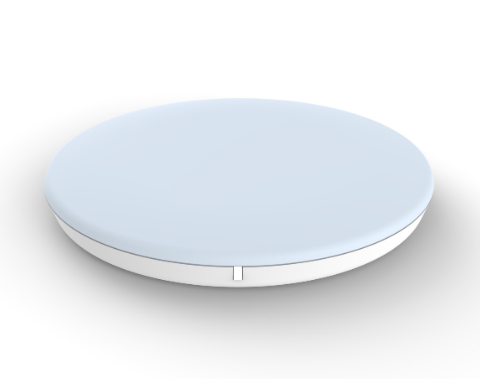
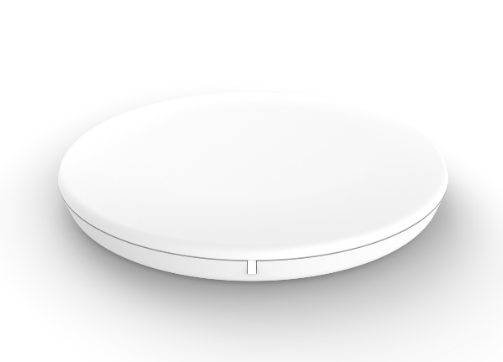
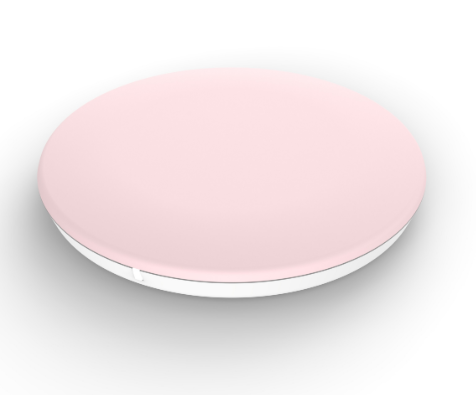
The wireless power consortium has certified an ASUS Wireless Charger with the model number W1G-AWPM. The charger was registered on October 4 but there are two other listings for September 23 and September 26 too. The differences between the three listings are the colors of the chargers and their Qi registration IDs. The listings for all three say the ASUS Wireless Charger has a potential power level of 15 Watts.

The charger has a circular design but it is hard to tell the material used for the top. The bottom does look like plastic though. The three colors are white, sky blue, and pink.

Alongside the Zenfone 7, ASUS may also decide to add wireless charging support to the ROG Phone II‘ successor. We just hope both phones get to keep their large battery capacities.

The Zenfone 6 was announced in May and made available the same month. However, its predecessor was announced in February of 2018 but didn’t go on sale until May. ASUS may decide to announce the Zenfone 7 earlier next year.


(Sources: 1, 2, 3 | Via)

Honor starts Magic UI 3.0 public beta registration for Honor 20 and 20 Pro, New features also revealed

In the month of November last year, Honor launched the Honor Magic 2 smartphone that originally came wtih EMUI which is also found on Huawei’s handsets. However, soon after its launch, the company rolled out a system update which shifted the Android Skin from EMUI to Magic UI 2.0.icelandic illusion honor 20pro

A couple of months ago, the company had announced EMUI 10 and Magic UI 3.0. both of which are built on top of the latest Android 10. While Huawei devices had already started receving either the public beta or final build of EMUI 10, Honor has today started the beta program for Magic UI 3.0 and the update package for users who sign up for it will start seeding shortly.

The latest Magic UI 3.0. will initially be available for Honor 20 and Honor 20 Pro which are companies current flagship devices. With the latest updates, Honor claims to have added several new features and simplified the UI which is not only easier to navigate but also looks more pleasing to the eye. A couple of changes introduced with the latest skin are as follows:

  • AI powered Lockscreen optimisiation: Similar to a variety of other Android OEMs, Honor also offers the feature to automatically change the lockscreen wallpapers which is also referred to a “Magzine” feature. However, with the Magic UI 3.0 that makes use AI, these wallpapers can be enhanced automatically to make them more visually appealing.
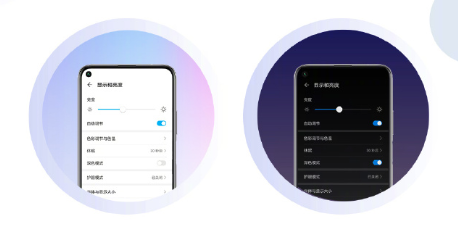
  • Dark Mode: Falling in line with the industry trend, the Magic UI 3.0 brings system-wide support for Dark Mode. Clearly, this feature helps in preserving the battery in case of an AMOLED or OLED display, but it can also take away a lot of stress from the eyes especially during night usage or low light environments. According to Honor, its latest Android skin is capable of automatically adapting dark mode even on 3rd party apps which sounds like an interest addition.
  • Seamless PC conncectivity: A lot of users these days tend to simultaneously use a smartphone and a windows laptop/PC and at times the variety of applications can confuse the user. In order to provide a seamless experience between the two, the display of a Magic UI 3.0 compatible device can be mirrored on to their Windows computer. Besides, it also supports  simple drag and drop file sharing right from the on computer mirrored screen of smartphone. Therefore, users can achieve a simplified and smoother work flow.
  • Smart HIcar support: As seen with Android Auto and Apple Car Play, this is Huawei’s take to achieve the similar functionality. Hence, when connected to a cars infotainment system, users can project utilitiy applications like Maps or entertainment apps like video player on the large screen display of the car.

All in all, the new Magic UI 3.0 looks like a worthwhile upgrade. Lastly, the company is yet to provide the release date of the final version for Honor 20 and its other smartphones.


Samsung may switch from polyimide to ultra-thin flexible glass on next Galaxy Fold
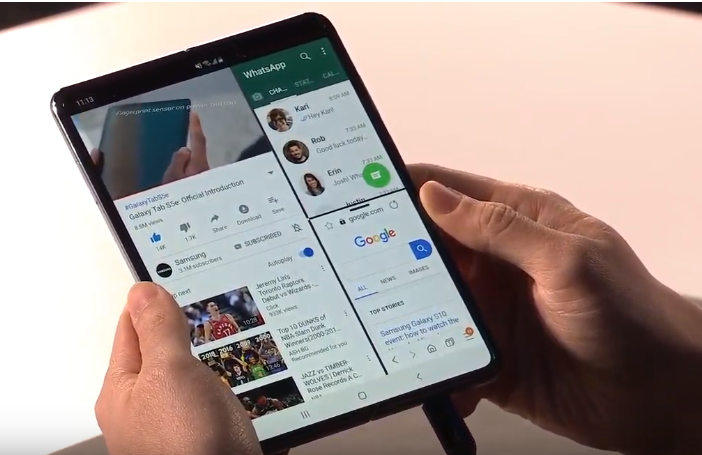
There are reports that Samsung may launch another foldable phone this year. After a couple of mishaps, the Galaxy Fold was finally released a few months back. Despite the improvements in the construction, the Polyimide screen still remains one of the most delicate parts of the Galaxy Fold. Samsung Galaxy Fold Three-App Multitasking

There are indications that next year’s Galaxy Fold may come with a permanent fix for the fragile display screen. According to sources cited by Korean website ETNews, the company will abandon its transparent polyimide solution in favour of flexible ultra-thin glass (UTG).

The source hinted that the Samsung Display is already manufacturing the foldable displays for its next foldable smartphone mode and that a third-party firm named DOWOO INSYS has also begun manufacturing the first batch of UTG panels for Samsung. A recent report had revealed that DOWOO INSYS and SCHOTT AG are the two best ultra-thin glass manufacturers in the industry. Industry sources however disclosed that DOWWO INSYS has the upper edge and “the best technical skills when it comes to UTG” with technical skills 4-5 years ahead of its competitors.

Ultra-thin glass (UTG) may not totally eliminate the fragility of the flexible display but it is said to eliminate the crease that forms on the flexible panel along the hinge. UTG looks aesthetically more appealing but it is even more fragile than transparent polyimide. It is also costlier to produce while having a lower yield rate on the manufacturing line. A source even hinted at the UTG material being used on Samsung’s next clamshell foldable phone codenamed “Bloom,” but a second unnamed industry insider isn’t so positive about that.  However, with the challenges posed by the new technology, we doubt if Samsung will use it anytime soon. Next year’s Galaxy Fold model is said to bring along a cheaper price tag. We’ll have to wait and see how this pans out.


(source)

Rumor: Huawei Mate X to launch in China on October 23

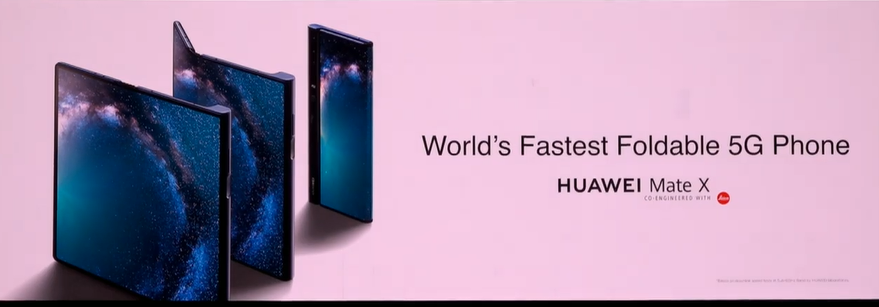
It has been more than 6 months since Huawei showed us the Mate X foldable phone but the device is yet to be available for purchase. It was first expected to launch in June but didn’t. Then there were reports it will be launched in September but that didn’t happen. Now, new info says the phone will launch on October 23.

Huawei Mate X

The source says the Huawei foldable device will be unveiled in China on October 23. Reservations will open up on the same day and sales will be live in the first week of November.

It has also been reported that only 300,000 units of the Mate X are available. This is less than the 700,000 units Samsung made for its Galaxy Fold which is the Mate X’s rival.

The new date may be real since Huawei’s CEO, Yu Chengdong, revealed during the Mate 30 series launch that the Mate X will begin shipping in a month.

The Huawei Mate X will arrive with the Kirin 990 5G processor and not the Kirin 980 that powered the version shown at a pre-MWC event in February. A video that surfaced on YouTube a few days ago revealed the device now has a button for releasing the screen when folded into phone mode.


(Source)

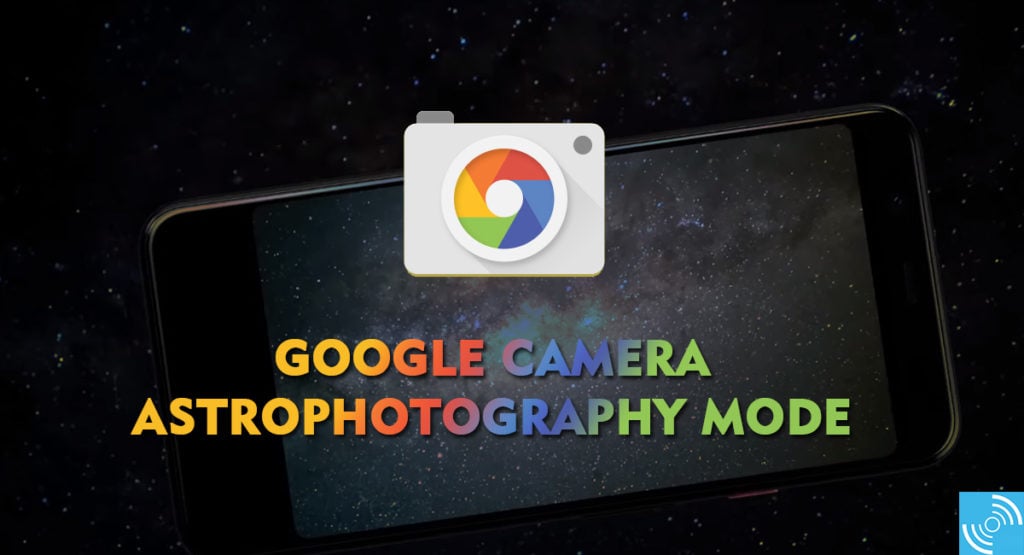
How to install Gcam 7.0 with Astrophotography mode on Poco F1, Redmi K20, Redmi Note 7, Realme 5 Pro and other devices

Google always stuns its fans and users by introducing compelling features in the Google Camera App of Pixel devices. They always make a mark by introducing features carved out of AI-based innovative technologies. After introducing Night Mode last year, the search giant introduced Astrophotography Mode this year on Pixel devices. It allows users to take DSLR like photos of stars and other astronomical objects in the sky.

The new Pixel 4 series is incorporated with the new astronomical feature via Google Camera 7.0 app. The feature is officially limited to Pixel devices but some third-party developers have ported Google Camera 7.0 for other devices with working Astrophotography mode. The new feature is currently working on Qualcomm Snapdragon chipset devices. It is boon for the users who don’t own Pixel 4 device but still want to enjoy the Astrophotography mode.

Along with the new Astronomical mode, the new Google Camera 7.0 carries various other advancements such as transparent UI, enhanced Night Sight, Motion Blur, AR Photobooth, Audio Zoom, and a few other features.  We expect the new Astro Mode to work on few devices as of now but we expect wider support in the future.

We have listed below the links to the respective Gcam mods for Astronomical features. You can follow the steps below to enable Google Camera Astronomical mode features easily.

Download Gcam Mod for your device

  • Poco F1 (Download san1ty mod)
  • Redmi K20 / K20 Pro, OnePlus Devices (Download, by Parrot043)
  • Redmi Note 5 Pro / 6 Pro / 7 / 7S / 7 Pro, Mi A3 / A2, Zenfone Max Pro M1 / M2 (Download, by Parrot043)
  • Realme Devices (Download, by BSG)

Note: It is always recommended to use the original Gcam app for Pixel devices. Gcam version 7.9 is available for all Pixel devices including Pixel 3, 3 XL, 2, 2XL, 1, 1 XL, and 3a (XL).

Make Sure: To make it work flawlessly, your smartphone must support Cmaera2API. Also, Android 9.0 Pie is a must for Gcam 7.0 to work without any issue. 

Steps to Enable Astrophotography Mode on Gcam 7.0

  1. Download and Install the respective Gcam 7.0 Mod on your smartphone from the links above.
  2. Allow the installation of APK from third-party sources by allowing the prompt if it appears.
  3. Open Google Camera App and swipe down to get the settings menu.
  4. Now tap the settings icon and scroll down to the developer settings.
  5. In the developer menu, enable these three options to enable the Astronomical Mode:
    camera.cuttle.darken
    camera.cuttle.extended
    camera.cuttle.extended_iterable_burst
  6. Head back to the main UI of the Gcam app and select Night Sight Mode.
  7. Now, swipe down for settings and set Focus to Infinity and timer to 3 seconds for Astronomical feature.
  8. We recommend you to use a tripod stand to make Astronomical feature work without any issue. Otherwise, the phone will take a photo in normal Night Sight Mode.
  9. Once Astronomical Mode is active, it may take more than a minute to capture the farther objects clearly.
  10. It’s done, enjoy!

The astronomical feature automatically gets triggered once you steadily hold the phone. It is always recommended to use a tripod for perfect shots.

That’s it for today and if you have any questions and issues do let us know via the comments below.

Honor Band 5i teased ahead of October 22 launch

In the month of July this year, Huawei‘s sub-brand, Honor launched it latest fitness band which is called the Honor Band 5. Earlier today, the company has shared a teaser which reveals that it is about to launch another variant of the previously launched smart wearable which will be dubbed the “Honor Band 5i”.

According to the teaser, the upcoming fitness tracker will be launched on the 22nd of October which also happens to the launch date of the “Honor 20 Youth Edition“. In terms of looks, the Honor Band 5i is reminiscent of the original device with an elongated body and silicone wrist strap. However, one obvious difference that the two variants have is that the future smart wearable has a charging connector built-in which is concealed in the strap.

With the help of this connector, the Honor band 5i can directly be plugged into a wall charger with a USB A female port, eliminating the need of a specific charging accessory which we believe is a thoughtful addition.

Besides, it can also be confirmed that this smart wearable will be offered in at least three colour variants which include Pink, Black and Olive Green. While the display size is yet to be publicised, it looks similar to the standard Honor 5 which features a 0.95 inch OLED AMOLED display that capable of displaying 43 characters at once. The teaser also confirms that this variant will have an Spo2 meter to measure blood oxygen and will have a step counter.

Usually, Honor smartphones that carry an “i” suffix are watered down and affordable variants of the standard handset and similar strategy is expected to be adopted with the Honor Band 5i. Even though this cannot be confirmed, we assume the only alteration with this variant will be the new type of charging connector which was previously mentioned and the lack of NFC.

All in all, all the assumptions will be clarified once the device is officially launched on the 22nd of October which is when we will update you. So stay tuned.

OPPO to launch dual-band 5G phone in partnership with Qualcomm by 2019 end

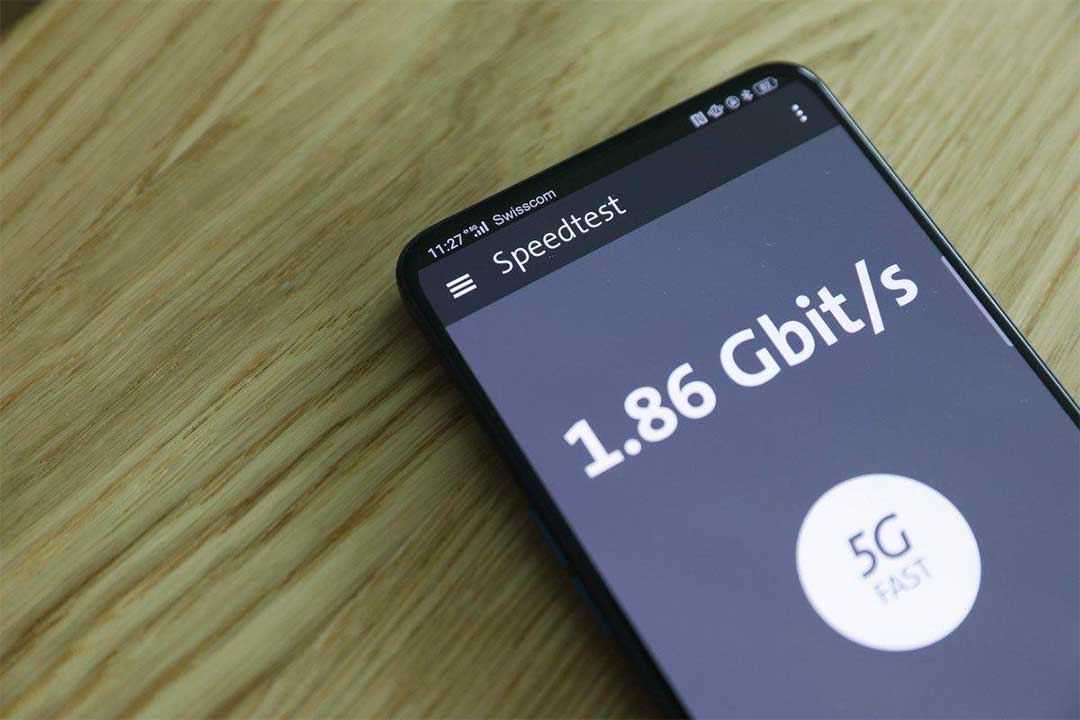
As the Qualcomm 5G Summit in Barcelona comes to an end, interesting news has already started coming by. Qualcomm has announced its partnership with OPPO, confirming that a dual-mode 5G smartphone will be developed shortly. Henry Tang, OPPO’s Chief of 5G Operations explained that the company is thrilled to venture into the next phase of the 5G spectrum. Tang went on to confirm that the Qualcomm dual-mode 5G smartphone will be showcased before the end of 2019.

Dual-mode 5G refers to Standalone (SA) and Non-standalone (NSA) modes. While the SA configuration relies on the 5G spectrum for data transfer and signaling without a pre-existing LTE network. An NSA configuration relies extensively on the LTE band for all communications held between servers and consecutive cellphone towers. This enhances the 5G bandwidth while utilizing existing LTE networks, reducing the overall cost of operation.

According to Henry Tang’s statement, OPPO plans to offer superior network coverage on a global platform, making 5G readily available to a larger audience worldwide with the dual-band 5G configuration. There is no official confirmation from OPPO regarding the specifications of the upcoming smartphone apart from the dual-band 5G compliance. 

Rumors suggest that the device will be powered by the upcoming Qualcomm Snapdragon 7250 SoC, which is slated to be the first mid-range dual-band 5G processor in its portfolio. Additional details are expected soon as the tentative deadline is December.

OPPO mid-range with dual-band 5G

In related news, OPPO plans to introduce 5G variants of every flagship and mid-range smartphones in their lineup by 2020. According to Shen Jia, OPPO’s 5G expert, the Chinese tech giants will offer 5G capability to all devices priced above CNY 3,000 (~$421). The company has reportedly set aside a budget of CNY 10 billion (~$1.4 billion) for Research and Development purposes.

OPPO has accelerated their effort to launch their first 5G device by the end of 2019. The company was originally expected to showcase 5G-compliant smartphones within the first half of 2020. However, with competition heating up, seems like OPPO had to rethink their 5G strategy. Vivo currently has the lead, offering the iQOO Pro 5G and the Nex 3, while Xiaomi is selling the Mi 9 Pro 5G, which is the cheapest 5G device in China. OPPO is yet to launch its first 5G device in China.

With Qualcomm finally introducing their first chipset with an integrated 5G modem, OPPO was quick to announce their intentions of launching the first smartphone with the upcoming SoC. While MediaTek currently has a 5G chipset in their portfolio, OPPO is unlikely to ditch their tried-and-tested partnership with Qualcomm anytime soon. The Snapdragon 6, 7 and 8-series is expected to get a fresh lease of life with the addition of the 5G modem. This covers the requirements for both flagship and mid-range smartphones.


)source)

Samsung Galaxy S10 Lite color variants leaked; May debut in December

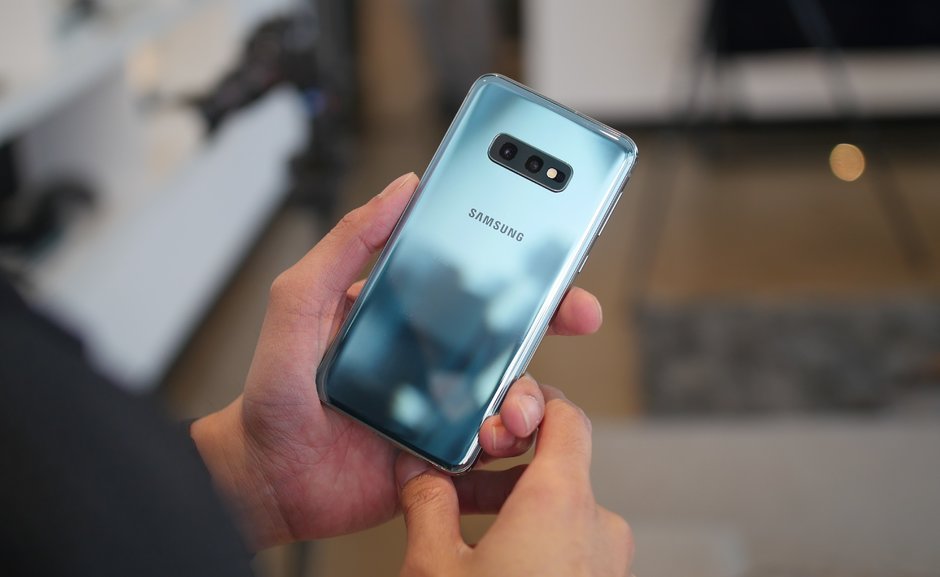
Samsung launched the Galaxy S10 and the Galaxy S10+ earlier this year, which was later joined by the affordable Galaxy S10e. The upcoming Galaxy S11 has recently started hogging the limelight. However, recent reports have suggested a new S10 lineup product called Galaxy S10 Lite may debut before for the arrival of Galaxy S11 series. The rumored S10 Lite (model number SM-G770F) could fit in right below the Galaxy S10e in Samsung’s portfolio. Sammobile has just revealed the possible color variants on offer.

According to their report, the Samsung Galaxy S10 Lite will be available in Prism Blue, Prism White and Prism Black. Whether Samsung introduces the Prism Green and Canary Yellow colors from the standard S10 later remains to be seen.

Samsung Galaxy S10 Lite Specifications (Rumored)

Despite the Lite branding the S10 Lite could be packed with flagship hardware components. The list includes Snapdragon 855 SoC with 8GB of RAM and up to 128GB of native storage. This is the same setup powering the Galaxy S10 and the S10+. The Galaxy S10e features 6GB of RAM instead. Despite featuring the Lite brand name, the S10 Lite could be like the standard S10 in overall dimensions. The smartphone is rumored to feature a 6.7-inch Super AMOLED display with a notch instead of the standard punch-hole.

Samsung Galaxy S10e

The South Korean company is rumored to offer a 4,500 mAh battery with 45W fast charging to power the larger display. The camera setup on the S10 Lite is not extraordinary and borrows the 48-megapixel optics straight out of the A90. The supporting lenses include a 12-megapixel ultrawide sensor and a 5-megapixel depth sensor. The primary lens could be assisted by features like Optical Image Stabilization and an LED flash. Its front camera could be of 32-megapixel.

Samsung is yet to make any formal announcements regarding the specifications and pricing of the Galaxy S10 Lite. Rumors suggest that the chaebol could launch the device by December 2019 to capitalize on the S10’s popularity and avoid collisions with the Galaxy S11 next year.

Samsung Galaxy Note 10 Lite is also rumored to be coming

In related news, Samsung is also rumored to be working on the Galaxy Note 10 Lite (model number SM-N770F) that may launch later this year. There is no information on the hardware specifications yet apart from reports of the device being powered by a flagship Qualcomm SoC instead of a mid-range chipset. If Samsung sticks to their current plan, the only notable difference between the Galaxy Note 10 and the Note 10 Lite could be the presence of the S-Pen and pricing.

A second theory suggests that the Galaxy Note 10 Lite could be like the Note 10e. In which case Samsung could pair the flagship camera setup from the Note 10 with a flat Infinity-O display with reduced resolution, lesser RAM and lower internal storage. The device could run on the Android 9.0 Pie-based One UI.


(source)

Meizu to announce four accessories alongside the Meizu 16T

The Meizu 16T is the next smartphone from Meizu. It is a flagship phone aimed towards the younger audience. The handset will be made official on Oct. 23. The Chinese manufacturer has also confirmed that it will be also announcing four new accessories alongside the Meizu 16T.

In the below shown poster, names like Lifeme, Meizu, Pandaer and Flyme can be seen in the background. Lifeme and Pandaer are sub-brands of the company. In the past, the Chinese firm has launched Lifeme BTS-30 Bluetooth speaker, LIfeme umbrellas, Pandaer t-shirts, Pandaer mouse pads and canvas bags. However, there is no information on the exact product names of the accessories that will be showcased at the Meizu 16T launch event.

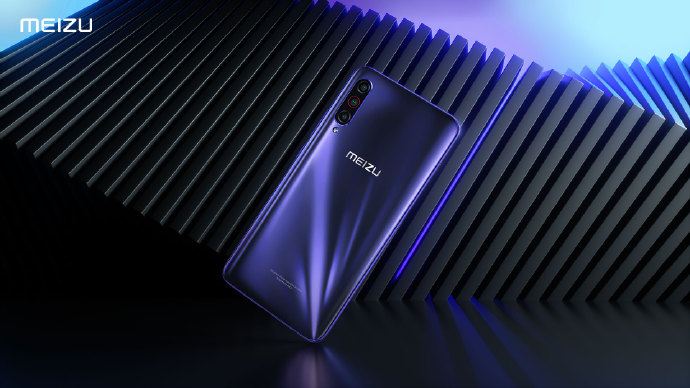
Meizu’s Vice President Hua Hailiang has shared the first official image of the Meizu 16T. It reveals that the smartphone has a triple camera system and an LED flash on its back. There is no fingerprint reader on the backside of the phone which indicates that it will be embedded under its screen.

Meizu 16T Specifications

The TENAA listing and AnTuTu appearance of the phone has revealed the entire specs of the Meizu 16T. The handset will be arriving with a full HD+ OLED display of 6.5 inches. The 2.84GHz Snapdragon 855 chipset powers the smartphone’s 6 GB and 8 GB RAM editions. These models may respectively feature 128 GB and 256 GB of native storage. It lacks a fingerprint reader.

Meizu 16T
Meizu 16T

The Meizu 16T has a 12-megapixel + 8-megapixel + 5-megapixel triple camera system on its back. The camera sample that was released by the company in the previous week revealed that it will offer stellar low-light photography experience. Its front is fitted with a 16-megapixel selfie camera. The smartphone houses a 4,500mAh battery. The 3C listing has revealed that it may arrive with a charger that supports 18W rapid charging. The handset may arrive in China with a starting price of 2,499 Yuan (~$353).


Samsung and BBH take selfies into space with Space Selfie campaign

Samsung’s new brand campaign is inviting people to create their own “space selfie” after launching two of its Galaxy 10 smartphones into the edge of the world’s atmosphere. The phones will receive selfies from people transmitted from Earth and layer them over real-time shots of the planet, creating a bespoke and limited-edition “space selfie”.

The logistics behind the campaign involve a super-pressure High Altitude Balloon half the size of a basketball court, containing a specially designed ‘rig’, taking a Samsung Galaxy S10 5G up to 64,900 ft. into the stratosphere, where it will receive selfies transmitted from earth and layer them over real-time shots of the planet. The result is a bespoke and limited-edition SpaceSelfie designed for Instagram fans.

Although budget doesn’t seem to be an issue, the #SpaceSelfie campaign will not feature TV advertising. The strategy is earned and influencer led, starting with Cara Delevingne, who is encouraging her 43.5 million Instagram followers to register for a #SpaceSelfie. Applicants will be randomly selected to have their selfies featured.

You can check the video below for an official introduction to the idea of SpaceSelfie, but in short, it’s a contest with 65000 randomly-picked winners. That’s the number of user-sent images Samsung will send into the stratosphere once the winners will be determined. The video suggests the contest is not limited to selfies and that other types of photos are allowed, such as group shots or pet photos.

(Source)

ZTE to launch two new phones tomorrow; Blade A7s and Blade V20?

ZTE has revealed that it will be debuting two smartphones tomorrow. The confirmation has come through a Weibo post. The first phone that will be unveiled tomorrow is the Blade A7s. The name of the second phone is not known yet. It is speculated that it could be the Blade V20 phone that had recently appeared on TENAA with its full specifications.ZTE's two Blade phones launching on October 18

The above shown screenshot of ZTE’s Weibo post states that it will be announcing two phones tomorrow. The name of the second phone is not revealed yet while the first one is Blade A7s that is already listed on the official My ZTE Mall. The sales of the smartphone will begin tomorrow. The other phone could be the Blade V20 that has also been approved by the Federal Communications Commission (FCC) in the U.S. apart from China’s TENAA.

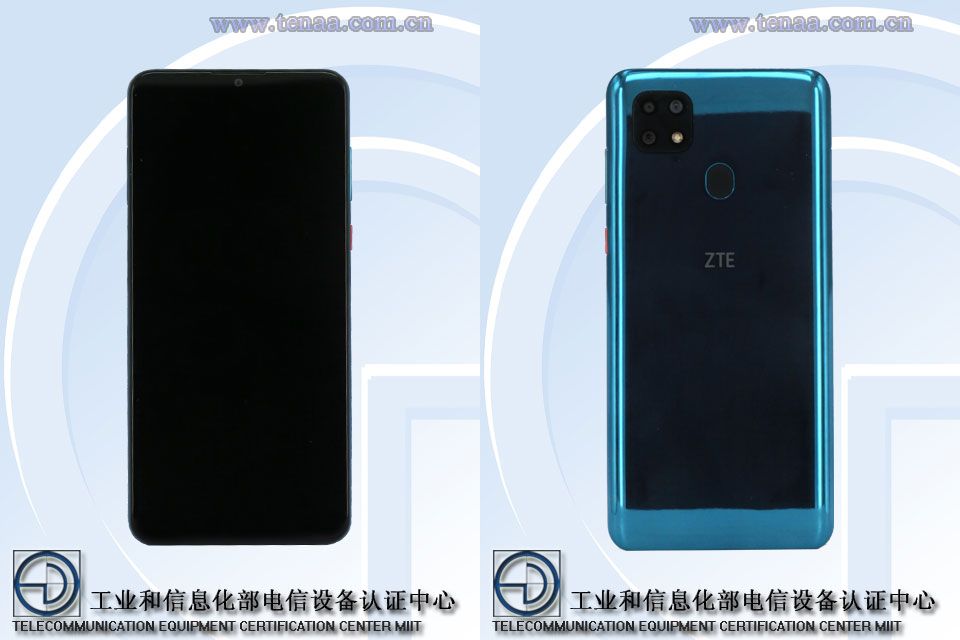
The Blade V20’s TENAA reveals that it has a model number of V1050. The handset features a 6.088-inch display with a small-sized waterdrop notch. It offers HD+ resolution of 720 x 1560 pixels resolution. The smartphone is powered by 2.0GHz octa-core processor that works along with 4 GB of RAM. The native storage of the phone is 64 GB. It has a microSD card slot for more storage.

The rear shell of the phone has a square-shaped camera module placed at the top-left corner. It includes a 16-megapixel lens, an 8-megapixel shooter, a 2-megapixel sensor and an LED flash. The front notch of the phone has a 5-megapixel selfie camera.

ZTE Blade V20 TENAA

The purported Blade V20 houses a big battery of 5,000mAh capacity. Through the FCC documents it was found that the phone may ship with 18W rapid charger. The other features of the smartphone are a rear-mounted fingerprint scanner, a USB-C port and 3.5mm audio jack. There is no information available yet on the pricing of the smartphone.

The Blade A7s carries a price tag of 799 Yuan (~$113). Hence, the smartphone could be the Blade V20 could be priced around 999 Yuan (~$141).


Samsung Galaxy Tab S6 launched in China, Full Specs And Price

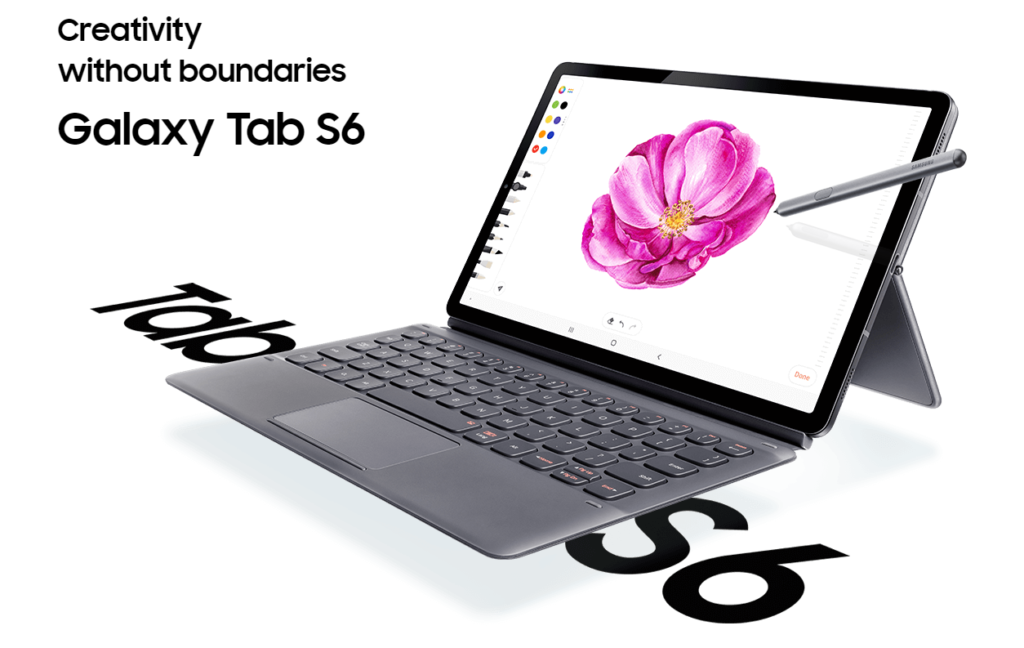
In the month of July, Samsung launched its latest flagship grade tablet in the U.S which is called the Galaxy Tab S6. Four months after its debut, the tablet has now been launched in China. The key highlighting features of the Samsung Galaxy Tab S6 include the Snapdragon 855 processor, Full HD+ Super AMOLED display and an all new S-Pen that support air gestures.

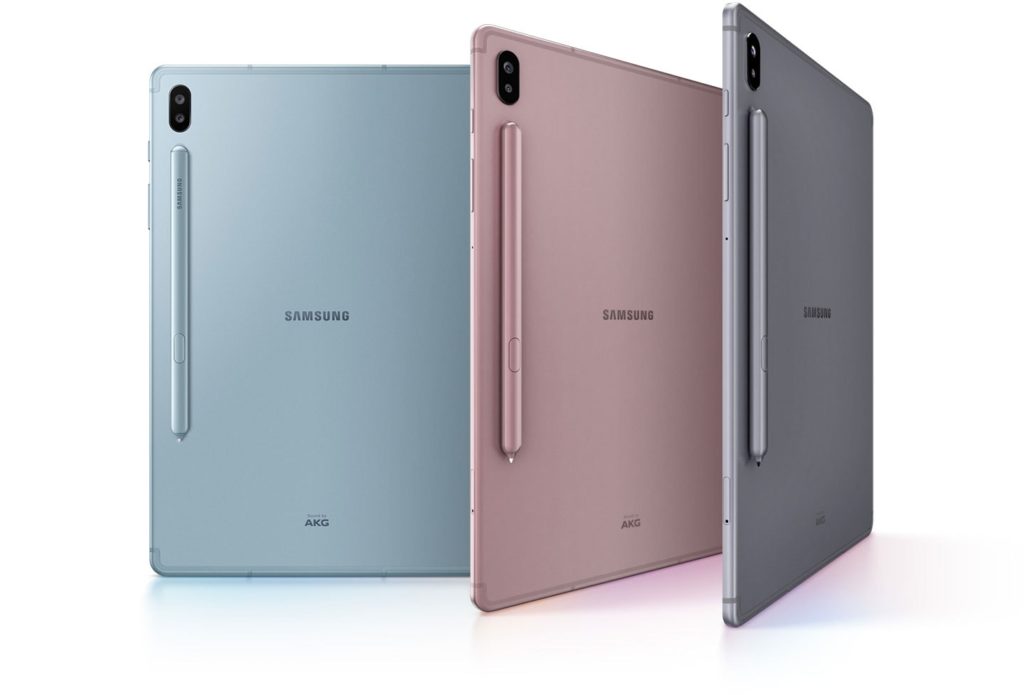
Galaxy Tab S6 all colorsAs observed with its U.S launch, the tablet is offered in three colour options which include Grey, Blue and Pink. It is offered two storage variants for which the price are as follows:
  • 6 GB + 128 GB: 5299 Yuan ($ 750)
  • 8 GB + 256 GB: 5999 Yuan ($ 850)

The user’s willing to buy keyboard accessory for the Galaxy Tab S6 can get it for Yuan 700, which naturally is compatible with both storage variants. To entice customers, Samsung is giving away a free pair of Galaxy Buds Bluetooth earphones along with every purchase of the tablet. The device is available for purchase both via online and offline channels in the country which includes traditional brick and mortar stores and Samsung’s e-shop.

To recall the specifications fo the Galaxy Tab S6 are listed below:
Samsung Galaxy Tab S6 featured
  • 10.5-inch 2560 x 1600 (16:10) sAMOLED display.
  • Snapdragon 855 processor.
  • 6GB RAM + 128GB storage or 8GB RAM + 256GB storage.
  • MicroSD card slot (1TB Max).
  • 13MP f/2.0 wide-angle primary camera with Live Focus + 5MP f/2.2 123° ultra-wide secondary camera.
  • 8MP F/2.0 front-facing camera with Live Focus.
  • Optical in-display fingerprint scanner and face recognition.
  • Single SIM (nano)
  • Bluetooth S Pen with 4096 levels of pressure sensitivity and support for Air Actions (hand gestures to control video playback, presentations and more without touching the tablet).
  • AKG-tuned quad speakers.
  • 7040mAh battery with support for fast charging via USB-C. Also charges via the popo charging dock which is sold separately. USB-C port also supports HDMI out.
  • Bixby, Samsung DeX, BookCover Keyboard (sold separately) with a trackpad and a dedicated DeX key.
  • Android 9 Pie.


Honor 20 Lite (Youth Edition) price and variants leaked

The next Honor smartphone for China is the Honor 20 Lite (Youth Edition) smartphone. It will be made official on Oct. 22 and is now currently available for reservations. The TENAA listing of the phone have revealed the full specifications of the smartphone. Today, the smartphone has been spotted on the database of China Telecom through its four variants have confirmed. The pricing of the Honor 20 Lite variants has also been revealed.

Honor 20 Lite (Youth Edition) pricing and release date

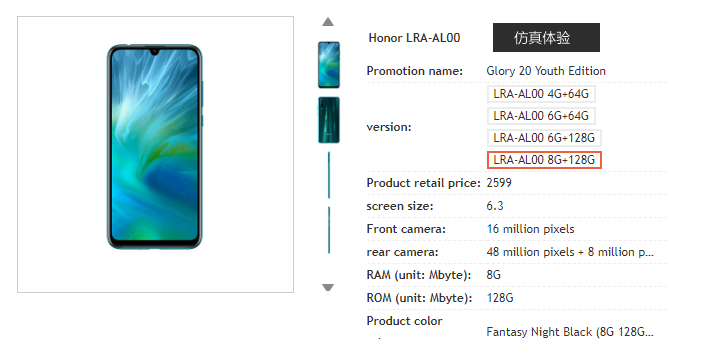
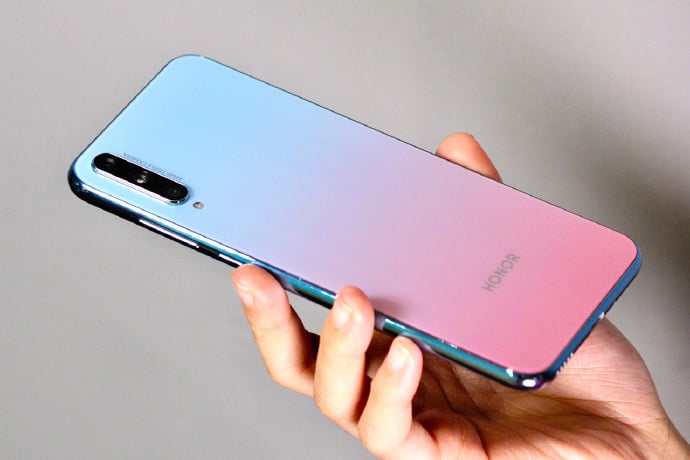
The China Telecom listing of the Honor 20 Lite (Youth Edition) reveals that it will be hitting the Chinese markets on Oct. 25. The smartphone will come in four choices in the country like 4 GB RAM + 64 GB storage, 6 GB RAM + 64 GB storage, 6 GB RAM + 128 GB storage and 8 GB RAM + 128 GB storage. These variants are mentioned with price tags of 1,799 Yuan (~$254), 1,999 Yuan (~$282), 2,299 Yuan (~$325) and 2,599 Yuan (~$367). The aforementioned pricing information may not be correct. Hence, it advisable to digest it with a grain of salt. The smartphone will be available for purchase in three colors such as Blue Water Jade, Midnight Black and Icelandic Fantasy.

Honor 20 Lite (Youth Edition) Specifications

A Chinese tipster had recently claimed that Honor 20 Lite (Youth Edition) is powered by Kirin 710F even when the rumor mill was speculating that it could be fueled by Kirin 810 chipset. However, the China Telecom listing reveals that the smartphone features the Kirin 710F SoC that powered Huawei and Honor mid-range phones last year and earlier this year.

The Honor 20 Lite (Youth Edition) has a 6.3-inch OLED display with waterdrop notch. It is embedded with an in-display fingerprint scanner. The smartphone offers a tall aspect ratio of 20:9 as it supports full HD+ resolution of 1080 x 2400 pixels. The EMU 9.1.1 based Android 9 Pie OS runs on the device.

Honor 20 Lite Icelandic Fantasy Real

The smartphone is equipped with a 4,000mAh battery. The 3C listing of the phone had revealed in the recent past it could be arriving with 20W rapid charging technology. The front notch of the phone has a 16-megapixel selfie snapper. Its back panel has a triple camera system that has a 48-megapixel primary sensor, an 8-megapixel lens and a 2-megapixel sensor. The other features of the phone are USB-C and 3.5mm audio jack. Its dimensions are 157.2 x 73.2 x 7.7mm and 171.5 grams.


Samsung is already filing trademarks for its 2021 Galaxy A smartphones

Not long ago, Samsung registered the names for its 2020 Galaxy A smartphone lineup which will succeed the Galaxy A handsets launched in the current year. To recall, these handsets will be called Galaxy A51, Galaxy A71, Galaxy 91 and the similar name scheming with an increment of one number will be applicable to all other handsets.

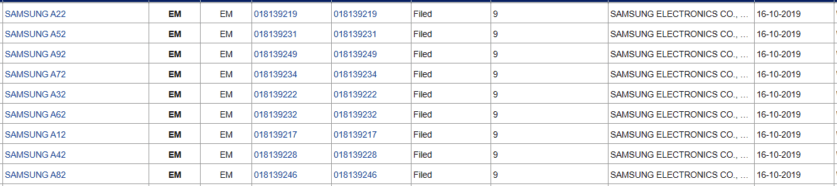
Surprisingly, months before these 2020 handsets are unveiled, Samsung has already filed trademarks of its 2021 Galaxy A lineup in the Europe Union. The list of trademarks applied by the Korean electronics giant include: Samsung A12, A22, A32, A42, A52, A62, A72, and A92.

Even though these handsets have the “Samsung” suffix instead of “Galaxy”, the accompanying description makes it obvious that these are smartphones that we are looking at. Having already registered Galaxy A smartphone trademarks for two upcoming years, we don’t expect to see any more trademark applications by Samsung for this lineup anytime soon.

As it happens, we barely know anything about 2020 Galaxy A smartphones except for the A91, it does not make much sense to make assumptions about companies lineup from the year 2021 or beyond.

Galaxy A50s and Galaxy A30s

Having said that, it is clear how crucial this lineup is for the company and it is here to stay for a long time like the Galaxy S series and the Galaxy Note series. Lastly, one of the first members of 2020 “Galaxy A” series are expected to be unveiled in month of February which is supposed to be the A31 or A51.

(via)

iQOO Neo Snapdragon 855 edition color variants confirmed

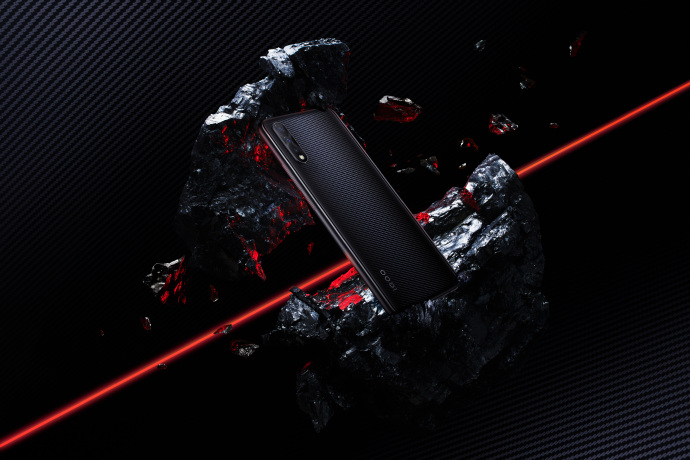
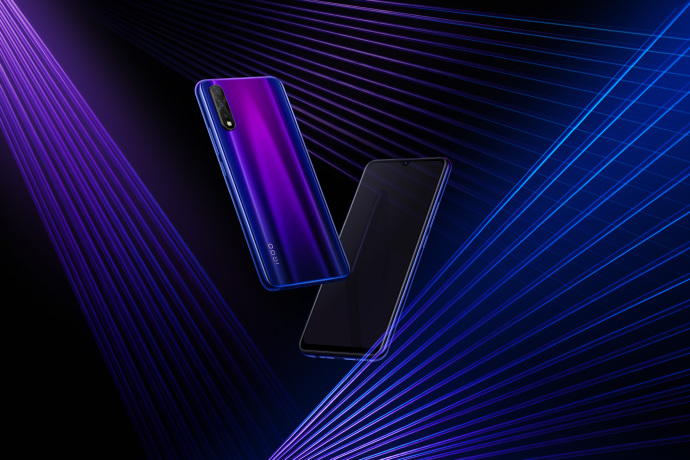
Earlier today, Vivo’s iQOO sub-brand for gaming smartphones confirmed that it will be launching the iQOO Neo Snapdragon 855 edition on Oct. 24. It will be arriving as the more powerful version of the Snapdragon 845 powered iQOO Neo that went official in July. The Chinese manufacturer has now confirmed the color variants of the iQOO Neo Snapdragon 855 edition.

iQOO has shared images of the two color variants of the iQOO Neo SD855. Its color options are Carbon Fiber Black and Electric-optic Purple. The rear view of the smartphone reveals that it is equipped with a vertical triple camera setup. Like the other iQOO phones, the iQOO Neo SD855 model does not feature a rear-facing fingerprint sensor.

iQOO Neo Snapdragon 855 Carbon Fiber Black

The frontside of the phone is fitted with a waterdrop notch enabled OLED display with in-screen fingerprint reader. The bottom edge of the device features a 3.5mm audio jack, a microphone, a USB-C port and an external speaker. A volume rocker and a power key are available on the right spine of the device.

iQOO Neo Snapdragon 855 Specifications

The exact size of the display is not known yet. The AnTuTu listing of the phone has revealed that its display carries support for full HD+ resolution of 1080 x 2340 pixels. Through Geekbench and AnTuTu listings, it has been found that the phone will come at least come in 8 GB RAM version. This variant will be coming with 256 GB of storage.

The handset is loaded with Android 9 Pie OS and it has recorded an impressive scored of 477,016 on AnTuTu. So far, it appears to be a better performing phone compared to other phones fueled by Snapdragon 855 mobile platform. The smartphone is equipped with UFS 3.0 storage.

iQOO Neo Snapdragon 855 Electro-Optic Purple

The iQOO SD855 version will have a 4,500mAh battery. Its 3C appearance has revealed that it could be shipped with a 33W rapid charger. The other details of the smartphone are currently under the wraps. Also, there is no word on the pricing of the phone. However, since the highest version of the iQOO Neo is currently selling at 2,298 Yuan (~$324), its Snapdragon 855 edition could be priced around 2,498 Yuan (~$352). With only few days remaining for the launch, the Chinese firm is expected to soon release more information on the phone.


Successor of Galaxy Fold to have a unique camera system suggests patent

In the Q1 of 2019, Samsung launched its first foldable smartphone which, as we all know, is called the Galaxy Fold. Even though its commericial availability was delayed a couple of times due to display issues, it is still a remarkable device and Samsung is bound to be working on its successor. After all, this is one of the most distinguishing form factors the smartphone industry has seen in the last decade.

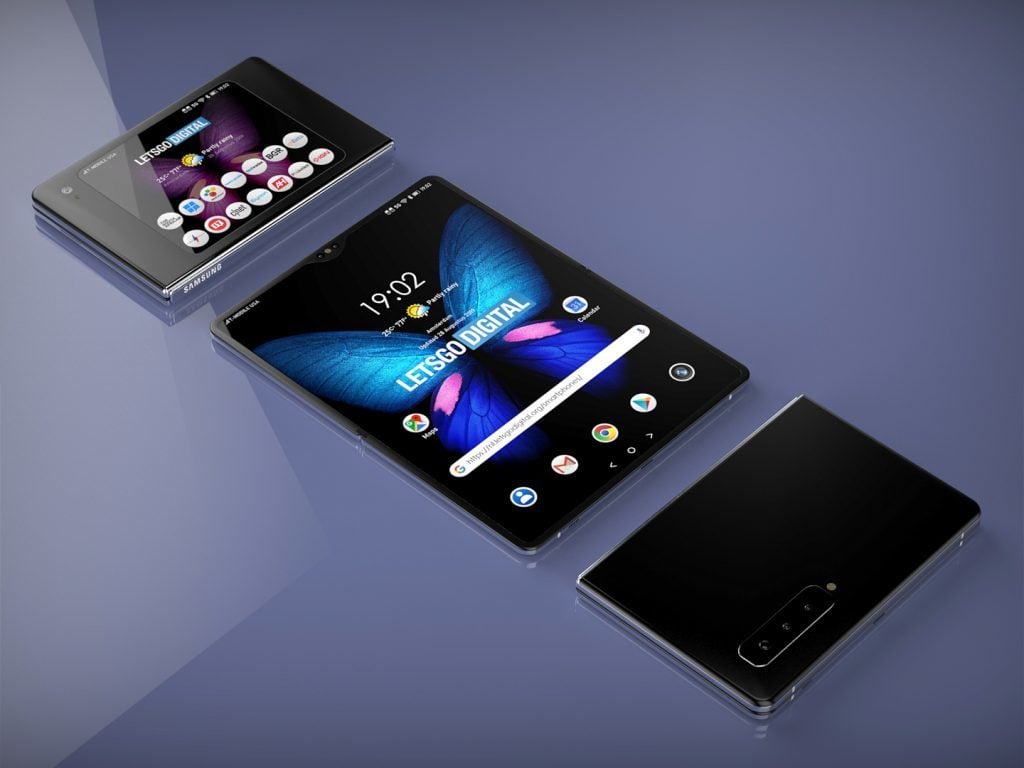
Galaxy Fold 2 concept render based on patents

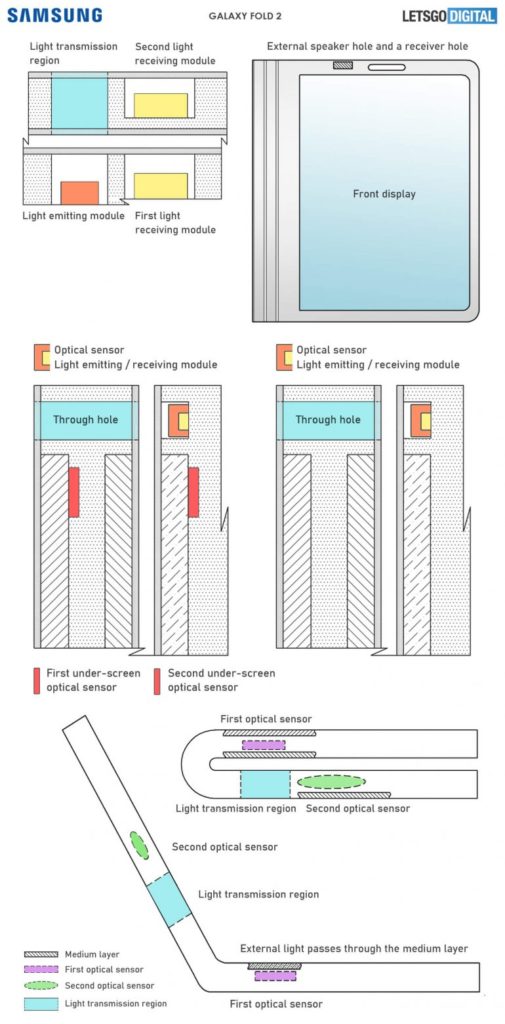
On August 29, 2019, Samsung was granted a patent by the WIPO (World Intellectual Property Office) for a foldable smartphone which supposedly corresponds to the second generation Galaxy Fold. Similar to the original handset, the illustrated device in the patent has two displays, out of which, the smaller display is mounted on the cover while the second foldable display is revealed when the device in it unfolded state.

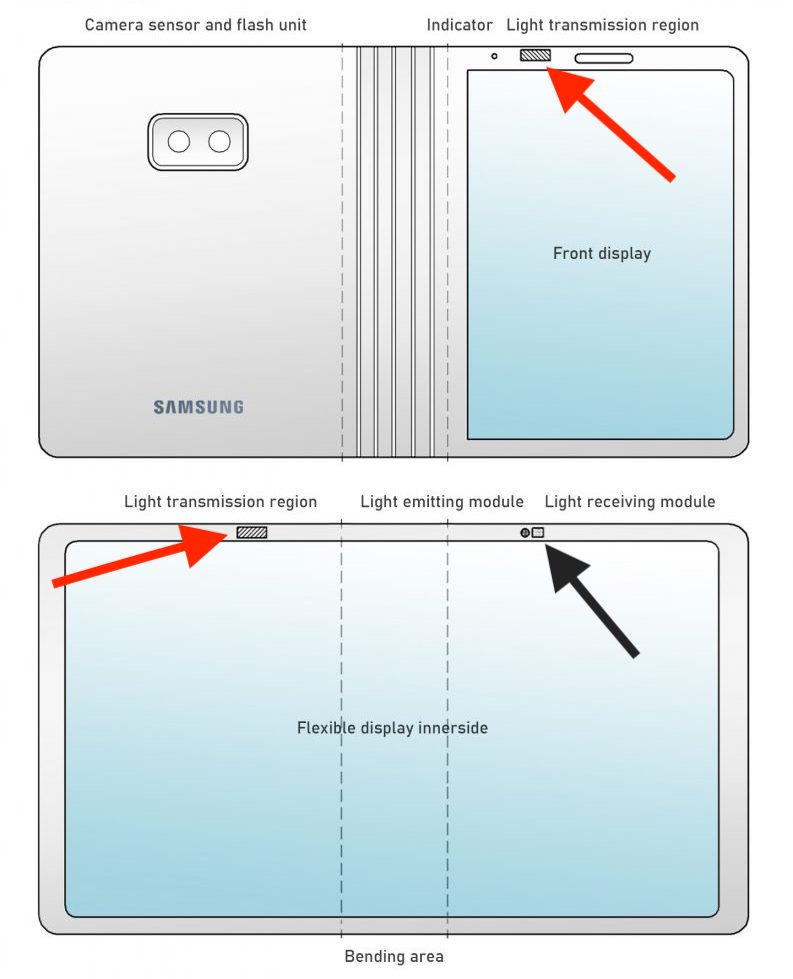
The special thing about this foldable smartphone is its camera system. The device is designed in such a way that the camera sensor present on the inside can also double up as the selfie camera. While the bezel present above the outer display does not have a cutout to allow the inner camera to see through, it incorpoates several lenses that allow the device to achieve the desired functionality. The image shared below with arrows will help to better understand its working.

the red arrows mark the lens placement, the black arrow marks the placement of camera sensor

To put it in simple words, Samsung is trying to establish a thoughtful design which would allow its upcoming foldable phone to reduce the number of camera sensors whilst unaffecting its functionality. To recall, the original Galaxy Fold has a total of 6 camera sensors and these sensors don’t come cheap. Clearly, this will allow Samsung to reduce the cost of its future foldable devices as the cost saved by eleminating redundant camera sensors can be passed on to consumers which would make the device more enticing.

Taking this implementation a step further, the patent also talks about the possiblity of an under-display camera rather than one embedded in the bezel above the display. While a handful of companies including Xiaomi and Oppo have showcased a handset (1, 2) with selfie-camera concealed under the display, not much can be said about the image quality such devices can produce.

For now, a foldable Samsung smartphone with under-display camera sensor present on the inside that would double up as selfie camera with the help of see through lenses seems like a farfetched concept. Nonetheless, the first concept with camera mounted in the bezel seems attainable. Samsung is expected to showcase its second foldable handset early next year. Therefore, we will have to wait patienlty to see if, such a feature makes it way to upcoming foldable devices from the company.In-depth functioning of the lens setup

What are your thoughts on Samsung’s visionary approach to develop a foldable handset which has been made affordable with the help of clever implementation. Let us know in the comments below?

(source)


Red Magic 3S with 90Hz screen, SD855+, 12GB RAM and 5,000mAh battery debuts for Rs. 35,999 (~$673) in India

Nubia had announced the Snapdragon 855 SoC powered Red Magic 3 smartphone in June in India. And now it has unveiled the enhanced Red Magic 3S phone that is fueled by the latest Snapdragon 855+. Since it is a gaming phone, it comes with gaming-centric chassis and monstrous specs like 12 GB of RAM, 5,000mAh battery, 90Hz refresh rate supporting display and inbuilt fan.

Red Magic 3S Specifications and Features

Red Magic 3S Variants in India

The Red Magic 3S has an aluminum body that measures 171.1 x 78.5 x 9.7mm and it weighs 215 grams. The back panel of the phone has an RGB-lit strip and a logo that flaunts multiple lights. The smartphone is fitted with a notch-less 6.65-inch AMOLED HDR display has slightly thick upper and lower bezels. It supports full HD+ resolution of 1080 x 2340 pixels, 19.5:9 aspect ratio, DCI-P3 color gamut, 430nits brightness and 90Hz refresh rate for smoother scrolling and viewing experience.

The 2.96GHz Snapdragon 855+ mobile platform powers the Nubia Red Magic 3S with up to 12 GB of LPDDR4x and up to 256 GB of UFS 3.0 storage. With massive internal storage on the device, the phone does not feature a microSD card slot. The handset is backed by a humungous 5,000mAh battery. It supports Quick Charge 4.0 18W rapid charging and USB-PD 27W fast charging. The comprehensive internal cooling mechanism of the Red Magic 3S includes liquid and air cooling technology, multiple layers of graphite sheet and a centrifugal fan.

Nubia Red Magic 3S Color Variants in India

The Red Magic 3S boots to Red Magic 2.0 UI flavored Android 9 Pie OS. The operating system carries Game Space 2.1 which enables quick-launch games, settings for optimizing gaming experience, real-time monitoring of usage stats, notifications blockers, in-game video recording and more. The left edge of the device features a pair of capacitive shoulder buttons for gaming, a volume rocker and a power key. On the right edge, it features a Game Boost Switch, a SIM tray and a gaming port. The top and bottom edges of the phone have 3D stereo speakers. Users can attach a e-sports box design by Red Magic to the gaming port of the phone. The device features a 3.5mm audio jack, a USB-C slot and an Ethernet port.

For photography, the rear shell of the phone features a 48-megapixel camera with f/1.79 aperture. The smartphone can shoot 8K resolution videos at 15fps and 1920 pixels slow-motion videos. Placed on the front is a 16-megapixel f/2.0 aperture lens for shooting selfies. The other features that are available on the Red Magic 3S are rear-mounted fingerprint sensor, dual-SIM support, 4G VoLTE, Wi-Fi 802.11ac, v5.0 Bluetooth, USB and 3.5mm headphone jack.

Red Magic 3S Price and Release Date

The 12 GB RAM + 256 GB storage model of the Nubia Red Magic 3S is priced at Rs. 47,999 (~$673). Its lower version with 8 GB RAM + 128 GB storage costs Rs. 35,999 (~$505). The smartphone can be purchased in Mecha Silver and Cyber Shade color editions. Nubia will be carrying out the sales of the smartphone from Oct. 21. The handset will be exclusively available through Flipkart.

What’s your take on the pricing of the Red Magic 3S? Share us your thoughts by posting your comments.


Huawei camera lens supplier claims supply is tightening as demand increases

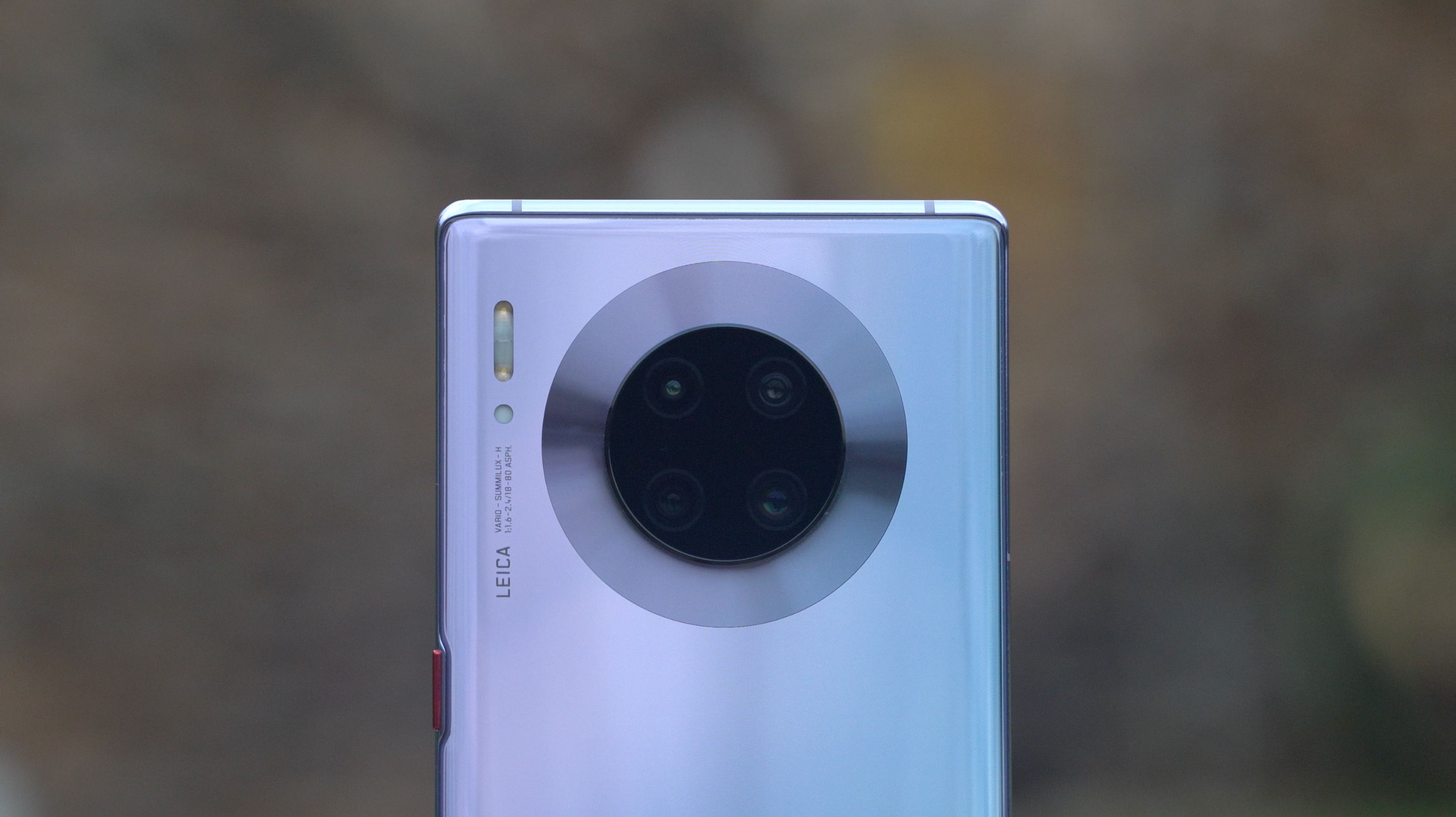
These days, it’s fully expected for high-end smartphones to come with appropriately high quality cameras. It’s become a norm, especially considering how smartphones like the Huawei Mate 30 Pro and the freshly launched Google Pixel 4 set the bar extremely high. This has led to a huge increase in demand for high quality lenses, claims a source from Largan Precision.

Major lens maker Largan Precision has extremely optimistic shipment prospects for Q4 of 2019 thanks to handset vendors using multi-lens technology in their new devices, and it doesn’t seem like they’re going to be slowing down anytime soon. They’ve been having an excellent year thanks to their partnerships with companies like Apple and Huawei.

Largan’s revenue contracted on the year in the beginning of this year when Apple, its biggest client, saw its iPhone shipments decline, but the company quickly bounced back to growth in the following months when Huawei introduced its flagship P30 smartphones.

The process of making slimmer, high end camera lenses is sophisticated, and Largan is apparently hoping to make things simpler. This in turn will help leading lens suppliers sustain their advantage in the supply chain and enjoy robust shipments, the sources said.

Largan may still be the top dog at the moment, but that could change soon as demand continues to increase. According to some recent reports, Huawei may be searching for new supply sources for camera lenses for better discounted prices. Despite this, they’ll still be relying heavily on Largan for most of their supply.

(Source)

Xiaomi plans to launch expensive models in India to shed budget brand image

Xiaomi, the Chiese smartphone company, which started selling smartphones in the Indian market in 2014, is currently the leading company in the Indian market, surpassing the dominating South Korea-based Samsung.

The company managed to get the pole position in the Indian smartphone market because of the budget devices. However, the company now wants to shed its image of a “cheap” or budget brand in the Indian market.

xiaomi logo
Xiaomi Shop

In order to do so, the company is set to widen its India product portfolio to include pricier, high-spec smartphones and smart TVs, confirmed a senior company executive. Usually, the company’s smartphones are priced under $250 in India and are sold through e-commerce platforms in the country.

The expensive smartphones from the company face stiff competition from brands like Samsung, Oppo, and Vivo. With more and more cheaper smartphones in the market from Xiaomi, the brand is now perceived as a cheap brand by many in India.

But Xiaomi has now taken step to change that. It is now launching smartphones priced above ₹20,000 and ₹30,000 in an effort to increase the Average Selling Price (ASP) for the company. For instance, the company recently launched the Redmi K20 and Redmi K20 Pro devices in the Indian market.

Currently, the company is selling smart TVs under its Mi brand with price ranging from ₹11,999 to ₹54,999. Further, the company is also selling other IoT-based smart home products as well as lifestyle products.

Xiaomi is also putting in efforts to increase its presence in the offline market as well. The company has plan to open over 10,000 stores in the country by mid-2020 from over 6,000 stores currently.