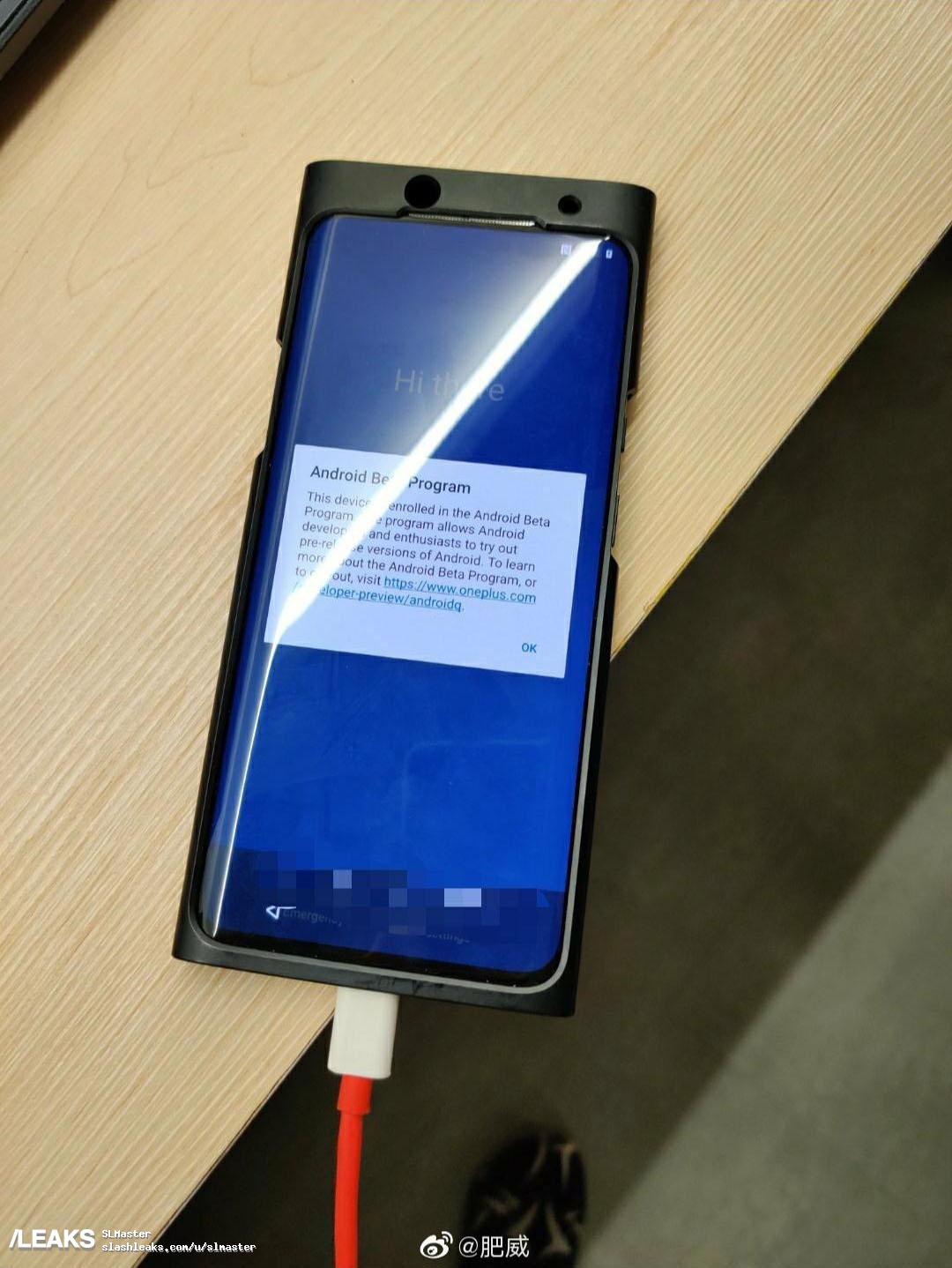
The OnePlus 7 Pro is just two months old but a successor is already in development. Going by the tradition for the past few years, this successor is expected to add a “T” suffix to its name and launch as the OnePlus 7T Pro. Alleged live photos of the phone have now surfaced online.
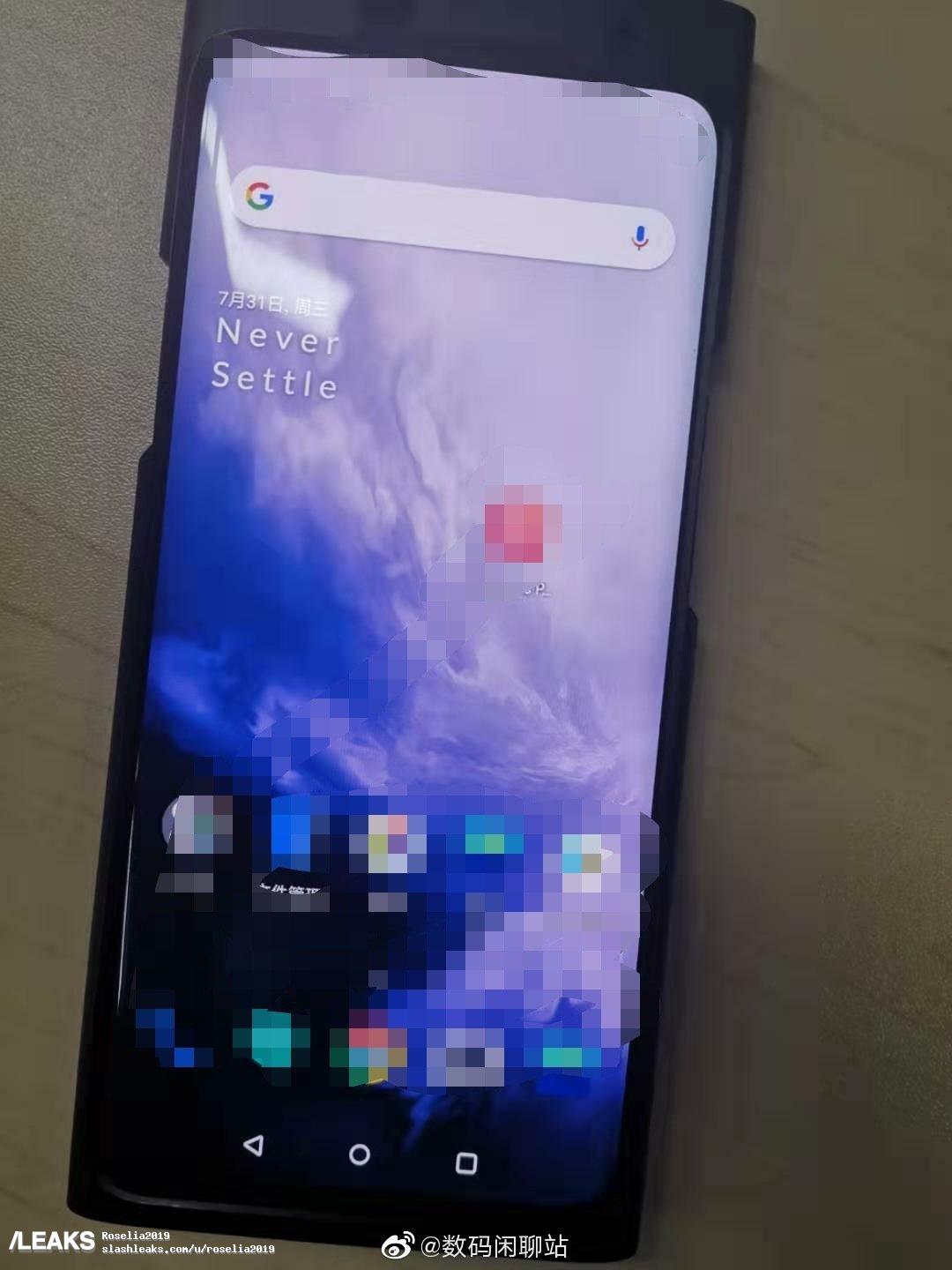
The photos show the OnePlus 7T Pro in a case that hides its design. The clearer one of the two images shows that the phone doesn’t have a notch nor punch hole. The display is also slightly curved on the sides like the OnePlus 7 Pro. However, the speaker above the display is more visible than that of the OnePlus 7 Pro. This image also shows the phone is running a beta version of Android Q.
1 of 2
OnePlus 7T Pro
OnePlus 7T Pro
If OnePlus isn’t changing the design, we can expect the phone will also have a pop-up selfie camera. The major changes will be under the hood such as the new Snapdragon 855 Plus, upgraded cameras, possibly a bigger battery capacity and maybe, just maybe, wireless charging. We can also expect the OnePlus 7T Pro to come in new color variants.
The phone is not expected to arrive until November, going by the release dates of the OnePlus 3T, OnePlus 5T, and OnePlus 6T. So we still have three months of waiting. However, before the official announcement, we can be sure there will already be more details about the phone.
The poster which was shared on Twitter by Mukul Sharma (@stufflistings). The poster which has a camera shutter design has a tagline that reads “Images of The Future”. At the top-right corner sits the Redmi and Mi logos.
We are not sure if the phone will actually launch on that day as a rough translation of the text below the tag line seems to hint that the event is a showcase of the future of mobile photography and not the phone itself. This is just speculation, so take it with a grain of salt.
Ice Universe said the phone will launch this month, so we may get more details about the device at Wednesday’s event if it doesn’t actually launch on that day.
Realme’s August 8 event is also said to be a demo too and not a proper phone launch according to the tweet below by Sudhanshu Ambhore.
The new 64MP camera technology is expected to change the mobile photography game but a lot of folks are not excited as the 64MP sensor uses Pixel Binning just like the 48MP camera. In this case, it combines four 16MP shots into a 64MP image that is brighter when you shoot in low-light.
Xiaomi has taken the wraps off its second gaming laptop – the Mi Gaming Laptop 2019. The laptop packs impressive specs and has a starting price of ¥7499 (~$1080).
Design
With respect to design, the Mi Gaming Laptop 2019 looks no different from last year’s model. You have the same number of ports and vents, a 15.6-inch display with the same bezel size, and the exact keyboard layout. However, we do feel like the 2019 version comes in a darker shade of black.
Specs
While the design hasn’t changed, a lot has changed under the hood. But before that, it is important to mention that the display has an interesting new feature. It is still 15.6-inches, has the same 81% screen-to-body ratio, and 72% color gamut. On top of all that, it adds a 144Hz refresh rate for much smoother gameplay.
The Mi Gaming Laptop comes in three variants:
Base model
9th Gen Intel Core i5-9300H processor (base frequency 2.4GHz, Turbo Boost 4.1GHz)
NVIDIA GeForce GTX 1660 Ti
8GB DDR4 RAM (2666MHz)
512GB PCIe SSD
144Hz High Refresh Rate Full HD display
High-end model
9th Gen Intel Core i7-9750H processor (base frequency 2.6GHz, Turbo Boost 4.5GHz)
NVIDIA GeForce GTX 1660 Ti
16GB (2 x 8GB) DDR4 RAM (2666MHz)
512GB PCIe SSD
144Hz High Refresh Rate Full HD display
Top model
9th Gen Intel Core i7-9750H processor (base frequency 2.6GHz, Turbo Boost 4.5GHz)
NVIDIA GeForce RTXTM 2060
16GB(2 x 8GB) DDR4 RAM (2666MHz)
512GB PCIe SSD
144Hz High Refresh Rate Full HD display
[envira-gallery id=”268042″]
All the model have dual-band WI-Fi, Bluetooth 5.0, 2 x 3W speakers, Dolby Audio, and a 1MP HD webcam. For ports, there are 4 x USB 3.0 ports, 1 x Ethernet port, 1 x microphone port, 1 x headphone jack, 1 x HDMI output port, and a 3-in-1 card reader. Although the dimensions are still the same (364 x 265.2 x 20.9 mm), the 2019 version weighs a tiny bit less at 2.6kg against last year’s model which is 2.7kg.
The Mi Gaming Laptop 2019 also has a 4-color LED-backlit keyboard with 3 different modes, a glass touchpad with multiple gesture control, and ships with Windows 10 Home. It has a 55Whr battery that should provide up to 4.5 hours of video playback, 4 hours of video streaming, and 4.5 hours of web browsing.
Price and Availability
The Mi Gaming Laptop 2019 will sell for ¥7499 (~$1080) for the base model. The high-end model will sell for ¥8599 (~$1239). The top model, which is the only one available for pre-order on Mi.com will sell for ¥8999 (~$1297). There is no info on when the first sale will be.
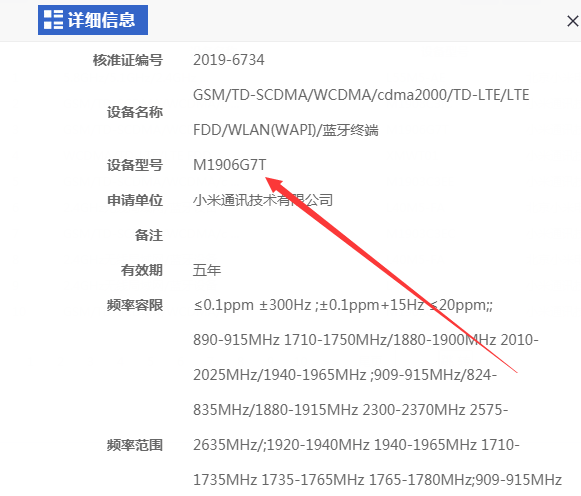
A Xiaomi phone with the model number M1906GT was recently certified by the Chinese Ministry of Industry and Information Technology (MIIT). Other than this model number, nothing else is known about this phone. However, there are speculations as to which device it might be.
Some say this may be the Helio G90T phone Xiaomi/Redmi revealed it will launch soon. Lu Weibing, head of Redmi, was at the launch of the Helio G90 series and he revealed that the company will launch a phone powered by the chipset. He added that the phone will be available globally and not just in China.
In addition, apart from the Helio G90T phone, Redmi will launch a phone with a 64MP camera. There are reports that the Redmi phone will launch this month. Seeing as that has a more definite time-frame albeit unconfirmed, the Xiaomi M1906GT is most likely the Redmi phone with a 64MP camera.
Other than having a 64MP sensor, the only other thing we know is that the phone will have quad rear cameras. Its display size and type, processor, and battery capacity are unknown. However, more details should surface in the coming days if it is the device that got certified.
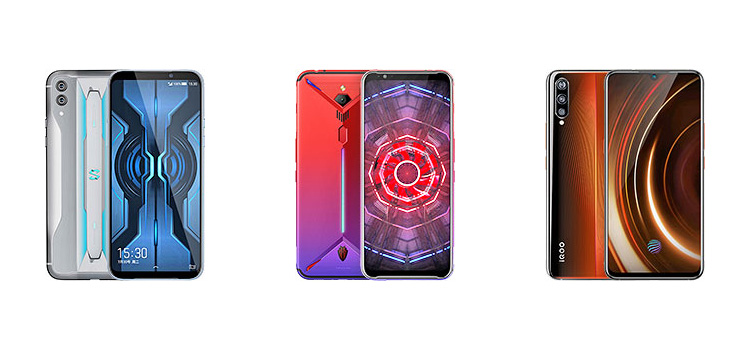
Gaming smartphones are slowly becoming a trend, and it is not a case given how important mobile gaming is becoming thanks to a lot of titles which are among the most played games out there. And let’s not talk about cloud gaming which will soon become popular and it will allow playing demanding games for PC and consoles even on smartphones. A few days ago, a new generation of gaming phones started popping up: Asus launched the ROG Phone 2 and Xiaomi announced the Black Shark 2 Pro a few days ago. They are the world’s first phones with the new Snapdragon 855+ chipset and that is why we decided to compare them with the other main gaming phones in the market. Today, it is the turn of the Black Shark 2 Pro which challenges Nubia Red Magic 3 and Vivo iQOO.
Xiaomi Black Shark 2 Pro vs Vivo iQOO vs Nubia Red Magic 3
Xiaomi Black Shark 2 Pro
Vivo iQOO
Nubia Red Magic 3
DIMENSIONS AND WEIGHT
163.6 x 75 x 8.8 mm, 205 grams
157.7 x 75.2 x 8.5 mm
171.7 x 78.5 x 9.7 mm, 215 grams
DISPLAY
6.39 inches, 1080 x 2340p (Full HD+), 403 ppi, AMOLED
6.41 inches, 1080 x 2340p (Full HD+), 402 ppi, AMOLED
6.65 inches, 1080 x 2340p (Full HD+), 388 ppi, AMOLED
Dual 48 + 12 MP f/1.8 and f/2.2
20 MP f/2.0 front camera
Triple 12 + 13 + 2 MP f/1.8 and f/2.4
12 MP front camera
48 MP f/1.7
16 MP f/2.0 front camera
BATTERY
4000 mAh, Fast Charging 27W
4000 mAh, Fast Charging 44W
5000 mAh, Fast Charging 18W
ADDITIONAL FEATURES
Dual SIM slot
Dual SIM slot
Dual SIM slot
Design
No matter which phone you choose: you will get very nice gaming-centric aesthetics, but there is an important difference between Vivo iQOO and its rivals. The first has a traditional premium design just like most of the other high-end phones, while Xiaomi Black Shark 2 Pro and Nubia Red Magic 3 have an aggressive gaming-centric design. Vivo iQOO still has LED lights on its back and it even features capacitive triggers, but if you are a real gamer and you want a totally appropriate design with even better gaming-centric features, you should go either for the Black Shark 2 Pro or the Nubia Red Magic 3. Given that I mostly care about having an elegant and compact design, I would choose the Vivo iQOO. But it is all about tastes.
Display
A wide diagonal of 6.65 inches, a high 100 percent DCI-P3 coverage and even a high 90 Hz refresh ratio: Nubia Red Magic 3 simply has an amazing display, especially for gaming lovers. The presence of a so high refresh ratio makes me prefer this device over the Black Shark 2 Pro, but this does not mean it does not have a nice display as well, especially if we consider its 240 Hz touch-sensing experience and its 100 percent DCI-P3 coverage. But note that it lacks a 90 Hz refresh ratio and it has a smaller panel. Vivo iQOO does not offer the best color reproduction and neither high responsiveness, but unlike the Red Magic 3, it features an in-display fingerprint reader.
Specs & Software
The presence of the Snapdragon 855+ chipset makes the Black Shark 2 Pro the device with the highest performance (and not only in this trio, given that it recently obtained the highest AnTuTu score ever). In case you missed it, Snapdragon 855+ is an overclocked upgrade of the Snapdragon 855 which offers a higher clock frequency (2.96 GHz instead of 2.84 GHz) and 15 percent better graphics performances. However, do not underestimate the Nubia Red Magic 3 and its air cooling system which integrates a real fan running at 14,000 rpm: a perfect solution for long gaming sessions and hot weather.
Camera
The best camera seems to belong to the Xiaomi Black Shark 2 Pro: we are talking about a rear setup including a 48 MP main sensor and a secondary telephoto sensor with 2x optical zoom. It provides the highest detail and it is also very versatile. Right after, we got the Vivo iQOO with its triple camera including an ultrawide sensor and a depth sensor.
Battery
Given its 5000 mAh capacity, the battery found on the Nubia Red Magic 3 lasts longer than both Black Shark 2 Pro and Vivo iQOO, despite the phone features a bigger display.
Price
Prices are similar: they start from €450/$500 and €400/$445 (respectively) for Black Shark 2 Pro and Vivo iQOO, while Nubia Red Magic 3 costs €500/$556. At the end of the day, despite Black Shark 2 Pro has a more powerful SoC, I prefer the Nubia Red Magic 3 due to its amazing cooling system, its higher refresh ratio, its wider display, and its bigger battery. But if you want a better camera and max performance, go for the Black Shark 2 Pro.
A few days ago, Samsung announced the Galaxy Tab S6 – the most powerful Android Tablet today. If you purchase the BookCover keyboard and switch to DeX mode, you get an Android device suited for office work.
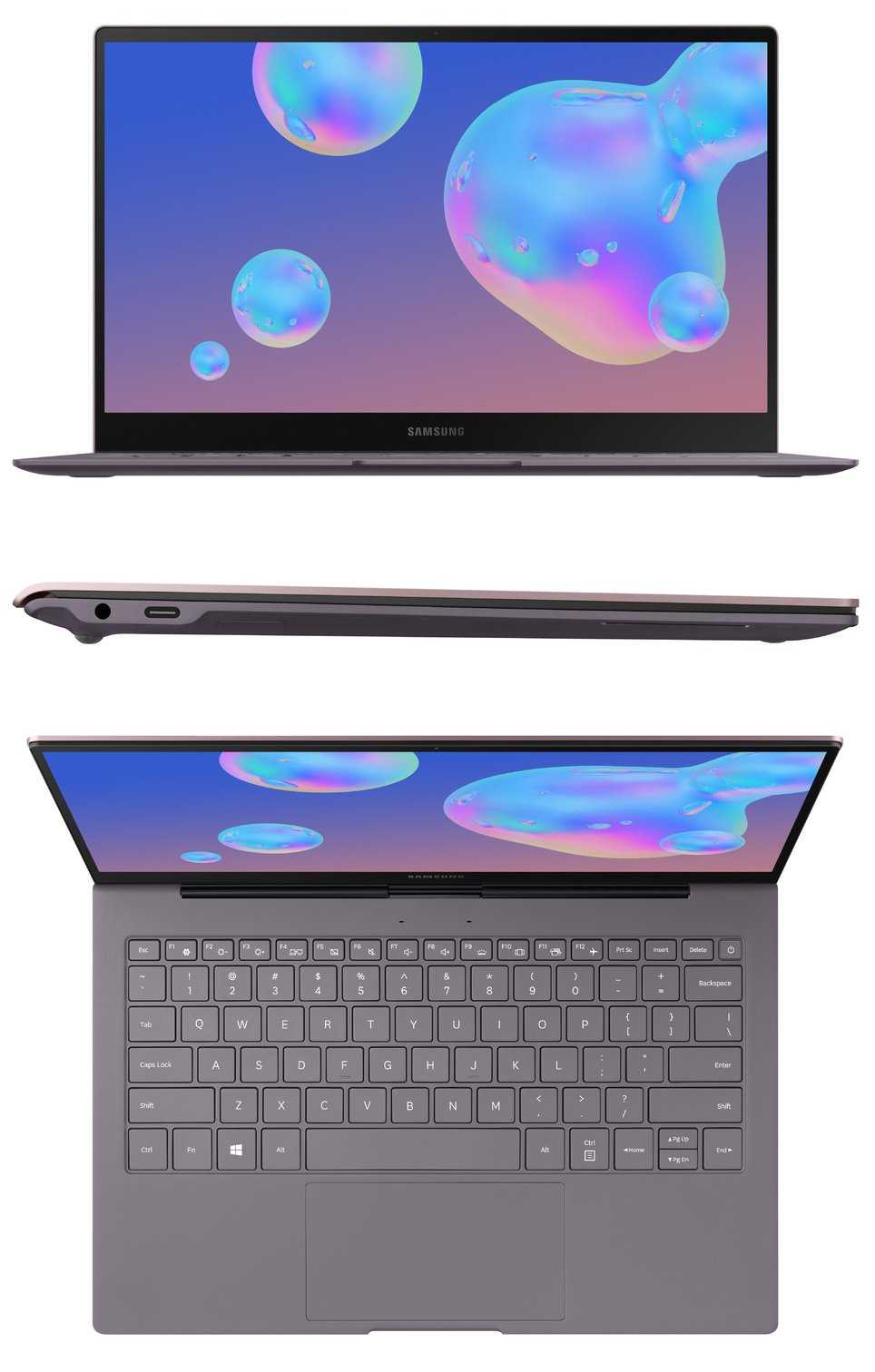
What if you don’t like Android? Then you may want to wait for the Galaxy Book S, a computer powered by the same Snapdragon 855 chipset as the Tab S6 but which runs Windows 10. Ahead of its release, press renders of the device have surfaced on the web, thanks to Evan Blass.
Initially, we thought the Galaxy Book S will be a 2-in-1, but these pictures show that is not the case. The screen isn’t detachable as you can see. We also can’t confirm if it supports touch input and stylus input as there is no S Pen in the photo.
The Galaxy S Book has a full-sized QWERTY keyboard and a moderately-sized touchpad. The screen has slim bezels on the sides and the top. On the left side of the computer are a USB-C port and what appears to be an audio jack. The picture doesn’t show the right side of the device.
The Galaxy Book S doesn’t have a release date yet but it may not be far off. Geekbench revealed it will have 8GB of RAM and its Bluetooth certification says it has Bluetooth 5.0.
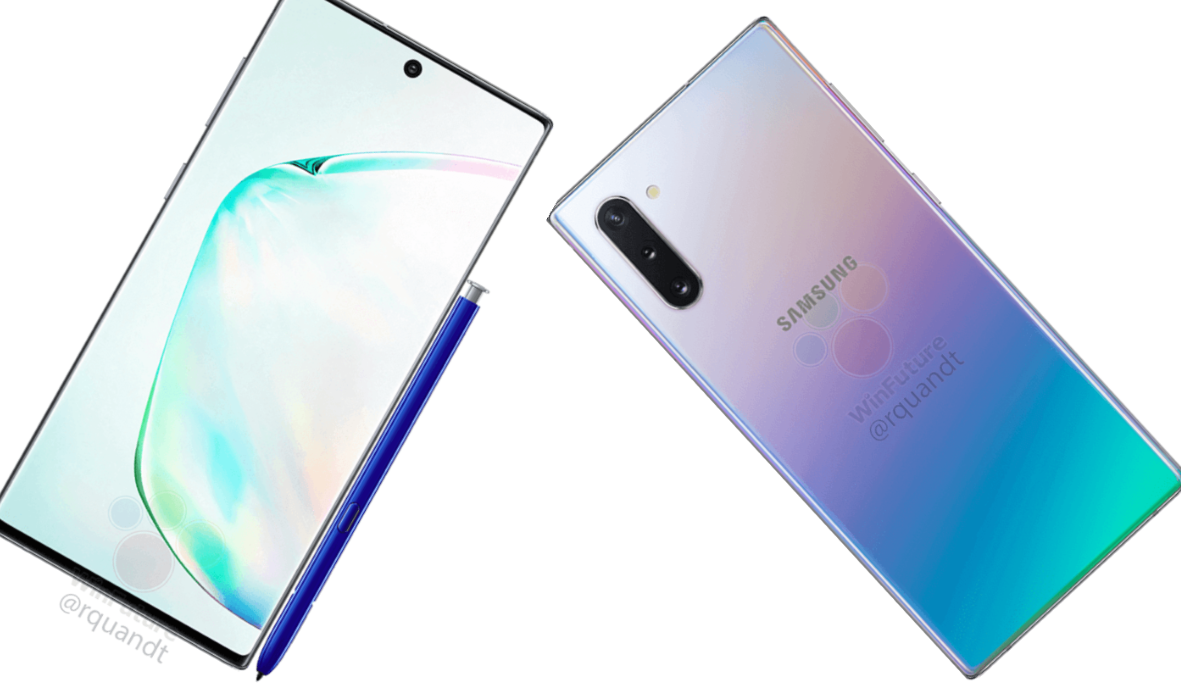
The launch of the Galaxy Note10 series is a few days away and the leaks keep pouring in. The latest is the retail price for both phones in Europe and the US.
According to Ishan Agarwal (@ishanagarwal24), the Galaxy Note10 will have a starting price of €949. This is for the 256GB variant. If you want the Galaxy Note10+, you will have to pay €1099 for the 256GB version. If you want double the storage, you will shell out €1199 for the 512GB version. He adds that there may be slight differences in the price between countries.
In a separate tweet, he said the starting price of the Galaxy Note10 will be £899 in the UK while that of the Galaxy Note10+ is £999.
Roland Quandt is the source for the US pricing and he said the Galaxy Note10 will sell for $949 for the 256GB version. The Galaxy Note10+ will have a $1099 price tag, for the 256GB version. There is no pricing for the 512GB models.
Samsung will definitely add amazing gifts for those who pre-order the Galaxy Note10 duo. As is the tradition, the gifts will vary depending on the market.
The Galaxy Note10 series will come with Infinity-O displays which has a small hole in the middle of the screen for the front-facing camera. Depending on the market, there will either be a Snapdragon 855 processor or an Exynos 9825 processor. The Galaxy Note10 will have three rear cameras while the Galaxy Note10+ will have four. Both will support wireless charging and wired fast charging. Unfortunately, they won’t have an audio jack.
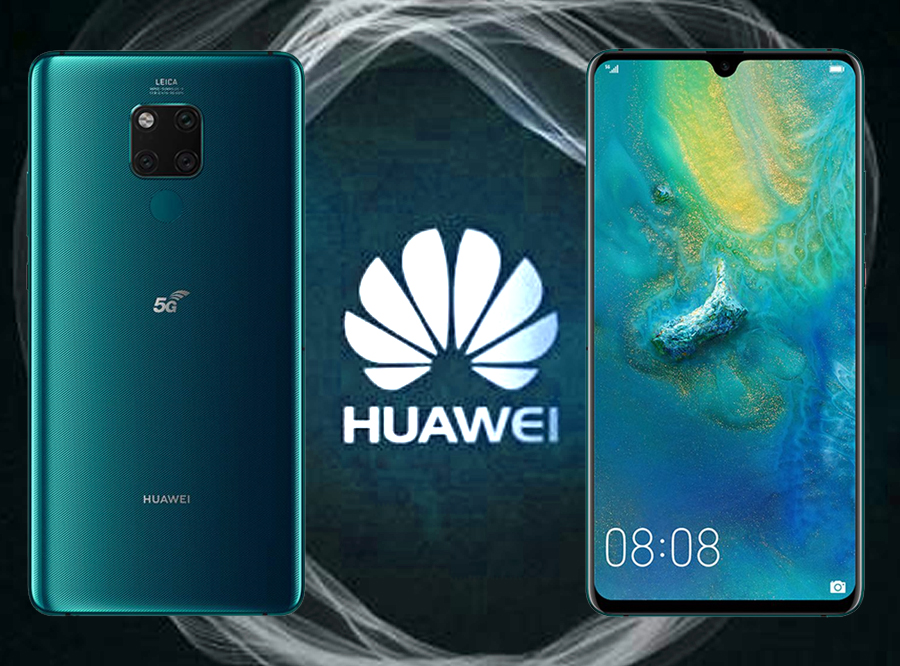
Designed to ‘Connect the Future,’ the Mate 20 X 5G smartphone from Huawei is simply irresistible. It boasts an impressive array of features and top-end specs that can sweep tech buffs off their feet.
While it is hardly surprising that a Huawei-branded phone has so much to offer in terms of features and specs, it is obvious that a top-end, the feature-rich handset won’t come cheap. Keeping in line with this, the Mate20 X 8GB RAM+256GB ROM variant has gone up for pre-order bearing a staggering $1451.99 price tag on GeekBuying.
In a bid to make the phone available to those on a tight budget, the Chinese smartphone manufacturer is offering the Mate 20 X 5G smartphone for a lowered price of just $1196.99. This is a noteworthy 18 percent reduction in the phone’s original asking price.
An absolute steal at this price, the Huawei Mate 20 X 5G smartphone sports a mammoth 7.2-inch capacitive touch screen with an FHD+ screen resolution of 2244×1080 pixels. It packs Huawei’s Kirin 980 + Balong 5000, Octa-Core 2 x Cortex-A76 Based processor along with Mali G76 720MHz GPU, under the hood.
On the photography front, the dual-SIM phone houses a triple camera setup comprising 40.0MP+20.0MP+8.0MP cameras at the back. Upfront, there’s a 24.0MP camera for selfies and video calling. It runs EMUI 9.1 based on Android 9.0 Pie OS and is backed by a 4200mAh built-in battery.
You can visit this link to check out the full specification of the Mate 20 X and avail the discount, which will be valid for the Emerald Green color option of the smartphone. Note that the phone is slated to ship in thirty-three days.
However, launching the first phone with a particular feature is one thing. How it measures up to that of the competition is another. Which explains why Redmi will also be announcing its own 64MP phone.
By the way, this month, Redmi will also release a 64MP camera phone, Samsung also restarted plans to launch 64MP A series phones in September-October.
According to Ice Universe, Redmi will announce its own 64MP phone this month (August) too but there is no date yet. We can’t say if it will be shortly after Realme’s launch or much later. What we can say is that there sure will be a lot of posts and videos comparing both phones.
So if you are looking forward to buying Realme’s 64MP quad-camera phone, you may want to wait for Redmi’s phone to launch before settling on which to buy. Redmi already shared a camera sample from the phone last month. It will also have four rear cameras like the Realme phone.
Ice Universe also revealed that Samsung will launch its own 64MP phone much later. It will be a Galaxy A phone and should arrive between September and October.
Gearbest has a reputation for offering China’s best electronic items at unbeatable prices. Staying true to its notoriety, the Chinese online store has launched a special promotion dubbed, 2019 Back to School Dorm Life Big Discount Best Deals.
As part of this recently kicked-off promo, Gearbest is doling out noteworthy discounts on a wide selection of school essentials. These heavily-discounted products have carefully been added to specific categories to simplify and expedite the search process.
The first section called Super Coupon features the Lenovo HX06H Smart Bracelet Sports Watch and Aqara ZHWG11LM WiFi Zigbee Smart Gateway, both carrying lowered price tags. While the smart bracelet would normally set you back $24.18, you can now buy it for just $9.99.
Likewise, the Aqara ZHWG11LM WiFi Zigbee Smart Gateway usually retails for $67.47 but thanks to a 23 percent discount, you can now buy it for just $51.99. Those who pay using their PayPal accounts can take advantage of the coupon code PAYPAL6% and save more money before placing their order.
The following section is called Essential Computer Gear and it is crammed with all sorts of laptops, and mini PCs. More importantly, these products have gone up for sale carrying considerably reduced prices.
For the sake of an instance, you can avail a noteworthy 34 percent discount on the Teclast F5R laptop that normally retails for $502.27 on both online, as well as offline stores. In other words, this feature-laden laptop can now be yours for just $329.99.
The Study & Relax with Tech category features smart wearable gadgets and a slew of other devices that come in handy in day to day life of students. Each item included in this category will be available for reduced prices, but only for a limited period.
Those who have restlessly been waiting for smartphones and mobile phone accessories prices to drop can head straight to the Powerhouse Phone Deals section. Gearbest has added all sorts of mobile phones and amazing phone accessories in this section for students who aren’t willing to spend a lot of money on a top-end handset.
If you want to look cool in school without breaking the bank, you might want to check out the concluding section called Back to Cool Styles. You can get significant discounts on various cool gadgets, accessories, clothes, etc in this category.
The above-mentioned section includes everything from a USB Charging Chest Bag Casual Fashion to 3D Summer New Personality Abdominal Muscle Printing Men’s Short-Sleeved T-shirt. It is worth noting that all items available under this section carry great discounts.
To take full advantage of the discounts, all you need to do is to visit the promotion page by clicking here.
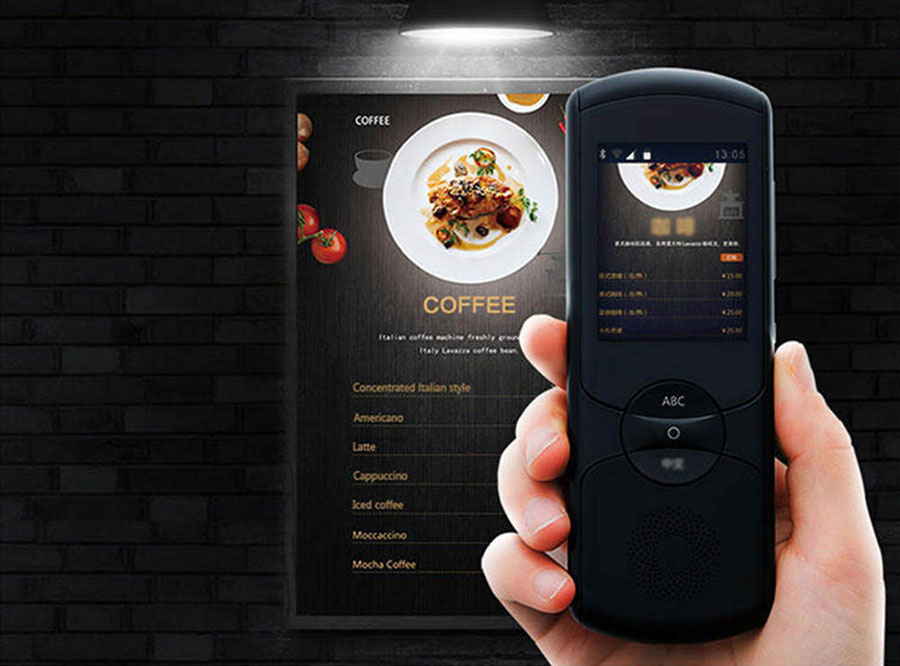
If you have restlessly been looking for an inexpensive voice translator that supports multiple languages, the Iflytek WIFI+4G 34 Languages Intelligent Voice Translator might just fill the bill.
Supporting up to a whopping 34 languages, the Iflytek WIFI+4G 34 Languages Intelligent Voice Translator can translate each language to each other. Moreover, you can use it while communicating face to face to effectively solve communication obstacles.
The Iflytek WIFI+4G 34 Languages Intelligent Voice Translator produces the most accurate translation results in real-time, and responses within seconds. On top of that, it adopts the intelligent voice recognition technology to expedite and simplify cross-language communication.
This Iflytek branded voice translator sports an easy-to-read 2.4 touch screen that shows recognized and translated content, allowing you to read, as well as listen from it. Aside from that, it is housed in a compact body so that you can carry it everywhere you go.
The languages it supports include Chinese, English, Japanese, Korean, French, Spanish, German, Russian, Thai, Indonesian, Italian, Portuguese,Vietnamese, Greek, Malay, Czech, Danish, Norwegian, Dutch, Swedish, Turkish, Arabic, Urals, Hebrew, Hindi,Croatian, Hungarian, Polish, Romanian, Slovak, Telmi, Bulgarian, Catalan, and Slovenian.
The Iflytek WIFI+4G 34 Languages Intelligent Voice Translator usually retails for $529.99, but you can now buy it for a lowered price of only $459.99 from GeekBuying. As if that weren’t enough, you can save $60.99 more with the help of coupon code 3GU4C6UY.
In other words, you can bring the already reduced asking price of the voice translator further down to just $399 simply by applying the aforesaid coupon at checkout. You can visit this link to avail the discount and use the coupon before it expires.
Established in 2014, Huami is now the world’s largest wearable device company. With a whopping 17.1 percent global market share, the brand has sold more than 50 million units until now.
Huami offers a wide range of fashionable activity trackers under its popular Amazfit brand. Despite carrying considerably steep price tags, these fitness gadgets are quite popular among those who fancy keeping a track of their health and monitoring various activities.
Those on a tight budget usually have to hold themselves back from spending a lot of money on these smart wearables, but we got their backs. We will show how you can buy the Huami Amazfit Stratos 2S sports smartwatch and the Huami Amazfit Cor 2 fitness smartband from GearVita without emptying your pocket.
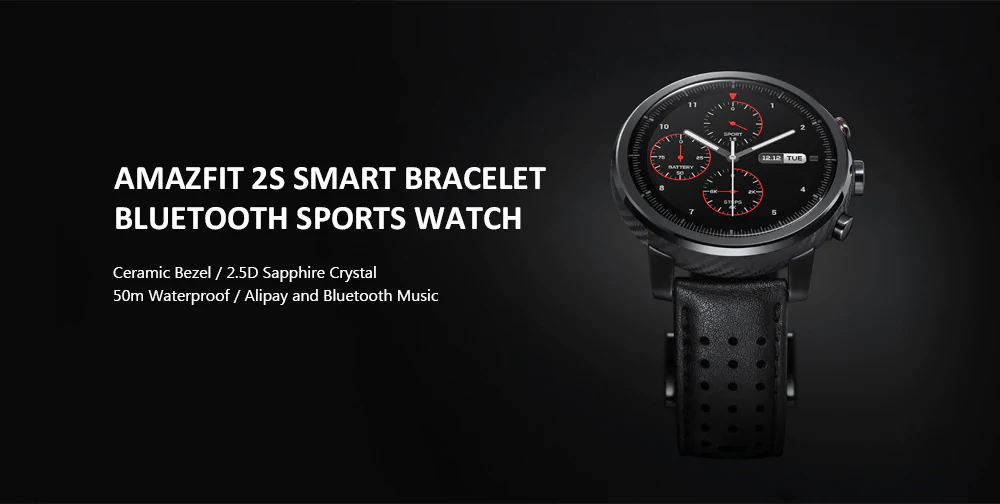
Huami Amazfit Stratos 2S Bluetooth Sports Smartwatch
Touted as a perfect personal health tracker, the Xiaomi Amazfit 2S Sports Smartwatch offers an ultra-long battery life with a standby of about five days and consumes less power. It comes with 512MB of RAM and offers a hearty 4GB of internal storage capacity for you to store your favorite pictures, videos, etc.
The global version of the Huami Amazfit Stratos 2S Bluetooth Sports Smartwatch has gone up for sale bearing a $239.99 price tag on GearVita. You can apply coupon code ROStratos2S and get $60 off before you click the ‘Place your Order’ button.
After applying the aforesaid coupon, you can buy the Huami Amazfit Stratos 2S Bluetooth Sports Smartwatch for a lowered price of just $179.99. You can visit this link to use the coupon before it expires.
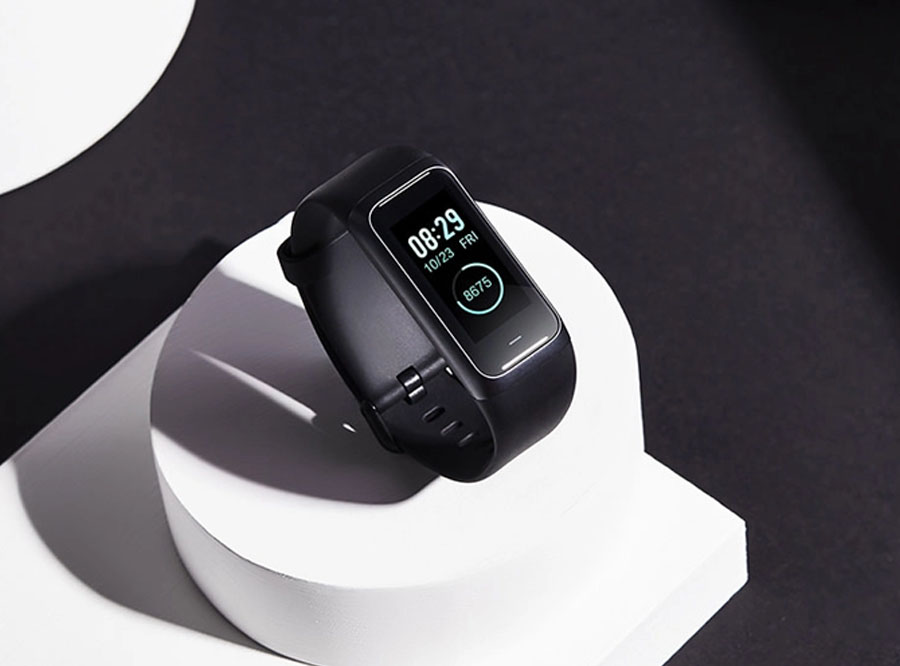
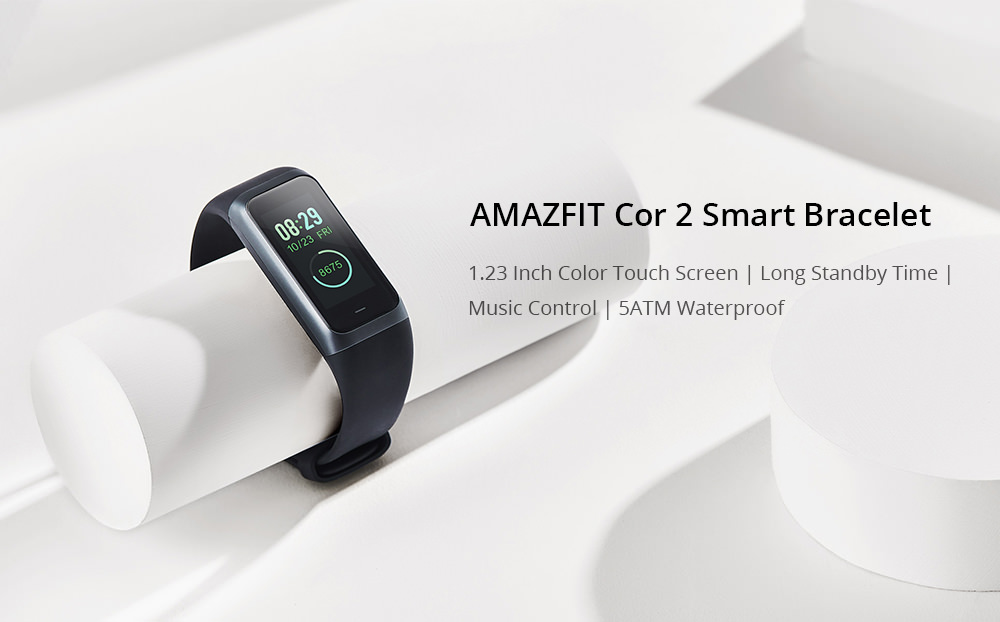
Sporting a 1.23 Inch Capacitive Color IPS touch screen with HD resolution of 80 x 160 pixel, the Huami Amazfit Cor 2 is a must-have fitness smartband if you are a fitness enthusiast. Housed in a robust 316L stainless steel frame, the device uses corning gorilla glass material on top for added protection.
The Amazfit Cor 2 adopts the reflective display technology to ensure the dial is always bright without black screen. Certified to 5ATM standards, the smartband features a built-in PPG heart rate sensor, call reminder, and offers up to 15 days standby time with a 160mAh battery capacity.
The Huami Amazfit Cor 2 would normally set you back $59.99 on GearVita, but you can use coupon code ROHMCor2 at the time of checking out and save $18. In other words, you can bring the original asking price of the fitness smartband down to just $41.99 simply by applying the aforesaid coupon.
You can follow this link to take advantage of the coupon, which is slated to lapse shortly.
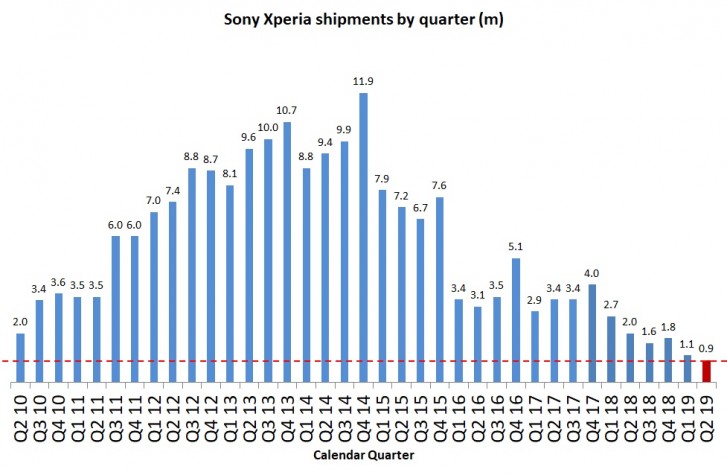
Sony‘s mobile phone business continued its losing streak in Q2 2019. The report released by the company showed that the Japanese company shipped just 900,00 smartphones between April and June that we wonder why the company has just refused to close down the mobile division. This is the lowest in the past 9 years the company’s shipments have plunged.
During this same period last year, Sony managed 2 million phone shipments. That itself was a low point compared to the likes of 2014 when the company’s shipment hovered around 10 million units each quarter.
The Japanese company has lowered its expectations for the rest of the year, putting its projected shipping estimates at 4 million phones by the end of 2019. This is 1 million down from the previously approximated 5 million units. The firm also projects that the revenue will only bring in JPY 380 billion ($3.55 million) in revenues which is 7% below the previous estimates. Operating income is will also be expected to take a hit.
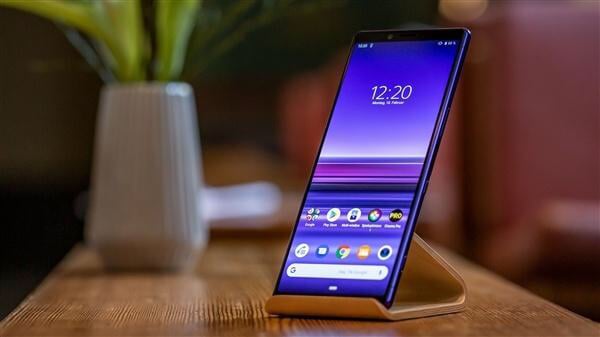
Sony Xperia 1…Can it turn around the fortunes of Sony’s mobile division?
Recall that Sony rejigged the mobile phone business, with the Xperia 1 emerging as the first model that it expects to turn around the mobile arm’s fortunes. Sony is still positive that it can turn its fortunes around. The Xperia 1 was released at the end of May. So the company is looking at a positive result from the flagship in the second half of 2019.
Vivo released a lot of affordable phones with year. And when we say affordable phones, we do not only talk about mid-rangers and entry-level devices but also about affordable flagships. A few weeks ago the company announced the iQOO Neo which is currently one of the most interesting high-end phones in terms of quality price ratio. It is meant especially for gamers, but in the same price range, there are also other devices focused on the camera and other key features. In order to establish which kind of Vivo device you could actually need, we compared three of the most important affordable phones released by the company in the last weeks: Vivo Z5, V17 Neo and iQOO Neo. Let’s find out who is better and for which users.
Vivo Z5 vs Vivo V17 Neo vs Vivo iQOO Neo
Vivo Z5
Vivo iQOO Neo
Vivo V17 Neo
DIMENSIONS AND WEIGHT
159.5 x 75.2 x 8.1 mm, 187 g
159.5 x 75.2 x 8.1 mm
159.5 x 75.2 x 8.1 mm, 179 g
DISPLAY
6.38 inches, 1080 x 2340p (Full HD+), Super AMOLED
6.38 inches, 1080 x 2340p (Full HD+), OLED
6.38 inches, 1080 x 2340p (Full HD+), Super AMOLED
Triple 13 + 13 + 2 MP, f/1.8, f/2.2 and f/2.4
12 MP f/2.0 front camera
Triple 16 + 8 + 2, f/1.8, f/2.2 and f/2.4
32 MP f/2.0 front camera
BATTERY
4500 mAh, fast charging 22.5W
4500 mAh, fast charging 22.5W
4500 mAh, fast charging 18W
ADDITIONAL FEATURES
Dual SIM slot
Dual SIM slot
Dual SIM slot
Design
Glass backs, waterdrop notches, very narrow bezels, and compact dimensions. That is what makes these three devices wonderful when it comes to aesthetics. I would personally choose the Vivo V17 Neo because the gradient pattern on its rear side and its colors are way more original than most of the phones out there. But you should not underestimate the Vivo Z5 which is still a very elegant handset.
Display
All of these devices seem to mount exactly the same panel. The display is a midrange-class Super AMOLED panel with a diagonal of 6.38 inches and a Full HD resolution with 1080 x 2340 pixels. They all offer brilliant colors but not an excellent reproduction, however, they all integrate an in-display fingerprint reader. Not excellent, but more than sufficient. Obviously, it is a draw in regards to this comparison.
Hardware/Software
If you are seeking the fastest phone and the best device for gaming, productivity, and the most advanced usage patterns, go for the Vivo iQOO Neo without thinking twice. It is the only to feature a flagship chipset: the octa-core Snapdragon 845 running at a max frequency of 2.8 GHz. The SoC is paired with up to 8 GB of RAM and up to 128 GB of internal storage, but it lacks a micro SD slot unlike the Vivo Z5 and the V17 Neo. Note that the Vivo Z5 is the only to feature up to 256 GB of internal storage, while the advantage of the Vivo V17 Neo is the presence of a micro SD dedicated slot.
Camera
The camera is the strongest point of the Vivo Z5: the mid-ranger comes with the highest resolution for the main sensor (48 MP) and a very satisfying ultrawide lens, as well as an additional depth sensor. Further, it is equipped with an amazing 32 MP front camera for selfies. Vivo iQOO Neo is the most disappointing one, just like most of the gaming smartphones if we compare them with other flagship phones. Vivo V17 Neo sits in the middle as it comes with the same front camera as the Z5 but a rear camera with lower resolutions and a lower level of detail captured.
Battery
Given that Vivo Z5 and V17 Neo have a way bigger battery than iQOO Neo, both of them should last a lot more on a single charge in most of the scenarios. They both come with a 4500 mAh battery, but I believe that Vivo Z5 will last even more than V17 Neo thanks to its more efficient chipset: the Snapdragon 712 by Qualcomm built at 10 nm. Both Vivo Z5 and Vivo iQOO Neo have a faster charging technology than V17 Neo.
Price
Vivo Z5 is priced €210/$235 in its most affordable variant, Vivo iQOO Neo starts from €250/$278 and Vivo V17 Neo carries a €280/$312 price tag. If you want the most complete device with a high-end camera, a huge battery and well-balanced specifications, go for the Vivo Z5. But overall, if you only care about performance, Vivo iQOO Neo is better. Last, V17 Neo looks inferior compared to the Z5.
The tradition for a few years now has been that the Galaxy S and the Galaxy Note series will be powered by the same Exynos processor. However, that will be changing this year. The Galaxy Note10 and Galaxy Note10+ will be powered by a new Exynos chipset which has been reported will arrive as the Exynos 9825.
Today, Samsung has confirmed that a new chipset is indeed coming and it will launch on August 7, the same day the Galaxy Note10 series will be unveiled.
The official Samsung Exynos Twitter account shared a video teaser ahead of the launch. The eleven-second video doesn’t reveal any detail about the chipset.
Based on reports, the Exynos 9825 will be a 7nm chipset unlike the Exynos 9820 that is 8nm. The smaller node size should bring improvements in performance and power efficiency.
The Galaxy Note10 powered by the Exynos 9825 appeared on Geekbench last month. There is even a comparison with the Galaxy S10+.
Samsung will announce the Galaxy Note10 series in New York. A few days before then, August 5 to be precise, Samsung will announce the Galaxy Watch Active 2. However, we have a feeling there will be another product announced alongside the phones at the event in New York. The event will be live-streamed on YouTube.
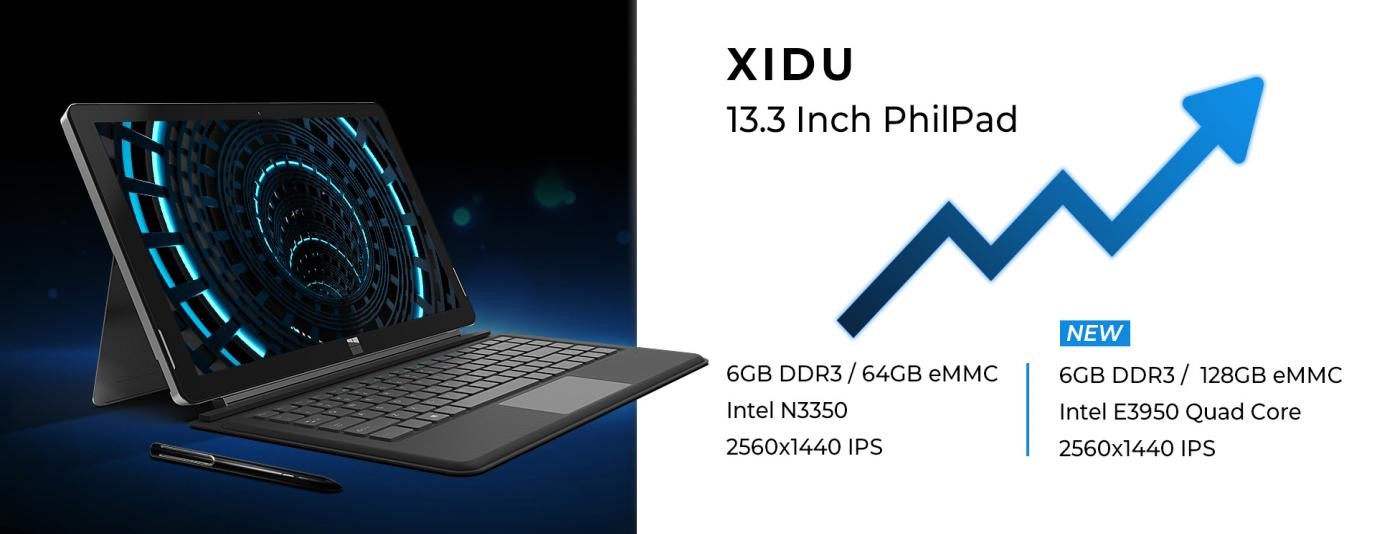
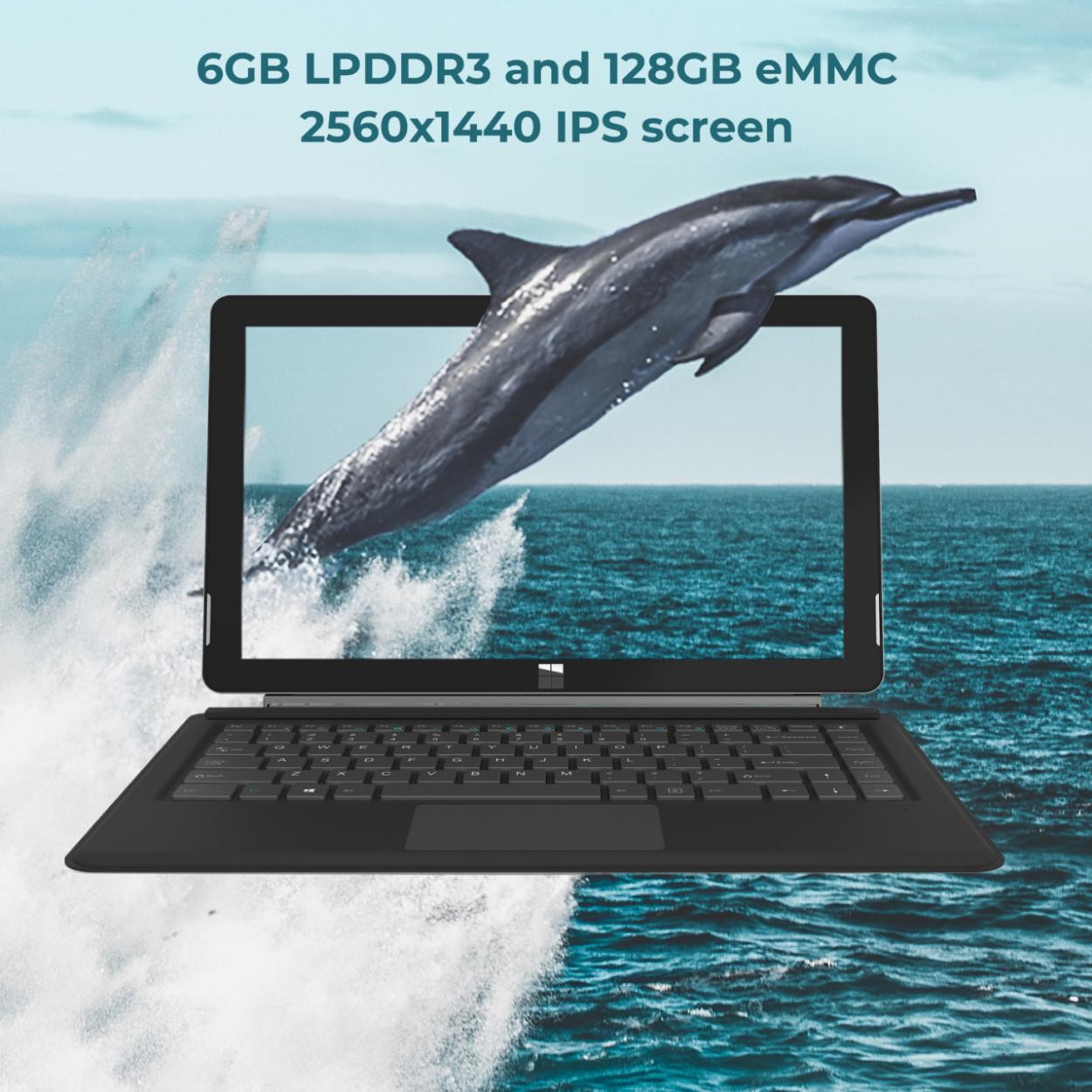
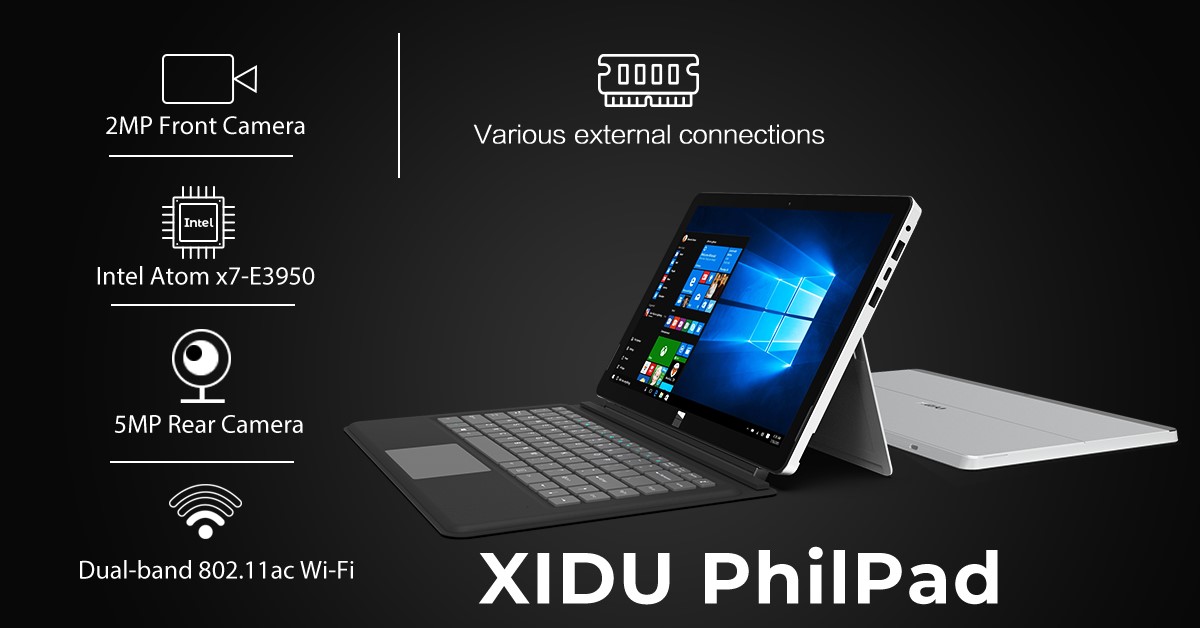
After the success of the 2in1 13.3″ PhilPad tablet that was well received by customers all around the world since its release, the Shenzhen-based manufacturer is launching the upgraded version of the device in order to pursue its purpose of innovation and improvement, and provide its customers with better user experience. The new model comes with Intel E3950 4-core CPU instead of the N3350 dual-core one to almost double its performance. This upgrade means less stutter and allows users to run even heavier apps like a big online game. In addition, the memory configuration goes from 6GB/64GB to 6GB/128GB providing more storage.
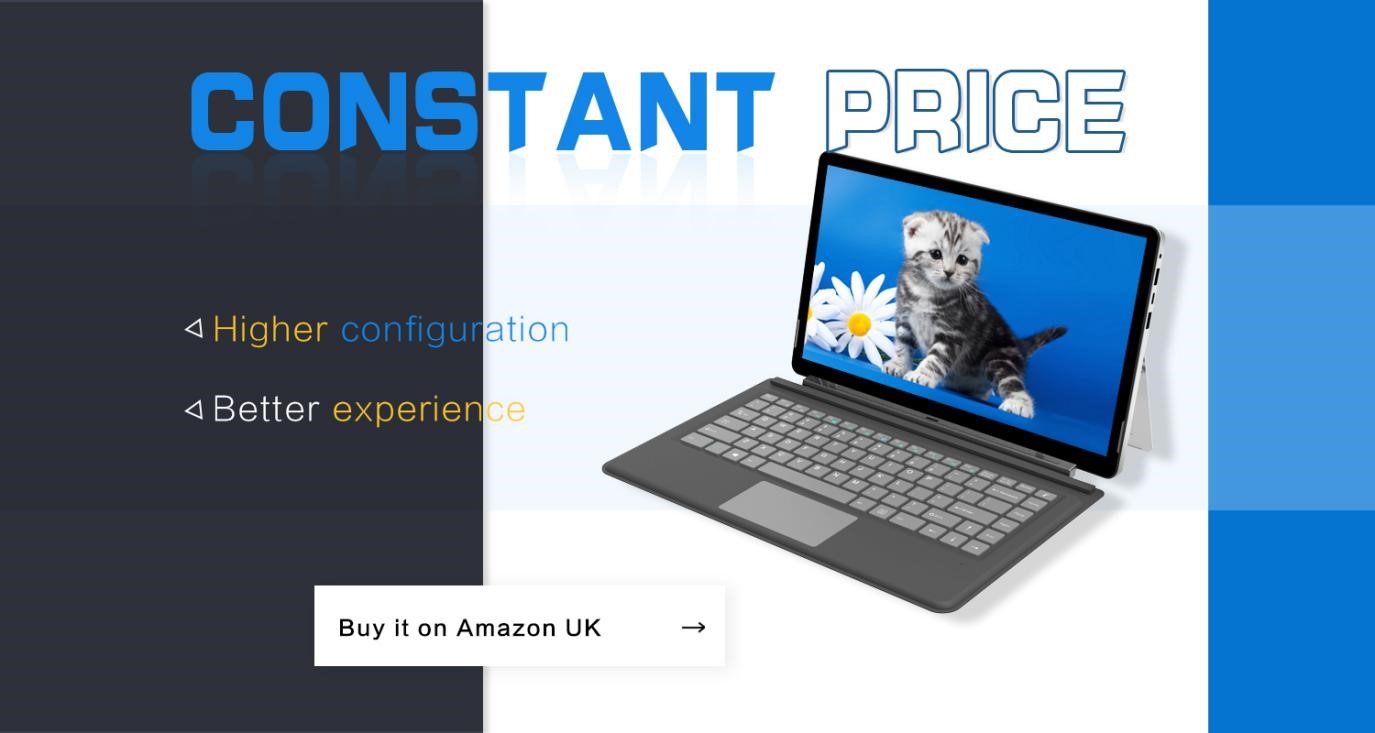
However, the greatest feature of the new PhilPad is its great cost-effectiveness as the price of the new model is the same as the old one. In a market where all manufacturers all pursing profits to the maximum, this is a noteworthy move from the Chinese manufacturer. Let’s see some of the key features of the new PhilPad.
2-in-1 convertible tablet
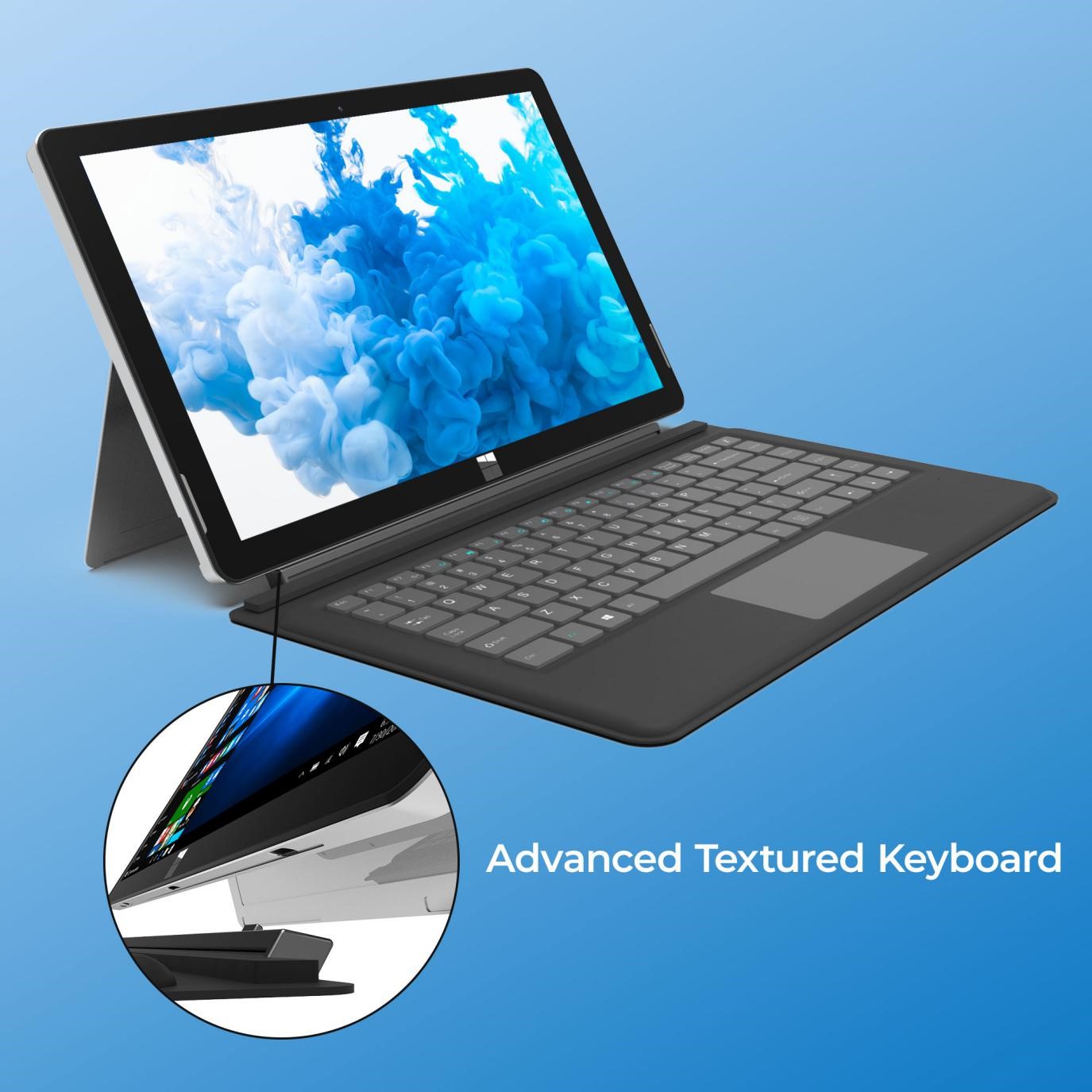
PhilPad is a Windows 10 tablet that can easily be turned into a laptop with the detachable keyboard. In just seconds, you can leave the tablet mode you used to watch movies and start doing some office work by attaching the keyboard. According to the company, the ergonomic soft keyboard really makes it comfortable to type on and the 135° rotatable kickstand enables you to use it at various angles.
Superior display
One of the best features of the PhilPad, is its display. It uses an IPS panel with 2560×1440 resolution and everything looks crisp and ultra-detailed on it. The device is also capable of some heavy gaming and the display is the perfect complement for gamers. Of course, the display is multitouch and you can enjoy writing on the screen with a stylus pen that gives full access to the Windows Workspace.
Connectivity
Featuring a Dual-Band 802.11ac Wi-Fi chip, PhilPad has strong signal and fast data transmission speeds. Streaming high-definition movies and videos is smooth and buffer-free. It also comes with 1 x USB Type-C, 2 x USB 3.0, 1 x microphone jack, 1 x microSD card slot, 2 x speakers, 5MP rear camera, and a 2MP front camera.
Being faster and with more storage than the previous model, the XIDU 2in1 13.3″ Surface PhilPad is even more competitive than before. Whether you are a student or an office worker, you should consider it if you are looking for a fashionable, cost-effective, and portable laptop/tablet. The company is offering 1 full year warranty for each product.
Currently, the new version is available on Amazon only for British residents. people from other European countries can buy it on the company’s official store or Aliexpress store. At the same time, XIDU is offering great discounts for PhilPad. You can get it on Amazon UK £25 off using coupon ZSUHYIEA. On Aliexpress Store, you get a $10page coupon as well as an extra $15 off during checkout. Lastly, if you prefer the XIDU Official Store, you can use coupon XIDU60to save $60.
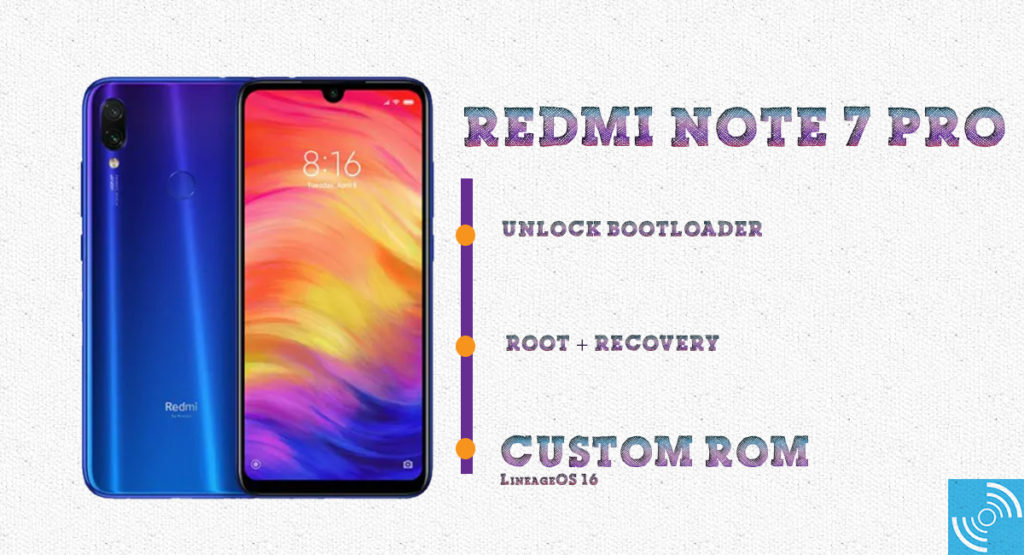
Xiaomi Redmi Note 7 Pro is among the best devices available in the mid-range smartphone market in India. The device packs decent hardware specifications at aggressive pricing. It comes with a Qualcomm Snapdragon 675 chipset coupled with 4/6GB RAM and 32/64 internal storage variants. The device also carries a 6.3-inch display with the resolution of 1080 x 2340 pixels. In optics, there’s a dual rear camera consisting of a 48 MP primary sensor and a 5 MP secondary lens. On the front, there’s a 32 MP camera equipped with natural colors and edge detection features to capture beautiful selfies. Today, we will install the LineageOS 16 on Xiaomi Redmi Note 7 Pro in the easiest way.
Thanks to the efforts of the senior XDA member, xdatman who made it possible for the Redmi Note 7 Pro to get official support for LineageOS 16. The nightly build of the LineageOS 16 is available for the Redmi Note 7 Pro. It will now be getting regular updates and bug fixes directly from the Lineage’s automatic build system. The interested users can now quickly load it up on their Redmi Note 7 Pro having unlocked bootloader and custom recovery installed.
What is LineageOS?
It is the most favorite custom ROM for Android devices. It is based on the Android Open Source Project with stock Android experience. LineageOS offers various customization options with some extra productivity features for your smartphone. It is the successor to the popular CyanogenMod ROM.
Benefits of a custom ROM
Extra features with the ability to customize.
It also improves performance.
Custom ROM does not carry any bloatware.
It improves battery life.
Custom ROMs allows users to enjoy newer android versions.
More stylish and feature-rich than stock ROM.
Custom Kernel support is also present.
Note: GizmoChina.com is not responsible for any kind of damage to data or device while performing the unlocking. It will also void the device’s warranty and remove all data on the device. You’re proceeding at your own risk.
Note: Some users might have to flash Magisk to use Netflix, as LineageOS 16 snaps the Widevine L1 support.
Backup data on any external media, as the installation will format the phone’s storage.
Download Gapps on your machine.
Steps to Install LineageOS 16:
First of all, enable developer options by heading to the Settings > About and then tap Build Number 7 times.
Also, enable USB Debugging Mode from the Developer Option in the phone settings.
Now, unlock the bootloader and install custom recovery on Redmi Note 7 Pro.
Download the LineageOS 16 and Gapps zip file from the links above.
Now, boot into the recovery mode by pressing Volume Up + Power button.
Upon booting into the recovery mode, go to “Wipe” and press the “Format Data” button to begin the formatting process.
Now get back to the Wipe Menu and press “Advanced Wipe” to clear Cache and System partitions. (Note: Select System and Cache)
Confirm the action by pressing “Swipe to Wipe.”
After successfully wiping system partitions and cache, go back to the previous menu and sideload the LineageOS.zip.
Now, flash the LineageOS 16 zip by tapping Advanced > ADB Sideload and press swipe to begin.
Now connect your device with the USB cable and open PowerShell or CMD in the ADB – Fastboot extracted drivers folder.
Type the below command to sideload the package. (Note: replace the filename.zip with the actual name of the Lineage zip file.)
adb sideload filename.zip
Once the installation is finished you can flash Gapps by heading to the TWRP recovery.
You have successfully installed the LineageOS 16!
You have successfully installed LineageOS 16 on Redmi Note 7 Pro. If you have any issue or problem while executing the above procedure, then let us know via the comments below.
Xiaomi’s official flagship Mi Mall has sensationally announced via its Weibo page that support for the newly launched MIJIA Juicer has exceeded 3 million. This happened just over 24 hours after the gadget was launched. The crowdfunding exercise opened at 10 AM on July 31. The company also hinted that the crowdfunding exceeded 1 million in less than 6 hours.
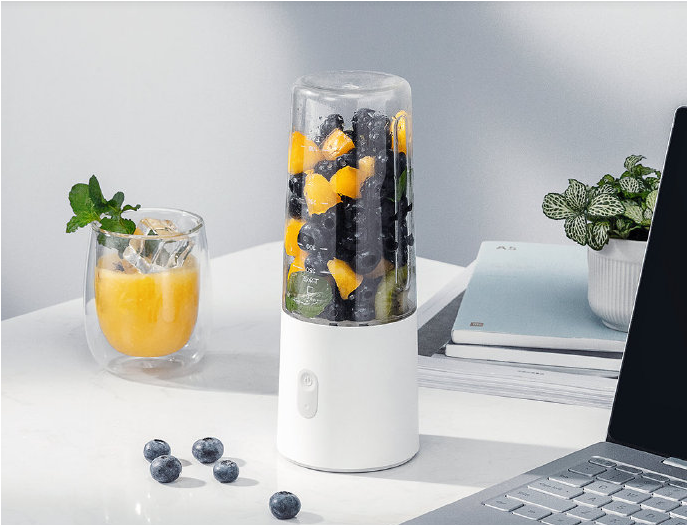
The MIJIA Juicer has a simple design but the portability and ease of use make it a product worth having. It won’t be a difficult task moving it around as a result of the small size. Also, you don’t need a power supply to get a glass of fresh juice as it uses battery power. The battery is rechargeable and comes with 2 hours fast charging. A fully charged battery can blend 15 cups of juice which is impressive.
The 350ml container has a 4-blade rotor at the base powered by a high-speed motor. The rotor blades are also very sharp in order to blend the fruits smoothly. It is worth mentioning that the Mijia portable juicer comes with a self-cleaning function. The user only needs to put a proper amount of water in the cup, fasten the base, and press the switch twice. The spinning water cleans the device. The cleaning time is 40 seconds, and the internal can be completed without hurting the hand.
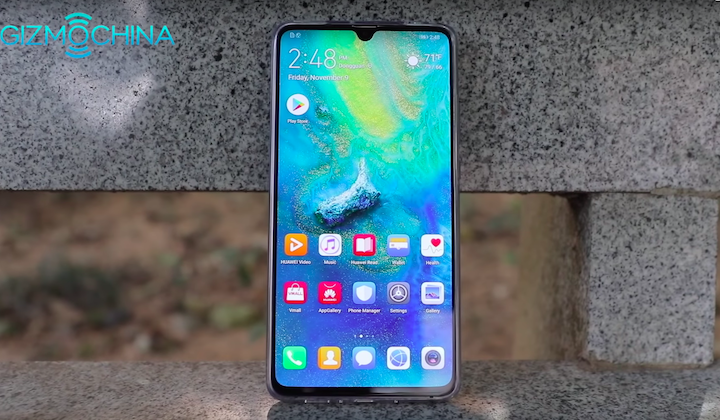
EMUI 10 is just a few days away from its official release. Huawei will announce the new UI at the Huawei Developer Conference (HDC 2019) that kicks off on August 9. But before the official event, a few promo images of the upcoming UI have popped up online.
Huawei Mate 20 X runs on EMUI 9.1
Huawei EMUI 10 promo images brought to us by Huawei Central reveals some major changes in visual elements. Don’t take our word for it, for the promo images directly states that the new UI features visual changes everywhere. According to the images, there are changes made to the classification of design elements in the UI and the way gallery content is sorted. It looks like the new UI will come with smoother animations too and offer better performance when playing videos and games. There’s support for video ringtones as well.
1 of 7
Unfortunately, as you might notice these aren’t the actual screenshots of the UI. So, many of the features are still not clear. But we can expect some major changes in EMUI 10. Huawei has managed to improve EMUI over the past few years bringing in gesture navigation, system-wide dark mode and even EROFS file system for faster storage performance and management. CPU and GPU turbo have become mainstream features among its devices running EMUI. So, overall, we can expect new AI-related features focused on performance, gaming, and fluidity on the new EMUI 10 OS.
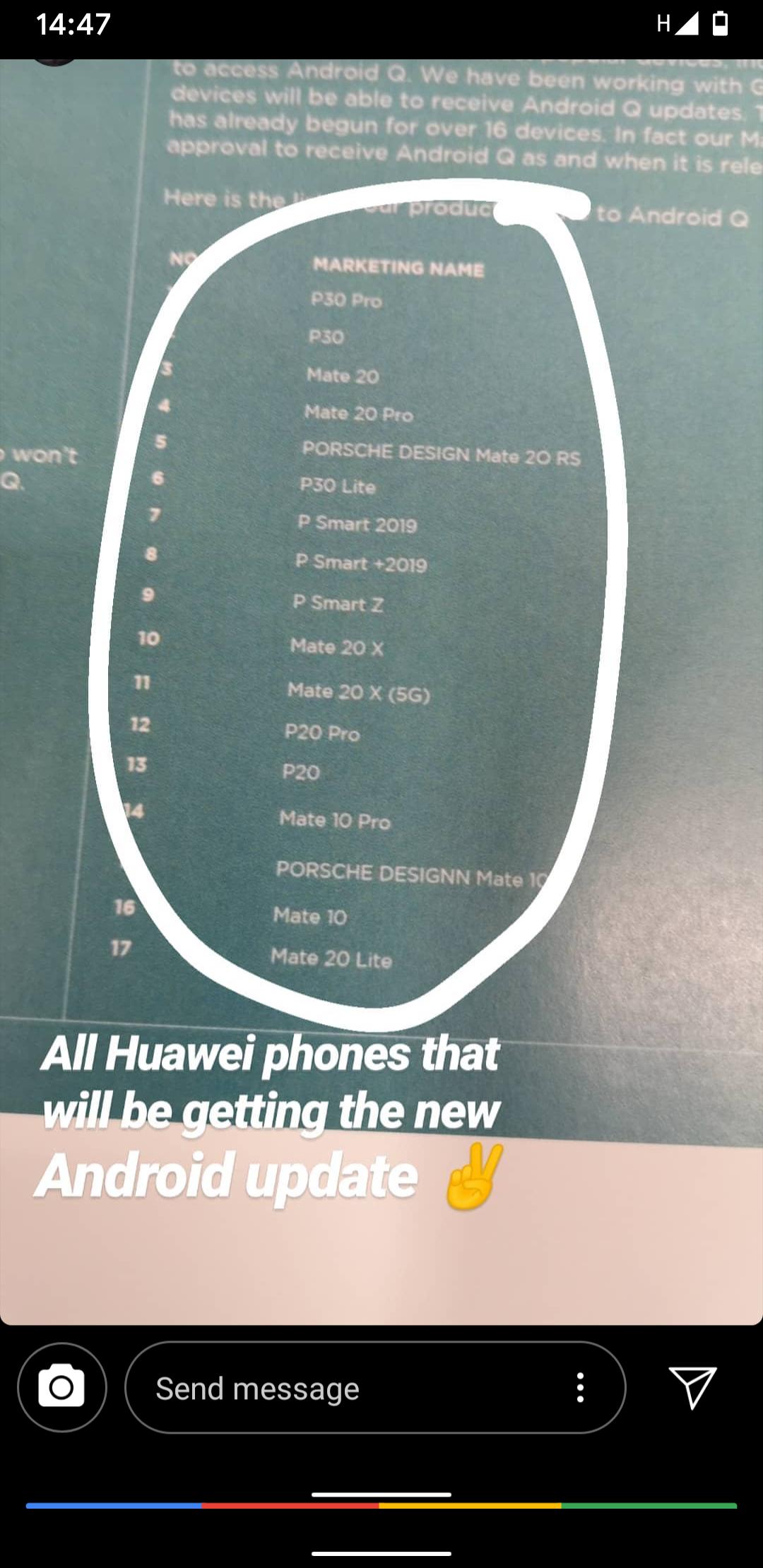
Huawei’s EMUI 10 will be based on Android Q. According to a Reddit post, there are over 16 phones eligible for Android Q based EMUI 10 update. The list is based on a leaked image and includes Huawei’s P30, P20 series models, Mate 20 series models (including Lite), Mate 10 models, and also the Huawei P Smart 2019 lineup.
Leaked image showing models that could be updated to EMUI 10 based Android Q (Source: Reddit)
Aside from being the hottest two months in the summer, July and August mark the launch of some of the most-awaited digital products. These two intersections of months have become the months for gaming mobile phones to compete with each other.
The Black Shark Game Phone 2 Pro is the second mobile phone released by Black Shark this year and second game mobile phone released in the second half of the year 2019. Usually, Black Shark releases two mobile phones in a year, which is bound to have the same ignominious situation because of the processor. However, this year the Black Shark Game Phone 2 Pro has employed Qualcomm’s latest Snapdragon 855 Plus, becoming the second mobile phone in the market to pack the Snapdragon 855 Plus, under its hood.
The complete design language and great lights
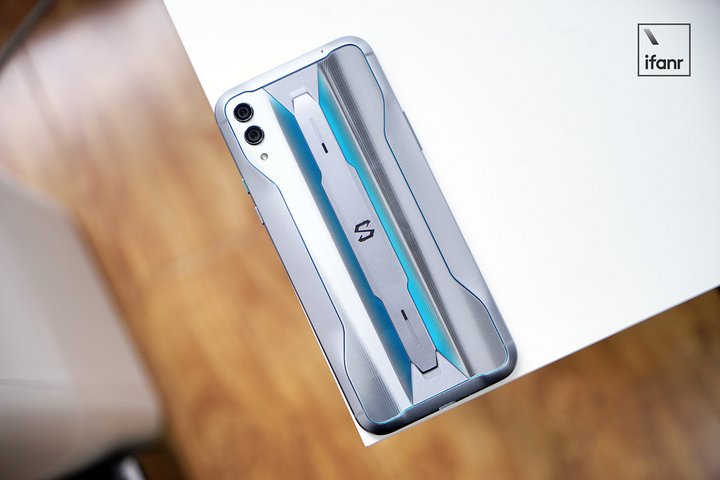
The recently unveiled Black Shark 2 Pro bears a strong continuity from the Black Shark 2 name. In other words, the aforesaid models have been designed as part of the same series.
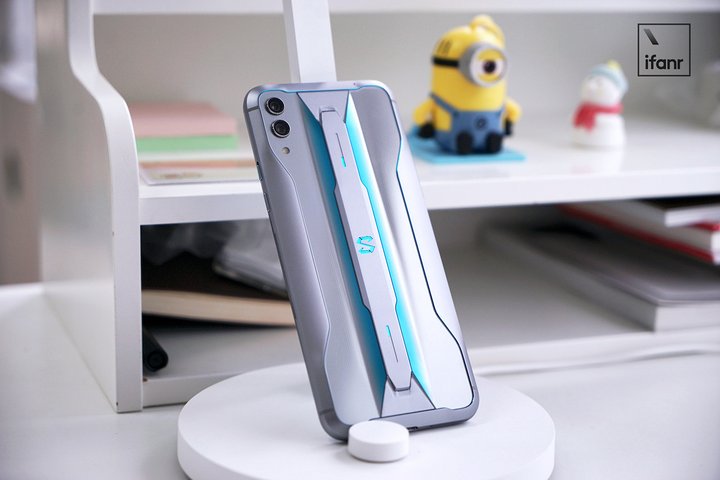
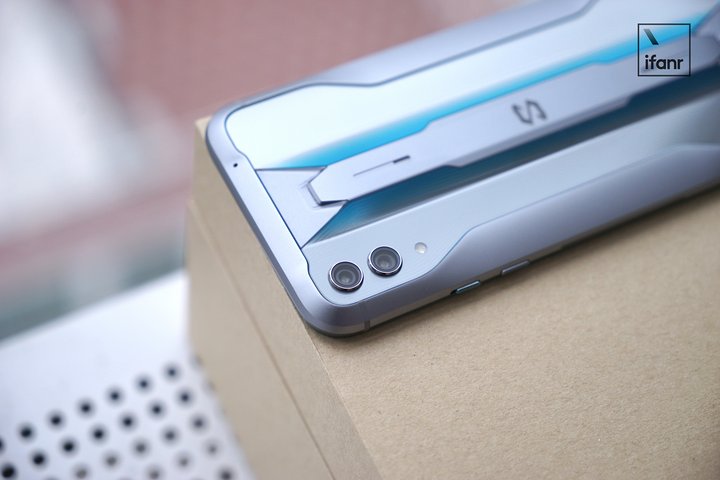
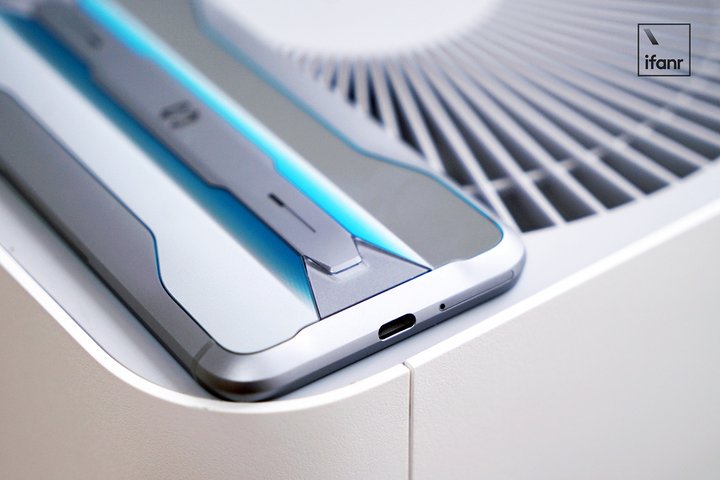
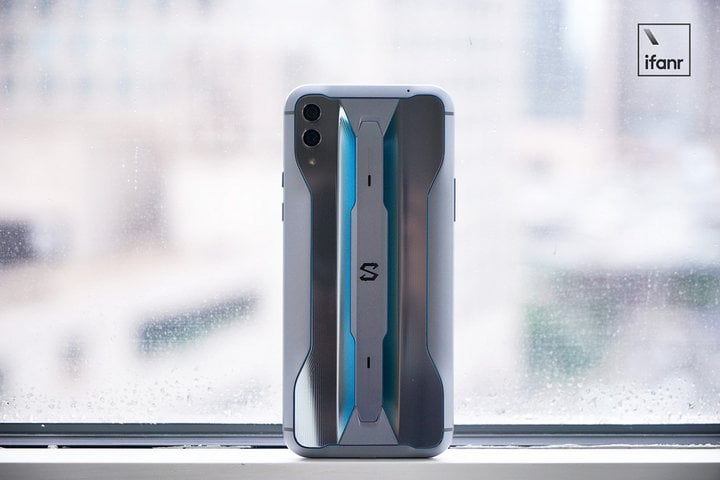
As expected, Black Shark has retained the back design; however, made some adjustments in the middle portion. The Pro variant surpasses the Black Shark 2 in terms of shape and the texture and offers faster speed. The Black Shark Game Phone 2 Pro obviously is better than the design styles adopted by the rest of the game phones.
It is also worth noting that a feminine hygiene product is a mere myth. Personally, I have never purchased it for my girlfriend. In fact, I don’t even have a girlfriend.
The new phone sports a smaller “S” as compared to its predecessor, while narrowing the main portion. While both the upper, as well as the lower part of the original Black Shark 2 are almost empty, the Black Shark 2 Pro fills that place with a couple of tiny lights. The new is without an iota of doubt, more appealing.
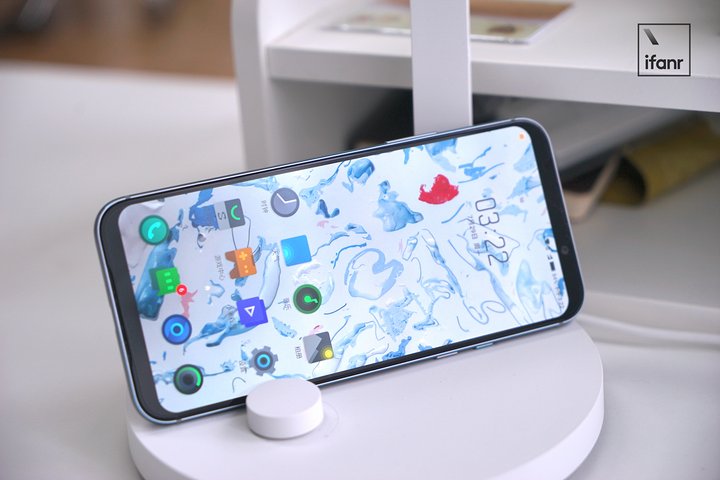
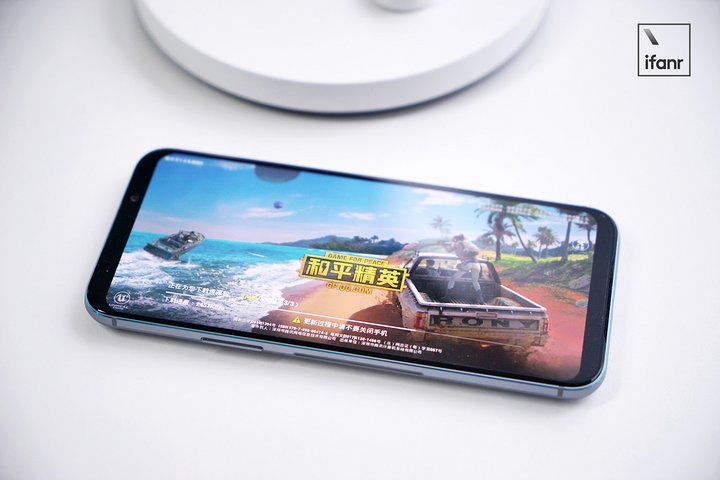
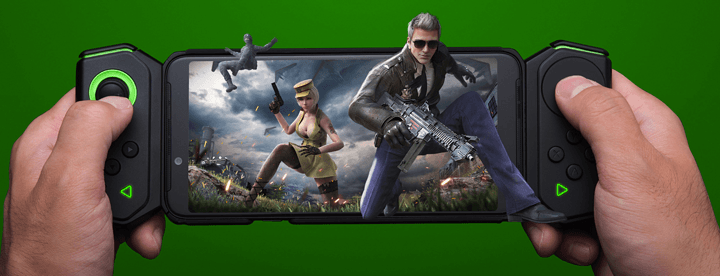
I felt that the high and low undulation, coupled with the lines behind it and the shape of the deck placed in the middle bears a striking resemblance to a space warship or a sports car. Unlike the back, the front portion sports a traditional appearance, which is quite similar to the Black Shark 2. For example, it uses a non-shaped full-screen design, and there’s a lot of handheld space on both sides for a superior gaming experience.
The Black Shark 2 Pro’s screen should be the same as Black Shark 2, 6.39 inches, 2340×1080 resolution, 60Hz refresh rate (yes, no high refresh rate) Samsung AMOLED screen and parameters are already popular. Following the installation of the independent display control chip, it is safe to say that the refresh rate is the best feature of the phone.
Nevertheless, smartphone lovers are likely to give a lot of importance to screen parameters, which are likely to be different. Keeping in line with that, would you rather choose a domestic AMOLED high refresh rate screen or go for the Samsung AMOLED screen?
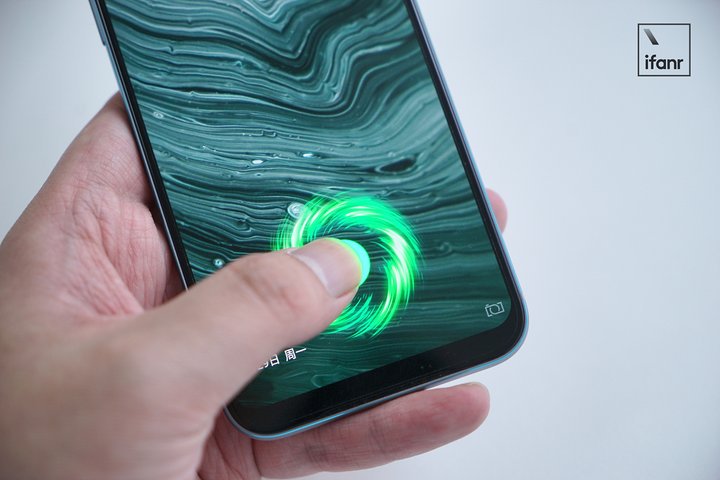
Aside from that, the Black Shark 2 Pro adopts the same screen fingerprint technology, which delivers the same unlocking speed as Xiaomi.
Snapdragon 855 Plus is powerful, but the core is a completely unique gameplay experience
On the performance front, the phone uses the 855 Plus model, which was originally found on the ROG Phone 2. Apparently, those making gaming smartphones are paying a lot of attention to the performance in this area.
Compared with the regular version of the Snapdragon 855, Qualcomm has made two major improvements in the Snapdragon 855 Plus:
Core frequency upgraded from 2.84GHz to 2.96GHz
The graphics core Adreno 640 is optimized for gaming and entertainment functions, with a 15% improvement in the performance.
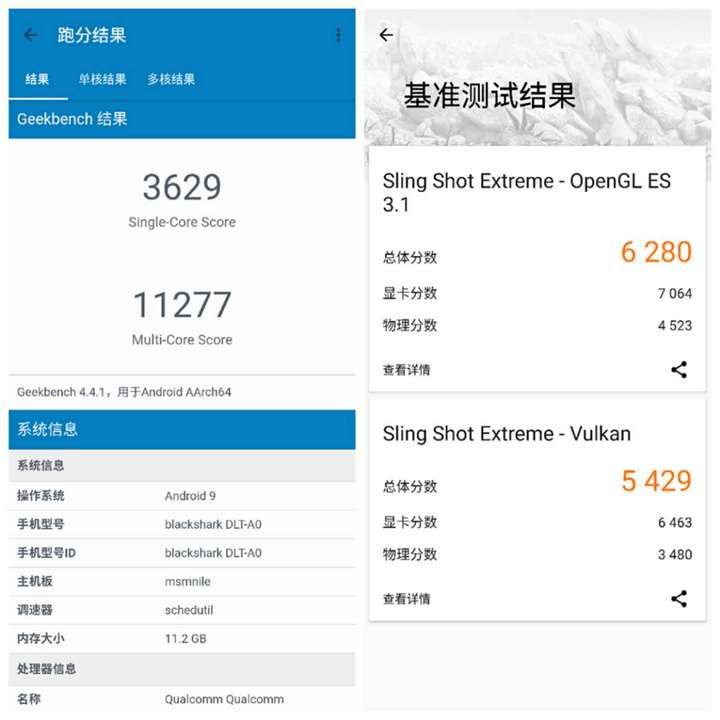
As far as the running scores are concerned, the GeekBench 4.4.1 version scored 3,629 single cores and multi-core scores of 11277. It has comprehensively improved compared to Snapdragon 855, and 3D Mark’s scores are quite good.
The graphics processing unit has undergone a radical overhaul in terms of frequency, improving from 585MHz to 672MHz. This increase is even larget than the CPU. It is worth mentioning here that the GPU frequency of the Snapdragon 855 was forcibly increased to 810 MHz via the back door when the Shark Phone 2 was used officially. But this was higher than the Snapdragon 855 Plus.
Note that there’s still no frequency for this SD 855 Plus. A Black Shark official explained that Qualcomm has refrained from doing so to allow all Snapdragon 855 Plus to operate at the official standard frequency, but run from several times. It is also worth noting that GPU performance has improved as well.
The Black Shark featured 12GB of large memory this time. It is used to come it, there is a lot of memory anyway.” Equipped with UFS 3.0 storage, it obviously loads large games faster.
Overall, there’s hardly anything to worry about when it comes to the performance of the phone, given that the basic frequency isn’t too big, and the performance isn’t likely to change dramatically.
The burning question here is how can manufacturers offer a relatively different experience with their game phones, and this is a matter of concern for Black Shark as well. The ROG Phone 2, on the other hand, offers an unparalleled experience, thanks to “Van” and Tencent launching 120fps “QQ Speed.”
Black Shark 2 Pro – The high frame rate for the Black Shark 2 Pro is here to stay. The manufacturers opted to work on the handling part. In the wake of the original Black Shark phone receiving criticism for touch-related problems, the company managed to slowly convert the touch performance and operation into the best part of the phone.
According to official data, The touch delay of the Black Shark 2 Pro is further minimized, breaking through the 40ms mark. Note that the average delay has been reduced to 34.7ms. If this is supposed to be a stable average, avid gamers will experience enhanced “gun-to-heart” in the FPS game.
As a regular gamer, I still experienced the delay of 200ms Bluetooth headset, without experiencing any difference with the 10ms of the previous model. If I tried the Peace Elite, for example, I wouldn’t be impressed. For professional players, these operational problems may prove to be a big disappointment.
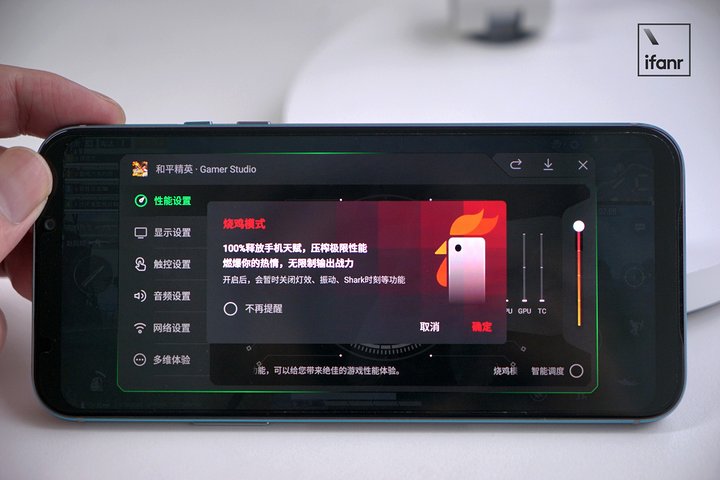
Coming to the heat-dissipating part, I noticed thermal sensation after turning the roast chicken mode on. Playing Peace Elite on a normal mode will neither offer the “Ultra HD” image quality, nor the “very high” frame rate. heat.
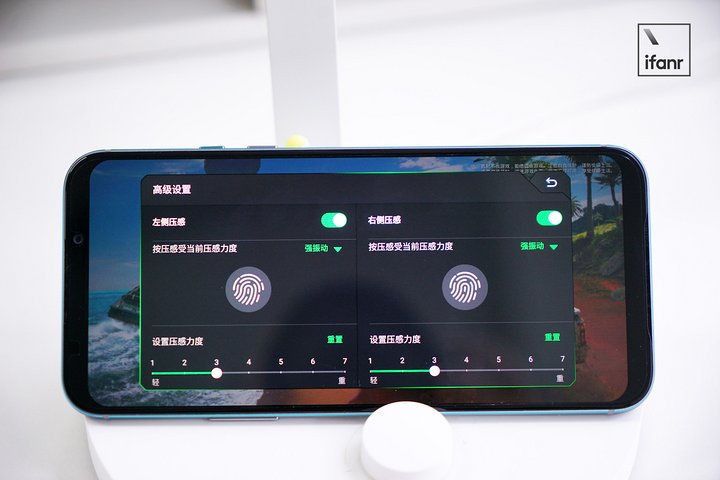
The unique pressure-sensing function of the Black Shark isn’t worth ignoring. With Apple dumping the 3D Touch, it looks like Black Shark is the only manufacturer that offers pressure-sensitive function. While the 3D Touch needs special adaptation, the Black Shark’s pressure is mapped and free to support more games. This feature is available on Black Shark 2, not Black Shark 2 Pro.
I personally felt that a user might need some time to use to the function. I attempted to reduce the reaction time and found that it is easier to misuse in an unusual scenario.
Black Shark also comes in handy in checking the usage of the function. According to the company, 70% of the users of the Black Shark 2 play “eat chicken,” and a whopping 90% of the players use the pressure. If this data is anything to go by, we can say it is quite impressive from the usage rate.
The camera sensor has been upgraded, but battery capacity remains the same
The Pro variant of the Black Shark 2 gaming phone houses a 48MP sensor, while its predecessor used the Samsung GM1, which has now been replaced with the Sony IMX 586. In theory, this is likely to be better. Let’s have a look in the samples below:
After having a look at the performance of the camera samples, it seems safe to say that the Black Shark 2 Pro, which is a game phone, has achieved the mainstream level in the camera performance, but it is slightly weaker in the multi-camera program.
So far, multiple mainstream mobile phones have resorted to some sort of deviations in the evolutionary route. The Black Shark 2 Pro, on the other hand still continues to draw its juices from a 4000mAh battery. Given that the screen size is still the same for the Black Shark 2 Pro, it makes a lot of sense to maintain the battery capacity as well.
The 4000mAh capacity isn’t too small for this size. It remains to be seen whether or not Black Shark will come up with a bigger screen size to accommodate a larger battery in the near future. Nevertheless, 6 hours of bright screen life from a 4000mAh battery seems quite reasonable to me.
The battery supports fast charging capacity of 27W. Despite having the same power as the Xiaomi 9, the compatibility of Black Shark phones with fast charging is relatively better than Xiaomi-branded handsets. The charging head of PD 3.0 is more adaptable.
Black sharks also need to consider the hardware and improve the headset
Professional users are still likely to find a huge room for improvement in the Black Shark 2 Pro especially with the absence of NFC function, inconvenience on the go, for example, the elimination of the 3.5mm headphone port. Using a wired headset is quite inconvenient.
Despite these drawbacks, I am quite pleased with the hardware of the Black Shark 2 Pro. While I can provide a logical explanation for a few missing technical indicators, I still have a few things to say about specific strategies including the accessories part.
The lighting effect is unique to gaming mobile phones, and so are the accessories. Regrettably, Black Shark isn’t paying enough attention to the accessories in the propaganda. The back clip fan or the biplane handle is no doubt simply remarkable, but I think, the initial criticisms and videos are merely a single machine, lacking a few engaging test plays.
The second problem is related to the software. Black Shark needs to focus on it immediately. A lot of old users have reported that the Bug official repair is too slow, and some of the bugs are submitted even to the sea. It is imperative for you to ensure you are not just watching the game on the Black Shark.
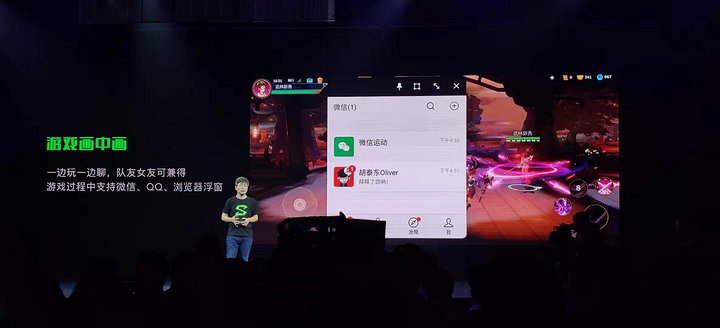
Thankfully, the picture-in-picture function that was revealed at the press conference indicated that Black Shark is leaving no stone unturned in a bid to improve this department.
Aside from that, the company also needs to figure out how it can continuously improve the ease of use of JOY UI. According to a lot of users, Black Shark should try to brush MIUI. This is due to the fact that the existing JOY UI is rhythm in function and bug fix- still very slow. In my opinion, the current MIUI is kind of bloated. For those planning to use it as a mobile phone, the ease of use can be a big problem.
Trying to do this well, the black shark is easy to go further.
This is an incremental update
Black Shark resorts to adopting a strong rhythm following a significant change as far as the product iteration rhythm is concerned. The relationship between the original Black Shark and the Black Shark Helo was identical, and the relationship between Black Shark 2 and Black Shark 2 Pro is the same as well.
Overall, the Black Shark 2 Pro does not offer a lot to cheer about in the performance and specifications department. However, the improvement of product ID design, along with enhancement of its “X Core” with three “Lights of the Mirage” at the press conference is nothing short of impressive.
The color scheme is quite appealing as well. Taking this into consideration, the Black Shark 2 Pro shows a lot of improvement. The 12GB + 128GB model will set you back to 2999, which is quite reasonable. I feel Black Shark 2 Pro is getting better. Feel free to share your thoughts on the new phone in the comments section below!
We use cookies on our website to give you the most relevant experience by remembering your preferences and repeat visits. By clicking “Accept”, you consent to the use of ALL the cookies.
This website uses cookies to improve your experience while you navigate through the website. Out of these, the cookies that are categorized as necessary are stored on your browser as they are essential for the working of basic functionalities of the website. We also use third-party cookies that help us analyze and understand how you use this website. These cookies will be stored in your browser only with your consent. You also have the option to opt-out of these cookies. But opting out of some of these cookies may affect your browsing experience.
Necessary cookies are absolutely essential for the website to function properly. This category only includes cookies that ensures basic functionalities and security features of the website. These cookies do not store any personal information.
Any cookies that may not be particularly necessary for the website to function and is used specifically to collect user personal data via analytics, ads, other embedded contents are termed as non-necessary cookies. It is mandatory to procure user consent prior to running these cookies on your website.










 The languages it supports include Chinese, English, Japanese, Korean, French, Spanish, German, Russian, Thai, Indonesian, Italian, Portuguese,Vietnamese, Greek, Malay, Czech, Danish, Norwegian, Dutch, Swedish, Turkish, Arabic, Urals, Hebrew, Hindi,Croatian, Hungarian, Polish, Romanian, Slovak, Telmi, Bulgarian, Catalan, and Slovenian.