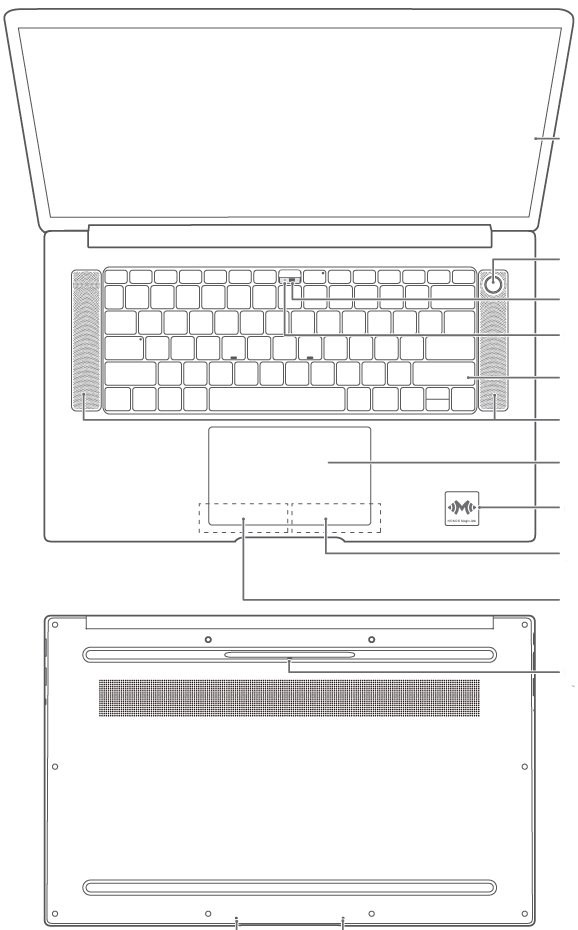
Huawei’s sub-brand Honor has announced that the company’s new laptop dubbed as Honor MagicBook Pro, is all set to get unveiled in China. The company has also released a teaser video hinting at some of its features.
The teaser video shared by Honor claims that the device will come with a full-screen design, high-end performance and lighter in weight. However, the company has not yet revealed any specifications of this upcoming laptop.
Last month, leaks and reports suggested that the MagicBook Pro will come with a 16.1-inch display and have multiple variants based on the processor and memory configuration. As per the reports, it will start with Intel Core i5-8265U processor with an optional Nvidia MX250 graphics card.
We expect the device to have 8GB of RAM and 512GB of storage. The device also features dual speakers on both the sides of the keyboard. There’s also a web camera hidden in the middle of the functions key, similar to what we’ve seen in the previous generation models. The power key on the device will also house the fingerprint sensor for added security.
While the teaser video has been released by the Chinese company, there’s no information about the official launch date, pricing, and availability details. However, since Honor has started teasing the device, the launch could take place pretty soon.
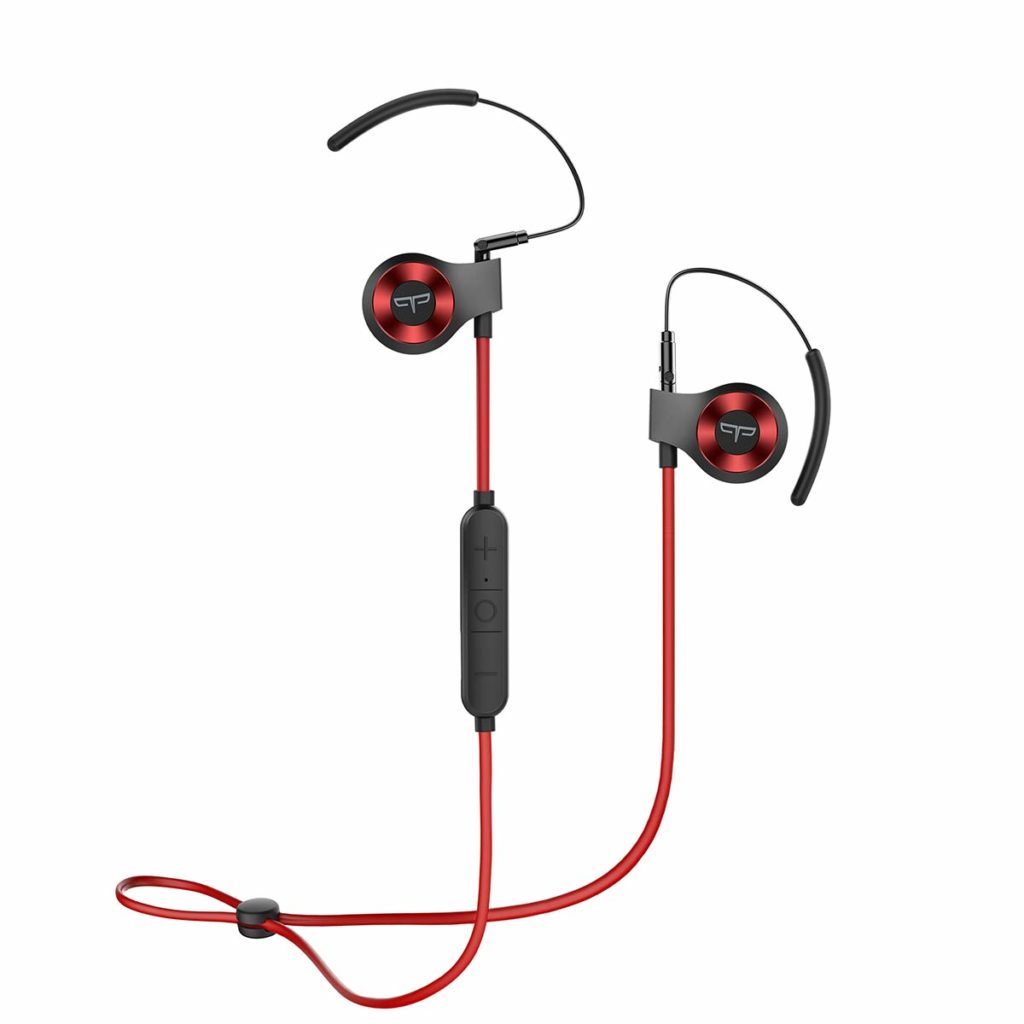
Gizmochina along with Origem is conducting 1 unit Origem HS-3 Bluetooth Headphones as giveaway gift to a lucky reader. Like always, you just have to follow the steps mentioned on the Gleam widget to get a chance to win this amazing gift.
If you want to win the free Origem HS-3 Bluetooth Headphones, the most important thing is to LikeOrigem Facebook page. If you have any idea about the Origem HS-3, please leave a comment.
Origem HS-3 Bluetooth Headphones is equipped with powerful 10mm graphene driver and high-end CSR8675 chipset with DSP audio algorithm, which can detect the sound pressure of the listening environment and volume to adjust different modes. As the latest smart microphone, the earbuds can recognize user’s commands immediately after speaking, like play/pause music, accept/reject call, previous/next song and activate phone voice assistant. The Origem HS-3 comes with neck hanging design with rotatable earhooks made from nickel-titanium alloy. What’s more, the earbuds supports quick charge and IPX5 water-resistant.
You can get the Origem HS-3 Bluetooth Headphones on the links below, and all of them have their own 25% OFF coupon code.
Share this giveaway contest on Facebook, Twitter and Reddit.
Terms & Conditions:
1. The giveaway is an international giveaway. 2. We are not responsible for lost shipments. 3. We are not responsible for any duties, import taxes that you may incur. 4. We reserve all rights to make any changes to this giveaway. 5. The prize will be shipped in a month when the giveaway end.
Just follow the steps mentioned in the Gleam widget to participate in the giveaway.
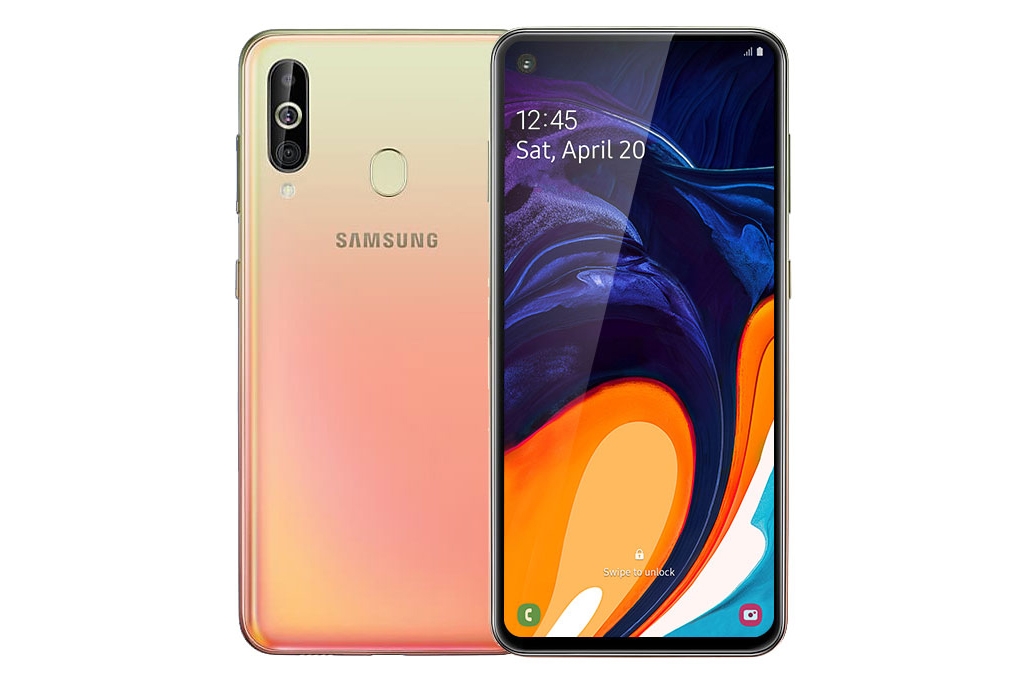
Samsung recently launched the Galaxy M40 smartphone in the Indian market and now the company has introduced a new color variant of the same — Cocktail Orange. This new color option comes with gradient design on the glossy rear panel that extends all the way to the rim running around the edges.
The Cocktail Orange variant of the Galaxy M40 has been launched as an Amazon Specials product as a part of the Prime Day sale. It’s noteworthy that the Galaxy M40 Cocktail Orange is currently limited to the Prime members only but soon be made available for purchase to everyone.
Earlier, the smartphone, which was launched last month, was available in two color options — Midnight Blue and Seawater Blue. With the launch of this Cocktail Orange color, it now comes in three color choices for the buyers. The Samsung Galaxy M40 (Details) is priced at Rs. 19,990 which roughly converts to $286.
The smartphone features a 6.3-inch Full-HD+ Infinity-O Display with 2340 x 1080 pixels screen resolution, a contrast ratio of 1200:1, Corning Gorilla Glass 3 protection, and 480 nits of brightness. The device has ditched the speaker and comes with Screen Sound Technology that pumps out sounds by vibrating the screen.
Under the hood, the handset is powered by the Qualcomm Snapdragon 675 octa-core processor, paired with Adreno 612 GPU and 6 GB of RAM. As said, this is the first Galaxy M-series smartphone to come powered by the Qualcomm chipset instead of the company’s own Exynos SoC.
It packs 6GB RAM and 128GB of internal storage and also has a microSD card slot that supports memory expansion of up to 512GB. On the backside, there’s a fingerprint sensor for added security.
For taking selfies and video calling, the smartphone has a 16-megapixel sensor at the front. The phone features a triple rear camera setup that comprises a 32-megapixel primary sensor with an AI scene optimizer and f/1.7 lens, a 5-megapixel secondary depth sensor, and an 8-megapixel tertiary sensor with an ultra-wide-angle lens.
Connectivity options on the device include 4G VoLTE, Wi-Fi, Bluetooth, GPS/ A-GPS, and a USB Type-C port. The handset is running Android 9 Pie-based Samsung One UI out-of-the-box and is powered by a 3,500mAh battery with support for fast charging.
Yesterday, we reported that the Redmi Note 7 series will be getting a new color variant and the teaser image hinted at it being white. Today, the official Redmi Weibo account shared a poster of the new color variant but is keeping a tight-lip on details.
The new color variant still has no official name yet as the caption for the image asks fans to guess the name of the new color. One correct answer will be chosen and the winner will get a Redmi Suitcase.
The new color variant is a shade of white and it actually looks pretty nice, though live photos may appear a bit different. The Redmi Note 7 is covered with Gorilla Glass 5 on both sides and is pretty strong, so if you wish, you may decide not to use a case or pick up a clear TPU case that doesn’t cover up the paint job.
There are no details yet regarding when the new color variant will be available for purchase, but we expect more info will surface soon.
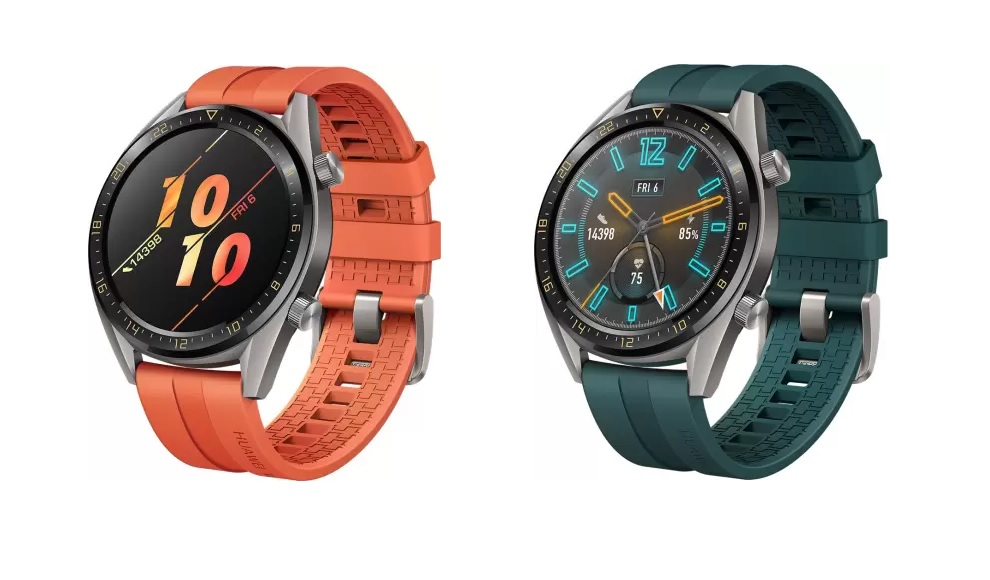
The Watch GT Active was originally announced alongside the Huawei P30 series as a “sibling” to the Watch GT Classic Edition that launched with the Mate 20 series last year.
The smartwatch has a 1.39-inch 454 x 454 AMOLED screen enclosed in a 46mm case. It has a “double chipset architecture” and runs Huawei’s Lite OS. There is Huawei’s TruSeen 3.0 heart rate monitoring for real-time measurement, a triathlon mode, TruSleep 2.0 for intelligent sleep monitoring, and support for GPS, GLONASS, and GALILEO.
The major selling point of the Huawei Watch GT Active is its promised 14-day battery life thanks to its low power consumption system. There are a bunch of other features too including a scientific coach for real-time training while running.
The Watch GT Active works with Android and iOS devices and is priced at INR 15,990, much cheaper than the Samsung Galaxy Watch Active priced at INR 19,990. It comes in green and orange color variants will be sold exclusively by Flipkart where it is already available for purchase.
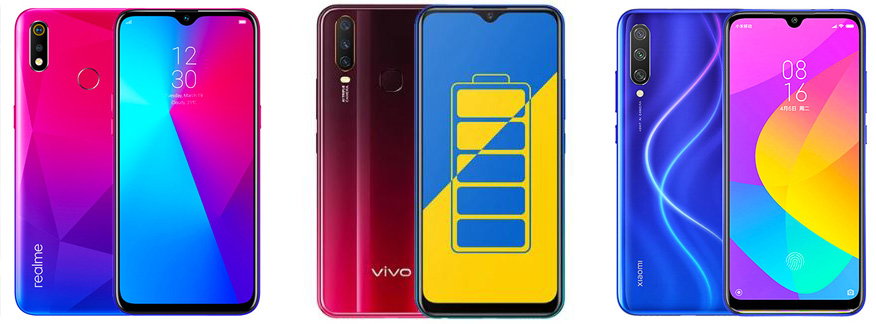
Every time Oppo launches a new device from its sub-brand it is always a great event because of the incredibly high value for money of Realme phones. Today, the new Realme 3i debuted in India with midrange specifications offered at an entry-level-class price. This handset is definitely a best-buy, but it is not the only one. Vivo recently launched the Y15 focused on the battery life, while Xiaomi launched the new CC series focused on design and cameras, whose most affordable model is the Xiaomi Mi CC9e which still comes with a premium design. We made this specs comparison in order to clear all your ideas about these devices and let you understand which affordable handset is worth going for in mid-2019.
Oppo Realme 3i vs Xiaomi Mi CC9e vs Vivo Y15
Xiaomi Mi CC9e
Oppo Realme 3i
Vivo Y15
DIMENSIONS AND WEIGHT
153.5 x 71.9 x 8.5 mm, 173.8 grams
156.1 x 75.6 x 8.3 mm, 175 grams
159.4 x 76.8 x 8.9 mm, 190.5 grams
DISPLAY
6.01 inches, 720 x 1560p (HD+), 286 ppi, Super AMOLED
Triple 48 + 8 + 2 MP f/1.8, f/2.2 and f/2.4
32 MP f/2.0 front camera
Dual 13 + 2 MP f/1.8
13 MP f/2.0 front camera
Triple 13 + 8 +2 MP f/2.2, f/2.2 and f/2.4
16 MP f/2.0 front camera
BATTERY
4030 mAh, fast charging 18W
4230 mAh, fast charging
5000 mAh
ADDITIONAL FEATURES
Hybrid Dual SIM slot
Dual SIM slot
Dual SIM slot
Design
As mentioned above, the new Mi CC series is mainly focused on the design and camera experience. Indeed, the Xiaomi Mi CC9e wins the design comparison thanks to its better look and even better materials. Just like premium phones, this handset has a stunning glass back as well as an aluminum frame. It even has strong protection for the display (Gorilla Glass 5). Both Realme 3i and Vivo Y15 come with a plastic design, so there is no chance they can compete with the Mi CC9e, despite it may look different from the renders showing these phones.
Display
In each case, you get a display with just a sufficient resolution: HD+ with 720p. But Xiaomi Mi CC9e is superior because it sports a Super AMOLED panel, so it can provide more brilliant colors and it even has an in-display fingerprint reader. However, it has the smallest display and you might not like it if you want the best phone for multimedia and productivity. In that case, Vivo Y15 might give you more satisfaction with its wide 6.35-inch panel. But do not expect much from an HD display in terms of definition.
Specs & Software
Despite it has a similar price tag to its rivals, the Xiaomi Mi CC9e is a lot better than Vivo Y15 and Realme 3i when it comes to hardware. It has a Snapdragon 665 chipset which can be considered an upper-midrange SoC, while both Vivo Y15 and Realme 3i are equipped with midrange chipset (lower-midrange when it comes to Vivo Y15). Further, at least in the most expensive configuration, Xiaomi Mi CC9e offers more RAM and up to 128 GB of internal storage. It lacks a micro SD dedicated slot, while on Vivo Y15 and Realme 3i you can use both micro SD and dual SIM slot at the same time. Android 9 Pie is pre-installed in each case.
Camera
Xiaomi Mi CC9e is again the winner of the comparison if we talk about camera departments. Both its rear and front cameras are superior. The Xiaomi Mi CC9e boasts a better 48 MP main sensor for the rear department, an ultrawide lens, and a depth sensor, as well as an awesome 32 MP selfie camera with advanced AI algorithms. Realme 3i and Vivo Y15 have sufficient 13 MP sensors and the former even lacks the ultrawide lens. Between these two handsets, I prefer the Vivo Y15 due to its ultrawide sensor and a better front camera.
Battery
Vivo Y15 is the clear winner of the battery life comparison because it is equipped with a 5000 mAh battery. However, it lacks a fast charging technology so it will take a lot to fully charge it. Realme 3i and Xiaomi Mi CC9e will most likely have a similar battery life: even though the former has a bigger battery, the Mi CC9e has a smaller and more efficient display, so differences should be marginal.
Price
Realme 3i starts from just €117/$130, Vivo Y15 costs €180/$200 in its base version and Xiaomi Mi CC9e carries a €170/$190 price tag. Coming to the conclusions, Xiaomi Mi CC9e is undoubtedly a better deal due to its AMOLED display with UD fingerprint scanner, better hardware, amazing build quality, and higher-end cameras.
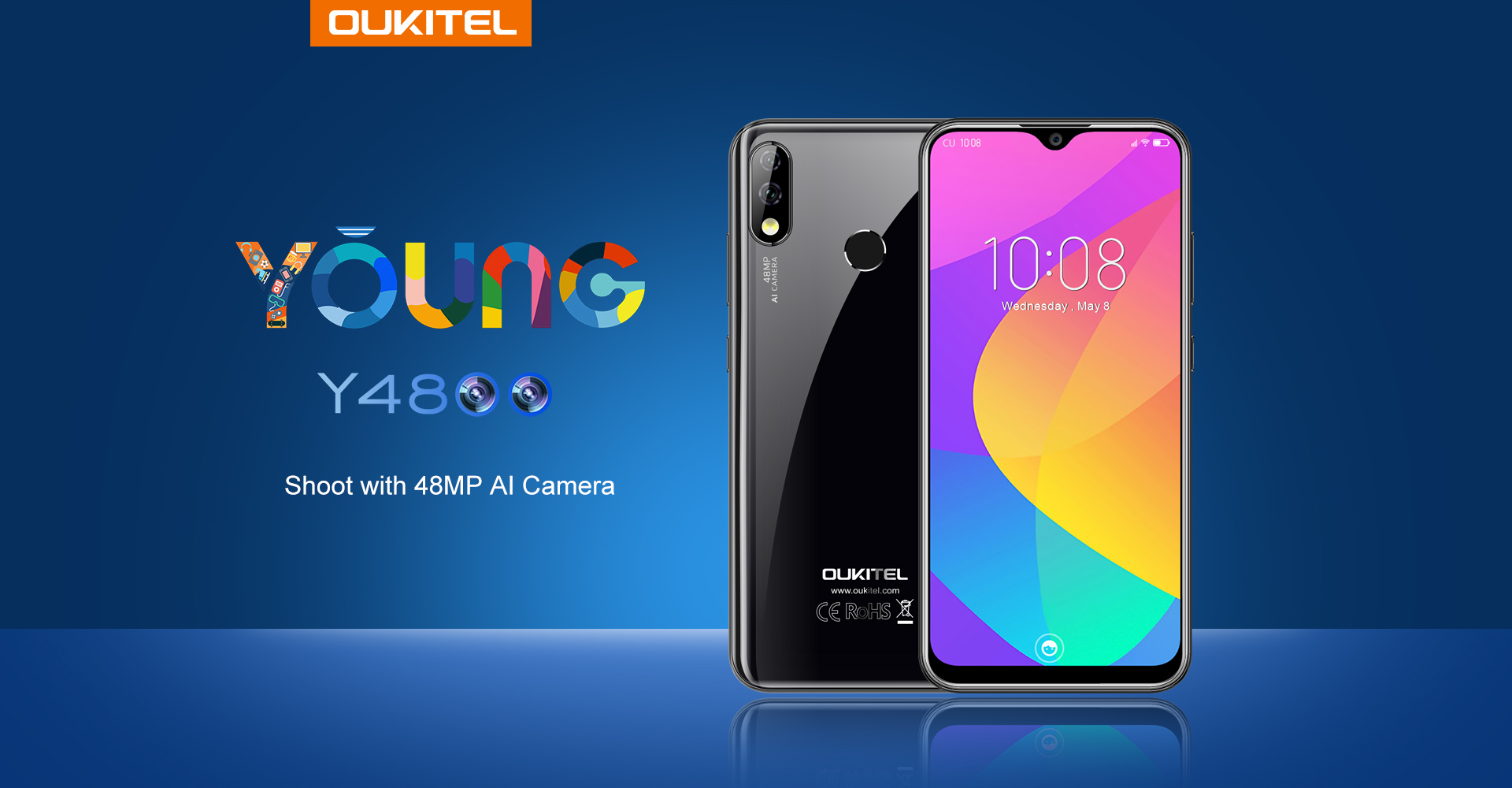
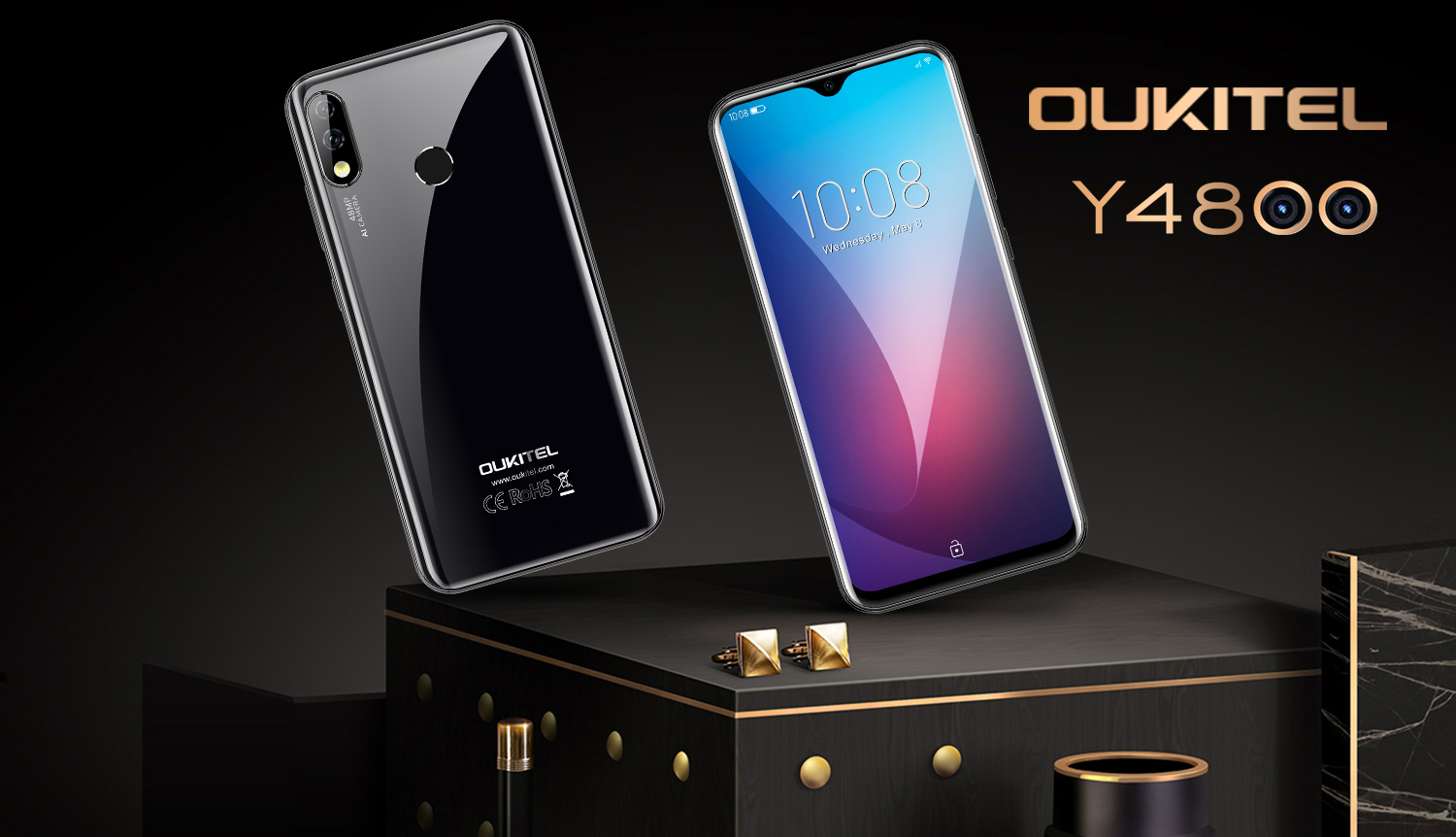
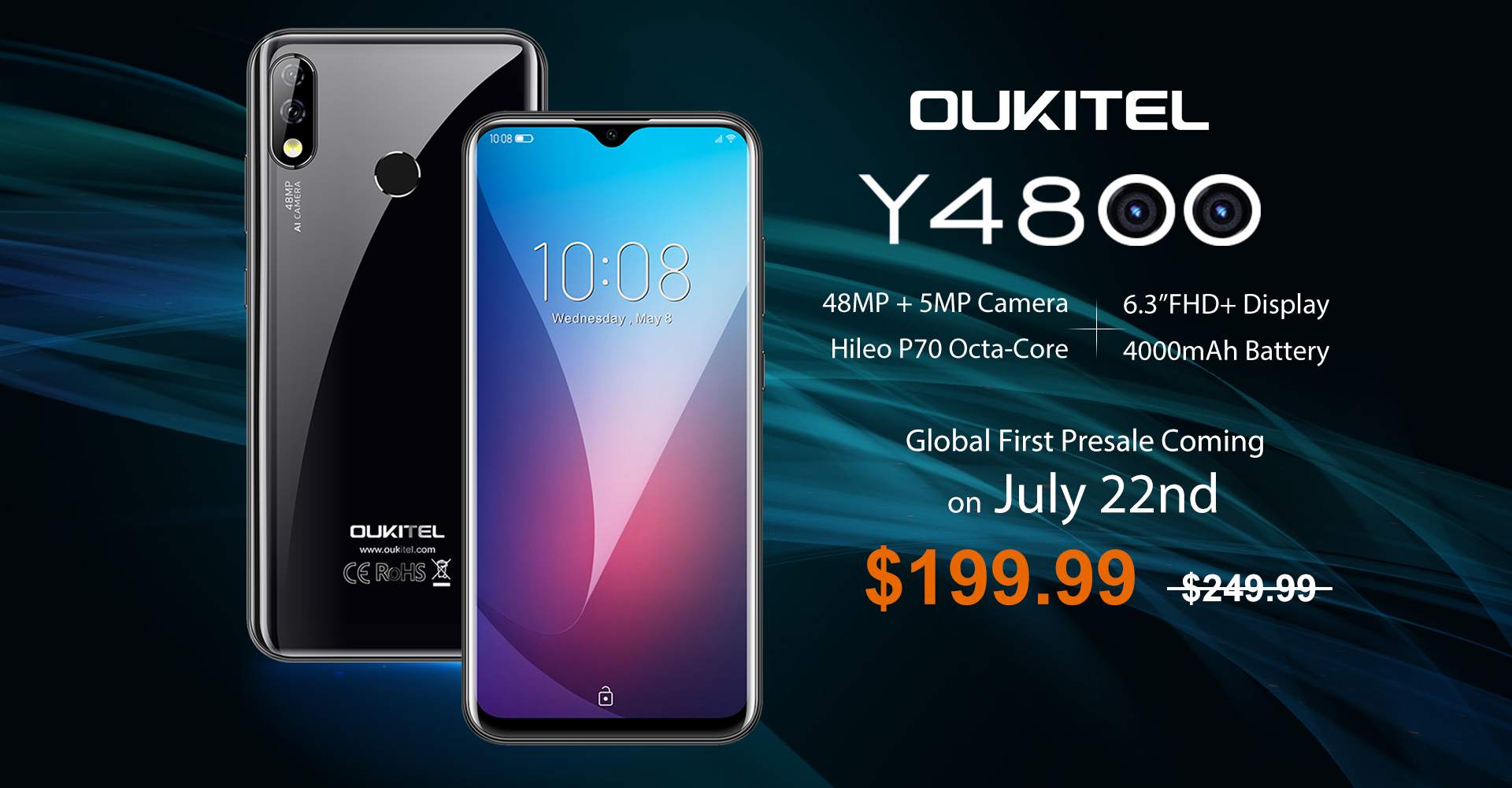
In today’s smartphone market, the lion’s share of all sales belongs to the mid-range category. This is due to the fact that hardware has become very cheap and manufacturers try to overcome competition by lowering their prices. So, most people are looking to buy something around $250 but what if you could get a real beast for less? Enter the Oukitel Y4800 that just hit the market and for $199.99 gives a 48MP camera, 6GB/128GB memory configuration, Helio P70 Octa-core SoC, 6.3″ FHD+ display, and a 4000mAh battery.
The MediaTek Helio P70 inside the Y4800 backed by 6GB of RAM offers plenty of power and smooth multitasking. No matter if you play a lot of games, browse the web, or multitask a lot, the Y4800 can handle all easily. In addition, the 128GB of internal storage allows for storing up to 31,000 photos or 13,000 songs.
Moving on to the display, the Oukitel Y4800 features a 6.3″ FHD+ screen that adopts LTPS and OCA full lamination technology while the panel can reproduce 16.7 million colors with 82% saturation and 90% transparency. What’s more, the screen/body ratio reaches up to 90%. In terms of battery life, there’s a 4000mAh battery which supports 9V/2A fast charging and is compatible with 4.5V/5A or 5V/4.5A super fast charging. It can be fully charged in less than 2 hours using the 9V/2A charger.
Of course, the killer feature is the 48MP camera. The dual-lens rear camera adopts the Samsung GM1 48MP sensor and a 5MP auxiliary sensor, with an effective focal length of 4.806+1.73 mm and f/1.8 + f/2.2 aperture, offering excellent shooting experience. Besides the hardware, the software offers several shooting modes like night mode, face beautification, slow motion, panorama, time-lapse, and 48MP photos for maximum details.
Oukitel Y4800’s global first presale will start on July 22nd and will end 7 days later. With the retail price being $249.99, a $50 off discount will be offered during the presale so you can get it at just $199.99. The presale will be held on Banggood. You can visit the promotion page for more details.
The Redmi Note 7 series comes in three color variants – Nebula Red, Neptune Blue, and Space Black. The official Weibo account has released a poster teasing a new color variant is coming soon.
Based on the image, the new color for the Redmi Note 7 series will be white, although it most likely won’t be plain white. We also expect it to have a fancy name like Pearl White, Marble White, or Polar White.
The TENAA listing for the Redmi Note 7 Pro does mention white among the colors the phone will be available in. However, the Weibo post says Redmi Note 7 series, so we expect both the Pro and non-Pro model will get this new color variant.
The Redmi Note 7 series launched in the first quarter of the year, so this new color variant is a way to refresh the series before a successor comes. Both phones have a similar design and pack the same 6.3-inch LCD FHD+ display and 4000mAh battery capacity. Both phones also support 18W fast charging, have a rear-mounted fingerprint scanner, a USB Type-C port, and an audio jack.
However, the Redmi Note 7 has a Snapdragon 660 processor while the Redmi Note 7 Pro has a Snapdragon 675 chipset. The Redmi Note 7 also has Samsung’s GM1 48MP camera sensor while the Pro has Sony’s IMX586 48MP camera sensor.
Xiaomi has sold 15 million units of the Redmi Note 7 series since launch and we expect that number will rise with the announcement of a new color variant. The new color should launch soon and may also be available in other countries in the future.
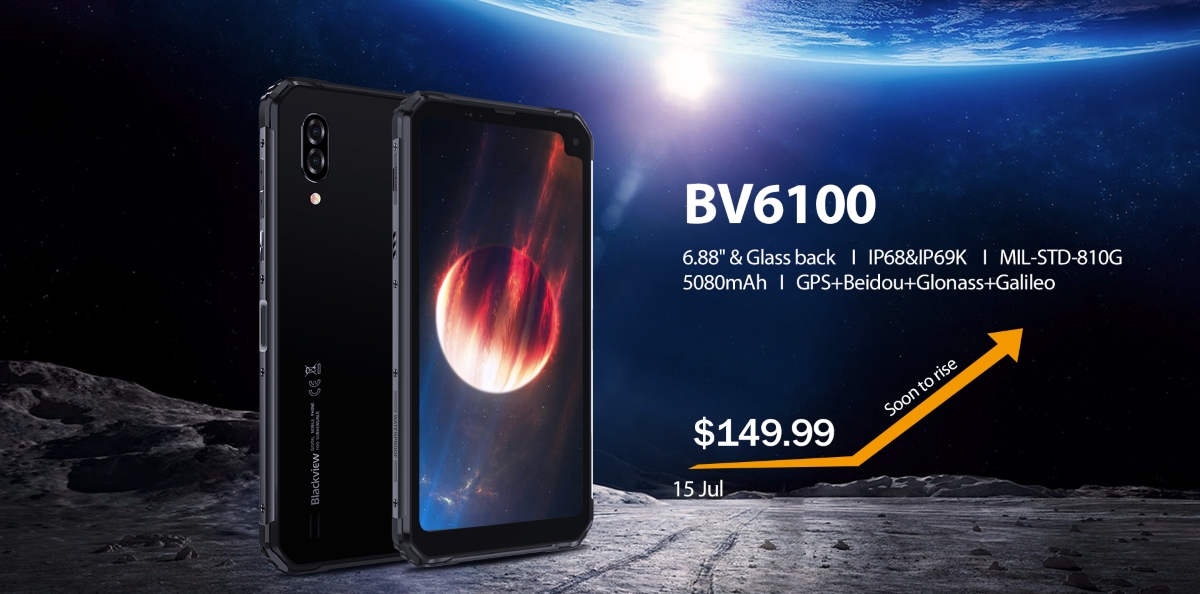
In the phone industry (and all other industries), obtaining a high-value product means spending much money while spending much money doesn’t guarantee that you’ll get a high-value product. Thankfully, there are companies that break this rule. This is the case with the Blackview BV6100, the world’s largest rugged outdoor phone that just went on sale today at just $149.99.
The BV6100 is a rugged phone from Blackview and therefore it carries all the goodies that the company’s phones feature. So, it comes with IP68/IP69K and MIL-STD-810G certifications that make it ideal for outdoor sports like surfing or rock climbing to industrial environments like construction sites.
Also, unlike traditional rugged phones, the BV6100 sports a stylish design making it suitable for formal occasions even. The front and rear have a glass design and the body manages to remain relatively slim at only 11.5mm. Its design makes it look almost like other mainstream smartphones in the market so you can use it even if you are an office worker. As a matter of fact, it even has a shortcut key for split screen function, useful for multitasking office workers.
Moving on to its display, the BV6100 transforms into a gaming phone as the enormous 6.88″ display lets you enjoy an immersive game experience. It is also ideal for media consuming such as videos and photos. And if you find yourself in an occasion where you want to share files with your friend, it is super-easy as it comes with NFC support and all you have to do is approach your friend’s device to start transmitting. No pairing is needed and since it uses a low-power chip, it runs on low amounts of power.
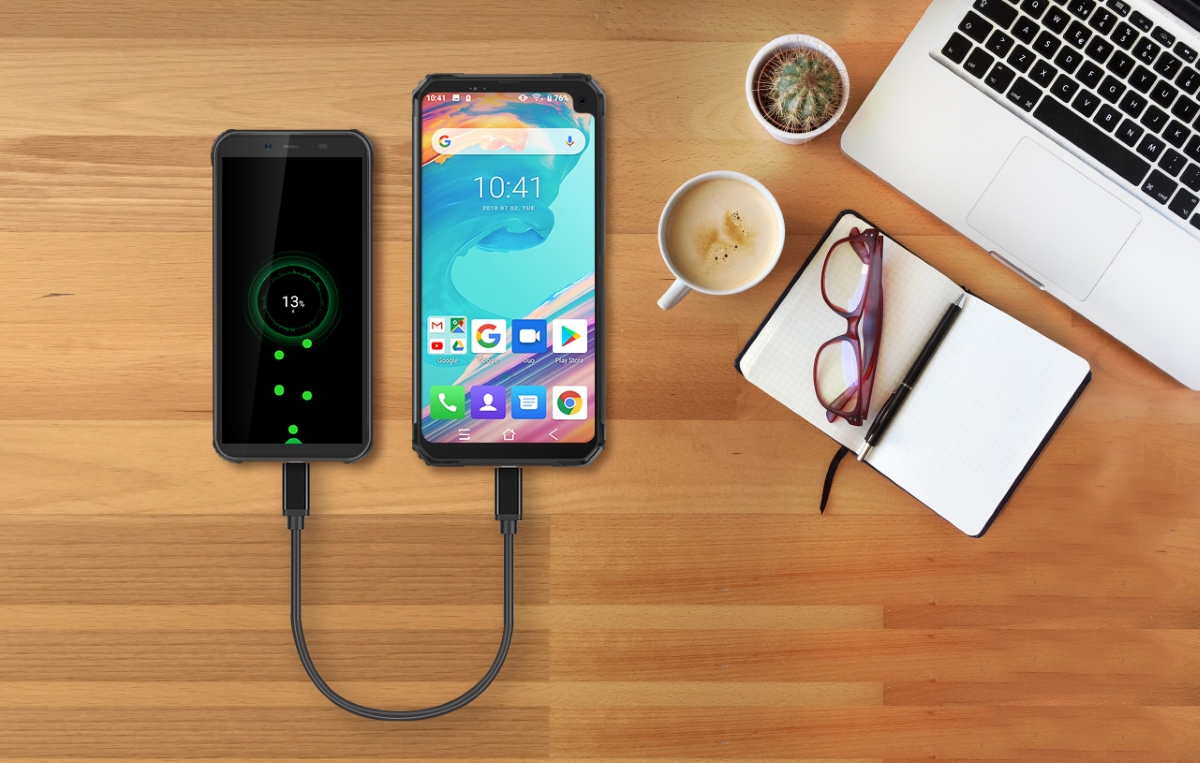
Other features include excellent positioning function as there is GPS, Glonass, Beidou, and Galileo support. What’s more, it could work even if you got lost and began to move towards the North Pole, as it remains functional from -30℃ to +60℃. And if you think that the battery might run out, there is the 5580mAh battery with up to 600h of standby time. You can even charge your friend’s phone using the reverse charging function. Just connect the two phones with an OTC cable and start charging.
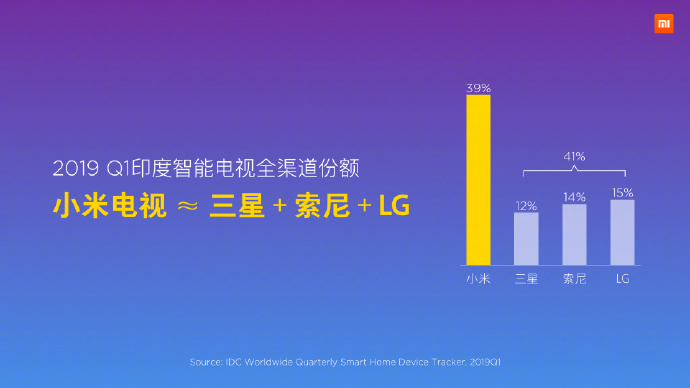
Xiaomi‘s foray into the Indian smart TV market began in 2018. However, the Chinese company has made tremendous progress. Recent data from research outfit IDC shows that Xiaomi’s smart TV controls a 39% share of the market in India. This data was amplified by Xiaomi TV’s official Weibo handle earlier today.
The chart shows the top 4 spots are occupied by Xiaomi in the first position followed by LG. The third and fourth spots are occupied by Sony and Samsung respectively. What is even more interesting is that Xiaomi’s market share is double what each of the other three OEMs achieved in India in Q1 2019. LG recorded a 15% market share while Sony recorded a 14% market share. Samsung had a 12% share of the market in Q1 2019.
Analysis of the data shows Xiaomi even sold almost the same number of units of smart TVs as the other three combined. We say so because if you add up the market share (in percentage) of the other three OEMs, it adds up to 41%, just 2% higher than Xiaomi’s market share.
Fora company that launched its first smart TV for India, the Mi LED TV 4 PRO 55” in February 2018, this is no mean feat. We can recall that on its first flash sales, the TV sold out in under 10 seconds even with its Rs. 39,999 (~$624) price tag. In subsequent months, Xiaomi launched cheaper models of its TVs – the Mi LED TV 4A 32” and the Mi LED TV 4A 43” which were priced at Rs. 13,999 (~$190) and Rs. 22,999 (~$313) respectively. The Chinese tech giant has also added the Mi LED TV 4C PRO 32” and Mi LED TV 4A PRO 49” to its inventory.
Xiaomi’s Mural TV
As a result of the premium quality and cheap pricing of Xiaomi’s TVs, by Q2 2018, the company had already emerged as the market leader in the smart TV category. Xiaomi’s TVs are not just cheaper than that of the competition in India, they are also customized for the market. Owners can connect their set-top boxes to the TV and view the content alongside online content instead of switching from one to the other. The bundled remote with the TV also works with the connected set-top box. The company also opened a new TV factory in India late last year in order to increase supply.
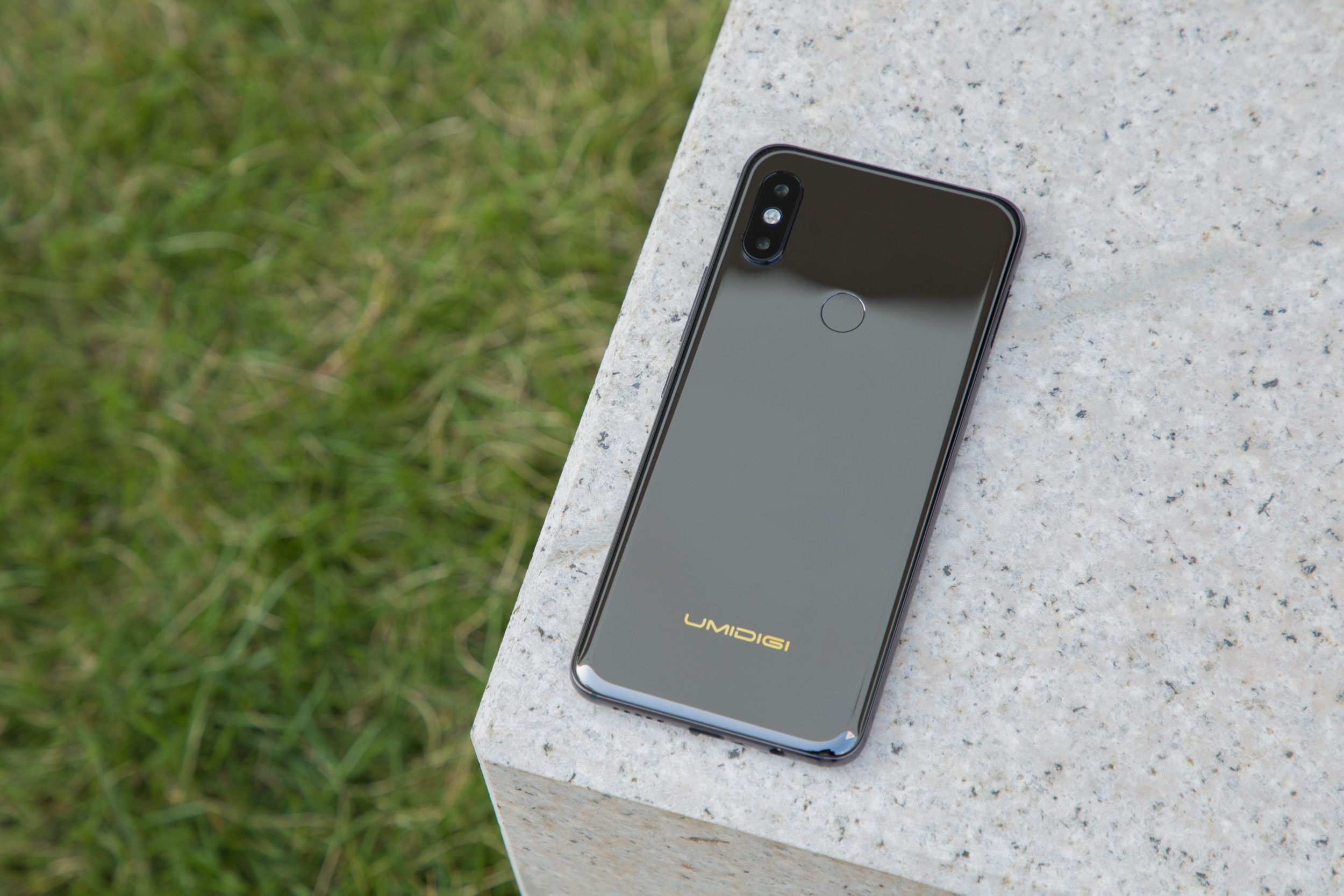
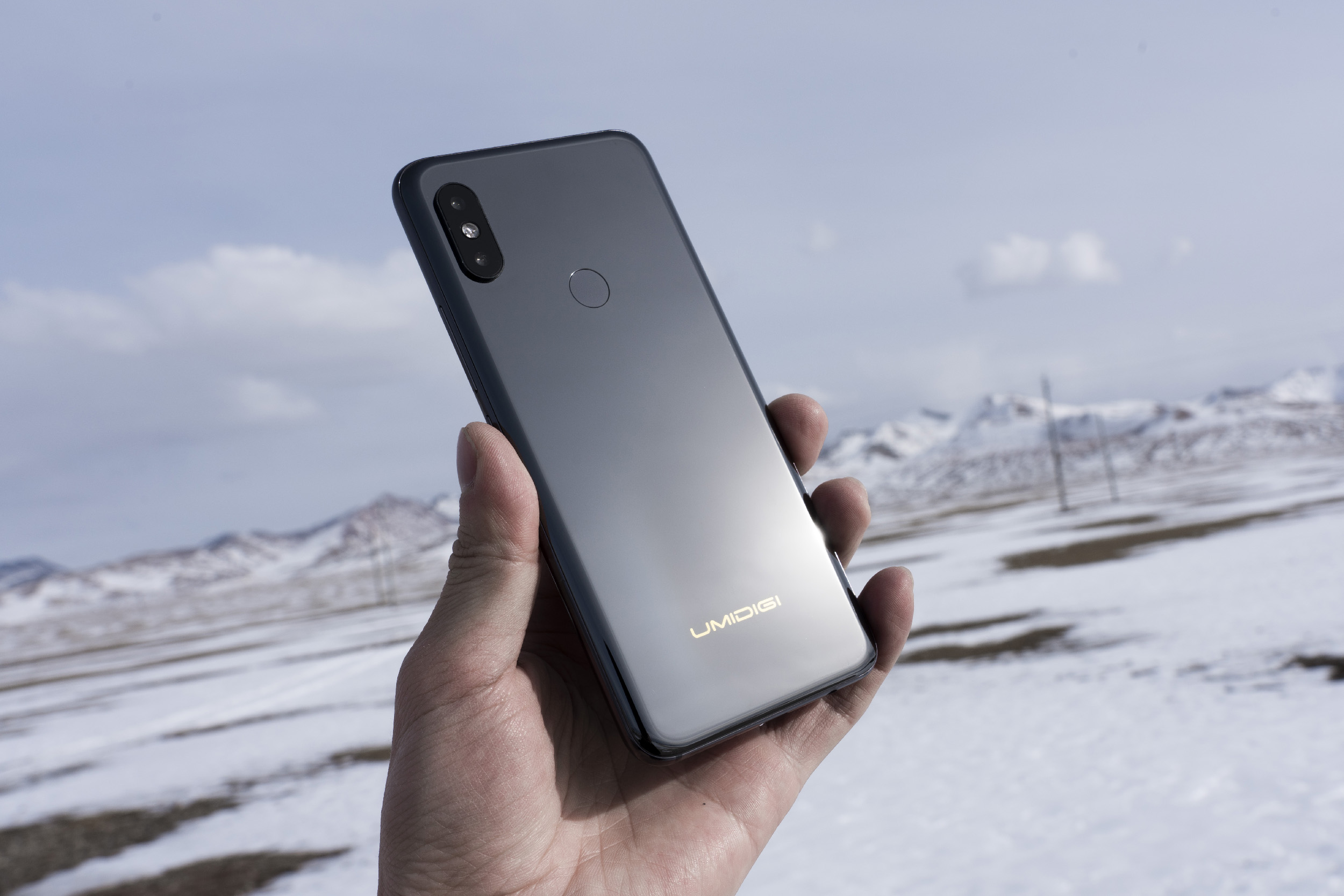
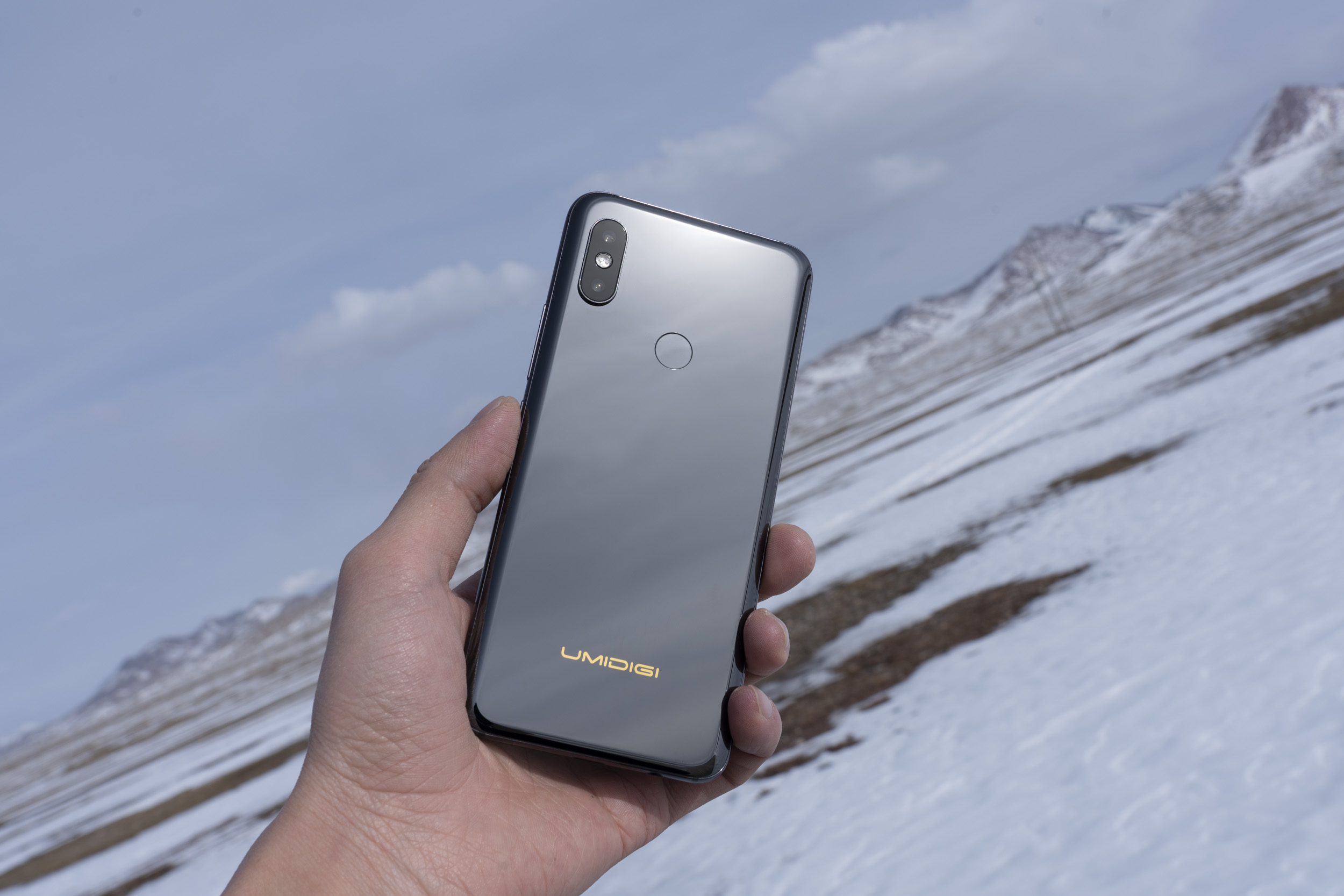
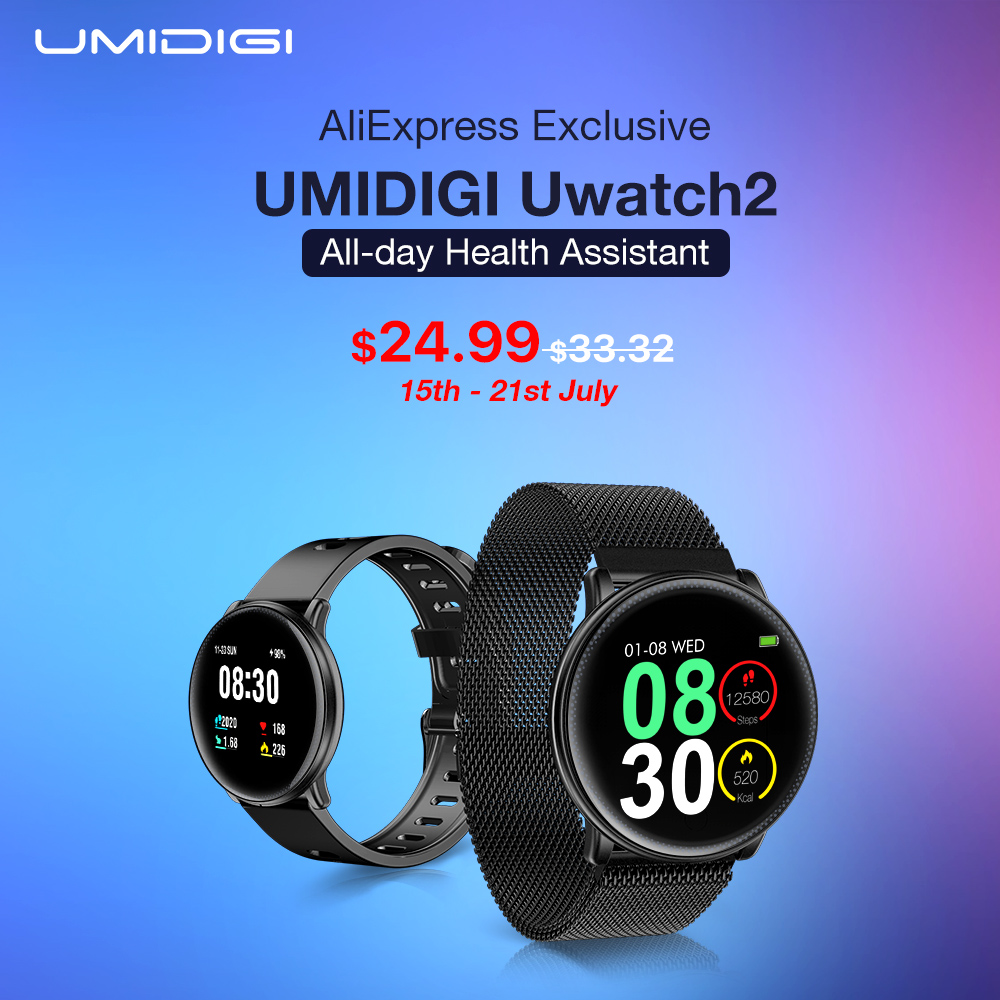
Partnering with Amazon, UMIDIGI is holding its Holiday Sale in conjunction with Amazon’s Prime Day. At the same time, the company took the opportunity to launch its new smartwatch Uwatch2 open sale at $24.99. The deals are available on the company’s stores on Amazon’s local websites in different countries and the biggest deal is the $60 discount that the S3 Pro gets so that you can get it for just $239.99.
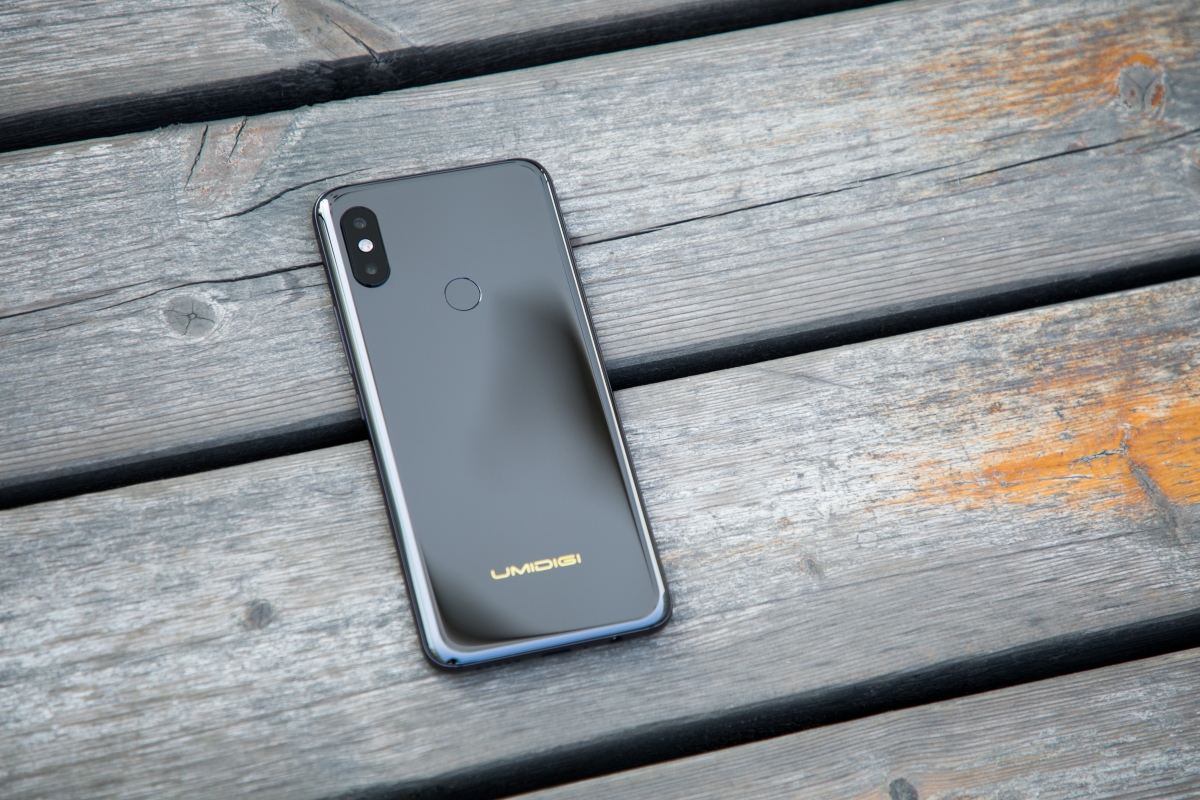
The UMIDIGI S3 Pro is the world’s first ceramic phone featuring the 48MP Sony IMX586 camera. Having already received several software updates, it now comes with some high-end flagship phone camera features like super night mode and AI scene detection. The $60 off discount makes it really competitive in the $250 range. Also, other UMIDIGI phones like the F1 Play and A3 Pro also get 20% off.
1 of 5
Besides Amazon, UMIDIGI decided to hold the sale promotion on its official store on Aliexpress from July 15th to 17th. There, you can find the A5 Pro with its ultra-wide angle triple camera just $95.37 while the UMIDIGI Power with 5150mAh battery and slim design will come at $129.99. What’s more, the first 300 orders of S3 Pro and first 200 orders of F1 Play will receive the company’s new smartwatch Uwatch2 for free!
As we said previously, the new smartwatch is now available to order at $24.99. It comes with an improved full touch color screen over its predecessor and new features like 24/7 heart rate monitoring and IP67 certification.
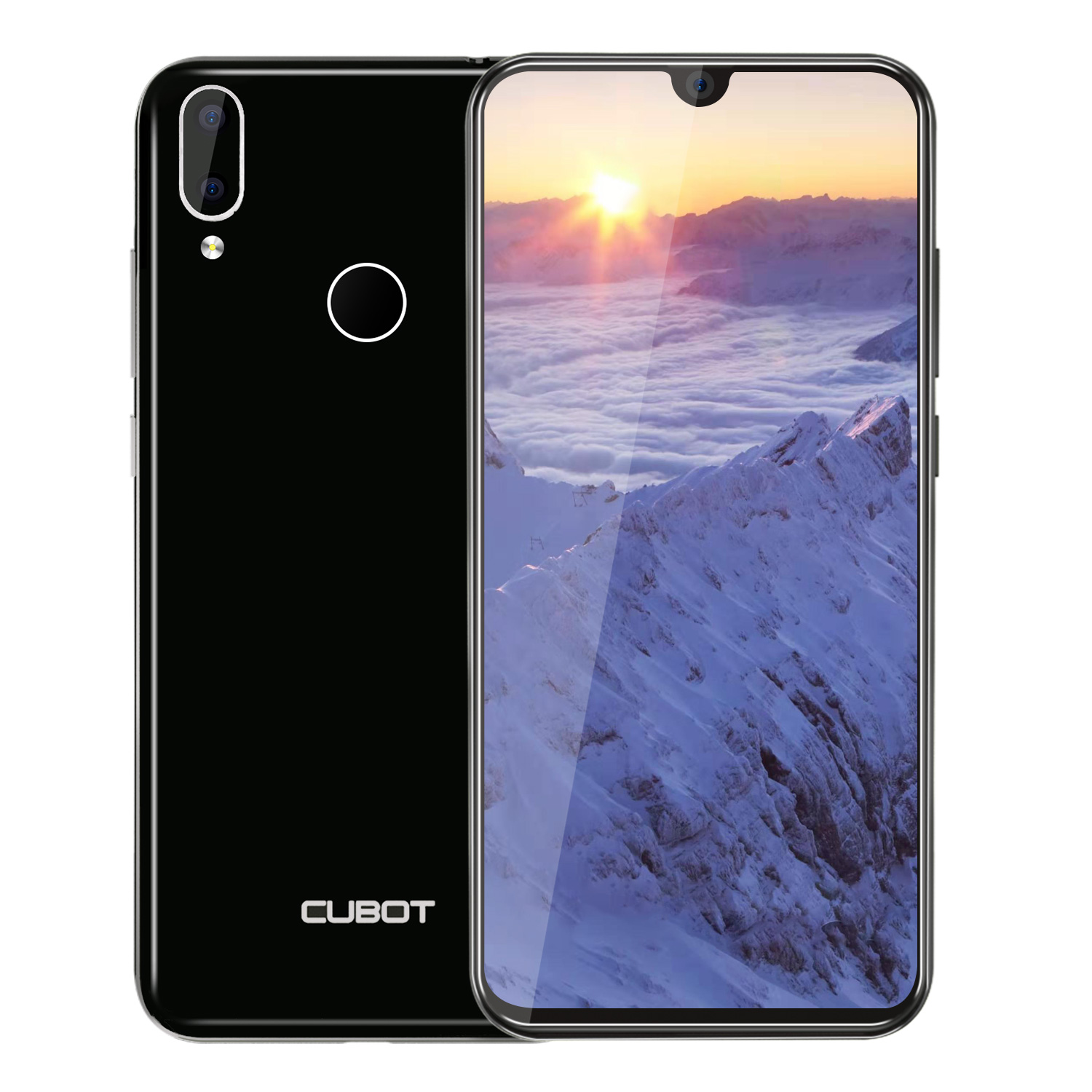
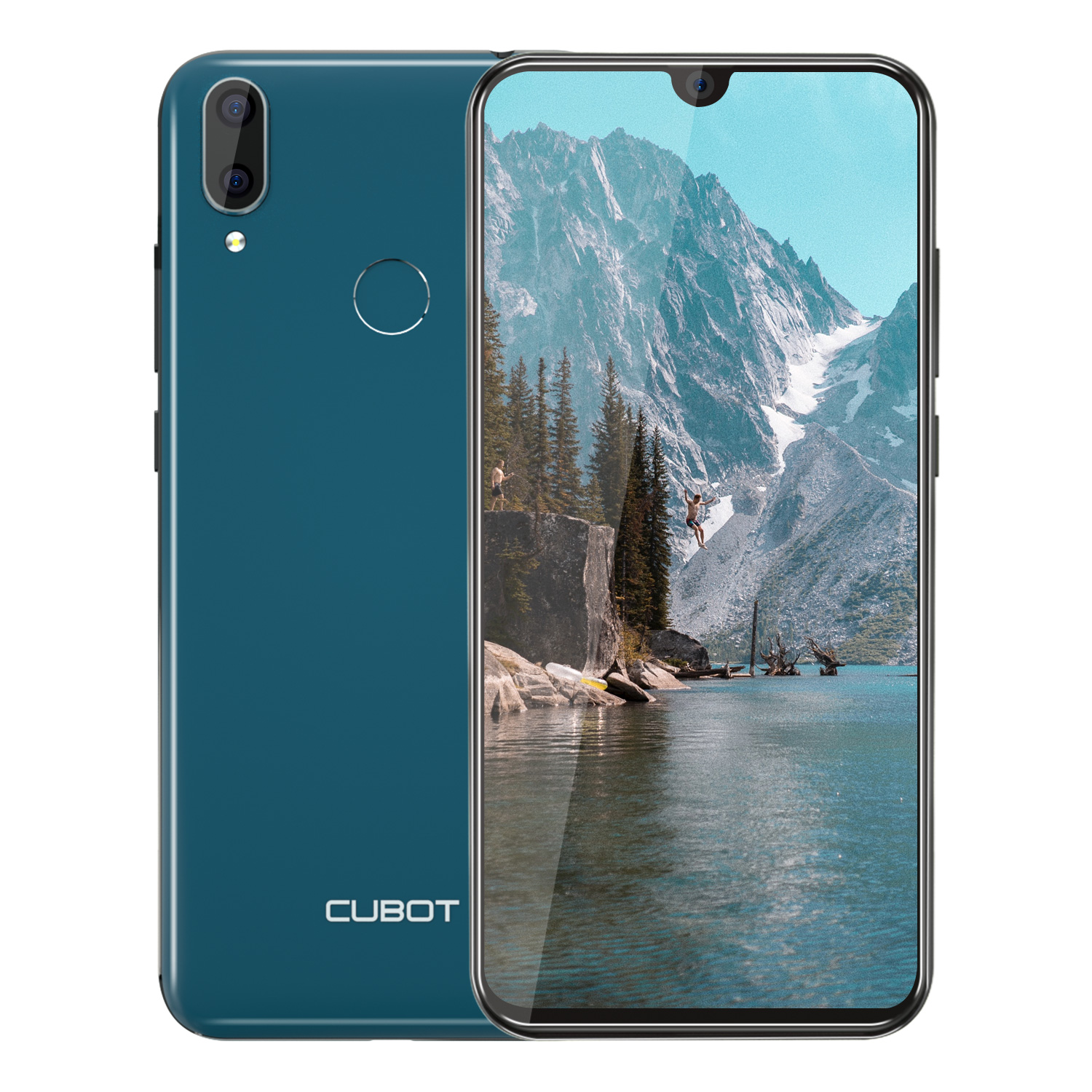
Staying loyal to its principals, Cubot continues to develop and manufacture smartphones that are both reliable and affordable. The newest member of their portfolio is going to be the Cubot R19 and -according to its specs and pricing policy of the company- it is going to be pretty affordable.
The device is already online at the company’s website and our information say that it will hit the market at the end of July. The R19 is rather compact with a 5.71″ HD+ display and is powered by the MT6761 quad-core SoC backed by 3GB of RAM and 32GB of storage. Inside the SoC, lies a PowerVR GE8300 GPU that judging by the display resolution, won’t have a problem with any game out there.
1 of 2
On the back, the phone hosts a dual camera with 13MP/2MP sensors as well as a fingerprint sensor. The front shooter is an 8MP sensor that also supports Face unlock. The device features a 2800mAh battery, Android 9 Pie preinstalled, and it will come in 3 colors: Green, Black, and Gradient. To learn all the details, visit the product page here.
It is not so often we get to hear reports of exploding Android smartphones. An iPhone going up in flame is even less common but that is the gist in town now. An iPhone 6 belonging to an 11-year-old California-based girl recently went up in flames and that could have happened in her hands if she wasn’t smart enough to throw the one away went she noticed sparks.
9-to5Mac recently reported the scary story of the girl name Kayla Ramos. She is reported to have hinted that she was holding her iPhone in her hand when she saw sparks and threw the device across the room. The burning iPhone 6 fell on a blanket and burned holes in the blanket.
“I was sitting down, and I had my phone in my hand and then I saw sparks flying everywhere and I just threw it on a blanket,” said Ramos. “I was right here on the bed and the phone managed to burn through this blanket and make these holes,” said Ramos.
We don’t have vivid details of the girl’s usage pattern but she claims she only uses the iPhone 6 to watch YouTube videos. She also sometimes lets her younger siblings play games with it. The family claims they use the right charging cable and have not taken the phone for aftermarket repairs.
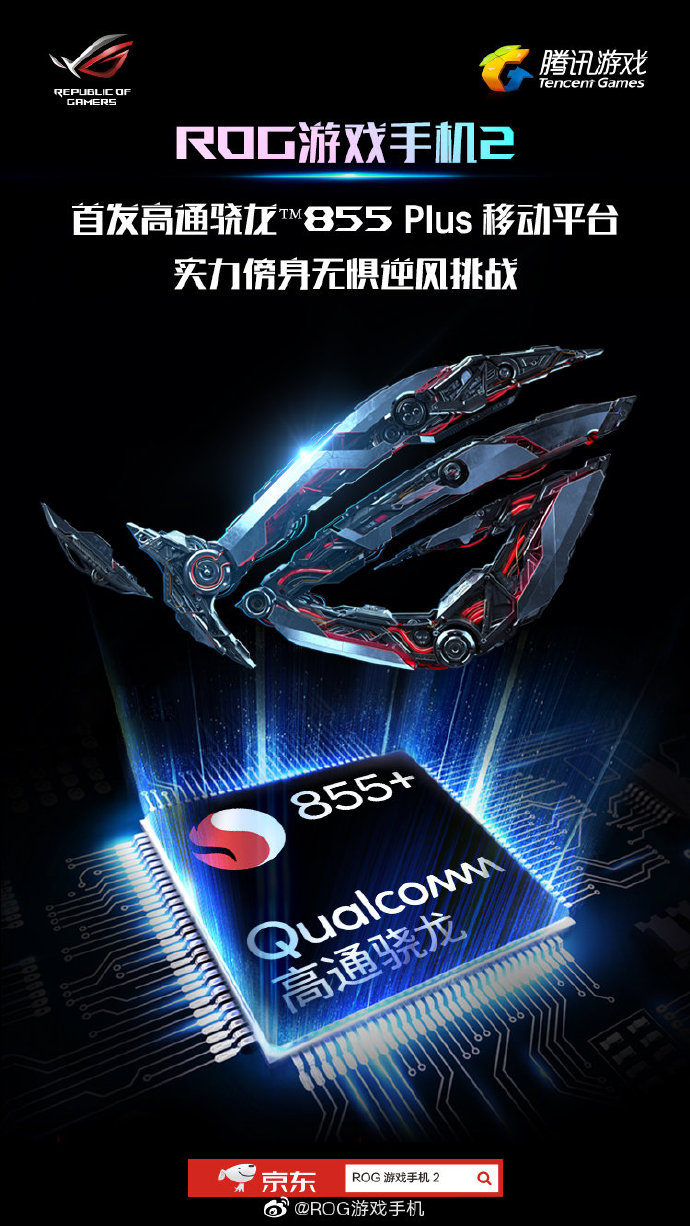
Earlier today, Qualcomm announced the Snapdragon 855 Plus processor. This is a more powerful version of the Snapdragon 855 with the same CPU cores and GPU but a higher clockspeed. Now, ASUS has revealed that its gaming smartphone, the ROG Phone 2 will be the world’s first Snapdragon 855 Plus device.
The ASUS ROG Phone was one of the most powerful smartphones of 2018, if not the most powerful. While other Snapdragon 845 phones had their processor clocked at 2.8GHz, the ROG Phone’s Snapdragon 845 processor was clocked at 2.96GHz. So it is not a big surprise that its successor is also gunning to be one of the most powerful phones released this year.
So far we know the ROG Phone 2 will have a display with a 120Hz refresh rate and also have games made by Tencent optimized to take advantage of the feature. The rest of the specs are still under wraps but we expect it to pack a large battery, have stereo speakers, and run Android 9 Pie out of the box. The phone will first launch in China on July 23.
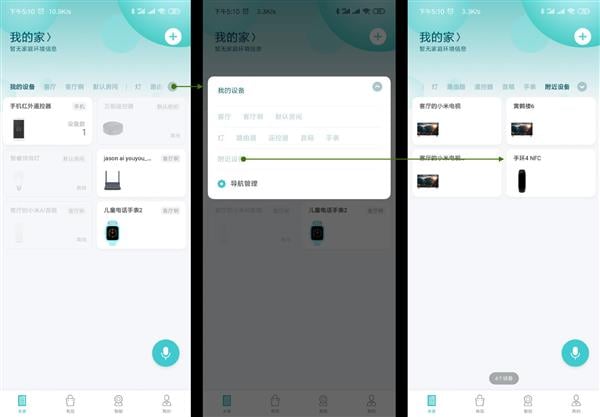
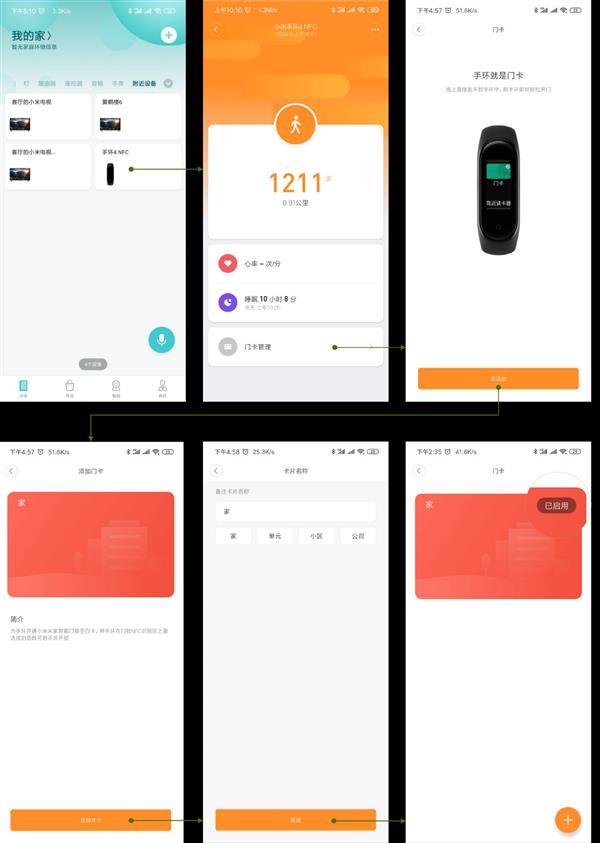
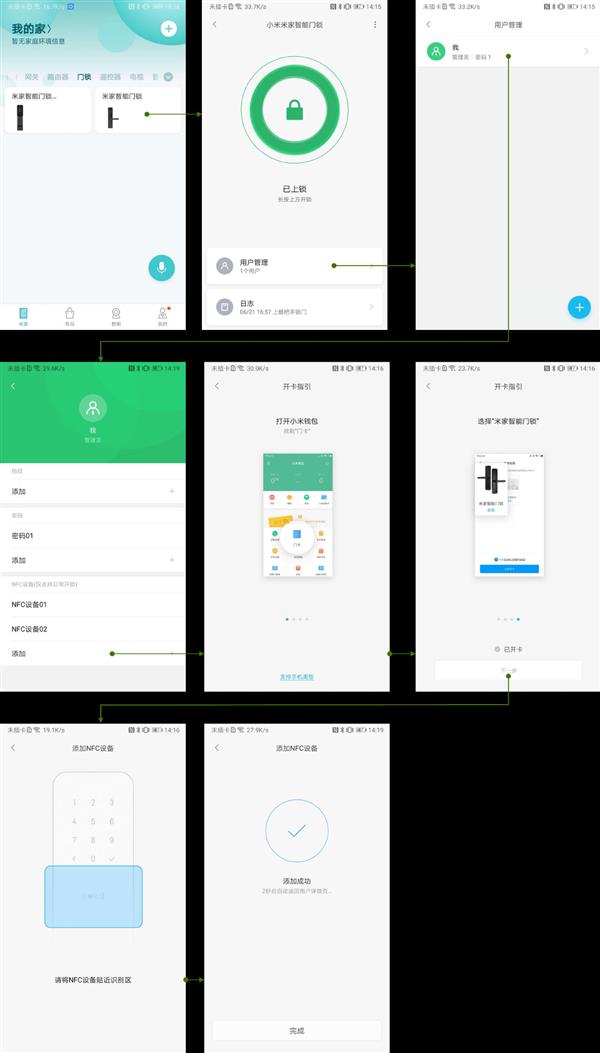
Xiaomi has announced a new feature for the Mi Band 4 NFC version. The NFC version can no unlock the MIJIA Smart Door Lock. As would be recalled, the MIJIA Smart Door lock was first released in February this year and comes with several smart unlock features that enable secure, key-less entry. One of the smart unlock features is the use of Near Field Communication (NFC). The Mi Band 4 NFC version has now received a new update that ushers in support for NFC unlock for the MIJIA Smart Door Lock.
Tho set up the feature, open the MIJIA app and locate the Band 4 under “Nearby devices” on the MIJIA app. Then click on the Band 4 icon and select “Door Card Management”. After pairing is complete, select “Open Card Now” and then wait for the “Card Name” setting page to pop up and complete. A door card in the “Enabled” state appears.The device can also be set up from the Mi Fit app.
Apart from NFC, the MIJIA door lock supports fingerprint, password, Bluetooth, key and other six unlocking methods. The smart door lock comes with more than ten innovative security features to prevent forceful entry or use of fake biometrics to gain entry.
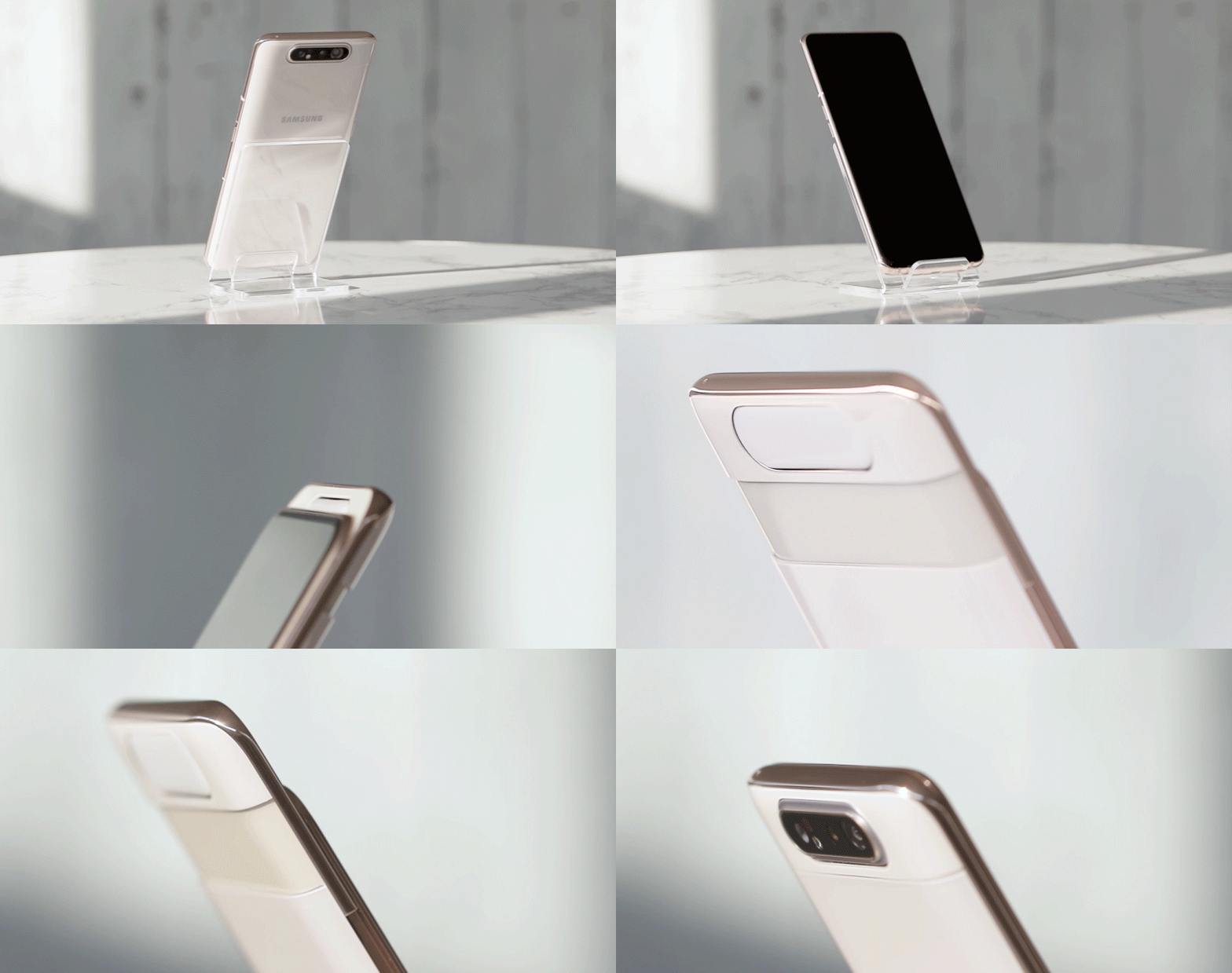
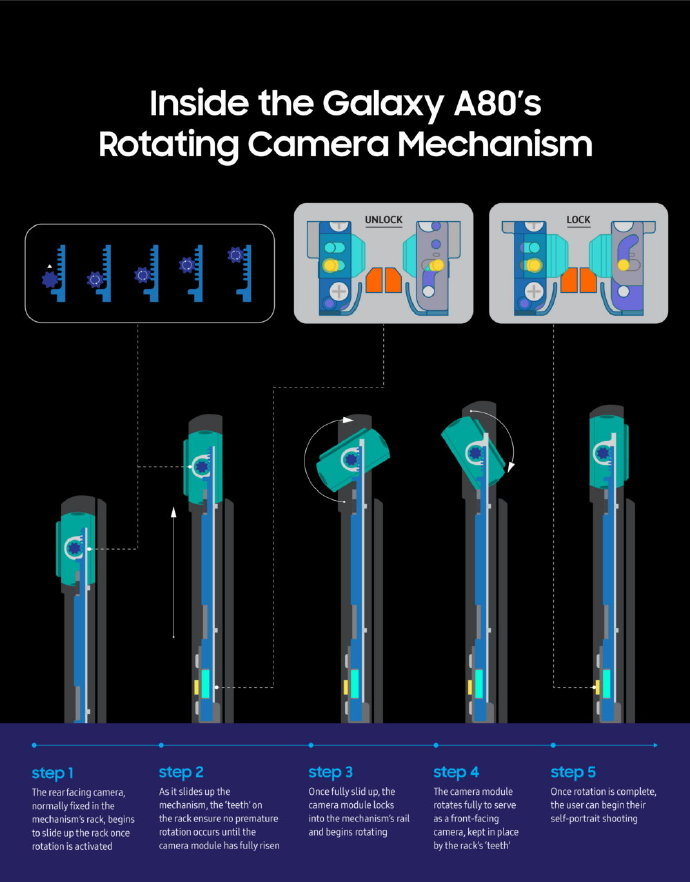
The Samsung Galaxy A80 was announced back in April but didn’t go on sale until much later. In some markets, it just became available for pre-order. The A80 is a unique phone as its triple rear cameras also double as the front-facing cameras thanks to an intricate sliding + rotating mechanism. An infographic has surfaced that explains just how the camera module works.
In its default mode, the Galaxy A80’s cameras are facing the rear and the module is fixed to a rack. When the camera is activated to be used as front-facing cameras, the module begins to slide up the rack. Samsung has used a toothed rack, so the rotating piece locks into place as the module moves up.
When the module gets to the intended point, the rack’s teeth releases and the camera module begins to rotate until it faces the user. When the rotation is complete, it locks back into place and is ready for use. The whole process is pretty fast
The Galaxy A80 has a bezel-less 6.7-inch FHD+ AMOLED display with an in-display fingerprint scanner. There is no traditional earpiece for calls as the phone uses the screen to pump out audio. It also doesn’t have an audio jack. There is a Snapdragon 855 processor under the hood of the phone paired with 8GB of RAM and 128GB of non-expandable storage
The triple cameras are a 48MP f/2.0 primary sensor, an 8MP f/2.2 ultra-wide angle camera, and a TOF 3D camera. There is a 3700mAh battery under the hood with support for 25W fast charging. It also runs One UI with Android Pie.
Xiaomi’s chip-making plans may have taken a backseat in the past couple of years, but the company is still determined to improve its position in the industry. In this regard, Xiaomi has taken a strategic stake of roughly 6% in the chip designer company, VeriSilicon Holdings Co Ltd. With this investment, Xiaomi is now the second-largest external shareholder of the company.
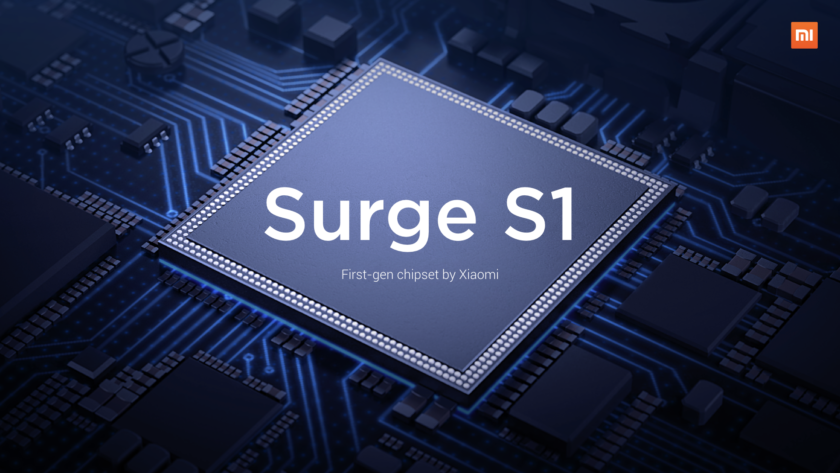
Xiaomi’s first chipset, Surge S1 was released in 2017
The investment was made by a fund run by Xiaomi in June and was revealed in a filing to the China Securities Regulatory Commission (CSRC) published online last Thursday. It’s worth noting that China Integrated Circuit Industry Investment Fund, a nation-level fund for the domestic semiconductor industry is its largest external shareholder.
VeriSilicon is based in Shanghai and has over 700 employees with 5 R&D centers in the US and in China and 10 sales offices worldwide. Founded in 2001, it is a Silicon Platform as a Service company which acts as a contractor to other semiconductor companies.
History has shown us that making chips is not an easy business and Xiaomi sure had its share of struggles. After establishing its semiconductor division back in 2014, it took three years for Xiaomi to release its independent processor called the Surge S1. After using it in just one model, we haven’t heard much about its chip making plans. Earlier this year, we received a short update from one of the Xiaomi executives that the second generation Surge S2 chip was still in development but was delayed due to unexpected issues. Later it was said that Xiaomi was focusing its semiconductor business for IoT devices. However, since then we haven’t heard much from this division.
Processors are the heart of any electronic device, including smartphones. And US based Qualcomm rules this market which puts many Chinese smartphone companies at risk. So it is no surprise that China is trying hard to strengthen its position in this industry to support its tech companies.
The Chinese semiconductor industry is growing pretty quickly. For example, China’s Huawei Hisilicon unit is doing well, with its flagship Kirin chipset capable enough to take on Qualcomm’s high-end Snapdragon models. Even Xiaomi backed Huami has developed its own Huangshan No.1 chip for wearables based on RISC-V architecture.
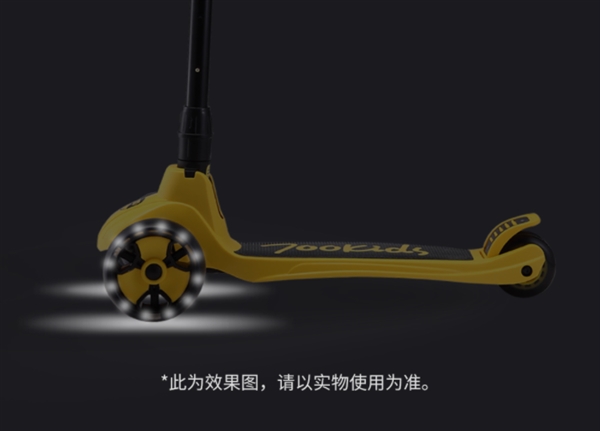
Xiaomi over the weekend launched a new product targeted at the kids. It is a portable children scooter which is very affordable at 249 yuan ($36).
The scooter comes with five-fold safety design and a three-speed adjustment. It also has a steering component at the centre of gravity. The scooter is said to adopt a widened track design in which there are two front wheels. The distance between the two wheels is up to 24cm, giving it more stability when sliding. This reduces the risk of falling. The wheels are 5cm wide with a strong grip. The width also ensures better stability.
The wheels are made from PU material and have a large-diameter and are thus easy to control. The material also gives the wheels a wear-resistant property and makes them suitable for a variety of roads. The polyurethane material also ensures the wheels slides silently through the floor with no damage to the floor and ensures the neighbours are not disturbed.
The children scooter frame of thick aluminum alloy pipe which can bear up to 50kg weight. It is strong and resistant to deformation. The footwell is up to 14cm wide, with a comfortable footrest. There is a rear brake which is effective. It is equipped with a pneumatic magnet wheel with light beads which do not require a battery. This ensures the scooter is visible if peradventure it is used at night.
The height is also adjustable between 75/82/89cm to adapt to the heights of the user. The scooter also comes with a folding design so that it can be transported easily.
In what can be termed a surprise, Qualcomm has announced a second flagship chipset for 2019. The Snapdragon 855 Plus/Snapdragon 855+ is a faster version of the Snapdragon 855 and is expected to power some of the devices that will launch in H2 2019. The last time something like this happened was in 2016 when Qualcomm announced the Snapdragon 821 which is a higher clocked version of the Snapdragon 820.
The Snapdragon 855 Plus has the same Kryo 485 CPU cores but is now clocked at 2.96GHz, up from the 2.84GHz clockspeed of the Snapdragon 855. The Adreno 640 GPU is also reported to have gained a 15% boost in speed.
Qualcomm says the upgrade in the GPU department makes the Snapdragon 855 Plus a great chipset for gaming. It should also make it quite useful for AR and VR devices.
The processor doesn’t have the new X55 modem. Even the X50 modem isn’t integrated, so manufacturers who want to use this for 5G phones will have to install the X50 modem separately.
The Snapdragon 855 Plus is expected to start showing up in devices later this year. While there is no mention of specific manufacturers, we have a few guesses of our own. The Pixel 4 and Pixel 4 XL are strong contenders, so also are the OnePlus 7T and OnePlus 7T Pro. We also see Xiaomi jumping on the train and putting this chipset inside the Mi MIX 4.
The launch of the Snapdragon 855 Plus is well timed as it will take on Samsung’s new Exynos 9825 which will power the Galaxy Note10 series and also Huawei’s Kirin 985 chipset which is expected to power the Mate 30 series.
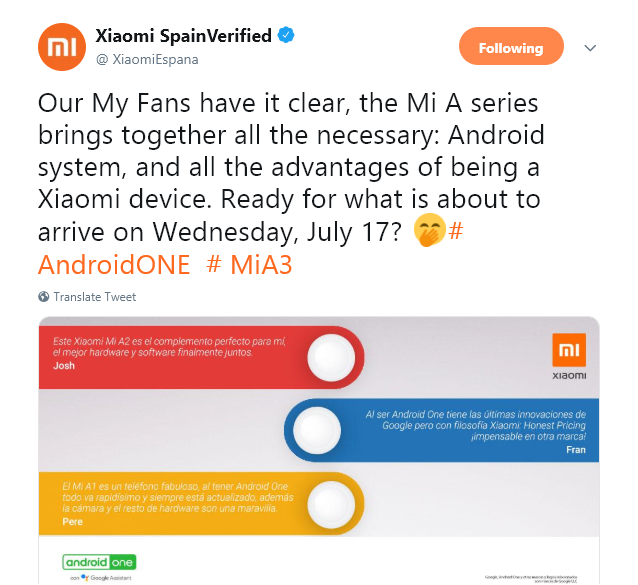
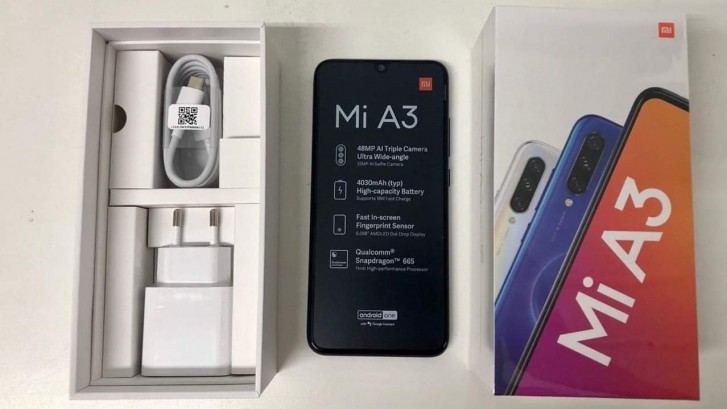
Xiaomi is surely hyping the launch of the Mi A3 in Europe going by the teasers seen so far. A recent teaser had pointed to the launch of the model in Polland on July 25. We had thought that would mark the first launch of the premium mid-range smartphone but it isn’t going to be. A recent tweet by Xiaomi Spain indicates that the device will hit Spain first before Poland. The tweet hints that the Mi A3 will be launched on July 17, eight solid days before it gets launched in Poland.
Xiaomi is expected to launch the Mi A3 alongside the Mi A3 Lite. Don’t expect to see a never-before-seen design as the Mi A3 and A3 Lite are expected to drop as the global version of the Mi CC9 and Mi CC9e. Apart from design, the models are expected to run stock Android just like its predecessor.
Recently, Xiaomi’s official Twitter account shared three teasers which reveal the key features of the smartphone. These include improved performance, in-display fingerprint scanner and larger battery capacity compared to the Mi A2.
Already, a leaked photo of the Mi A3 has revealed it will be powered by a Snapdragon 665 chipset. The device was also shown to pack a fast in-screen fingerprint sensor, 4030mAh battery and triple camera setup. These are basically the specs of the Mi CC9 just that it will run pure Android OS based on Google’s Android One program.
We use cookies on our website to give you the most relevant experience by remembering your preferences and repeat visits. By clicking “Accept”, you consent to the use of ALL the cookies.
This website uses cookies to improve your experience while you navigate through the website. Out of these, the cookies that are categorized as necessary are stored on your browser as they are essential for the working of basic functionalities of the website. We also use third-party cookies that help us analyze and understand how you use this website. These cookies will be stored in your browser only with your consent. You also have the option to opt-out of these cookies. But opting out of some of these cookies may affect your browsing experience.
Necessary cookies are absolutely essential for the website to function properly. This category only includes cookies that ensures basic functionalities and security features of the website. These cookies do not store any personal information.
Any cookies that may not be particularly necessary for the website to function and is used specifically to collect user personal data via analytics, ads, other embedded contents are termed as non-necessary cookies. It is mandatory to procure user consent prior to running these cookies on your website.