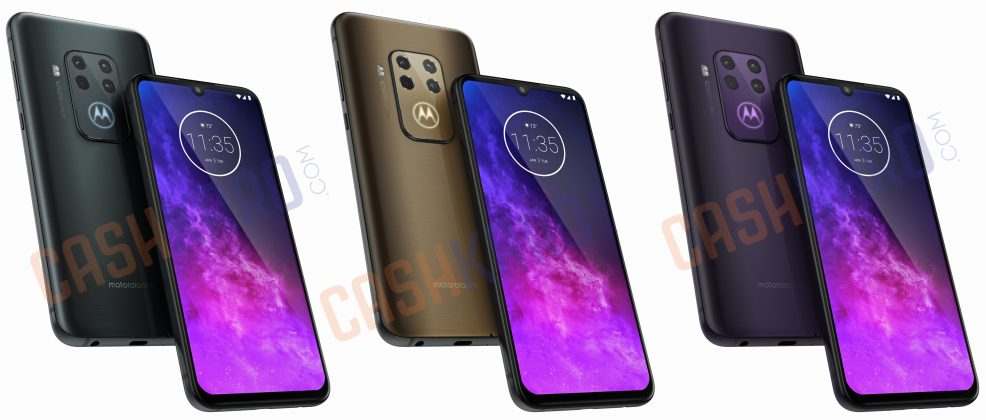
Back in April, renders and a 360° video of a Motorola phone with four rear cameras were posted online by the reputable leaker @OnLeaks. Press renders of the phone which is said to be called the Motorola One Pro have now surfaced.
The source of the leak is Cashkaro.com, the same blog that partnered with OnLeaks for the CAD renders. According to them, this device was supposed to launch as the Motorola Z4 but will now launch under Motorola’s Android One series as the Motorola One Pro,
The Motorola One Pro will have a 6.2-inch display with a waterdrop notch. Its dimensions are given as 158.7 x 75 x 9.8mm. It has its power and volume control buttons on the right side while the bottom is home to a 3.5mm audio jack and a USB Type-C port. The SIM tray is said to be positioned at the top.
[envira-gallery id=”259796″]
There are still a lot of unknowns regarding the phone’s specifications – from the cameras to the processor to the battery capacity. Nevertheless, we believe more details will surface soon since it is expected to launch in the not too distant future.
With growing concerns about security and privacy, phone manufacturers are being pressured to keep their users’ data safe. Today, HMD Global announced that it will be moving its data centers to its home country of Finland in a bid to improve security and increase transparency.
A few months ago, there was a report that the Nokia 7 Plus was sending user data to China. HMD Global released an official statement to clarify that it wasn’t sharing user data with third parties but that the data being sent to China was device activation data.
They did say that shouldn’t have happened in the first place as Nokia devices sold outside China have their device activation data sent to servers in a different location (Singapore). However, a certain batch of the Nokia 7 Plus was mistakenly pre-installed with the device activation client for China which led to the user data going to the Chinese servers in the first place.
Now, HMD Global is transferring the servers from Singapore to Hamina, Finland. It is partnering with CGI, a consultancy firm with expertise in cloud and data science, and Google Cloud (data analytics and machine learning technologies) to move and store the phone activation and performance data to the Google Cloud Region in Hamina.
HMD Global, in its official press statement, said the new Nokia 4.2, Nokia 3.2, and the Nokia 2.2 will be the first set of devices to begin storing their data at the new center. Older devices that are eligible to be upgraded to Android Q will have their data migrated to the new center after the Android Q update which begins later this year and ends in 2020.
This change aims to further reinforce our promise to our fans for a pure, secure and up to date Android, with an emphasis on security and privacy through our data servers in Finland – Juho Sarvikas, Chief product officer at HMD Global.
The move is also expected to allow HMD Global better analyze phone usage and user satisfaction to further improve how its phones are made and how to provide better experiences for its users.
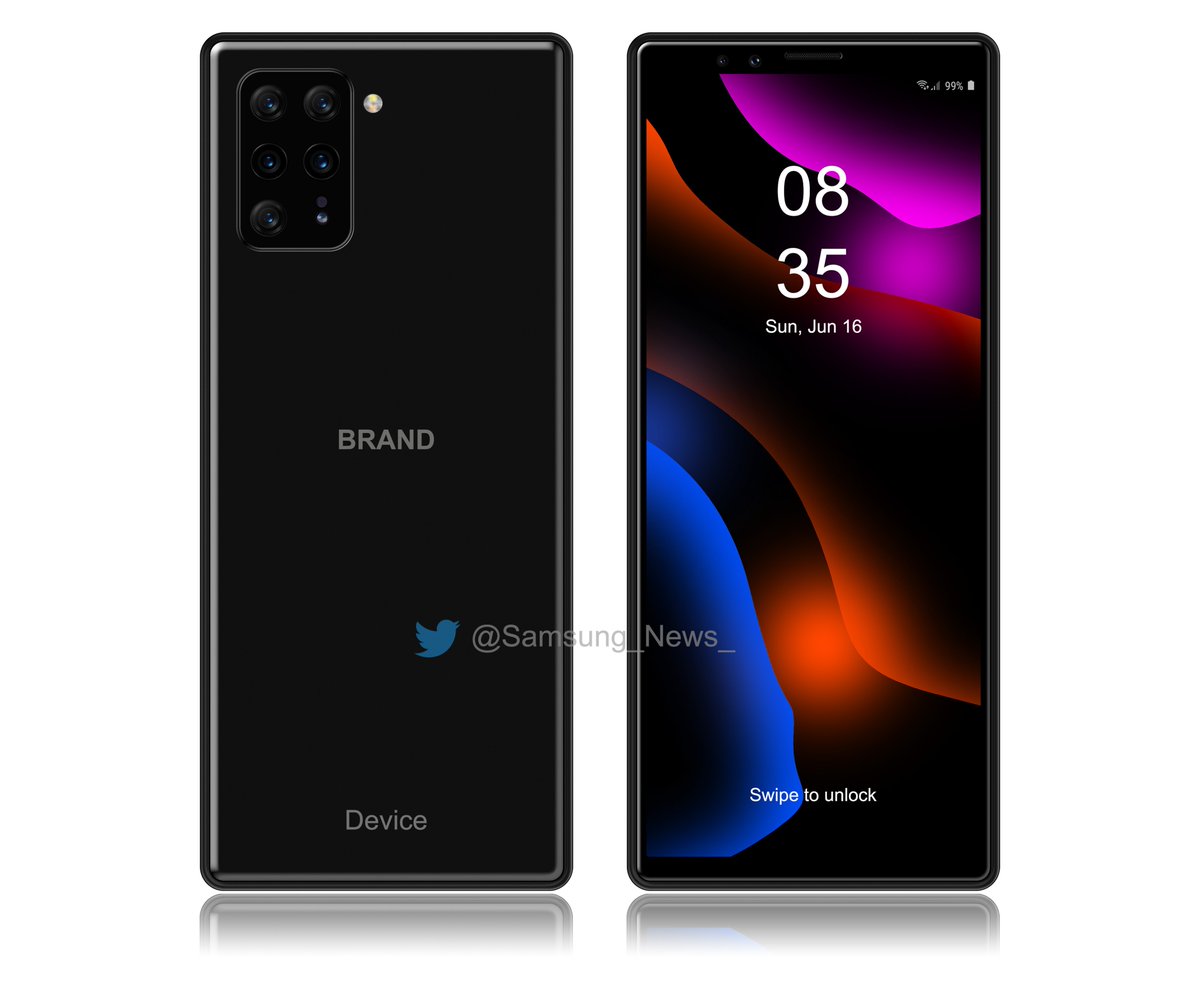
The Nokia 9 PureView still holds the record for the smartphone with the highest number of rear cameras but that may change soon as Sony is said to be working on a phone with six rear cameras.
Alleged configuration for the cameras have surfaced and they are from phone designer Max J. (@Samsung_News_). In his tweet, he did say the specs might change on the final device but these details are what his source as provided. He has also made renders of what he imagines the phone will look like.
The unknown Sony smartphone will have a 48MP sensor with a variable aperture of f/1.2 and f/2.4. We want to believe this is the primary camera. It will also have a 12MP camera with the same variable aperture. Both will be paired with a 20MP camera, a 16MP camera, and an 8MP camera all three with an f/2.4 aperture. The sixth camera is said to be a 0.5MP ToF sensor.
[envira-gallery id=”259779″]
There is no mention of the type of lens the main five cameras will have but we can assume there is a telephoto lens and an ultra-wide angle lens and maybe even a monochrome lens too.
The phone will also have dual front-facing cameras – a 10MP sensor and a 0.3MP ToF sensor.
The renders show the phone will have a 21:9 aspect ratio and a rectangular housing for the six cameras. There is no fingerprint scanner on the rear which means it is probably on the side or Sony may surprise us an put it under the display.
The phone should come with a 4K display, a Snapdragon 855 processor and hopefully, a big battery.
Xiaomi always stuns its users with new smartphones and other smart products. The company is always known for its smart take on the daily use products. Along with China, it is quite popular in India and some other countries in terms of the total smartphone market share.
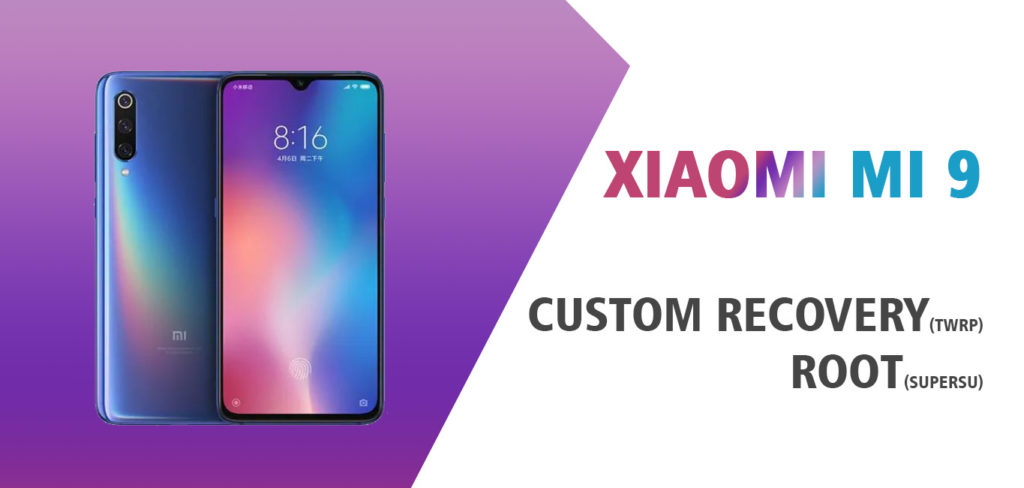
Xiaomi recently announced its new flagship device – Xiaomi Mi 9 with some high-end specifications. It carries a 6.39-inch HD+ display with an aspect ratio of 19.5:9. It is powered by a Qualcomm Snapdragon 855 chipset coupled with a 6 GB RAM. There’s a triple rear camera module with a 48-megapixel primary camera, a 12-megapixel secondary camera, and another 16-megapixel camera. On the front, there’s a 20-megapixel camera for selfies. It runs on the Android 9.0 Pie atop MIUI 10. The device is available with 128GB internal storage variant. The connectivity includes a Bluetooth 5.0, Wifi, USB Type-C, 3G and4G support.
Amid huge popularity, Xiaomi unveiled its Kernel source code. It facilitates third-party developers to tinker its code and develop various new custom ROMs and MODs. To use the new modifications, users need to root Xiaomi Mi 9 after unlocking its bootloader. Follow the guide carefully to successfully root Mi 9 without any issue.
Note: This guide is only for Mi 9 device bearing codename Cepheus. Tinkering the firmware of your device is not permitted by any manufacturer, it will void the warranty. GizmoChina.com is not responsible for any damage to your device and data. You’re are performing this modification on your own.
Merits of rooting Xiaomi Mi 9
It allows modifying the firmware as per the need.
Users can overclock the processor to attain maximum performance.
It can also improve battery life
The major problem of bloatware on Xiaomi devices is another major reason to root it.
Customize every setting using the Xposed framework.
Pre-Requisites:
Backup important data on the cloud or on other physical media.
Follow every step carefully to successfully attain root access on the device.
Install required Xiaomi USB drivers on the PC.
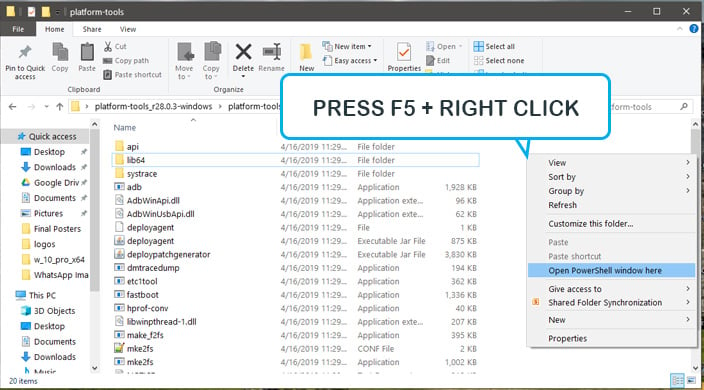
Extract the ADB and fastboot utility on the PC and open the command prompt or terminal by pressing shift + right-click anywhere in the extracted window. Also, move the downloaded TWRP.img into the same folder.
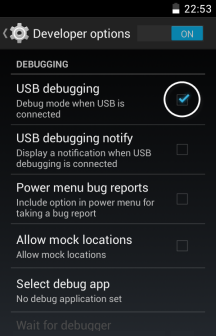
Enable USB Debugging Mode by going to settings -> Open developer option -> Enable USB Debugging.
Connect the Mi 9 to the PC using the USB cable.
Reboot the Mi 9 into bootloader mode by pressing and holding the volume keys + Power key for about 10 seconds or by typing the below command:
adb reboot bootloader
Tap OK, when your device will ask for permission to “Allow USB debugging“.
To flash the TWRP on the device, type the following command. (Note: replace the recovery.img with the actual name of twrp recovery.img file.)
fastboot flash recovery recovery.img
Now, wait for the flashing process to complete. Once done, reboot the device by executing the following command:
fastboot reboot
While the phone is booting, press and holds power + volume up to reboot into TWRP Recovery. (Note: This step is performed to disable force encryption before booting the device.
Once in the TWRP, disable the encryption by flashing the Disable Force Encryption zip.
Now reboot the phone and enjoy!
You have successfully installed the TWRP on Xiaomi Mi 9. Now, to attain the root priveleges we need to flash SuperSu zip via TWRP recovery.
Steps to root Xiaomi Mi 9 using SuperSu
It is always a cumbersome process to root any Android device. We have to install third-party recovery to run SuperSu or Magisk to get root privileges. Follow the steps below to root the Xiaomi Mi 9:
Download the SuperSu zip and no verity encrypt zip from the Pre-Requisites section above and copy them to the Phone’s internal storage.
Now, reboot Xiaomi Mi 9 into the TWRP recovery.
Take a backup from the TWRP recovery if you want of your current ROM. Tap backup> Select Partitions > data, system, boot > and swipe to take backup.
Now, tap install and select the SuperSu zip file from the phone storage. You need to “Swipe to confirm” flash.
Once done, flash the no variety encrypt zip file in a similar way.
Reboot system.
Hurray!! Your device is rooted.
We hope you have successfully rooted Xiaomi Mi 9 using our guide. If you have any problem or error, just let us know via comments below.
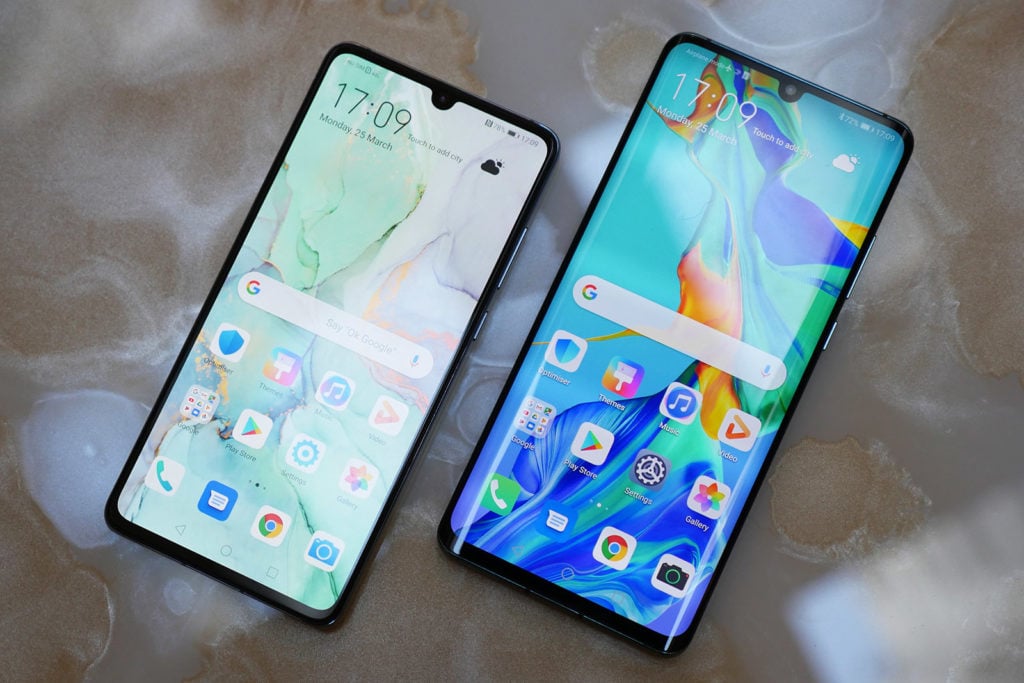
Huawei is rolling out a new update for Huawei P30 Pro with several new features and improvements. It also debuts much awaited DC dimming feature which prevents AMOLED screen flickering at low brightness. The update also brings ultra-low latency Bluetooth technology to improve the sound-quality without any audio and video lag.
The update also incorporates several camera fixes to improve the overall photo quality. A new fix is aimed to make photos more natural and authentic. It even cures the abnormal display of videos recorded by the front camera. The on-screen fingerprint sensor is also optimized with the latest update. The EMUI 9.1.0.178 firmware update makes the experience more stable. Here’s the list of other changes in the official changelog:
Adds the option to enroll a second face.
Optimizes fingerprint authentication. Re-enroll your fingerprints for an improved user experience
Fixes the issue where the display colors are abnormal in certain scenarios.
Allows for messages and notifications to display on a locked screen with live wallpaper.
Fixes the issue where the screen does not turn off automatically in certain scenarios. Optimizes system stability, for smoother overall performance.
DC dimming has become an essential feature for the new devices featuring AMOLED displays. It eliminates the AMOLED pulsation at low brightness, relieving eyes from strain in low light.
It is a significant update enhancing the overall performance of the device. It makes the operations on the device more stable and smoother. Huawei is rolling out the update in a staged manner on the Huawei P30 Pro units globally. It may take a few days to reach every unit.
ZTE is rolling out a new update for ZTE Axon 10 Pro featuring a significant camera improvement. According to the ZTE’s customer support officer, the latest update brings 20X hybrid zoom support for the device’s rear camera. The company also published sample photos taken from the ZTE Axon 10 Pro’s 20-megapixel rear wide angle lens in normal shooting mode.
The ZTE didn’t reveal any detail on how they achieved the new zoom levels. However, the digital zoom appears to be stretched for attaining the 20X zoom levels on the ZTE Axon 10 Pro.
Normal Zoom
1X Zoom
3X Zoom
10X Zoom
20X Zoom
Initially, the device was released with 5x optical zoom and 10x digital zoom. It carries a triple rear camera module featuring a 48-megapixel primary sensor, a 20 MP wide-angle lens and another 8-megapixel telephoto lens. On the front, there’s a 20-megapixel camera for beautiful selfies and video calling. There’s a 6.47-inch curved full-HD+ display having the resolution of 1080 x 2340 pixels. ZTE Axon 10 pro is powered with a Qualcomm Snapdragon 855 SoC coupled with 6/8 GB RAM and 128/256 GB internal storage. There’s also a top end variant featuring 12 GB RAM and 256 GB inbuilt storage.
It is retailing in China at the starting price of 3199 Yuan (~$463) for the 6GB+128GB variant whereas the top model with 12GB+256GB storage goes for 4199 Yuan(~$608) from JD.com and some other retailers both offline and online.
Affordable flagship had so much success that now, in 2019, every respected smartphone manufacturer releases at least one device of this kind per year: even Apple. And there is more: in terms of sales, iPhone XR had even more success than iPhone Xs and Xs Max which are the top-tier Apple flagships of this year. For the first time in a long time, even Samsung released a more affordable variant of the S line-up: Galaxy S10e. Huawei which detains the second place in the global smartphones market has its own sub-brand which recently launched a new affordable flagship: the Honor 20 Pro. Given that you can currently find these three affordable flagships from the three best brands in similar price ranges, we decided to compare their specifications as there is a lot of confusion around them. You can let us know if we did well by using the comment box below the article.
Huawei Honor 20 Pro vs Apple iPhone XR vs Samsung Galaxy S10e
Honor 20 Pro
Apple iPhone XR
Samsung Galaxy S10e
DIMENSIONS AND WEIGHT
154.6 x 74 x 8.4 mm, 182 g
150.9 x 75.7 x 8.3 mm, 194 g
142.2 x 69.9 x 7.9 mm , 150 g
DISPLAY
6.26 inches, 1080 x 2340p (Full HD+), IPS LCD
6.1 inches, 828 x 1792p (HD+), IPS LCD
5.8 inches, 1080 x 2280p (Full HD+), Dynamic AMOLED
It is very hard to establish which of these devices has the best aesthetics as they are all made with great materials and they sport an amazing form factor and nice color variants. I personally prefer the Samsung Galaxy S10e because it is a more compact design. Further, the Canary Yellow color variant makes me crazy. It is also a waterproof device, meaning you can put it underwater for up to 30 minutes at 1.5 meters deep. Even iPhone XR is a water resistant device, but unlike the Galaxy S10e, it does not have the IP68 certification but it is only IP67.
Display
While Honor 20 Pro has a classic midrange-class IPS panel, both Samsung Galaxy S10e and iPhone XR come with a high-end display. The former has a Dynamic AMOLED panel with the HDR10+ standard and very rich colors. The latter sports an IPS panel, but IPS panels do not always mean a lower-end display. Indeed, the iPhone XR is one of the few smartphones to sport a 120 Hz refresh ratio as well as a very wide color gamut and the True Tone technology. So which one to choose depends on whether you like to have more brilliant colors or a higher refresh ratio. What is your preference?
Hardware/Software
On the paper, Samsung Galaxy S10e is equipped with a more powerful hardware department, but the iPhone XR has a more advanced software optimization thanks to iOS 12, so it is a more stable handset. On the other hand, Samsung Galaxy S10e remains a very fast and smooth device, and it features expandable internal storage, unlike the iPhone XR. Note that with the Galaxy S10e you get a different chipset depending on the market in which you buy it (Samsung Exynos 9820 or Qualcomm Snapdragon 855).
Camera
Samsung Galaxy S10e undoubtedly shots better photos. It is equipped with a dual camera sporting a variable aperture which adapts better to dark light conditions, as well as a useful ultrawide secondary sensor. Samsung Galaxy S10e is amazing even when it comes to selfies and videos with the front camera, as it comes with a 10 MP snapper able to record videos up to 4K resolution. However, iPhone XR is all but a bad camera phone. Honor 20 Pro has the most versatile camera, but we still have to test it in order to give a definitive verdict.
Battery
Both iPhone XR and Samsung Galaxy S10e have a small battery, but it is greatly optimized in both cases. We noticed that Samsung Galaxy S10e is able to last a bit more with more usage patterns. Further, unlike the iPhone XR, it supports reverse wireless charging and it can be used as a power bank. But Honor 10 Pro wins the comparison thanks to its much bigger 4000 mAh battery.
Price
The starting price of the Honor 20 Pro is €600/$670, iPhone XR starts from €850 and Samsung Galaxy S10e costs €560/$625 in its base variant. At the end of the day, I would choose the Samsung Galaxy S10e for its great performances, amazing display, and reverse wireless charging. But it lacks a big battery and it has a compact display, so it is not for everyone.
As a global tech media, Gizmochina always works hard to introduce tech products that serve ourselves and our global audiences beyond borders. Yes, indeed. We should not be limited by borders. That’s where the KIMIFI comes in, a mobile WIFI hotspot to transcend borders and help you connect to the world, no matter where you are. Well, it was with me for a few weeks. Now, I think it’s time to share my thoughts about the hotspot with you.
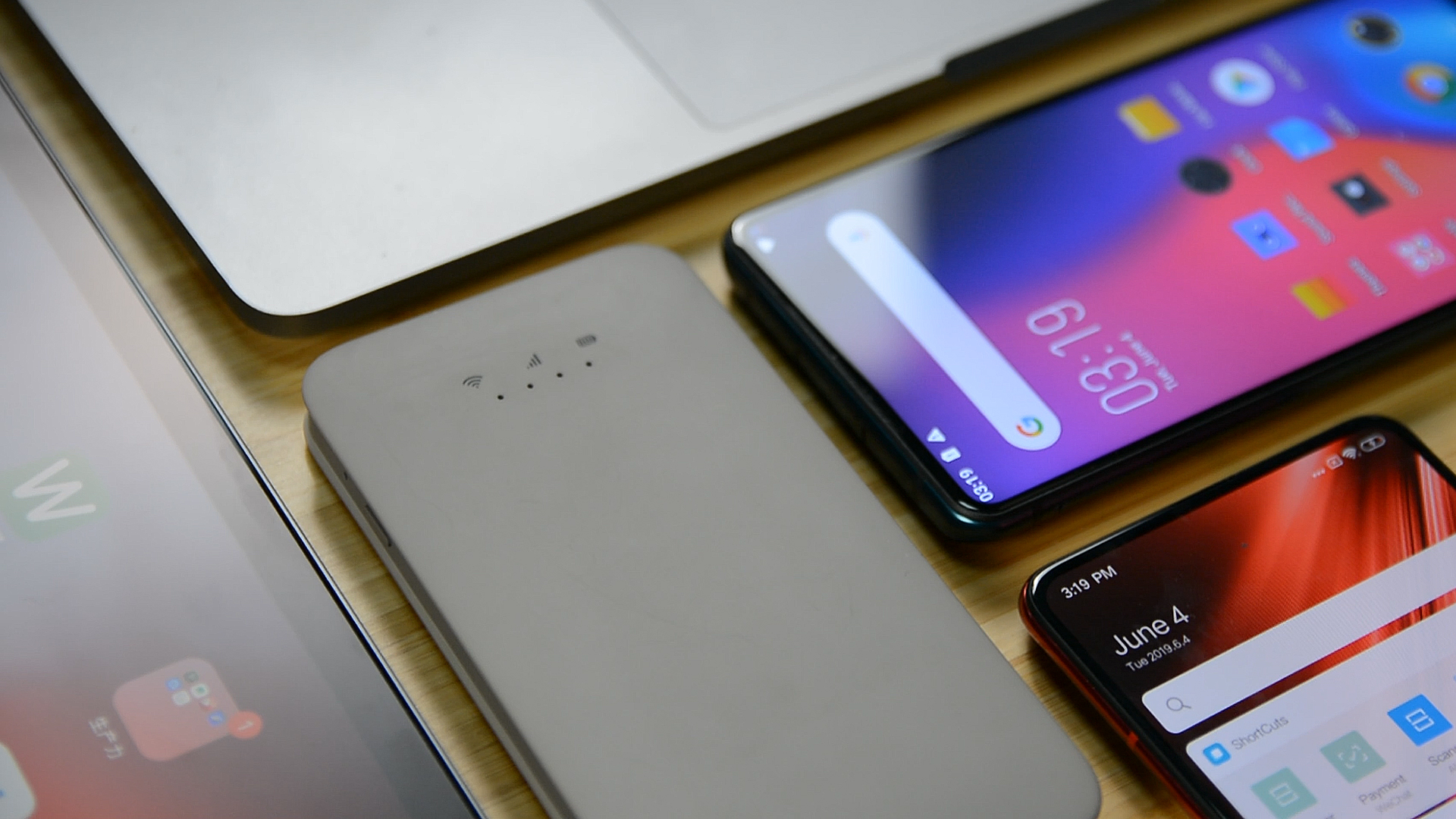
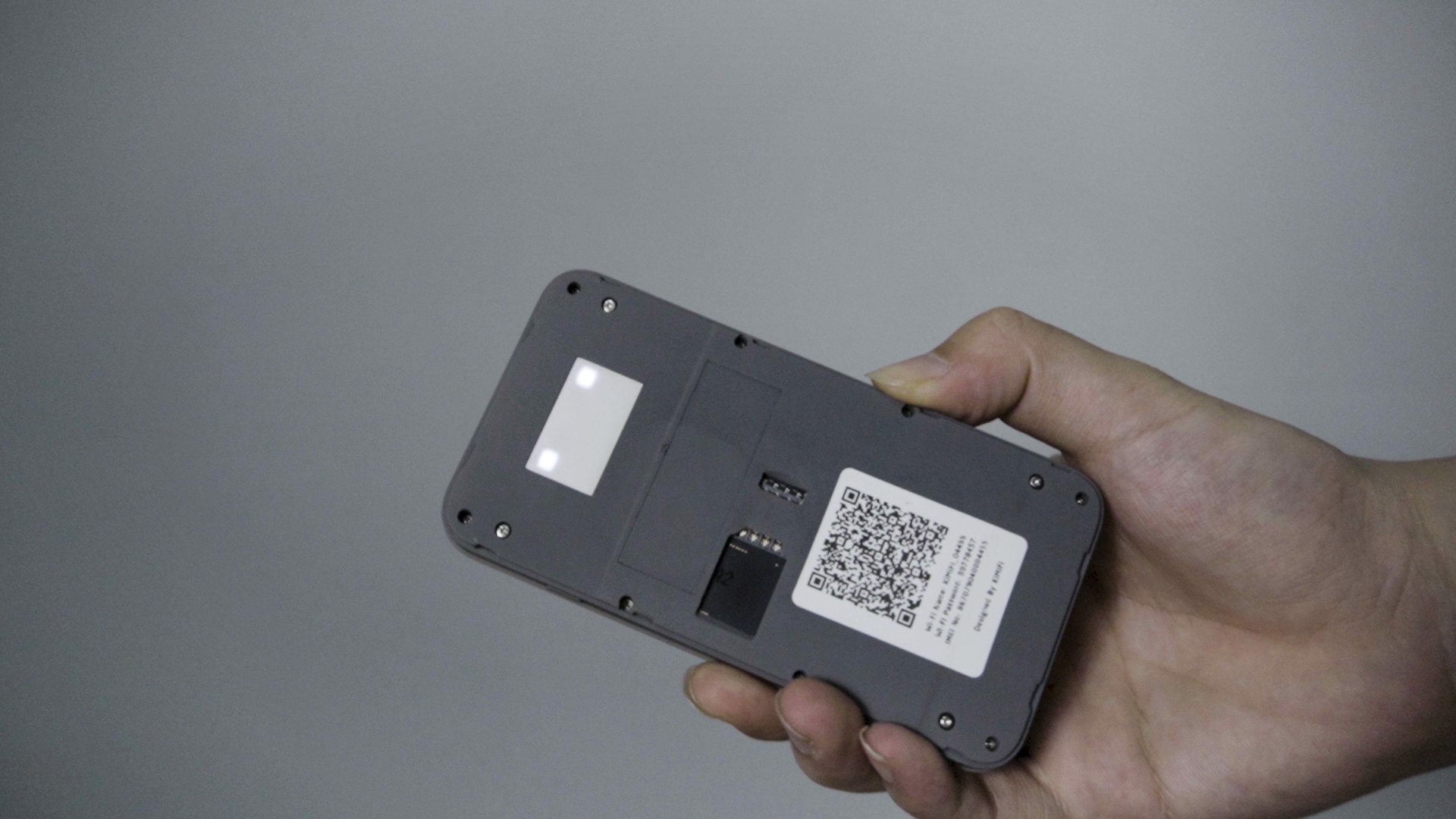
The hardware is pretty simple and intuitive. It looks like a power-bank but it’s not very heavy. It’s a bit smaller than most smartphones, but still got a 3500-mAh battery, which can stay connected for over 14 hours with a full charge. In daily use, it generally can last for two days. Removing the cover, a QR code and WIFI information can be found for your device activation. A SIM-Card can be available here but my suggestion is rather to use its Cloud SIM-Card. We will talk about it later.
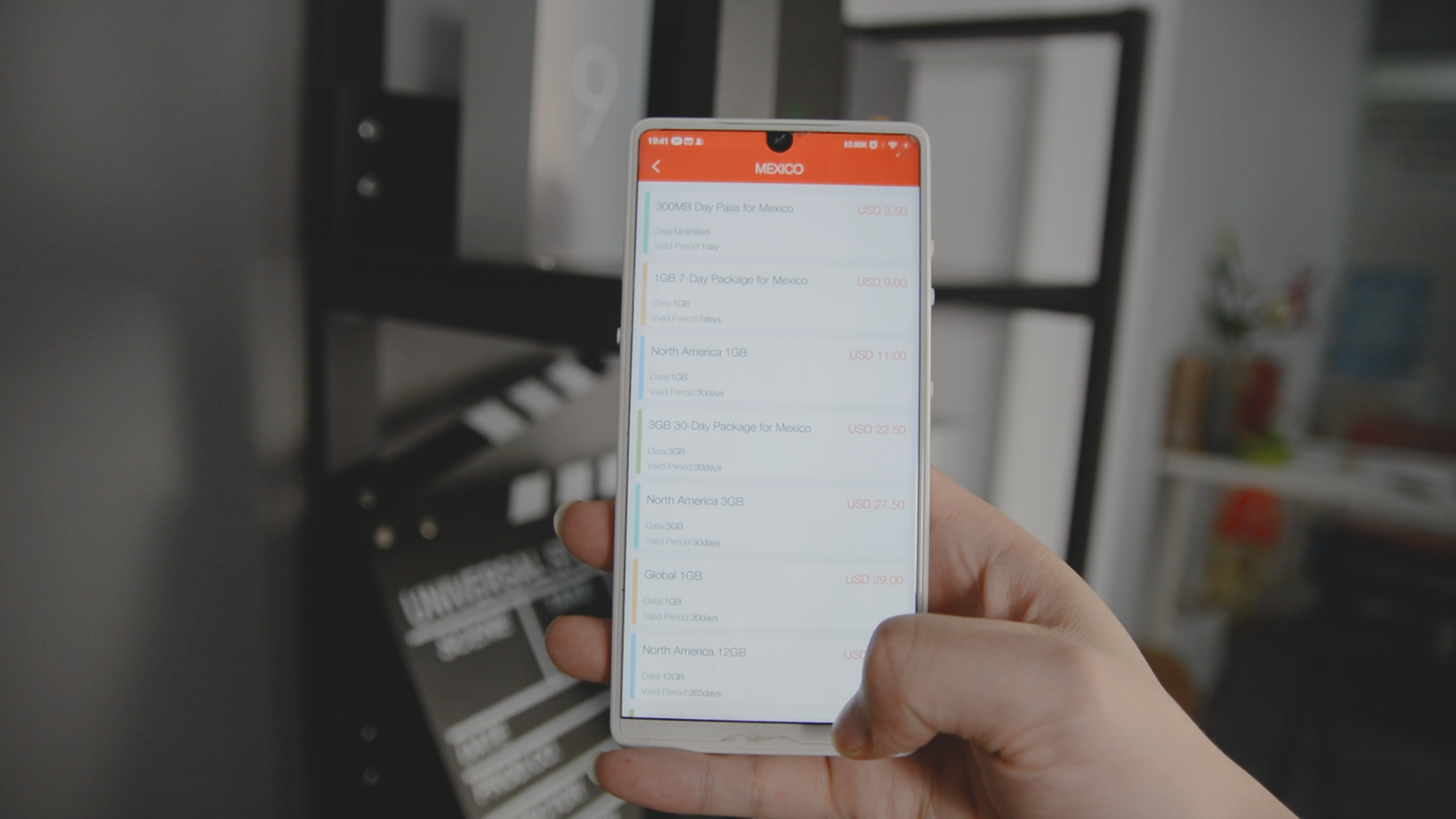
We used to have mobile hotspots that need us to switch the SIM card every time we leave for another country, or incur expensive roaming charges from our local carriers. No matter which solution we choose, it always means that we need to plan well ahead which carrier’s SIM-Card and which package to use before we start traveling. Well, with KIMIFI, you can leave those annoying preparations aside and just enjoy your trip, because besides switching SIM-Card, it has Cloud-SIM-card technology that we just mentioned. All you need to do is to carry it on and choose a data package in the KIMIFI app.
One important detail is the KIMIFI app. With the app, we can have a view of our current package information including our usage and fees. For me, at least I don’t need to spend much time figuring out language traps from different carriers. About its powerful connection, 5 devices can be connected simultaneously to one KIMIFI. So, if you are traveling with friends or families, it could also solve internet problems by sharing WIFI.
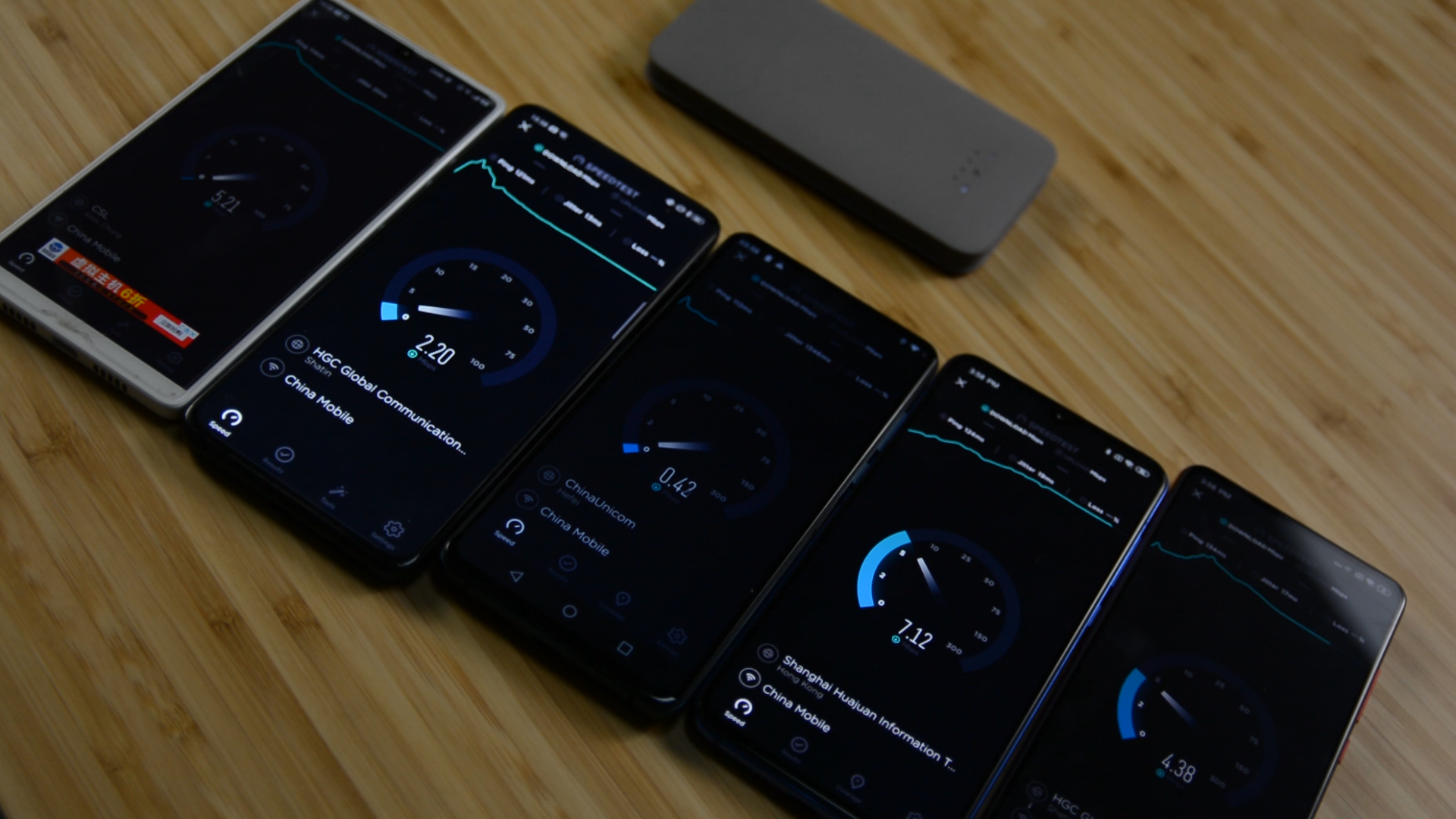
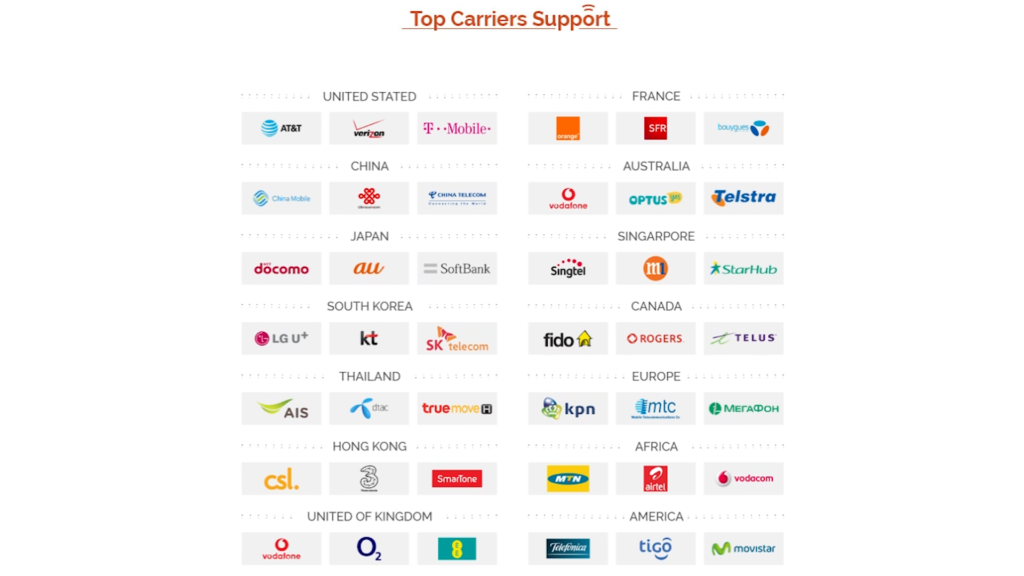
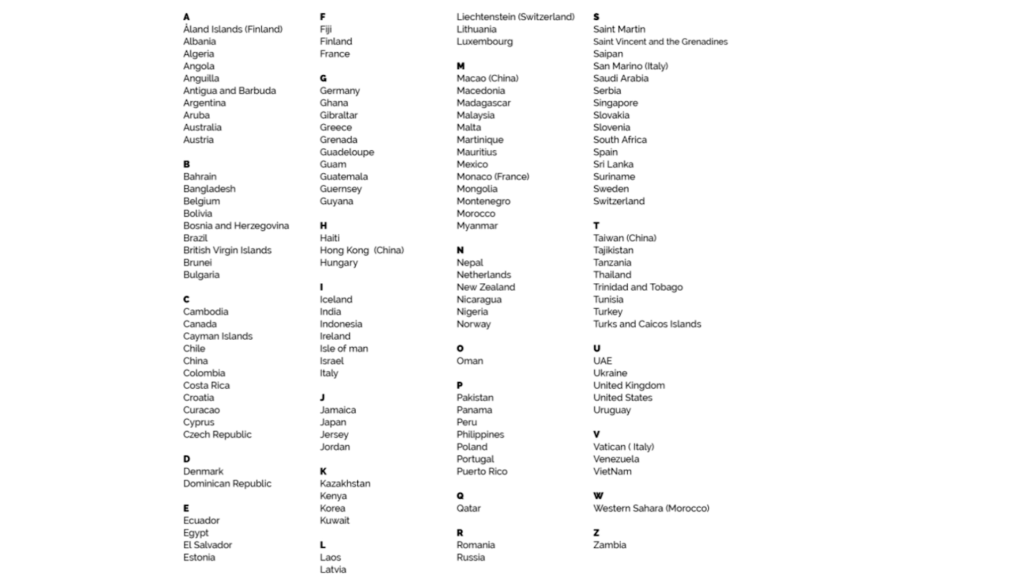
A feature of KIMIFI that surprises me the most is its support at a global scale. It covers 135 countries’ 4G networks and has the top 3 carriers for each country. And the KIMIFI team told us that they are still working on adding more countries to the list. Now they having a funding project on IndieGoGo, if you are interested, just go to the website and check whether your destination is in the list (see below).
Top carriers supporting
Countries supporting
About the prices of its traffic packages, I can only show a very small part here. If you want more information please check the link of the IndieGoGo project.
Check out the KIMIFI project on indiegogo from here.
We expect the smartphone industry to continue to be driven by innovation fueled by stiff competition among manufacturers. Recently, a Youtuber recalled how he loathed the phablet size phones when they first made an entry. Fast-forward to the present, he says each time he stares at his iPhone 4, it looks like it is made for kids. We also have innovativeness to thank for the full-screen bezel-less design, sleek premium build, multiple camera setup with quality output and several others. Samsung could be gearing up to take us on another journey with the recent trademark filing made by the company.
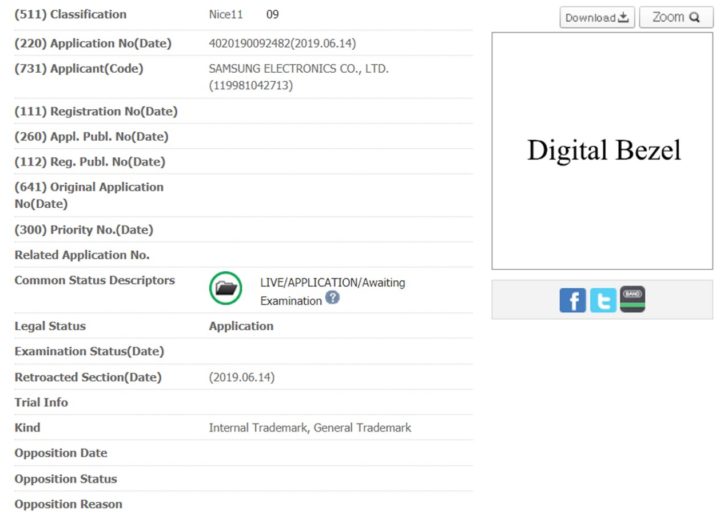
A trademark filing in South Korea by Samsung for a Digital Bezel was spotted recently. The application was filed late last week with the Korean Intellectual Property Office (KIPO). Details of the what it entails wasn’t revealed but this could be the company’s innovative key-less design.
Samsung was reportedly testing key-less design for its upcoming Galaxy Note 10. In March this year, a rumour first appeared of a next-generation Note device that no longer has physical hardware keys. A recent leak about the Note 10’s render counters that expectation with renders showing the Galaxy Note 10 with traditional physical keys. The renders could as well be fake. However, we believe the trademark is an indication that Samsung is working on a device that won’t have a physical button but will have digital buttons on the bezels. Of course, we have gone past the era of large bezels on the screen borders. So whatever design Samsung is adopting, it has to be on a trimmed down bezel.
Xiaomi has consistently adjusted its business model since the company first opened shop in 2014. From an online-only sales model, offline stores were incorporated. The smart home products division is yet another model that generates considerable revenue for the company. Since the company went public last year, the adjustment has become vigorous as the company strives to generate profit for investors. In May this year, the company announced some organizational restructuring and personnel appointments. The appointments include Lei Jun, the chairman and CEO of the group, assuming further responsibilities as president of Xiaomi Group with the full responsibility for business development and team management in China.
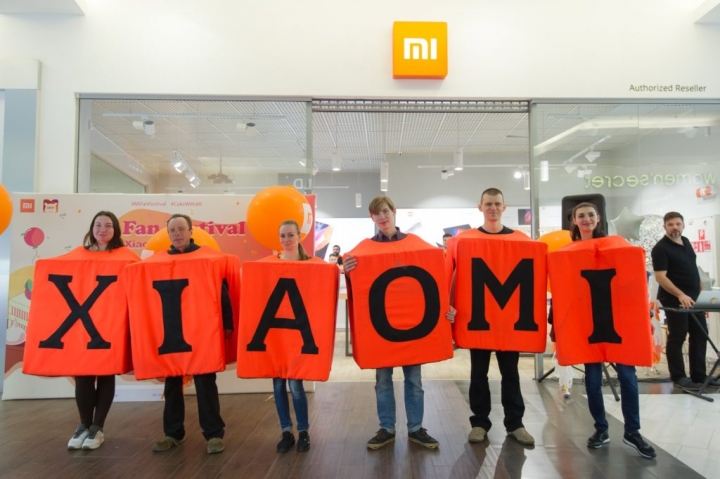
About a month after that announcement, Lei Jun and Xiaomi China team held a closed-door cadre mobilization meeting. At the meeting, Lei Jun proposed a slogan for the team which is “Xiaomi Iron Army, three years of victory!” A video of Lei Jun giving a speech in Chinese during the meeting was shared. In the video, the CEO did set a goal of three years for the company to capture the Chinese market. He hinted that the brand’s goal is to attack on the Xiaomi and Redmi brands and in the AIoT products. The company is also looking at emerging opportunities in 5G to win over most of the Chinese market.
In January this year, Xiaomi had announced its dual engine strategy with a focus on mobile phones and AIoT. AIoT is a reference term for the incorporation of artificial intelligence into the Internet of Things in order to create a smart ecosystem of connected devices. We have seen the firm implement this system of combining its XiaoAI smart assistant with its smart home (IoT) devices lately.
Last week, Xiaomi announced the restructuring of the China region and the establishment of an offline business committee for China. Zhang Jianhui, vice president of China was appointed as the chairman of the offline business committee and will report directly to Lei Jun, the president of China. All these are efforts aimed at capturing the local market. However, Xiaomi has several hurdles to cross in order to topple Huawei which has the largest market share in China.
ZTE’s Axon 10 Pro comes in two variants. There is a 4G version and a 5G version. An official press release by ZTE has disclosed that the latter has received its 5G CE Certificate.
The CE Certification is given to devices that meet the health, safety, and environmental protection standards for products sold within the European Economic Area (EEA). The 5G CE Certification means that the Axon 10 Pro 5G is compliant with the requirements for entering European markets.
The 5G certification tests for electrical safety, electromagnetic radiation, electromagnetic compatibility, radio frequency performance, etc.. ZTE also revealed that the phone has also received technical approval of Du and Etisalat.
The Axon 10 Pro already launched in Finland as the first commercial 5G smartphone in Northern Europe and is also available in Dubai as the first 5G device in the Middle East. It is also expected to be one of the first commercially available 5G smartphones in China.
The Axon 10 Pro 5G is powered by the Snapdragon 855 processor and uses Qualcomm’s Snapdragon X50 5G modem. It has a curved AMOLED display with a waterdrop notch, 48MP triple rear cameras with 3x optical zoom and 5x hybrid zoom, and a 20MP selfie camera. The phone also has an in-display fingerprint scanner, IP68 rating, stereo speakers, and packs a 4000mAh battery with support for wireless charging and Quick Charge 4+.
Xiaomi is presently promoting the premium mid-range Mi 9T that was released last week in Europe. The device is basically a rebranded Redmi K20 but in its usual manner, the hype they are building around the device is leaving us confused. Particularly the latest series of video ads which promotes the device. The ads target the notch screen. Apparently, Xiaomi thinks notch on the display screen is no good.
You can easily guess why the promo videos centre on the notch. It is because the Mi 9T uses a notch-less design with a pop-up selfie shooter. Despite that, you may find it hard understanding the message that Xiaomi tries to pass across with the video ads. The first video was of a distracted hairdresser, the next a dentist and the third a make-up artist. The videos seem to be themed around the idea that the notch is a distraction which denies the user and immersive viewing experience on the smartphone.
We are certain Xiaomi didn’t forget that it launched a couple of phones with the notch design. Right in front of me is a Redmi Note 6 Pro with a wide notch housing the front speaker, two selfie cameras and an LED notification light. The Redmi Note 7 and even the flagship Mi 9 has a water drop notch. There are a couple of other Xiaomi models with notch designs. No doubt, the company is just interested in marketing the pop-up camera-sporting Mi 9T and nothing more. This could also mean that the company is done with the notch design on its phones. If not, we don’t see how the company will market a notch-screen phone to us in the future.
Huawei‘s June 21 event is going to be a big one with at least three new smartphones and a new tablet confirmed to arrive but there is another big announcement on that day. A top Huawei executive has just confirmed that the Chinese giant will also unveil its second 7nm chipset on that day.
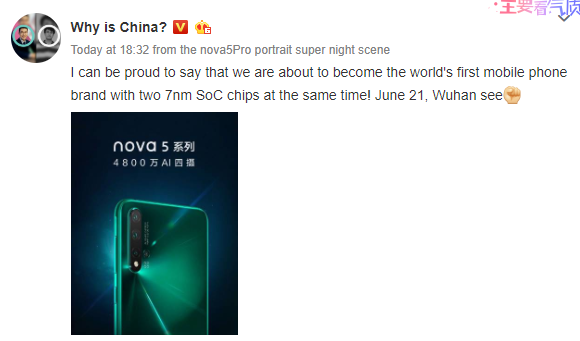
He Gang, the president of Huawei’s consumer mobile business unit took to Weibo to announce that Huawei will be the first mobile phone company with two 7nm SoC chips. He confirmed that the new SoC will be unveiled in Wuhan on June 21.
While he didn’t reveal the name of the processor, previous leaks have said it is the HiSilicon Kirin 810 processor. The Kirin 810 is the successor to the 12nm Kirin 710 and will appear first in the Nova 5. There isn’t much info about the SoC yet but it is said to be built on TSMC’s 7nm node. It has also been reported to feature Huawei’s own in-house NPU and that the difference in performance between it and the flagship Kirin 980 won’t be too big.
Huawei’s Kirin 810 chipset is set to take on Qualcomm’s Snapdragon 700 series. The most powerful Snapdragon 700 series processor at the moment is the Snapdragon 730G and it is an 8nm chipset. The Kirin 810 already has the edge when it comes to power efficiency since it has a smaller node size.
Apart from the Nova 5, the Kirin 810 has also been reported to be the chipset inside the upcoming Honor 9X Pro.
The Honor 9X Pro that has been recently approved by the Eurasian Economic Commission is expected to replace the Honor 8X Max smartphone from 2018. Yesterday, a tipster had revealed most of the specs of the smartphone. Earlier this week, a leakster from China (ichangezone) had shared the different variants and pricing of the Honor 9X Pro phone along with its key specs.
The new leak states that the Honor 9X Pro will be arriving in China in three variants. The base model with 6 GB RAM + 128 GB storage will be priced at 1,899 Yuan (~$274). The second variant featuring 8 GB RAM + 128 GB storage will cost 2,199 Yuan (~$317) The highest model with 8 GB RAM + 256 GB storage will carry a price tag of 2,499 Yuan (~$360).
The tipster who is known for accurately leaking information on Huawei phones has claimed that the handset will be powered by the forthcoming Kirin 810 chipset. It will be equipped with a quad camera system on its rear featuring the 48-megapixel Sony IMX582 as primary lens. It also includes 8-megapixdel superwide angles, a 2-megapixel sensor for adding depth effects and a 2-megapixel macro lens. For capturing selfies, it will be sporting a front-facing camera of 25-megapixel. The 4,000mAh battery of the phone will carry support for 20W fast charging. The 3D rear glass of the phone could be equipped with a fingerprint sensor.
Other rumors surrounding it has revealed that the Honor 9X Pro could be sporting a 6.5-inch or 6.7-inch LCD display. It is speculated to sport a punch-hole display design. Honor is not yet talking about the Honor 9X and Honor 9X Pro smartphones since it has recently launched the Honor 20 series of flagship phones. There is a possibility that the company start teasing on the Honor 9X series by the end of the month and launch it in July.
Readers are advised to digest the report with a grain of salt and wait for further reports to confirm on its specs, variants and price.
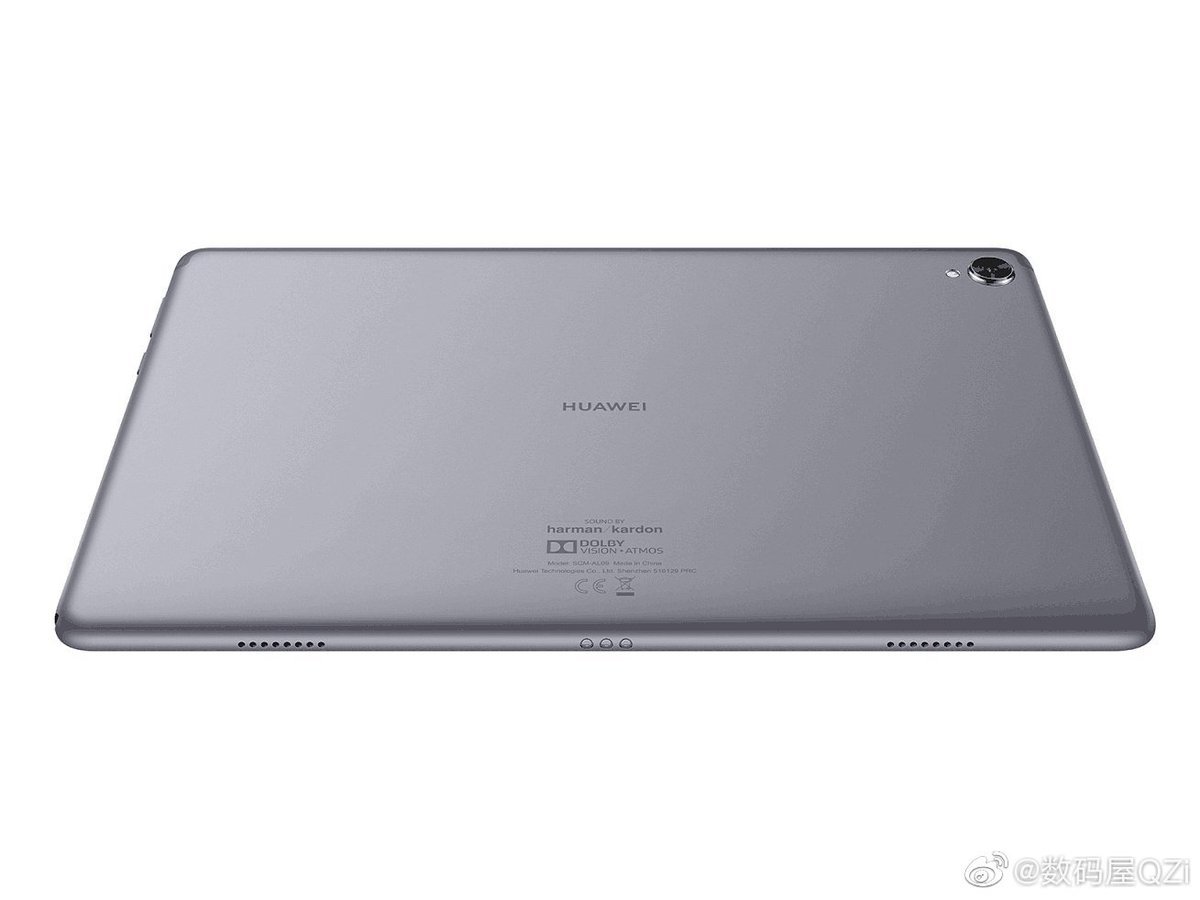
Huawei will refresh its MediaPad line of tablets this week when it unveils the Nova 5 series. The MediaPad M6, like its predecessor, should come in multiple variants including a 10-inch model whose renders and specs have leaked.
With respect to its design, the MediaPad M6 will have an aluminum body. There is a single camera on its back that protrudes, and below the sensor is an LED flash.
The MediaPad M6 has two speaker grilles at the bottom along with three pogo pins for connecting to a keyboard. The M5 had longer grilles for the speakers and they were on the back and not on the sides. We are pretty sure there are two speakers on the opposite side of the M6 since the MediaPad M5 comes with quad-speakers and the leaked specs say the M6 also has quad-speakers. These are Harman Kardon speakers with Dolby Atmos as seen inscribed on the back. Huawei seems to have ditched its Histen audio technology for Dolby Atmos.
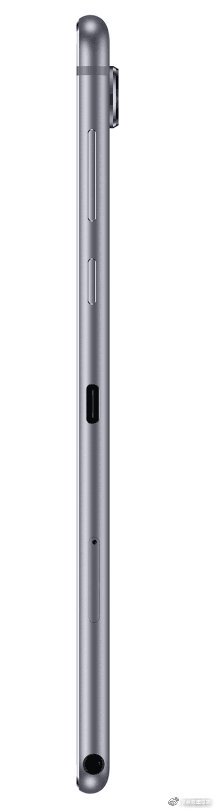
On the side of the tablet are the volume control buttons, the power button, a USB Type-C port, MicroSD card tray, and the 3.5mm audio jack. It is nice to see Huawei bring back the audio jack after it removed it from last year’s model.
According to RODENT950, the MediaPad M6 has a 10.7-inch 2K LCD display with Dolby Vision (inscribed on the back). It is powered by the Kirin 980, the same chipset used in the Mate 20 and P30 series. This is a big deal since Huawei usually uses the previous generation flagship SoC for its flagship tablets instead of the current one. Samsung will also be ditching that tradition this year and will instead equip the Galaxy Tab S5 with the Snapdragon 855 and not the Snapdragon 845.
The rear camera on the tablet is a 13MP sensor while the front-facing camera is an 8MP sensor. These are the same cameras as last year’s model but the sensors might be different or the apertures larger.
The MediaPad M6 will have a front-facing fingerprint scanner and also have M-Pen support. We are not sure if the stylus will ship with the tablet or be sold separately. Last but not least is the battery capacity which has remained unchanged at 7500mAh.
The MediaPad M6 should run Android Pie out of the box with EMUI 9 on top. We expect it to come with some new software features such as AR Measure, Share with OneHop, and the new GPU Turbo 3.0.
The tablet will come in two color variants – gray as seen in the above renders and gold which we saw in the first promotional material.
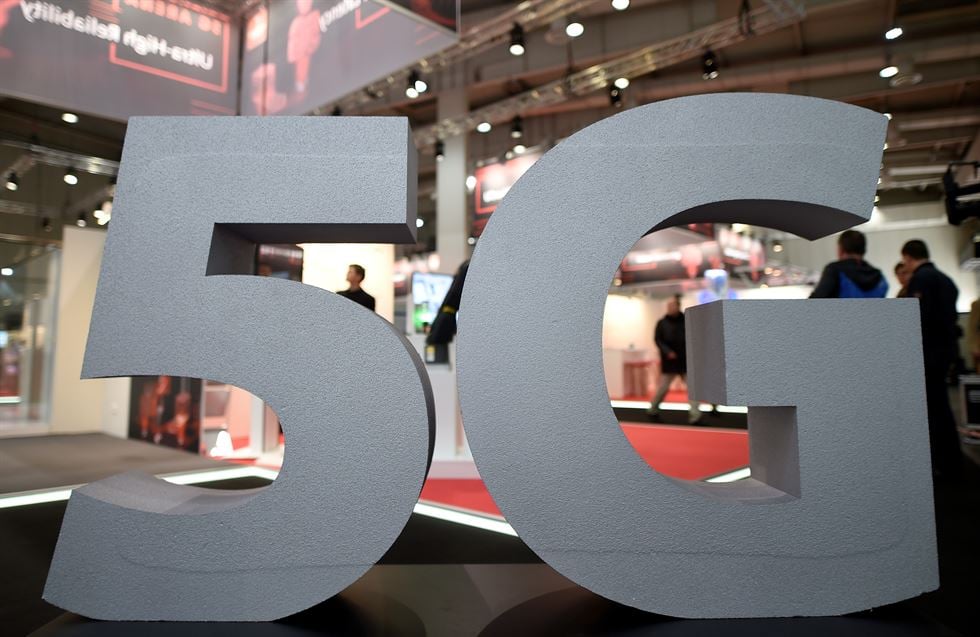
Europe-based telecom equipment manufacturers Nokia and Ericsson are winning key 5G contracts in China which is a significant move as analysts say that it indicates China’s open attitude towards all the international players when it comes to rolling out the next-gen network technology — 5G.
China had promised international cooperation and the significant share of equipment procurement indicates that it is keeping its word. The Ministry of Industry and Information Technology in China had said that it welcomes foreign enterprises to actively participate in China’s 5G network construction and application promotion.
The development comes after China Mobile, which is the world’s largest telecom operator by the number of subscribers count, awarded its first round of 5G network equipment contracts worth around $2 billion.
The company has procured around 153 units of MME telecom equipment from Sweden-based company Ericsson. This accounts for around 34 percent of the company’s total procurements. On the other hand, Nokia has provided 56 units of MME telecom equipment, accounting for 12 percent.
Coming to the SAE telecom equipment, Ericsson provided 231 units, accounting for 34 percent of China Mobile’s business, while Nokia offered 60 units, equivalent to around 9 percent of the overall procurements.
China Mobile is currently accelerating the development of infrastructure for the 5G technology after it recently won the 5G commercial license. The company is now aiming to offer 5G commercial services in around 40 cities by the end of September 2019.
Earlier this month, China granted four licenses to telecom carriers, marking the official kick off of the 5G era in the country. It also marked an accelerated push by China for the adaptation of 5G given that the country’s previous plan was to commercialize the 5G technology in 2020.
A number of foreign companies, including Nokia, Ericsson, Qualcomm, and Intel have already participated in three phases of technical test conducted by China to get their 5G products and solutions ready for the commercial use in China.
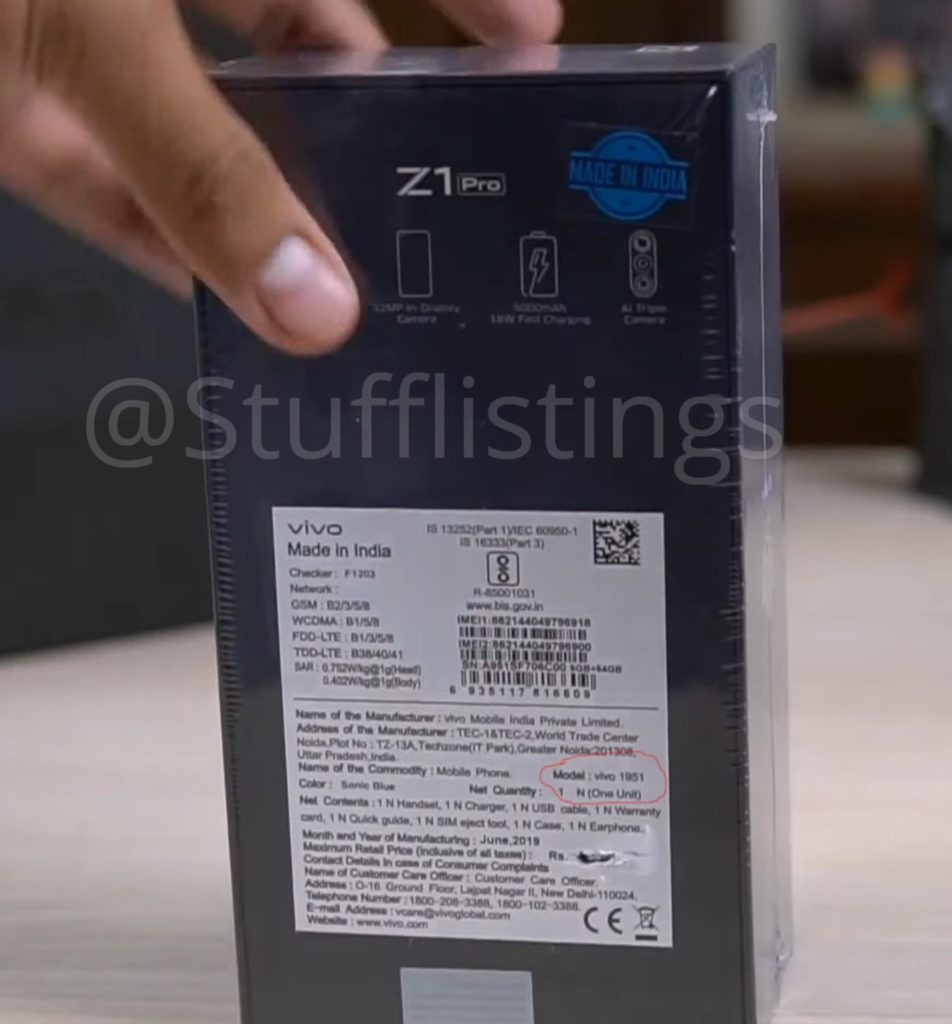
UPDATE: An image of the retail box of the Vivo Z1 Pro been shared by Mukul Sharma. The Vivo 1951 model number mentioned on the box confirms that it is indeed the Vivo Z1 Pro smartphone.
Original Story continues…
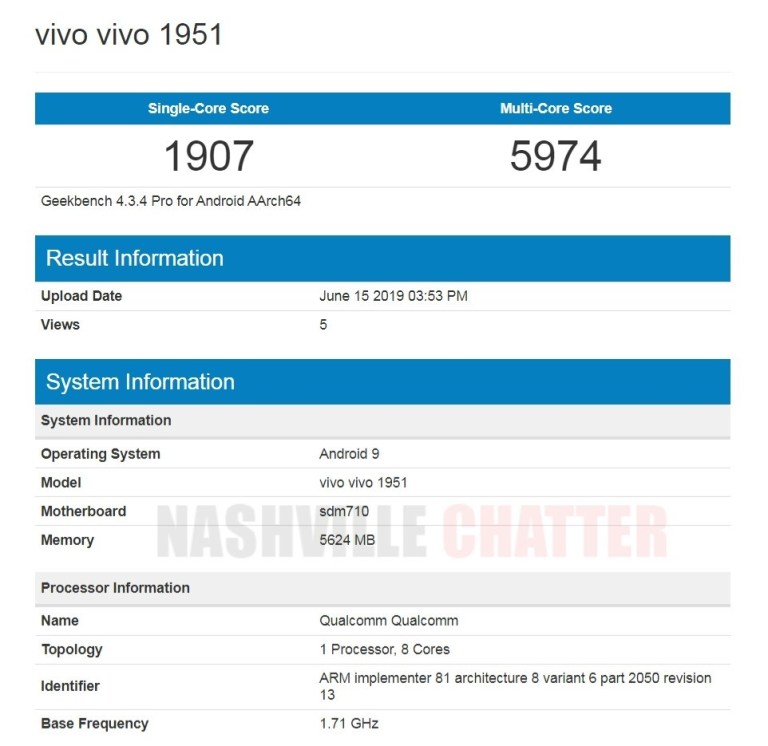
Plenty of Vivo phones are waiting in the pipeline to go official. Among them is a newly spotted Vivo 1951 smartphone. A Geekbench listing of the said phone has cropped to reveal some of its key specs. The listing suggests that it is an upcoming mid-range phone from the company.
On Geekbench, the Vivo 1951 smartphone has appeared with Snapdragon 710 chipset and 6 GB of RAM. The handset is loaded with Android 9 Pie OS. In the single-core test, it has recorded a score of 1907. It has scored 5974 in the multi-core test of Geekbench. The identity of the phone is currently under the wraps. Also, there is no information available on the other specs of the phone. The smartphone has recently bagged approval from India’s BIS agency which indicates that is one of the upcoming Vivo phones for the country.
The upcoming Vivo Z1 Pro is confirmed to debut as India’s first phone with Snapdragon 712. The 10nm chip has the same tech specs as the SD710 chip. However, the SD712 offers a faster clock speeds of 2.3 GHz, while the SD710 clocks at 2.2 GHz.
The only other phone that features the SD712 is the Xiaomi Mi 9 SE phone that was announced earlier this year. There are couple of Geekbench listing of the Mi 9 SE which shows the phone breaching 19XX mark in single-core test and 60XX mark in the multi-core test. The SD710 phones on Geekbench have mostly scored around 14XX to 18XX in single-core tests and 52XX to 59XX in multi-core tests.
Interestingly, all the Mi 9 SE Geekbench listing mentions its processor as sdm710, and not as Snapdragon 712 or sdm712. Hence, there is a possibility that newly spotted Vivo 1953 phone could be the Snapdragon 712 powered Vivo Z1 Pro phone.
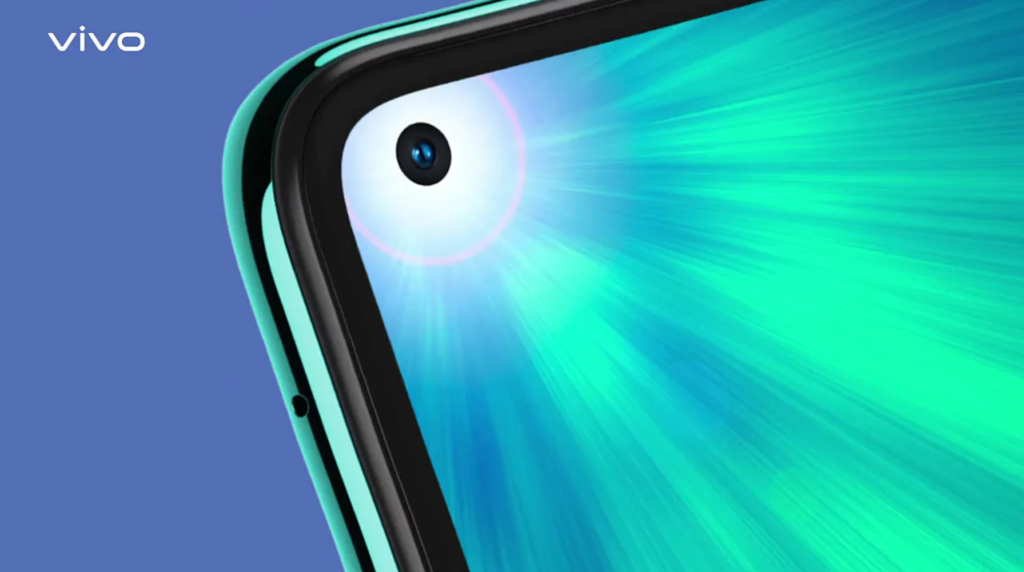
The Vivo Z1 Pro will be arriving with a punch-hole display. It will come with a 32-megapixel selfie camera. It will come packed with a 5,000mAh battery that will carry support for 18W fast charging. The smartphone is expected to go official later this month.
In the trade war between the U.S. and China, Huawei is caught in the middle and is going through a rough patch. While the situation doesn’t show any sign of improvements for Huawei, it has not yet retaliated. However, that could soon get changed.
As per the reports, if nothing improves for Huawei, the Chinese company might resort to using one of the most deadly weapons in its arsenal — the vast portfolio of patents on essential technology.
Reports from Anaqua’s AcclaimIP says that Huawei owns 56,492 active patents on telecommunications, networking, and other inventions. In the year 2018, the company apparently received 1,680 US patents and its total collection of active patents and published applications stand at 102,911.
Huawei is currently in protracted licensing talks with phone-services provider Verizon Communications and is in a dispute with chip maker Qualcomm over the value of patents. The company has also lodged claims against Harris Corp. after the defense contractor sued it last year alleging infringement of patents for networking and cloud security.
Huawei is reportedly asking for over $1 billion in patent licensing fees for using around 320 of its networking equipment patents, even though Verizon isn’t directly using Huawei’s equipment. Verizon is the biggest smartphone carrier in the U.S. and the first telecom company in the country to roll out 5G networks.
In some circles, Huawei’s outsize role as a supplier to the next-generation technology and 5G networks makes the company a potential threat either as an espionage agent or network disruption tool. Not only Huawei has become a flashpoint in the middle of the 5G race, but it is also targeted by the Trump administration in the on-going trade dispute.
Given the number of patents from the Chinese giant, whether or not a country decides to use Huawei’s infrastructure, there are pretty high chances that they will still be using one of the technologies that Huawei has a patent on.
The U.S. isn’t just banning Huawei in its country but is also pressuring its European allies to not use Huawei’s 5G equipment. Because of this, experts believe that the Chinese manufacturer can retaliate by putting its patents to good use.
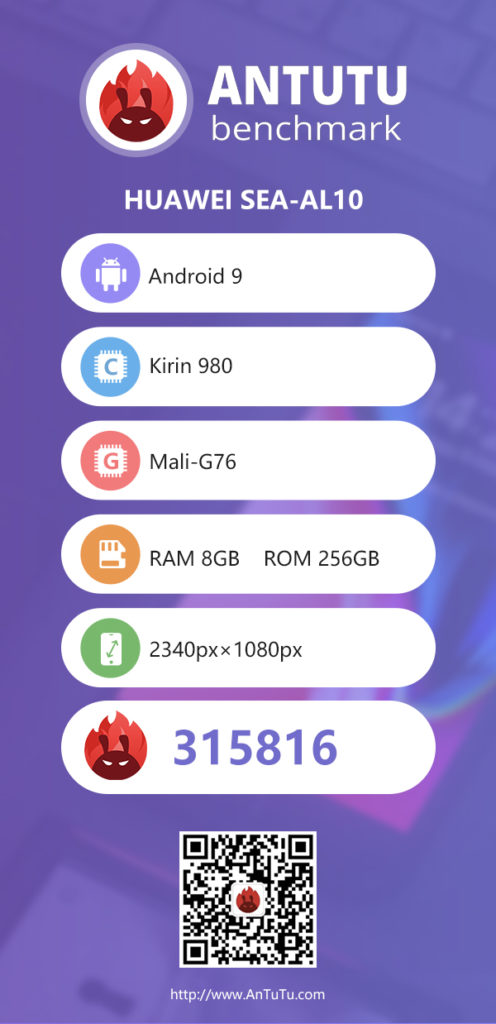
The SEA-AL10 / TL10 model number was spotted with support for 40W fast charging in May. Recently, the SEA-AL10 had appeared on Geekbench with some key specs. Reports surrounding have suggested that it could be the Huawei Nova 5 Pro flagship phone that will be debut with other Nova 5 devices on June 21. Today, the SEA-AL10 smartphone has appeared on AnTuTu benchmarks with some more details.
The AnTuTu listing of the Huawei Nova 5 Pro (SEA-AL10) shows that it is loaded with Android 9 Pie OS. The Kirin 980 chipset that includes Mali-G76 graphics fuels the smartphone. The SoC is assisted by 8 GB of RAM.
The SEA-AL10 has a native storage of 256 GB. It carries support for full HD+ resolution of 1080 x 2340 pixels. On AnTuTu, it has recorded an average benchmarking score of 315,816. In May, the purported Nova 5i handset powered by Kirin 710 chipset was spotted on AnTuTu.
The Huawei Nova 5 Pro has recently appeared on JD for pre-bookings. The listing reveals that the first sale of the phone will be carried out on June 28. It will be available in two model such as 8 GB RAM + 128 GB storage and 8 GB RAM + 256 GB storage. The pricing of both models is currently under the wraps. The smartphone will be available in some attractive colors like Black, Orange, Purple and Green.
Rumors are rife that the Huawei Nova 5 Pro will be equipped with a 6.39-inch AMOLED display. The images of the phone have revealed its display will be sporting a waterdrop-like notch. The Chinese firm has already confirmed that the Nova 5 Pro will come with a 32-megapixel front-facing camera with impressive low-light performance. It has also shared some sample shots that wee captured using the Nova 5 Pro.
Huawei has also confirmed that its rear-facing camera setup will include a 48-megapixel main sensor, a 16-megapixel superwide lens, a 2-megapixel depth sensor and a 2-megapixel ToF sensor. The smartphone may include a 3,500mAh battery. The rear shell of the phone lacks a fingerprint scanner. Hopefully, it will be coming with an in-screen fingerprint reader. There is a possibility that it could be featuring a side-mounted fingerprint scanner like the Honor 20 series. The Huawei Nova 5 series will be launching on June 21 and its first sales will be carried out on June 28.
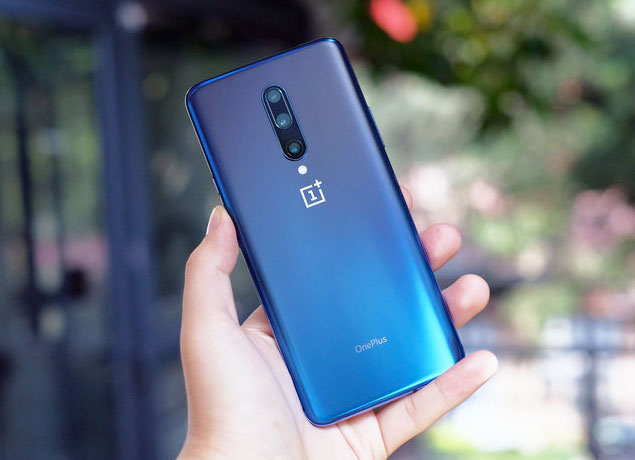
While most of the hype is around the OnePlus 7 Pro, there’s another model that many could have forgotten about – the OnePlus 7 Pro 5G. The regular Pro variant has already received a couple of important updates but the company wants users to know that they are working on the 5G variant as well. The OP7Pro 5G has just received a brand new update fixing some important issues in software.
The OnePlus 7 Pro 5G variant is the company’s first ever 5G phone and was announced at the UK event on May 15. The phone is identical to the regular OnePlus 7 Pro, except for the X50 LTE modem and started selling soon after UK’s EE launched its 5G network around the end of May. The new update improves screen touch sensitivity, optimizes DC dimming along with Double Tap to Wake and Ambient Display.
The OTA 9.5.4 update for the OnePlus 7 Pro 5G edition also fixes issues in the software like persistant fingerprint animation on the screen after successful unlock, app icons failing to load after unlocking, and the issue with the pop-up camera opening during an incoming video call when the screen is off.
The OTA 9.5.4 is already rolling out to existing OnePlus 7 Pro 5G users. If you haven’t got it yet, don’t worry, the rollout is in batches and you should get the new update in the next couple of days.
We use cookies on our website to give you the most relevant experience by remembering your preferences and repeat visits. By clicking “Accept”, you consent to the use of ALL the cookies.
This website uses cookies to improve your experience while you navigate through the website. Out of these, the cookies that are categorized as necessary are stored on your browser as they are essential for the working of basic functionalities of the website. We also use third-party cookies that help us analyze and understand how you use this website. These cookies will be stored in your browser only with your consent. You also have the option to opt-out of these cookies. But opting out of some of these cookies may affect your browsing experience.
Necessary cookies are absolutely essential for the website to function properly. This category only includes cookies that ensures basic functionalities and security features of the website. These cookies do not store any personal information.
Any cookies that may not be particularly necessary for the website to function and is used specifically to collect user personal data via analytics, ads, other embedded contents are termed as non-necessary cookies. It is mandatory to procure user consent prior to running these cookies on your website.