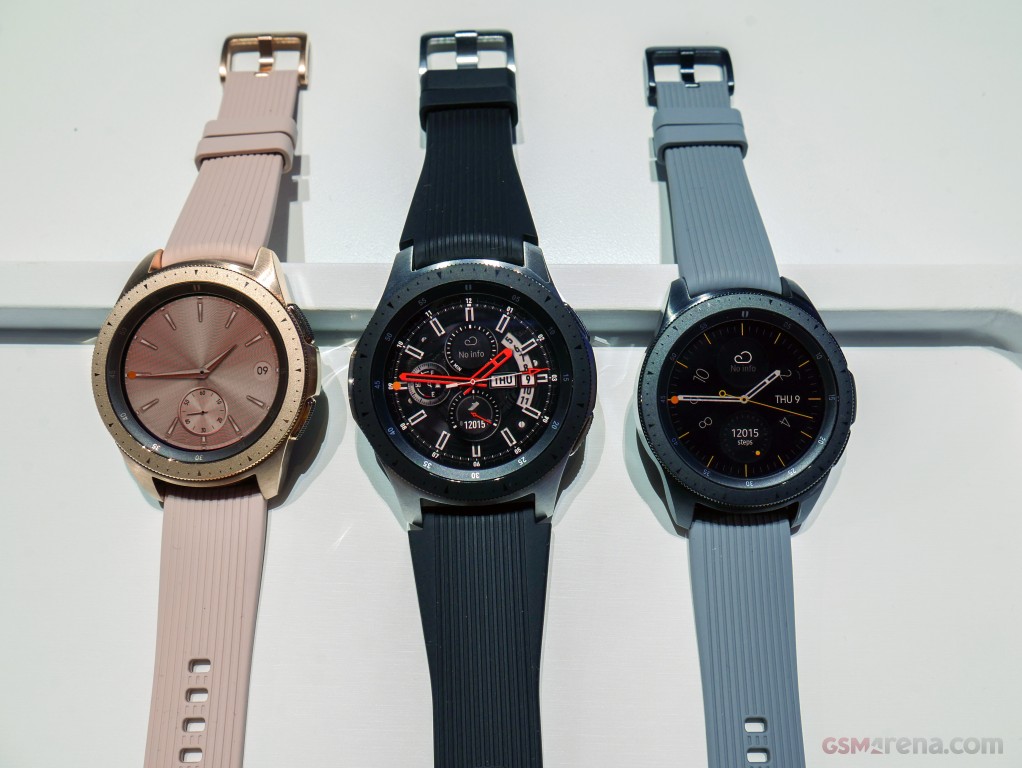
Samsung last year ditched the Gear S moniker for the Galaxy Watch. Thus, the Samsung Galaxy Watch was launched alongside the Galaxy Note 9 in August 2018. The company also released a Golf Edition in September and then the Galaxy Watch Active was announced in February this year. The company will this year launch a successor and it is rumoured to go by the codename “Renaissance.”
The leaked codename was first reported by SamMobile who quoted an unnamed inside source to have provided the scanty information.
The Galaxy Watch 2 is expected to be launched around the same time the Galaxy Note 10 will be unveiled this August. However, not much has been heard concerning the device at present, apart from the codename “Renaissance”. The codename, however, points to something interesting in terms of new features and capabilities. There are suggestions that it could have also been chosen to fit in thematically with the Galaxy Note 10, which bears the codename “Da Vinci.” In this case, there is the possibility that Samsung is planning to expand cross-functionality between the smartwatch and smartphone. The Galaxy Watch was launched in 46mm and 42mm sizes. That may also be the case for its successor.
As we draw closer to the anticipated August launch for the Galaxy Watch 2, we’ll most likely get more information and leaks concerning the model as time goes on.
With electric scooters becoming more and more popular, leading manufacturers are now coming up with high-end e-bikes that offer an impressive array of features.
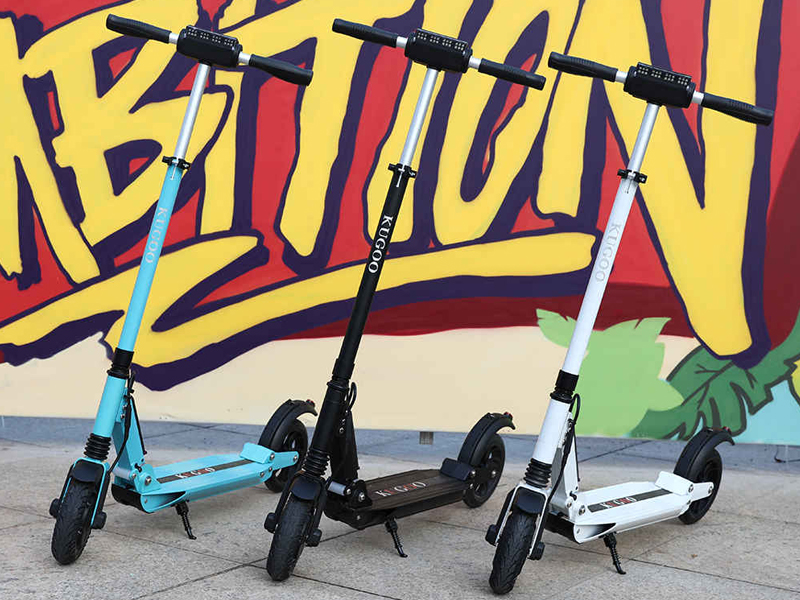
Kugoo is a brand name to reckon with when it comes to folding electric scooters. The Shenzhen-based electric scooter maker has now teamed-up with GeekBuying to launch the Kugoo Cashback Coupon event.
As part of the recently kicked-off promo, GeekBuying users who buy the Kugoo S1, S1 Pro or the G-Booster electric scooter from June 24 to June 30 will get a $30 cashback coupon. You can use the aforesaid coupon for all items carrying a price tag over $31, except Kugoo-branded items.
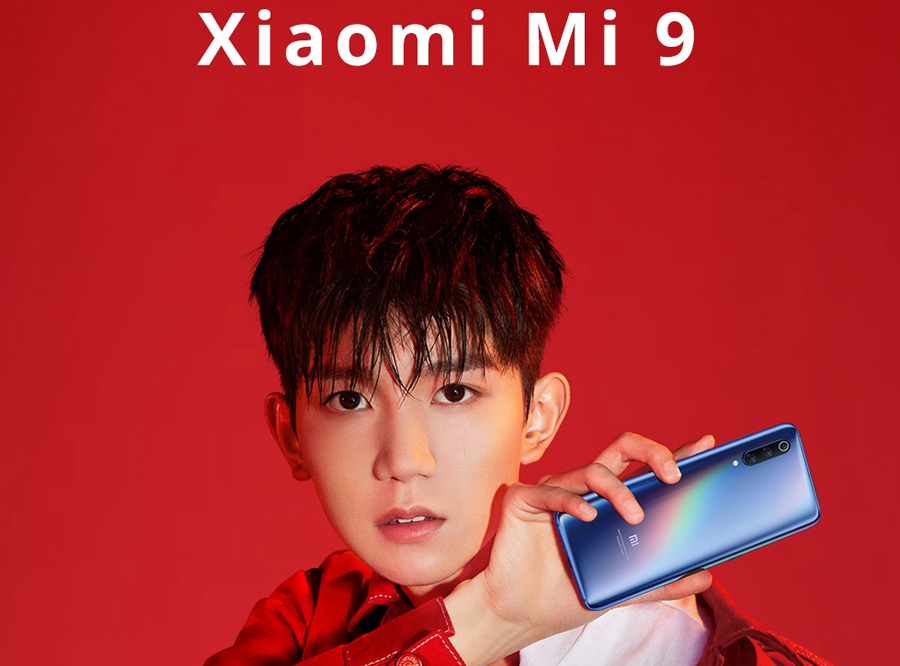
For instance, the coupon can be used to grab a discount on the Xiaomi Mi Band 4 smart bracelet, Xiaomi Mi 9, etc. In order to take advantage of the $30 Kugoo Cashback Coupon, all you need to do is to search the keyword “cashback” on GeekBuying or head straight to this link.
The next step involves filling in relevant information such as email address and order ID of the Kugoo series product (Kugoo S1/S1 Pro/G-Booster). The coupon will be sent to the email address you provide within a span of just 24 hours.
Distribution form of Binding Coupon: Note that one mailbox is eligible for receiving the coupon only once. Moreover, the coupon can be used by the registered email address and you cannot share it. As far as the validity time for Kugoo Cash Coupon is concerned, it should be used within three days.
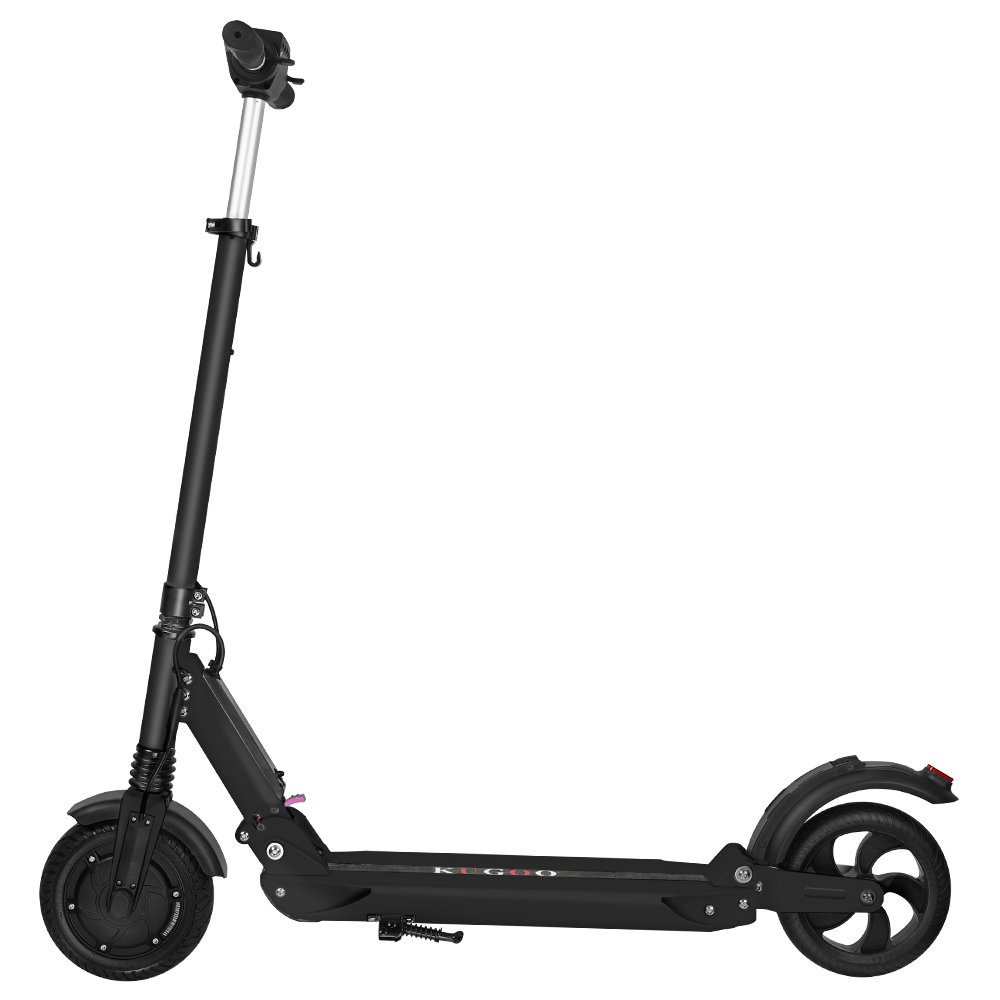
Kugoo S1 Folding Electric Scooter
A great choice for short predictable commute, e-bikes are quieter and more efficient as compared to regular motorbikes. The market is teeming with e-bikes that boast incredible features, but these electric powered scooters usually carry steep price tags.
Much to the relief of those who aren’t willing to shell out a lot of money on an e-bike, the Kugoo S1 folding electric scooter has gone up for sale bearing a heavily discounted price on GeekBuying. The S1 normally retails for $699.99, but the Chinese online store is now offering it for only $319.99.
Moreover, you can extend this 54 percent discount by applying coupon code KUGOO624 at checkout. The coupon helps you save $10 by bringing the already reduced asking price of the Kugoo S1 electric scooter further down to only $309.99 before you place your order.
Note that the coupon is valid for Poland Stock and can be used for various color options including white, black, blue and pink. On top of that, you get a Portable Bike Scooter Cable Coiled Lock with Secure Keys worth $28.48 as a free gift. You can click here to visit the activity page.
If that doesn’t impress you much, you can get the Adjustable Sports Safety Protective Bicycle Cycling Helmet Equipment as a free gift if you order it along with the Kugoo S1 electric scooter. You can visit this link to check out more details about the lightweight integrally-molded bicycle helmet.
Alternatively, you can go for a set of two S1 Folding Electric Scooters, which would normally set you back $738.99. Thanks to a 16 percent discount, you can now buy the set for a dropped price of just $623.99 from GeekBuying.
Moreover, you can use coupon code 3ZQHC3AQ and get an extra $18.72 off. In other words, you can reduce the original selling price of the S1 Folding Electric Scooters to just $605.27 simply by applying the above-mentioned coupon during the checkout process.
You can head straight to this link in order to check out more details about the S1 Folding Electric Scooter and avail the discount. Note that the promo will only be valid for five days.
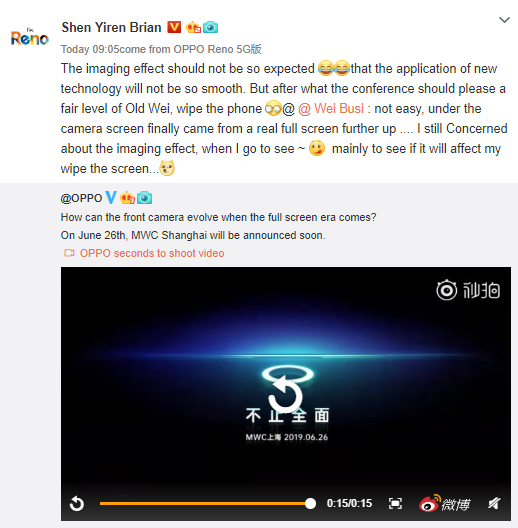
At the beginning of this month, OPPO surprised the smartphone industry by showing off a protype of its in-display camera technology. The company will be showcasing the technology during the Mobile World Congress (MWC) Shanghai 2019 tech trade show that will be held between June 26 and June 28. A day ahead of the MWC Shanghai 2019, OPPO VP Brian Shen took to Weibo to state that the image quality of the in-screen camera technology may not be good.
Brian has claimed that the application of the new technology will not be smooth, and he is concerned of the image quality. After the announcement of OPPO’s in-display camera technology earlier this month, Brian had claimed that at present the screen camera is unable to generate the same image quality as the non-screen camera. He added that the images captured through the new technology will have some loss in optical quality. He had also said that it is difficult to mass produce the in-display camera technology.
In a bid to offer higher screen to users, smartphone manufactures have tried to cut down the size of the upper bezel through different solutions such as notches, punch-hole design and pop-up front camera. However, the in-display camera technology is all about embedding the front camera under the display of the phone.
For those seeking the perfect, notchless smartphone screen experience – prepare to be amazed. 📲
You are taking a very first look at our under-display selfie camera technology. RT! 🤯 pic.twitter.com/FrqB6RiJaY
When the in-screen fingerprint technology was introduced few years ago, it wasn’t perfect, and it took time to deliver accurate results. The same applies for the in-display camera technology. Xiaomi has also confirmed that it is working on the new screen camera technology. OPPO’s sibling firm Vivo too is reported working on the same technology. With multiple companies working on the same technology, improvements are expected to happen sooner.
OPPO has been working on the screen camera technology since 2017. Since the screen camera has to work with other components and imaging algorithms, it is difficult to implement this technology. The Chinese firm is expected to shed more light on it at the MWC Shanghai 2019 this week. Also, it is not known which forthcoming handset from OPPO will be featuring the screen camera technology.
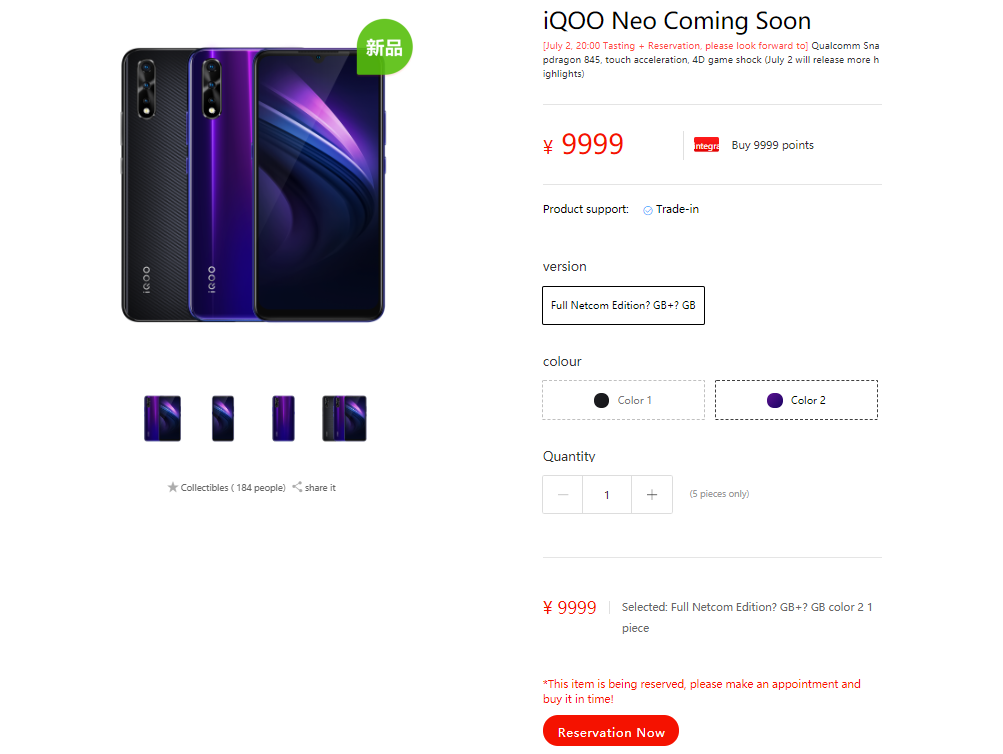
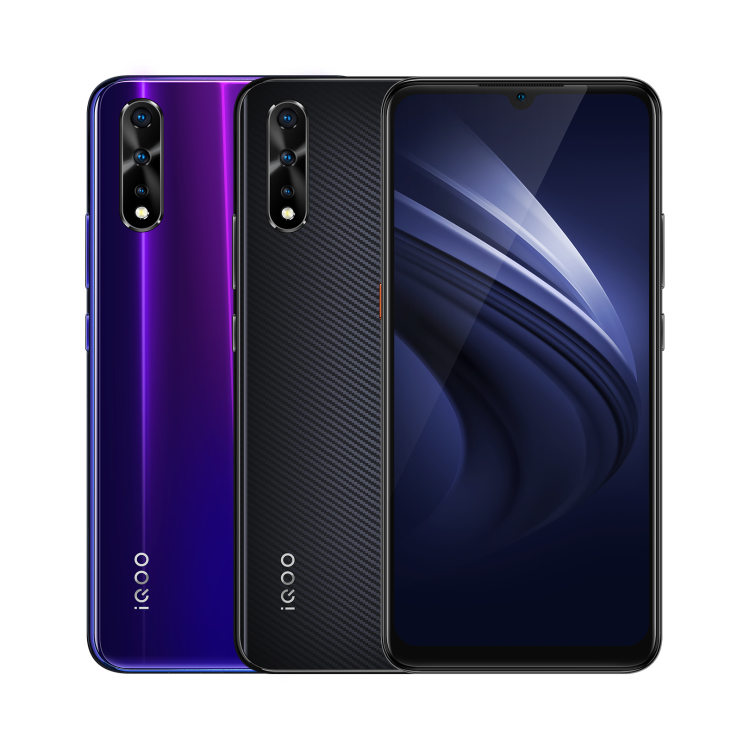
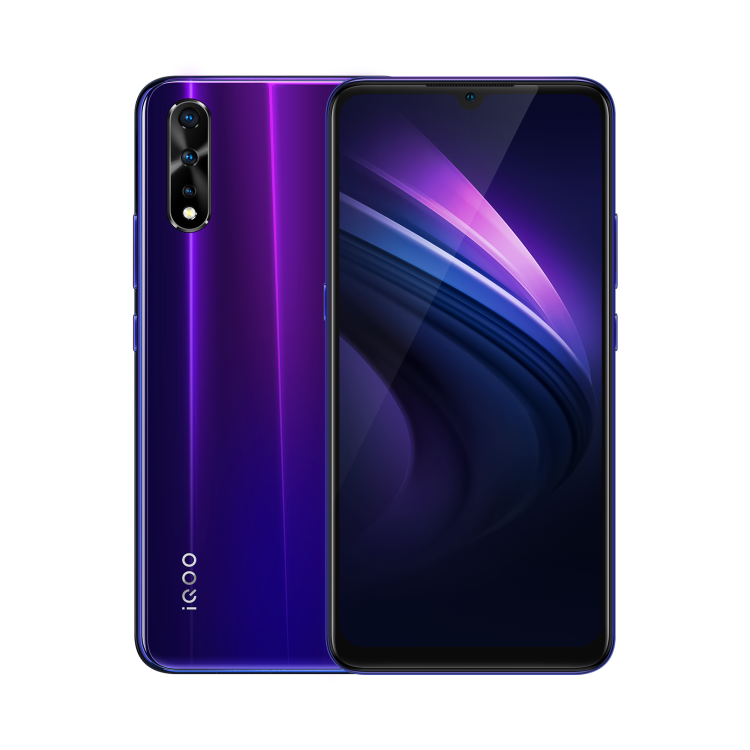
The iQOO Neo gaming phone is scheduled to go official on July 2. A week before its unveiling, Vivo iQOO has added a product page with images of the iQOO Neo phone on the official website. The images reveal that the smartphone will be arriving in two colors like a purple-blue gradient and black. The company is now receiving the reservations of the phone.
The Vivo iQOO Neo product page on the official website does not feature the exact pricing of the phone. The reservations of the phone will be carried out until July 2. The product page has no information on the specifications of the smartphone.
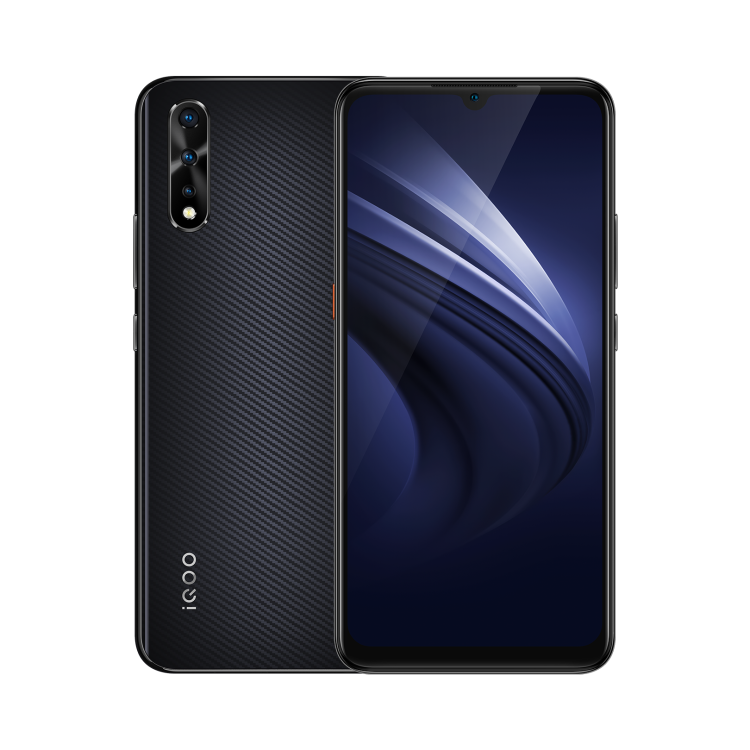
In terms of the design of the display and rear panel, the iQOO Neo resembles a lot with the iQOO flagship phone. The smartphone is fitted with a waterdrop-style notch screen with a slightly thick chin. The right side of the phone has a volume rocker and a power key. A dedicated red colored button probably for accessing Jovi AI assistant is available on the left spine of the device.
The Black model has a textured appeal and looks like the Samurai Black version of the iQOO smartphone. A vertical triple camera setup can be found at the top-left corner of the device. The module also includes an LED flash. The rear camera setup design of the phone is slightly different from the iQOO smartphone that has a separately placed LED flash for the triple camera sensors. The lack of fingerprint scanner from the rear side of the iQOO Neo suggests that it could be embedded under its display.
Few details of the phone have surfaced on the TENAA listing of the smartphone. It has been found that the iQOO Neo phone will be coming with a 6.38-inch display and a minimum capacity battery of 4,420mAh capacity. The 3C certification of the phone has revealed that it may carry support for up to 22.5W rapid charging. The smartphone measures 159.53 x 75.23 x 8.13mm. In terms of dimensions, it will be similar to the iQOO phone that measures 157.7 x 75.2 x 8.53.
Launched in March this year, the Mi 9 is simply an irresistible phablet. The device became an instant hit among Xiaomi’s huge fanbase, despite carrying a steep price tag.
It looks like cost-conscious buyers that have restlessly been waiting for the Xiaomi Mi 9 phablet price to drop are in for a treat. The Chinese electronics giant has teamed-up with Gearbest to offer the recently unveiled phablet for a lowered price.
The Xiaomi Mi 9 phablet global version comes in two eye-catching color options including blue and black. The blue-tinted Mi 9 would normally set you back $554.46, but much to the relief of those living on a tight budget, it is now available for only $404.99 on Gearbest.
This is a 27 percent reduction in the device’s original asking price. Note that 280 units were already sold at the time of writing. You can follow this link in order to grab the discount before the promo ends.
You can get Xiaomi Mi 9 6GB+128GB Smartphone at $399.99 starting from UTC+8 5PM on June 27th.
Alternatively, you can go for the black color option of the Mi 9 phablet global version, which normally retails for $554.46 on both online as well as offline stores. Thanks to a 27 percent discount, you can now get your hands on it for a reduced price of just $404.99 through Gearbest.
It is worth mentioning here that 276 units have already been sold. You can visit this link to avail the discount before the promo wraps up. As a phablet, the Xiaomi Mi 9 offers the following features:
6.39-inch FHD+ display with 2340 x 1080 pixels resolution
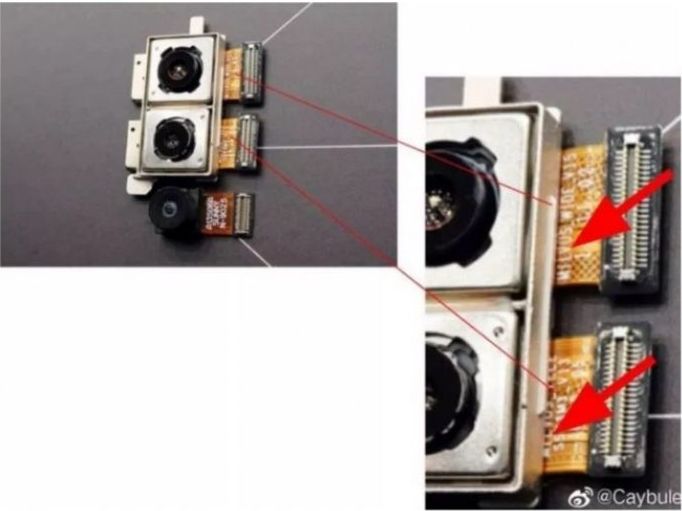
Sony has used its G-lens series as the main camera for its smartphones right from the Sony Xperia Z1 that came out in 2013 to Xperia XZ3 from 2018. Leaked information that had surfaced last month had claimed that Sony may have replaced the G-lens with ZEISS MILVUS lenses for the triple camera sensors available on the Xperia 1 premium flagship phone that was announced in February this year. According to Sumahoinfo, they have learnt from a staff from Sony’s Thai factory that Sony will be replacing G-lens with Carl ZEISS lenses for its smartphones.
The images of the triple camera sensors of the Sony Xperia 1 that had surfaced last month had revealed that the Japanese tech giant had used a pair of ZEISS 12-megapixel lenses and a 12-megapixel sensor from Samsung. The publication has claimed that some of the employees from the Thailand plant have also claimed that Sony has used ZEISS lenses instead of G-lens on Xperia. Hence, it appears that forthcoming premium smartphones from Sony may not feature a G lens.
The ZEISS lens is said to be as good as G-lens. Hence, there may not be any significant improvement in the imaging quality with the usage of ZEISS lenses. That being said, the probable reason why the camera performance of the Xperia 1 is being praised is because of the addition of new camera functions, claims the publication.
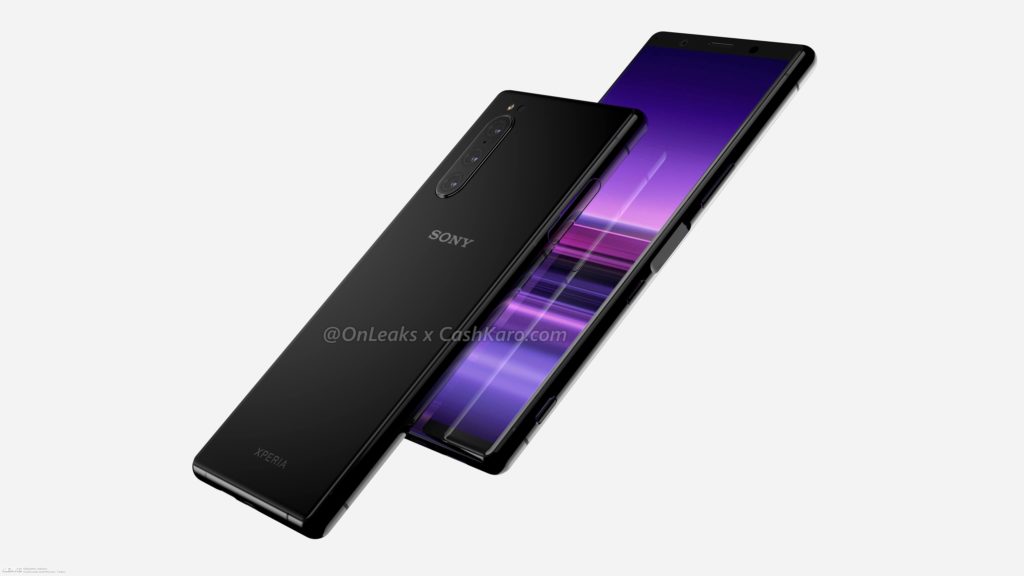
Sony is reportedly working on Xperia 2 flagship phone. The CAD renders of the phone were released by @OnLeaks in the previous month. The successor of the Xperia 1 is also expected to arrive with triple camera setup. Now that the company has reportedly starting ZEISS lenses on its smartphones, the Xperia 2 may not feature a G lens. Sony is yet to release an official statement to confirm that it has switched to ZEISS lenses for its smartphones.
The Japanese tech giant is known for using the IFA tech trade show platform for announcing its new phones in the second half of the year. Probably, the company may announce the Xperia 2 phone at the IFA 2019 event in September. Rumors have it that the Xperia 2 may come with a 6.2-inch CinemaWide display that offers 21:9 aspect ratio. It could be powered by Snapdragon 855 chipset and 6 GB of RAM.
Looking for feature-rich true wireless earbuds that don’t cost a bomb? You’ve come to the right place.
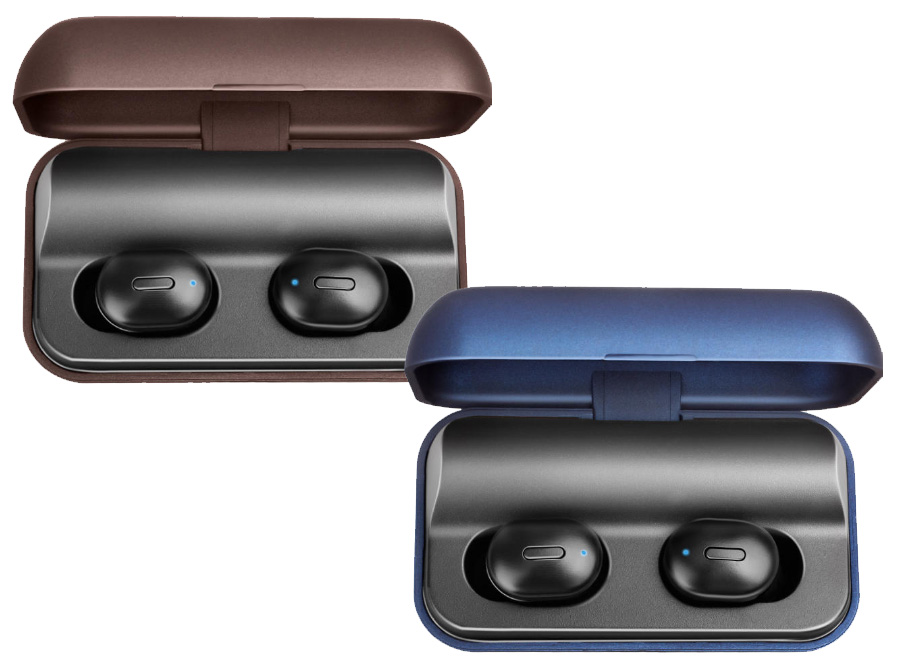
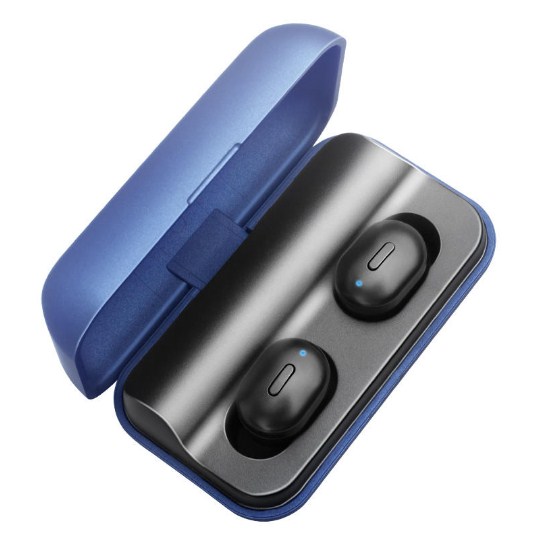
Designed to offer a superior listening experience, the Bakeey T1 Pro TWS Earbuds feature Independent Sound Chambers with 10MM Titanium Film Drivers, producing accurate vocals, balanced mid frequencies, and powerful low frequencies. It comes with a portable charger equipped with a built-in large capacity battery.
Moreover, the anti-wear, ultra-lightweight, yet durable earbuds adopt an ergonomic design for a burden-free long time wearing. It employs Bluetooth 5.0 technology and Obstacle-free Connection to give its users freedom from hassles of wire.
It automatically connects to the previously paired device when taken out of the charging box, and automatically turns off when you place it back into the charging box. The earbuds feature IPX6 water-resistance rating, allowing you to wear them while working out, and even in the rain.
The Bakeey T1 Pro TWS Earbuds would normally set you back $29.99 but much to the relief of cost-conscious buyers, Banggood is now offering it for a dropped price of just $29.27. Aside from that, if your cart value exceeds $19.99, you’d be eligible for free shipping.
You can follow this link to grab the discount, which will be valid for the brown as well as the blue color versions of the earbuds. Note that the promo is slated to end soon.
FedEx, a US-based courier company is suing the U.S. government claiming that the company should not be held liable in case the company inadvertently shipped products that violated a Trump administration ban on exports to select Chinese companies.
In court filings in the District of Columbia, the company said it should not be expected to enforce the export ban, and could not reasonably be held liable for shipping products that it did not know about.
In the filing, the company said that the export restriction rules “essentially deputize FedEx to police the contents of the millions of packages it ships daily even though doing so is a virtually impossible task, logistically, economically, and in many cases, legally.”
In response, a U.S. Commerce Department spokesman said that “We have not yet reviewed the complaint, but nevertheless look forward to defending Commerce’s role in protecting U.S. national security.”
The U.S. Commerce Department has banned a number of Chinese firms in recent weeks from buying sensitive U.S. technology. Among them is the Chinese telecom giant Huawei Technologies which was added to the U.S. “Entity List”, barring it from buying U.S. technology upon which the company was heavily reliant.
This development comes after the company started drawing ire from China yet again related to its business practices. Last week, a package containing a Huawei smartphone sent to the United States was returned to its sender in Britain. The package was returned by the company because of a “U.S. government issue” but the company later described this incident as an “operational error.”
Last month, two parcels sent via FedEx destined for Huawei addresses in Asia were rerouted to the United States by the courier company. FedEx said the packages were “misrouted in error.” China has already launched an investigation over this matter.
FedEx has said that it would deliver all products made by Huawei to addresses other than those of Huawei and affiliates on the U.S. blacklist. United Parcel Service also said that it would not ship to Huawei addresses on the Entity List but confirmed that there’s no “general ban” on Huawei products.
However, a Huawei spokesman has said that the company has currently stopped FedEx or UPS services. Recently, Huawei took to Twitter to say that it was not within FedEx’s right to prevent the delivery and said the courier had a “vendetta.” China’s foreign ministry asked for a full explanation regarding this.
Recently, Huawei said that its smartphones will be getting the new Android Q update in the near future and also shared a list of at least 17 smartphones eligible for the upcoming major Android update.
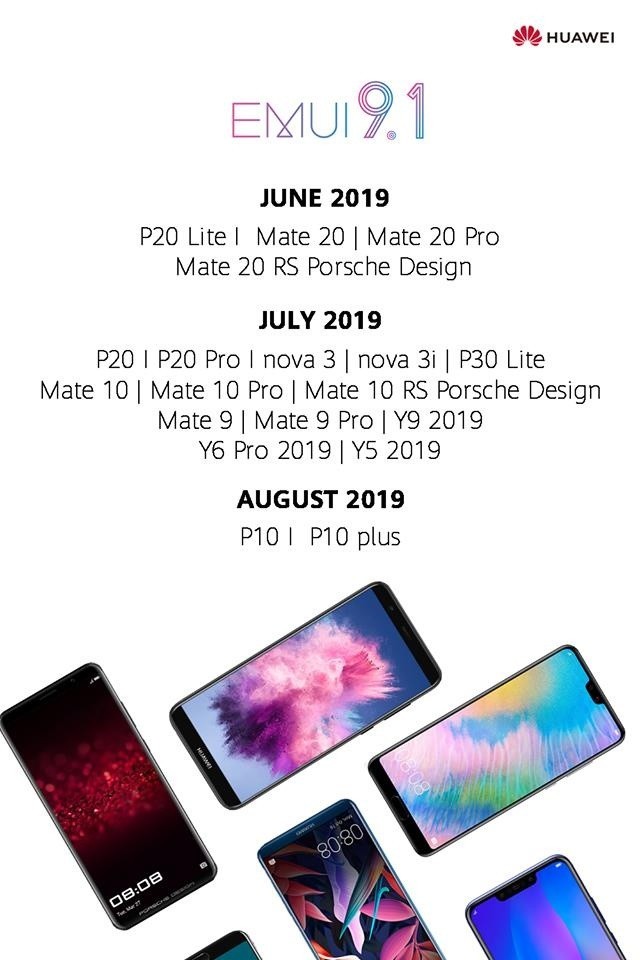
The company had also released a list of smartphones that were eligible for the EMUI 9.1 custom interface update and also mentioned the timeline for the update. Based on that timeline, the Mate 20 series is all set to receive the EMUI 9.1 update later this week.
Huawei will start rolling out the EMUI 9.1 upgrade for eligible smartphones by the end of this week. The first smartphones to receive the upgrade will be the Mate 20, Mate 20 Pro, Mate 20 RS Porsche Design, and the P20 Lite. The Mate 20 series had received the beta version of the update in April this year.
Overall, a total of 13 Huawei smartphones will be upgraded to EMUI 9.1 by July 2019, which includes Huawei P20, P20 Pro, Nova 3, Nova 3i, P30 Lite, Mate 10, Mate 10 Pro, Mate 10 RS Porsche Design, Mate 9, Mate 9 Pro, Y9 2019, Y6 Pro 2019, and Y5 2019.
There are two smartphones which are slated to receive the new EMUI update in the month of August — Huawei P10 and P10 Plus which were launched around two years ago.
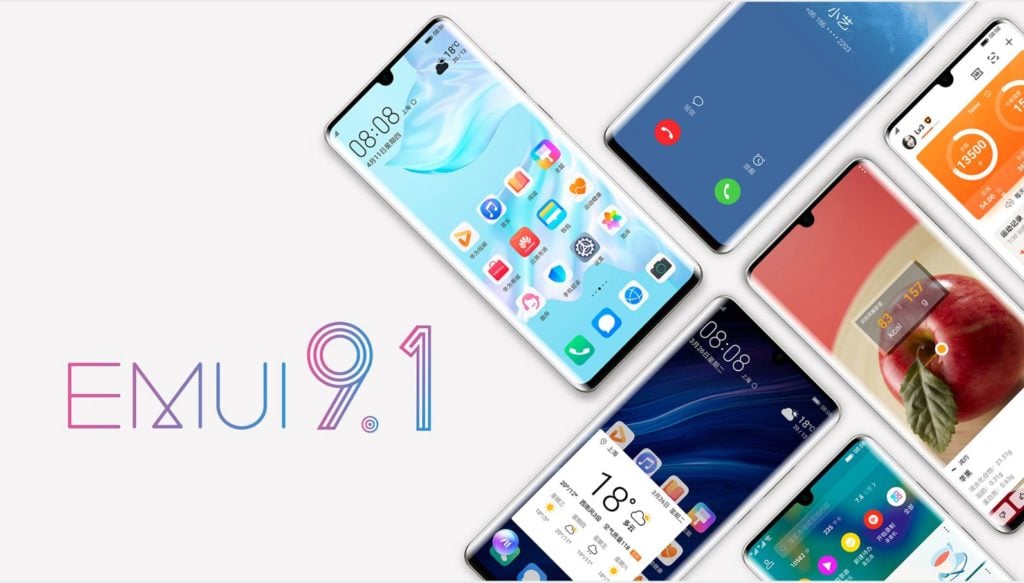
Huawei’s EMUI 9.1 adopts a minimalist design, thanks to Android 9.0 Pie’s deep customization optimization. This version also brings improvements in wallpapers, themes, and icons. There are also several improvements to the overall user apps which makes it easier to use the user interface.
There are also improvements in artificial intelligence (AI) features covering various aspects such as health, office, entertainment, travel and more. The company has been pursuing the synergy of mobile and PC office systems and has developed the Huawei Share “One Touch” feature. With a single touch, the phone and Huawei MateBook can establish a connection and quickly transfer pictures, videos and documents.
Additionally, the EMUI 9.1 also comes with “AR measurement”, which not only measures the line segment and area but also measures the volume with one click. What’s more interesting is that when the family and friends are in the same box, “Huawei AR measurement” can also measure the heights of all members of the family at one time.
EMUI 9.1 also comes with an upgrade to the new GPU Turbo graphics acceleration technology. This gaming-related feature introduces support for 51 domestic games in addition to the already supported 60 domestic games, bringing a low-power full-frame gaming experience.
It also comes with improvements for Huawei’s voice assistant as well as smart dual 4G SIM card switching, which automatically switches the primary SIM cards based on the one with the best internet coverage.
Huawei has already launched its P-series flagship smartphones earlier this year and now the company is gearing up to launch the Mate 30 series smartphones, despite facing difficulties because of the US ban.
Just like every year, this time too the company will be launching multiple models under its Mate 30 series — the standard Huawei Mate 30, more powerful Mate 30 Pro, and a watered-down Mate 30 Lite.
Also, the company is expected to continue the trend of launching the Mate 30 Lite model earlier than the other models — Mate 30 and Mate 30 Pro. Further, the report says that like its predecessor, the Mate 30 Lite will be launched in China under a different name.
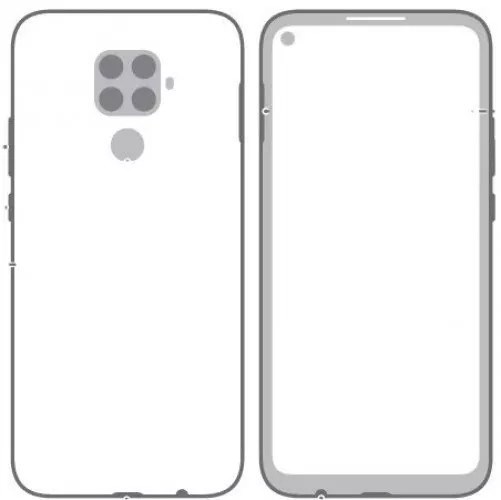
Alleged Design of Huawei Mate 30 Lite
Now, coming to the specifications, the report revealed that the Huawei Mate 30 Lite smartphone will be powered by the recently launched company’s own HiSilicon Kirin 810 octa-core processor.
The Huawei HiSilicon Kirin 810 is an octa-core processor which comes equipped with two Cortex-A76 high-performance large cores clocked at 2.27 GHz and six Cortex-A55 energy efficient small cores clocked at 1.88 GHz. It is coupled with Mali-G52 GPU for graphics processing and the new Huawei DaVinci architecture NPU for AI processing.
It is also expected to come with a full-screen display having a punch-hole design that will house the front-facing camera of 24MP. The previous report indicates that the phone could feature a 6.4-inch IPS display with 2310 x 1080 pixels screen resolution.
On the back side, the phone will come with a quad-camera setup. The device is also said to come with a rear-mounted fingerprint sensor for authentication. The phone could come with 6GB RAM + 128GB storage and 8GB RAM + 128GB storage variants.
Reports also indicate that the smartphone will be powered by a 4,000mAh battery and will come with support for 20W fast charging technology. Earlier this year, during the company’s press briefing in Malaysia, Huawei confirmed that it has started working on the Mate 30 series and is currently under the testing phase. While the launch date is not yet revealed, the Huawei Mate 30 series is expected to go official in September or October.
Lenovo, which has already launched the flagship Lenovo Z6 Pro and the watered-down Lenovo Z6 Youth Edition smartphones in China, is now gearing up to launch the standard edition — Lenovo Z6.
Ahead of the launch of the Lenovo Z6, the company has been teasing its features and specifications. The company recently confirmed that the phone will be powered by the Qualcomm Snapdragon 730 SoC. Now, it has confirmed its battery related specs.
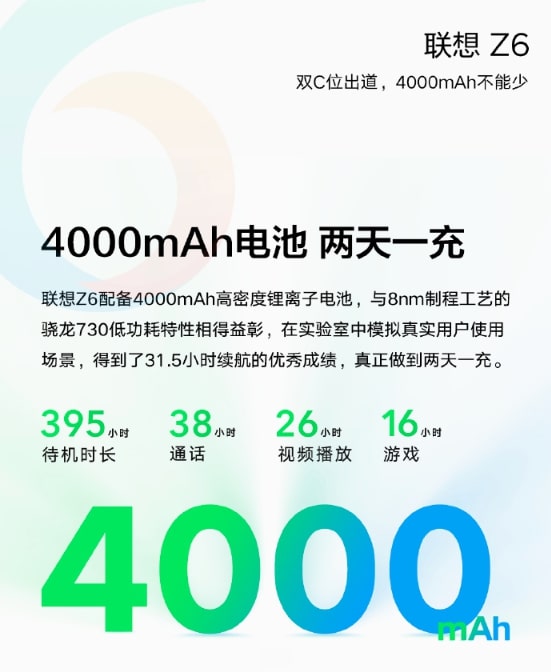
The company has revealed that the Lenovo Z6 will be powered by a 4,000mAh battery and will come with support for 15W Quick Charge 3.0 fast charging technology and is rated for 18W fast charging. Lenovo adds that the battery can provide a standby time of 395 hours.
Further, the battery is rate to offer talk time of 38 hours, video playback of 26 hours, and gameplay for 16 hours. It also adds that the high-density lithium battery consumes less than 3 percent electricity at night.
The company has already revealed that the phone will feature an AI-powered triple camera by Sony. The Chinese text for the display information mentioned on the image translates to “color laser screen.” Since the Lenovo Z6 Pro and Z6 Youth Edition are equipped with waterdrop-like notch display, the standard Z6 could be also come equipped with the same kind of display design, probably with a 6.3-inch display.
The smartphone is expected to come in at least two color options — Brown and Blue. We expect to know more about the smartphone, including its full specifications as well as pricing and availability details in the coming weeks.
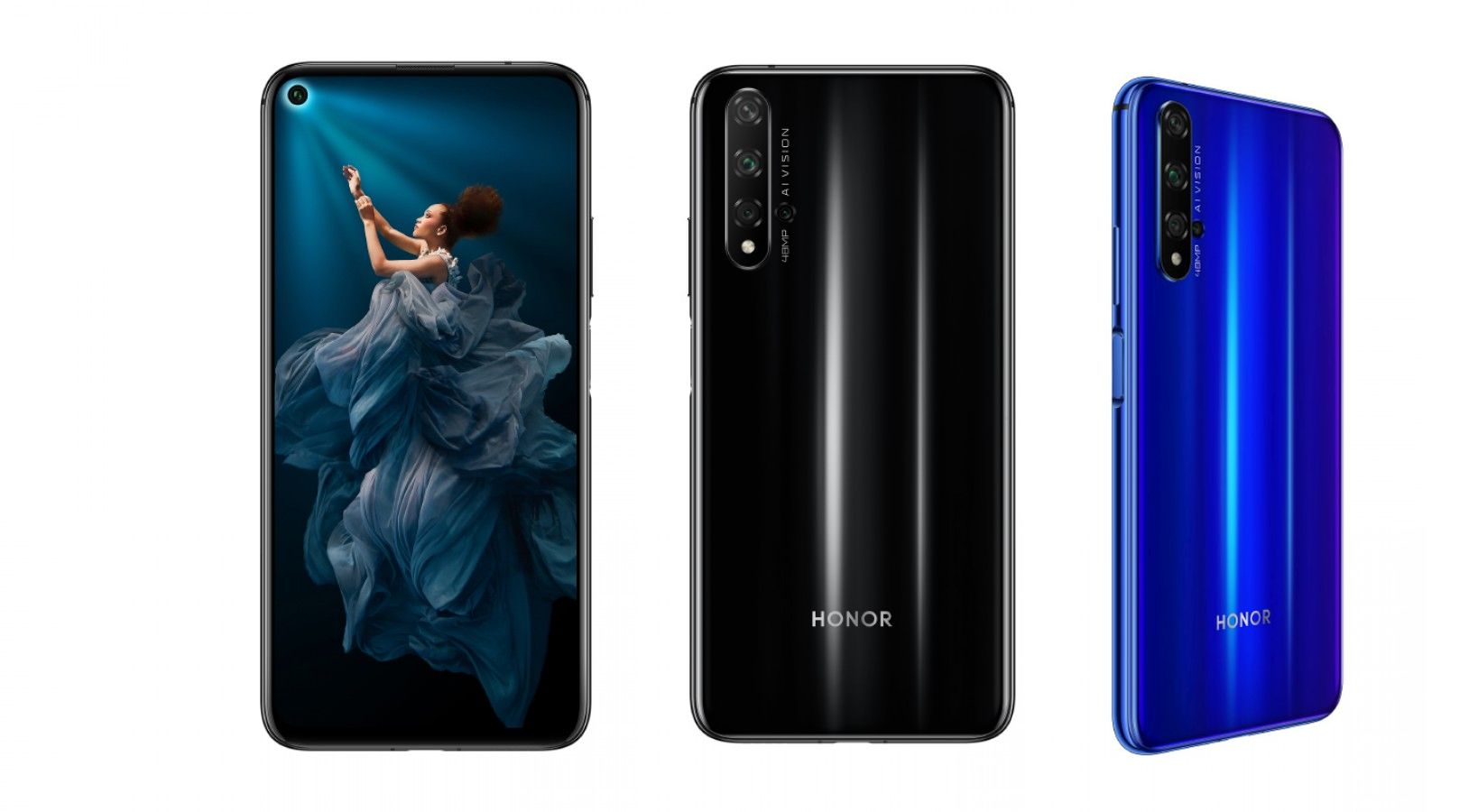
Earlier this month, Huawei’s sub-brand Honor launched the Honor 20, Honor 20i, and Honor 20 Pro smartphones in the Indian market. While the 20i went on sale in India from 18th June, the Honor 20 is all set to go on sale in India from today.
The Honor 20 will be available for purchase in India today at 12:00 PM local time, exclusively through online marketplace Flipkart and all leading offline stores across the country. It comes in two color options — Sapphire Blue and Midnight Black. The Honor 20 is priced at Rs. 32,999 in India, which roughly converts to $474.
Honor 20
As a part of the launch offer, Honor has also announced a ‘Love it or Return it’ Challenge. Under this, buyers will get the opportunity to experience the device and return it before 90 days, if they do not love it. Honor promises to return 90 percent of the amount if the return is initiated within 90 days.
Other offers include no-cost EMI options starting from Rs. 5,500 per month, Jio cashback of up to 2,200 and 125GB of additional data. Alongside the Honor 20 (Full Specs) and Honor 20i, the company had also launched the Honor 20 Pro but its sale date has not been announced yet by the company.
The smartphone features a 6.26-inch Full HD+ IPS LCD display with 2340 x 1080 pixels screen resolution and a punch-hole design. Instead of the rear-mounted or in-display fingerprint sensor, it comes with a side-mounted fingerprint reader.
Under the hood, the device is powered by the company’s own Kirin 980 octa-core chipset. It comes in a single variant that packs 6GB of RAM and 128GB of internal storage without support for expandable storage.
For capturing selfies, they are fitted with 32-megapixel front-facing cameras. It also carries support for Face Unlock feature. On the back side, it comes with a quad camera setup featuring a 16-megapixel ultrawide lens with f/2.2 aperture, a 48-megapixel main sensor with f/1.8 aperture, a 2-megapixel macro camera, and a 2-megapixel depth sensor.
The phone runs Huawei’s Magic UI 2.0 custom user interface which is based on Android 9 Pie operating system. It is fuelled by a 3,650mAh battery with support for Fast Charging technology. The device measures 154.25 x 73.97 x 7.87mm and weighs 174 grams.
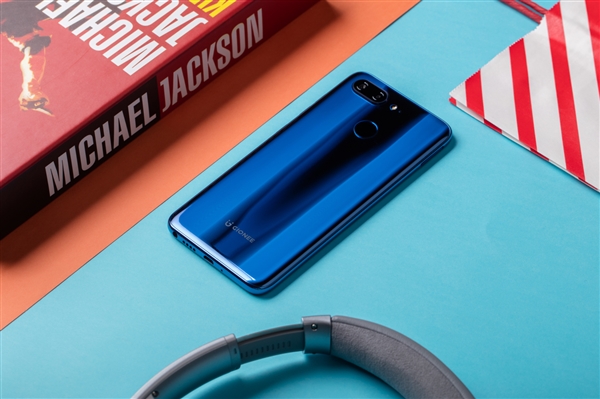
Gionee was on course to wrestle a slice of the Chinese smartphone market share from competitors like OPPO, Vivo and Xiaomi until the company ran into troubled waters. The company last year filed for bankruptcy last year.
All hopes of the company coming out of its financial troubles may finally be over. Gionee’s patents are billed to be sold off its patents in order to offset its debts. An announcement by the Shenzhen Intermediate People’s Court indicates that the bankruptcy liquidation of Gionee will be carried out by the administrator on July 24 to July 25 via Taobao.com’s bankruptcy property network auction platform.
The announcement also reveals that Gionee’s design patents will be auctioned at a starting price of 21,100 yuan. The administrator’s statistics show that 211 of Gionee’s design patents have accumulated backlogs in annual fees, late fees, recovery fees and other official fees totalling 317,400 yuan. The administration aims to raise the sum of 206 million yuan.
Gionee’s financial woes were in no way related to inadequate phone sales, as the innovation-driven company was doing good in that aspect. Unfortunately, poor financial management was the cause of the company’s downward spiral. This is traceable to the company President who was rumoured to have an addiction for gambling and was even rumoured to have lost 10 billion yuan during his exploits.
We might not be seeing Microsoft’s Surface Phone codenamed Andromeda anytime soon as the project has been shelved since last year. However, a new report says Microsoft is developing a new two-screen device that may arrive as early as the first quarter of 2020.
image source: phonearena
A report by Forbes says Microsoft is planning to launch a dual-screen device in the first half of 2020. This device will have two 9-inch displays with a 4:3 aspect ratio according to info from supply chain sources said Jeff Lin, an Associate Director at IHS Markit, who spoke to Forbes.
The unnamed device will be powered by Intel’s 10nm Lakefield SoC and will run a version of Windows called Windows Core OS (WCOS) a.k.a Windows Lite which has a UI designed to support dual displays. The Microsoft device will also have always-on connectivity but it is unconfirmed if it is 4G or 5G.
While Microsoft definitely can’t wait to show us the device (we really hope it has a USB-C power port), it has more to offer than just hardware design. On the software part, it has been reported that the Surface device will be able to run Android apps! That sure is a big deal as Android has tons of apps for users to choose from. But it isn’t as simple as that. Microsoft will have to create its own app store and encourage developers to make their apps to work without Google play services.
It has also been reported that the device which is codenamed “Centaurus” will also run iCloud.
The Verge reports that Microsoft already showed the device at an employee-only event but the public might get first look much later this year before its announcement.
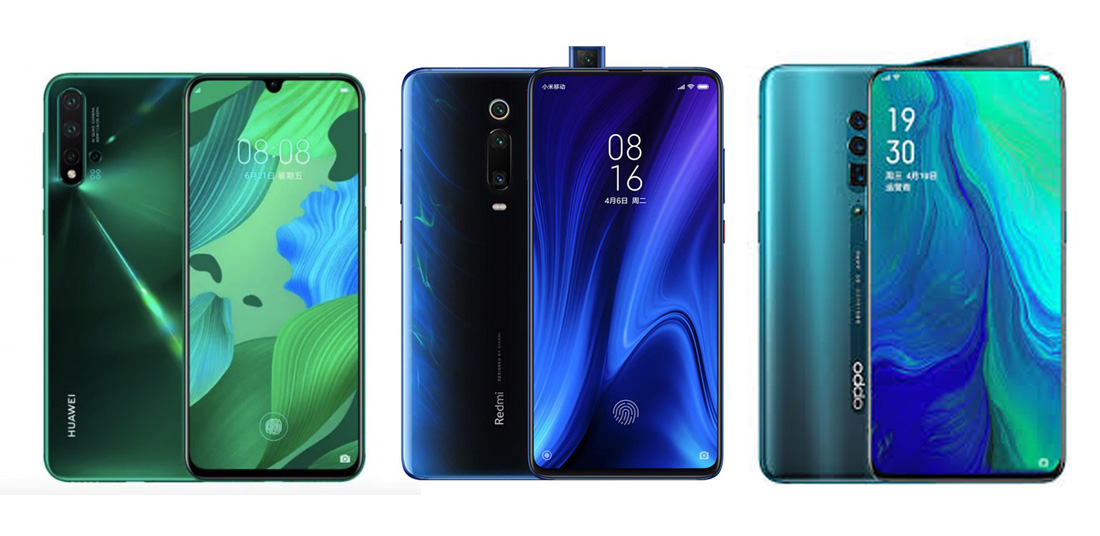
When it comes to performance, the actual midrange phones are very close to flagships from just two years ago. That is why buying a midrange actually makes sense even for an advanced user. But only if you know what you are buying, and in order to know it, you must be constantly updated about the latest models released and their specifications. One of the latest upper-midrange devices out there is the new Huawei Nova 5 which is very interesting as it is the first phone to be powered by the new Kirin 810 chipset. Here, we compared it with the other best-selling mid-rangers in the actual market: the new Redmi K20 and the iconic Oppo Reno.
Huawei Nova 5 vs Xiaomi Redmi K20 vs Oppo Reno
Huawei Nova 5
Xiaomi Redmi K20
Samsung Galaxy A80
DIMENSIONS AND WEIGHT
157.4 x 74.8 x 7.3 mm, 171 grams
156.7 x 74.3 x 8.8 mm, 191 grams
165.2 x 76.5 x 9.3 mm
DISPLAY
6.39 inches, 1080 x 2340p (Full HD+), 403 ppi, OLED
6.39 inches, 1080 x 2340p (Full HD+), 403 ppi, AMOLED
6.7 inches, 1080 x 2400p (Full HD+), 393 ppi, Super AMOLED
Quad 48 + 16 + 2 +2 MP f/1.8 and f/2.2 and f/2.4 and f/2.4
32 MP f/2.2 front camera
Triple 48 + 13 + 8 MP f/1.8 and f/2.4 and f/2.4
20 MP f/2.2 front camera
Triple 48 + 8 MP + TOF f/2.0 and f/2.2
BATTERY
3500 mAh, fast charging 40W
4000 mAh, fast charging 18W
3700 mAh, fast charging 25W
ADDITIONAL FEATURES
Hybrid Dual SIM slot
Dual SIM slot
Dual SIM slot
Design
Redmi K20 Pro and Oppo Reno are one step forward if we talk about the design. They come with fewer bezels around the display thanks to the presence of a pop-up camera above it, which shows up through a motorized slider. While Redmi K20 Pro has a classic pop-up mechanism, Oppo Reno is equipped with a shark fin pop-up camera. Whether you should go for the Redmi K20 or the Oppo Reno is up to your tastes. We do not recommend the Huawei Nova 5 if you want an original design, but it is far from being an ugly handset.
Display
There are just marginal differences between the displays of these smartphones, so you should definitely not base your choice on the display quality. Further, note that each of these devices has a great OLED panel with brilliant colors and great chromatic performances. I personally prefer the Redmi K20 because it is HDR-compliant, but Huawei Nova 5 is amazing as well thanks to its 108 percent DCI-P3 coverage. Oppo Reno has a high DCI-P3 coverage too, but not as high as the Huawei Nova 3. On the other side, it should have a more resistant glass due to the Gorilla Glass 6 protection.
Specs & Software
We still had no chance to test the performance of the new Kirin 810 chipset, but on the paper, it is an amazing chipset. It should theoretically be very close to the Snapdragon 730 found on the Redmi K20 (it is even superior according to the first benchmarks), but I love the latter due to its awesome Adreno 618 GPU. Further, the Redmi K20 has internal storage which goes up to 256 GB, while Huawei Nova 5 stops at 128 GB in its most expensive variant. Note that Huawei Nova 5’s storage can be expanded, while Redmi K20 does not feature an expansion slot.
Camera
Here it is a very hard fight between Redmi K20 and Huawei Nova 5. As long as we do not personally test the latter, we can not give you a definitive verdict about its camera quality. Especially because it is equipped with a quad camera setup including a dedicated macro camera. Redmi K20 Pro has a triple camera but it is an incredible camera phone in most of the light conditions, so it may not be easy to establish a winner.
Battery
Redmi K20 wins the battery comparison because it has a way bigger battery than its rivals. With 4000 mAh, it can last up to two days with moderate usage. Huawei Nova 5 has the smallest battery, but it comes with an incredibly fast charging technology, unlike Oppo Reno and Redmi K20. With a max power of 40W, it can reach 85 percent in just 30 minutes.
Price
Huawei Nova 5 launched in the Chinese market with a €360/$410 price tag in the 8/128 GB configuration, Redmi K20 Pro starts from just €260/$295 in the 6/64 GB variant, and Oppo Reno starts from €500/$570. Huawei Nova 5 and Redmi K20 are currently two phones with a higher value for money, at least in a few Asian markets. I would personally go for the Redmi K20 Pro for its amazing performance, bigger battery, and great design.
Huawei’s EMUI 9.1 arrived with the launch of the Huawei P30 series. The latest version brings new features such as a revamped design, nature’s sounds, smart shopping using AR, AR measure, Huawei Share ONEHOP, simplified settings, and GPU Turbo 3.0, to name a few.
A few months ago, Huawei began recruiting beta testers and even rolled out a beta version to some Huawei and Honor devices. The Chinese versions of the Mate 20 Pro and Mate 20X later received stable updates. Now, the timeline for the first set of devices out of the planned 49 devices has been revealed.
June 27th
Huawei Mate 20
Huawei Mate 20 Pro
Huawei Mate 20 X
Huawei Mate 20 RS Porsche Design
July
Huawei P20
Huawei P20 Pro
Huawei Mate 10
Huawei Mate 10 Pro
Huawei Mate 10 RS Porsche Design
Huawei Mate 9
Huawei Mate 9 Pro
Huawei Y9 2019
Huawei Y6 2019
Huawei Y5 2019
Huawei Nova 3
Huawei Nova 3i
Huawei Nova 3e
Huawei Nova 4
August
Huawei P10
Huawei P10 Plus
Huawei P10 Lite
NB: The source of the info, Huawei Central, says the update for the Mate 10 and Mate 10 Pro may be delayed till August. The arrival of the update will also depend on the region for all devices.
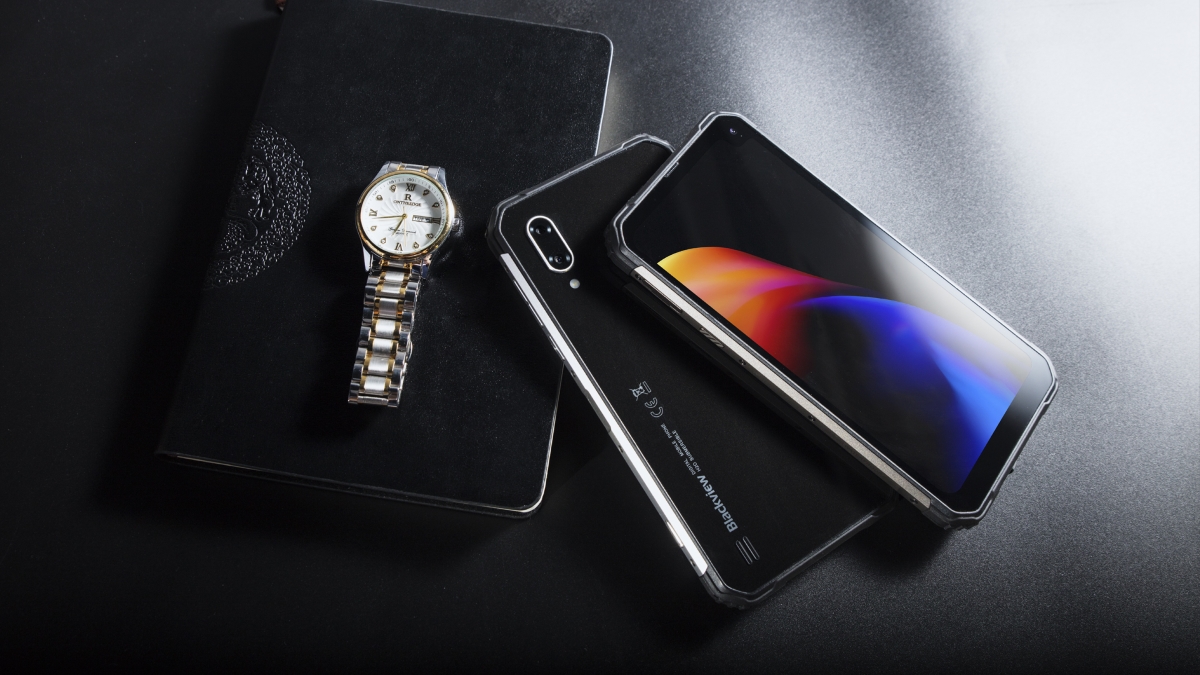
Being an established rugged smartphone manufacturer, Blackview has successfully released many rugged devices that offer protection from water, dust, and accidental drops. Over the last years, more manufacturers surfaced offering similar phones but Blackview has managed to remain among the top companies. The recent release of the BV9700 Pro flagship is a perfect example of their expertise and now it is time for their next model to hit the market. We are talking about the BV6100 rugged phablet with the enormous, 6.88″ display.
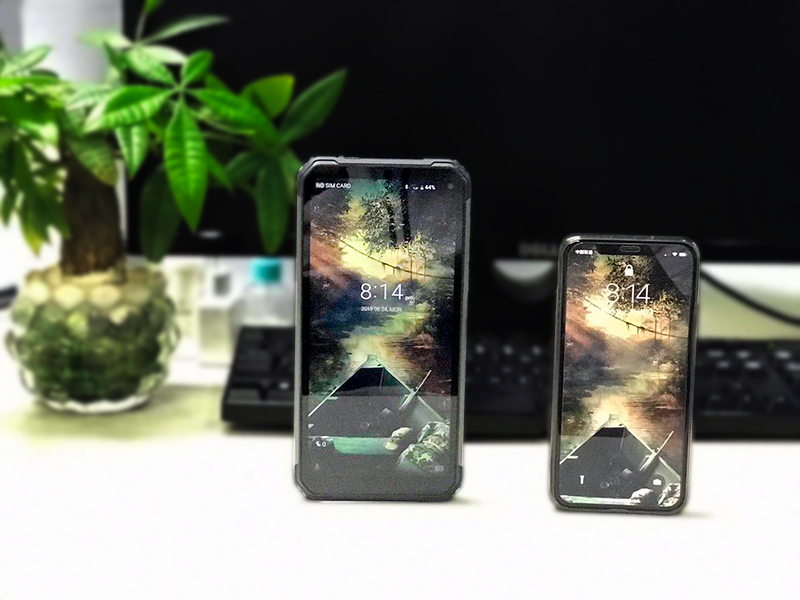
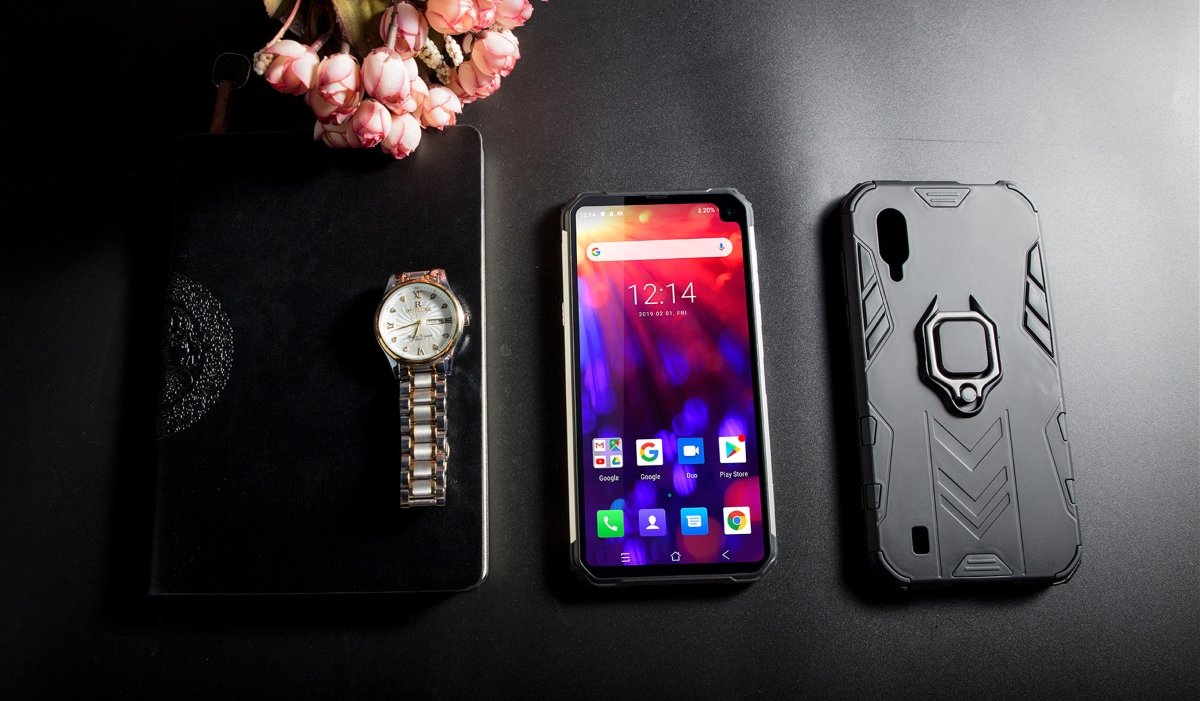
The Blackview BV6100 was initially announced during the MWC 2019 and the pictures provided by Blackview confirm the leaked photos and renderings we’ve seen in the past with some differences in display size and rounded corners. The killer feature, of course, is the 6.88″ display that many could say belongs to the tablet market but if you think about it, there are many smartphones with similar display size. A 6.88″ display is rather convenient when browsing the web, playing games or watching videos so many users will be happy with it.
Apart from the large display, rumors say that it should come with a monster battery as well and that can be considered almost certain as Blackview has a rich past with big battery phones. In addition, the device features a rather uncommon notch named “Cape of Good Hope” by the company since it sits right in the upper right corner of the display.
For the time being that’s all the information we have for the upcoming phablet but soon more will be available since it will be released in July. At the same time, the latest flagship from Blackview, BV9700 Pro, is still in global presale and you can grab one at a reduced price together with free gifts. If you are interested in new features like Night Vision Camera, Air Quality Detection, and Heart Rate monitor, visit the promo page.
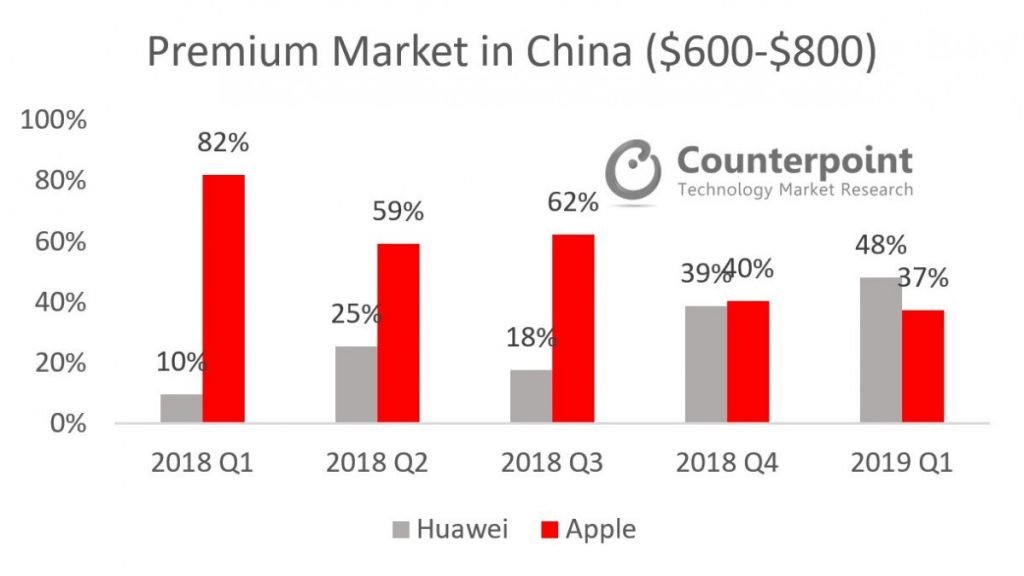
Apple still maintains its global leadership of the premium phone market despite losing some steam in China, the world’s largest market. Recent data by Counterpoint Research shows Apple no longer control the premium phone segment in China. The data also shows that Huawei is the biggest beneficiary of Apple’s slump in China. Huawei has emerged as the king of premium phones in China, ahead of Apple in the first quarter of 2019. The premium segment as categorized in the research consists of phones priced between $600 and $800.
Apple’s struggle in China has been in the making for some time now but last year, the company still controlled the premium phone market. However, Counterpoint data shows the US company secured a 37% market share in Q1 2019. This way lower than the 82% market shares the company enjoyed in Q1 2018. It is also lower than the market share the company scooped in Q4 2018 (40%).
In contrast, Huawei recorded a 38% jump in its market share year on year. In Q1 2018, the company had a market share of just 10% while it secured a 48% share of the premium phone segment in Q1 2019. This is just a slight 11% higher than Apple’s market share but that could triple in the next few quarters as the company shifts its focus to the domestic market in an effort to mitigate the effect the US ban could have on its smartphone sales overseas.
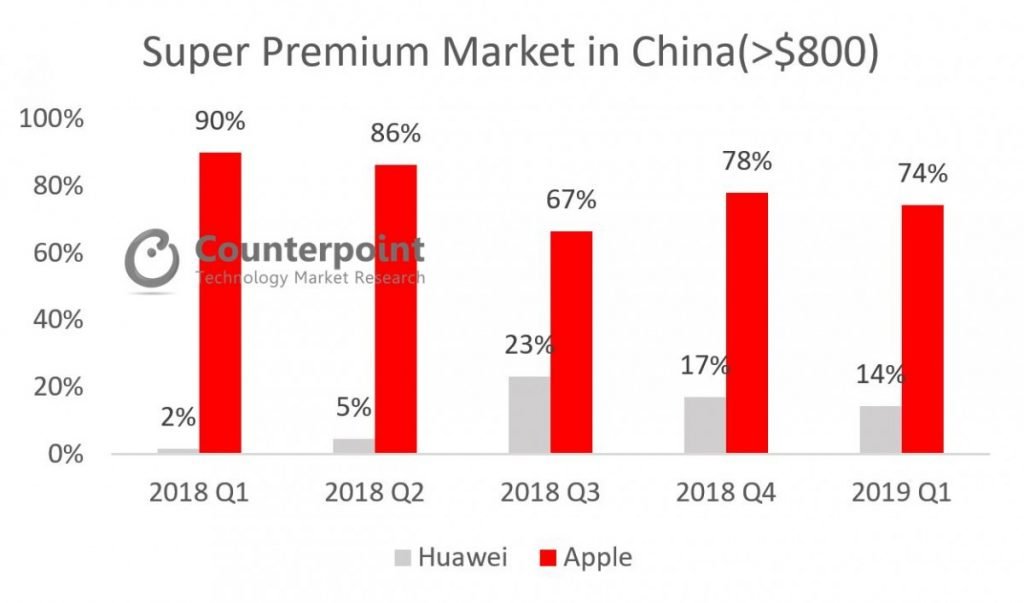
However, Apple still controls the Super-premium smartphone segment which consists of phones priced above $800. The Silicon-valley company leads this segment by a wide margin with a 74% market share as against Huawei’s 14% share. However, Huawei grew by 12% YoY from a meagre 2% last year while Apple’s shipment fell by 16%. This is an indication that Huawei may close the gap in no distant time with models such as the Mate X 5G which would be priced above $1000. Huawei’s growth may be affected by the US ban overseas but not in China where it will be looking to flaunt the products from its huge investments in smartphone R&D.
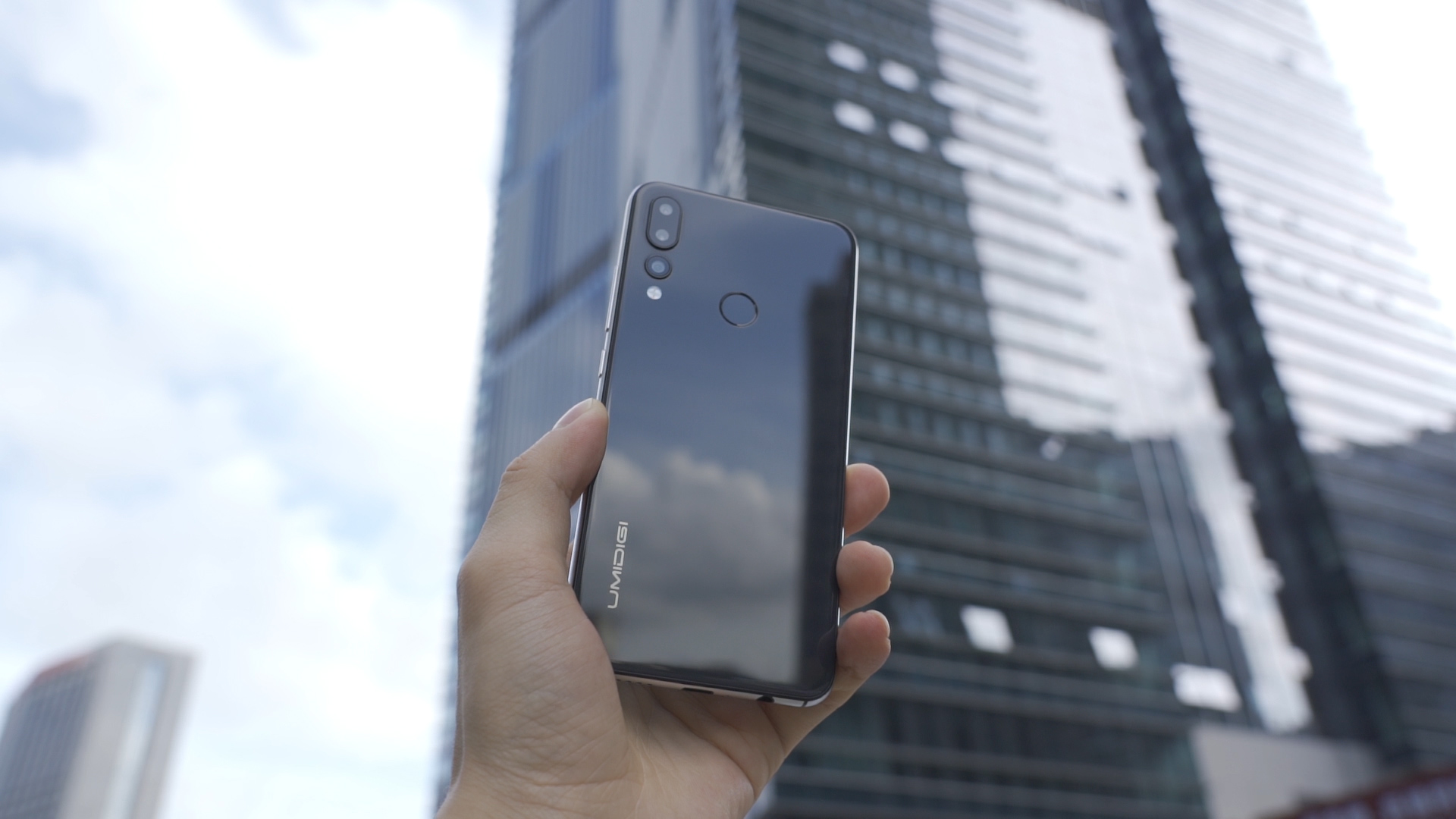
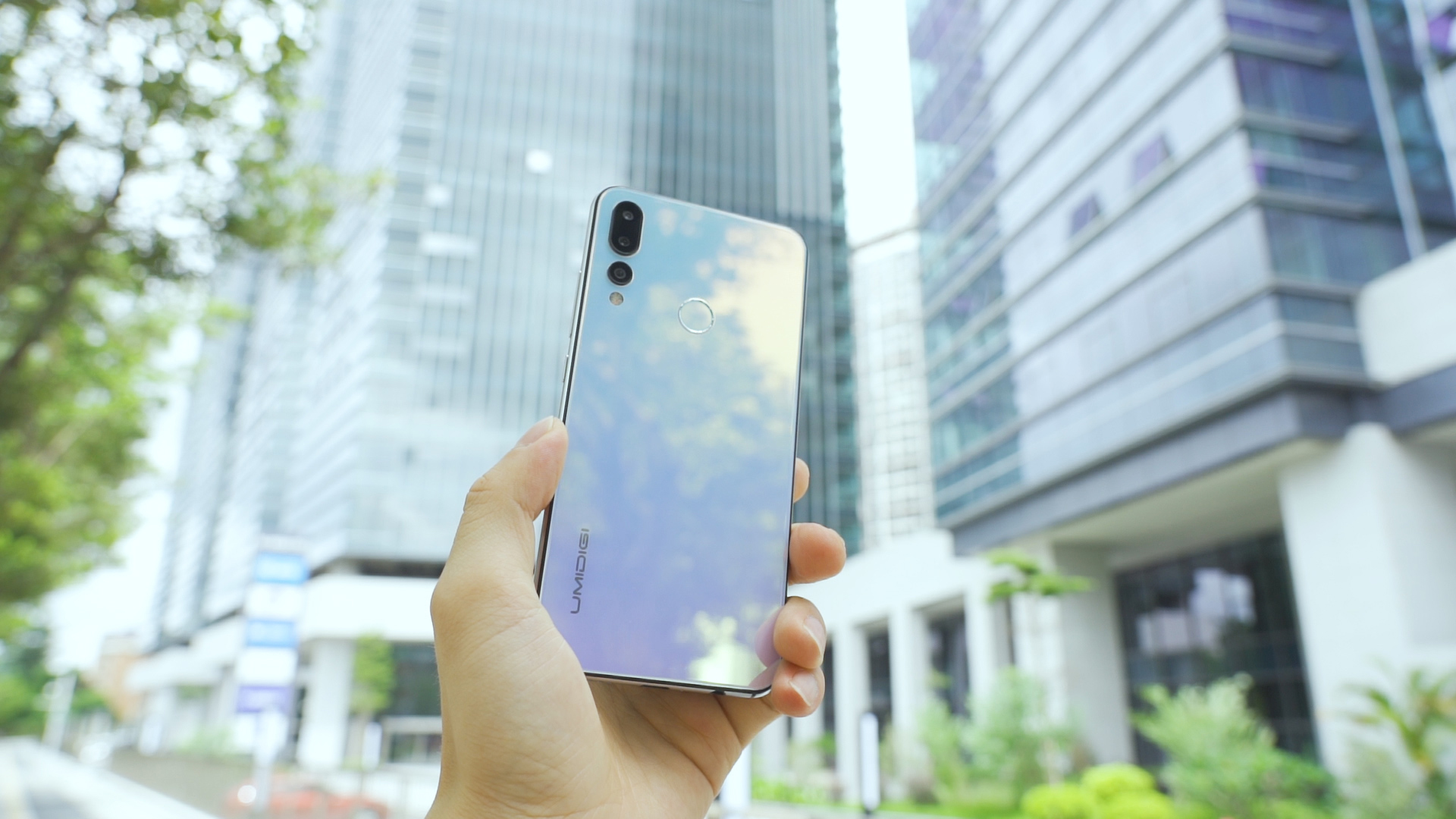
UMIDIGI A5 Pro hit the market like a thunder, becoming the most affordable entry-level phone with an ultra-wide angle triple camera. Since its launch, it became an instant hit thanks to its $100 price tag and incredible specs. So, it is time to see it in action in this short hands-on video below.
FHD+ display and Breathing Crystal design
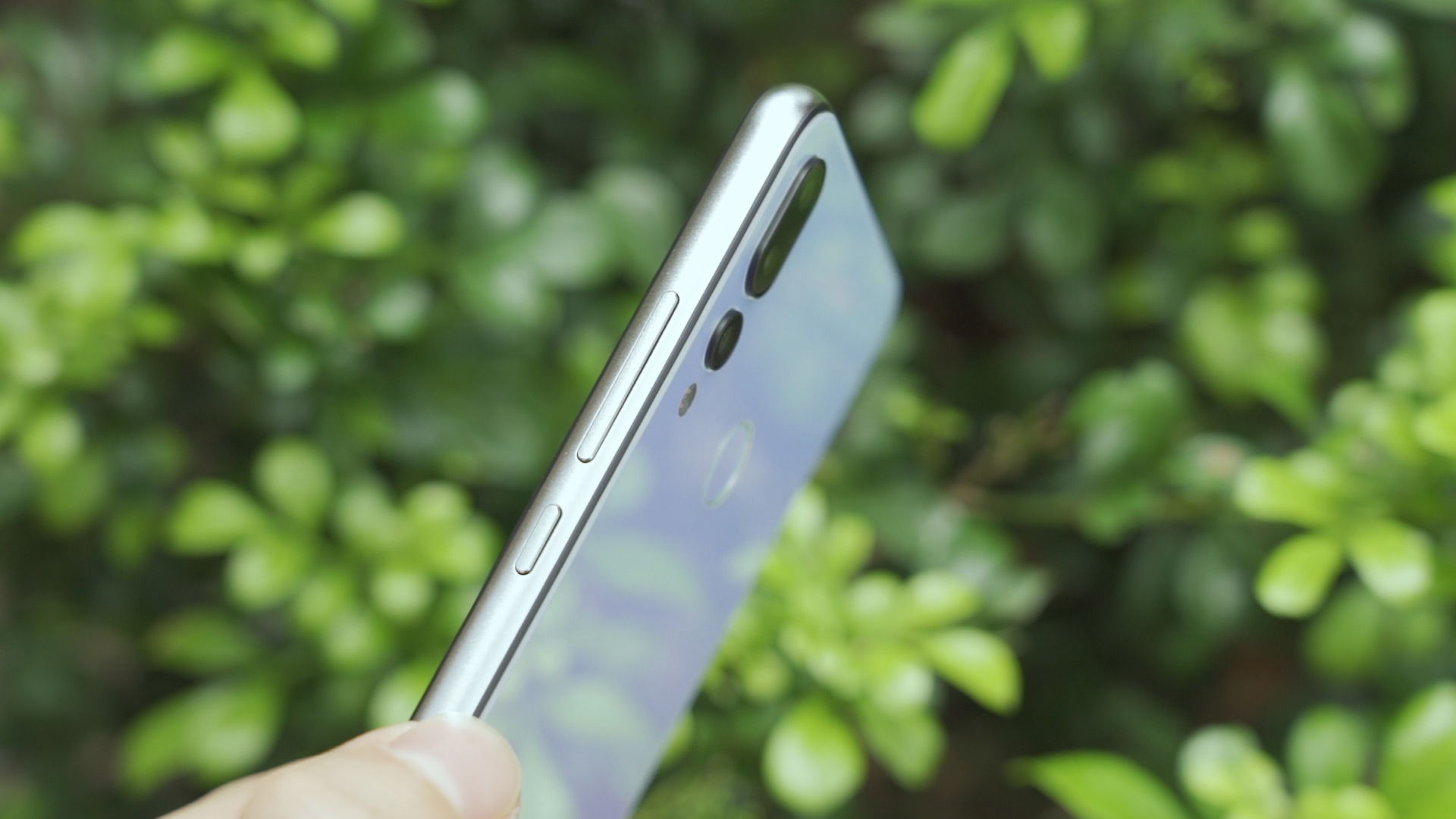
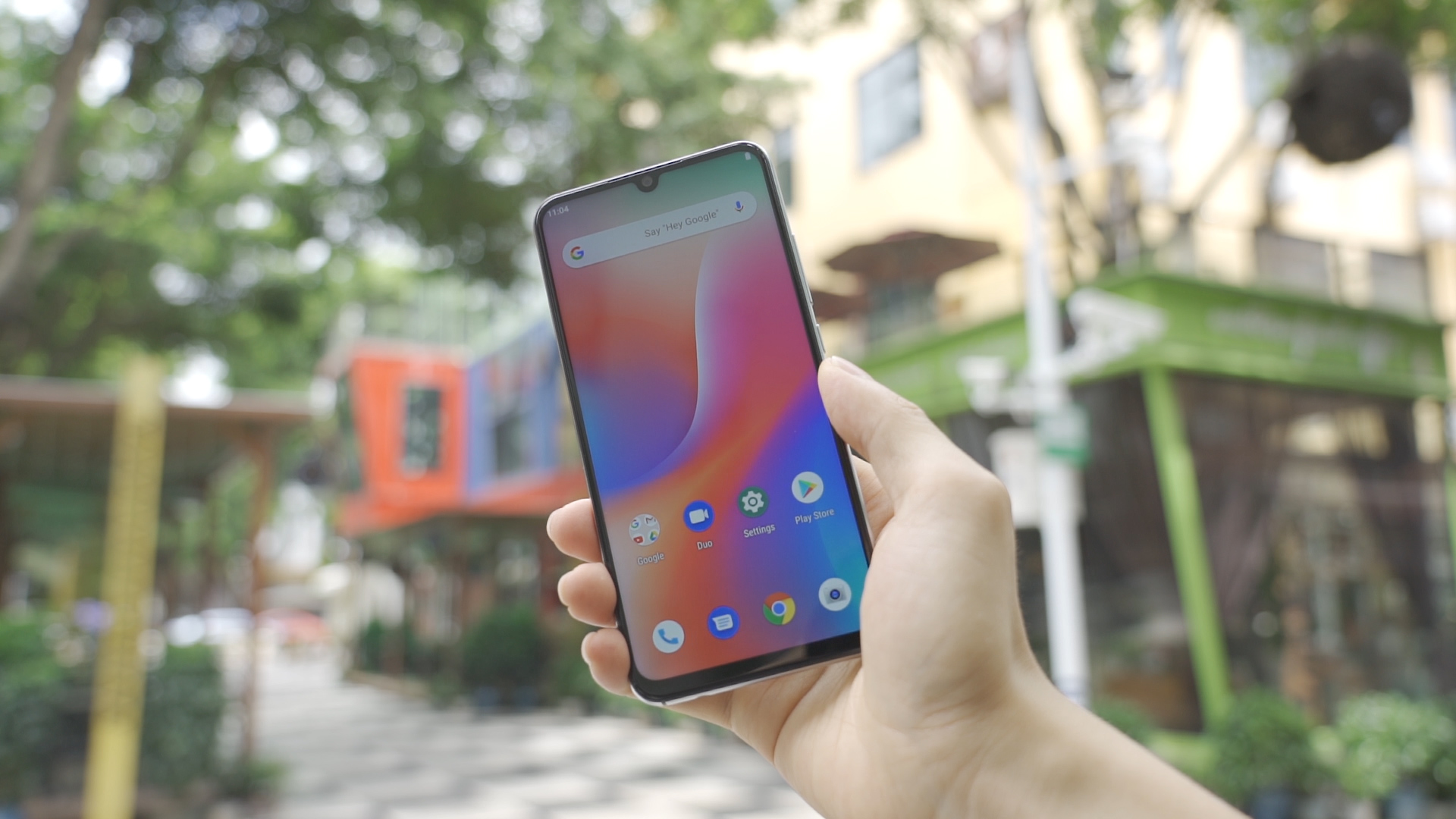
Big notches and large bezels are a thing of the past so the UMIDIGI A5 Pro has only a tiny waterdrop notch and a small bottom bezel that is rare among so affordable smartphones. This means that the 6.3″ screen looks beautiful and visual experience is immersive. Thanks to the FHD+ (1080p) panel, details are crisp and clear unlike other phones in the same price category like the Redmi 7 that comes with a humble, HD+ (720p) panel.
1 of 6
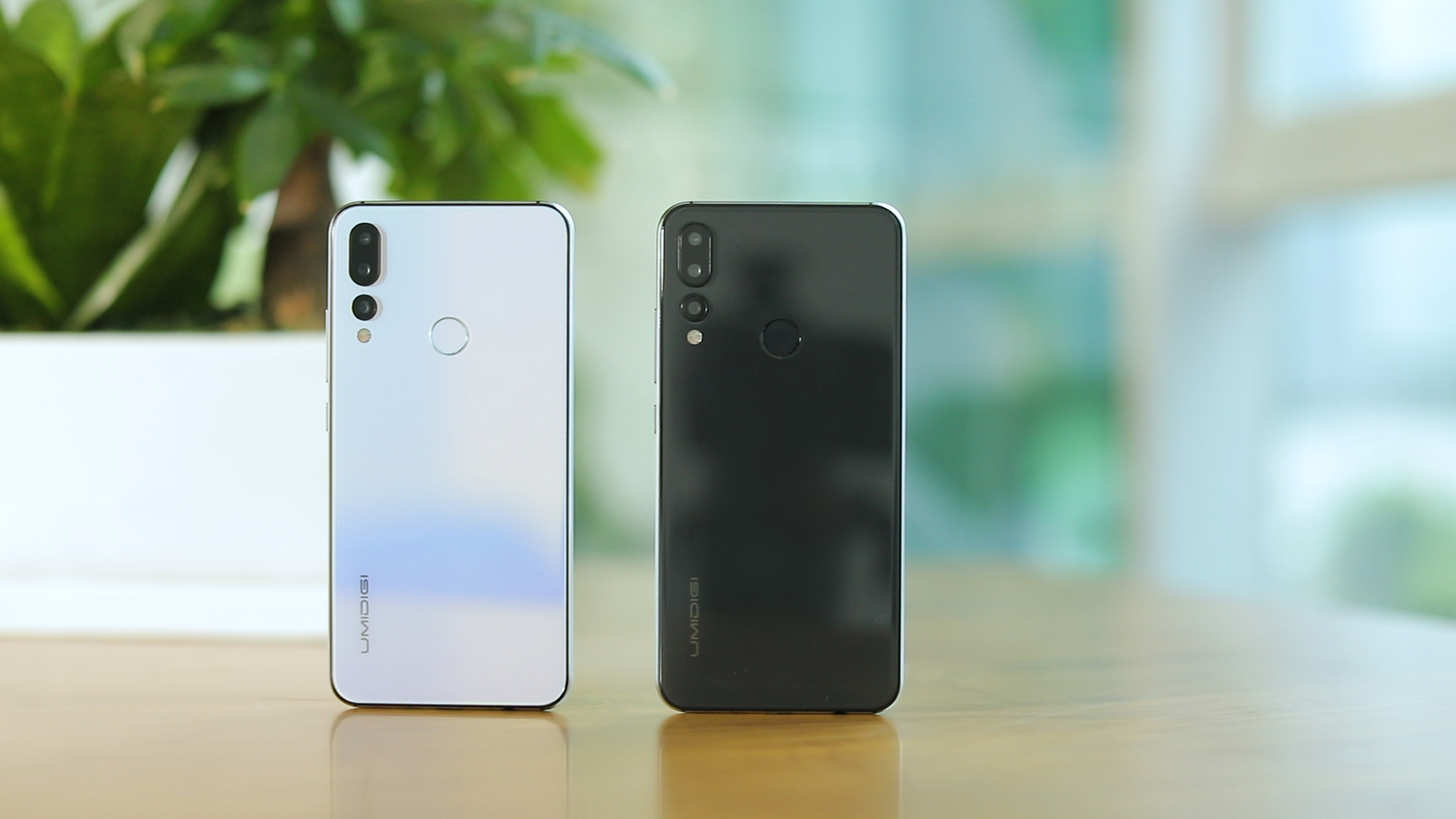
What’s more, the back of the phone is all glass and comes in 2 colors: Breathing Crystal and Space Grey. The Breathing Crystal version shines like the Huawei P30 Pro’s one and it looks pretty premium. Also, the middle frame is made of metal and that’s another plus to the phone’s overall build quality.
Capture more with the Ultra-Wide Angle lens
1 of 2
Wide Angle Mode
Default Mode
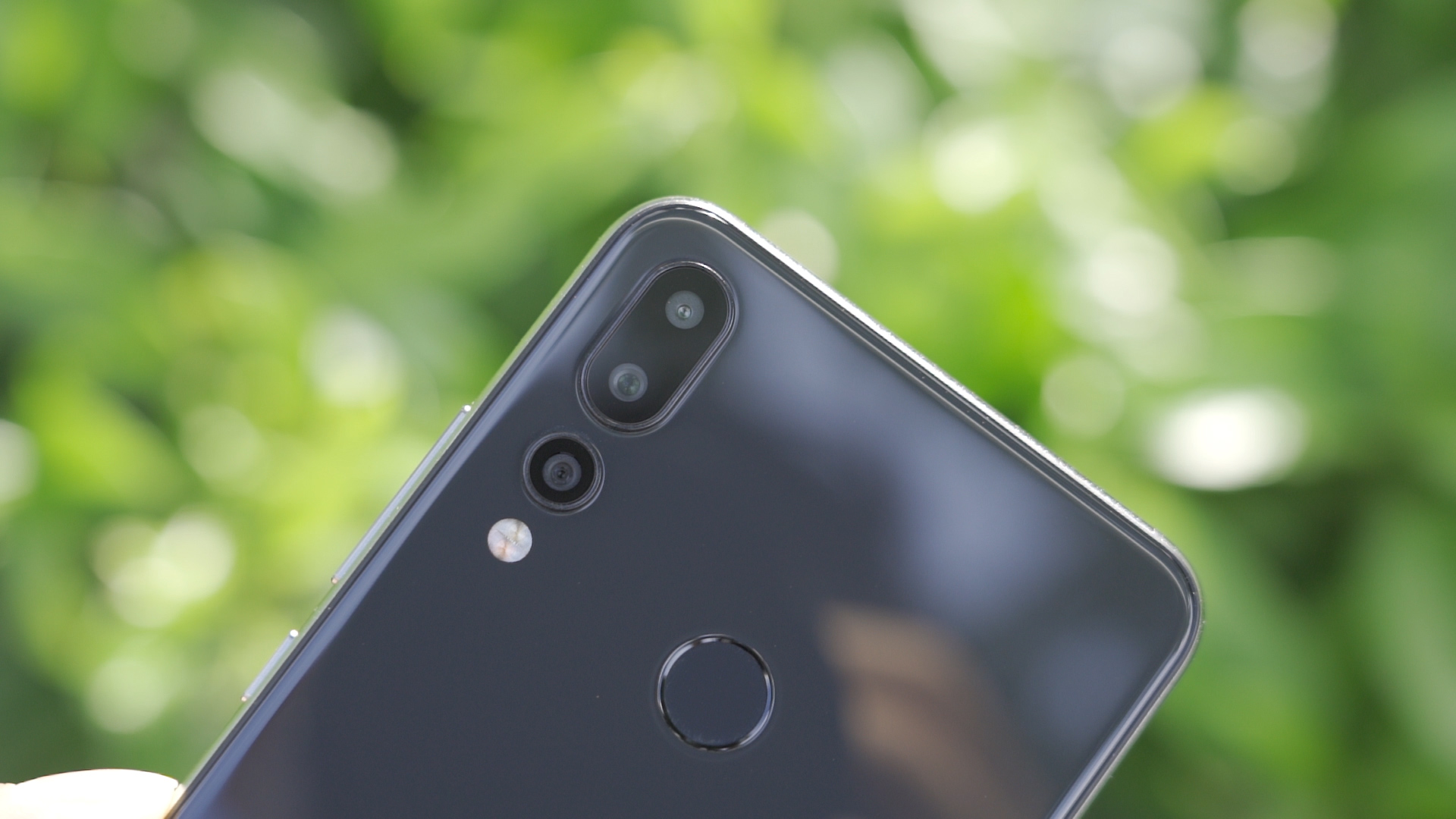
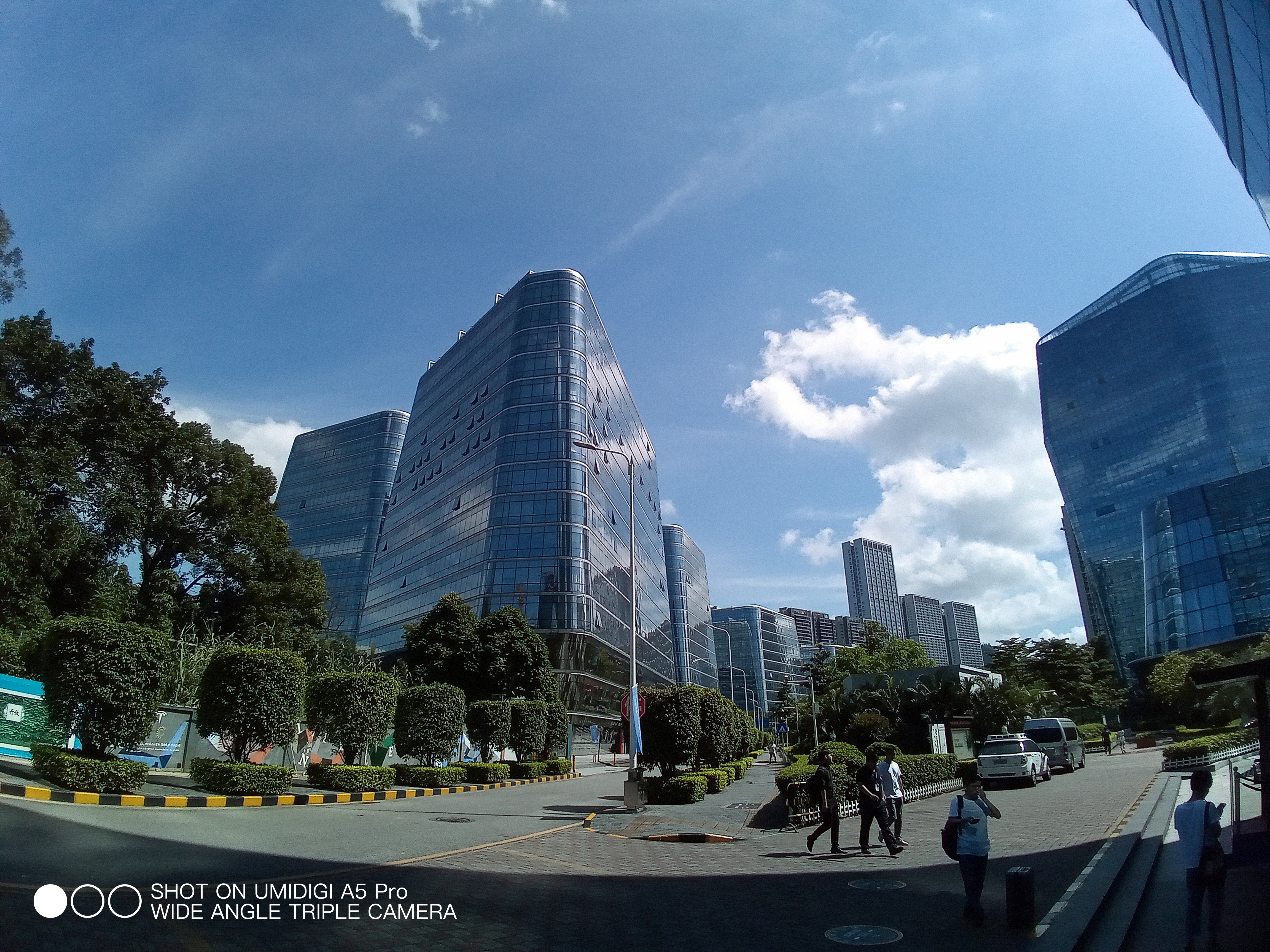
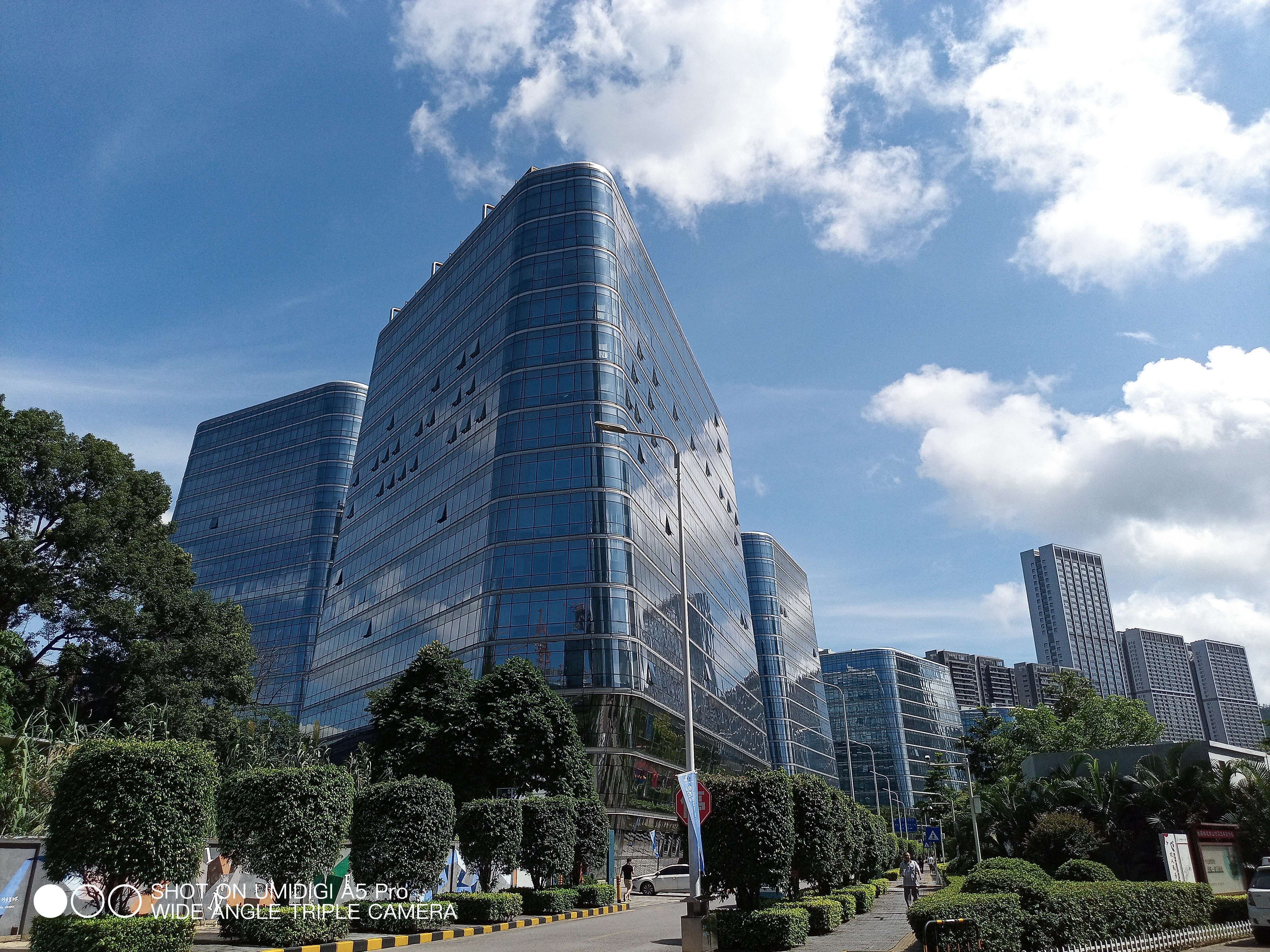
The camera is a department where all manufacturers invest in and UMIDIGI did the same with A5 Pro as there is a triple sensor configuration on the back: a 16MP main sensor, an 8MP ultra-wide angle lens, and a depth lens for use in Bokeh effect. In fact, this is the first triple camera setup on a UMIDIGI device and the first $100 device with an ultra-wide lens. Photos look more than ok while the ultra-wide lens allows you to fit more information into the photo like on the Galaxy S10+ and other flagships. Also, the selfie camera features a 16MP high-resolution sensor.
Smooth Gaming and 4150mAh Battery
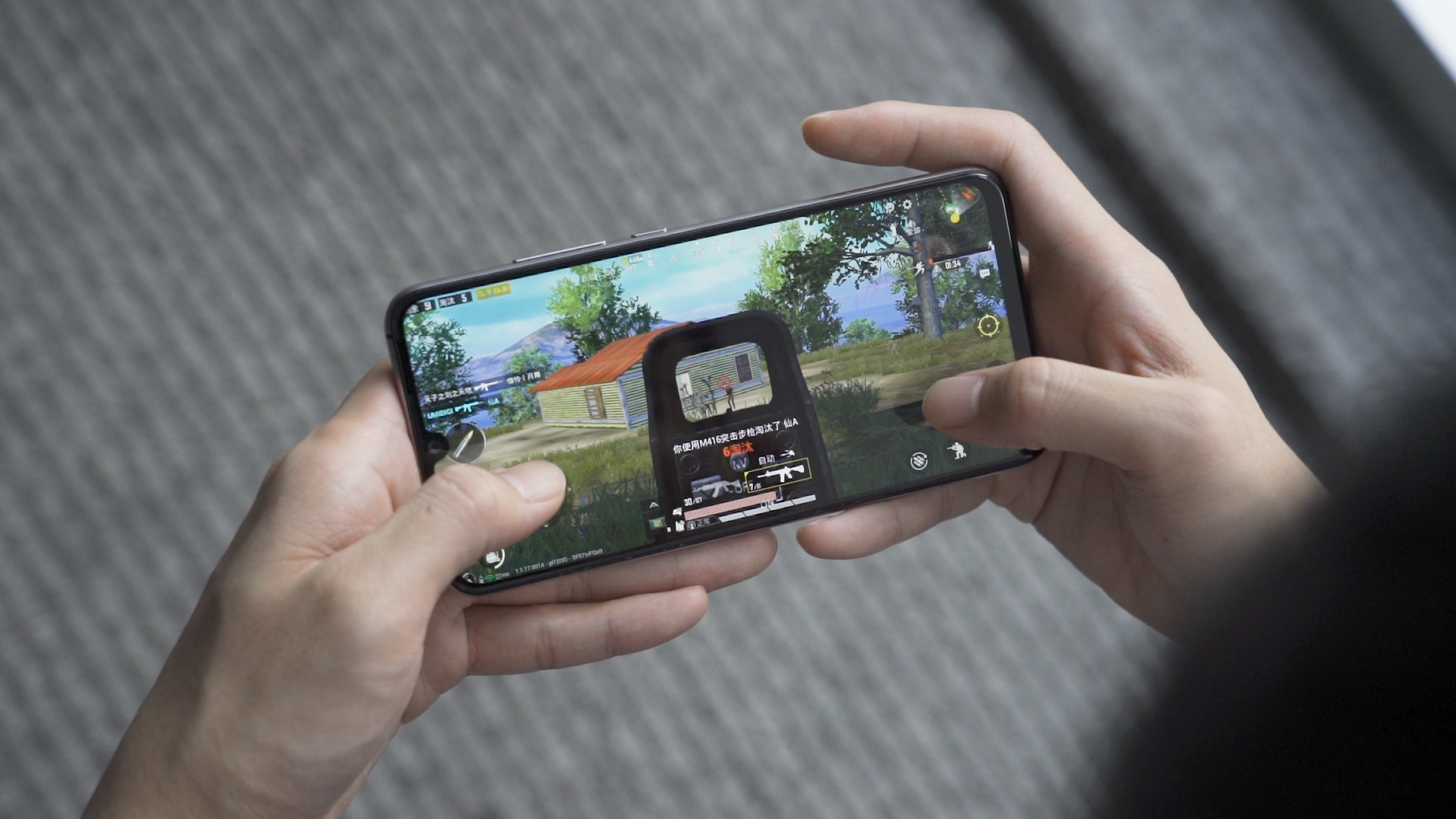
As for the rest of the specs, it is powered by the Helio P23 octa-core SoC backed by 4GB of RAM and it is capable of running heavy games like PUBG smoothly. In the meantime, you won’t have to worry about running out of battery in the middle of the day as the 4150mAh will last longer than that. The A5 Pro has a triple slot design and it can support two SIM cards/dual-4G support and a microSD card at the same time and it comes with Android 9 Pie preinstalled.
The UMIDIGI A5 Pro on sale right now on the company’s official store for $99.99 with the first orders expected to ship out on June 26th. In addition, UMIDIGI is globally recruiting 30 trial users to test the UMIDIGI Ubeats, UMIDIGI Uwatch 2, and UMIDIGI Selfie Stick (10 units each) to help in improving the user experience. You can check out all the details about the A5 Pro and join the giveaway on their official website.
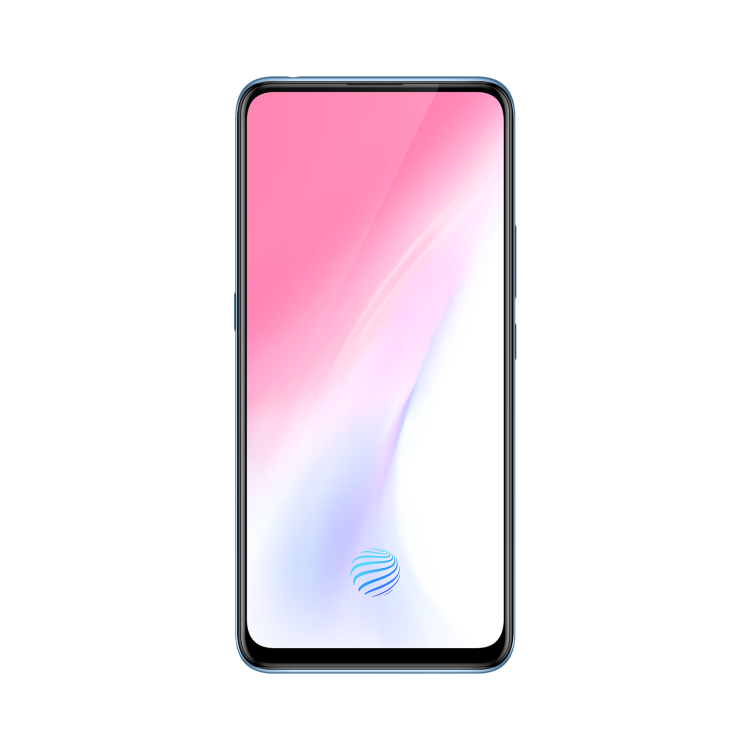
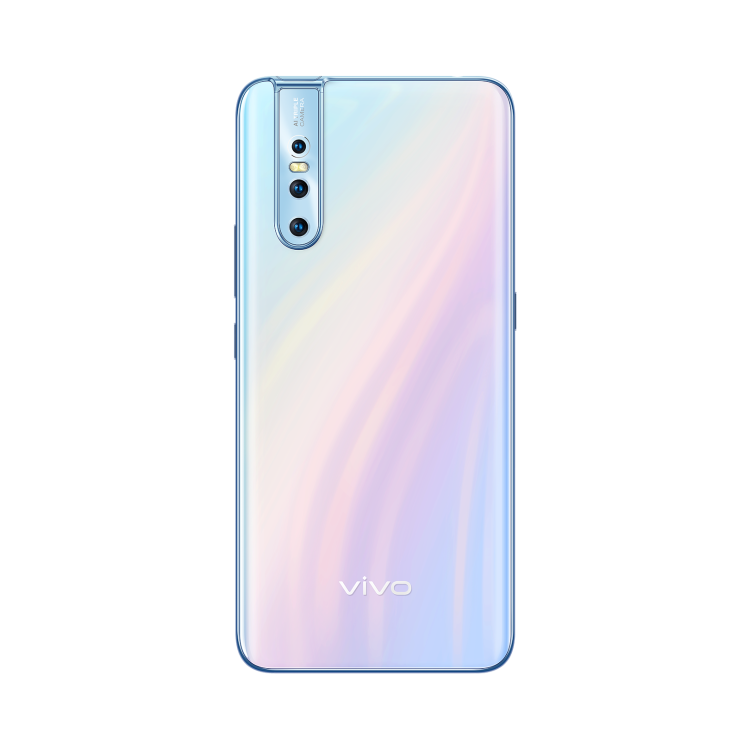
In May, Vivo had launched the Vivo S1 Pro smartphone in China. The smartphone came with a notch-less display and a pop-up selfie camera. In terms of spec and design, it almost identical to the Vivo V15 Pro that had gone official in India in February. The S1 Pro was introduced in China in color options like Love Blue and Coral Red. Today, the Chinese firm has introduced a new color variant for the smartphone called Midsummer Dream.
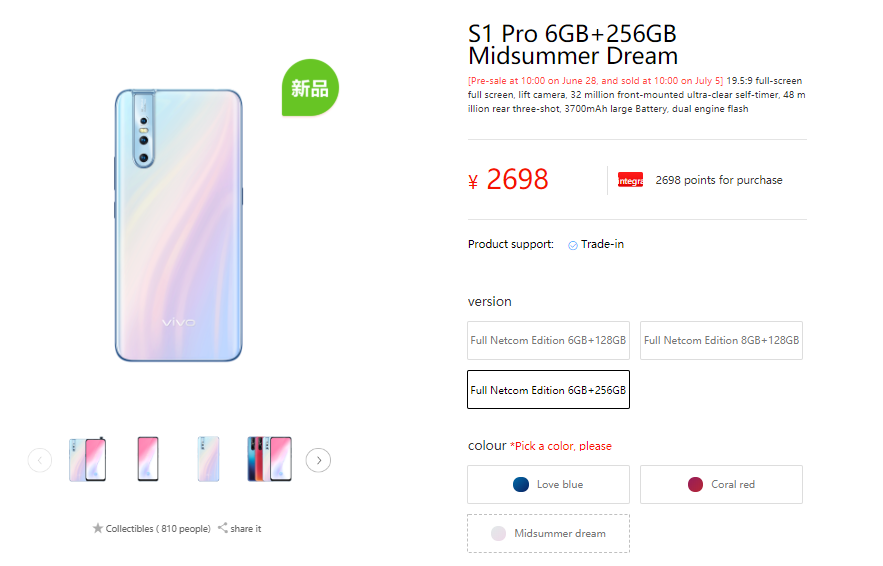
The Vivo S1 Pro Midsummer Dream has a wavy pattern on its rear. It appears light blue at the triple camera area and it blends to multiple colors like cream, pink, purple and blue. The Vivo S1 Pro models such as 6 GB RAM + 256 GB storage and 8 GB RAM + 128 GB storage will be available in the newly introduced Midsummer Dream color.
Both the models carry the same price tag of 2,698 Yuan (~$530). These variants are also available in Love Blue and Coral Red options. The base model of the phone that features 6 GB RAM + 128 GB storage is not available in the new color. The pre-sale of the Midsummer Dream Vivo S1 Pro will start on June 28 at 10:00 AM (local time) and its first sale will take place at 10:00 AM (local time) on July 5.
The Vivo S1 Pro features a 6.39-inch Super AMOLED display with notch-less design. It carries support for full HD+ resolution of 1080 x 2340 pixels and 19.5:9 aspect ratio. The handset promises a screen-to-body ratio of 91.64 percent. The 11nm Snapdragon 675 chipset fuels the smartphone. It is packed with a 3,700mAh battery that supports 18W charging through microUSB 2.0.
The FunTouch OS 9 flavored Android 9 Pie OS comes loaded on the device. On the rear side of the phone is an AI powered triple camera setup with 48-megapixel primary sensor, an 8-megapixel ultrawide lens and a 5-megapixel depth sensor. There is a pop-up selfie camera of 32-megapixel on the S1 Pro.
We use cookies on our website to give you the most relevant experience by remembering your preferences and repeat visits. By clicking “Accept”, you consent to the use of ALL the cookies.
This website uses cookies to improve your experience while you navigate through the website. Out of these, the cookies that are categorized as necessary are stored on your browser as they are essential for the working of basic functionalities of the website. We also use third-party cookies that help us analyze and understand how you use this website. These cookies will be stored in your browser only with your consent. You also have the option to opt-out of these cookies. But opting out of some of these cookies may affect your browsing experience.
Necessary cookies are absolutely essential for the website to function properly. This category only includes cookies that ensures basic functionalities and security features of the website. These cookies do not store any personal information.
Any cookies that may not be particularly necessary for the website to function and is used specifically to collect user personal data via analytics, ads, other embedded contents are termed as non-necessary cookies. It is mandatory to procure user consent prior to running these cookies on your website.