Advertisement

Huawei trademarks ARK OS, could replace HongMeng

With the news that Huawei may lose access to Google’s Android platform, the Chinese smartphone manufacturer is in need of a new operating system for its future handsets. On top of that, we might finally have a final name. While we’ve all heard the HongMeng OS name, Huawei’s new trademark sounds much better. Say hello to the new, ARK OS.

Per a report by Android HeadlineIt appears Huawei has trademarked a few names in Europe. In terms of the names that was filed, the listings cover ‘Huawei Ark OS,’ ‘Huawei Ark,’ ‘Ark,’ and ‘Ark OS,’ thus suggesting that Huawei’s Android and Windows alternative will be marketed as such. As usual, there’s no guarantee Huawei will ever use this name, but it’s certainly more appealing to global audiences than the ‘HongMeng OS’.
Now, to be fair, we’re not entirely sure whether this and HongMeng OS are the same thing. It’s fully possible Huawei’s come up with two different operating systems for different markets. Chinese markets could absolutely use HongMeng OS perfectly fine. Meanwhile, ARK OS would suit other markets like Europe infinitely better than that.

At the same time, what are the chances that it’s not the same OS? Huawei isn’t exactly in the right situation to be spending time making more operating systems. They should be rushing the OS as quickly as possible, while optimizing it as much as well. It seems like ARK / HongMeng OS will be coming very soon, so it won’t be long before everything’s revealed.

UP NEXT: Huawei wants US court to deem Trump ban unconstitutional

(Source)
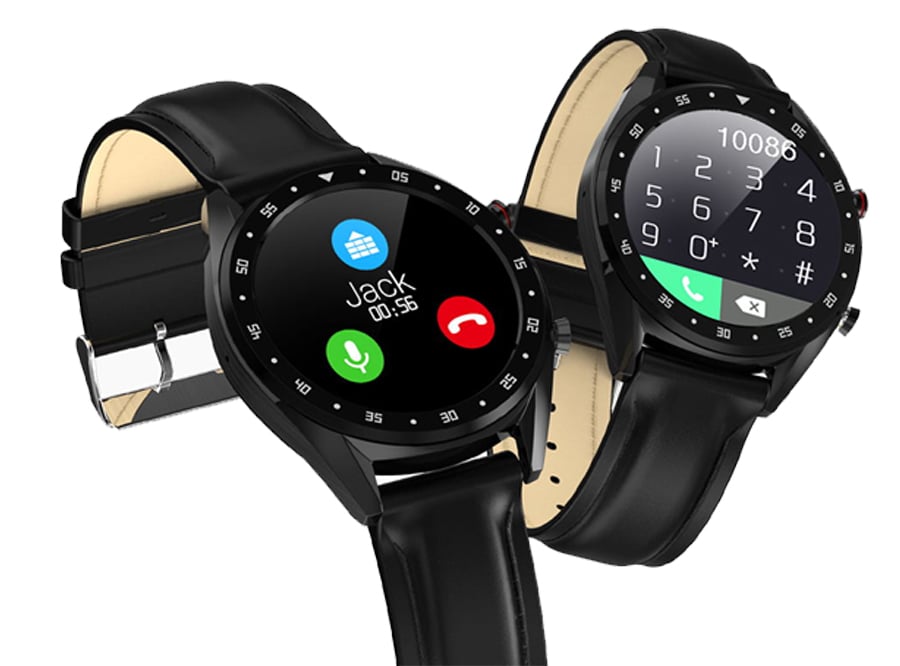
Buy Lenovo Watch X and Microwear L7 Bluetooth Smartwatches at Lowered Prices from GearVita [Coupons]

Latest smartwatches offer a wide range of capabilities that make them highly advantageous devices in day to day life. Among a slew of other awe-inspiring features, smartwatches can keep track of the wearer’s fitness, while monitoring their activities.

On the downside, smartwatches can set you back a pretty penny. In a bid to make these newfangled timepieces available to the cost-conscious buyers, GearVita will be offering Lenovo Watch X Sports Smartwatch and the Microwear L7 Bluetooth Smartwatch at lowered prices.

Aside from shedding light on the aforesaid discounts, we will show how you can save a considerable amount of extra money during the checkout process. So without further ado, let’s delve straight into the details.

Lenovo Watch X Bluetooth Waterproof Smartwatch

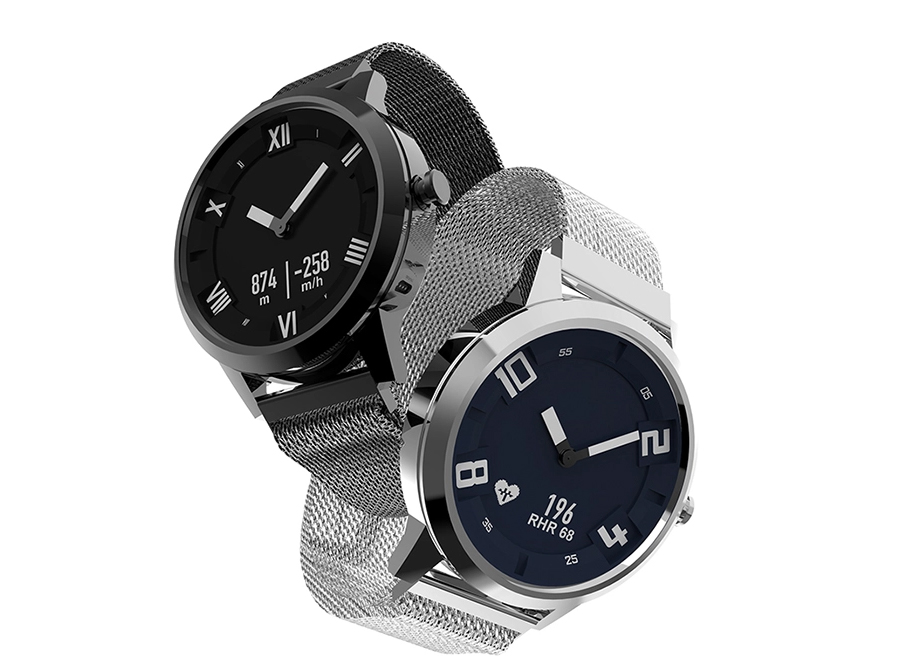
Equipped with electromechanical integration structure, the Watch X smartwatch from Lenovo offers 45-days long-lasting standby, thanks to a built-in 600mAh battery. In other words, you do not need to charge the Lenovo Watch X smartwatch frequently.

The silver color version of the Watch X smartwatch would normally set you back $49.99 but much to the relief of cost-conscious buyers, it is currently available for a dropped price of just $36.99 on GearVita. Moreover, you can extend this 26 percent discount by applying coupon code GVLVOSW.

The coupon helps you save $4 more by reducing the original asking price of the Watch X smartwatch to just $32.99. You can follow this link to grab the discount and use the coupon before it expires.


Microwear L7 Bluetooth Smartwatch

The Microwear L7 sports an easily readable 1.3 high definition IPS screen with 240×240 pixels. It features a high fidelity waterproof speaker that is unaffected even when you sunk it into water. Other features include heart rate monitoring, blood oxygen measurement and more.

While the aforesaid features completely justify the $54.99 price tag the Microwear L7 normally carries, we will show how you can bring the device’s original asking price down to just $35.99. In order to save $19, all you need to do is to apply coupon code ROMWearL7 during the checkout process.

The Microwear L7 smartwatch comes in multiple color versions including black, brown, black steel, and silver steel color versions. You can follow this link to take advantage of the coupon before it expires.


Huawei wants US courts to declare Trump federal ban unconstitutional

The US legislation barring its federal agencies from buying Huawei products is “not normal”, and using this as an excuse “will do nothing to make networks more secure”. This came from currently under-fire Chinese company’s chief legal officer Song Liuping earlier today during a briefing held for media in Huawei’s Shenzhen headquarters.

According to Song, “The fact is, the US government has provided no evidence to show that Huawei is a security threat. There is no gun, no smoke. Only speculation,”. Song goes on to say “We believe that U.S. politicians are using cyber security as an excuse to gain public support for actions that are designed to achieve other goals. These actions will do nothing to make networks more secure,”.

“They are using every tool they have, including legislative, administrative, and diplomatic channels. They want to put us out of business. This is not normal. Almost never seen in history,”

“The judicial system is the last line of defense for justice. Huawei has confidence in the independence and integrity of the US judicial system. We hope that mistakes in the NDAA can be corrected by the court,” Song added. So far, we have no reason to doubt or disagree with Huawei’s reasons and actions.

Huawei has repeatedly denied it is controlled by the Chinese government, military or intelligence services. Yet, the company has since faced even greater sanctions as the U.S. commerce department on May 16 put the firm on a trade blacklist that bans companies from doing business with Huawei, in a move which immediately disrupted the global tech sector.

How has the ban affected Huawei?

The trade ban, which restricts the company’s access to critical hardware, software and services from American hi-tech companies like Qualcomm, Google and Microsoft is suffocating Huawei. They rely on a variety of US technologies to keep their businesses running. Even many companies that aren’t associated with the US like ARM Holdings and Panasonic have begun avoiding trade Huawei, further worsening the issue.

Also as a result of the ban, Huawei has been forced to introduce further fragmentation into the smartphone market with their own upcoming OS in the works. Android and iOS’ monopolization of the mobile market may be staggering, but it also meant unified connectivity across most mobile devices. With this, we’ve now regressed back once again.

On this, Song said the addition of Huawei to the US Commerce Department’s Entity List “sets a dangerous precedent”. He said: “Today it’s telecoms and Huawei. Tomorrow it could be your industry, your company, your consumers.”

UP NEXT: Huawei to release new Kirin chips in spite of ARM

(Source)

Huawei’s new Kirin chip coming tomorrow: Kirin 985 or 720?

Huawei are still deep in the ongoing trade war between the US and China, but they’re chugging along regardless. While we’ve heard that Huawei and chip design firm ARM have cut ties, it seems like Huawei has no plans of stopping. New reports claim that the Chinese giant is planning to unveil a brand new Kirin SoC tomorrow. Whether it’s the flagship Kirin 985 or the mid-range Kirin 720 however, we’ve no clue.

We’ve heard varying reports on what chipset will actually launch tomorrow. Chances are, We’ll probably see the upcoming flagship Kirin 985. However, other rumors suggest this new chip will be the mid-range Kirin 720 SoC, successor to the previous Kirin 710 chip. It’ll probably be manufactured by TSMC, the foundry that produces all of the Kirin chipsets and Balong modem chips for HiSilicon.

Kirin 720

If we see the Kirin 720, then that means it’ll probably it’s going to run on a 10nm process. While this isn’t as great as the current 7nm node on the Kirin 980, it is a direct upgrade to the Kirin 710’S 12nm process. Outside of this, we can expect to see the Kirin 720 to have better . Huawei will probably incorporate their Neural Processing Unit as well, which is used for AI and machine learning functions.

Kirin 985

On the other hand, if reports of Huawei pushing TSMC production of 7nm chips is true, then the Kirin 985 is the best guess. The flagship processor will definitely be used for upcoming devices like the Mate 30 and Mate 30 Pro. We’ll also be expecting it on most upcoming Huawei flagships in the future. Huawei usually has some sort of surprise to go with every Kirin 9xx processor, so we’ll have to wait and see.

Still, ignoring the exciting prospects of an ARMless Huawei, this is quite worrisome. If things don’t change anytime soon, this could be the last time we see Huawei use ARM cores in their SoCs. If that happens, it could take years for Huawei to find a replacement architecture. We genuinely hope Huawei finds a workaround for this problem, or they could face a monumental problem soon.

UP NEXT: Huawei’s HongMeng OS coming so soon?

(Source 1 | Source 2)

Asus Zenfone 6 gets a new update enhancing the Camera Experience

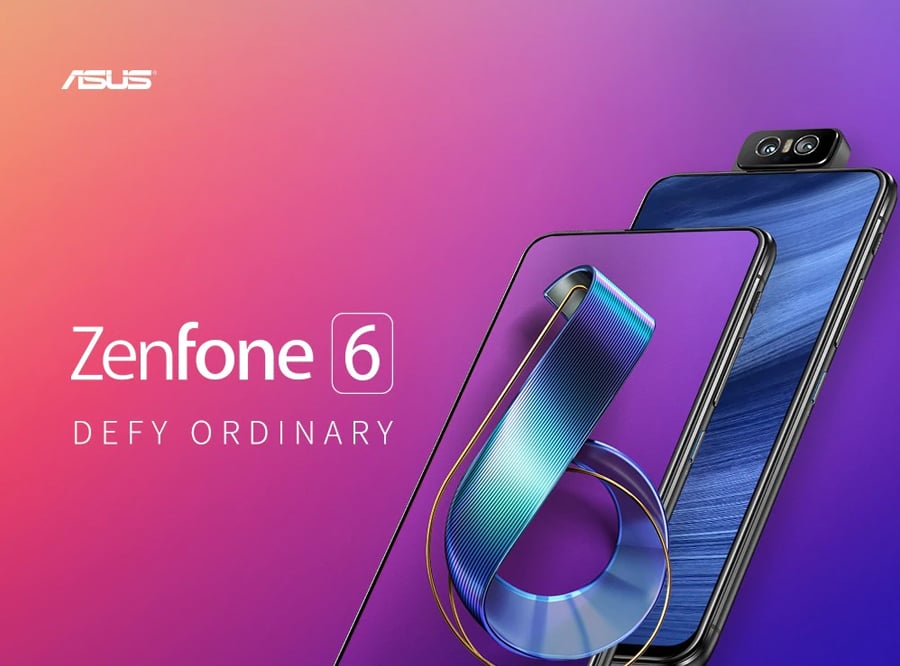
A couple of weeks ago, Asus launched its flagship smartphone — Asus Zenfone 6. Now, just a few days after the phone’s launch, the company has rolled out an over-the-air (OTA) software update as version 16.1210.1904.115.

The update is aimed at enhancing the camera experience of the company’s flagship smartphone. It improves the performance of both Super Night Mode and HDR++ (aka HDR+ Enhanced mode) in the camera, which results in better image quality as well as faster image processing speed.

It also adds support for volume key controls in the camera app, allowing users to control the flip camera’s rotation, zoom, or capture a photo. You can pick the preference in the Asus Camera settings. The smart key can be used as a shutter to take pictures when you’re in Camera mode too.

The update has also improved the camera rotation stability, translation strings in Settings have been optimized, the default wallpaper and ringtone have been updated, and VoLTE/VoWiFi have been enabled for Taiwanese carriers.

Asus is rolling out this update to different serial numbers in batches and thus, this is going to be a slow rollout. So, it may take a few more days before the update reaches all the Zenfone 6 units.

Coming to the specifications, the Asus Zenfone 6 features a 6.4-inch Nano Edge IPS LCD with a 92% screen-to-body ratio and a 19.5:9 aspect ratio. The display is covered with Gorilla Glass 6 and there is a slit in the frame above it for the earpiece. It is powered by Qualcomm’s Snapdragon 855 processor and is paired with 6GB/8GB of RAM with 64GB/128GB/256GB of UFS 2.1 storage.

It comes with a “Flip Camera” which when lifted up, serves as the front-facing camera. It consists of a 48 MP Sony IMX586 f/1.79 1.6µm primary camera and a 13 MP 125° ultra-wide angle camera sensor.

The phone features stereo speakers, a 3.5mm audio jack, dual-frequency GPS, NFC, Wi-FI a/b/g/n/ac/ax, Bluetooth 5.0, and a fingerprint scanner on its Gorilla Glass protected back. It runs Android 9 Pie operating system out-of-the-box and is powered by a 5,000mAh battery that will easily last you more than a day.


UP NEXT: Redmi K20 Might Launch In Russia Under A Different Name


(Source)

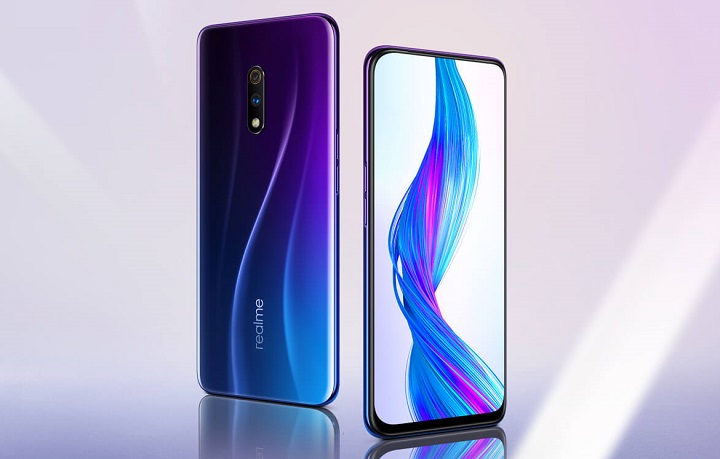
Realme X India launch in second half of 2019, confirms Sheth

Earlier this month, Realme announced the Realme X smartphone with notch-less display design in China. Since the launch of the phone, Realme fans in India are anticipating on its arrival in the country. On May 16, Realme India CEO Madhav Sheth had confirmed through a tweet that Realme X will be coming soon to India. However, when he was asked about the Indian launch of the smartphone yesterday on Twitter, he responded by the saying that company will be able to release in the second half of the year.

Realme fans in India who were hoping that the Realme X may release in June will have to wait further for its arrival. Hopefully, it may debut within the third quarter of the year. As Sheth had revealed recently, the Realme X may hit the Indian market with a pricing of around Rs. 18,000.

Realme X featured

Realme X Specifications and Features

Realme X has a 6.53-inch notch-less AMOLED display that supports full HD+ of 1080 x 2340 pixels and an aspect ratio of 19.5:9. It is equipped with an in-display fingerprint sensor and its shielded by Gorilla Glass 5. The Snapdragon 710 chipset featuring 2.2 GHz octa-core processor is present under the hood of the device. It comes with up to 6 GB of RAM and a maximum internal storage capacity of 128 GB. The Android 9 Pie OS customized with ColorOS 6.0 comes preloaded on the device.

The Realme X has a dual camera unit on its rear which includes a 48-megapixel main sensor with f/1.7 aperture and a depth sensor of 5-megapixel with f/2.4 aperture. There is a motorized pop-up camera of 16-megapixel with f/2.0 aperture for snapping selfies. The 3,765mAh battery of the phone supports VOOC 3.0 Flash Charge technology that brings 20W rapid charging through USB-C.

The Realme X comes in Steam White and Punk Blue color options. In China, it comes in three models such as 4 GB RAM + 64 GB storage, 6 GB RAM + 128 GB storage, 8 GB RAM + 128 GB storage. They are respectively priced at 1,499 Yuan (~$217), 1,599 Yuan (~$231) and 1,799 Yuan (~$260). The 8 GB RAM model is dubbed as Realme X Master Edition and it comes in two different colors like Onion and White Garlic.

(source)

UP NEXT: Oppo Reno Z vs Realme 3 Pro vs Vivo Z5x: Specs Comparison

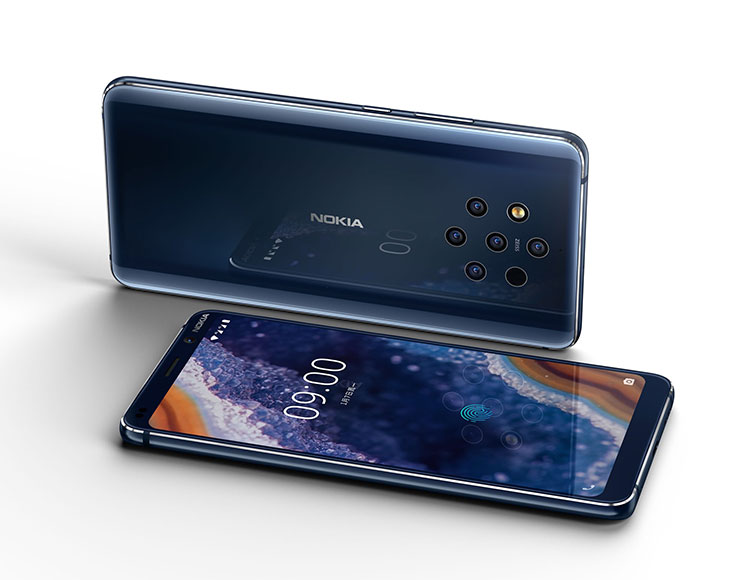
Nokia 9 PureView could go official in India on June 6

Finland-based HMD Global has been teasing the launch of its Nokia 9 PureView smartphone. Now, the company has sent out media invites for a launch event on 6th June and it seems that the Nokia 9 PureView will be launched at that event.

While the invite doesn’t mention the Nokia 9 PureView but given the fact that this flagship smartphone from the company is the only major Nokia-branded device which is yet to get launched in the Indian market.

Nokia 9 Pureview

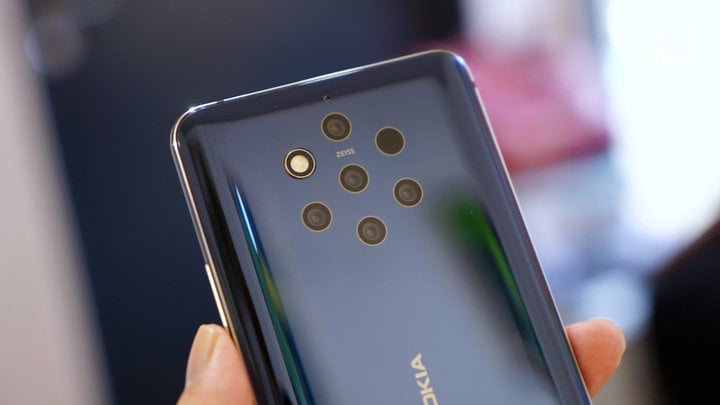
The Nokia 9 PureView was originally announced at the Mobile World Congress 2019 in February this year. The highlight of the smartphone is that it comes with five camera sensors on the phone’s back panel, enhancing the photography experience.

The smartphone comes with a glass rear and an aluminum frame. It is an IP67-rated water-resistant and dustproof device. It is fitted with a 5.99-inch OLED display that carries support for 2880 x 1440 pixels quad HD+ resolution, 18:9 aspect ratio, HDR10, and Always-on display.

The display of the phone is shielded by Gorilla Glass 5. This is also the first Nokia smartphone that comes with an optical in-display fingerprint sensor. The phone is powered by the Snapdragon 845 SoC, coupled with 6 GB RAM and 128 GB internal storage.

The rear shell of has dual-LED flash enabled Nokia 9 PureView has five cameras and a ToF (Time of Flight) sensor. The Penta-lens setup of the phone includes two 12-megapixel RGB sensors and three monochrome 12-megapixel sensors.

Nokia 9 Pureview

All the five camera sensors of the Nokia 9 PureView can function simultaneously to capture a single image of 50-megapixel powered a dedicated image co-processor. With the help of the ToF sensor, the Nokia 9 PureView can capture a depth map with up to 1200 layers of depth data for up to 40 meters away from the camera.

Sitting at the front side of the phone is a 20-megapixel camera with f/1.8 aperture with Tetracell pixel binning technology that can merge four pixels into one for brighter images in low-light conditions. The front camera also carries support for AI Face Unlock.

The smartphone offers pure Android experience of latest Android 9 Pie OS. Like other Android One phones, the Nokia 9 will be treated with OS updates for two years and security patches for three years. It is powered by a 3,320mAh battery with Quick Charge 3.0 as well as 10W wireless charging support.

UP NEXT: Realme X Launch Confirmed In India

(Via)

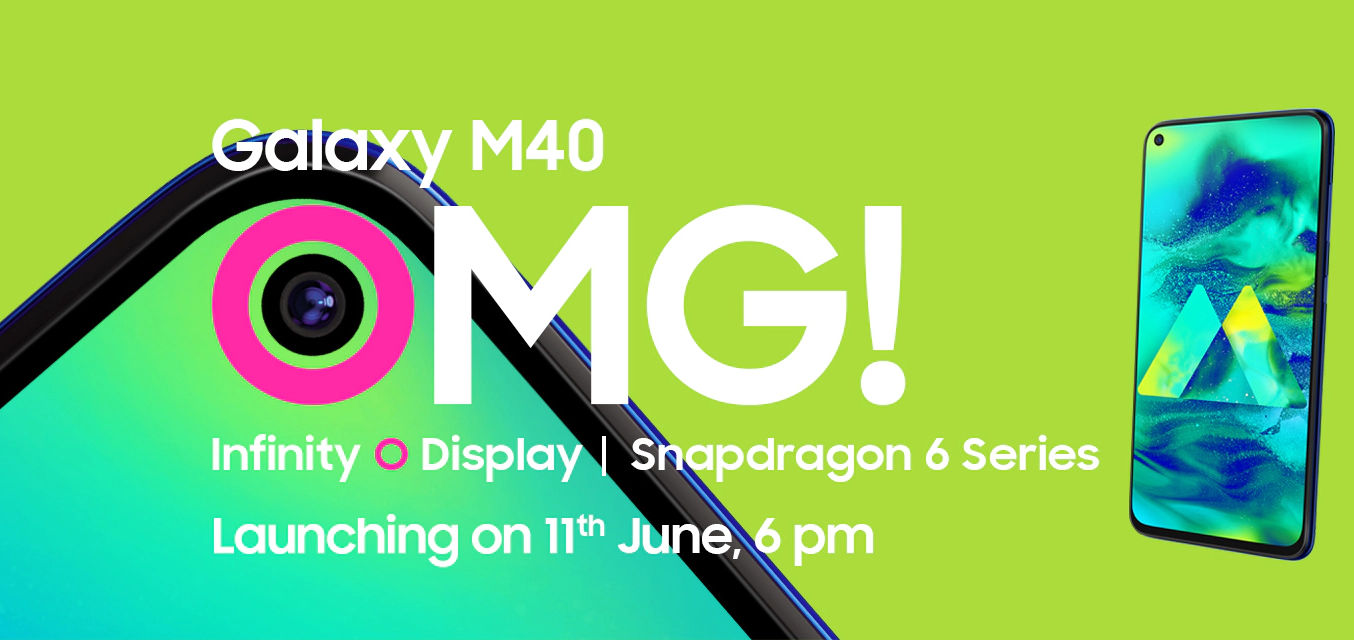
Samsung Galaxy M40 to launch on 11th June, will be sold via Amazon India

Samsung has so far launched three smartphones under its all-new M-series, which includes Samsung Galaxy M10, Galaxy M20, and Galaxy M30. Now, the company is all set to launch the Galaxy M40 smartphone in the Indian market.

From the new teaser released by the company, it is confirmed that the Samsung Galaxy M40 (Full Specs) will be launched in the Indian market on 11th June at 6:00 PM local time. For selling this upcoming smartphone, the company has also partnered with Amazon.

Samsung Galaxy M40 India Launch Teaser

The images also confirm that the phone will be powered by the Qualcomm Snapdragon 6xx series chipset and from the benchmark scores, it seems that the device will come packed with Snapdragon 675 SoC.

This will be the first time the Samsung is using the Qualcomm chipset instead of its own Exynos chipset in the M-series smartphones. The phone will also come with 6 GB of RAM and is also confirmed to have an Infinity-O display with minimal bezels.

As for the camera setup, the smartphone will be featuring a triple camera setup on the back panel for enhanced photography experience. When launched, the Galaxy M40 will be the costliest Galaxy M-series smartphone.

Read More: Samsung patents ‘fold-out’ foldable smartphone design as Galaxy Fold alternative

The Samsung Galaxy M-series is an online-only smartphone lineup from the South Korean company which aims to take on Chinese smartphone brands such as Xiaomi, Realme, Oppo, and Vivo, among others. This new smartphone series has been quite successful in India and has become the best-selling phones on Amazon India for the period of February and March.

(Source)

Pre-Order Top Variants of Xiaomi Redmi K20 Pro Smartphone from Giztop

Xiaomi finally announced its long-awaited Redmi K20 Pro smartphone earlier this week. While the phone is slated to hit the store shelves sometime in June this year, it has gone up for pre-order on Giztop.

You can choose from multiple color and storage options. The 6GB RAM+128GB ROM model comes in Carbon Fiber Black, Ice Blue, and Red color versions, carrying a $469 price tag. The smaller variant that ships with 6GB of RAM and offers 64GB of internal storage, on the other hand, retails for $439 and is available in Ice Blue, Red and Carbon Black color versions.

Alternatively, you can go for the 8GB RAM+128GB ROM model that is currently up for grabs in three eye-catching color versions including Carbon Fiber Black, Red, and Ice Blue. This model will set you back $$499.


If you fancy using a model that packs more power and offers ample storage capacity, the 8GB RAM+256GB ROM variant might just suit your fancy. This variant comes in Carbon Fiber Black, Ice Blue, and Red color versions and it bears a slightly steeper $539 price tag.

The irresistible Xiaomi Redmi K20 Pro offers the following features:

  • 39-inch AMOLED FHD+ display with 1080 x 2340 pixels resolution
  • Latest 7th generation in-display fingerprint Scanner
  • Qualcomm Snapdragon 855 Octa-core processor
  • Adreno 640 GPU
  • 6GB/8GB LPDDR4x 2133MHz RAM
  • 64GB/128GB/256GB UFS2.1 storage
  • 48MP+8MP+13MP cameras at the back
  • MIUI 10 base on Android 9 Pie OS
  • 4000mAh battery, 27W fast charging

You can head straight to this link to check out the full specifications and pre-order your favorite variant of the Xiaomi Redmi K20 Pro from Giztop. Note that the estimated delivery is slated for early June.

Motorola One Vision likely to launch in June for around Rs. 25,000 in India

Earlier this month, Lenovo-owned Motorola had unveiled the Motorola One Vision smartphone in multiple markets like Brazil, Mexico, Thailand and Saudi Arabia. Fresh information shared by 91mobiles states that the company may launch the smartphone in India in June. Also, the One Vision phone could be priced at Rs. 25,000.

Motorola One Vision Price in India

At the beginning of this month, the Motorola One Vision with model number XT1970-3 had received approval from Bureau of Indian Standards (BIS). Its appearance had suggested that India will be one of the markets where Motorola will be releasing the One Vison smartphone. The pricing speculation of Rs. 25,000 for the smartphone is based on its cost in other markets. In Saudi Arabia and Thailand, its Recommended Retail Price (RRP) is around 299 euros (~Rs.23,500). In Brazil, it is already available for purchase with a price tag of BRL 1,999 (~Rs. 34,500).

Motorola One Vision

Motorola One Vision Specifications

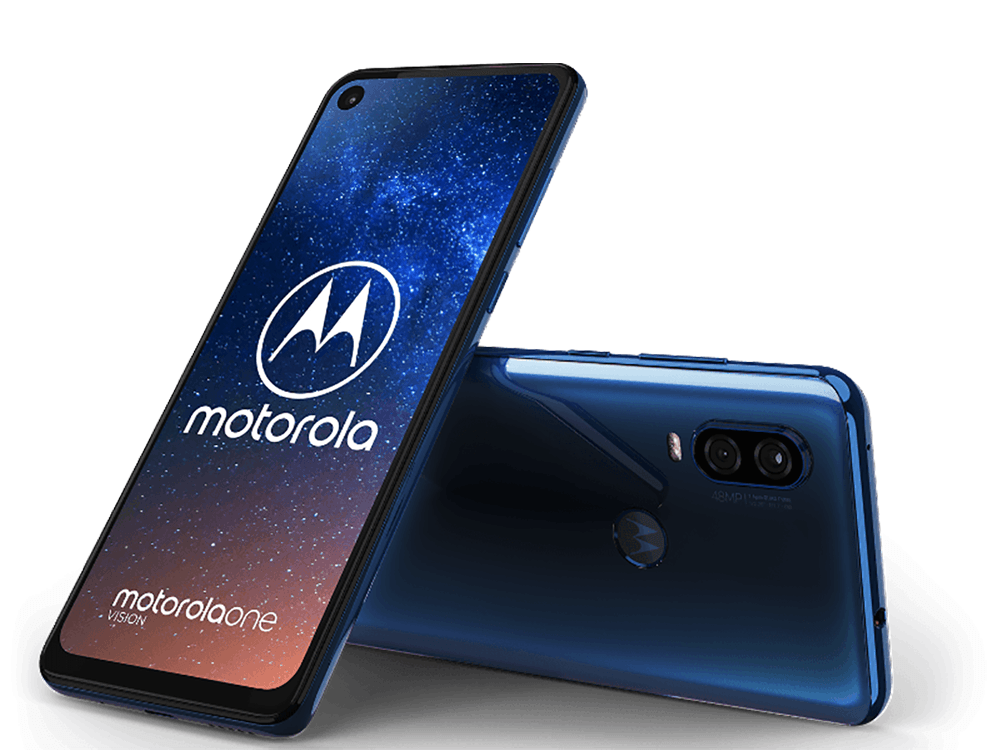
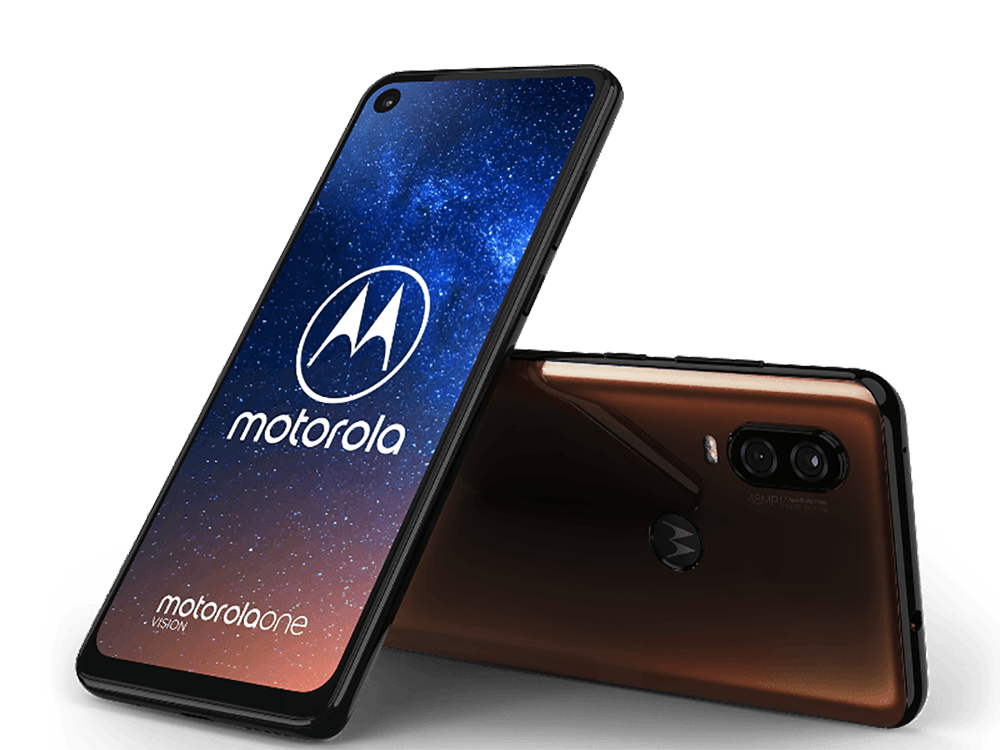
The One Vision smartphone features an attractive display of 6.3 inches since it offers a tall aspect ratio of 21:9. The full HD+ display is equipped with a punch-hole at the top-left corner for the front-facing camera. The Samsung supplied Exynos 9609 chipset that includes 2.2 GHz octa-core processor powers the phone with 4 GB of RAM. The native storage of the phone is 128 GB and it comes with a microSD card slot for additional storage. The One Vision is an Android One device that delivers a stock experience of the Android 9 Pie OS.

The Motorola One Vision has a dual camera setup on its back panel. It has an f/1.7 aperture 48-megapixel primary sensor and a depth sensor of 5-megapixle with f/2.2 aperture. Placed inside the punch-hole is a 25-megapixel selfie camera with f/2.0 aperture. It is backed by a 3,500mAh battery that supports 15W TurboPower rapid charging through USB-C. The smartphone comes in Bronze and Sapphire color options.

Motorola One Vision

The Motorola One Vision phone will be launching as Motorola P50 smartphone in China. According to a recent tweet by reliable tipster Evan Blass, the Lenovo-owned firm will be also launching Motorola One Pro and One Action phones in the near future. However, there is no information available on the specs of these phones.

(source)

UP NEXT: Lenovo CEO says the company has no plan to develop its own OS and chips

Xiaomi Mi 9T, Mi 9T Pro may launch in June in Russia as rebranded Redmi K20 and K20 Pro

Yesterday, Redmi unveiled the highly anticipated Redmi K20 and Redmi K20 Pro flagship smartphones. Few days before the launch of Redmi K20 series of phones, a Polish blog had claimed that these phones will be launching as Xiaomi Mi 9T and Xiaomi Mi 9T Pro in Poland. Fresh information shared by a Russian tech blog also states that the Redmi K20 and K20 Pro will be arriving as Mi 9T and Mi 9T Pro in Russia. These phones are expected to go official in Russia in the coming month.

Redmi K20
Redmi K20

The Russian publication has also stated that the pricing of the Mi 9T Pro will be similar to the Xiaomi Mi 9 whereas the Mi 9T could be costing as much as the Mi 9 SE when it was unveiled. It has further stated that the Mi 9T and Mi 9T Pro will be respectively priced around RUB 25,000 (~$387) and RUB 35,000 (~$540). Apart from Russia and Poland, other European countries are also expected to receive the new Redmi flagship phones as Mi 9T and Mi 9T Pro. Singapore, Taiwan and Thailand are also expected to receive the Mi 9T and Mi 9T Pro smartphones.

Redmi K20 and K20 Pro Specifications and Price

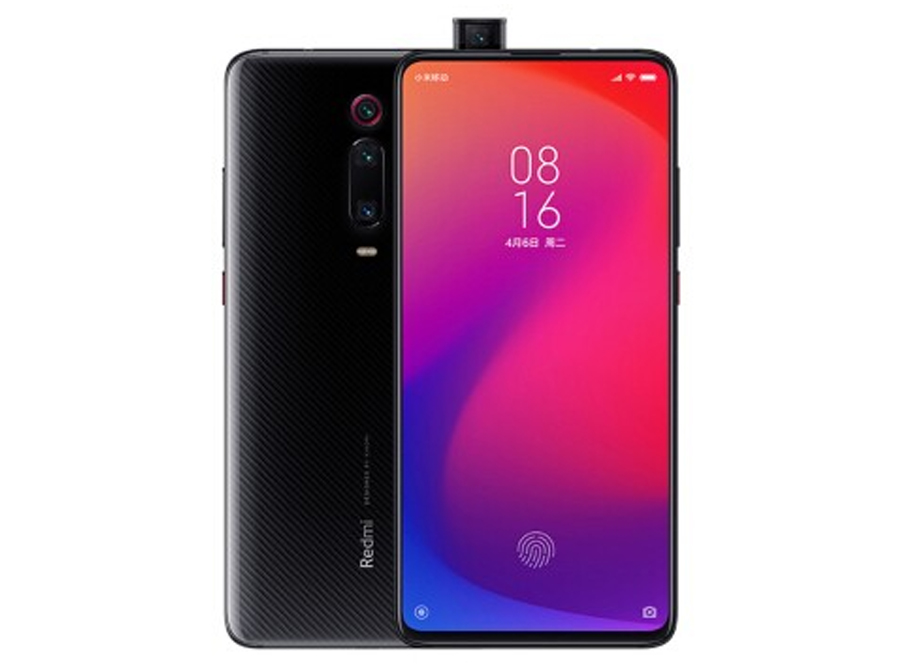
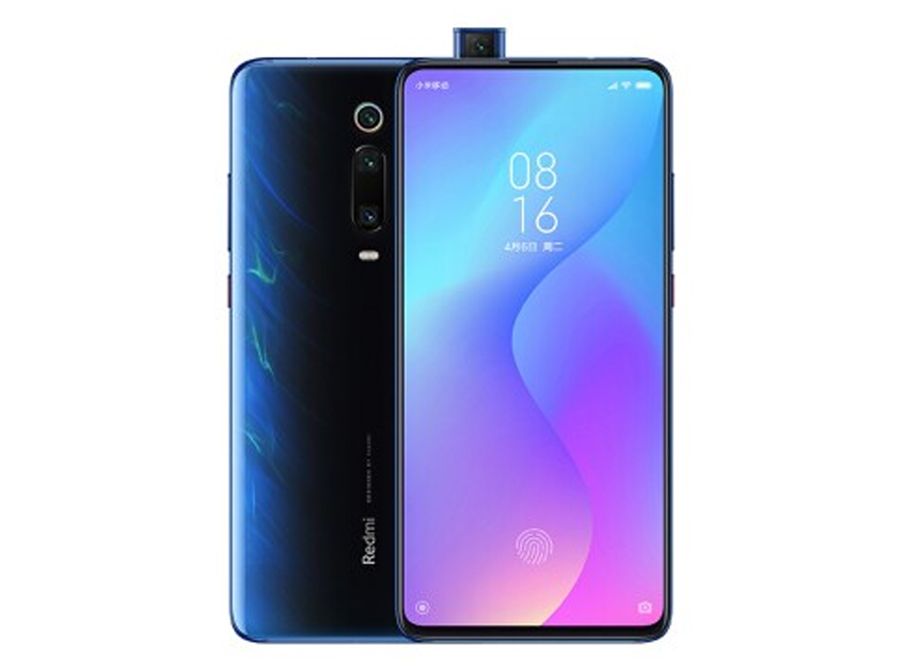
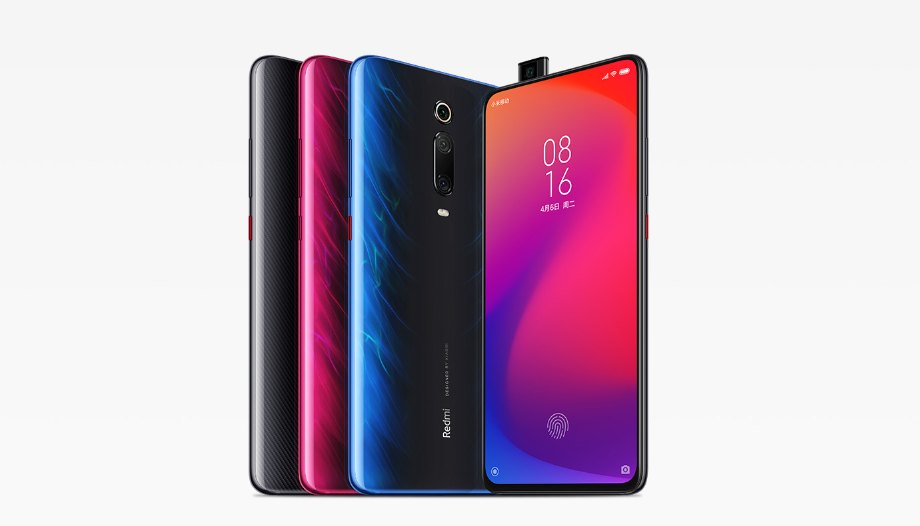
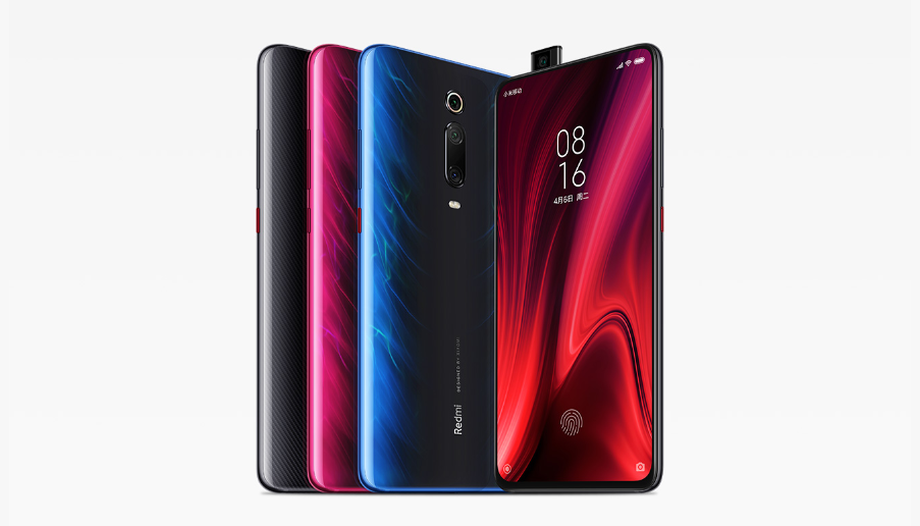
The Redmi K20 and K20 Pro are both equipped with some common features like 6.39-inch AMOLED display with notch-less design, in-screen fingerprint reader, 20-megapixel pop-up selfie camera, MIUI 10 based Android 9 Pie OS and 4,000mAh battery.

The Redmi K20 features 48-megapixel + 13-megapixel (superwide) + 8-megapixel (telephoto) triple camera setup. It has Sony IMX582 as primary sensor whereas the Redmi K20 Pro featuring a similar triple camera setup includes Sony IMX586 as the main sensor. The Redmi K20 supports 18W rapid charging and the Redmi K20 Pro is equipped with 27W fast charging. The K20 is powered by Snapdragon 730 chipset and the Pro model is fueled by the Snapdragon 855.

Redmi K20 Pro
Redmi K20 Pro

The Redmi K20 models 6 GB RAM + 64 GB storage and 6 GB RAM + 128 GB storage are respectively priced at 1,999 Yuan (~$289) and 2,099 Yuan (~$303). The Redmi K20 Pro comes in four models such as 6 GB RAM + 64 GB storage at 2,499 Yuan (~$362), 6 GB RAM + 128 GB storage at 2,599 Yuan (~$375), 8 GB RAM + 128 GB storage at 2,799 Yuan (~$404) and 8 GB RAM + 256 GB storage at 2,999 Yuan (~$435).

(source)

UP NEXT: Huawei Could Unveil A New Kirin Chip Tomorrow!

TSMC commences mass production of its second-gen 7nm+ process

Taiwanese chip manufacturer TSMC has announced that it has commenced mass production of its second-generation 7nm+ process. The 7nm+ process takes over from the 7nm technology used on present-day flagship chipsets like the Kirin 980, Apple A12 etc. The company is utilizing EUV lithography for the first time in the production, edging closer to Intel and Samsung.

The 7nm+ chipset will be used on next-gen Apple A13 chipset as well as on Huawei’s next-gen Kirin 985 SoC. The A13 chipset for Apple will power the 2019 iPhones. Meanwhile, reports from China indicate that TSMC will continue supplying Huawei parts for the upcoming Kirin 985 that would be used on the Mate 30 which is expected to be launched later this year. This is coming on the heels of mounting pressure from the US government on allies to boycott Huawei’s technology.

In addition, the company has also reportedly started trial production of 5 nm process wafers using EUV technology. Mass production is expected to commence in Q1 2020, such that by mid-next year, we should start seeing TSMC 5nm chipsets in the market by June 2020.

(source)

UP NEXT: Huawei Makes Its First Official Move For Its Self Developed OS

Unlocking Bootloader of OnePlus 7 Pro removes Widevine L1 Certification

Unlocking Bootloader is a fantasy for the developers and the geeks who love to modify the firmware on Android devices. OnePlus 7 Pro recently attained root access with unofficial TWRP recovery. Many users are fascinated by the new development, but most of them are unaware of the unavailability of Widevine L1 certification.

widevine certification

Widevine is a digital rights management component used by Android MediaDRM and Chrome Web Browser to ensure security for video content. It is responsible for the stream quality on various platforms such as NetFlix, Amazon Prime, and other networks. The device running Widevine L1 certification is open for the highest quality of video streaming available. However, the Widevine L3 is limited to 480p or lowest video quality. It further enhances content protection, video playback, standardized format, legacy system and ensure device security.

As like of the OnePlus 6 and 6T, the latest flagship of the Chinese smartphone maker also gets Widevine L3 certified once its bootloader is unlocked. In a recent thread on XDA Forums, users are reporting about the inability to watch high-quality video content from premium streaming services like Netflix, Amazon Prime, and others.

It is unclear whether relocking the bootloader fixes the problem on OnePlus 7 Pro or not. However, it worked on the OnePlus 6 and 6T devices.

OnePlus devices along with Poco F1 are most affected by the same situation.

(source)

Apple launches new iPod Touch with a new chipset and new storage

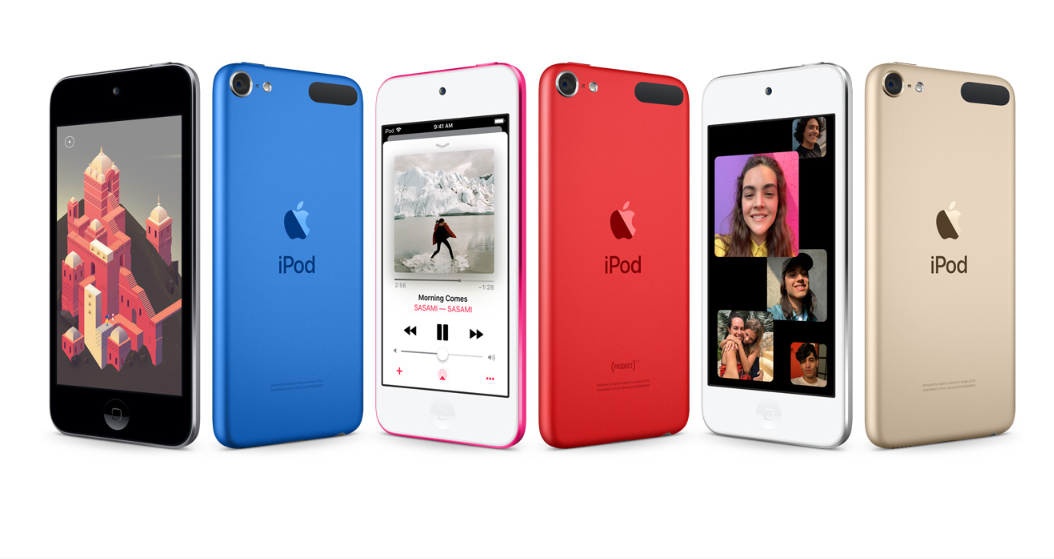
Apple has announced a new iPod Touch. Other than a new chipset and a new storage variant, nothing else has changed on the hardware side. Nevertheless, there are some cool new software features too.

iPod Touch

The new iPod Touch now comes with the A10 Fusion processor which powers the 2016 iPhone 7 and iPhone 7 Plus. The SoC is paired with 32GB or 128GB of storage. Apple has also added a new 256GB variant. With the new A10 chips, the iPod Touch now supports AR games. Apple says it will also support Apple Arcade, its gaming service set to launch this fall.

The screen remains 4-inches in size with a 1136 x 640 resolution. There is an 8MP f/2.4 camera on the rear and a 1.2MP f/2.2 camera in front for FaceTime. The new iPod Touch allows you to FaceTime up to 32 people at once.

There is Bluetooth 4.1, dual-band Wi-Fi, and an audio jack. The device still charges via a lightning port and Apple claims its battery will last up to 40 hours for music playback and 8 hours for video playback.

The iPod Touch comes in Space Gray, Gold, Silver, Pink, Blue, and Red (Product RED). The 32GB version is priced at $199, the 128GB version will sell for £299, and the new 256GB version is priced at $399. It is already available for purchase on Apple’s online store.


UP NEXT: How much does an apology cost? Apple has the answer

Sony developing “Xperia F 5G” device with a 21:18 aspect ratio

The Samsung Galaxy Fold is yet to get a new release date following the string of display issues that plagued review units. Huawei’s Mate X won’t be arriving soon too with the troubles the manufacturer is currently facing. If you want another foldable device from a top manufacturer, then you may want to look forward to Sony’s Xperia F. However, you will have to wait until next year.

Sony

A report has surfaced that reveals Sony is developing a device that is currently referred to as the Xperia F 5G. The Japanese phone maker is said to be in talks with Samsung to supply OLED displays with a 21:18 aspect ratio.

The name alone hints at the device having a foldable display. However, the aspect ratio also contains hidden info. The new Xperia 1 has an aspect ratio of 21:9 which means this device with an aspect ratio of 21:18 is similar to having two Xperia 1 phones side-by-side. The only way for this design to work is if it is foldable.

The source also says the Xperia F 5G will launch in 2020 alongside the PlayStation 5 (PS5) and from the name, we know it is also a 5G device. There are speculations that its arrival alongside the next-gen Sony console may mean it will have some gaming features.

Sony says its devices are designed to provide entertainment, so it won’t be unusual if the Xperia F 5G has special features tied to the PS5. And with it supporting 5G, it may be the birth of new ways for owners to play console-grade games on their smartphone.

(Source)


UP NEXT: Sony’s mobile business is here to stay 

Samsung launches promotional activity to lure Huawei smartphone users

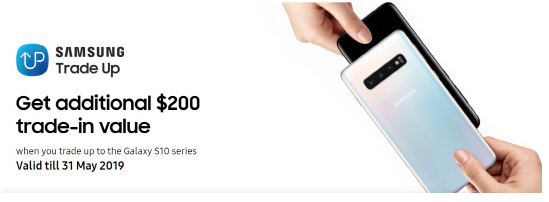
Huawei is going through rough days due to the ongoing trade war. Google recently suspended Huawei Technologies license to use Android operating system services. Although, the search giant later extended support for 90 days. Huawei is working to fade away the impact of the US government’s trade embargo. Various companies like Intel, Google, Microsoft, Fedex have ceased ties with Huawei. The Chinese company is struggling to cope up with the sudden developments. However, Samsung has launched a promotional activity in Singapore to lure Huawei smartphone users.

samsung hauwei trade in

Samsung introduced a new offer for Huawei customers to trade-in their smartphones for Galaxy S10 device. The interested users can get a discount of upto SG$755 (US$550 or 3,800 yuan) for Huawei Mate 20 Pro. Whereas, the Huawei P20 Pro can be exchanged for SG$560 (US$410 or 2,833 yuan) and P20 for SD$445 (US$325 or 2,245 yuan). Huawei Mate 20 is going for SG$545 (US$400 or 2,764 yuan) and Nova 3i for SG$300 (US$220 or 1520 yuan). The users can benefit from the promotional activity until May 31.

It is a welcome offer for the Huawei users, as the company’s future without Android looks quite dark.

Huawei smartphone sales have impacted a lot due to the ongoing trade war. Many carriers across the globe have postponed the launches of upcoming Huawei devices. Japan’s SoftBank Corp. and KDDI, Britain’s EE and Vodafone are among the carriers which are frisking away from the launch of new Huawei smartphones.

At present, the world’s second largest smartphone manufacturer’s operations have seized to 50% of the actual market. The recent developments have ruined Huawei’s plan to dethrone Samsung in the coming time.

To recover from the impact of the US ban, Huawei is now looking to raise $1 billion funds.

(source)

Huawei’s HongMeng OS starts rolling out in June

After these turbulent week, it only makes sense that Huawei wants to hurry their own OS. Huawei’s HongMeng OS has allegedly been in the works for a while now, but they’ve refrained from releasing it due to their connection with Google. Now that Android is no longer viable, the Chinese giant plans to roll out the new OS in June.

The big question a lot of people have is regarding app support on HongMeng OS. To alleviate any problems, the OS will be compatible with all Android apps and they can also be recompiled to improve performance. As for how they’ll be distributed now that Play Store is gone, we’re either going to see Aptoide on board or Huawei’s App Gallery become the main app store.

It’s been years since we’ve really seen a company come up with something to Rival Android. The last time we saw something like this, it was Samsung with their Tizen OS. In fact, it seems like Tizen is the closest comparison in that it’s going to be used on so many different devices. HongMeng will need to replace Android and Windows for Huawei, as well as all their other miscellaneous gadgets like Android Wear smartwatches.

Huawei is going hard, and it seems like they may have grand plans to make their own ecosystem here. The whole Huawei ban in the grand China vs US debacle isn’t good, but it’s definitely made for some of the most interesting and exciting times for this Android fan, and we’re eager to see what’s going to happen next. Could Huawei’s popularity finally bring a valid Android competitor?

UP NEXT: Huawei and Aptoide work together to replace Play Store

(Source)

Huawei reviewing relationship with US-based FedEx after it reportedly diverts Shipments

Huawei is said to be reviewing its relationship with the US-based multinational courier services provider, FedEx after it reportedly diverted a couple of Asia bound shipments to the US. This screw up comes at a time when China and US tensions are at an all-time high. FedEx has confirmed this mistake.

Huawei P30
Huawei P30

There were four shipments in total that were rerouted or attempted to be rerouted to the US. Two shipments originating from one of Huawei’s suppliers in Japan were headed to its China branch, while the other two originated from another supplier from Vietnam and were headed for the company’s branches in Asia. The shipments from Japan were rerouted, without authorization from Huawei or its sender, to the US. The other two shipments from Vietnam were also attempted to be rerouted to the US.

FedEx has said that these shipments were ‘misrouted in error’ and it was not made on the directions of any third party.

“This is an isolated issue limited to a very small number of packages,” said FedEx, in a statement to Reuters, referring to the four parcels affected. “We are aware of all shipments at issue and are working directly with our customers to return the packages to their possession.”

The company has even formally published an apology letter on China’s Weibo regarding this goof up. It reiterates that this was a shipping error and there are no external third parties involved.

However, considering the rising tensions between the two world superpowers, Huawei didn’t take it lightly. In a statement to the Reuters, Huawei spokesperson said,

“The recent experiences where important commercial documents sent via FedEx were not delivered to their destination, and instead were either diverted to, or were requested to be diverted to, FedEx in the United States, undermines our confidence. We will now have to review our logistics and document delivery support requirements as a direct result of these incidents,”

Huawei also confirmed that the said shipments only had documents. So, there wasn’t any technology involved.

The timing of this goof up from FedEx couldn’t have come at the worst time. With even non-US companies like ARM and Panasonic struggling to keep relationship with Huawei, the company is in a tight spot right now. After this, we’ll have to wait and see if Huawei continues to work with FedEx in the future.

UP NEXT: World’s First Touch Screen Toothbrush Incoming!


(Source)

Redmi Go gets May’s security patch in latest update

A new update is rolling out to the Redmi Go that brings May’s security patch to the device. The update already arrived on my device today and it weighs in at about 105MB.

This marks the second security update I have received since I got my hands on the phone. The Redmi Go arrived with Android 8.1 Oreo (Go edition) with January’s security patch. An update along with February’s security patch was available after setup and now it has received May’s security patch.

[envira-gallery id=”255911″]

It appears Redmi will release security updates every three months for the device. However, there is still no news of an update to Android Pie (Go Edition).

The Redmi Go has a 5.0-inch HD display, a Snapdragon 425 processor and 1 GB of RAM. Initially, it was only available with 8GB of storage but Redmi announced a 16GB version for the Indian market yesterday. We don’t know if this new version will eventually replace the 8GB version just as the Redmi Note 7S will replace the Redmi Note 7 in India. There is also no news of the new storage variant being available outside India.

The rest of the specs are an 8MP rear camera, a 5MP selfie camera, a 3.5mm audio jack, a MicroUSB port, dual SIM slots, a dedicated MicroSD card slot, and a 3000mAh battery.


UP NEXT: The new Redmi 7A is a better alternative to the Redmi Go

How to Unlock Bootloader of OnePlus 7 Pro?

OnePlus launched the new flagship series – OnePlus 7 and OnePlus 7 Pro earlier this month carrying high-end specifications. Both the devices are on sale in India, China, the US, and some European countries.  The device is termed as the best selling smartphone under the premium category in India and China. Amid these huge sales, developers on XDA started playing with the code to offer customizations, custom recoveries and root access on the OnePlus 7 Pro.

Before you start experimenting with the OnePlus 7 Pro, users must unlock the bootloader to install TWRP, Magisk, SuperSu and any other MOD. By default, the ability to change anything in the firmware is restricted from users. The unlocking process will allow you to flash SuperSu and Magisk to root device.

Note: Unlocking bootloader will void the device’s warranty. Users can brick their device if steps are not followed properly. In any case, GimoChina is not held responsible for any damage to the device or data. You can proceed at your own risk.

Unlocking Bootloader will lead to the seizure of Widevine L1 Certification. It is responsible for streaming premium content at higher resolutions.

Procedure to Unlock Bootloader of OnePlus 7 Pro

Prerequisite:

Backup data: It is always recommended to backup important data from your device. Bootloader Unlocking will always factory reset your device resulting in loss of data. We always advise keeping a copy of your essential data on another device.

Enable Developer Options: Users are required to enable Developer options by heading into Settings –> About phone, and then tap “Build number” field 7 times. It gives the user the ability to unlock the bootloader.

Enable Debugging Mode: It can be enabled by going to the settings -> Open developer option -> Enable USB Debugging. 

Enable OEM Unlocking: It is a step required for all the OnePlus devices. Users need to enable it by heading to System Settings > Developer options and then toggle it on. After that, press enable on the new popup window.

Install Fastboot on your Computer: Install Fastboot on your Windows/MAC/Linux from here.

Steps: Unlock OnePlus 7 Bootloader

  1. Navigate to the folder where you’ve installed/extracted Fastboot drivers.
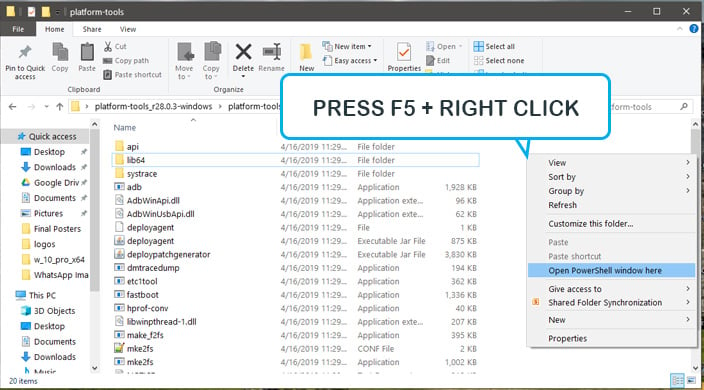
  2. Open CMD or Powershell Window by pressing Shift+Right click in the same folder.
    fastboot window
  3. Now connect OnePlus 7 Pro to the computer with USB.
  4. Type the below command to see whether the device is connected or not:
    adb devices
  5. A pop-up will appear on the device requesting to allow USB Debugging, Tap OK.
  6. Now reboot your phone into bootloader:
    adb reboot bootloader
  7. Make sure your device is connected with the computer:
    fastboot devices
  8. Type the following command and press enter:
    fastboot oem unlock
  9. Now navigate to “Unlock the bootloader” option by using the volume button and select it with the power button.
  10. The bootloader will be unlocked after the device reboots.

Congratulations! You have successfully unlocked the bootloader of OnePlus 7 pro.


Up Next: How to install TWRP and root OnePlus 7 Pro using Magisk?