At the end of 2018, Vivo had released Android 9 Pie closed beta for few of it smartphones such as Vivo NEX S, NEX A, X21 UD and X21 in China. Since it was a closed beta update, it was made available for limited number of 5,000 users in the home market. With the beginning of year 2019, the Chinese manufacturer has now proclaimed the arrival of open beta update for aforementioned smartphones in the home country.
In order to receive the Android 9 Pie open beta, one needs to enroll for it. Users in China are required to download the official recruitment app from the company and install the latest edition of the FunTouch OS. Owners of Vivo NEX S, NEX A, X21 UD and X21 in China can enroll until Jan. 6. There is no limit on the number of recruits since it is an open beta update. The update will be pushed to the user from Jan. 8.
The size of the Android 9 Pie beta is 2.71 GB. It not only includes the latest version of Android, but also other goodies such as Jovi Smart Scene, Jovi Smart Voice Assistant, Jovi Wisdom Map, improved UI, game box, camera optimizations, and more. Apart from the ones mentioned above, Vivo is yet to confirm on the names of the other phones that will be treated with Android 9.0 Pie update.
Vivo had released around 30 smartphones in 2018. Among them, there are many low-budget phones. The Chinese manufacturer is likely to prioritize on the releasing the Android 9 Pie update first for its high-end phones from 2018. The Vivo NEX Dual Display smartphone that was unveiled in December 2018 is the first phone from the company to come preloaded with Android 9 Pie. In India, the Vivo V11 Pro has been one of the most search smartphones in 2018. Hopefully, the Android 9 Pie will be also available for it later this year.
GeekBuying has welcomed the New Year with a bang! The Chinese online store that’s known for offering China’s best electronic items recently kicked off its latest promo dubbed ‘2019 New Year Sale.’
As part of its latest promotion, GeekBuying is giving its users an opportunity to get up to a whopping 60 percent off on a wide selection of items, but that’s not all. Users can avail an extra $5 by applying site-wide coupon code 2019NEW5 if their order value exceeds $100.
Those who end up spending more than $50 can use coupon code 2019NEW3 and get an extra $3 during the checkout process. Likewise, if your grand total is more than $10, you can use coupon code 2019NEW1 and get an extra $1 off. It is worth noting that the aforesaid coupons will be valid for select products and are slated to expire on January 14th.
Let us take a gander at the smartphones and other electronic items that have gone up for sale carrying lowered price tags on GeekBuying. Aside from shedding light on the discounts, we will show how you can save a considerable amount of extra money during the checkout process.
Nubia X Smartphone (6GB RAM+64GB ROM)
The irresistible Nubia X smartphone does not come cheap. In fact, the phone would normally set you back $$ 765.99 on both online and offline stores. Much to the delight of cost-conscious buyers, the steeply priced Nubia X is now up for grabs for a lowered price of just $536.99 on GeekBuying.
But if this 30 percent discount doesn’t impress you much, you can use coupon code GIZ_EVCHLUPN and get an extra $136 off during the checkout process. In other words, you can bring the phone’s already reduced selling price further down to just $529.99 with the help of the aforesaid coupon. You can follow this link without wasting time to avail the discount. Note that the promo was on the verge of wrapping up at the time of writing. There’s a 31% off on the slightly larger variant of the smartphone that offers 8GB of RAM and 128GB of internal storage capacity.
DOOGEE S70 Smartphone (6GB RAM+64GB ROM)
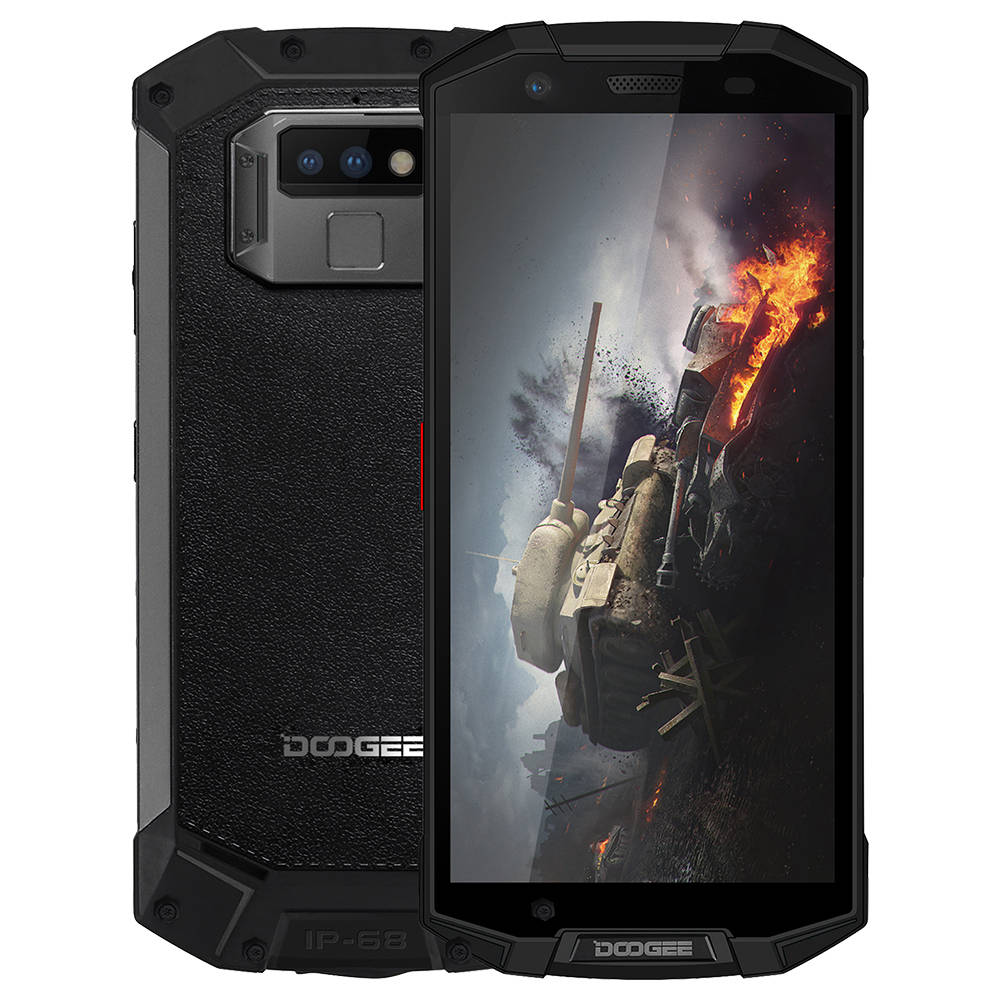
Designed keeping mobile gamers who like playing popular games during their adventurous outdoor activities in mind, the DOOGEE S70 usually sells for $388.99. In a bid to make the phone available to cost-conscious buyers, DOOGEE is now offering the S70 for a reduced price of just $336.99 on GeekBuying.
You can extend this 13 percent discount with the help of coupon code GIZ_EPNKOTYH. The coupon reduces the device’s already slashed selling price to only $269.99. In other words, you can get an extra $67 off simply by applying the aforesaid coupon before proceeding to checkout. You can visit this link to avail the discount, which will be valid for the black color version of the DOOGEE S70 smartphone for a limited period of time.
Tronsmart Element Mega 40W Bluetooth Speaker
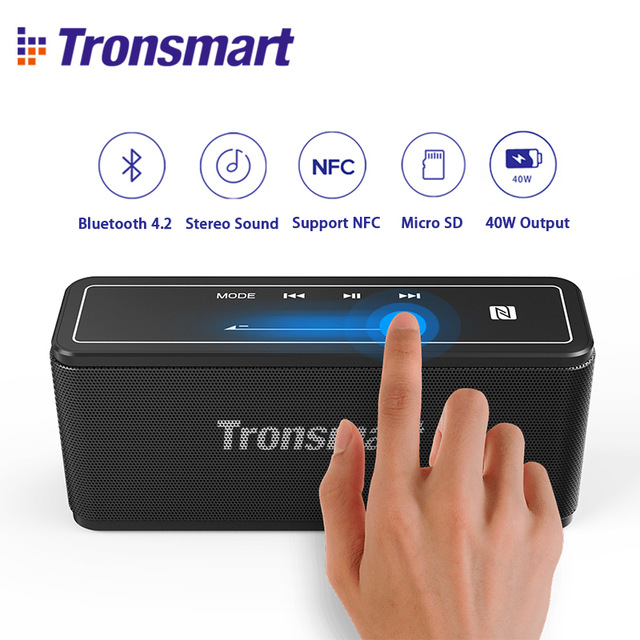
The Element Mega is quite popular among music lovers that fancy listening to their music outdoors. The 40W Bluetooth speaker usually carries a price tag of $75.99, but you can now buy it for just $43.99 on GeekBuying. This is a significant 42 percent reduction in the device’s original asking price. On top of that, you can use coupon code GIZ_FSRVODVH during the checkout process and save $12 more without breaking a sweat. The discount will be valid for the gray color version of the speaker. You can visit this link to grab the discount before the promo comes to an end in 1 day.
Waveshare 7 Inch HDMI LCD Waveshare 7 Inch HDMI LCD (H) 1024×600 IPS Screen
Sporting an eye-catching 7-inch IPS screen with a hardware resolution of 1024 x 600 pixels, the device is configurable by software up to 1920 x 1080 pixels. It uses a toughened glass capacitive touch panel with 6H hardness to ensure durability.
The device is not only compatible with a wide range of mini PCs including Banana Pi, BB Black, Raspberry Pi but it also works with standard desktop computers. While this Waveshare-branded HDMI LCD IPS screen usually sells for $72.99, you can now get it for only $66.99 on GeekBuying. This is an 8 percent reduction in the device’s original asking price, but if that doesn’t impress you much you can use coupon code GIZ_VSDVVOST to get an extra $7 off. After applying the aforesaid coupon, the device’s retail price drops further down to only $59.99.
You can follow this link if you are interested in grabbing this discount before the promo wraps up!
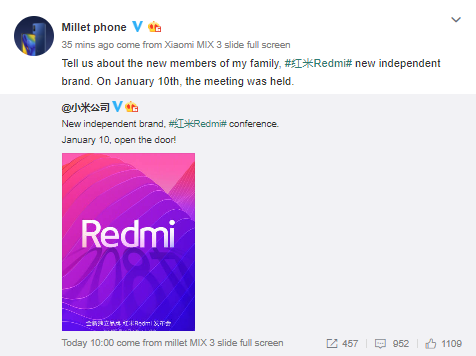
In December 2018, Xiaomi President Lin Bin had confirmed that the company will be releasing a new smartphone with 48-megapixel camera in January 2019. The rumor mill has been speculating that it won’t be a Mi-series phone, but a new flagship phone under the Redmi brand name. Yesterday, through the Xiaomi Company Weibo account, the Chinese manufacturer confirmed that it will be announcing something new today. Today at 10 AM, the company confirmed that it will be holding a media event on Jan. 10 to announce a new Redmi phone. Also, with the launch of the new phone, Redmi will become an independent brand.
The shadow below the large-sized Redmi word clearly hints that the company will be unleashing a 48-megapixel camera enabled Redmi smartphone on Jan. 10. The event will be held at 2 PM (local time) on the said date in Beijing, China. The teaser image has no other details on the specifications of the upcoming 48-megapixel Redmi camera phone.
One important thing that can be deduced from the launch poster is the “new independent brand” text which suggests that Xiaomi is splitting the Redmi brand to make it independent like Huawei’s Honor and OPPO’s Realme. The following Weibo post also confirms that Xiaomi is indeed going to establish it as a separate brand.
Could it be the Redmi 7 Pro or Redmi Pro 2 handset?
In the previous month, a Russian YouTuber had released a video to reveal the alleged Redmi 7 Pro in real. The video did not show the rear side of the phone, but the frontal view revealed that it will be arriving with a waterdrop notch screen. Unfortunately, no details are available on the specifications of the smartphone.
Xiaomi Redmi Pro from 2016 is the first Redmi phone to come with dual rear cameras. It was a better specced phone compared to the other Redmi phones that were released in the same year. Speculations are rife that the Redmi phone that is scheduled to go official on Jan. 10 could be the Redmi Pro 2 smartphone. The rumored handset is expected to succeed the original Redmi Pro phone. Leaked posters that have surfaced in the recent past have suggested that the Redmi Pro 2 smartphone will be fueled by 11nm Snapdragon 675 chipset.
Last month, the 3C authority of China had approved three Xiaomi smartphone units with model numbers M1901F7E, M1901F7T and M1901F7C. These could be the different variants of the forthcoming Redmi phone with 48-megapixel camera. With a week remaining for the Jan. 10 launch event, Xiaomi is very likely to release more teasers to reveal its other features.
Looking for a Xiaomi branded smartphone that doesn’t cost a bomb? You have come to the right place.
The Chinese tech giant has teamed up with Banggood to make some of its popular mobile phones available to cost-conscious buyers for unbeatable prices. On top of that, we will show how you can get extra discounts at checkout.
Xiaomi Redmi Note 5
If you fancy using a smartphone offering a full-screen display for a larger visual experience, the Redmi Note 5 might just fill the bill. Equipped with a 5.99-inch (15.2cm) FHD+ display, the phone uses an aspect ratio of 18:9 to offer a wider field-of-view.
The phone packs a powerful Snapdragon 636 Octa-core processor along with a competent Adreno 506 GPU, under the hood. It ships with 4GB of RAM and offers an expandable 64GB of onboard storage capacity (up to 128GB) so that you have ample space for saving your favorite content. While the Redmi Note 5 would normally set you back a pretty penny, you can now get your hands on the coveted smartphone for a dropped price of just $204.98 on Banggood. This a 33 percent reduction in the phone’s original asking price of $289.99.
You can use coupon code 1BGN5CL and get an extra $65 during the checkout process. As a result, the phone’s already lowered selling price reduces to just $139.98. You can visit this link to grab the discount, which will be valid for the black, rose gold and red color version of the smartphone for a limited period of time.
Xiaomi Redmi 6A
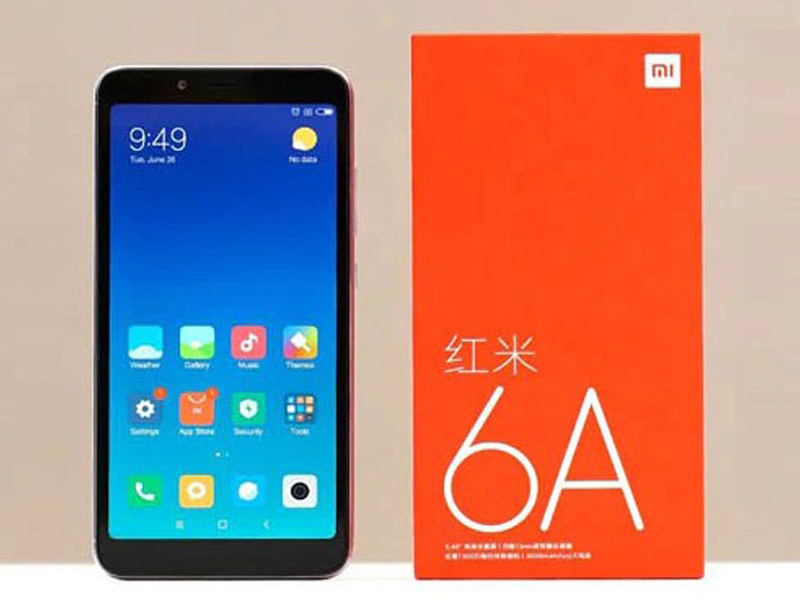
Xiaomi made the long-awaited Redmi 6A available to the public in June last year. The smartphone features a 5.45-inch display with 1440×720 pixels resolution at a pixel density of 295PPI. The Redmi 6A is powered by an MTK Helio A22 MTK6762M Quad core, up to 2.0GHz, 12nm processor, which is paired with 2GB of RAM.
The Redmi 6A offers 16GB of internal storage capacity that can be extended up to 256GB. While you’d normally expect a handset offering comparable features to carry a steep price tag, the global version of the Xiaomi Redmi 6A smartphone can now be yours for a lowered price of just $105.49 on Banggood. This is a 19 percent drop in the original selling price of the phone’s black as well as gold color versions. Without the aforesaid discount, you’d need to shell out $129.99 to get your hands on this feature-rich smartphone. On top of that, you can use coupon code 1BG6AGCL in order to reduce the phone’s retail price further down to just $86.50 while checking out.
You can visit this link to take full advantage of the discount and use the above-mentioned coupon to get an extra $18.99 off before the promo comes to an end.
Xiaomi Mi A2
Xiaomi unveiled the Mi A2 smartphone last year in July. As expected, it garnered huge popularity among smartphone lovers who like watching their favorite videos on a big-screen mobile device. The Mi A2 features a 5.99-inch FHD+ display with a screen resolution of 2160×1080 pixels.
The Mi A2 is powered by a Snapdragon 660 Octa-core, max to 2.2Ghz processor and it uses an Adreno 512 650MHz graphics processing unit for an uninterrupted viewing and gaming experience. Moreover, the phone ships with 4GB of LPDDR4X RAM and offers a hearty 64GB of non-expandable onboard storage capacity. The Mi A2 usually sells for $299.99, but thanks to a 19 percent discount that is currently available on the phone’s gold, black, blue and red color versions, and you can now buy it for just $243.69 on Banggood. Aside from that, you can use the coupon code 1BGA264 and bring the phone’s already lowered selling price further down to just $184.99.
You can follow this link to avail the discount and use the coupon before it expires.
Xiaomi Mi 8 Pro
The Mi 8 Pro became an instant hit among Xiaomi fans after hitting the store shelves in September last year. The phone sports an extra large 6.21 Inch AMOLED display with 2248×1080 pixels resolution for an immersive viewing experience. Moreover, it packs Qualcomm Snapdragon 845 processor along with an Adreno 630 GPU.
The Mi 8 Pro comes with 8GB of LPDDR4x RAM and offers a hearty 128GB of onboard storage capacity so that you have enough space for saving your favorite multimedia content. While the above-mentioned features justify the steep $816.31 price tag, the Mi 8 Pro usually carry, you can now buy it for just $528.99 on Banggood. You can extend this 35 percent discount by applying coupon code 1BG8P at the time of checking out. The coupon helps you get an extra $49 off by reducing the phone’s retail price to just $479.99 before you place your order.
You can follow this link to avail the discount, which will be valid for the transparent black color version of the phone.
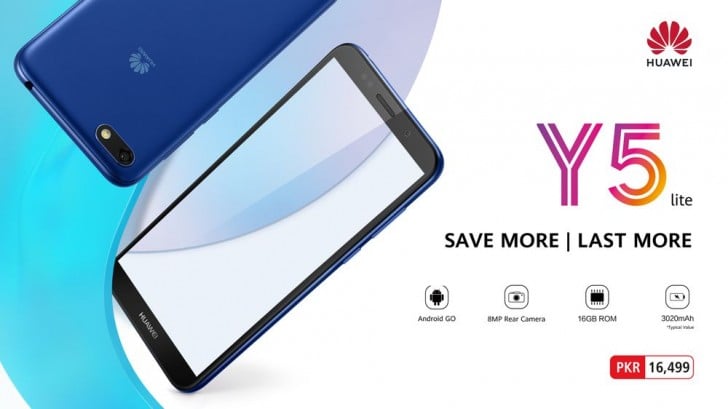
Huawei has introduced the all new Huawei Y5 Lite smartphone. Since it is an Android Go device, the handset is packed with entry-level specifications. The Y5 Lite has gone official in Pakistan. In the near future, the handset is expected to be made available in wider markets.
Huawei Y5 Lite Specifications and Features
The Huawei Y5 Lite measures 146.5 x 70.9 x 8.3mm and it weighs 142 grams. It is fitted with a 5.45-inch IPS LCD FullView display. The notch-less screen offers an aspect ratio of 18:9 and HD+ resolution of 720 x 1440 pixels.
The MediaTek MT6739 chipset powers the smartphone along with 1 GB of RAM. The native storage of the smartphone is 16 GB. For extra storage, there is a dedicated microSD card slot on the device. The handset draws power from 3,020mAh battery.
The Huawei Y5 Lite runs on Android Go edition of Android 8.1 Oreo OS. The handset can automatically adjust the phone call volume so that users can have clear listening experience even in noisy environments.
The Huawei Y5 Lite has a rear camera of 8-megapixel with f/2.0 aperture. The rear snapper carries support for autofocus and LED flash. Sitting at the front is a 5-megapixel selfie shooter with f/2.2 aperture. There is a single-tone LED flash on the front that assists the front-facing camera to capture brighter shots.
The other features that are available on the Huawei Y5 Lite include dual-SIM support, 4G VoLTE, Wi-Fi 802.11 b/g/n, Bluetooth 4.2, GPS, microUSB 2.0 and 3.5mm audio jack. In terms of specs, the handset resembles the Huawei Y5 Prime 2018 that has dual rear cameras and 2 GB of RAM as the only major differing features.
The Huawei Y5 Lite has arrived in Pakistan with a price tag of PKR 16,500 (~$117). It can be purchased in Blue or Black colors. There is no confirmation on the other markets that will be receiving the Huawei Y5 Lite.
For the past three years, the Moto Z series has largely maintained the same design thanks to the modularity feature that lets users add extra features to the phone(s).
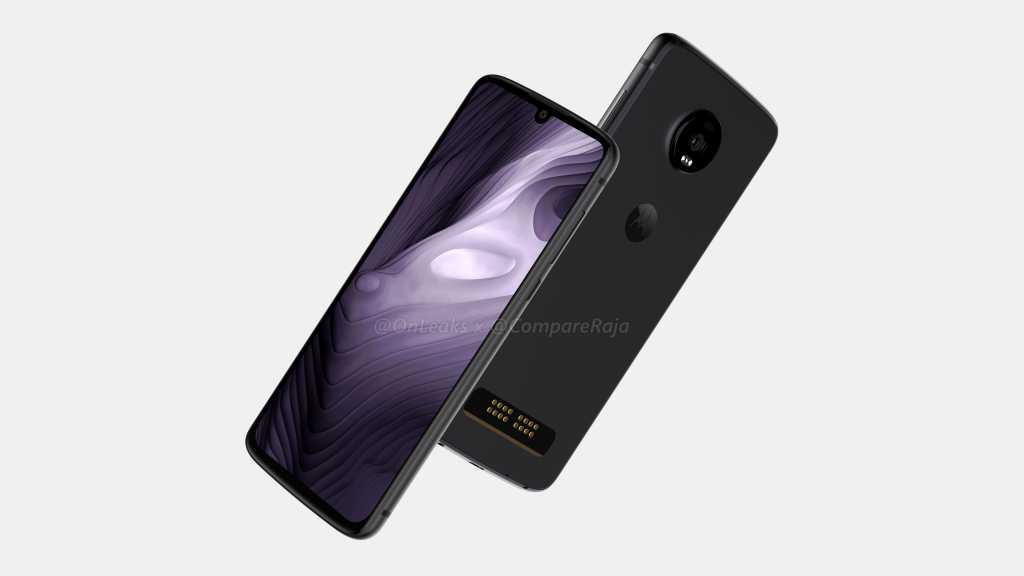
Initially, we thought Motorola would switch to an entirely new design this year which will mean the end of the Moto Mods but it appears that won’t be the case. A video render of the Moto Z4 Play has surfaced online that shows us the Moto Mods are here to stay, at least for another year.
The Moto Z4 Play render is from OnLeaks who has a trustworthy record when it comes to revealing early looks of a phone. For this video render he has collaborated with Indian tech blog, CompareRaja.
The Moto Z4 Play will come with a water-drop notch and have slimmer bezels compared to the Moto Z3 Play. The slimmer chin of the phone means the usual “Motorola” branding will no longer be there.
On the rear of the device, the Moto Z4 Play still has a circular camera housing with a bump so that it flushes when a Mod is attached. However, what is surprising is that the Moto Z4 Play will come with a single rear camera and not two sensors like the Moto Z3 Play. Below the sensor is a triple LED flash.
[envira-gallery id=”230359″]
The Moto Z3 Play has a side-mounted fingerprint scanner but that’s not the case with the Moto Z4 Play. Since it can’t be on the rear due to the Moto Mod, the only plausible place it can be is under the display.
The phone has the usual 16 connector pins for the Mods at the bottom. There is a 3.5mm audio jack and a USB type-c port at the bottom while the speaker grille is at the top alongside the SIM tray. The right side of the phone is home to the power button and volume rocker.
The specs of the phone are unknown but the display is said to be 6.2-inches in size and its dimensions are given as 158 x 75 x 7.25 mm.
If you haven’t received the update that brings Android Pie to the OnePlus 5 and OnePlus 5T, it will interest you to know that there is another update rolling out to both devices again.
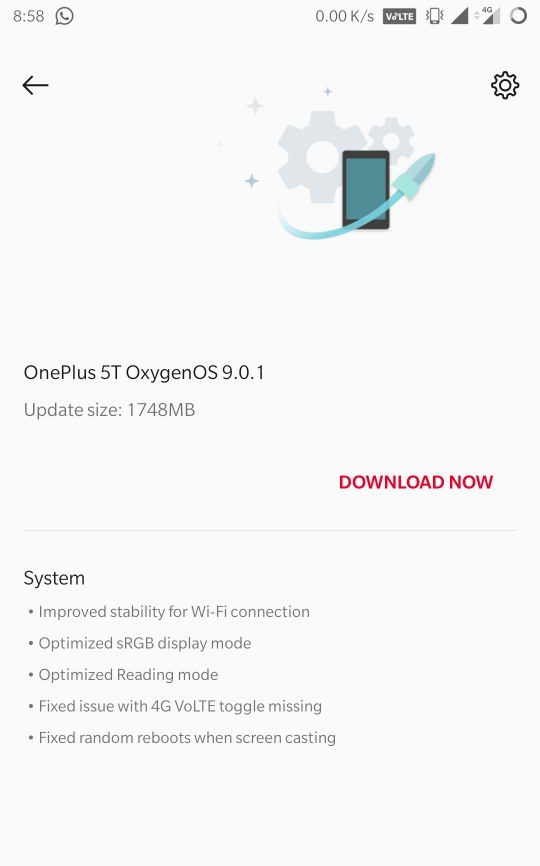
OnePlus is rolling out OxygenOS 9.0.1 to the 2017 flagships. The update comes a week after Android Pie was released for both phones and fixes the bugs the last update brought. The full changelog is below:
System
Improved stability for Wi-Fi connection
Optimized sRGB display mode
Optimized Reading mode
Fixed issue with 4G VoLTE toggle missing
Fixed random reboots when Screen Casting
A screenshot shared by one of those who has already received the update shows it is 1748MB in size.
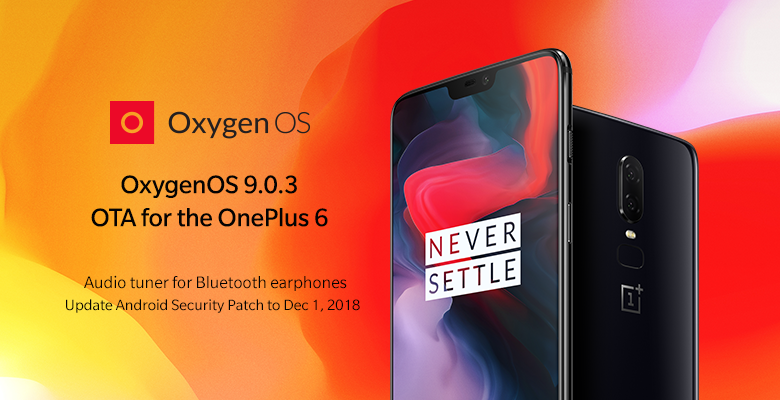
OnePlus began rolling out a new update to the OnePlus 6 a few days ago. The update brings improvements to the phone along with December’s security patch.
The update comes as OxygenOS 9.0.3 and is rolling out gradually to users. Those who have received the update say battery life has improved slightly. There are also camera improvements for Nightscape mode and slow-motion recording. Below is the full changelog:
System
Improved Wi-Fi stability for better connectivity
Improved Bluetooth stability for better connectivity
In the face of a saturated smartphone market, OEMs are deploying all the strategies in their arsenal to outwit the competition. BBK subsidiary OPPO used the Realme brand as its take on the entry-level smartphone market. The brand was announced in May this year and came out as sort of a surprise. The Realme 1 was the first phone released under the brand but since then, Realme has released four more devices.
Interestingly, the brand has been a huge success as the brand recently announced via its official Twitter account that it has sold 4 million phones in 7 months globally. This is a culmination of the successful outings the brand has enjoyed in various markets outside India. It was first launched in India but recently made its entry in China where it outsold Samsung and Xiaomi during Singles’ Day. The Realme brand also posted an amazing feat in Indonesia on popular online retailer Lazada. The low pricing of the models, as well as the promotional sales events, helped the brand reach the 4 million mark.
Your favorite #Realme smartphone is now just one step away from your place! 😍 Buy them from one of our REAL Partner stores offline. Check out the cities we are opening this month and tell us which city do you want us to come next. 😉 pic.twitter.com/UUpOmpzwn2
In addition, the Realme brand has also announced that it is now taking its phone sales from online sales only to incorporating offline sales. This is going to be happening in India where the models will be available in physical stores in a number of cities across India. The first set includes Mumbai, Banglore, Rajkot, Ahmedabad, Kolkata, Jaipur, Guwahati, Pun, Dehli, Noida, and Lucknow. Te brand equally disclosed that 50 cities will be added every quarter while it has set its target to make the Realme phones available in up to 20,000 retail stores in India this year.
Apple‘s Face ID has been a major success considering the level of adoption it has cornered among smartphones. Unfortunately, those on Android phones, including flagships such as Huawei Mate 20 Pro are not as accurate as Apple’s. In this regard, there is usually a disclaimer that Face ID doesn’t offer adequate security and shouldn’t be deployed for financial transactions. However, that should change soon as Sony is reportedly working on a new generation of face recognition technology which should be available on its phones in late 2019.
This disclosure was made last week by Sony sensor division chief Satoshi Yoshihara. He hinted that the company has developed a new 3D sensors for both front and rear cameras and they are trying to increase production. Several phone makers have reportedly shown interest in the technology hence the need to shore up production. The Sony exec stated among other things, “Cameras revolutionized phones and based on what I’ve seen, I have the same expectation for 3D. The pace will vary by field, but we’re definitely going to see adoption of 3D. I’m certain of it”.
The 3D cameras will likely perform different functions but enabling face recognition should be the most outstanding. Sony’s 3D face recognition promises to be even more accurate and reliable than the 3D scans that Apple introduced with Face ID and which phone makers like Huawei and Xiaomi have replicated. The mechanism of action of this 3D face recognition will be markedly different from that of Face ID which revolves around projecting dots of invisible light onto a user’s face and measuring the deformations in that grid. Sony’s new 3D cameras use pulsating laser signals and measure how long it takes for a pulse to bounce back. This is comparable to the way bats use echolocation in nature.
According to Sony, this new method creates a more detailed model of a user’s face and can work from as far as 16 feet (5 meters). The company has already hosted a dedicated Depth-sensing website where visitors can explore the possibilities of the new technology and its wide range of applications ranging from autonomous cars, drones, to robots and more. MAss production of the 3D camera sensors is billed to commence in late summer 2019 and it could be available in flagships that will be released in late 2019 and the following year. Could this be the technology that would make us forget in-display fingerprint? We’ll have to wait to see how this pans out.
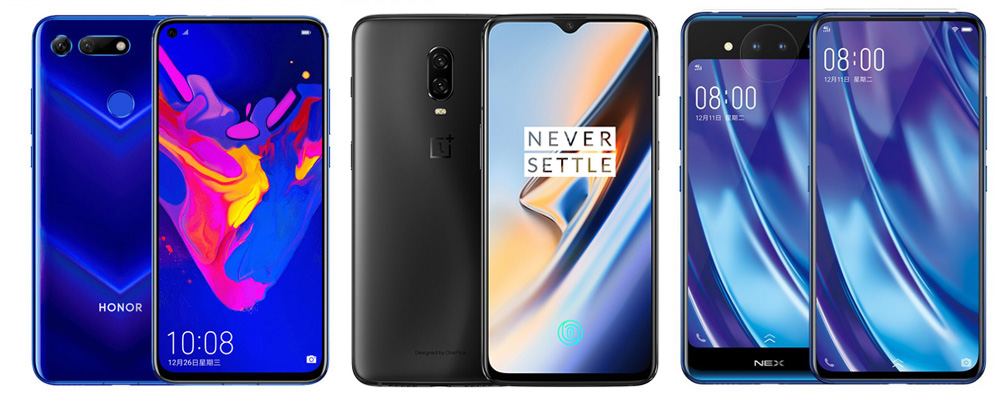
Pop-up cameras, slider designs, artificial intelligence… 2018 was the year of innovation and 2019 is going to be the year in which this innovation will become mainstream. The latest aesthetic innovation has been brought by Huawei Nova 4, Samsung Galaxy A8s and Honor V20, the first smartphones with an in-display hole for the front camera. After comparing the first two ones, here we are comparing the Honor V20 with two other important flagships released recently: OnePlus 6T which is one of the actual best-sellers and the even-more-innovative Vivo NEX Dual Display.
Huawei Honor V20 vs OnePlus 6T vs Vivo NEX Dual Display Edition
Huawei Honor V20
OnePlus 6T
Vivo NEX Dual Display Edition
DIMENSIONS AND WEIGHT
156.9 x 75.4 x 8.1 mm, 180 g
157.5 x 74.8 x 8.2 mm, 185 g
157.2 x 75.3 x 8.1 mm, 199 grams
DISPLAY
6.4 inches, 1080 x 2310p (Full HD+), IPS LCD
6.41 inches, 1080 x 2340p (Full HD+), Super AMOLED
6.39 inches, 1080 x 2340p (Full HD+), Super AMOLED
Secondary display: 5.49 inches 1080 x 1920 pixels (Full HD), Super AMOLED
Dual 48 MP + TOF 3D Camera, f/1.8
25 MP f/2.0 front camera
Dual 16 + 20 MP, f/1.7
16 MP f/2.0 front camera
Triple 12 + 2 MP + TOF Camera f/1.8
BATTERY
4000 mAh, fast charging 22.5W
3700 mAh, fast charging with Dash Charge
3500 mAh, Fast Charging 22.5W
ADDITIONAL FEATURES
Dual SIM slot, in-display camera
Dual SIM slot
Dual SIM slot, dual display
Design
Most of the recent smartphones have a design similar to OnePlus 6T, so it offers nothing special or innovative to the market. Honor V20 is definitely better with its punch hole display: it has an in-display hole to maximize the screen-to-body ratio and it even has a stunning back with unique light effects. But in my opinion, the most incredible is the Vivo NEX Dual Display as it features two displays: one of the front side with a screen-to-body ratio close to 100 percent and one on the back allowing to use the rear camera setup as front cameras.
Display
As it features two wonderful AMOLED displays, Vivo NEX Dual Display wins the display comparison. Thanks to the secondary display, you can save energy and use the main cameras as selfie cameras, besides opting for a more comfortable one-handed use. OnePlus 6T has its advantages as well, with its AMOLED panel featuring the strong Gorilla Glass 6 protection and DCI-P3 coverage for accurate color reproduction. Honor V20 has a standard IPS LCD display which represents its weakest point, but it is still a sufficient panel.
Hardware/Software
The most advanced hardware side belongs to the Honor V20, with the new Kirin 980 chipset by Huawei providing faster performances and way higher benchmark scores. But OnePlus 6T and Vivo NEX Dual Display Edition are still among the best smartphones for speed and multi-tasking. A big disadvantage of the OnePlus 6T and Vivo NEX Dual Display Edition is the absence of a micro SD slot, while Huawei Honor V20 has a dedicated micro SD slot allowing to use the dual SIM slot even when the user inserts an external card slot inside it.
Camera
On the paper, the new Huawei Honor V20 has the most amazing camera. It comes with a dual camera setup that includes the new 48 MP sensor by Sony. It captures a huge detail and delivers a great lossless zoom. After Honor V20, the best camera phone of the trio is the OnePlus 6T with a bright f/1.7 aperture and good performance in every light condition. Vivo NEX Dual Display is an excellent camera phone too, but it lacks a front camera.
Battery
Huawei Honor V20 has the biggest battery with a capacity of 4000 mAh and it should be able to last more than all of its opponents. But note that you can get a lot more battery life by using the secondary display on the Vivo NEX Dual Display. Further, OnePlus 6T provides a full day battery life too, so no one of these devices is disappointing when it comes to battery life. OnePlus 6T has the fastest charging technology: Dash Charge. And this phone is also available in a special McLaren Edition with an even faster charging technology: the new Warp Charge which brings it to 50 percent in just 20 minutes (it reaches 30W).
Price
Huawei Honor V20 recently debuted in the Chinese market with a price tag of about €460 and it is the most affordable device of the trio. OnePlus 6T starts from €569/$569 in its base variant which comes with 6 GB of RAM and 128 GB of internal storage (not expandable), while Vivo NEX Dual Display Edition is available in China at about €700. Given the price, I would definitely choose Huawei Honor V20 because of its higher value for money. For just €460, you get a better camera department, potentially better performances, and even bigger battery life. Further, it is the only which sports a micro SD slot (that is also a dedicated one) to expand the internal storage. The only component which disappoints is the display, which can be considered a midrange-class panel. I would not choose the OnePlus 6T because it lacks the notification LED. Regarding Vivo NEX Dual Display, you mostly pay for the innovation. Which one would you pick? Would you award Vivo’s innovation with its dual display or opt for money saving by choosing Honor V20 or OnePlus 6T?
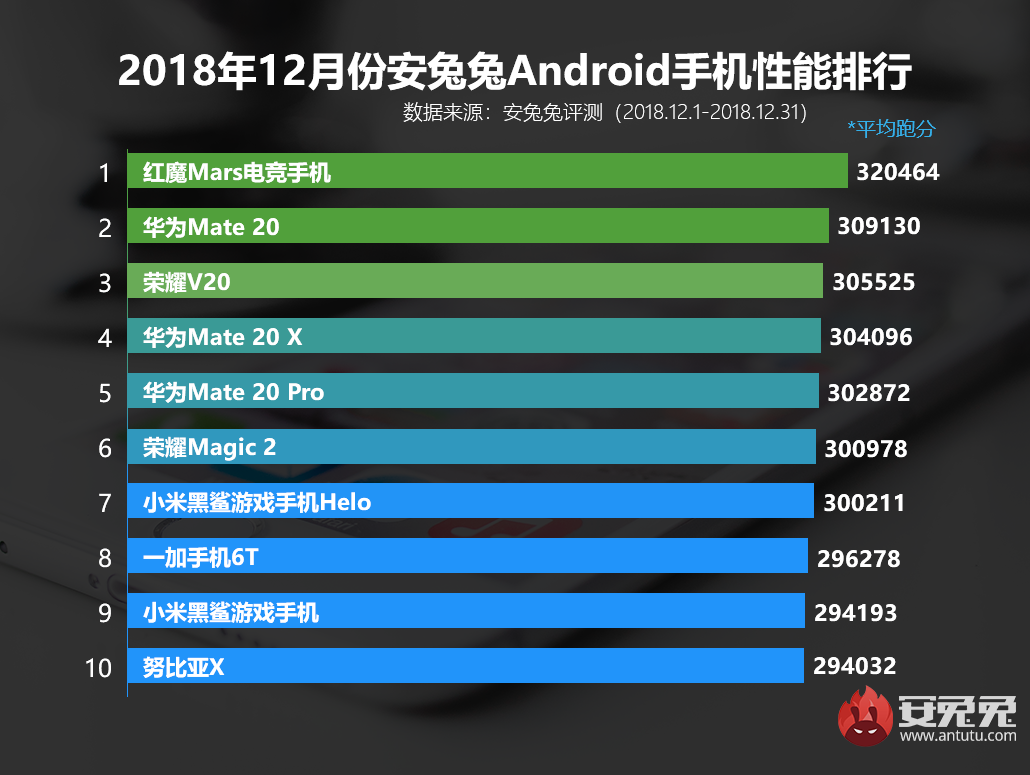
Each month, AnTuTu benchmarking platform releases the list of top 10 best performing Android phones. In November 2018, the top 10 best performance Android smartphones was dominated by Kirin 980 chipset powered Huawei and Honor phones. The other phones that made it to the list were fueled by Snapdragon 845. AnTuTu’s latest lists for December 2018 reveals has the Snapdragon 845 powered Nubia Red Magic Mars smartphone leading pack which is followed by Kirin 980 driven smartphones.
All the phones mentioned in the list below were benchmarked using AnTuTu version 7 between Dec. 1 and Dec. 31, 2018. The Nubia Red Magic Mars phone that is placed on the number one position recorded an average benchmarking score of 320,464. The next five phones in the list are all powered by Kirin 980 chipset. The Mate 20Honor V20, Mate 20 X, Mate 20 Pro and Honor Magic 2 have respectively scored 309,310, 303,525, 304,096, 302,872 and 300,978 points
The Xiaomi Black Shark Helo phone is on the seventh position with a score of 300,211. On eighth is OnePlus 6T with 296,278 score. The original Xiaomi Black Shark gaming phone and Nubia X have made it to the top ten list of best performance Android phones by respectively scoring 294,193 and 294,032 points.
In the coming months, multiple phones with Snapdragon 855 are expected to go official It remains to be seen whether it will be the Samsung Galaxy S10 or Sony Xperia XZ4 or any other phone will be the first Snapdragon 855 powered smartphone.
An unofficial listing of the Xperia XZ4 that was spotted earlier today revealed that it had scored over 395k points. Hence, it appears that Snapdragon 855 may start leading AnTuTu’s list of best performance Android phones by the end of first quarter of this year. Huawei is also rumored to be prepping up Kirin 985 chipset to power the Huawei P30 series that is expected to go official by the end of March. Hopefully, it could be a good rival for the Snapdragon 855 mobile platform.
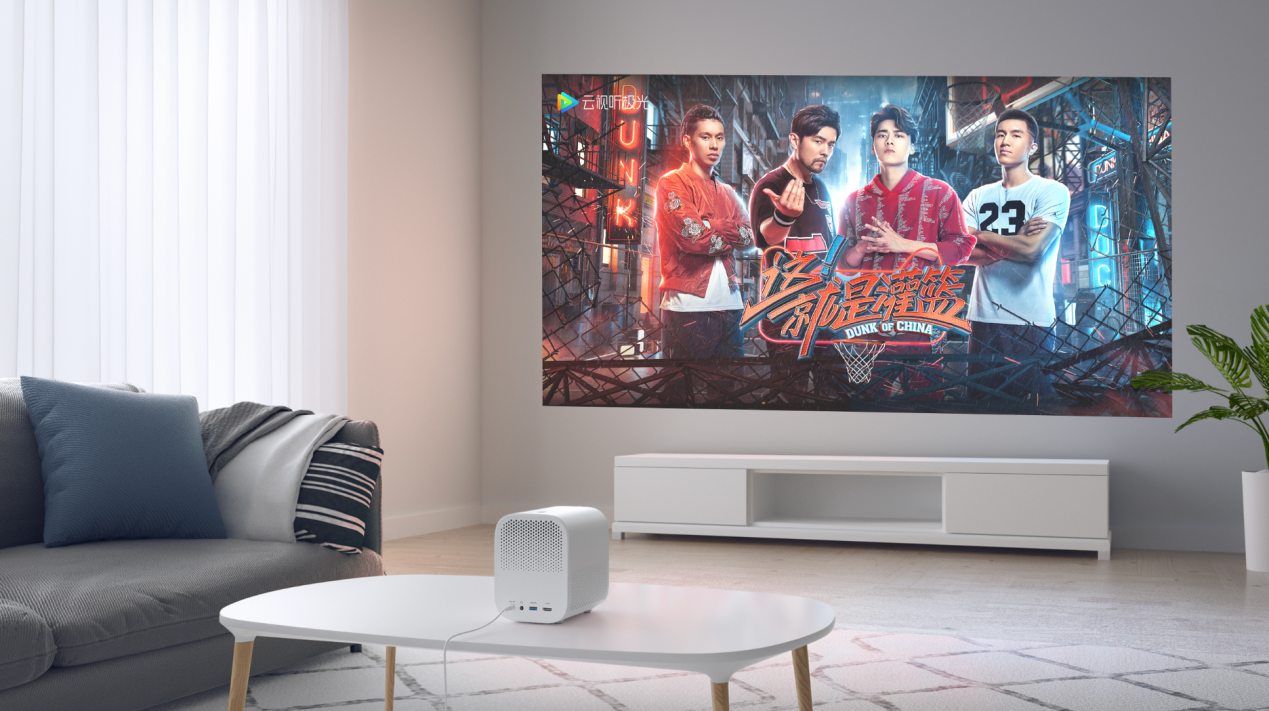
Today, Xiaomi announced a lite version of its MIJIA Home Projector. The home projector is said to be an alternative to large screen TVs which a lot of people can’t afford. With the projector, you will be able to cast content at sizes much larger than the TV in an average home without breaking the bank.
The MIJIA Home Projector Lite has a projection ratio of 1.2:1. Although the recommended screen size for best quality is given as 120 inches, the maximum size it can cast is actually 200 inches. Xiaomi says the projector has autofocus to ensure clear and sharp pictures.
The projector uses a LED light source with a brightness of 500 ANSI lumens. It has a resolution of 1080p and support for HDR10. It is also soft on the eyes and great for kids.
The projector has Xiaomi’s MI TV built in so you can stream content from various platforms. The bundled remote has a microphone which can be used to activate the AI assistant. With the AI assistant, you can search for content online or even control other Xiaomi smart home products you have.
You can also stream audio content from your phone which is played using the projector’s built-in speakers. This way you don’t have to worry about getting a Bluetooth speaker if you purchase the projector. With Dolby audio and DTS two-channel virtual surround sound, audio quality should be good.
[envira-gallery id=”230299″]
The MIJIA Home Projector Lite supports dual-band Wi-Fi, has an audio jack, a USB 3.0 port, and an HDMI port in case you want to project content from an external source.
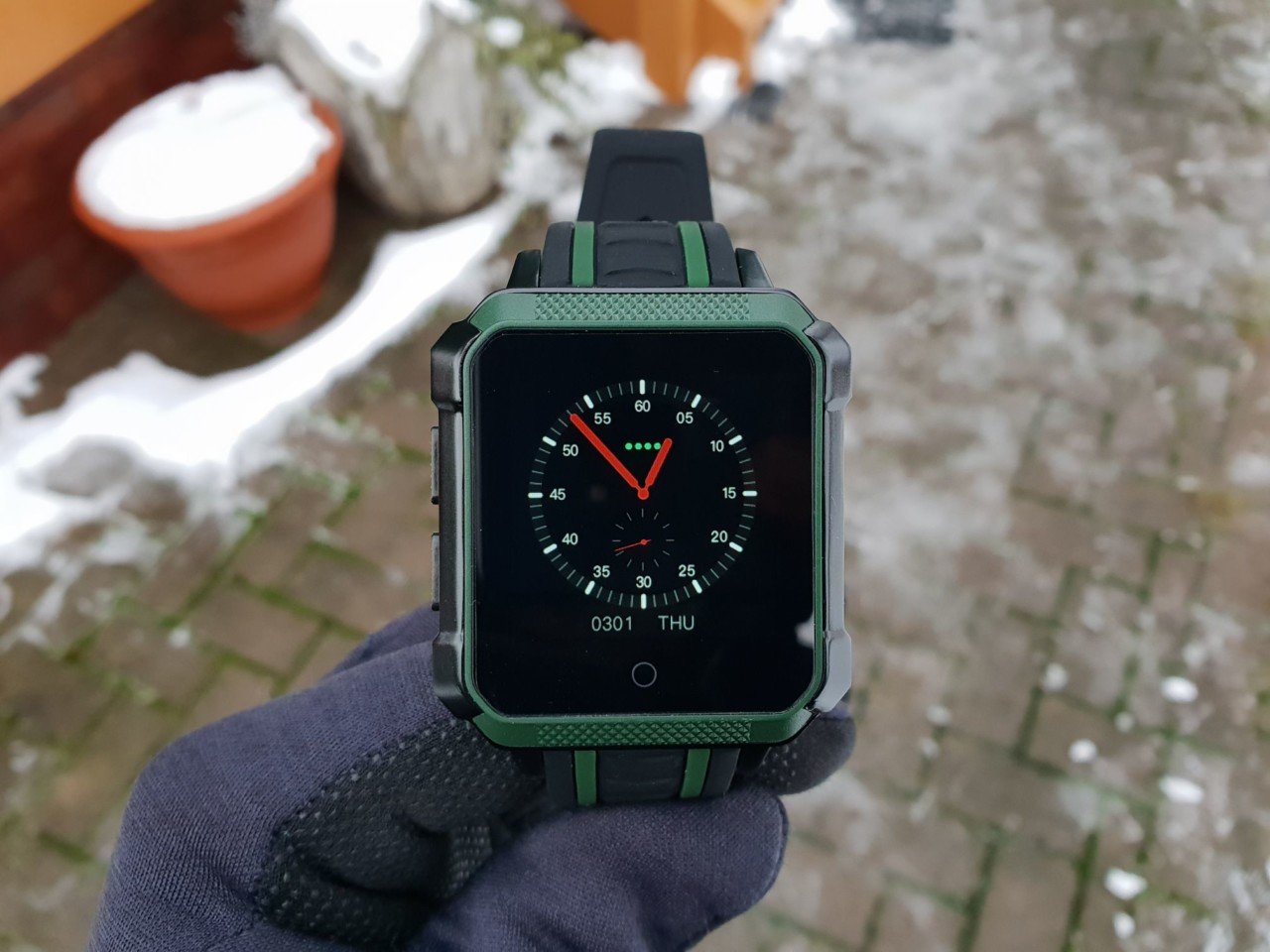
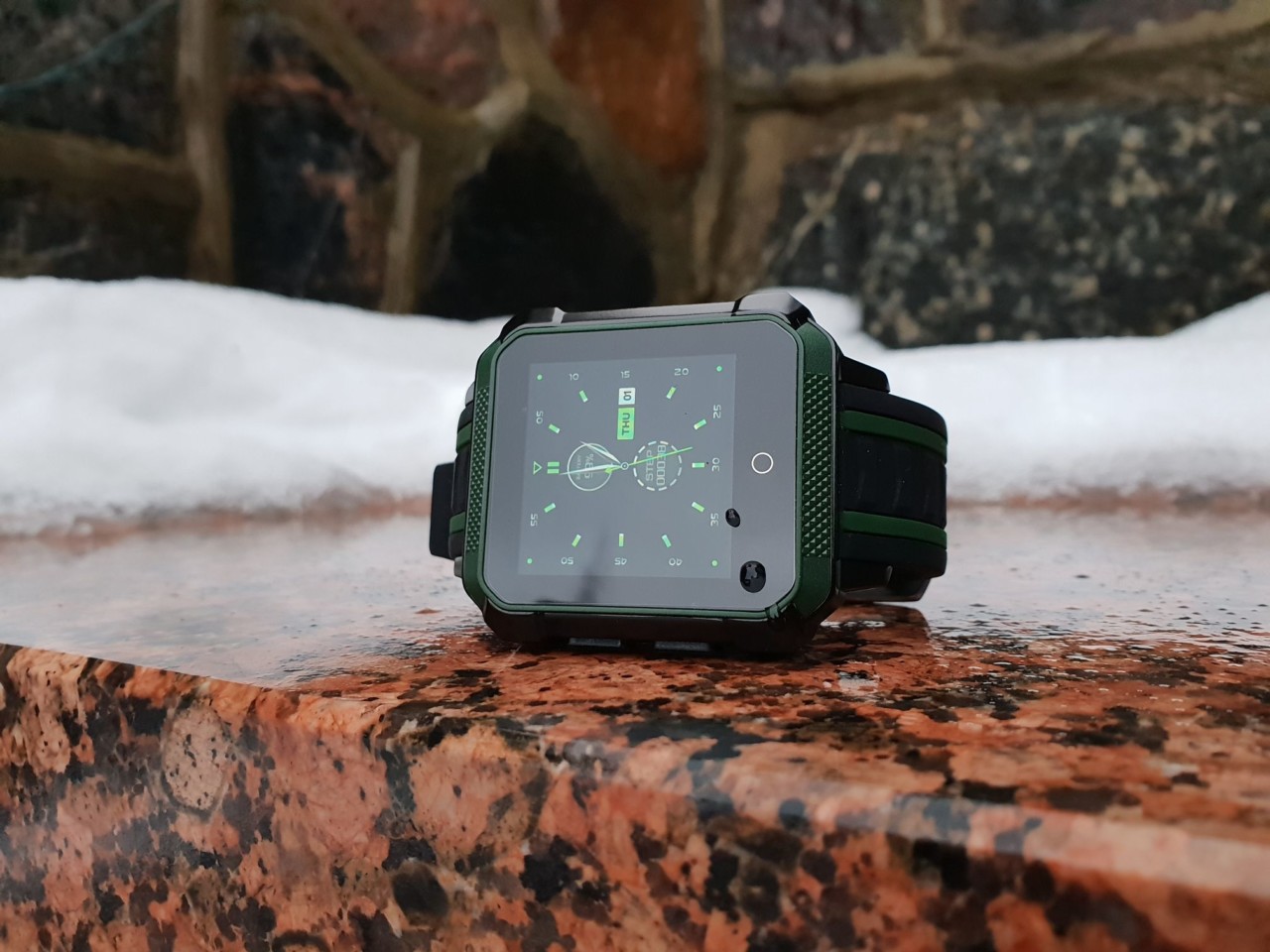
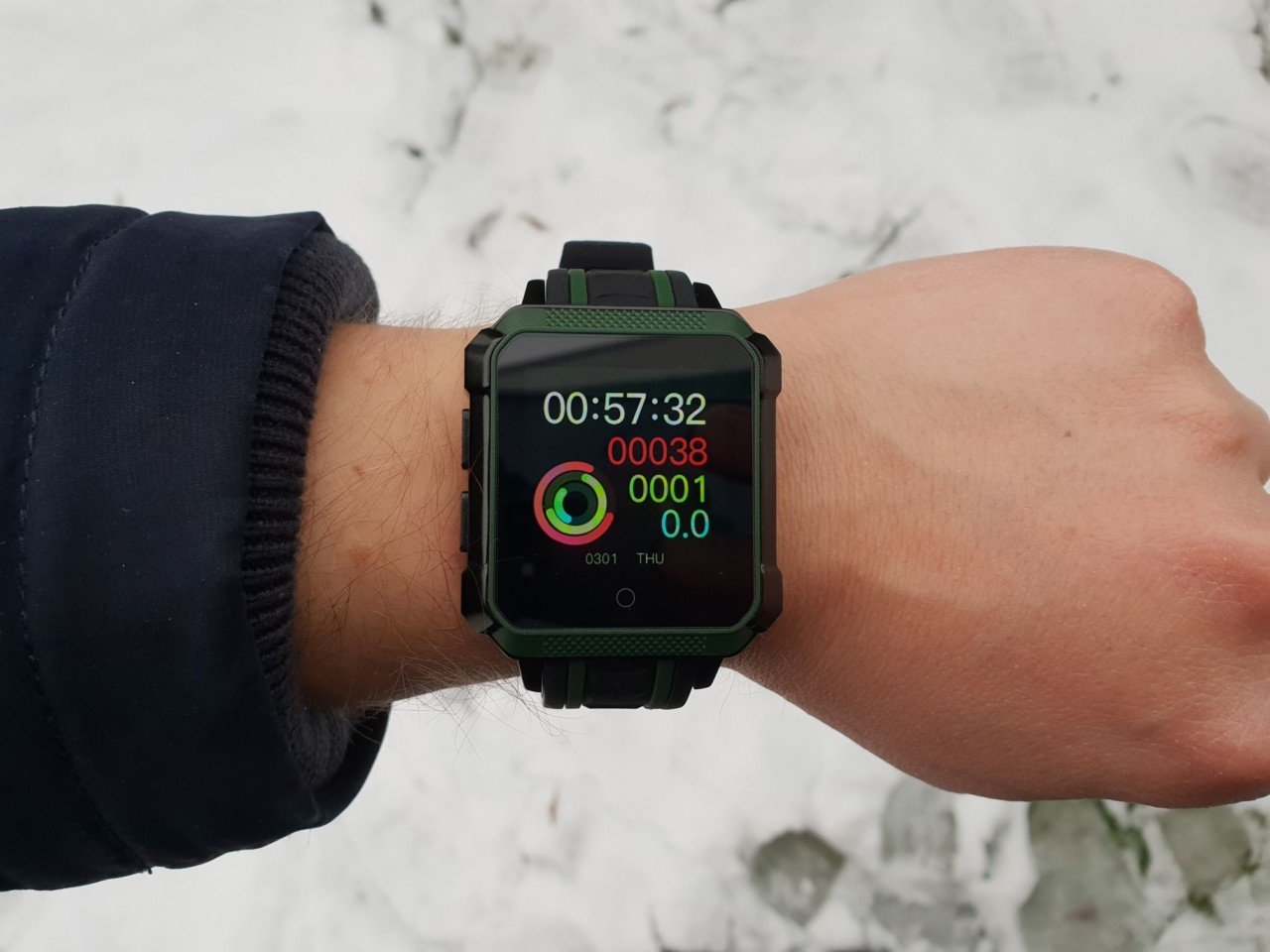
The market of smartwatches is pretty crowded and the Microwear H7 is one of the latest devices on the market. In fact, this is a phone/watch hybrid that combines best of both worlds in a compact package and it costs about $120. Learn more in the Microwear H7 review.
UNBOXING
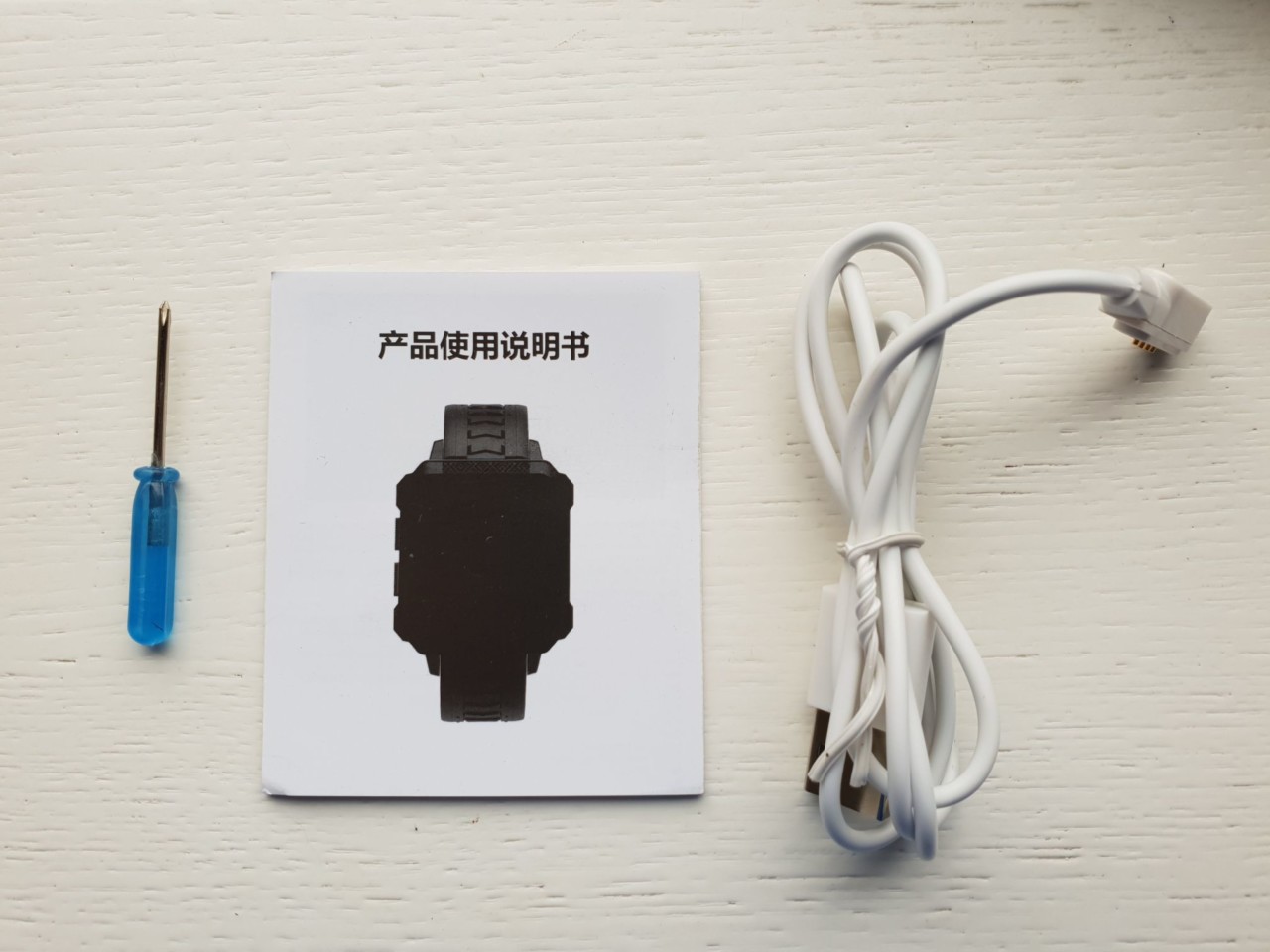
The watch ships with some paperwork, a screwdriver and a charger.
DESIGN and FEATURES
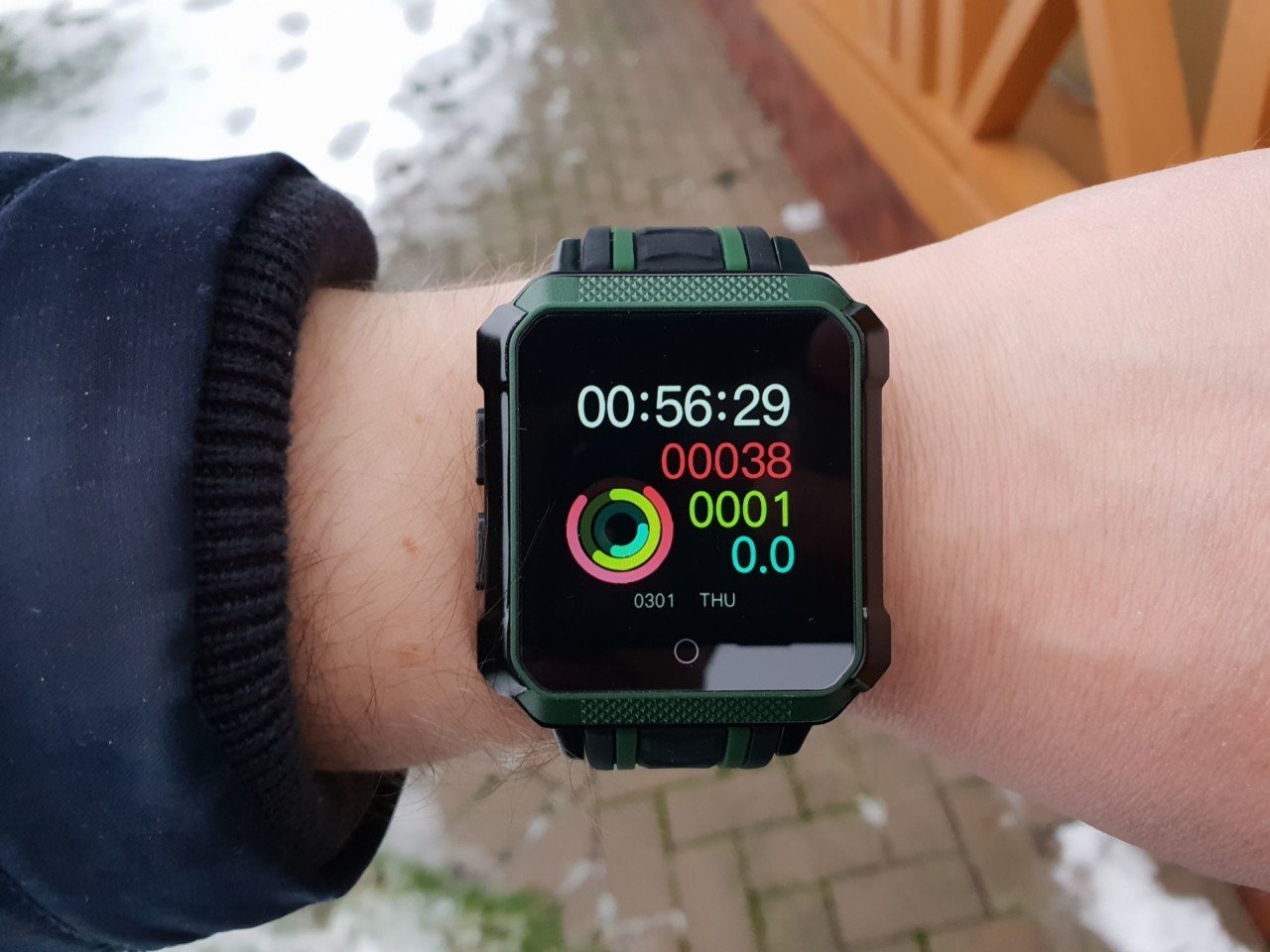
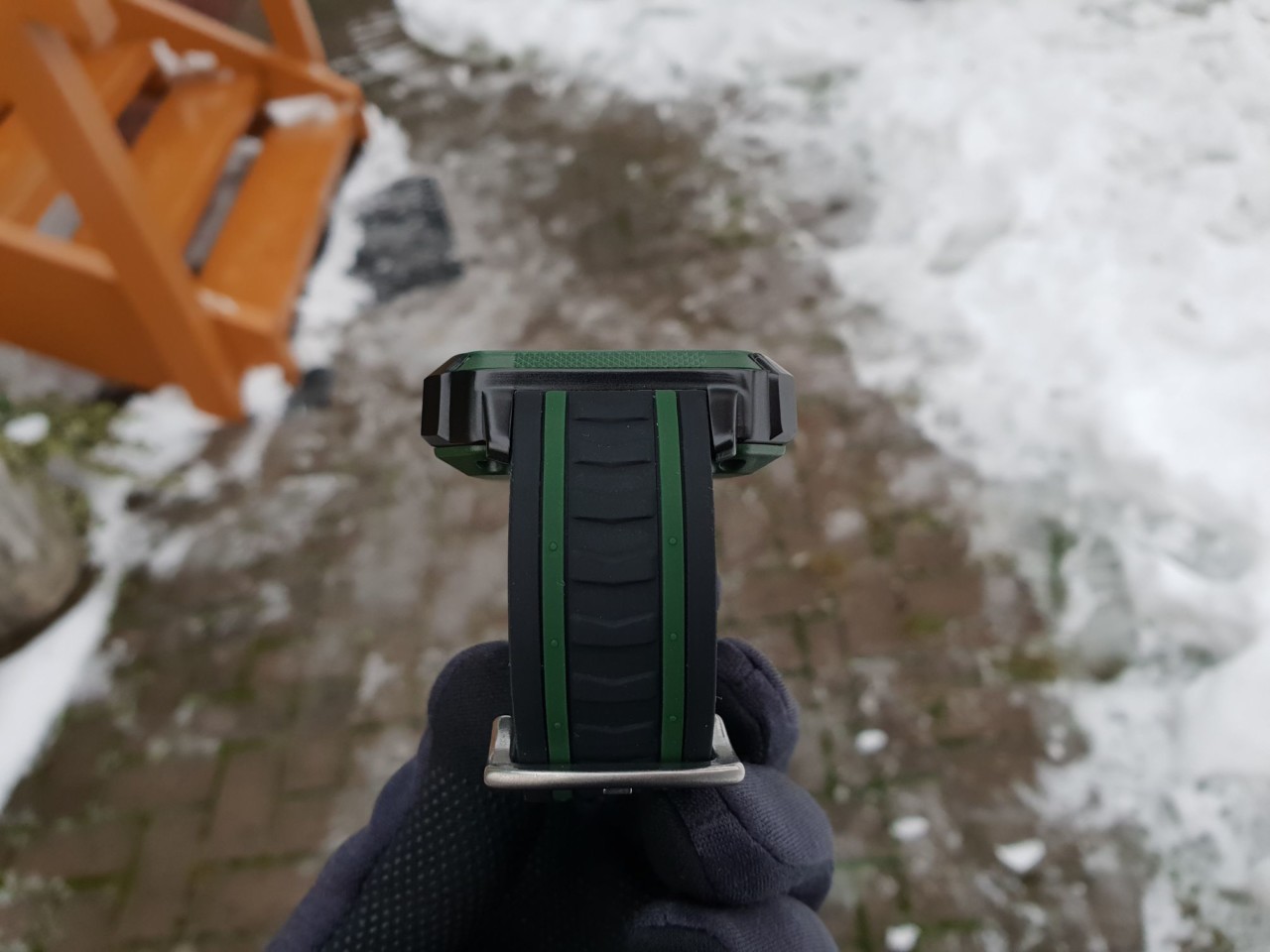
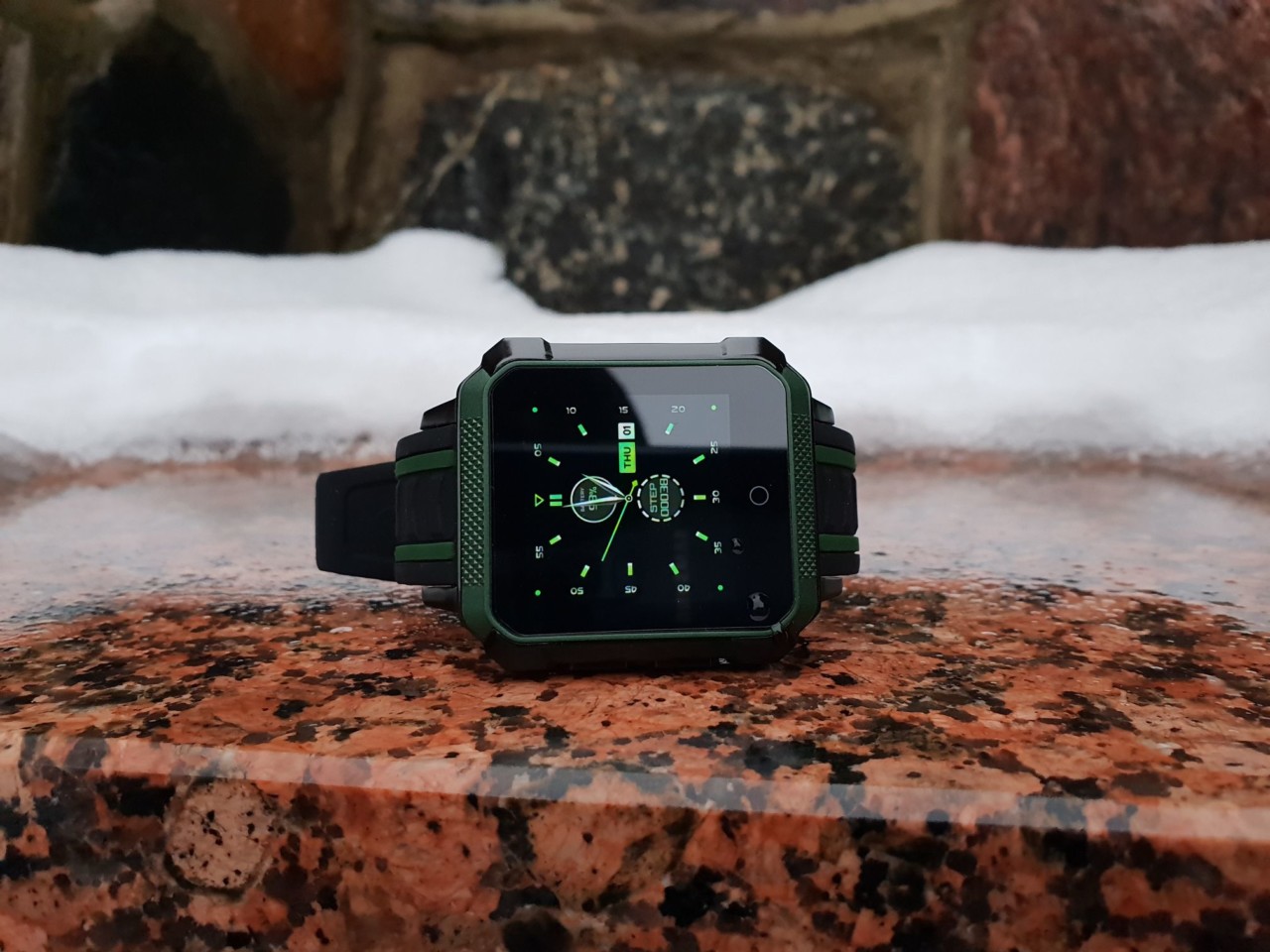
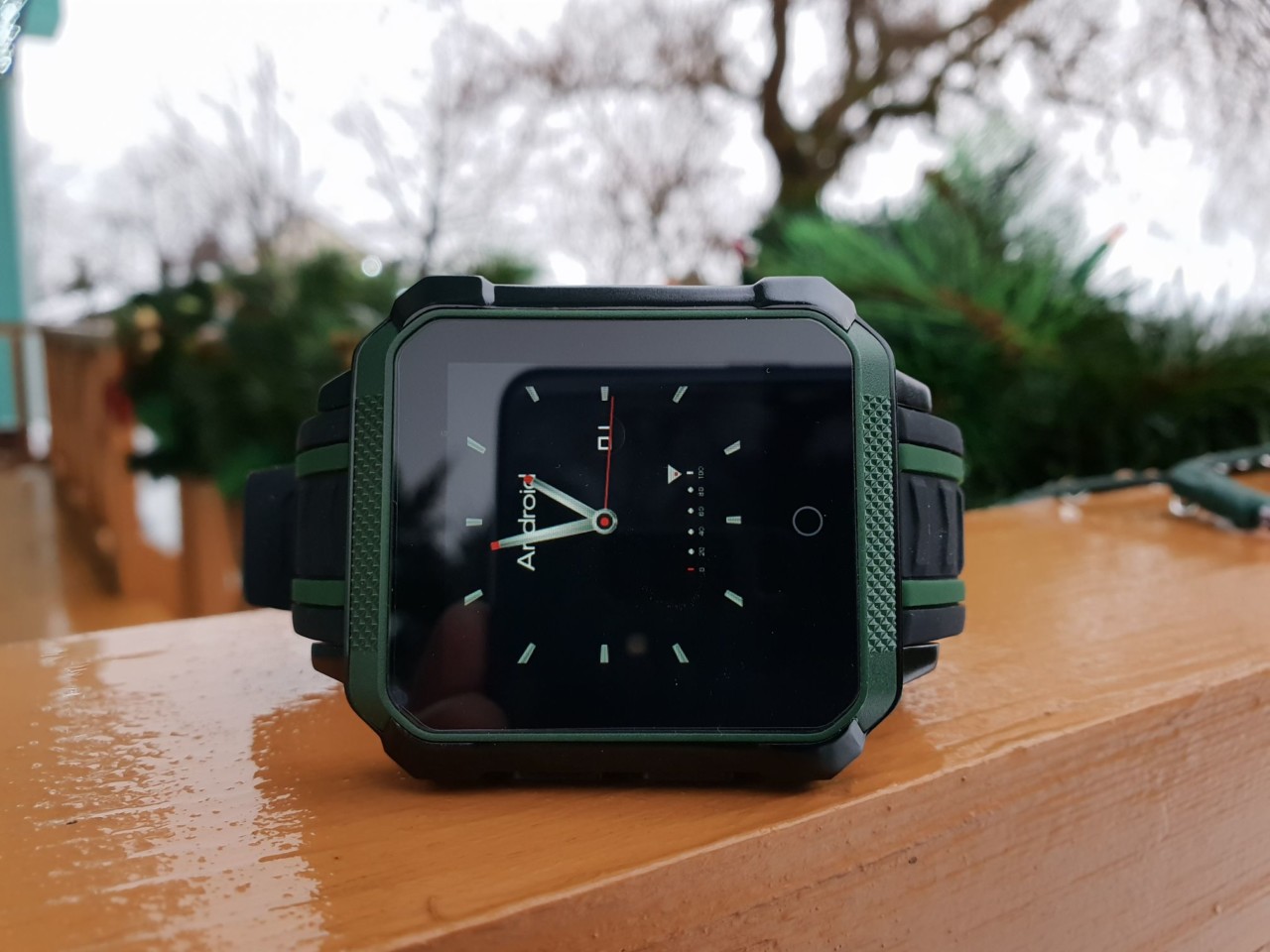
Let’s talk about the design, which is always subjective, especially when we talk about watches. Many people prefer round-shaped watches but I think that square-shaped ones also look nice. I like that watch is sturdy and well-made, thanks to the aluminum alloy casing.
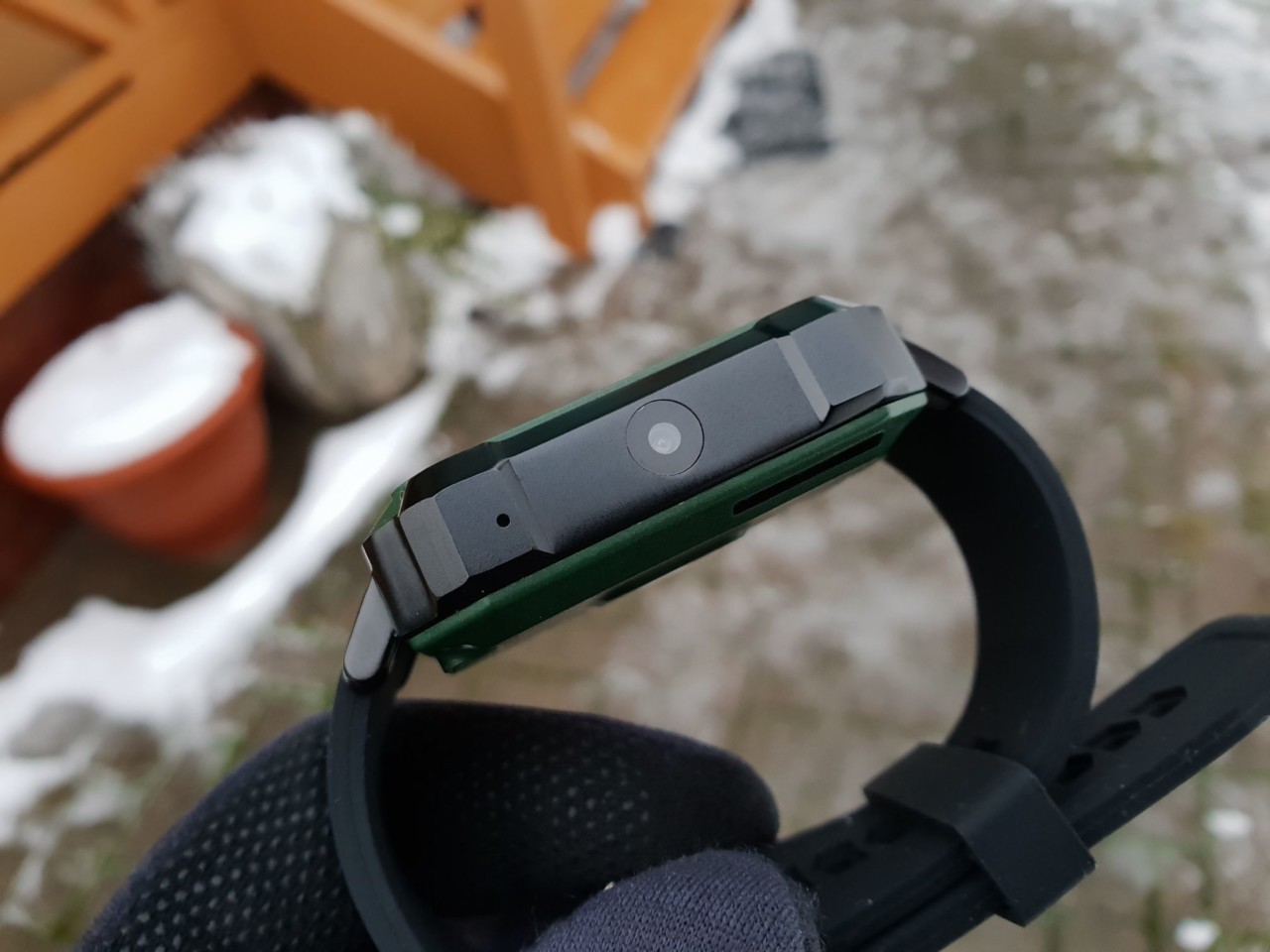
One of the highlights of the watch – a 5MP camera which is implemented on the right side of the device. It is a cool feature on a smartwatch but I didn’t really use it. It’s simply uncomfortable to take pictures from your wrist. However, it’s just me and you may like this feature.
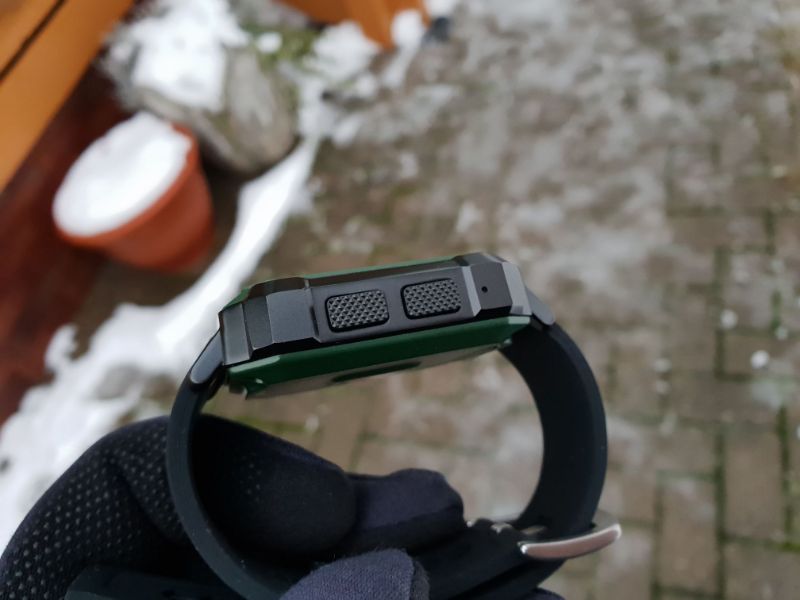
On the left, you can find a home and back buttons.
The 1.54″ panel is not the sharpest out there but I found it to be decent for a smartwatch and the viewing angles are pretty good.
The rubber strap does not look expensive but I found the H7 to be comfortable on my wrist.
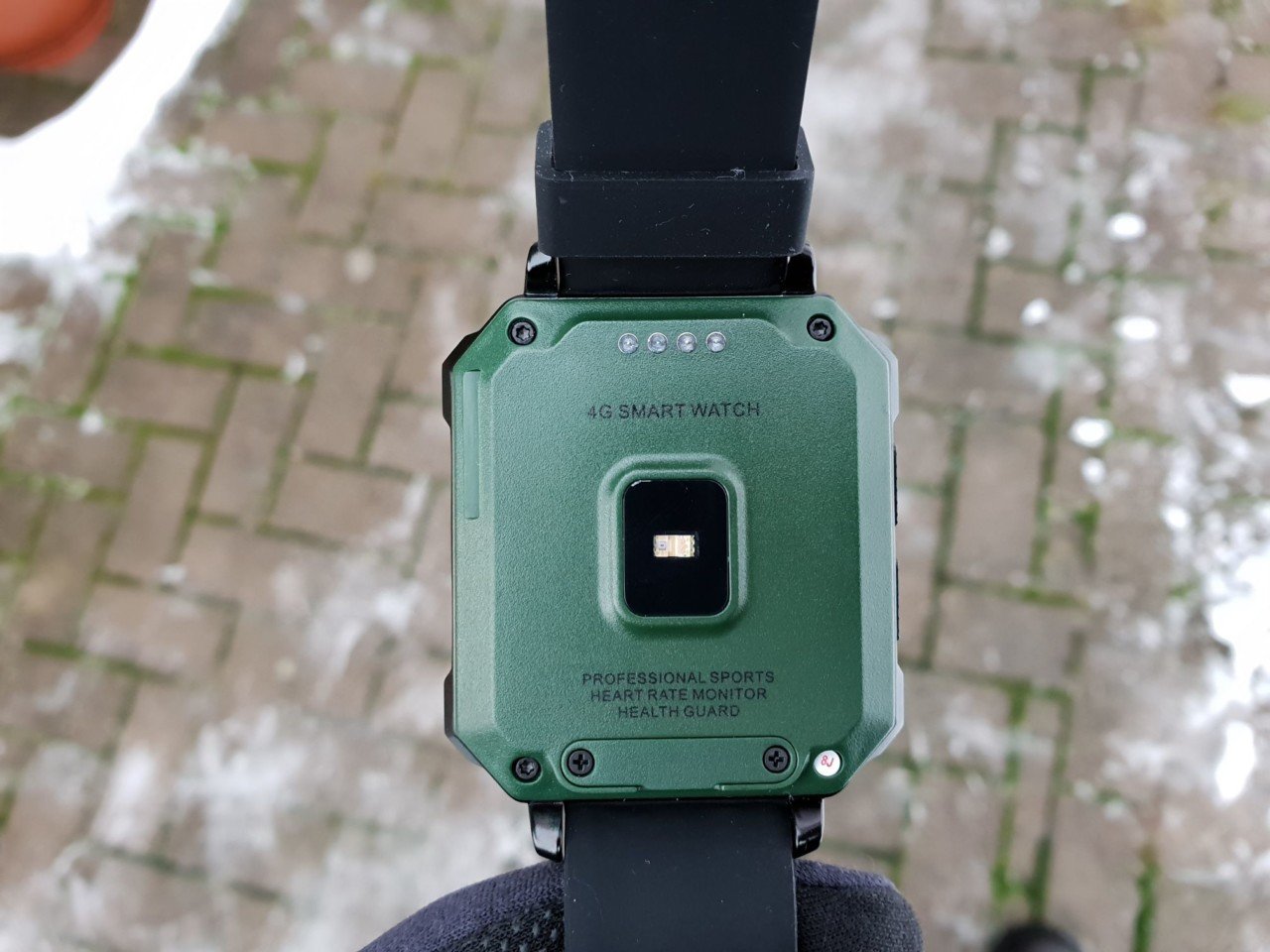
On the back, we have a heart rate sensor and a SIM card tray since this watch can act as a smartphone for calls, browsing the Internet etc. Microwear chose to implement proprietary charging solution that requires using the supplied cable which attaches to the magnetic dock.
As opposed to previous generation models, the H7 is water and dust resistant thanks to IP68 rating.
HARDWARE and SOFTWARE
When it comes to hardware, the watch has specs that are still used on some entry level phones. The device ships with the MTK6737 chip, 1GB of RAM and 8GB of storage.
[envira-gallery id=”230260″]
What can you do with all those specs? Well, you can install plenty of apps from the built-in Google Play store, which, however, does not always fit into a small screen of the watch. You can do all that thanks to Android 6.0 that has the Fun OS skin built on top of it. You can also make or receive calls since this watch can work as a standalone 4G smartphone with its dedicated SIM card slot. I found the call quality to be quite decent and the built-in loudspeaker can not only be used for calls but also for listening to music. The loudspeaker is not that great but it is usable. You can also choose from plenty of different watch faces and some of them look really nice. In addition, there are quite a few settings to play with. Obviously, you can track your fitness routines using a pedometer, barometer,or a heart rate monitor, which I found to be pretty accurate. I found the GPS to be pretty accurate since it is integrated into the MTK6737 chipset. There is also a built-in Wifi, so you can browse the web and so on. The overall performance is pretty good, the watch is fast and responsive all the time, and you can even try playing some games on this tiny display.
BATTERY LIFE
As for the battery, you should be ready to recharge the watch almost every single day or every two days, depending on how you use the watch. Not the best result, but this what you have to expect given the overall feature set.
CONCLUSIONS
All in all, I was really surprised by how good the Microwear H7 is and it has a ton of features for just about $120. I like its design, decent display, good overall performance, the ability to make or receive calls on the 4G network, decent GPS performance. Also, as many smartwatches, it makes you move a bit more since features like a pedometer, heart rate sensor motivates you to exercise (well, at least me).
Overall, the Microwear H7 turns out to be a very good smartwatch, especially if you consider all the feature set it offers for about $120.
Research and Development or R&D as it is commonly called is an important part of any industry. Every year, companies set a budget for the department whose job includes creating new materials, developing new solutions and lots more.
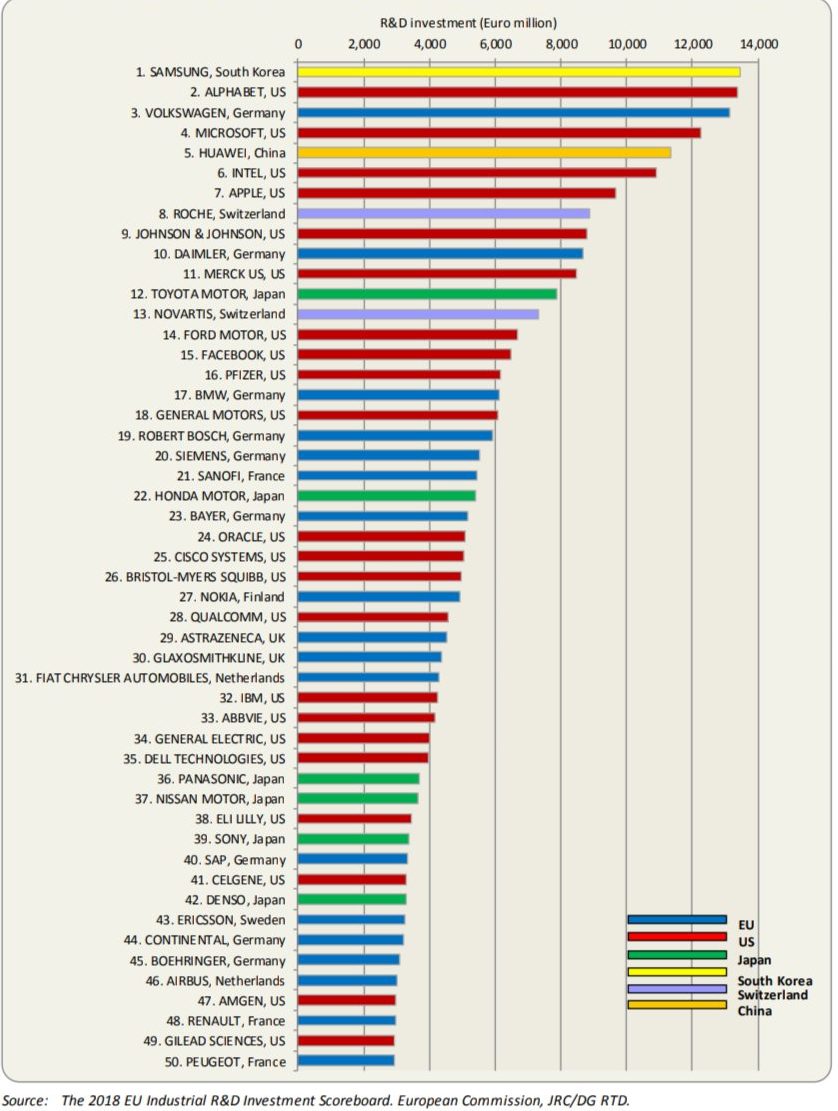
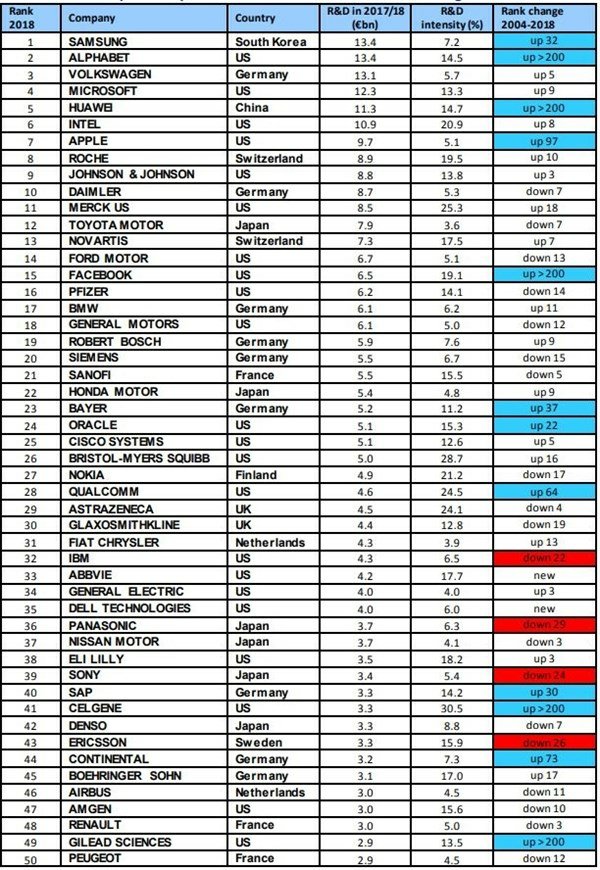
The European Commission has released a list ranking the top R&D investors for 2018 and the list shows China’s Huawei beating companies like America’s Apple, Qualcomm, and Facebook.
The EU list puts Huawei as the Chinese company with the highest investment in R&D with a sum of €11.33 billion (¥89 billion). Globally, Huawei ranks 5th on the list. However, Huawei’s investment in R&D is said to have decreased slightly compared to last year’s.
There are a total of 438 Chinese companies on the list and they all invested a total of €71.2 billion, an increase of 20% when compared to the preceding year. 44% of the companies invested in ICT, 11.4% invested in the automotive industry and just 3.4% invested in health-related research.
On the global scene, Samsung is top on the EU’s list with a figure of €13.4 billion and is closely followed by Alphabet, Google’s parent company. Germany’s Volkswagen comes in at the third spot and Microsoft is 4th. Apple is trailing behind Huawei and Intel and claims the 7th spot with a total investment of €9.7 billion.
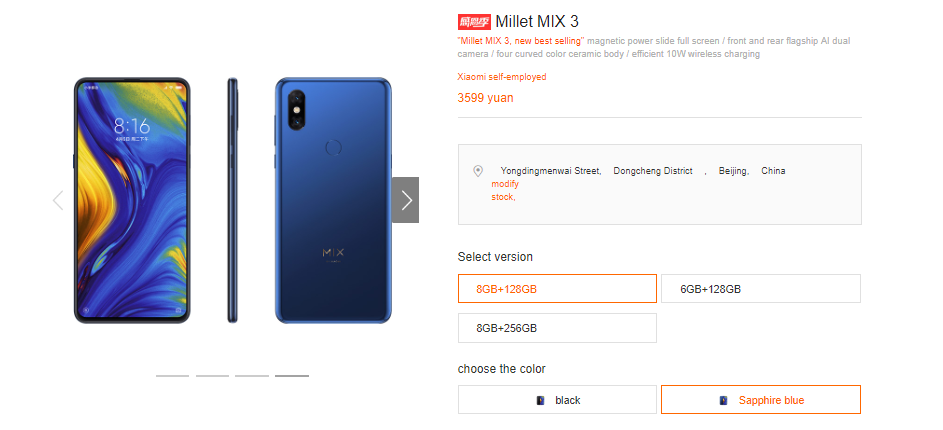
Through the official Xiaomi MIX Weibo account, the Chinese smartphone maker has announced the arrival of the Sapphire Blue edition of the Mi MIX 3 right from the beginning of this 2019. The Sapphire Blue model of the smartphone comes with 8 GB of RAM and an internal storage of 128 GB. It carries a price tag of 3,599 Yuan (~$525).
Xiaomi introduced the Xiaomi Mi MIX 3 smartphone to the world in October last year. At the launch event, the company had confirmed that thee MI MIX 3 will be available in colors like Black, Sapphire Blue and Emerald Green. However, since its launch, Xiaomi has been selling only the Black edition of the phone. Beginning from today, the Sapphire Blue model is available for purchase in the home market. The company is yet to release its Emerald Green version.
The 6 GB RAM + 128 GB storage, 8 GB RAM + 128 GB storage and 8 GB RAM + 256 GB storage editions of the Xiaomi Mi MIX 3 are respectively priced at 3,299 Yuan (~$481), 3,599 Yuan (~$525) and 3,999 Yuan (~$584). These variants can be availed in Black while only the 8 GB RAM + 128 GB model can be bought in Sapphire Blue.
The Xiaomi Mi MIX 3 is fitted with a 6.39-inch Super AMOLED display. The notch-less screen supports full HD+ resolution and 19.5:9 aspect ratio. The Snapdragon 845 chipset is present under the hood of the device. The handset lacks support for microSD card and 3.5mm audio jack. The slider of the MI MIX 3 houses 24-megapixel + 2-megpixel dual camera setup. Placed on the rear shell of the phone is 12-megapixel + 12-megapixel dual camera module.
A fingerprint scanner is available on the backside of the Xiaomi Mi MIX 3. It is packed with a 3,200mAh battery that is enabled with support for Quick Charge 4+ and wires charging. Xioami has promised to release the Snapdragon 855 powered Mi MIX 3 5G edition in the first quarter of 2019.
The Xperia XZ4 is Sony‘s upcoming flagship phone for this year and it is expected to pack a punch with the Snapdragon 855 processor under its hood. If you want to know just how powerful the processor is inside the phone, then you should check out its AnTuTu score.
The AnTuTu score was shared on Twitter by @I_Leak_VN and the post says it is for a device with model number i8134 which is believed to be the Sony Xperia XZ4.
The device scored 395,721 points which is significantly higher than we have seen in other benchmark results of the processor. The Snapdragon 855 already beats the Apple A12 Bionic and the Kirin 980 on AnTuTu but this new result further widens the gap.
Unfortunately, other than the score there isn’t any info about the Xperia XZ4 that the benchmark app is known to reveal such as display resolution, RAM, storage and the version of Android it is running.
The Chinese smartphone was led by Huawei, Xiaomi, OPPO and Vivo brands in China in the previous year. Industry experts are of the view that the four companies will continue to maintain their lead in the home market in 2019.
Huawei, Xiaomi, OPPO and Vivo are expected to rank in as the top four smartphone vendors in China because of their strategy competing in the mid-rand and high-end smartphone segments. These four brands have contributed for over 80 percent shipments of smartphones in the home market in the previous year. Hence, they are going to make it in the list of world’s top 10 smartphone brands. Second tier brands such as Gionee and Smartisan as well as international brands like Samsung, ASUS and HTC will continue to struggle in China due to the dominance of Huawei, Xiaomi, OPPO and Vivo brands.
According to Digitimes Research, each of the four leading smartphone brands namely Samsung, Apple, Huawei and Xiaomi are expected to achieve over 100 million shipments and make it to the list of top four smartphone brands in 2019. OPPO and Vivo may slow down a bit in 2019 with respective shipments of 90 million and 70 million units. Still, both brands are likely to secure fifth and sixth positions in this year.
Based on the information that has surfaced from supply chain, Digitimes Research has reported that the worldwide shipments of smartphones may not exceed 1.5 billion milestone in this year. One of the reasons behind it is that the 5G technology has not had a wider presence yet to urge user to replace their existing device and an ecosystem for smart feature phones has not developed yet.
The commercial operations of 5G networks is expected to gain momentum in 2020. This may in turn stir users to replace their phones for 5G enabled smartphones. Also, emerging markets is expected to see significant increase in the sales of feature phones in 2019. As far as global shipments are concerned, it is expected to cross 1.5 billion units mark in 2020. In 2023, the global smartphone shipments will reach over 1.7 billion units.
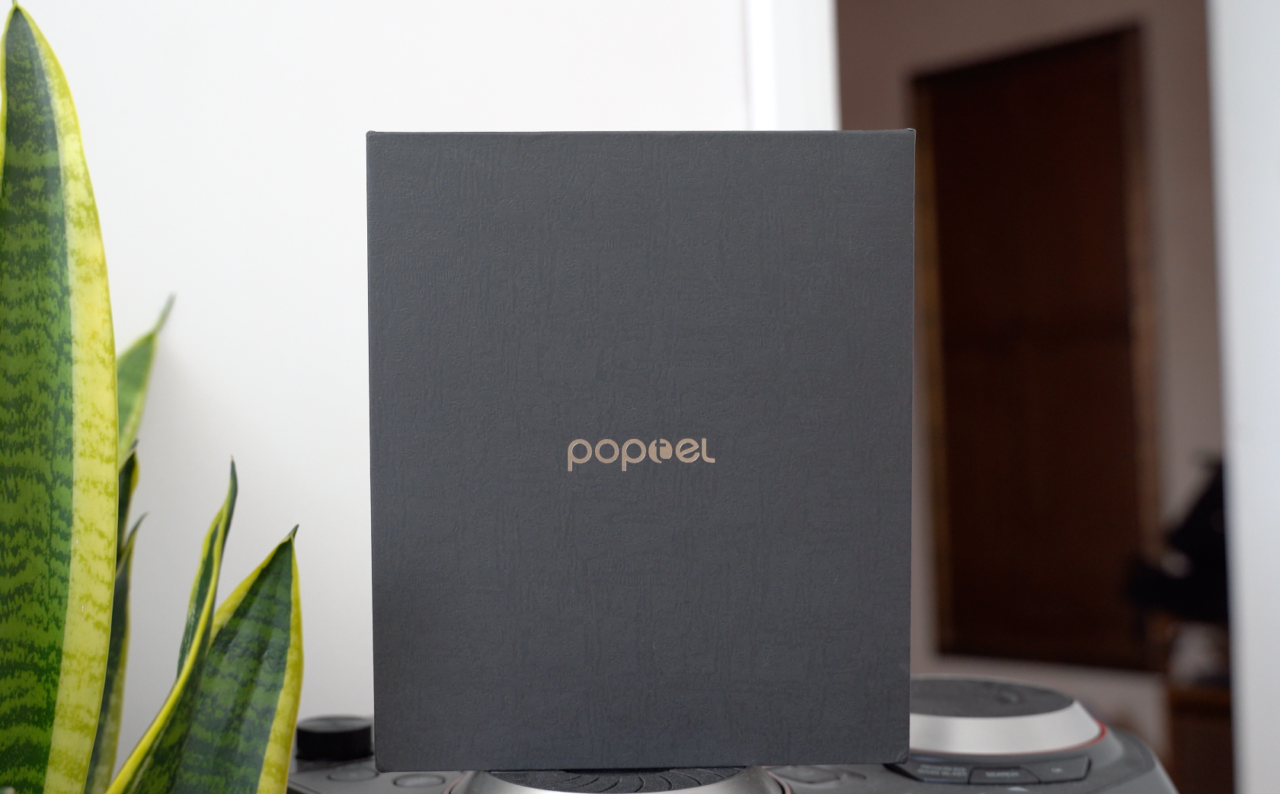
This is the P60 – a powerful rugged phone made by Poptel – the manufacturer you may not have heard of before. Honestly, this is the first Poptel phone I’ve been using lately and I’m really impressed with the overall quality. However, it doesn’t mean it’s a perfect phone. Learn more in the full Poptel P60 review.
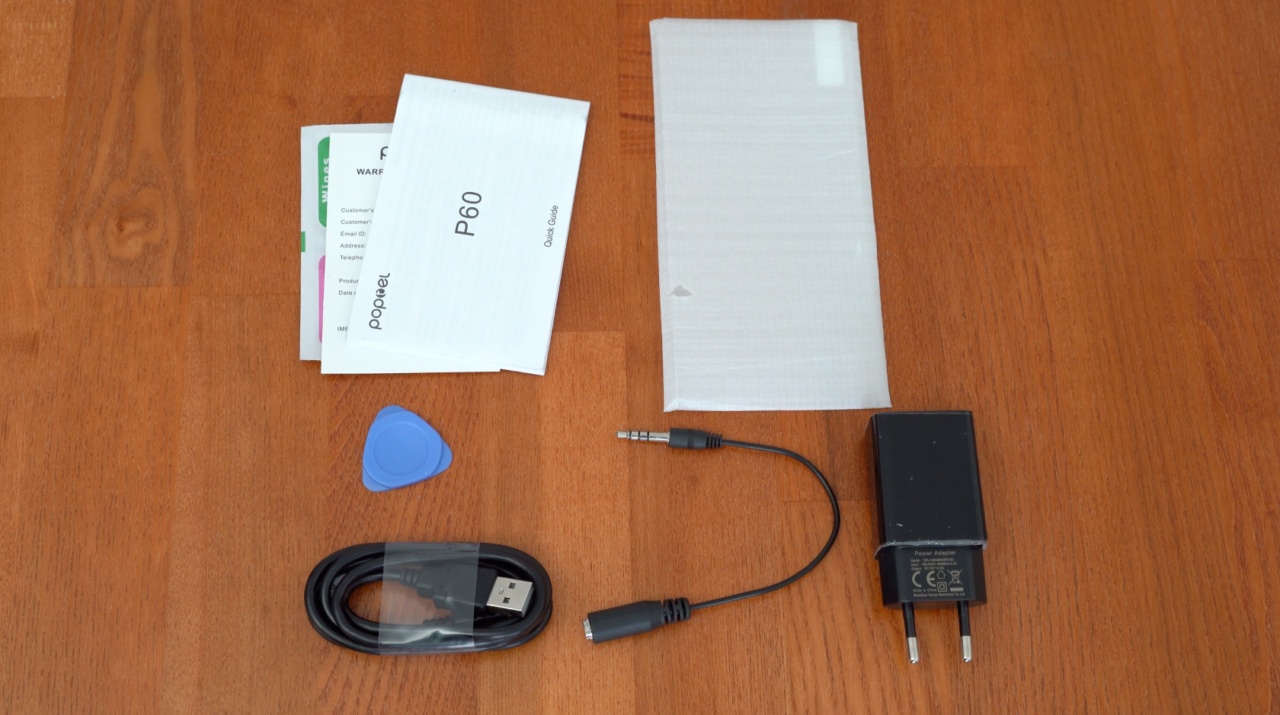
The phone ships with all the usual stuff and some extras include a tempered glass screen protector and a headphone jack extension cable.
DESIGN
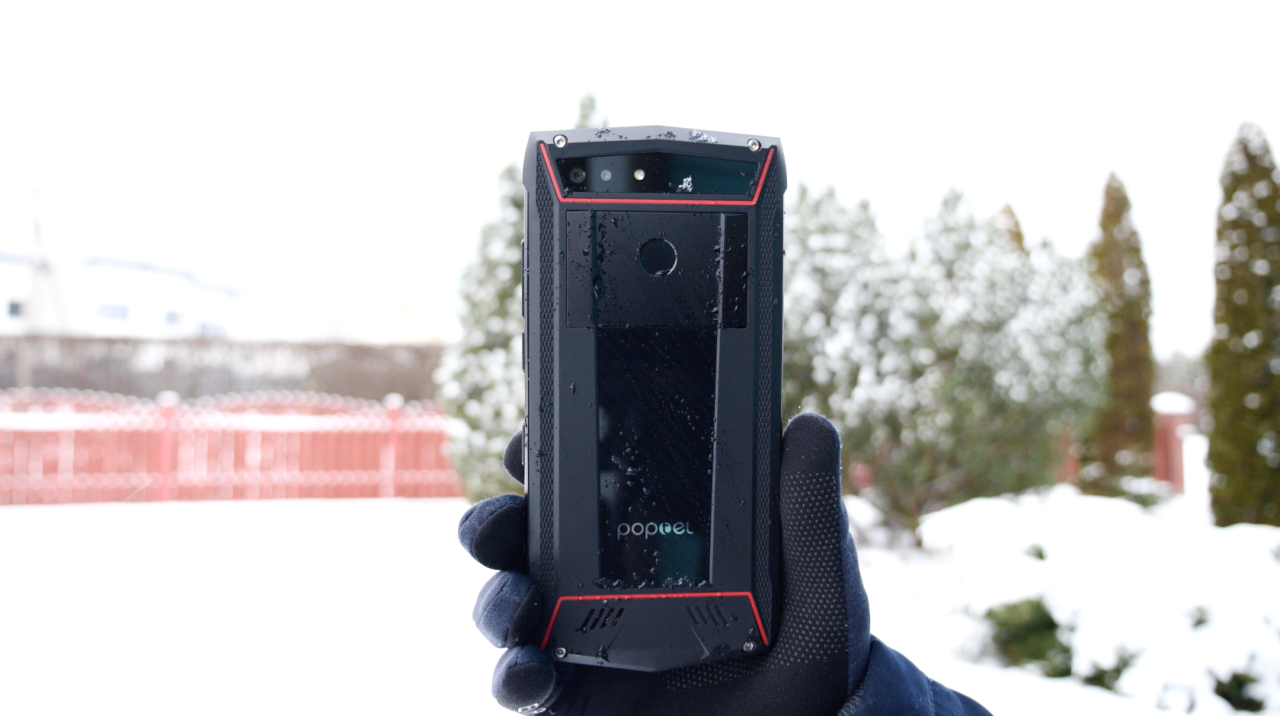
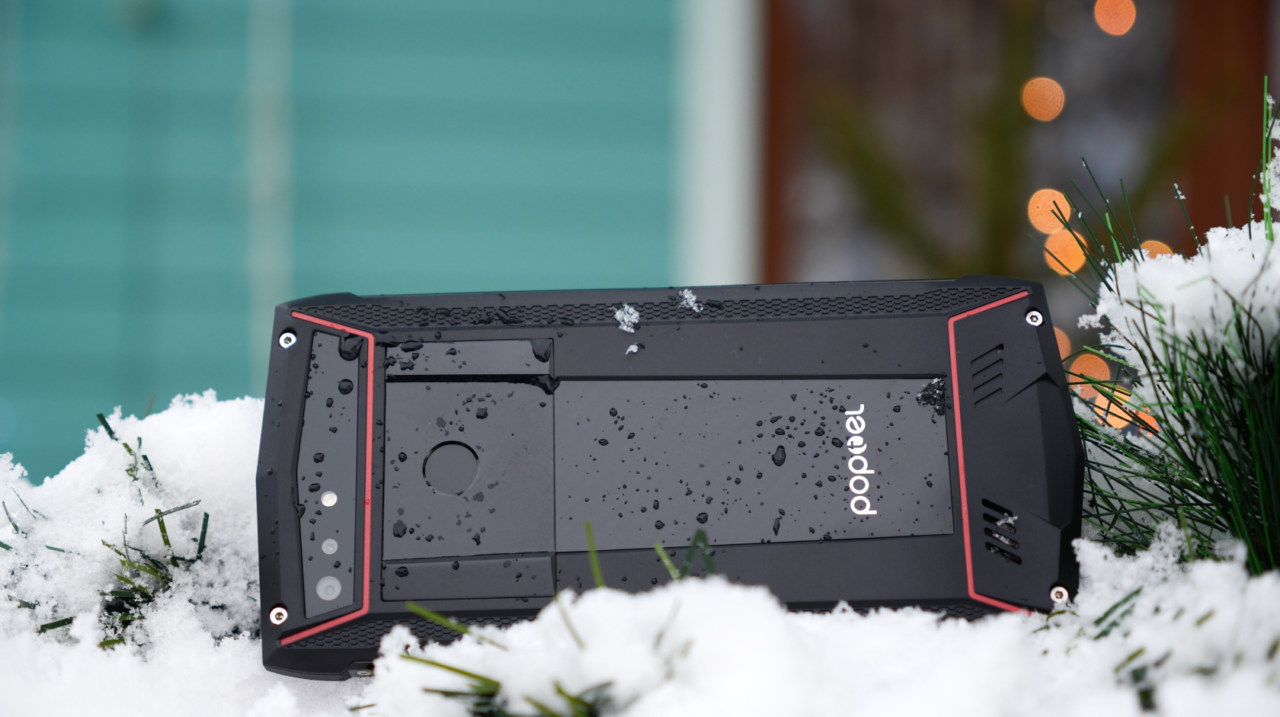
Design-wise, it’s quite obvious the Poptel P60 is a rugged phone that can take a beating.
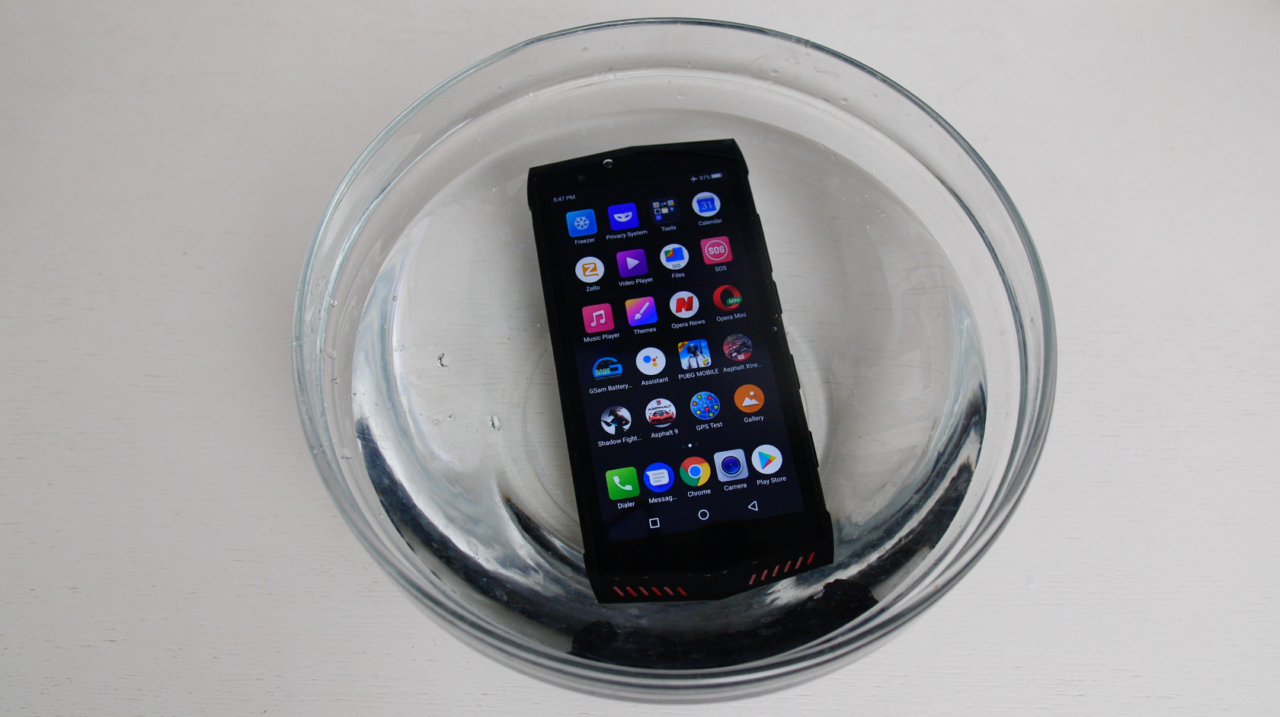
Its tough credentials include IP68 and MIL-810 certifications, meaning the phone is designed to survive even in the harshest conditions.
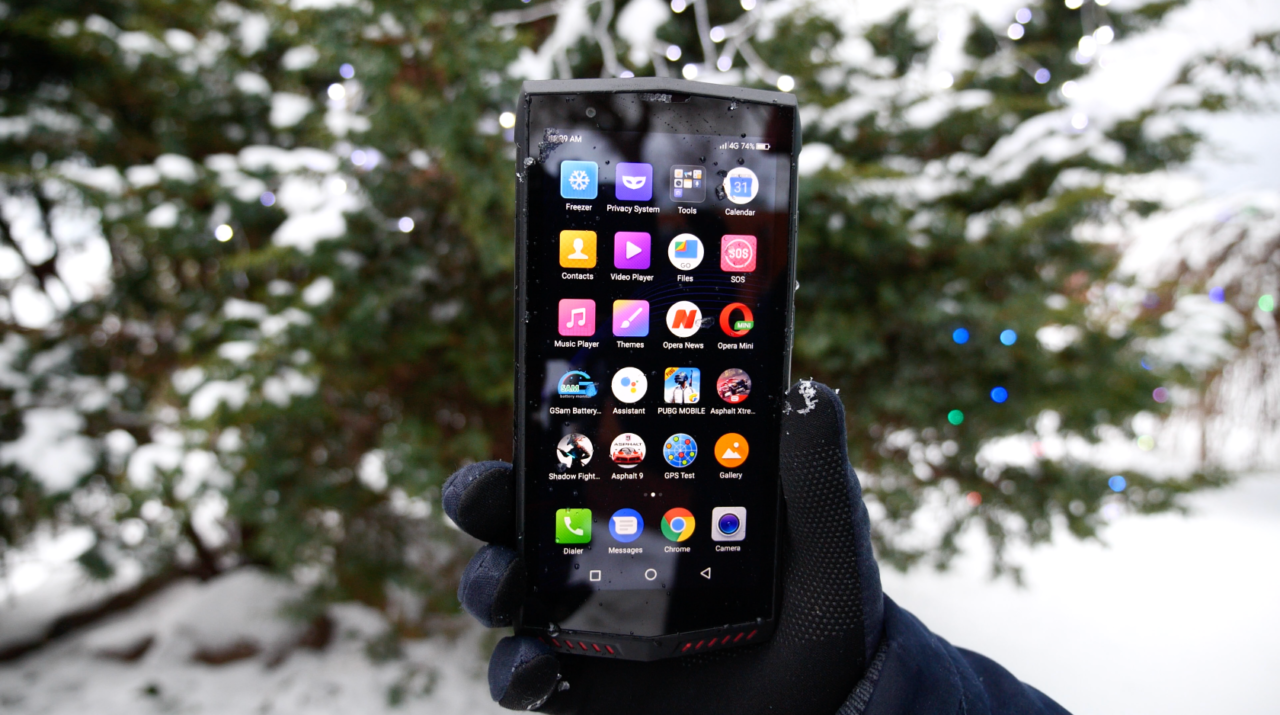
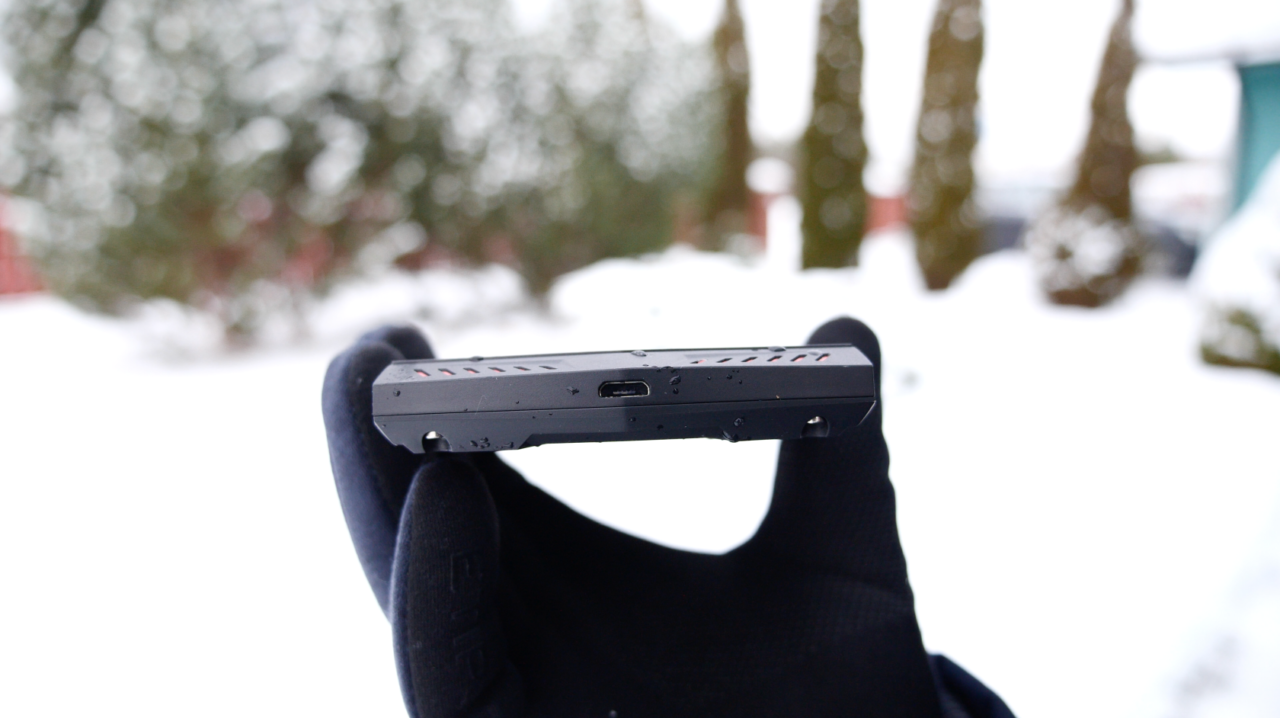
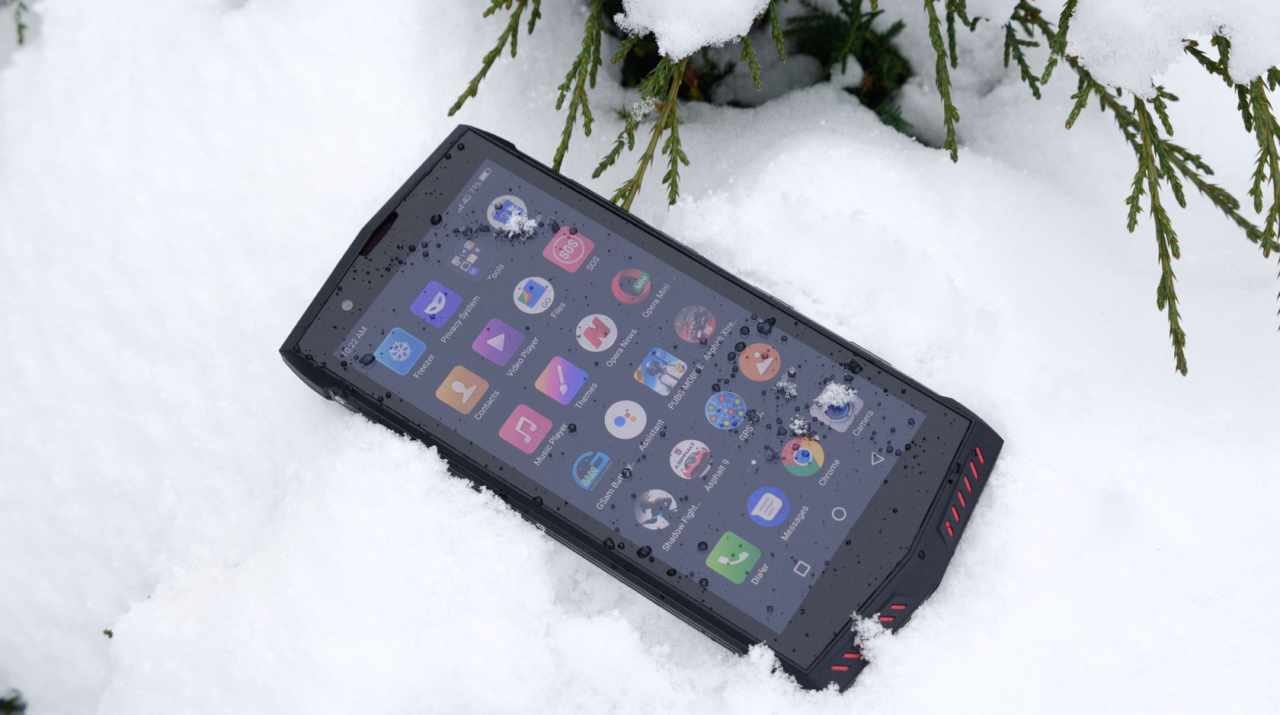
I tested the phone with lots of water, ice and I simply left it in the snow for half a day. This was an easy task to handle, the phone still works as new.
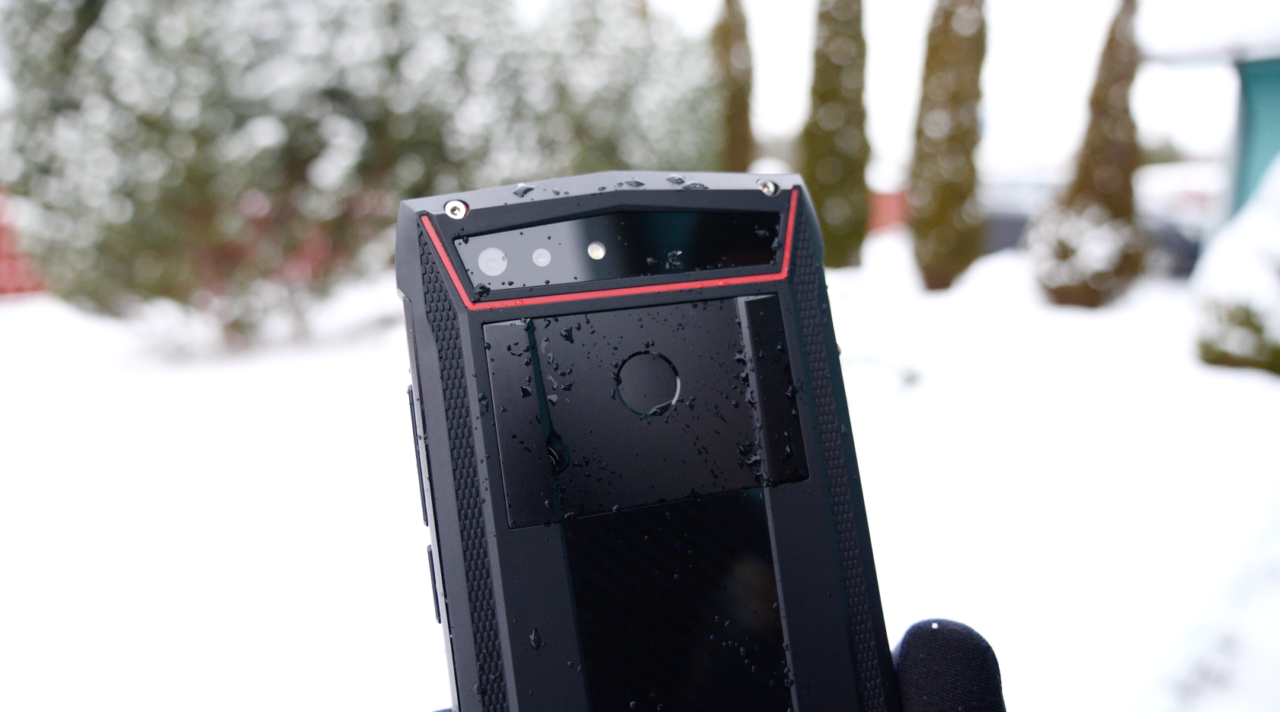
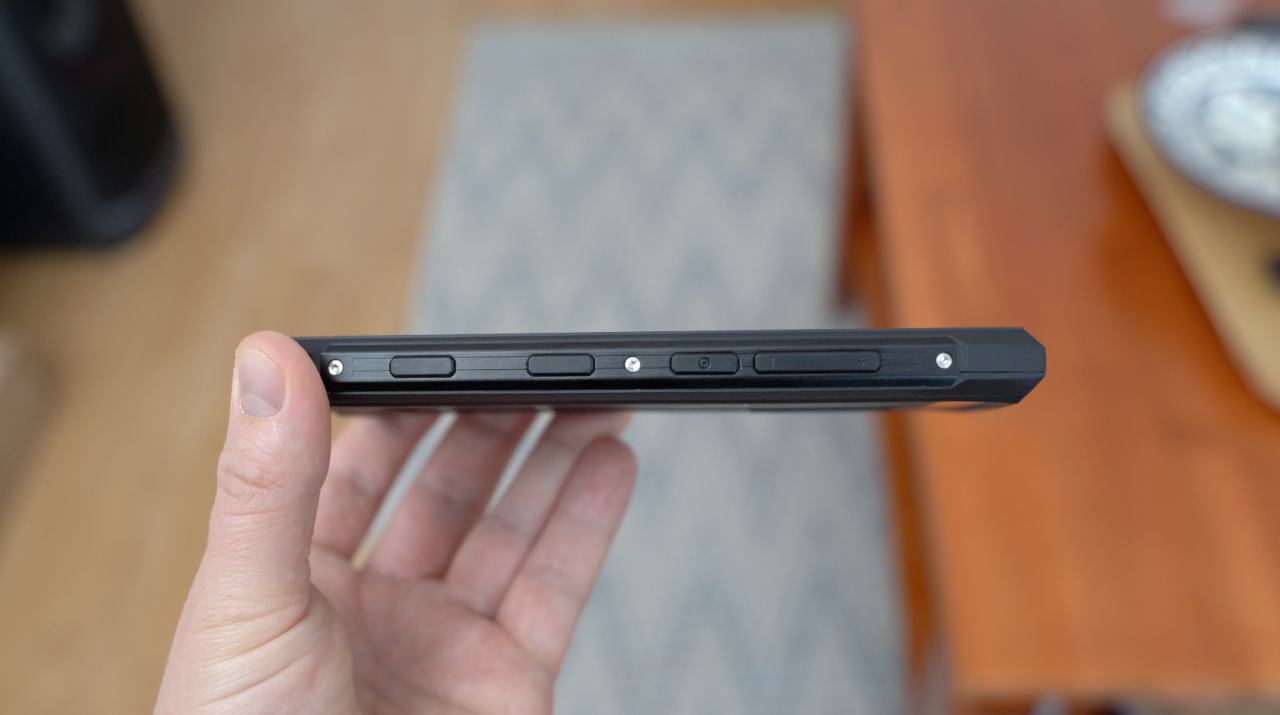
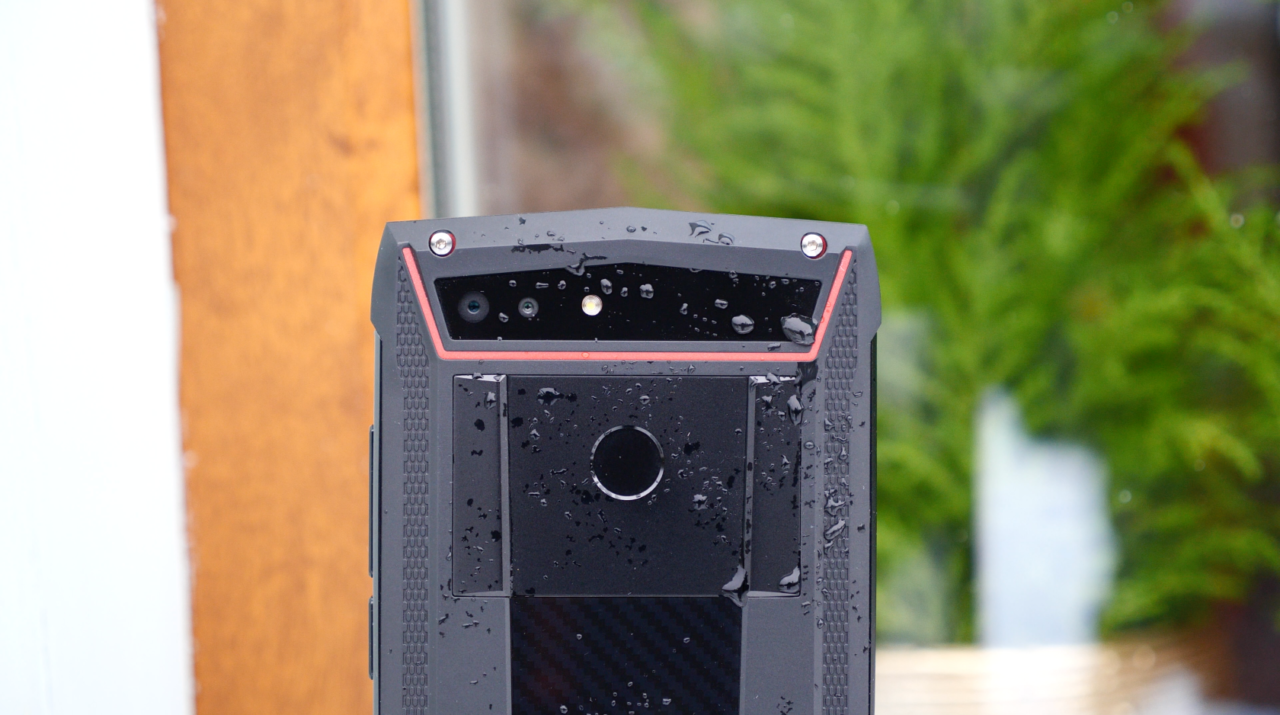
The overall build quality is excellent. There are no moving parts whatsoever and the phone is built like a tank. I like metal rails on the sides, sharp edges and nice glass and metal elements on the back of the device.
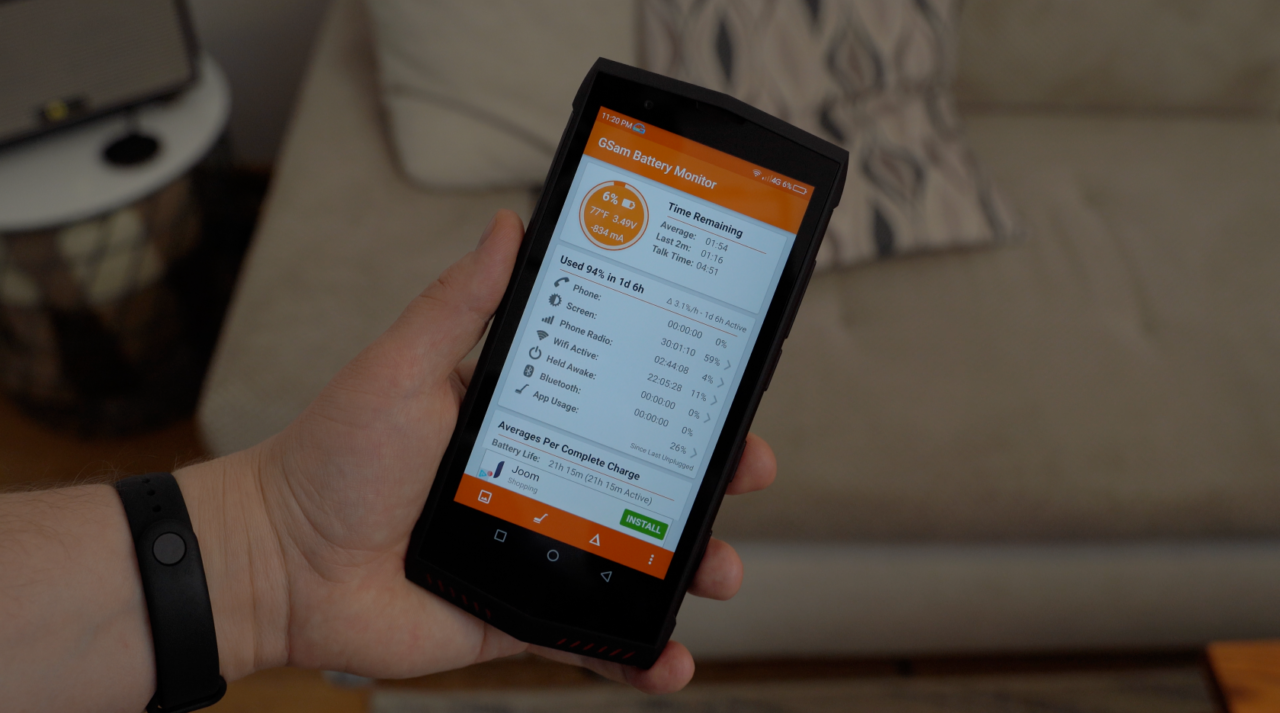
The phone is quite thin considering the rugged design and a massive 5000mAh battery that lasts for a long long time thanks to good power management.
I managed to achieve a ridiculous screen on time of over 30 hours while using the phone mostly for Youtube videos. If you use the phone more intensively, you should still expect to use the phone for days. Charging time is just 3 hours which is a great result considering the size of the battery.
The phone has two customizable buttons. You can use them for any app you want, use it as a camera launch and shutter key and last but not least, for the push to talk feature that requires Zello app.
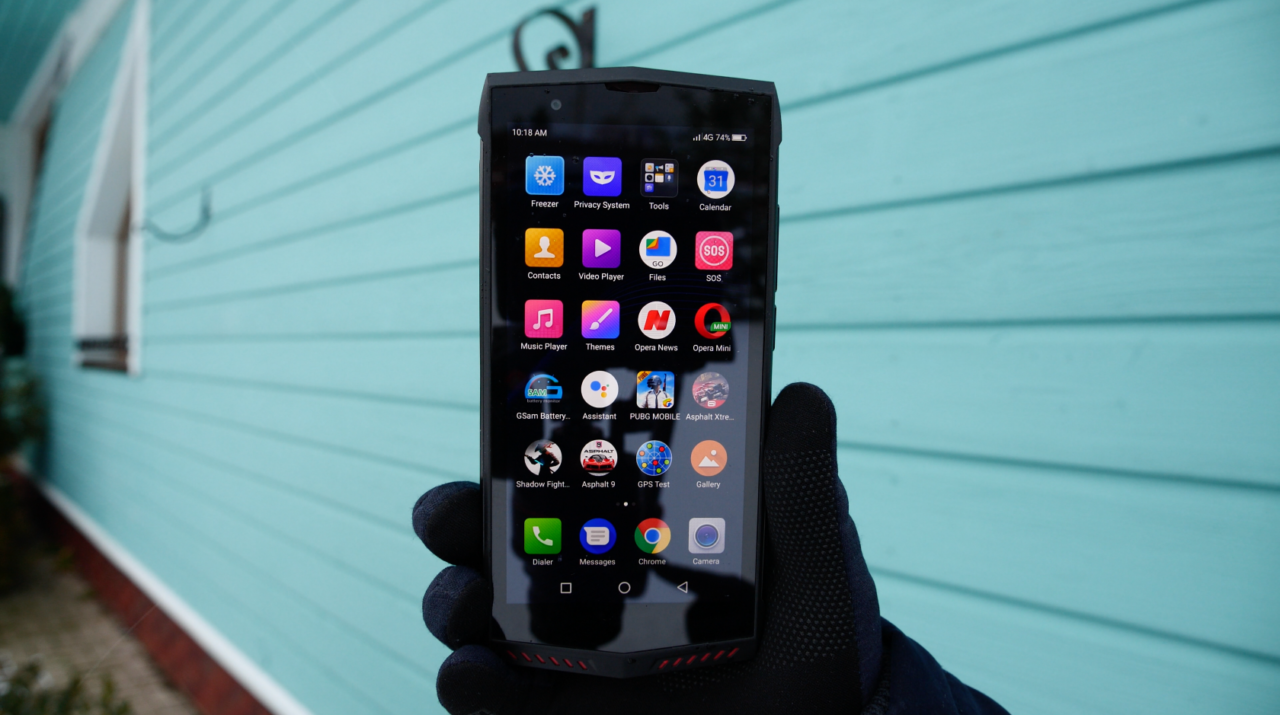
Another highlight of the phone – the display. I found it to be really nice and sharp overall and I had no issues seeing it outdoors.
As for optics, the P60 ships with a dual camera setup on the back and an 8MP shooter on the front. The fingerprint reader is accurate but the display could light up a bit faster. There is also a face unlock feature that works quite well although it’s not the fastest out there.
One flaw about the phone – it uses a micro USB port instead of USB-c.
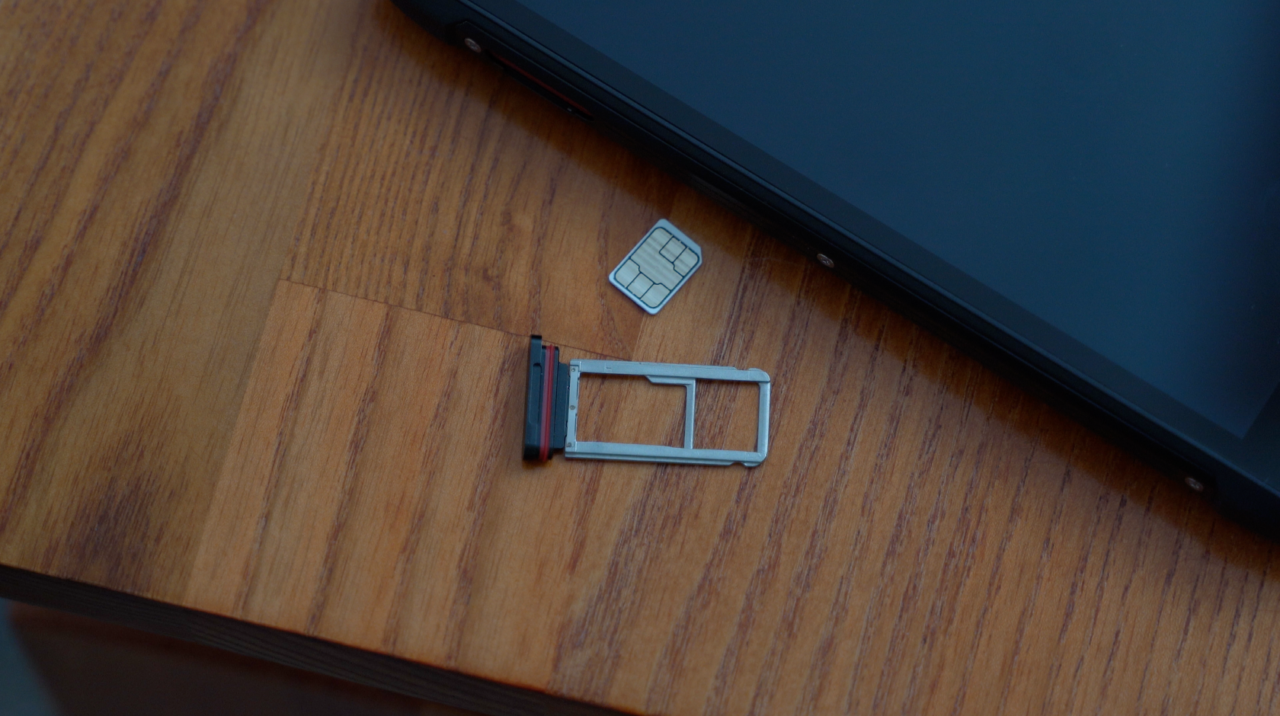
Other notable features include a hybrid dual SIM card slot, a bright notification LED light, a headphone jack and the loudspeaker that may not be the best I’ve heard but it’s decent for a budget rugged phone.
HARDWARE and PERFORMANCE
[envira-gallery id=”230160″]
Helio P23 chipset is at the core of this device. Couple it with plenty of expandable storage and a lot of RAM and you are looking at a powerful machine on a budget.
Gaming performance really depends on the game you play. For example, there were quite a few skipped frames on Asphalt Xtreme. Other games like Shadow fight 3 run fine. Finally, the Pubg is easily playable on medium graphics with just a couple of skipped frames but no lag. Pretty good overall performance considering the Helio P23 chipset.
USER INTERFACE
Poptel implemented a light skin on top of Android 8.1. That means that you get different-looking icons, a customized quick settings menu and some added features by the manufacturer.
For example, you can change the looks by selecting a different theme and choose from other customization options. What I like the most about this phone – it feels smooth out of the box and it’s very fast and responsive even after installing plenty of apps. Great overall performance.
IMAGE QUALITY
[envira-gallery id=”230167″]
Daylight image quality is quite good overall. The pictures are sharp and there is a good amount of detail despite the fact that shots were taken on a cloudy day. Portrait shots, however, do not really impress. Night image quality could be better but that’s expected at this price point.
Selfies usually come out nice and detailed. There is also a selfie portrait mode that does not take good pictures.
I wish 1080p selfie video was a bit sharper but the overall quality is okay for a budget phone.
CONNECTIVITY
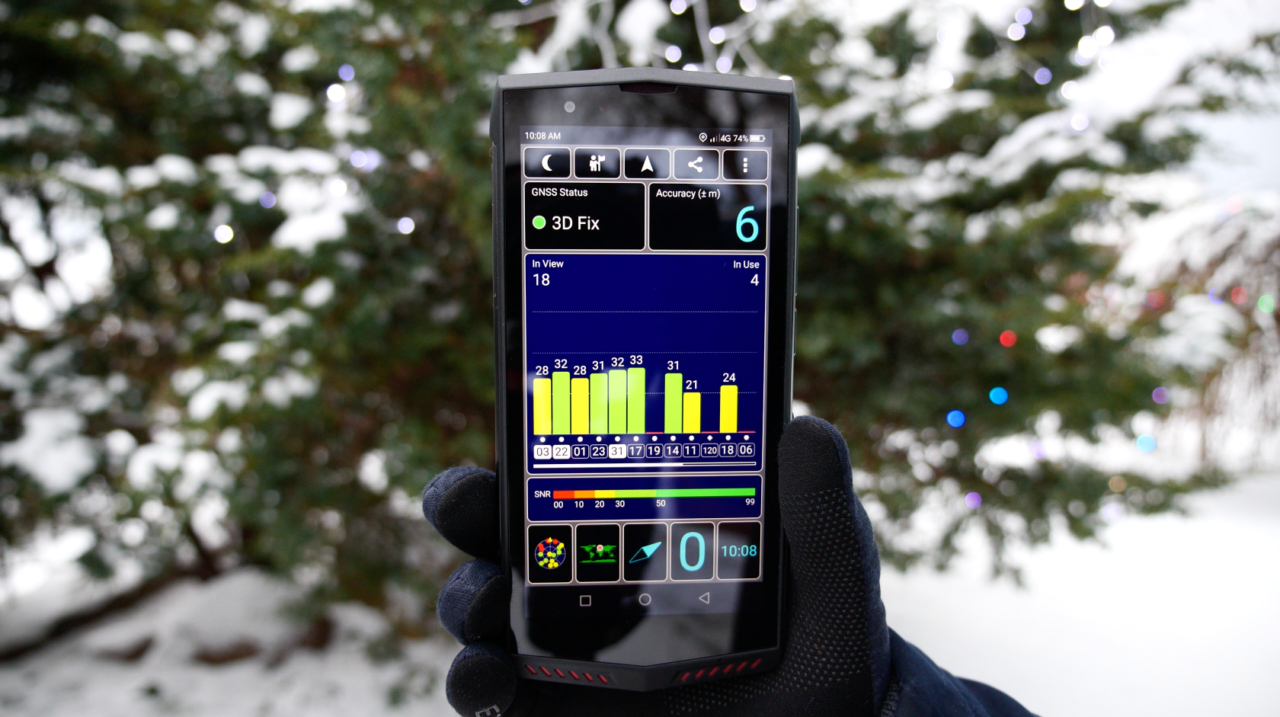
Call quality and signal reception have been good and other connectivity options work fine.
The phone also has NFC and gyroscope among other sensors.
CONCLUSIONS
Overall, the Poptel P60 turns out to be a pretty good budget rugged phone but it also has a few flaws.
First, it uses a micro USB port instead of USB-C and portrait mode the using both main and front-facing cameras is not great.
Other than that, the P60 offers excellent build, IP68, and MIL810 certifications, great specifications, sharp display, good overall performance, a few customizable buttons, pretty good camera for daylight photography and last but not least, fantastic battery life.
At the end of the day, the Poptel P60 does have a few flaws to consider but overall, it is a pretty solid phone and it’s definitely one of the better options to check out if you are in a market for a budget rugged smartphone.
In October 2018, Huawei had launched the Huawei Y9 (2019) smartphone. The handset hat is packed with upper mid-range specs comes with a massive display and dual camera setup. The Chinese manufacturer is now working on bringing the same smartphone to India. Amazon India has a landing page for the smartphone.
The landing page of the Huawei Y9 2019 on Amazon India reveals that the handset is fitted with a 6.5-inch notched screen. It will be packed with 4,000mAh battery. For accelerated graphics performance, the handset will carry support for GPU Turbo technology. It also includes Histen 5.0 party mode.
Huawei Y9 2019 Specifications and Pricing
The Huawei Y9 2019 houses a 6.5-inch IPS LCD display that supports 19.5:9 aspect ratio and full HD+ resolution of 1080 x 2340 pixels. The Kirin 710 chipset is the driving force of the smartphone. The 64 GB and 128 GB storage editions of the Huawei Y9 2019 respectively features 4 GB and 6 GB of RAM.
The Android 8.1 Oreo OS with EMUI 8.2 is preinstalled on the Huawei Y9 2019. For photography, it features 13-megapixel + 2-megapixel dual selfie snapper and 16-megapixel + 2-megapixel dual camera setup. The 4,000mAh battery of the phone lacks support for fast charging. For security, there is a fingerprint scanner on the backside of the handset. It was announced in three color variants such as Midnight Black, Sapphire Blue and Aurora Purple. There is no confirmation on whether the Y9 2019 will be arriving in same color options in India.
In Asia, the smartphone is currently available in select markets such as Philippines, Thailand and Malaysia. These regions have received only the 4 GB RAM + 64 GB edition of the smartphone. Also, these markets haven’t received the Aurora Purple variant. The smartphone has landed in Philippines, Thailand and Malaysia with respective price tags of 12,730 Philippine Piso (~$242), 6,990 Thai Baht (~$216) and 899 Malaysian Ringgit (~$217). Hence, there is a possibility that only the 64 GB model of the Huawei Y9 2019 will land in India with a price tag of around Rs. 15,000 (~$214).
We use cookies on our website to give you the most relevant experience by remembering your preferences and repeat visits. By clicking “Accept”, you consent to the use of ALL the cookies.
This website uses cookies to improve your experience while you navigate through the website. Out of these, the cookies that are categorized as necessary are stored on your browser as they are essential for the working of basic functionalities of the website. We also use third-party cookies that help us analyze and understand how you use this website. These cookies will be stored in your browser only with your consent. You also have the option to opt-out of these cookies. But opting out of some of these cookies may affect your browsing experience.
Necessary cookies are absolutely essential for the website to function properly. This category only includes cookies that ensures basic functionalities and security features of the website. These cookies do not store any personal information.
Any cookies that may not be particularly necessary for the website to function and is used specifically to collect user personal data via analytics, ads, other embedded contents are termed as non-necessary cookies. It is mandatory to procure user consent prior to running these cookies on your website.



 You can follow
  You can visit
  This is a significant 42 percent reduction in the device’s original asking price. On top of that, you can use coupon code GIZ_FSRVODVH during the checkout process and save $12 more without breaking a sweat. The discount will be valid for the gray color version of the speaker. You can visit
  This is an 8 percent reduction in the device’s original asking price, but if that doesn’t impress you much you can use coupon code GIZ_VSDVVOST to get an extra $7 off. After applying the aforesaid coupon, the device’s retail price drops further down to only $59.99.
 The Chinese tech giant has teamed up with Banggood to make some of its popular mobile phones available to cost-conscious buyers for unbeatable prices. On top of that, we will show how you can get extra discounts at checkout.
 While the Redmi Note 5 would normally set you back a pretty penny, you can now get your hands on the coveted smartphone for a dropped price of just $204.98 on Banggood. This a 33 percent reduction in the phone’s original asking price of $289.99.
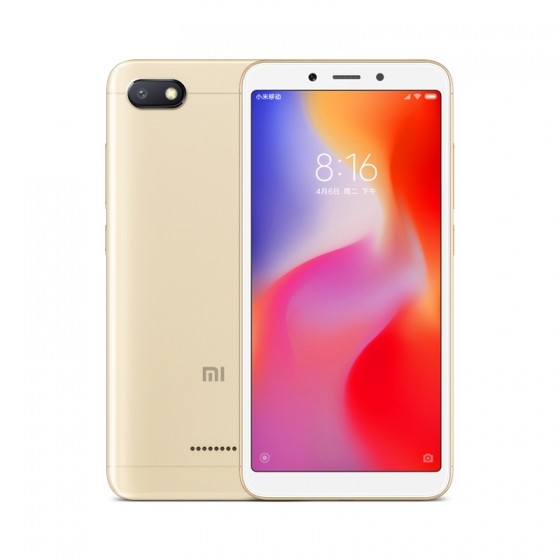 This is a 19 percent drop in the original selling price of the phone’s black as well as gold color versions. Without the aforesaid discount, you’d need to shell out $129.99 to get your hands on this feature-rich smartphone. On top of that, you can use coupon code 1BG6AGCL in order to reduce the phone’s retail price further down to just $86.50 while checking out.
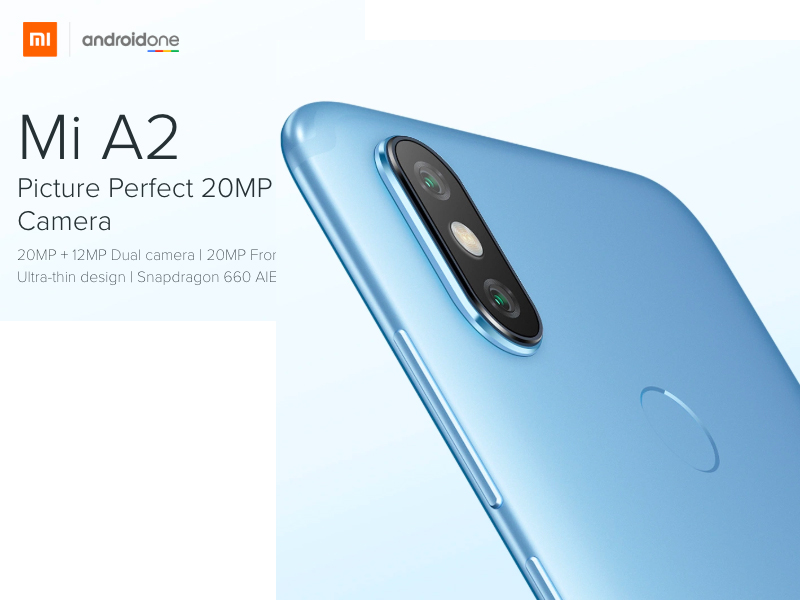 The Mi A2 usually sells for $299.99, but thanks to a 19 percent discount that is currently available on the phone’s gold, black, blue and red color versions, and you can now buy it for just $243.69 on Banggood. Aside from that, you can use the coupon code 1BGA264 and bring the phone’s already lowered selling price further down to just $184.99.
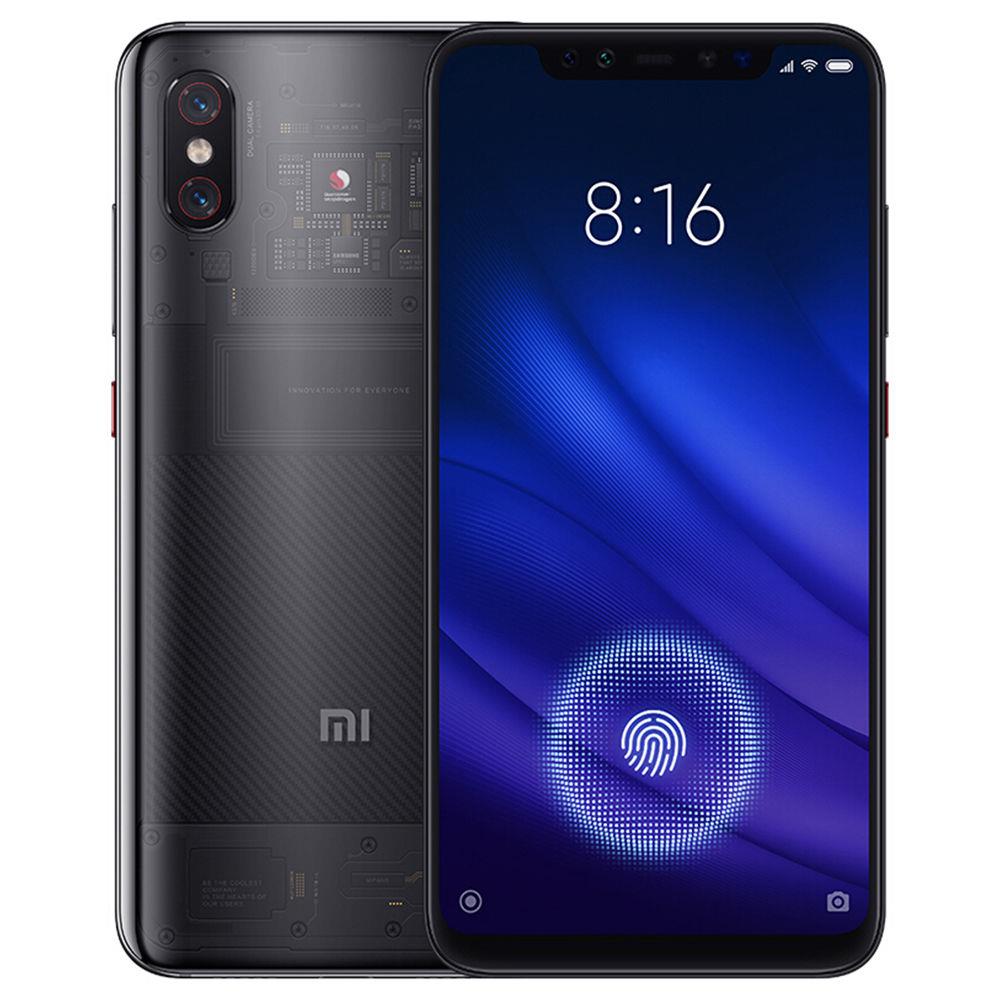 You can extend this 35 percent discount by applying coupon code 1BG8P at the time of checking out. The coupon helps you get an extra $49 off by reducing the phone’s retail price to just $479.99 before you place your order.