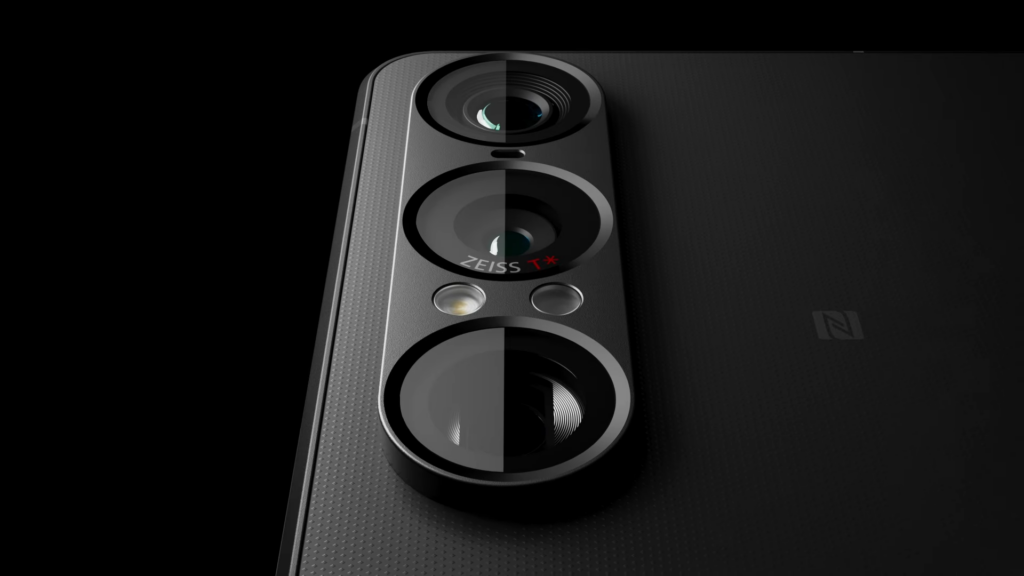
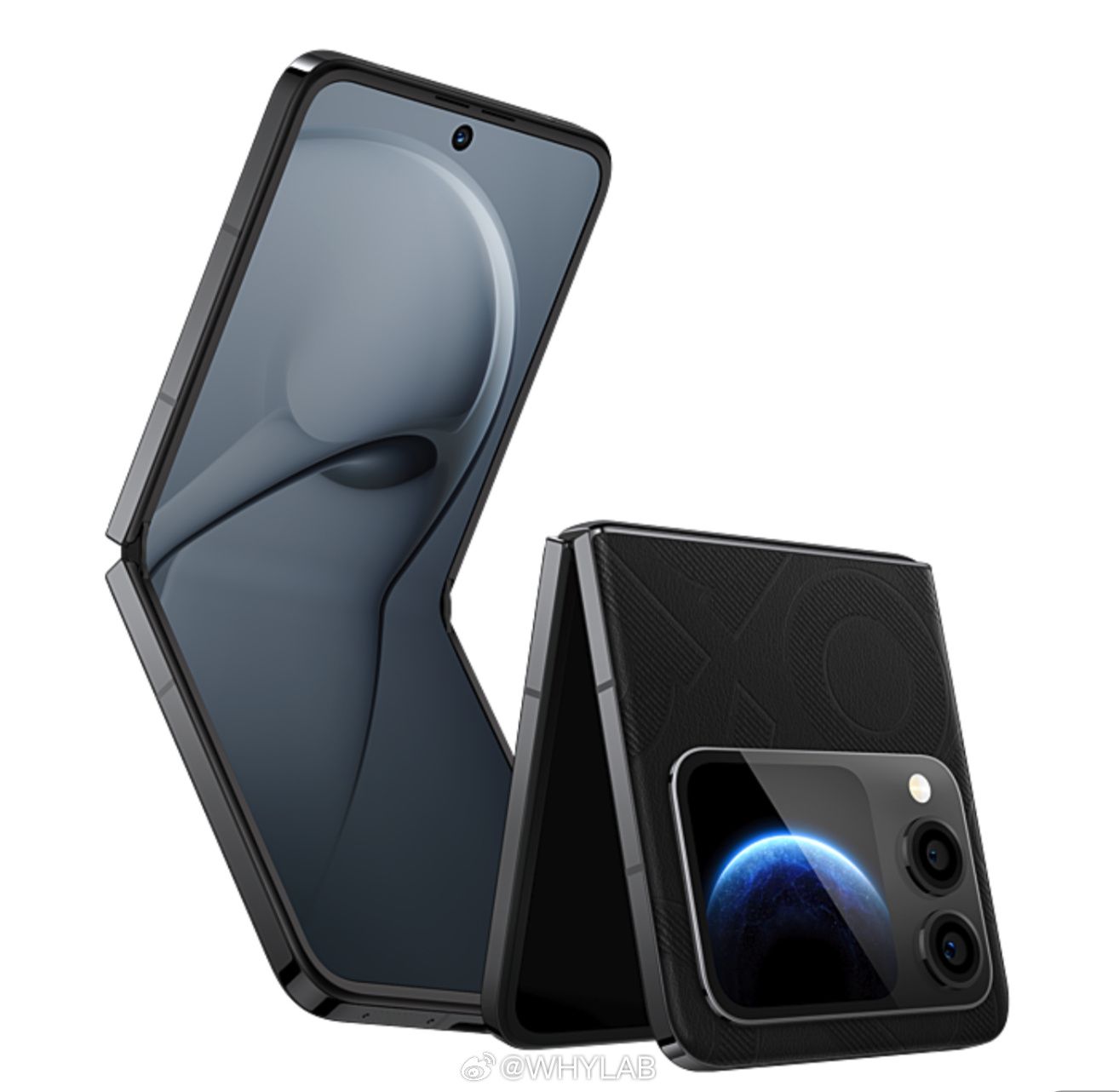
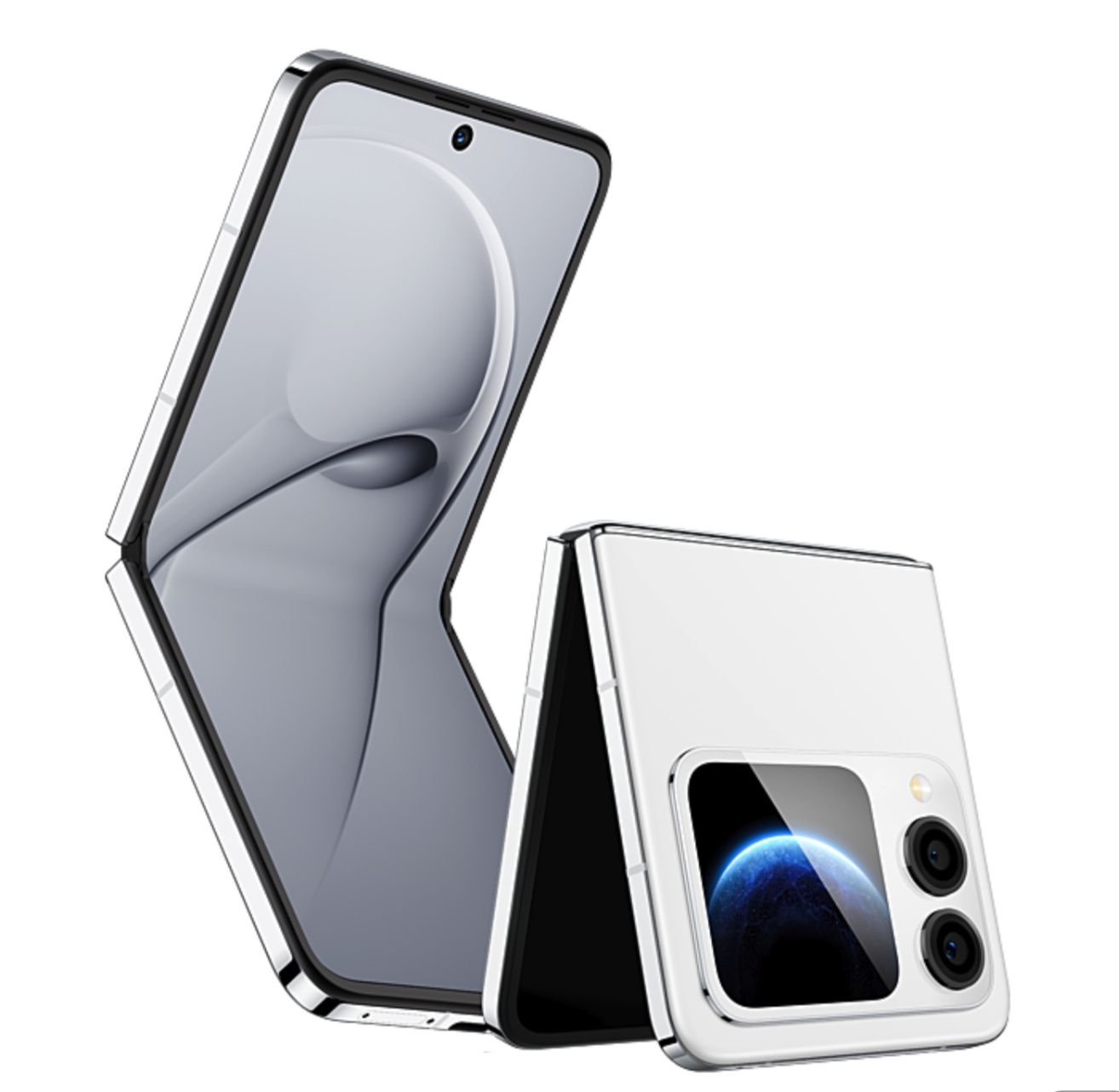
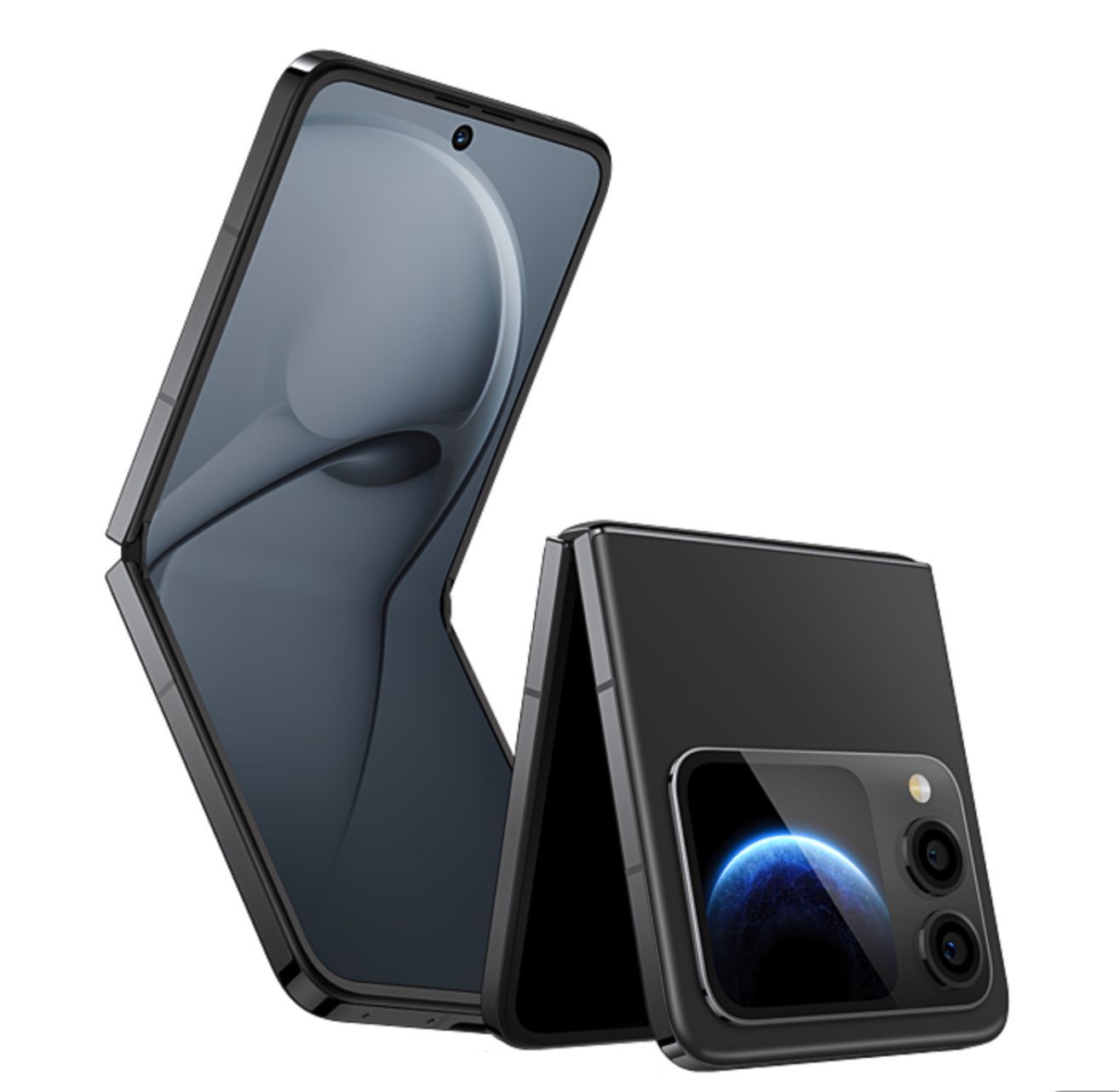
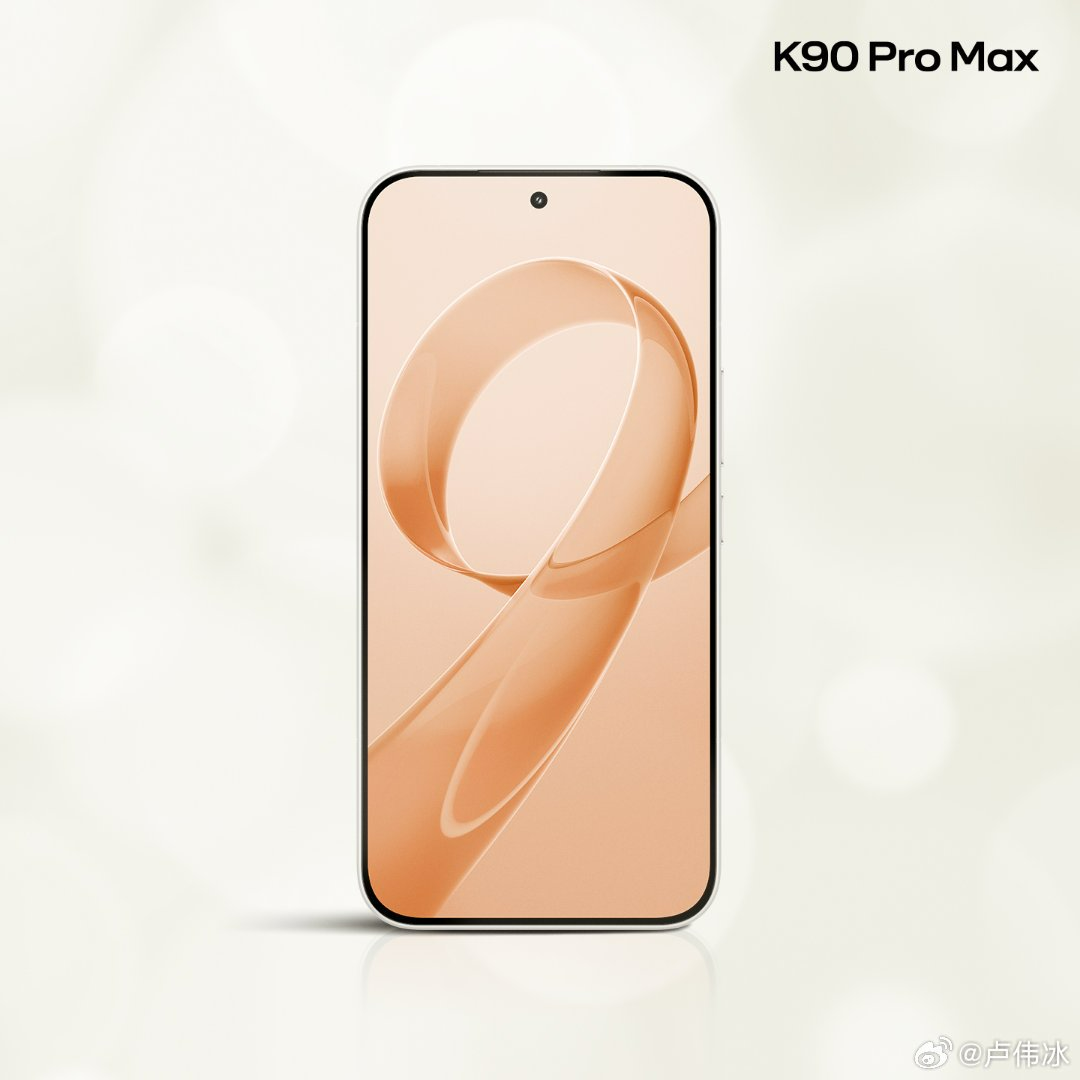
Sony’s Xperia 1 lineup has always stood apart — built for Android purists and creators who value pro-level camera tools. But while Sony has been quietly scaling back its smartphone ambitions, early traces of the Xperia 1 VIII have started appearing online, and it’s expected to ship with Qualcomm’s latest Snapdragon 8 Elite Gen 5 chipset.
The new chip, announced at Qualcomm’s recent Summit, promises serious gains over the 8 Elite — up to 20% faster CPU, 23% faster GPU, and 35% increase in power efficiency. It’s already powering flagships like Xiaomi’s 17 series, Honor’s Magic 8 Pro, and will power upcoming flagships like Samsung’s Galaxy S26 Ultra, and gaming-focused phones like the iQOO 15, RedMagic 11 Pro series, and Asus ROG Phone 10. Sony’s inclusion in this list suggests it isn’t ready to compromise in performance, even though it’s not aimed at gamers. The new chip should give it more headroom to make the most of its camera hardware.
Model numbers such as PM-1502-BV, PM-1503-BV, and now PM-1521-BV have been spotted in eSIM databases, hinting at both global and regional versions. For Japan, listings point to SO-51G for Docomo and possibly SOG17 and A601SO for other carriers — a pattern that aligns with past Xperia releases.
While Sony hasn’t confirmed anything, these sightings are a good indication that the Xperia 1 VIII is well into testing. Snapdragon 8 Elite Gen 5’s performance numbers compete neck and neck with Apple’s A19 Pro, suggesting the next Xperia could pack some serious horsepower. What’s still under wraps are the camera details, design tweaks, and whether Sony plans to bring the device back to North America.
If it follows the usual schedule, the Xperia 1 VIII could arrive in the first half of 2026, roughly a year after the Xperia 1 VII’s June debut.
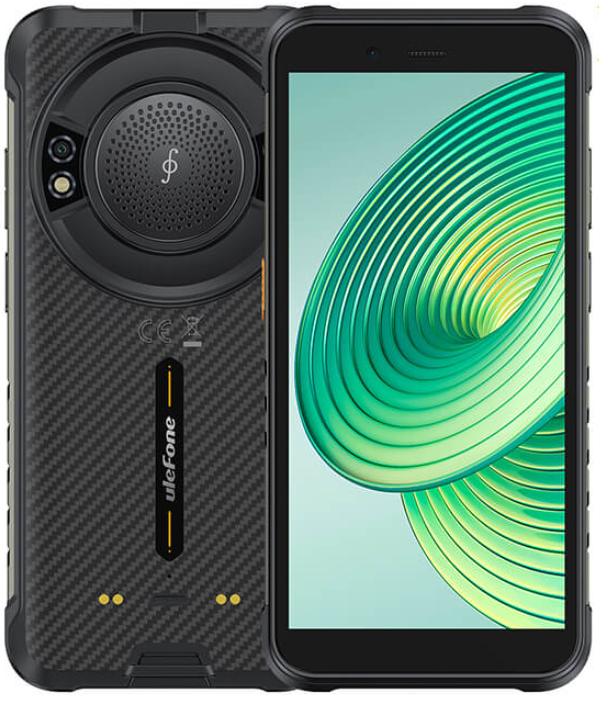
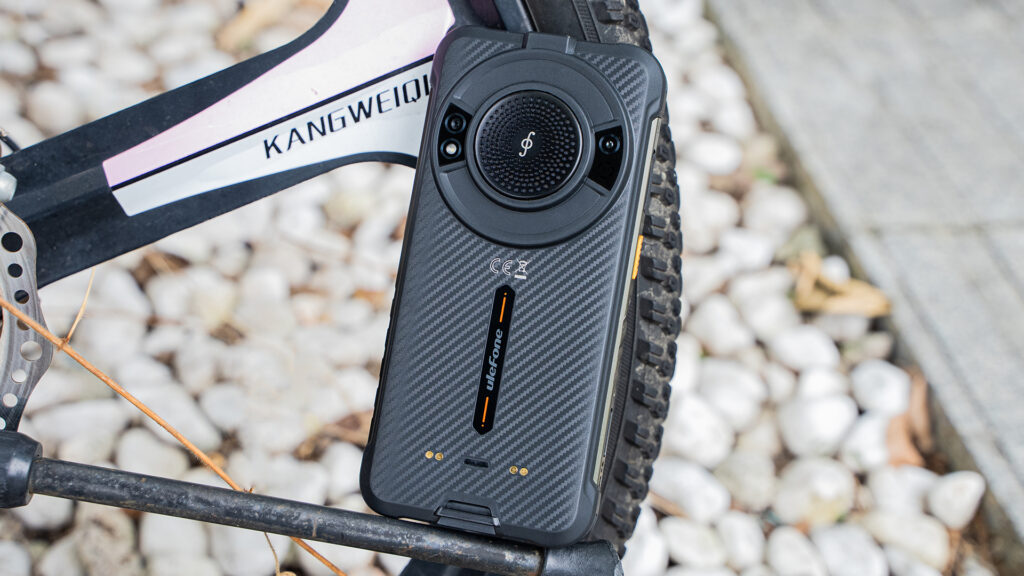
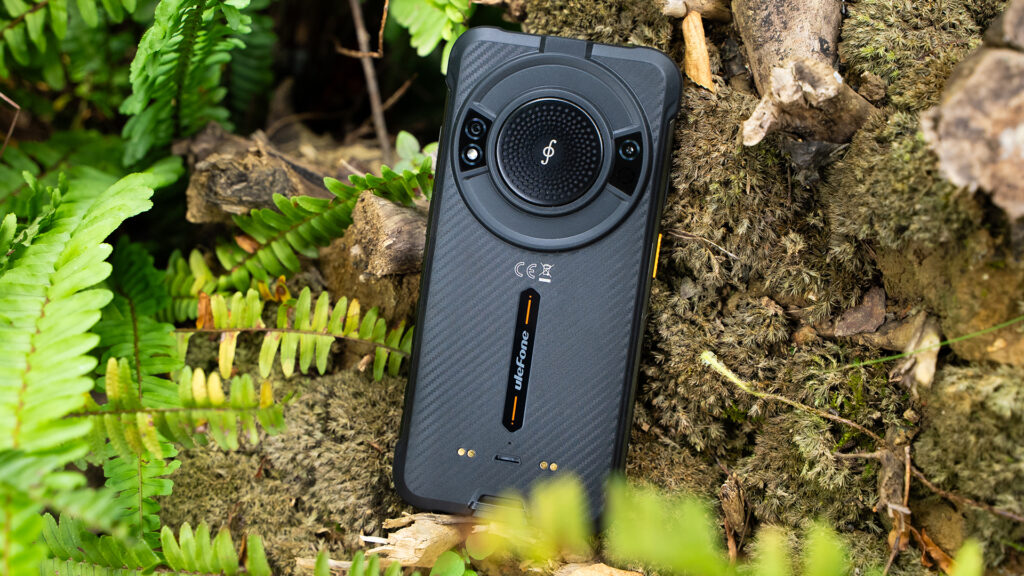
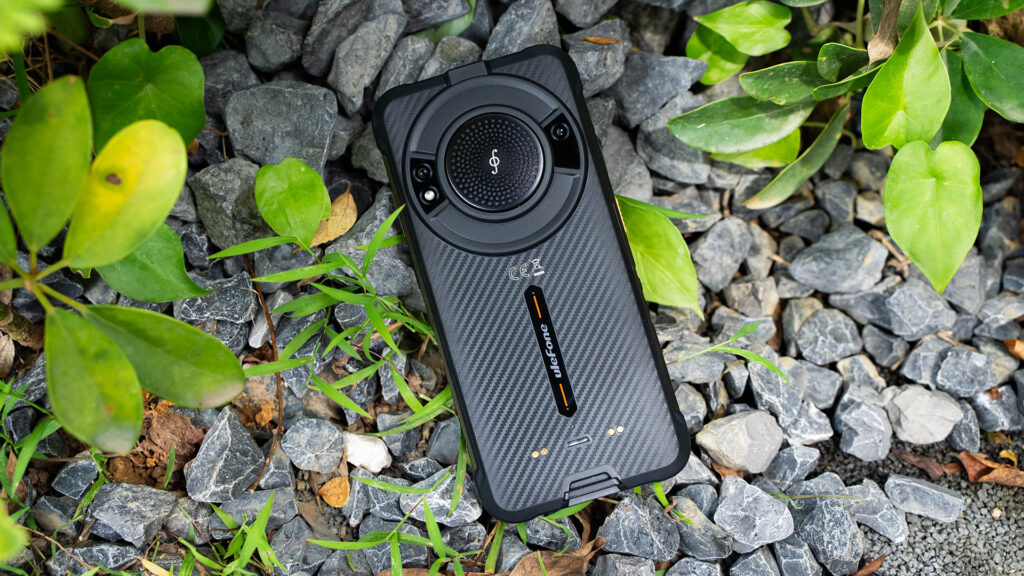
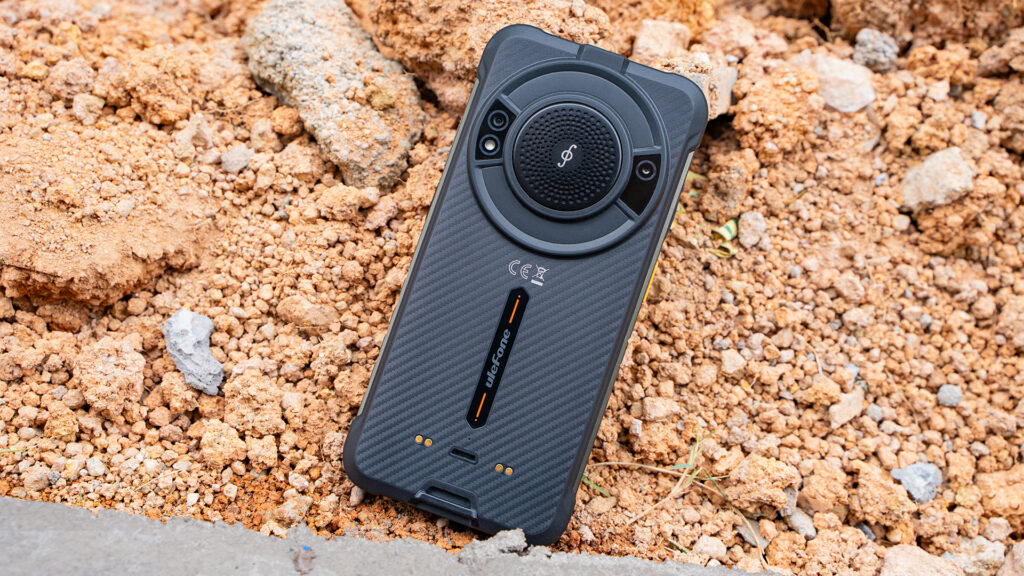
Ulefone has officially launched the first model of its new RugKing series, aiming to deliver exceptional durability and powerful features at a friendly price point. This budget rugged smartphone is designed for those who work or adventure in tough environments, and it packs a surprise feature that sets it apart: a 126 dB super-loud speaker, the first of its kind in its segment.
Built to Survive the Toughest Conditions
The RugKing is built for durability. Its display is protected by Corning Gorilla Glass 3, which is four times stronger than standard glass. The device can survive drops from up to 2 meters (around 6.5 feet), making it ideal for use in construction sites, hiking trips, or other challenging outdoor conditions.
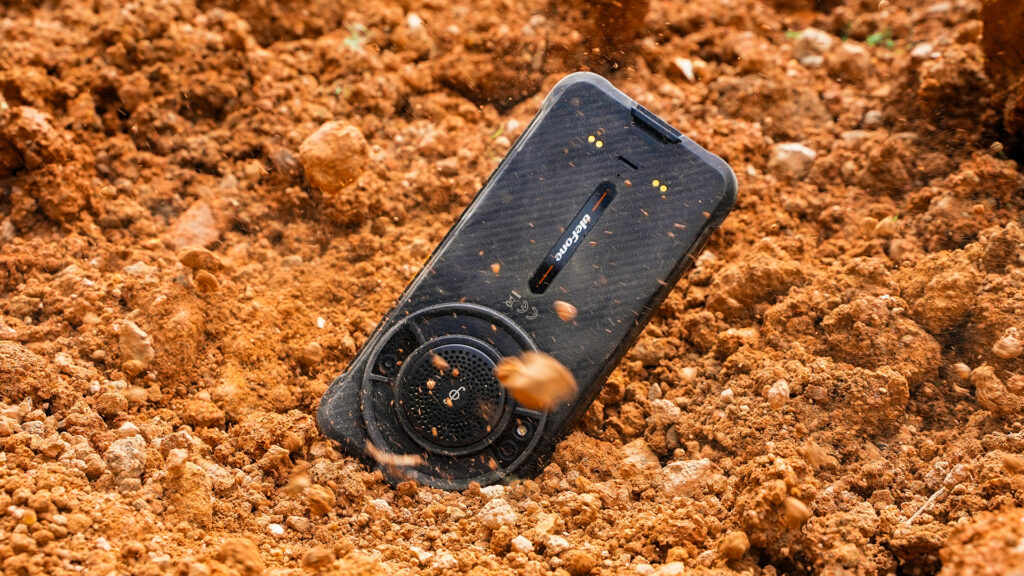
This phone isn’t just resistant to scratches and impacts; it can withstand extreme tests like drilling or hammering nails without breaking. Its fully sealed design makes it resistant to dust and water, surviving submersion in water or sand for up to 30 minutes. Additionally, the four reinforced corners add another layer of protection, absorbing shocks and minimizing damage from falls.
Extra-Loud Audio and Powerful Lighting
One of the most impressive features of the Ulefone RugKing is its 126 dB super speaker with 3.5 W rated power. This makes it perfect for use in noisy environments, whether it’s a construction site, a festival, or an outdoor adventure.
On top of the device is a 126-lumen flashlight, dubbed the “Super Torch.” This built-in torch eliminates the need to carry an extra flashlight, making it useful for camping, emergency use, or nighttime work.
Reliable Performance for Everyday Use
The phone runs on a Unisoc T7255 8-core processor with 8 GB RAM and 256 GB of internal storage. It has a 5.99-inch display that offers 910 nits of peak brightness, ensuring clear visibility even under direct sunlight. This is especially useful for outdoor users who need their screens to stay bright and readable.
Outdoor-Ready Camera System
The RugKing also comes with a 50 MP main camera and a 2 MP macro camera for close-up shots. Whether you’re documenting your outdoor journey or capturing worksite details, the camera is designed to deliver sharp and clear photos.
All-in-One Outdoor Tool
More than just a phone, the Ulefone RugKing positions itself as a multi-functional outdoor companion, combining durability, loud audio, bright lighting, and practical features in one device. It’s built for adventurers, construction workers, and anyone who needs a phone that won’t break easily.
Price and Availability
The Ulefone RugKing is available through the official Ulefone store. By combining extreme durability with affordability, it stands out as one of the most practical options in the budget rugged phone segment.
OnePlus has finally unveiled OxygenOS 16 — its latest custom skin based on Android 16. It introduces a suite of AI-powered features, more lock screen customizations, performance enhancements, new widgets, and fluid animation powered by the “OnePlus Flow Motion” engine. There’s a new Plus Mind feature designed to organize on-screen content into a central hub called Mind Space.
In short, the latest OxygenOS skin is not just another upgrade, but a major one that truly elevates the user experience and makes the device more useful. You may be wondering when the update is coming to your device. So, here’s the official OxygenOS 16 rollout timeline.
OnePlus OxygenOS 16 (Android 16) rollout timeline
The OxygenOS 16 rollout begins next month, starting with the OnePlus 13 series, and expands to the OnePlus 12 series, OnePlus Pad, and a few tablets later in the month. The OnePlus 11 series and some mid-range Nord phones will join the party in December, while the remaining devices will receive the update in the first quarter of 2026.
Starting November 2025
OnePlus 13
OnePlus 13R
OnePlus 13S
OnePlus Open
OnePlus 12
OnePlus 12R
OnePlus Pad 3
OnePlus Pad 2
Starting December 2025
OnePlus 11 5G
OnePlus 11R 5G
OnePlus Nord 5
OnePlus Nord CE5
OnePlus Nord 4
OnePlus Nord 3 5G
Starting Q1 2026
OnePlus 10 Pro 5G
OnePlus Nord CE4
OnePlus Nord CE4 Lite 5G
OnePlus Pad
OnePlus Pad Lite
The updates are usually rolled out in batches. So, if an update starts rolling out somewhere else, it may take a few days to reach your device. However, the expansion is usually quick. To manually check for updates, go to Settings > System & update > Software update, and then tap on Check for updates.
OxygenOS 16 is a major upgrade with a download size of a few gigabytes. To ensure a smooth upgrade to OxygenOS 16, please ensure your device has at least 5-6GB of free internal storage before downloading the software package and at least 40% battery before installing it. You can also create a backup of important data for added security.
If your OnePlus device didn’t make the cut to the list, it may have already received the promised number of major Android upgrades. To ensure your next upgrade remains relevant for years to come, here’s a list of OnePlus phones that promise four OS upgrades.
You can regularly visit the OnePlus section on Gizmochina to know which devices are getting the update. Alternatively, you can join us on Telegram to stay notified about the latest software releases, smartphone launches, AI news, and tech breakthroughs.
Open AI has been allowing users to create AI-generated videos of famous deceased figures such as Michael Jackson, Queen Elizabeth, Isaac Newton, and Stephen Hawking. These clips, often shared on social media platforms like TikTok, YouTube Shorts, and Reels, have sparked both fascination and controversy. While some user-created videos are humorous, others cross the line into disrespectful territory. OpenAI has now paused the ability to generate videos of Martin Luther King Jr., following reports of offensive depictions. Read on to know the reason behind this decision.
OpenAI halts MLK videos, releases statement
Statement from OpenAI and King Estate, Inc.
The Estate of Martin Luther King, Jr., Inc. (King, Inc.) and OpenAI have worked together to address how Dr. Martin Luther King Jr.’s likeness is represented in Sora generations. Some users generated disrespectful depictions of Dr.…
As per an official X (formerly Twitter) by Open AI, ithas temporarily stopped users from generating AI videos of Martin Luther King Jr. on its Sora video platform after receiving a request from the late civil rights leader’s estate. The pause comes after some users created inappropriate or mocking portrayals of Dr. King, leading to public backlash.
OpenAI stated that while there are “strong free speech interests in depicting historical figures,” it believes that “public figures and their families should ultimately have control over how their likeness is used.” The company further added that authorised representatives or estate owners can now request OpenAI to restrict use of their likeness in Sora.
Growing debate on consent and ethics in AI video generation
Sora, launched recently, allows users to create highly realistic AI-generated videos of historical figures and celebrities. However, the platform has become a centre of debate regarding consent and ethical boundaries in AI-generated content.
Dr. Bernice King, daughter of Martin Luther King Jr., urged users to stop circulating AI clips of her father, echoing similar requests made by Robin Williams’s daughter about deepfake recreations of her late father. Reports indicate that users had produced offensive videos showing Dr. King making animal noises or fighting with Malcolm X, which many viewed as deeply disrespectful.
The controversy highlights a wider issue concerning how AI platforms handle depictions of real people, both living and deceased. OpenAI has confirmed that it is working on new safeguards that will allow copyright holders, estates, and families to manage or block unauthorized recreations. The company has also said it plans to introduce tighter moderation policies for Sora while continuing to refine its AI video tools.
For more daily updates, please visit our News Section.
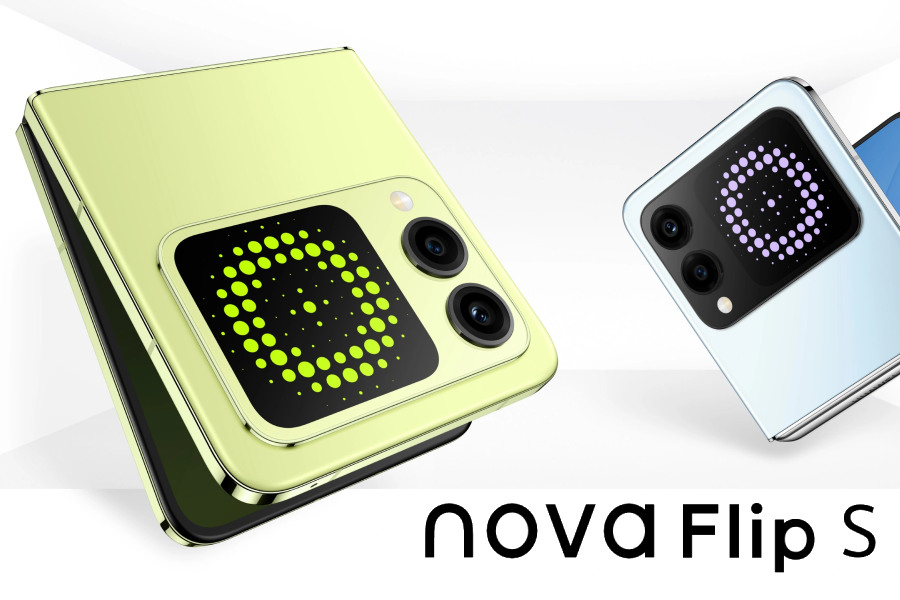
Huawei today officially unveiled the Nova Flip S in China. The clamshell foldable is the sequel to the original Nova Flip and, more importantly, it comes with a much lower price tag.
The Nova series has long been Huawei’s more affordable lineup, but the first Nova Flip launched at a steep 5,288 yuan (~$740) price tag. The Nova Flip S starts at just 3,488 yuan (~$490), making it the most affordable foldable from Huawei in China.
Huawei Nova Flip S Specifications
Design-wise, the Nova Flip S largely mirrors its predecessor. It maintains the same 6.9mm thickness, 195-gram weight, and cover design. Huawei has added two new color options, Sky Blue and Feather Sand Black, alongside the existing New Green, Zero White, Sakura Pink, and Star Black finishes.
The external display remains a 2.14-inch square screen with a 480×480 resolution, supporting fun themes like cute pets, DIY wallpapers, and interactive call displays.
You can also pin apps to the outer screen for quick access, like for checking the weather, viewing your schedule, or making QR code payments. The live window feature can show real-time updates like flights or food deliveries.
Inside, the 6.9-inch main screen offers a 1136×2698 resolution and a 1–120Hz LTPO adaptive refresh rate. It uses a water drop hinge system for minimal crease visibility and is certified for 1.2 million folds by Swiss SGS.
Under the hood, the Nova Flip S packs a 4,400mAh battery with 66W wired fast charging, side-mounted fingerprint recognition, and life waterproof certification for daily splashes.
The foldables’ camera setup includes a 50-megapixel main sensor (f/1.9) and an 8-megapixel ultra-wide (f/2.2) on the back. The front has a 32MP sensor and both support 4K video recording with AIS stabilization.
The device runs HarmonyOS 5.1, but Huawei has not released the chip details.
Huawei is offering the Nova Flip S in two storage variants: 256GB for 3,488 yuan and 512GB for 3,788 yuan.
For more daily updates, please visit our News Section.
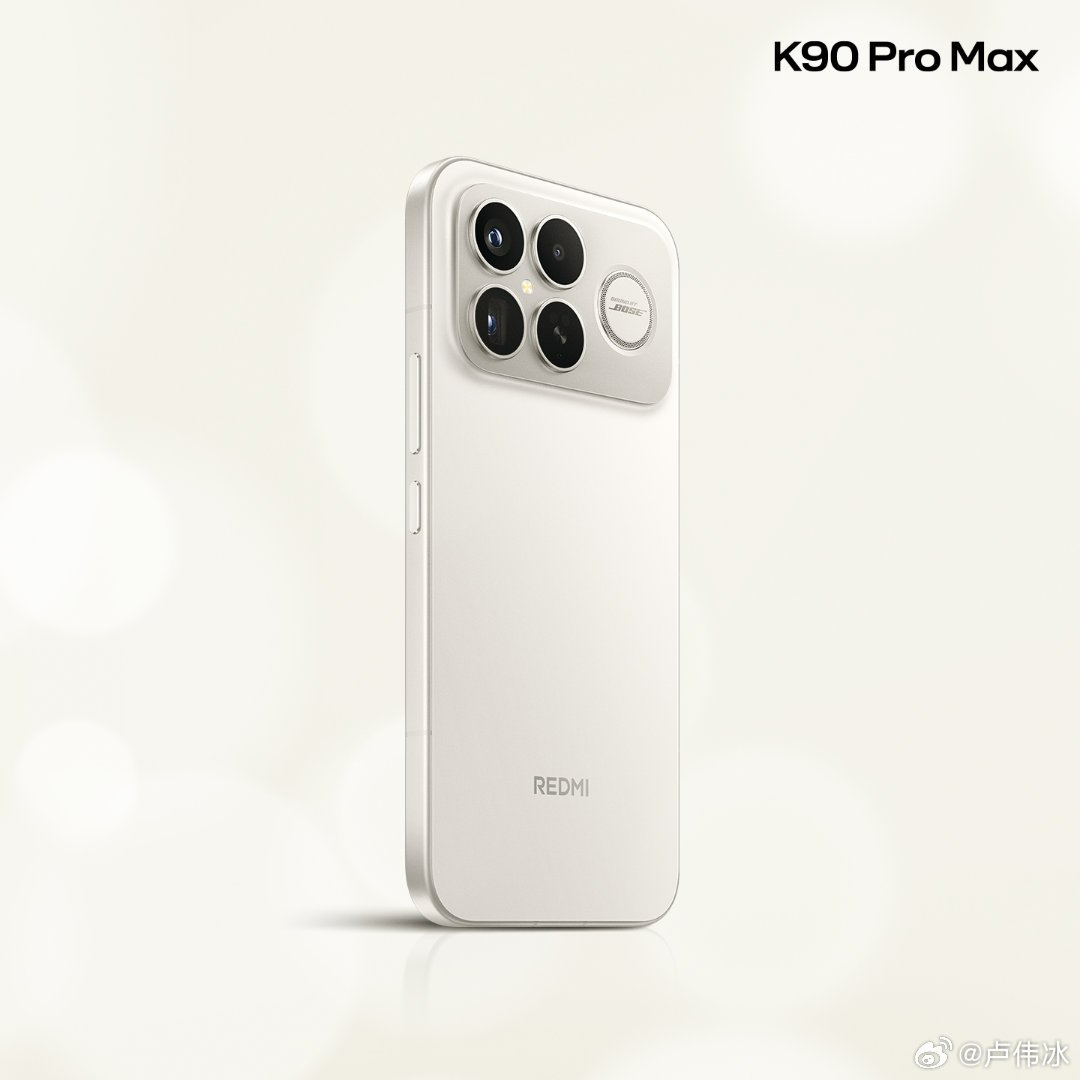
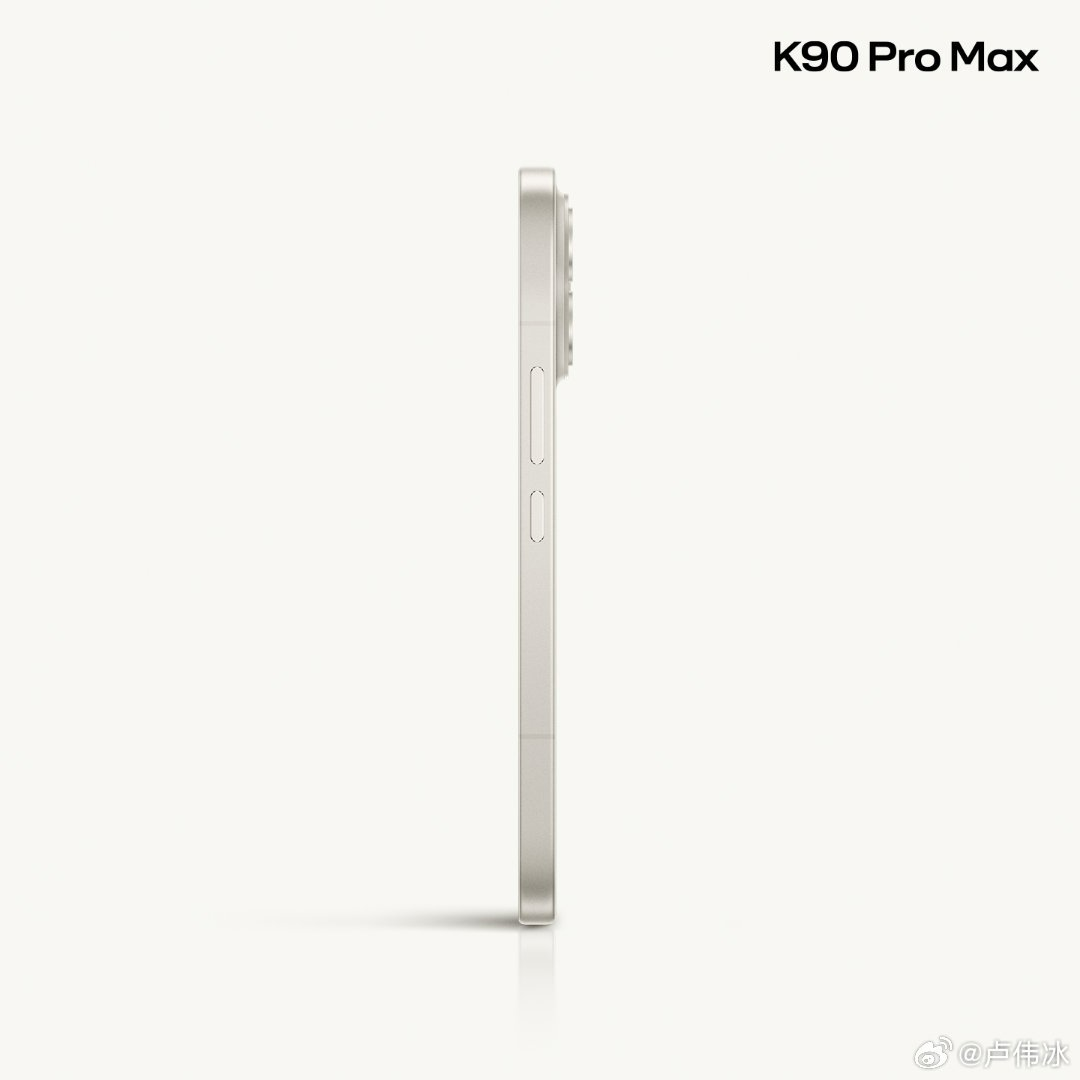
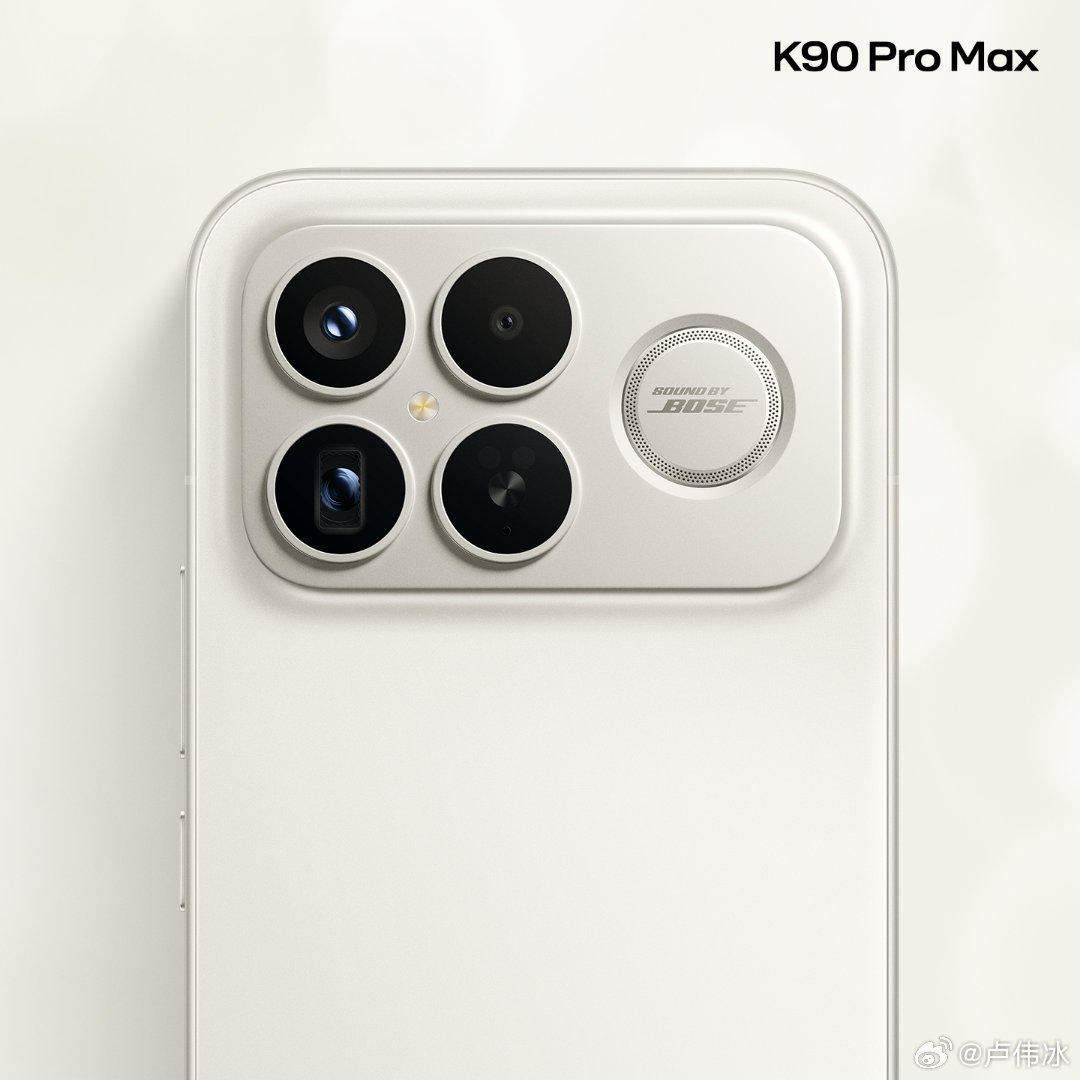
Redmi has officially confirmed the launch date of the Redmi K90 series. As seen in the newly released poster, the brand will unveil the Redmi K90 Pro Max on October 23 in China. While the post doesn’t explicitly mention it, the standard Redmi K90 is also expected to debut alongside the Pro Max variant at the same event.
Redmi K90 Pro Max design revealed
Redmi K90 Pro Max launch date
The images shared by the brand showcase the white edition of the Redmi K90 Pro Max, revealing a sleek design with ultra-thin bezels and rounded corners. The back panel features a large rectangular camera module positioned at the top, housing the camera sensors and an LED flash on the left, while the “Sound by Bose” branding is visible on the right, indicating premium-tuned audio quality.
Redmi has not yet released official images of the standard K90, but it’s likely to share the same design language as the Pro Max.
Redmi K90 series specifications
According to reports, the Redmi K90 Pro Max will be powered by the Snapdragon 8 Elite Gen 5 chipset, whereas the standard K90 will use last year’s Snapdragon 8 Elite processor. Both devices will boot Android 16 with HyperOS 3 layered on top, ensuring a smooth and optimised user experience.
The Redmi K90 series is expected to sport a 6.59-inch OLED display with 2K resolution, delivering vivid visuals and deep contrast. Powering the devices could be a 7,500mAh battery with 100W fast charging support and 50W wireless charging support. The Pro Max is expected to feature a periscope telephoto lens in its camera setup.
The Redmi K90 series will be priced at around ~$560 in China. Speculations also suggest that the lineup will be rebranded under the Poco branding globally, with the Redmi K90 expected to launch as the Poco F8 Pro and the K90 Pro Max as the Poco F8 Ultra in international markets.
For more daily updates, please visit our News Section.
Recently, iQOO confirmed that the iQOO 15 will be announced on Oct. 20 in China. The brand will also unveil other devices, such as the iQOO Pad 5e, Watch GT 2, and TWS 5 at the same time. The brand is also expected to announce another phone named the iQOO Neo 11 alongside the iQOO 15. Today, the brand released the following image to give a first look at the device.
iQOO Neo 11 design revealed
iQOO Neo 11 design revealed
Shown above is the “Facing the Wind” (machine-translated) colour edition of the iQOO Neo 11. According to the brand, this variant has a floating mirror design and showcases that as light sweeps across the surface, the colours shift and come alive with movement.
iQOO has confirmed that the iQOO Neo 11 has satin AG glass with a silky smooth finish on the back. It is coupled with a metal middle frame, and the device also has an IP68/69 rating for dust and water resistance.
iQOO Neo 11 specifications (rumored)
iQOO has already revealed that the iQOO Neo 11 has a BOE Q10+ OLED 2K 144Hz display with AR anti-reflection and anti-glare protection film. The device will be powered by the Snapdragon 8 Elite chipset and a 7,500mAh battery with 100W charging support.
The iQOO Neo 11 will run on OriginOS 6-based Android 16. Likely, it will feature an OIS-enabled 50-megapixel main camera along with an ultra-wide lens on the back.
The iQOO 15 is all set to launch in November in India, but there is no confirmation on whether the Neo 11 will debut alongside it. It is speculated that the Neo 11 may hit the Indian market in Q1 2026.
For more daily updates, please visit our News Section.
After some confusion yesterday, OnePlus has now cleared the air. The OnePlus 15 and OnePlus Ace 6 will officially launch in China on October 27.
We’ve already known quite a bit about the OnePlus 15 thanks to weeks of teasers, but the Ace 6 has stayed mostly under wraps — until now. OnePlus officially revealed its design today, giving us our first proper look at the upcoming phone.
The Ace 6 carries a familiar vibe with a camera module that looks a lot like the OnePlus 15’s, though it’s a simpler dual-camera setup, likely featuring just the main and ultrawide lenses.
The silver variant shown in the image sports a striped finish on the back with a bold “ACE” logo to the right, but we also expect to see more understated color options of the phone during launch.
On the front, the Ace 6 is rumored to pack a 1.5K BOE OLED display with a 120Hz refresh rate and an ultrasonic in-display fingerprint sensor.
Powering the device will be the Snapdragon 8 Elite chipset, backed by a massive 7,800mAh battery that supports 120W fast charging. It will also have a metal frame body with an IP68 rating and toughened glass protection for durability.
The more premium OnePlus 15, on the other hand, is confirmed to run on the Snapdragon 8 Elite Gen 5, with a 165Hz 1.5K OLED screen and a 7,000mAh battery supporting 100W wired and 50W wireless charging.
OnePlus also confirmed today that the OnePlus 15 will be available in Sand Dune, Absolute Black, and a soft Mist Purple. Likewise, its triple-camera setup is expected to feature a 50MP Sony LYT-700 main sensor, a 50MP periscope telephoto using Samsung’s JN5 sensor, and another 50MP ultrawide camera.
For more daily updates, please visit our News Section.
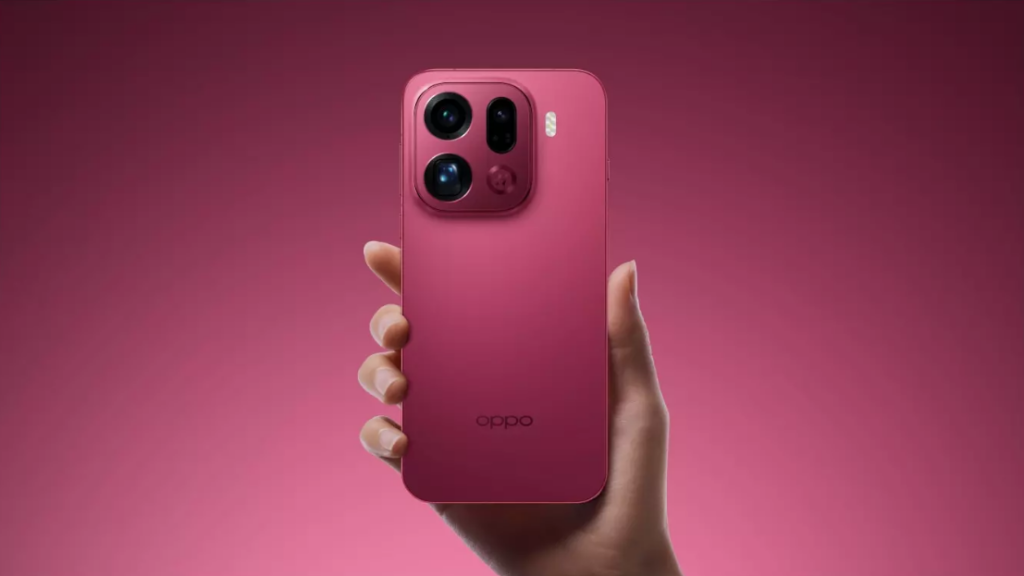
Oppo finally pulled the curtains off the Find X9 and X9 Pro smartphones in China last night. Alongside the domestic debut, we now also have details about their global launch, which isn’t too far away.
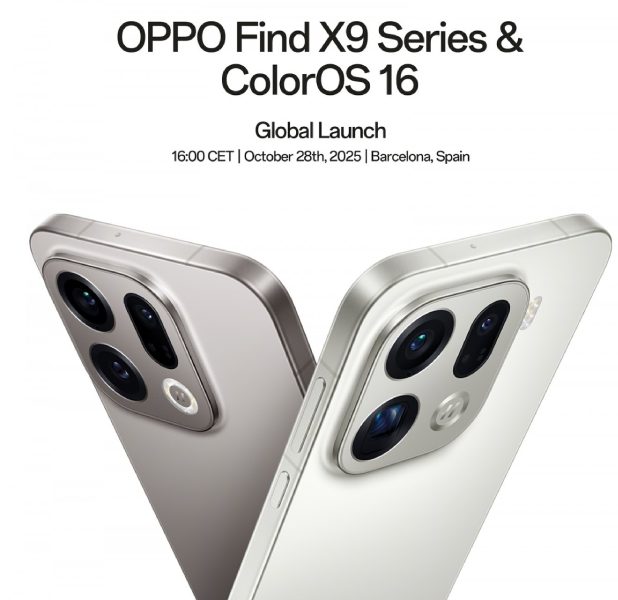
Oppo has confirmed that it will unveil both the Find X9 series and the accompanying ColorOS 16 globally on October 28th at an event in Barcelona, Spain. However, the two phones won’t reach India until November.
According to an earlier report, Oppo is expected to hold a separate launch event specifically for the Indian market.
Oppo Find X9
The Find X9 features a 6.59-inch flat Tianma OLED display with a 2760×1256 resolution, 120Hz refresh rate, and up to 3600 nits of peak brightness. It’s protected by Oppo’s Crystal Shield Glass and framed by impressively slim 1.45mm bezels.
Inside, the phone runs on MediaTek’s new Dimensity 9500 chip, paired with LPDDR5X RAM and UFS 4.1 storage.
The camera setup consists of three 50MP sensors: a Sony LYT-808 main lens with OIS, a Samsung JN5 ultra-wide, and a Sony LYT-600 periscope telephoto with 3x optical zoom. There’s also a 32MP Sony IMX615 camera up front.
The Find X9 draws power from a 7025mAh battery, supporting 80W wired and 50W wireless charging, with 5W reverse wireless charging included.
Oppo Find X9 Pro
The Pro model steps things up in display, optics, and endurance. It uses a slightly larger 6.78-inch LTPO OLED panel with 1–120Hz adaptive refresh and even thinner 1.15mm quad-edge bezels.
It’s powered by the same Dimensity 9500 chip but upgrades the telephoto camera to a 200MP sensor and the selfie camera to 50MP.
Both models support 4K video recording at up to 120fps and include Hasselblad’s XPAN mode for cinematic shooting. The Find X9 Pro also packs a bigger 7500mAh battery while maintaining the same charging speeds.
For more daily updates, please visit ourNews Section.
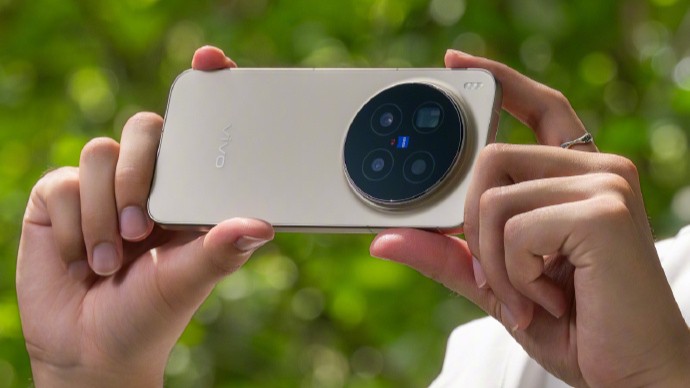
Vivo’s new flagship, the X300 Pro, feels like the brand’s latest attempt to blur the line between its “mainstream premium” and its “Ultra” lineup. If you looked at it on paper without the name, you might easily mistake it for one of Vivo’s more expensive Ultra models.
And that’s the point. This phone borrows nearly everything that made the X200 Ultra stand out, but brings it to a slightly more approachable tier. Here are the things that make Vivo X300 Pro truly special.
Vivo has made cameras the heart of its flagship phones, and the X300 Pro keeps that focus front and center. On paper, this is one of the most capable camera systems outside of Vivo’s own Ultra range.
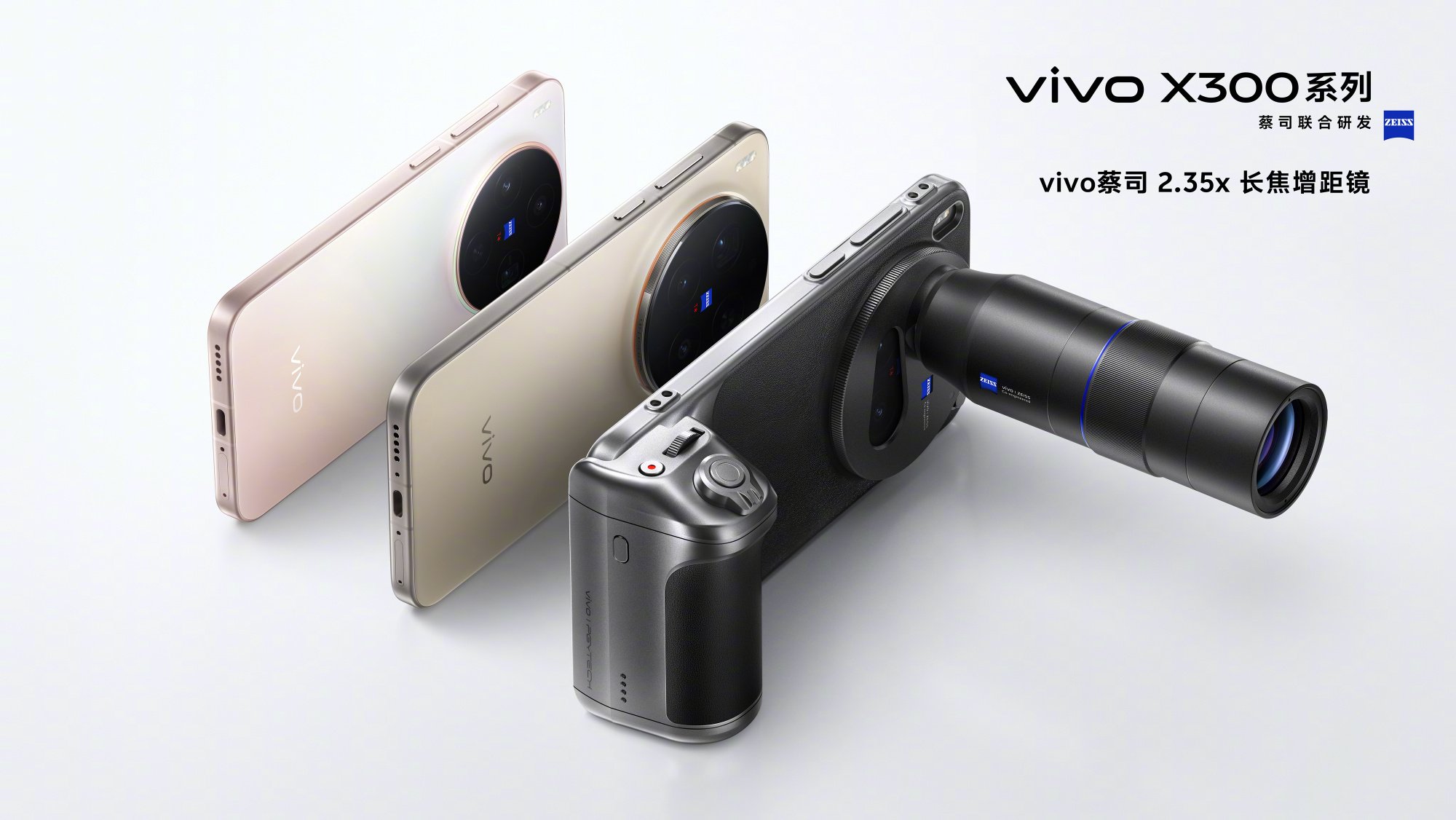
It shares a lot of DNA with the X200 Ultra from earlier this year, even supporting the same telephoto extender lens accessory that first debuted with that device.
It’s the telephoto that really tells the story. Vivo worked with Samsung to develop a new 200-megapixel HPB sensor. It’s an 85mm-equivalent lens with optical image stabilization and a 3.7x optical zoom.
On paper, it’s nearly identical to the industry-leading periscope found in the X200 Ultra. The only small trade-off is a slightly narrower f/2.67 aperture, which may let in a bit less light, but most users won’t notice that difference outside of side-by-side tests.
The X300 Pro uses Sony’s new LYT-828 sensor for the main camera. It has a brighter f/1.6 aperture for improved low-light performance and faster shutter response.
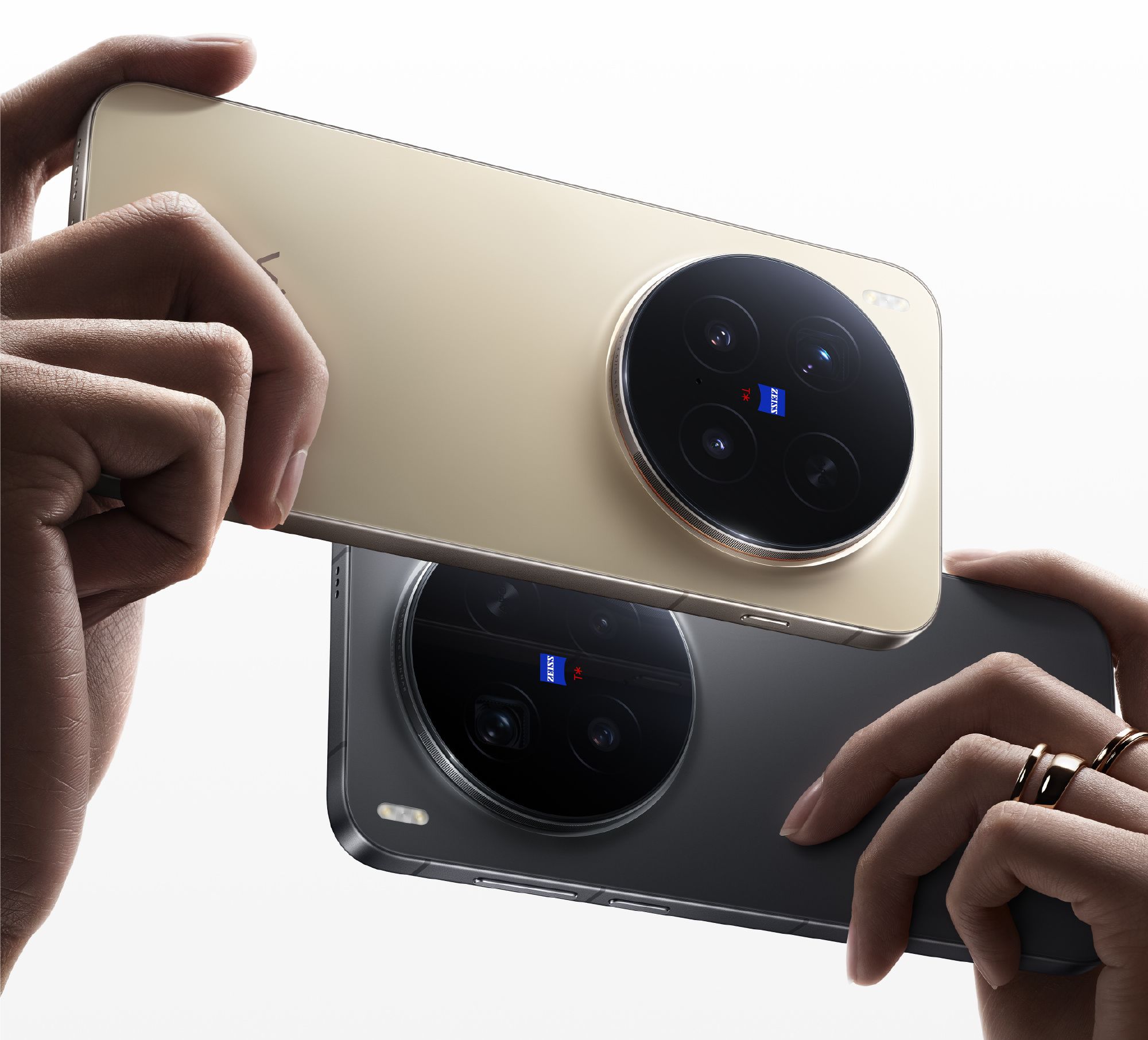
Even the 50MP ultrawide, though technically smaller in sensor size than the Ultra’s, supports autofocus, 4K video capture, and macro photography. All three cameras shoot 4K at up to 120 frames per second and can capture 10-bit Log video with Dolby Vision HDR. There’s also 8K recording, and support for Zeiss T* lens coating to reduce glare and ghosting.
2. Support for telephoto extender
Vivo X300 Pro telephoto converter
One of the more interesting things Vivo has done is bring support for its clip-on telephoto extender to the X300 Pro. It’s a physical 2.35x optical add-on that mounts over the phone’s telephoto lens via a special case.
The extender turns the phone into a pseudo-compact camera, capable of zooming further than most smartphones without digital cropping.
Now, that same accessory works with both the X300 and X300 Pro. It’s sold separately for ¥1,299 (about $180) or bundled in a Photography Kit that includes a grip and an extra battery.
It’s surprising to see Vivo open up this feature to a non-Ultra phone so soon. Most brands tend to keep these perks exclusive to their top-tier models. Now, I’m excited to see what the Vivo X300 Ultra will bring to differentiate itself from the Pro phones. The telephoto extender was the main highlight of the X200 Ultra.
3. Performance that keeps up with the best
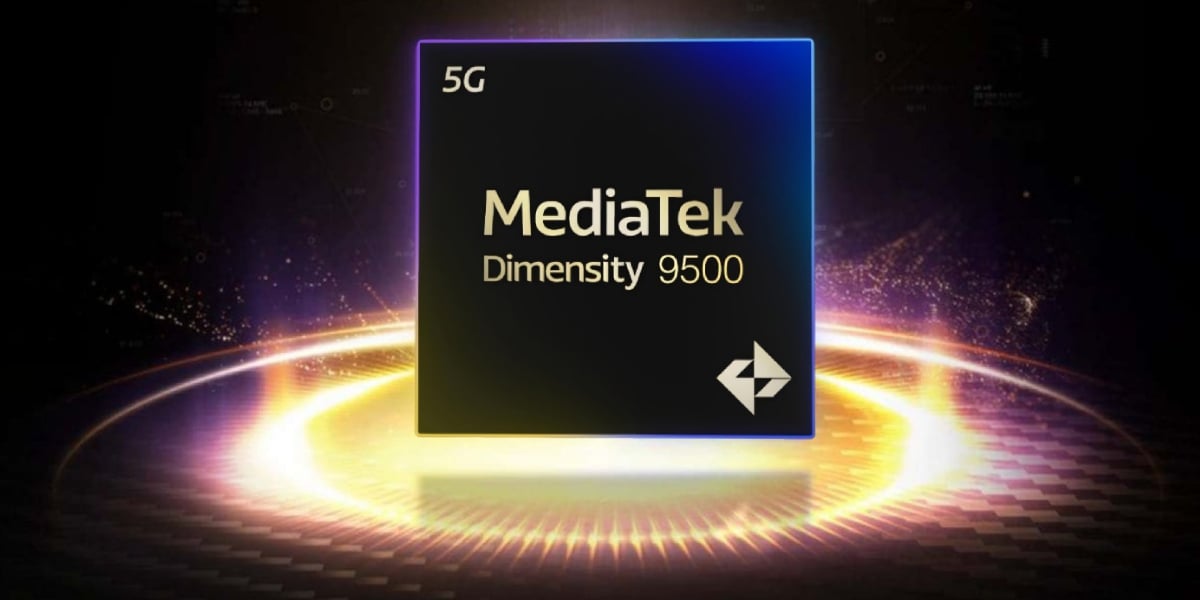
Inside, the X300 Pro runs on MediaTek’s new Dimensity 9500 chipset, built on a 3-nanometer process. The chip goes head-to-head with Qualcomm’s Snapdragon 8 Elite Gen 5.
The Dimensity 9500 features an all-big-core CPU design, with one C1 Ultra core running at 4.21 GHz, three C1-Premium cores at 3.5 GHz, and four C1-Pro cores clocked at 2.7 GHz.
Paired with up to 16GB of RAM and 1TB of UFS 4.1 storage, this is flagship-level hardware through and through. The phone ships with Android 16 running Vivo’s new OriginOS 6, and the company promises four years of major updates.
Everything about the X300 Pro’s internals points to efficiency, and that’s reflected in the battery design too. Vivo uses a 6,510mAh silicon-carbon battery, which the company claims performs like a 7,500mAh cell in traditional lithium-ion terms. It supports 90W wired charging, 40W wireless charging, and both reverse wired and wireless charging.
4. Integration with the Apple ecosystem
Perhaps the most unexpected feature is its integration with Apple’s ecosystem. Vivo claims the X300 Pro is the first Android phone that can seamlessly sync with Apple devices.
Users can access iPhone photos, share files with a shake gesture, or even edit videos across devices. This feature is built into OriginOS 6, though you’ll need to download an additional app from the App Store to enable cross-device communication.
And to be fair, the services it offers make the download worth it. The X300 series can sync health and fitness data directly from an Apple Watch to the Vivo Health app.
More impressively, you can receive call and message notifications from X300 to your Apple Watch, something previously exclusive to only iPhones. You can also track your AirPods without extra software, use your phone as an extended display on a Mac, and more.
At this point, Vivo is leaving no stone unturned to give both Android and iOS users a reason to switch or upgrade to its phones, and that could be a major factor in the X300’s success.
5. Design and Display
Vivo X300 Pro
The display is another highlight. It’s a 6.78-inch LTPO AMOLED panel with a 120Hz refresh rate, HDR10+, Dolby Vision, and a claimed peak brightness of 4,500 nits.
The screen supports Ultra HDR image rendering and 2160Hz PWM dimming, which helps reduce flicker for people sensitive to it. Beneath it sits an ultrasonic fingerprint reader, which tends to be faster and more reliable than the optical scanners used in most other Android phones.
Physically, the X300 Pro looks and feels premium. It has a glass back, an aluminum alloy frame, and a large but comfortable body — 161.2mm tall, 8mm thick, and 226 grams.
Vivo has gone further with durability this time, giving the phone both IP68 and IP69 ratings, meaning it can handle not just submersion but also high-pressure water jets. That’s rare, even among high-end phones.
You won’t find a headphone jack here, but Vivo compensates with 24-bit Hi-Res audio through its stereo speakers and wireless support for aptX HD and LHDC 5 codecs. There’s also Wi-Fi 7, Bluetooth 5.4, NFC, infrared, and optional satellite connectivity, depending on the region.
6. A more accessible flagship
The Vivo X300 Pro starts at ¥5,299 (around $745), which makes it significantly cheaper than most “Ultra” phones while offering nearly the same performance and camera capabilities.
The regular X300, which starts at ¥4,399 (about $620), shares most of the same hardware but comes in a smaller 6.31-inch body and slightly different camera arrangement.
For more daily updates, please visit ourNews Section.
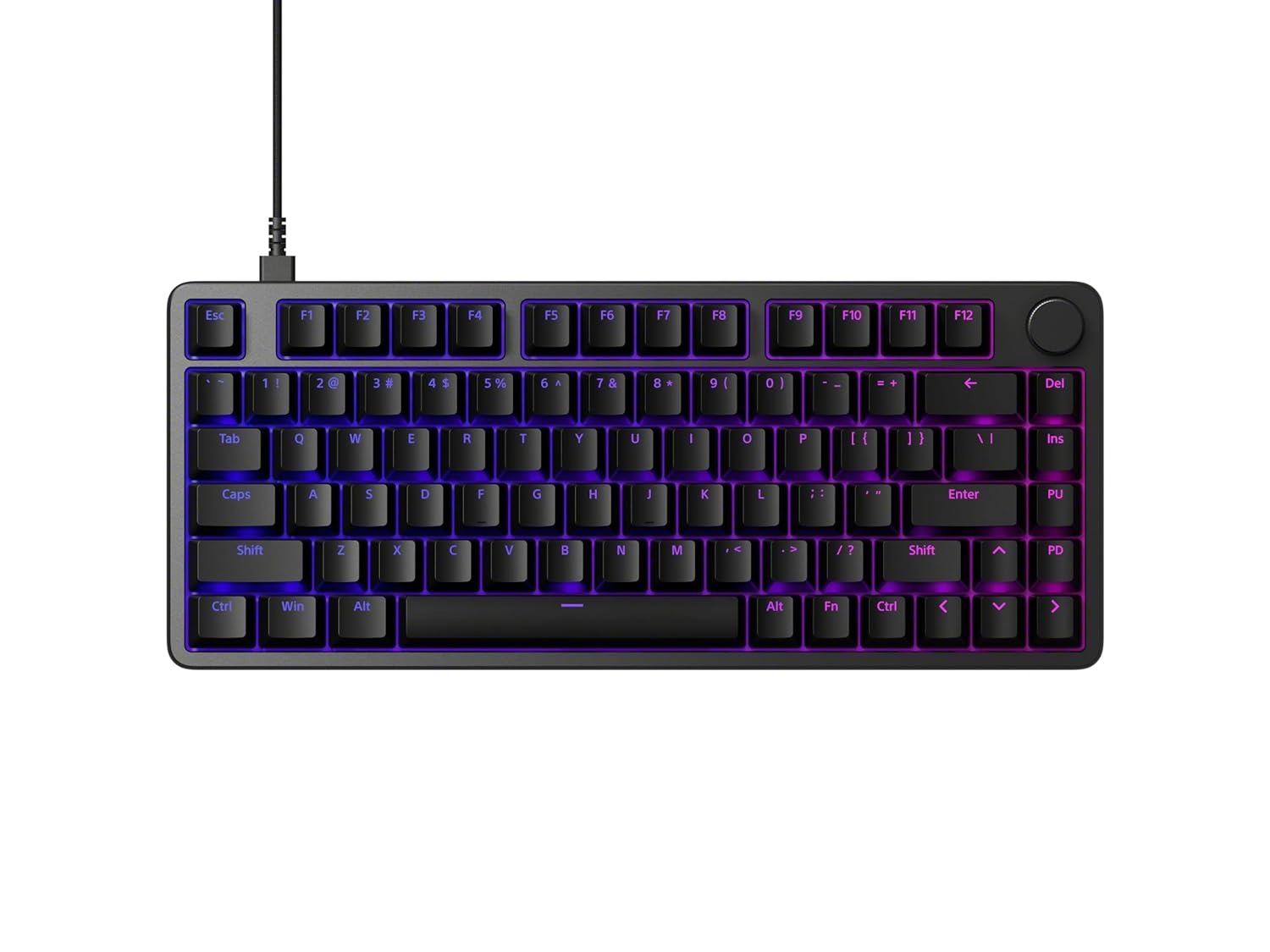
Sony India has announced its entry into the gaming peripherals market with the new INZONE lineup. Designed in collaboration with professional Fnatic players, the INZONE series includes a keyboard, mouse, mouse pads, in-ear wired earphones, and wired headphones. The products are optimized for competitive and esports-level gameplay and will be available from 16th October 2025 on Amazon, Flipkart, and ShopAtSC.
INZONE KBD-H75 – Gaming Keyboard
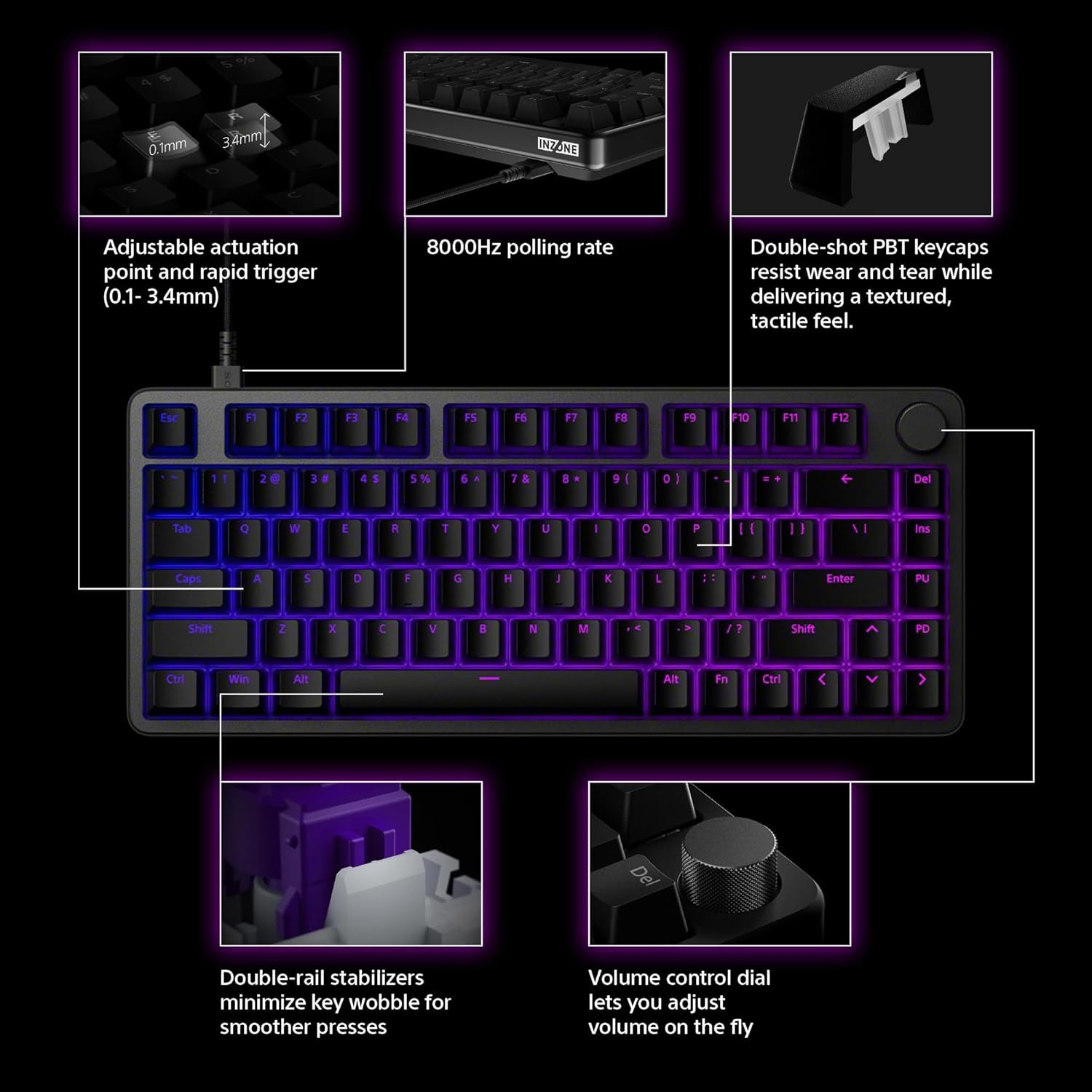
The INZONE KBD-H75 is a 75% aluminium gaming keyboard built for precision and speed. It features an adjustable actuation point ranging from 0.1mm to 4.0mm and Rapid Trigger technology for faster response during gameplay. The gasket-mounted structure reduces vibration and adds comfort for long gaming sessions. The keyboard has a CNC-machined aluminium chassis, a compact layout, and an assignable dial for extra control.
INZONE Mouse-A – Wireless Gaming Mouse
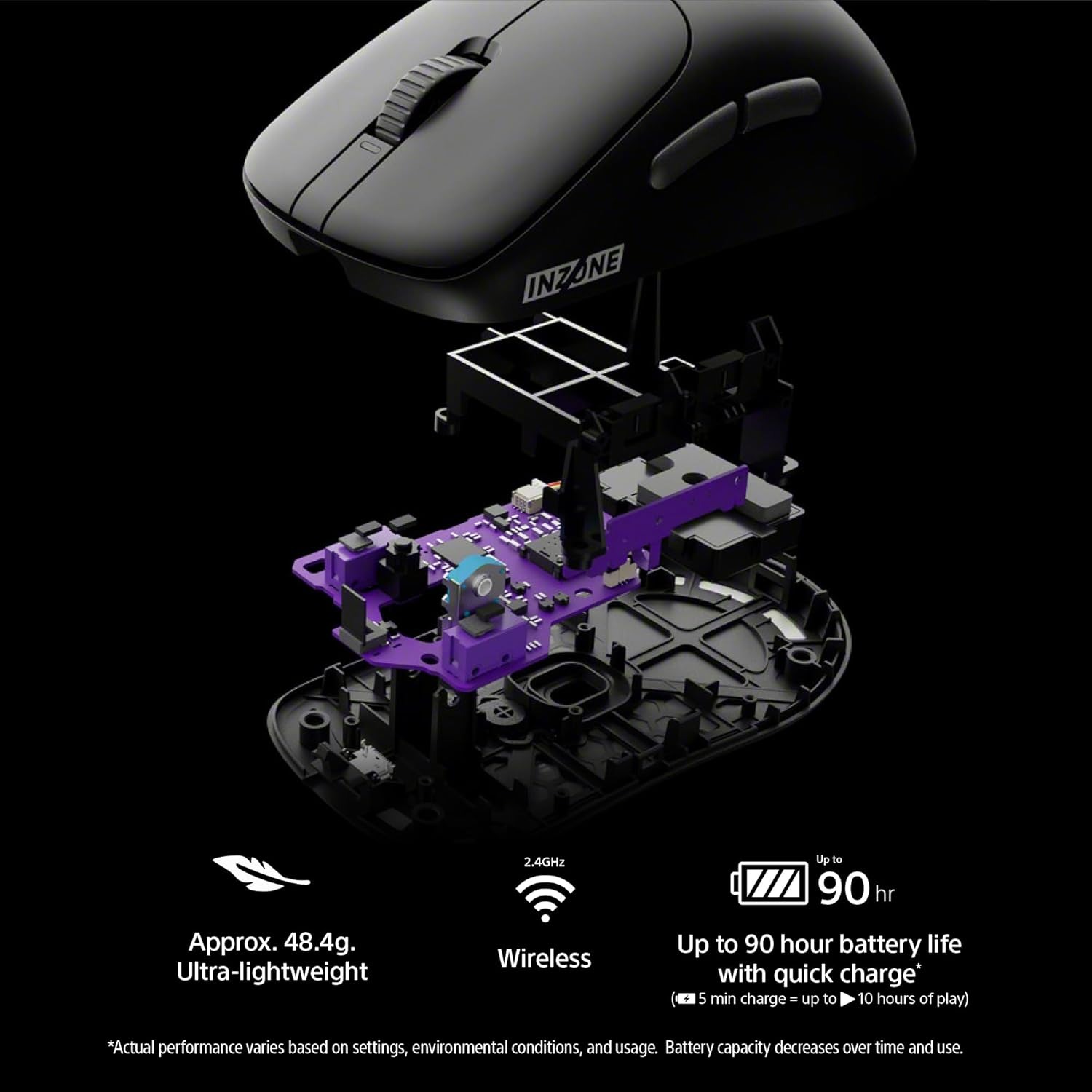
The INZONE Mouse-A is an ultra-light wireless mouse weighing 48.4 grams. Built with a polyamide frame reinforced by hollow glass microspheres, it maintains strong durability with minimal weight. It is powered by Sony’s 3950IZ Sensor, offering up to 30,000 DPI and a polling rate of 8000Hz. The low-latency wireless dongle and light-speed optical switches provide accurate and instant responses suited for esports players.
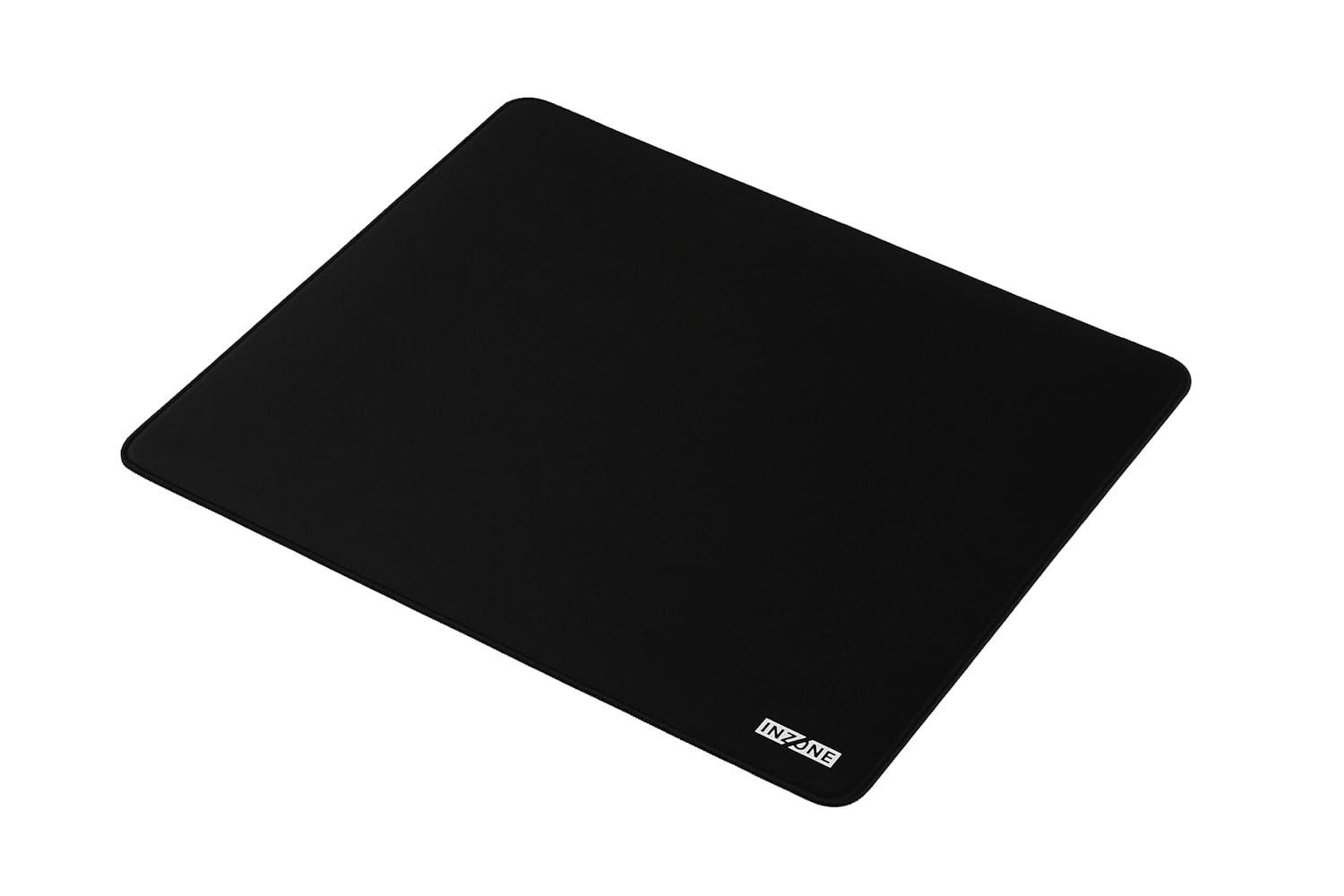
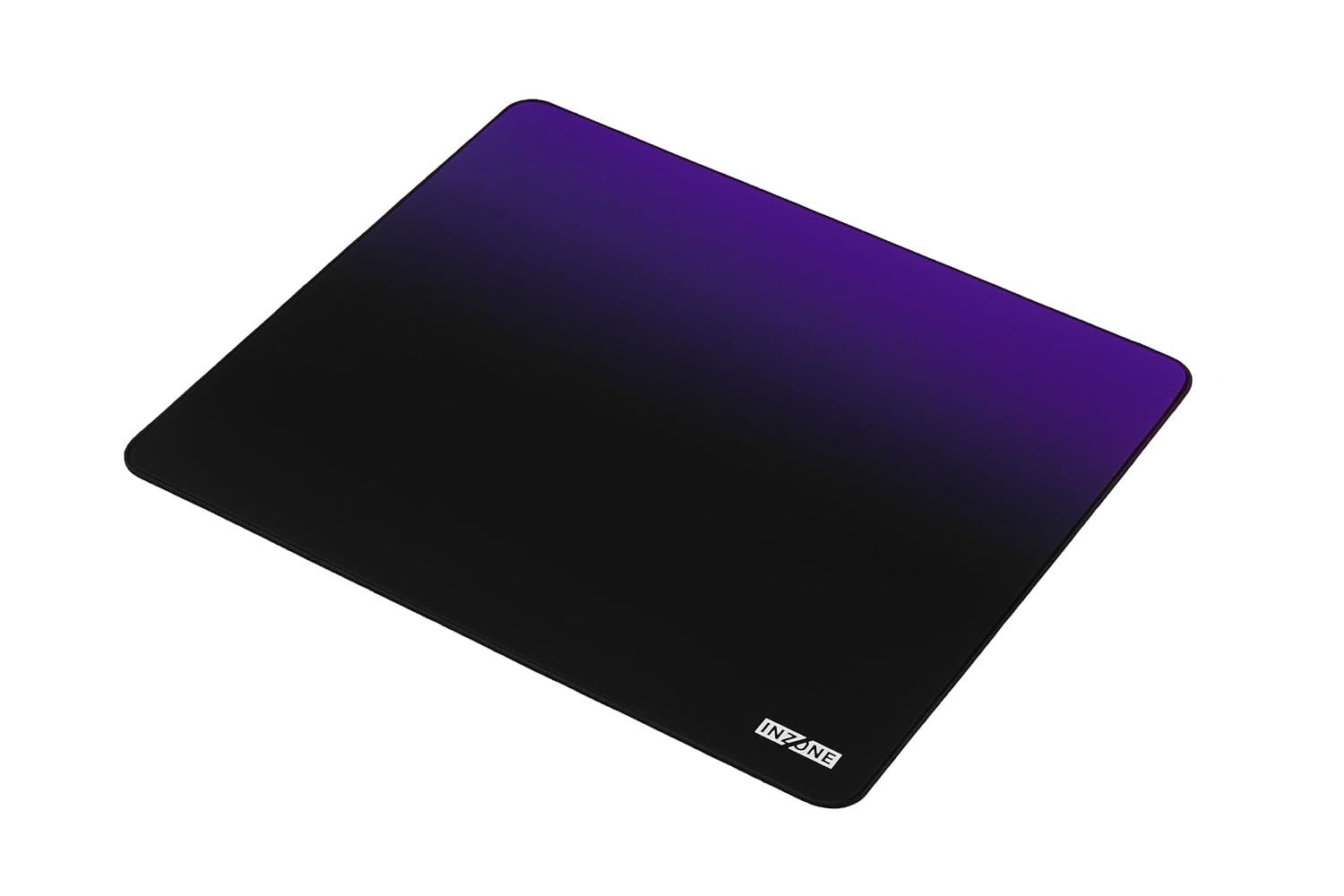
INZONE Mat-F and Mat-D – Gaming Mouse Pads
Sony INZONE Mat-F Control-Type Large Cloth Gaming MousepadSony INZONE Mat-D Speed-Type Large Cloth Gaming Mousepad
Sony has introduced two mouse pads developed with Fnatic for different play styles:
INZONE Mat-F: Designed for controlled glide and precision in tactical FPS games. The 6mm SlimFlex base gives wrist support and stays flat during long sessions.
INZONE Mat-D: A 4mm glide-optimized pad built for fast movements and accurate tracking. It provides stability with a rubber base and durable stitched edges.
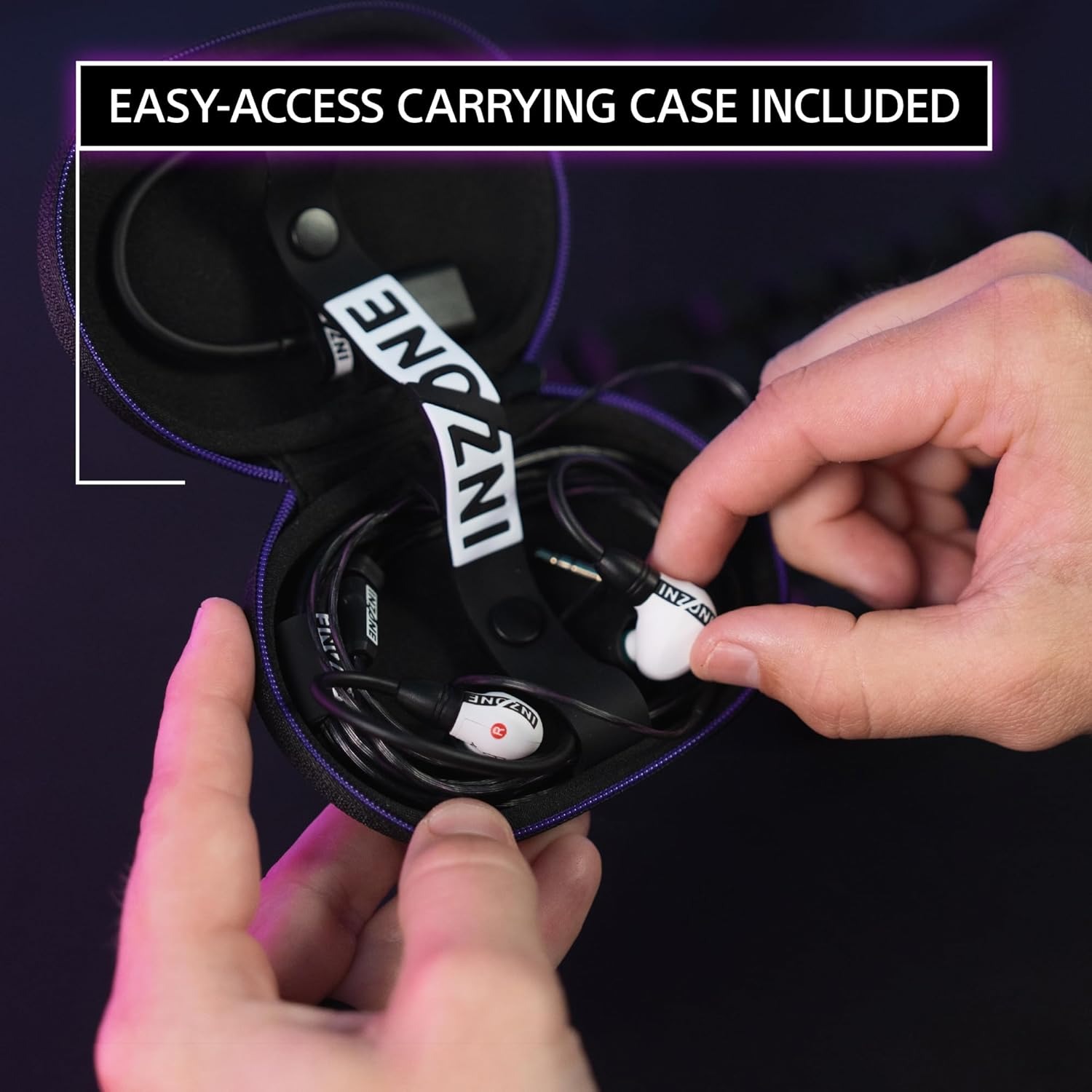
INZONE E9 – In-Ear Wired Earphones
Sony INZONE E9 Wired in-Ear Monitor
The INZONE E9 earphones are tuned for competitive gaming. They offer clear sound cues for footsteps, reloads, and movement. The sealed design enhances noise isolation, and the ergonomic fit ensures comfort during extended use. Users can customize sound through the USB-C audio box and INZONE Hub.
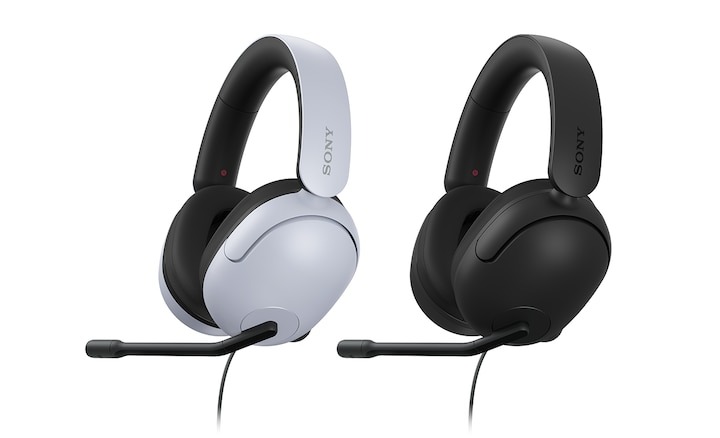
INZONE H3 – Wired Gaming Headset
The INZONE H3 headset now comes in a new black variant. It provides immersive audio for long sessions.
Pricing & availability
All INZONE products will be available from 16th October 2025 on Amazon, Flipkart, and ShopAtSC.
Baseus has launched a limited-time deal for its new EnerGeek GX11 4G MiFi Power Bank in the US. The device, which combines a 20,000mAh power bank with a built-in 4G hotspot, is now available at a discounted price of $99.99 with a promo code (given below) on Amazon.
The EnerGeek GX11 is the world’s first 20,000mAh power bank to feature integrated 4G connectivity alongside fast-charging capabilities. It supports up to 67W output via USB-C and USB-A ports and can charge up to three devices at the same time. The power bank works with PD and QC charging protocols, making it compatible with laptops, tablets, smartphones, and other modern electronics.
For connectivity, the device uses uCloudlink’s CloudSIM technology to offer global 4G access without a physical SIM card. It supports 13 frequency bands, enabling automatic network connection in over 150 countries and regions. It connects up to 10 devices simultaneously with maximum speeds of 150Mbps for downloads and 50Mbps for uploads. The product comes with a 1GB/month global data plan for 12 months. Additional plans can be purchased directly through the Baseus MiFi app.
The GX11 includes a detachable braided USB-C cable and offers up to 114 hours of WiFi operation on a full charge, based on internal tests. It features a compact design, heat dissipation structure, and a built-in Web Portal protection system for added safety.
Grab the deal before it expires
The Baseus EnerGeek GX11 retails for $129.99, but is currently available for $116.99 on Amazon US with a 10% coupon. Applying the promo code BOZCFCGS drops the price to $99.99 (save $30). Each customer can use the code once. The deal will be available until October 31, 2025, 11:59 PM PDT.
For more daily updates, please visit ourNews Section.
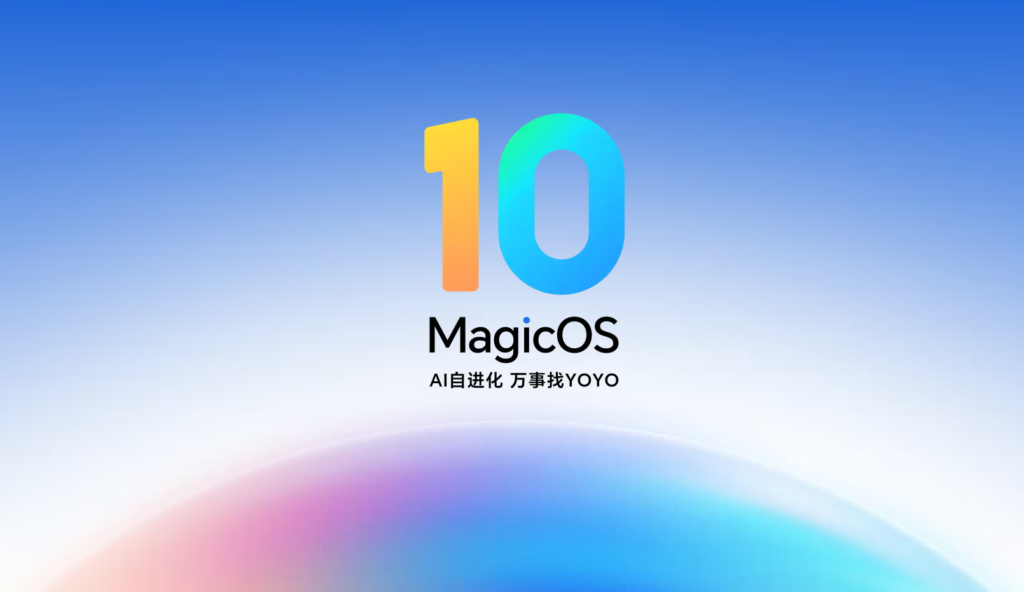
HONOR has officially launched MagicOS 10, its latest AI-based operating system built on Android 16, alongside the Magic 8 Series in China. The new OS is designed to make HONOR devices smarter and more connected, offering real-time assistance, cross-device communication, and continuous updates.
AI Assistant and Key Features
At the center of MagicOS 10 is YOYO, HONOR’s self-evolving AI assistant powered by the Magic Big Model 3.0. YOYO acts as a personal companion across shopping, food, travel, health, and work. It adapts to user behavior and operates across 3,000 scenarios, supported by more than 4,000 intelligent entities.
The new system includes:
Shopping Partner: Finds discounts, applies coupons, and speeds up checkout.
Food Partner: Suggests nearby restaurants and deals.
Travel Partner: Helps plan routes and destinations.
Health Partner: Tracks calories and supports wellness goals.
Work Partner: Assists with reports, research, and time management.
YOYO has earned the L3 Excellence Certification from the China Academy of Information and Communications Technology for its generalization and multimodal understanding abilities.
Design and Functionality
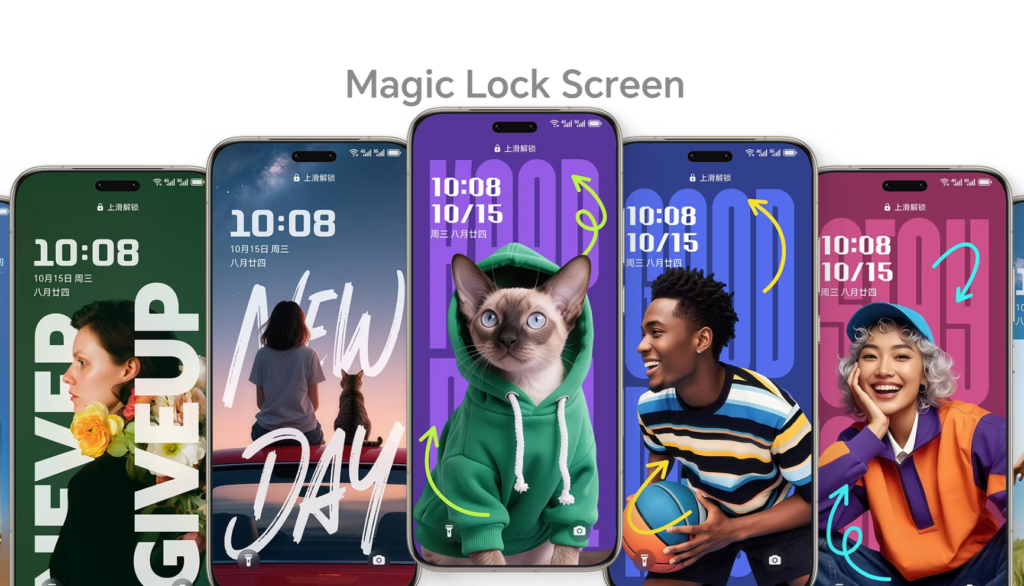
MagicOS 10 introduces a simpler, more transparent user interface with smoother animations and updated haptics. The AI Button can launch YOYO Vision, manage calls, and control intelligent apps with a long press.
The MCP Architecture connects over 80% of high-frequency system scenarios, allowing automatic execution of more than 3,000 tasks.
Cross-Device Connectivity
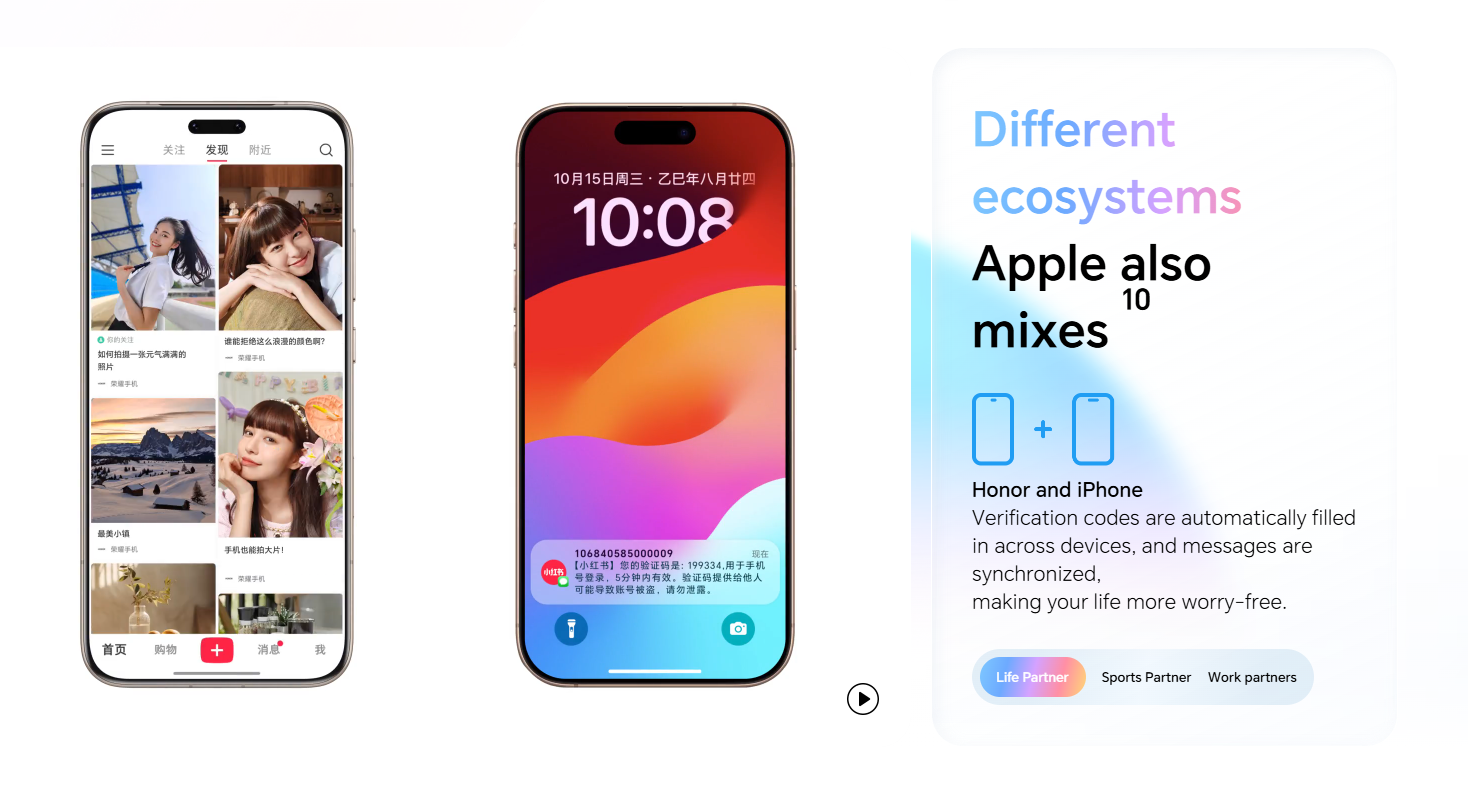
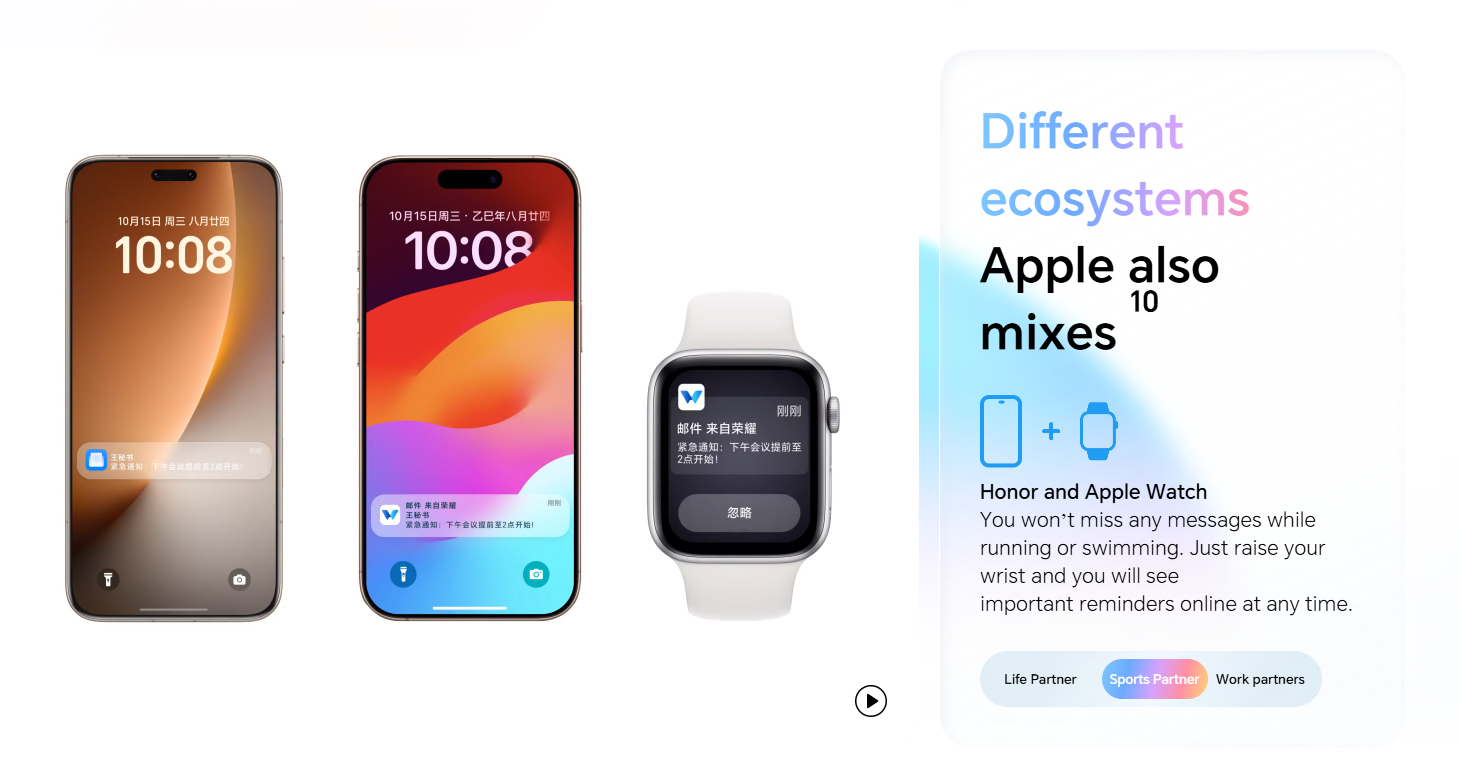
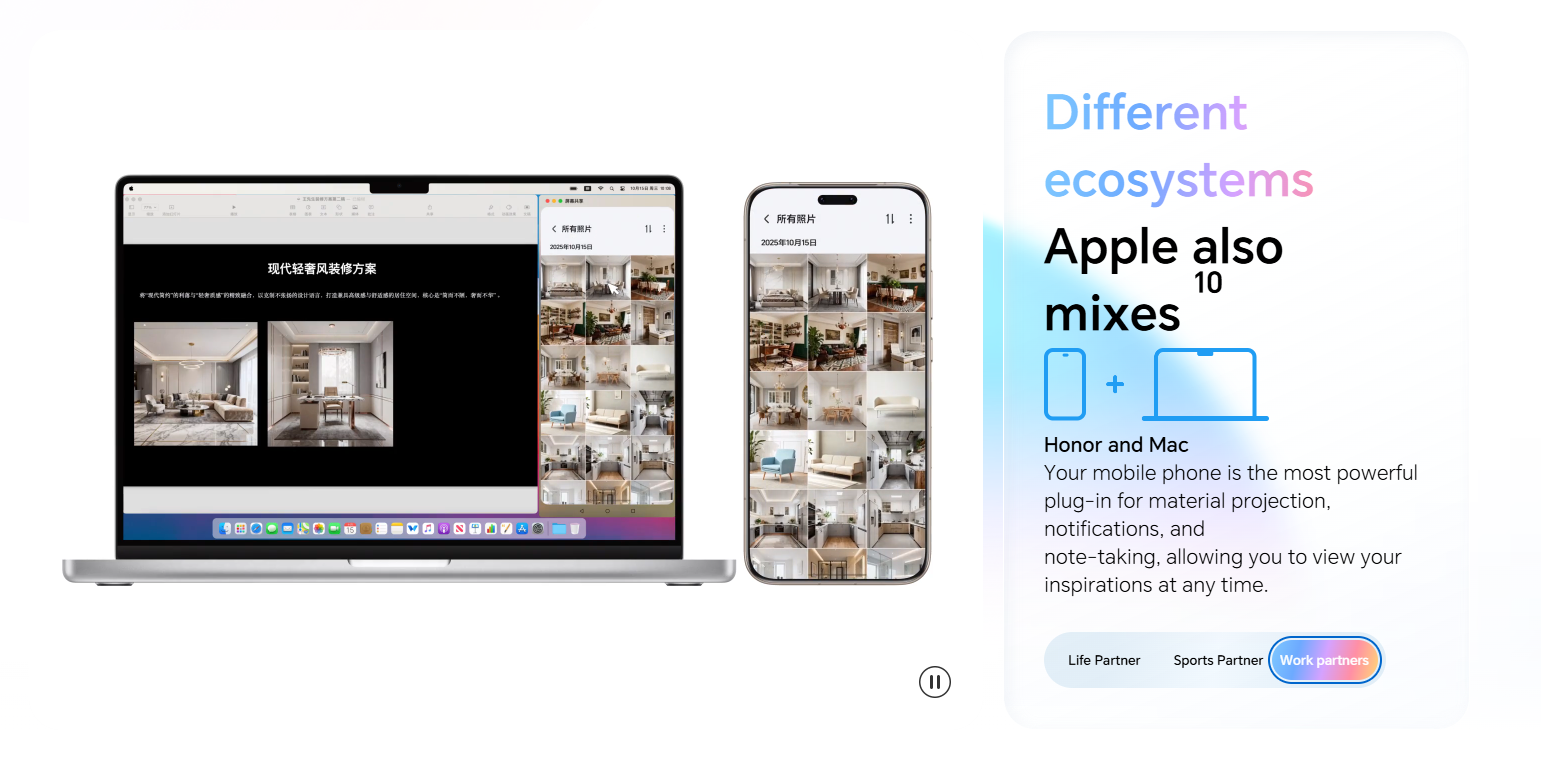
The new Boundless Intelligent Connection supports interoperability across multiple brands. Users can instantly transfer images, files, contacts, and schedules between HONOR, iPhone, and Mac devices. It also supports smart TVs, PCs, and tablets from other brands.
Rollout Schedule
The MagicOS 10 update will begin rolling out in October 2025 for devices including Magic V5, Magic6 Pro, Magic7 Pro, Magic7, 400 Pro, 400, and MagicPad 3. In November 2025, it will reach Magic V3, Magic Vs3, Magic5 Pro, Magic5, and GT2 Pro Tablet. In December 2025, it will expand to Magic V2 RSR | Porsche Design, Magic V2, and MagicPad 2. In Q1 2026, it will reach the Magic V Flip2, Magic Vs2, Magic 300 Pro, Magic 200 Pro, and Pad X9 series.
For more daily updates, please visit our News Section.
Oppo has officially launched the Pad 5 at its Find X9 series event in China. Positioned as a flagship productivity tablet, the Oppo Pad 5 brings a combination of high-end hardware, a new anti-glare display, and advanced learning tools.
Oppo Pad 5 Specifications
The Oppo Pad 5 has a 12.1-inch LCD panel with a 3000×2120 resolution, 7:5 aspect ratio, and up to 144Hz adaptive refresh rate. It offers a 540Hz touch sampling rate, 304 PPI pixel density, 900 nits peak brightness, 10.7 billion colors, and 98% DCI-P3 coverage with DeltaE≈0.7 color accuracy.
The matte variant uses nano-etching to cut ambient reflection by 97% and improve clarity by 22%. The display is also TÜV Rheinland certified for eye protection.
The Oppo Pad 5 runs on MediaTek’s Dimensity 9400+ chip built on TSMC’s 3nm process, paired with an Immortalis G925 MC12 GPU and achieves over 3.05 million on AnTuTu. It features Oppo’s Tidal Engine for dynamic performance tuning and a Tiangong cooling system with a 39% larger heat dissipation area.
Out of the box, the tablet runs ColorOS 16, optimized for multitasking with up to five windows. It supports advanced cross-device connectivity for file sharing, along with education-focused tools.
Both front and rear cameras are 8MP, supporting 4K 30fps video recording with electronic stabilization at all resolutions, Super Steady mode for 1080p 30fps, and a 1080p time-lapse option.
The Pad 5 includes a huge 10,420mAh battery with 67W SuperVOOC fast charging. Oppo says a 10-minute charge delivers up to 10 hours of video playback. The tablet supports UFCS, PPS, and PD protocols via its USB-C port.
The tablet comes with LPDDR5X RAM (up to 16GB) and UFS 4.1 storage (up to 512GB), though there’s no microSD support. It supports Wi-Fi 7, Bluetooth with aptX HD, LDAC, LHDC 5.0 codecs, and USB 3.2 Gen 1. The device measures 5.99mm thick and weighs 577g (matte version).
Pricing and Availability
The Oppo Pad 5 comes in three color variants: Lucky Purple, Galaxy Silver, and Deep Space Gray. It will be available in China starting on October 22. Pricing is as follows:
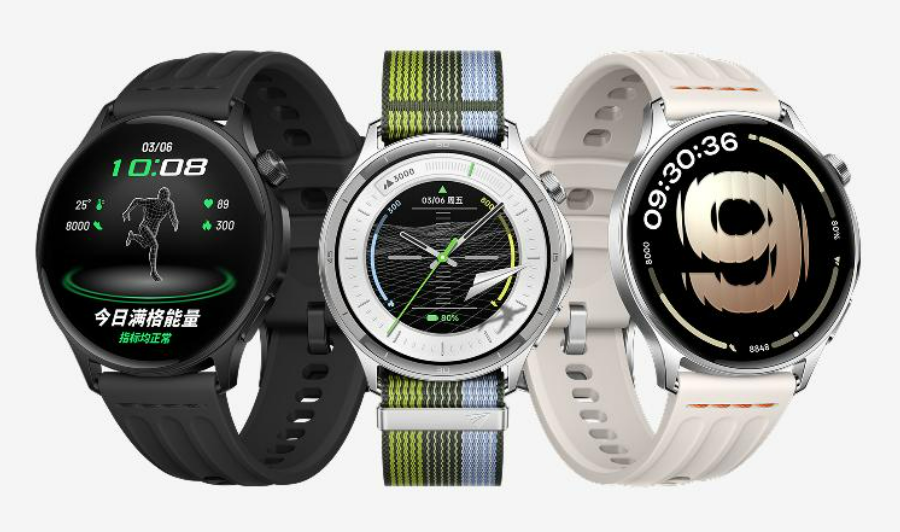
Oppo today launched the new Find X9 series phones in China. Alongside it debuts the Oppo Watch S, a wearable measuring just 8.9mm thick and weighing only 35 grams. It’s a non-WearOS smartwatch, running on ColorOS Watch 7.1 with 4GB of eMMC storage.
The display is a 1.46-inch AMOLED panel, which can reach up to 3000 nits of peak brightness when using Oppo’s self-developed sports mode. Typical brightness sits at 600 nits, with a 317 PPI density under a durable glass cover.
Smart health tracking, medical-grade certification
The Oppo Watch S is also stuffed with health and wellness features. It includes a 16-channel blood oxygen sensor, an 8-channel heart rate sensor, ECG electrodes, and also a wrist temperature sensor.
It can deliver a 60-second full-body checkup covering 13 health indicators, offering quick alerts if something looks off. The ECG app is certified as a Class II medical device in China.
The watch can also monitor vascular health, sleep quality (including snoring and breathing patterns), and even stress levels.
Oppo Watch S
Oppo calls the Watch S the first AI sports coach, capable of analyzing your body’s readiness by looking at factors like HRV during sleep and your last seven days of workouts. It uses that data to suggest exercise plans and gives real-time guidance during runs, including pace and heart rate tracking.
There’s a professional running mode that analyzes running posture, maximum oxygen uptake, and lactate threshold. A separate fat-burning mode helps optimize workouts in the right heart rate zone.
Built for performance and endurance
Inside, the watch is powered by the BES2800BP chip and supports dual-band GPS (L1 + L5) with compatibility for BeiDou, Galileo, GLONASS, and QZSS. It pairs over Bluetooth 5.2 with both Android (10.0+) and iOS (14.0+) devices.
As for the battery life, Oppo claims up to 10 days of runtime, depending on settings. It can fully charge in under 90 minutes, and a quick 10-minute top-up gives you 24 hours of juice.
It supports Alipay and WeChat Pay, Oppo’s Fluid Cloud service for hailing rides or tracking deliveries, and even an upgraded Xiaobu Assistant (DeepSeek version) with memory features and voice car control. You can also connect it to two phones simultaneously.
Oppo Watch S Price and Avaibility
The Oppo Watch S is available for purchase in China starting today for CNY 1499 (~ $210).
It comes in Vibrant Green, Rhythmic Silver, and Racing Black finishes, with stainless steel cases and fluororubber or woven straps depending on the model. The watch is also 5ATM and IP68 rated, with military-grade durability.
For more daily updates, please visit ourNews Section.
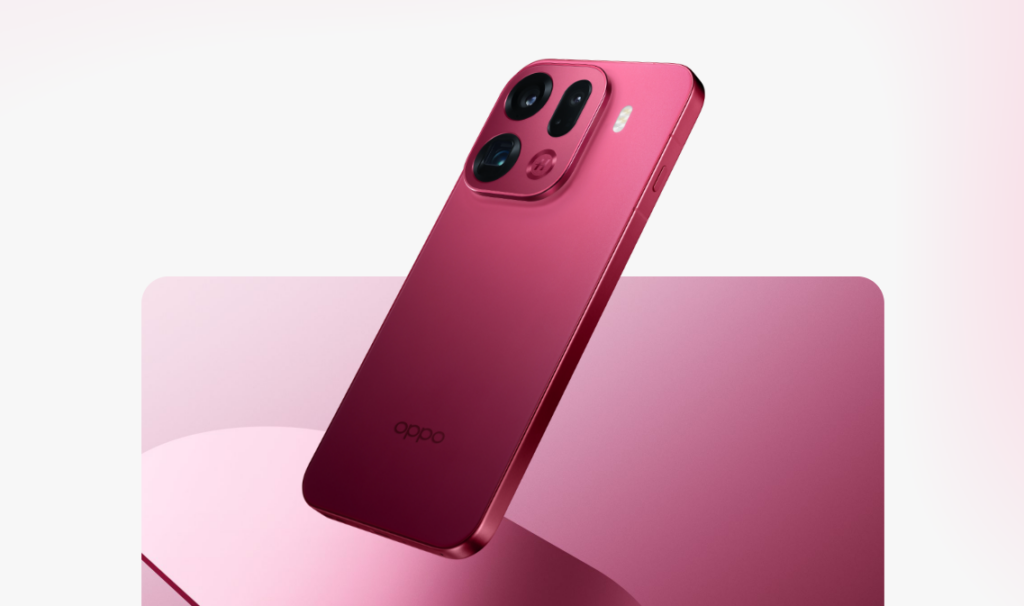
Oppo has officially unveiled its flagship Find X9 series in China, comprising the Oppo Find X9 and Find X9 Pro. The Find X9 lineup includes advanced imaging hardware, an upgraded display, and a massive silicon-carbon battery with fast charging.
Oppo Find X9 Pro
Oppo Find X9 & Find X9 Pro Specifications
The standard Find X9 features a 6.59-inch Tianma OLED flat panel with a 2760×1256 resolution, 120Hz refresh rate, and up to 3600 nits local peak brightness. It supports 240Hz touch sampling, 3840Hz PWM dimming, and is protected by Oppo’s Crystal Shield Glass with 1.45mm ultra-narrow bezels.
Oppo Find X9 ProOppo Find X9
The Pro model increases the display size to 6.78 inches with a slightly higher resolution of 2772×1272. It adopts an 8T LTPO panel for a 1–120Hz adaptive refresh rate and boasts quad-edge narrow bezels measuring just 1.15mm. Both models feature Oppo’s self-developed P3 display chip, which enhances color calibration, dynamic contrast, and screen power efficiency.
The phones are powered by the MediaTek Dimensity 9500 processor, featuring an eight-core architecture with a peak clock speed of 4.21GHz. They support LPDDR5X RAM and UFS 4.1 storage, with configurations reaching up to 16GB of RAM and 1TB of internal storage. Oppo also includes its self-developed Tidal Engine, which improves real-time resource allocation and maintains system stability during heavy workloads.
The devices are equipped with Oppo’s in-house Shanhai Communication Enhancement Chip, designed to boost signal reception, optimize antenna switching, and improve uplink speed and call clarity under varying network conditions. Both models run on ColorOS 16, featuring system-wide improvements in photography, display tuning, multitasking, and AI-driven smart functions.
The Oppo Find X9 features a 50MP Sony LYT-808 main sensor with OIS, a 50MP Samsung JN5 ultra-wide lens, and a 50MP periscope telephoto camera using Sony’s LYT-600 sensor. It supports 3x optical zoom and up to 120x digital zoom. Oppo includes a Danxia color restoration lens to improve color accuracy in complex lighting conditions. The front camera uses a 32MP Sony IMX615 sensor.
The Find X9 Pro upgrades the periscope telephoto camera to a 200MP sensor and the front camera to 50MP. Both models support 4K video at up to 120fps, Hasselblad XPAN mode, and professional recording modes including log video, HDR, and master mode.
Coming to the battery life, the Find X9 packs a 7025mAh battery while the Pro version uses a massive 7500mAh cell. Both use Oppo’s fourth-generation silicon-carbon negative electrode material. Wired charging is supported up to 80W via SuperVOOC and UFCS, while wireless charging reaches 50W. Reverse wireless charging is supported at 5W.
For connectivity, the series offers Wi-Fi 7, Bluetooth 6.0 with BLE Audio, and NFC. They come equipped with dual stereo speakers, four microphones, an ultrasonic under-display fingerprint sensor, an IR remote control, and IP66, IP68, and IP69-rated protection for water and dust resistance.
Pricing and Availability
The Oppo Find X9 weighs 203g, measures 7.99mm in thickness, and is available in four color options: Radiant Red, Velvet Titanium, Frost White, and Fog Black. It comes in five storage variants:
12GB + 256GB – 4,399 yuan ($616)
16GB + 256GB – 4,699 yuan ($658)
12GB + 512GB – 4,999 yuan ($700)
16GB + 512GB – 5,299 yuan ($742)
16GB + 1TB – 5,799 yuan ($812)
The Oppo Find X9 Pro weighs 224g, has a thickness of 8.25mm, and is offered in Radiant Red, Velvet Sand Titanium, and Frost White. It is available in four configurations:
12GB + 256GB – 5,299 yuan ($742)
12GB + 512GB – 5,699 yuan ($798)
16GB + 512GB – 5,999 yuan ($840)
16GB + 1TB – 6,699 yuan ($938)
Both these devices will go on sale in China on October 22. Oppo also confirmed that a 1TB eSIM satellite communication version of the Find X9 Pro will go on sale in November.
For more daily updates, please visit ourNews Section.
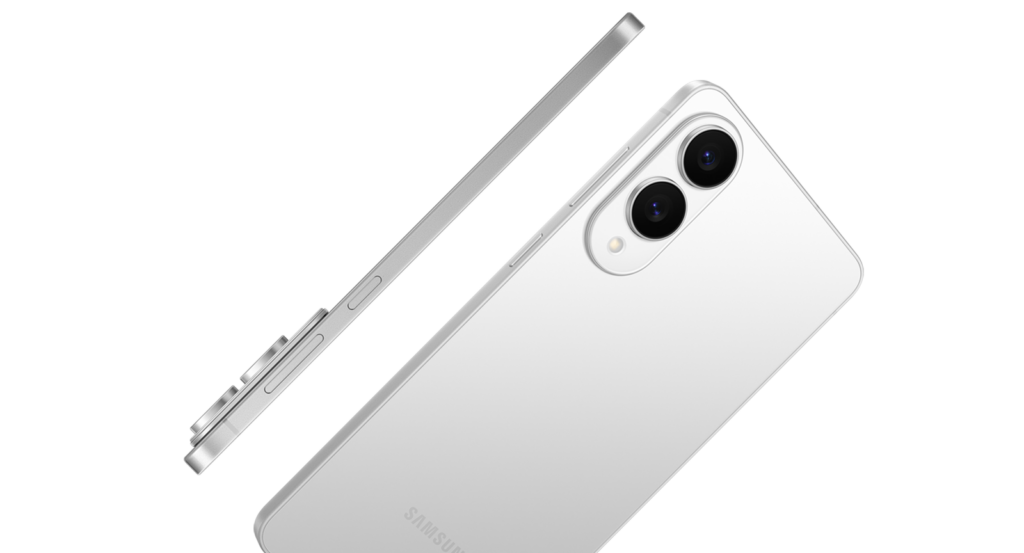
Samsung has reportedly canceled its slim and trim Edge series after releasing just one device in the lineup. The company announced the Galaxy S25 Edge in May this year and was, in fact, working on the S26 Edge for launch next year.
However, Samsung has now scrapped the idea of slim phones in its flagship Galaxy lineup, according to a report from South Korea’s NewsPim. The news was later corroborated by several industry tipsters and media outlets independently.
Galaxy S25 Edge
Low sales of the S25 Edge appear to be the main reason behind the discontinuation of the Edge series. Reportedly, the phone sold only 190,000 units in its first month after launch. During the same period, the S25 sold 1.17 million units, the S25 Plus sold 840,000, and the S25 Ultra reached 2.55 million units.
As of August, cumulative sales of the Edge stood at 1.31 million units, compared to 8.28 million for the S25, 5.05 million for the Plus, and 12.18 million for the Ultra.
S26 Edge might see the light of day
Interestingly, there had been internal discussions at one point within Samsung about not renewing the Galaxy S26 Plus and instead replacing it with the S25 Edge. Samsung has reportedly now resumed development of the S26 Plus, but, ironically, has decided to discontinue the Edge entirely.
Samsung Galaxy S26 Edge render
That said, there’s still some hope that Samsung might eventually launch the Galaxy S26 Edge, as reports suggest the company has already completed much of its development. The device might get a separate release in the future. In fact, high-quality renders of the phone leaked back in September, showing a camera module design spanning the width of the rear panel.
So, Samsung seems to have been quite far along in the development process, meaning it’s still possible that the S26 Edge could materialize despite everything.
OnePlus is known for its premium tablets, in addition to its smartphones. Recently, the brand made its entry into the affordable tablet segment with the launch of the OnePlus Pad Lite.
The device is available in several markets around the world, making it a viable option for someone wanting a tablet without breaking the bank. It primarily competes with similar affordable options from fellow Chinese brands.
Upon its release, OnePlus India sent me a unit to try out. Having used the device for the last couple of months, I have shared my thoughts on it in this article.
As always, the brand had no editorial input or early look at this piece.
The OnePlus Pad Lite is a sub-₹20,000 tablet in India. While in Europe, it retails at around €200. With the ongoing festive deals, which are expected to continue till the end of the year, the product is now even more affordable worldwide (wherever it is sold).
At this price, the tablet is targeted at budget-conscious buyers. More specifically, the OnePlus Pad Lite is catered toward students.
Not only the price, but the features it offers and the way it looks all suggest the tablet is intended for students and the youth. Let’s find out how.
2. How does it feel?
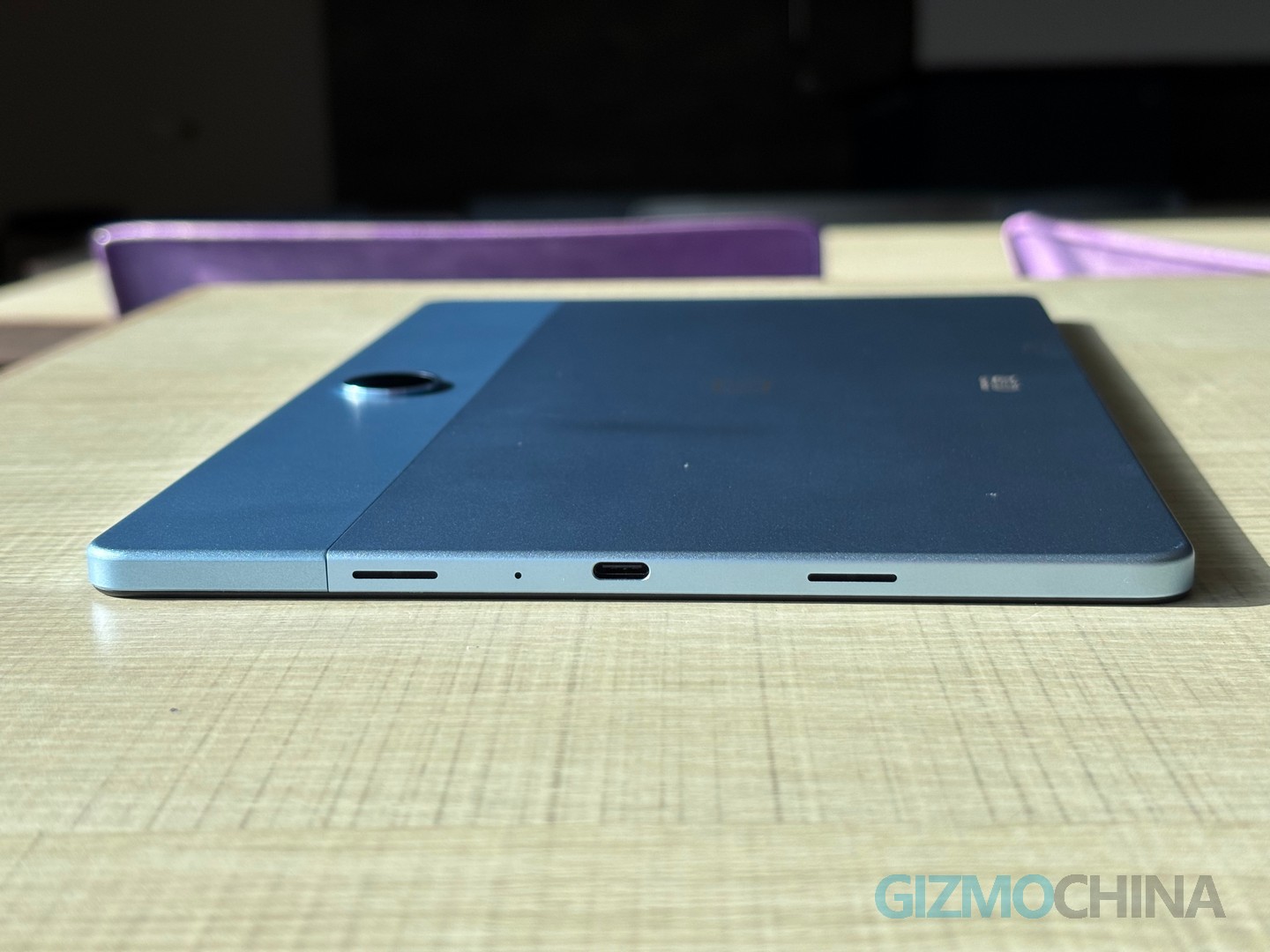
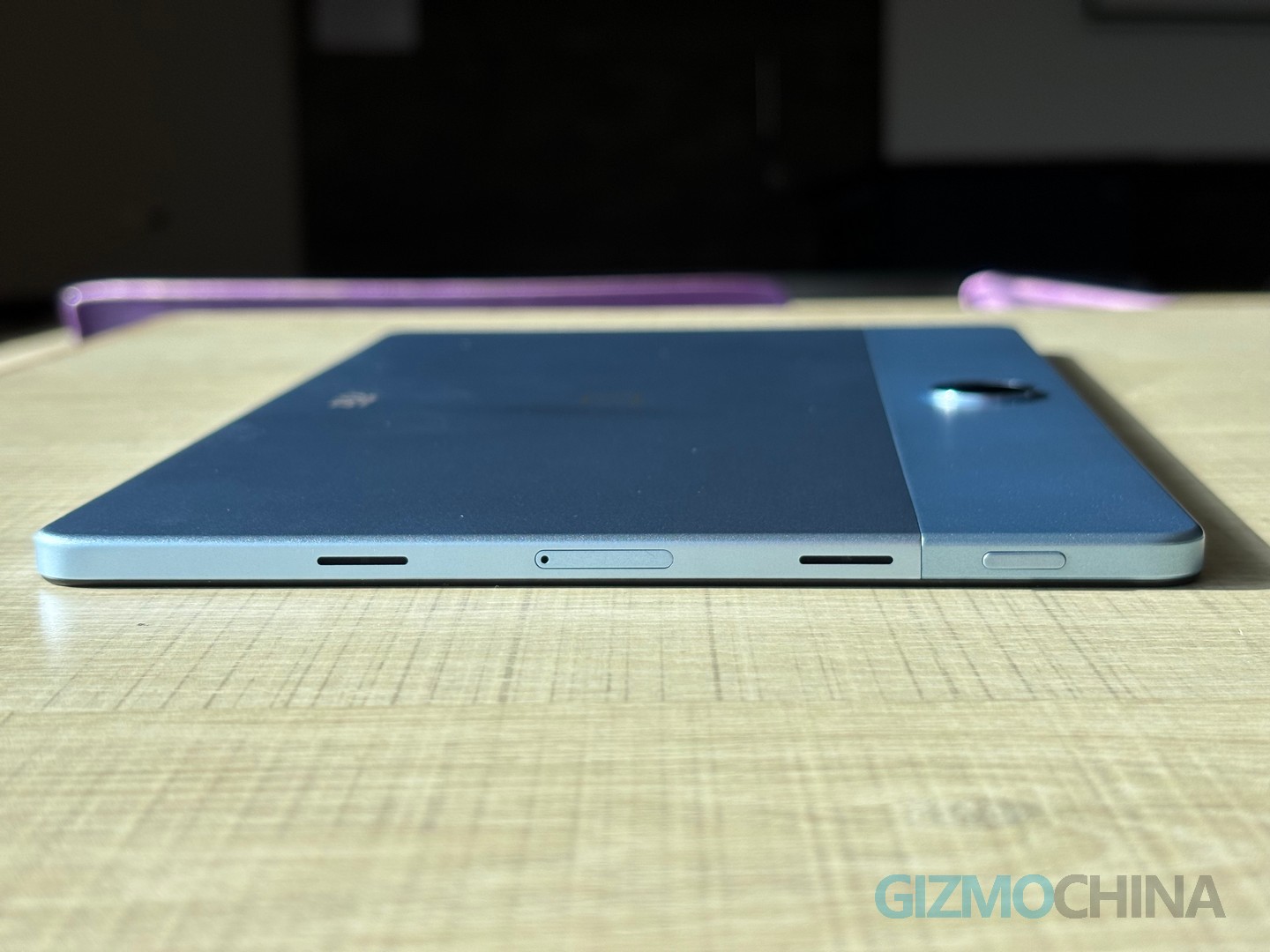
The OnePlus Pad Lite is well-built and ergonomically designed. It is comfortable to hold for a long duration as its 530g weight is evenly distributed within a 7.4mm thin form factor.
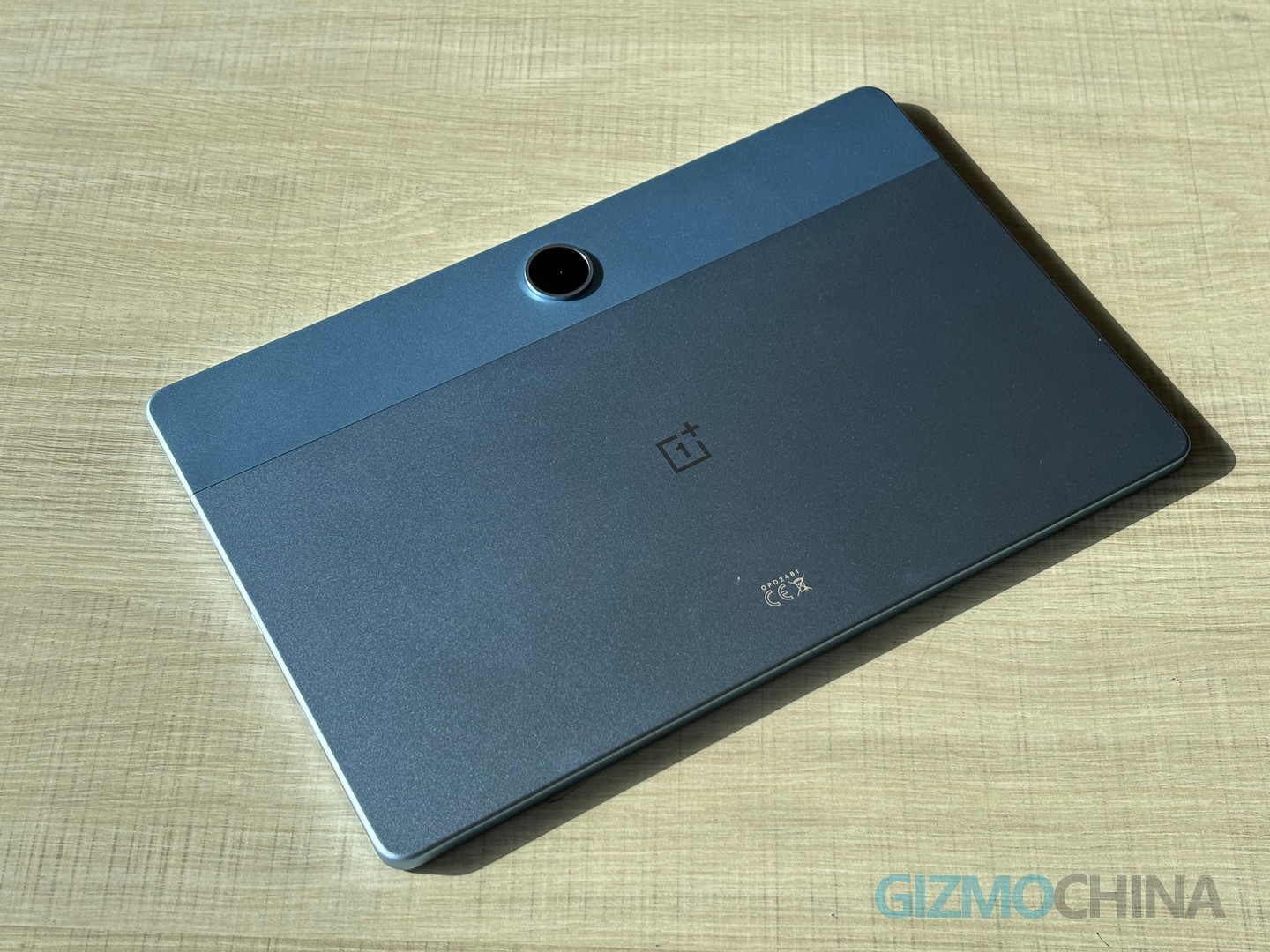
The tablet arrives in a single Aero Blue color option, which offers a dual-tone finish. Both the rear and front cameras are placed on the longer edge, and therefore, your hands don’t get in the way when holding it.
The device is big enough with its 11-inch display and compact enough (254.9 x 166.5 mm) to carry around anywhere. It can be fitted in backpacks of all sizes with ease.
The tablet’s striking blue color and subtle 1+ logo make it an aspirational, fashionable tech product for budget-conscious buyers, such as students and young adults.
3. What does it offer?
The OnePlus Pad Lite is built around an 11-inch screen with a 16:10 aspect ratio. Hence, the tablet is rectangular in shape.
It is perfect for watching movies and reading books without much scrolling. If you are into vertical short-form content (Instagram Reels and YouTube Shorts), it is well-suited for that too.
The display is complemented by a good set of quad speakers. These not only get loud but also deliver a commendable surround sound experience for the price.
The device boots OxygenOS 15 based on Android 15 with multi-tasking and ecosystem features baked in. Your OnePlus smartphone seamlessly connects with the tablet to offer convenient features, such as screen mirroring, clipboard sharing, media sync, and file management. OnePlus also promises three OS upgrades and six years of security updates, unlike competitors.
The 9,340mAh cell inside the tablet offers solid battery life even with a 4G cellular connection. The device can easily last a day, and some more, with mixed usage. Thanks to 33W charging support, the battery refuels within an hour and a half.
4. What does it miss?
The display on the OnePlus Pad Lite is adequate. It is neither the brightest nor the sharpest in its segment, as its 1920 x 1200 resolution only delivers 207 PPI.
Coming from a smartphone or a more expensive tablet, you will require some time to get used to the screen. Once your eyes get familiar with the display, there won’t be an issue until you start comparing it with others.
Further, the screen does not offer support for stylus input like its competitors. This could be a dealbreaker for students who prefer digital note-taking over physical notes.
Finally, the MediaTek Helio G100 chipset is not a fast chip. So you may experience stutters here and there. There’s no easy solution to this problem, as even competitors feature the same or even less powerful chips.
Both these aforementioned tablets cost about the same, and yet offer a sharper display and support for stylus input. Lenovo even bundles the stylus in the box, while Xiaomi charges extra.
But none of them have the software chops of the OnePlus Pad Lite. They don’t offer stellar battery performance or fast charging either.
Looks can be subjective, but in my opinion, the OnePlus Pad Lite has a better design, especially due to its rear camera placement.
The display is OnePlus Pad Lite’s Achilles’ heel. If you can forego that (difficult for some), it is a better product than the other two.
So do we recommend the OnePlus Pad Lite? Yes, we do, especially for students who are on a tight budget, both school-goers and college-goers alike.
Unlike the competitors, the OnePlus Pad Lite will remain fresh for years to come with three promised OS upgrades. And if you happen to own a OnePlus smartphone, it comes out as a default option with added ecosystem benefits.
For more daily updates, please visit our News Section.
Last month, Xiaomi held a major launch event in China to unveil the Xiaomi 17 series of flagship smartphones. Among them, the Xiaomi 17 Pro and 17 Pro Max stood out for their distinctive secondary rear displays, which drew strong consumer interest. Now, according to tipster Digital Chat Station, the company has already begun work on the Xiaomi 18 series, expected to arrive next year.
Xiaomi 18 series’ secondary to become more versatile
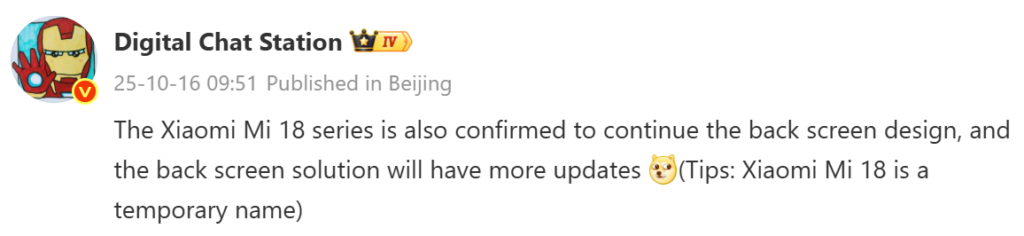
According to Digital Chat Station, the upcoming Xiaomi 18 series will continue the rear display design that debuted on the Xiaomi 17 Pro models. However, the tipster claims that Xiaomi plans to introduce more creative enhancements to the secondary display, likely in the form of expanded software features and improved interactivity.
While details remain limited, the rear screen could gain more functional control options, such as notification handling, camera viewfinder assistance, or contextual widgets.
Xiaomi-17-Pro-Ma
To recall, the rear display design first appeared on the Xiaomi Mi 11 Ultra, which featured a 1.1-inch AMOLED panel. It disappeared with the Xiaomi 12 series but made a comeback with the 17 Pro and 17 Pro Max. Market data indicates that the premium 17 Pro models accounted for nearly 80% of total series sales, highlighting the growing appeal of this design among high-end users.
Likely, the lineup will feature the next-generation Snapdragon 8 Elite Gen 6 chipset and may debut in September 2026. With nearly an year remaining for the expected launch, the rumor mill is expected to leak more details about the Xiaomi 18 lineup in the coming months.
For more daily updates, please visit our News Section.
The race is on for Xiaomi’s next big automotive reveal. Xiaomi YU9, the company’s third car, has broken cover in Xinjiang, China, sparking a wave of buzz across the industry. What makes this test stand out is not just the extreme mountain terrain, but the fact that CEO Lei Jun himself is on site, fueling speculation that the YU9 could be nearing a major milestone on its road to a 2026 launch.
Spy photos of a camouflaged SUV believed to be the YU9 surfaced online during testing in Xinjiang. The site, located at the foot of the Kunlun Mountains, is known for its high elevation and extreme weather conditions. These factors make it an ideal location for endurance testing of powertrain systems and overall vehicle performance.
The focus of the current test phase is on battery life, charging performance, and sun protection, key elements for electric and hybrid vehicles operating in harsh environments. This kind of high-altitude testing mirrors the process Xiaomi followed for its earlier models, the Xiaomi SU7 and Xiaomi YU7, shortly before their official launches.
Top Executives on Site
Lei Jun confirmed his arrival in Xinjiang through social media posts, sharing photos taken near the Kunlun Mountains. Other top executives also participated in the testing process. This level of executive involvement highlights the strategic importance of the YU9 project for Xiaomi’s growing automotive business.
image credit: ithome.com
Hybrid Powertrain and Long EV Range
Although official specifications have not been released, leaked and rumored details suggest that the YU9 will use an extended-range hybrid powertrain. It is expected to feature an 80 kWh battery, offering more than 400 km of pure electric range. The SUV’s expected length is over 5.2 meters with a height of around 1.8 meters, placing it in the large D-segment category.
Spy photos also suggest that the YU9 may not use a dual-screen layout in its central control area but is likely to feature lidar sensors for advanced driver assistance functions.
Market Launch Expected in 2026
The first spy photos of the YU9 appeared in late 2024, and according to a report from Deutsche Bank, Xiaomi plans to launch a large hybrid SUV in 2026. Given its size, powertrain, and testing timeline, the YU9 fits this description closely. This suggests that the vehicle is moving toward pre-production testing, with a formal debut likely in the near future.
Xiaomi Auto’s Rapid Growth
Xiaomi’s entry into the automotive sector began in March 2021, and progress has been rapid. The company completed its first trial production car in August 2023 and launched the SU7 in March 2024. The YU7 followed in May 2025, marking Xiaomi’s second major EV release. The company also secured its own manufacturing qualification in July 2024 and expanded its retail and service network across China.
By July 2025, cumulative deliveries of Xiaomi vehicles exceeded 300,000 units. Alongside new model development, Xiaomi is also investing in advanced autonomous driving technology through its Xiaomi HAD system, set to launch by the end of 2024.
A Strategic SUV Launch Ahead
With high-altitude testing underway, executive presence on site, and a clear product roadmap, the YU9 is shaping up to be a major addition to Xiaomi’s automotive lineup. Its extended-range hybrid powertrain and large SUV profile suggest the company is aiming to compete strongly in China’s high-end SUV market segment starting in 2026.
We use cookies on our website to give you the most relevant experience by remembering your preferences and repeat visits. By clicking “Accept”, you consent to the use of ALL the cookies.
This website uses cookies to improve your experience while you navigate through the website. Out of these, the cookies that are categorized as necessary are stored on your browser as they are essential for the working of basic functionalities of the website. We also use third-party cookies that help us analyze and understand how you use this website. These cookies will be stored in your browser only with your consent. You also have the option to opt-out of these cookies. But opting out of some of these cookies may affect your browsing experience.
Necessary cookies are absolutely essential for the website to function properly. This category only includes cookies that ensures basic functionalities and security features of the website. These cookies do not store any personal information.
Any cookies that may not be particularly necessary for the website to function and is used specifically to collect user personal data via analytics, ads, other embedded contents are termed as non-necessary cookies. It is mandatory to procure user consent prior to running these cookies on your website.