Meta has released the Meta Quest 3S Xbox Edition, its first-ever limited edition headset, created in partnership with Xbox. The bundle is now available for $399.99 at meta.com, Best Buy (USA), Argos (UK), and EE (UK), with limited stock.
This edition comes with a 128GB Meta Quest 3S in Xbox Carbon Black with Velocity Green accents, matching Touch Plus controllers, and a limited-edition Xbox Wireless Controller. It also includes a Meta Quest Elite Strap, three months of Meta Horizon+, and three months of Xbox Game Pass Ultimate.
The included Xbox Wireless Controller is pre-paired and matches the headset design, with Velocity Green highlights on the buttons and sticks. You can also connect other controllers like the Xbox Elite Wireless Controller Series 2 or the Xbox Adaptive Controller using Bluetooth.
Using the Xbox app on the Quest headset, users can stream and play hundreds of games via Xbox Cloud Gaming (Beta). Some of the supported titles include South of Midnight, Avowed, and The Elder Scrolls IV: Oblivion Remastered. Game Pass Ultimate members can also stream supported games they already own, even if those titles are not part of the main Game Pass catalog.
The system supports cross-play and cross-progression. Players can start a game on the Meta Quest 3S Xbox Edition, continue it on an Xbox console, and pick it up again on a PC, all without losing progress or achievements.
This headset offers a full VR and mixed reality experience while bringing Xbox Cloud Gaming to a portable, all-in-one device. It supports a wide library of titles through Game Pass and offers flexibility to play across multiple screens and platforms.
Once sold out, the Meta Quest 3S Xbox Edition will not be restocked.
Samsung is gearing up to launch the Galaxy Z Fold7 at its Unpacked event on July 9, and while the spotlight is on thickness, a small but meaningful change has caught the attention of fans: the ridged camera rings are gone.
Introduced with the Galaxy S25 Ultra and Z Fold6, these textured camera rings were meant to add visual flair. Instead, they drew criticism for feeling cheap and gimmicky, especially on the Z Fold6.
Now, Samsung seems to have taken that feedback seriously.
According to renders shared by @UniverseIce, the Galaxy Z Fold7 will feature a sleeker, ringless camera module, doing away with the controversial design. The change isn’t just cosmetic — it contributes to a more polished and high-end appearance, which many felt the previous design lacked.
Early prototype (left), finalized version (right)
Samsung has reportedly dropped the so-called “Saturn Ring” design that was once considered for the Fold7, suggesting that the company is listening closely to its user base this time around.
Flagship specs, minimalist finish
Beyond the camera redesign, the Z Fold7 is expected to pack serious hardware: a 200MP main sensor, 12MP ultrawide, and 10MP 3x telephoto camera setup — all housed in a slim 8.2mm chassis when folded. The device will be powered by the Snapdragon 8 Elite, run One UI 8 on Android 16, and feature an 8.2-inch main AMOLED display and a 6.5-inch cover screen. Samsung is also said to be dropping the under-display camera in favor of a more traditional hole-punch selfie cam, likely to improve photo quality.
Samsung Galaxy Z Fold 7 CAD renders by OnLeaks and AndroidHeadlines
Interestingly, this camera redesign could signal broader changes ahead. The cleaner camera layout is also rumored for the upcoming Galaxy S26 Ultra.
The Galaxy Unpacked event on July 9 in New York will also include the launch of the Galaxy Z Flip7, Galaxy Watch 8, and possibly a first look at Samsung’s long-rumored tri-fold phone.
The battle among mid-range smartphone chipsets is more fierce than ever. They are now more powerful and continue to get better with the latest chip advancements. With so many options out there, picking the right one can be a daunting task. To make it a little easier, we’ve put together two popular offerings, the Snapdragon 7 Gen 3 and Dimensity 7400, to test how they stack up against each other.
Let’s begin with a spec sheet:
Snapdragon 7 Gen 3
Dimensity 7400
Announced
November 2023
February 2025
Manufacturing
4nm (TSMC)
4nm (TSMC)
CPU
1 x 2.63 GHz — Cortex-A715 3 x 2.4 GHz — Cortex-A715 4 x 1.8 GHz — Cortex-A510
4 x 2.6 GHz — Cortex-A78 4 x 2 GHz — Cortex-A55
GPU
Adreno 720
Mali-G615 MP2
NPU
Qualcomm Hexagon NPU
MediaTek NPU 655
Memory
LPDDR5, up to 3.2GHz
Camera
Spectra triple ISP (12-bit) Up to 200MP single camera Up to 4K video recording
Imagiq 950 ISP (12-bit) Up to 200MP single camera Up to 4K video recording
Connectivity
Snapdragon X63 5G modem (mmWave, sub-6GHz 5G) Downlink: 5 Gbps Wi-Fi 6E (peak speed: 2.9 Gbps) Bluetooth 5.4
MediaTek 5G modem (sub-6GHz 5G) Downlink: 3.27 Gbps Wi-Fi 6E Bluetooth 5.4
Snapdragon 7 Gen 3 vs Dimensity 7400 — Benchmark battle
Note: The tests were conducted on the OnePlus Nord CE 4 (powered by Snapdragon 7 Gen 3) and Motorola Edge 60 Fusion (powered by Dimensity 7400).
AnTuTu comparison
In the AnTuTu benchmark comparison, the Snapdragon 7 Gen 3 outperforms the Dimensity 7400 with a total score of 819,655, which is about 18% higher than the Dimensity’s 694,362. The performance gap is most evident in the CPU and GPU segments — the Snapdragon posts a CPU score of 269,334, compared to the Dimensity’s 209,325, marking a 29% lead in processing power. On the graphics front, the Adreno GPU helps the Snapdragon notch 256,584 points, outpacing the Dimensity’s 172,706 by nearly 49%, translating to smoother gameplay and faster rendering.
Interestingly, the Dimensity 7400 strikes back in memory (138,293 vs. 129,961) and UX (174,038 vs. 163,776) scores, even if the difference isn’t significant. This suggests better RAM handling, faster app loading, and a snappier user experience with the Dimensity 7400.
Snapdragon 7 Gen 3
Dimensity 7400
AnTuTu score
819,655
694,362
CPU
269,334
209,325
GPU
256,584
172,706
Memory
129,961
138,293
UX
163,776
174,038
Geekbench comparison
In Geekbench benchmarks, the Snapdragon 7 Gen 3 maintains a slight edge over the Dimensity 7400 in both single-core and multi-core performance. It scores 1,154 in the single-core test compared to Dimensity’s 1,052, offering a 9% advantage in tasks that rely on individual core speed — such as app launches, UI rendering, and light workloads.
The gap in multi-core performance is narrower, with the Snapdragon posting 3,018 against the Dimensity’s 2,981. While both chips deliver solid multi-threaded performance for the mid-range segment, the Snapdragon 7 Gen 3’s slight advantage in both categories suggests it offers a bit more headroom in CPU-bound scenarios.
Snapdragon 7 Gen 3
Dimensity 7400
Single core
1,154
1,052
Multi core
3,018
2,981
While benchmark scores are very helpful, they don’t tell the complete story. It doesn’t provide detailed information on connectivity, camera capabilities, and other details that we’ve included below.
Snapdragon 7 Gen 3 vs Dimensity 7400 — key differences that matter
Performance
While both are mid-range chipsets built on TSMC’s 4nm process, they take different routes when it comes to CPU architecture. The Snapdragon 7 Gen 3 utilizes a newer ARMv8.6-A architecture, featuring four Cortex-A715 performance cores and four Cortex-A510 efficiency cores.
In contrast, the Dimensity 7400 features an older ARMv8.2-A architecture, with four Cortex-A78 performance cores and four Cortex-A55 cores. The Snapdragon chip benefits from faster and more efficient CPU cores.
The Snapdragon 7 Gen 3 also delivers superior GPU performance in benchmarks as well as in real-world applications. It features an Adreno 720 GPU, which has twice as many shading units and total shaders as the Mali-G615 MP2 in the Dimensity 7400, resulting in higher parallel processing power and theoretical throughput.
Both Snapdragon 7 Gen 3 and Dimensity 7400 have NPUs built into the chip for on-device AI capabilities. It optimizes various important aspects, including camera, gaming, and power efficiency.
Camera
The Snapdragon 7 Gen 3 features a Spectra triple ISP (12-bit), which supports up to 200MP camera resolution and 4K video recording. It offers a range of camera features, including real-time object classification, low-light photography architecture, and computational HDR. There are also several AI-assisted camera features, including AI Remosaic, AI Noise Reduction, and AI Video Retouch.
The Dimensity 7400’s Imagiq 950 (12-bit) ISP also supports up to 200MP camera and 4K video capture. This chip comes with its own set of camera features, including Hardware MCNR (essentially a noise reduction), Video EIS, and AI-based (auto-exposure, auto-white balance, and auto-focus).
Connectivity
It’s another crucial area where differences can impact your daily usage. The Snapdragon 7 Gen 3 utilizes the X63 5G modem, which supports both mmWave and sub-6GHz 5G, with a peak download speed of up to 5 Gbps. It also supports Wi-Fi 6E and Bluetooth 5.4 for faster and more reliable connectivity.
On the other hand, the Dimensity 7400 supports sub-6GHz 5G only, with a slightly lower peak download speed of 3.27 Gbps. It also supports Wi-Fi 6E and Bluetooth 5.4 for better audio streaming and connection stability.
Over a Wi-Fi 6E connection, the Snapdragon 7 Gen 3 can achieve a maximum speed of 2.9 Gbps. MediaTek hasn’t disclosed this information on the official website. Overall, both have strong connectivity features, but the mmWave support on the Snapdragon chip gives it a slight edge in certain regions, such as the US, where its availability is higher.
Snapdragon 7 Gen 3 vs Dimensity 7400 — Which is better?
The Snapdragon 7 Gen 3 and Dimensity 7400 are both solid upper mid-range chipsets, but they serve slightly different priorities. Qualcomm’s offering clearly leads in raw CPU and GPU performance, thanks to newer core architectures and a more powerful Adreno GPU. It also has the edge in connectivity, especially with mmWave 5G support, which future-proofs it in markets like the US.
On the other hand, the Dimensity 7400 holds its own with solid battery efficiency. It also has better memory and UX performance on the AnTuTu benchmark. It’s a capable chipset, especially for those who prioritize a good balance of performance and efficiency over peak performance.
If you want the best all-round performance, especially for gaming and future-ready network support, the Snapdragon 7 Gen 3 is the better pick. But if you’re after a well-balanced experience with a slight price advantage, the Dimensity 7400 still delivers a lot of value.
The small-size Android tablet market has been getting some fresh attention lately, largely due to niche gaming slates like the Lenovo Savior Y700 4th Gen and the Red Magic Gaming Tablet 3 Pro. But now, Redmi, best known for budget and midrange phones, is trying something different.
It’s new Redmi K Pad enters the scene as the brand’s first proper flagship tablet. And while that phrase may sound a bit overplayed, this device does introduce a few notable choices that set it apart from the rest of the mid-size tablet pack.
So, what exactly makes the K Pad stand out in an already crowded space? Here are five key aspects that make it worth talking about, if not exactly exciting.
1. It’s the only small tablet with dual USB-C ports that make sense
Redmi is calling the K Pad its most ambitious tablet to date, and the dual USB-C ports are probably the best example of that effort. While other brands might reserve a second port for data or expansion, the K Pad treats both ports as fully functional USB 3.2 Gen1 connectors. That means 10Gbps data speeds, and more importantly, real flexibility when using it in gaming or productivity setups.
In landscape orientation, you can charge without your cable getting in the way of your grip. In portrait mode, you can now plug in your accessories like external SSDs, DACs, cooling clips, or controllers, without blocking airflow or your hands.
It also allows for more complex scenarios like charging while outputting display via DP, or simultaneous use of wired headphones and external gamepads. This kind of modular convenience isn’t new to laptops or larger tablets, but it’s rare in the sub-9-inch Android space.
2. It tries to be comfortable to hold and easy to carry
Redmi K Pad Teaser
It’s not easy to find a tablet that manages to combine a small screen size with a genuinely portable build. The K Pad keeps things minimal and surprisingly light. It measures 6.46mm thick and weighs only 326 grams. That’s in line with some older iPad Mini models and lighter than most Android tablets this size, especially ones targeting gamers.
It also helps that Redmi has gone with a symmetrical four-narrow-edge bezel layout and an R-corner design, which not only makes the tablet feel balanced but also makes it less of a pain to hold for extended periods. According to Xiaomi, it fits in small handbags and men’s trouser pockets.
3. The display is surprisingly sharp and certified to be easier on the eyes
Specs-wise, the K Pad’s display is almost flagship-level. It’s 8.8-inch 3K LCD panel delivers a 3008×1880 resolution with a 165Hz refresh rate. The screen has a 16:10 aspect ratio, which makes it versatile for everything from media consumption, productivity and gaming.
What makes it more notable, though, is the certification stack: it has passed multiple TUV Rheinland standards (low blue light, flicker-free, rhythm-friendly) and received the “Visual Health Friendliness S++” rating from China’s Quality Certification Center.
Even if this isn’t a device you’ll use for long working hours, having a screen that doesn’t fatigue your eyes as quickly is more than just a nice-to-have.
4. Cooling is overkill, and that’s a good thing
Inside, the Redmi K Pad runs on the Dimensity 9400+, a flagship MediaTek chip that prioritizes GPU-driven performance. While it’s not the only tablet with a strong SoC in this class, the way Redmi handles thermals is what makes the difference.
The company has implemented a central SoC stacking architecture, aligning the chip with the device’s thermal center to dissipate heat evenly. That’s paired with a 12,050mm² aluminum alloy vapor chamber, and what Redmi calls Rage Engine 4.0, a system-level graphics rendering optimization that helps with frame stability.
Redmi also claims the system can hit native 3K resolution in open-world games. So the thermal architecture does allow for longer sustained gameplay without the kind of throttling typical in other thin tablets.
This setup is further supported by a three-antenna Wi-Fi architecture, which adds an extra 5G channel for more stable connectivity in landscape mode. It’s all over-engineered in ways that mobile gamers might appreciate, especially those looking for alternatives to pricier gaming tablets.
5. It’s trying (hard) to bridge the gap between entertainment and productivity
You could argue that all tablets try to do this, but Redmi is throwing in a few extra tricks. On the productivity side, the K Pad supports PC-level apps like CAJ, CAD, and WPS, and has baked in a range of tools like workbench mode, remote desktop access, and a meeting toolbox. It also supports super documents — Xiaomi’s catch-all term for multi-format editing and annotation — and can essentially mimic a light desktop OS under the right conditions.
Surprisingly, it also plays relatively well with Apple’s ecosystem. The K Pad supports file transfer, photo sync, and extended display functionality when used with a Mac, which is a rare show of interoperability from a Chinese Android tablet.
While not seamless in the way Apple’s own Continuity system works, it does give you an option to better interact with the Apple ecosystem.
For more daily updates, please visit ourNews Section.
Anker has launched a new smart door lock under its Eufy brand. The Eufy FamiLock E34 features advanced palm vein recognition technology for secure and contactless unlocking. The product is now available for purchase through Anker’s official online store and is priced at $279.99.
Anker Eufy FamiLock E34 Specifications
The E34 features a biometric palm vein unlocking system that uses near-infrared light to scan vein patterns beneath the skin. It offers 99.99999% accuracy and unlocks in under 0.1 seconds. The system rejects photos, videos, and fake hands, ensuring it only responds to a real human palm. To protect user privacy, all biometric data is stored locally on the device.
The lock features a built-in door sensor to detect if the door is fully closed before engaging. It supports automatic locking with customizable timers between 5 seconds and 30 minutes. The door can also be locked manually with a single press. Eufy has added passcode unlocking with anti-peeping protection, allowing users to enter random digits before or after the actual code to prevent exposure.
The FamiLock E34 features a dual power setup. Its main power comes from a removable 10,000mAh battery, which can last up to eight months on a full charge. In case the main battery is depleted or removed, a built-in 750mAh backup battery takes over, offering an additional 15 days of use. For emergencies, users can also power the lock temporarily using the USB-C emergency port.
The lock comes with built-in Wi-Fi for seamless connectivity. This allows users to access the lock remotely, receive real-time notifications, and manage settings through the Eufy Security app without needing a separate hub. It also supports Matter, ensuring compatibility with smart home platforms like Apple Home, Google Home, Amazon Alexa, and Samsung SmartThings.
Eufy has rated the lock for ANSI/BHMA Grade 1 security, making it suitable for commercial and residential use. It can withstand temperatures ranging from -22°F to 158°F and holds an IP65 waterproof rating on the front lock. Additional security features include AES128 encryption, two-factor authentication, and EMP resistance.
The FamiLock E34 fits most standard doors in the US and Canada. Installation requires no drilling and supports both 60mm and 70mm backsets.
In related news, Huawei recently introduced the Smart Door Lock 2 Pro and Ultra models, featuring AI-powered palm vein and 3D face unlocking. The company has also launched the standard Smart Door Lock 2, which comes equipped with AI palm vein recognition, a 2K cat-eye camera, and runs on HarmonyOS.
For more daily updates, please visit our News Section.
iQOO will launch a new Green Edition of its iQOO 13 smartphone in India on July 4 via Amazon. This new color option will join the existing Legend Edition and Nardo Grey variants already available in the market. The specifications and pricing are expected to remain the same.
The iQOO 13 runs on the Snapdragon 8 Elite processor with LPDDR5x Ultra RAM and UFS 4.1 storage. It features a 6.82-inch Q10 8T LTPO Ultra Eyecare display with 2K resolution, 144Hz refresh rate, 1800 nits peak brightness (HBM), and 2592Hz high-frequency dimming.
The phone has a triple rear camera setup with a 50MP Sony IMX921 VCS main sensor, a 50MP Sony telephoto camera, and a 50MP ultra-wide camera. On the front, there’s a 32MP selfie camera.
It includes a 6000mAh battery with 120W flash charging. The phone charges to 40% in 10 minutes and reaches full charge in 30 minutes. It runs Funtouch OS 15 and will receive 4 years of Android updates and 5 years of security patches.
Other features include a 3D ultrasonic fingerprint sensor, multi-finger gestures, tempered glass screen protection, circular polarization tech, and a Q2 chip. It supports USB 3.2, has a 7K Ultra VC cooling system, and includes a Monster Halo light with 72 lighting modes. The phone also supports bypass charging and features the Adreno Motion Engine 2.0.
The iQOO 13 is rated IP68 and IP69 for dust and water resistance. It also features various AI enhancements to improve performance and user experience.
The Green Edition has already launched in China. Indian pricing will be confirmed on the launch date.
Lenovo’s Yoga Tab Plus has appeared on Amazon India, confirming its arrival in the country. This is Lenovo’s first tablet with on-device AI powered by the Snapdragon 8 Gen 3 processor. The tablet was unveiled for the first time at the beginning of 2025.
The tablet includes 16GB LPDDR5x RAM and up to 512GB UFS 4.0 storage. It offers up to 20 TOPS of AI performance for tasks like file search, context-aware suggestions, and summary generation. It also includes Lenovo AI Note and Live Transcript. The tablet runs Android 14 and will get three OS upgrades and four years of security updates.
It has a 12.7-inch 3K PureSight Pro display with a 144Hz refresh rate, 900 nits brightness, 100% DCI-P3 color coverage, and Delta E <1 for color accuracy. The screen is anti-reflective to reduce glare. The device supports the Lenovo Tab Pen Pro and comes with a 2-in-1 keyboard featuring a multi-gesture trackpad, 1.5mm key travel, and a shortcut key for Lenovo AI Now.
Sound is handled by a Dolby Atmos speaker system tuned by Harman/Kardon, with four woofers and two tweeters delivering up to 40K Hz high frequencies. The tablet has a 10,200mAh battery with up to 11 hours of use and supports 45W fast charging.
Camera setup includes a 13MP front camera, a 13MP rear camera, and a 2MP macro sensor. It supports Wi-Fi 7, Bluetooth 5.4, USB Type-C 3.2 Gen 1, and a 3-point Pogo Pin. The device has a metal unibody, is 8.52mm thick, weighs 640 grams, and is available in Tidal Teal.
The listing confirms it will launch soon in India, though pricing is not yet available. Buyers will also get two months of free Adobe Express Premium and Adobe Lightroom access.
For more daily updates, please visit our News Section.
Thunderobot, known primarily for its gaming laptops and peripherals, has launched a new power bank under the name V10 Super Power Stick in the Chinese market. The device is now available on JD.com for 149 yuan, approximately $20.
Thunderobot V10 Specifications
The V10 features a 10,000mAh battery rated at 37Wh and uses automotive-grade lithium cells. The power bank is designed to be compact and lightweight, measuring 87.46mm x 50mm x 34.3mm and weighing around 241 grams. Despite its high capacity, the form factor remains smaller than a credit card in footprint, aimed at users looking for a portable fast-charging solution.
Thunderobot equips the V10 with two USB-C ports and one USB-A port. Both USB-C ports support up to 55W output with PD and PPS protocols, making them suitable for charging smartphones, tablets, and even ultraportable laptops.
The company claims compatibility with the iPhone 16 series and says the V10 can deliver a 55% charge in just 30 minutes using PPS. The USB-A port provides a maximum of 22.5W and supports Huawei’s SuperCharge protocol, as well as legacy fast-charging standards from Xiaomi, Samsung, and other brands.
All three ports can be used simultaneously, delivering a combined output of 5V/3A. The V10 also features dual USB-C input support, allowing 45W fast recharging via either port. This makes it more practical for users who need quick top-ups during short breaks or travel.
The power bank also comes with a built-in TFT color display. It shows real-time charging and discharging status, including power, voltage, battery level, cycle count, and estimated usage time. The display also includes a screen-on mode for continuous monitoring.
The power bank is built using an aluminum alloy shell, which helps with heat dissipation and durability. It meets China’s CCC safety certification standards.
A new player is entering India’s smartphone arena, as AI+, backed by NxtQuantum Shift Technologies and led by Madhav Sheth, prepares to unveil its first devices on July 8, 2025. Promising affordability, AI smarts, and a Made-in-India ethos, these Flipkart-exclusive phones are making headlines. But what makes AI+ a brand to watch?
AI+ is launching the Nova 5G (mentioned as Nova 2 5G in some places) and Pulse 4G on July 8, 2025, exclusively via Flipkart, starting at INR 5,000 (~$59). The Nova 5G, powered by the 6nm Unisoc T8200 chipset, features a 50MP dual rear camera, 5,000mAh battery, and expandable storage up to 1TB. The Pulse 4G, likely the cheaper option, uses the 12nm Unisoc T7250 but shares the same camera and battery specs, with a rectangular camera module compared to the Nova’s circular design.
Both phones run NxtQuantum OS, a homegrown Android 15-based system tailored for India, emphasizing bloatware-free performance and AI features like smart assistants.
Designed and manufactured in India, AI+ devices use some recycled materials, aligning with the Make in India initiative, and store user data on MeitY-approved Google Cloud servers for privacy, per Flipkart. The Nova 5G sports a flat display with a waterdrop notch, 6GB RAM, and 128GB storage, while colors include Black, Blue, Green, Pink, and Purple.
AI+ will also debut the Wearbuds Watch 3, a smartwatch with integrated TWS earphones, alongside the phones, per GSMArena. Launch offers include no-cost EMI and bank discounts.
AI+’s Nova 5G and Pulse 4G, launching July 8, on Flipkart, bring affordable 5G and AI innovation to India’s masses. With NxtQuantum OS and eco-friendly designs, will Madhav Sheth’s vision disrupt the budget segment? Only time will tell.
Xiaomi appears to be taking another step toward a vertically integrated hardware ecosystem. Following the debut of its custom XRING 01 chip, the company is reportedly working on its successor, and it could power not only smartphones, tablets, and smartwatches but also future vehicles and possibly other categories.
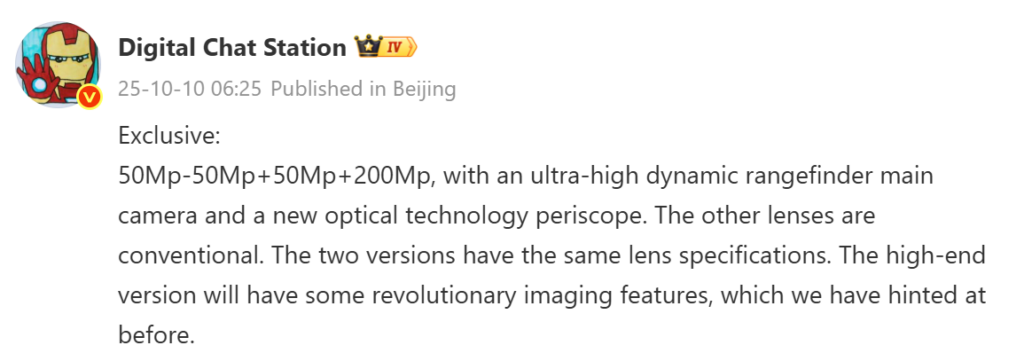
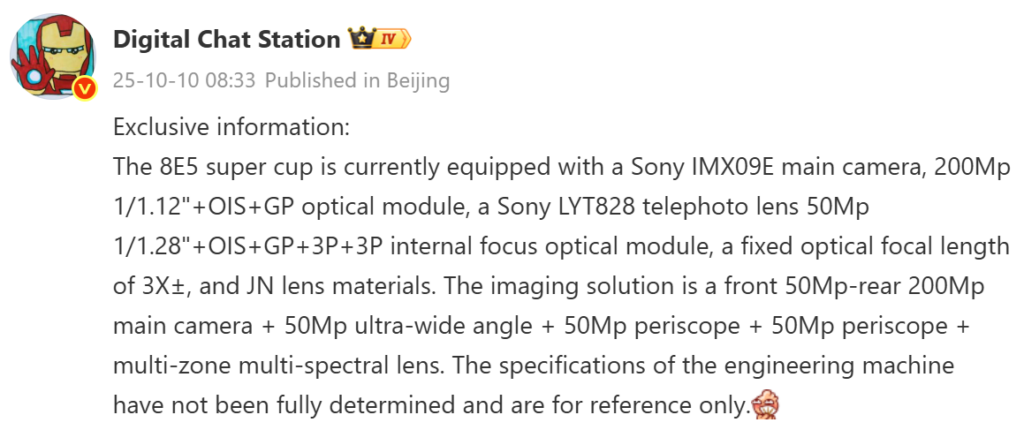
The information stems from a leak shared on Weibo by Digital Chat Station, a regular source of hardware rumors in China. While Xiaomi has not officially acknowledged the XRING O2’s existence, the chip has appeared in a trademark listing in China, lending some weight to the speculation.
An XRING for everything Xiaomi
What’s more interesting is the idea that a single chip design could be customized for wildly different product categories. In theory, a phone, a smartwatch, and a car could all run variants of XRING O2. This should make it easier for Xiaomi to integrate software and services across devices.
The XRING O2 is expected to be built on TSMC’s 3nm N3E process node, an iteration of the same family used for the XRING 01. Even competitors like Qualcomm, MediaTek, and Apple are likely to use the N3P node for their next flagship processors.
After that, all major silicon manufacturers are rumored to transition to 2nm chips. However, Xiaomi may not be able to access newer nodes like 2nm due to export restrictions on the EDA tools required for advanced chip design. While this wouldn’t necessarily cripple performance, it could impact how future-proof the platform truly is.
There’s no clear timeline for XRING O2 or the products it may power, and Xiaomi has yet to make anything official. But if the chip ends up in cars and consumer electronics alike, it’s likely the company is taking its ecosystem ambitions seriously.
For more daily updates, please visit our News Section.
Hisense has opened pre-orders for the M2 Pro 4K UHD Triple Laser Smart Mini Projector, which was unveiled earlier this month. The compact projector delivers true 4K resolution and is designed for both home and portable use.
It uses AI 4K Clarity features, including an AI Upscaler to sharpen lower-resolution content, AI Noise Reduction for cleaner visuals, and AI HDR Upscaler to enhance contrast and brightness. A DLP system with 2.07 million micromirrors enables projection of detailed 4K images on screens up to 200 inches.
The projector includes Pure Triple Color Laser technology, using separate red, green, and blue lasers to deliver vibrant, accurate colors. This setup makes true 4K laser projection possible in a smaller form factor.
One key feature is the optical zoom with a 1.0 to 1.3 throw ratio. Unlike digital zoom, this allows resizing the image without compromising sharpness. The projector supports screen sizes between 65 and 200 inches for flexible indoor and outdoor use.
It is easy to set up with auto focus, auto keystone correction, and a 7-mode wall color adaptation system that adjusts the image to maintain color accuracy even on non-white walls.
Audio is handled by built-in Dolby Audio and DTS Virtual:X, delivering clear and spacious sound without needing external speakers. The projector runs on VIDAA Smart OS and includes streaming apps like Netflix, YouTube, and Disney+, accessible via a voice-enabled remote. It also supports Dolby Vision and other HDR formats.
Pricing & availability
In the US, it is available for pre-order at $1,299.99, with a free Anker Solix C300 Portable Power Station included for orders placed before July 31. In Australia, JB Hi-Fi is offering it for A$1,695, reduced from the A$2,495 retail price. In Germany, it is listed on Amazon for €1,299, with deliveries expected from July 4.
For more daily updates, please visit our News Section.
Samsung’s Galaxy S25 series may be on the cusp of a major software milestone, with a stable One UI 8 build spotted in the wild. This unexpected leap from beta suggests a polished Android 16 experience is nearly ready. Will it reach the S25 series soon after its debut with the 7th-generation foldables?
Galaxy S25 Ultra
A stable One UI 8 build for the Galaxy S25 Ultra, sporting firmware version BYFB, has surfaced. Unlike beta builds marked with a “Z,” the “B” prefix indicates a release candidate, hinting that Samsung is close to rolling out the official update, possibly shortly after the Unpacked event on July 9. While not guaranteed for public release, this build’s stability suggests One UI 8, based on Android 16, is nearly finalized.
Testing on an S25 Ultra reveals no major new features but confirms polished functionality, including a dynamic lock screen clock that adapts to wallpapers, AI-driven wallpaper suggestions from the gallery, and live call captions. These align with One UI 8’s focus on subtle enhancements like smoother animations and refined Galaxy AI tools. The beta program, launched in May 2025 for the S25 series, has been notably smooth, making an early stable release plausible. The update will also extend to the S24, S23, and S22 series post-launch, following Samsung’s beta roadmap.
The Galaxy S25 Ultra’s stable One UI 8 build marks a significant step toward an official Android 16 release. With refined features like adaptive lock screen clocks and live captions, it promises an enhanced user experience.
That said, it might be wise to hold off for a week or two before installing it — especially after the recent display issues that hit multiple S series flagships.
AOC has launched a new 27-inch gaming monitor in China under the model name “Q27G41ZE.” The monitor is now available on JD.com at a launch price of 1099 yuan (approximately $150). It targets gamers who want high refresh rates, fast response times, and solid color accuracy without paying a premium.
AOC Q27G41ZE Monitor Specifications
The AOC Q27G41ZE features a 27-inch Fast IPS panel with a native resolution of 2560×1440 pixels. The display supports a 240Hz refresh rate, which can be overclocked to 260Hz through the DisplayPort connection. AOC has issued a note stating that users should revert to 240Hz if any instability occurs while running the panel at 260Hz.
The monitor supports a 1ms grey-to-grey (GtG) response time and a 0.3ms MPRT response time. It supports Adaptive-Sync to reduce screen tearing and is compatible with both Nvidia G-Sync and AMD FreeSync. AOC has rated the display for HDR10, with a peak brightness of 300 nits.
In terms of colors, the panel covers 94% of the DCI-P3 color gamut and 99.9% of the sRGB color space. The factory calibration achieves a Delta E value under 2. AOC includes six-axis color adjustment controls for hue and saturation. The monitor also supports 10-bit color depth via 8-bit + FRC.
The Q27G41ZE includes several eye comfort features. It supports hardware-level low blue light filtering and flicker-free DC dimming. AOC has also included preset modes for reading, office work, web browsing, and multimedia use.
The monitor features AOC’s custom MBR Sync technology for motion blur reduction without significantly dimming the screen. It also includes a dynamic crosshair and an AI-powered sniper zoom that magnifies the center of the display up to 3x for enhanced targeting. Additionally, users can customize profiles and settings through AOC’s G-Menu software.
For connectivity, the Q27G41ZE includes one HDMI 2.0 port, one DisplayPort 1.4, and a 3.5mm audio output. The monitor supports 100x100mm VESA wall mounting. AOC uses a minimalist design with red accents. The stand supports height adjustment, tilt between -5° and 23°, and rotation. The monitor weighs 3.84kg with the stand and 3.45kg without it.
In related news, AOC launches the Graphic Pro 5K monitor featuring CalmanReady color calibration, 96W USB-C charging, PBP, and KVM support. TCL also unveils a massive 57-inch dual 4K curved monitor with 1ms response time, 120Hz refresh rate, and USB-C docking.
For more daily updates, please visit our News Section.
I’ve reviewed a lot of earbuds in the past few years, from mainstream noise-canceling champs to niche fitness-focused models, but very few have surprised me quite like the Baseus Bowie MC1 Pro. If you told me a year ago that a pair of open-ear clip-on earbuds would become my go-to daily drivers for everything from meetings to music, I probably would’ve laughed.
But here we are. After putting them through weeks of real-world use, these $89 buds have won me over, and not because they’re packed with buzzwords like “LDAC,” “AI,” or “360° sound.” They’ve earned their spot simply by being practical, comfortable, and just plain reliable.
Let’s break this down.
What’s Inside the Box?
Unboxing the Baseus MC1 Pro feels clean and straightforward. Inside, you get the two earbuds clipped into their case, a short USB-C charging cable, a quick start guide, a sticker sheet, and that’s about it.
The case itself is compact and fits easily into a jeans pocket. It has a satisfying magnetic lid and a subtle LED indicator up front. The finish sits somewhere between matte and glossy; it has a soft sheen that reflects light just enough to look refined without being flashy. It also does a great job of resisting fingerprints and smudges, which helps keep the case looking clean over time.
I got to try all three colors: Titanium, Black, and White. All the variants have a subtle shimmer, while the White looks the cleanest and handles wear the best. The Black model feels the most sleek, but it shows fingerprints more easily. Each version brings its own vibe, but they all follow the same understated, minimalist design language that stays low-key without trying too hard to stand out.
Design & Build Quality
This is where the MC1 Pro really begins to stand out.
I used the original MC1 for a good few weeks when it launched. While I appreciated the concept, an open-ear design that doesn’t clog your ear canals, I found the comfort slightly lacking during long sessions. After about 2-3 hours, I’d feel pressure where the plastic loop hugged around my ear. Not enough to take them off immediately, but enough to notice.
The MC1 Pro fixes that. The updated “Cloud Airbag” silicone padding on the inner arch is a subtle but significant upgrade. It cushions the ear with soft, breathable material that feels more forgiving on the skin. I’ve worn these earbuds for over six hours at a stretch, during long workdays and editing sessions, and never once felt the need to take them off out of discomfort.
At just 5 grams per bud, they’re lightweight, and thanks to the C-shaped titanium frame, they stay in place even during workouts. I’ve used them while running, lifting weights, even shaking my head vigorously to test stability. They didn’t budge. Bonus points: they don’t clash with glasses or sunglasses, which is something most over-ear or stemmed buds tend to mess up.
They’re IP67 rated too, meaning they can handle sweat, rain, and even a splash of water during post-gym hand washes. For a pair of clip-ons, that’s reassuring.
Connectivity
Connectivity has been smooth sailing. The MC1 Pro uses Bluetooth 6.0, which means lower power draw, better bandwidth, and more stable connections than older models. Pairing is quick, and multi-point connection works well across my phone and laptop, unless you switch on LDAC. Once LDAC is enabled, you lose multi-point pairing, so you’ll need to choose between higher resolution audio and convenience.
That trade-off aside, I’ve had zero dropouts or weird stuttering, even when walking into crowded areas like metro stations or gyms full of Bluetooth interference. Latency is also well-handled. I’ve used these for Zoom calls, YouTube videos, and even some casual mobile gaming. There’s a dedicated low-latency mode that helps, but more on that in the sound section.
App and Customization
The Baseus app is where you unlock the MC1 Pro’s full potential.
Inside, you can remap controls, toggle LDAC, activate spatial audio, and play with EQ presets or create your own using a basic 8-band EQ. The app isn’t the most polished interface I’ve seen; translation oddities still pop up here and there, but it’s functional. Everything works, and it saves your settings without a hitch.
What I really appreciated was the ability to switch to Bass Boost mode and immediately hear the change. The app also includes a “Find My Earbuds” feature (which pings the earbuds with a loud chirp), firmware updates, and Smart Connect for handling multi-device pairing.
In terms of usability, I vastly prefer physical buttons to touch panels. The MC1 Pro sticks with mechanical controls, and I’m thankful for it. No accidental pauses when adjusting my hair or pulling on a hoodie. You get play/pause, skip, volume, voice assistant, and long-press functions, all of which can be customized in the app, except for the single tap.
Sound Quality
This is where the MC1 Pro surprised me the most.
Let’s be clear: these are open-ear earbuds. That means by design, you’re not getting airtight seals or thumping sub bass like you would from IEMs. But Baseus pulled off some impressive tuning here.
By default, the sound profile is a little flat but clean. Mids are natural, vocals come through with clarity, and highs are present without being harsh. If you’re someone who listens to podcasts or instrumental music, this tuning is great out of the box.
Once you switch on Bass Boost, things get way more exciting. Bass becomes punchy, the soundstage opens up, and the overall signature feels fuller. With LDAC enabled, you can genuinely hear the difference in resolution, especially in well-mixed tracks with lots of detail. Treble remains controlled, never sibilant, and stereo separation is solid.
There’s no real sub bass, which is expected, but mid bass and upper lows are handled well. I tried them with The Weeknd, Kendrick Lamar, Hans Zimmer, and even some AR Rahman compositions. Especially with Rahman’s music or other layered Indian tracks, you can really hear those intricate background details like faint vocal harmonies, subtle tabla rolls, or ambient strings that typically get lost on cheaper earbuds.
The earphones support AI spatial audio using Baseus’ own BISA (Baseus Immersive Spatial Algorithm), which creates a 360-degree sound field for a more immersive experience. Although other Baseus earbuds I’ve used, like the cheaper BC1, which I’ll get into later, let you toggle spatial audio modes from within the app, the MC1 Pro simply delivers it by default. There’s no on/off switch, no cinema or music presets, just spatial sound baked right in. And honestly, it sounds awesome. The effect adds a surprising sense of depth and space to whatever you’re listening to, without feeling artificial or over-processed.
Gaming-wise, latency was impressively low using the low-latency mode. Footstep positioning in PUBG Mobile, however, was where the MC1 Pro slightly faltered. It was hard to determine left vs right directionality clearly, so while casual gaming was fine, competitive shooter play isn’t where these shine.
Call quality, on the other hand, worked perfectly in my experience. On voice calls, people on the other end said I sounded clear, without distortion or drops. One caller did mention my voice sounded slightly flat. For daily calls and meetings, it’s more than adequate.
Battery Life
Battery life is stellar. I routinely got about 8.5-9 hours on a full charge with LDAC off. With LDAC enabled and Bass Boost on, it dipped closer to 6.5-7 hours, but that’s still excellent for something this compact.
The case adds another 30+ hours, taking the total to about 40. Fast charging is supported, too: 10 minutes plugged in gives around 2 hours of playback. There’s no wireless charging, but for the price, I’m not complaining. USB-C is fast and reliable.
The LED indicator on the case isn’t overly bright, and it gives a quick status update on battery without needing to open the app.
Final Thoughts
After weeks of using the Baseus Bowie MC1 Pro, here’s where I land: these are easily some of the best clip-on earbuds I’ve used, not just for sound, but for their thoughtfulness in design, comfort, and real-world usability.
They fix the comfort issues I had with the original MC1, sound legitimately good for open earbuds, and have the right balance of smart features without being overbearing. They’re not perfect, no earbuds are, but they come damn close for the price.
If you’re looking for something that lets you stay aware of your surroundings, doesn’t feel fatiguing after hours of use, and still delivers solid audio with customization, these should be high on your list. They’re also ideal for remote work, workouts, or just vibing to your playlists while keeping an ear on the world around you.
At $89, or $69 right now with a $20 discount on Baseus’s official website and Amazon, they’re more than worth it. And if you’re someone like me, who wasn’t initially sold on clip-on earbuds, the MC1 Pro might just be the pair that changes your mind.
Now, if you’ve read this far, we have a bonus review for you.
Baseus Bass BC1 Review
I also got to test the cheaper sibling of the MC1 Pro, the Baseus Bass BC1, and honestly, it holds its own surprisingly well for the price. It may lack some of the premium refinements found on the Pro model, but it retains most of the essential features, making it a great budget-friendly alternative in the clip-on, open-ear segment.
The BC1 shares the same open-ear, clip-on design language as the MC1 Pro, but with a slightly different finish. The case has a glossy top and matte base that doesn’t attract fingerprints easily, especially in the white color variant. The earbuds themselves feel lighter and slightly more flexible, which might be why I found them more comfortable than the MC1 Pro during extended sessions. While both stay secure during workouts or commutes, the BC1 felt just a little softer on the ears, especially around the hook.
In terms of features, the BC1 doesn’t stray far from its more expensive counterpart. It still gets Bluetooth 6.0, physical button controls, multi-point connectivity, low latency mode, and support for the Baseus app where you can remap controls, tweak EQ presets, activate “Find My Earbuds,” and toggle spatial audio. Yes, this budget model even includes spatial sound, which you can manually turn on through the app. That’s something the Pro version doesn’t allow you to toggle, despite sounding better overall.
Audio-wise, the BC1 is tuned for a warmer, bass-heavy sound. It uses a single 12mm dynamic driver with what Baseus calls “Superbass” tuning. While it doesn’t support LDAC, it still manages to deliver a satisfying low-end punch and full-bodied mids. Treble is noticeably softer though, and you do lose some of the fine detail and separation that the MC1 Pro offers. With the Pro, I can easily pick out tiny layers in music like subtle hi-hats or background instruments, but with the BC1, I had to really focus to catch those same details, and sometimes they’d get lost in the mix altogether.
Please Note: When you buy something using the links in our articles, we may earn a small commission at no cost to you.
Still, at around $39 and often discounted to as low as $29, the BC1 is kind of a steal. It’s not trying to compete with high-end wireless buds, and that’s fine. It nails the basics, sounds better than you’d expect at this price point, and feels super comfortable to wear all day. If you’re on a budget and want something open, light, and full of bass, the BC1 is a solid choice.
For more daily updates, please visit our News Section.
As a professional balancing work, casual gaming, and streaming, I was thrilled when Asus sent me the Vivobook S14 Flip in Cool Silver for review. Priced at Rs 65,990 on Flipkart in India, this 2-in-1 convertible promised flexibility and performance. After weeks of using it for productivity, occasional video calls, and entertainment, here’s my experience with this sleek device.
5Verdict
Asus Vivobook S14 Flip
The Asus Vivobook S14 Flip is quite a good 2-in-1 at Rs 65,990 on Flipkart. Its stylish design, vivid OLED touchscreen, and strong performance excel for productivity, casual gaming, and entertainment. The speakers and 60Hz refresh rate could improve, but the 50Whr battery (5–6 hours for mixed use) and 65W fast charging make it a reliable choice. If you seek a versatile, budget-friendly convertible, this is a top pick.
The Xiaomi Smart Band series has long served as a gateway into the wearables ecosystem, offering a surprisingly deep set of features for a fraction of the cost of full-fledged smartwatches. But with the new Smart Band 10, Xiaomi is no longer content with just being “good for the price.” Instead, it’s pushing boundaries on design, tracking intelligence, and platform integration in a way that signals how far budget fitness bands have come.
At first glance, the Smart Band 10 doesn’t radically depart from its predecessor, the Band 9. But the changes, while subtle, are meaningful. The AMOLED display gets a bump to 1.72 inches, now with thinner bezels and a 60Hz refresh rate that makes animations feel smoother. Peak brightness climbs to a retina-searing 1500 nits, making it perfectly readable outdoors. For something that still sits on the slim side of 11mm thick and weighs just 15.95g (without strap), this is about as immersive a screen as you can ask for on a sub $40 fitness tracker.
The upgrade extends to aesthetics too. Xiaomi now offers the Smart Band 10 in not just metal finishes like black, silver, rose gold, and green, but also a high-gloss ceramic edition in pearl white, purple, and grey. The ceramic version is heavier at 23.05g but adds a touch of luxury that’s rarely seen at this tier. While the Band 9 had a limited ceramic special edition and remained exclusive to China, the Band 10 brings more color options and makes ceramic a regular variant. It is also expected to launch globally as well.
2. Smarter Tracking Backed by Sensors and AI
Xiaomi has outfitted the Band 10 with a new 9-axis motion sensor, up from the 6-axis system on the Band 9, allowing for more nuanced detection of activity and posture. This means your running form, strokes while swimming, or even minor shifts during sleep are tracked more accurately. And yes, it still covers over 150 workout modes and supports swimming with 5ATM water resistance and 96% accurate AI stroke recognition.
The band goes deep into fitness metrics like VO₂ max, training load, recovery time, and real-time pace. You also get 10 running programs preloaded for guided workouts. For cyclists, the ability to broadcast heart rate data to other Bluetooth devices makes it a surprisingly capable companion for more serious training setups.
Sleep tracking has seen a rework too. Beyond the typical breakdown of sleep stages, the Band 10 now includes a 21-day sleep improvement plan developed with sleep experts. Combined with continuous heart rate, SpO₂, and stress tracking, it begins to feel more like a holistic health assistant than a step counter.
3. HyperOS and the Growing Xiaomi Ecosystem
The integration with Xiaomi’s HyperOS 2 platform is another area where the Smart Band 10 starts to punch above its weight. It connects not just to Xiaomi smartphones but also to tablets, earbuds, TVs, smart home devices, and even EVs. You can control media, adjust volume, snap pictures remotely, find your phone or tablet, and respond to calls with quick replies, all from your wrist.
An upgraded vibration motor brings customizable feedback, and there are fun extras like mini games for killing time and watch faces that feel more dynamic. While Wear OS devices still rule in terms of depth, Xiaomi’s lightweight platform is getting smarter in the ways that matter day to day.
4. Still Affordable, Still Lasts Weeks
Battery life is another stronghold for Xiaomi’s bands. Despite the larger screen and faster refresh rate, the 233mAh battery still delivers up to 21 days on a single charge or 9 days if you enable Always On Display. Charging takes about an hour via the same magnetic dock as before.
Pricing remains characteristically aggressive: 269 yuan (about $38) for the standard edition, 319 yuan ($45) for the NFC version, and 379 yuan ($53) for the ceramic model.
For more daily updates, please visit our News Section.
The Poco F7 and OnePlus 13 are two powerful Android phones that target very different price segments while offering flagship-level performance. With the Poco F7 pushing aggressive value under $400 and the OnePlus 13 delivering a top-tier experience at over double the price, this comparison is important to understand what each phone offers and whether the premium features of the OnePlus 13 are worth the extra cost, or if the Poco F7 gives you enough for far less.
Build and Feel: The Poco F7 features a solid build with Gorilla Glass 7i on both sides and an aluminum frame. It’s IP68 rated, ensuring water and dust resistance. The OnePlus 13 steps up with a Ceramic Guard front, options for a premium glass or eco-leather back, and also includes IP69 certification, which provides even higher resistance against water and pressure. OnePlus also supports eSIM, which adds modern flexibility. Overall, the OnePlus 13 delivers a more premium, versatile feel with higher-grade durability.
Display Quality: The Poco F7’s 6.83-inch AMOLED panel supports Dolby Vision, HDR10+, and reaches up to 3200 nits peak brightness, which is excellent for its price. However, the OnePlus 13’s LTPO 4.1 AMOLED takes a clear lead with a sharper QHD+ resolution, 1 billion colors, and an astonishing 4500 nits peak brightness. It supports Ultra HDR, Dolby Vision, HDR Vivid, and more advanced color and contrast management, offering a richer visual experience.
Verdict: While Poco F7 has an excellent display for the price, the OnePlus 13 feels more refined in both construction and viewing quality. For those wanting top-tier design and display tech, OnePlus 13 is a better-built and better-looking device.
Please Note: When you buy something using the links in our articles, we may earn a small commission at no cost to you.
2. Specifications
Performance: The Poco F7 runs the Snapdragon 8s Gen 4 with an Adreno 825 GPU, a solid performer for gaming and multitasking. But the OnePlus 13 uses the superior Snapdragon 8 Elite chip built on a 3nm process, featuring higher clock speeds and the Adreno 830 GPU. With advanced CPU architecture and better thermals, the OnePlus 13 offers faster processing, smoother multitasking, and higher sustained performance in demanding apps.
Battery and Charging: Poco F7 impresses with a massive 7550 mAh battery (India) and 90W wired charging. It also supports reverse-wired charging at 22.5W. The OnePlus 13 features a smaller 6000 mAh battery but compensates with 100W wired, 50W wireless, and both wired/wireless reverse charging. Despite the smaller size, its charging speed and wireless support make it more versatile and convenient for fast-paced users.
Verdict: The Poco F7 provides excellent battery endurance, especially in the India variant, but the OnePlus 13 delivers better overall performance and more charging options. For power users, OnePlus 13 is the more capable flagship.
3. Camera
Main and Secondary Lenses: Poco F7 has a capable 50MP main shooter and 8MP ultrawide, but it lacks a telephoto lens. The OnePlus 13, in contrast, offers a triple 50MP setup: wide, ultrawide, and a 3x telephoto. It adds laser focus, a color spectrum sensor, and Hasselblad color tuning, making it far superior for versatility and pro-level photography. It also supports 8K video, which the Poco lacks.
Selfie Camera: The Poco F7’s 20MP selfie cam is functional, capturing good detail and 1080p video. The OnePlus 13 ups the game with a 32MP front camera capable of 4K recording, providing better detail, dynamic range, and higher video quality, ideal for vloggers or video calls.
Verdict: OnePlus 13 clearly outperforms Poco F7 in photography across the board. With more lenses, superior software, and higher-end video capabilities, it’s the obvious choice for camera enthusiasts.
4. Pricing
The Poco F7 is priced around $400, offering exceptional value with a flagship-tier chipset, AMOLED display, massive battery, and strong core features. In contrast, the OnePlus 13 sits at a premium $900, reflecting its elite build, class-leading display, top-tier chip, versatile cameras, and advanced charging options.
While OnePlus 13 justifies its price with a superior all-round experience, the Poco F7 delivers unbeatable value for money. For budget-conscious users, the Poco F7 is the smarter choice, but the OnePlus 13 offers more for those willing to invest in the best.
5. Conclusion
The Poco F7 stands out for its large battery (especially the 7550 mAh variant), solid AMOLED display with Dolby Vision, and aggressive pricing. It’s aimed at users who want flagship essentials at half the cost. On the other hand, the OnePlus 13 brings exclusive features like a QHD+ LTPO AMOLED panel with 4500 nits brightness, 8K video, periscope zoom, eSIM, wireless charging, and advanced Snapdragon 8 Elite performance. It also benefits from Hasselblad’s imaging partnership and IP69 durability, rarely seen in phones.
Verdict: Choose the Poco F7 for flagship performance on a budget and long battery life. Go for the OnePlus 13 if you want a premium flagship with cutting-edge features across display, performance, cameras, and charging.
Asus has quietly unveiled a new Chromebook in India, aimed at enhancing digital learning and productivity for students and teachers. Built with a minimal yet durable design featuring a wear-resistant finish and U.S. military-grade toughness, the Chromebook CX14 is crafted for everyday reliability. As it runs on ChromeOS, it promises seamless integration with Google Workspace, automatic updates, and built-in security to support a smooth and secure digital experience.
Asus Chromebook CX14 specifications and features
Asus Chromebook CX14
The Asus Chromebook CX14 (CX1405CKA) features a 14-inch full HD display with either TN or VIPS panel options, anti-glare coating, and brightness levels up to 300 nits. It runs on an Intel Celeron N4500 processor paired with Intel UHD Graphics and up to 8GB LPDDR4X RAM.
Users can choose between 64GB or 128GB eMMC storage, complemented by 100GB of Google Cloud storage. It offers a full HD webcam with a privacy shutter, stereo speakers, and dual microphones that support Google Assistant.
Asus Chromebook CX14
Connectivity includes Wi-Fi 6, Bluetooth 5.4, USB Type-C, USB Type-A, HDMI, and a Kensington lock. Security is strengthened with a Titan C chip, while the 42Wh battery ensures reliable performance throughout the day.
Weighing only 1.39 kg, the Chromebook CX14 sports a rugged build, which includes U.S. military-grade durability, a 180-degree hinge, a wear-resistant paint finish, and reinforcement with diamond and stone powder for improved abrasion resistance.
Asus Chromebook CX14 price in India, availability
The Asus Chromebook CX14 is now available in two variants via Flipkart. The CX1405CKA-NK0154 is priced at Rs 18,990, while the CX1405CKA-NK0155 is listed at Rs 20,990. A third variant, CX1405CKA-S60394, will soon be available on Amazon. Buyers can visit the Asus e-shop for more details.
For more daily updates, please visit our News Section.
Expected to debut later this year, Samsung‘s first tri-fold phone could feature a titanium frame and a Snapdragon flagship in all markets, though one commonly expected feature might be missing.
According to leaker @PandaFlashPro on X, the tri-fold phone will use a combination of titanium and aluminum for its frame and chassis. This blend should improve durability, a key concern for large foldable devices. The use of titanium, already seen in the recent Galaxy S Ultra flagships, suggests Samsung is looking to give its new foldable a premium, durable build.
Under the hood, the device is expected to be powered by Qualcomm’s Snapdragon 8 Elite, the same flagship chip found in the Galaxy S25 series. That’ll reportedly be paired with 16GB of LPDDR5X RAM, helping the phone handle multitasking, gaming, and AI features with ease.

However, one feature users may notice missing is an under-display camera (UDC). Instead, the phone is expected to stick with a punch-hole camera, likely with a 12MP sensor. This aligns with rumors that Samsung is backing away from UDC tech due to its limitations — something also reflected in leaks around the upcoming Galaxy Z Fold7.
Battery specs are still under wraps, but early chatter suggests Samsung may use a conventional battery rather than a newer silicon-carbon cell, or its solid-state battery that’s still under development. The battery capacity is expected to be around 4,400 mAh.
There’s speculation that the tri-fold might make a brief appearance during Samsung’s Galaxy Unpacked event on July 9 in New York, alongside the Z Fold7 and Z Flip7. A full launch is rumored for October, at least in select markets like China and South Korea.
With a rumored price tag of around $2,800, the Galaxy tri-fold is shaping up to be a strong contender in the ultra-premium foldable market, potentially taking on rivals like Huawei’s Mate XT with its innovative software features.

Samsung’s upcoming Galaxy S26 Ultra is already in the news—this time, with talk of a long-awaited S Pen upgrade. Following Samsung’s decision to drop Bluetooth and Air Actions from the S25 Ultra‘s built-in S Pen, a fresh leak suggests the tech giant is finally fixing a problem that’s plagued S Pen users for years—magnetic interference from accessories.

Galaxy S25 Ultra with S Pen
According to tipster @PandaFlashPro on X, Samsung is reportedly working on new S Pen or digitizer technology designed to overcome interference caused by magnetic cases and accessories. For over a decade, users of Galaxy Note and Ultra models have dealt with stylus input issues—like dead zones or inconsistent sensitivity—whenever magnetic wallets, cases, or even Qi2 wireless chargers were involved. Despite the Galaxy S25 Ultra supporting Qi2 through third-party accessories, warnings about potential interference still appear when magnets are detected near the stylus area.

The current flagship doesn’t include built-in magnets, likely to avoid interference, forcing users to rely on magnetic cases instead. If Samsung can overcome this issue, the next flagship could include integrated magnets—eliminating the need for specific accessories and giving users more freedom in terms of design and budget.
Some speculation suggests this may involve a more advanced tracking system or changes to the digitizer itself. Interestingly, similar technology could first appear in the Galaxy Z Fold 7, which is expected to be unveiled at Samsung’s Galaxy Unpacked event on July 9, 2025, in New York. While the Fold 7 doesn’t feature a built-in S Pen slot, the Ultra does—potentially giving the S26 Ultra an edge in leveraging this upgrade fully.
There’s also talk of deeper integration with Qi2’s magnetic ring for improved wireless charging and compatibility. The device is also expected to pack a 2nm Exynos 2600 chip, 16GB of RAM, and a battery capacity “under 5400mAh“.
That said, details are still scarce, and it remains unclear whether the stylus redesign will fully resolve all interference issues. The Galaxy S26 Ultra is expected to launch in early 2026. With fans hoping for meaningful hardware updates, the potential S Pen fix could be one of its most welcome improvements yet.
We use cookies on our website to give you the most relevant experience by remembering your preferences and repeat visits. By clicking “Accept”, you consent to the use of ALL the cookies.
This website uses cookies to improve your experience while you navigate through the website. Out of these, the cookies that are categorized as necessary are stored on your browser as they are essential for the working of basic functionalities of the website. We also use third-party cookies that help us analyze and understand how you use this website. These cookies will be stored in your browser only with your consent. You also have the option to opt-out of these cookies. But opting out of some of these cookies may affect your browsing experience.
Necessary cookies are absolutely essential for the website to function properly. This category only includes cookies that ensures basic functionalities and security features of the website. These cookies do not store any personal information.
Any cookies that may not be particularly necessary for the website to function and is used specifically to collect user personal data via analytics, ads, other embedded contents are termed as non-necessary cookies. It is mandatory to procure user consent prior to running these cookies on your website.