Advertisement

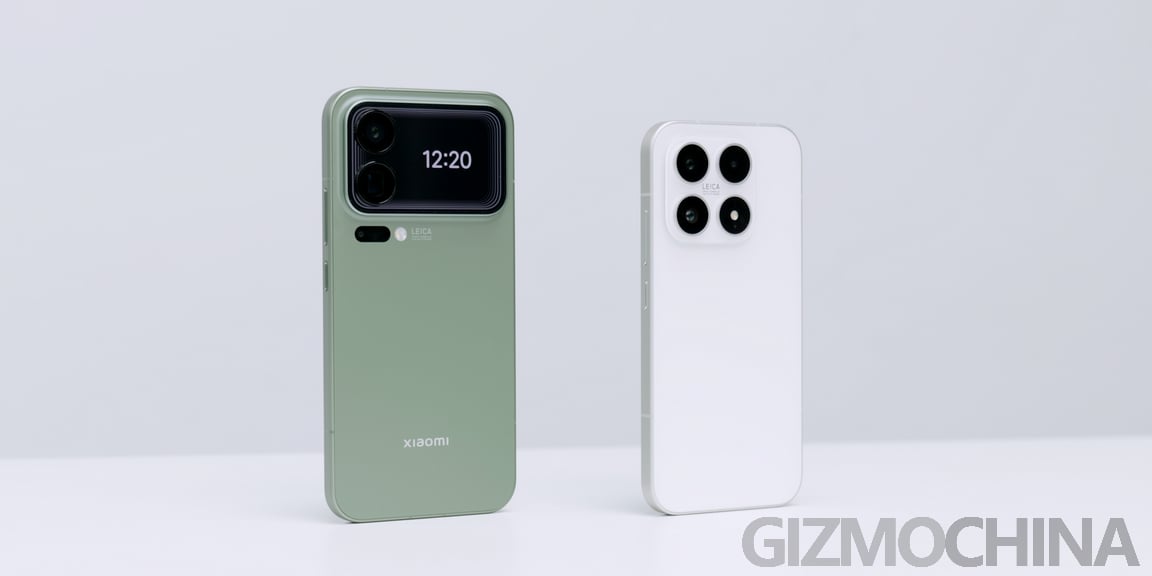
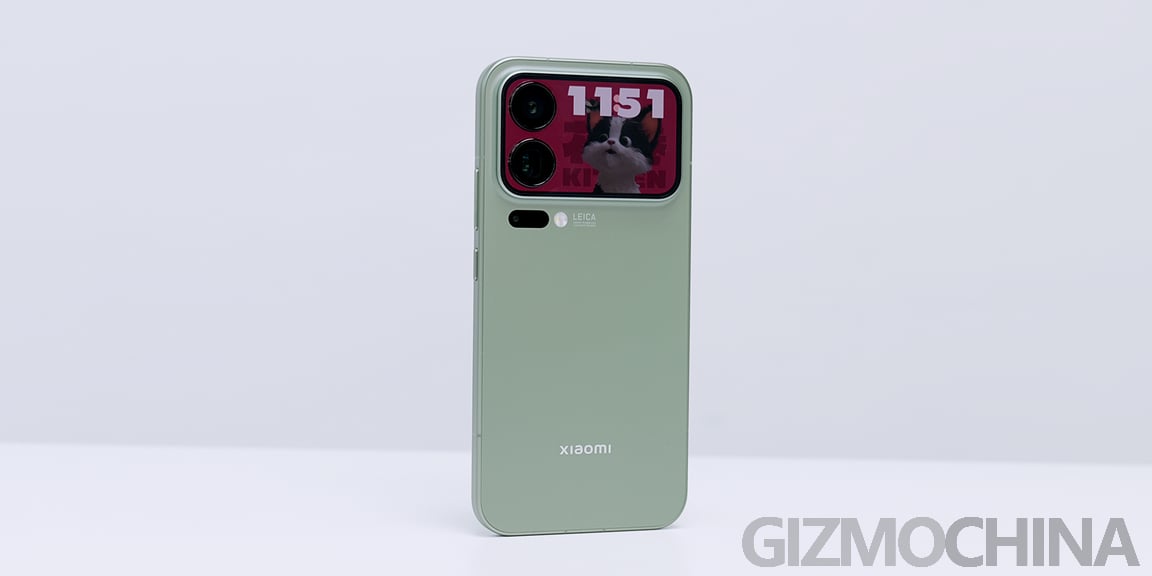
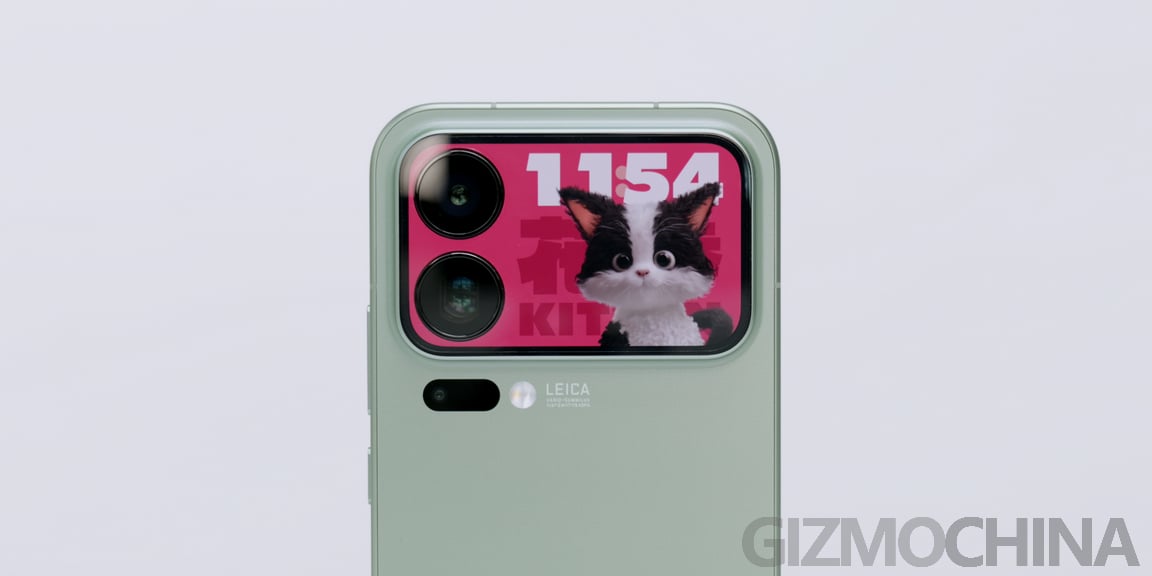
Vivo X200 FE and X Fold 5 tipped for India launch in the third week of July

Vivo is set to unveil the X200 FE smartphone in Taiwan on June 23. It has a separate launch event scheduled on June 25 in China for X Fold 5. Looks like both devices will make their debut on the same day in the Indian market.

Per GSMArena, the smartphones will launch in India anytime between July 14 and July 19. It’s a slight shift from a previous leak claiming a July 10–15 timeframe for the foldable. But either way, it appears Vivo’s next round of flagships are locked in for a July India entry.

Vivo X200 FE is a compact offering

The X200 FE is largely a known quantity at this point. Vivo’s teasers confirm it’s a rebranded version of the Vivo S30 Pro mini, and the spec sheet lines up accordingly. 

The phone features a compact 6.3-inch AMOLED display with a 120Hz refresh rate, 10-bit color support, and a claimed peak brightness of 5,000 nits. It weighs 186g and measures 7.99mm thick. The phone will be available in four colors: Black Luxe, Blue Breeze, Pink Vibe, and Yellow Glow.

Vivo-X200-FE and X Fold 5 India launch timeline leaks

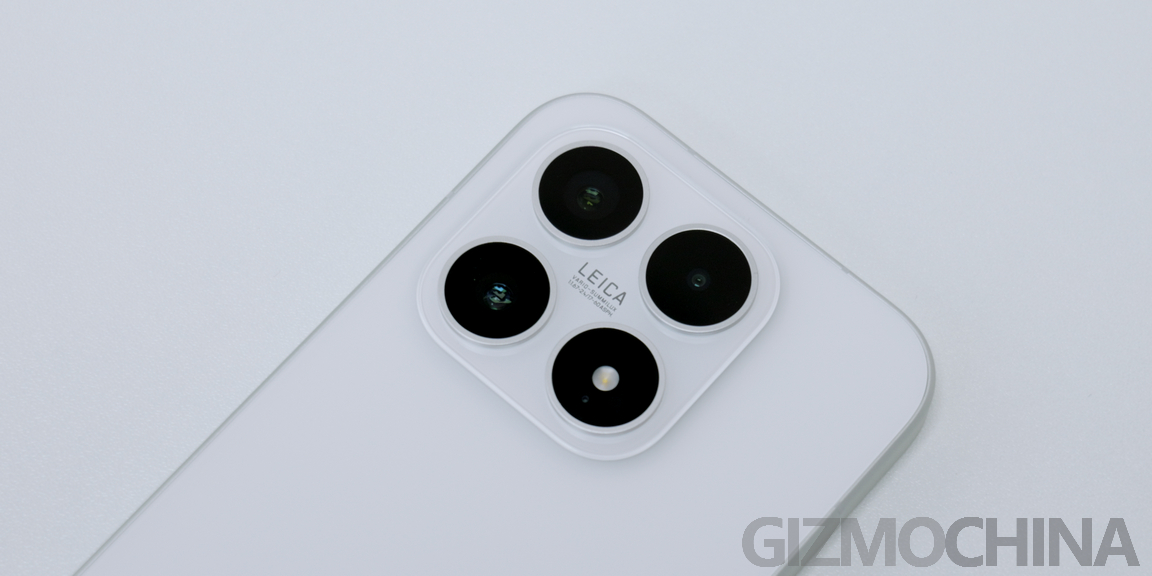
Camera-wise, the X200 FE includes a 50MP Sony IMX921 sensor with OIS, an 8MP ultra-wide shooter, and a 50MP telephoto lens (Sony IMX882) capable of 3x optical zoom. The front houses a 50MP selfie camera with autofocus, a first for the company’s X-series lineup.

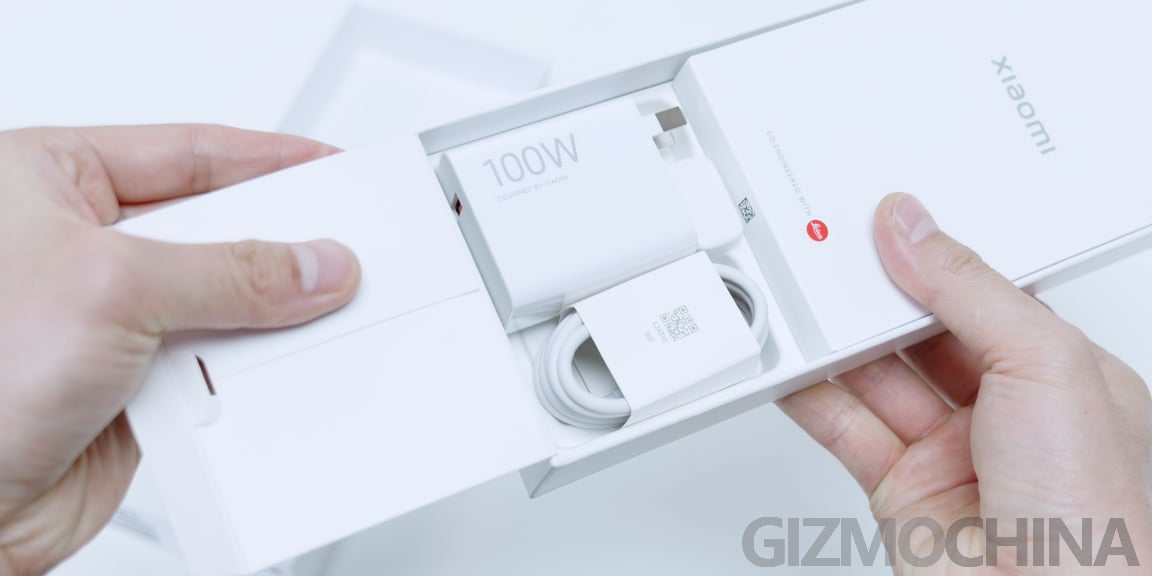
The device runs Android 15 with FunTouch OS 15 and a 6,500mAh battery with 90W fast charging support.

X Fold 5 could be one of the slimmest foldables yet

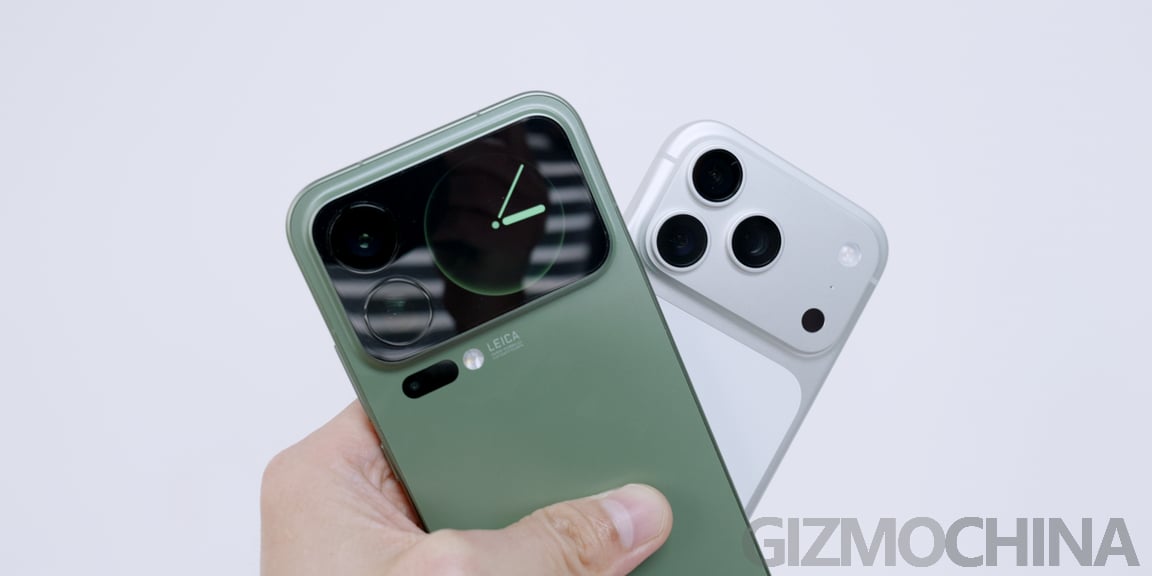
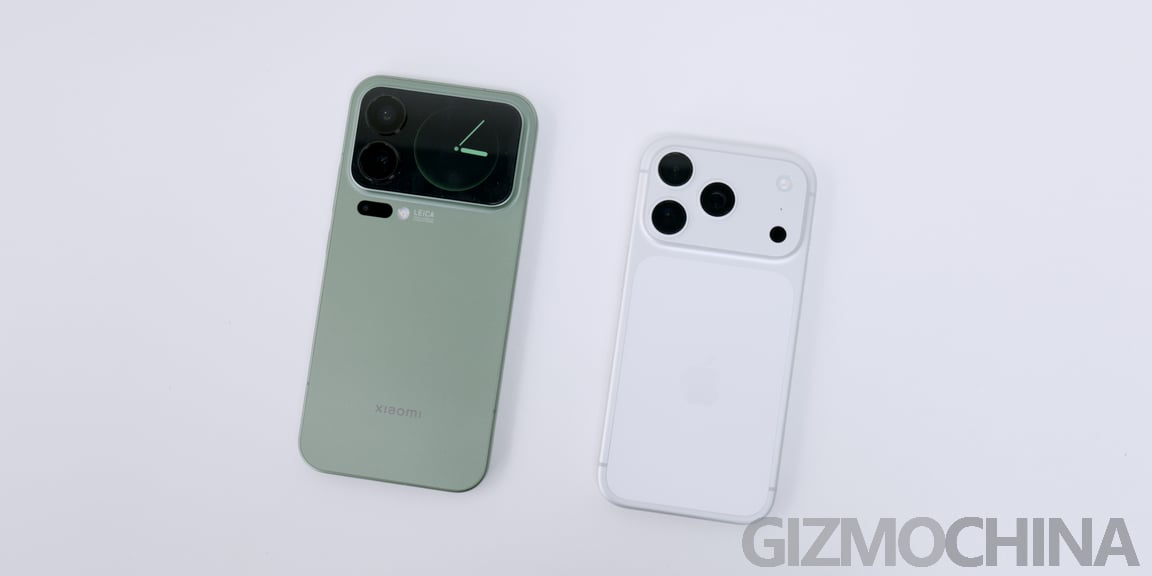
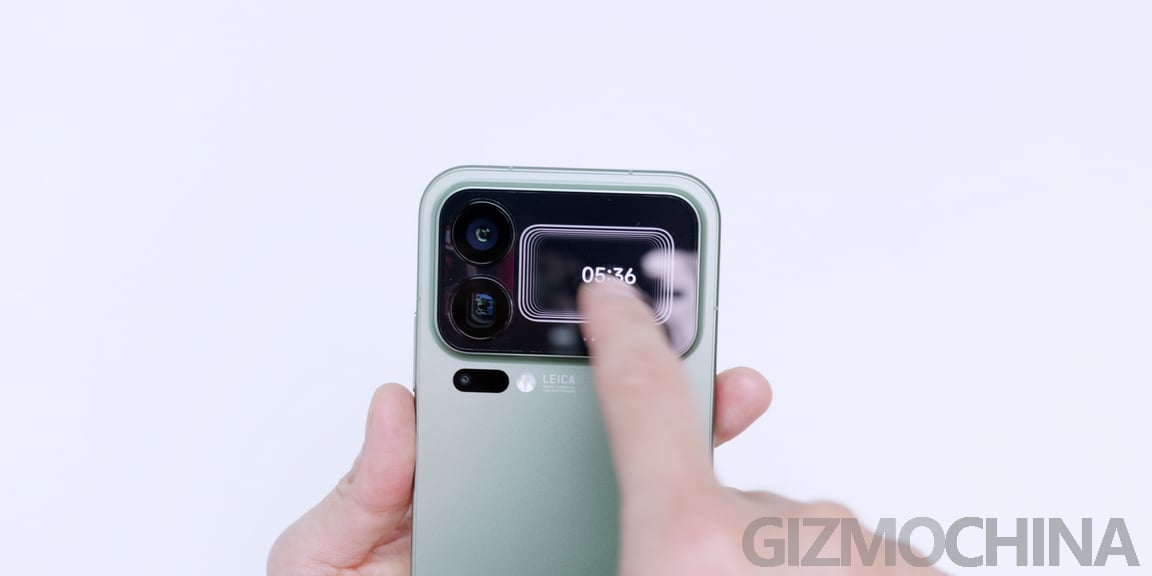
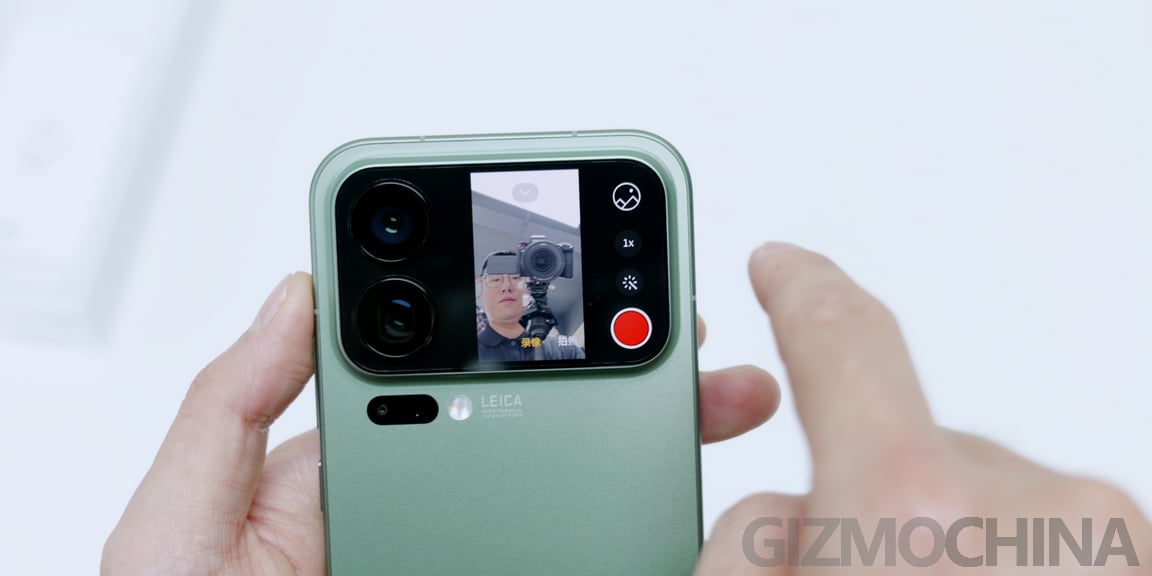
As for the Fold 5, it will reportedly include a 6,000mAh battery with support for 80W wired and 40W wireless charging. It will use Vivo’s latest battery tech: a fourth-gen silicon-carbon anode design and a second-gen semi-solid-state system. The company claims it will work in temperatures as low as -30°C.

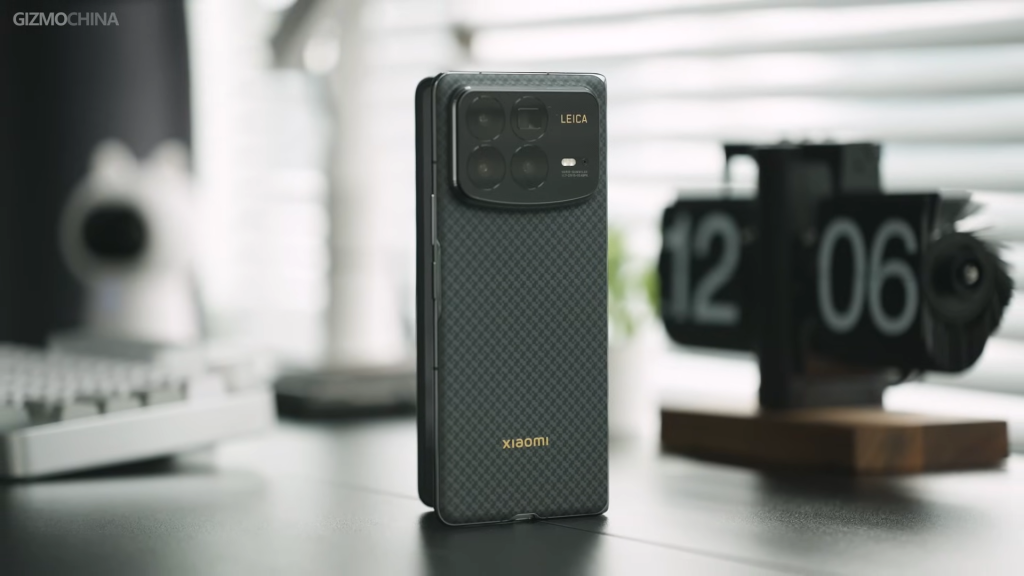
Vivo X Fold 5
Vivo X Fold 5

The foldable will also feature triple ingress protection, including IPX8 for submersion, IPX9+ for high-pressure underwater resistance, and IP5X for dust. It’s design is expected to be slimmer and lighter than the X Fold 3 Pro, coming in at under 8.2mm thick when folded and roughly 20g lighter overall.

For more daily updates, please visit our News Section.

Stay ahead in tech! Join our Telegram community and sign up for our daily newsletter of top stories.

Xiaomi 15S Pro Teardown Confirms Mix of In-House and Third-Party Parts

Xiaomi’s latest flagship, the 15S Pro, has been making headlines for being the first to ship with an in-house system-on-chip, the XRING O1. But that’s not the only in-house silicon inside the 15S Pro.

The XRING O1 is joined by the company’s in-house XP2210C power management chip and the Surge P3 wired charging IC. Despite these efforts, Xiaomi still relies on a long list of familiar suppliers to get the 15S Pro out the door. 

To uncover those suppliers, Counterpoint Research did a teardown of the Xiaomi 15S Pro—and here’s what they found.

Here’s a sneak peek at Xiaomi 15s Pro internals

The teardown reveals that SK Hynix provides the latest LPDDR5T RAM for the smartphone. It uses the Package-on-Package (PoP) integration method for a more compact hardware design. UFS 4.1 storage, meanwhile, comes from Micron.

On the connectivity side, Xiaomi is stuck with MediaTek. The 15S Pro uses the T800 (MT6980W) modem, the MT6639BEW Wi-Fi/Bluetooth chip, and the MT6195W RF transceiver. 

The Dutch-American company NXP handles both the NFC and UWB components. Whereas, audio is handled by Cirrus Logic, an American semiconductor business. 

Other players in the Xiaomi 15S Pro’s hardware ecosystem include Southchip Semiconductor for secondary charging, NuVolta for wireless charging, Vanchip for RF modules, and STMicroelectronics for sensors.

So even though Xiaomi is taking some steps toward chip independence, it still relies on a broad network of component makers to bring its flagship to life. That’s not surprising, though. 

Hardware companies often rarely build everything in-house. And for a phone at this price point, Xiaomi is choosing premium partners without blowing up its budget.

For more daily updates, please visit our News Section.

Stay ahead in tech! Join our Telegram community and sign up for our daily newsletter of top stories.

(Soruce)

Sony BRAVIA 5 Series Coming to India: 4K HDR, IMAX Enhanced, and HDMI 2.1 Gaming Support

Sony has confirmed the upcoming launch of its BRAVIA 5 (XR 50) TV in India. It will be available in 55-inch and 65-inch sizes and will be sold through Amazon. The product microsite is now live, revealing key features and specifications, though the official launch date has not been announced yet.

Sony BRAVIA 5 XR 50

The BRAVIA 5 (XR 50) runs on Sony’s updated Cognitive Processor XR and features a 4K HDR Full Array LED display. It supports XR Contrast Booster 10 for better brightness and deeper blacks, along with XR Clear Image for reduced blur and noise. The screen also includes XR Triluminos Pro for more accurate and vibrant colors, and XR Backlight Master Drive for precise control of Mini LEDs.

Sony BRAVIA 5 XR 50

For audio, the TV includes Acoustic Multi-Audio with Frame Tweeters and Voice Zoom 3. It supports Dolby Atmos, DTS:X, and IMAX Enhanced. With Acoustic Center Sync, users can pair the TV with compatible Sony soundbars like the HT-A9 or HT-A7000 to use the TV as a center speaker.

It comes with Google TV, offers built-in support for streaming apps like Netflix, Prime Video, and Sony Pictures Core, and supports both Apple AirPlay 2 and Google Cast. Google Assistant is also built in for voice control.

The BRAVIA 5 is built for gaming, with a dedicated Game Menu, support for HDMI 2.1, 4K at 120Hz, VRR, and ALLM. It includes PS5-specific features like HDR tone mapping and Genre Picture Mode.

The TV supports BRAVIA Cam (sold separately), which adjusts sound and picture based on your room. There’s also an Eco Dashboard to manage energy settings.

Don’t miss a thing! Join our Telegram community for instant updates and grab our free daily newsletter for the best tech stories!

For more daily updates, please visit our News Section.

(Source)

Redmi 15C and Poco C85 surfaces quietly in the GSMA database

Xiaomi’s upcoming budget smartphones—the Redmi 15C and Poco C85—have made an early appearance in the GSMA IMEI database.

The newly discovered entries include multiple regional variants, including Global, EEA, and others. Based on the structure of the model numbers (25078RA3EA), the devices appear to be slated for a July 2025 debut, although Xiaomi’s timelines aren’t always predictable.

Here are the listed model numbers for both devices on the GSMA database:

Redmi 15C

  • 25078RA3EA
  • 25078RA3EY
  • 25078RA3EL
  • 25078RA3EE

Poco C85

  • 25078PC3EE
  • 25078PC3EG

What we think the Redmi 15C and Poco C75 might offer

As of now, no official specifications have been released. But given Xiaomi’s past releases in this segment, our expectations are fairly standard. 

The Redmi 15C and Poco C85 are likely to ship with IPS LCD panels and an entry-level chipset, possibly something in the range of a MediaTek Helio G99. 

Xiaomi Redmi 14C (China)
Redmi 14C

This will likely be paired with LPDDR4X RAM paired with eMMC 5.1 storage. It might have around 6000mAh battery, with support for 18W to 33W fast charging, depending on the variant.

The appearance in the GSMA listings doesn’t confirm much else, but it does confirm Xiaomi will once again rebrand one device under two different brands. But it’s not surprising. The Redmi and Poco lines have long overlapped in hardware, with branding and design tweaks being the only difference.

For more daily updates, please visit our News Section.

Stay ahead in tech! Join our Telegram community and sign up for our daily newsletter of top stories.
Nothing Phone 3’s massive leak reveals camera specifications, battery size, charging details and more

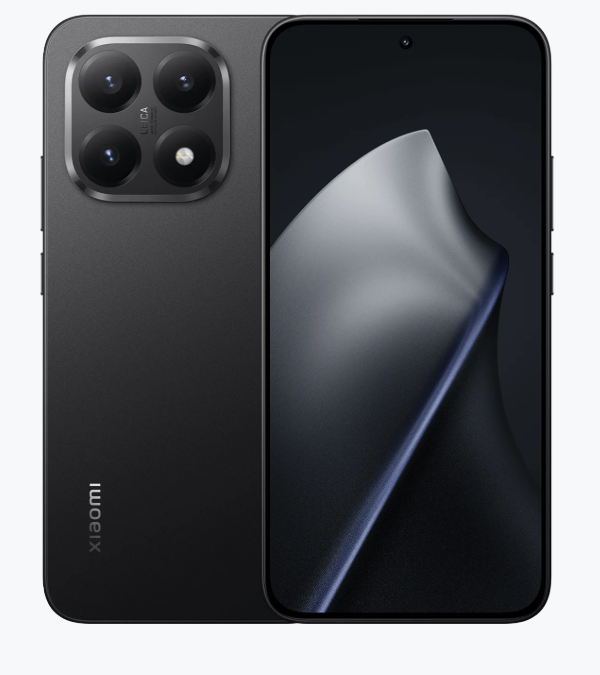
Nothing Phone 3 is scheduled to launch globally on July 1. Ahead of the launch, the brand has already teased a redesigned Glyph Matrix and confirmed the Snapdragon 8s Gen 4 chipset. Now, a new leak has surfaced to reveal most of its specifications, including details about its display, camera, battery size, and charging capabilities.

Nothing Phone 3 key specifications leaked

As per the above leak, the Nothing Phone 3 is expected to feature a 6.7-inch LTPO OLED panel with a 1.5K resolution, offering a sharper and more fluid visual experience compared to previous models.

Under the hood, the phone will run on the Snapdragon 8s Gen 4 chipset and ship with Nothing OS 3.5 based on Android 15. The brand has already confirmed it will be treated with five OS upgrades and seven years of security updates.

The leak further reveals that the Nothing Phone 3 packs a 5,150mAh battery paired with 100W wired charging. It will continue to feature wireless and reverse wireless charging capabilities like its predecessor. The design appears to shift slightly, with the rear cameras arranged in a triangle next to the new Glyph Matrix system.

A significant change lies in the camera setup, which is said to include a 50-megapixel main sensor, a 50-megapixel ultrawide snapper, and a 50-megapixel periscope camera with 3x optical zoom on the rear. The front will now reportedly feature a 50-megapixel selfie camera, up from the 32-megapixel shooter on the Phone (2). Other additions include eSIM support and NFC, both absent in earlier models.

For more daily updates, please visit our News Section.

Stay ahead in tech! Join our Telegram community and sign up for our daily newsletter of top stories.

Vivo Y29t 5G launched with 90Hz screen, Dimensity 6300, 6,000mAh battery

Vivo has been gradually expanding its Y29 lineup across different countries. So far, the lineup includes the Y29 (4G), Y29 5G, and Y29s 5G. Now, the brand has silently launched a new budget 5G smartphone in Malaysia, called the Vivo Y29t 5G. Like other Y29 series models, the Y29t features a large display, a long-lasting battery, and a durable build. Read ahead for the full specifications, features, pricing, and availability details

Vivo Y29t 5G specifications and features

Vivo Y29t 5G
Vivo Y29t 5G

The Vivo Y29t 5G measures 167.30 x 76.95 x 8.19mm and weighs 202 grams. It comes with an IP64 rating for protection against dust and splashes. Additionally, it also offers MIL-STD-810H-rated military-grade shock resistance. The device features a 6.74-inch LCD screen with a resolution of 1600 × 720 pixels, a 90Hz refresh rate, and 260ppi pixel density, and up to 570 nits brightness in high brightness mode.

Under the hood, the Y29t 5G is equipped with the MediaTek Dimensity 6300 chipset, paired with 6GB or 8GB of LPDDR4X RAM and up to 256GB of eMMC 5.1 storage. The device is backed by a large 6,000mAh battery with support for 15W wired charging.

For photography, the Y29t 5G features a dual rear camera setup comprising a 50-megapixel primary sensor and a 0.08-megapixel auxiliary lens. On the front, it is equipped with a 5-megapixel selfie camera. The phone runs on Funtouch OS 15 based on Android 15.

Vivo Y29t 5G
Vivo Y29t 5G

The Y29t 5G features a side-mounted capacitive fingerprint scanner. Its other features include a microSD card slot, dual SIM 5G, dual-band Wi-Fi, Bluetooth 5.4, GPS, NFC, and USB-C. The Vivo Y29t 5g is quite similar to other Y29 models, but one major difference is the inclusion of a 6,000mAh battery.

Vivo Y29t 5G price and availability

The Vivo Y29t 5G is priced at 1,099 MYR (~$260) in Malaysia. It comes in two colour options: Titanium Gold and Jade Green. As of now, it remains unclear which other markets will receive the device.

For more daily updates, please visit our News Section.

Stay ahead in tech! Join our Telegram community and sign up for our daily newsletter of top stories.

Rollme GT 3 military-grade smartwatch launched with dual-band GPS, 65-day battery life, AMOLED display

Rollme has announced the launch of the Rollme GT 3, a new rugged smartwatch built for outdoor use. The launch was confirmed via the brand’s official store. It brings GPS precision, smart features, and extended battery life at an affordable price. Continue reading on for full details, specifications, and pricing.

Rolled GT 3 specifications and features

Rollme GT 3 key features

Certified with the MIL-STD-810H military-grade durability standard, the Rollme GT 3 is shock-resistant and built to endure extreme temperatures. It is water-resistant up to 50 meters (5ATM), allowing users to swim or brave the rain without worry. The 1.43-inch AMOLED display reaches 1000 nits brightness, offering excellent visibility even in strong sunlight, and physical buttons on the side make outdoor control easier.

The Rollme GT3 is designed to function in challenging environments. It features dual-band GPS with support for six satellite systems, offering reliable and fast location tracking during outdoor adventures. The smartwatch includes route importing, a built-in compass, and real-time elevation monitoring through barometric and altitude sensors—perfect for hiking, trekking, or trail running. It also comes with a flashlight with adjustable brightness that ensures visibility during nighttime use or emergencies.

Equipped with a 670mAh battery, the GT 3 promises up to 65 days of standby time. It also syncs with platforms like Google Fit, Apple Health, and Strava. The smartwatch comes with 24/7 heart rate monitoring, SpO₂ tracking, sleep analysis, and stress measurement. It supports over 100 sports modes, ranging from yoga and strength training to open water swimming and trail running.

Rollme GT 3 price and availability

The Rollme GT 3 is available in Black, Silver, and Orange for $59.99. As part of the ongoing sale, buyers can bundle it with the N15 watch and get both for $69.98, plus an additional $5 off using coupon code PCNTG5P41C1R.

For more daily updates, please visit our News Section.

Stay ahead in tech! Join our Telegram community and sign up for our daily newsletter of top stories.

The 7 Best Camera Phones You Can Buy Right Now

Smartphone photography isn’t just getting better, it’s evolving into something we once only associated with high-end mirrorless systems. The best camera phones of 2025 aren’t just throwing megapixels at the problem.

They’re packing periscope lenses, massive sensors, dedicated imaging chips, and even pro-level accessories. If you care about serious photography or just want the cleanest shots for your social feed, these are the seven smartphones that should be on your shortlist.

1. iPhone 16 Pro / Pro Max

iPhone-16-Pro-Series

Apple’s latest Pro iPhones might not look dramatically different, but under the titanium shell is the most refined camera system it’s ever made. Both the 16 Pro and 16 Pro Max now share the coveted 5x 120mm telephoto, finally giving the smaller Pro the reach it lacked.

The triple-camera system is built around a new 48MP “fusion” main sensor with second-gen quad-pixel tech. You get zero shutter lag in 48MP ProRAW, and the ultra-wide has also been upgraded to a 48MP sensor with macro support. The real magic, though, is in the software. There’s now support for 4K@120 slo-mo, Spatial Audio capture, and machine learning-assisted “studio mix” audio that isolates voices from background noise, perfect for content creators.

Best for: Consistent image processing, seamless integration with Apple’s ecosystem, and pro-grade video features like ProRes and Dolby Vision.

Please Note: When you buy something using the links in our articles, we may earn a small commission at no cost to you.

2. Xiaomi 15 Ultra

Xiaomi-15-Ultra

Xiaomi’s 15 Ultra might be the most overbuilt camera phone in existence, and that’s a compliment. With a 1-inch type 50MP Leica main sensor, an ultra-wide, a 3X floating telephoto, and a mind-bending 200MP periscope zoom, this is the closest a phone’s gotten to a Swiss Army knife for photography.

What sets it apart isn’t just the hardware but the cinematography toolkit. It supports 4K@120 from its 100mm telephoto, 10-bit Log recording on all lenses, and is the first Android phone to receive ACES certification for pro-level color accuracy. If that’s not enough, Xiaomi sells a photography kit with a physical shutter grip, filter mounts, and an extra 2000mAh battery.

Best for: Enthusiasts and professionals who want full manual control and cinematic video capabilities.

Please Note: When you buy something using the links in our articles, we may earn a small commission at no cost to you.

3. Samsung Galaxy S25 Ultra

The Galaxy S25 Ultra sticks with the tried-and-tested formula, massive screen, S Pen, and a quad-camera setup, but polishes it further. The star remains the 200MP main camera, flanked by a 50MP ultra-wide, a 3x telephoto, and a second 50MP periscope telephoto capable of 5x optical and 100x Space Zoom.

While Samsung’s image processing still leans toward saturated colors, its latest ISP improvements have narrowed the gap in dynamic range and low-light performance. It also does 8K@30 and 4K@60 across its lenses, and it’s still one of the best when it comes to AI-driven detail enhancement.

Best for: Zoom photography, versatility across focal lengths, and hybrid work/play users.

Please Note: When you buy something using the links in our articles, we may earn a small commission at no cost to you.

4. Vivo X200 Ultra

Vivo X200 Ultra

Vivo is quietly building some of the best camera hardware in the business, and the X200 Ultra is arguably its magnum opus. It features dual 50MP Sony LYT-818 sensors for its main and ultra-wide cameras, and a stunning 200MP HP9 periscope telephoto with Zeiss APO optics and a new prism system.

But the real kicker is the dual imaging chips: VS1 handles preprocessing, while V3+ does the heavy lifting on final image rendering. You get 4K@120fps movie-style slo-mo, 10-bit log video, and a literal photographer’s kit with a detachable grip, zoom dial, and extra battery. This is not a phone, it’s a portable camera rig that just happens to run Android.

Best for: Video creators who want full cinematic control and high-quality zoom optics.

5. Pixel 9 Pro XL

Pixel 9 Pro XL

While the Pixel 9 Pro XL’s camera specs don’t scream “hardware brute,” the photos it produces absolutely do. Google‘s Tensor G4 and AI-first approach mean the Pixel captures stunning shots with minimal user input. It combines a 50MP GNK sensor, 48MP ultra-wide, and a 5x 48MP telephoto to create balanced, detailed, and high-dynamic-range images.

The software experience is packed with smart features: Best Take automatically blends group shots, Magic Editor lets you move subjects after the shot, and Real Tone continues to be the most accurate at representing diverse skin tones. Add in 4K@60 video across all lenses and seven years of updates, and it’s a compelling choice.

Best for: Effortless point-and-shoot photography with next-gen AI magic.

Please Note: When you buy something using the links in our articles, we may earn a small commission at no cost to you.

6. Oppo Find X8 Pro

Oppo Find X8 Pro

Oppo’s Find X8 Pro flies slightly under the radar but punches way above its weight. Its triple 50MP setup includes a LYT-808 main sensor, a high-res ultra-wide, and dual periscope telephotos, one with 6x zoom. The camera stack is co-developed with Hasselblad, so portrait rendering and color tuning are excellent out of the box.

It supports up to 120x digital zoom, and the display is among the best you’ll see on a phone: a 6.78-inch AMOLED panel with a blinding 4500 nits peak brightness. On the video front, it holds its own with Dolby Vision and strong stabilization, though it’s a step behind Vivo and Xiaomi in pro features.

Best for: Vivid shots, zoom flexibility, and Hasselblad-tuned portrait profiles.

Please Note: When you buy something using the links in our articles, we may earn a small commission at no cost to you.

7. Vivo X200 Pro

Vivo X200 Pro smartphone
Vivo X200 Pro

Sitting just below the Ultra, the X200 Pro still carries the impressive 200MP HP9 telephoto sensor and the same 50MP Sony main sensor found in its more expensive sibling. You don’t get the dual imaging chips, but it still pulls off 4K@120fps slow motion, Dolby Vision, and full-focal-length log shooting.

At 6000mAh, the battery is massive. The build is also flagship-grade with IP68/69 ratings, and you still get Zeiss APO-certified optics with excellent color fidelity. It’s arguably the best value camera phone in this lineup, especially for telephoto lovers.

Best for: Users who want Vivo’s excellent imaging in a slightly smaller, more affordable package.

Please Note: When you buy something using the links in our articles, we may earn a small commission at no cost to you.

8. The Bottom Line

Choosing the best camera phone in 2025 depends less on the megapixels and more on your shooting style. Want the best auto mode? Grab the Pixel. Need total manual control and accessories? Xiaomi and Vivo have you covered. Want a balance of everything with zero learning curve? Apple still nails it.

Regardless of where you land, we’re officially in the era where your phone can outshoot a dedicated camera, for most things that matter. And these seven devices prove it.

For more daily updates, please visit our News Section.

Stay ahead in tech! Join our Telegram community and sign up for our daily newsletter of top stories! 💡

Honor Magic V5’s new poster reveals rear camera design, 8.8mm slim profile

Honor unveiled the Honor Magic V3 as the world’s thinnest foldable phone. The device measures 9.3mm in the folded state and 4.35mm in the unfolded state. The Oppo Find N5, which debuted earlier this year, measures 8.9mm and 4.2mm in the folded and unfolded states, respectively. Honor executives have been hinting that the Magic V5 will be slimmer than the Find N5. Now, a poster that has surfaced on Weibo has revealed the exact thickness and rear camera module design of the Magic V5.

Honor Magic V5 slimness, camera module revealed

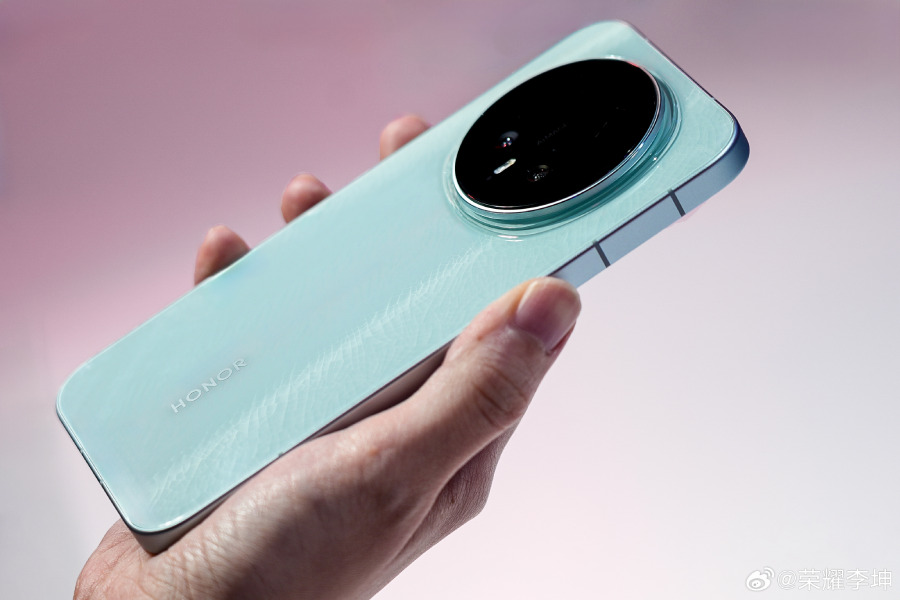
Honor Magic V5 camera module
Honor Magic V5’s latest poster reveals thickness, camera module

The Honor Magic V5’s new poster confirms it will dethrone the Oppo Find N5 to become the world’s slimmest foldable smartphone. It reveals that the device measures 8.8mm in the folded state. This suggests that it could be even slimmer than the Find N5 in the unfolded state, but the exact measurement is not known yet.

The poster also gives the first look at the camera module of the Magic V5. The setup is expected to feature a 50-megapixel main camera, an ultra-wide lens, and a 200-megapixel periscope telephoto camera.

As per reports, the Magic V5 will weigh less than 219 grams. There is competition, as the Vivo X Fold 5 is also expected to weigh under 219 grams. Samsung Galaxy Z Fold 7 rumours have revealed that it will measure 4.54mm in the unfolded state, suggesting it should be less than 9mm thick when folded. However, its battery size will be the smallest among all its competitors, as it is expected to retain the 4,400mAh battery from its predecessor.

The Oppo Find N5 has a 5,600mAh battery with 80W wired charging and 50W wireless charging, and the upcoming Vivo X Fold 5 will pack a 6,000mAh battery with 90W wired and 30W wireless charging. Reports have revealed that the Magic V5 will have the largest foldable phone battery, with a 6,100mAh capacity and 66W fast charging. While the new leak does not mention its wireless charging capabilities, it may continue to support 50W wireless charging like its predecessor.

It will be revealed soon which is the lightest and thinnest foldable phone among all the above, as all these devices are expected to launch within July in multiple markets. As far as the Magic V5 is concerned, it is set to break cover on July 2 in China.

For more daily updates, please visit our News Section.

Stay ahead in tech! Join our Telegram community and sign up for our daily newsletter of top stories.

(via)

Redmi K90 Pro may feature OmniVision OV50Q 50MP periscope telephoto camera

While Xiaomi is preparing to launch the Xiaomi 16 series in China this September, its sub-brand Redmi is expected to unveil the Redmi K90 and K90 Pro in October or November in the domestic market. Previous reports have suggested that the Redmi K90 Pro may feature a periscope telephoto camera. Now, a new leak from tipster Digital Chat Station has revealed the specific camera sensor being considered for the periscope unit.

Redmi K90 Pro’s periscope telephoto camera revealed

Redmi K90 Pro periscope camera details revealed

As per the new leak, the Redmi K90 Pro may come equipped with the OmniVision OV50Q sensor—a 50-megapixel, 1/1.3-inch sensor featuring LOFIC and QPD V3 technologies. These are designed to improve dynamic range, focus speed, and reduce power consumption while supporting features such as smooth frame transitions and super frame synthesis. DCS also claimed that all sub-brand flagships, including iQOO, OnePlus, and Realme, will be adopting periscope telephoto lenses as standard in their next-gen offerings.

As per other reports, the Redmi K90 Pro could arrive with significant changes compared to its predecessor. The device may debut with a 6.59-inch flat display using a 2K LTPS panel and a new display material, likely focusing on sharp visuals and narrow bezels.

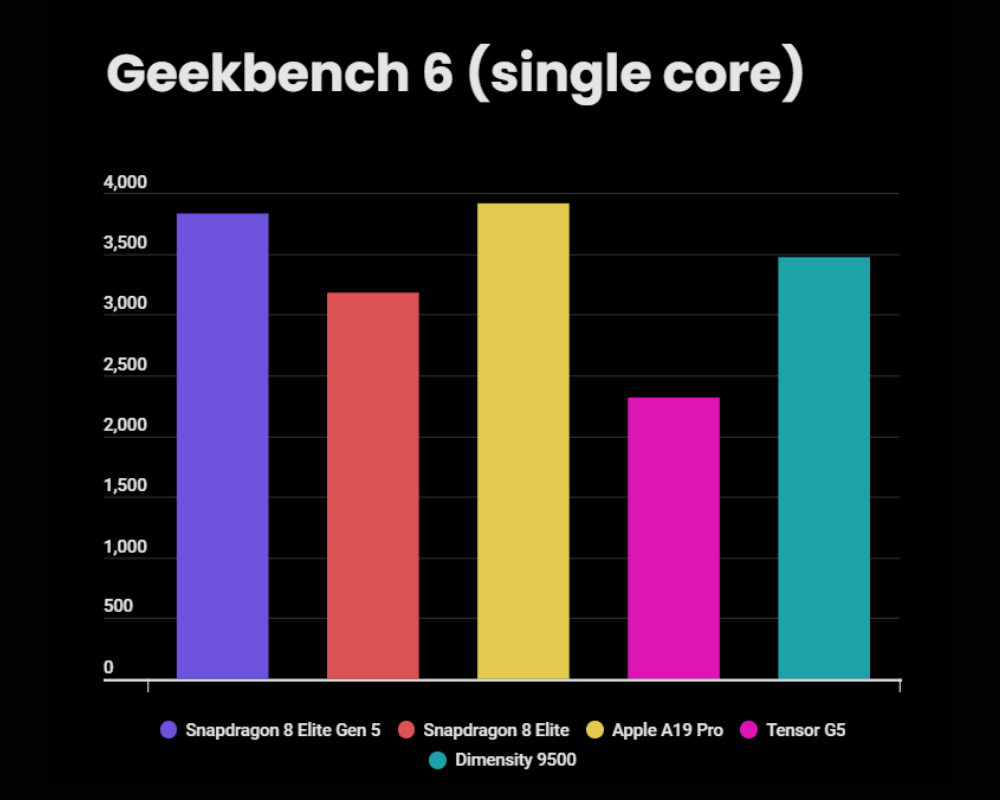
Under the hood, the phone is expected to be powered by the Snapdragon 8 Elite 2, built on TSMC’s 3nm N3P process. Early performance benchmarks reportedly show the chip reaching nearly 4,000 points in Geekbench 6 single-core tests.

Redmi K80 Pro
Redmi K80 Pro

To recall, the Poco F7 Ultra available in the global market is a rebranded version of the Redmi K80 Pro. Therefore, it is likely that while the Redmi K90 Pro may remain exclusive to the Chinese market, it may get rebadged as the Poco F8 Ultra globally.

For more daily updates, please visit our News Section.

Stay ahead in tech! Join our Telegram community and sign up for our daily newsletter of top stories

Samsung Galaxy Buds Core India launch teased, specs leaked via early listing

Samsung is getting ready to release a new pair of wireless earbuds in India, likely called the Galaxy Buds Core. A recent teaser posted on the company’s X (formerly Twitter) handle gives away just enough to confirm the name without saying it outright. 

The promotional tagline “Let the music move you to the core” subtly teases the upcoming product’s name. But there’s more than just a hint. The Samsung India webpage linked in the post contains several backend references to the name “Galaxy Buds Core,” visible in the page’s meta tags and HTML structure. 

The Galaxy Buds Core have already appeared on the Bureau of Indian Standards (BIS) certification database and Samsung’s own regional support pages, both of which typically signal an imminent launch.

Samsung Galaxy Buds Core Specifications

Even before any local announcement, the earbuds briefly appeared on Samsung’s UAE website before the listing was taken down. However, Gadgets360 was quick to capture a screenshot of the listing page, which reveals that the Galaxy Buds Core will be available in Black and White color options.

The earbuds themselves appear to have a stemless design, and the charging case looks very similar to the one bundled with the Galaxy Buds 2. 

According to the report, the Buds Core will reportedly feature Bluetooth 5.4, support for AAC, SBC, and Samsung’s Scalable codec, as well as typical Bluetooth profiles like A2DP and HFP. The earbuds are also said to include touch controls and an IP54 rating for resistance against dust and splashes.

One notable inclusion is active noise cancellation (ANC), which is a notable feature for budget earbuds. Samsung is also expected to enable some Galaxy AI features, such as real-time translation tools like Interpreter and Live Translate. Though these might only work when paired with newer Samsung devices.

Moreover, the buds are claimed to deliver up to 20 hours of battery life with ANC on and up to 35 hours with it turned off. Each bud carries a 65mAh battery, while the case packs 500mAh. In terms of size, the earbuds weigh about 5.3g each, and the charging case comes in at 31.2g.

Don’t miss a thing! Join our Telegram community for instant updates and grab our free daily newsletter for the best tech stories!

For more daily updates, please visit our News Section.

Redmi K80 Ultra teardown unveils flagship power with a few trade-offs

Redmi’s upcoming K80 Ultra is shaping up to be a performance-focused flagship, but even before its official launch in China, a detailed teardown has given us an early look at what’s under the hood. And while the hardware is undeniably impressive, there are a few trade-offs that might give potential buyers pause.

A teardown by WekiHome shows the phone’s internal design and reveals a focus on thermal performance, gaming, and display quality. At the front is a 6.83-inch 1.5K LTPS OLED panel from TCL with a 144Hz refresh rate, M9 material, and DC dimming support—designed for smooth visuals without flicker, even at low brightness levels.

Under the hood, the K80 Ultra runs on MediaTek’s new Dimensity 9400+ chip, paired with Micron LPDDR5X RAM and Samsung UFS 4.1 storage—hardware that makes it a serious contender for mobile gamers. The thermal setup is extensive: it includes a dual-layer stainless-steel vapor chamber, 11,400mm² of thermal film, a 6,800mm² graphite sheet, and multiple layers of thermal paste. In testing, the phone stayed below 41°C while running heavy titles at 120fps, drawing only around 4.3W of power.

Audio and haptics are also getting special attention. The K80 Ultra uses coaxial dual speakers from AAC Technologies and includes a large 601.47mm³ haptic motor to provide stronger tactile feedback. Powering everything is a 7,410mAh battery with support for 100W wired charging. Redmi is bundling a 120W charger in the box, and the device also reportedly supports “Bypass Charging Plus”, which helps reduce heat during intensive use and preserve battery in the long run. Redmi claims the phone can last up to 2.26 days on a single charge.

Still, there are a few noticeable omissions. For starters, there’s no wireless charging—a feature that’s become standard in many flagship-level devices. And while the USB-C port supports fast charging, it’s limited to USB 2.0 speeds for data transfer, which tops out at just 480Mbps. That’s a step down compared to models like the Xiaomi 15 Pro, which support USB 3.2.

The phone sports a flat, CNC-machined aluminum frame and a fiberglass back, weighing in at 219g. It also carries an IP69 rating for dust and water resistance.

Don’t miss a thing! Join our Telegram community for instant updates and grab our free daily newsletter for the best tech stories!

For more daily updates, please visit our News Section.

Apple may be eyeing Perplexity AI to boost Siri and challenge Google Search

Apple is reportedly exploring the possibility of acquiring Perplexity AI, a fast-rising player in AI-powered search, as part of a broader push to strengthen its artificial intelligence capabilities. If the deal moves forward, it could mark Apple’s biggest acquisition yet — and signal a major shift in how the company approaches search and voice assistants.

Apple

According to a Bloomberg report published on June 20, senior Apple executives, including Apple’s head of mergers and acquisitions, Adrian Perica, and services chief Eddy Cue, have held early-stage discussions internally about a potential deal. Perplexity told Reuters that it had “no knowledge” of any such talks — suggesting nothing formal has been presented to its leadership so far.

Still, the timing is notable. Apple has been working to embed more AI-driven features into Safari and may be looking for ways to reduce its reliance on Google.

Perplexity has gained popularity for its real-time, conversational search results — offering a more direct, chatbot-style experience similar to ChatGPT and Google Gemini. It’s seen by some as an early threat to the traditional search engine model.

Earlier this year, Meta also reportedly tried to buy Perplexity, but failed. The company later shifted its focus to a $14.8 billion investment in Scale AI. Now, it seems Apple could be stepping in, potentially not just for the tech, but for Perplexity’s growing talent pool — something Apple may benefit from as it looks to improve Siri.

There’s also a competitive angle. Samsung is reportedly in talks to integrate Perplexity’s search tools into its upcoming Galaxy S26 lineup. If Apple were to secure a deal, it could cut off that opportunity and gain an edge in the AI race.

A successful $14 billion deal would easily surpass Apple’s largest purchase to date — its $3 billion acquisition of Beats in 2014. Whether this leads to a smarter Siri, a more independent Safari, or a new way to search on iPhones, one thing is clear: Apple is getting serious about AI.

Don’t miss a thing! Join our Telegram community for instant updates and grab our free daily newsletter for the best tech stories!

For more daily updates, please visit our News Section.

(Source: Reuters, Bloomberg)

Krafton fined over misleading PUBG loot box odds

The South Korean Fair Trade Commission (KFTC) has fined game publisher Krafton 2.5 million won (approximately $1,800) for misrepresenting loot box probabilities in PUBG: Battlegrounds. The fine is part of a broader regulatory push following amendments to South Korea’s Game Industry Act, which now requires developers to clearly disclose the odds of obtaining in-game items tied to random chance.

PUBG Battlegrounds

The KFTC’s ruling focuses on two specific violations during Krafton’s promotional events. Between March and June 2023, Krafton launched a collaboration with K-pop group NewJeans and advertised that players would be guaranteed to receive a specific cosmetic item on their fifth attempt. In reality, the actual success probability on the fifth try was only 9 percent. In another case, the company displayed drop rates between 0.1414% and 0.7576% for certain item crafting systems, but the actual chance of success was zero.

Mobile game publisher Com2uS received the same penalty for its game Starseed: Asnia Trigger. Between March and May 2023, the company sold bundles claiming that three items each had a 24 percent chance to enhance character stats. However, only one item had any actual effect, while the other two were functionally useless.

In addition to the fines, both companies must submit preventive action plans to the KFTC within 30 days. Krafton has refunded over 1.1 billion won (around $870,000) to more than 380,000 affected players and issued about 9.8 billion won in in-game currency as compensation. Com2uS granted 200,000 won worth of in-game currency to each of its 1.55 million users, regardless of whether they made related purchases.

The KFTC stated that it will continue to monitor game publishers closely and enforce stricter oversight of misleading loot box practices. It added that additional penalties will follow if companies fail to comply with disclosure rules. Investigations into other major developers, including Webzen and NCSoft, are ongoing.

In related news, Ayaneo recently launched the Pocket S2 and Pocket S2 Pro gaming handhelds, featuring a detachable D-pad and a 10,000mAh battery.

For more daily updates, please visit our News Section.

Stay ahead in tech! Join our Telegram community and sign up for our daily newsletter of top stories! 💡

(Via)

Galaxy S24 FE gets a major price cut in India, now cheaper than the Galaxy A56

If you’ve been eyeing a new Samsung phone that delivers near-flagship features without burning a hole in your pocket, now might be the perfect time. Samsung’s Galaxy S24 FE has received a massive price drop in India, making it one of the most tempting deals in the segment right now.

Galaxy S24 FE

Originally launched in September 2024 at ₹59,999 for the 8GB + 128GB model, the S24 FE is listed on Amazon India for just ₹34,765 as of writing—a sharp 40% discount. The 256GB variant has also seen a price cut, down from ₹65,999 to ₹42,649. On top of that, buyers using select credit or debit cards can get an additional ₹1,250 off, and Amazon is offering no-cost EMI options for up to six months. In comparison, Flipkart is still selling the phones at premium prices: ₹50,999 and ₹56,999 for the 128GB and 256GB variants, respectively.

The Galaxy S24 FE packs in a lot considering its current price: a 6.7-inch 1900 nits (peak) Dynamic AMOLED 2X display, flagship-grade Exynos 2400e chip, a 4,700mAh battery with 25W wired and 15W wireless charging, and an IP68 water resistance rating. For photography, it features a 50MP main camera with OIS, 12MP ultrawide, 8MP 3x telephoto, and a 10MP front camera. It can even shoot 8K video at 30fps from the main sensor. The phone runs One UI 7.0 based on Android 15 and is promised seven years of OS updates (six left) — something rare at this price.

Although holding off a bit longer could also be an option, as upcoming festive season discounts could push prices down even further, possibly closer to or even below ₹30,000.

Still, this discount makes the S24 FE a strong contender for buyers considering devices like the Galaxy A56, which currently costs more than the S24 FE, starting at 38,999 on Amazon. The FE model offers clear advantages like wireless charging, a telephoto lens, and a longer update roadmap—all at a lower price point.

Please Note: When you buy something using the links in our articles, we may earn a small commission at no cost to you.

If you’re looking for a premium experience without paying flagship prices, the Galaxy S24 FE just became a lot more accessible.

Stay ahead in tech! Join our Telegram community and sign up for our daily newsletter of top stories!

For more daily updates, please visit our News Section.

(Source: Amazon)

Google’s Gemini Space may bring Samsung’s Now Bar to Pixel phones

Google might be gearing up to give Pixel users a smarter lock screen experience—something that feels a lot like Samsung’s Now Bar. A new feature in the works, known internally as Gemini Space, could offer real-time, glanceable info straight from the lock screen, setting the stage for a more interactive Pixel 10 series.

Samsung introduced the Now Bar with One UI 7, then enhanced it with Android 16’s Live Updates in One UI 8. The feature lets Galaxy users check things like live sports scores or reminders without unlocking their phones. Now, it seems Google is developing a similar feature for its Pixel lineup.

Nor Bar on Galaxy S25 Ultra

According to Android Authority, a new “Ambient Data” system config file has appeared in the Android 16 QPR1 Beta 1 firmware for the Pixel 8 Pro and Pixel 9 Pro. Internally, it’s called Gemini Space, and it’s expected to debut with the Pixel 10 series in August 2025.

Hints from the Android System Intelligence app—responsible for powering Pixel’s At a Glance widget—suggest Gemini Space will surface info like finance updates and sports scores on the always-on display. Another feature, called Ambience Hub, might act as the central interface for this, possibly replacing or expanding the current At a Glance experience.

While details are still thin on how Ambience Hub will work in practice, it could build on Google’s existing Ambient AOD and Ambient Display features to deliver quick, useful updates without needing to unlock the phone. It’s another sign of Google doubling down on making Pixel devices more helpful and context-aware—especially as Samsung continues to set the bar high for lock screen utility.

We’ll have to wait and see just how polished Gemini Space turns out to be, but it’s clear that Google wants its lock screen to do more—and maybe, even outshine Samsung’s approach.

Don’t miss a thing! Join our Telegram community for instant updates and grab our free daily newsletter for the best tech stories!

For more daily updates, please visit our News Section.

Galaxy S25+ battery incident questions Samsung’s ‘safe’ approach

While most Chinese smartphone makers are pushing the limits of existing battery technology, finding new solutions and, of course, packing in as much capacity as possible to stay competitive—you’ll find Apple, Google, and Samsung on the other end of the spectrum. The idea here is that they prioritize the safety of their phones and users above all.

But then news breaks: another smartphone has exploded, and it’s one of Samsung’s latest and best offerings—the Galaxy S25 Plus. It’s easy to shift the blame to the user with something like “the phone might have been used with an unofficial charger or cable,” but PD support (a universal charging protocol) basically suggests users don’t have to stick to Samsung’s own charger.

Sure, a generic (if such a thing even exists) power brick or cable might cause something similar—but the chances are very low. For instance, you can’t just replace the original 3A cable with a generic 0.5A one and expect it to still deliver 3A. Both the phone and the power brick are smart enough to detect that. And yes, not every Samsung device with an issue has to be a “fake Samsung.”

The tweet that shared the images and talked about the incident has now been deleted, which removes a lot of useful context for assessing the case—but that doesn’t automatically mean it was an out-of-season April Fool’s joke or a “fake Samsung.”

And this isn’t an isolated incident either. While reading about this case, I came across another where a Galaxy S23 Ultra suddenly began overheating while charging, and the battery swelled enough to crack the back glass. It’s not just phones either: a Galaxy Buds FE unit reportedly exploded in someone’s ear last year, causing permanent hearing damage.

And to be clear, I’m not cherry-picking here—I can recall a total of five fairly recent incidents: one involving a OnePlus device, one from Poco, and three from Samsung, whose lackluster battery and charging performance is often justified in the name of safety. And let’s not forget the Galaxy Note7 fiasco, which stemmed from a major battery manufacturing flaw.

Don’t miss a thing! Join our Telegram community for instant updates and grab our free daily newsletter for the best tech stories!

For more daily updates, please visit our News Section.

(Via)

Samsung’s Galaxy S25 Edge sales fall short, production scaled back

Samsung’s ambitious push for a slimmer future in smartphones may be hitting a wall. Just weeks after launching the Galaxy S25 Edge, the company is already dialing back production, signaling a lackluster reception for what was meant to be a fresh design pivot.

The S25 Edge, launched in May, arrived with a 5.8mm titanium chassis, one of the thinnest designs Samsung has ever produced. But that ultra-slim profile hasn’t translated into strong sales. According to The Elec, the company has significantly reduced production for June, a surprising move considering Samsung typically expects its flagship phones to ride solid momentum for at least three months.

Samsung Galaxy S25 Edge

Internally, the S25 Edge was positioned as a potential replacement for the underperforming “Plus” variant in the upcoming Galaxy S26 series. But with early demand already falling short, Samsung may be forced to rethink that strategy. The phone’s sleek design comes with compromises in battery life and thermal performance, trade-offs that users may not be willing to accept in 2025.

This stumble also mirrors a broader truth in today’s smartphone market: style doesn’t always beat substance. As power users demand larger batteries, better cooling, and sustained performance for gaming and multitasking, going ultra-slim starts to feel like a niche gamble rather than a mass-market move. It’s a challenge not unlike what Apple faced with the Vision Pro, an impressive piece of hardware that struggled to find footing beyond early adopters due to its price and practicality concerns.

At the same time, Samsung appears to be shifting gears toward foldables. The company has ramped up its Galaxy Z Fold 7 and Z Flip 7 production for the U.S., raising its June target to 600,000 units from an earlier 400,000, partly in response to looming tariffs. Of those, the Z Fold 7 alone is expected to account for 440,000 units.

The fate of the Edge design now hangs in the balance. Samsung needs to decide whether it’s worth iterating on, or if it’s time to accept that thin isn’t always in.

For more daily updates, please visit our News Section.

Stay ahead in tech! Join our Telegram community and sign up for our daily newsletter of top stories! 💡

(Source)

Please Note: When you buy something using the links in our articles, we may earn a small commission at no cost to you.

Gmktec EVO-T1 Mini PC launched with Core Ultra 9-285H, 64GB RAM & quad 4K output

Gmktec has introduced the EVO-T1 mini PC in China, now listed on JD.com at a retail price of 5999 yuan (approximately $834). It is available at a first-sale price of 5699 yuan (around $792), with sales starting on July 14. It is also expected to launch globally, as the brand’s international website has begun teasing the product with a special $80 off launch day coupon.

Gmktec EVO-T1

Gmktec EVO-T1 Specifications

The EVO-T1 features the Intel Core Ultra 9-285H processor. The chip comes with 14 cores and 22 threads, including 6 performance cores, 8 efficient cores, and 2 low-power cores, and reaches a boost clock of up to 5.1GHz.

It has a 90W TDP, enabling sustained high-performance workloads. The system includes integrated Intel Arc 140T graphics and an AI Boost NPU, combining for a total of 99 TOPS of AI compute power (INT8), with the NPU contributing 13 TOPS on its own.

The mini PC ships with 64GB of DDR5 memory running at 5600 MT/s and a 1TB PCIe 4.0 SSD. Users can upgrade the RAM to 96GB via two SO-DIMM slots and install up to three PCIe 4.0 M.2 2280 SSDs, allowing more than 12TB of total storage.

Gmktec EVO-T1

Gmktec highlights that the EVO-T1 can run local AI models such as DeepSeek 32B at up to 15 tokens per second. This makes it suitable for AI developers, researchers, and engineers working with LLMs, as well as for creative professionals and gamers.

The device includes a USB4 port with Thunderbolt 4 support, an OCuLink port for high-speed external GPU or storage expansion, and dual 2.5Gbps Ethernet ports. It also supports up to four 4K displays through HDMI 2.1 and DisplayPort outputs.

The cooling system consists of dual fans and a custom airflow layout that keeps the system stable during heavy workloads. Gmktec has not yet released complete specifications but has confirmed all key configurations through official announcements.

In related news, Geekom recently launched the IT15 Mini PC featuring Intel Core Ultra, 64GB RAM, and 4TB SSD for desktop-class performance. Gmktec has also introduced the G10 Mini PC, equipped with a Ryzen 5 processor, up to 16TB storage, and support for triple 4K displays.

For more daily updates, please visit our News Section.

Stay ahead in tech! Join our Telegram community and sign up for our daily newsletter of top stories!

Xiaomi launches new 400L refrigerator with a slim build, HyperOS & quiet operation

Xiaomi has officially launched the Mijia French-style flat-embedded 400L refrigerator in China. The appliance is now available for pre-sale on JD.com at a price of 1999 yuan (approximately $275). It targets users with compact kitchens and emphasizes efficient use of space without compromising on storage or features.

Xiaomi Mijia French-Style 400L Refrigerator

Xiaomi Mijia French-Style 400L Refrigerator Specifications

The refrigerator features a 60cm ultra-thin body with a total depth of 65.4cm, designed to sit flush with standard kitchen cabinets. Xiaomi uses a bottom-mounted heat dissipation system and micro-gaps on both sides to reduce dust buildup while allowing close placement against walls or counters.

Xiaomi has given the appliance a clean look with a textured “Ice Feather White” finish. The design supports both freestanding and embedded installation. The door opens at a 90-degree angle, which ensures easy access even in narrow kitchen layouts. The refrigerator occupies just 0.4 square meters of floor space, making it a suitable choice for small households.

The total capacity is 400 liters. It includes a 216L refrigerator section, a 134L freezer, and a 50L independent variable-temperature compartment. The freezer uses a “1+2” drawer layout that can accommodate large items like lamb legs without cutting. The drawers use metal sliding rails for smooth access, and the upper compartments are positioned to reduce bending when retrieving food.

Xiaomi has added a silver ion antibacterial module inside the fridge compartment. The company claims it achieves a 99.99% sterilization rate and 99% odor removal efficiency. The 50L variable-temperature zone supports a range of -1°C to 5°C and is designed for items like cosmetics, baby formula, or traditional health products that require specific cooling conditions.

The refrigerator features a fast-freezing capability that can freeze up to 6kg every 12 hours. It is equipped with a dual-inverter system and five temperature sensors to ensure consistent cooling. Additionally, the 360° frost-free air circulation system eliminates the need for manual defrosting and helps maintain the texture of stored food.

Xiaomi has equipped the refrigerator with smart features such as HyperOS Connect support, remote control through the Mi Home app, and voice interaction via XiaoAI. It also offers LED touch controls, soft interior lighting, adjustable shelves, and a removable door seal for convenient cleaning.

The refrigerator operates at a low noise level of 35dB and consumes only 0.76kWh of electricity per day. Xiaomi offers a 10-year warranty on the compressor, positioning the Mijia 400L refrigerator as a practical, space-efficient, and connected option for modern households.

For more daily updates, please visit our News Section.

Stay ahead in tech! Join our Telegram community and sign up for our daily newsletter of top stories! 💡

(Source)