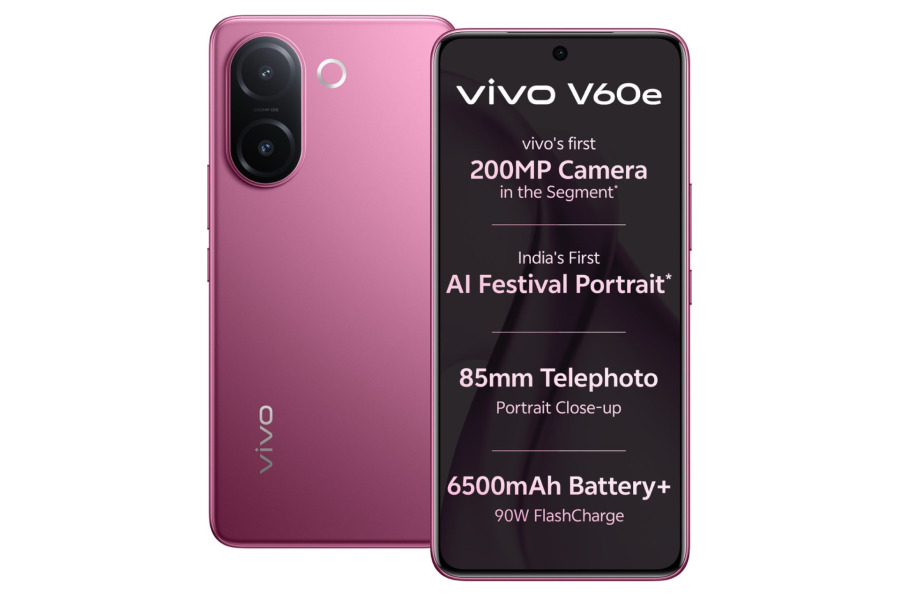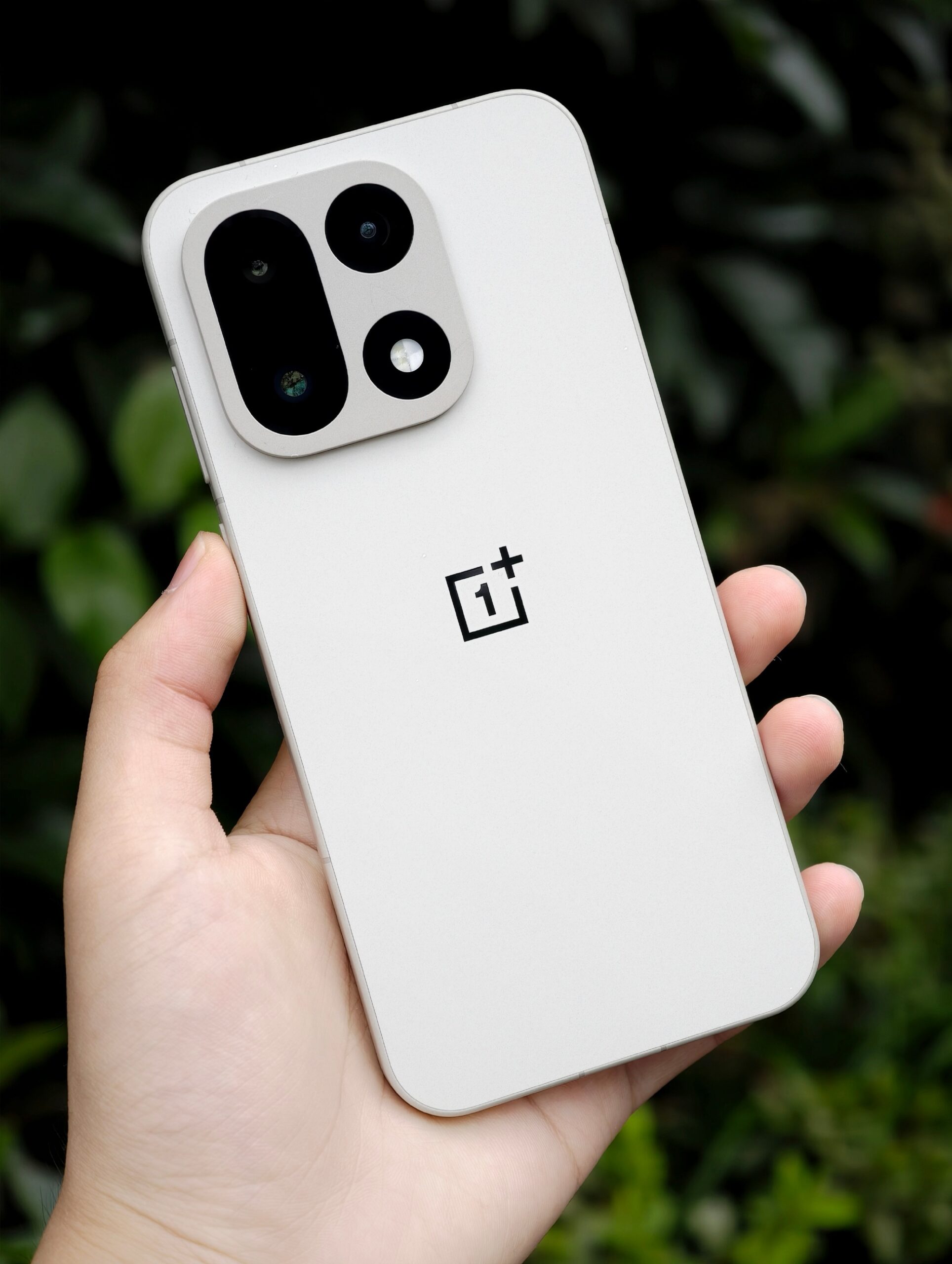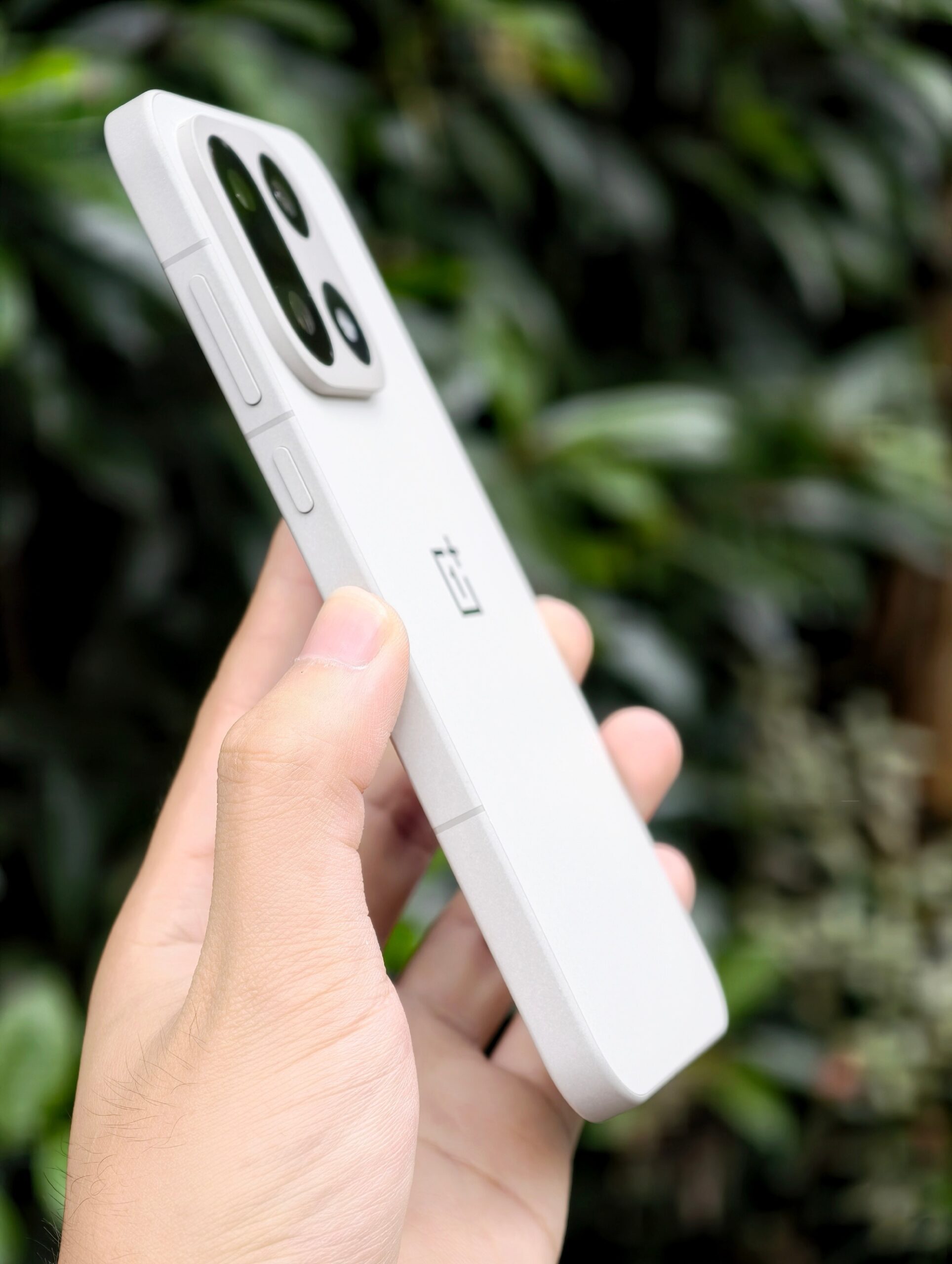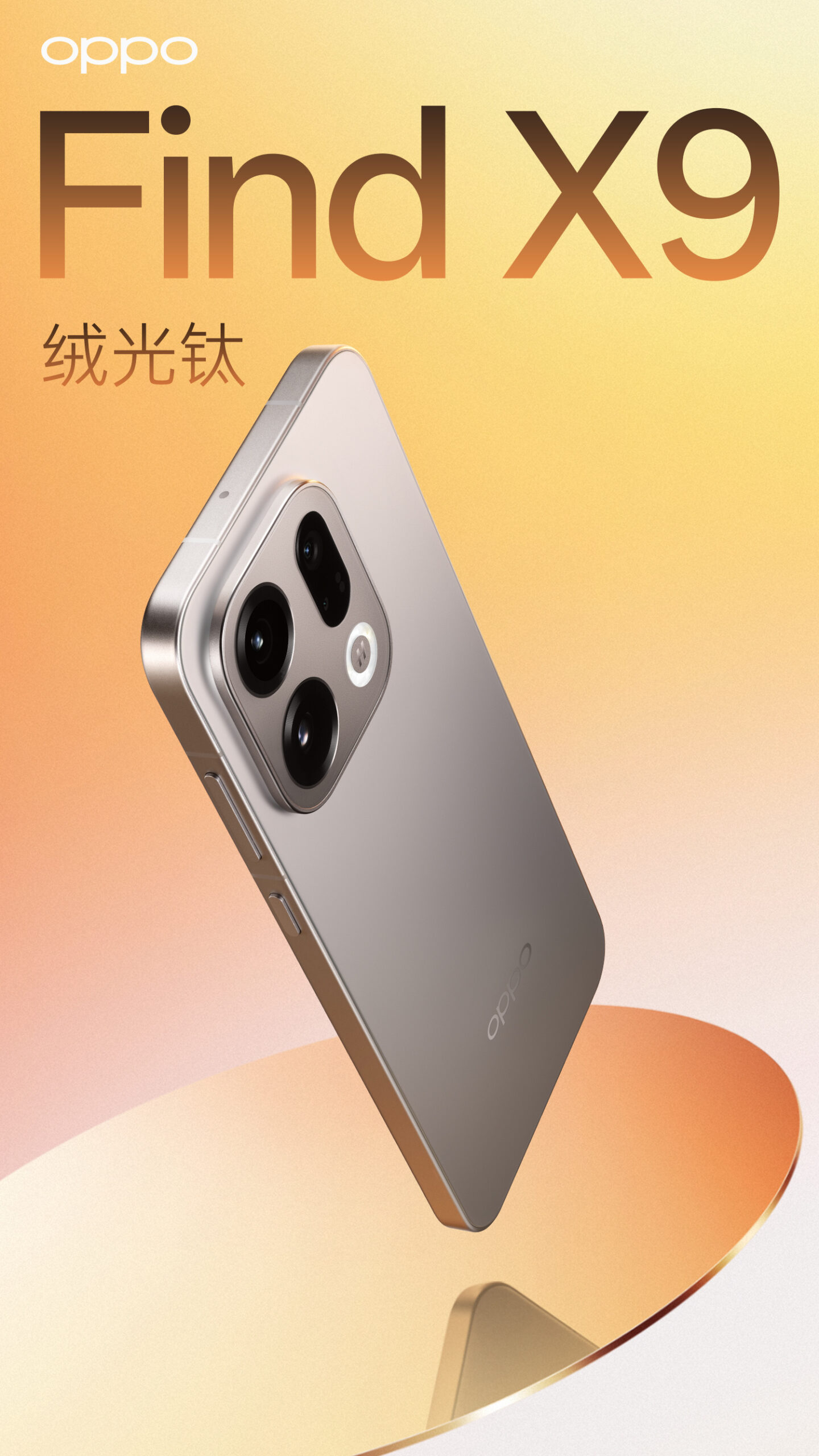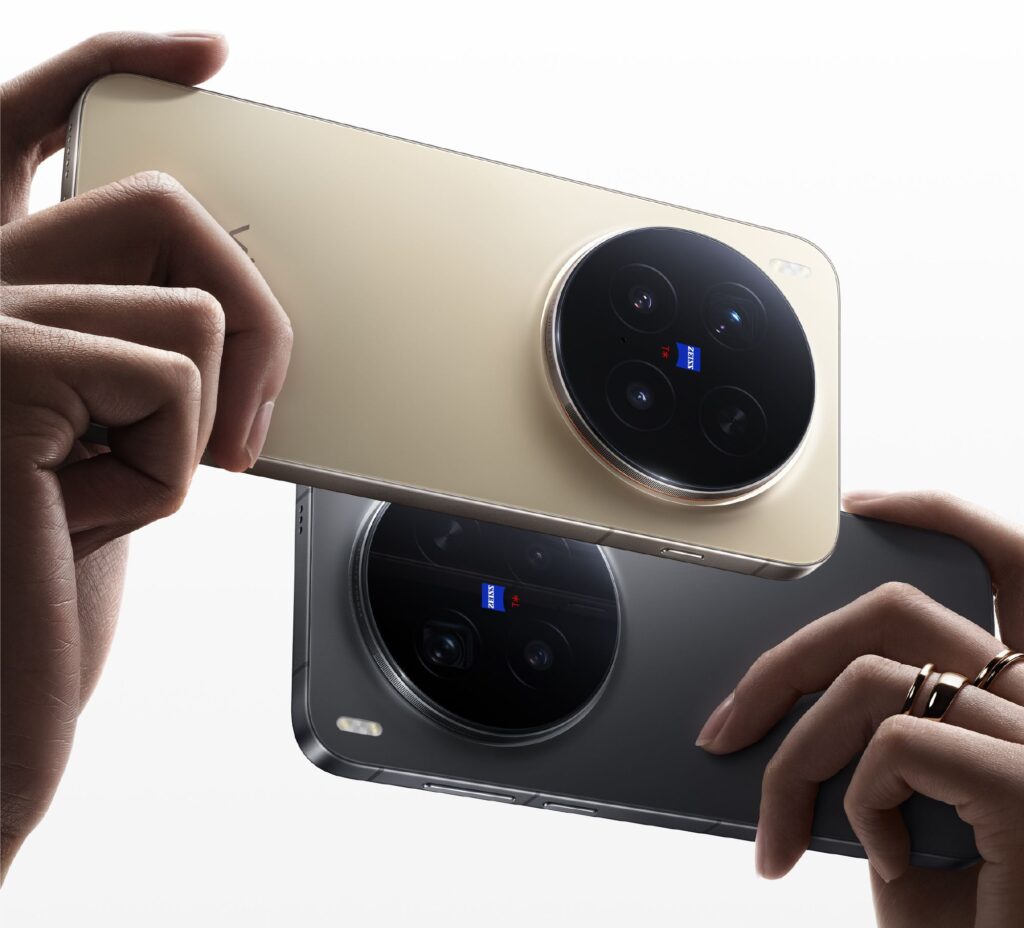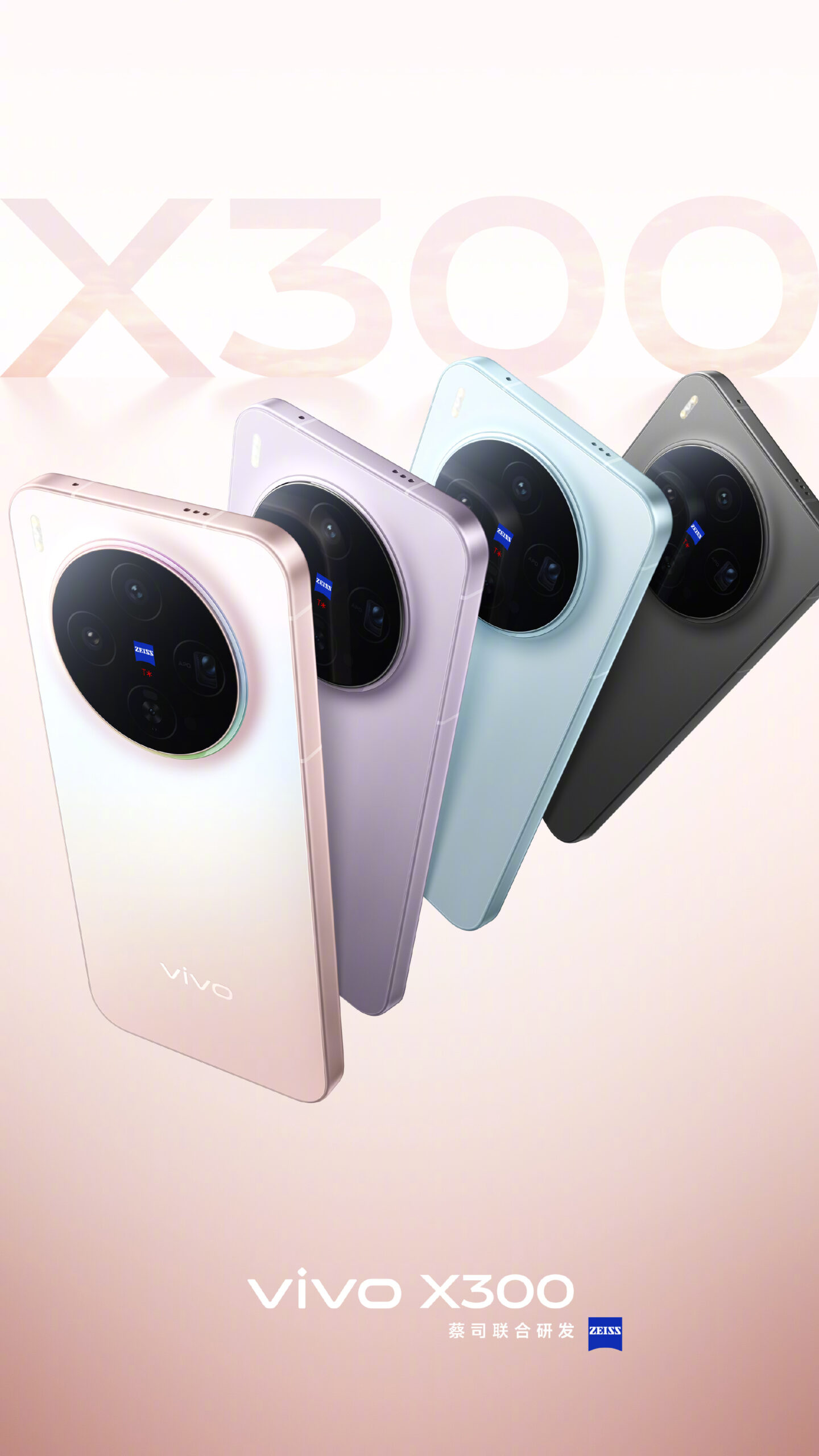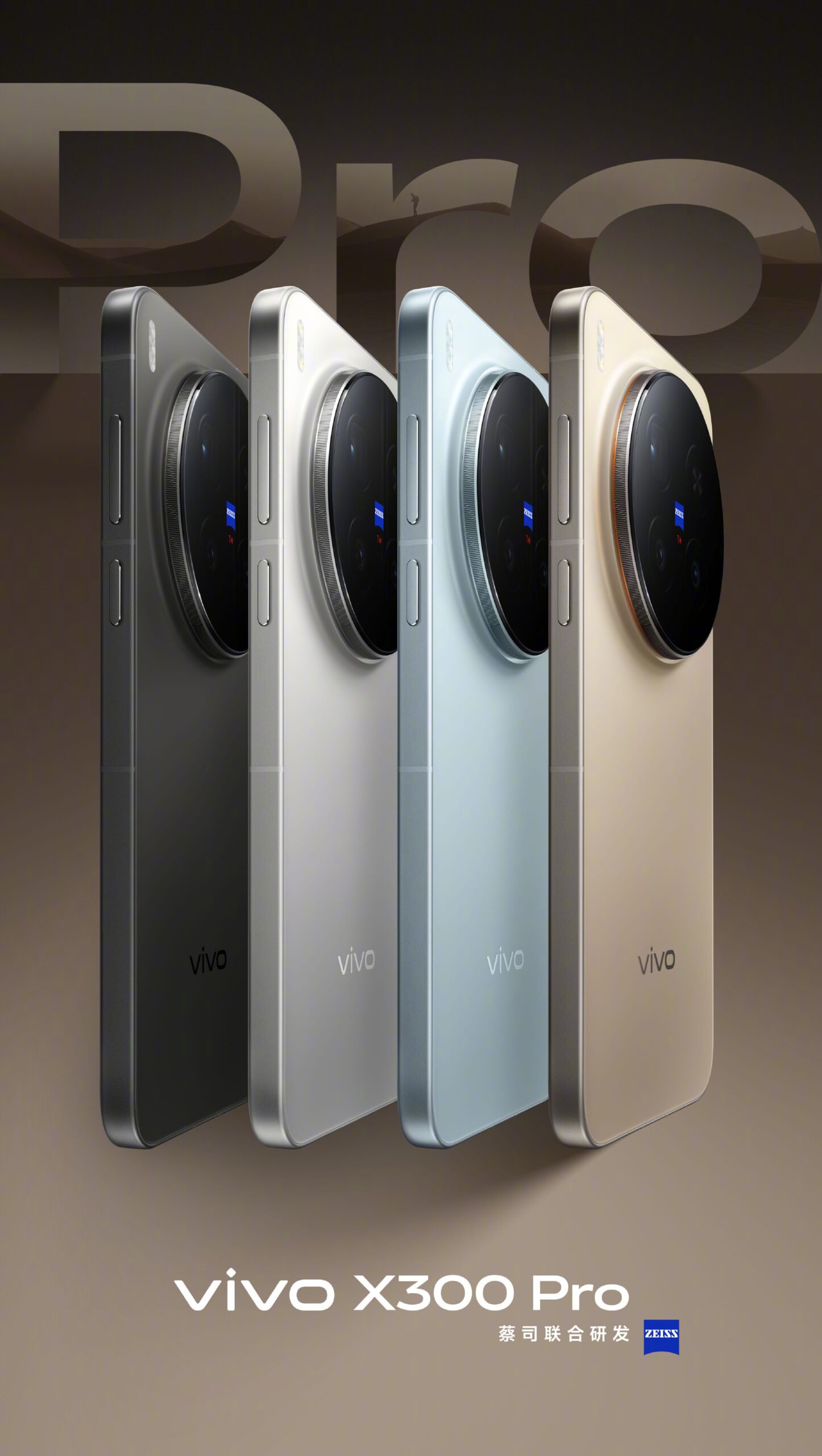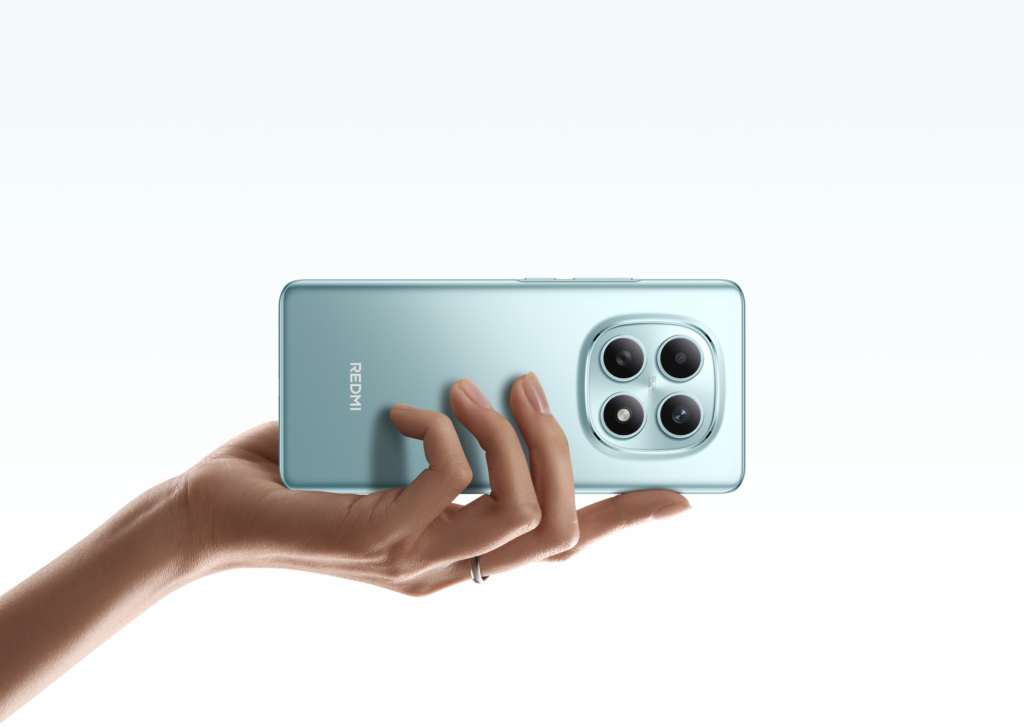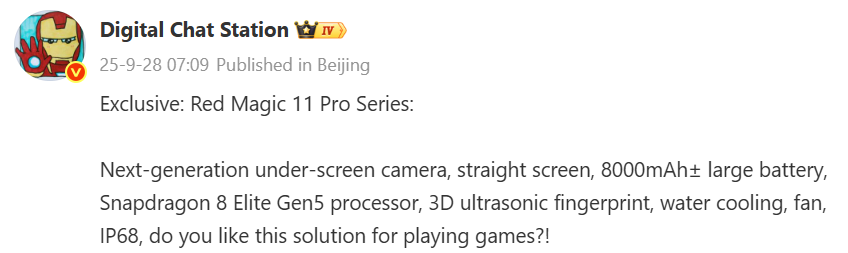
Vivo has confirmed that the T4 Lite 5G will launch in India on June 24. It will be Vivo’s most affordable 5G smartphone so far, expected to be priced under ₹10,000.
The phone will come with a 6000mAh battery, the biggest battery in its segment. It also features a display with up to 1000 nits peak brightness, making it easier to view in bright light. This is the first phone in this price range to offer that level of brightness.
The T4 Lite 5G is powered by the MediaTek Dimensity 6300 processor. It supports dual SIM 5G and has expandable storage up to 2TB through a microSD card. While vivo hasn’t shared full memory specs yet, the phone is expected to be similar to the iQOO Z10 Lite, which has up to 8GB of RAM, 8GB of virtual RAM, and up to 256GB of storage. The Z10 Lite also includes an IP64 rating for dust and water resistance, so the T4 Lite 5G may offer the same.
Vivo is also expected to include a 50MP rear camera, although this hasn’t been officially confirmed. After launch, the T4 Lite 5G will be available on Flipkart, vivo’s official website, and offline stores. More details, including exact pricing and full specs, will be shared by the company in the coming days.
Oppo has officially confirmed through social media that the Reno 14 5G series will be introduced in the Indian market soon. According to leaks, the series is expected to debut in the first week of July and will likely include two models: the Reno 14 5G and Reno 14 Pro 5G. The series also includes the Reno 14F, but it is unlikely to make it to the Indian market.
Oppo Reno 14 series teasers begin in India
Oppo Reno 14 series India teaser
The Oppo Reno 14 series landing pages are now live on Amazon and Flipkart in India. Although the exact launch date hasn’t been disclosed, the phones are tagged as “coming soon.”
The Reno 14 5G series, which was launched in China in May, is expected to carry over the same design and hardware to the Indian market. Teaser images suggest the phones will come in green shade with a triple rear camera setup and flat-edge frame. The standard model is expected to feature a 6.59-inch Full HD+ display, while the Pro version may include a larger 6.83-inch screen with up to 1,200 nits peak brightness. Both support a 120Hz refresh rate and come with Crystal Shield Glass protection.
Under the hood, the Reno 14 may feature the MediaTek Dimensity 8350 chip, whereas the Pro could use the Dimensity 8450 SoC. They are likely to ship with Android 15-based ColorOS 15. The camera setup may include a 50-megapixel main sensor with OIS, a 50-megapixel ultra-wide camera, a 50-megapixel telephoto camera with a 3.5x optical zoom, and a 50-megapixel selfie camera.
The Reno 14 is expected to pack a 6,000mAh battery, while the Pro model may get a 6,200mAh unit. Both phones are expected to support 80W wired charging, with the Pro possibly supporting 50W wireless charging as well. The series is expected to be priced between Rs 35,000 and Rs 50,000 in India.
Ahead of the June 24 launch, Poco has officially revealed that the upcoming F7 will differ slightly depending on the region. While both the Indian and global editions will share many of the same features, one key difference stands out—the global variant will arrive with a smaller battery compared to the Indian model, as confirmed by Poco India and Poco Global through their official X handles.
Larger battery for India, smaller for global markets
Poco F7 global eddition’s battery size rrevealed
Earlier this month, Poco India confirmed that the Poco F7 will feature a 7,550mAh silicon-carbon (Si/C) battery, making it the largest battery smartphone at launch in the country. However, the global edition will feature a smaller 6,500mAh cell, as confirmed by Poco Global through a recent X post.
While no official explanation has been offered for the discrepancy, it is clear the brand has chosen different configurations based on market priorities. Despite the battery size difference, both models will support 90W wired charging and 22.5W reverse wired charging.
Poco F7 key specifications
Earlier, Poco confirmed that the Poco F7 will be powered by the Snapdragon 8s Gen 4 chipset. It will come equipped with up to 12GB of LPDDR5X RAM and UFS 4.1 storage, promising smooth performance. The camera setup includes a 50-megapixel primary shooter. Additionally, the phone will feature a 6,000mm² 3D IceLoop cooling system to help manage thermals during intensive tasks. The Poco F7 will be offered in three color options as seen in the above image.
At present, there is no clue about the Poco F7’s global pricing. Considering that the F7 Pro was priced at $499 at launch, it is likely that the F7 could be priced around $400 to $450. In India, the device will have a sub-Rs 35,000 (~$400) price tag.
For more daily updates, please visit our News Section.

After entering the Indian market in 2015, ZTE’s sub-brand Nubia launched several smartphones, including the Nubia Z9 Mini, Z11 Mini, Z11, N1, Z11 MiniS, M2 Lite, N1 Lite, Z17 Mini, N2, M2, and M2 Play. The Z17 Mini, released in 2017, was the last regular smartphone from the brand in India. Between 2018 and 2019, Nubia introduced a couple of Red Magic gaming phones in the country before exiting the Indian market entirely. Recently, brands such as Acer and Alcatel have re-entered the Indian market by partnering with Indian-based manufacturing companies. It appears that Nubia may be planning a comeback using a similar strategy.
Three Nubia phones bag BIS certification in India
Nubia Neo 3, Focus 2, Music 2 BIS certified in India
As seen in the screenshot above, new Nubia smartphones with model numbers Z2460, Z2462N, and Z2464N have recently received BIS certification in India. These are being manufactured by SkyQuad Electronics & Appliances Pvt. Ltd, a company based in Telangana.
These model numbers correspond to the Nubia Music 2, Nubia Focus 2 5G, and Nubia Neo 3, all of which have already been launched in other countries. Their BIS listings suggest that they could be the first devices marking Nubia’s return to the Indian smartphone market. As of now, there is no official announcement from Nubia regarding its comeback in India.
Nubia Neo 3
The Nubia Neo 3 5G is a budget-friendly gaming phone equipped with a 6.8-inch AMOLED FHD+ 120Hz screen, a Unisoc T8300 chipset, 8GB of RAM, 256GB of internal storage, a 6,000mAh battery with 33W charging, a 16-megapixel front camera, a 50-megapixel dual-camera setup, RGB lighting, gaming shoulder triggers, and an in-screen fingerprint sensor. This phone was also introduced in Indonesia with an IDR 2,449,000 (~$150) price tag.
Nubia Focus 2 5G
The Nubia Focus 2 5G has a 6.7-inch IPS LCD HD+ 120Hz display, a Unisoc T760 chip, 8GB of RAM, 256GB of built-in storage, a 5,000mAh battery with 22.5W charging support, a 16-megapixel front camera, a 108-megapixel triple camera unit, and a side-mounted fingerprint sensor. This phone is available in Indonesia for IDR 2,000,000 (~$120).
Nubia Music 2
The music-focused Nubia Music 2 is a budget-friendly phone, which is priced at MYR 389 (~$90) in Malaysia. The major highlight of this phone is that it is equipped with a DTX-S Ultra-enabled 2.1 channel audio system featuring three full-range speakers. It comes with other features, such as spatial audio, 95dB max volume, and a 3.5mm audio jack. In terms of specs, it features a 6.7-inch LCD HD+ 120Hz screen, a Unisoc T7200 chip, 4GB of RAM, 128GB of storage, a 5,000mAh battery with 10W charging, and a 50-megapixel main camera. It lacks support for 5G connectivity.
Considering the pricing of these phones, Nubia is likely aiming its phones at the Rs 10,000 to Rs 25,000 price segment.
For more daily updates, please visit our News Section.
Neckband-style earphones continue to be a popular choice for Indian consumers in 2025. While true wireless earbuds dominate the premium segment, neckbands remain a preferred option for users seeking long battery life, a secure fit, and stable connectivity.
Several major brands including OnePlus, Realme, and boAt have introduced new models over the past year, with strong feature sets and aggressive pricing. Here are the top five neckbands currently available in India that offer the best value and performance.
OnePlus launched the Bullets Wireless Z3 recently as the successor to the Z2. The earphones retain the lightweight silicone neckband and in-line controls, while improving on sound and battery life. OnePlus uses 12.4mm dynamic drivers tuned with its BassWave algorithm. The audio delivers strong bass with decent clarity and supports AAC and SBC codecs.
The Bullets Wireless Z3 supports Bluetooth 5.4 and features magnetic earbuds that pause playback when clipped together. It delivers up to 36 hours of battery life, with a 10-minute fast charge offering around 27 hours of use. The Z3 also supports 3D Spatial Audio when paired with compatible OnePlus phones and has an IP55 rating for water and sweat resistance. It is priced at ₹1,699 ($20) and available through both online and offline retail channels.
2. Realme Buds Wireless 5 ANC
Realme introduced the Buds Wireless 5 ANC alongside the Realme 14 Pro series earlier this year. The device uses a BT8931H chipset and features 13.6mm dynamic drivers tuned for bass. It supports AAC codec, Bluetooth 5.4, and includes five microphones for high voice clarity.
The Buds Wireless 5 ANC includes hybrid active noise cancellation up to 50dB, adaptive ANC modes, and 4000Hz ultra-wideband noise cancellation for calls. The neckband supports 360-degree spatial audio, dual-device pairing, magnetic power controls, and a 45ms low-latency gaming mode.
The earphones offer up to 38 hours of battery life in normal mode and 20 hours in transparency mode. A quick 10-minute charge provides 20 hours of playback. They are priced at ₹1,599 ($19) and come in three color options: Midnight Black, Twilight Purple, and Dawn Silver.
Please Note: When you buy something using the links in our articles, we may earn a small commission at no cost to you.
3. boAt Rockerz 210 ANC
boAt launched the Rockerz 210 ANC last year. The model includes 13mm drivers, boAt Signature Sound tuning, and boAt Spatial Audio. It delivers 30dB Active Noise Cancellation and uses AI-ENx for improved call quality.
The neckband supports multi-device connectivity, magnetic hall switch, Google Fast Pair, dual EQ modes, and a low-latency mode for gaming. Battery life extends to 40 hours, with 10 hours of playback from just a 10-minute charge. It is priced at ₹1,499 ($18) and available in several colors across major online platforms.
Please Note: When you buy something using the links in our articles, we may earn a small commission at no cost to you.
4. Realme Buds Wireless 5 Lite
Realme has confirmed that the Buds Wireless 5 Lite will launch in India on June 23, 2025. The product is already listed on Amazon with detailed specifications. It features 12.4mm dynamic drivers and supports Bluetooth 5.4 with both SBC and AAC codec compatibility.
The neckband includes dual-device connection, magnetic controls, and physical button operation. It also features AI ENC for clearer call quality, 45ms ultra-low latency mode for gamers, and an IP55 rating for water and dust resistance. Realme claims up to 35 hours of playback on a full charge and 4 hours of use from a 10-minute charge.
The Buds Wireless 5 Lite will launch at ₹1,199 ($14). It will be available in three color variants: Cyber Orange, Haze Blue, and Void Black. Users looking for a reliable neckband under ₹1,200 may want to wait for its first sale on June 23.
Please Note: When you buy something using the links in our articles, we may earn a small commission at no cost to you.
5. OnePlus Bullets Wireless Z2 ANC
The Bullets Wireless Z2 ANC, introduced by OnePlus in 2023, remains a relevant option in 2025. It features 12.4mm drivers and anti-distortion audio technology for enhanced bass and clarity. The earphones support 45dB hybrid noise cancellation and include three microphones for AI-based call noise reduction.
Battery life is rated at 20 hours, and a 10-minute fast charge can deliver the same 20-hour usage. The neckband also supports Google Fast Pair, magnetic control, Bluetooth 5.2, and has an IP55 rating for water and sweat resistance. It is currently available for around ₹1,899 ($23).
It’s been official for a while now: Nothing is killing the Glyph Interface on the Phone (3). Today, the company revealed what’s taking its place. Say hello to Glyph Matrix.
Glyph Matrix swaps Nothing’s signature LED strips for a dot matrix-style display, similar to what we’ve seen on Asus’ ROG Phone 9 series. The new setup will unsurprisingly be more customizable than the original Glyph Interface and could offer more practical uses for users, beyond just flashy lights.
Nothing Phone (3) render could be fake
Nothing confirmed the Glyph Matrix for the Phone (3) in a latest teaser on X (formerly Twitter). Interestingly, the dot matrix panel now sits on the right side of the phone, not centered, as earlier leaks had suggested.
That detail could mean some of those leaks were off. As 9to5Google pointed out, the newly shared teaser appears to contradict a previously leaked render of the Phone (3).
In that render, the camera module would’ve overlapped with where the Glyph Matrix now appears. With the dot matrix pushed to the right, it’s more likely that the camera setup will be left-aligned. So it seems that the earlier render of the Phone (3) is nothing but fake.
As for the price, an earlier leak claims the device will start at $799 for the 12GB RAM and 256GB storage variant, and $899 for the 16GB RAM and 512GB storage model.
The Phone (3) will be officially unveiled at a launch event in London on July 1, where we’re also expecting to see the debut of Nothing Headphone (1).
At a recent AI technology meet in China, Honor offered a sneak peek at its upcoming foldable phone – the Magic V5. The device made its first public appearance, albeit under wraps, giving away subtle design cues. Additionally, the brand has also rolled out new teasers to showcase V5’s slim design.
Honor Magic V5 design teaser
Honor Magic V5 showcased in a confidentiality caseHonor Magic V5 showcased in a confidentiality case
Honor Magic V5 showcased in a confidentiality case
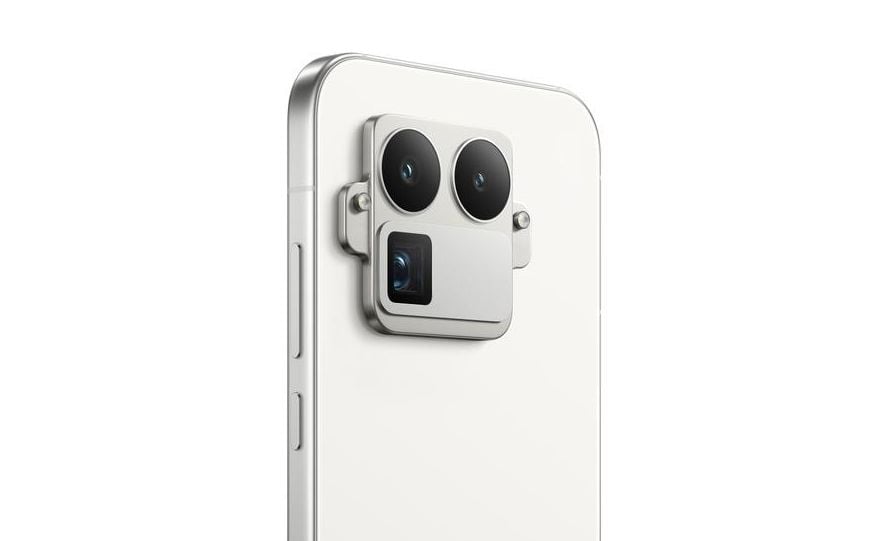
As can be seen in the above images, the Honor Magic V5 was seen wearing a confidentiality case, but its slim profile stood out clearly. Its metal frame has flat edges, and the body is reportedly just under 8.93mm thick – nearly matching the thickness of a one Yuan coin. Weighing under 219 grams, the Magic V5 aims to be the lightest and thinnest large foldable phone ever.
The above teasers showcase the Magic V5’s golden edition. The device appears to be equipped with a large, round camera module on the back. Honor has a history of pushing limits in foldable design, and this generation continues that focus.
Alongside the hardware innovation, the Magic V5 will introduce a full-stack personal knowledge base, multi-agent AI coordination, and seamless connectivity across Honor devices – all geared towards a PC-like productivity experience on mobile.
As per leaks, the Magic V5 will feature a 7.95-inch 2K+ LTPO inner display and a 6.45-inch external screen. It’s expected to be powered by the Snapdragon 8 Elite Leading Version chip, paired with a 6,100mAh battery – the largest yet in a foldable – along with 80W wired and wireless charging.
Other highlights include a 200-megapixel main camera, side-mounted fingerprint scanner, and support for Beidou satellite messaging. Colour options are said to include Velvet Black, Warm White, Dawn Gold, and Silk Road Dunhuang.
Honor is set to unveil the Magic V5 and other AI-focused devices, including the MagicPad 3 tablet, on July 2 in China.
For more daily updates, please visit our News Section.

OnePlus has started rolling out the OxygenOS 15.0.0.1002 update for the OnePlus 10T 5G in India. The update, version CPH2413_15.0.0.1002(EX01), is being released in batches and will gradually reach more users in the coming days.
This update adds several practical features. OnePlus 10T users can now connect their phone to a Mac, access files, and transfer them between devices. A partial screen recording option is also now available, allowing users to record a specific area of the screen instead of the full display.
New clock widgets have been introduced, which can be placed on the home screen. These widgets show the local time and weather. Super Power Saving mode has been improved with a revised list of default apps and a smoother way to add new ones.
The process of setting a custom ringtone while adding or editing a contact has been made easier. Gesture recognition for closing floating windows is now more responsive, and the visual appearance of shadows around those windows has been refined. The update also includes the June 2025 Android security patch, which improves system security.
OnePlus 10T 5G OxygenOS 15.0.0.1002
As with previous updates, this one is rolling out in stages. A small number of users will receive it first, followed by a broader rollout. If you face any problems, you can report bugs through the OnePlus Community App by going to the “Bug Report” section in your profile. You can also dial *#800# to access the feedback tool and report issues.
To check for the update manually, go to Settings, select “About Device,” and tap the top blue banner to see if the update is available for your phone.
For more daily updates, please visit our News Section.
Samsung can’t seem to keep a secret these days. Hot on the heels of official Galaxy Z Fold 7 renders hitting the web, an exclusive report from SammyGuru has now revealed CAD-based renders of the Galaxy S25 FE.
The S25 FE will not make an appearance at Samsung’s Galaxy Unpacked event next month, but the leaked images give us an idea of what’s coming, at least design-wise.
Familiar face, slimmer body
At first glance, the Galaxy S25 FE doesn’t stray far from its predecessor. But look a little closer, and there are some notable tweaks.
According to the report, the phone is slightly slimmer at 7.4mm (down from 8mm on the S24 FE) and just a hair shorter at 161.4mm versus 162mm. Samsung may also be trimming the front bezels ever so slightly to give the device a more refined look.
Despite the changes, the S25 FE is expected to retain the 6.7-inch AMOLED display with a 120Hz refresh rate. However, it might finally upgrade the selfie camera from 10MP to 12MP, bringing it in line with the Galaxy S25 and S25 Ultra.
On the rear, it’s expected to stick with the 50MP primary sensor, paired with a 12MP ultrawide and 10MP telephoto lens.
What chip will power the S25 FE?
The processor situation is still murky. The S25 FE could be powered by either the in-house Exynos 2400 or the MediaTek Dimensity 9400. A recent Geekbench listing of a suspected S25 FE indicates that it is running an Exynos chip, but confirmation is still pending.
What we can confirm is that the Galaxy S25 FE will ship with One UI 8 out of the box when it launches in Q4 2025. And like Samsung’s recent flagships, it’s expected to benefit from the company’s extended software promise, i.e., seven years of OS and security updates.
Samsung’s Galaxy S25 Edge may have launched with Android 15-based One UI 7, but it’s already gearing up for its next big software upgrade. A new report confirms that One UI 8, based on Android 16, is now in development for the $1,099 flagship—even though it missed out on the early beta program offered to other S25 models.
The S25 Edge shares much of its hardware with the standard Galaxy S25 lineup: a Snapdragon 8 Elite chip, a 6.7-inch 2K display, and a 200MP main sensor. Samsung chose not to include the S25 Edge in the One UI 8 beta program, but its development for the phone is finally underway.
When One UI 8 arrives, it’s expected to bring smarter resource management to the Galaxy S25 Edge—something that could really help with its biggest weakness: battery life. For all its sleek design, this razor-thin phone struggles to last as long as you’d hope. Apple is working on AI-powered battery optimization, and there’s a good chance Samsung will follow suit with something similar in this update.
Android updates have mostly been iterative in recent years, but this shift toward “smarter” resource management could actually make One UI 8 for S25 Edge stand out. And beyond battery improvements, the update will also roll out the latest AI features from both Samsung and Google, giving this phone a noticeable boost in day-to-day performance.
Meanwhile, the upcoming Galaxy S25 FE—launching in August—will ship with One UI 8 preinstalled.
Other devices like the Galaxy Z Fold 7 and Flip 7, debuting at Samsung’s Unpacked event in mid-July, will also run One UI 8 out of the box. Looking ahead, One UI 8.5 is reportedly in the works for the Galaxy S26 series, due next year.
Xiaomi is preparing to launch the Redmi K80 Ultra soon in China, and the company has already shared several key specifications through its official Weibo channel. Now popular tipster Experience More has joined in with a complete breakdown of the device’s specifications, giving a detailed look at what to expect from the upcoming smartphone.
According to the leak, the Redmi K80 Ultra features a 6.83-inch flat M9 display with a resolution of 2772×1280 pixels and a 144Hz refresh rate. The panel is sourced from both TCL CSOT and Tianma.
Redmi used a similar dual-sourcing approach for the K70 Ultra. While some users worry about potential differences in panel quality, manufacturers usually calibrate displays from different suppliers to the same standard, minimizing any visible variation.
The screen reaches a peak brightness of up to 3200 nits, with typical brightness at 800 nits and high brightness mode pushing up to 1800 nits. The device also integrates a FocalTech touch controller to manage responsiveness and accuracy.
The K80 Ultra runs on the MediaTek Dimensity 9400+ chipset, which is paired with a D2 discrete GPU. It comes with LPDDR5X RAM and UFS 4.1 storage. The device also features Redmi’s largest-ever 3D Ice-Sealed Circulating Cooling Pump with an innovative dual-level raised structure and a 6500mm² ultra-large LHP area, reducing core heat by up to 3°C according to Xiaomi Lab data.
For photography, the front camera uses a 20MP OV20B sensor. The rear camera setup includes a 50MP Light Hunter 800 sensor with optical image stabilization (1/1.55-inch sensor size) and an 8MP OV08F ultra-wide camera.
The phone packs a 7410mAh battery and supports 100W fast charging. It also includes a bypass charging feature to reduce thermal buildup during gaming.
The phone has a metal mid-frame and a fiberglass rear panel. It also includes Dragon Crystal glass protection on the front, an ultrasonic fingerprint sensor, and IP68/IP69-rated water and dust resistance. Redmi adds symmetrical dual stereo speakers using 1115 coaxial drivers and a 0916C X-axis linear motor to enhance audio and haptic feedback.
Additionally, it includes NFC, an IR blaster, and USB 2.0 connectivity. The K80 Ultra also integrates several of Xiaomi’s in-house Surge chips, including the T1, T1S, P3, and G1, for managing power, charging, and battery health.
The device weighs 219 grams and measures 163.08×77.93×8.18mm. It will be available in four colors: Spruce Green, Ice Blue, Moon Rock White, and Sandstone Grey.
The device is set to launch soon in China, alongside the upcoming K Pad.
For more daily updates, please visit our News Section.

Vivo‘s next flagship foldable phone might be one of the best of its kind. The Vivo X Fold 5 kicks off the 2025 foldable race and is set to bring various upgrades over its predecessor. It could be the phone to beat for the upcoming Galaxy Z Fold 7 and other new folds. So here’s everything we know about this device, including its specs, launch details, and much more.
The Vivo X Fold 3 Pro was one of the thinnest foldable smartphones when it launched, and the Vivo X Fold 5 is expected to continue this design philosophy. In the official teaser, the Chinese brand claims that the device is lighter and stronger than before. Rumors have hinted at the new foldable flagship weighing just 209 grams and measuring around 4.3mm unfolded and 9.3mm when folded. You also get an IPX8, IPX9, and IPX9+ rating for water resistance along with an IP5X rating for dust resistance.
It is confirmed to arrive in three color options, namely White, Titanium, and Pine Green. The rear also has the large circular camera island with the Zeiss branding. The Vivo X Fold 5’s primary display is rumoured to be a tall 8.03-inch AMOLED panel with a 120Hz refresh rate and 2K+ resolution. Meanwhile, the cover screen is a 6.53-inch LTPO OLED screen with a FHD+ resolution and 120Hz refresh rate. You can expect to find great multitasking functionality, with a teaser video showcasing the device running five apps on the main screen.
2. Performance
Vivo X Fold 5
A recent GeekBench listing revealed that it packs the Snapdragon 8 Gen 3 SoC, which is paired with 16GB of RAM and 512GB of internal storage. If this is true, then the Vivo X Fold 5 is getting the same processor as its predecessor, the Vivo X Fold 3 Pro but a generation ahead of the Snapdragon 8 Gen 2 on the base Vivo X Fold 3.
So the Snapdragon 8 Elite could be limited to the Vivo X Fold 5 Pro. Despite its ultra slim body, the Vivo X Fold 5 will pack a massive 6,000mAh battery pack, which is the largest ever on a foldable phone. There is also support for 90W wired fast charging and 30W wireless fast charging.
3. Camera
Vivo X Fold 5 – White
Vivo flagships are known for their great photography experience and the Zeiss collaboration, both of which are returning on the Vivo X Fold 5. The primary camera is a 50MP Sony IMX921 sensor along with a 50-megapixel ultra-wide lens, and a 50-megapixel IMX882 telephoto camera with 3x optical zoom. Simply put, this appears to be the exact same camera system as the one found on the brand’s Vivo X200.
4. Launch Date
The company has confirmed the Chinese launch date for the Vivo X Fold 5. It will make its debut along with the Vivo TWS Air 3 Pro on 25th June 2025. While the Chinese pricing is still unclear, a recent leak hinted at the Indian pricing being around 139,999 INR (roughly 1636 US Dollars).
For more daily updates, please visit our News Section.

Apple is reportedly gearing up to make a major change to the iPhone’s display design in 2026. According to a post on Chinese social media platform Weibo by the reliable tipster Digital Chat Station, the iPhone 18 Pro and Pro Max will move toward a cleaner screen experience by hiding the Face ID system under the display, alongside a camera that sits behind the screen as well.
The leak claims the iPhone 18 Pro and Pro Max will feature 6.27-inch and 6.86-inch OLED panels, respectively. Both screens will have LTPO refresh rate tech and 1.5K resolution.
However, the bigger shift is Apple’s adoption of HIAA (Hole-in-Active-Area) technology, which removes part of the screen’s pixel layer to let sensors underneath see through the display.
It’s difficult to perfect
This approach isn’t new in the smartphone industry. Android makers like Samsung and ZTE have already experimented with under-display cameras. But Apple’s challenge goes beyond just hiding a selfie shooter.
Its Face ID biometric tech relies on a suite of infrared components: a dot projector, a flood illuminator, and an IR camera. Most under-display tech is optimized for visible light, so adapting it for infrared use is not straightforward.
iPhone 18 Pro series mockup
According to the report, Apple has already built it and is testing working prototypes. So it seems that the company may have overcome some of these hardware limitations.
Apple’s long-term goal to completely remove the Dynamic Island has been in circulation since at least the iPhone 15 series, with similar speculation cropping up around the iPhone 16 and 17.
While the iPhone 17 Pro Max is still expected to ship with a smaller Dynamic Island, a fully uninterrupted screen won’t arrive until the iPhone 18 lineup, assuming development and production stay on track.
As always with early leaks, timelines can shift. But if the under-display Face ID and camera system makes it to next year’s Pro models, it would mark Apple’s first significant external design overhaul since the introduction of the Dynamic Island in the iPhone 14 Pro.
For more daily updates, please visit our News Section.
Samsung’s upcoming Galaxy Z Fold 7 has broken cover in a new set of renders. The images comes cortesy of OnLeaks and Android Headlines revealing the left and right of the foldable.
No surprises, the Galaxy Z Fold 7 follows Samsung’s established design language. This time, the focus is on slimness, and it’s pretty apparent in the image below.
Left – Fold 7 | Right – Fold 6
The Fold 6 measured 12.1mm when closed. However, the Fold 7 looks noticeably slimmer in these new renders. It’s hard to pin down the numbers from images alone, but earlier reports point to a 4mm thickness when unfolded and some 8.2mm thickness when folded.
Galaxy Z Fold 7 has a new Blue variant
While the overall body is slim, the Fold 7 has a noticeably protruding camera module. It is expected to house the same 200MP main sensor seen in the Galaxy Z Fold 6 Special Edition. In comparison, its predecessor has a 50MP sensor.
The main lens will be joined by a 12MP ultrawide, a 10MP 3x telephoto, and a 4MP under-display selfie camera inside. The outer selfie camera will reportedly remain at 10MP.
Color-wise, Samsung seems ready to move away from its usual grayscale palette. Alongside a standard black model, there’s a new “Blue Shadow” variant—a metallic, saturated finish that’s more eye-catching than anything Samsung’s offered in this category recently. Other colors are reportedly on the way, though nothing has been confirmed.
Samsung is expected to unveil the Fold 7 at its Galaxy Unpacked event in New York on July 9th, alongside the Galaxy Z Flip 7 and the next Galaxy Watch lineup.
Both Vivo and Honor have also announced their respective foldable launch in late June and early July. So it will be interesting to see if Samsung’s entry can match up against Chinese offerings and vice versa.
For more daily updates, please visit our News Section.
As the summer wave hits the globe, Bose is bringing a refreshing new color collection for its SoundLink series of Bluetooth speakers. The vibrant new colorway is dubbed the Citrus Yellow, and it is arriving for multiple SoundLink speakers without any hardware changes. So let’s check them out.
Bose SoundLink Series Released in New Citrus Yellow
The known audio brand has just launched the Citrus Collection for its existing SoundLink speakers. This includes the latest SoundLink Max, SoundLink Plus, and SoundLink Flex (Gen 2) models. In the initial release, these speakers came with classic colors like Petal Pink & Deep Plum, Twilight Blue, Sandstone, and Chilled Lilac (Via NotebookCheck). Looking at the official images, these Bluetooth speakers now come in bright yellow, which is meant to match the summer vibe.
Bose SoundLink Series in Citrus Yellow: SoundLink Max, SoundLink Plus, and SoundLink Flex (Gen 2)
Apart from their physical appearance, these carry the same hardware and specs as the regular versions. As of right now, all three speakers are available for pre-orders in this new Citrus Yellow color directly from Bose. These are also available for the usual price tags. So the Bose SoundLink Max costs 399 US Dollars, while the SoundLink Plus and SoundLink Flex (Gen 2) carry a 269 US Dollar and 149 US Dollar price tag, respectively.
The first sale of the Bose Citrus Collection will be available for purchase on 26th June 2025. In related news, the brand announced the new SoundLink Plus and Micro (2nd Gen) that bring 20 hour battery and aptX Adaptive support.
For more daily updates, please visit our News Section.
Geekom has launched the IT15, a high-performance mini PC designed for professional workloads and creative tasks. Built into a compact all-metal chassis, the IT15 is aimed at users who need workstation-grade performance without the bulk of a traditional desktop setup.
Geekom IT15 Specifications
The IT15 is powered by Intel’s latest Core Ultra series processors, with options including the Core Ultra 5 225H and the more powerful Core Ultra 9 285H. Both chips are based on Intel’s Meteor Lake architecture and feature integrated Arc Xe-LPG graphics.
The system also includes Intel’s AI Boost NPU, delivering up to 13 TOPS (INT8) of neural processing performance for AI-enhanced tasks and accelerated media workflows.
The IT15 equips 32GB of dual-channel DDR5-5600 memory by default and supports upgrades up to 64GB. It sports dual M.2 slots for storage: one PCIe Gen4 NVMe and one SATA III, allowing for a combined capacity of up to 4TB. Geekom includes its IceBlast 2.0 cooling system to maintain stable performance under heavy loads while keeping noise minimal.
On the connectivity front, it features two USB4 ports (one with PD input), three USB 3.2 Type-A ports, one USB 2.0 port, dual HDMI 2.0 outputs, a 2.5Gbps Ethernet jack, an SD 4.0 card reader, and a 3.5mm audio jack. For wireless access, it comes with Wi-Fi 7 and Bluetooth 5.4 support.
Despite its small 0.46-liter volume, the IT15 supports quad 4K display output and delivers desktop-class capability in a compact footprint. It is designed for professionals who need the flexibility of a full workstation without the clutter of a large tower.
Pricing and Availability
The Geekom IT15 is available in two models. The Core Ultra 5 version comes with 32GB RAM and 1TB SSD and is priced at $899, while the Core Ultra 9 variant with 32GB RAM and 2TB SSD is priced at $1199.
Both models are currently available at launch discounts, reducing the prices to $749 and $999 respectively.
For more daily updates, please visit our News Section.
The stable version of Android 16 just went live last week for Google Pixels, and now Motorola has confirmed an initial list of devices set to receive this upgrade. It includes a lot of high-end phones but also a good number of mid-range smartphones from the Edge and Moto G series.
Motorola tends to gradually confirm the availability of the latest Android OS for its devices via its support website. So, if your device isn’t on the list, it could be added in the near future.
As of writing this post, 29 Motorola devices are officially confirmed to receive the Android 16 update. Here’s the complete list:
Motorola Razr+ 2024
Motorola Razr 2025
Motorola Razr+ 2025
Motorola Razr Ultra 2025
Motorola Razr 60
Motorola Razr 60 Ultra
Motorola Razr 50 Ultra
Motorola Razr 50
Motorola Edge 2025
Motorola Edge 60 Pro
Motorola Edge 60
Motorola Edge 60 Fusion
Motorola Edge 60 Stylus
Motorola Edge 50 Ultra
Motorola Edge 50 Pro
Motorola Edge 50 Neo
Motorola Edge 50 Fusion
Motorola Edge 50
Motorola Edge 40 Pro
Moto G Power 2025
Moto G 2025
Motorola G Stylus 2025
Moto G56
Moto G86
Moto G86 Power
Moto G85
Moto G75
Moto G55
ThinkPhone 25 by Motorola
Motorola has confirmed Android 16’s availability for these devices via its support website. However, this isn’t the final list by any means, as many devices are missing from this list, including the Motorola Razr (2024) and the first-generation ThinkPhone. These will likely be added later on.
You can manually check the update’s eligibility for your Motorola device by visiting Motorola’s software support website and then selecting your device. The Next OS section has the required information. Here’s an example listing for the Motorola Edge 60 Stylus:
When will Motorola start rolling out Android 16 update?
While Motorola has confirmed initial details about the Android 16’s eligibility, it has not committed to a release date yet. The brand doesn’t have the best track record when it comes to quicker update rollouts, but Android 15 was fairly better.
Motorola also showed improvements in its update policy by promising up to 5 major Android updates for several devices, including mid-range phones. The brand is undoubtedly making improvements to its update rollout and update policy, but it’s too early to trust them. It still needs to do a lot of work to make software support a strong point for its devices.
Sony‘s next budget phone, the Xperia 10 VII, has surfaced in a fresh report, which hints that it will be released soon. But unlike the Xperia 1 VII, this model could be getting a wider release and might sell in regions that were skipped by the flagship phone.
Sony Xperia 10 VII Regional Models Spotted Online
To recall, the premium Xperia 1 VII model recently made its debut in select markets like Japan, Europe, and the UK. Sony decided to skip North America entirely (including the US and Canada). But the more affordable Xperia 10 VII could get wider availability. The news arrives from a Sumaho Digest report that revealed that the Sony Xperia 10 VII might launch in more markets.
This new mid range phone has been spotted carrying multiple model numbers in the past, namely PM-1510-BV, PM-1511-BV, PM-1512-BV, PM-1513-BV, PM-1514-BV and PM-1515-BV (Via NotebookCheck). These are for regional variants. Now, another sighting from the website “Is This Phone Blocked” listed one of these models. So the release could include North America alongside EU and certain Asian markets.
In our previous report, we covered another leak that claimed that the Sony Xperia 10 VII will be announced in October 2025. Its display specs were also revealed a few months back, hinting at an OLED screen with a 120Hz refresh rate. This marks an upgrade over the 60Hz OLED screen on the Xperia 10 VI. The Xperia 10 VII is expected to launch with a 6.1-inch panel on the front and a 50MP camera on the rear. It could be equipped with the Snapdragon 6 Gen 4 and house a sizeable 5,000mAh battery pack.
For more daily updates, please visit our News Section.
Keychron has announced two new mechanical keyboards, the C1 Pro 8K and C3 Pro 8K, aimed at gamers and customization enthusiasts. Both models feature an ultra-high 8,000 Hz polling rate for faster response times and reduced input lag. They also come with Snap Tap (SOCD) support, a feature often used in competitive gaming to manage simultaneous key presses accurately.
Keychron C3 Pro 8K
Keychron C1 Pro and C3 Pro Specifications
The C1 Pro and C3 Pro use a TKL (tenkeyless) layout and support hot-swappable MX-style switches, including Cherry, Gateron, Kailh, and Panda. This allows users to change switches without soldering. Keychron is offering red, brown, and banana switch options for both models.
Keychron has built the C3 Pro with a gasket-mounted structure and a polycarbonate plate, aiming to deliver a softer, quieter typing experience. The C1 Pro, in contrast, uses a tray-mounted design with a metal positioning plate, which gives the keyboard a firmer and more classic mechanical feel.
The keyboards also differ in their keycap and lighting setups. The C1 Pro comes with OSA-profile double-shot PBT keycaps and south-facing RGB lighting, suitable for those who prefer a more traditional look. The C3 Pro features Cherry-profile shine-through PBT keycaps and north-facing RGB lighting, geared more towards gamers who want brighter, more visible backlighting.
Keychron C1 Pro 8K
Keychron includes its new Super Switches in both models. These switches have a transparent top housing for improved light diffusion and are rated for up to 50 million keystrokes.
Both models support QMK firmware and can be configured using the web-based Keychron Launcher. This tool allows users to remap keys, create macros, and change polling rates without installing any software. The Launcher works across major platforms, including Windows, macOS, and Linux, and is compatible with Chrome, Edge, and Opera browsers.
Both keyboards include multi-layer sound-dampening foams for quieter typing, adjustable typing angles for better ergonomics, and cross-platform keycap sets. They are priced at $54.99 and are available for purchase through Keychron’s official store.
For more daily updates, please visit ourNews Section.
The Samsung Galaxy M36 is coming soon, and it’s bringing a surprisingly refreshed design. Its official launch date has just been revealed along with an updated rear design, camera specifications, and more. So here’s everything you need to know about the upcoming mid-range device.
Samsung Galaxy M36 Teaser
Samsung Galaxy M36
The South Korean tech giant has finally confirmed that this model will be making its debut on 27th June 2025 at 12PM IST in India. Samsung also shared a series of teaser posters, showcasing the device’s camera setups and a refreshing new design. One of the first things one would notice is the change to the rear design. Gone are the three camera cutouts on the rear of the Galaxy M35, now, Samsung is bringing an oval shaped rear camera module that houses the triple camera setup.
These teasers confirm that the rear has a 50MP main camera with OIS (Optical Image Stabilization) along with an 8MP ultra wide angle lens, and a 2MP macro shooter. For selfies and video calls, the front houses a 13MP camera. The front camera is housed in a tear drop notch instead of the punch hole cutout like its predecessor. You also get dual 4K video recording, Corning Gorilla Glass Victus+ protection, Circle to Search, and a slim 7.7mm body.
The teasers have confirmed three color options, including Velvet Black, Orange Haze, and Serene Green. There are also new AI powered tools like AI Select that can help with work and organizing, object eraser, image clipper, and much more. The Galaxy M36 may be powered by the Exynos 1380 SoC and is expected to sport a Super AMOLED display with an FHD+ resolution.
For more daily updates, please visit our News Section.
We use cookies on our website to give you the most relevant experience by remembering your preferences and repeat visits. By clicking “Accept”, you consent to the use of ALL the cookies.
This website uses cookies to improve your experience while you navigate through the website. Out of these, the cookies that are categorized as necessary are stored on your browser as they are essential for the working of basic functionalities of the website. We also use third-party cookies that help us analyze and understand how you use this website. These cookies will be stored in your browser only with your consent. You also have the option to opt-out of these cookies. But opting out of some of these cookies may affect your browsing experience.
Necessary cookies are absolutely essential for the website to function properly. This category only includes cookies that ensures basic functionalities and security features of the website. These cookies do not store any personal information.
Any cookies that may not be particularly necessary for the website to function and is used specifically to collect user personal data via analytics, ads, other embedded contents are termed as non-necessary cookies. It is mandatory to procure user consent prior to running these cookies on your website.