With the return of the Play series, one would have thought that meant no Moto C series this year. It appears that won’t be the case as renders of the Moto C2 and Moto C2 Plus have surfaced online.
The Moto C series was first introduced last year as the cheapest Motorola phones in the 2017 lineup. They launched with entry-level specs similar to what you will find on Android Go devices announced this year.
The renders of the Moto C2 and C2 Plus show slight changes in design and features but since there is no info on specs, we can’t confirm if the internals have been upgraded.
[envira-gallery id=”190495″]
For the second-gen Moto C series, Lenovo has retained the polycarbonate body of their predecessors. However, the rear camera has been redesigned though it is still in a circular housing.
Up in front, the displays have 16:9 aspect ratios with thick bezels on all sides. The Plus now has a fingerprint scanner on the chin but both models are sporting LED flashes at the top for brighter selfies.
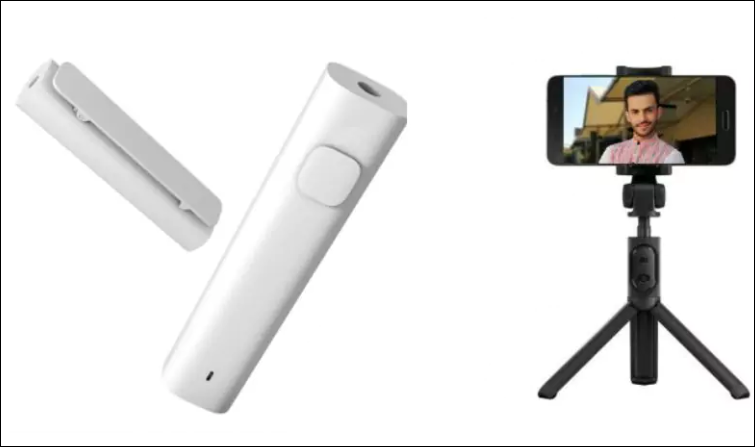
Xiaomi launched the Mi Crowdfunding program in India in April and the company kickstarted it with two products- the Mi Bluetooth Audio Receiver and Mi Selfie Stick. Xiaomi indicated that the products would only go on sale after each of them were able to garner up to 1000 backers. That goal seems to have been accomplished as the company has announced, via a Twitter post, the success of the crowdfunding program.
Both products are now available for sale on Mi India website. The products retain their crowdfunding price tags which is Rs. 1,099 (~$16) for the Mi Selfie Stick Tripod and Rs. 999 (~$15) for the Mi Bluetooth Audio Receiver.
To recall, the Mi Selfie Stick Tripod is a hybrid of a selfie stick and a tripod and it is equipped with a Bluetooth shutter remote. It can rotate 360 degrees and it can house large-sized phones like Mi Max 2. It is available only in Black color. It features Bluetooth 3.0 and can be used with Android phones running on Android 4.3 or above and iOS devices with IOS 5.0 or above. On its part, the Mi Bluetooth Audio Receiver is a wireless device that can be paired with a smartphone and used for playing music and answering phone calls. Its features include Bluetooth 4.2, headphone amplifier chip, 3.5mm audio jack and 97mAh battery. The battery can be charged fully in 2 hours and can last up to 4-5 hours of playback. In addition, it can be paired with two devices simultaneously, but only of them will be functional at a time.
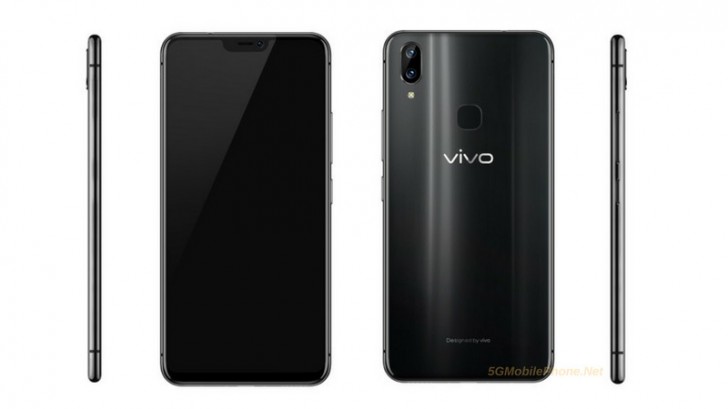
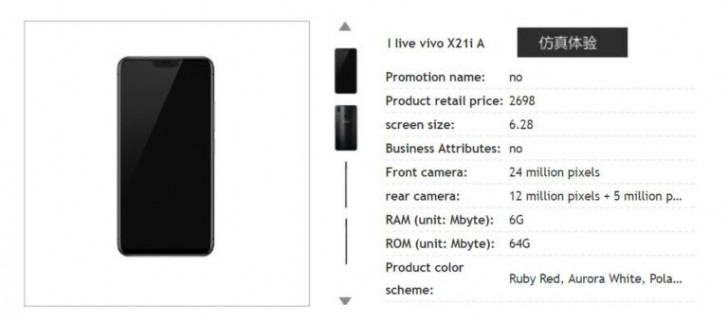
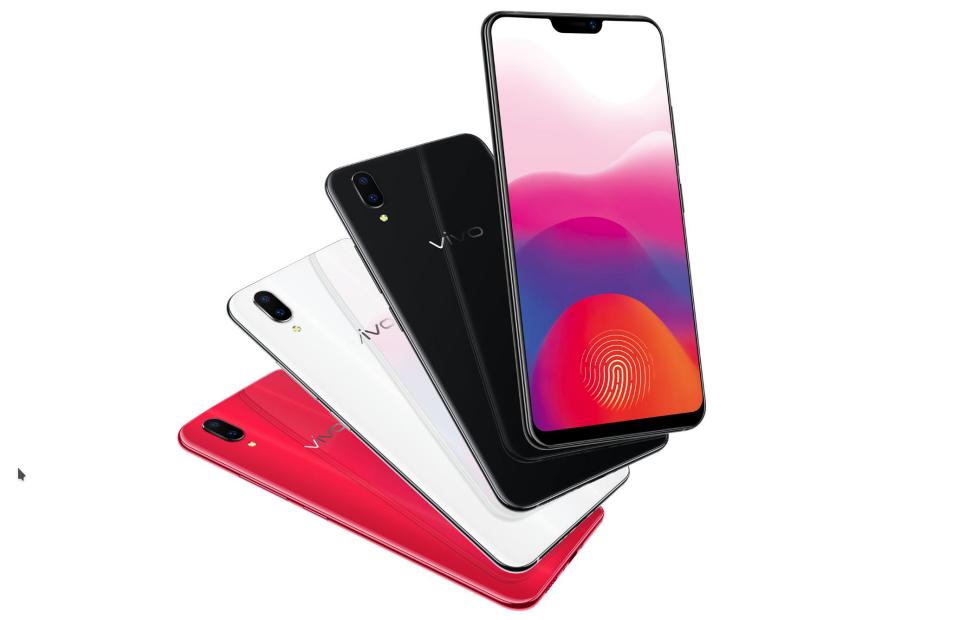
After a certification by TENAA and a sighting on Geekbench, Vivo X21i has been spotted on the listings of famous Chinese carrier China Telecom. The carrier has just revealed almost all of its main specs, as well as the renders, showing the complete design of the upcoming variant of the X21. According to China Telecom, the upper-midrange device will be equipped with a 6.28-inch display which will have a notch and a Full HD+ resolution of 1080 x 2280 pixels. The design consists of a typical glass sandwich with a metal frame, and on the rear side, there is a fingerprint reader.
There is still no info about the launch of a “UD” variant (like Vivo X21 UD) with an under-display fingerprint reader. Vivo X21i measures 154.37 x 74.98 x 6.99 mm and it weighs 159 grams. The device will be considerably thinner than the standard X21 even if the look doesn’t change much. While the standard version features an octa-core Qualcomm Snapdragon 660 chipset, this one has an octa-core MediaTek Helio P60 SoC manufactured on a 12 nm production process, which can run at a max frequency of 2 GHz and includes a Mali G72 MP3 GPU.
The SoC will be supported by 6 GB of RAM and 64 GB of internal storage which will be possible to expand via a micro SD up to 256 GB. There will also be a 12 + 5 MP dual rear camera and a 24 MP selfie snapper, while the battery will have a 3170 mAh capacity. At last, the operating system will be Android 8.1 customized by Funtouch OS 4.0. The device will launch in China on May 19 in 3 hues: Ruby Red, Aurora White, and Polar Night Black. It will cost 2698 Yuan (about $426).
Similar to Huawei, even OPPO has launched its own sub-brand, and the first smartphone under the new brand will be the Realme 1. From the latest image leaks, aesthetically the phone looks like a rebranded OPPO A3, but there are some differences. The complete specs sheet of the first handset from OPPO’s sub-brand has just been revealed by a leakster on Twitter, and from these specs, the phone looks slightly different from its sibling.
According to the leakster, OPPO Realme 1 packs a 6.0-inch display instead of the wider 6.2-inch panel of the A3. The display shows images at a Full HD+ resolution of 1080 x 2160 pixels, it has the 18:9 aspect ratio and the IPS LCD technology. On the hardware side, it features an octa-core MediaTek Helio P60 processor, 6 GB of RAM, and 128 GB of internal storage with a micro SD expansion slot included in a hybrid dual SIM slot.
6.0" 18:9 FHD+ 2160 x 1080 IPS LCD 403 ppi MT6771 6GB RAM 128GB ROM MicroSD Hybrid SIM slot Android 8.1 (ColorOS 5.0) 13MP rear (PDAF, depth effect) 8MP front (Portrait mode) Micro USB Bluetooth 4.2 FM Radio 3410 mAh Face unlock No fingerprint sensor
The main camera of the handset boasts a 13 MP resolution with PDAF and “depth effect”, while the front camera has an 8 MP resolution with the support to face unlock and the portrait mode which is expected to be based on AI. The battery of OPPO Realme 1 will have a capacity of 3410 mAh and it will be charged through a micro USB port. Wi-Fi, FM Radio, Bluetooth 4.2 are all on board, but what will be missing is the fingerprint sensor. OPPO better have a solid plan for unlocking the device securely, because fingerprint sensor is kind of considered as standard on all phones in 2018 and missing that could be considered as a big deal breaker.
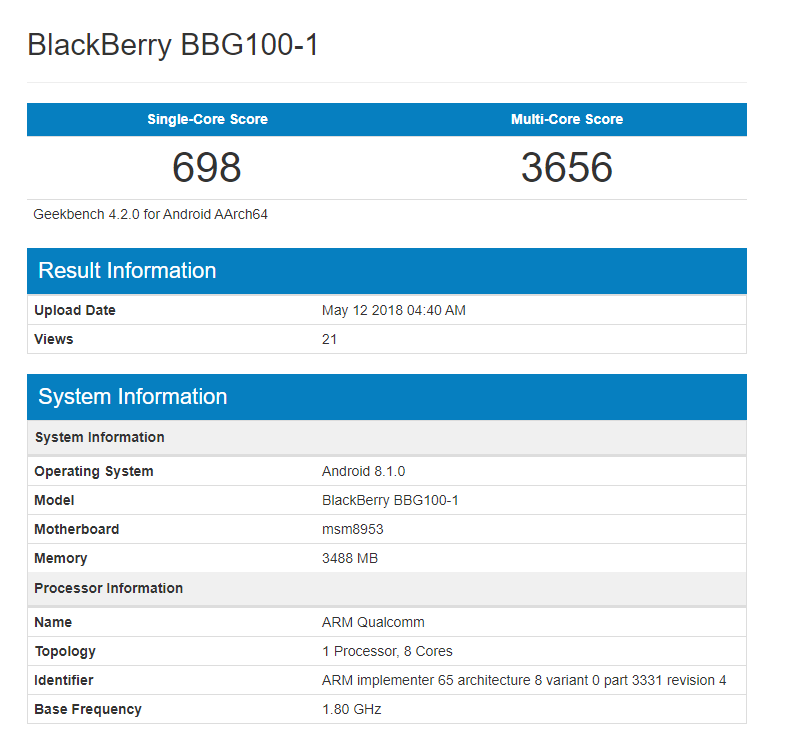
BlackBerry recently announced that it will launch the KEY² next month. However, it may not be the only BlackBerry phone coming soon. A new device with model number BBG100-1 just showed up on Geekbench today.
The BlackBerry BBG100-1 runs Android 8.1 Oreo. It is powered by the MSM8953 chipset which is popularly known as the Snapdragon 625 mobile platform. It also has 4GB of RAM.
This is the first time the model number is showing up, so it is hard to tell which device it is. However, we have a guess as to the device it might be.
Apart from TCL, BlackBerry also licensed its brand to other companies. One of them is Optiemus Infracom, an Indian company, and BB Merah Putih – an Indonesian company. Only Optiemus hasn’t released a phone since it got a license to release phones under the BlackBerry name. However, that will be changing this year.
The LG G7 ThinQ is still fresh out of the oven but LG is already hard at work on its next flagship, the LG V35 ThinQ. The specs and render already leaked weeks ago but now the device has started receiving certifications.
The LG V35 was spotted on the site of the Russian equivalent of the FCC as the LG LM-V350EAW and also on the FCC website as the LG LM-V350EM) Both sites don’t reveal much but mention the device runs Android 8.0 Oreo and has support for dual-band Wi-Fi.
[envira-gallery id=”190465″]
There is a reason why the LG V35 ThinQ is in the news so early. According to unconfirmed reports, the device may launch soon just before another flagship scheduled for later in the year. That other device is called the LG V40 ThinQ A.K.A Storm.
Initially, the V35 was reported to launch same time as the LG G7 ThinQ but as we can see, that didn’t happen. Notwithstanding, It may still launch this month.
Google has just launched the latest version of its operating system, Android P, at Google I/O 2018 held in the Shoreline Amphiteatre. And unlike what happened with the previous Android Oreo, the Beta firmware of the new major OS version is available for a wide range of smartphones besides Pixel devices released by Google. This is possible thanks to the Project Treble support, which divides the OS into two frameworks: the core OS and the companies’ customizations. This makes it easy for OEMs to release new updates in a quick and organized way.
Phones on which you can install Android P Beta
Besides the whole Google’s Pixel line-up composed of Google Pixel, Pixel XL, Pixel 2 and Pixel 2 XL, you can also install Android P Beta on the following devices: Xiaomi Mi Mix 2S, Nokia 7 Plus, Oppo R15 Pro, Vivo X21, Vivo X21 UD, Essential Phone PH-1, Sony Xperia XZ2 and the unreleased OnePlus 6. Currently, there are no other smartphones which support Android P Beta, we will inform you once we will know more about other supported devices. If you own one of the eligible devices, make sure to backup all your important data before proceeding, just in case something goes wrong. Further, ensure to have enough battery charge in order to avoid your phone turning off during the update process.
How to download and install Android P Beta on supported devices
After you have made sure that you have a compatible device, open the browser on your PC and head to this link which will bring you to the official Android P Beta page. Then, click on the blue Sign In button and log in with the same Google account that you have registered in your device. Now, click the “Opt in” button which will show up near your eligible device, confirm and wait for some time.
Then, go to the Settings app on your phone and tap on System. Choose the Advanced tab and tap on System update. You will see the download button for Android P Beta which weighs about 1.2 GB. Download it and wait for it to install automatically. As soon as Google will release factory images, it will be possible to install the firmware even by flashing it manually. But for now, the above method remains the only one to get Android P Beta on supported devices.
Will you adhere to the beta testing phase and install it now or will you wait for the final update?
The OnePlus 6 will be upon us in four days time and the hype keeps building. The OnePlus 6 is going to launch with some pretty impressive specs but some of them are already present in other devices. However, what will make the OnePlus 6 stand out will be its cameras. If you want to know what the performance is like, then you should check out this camera shootout.
[envira-gallery id=”190441″]
OnePlus took to Twitter yesterday and posted a bunch of photos. The photos are of the same location but were taken by the OnePlus 6, iPhone X, Samsung Galaxy S9, and the Google Pixel 2. However, OnePlus didn’t specify which device took which image, therefore leaving us to our guesses. Can you tell which one was taken by the OnePlus 6?
The OnePlus 6 will come with dual rear cameras just like the OnePlus 5 and OnePlus 5T. One is a 20MP sensor and the other is a 16MP sensor. It will also have a 16MP front-facing camera.
The above pictures are not the only ones from what OnePlus has tagged the Blind Test. There are others that pit the phones against each other in portrait, low-light, and low light portrait tests.
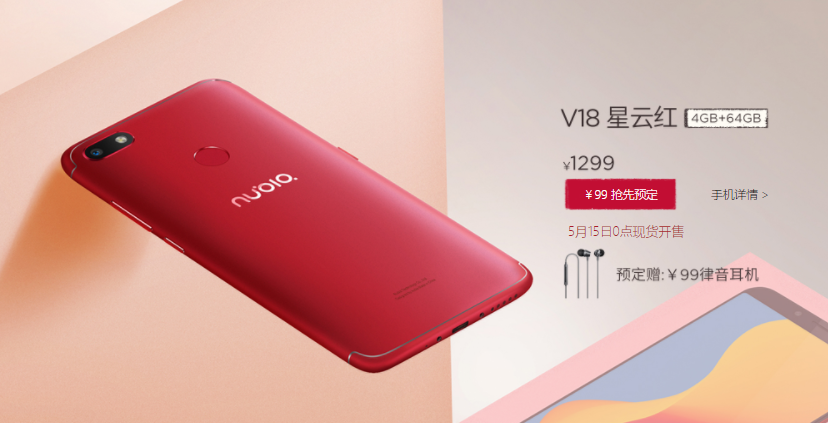
Nubia released the mid-range V18 over two months ago. The phone was announced in Stone Black, Space Gold, and Nebula Red but only the first two color variants have been available for purchase. If you like red phones, you can now pre-order the Nebula Red Nubia V18.
The new color variant has been released ahead of Mother’s Day (tomorrow). It will actually go on sale on Tuesday, 15th of May for ¥1299 (~$205). However, those who pre-order and pay the sum of ¥99 (~$16) upfront will get a free pair of wired earphones worth ¥99 along with their order.
The Nubia V18 has a 6.01” FHD+ screen, a Snapdragon 625 processor, and 4GB of RAM. Built-in storage is 64GB and can be expanded via a MicroSD card slot (128GB max).
It has a single 13MP f/2.2 sensor on the rear and an 8MP f/2.0 wide-angle front-facing camera. There are a bunch of AI-based camera features for amazing selfies and some other fun camera modes.
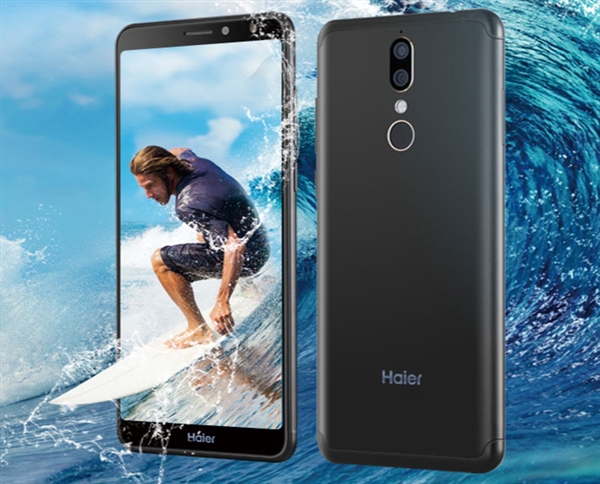
Haier isn’t a popular name in the smartphone market, but the company does release a couple of handset every once in a while. After a long silence in this department, the company has just announced a brand new model in China, the Haier L8. As expected, the phone isn’t meant to be a powerhouse but it features a large battery to ensure that the phone lasts for a couple of days easily.
The Haier L8 embraces the 18:9 design trend, featuring a large 5.99-inch screen with FHD+ resolution and 2.5D glass. The phone features an anodised aluminium body with U shaped antenna bands. The back features a vertically arranged dual cameras placed at the center, with the flash and fingerprint reader below it.
[envira-gallery id=”190427″]
As for the hardware, the Haier L8 comes with the low-end Snapdragon 450 clocked up to 1.8GHz. Efficiency is the biggest asset of this chip and hence the 4000mAh battery inside will ensure that the phone will last a couple of days easily. Further, there’s 18W fast charging technology to ensure super quick charging. For memory, you have 4GB RAM and 64GB of ROM. There are dual SIM card slots and a memory card slot too (kind of like what we see on Redmi S2). The rear camera setup consists of a 12MP 1.25um sensor paired with a 2MP secondary sensor for depth of field. On the front, there’s an 8MP camera, which is likely interpolated.
All this for 1399 Yuan ($221), which to be honest, doesn’t look too promising. Xiaomi’s budget phones like the Redmi S2, Redmi 5 Plus, and the Redmi Note 5 are all priced at very similar figures. So, it’s likely that the Haier L8 will be one of those releases that will be forgotten very soon.
Still, if interested, you can get the phone on May 14 in China.
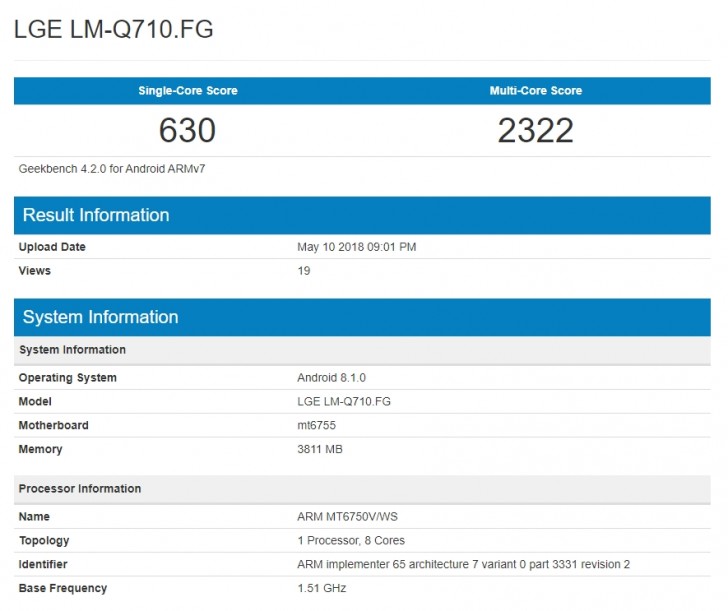
A new LG model has been spotted on Geekbench with the dressings of a mid-range model. The device is believed to be the LG Q7 which LG trademarked the moniker in March with the Korean Intellectual Property Office.
The Geekbench listing seems to have confirmed that the device will arrive with a MediaTek Helio P10 chipset. The chipset is paired with 4GB of RAM while it runs on Android 8.1 Oreo out of the box. On the test score, the Q7 got a single core score of 630 points and 2322 points on the multi-core test.
BlackBerry Mobile has announced via its Twitter account that the BlackBerry KEY² will launch next month.
The tweet not only confirms the launch date as 7th of June but also confirms the name of the phone is KEY² and not KEYone (2018) or KEYtwo or any other name you may have conjured up. The launch event will take place in New York at 10 AM local time.
A few weeks ago, photos of the phone which is codenamed Athena were seen on TENAA. They revealed the phone has a slightly redesigned keyboard, a somewhat taller display, and dual rear cameras. It also has its power and volume buttons along with the convenience key on the right.
The BlackBerry KEY² also got Wi-Fi and Bluetooth certified recently. It will have support for dual-band Wi-Fi and Bluetooth 5.0. It is also said to pack a Snapdragon 660 processor, 6GB of RAM, and 64GB of storage.
There are plenty of cheap gadgets out there but not all of them are great. We gathered a few great deals on high-quality gadgets that we can personally recommend to anyone. In fact, I’ve been using some of the devices myself and I like them for its quality for the incredibly low price.
The Xiaomi sunglasses have received plenty of positive reviews online due to their extraordinary build quality and quality glasses. In fact, they offer similar quality to Ray-Bans (which I lost in the middle of the lake) for a fraction of the price. They are now on Flashsale and you can get this pair of glasses for just above $40.
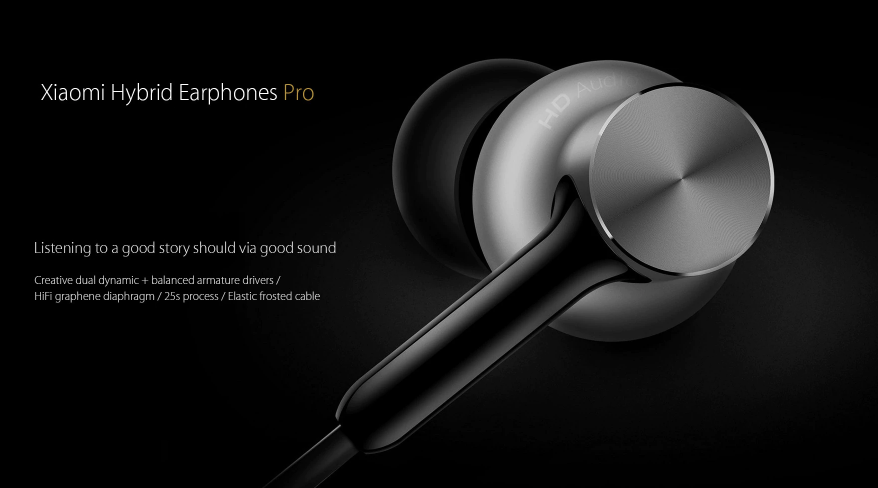
The Xiaomi Pro HD In-ear Hybrid Earphones require no introduction. They offer fantastic sound quality for the price. In fact, I’ve been using this pair of earphones for more than 2 years and they still work as new. This headset is now on a flashsale and it costs just $19.99.
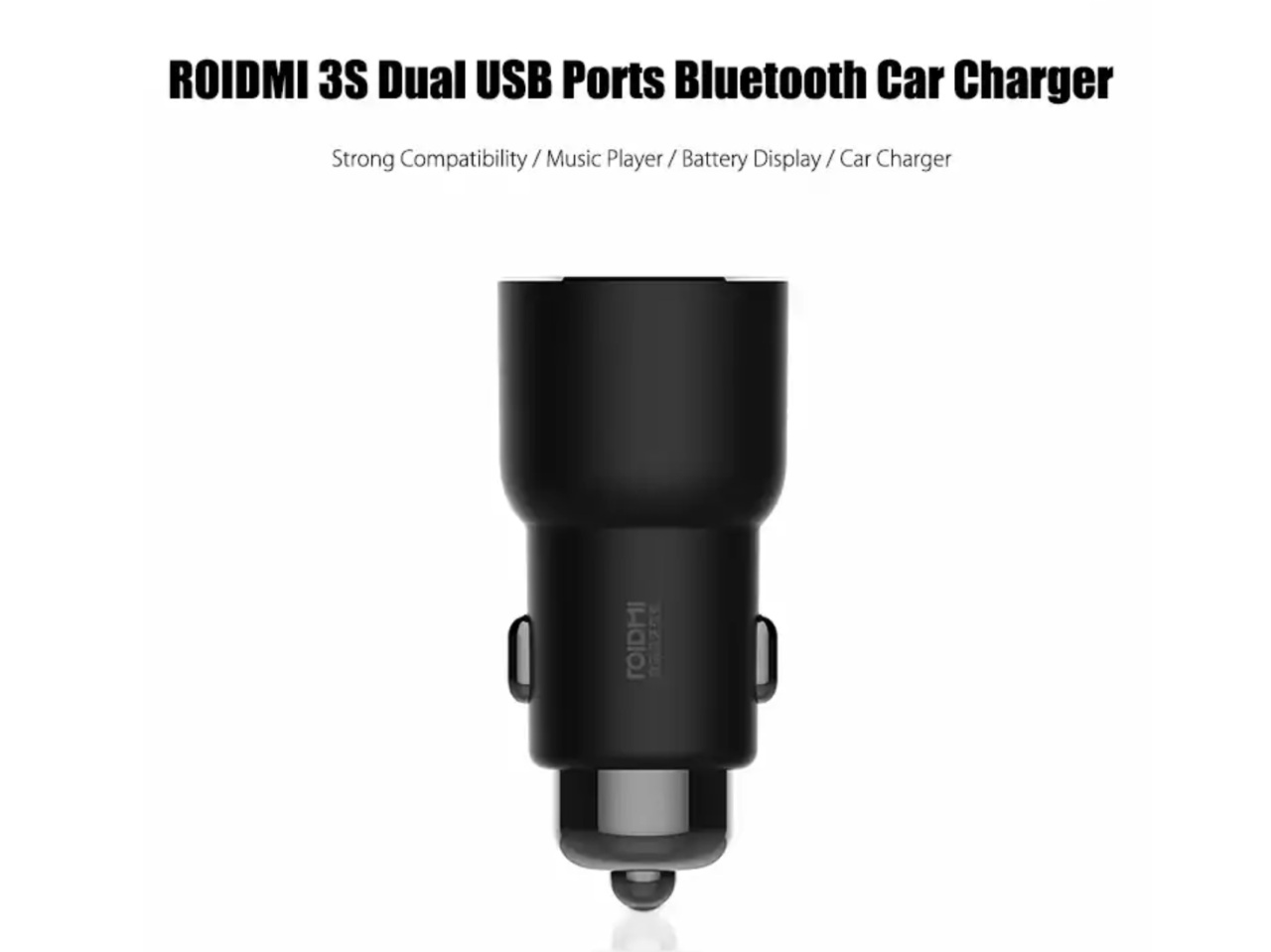
The Xiaomi ROIDMI 3S Bluetooth Car Charger is a hands down the best FM modulator I’ve used. I can assert that because I’ve been using the Roidmi 2s for a year before upgrading to this one. The sound quality is great, easily the best I’ve heard from a car FM modulator. This device is not on a flashsale but it costs just $16.76 and it is worth every penny.
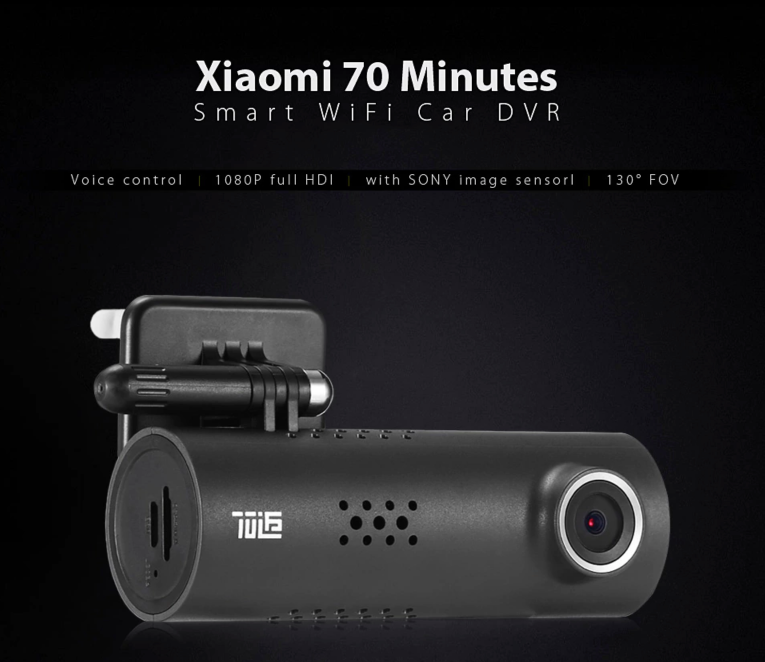
Xiaomi 70 Minutes Smart WiFi Car DVR is a budget car dash cam that has a SONY IMX323 sensor with 130 Degrees FOV, and it records videos in 1080P. You can now get it for just $39.99 at the Gearbest’s flash sale.
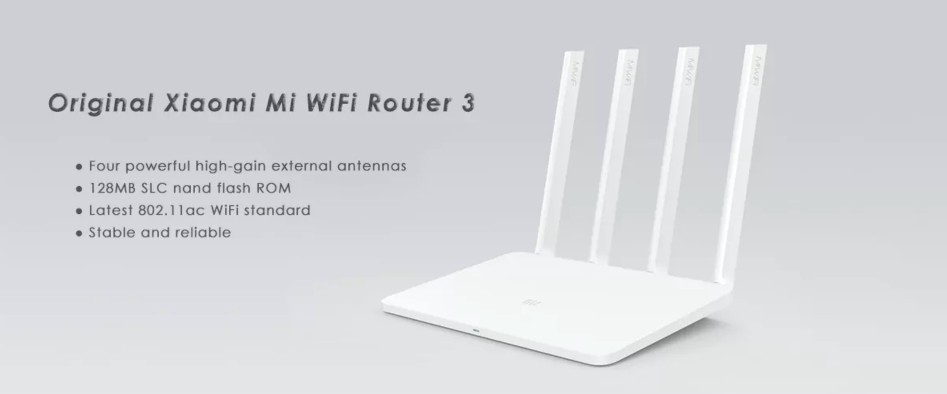
I really love the Xiaomi dual-band Wifi router that costs just above $30 but it has a great range and it uses the latest 802.11ac technology for fast speeds. While the range is about the same as my TP-link’s router, I love the sleek design of it. You have some extra features like the ability to use the flash drive or control the router with your phone using the Mi Wifi app.
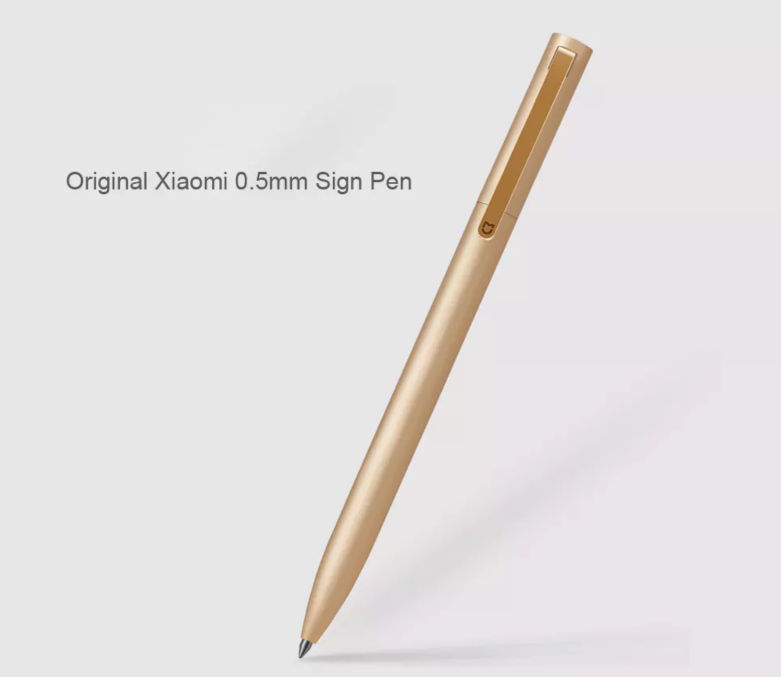
The Xiaomi 0.5mm Sign Pen is a premium pen that now costs just $4.99 (20% off). It looks nice, it is made of premium materials and obviously, you can write with it.
The Xiaomi desk lamp looks gorgeous and it has a nice looking minimalistic design. The tubes are made out of aluminum and the base is made out of quality matt plastic, which does not attract any fingerprints.
You can adjust the arm of the lamp up/down and the latching mechanism works gracefully.
Speaking of the LED light itself, it has 6W of power and it can provide up to 300lm of brightness. It is not too bright but bright enough for reading and doing other stuff by the desk.
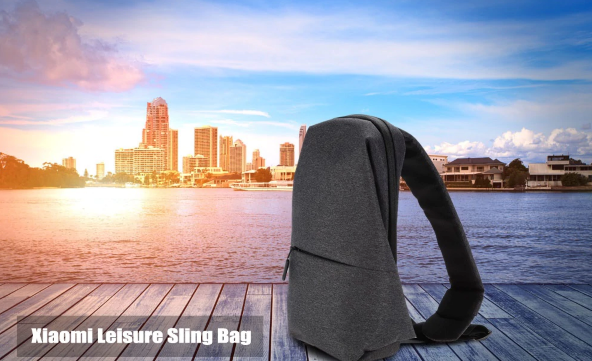
The Xiaomi Sling Bag is a well-designed bag that costs just $15.99 thanks to the Gearbest’s flash sale. As a matter of fact, I’ve been using one of Xiaomi original backpack’s for more than a year and I’m still amazed by the overall build quality and design of it. The backpack still looks as new even though I had to put into washer machine after spilling coffee on it. Honestly, the backpack looks more expensive than it is and I expect the Sling Bag to have the same qualities.
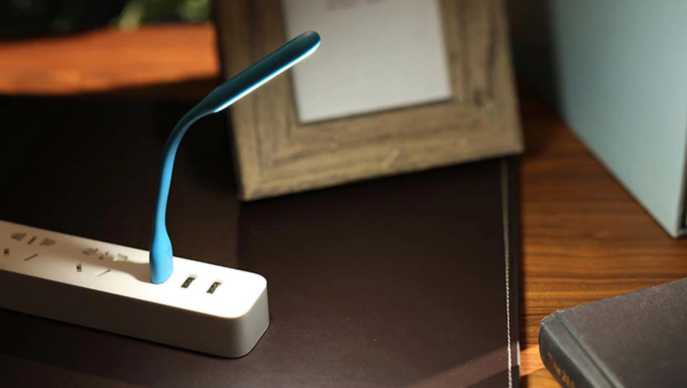
The Xiaomi Portable USB LED Light is a cheap lighting solution that is not going to break your bank. The product costs just $3.59 but you can get it even cheaper if you use a coupon code: GBMaynewBH to get this device for just $0.99 (100 limited pcs). However, the code can be used by the new users only.
YEELIGHT YLDP06YL Smart Light Bulb can be controlled using your phone wirelessly. It has 16 million colors to choose from, it works with Amazon Alexa and it has a power output of 10W. You can now get it for just $25.99.
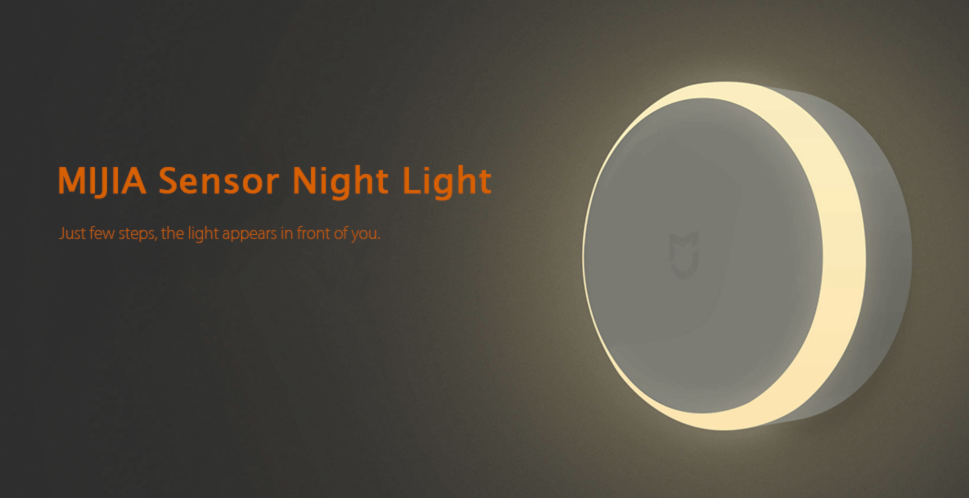
Xiaomi Mijia Sensor Night Light is a great compact light that turns on/off automatically. It is really useful when you don’t want to turn on the lights in your bedroom but need to see what’s around you. You can now buy this light for just $14.99.
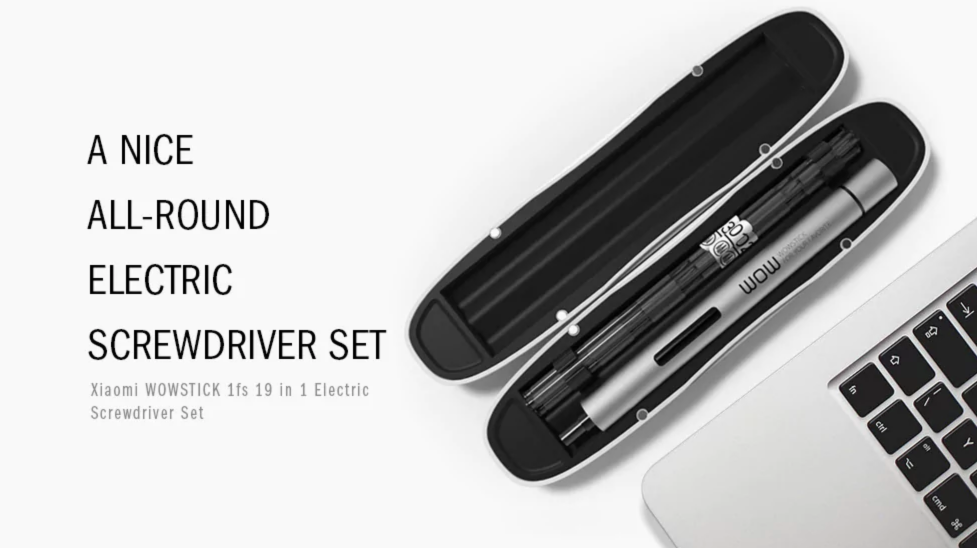
The Xiaomi WOWSTICK 1fs 19 in 1 Electric Screwdriver Set is a kit that I’ve been using for more than 1 year and it’s been working fine. The screwdriver is made of metal, it has a handy LED light that helps to fix stuff and it comes with 19 nuts for all your repair needs. At the moment, this handy kit costs $37.45, which is a great value considering how much you get for the price.
Right after the announcement of Android P, Qualcomm announced that it is working with Google in order to release a new SoC for smartwatches with Wear OS (in case you do not know, Google has recently decided to rebrand Android Wear and now it is called Wear OS). It will be the successor of Snapdragon Wear 2100, but, unlike this SoC which was just a modified Snapdragon 400, it will be a brand new processor made from scratch and specifically based on Wear OS.
The chipset from the St. Diego-based company will several improvements compared with its predecessor. Among the most important ones, there will be a longer battery life, higher rendering speeds, higher smoothness and also more features to monitor health and fitness. The SoC should also be smaller than the ones we saw until now, and it should allow manufacturers to manufacture smaller smartwatches which will be suitable for women and kids.
The new Qualcomm SoC will be officially launched in Q4 2018 alongside a new flagship smartwatch, but we still do not know which company will launch the new wearable. Recently, the American FCC has certified a new LG wearable which could be the one with the new powerful Qualcomm chipset.
Chinese phone maker Vivo has officially revealed that it would be launching the Vivo X21 UD version in India on May 29. The company sent out invitations which point to a launch of the X21 UD on the date even though it isn’t exactly stated in the invite. However, the letter X inscribed boldly on the invitation speaks volume.
The Vivo X21 UD was first launched in China in March. Earlier this month, Vivo had introduced the X21 UD in several international markets with it’s biggest highlight being its under display fingerprint scanner similar to what obtains on the Vivo X20 Plus UD version. In terms of pricing, the Vivo X21 UD was priced at 3,598 yuan (~Rs. 37,100) in China. At its Singapore launch, the smartphone was priced at SGD 799 (~Rs. 39,900).
As a reminder, the Vivo X21 UD smartphone comes with a 6.28-inch Full-HD+ display with 19:9 aspect ratio and a screen resolution of 2280 x 1080 pixels. The phone is powered by Qualcomm Snapdragon 660 processor, coupled with Adreno 512 GPU, 6GB RAM and two options for internal storage — 64GB and 128GB. There’s also a microSD card slot, enabling users to further expand the phone’s storage capacity. Other features include 4G LTE, dual-band Wi-Fi 802.11ac, Bluetooth 5.0, USB 2.0 with OTG support, and GPS. The smartphone runs FunTouch OS 4.0 on top of Android 8.1 Oreo operating system out-of-the-box. It is powered by a 3,200mAh battery with support for fast charging.
Xiaomi has officially revealed a move which would see it increase the number of its products that are available in the U.S. The company recently launched the Mi Electric Scooter and Mi Powerbank Pro on Amazon U.S, both joining several other of its products presently available in the U.S market via Amazon. Now, the innovative Chinese company has announced the launch of its smart home products for the U.S market.
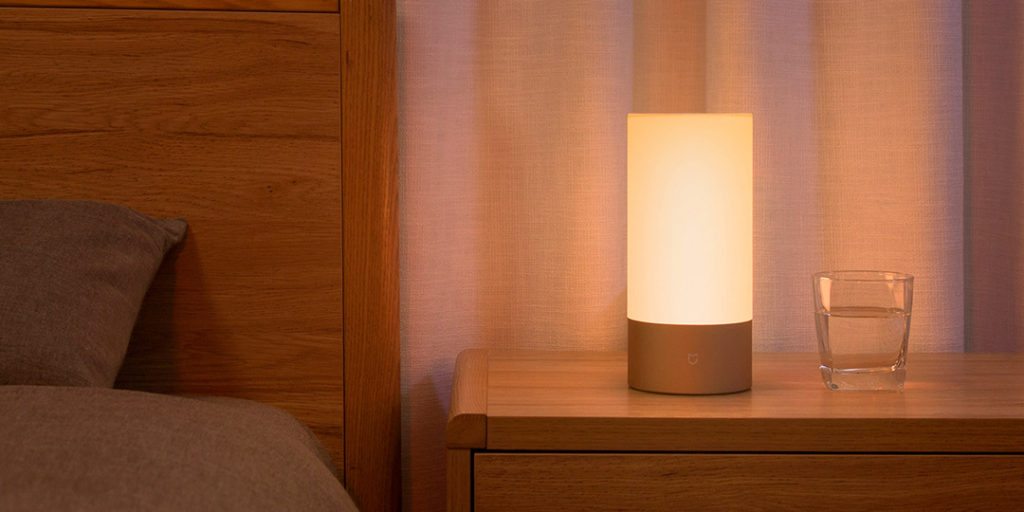
Xiaomi has a comprehensive suite of products most of which are manufactured by companies under the Mi ecosystem chain. The products are centred on its smartphones and include mobile peripherals, smart hardware and lifestyle products ranging from rice cookers to fitness trackers. The products which would be among the first set of Mi-branded smart home products that will be available in the U.S starting from this May include the Mi Bedside Lamp, Mi LED Smart Bulb and Mi Smart Plug. The interesting part of the announcement is that the Mi smart home products will come with support from Google Assistant meaning they can be controlled by voice command. This is in line with Xiaomi’s announcement at Google I/O 2018 that its smart home products will now work with the Google Assistant, allowing users to control products through a smart speaker, like the Google Home, or with the Google Assistant app.
Here’s a brief profile of the products;
Mi Bedside Lamp
The Mi Bedside Lamp has 16 million color customizations and can be configured to fit any environment or mood. In addition to the touch-sensitive panel at the top and the Mi Home app, users can now use the Google Assistant to control Mi Bedside Lamp through voice control.
Mi LED Smart Bulb
Mi LED Smart Bulb will add color to any room, supporting up to 16 million colors. With support for the Google Assistant, users no longer have to get out of bed to turn off the lights and can also control brightness and color temperature verbally.
Mi Smart Plug
The Mi Smart Plug is a smart Wi-Fi plug that allows users to turn power on and off using an app. Now users can turn the power on and off by simply asking the Google Assistant. The smart plug also enables consumers to issue a voice command to their favorite “non-smart” gadgets.
According to Xiaomi, the smart home products will be available in the U.S. shortly and the Mi Bedside Lamp will be the first to be available this May. It will likely be sold via Amazon where Xiaomi already sells the smart Yeelight LED bulb. We’ll keep you posted when it goes on sale.
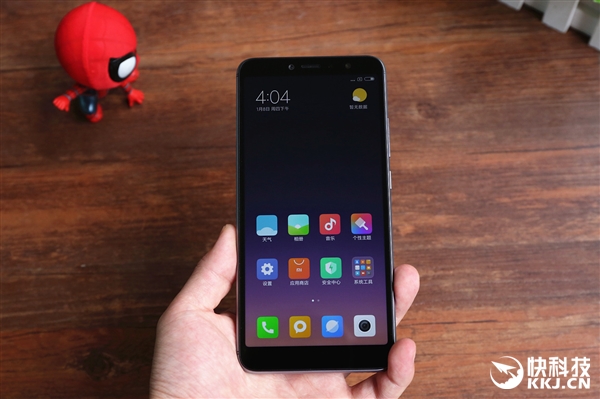
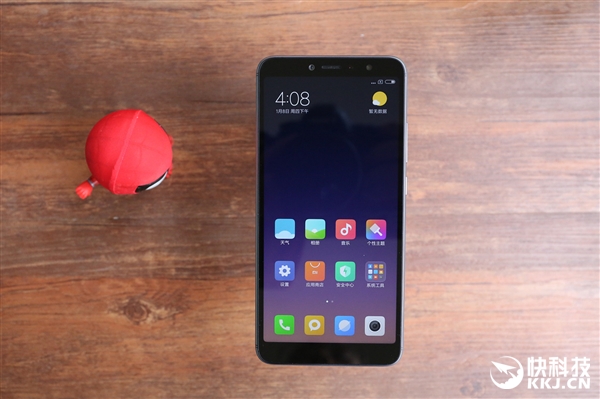
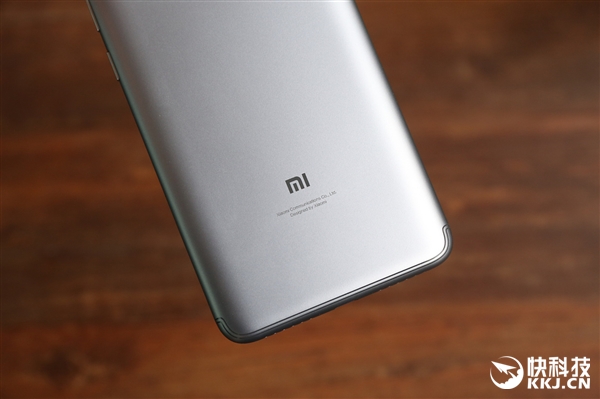
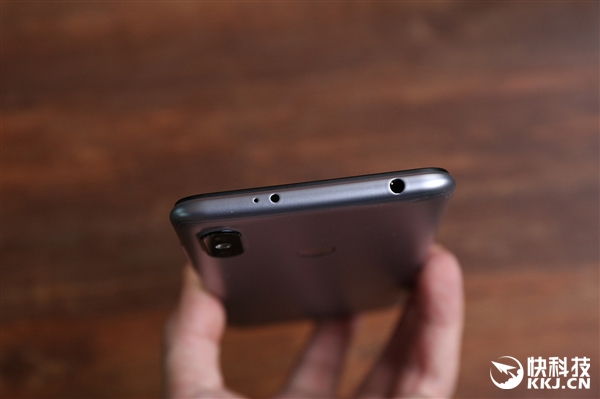
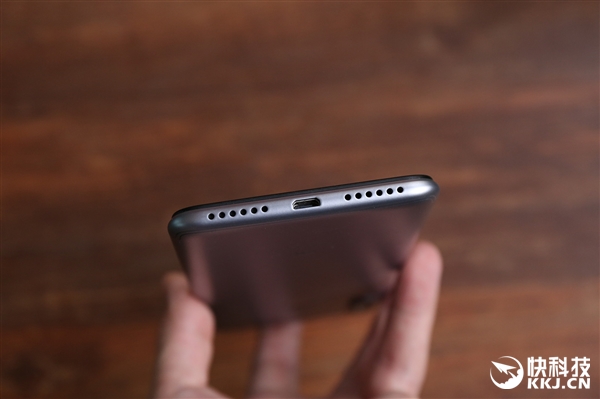
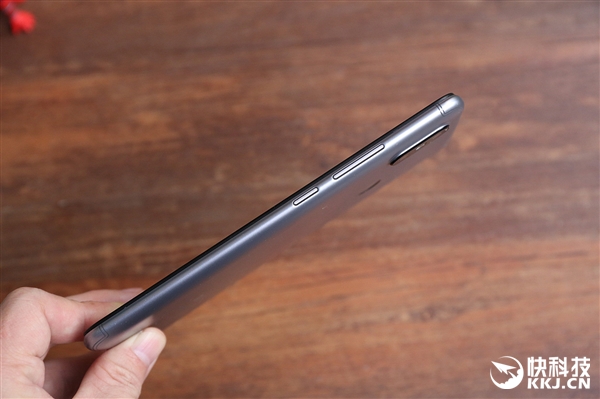
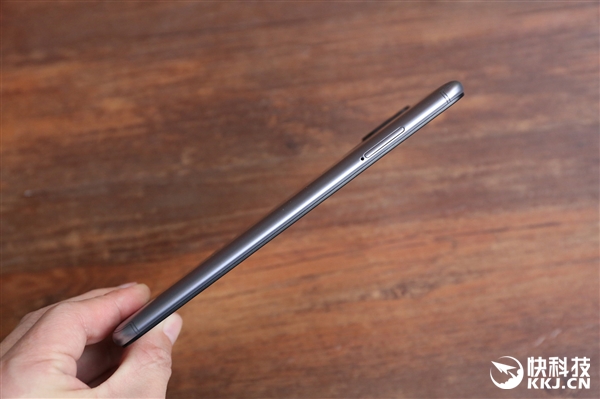
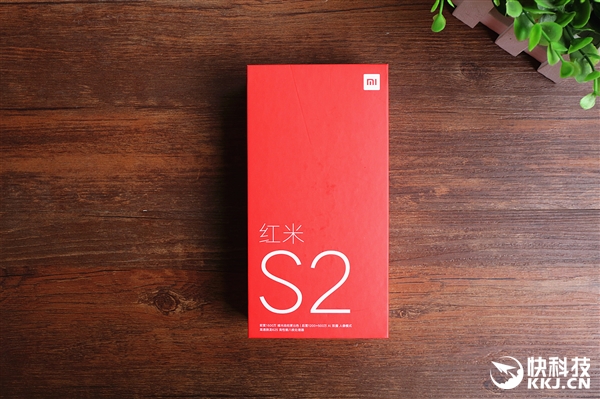
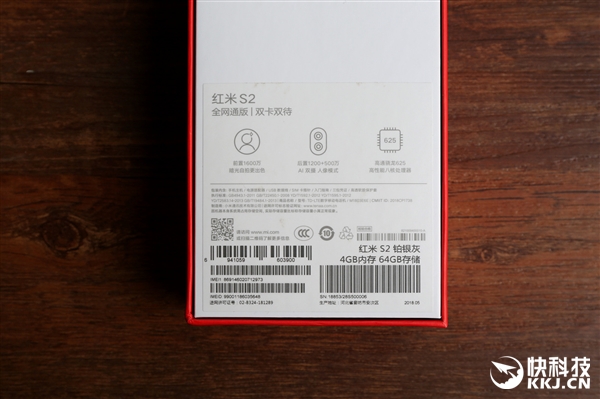
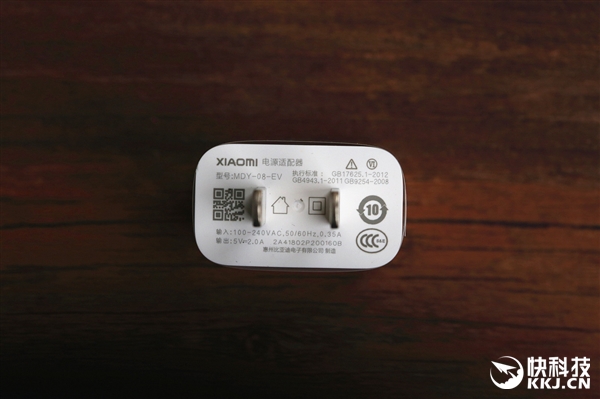
Xiaomi went official with the Redmi S2 in China recently with the device clutching a decent specs lineup inside a solid body. Xiaomi Redmi S2 is a low-end midrange smartphone which Xiaomi says is targeted as selfie lovers. The device comes with several features to back that up including a large 16MP selfie camera with AI features. We bring you unboxing pictures of the device spotted on Chinese blog MyDrivers.
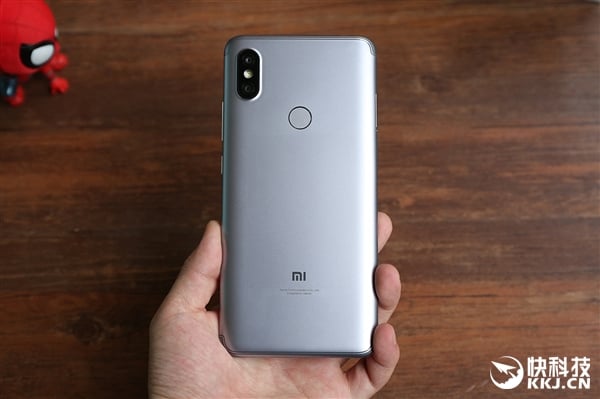
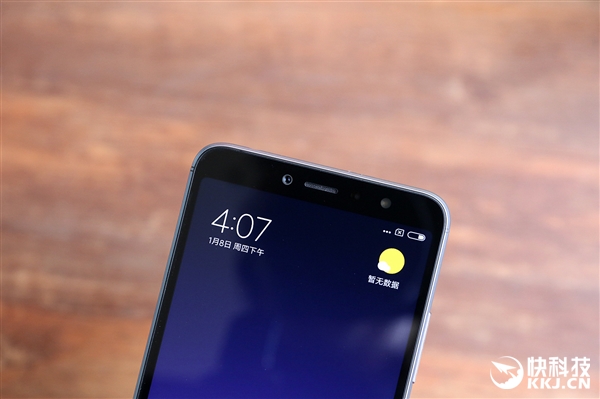
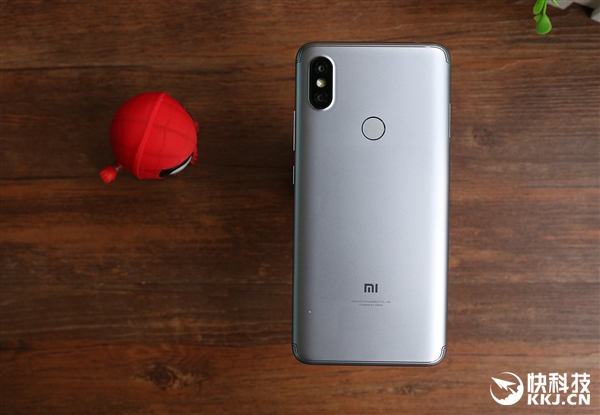
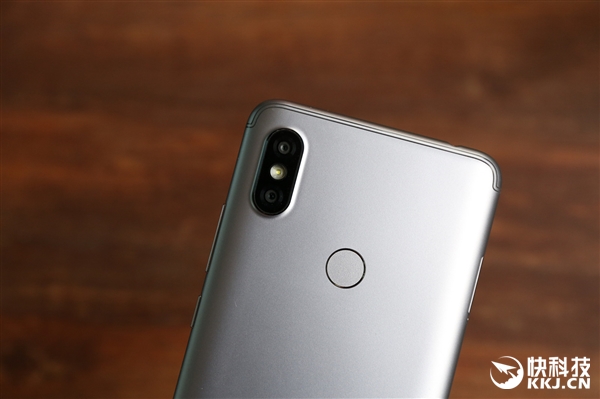
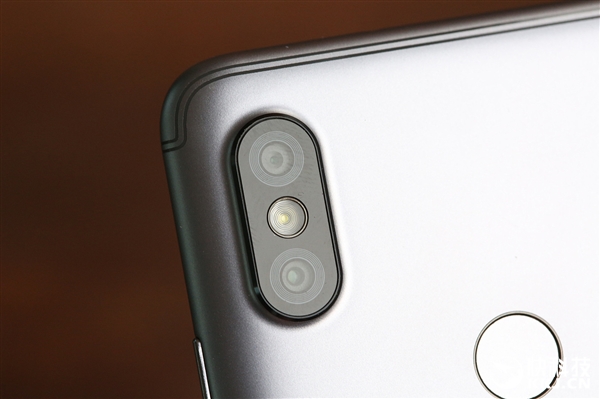
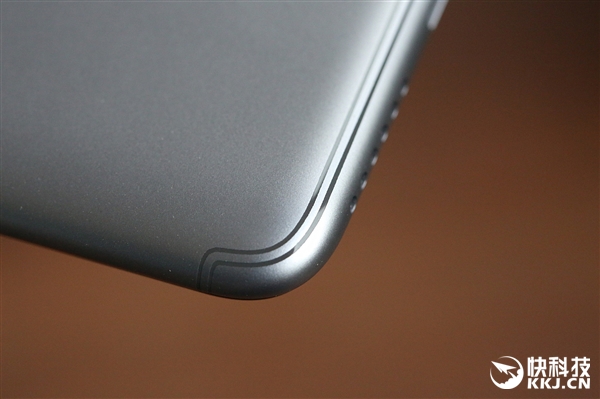
On the design aspect, Xiaomi Redmi S2 utilizes a 5.99-inch display with an 18:9 aspect ratio. The device looks very much similar to the Mi 6X which was also launched recently but in this case, the display has an HD+ resolution of 1440 x 720p. Also, it features a different-looking 2 string U-shaped antenna design. The Redmi S2 also packs a metal back on which a fingerprint sensor is mounted. The device is also equipped with dual cameras at the rear comprising a 12MP + 5MP sensors with configurations such as a f/2.2 lens, PDAF, LED flash, facial recognition, AI portrait mode, and HDR. In addition, the chin features a MicroUSB port and speakers, while the top has a headphone jack and infrared blaster.
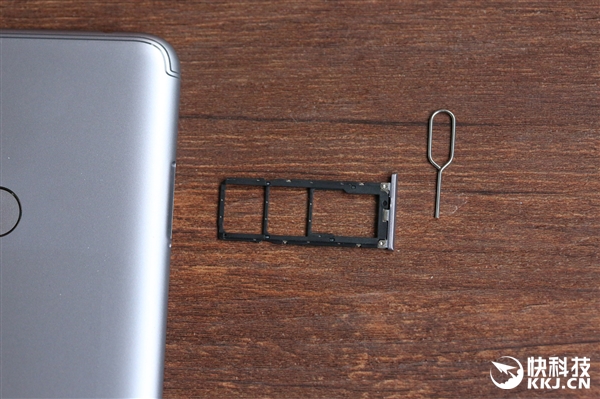
Just to remind us of the internal specs, the Redmi S2 features a Qualcomm Snapdragon 625. There are two storage variants available: 3+32GB and 4+64GB. One interesting thing about the S2 is that it comes with dual SIM slots and a third microSD slot which allows for expansion of the storage up to 256GB. This is similar to what we saw on the Redmi Note 5A, so you won’t have to sacrifice a SIM slot for the microSD card like what is obtainable on the Redmi 4-series.
Other features of the Redmi S2 include a 5V/2A 3080mAh battery, Bluetooth 4.2, Infrared, and Wi-Fi n. There are three color options available, rose gold, platinum silver, and champagne gold but the unboxing pictures are of the platinum silver variant.
As for the prices, the 3+32GB version of the Redmi S2 is priced at 999 Yuan ($157) while the 4GB RAM+64GB version will retail for 1299 Yuan ($204). Xiaomi is also including a complimentary free TPU case inside each box. The device will go on sale on May 17 simultaneously on major online stores like Mi store, Suning Tesco, Tmall, and even via offline stores in China. The device is already on presale on the online platforms and even overseas, you can presently preorder the device for $165.99 from GearBest and have it shipped free of charge when stock arrives…… See more topnotch pictures of the premium Redmi S2 from down below.
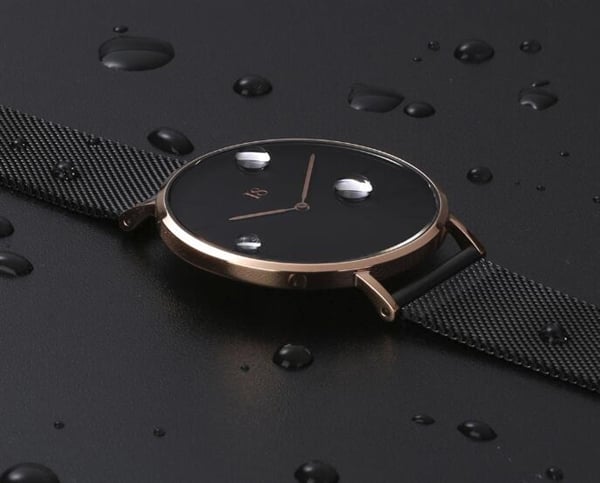
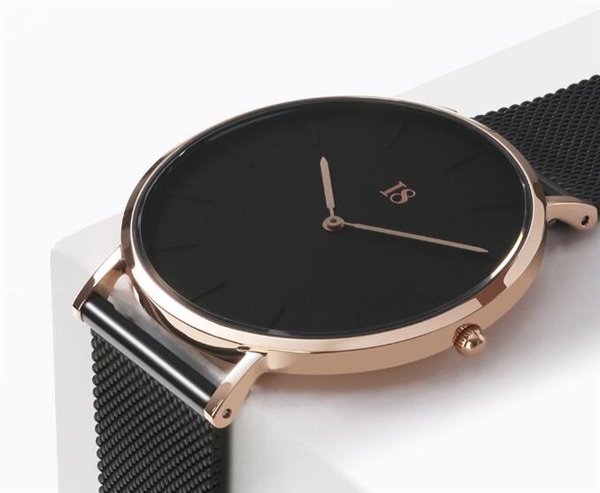
Soon to be listed on Hong Kong stock exchange, Xiaomi has become one of the most important hi-tech companies in the world. That is why we always expect very innovative technological products by this Chinese giant and this week wasn’t any different as the company has just announced a new watch, but it is not an innovative smartwatch with tons of features like the wonderful Amazfit series, neither an advanced fitness tracker like the Xiaomi Mi Band 3.
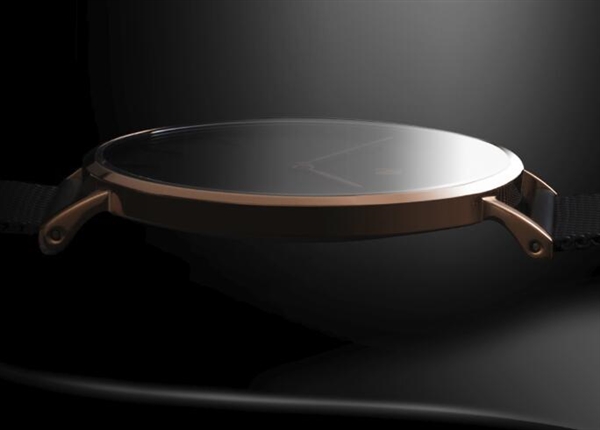
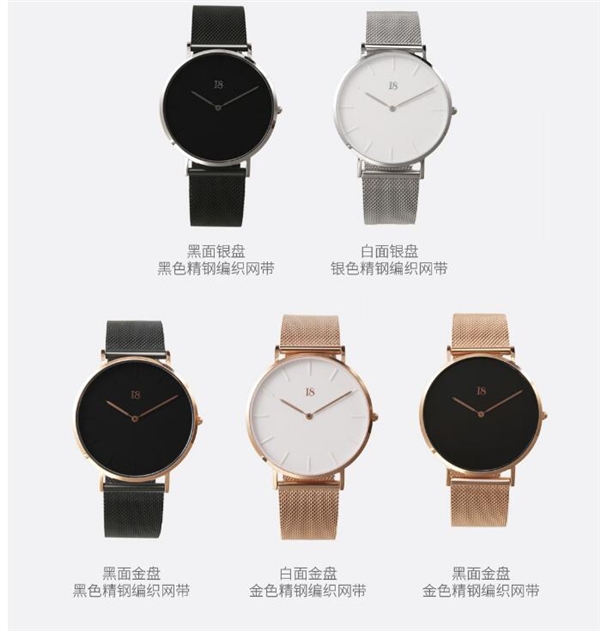
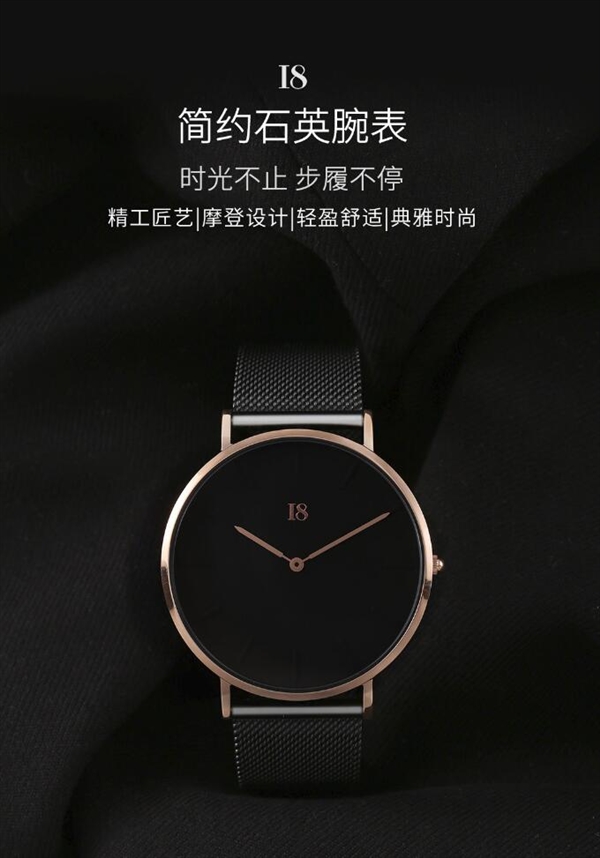
This time, Xiaomi has announced a simple I8 quartz watch which is focused on style and elegance, and it does not boast any smart features. Xiaomi’s I8 quartz watch has a minimalist design and a 6.2-mm thin body with a circular case. The straps are made of steel and, to be accurate, they have been forged from high-tech Vintage Milanese steel. This will make the Xiaomi I8 quartz watch tearproof. The watch also boasts a sapphire glass mirror which is scratch-resistant and scratch-proof.
The watch has a 2.28 mm Citizen Citroën quartz movement; you can even put it underwater as it is waterproof up to 50 m depth. Unlike smartwatches, it does not feature a rechargeable battery but a normal circular battery which can last up to 5 years. It has been launched in China in two versions (41 and 36 mm) with a price tag of 399 Yuan which roughly translates into $63.
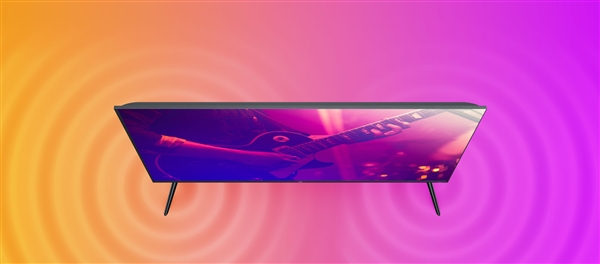
With its TVs, Xiaomi seems to be following the same strategy it follows in the smartphones market: in the past few years, the company has managed to release a TV aimed at different price segments in order to ensure there’s a choice for every consumer. After launching Mi TV 4, 4A and 4C, the Chinese firm has just released a brand new variant of Xiaomi Mi TV 4S. It has been launched in the Chinese market with a price tag of 2399 Yuan, which roughly translates into $500. This model is an outstanding TV, but it is not the most expensive from the series as the prices go from 999 to 9999 Yuan.
Xiaomi Mi TV 4S comes with a wide 50-inch LCD display which has a 4K resolution of 3840 x 2160 pixels and HDR technology. This is not the first TV from the 4S series which also includes a more affordable 32-inch model with a price of 1199 Yuan (about $400) and a more expensive 55-inch variant which costs 2999 Yuan (about $500). Mi TV 4S is also a smart TV and it is powered by a quad-core Cortex A53 running at a frequency of 1.5 GHz (including a Mali 450 GPU), 2 GB of RAM and 8 GB of internal storage.
Talking about connectivity, there is support for Bluetooth, Wi-Fi, three HDMI ports, two USB ports and even one Ethernet port. It also supports PatchWall AI system. The TV frame is made of aviation grade aluminum. With its price tag, Xiaomi Mi TV 4S is the perfect TV in terms of quality and price ratio as it offers high-end features and video quality at a mid-range price. The TV will be up for pre-orders starting from today, while it will be officially available to purchase starting from May 13 for 2399 Yuan. There is currently no info about the availability of the new TV outside of China.
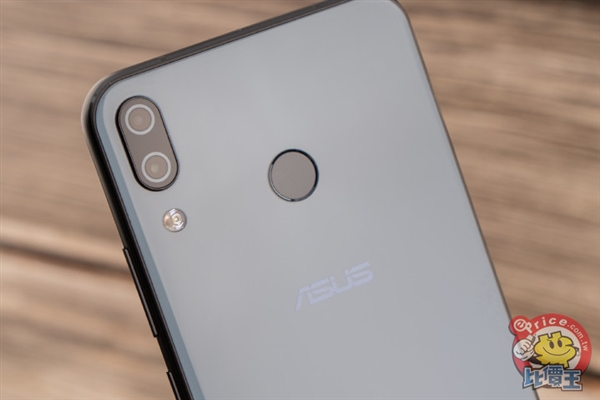
Smartphone gaming market has really boomed in the past couple of years. We are seeing new and powerful games on smartphones like PUGB and Fortnite that have driven the growth of dedicated gaming smartphones. After the great success of Razer Phone, other brands have started working on such gaming devices.
Xiaomi launched the Black Shark and right after, Nubia came with its Red Magic. We knew from a report weeks ago that even Asus, which is one of the most important manufacturers in the gaming PCs sector, is working on a gaming phone. The device is tipped to be from the ROG series (Republic of Gamers), that is the same brand under which most of the gaming hardware by ASUS gets released.
According to Taiwan Insiders, the first gaming phone by ASUS is going to be unveiled in June at Computex 2018. Unfortunately, we are not talking about official info, and neither the specs of the handset have been revealed. But given that it is a gaming smartphone, we expect to see it with an octa-core Snapdragon 845 chipset by Qualcomm under the hood, paired with up to 8 GB of RAM. We also expect to see a display with a high refresh rate.
We use cookies on our website to give you the most relevant experience by remembering your preferences and repeat visits. By clicking “Accept”, you consent to the use of ALL the cookies.
This website uses cookies to improve your experience while you navigate through the website. Out of these, the cookies that are categorized as necessary are stored on your browser as they are essential for the working of basic functionalities of the website. We also use third-party cookies that help us analyze and understand how you use this website. These cookies will be stored in your browser only with your consent. You also have the option to opt-out of these cookies. But opting out of some of these cookies may affect your browsing experience.
Necessary cookies are absolutely essential for the website to function properly. This category only includes cookies that ensures basic functionalities and security features of the website. These cookies do not store any personal information.
Any cookies that may not be particularly necessary for the website to function and is used specifically to collect user personal data via analytics, ads, other embedded contents are termed as non-necessary cookies. It is mandatory to procure user consent prior to running these cookies on your website.