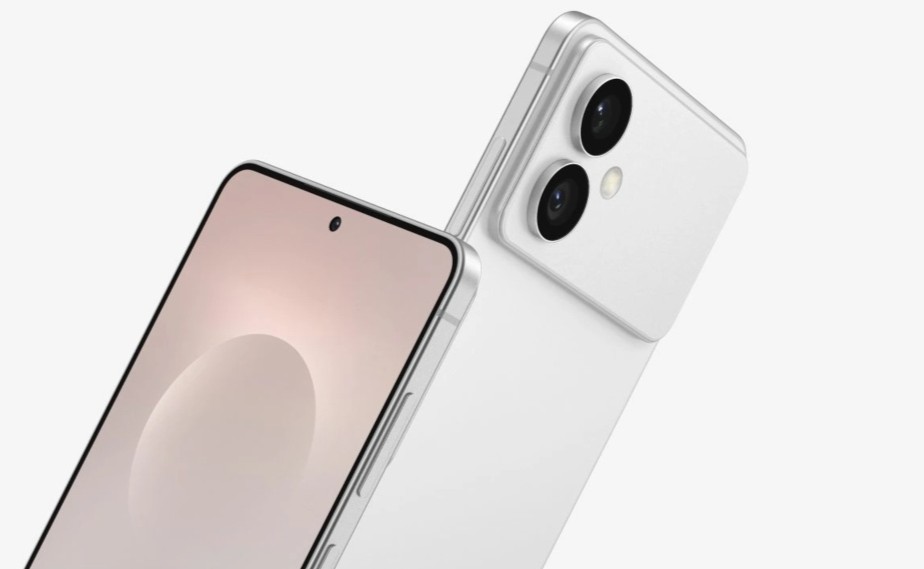
The Nothing Phone (3) is shaping up to be the most future-proof smartphone from the brand yet. This is the brand’s first ever “true flagship” model in terms of specs and design, and it seems that software support won’t disappoint either. So here’s what we know.
Nothing Phone (3) to receive 5 major Android OS updates
A typical Android smartphone gets 2 major Android OS updates and 3 years of security patches. But flagship devices typically offer at least 4 years of Android updates and longer security patches. There are some brands like Samsung, Apple, and Google that take things even further, and Nothing might be trying to improve its own software support game as well.
Notthing Phone (3)
Akis Evangelidis, Nothing’s Co-founder, was responding to another X user over why the company decided to go with the Snapdragon 8s Gen 4 over the Snapdragon 8 Gen 3. His explanation talked about how the Snapdragon 8s Gen 4 has a better GPU, NPU, IPS, connectivity, and default software support. While the Snapdragon 8 Gen 3 brings 4 years of Android updates and 4 years of security patches, the Nothing Phone (3) with the Snapdragon 8s Gen 4 will offer 5 years of Android upgrades and 7 years of security updates.
In comparison, its predecessor, the Nothing Phone (2), came with 3 years of Android updates. Akis tweets also adds that “Paired with all the optimisations we’ve made in Nothing OS, the result is next level. Super fast and smooooth”. Nothing is gearing up to launch the Phone (3) in the global market on 1st July 2025, so stick around for more.
For more daily updates, please visit our News Section.
The OnePlus 13 is an impressive flagship, packing cutting-edge hardware, a sleek design, and feature-rich software. However, as with any device, it’s not without its compromises — and it may not be the perfect fit for everyone. If you’re in the market for a high-end smartphone but want to explore beyond OnePlus, we’ve handpicked five standout alternatives that deliver powerful performance, premium features, and excellent value at a similar price point.
1. Google Pixel 9 Pro
The Pixel 9 Pro is a compact flagship phone from Google with excellent hardware. Unlike the OnePlus 13, it features the Pixel trademark horizontal camera bar on the rear side. The Pixel phone features a 6.3-inch OLED panel with a 120Hz refresh rate and 3000nits of peak brightness. It’s an LTPO panel for flexible refresh rate adjustments. It’s IP68 rated and features Gorilla Glass Victus 2 protection on both sides.
At the heart is the in-house Tensor G4 processor, which smoothly runs everyday tasks but is significantly behind the Snapdragon 8 Elite that powers the OnePlus 13. The latter handles demanding tasks with better stability, heating, and consistent frame rates. In short, the Pixel 9 Pro delivers reliable performance, but if performance is your top priority, it’s best to explore other options.
The horizontal bar on the back features three camera sensors: a 50MP primary shooter with OIS, a 48MP OIS-enabled telephoto camera with 5x optical zoom, and a 48MP ultrawide camera with a 123˚ field of view. The front side features a 48MP selfie shooter, capable of recording up to 4K video, while the rear setup supports up to 8K recording. The Pixel device also offers a range of camera features, including the popular Add Me and Best Take.
Another plus point of having a Pixel 9 Pro is that it will get Android updates for a whopping seven years, while the OnePlus 13 only promises four OS updates. Google Pixels are also the first devices to get the latest OS update. Moreover, the smartphone houses a 4,700mAh battery and supports 27W wired, as well as 21W wireless charging (with Pixel Stand). It features all the necessary connectivity options, including Wi-Fi 7, Bluetooth 5.3, NFC, and multiple positioning systems.
This phone is approximately the same size as the OnePlus 13 but features a larger camera module with an additional camera sensor. It also has an LTPO AMOLED panel with 120Hz refresh rate and 4500nits peak brightness. The Gorilla Glass 7i ensures toughness to the screen, while the IP68/69 rating suggests it can withstand dust and water jets.
The Oppo Find X8 Pro (full review) is powered by MediaTek Dimensity 9400, which can smoothly run all your games and apps, even the high-end ones, though it’s slightly behind the Snapdragon 8 Elite powering the OnePlus 13. Both smartphones boot Android 15, but the Oppo phone promises an additional Android upgrade, five in total.
The giant camera module on the back houses four powerful sensors, including a 50MP primary sensor with OIS, two OIS-enabled 50MP periscope telephoto cameras (one with 3x optical zoom and another with 6x optical zoom), and a 50MP ultrawide camera with a 120˚ field of view. On the front, there’s a 32MP snapper for selfies. The device allows up to 4K video recording from both sides.
The Oppo Find X8 Pro packs a 5,910mAh battery with support for 80W wired charging. It also supports 50W wireless and 10W reverse wireless charging.
3. Vivo X200 Pro
Vivo X200 Pro (hands-on review) is another solid flagship smartphone and an excellent alternative to OnePlus 13. This phone has nearly the same-sized AMOLED screen with LTPO, 120Hz refresh rate, and 4500nits peak brightness. The IP68/IP69 rating ensures it’s protected against dust and water jets, and features armor glass on the front side for added protection.
The Vivo phone is powered by a MediaTek Dimensity 9400 chip, which offers excellent performance, even with heavy usage. It boots Android 15 out of the box and promises four major Android updates.
The giant camera setup on the X200 Pro takes incredible photos and videos across various lighting conditions. The setup includes a 50MP primary shooter with OIS, a 200MP OIS-enabled periscope telephoto lens with a 3.7x optical zoom and advanced macro capabilities, and a 50MP ultrawide lens with a 123˚ field of view. The rear cameras can record up to 8K videos, while the 32MP selfie camera peaks at 4K.
The Vivo X200 Pro is available in two battery options: 6,000mAh (for the global market) and 5,200mAh (for Austria, Hungary, and Germany). It supports 90W fast wired charging, allowing for a quick battery refill. The device also supports 30W wireless charging and reverse wired charging.
4. Samsung Galaxy S25
If you are looking for a compact flagship phone at a price similar to OnePlus 13, the Galaxy S25 can be a good option. It features a 6.2-inch LTPO AMOLED screen with a 120Hz refresh rate and 2600nits of peak brightness. For added protection, it has Gorilla Glass Victus 2 on both sides and an IP68 rating, ensuring protection against dust and water.
The Samsung phone is powered by a Snapdragon 8 Elite chip, featuring a powerful CPU and GPU. It ensures smooth performance, even when you’re playing high-end games. Software is another plus point of this phone, as it promises seven years of Android updates.
In terms of optics, the Galaxy S25 features a triple rear camera setup, comprising a 50MP primary camera with OIS, a 10MP telephoto camera with OIS and 3x optical zoom, and a 12MP ultrawide camera with a 120˚ field of view. It can record up to 8K videos, while the selfie video using the 12MP camera is limited to 4K.
The smartphone comes with a 4,000mAh battery, which is somewhat disappointing in a flagship phone when other brands offer 6,000mAh batteries. The charging speed is also restricted to 25W, while the wireless charging can go up to 15W. It also brings 4.5W reverse wireless charging support to power up your accessories.
5. iQOO 13
It’s the most affordable option on the list, prioritizing performance over everything else. It rocks a Snapdragon 8 Elite, which is the best you can get on an Android device.
The iQOO 13 features a 6.82-inch LTPO AMOLED screen with 144Hz refresh rate and 4500nits peak brightness. It’s IP68/IP69 rated and features Schott Xensation Alpha protection on the front.
The device features a triple camera setup on the back, which includes a 50MP primary camera with OIS, a 50MP telephoto camera with 2x optical zoom, and a 50MP ultrawide camera. There’s a 32MP selfie shooter for selfies and video calls. The device allows up to 8K video recording from the rear cameras, while selfie videos are limited to 4K resolution.
Like other devices on the list, the iQOO 13 boots Android 15 out of the box, and it promises four generations of Android updates. To keep it running, there’s a 6,150mAh battery inside (6,000mAh for the Indian variant) with support for 120W fast wired charging.
Redmi has been steadily revealing new details about its upcoming compact tablet, the Redmi K Pad, following the official design teaser two days ago. In the latest round of updates shared on Weibo, the company highlighted the device’s audio capabilities and haptics specifications.
The K Pad features custom ultra-thin speakers built with a dual-coil design and a symmetrical layout. According to the company, this setup delivers balanced audio output with an external volume reaching up to 80.2dB, putting it on par with some Bluetooth speakers. Redmi also confirmed the presence of large dual X-axis linear motors that aim to provide strong and uniform haptic feedback, an unusual feature in compact tablets.
Redmi previously confirmed that the K Pad will be powered by MediaTek’s latest Dimensity 9400+ chipset, positioning it as a performance-focused tablet. The device is also said to support bypass charging, which reduces heat during extended gaming sessions.
Talking about other specs, the device features dual USB-C 3.0 ports and a dual-speaker setup. The battery capacity stands at 7,500mAh, and the tablet supports 67W fast charging. Redmi will offer the K Pad in three colors: Purple, Green, and Black.
On the display front, the K Pad sports an 8.8-inch IPS LCD panel with a 3K resolution of 2,880 x 1,800 pixels. It supports a 165Hz refresh rate and a 16:10 aspect ratio, catering to users who want smooth visuals for gaming and media consumption. Despite packing high-end internals, the tablet maintains a slim profile at just 6.4mm thick and weighs only 326 grams.
Redmi is expected to unveil the K Pad alongside the Redmi K80 Ultra later this month in China. While the K Pad targets the compact tablet category with premium features, the K80 Ultra is set to arrive with flagship-killer hardware.
For more daily updates, please visit ourNews Section.
After weeks of certifications and rumors, the Vivo X200 FE finally has an official global launch date. Vivo has confirmed that its upcoming compact phone will be making its debut next week, so here’s everything you need to know.
Vivo X200 FE Goes Global on June 23
The Chinese tech giant just shared an announcement on its official website. On the microsite, you can see the Vivo X200 FE is “coming soon” with the launch date set for 23rd June 2025. Its global release will kick off in Taiwan and will likely include other regions like India. This also confirms that the X200 FE’s release is arriving earlier than expected. The upcoming compact phone was expected to drop sometime in July, but these rumors have finally been put to rest.
Vivo X200 FE
To recall, the Vivo X200 FE is a rebranded version of the China exclusive Vivo S30 Pro Mini. Looking at the official teaser poster, the design of the global and Chinese variants is identical, but there is one notable aspect revealed in the launch date announcement. The Vivo X200 FE features the same camera system but with the addition of Zeiss camera tuning. Its image sensors are housed in an oval shaped camera module with a ring shaped Aura light.
Based on what we know so far, the Vivo X200 FE sports a 6.31-inch LTPO OLED display with a 1.5K resolution and a 120Hz refresh rate. The rear has a 50MP Sony IMX921 primary sensor, a 50MP Sony IMX882 telephoto shooter with 3x optical zoom, and an 8MP ultra wide angle lens. But one of its most notable aspects is the massive 6,500mAh battery pack, which supports 90W wired fast charging.
For more daily updates, please visit our News Section.
Samsung’s Galaxy S26 may still be months away, but early buzz around its next-gen chip is already heating up. A fresh leak sheds light on the Exynos 2600 processor, which is expected to power most versions of the S26 series—and it paints a familiar picture of regional performance differences.
Samsung Galaxy S26 Ultra mockup (modified image of S25 Ultra)
According to tipster @OreXda on X, the Exynos 2600—Samsung’s upcoming 2nm chipset—has now been properly benchmarked using updated production yield estimates. Earlier figures were based on a 10% yield, but with the more accurate 40% yield (in line with Samsung Foundry’s current 2nm output), the Exynos 2600 reportedly scores around 2,950 in single-core and 10,200 in multi-core performance on Geekbench 6. That’s a solid improvement—roughly 20% and 15% higher than the Exynos 2400 found in this year’s Galaxy S24.
But while the numbers are promising, they may still leave some users disappointed. Compared to Qualcomm’s current Snapdragon 8 Elite, which already scores higher in single-core (3,155) and comes close in multi-core (9,723), the Exynos 2600 appears to fall slightly behind. And that’s not even taking into account the upcoming Snapdragon 8 Elite 2 of the S26 Ultra, which is rumored to reach over 4,000 in single-core and 11,000 in multi-core benchmarks.
What does that mean for Galaxy fans? Samsung is widely expected to fall back to its dual-chip strategy for the Galaxy S26 series—using Exynos 2600 in most global markets, while reserving the Snapdragon 8 Elite 2 for the US, China, and possibly other select regions. The Galaxy S26 Ultra is reportedly sticking with Snapdragon globally, but the base S26 and S26+ (or S26 Edge) models could once again vary widely in performance, battery efficiency, and thermal stability depending on where you buy them.
It’s a déjà vu moment for long-time Samsung users, many of whom have criticized the company in the past for offering inconsistent performance across its flagship lineup. Unless Samsung pulls off something surprising in optimization, the Exynos-Snapdragon gap could once again be a deciding factor for buyers when the Galaxy S26 series launches in early 2026.
Huawei‘s first Mate XT was announced a while back with an innovative new tri-folding mechanism, which took foldable smartphones to the next level. But there were some questions regarding its overall durability, owing to its unique design. Now, a fresh leak hints that the next-gen Mate XT 2 model could be getting a huge upgrade in this aspect, thanks to an advanced glass technology.
Huawei Mate XT 2 gets stronger than ever before
The latest information arrives from a Weibo tipster, Fixed Focus Digital. In the post, the tipster claims that the Huawei Mate XT 2 could be getting the same advanced UFG (ultra-flexible glass) technology, which is used on the Samsung W25. To recall, the W25 is a premium variant of the Galaxy Z Fold 6 that is exclusive to the Chinese market.
Huawei Mate XT
Simply put, this is a better protective display cover than the UTG (ultra-thin glass) covers that are found in most other foldable smartphones. For those unaware, the South Korean tech giant gets its UFG panels from the known glass specialist, Schott. So the latest rumor also hints that the German company is getting a new competitor from China (Via Notebookcheck).
Earlier this month, we also covered another report regarding the Mate XT 2 tri-folding phone, which claimed that it would be making its China debut alongside the Mate X7 in the second half of 2025. While finer details are still at large, Huawei could pack the Mate XT 2 with the Kirin 9020 SoC that also powers the Huawei Pura 80 lineup.
For more daily updates, please visit our News Section.
The Galaxy Z Flip 7 is expected to debut with satellite-based emergency messaging, thanks to the inclusion of necessary hardware in Samsung’s latest Exynos 2500 chip.
The Exynos 2500, Samsung’s first chipset built on a 3nm process, was recently certified by Skylo Technologies for its satellite connectivity. Skylo, which specializes in satellite-to-phone communications, announced the certification on June 16. The chip includes Samsung’s Exynos 5400 5G modem, which supports the 3GPP NTN standard—essentially allowing phones to send SOS messages via low-earth orbit satellites when there’s no cellular signal.
Samsung Galaxy Z Flip 7 Leaked Render
It’s a feature Skylo says already saves lives, with emergency messages sent almost daily across 37 countries, including Iceland. Samsung’s modem VP, Hui Won Je, said the collaboration with Skylo helps “unlock connectivity everywhere,” hinting that this may become a standard feature across more devices in the future.
The Galaxy Z Flip 7, expected to launch at Samsung’s Unpacked event in July, will be the first Galaxy foldable to include this satellite functionality outside the US. It’s also a rare case where Samsung may use its own Exynos chip in a Z-series phone, as most previous models used Snapdragon processors exclusively.
Still, satellite messaging won’t be available everywhere. Rollout will depend on regional support and carrier agreements, much like the limited launch of satellite SOS on the Galaxy S25, where only Verizon customers in the US could access it. According to a report from Analysys Mason, Skylo’s use of pre-approved frequency bands allows quicker deployment, but business decisions may still limit who gets the feature.
Beyond connectivity, the Exynos 2500 is expected to deliver better energy efficiency and performance than the Exynos 2400—something that could help improve battery life in the Flip 7’s compact body.
Xiaomi is gearing up to launch the Mix Flip 2, its next-generation clamshell-style foldable phone. This is a flagship grade flip phone, and the latest teaser has just confirmed its launch timeline. It is expected to bring upgrades in camera tech, a new chipset, and much more. So here’s what we know, and why this might be a great competitor to the Galaxy Z Flip 7.
Xiaomi Mix Flip 2 launch is right around the corner
The Chinese tech giant has just released a new teaser that states “See You This Month”, which confirms the Mix Flip 2’s June 2025 release timeline. This is in line with our previous report based on leaks from known Chinese tipsters. Xiaomi’s image poster also reveals that the next-gen flagship flip phone will debut with Leica branded lenses for its rear camera system.
Xiaomi Mix Flip 2
The Mix Flip 2 likely runs on the Android 15 OS based HyperOS 2 custom skin out of the box. Based on what we know so far, the flip phone will sport a tall 6.85-inch foldable OLED display with a 1.5K resolution and a 120Hz refresh rate. Under the hood, it is expected to be equipped with the Snapdragon 8 Elite SoC. A 3C certification confirms that it packs a large 5,100mAh battery pack, which supports 67W wired fast charging and 50W wireless fast charging.
For photography, the rear may have a 50MP main camera along with a 50MP ultra wide angle lens. We can also expect an IPX8 rating for water resistance. With Samsung’s Galaxy Z Flip 7 set to debut soon, the Xiaomi Mix Flip 2 will likely compete with the South Korean brand’s new flagship flip phone.
For more daily updates, please visit our News Section.
With the mid-range smartphone segment heating up, three strong contenders have entered the Indian market — the Infinix GT 30 Pro 5G, Realme P3 Ultra, and iQOO Neo 10R. Each device packs impressive hardware and features for its price, offering users a mix of performance, design, and value. Here’s how they compare in key areas.
infinix GT 30 Pro vs Realme P3 Ultra vs iQOO Neo 10R
All three phones come with AMOLED displays, but there are notable differences. The Infinix GT 30 Pro 5G and iQOO Neo 10R offer 6.78-inch flat displays, while the Realme P3 Ultra goes slightly larger at 6.83 inches and features a quad-curved design, which gives it a more premium look.
The GT 30 Pro stands out with a 144Hz refresh rate, making it ideal for gamers and smooth scrolling. Both Infinix and iQOO offer up to 1,500 nits peak brightness, while Realme is slightly lower at 1,100 nits. For users who value display responsiveness and visibility in sunlight, Infinix takes a slight lead. All three phones feature dual speakers with Hi-Res audio, but Infinix adds DTS audio enhancement for a richer sound experience.
Please Note: When you buy something using the links in our articles, we may earn a small commission at no cost to you.
2. Performance
When it comes to performance, all three phones bring flagship-level efficiency to the mid-range segment. The Infinix GT 30 Pro 5G and Realme P3 Ultra are powered by MediaTek’s Dimensity 8350 chip — Ultimate and Ultra versions respectively — while the iQOO Neo 10R stands out with the more performance-focused Snapdragon 8s Gen 3 chipset, ideal for gaming and heavy multitasking.
In terms of RAM and storage, all three phones offer up to 12GB RAM and 256GB storage. However, Infinix uses LPDDR5X RAM and faster UFS 4.0 storage, while Realme also features LPDDR5X RAM but with UFS 3.1. The iQOO Neo 10R offers UFS 4.1 on the 256GB variant and UFS 3.1 on the 128GB model, giving it a storage speed advantage only at the higher tier.
Battery and charging specs are also impressive across the board. The Infinix GT 30 Pro (Indian variant) features a 5,500mAh battery, slightly higher than the global version (5,200mAh), and supports 45W wired and 20W wireless charging — a rare inclusion at this price point. Realme P3 Ultra packs a 6,000mAh battery with 80W fast charging, while iQOO Neo 10R leads with a massive 6,400mAh cell and 80W charging. All three phones also support bypass charging, which helps reduce heat during intensive gaming sessions.
In short, iQOO leads with battery size and charging speed, but Infinix strikes a unique balance with wireless charging and high-speed memory at a more affordable price. Realme offers solid middle-ground performance with large battery and premium RAM, making all three competitive depending on what you prioritize.
3. Cameras
The Infinix GT 30 Pro features a 108-megapixel main camera with an 8-megapixel ultra-wide lens, offering high resolution for detailed shots. Realme and iQOO, on the other hand, opt for 50-megapixel main sensors with ultra-wide support — possibly offering better tuning but lower resolution. For selfies, iQOO leads with a 32-megapixel front camera, while Realme offers 16 megapixels and Infinix comes with 13 megapixels. So, if front camera quality is a priority, iQOO might have the edge.
4. Design
When it comes to design, Infinix leans into gaming aesthetics with its Cyber Mecha 2.0 back panel, LED lighting, and physical gaming triggers — a clear appeal to mobile gamers. Realme takes a more stylish approach with a glow-in-the-dark back, while iQOO keeps it subtle with a textured dual-tone design.
5. Final thoughts
While each phone has its own strengths, the Infinix GT 30 Pro 5G offers the best balance of features and pricing. It’s especially suitable for gamers and users looking for a high-refresh-rate display, gaming-friendly design, and strong performance at a lower price point.
The Realme P3 Ultra offers a stylish design and curved display, while the iQOO Neo 10R delivers maximum performance, especially for power users. Ultimately, your choice should depend on whether you prioritize aesthetics, performance, or gaming-focused features
Pricing and value
In terms of pricing, the Infinix GT 30 Pro 5G starts at Rs 24,999 for the 8GB + 256GB variant and Rs 26,999 for 12GB + 256GB. That’s great value considering the specs.
Realme starts at Rs 26,999 for 8GB + 128GB, going up to Rs 29,999 for 12GB + 256GB. iQOO Neo 10R is priced from Rs 26,999 to Rs 30,999 depending on the configuration. Infinix offers more RAM and storage at a lower price, making it appealing to cost-conscious buyers.
For more daily updates, please visit our News Section.
Samsung is preparing to introduce its new lineup of Bespoke AI digital appliances in India on June 25, 2025. The company confirmed the development and revealed several key highlights in its announcement. The upcoming products are designed for intelligent, connected living, with features expected to streamline daily routines for modern Indian households.
AI-powered appliances with enhanced interconnectivity
Samsung to launch Bespoke AI appliance range in India on June 25
The 2025 Bespoke AI range will include refrigerators, washing machines, washer-dryer combos, and air conditioners. These products will come equipped with intelligent touch displays, support for two-way natural conversations, and robust Knox-level security. All appliances in the series will be integrated with SmartThings, Samsung’s connected ecosystem platform, allowing for seamless multi-device control within a single interface.
Samsung claims that these appliances are capable of adapting to users’ behavior and preferences over time, helping reduce energy consumption and improving overall home efficiency. Features such as call sync, shared clipboard, and real-time notifications across connected devices will ensure a smoother workflow at home.
To mark the launch, Samsung will also hold its first-ever Bespoke AI Technical Seminar in India. This event will offer in-depth demonstrations of the new appliances and their capabilities, particularly focusing on how they interact within a connected home setup. Attendees will see Samsung’s Multi-Device experience in action, which highlights how these appliances operate in tandem to simplify tasks like laundry, cooling, and food storage.
In related news, Samsung is gearing up to unveil its next-gen foldable smartphones globally, including in India. Teasers for the Galaxy Z Fold 7, Galaxy Z Flip 7, and Galaxy Z Flip 7 FE are already live. The new Galaxy Watch 8 series is also expected to debut alongside the foldables, promising AI-powered health tracking and design upgrades.
For more daily updates, please visit our News Section.
Earlier this month, Redmi unveiled the Redmi Pad 2 in select Southeast Asian markets, including the Philippines. Now, the same device has officially landed in the Indian market. Positioned as a budget-friendly Android tablet with a focus on display quality, battery life, and multi-device connectivity, the Redmi Pad 2 aims to cater to users across entertainment, learning, and everyday productivity. Continue reading to know everything about the Redmi Pad 2’s specifications, features, pricing, and availability in India.
Redmi Pad 2 specifications and features
Redmi Pad 2
The Redmi Pad 2 features a vibrant 11-inch LCD screen with support for 2.5K resolution and a 90Hz refresh rate. The screen supports 10-bit color depth with 1.07 billion colors, a 16:10 aspect ratio, and 600 nits of peak brightness in outdoor mode. For audio, the device is equipped with a quad-speaker system with Dolby Atmos and Hi-Res Audio.
Under the hood, the Redmi Pad 2 is powered by the MediaTek Helio G100 Ultra chipset. It is paired with 4GB, 6GB, and 8GB of RAM, and it has support for up to 16GB of RAM using virtual expansion and up to 2TB of external storage via microSD.
Redmi Pad 2
The Pad 2 runs Xiaomi’s new HyperOS 2 based on Android, offering a seamless multi-device experience across the Xiaomi ecosystem. Features like Call Sync and Shared Clipboard make it easier to stay productive when using multiple Xiaomi devices.
For photography and video calls, the Redmi Pad 2 includes an 8-megapixel rear camera and a 5-megapixel front camera. The tablet packs a large 9,000mAh battery and supports 18W fast charging, with a 15W charger included in the box. Other hardware features include Redmi Smart Pen support, a USB Type-C port, a 3.5mm headphone jack, dual microphones, and an IP52 rating.
Redmi Pad 2
Designed to be slim and portable, the Redmi Pad 2 measures just 7.36mm in thickness. It comes in Wi-Fi and 4G LTE variants. The Wi-Fi-only model weighs 510 grams, while the cellular version adds support for GPS and dual SIMs with a slightly heavier build at 519 grams.
Redmi Pad 2 price in India, availability
The Redmi Pad 2 will be available in Graphite Gray and Mint Green colours in the following configurations:
Wi-Fi (4GB + 128GB): Rs 13,999 (~$160)
4G (6GB + 128GB): Rs 15,999 (~$185)
4G (8GB + 256GB): Rs 17,999 (~$210)
Accessories:
Redmi Pad 2 Cover: Rs 1,299
Redmi Smart Pen: Rs 3,999
The tablets and accessories will go on sale via Amazon, Flipkart, Mi.com, and authorised retail stores. Xiaomi is also offering a flat Rs 1,000 bank discount on select HDFC card EMI transactions at launch.
For more daily updates, please visit our News Section.
Earlier this year, iQOO launched the Z10x and Z10 smartphones in India. Now, the Z10 Lite has gone official, positioned lower than the Z10x. The lineup may also include the Z10 Pro, which is expected to debut later in Q3 this year. At present, here’s a look at the specifications, features, and price of the iQOO Z10 Lite 5G.
iQOO Z10 Lite 5G specifications and features
iQOO Z10 Lite
The iQOO Z10 Lite 5G sports a 6.74-inch LCD waterdrop notch display with a resolution of 1600 × 720 pixels and a 120Hz refresh rate. The screen supports 100nits high brightness mode, making it usable under direct sunlight. It runs on Funtouch OS 15-based on Android 15 out of the box. It is promised to receive two years of OS upgrades and three years of security updates.
One of the major highlights of the Z10 Lite is its 6,000mAh battery, which promises extended usage throughout the day. It supports 15W charging via a USB Type-C port, and the charger is included in the box.
Under the hood, the Z10 Lite is powered by the MediaTek Dimensity 6300 chipset. It is available in three RAM options: 4GB, 6GB, and 8GB, all paired with 128GB or 256GB of internal storage. The device supports virtual RAM expansion and comes with a side-mounted fingerprint sensor for quick unlocking.
iQOO Z10 Lite – Titanium BlueiQOO Z10 Lite – Cyber Green
The rear camera setup includes a 50-megapixel primary sensor with autofocus and a 2-megapixel depth sensor. For selfies and video calls, the phone offers a 5-megapixel front-facing camera. The device supports video recording up to 1080p at 30fps from both front and rear cameras.
Connectivity features include dual 5G SIM support, Wi-Fi 5, Bluetooth 5.4, GPS with multiple satellite systems, and FM radio. The Z10 Lite is an IP64-rated device that measures 8.19mm in thickness and weighs around 202 grams.
iQOO Z10 Lite 5G price in India, availability
The iQOO Z10 Lite 5G starts at Rs 9,999 for the 4GB + 128GB variant, Rs 10,999 for the 6GB + 128GB model, and Rs 12,999 for the 8GB + 256GB version. It will be available in two colour options: Cyber Green and Titanium Blue. The phone will go on sale starting June 25 via Amazon and the iQOO India e-store. As a launch offer, customers can avail of a flat Rs 500 instant discount with select SBI Credit and Debit cards.
For more daily updates, please visit our News Section.
Amazfit has just unveiled the Active 2 Square, a new smartwatch that blends sleek design with a well-rounded feature set. This release arrives just days after the brand announced the Helio Strap, and the latest wearable brings long battery life, a vibrant AMOLED display, and much more. So here are all the details.
Amazfit Active 2 Square: Here’s what you get
Unlike the regular Active 2, Amazfit brings the Active 2 Square sports a square 1.75-inch AMOLED display with rounded corners. This screen also offers 2000 nits of peak brightness, 390×450 resolution, and Sapphire glass for protection. The panel is surrounded by polished stainless steel, and there are multiple strap variants that can shift its aesthetic from sporty to more elegant depending on your outfit.
Amazfit Active 2 Square
You get the latest BioTracker 6.0 sensor along with a gyroscope, ambient light sensor, barometer, and accelerometer. It runs on the Zepp OS 4.5 with Zepp Flow AI voice assistant. There are various health related trackers for heart rate, SpO2 blood oxygen, stress, and skin temperature monitoring. For fitness enthusiasts, the Active 2 Square gets support for more than 160 workout modes. Other notable features include GPS support, Bluetooth 5.2 with built-in mic and speaker for Bluetooth calling, and 5ATM water resistance.
Amazfit claims that the Active 2 Square can last for up to 10 days with typical use on a single full charge, which might drop to 5 days with heavy use, and 21 hours with GPS enabled. The Active 2 Square has just been announced in the global market with a 149.99 US Dollars/149.90 Euro price tag. You can purchase this smartwatch via Amazon or the brand’s official website.
For more daily updates, please visit our News Section.
Vivo is preparing to unveil its next-generation foldable phone, the Vivo X Fold 5, on June 25 in China. According to Vivo Product Manager Han Boxiao, the upcoming device will introduce significant upgrades in multitasking and battery innovation. The key highlight is the new ‘Atomic Workbench’ feature, enabling five applications to run simultaneously on the large foldable screen.
Vivo X Fold 5 takes multitasking to the next level
With the ‘Atomic Workbench’, the Vivo X Fold 5 users will be able to take video calls, check PPT slides, monitor stock trends, and run professional tools—all while continuing gameplay, without interruptions. The interface supports real-time interaction across five app windows, making it highly suited for work and play.
Like recent Vivo phones in China, the X Fold 5 will run on OriginOS 5-based Android 15. Additional software-related features include support for Apple Watch and iCloud sync, cross-ecosystem message and call functionality, and PC remote access with Mac file connectivity.
Vivo X Fold 5 packs ultra-thin 6,000mAh battery
Vivo X Fold 5 battery
The Vivo X Fold 5 packs a massive 6,000mAh battery—the largest ever in a foldable phone—while still being lighter and slimmer than its predecessor. According to Boxiao, the thickness of the battery is less than a Chinese one-yuan coin. He claimed that this was made possible by introducing a fourth-generation silicon negative electrode battery with 12 percent silicon content, about 2.5 times higher than the previous generation. The result is a 13 percent increase in energy density.
Vivo X Fold 5 battery
Vivo also integrates second-generation semi-solid-state battery technology, which improves electrolyte distribution and ensures stable power output even at extreme temperatures down to -30°C. Notably, the battery is thinner than a Chinese one-yuan coin, showcasing remarkable engineering. Despite the capacity increase, the Fold 5 supports fast 90W wired and 30W wireless charging, offering both longevity and convenience without compromising portability.
Folded, it measures just 9.33mm thick and weighs under 219 grams. When unfolded, it’s only 4.3mm thick. The device is also IPX8, IPX9, and IPX9+ rated for water resistance, and supports IP5X dust resistance—allowing underwater folding up to 1 metre.
Reports have revealed that the Vivo X Fold 5 features a 6.53-inch LTPO outer display and an 8.03-inch 2K+ AMOLED folding display, both with 120Hz refresh rates. Under the hood, it runs on the Snapdragon 8 Gen 3 processor paired with 16GB RAM and 512GB storage. For photography, the phone has a Zeiss-branded triple camera setup including a 50-megapixel IMX921 main sensor, 50-megapixel ultra-wide lens, and a 50-megapixel IMX882 telephoto camera with 3x optical zoom. While it is expected to launch globally in July, it is set to launch on June 25 in China.
For more daily updates, please visit our News Section.
Honor has just confirmed that it will hold a launch event on July 2 in Chinato unveil the much-anticipated Honor Magic V5. After the Oppo Find N5, it is the only foldable phone to feature the Snapdragon 8 Elite chipset. It appears that the brand may unveil multiple products, including the Honor MagicPad 3, alongside the Magic V5. Starting today, the brand has begun teasing the arrival of its next high-end tablet.
Honor MagicPad 3 slim design revealed
Honor MagicPad 3 teaser
As per the teaser, the Honor MagicPad 3 will have a slim profile of 5.79mm, making it the thinnest LCD tablet from a mainstream brand. The company has also confirmed that the tablet will feature a 13.3-inch display. It should be noted that the predecessor model featured a smaller 12.3-inch OLED panel.
Honor MagicPad 3 specifications (rumored)
Honor MagicPad 3 specs leak
A recent leak by tipster Digital Chat Station revealed that the MagicPad 3, codenamed “Changan,” will arrive with the Snapdragon 8 Gen 3 chip onboard. The tablet will max out at 16GB of LPDDR5X RAM and 1TB of UFS storage. It is expected to pack a huge battery and support 66W fast charging.
The tablet will be available in shades like Moon Shadow White, Floating Light Gold, and Starry Gray. As seen in the teaser, the company has already started promoting the gold edition.
The MagicPad 3 replaces the MagicPad 2, which debuted in July last year. That model featured a Snapdragon 8s Gen 3 chipset, a 12.3-inch OLED panel with 3K resolution, an 8-megapixel front camera, and a 13-megapixel rear camera with LED flash. It also packed a 10,050mAh battery with 66W charging, up to 16GB of RAM, 1TB of storage, eight speakers, and ran MagicOS 9 based on Android 14.
For more daily updates, please visit our News Section.
OnePlus recently unveiled the Ace 5 Ultra and Ace 5 Racing Edition smartphones in China. A new leak suggests that the brand could be working on its first Turbo-branded smartphone, which may end up as an Ace series phone. Additionally, another leak reveals that it is also gearing up to launch a compact gaming tablet.
OnePlus Turbo launch timeframe, key specs
According to tipster Digital Chat Station, OnePlus is planning to launch a brand-new mid-range series by the end of this year, which will compete directly with the Redmi Turbo series in China. The device will be priced under 2,000 Yuan (~$280) and will pack a flagship-grade chipset.
While he has not mentioned the name of the device, it is likely to carry Turbo branding to rival the likes of the Redmi Turbo 4 Pro and iQOO Z10 Turbo Pro. While the base model of the device will be competitively priced, the higher-end variant of this new series may exceed the 2,000 Yuan mark.
The company is expected to announce the OnePlus Ace 6 series of smartphones at the end of this year. It is advisable to wait for further reports to see whether the Turbo model will be part of the Ace 6 lineup.
OnePlus 165Hz gaming tablet incoming
Tipster Smart Pikachu recently claimed that OnePlus is working on gaming-focused devices supporting a 165Hz refresh rate. He revealed that it is working on a gaming smartphone or a tablet. Today, he added that the compact tablet will be equipped with an 8.x-inch display that supports 3K resolution and a 165Hz refresh rate. It will have a geeky yet simple appearance.
As far as the 165Hz refresh rate display phone is concerned, it appears to be the upcoming OnePlus Ace 6 series phone, which is expected to come with key specs like a 6.83-inch 1.5K OLED screen, a Snapdragon 8-series chip, an ultrasonic in-screen fingerprint scanner, a metal middle frame, and a big battery.
For more daily updates, please visit our News Section.
Redmi will announce its first gaming-focused tablet, the Redmi K Pad later this month in China. Confirmed to debut alongside the Redmi K80 Ultra, the tablet will pack high-end specs inside a compact body. Ahead of the launch, tipster Bald Panda has revealed the key specifications of the device.
Redmi K Pad specifications (rumored)
Redmi K Pad Teaser
The Redmi K Pad is said to feature an 8.8-inch IPS LCD screen delivering a 3K resolution of 2,880 x 1,800 pixels. It will offer a 165Hz refresh rate and a 16:10 aspect ratio, making it ideal for immersive gaming and multimedia experiences. Measuring just 6.4mm in thickness and weighing 326 grams, it promises to be a sleek yet powerful tablet.
At its core, the device will run on MediaTek’s latest Dimensity 9400+ chipset. The battery capacity stands at 7,500mAh, paired with 67W fast charging support. The tablet will come in three shades such as purple, green, and black.
The tablet was recently spotted on Geekbench with 16GB of RAM and Android 15, which is likely to have the HyperOS 2.0 skin on top.
Another source, Experience More, has revealed that the Redmi K Pad tablet could also include dual speakers, dual USB-C ports (3.0), and dual X-axis linear motors to deliver an immersive gaming experience. It is also expected to support bypass charging, which helps reduce heat during gameplay sessions.
The Redmi K Pad will arrive in multiple configurations, such as 8GB+256GB, 12GB+256GB, 12GB+512GB, 16GB+512GB, and 16GB+1TB. It will be available in Smoky Purple, Spruce Green, and Deep Black options, with an expected price tag of around 4,000 Yuan (~$560).
The Redmi K Pad is set to rival other compact tablets like the Lenovo Legion Y700 (Gen 4) and Red Magic Gaming Tablet 3 Pro. All three products are being dubbed as a worthy alternative to the iPad Mini 7 by each of these brands.
For more daily updates, please visit our News Section.
OnePlus has confirmed the specifications of the Bullets Wireless Z3 ahead of its June 19 launch. The neckband-style earphones stick to the same design and 12.4mm drivers used in the Bullets Wireless Z2, but bring improvements in battery life, connectivity, and call quality.
The Z3 supports Bluetooth 5.4 with a range of up to 10 meters. It offers Google Fast Pair and supports AAC and SBC audio codecs. The earphones include magnetic controls, a button with multiple press functions, and an in-line remote. They weigh 26 grams and come with an IP55 rating for water and dust resistance.
Battery capacity is still 220mAh, but total playback time is now 36 hours at 50 percent volume. A 10-minute charge gives up to 27 hours of use, compared to 20 hours on the Z2. Charging is done through a USB Type-C port, though OnePlus will not include a charging cable in the box.
Call quality should be better with the help of AI noise reduction and environmental noise cancellation. However, there is no active noise cancellation. The Z3 also adds support for OnePlus 3D Spatial Audio.
The frequency response range is 20Hz to 20,000Hz, with a driver sensitivity of 98±3dB, maximum sound pressure of 102dB, and impedance of 32 ohms. The product dimensions are 12.43 cm by 17.45 cm by 1.31 cm.
Please Note: When you buy something using the links in our articles, we may earn a small commission at no cost to you.
The earphones come with three pairs of silicone tips in small, medium, and large sizes. They will be available in Mambo Midnight and Samba Sunset color options. Pricing has not been announced yet. Availability will be limited to India, unlike the upcoming OnePlus Buds 4, which will launch in Europe and North America.
boAt has launched a new home audio system in India, the Aavante Prime 5.1 5000DA. It is priced at ₹14,999 and comes with 500W RMS output, Dolby Atmos, and true 5.1 channel surround sound.
The setup includes a soundbar with front-firing and center drivers, two wired rear satellite speakers, and a 6.5-inch wooden subwoofer with a side-firing design. The amplifier delivers boAt Signature Sound with deep bass, clear mids, and crisp highs. The center channel improves voice clarity, while the rear speakers add direction and depth.
With Dolby Atmos, the sound system creates a 3D-like audio effect, making sounds feel like they are coming from around and above you. This works well with supported content on platforms like Netflix and Prime Video, as well as compatible games.
Connectivity options include Bluetooth v5.4, HDMI eARC, USB, AUX, and Optical input. Bluetooth 5.4 allows low-latency wireless streaming. HDMI eARC supports high-quality audio from TVs using a single cable.
There are dedicated EQ modes for Movie, Music, and News. Movie Mode enhances dialogue and sound effects, Music Mode brings out vocals and instruments, and News Mode focuses on speech. All settings can be controlled with the remote.
The system has a clean matte finish and fits easily in modern living spaces. Wired rear connections ensure stable, lag-free audio, which is useful for gaming and fast-paced content. The wooden subwoofer adds physical impact to low-end sounds like explosions or engines.
The boAt Aavante Prime 5.1 5000DA is now available on Amazon, Flipkart, boAt’s official website, and select retail stores.
Honor has officially confirmed the launch date for its next foldable phone. According to an announcement on its Weibo account, the company will unveil the Honor Magic V5 at a launch event scheduled for CST 19:00 on July 2. The event will also introduce new developments in Honor’s AI terminal ecosystem, though no further details have been shared on that front.
Ahead of the event, most of the Magic V5’s key hardware specs have already surfaced through leaks.
The device, reportedly codenamed “Maybach,” features Qualcomm’s Snapdragon 8 Elite Leading Edition chipset. This is a higher-binned version of the regular 8 Elite that reaches up to 4.47GHz clock speed on its prime core.
Honor Magic V5 Specifications (Rumored)
The SoC will power a 7.95-inch foldable screen on the inside and a 6.45-inch LTPO OLED 2K panel on the outside. Both displays are expected to support a 120Hz refresh rate.
The Magic V5 is also expected to be a light and thin device. Its predecessor is among the world’s slimmest foldables at just 4.35mm thick when unfolded. However, Vivo’s upcoming X Fold 5 is even thinner at 4.3mm. It would be interesting to see how much slimmer Honor can go with this iteration.
Despite its slim form factor, the foldable is still expected to have a flagship camera setup. It could come with a 50-megapixel main camera with OIS support, an ultra-wide lens, and a 200-megapixel periscope telephoto camera.
The Magic V5 will ship with a new silicon-based battery offering a capacity of between 5950mAh and 6100mAh. This is an upgrade over last year’s Magic V3, which comes with a 5150mAh cell. It will support 66W charging, as confirmed by 3C certification.
Moreover, the Magic V5 is reportedly equipped with a side-mounted fingerprint scanner and supports Beidou satellite SMS messaging. Its color options are expected to include Velvet Black, Warm White, Dawn Gold, and a Silk Road Dunhuang finish.
For more daily updates, please visit our News Section.
We use cookies on our website to give you the most relevant experience by remembering your preferences and repeat visits. By clicking “Accept”, you consent to the use of ALL the cookies.
This website uses cookies to improve your experience while you navigate through the website. Out of these, the cookies that are categorized as necessary are stored on your browser as they are essential for the working of basic functionalities of the website. We also use third-party cookies that help us analyze and understand how you use this website. These cookies will be stored in your browser only with your consent. You also have the option to opt-out of these cookies. But opting out of some of these cookies may affect your browsing experience.
Necessary cookies are absolutely essential for the website to function properly. This category only includes cookies that ensures basic functionalities and security features of the website. These cookies do not store any personal information.
Any cookies that may not be particularly necessary for the website to function and is used specifically to collect user personal data via analytics, ads, other embedded contents are termed as non-necessary cookies. It is mandatory to procure user consent prior to running these cookies on your website.