Advertisement

Nothing Phone (3): new teaser reveals a bit more of the design

Nothing is keeping us on our toes with another cryptic teaser for its Phone (3), set to launch in London on July 1. The latest glimpse, shared on X, builds on last month’s sneak peek, offering a slightly broader view of the device but still leaving plenty to the imagination. With talk of “ultra-precise engineering” and a possible design shake-up, Nothing is clearly aiming to make a big splash with its first true flagship.

The new teaser, posted by Nothing’s official account, zooms out a bit from the initial image but doesn’t spill the full beans on the Phone (3)’s look. What’s got us excited is the hint that Nothing might ditch its signature transparent back, a staple of past models. Speculations suggest the iconic Glyph LED lights are out, possibly replaced by a customizable dot-matrix display—a bold pivot for the brand’s aesthetic. While Nothing hasn’t confirmed this, the teasers reaffirm the speculations, aligning with CEO Carl Pei’s claim that the Phone (3) will be their highest-end device yet.

Priced at $799 for the 12/256GB model and $899 for the 16/512GB, per earlier leaks, the Phone (3) undercuts rivals like the OnePlus 13, positioning it as a “flagship killer.” Rumors point to a 6.77-inch LTPO AMOLED display, a triple-camera setup with a 50MP main sensor, and a Snapdragon 8 Elite chip for top-tier performance. It’ll launch with Android 16 and Nothing OS 3.0, promising a new and revamped user experience.

The July 1 event, kicking off at 6 PM BST, will also unveil Nothing’s first over-ear headphones, co-branded with KEF. With more teasers likely coming, Nothing’s playing a savvy game of suspense. This Phone (3) could redefine the brand as a serious flagship contender.

Don’t miss a thing! Join our Telegram community for instant updates and grab our free daily newsletter for the best tech stories!

For more daily updates, please visit our News Section.

(Source)

OnePlus 13s vs Google Pixel 9a: It’s not even close

Back in April 2025, we compared the OnePlus 13T with Google’s Pixel 9a. While the Pixel 9a is a “mid-range” phone according to Google, it is still expensive enough to compete with budget flagships like the OnePlus 13T. However, the 13T managed to outclass the Pixel 9a in more ways than one. Now, OnePlus has officially announced the OnePlus 13s (Review) as the global variant of the 13T, but it’s not a one-to-one copy. There are some changes, including upgrades and downgrades. So does it offer a better value over the Pixel 9a? Read on to find out.

1. OnePlus 13s vs Google Pixel 9a: Design & Display

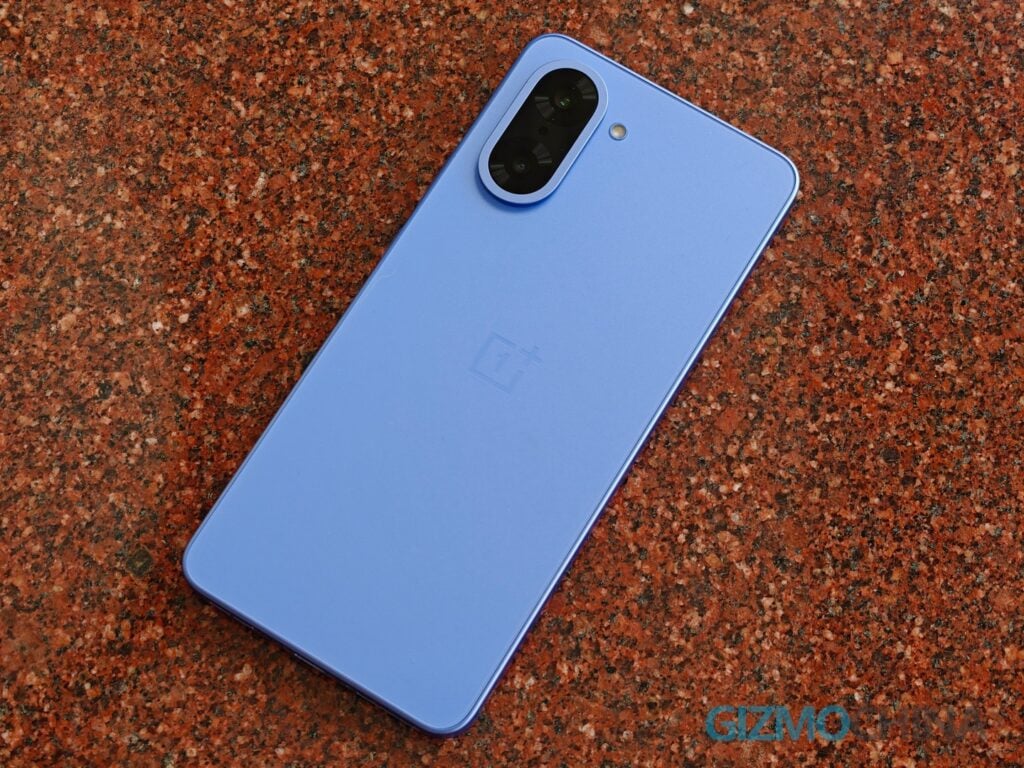
OnePlus 13s
OnePlus 13s

Despite Google’s pricing of the Pixel 9a, this model features a plastic rear panel to cut corners. This is surrounded by an aluminum frame, but it’s definitely not as premium as the OnePlus 13s with its glass and metal design. The latter clearly offers a more flagship build quality on its compact phone.

Even in the display department, the OnePlus 13s has an edge thanks to the LTPO technology for a variable 1-120Hz refresh rate. But unlike the iPhone 16e, the Pixel 9a doesn’t suffer from the 60Hz refresh rate. To recall, the Pixel 9a sports a 6.3-inch pOLED display with a FHD+ resolution, a 120Hz refresh rate, and 2700 nits of peak brightness. Meanwhile, the OnePlus 13s has a 6.32-inch LPTO AMOLED screen with a 1.5K resolution, 1-120Hz refresh rate, and 1600 nits of peak brightness.

2. Performance

Google Pixel 9a
Google Pixel 9a

Just like the OnePlus 13 and OnePlus 13T, the OnePlus 13s is equipped with Qualcomm’s latest and greatest Snapdragon 8 Elite SoC. This chipset easily outperforms Google’s Tensor G4 chip. The Snapdragon processor is also the best chipset for gaming on an Android phone.

On the other hand, the Google Tensor places its focus on AI. But OnePlus’ AI is still quite capable and versatile, so you’re not losing AI functionality with the 13s. Since most users are not mobile gamers, the Tensor G4 can be sufficient for daily tasks, but the OnePlus 13s’ 3nm Snapdragon 3nm chip is quite power efficient as well. So you’re not trading performance for battery life. On that note, here’s another area where the OnePlus compact flagship blows past the Pixel.

3. Battery & Charging

OnePlus 13s has a smaller 5,850mAh battery pack compared to the 13T’s huge 6,260mAh cell. But it is still larger than even the huge Samsung Galaxy S25 Ultra. Even with its thinner and lighter body, the 13s easily outclasses the Pixel 9a’s 5,100mAh battery. When you look at the charging speeds, the Pixel is once again left in the dust with its 23W wired fast charging against OnePlus’ 80W charging speed. But Google has a slight trick up its sleeve with the Pixel 9a, which supports 7.5W wireless charging.

4. Pricing

Google dropped the Pixel 9a with a starting price tag of 499 US Dollars for the 8GB + 128GB base model, with the 8GB + 256GB listed for 599 US Dollars. In the Indian market, the Pixel 9a only comes in the 256GB option for 49,999 INR. OnePlus just unveiled the OnePlus 13s for a 54,999 INR starting price for the 256GB configuration. But thanks to bank offers, it is available for 49,999 INR. Google’s Pixel 9a might be slightly cheaper depending on the region, but the OnePlus 13s is a better bet if it’s available in your region.

For more daily updates, please visit our News Section.

Tech enthusiast? Get the latest news first! Follow our Telegram channel and subscribe to our free newsletter for your daily tech fix! ⚡

Xiaomi launches new smart lock with vein scanning, AI-powered peephole & HyperOS

Xiaomi has opened pre-orders for its new Smart Door Lock 2 Vein Recognition Enhanced Edition in China. The device is now on JD.com, with first sales scheduled to begin on June 10. The lock is priced at 1,699 yuan (around $235).

Xiaomi Smart Door Lock 2 Vein Recognition Edition

Xiaomi Smart Door Lock 2 Vein Recognition Edition Specs

Xiaomi equips the lock with advanced vein recognition technology that scans finger vein patterns using near-infrared light. This approach provides a more reliable unlocking method for users with worn fingerprints or skin conditions.

The system targets common fingerprint recognition issues for elderly users and children. The AI-powered algorithm continues to learn over time, improving recognition accuracy. Xiaomi claims the system can recognize a user in less than one second, with a false recognition rate of under 0.0001 percent.

The lock supports a total of 10 unlocking methods. These include AI vein recognition, AI fingerprint recognition, permanent password, one-time password, periodic password, smartphone Bluetooth unlocking, mechanical key, NFC card, and Xiaomi smart devices such as phones, smartwatches, and smart bands.

Xiaomi has added a smart peephole with a 2MP sensor to the indoor unit. The peephole works with an AI-based human detection algorithm that records video if someone lingers near the door. The system supports infrared night vision and full-color recording in low light. The device also comes with a built-in display that allows users to monitor their doorstep in real time.

The lock features Xiaomi’s fully automatic lock body with noise-reduction components. The door locks automatically after closing and unlocks smoothly after successful recognition. Xiaomi uses a C-grade mechanical lock cylinder that resists forced entry and blocks electromagnetic interference.

The device runs on a 5000mAh lithium battery that lasts around four months. Backup power is provided by four AA batteries, extending usage by another six months. If both power sources are depleted, emergency charging is possible through a Type-C port.

The lock integrates with the Mi Home ecosystem over Wi-Fi. Users can monitor lock status remotely and receive tampering alerts through the Mi Home app. The system supports multi-screen linkage with Xiaomi TVs and smart home hubs and works with Xiaomi’s HyperOS for personalized automation.

Xiaomi claims the lock has passed rigorous durability tests, including 150,000 open-close cycles and temperature testing from -10°C to 55°C. The front and rear panels measure 399×76mm, and the lock weighs about 3.86kg.

In related news, Xiaomi recently launched the Mijia High-Speed Hair Dryer Pro featuring Smart Scalp Protection, along with a new washing machine equipped with HyperOS, Blue Oxygen technology, and a slim design.

For more daily updates, please visit our News Section.

Stay ahead in tech! Join our Telegram community and sign up for our daily newsletter of top stories! 💡

(Source)

Why you should buy the OnePlus 13s over the iPhone 16e

Apple finally announced a more affordable iPhone earlier this year with the iPhone 16e. Despite being one of the cheapest new iPhones, it still carries a hefty price tag. But after the OnePlus 13s launch (Review), the Chinese brand has a worthy contender in this budget premium phone category. So here are all the reasons the OnePlus 13s is a better pick over the iPhone 16e.

OnePlus 13s vs iPhone 16e: Smoother, Brighter, & Taller

The OnePlus 13s is just superior in terms of display. It sports a taller 6.32-inch OLED display that has a 1.5K resolution, 1600 nits of peak brightness, Dolby Vision, and 1-120Hz variable refresh rate thanks to LTPO technology. While the iPhone 16e has a more compact 6.1-inch OLED display, the screen only has a standard 60Hz refresh rate, FHD+ resolution, and up to 1200 nits of peak brightness.

OnePlus 13s
OnePlus 13s

Considering how even mid range or budget phones pack a higher refresh rate display, the iPhone 16e suffers from the same issue as the iPhone 16 and iPhone 16 Plus. In other words, the OnePlus 13s simply feels a lot more smoother to use.

Two Cameras Over One

Similar to the display department, the Cupertino based giant’s iPhone 16e disappoints in the camera department as well. Despite spending hundreds of dollars, the cheapest iPhone 16 series model only offers a single 48MP rear facing camera. Apple claims that this sensor does offer “optical quality-like” 2x zoom, but it is still an in-sensor crop. Meanwhile, the front houses a 12MP selfie shooter with auto focus.

Apple iPhone 16e
Apple iPhone 16e

The cameras are one of the biggest gripes I had with the OnePlus 13s, and it is still a better deal here. On the back, you get a 50MP main and 50MP telephoto shooter with 2x optical zoom. The primary sensor is bigger than the iPhone 16e’s camera, while the telephoto shooter offers true optical magnification. Even the selfie camera has a higher 32MP resolution with autofocus as well.

Battery Size and Charging

OnePlus shakes up the compact smartphone market with a humongous 5,850mAh battery pack on the OnePlus 13s. It also supports up to 80W wired fast charging. In comparison, the iPhone 16e arrives with a 4,005mAh (expected) cell and supports around 20W wired fast charging. So, in terms of both battery size and charging speeds, the OnePlus 13s is a clear winner once again.

Pricing

It isn’t a fair comparison if we don’t compare the pricing of the two devices. If the iPhone 16e was more affordable than the OnePlus 13s, the former might have had its own argument of having better value. But the iPhone 16e starts from 599 US Dollars or 59,999 INR in the Indian market for the 128GB base storage option. On the other hand, the OnePlus 13s sells for 54,999 INR for the 256GB standard option, which simply makes it a better deal unless you wish to stick to the Apple ecosystem.

For more daily updates, please visit our News Section.

Don’t miss a thing! Join our Telegram community for instant updates and grab our free daily newsletter for the best tech stories!

Xiaomi brings elegance to the Redmi Note 14 with new Sand Gold color

Xiaomi released the Redmi Note 14 Pro+ in a new gold color back in March 2025. Now, the brand is giving the rest of the Redmi Note 14 series the same refresh with the launch of the new Sand Gold color option. The new finish brings a touch of premium flair to the popular mid-range device, so let’s check it out.

Redmi Note 14 4G, Note 14 Pro 4G, & Note 14 Pro 5G drop in gold

The Chinese tech giant, for some odd reason, has decided to skip the Sand Gold on the base Redmi Note 14 5G model. Meanwhile, the Redmi Note 14 4G, Note 14 Pro 4G, and Note 14 Pro 5G get the new gold option. This new variant doesn’t alter the internals. So all three models still sport a tall 6.67-inch AMOLED display with a 1.5K resolution and a 120Hz refresh rate.

Redmi Note 14,
Redmi Note 14 4G, Redmi Note 14 Pro 4G, and Redmi Note 14 Pro 5G in Sand Gold

Meanwhile, the base Note 14 4G features a 108MP + 2MP + 2MP triple camera setup, while both the Pro variants have a 200MP + 8MP + 2MP camera system. The Note 14 4G is powered by MediaTek’s Helio G99 Ultra SoC, while the Helio G100 Ultra powers the Note 14 Pro 4G. But the Redmi Note 14 Pro 5G arrives with the Dimensity 7300 Ultra chipset.

It is worth noting that these models have been announced for the global market, so we can expect the new Sand Gold variant to appear on regional websites soon. Looking at the new model, the gold finish is a lot more subtle and adds a touch of elegance to Xiaomi’s popular Redmi Note lineup. There is likely no bump to the pricing for a new color option, although the cost might vary depending on the market.

For more daily updates, please visit our News Section.

Tech enthusiast? Get the latest news first! Follow our Telegram channel and subscribe to our free newsletter for your daily tech fix! ⚡

Yaber T2 Plus Portable Projector Review: Surprisingly Good for Backyard Movie Nights

Portable projectors have come a long way in recent years. They used to be niche devices with clunky interfaces, dim images, and poor sound. Now, they’re increasingly positioned as lifestyle gadgets you can toss in a backpack for movie nights anywhere.

I’ve tested quite a few of these portable projectors, and recently, I spent a few weeks with the Yaber T2 Plus. It promises a lot: Full HD resolution, JBL speakers with Dolby Audio, a 2.5-hour built-in battery, Google TV streaming via an included dongle, and a retro-modern design. It retails for around $349.

Of course, that price bracket is crowded with alternatives from brands like Xgimi, Anker, and Nebula. The big question is whether Yaber’s latest model does enough to stand out. After using it in various scenarios, outdoor movie nights, office presentations, and impromptu Netflix binges in my bedroom, here’s my verdict.

Yaber T2 Plus Portable Projector Review

What’s in the Box?

The Yaber T2 Plus comes neatly packaged with everything you need to get started. Inside the box, I found the projector itself, a lens cap, power cable, HDMI cable, a Remote (batteries included), a cleaning cloth, and the standout inclusion: a Google TV dongle with a right-angled HDMI adapter. There’s also a quick-start guide and a small warranty card.

I liked that Yaber didn’t skimp here. Having a dedicated streaming dongle in the box is a nice touch, too many projectors in this range rely on clunky, unsupported app stores.

Design and Build Quality

The first thing I noticed when unboxing the Yaber T2 Plus was how much more considered its design feels compared to most budget projectors. Many entry-level models either go overboard with gamer-inspired looks or settle for plain black plastic boxes. The T2 Plus takes a different path. It leans into a retro-inspired aesthetic that feels playful yet tasteful. It fits naturally in a living room, bedroom, or even a modern workspace.

Yaber T2 Plus Portable Projector Review

Its cream-colored plastic chassis looks soft and clean. The fabric-wrapped speaker grille runs along the top third of the body, giving it a warmer, more home-friendly feel. It looks more like a piece of modern decor than a typical electronics device. The subtle JBL logo on the front fabric adds a nice detail, and the single minimalist power button on top keeps the interface uncluttered. The finish holds up well to handling and does not show smudges or fingerprints easily, which helps it stay looking sharp over time.

The front of the projector is dedicated to the lens, and Yaber includes a dust cap in the box. I appreciated having it, though I did wish it came attached to the projector in some way, as it is very easy to misplace. The autofocus and keystone correction sensor sits near the bottom front of the chassis. I noticed that when placing the projector flat on a table, the sensor sometimes misreads the edge of the surface as an obstruction. It is something to be mindful of during setup.

The size may surprise some users expecting a compact portable projector. It stands about 11.4 inches tall and weighs roughly 5.5 pounds (2.5 kg). Even so, I had no trouble moving it around the house or packing it for a weekend trip. The integrated handle adds real versatility. It is not just a carry loop. Yaber designed it to double as a tilt-adjustable stand. I could easily angle the projector up or down without needing a separate tripod. The handle uses a soft silicone grip, which feels good in the hand and keeps it from slipping when used as a stand.

Build quality feels solid throughout. The plastic panels do not creak, and the unit carries a reassuring heft that makes it feel ready for regular handling. The bottom of the projector shows similar attention to detail, with four rubber feet that provide good grip and a standard ¼-inch VESA tripod mount.

Yaber T2 Plus Portable Projector Review

The port selection covers the basics well. On the rear, Yaber includes an HDMI 1.4 port, USB 2.0, 3.5mm audio out, and an RJ45 Ethernet port. I liked having the Ethernet port as an option, though I mostly relied on the Wi-Fi connection. The power connector sits on the side of the unit, which makes it easier to plug in compared to models where the port sits deep in the rear.

Features

The Yaber T2 Plus packs an impressive set of features for a projector in this class, and many of them genuinely improve everyday use.

Yaber T2 Plus Portable Projector Review

The most practical feature right out of the box is the included Google TV dongle. It offers the full Google TV experience and supports apps like Netflix, YouTube, Disney+, and Prime Video.

The native Yaber OS is basic but handles essentials well. It supports file playback, screen mirroring, and basic settings adjustments. File compatibility is solid. The projector had no trouble with MP4, MKV, JPG, PNG, and TXT files from a USB stick.

In terms of wireless connectivity, the T2 Plus delivers stable Wi-Fi 6 streaming, flexible Bluetooth 5.0 audio support, and NFC pairing, which is a nice future-ready option for compatible phones.

Yaber T2 Plus Portable Projector Review

The projector comes with autofocus and auto-keystone correction for aligning the image correctly. It works well most of the time, though occasionally the auto-keystone fails to adjust properly, especially at sharp angles. Manual adjustments are supported too. The four-point keystone control is easy to use and allows me to square the image with little effort when needed.

There is also a thoughtful touch in the system interface: it displays battery level and network status, so you always know how much battery is left when unplugged.

Setting Up the Projector

Out of the box, I first connected the included Google TV dongle to the HDMI port using the right-angle adapter, then powered it through the USB port. I appreciated how this adapter lets the dongle sit flush with the back of the projector rather than sticking out awkwardly. Yaber also thoughtfully includes batteries in the box, so I had the remote ready to go in seconds.

Powering on the projector for the first time triggers an autofocus and auto-keystone calibration sequence. A test pattern appears on screen, and within about 10 seconds, the T2 Plus has produced a sharp, aligned image on my wall with very little manual intervention.

Once the image was set, I went through the familiar Google TV setup process: connecting to Wi-Fi, signing into my Google account, and installing streaming apps. The Google TV interface felt smooth and snappy on this dongle, with no obvious lag. It also detected my Bluetooth speaker immediately when I paired it for one session. I liked that the remote had dedicated Netflix, Disney+, YouTube, and Prime Video buttons, which saved time jumping between apps.

Yaber T2 Plus Portable Projector Review

For testing local content, I plugged in a USB drive to the projector’s rear port. Yaber’s native file manager is simple but worked as advertised, I was able to play video files directly without needing to mess with codecs or third-party apps.

One minor quirk in the setup process: if you want to make manual keystone or focus adjustments, you have to exit Google TV and return to the projector’s native interface. The remote has a Focus/Keystone button, but trying to use it while in HDMI input throws a small warning. It’s not a huge hassle, but it would be nice if future firmware allowed these adjustments without switching inputs.

Image and Sound Quality

Once I had the Yaber T2 Plus fully set up, I was eager to see how it performed in real-world viewing. On paper, 450 ANSI lumens and native 1080p resolution sound decent for a portable projector, but specs rarely tell the full story.

I started with a few familiar test clips, scenes from nature documentaries, fast-paced sports footage, and some darker cinematic shots. In a dimly lit room, the T2 Plus delivered a clear, sharp, and surprisingly vibrant image for this class of projector. The color reproduction felt balanced out of the box, with a slight lean toward warmer tones, but nothing unpleasant. Whites were clean, and skin tones looked natural enough for casual viewing.

Yaber T2 Plus Portable Projector Review

The 1080p resolution held up well even when projecting close to the maximum 120-inch screen size. Text remained legible, and fine details like foliage or fabric textures came through better than I expected. I ran a couple of test patterns and confirmed that the lens produces an even focus across most of the screen; there was a tiny amount of softness at the extreme edges, but only if you’re hunting for it.

Brightness is where the T2 Plus shows its portable roots. In a fully darkened room, it looks great. In moderate ambient light, say, late afternoon with some indirect sunlight, it remains watchable but loses a fair bit of punch. This is to be expected at 450 ANSI lumens. I also found that projecting very large images (100 inches or more) caused a noticeable drop in perceived brightness. Keep that in mind if you’re planning to go big.

Contrast was serviceable. Dark scenes revealed good shadow detail in the center of the frame, though there is a noticeable drop-off in blacks when projecting onto non-optimized walls. Using a proper projection screen definitely helps if you want to get the best out of this projector. I also experimented with the picture presets and manual adjustments, bumping the brightness and contrast slightly helped offset some of the room’s ambient light.

I tested the screen mirroring feature using my iPhone’s built-in Screen Mirroring option, and it worked flawlessly. The connection was quick and stable throughout.

Now, about sound quality, this is an area where the T2 Plus genuinely surprised me. The dual 8-watt JBL speakers deliver a much fuller, more dynamic sound than I usually hear from compact projectors. Dialog remained crisp even at higher volumes, and there was enough low-end presence to add some weight to action scenes. But don’t expect it to replace a dedicated home theater speaker system.

I tested the projector both in video playback and in Bluetooth speaker mode, streaming music from my phone. In Bluetooth mode, the speakers handled a mix of genres with decent separation and punch. It’s not audiophile-grade, but perfectly good for casual use, great for outdoor movie nights, or even background music during parties.

Fan noise was another pleasant surprise. The cooling system on the T2 Plus is clearly well-tuned. During quiet movie scenes, the fan was barely noticeable unless I was sitting very close to the projector. In normal use, it quickly faded into the background and never distracted from the content.

One thing to keep in mind: if you’re projecting onto uneven or textured surfaces, the auto keystone and focus system does a good job of correcting distortion and maintaining image clarity, but expect a little trial and error when setting up in less-than-ideal spaces. Once dialed in, though, the image stays locked and stable.

Battery Life

The built-in battery is one of the most practical parts of using the Yaber T2 Plus. In my tests, I consistently got around 2 hours and 15 to 2 hours and 20 minutes of video playback at moderate brightness, close to Yaber’s 2.5-hour claim. Pushing the brightness to 100% shortens that a bit, while lowering it can comfortably get you through most films.

Yaber T2 Plus Portable Projector Review

For Bluetooth speaker mode, the battery easily lasted over 7 hours in my testing, and Yaber’s claim of up to 18 hours seems realistic if you’re listening at moderate volume.

Charging takes about 3.5 hours in standby or roughly 5.5 hours if the projector is powered on. I do wish Yaber had used USB-C here instead of a figure-eight connector, which would have made it easier to pair with portable power banks.

Final Thoughts

After several weeks with the Yaber T2 Plus, I came away impressed with what it delivers for the price. It’s not perfect, no projector in this range is, but Yaber nailed the basics while adding thoughtful extras that elevate the overall experience.

Yaber T2 Plus Portable Projector Review

You’re getting a genuinely portable 1080p projector with good speakers, a built-in battery, auto setup features, and a Google TV dongle that works well out of the box. The design is charming, and the handle-stand combo is genuinely useful. For casual home viewing, movie nights with friends, or light outdoor use, the T2 Plus is a great companion.

There are some trade-offs. Picture quality is decent but won’t rival top brands like Xgimi or JMGO. The UI could be more polished, and the single HDMI port feels limiting in 2025. But at this price, I’m okay with those compromises.

Pricing and Availability

The Yaber T2 Plus is widely available online through Amazon and Yaber’s own site. It retails for around $329 in the US, and I’ve seen it on sale for as low as $299. If you already own a streaming stick you like, you could save a bit by opting for the regular T2, which is sometimes discounted to under $200.

For more daily updates, please visit our News Section.

Stay ahead in tech! Join our Telegram community and sign up for our daily newsletter of top stories! 💡

Vivo X200 Ultra vs Nubia Z70S Ultra: Photography vs Performance, What Will You Choose?

Vivo X200 Ultra and Nubia Z70S Ultra represent two of the most powerful Android flagships of 2025, each taking a distinct approach to premium features. While Vivo pushes the boundaries of mobile photography with Zeiss optics and gimbal stabilization, Nubia focuses on raw performance, gaming prowess, and cutting-edge design. This comparison matters because both phones share the same high-end Snapdragon 8 Elite chipset but differ in priorities, Vivo aims for pro-level imaging, and Nubia targets performance enthusiasts. Choosing between them comes down to what matters more: photography excellence or top-tier performance at a better value.

1. Design and Display

Vivo X200 Ultra
Vivo X200 Ultra

Build and Feel:
Both devices feature premium glass and aluminum builds with IP68/IP69 protection, but the Vivo X200 Ultra takes a slight lead with IP69 certification for both dust and high-pressure water resistance. Its construction also integrates Armor Glass, which offers improved durability under rough usage. The Nubia Z70S Ultra uses Gorilla Glass 7i, which is robust but not as impact-resistant as Armor Glass. The overall aesthetic of the Vivo feels more refined, especially with its professional Zeiss-branded camera module that gives it a photography-centric appeal.

Display Quality:
Vivo X200 Ultra features a 6.82-inch LTPO AMOLED panel with a superior resolution (1440 x 3168) and 4500 nits peak brightness. It supports Dolby Vision, HDR Vivid, and high-frequency 2160Hz PWM dimming, making it more suitable for long usage with less eye strain. In comparison, Nubia Z70S Ultra offers a slightly larger 6.85-inch AMOLED with 144Hz refresh rate and HDR10 support but peaks at 2000 nits with lower resolution (1216 x 2688). Vivo’s higher brightness, sharper pixel density, and advanced color handling make it a better display overall.

Verdict:
Vivo X200 Ultra wins on display quality and finish. Its superior visual tech and more durable glass make it the better-designed flagship for both media and durability-focused users.

2. Specifications

Nubia Z70s Ultra

Performance:
Both phones share the Snapdragon 8 Elite chipset with the same CPU and GPU configurations. However, Vivo X200 Ultra uses UFS 4.1 storage while Nubia sticks with UFS 4.0. Vivo’s OriginOS is optimized for fluid multitasking and thermal efficiency, while Nubia’s Nebula AIOS is tuned more toward AI-based enhancements and gaming. Nubia offers a 24GB RAM variant, which benefits extreme multitaskers or power users, whereas Vivo maxes out at 16GB RAM. For consistent real-world flagship performance, both are elite-tier, but Nubia provides slightly more raw headroom.

Battery and Charging:
Nubia Z70S Ultra comes with a larger 6600 mAh battery compared to Vivo’s 6000 mAh, offering longer screen-on time. However, Vivo supports 90W wired and 40W wireless charging, including reverse options. Nubia supports only 80W wired with no wireless option. Vivo’s faster, more versatile charging ecosystem gives it an edge despite the slightly smaller battery.

Verdict:
While Nubia offers marginally better raw memory and capacity, Vivo’s faster UFS 4.1 storage, wireless charging, and reverse capabilities make it more versatile. Overall, the Vivo X200 Ultra is better for power efficiency and convenience.

3. Camera

Vivo X200 Ultra
Vivo X200 Ultra

Main and Secondary Lenses:
Vivo X200 Ultra outclasses its rival with a 200MP periscope telephoto lens (3.7x optical zoom), a gimbal-stabilized 50MP wide lens, and a high-end ultrawide module—each with Zeiss optics and advanced stabilization. It even supports Zeiss add-on lenses for professional-grade versatility. Nubia Z70S Ultra has a capable 64MP telephoto and 50MP standard and ultrawide shooters, but the sensor sizes are smaller and lack the advanced optics of Vivo. Vivo also supports a 3.4:1 macro mode, enhancing its pro-level utility.

Selfie Camera:
Vivo sports a high-resolution 50MP selfie shooter with autofocus and 4K video support, making it ideal for creators and video callers. Nubia’s 16MP under-display camera prioritizes aesthetics over quality. While innovative, it doesn’t match Vivo’s output in detail or clarity. Vivo’s front camera also supports 60fps 4K recording, a clear advantage.

Verdict:
Vivo X200 Ultra delivers a more powerful and versatile camera system across the board, with flagship-grade optics and software enhancements. It’s better suited for mobile photographers and videographers.

4. Pricing

Nubia Z70s Ultra

Vivo X200 Ultra starts at approximately $1000, while the Nubia Z70S Ultra is priced more aggressively at around $800. Nubia offers excellent value for users prioritizing performance and battery without spending flagship-tier money. However, the Vivo justifies its premium with Zeiss optics, higher display quality, wireless charging, and a more refined build. For camera enthusiasts and multimedia users, the $200 premium offers meaningful upgrades. For budget-conscious power users, Nubia offers better specs per dollar.

5. Conclusion

Vivo X200 Ultra
Vivo X200 Ultra

Vivo X200 Ultra stands out with its Zeiss-certified gimbal OIS system, 200MP zoom lens, 2160Hz PWM dimming for eye comfort, and satellite SOS functionality (in select variants). These features are rare even in premium flagships. Nubia Z70S Ultra brings innovation with its under-display selfie camera and 24GB RAM variant, which is ideal for immersive gaming and futuristic design fans.

Verdict:
Vivo X200 Ultra is the better all-rounder with premium camera hardware, display technology, and charging capabilities. Nubia Z70S Ultra provides more memory, a bigger battery, and excellent performance at a lower cost. Choose Vivo for a flagship multimedia and photography experience. Choose Nubia for cutting-edge performance and value-focused flagship features.

Read More:

Xiaomi 15 vs OnePlus 13s: Which Compact Flagship Is Better?

The compact flagship space in India has been buzzing. Xiaomi’s 15 arrived in March, delivering top-tier hardware in a sleek, pocket-friendly form. OnePlus has now countered with the OnePlus 13s, which launched earlier this week, promising similar performance at a more aggressive price, along with its own hardware upgrades and signature design elements.

Both phones rely on Qualcomm’s Snapdragon 8 Elite chip and sharp 1.5K OLED displays. Beyond that, though, their approaches start to diverge. We have taken a close look at the specs, features, and overall value of each device to help you decide which one might suit you best.

Xiaomi 15

1. Design and Build

Xiaomi has refined its compact flagship formula with the Xiaomi 15. It measures 152.3mm tall and 71.2mm wide, with a thickness of just 8.08mm and a light 181g body. The aluminum frame is flat and sharp-edged, but the rounded corners and narrow profile make it very comfortable for one-handed use. The Liquid Silver variant in particular stands out with a 3D hot-bent glass finish that shimmers and waves when touched.

The OnePlus 13s is slightly smaller, at 150.81mm tall, and about the same width at 71.7mm. It is a touch thicker at 8.15mm and slightly heavier at 185g. Where OnePlus has really focused is weight distribution and grip. The phone’s 50:50 balance combined with a curved 2.5D glass back makes it feel very planted in your palm. The India-exclusive Green Silk finish is also a fresh and premium take, with a soft Velvet Glass texture.

Both phones are well-built, but the Xiaomi 15 feels more industrial and angular, while the OnePlus 13s feels more organic and ergonomic. Pick based on what kind of aesthetic you prefer in your daily carry.

2. Display

Both phones are working with premium LTPO AMOLED panels that deliver flexible refresh rates from 1Hz to 120Hz and crisp 1.5K resolution.

The Xiaomi 15 uses a 6.36-inch M9 OLED with a peak brightness of 3200 nits, Dolby Vision, HDR10+, and 1920Hz PWM dimming for flicker-free low-brightness use. Its bezels are impressively thin at 1.38mm uniformly, and Xiaomi’s Shield Glass should offer some added durability.

The OnePlus 13s sports a slightly smaller 6.32-inch LTPO AMOLED that peaks at 1600 nits, again with Dolby Vision support. It doesn’t get as bright as Xiaomi’s panel, and that will matter outdoors in direct sunlight. Still, it is a sharp, color-accurate display with good tuning out of the box.

For sheer screen performance, the Xiaomi 15 takes the edge here; its brightness and uniform bezels give it a visual clarity that is hard to beat.

3. Performance

Both devices are powered by the Snapdragon 8 Elite chip, paired with 12GB of LPDDR5X RAM. The Xiaomi 15 comes with 512GB of UFS 4.0 storage as standard, while the OnePlus 13s gives you a choice between 256GB and 512GB.

Thermal management is an area where both companies have put in effort. Xiaomi 15 uses the IceLoop Wing-Type System for triple the performance of traditional VC cooling. The OnePlus 13s employs a 4,400mm² Cryo-Velocity Vapor Chamber with an additional graphite layer on the back cover.

4. Software

Xiaomi ships the 15 with HyperOS 2 based on Android 15, while OnePlus runs OxygenOS 15 atop Android 15. Xiaomi also matches OnePlus on long-term software support, with four years of major OS updates and six years of security patches. That puts both phones on equal footing for longevity.

That said, the software experience is a different story. OxygenOS is still regarded as a cleaner, more fluid interface, closer to stock Android in spirit. HyperOS has improved a lot but can still feel heavier at times with more pre-installed apps. If you value simplicity, OnePlus still has a slight edge in software polish.

5. Camera

Xiaomi has thrown its full Leica-backed imaging system at the 15. It sports a 50MP 1/1.31″ main sensor with f/1.62 aperture, a 50MP ultra-wide, and a 50MP 2.6x telephoto, all tuned via the Xiaomi AISP 2.0 computational photography platform. You also get 8K video recording and a 32MP front camera capable of 4K 60fps video.

OnePlus takes a more streamlined approach with the 13s: a 50MP Sony LYT-700 main sensor and a 50MP 2x telephoto, but no ultra-wide camera. The front camera is a 32MP unit with autofocus and up to 4K 30fps recording.

Xiaomi clearly wins on versatility here. You simply get more camera options, better computational tuning, and a more complete package. The lack of an ultra-wide lens on the OnePlus 13s is a notable omission for a flagship in 2025.

6. Battery and Charging

The OnePlus 13s pairs its large 5,850mAh battery with 80W SuperVOOC wired charging and adds support for Bypass Charging. This is especially useful for gaming, as it lets you power the phone directly from the charger while keeping the battery cool and avoiding unnecessary charge cycles. It is a thoughtful feature that will appeal to power users and gamers alike.

The Xiaomi 15 features a smaller 5,240mAh battery but supports faster 90W wired and 50W wireless charging, plus 10W reverse wireless. You also get Xiaomi’s Surge P3 and G1 chips for optimized battery health and smart charging.

Both phones will last a full day comfortably. OnePlus gives you a larger battery and Bypass Charging for better gaming endurance, while Xiaomi offers a more flexible overall charging setup with wireless options.

7. Other Features

Xiaomi finally moves to an ultrasonic in-display fingerprint sensor, which is a big improvement over optical ones for reliability and speed. The OnePlus 13s still uses an optical fingerprint scanner.

Both phones have IP-rated durability, though Xiaomi 15 offers IP68 while OnePlus only hits IP65. Xiaomi also uses USB 3.2 Gen 1 versus OnePlus’ slower USB 2.0 port.

On connectivity, both phones support Wi-Fi 7, dual 5G, NFC, and the usual GPS standards. The OnePlus 13s does add a dedicated Wi-Fi enhancement chip and an 11-antenna system, which might give it the edge for network performance in crowded environments.

OnePlus also introduces the new Plus Key, a customizable hardware button that replaces the old Alert Slider. It can be mapped to sound modes, AI features, or other functions, and adds a small but useful layer of control.

8. Pricing and Value

This is where things get really interesting. The Xiaomi 15 starts at Rs. 64,999 for the 12GB + 512GB model. The OnePlus 13s undercuts it with a starting price of Rs. 54,999 for the 12GB + 256GB version, or Rs. 59,999 for 12GB + 512GB.

That makes the OnePlus 13s nearly Rs. 5,000 cheaper for the same top-end configuration. It is delivering similar core hardware and better battery life for less money, which is hard to ignore.

9. Final Thoughts

If you want the most complete flagship experience in a compact phone, the Xiaomi 15 (full review) is the better choice. It offers a brighter and more advanced display, more versatile cameras with Leica tuning, better protection (IP68), and superior charging options.

The OnePlus 13s (full review) is a very good value, especially if you prioritize battery life, smooth software, and a lower price. It will appeal to those who want a clean software experience and solid core hardware but are okay sacrificing the ultra-wide camera and wireless charging.

For most users looking for an uncompromising flagship in a small size, the Xiaomi 15 edges out as the superior device, though the OnePlus 13s remains an excellent value pick.

For more daily updates, please visit our News Section.

Stay ahead in tech! Join our Telegram community and sign up for our daily newsletter of top stories! 💡

Honor X6c renders and complete specs leak ahead of launch

Honor looks set to refresh its entry-level lineup with a new smartphone, the Honor X6c. The device, which likely succeeds last year’s X6b, has leaked in complete renders and full specifications. While the design and hardware aren’t radically different from its predecessor, there are a few notable changes.

From the back, the X6c retains the familiar square-shaped camera island and squared-off edges that characterized the X6b. The front, however, gets a slight redesign. Instead of the dated waterdrop notch, Honor is opting for a punch-hole camera cutout. 

Honor X6c has a new AI button

There’s even a new AI button on the left of the device to activate AI features baked into the device. Honor, according to the leak, offers a few AI features, including an “AI Eraser” tool. The phone will be offered in Green, Black, and White color options.

The X6c is built on a 6.61-inch TFT LCD panel with a 120Hz refresh rate and a resolution of 720 x 1604 pixels. The phone is also expected to come with an IP64 rating. 

Powering the Honor X6c is MediaTek’s Helio G81 Ultra, a 4G-only chipset that sits in the lower mid-range segment. It’s paired with Android 15 and Honor’s Magic OS 9.0 skin. Despite the modest hardware, 

The camera setup includes a 50MP main sensor paired with a QVGA sensor for secondary functions, possibly depth sensing or basic macro. The front camera is a 5MP unit housed in the punch-hole cutout.

In terms of battery, the X6c will be fueled by a 5100mAh cell, though some regions may see a slightly larger 5,300mAh version. The device will also support 35W wired fast charging. 

Honor hasn’t officially confirmed the X6c yet, but with this leak surfacing in such detail, an announcement doesn’t seem far off. 

For more daily updates, please visit our News Section.

Don’t miss a thing! Join our Telegram community for instant updates and grab our free daily newsletter for the best tech stories!

(Source)

Xiaomi Pad 7S Pro Leak Reveals XRing O1 Chip, 12.5-Inch Display, 120W Charging

Xiaomi is getting ready to launch two new high-end tablets: the Redmi Gaming Tablet and the Xiaomi Pad 7S Pro. A new leak has now revealed key details about the Pad 7S Pro.

Leaker Digital Chat Station says the Xiaomi Pad 7S Pro will likely run on the XRing O1 chipset, the same in-house chip used in the Xiaomi Pad 7 Ultra. The leak mentions four new tablets coming this month, including one large model with this chip, strongly suggesting it is the Pad 7S Pro.

The tablet will come with a 12.5-inch LCD display and support 120W fast charging. It will sit below the Pad 7 Ultra but above the Xiaomi Pad 7 Pro in the lineup, with pricing to match.

The Xiaomi Pad 7S Pro 12.5-inch and its Soft Light version were recently listed on Bluetooth SIG, confirming the display size and suggesting an official launch in China this month. The tablet also appeared on China’s 3C certification site with a 120W charger.

The Pad 7S Pro is expected to replace the Snapdragon 8 Gen 2 with Xiaomi’s XRing O1 chip, already used in the Xiaomi 15s Pro and Pad 7 Ultra. The larger tablet size is expected to handle heat and modem issues better than smartphones, allowing improved CPU performance and smoother use with HyperOS.

For more daily updates, please visit our News Section.

Don’t miss a thing! Join our Telegram community for instant updates and grab our free daily newsletter for the best tech stories!

(via: Notebookcheck, Source: DCS)

Lenovo launches a budget mechanical keyboard with RGB, tri-mode & hot-swappable switches

Lenovo has launched its new Aurora GK10 mechanical keyboard in China. It comes in both wired and tri-mode versions, with a choice of Blue, Brown, or Red mechanical switches. The wired model is priced from 99 yuan ($14), while the tri-mode version is set to retail for 179 yuan ($25), though it has not yet gone on sale.

Lenovo Aurora GK10

Lenovo Aurora GK10 Specifications

The Aurora GK10 uses a compact 98-key layout with an ergonomic design that aims to save space while maintaining key functionality. It connects to devices via a detachable Type-C cable.

The keyboard sports full-key hot-swappable sockets that support both 3-pin and 5-pin mechanical switches, allowing users to customize their typing experience with ease. The GK10 equips genuine mechanical switches with three options: Blue (tactile and clicky), Red (smooth and linear), and Brown (tactile with quieter feedback).

All switches are rated for approximately 50 million keystrokes. Travel distance measures 4.0 mm ±0.4 mm, with actuation at 2.0 mm ±0.6 mm. Trigger pressure varies by switch type: Blue switches require 50±15 gf, Red switches 45±15 gf, and Brown switches 45±15 gf.

Lenovo Aurora GK10

The GK10 features an RGB lighting system with 20 dynamic effects, including options like wave, snake, and breathing patterns. The lighting is customizable through Lenovo’s Aurora software, which supports synchronized lighting across compatible devices such as mice and headsets. The keyboard includes dedicated multimedia and lighting control shortcuts via the function key (FN), enabling quick adjustments to brightness, effect speed, audio playback, and volume.

The GK10 supports full N-key rollover and uses double-shot ABS keycaps designed to resist wear over time. Lenovo equips the keyboard with tuned stabilizers on larger keys to improve typing stability. The keyboard also includes adjustable feet that provide a 4-degree typing angle and non-slip pads for added comfort.

The tri-mode version includes a built-in 4000mAh battery. The keyboard measures 385.9 mm long, 139 mm wide, and 38.32 mm tall, with a weight of approximately 780 grams.

In related news, Lenovo has announced the Watch S, a budget-friendly smartwatch with an AMOLED display. The company has also launched a new 64MP digital camera with 4K video support and a vlog-friendly design, priced under $70.

For more daily updates, please visit our News Section.

Stay ahead in tech! Join our Telegram community and sign up for our daily newsletter of top stories! 💡

Xiaomi Smart Band 10 Marketing Leak Confirms Design, AMOLED Display & 21-Day Battery

Xiaomi’s Smart Band 10 is almost ready to launch. Official marketing material now confirms its key specs and design.

The Smart Band 10 will have a 1.72-inch AMOLED display with thin, symmetrical bezels. The display will offer 1500 nits peak brightness and a 60Hz refresh rate. The design remains similar to the previous model.

Battery life is rated for up to 21 days, depending on usage. It charges fully in about one hour. The band will support over 150 sports modes, including an advanced swimming mode and heart rate broadcast. It will also provide sleep tracking with REM analysis and continuous heart rate monitoring.

The device is waterproof up to 50 meters and can be used while swimming or showering. It will feature full touch controls. Xiaomi will also offer colorful multi-material frames and accessories for the band, sold separately.

Leaks have already confirmed more details about the Smart Band 10. It will feature a 1.72-inch AMOLED display with 212 x 520 resolution and 326 ppi. The elliptical display will run on Xiaomi’s latest HyperOS 2.0 and sync health and fitness data through the Mi Fitness app.

The band is compatible with Android 8.0 and iOS 12.0 or newer. It will have a 233mAh LiPo battery with a one-hour charge time and up to 21 days of use.

Sensors include an accelerometer, gyroscope, electronic compass, PPG heart rate sensor, and ambient light sensor. The frame is made of sandblasted aluminum, and the strap is TPU. It measures 46.57 x 22.54 x 10.95 mm and weighs 15.95g without the strap.

The Smart Band 10 will come with black, white, and pink strap options. In Europe, the expected price is between €40 and €50.

For more daily updates, please visit our News Section.

Stay ahead in tech! Join our Telegram community and sign up for our daily newsletter of top stories.
(Source: YTECHB)

Redmi Pad 2: Every Major Upgrades Over the First-Gen Budget Redmi Tablet

Xiaomi’s new Redmi Pad 2 is here, and it brings a set of meaningful upgrades over the original Redmi Pad that launched back in 2022. Aimed at budget-conscious users who want a reliable tablet experience, here are the major improvements in the second-gen model.

Redmi Pad 2: Smoother, Brighter, and Taller Display

The Chinese tech giant’s original Redmi Pad debuted with a 10.61-inch LCD screen with a 2K resolution and a 90Hz refresh rate. It also offered up to 400 nits of peak brightness. These specs were decent for a budget tablet in 2022, but the latest Redmi Pad 2 improves in almost every aspect.

Redmi Pad 2
Redmi Pad 2

It sports a taller 11-inch LCD panel with a higher 2.5K resolution and a higher peak brightness of up to 600 nits. Unfortunately, the Redmi Pad 2 retains the same 90Hz refresh rate.

Faster Performance

Xiaomi equips the Redmi Pad 2 with a more powerful and newer MediaTek Helio G100 Ultra chipset. This allows it to outperform the older Helio G99, which powers the first gen Redmi Pad. So you can expect better multitasking, smoother daily performance, and improvements in casual mobile gaming.

Redmi Pad
Redmi Pad

The Redmi Pad pairs this chipset with up to 4GB of RAM and up to 128GB of internal storage (3GB + 64GB base in India). Meanwhile, even the base model of the Redmi Pad 2 offers a 6GB + 128GB storage configuration, with the top end variant offering 8GB + 256GB in the Philippines. But it is worth noting that the European version featured 4GB of RAM.

Bigger Battery & HyperOS

Owing to their larger size compared to typical smartphones, tablets can house larger battery packs that can offer long battery life. The original Redmi Pad is powered by a respectable 8,000mAh battery, which supports 18W wired fast charging.

While the fast charging rate remains the same at 18W, the battery pack sees a noticeable upgrade to a 9,000mAh cell. Back in 2022, Xiaomi’s devices still ran on the MIUI custom skin. However, the Redmi Pad 2 features the newer Android 15 OS based HyperOS 2.0 platform. This makes it more up to date with newer features, UI, and much more. The Indian release of the Redmi Pad 2 is right around the corner as well, so stick around for more.

For more daily updates, please visit our News Section.

Don’t miss a thing! Join our Telegram community for instant updates and grab our free daily newsletter for the best tech stories!

Oppo Find X9 Leak Hints at Powerful Camera Upgrades and New Dimensity 9500 Chipset

The upcoming Oppo Find X9 series could bring some serious upgrades in terms of hardware. Oppo’s next generation of flagships might be bringing insane camera upgrades along with a newer flagship MediaTek chip for faster performance. So here’s everything we know.

Oppo Find X9: A True Flagship Camera Phone?

The latest details were shared by known tipster Digital Chat Station on Weibo. The leak hints at the entire Find X9 series getting a massive upgrade in terms of camera. In particular, this improvement might be to the periscope telephoto shooter. Meanwhile, the top end Find X9 Ultra could push the boundary in smartphone photography. DCS also claimed that the Find X9 Ultra may pack a 200MP and 50MP periscope shooters on the back, along, which likely offers different optical magnification levels.

Oppo Find X8 Ultra

The tipster bases the information on a prototype Find X9 Ultra, which reportedly packs Samsung’s high end ISOCELL HP5 and JN5 as the telephoto lenses. So the Chinese brand would likely make some changes to the camera specifications. That’s not all, the Find X8 Ultra’s spectral image sensor might make its way to the other affordable Find X9 variants like the standard Find X9 and X9 Pro. This sensor helps capture more accurate colors, especially with skin tones, to bring more natural hues.

Digital Chat Station shared some of these details back in May as well. Apart from the camera specs, the Find X9 series is rumored to be powered by the Dimensity 9500 SoC, while the Ultra variant could pack the Snapdragon 8 Elite 2 processor. This is all the information we have at the moment, so stick around for more.

For more daily updates, please visit our News Section.

Tech enthusiast? Get the latest news first! Follow our Telegram channel and subscribe to our free newsletter for your daily tech fix! ⚡

(Source)

POCO F7 Live Image Leak Showcases a Gaming-Inspired Rear Design

POCO is all set to debut new budget flagship smartphone soon. But ahead of the official announcement, the upcoming POCO F7 has just surfaced in a leaked live image, offering a first look at its rear design. This showcases its bold new design, so let’s check it out.

POCO F7 design: Built for gamers?

The live image leaked was shared by known tipster Abhishek Yadav, who shared the details on X (formerly Twitter). Looking at this picture, we can see an oval shaped camera module that houses the two image sensors. However, what’s more noticeable on the rear is the angular design, along with a possible transparent window that reveals its Qualcomm Snapdragon chipset under the hood. So, POCO could clearly be targeting gamers with this model.

POCO F7 Live Image leak

The back also carries the “50MP OIS” etching that is likely for the main camera. To recall, the POCO F7 is expected to be a rebranded Redmi Turbo 4 Pro model, and the camera layout does seem familiar. Based on what we know so far, this smartphone is equipped with the Snapdragon 8s Gen 4, which makes it capable of intense gaming without carrying the hefty cost of the flagship Snapdragon 8 Elite.

POCO might announce this device between June 17 and June 19 in the global market, including India. On the front, it might sport a tall 6.83-inch flat LTPS OLED display with a 1.5K resolution and a 120Hz refresh rate. This model will likely run on the Android 15 OS based HyperOS 2.0 custom skin out of the box. Other notable features include an IP68/69 rating for water and dust resistance, an IR blaster, a massive 6,550mAh battery pack, and 90W wired fast charging.

For more daily updates, please visit our News Section.

Don’t miss a thing! Join our Telegram community for instant updates and grab our free daily newsletter for the best tech stories!

iQOO Z10 Lite teased: a refined design, 6000mAh battery, Snapdragon chipset, and more

iQOO launched the Z9 Lite back in July last year, and its successor is just around the corner. The company has officially confirmed that the iQOO Z10 Lite will be unveiled on June 18.

Official images reveal a refined design, including a pill-shaped camera island on the back housing a dual-camera setup. The phone retains the overall flat design and is shown in at least two color options: Titanium Blue and Cyber Green. While the camera hardware doesn’t appear to have changed significantly, a key difference in the rear design is the presence of two separate LEDs—one flash positioned outside the camera assembly, and another just below the lenses that resembles an “aura light”.

Under the hood, the Z10 Lite packs a 6,000mAh battery, a notable upgrade from the Z9 Lite’s 5,000mAh cell. iQOO is marketing it as the “segment’s biggest battery 5G smartphone.” And what about the price? iQOO has confirmed the Z10 Lite will be priced under ₹10,000, making it a compelling budget 5G option. While the chipset hasn’t been officially named, iQOO has tagged Snapdragon India in its teasers on X, all but confirming the presence of a Snapdragon SoC. To recall, the Z9 Lite featured the 6nm MediaTek Dimensity 6300 chip.

For context, the Z9 Lite had a 6.56″ 720p IPS LCD display with 840 nits peak brightness, offering solid visibility even under direct sunlight. It weighed 185 grams, which is reasonable given its battery capacity, and featured a plastic back and middle frame—standard for this segment. However, its IP64 dust and water resistance rating gave it a durability edge over competitors. The Z10 Lite is expected to retain this splash protection as well.

More details are likely to emerge as we approach the launch, so stay tuned.

Don’t miss a thing! Join our Telegram community for instant updates and grab our free daily newsletter for the best tech stories!

For more daily updates, please visit our News Section.

(Source)

Hisense Launches M2 Pro: Compact 4K Laser Projector with Optical Zoom and HDR Support

Hisense has launched the M2 Pro Laser Mini Projector, its smallest and lightest 4K laser projector so far. It combines advanced AI features, optical zoom, and high-quality sound in a compact design made for portable home cinema.

Hisense M2 Pro Laser Mini 4K Projector

The M2 Pro uses AI 4K Clarity technology to improve image quality. It includes an AI 4K Upscaler to sharpen lower-resolution content, AI Noise Reduction for cleaner images, and AI HDR Upscaler to enhance contrast and brightness. The projector uses 2.07 million micromirrors and a DLP system to project detailed 4K visuals on screens up to 200 inches.

Hisense M2 Pro Laser Mini 4K Projector

The projector also features Hisense’s Pure Triple Color Laser technology. Separate red, green, and blue lasers produce a wide color range with accurate, vibrant images. This miniaturized laser engine makes true 4K laser projection possible in a small and light device.

One standout feature is the optical zoom with a 1.0–1.3 throw ratio. This allows users to adjust the image size without losing sharpness, unlike digital zoom, which can lower image quality. The M2 Pro supports screen sizes from 65 to 200 inches, giving flexibility for indoor and outdoor use.

Setup is simple. Auto keystone correction and auto focus keep the image sharp and aligned. The 7-tailored wall color adaptation feature adjusts colors to match the wall, keeping colors vivid even on non-white surfaces.

The M2 Pro has built-in Dolby Audio and DTS Virtual:X for clear, spacious sound without external speakers. It runs on VIDAA Smart OS, giving users access to apps like Netflix, YouTube, and Disney+ via a voice remote. It also supports Dolby Vision and multiple HDR formats for better detail and contrast.

The Hisense M2 Pro will launch soon in the U.S., Germany, Australia, and other markets. Prices and availability will be shared locally in the coming weeks.

For more daily updates, please visit our News Section.

Stay ahead in tech! Join our Telegram community and sign up for our daily newsletter of top stories!

(Source)

This smartphone gimbal has a touchscreen remote, AI tracking, 360° rotation & its own fill light

Hohem has launched its new V3 Ultra smartphone gimbal in China. The device is now available for purchase on JD.com, with a starting price of 999 yuan (about $138). Hohem also sells a bundle that includes an Apple-compatible microphone for 1,199 yuan (around $166).

Hohem V3 Ultra Gimbal

Hohem V3 Ultra Gimbal Specfications

The V3 Ultra is a lightweight and foldable stabilizer designed for mobile content creators. It weighs 428 grams and folds down to 98 x 44 x 160.5 mm for portability. When unfolded, it measures 127 x 65 x 312 mm. The gimbal supports smartphones weighing up to 400 grams and between 58 mm and 98 mm in width.

Hohem equips the V3 Ultra with its ninth-generation iSteady stabilization system. The system uses nonlinear decoupling technology to deliver smooth video even during handheld movement. The gimbal supports 360-degree infinite horizontal rotation, tilt angles from -195° to 135°, and roll angles from -35° to 45°.

The gimbal includes a 2MP AI tracking camera that supports subject tracking and gesture control. The camera uses a CNN neural network and can recognize and track subjects from distances of 0.5 to 5 meters. Gesture recognition works from 0.5 to 7 meters. The AI tracking module weighs 14 grams.

Hohem V3 Ultra Gimbal

Hohem also equips the V3 Ultra with a detachable 1.22-inch touchscreen color remote controller. The controller supports subject locking and AI visual composition and provides a 10-meter remote control range. It runs for about 55 minutes per charge.

The device includes a built-in 2W fill light with adjustable brightness and three color temperature options: 6500K, 5000K, and 2700K. The light helps users fine-tune their lighting during shoots.

Powering the gimbal is a 1,600 mAh battery. Under standard use, the battery lasts up to 9 hours. Enabling AI tracking and the fill light reduces runtime to about 4 hours. The battery charges in approximately 2.5 hours using a 5V 2A adapter.

Hohem includes a 205 mm extendable rod in the design, which allows flexible shooting angles for both high and low shots. The gimbal supports gesture-based controls for starting and stopping recording, switching between horizontal and vertical shooting, and triggering framing adjustments.

The V3 Ultra also features a 1/4-inch mounting thread and a built-in tripod. The retail package includes the gimbal, AI tracker, touchscreen controller, USB-C charging cable, L-shaped wrench, storage pouch, and user manual. The gimbal comes in black and white color options.

In related news, Zhiyun recently launched Smooth 5E, a $149 smartphone gimbal featuring AI tracking and Apple Watch control.

For more daily updates, please visit our News Section.

Stay ahead in tech! Join our Telegram community and sign up for our daily newsletter of top stories! 💡

OnePlus Nord 5, Nord CE 5 global launch tipped for July

OnePlus could be gearing up for a global launch of its Nord 5 and Nord CE 5 smartphones soon. These are a pair of mid range smartphones that are expected to be a rebrand of the company’s recently announced Ace series. So here’s everything you need to know.
OnePlus Nord 5 & Nord CE 5 debuting next month?

The Chinese smartphone maker’s upcoming Nord 5 lineup might be unveiled in the global market later this month or July 2025. This release information arrives from known tipster Yogesh Brar who shared the details in a tweet. OnePlus may launch the Nord 5 and Nord CE 5 around early July with competitive pricing and improved specifications. To recall, the brand’s Nord series is a popular series of mid range devices with the Nord 5 lineup succeeding the Nord 4s.

OnePlus Nord CE 5
OnePlus Nord CE 5 leaked render

While the tipster did not reveal any details regarding their specs, previous rumors hint at the Nord 5 series being rebranded versions of the new Ace 5 models. In other words, the Nord 5 and Nord CE 5 may mirror the design and hardware of the Ace 5 Ultra and Ace 5 Racing Edition respectively. So the Nord 5 series could debut with the new Plus Key and IR blaster as well.

For those unaware, the Ace 5 Ultra launched with the Dimensity 9400+, 50MP dual rear cameras, massive 6,700mAh battery pack, and a tall 6.83-inch 1.5K AMOLED 144Hz display. Meanwhile, the Ace 5 Racing Edition packs the Dimensity 9400e, 50MP dual rear cameras, an even larger 7,100mAh cell, and 6.77-inch 1.5K AMOLED 120Hz display. There are likely some differences between the Chinese and global variants, so stick around for more.

For more daily updates, please visit our News Section.

Tech enthusiast? Get the latest news first! Follow our Telegram channel and subscribe to our free newsletter for your daily tech fix! ⚡

OxygenOS May 2025 FAQ: Key Bugs, Fixes, and Workarounds You Should Know

OnePlus has released its May 2025 FAQ for OxygenOS, addressing common questions and known issues raised by users. The company provides solutions, workarounds, and status updates on bugs and improvements.

Recent Task Stacking Setup
Users can configure recent task stacking on devices running OxygenOS 15 or higher. The path is: Settings > Home screen & Lock screen > Manage apps. If the option isn’t visible on supported devices, OnePlus advises waiting for an update.

TikTok Login Issue
Users facing login problems on TikTok version 37.2 should update the app via Google Play Store. The issue is caused by the app itself.

Android Auto Malfunction
OnePlus acknowledges issues with Android Auto and confirms that a fix is under development.

USB Malfunction
Some users report USB connectivity problems. The company is aware and working on a resolution.

BGMI Frame Rate Limitation
BGMI remains limited to 60FPS despite 120Hz settings. Users can address this by adjusting the refresh rate:
Settings > Display and Brightness > Screen Refresh Rate > High Refresh Rate > Custom App Refresh Rate > BGMI (toggle between 60Hz and 120Hz) and enable High Frame Rate in Game Assistant.

Amazon Payment Support Issue
Certain models are facing UPI authentication issues on the Amazon app. OnePlus has escalated this to Amazon and a fix is awaited.

Contact Sorting Issue
Users experiencing contact sorting problems in the Google Dialer can temporarily switch to last name sorting within the Contacts app. A permanent fix is planned for future updates.
For more daily updates, please visit our News Section.

Tech enthusiast? Get the latest news first! Follow our Telegram channel and subscribe to our free newsletter for your daily tech fix!

(Source)