Nubia is one of the Chinese smartphone brands that is expected to announce a new Red Magic gaming flagship phone in October in China. Earlier today, Red Magic product manager Jiang Chao officially shared details of the upcoming Red Magic 11. While he kept certain elements under wraps, he confirmed that the new model will receive seven major improvements, addressing some of the most requested features by users.
Red Magic 11 improvements officially confirmed
Red Magic 10S Pro
According to Jiang Chao, the Red Magic 11 will bring water resistance for the first time, with IP68 certification expected. The phone will also feature a significantly improved cooling system with active fan-based technology, designed to handle the thermal demands of the latest flagship hardware. Powering the device will be Qualcomm’s newest high-end platform, expected to be the Snapdragon 8 Elite Gen 5 (aka. Snapdragon 8 Elite 2), with reports suggesting clock speeds as high as 4.61GHz on its prime cores.
Battery capacity is another highlight, with speculation pointing to an 8,000mAh unit, a notable step up from the 7,500mAh cell used in the Red Magic 10S Pro. The series will also adopt a new top-end touch control chip aimed at improving responsiveness in gaming scenarios.
On the display front, the Red Magic 11 is set to deliver a true full-screen experience by using under-display camera technology, eliminating cutouts and notches. Completing the list is a refreshed design language that follows a futuristic cyberpunk style with 3D micro-engraved patterns and RGB lighting.
Red Magic 11 specifications
Reports suggest that a model identified as NX809J, believed to be part of the Red Magic 11 series, recently appeared on Geekbench with single-core scores of 3309 and multi-core scores of 10742. The listing revealed that the device is equipped with the Snapdragon 8 Elite Gen 5, 16GB of RAM, and Android 16. It is also expected to integrate a 50-megapixel under-display front-facing camera.
For more daily updates, please visit our News Section.
Oppo is expected to unveil the Find X9 series in October. Recent reports have already leaked plenty of details about the Find X9 and X9 Pro. Today, Oppo Find series product manager Zhou Yibao released a Weibo post to share some details about the Oppo Find X9.
Oppo Find X9 teased to pack a huge battery
Oppo Find X9’s thickness
Yibao revealed that the Oppo Find X9’s battery capacity will increase by over 1,000mAh compared to the previous generation. To recall, the Find X8 houses a 5,630mAh battery and has a thickness of 7.855mm, whereas the Find X8S+ features a 6,000mAh battery inside a 7.95mm thin body. The X8 and X8S+ weigh 193 and 198 grams, respectively.
Oppo Find X9’s weight
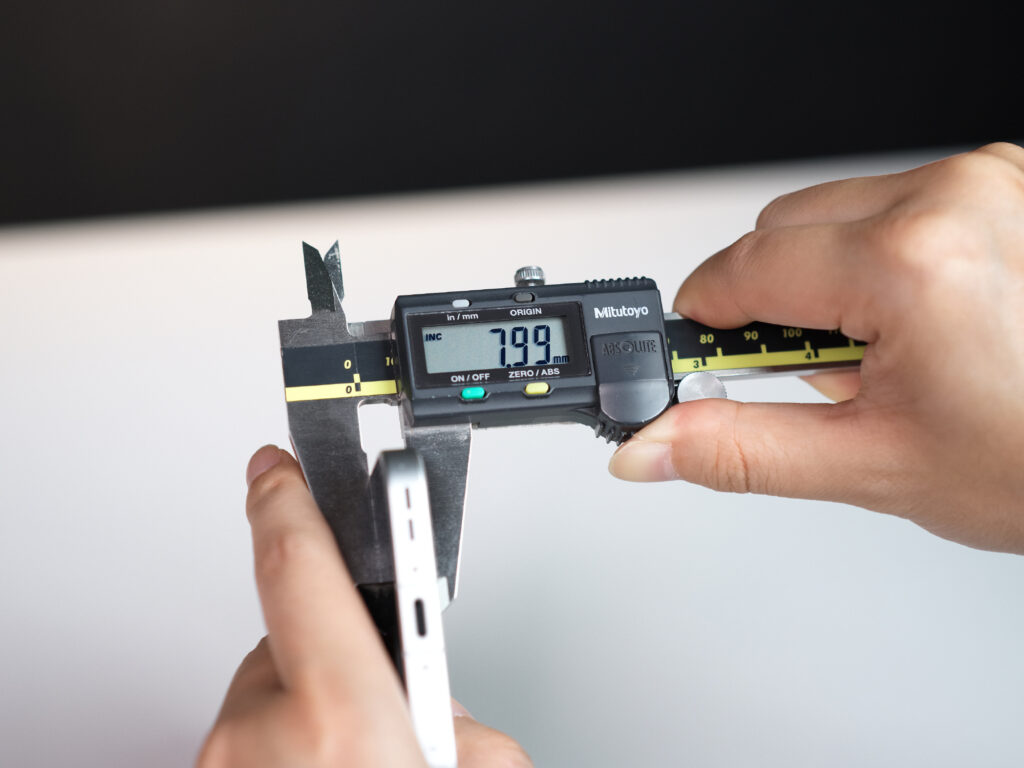
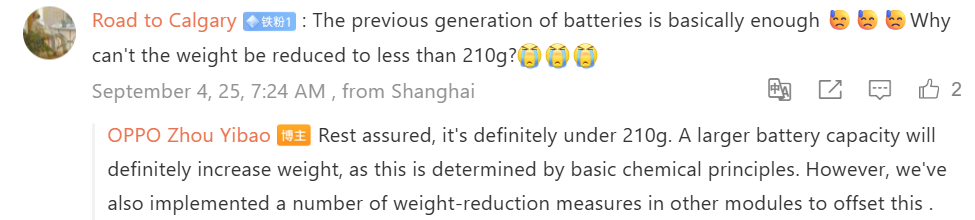
As seen in the above image, the Oppo Find X9 has a thickness of 7.99mm, and its weight will be under 210 grams. As per reports, the Find X9 will house a massive 7,025mAh battery. Yibao said a larger battery capacity will increase weight; however, the company has also implemented a number of weight-reduction measures in other modules to offset this.
Oppo Find X9 specifications (rumored)
According to recent reports, the Find X9 will feature a 6.59-inch flat OLED 1.5K 120Hz screen equipped with an ultrasonic fingerprint sensor. The Dimensity 9500-powered device will include up to 16GB of LPDDR5x RAM, up to 1TB of UFS 4.0 storage, and run on ColorOS 16-based Android 16. It will support 80W wired and 50W wireless charging.
The Find X9’s rear camera setup will include an OIS-assisted 50-megapixel Sony LYT-808 main camera, a 50-megapixel Samsung JN5 ultra-wide lens, and an OIS-enabled 50-megapixel Samsung JN9 3x periscope camera. For selfies, it will feature a 50-megapixel front camera.
For more daily updates, please visit our News Section.
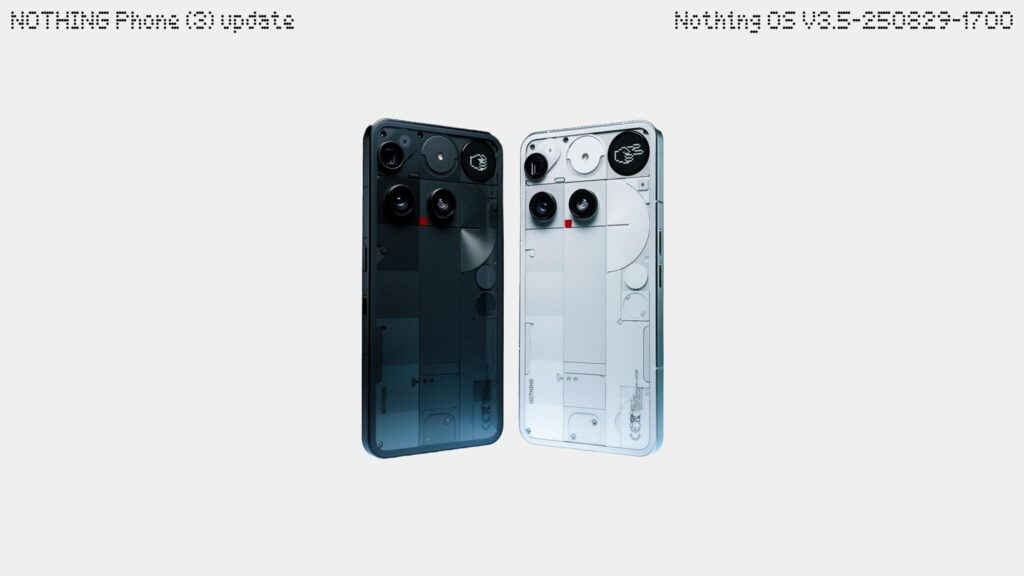
Nothing has started rolling out the Nothing OS V3.5 update (version V3.5-250829-1700) for the Nothing Phone (3). The rollout is phased, so not all users will receive it at the same time.
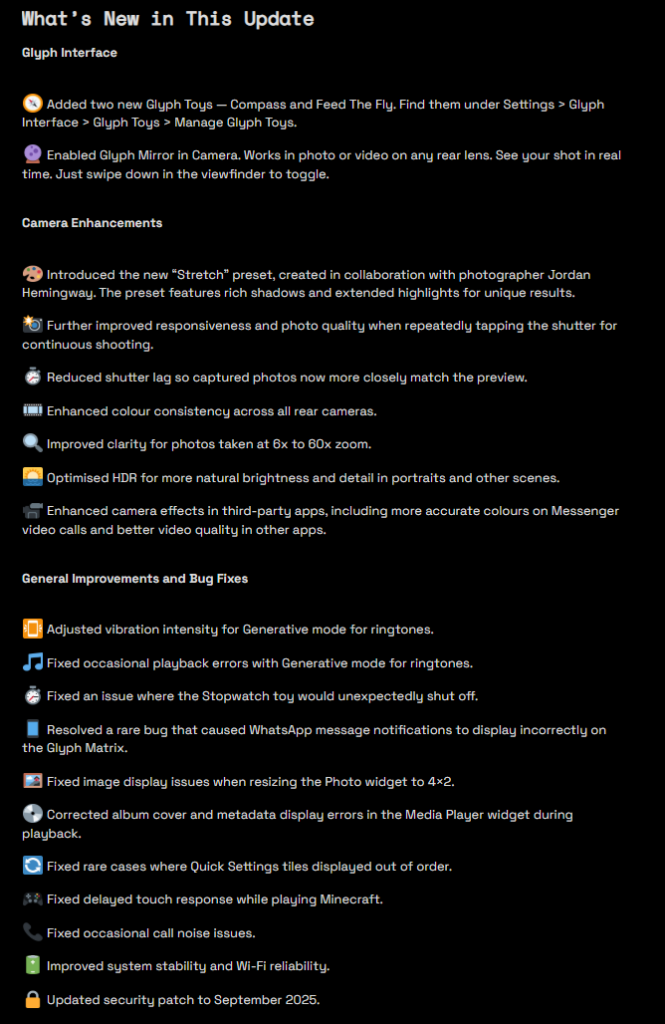
The update adds new options to the Glyph Interface. Two Glyph Toys, Compass and Feed The Fly, can now be found under Settings. A Glyph Mirror feature has also been added to the Camera app, letting users see a live preview of their shot on the Glyph lights while taking photos or videos. It can be toggled by swiping down in the viewfinder.
The Camera app gets several improvements. A new “Stretch” preset, made with photographer Jordan Hemingway, introduces rich shadows and extended highlights. Responsiveness and image quality during continuous shooting have been improved, and shutter lag has been reduced so photos better match the preview.
Colour consistency has been enhanced across all rear cameras, zoom clarity has been improved between 6x and 60x, and HDR has been tuned for more natural brightness and detail in portraits and other scenes. Video calls on Messenger now show more accurate colours, and video quality in other third-party apps has also been improved.
General fixes and adjustments are part of the update. Vibration intensity for Generative mode ringtones has been modified, and playback issues with these ringtones have been resolved. The Stopwatch toy shutting off unexpectedly has been fixed, along with incorrect WhatsApp notifications on the Glyph Matrix.
Problems with resizing the Photo widget, displaying album covers and metadata in the Media Player widget, and Quick Settings tiles showing out of order have also been corrected. Touch response while playing Minecraft has been improved, and noise during calls has been fixed.
The update also improves overall system stability, Wi-Fi reliability, and includes the September 2025 security patch.
For more daily updates, please visit our News Section.
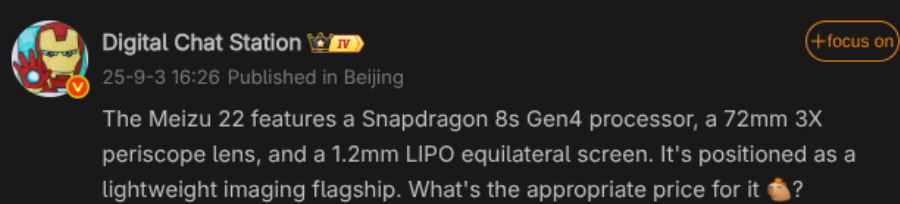
Meizu 22 launch has been delayed more than once, but the company has finally opened preorders this week. While early reports suggested the phone would ship with Qualcomm’s new Snapdragon 8 Elite chip, a fresh leak from Digital Chat Station points to something different.
According to the tipster, the Meizu 22 will instead run on the Snapdragon 8s Gen 4. The chip is built on TSMC’s 4nm process and uses a “1+7” setup, with a single high-performance Cortex-X4 core alongside seven Cortex-A720 cores at varying clock speeds. Graphics are handled by the Adreno 825 GPU.
The same leak also reiterates that the phone will feature a LIPO OLED display with a slim 1.2mm bezel. The panel itself measures 6.3 inches, which is slightly smaller than the 6.55-inch screen on the Meizu 21.
On the camera front, Meizu is equipping the phone with a 72mm 3x periscope telephoto lens, backed by what the company describes as improved image processing. The company has even gone as far as comparing its samples to flagships like the Vivo X200 Ultra, Oppo Find X8 Ultra, and Huawei’s Pura 80 Ultra to show the camera prowess.
Meizu 22 to debut in August in China.
Powering everything is a 5,500mAh battery with support for 80W fast charging. The phone is expected to ship with Flyme AIOS based on Android 15, and leaks suggest it could also carry an IP68 rating.
Meizu previously said the Meizu 22 launch would happen in early to mid-September after the last delay. The company still hasn’t confirmed a new date, but an announcement should be coming soon. We will be sure to keep you updated on that.
For more daily updates, please visit our News Section.
Earlier this week, Vivo Product Manager Han Boxiao confirmed details about the primary camera of the Vivo X300 and the periscope telephoto camera of the Vivo X300 Pro. Following this, several users raised questions about why Vivo continues to focus on higher megapixel counts. To clarify, Boxiao used Weibo to provide deeper insight into the imaging setup and related features of both smartphones.
Vivo X300 series camera specifications
Vivo X300 series camera info
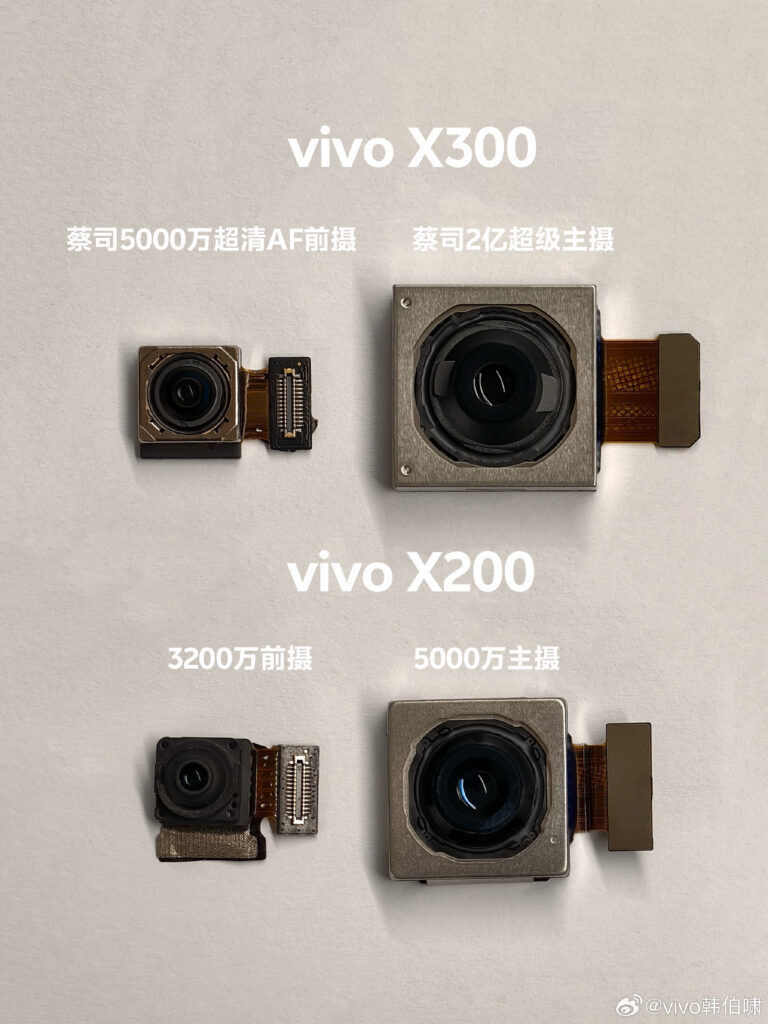
Apart from featuring a 200-megapixel Samsung HPB primary camera, the Vivo X300 will also feature an upgraded telephoto lens. Boxiao revealed that it will include a 50-megapixel Zeiss APO periscope telephoto supported by the custom Sony LYT-602 sensor. The Zeiss T* coating helps reduce aberrations and improve clarity, while features such as telephoto macro add versatility for both portrait and distant photography.
Vivo X300 Pro primary camera
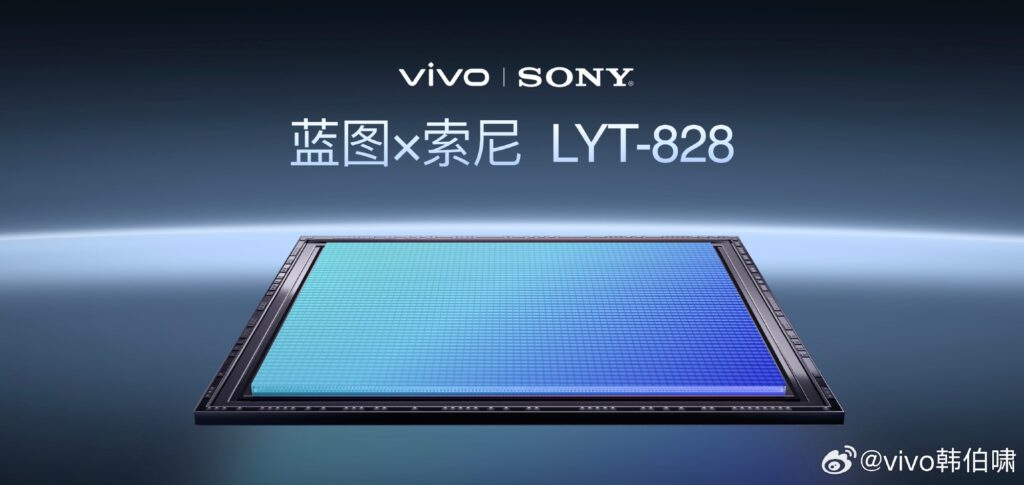
In addition to the 200-megapixel Samsung HPB periscope telephoto, the Vivo X300 Pro will feature a Sony LYT-828 gimbal-grade primary sensor. It is a 50-megapixel sensor with a large 1/1.28-inch size and f/1.57 aperture, paired with advanced stabilization rated at CIPA 5.5 level. A 22nm low-power process enhances video capture, while Hybrid Frame-HDR extends dynamic range up to 100dB for brighter and more balanced results in complex lighting conditions.
Boxiao is yet to confirm the ultra-wide cameras of both phones. Rumours suggest that both models may include a 50-megapixel Samsung JN1 or JN5 ultra-wide lens.
Front camera improvements
Vivo X300 series front camera
Across the X300 series, Vivo has also reworked the front camera setup. Each model now features a 50-megapixel Zeiss wide-angle front camera with autofocus support. With a 92-degree field of view and precise detail capture, it is positioned as a capable choice for selfies, video calls, and vlogging.
For more daily updates, please visit our News Section.
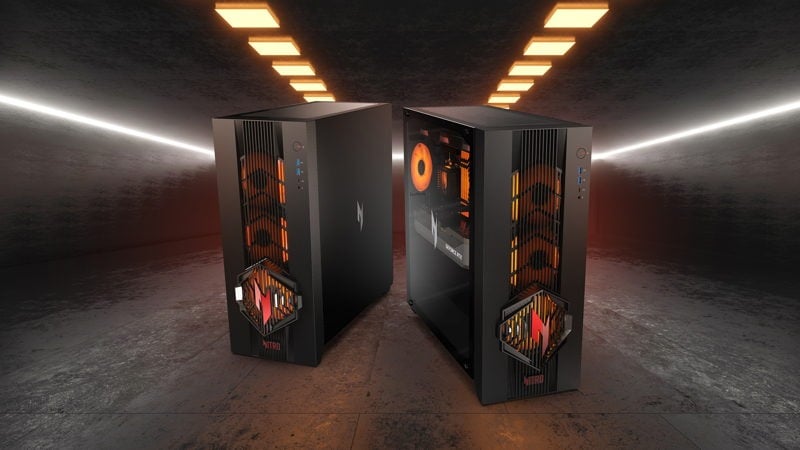
At the ongoing IFA 2025 event, Acer has launched the Nitro 70 (N70X3D-100) and Nitro 50 (N50-100) desktops. These systems are built for competitive gamers and enthusiasts who need reliable high performance with advanced cooling and modern features.
The Nitro 70 is powered by up to an AMD Ryzen 9 9950X3D processor and NVIDIA GeForce RTX 5090 GPU. It supports up to 128 GB DDR5 RAM at 6000 MT/s with RGB lighting, and storage options include up to 2 TB PCIe Gen 4 SSD and 4 TB HDD. Cooling combines Acer’s CycloneX 360 airflow system with a 360 mm liquid CPU cooler. The 45L chassis incorporates tempered glass, ARGB lighting, and 65 percent post-consumer recycled plastics.
The Nitro 50 features up to an AMD Ryzen 7 8700G processor and NVIDIA RTX 5080 GPU. Like the Nitro 70, it supports up to 128 GB DDR5 memory, although at 5200 MT/s. Storage options remain the same, and the CycloneX 360 system handles cooling without liquid assistance. The Nitro 50 comes with an 850 W power supply compared to the Nitro 70’s 1200 W.
Both desktops include Wi-Fi 7, 2.5G Ethernet, DTS:X Ultra audio, and multiple USB, HDMI, and DisplayPort connections. They also support Acer Intelligence Space, which provides AI-based tools for gaming and productivity.
In addition to the desktops, Acer also revealed the Nitro V 16 and Nitro V 16S laptops with Intel Core 9 processors and RTX 50 GPUs for portable gaming, and four Nitro monitors offering a range of 4K, 5K, and curved display options.
Pricing and Availability
The Acer Nitro 70 (N70X3D-100) will be available in EMEA in December starting at EUR 1,999. Details for the Nitro 50 (N50-100) have not yet been confirmed.
For more daily updates, please visit our News Section.
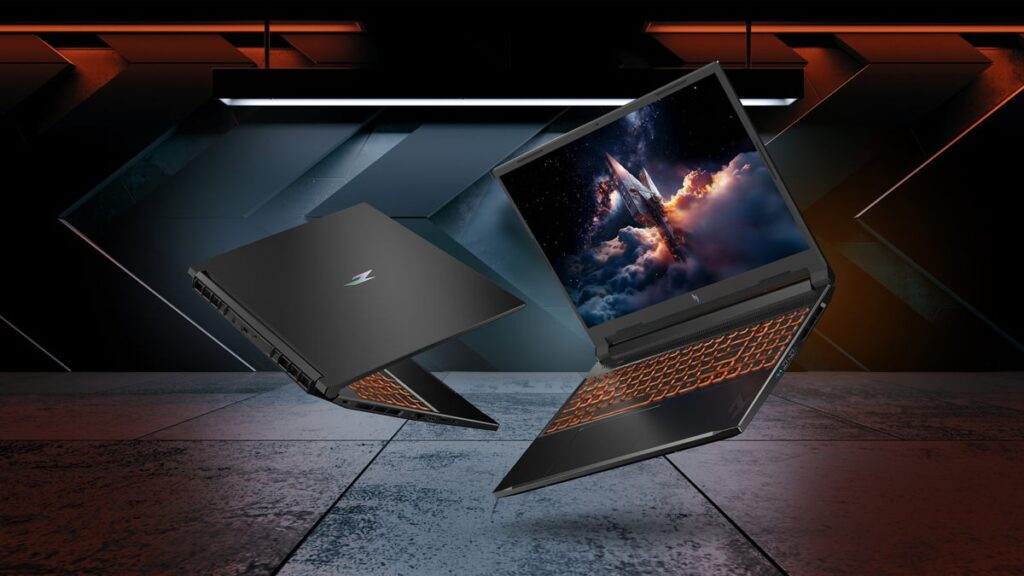
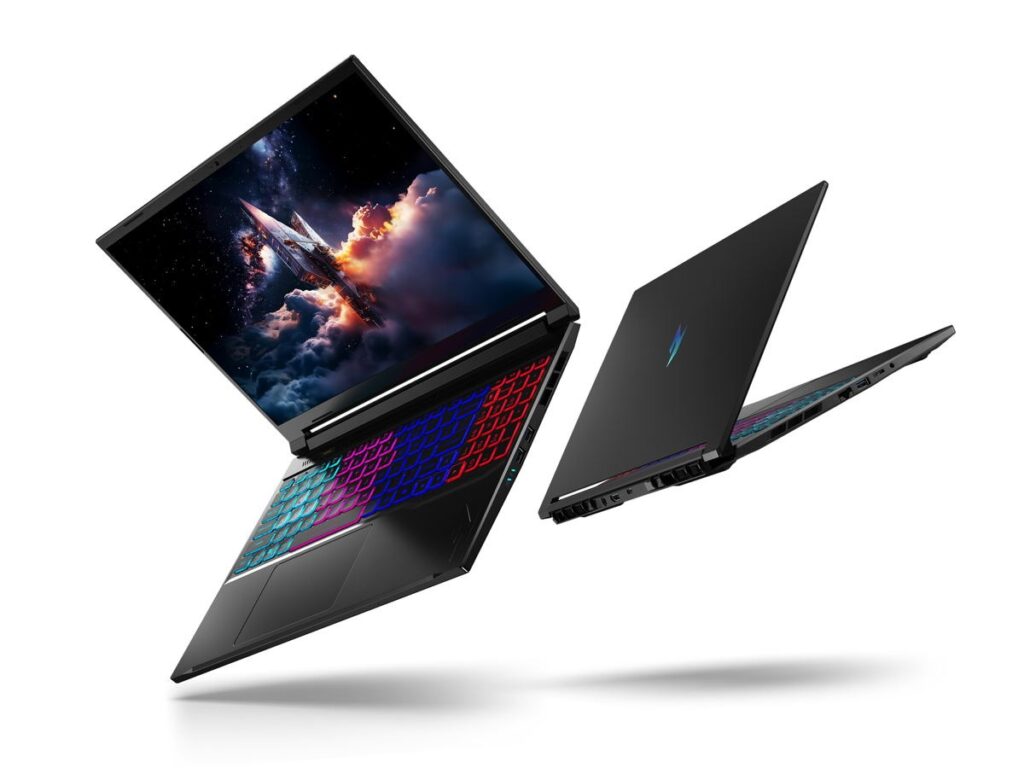
At IFA 2025, Acer has introduced the Nitro V 16 (ANV16-72) and Nitro V 16S (ANV16S-71) laptops. Both models are built for gamers and creators who want strong performance, AI features, and portable designs.
Acer Nitro V 16
The Nitro V 16 is powered by up to an Intel Core 9 270H processor and an NVIDIA GeForce RTX 5070 Laptop GPU. The RTX 50 Series uses NVIDIA’s Blackwell architecture and supports DLSS 4, neural rendering, and NVIDIA Studio tools. NVIDIA NIM microservices are included for AI workflows. Intel Application Optimization is also supported, managing resources to improve efficiency.
Acer Nitro V 16S
Display options include a 16-inch WQXGA panel at 2560×1600 with 100 percent sRGB coverage, 180 Hz refresh rate, and 3 ms response time. WUXGA versions are also available. Cooling is handled by a dual-fan system with quad-intake and quad-exhaust vents. The Nitro V 16 can be configured with up to 32 GB of DDR5 memory at 5600 MT/s and up to 2 TB of PCIe Gen 4 SSD storage. Connectivity includes Thunderbolt 4, HDMI 2.1, multiple USB ports, microSD, and RJ-45 Ethernet.
The Nitro V 16S has the same CPU, GPU, display, memory, and storage options but is designed to be thinner and lighter at 19.9 mm and 2.1 kg. It comes with a 4-zone RGB keyboard and DTS:X Ultra audio. Both laptops run Windows 11 Home, include a MUX switch, Intel Killer networking, and NitroSense v5.0 for cooling control.
The Acer Nitro V 16 (ANV16-72) will be available in North America in October starting at USD 999.99, and in EMEA in November starting at EUR 1,299.
The Acer Nitro V 16S (ANV16S-71) will be available in North America in November starting at USD 1,099.99, in EMEA in November starting at EUR 1,399, and in Australia in September starting at AUD 2,599.
For more daily updates, please visit our News Section.
Apple’s next big iPhone event is only days away, and with the iPhone 17 lineup on the horizon, there’s no better time to take stock of what the Apple ecosystem looks like today.
In 2025, building your own Apple setup isn’t just about buying a single device; it’s about weaving together a family of products and services that are designed to work in harmony. From iPhones and Macs to Apple Watch, AirPods, and even Vision Pro, Apple’s strategy is clear: every device should make the others better.
Start with the iPhone
The iPhone remains the entry point for most people. The current iPhone 16 series, powered by the A18 Pro chip and Apple’s 16-core Neural Engine, already delivers fast AI processing and camera capabilities that set the standard for mobile devices. Features like Visual Intelligence, where you point the camera at a sign and instantly get contextual actions, show how Apple is tying AI into everyday use.
The upcoming iPhone 17 lineup is expected to push this further with ProMotion displays across all models, Apple’s first in-house 5G modem, and rumored 8K video recording on the Pro variants. But even if you don’t jump to the newest release, last year’s iPhones will still run iOS 26 and will get years of updates. That longevity is part of the value: Apple keeps older iPhones relevant longer than most Android competitors.
Macs and iPads
Once you have an iPhone, the next logical step is a Mac or an iPad. Both devices now run on Apple’s custom silicon, giving them unmatched efficiency and long battery life. MacBooks with M4 chips offer desktop-class performance in slim designs. macOS ties seamlessly into iOS through Handoff, AirDrop, and Universal Clipboard, making switching between phone and computer frictionless.
The iPad has grown into a credible laptop alternative. The iPad Pro’s OLED display and M-series chips give it the horsepower for pro apps like Photoshop or Final Cut Pro, while features like Stage Manager and Apple Pencil support turn it into a flexible work and creative tool. The beauty here is continuity: take a photo on your iPhone, edit it on your iPad, and finish the project on your Mac; everything syncs over iCloud.
Apple Watch and AirPods
Apple Watch and AirPods aren’t just accessories; they’re extensions of the iPhone. The Apple Watch has become a health and fitness hub with features like ECG, fall detection, and even car crash alerts. The upcoming Series 11 could bring new display tech and improved sensors, but even the affordable Apple Watch SE delivers the essentials.
AirPods, especially the AirPods Pro 2, bring spatial audio, active noise cancellation, and near-instant pairing. They switch automatically between devices, so you can move from a FaceTime call on your iPhone to music on your MacBook without diving into settings. Together, these devices let you leave your phone at home, take calls on your wrist, and enjoy high-quality audio on the go, all while staying connected.
HomePod and Apple TV
In the living room, HomePod and Apple TV tie your Apple devices together. The HomePod mini or HomePod (2nd gen) acts as a HomeKit hub for smart devices, while also handling multi-room audio and Siri commands.
Apple TV 4K doubles as a streaming box, gaming console, and smart home controller. Both devices are plug-and-play with iPhone, pulling in your Apple ID and settings without hassle.
Vision Pro
Apple’s newest product, the Vision Pro headset, shows where the ecosystem is headed. It integrates directly with iCloud, syncs with your Mac as a giant virtual display, and uses AirPods Pro for low-latency audio.
It’s still expensive and niche, but for those already in Apple’s world, it feels less like a standalone gadget and more like an advanced extension of the ecosystem.
Services
Hardware alone doesn’t create an ecosystem. Apple’s services, including iCloud, Apple Music, TV+, Fitness+, and the all-in-one Apple One bundle, serve as the connective tissue. iCloud ensures your files, photos, and notes are always available.
Apple One gives families a way to share subscriptions at a lower cost. And with Apple’s push into “Apple Intelligence,” AI features like Live Translation and generative tools are being rolled into the operating system, always with an emphasis on privacy and on-device processing.
How to Build Without Breaking the Bank
The ecosystem can be expensive, but there are ways to enter gradually. Start with the iPhone, then add an Apple Watch or AirPods for daily convenience. Refurbished Macs and iPads are a smart buy, since Apple’s long software support keeps them useful for years.
Trade-in programs also soften the cost of upgrades. If you share with family, Apple One subscriptions make services like Music, TV+, and Fitness+ far more economical.
The Bottom Line
In 2025, Apple’s ecosystem is broader and more connected than ever. It stretches from your pocket to your wrist, across your living room, and even into immersive spaces with Vision Pro. The real strength lies not in any single device, but in how they all work together.
For those who value seamless integration, privacy, and longevity, Apple’s walled garden feels less like a restriction and more like a carefully designed tech lifestyle.
For more daily updates, please visit ourNews Section.
Oppo has officially confirmed that its new Oppo A6 Pro will launch on September 9 in China, the same day as iPhone 17. The company claims the phone has a six-year battery lifespan.
According to the official teaser poster, the A6 Pro features a centered punch-hole display with a flat screen design. The phone sticks to the flat-edge aesthetic that’s everywhere right now and comes in a gold finish. The back of the device is still under wraps, so we’ll have to wait for the launch event to see the full design.
Powered by Dimensity 6300
What we do know comes from recent benchmarks. A Geekbench listing reveals that the A6 Pro is powered by MediaTek’s Dimensity 6300 chip, paired with 8GB of RAM, and ships with Android 15 out of the box. The device scored 736 in single-core and 2010 in multi-core tests, which puts it firmly in the mid-range category.
Moreover, a TUV listing suggests the phone may ship with 80W fast charging support. That said, we don’t yet know its exact battery capacity.
Oppo A5 Pro
This launch also comes hot on the heels of the Oppo A6 GT, which recently landed in China. The A6 GT packed a Snapdragon 7 Gen 3 processor, a huge 7000 mAh battery, IP69 water resistance, and a slim 7.7mm body. It also sported a 6.8-inch 120Hz OLED panel, 32MP selfie camera, and a 50MP main shooter.
It’s still unclear whether the A6 Pro will borrow these features or go in a different direction. The “Pro” branding could mean Oppo may offer better display quality, camera upgrades, or even longer battery life, but so far, only the chipset and design cues are confirmed.
We’ll know more next week when Oppo officially pulls the curtain back.
For more daily updates, please visit our News Section.
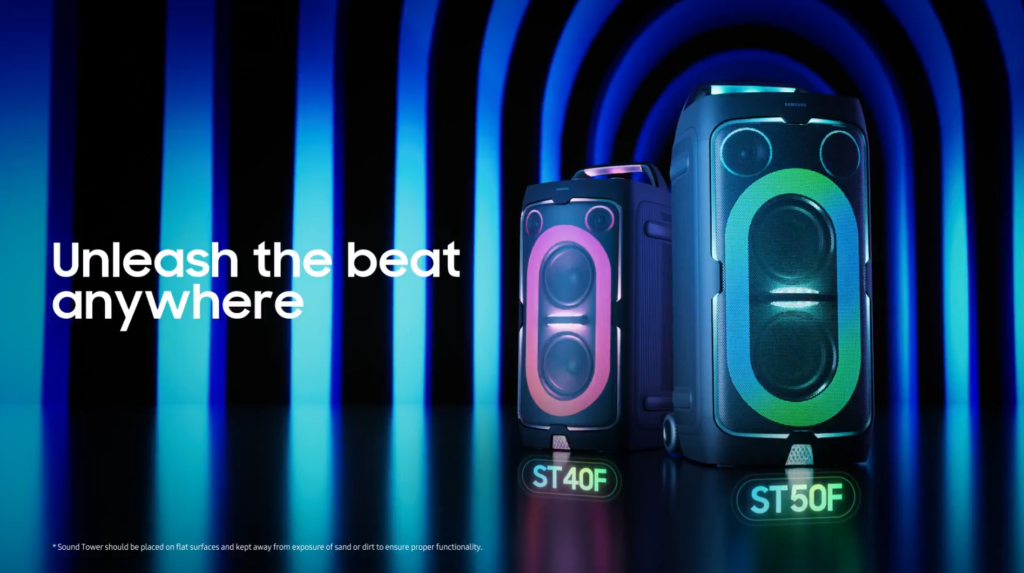
Samsung Electronics has launched two new portable speakers, the Sound Tower ST50F and ST40F at the ongoing IFA 2025 event. Both models are built for indoor and outdoor gatherings, with upgraded sound, lighting, and portability.
The ST50F delivers 240W of output through 6.5-inch dual woofers and 25mm dual dome tweeters. The ST40F provides 160W of output with 5.25-inch dual woofers and 20mm dual dome tweeters. Samsung’s redesigned acoustic structure uses Waveguide technology to improve distribution, creating a wider soundstage with clear treble and strong bass. Listeners can adjust bass with three modes: Deep, Punchy and Gentle. Four additional sound modes, Standard, Wide, Stadium and Outdoor, let users match audio to different environments.
The ST50F offers up to 18 hours of battery life on a single charge, while the ST40F lasts up to 12 hours. Both models include a replaceable battery and IPX4 water resistance. Multiple speakers can be linked using Auracast Group Play, or two units can be paired with True Wireless Stereo for left and right channel separation.
The Sound Tower also includes Party Lights +, which uses five mood presets and six dynamic patterns that react to music in real time. Lighting effects come from five sections of the speaker: a racetrack-style track light around the woofers, ring lights around the tweeters, four perimeter line lights, crystal lights at the base and foot of the speaker, and a handle light that also illuminates the control panel. Effects include Wave, Trail, Spark, Breeze, Flow and Flare.
Extra features include DJ Booth and Karaoke modes, along with a guitar input. For portability, the ST40F has an integrated handle, while the ST50F adds wheels and a telescopic handle through Samsung’s Grip and Roll design.
Pricing & availability
The Samsung Sound Tower ST50F and ST40F are available this month through Samsung.com and select retailers. The ST50F is priced at USD 699.99 and the ST40F at USD 499.99.
Sony’s Xperia phones have long been praised for their ability to double as external monitors for Sony Alpha cameras — a niche but powerful feature that made the lineup stand out. But that perk just got harder to access. With the latest update to the Monitor & Control app (v2.4.0), Sony has locked the wired external monitor option behind a subscription.
Image: Sony
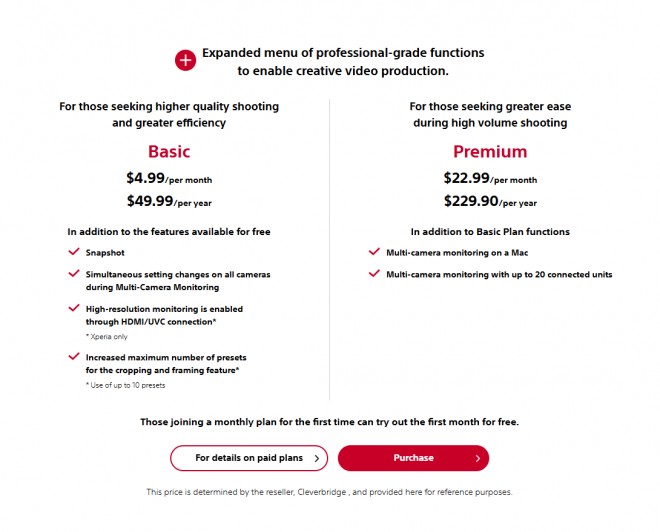
Until now, Sony Alpha users could connect an Xperia phone with their camera and get a sharp, lag-free monitoring experience for free. Going forward, that same feature will cost $5 a month or $50 a year. The wireless version of the tool is still available at no charge, but it comes with latency that makes it impractical for professional shoots.
The app also works on Galaxy, Pixel, Xiaomi, Oppo, Vivo, and even iPhones, but the premium monitor function is Xperia-only. Other tools in the app still work without payment, and Sony now offers Free, Basic, and Premium tiers to spell out what’s included.
For anyone who hasn’t updated yet, the workaround is simple: stick with version 2.3.1 or earlier, which still allows free wired use. Those who already updated can also roll back — older builds are still floating around online, but it’s best to grab them from a trusted source.
Sony’s decision hasn’t gone over well with photographers and videographers who bought into Xperia specifically for this feature. Whether the company rethinks the move remains to be seen, but for now, one of Xperia’s biggest selling points is no longer free.
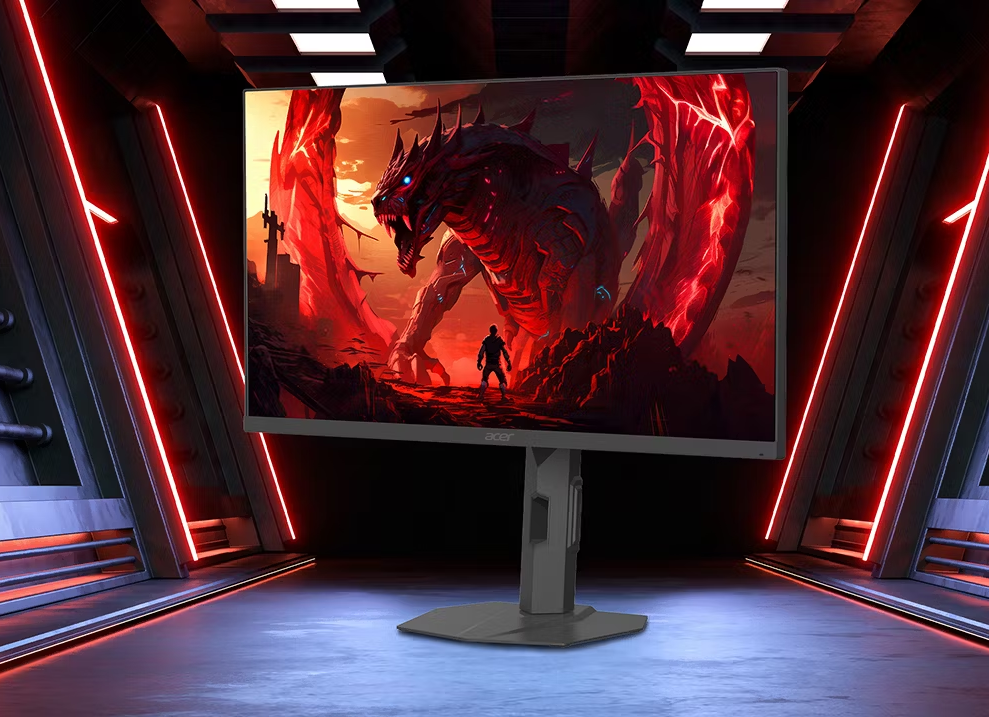
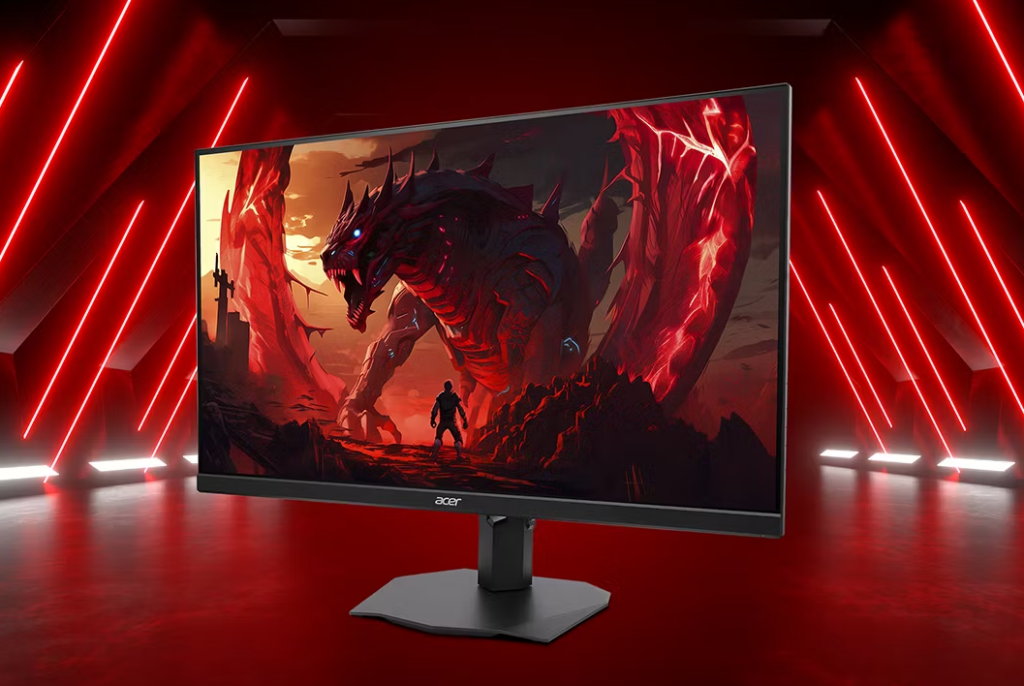
At IFA 2025, Acer has added four new models to its Nitro monitor lineup. The Nitro XV275K V6, Nitro XV273U W1, Nitro XV270X, and Nitro XZ403CKR provide high refresh rates, accurate color reproduction, and a range of resolutions for different gamer requirements.
Acer Nitro XV5 MiniLED monitor
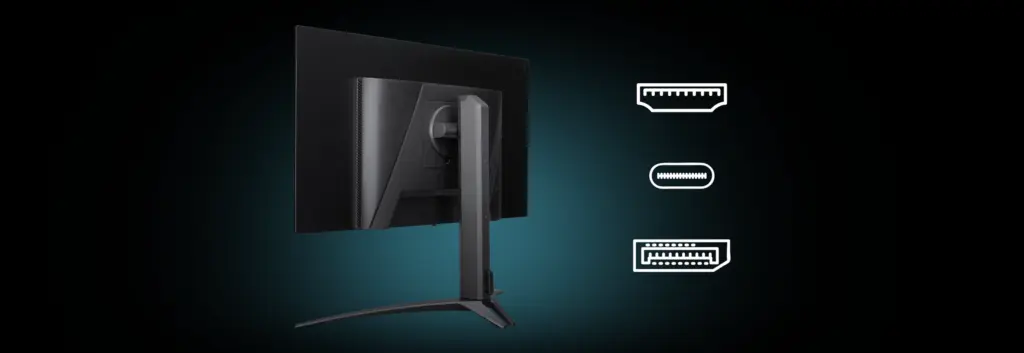
The Nitro XV275K V6 is a 27-inch 4K UHD panel with 180 Hz refresh rate, 1 ms VRB Pro response, and AMD FreeSync Premium. It reaches 1,000 nits peak brightness with HDR10 support and covers 97 percent of the DCI-P3 color gamut. Connectivity includes dual HDMI 2.1 and DisplayPort 1.4 inputs.
The Nitro XV273U W1 uses a 27-inch WQHD panel with an overclockable 275 Hz refresh rate and 1 ms VRB Pro response. It is VESA DisplayHDR 500-certified with peak brightness of 500 nits and covers 95 percent of DCI-P3. It includes dual 2W speakers and multiple ports for input flexibility.
Acer Nitro XV3 monitor
The Nitro XV270X is a 27-inch display that delivers 5K resolution at 72 Hz or 144 Hz in DFR mode at 2560×1440. It features a 2,000:1 contrast ratio, 95 percent DCI-P3 coverage, 1 ms VRB response, and dual 2W speakers.
The Nitro XZ403CKR is the largest in the lineup with a 39.7-inch curved 1000R VA panel. It provides 5K WUHD resolution at 180 Hz and supports DFR up to 288 Hz at WFHD resolution. Response times are 1 ms VRB and 0.5 ms GTG. It features dual 5W speakers, USB-C with 90 W power delivery, and AMD FreeSync Premium.
These monitors join the Nitro V 16 and V 16S laptops, as well as the Nitro 70 and Nitro 50 desktops that Acer introduced at IFA 2025. Acer has also updated its high-end Predator gaming lineup with the new Helios 18P AI-powered laptop, the X27U F8 OLED monitor, and the refreshed Orion 7000 and 5000 series desktop PCs.
Pricing and Availability
The Acer Nitro XV275K V6 will be available in North America in Q1 2026 starting at USD 699.99, in EMEA in Q2 2026 starting at EUR 599, in China in Q1 2026 starting at RMB 4,999, and in Australia in Q1 2026 starting at AUD 999.
The Acer Nitro XV273U W1 will be available in North America in Q1 2026 starting at USD 299.99, in EMEA in Q2 2026 starting at EUR 279, and in China in Q1 2026 starting at RMB 1,999.
The Acer Nitro XV270X will be available in North America in Q1 2026 starting at USD 899.99, in EMEA in Q1 2026 starting at EUR 699, in China in Q1 2026 starting at RMB 4,999, and in Australia in Q1 2026 starting at AUD 1,499.
The Acer Nitro XZ403CKR will be available in North America in Q1 2026 starting at USD 999.99, in EMEA in Q1 2026 starting at EUR 999, in China in Q1 2026 starting at RMB 7,999, and in Australia in Q1 2026 starting at AUD 1,899.
For more daily updates, please visit our News Section.
Apple’s iPhone 17 series is just days away from launch, with the big reveal scheduled for September 9, 2025. Ahead of the event, speculation about higher prices has been running wild. Early reports pointed to across-the-board hikes, but a fresh note from JPMorgan suggests the situation may not be as severe as initially feared.
JPMorgan’s analysis indicates that only one model in the lineup—the iPhone 17 Pro—will see a clear price adjustment. The device is expected to start at $1,099, up $100 from last year. That jump, however, comes with a notable change: Apple is reportedly doubling the base storage from 128GB to 256GB. When compared to the 256GB version of the iPhone 16 Pro, the pricing actually lines up, softening the impact of the increase.
The rest of the lineup looks steadier. The standard iPhone 17 is tipped to retain its $799 starting price, matching the iPhone 16. The new iPhone 17 Air—which takes the place of the iPhone 16 Plus—may cost $949, about $50 more than its predecessor. That uptick is believed to reflect the costs tied to its slimmer, redesigned frame. As for the iPhone 17 Pro Max, JPMorgan expects no change: it should remain at $1,199 for the base 256GB model.
At this stage, the projections apply only to the US market, and it’s uncertain whether other regions will see similar adjustments. With Apple’s launch just around the corner, much of the focus will be on whether the iPhone 17 series delivers enough upgrades to warrant its price tags. For now, at least, the rumored price hikes don’t appear as sweeping—or as painful—as earlier leaks suggested.
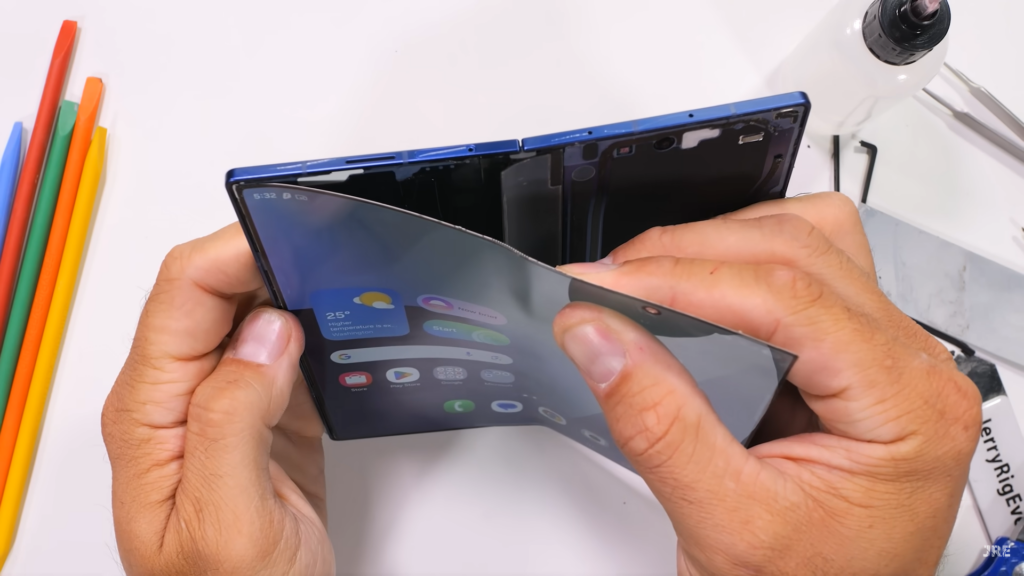
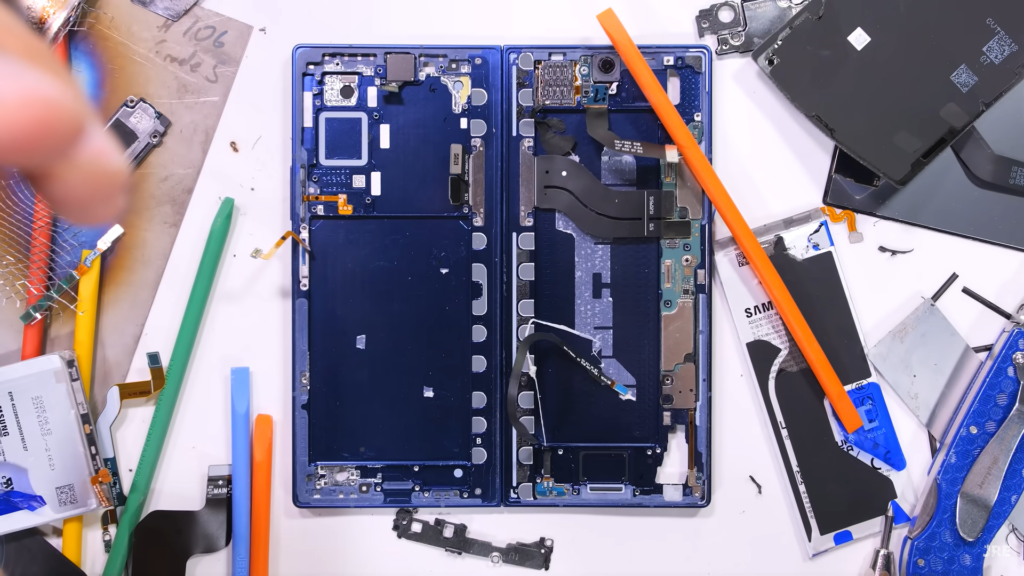
Samsung’s Galaxy Z Fold 7 has just gone through a detailed teardown courtesy of JerryRigEverything’s Zack Nelson, and it’s given us a closer look at what $2000 gets you inside one of the most premium foldables on the market. The video confirms Samsung’s use of a titanium back plate under the display while also sparking debate over the phone’s thermal design. To test Samsung’s claims, Nelson used a gas torch to heat up the back plate to around 1800°C.
It resulted in a rainbow-like oxidation pattern, while the flexible mesh structure lit up with bright white sparks—both clear indicators of the metal Samsung is claiming to be using. These touches add strength and flexibility to Samsung’s foldable design. Not to mention, this is the first time the creator has successfully removed the inner folding screen while still functioning.
The different layers of the display are still fragile, which is why hard and sharp objects should still be kept away from the inner display.
Notably, this isn’t the first time Samsung has reinforced its foldables with extra support above the aluminum chassis. From the Z Fold 3 through the Z Fold 6, the company used Carbon Fiber Reinforced Plastic (CFRP). That material is lighter than titanium, but teardown videos show it was also a bit thicker, which may explain Samsung’s decision to switch.
Still, not everything in the Fold 7 impressed. Nelson highlighted a clear air gap between the aluminum mid-frame and the graphite cooling pad over the processor. Samsung did apply some thermal paste—enough for him to jokingly draw a smiley face—but the overall setup raises doubts about how well the phone can transfer heat from the chips. More surprising is that the aluminum chassis under the PCB doesn’t even include a vapor chamber, a feature that’s become standard on even mid-range phones costing a fraction of the price.
Overall, the teardown shows the Z Fold 7 as a mix of premium materials, improved repairability, and lingering concerns around cooling. With Samsung already teasing its first tri-fold, it’ll be interesting to see what that device hides inside.
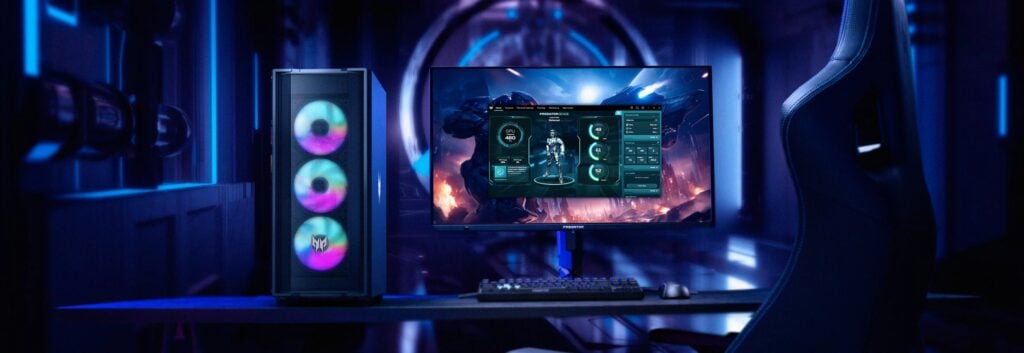
Acer has used IFA 2025 to showcase its new lineup of Predator gaming hardware, headlined by the Predator Orion 7000 (PO7-667) and Predator Orion 5000 (PO5-667) desktop PCs. The company also introduced the Predator Helios 18P AI laptop at the same event, giving users both portable and stationary systems designed for AI workloads, gaming, and professional content creation.
Predator Orion 7000
The Orion 7000 serves as the flagship desktop in Acer’s gaming lineup. It supports up to an Intel Core Ultra 9 Processor 285K with integrated NPU for AI acceleration. Graphics are powered by up to an NVIDIA GeForce RTX 5090 GPU delivering 3352 AI TOPS. The system also provides access to NVIDIA NIM Microservices, enabling developers to build AI models and assistants on a high-performance platform.
With up to 128 GB DDR5 7200 MT/s XMP RGB RAM and up to 6 TB PCIe Gen 5 SSD storage, users can run demanding games and professional workloads with minimal latency. Additional HDD support offers up to 4 TB capacity. Networking includes Killer E3100G Ethernet and Wi-Fi 7, with Thunderbolt 4 for external device connectivity.
Thermal management is handled by a 360 mm CPU liquid cooler and Predator CycloneX 360 system, which improves cooling efficiency by 15% and lowers motherboard temperatures by 9°C. The desktop is housed in a 45L EMI-compliant tempered glass chassis with ARGB Pulsar lighting and is built using 65% post-consumer recycled plastic.
Predator Orion 5000
The Orion 5000 offers a more accessible configuration without compromising performance. It is powered by up to an Intel Core Ultra 7 Processor 265F and up to an NVIDIA GeForce RTX 5080 GPU delivering 1801 AI TOPS. Like the Orion 7000, it supports up to 128 GB DDR5 RAM and offers flexible storage with up to 2 TB SSD and 4 TB HDD.
Cooling is provided by the Predator CycloneX 360 ARGB fan system and a 120 mm CPU fan. Connectivity includes Killer E3100G Ethernet, Wi-Fi 7, and multiple USB ports.
Availability
Both desktop PCs will be available in EMEA in Q1 2026, with the Orion 7000 starting at EUR 3,999 and the Orion 5000 at EUR 2,999. In Australia, pricing starts at AUD 8,199 and AUD 4,999 respectively.
For more daily updates, please visit our News Section.
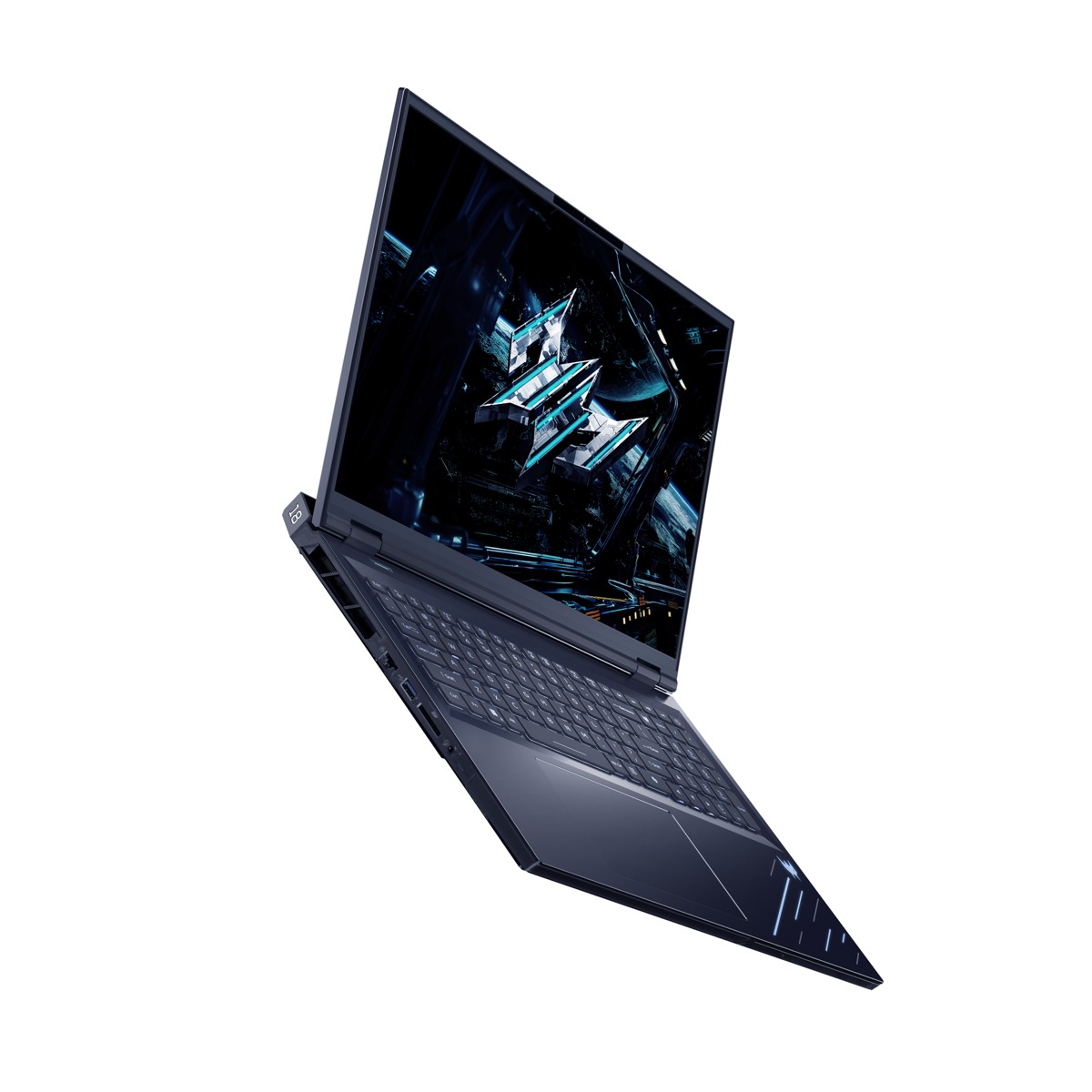
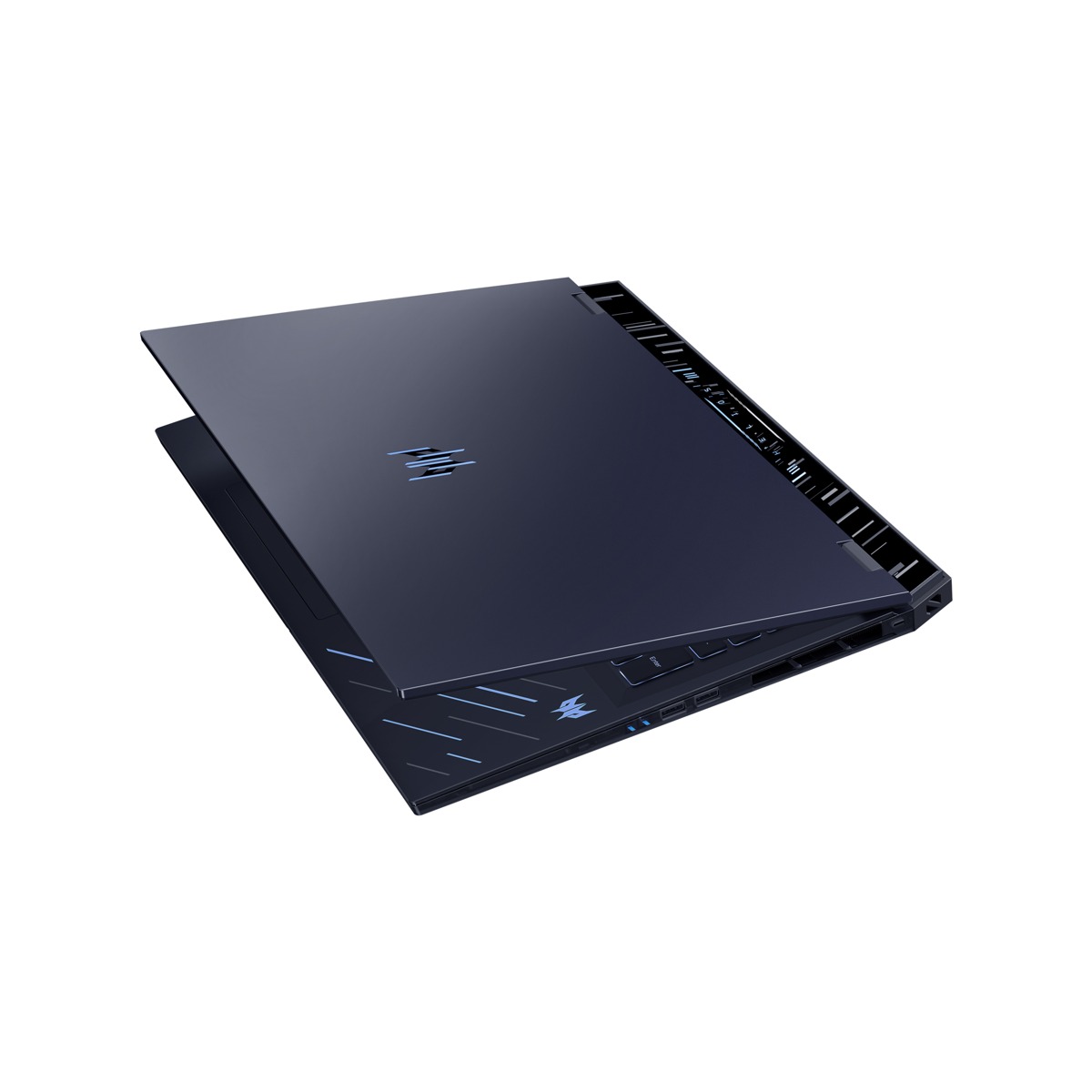
At IFA 2025, Acer introduced the Predator Helios 18P AI, a high-performance laptop built for professionals, creators, and gamers who need desktop-level power in a portable form. Alongside the laptop, the company also launched its new Predator Orion 7000 and Orion 5000 desktop PCs.
The Predator Helios 18P AI (model PH18P-73) is designed for hybrid use, handling both productivity and entertainment. It is powered by up to an Intel Core Ultra 9 Processor 285HX with Intel vPro, which provides enterprise-level stability and hardware-based security. The laptop supports up to 192 GB of ECC RAM, capable of detecting and correcting memory errors, making it useful for AI developers and professionals working with sensitive or large datasets.
For graphics, the system includes up to an NVIDIA GeForce RTX 5090 Laptop GPU with 1824 AI TOPS and DLSS 4. This enables advanced gaming visuals, AI inferencing, and demanding creative tasks like 3D rendering and video production. Storage can be configured with up to 6 TB PCIe Gen 5 SSD for faster access to large projects.
The display is an 18-inch Mini LED panel with a 16:10 aspect ratio and 4K WQUXGA resolution. It features a 120 Hz refresh rate, HDR at 1000 nits brightness, full DCI-P3 color coverage, and a 3 ms response time. These specifications make it suitable for precise workflows such as animation, video editing, and image work.
Cooling is managed by Acer’s system combining two 6th Gen AeroBlade metal fans with 0.05 mm blades, liquid metal thermal grease, and vector heat pipes. This setup is designed to maintain performance during heavy workloads.
Connectivity options include two Thunderbolt 5 Type-C ports, three USB Type-A ports, HDMI 2.1, an SD card reader, Killer Ethernet E5000B, Wi-Fi 7, and Bluetooth 5.4 or higher. The laptop also features DTS:X Ultra audio with a six-speaker setup and a Full HD IR webcam for video calls.
The Predator Helios 18P AI measures 400.96 × 307.9 × 17.3–29.55 mm, weighs 3.5 kg, and runs on a four-cell battery. Additional controls are available through PredatorSense v5.0.
Pricing & availability
Acer has priced the Predator Helios 18P AI at EUR 4,999, most likely for the base configuration. Availability details have not been announced.
For more daily updates, please visit our News Section.
Smartphone launches have become a year-round affair, but timing is everything if you’re planning to upgrade. While it’s tempting to grab the latest shiny device, right now might actually be the worst time to buy a new phone. From upcoming major launches to falling prices on current models, there are several reasons why holding off for just a few months could get you a far better deal.
The Next Wave of Flagships Is Around the Corner
Every year, the smartphone industry works on a predictable cycle. Brands like Apple, Samsung, and Google drop their biggest flagships in the second half of the year. Google just unveiled the Pixel 10 series of premium phones, but there’s plenty of next gen smartphones arriving soon. In just a few days, Apple will announce the highly anticipated iPhone 17 series.
Apple iPhone 17 Series
Chinese brands push the boundaries of smartphone innovation every year, and the next wave of flagships will start rolling out soon. Starting from October, companies like Xiaomi, Oppo, and Vivo will start releasing their flagship Xiaomi 16, Oppo Find X9, and Vivo X300 series, respectively. If you can wait till the new year, Samsung will bring the Galaxy S26 series, which will have a more global release.
Prices of Current Models Are About to Drop
Vivo X300 Pro
When new phones launch, last year’s flagships see dramatic price cuts. For example, when Apple announces its Galaxy iPhone 17, the iPhone 16’s price will almost certainly fall. The same trend happens with Samsung Galaxy smartphones once the latest model hits shelves. If you’re patient, you can save big while still getting a premium device.
Tech Upgrades Coming Soon
Xiaomi 16 Pro Max Leaked Render
The second half of 2025 is shaping up to be packed with big changes. Snapdragon’s next-gen 8 Elite 2 chipset is on the horizon, bringing performance and efficiency improvements. Pairing this with impressively large battery packs, some models like the OnePlus 15 are going to easily offer more than two days long battery life. In other words, the endurance upgrade is quite substantial over generations. AI is getting smarter with deeper integration, improving camera tech, latest software features, and much more.
Festive Sales & More Affordable Phones
As we near the end of the year, there are a number of festive sales coming up. This includes deals on e-retailer giants like Amazon, regional giants like Flipkart, or major global sales like the Black Friday Sales and Holiday Sales near Christmas and New Year’s.
Not everyone needs the latest and greatest or plans to get an older flagship phone. So this sales period also brings great deal for affordable entry level smartphones, mid range devices, and flagship killer/budget flagship models. Meaning, you can expect to see big discounts on smartphones that you were already planning on buying right now.
For more daily updates, please visit our News Section.
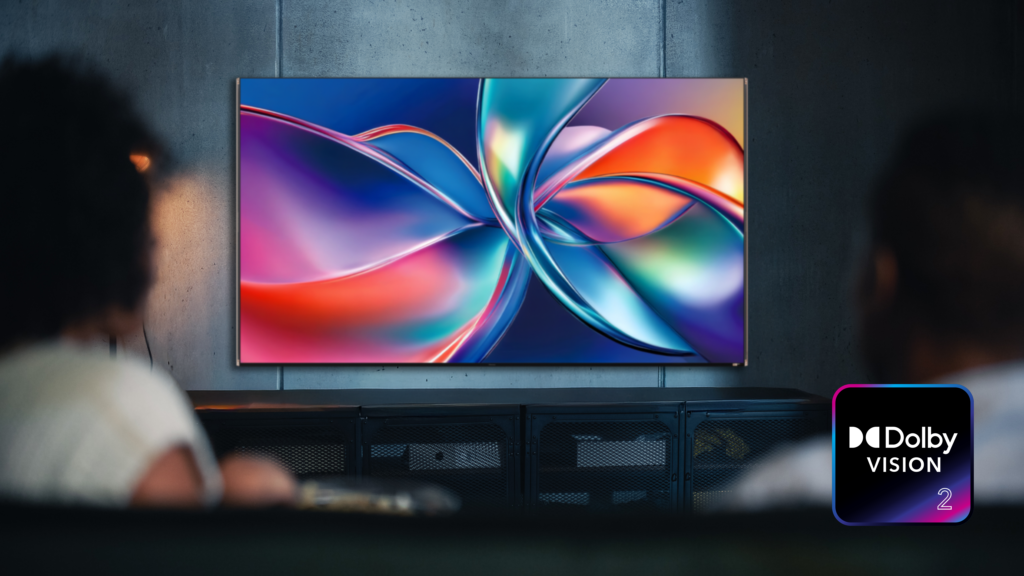
Dolby Laboratories has announced Dolby Vision 2, the latest version of its HDR technology aimed at improving picture quality on modern TVs. The update includes a new image engine, AI-driven content optimization, and new features designed for sports, gaming, and cinematic playback.
Hisense will be the first TV brand to launch models with Dolby Vision 2. Its premium RGB-MiniLED televisions powered by the MediaTek Pentonic 800 chip with MiraVision Pro PQ Engine will carry the technology. CANAL+, the French media and entertainment company, is the first broadcaster to confirm support, bringing Dolby Vision 2 to its movies, series, and live sports.
Dolby Vision has been the standard for HDR picture quality for over ten years. Dolby Vision 2 builds on this by taking advantage of today’s brighter and more colorful TVs while giving creators more control over brightness, contrast, and color accuracy.
The new Dolby Image Engine works with a wide range of content including films, TV shows, weekly live sports, and games. Dolby has also introduced Content Intelligence, which uses AI and ambient light detection to automatically adjust picture output for the viewing environment.
Content Intelligence includes:
Precision Black for clearer dark scenes without losing creative intent.
Light Sense to fine-tune brightness and color using ambient light data and reference information from the content source.
Sports and Gaming Optimization with motion control and white point adjustments for live sports and interactive content.
Dolby Vision 2 adds bi-directional tone mapping, giving creators more flexibility to use the full brightness and color range of high-performance TVs. It also introduces Authentic Motion, a creative-driven motion control tool that reduces judder on a shot-by-shot basis for a more cinematic presentation.
Two product tiers will be offered. Dolby Vision 2 Max will provide the highest performance for flagship TVs with extra premium features, while Dolby Vision 2 will bring the core improvements to mainstream models. Availability details from Hisense and CANAL+ will be announced later.
For more daily updates, please visit our News Section.
Acer has unveiled its latest high-performance gaming monitor, the Predator X27U F8, at IFA 2025. The new display features a 26.5-inch WQHD OLED panel and supports refresh rates of up to 720Hz.
The launch follows Asus’s recent announcement of the ROG Swift OLED PG27AQWP-W, which also supports up to 720Hz refresh rate, signaling a growing push toward ultra-high refresh OLED panels in the gaming monitor segment.
Acer Predator X27U F8 Specifications
The Predator X27U F8 uses Dynamic Frequency and Resolution (DFR) technology to switch between two performance modes. It runs at 540Hz while outputting at 2560 x 1440 and reaches up to 720Hz when scaled down to 1280 x 720. The monitor also delivers a 0.01ms pixel response time, ensuring minimal motion blur and virtually no ghosting during fast-paced gameplay.
Acer has confirmed that the screen covers 99% of the DCI-P3 color gamut and achieves Delta E<1 color accuracy. The monitor carries VESA DisplayHDR True Black 400 certification and supports peak brightness levels of up to 1,500 nits. The OLED panel includes an Image Retention Refresh system to help reduce burn-in and extend display longevity.
In terms of connectivity, the monitor includes two HDMI 2.1 ports, a DisplayPort 1.4, and a USB Type-C port with 90W power delivery. The display also features a built-in KVM switch, allowing users to control multiple connected devices using a single keyboard and mouse.
Acer has added support for AMD FreeSync Premium Pro, which enables smoother visuals and reduced latency during HDR gaming sessions.
The stand supports tilt, swivel, pivot, and 150mm of height adjustment. The monitor is also compatible with 100x100mm VESA mounts for users who prefer custom setups.
For eye comfort, Acer includes Eyesafe 2.0 and VisionCare 2.0 features, along with technologies like BlueLightShield Pro, flicker reduction, and low-dimming support. The matte anti-glare coating ensures clear visibility even under bright lighting.
Pricing and Availability
Acer plans to launch the Predator X27U F8 in the US in Q1 2026 for $1,299. The monitor is expected to arrive in Europe in Q2 2026 at a price of €1,199.
In related news, Acer has introduced the Iconia A14 and A16 tablets, featuring large laptop-sized displays aimed at budget-conscious buyers. The company has also launched the Iconia X12 and X14, a pair of affordable OLED tablets designed for everyday multimedia use.
For more daily updates, please visit ourNews Section.
Huawei is gearing up to compete with the likes of Xiaomi, Red Magic, and other brands in China with its latest compact flagship tablet. The MatePad Mini has already been spotted in a couple of teasers, but the latest leak hints at the performance being a letdown.
Huawei MatePad Mini Leak Reveals Kirin 9010, Slim Bezels & Colorful Design
The latest info arrives from known tipster Digital Chat Station, who shared the details on Weibo. In his post, he revealed nearly every key detail regarding the upcoming MatePad Mini. Some of these have already been teased, while others were leaked before. But one of the key details that was revealed was the processor. Earlier reports claimed that the Chinese tech giant will pack its compact flagship tablet with the Krini 9020 SoC, which is the same chip that powers its top smartphone model, the Pura 80 Ultra.
Huawei MatePad Mini
However, DCS claims that the performance might be disappointing as the MatePad Mini could feature the Kirin 9010 chip. To recall, this processor also powered the older Pura 70 Ultra model. It will reportedly be paired with 12GB of RAM and either 256GB or 512GB of internal storage.
Apart from this, Huawei’s small tablet is shaping up to be quite the looker with an impressively slim 5.1mm body (the thinnest tablet of its segment). It is also expected to weigh around 255 grams. On the front, you get an 8.8-inch OLED display with a 120Hz refresh rate, a 16:10 aspect ratio, 1600p resolution, and 2.99mm bezels. Other notable features may include 5G and WiFi only variants, 66W wired fast charging, and a punch hole selfie camera.
For more daily updates, please visit our News Section.
We use cookies on our website to give you the most relevant experience by remembering your preferences and repeat visits. By clicking “Accept”, you consent to the use of ALL the cookies.
This website uses cookies to improve your experience while you navigate through the website. Out of these, the cookies that are categorized as necessary are stored on your browser as they are essential for the working of basic functionalities of the website. We also use third-party cookies that help us analyze and understand how you use this website. These cookies will be stored in your browser only with your consent. You also have the option to opt-out of these cookies. But opting out of some of these cookies may affect your browsing experience.
Necessary cookies are absolutely essential for the website to function properly. This category only includes cookies that ensures basic functionalities and security features of the website. These cookies do not store any personal information.
Any cookies that may not be particularly necessary for the website to function and is used specifically to collect user personal data via analytics, ads, other embedded contents are termed as non-necessary cookies. It is mandatory to procure user consent prior to running these cookies on your website.