Advertisement

Honor Pad 10 leverages AI to make learning easy for students

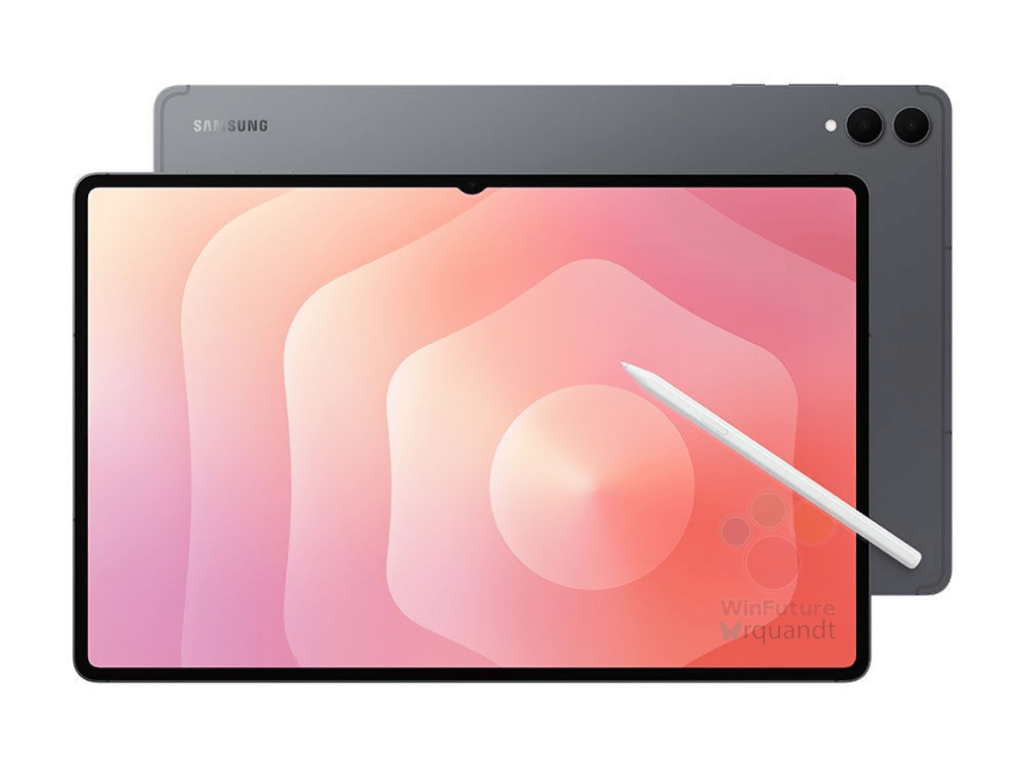
Honor is set to launch the Honor Pad 10, a tablet aimed at students, featuring AI-powered learning tools. Teased alongside the Honor 400 series, it’s expected to boast a glare-reducing, eye-friendly display, with a potential debut in May 2025 in China and possible global release.

Honor is stirring excitement with teasers for the Honor Pad 10, its latest tablet succeeding the Honor Pad 9 from December 2023. Marketed as an educational tool for students, the Pad 10 integrates AI features to enhance learning, such as personalized study aids or note-taking enhancements. While the exact AI capabilities remain under wraps, they’re expected to leverage MagicOS 9.0, seen in the Honor Pad V9, for seamless multitasking and AI-driven productivity.

Another standout feature is the dual front-facing cameras, a first for Honor tablets, per unofficial sources cited by NotebookCheck. Speculation suggests these could enable 3D content capture or at least advanced facial recognition for enhanced security.

A paper-like display is also expected, which is designed to cut glare and reduce eye strain—helpful for extended study hours.

Drawing from the Honor Pad 9’s specs—12.1-inch 2.5K 120Hz display, Snapdragon 6 Gen 1, up to eight speakers, stylus support, and optional keyboard case—the Pad 10 is likely to offer similar or upgraded features. Likely launching with the Honor 400 series in late May 2025 in China, a global rollout is plausible given the Pad 9’s 2024 expansion. Priced around €250 like its predecessor, will the Pad 10’s AI and dual cameras make it a handy tool for students, or is it too niche? Only time will tell.

Don’t miss a thing! Join our Telegram community for instant updates and grab our free daily newsletter for the best tech stories!


For more daily updates, please visit our News Section.

(Source | Via)

How Samsung built the Galaxy S25 Edge to be its thinnest S series yet

Samsung recently unveiled the Galaxy S25 Edge as its thinnest Galaxy S series phone yet. According to insights from its Mobile eXperience design team, the new S25 Edge has been shaped with a sharp focus on precision, slimness, and ease of use — all while staying consistent with the premium identity of the Galaxy S25 lineup.

A slim design that rethinks smartphone aesthetics

Jiyoung-Lee-and-Hyoungshin-Park-Vice-Presidents-from-the-Design-Team-Mobile-eXperience-MX-Business-at-Samsung-Electronics.jpg
Jiyoung Lee and Hyoungshin Park Vice Presidents from the Design Team Mobile eXperience MX BVusiness at Samsung Electronics

According Jiyoung Lee, who leads the product design at Samsung,“This model represents the most essential form of a smartphone by removing all unnecessary elements.”

Measuring just 5.8mm in thickness, the Galaxy S25 Edge aims to strike a balance between sleek visuals and everyday comfort. According to Samsung, the S25 Edge features premium titanium for the side frame — a metal that’s both strong and lightweight — to add a refined edge without making the device feel fragile. The South Korean tech giant has gone for a “one-mass” body design that visually blends the back and frame, with minimal bezels enhancing the screen-to-body ratio.

Samsung Galaxy S25 Edge

In India, the phone comes in two shades, Silver and Jetblack, both of which align with the Galaxy S25 series’ new color direction based on the theme of light. “In designing the Galaxy S25 Edge, we considered color depth and saturation, material integration, user preferences and manufacturing processes,” said Hyoungshin Park, who led the CMF design. “This allowed us to express the symbolism and refined identity of the Galaxy S25 Edge while maintaining consistency with the Galaxy S25 series’ overall CMF direction.”

Despite the compact profile, it houses a 200-megapixel camera in a design that minimizes protrusion by matching the rear glass finish with the camera bump. Internally, teams worked across departments to make sure color depth, material textures, and finish levels met the standards set by the series.

The Galaxy S25 Edge is designed not just to look premium, but to feel comfortable and capable — a fresh take on high-end smartphones that don’t compromise on design or functionality. The S25 Edge has a starting price of Rs 1,09,999 and is now up for pre-orders. The phone will be available for purchase starting May 27 through Samsung India as well as online and offline platforms.

For more daily updates, please visit our News Section.

Stay ahead in tech! Join our Telegram community and sign up for our daily newsletter of top stories!

Xiaomi ends support for 7 more Redmi and Poco smartphones, including Poco F4

Xiaomi has refreshed its list of devices nearing end-of-life status, and seven models are now under the radar. This time, only Redmi and Poco phones have made it to the list. It includes devices from the Poco F, C, and X series, as well as the Redmi Note 11 and Redmi K series.

Poco F4, X4 GT reach end of life

Here are the seven devices reaching end-of-life status starting June 2025, including some popular models like the Poco F4 and X4 GT:

  • Redmi Note 11T Pro
  • Redmi Note 11T Pro+
  • Redmi K50i
  • POCO X4 GT
  • POCO C40
  • Redmi K40S
  • POCO F4

While it’s never great to see your phone on one of these lists, this isn’t exactly a surprise. Xiaomi, like most Android OEMs, offers software support for a limited window, whether the device is a budget or a flagship model. These seven phones have simply reached the end of that cycle.

What “end-of-life” actually means

If you’re holding on to one of these models, here’s what you need to know: end-of-life means no more software updates. That includes major Android version upgrades, new features, minor bug fixes, and, most importantly, monthly or quarterly security patches. Essentially, your phone will keep working, but its vulnerabilities won’t be patched, and newer apps may not always work as expected.

It’s the sort of thing that matters more than you think. Without security updates, devices become increasingly exposed to exploits and malware. For most users, that alone is enough of a reason to eventually move on.

So, users with devices on the EoL list now have a few choices. Either they can continue using their current phones with the understanding that they may face security vulnerabilities or compatibility issues with newer apps. Alternatively, they can consider upgrading to a newer model for continued software support and better protection.

For tech-savvy users, custom ROM communities might offer alternative firmware options. However, this route carries its own risks and requires a certain level of technical expertise.

We’ve been consistently tracking Xiaomi’s end-of-life device list and will keep you updated as new additions roll in. Stay tuned for the latest updates.

Tech enthusiast? Get the latest news first! Follow our Telegram channel and subscribe to our free newsletter for your daily tech fix!

For more daily updates, please visit our News Section.

(Source)

Apple’s 20th anniversary iPhone to bring wild upgrades: no bezels, no cutout, and a 100% silicon battery

Apple is planning a bold redesign for its 20th anniversary iPhone 19 Pro in 2027, featuring a bezel-less display, an under-display selfie camera, and a revolutionary 100% silicon battery. This marks a significant shift from the incremental updates expected for the iPhone 17 and 18 series.

While the iPhone 16 Pro, launched in 2024, and the upcoming iPhone 17 Pro in 2025 stick to minor design tweaks like larger camera modules, Apple’s gearing up for a game-changer with the iPhone 19 Pro, per ET News. Confirming Bloomberg’s earlier report, the 2027 flagship, celebrating 20 years of the iPhone, will ditch bezels entirely. Its AMOLED panel and glass cover will curve on all four sides, achieving a near-100% screen-to-body ratio. The selfie camera and Face ID sensors, already shrinking in the iPhone 18’s punch-hole, will hide fully under the display, a first for Apple.

Bezel-less iPhone concept

The standout innovation is a 100% silicon battery, replacing the carbon-based cathode in current silicon-carbon cells, which typically contain less than 20% silicon. This leap, if materialized, will boost energy density, enabling much longer battery life or a much thinner chassis without sacrificing capacity. With the iPhone 17 Air’s rumored 3,500mAh cell in a sub-6mm body, the iPhone 19 series could push slimness further, all while boasting higher battery capacity. Apple’s iOS 21, expected in 2027, may enhance this with AI-driven battery optimization, building on iOS 19’s feature.

But here’s the thing: the idea of 100% silicon content seems a bit too far-fetched, especially considering this is Apple—a brand that mostly adopts tried, tested, and mostly perfected technology instead of experimenting with crazy concepts or being the first to implement that tech in a product. Yes, that 100% silicon content sounds just like that. This is technically a rumor, so you should take it with a grain of salt.

The under-display tech, however, is a different story. It’s been used in smartphones for at least half a decade and is far more mature. Given Apple’s current setup for selfies and Face ID—and with the iPhone 19 series marking the 20th anniversary iPhone—there’s a good chance Apple could finally adopt the under-display solution users have been waiting for

Tech enthusiast? Get the latest news first! Follow our Telegram channel and subscribe to our free newsletter for your daily tech fix!

For more daily updates, please visit our News Section.

(Source)

iQOO Neo 10 camera, display specifications, to be priced around Rs 35,000 (~$410)

On May 26, iQOO will announce the iQOO Neo 10 as India’s first Snapdragon 8s Gen 4 smartphone. The recently updated microsite of the phone on Amazon India has revealed details about the smartphone’s performance-focused features like RAM, storage, battery size, and fast charging capabilities. In a new development, the brand has confirmed the camera and display specifications of the Neo 10.

iQOO Neo 10 camera, display specifications

iQOO Neo 10 display
iQOO Neo 10 display

According to the brand, the iQOO Neo 10 will feature a 32-megapixel front-facing camera. Its rear camera setup will comprise a 50-megapixel Sony IMX882 main camera with OIS support and an 8-megapixel ultra-wide lens.

The iQOO Neo 10 will feature an AMOLED display that offers a 1.5K resolution and a 144Hz refresh rate. The display also promises a peak brightness of 5000 nits. However, the brand is yet to confirm the screen size.
Under the hood, the Snapdragon 8s Gen 4 chip will be paired with the in-house SuperComputing Q1 chip, LPDDR5x Ultra RAM, and UFS 4.1 storage. It is said to be India’s slimmest 7,000mAh battery with a thickness of only 8.09mm. The phone is also confirmed to support 120W fast charging.

iQOO Neo 10 price in India

iQOO has already confirmed that the iQOO Neo 10 will be priced at around Rs 35,000 (~$410) in India. The device will come in two shades: Inferno Red and Titanium Chrome.

The iQOO Neo 10 is expected to face competition from the Realme GT 7, which will debut with the Dimensity 9400e chip on May 27 globally, including India. The Poco F7, which may launch next month, is also expected to rival the Neo 10.

For more daily updates, please visit our News Section.

Stay ahead in tech! Join our Telegram community and sign up for our daily newsletter of top stories!

Oppo Pad SE launched with 11-inch 2K display and 9,340mAh battery

Last year, Oppo launched a couple of tablets in Malaysia, including the Pad Neo, Pad 3, and Pad 3 Pro. Now, the brand has introduced its first tablet of the year for the Malaysian market — the Oppo Pad SE. Aimed at young professionals, this versatile device is designed to cater to both productivity and entertainment needs. Here’s a closer look at what it brings to the table.

Oppo Pad SE key features

Oppo Pad SE
Oppo Pad SE

The Oppo Pad SE has an 11-inch 2K LCD screen with a 90Hz refresh rate that delivers clear visuals and smooth performance. The display features 500 nits brightness and an anti-reflective matte finish, providing eye comfort in various lighting conditions.

The Pad SE is equipped with a large 9,340mAh battery that supports 33W fast charging, ensuring users can stay productive and entertained without frequent interruptions.

Oppo Pad SE - Starlight Sliver
Oppo Pad SE – Starlight Sliver

For multitasking, the tablet offers Google Gemini to assist with daily tasks and O+ Connect for seamless file transfers between Oppo devices and iPhones. Features like App Relay, Multi-Screen Connect, and Multi-Window Display allow users to continue work across devices effortlessly and manage multiple apps simultaneously.

Parents will appreciate the Kids Mode, which allows controlled access to YouTube Kids, setting usage time limits and restricting content, while the eye protection feature helps safeguard children’s vision during extended use.

Readers should note that the Pad SE’s detailed specifications are yet to be officially confirmed.

Oppo Pad SE price and availability

Oppo Pad SE - Twilght Blue
Oppo Pad SE – Twilight Blue

The Oppo Pad SE is priced at MYR 699 (~$163) for the 4GB RAM and 128GB storage variant, available in Starlight Silver and Twilight Blue. A limited-time instant rebate of MYR 100 reduces the price to MYR 599 (~$140) from 15 to 24 May 2025. Pre-orders come with an exclusive offer to purchase a protective case for MYR 1 only, usually priced at MYR 99 (~$23). More details can be found on the official Oppo Pad SE website.

For more daily updates, please visit our News Section.

Stay ahead in tech! Join our Telegram community and sign up for our daily newsletter of top stories!

Vivo X Fold 5 tipped to launch in July, design language could be similar to Vivo X Fold 3 series

A recent report has revealed almost everything about the upcoming Vivo X Fold 5 foldable phone. Unlike last year, when the brand launched two models — the Vivo X Fold 3 and X Fold 3 Pro — this year may see the arrival of only one device. Interestingly, Vivo has reportedly decided to skip the number “4” in its naming. This is a common practice among Chinese brands, as the number 4 is considered unlucky in Chinese culture due to its phonetic similarity to the word for “death.” While the recent report revealed several specifications of the X Fold 5, it did not mention anything about its launch timeline. However, in a recent Weibo post, reliable tipster Digital Chat Station claimed that the device will debut in the coming months.

Vivo X Fold 5 launch timeframe (rumored)

Vivo X Fold 5 launch timeframe

According to DCS, the Vivo X Fold 5’s launch timeline is tentatively scheduled for July in China, but the brand is also aiming to possibly move it up to June, depending on internal progress. To recall, the tipster previously claimed that the X Fold 5 will debut in Q3 this year in the home market.

He added that the Snapdragon 8 Gen 3-powered Vivo X Fold 5 will come with several key highlights. The device is expected to feature a sizeable 6,000mAh battery, support wireless charging, and include a 50-megapixel Sony IMX882 periscope telephoto lens. The camera module retains the brand’s signature large circular layout, positioning the phone as a design-centric imaging flagship.

On the front, the Vivo X Fold 5 is likely to feature dual 20-megapixel selfie cameras, placed on the cover and internal displays, respectively. Interestingly, this contradicts a recent report that claims the X Fold 5 will have two 32-megapixel selfie cameras on the front and inside.

Vivo X Fold 3 Pro
Vivo X Fold 3 Pro

The engineering prototype reportedly runs a system that supports all-day Always-On Display (AOD) functionality. The top-end variant is expected to ship with a 16GB+1TB configuration. Readers can visit this post to read the entire specifications of the X Fold 5.

For more daily updates, please visit our News Section.

Stay ahead in tech! Join our Telegram community and sign up for our daily newsletter of top stories!

Huawei teases its first foldable PC, leak reveals RAM, storage, and color option

Huawei unveiled its own desktop operating system last week, and the first PC running it is already scheduled to launch next week. The machine will be powered by the company’s in-house Kirin X90 chip. But it might not be the only Huawei PC debuting this month.

According to a leak from Chinese tipster Fixed Focus Digital, Huawei is reportedly working on a foldable PC, and it could be revealed at a press event later this month. Rumors around Huawei’s foldable PC ambitions aren’t exactly new.

Back in March, a report hinted that Huawei is working on a PC with an “unexpected new form factor.” The device was described as something between a PC, a tablet, and a smartphone, though there are no images to clarify exactly what that means.

Huawei officially teases a foldable PC?

Adding to the rumor mill, another leaker on Weibo claims the device will launch as the Huawei MateBook Fold Ultimate Design, with the model number HPR-W72. According to the leak, it will feature 32GB of RAM and 2TB of storage.

Huawei also dropped a new teaser today that appears to promote its HarmonyOS PC launch. The teaser seems to show a silhouette of the foldable PC with “Ultimate Design” branding at the back. So the leaks might all be true.

More importantly, the teaser confirms the PC launch on May 19 alongside the Nova 14 series.

Meanwhile, another image circulating on Weibo shows that the alleged MateBook Fold Ultimate Design will be available in a finish called “forged shadow black.”

We’re still waiting on full specs, pricing, and availability, but if this all pans out, Huawei might be about to launch the most exciting PC of the year. It’s not that foldable laptops are new; Lenovo and Asus have both tried the form factor. 

But this feels different. With its own OS, custom silicon, and a new design language, Huawei’s foldable PC could be something worth waiting for.

Stay ahead in tech! Join our Telegram community and sign up for our daily newsletter of top stories!

For more daily updates, please visit our News Section.

OnePlus 15 camera specifications tipped in the latest leak

OnePlus is reportedly working on the OnePlus 15 flagship phone, which may debut in October of this year in China. Recent reports have suggested that its camera setup may include a 200-megapixel periscope camera. However, a new leak, courtesy of reliable tipster Digital Chat Station, claims that the camera system of the OnePlus 15 has not been finalized. Here is a look at what the tipster revealed in the latest leak.

OnePlus 15 camera specifications (rumored)

OnePlus 15 camera specs leak

According to the tipster, the camera setup for OnePlus’ upcoming SM8850 flagship is still under evaluation. He seems to be talking about the OnePlus 15, which is expected to feature the Snapdragon 8 Elite 2 chip.

At present, the brand is testing a triple 50-megapixel configuration, which includes a main camera, an ultra-wide lens, and a telephoto sensor with around 3x optical zoom. The main camera is being considered in two versions — one with a standard large sensor and another with an ultra-large sensor. For the telephoto, the team is testing both small and medium-sized periscope sensor options. All of these setups are currently going through A/B testing to determine the optimal combination.

Earlier this week, the same source revealed that the OnePlus 15 is being tested with a flat display that supports a 1.5K resolution. This will be a major change considering that the brand has been offering a 2K curved-edge display since the OnePlus 7 Pro, which debuted back in 2019.

OnePlus 13

Apart from the change in the display design, the OnePlus 15 is also expected to adopt a new rear design. The overall look of the smartphone could be similar to an iPhone. The rumor mill is yet to leak details about its battery, but it appears that it may pack a 6,500mAh+ battery with fast charging of around 100W. The phone may also support 50W wireless charging like its predecessor.

For more daily updates, please visit our News Section.

Stay ahead in tech! Join our Telegram community and sign up for our daily newsletter of top stories!

Meizu Flyme AIOS 2 Features Explained: What’s New and How It Works

At its latest product launch event, Meizu unveiled the next major evolution of its operating system: Flyme AIOS 2. Debuting on the newly announced Meizu Note 16 and Note 16 Pro, the update is far more than a cosmetic refresh. It’s an ambitious, AI-forward overhaul built around what Meizu calls “conscious computing,” fusing personalized system behavior with deep integration across phones, cars, and smart homes.

Meizu Flyme AIOS 2

1. Rethinking System Performance: OneMind, Reimagined

Flyme AIOS 2 introduces a redesigned OneMind engine, now divided into four specialized sub-engines. Each one contributes uniquely to enhancing the overall user experience:

Instant Flow Engine boosts responsiveness with faster app launches and better multitasking. Meizu claims a 6% improvement in app start time, 60% better performance under load, and a 20% increase in memory efficiency.

Streamlined Visual Effects Engine introduces finer frame rate control and GPU prioritization, producing a smoother and more coherent UI flow, especially noticeable in animations and transitions.

CrystalCore Power Efficiency Engine is designed to handle modern use cases like short video consumption and idle standby more intelligently, offering up to 1.6 hours of extra playback and 4.4°C lower heat during extended use.

Meizu Flyme AIOS 2

Smart Self-Healing Engine adds a layer of proactive maintenance, scanning for and repairing performance bottlenecks, memory drain, or power consumption anomalies. It even surfaces suggestions to avoid potential slowdowns.

2. AI That Feels Alive

Meizu Flyme AIOS 2

The real story here is Aicy, Meizu’s virtual assistant that’s gone through a complete transformation. Now running on Alibaba’s Qwen Omni large language model, Aicy is no longer just a glorified search tool. It’s now an emotionally intelligent, low-latency AI assistant with customizable voices, regional dialect support, and even emotional nuance. Whether it’s reminding you of your dad’s shoe size or comforting you after a long day, Aicy can now act as both scheduler and companion.

The assistant also integrates DeepSeek, a reasoning engine that decides when to engage advanced logic or fetch real-time web data. Think ChatGPT-like conversations, but tuned for system-level queries and personalized memory. And yes, it remembers what you ate last month in some city or where you bought your living room sofa. Context is the point.

3. AI Gallery and Notes Get Smarter

Meizu Flyme AIOS 2

Flyme AIOS 2 also revamps its AI Gallery, adding creative tools like AI Magic Draw, which lets users modify images with text prompts, and restoration tools that remove glare, blur, or moiré artifacts. Live Photos can now be shared across platforms like Xiaohongshu with a new freeform collage tool that mixes images, videos, and GIFs.

Meanwhile, the AI Notes app now supports three-finger screenshot saving, drag-and-drop collection, and natural language Q&A. You can search through 10,000 notes like a knowledge base and let the system auto-summarize content for easier reference.

4. Dedicated AI Button and Smarter Automations

Newer Meizu devices will support a physical AI key. With a single press, users can access Aicy for voice input or trigger customizable shortcuts. It’s a nod to tactile convenience at a time when AI often feels buried behind gestures and menus.

Flyme AIOS 2 also introduces Task Robot, an automation engine that doesn’t just follow commands but understands intent and context. For example, it can pull addresses directly from your screen and suggest navigation or ride-hailing options without switching apps. The system refines plans mid-task and adapts to changing scenarios, a step beyond traditional routines.

5. DreamSmart and the Connected Ecosystem

Meizu Flyme AIOS 2

With DreamSmart, Meizu is pushing harder into IoT. The update supports seamless cross-device collaboration under the “person car home” ecosystem. Flyme Auto connects your smartphone to compatible vehicles and home appliances. Partnerships with brands like Midea bring integration with nearly 100 million smart devices. You can control your AC from your car or check your smart oven status mid-commute without touching your phone.

6. Final Thoughts

Flyme AIOS 2 feels like Meizu’s answer to the AI era that Apple, Google, Xiaomi, and others are also scrambling toward, but with its own personality. It’s polished, deeply integrated, and emotionally aware. It doesn’t just respond to your commands. It anticipates them, remembers them, and sometimes even empathizes with you.

The update rolls out first with the Meizu Note 16 series and will expand to older models starting in June 2025, with more OTA features arriving through Q3. Whether the promise of “AI with a soul” holds up in the real world remains to be seen, but there’s no denying Meizu’s ambition.

For more daily updates, please visit our News Section.

Stay ahead in tech! Join our Telegram community and sign up for our daily newsletter of top stories! 💡

Red Magic’s upcoming 9-inch OLED tablet might pack a massive battery and a built-in fan

Nubia’s Red Magic is preparing to launch a new gaming tablet, and early details suggest it could be one of the most powerful compact tablets of the year. According to tipster Digital Chat Station, the upcoming tablet will feature a custom OLED display measuring approximately 9 inches with a resolution of 2400×1504 pixels.

Red Magic Nova
Red Magic Nova

The device is expected to run on Qualcomm’s Snapdragon 8 Elite processor, which is clocked at 4.32GHz. Red Magic is also integrating a built-in cooling fan to maintain stable performance during extended gaming sessions. This move sets the device apart from most other small tablets, which typically rely on passive cooling systems.

Red Magic mini tablet specs leak DCS

Digital Chat Station claims the tablet will have the largest battery ever used in a small-sized tablet. He pointed out that “no other small tablet has a battery capacity that starts with an 8,” suggesting a capacity exceeding 8,000mAh.

In the comment section, the tipster responded to questions about fan-equipped devices. He confirmed that some flagship smartphones already use built-in fans and hinted that more phones with fans and IP68 water resistance could arrive by the end of the year.

Red Magic has already teased the new gaming tablet last month, stating that it aims to meet high user expectations. More official details are expected soon. The company isn’t alone though in this space, as Lenovo Legion, Redmi, and Huawei are also expected to introduce compact tablets with flagship-grade processors in 2025.

Pricing details for the upcoming Red Magic tablet are still unknown, but a reasonable estimate could place it between 3,499 and 3,999 yuan (roughly $485 to $555). Red Magic’s previous Gaming Tablet Pro (known as Red Magic Nova in the global market) launched last September with a Snapdragon 8 Gen 3 Leading Edition chip, starting at 3,999 yuan. The new model could arrive slightly lower in price due to its smaller size, but the addition of OLED and active cooling may keep it in the same premium range.

For more daily updates, please visit our News Section.

Stay ahead in tech! Join our Telegram community and sign up for our daily newsletter of top stories! 💡

(Source, Via)

Xiaomi launches new standing air conditioner with fast cooling/heating, self-cleaning & HyperOS

Xiaomi has launched the Mijia Ultra-Efficient Standing Air Conditioner (3HP) in China, designed for households that require powerful and fast cooling with smart connectivity. It is priced at 4,999 yuan (approximately $692), and after applying government subsidies, the price comes down to 3,999.2 yuan (around $554). The AC is now up for sale on JD.com.

Mijia Ultra-Efficient Standing Air Conditioner

Mijia Ultra-Efficient Standing Air Conditioner Specs

The new model features a major upgrade in airflow, delivering up to 1,752m³/h compared to the previous generation’s 1,200m³/h. It comes with a larger 181mm air outlet and a dramatically expanded 2,600cm² air outlet area, a 117% increase.

The AC also equips a 115° wide swing angle and supports a long-range 13-meter throw distance, making it suitable for large and irregular spaces like L-shaped living rooms or deep hallways.

The Mijia AC supports Xiaomi’s HyperOS Connect and integrates with the Mijia app for remote control, scheduling, and real-time maintenance alerts. It also supports voice control via Xiao AI and is OTA-upgradeable, enabling long-term software enhancements and cloud-based diagnostics, with more than 122 system checks available remotely.

The device sports Xiaomi’s self-developed Xiao Jin Gang outdoor unit, built to withstand extreme climates. It operates reliably between -32°C and 60°C and offers rapid climate control, cooling in just 40 seconds and heating in 80 seconds. Inside, it uses a proprietary compressor and high-efficiency heat exchanger for consistent, stable performance.

It comes with a fully automated self-cleaning function that handles coil frosting, rinsing, and 56°C high-temperature drying to sterilize internal components. The antibacterial and anti-mildew filter achieves up to 99% sterilization against common bacteria like E. coli and Staphylococcus aureus, as verified by third-party labs.

Physically, the indoor unit stands 1868mm tall and is paired with a robust 39kg outdoor unit measuring 943 × 670 × 396mm.

In related news, Xiaomi has introduced two new cleaning devices in China: the Mijia M40S robot vacuum-mop featuring 23,000Pa suction, liftable LiDAR, and HyperOS integration, and the Mijia Wireless Floor Scrubber 4 Max, which comes with the same suction power and a patented edge-cleaning arm for improved corner coverage.

For more daily updates, please visit our News Section.

Stay ahead in tech! Join our Telegram community and sign up for our daily newsletter of top stories! 💡

(JD)

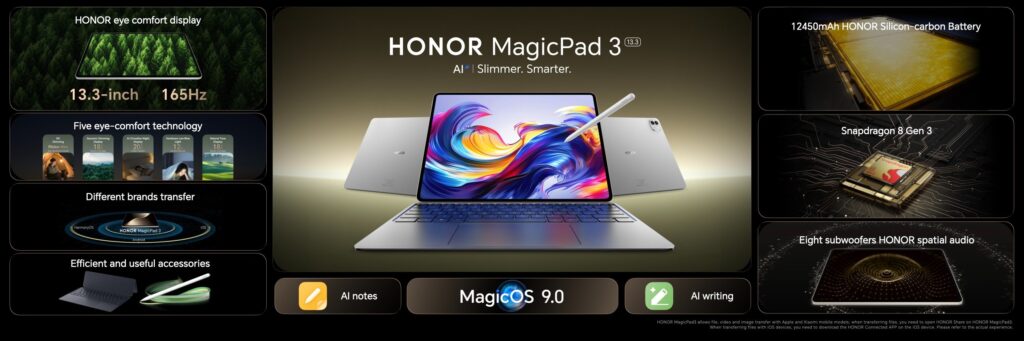
Galaxy S25 FE finally gets past 10MP selfie—but the new sensor is even smaller

Samsung’s Galaxy S25 FE, expected in September or October 2025, will finally upgrade its selfie camera to 12MP, matching the standard S25 series. After two years of stagnant 10MP front cameras, the brand is finally upgrading it with a higher resolution, though the 50MP main sensor remains unchanged.

Galaxy S24 FE

Samsung’s Fan Edition (FE) line, known for delivering flagship-like features at a much lower price, is getting a much-needed selfie camera upgrade with the Galaxy S25 FE. According to GalaxyClub, the upcoming model will sport a 12MP front-facing camera, aligning the resolution with the Galaxy S25 and S25 Ultra. This marks the first selfie camera improvement since the Galaxy S21 FE (32MP, 1/2.74″), as both the S23 FE and S24 FE stuck with a 10MP sensor, which measures 1/3.0″.

While the resolution bump is expected to deliver crisper selfies and better low-light performance, the 12MP sensor is slightly smaller (1/3.2″ vs 1/3.0″), which makes it counterintuitive. Still, much of what makes a good selfie comes down to image processing—and Samsung can likely reuse its S25-series algorithms here. So, even if calling it an “upgrade” is debatable, the S25 FE should still offer a noticeably better front camera experience.

The rear camera stays familiar

The S25 FE is expected to retain the 50MP primary sensor used in the S23 FE and S24 FE, paired with a 12MP ultrawide and 10MP telephoto. Powered by Exynos 2400e or Dimensity 9400, the S25 FE should offer a 6.7-inch FHD+ AMOLED display, 120Hz refresh rate, and a 4,900mAh battery with 45W charging.

The phone is slated for a September or October 2025 launch, possibly alongside a rumored Galaxy Z Flip FE—Samsung’s first budget foldable. The predecessor launched with a starting price of $649.99, and the pricing for the S25FE is yet to be revealed.

Don’t miss a thing! Join our Telegram community for instant updates and grab our free daily newsletter for the best tech stories!
For more daily updates, please visit our News Section.

(Source)

Lexar Express Card Reader: Ultimate Speed for Gamers, Creators & Power Users

The Lexar® microSDXC™ Express Card Reader is a powerful and compact accessory designed for users who need fast data transfer, strong durability, and wide compatibility. Whether you’re a content creator, gamer, or professional who works with large files, this card reader is built to simplify and speed up your workflow. It supports plug-and-play use on both Windows and Mac computers, so setup is quick and hassle-free.

The Lexar® microSDXC™ Express Card Reader is available for $129.99 at Geekwills, offering premium speed and durability at a competitive price.

Blazing Fast Transfer Speeds

One of the main highlights of the Lexar microSDXC Express Card Reader is its incredible speed. Paired with Lexar PLAY PRO microSDXC Express cards, it delivers read speeds of up to 900 MB/s and write speeds up to 600 MB/s. These speeds are made possible by PCIe 3.0 and NVMe 1.3 technologies, which bring performance closer to that of internal SSDs. For users working with high-resolution videos or large project files, this kind of speed can significantly reduce waiting times during file transfers.

Efficient Cooling with Built-in Fan

Unlike most card readers, this one includes a built-in fan that provides excellent heat dissipation. During heavy data transfers, the fan can reduce the device temperature by up to 19°C, helping maintain stable peak performance and preventing thermal throttling. This is especially useful for professionals who need consistent speeds over long sessions.

Durability and Design

The Lexar Express Card Reader is constructed using high-quality PC, ABS, and silicone materials. These not only make it feel premium but also improve its durability. It includes a rugged braided USB-C cable that resists abrasion, and the package also comes with a USB-C to USB-A adapter to increase compatibility with a variety of devices.

Wide Card and Device Compatibility

This card reader supports both microSD UHS-I and UHS-II cards, making it a flexible choice for users with different storage cards. It can transfer data from older cards at speeds up to 104 MB/s, which means you only need one card reader for a wide range of tasks.

Key Specs:

  • Interface: USB 3.2 Gen 2
  • Read Speed: Up to 900 MB/s
  • Write Speed: Up to 600 MB/s
  • Card Support: microSD UHS-I, UHS-II, and Express
  • Cooling: Built-in fan (reduces heat by up to 19°C)
  • Compatibility: Windows and macOS
  • Included: Braided USB-C cable, USB-C to USB-A adapter
  • Material: PC, ABS, and silicone for enhanced durability

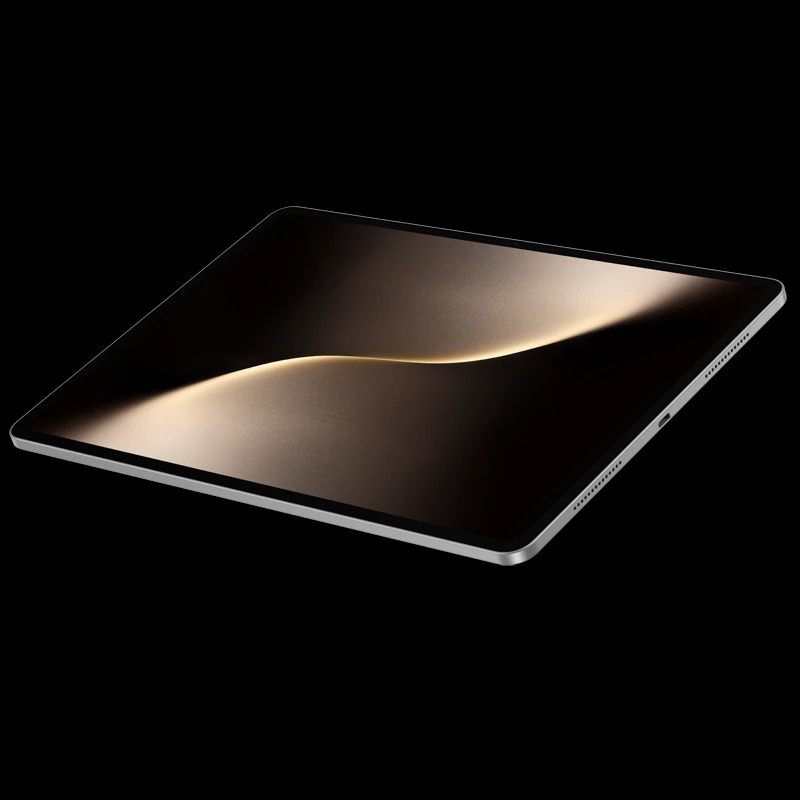
One UI 8 already in the works for Galaxy S22 Ultra

Samsung’s Galaxy S22 Ultra has been spotted on Geekbench running One UI 8, based on Android 16, signaling rapid development for the next major OS update. With a beta program launching this month and a stable release expected by September 2025, it’s the final big update for the S22 series.

Samsung is pushing One UI 8, built on Android 16, to its Galaxy lineup with a surprising pace, as confirmed by a Geekbench listing of the Galaxy S22 Ultra running the new firmware, per @tarunvats33 on X. The 2022 flagship, launched with Android 12, is nearing the end of its four-year major update cycle, making One UI 8 its last significant OS refresh. Early firmware tests on newer devices like the Galaxy S25 and Z Fold 6 show One UI 8 is currently a lightweight update, focusing on minor UI tweaks like smoother animations and an updated Quick Share.

The One UI 8 beta, set to kick off in May 2025, will likely include the S22, S22+, and S22 Ultra, alongside flagships like the S23 and S24 series. Google’s timeline points to a stable release between June and September, with the Galaxy Z Fold 7 and Flip 7 debuting it in July. However, the feature list remains short—includes a refined DeX mode and Secure Folder enhancements, leaving some fans hoping Samsung adds more during the beta.

For the S22 series, One UI 8 brings Android 16’s private space API for that Secure Folder enhancement and minor Galaxy AI updates. The S22 Ultra’s 108MP camera still shines, but its 4-year-old 5,000mAh battery may lean on Android 16’s efficiency. Will Samsung beef up One UI 8’s sparse offerings, or is this a quiet farewell for the S22? The beta will reveal more.

Here’s a list of devices that have received or will receive One UI 7 update but won’t be upgraded to One UI 8.

Don’t miss a thing! Join our Telegram community for instant updates and grab our free daily newsletter for the best tech stories!
For more daily updates, please visit our News Section.

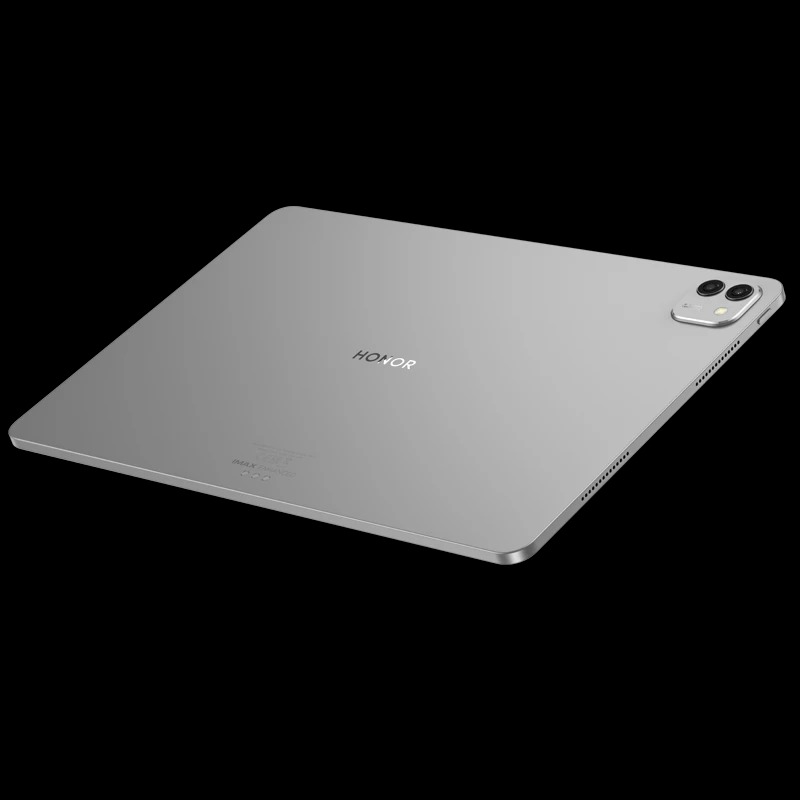
Samsung mocks Apple again—this time saying iPhones are heavy

Samsung’s Galaxy S25 Edge was promoted via an Instagram ad that subtly mocked the heavier iPhone 16 Pro. Showcasing the Edge’s featherlight 163g design, Samsung’s playful jab hints at a thinness race, with Apple’s rumored iPhone 17 Air looming.

Samsung is no stranger to poking fun at Apple, from its “On the Fence” foldable ads to jabs at missing chargers. The latest Galaxy S25 Edge ad, posted on Instagram (@samsungmobile), pits the 5.8mm-thin Edge against an unnamed “Other Phone”—clearly an iPhone 16 Pro. In the video, both phones dangle from helium balloons; as balloons pop, the 163g S25 Edge floats while the 199g iPhone 16 Pro crashes, highlighting the Edge’s size-to-weight edge over the iPhone 16 Pro’s. Despite both using titanium frames, the S25 Edge’s 36g lighter build and slim profile—only 1g heavier than the 6.2-inch S25—set it apart.

Launched with a Snapdragon 8 Elite and 200MP camera for $1,099, Samsung claims the Edge will “accelerate innovation” toward thinner phones. Galaxy fans note its IP68 rating and Gorilla Armor 2, though some, like @TheGalox_, question its 3,900mAh battery versus the iPhone’s 4,000mAh.

Apple’s response may come with the iPhone 17 Air, rumored for a sub-6mm profile in September 2025. With iOS 19’s AI-powered battery optimizations and the new A19 chip, it could challenge the Edge’s crown for slimness and battery life.

Samsung’s ad, while fun, risks a comeback if Apple’s Air lands lighter. For now, the S25 Edge’s May 23 Korea/China and May 30 global rollout aims to set a slimness standard. Will Samsung’s jab spark a thin-phone revolution among other Android OEMs, or will Apple flip the script? The rivalry is heating up.

Don’t miss a thing! Join our Telegram community for instant updates and grab our free daily newsletter for the best tech stories!
For more daily updates, please visit our News Section.

(Source)

Samsung Galaxy S25 Edge vs Xiaomi 15: Does Xiaomi Outsmart Samsung

Galaxy S25 Edge and Xiaomi 15 represent two flagship phones from major rivals, each pushing boundaries in design, performance, and camera technology. As users increasingly demand more from their smartphones, whether in power efficiency, imaging, or multimedia, the comparison between these two becomes essential. Understanding their differences helps identify which device better aligns with modern user expectations.

1. Design and Display

Galaxy S25 Edge
Galaxy S25 Edge

Build and Feel:
Galaxy S25 Edge uses a premium titanium frame with Gorilla Glass Ceramic 2 on the front, offering a more durable yet lightweight body. The Xiaomi 15, while well-built with an aluminum alloy frame and Shield Glass, feels slightly bulkier and heavier. The S25 Edge’s ultra-slim profile and minimalist approach make it stand out for users who prefer sleek, modern devices. Both are IP68-rated, but the S25 Edge’s build feels more refined due to its ultra-thin design and premium materials.

Display Quality:
Samsung offers a larger 6.7-inch LTPO AMOLED 2X panel with QHD+ resolution (1440p), resulting in sharper visuals at ~513 ppi. Xiaomi counters with a smaller 6.36-inch LTPO AMOLED, peaking at 3200 nits brightness and Dolby Vision support. While Xiaomi’s screen offers excellent HDR brightness and Dolby Vision, the Galaxy S25 Edge edges ahead in resolution and immersive display size.

Verdict:
Galaxy S25 Edge has a more premium feel due to its slim titanium body and sharper QHD+ display. While the Xiaomi 15 excels in brightness and color depth, the S25 Edge provides a better overall combination of ergonomics and screen quality.

2. Specifications 

Xiaomi 15

Performance:
Both phones feature the Snapdragon 8 Elite (3 nm) chipset, but the Xiaomi 15 uses an octa-core setup with more balanced high-performance cores (2x Phoenix L + 6x Phoenix M), potentially leading to slightly better sustained performance. Samsung’s 7-core design focuses more on peak performance but may throttle under long loads. Both use the Adreno 830 GPU and UFS 4.0 storage, ensuring high-end gaming and multitasking. Xiaomi also offers configurations of up to 1TB and 16GB RAM, providing more flexibility for power users.

Battery and Charging:
Xiaomi 15 takes a clear lead here. It features a much larger 5240–5400 mAh battery depending on region, compared to the Galaxy S25 Edge’s 3900 mAh. Charging is also faster on Xiaomi with 90W wired, 50W wireless, and 10W reverse wireless, versus Samsung’s modest 25W wired charging. Xiaomi clearly targets power users who want longer battery life and quicker top-ups.

Verdict:
Xiaomi 15 wins in battery life, charging speed, and RAM/storage versatility. While both phones perform similarly in raw power, Xiaomi’s efficiency and faster charging give it the edge for long-term usability.

3. Camera

Xiaomi 15

Main and Secondary Lenses:
Galaxy S25 Edge features a 200 MP wide sensor and 12 MP ultrawide, delivering sharp images with good dynamic range. However, Xiaomi 15 offers a more versatile triple setup: a 50 MP wide sensor with a large 1/1.31″ sensor, a 50 MP telephoto with 2.6x optical zoom, and a 50 MP ultrawide with 115° field of view. The Leica optics, color spectrum sensor, and advanced HDR/Dolby Vision video capabilities enhance Xiaomi’s imaging potential significantly. Xiaomi is better suited for creative users who need flexibility across different photography modes.

Selfie Camera:
Samsung uses a 12 MP selfie shooter, which performs decently for casual use. Xiaomi, however, integrates a 32 MP front camera capable of 4K at 60fps with HDR10+, making it ideal for vloggers or video calls in high quality. The edge goes to Xiaomi for both resolution and video quality on the front camera.

Verdict:
Xiaomi 15 has a superior camera system overall, with triple rear sensors offering more photographic versatility and a better front camera for high-res content creation. The Galaxy S25 Edge relies heavily on its 200 MP main sensor but lacks optical zoom and variety.

4. Pricing

Galaxy S25 Edge
Galaxy S25 Edge

Galaxy S25 Edge is priced at approximately $1000, while the Xiaomi 15 starts at $1200 for higher RAM/storage configurations. Samsung provides better value for users focused on design, software, and QHD+ display at a lower price. Xiaomi, though more expensive, offers better cameras, longer battery life, and faster charging. 

The price difference is justified by Xiaomi’s extra features, but the S25 Edge is a more cost-effective premium option.

5. Conclusion

Galaxy S25 Edge
Galaxy S25 Edge

Galaxy S25 Edge stands out with its ultra-slim titanium design, high-resolution display, and One UI 7 integration with Samsung DeX and UWB support. It is ideal for professionals and users who prioritize elegance, portability, and software stability. On the other hand, Xiaomi 15 includes unique features like Leica-enhanced cameras, DisplayPort output, IR blaster, Dolby Vision video recording, and high-end charging capabilities, targeting power users and content creators.

Verdict:
Choose the Galaxy S25 Edge if you want a sleek, premium phone with a sharper display at a lower price. Go for the Xiaomi 15 if you value battery life, camera versatility, and multimedia performance and are willing to pay more for those extras. Both are excellent but tailored for different types of users.

Read More:

Sennheiser’s Momentum Sport earbuds get 43% off, retailing at an all-time low

Sennheiser Momentum Sport earbuds are now on sale with a 43% discount via Amazon. It is now retailing for the exciting price of $190, plugined from $330. Sennheiser’s quality, and comfort for the audio products alike headphones and earphones is world renowned. Sennheisher Momentum Sports follows the same design and performance metric, and brings in premium listening experience.

Thanks to the splendid Amazon deal, that these are now reailing with discount of $140 via Amazon. It’s quite difficult to remember in the past whether we received such a great deal on the headphones ever or not.

Sennheiser Momentum Sport Earbuds Features and Specifications

It is designed to keep you listening to your favourite track or podcast on the go, whether you’re running, cycling or doing any other physical activity. The grip, while ensuring comfort is extraordinary, and helps to enjoy anything you listening worry free. The Sennhesiser Momentum Sport wireless earbuds can actively track your heart rate and body temperature apart from providing some excellent music.

Sennhesier offers enriched premium sound that offers excellent mids, and lows while maintaining the right high ends. At the price of $190 it is worth every dim spent. It is the best earbuds out there for the sport enthusiasts and audiophiles at the given discount price. Sennheiser Momentum Sport Earbuds can offers listening experience for up to a couple of hours, and while the case can charge the pair for total four times.

Further, the earbuds come with a charging cradle, and a gray fabric with a weave. 

It could be a time-limited discount and the interested folks should hurry to grab the best deal. Otherwise, it may go out of stock or the discount may fade away.

Please Note: When you buy something using the links in our articles, we may earn a small commission at no cost to you.

Panasonic LUMIX S1II and S1IIE Mirrorless Cameras Debut with 15-Stop Dynamic Range and ProRes RAW

Panasonic has added two new full-frame cameras to its LUMIX S Series: the LUMIX S1II and S1IIE. Alongside the cameras, it has also introduced a new standard zoom lens, the LUMIX S 24–60mm F2.8. All three products will be available from late June at official retail partners.

LUMIX S1II: New Sensor, High-Speed Video, and Wide Dynamic Range

Panasonic LUMIX S1II

The LUMIX S1II features a 24.1MP full-frame partially stacked CMOS sensor combined with the latest Venus Engine. This setup enables fast data processing and supports video formats like 4K 120p, 5.8K 60p, and 5.1K 60p. It also delivers up to 15 stops of dynamic range in V-Log at frame rates below 30p.

For still photography, the camera offers burst shooting at up to 70 frames per second using SH and SH PRE modes. It also supports 10 fps with a mechanical shutter in High-Speed Plus mode. The Open Gate function adds more flexibility, now including 5.1K 60p.

LUMIX S1IIE: Same Build, New Sensor, Cinemascope Format

Panasonic LUMIX S1IIE

The LUMIX S1IIE uses a 24.2MP sensor based on the one in the LUMIX S5II. It supports 6K 30p in 3:2 Open Gate format and records 14+ stops of dynamic range in V-Log. It introduces a new 2.4:1 Cinemascope format that records up to 60p with no crop. It keeps the same ergonomic design and layout as the S1II and S1RII.

Shared Features: Autofocus, Stabilization, and Workflow Tools

Both cameras feature Phase Hybrid autofocus with improved subject tracking and face, eye, and body detection. A new Urban Sports mode improves tracking for fast movements like skateboarding or breakdancing. In-body image stabilization offers up to 8 stops of correction and includes cropless video stabilization. Both support internal ProRes RAW HQ and Apple ProRes recording on CFexpress Type B cards. ARRI LogC3 is available with a software upgrade.

They also come with a 5.76 million-dot EVF, a 1.84 million-dot tilt and free-angle touchscreen, dual card slots (SD and CFexpress Type B), and are rated to work at temperatures down to -10°C. Software support includes Capture One, Frame.io, LUMIX Lab, and LUMIX Flow for editing and project management. Future updates will add HEIF format support, waveform monitor, vectorscope, wireless mirroring, and other tools.

LUMIX S 24–60mm F2.8 Lens: Bright, Lightweight, and Video-Ready

Panasonic LUMIX S 24 60mm F2 8 lens

The new LUMIX S 24–60mm F2.8 lens offers a constant wide aperture across its zoom range. It is compact and lightweight, weighing only 544 grams. The lens supports a minimum focusing distance of 19 cm and a maximum magnification of 0.3x, making it suitable for both close-ups and portraits.

It features a Dual Phase Linear Motor and a new optical encoder for fast and accurate autofocus. It also includes a focus button on the lens barrel and, for the first time in the S series, lets users reassign the focus ring to control aperture or exposure compensation.

For video, it reduces focus breathing and enables smooth aperture transitions with micro-step control. Manual focus adjustments while zooming are also supported.

All three products will be available starting late June.

For more daily updates, please visit our News Section.

Stay ahead in tech! Join our Telegram community and sign up for our daily newsletter of top stories!

(Source)

Why Vivo Might Be the Smartphone Brand to Beat in 2025

It’s easy to overlook Vivo in a global smartphone conversation still dominated by Apple, Samsung, and Google. But if you’ve been paying attention to the market this year, it’s hard not to notice the momentum building behind the Chinese brand. 

The company now has a streamlined smartphone portfolio designed to compete at every tier. And it seems to be paying off. 

In China, Vivo led the smartphone market with a 17% share in 2024. In India, Vivo’s share in the premium smartphone segment (above ₹30,000) increased from 2% in 2018 to 19% in 2024, thanks to the V and X series. At this pace, it might just be the smartphone brand to beat in 2025. Let’s see what we think might have worked for Vivo.

Vivo Logo

1. A Clean(er) Product Strategy

Vivo has made its brand architecture easily distinguishable to users. The Y-series is the company’s budget territory, the V-series serves the mid-range, while the X-series is home to the brand’s flagship phones.

Then there’s also the sub-brand iQOO. It initially debuted as a brand for gaming and performance enthusiasts. But in 2025, iQOO has evolved into a performance-first alternative to the main Vivo lineup.

The brand offers phones like the iQOO 13 with the Snapdragon 8 Elite at noticeably lower prices than comparably specced models from Samsung or OnePlus. While the iQOO branding still feels slightly redundant (especially outside of China and India), it no longer seems like a marketing afterthought.

The simplification of Vivo’s lineup hasn’t been perfect, but it’s noticeably better. And in a smartphone market where brand identity gets diluted fast, that kind of streamlining matters.

2. Camera Hardware That’s Not Just About Numbers

The smartphone camera war is no longer just about megapixels. In 2025, it’s about sensor size, optical image stabilization, periscope telephoto capabilities, and computational tuning. 

And Vivo is one of the few companies doubling down on custom sensors and solutions in a meaningful way. The Vivo X200 Ultra, for example, includes a 200MP telephoto lens, which is the first APO-grade telephoto setup in a mobile. It has a six-element design with improved clarity and 5.0-level OIS, which delivers 38% better light performance and 41% more stable results. 

Vivo has also been one of the few brands that’s actively collaborating with a camera brand, Zeiss, in a way that goes beyond branding. Vivo’s X-series phones offer Zeiss T* coating, portrait lens simulations, and optical calibration tools that make a visible difference in their camera outputs. 

3. Performance and Silicon Gambits

Another point worth paying attention to is Vivo’s ongoing commitment to performance tuning. iQOO devices in particular, have been among the earliest to adopt Snapdragon’s latest silicon. The iQOO 13 series was among the first to ship with the Snapdragon 8 Elite and rumors says the iQOO 14 might also be among the firsts to get 8 Elite 2.

Meanwhile, Vivo’s X200 and X200 Pro models have gone all-in on MediaTek’s Dimensity 9400, and they’ve delivered respectable thermal and battery performance. This makes Vivo one of the few companies executing dual-chip strategies without sacrificing optimization.

The bigger story is Vivo’s in-house V-series chips. The most recent V3+ ISP handles post-processing tasks like offloading imaging work, speeds up processing times, and enables better thermal control when using complex camera features. 

The company also unveiled the new VS1 chip in the X200 Ultra. This is Vivo’s first AI ISP (image signal processor) with 80 TOPS of computing power and industry-leading energy efficiency (16 TOPS/W). It’s built to handle everything from real-time bokeh rendering to HDR processing and complex multi-frame image stacking.

4. Pricing and Market Strategy

Vivo isn’t undercutting the competition the way Xiaomi did in the mid-2010s, but it’s pricing phones more aggressively than Samsung, especially in Asia and Eastern Europe. The iQOO 13 launched in India at a lower price than any Galaxy S24 variant and still offered better RAM, charging speed, and display refresh rate.

More interesting is how Vivo is treating regions like Indonesia, the Middle East, and parts of South America. Rather than flooding the market with rebranded low-end models, Vivo is launching consistent devices that don’t stray too far from the mainline spec sheet. That’s earned the brand a more stable retail reputation in areas where other Chinese manufacturers fluctuate wildly.

5. Ecosystem Play Without Overpromising

Vivo hasn’t gone all-in on ecosystem lock-in. There’s no Vivo Watch that you need to pair to get full functionality. Vivo tablets like the Pad 3 and the newly launched Pad 3 Pro are focused on media and productivity without pretending to be lifestyle anchors.

This lack of ecosystem pressure might be an advantage for users. While Apple and Samsung continue to tie smartwatches, earbuds, and tablets into walled gardens, Vivo seems content to offer accessory support without making it a core part of the smartphone proposition. It’s an approach that keeps the entry barrier low and doesn’t force users into product decisions based on compatibility.

6. The Quiet Climb

None of Vivo’s 2025 success is built on radical change. The company hasn’t reinvented the smartphone. It hasn’t introduced foldables that actually matter in global markets, and it hasn’t tried to make a big play in AI-generated content the way Google has. But it’s winning in areas that matter more to real-world users—performance, cameras, pricing, and consistency.

For more daily updates, please visit our News Section.

Stay ahead in tech! Join our Telegram community and sign up for our daily newsletter of top stories!