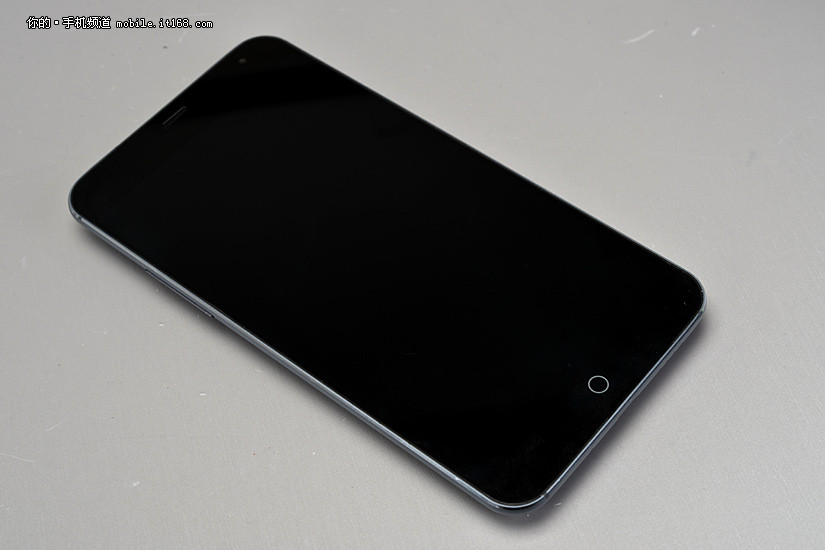
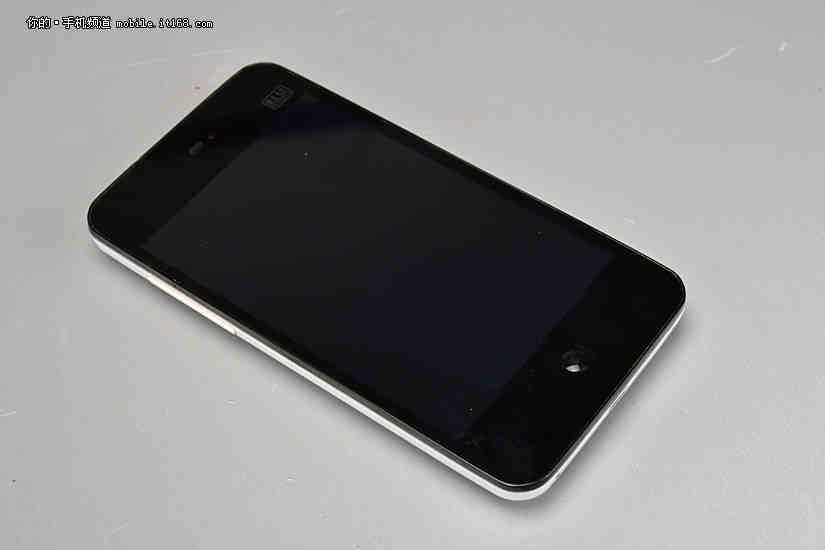
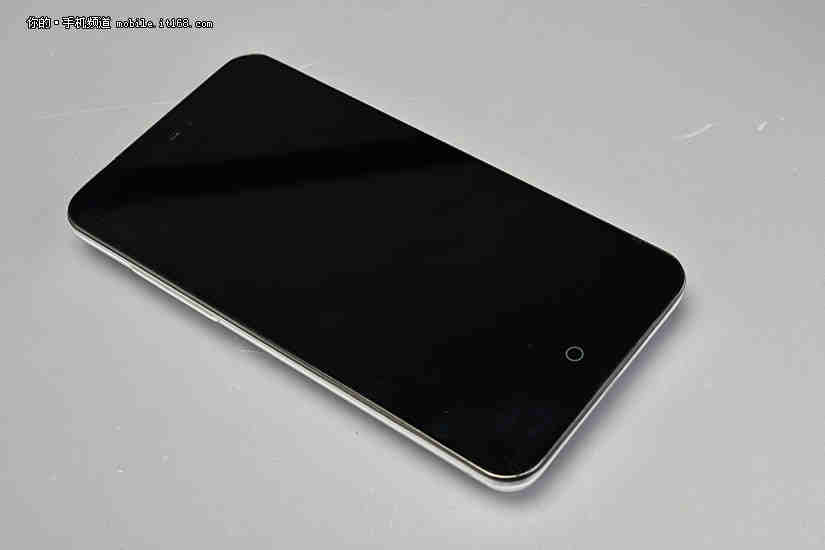
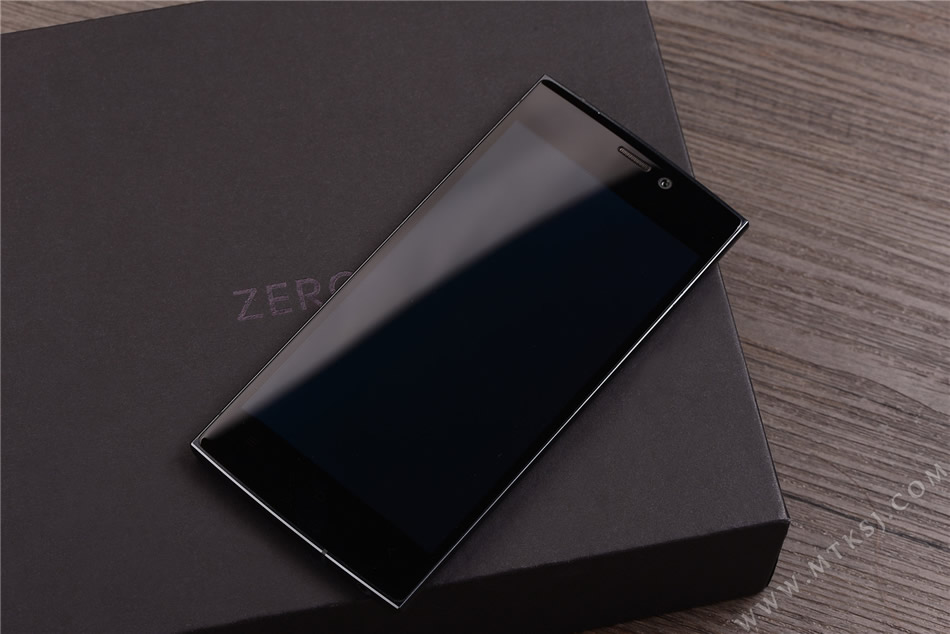
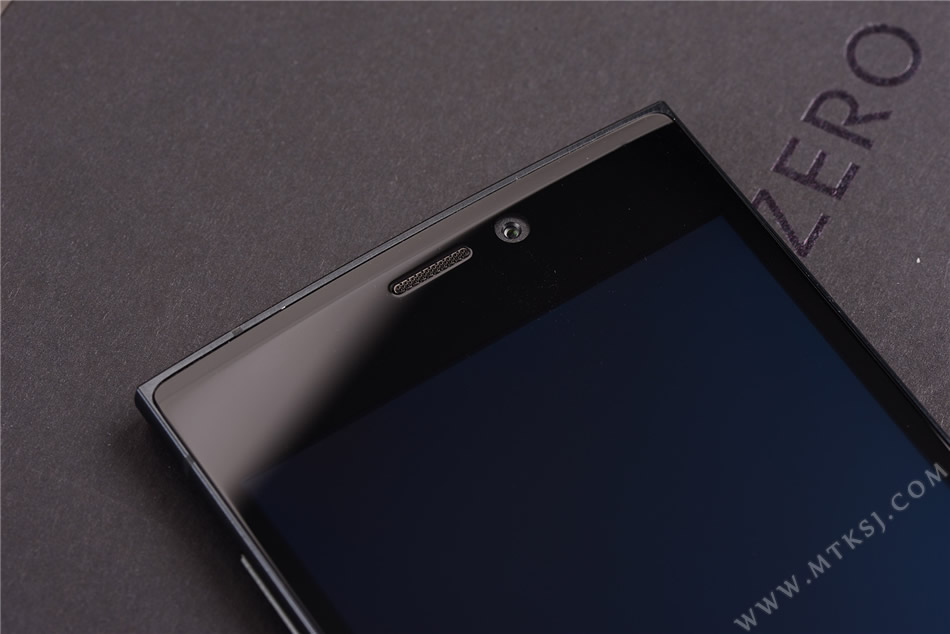
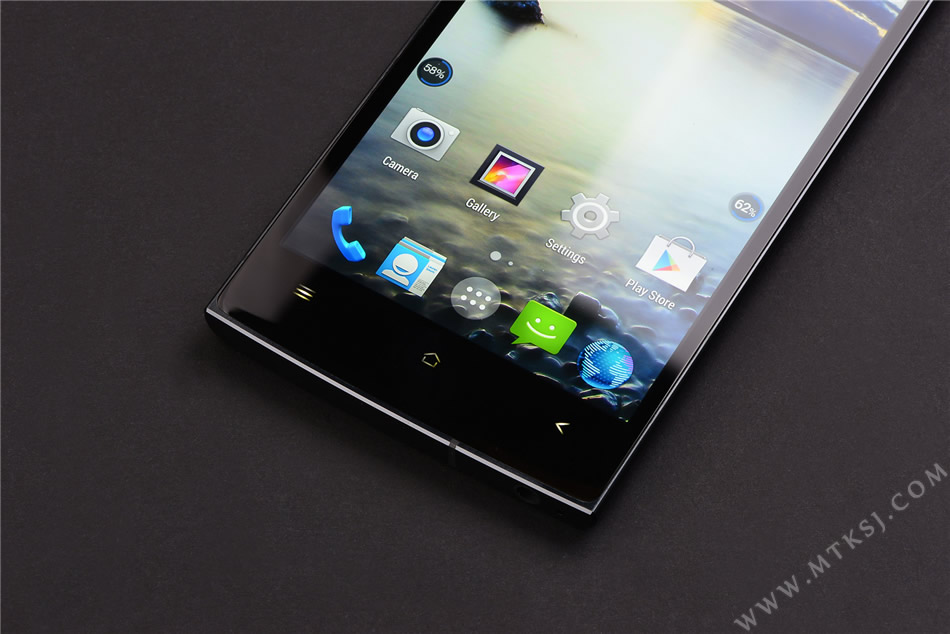
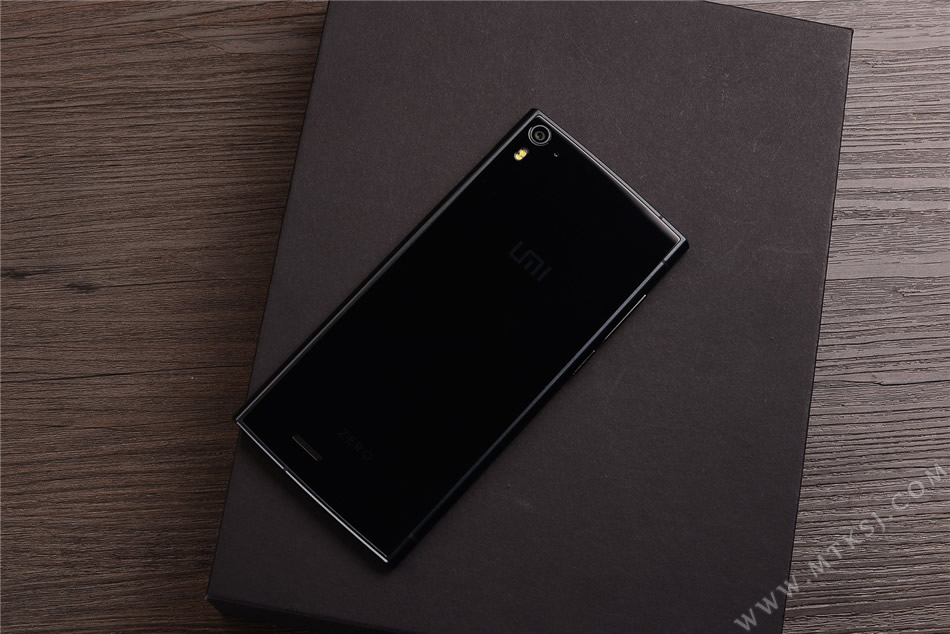
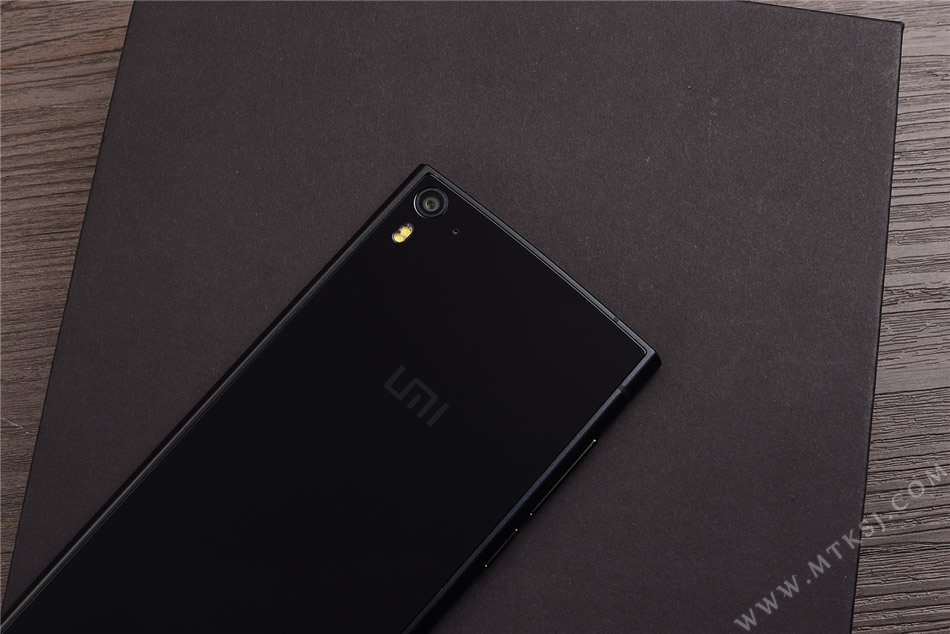
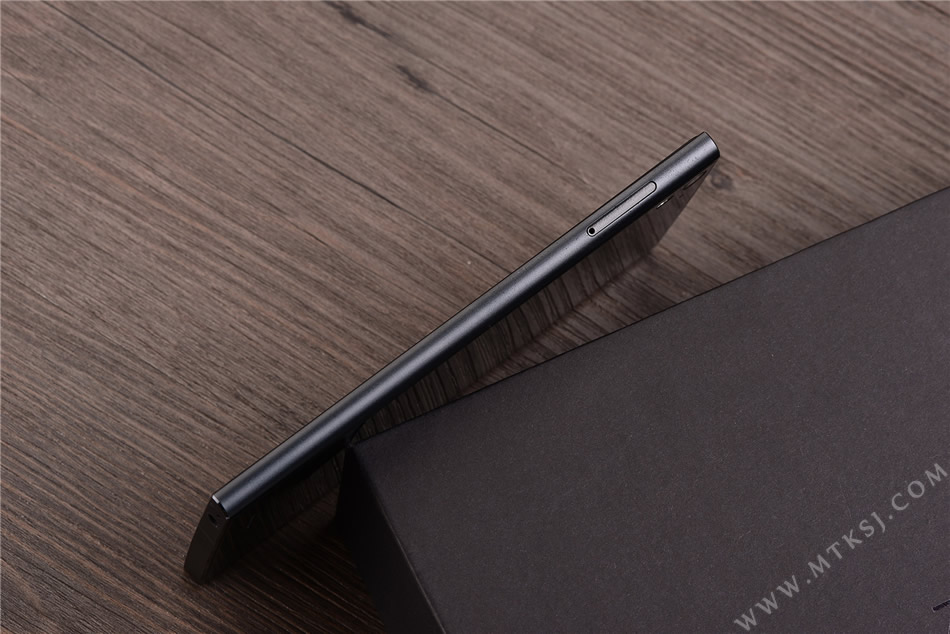
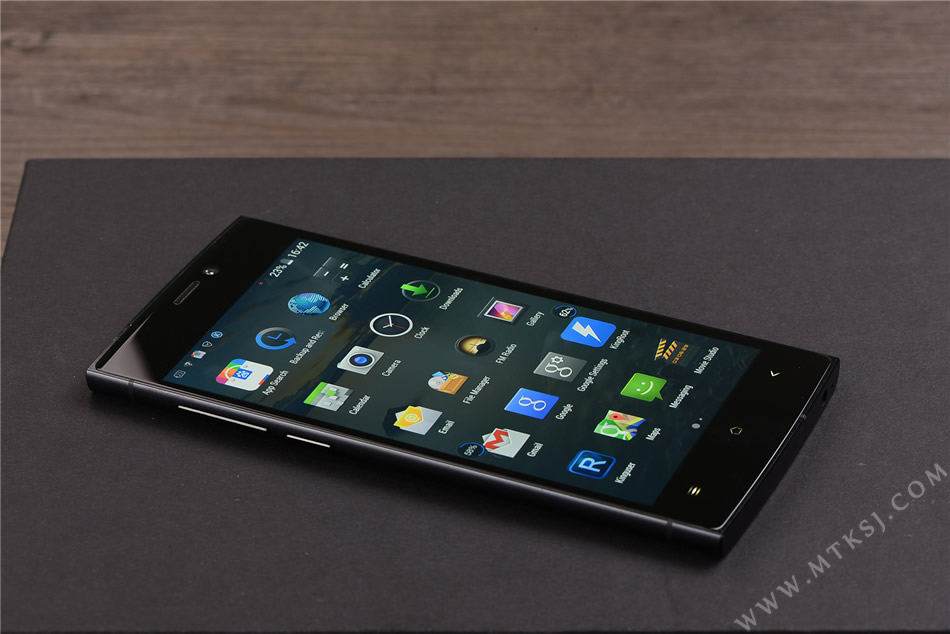
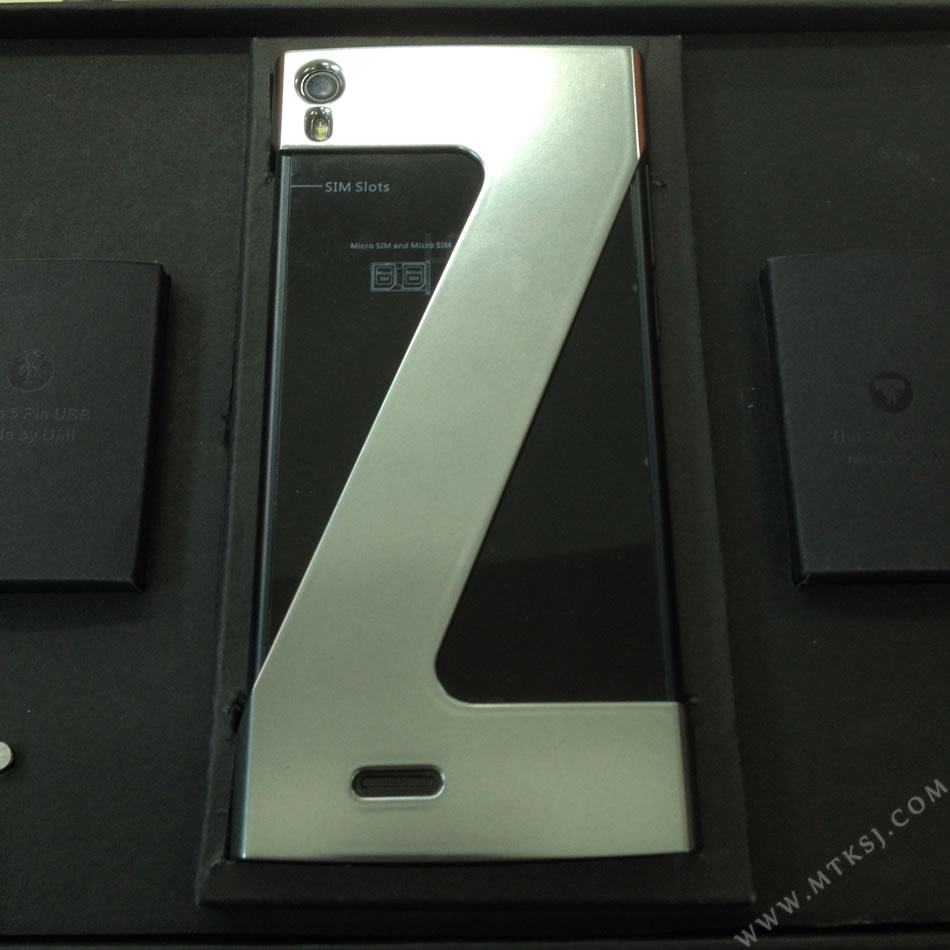
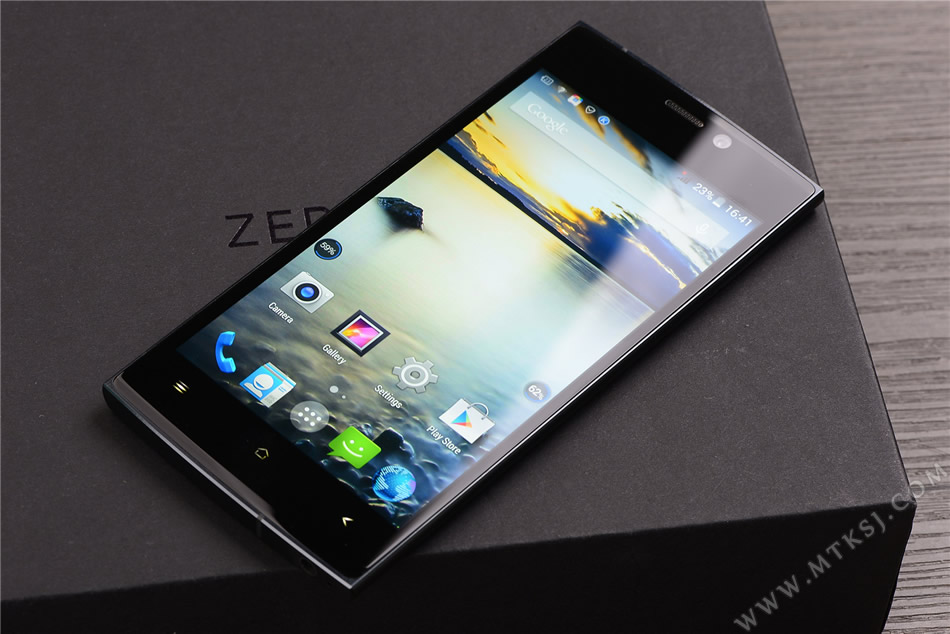
UMI’s latest flagship phone, the UMI Zero, is targeted at foreign users. As its name shows, UMI redesigned their phone from scratch and the results are spectacular.
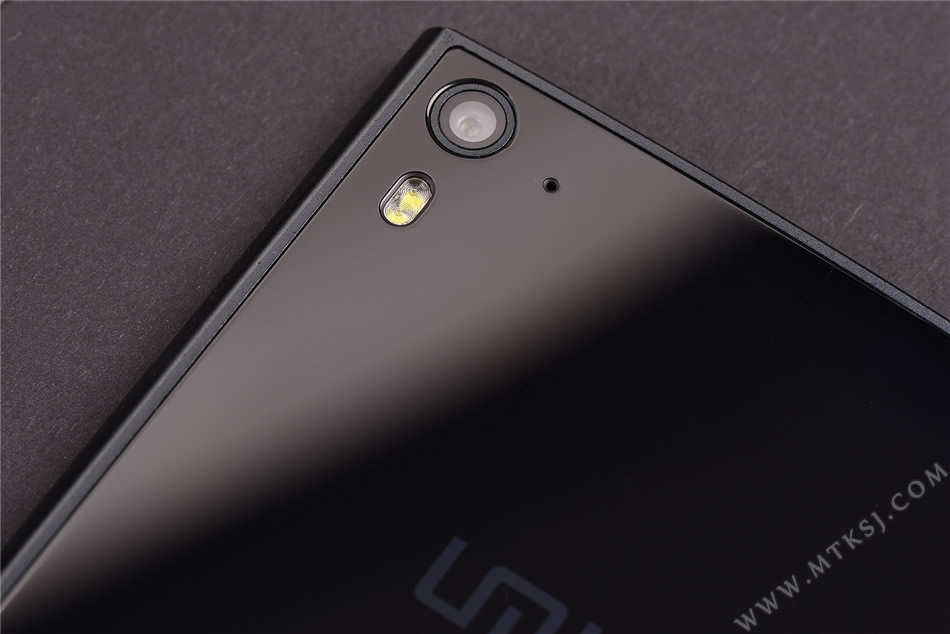
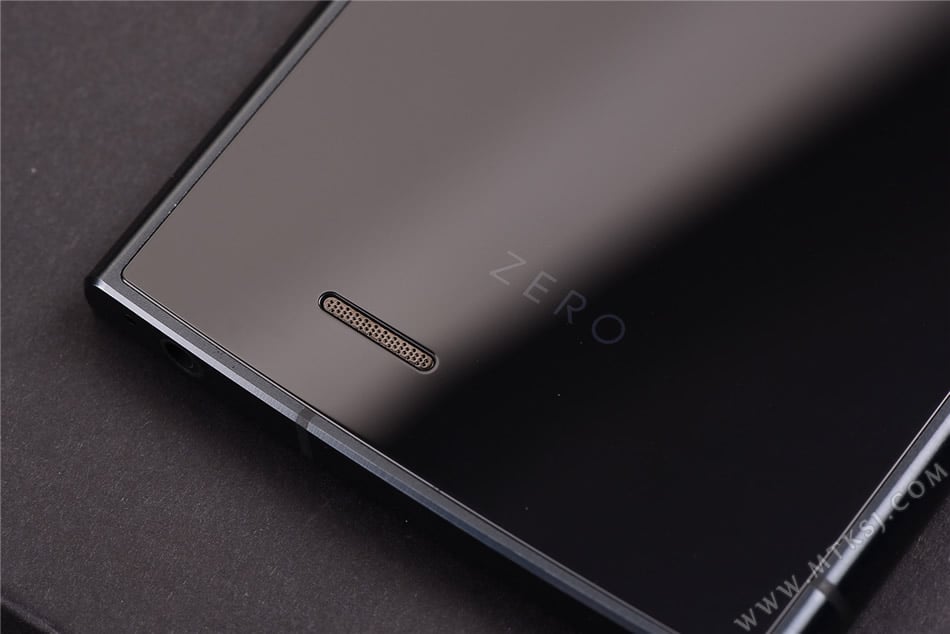
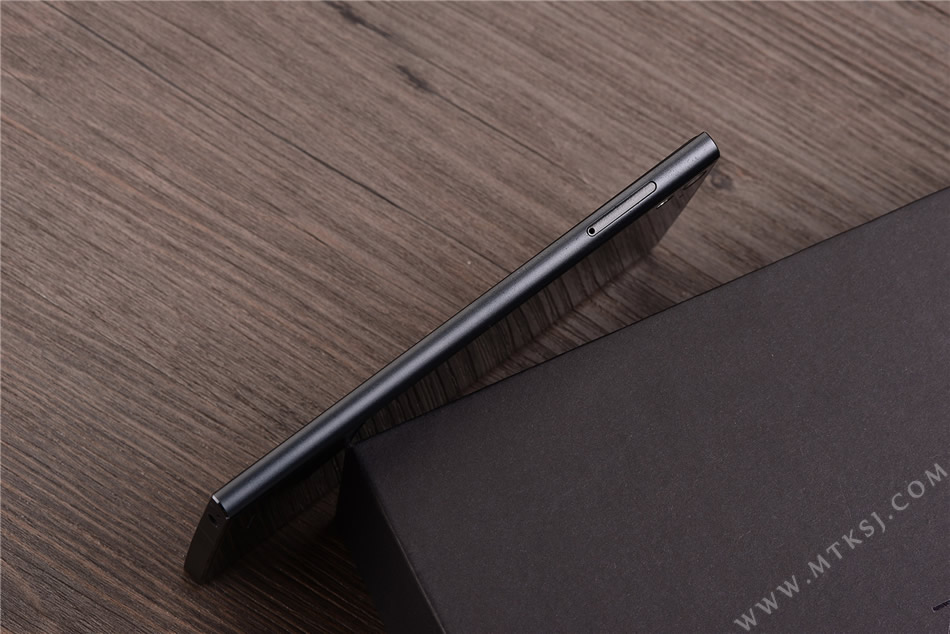
The front side of the UMI Zero is straight and flat with pointy edges, but its mid-fame is round and curvy. The phone’s body is made of metal and both front and back are covered with Gorilla glass. Its thickness is only 6.4mm.
The UMI Zero has the 2GHz MTK6592 octa-core chipset, 2GB RAM, an 8mp/13mp Sony camera (F/1.8 aperture + dual-flash), 2650 mAh battery, and support for dual-SIM and memory expansion cards.
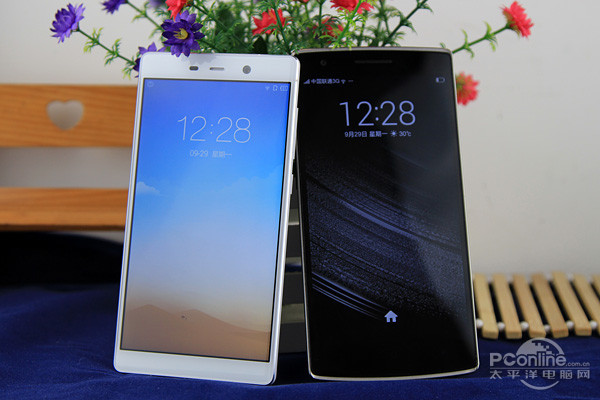
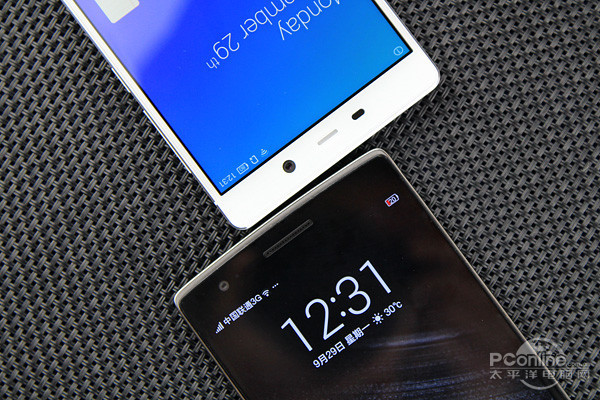
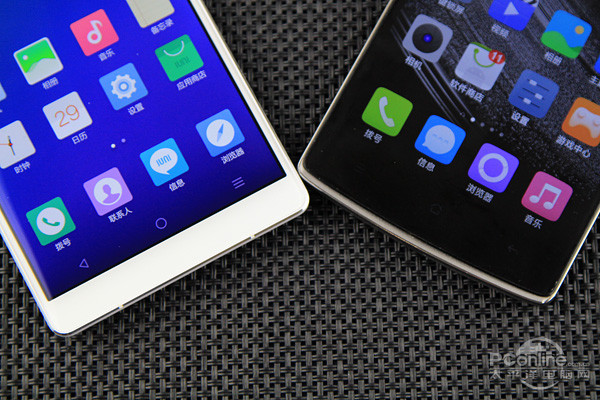
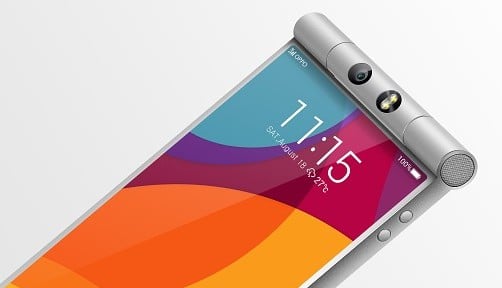
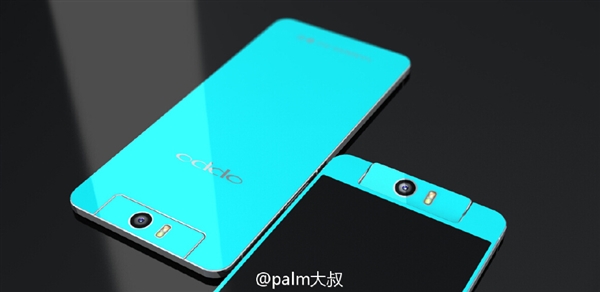
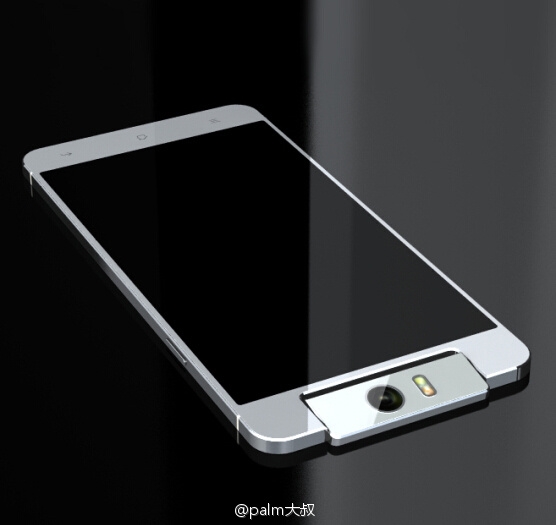
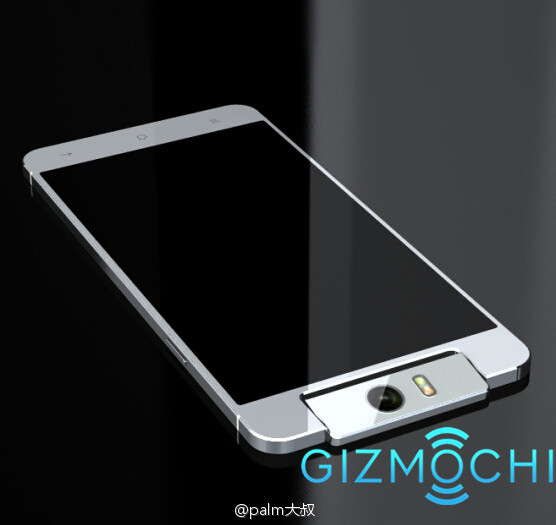
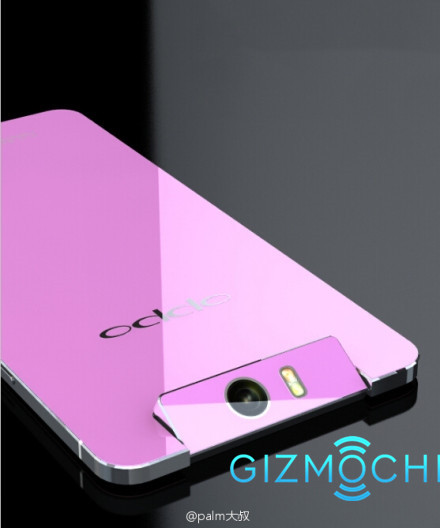
OPPO has already confirmed that they will launch their new flagship phone, the OPPO N3, on October 29. This phone will continue to sport the OPPO N1’s rotating camera and be made of 7075 aluminum which is harder than 6061 aluminum.
Three renderings of the OPPO N3 were recently leaked online showing the phone in three colors. The purple and blue ones do not look good, however. According to reports, the OPPO N3 will have a 5.9-inch 1080p screen, the Qualcomm Snapdragon 805 processor, 3GB RAM, a 20.4mp rotating camera (206 degrees), and VOOC charger.
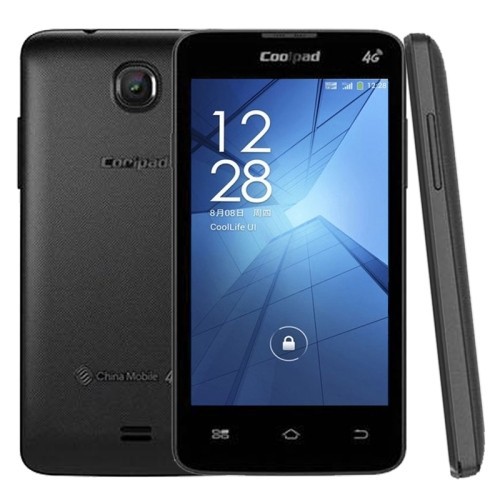
Yes if you are looking for a ultra-budget friendly 4G phone, Cool 8017 is a right choice. This phone is priced as low as 399 yuan (which is about 65$). Coolpad a domestic player has come up with an entry-level low cost 4G mobile Cool 8017 . With lot of competition in Chinese market every phone manufacturer try to make their presence effective and trending. And CoolPad follows the same lines with introduction of Cool 8017, costing just around 65$ Cool 8017 can create a massive impact within China.
Cool 8017 boasts a TFT display of 4-inch in size with a WVGA resolution. This handset is powered by a 1.3 GHz Quad-core MTK6582M SOC with only 512 MB RAM and low RAM limit the usage of Android eco-system (but it is just a 65$ phone!).
Software is built with Cool UI based on Android 4.4.2. It is equipped with a 2-MP rear snapper and a 1650 mAh battery power. Cool 8017 supports the TD-scdma LTE/TD-scdma and GSM under China mobile, so it is limited to domestic market and has all other standard connectivity options such as Wi-Fi, bluetooth etc.
The hardware doesn’t seem convincing enough for a lag-free Android experience. But considering its price and 4G tag it is quite a good option for basic Android users.
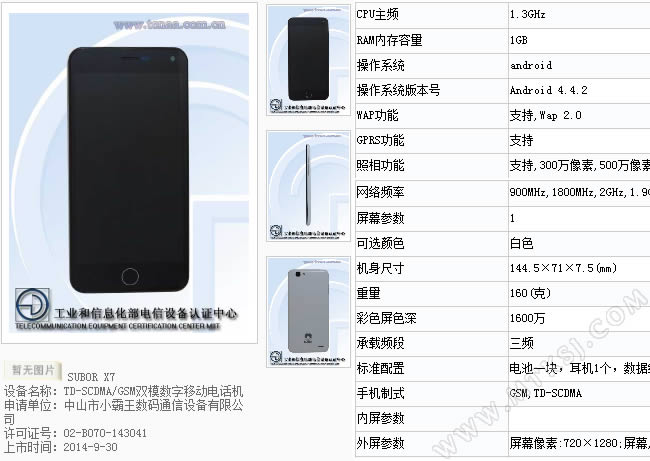
Until now the specifications of Subor’s flagship is not released to the public officially. But Subor’s another new product: X7, which seems to be the Subor’s flagship, has got the network access license lately. However, a new source shows that X7 might still not the flagship for Subor.
As relevant documents from Telecommunication equipment certificate center, had revealed that X7 only supports 3G, and compatible with TD-SCDMA/GSM instead of 4G network. X7 bears a quad-processor MT6582 ,1.3GHz, which is the same specifications with X3 and X1. In addition, it features 1G RAM ,8G ROM internal storage, 5MP camera and 5-inch 720P display with Android 4.42, 7.5mm thickness with a iPhone alike home button in the front.
Subor’s first 4G smartphone leaves a great imagination for the public. However, it has announced officially that Subor’s new product would sell offline during the early of October, but it would be coming soon for sell online. Let’s stay tuned.
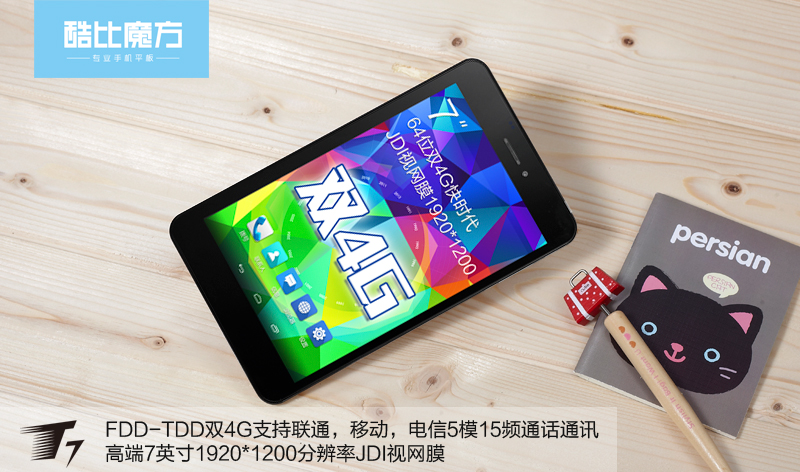
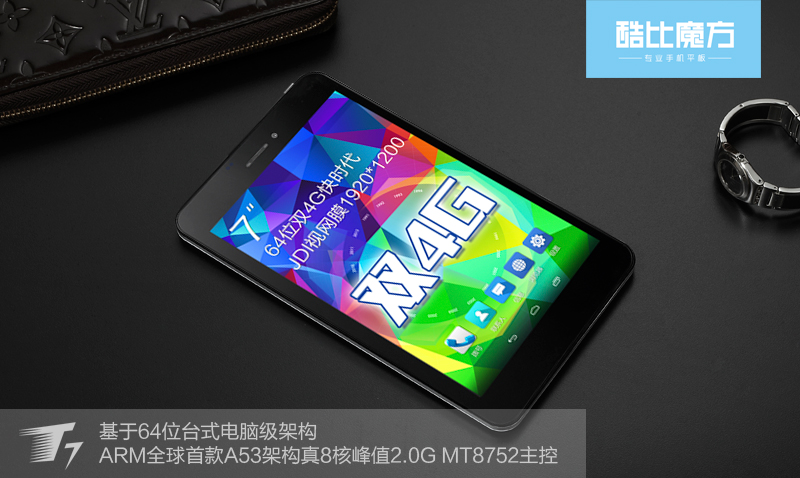
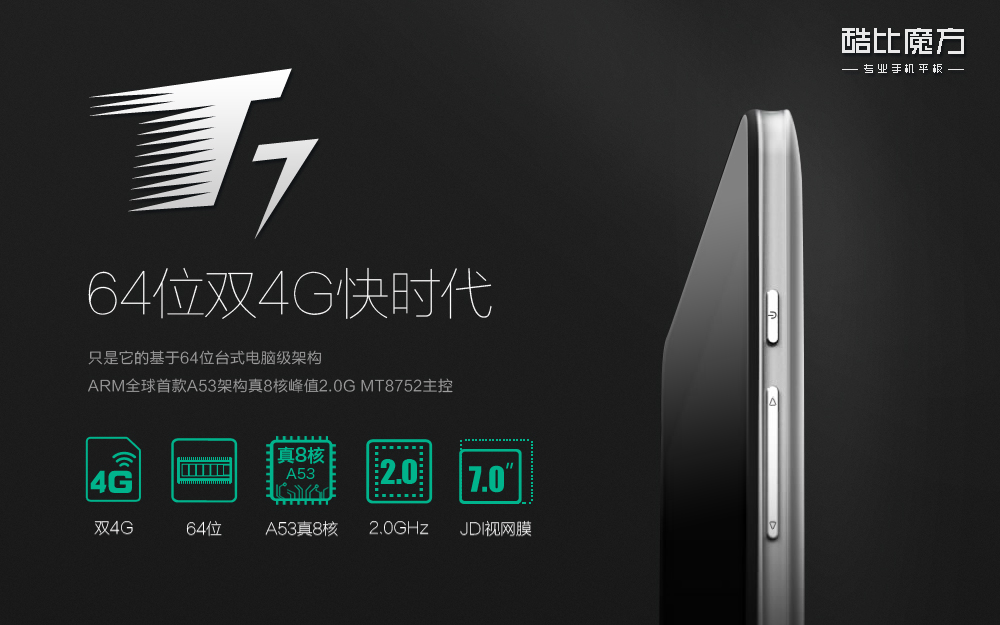
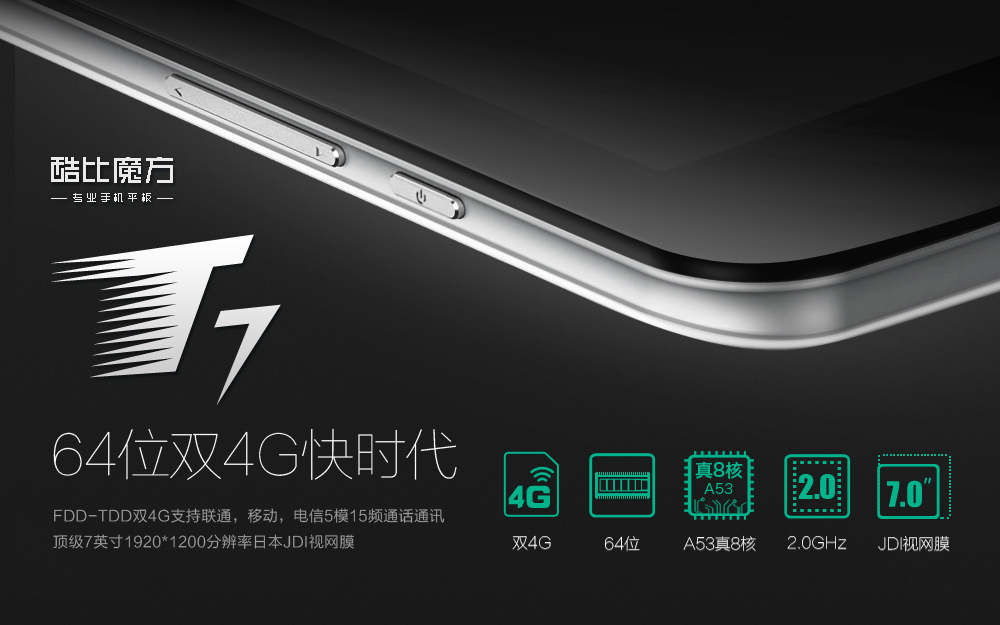
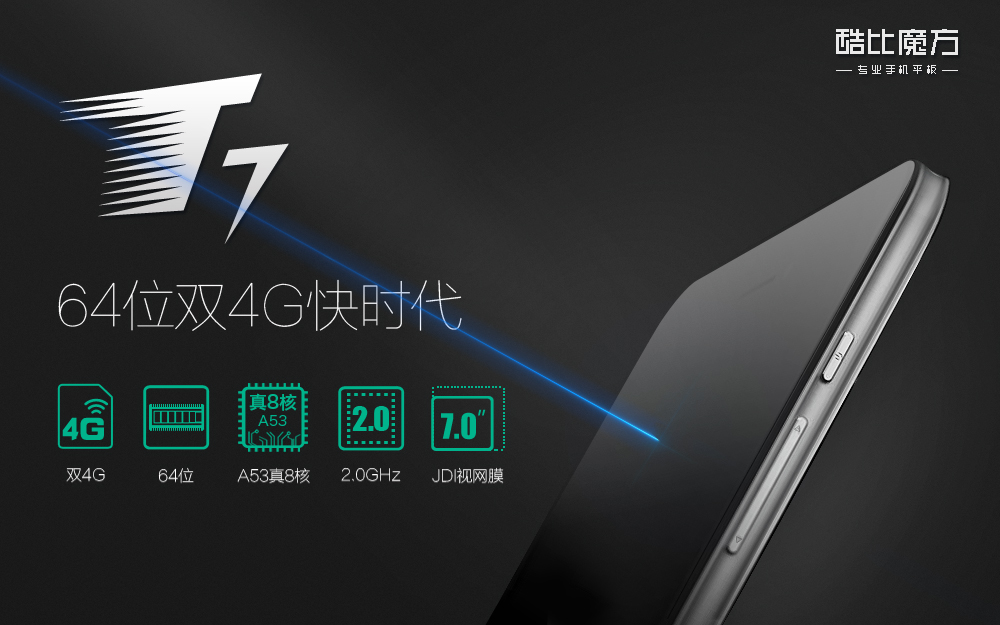
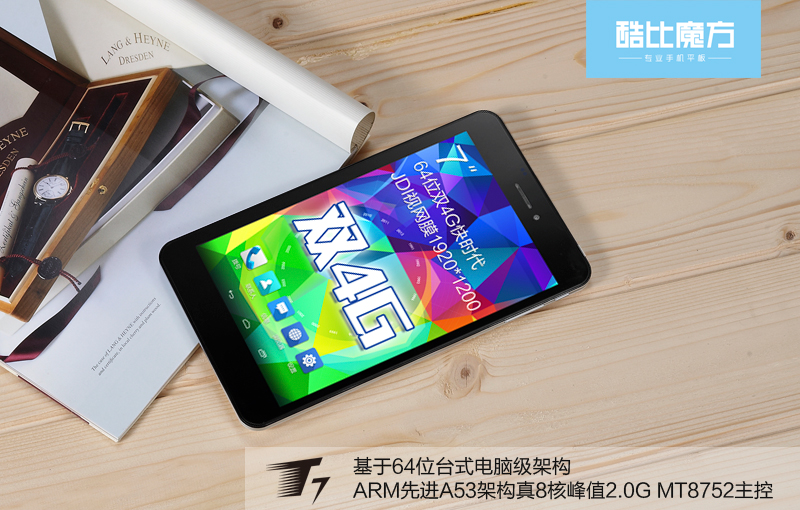
This afternoon, the Cube T7 phablet was launched in Beijing. This is a 64-bit device that supports dual-4G networks using a 4G processor from MTK called the MT8752 which is made of eight Cortex-A53 cores and has a frequency of 2.0GHz.
The Cube T7 is an FDD-TDD dual-4G tablet that has support for China Unicom, China Mobile, and China Telecom. It also supports 5-modes and 15 frequencies. It sports a 7-inch 1920 x 1200 IPS screen. Its GPU is the powerful Mali T760 MP2. It also has GPS, Blue Tooth, FM radio, WiFi, and other sensors.
GT Advanced Technologies, the sapphire glass manufacturer that had a partnership with Apple, filing for bankruptcy protection has been a hot topic among financial and tech news media. Once again, everyone has wondered how the future of the sapphire screen will be like.
Dakele CEO Ding Xiuhong thinks that Apple ended its relationship with GTAT due to the high costs of sapphire screens and that there is a big problem with the production rate. Not long after, another member of Dakele’s upper management confirmed that Dakele is trying out sapphire screens and that the results are good, implying that the Dakele 3 may use a sapphire screen.
More Chinese manufacturers are producing sapphire screens due to their hardness, scratch resistance, and elegant appearance. Devices that use such screens include the ELIFE W808, Huawei P7 Sapphire Edition, and Vivo X5L limited edition. Besides being the first devices to use sapphire screens, they also have other things in common. They are rare and more expensive than the regular versions. It goes back to what Ding Xiuhong said. Due to low production rate and high costs, not every Dakale 3 phone may sport a sapphire screen.
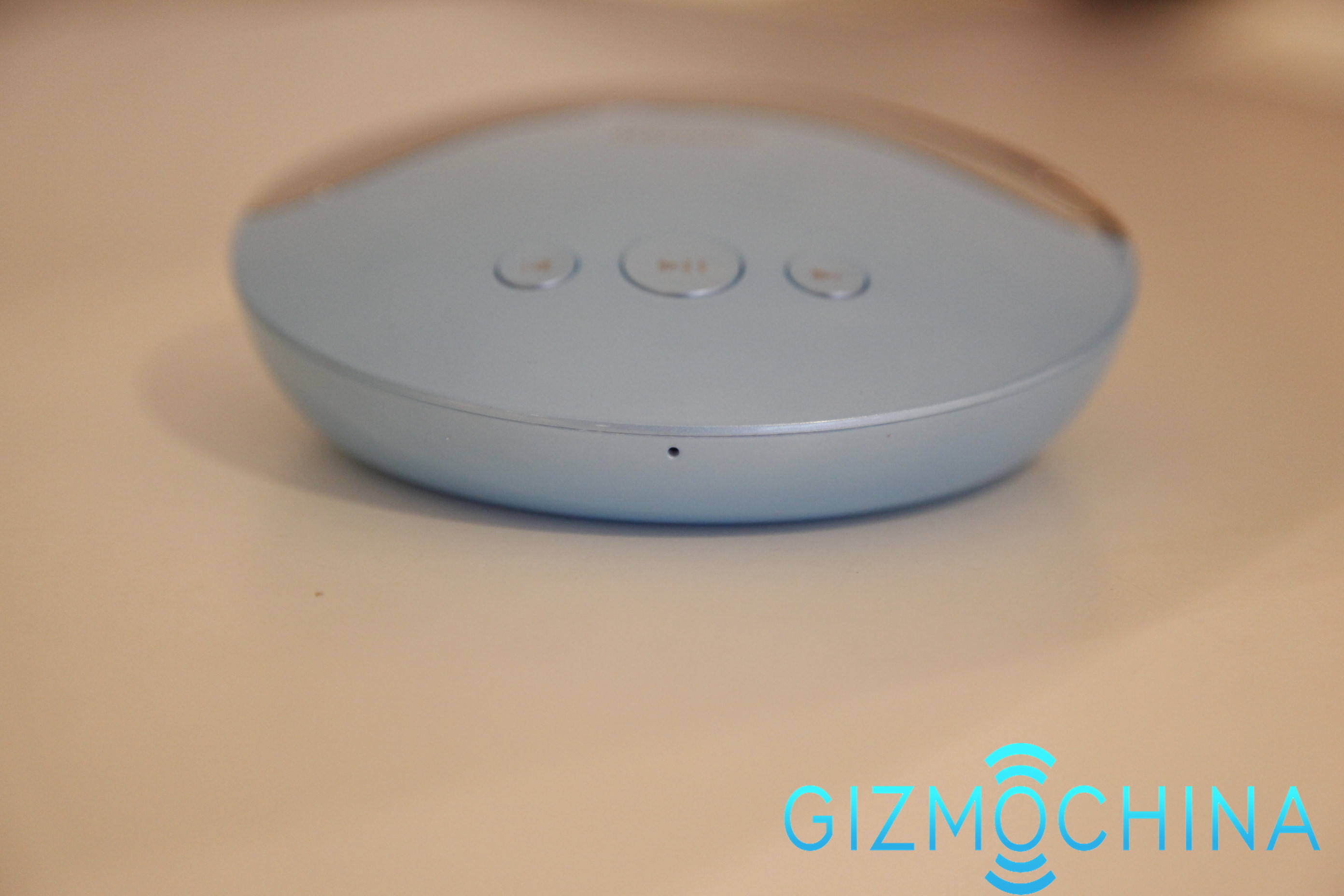
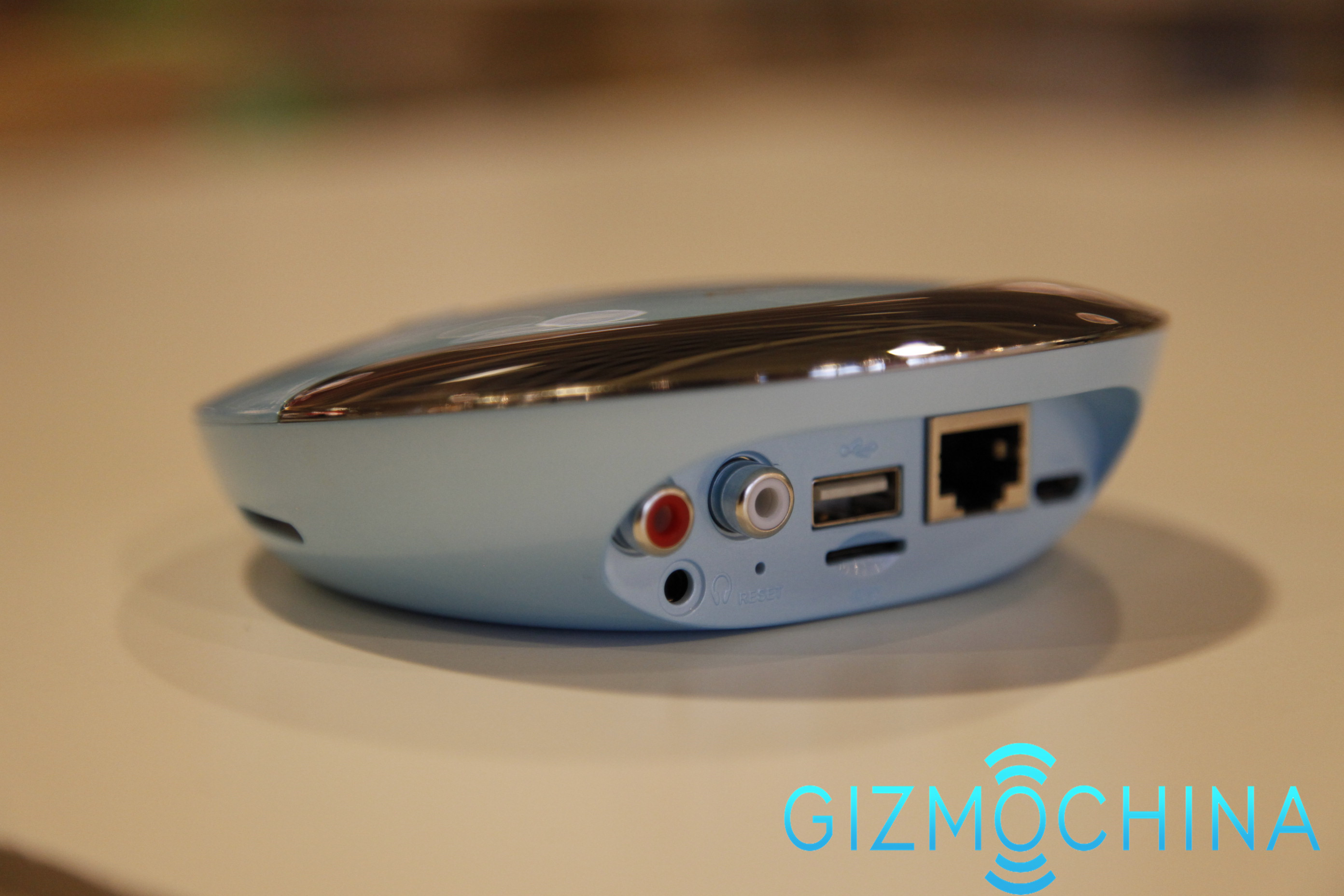
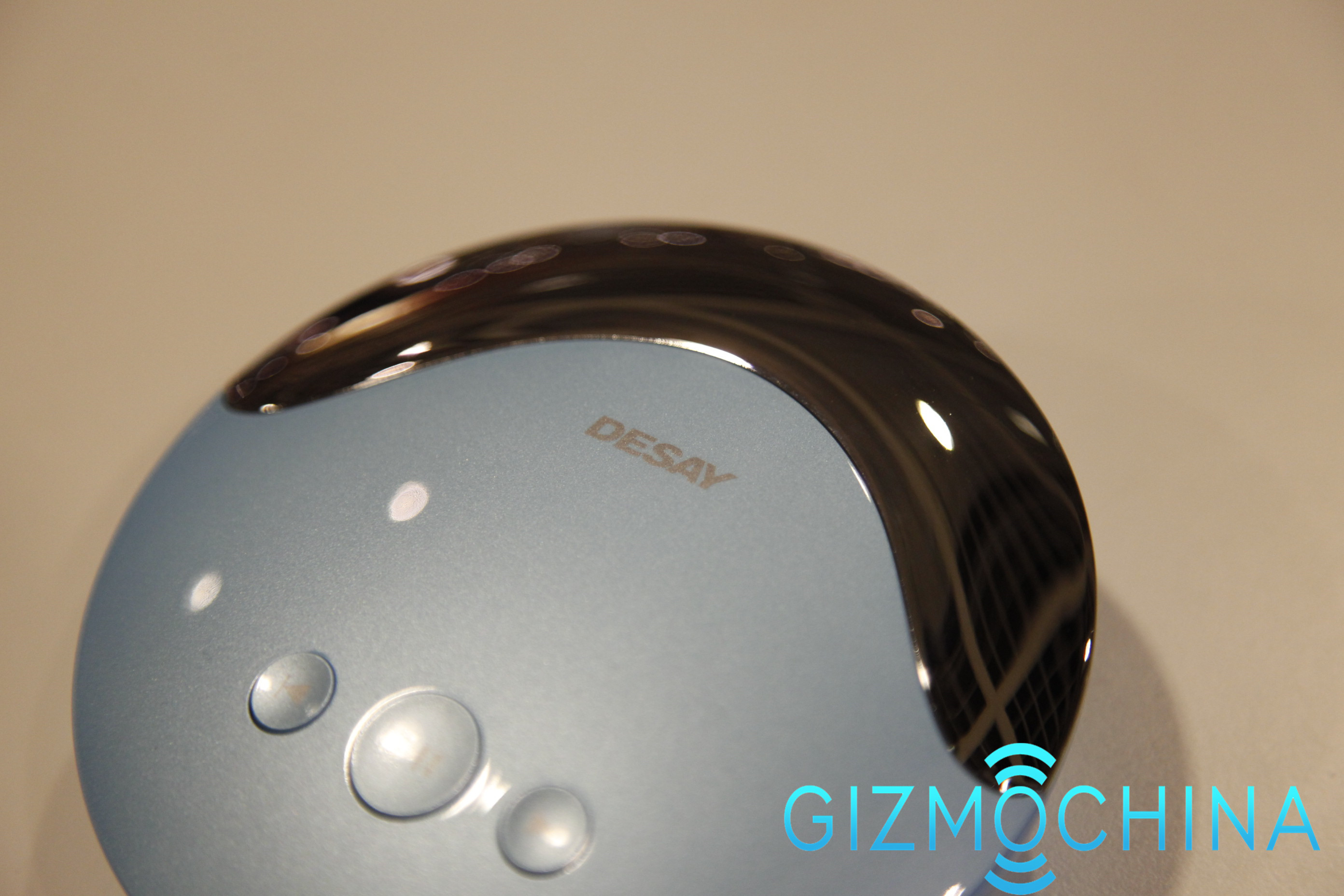
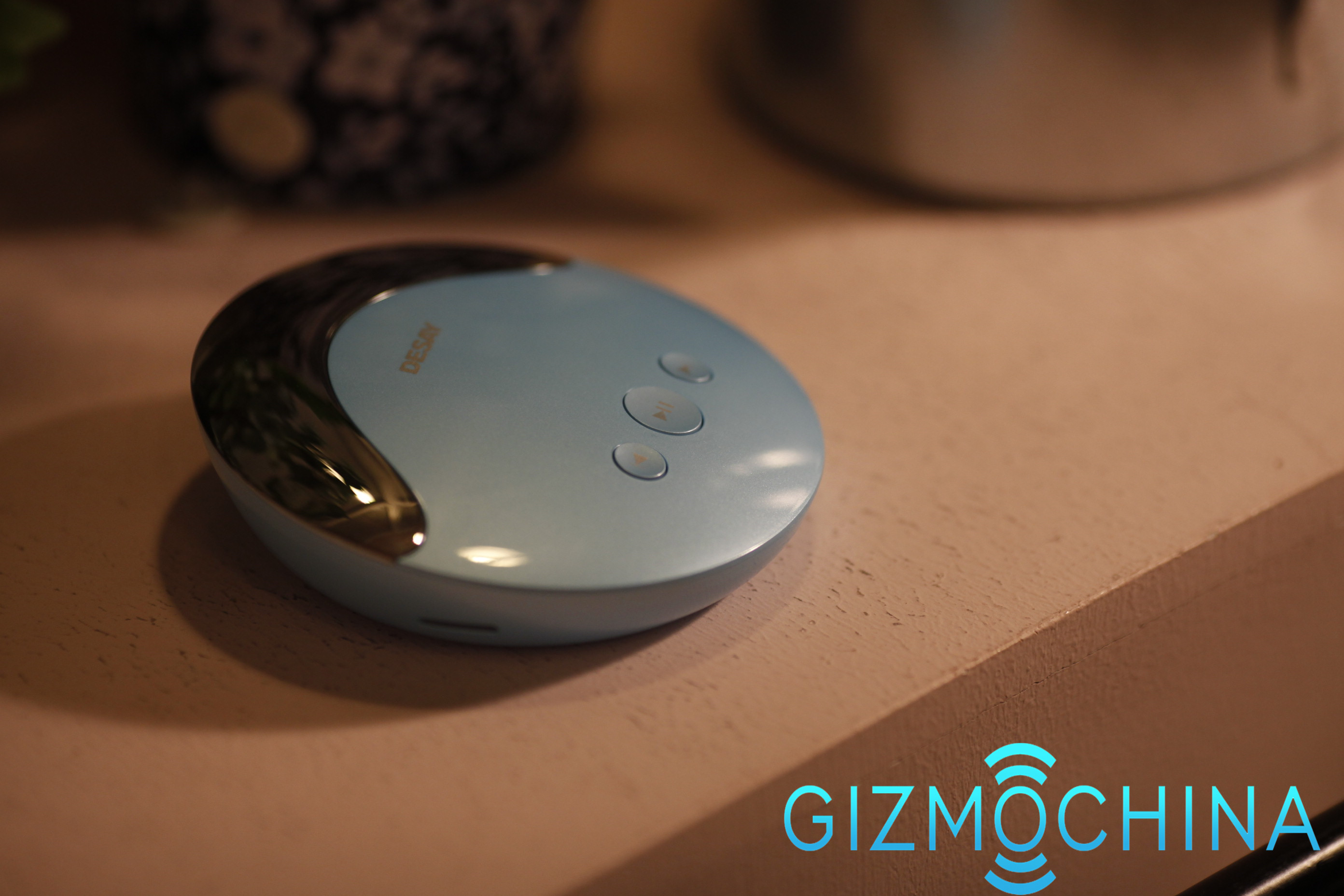
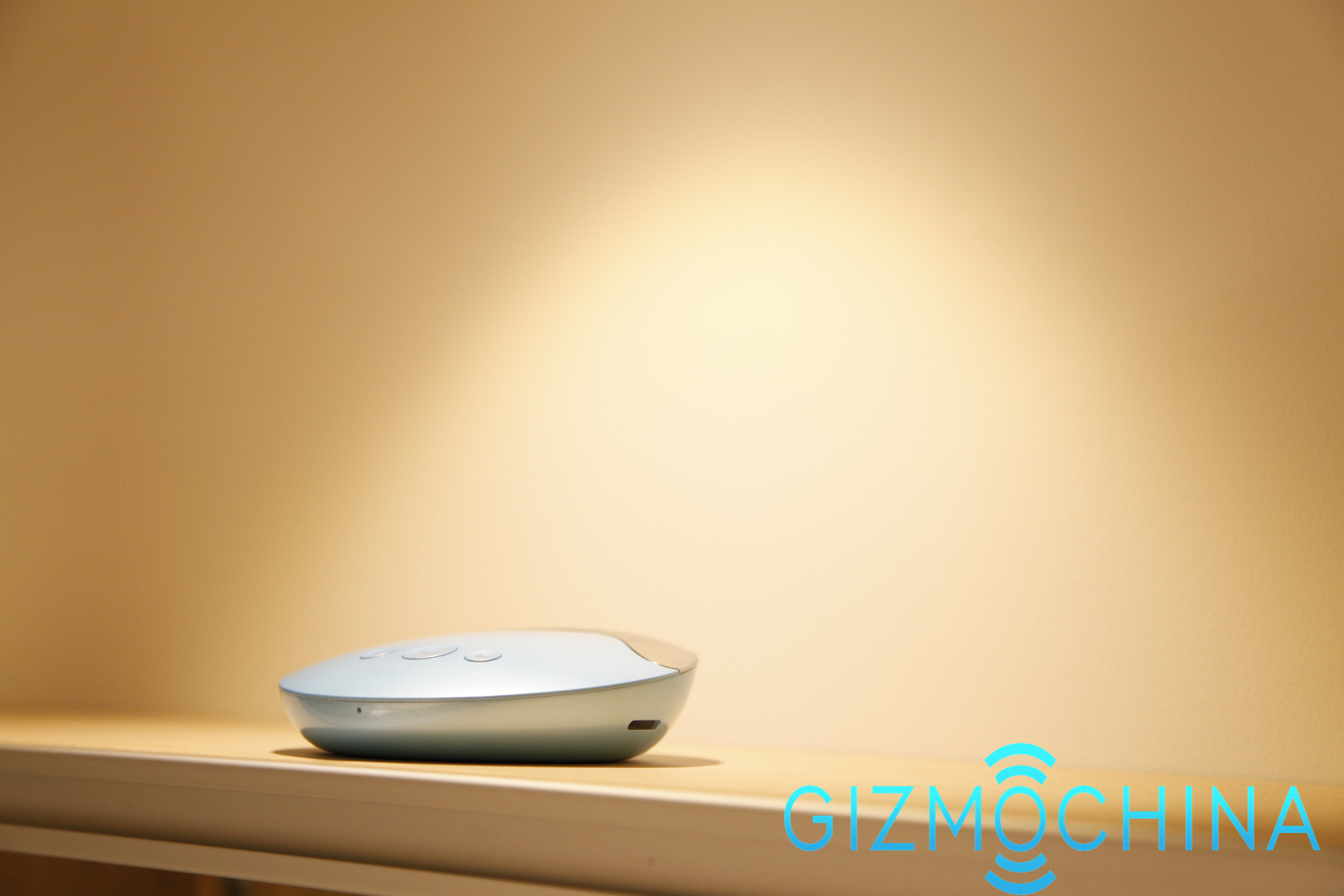
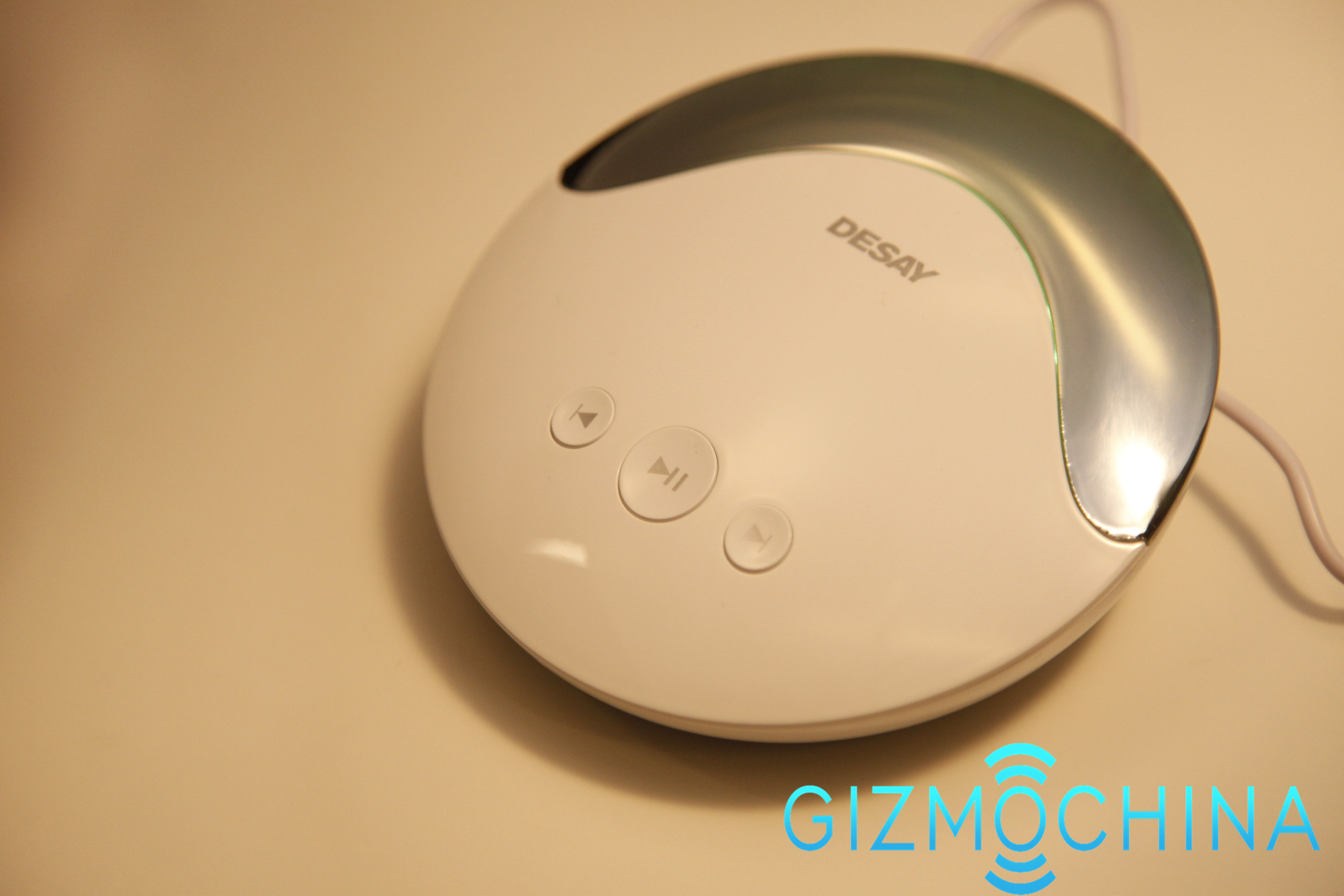
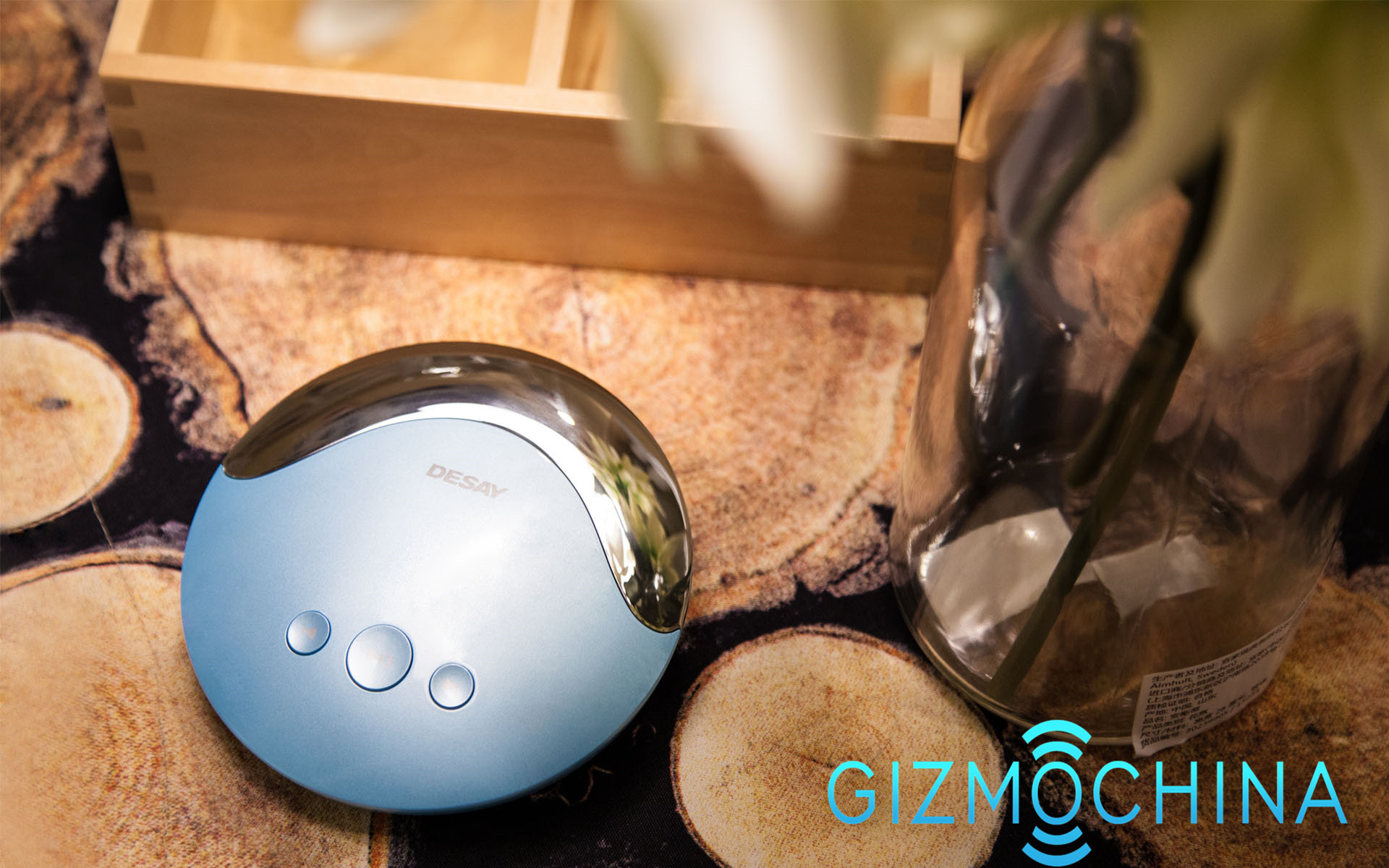
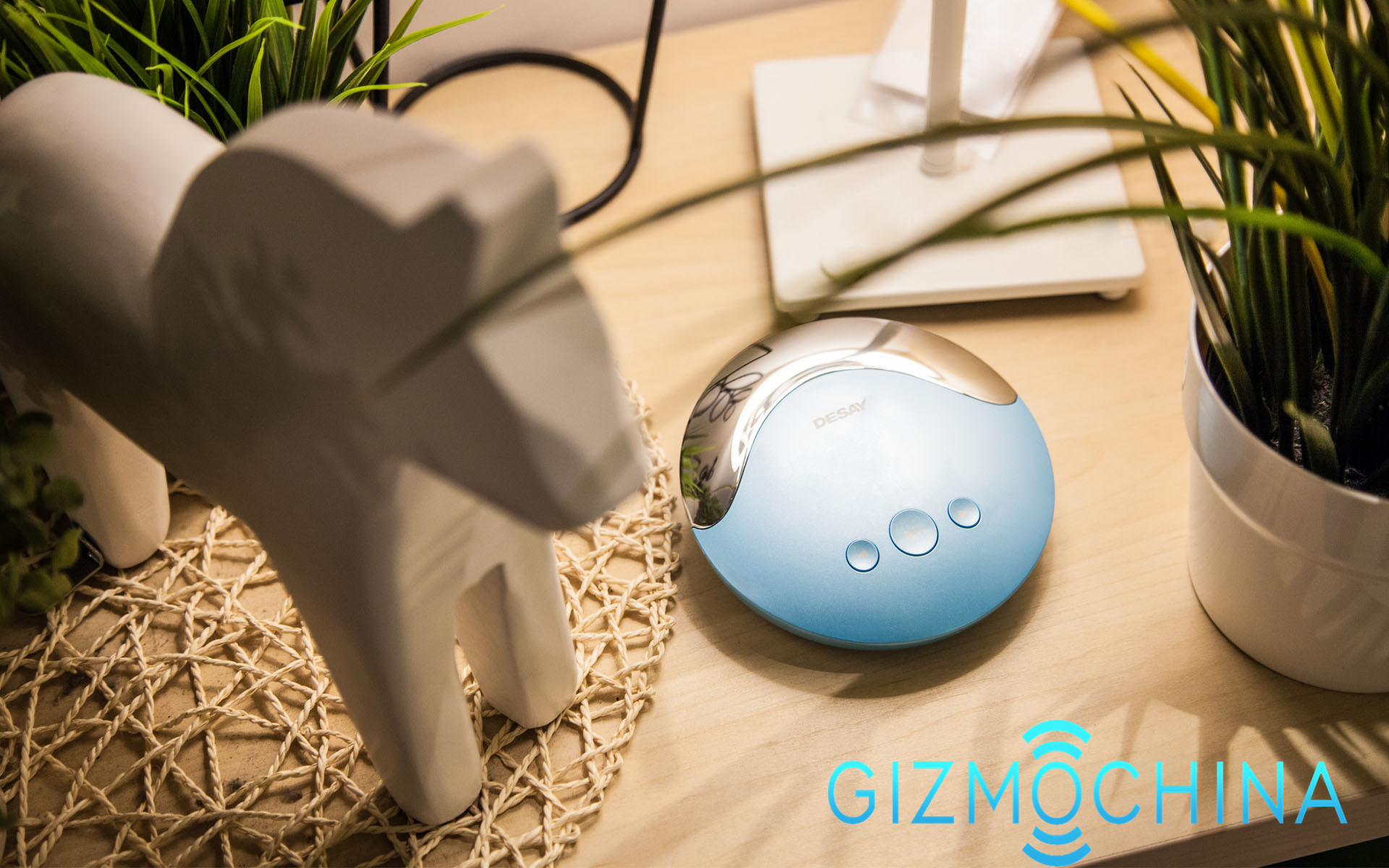
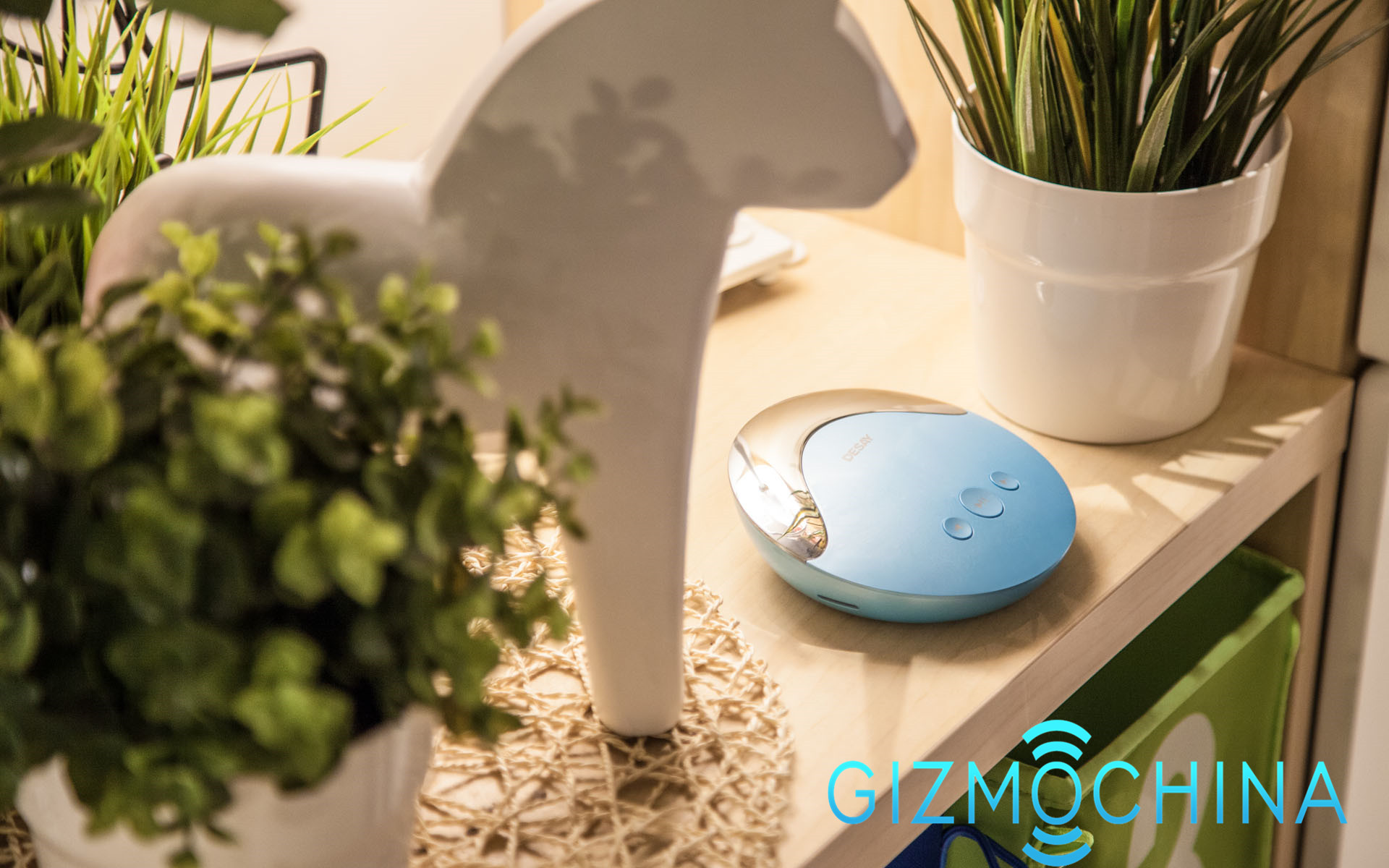
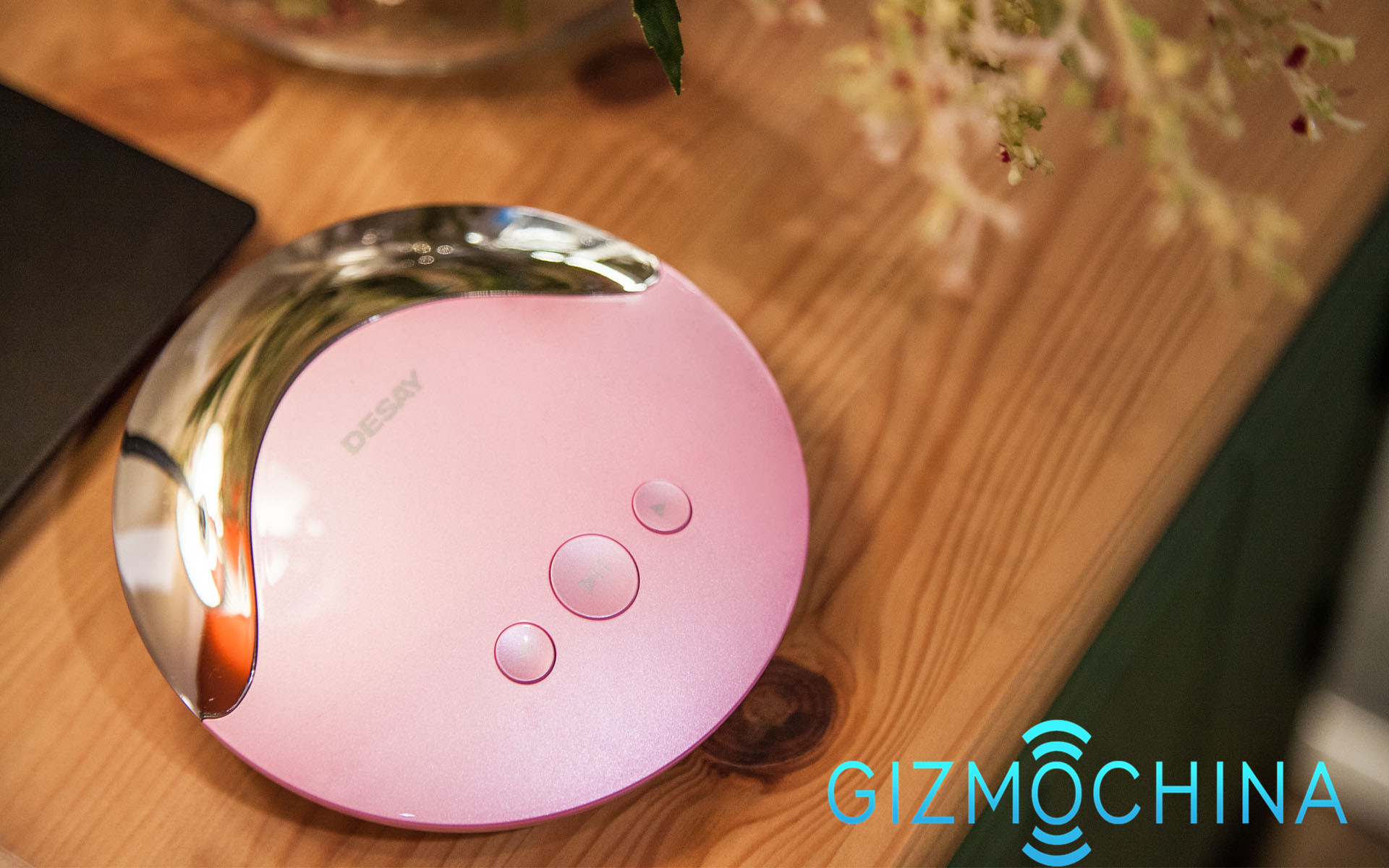
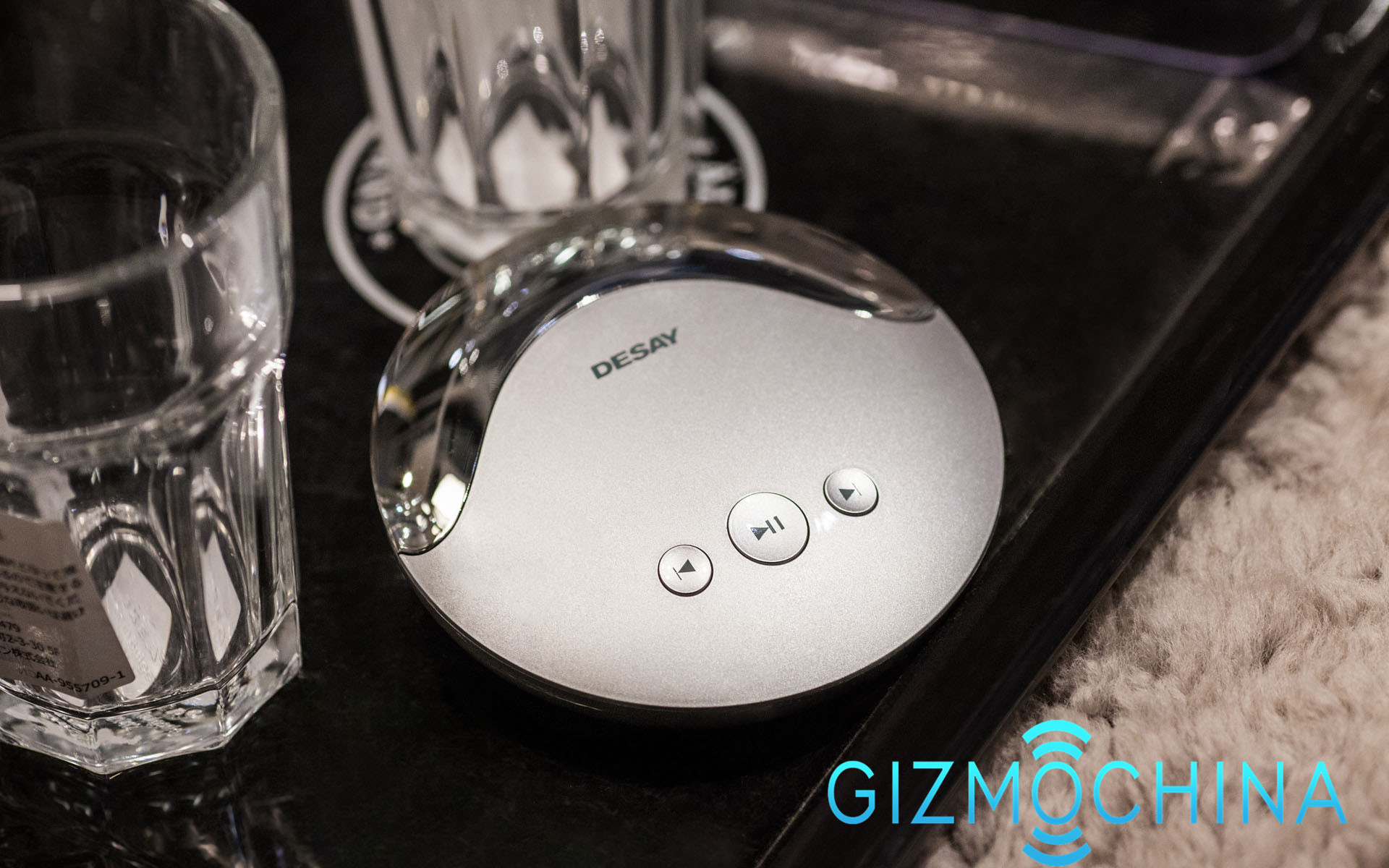
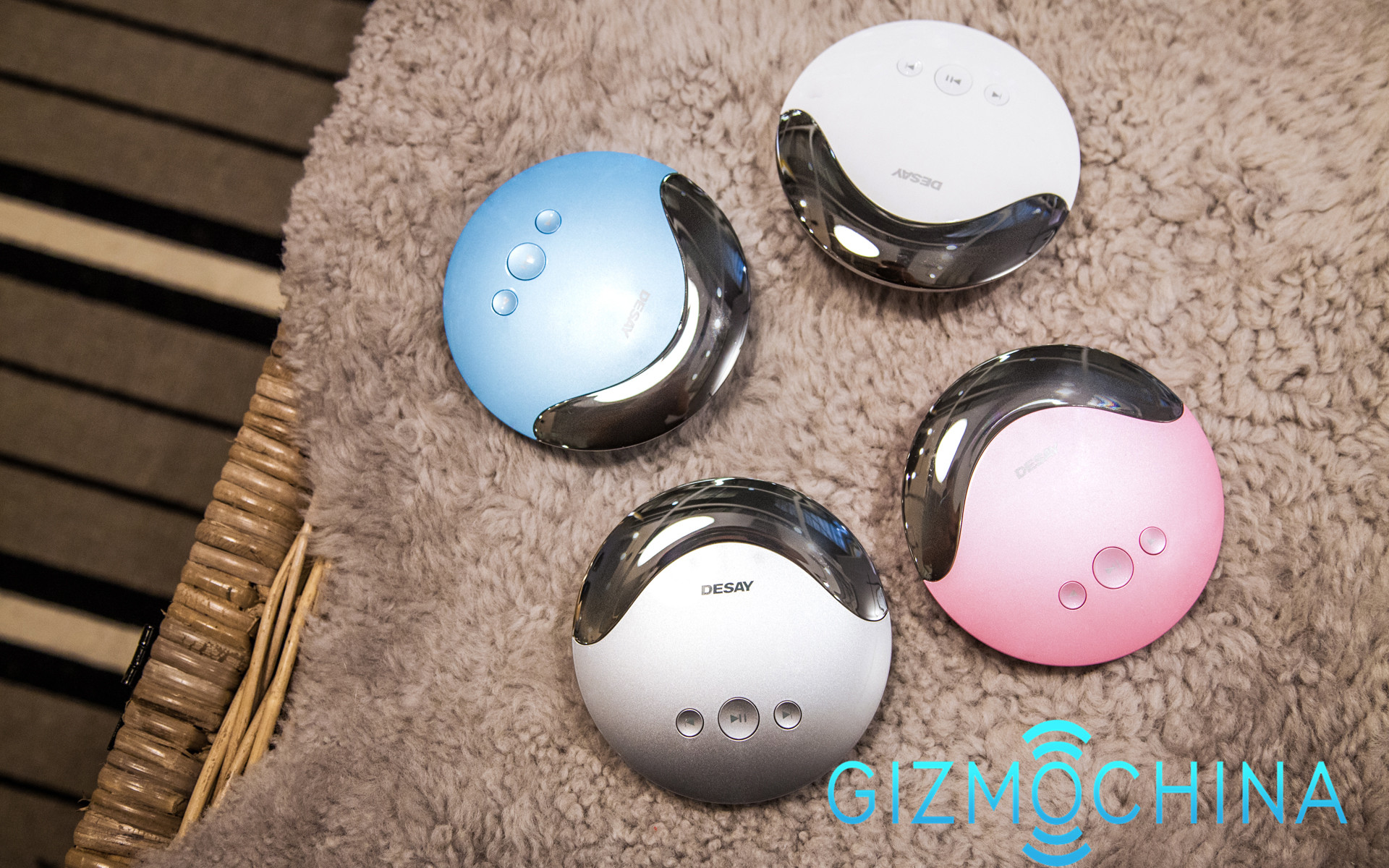
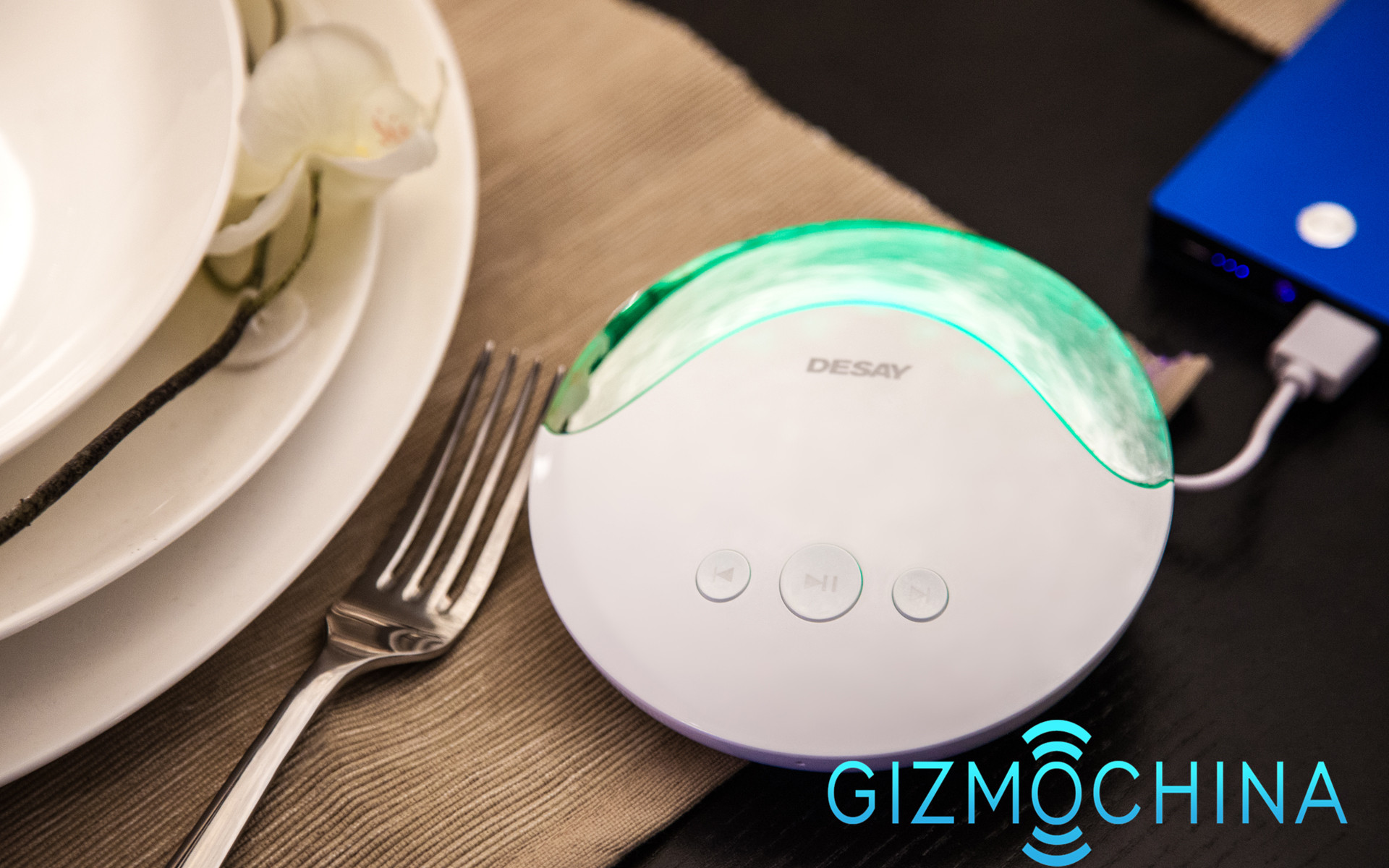
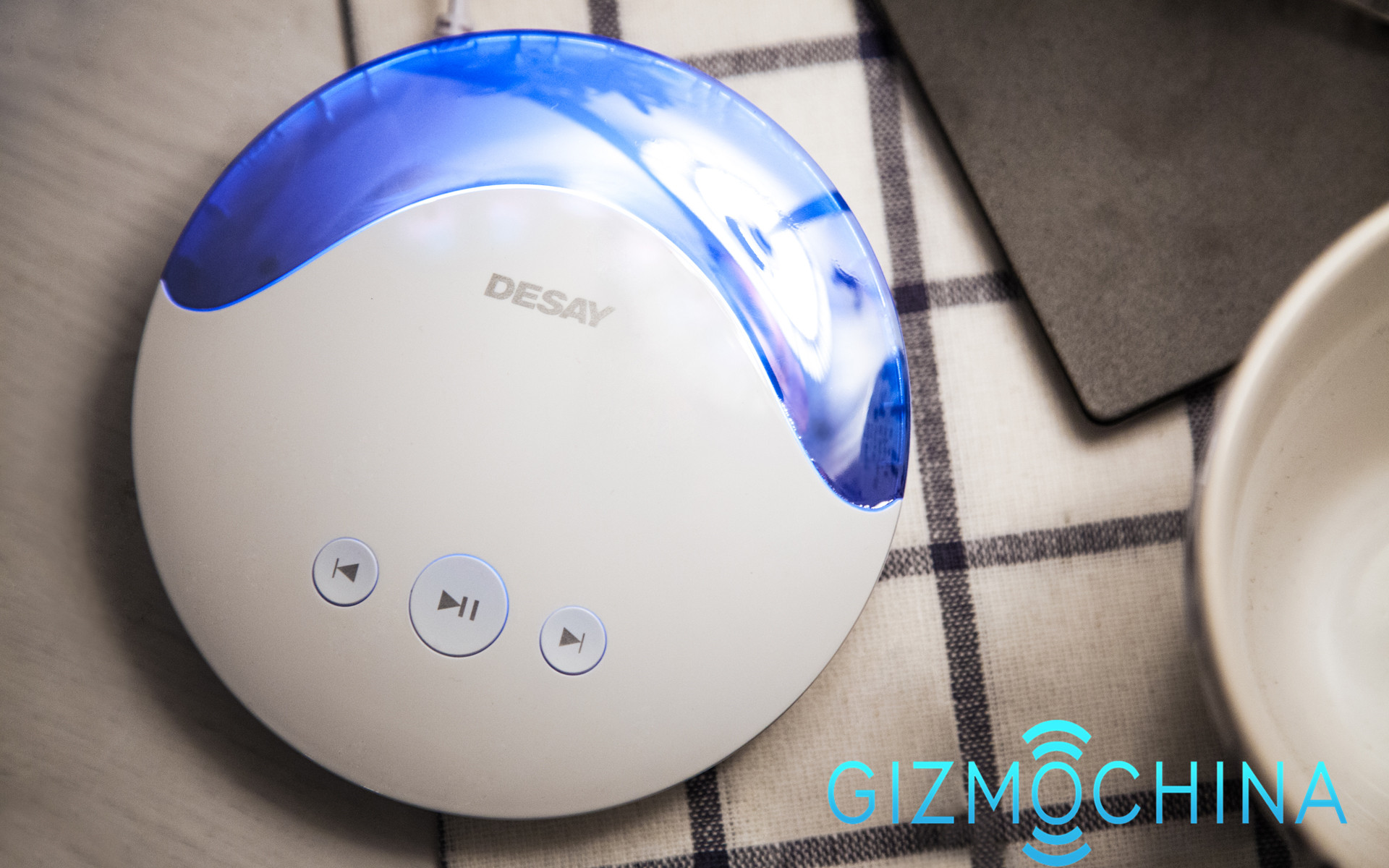
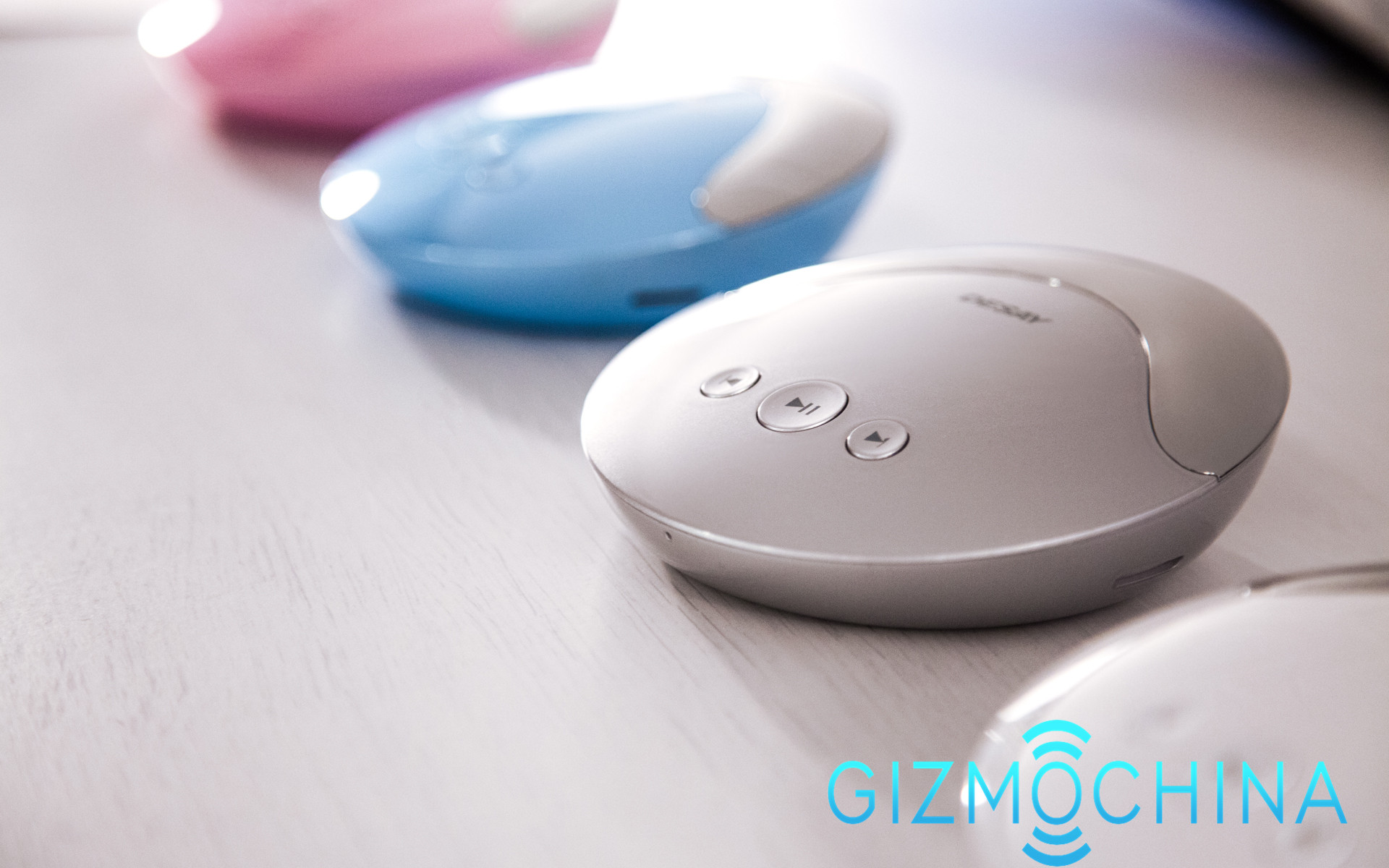
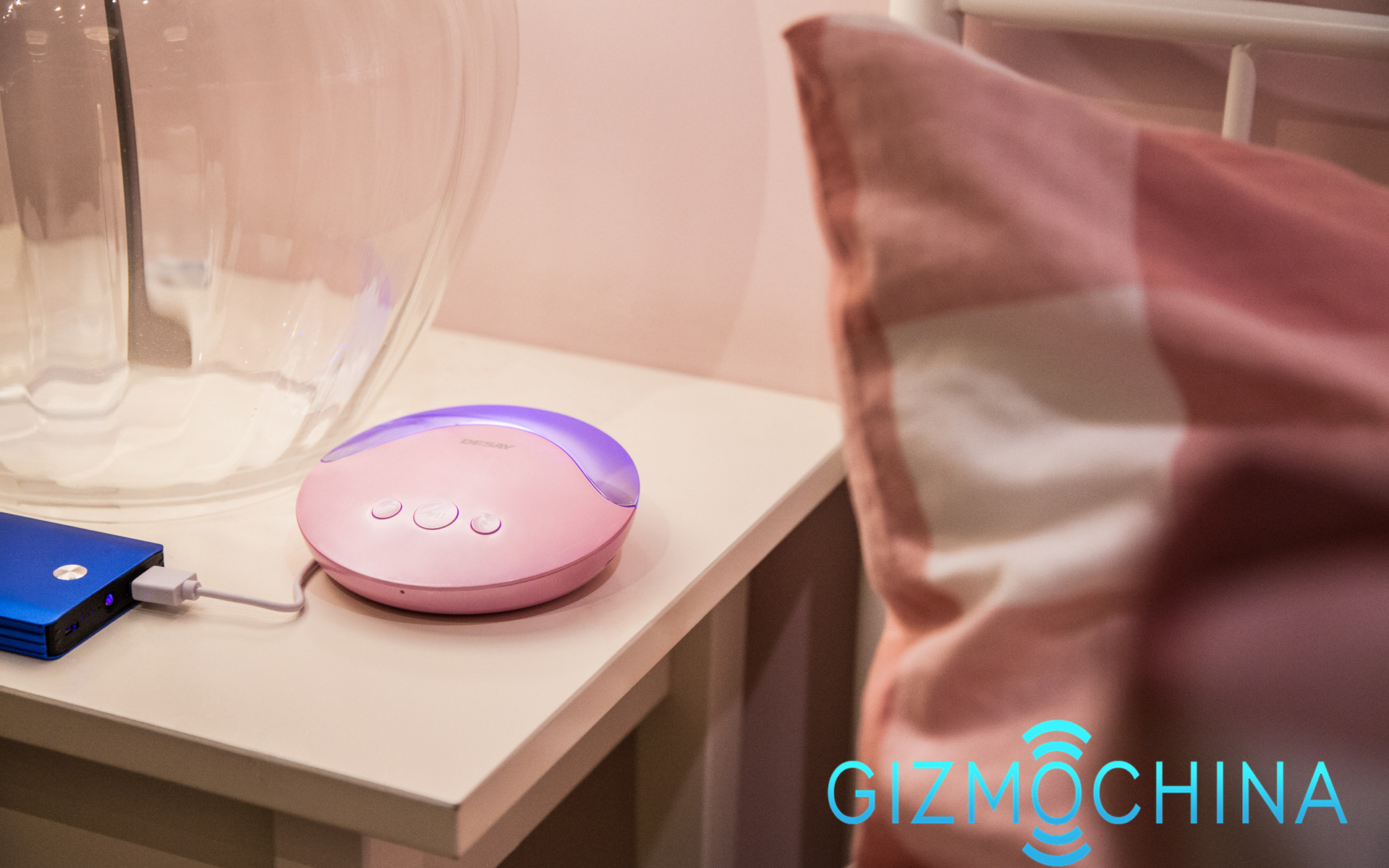
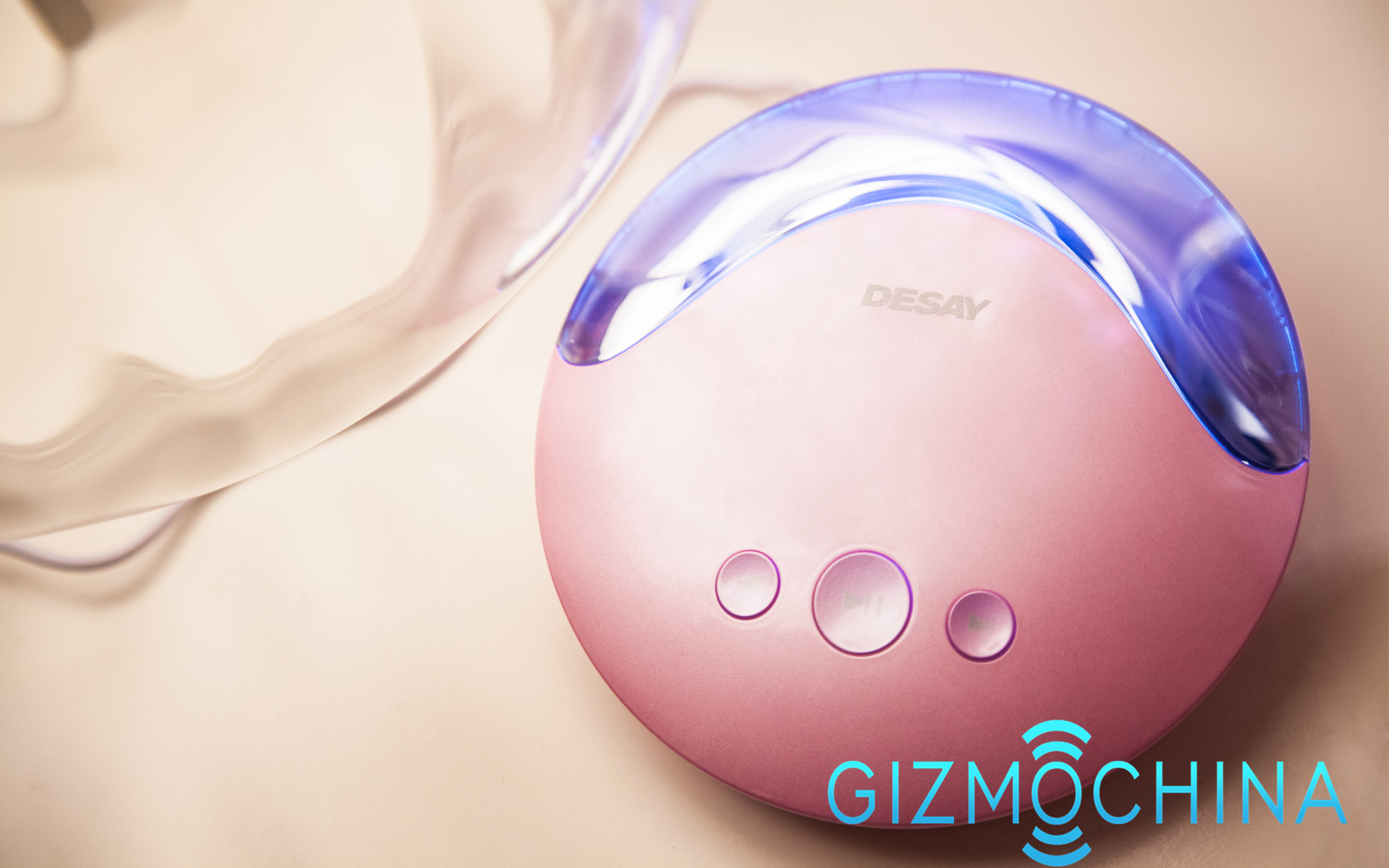
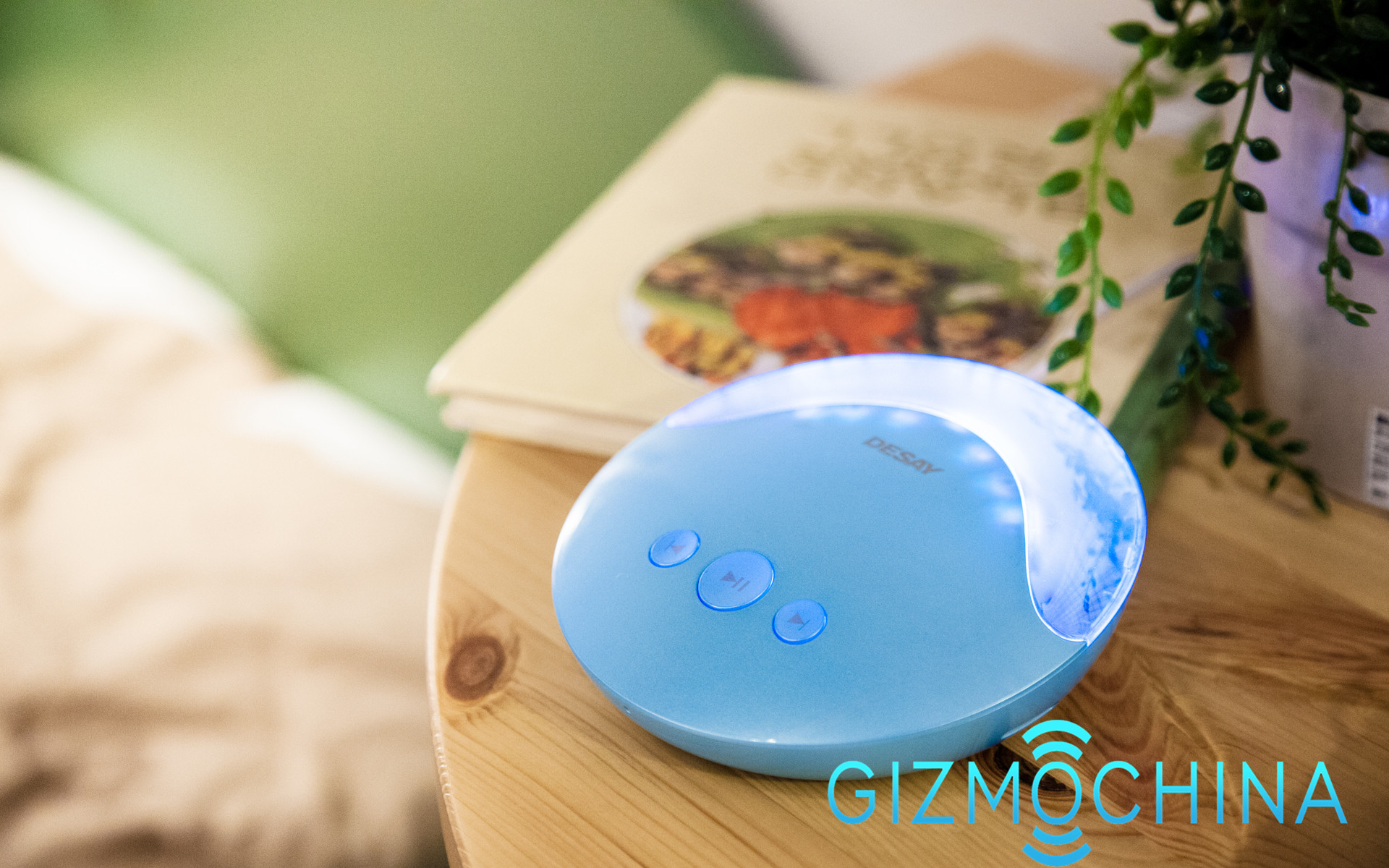
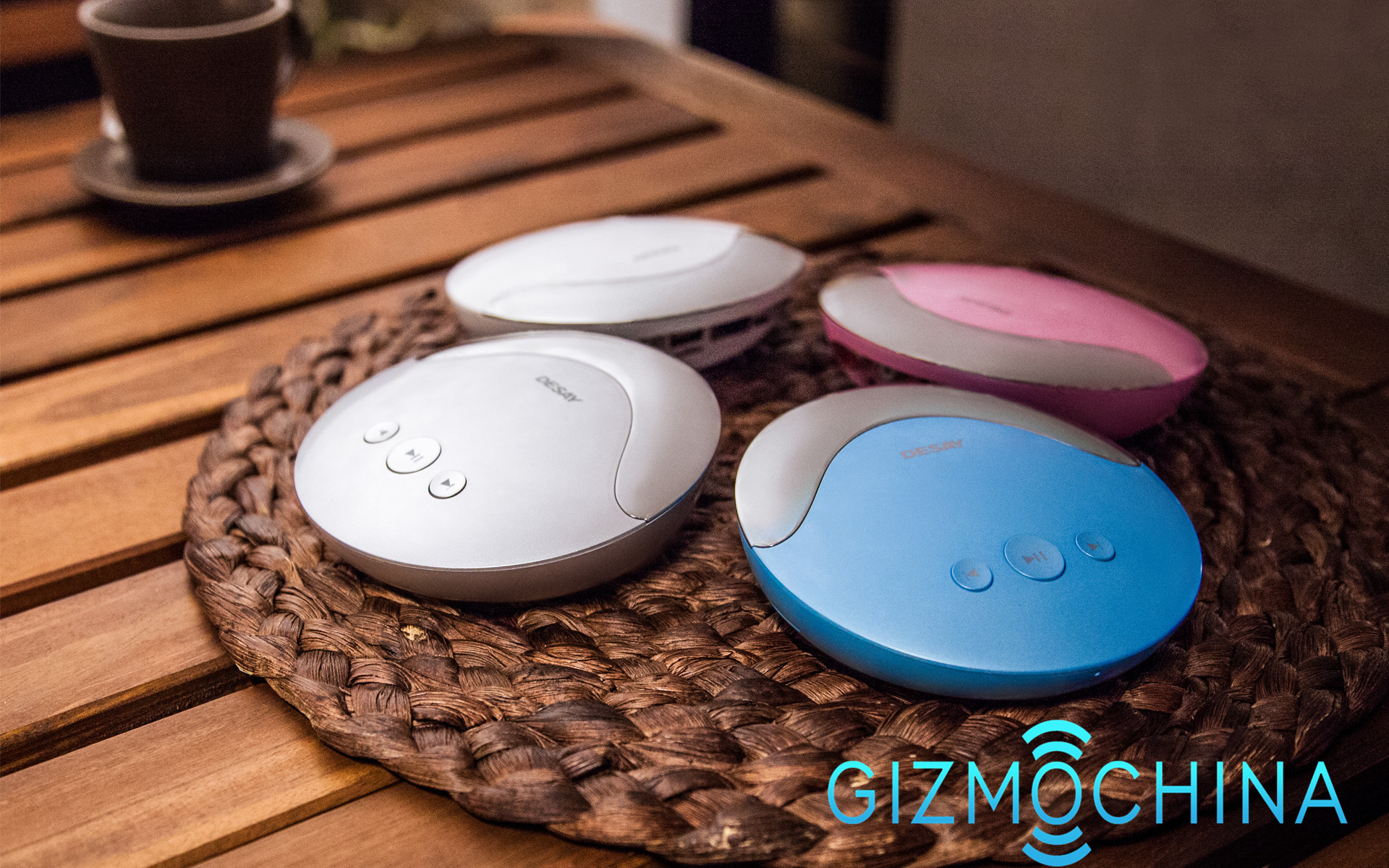
You can operate the DQ1 box by the button on the box as well as by your cellphones.
Play online music by connecting mobile app via Wi-Fi, make your cellphone freely.
Low Sound quality, bad decoding
Optimum sounds quality
Support high resolution” lossless” decoding
Support 24bit/96KHz audio decoding
Provide high quality music service,which makes your music box to be Hi-Fi.
Functions:
Connect the cellphone with DESAY music box through Wi-Fi, play music anywhere as you like. Support DLNA/AirPlay
Download your favorite songs to the T-Flash card of the music box. Play music without connecting the cellphone.
DQ1Music Box+ traditional speaker= wireless Hi-Fi, with professional decoding chip, it supports all lossless audio formats. Just connect to the traditional speaker, it will give you a wonderful listening experience from wireless Hi-Fi system.
Advantages:
1. Based on undamaged decoding chip, which makes you enjoy high music quality with moving blue lights.
Based on the lossless decoding technology, which make you enjoy high music quality freely same as Blu-Ray quality.
2. Not only a router, but also a music router, which gives you the huge quantity of high quality music.
3. No complicated operations, it makes you to enjoy the wonderful wireless music easily and conveniently.
4. Professional lossless decoding chip, 24 bit/96KHz audio decoding, Class D power amplifier, it allows you to be immersed immediately in your very own personal concert.
Play steps:
Connect with the power supply, power on it by long pressing the play button.
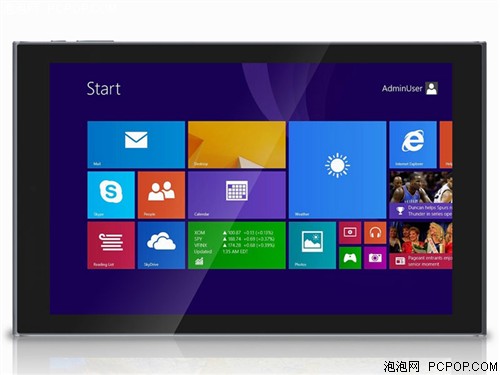
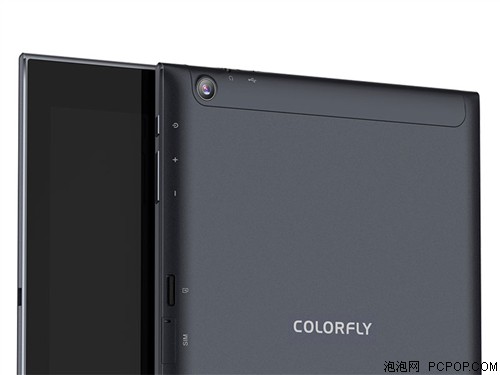
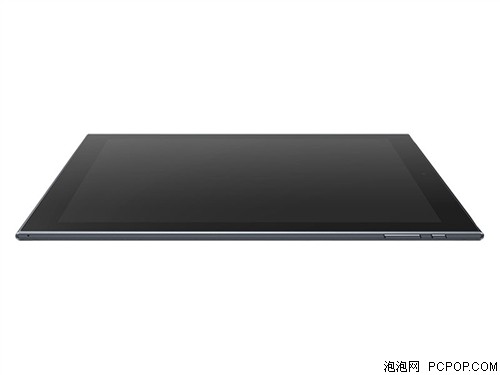
The Colorfly i108W is the first 4G tablet for young people that uses the Windows 8. Although using Windows in the table it not as good as in the computer, it is still good for watching movies, playing games, or working. According to reports, it costs 1699 RMB.
The Colorfly i108W 4G has support for China Mobile 4G (TD-LTE) and high-speed internet. It has a downstream speed of 100Mbps and upstream speed of 10Mbps, which is 7x higher than the download speed for 3G internet. It uses a single China Mobile 4G SIM card which gives it internet speed that is as high as with a Baizhao broadband.
When it comes to appearance, the Colorfly i108W 4G sports an aerospace grade aluminium case. Its thickness is less than 9.5mm. As for its core specs, the Colorfly i108W 4G has the 22nm Intel BayTrail-T Z3735F quad-core processor with a frequency of 1.8GHz (three times as fast as its predecessor), a 3D GPU, 2GB DDR3L RAM which could be used for things such as large-scale games, and 32GB ROM. The Colorfly i108W 4G also comes with a screen that has a resolution of 1920 x 1200 and 224PPi. It also uses the FocalTech FT5506 touch screen chip and has a 2mp/5mp HD dual-camera.
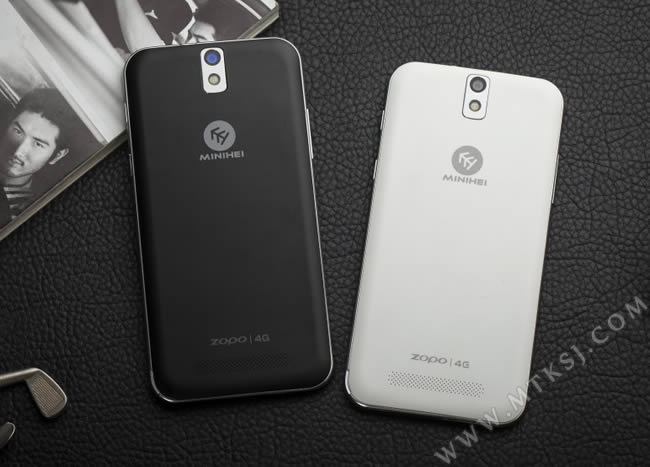
This year has been big for Zopo with the Zopo zp999 which first went on the market in September. This is Zopo’s first entry into the 4G market and it has an octa-core 4G processor and support for dual-SIM cards. When it was first released, it was only sold in select online stores like Zopo’s official website. Now, you can buy it in all stores, both online and real.
Zopo zp999 comes with all kinds of features and does not have any clear weaknesses. It has the 1.4GHz MT6592M octa-core chipset, 2G RAM, 16G ROM, a 5.5-inch 720p LTPS screen, a 5mp/14mp dual camera, and a 2700mAh battery. Its is Android 4.4-customized Mini Hei Ku UI. The Zopo Mini Hei 3 has support for China’s TD-LTE, TD-SCDMA, and GSM networks as well as dual-SIM cards. It comes with sensors such as a compass and gyroscope and supports OTG as well. A high-end version will also appear soon and it will use the MTK6595 processor like the Meizu MX4.
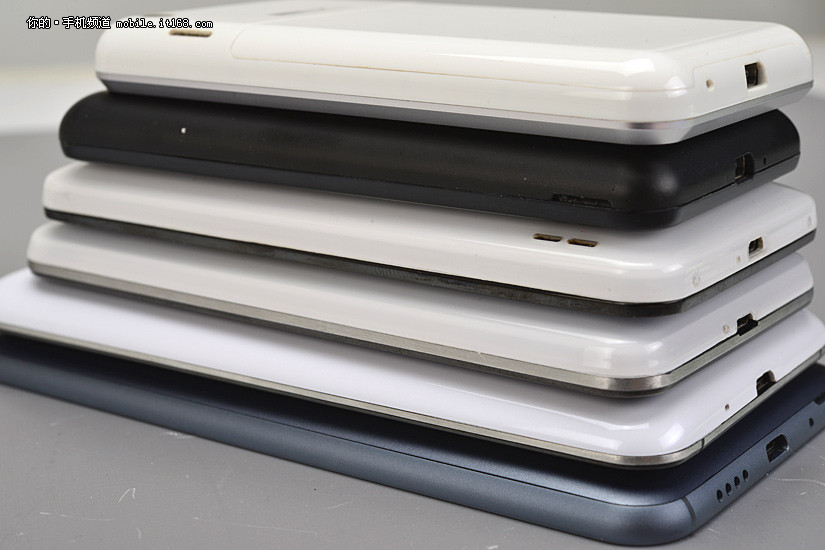
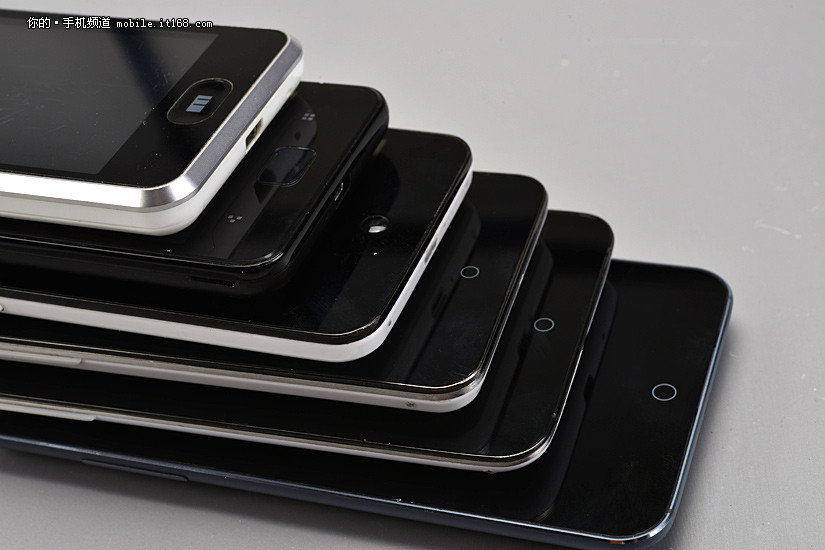
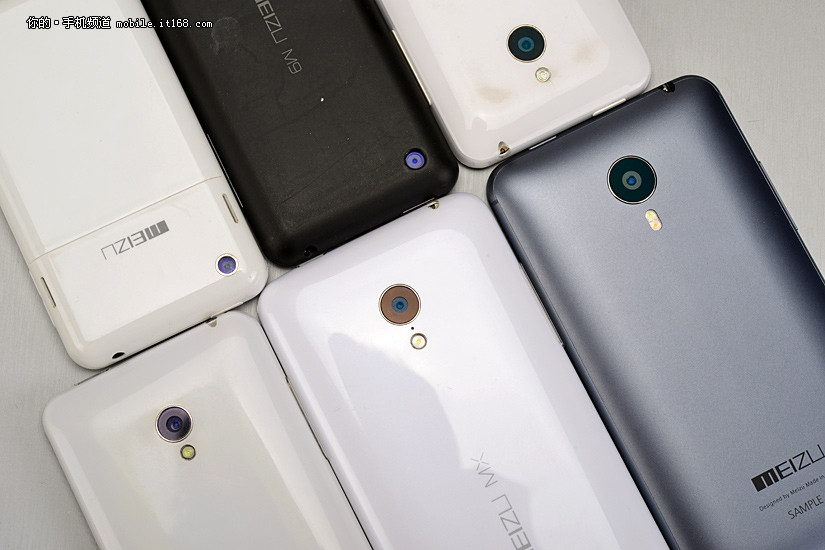
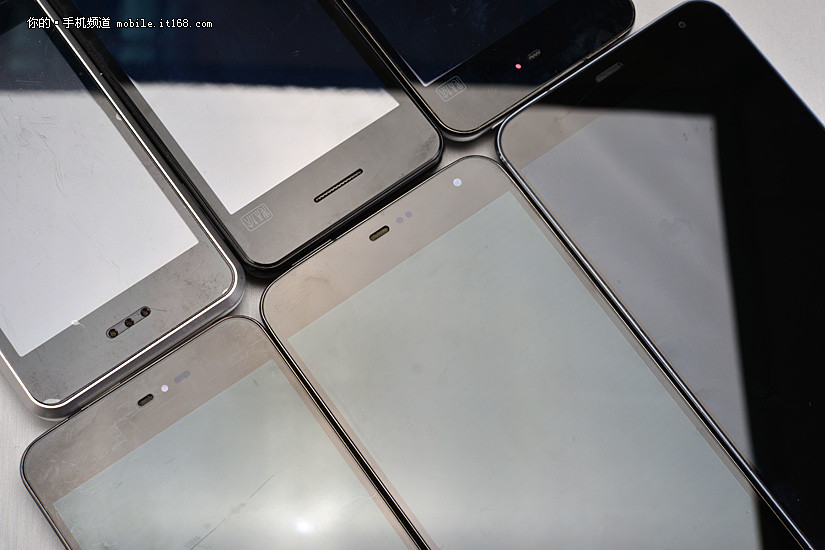
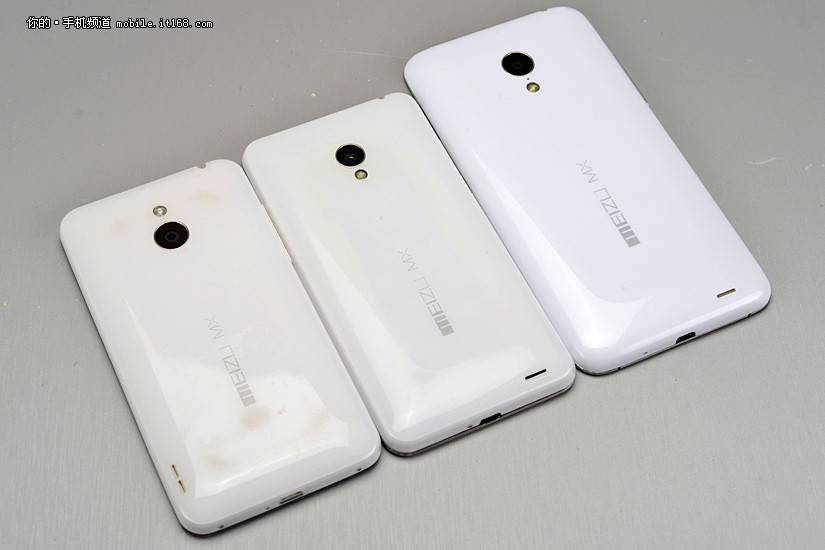
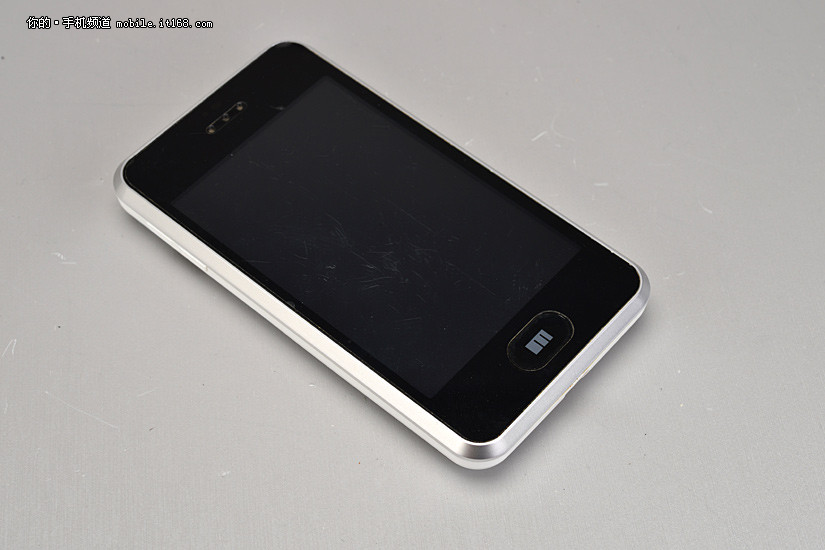
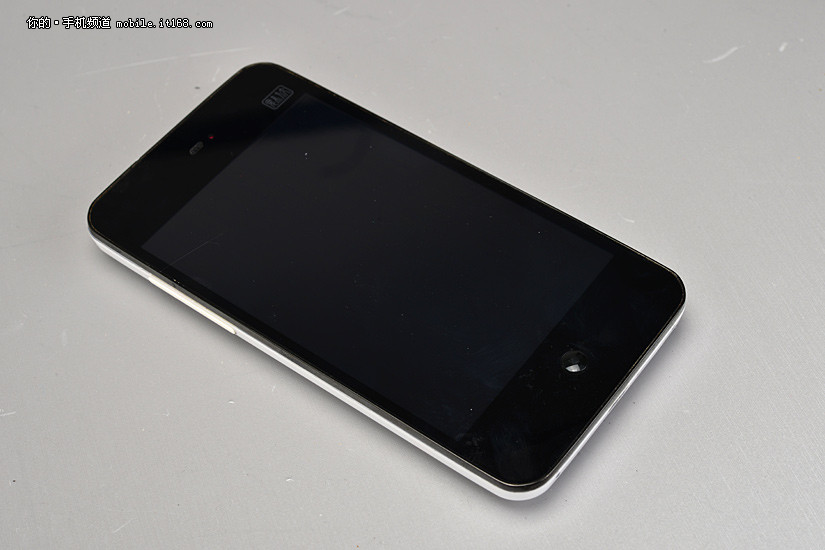
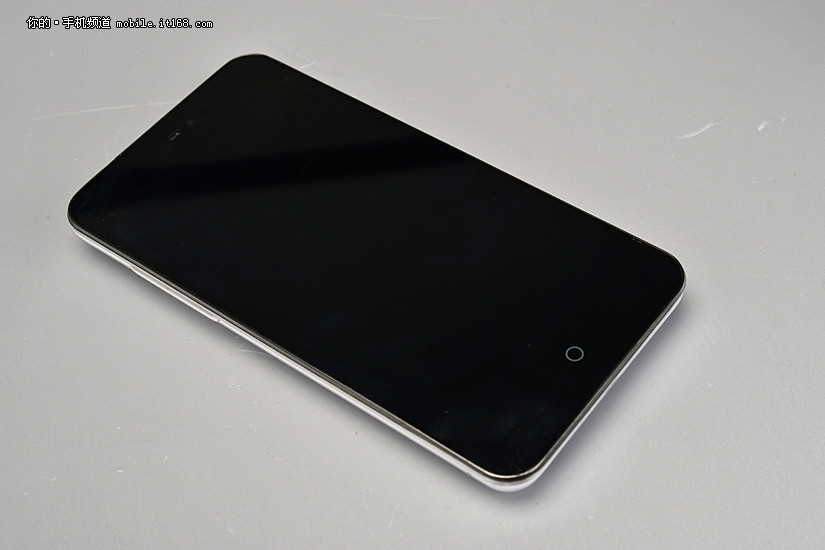
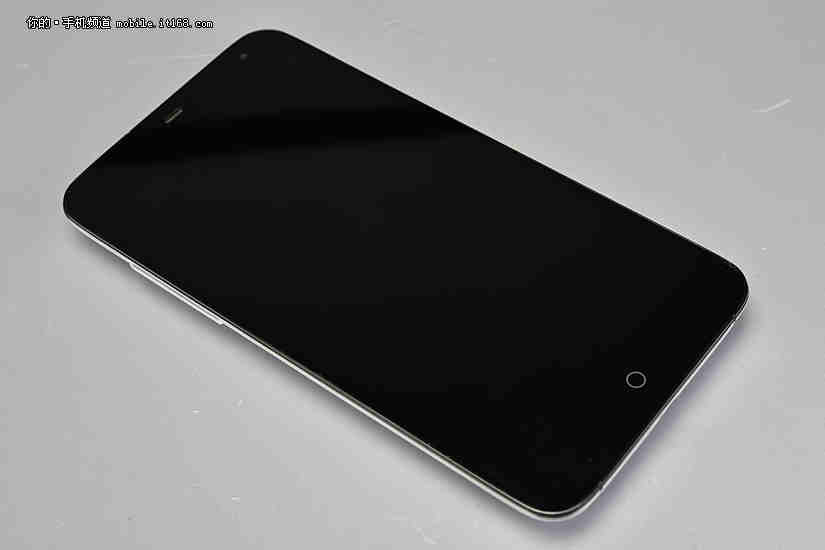
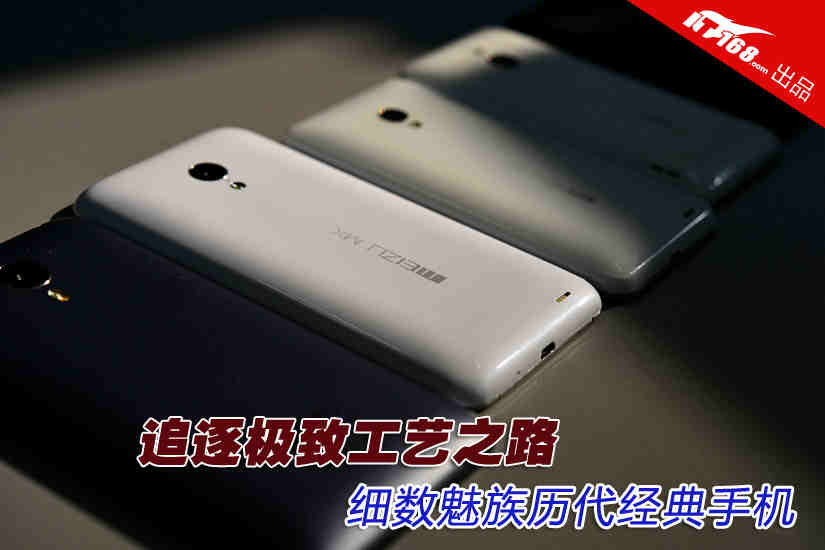
Meizu has been releasing a smartphone every year since 2008, from the Meizu M8 to Meizu MX4, transforming from a MP3 manufacturer to a cellphone powerhouse. Here is a look at how far Meizu has gotten since the Meizu M8.
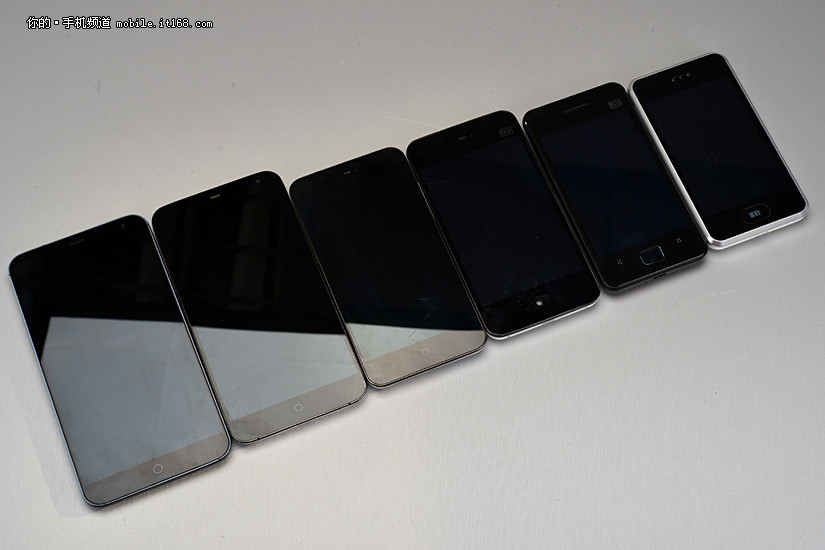
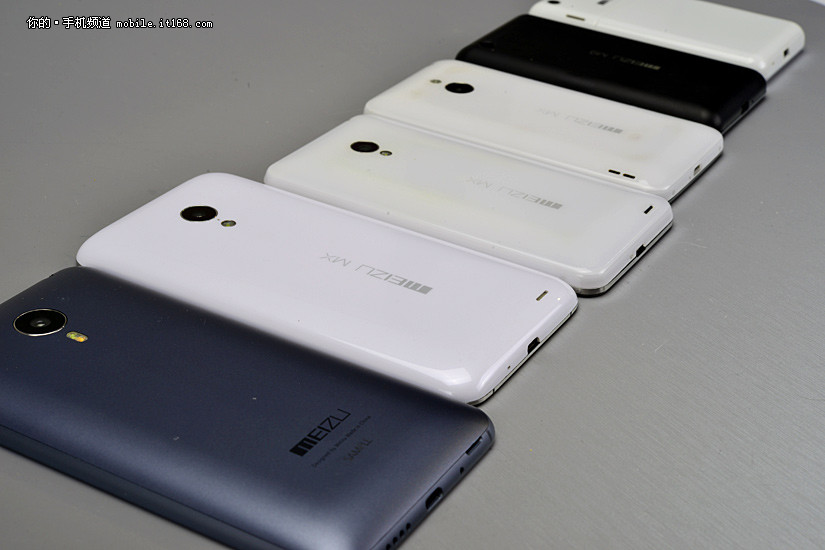
From the backs of all 6 phones, you can see that the designs of Meizu’s cellphones have changed constantly over the years, from a regular plastic rear case to the MX4’s furnished and polished rear case. Every year, the screens of Meizu’s phones have gotten bigger and bigger from the Meizu M8’s 3.4-inch screen to the Meizu MX4’s 5.36-inch screen.
Meizu has been using metal chasses since the Meizu M8.
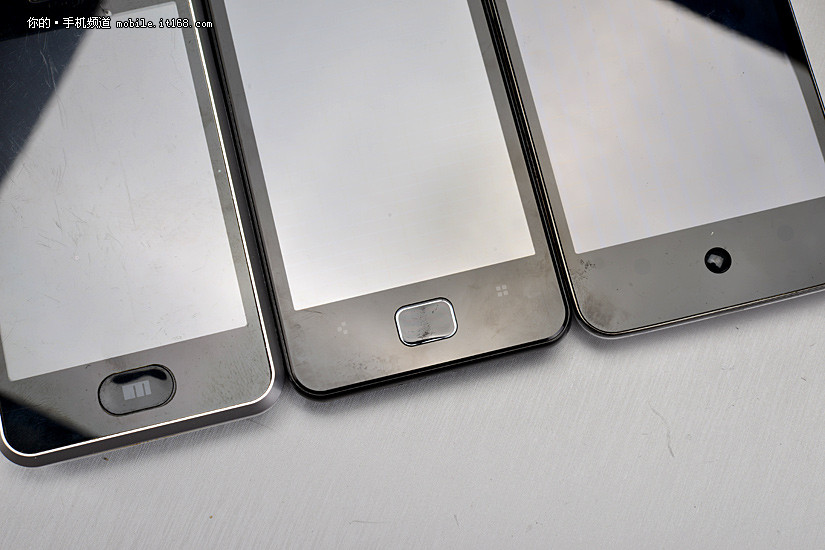
The design of the Home button of Meizu’s phones has also constantly changed over the years. The Meizu M8, Meizu M9, and Meizu MX all used physical Home buttons. From the Meizu MX2, the Home button has become a small round circle that you can simply touch to activate. It has since become a staple of Meizu’s phones.
Except for the Meizu M8 and Meizu M9 whose rear cameras were located at the upper left corner, the rear cameras in Meizu’s phones are located at the top middle part.
The Meizu M8 and Meizu M9 do not have front-facing cameras. Meizu only started adding one from the Meizu MX.
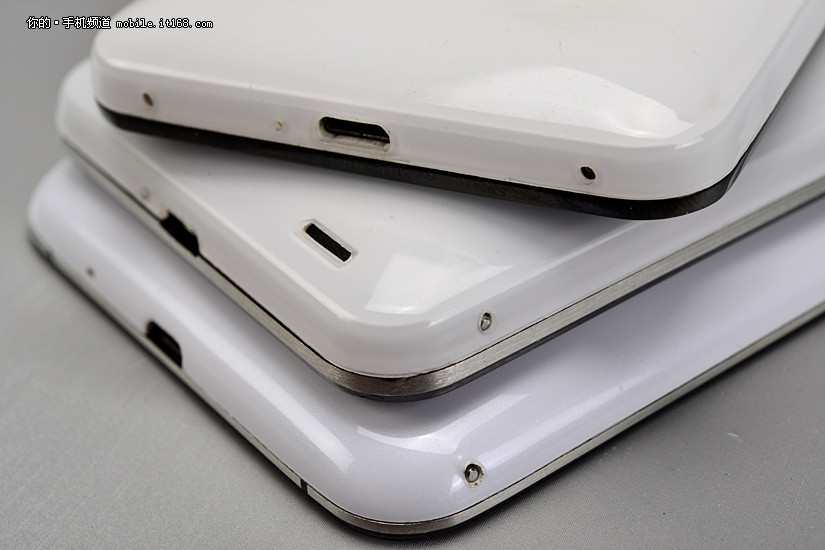
In all 6 phones, the speakers are not located at the back which can cause the user to block them when he puts down the phone.
Only the Meizu M9 and Meizu MX have the Chinese character logo.
The Meizu MX was the first to use a dual-layer plastic design. The Meizu MX2 and Meizu MX3 followed suit.
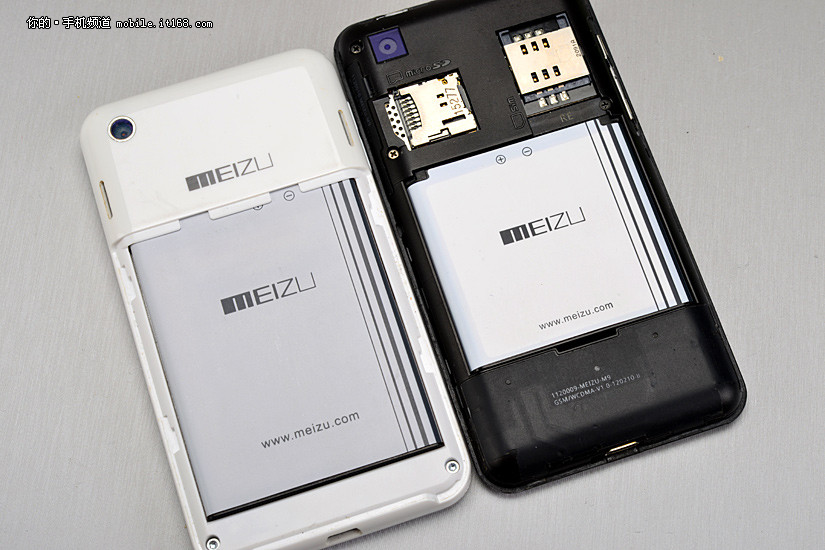
You have to use a tool to open the rear covers of the Meizu MX, Meizu MX2, and Meizu MX3, but the battery is unchangeable.
The batteries of the Meizu M8 and Meizu M9 are changeable. Apparently, unchangeable batteries were not yet in back then.
Even though you do not need a tool to open the Meizu MX4’s rear cover, the battery is still unchangeable.
The Meizu M8, Meizu M9, and Meizu MX all used physical Home buttons. As you can see, the Home button kept getting smaller until it became a round physical button in the Meizu MX and eventually replaced with the small Home circle.
When the Meizu M8 was formally launched in 2008, it sported a 3.4-inch screen, used the Samsung 6410 chip, and ran on the Windows CE OS.
The Meizu M9 was launched in 2009 and was Meizu’s first Android phone. It had a 3.54-inch 960 x 540 screen and the Samsung S5PC110 CPU.
The Meizu MX was launched in 2010 and was the first to use a dual-core CPU from Samsung. It had a 4-inch screen with a 960 x 640 resolution and was the first to have a built-in battery. Four versions were released of this phone and it was also the first to use the Flyme OS.
The Meizu MX2 was launched at the end of 2012 and had a 4.4-inch 1280 x 800 screen and a Samsung quad-core CPU. Its specs were pretty good and it was the first to not use a physical Home button, replacing it with the small circle. It also removed the menu and return buttons.
The Meizu MX3 looks very similar to the Meizu MX2 but it uses a 5.1-inch screen with a 1080 x 1800 resolution. At the same time, it also used the Samsung Exynos 5410 octa-core chipset.
The Meizu MX4 is the latest in Meizu’s MX series. It is the first to stop using a CPU from Samsung, replacing it with the MTK MT6595 octa-core CPU, and sports a 5.36-inch screen. It’s also more affordable than its predecessors, costing 1799 RMB (292.92 USD).
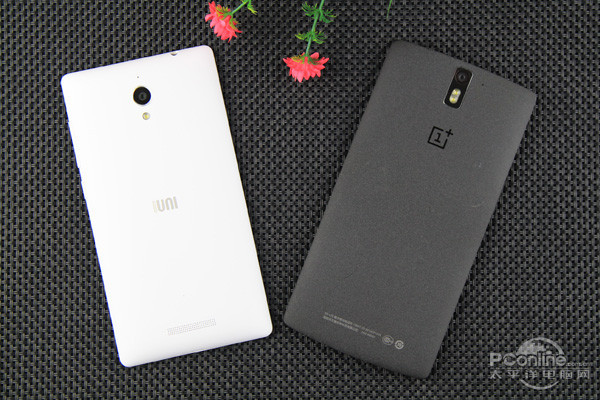
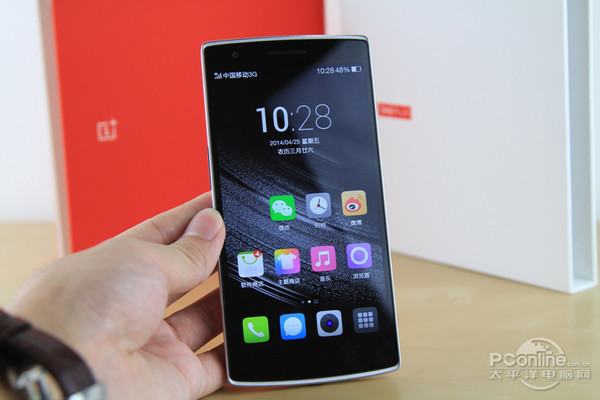
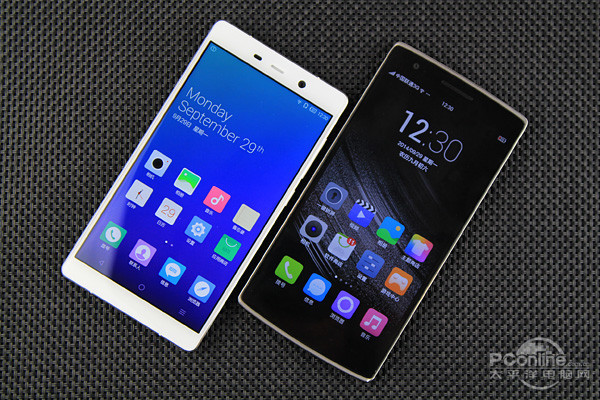
IUNI U3 and One Plus one are both flagship devices with budget price. But for customers, there are so many choices for them to choose any smartphones at the price of 1999RMB($325), but which one would you buy? Now we have selected 2 typical smartphones: IUNI U3 and One Plus. Let’s take a look at what is the difference between them.
Specification
As new brands in China, IUNI and One Plus have already found their balance between price and specification.
Category
IUNI U3
One Plus
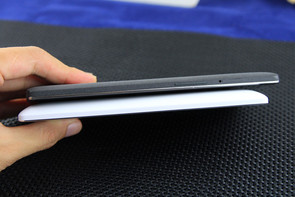
Dimensions
145×74.9×10.3mm
152.9×75.9×8.9mm
Weight
176g
160g
Display
5.5 inch, 2K resolution(2560×1440)
5.5 inch, 1080P resolution (1920×1080)
CPU
Qualcomm Snapdragon 801 processor
Qualcomm Snapdragon 801 processor
2.3GHz
2.5GHz
4G
FDD-LTE and TDD-LTE
FDD-LTE and TDD-LTE
Platform
IUNI OS based on Android 4.4
Color OS based on Android 4.4
RAM
3GB
3GB
Front facing Camera
4MP Utral-pixel
5MP
Battery
3000mAh non-removable
3100mAh non-removable
Dispaly
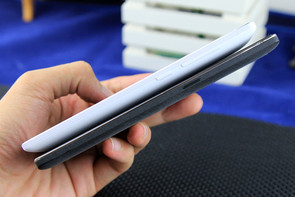
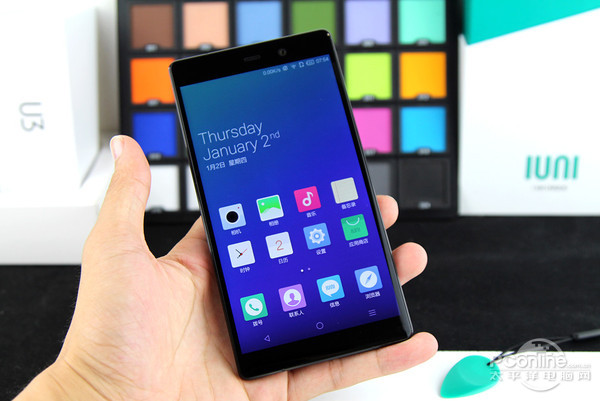
As for display, the screens of both two models are very impressive, because the screens are extremely close in quality and brightness. IUNI U3 features a 2.D curved screen, while One Plus features a floating touch screen. The difference between them is the design. The former is comfortable to hold, while the latter looks more fashionable. As everybody knows, there is no difference when you using 2K screen or 1080P screen. If I don’t mention the resolutions, you cannot even tell what is the difference between them by eyes only.
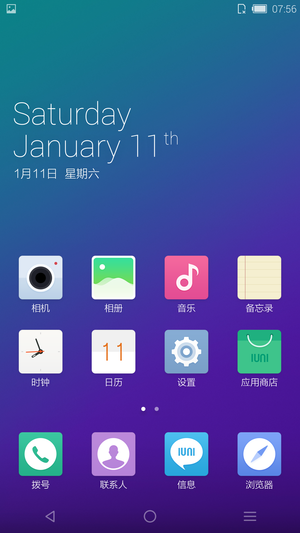
But there are still some differences in the front: the 3 on-screen buttons. IUNI U3 has put the 3 on-screen buttons inside the interface and you can choose to hide them; While One Plus makes them outside the screen, those buttons show just like notification light. In addition, Both of their menu buttons and back buttons are in a opposite side.
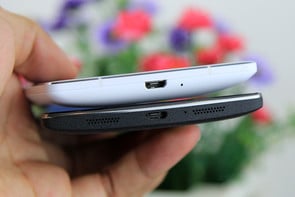
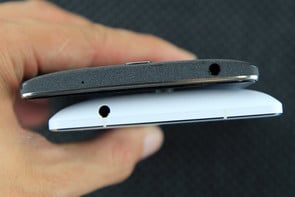
Another difference is the speaker. One Plus has a stereo speaker which located in the bottom of the phone, IUNI U3 has a mono speaker which in the back of the phone.
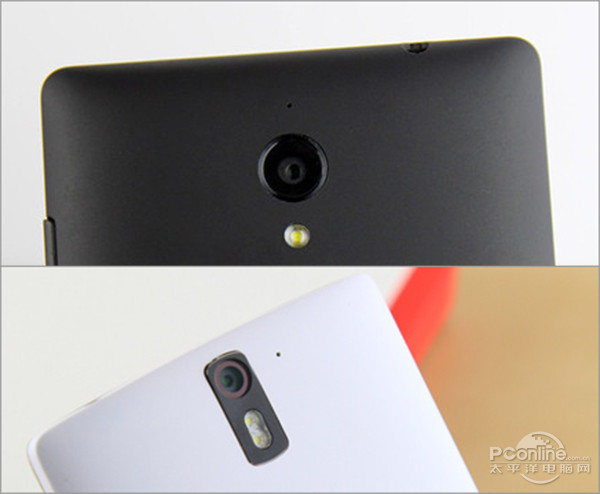
Both of two models feature a 13MP camera, One Plus has a dual LED flash while IUNI U3 with a single LED flash.
The power button and volume button of IUNI U3 are on the left. One Plus has only power button on the left , its volume button and Micro-SIM slot are on the right. In order to put SIM into the slot, the back cover of IUNI U3 is detachable, but its battery is non-removable. For One plus, back cover is undetachable and battery is non-removable.
Performance
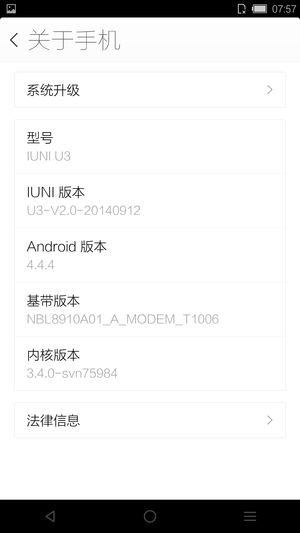
There is no doubt that IUNI U3 and One Plus own the best hardware currently. IUNI U3 features a Qualcomm Snapdragon MSM8974AA quad-core processor 2.3GHz , with 3GB RAM and 32 internal storage; while One Plus features a Qualcomm Snapdragon MSM8974AC quad-core processor 2.5GHz, with 3GB RAM and 32 internal storage. IUNI U3 features IUNI OS which based on Android 4.4.
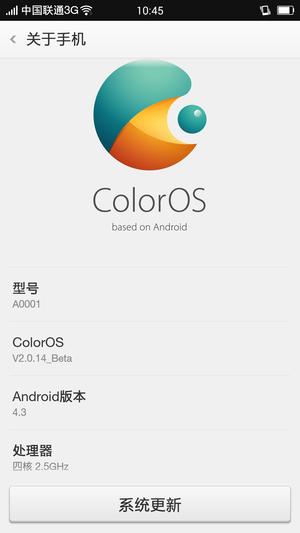
One Plus features Color OS which also based on Android 4.4.
Camera
One Plus sports the latest Sony’s IMX214 sensor which performs well in the industry. IUNI U3 sports Sony’s IMX135 sensor with Optical Image Stabilization, but its image quality is less better than One Plus.
Let’s look at the color performance and white balance of IUNI U3( left) and One Plus(Right). After we have seen some sample photos, UNI U3 does a better job of accurate colors, especially when dealing with red and green colors. While One Plus could capture a huge amount of details with a better IMX214 sensor.
Summary
We could find that IUNI U3 and One Plus are very competitive in the market at the price of 2000RMB($325) in China. Both of them will give customers more surprises as their unique design and excellent performance. But which one is better, which one you should buy, you’d better hear your inner voice and make a choice.
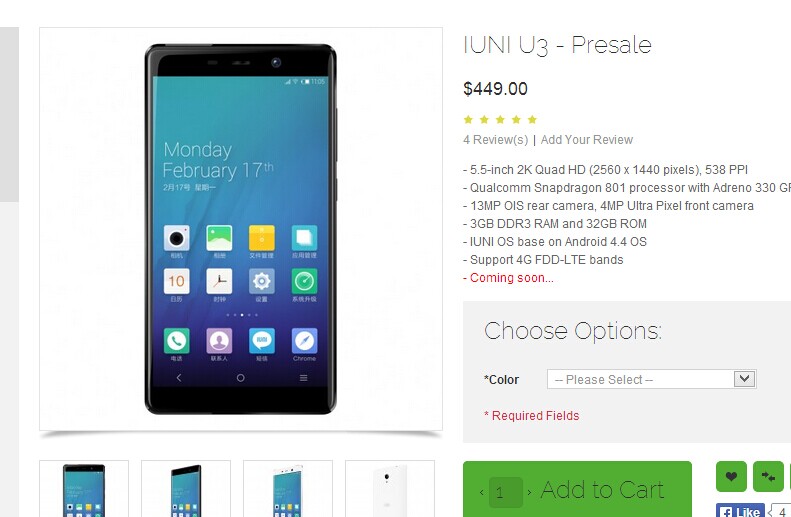
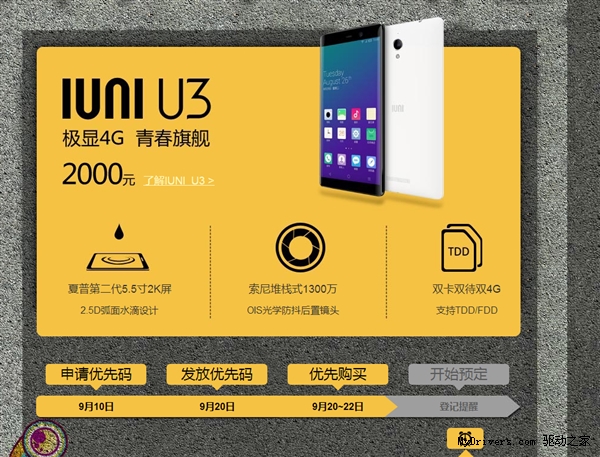
This morning at 10:00 AM, IUNI finally allowed free pre-orders for its 2K screen flagship phone, the IUNI U3. Its actual cost is RMB1999 in China $449.00 at oppomart.com .
The IUNI U3’s middle chassis and interior are made of aluminium and magnalium, but the back is made of Japanese plastic which looks really nice. As for specs, the IUNI U3 has a 5.5-inch 2K screen, the Snapdragon 801 quad-core chipset, the Qualcomm Snapdragon MSM8974AB quad-core processor, 3GB RAM, 32GB ROM, a 13mp camera with OIS, a 3000mAh battery, and support for 4G networks and dual-SIM cards. Its operating system is the Android 4.4-customized IUNI OS which has a neat and clean user interface without any pre-installed third-party software.
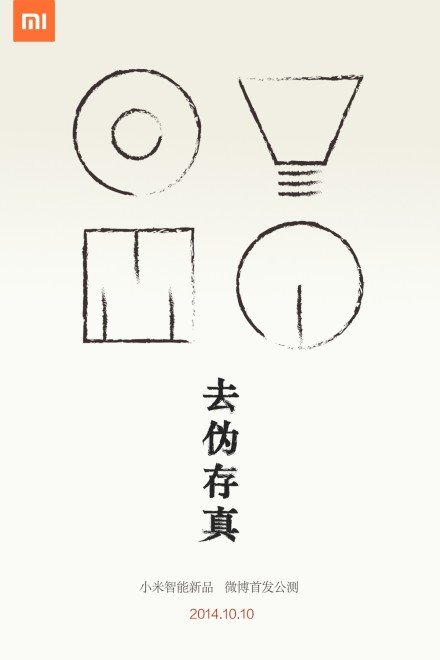
Yesterday noon, @小米路由器 (the Weibo account)announced that tomorrow, Xiaomi will release new hardware for free. The slogan for this campaign as shown by the ad below is “Out with the fake, and in with the real.” What does this mean?
Based on the poster, it looks like Xiaomi’s new hardware will be smart home appliance. There is a drawing of a lamp bulb and dock in the poster. Xiaomi has started producing home appliances with the Mi Router as the entry point and the Mi phone as the end point.
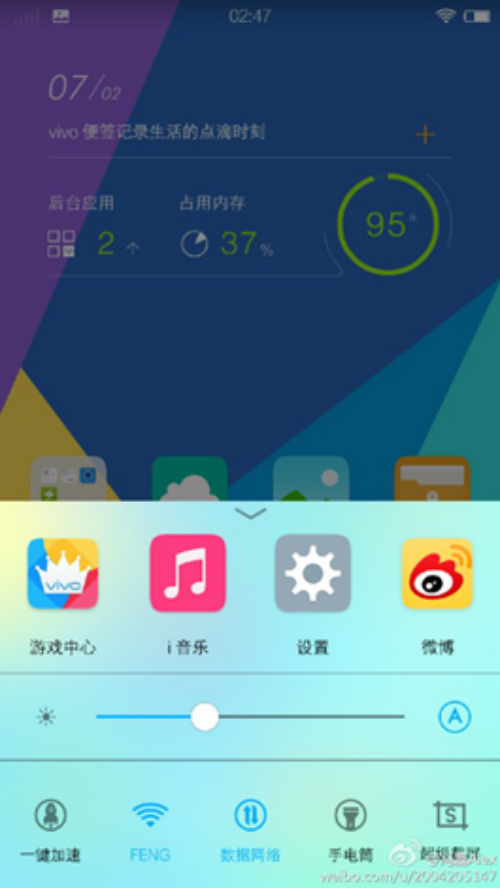
Closed beta testing for the Funtouch OS 2.0 started early this month and recently, screenshots of it have been released online. We can expect more information to be released as its release date comes closer.
Reportedly, to offer users a better experience, Vivo did a massive overhaul of its Funtouch OS and decreased the bulk of the OS and also added finer details to it, making it lighter, faster, and simpler. As an interactive OS, it is easy to use and is very safe. At a glance, it looks like the Funtouch OS 2.0 further strengthened the popular flat design for operating systems.
Weibo also posted snapshots of the open version of the Funtouch OS 2.0. Looking at the snapshots, I noticed several things. First, this upgrade is based on the Android 4.4.2. Second, it can support powerful screens like that of the Vivo Y27. Lastly, Vivo has redesigned the short-cut interface as well as the tabs.
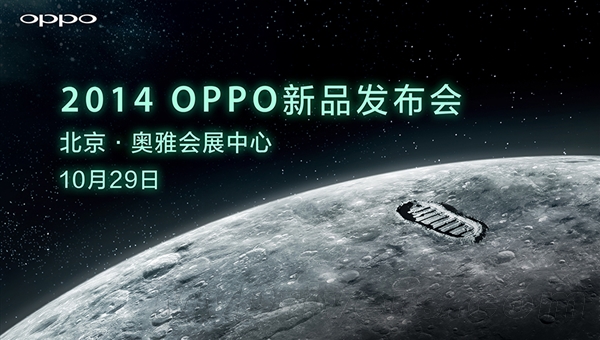
It’s finally coming. We’ll finally get to see OPPO’s latest masterpiece in 2014.
The company has just announced that the OPPO N3 will make its debut in Beijing on October 29. This phone has a body that is made of 7075 aluminum which is very strong and hard. Most cellphone bodies right now are made of 6061 aluminum. This phone is said to have a 1080p screen, the Snapdragon 805 chip, 3GB RAM, a 13mp rotating camera (206 degrees), and VOOC charger.
As the Alibaba went on sale, the Yun OS version of the Meizu MX4 also made its debut. Despite both companies’ partnership, their relationship does not look as good as it seems.
Last night, Meizu’s founder, Huang Zhang, posted the following message in his Weibo account: “The Yun OS is fine, but Meizu’s phones must use the Flyme OS. Without it, Meizu cannot become an entry-level mobile phone and internet company. A useful cellphone needs a useful operating system.” He later deleted the part about the Yun OS.
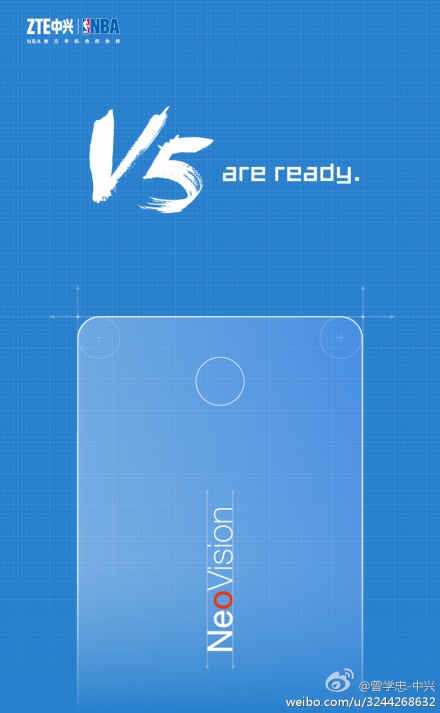
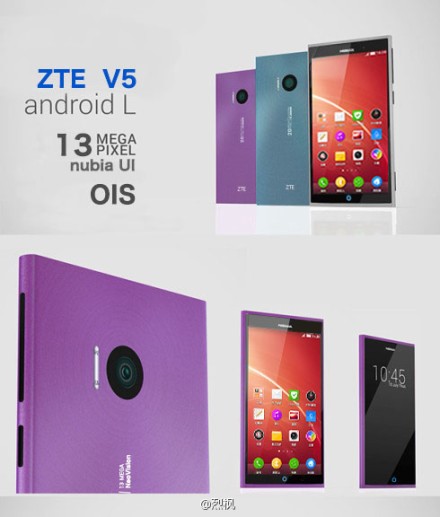
V5 is ZTE’s new smartphone sub-brand after Nubia. ZTE’s Senior VP said ZTE V5 will be the first phone of V5 series. It will have dual 4G LTE and Nubia UI, and will be released at October. But there were rumors said ZTE V5 will be integraded with Android L and has hardware optical image stabilization (OIS) like iPhone6.
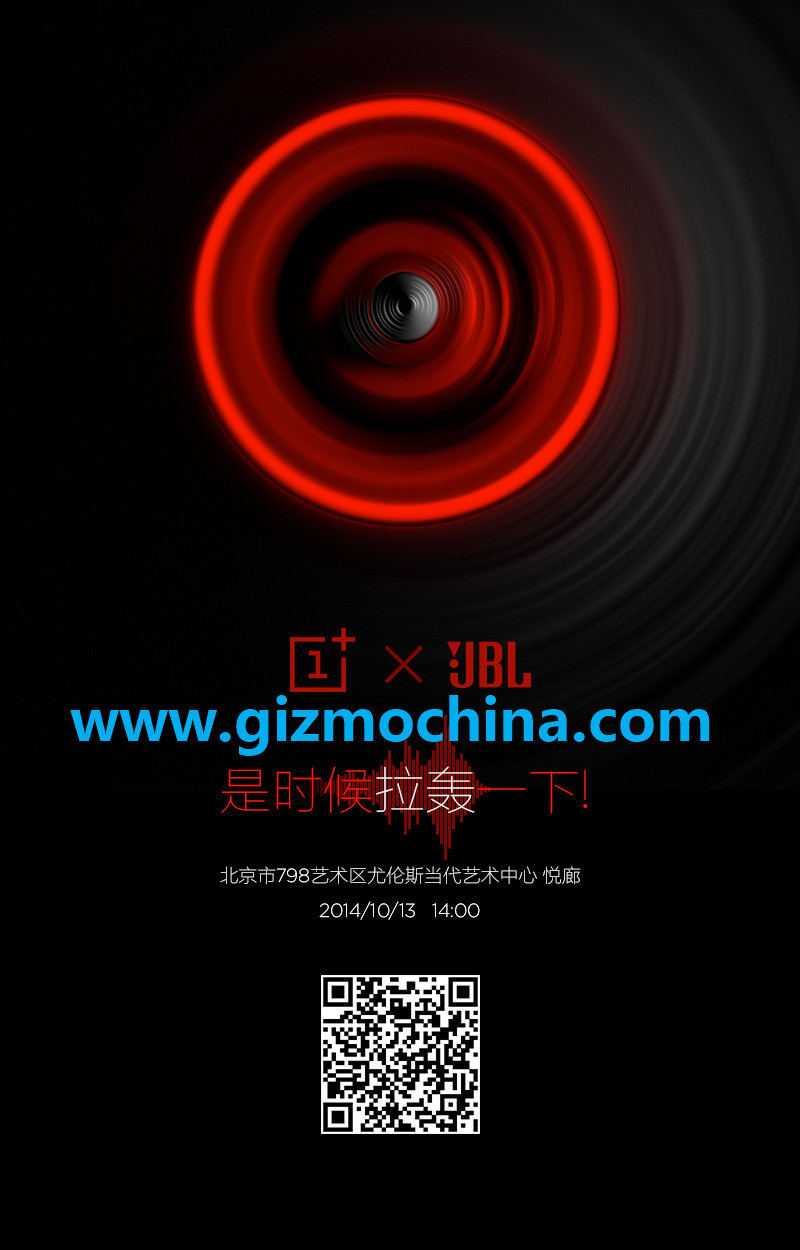
Oneplus had just released their headphone silver bullet,and they announced they will have a new product launch event be hosted in Beijing along with JBL. Oneplus didn’t reveal it would be a headphone or speaker, and we can seldom see JBL had formed alliance with any other brands since JBL had been created. But what we’ve got is they are going to show their face together to their fans all over the world. Could it be that Oneplus and JBL had already formed a partnership? Are they going to work like HTC and Bteats?
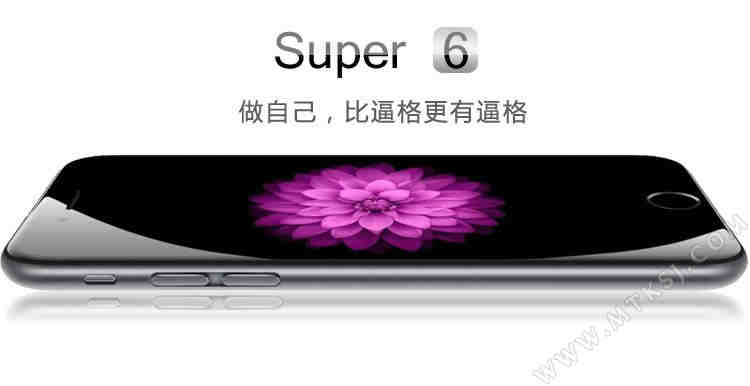
Nicai will soon release an Android smartphone that is a clone of the Apple iPhone 6 called the Nicai Super 6. As of now, it has been confirmed that two versions will be released: a standard version with lower specs and a high-end version. It has been announced that the standard version would cost 999 RMB and would come out after the holidays.
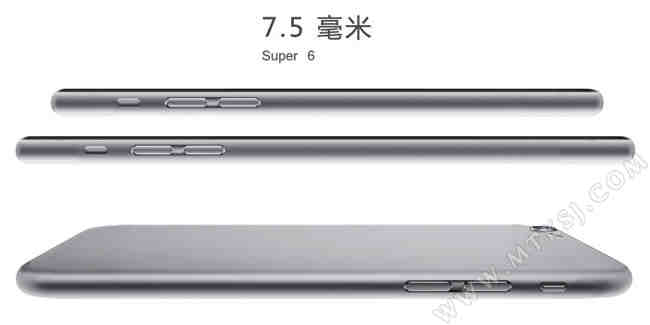
Like the iPhone 6, the Nicai Super 6 sports a 4.7-inch screen. You can see how alike both phones look in the pictures below although the latter is a bit thicker, measuring 7.5mm. The camera is also a bit more pointed like in the iPhone 6. Both are available in white, gold, and other colors.
Although it is unlikely that the Nicai Super 6 will even be 1/5th the price of the iPhone 6, its specs are nothing to go crazy over. It has the 1.3GHz MTK MT6572 dual-core chip, 512M RAM, 4G ROM (supports 32G expansion card), a 4.7-inch IPS screen with qHD resolution, a 13mp/5mp dual-camera, 1600mAh battery, and support for TD-SCDMA and GSM networks (Nano SIM), as well as the usual sensors. Its OS is Android but its camera interface resembles the iOS’.
We use cookies on our website to give you the most relevant experience by remembering your preferences and repeat visits. By clicking “Accept”, you consent to the use of ALL the cookies.
This website uses cookies to improve your experience while you navigate through the website. Out of these, the cookies that are categorized as necessary are stored on your browser as they are essential for the working of basic functionalities of the website. We also use third-party cookies that help us analyze and understand how you use this website. These cookies will be stored in your browser only with your consent. You also have the option to opt-out of these cookies. But opting out of some of these cookies may affect your browsing experience.
Necessary cookies are absolutely essential for the website to function properly. This category only includes cookies that ensures basic functionalities and security features of the website. These cookies do not store any personal information.
Any cookies that may not be particularly necessary for the website to function and is used specifically to collect user personal data via analytics, ads, other embedded contents are termed as non-necessary cookies. It is mandatory to procure user consent prior to running these cookies on your website.




.jpg?x44794)


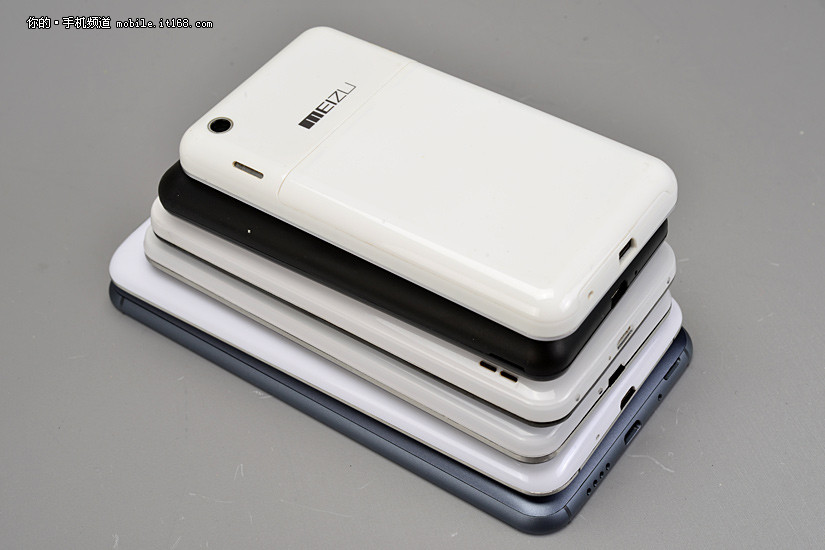 Every year, the screens of Meizu’s phones have gotten bigger and bigger from the Meizu M8’s 3.4-inch screen to the Meizu MX4’s 5.36-inch screen.