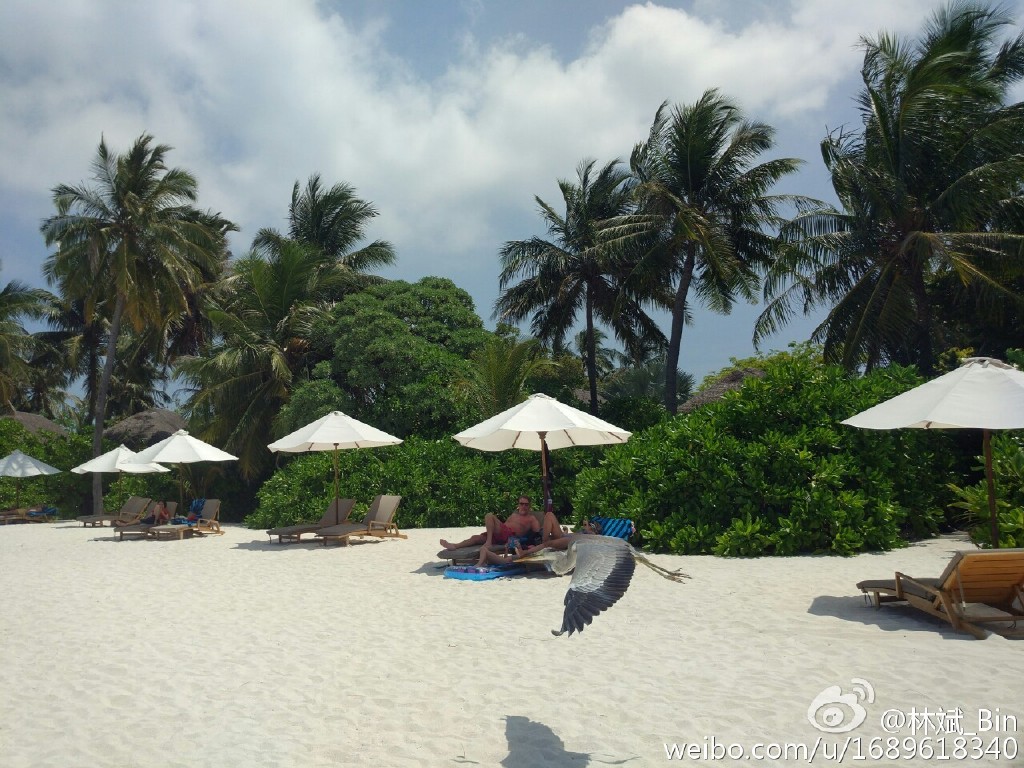
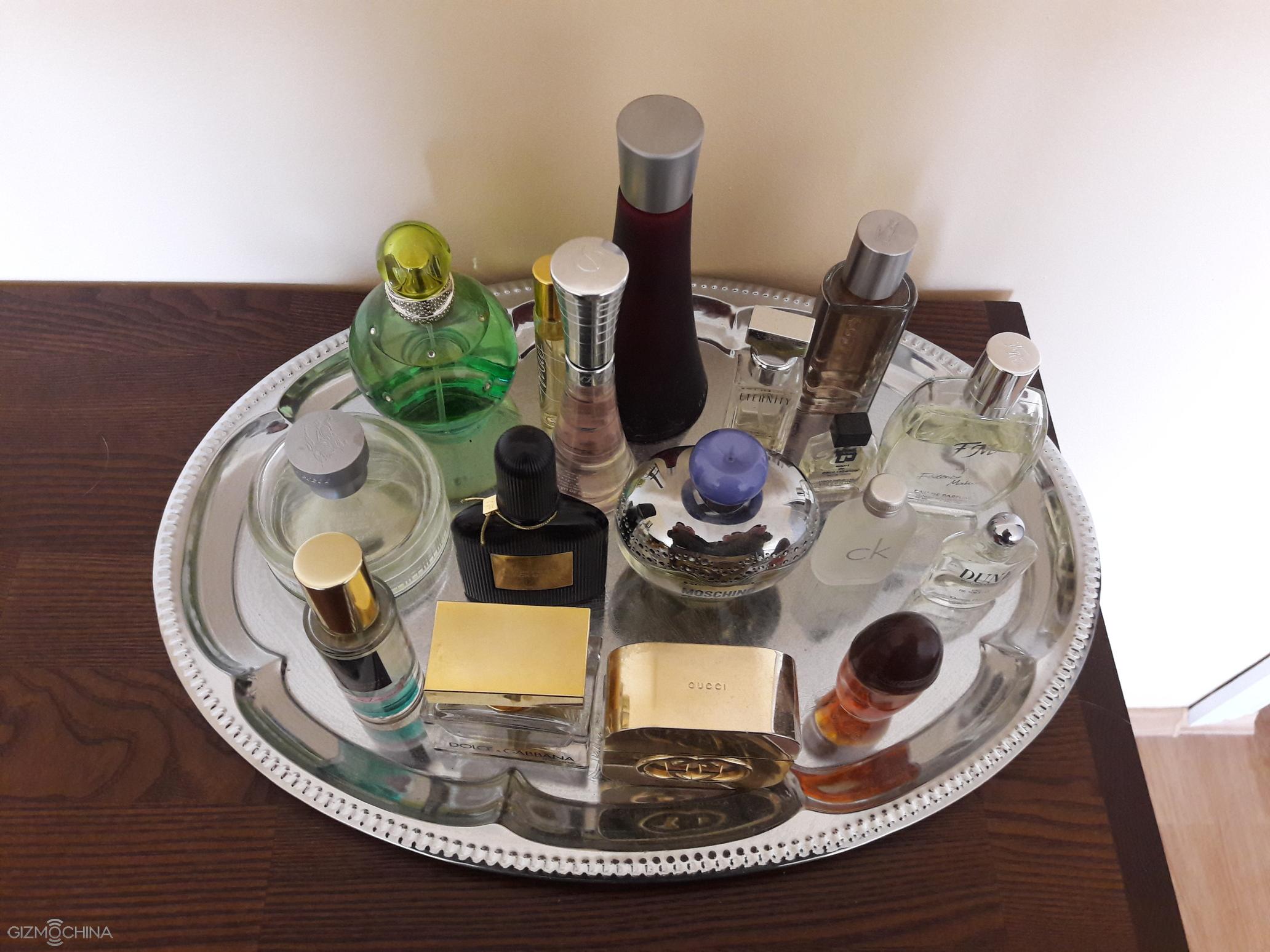
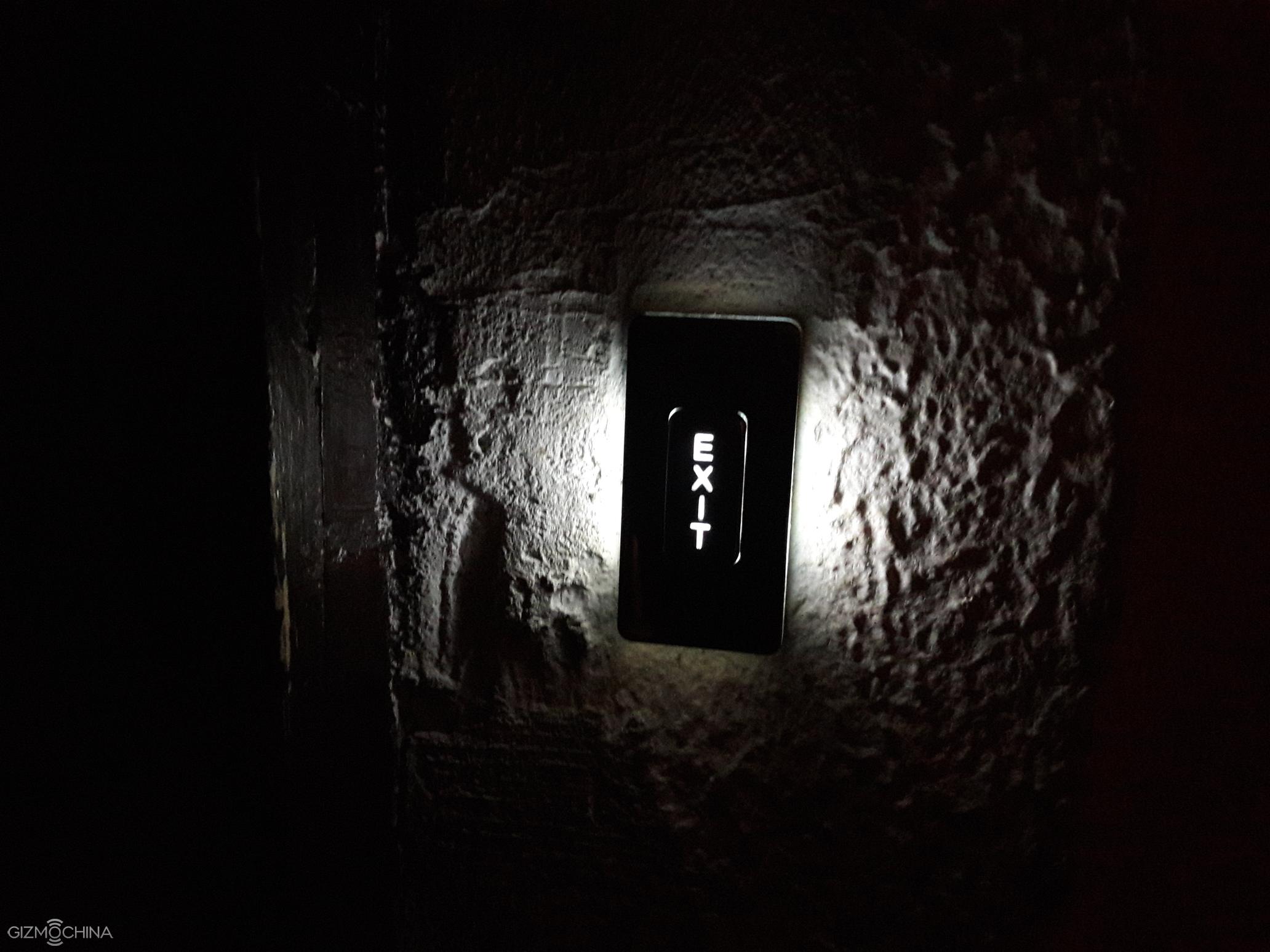
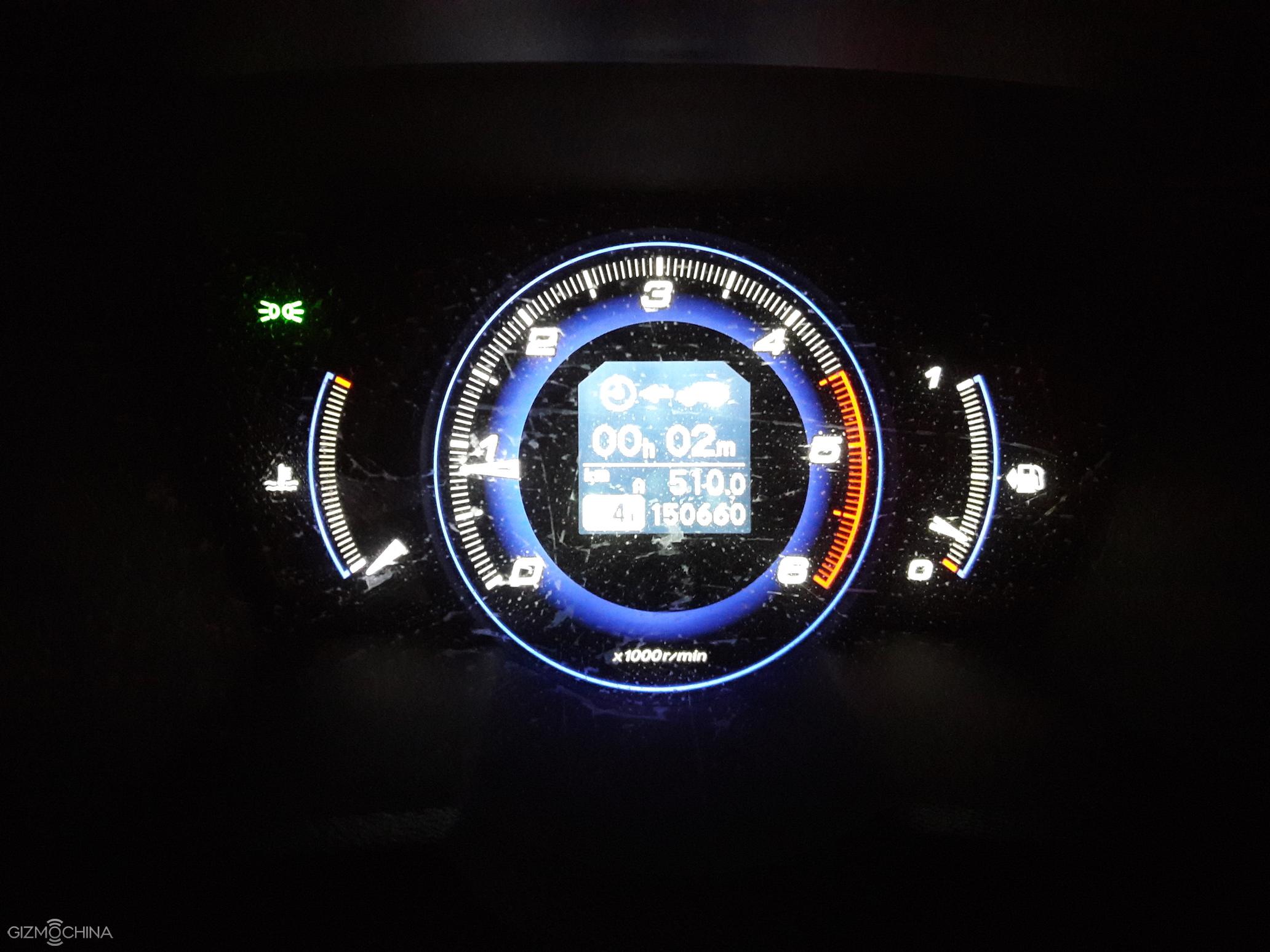
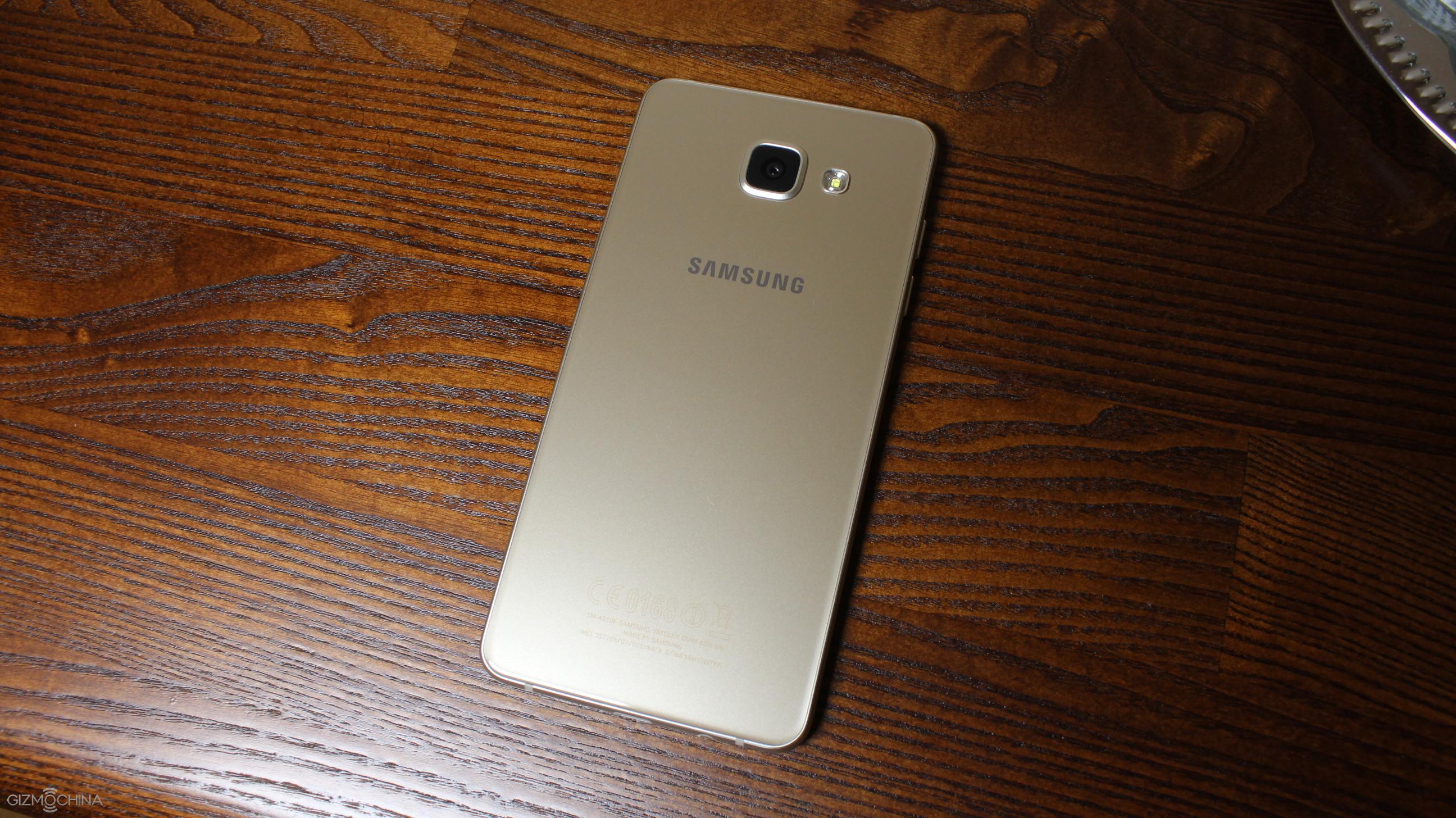
A couple of days back, we saw Xiaomi’s President Lin Bin share some photos captured by the Xiaomi Mi 5 camera. Despite being compressed by the social networking website, Weibo, the images showed that the Mi 5 could have a pretty powerful rear camera sensor with fast focus.
Now, Xiaomi’s VP Hugo Barra has just revealed some new images which reveal the details captured by Xiaomi Mi 5 camera. This time around, Barra shared the photos on Facebook directly. Once again, the photos turned out to be impressive with rich color and a lot of details. What’s more, there’s even a zoomed picture of the original image which shows the level of details captured by Mi 5’s camera.
However, Hugo is aware that the photos are compressed on Facebook. Hence, he will most likely upload the original pictures directly on the MIUI Forums. So, we better watch out for those full resolution shots.
Like mentioned above, this is the second set of camera samples that we have seen from the Xiaomi Mi 5 flagship. Lin Bin’s samples showed that the phone will come with super fast focus which could capture a flying bird without any visible blur. This is possible probably because of the Laser Autofocus that the Mi 5 is rumored to come with. As for the sensor, it is said that the phone will have a 16MP camera at the back. Unfortunately, the camera specs are yet to be confirmed.
What we do know is that the phone will feature the fast quad-core Snapdragon 820 chipset with Kryo cores, NFC, Dual SIM card slots and 1080p FHD display. Rumored specs include a 5.2-inch panel, 3GB / 4GB RAM and 32GB / 64GB storage options, 8MP front-facing shooter, and a large 3600mAh battery.
Given that the executives are keen to share details about the Xiaomi Mi 5 before the launch, we can expect more specs related information until February 24.
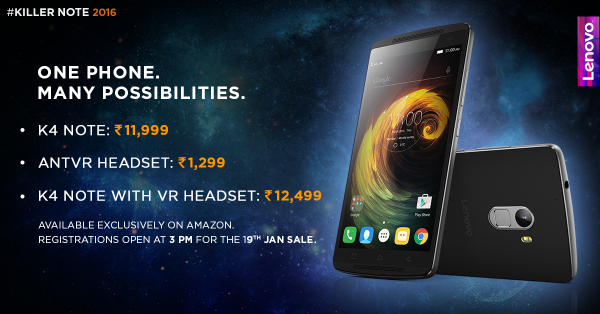
We know Lenovo K4 Note has been selling well in India, since it first went on sale back in January. Now, the company has shed some light as to how many units have been sold till now.
In a tweet, Lenovo revealed that it has sold more than 180,000 units of the Lenovo K4 Note smartphone till now. This is a great achievement considering that the phone went on sale just last month via the flash sale model. Further, the company adds that it has received more than 1.1 million registrations for the device.
Lenovo has also revealed that the phone will go on open sale from this Monday i.e. 15 February 2016. So, anyone who missed a chance to get hold of the device previously can finally purchase one. However, in the tweet announcing these details, Lenovo has mentioned that the stocks are limited, so you might want to hurry up on your purchase this Monday.
Another update is the availability of a new color, Pearl White. Up till now, the K4 Note was only available in black, so white color lovers should finally be happy to see this new option.
As for the specs, the Lenovo K4 Note comes with the MT6753 octa-core processor with 3GB of DDR3 RAM. You get a 5.5-inch FHD 1080p display up front with Gorilla Glass 3 protection. At the back, there’s a 13MP camera with PDAF, dual LED flash, and f/2.2 aperture while up front, you have a 5MP shooter. Other features include 16GB of expandable storage, dual SIM 4G support, Android 5.1 with Vibe UI and 3300mAh battery with fast charging.
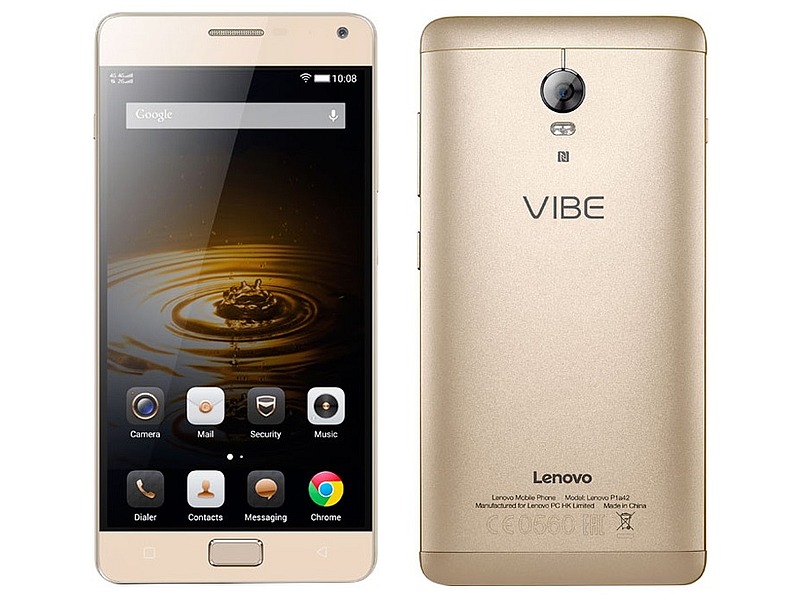
Lenovo has just sliently announced a new smartphone for the Indonesian market, namely the Lenovo Vibe P1 Turbo. This is a slightly better version of the Lenovo Vibe P1 that was announced last year.
Despite the name, Vibe P1 Turbo, there aren’t many differences between this and the standard model. One major upgrade in this new model is the camera at the back. Instead of a traditional 13MP rear sensor, Lenovo has used a slightly larger 16MP sensor with dual LED flash. The Lenovo website also mentions an upgrade in the memory department, with 3GB RAM, however, in another page on the official website, the RAM is mentioned as just 2GB. So, we will have to confirm from the company whether there’s an upgrade in this department.
Rest of the specs are the same as the P1. So, you get a large 5000mAh battery on board with 24W Quick Charge technology. There’s a 5.5-inch FHD 1920 x 1080p display. Under the hood, the phone is powered by the Snapdragon 615 octa-core chipset clocked at 1.5GHz. There’s 32GB internal storage which is further expandable up to 128GB via MicroSD card. Given the large battery, the phone is a bit thick, featuring a 9.9mm body. It weighs 187 grams, which is once again on the higher side.
Despite being announced in Indonesia, the phone could be launched in other countries as well as it supports a range of LTE networks including FDD Bands 1/3/7/20 and TDD Band 40. Other connectivity features include Wi-Fi 802.11 ac, Hotspot, Bluetooth 4.1 LE, A-GPS, Radio and dual SIM dual standby support. Finally for software, you get Android 5.1 with Vibe UI on top.
The Lenovo Vibe P1 Turbo is currently available for pre-order at approximately $300 from various retailers in Indonesia. The company is yet to announce any details about a possible international release.
So, here are the specs summary:
5.5-inch FHD 1920 x 1080p Display (401ppi)
Qualcomm Snapdragon 615 octa-core chip clocked at 1.5GHz
2GB / 3GB RAM (yet to be confirmed)
32GB Internal Storage with MicroSD expansion slot (up to 128GB)
16MP Rear Camera With Dual LED flash
5MP Front Camera
LTE FDD: Bands 1/3/7/20
TDD: Band 20
Android 5.1 With Vibe UI
Fingerprint Sensor, Wi-Fi ac, Bluetooth 4.1 LE, FM Radio, Dual SIM
According to the Electronic Times of South Korea, TSMC (Taiwan Semiconductor Manufacturing Company) has made a deal with Apple for manufacturing chipsets for the upcoming iPhone 7 models. This can be considered as a blow to Samsung who shared the manufacturing responsibility with TSMC for the chipsets used in the current generation iPhone 6S and 6S Plus models.
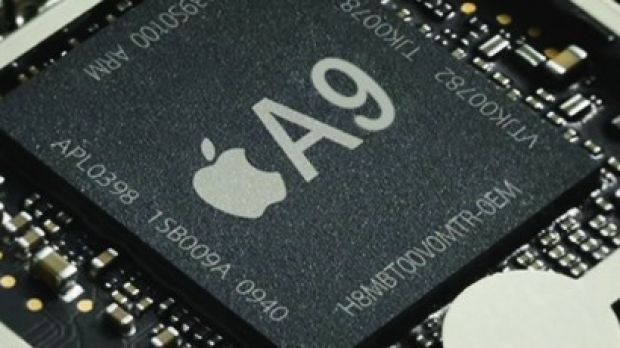
The new Apple chipsets, most likely called as the Apple A10 will be built solely using TSMC’s 10nm process. The smaller and efficient manufacturing node could be one of the reasons why Apple decided to stick with TSMC for its A10 chipsets. However, the move is not really surprising given that there was a bit of controversy regarding who manufactured the A9 chip inside the current generation iPhones.
The Samsung made A9’s were reportedly not as good as the TSMC version (although the difference was only 2-3% claims Apple), which offered better battery life. Given that there was no sure way of ensuring which model you get, many were disappointed after getting a slightly slower Samsung variant. But with a sole chip manufacturer for the iPhone 7, this shouldn’t be an issue.
Using TSMC’s 10nm manufacturing node makes sense as the chips should be much more powerful and efficient than the 14nm technology used by Samsung.
If you are an avid fan of Chinese devices, you would have heard of the name Teclast, which is a popular tablet maker. The company specializes in dual boot tablets, and we have seen quite a number of them in the past few months.
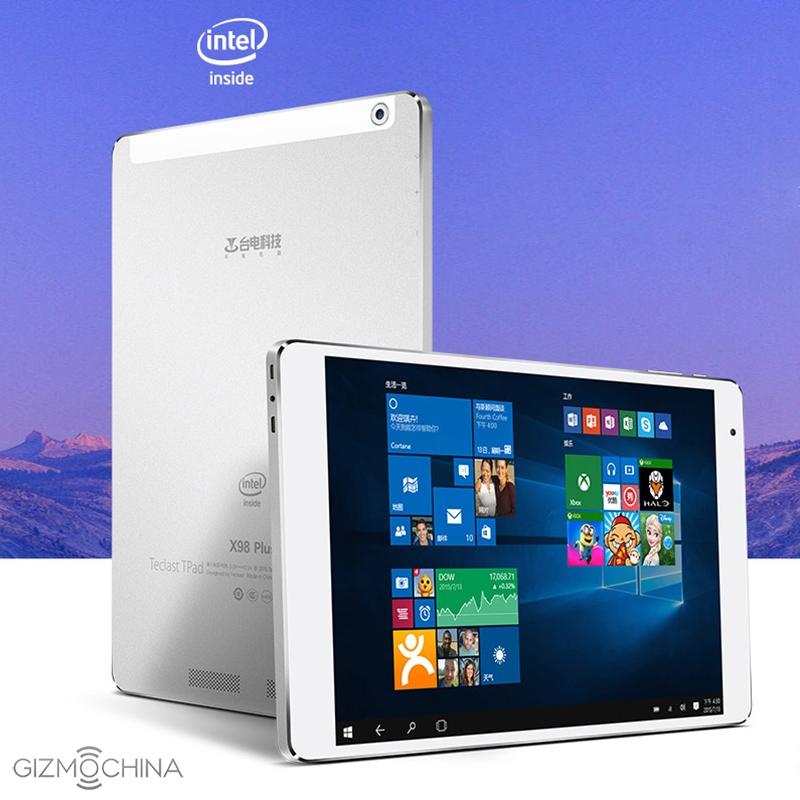
Now, this Chinese tablet maker has entered Europe, with its new Teclast X98 Plus Dual tablet. The company was reportedly waiting for the European CE certificate in order to start selling its tablets in the region. Now, that the certificate is received, we can expect a lot more Teclast tablets launch in the European market.
The Teclast X98 Plus Dual is actually a pretty well-specced tablet. It comes with the Intel Cherry Trail Z8300 (X5-Z8300) 64-bit quad-core chip clocked at 1.84GHz. For graphics, you get the Intel HD Gen8 chip. Inside, you get 4GB of RAM and 64GB of internal storage, which is further expandable via MicroSD up to 128GB. As for the display, you get a large 9.7-inch IGZO panel with 2048 x 1536 resolution.
At the back, you have a 5MP camera, while up front, there’s a 2MP shooter. Further, you have a large 8000mAh capacity battery packed inside its 7.9mm body. As for the software, you get Windows 10 + Android 5.1 dual boot. The European version comes with a special European ROM customized for the region. However, at this moment, we don’t know what’s new or changed in the ROM as compared to the standard version.
Also, as of now, we don’t know the European pricing of the Teclast X98 Plus Dual tablet. However, we can expect it to be around the same figure as the international version. Retailers like Gearbest and Banggood are selling it for around $200 or less.
Gearbest has listed the regular version of the tablet for $189.99, which is quite aggressive. You can check out more details from the link down below. As for the European version, we will have to wait for a few days until more information about availability and pricing are revealed.
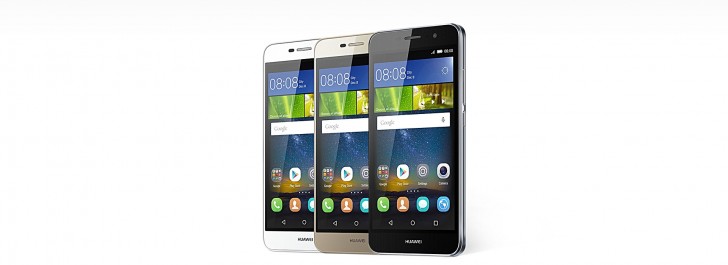
Huawei has just unveiled a smartphone for the international market namely, the Huawei Y6 Pro. This is the international version of the Enjoy 5 smartphone which was announced back in December to compete with the likes of the Redmi 3.
As for the specs, the Huawei Y6 Pro comes with a 1.3GHz MT6735P chipset and 2GB RAM and 16GB of storage. There is a 5-inch 720p HD display. You don’t have to worry about the phone’s battery life as it comes with a large 4000mAh battery, As for the optics, you get a decent 13MP camera sensor at the back and a 5MP front facing shooter. Given the large battery, the phone is a bit thick, with a 9.7mm body and weighs 160 grams. But I am sure most wouldn’t mind the thick body, considering the battery life that you would get. One thing we would have loved is a better processor, like Snapdragon 616 inside the Redmi 3.
Other features are pretty much standard, like Bluetooth 4.0, Wi-Fi 802.11 b/g/n, Wi-Fi direct and Android 5.1 Lollipop with Emotion 3.1 UI on top. The phone features a special water ripple design with a metal frame. There will be three colors available like White, Gold and Gray.
Unfortuantely, we are not yet sure about the pricing of the device. But from the specs, it looks like an entry level device, so hopefully, the pricing will be below $200.
In the past few years, Huawei has aggressively expanded its smartphone lineup. The Chinese giant has also entered new markets, in strategic regions like US and Europe. This shows that the world’s third largest smartphone maker is keen on strengthening its position in the smartphone industry.
MWC is an important event for all tech companies and Huawei has confirmed that it will also be present at the event. As the company had nothing new to offer at CES 2016 which ended last month, its quite likely that we will see a new smartphone or wearable from the company at MWC 2016. You can also expect some existing handsets like Honor 5X and Huawei Mate 8 to be showcased at such an important event.
According to the invites sent by Huawei to the media, the company is inviting them for the “global unveiling of its newest smartphone”. It could either mean the launch of a new handset like the rumored Huawei P9 flagship & a new Huawei Smartwatch or a European reveal of an existing device like the Huawei Mate 8.
We can’t be sure which one of these will be announced at the event. So, let’s take a look at all the possible products that we can expect from Huawei at MWC 2016.
Huawei P9
So, one of the possible announcements at MWC 2016 could be the Huawei P9 flagship. This will be the successor to the popular Huawei P8 smartphone that was announced back in May 2015. The company managed to sell more than 10 million units of this model (P8 Lite) last year, so its successor will be an important device for 2016.
As far as the rumors are concerned, they paint a pretty powerful smartphone. It is said that the phone will come in four different variants, namely the Standard, Lite, Max and a special Premium edition.
The standard version is expected to come with a 5.2-inch FHD 1080p display, with Kirin 950 chip on board, a physical home button, a 3000mAh battery and 4GB of RAM. Interestingly, earlier rumors had hinted that the Huawei P9 will be the world’s first 6GB RAM smartphone. There are also rumors about a dual camera setup, but we are not sure about that.
While we are not sure about the company using so much RAM inside the device, if we had to choose, it would be the Premium edition which manages this feat. You can also expect a better camera and larger screen on this special edition. As for the Lite version, expect lower specs. Max will most likely come with a larger screen.
Huawei Watch 2
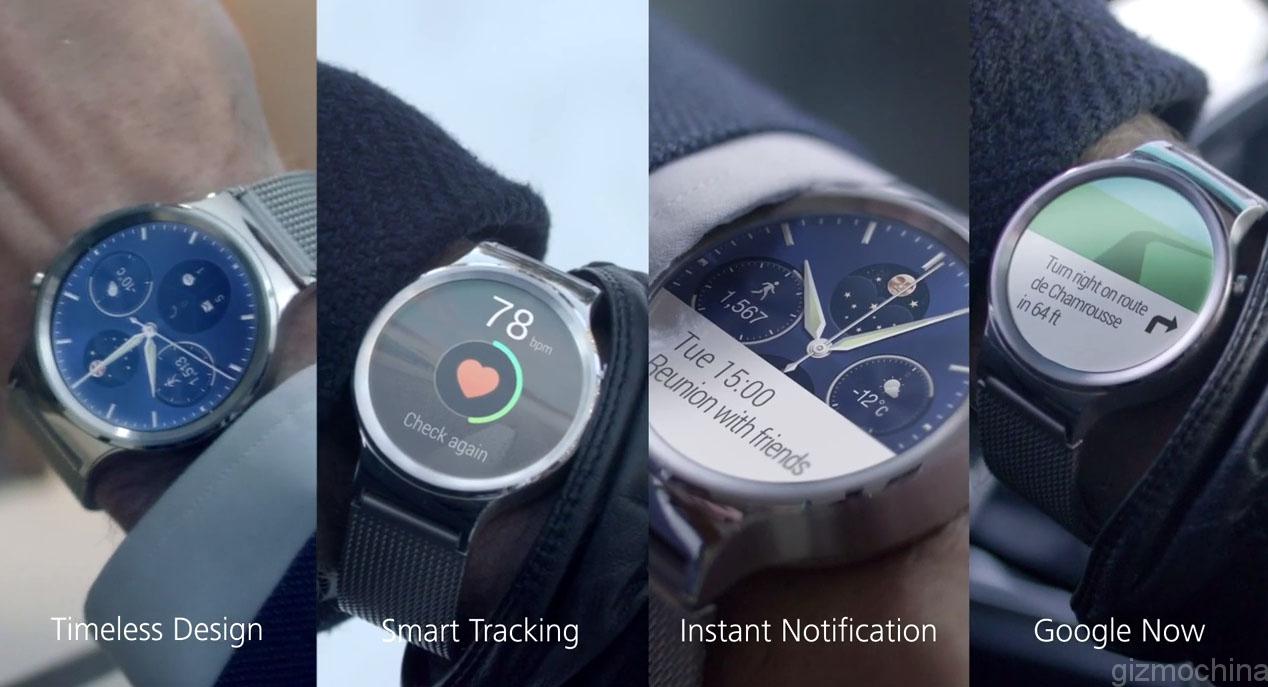
Huawei unveiled the Huawei Watch last year and it was one of the best wearables that we have seen till date. Since the company unveiled the watch around this time in 2015, it’s possible that we will see the second generation Huawei Watch 2 at MWC 2016.
Unfortunately, at this moment, we have no information about the new version. Also, given that the company updated the existing watch, with two new variants, namely Elegant and Jewel editions, it’s possible that there’s still some time before the new version launches.
Huawei Mate 8
Huawei unveiled the Mate 8 flagship last year and there’s no doubt that we will see this device at MWC 2016. The company will be keen to showcase its best device till date in Barcelona.
As for the specs, the phone comes with Kirin 950 chip with 3GB + 32GB and 4GB + 64GB memory combinations along with a large 4000mAh battery. The display will be of 6-inches with FHD 1920 x 1080p resolution. As for the camera, the Mate 8 features a 16MP rear sensor with PDAF and OIS and an 8MP front facing shooter.
Honor 5X
Another device that could be showcased at the event is the mid-range Honor 5X. The phone features an all metal body and comes with Snapdragon 615 chip under the hood along with 2GB/ 3GB RAM and 16GB storage options. It sports a 5.5-inch FHD display and features a 13MP rear and 5MP front shooters. As for storage, it comes with Android 5.1.1 out of the box.
So, these were the possible devices that we could see from Huawei at MWC 2016.
We are attending the event, so stay tuned for more details.
We have been hearing a lot about the upcoming Xiaomi Mi 5 flagship smartphone, both from company executives as well as rumors. As of now, the phone is confirmed to feature the powerful Snapdragon 820 quad-core chipset along with 1920 x 1080 pixel resolution display.
The company was quiet about the phone’s camera specs. But now, Xiaomi’s President, Lin Bin has just shared what appears to be the first camera samples from the Xiaomi Mi 5 flagship.
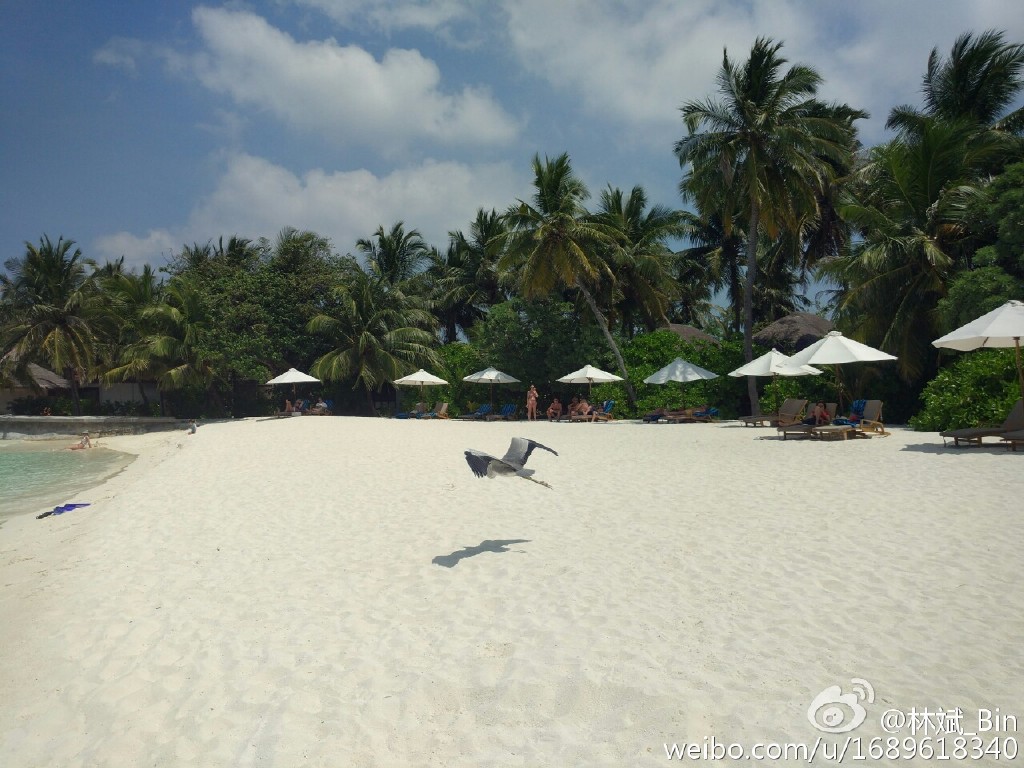
Apart from mentioning that the samples are from Mi 5, we can also see that the weibo post was made using the Xiaomi Mi 5 handset. The two photos were taken on an unknown beach.
As for the pictures, they have turned out to be pretty good. Both the images have pretty good colors and look rich. However, what’s really impressive is that the Xiaomi Mi 5 managed to capture the image of the flying bird without any visible blur. The second image stands out because of its clarity despite the bird being in motion.
These images can be an indication of the powerful camera inside the upcoming Mi 5 handset. The phone must feature fast focus and OIS for taking such good shots of a bird in motion. Rumors state that we can expect a 16MP rear sensor with Laser Autofocus and dual LED flash on board.
Unfortunately, at this moment, we can’t be sure of the camera specs. But what we do know is that the camera inside the Xaiomi Mi 5 flagship will be quite good. Stay tuned for more details.
So, what do you think? Are these samples are impressive?
Nokia has announced that it will be present at MWC 2016 to be held in Barcelona from February 22 to February 25. However, if you were hoping to see some new Android smartphones from the company at the event, you will most likely be disappointed.
Nokia has a handful of projects under development and some of them would be showcased at the upcoming tech event in Barcelona. Ever since the sale of its smartphone business to Microsoft, Nokia has shifted its focus on network infrastructure. So, we can expect new tech in this field by the company.
Nokia recently announced a new security product in the market, called Netguard Security Management Software. The company confirms that this new product will be showcased at MWC this year.
Netguard is a software designed to monitor and control all the security components of a network. So, instead of securing just individual devices, the software secures the network as a whole. It monitors all IoT devices in the network for malware and other attacks and secures the entire system. The company also adds that it is ready to sell the product to any brand of networks.
Another interesting tech from Nokia to be shown off at MWC will be the LTE Advanced Pro. The new network promises a significant increase in transfer speeds, using the existing network infrastructure. The LTE-A Pro will use special algorithms to speed up uploads at twice the existing rate and downloads at thrice the rate. This could be an important tech as it enables existing network carriers to squeeze more out of their existing infrastructure. So, no need to install costly new age components for increased speeds, at least, not at the moment.
As for smartphones, we may see Nokia branded phones sometime later this year. We have seen some renders of a possible Nokia smartphone, but they are not yet confirmed. In fact, the eventual return of the company to smartphone business is still a debated topic.
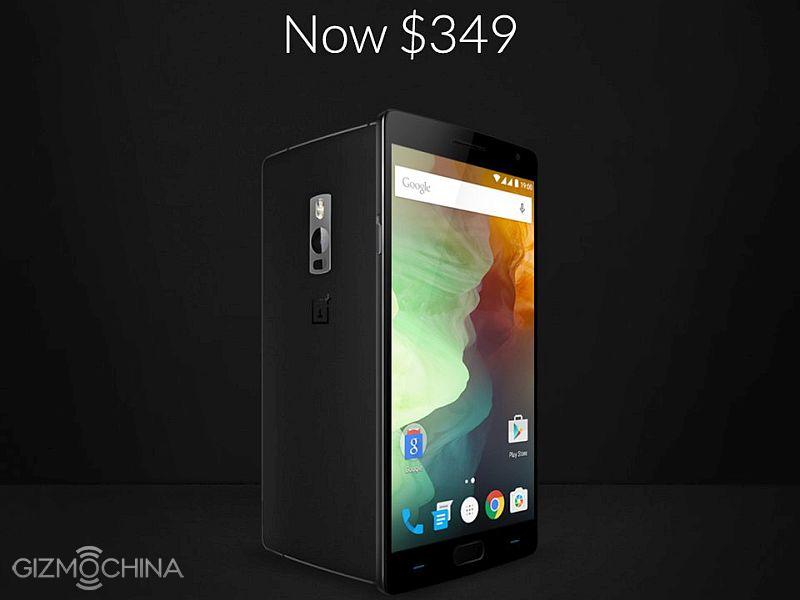
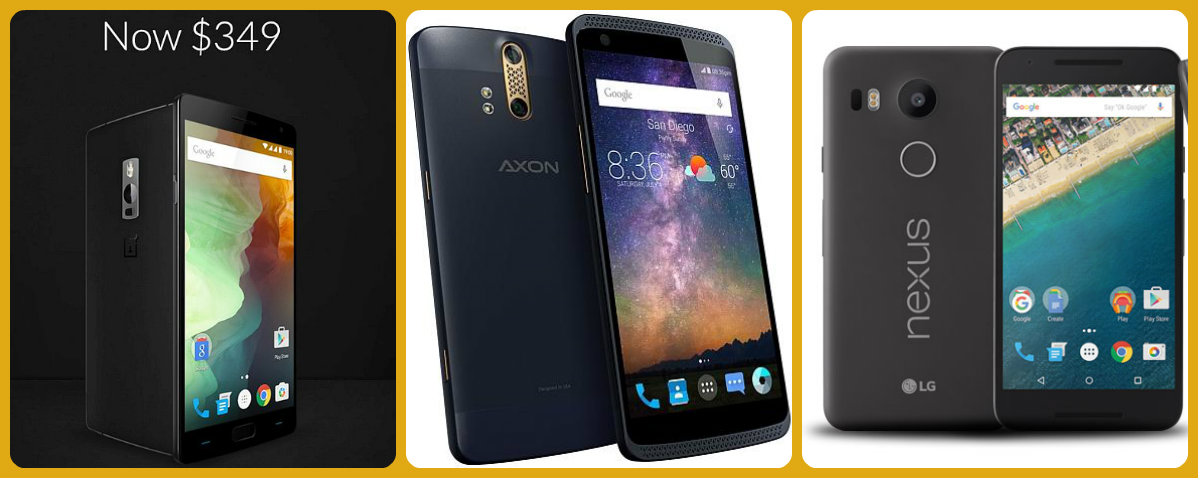
In a surprising move, OnePlus cut down the price of its most popular 64GB variant of the OnePlus 2 to $349. This is a staggering $40 reduction from the official price tag of $389, clearly making it one of the best smartphone deals, even though its more than 6 months old now.
OnePlus CEO Carl Pei explained that the cost of production has reduced for the OnePlus 2, which is why the company has decided to pass on the savings to its customers. Moreover, Carl promised that if you bought the device (internationally) in the past 15 days, you will get a refund of $40.
So, now that the phone retails for a much cheaper price tag than at launch, we take a look at the popular smartphones that competes directly with the OnePlus 2.
In the table below, we will compare OnePlus 2 with close competitors like the Nexus 5X, and ZTE Axon Pro to see if this is indeed a good deal.
OnePlus 2 vs Axon Pro vs Nexus 5X
You will see that Axon Pro does have a few advantages over OnePlus 2, like a faster-clocked processor, Hi-Fi Audio, 2K display and dual cameras. However, after the price cut, the OnePlus 2 is almost $50 less than the Axon Pro and with a larger battery, storage and fingerprint ID, the former turns out to be a good deal.
When we bring Nexus 5X to the table, which costs $349 i.e. the same price as OnePlus 2, we see how underpowered the phone is as compared to the OnePlus flagship.
After the price cut, you probably won’t find such a powerful device in this segment. You can check out the comparison table below for more details.
For the first time, Xiaomi will be attending the Mobile World Congress event which is held in Barcelona, Spain. This is an important event for all tech companies, particularly smartphone manufacturers as almost everyone has something new to showcase during the four-day period.
Xiaomi has been particularly quiet about its intentions of expanding into European and North American markets. The presence of the company at MWC 2016 could be an indication of its plans to enter new markets in the region. As a result, it becomes important for Xiaomi to showcase the best products at the event which will be held from February 22 to February 25, 2016.
So, here’s what to expect from Xiaomi at MWC 2016.
Xiaomi Mi 5
Xiaomi has confirmed that it will showcase its flagship, the Xiaomi Mi 5 at MWC 2016. This will undoubtedly be the company’s most important product of the event this year. It’s a flagship in the making for more than one and half years, and there’s a lot of expectations from fans worldwide that the company needs to deliver with the Mi 5.
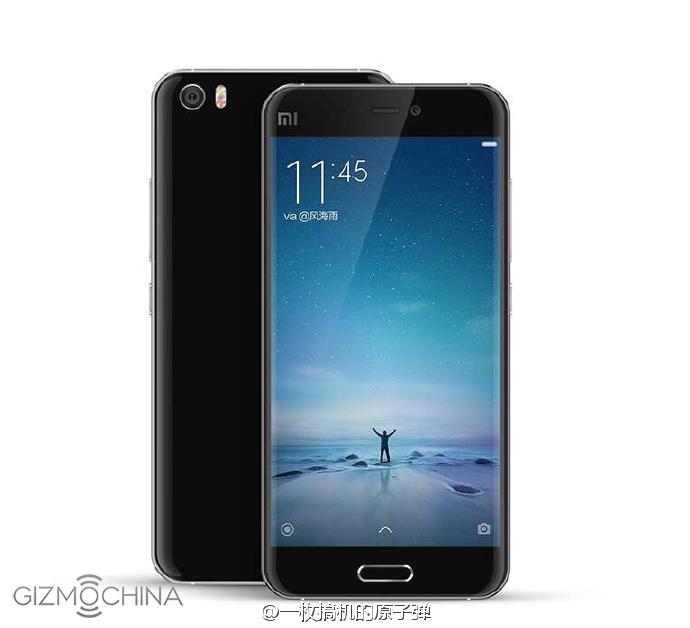
Several sources have revealed a Xiaomi Mi 5 with a physical home button up front. The renders also show that the phone will come in multiple colors such as white, black, pink and gold.
As for the specs, the Xiaomi Mi 5 is expected to come with a 5.2-inch display with FHD 1920 x 1080 pixel resolution. There will most likely be multiple RAM + Storage versions, like 3GB + 32GB and 4GB + 64GB. At the back, you can expect a 16MP shooter with Laser Autofocus, while up front an 8MP sensor.
These were the unconfirmed specifications of the Mi 5. There are some features which were officially confirmed by company executives like the CPU: Snapdragon 820, Screen Resolution: FHD 1080p, Connectivity Features: Dual SIM, NFC. You can read more about all the confirmed features of the Xiaomi Mi 5 from this article.
Pricing is still unclear, but earlier rumors have said that the Mi 5 will be slightly costlier than its predecessor, the Mi 4. The expected pricing is said to be 2499 Yuan ($380) for the base variant. You can expect the prices to go north from this figure for the other variants (we expect a number of Xiaomi Mi 5 variants).
Now that we have covered Mi 5, which is the only product confirmed to meet us at MWC 2016, its time to look at products which are rumored to be launched at the event.
Xiaomi Drone
Xiaomi has been rumored to be working on a drone for the past few months. This is not really surprising given the company’s interest in a lot of different categories, ranging from gadgets in the wearable industry to home appliances.
The latest rumors indicate that the company could launch its first drone / UAV at MWC 2016. Since this is yet to be confirmed by any means, we would advise you to take this rumor with a pinch salt. Still, the rumors about Xiaomi’s first drone is interesting enough to be worth checking out.
The company seems to be working on an interesting device. From the patent documents leaked, it seems that Xiaomi’s drone can be controlled via its Mi Band wearable. Given that the Mi Band lacks a display, we guess the drone could be controlled via hand gestured supported by the wearable as well as the companion Mi Band Android / iOS app.
The images further show that the Xiaomi Drone could have a ‘follow me’ feature. So, you could be just wearing the Mi Band, riding you bicycle and the drone could follow you from above, taking pictures and videos of your ride. If it works well, this feature could attract a lot of adventure enthusiasts, enabling them to take shots from angles, and places, not easily accessible before.
The rumors further add that Xiaomi may not manufacture the drone, rather it could focus on marketing and selling the device. So, the actual manufacturer of the drone could be a different company. Also, the drone is said to focus on the lower price band, so it may not compete with market leaders such as DJI.
Other Products:
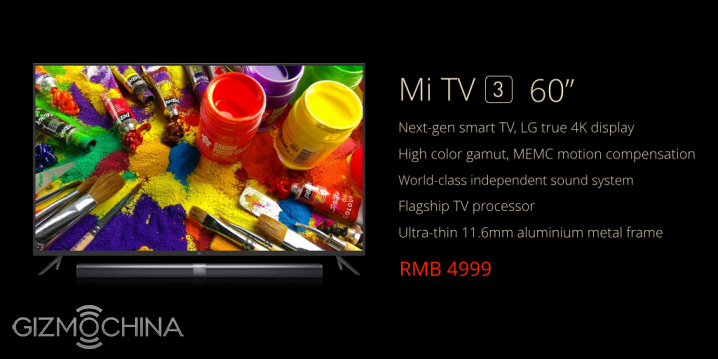
So, the Xiaomi Mi 5 and the Xiaomi drone were the two possible new launches that can be showcased at the event. However, Xiaomi most likely won’t miss the opportunity to show off its existing products at MWC 2016. So, you can expect best sellers from the company like Redmi Note 3, Redmi 3 and even other products such as the Xiaomi Mi TV3 and Mi smart scale at the event.
So, mark your calendars — Xiaomi Mi 5 and lot many products are coming our way at MWC 2016!
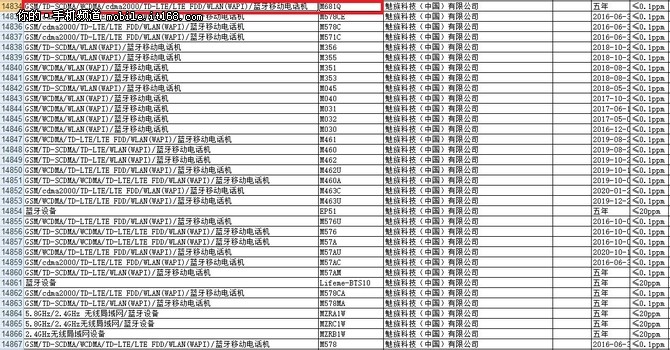
It’s a relatively quiet day for news related to Chinese smartphones, thanks to the New Year Celebrations in the country. However, recently, a new Meizu device was spotted in a certification listing. The model number Meizu M681Q is an unknown smartphone from the company, which means this could be an upcoming device. From the naming scheme, the M681Q could be the rumored Meizu MX6 flagship that will succeed the existing MX5 smartphone.
Unfortunately, the radio certification doesn’t reveal much about the device. But it does show that the model will support GSM / TD-SCDMA / WCDMA / CDMA2000 / TD-LTE / FDD-LTE networks, which means full network support in China. Also, this certificate proves that the phone exists and could be in the final stages. Of course, unless the Meizu MX6 receives important certifications like TENAA or 3C, we can’t be sure that the device will launch soon. So, the launch may still be a few months away. In case you remember, earlier leaks had said that the phone could release sometime in April, which is still a couple of months away.
As for the specs, the Meizu MX6 was spotted on AnTuTu last month. The benchmark app revealed that the phone could come with Mediatek’s latest Helio X20 10-core chipset along with Mali-T880 MP4 GPU and 3GB of RAM. While the screen size was not revealed by AnTuTu, the resolution was said to be 1920 x 1080 pixels. Also, the phone was running on the new Android 6.0 Marshmallow platform.
We even saw alleged press invites for the launch of the MX6 a few weeks back, but as of now, we have no official details from the company about its release. Hopefully, things will get clearer in the coming days, so stay tuned.
When Gizmochina was launched a few years back, there was only one thing in mind, providing readers with the latest Chinese gadget news. Back then, there were hardly a few thousand readers. And over the course of time, the website has grown into one of the top Chinese news sites.
In the past few years, thanks to our loyal readers, we have been growing pretty quickly. But we know our website is far from perfect at the moment. And we would like your help to improve the site.
Now is the time of the Chinese New Year – The Year of the Monkey and we would like to change a few things on the website, to make it more reader-friendly as well as interesting. And given that you are our readers, we would like to hear directly from you guys about your feedback and suggestions.
We would like to know what all changes that you would like to see on gizmochina. Also, we want your suggestions on the kind of content that you would like to read on the website. We have a few ideas, but we would be happy to hear more from you guys. I promise to read each of your suggestions and try to implement them in the coming months.
You can comment below this article for your suggestions or mail to me at directly at [email protected]. I’ll be happy to hear from our readers.
Thanks for all your support till now. I hope that we can together make gizmochina more professional and reader-friendly.
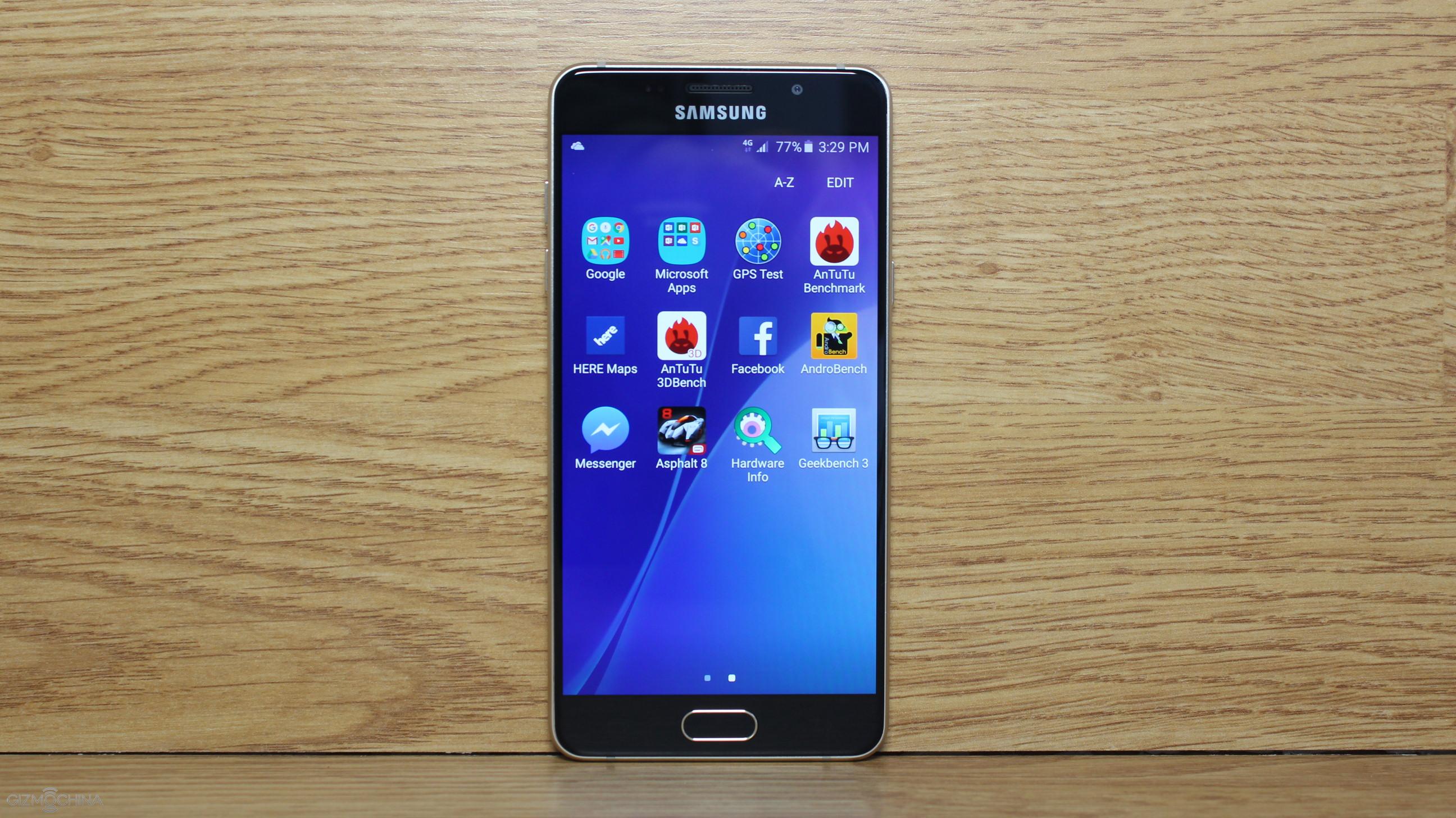
Samsung has changed their design language in the past several years and the company has also brought some premium materials and great build quality to their midrange phones lineup.
Galaxy A5 2016 year edition is a great example of it but is it any good? Learn more in the full Galaxy A5 2016 review.
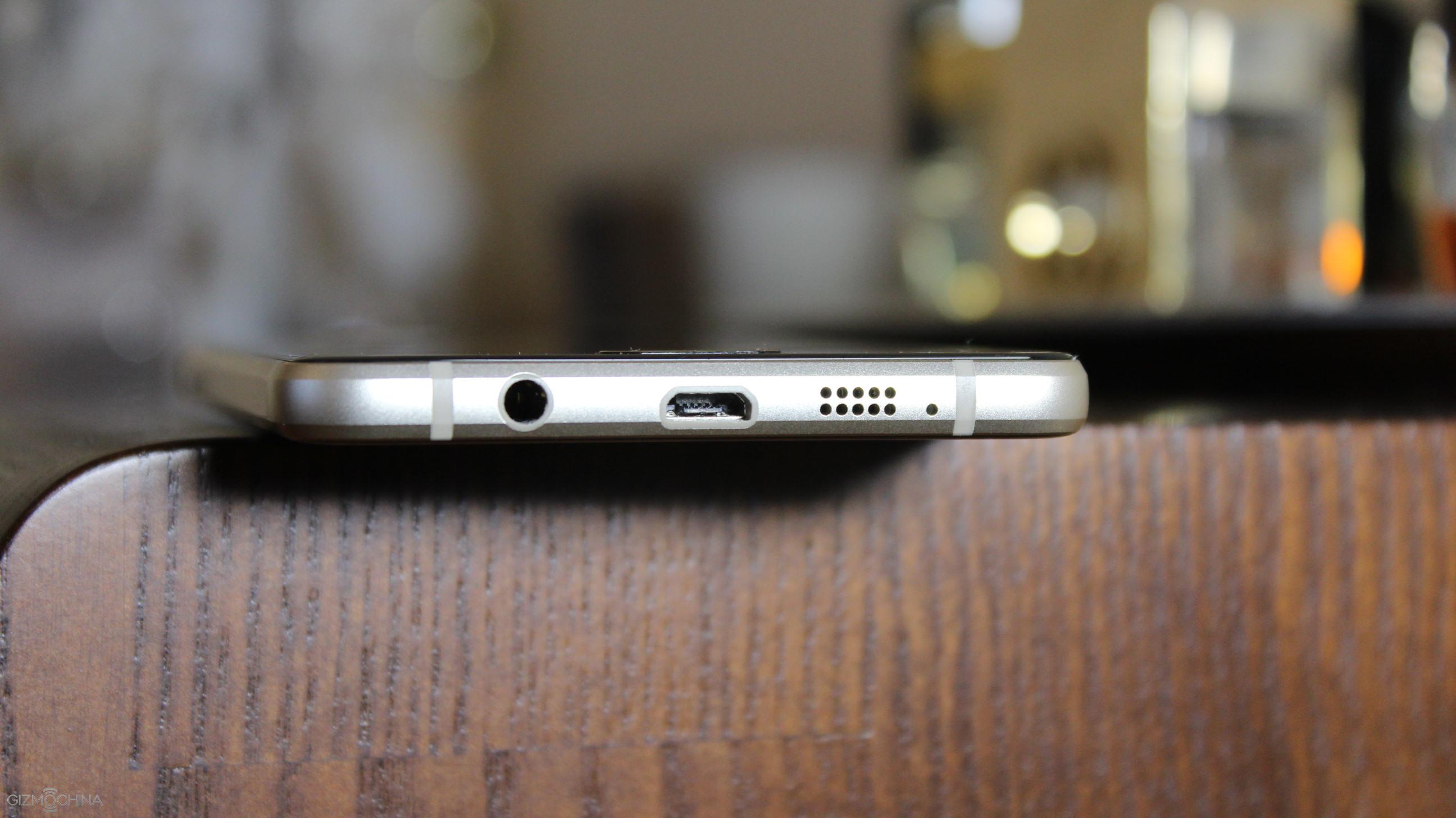
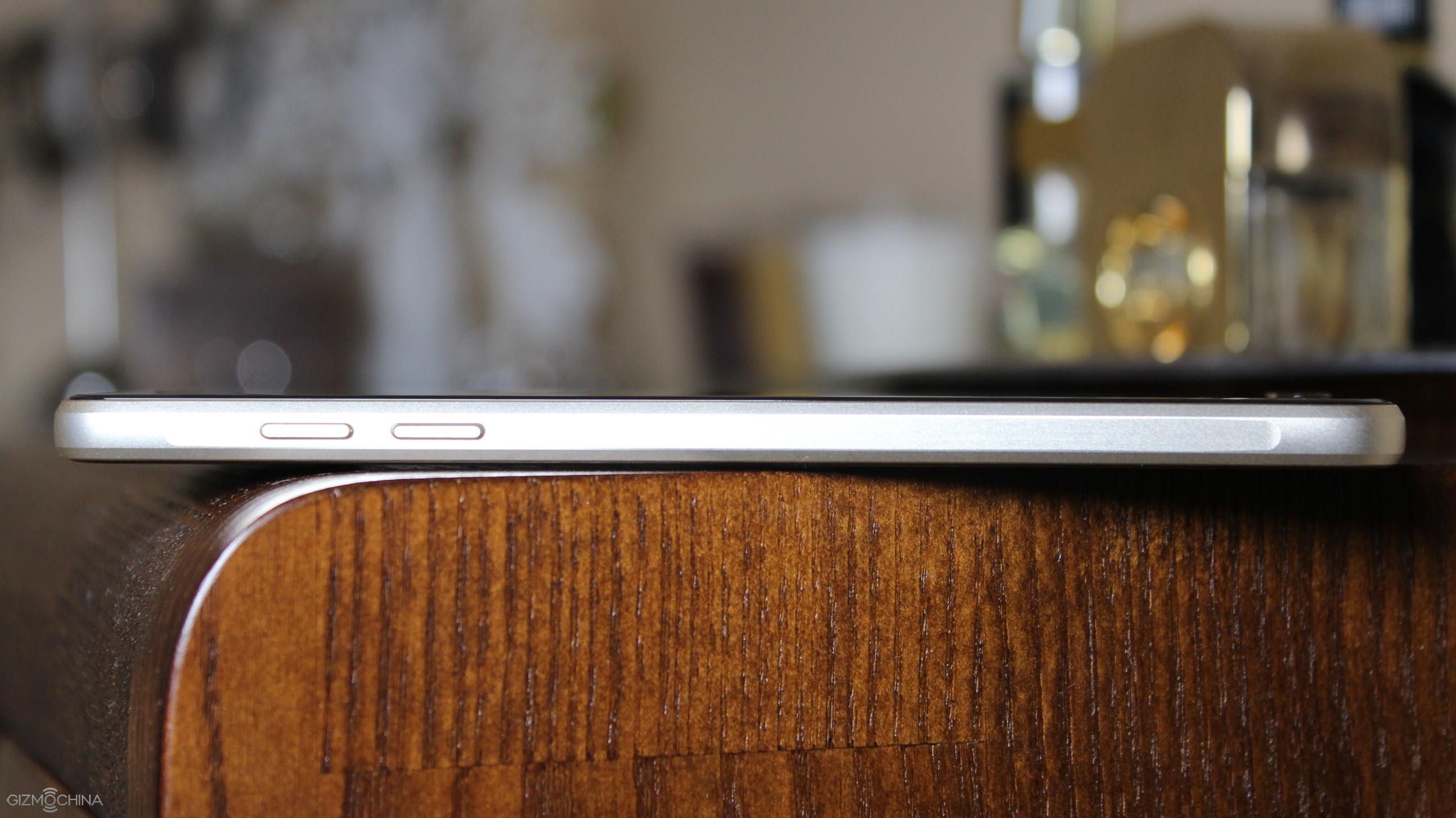
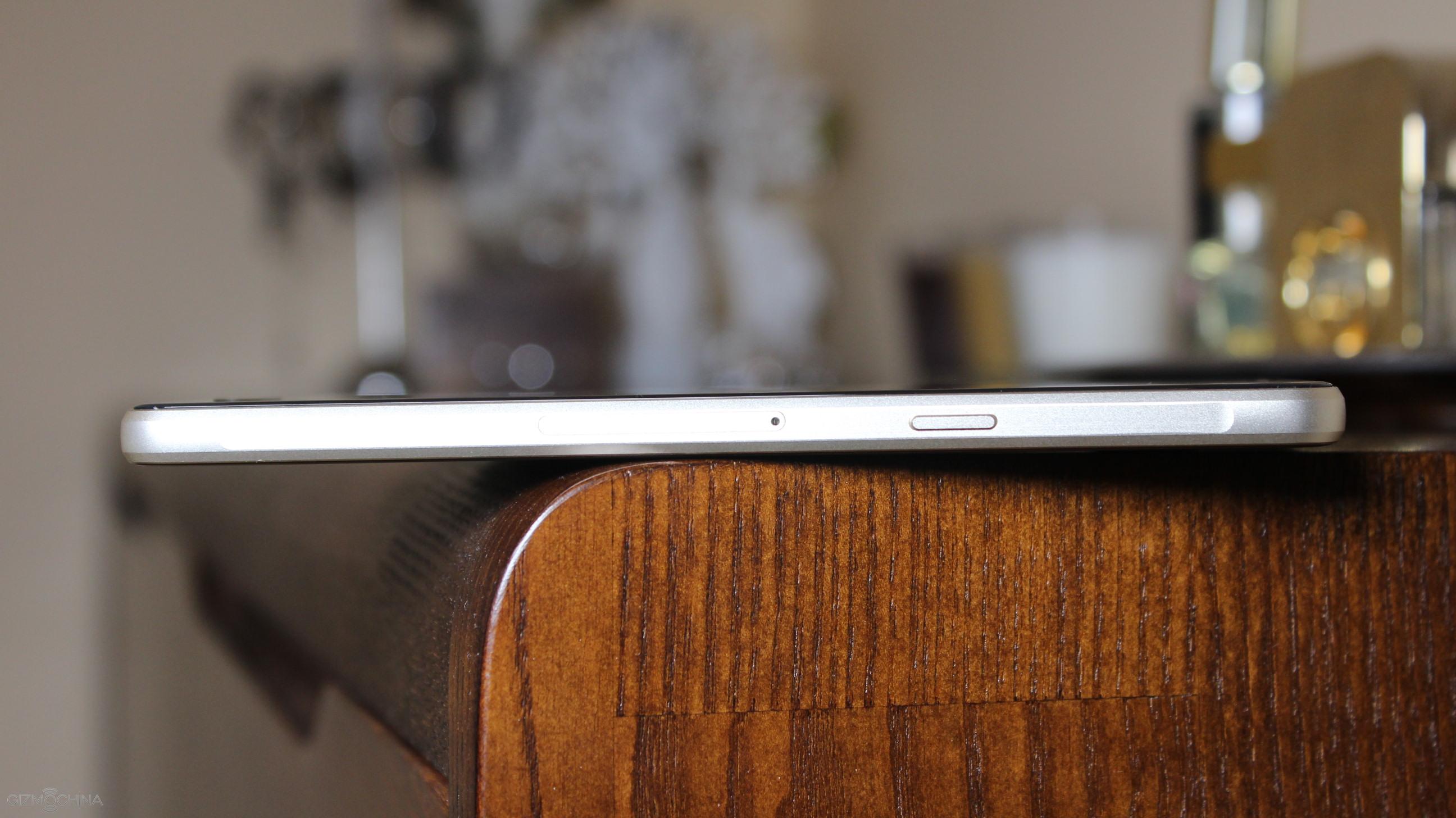
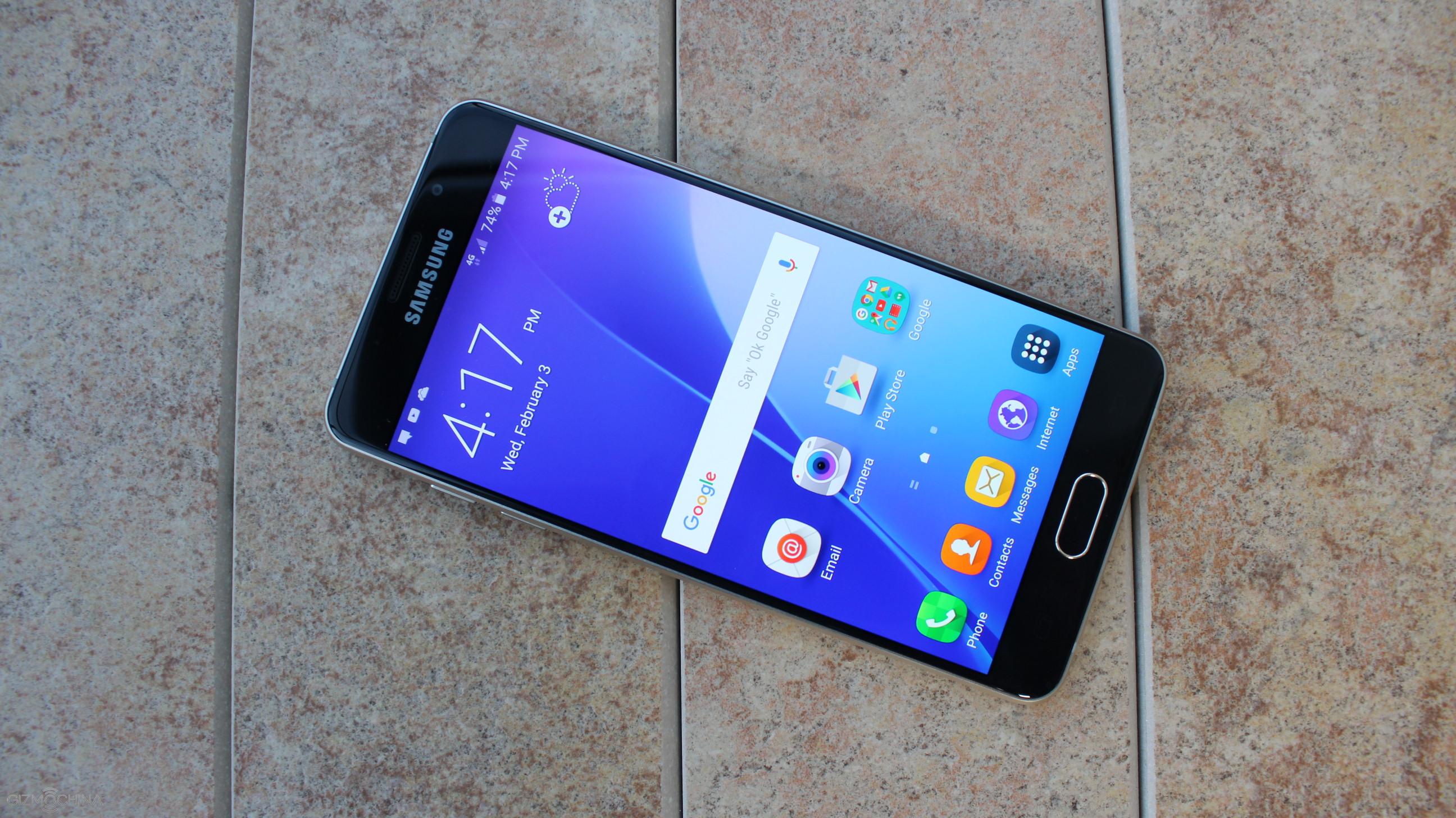
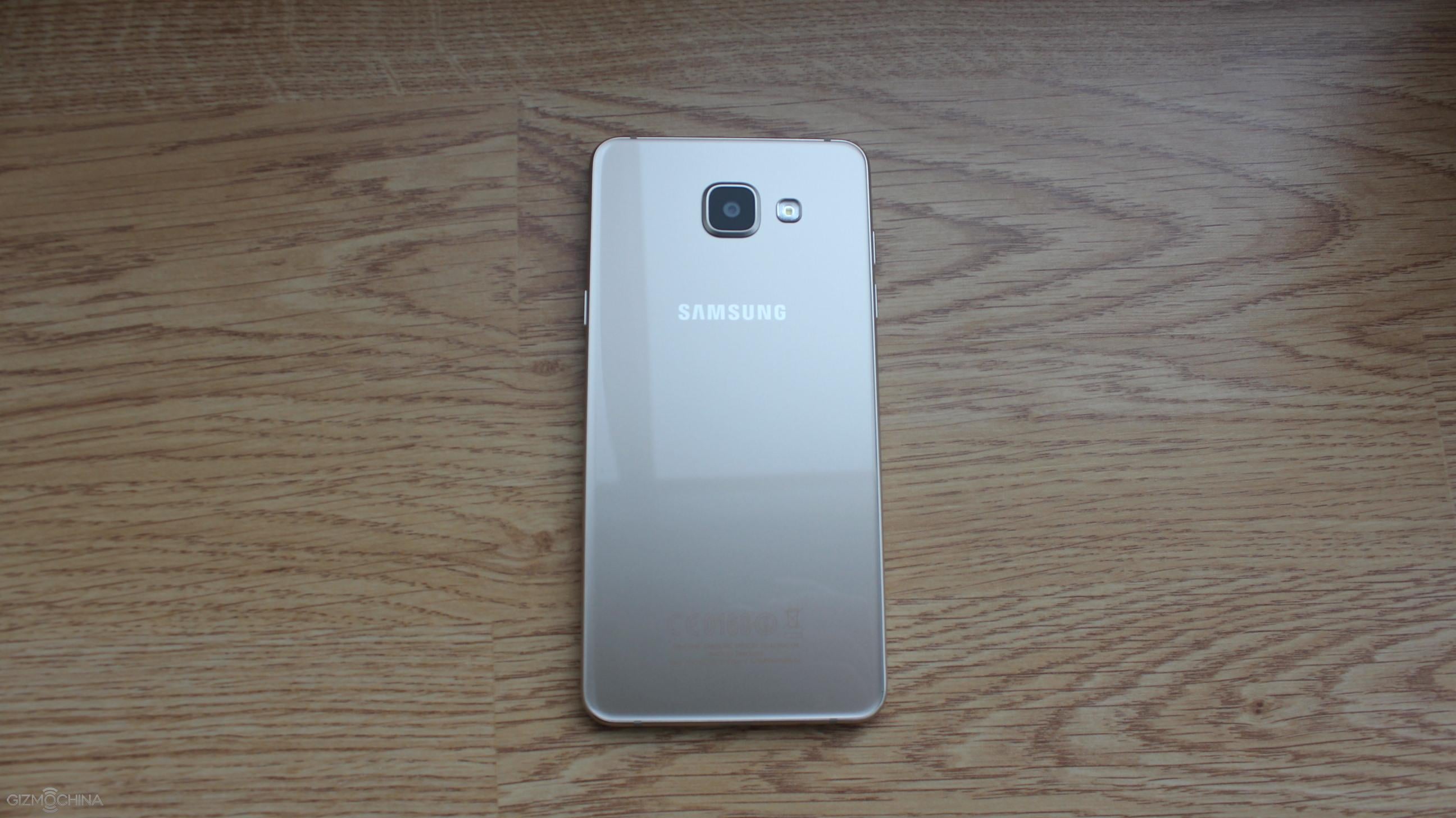
Let’s start by the design as the Galaxy A5 looks and feels like a flagship phone. It uses a quality metal frame around the device along with metal buttons, which are located on the left and right sides and they have excellent tactile feedback. Also, there is a single SIM card slot and the microSD card slot for storage expansion. It’s worth mentioning that you can also opt in for a dual-SIM card model.
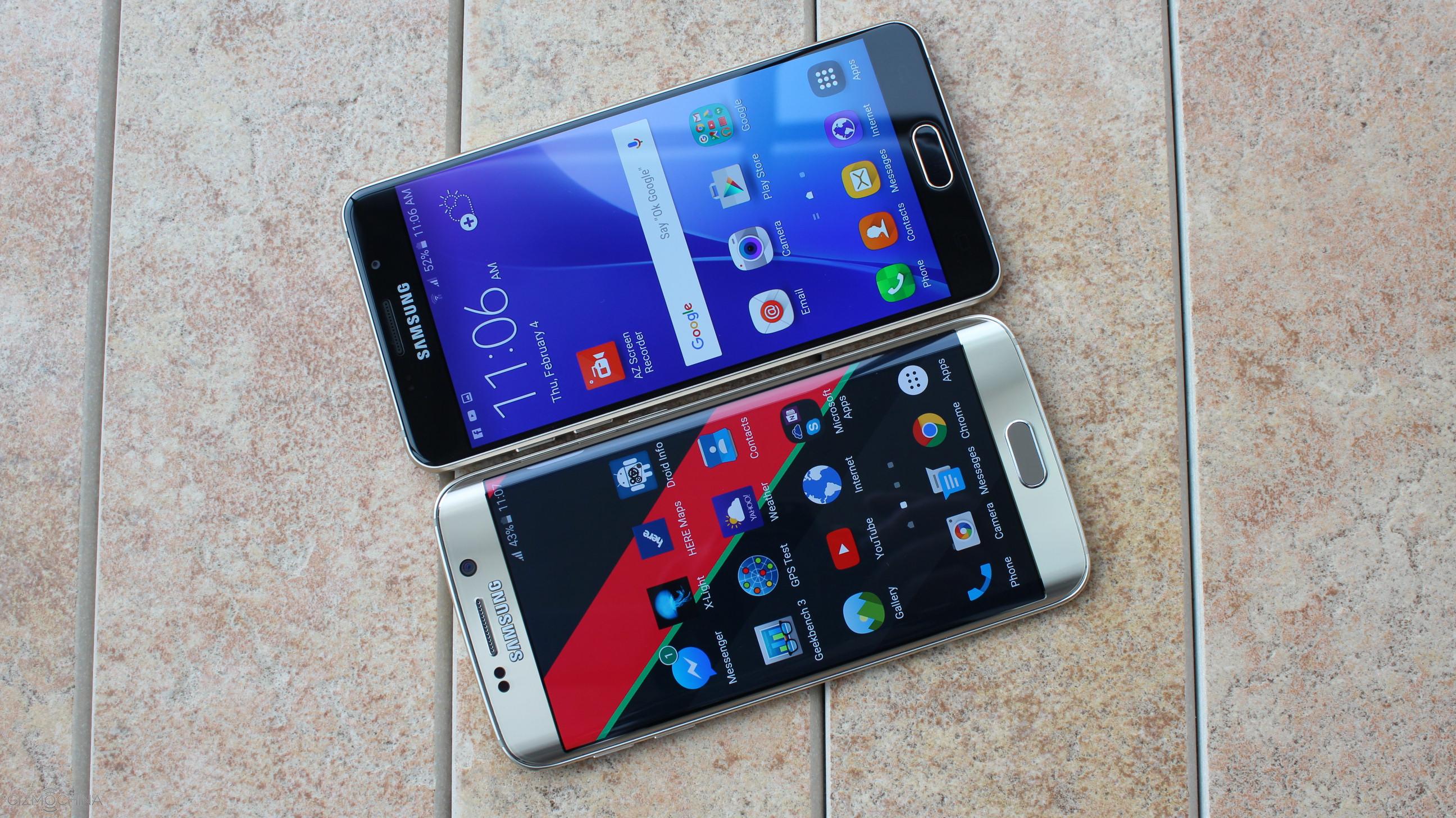
The Gorilla Glass 4 protects the 5.2” 1080p Amoled display, which is just gorgeous. It is sharp, vibrant, bright and it has great viewing angles. Also, you can adjust colour temperature to your liking in the settings menu.
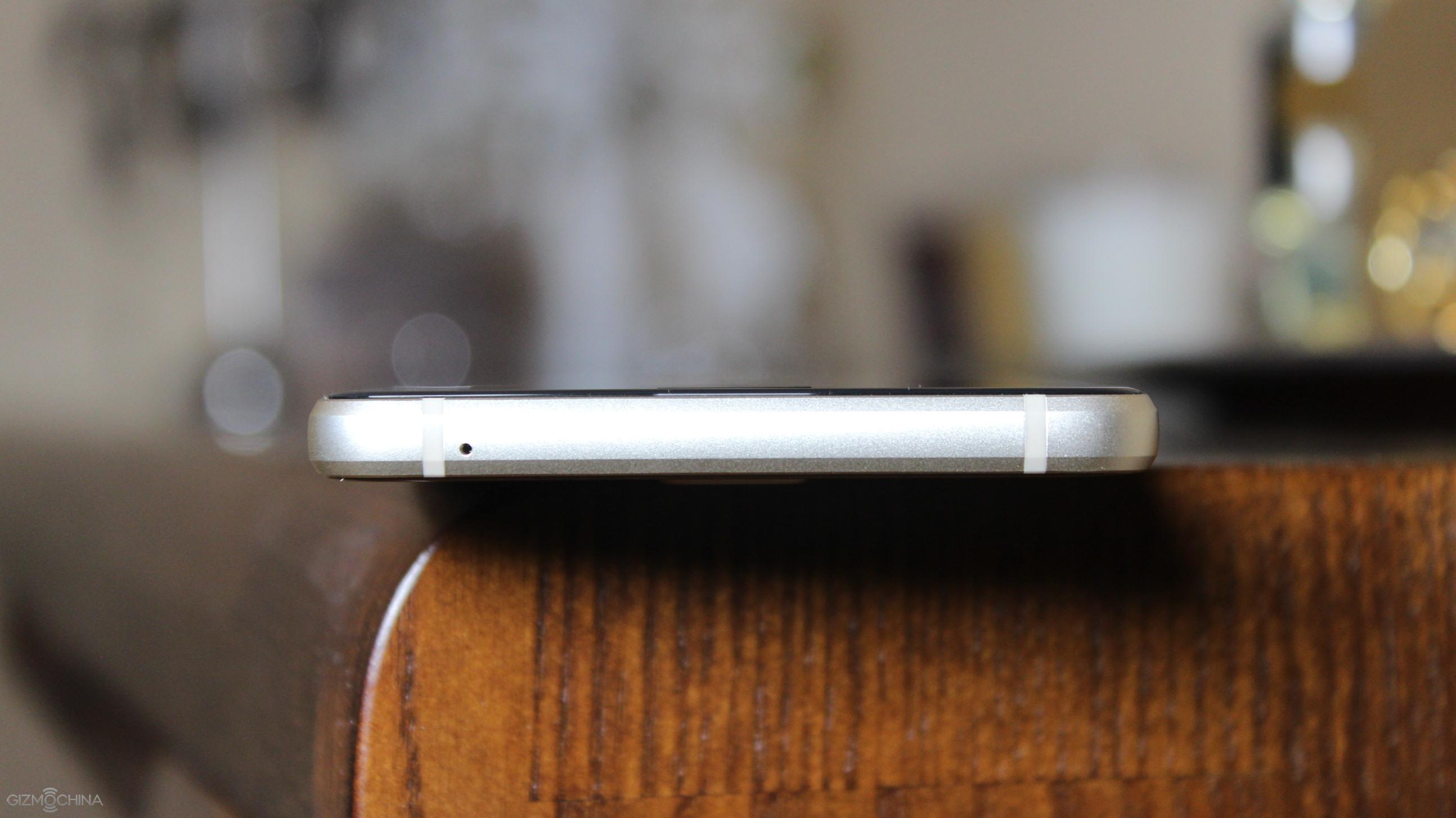
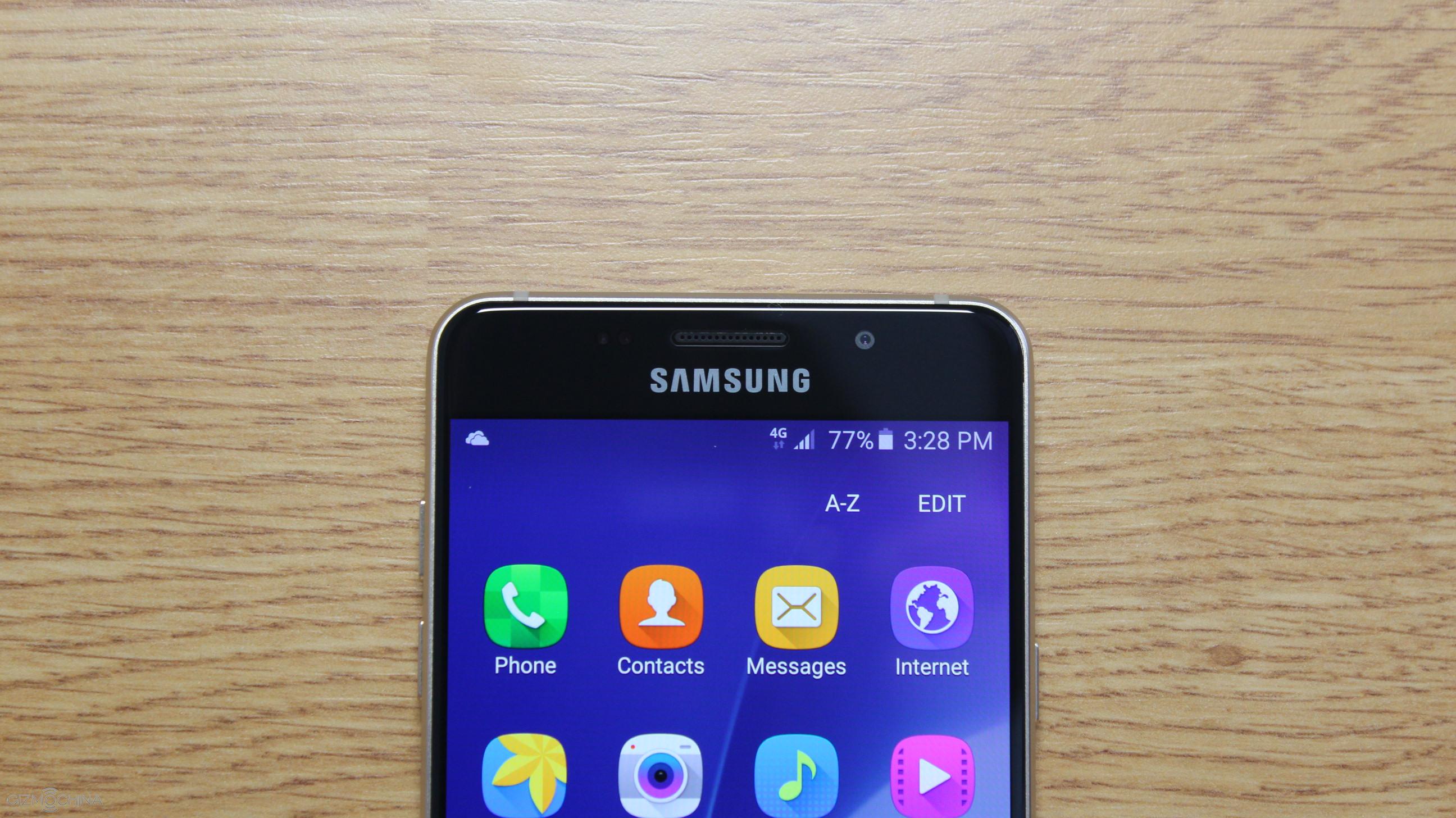
On the top we have a 5MP selfie shooter with a bright f/1.9 aperture. Unfortunately, the phones does not have a notification LED light.
On the bottom there are typical Samsung capacitive buttons with a nice backlight. The physical home button also doubles as a fingerprint scanner. While it is very accurate and recognises your fingerprint quickly, it does not work straight from the standby mode. For me, it is a huge letdown, because even some cheapest budget phones have this feature.
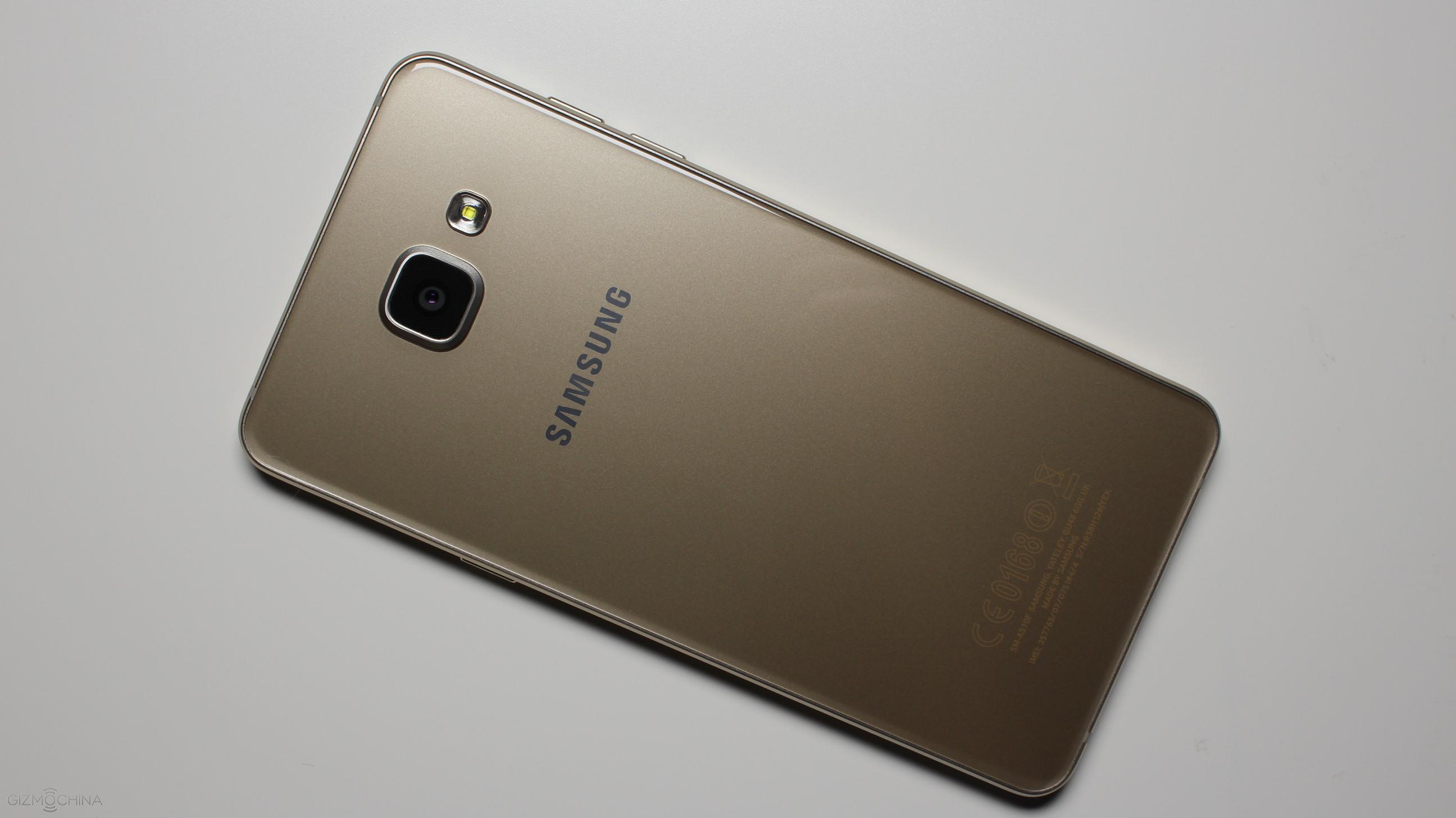
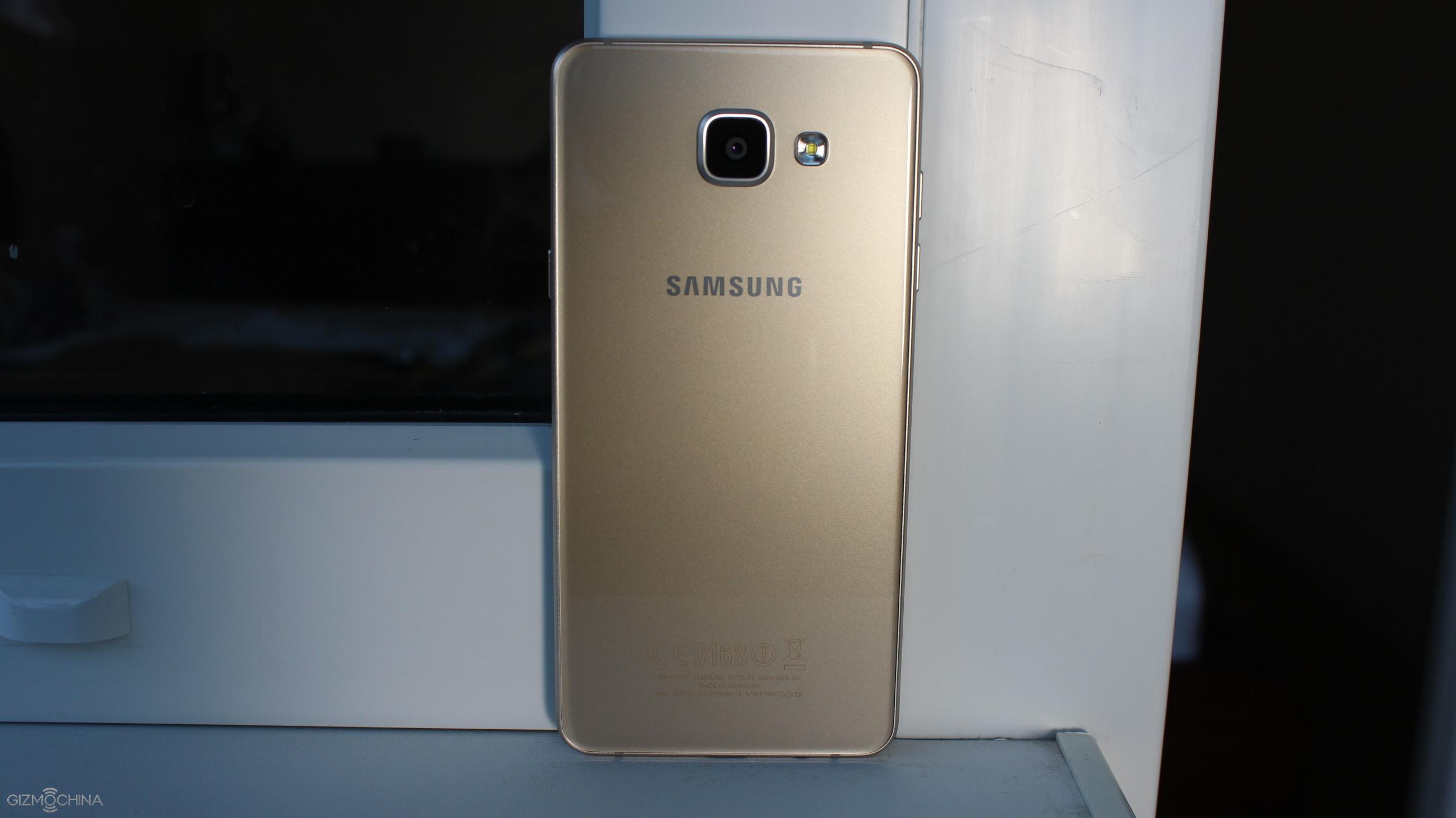
The backplate is also covered by the sheet of the Gorilla Glass 4 and it is a fingerprint magnet but at least it is not that visible on the gold colour unit I have.
As far as optics, we have optically-stabilised 13MP shooter with a single LED flash and a bright f/1.9 aperture.
The usual set of ports along with the loudspeaker and the mic are located on the bottom.
Overall, the phone feels really solid and if you asked me, I would say it could easily rival even the Galaxy S6. By the way, the full comparison review is just around the corner, so stay tuned to the TechLineHD for that.
Samsung Galaxy A5 2016 Review: USER INTERFACE
When it comes to software, we are looking at the Samsung’s Touchwiz UI, which is built on top of Android 5.1.
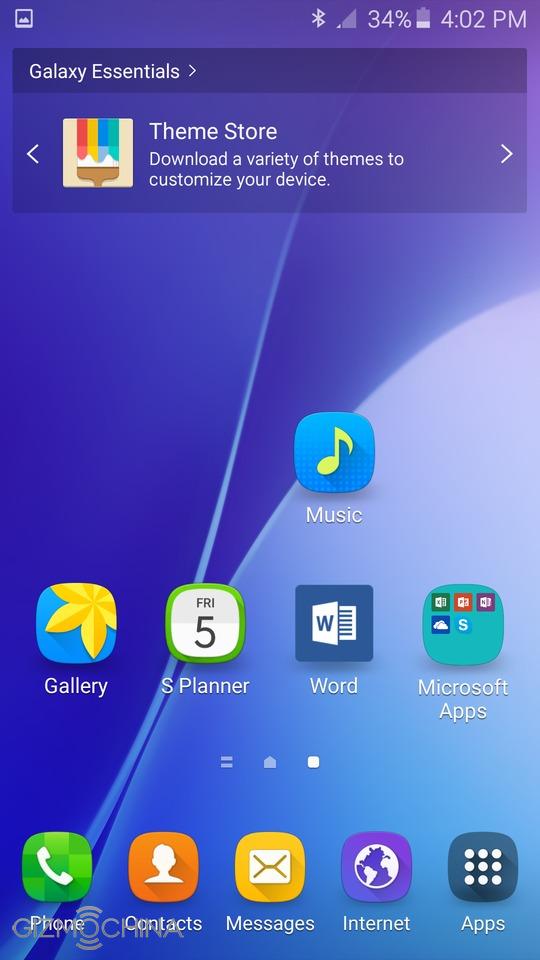
Although it is not as heavy as it used to be in the past, it is still Samsung’s UI after all. We have a briefing app, which is basically a news feed similar to the Blinkfeed we’ve seen on HTC phones for years. Also, we have redesigned icons, different colour schemes and so on.
Some of the notable features would be the ability to quickly access the camera app straight from the standby mode by simply double tapping the home button. I have to say this is really good feature and it works well.
A dedicated theme store allows you to choose from a variety of themes and lets you make the device look your own.
Finally, the Touchwiz UI is fast and snappy, and it’s a pleasure to use it as I didn’t have any hiccups or lags.
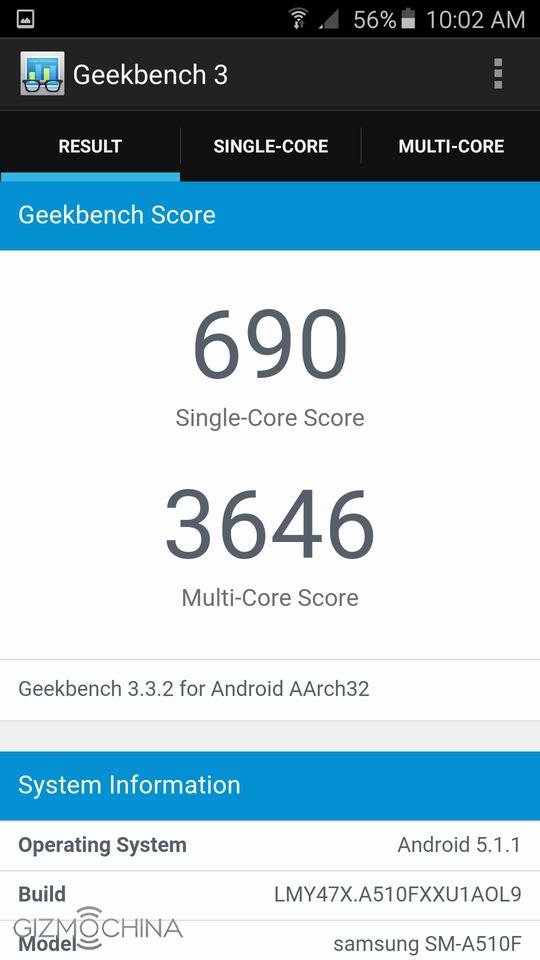
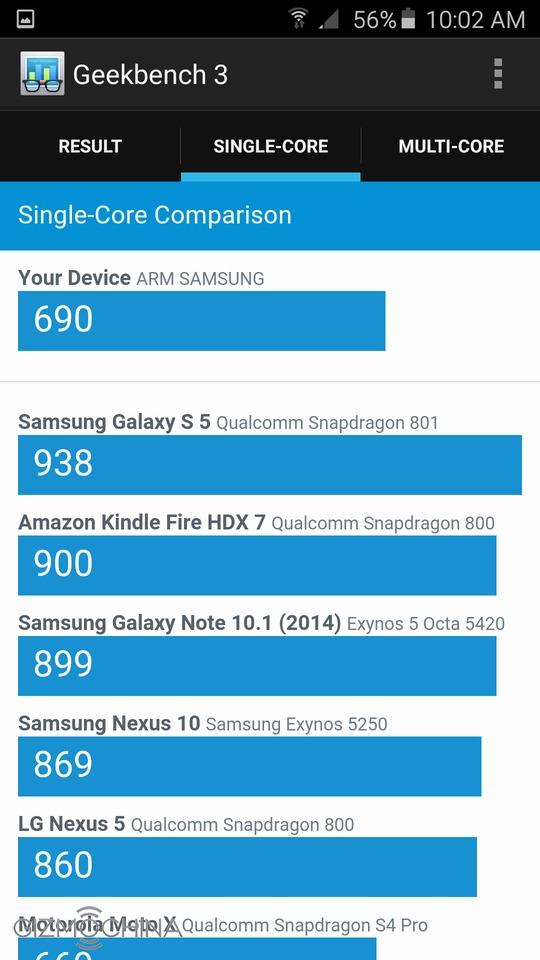
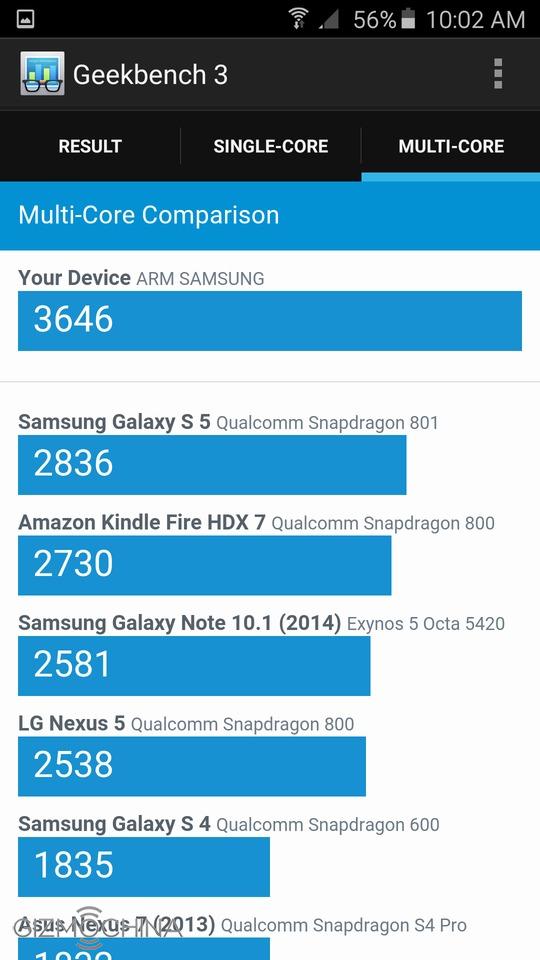
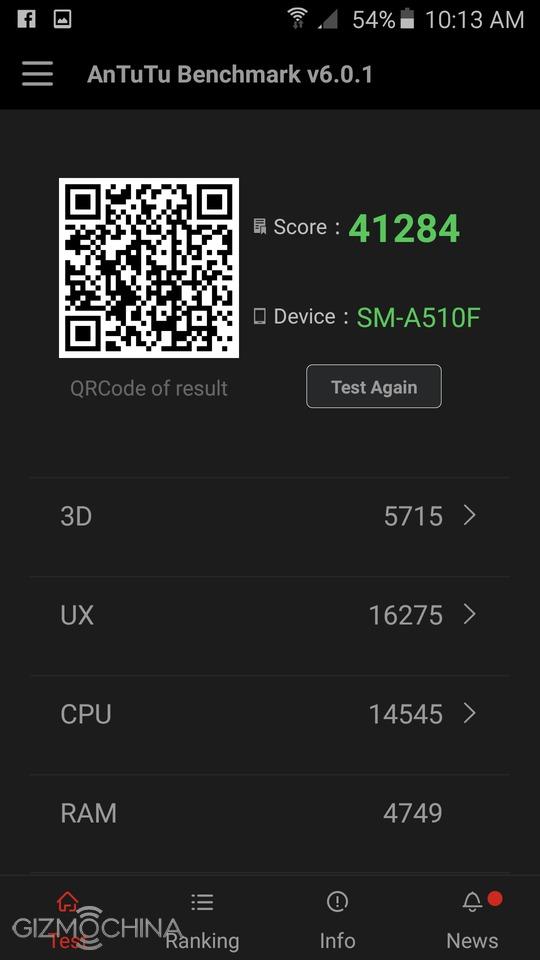
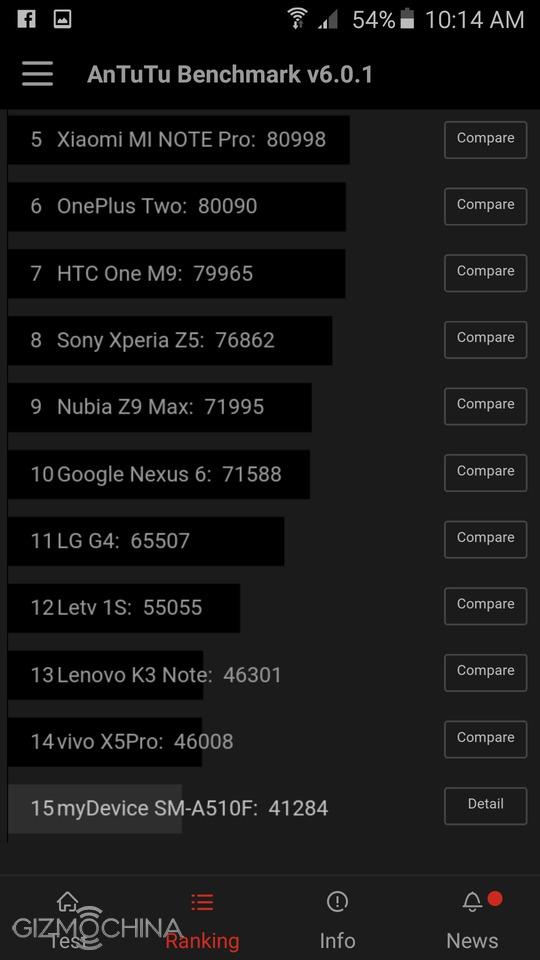
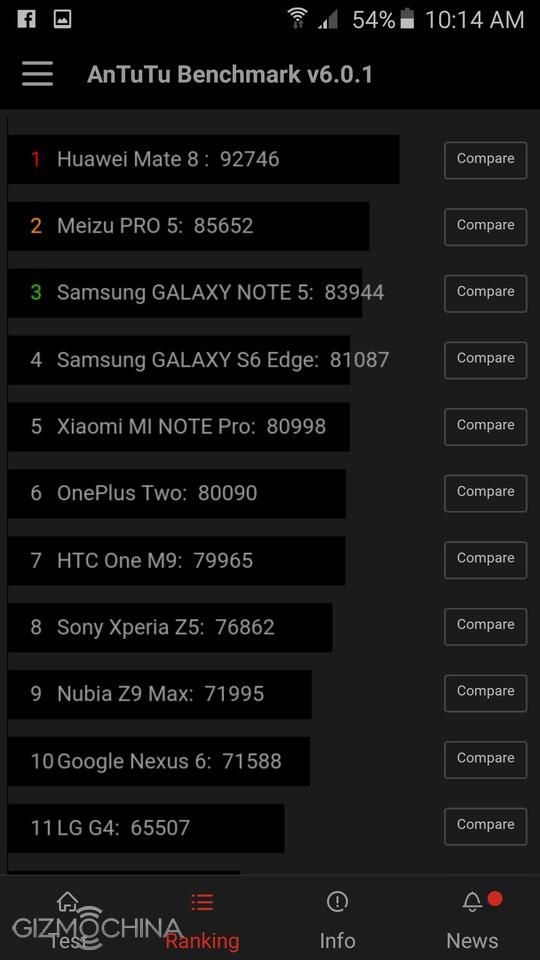
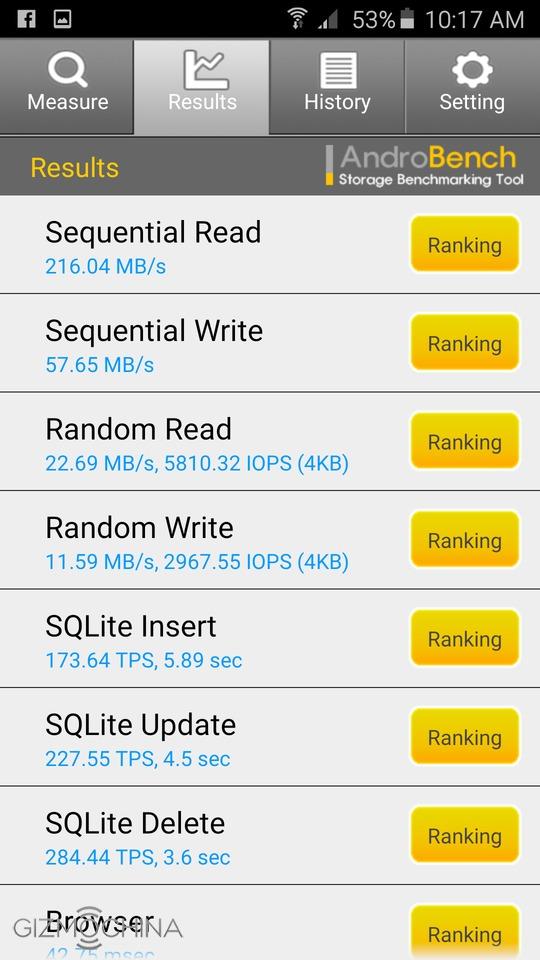
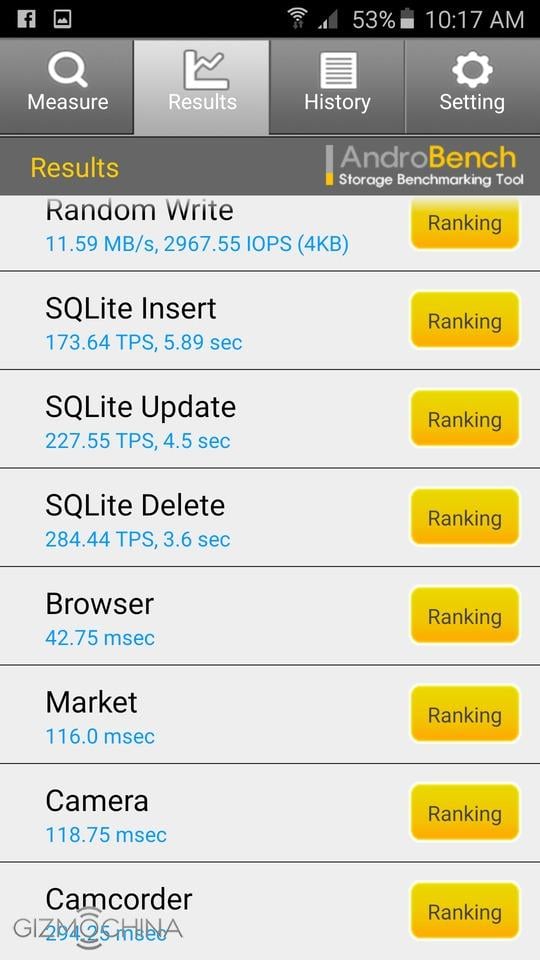
Samsung Galaxy A5 2016 Review: BENCHMARKS
Samsung Galaxy A5 2016 Review: HARDWARE and PERFORMANCE
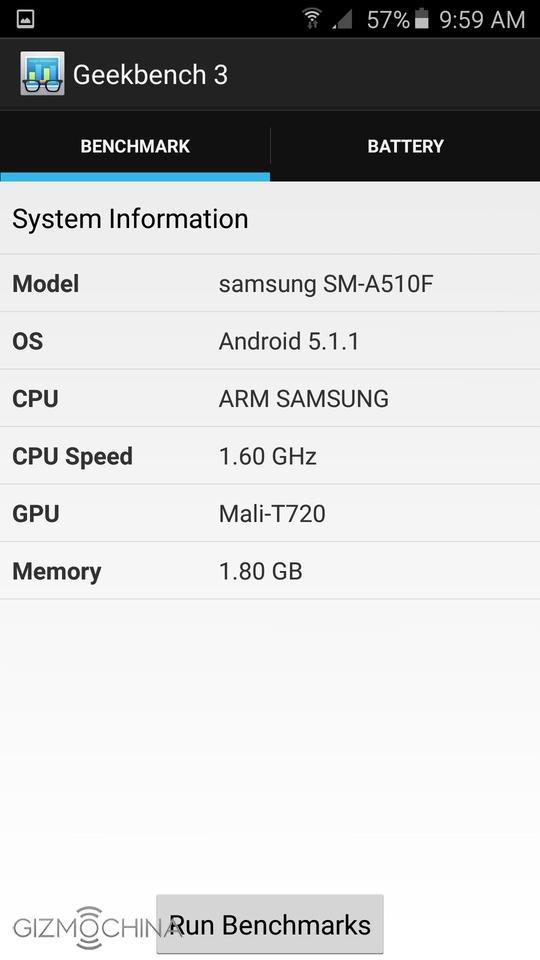
Samsung Galaxy A5 has a mid-range level specs. It uses an octa-core Snapdragon 615 chip with the clock speeds of up to 1.6GHz, 2GB of RAM, 16GB of expandable storage and only 11GB of it are available to the user.
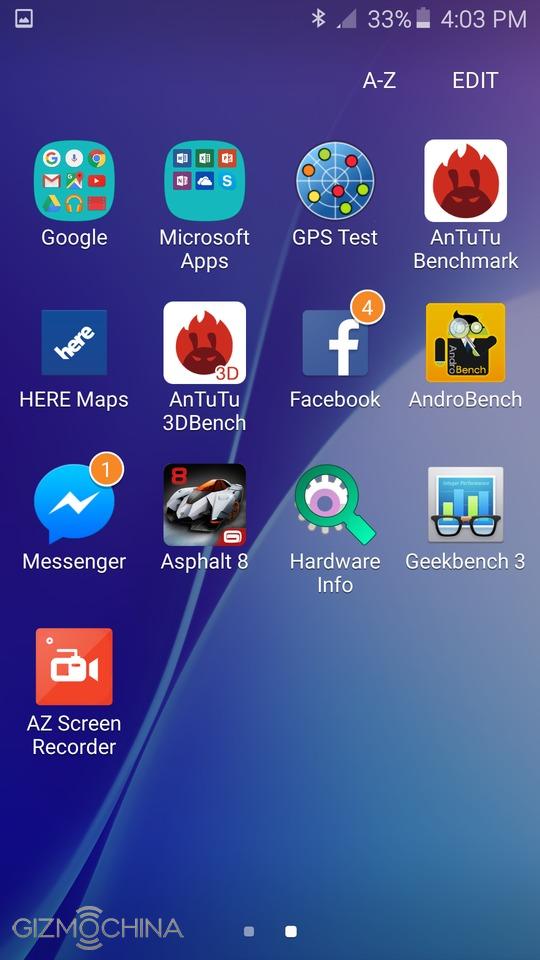
While the phone will not be your next benchmarks champion, the hardware is definitely enough to run some graphically intensive games like Asphalt 8 at the highest settings without any lags but with just a few skipped frames.
The Snapdragon 615 chip is infamous for its overheating issues. However, I have to tell you that Samsung optimised it well and the phone does not overheat even after extensive periods of gaming.
Samsung Galaxy A5 2016 Review: MULTIMEDIA
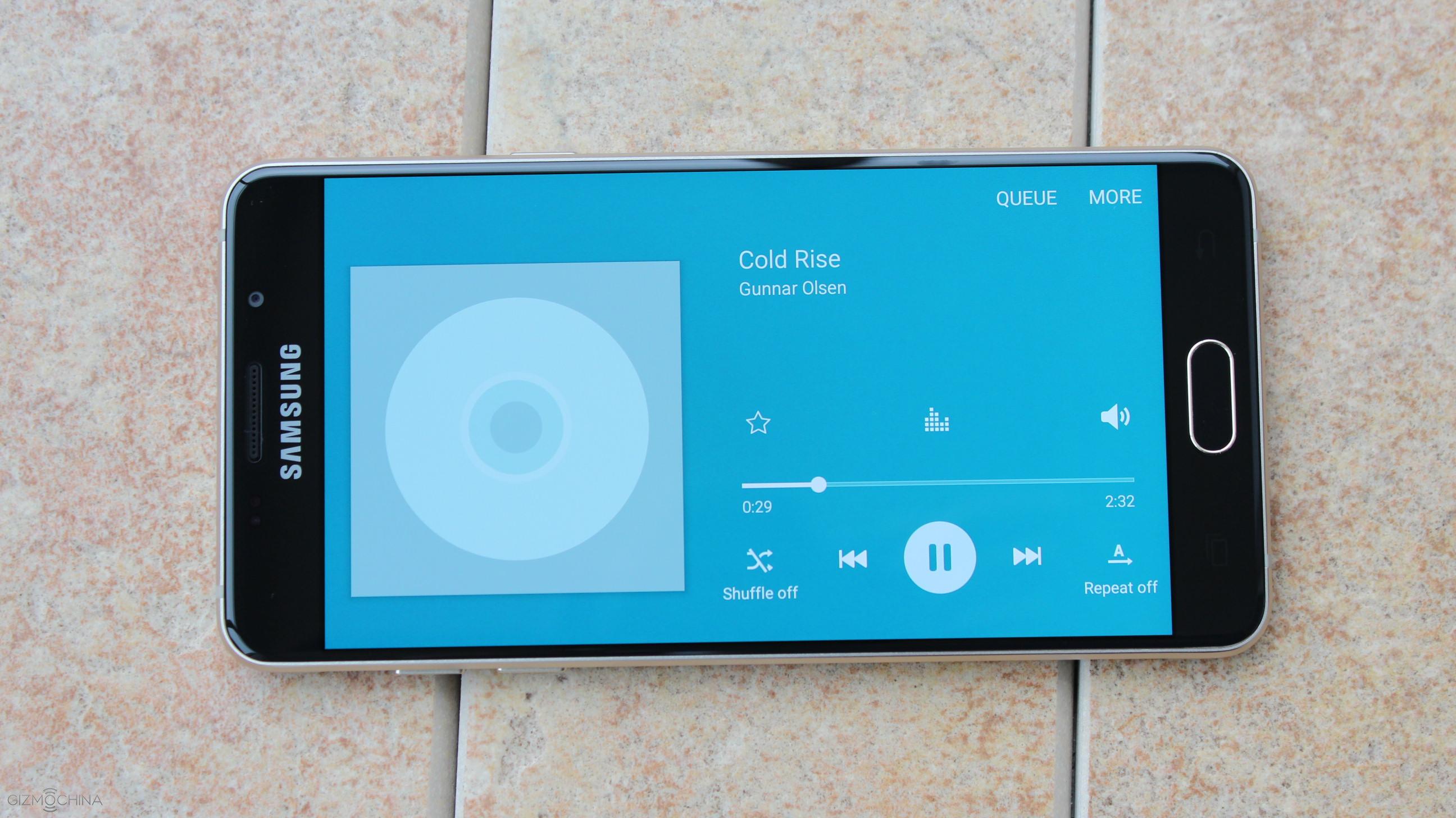
The sound via earphones is actually very good. However, the volume output could be louder.
The loudspeaker is pretty good too. While it is not the loudest out there, it has quite a balanced sound with a decent amount of depth.
Samsung Galaxy A5 2016 Review: CAMERA
As far as the camera app, we have a typical Samsung interface. There are some settings and shooting modes to play with but most importantly, the app is fast, responsive, easy to use and the capture speeds are very fast.
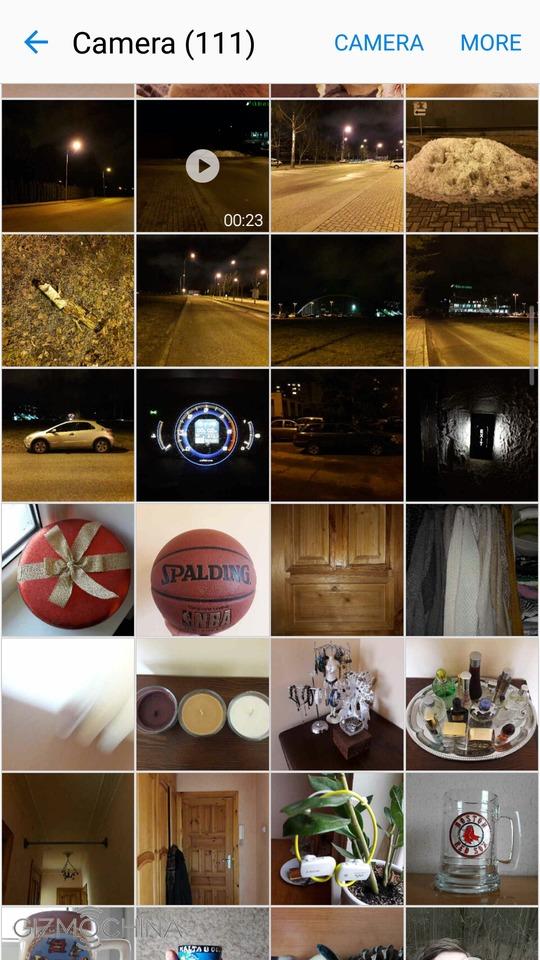
The daylight images are near excellent and it is almost on par with most of the flagships. There is a huge amount of details, colours look natural and contrast levels are great. A few flaws that differentiate the Galaxy A5 from the e.g. Galaxy S6 are the dynamic range and exposure adjustment in some shots but these are just minor complaints. Well, the Galaxy A5 is a midrange phone after all.
1 of 27
When it comes to indoor and low-light shots, the level of details decreases and more noise kicks in. Still, the phone is capable of producing some good looking images and that is thanks not only to the capable hardware but also to mature post-processing.
1 of 2
As for selfies, the Galaxy A5 is very good. It produces high-quality images with a good amount of details.
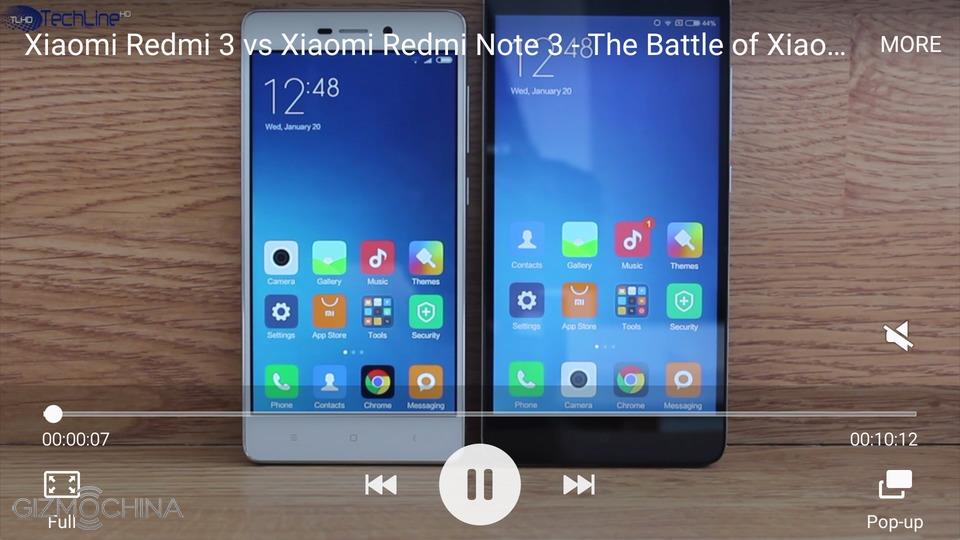
When it comes to the video recording, the phone can shoot up to 1080p videos and they look sharp, have lots of details, and the continuous auto-focus works fine. See a camera video review for various video samples.
All the connectivity options that include Wifi, Bluetooth and GPS are working fine. Also, the signal reception is excellent and the call quality is good.
Samsung Galaxy A5 2016 Review: BATTERY LIFE
The Galaxy A5 has a 2900mAh battery. In short, it performs really well. I could constantly get over 4.5h or even 5 hours of SOT even if used the phone quite intensively with maximum auto brightness setting. Also, the phone features a fast charging feature and I was able to fully charge the phone in less than 1.5 hours.
Samsung Galaxy A5 2016 Review: CONCLUSIONS
So, there you have it, the Samsung Galaxy A5 2016 edition. For around $400 you are getting a phone that has a premium design and excellent build quality, great display, fast UI, a fingerprint scanner, great battery life and a very good camera.
The Snapdragon 615 chip does its job for day-to-day tasks very well and even for some gaming. However, if you are a serious gamer and you love playing the all latest 3D games, the processor along with the GPU will not be powerful enough for you.
Another shortcoming would be a fingerprint scanner. Don’t get me wrong, it is fast and accurate. However, it does not work straight from the standby mode as the majority of even a lot cheaper phones. Cmon Samsung, step up you fingerprint scanner game.
All in all, the Samsung Galaxy A5 is a great phone despite a few shortcomings and I can definitely recommend it. However, I can’t say there aren’t any other alternatives out there at this price point. E.g. the Galaxy S6, which is still a flagship, can be bought at a similar price right now. It has a much better chipset for gamers but has some other disadvantages like poor battery life.
At the end of the day, the Galaxy A5 is still an awesome phone and the chipset is the only major shortcoming if you care about gaming.
The market is full of power strips as a lot of manufacturers produce them. Thus, it may be hard to choose one and we are here to help you decide. Find out more in a QICENT 2 multi-outlet power strip review.
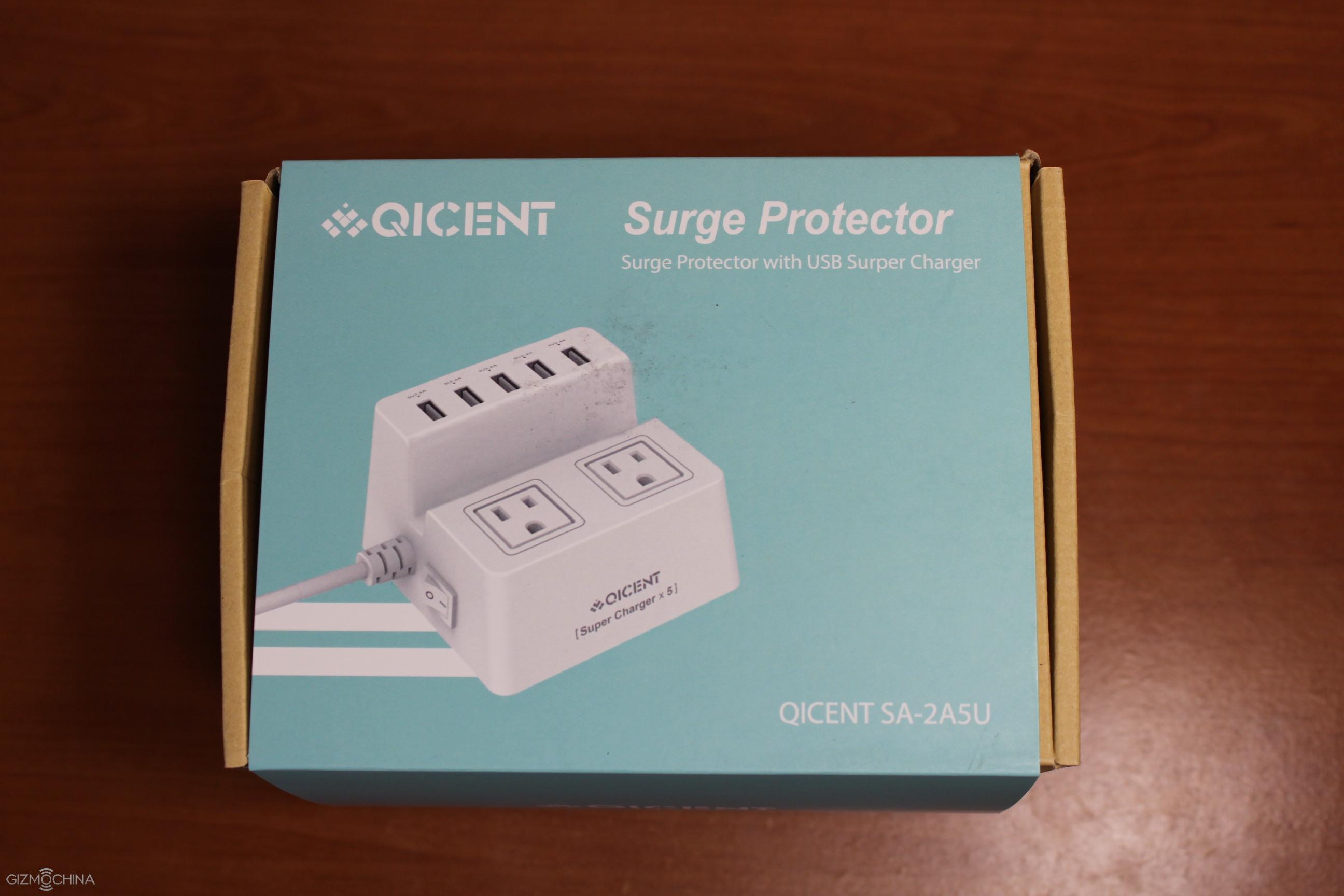
Unboxing
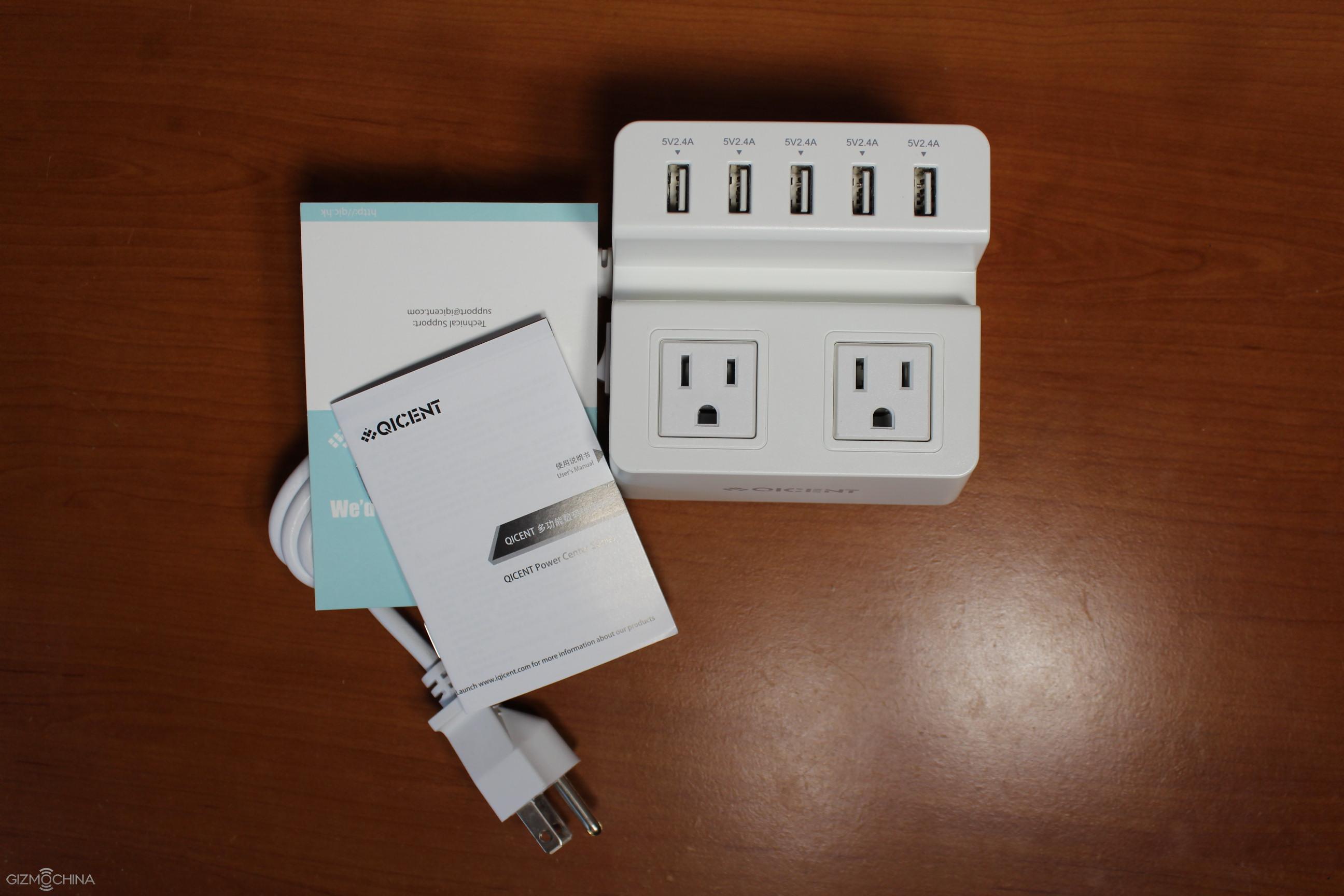
The device comes in a neat packaging and all you are getting is the power strip itself and some instruction manuals.
Design and Features
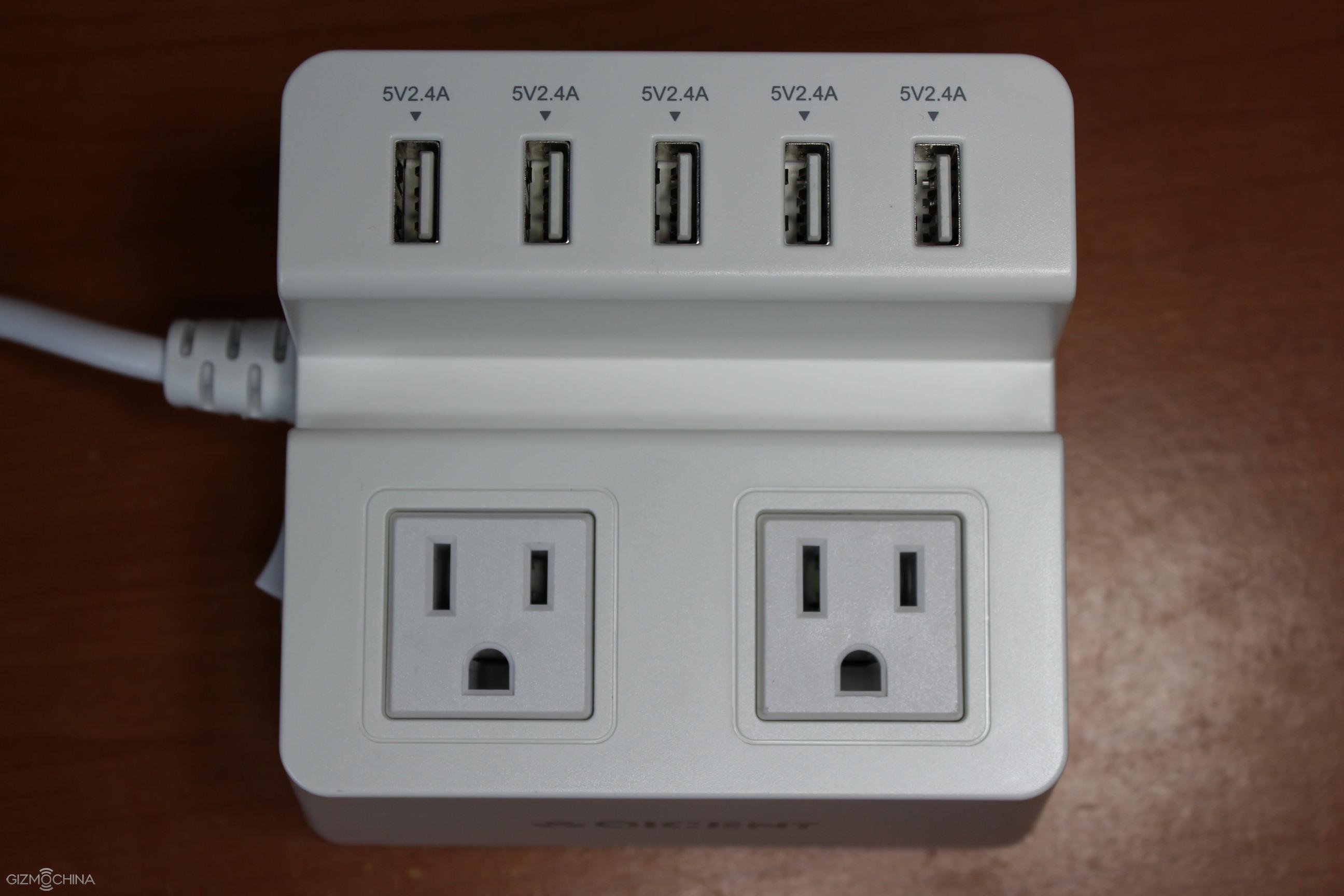
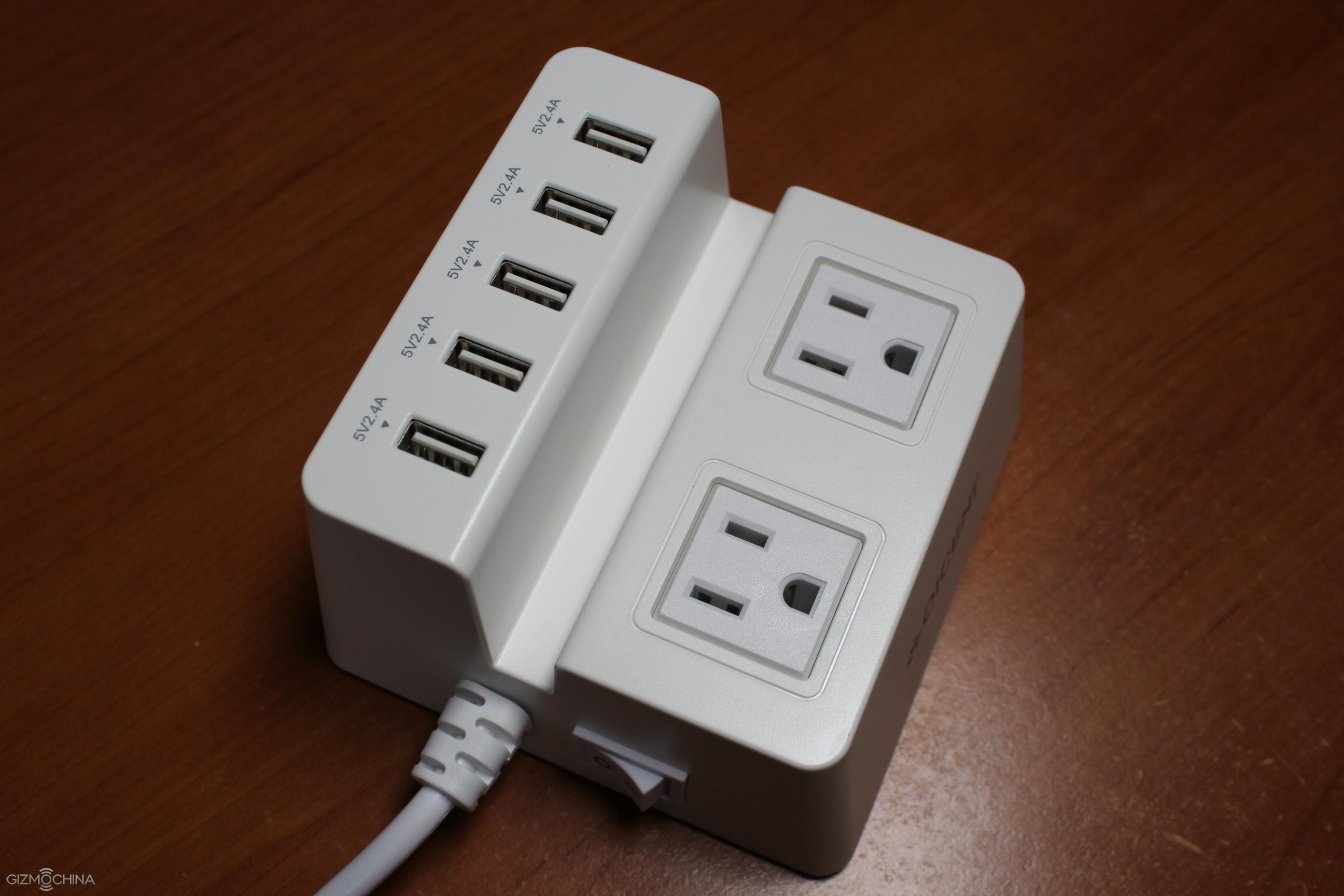
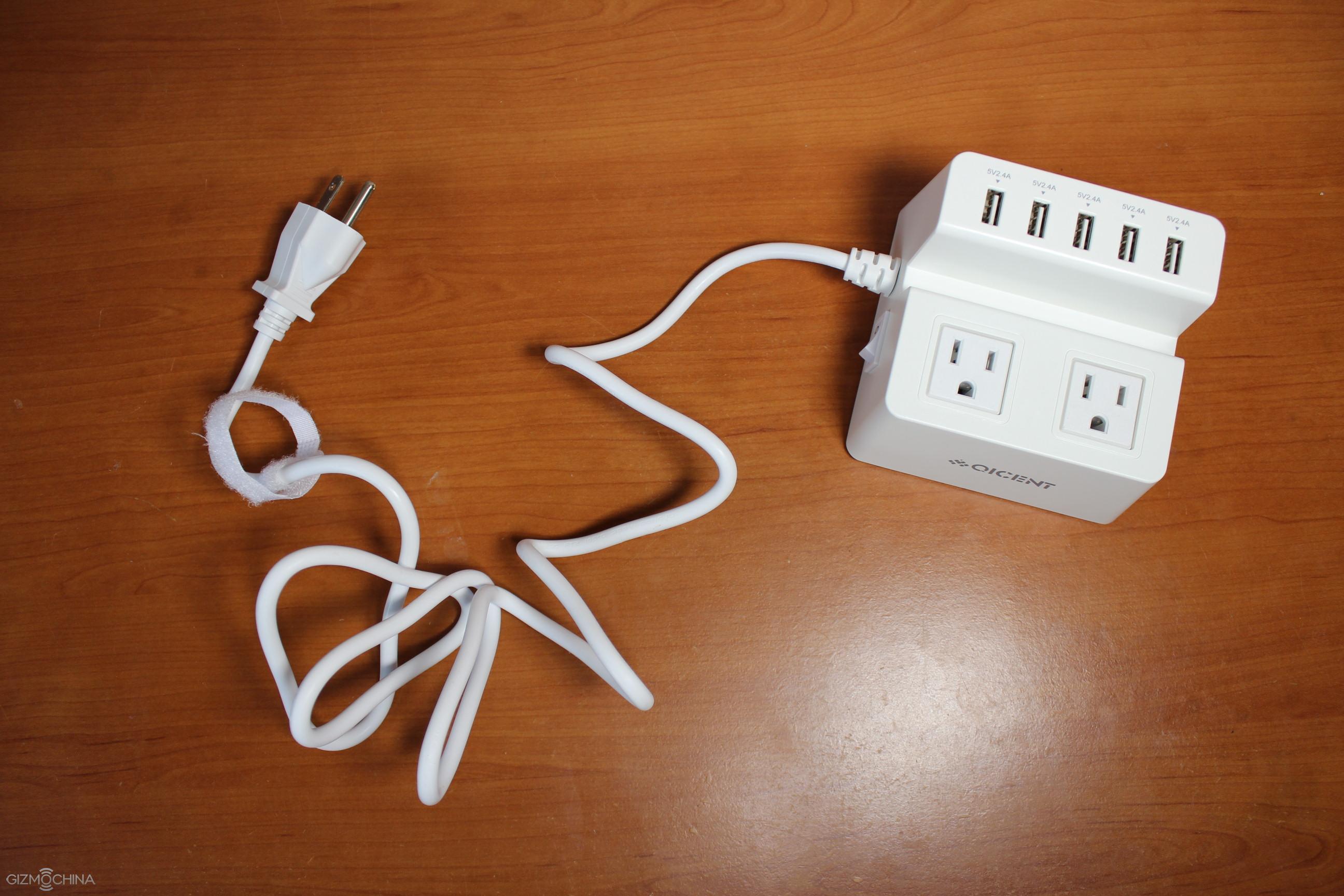
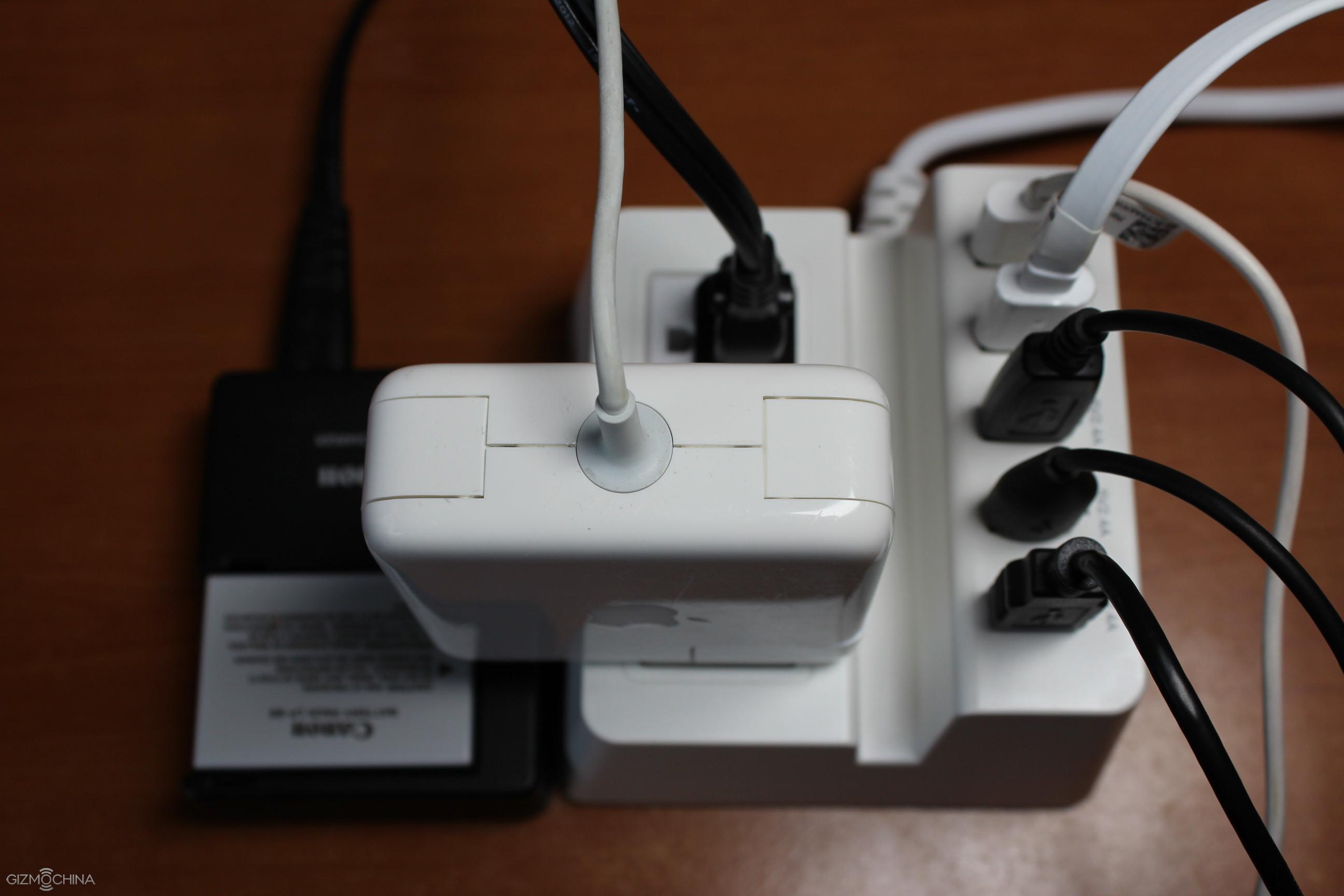
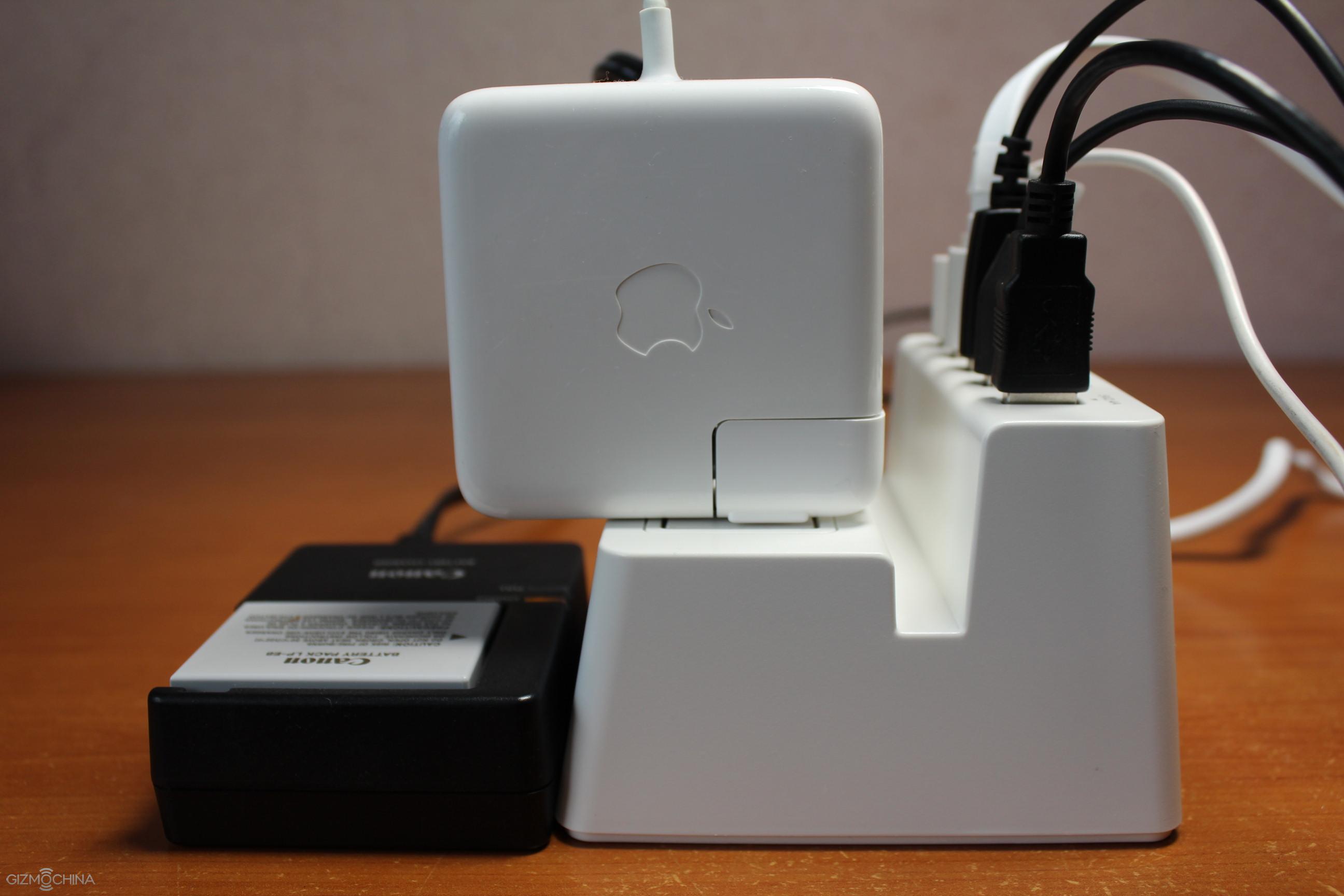
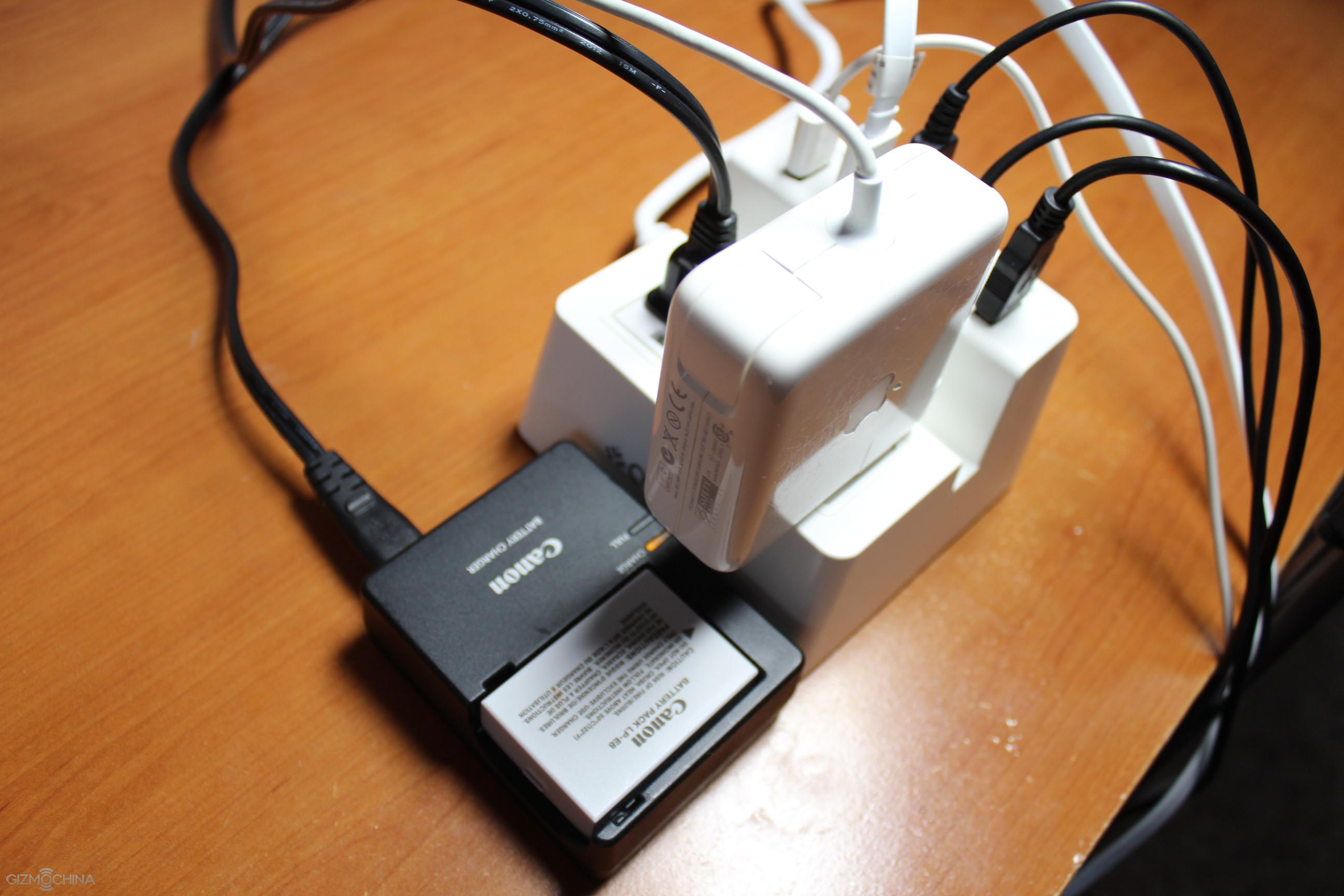
The Qicent power strip is made of quality plastic and it sports excellent build quality. Here in the top side we have 2 US/China type power outlets. That means that you can only use it with the devices bought from the U.S or China, or if you live in these countries. The more versatile power outlets that could accept EU and UK chargers would have made this power strip near perfect device.
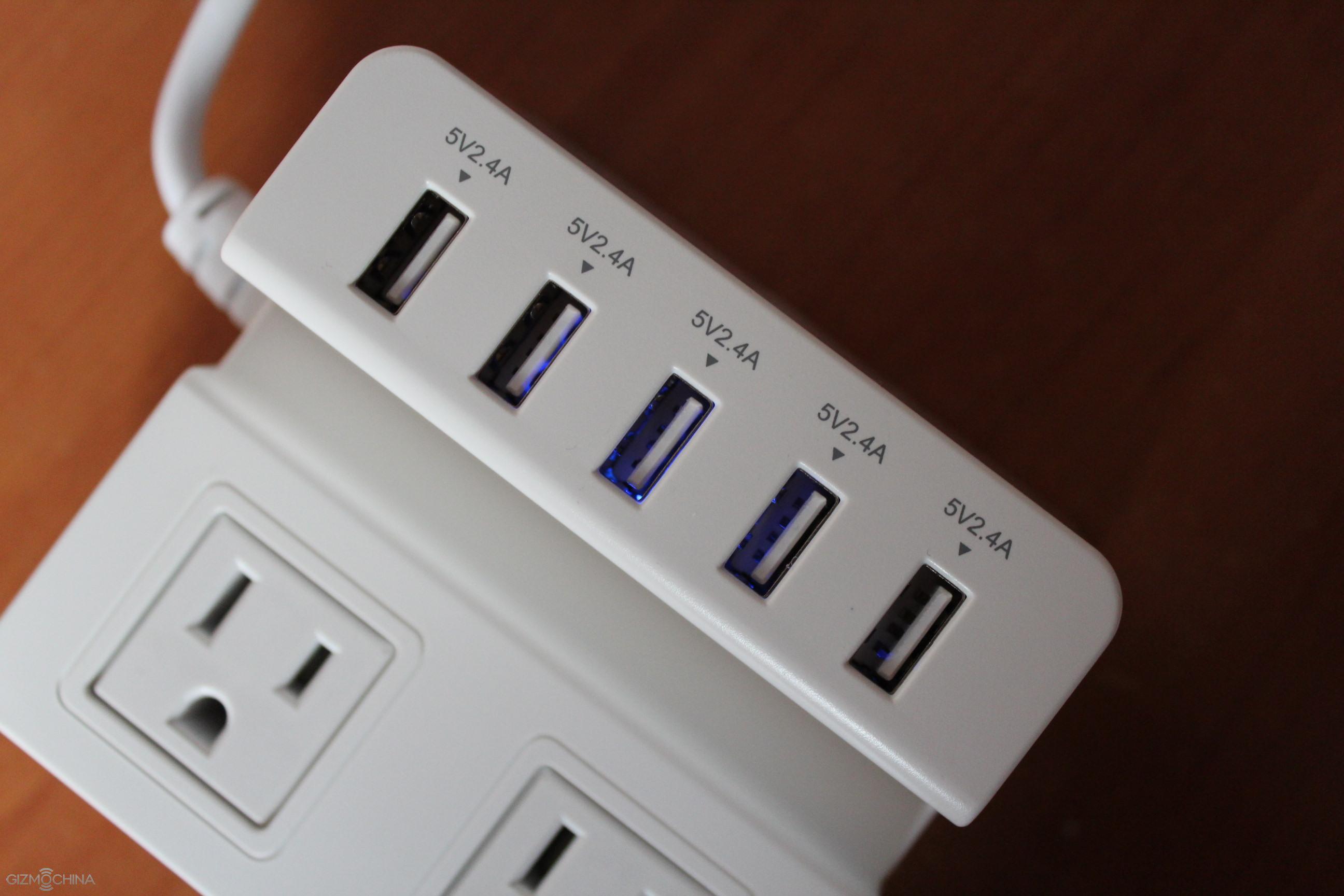
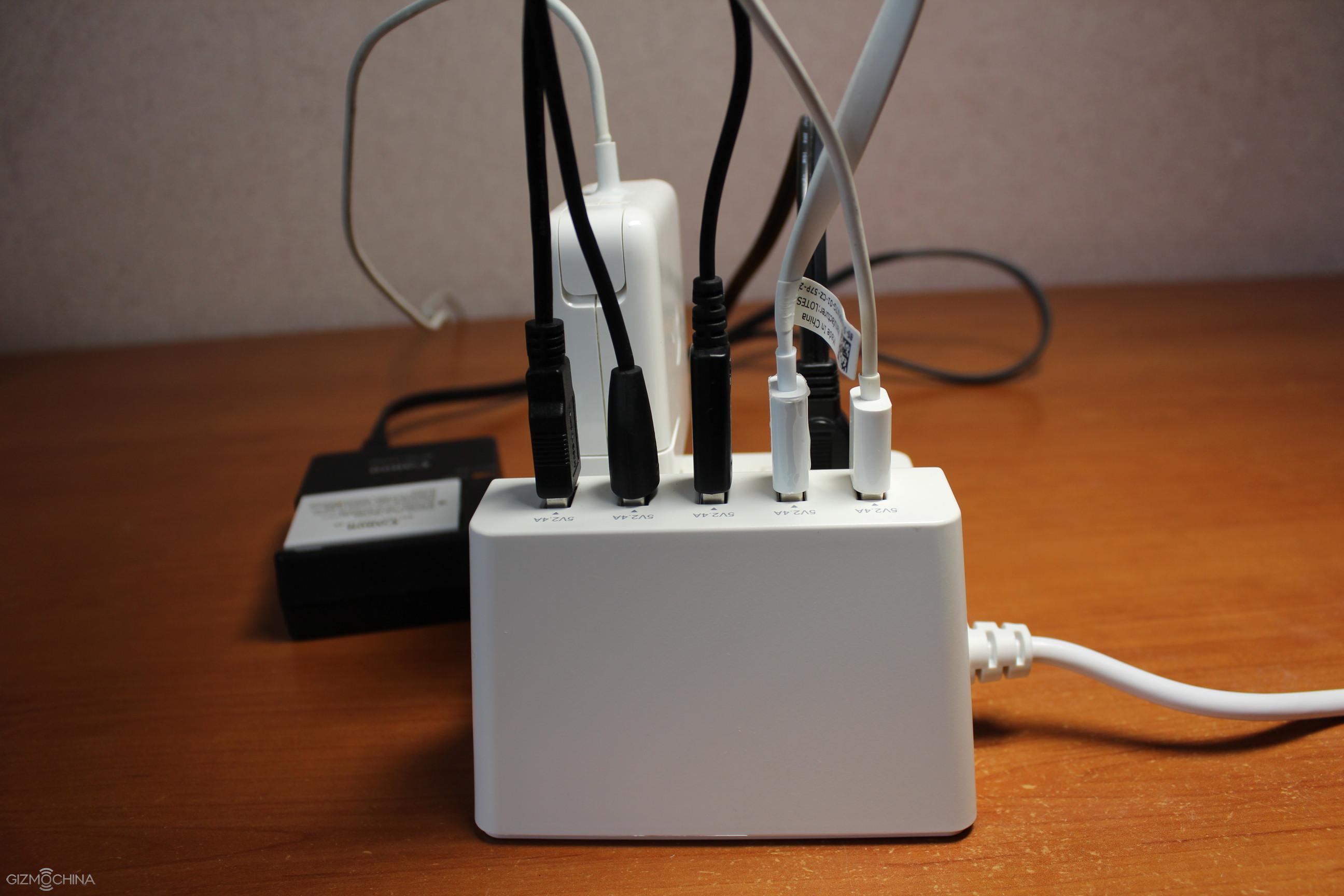
On the other hand, we have another set of ports – 5 USBs that are each capable of providing up to 2.4A of power output per port. In addition, each of the port uses some smart chips that automatically detect the device you plug in to charge it at the maximum possible speed.
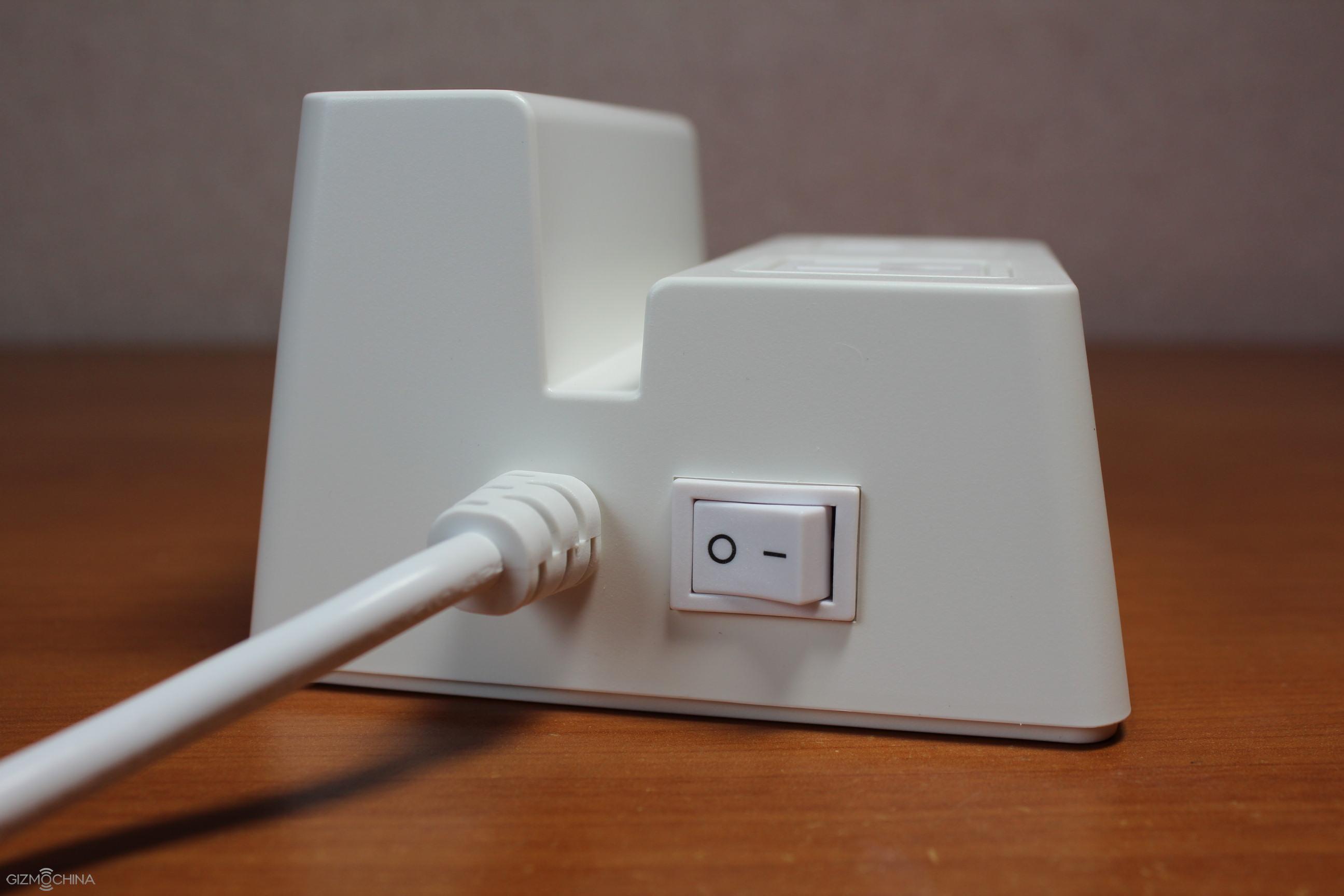
A really nice addition is the power on/off switch. It may not be a big deal for a lot of users but I actually used it every evening before going bed as I like to fully power off the devices that are connected to a power strip in a quick way.
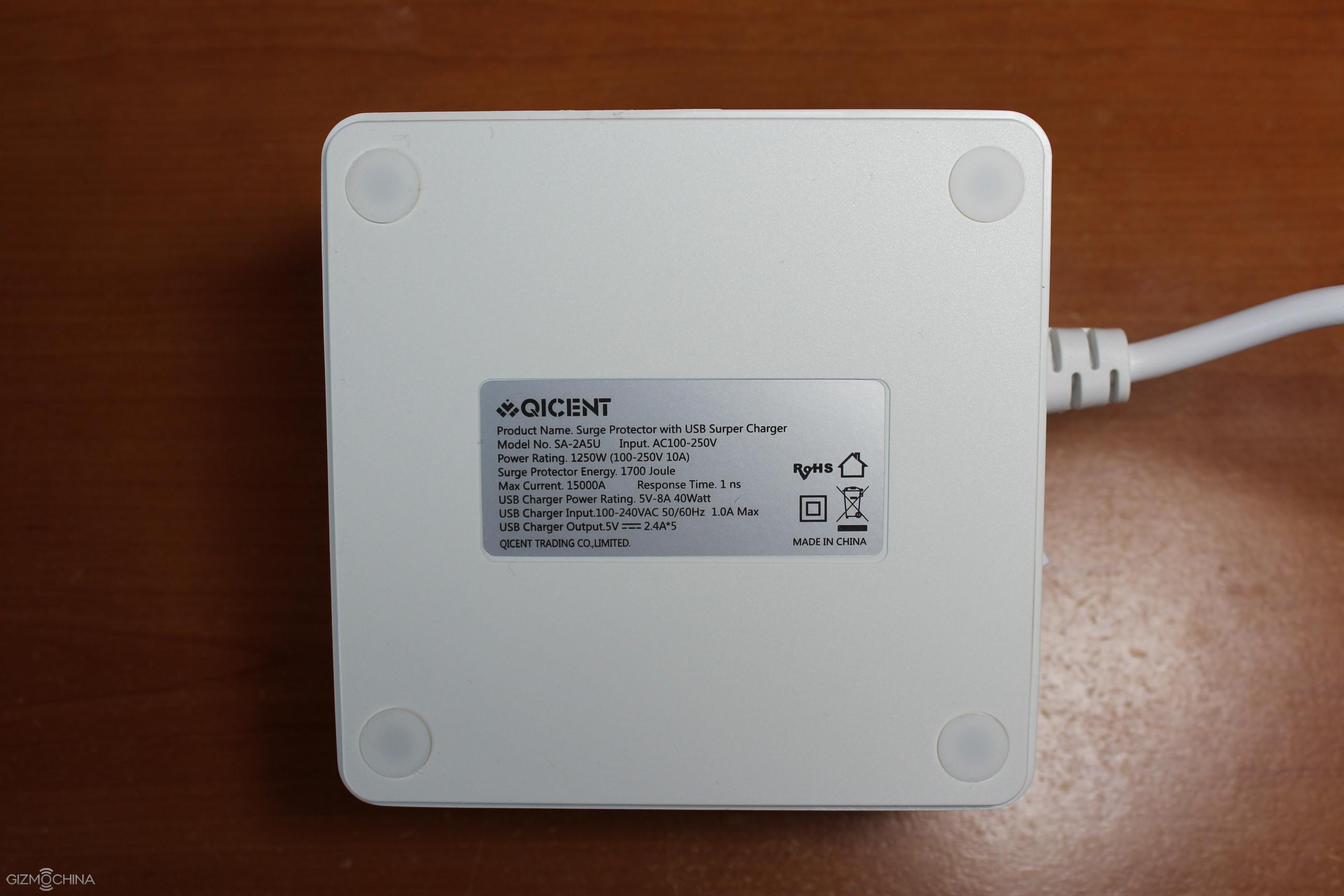
On the bottom there are 4 silicone pads to prevent the power strip from sliding on the table.
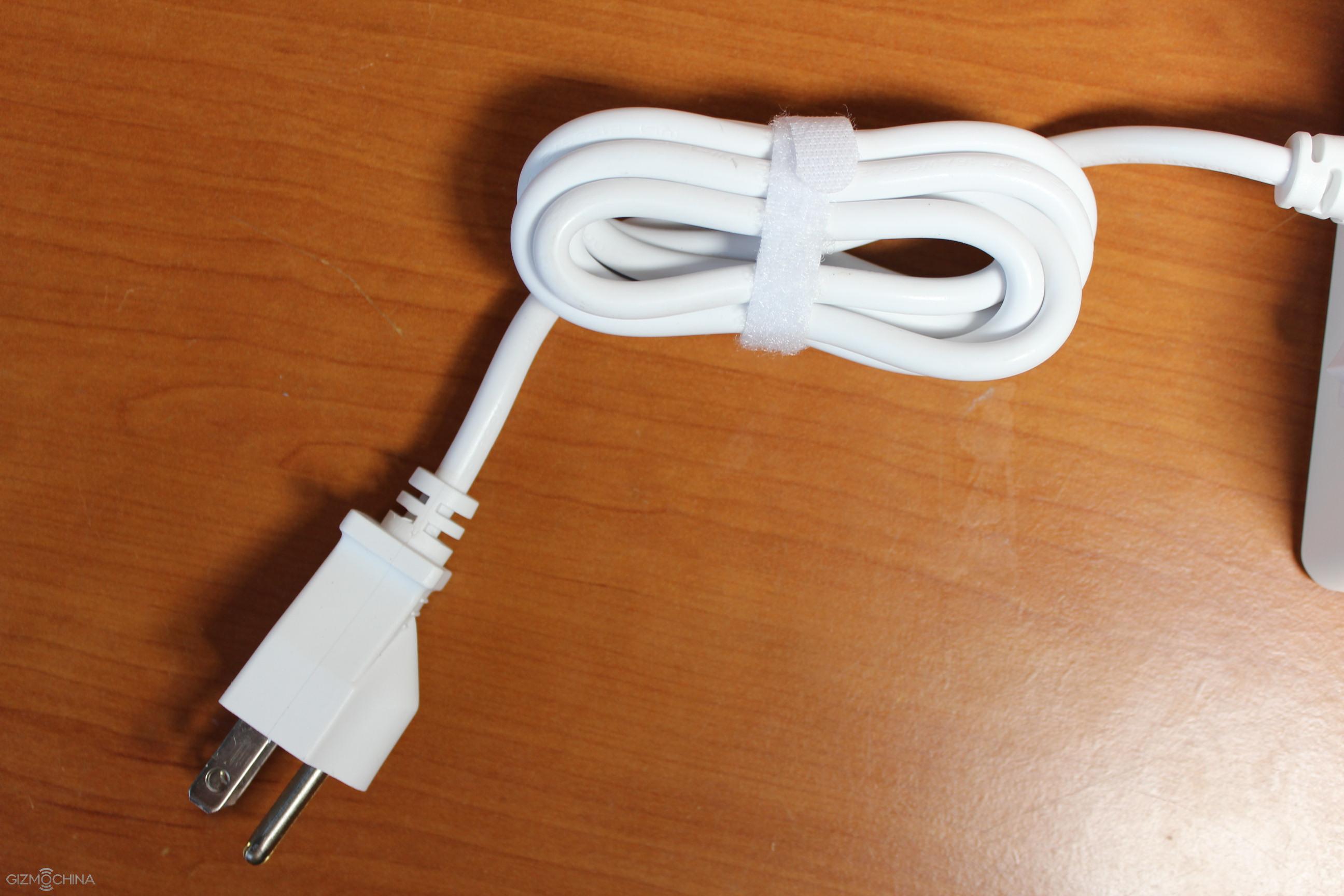
The built-in 1.5m cable is long enough for convenient use and it also has a velcro strap which allows to fold the cable neatly.
As soon as you power up the power strip, a blue LED lights up.
I have tested this power strip with numerous devices and each port/outlet is working absolutely fine. Also, the USB ports are indeed charging the devices fast, e.g. I was able to fully charge my Samsung Galaxy S6 edge in around 2 hours.
Conclusions
The Qicent power strip may not be the only option available on the market but it is indeed a great choice if you are looking for a lot of power outlets and USB ports in one package.
Also, the power strip is well made, it has a power on/off switch and 1 week long test results suggest that it works absolutely fine.
Finally, the Qicent power strip costs less than $25, which is really a great price for what it has to offer.
Despite the numbers showing that the PC and tablet industry are slowing down (IDC, Gartner), Chinese smartphone manufacturers like Xiaomi and Huawei are reportedly keen to enter the industry. These two smartphone giants have been rumored to enter the PC industry since last year. Several sources have confirmed the release of their first PC products this year, which means we could see some stiff competition from these Chinese giants soon in the industry.
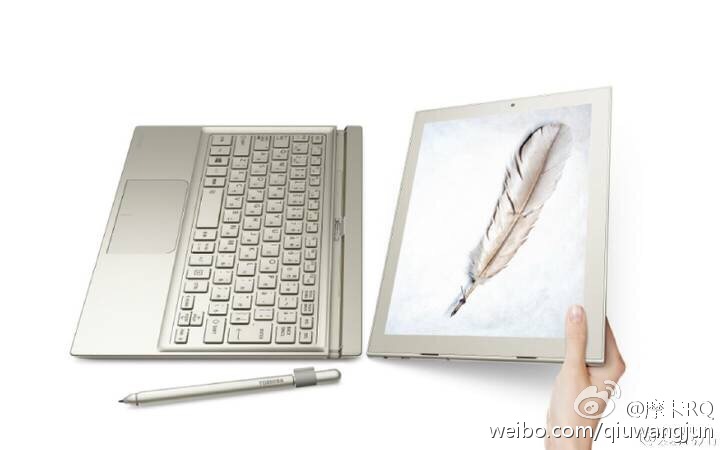
Unlike Xiaomi, which reportedly is working on a traditional laptop PC, much like the Apple Macbooks, Huawei is rumored to take a slightly different route by unveiling hybrid laptops. Since we could see the company’s first hybrid laptop soon, here’s an article which gives you some idea as to what to expect from the device.
TYPE: Hybrid Laptop
First of all, as mentioned above, according to recent rumors, Huawei is going to release a hybrid laptop, instead of a traditional one. Although still unconfirmed, the company could be aiming to release a product like Microsoft’s Surface, which has gained some popularity in the US. So, the new Matebook laptop could feature a detachable keyboard, which essentially makes it a regular tablet.
Although there are a limited number of Hybrid laptops in the market right now, things could change with the entry of Huawei in the industry.
CPU: Intel
Huawei has its own chipset, namely the Hisilicon Kirin, which could be used inside its upcoming Matebook laptop. However, according to an analyst, the company will be going with an Intel chipset mainly because it wants to run Windows 10 on the device. Intel chips are ideal for the Windows architecture, which could be why we will see this chip inside the device.
SOFTWARE: Dual OS
Apart from the hybrid design, another highlight of the upcoming Huawei Matebook laptop could be the use of dual OS, namely Windows 10 and Android. Laptop industry is yet to see dual-OS devices gain much popularity, but Huawei could be the trend setter. However, it may not be easy to incorporate a dual OS setup in a laptop environment. There are several hurdles to such a system, so it remains to be seen whether the Matebook can overcome those issues.
ACCESSORIES: Stylus
The Matebook laptop hybrid is said to come with a stylus on board. This won’t be a bad idea, since the company is said to focus more on business customers rather than general consumers. As a result, a stylus can always come in handy while operating the device, both in the laptop mode and the tablet mode.
TARGET: Business Users
Like mentioned above, rumors state that the Huawei Matebook will be targeted at business and enterprise customers. As a result, the laptop hybrid will have to be quite premium, with top of the line specs and enterprise-friendly features. This is probably another reason why Huawei could be looking for a dual OS device, as Windows platform forms an important platform for many business users. Plus, the convenience of Android OS in the tablet mode would be an added advantage.
PRICING: Premium
If you are expecting Huawei Matebook hybrid to be an affordable laptop, then it’s likely that you are going to be disappointed. The company has time and again explained that it likes to focus on premium products which can compete with market leaders (for e.g. Samsung and Apple in the smartphone market). So, the Matebook could demand a premium price tag, somewhere above $600. So, it won’t likely be cheap.
RELEASE: 2016
Earlier rumors had said that the laptop hybrid could be released as early as MWC 2016. However, considering that we have received no information from Huawei till now in this regard, it’s unlikely that the device will launch so soon.
So, when can we expect the Matebook laptop to release? At this moment, we can’t be sure of that. But given that details about the device have started to come from supply chain sources, the laptop will probably release this year itself, hopefully in the first half.
So, what do you think, if Huawei releases the Matebook laptop with top end specs, a stylus and dual OS support, would you be willing to shell out $600 or more for the device?
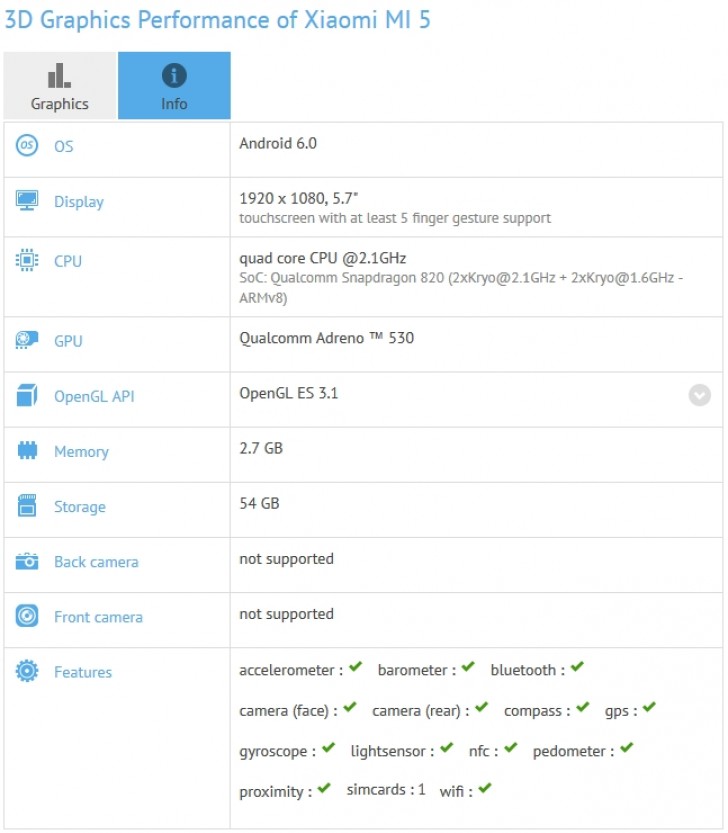
We have been patiently waiting for the Xiaomi Mi 5 flagship to launch and our wait will come to an end on February 24. During the past few weeks, the company revealed some of the specs of the device like the processor and the display resolution. But there are some features, like the display, that we are still unsure about. Now, it looks like some of our questions have just been answered, thanks to Xiaomi Mi 5’s GFXBench listing.
The benchmark listing reveals much of the specifications of the device, including the screen size, RAM and storage. So, according to GFXBench, the Xiaomi Mi 5 will come with a 5.7-inch display with FHD 1920 x 1080 pixel resolution. This is actually surprising given that almost all of the rumors and leaks about the flagship have said that the phone will come with a much more compact 5.2-inch panel. Even if we were to say that this is probably the rumored high-end model (which could be larger), it wouldn’t make sense as the phone features just 3GB of RAM on board.
The display size is not the only thing that is surprising here. If you look into the features section, among the various sensors on board, you can see that the phone features just single SIM card slot. But recently, the company CEO confirmed via a screenshot that there would dual SIM card slots on the device.
Other specs are pretty much what we expected, so there’s the Snapdragon 820 quad-core chipset on board and 64GB of internal storage. Also, the phone is running on the new Marshmallow Android 6.0 version.
We can’t be entirely sure these are the specs that will end up on the Xiaomi Mi 5 flagship that will launch on February 24. However, let’s hope that the company clears some of the doubts regarding the phone’s specs and features in the coming days.
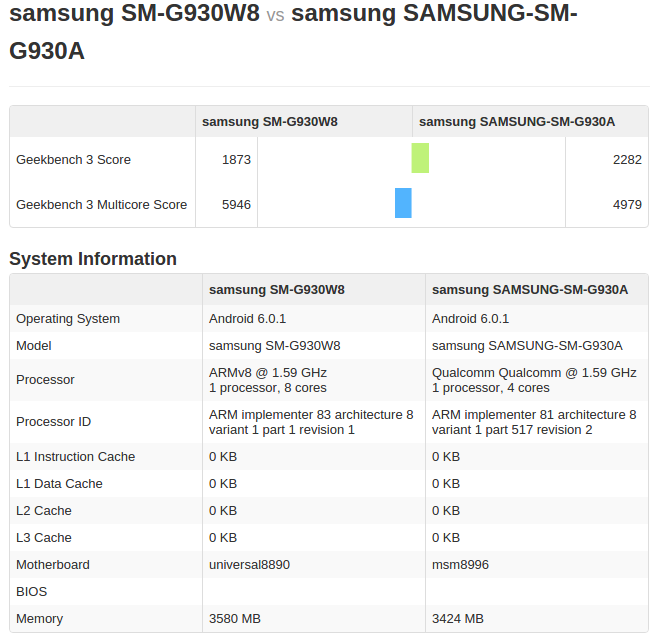
Once again, this year, Samsung is expected to release two different variants of the Galaxy S7 flagship smartphone, one with the quad-core Snapdragon 820 chipset and the other with the octa-core Exynos 8890 chipset. Both the versions are going to be powerful, according to the benchmark scores posted previously. A few days back, we saw the Snapdragon 820 powered Galaxy S7 on AnTuTu and now, the Exynos 8890 powered variant has just been spotted on Geekbench. Given that we have also seen the SD820 variant on the same benchmarking app, we can compare both the scores directly.
The Exynos 8890 powered Galaxy S7 managed to score 1873 in the single-core test, and 5946 in the multi-core test. In comparison, the Snapdragon 820 powered variant scores 2282 in the single-core test and 4979 in the multi-core test. These results are actually not surprising given that both the chipsets have posted similar scores in these tests earlier.
As for the specs, they are identical except for the CPU. So, for now, it looks like the Exynos 8890 variant will be slightly more powerful than the former. Unfortunately, the chip is yet to hit AnTuTu, so we can’t compare the results there directly. The SD820 Galaxy S7 managed to score an impressive 125K in the AnTuTu test, even surpassing Apple A9 to become the best chipset. We have a feeling that the Exynos 8890 may be a tad faster in the test. But let’s see.
As for the other specs, the Galaxy S7 is expected to feature 4GB RAM, 5.2-inch QHD Super AMOLED display 2560 x 1440p, Android 6.0.1 Marshmallow and 64GB of storage.
The company will launch the flagship on February 21 at its Unpacked 2016 event.
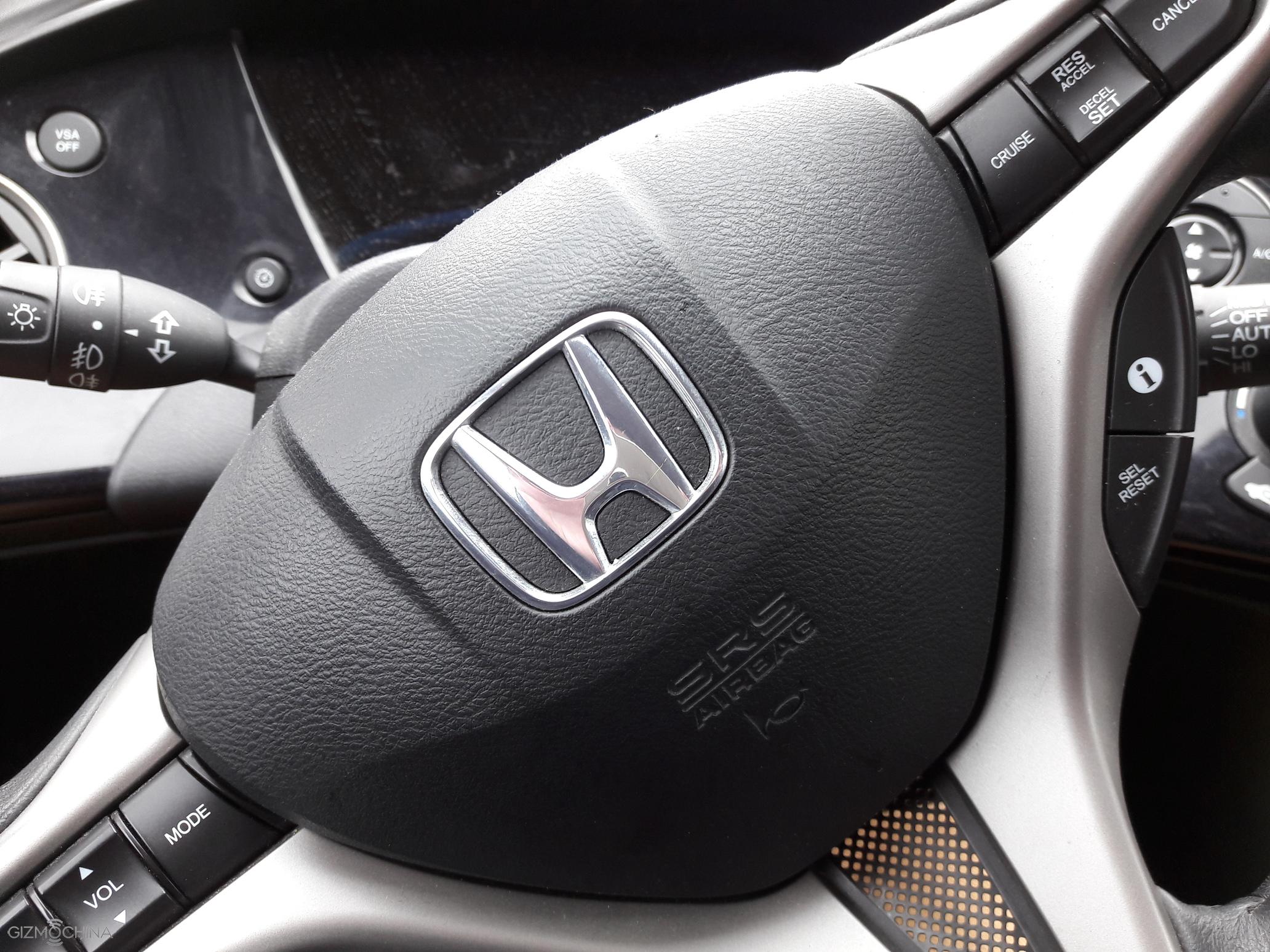
Just before I finish up testing the device, I took the camera for a spin, took quite a few pictures and as always, I am asking you to share your opinion in the comment section below the video.
The Galaxy A5 uses a 13MP shooter with OIS and a bright f/1.9 aperture. However, the sensor has a 4:3 aspect ratio if you want to take pictures at the maximum resolution.
Just before we start with the actual camera samples, let’s take a look at the camera app as a lot of people have requested this in the previous reviews.
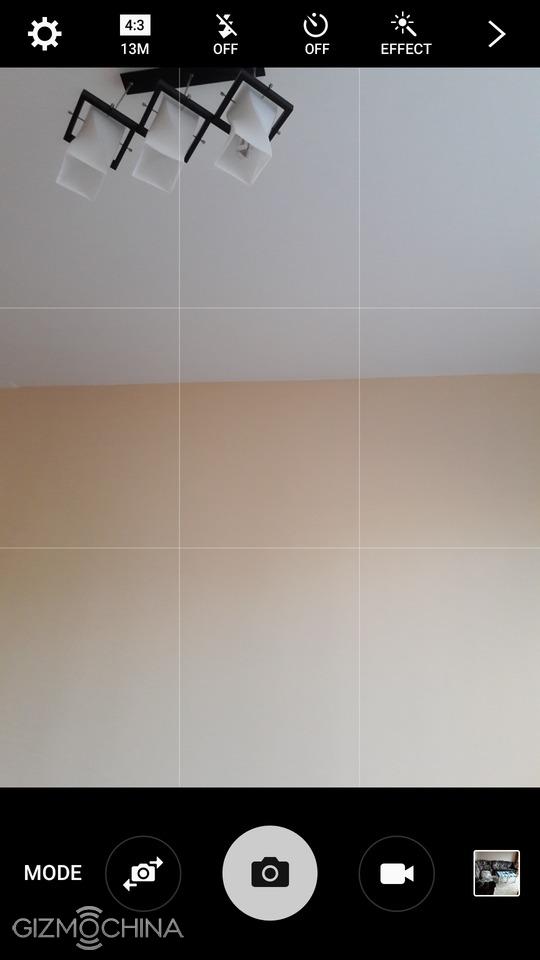
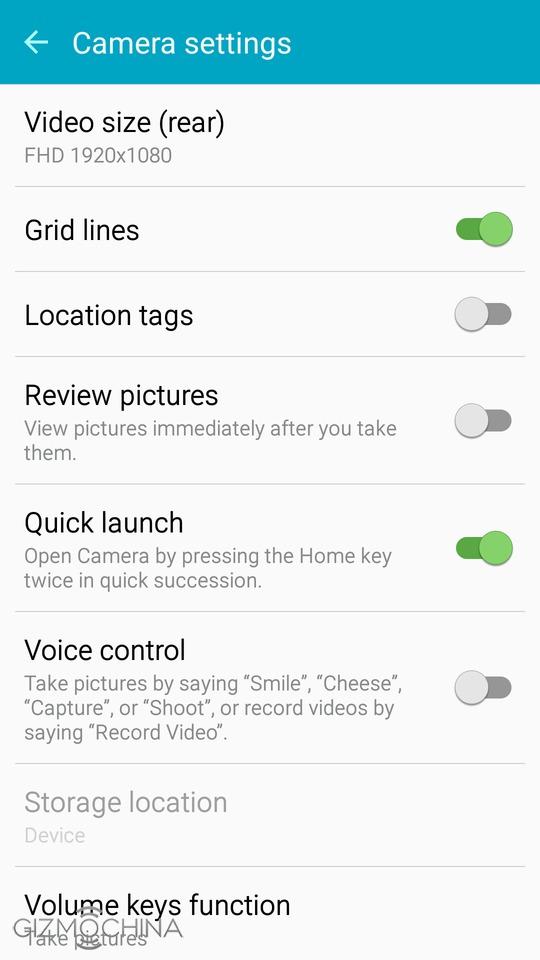
What you are getting is a typical Samsung camera app we’ve seen on lots of phones. On the left there is settings and options toolbar and everything is pretty much self-explanatory.
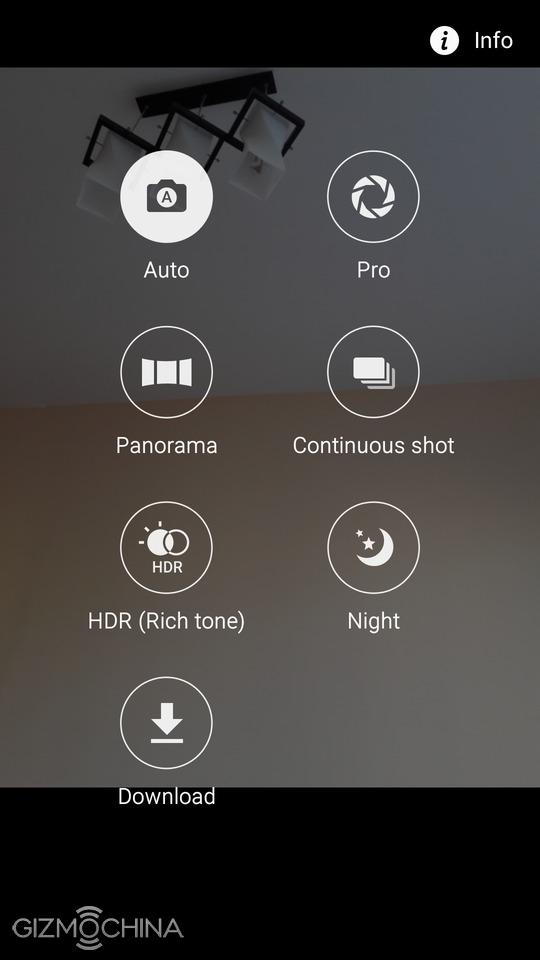
On the right side you can access your recent photos, shoot videos, take pictures, switch cameras and last but not least select different modes. Also, you can download a few extra ones but what I actually missed was the slow-motion video mode.
Finally, the shutter speed is really fast even in lower-lit situations.
Allright, let’s take a look at the camera samples. I’m going to tell what I think about the image quality in the full review, so you may want to wait for that. As always, sit back, relax and see you soon.
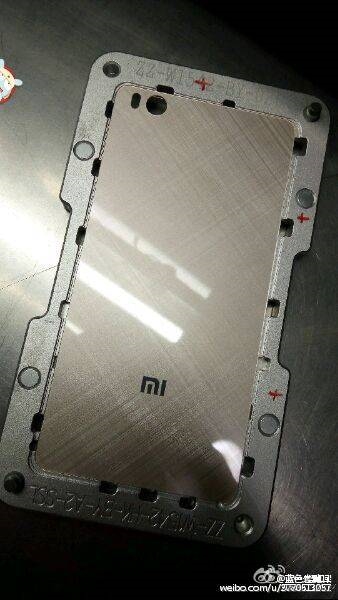
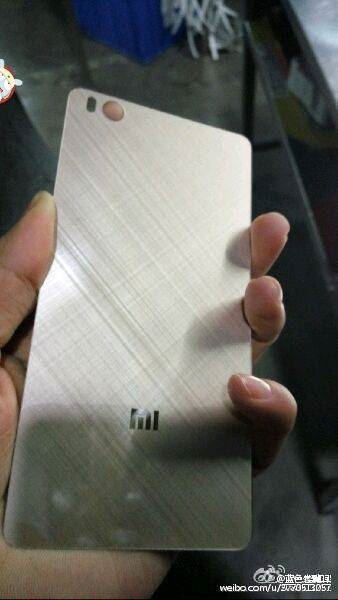
We are just three weeks away from the official launch of the Xiaomi Mi 5 flagship. There are a lot of features that we already know about the device, thanks to the confirmations from the company executives. However, some specs like the screen size or the body material are still unclear. Earlier Xiaomi Mi 5 leak and rumors have said that the phone will come in two variants, a low-end variant with 3GB RAM and 2.5D glass body and a high-end variant with an all metal body.
Looks like we have got the first glimpse of the rear of the low-end model. This alleged Xiaomi Mi 5 leak reveals a back cover with a glass-like material. There are two openings on the top left corner for the camera sensor and the dual LED flash, while at the center, you have the traditional Mi logo. As you can see, the rear shell is not plain, but rather textured.
So, like the Redmi 3, the company could be planning to release a textured pattern variant of the Mi 5. Personally, the back cover looks quite premium. So, I wouldn’t mind if this is the final design in one of the variants of the flagship.
From today’s leak, the phone looks quite compact. So, as rumored, the display size could be limited to 5.2-inches. If true, then it would completely make sense why Xiaomi decided to stick with a 1920 x 1080p display panel on the device as even with this resolution, the pixel density easily goes over 400ppi.
We use cookies on our website to give you the most relevant experience by remembering your preferences and repeat visits. By clicking “Accept”, you consent to the use of ALL the cookies.
This website uses cookies to improve your experience while you navigate through the website. Out of these, the cookies that are categorized as necessary are stored on your browser as they are essential for the working of basic functionalities of the website. We also use third-party cookies that help us analyze and understand how you use this website. These cookies will be stored in your browser only with your consent. You also have the option to opt-out of these cookies. But opting out of some of these cookies may affect your browsing experience.
Necessary cookies are absolutely essential for the website to function properly. This category only includes cookies that ensures basic functionalities and security features of the website. These cookies do not store any personal information.
Any cookies that may not be particularly necessary for the website to function and is used specifically to collect user personal data via analytics, ads, other embedded contents are termed as non-necessary cookies. It is mandatory to procure user consent prior to running these cookies on your website.