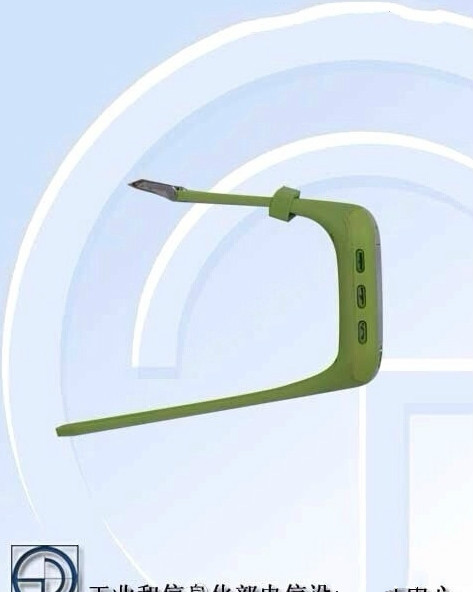
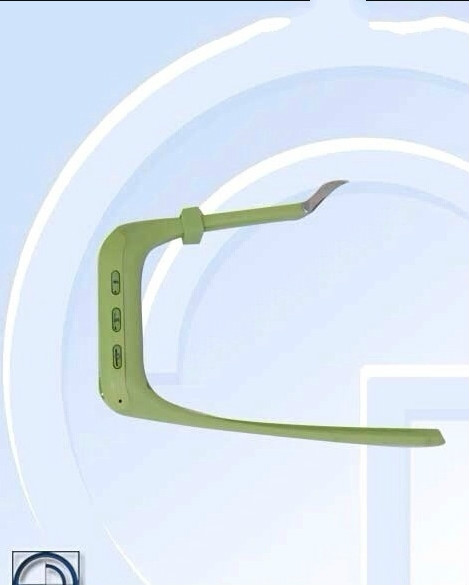
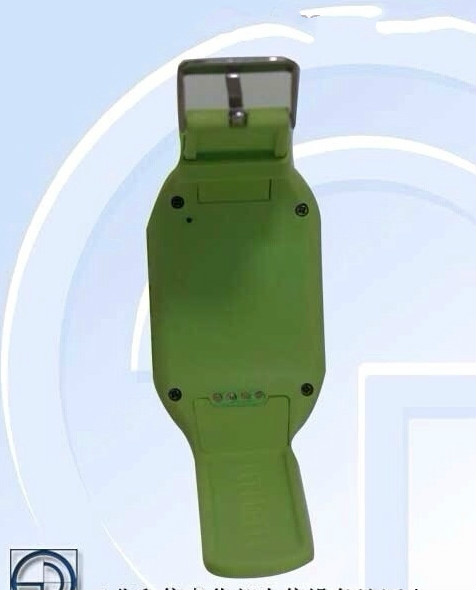
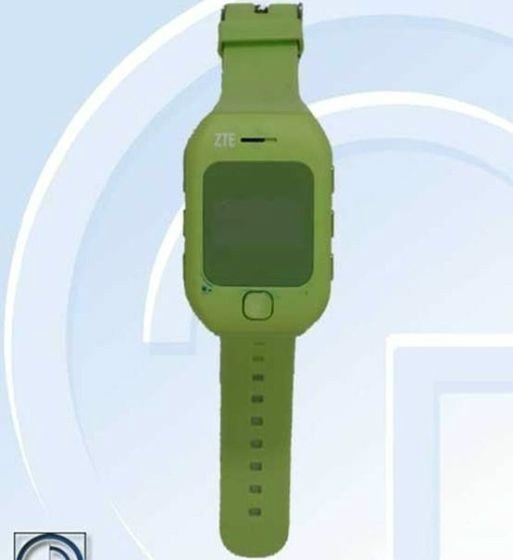
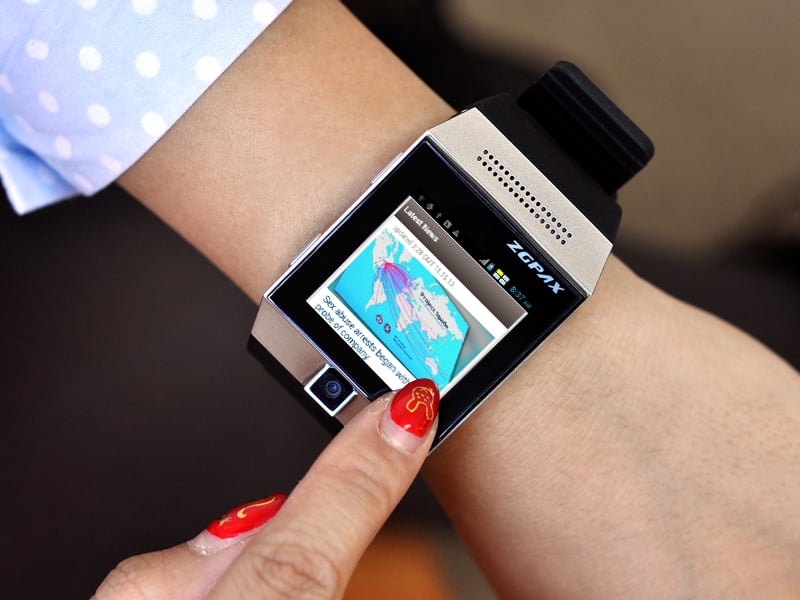
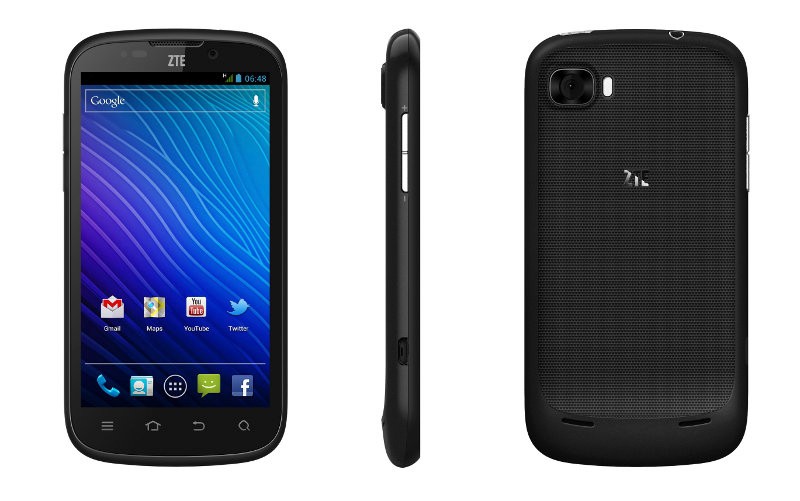
Today, ZTE’s smartwatch, called the BlueWatch, received certification from the Ministry of Industry and Information Technology. The MIIT’s website posted snapshots of the upcoming smartwatch.
As the photos show, the BlueWatch has a plastic body and sports a square screen. Above the screen is ZTE’s logo and below it is a round rectangular button.
According to reports, ZTE will launch the BlueWatch smartwatch in New York on September 16. Since it has already received certification from the MIIT, it should come out in China soon.
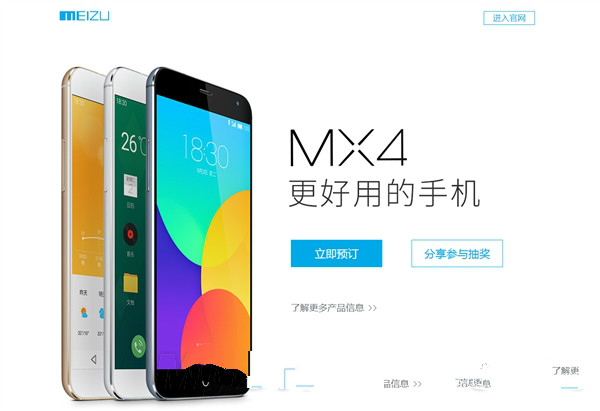
Although the MX4 has been launched, it cannot be called a flagship phone in the truest sense since it has a Pro edition.
Insiders revealed that a new version with the Yun OS will come out next month. This phone will be the result of a cooperation between Meizu and Alibaba. They also revealed that this phone supports payment by fingerprint. If this is true, then this should be the MX4 Pro since it supports fingerprint recognition.
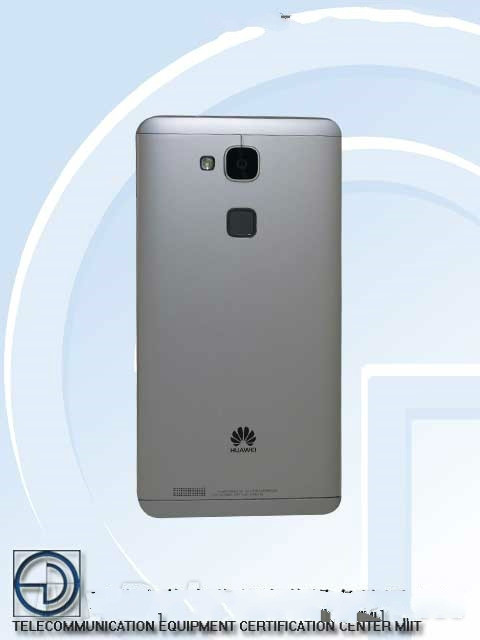
Take not that Huawei has already introduced the Mate 7 which is the first cellphone to support fingerprint payment. Its scanner recognizes fingerprints when pressed. Meizu must be using the same formula.
The difference though is that the MX4 with the Yun OS will still use the Kirin 925 processor like the Mate 7. Why? Because according to reports, Huawei’s chip offers the best security settings for fingerprint payments.
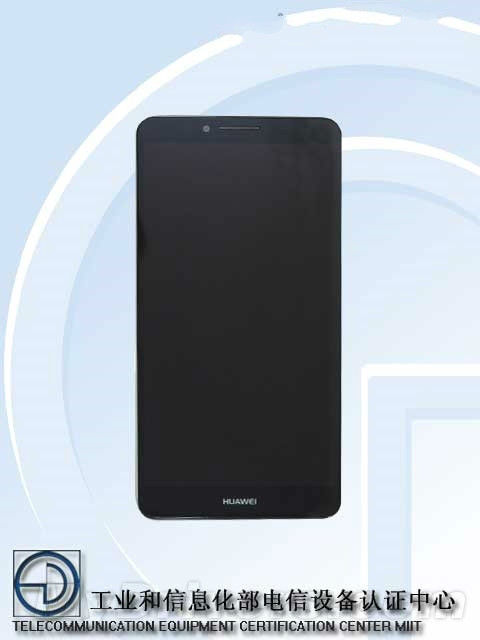
Today, Huawei will release their newest device, the Mate 7.
According to reports, four versions will be shipped to stores: MT7-CL00, MT7-TL00, MT7-TL10, and MT7-TL10. The Mate 7 sports a 6-inch 1080p display screen. The biggest highlight about this device is, of course, its fingerprint recognition function.
The Mate 7 also uses the 1.8GHz Kirin 925 octa-core processor. Users can choose between a 2GB RAM/16GB version and a 3GB RAM/32GB ROM version. It also sports a 5mp/13mp camera. Tonight at 9 PM, let us witness the arrival of the Mate 7.
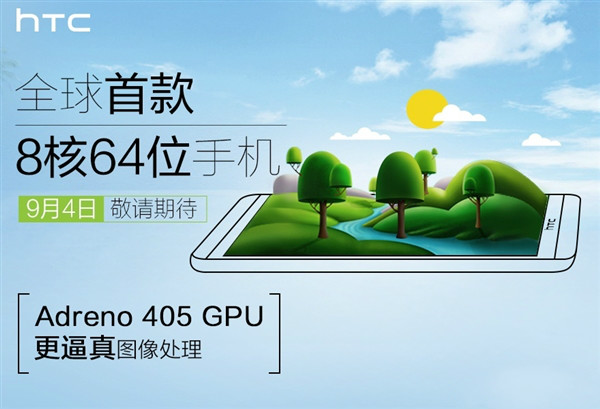
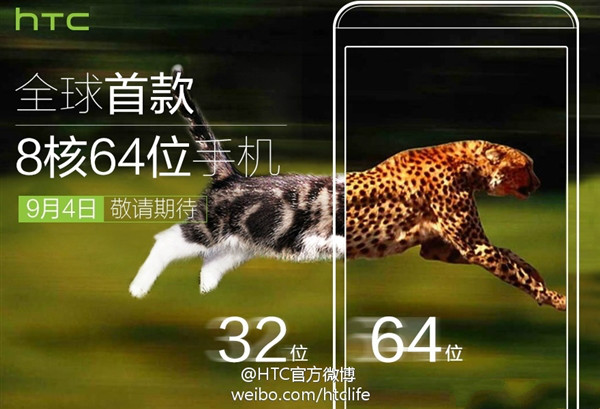
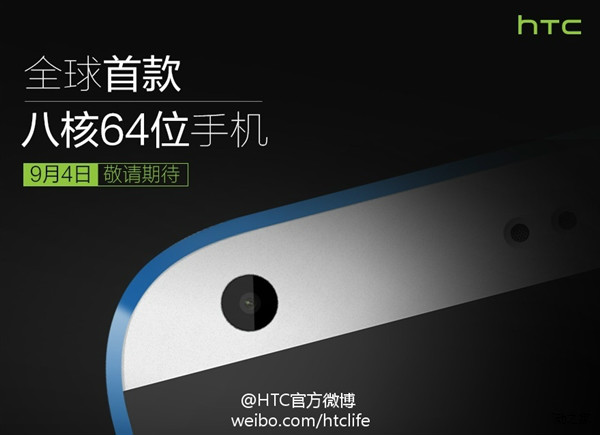
Taiwan-based electronics company, HTC, plans to challenge Samsung and Sony by releasing a new cellphone. Today, in Berlin, they will launch the “world’s first 64-bit octa-core cellphone” called the Desire 820.
It was reported that the HTC Desire 820 will sport a 5.5-inch 720p display screen, an 8mp/13mp camera, and have 1.5GB RAM and 8GB ROM. It is said to be powered by a 2600mAh battery.
Expect the Desire 820 to use the Qualcomm Snapdragon 615 64-bit processor and Adreno 405 GPU.
The Mi 2/S is the most sold cellphone from Xiaomi and has sold up to 15,000,000 to date. Unfortunately, there had not been any plans to let owners of the Mi 2 upgrade their OS to the new MIUI 6…until now.
MIUI 6 upgrades are already available for the Mi 3 (China Unicom/China Mobile) and Mi 4 open edition although the China Mobile edition of the Mi 3 is still undergoing closed beta tests. The next step is to include an update for the Mi 2 and it looks like it is finally happening.
Yesterday afternoon, MIUI announced in their official Weibo account, @MIUI_ROM, “MIUI 6 for the Mi 2 will undergo closed beta tests at the end of the month.” In addition to the Mi 2, the MIUI 6 should be tested for the Mi 2S and Mi 2A.
Closed beta testing should go on for two weeks and we can expect an open edition to come out in October.
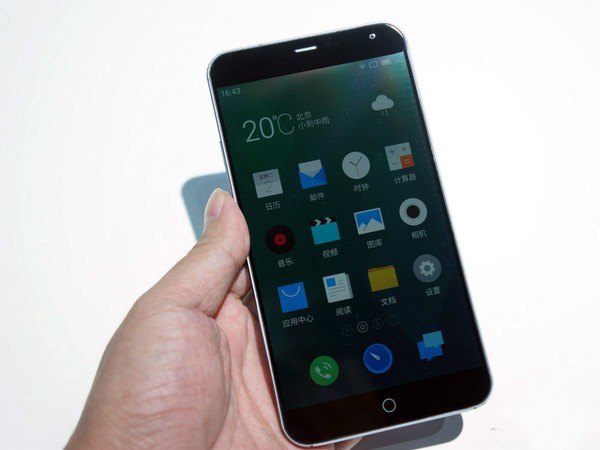
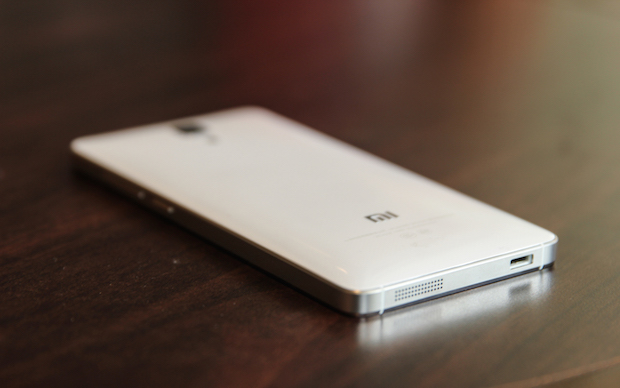
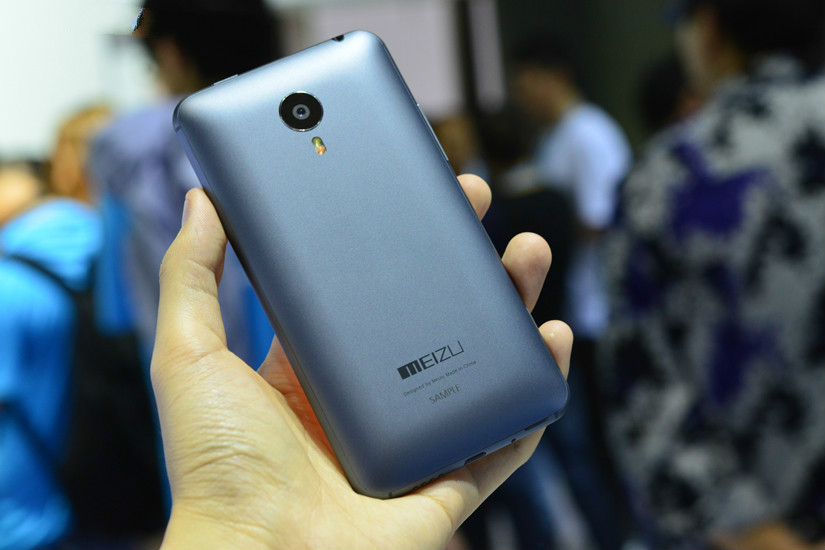
After months of rumors and speculations, Meizu MX4 is finally official. The company unveiled the device yesterday in a specialevent.
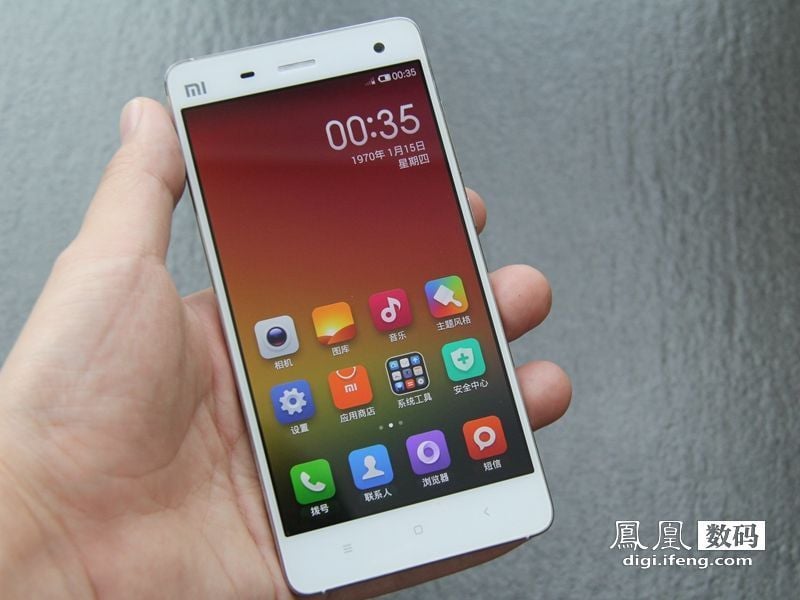
With MX4 in the picture, things get more confusing for consumers who are looking to buy an affordable flagship device. Xiaomi Mi4 is probably MX4’s biggest competitor, given the similar specifications and pricetag, so we decided to compare both these devices in several areas to see which one comes out as a winner atleast on paper.
Design
To be frank, this is an area where we cannot simply pick out a winner. Both the devices are well built, with a solid metal design and both deserve the flagship title with its premium design. But, some like the new Meizu MX4’s design over Xiaomi’s Mi4, so it depends from person to person. That’s why we leave it up to you to decide which one you like on the basis of its design.
MX4 measures 144 x 75.2 x 7.9mm while the Xiaomi Mi4 measures 139.2 x 68.5 x 8.9 mm. As you can see the dimensions are almost the same with both the devices weighing around 148 grams.
Screen
Meizu’s MX4 comes with a slightly larger 5.36 inch display as compared to the 5 inch IPS panel found on Xiaomi’s Mi4. MX4 sports a resolution of 1920 x 1152 pixels while the Mi4 comes with a 1920 x 1080 pixel resolution. The smaller display gives Mi4 an edge over MX4 as the former has a pixel density of 441 PPI as compared to 418 PPI on the Meizu’s flagship. But personally we don’t think that makes much of a difference in clarity and sharpness.
The thin bezels on both the devices are a plus given that it makes operating the device much easier.
So, it all boils down to your screen size preference.
Hardware
Both the devices are extremely snappy and packed in with powerful hardware. Meizu’s MX4 comes with MediaTek 6595 eight core processor along with 2GB RAM. On the other hand, Mi4 comes with Qualcomm Snpdragon 801 processor with 3GB RAM. The 801 Soc with an extra gig of RAM gives Mi4 a slight edge over the MX4. However, Mediatek’s eight core chipset has shown promise and we would have to get our hands on the device to check whether its as fast and responsive as the Mi4.
As for the GPU, Meizu went with PowerVR G6200 as compared to the Adreno 330 found on Xiaomi’s flagship.
For now, Xiaomi’s Mi4 looks better than the MX4 in hardware, but we expect the actual performance to be more or less the same.
To be frank, we were quite surprised to see that Meizu went with Mediatek on their flagship device rather than experimenting with a low tier model first. So, we are looking forward to play with the device to see whether this was a good decision or not.
Camera
While Mi4 looked better when it came to hardware, camera is one area where MX4 is miles ahead. Meizu has incorporated a 20.7 MP Sony rear camera on the device with f/2.2 aperture and dual tone dual LED flash. On the other hand, Mi4 only comes with a 13MP shooter. So, MX4 would naturally capture better pictures with true colors (thanks to the true tone flash) as compared to Mi4.
But when it comes to front camera, the 8MP shooter on Mi4 easily outdoes the 2MP Sony sensor on MX4.
Connectivity and Battery
Both the devices offer Bluetooth 4.0, Wi-Fi ac, GPS, A-GPS and LTE network support. MX4 comes with a slightly larger 3100 mAh battery while the Mi4 comes with a 3080 one. The larger screen should reduce the battery life on the MX4, but we don’t think that the difference would be significant.
Software
Mi4 runs Xiaomi’s MIUI 5.0 OS on Android, while MX4 comes with the latest Flyme 4.0 OS based on Android 4.4. Both are different UIs with their own set of positives and negatives, so we cant really comment on which one’s better.
Xiaomi’s MIUI is much more popular than Flyme but Meizu has incorporated a lot of new security and special features on its new OS and even offers 40TB of cloud storage with the device.
So, we leave it up to you to decide which one’s better.
Pricing
Meizu has smartly priced MX4 below Mi4, which should make the already crowded market even more competitive. The device retails for $293 for the 16 GB, $325 for the 32 GB, and $390 for the 64 GB which is around $10-$20 less than what you have to pay for different storage variants of Xiaomi’s flagship.
Conclusion
We think both the devices are equally good and given its pricetag, these devices offer much more value for money than what you get from other flagships.
Xiaomi’s Mi4 managed to slightly outdo MX4 in hardware and software categories, but the latter was much better when it came to the camera and pricing.
But end of the day, the differences are trivial and we don’t think it will be fair to pick one as the winner of this comparison as both are equally good.
So which would would you pick, Xiaomi Mi4 or the newly announced Meizu MX4?
Google has a lot of updates slated in its Android wear software which will be released by the end of 2014. Google’s Director of Android Wear, Mr David Singleton, said that the wearable android devices would support thousands of the nearly 1 million programs on Play Store. These apps could be downloaded by the users on to their Android Wear.
Google also has several updates in store for Android Wear like its ability to be paired with a Bluetooth headset. GPS feature will also be enabled in these watches so that one can track their fitness sessions by geolocation. Thus, if one is planning to go on a run then all they need to do is put a few songs in their watch which can be played through a Bluetooth headset and the run can be tracked by the GPS feature.
The market of wearables especially the smartwatch section is set to gain a lot of momentum. Already three devices in this range have been announced i.e. Moto 360 ($250), LG G Watch ($230) and Samsung’s Gear Live ($200). Some companies are expected to launch new products in the wearable range at the IFA trade show in Berlin. Even Apple might reveal a wearable device at the launch of the latest iPhone on 9th September. The market of wearables is still in its nascent stage and there is loads of scope for new products, new technologies and new platforms in this arena. Only time will tell, how many mobile phone manufacturers will find this a lucrative investment and would launch new android enabled wearable products.
As mobile phone manufacturers are trying their best to drop their prices, ZTE wants to focus on ‘value for money’. The Chinese Manufacturer has said that they want to focus on devices priced in the range of $100 – 200 which is equivalent to INR 6000-12000. They would use phones priced in the above mentioned range to drive their sales in India and form a place for them in the Indian smartphone market.
CEO of ZTE India, Mr Yuan Kang also said that India was a huge market and they were confident that their range of phones would definitely suit the Indian customer mind set. He added that they were planning to launch around 5 handsets online and 3-4 models offline.
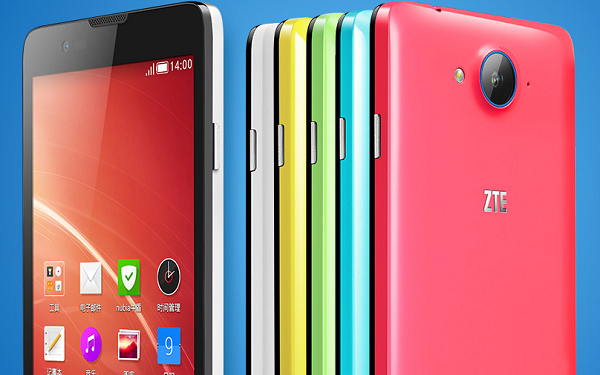
ZTE has recently launched their new model, the V5 to be sold online on Snapdeal.com. This phone is priced at INR 10,999. The ZTE V5 has a 5 inch screen and is powered by a 1.2 Ghz quad core processor. They prime feature of this handset is the 13 mega pixel rear camera and the 5 mega pixel front camera. Other features include 4 GB internal storage (expandable upto 32 GB) and a 2,400 mAh battery.
Sale of smartphones in India has grown by almost three-fold to reach around 44 million in 2013 due to the availability of pocket friendly devices brought out by firms like Micromax and Karbonn. India’s market is led by Samsung and companies like Micromax, Karbon and LAVA also have significant shares. Google is also going to launch its budget handset in India soo which will further intensify the competition.
ZTE launched its latest smartphone, the V5 in India at a price of INR 10999. The company is expanding its smartphone base in India. The phone will be available on Snapdeal.com. However, there are no reports confirming the physical sale of the phone at retail stores. The e-commerce site, Snapdeal.com is also offering 1GB data per month for the first three months with the purchase of this handset for prepaid subscribers of Aircel.
ZTE Redbull V5 in India
ZTE V5 is the company’s first Andoid KitKat powered smartphone in India. The newly launched phone has the following key features –
5-inch, 720 x 1280 pixels HD display protected with Dragontrail Glass.
Powered be a quad – core Qualcomm Snapdragon 400 processor
1GB RAM
Android KitKat 4.4 with Nubia 2.0 UI
4GB in – built storage which is expandable upto 32 GB with micro SD card support
13 – megapixel rear camera with LED flash
5 – megapixel front camera
Rear camera has autofocus, special effects, Panorama, and face detection features.
Connectivity options like 3G, Wi-Fi, Micro-USB and GPS
3.5mm audio jack and FM radio
Fuelled by a 2400mAh battery which give up to 6 hours of talk time and 300 hours of standby time
Dual sim support
The ZTE V5 is currently available in White colour only. The ultimate selling point of this phone is its high end camera specifications. This smartphone might face competition from two phones launched recently in the same price range – Karbonn Titanium S19 and Lava Iris Pro 30+.
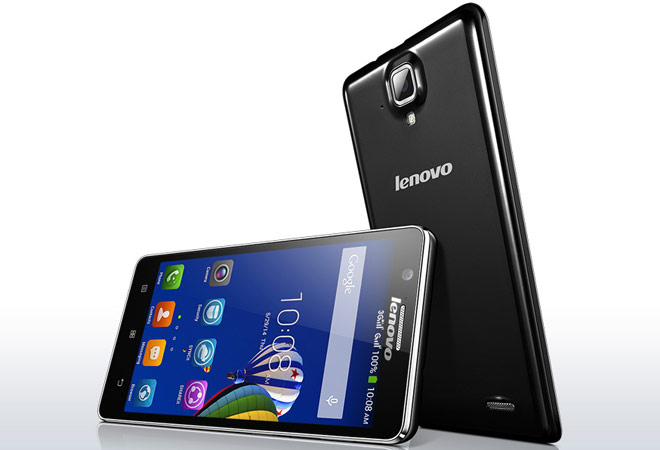
Lenovo is known for its classy range of products. The new smartphone launched by Lenovo is an economic phone. Lenovo A536 is the new sensation in the market. This smartphone is making use of KitKat version of Android. The most captivating thing about the Lenovo A536 is its price. The smartphone is available in market in just Rs. 8,999. The phone was launched in India via the online store of the Lenovo, i.e., Do store and all other physical outlets of the Lenovo. The android smartphone was launched in Indian market on Tuesday. The phone has all the exclusive and premium features and specs. This device is going to be blockbuster and real profit for the Lenovo. The smartphone is a dual-SIM device. The exclusive trait of the phone is to run on the latest version of the android. Some important specs of Lenovo A536 are listed below.
Specifications
Screen display- 5-inch Full Wide Video Graphics Array
Processor- 1.3GHz quad-core MediaTek processor together with 1GB RAM.
Storage- 8GB internal memory storage, expandable up to 32GB
Camera- 5 mega pixel rear camera with autofocus and LED flash; 2 mega pixel front camera.
Battery- 2000mAh Li-ion battery and can deliver up to 15 h usage time and up to 300 h standby time.
The phone is available in black and white variants. Lenovo is using 4.4 KitKat version of Android for its S series of smartphones like S820, S650, S930, S920 and S660. Lenovo has also announced some new smartphones for the IFA, Berlin event. The major and eye-catching device amongst the new launch of Lenovo is its new smartphone, Vibe X2.
ASUS has finally unveiled its Android wear Zen Watch at IFA, Berlin and they have priced it at just $250 which makes it cheaper that many other available smartwatches.
The news has been revealed by the CEO of the company, Jerry Shen. This new smartwatch, ZenWatch, is an Android based wearable and claimed to be the cheapest smartwatch available in the market. The company has set the price of ZenWatch at $250. Earlier rumours suggested it to cost at $200.
The craze of android wearable is spreading amongst all the nations like a viral fever. The youth is very much interested in this new technology and are considering it to be a cool gadget for them. No company is shirking away from participating in the race of new android wearable. The name of new participant in this race is Asus.
Analysts of smartphone market are predicting it to be a highly economical and tough competition of LG G Watch and Pebble Steel. There are other sound competitors of the ZenWatch in the market like Samsung, Apple, etc. But this tag of cheapest smartwatch is definitely going to help Zenwatch to capture a major share of the smartwatch market. Reports suggest that the smartwatch will be available in the US market around the month of October.
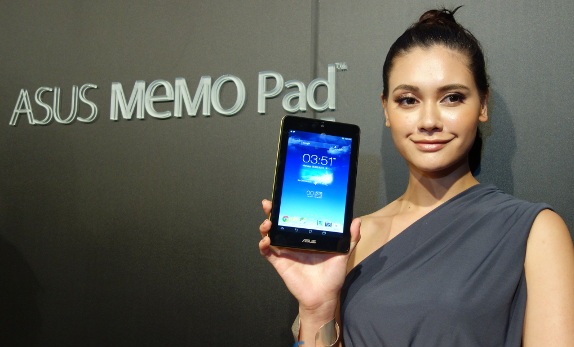
Asus is launching new devices at a drastic speed. Asus has just now announced its new MeMo Pad 7. Asus MeMo Pad 7 is fully loaded with some latest technologies. MeMo Pad 7 is a stylish device, which will be a status symbol amongst the youth. The MeMo Pad 7 from Asus has all premium features like CPU of Intel, a 64-bit quad-core Z3560 (1.83 GHz), high definition screen display with an increased resolution of 1920 x 1080. The forerunner of this device was having the screen resolution of 1280 x 800. The MeMo Pad 7 resembles with “wallets and clutch bags” because of its artistic and highly visual design. The frame of memo Pad 7 is made up duralumin.
The MeMo Pad 7 has some elite and finest features which are listed below:
RAM- 2 GB
Internal storage- 16 GB, this can be expanded up to 64 GB with microSD card
Camera- 5 mega pixel primary camera and 2 mega pixel secondary camera for the smart selfies.
Asus has also revealed about the user friendly and economical price of this new and innovative device. The price has been set at $ 260 or €199. The MeMo Pad 7 is available in stylish color range including – black, red and golden. We have rumours that soon the company will also launch the LTE version of this device. The smartwatch by Asus has already grasped so much of attention by the fans from all around the world. Let’s see how much does this device rule the electronics market.
Xolo’s first Windows Phone smartphone, the Win Q900s is now available in India for just 166$. The smartphone was initially launched in the month of June and is now available for retail and is in stage of pre-order at e-commerce retailer Snapdeal.com.
Win Q900s runs on Windows 8.1 OS. This phone weighs just 100 grams, making it as the lightest Windows Phone smartphones available. It has a 4.7-inch HD IPS OGS display and is powered by a 1.2GHz quad-core Qualcomm Snapdragon 200 processor coupled with 1GB of RAM.
The Xolo Win Q900s has a dual-SIM (GSM+GSM) with dual standby support, GPRS/ EDGE, 3G, Wi-Fi, Bluetooth, GPS and USB connectivity options. It offer a 8 MP rear camera and a 2 MP front camera. It has 8GB of inbuilt storage expandable up to 32GB via microSD card slot.
The smartphone is powered by an 1800mAh battery, which claims to delivers up to 14 hours of talk time and up to 246 hours of standby time on 3G network.
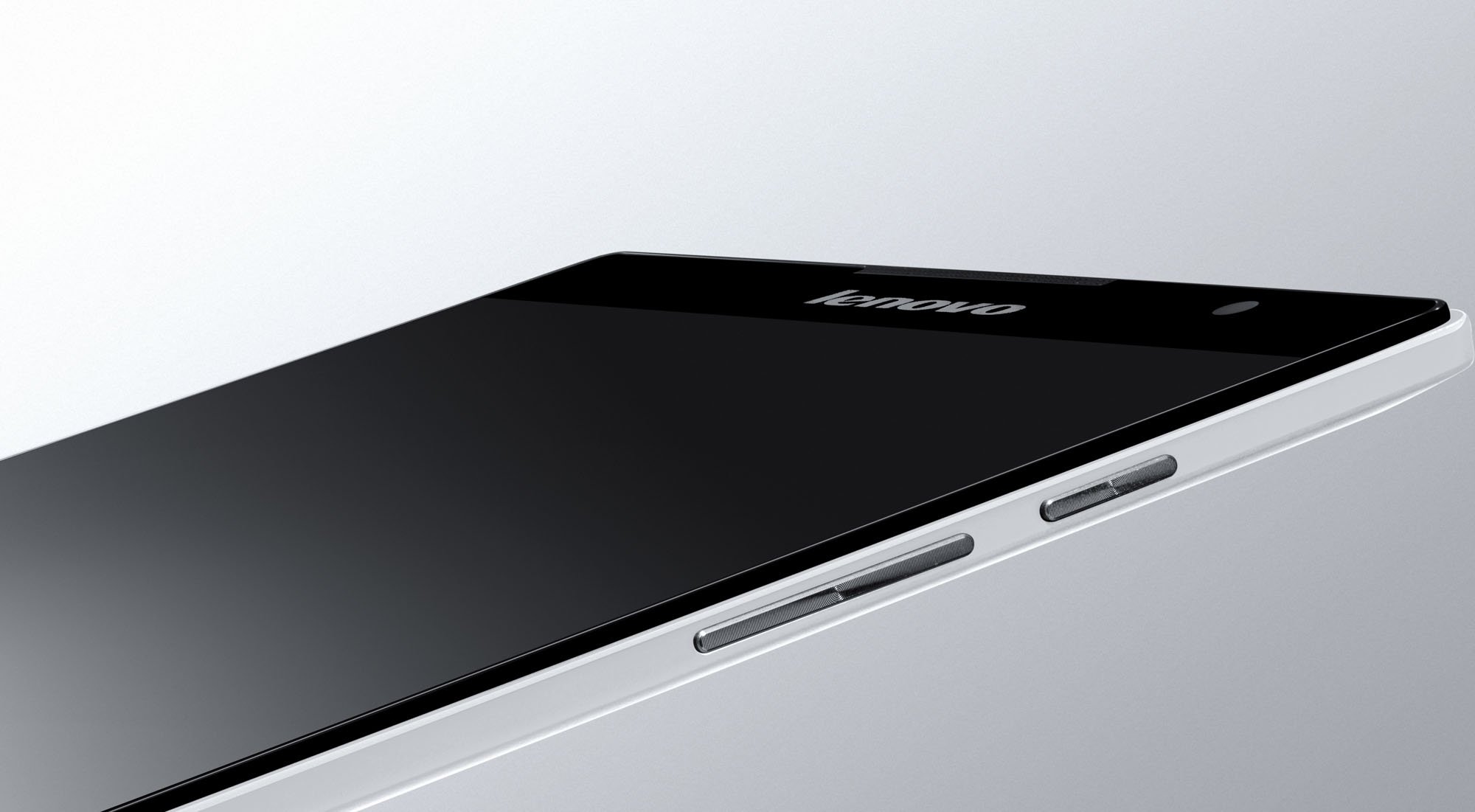
Lenovo unveiled new slate to market and this could prove to be a gem in the crown, named TAB S8. Company claims that TAB S8 is for consumers who are looking for a stylish, slim and affordable Android tablet starting at just $199.
This tab offers a 8-inches 1920×1200 resolution display which is said to be sharper than FHD. It is equipped with a front 1.6-megapixel HD camera and an 8-megapixel rear-facing camera.
The Lenovo TAB S8 marks Lenovo’s first 8-inch Android tablet powered by an Intel processor. It is endowed with Intel Atom Z3745 Processor with Intel® Burst Performance Technology, the TAB S8. The TAB S8 is just 0.65 pounds and 0.31 inches thin. Other features include optional high-speed LTE (4G) connectivity (based on Intel® XMMTM 7160) and Wi-Fi for data connectivity, up to seven hours of battery life to keep users cord-free, and 64-bit technology compatibility. The TAB S8 runs Android 4.4 KitKat, includes 2GB of RAM, 16GB of storage, Bluetooth 4.0 and Dolby®-enhanced dual front speakers.
This will be showcased in IFA Berlin and will be updated with more info soon.
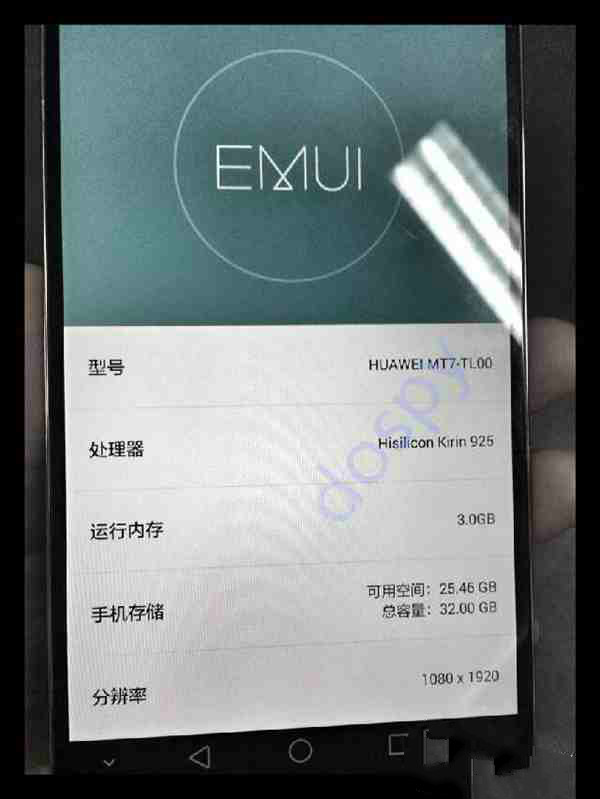
A recent snapshot posted by Weibo user @DOSPY-山雨独酌 shows that the Huawei Mate 7’s processor is the Kirin 926. Based on the fact that this device has 3GB RAM and 32GB ROM, this must be the high-end version of the Mate 7.
So, what upgrades were made for the Kirin 925? It is bound to have a stronger GPU than the Kirin 920. Instead of the Kirin 920’s Mali-T628MP4 GPU, it should have the stronger Mali-T628MP6 GPU.
Although the Kirin 920 is a pretty good processor, its GPU is not very strong. If the Kirin 925 has stronger GPU then it should have better power consumption.
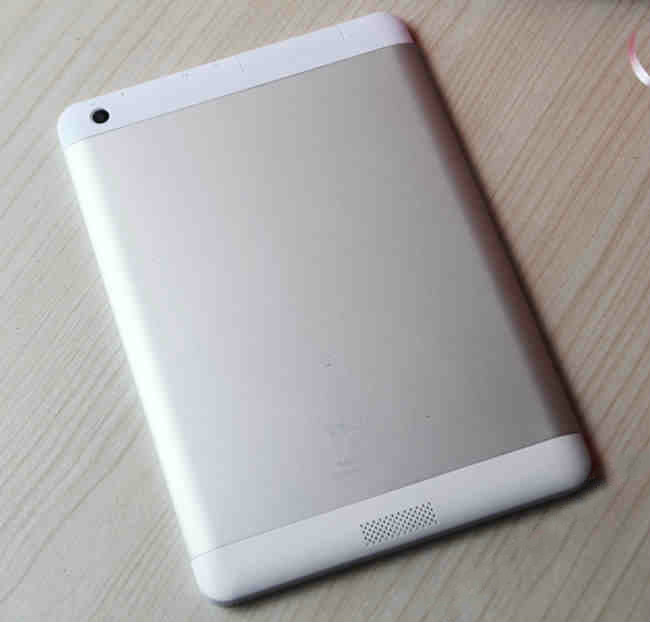
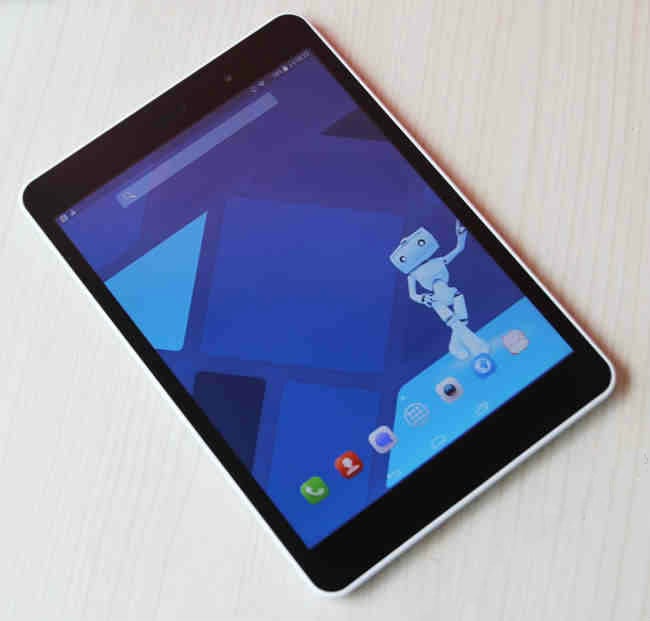
Surprising news! Famous Chinese electronic appliance brand Haier will release a 3G tablet, the G782. Not only will it support 3G internet, its specs are not bad. Its selling price is 1299 RMB.
The most interesting thing about the Haier G782 is its 7.85-inch OGS display screen. It has a 2048 x 1536 resolution and 326 ppi making it one of the few Chinese tablets that use MTK processors to have such a resolution.
The G782’s processor is the MTK6592 octa-core chipset. As for memory, it has 2GB DDR3 RAM and 16GB ROM. It also has a 5mp camera and a 5150mAh battery. It supports WCDMA/GSM internet and its OS is the Android 4.4.2. It also supports dual-frequency WiFi.
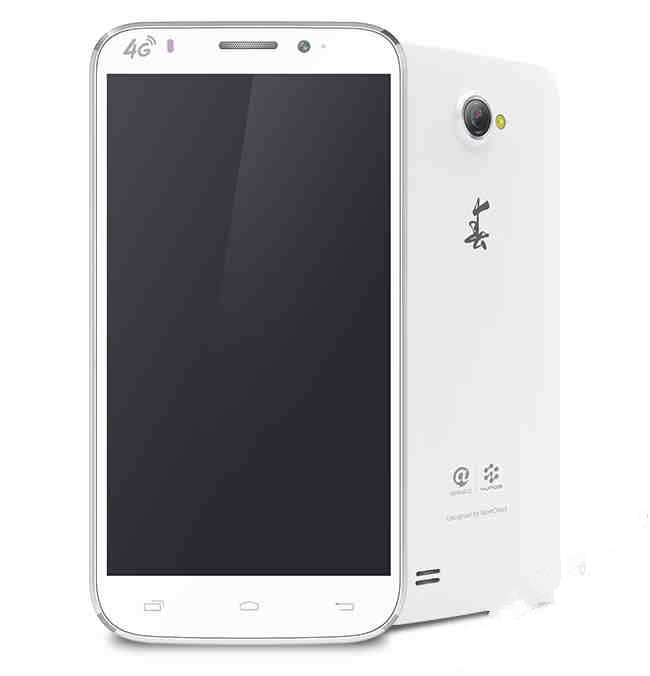
This afternoon, Dakele formally launched their first 4G cell phone, the Dakele Spring.
The launch confirmed much of what was reported about the Dakele Spring before. It was done in collaboration with Aliyun and uses the new Yun 2.9 OS which boasts good security settings. It also has anti-theft settings and the user can lock the phone from a distance. The new Cloud OS allows the user to personalize their phone more by letting them do things like letting them search their contacts by typing a letter or hid their phone record.
The Dakele Spring has a very simple round design. Many will be interested to know that it sports a 5.5-inch screen with qHD resolution (960 x 540). Its processor is the MSM8926 quad-core chipset. It has 1GB RAM and 4GB ROM as well as a 2mp/8mp dual-camera. It is powered by a 2300mAh battery and supports TD-LTE, TD-SCDMA, and GSM dual-SIM
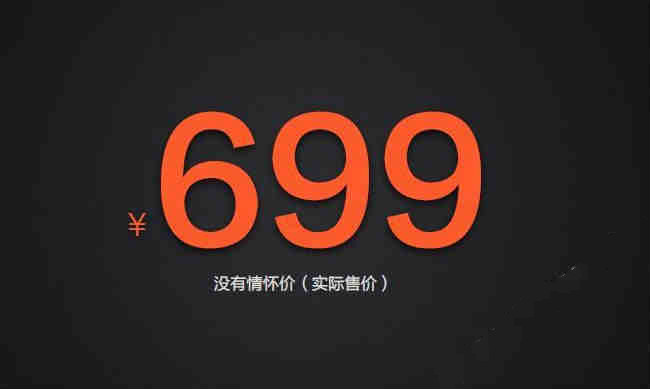
The Dakele Spring costs 699 RMB and is already on sale at Juhuasuan. Users can pick up their orders on September 9.
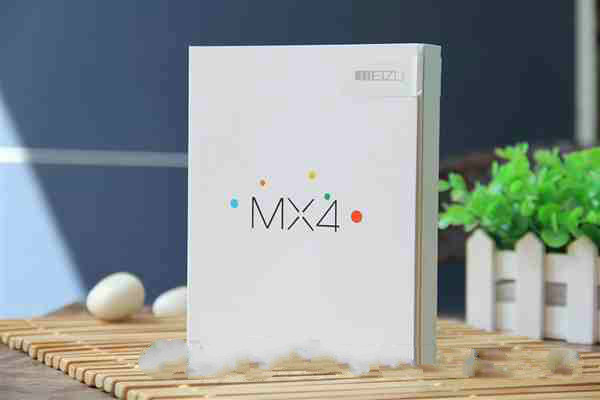
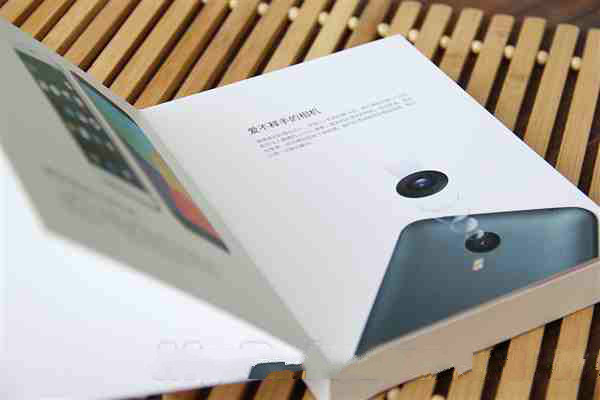
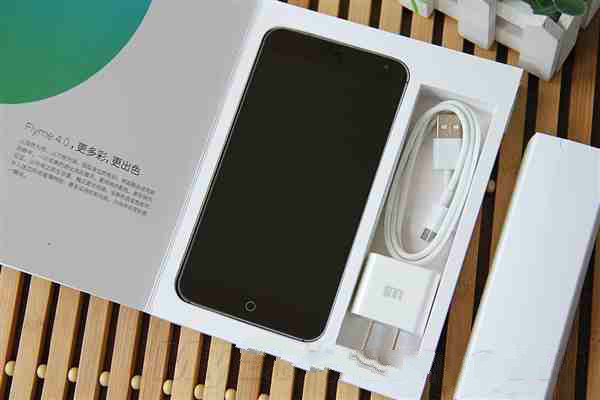
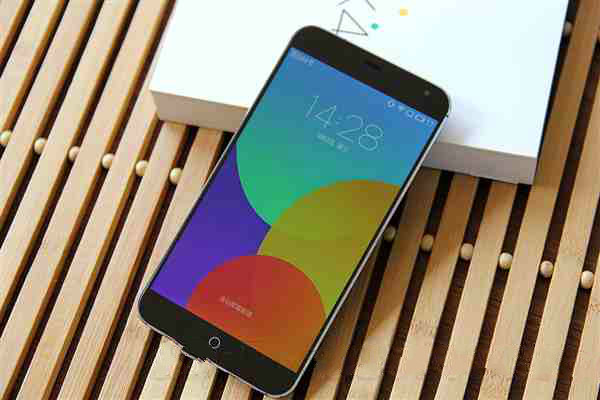
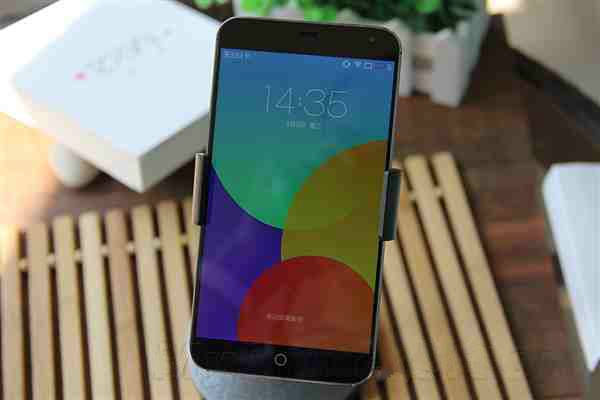
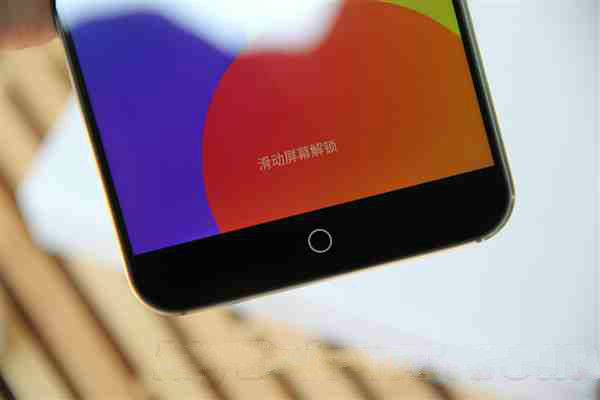
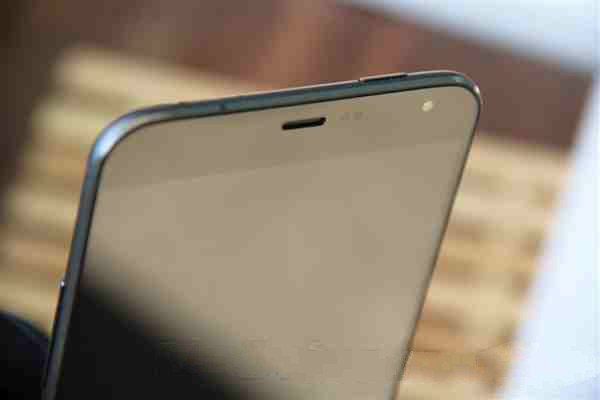
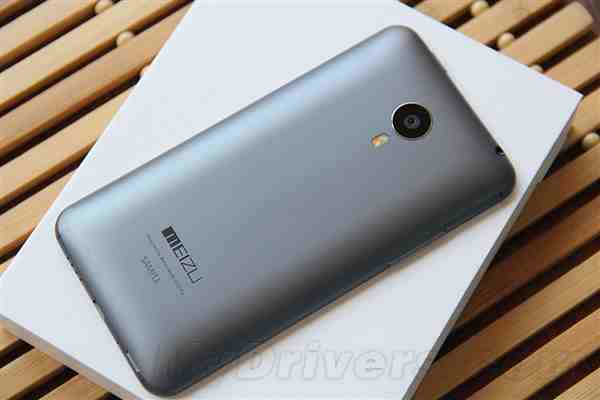
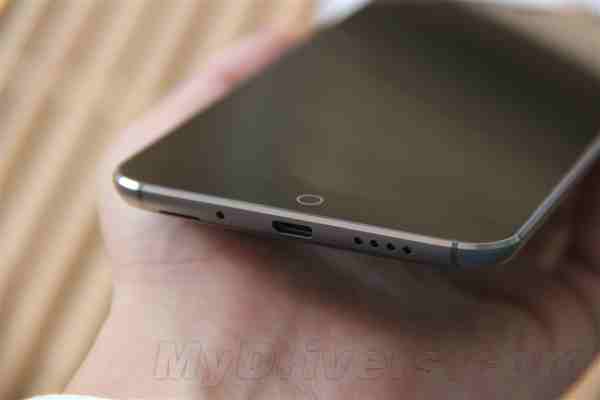
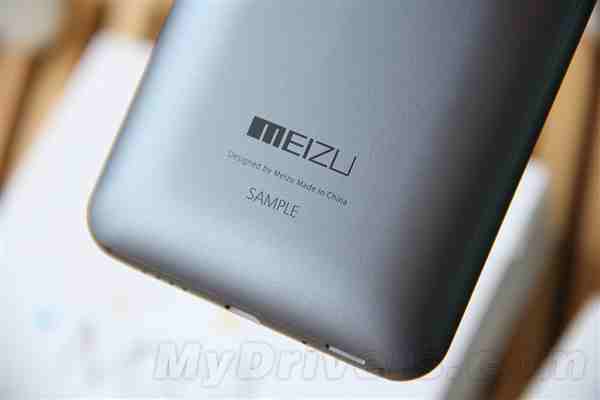
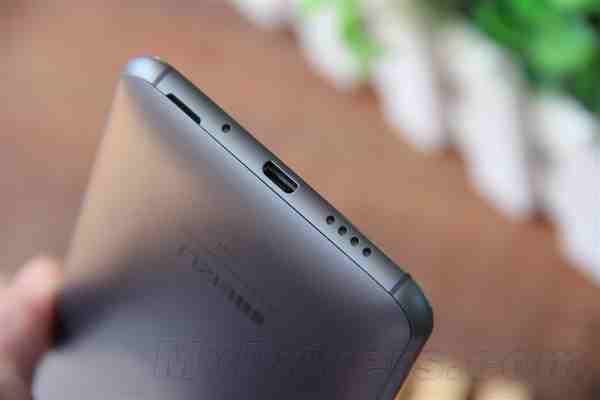
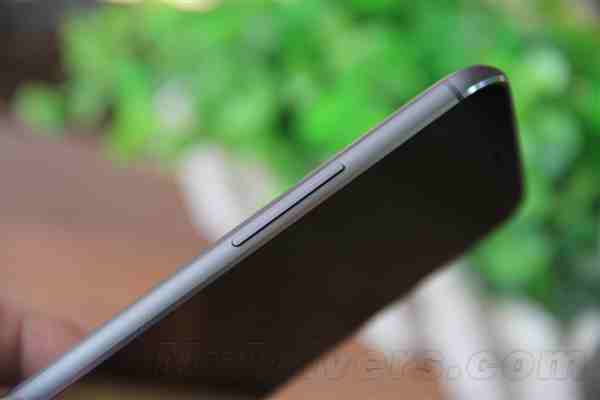
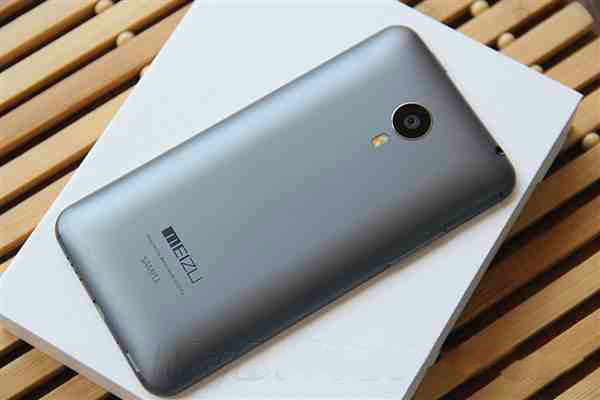
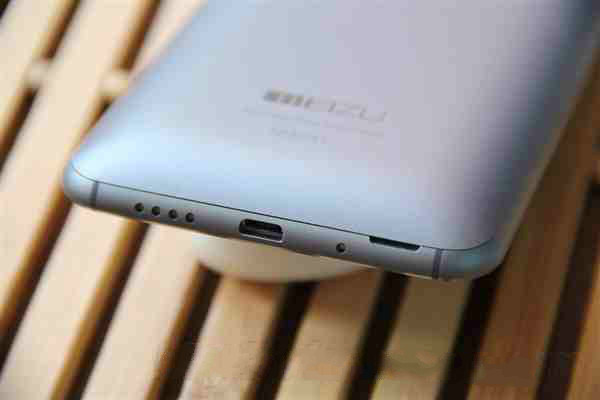
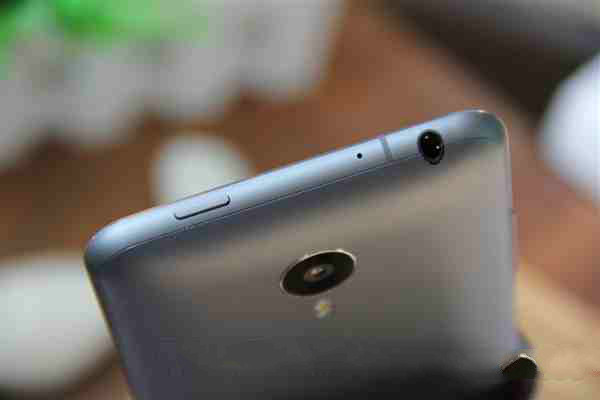
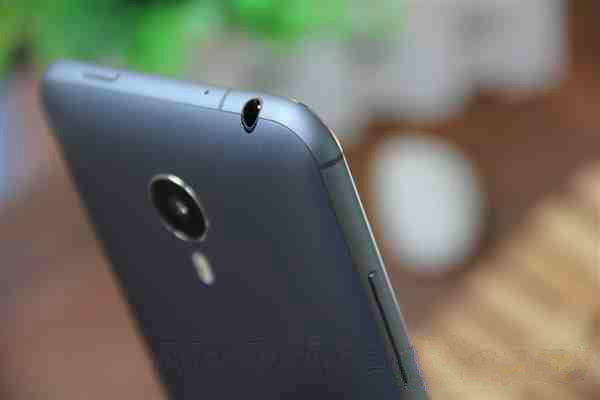
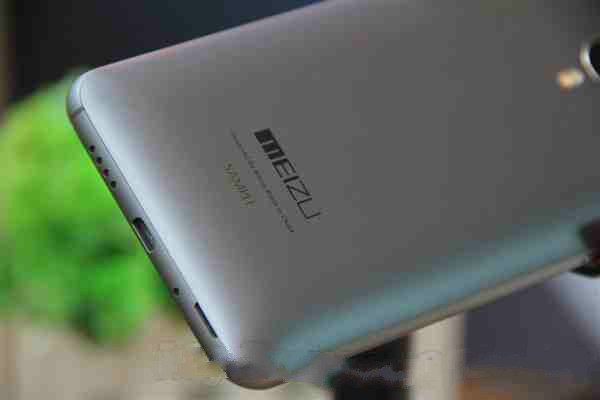
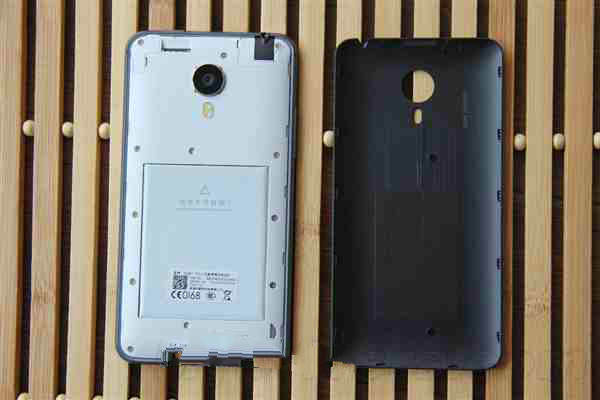
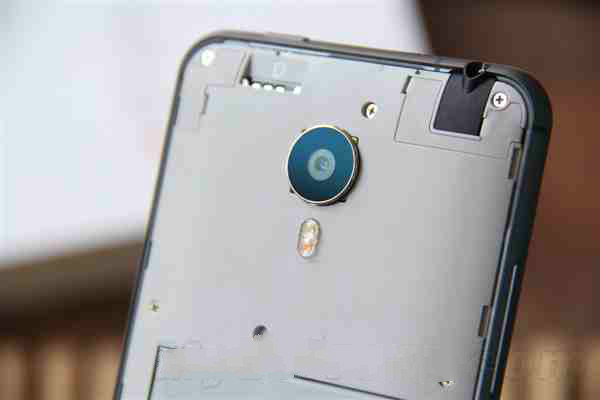
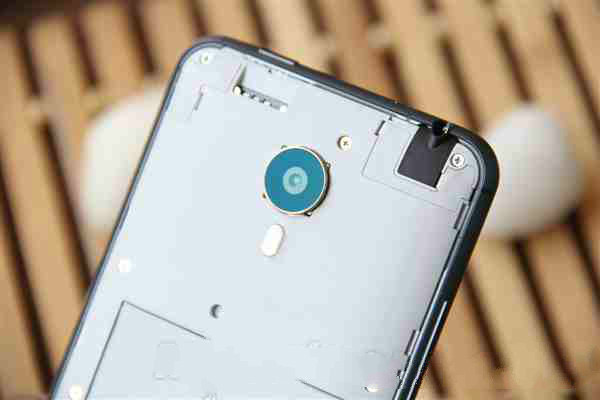
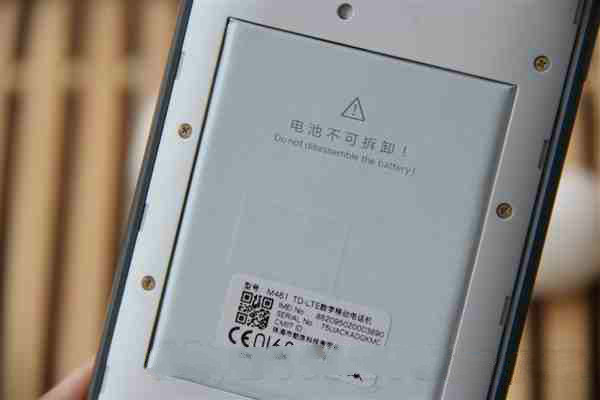
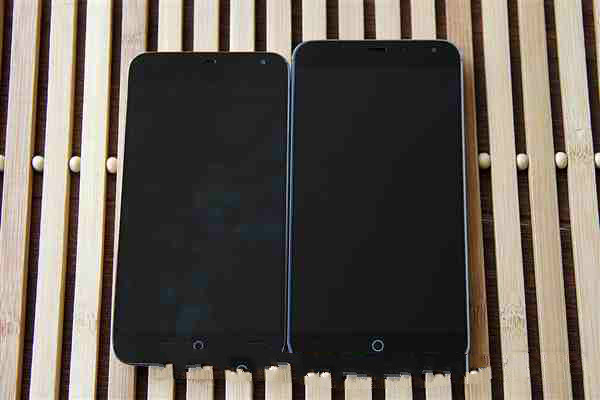
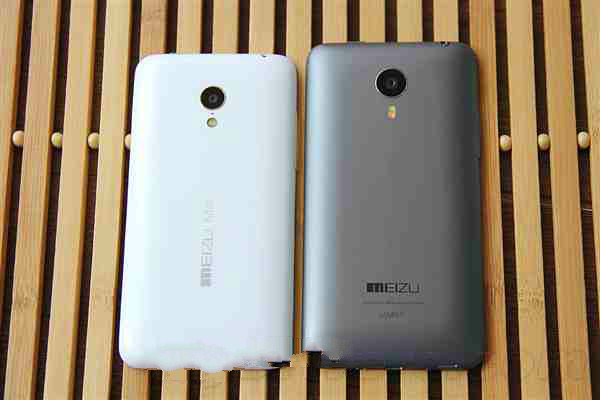
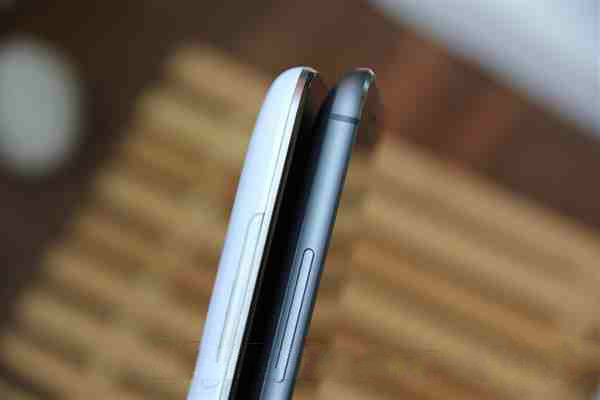
Yesterday, the Meizu MX4 was finally launched and its 1799 RMB (292.93 USD) price is insane. We have already reviewed this phone. Now, here are photos of the MX4 unboxed.
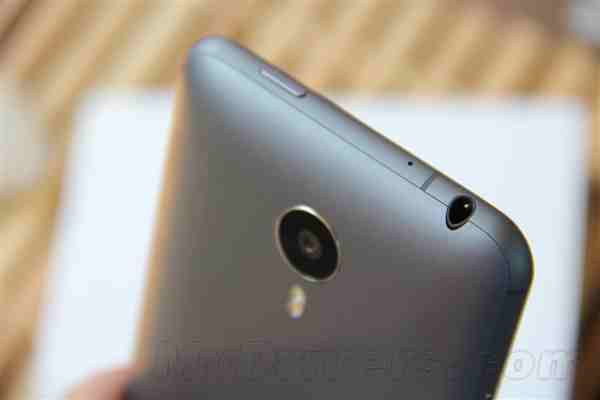
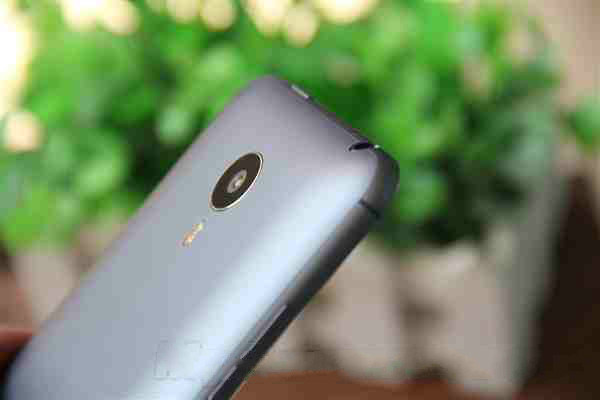
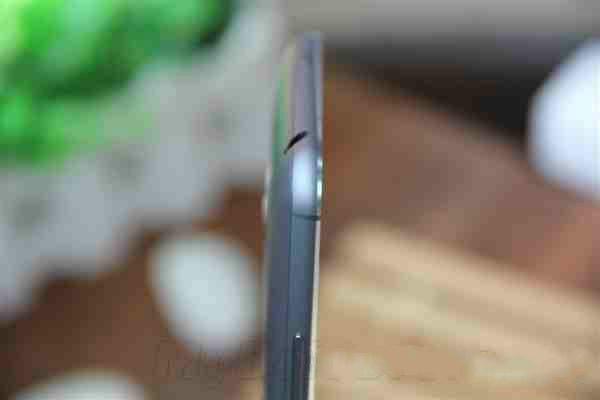
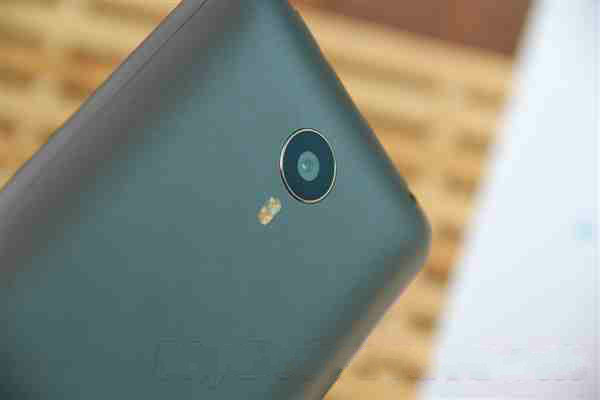
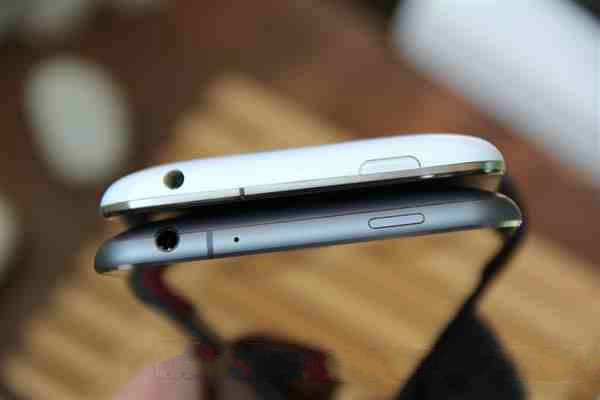
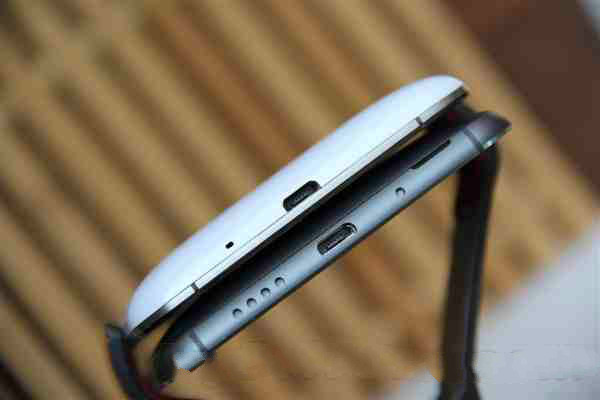
The MX4’s design looks very similar to the MX3 with its round shape. The difference though is that its frame is made of magnalium. The rear shell has been furnished and polished instead of painted.
At the same, the size of the Meizu MX4’s screen was increased from 5.4 inches to 5.36 inches. The phone’s width was also increased. Considering how its weight has increased by 5g, the phone’s width has made it slimmer.
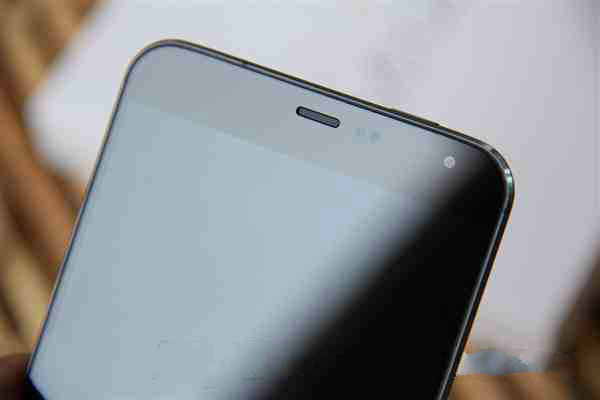
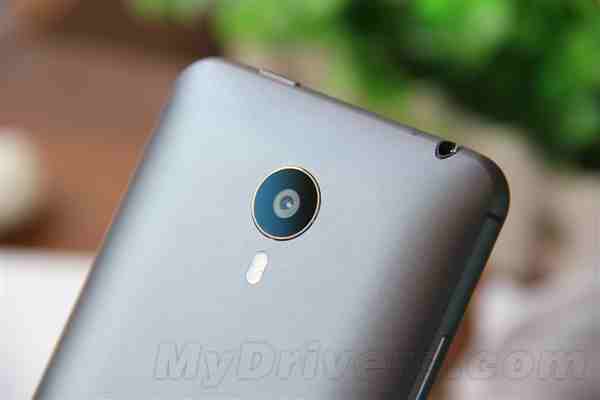
In addition to the MX4’s 5.36-inch screen, it has the world’s narrowest frame (2.6mm) increasing its screen ratio to 80%. This should provide great video quality. This phone also sports a 20.7mp Sony camera (IMX 220). Many people should be pleased to know that the lens does not point out too much and is only at almost the same level as the phone’s body and rear case. It also has a dual-LED light.
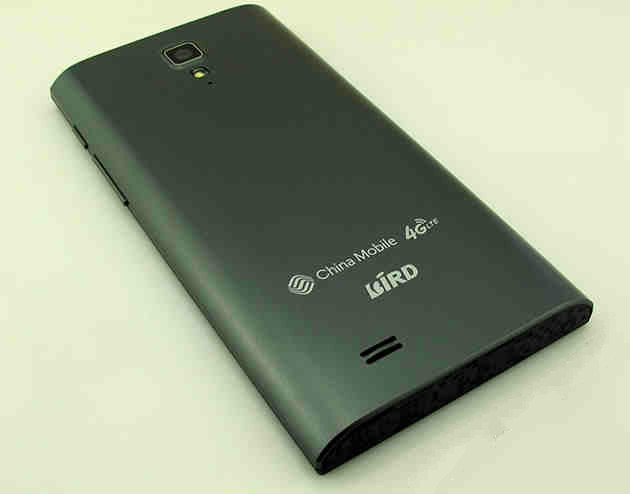
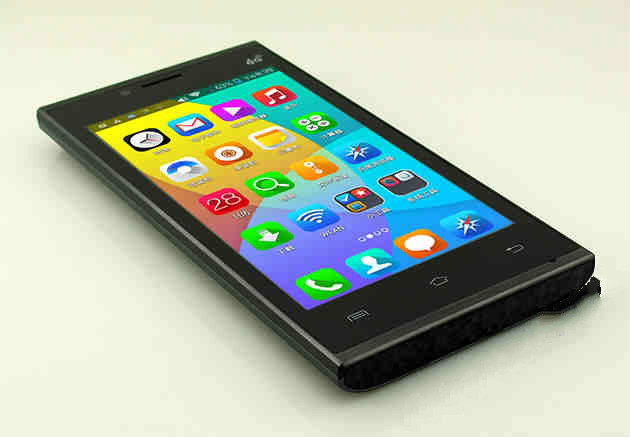
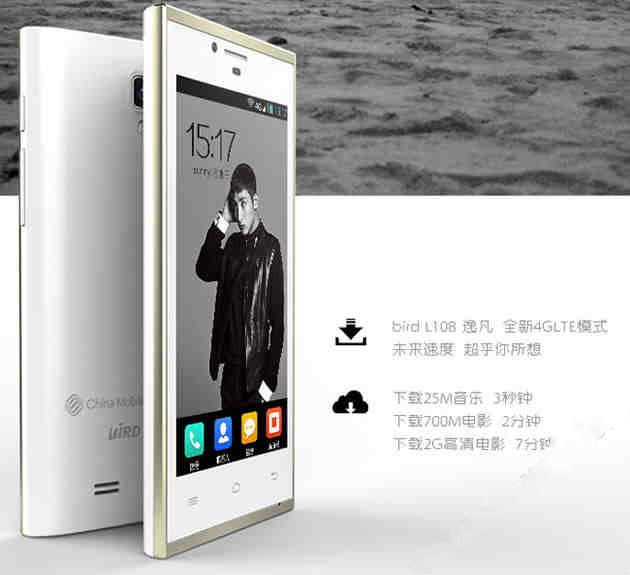
BIRD’s latest release is the 4G L108 phone which has just gone on sale.
The Bird L108’s design is not that different from many devices with round, curvy shapes. This phone stands out more for its colors and adornments. For example, there is a gold plate in the right side.
Like most of Bird’s L phones, the L108 is China Mobile-customized. It supports China Mobile TD-LTE 4G internet (single SIM card). It uses a MT6582+MT6290 dual chipset. Other than that, its specs are just so-so. It sports a 4.5-inch display screen with FWVGA resolution and a 2mp/5mp dual-camera, and has 512Mb RAM and 4Gb ROM. It is powered by a 1750mAh battery and its OS is the Android 4.42. Many will be surprised that a cellphone that costs less than 1000 RMB has a noice-cancelling microphone.
As an entry-level 4G phone, it costs at least 688 RMB.
Recently, TCL-affiliate Alcatel hosted an event in Thailand where they launched their newest device, the OneTouch Flash. This fashionable smartphone sports a 5.5-inch screen and uses an octa-core processor. According to ads, this is actually the TCL Momoda which had been released in China a while ago.
The Alcatel OneTouch Flash’s main specs are the same as the S270’s. Its processor is the 1.4Ghz MT6592M octa-core chipset. It sports a 5.5-inch display screen with HD resolution (1280 x 720). It has 1GB RAM and 8GB ROM (expandable) as well as a 5mp/13mp camera. It is powered by a 3200mAh battery and its OS is the Android 4.42.
Like the Momoda, the Alcatel OneTouch Flash is HotKnot-supported. Both phones support P2P data transfer.
We use cookies on our website to give you the most relevant experience by remembering your preferences and repeat visits. By clicking “Accept”, you consent to the use of ALL the cookies.
This website uses cookies to improve your experience while you navigate through the website. Out of these, the cookies that are categorized as necessary are stored on your browser as they are essential for the working of basic functionalities of the website. We also use third-party cookies that help us analyze and understand how you use this website. These cookies will be stored in your browser only with your consent. You also have the option to opt-out of these cookies. But opting out of some of these cookies may affect your browsing experience.
Necessary cookies are absolutely essential for the website to function properly. This category only includes cookies that ensures basic functionalities and security features of the website. These cookies do not store any personal information.
Any cookies that may not be particularly necessary for the website to function and is used specifically to collect user personal data via analytics, ads, other embedded contents are termed as non-necessary cookies. It is mandatory to procure user consent prior to running these cookies on your website.