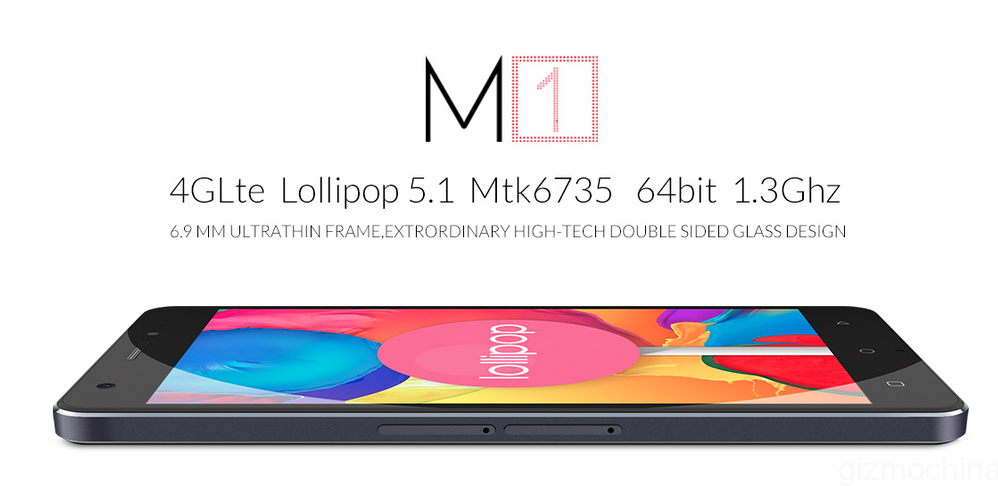
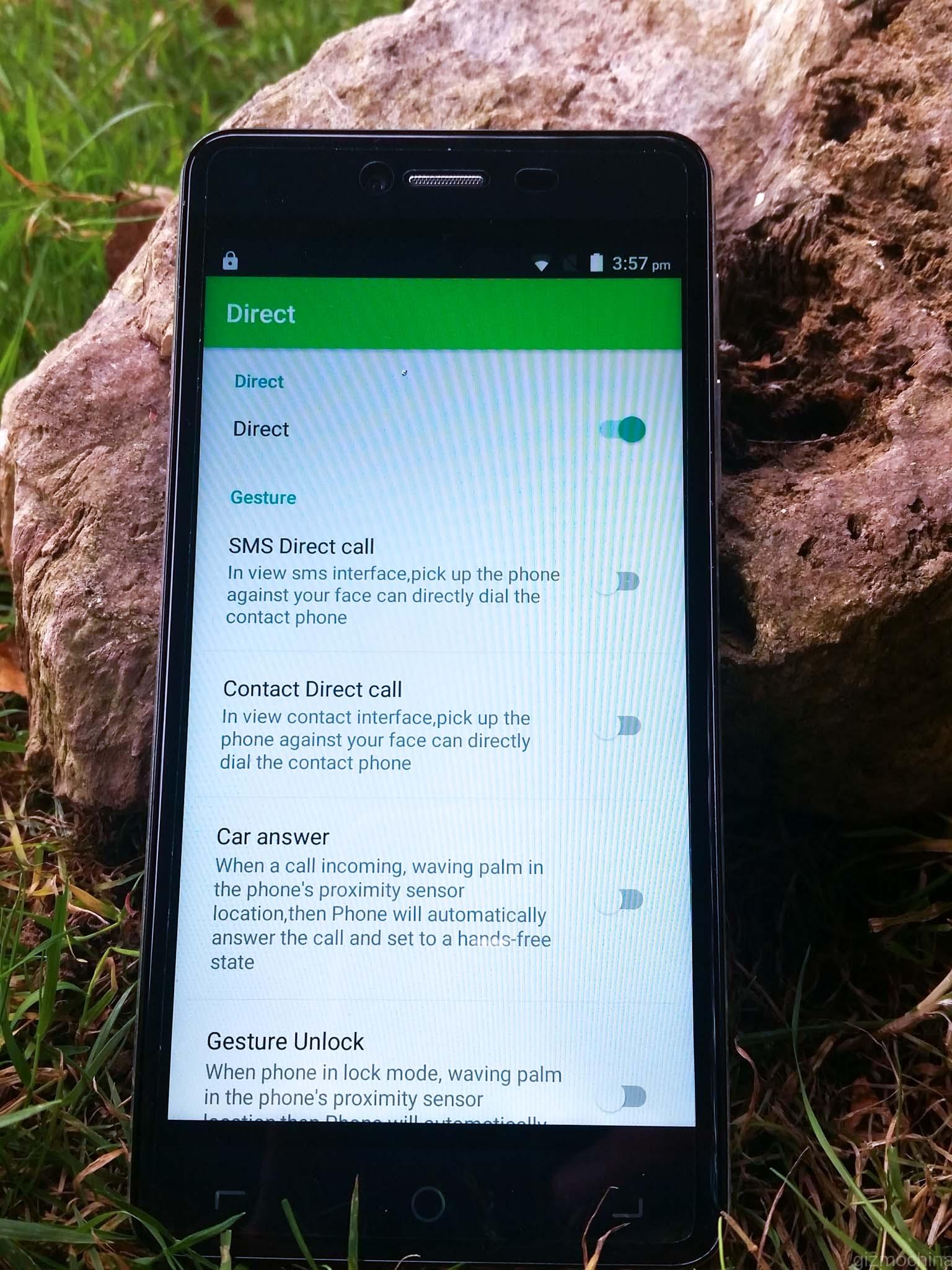
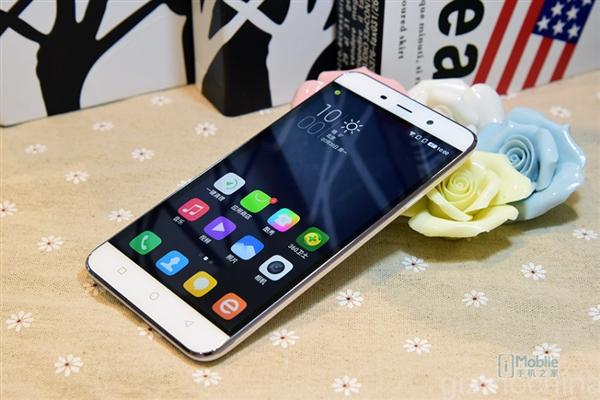
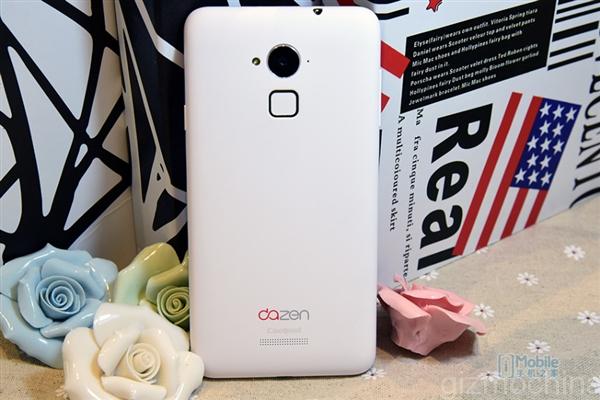
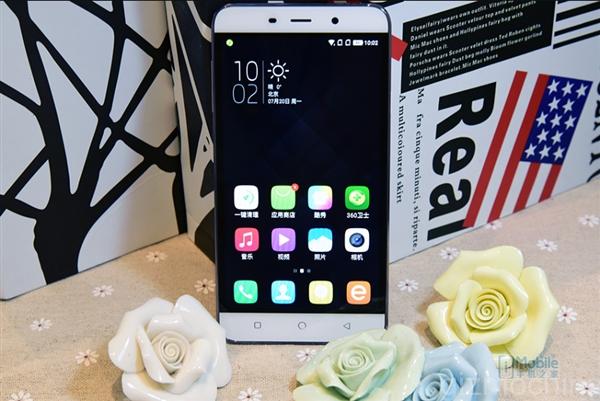
By releasing its first smartphone UBRO M1yesterday, the company UBRO has set the new standards in the industry. As per the news from the core of the company, this will be the first smartphone that is releasing the BOM i.e Bill of Material.
Bill of Materialcan be interpreted as the total cost of all parts in the manufacturing industry. The purpose of the company is to rise with the technology by providing clear information of the cost of manufacturing hardware to the consumers.
The most attractive part of this launch was to make it worth buying for the customers. So UBRO came up with the most reasonable price of M1.
UBRO facilitates the following three features:
1. Quality, price, performance
2. Create UBRO APP communication system
3. Build the UBRO authorized retail system
In this era, where technology is growing at a very fast rate, the mode “only manufacture” can not promote the industry to deeper development. UBRO prefers to get the feedback in form of suggestions and ideas from its customers regularly and is more interested to work on the features of their needs.
UBRO believes in Art, passion and collaboration. They make customers happy and soon in the month of October, they are going to upload Ubro Apps to Google Play.
UBRO has a plan to develop an UBRO Communication App just to better realize its functions. Also, to better serve the local customers, UBRO authorized retail systemwill co-operate with the local stores in Europe.
As for their first phone, the UBRO M1 comes with a 5-inch HD display with 2GB RAM, 16GB internal memory and 64bit MT6735 chipset on board. They also land to launch an M1 Mini (which oddly enough is still a 5-inch phone) and M1 Pro with larger 5.5-inch FHD display.
Check out ubro’s official website: http://www.ubromobile.com/
I have received a report via their Chinese micro-blog Weibo (like Twitter) that the ZUK team carried out an extensive battery test on their upcoming ZUK Z1 smartphone last week.
From the report what is really impressive is that the result showed the ZUK Z1 drained ONLY 47% of the battery in a 9.25 hour test.
for the test the phone was used on 4G LTE networks with WiFi also on, as well as constantly using all kinds of apps like WeChat ( like WhatsApp) and QQ etc.
From what we already know now the phone will come with a 4000+mAh battery and ZUK are promising software optimisation to further reduce power consumption, all of which is good news for heavy users.
Lets hope that these figures are reflected when the phone arrives to the market, if they are it holds a lot of promise.
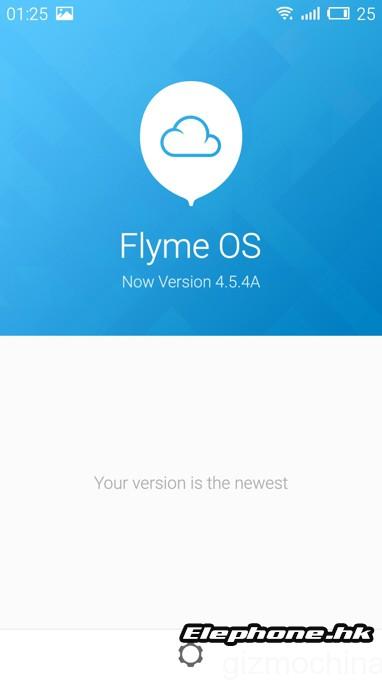
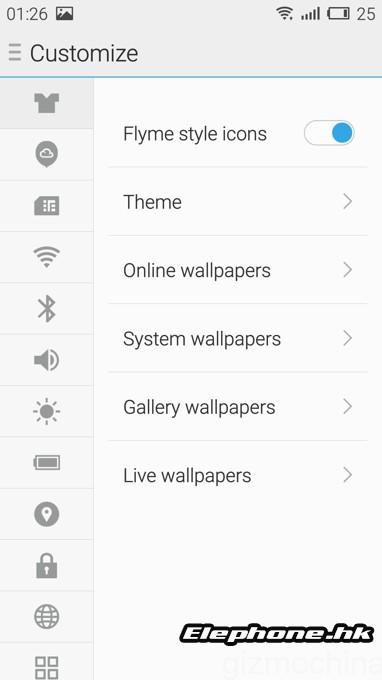
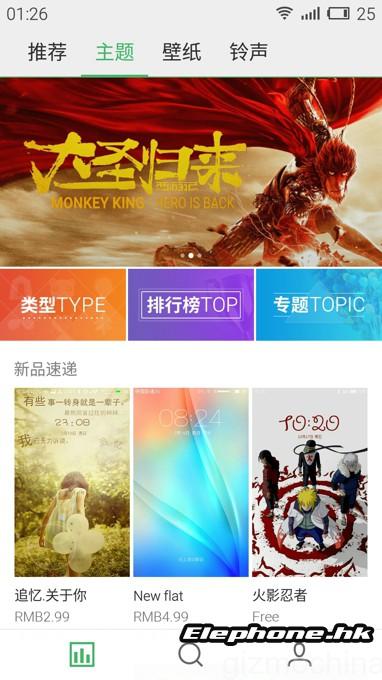
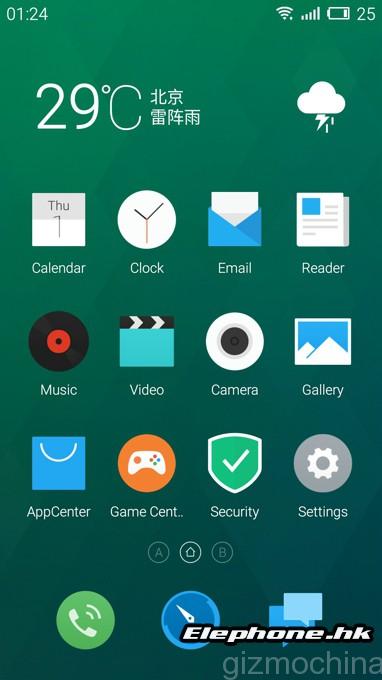
The guys over at Elephone have ported flyme 4.5.4 (based on android 5.1.1) to the P7000 there are a few bugs that are still to be ironed out, but the fact they are supporting the phone even though they are working on new models should go some way towards silencing the doubters.
The rom can be downloaded and flashed via pc or using the Ele flash app (this requires root)
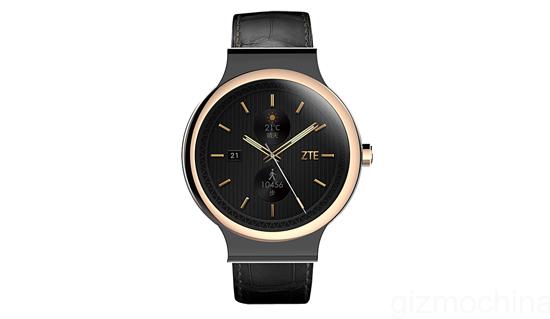
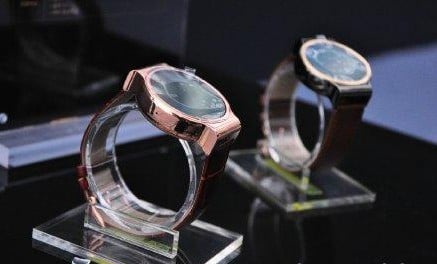
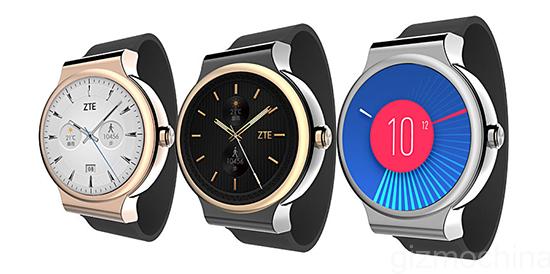
Along with the ZTE Axon flagship, the company also unveiled a brand new smartwatch in the Axon family. The watch called simply as the ZTE Axon Watch comes with a 1.4-inch Gorilla Glass display with sapphire coating.
The watch supports both voice and gesture controls and runs on the Tencent OS which is reportedly jointly developed by the two companies. The Axon watch is IP67 certified, so no need to worry about water or dust. Under the hood, there’s a Qualcomm chip with 512MB RAM and 4GB of internal storage. There’s a 300mAh battery on board to power the device.
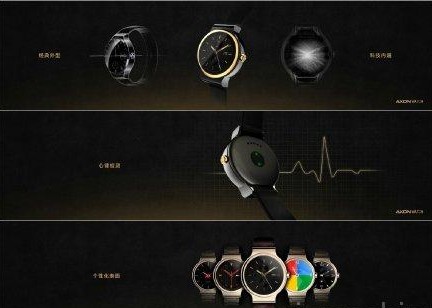
Axon Watch comes with a host of sensors, all of which have been mentioned below. There’s also a heart rate sensor on board. Thanks to these, you can monitor your fitness and health with the smartwatch. Other features includes support for applications like messaging, phone calls etc.
You can check out the full tech specs of the ZTE Axon Watch from down below.
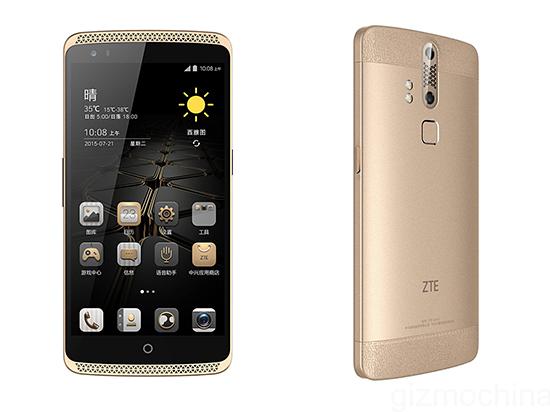
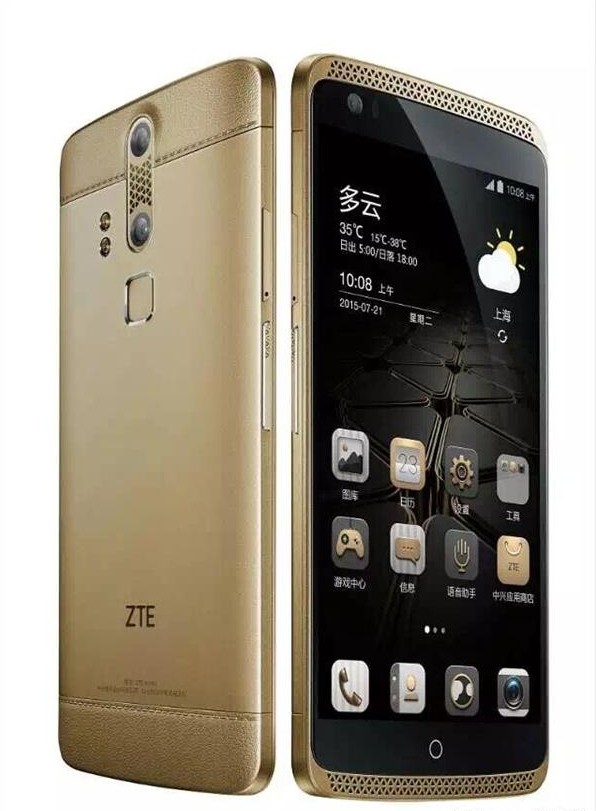
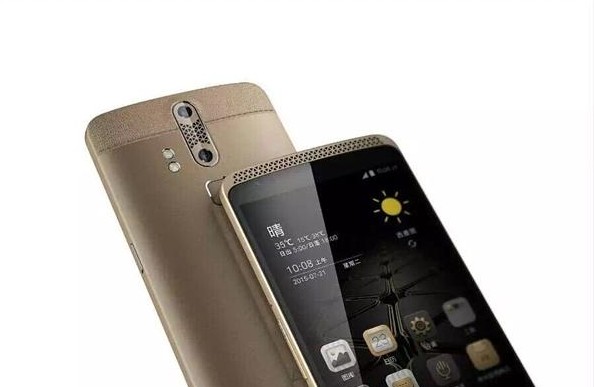
Today, ZTE officially announced the ZTE Axon and the ZTE Axon Lux at the company’s Beijing event. The Axon phone was already announced a few days back in US, so we knew most of the specifications of the device. However, there is one major difference between the international model and the Chinese version. The latter comes with a three different biometric sensors namely fingerprint, voice control and eye-scan. Other specs are more or less the same.
The ZTE Axon Lux is the higher-end version, and features a WQHD 5.5-inch display with pixel density of over 534 ppi. There will be 4GB of LPDDR4 RAM on board along with 128GB of internal storage which is further expandable. As for the standard Axon model, it comes with a 1080p 5.5-inch display (400ppi) and 3GB + 32GB internal storage (expandable) option.
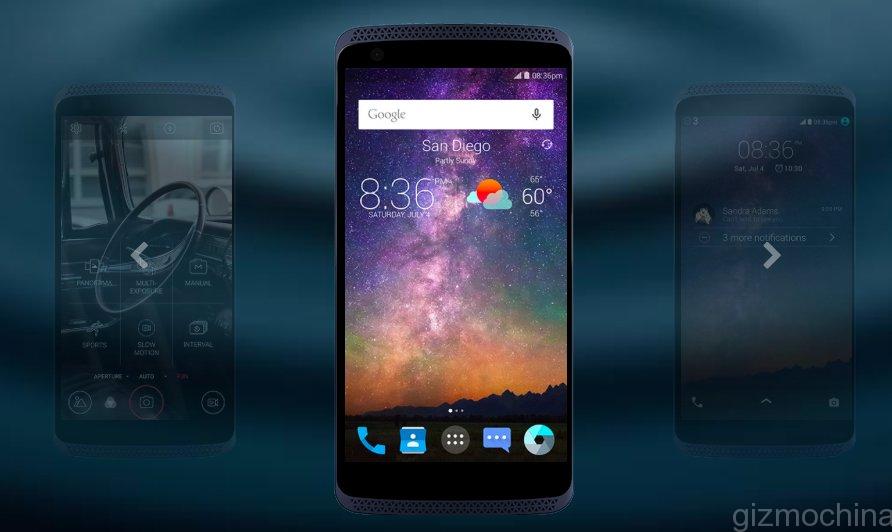
Other specs are same, which include Snapdragon 810 octa-core chip, Hi-Fi AK4961 chip, dual cameras (13MP+2MP) with dual LED flash and a 3000mAh battery with Quick Charge. There are a lot of security features as well on both the devices like Fingerprint Scanner, Visit Mode, TrustZone, Eyeprint ID, and Voice Unlocking. This also makes it the first phone to support three different biometric authentication options.
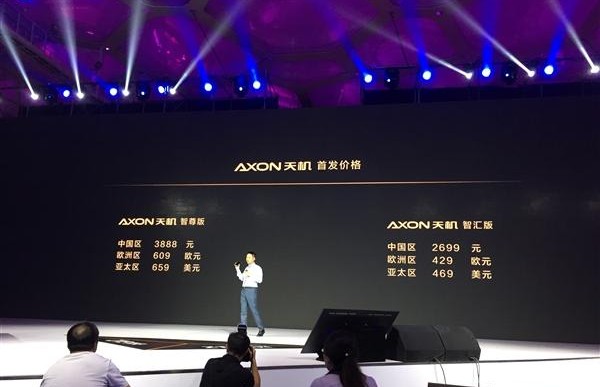
As for pricing, the Axon Lux costs 3888 Yuan while the standard Axon edition costs 2699 Yuan. There will be two color options, namely Ion Gold and Chromium Silver. Users can order the phone from ZTE’s official website or via JD.com.
https://www.youtube.com/watch?v=mSmGSQJySp8
You can check out the full tech specs of both the handsets from down below.
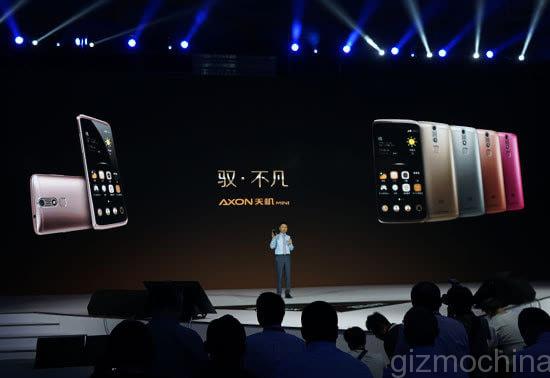
We were present at the ZTE’s Axon event today and we do have some pictures as well as videos of the device (coming soon). We already mentioned the four new products that were going to debut at the event, namely the ZTE Axon, Axon Lux, Axon Watch and SPro2 smart projector. But alongside these new devices, the company also showcased the upcoming ZTE Axon Mini smartphone.
While we don’t focus a lot on the Mini versions of flagships, the Axon Mini will be a bit unique. Gizmochina’s Shine was present at the event and he says that’s the touch screen on the new Axon Mini is amazing. The phone features the world’s first 5.2-inch Super AMOLED display with force touch screen. Yes, it looks like ZTE beat Apple to develop the world’s first smartphone with force touch display. Apple iPhone 6S was rumored to come with this tech, but ZTE will probably launch the device much before that.
ZTE Axon Mini’s Tech Explained During Event
Force Touch screen is quite unique as compared to traditional panels in the sense that users can perform additional gestures just by varying the force with which they press the screen. Its not like your regular long press to open additional dialog which operates by taking into consideration how long your finger is on the screen. Instead, the force touch display can actually measure how hard you are pressing the display. It can differentiate between a light touch and a hard press. So, you can basically assign different functions for varying levels of touch.
It opens up a lot of possibilities, especially in case of apps. For example, he could try out the piano app on the Axon Mini and the sound varies on the basis of the pressure applied. A light touch on the key produced soft sound, while a hard touch produced a much louder tone.
Apart from this amazing feature, we have little details about the new phone. The Axon Mini will come in four different silver, gold, orange and pink. ZTE is expected to release it sometime in September.
Unfortunately, the company didn’t allow attendees to take pictures or videos of the Axon Mini. So, those who were not present at the event will probably have to wait until the phone is announced official.
Although UMI is still a relatively small Chinese smartphone manufacturer, the company is doing everything to expand its presence in the international markets. At midnight today, UMI announced via its official Facebook page that it has added a number of Amazon websites in Europe as the official reseller of its devices, including smartphone and accessories. The company is also offering these devices at discounted prices on the store.
At present, the UMI eMax as well as the Voix Bluetooth headphones have been listed on five different European Amazon websites, including UK, Italy, Spain, France and Germany. The company is currently offering 20% discount on these products when you buy from these stores. What’s more, given that these are European Amazon stores, you will receive your product quite fast. The company claims that it would take only around 3-7 days for the in stock eMax and Voix Bluetooth headphones to get to the customers. That’s way less than the average time it takes for the same product to ship from China warehouse.
Also, in case you are wondering, the coupon code for the discount is located below each link. Its turns out to be a very good offer for those who were planning to buy the UMI eMax or even the Voix Bluetooth headphones. To recap, the eMax is a 5.5-inch octa-core phablet which features a massive 3780mAh battery on board. Its an ideal device for heavy users. You can check out more details from our earlier article. Also, read more about the Voix Bluetooth from here.
So, what do you think about this move from UMI? Would you like to see UMI products listed on Amazon India too?
ZTE has a special event in Beijing later today and our team is already present at the location.
We will be live blogging important updates from the event as and when it happens and it looks like there’s going to be more than one launch today.
We expected the Axon phone to debut in China at the event, but the company has teased us with yet another product, a brand new ZTE smartwatch!
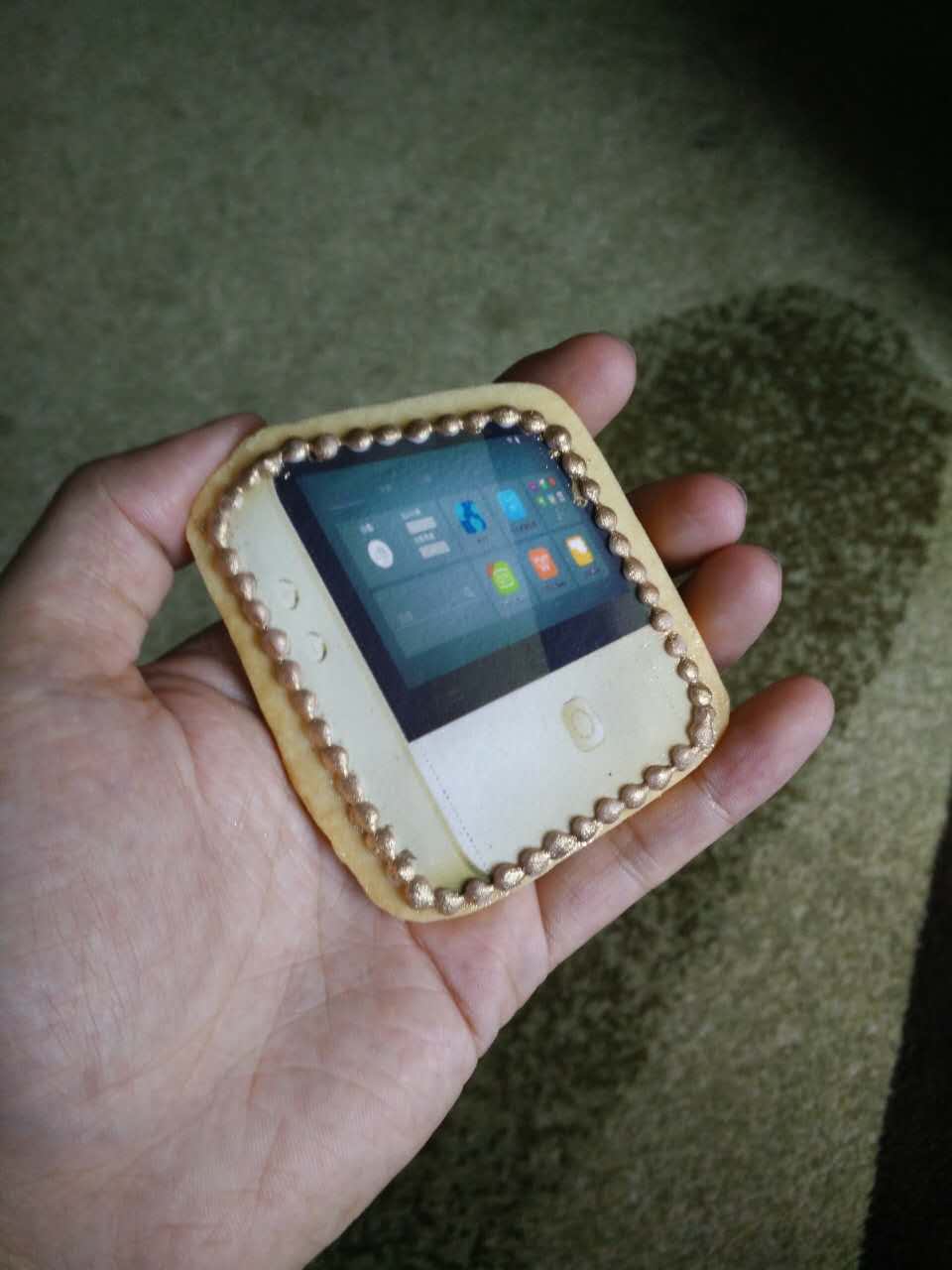
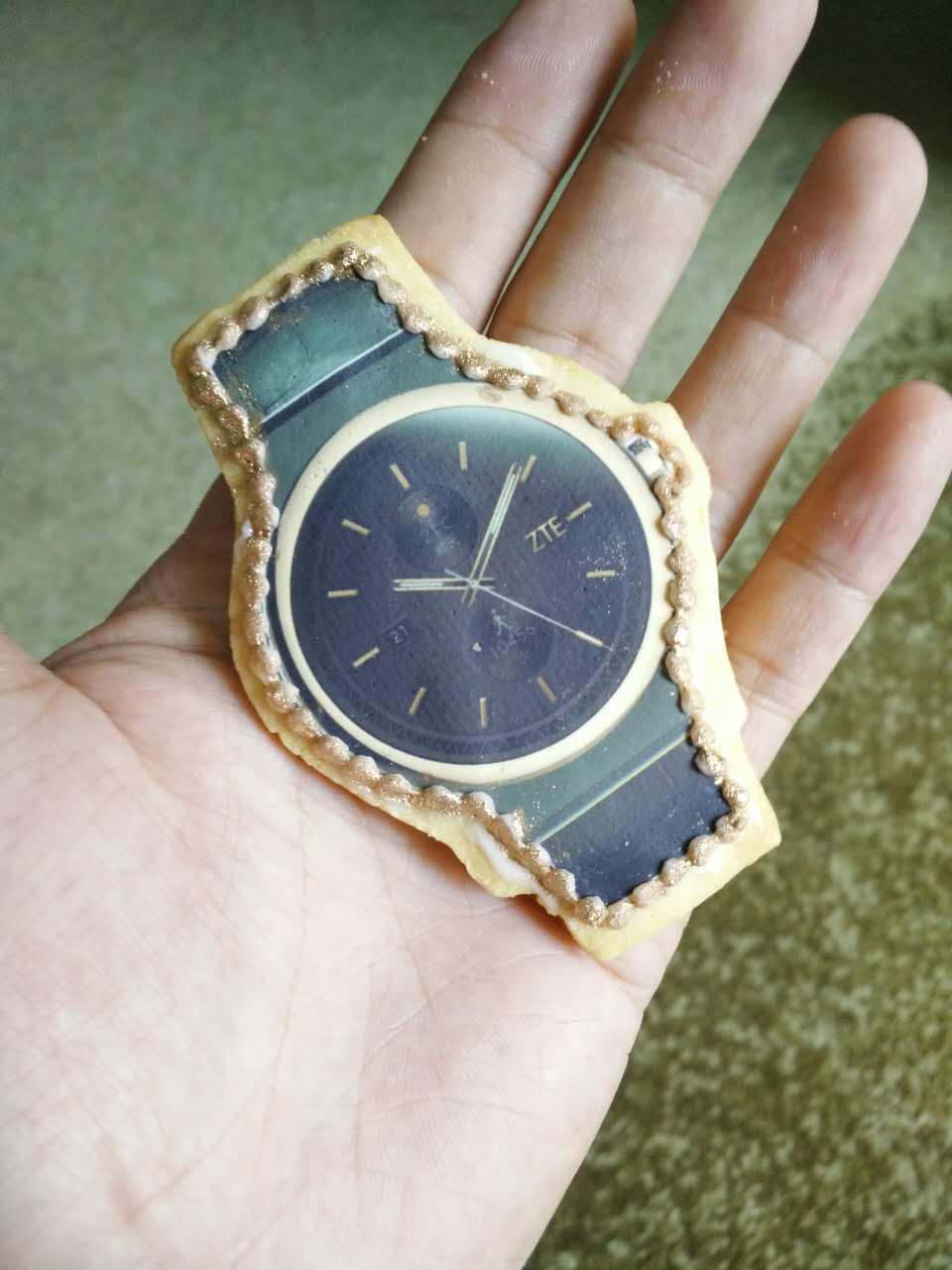
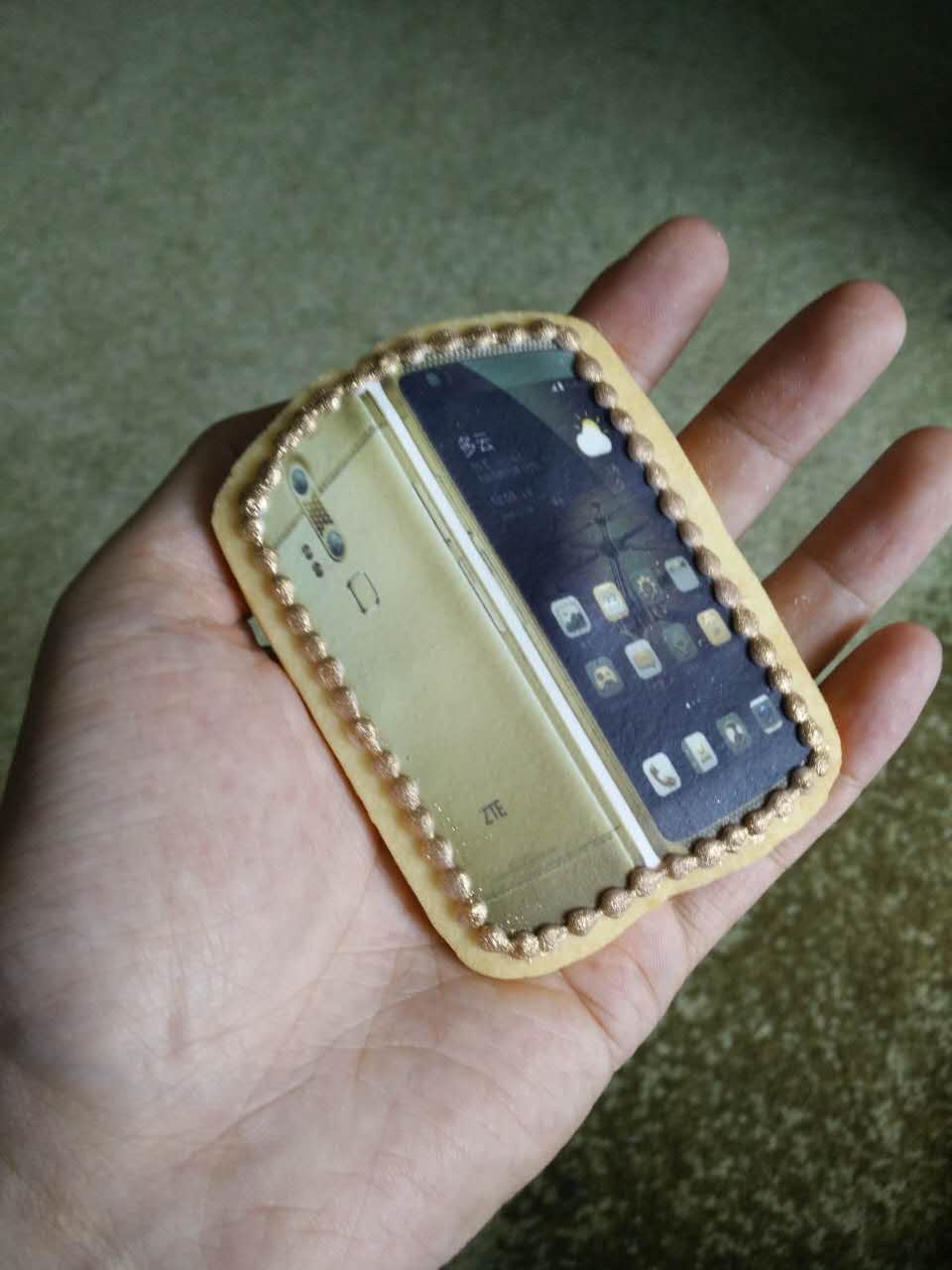
In fact, the company has just sent out three cookies, one shaped like the ZTE Axon (there’s fingerprint sensor at the back!!!), one shaped like a smartwatch and there’s one more, which we still have to figure out exactly what it is. Well, you can have a guess by checking out the images down below.
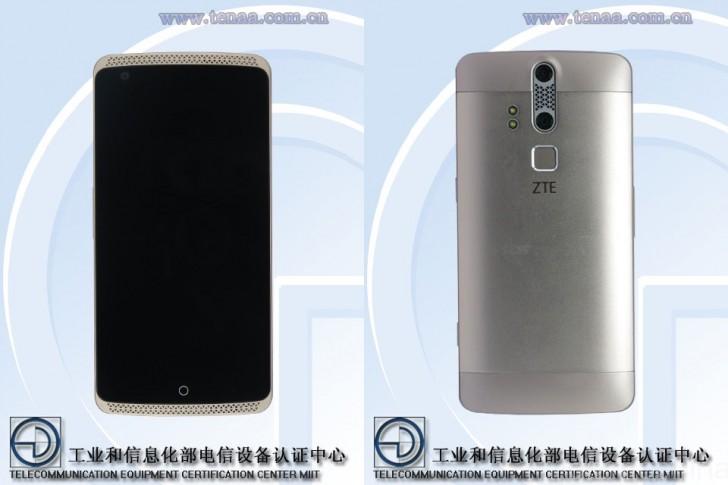
In case you are curious, this is probably what the Chinese variant of Axon would end up looking, according to TENAA.
ZTE has just revealed all the products that will be launched at today’s event.
Here’s a summary of the products and their specs:
ZTE Axon Smartphone:
Yes, like expected, ZTE will be announcing its ZTE Axon flagship in China today. The company has officially revealed the specifications of the device. They are as follow:
There will be another surprise launch at today’s event, the new ZTE Axon Lux flagship. The phone features slightly upgraded specs as compared to the standard Axon version.
Last year, around November, ZTE had unveiled its new V series smartphones namely, ZTE V5S and the ZTE V5 Max. Both devices were aimed to provide the best specs under 1000 Yuan. Now, it looks like the company is all set to unveil a new generation model in the V5 series on July 29.
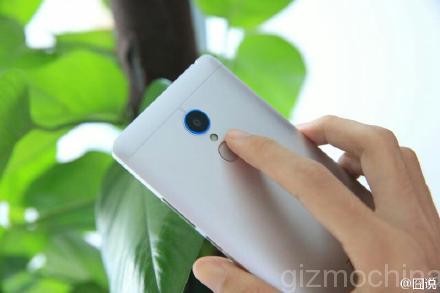
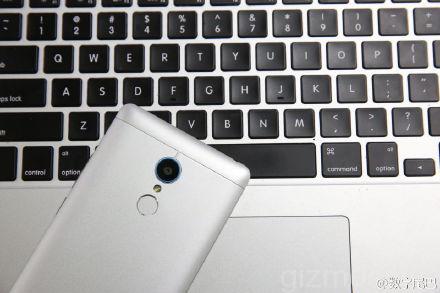
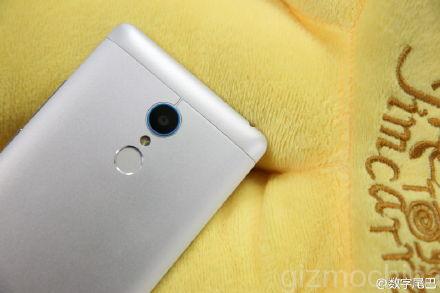
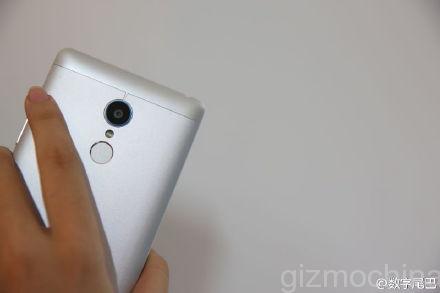
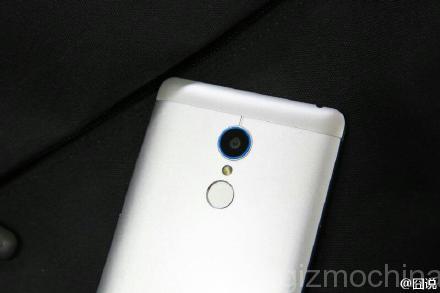
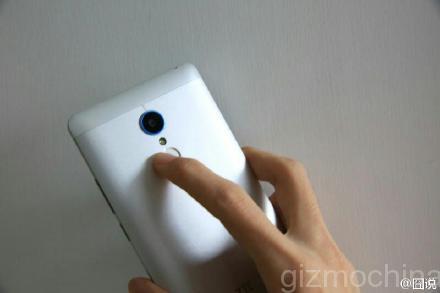
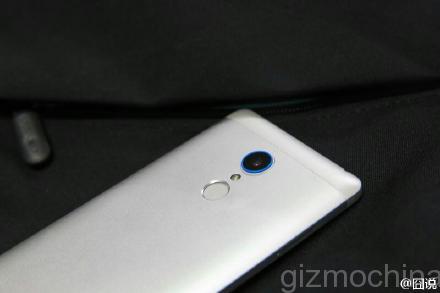
A new set of alleged images of the new ZTE V5 model were leaked earlier today revealing a much refined design as compared to its previous generation models. Back in November, we had taken a look at both the handsets, and were impressed by the simple plastic design and decent performance. However, this time, it looks like the new ZTE V5 will come in an all metal design as opposed to the plastic one. Also, there seems to be a fingerprint sensor at the back of the device, just below the camera unit.
New ZTE V series model
1 of 7
So, it looks like at least in the design department the new model will be better than the V5 Max. As for the specs, we have no idea at the moment. But given that the V series phones are targeted at the budget users, don’t expect anything out of the ordinary.
Just yesterday, Coolpad announced its new Dazen Note 3 with a fingerprint sensor on board for 899 Yuan ($144) and we expect the new ZTE V5 to directly compete with this device.
Its good to see, affordable mid-range devices are now coming with fingerprint sensors on board. This does provide a lot of new options for buyers in the market.
ZTE is expected to unveil the device on July 29, which is just around a week away. So, lets wait and see, if we get more information especially about its specs in the coming days before launch.
Yesterday, OnePlus CEO Pete Lau had released a few pictures of the OnePlus 2 which were directly compared with the iPhone 6. The photos specifically focused on the night time camera performance of both the handsets and in most cases, OnePlus 2 did a pretty good job of capturing more light, less noise and clicking better pictures. This was basically done to show off the impressive low light performance of the new OnePlus flagship.
OP2 vs iP6: Night Time Performance
1 of 4
OP2 (left) & iPhone 6 (right)
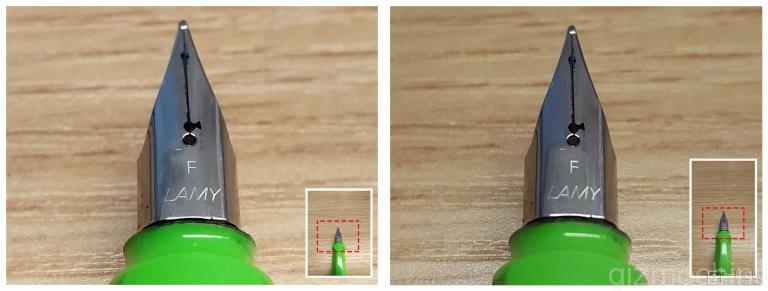
Now, a new set of OnePlus 2 camera samples have been posted on the Chinese OnePlus forums. These images been directly compared with the Samsung Galaxy S6. This time, the company has focused on the macro shooting capability of both the devices.
When we compare both the images, you can see that the OnePlus 2 manages to take better macro shots. The colors look a lot brighter and realistic and the images turned out to be less blurry too. In the end, the macro shots of the OnePlus 2 (on the left) come with more detail and sharpness as compared to the S6.
OP2 vs SG6: Macro Shots
1 of 4
OP2 (left) vs GS6 (right)
So, it looks like the company may have put a lot of efforts in upgrading the camera on the new OnePlus 2. The low light images turned out to be impressive and so did the macro shots that were released today. As for the actual camera specs, we are still not quite sure. Some say that the OP2 comes with a 13MP sensor and PDAF, while others say that there will be a 16MP rear camera. Whatever the case maybe, it looks like the camera performance will be much better than the current generation OnePlus One.
We hope to receive more details pretty soon, so stay tuned to the website.
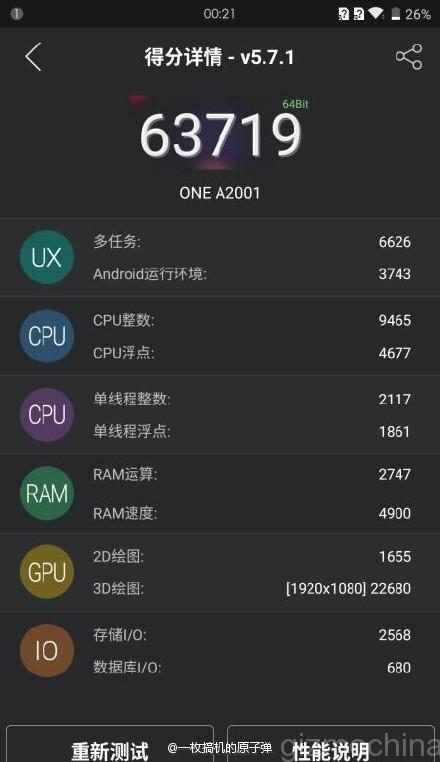
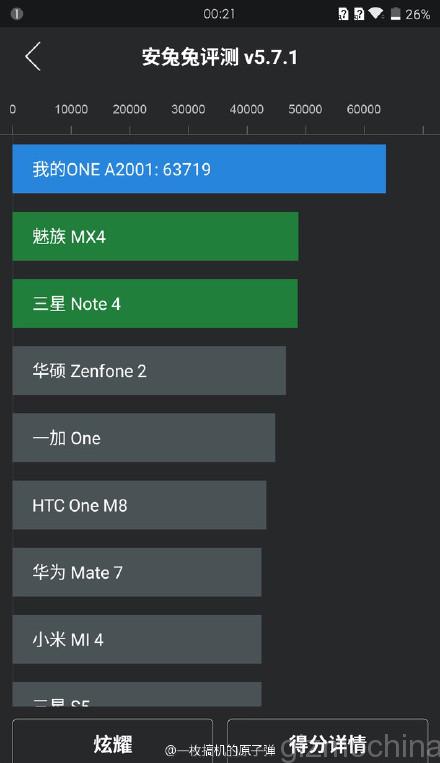
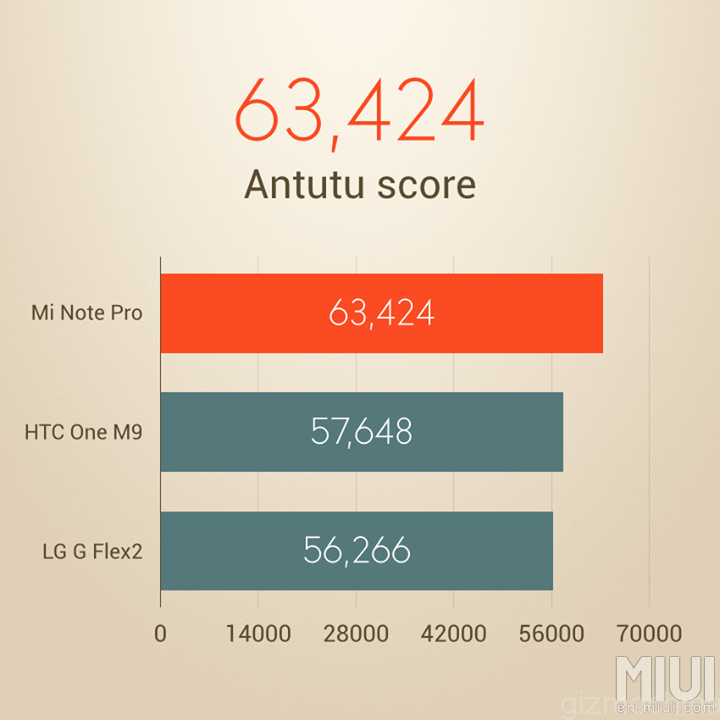
However, earlier today, we came across another AnTuTu benchmark of the same OnePlus 2 A2001 model. This time it managed to score over 63,700 points! Yes, finally, we can see some powerful scores posted by the octa-core Snapdragon 810 chipset, which is even above the Xiaomi Mi Note Pro top version.
But what does this mean? One possibility is that the 51K score was posted by a prototype model, which was throttled to a great extent. Even though 51K on AnTuTu is not a bad score, Snapdragon 801 was powerful enough to post the same score. So, a new generation chip like Snapdragon 810 is expected to at least beat this score by a nominal margin.
What we can take from this score is the performance capacity of the new Snapdragon 810 chipset. However, this does bring back the issue about overheating. Given that OnePlus has promised that it won’t happen, we will have to wait and see whether the chip inside OnePlus 2 is throttled to a great extent or not.
UPDATE I have just received a newer version of the rom to install S2_20150704 this is said to improve the stability of the camera.
Once I have got this installed and had a good play I will add more information.
I have been using a pre-production model of the S2 for several weeks, the phone is still undergoing optimisations to both the hardware and software.
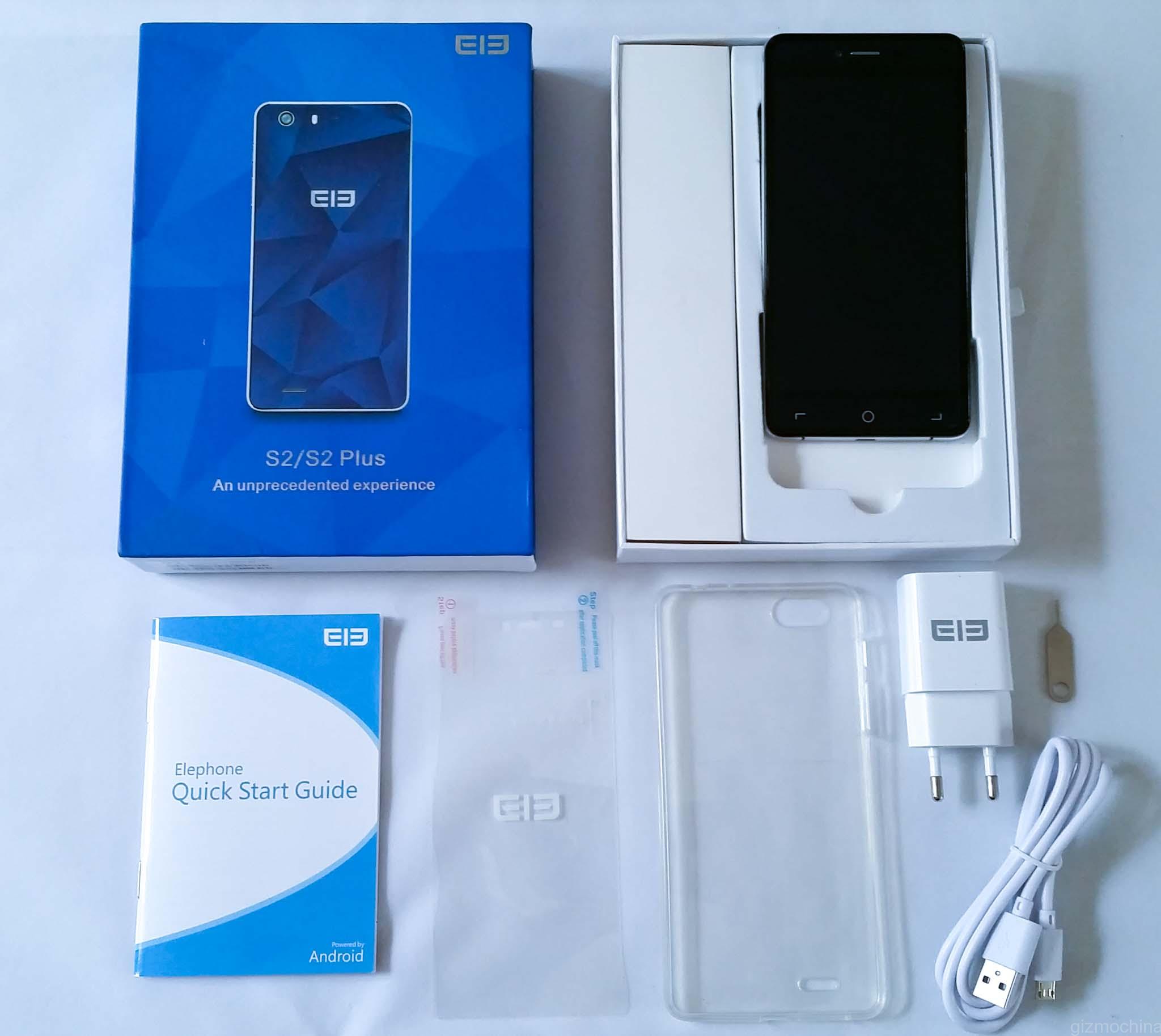
The phone comes in a nice box with a slide out tray that contains the phone and accessories.
These include a spare screen protector (plastic not temperd glass), a silicone case, USB lead and 2 pin usb charger block.
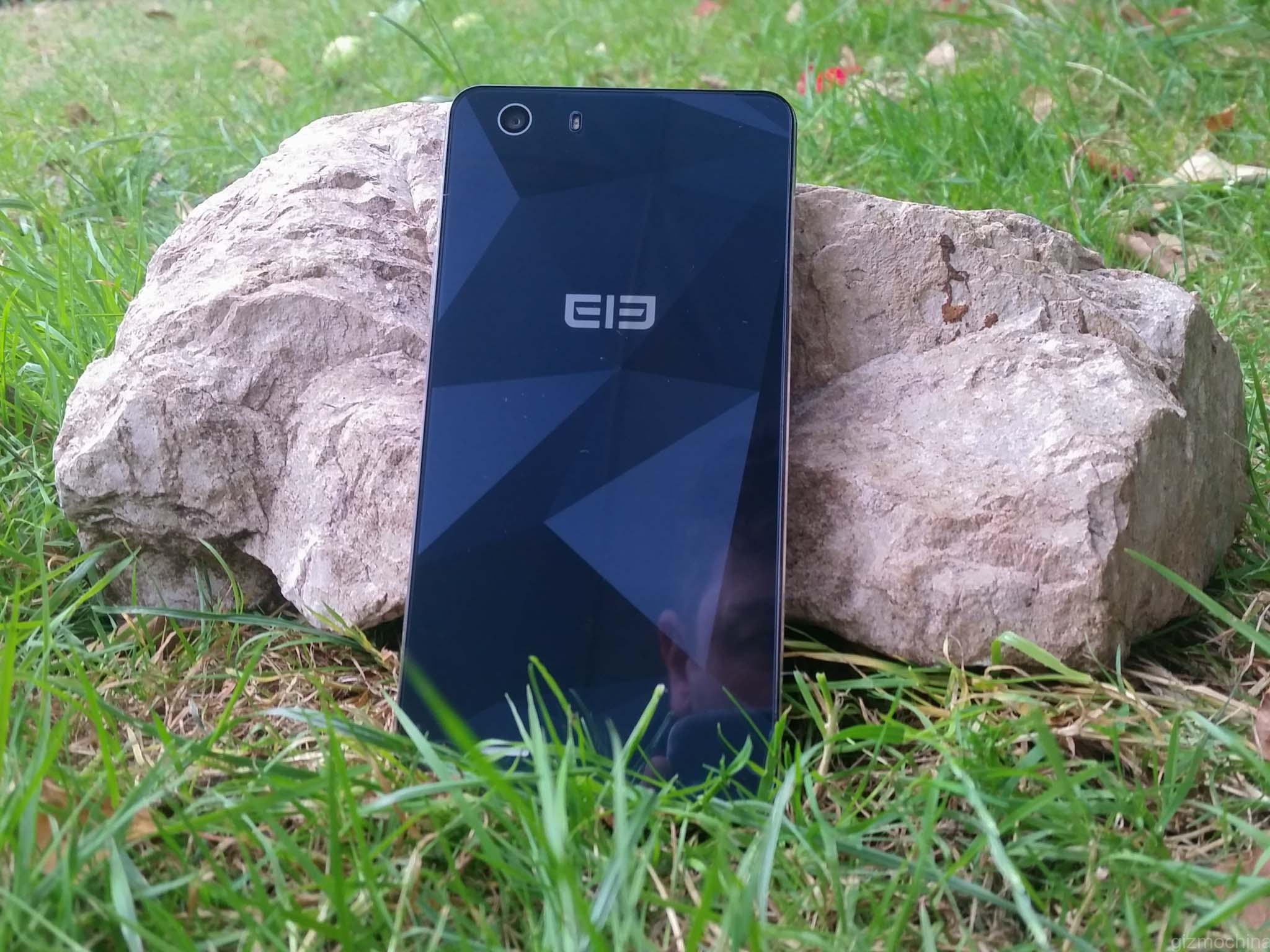
The first thing you will notice when taking the phone out of the box is the diamond pattern to the rear, it has a nice deep luster and as Elephone have said when the light hits from different angles it is refracted differently looking like a cut gem stone.
The HD screen is bright and clear with great viewing angles, whilst I would have preferred an FHD display, this screen has more than enough resolution to fill its 5” screen, the front screen is covered with 2.5D glass as is the rear giving a smooth stylish feel.
Speaking of 5” screens, to me this is an optimum size for most users, it feels good and is easy to reach all corners of the screen one handed, but for those of you that prefer a larger phone the S2 Plus will also be available.
The phones Alu-Alloy chassis feels sturdy (without exerting a large amount of force on the phone), and does not bend or flex, the fact that it has 2.5D tempered glass front and back probably helps the phones overall rigidity.
To help keep the overall width of the phone down, Elephone have decided to go with a fixed rear cover, this does mean that the battery is non removable.
Measuring in at just 6.8mm thick and weighing 130g, the phone is pocket friendly and looks very premium.
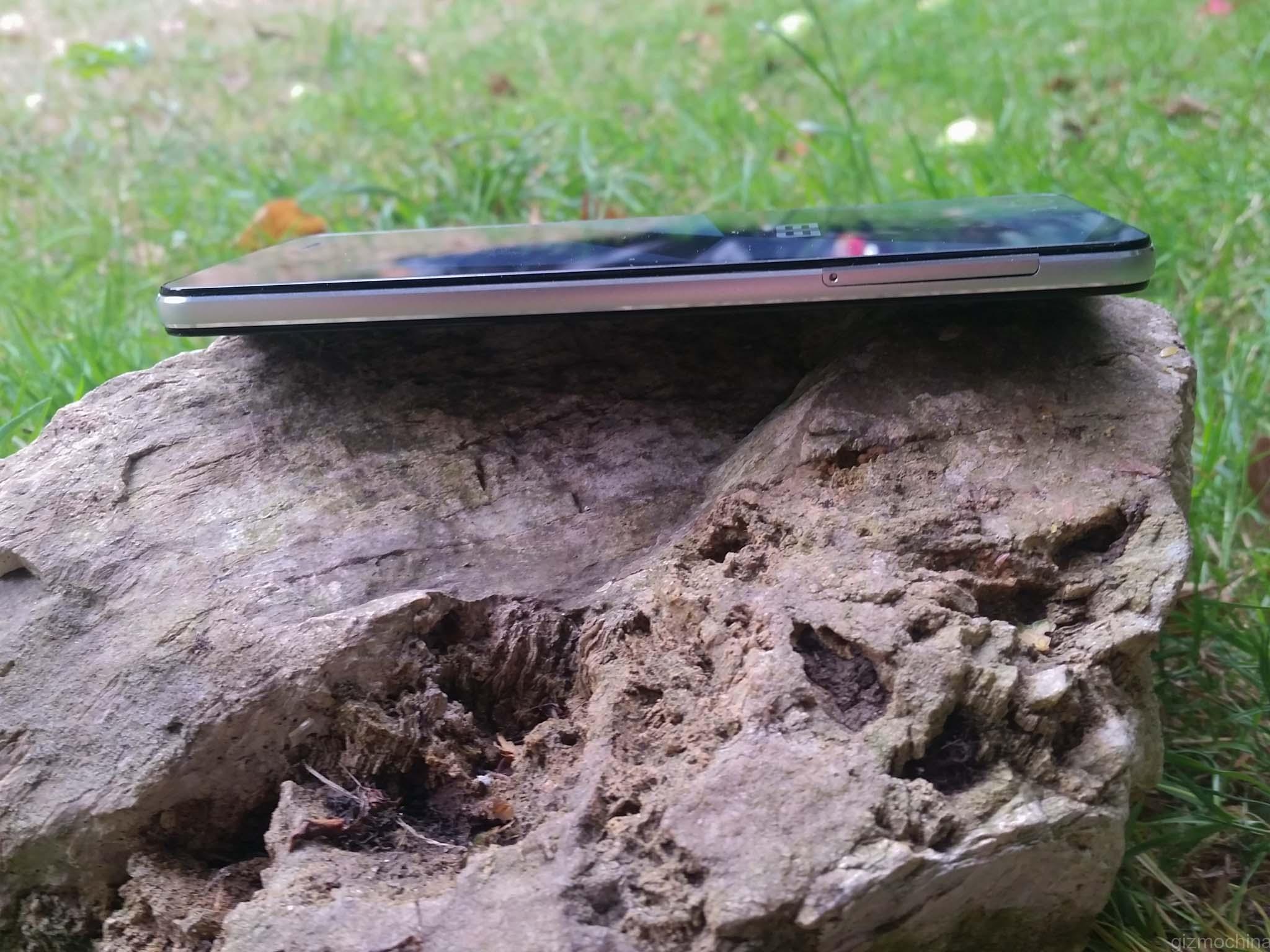
On the left side of the chassis you will find the sim/sd tray.
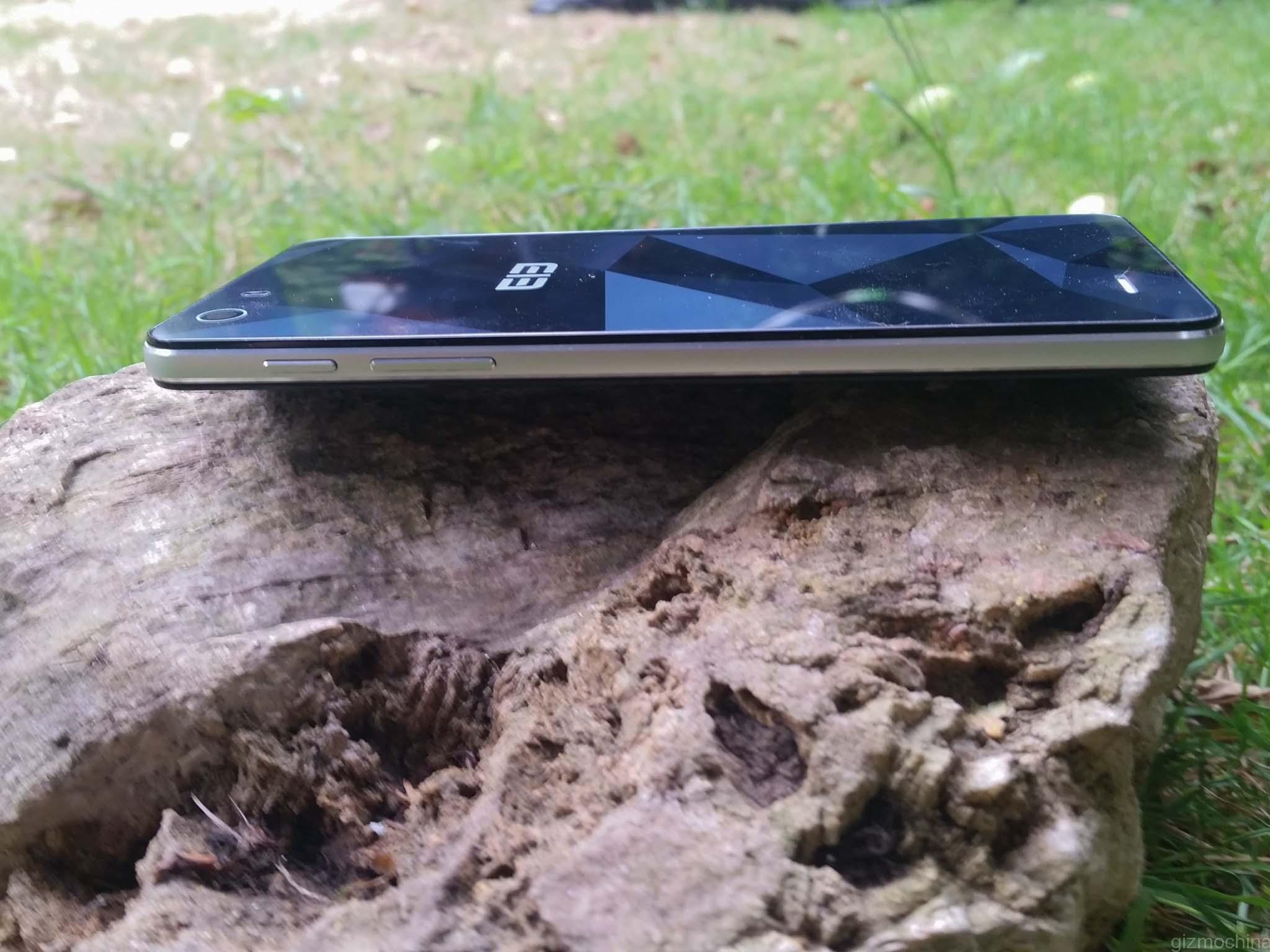
The right hand side has the volume up and down rocker as well as the power button, the buttons all appear to be made from the same Alu-alloy as the chassis.
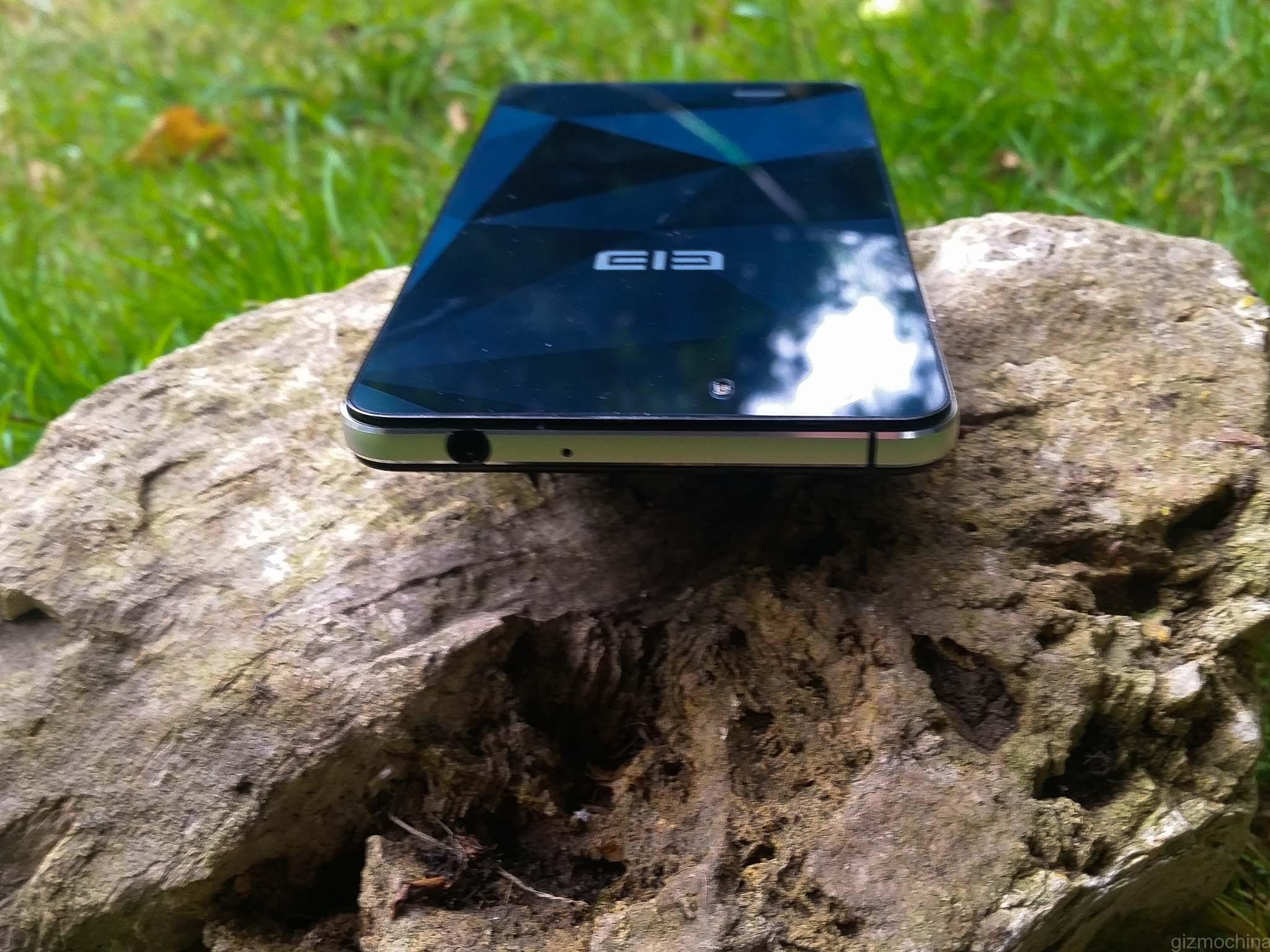
at the top of the phone you will find a 3.5mm headphone jack and a small hole that I assume is for noise cancelation.
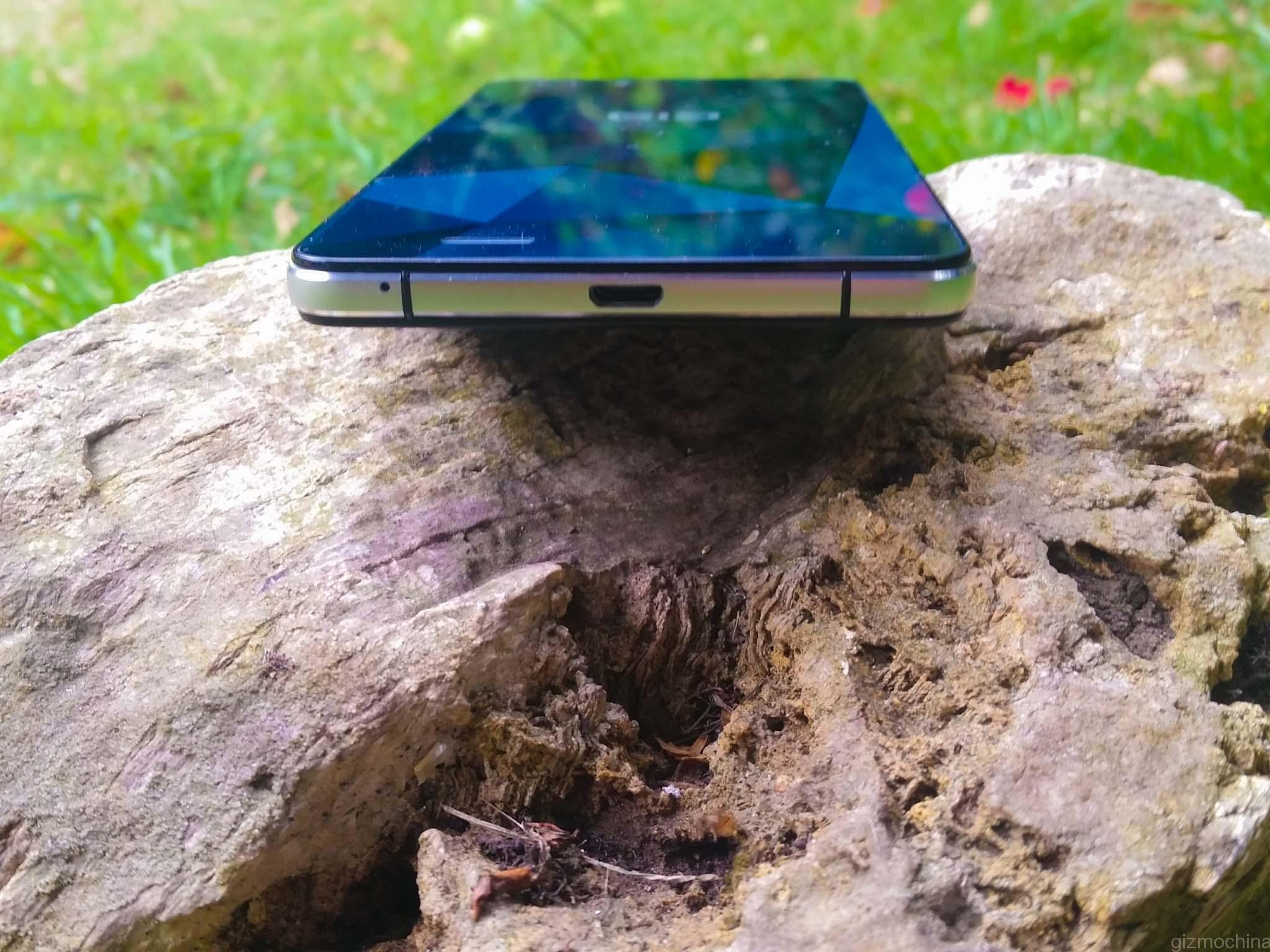
The bottom of the phone is where you will find the micro USB port and also the hole for the microphone.
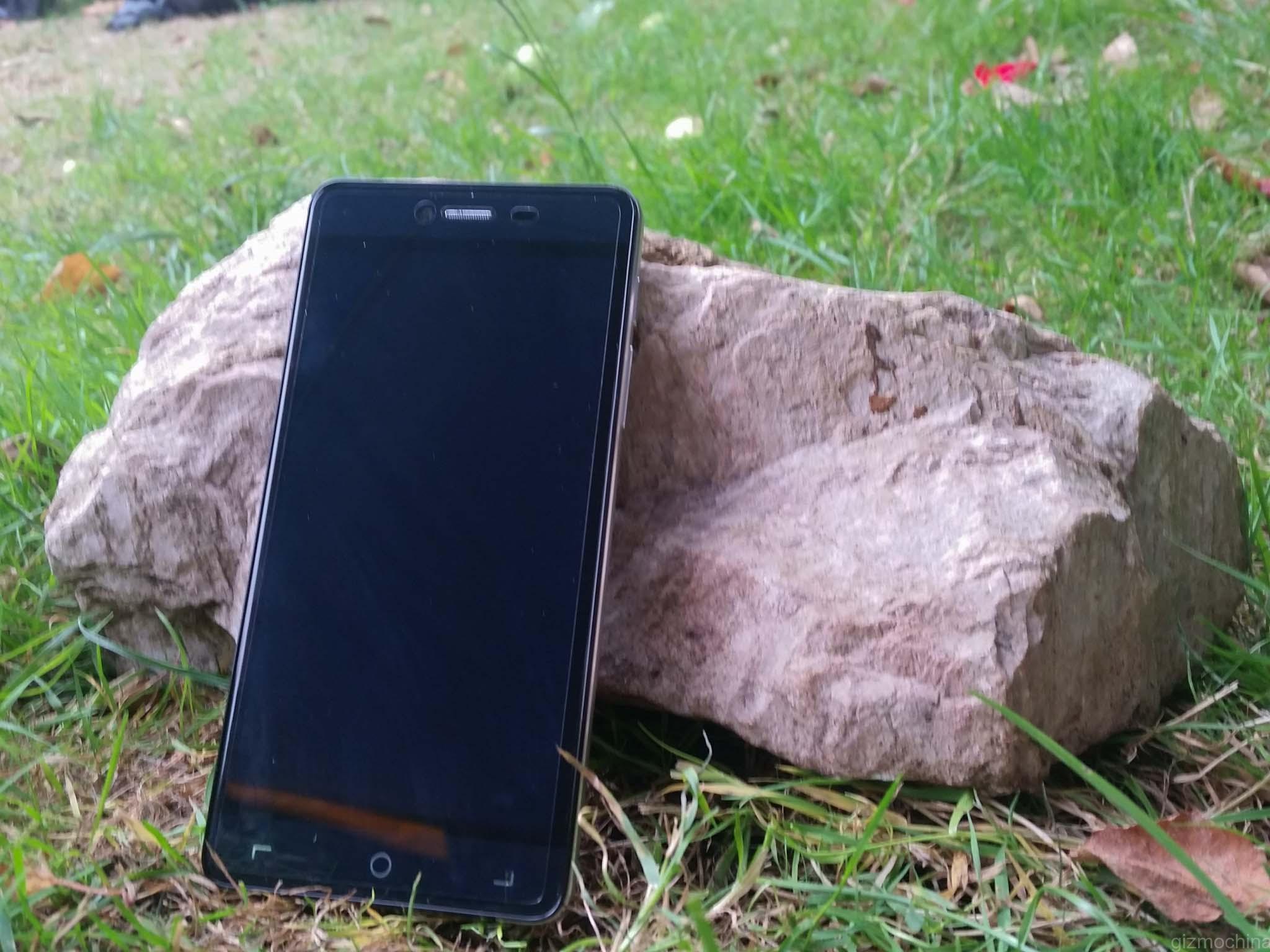
The front glass of the phone has three capacitive buttons, these are not illuminated but I think we all know where to find the home and back buttons etc by now.
At the top of the screen you will find the front facing camera, earpiece and proximity sensor.
On the rear you will find the 13mp camera, led flash as well as the speaker at the bottom of the glass.
The phone is dual sim LTE enabled and takes the sims in a tray that pops out of the phone’s side and is accessed using the ejection tool provided in the box.
The tray can also be used to house a micro SD card, but this will leave you with space for just 1 sim card.
The phone features a 13mp rear camera (actual make and model not known), with an f2.2 aperture, the camera is fairly consistent across colour ranges and works fairly well in low light conditions.
The LED flash unit to the rear is unfortunately not dual tone, but does a fairly good job of lighting a scene.
Hopefully before the phones release there will be further optimisations and tweaks to the software.
The S2 unit that I have received is pre-production and does not have functioning GPS, so I was unable to test it.
But the fact that Mediatek have now picked up their game with GPS on their latest SOC’s leaves me thinking this will not be an issue (Elephone have also confirmed that with the newer production ready S2 units GPS is fully functional).
The phone is powered by the popular (for low to mid range phones) Mediatec MT6735 quad core processor and comes with 2gb ram and a 16gb rom.
This is a combination that gives a fluid feel to the phones operation and will handle most games and apps well.
I have run Antutu on the phone but the results were fairly low (around 22k), this is down to the early non optimised nature of the OS that my phone is running and should increase significantly once the software engineers work their magic.
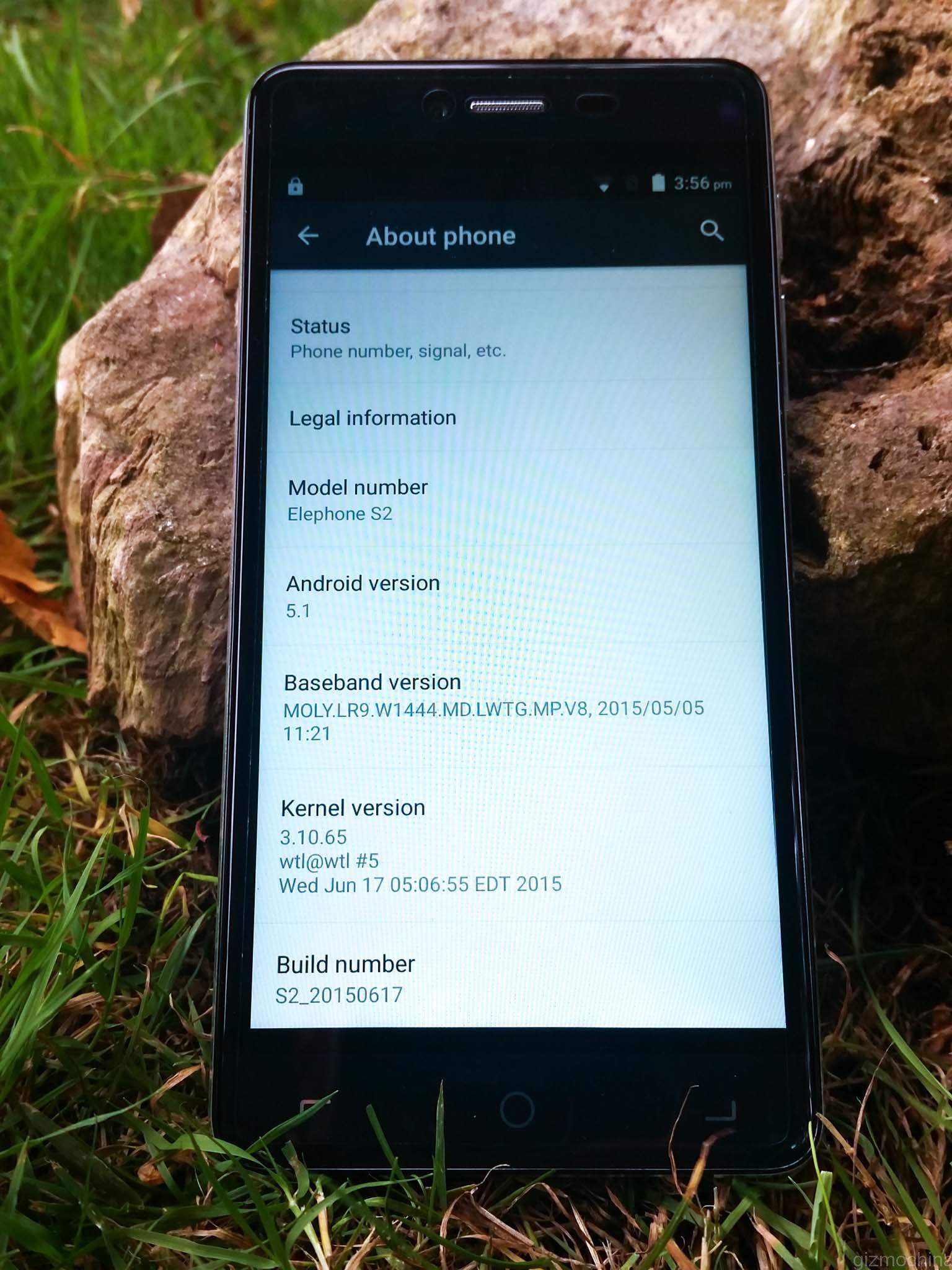
The phone comes with Android 5.1 installed, this brings lots of advantages and fixes over 5.0 and once optimised should help to keep the phone running smoothly and for longer.
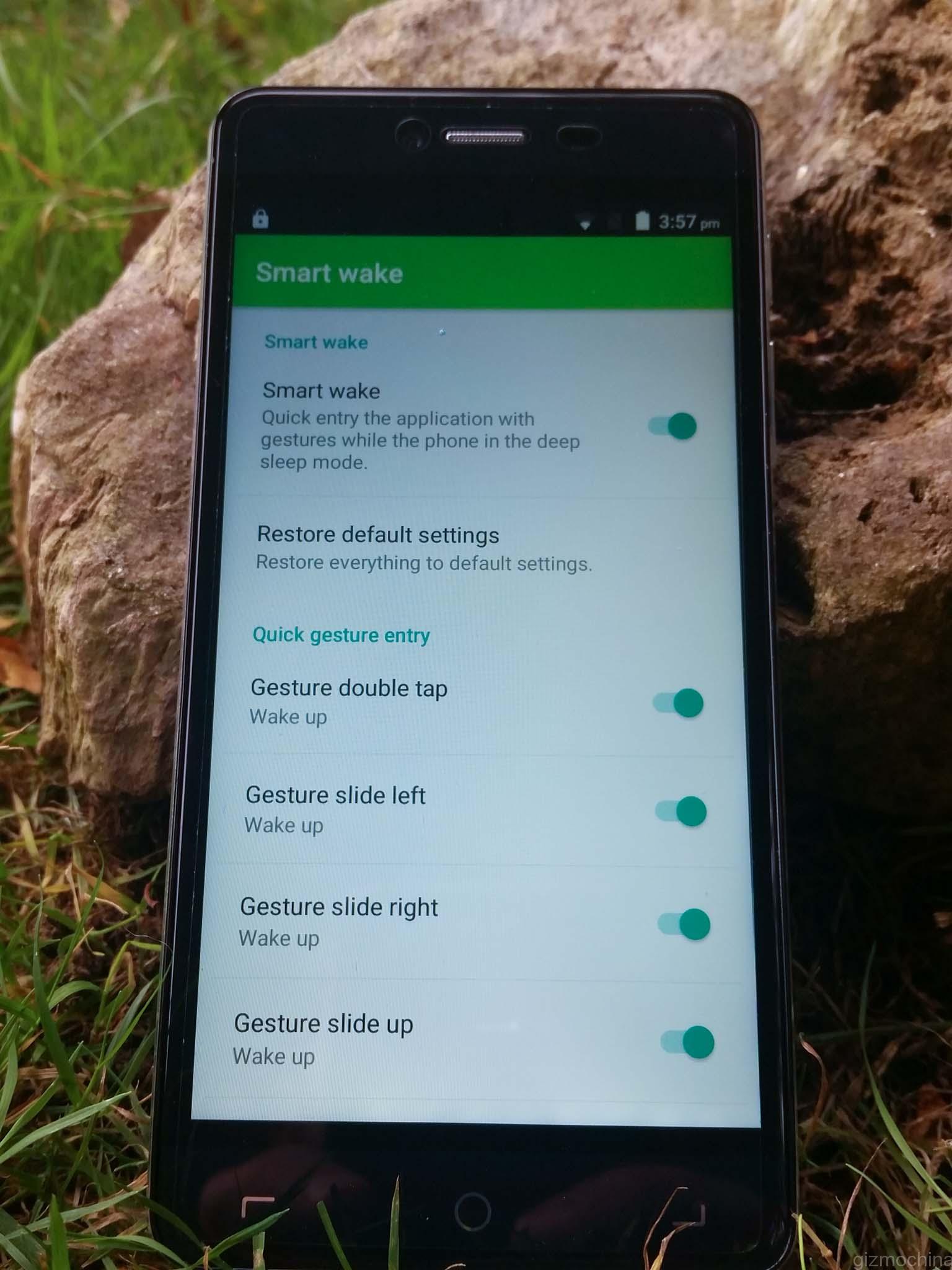
The phone also works well with gesture controls
In general usage the phone feels smooth, menus can be flicked through without visible lags, apps launch fairly quickly and the phone does not seem to lag down when a few apps are running in the background.
I am looking forward to getting hands on time with a release model soon and have high hopes that this stylish handset will be a winner for the fashion and style conscious buyers out there.
Please feel free to leave comments and questions below
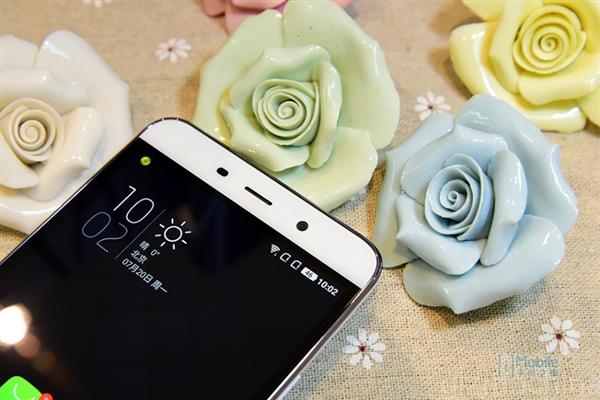
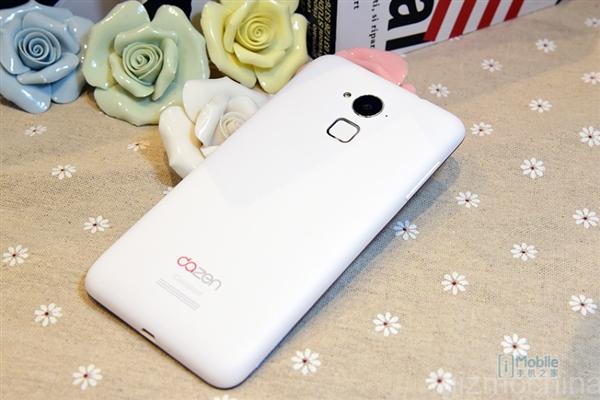
CoolPad’s sub-brand Dazen has just announced an affordable smartphone in the market called as the Dazen Note 3. This will be the first smartphone in the range to feature a fingerprint sensor.
The Coolpad Dazen Note 3 comes with modest specs, but is affordable as well. It features a 5.5-inch 720p display with octa-core 64-bit MT6753 which supports more LTE bands as compared to MT6752. There will be 2GB RAM on board with 16GB of internal storage. At the back, it comes with 13MP camera sensor, while up front, you will find a 5MP shooter. The battery is also pretty decent at 3000mAh capacity and can reportedly last for more than a day. Finally, as for the software, the Dazen Note 3 comes with Android 5.1 out of the box.
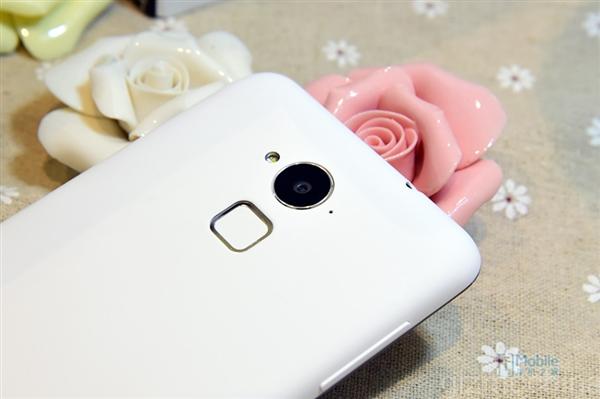
As you can see, the specs are nothing out of the ordinary. But the company did focus a bit on the looks. The Note 3 features a plastic body, but looks quite sturdy and well built. The overall design gives it a premium feel, especially due to the slim black bezels on the sides of the display. The back shell is replaceable, with three additional shells colors like blue, yellow and green.
Another important highlight of the Dazen Note 3 is the fingerprint sensor at the back. This sensor, made by FPC supports 360 degree finger rotation capability, fast response time and industry leading 3D image quality. Overall, its an important feature on the device, especially considering its cheap pricing.
The Dazen Note 3 will be available on sale in China for 899 Yuan ($144). This makes it one of the best devices in the market at this price range, especially with a fingerprint sensor on board.
You can check out some of the pictures of the device from down below.
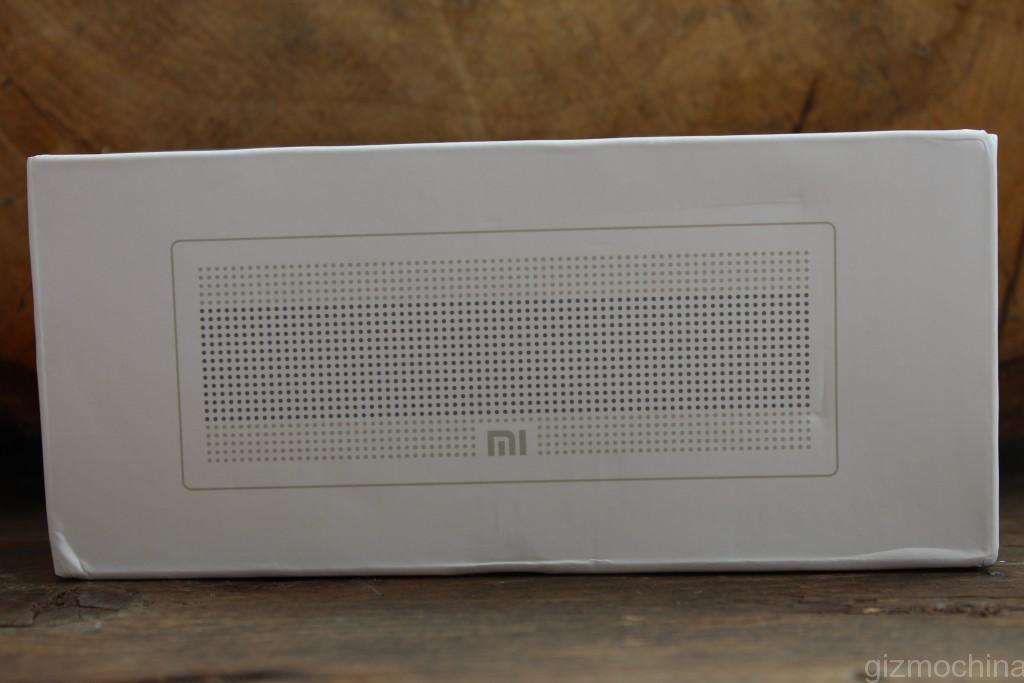
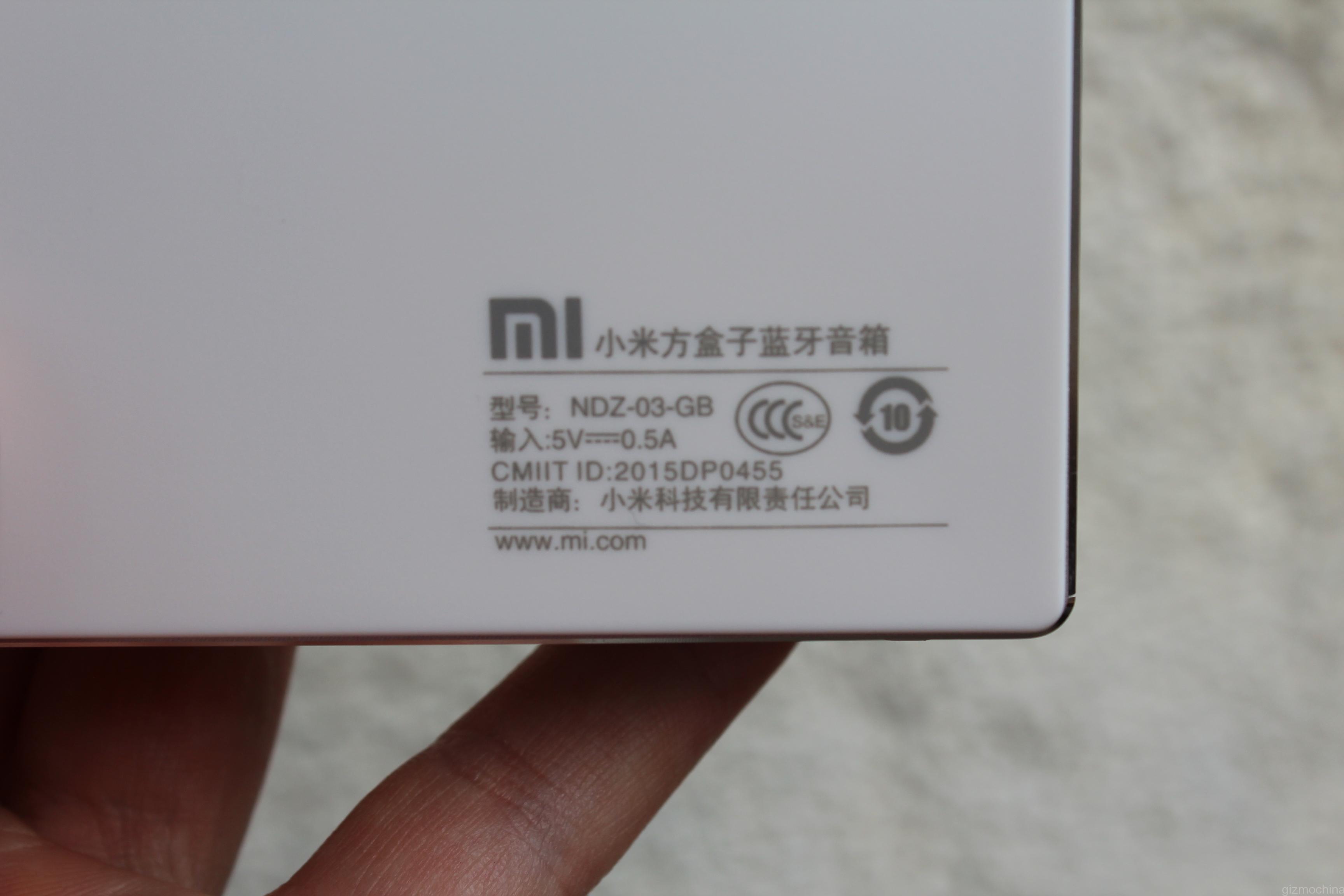
Xiaomi has been been known not only for its affordable yet great smartphones but also for a lot of different accessories. In addition, many of these accessories are actually independent gadgets and one of them is a super affordable aluminium Bluetooth speaker. I have just received it from the post office and wanted to share my first impressions.
Xiaomi Aluminum Bluetooth Speaker: UNBOXING
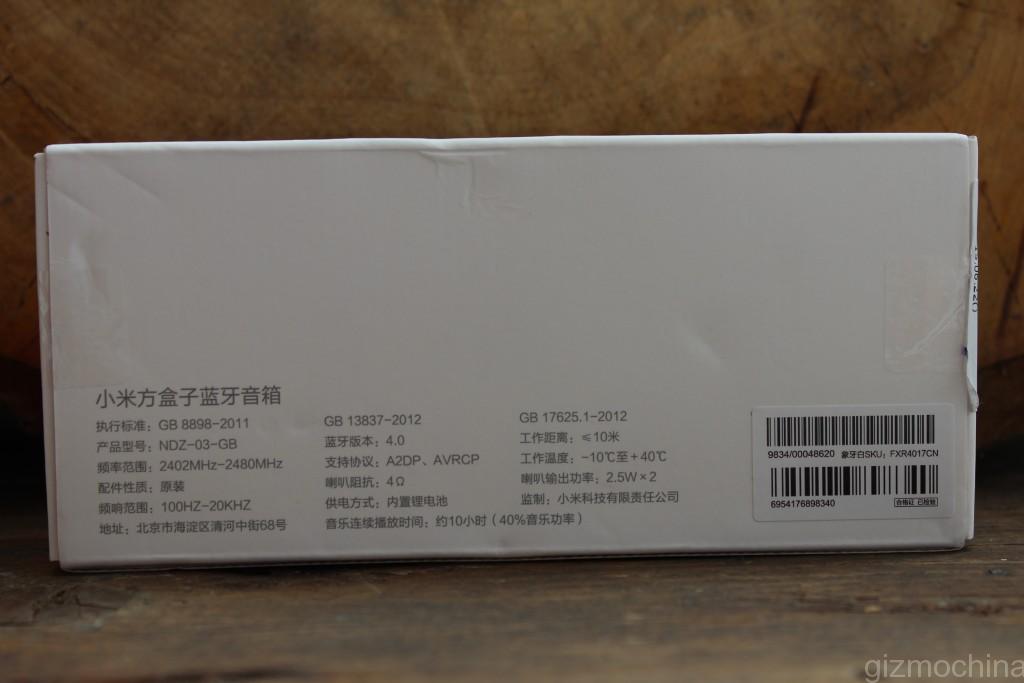
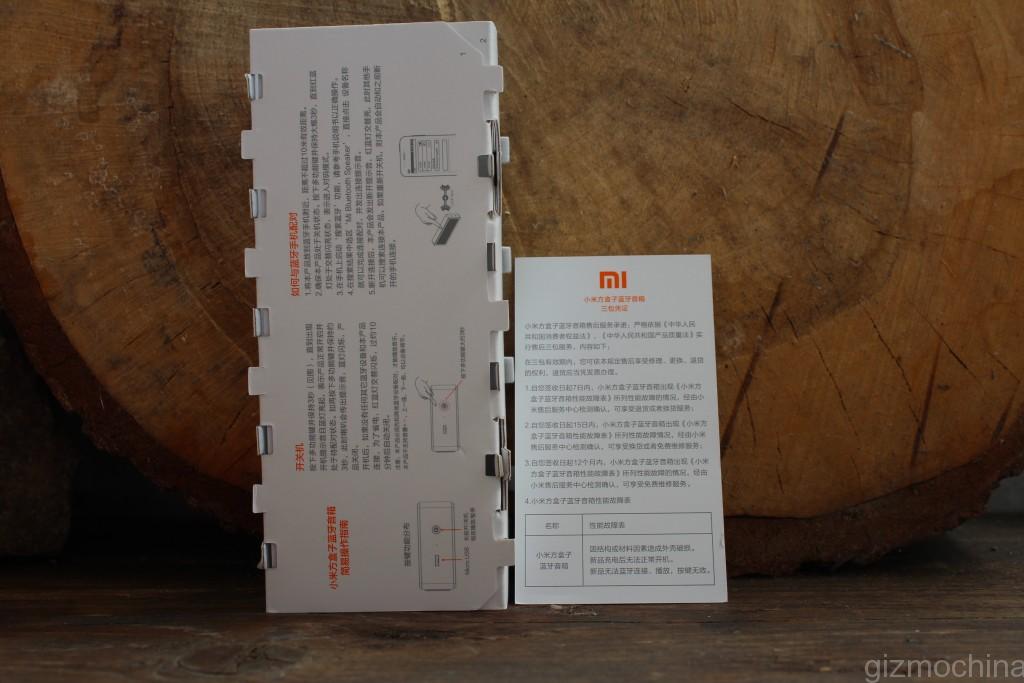
The device comes in a plain box and the contents include just the speaker itself and Chinese instruction manual.
Xiaomi Aluminum Bluetooth Speaker: DESIGN
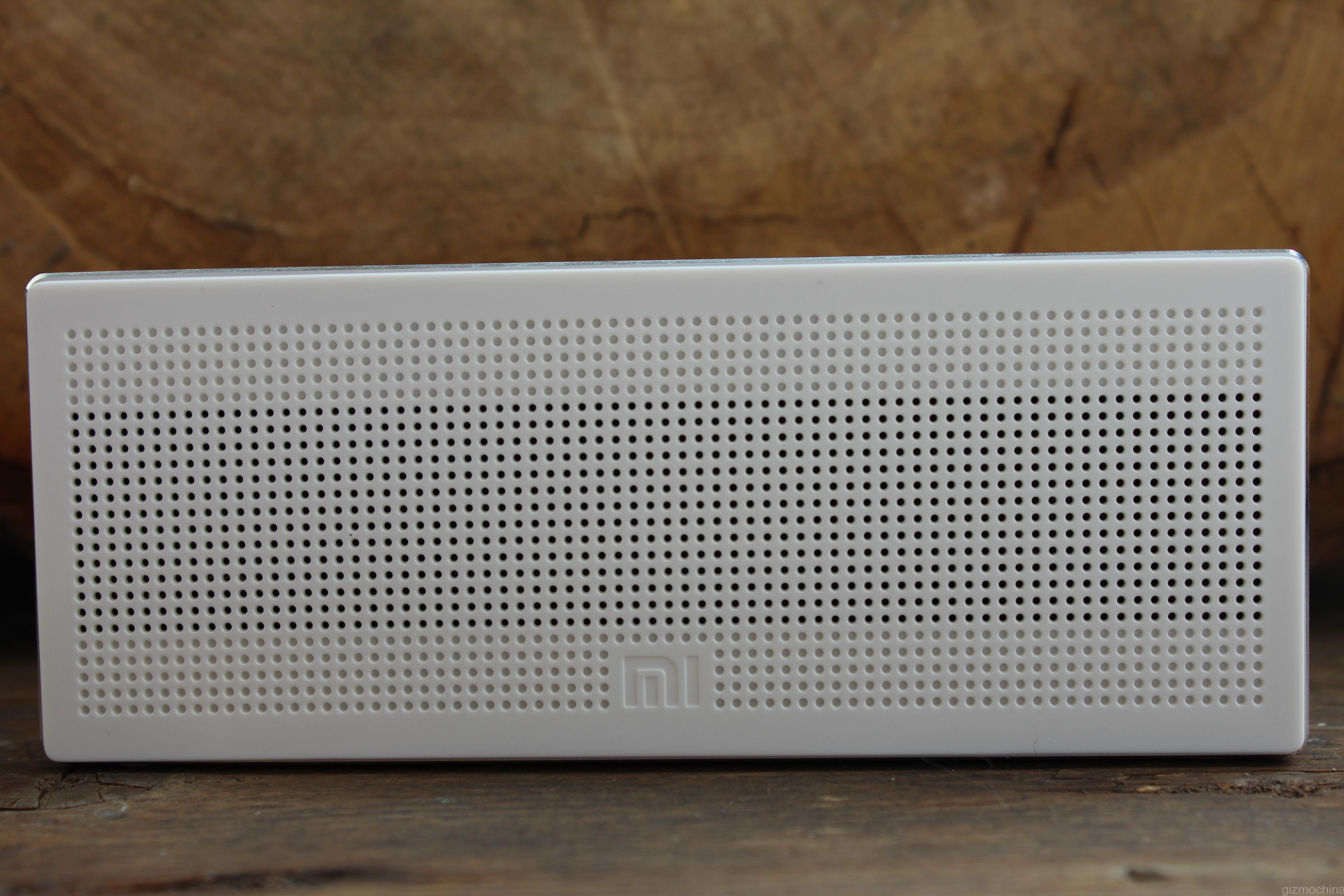
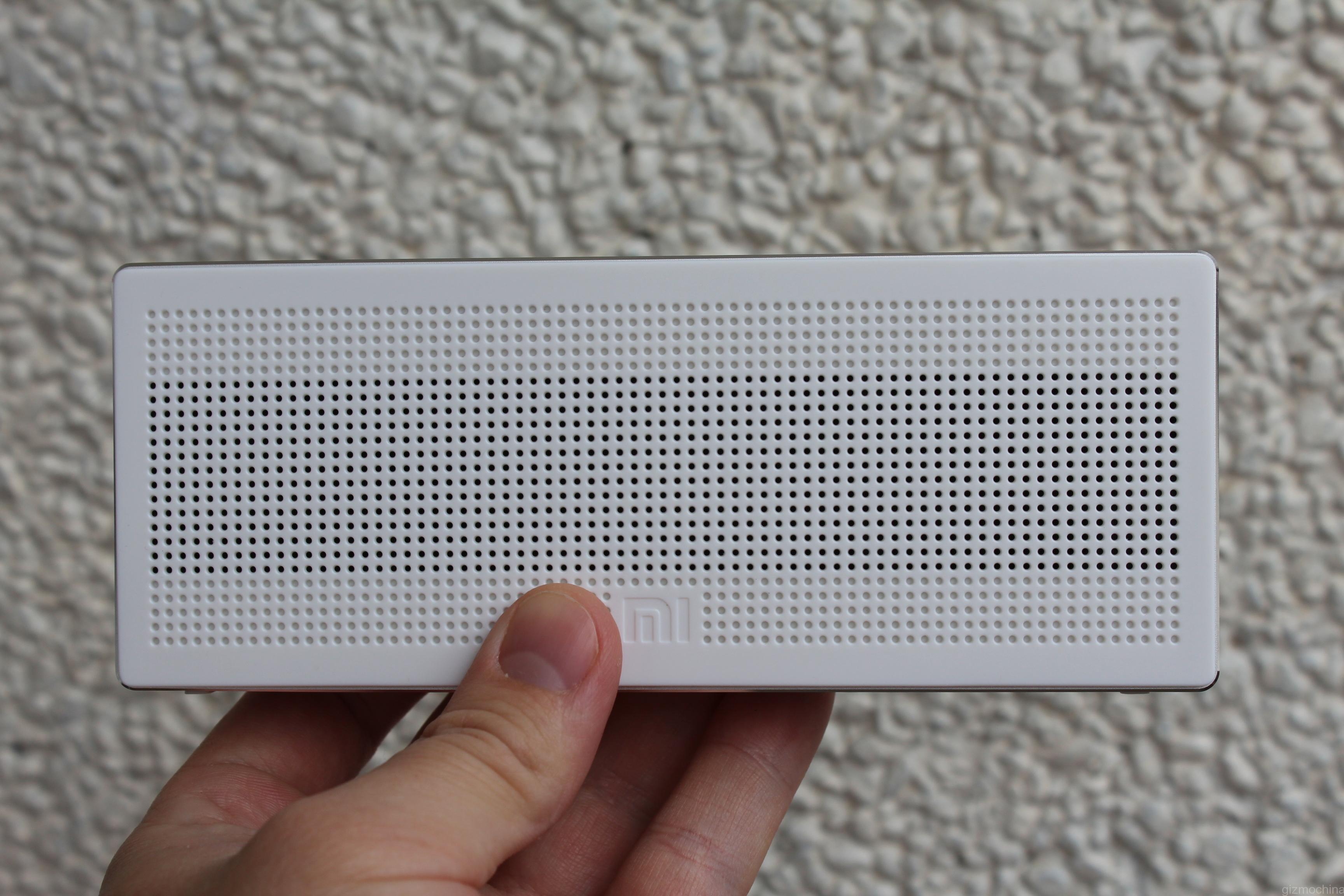
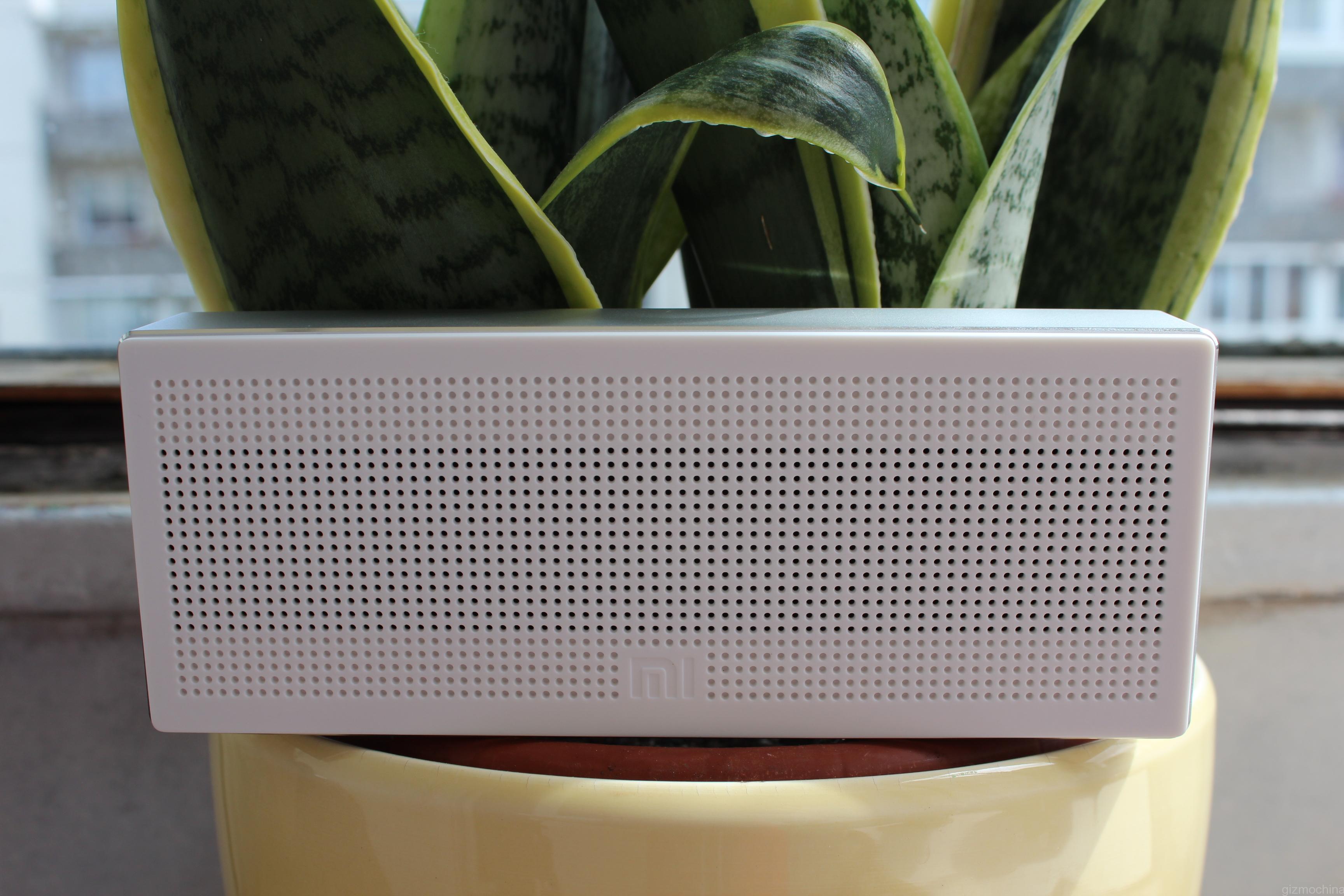
There very first impressions you are going to get is how small the speaker is that you can carry it with two fingers. In addition, a high quality aluminum frame goes around the device but the front speaker grill and the back are made out of plastic.
On the right side you can find just a power on/off button, Bluetooth LED light and the micro USB charging port.
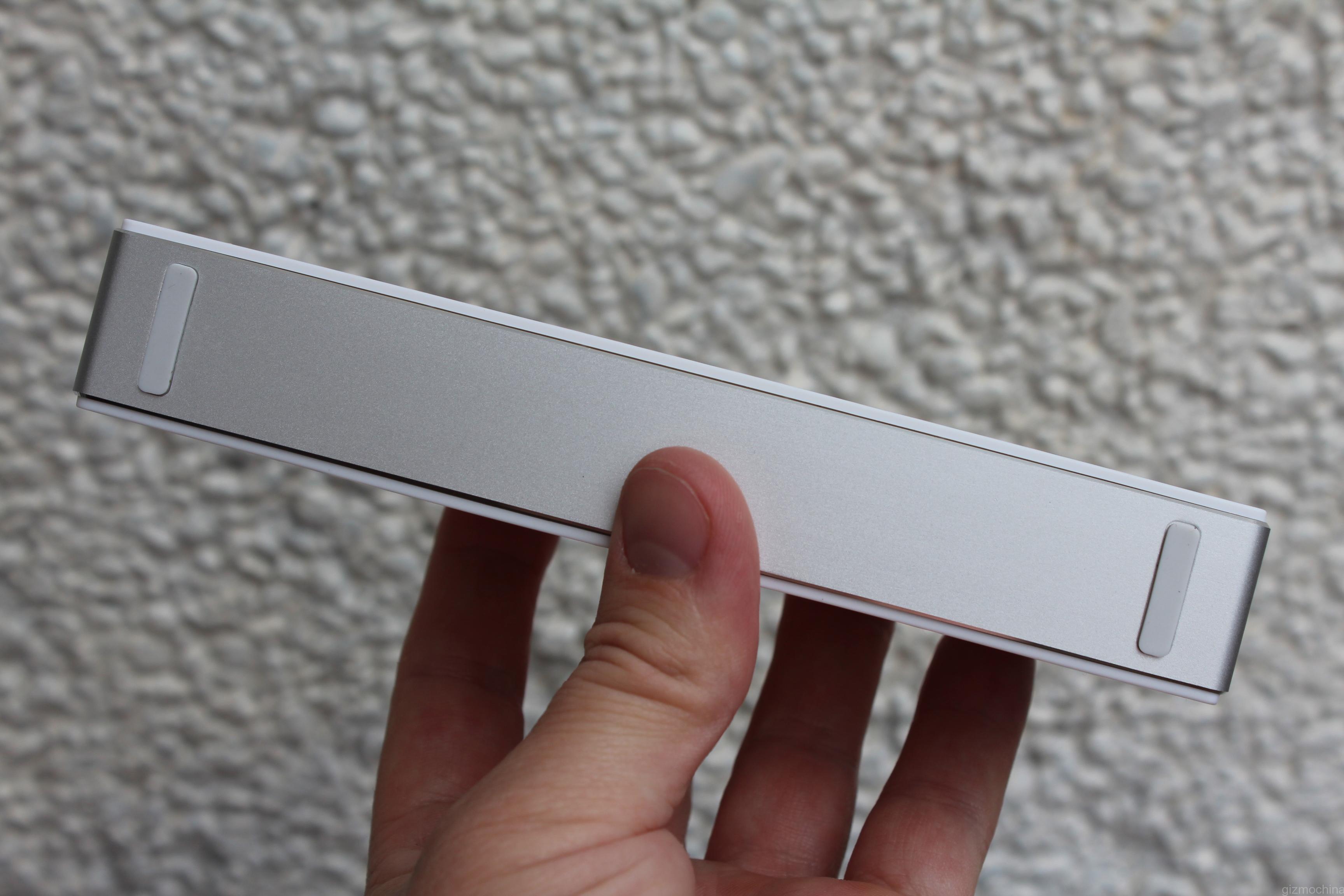
Other sides of the speaker are clean except the bottom part where you can find silicone pads, which prevent speaker from sliding. That is a little but neat feature that not every manufacturer understands as a must. I have reviewed a few Bluetooth speakers, which did not have these pads and it was a nightmare to use it. They kept sliding on the table when played at high volumes, so I could not leave them without taking care of. Otherwise, they would simply fall off the table because of low frequency sound.
Xiaomi Aluminum Bluetooth Speaker: FIRST IMPRESSIONS
The first impressions are that Xiaomi Aluminum Bluetooth Speaker is very compact and it should be very convenient for travelling. You may even squeeze it to your pocket unless you wear skinny jeans.
What is more, the device seems to be very well-made and has a great choice of materials. A combo of aluminium and quality plastic makes this device a looker.
Also, I tested a sound quality and it seems that it has quite a lot to offer for a small footprint. The sound is clear and it is loud for such a compact speaker. However, I’m keeping the final judgment for a full review.
Finally, for the price of under $20, the Xiaomi Bluetooth Speaker is an absolute steal! Of course you may find some cheaper knock-offs but I doubt that you would get a great overall combo of build quality, materials used, sound quality and output. These are at least my first impressions. Stay tuned for a full review.
I have this morning received a video showing an engineering sample of the P6000 Pro in action, it still needs some optimisation on the software front, but looks to be fairly stable.
For those of you that have become obsessed with bezels, I can confirm that yes the phone does have them, not that this really should make a great deal of difference but I know some of you care more about this than most.
A couple of days back, we had teased our readers about a new giveaway. We had asked everyone to guess which would phone we were going to giveaway and we saw a lot of responses on that post. There were a number of suggestions made, starting from Meizu MX5 to even LeTV One Pro. But, a majority of the comments managed to pick the right phone, the OnePlus 2.
Yes, we are going to Giveaway a brand new OnePlus 2 flagship killer smartphone. And like we said, you are definitely going to love it! We decided to giveaway OnePlus 2 for a number of reasons. First of all, it is the smartphone that we all have been waiting for the past few months. Secondly, its going to be revolutionary in terms of design as well as specs. And finally, it won’t be that easy to purchase the device (unfortunately, you still need an invite to buy OnePlus 2).
So, OnePlus 2 turns out to be the best smartphone that we can giveaway to our readers. And as promised, today is the 20th, and we are announcing the contest officially. The GizmoChina GiveAway contest starts today in just two hours and will go on till August 10. There are a number of ways you can participate in the giveaway. And there are entries that you can make to earn extra points every day too.
The final winner will be selected at random, so everyone gets a fair chance. What’s more, you can increase your chances of being picked as the winner by increasing your entries for the contest.
Earn Extra Entries For Sharing This Giveaway With Your Friends On Facebook And Other Sites . (For every Friend that enters with your link, you get an additional entry 😉 )
That’s all, as you can see, you can do all of this within a minute! But it gives you a chance to win the amazing OnePlus 2 flagship killer.
Remember, you need to make these entries via Gleam widget, so that your entries are officially recorded.
Please share this giveaway as much as possible, in order to earn extra points and to make it successful. A successful giveaway would encourage us to giveaway more such amazing products to our readers.
Also, a special thanks to our partner, Giztop for making this possible. Do check out their website for all the latest flagship smartphones in the market. The site promises zero shipping and customs charges for most countries.
We hope all of you participate in this giveaway and make it big. All the BEST!
We are all excited for the new OnePlus Two Launch, which is going to happen in just a week’s time. However, at the same time we are also interested in the processor that’s running under the new flagship, the Snapdragon 810 v2.1. The company has assured us that the chip won’t face overheating problem like its previous versions, but still we would like to the see the device in action to make the judgement.
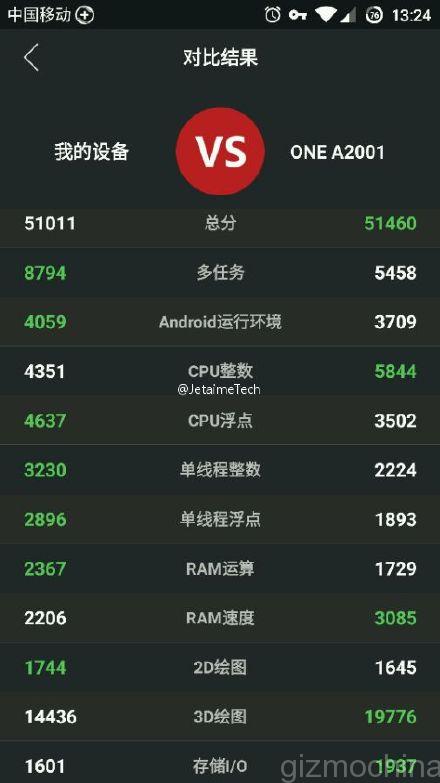
Underclocking the chip could be one way the company managed to solve the overheating issue and today’s OnePlus Two benchmark leak kind of hints at the same. In an image leaked on Weibo, the Snapdragon 801 on OnePlus One was directly compared with the Snapdragon 810 on the OnePlus 2. Given that 810 is the next generation version from Qualcomm, we expected it to be an unfair competition.
However, the new Snapdragon 810 scored almost the same as the more than an year old Snapdragon 801 on OnePlus One. You can see that the One A2001 (OnePlus 2 model) scored just 51460 as compared to a slightly lower 51011 scored by OnePlus One. On the other hand, we have seen that the Snapdragon 810 v2.1 running on Xiaomi Mi Note Pro broke the 60,000 barrier a few months back. If it was the same chip underneath the OnePlus 2, we should have seen significantly better results.
Snapdragon 810 Powered Smartphones
So, it looks like the company may have underclocked the Snapdragon 810 inside the new OnePlus 2. However, let me remind you that this is may not be the final version. The company could have been experimenting with its flagship before finalizing things and this could be one of those versions. If that’s the case, the final Snapdragon 810 chip on the OnePlus 2 should be a lot more faster.
Anyways, we have almost a week for the official launch, after which we can confirm the score on AnTuTu. Till then, all we can do is wait patiently for more details.
We all have been waiting patiently to see the upcoming ZUK Z1 flagship. This will be the first smartphone from the Lenovo subsidiary, which will reportedly focus a lot on the software and UI. However, that doesn’t mean the phone is going to be just average, as recent teasers have confirmed high-end specs for the Z1.
Earlier today, the company officially confirmed via Weibo that they will be keeping a press conference on August 8. The conference will be held to unveil the new ZUK Z1 flagship. From what we have heard, the phone has pretty good specs.
We already know for sure that it will be the first smartphone to feature USB Type-C 3.0 port. This not only increases transfer speeds to a whole new level, but also makes fast charge possible at 3A. So, even though its not the first to boast of the reversible USB Type-C port, its going to be the first one to use the advanced USB 3.0 specification.
Other specs are also high-end. The phone will come with a special fingerprint sensor called as the U-Touch integrated directly into the home button. So, users can unlock the phone, just by pressing the button up front.
ZUK Z1 is expected to come with a 4000mAh+ battery, which will make it one of the few big battery flagship phones from an established manufacturer. Further, under the hood, we expect at least 3GB of RAM and Snapdragon 810 octa-core chipset.
The company has already established a strategic partnership with JD.com, one of the biggest e-commerce sites in China. So, the phone will be sold via JD.com in the coming weeks. Unfortunately, we still have no clue about its pricing. However, since Lenovo is known to price its products aggressively, we hope the upcoming ZUK Z1 turns out to be affordable.
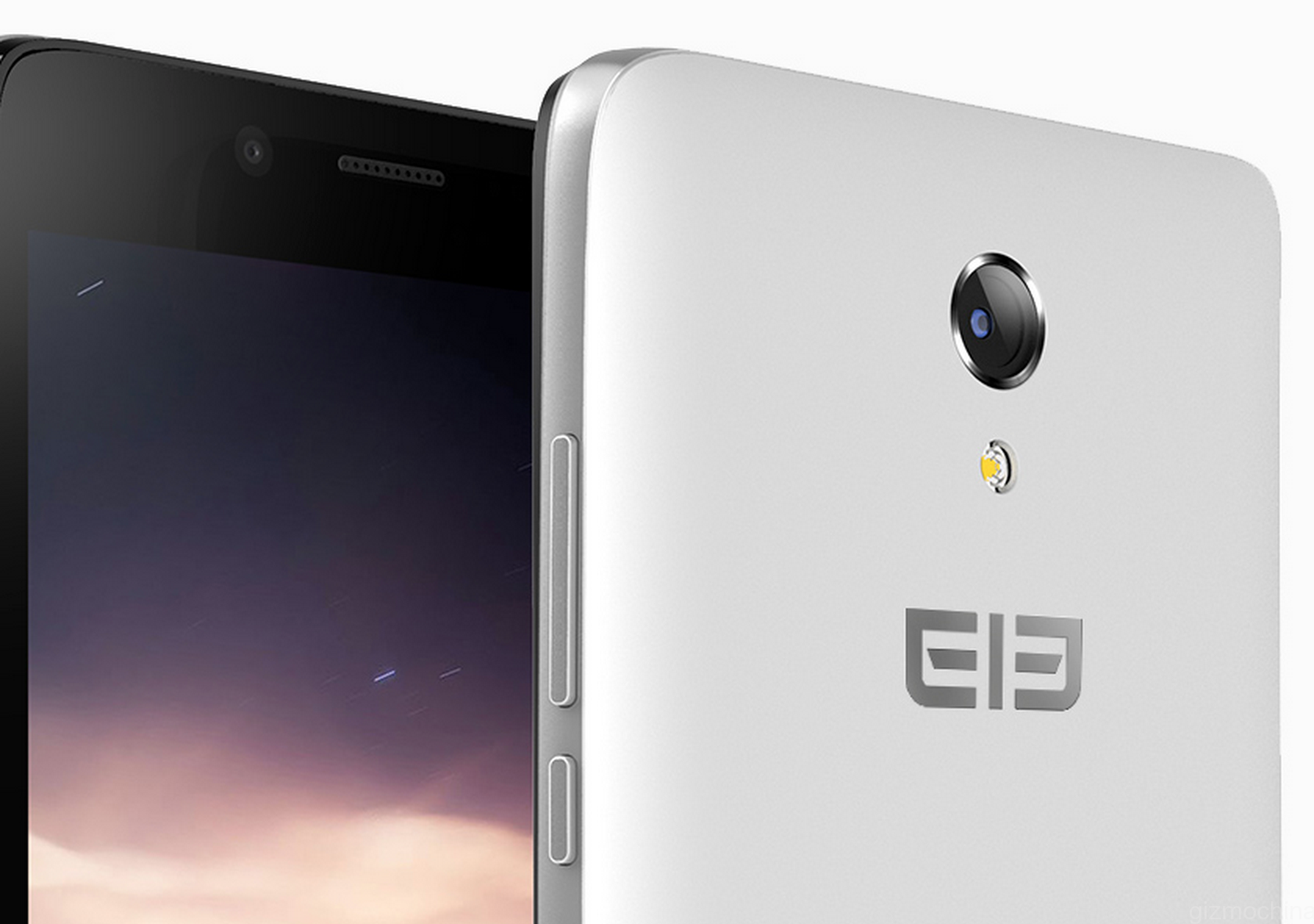
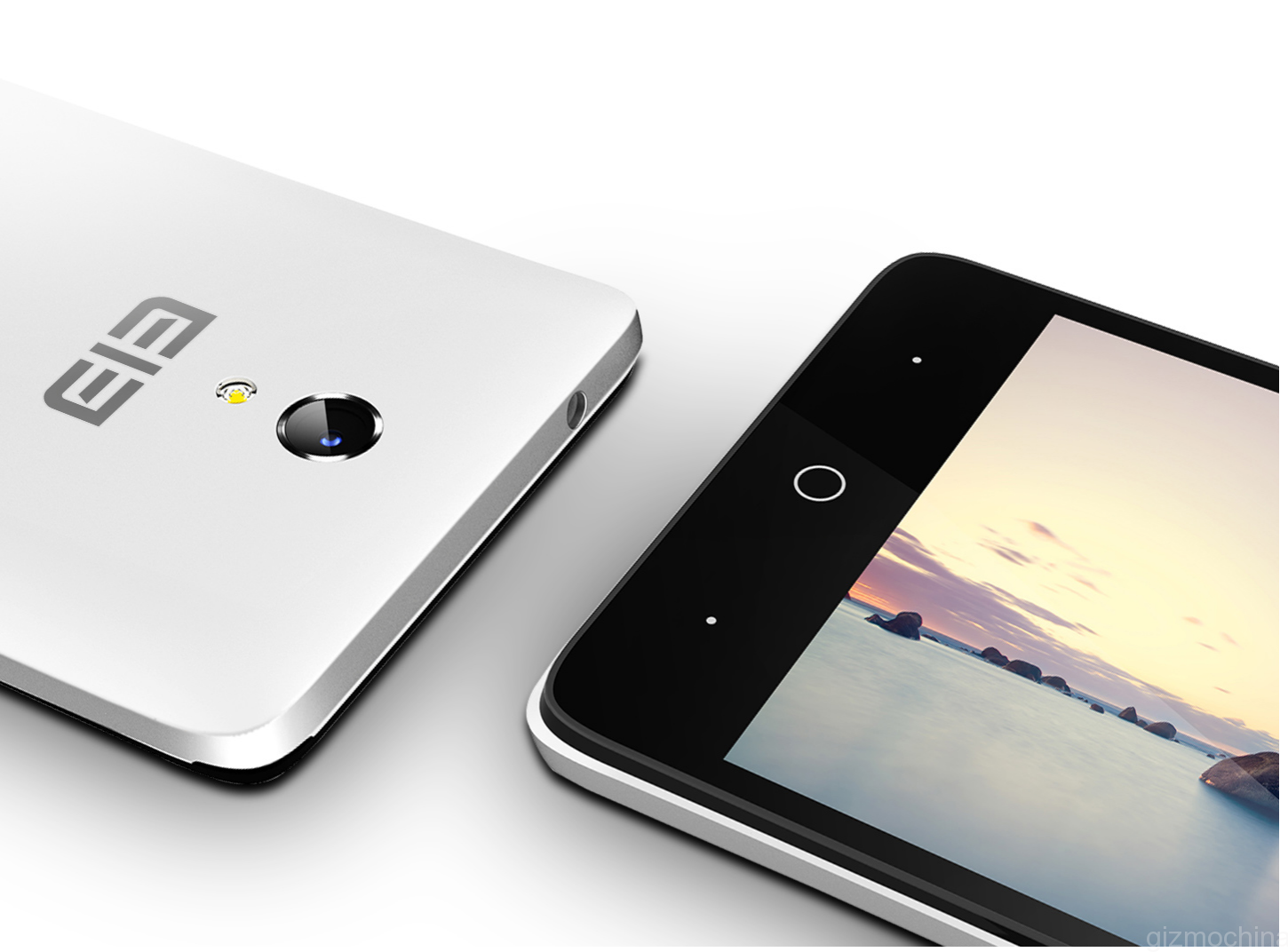
Elephone are set to launch the upgrade to their successful P6000, the P6000 Pro.
The new updated phone will come with several improvements over the original, including a Mediatek MT6753 SOC and choice of 2gb or 3gb ram models.
Apart from the ram differences, the two model choices will also come with different rear cameras a Samsung 13mp and a Sony 13mp, it is as yet unknown which modules will be used in which variant.
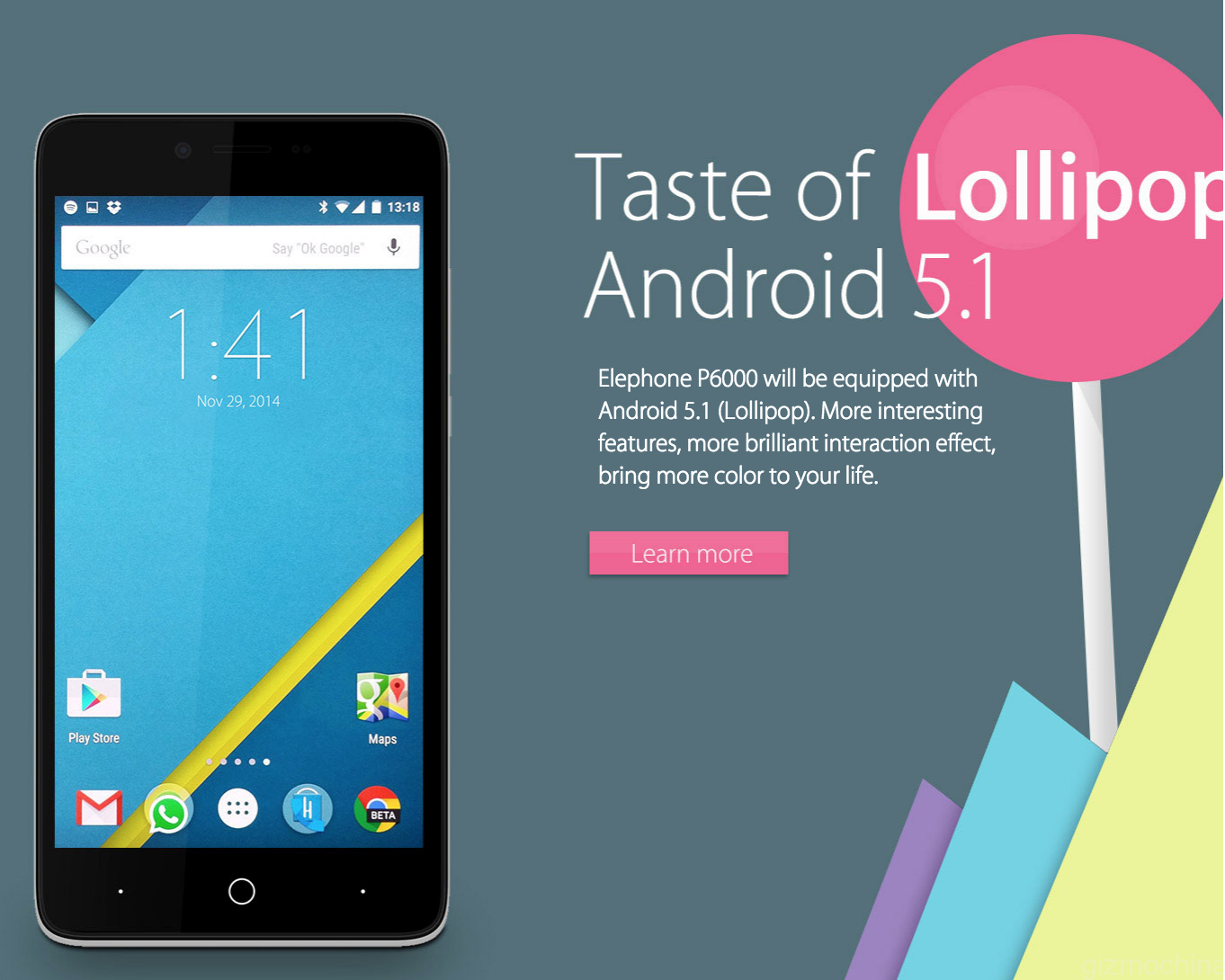
P6000 Pro will ship with Android 5.1 installed and hopefully will have a good degree of custom rom support.
Elephone will be holding a time limited flash sale on 25th July, with the phone priced at $119.99 (£77)
The Ausdom M04 Bluetooth headphones have inbuilt microphone to make it possible to receive Bluetooth calls. It can be used within a range of 10M /25 feet and is compatible with NFC technology. The device can also be connected to a non-Bluetooth device through the 1.2m long cable and is shipped together with a USB charging cable. Like many other modern headphones, no carry case is provided to customers, but that offers them a chance to choose a suitable case out of the endless options available in the market.
On the overall, the low cost wireless headphones provide a satisfactory sound quality, but do not afford a flashy look. The excellent receive/reject/redial call functionality makes it much more worth at $55.
Design
The frame is made from a combination of plastic and synthetic leather material. The ear cups are matte black and the outer edges have turtle shell details. The vertical adjustment mechanism on both sides of the arm makes it possible to stretch (lengthen or shorten the size of) the arm as desired. Ausdom places the control buttons at the bottom of each ear cup, with the right side featuring the play/pause and track selection buttons while the power/pairing and volume buttons are placed on the left. The micro-USB charging port is on the right side ear cup next to the control buttons, while the microphone is inbuilt in the left side ear cup.
Differentiating the control buttons on the MO4 wireless stereo headphones comes in hardy since it makes them practical to use. It is a little bit harder to unplug the music source device because the power button is not raised like other buttons. Again, already the whole set of buttons is grouped into two, so you don’t have to reach the buttons on the left side ear cup to adjust the volume. However, you might need some time to master this arrangement. The manufacturer also packs in a user manual written in a variety of languages: English, German, Spanish and French languages, which buyers can quickly use to learn how to operate the device.
Comfort
The soft cushioning on both ear cups and the headband makes the device very comfortable to use. In fact, they are so soft that you can expect no discomfort after using the headphones all day long. The headset is also rotatable. The device is 210 grams only; not so much weight on your head.
Isolation of outside noise sources from the device’s sound output is a plus in regard to comfort of use in crowded places. This is because the ear pads afford a good seal over the ears – and although the lack of ventilation means that some heat is trapped in so you feel a little warmth after a long duration of usage, still the overall comfort is not affected. Again, if you live in cold climate regions, that won’t be a problem at all.
M04 also works with a variety of mobile devices including iPhone 6 Plus, iPhone 6 and Samsung Galaxy S6 Edge.
Sound quality
The manufacturer labels the device as capable of providing a “Deep Bass and High Sensitivity” and yes it does, given the price range of $55. The device can be used to play HD sound on Smartphones, Tablets, PCs, Macs and Laptops in addition to affording a CD Quality talking.
It is a great choice considering that many wireless Bluetooth headphones cost much higher than that, although they can provide better sound quality than M04. The audio is clear even at the highest volume level, and the device works well for those who need a loud volume. Besides, you can connect the device with non-Bluetooth hardware through a 3.5mm audio jack which is standard for many today.
Battery
Next to the Bluetooth symbol on your phone screen is a battery status symbol for the Ausdom M04, so you can track the amount of charge left before the device switches off. This is because the latest M04S model uses Bluetooth 4.0 connectivity technology. The manufacturer claims the device’s battery can run for 18 hours of music playback and talking. In addition, the battery takes only 2 hours to charge using the adapter – with the USB port, this comes up to 3 hours.
Receiving calls
Not only does it allow receiving or rejecting hands free call, but also does it provide a loud volume level for better communication. It also has a double tap redial function, meaning you can quickly redial the last numbers on your phone without taking the phone out of the pocket. In this regard, it is much better than other low cost wireless headphones.
Verdict
Good audio quality (with noise canceling effects), excellent comfort of use, and a call functionality make the device to stand out as a low cost Bluetooth headphone at only $40. Besides, it can be used for listening music on non-Bluetooth devices. It is not a fancy item though.
We use cookies on our website to give you the most relevant experience by remembering your preferences and repeat visits. By clicking “Accept”, you consent to the use of ALL the cookies.
This website uses cookies to improve your experience while you navigate through the website. Out of these, the cookies that are categorized as necessary are stored on your browser as they are essential for the working of basic functionalities of the website. We also use third-party cookies that help us analyze and understand how you use this website. These cookies will be stored in your browser only with your consent. You also have the option to opt-out of these cookies. But opting out of some of these cookies may affect your browsing experience.
Necessary cookies are absolutely essential for the website to function properly. This category only includes cookies that ensures basic functionalities and security features of the website. These cookies do not store any personal information.
Any cookies that may not be particularly necessary for the website to function and is used specifically to collect user personal data via analytics, ads, other embedded contents are termed as non-necessary cookies. It is mandatory to procure user consent prior to running these cookies on your website.