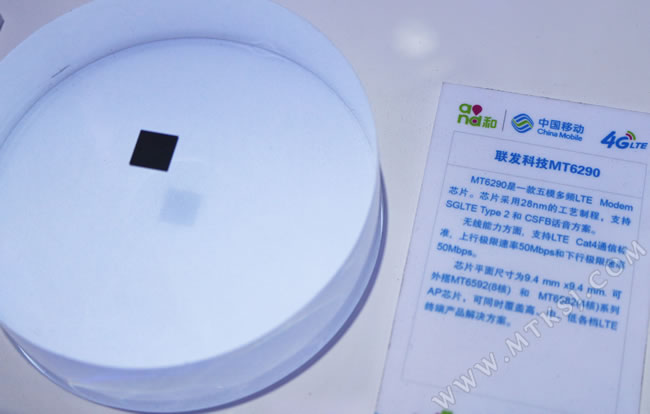
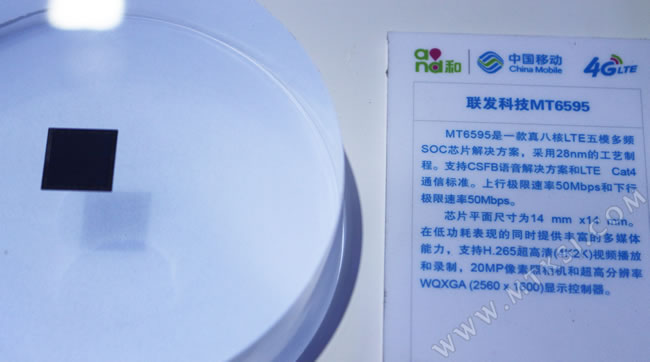
At the GSM Association Expo, Chinese electronic companies showed their new products to the world. One of those was Mediatek’s new chipsets, the MT6920 and MT6595.
The MT6920 is Mediatek’s newest LTE Modem chip. Several of them already went through storage tests conducted by China Mobile. It supports TD-LTE/FDD-LTE/TD-SCDMA/WCDMA/GSM and current LTE Cat 4 standards. It can provide, at most, 50Mbps/150Mbps of internet speed, and supports CSFB and SG-LTE voice solutions. The chip was designed using 28nm craftsmanship and its size is about 9.4 x 9.4mm.
The MT6595 also supports five-mode multifrequency like the MT6920. It has also integrated the LTE modem. It’s about 14 x 14 mm.
The MT6595 chipset consists of four A17 cores and 4A7 cores. It’s the first octa-core LTE chip in the world and also supports the 4k2k media player, recorder, and H.265 coding. It also supports 2K display screens and cameras with up to 20mP resolution as well as DDR3 memory, eMMC 5.0 and USB3.0 standards.
As warehouse tests finish, high-end products using MTK’s 4G solutions will surely make their debut.
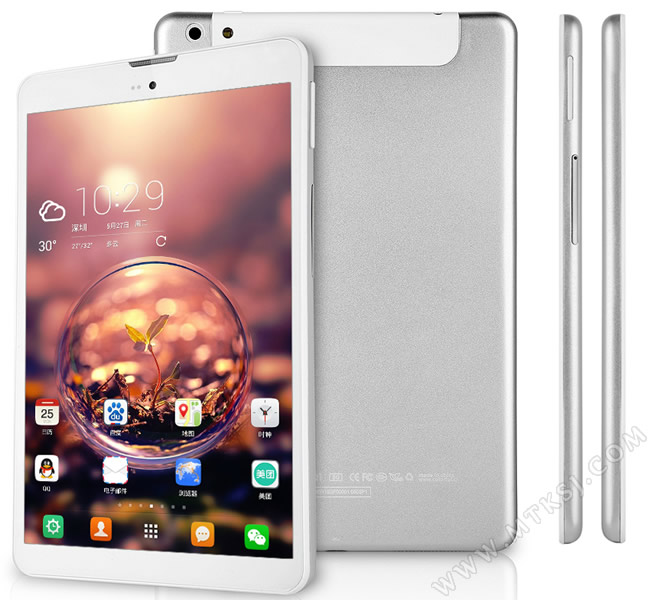
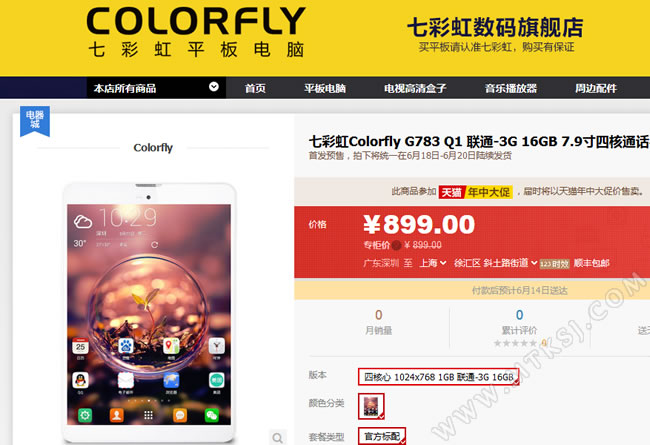
Presales for Colorfly’s newest products have begun in the company’s official section at Tmall flagship stores.
As the name implies, the G783 Q1 is an upgrade version of the G782 Q1. Both are practically the same. There is barely any difference between the both of them. For example, on the back of the G783 Q1 is a white panel that could be taken off. Furthermore, there is a phone receiver above the display screen for phone calls. The G781/782 does not have these. It’s also interesting to note that the user can insert a SIM card in the side of the G783 Q1. The slot is designed like a drawer. Not a lot of phones and tablets that can be used for phone calls have this.
The Colorfly G783 uses the MTK MT8382 quad-core processor. Its CPU has a main frequency of 1.3GHz. It also supports WCDMA/GSM dual mode. It also has WIFI, GPS, and Blue Ray. It has 1GB RAM and 16GB memory space, a 7.0 inch screen with 1024 x 768 resolution and uses capacitive touch screen. It also has a 2mP/5mP dual camera, and its operating system is based on the Android 4.2.
The G783 Q1 currently costs 899 RMB and will be shipped to stores on June 20 at the latest.
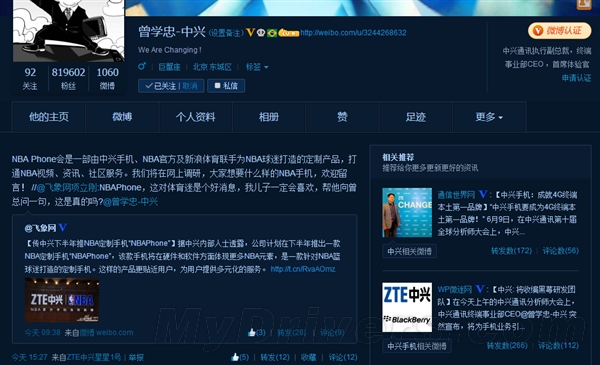
There have been rumors that ZTE will create an NBA-themed cell phone late this year called the NBA Phone. Basketball enthusiasts should be excited to know that ZTE confirmed the rumors.
This afternoon, acting ZTE Corporation vice president, Zeng Xuezhong said in his Weibo account, “The NBA Phone will be created by ZTE in cooperation with the NBA and Sina Sports. It can be used to catch the NBA channel, and provide users to news and social services”
However, how the NBA Phone will look like and what features it will have are still under discussion, but Zeng Xuezhong is currently gathering ideas from internet users in his Weibo account.
PS. ZTE and the NBA have a history of cooperation with each other. Last year, they signed a three-year strategic cooperation agreement.
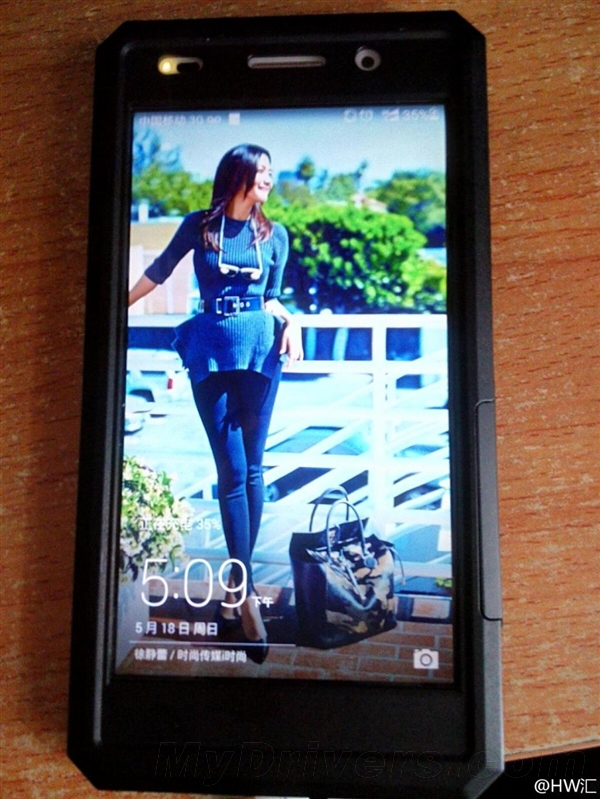
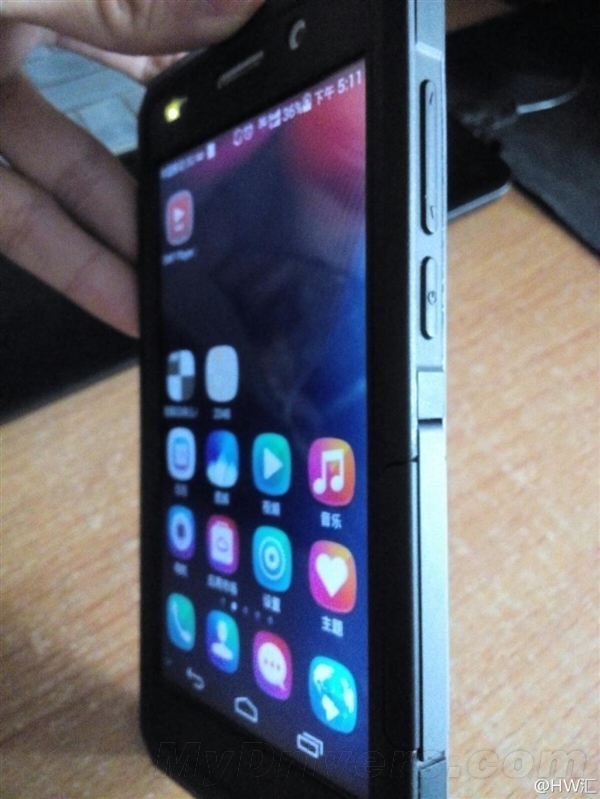
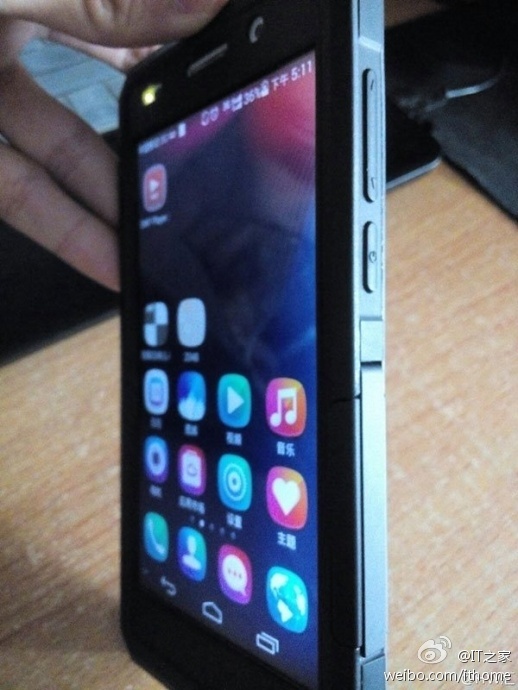
The newest member to the Huawei family, the Honor 6 (code name: Mulan) is set to make its debut in Beijing on June 24. Meanwhile, photos of what is supposedly the Honor 6 have been leaked into the internet.
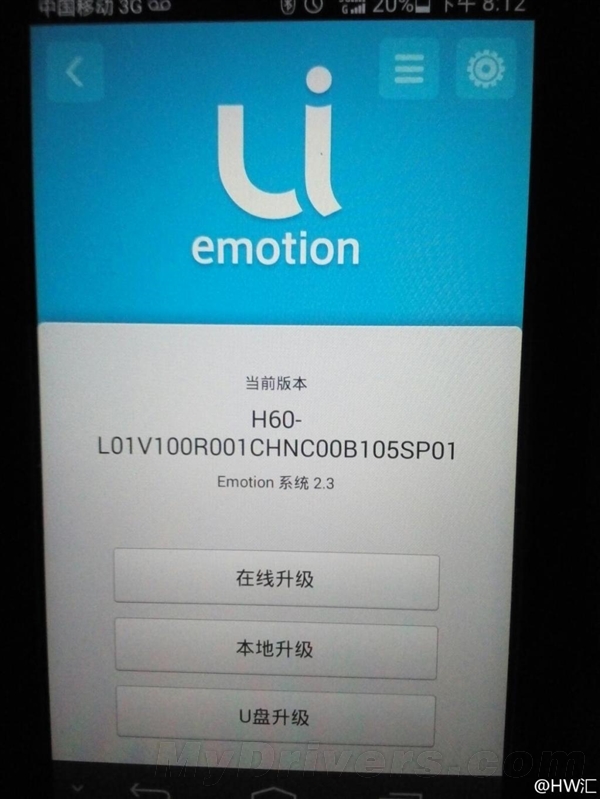
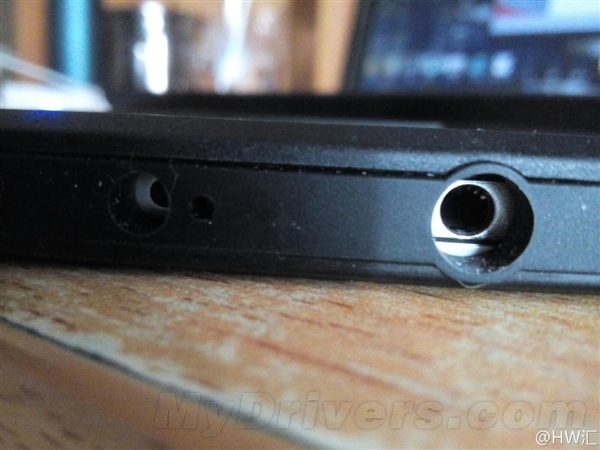
From the photos taken by @HW, the Honor 6 is long and uses the Emotion 2.3 operating system. Unfortunately, because of the thick protector case covering the phone, we cannot see how it looks like sideways, but we can see through the gaps that it’s a little whitish.
According to previous reports, the Honor 6 will be the first cell phone to use the octa-core Kirin 920 chipset with a main frequency of 1.3GHz. Furthermore, it will have a 5-inch 1080p touch screen, 3GB RAM, 16GB of memory space, and a 5mP/13mP dual-camera.
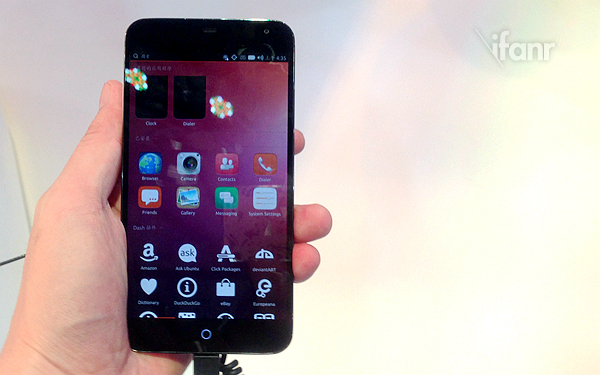
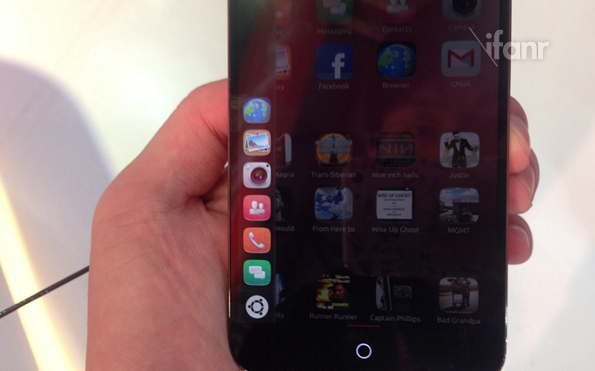
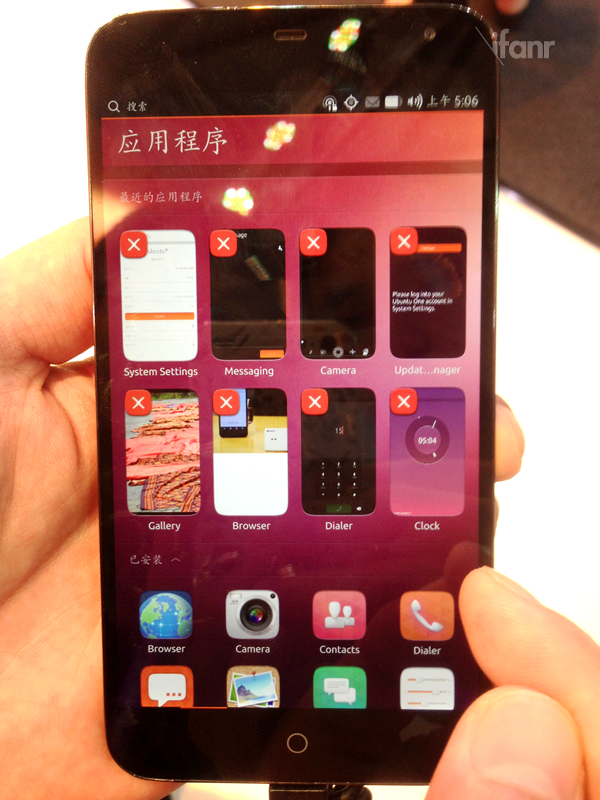
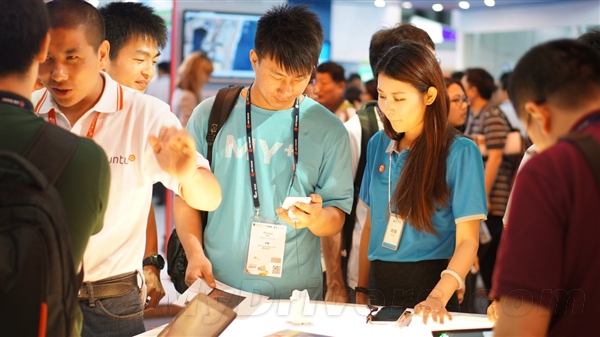
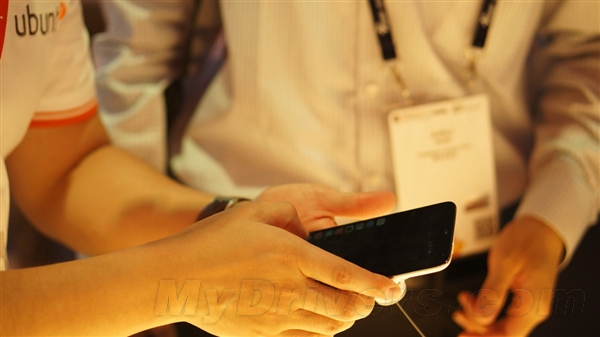
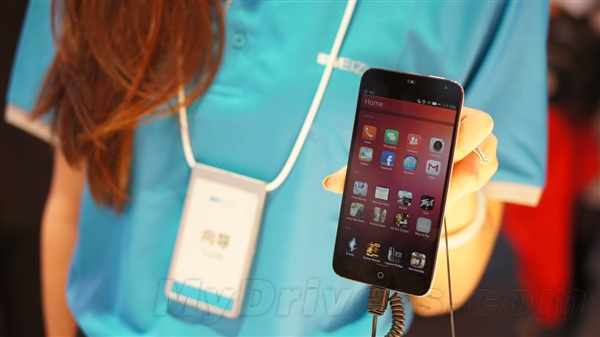
Today, at the Mobile Asia Expo in Shanghai, I finally took a look at the Ubuntu edition of the MX3. It must have been the first time it was revealed to the public. As I tried it out, it left a very deep impression on me.
An Ubuntu employee told me that the Ubuntu’s biggest characteristic is that an App can immediately be installed in cell phones, tablets, and desktop computers as soon as its finished being developed. But what struck me the most was its touch screen.
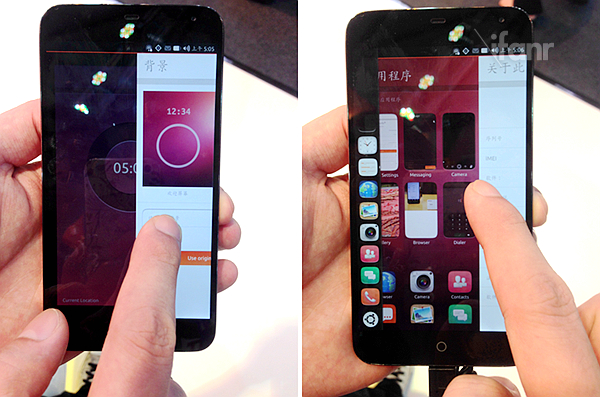
Ubuntu takes full advantage of the touch screen. When you slide your finger left and right on the screen, you can scroll around the Apps bar for applications such as the camera, watch, contact list, etc. Just press the Home button to go back to the desktop.
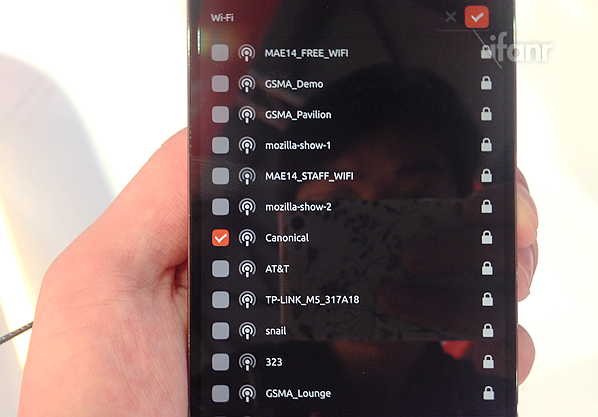
At the top of the screen is the notification center which will slide down when you touch it. The great thing about Ubuntu’s notification center is that you can scroll down it for different kinds of choices. After touching the Notification logo, you can choose to open or close your WI-FI, GPS, and Blue-Ray connections.
The bottom of the screen is used to scroll around the menu. For example, when you scroll up at the photos app, you can open a secondary menu where you can edit or delete pictures.
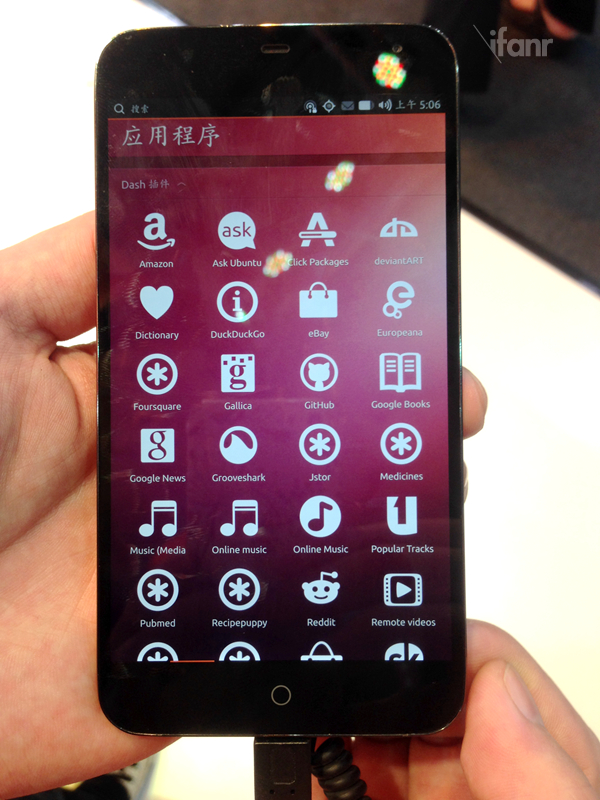
Ubuntu’s desktop is made up of the apps menu, videos, desktop button, music, and books.
Huawei is ready to release their new upcoming smartphone on June 24th in Beijing, the phone is known as Huawei Mulan and now we have the new leaked picture of the upcoming Huawei flagship smartphone.
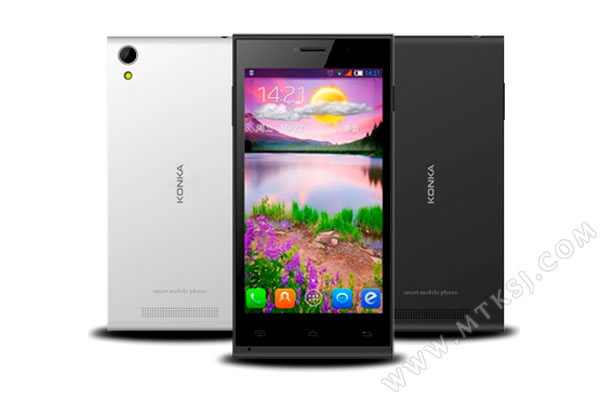
Konka has unveiled their newest smartphone, the Konka K11. The K11 has higher specifications than its predecessors and has a more interesting design.
If you look at the photo, the K11 has a 5-inch screen and has a length of 148.6mm and width of 73.6mm. The K11’s measurements are not that different from other phones with 5-inch screens. The phone’s slender body is worth noting. It is 7.55 thick. It also has a replaceable battery which is one of the phone’s selling points.
The K11 has a 5-inch HD screen with a resolution of 1280 x 720. It uses OGS technology and runs on the quad-core MTK6582 chipset with a main frequency of 1.3GHz. It has a memory of 16GB which can be expanded and 1GB ROM. It also has a 2mP/8mP Sony dual-camera. Its operating system is the MUSE UI 3.0.
The Konka K11 hits stores soon although the price has not yet been officially announced.
Today, at the 2014 CommunicAsia Expo, Meizu introduced the MX3 Ubuntu edition.
According to Meizu, it was easier to receive authorization for UBUNTU. OEM companies gave more freedom and Meizu did not receive any restrictions from Google. It’s newest “Scope” feature lets users search and ask for information from the main screen and offers good applications and services.
Based our experience with it, the MX3 Ubuntu edition’s operating system runs versy smoothly but when it comes to stability, it leaves much to be desired. Improvements are still being made on the phone’s lower-level drivers and stability, so there’s no clear date when it will be finished..
Furthermore, Meizu said that they chose Ubuntu along with the Android operating system, but even if they will continue to use Ubuntu in the future, they will still work on Flym’s interface and services to create a better user experience.
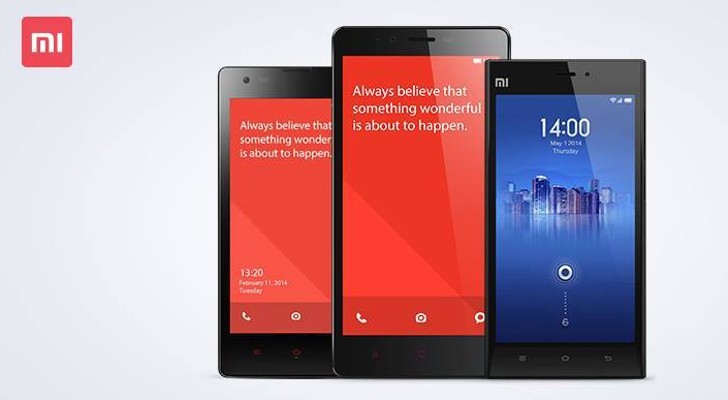
Xiaomi is the one of popular smartphone manufacturer in China, and now they also ready to ships the Xiaomi Mi3, RedMi 1S and RedMi Note to Philippines. The company is already release their RedMi smartphone to Singapore and Malaysia.
Although Vsun has been releasing a lot of new smart phones in China recently including the i1s, sales have been poor, so they decided to try out the foreign market.
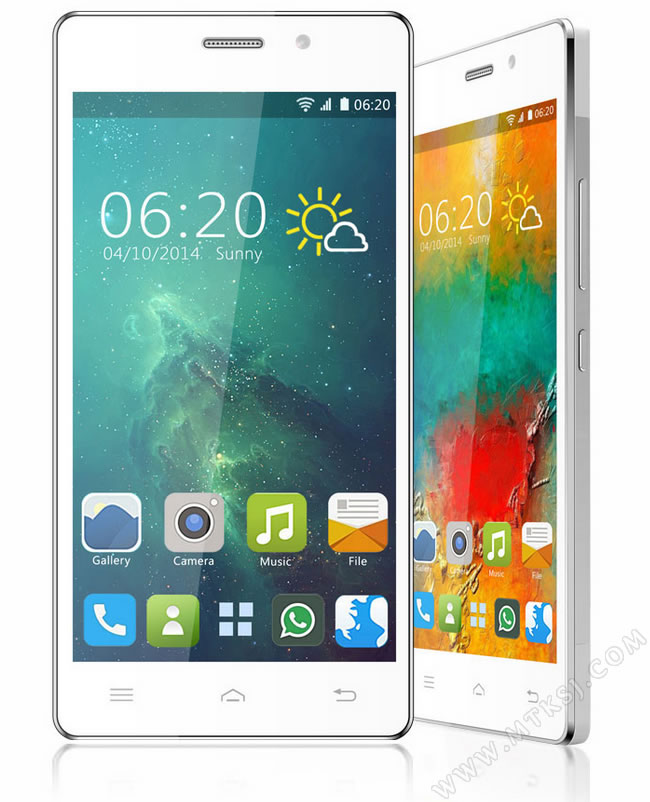
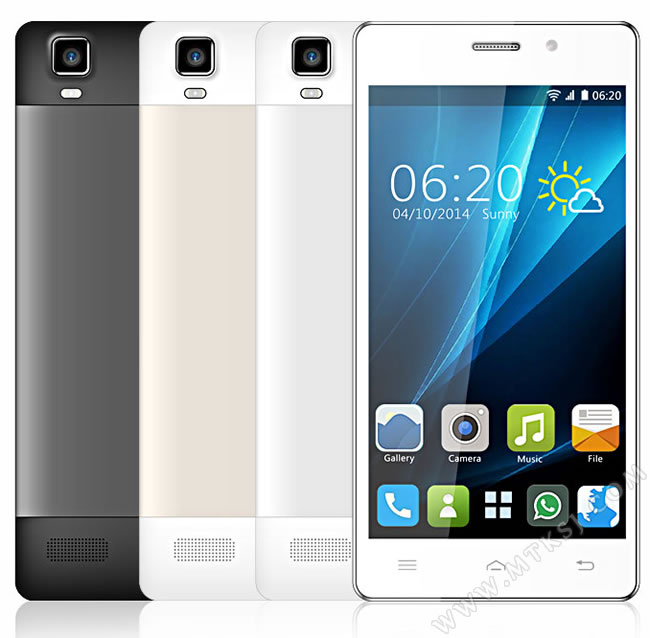
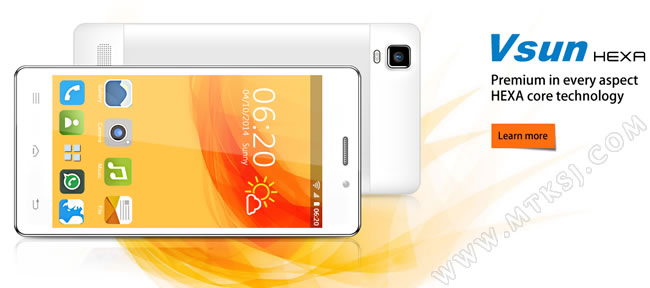
In Vsun’s official foreign website, we discovered their newest product, the Vsun Hexa. Based on the name, we can see that they released another hexa-core smart phone.
The Vsun Hexa’s design is very similar to the Titanium Hexa’s. The only difference is that it looks more awe-inspiring and extravagant.
The Vsun Hexa’s features are not fully integrated yet. It uses the MTK MT6591 processor and runs on the Android 4.4 kitkat operating system. It also has an HD display screen that is approximately 5 in. It uses ON-Cell touch technology and supports dual-frequency WIFI. More details coming soon.
Based on Vsun’s recent actions, it seems the Vsun Hexa is aimed at the international market. There is currently no information on whether or not it will be released in China.
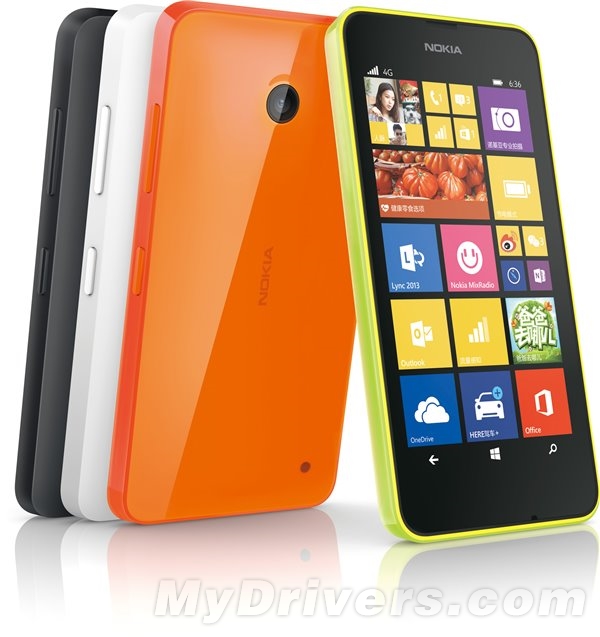
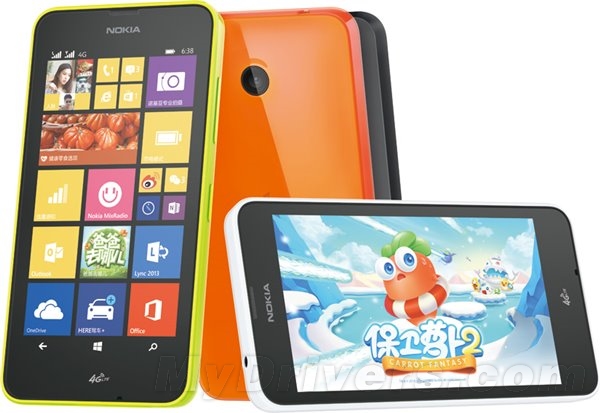
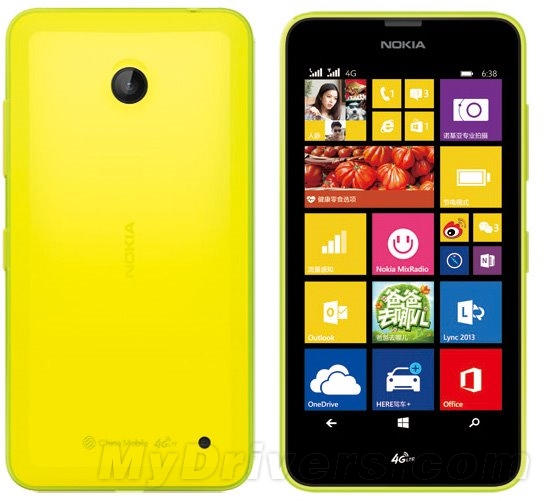
The Lumia 636 is basically the China Unicom 4G version of the Lumia 630 while the Lumia 638 is the China Mobile version of the 630. Both phones have a 4.5-inch 854 x 480 display screen and run on the quad-core Snapdragon 400 with a main frequency of 1.2GHz. It has 1GB of RAM and 8GB of memory space, at most, supports a 128 GB micro SD expandable card, and comes with a 5mP back camera. It runs on a 1830mAh battery and the WP8.1 operating system.
Both cost 1299 RMB and the China Mobile-supported 4G Lumia 638 will arrive in stores on June 21. Meanwhile, the Lumia 636 is expected to GOME’s exclusive stores on July 5. Based on reports by the Ministry of Industry and Information Technology, the Lumia 638 will only a single SIM card. Previously, posters only showed that it was “dual.” This means that “dual” refers to the 638 using the SGLTE solution which supports 4G voice messaging, not a dual-SIM card. This is currently one of China Mobile’s most mainstream 4G voice messaging solutions.
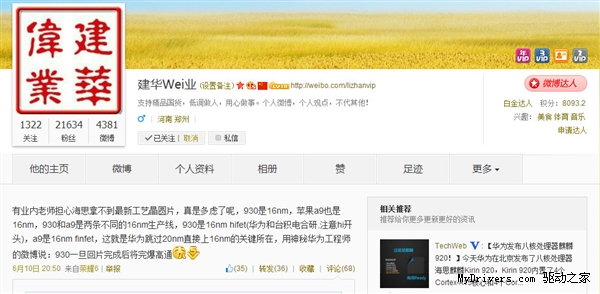
In response analyst Kong Changxu’s argument that merely producing a good cellphone is not enough to cover up the company’s vulnerability in the industry, and that they can only enjoy using a manufacturing process that is inferior to those used by foreign manufacturers.
A Weibo user, @建华Wei业 disagreed saying that Huawei’s new processor, the Kirin 930 was made using a 16nm manufacturing process similar to that of Apple’s A9 processor with some differences in the workmanship.
The Kirin 930 used the 16nm HiFET manufacturing process while the Apple A9 used the 16nm FinFET. The former is the process used by Huawei and the Taiwan Semiconductor Manufacturing Company. It looks like the process was thought of just for the Kirin 930.
Since Qualcomm’s flagship chips are only made using a 20nm process, then if Huawei skipped the 20nm stage and went straight for 16n, then it could be said that they surpassed Qualcomm. However, there’s no way of knowing whether @建华Wei业 is correct.
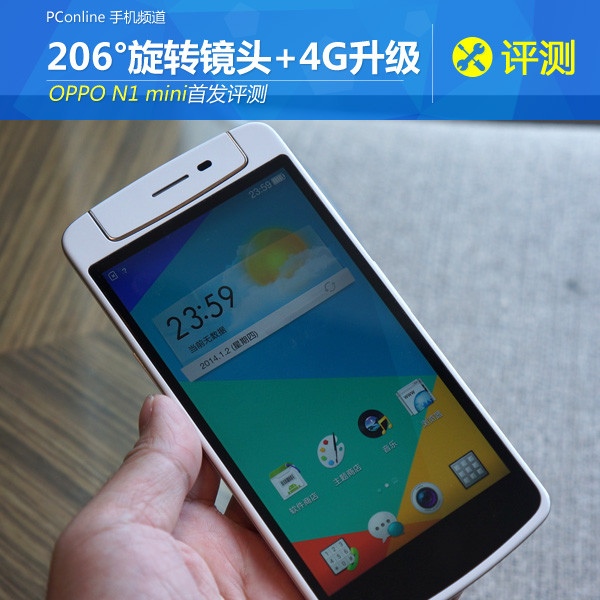
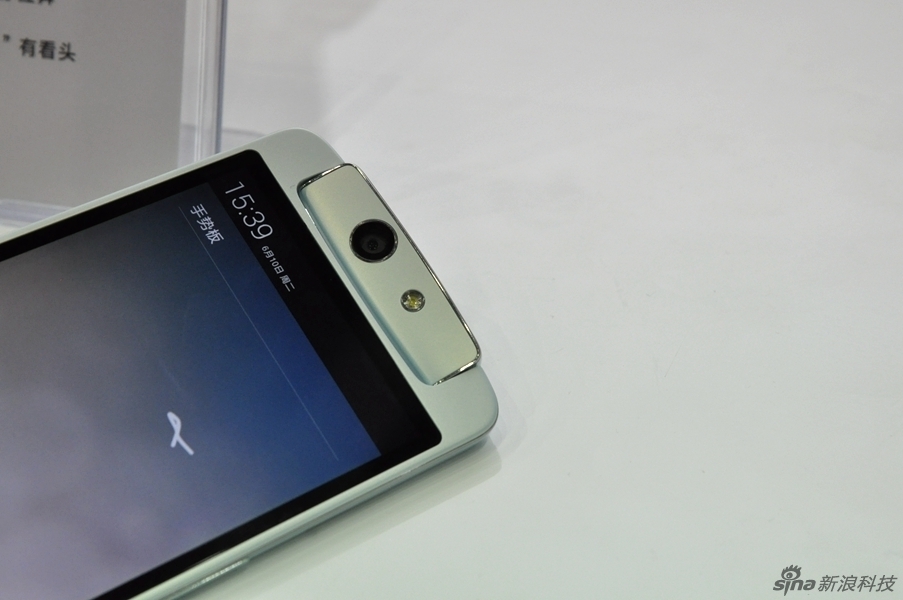
OPPO has been release their new smartphone, OPPO R3 and the OPPO N1 Mini on June 10th 2014, and now we want to show you the nice aspecs from OPPO N1 Mini smartphone. This is the mini version from the previous OPPO N1, this new Mini version phone has 5 ich screen size but also has 206 degree of rotating camera and 4G network capability. The phone is offers with 2,699 yuan price tag or about $433 USD.
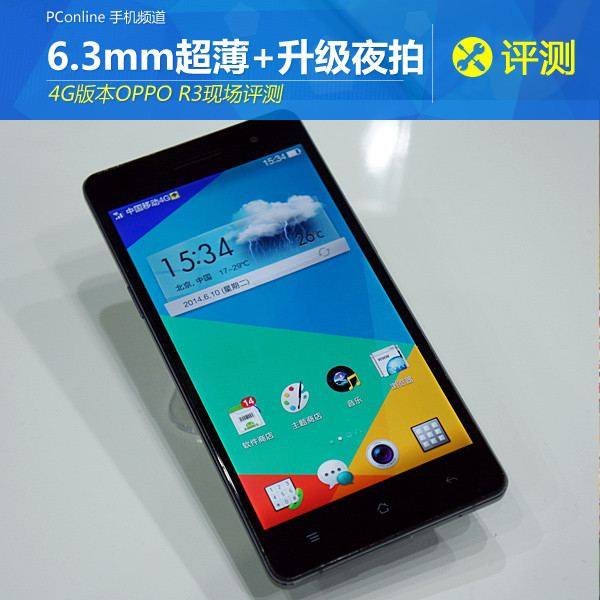
OPPO has already release the new OPPO R3 smartphone recently, the phone is packs with 4G network connectivity. The new OPPO R3 is only has 6.33 mm body thickness, this becoming the thinnest 4G Android smartphone on the market. And now we want to show yu some aspect that available in this phone. (All picture in this article is taken from PConline website.)
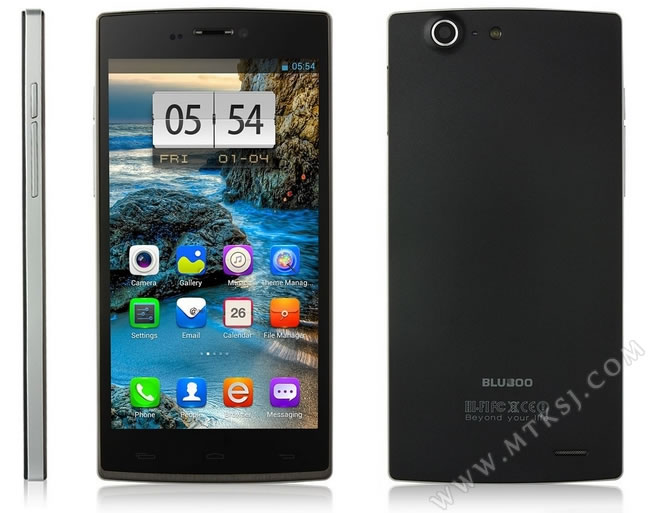
Bluebo Mobile recently released a new phone in stores overseas called the Bluboo X2.
The Bluboo X2 is available in black and pink. The slender phone has a width of only 8mm. The problem lies in the main camera which stands out. For those who are OCD over smoothness, this is “bad news.”
One of the best things about the Bluboo X2 is that it runs on the MT6592 octa-core chipset with a main frequency of 1.7GHz. It also has 1GB RAM and 16GB ROM, a 5-inch screen with 720p resolution, and uses OGS technology. It also has a 2mP/8mP dual-camera, and a battery which only has 1700mhA. Surprisingly, the X2 has an NFC feature and can communicate with other NFC phones among other things. It also supports WCDMA+GSM double-SIM.
The Bluboo X2 is being sold abroad for about 150 USD (about 900 RMB) and there are no plans to sell it in the Chinese market for now.
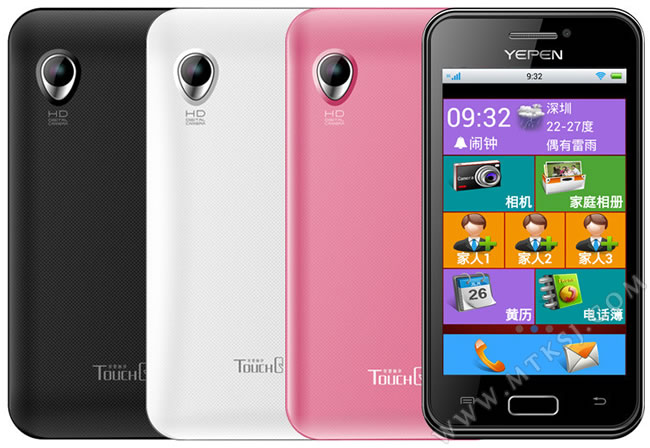
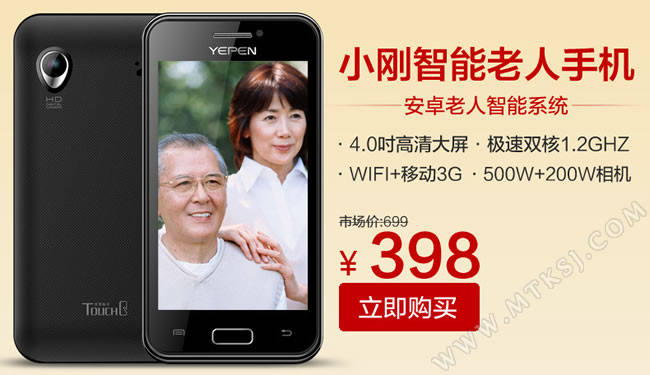
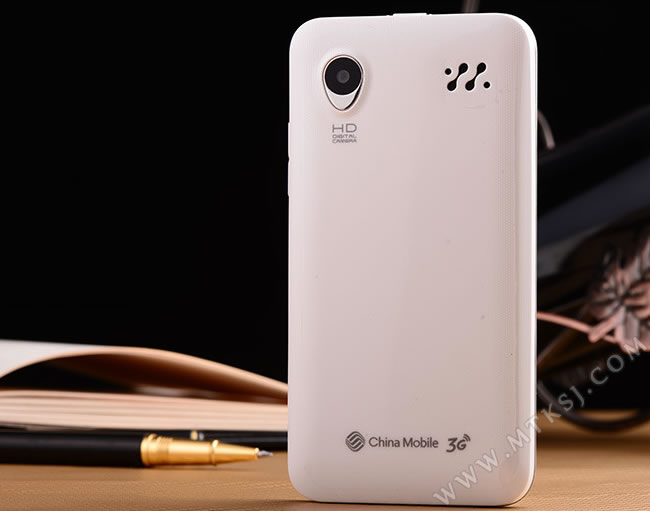
It’s become hard to connect with our love ones, especially the elderly, in these fast-paced times. To meet the need to help us reconnect with the elderly, Yepen released a smartphone aimed at middle and old-aged users, the Yepen V40W which only costs 398 RMB (63.78 USD).
The Yepen V40W has a 4-inch WVGA resolution display screen and touch screen. It has a width of 10mm which makes it easier to carry around. It has a Home button on the bottom and two touch keys. It also has a loudspeaker to avoid making calls where the volume is too low.
The V40W also runs on the Android 4.1 OS with adjustments made to make the phone suitable for the elderly. For example, the SOS function can be used to ask for help at anytime. It also supports voice messaging.
The V40W uses an MTK double-core chipset with a main frequency of 1.2GHz and has 512M RAM and 4G ROM. It also has a dual-camera (the main camera has 5mP) and runs on a 1400mhA battery and supports TD-SCDMA+GSM dual-SIM.
Currently, the V40W is being sold at official flagship stores as well as online shops like JD.
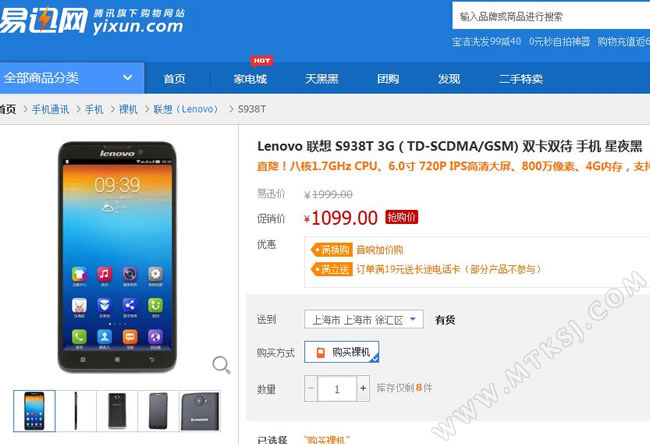
Yixin become the first online electronics store to sell the Lenovo S938T to the lowered price of just 1099 RMB, the lowest price so far out of all the B2C websites. Taobao lowered its price to the early 1000s as well.
What stands out most about the S938T is its big screen, slender design (which is the same as the S939’s), and operating system. It has a width of 8.65mm. The back was designed following the Vibe X style. Its biggest selling points are its 6-inch screen, its use of OGS technology, and 1280*720 resolution. The S938T not only uses the Vibe ROM but it can be upgraded to the Android 4.42-based VIBE UI 1.5.
It uses the MT6592 octa-core chip which has a main frequency of 1.7GHz and has 1GB of RAM, 8GB of ROM, a 1.6mP/8mP dual-camera, and a 3000mhA battery. It also supports TD-SCDMA+GSM dual-SIM, and has sensory uses and noise reduction technology regularly used by cell phones.
The other day, Huawei held a launch event for the Kirin 920. It was not a launch for a cell phone but for a computer chip, the first time that Huawei ever did so. It looks like Huawei has been very proud of the newest member of its family. Since its launch, many articles have been written about it, but none have gotten down to the truth about it. Here, we will analyze it.
I. The K3V2 Tragedy
There is a long history behind HiSilicon but it has always made computer chips for things such as telecommunication devices and DVRs. It is Huawei’s factory for its devices’ features. K3 smart phones were already made years ago but these were only fakes.
HiSilicon only received recognition at the Barcelona Computer Expo where Yu Chengdong brought out the Huawei D1Q, the first quad-core cell phone to be formally released in the entire world. Its chipset was HiSilicon’s K3V2, which at the time caused a sensation.
The K3V2 is a classic AP. At the time, the quad-core A9 was considered to be the best but GPUs were in a mess. Each company followed their own standards. Apple liked the PowerVR, Samsung switched to Mali, Qualcomm traded AMD for Adreno, and HiSilicon chose Vivante.
HiSilicon came later than the others. Before the Vivante, it only used marvel. The ZTE U880 which used marvel suffered compatibility problems with its games. The K3V2 was no exception. Game incompatibility became a problem.
A more serious problem, though, was craftsmanship. High power consumption and overheating caused by its 40nm craftsmanship caused the K3V2 to experience underclocking.
II. A turning point: The Kirin 910
The failure of the K3V2 did not mean that HiSilicon was going back to their old products. On the frequency band front, they created the Balong chip which supported 2G, 3G, and 4G, which was not easy.
Even powerful chips like those of Samsung and advanced ones like those of NVIDIA and Intel suffered setbacks when it came to 4G band. NVIDIA was one of the first to purchase it but its products could not use 4G. Intel’s acquisition of Infineon was not yet complete.
For the K910, HiSilicon integrated the Balong chip with its AP. It’s only competitor was MTK. The K910’s performance surpassed that of the MTK 6589 and was close to Qualcomm’s Snapdragon 600.
It’s important to mention that the K910 was not just an AP and BB integration, but that it was also integrated into Altek’s ISP, which produced great results.
The K910 became an SOC that should not be taken lightly.
III. Rising like a Phoenix: The Kirin 920
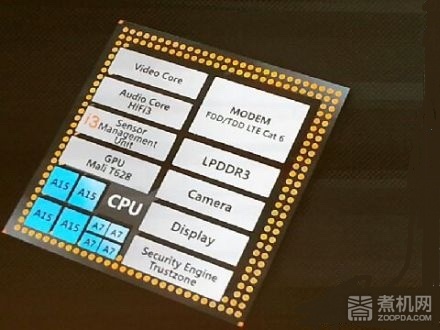
Let’s take a look at the schematic of the Kirin 920 which has already become a very integrated SOC. Besides computer processors, frequency band chips, and GPUs, the Kirin 920 also integrated audio chips, video cores, ISPs, and a coprocessor (similar to the Apple’s M7). This chip can almost do anything.
As for its specifications, whether it’s its CPU, GPU, and others being one of the best in the world, there is plenty of reasons for HiSilicon to be proud.
Everyone knows that ARM’s A15 has experienced problems related to power consumption. The performance is good but consumes too much power. Many phones that use this chip may experience overheating, whether its NVIDIA or Samsung.
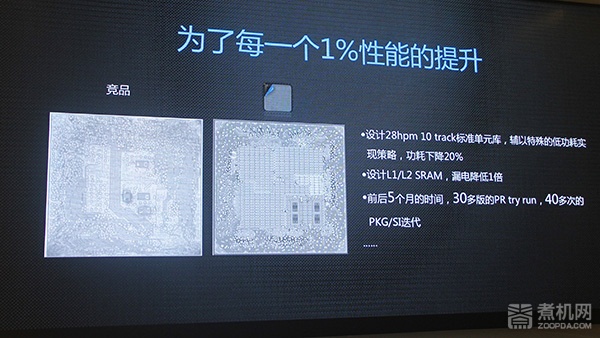
HiSilicon has made some improvements on the A16. Although it’s still not as good as Qualcomm and Apple’s cores, it’s no longer the simple free ARM version. They also improved the CPU’s and cache’s design. They also effectively integrated telecommunication technology into the chip. The powerpoint shows the results (the product still needs to be measured precisely).
The improvements have been enough to make Huawei confident enough to hold a launch event for the Kirin 920.
III. HiSilicon’s future
According to some reports, HiSilicon has already been given its ARM’s highest authorization, meaning that just like Apple and Qualcomm, HiSilicon’s future consists of being under ARM and that it may also design its own CPU.
After enduring two years of criticism and mockery, things are finally looking up for HiSilicon. From the K3V2 tragedy, to K910 surpassing MTK’s low-end chps, and the K920 becoming one of the best in the industry, how will things go for the K930 and 940?
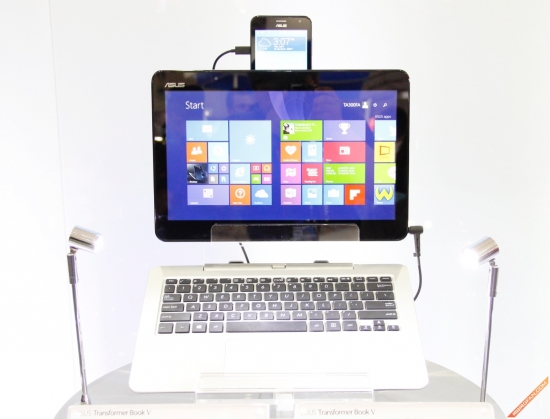
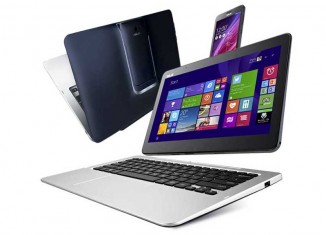
For many years, there has been an ongoing debate on whether devices should have more features or whether existing features should be specialized. Based on the current situation regarding mobile devices, most companies and consumers prefer to diversify their features. ASUS continues to follow the road of diversification. On June 2, ASUS held the 2014 Computex press conference in Taipei where they released a product that is five products in one—the Transformer Book V.
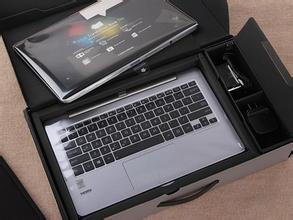
It’s called a “five-in-one product” because it can be used as a Windows laptop, Android laptop, Windows tablet, Android tablet, and Android smartphone with all kinds of features. This is actually not ASUS’ first attempt at such a device. It previously released the three-in-one Transformer Book Trio and four-in-one Transformer Book Duet TD300, so it should not be surprising that ASUS would continue making such devices. Maybe, soon, we’ll see a device that can be used as six devices.
ASUS must see such great potential in these kinds of devices considering their relentless support for it. Currently, most companies in the industry just add more features to a single device to let the consumer spend as little money as possible and to offer as many services as possible. Take smartphones that are made considering this. One several hundred RMB (100 RMB is 16.04 USD) smartphone can be used as a telephone, camera, MP3 and MP4p layer, video game device, etc.
The PC industry has just caught up with this trend. Lenovo’s Mixx 10, Sony’s Tap11, and Microsoft’s Surface were all made using this concept. However, the only company to go crazy over putting many devices in one is ASUS, and there are two particular characteristics in the way they follow this concept—-including a detachable screen, and a phone that could be put re-assembled.
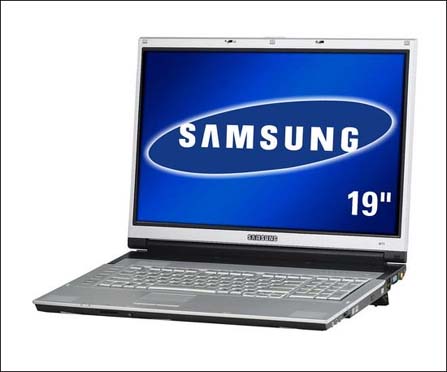
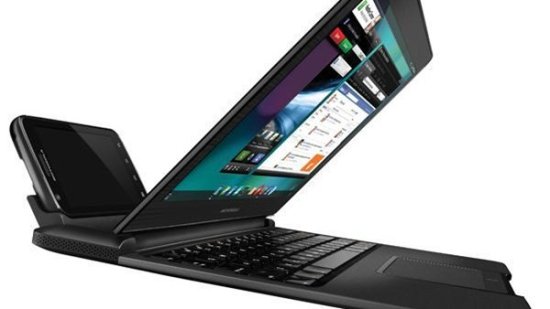
It’s worth noting that ASUS was not the one to come up with these features. The concept of designing a detachable screen appeared as early as 2005 with Samsung’s 19-Zoll. As for a phone that could be assembled, MOTO’s Atrix 4G was the first to be made following this concept. Both products received a lot of attention but did poorly in the market.
The idea of creating a “many-in-one” device is really not idea but it does not mean that the consumer will be willing to take out their wallets for it. For a company, a product that cannot make a profit is a failure, so it’s easy to see that Huawei is basically combining two failed products. Based on sales alone, these devices have not been doing very well.
Why will a “many-in-one” device fail? There are many reasons for that. After all, it’s an old question. Being able to do something means that it’s hard to do it well. The 19-Zoll’s screen can be taken off and used by itself, but its 19-inch size can affect its portability. Therefore, it was not a good laptop. Without the screen, the phone’s resolution is very basic and is not very reliable. The Atrix 4G’s base can be turned into a laptop by inserting its base, but it limits its performance and operating system, making a terrible replacement for a standard laptop.
ASUS’ five-in-one product experiences this problem. The Transformer Book V is not an excellent Windows laptop, Android laptop, Windows tablet, Android tablet, and most definitely, not an excellent Android smartphone. It’s quite embarrassing actually.
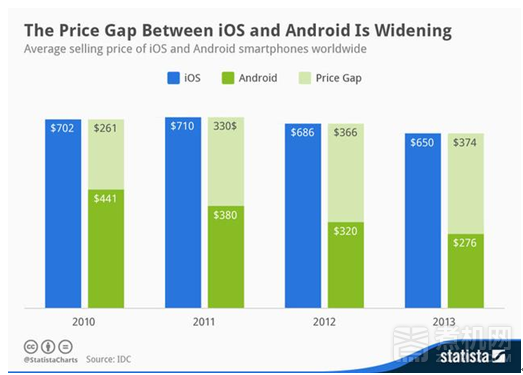
Of course, the regular customer won’t necessarily be willing to pay a high price for the best product. When buying a product, consumers don’t consider how many features a device has but how much money they would save in buying it. Looking back on the history of the industry, it’s easy to see that consumers buy smart phones when their prices are lowered. It’s the same with the laptop and PC. Portability and more features just help them.
Unfortunately, ASUS’ powerful features will lead to excessively high capital. ASUS’ “many-in-one” products are actually three devices (based on cell phones, tablets, and laptops) put together for five kinds of functions. That means that ASUS must solve its capital problem regarding its three devices. Obviously, ASUS can’t do it by itself but needs the entire industry to help.
High-end consumers may be the prime customers for expensive products but they care more about whether features can be more specialized. The only reason why high-end consumers want high-end SLR cameras, HiFi devices, handheld game consoles, and laptops is because they are more specialized for certain functions. However, ASUS “many-in-one” products are not specialized enough.
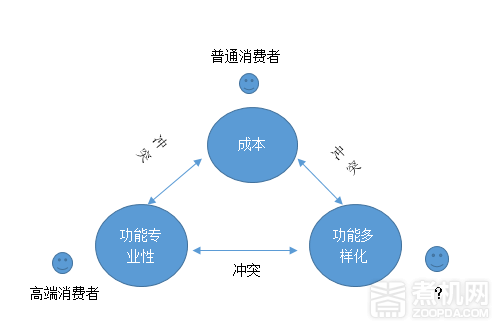
It’s hard to combine diversification with the specialization and capital of the device’s features. The two factors conflict with each other with the latter being more popular with consumers. The ordinary consumer cares more about costs while the high-end consumer cares more about specialization. Therefore, when companies make products, they should select one or the other.
Companies usually make two choices based on what kind of customer they’re targeting. One is toward the regular consumer, where they will try to use as little capital as possible, and then consider specialization and variation. The other is targeting the high-end consumer by first specializing their features, add more features, then, try to lower costs.
ASUS, however, has chosen another route with their “many-in-one” devices. Although they focus more on diversification, they do it differently. ASUS almost wants to make a new kind of consumer, who see diversification as more important than capital and specialization. But this is too idea. This kind of consumer may not even exist. ASUS does not know what to do.
ASUS’ confusion comes out in their products. They don’t know who they’re targeting and the consumer does not know why they should buy their products. Should they specialize their features more or control their capital more? Considering the concept of diversification, it is not clear whether they should specialize or just lower costs.
I believe that the ASUS has no choice but to change their strategy and think of a way to lower costs or to specialize their “many in one” products more. If they don’t want to do so, then they can only rely on time to solve their problems. They’re actually very good but they just came out at the wrong moment. Maybe in 3-5 years, the market will be ready for them. Nevertheless, it will be difficult for them to succeed right now.
OPPO has already held the big event on June 10th, 2014 at Beijing Park Art Center. The company is officially release their new smartphone OPPO N1 Mini and OPPO R3 smartphone.
We use cookies on our website to give you the most relevant experience by remembering your preferences and repeat visits. By clicking “Accept”, you consent to the use of ALL the cookies.
This website uses cookies to improve your experience while you navigate through the website. Out of these, the cookies that are categorized as necessary are stored on your browser as they are essential for the working of basic functionalities of the website. We also use third-party cookies that help us analyze and understand how you use this website. These cookies will be stored in your browser only with your consent. You also have the option to opt-out of these cookies. But opting out of some of these cookies may affect your browsing experience.
Necessary cookies are absolutely essential for the website to function properly. This category only includes cookies that ensures basic functionalities and security features of the website. These cookies do not store any personal information.
Any cookies that may not be particularly necessary for the website to function and is used specifically to collect user personal data via analytics, ads, other embedded contents are termed as non-necessary cookies. It is mandatory to procure user consent prior to running these cookies on your website.