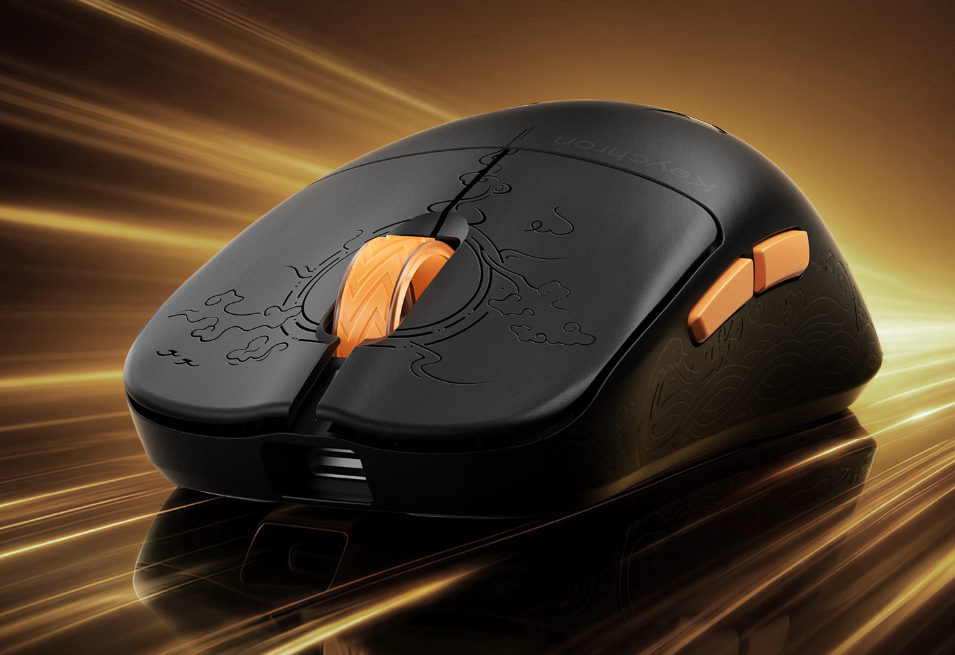
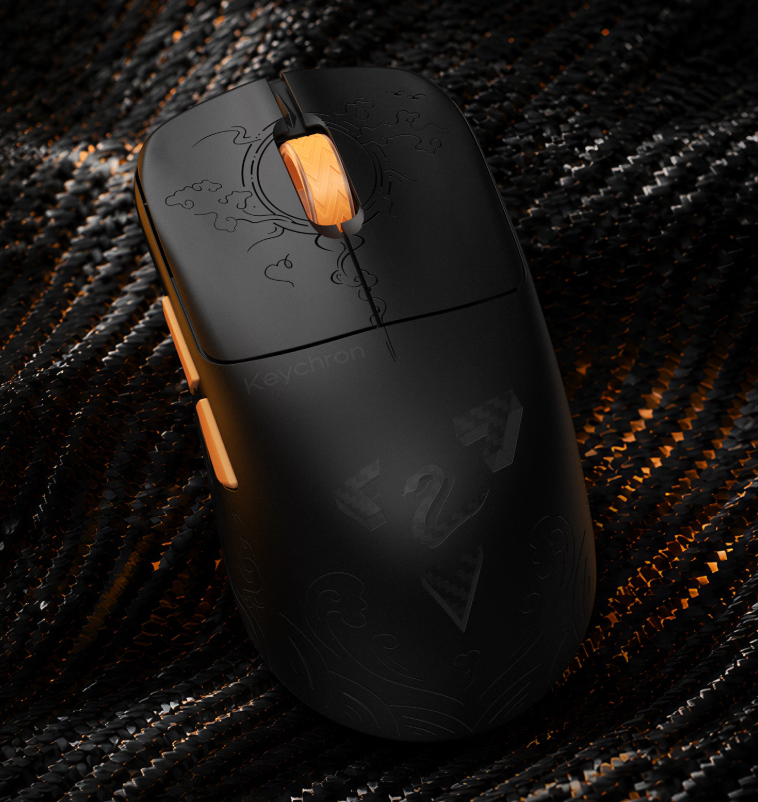
Keychron has introduced a new gaming mouse to the Chinese market called the G3 Air. It is priced at 599 yuan ($88) and is now available on JD.com.
Keychron G3 Air Specifications
The G3 Air weighs 43 grams. Instead of using a honeycomb shell with visible holes to reduce weight, Keychron opted for a solid shell made from a composite material containing 30% carbon fiber. The company says this allows the exterior plastic to be just 0.65mm thick while maintaining enough structural strength to prevent creaking or flexing during use. The internal frame also uses a cross-brace design for added rigidity.
In terms of dimensions, the mouse measures 120 x 63 x 38.3mm, which is generally suited for users with small to medium-sized hands. It has a symmetrical shape with a narrower middle section and a wider back, a standard design meant to work with palm, claw, or fingertip grip styles. The exterior has a matte, textured finish for better grip, and the bottom features standard 100% PTFE feet to help it glide smoothly across a mousepad.
Inside, the G3 Air is equipped with a PixArt PAW3950 optical sensor and a Nordic 54L15 controller. The sensor goes up to 30,000 DPI, handles tracking speeds of 750 IPS, and supports 50G acceleration. You can also adjust the lift-off distance between three different settings. For the main left and right clicks, Keychron is using TTC Falcon micro switches, which are rated for a lifespan of 80 million clicks.
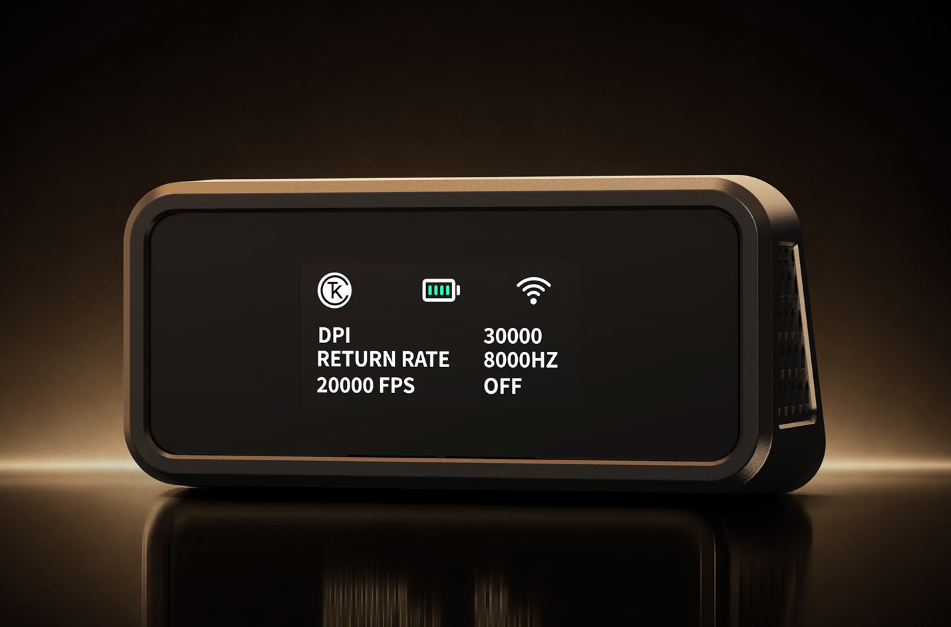
For connectivity, the mouse supports both a wired connection and 2.4GHz wireless. Both modes support an 8,000Hz polling rate. To support this, Keychron includes a dedicated 8K wireless receiver that features a small, built-in color display. This screen shows practical, real-time information like the current DPI, polling rate, and the remaining capacity of the mouse’s 200mAh battery.
The G3 Air is available in black and white color options. You can customize the sensor settings, polling rates, and button layouts through Keychron’s desktop software.
One of the biggest promises Samsung made around the Galaxy Z Fold 8 series is actually its folding mechanism, or more specifically, the titanium support structure behind the display panel.
It’s called “Flex Titanium”, and from Samsung’s press materials, it looks like a series of slim titanium bars placed around the crease area to provide additional support as the display is folded and unfolded. The goal is to reduce the visibility of the crease and protect the display as it’s folded and unfolded over a long period of time.
When the phone was first showcased around a week ago, we could see that the crease was almost invisible. That was pretty impressive because the Galaxy Z Fold 7 still had a noticeable crease, while some Chinese foldables like the Oppo Find N6 from earlier this year had already managed to make the crease far less visible.
Ice Universe posted a tweet on July 23, the day after the Galaxy Unpacked event, comparing the crease of four devices: Galaxy Z Fold 7, Z Fold 8, Oppo Find N6, and the Vivo X Fold 6.
The crease on the Z Fold 8 looked the flattest. The Oppo Find N6, sitting right next to the Fold 8, still had a quite visible crease. It appeared that Samsung has finally fixed the problem, and Galaxy Foldables will be the best in this aspect until the next release.
A week later:
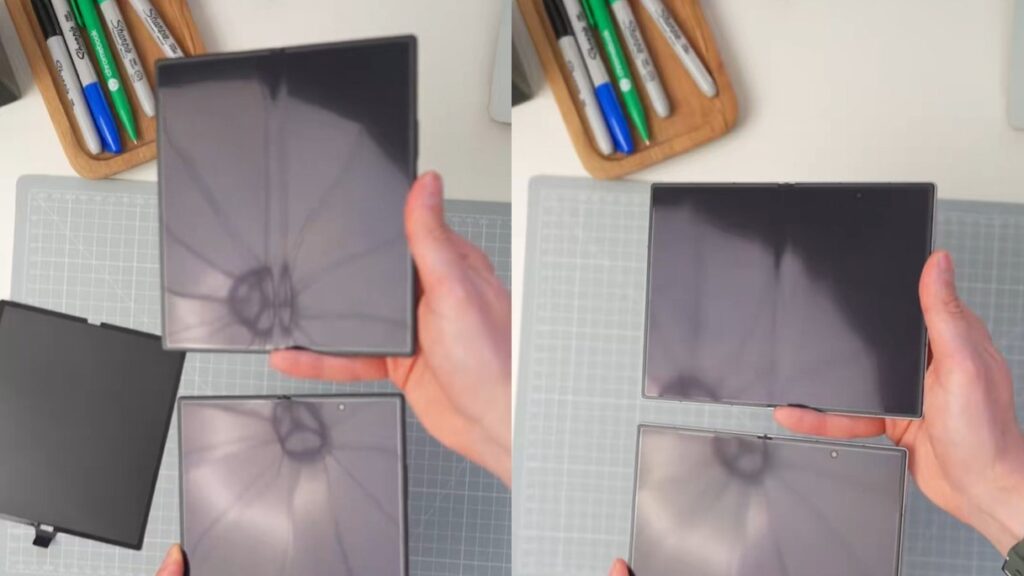
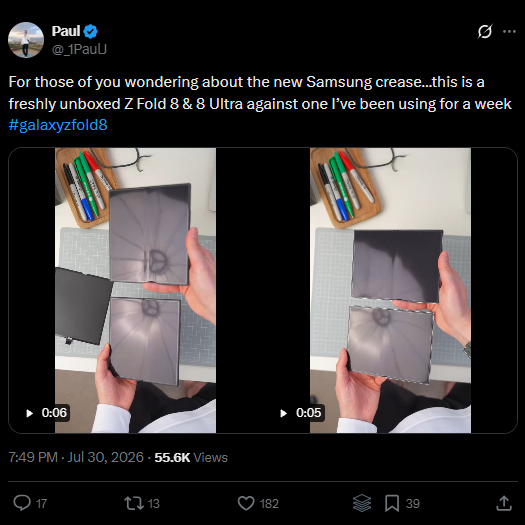
The Z Fold 8 series is set to go on sale on August 7 and is currently only in the hands of creators. One of them recently shared two short videos on X comparing brand-new Galaxy Z Fold 8 and Galaxy Z Fold 8 Ultra units with the review devices they’ve been using for the past week. The difference in crease visibility is immediately noticeable on both the standard and Ultra models.
The Oppo Find N6 maintained its crease much better after about a week of use. It will be interesting to see how Samsung’s new Flex Titanium technology holds up over the next year before the company unveils its successor.
Obsbot has released the Meet Flip, a $119 compact 4K webcam that relies on a folding mechanism rather than a standard plastic shutter for privacy. After an initial launch in China last month, the camera is now available globally through Obsbot’s website, Amazon, and select retailers.
Obsbot Meet Flip Specifications
The Meet Flip features a folding mechanism. Instead of relying on a sliding plastic shutter or a software-based mute button, the camera lens folds downward into the base. This physical action covers the lens and automatically places the device into sleep mode.
Opening the device wakes it up. The unit weighs 37.7 grams and includes a built-in unibody clip for attaching to laptop screens and external monitors. It also features a standard 1/4-inch thread on the bottom for tripod mounting.
Inside, the Meet Flip uses a 1/2-inch CMOS sensor with an f/1.8 aperture. It shoots in 4K at 30 frames per second or 1080p at 60 frames per second. Obsbot has included phase-detection autofocus (PDAF), which should help the camera lock onto subjects quickly without the focus-hunting effect common in standard webcams. It also supports HDR to balance out tricky lighting, such as sitting in front of a bright window.
For audio, the webcam features a dual-microphone setup with one directional and one omnidirectional mic. It offers four audio modes: directional for voice isolation, dual-directional for two-person conversations, omnidirectional for group settings, and raw stereo output for post-production editing.
Like most modern peripherals, it comes with a suite of software features via the Obsbot Center app. This includes standard auto-framing to keep you in the center of the shot and gesture controls for zooming or tracking. Obsbot is also pushing an AI Magic Notes feature that handles meeting transcripts and summaries across platforms like Zoom, Teams, and Google Meet. However, this is a subscription service; the camera only comes with 120 free minutes to start.
The Meet Flip connects via USB-C and supports integrations with the Elgato Stream Deck and OSC/API protocols. Obsbot says it is plug-and-play compatible with the Nintendo Switch 2 for direct gameplay recording and streaming.
After years of sitting on the sidelines of the high-end wearable market, the company that once helped shape the category looks like it’s gearing up for a comeback. Fresh renders shared by The Mac Observer on July 31 show a device internally called the Moto Watch Ultra, and it’s clearly being positioned as a potential rival to Samsung’s Galaxy Watch Ultra 2.
Motorola’s smartwatch story started more than a decade ago. In September 2014 the original Moto 360 showed up as one of the first widely available Android Wear watches. Its clean circular design got a lot of love and helped make the round smartwatch form factor popular at a time when most rivals were still stuck with square or rectangular faces. More models followed, but as Apple, Samsung, and Google doubled down on premium wearables, Motorola slowly drifted away from the flagship end of the market.
These new leaked images suggest that quieter period might be coming to an end. The Moto Watch Ultra is shown with a solid 46 mm stainless steel case, a circular display framed by a bezel with digital indices, a big rotating crown, and an extra physical side button.
Markings on the back hint at some serious flagship features. It appears to have built-in GPS and LTE, plus IP68 dust and water resistance and a 5 ATM rating (good for up to 50 metres). A large optical sensor array takes up a good chunk of the rear cover, pointing to solid health and fitness tracking. There’s also a four-pin magnetic charging port, which suggests Motorola will go with its own proprietary dock instead of regular wireless charging.
No official specs, software details, battery life numbers, pricing, or launch date have been confirmed yet. Still, the hardware cues make it pretty clear the company wants this one to play at the top of the market rather than just fill a mid-range slot.
If the finished product lives up to the ambition in these early images, Motorola could once again become a real contender in the flagship smartwatch space it helped kick off more than ten years ago.
Update as of Sep 16, 2026: MediaTek has released two new chipsets, the Dimensity 9600 Pro and Dimensity 9600M. It didn’t announce the regular Dimensity 9600, nor did it confirm its future release. So, the release of the Dimensity 9600 remains uncertain for now. Anyway, you can read more about the new chipsets here.
Original story as follows:
The Dimensity 9600 is expected to be unveiled in September and is poised to be one of the most significant upgrades in recent years. One of the biggest highlights will be the move to a 2nm node, which alone brings a major boost to performance and efficiency. Plus, a radical new CPU structure would strongly challenge Apple’s historical lead in single-core dominance.
The official debut is still at least a month away, but there have been extensive leaks about Dimensity 9600. So, we already know how big an upgrade this could be over last year’s Dimensity 9500.
Dimensity 9600 vs Dimensity 9500: The upgrades look promising
Note: A recent leak suggested MediaTek may not release the standard Dimensity 9600. It could be released as the Dimensity 9600 Pro, alongside the Dimensity 9600 Pro Max. Since we don’t have solid evidence yet, we’re still going with Dimensity 9600 for this article, but the leak is worth keeping in mind.
The move to a 2nm node
The Dimensity 9600 is almost certain to use TSMC’s latest and most advanced 2nm node. It won’t just be just a standard size reduction, but will mark a major architectural revolution in chip design in over a decade.
TSMC’s 2nm node switches to a completely new structure called GAA (Gate-All-Around), which offers near-perfect control over the flow of power and stops energy leakages that plague 3nm chips. The new node is expected to consume about 25–30% less power.
At the same power level, the Dimensity 9600 would consume much less power than its predecessor. This allows chips to offer higher peak performance, which is why the Dimensity 9600 is rumored to hit nearly 5.0 GHz in peak CPU speed.
Moving beyond the single super core limitation
The Dimensity 9500 and previous MediaTek chips have relied on a single super core for the heavy lifting and smaller cores for everything else. The upcoming Dimensity 9600 reportedly moves to a 2+3+3 design, featuring two super cores. This effectively doubles the chip’s capacity for burst tasks, such as launching heavy apps or processing instant computational photography.
The Dimensity 9600’s CPU cluster could look like:
2 x Cortex-X series super cores (codenamed “Canyon”)
3 x Cortex-A series performance cores (codenamed “Gelas-B”)
3 x Cortex-A series efficiency cores (codenamed “Gelas”)
The Dimensity 9600 Pro is rumored to hit 5.0 GHz in peak CPU speed, while the standard Dimensity 9600 is expected to get a lower-clocked version. However, both versions are expected to feature the same CPU layout.
The Dimensity 9600 is expected to offer ARM’s next-generation Immortalis GPU, codenamed “Magni,” with hardware-level frame interpolation, allowing the chip to insert frames at the silicon level rather than through software tricks. This means games running at 60 fps can target 120 fps with better visuals and lower latency than software-based frame interpolation.
Ray tracing capabilities have also reportedly been enhanced to deliver more realistic lighting and shadows, bringing them closer to PC-and console-level experiences.
Major NPU upgrades tag along
The Dimensity 9600 is said to bring major upgrades to NPU architecture, specifically designed to elevate agentic AI capabilities. This could be why OpenAI is rumored to use the same chip in its upcoming agent-focused smartphone.
According to leaks, the Dimensity 9600 will introduce a Dual-NPU design that splits tasks between a high-power NPU for heavy generation and a low-power NPU for always-on listening and context awareness. The new chip is also expected to introduce a Neural Shader Scheduler, which will intelligently decide whether a task is suited for NPU or the GPU, to reduce power draw.
The Dimensity 9600 is also said to add hardware support for Scalable Matrix Extension 2 (SME2), which is expected to significantly accelerate the matrix math used by large language models (LLMs) like Gemini Nano.
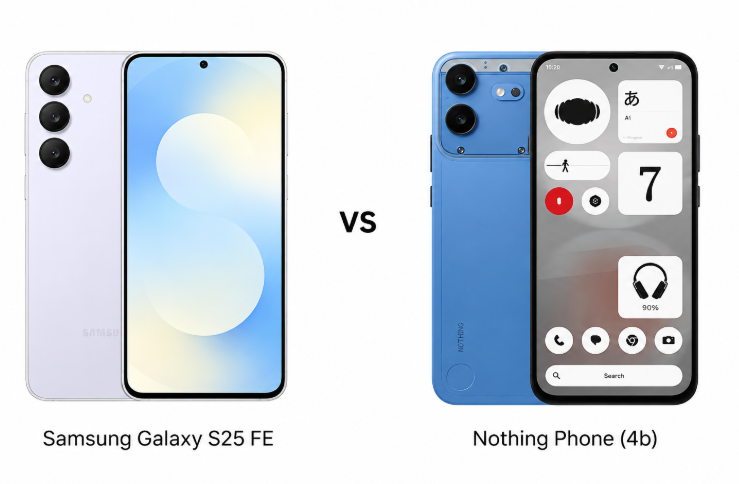
If you’re choosing between a premium flagship experience and a feature-packed mid-range contender, the Samsung Galaxy S25 FE and Nothing Phone (4b) offer two very different approaches. One focuses on flagship performance, premium cameras, and long-term software support, while the other delivers excellent battery life and value at a lower price. Here’s how they compare across every important category.
Major Features:
Category
Samsung Galaxy S25 FE
Nothing Phone (4b)
Winner
Build Quality
Gorilla Glass Victus+, aluminum frame, IP68
Glass front, plastic frame/back, IP64
Samsung – Premium build & better durability
Display
6.7-inch Dynamic LTPO AMOLED 2X, 120Hz, HDR10+
6.77-inch AMOLED, 120Hz
Samsung – LTPO & HDR10+ panel
Peak Brightness
1900 nits
2000 nits
Nothing – Higher peak brightness
Display Protection
Gorilla Glass Victus+
Dragontail Pro Glass
Samsung – Better protection
Processor
Exynos 2400
Snapdragon 6 Gen 4
Samsung – Flagship performance
GPU
Xclipse 940
Adreno 810
Samsung – More powerful graphics
Storage
UFS 4.0
UFS 2.2
Samsung – Much faster storage
RAM & Storage Options
Up to 512GB, 8GB RAM
Up to 256GB, 8GB RAM
Samsung – More storage choices
Software Support
7 Android upgrades
3 Android upgrades
Samsung – Outstanding longevity
Main Camera
50MP OIS
50MP OIS
Samsung – Better image processing
Telephoto Camera
8MP with 3x optical zoom
No
Samsung – Dedicated zoom lens
Ultrawide Camera
12MP
8MP
Samsung – Higher-quality ultrawide
Video Recording
Up to 8K HDR10+
Up to 4K
Samsung – Superior video capabilities
Selfie Camera
12MP, 4K60
16MP, 1080p
Samsung – Better selfie video
Battery
4900mAh
5200mAh Global / 6000mAh India
Nothing – Longer battery life
Wired Charging
45W
33W
Samsung – Faster charging
Wireless Charging
15W + Reverse Wireless
Not supported
Samsung – Wireless convenience
Connectivity
Wi-Fi 6E, Bluetooth 5.4, USB 3.2
Wi-Fi 6, Bluetooth 6.0, USB 2.0
Samsung – Faster overall connectivity
Extra Features
Samsung DeX, Wireless DeX, Qi2
Notification LED
Samsung – More productivity features
Price
Priced around $650 / ₹50,000
Priced around $420 / ₹35,000
Nothing – Better affordability
Overall Value
Premium flagship experience
Excellent mid-range value
Samsung – Better all-round smartphone
Disclaimer: Specs are based on available data. Actual performance may vary. Verify details from official sources before buying.
The Samsung Galaxy S25 FE delivers a noticeably more premium experience with Gorilla Glass Victus+ on both the front and back, an aluminum frame, and an IP68 rating for dust and water resistance. Samsung also adds its Enhanced Armor Aluminum frame, making the device feel more durable for long-term everyday use. The Nothing Phone (4b) follows a different approach with its signature transparent-inspired design, notification LED interface, and plastic frame and back. While it has a distinctive personality, its IP64 rating offers less protection against water and dust. Those looking for durability may naturally lean toward Samsung, while users who enjoy unconventional styling may appreciate Nothing’s unique identity.
Display Quality
Samsung equips the Galaxy S25 FE with a 6.7-inch Dynamic LTPO AMOLED 2X display supporting HDR10+, adaptive 120Hz refresh rate, and up to 1900 nits peak brightness. The LTPO panel also improves power efficiency by dynamically adjusting refresh rates. The Nothing Phone (4b) features a slightly larger 6.77-inch AMOLED display with a fixed 120Hz refresh rate, 480Hz PWM dimming, and up to 2000 nits peak brightness. Although Nothing reaches a higher peak brightness on paper, Samsung’s HDR support, LTPO technology, and overall display calibration create a more refined viewing experience for media consumption.
Verdict
Samsung Galaxy S25 FE offers a stronger overall package thanks to its premium materials, superior protection, and more advanced display technology, while the Nothing Phone (4b) stands out mainly for its unique design language.
2. Specifications Including Battery
Performance
The Galaxy S25 FE is powered by Samsung’s Exynos 2400 chipset built on a 4nm process, paired with the Xclipse 940 GPU and fast UFS 4.0 storage. Combined with Android 16 and seven years of major OS upgrades, it delivers flagship-level multitasking, gaming performance, and excellent long-term software support. The Nothing Phone (4b) runs on the Snapdragon 6 Gen 4 processor with Adreno 810 graphics and UFS 2.2 storage. It handles everyday tasks smoothly but is designed more for mid-range users than demanding gamers or heavy multitaskers. Samsung’s hardware simply leaves much more performance headroom for future apps and updates.
Battery and Charging
Samsung includes a 4900mAh battery with 45W wired charging, 15W wireless charging, Qi2 compatibility, and reverse wireless charging. Nothing counters with a larger 5200mAh international battery and an impressive 6000mAh Indian variant alongside 33W wired charging and reverse wired charging. Battery life is expected to favor Nothing, particularly in India, while Samsung compensates with faster charging versatility and wireless convenience.
Verdict
Nothing Phone (4b) excels in battery endurance, but the Galaxy S25 FE delivers a far more balanced experience through flagship performance, faster storage, wireless charging support, and industry-leading software longevity.
3. Camera
Main and Secondary Lenses
Samsung equips the Galaxy S25 FE with a versatile triple-camera setup featuring a 50MP primary sensor with OIS, a dedicated 8MP telephoto lens offering 3x optical zoom, and a 12MP ultrawide camera. Video recording extends up to 8K with HDR10+ support, making it a capable device for both photography and videography. The Nothing Phone (4b) includes a 50MP primary camera with OIS and an 8MP ultrawide sensor but lacks a dedicated telephoto camera. It supports 4K video recording and delivers respectable results for everyday photography, though it cannot match Samsung’s flexibility. The additional zoom lens makes a meaningful difference for portraits and distant subjects.
Selfie Camera
Samsung’s 12MP front camera supports 4K recording at up to 60fps with HDR10+, producing detailed and smooth videos. Nothing offers a higher-resolution 16MP selfie camera, but video recording is limited to 1080p. For content creators and video calls, Samsung delivers a noticeably more premium front-camera experience.
Verdict
The Galaxy S25 FE clearly leads in camera versatility, zoom capabilities, video recording quality, and overall imaging performance. Nothing performs well for casual users but targets a different performance segment.
4. Pricing
The Samsung Galaxy S25 FE is priced around $650 (₹50,000), placing it firmly in the premium smartphone category. At this price, buyers receive flagship-grade performance, premium materials, wireless charging, Samsung DeX, seven years of Android updates, and a highly capable camera system. The Nothing Phone (4b) is priced around $420 (₹35,000), making it significantly more affordable while still offering a smooth AMOLED display, large battery, clean Nothing OS experience, and respectable everyday performance. The price gap reflects the difference in overall hardware and long-term capabilities rather than branding alone.
Is the Price Justified? Is It Value for Money
Samsung’s pricing is justified for buyers seeking flagship features and long software support. Nothing provides stronger value for budget-conscious users who prioritize battery life, clean software, and distinctive design over flagship performance.
Verdict
For maximum value under ₹35,000, the Nothing Phone (4b) is an excellent choice. For users willing to spend more, the Galaxy S25 FE delivers a noticeably richer feature set that justifies its premium pricing.
Disclaimer: Prices are approximate and may vary based on country, region, launch timing, and applicable taxes. Always check whether the listed price is for a China unit or a global/international variant when purchasing.
5. Conclusion
Galaxy S25 FE distinguishes itself with Samsung DeX, Wireless DeX, Qi2-compatible wireless charging, reverse wireless charging, an LTPO AMOLED display, UFS 4.0 storage, flagship Exynos 2400 performance, IP68 durability, a dedicated telephoto camera, and an exceptional seven years of Android updates. These features make it well-suited for productivity, gaming, photography, and long-term ownership.
Nothing Phone (4b) counters with its signature Glyph-inspired notification LED system, clean Nothing OS 4.1 interface, impressive battery capacity, especially the 6000mAh Indian variant, and a competitive price that appeals to users looking for a fresh software experience without spending flagship money. Each phone targets a different audience rather than competing on identical priorities.
Verdict
The Samsung Galaxy S25 FE is the stronger all-around smartphone thanks to its flagship-grade performance, premium build, superior cameras, advanced display, and unmatched software commitment. The Nothing Phone (4b) remains an excellent value-focused alternative with outstanding battery life and distinctive design, making it a smart choice for users who want a capable everyday smartphone at a considerably lower price.
Disclaimer: This comparison is based on the specifications provided and is intended for general informational purposes. Actual performance, camera results, battery life, and overall experience may vary depending on real-world usage, software updates, and individual preferences.
TV speakers still sound thin, even on sets with gorgeous picture quality. Physics is mostly to blame here — TVs keep getting slimmer, and there’s just not enough room inside for drivers big enough to fill a living room with sound. Some brands squeeze in decent audio on their priciest models, but you’re usually paying thousands of dollars just for that.
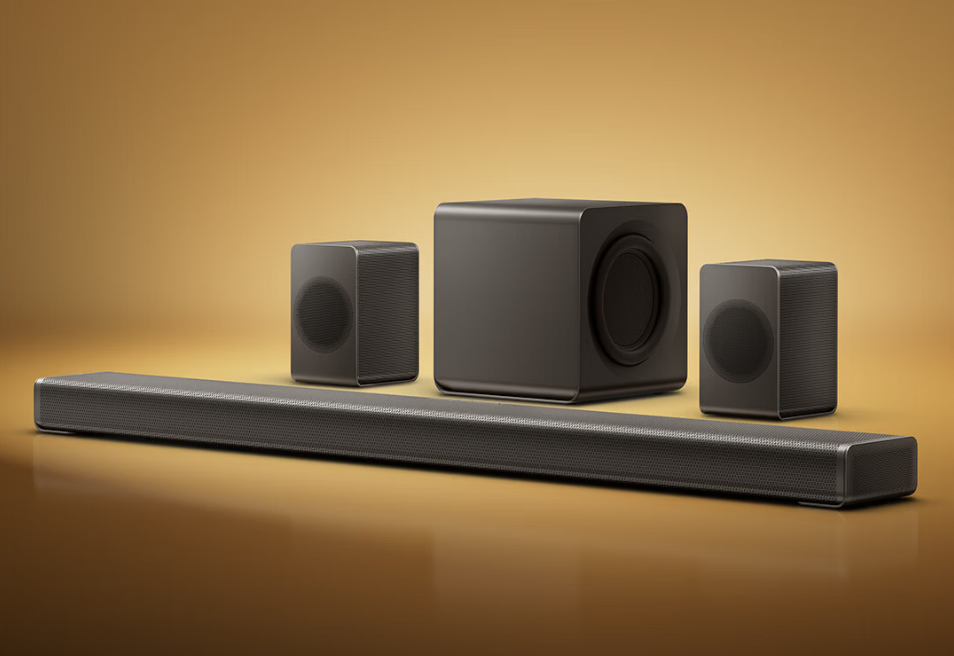
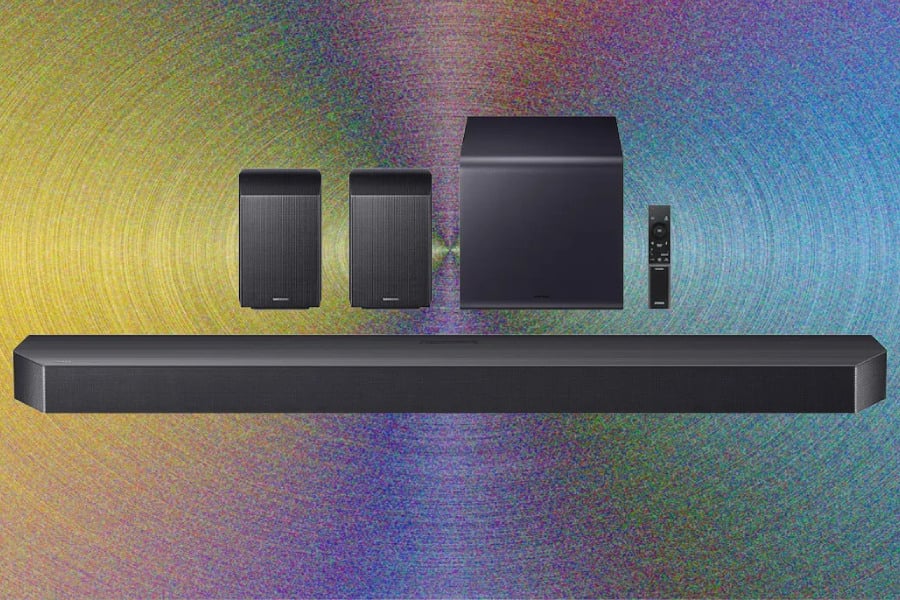
The cheaper fix is a soundbar, and we have two new contenders in this category. TCL has just announced the Q95K in China with 1420W peak output and 11.1.4-channel audio. Samsung, meanwhile, refreshed its home audio lineup for 2026 after the HW-Q990F won major awards throughout 2025.
TCL Q95KSamsung HW-Q990F
Both offer a full, room-filling home theater setup without stacking separate speakers around your living room. Here is how they compare.
For a wider range of prices and setups beyond these two flagships, our rundown of the best soundbars of 2026 covers the field.
TCL’s Q95K ships as a four-piece system. You get the main bar, a wireless subwoofer, and two wireless rear speakers. Inside, the company packs 22 physical drivers across 12 independent amplifier chips, which TCL says cuts down on crosstalk between channels. The subwoofer uses two opposing 7-inch drivers that are meant to reduce vibration when the bass gets heavy.
The Samsung HW-Q990F takes a similar four-piece approach: a main bar, a subwoofer, and two rear speakers. Samsung redesigned the subwoofer this year, making it smaller and about one pound lighter than the unit that shipped with the older HW-Q990D. The bar itself mixes aluminum with plastic, a change from the nearly all-metal build of last year’s model. Both companies clearly built these systems for wall mounting, and both use a dark, minimal look that avoids fabric mesh covers.
2. Channels, Power, and Audio Formats
The TCL Q95K is the loudest thing on paper, and it’s not even close. It runs an 11.1.4-channel setup with a peak output of 1,420 watts, and TCL says the system covers a frequency range of 30Hz to 20kHz while keeping distortion under 1 percent. TCL partnered with Bang & Olufsen on the tuning, and the pairing comes with a Beosonic app interface that lets you adjust sound profiles from your phone.
Samsung’s HW-Q990F also runs 11.1.4 channels, spread across 16 real speaker channels rather than TCL’s higher driver count. Samsung leans on its own software instead of an outside audio partner, with SpaceFit Sound Pro handling room calibration and an Active Voice Amplifier feature meant to keep dialogue clear at lower volumes.
Both bars support Dolby Atmos and DTS:X, so the format support lines up closely. Where they differ is in the extras: Samsung can also decode Dolby TrueHD and Dolby Digital Plus.
If you own a TV from the same brand as your soundbar, both systems reward you for it. TCL has a T-Chord feature that lets you sync the soundbar with the speakers built into compatible TCL TVs. Samsung’s version, Q-Symphony, does the same thing with recent Samsung TVs, and premium Samsung sets can even send Dolby Atmos audio to the Q990F wirelessly.
3. Connectivity and Gaming Features
For gamers, the TCL Q95K includes three HDMI 2.1 ports with 48Gbps bandwidth, and it passes through 4K video at up to 144Hz along with Variable Refresh Rate and Auto Low Latency Mode. Samsung’s HW-Q990F covers similar ground with two HDMI 2.1 inputs plus an HDMI eARC output, 4K passthrough at 120Hz, and its own VRR support.
For wireless streaming, TCL includes Wi-Fi 6, Bluetooth, Apple AirPlay 2, and Spotify Connect. Samsung offers Wi-Fi, Bluetooth 5.0, AirPlay 2, and a longer list of streaming services that includes Tidal Connect, Amazon Music, and Deezer, plus Amazon Alexa voice control built in.
4. Price and Availability
This is where the two systems pull furthest apart. The TCL Q95K costs 6,999 yuan in China, which works out to roughly $1,034. TCL also sells two step-down models alongside it: the Q85K at around $886 and the Q75K at around $694. The catch, however, is availability. As of now, the Q95K has only launched in China, and TCL has not given a timeline for a US, UK, or other Western release.
The Samsung HW-Q990F, by contrast, is already sold worldwide and was tested at £1,699 / $1,999 / AU$1,999 at launch. That is close to double the price of the TCL Q95K’s Chinese sticker price, though prices for Samsung’s Q-series soundbars, including the older HW-Q990C, tend to drop over time as newer models arrive.
5. Which One Should You Choose?
Right now, this comparison comes with an asterisk. If you live outside China, you cannot buy the TCL Q95K yet, unless you decide to import. That leaves the Samsung HW-Q990F as the only one of the two you can actually order today, and fortunately, reviewers have consistently rated it as one of the best Dolby Atmos soundbars on the market.
If TCL does bring the Q95K to Western markets, the pitch will become more interesting. It offers more physical drivers, a higher peak wattage figure, and a Bang & Olufsen tuning partnership, all at a price well below Samsung’s flagship. That said, Samsung still has the edge in software maturity, format support, streaming service variety, and a long track record of holding the top spot in global soundbar sales.
For now, buyers outside China have one clear option in this matchup. Buyers inside China get a genuinely tempting alternative, and the rest of the world will just have to wait and see if TCL brings the Q95K home.
For more daily updates, please visit ourNews Section.
Choosing between the Redmi Note 17 Pro and the OnePlus Nord CE 6 isn’t as straightforward as their price tags suggest. One focuses on massive battery life and rugged durability, while the other delivers stronger performance, better cameras, and a smoother display. Here’s a detailed comparison to see which smartphone offers the better overall value for your money.
Major Features:
Category
Redmi Note 17 Pro
OnePlus Nord CE 6
Winner
Design & Durability
IP68/IP69, Gorilla Glass Victus 2, 3m drop resistance
IP68/IP69, MIL-STD-810H compliance
Redmi – Better screen protection and drop resistance
Display
6.83-inch AMOLED, 120Hz, 3,500 nits
6.78-inch AMOLED, 144Hz, HDR, 3,600 nits
OnePlus – Smoother refresh rate and HDR support
Processor
Snapdragon 6s Gen 4
Snapdragon 7s Gen 4
OnePlus – Significantly faster chipset
GPU
Adreno
Adreno 810
OnePlus – Better graphics performance
RAM & Storage
Up to 12GB RAM, 512GB, UFS 3.1
Up to 8GB RAM, 256GB, UFS 3.1
Redmi – More RAM and storage options
Software
Android 16, HyperOS 3
Android 16
Redmi – More feature-rich software experience
Rear Camera
50MP + Auxiliary, 1080p video
50MP OIS + Auxiliary, 4K video
OnePlus – OIS and 4K recording
Selfie Camera
8MP
32MP with 4K video
OnePlus – Much better selfies and video
Battery
9,000mAh
8,000mAh (India)
Redmi – Outstanding battery capacity
Charging
67W wired
80W wired, PPS, bypass charging
OnePlus – Faster and more advanced charging
Audio
Stereo speakers
Stereo speakers
Tie – Similar experience
Connectivity
Wi-Fi 5, Bluetooth 5.1, NFC, IR Blaster
Wi-Fi 6, Bluetooth 5.2, aptX HD, LHDC 5
OnePlus – Better wireless connectivity
Build Features
Ultrasonic proximity, NFC, IR Blaster
NFC (region dependent), IR Blaster
Redmi – Better sensor implementation
Price / Value
Priced around $235 / ₹22,690
Priced around $330 / ₹30,000
Redmi – Better value for money
Overall Winner
OnePlus – Better overall performance, display, cameras, and charging despite the higher price
Disclaimer: Specs are based on available data. Actual performance may vary. Verify details from official sources before buying.
Both smartphones offer premium durability despite targeting the mid-range segment. The Redmi Note 17 Pro features IP68/IP69 certification, enhanced drop resistance, and Gorilla Glass Victus 2 protection, making it particularly appealing for users who prioritize ruggedness. The OnePlus Nord CE 6 also carries IP68/IP69 certification alongside MIL-STD-810H compliance, giving it a solid reputation for handling everyday wear. The Redmi feels more focused on long-term durability, while the OnePlus leans toward a refined everyday experience.
Display Quality
The Redmi Note 17 Pro sports a 6.83-inch AMOLED panel with a 120Hz refresh rate, 3,500 nits peak brightness, and support for 68 billion colors. The OnePlus Nord CE 6 counters with a slightly smaller 6.78-inch AMOLED display offering a faster 144Hz refresh rate, HDR support, one billion colors, and up to 3,600 nits peak brightness. While Redmi delivers vibrant visuals, the Nord CE 6 provides smoother animations and richer HDR content, making it feel more premium during gaming and media consumption.
Verdict
The Redmi Note 17 Pro excels in toughness and screen protection, but the OnePlus Nord CE 6 delivers the more complete display experience with its higher refresh rate, HDR support, and stronger multimedia appeal.
2. Specifications Including Battery
Performance
Performance is where the gap becomes noticeable. The Redmi Note 17 Pro runs on Qualcomm’s Snapdragon 6s Gen 4 chipset paired with up to 12GB RAM and UFS 3.1 storage on higher variants. It comfortably handles daily tasks, streaming, and casual gaming. The OnePlus Nord CE 6 uses the significantly more powerful Snapdragon 7s Gen 4 processor with the newer Adreno 810 GPU, offering faster app launches, better multitasking, and stronger gaming performance. It is also better positioned for future Android updates and demanding applications.
Battery and Charging
Battery life is one of Redmi’s biggest strengths, thanks to its enormous 9,000mAh silicon-carbon battery with 67W fast charging and reverse charging support. The OnePlus Nord CE 6 offers an 8,000mAh battery in India (7,500mAh globally) with quicker 80W charging, bypass charging, and improved PPS support. Redmi lasts longer between charges, while OnePlus spends less time connected to the charger.
Verdict
Choose the Redmi Note 17 Pro for maximum endurance. Choose the OnePlus Nord CE 6 if faster performance and quicker charging matter more than absolute battery capacity.
3. Camera
Main and Secondary Lenses
Both phones feature a 50MP primary camera, but their imaging capabilities differ considerably. The Redmi Note 17 Pro relies on PDAF without optical image stabilization and is limited to 1080p video recording. It captures decent daylight images suitable for social media and everyday photography, but struggles to match higher-end competitors. The OnePlus Nord CE 6 includes optical image stabilization, a color spectrum sensor, and supports 4K video recording with gyro-EIS. Videos appear steadier, and low-light photography benefits from the stabilized sensor, making the camera system noticeably more versatile.
Selfie Camera
The Redmi uses a basic 8MP front camera capable of recording 1080p video. The OnePlus Nord CE 6 offers a much sharper 32MP selfie camera with 4K recording and gyro-EIS, delivering significantly better selfies, video calls, and creator-focused content. Users who frequently use the front camera will appreciate the extra detail and improved stabilization.
Verdict
The OnePlus Nord CE 6 clearly leads in photography and videography. Better stabilization, superior video recording, and a higher-resolution selfie camera make it the stronger choice for content creators and photography enthusiasts.
4. Pricing
The Redmi Note 17 Pro is priced around $235 (₹22,690), making it one of the most affordable smartphones with a massive 9,000mAh battery and premium durability features. The OnePlus Nord CE 6 is priced around $330 (₹30,000), placing it in a higher price bracket while offering a more capable processor, superior cameras, a smoother display, and faster charging. The price difference is noticeable, but both devices target different priorities.
For buyers focused on battery life and overall affordability, the Redmi delivers excellent value without sacrificing everyday usability. The OnePlus Nord CE 6 asks for a higher investment but rewards users with stronger long-term performance, better multimedia capabilities, and a noticeably more capable camera system. The additional cost feels justified for users who want a more balanced smartphone experience rather than simply the biggest battery.
Verdict
The Redmi Note 17 Pro offers outstanding value for budget-conscious buyers, while the OnePlus Nord CE 6 justifies its premium with meaningful upgrades across performance, display, charging, and cameras.
Disclaimer: Prices are approximate and may vary based on country, region, launch timing, and applicable taxes. Always check whether the listed price is for a China unit or a global/international variant when purchasing.
5. Conclusion
The Redmi Note 17 Pro stands out with its huge 9,000mAh silicon-carbon battery, Gorilla Glass Victus 2 protection, impressive durability, and aggressive pricing. It is designed for users who value extended battery life and dependable everyday performance above everything else. The OnePlus Nord CE 6 differentiates itself with the Snapdragon 7s Gen 4 chipset, 144Hz HDR AMOLED display, optical image stabilization, 4K recording on both front and rear cameras, faster 80W charging, and bypass charging. These additions create a more polished flagship-inspired experience.
Verdict
Redmi Note 17 Pro is the better choice for users seeking exceptional battery life and maximum value at a lower price. However, the OnePlus Nord CE 6 is the more complete smartphone overall. Its superior processor, better cameras, smoother display, faster charging, and enhanced multimedia features make it a stronger long-term investment for buyers willing to spend more.
Those prioritizing overall balance and performance will find the OnePlus Nord CE 6 easier to recommend, while battery-focused users will be highly satisfied with the Redmi Note 17 Pro.
Disclaimer: This comparison is based on the specifications provided and is intended for general informational purposes. Actual performance, camera results, battery life, and overall experience may vary depending on real-world usage, software updates, and individual preferences.
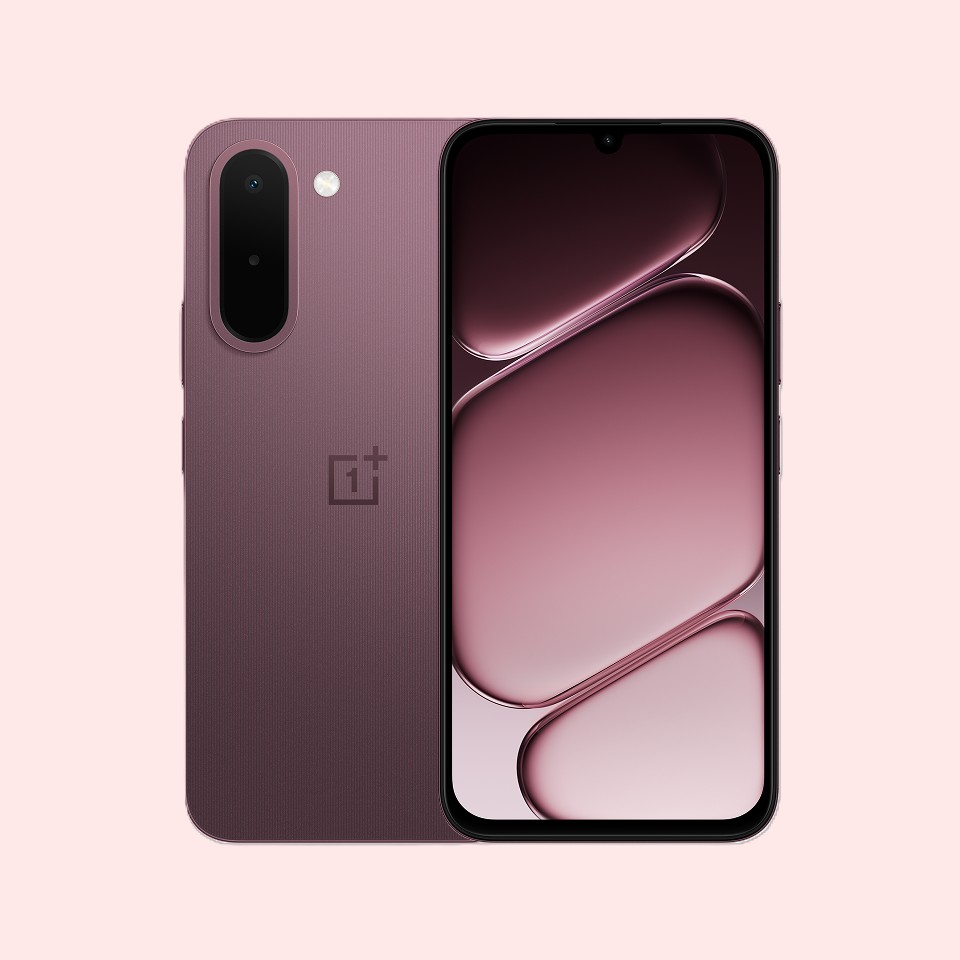
OnePlus has finally launched the N6x, which sits below the N6 from earlier this year. It retains many of the specifications of the N6 while costing a little less for the same configuration, which could make the trade-offs worthwhile for some people.
The OnePlus N6x is positioned as an absolute entry-level device with an IPS LCD display and a starting configuration of 4GB+64GB.
The good news is that it still uses the Dimensity 6360 Apex chipset, the same one found in the OnePlus N6. That means you shouldn’t notice any difference in raw performance. As for heat dissipation, the company claims it features the segment’s largest vapor chamber, with an area of 5,300 mm².
Just like the N6, the display has a 720p resolution. However, the typical and peak brightness numbers are a little lower: 700 nits typical, down from 975 on the N6, and 900 nits in HBM mode, down from 1,200. It still refreshes at 120 Hz, so lightweight tasks like scrolling through settings, social media, or the app drawer should feel smooth.
The battery capacity is about what you would expect in this price range in 2026. It’s 7,000 mAh, which is 1,000 mAh smaller than the OnePlus N6. The bigger compromise is charging speed. While the N6 supports 45 W wired charging, the N6x is limited to 15 W. If you’ve gotten used to fast charging and often rely on a quick 20–30% top-up before heading out, 15 W charging will take some getting used to.
Of course, OnePlus is highlighting the upside of the larger battery. The company claims up to 2.5 days of battery life on a single charge.
The camera setup is fairly simple: a 13MP main sensor paired with a 5MP selfie camera. For comparison, the N6 features a higher-resolution 50MP main camera and an 8MP selfie camera.
Price and availability:
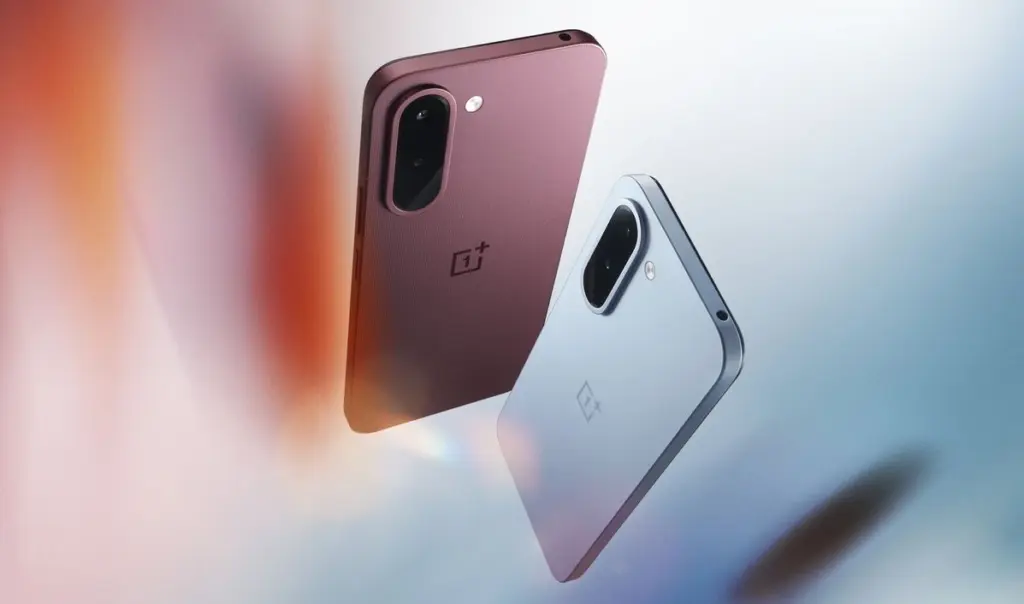
The N6x comes in two color options: Burgundy Red and Ice Blue. It will go on sale in India on August 4, 2026.
It comes in two configurations: the 4GB + 64GB variant is priced at ₹18,999, while the 4GB + 128GB variant costs ₹20,999. For comparison, the 4GB + 128GB variant of the N6 is currently priced at ₹22,999 on Amazon.
Redmi Note 17 Pro and Nothing Phone (4a) target very different priorities despite competing in the same segment. Redmi focuses on unmatched battery life, rugged durability, and value, while Nothing aims to deliver a premium software experience, stronger performance, and a far more capable camera system. This comparison breaks down every major category to help determine which smartphone offers the better overall value for your needs.
Major Features:
Category
Redmi Note 17 Pro
Nothing Phone (4a)
Winner
Display
6.83-inch AMOLED, 120Hz, 3,500 nits, Gorilla Glass Victus 2
The Redmi Note 17 Pro focuses on durability with IP68/IP69K dust and water resistance, certified protection against high-pressure water, and impressive drop resistance. Gorilla Glass Victus 2 further strengthens the front, making it a practical option for users who prioritize longevity. The Nothing Phone (4a) follows a more premium-looking approach with a glass back, Gorilla Glass 7i protection, and the signature rear notification LED that gives it a distinctive identity. Its IP64 rating is suitable for everyday splashes but cannot match Redmi’s rugged protection. Those looking for a phone built to withstand demanding conditions may naturally lean toward Redmi, while Nothing feels more stylish and modern.
Display Quality
Both phones feature large AMOLED panels with a 120Hz refresh rate for smooth scrolling. Redmi delivers a brighter 3,500-nit peak display with 3,840Hz PWM dimming and Gorilla Glass Victus 2, making it excellent for outdoor use. Nothing counters with a 1-billion-color AMOLED panel, HDR10+, Ultra HDR support, and an even higher advertised 4,500-nit peak brightness for HDR content, producing richer visuals during supported playback. Both displays are sharp, but Nothing’s color accuracy and HDR capabilities create a more premium viewing experience.
Verdict
Redmi Note 17 Pro wins on durability and protection, while Nothing Phone (4a) offers the more refined multimedia display. Users focused on entertainment may appreciate Nothing more, whereas Redmi is the safer choice for long-term reliability.
2. Specifications Including Battery
Performance
The Redmi Note 17 Pro runs on the Snapdragon 6s Gen 4 with Android 16 and HyperOS 3, delivering dependable performance for daily tasks, casual gaming, and multitasking. However, the Nothing Phone (4a) is powered by the newer Snapdragon 7s Gen 4 paired with the Adreno 810 GPU, offering noticeably stronger CPU and graphics performance. It also promises up to three major Android upgrades, adding long-term software value. Faster UFS 3.1 storage is available across most variants on both devices, although Redmi’s base model still uses UFS 2.2.
Battery and Charging
Battery capacity is where Redmi takes a commanding lead with its massive 9,000mAh silicon-carbon battery supported by 67W wired charging and 22.5W reverse wired charging. Nothing uses a 5,080mAh global battery or a 5,400mAh Indian variant with 50W fast charging and 7.5W reverse charging. Redmi easily lasts much longer between charges, making it ideal for heavy users and travelers.
Verdict
Nothing Phone (4a) is clearly the faster smartphone with better long-term software support, but Redmi Note 17 Pro dominates battery endurance by a significant margin. The better choice depends on whether performance or longevity matters more.
3. Camera
Main and Secondary Lenses
Camera hardware separates these two phones dramatically. Redmi Note 17 Pro includes a basic 50MP primary camera with an auxiliary sensor that mainly supports depth information, making it suitable for everyday photography but limited in versatility. Nothing Phone (4a) features a far more capable triple-camera setup consisting of a 50MP primary sensor with OIS, a 50MP periscope telephoto camera offering 3.5x optical zoom, and an 8MP ultrawide camera. It also records 4K video with Dolby Vision HDR, gyro-EIS, and optical stabilization, providing much greater flexibility for photography and videography. The difference is noticeable even before considering zoom performance.
Selfie Camera
Nothing continues its advantage with a high-resolution 32MP front camera compared to Redmi’s 8MP shooter. Selfies capture more detail, while video quality also benefits from improved image processing. Redmi remains adequate for video calls but lacks the refinement expected in this price segment.
Verdict
Nothing Phone (4a) comfortably wins the camera comparison. Its versatile triple-camera system, stabilized video recording, telephoto zoom, and significantly better selfie camera make it a much stronger option for photography enthusiasts.
4. Pricing
The Redmi Note 17 Pro is priced around $235 (₹22,690), placing it firmly in the affordable mid-range category. At this price, buyers receive a premium AMOLED display, exceptional durability, and one of the largest batteries available in any mainstream smartphone. The Nothing Phone (4a) is priced around $450 (₹32,000), making it considerably more expensive. However, the higher price includes a faster Snapdragon 7s Gen 4 processor, a far superior triple-camera system with telephoto zoom, longer software support, and premium software optimization.
The Redmi clearly delivers stronger hardware value for users focused on battery life and ruggedness. Nothing, meanwhile, justifies much of its premium through photography, software experience, and overall performance. Spending more makes sense only if those upgrades are priorities rather than optional extras.
Verdict
For pure value, Redmi Note 17 Pro offers a stronger price-to-performance ratio. Nothing Phone (4a) earns its higher price through flagship-inspired features, but Redmi remains the smarter purchase for budget-conscious buyers.
Disclaimer: Prices are approximate and may vary based on country, region, launch timing, and applicable taxes. Always check whether the listed price is for a China unit or a global/international variant when purchasing.
5. Conclusion
Redmi Note 17 Pro stands out with its enormous 9,000mAh silicon-carbon battery, IP68/IP69K durability, Gorilla Glass Victus 2, and rugged construction that few competitors can match. It is designed for users who value endurance and reliability over premium imaging. Nothing Phone (4a) takes a different approach by offering a cleaner Android experience with Nothing OS 4.1, guaranteed software upgrades, the signature Glyph-style notification lighting, and a versatile triple-camera system featuring a dedicated periscope zoom lens. Its stronger processor also provides better long-term performance for gaming and demanding applications.
Verdict
The Redmi Note 17 Pro is the better choice for users seeking maximum battery life, outstanding durability, and excellent overall value. The Nothing Phone (4a) is better suited to buyers who prioritize camera quality, software experience, and faster performance over battery capacity.
Overall, Redmi delivers the stronger value proposition, while Nothing provides the more complete premium smartphone experience for those willing to spend more.
Disclaimer: This comparison is based on the specifications provided and is intended for general informational purposes. Actual performance, camera results, battery life, and overall experience may vary depending on real-world usage, software updates, and individual preferences.
Nothing is preparing for a pretty big shift. According to a well-connected industry insider who spoke to Smartprix, the company is repositioning itself as an AI-first brand, with audio and wearable products taking center stage in the coming months.
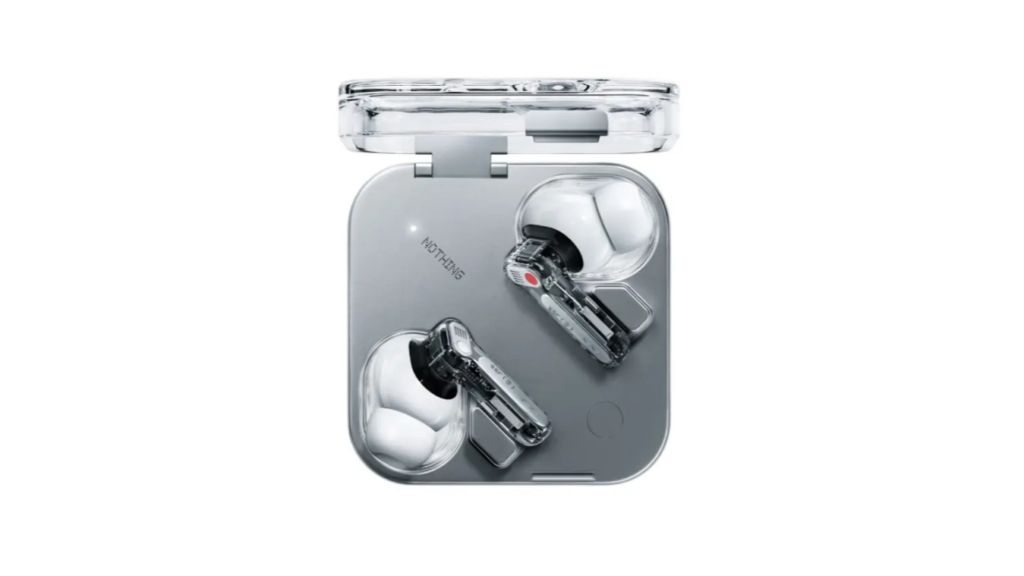
Nothing Ear (3)
This isn’t going to be a sudden overnight change. It’s expected to roll out in stages. The first wave is reportedly lined up for September, right around the launch of Apple’s iPhone 18 Pro series. Co-founder Carl Pei sees AI-native devices as a real growth opportunity at a time when smartphone margins are getting tighter, and competition is fiercer than ever.
The first phase includes a smartwatch, headphones, earbuds, and speakers
In this first phase, Nothing is preparing launches under both its main brand and the more budget-friendly CMF line. The rumored lineup includes CMF Ear Clip Buds, Nothing Headphones (Gen 2), a Nothing Smartwatch, and CMF Speakers. The speakers would be a brand-new category for them. All of these are expected to keep the transparent-inspired look and distinctive design style that made Nothing stand out in the first place.
Branching into AI-powered audio and wearables could allow Nothing to spread its bets while still leaning on the design identity that first got people talking about its phones. The source suggests these new products will go beyond basic features and include some smarter capabilities, though the exact software details haven’t been shared yet.
Launching in the August–September window would let Nothing show off its new direction before the big autumn product rush. Roadmaps can always change, of course, but this particular insider has a solid track record, which gives the claims some weight. If it plays out as described, the next few months could mark the start of a broader evolution for the company, one where phones stay in the mix, but AI-focused accessories and wearables get a much bigger push.
Nothing has already built a loyal following with its accessible design and community-first approach. Taking that same energy into new categories under an AI-first strategy could help the brand navigate the tough smartphone market while opening up some fresh growth paths. We’ll probably hear more official details as the expected launch window gets closer.
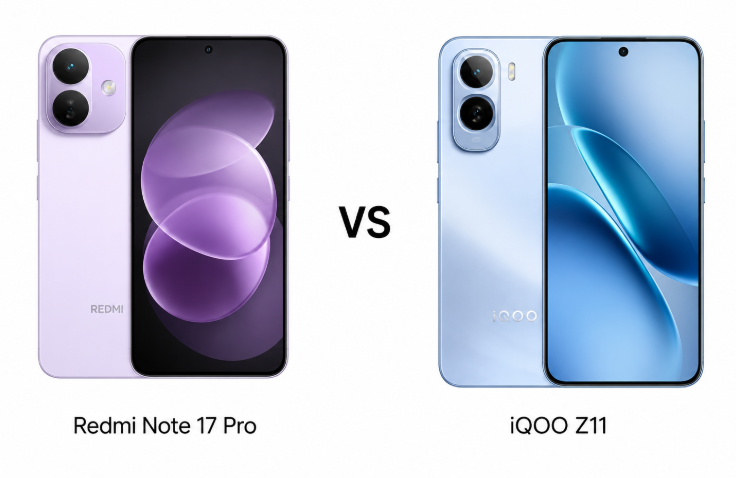
Redmi Note 17 Pro and iQOO Z11 take two very different approaches to the mid-range smartphone market. One focuses on unmatched battery life and rugged durability, while the other delivers stronger performance, faster charging, and a more capable camera system. If you’re deciding between these two Android smartphones, this comparison breaks down every major difference to help you find the better fit for your budget and daily needs.
The Redmi Note 17 Pro focuses on durability with IP68/IP69K certification, Gorilla Glass Victus 2 protection, impressive drop resistance, and manufacturer-rated extended water resistance. It feels like a phone designed for users who prioritize reliability and long-term toughness. The iQOO Z11 also carries IP68/IP69 protection but uses a plastic frame and back with a glass front. While it is well-built, it lacks the additional durability features offered by Redmi. Both phones feature premium AMOLED displays and stereo speakers, giving them a modern flagship-inspired feel.
Display Quality
Each device features a large 6.83-inch AMOLED panel, but the experience differs. The Redmi Note 17 Pro offers a 120Hz refresh rate, 3,500-nit peak brightness, and 3,840Hz PWM dimming for excellent eye comfort. The iQOO Z11 counters with a smoother 144Hz refresh rate, support for one billion colors, HDR, and an even brighter 5,000-nit peak output. The higher refresh rate and richer color reproduction make animations and gaming appear more fluid, while Redmi’s superior PWM dimming may appeal to users sensitive to screen flicker.
The Redmi Note 17 Pro is the stronger choice for durability and display comfort, while the iQOO Z11 delivers a more premium multimedia experience with its brighter, faster display. Users focused on entertainment may prefer iQOO, whereas those seeking long-term resilience will likely appreciate Redmi’s approach.
2. Specifications Including Battery
Performance
The Redmi Note 17 Pro is powered by the Snapdragon 6s Gen 4 chipset paired with up to 12GB RAM and UFS 3.1 storage on higher variants. It delivers dependable everyday performance but is clearly aimed at mainstream users. The iQOO Z11 steps ahead with the Snapdragon 7s Gen 4 processor, Adreno 810 GPU, and UFS 3.1 storage across all variants. This combination offers noticeably stronger gaming, faster app launches, and better multitasking. Users planning to keep the phone for several years may find the extra performance headroom worthwhile.
Battery and Charging
Battery life is exceptional on both devices, thanks to their massive silicon-carbon batteries. The Redmi Note 17 Pro packs a 9,000mAh battery with 67W fast charging and 22.5W reverse wired charging. The iQOO Z11 slightly increases capacity to 9,020mAh while significantly boosting charging speed to 90W. It also includes bypass charging, helping reduce heat during gaming sessions. Faster charging adds meaningful convenience without compromising the already impressive endurance.
Verdict
The iQOO Z11 wins this category through its superior processor, faster charging, and gaming-focused features. The Redmi Note 17 Pro remains an excellent option for users who prioritize battery longevity over raw performance.
3. Camera
Main and Secondary Lenses
Both smartphones feature a 50MP primary camera with an additional secondary lens, but the hardware and capabilities differ. The Redmi Note 17 Pro relies on PDAF for focusing and supports HDR and panorama photography, with video recording limited to 1080p at 30fps. The iQOO Z11 upgrades to a larger sensor with optical image stabilization, allowing improved low-light performance and steadier photos. It also records 4K video, making it a more versatile camera for content creation. The improvements are practical rather than dramatic, but they become noticeable in challenging lighting conditions.
Selfie Camera
The Redmi Note 17 Pro includes an 8MP front camera capable of 1080p recording, which is adequate for casual video calls and social media. The iQOO Z11 raises the bar with a 32MP selfie camera capable of recording in 4K. Sharper selfies and higher-quality video provide a clear advantage for creators and frequent video callers.
Verdict
The iQOO Z11 comfortably leads the camera department with optical stabilization, 4K recording on both front and rear cameras, and a significantly better selfie sensor. Redmi’s camera is suitable for everyday photography but lacks the versatility offered by its rival.
4. Pricing
Redmi Note 17 Pro is priced around $235 (₹22,690), making it one of the more affordable smartphones in its segment despite offering IP68/IP69K protection, Gorilla Glass Victus 2, a 9,000mAh battery, and an AMOLED display. iQOO Z11 is priced around $300 (₹31,000), placing it in a higher price bracket. That additional investment brings a faster Snapdragon 7s Gen 4 chipset, 144Hz AMOLED display, superior cameras, 90W charging, Wi-Fi 6, and bypass charging.
Is the Price Justified?
The Redmi Note 17 Pro offers exceptional value for buyers seeking maximum battery life and ruggedness without stretching the budget. The iQOO Z11 justifies its premium by delivering meaningful upgrades in performance, cameras, charging speed, and display quality. The higher price feels reasonable because the improvements are noticeable in daily use rather than being limited to specifications alone.
Verdict
Budget-conscious buyers will receive outstanding value from the Redmi Note 17 Pro. Those willing to spend more for a better all-around smartphone experience will find the iQOO Z11 worth the additional cost.
5. Conclusion
Redmi Note 17 Pro stands out with its rugged construction, Gorilla Glass Victus 2 protection, exceptional durability ratings, and massive 9,000mAh battery, making it particularly appealing for users who prioritize endurance and reliability. The iQOO Z11 distinguishes itself through its Snapdragon 7s Gen 4 processor, smoother 144Hz AMOLED display, 90W fast charging, bypass charging, Wi-Fi 6 connectivity, optical image stabilization, and 32MP 4K selfie camera. Both phones excel in battery life, but they target different priorities. Redmi focuses on toughness and affordability, while iQOO emphasizes performance and a richer multimedia experience.
Verdict
Redmi Note 17 Pro is the better choice for users seeking maximum value, outstanding battery life, and industry-leading durability at a competitive price. The iQOO Z11 is the stronger all-around smartphone thanks to its faster chipset, better cameras, smoother display, and quicker charging. Buyers looking for the most balanced long-term experience should choose the iQOO Z11, while those focused on budget and endurance will be very satisfied with the Redmi Note 17 Pro.
Disclaimer: This comparison is based on the specifications provided and is intended for general informational purposes. Actual performance, camera results, battery life, and overall experience may vary depending on real-world usage, software updates, and individual preferences.
Casio has released the Vintage A1000SP-7, a new stainless steel digital watch. After appearing on Casio’s global website earlier this month, the watch is now available in several regional markets, including China, India, and the Eurozone. Pricing is currently set at ¥1,690 in China, ₹16,995 in India, and €199 in Europe.
Design Details
The A1000SP-7 retains the familiar octagonal shape of older Casio digital models but replaces the usual resin construction with a stainless steel case and a solid stainless steel band.
The metal band features a one-touch three-fold clasp and uses a mix of brushed and polished finishes. It is a relatively thin watch, measuring 39.6 by 38 mm with a thickness of 7.3 mm, and it weighs 101 grams. Casio categorizes the dimensions and styling as a unisex design.
For the display cover, Casio is using a sapphire crystal rather than the acrylic or mineral glass found on its less expensive models. Sapphire is standard in higher-priced traditional watches because it is highly resistant to scratches.
Beneath the crystal, the watch face has a brass dial with a sunray finish. There is also a striped vapor deposition applied to the underside of the glass, which creates a subtle texture that shifts depending on the lighting and viewing angle.
Internally, the A1000SP-7 functions like a standard digital watch. It does not include any smart features, fitness tracking, or Bluetooth connectivity. The feature set is limited to a stopwatch, a daily alarm, an hourly time signal, and a basic auto-calendar. It supports both 12-hour and 24-hour time formats.
The watch is powered by a standard CR1616 coin-cell battery, which Casio estimates will last for about three years before needing a replacement. It also includes a white LED backlight for visibility in low light and has a basic water resistance rating suitable for everyday wear.
Half of 2026 has now passed, signaling the time for our semi-annual retrospective. Each year around this With half of 2026 already behind us, it’s time for our semi‑annual check‑in. Around this time each year, we handpick a handful of standout smartphones to gauge how the market has performed over the first two quarters. Since next‑gen flagship chips usually arrive in the second half, the opening months tend to be a relatively quiet stretch for most brands — but that doesn’t mean there’s nothing worth talking about.
Best Camera: OPPO Find X9 Ultra
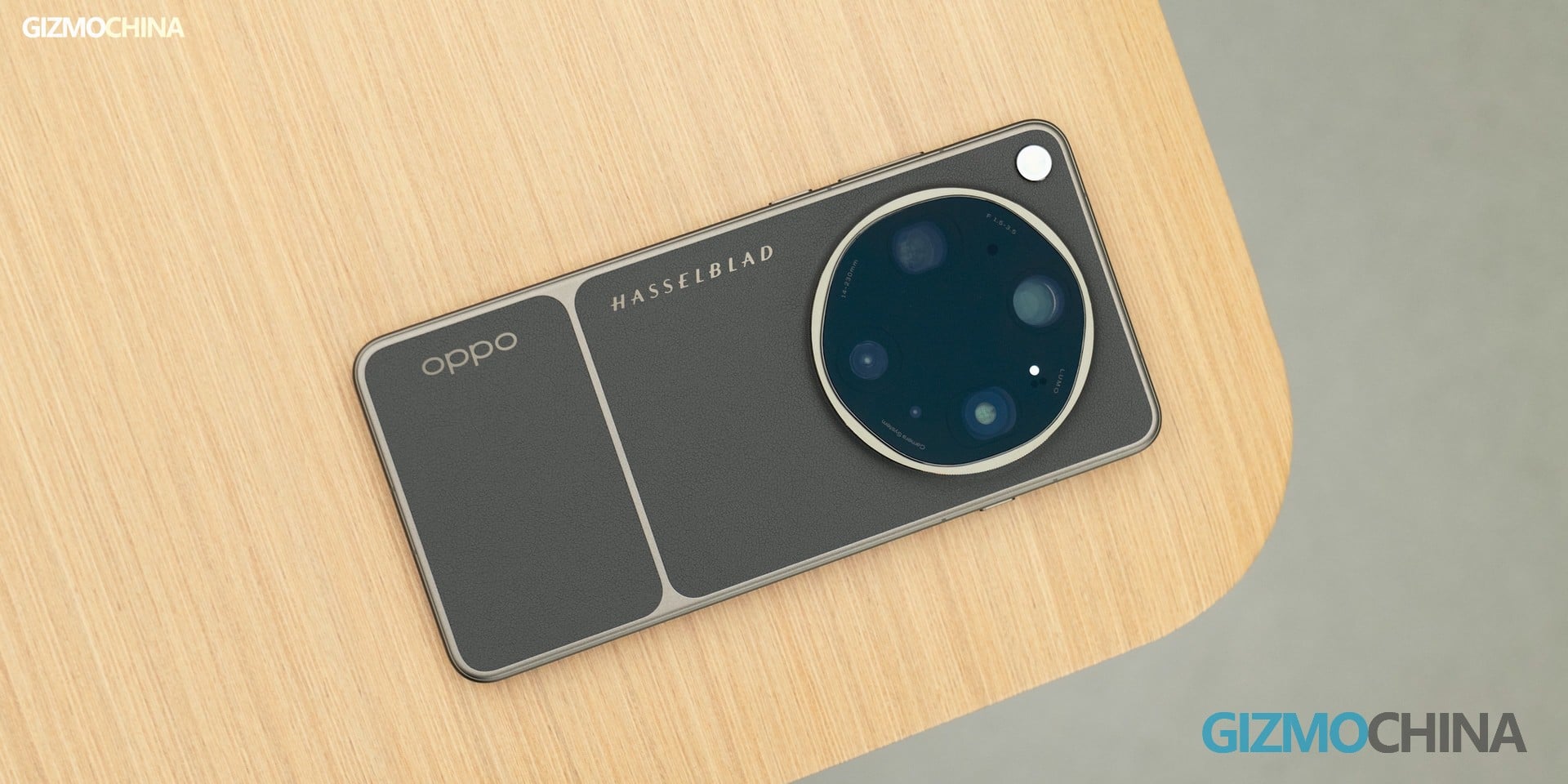
It does not imply a shortage of commendable devices. A prime example is our most highly recommended camera-centric smartphone: the OPPO Find X9 Ultra.
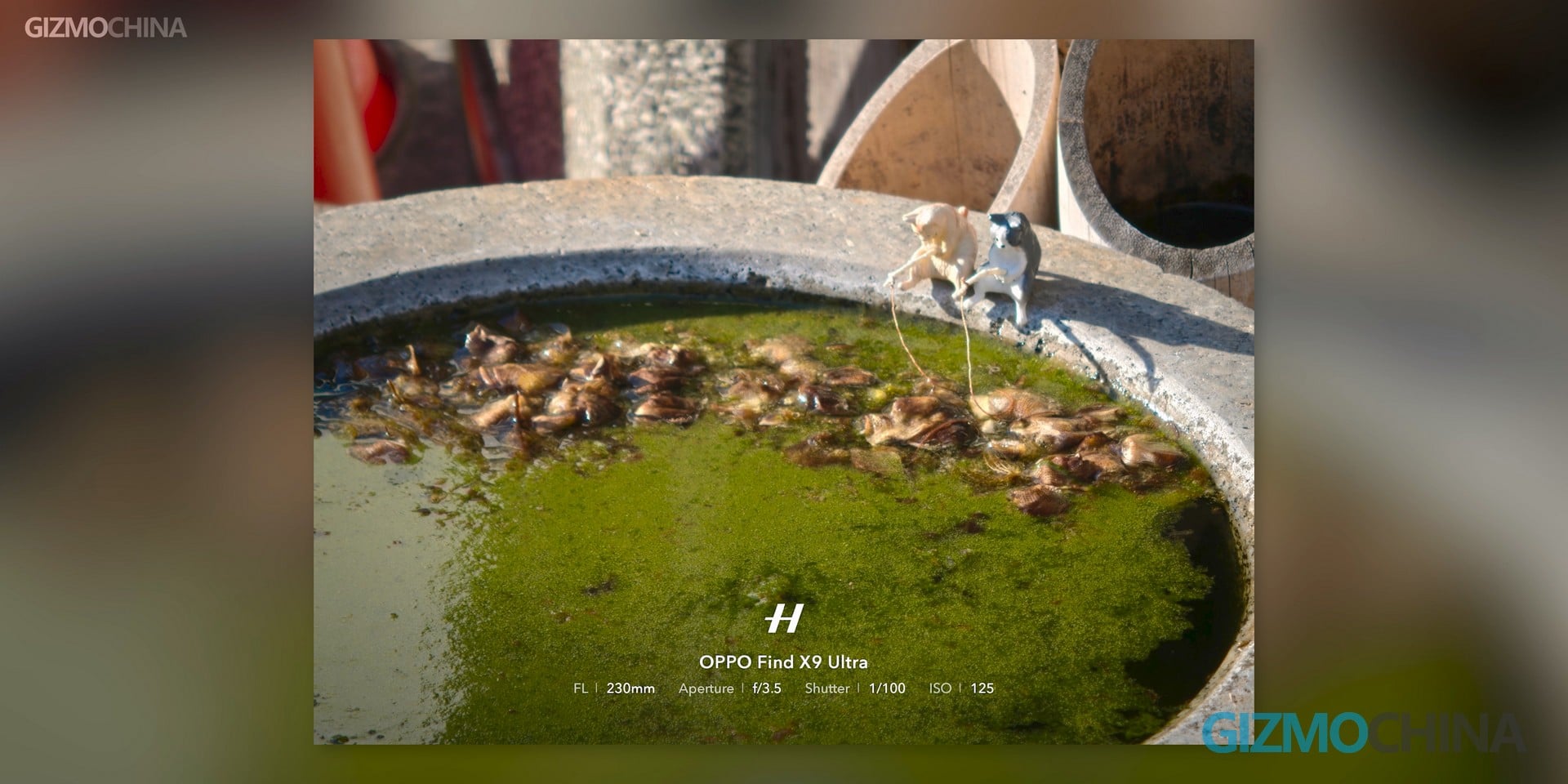
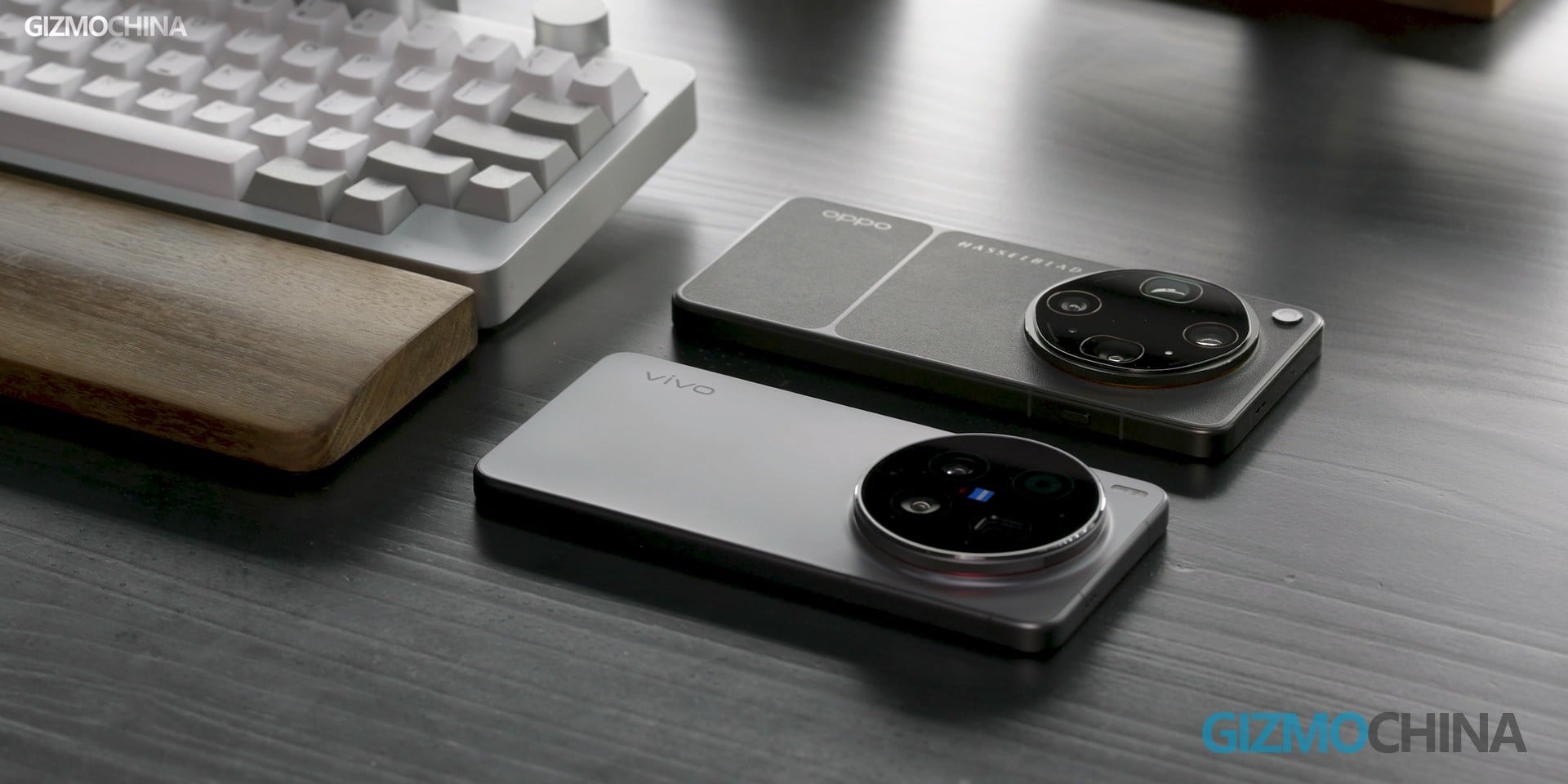
The imaging prowess of the Find X9 Ultra is widely acknowledged. It stands as one of only two flagship smartphones to incorporate a four-focal-length imaging system. In my assessment, it features the most sophisticated telephoto camera configuration ever integrated into a mobile device—both in terms of sensor selection and focal-length coverage. Coupled with Hasselblad’s color calibration, it has unequivocally become one of my preferred handsets this year.
That said, it is not without imperfections. The 10x telephoto module exhibits noticeable chromatic aberration, and video stabilization remains an area requiring refinement. Nevertheless, when compared to a more conservative yet reliably competent contender like the vivo X300 Ultra, the review team leans toward the device with greater distinctiveness.
The X300 Ultra is objectively a commendable smartphone, but its 2026 iteration felt overly restrained in its approach. The absence of a refreshing novelty is the sole factor, in my view, that places it behind the Find X9 Ultra. Naturally, this reflects my subjective perspective; should one regard the vivo X300 Ultra as the premier camera phone of the year, I fully respect that position.
The Find X9 Ultra is undeniably excellent, yet its pricing is prohibitively steep. Consequently, the question arises: is there a more cost-effective camera-centric alternative? Indeed, there is—the HUAWEI Pura 90s Pro Max.
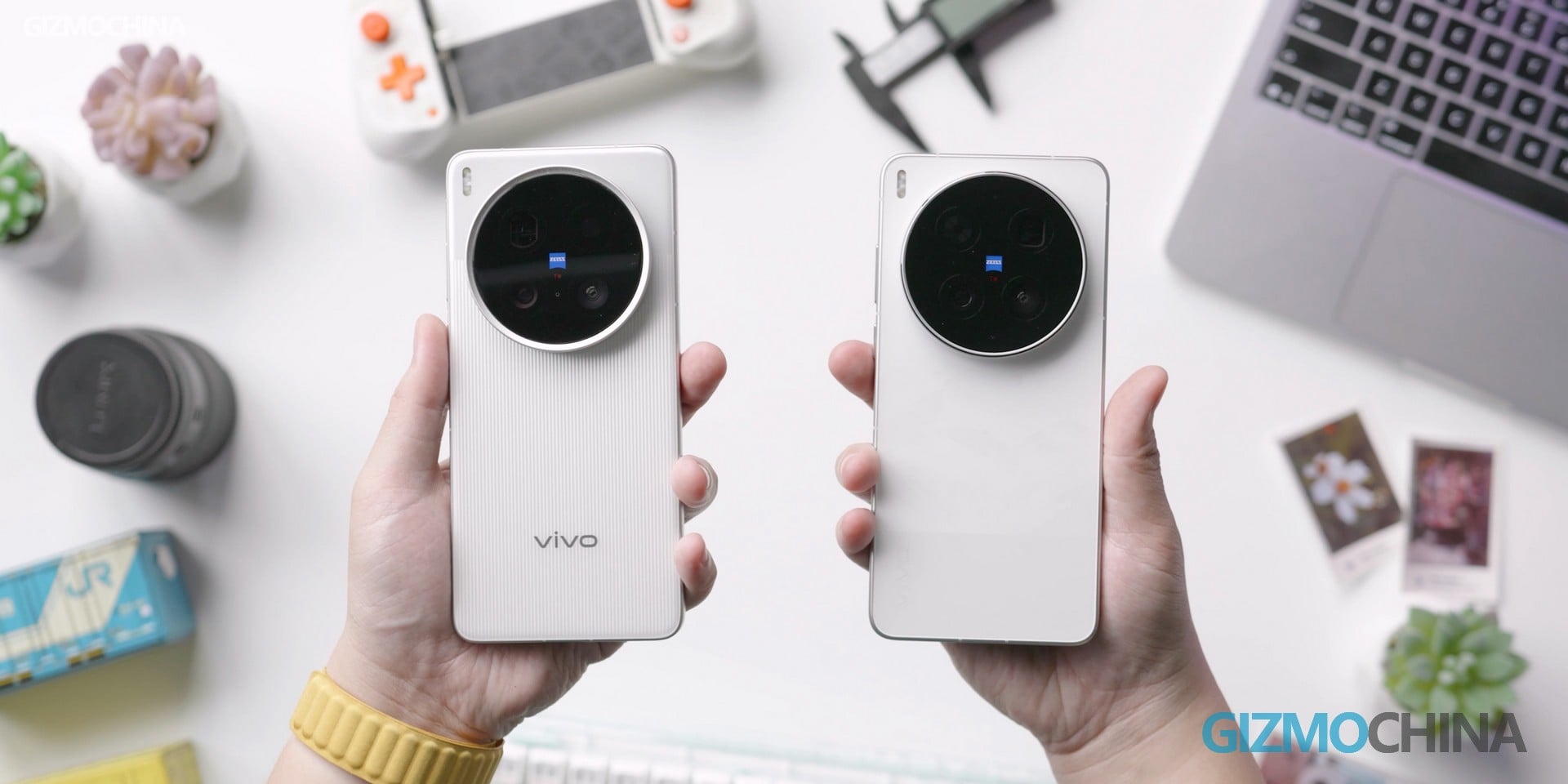
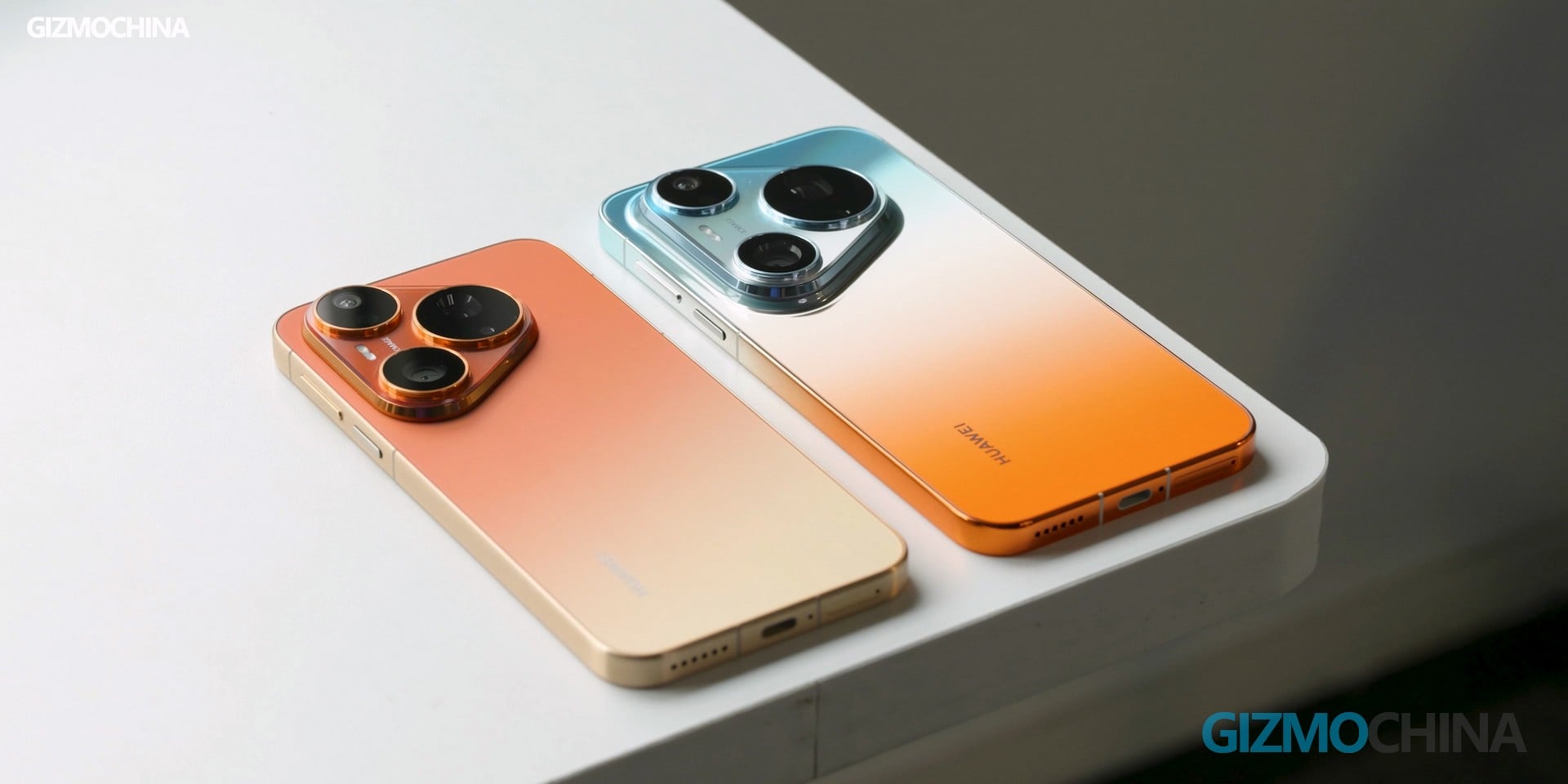
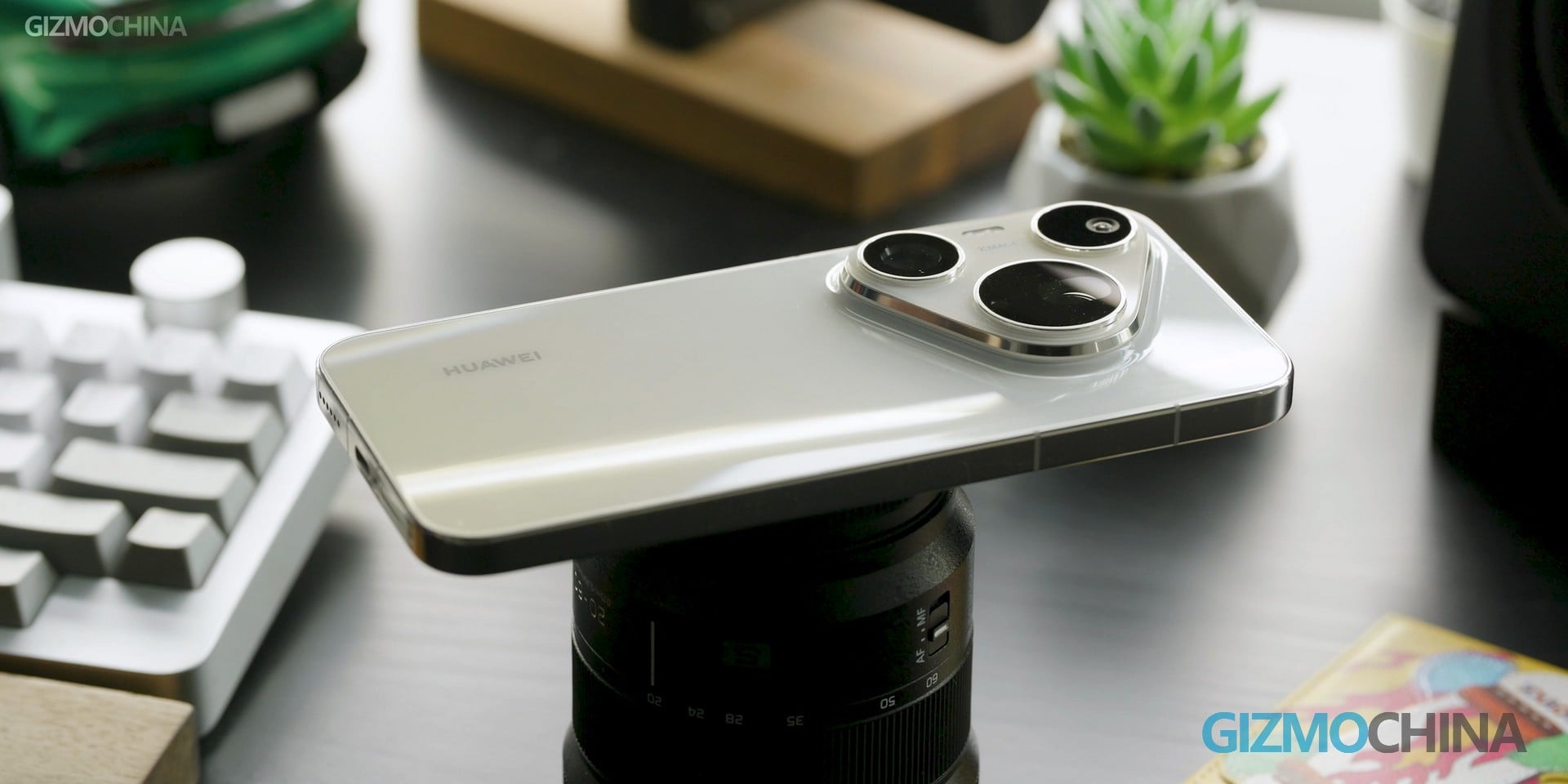
Leading Smart Imaging Experience: HUAWEI Pura 90s Pro Max
HUAWEI Pura 90s Pro Max deserves a special mention — not just for the hardware integration, but more importantly, for what it can further do on final imaging. The Asia‑Pacific variant we received comes packed with AI De‑Glare, AI Move, and AI Composition 3.0, which automatically frames your shots as you capture them. Celia and the Advanced Translation Toolkit are also onboard.
While other manufacturers are aggressively fighting spec wars, HUAWEI has been strategically doubling down on the AI experience—a focus the team finds particularly commendable. The Pura 90s Pro Max doesn’t hold back on hardware either. Its RYYB sensor yields outstanding low-light output, and the telephoto video recording sharpness is particularly noteworthy.
The review team initially planned to give this recognition to the Pura 90 Pro Max — the Chinese version. But HUAWEI did something unusual this time: it didn’t cut corners on the international version. The two models are essentially identical. So, despite the slightly later launch, I’m giving the nod to the Pura 90s Pro Max — simply because it’s the more readily accessible option for most of our audience.
The 200MP telephoto camera, built on an RYYB sensor, offers improved light sensitivity for long‑range shots, while the telephoto video recording now benefits from enhanced stabilisation and a dedicated far‑field voice enhancement algorithm—useful for capturing distant subjects with clearer audio. The XMAGE AI Smart Capture streamlines the editing workflow by providing one‑tap suggestions for composition, colour, and exposure adjustments. The new 3D dynamic photo feature adds a subtle depth effect to still images, giving them a more lifelike feel without requiring manual post‑processing. When taken together, these improvements offer a tangible step forward in smartphone imaging, and they work consistently across both the Chinese and Asia‑Pacific versions—making the Pura 90s Pro Max a well‑rounded choice for users who prioritise camera versatility and AI‑assisted creativity.
Best Gaming Phone: REDMI K90 Max
Typically, the “Best Gaming Phone” accolade would automatically be assigned to RedMagic. On this occasion, however, we wish to confer it upon the REDMI K90 Max, for two primary reasons. First, the K90 Max is more affordable; it incorporates a built-in cooling fan, is lighter and slimmer, yet retails at merely half the price of the RedMagic 11S Pro.
Second, its frame-interpolation functionality sets it apart. On most smartphones, frame interpolation is restricted to a whitelist of supported games. The K90 Max, in contrast, enables this feature across all titles without limitation. After extensive testing across multiple games, its performance consistently met expectations. The review team can confidently assert that this currently represents the most worthwhile gaming smartphone available, without reservation.
Naturally, this accolade could equally be awarded to its sibling model, the K90 Ultra. The decision between the two ultimately hinges on whether the user prioritizes enhanced performance or a $60 cost saving.
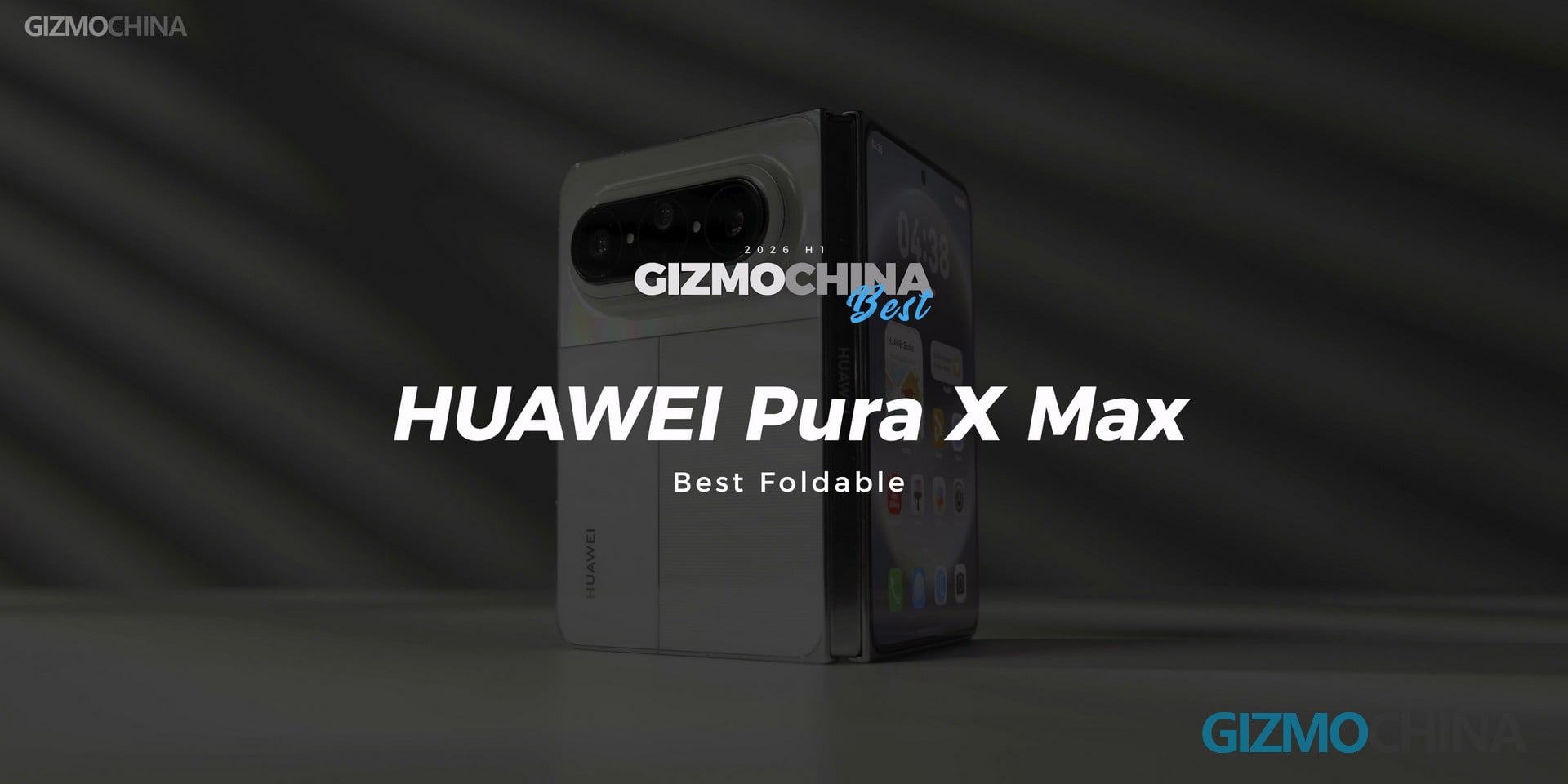
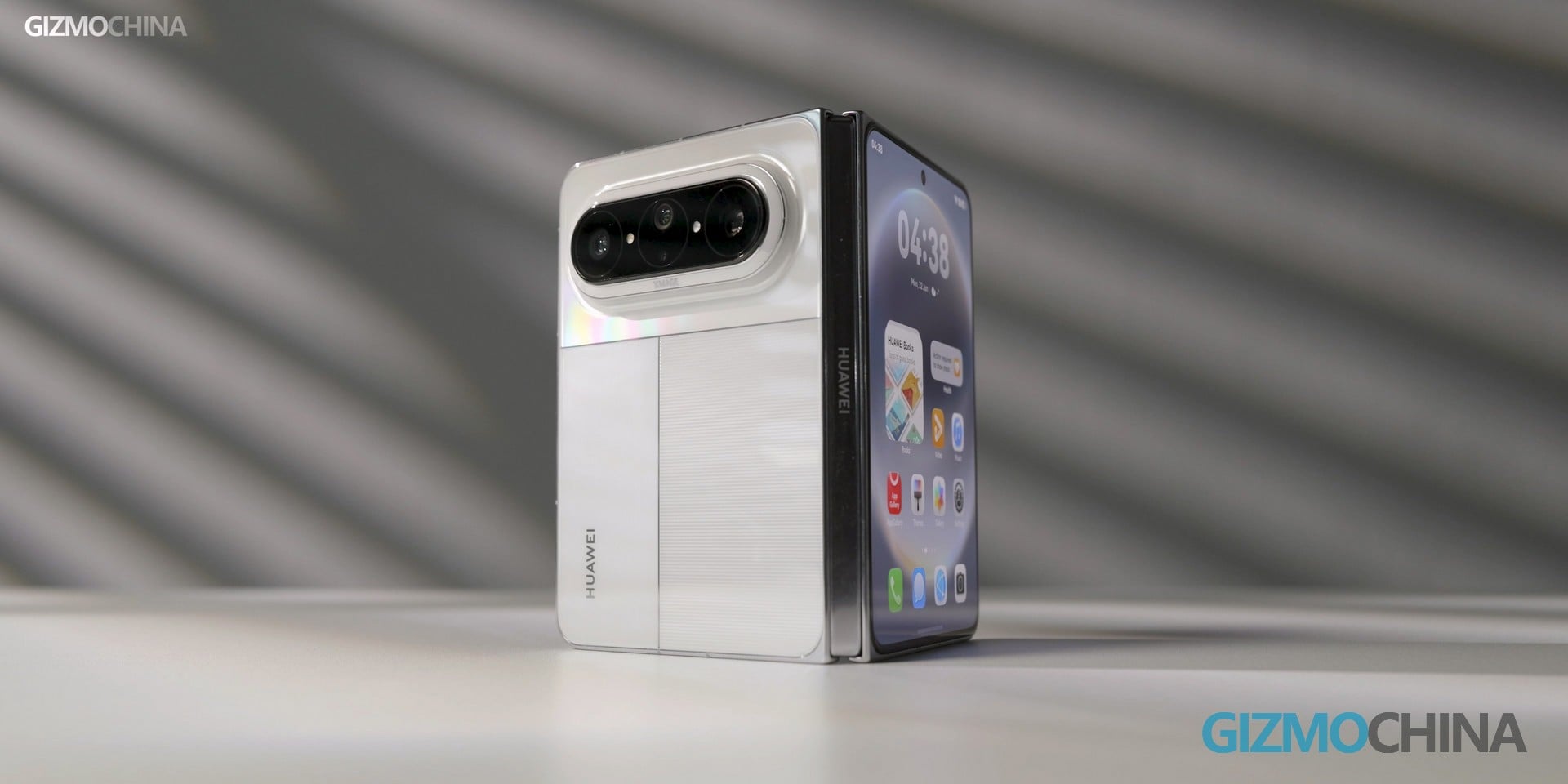
Best Foldable: HUAWEI Pura X Max
Although our comprehensive review of the HUAWEI Pura X Max has not yet been published, this does not preclude me from designating it as the “Best Foldable.” =
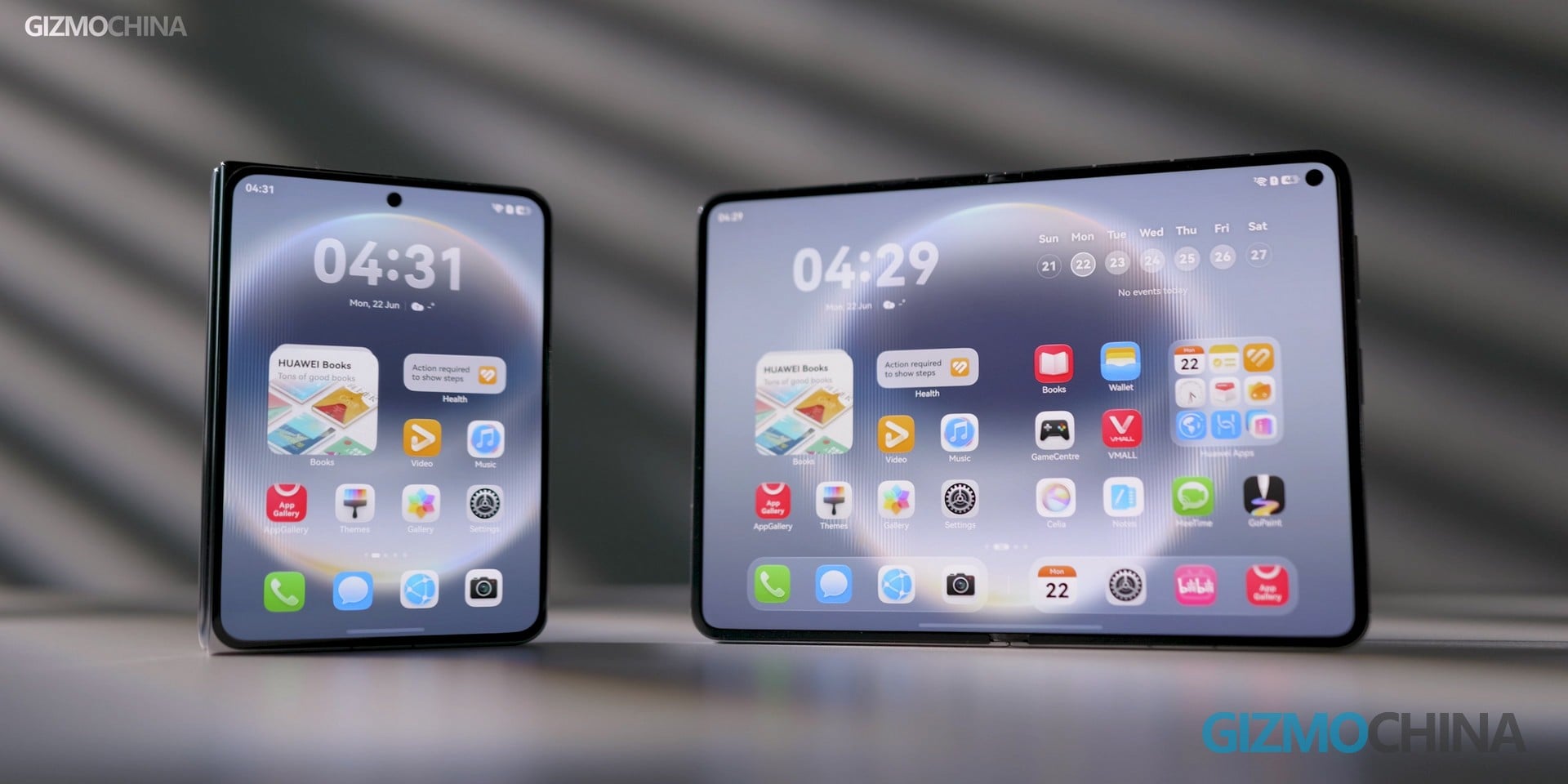
In fact, commencing with last year’s Pura X, HUAWEI had already initiated experimentation with wider aspect ratios to prevent the display from awkwardly assuming a square form upon unfolding. This year’s Pura X Max adopts a √2:1 aspect ratio, ensuring that the device maintains a consistent screen proportion whether folded or unfolded. This represents HUAWEI’s definitive resolution to the foldable-screen ratio challenge.
HUAWEI Pura X Max
The Pura X Max’s robust sales performance in the Chinese market further substantiates its entitlement to the title of best foldable phone for the first half of 2026.
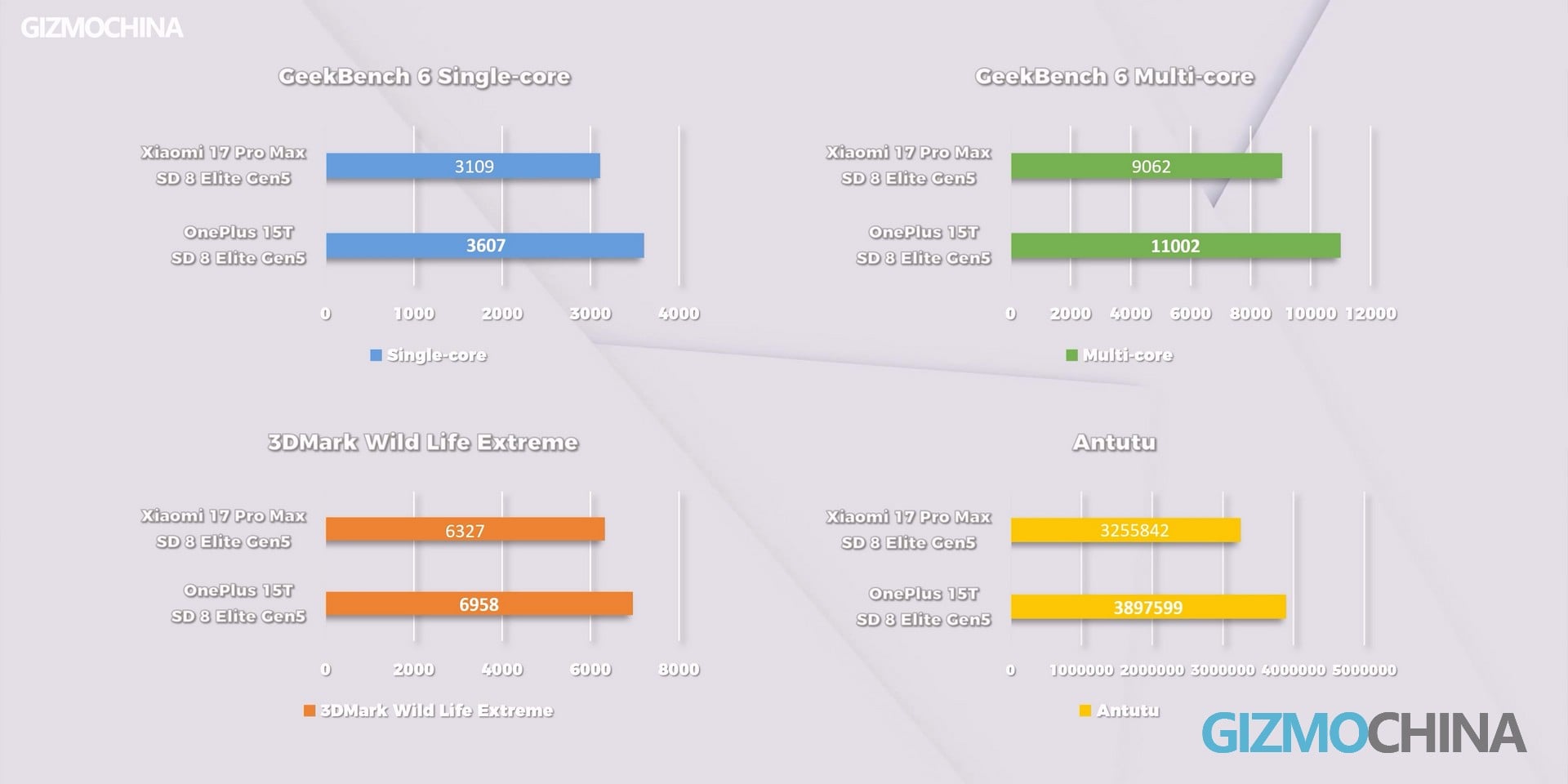
Best Flagship Killer: OnePlus 15T
For those seeking a flagship-grade device without a correspondingly steep price, the OnePlus 15T may prove an ideal candidate. Apart from the absence of an ultra-wide-angle camera and the somewhat inconvenient USB 2.0 port, this handset is nearly faultless.
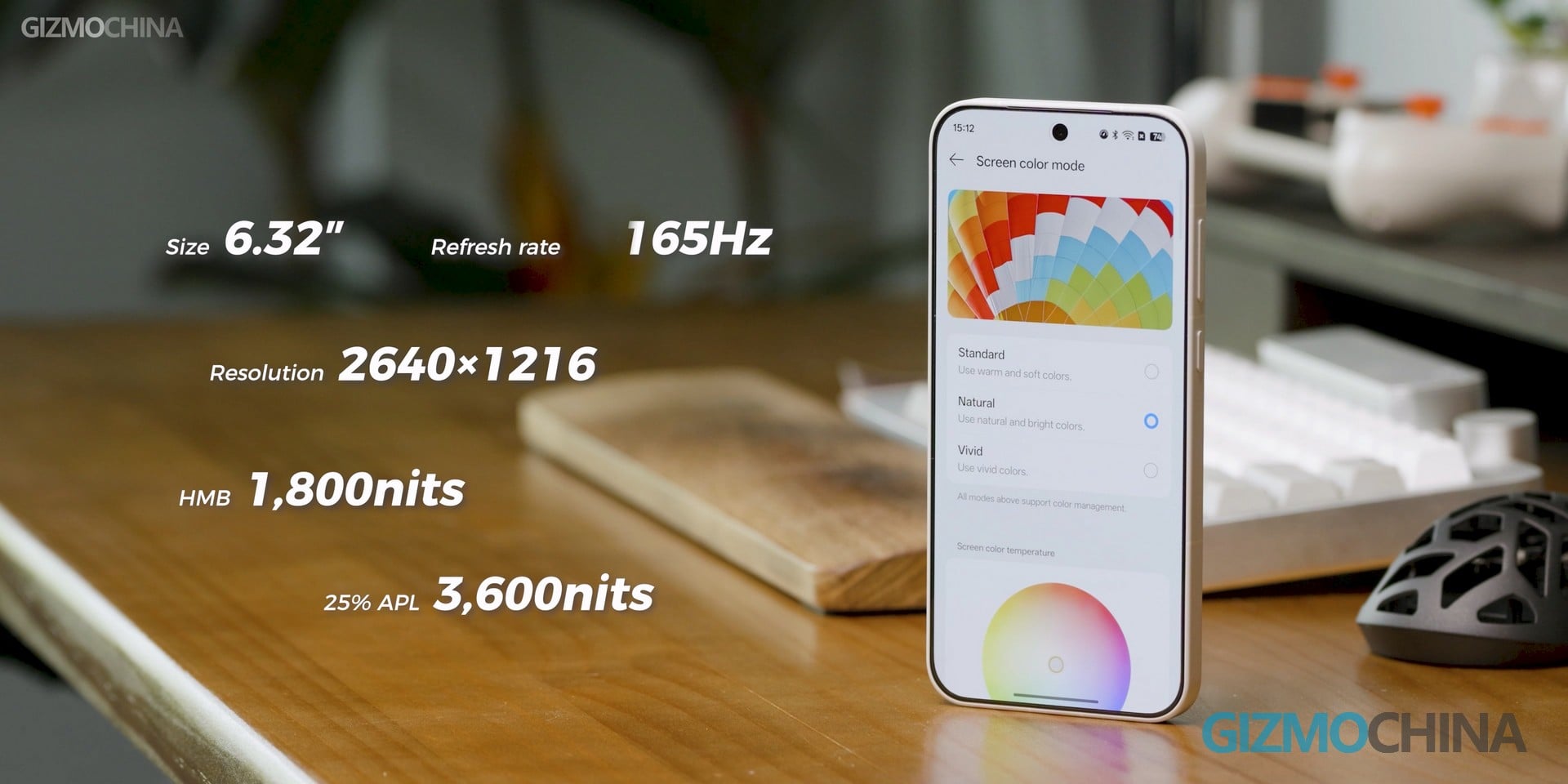
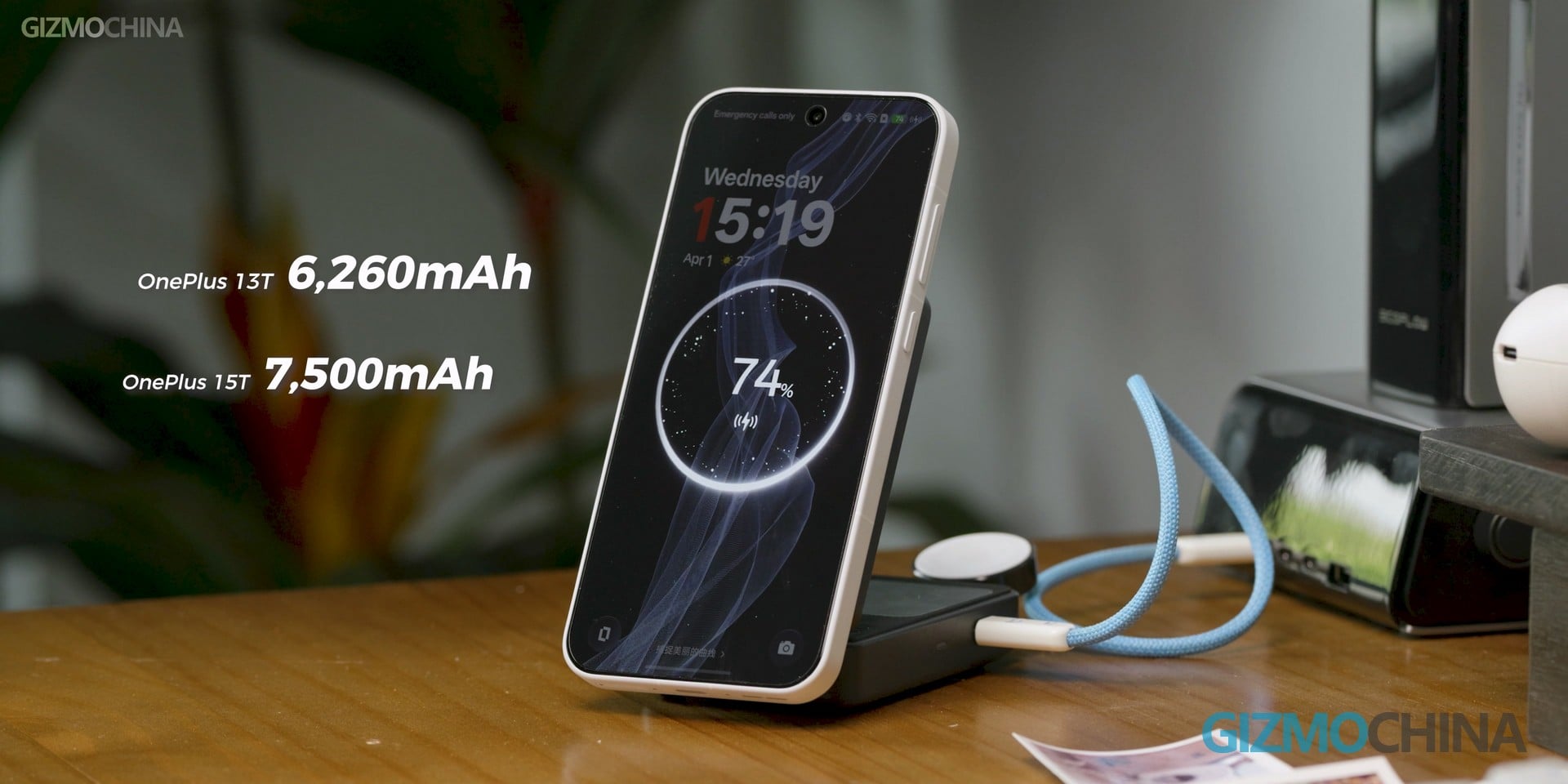
It is equipped with the 8 Elite Gen5 platform, a 165Hz display, a substantial 7,500mAh battery, and wireless charging support. For enthusiasts of compact 6.3-inch smartphones operating within constrained budgets, this device is virtually tailor-made.
OnePlus 15T
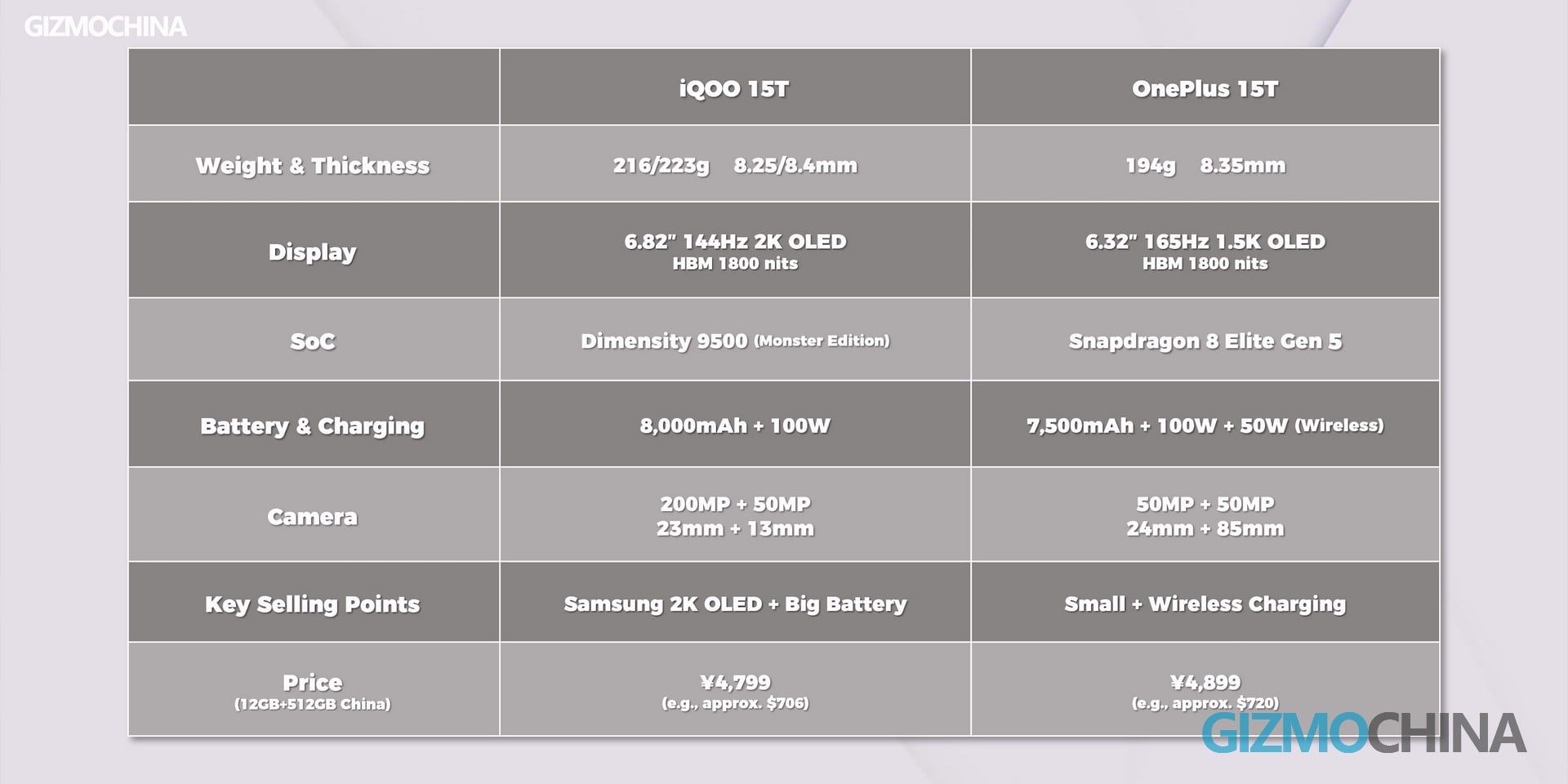
Incidentally, for those who prefer a conventionally sized smartphone, the iQOO 15T merits consideration. Its market positioning closely parallels that of the OnePlus 15T—both devices compromise on camera performance to maintain competitive pricing. Ultimately, the choice reduces to individual preference, with no unequivocally superior option between the two.
To be candid, the first half of 2026 lacked considerable excitement. Most of the noteworthy activity stemmed from flagship camera phones competing for dominance, while the majority of mid-range and entry-level devices are slated for release in the latter half of the year.
Among all offerings observed in Q1 and Q2, the most strategic maneuver was arguably HUAWEI’s decision to maintain price stability. This approach proved remarkably successful, enabling the company to achieve substantial profitability in the premium smartphone segment and securing two “Best” titles in this roundup.
With the next generation of flagship chipsets anticipated in September, most 8 Elite Gen5 and Dimensity 9500 devices are already undergoing price reductions to clear inventory. Therefore, for those seeking cost savings, the present moment presents an opportune time for acquisition.
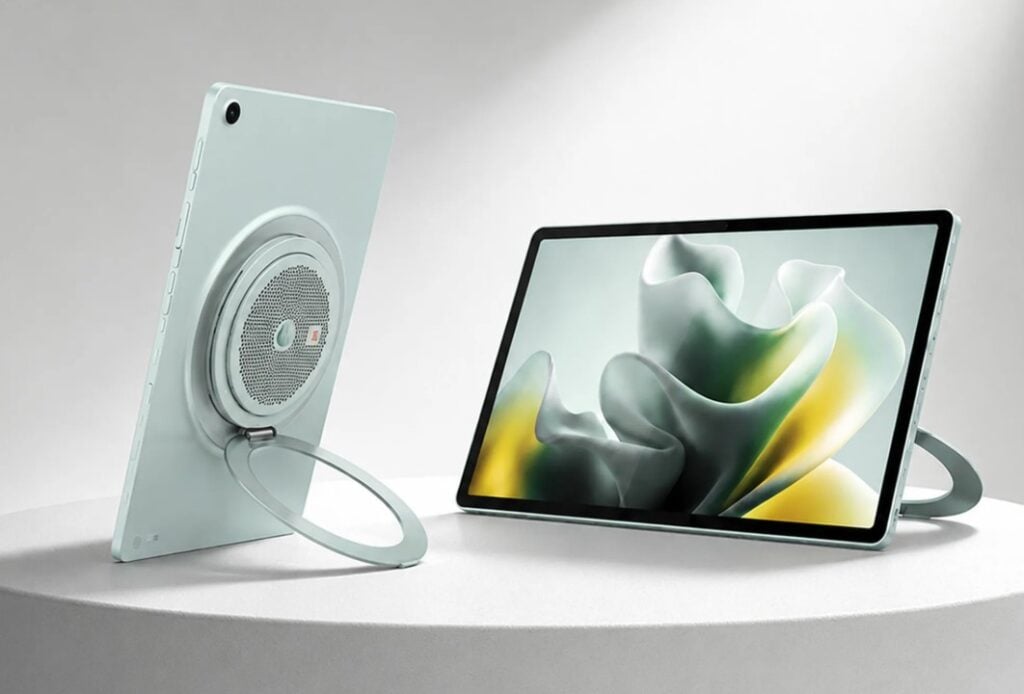
Motorola has introduced the Moto Pad 70 Groove in India as a new entertainment-focused tablet. It combines a high refresh rate display, a multi-speaker JBL audio system, a built-in kickstand, and AI features while also promising long software support. The tablet is aimed at users looking for a versatile device for streaming, work, and everyday use.
Moto Pad 70 Groove specifications and features
Moto Pad 70 Groove
The Moto Pad 70 Groove features a 12.1-inch LCD screen with a 2.5K resolution, a 120Hz refresh rate, Dolby Vision, HDR10 support, DCI-P3 color gamut, and up to 800 nits of high brightness mode. A standout feature is its JBL 9-unit Pro Speaker System, which includes four tweeters, three woofers, and two passive radiators with Dolby Atmos support. The tablet can also work as a Bluetooth speaker, while Live Transcript supports real-time translation in more than 40 languages.
Inside, the tablet is equipped with the MediaTek Dimensity 7400 chipset, paired with 8GB of RAM and 256GB of storage. Storage can be expanded by up to 2TB using a microSD card.
Moto Pad 70 Groove
A 10200mAh battery powers the Moto Pad 70 Groove and supports 45W TurboPower charging. Motorola claims it can deliver up to 15 hours of YouTube streaming, while a 10-minute charge can provide up to two hours of usage. It runs Android 16 out of the box and is confirmed to receive Android 17 and Android 18 updates, along with four years of security patches.
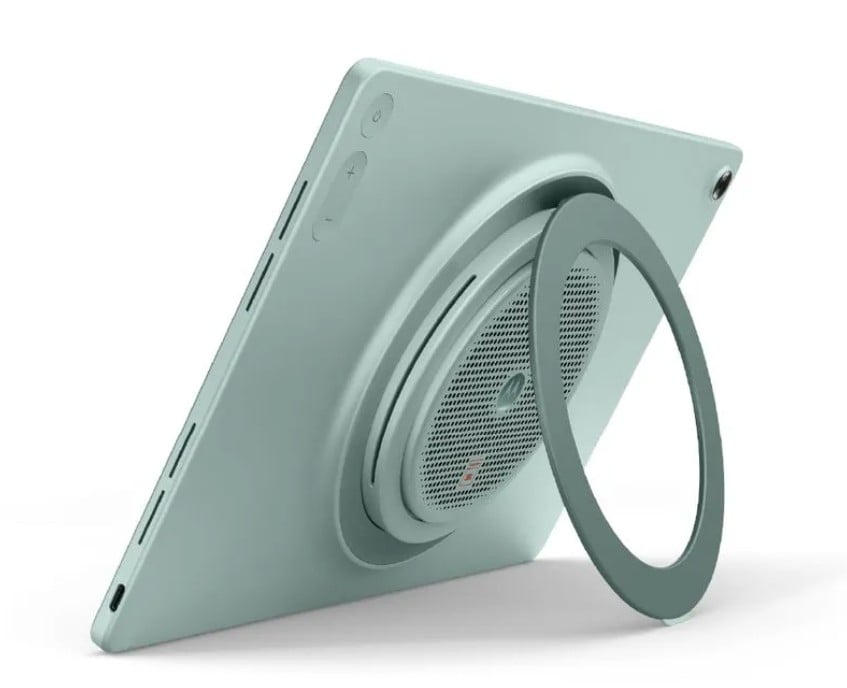
The tablet also includes a 13-megapixel rear camera, an 8-megapixel front camera, Wi-Fi 6, Bluetooth 5.4, dual microphones, USB Type-C, and a clear protective case in the box. It has a premium all-metal body in Pantone Blue Surf, measures 6.8mm thick, weighs around 775 grams, and includes the new 360° Kickstand 2.0 with Lean, Stand, Theatre, and Hanging viewing modes.
Moto Pad 70 Groove price and availability
The Moto Pad 70 Groove comes in a single 8GB+256GB variant with a launch price of Rs 33,999, including a Rs 3,000 instant bank discount from its regular price of Rs 36,999. It will be available in the Pantone Blue Surf color starting Aug. 7 through Flipkart, Motorola India, and leading retail stores across the country.
Electric dirt bikes have become one of the fastest-growing segments in off-road riding. Riders are increasingly choosing them over traditional gas-powered models because they combine strong performance, lower maintenance, and modern technology in a quieter, more environmentally friendly package. Whether exploring mountain trails, forest paths, or rugged dirt tracks, an electric dirt bike offers an exciting riding experience for both beginners and experienced off-road enthusiasts.
Instant Power Makes Off-Road Riding Easier
One of the biggest reasons electric dirt bikes are gaining popularity is their impressive performance. Unlike gas-powered bikes that need to build engine speed before delivering maximum power, electric motors provide instant torque as soon as the throttle is twisted. This allows riders to accelerate quickly, climb steep hills with greater confidence, and maintain better control on loose gravel, mud, and rocky terrain. The smooth and immediate power delivery makes electric dirt bikes easier to ride while still offering plenty of excitement.
Longer Riding Range and Better Battery Technology
Battery technology has improved significantly in recent years, making electric dirt bikes practical for longer rides. Modern lithium batteries provide enough capacity for extended trail adventures without frequent charging. As battery efficiency continues to improve, riders can spend more time exploring off-road routes and less time worrying about running out of power. This increased range has made electric dirt bikes a practical option for recreational riding, weekend adventures, and outdoor exploration.
Lower Maintenance Than Traditional Dirt Bikes
Another reason riders are switching to electric dirt bikes is their lower maintenance requirements. Traditional dirt bikes require regular oil changes, spark plug replacements, engine servicing, and air filter cleaning. Electric dirt bikes eliminate many of these maintenance tasks because they have fewer moving parts and no combustion engine. This helps reduce long-term ownership costs while allowing riders to focus more on riding and less on maintenance.
Modern Features Improve Safety and Convenience
Today’s electric dirt bikes are equipped with advanced features that improve both safety and the overall riding experience. Many models include hydraulic disc brakes for reliable stopping power, full suspension systems for better comfort over rough terrain, multiple riding modes, digital displays, and smart security features. These technologies help riders stay in control while making the bikes easier to operate in different riding conditions.
HappyRun F18 2.0 Is Built for Serious Off-Road Adventures
A good example of this new generation of electric dirt bikes is the HappyRun F18 2.0. Designed for teens and adults, it features a powerful 6000W mid-drive motor that produces an impressive 245 Nm of peak torque. This combination delivers instant acceleration, excellent climbing ability, and a top speed of up to 46 MPH, making it well-suited for challenging off-road trails and recreational riding.
The bike is powered by a large 60V 30Ah lithium battery that offers a riding range of up to 60 miles under suitable conditions. Riders can also choose between three riding modes, allowing them to balance speed and control depending on the terrain or their riding experience.
Built for Comfort, Control, and Safety
The HappyRun F18 2.0 is designed to handle demanding trails with confidence. Its hydraulic front suspension and oil-spring rear suspension absorb bumps and uneven terrain, providing a smoother and more stable ride. Aggressive off-road tires deliver excellent traction on dirt, gravel, mud, and rocky surfaces, while heavy-duty hydraulic disc brakes offer dependable stopping power even during challenging rides.
Safety is further enhanced with a magnetic emergency kill switch that immediately cuts motor power if the rider becomes separated from the bike. This feature helps prevent runaway accidents and provides additional peace of mind during aggressive off-road riding.
Smart Technology Enhances the Riding Experience
In addition to its strong performance, the HappyRun F18 2.0 includes several modern convenience features. NFC card unlocking allows riders to start the bike with a simple tap, while a sunlight-readable color display provides clear riding information in bright outdoor conditions. The R-Turn Reverse Assist function also makes it easier to back the bike out of tight spaces or reposition it on difficult terrain.
These smart technologies add convenience without compromising the bike’s rugged off-road capabilities.
Explore the HappyRun Electric Dirt Bike Collection
For riders looking to upgrade to a high-performance electric dirt bike, the HappyRun F18 2.0 is currently available at a discounted price of $1,399, offering approximately 46% off its regular retail price of $2,599.00. Interested buyers can also explore the complete HappyRun electric dirt bike collection to compare models and current offers.
For more deals and e-bike information, please check HappyRun official here.
While the public One UI 9.0 beta program is limited to the Galaxy S26 series, Samsung is aggressively testing the upcoming build on dozens of devices. The list has a total of 49 devices, including many budget smartphones and tablets.
It doesn’t necessarily mean these Galaxy devices will receive One UI 9.0 beta or that they will receive the stable update faster. Samsung usually starts testing new firmware weeks or months in advance to ensure the timely release of updates. That’s how the company is able to quickly expand once the stable rollout goes live.
If your Galaxy device is under testing for One UI 9.0, it’s much more likely to receive the update on time, or you may be lucky to receive it alongside premium models. Review the list to see if yours is there.
Samsung is doing One UI 9.0 internal testing on these devices
Galaxy S series
Galaxy S25
Galaxy S25+
Galaxy S25 Ultra
Galaxy S25 FE
Galaxy S24
Galaxy S24+
Galaxy S24 Ultra
Galaxy S24 FE
Galaxy S23
Galaxy S23+
Galaxy S23 Ultra
Galaxy S23 FE
Galaxy Z series
Galaxy Z Fold 7
Galaxy Z Flip 7
Galaxy Z Fold 6
Galaxy Z Flip 6
Galaxy Z Fold 5
Galaxy Z Flip 5
Galaxy A series
Galaxy A57
Galaxy A37
Galaxy A27
Galaxy A17
Galaxy A07
Galaxy A56
Galaxy A36
Galaxy A26
Galaxy A16
Galaxy A55
Galaxy A35
Galaxy A25
Galaxy A15 5G
Galaxy A54
Galaxy A34
Galaxy A24
Galaxy M series
Galaxy M35
Galaxy M56
Galaxy M34
Galaxy Tab series
Galaxy Tab S11
Galaxy Tab S11 Ultra
Galaxy Tab S10+
Galaxy Tab S10 Ultra
Galaxy Tab S10 FE
Galaxy Tab S10 FE+
Galaxy Tab S10 Lite
Galaxy Tab S9
Galaxy Tab S9+
Galaxy Tab S9 Ultra
Galaxy Tab A11
Galaxy Tab S6 Lite
Samsung will likely continue to perform internal testing on more Galaxy devices. We’ll try to update the list when we find new firmware on the test server.
As for the public One UI 9.0 beta program, it’s currently limited to the Galaxy S26 series. There’s no official confirmation on whether it will expand to other devices, but recent reports suggest the beta program could soon open for the Galaxy S25 series.
We’ll continue to bring you the latest developments around One UI 9 in our Samsung section. Make sure to visit the page regularly, or you can simply join our Telegram channel to receive instant alerts.
Vivo has started selling the X300e in China today. The phone first went official on July 27, and now buyers can pick it up across all storage options in the mainland.
The Vivo X300e comes in two main configurations:
12GB + 256GB: 4,799 yuan (~$710)
12GB + 512GB: 5,299 yuan (~$780)
While the phone is unlikely to launch outside China, those who want it can buy it from Giztop starting at $879.
Vivo X300e Specifications
For the price, the Vivo X300e offers a unibody cold-carved glass build with large rounded corners, giving it a smooth, rounded feel in hand. Vivo paired this design with a 144Hz Zeiss Master Color screen.
On the back, the phone carries three lenses: a 50-megapixel main camera, a 50-megapixel secondary camera, and an 8-megapixel secondary lens. The setup uses Zeiss imaging tuning and adds telephoto stage, telephoto portrait, and telephoto landscape modes.
Vivo X300e
Inside, the Vivo X300e runs on Qualcomm’s Snapdragon 8 Gen 5 chip. It pairs this with LPDDR5X and UFS 4.1 storage, and the phone can virtually expand its RAM by up to 12GB when needed. Battery life comes from a large 7,200mAh cell.
Universal Smart Communication 3.0 for better signal handling
Ultrasonic fingerprint 3.0, which unlocks the phone even with wet fingers
Infrared remote control
Full-function NFC
IP69+IP68 dust and water resistance
Stereo dual speakers
An X-axis linear motor for haptic feedback
The phone ships with OriginOS 6 out of the box.
As we reported when the Vivo X300e launched, the phone is the fifth device in the X300 series to arrive in China, following the Vivo X300, X300 Pro, X300s, and X300 Ultra.
For more daily updates, please visit our News Section.
In September, Xiaomi is expected to become the first brand to launch flagship phones powered by the Snapdragon 8 Elite Gen 6 chipset. The lineup is likely to include the Xiaomi 18, Xiaomi 18 Pro, and Xiaomi 18 Pro Max. Reports have claimed that, unlike previous generations, the global variants will not take long to arrive.
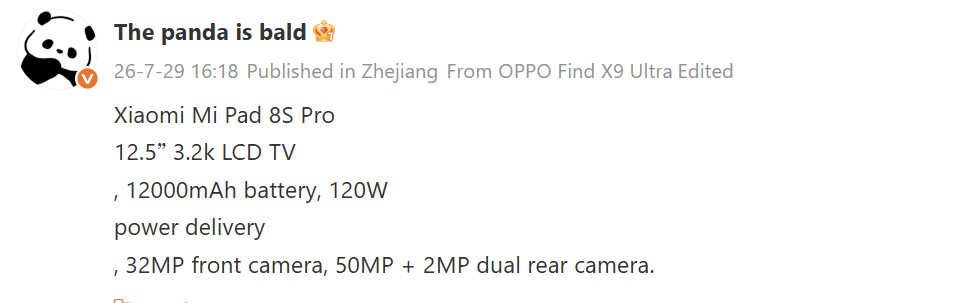
Traditionally, Xiaomi unveils its flagship phones in China in September, followed by a global launch in the first quarter of the following year. This appears to be changing, as some global Xiaomi 18 models have now received their first certification. At the same time, a new leak has revealed details about the Xiaomi Pad 8s Pro, which is also expected to launch soon in China.
Global Xiaomi 18 series EEC certified
The EEC approved the following Xiaomi 18 series phones
– 2609BPN61G: Xiaomi1 18 Pro Max – 2611FPNFAG: Xiaomi 18
As seen above, two Xiaomi smartphones with model numbers 2609BPN61G and 2611FPNFAG have appeared in the database of Europe’s EEC certification platform. These devices were previously spotted in the IMEI database, where they were believed to belong to the Xiaomi 18 series. However, their official marketing names have yet to be confirmed through the IMEI listings.
The 2611FPNFAG is believed to be the standard Xiaomi 18, while the 2609BPN61G could be the Xiaomi 18 Pro Max. It is also speculated that the Xiaomi 18 Pro may not receive a global release.
While the Xiaomi 17 Ultra was unveiled in December last year, recent reports suggest that the Xiaomi 18 Ultra may have been cancelled. Instead, August could see the debut of the Xiaomi 18 Fold, which is expected to feature a wide foldable design similar to the Galaxy Z Fold 8. However, the foldable is also expected to remain exclusive to the Chinese market.
Xiaomi Pad 8s Pro incoming
According to tipster Bald Panda, the upcoming Xiaomi Pad 8s Pro will feature a 12.5-inch LCD panel with a 3.2K resolution, the Xring O3 chipset, a 12,000mAh battery with 120W charging, a 32-megapixel front-facing camera, and a dual rear camera system comprising a 50-megapixel primary sensor and a 2-megapixel secondary camera.
The Xiaomi 18 Fold is also expected to feature the Xring O3 chip. Therefore, it is likely that both devices may debut together in China next month.
For more daily updates, please visit our News Section.
Redmi has confirmed that the Redmi K100 Pro series will be unveiled on Aug. 11 in China. Rival brand OnePlus is also gearing up to unveil the OnePlus 16. At the recently held Snapdragon Gaming Technology Showcase, OnePlus China Brand General Manager Liu Baoyou shared a few initial details about the OP16. Meanwhile, a teaser, whose authenticity has not been confirmed, has surfaced online, offering a glimpse of its refreshed design.
OnePlus 16’s arrival drawing near
Liu highlighted the company’s achievements in gaming technologies and its collaboration with partners to advance the high-frame-rate gaming ecosystem. He said that OnePlus recorded 13% year-on-year sales growth in the first half of 2026, making it the fastest-growing smartphone brand during the period.
He also revealed that OnePlus’ three exclusive gaming technologies, Fengchi Gaming Kernel, Extreme High Refresh Rate, and Esports Triple-Chip, will receive a major upgrade. These enhanced technologies will debut on the upcoming OnePlus 16, which he said will deliver next-level gaming performance.
OnePlus 16’s first teaser
At the same time, a warm-up poster of the OnePlus 16 is making the rounds on Chinese social media platforms. A closer look at the top half suggests that it could feature a circular camera module, replacing the square camera module introduced on the OnePlus 15. Before that, the OnePlus 13 featured a circular camera module. Readers should note that the authenticity of the teaser could not be confirmed.
What appears to be an AI-generated image based on the warm-up poster is also circulating on social media. It reveals a design that looks more similar to last year’s Realme GT 8 series. According to reports, the OnePlus 16 may go official in early October in China.
According to reports, the OnePlus 16 will feature a 6.78-inch LTPO OLED panel with a 1.5K resolution, a 185Hz refresh rate, and an ultrasonic in-display fingerprint sensor. It may pack a battery of around 9,000mAh capacity with 100W wired and 50W wireless charging.
Under the hood, the OP16 may feature the next-generation Snapdragon 8 Elite Gen 6 Pro chipset. Other expected features include Android 16-based ColorOS 17, an X-axis bionic vibration motor, symmetrical dual speakers, and IP68/IP69-rated dust and water resistance.
For more daily updates, please visit our News Section.
We use cookies on our website to give you the most relevant experience by remembering your preferences and repeat visits. By clicking “Accept”, you consent to the use of ALL the cookies.
This website uses cookies to improve your experience while you navigate through the website. Out of these, the cookies that are categorized as necessary are stored on your browser as they are essential for the working of basic functionalities of the website. We also use third-party cookies that help us analyze and understand how you use this website. These cookies will be stored in your browser only with your consent. You also have the option to opt-out of these cookies. But opting out of some of these cookies may affect your browsing experience.
Necessary cookies are absolutely essential for the website to function properly. This category only includes cookies that ensures basic functionalities and security features of the website. These cookies do not store any personal information.
Any cookies that may not be particularly necessary for the website to function and is used specifically to collect user personal data via analytics, ads, other embedded contents are termed as non-necessary cookies. It is mandatory to procure user consent prior to running these cookies on your website.