Advertisement

JBL Introduces Tune Buds 2, Beam 2, and Flex 2 earbuds in India Starting at Rs. 9,499 ($110)

JBL has launched the Tune Series 2 in India with three models: Tune Buds 2, Tune Beam 2, and Tune Flex 2. All models support Bluetooth 5.3 with LE Audio, Adaptive Noise Cancelling, Spatial Sound, Multi-Point Connection, and Google Fast Pair. Each comes with six microphones for clear calls, IP54 water and dust resistance, and up to 48 hours of total battery life.

Tune Flex 2

Tune Flex 2 has 12mm drivers, JBL Pure Bass Sound, Adaptive Noise Cancelling with Smart Ambient, and supports both open and sealed ear tips. It offers 8 hours of playback with ANC on (12 hours with ANC off), plus 36 more hours from the charging case. Each earbud weighs 4.4g, and the case weighs 32.9–35.2g.

JBL Tune Series 2

Tune Buds 2

Tune Buds 2 has 10mm drivers and an ergonomic bud-style fit. Battery life is 10 hours with ANC on, 12 without, and the 630mAh case gives up to 48 total hours. Each earbud weighs 5.5g, and the case weighs 40.6g.

Tune Beam 2

Tune Beam 2 also uses 10mm drivers and has a closed-stick design. It gives 10 hours of playback with ANC on, 12 without, and 48 hours total with a 590mAh case. Each earbud weighs 5.2g, and the case weighs 42g.

All models include TalkThru, Smart Ambient, VoiceAware, and customizable controls via the JBL Headphones app with Personi-Fi 3.0. They support a 20Hz–20kHz frequency range, -38dB mic sensitivity, and take about 2 hours to fully charge. Talk time ranges from 4.5 hours (ANC on) to 6 hours (ANC off).

Pricing & availability

The Tune Series 2 will be available starting April 17, 2025, on JBL’s website and in major retail stores. Prices are ₹9,499 for Tune Buds 2, ₹11,999 for Tune Beam 2, and ₹10,499 for Tune Flex 2. All models come in Black, Blue, and White.
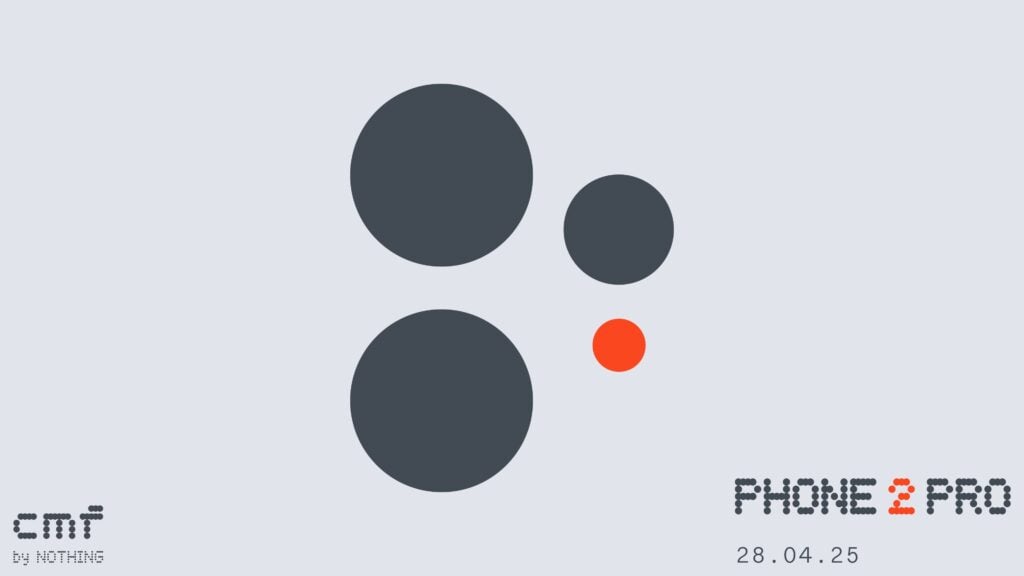
Nothing confirms April 28 launch event for CMF Phone 2 Pro, Buds 2, Buds 2a, Buds 2 Plus

Nothing’s sub-brand CMF has announced that its next launch event will take place on April 28, as confirmed through official social media channels. The event will showcase the CMF Phone 2 Pro, which marks the next chapter in CMF’s smartphone line-up, along with a new set of true wireless earbuds. Teasers have hinted at a refined design and improved camera hardware, but the company has yet to reveal full details.

CMF Phone 2 Pro: What to expect?

CMF Phone 2 Pro launch date

The introduction of the CMF Phone 2 Pro comes as a bit of a surprise, given that the company did not launch a Pro model last year. The CMF Phone 1, introduced in July 2024, was the only CMF-branded smartphone so far. This move to introduce a “Pro” version could suggest that a regular CMF Phone 2 might also be in the pipeline for a later date.

Early leaks point to some impressive upgrades. The CMF Phone 2 Pro is likely to feature a 6.77-inch FHD+ AMOLED display with a 120Hz refresh rate and be powered by the MediaTek Dimensity 7400 chipset. The phone is expected to ship with Nothing OS 3.1 based on Android 15 and carry an IP64 rating. The battery capacity could be 5,000mAh with support for 50W fast charging.

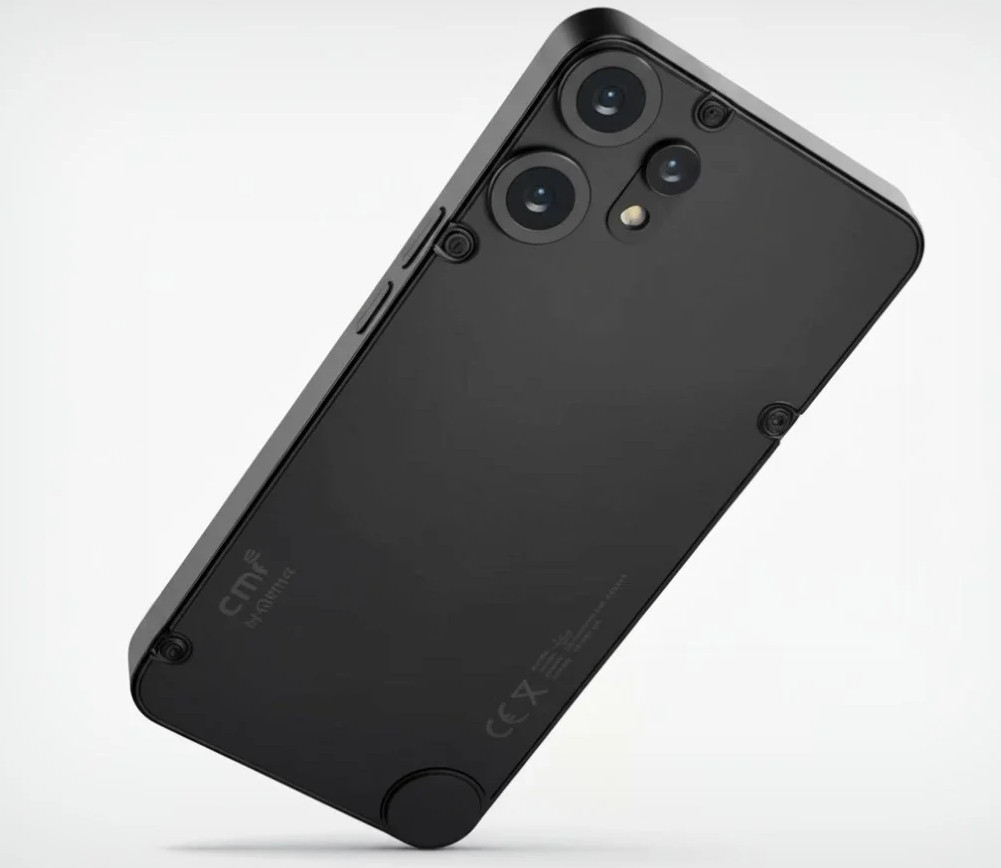
Alleged CMF Phone 2 Pro's leaked image
Alleged CMF Phone 2 Pro’s leaked image

Camera-wise, the device is rumored to feature a triple rear camera setup with a 50-megapixel primary sensor, an 8-megapixel ultrawide lens, and a 2-megapixel depth sensor. Shown above is a leaked render of the phone that is doing the rounds on social platforms.

Other devices set to launch alongside

Along with the smartphone, CMF will also unveil three new audio products — CMF Buds 2, CMF Buds 2a, and CMF Buds 2 Plus. These will expand the brand’s existing TWS portfolio, which already includes the CMF Buds Pro 2.

For more daily updates, please visit our News Section.

Stay ahead in tech! Join our Telegram community and sign up for our daily newsletter of top stories!

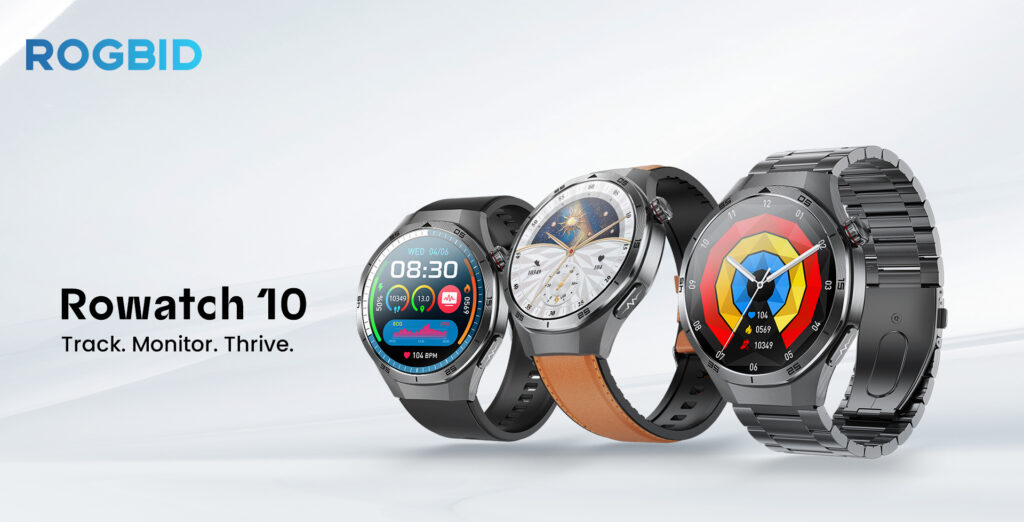
Rogbid Rowatch 10 launched with ECG sensor, blood sugar monitor, IP68 rating

Rogbid has officially announced its new flagship health-focused smartwatch, the Rowatch 10, for 2025. It aims to deliver an enhanced wellness experience by combining robust design and advanced health monitoring. Here’s a look at the specifications, features, and price of the Rowatch 10.

Rogbid Rowatch 10 specifications and features

Rogbid Rowatch 10
Rogbid Rowatch 10

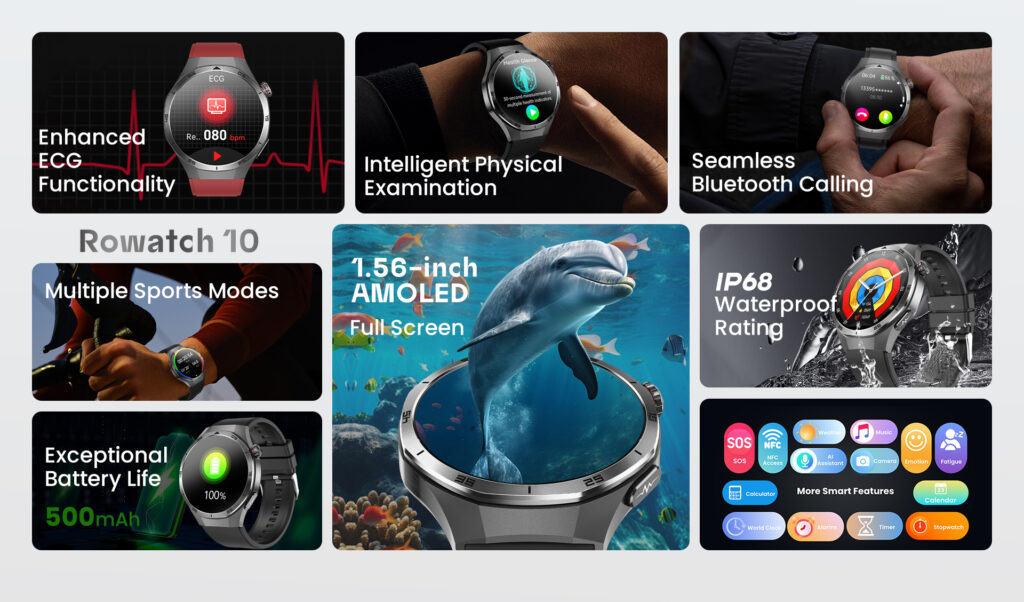
The Rowatch 10 features a circular 1.56-inch AMOLED screen that supports an HD resolution. It has a sturdy full-metal body that houses two physical buttons—a rotating crown for easy navigation and a dedicated ECG sensor button. Equipped with both a speaker and a microphone, it enables seamless Bluetooth calling.

Being a health-focused smartwatch, the Rowatch 10 features an advanced ECG sensor, which claims up to 95 percent accuracy in detecting heart irregularities. Rogbid also introduces an Intelligent Physical Examination feature, using multiple sensors to evaluate key health parameters such as blood pressure, blood oxygen, stress, blood sugar, temperature, and HRV. The smartwatch also supports comprehensive sleep tracking, MET calculations, and body composition monitoring.

Rogbid Rowatch 10 key features

Built for fitness enthusiasts, the Rowatch 10 includes multiple sports modes and delivers real-time performance data for activities like cycling, yoga, and running. It packs a 500mAh battery that offers up to 30 days of standby time, while its IP68 rating provides solid protection against sweat, rain, and water exposure.

Rogbid Rowatch 10 price and availability

The Rowatch 10 comes in a sleek black finish and includes three strap types—silicone (in red, blue, and black), brown leather, and stainless steel. It is available now via the official store for $59.99.

For more daily updates, please visit our News Section.

Stay ahead in tech! Join our Telegram community and sign up for our daily newsletter of top stories!

Vivo X200 Ultra color options revealed; official calls it a pocket camera that can make calls

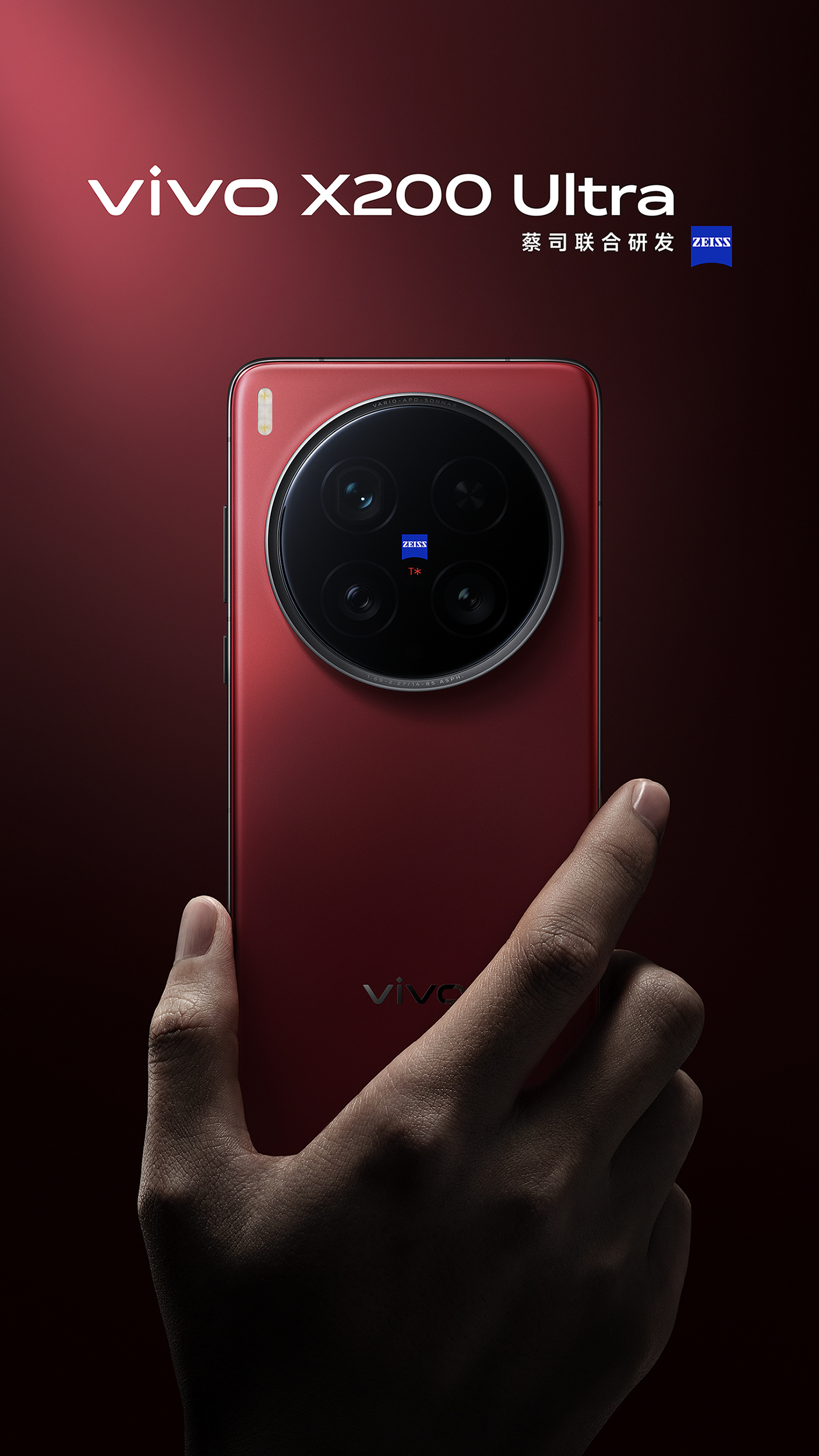
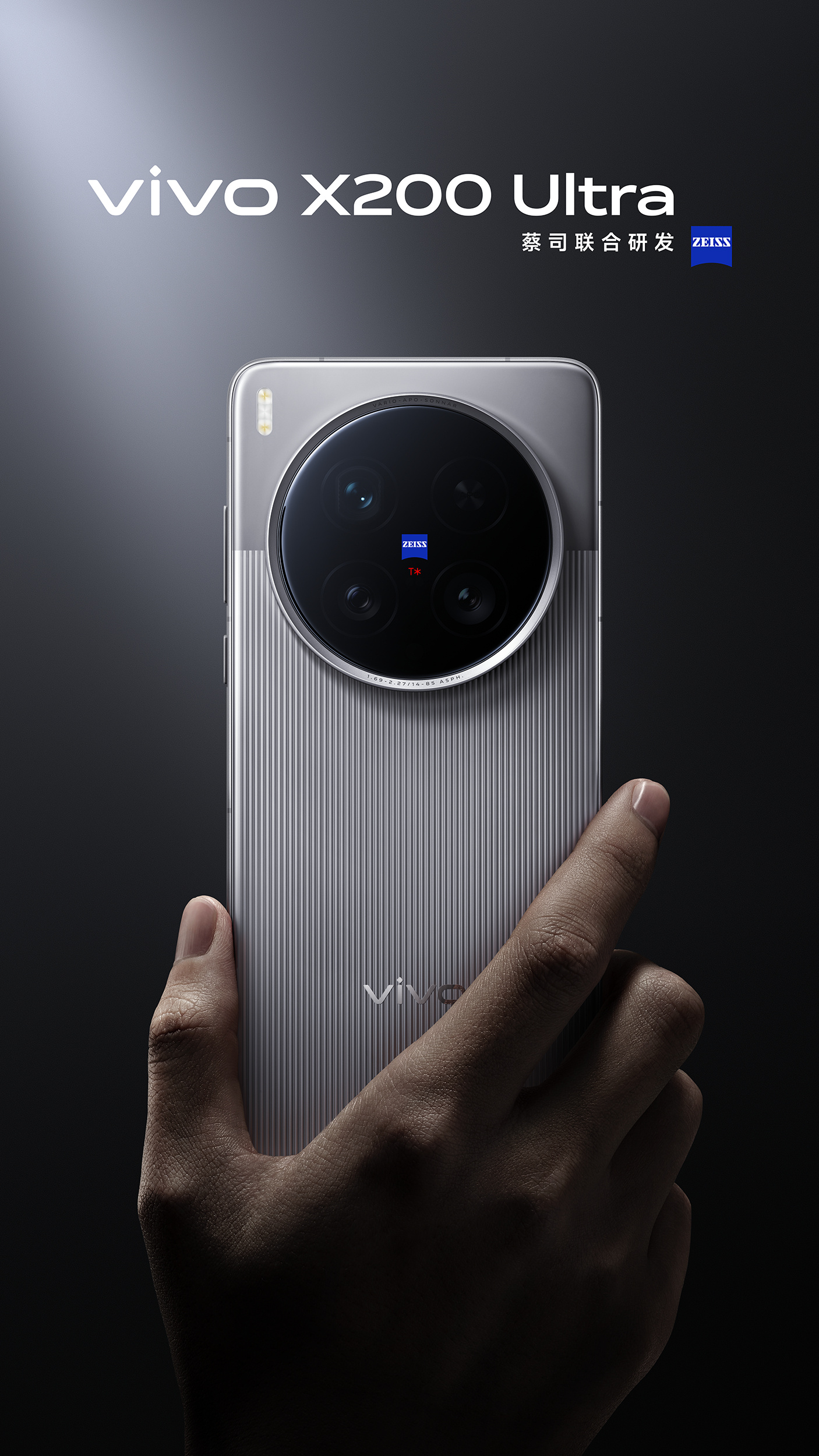
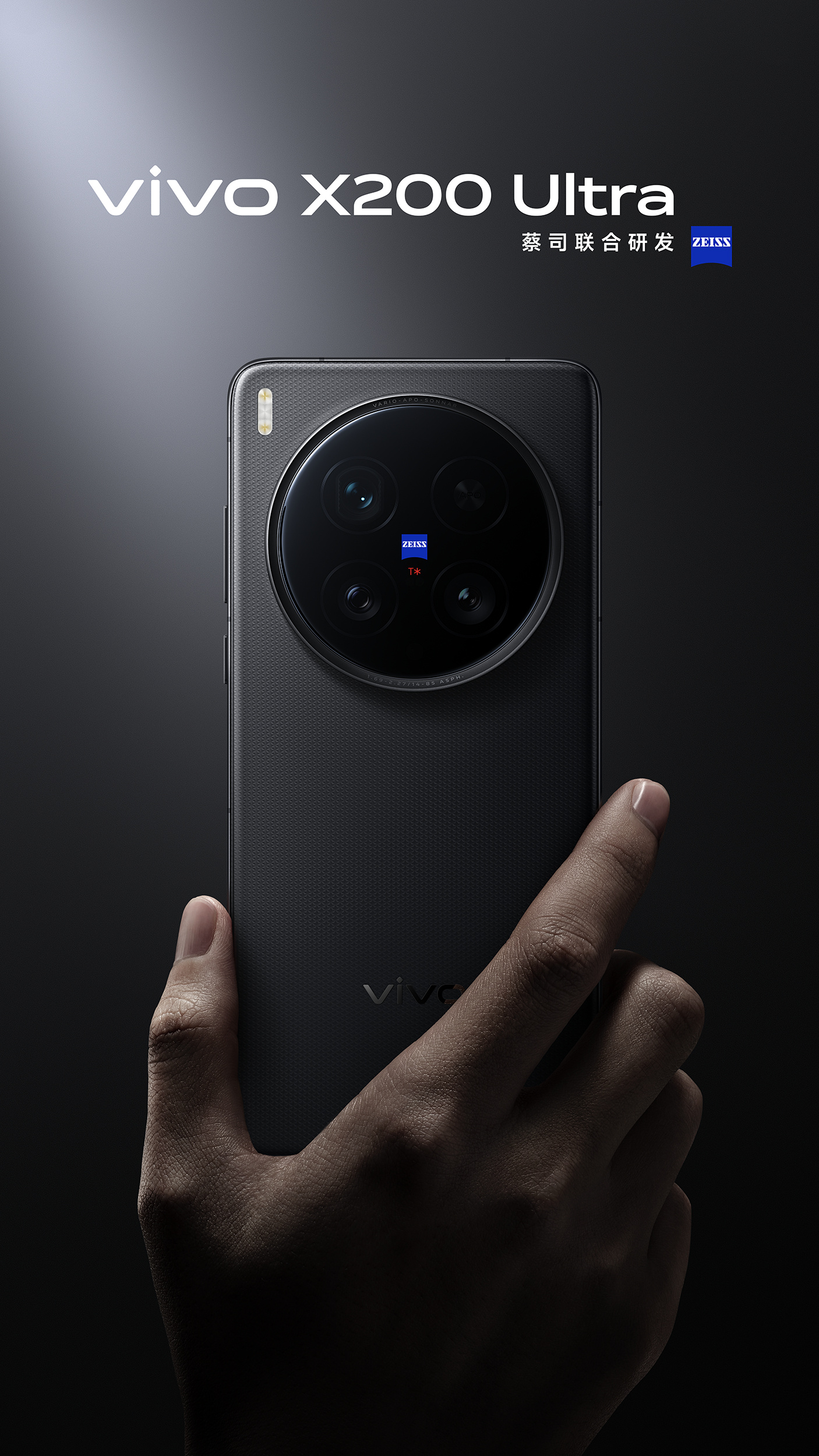
Vivo’s Product Vice President, Huang Tao, has revealed key details about the upcoming Vivo X200 Ultra through a detailed post on Weibo today. Following the strong reception of the Vivo X200 Pro — now reportedly the best-selling Pro model in X-series history — Vivo is shifting its attention to the “Ultra” segment. Huang describes the X200 Ultra as a “pocket smart camera that can make calls.” He also shared images showcasing the device’s color options.

Designed like a pocket-sized pro camera

The Vivo X200 Ultra, internally referred to as the “V-camera,” is being positioned as more than just a flagship phone. According to the executive, its appearance and internal components are heavily inspired by the layout and optics of high-end cameras.

 The design includes a massive round camera module and houses three Zeiss prime lenses — an upgraded 85mm APO telephoto lens, a 14mm ultra-wide with the industry’s largest sensor for its category, and a classic 35mm humanistic lens for documentary-style shots. All lenses feature Zeiss T* coating and OIS across the range.

Video features include full-focus 4K at 60fps with 10-bit Log and cinematic 4K at 120fps. There’s also a new physical camera control key and a customizable zoom flash system for DSLR-like portrait photography. A fourth camera sensor is also teased but not yet revealed.

Apart from packing stellar cameras, the X200 Ultra will feature the Snapdragon 8 Elite chipset, a 2K Zeiss Master Colour display with circular polarizer eye protection, ultrasonic fingerprint scanning that works even with wet fingers, and a large battery with wireless flash charging. Vivo says this phone will go beyond being just a “concert camera” and will dominate large-scale moments like sports and nature. As can be seen above, the X200 Ultra will be available in red, silver, and black.

For those unfamiliar, the X200 Ultra is set to launch with a slew of other devices on April 21 in China. There’s no clarity about its global launch yet.

For more daily updates, please visit our News Section.

Stay ahead in tech! Join our Telegram community and sign up for our daily newsletter of top stories!

The Best JBL Speakers for Spring Break 2025

Spring Break 2025 is calling, and let’s be real — your speaker might just be the MVP of the entire trip. Whether you’re beach-bound, poolside chilling, or packing the car for a weekend road trip, one thing’s certain: you need a speaker that won’t let you down when the beat drops. And when it comes to portable, party-proof audio, JBL continues to dominate the scene.

But with JBL’s lineup stretching from palm-sized tube speakers to full-on club-in-a-box setups, picking the right one isn’t as simple as “the louder, the better.” So we spent time combing through the latest models, examining their specs, and figuring out what actually matters during the most music-heavy week of the year.

Here’s our breakdown of the best JBL speakers for Spring Break 2025 — and why one of them is the perfect match for your vibe.

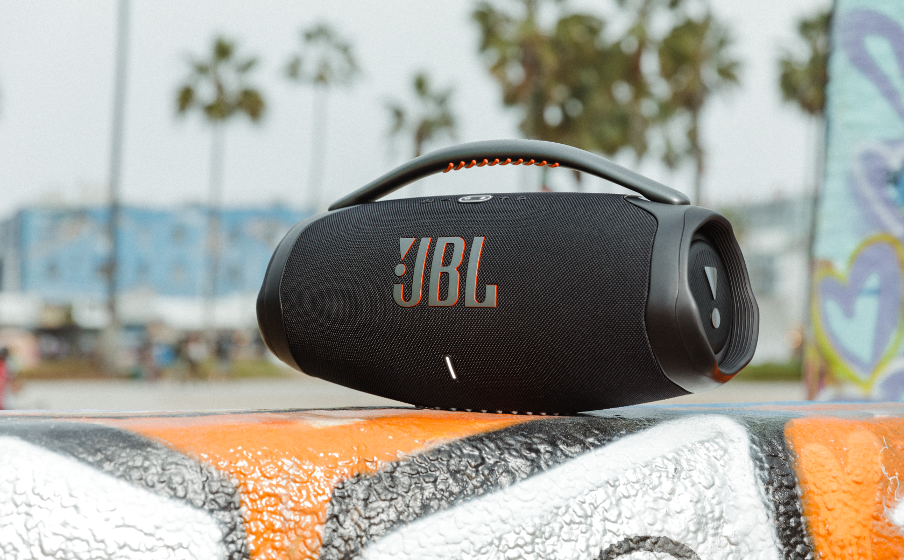
1. JBL Boombox 3

JBL-Boombox-3

Let’s just get this out of the way: the Boombox 3 is the speaker for Spring Break. It’s not the smallest. Or the lightest. But if your goal is to show up and own the party, this is the one to beat. It’s basically a Bluetooth tank with woofers. It hits hard, sounds clean at full blast, and shrugs off water, sand, and bad vibes like it’s nothing.

You get a whopping 24 hours of battery life, a rugged IP67 build that can literally float in your pool, and an actual handle because, well, it’s big. And you’ll want to show it off. Inside, JBL’s three-way speaker system delivers deep, thunderous bass alongside crisp mids and highs. There’s no distortion at volume. Just pure, unrelenting sound that can fill a backyard — or battle the roar of the ocean on a crowded beach.

The Boombox 3 also supports JBL PartyBoost, so you can link it with other JBL speakers if you want to scale your sound. And yes, it has a 3.5mm aux-in for old-school plug-and-play. No gimmicks, just great sound that holds up anywhere.

Please Note: When you buy something using the links in our articles, we may earn a small commission at no cost to you.

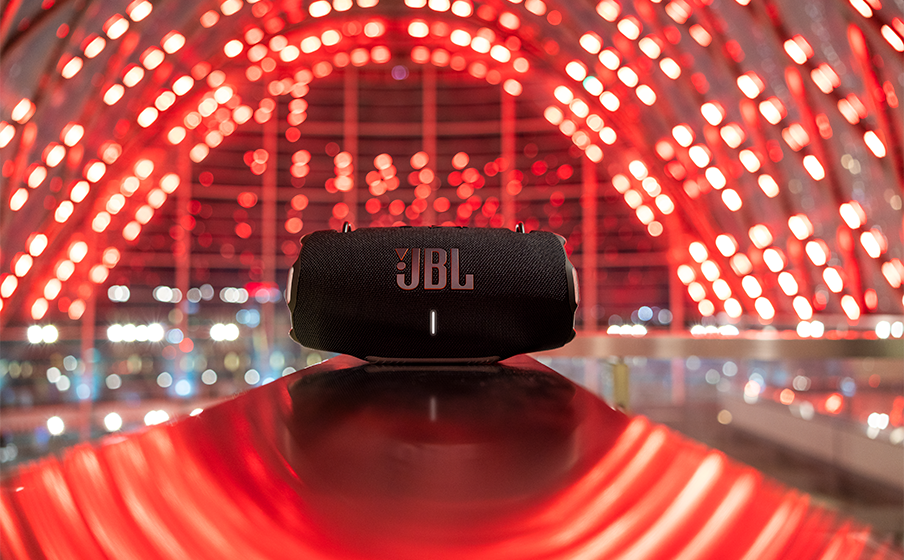
2. JBL Xtreme 4

JBL-Xtreme-4

If you want most of the power but in a more shoulder-friendly form, the Xtreme 4 is the sweet spot. It weighs about half as much as the Boombox 3 and comes with a strap — a smart touch if you’re constantly on the move. It gets plenty loud, and thanks to dual woofers and JBL’s new AI Sound Boost, it can fill outdoor spaces better than most portables in its class.

It also lasts 24 hours on a charge and includes a power bank feature to keep your phone alive between beach selfies. You won’t get the same subwoofer-level bass of the Boombox 3, but for many, this is the smarter packable option.

Please Note: When you buy something using the links in our articles, we may earn a small commission at no cost to you.

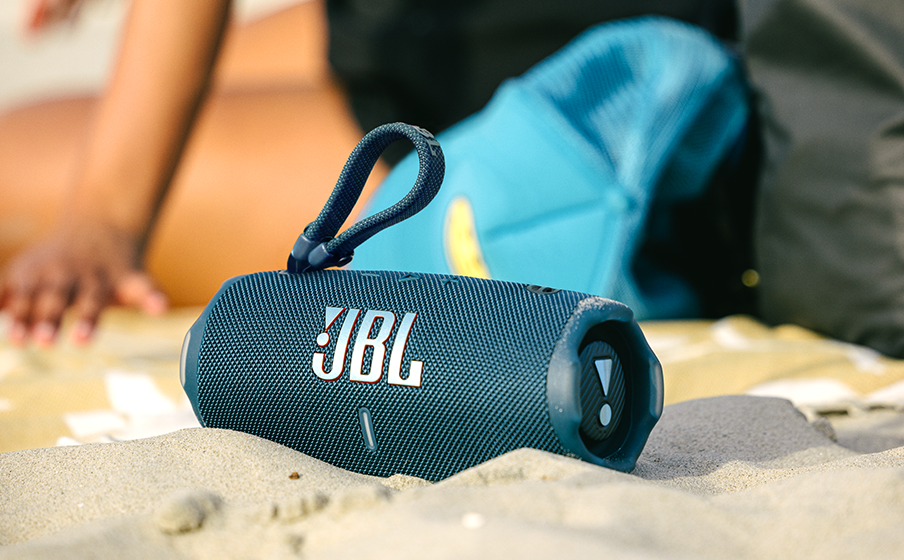
3. JBL Charge 6

JBL-Charge-6

This one’s for the minimalist who still wants solid sound. The new Charge 6 hits the trifecta: great sound, ultra-durable IP68 rating, and a ridiculous 28-hour battery. It’s about the size of a tall water bottle, so it easily fits in your bag — and it doubles as a power bank via USB-C.

This year’s Charge adds a detachable strap, deeper bass thanks to redesigned radiators, and better drop protection. You won’t blast a whole crowd, but for smaller gatherings or on-the-go use, it’s nearly perfect.

4. JBL Flip 7

JBL-Flip-7

The Flip 7 is the speaker you bring everywhere just in case the vibe needs saving. It’s lightweight, tough (IP68 again), and lasts 16 hours — more than enough for a hike or a beachside hang. The bass won’t blow anyone away, but the clarity and loudness are surprisingly solid for its size.

If you’re traveling light and just want a speaker that won’t get wrecked by the pool, this is your move.

Please Note: When you buy something using the links in our articles, we may earn a small commission at no cost to you.

5. JBL PartyBox 110

JBL-PartyBox-110

Want built-in lights, mic inputs, and literal 160W output? The PartyBox 110 is your mobile DJ setup. It’s huge, splashproof (not waterproof), and pushes big-room energy into any space — backyard, balcony, or bonfire. It’s not hiking material (it weighs over 20 pounds), but if you’re driving to your destination and want that full-party atmosphere, it’s unbeatable.

Please Note: When you buy something using the links in our articles, we may earn a small commission at no cost to you.

6. Final Verdict

If you want the one JBL speaker that does it all — rugged, loud, long-lasting, portable enough — the JBL Boombox 3 is your Spring Break MVP. It’s the kind of speaker that makes people ask, “Whoa, where’d you get that?”

But if size or price is a factor, the Xtreme 4 and Charge 6 are killer alternatives that won’t leave you wishing you’d brought something bigger.

In related news, JBL recently launched the Tune Flex 2, Buds 2, and Beam 2 earbuds in India this month, with prices starting under ₹6,000 ($70).

For more daily updates, please visit our News Section.

Stay ahead in tech! Join our Telegram community and sign up for our daily newsletter of top stories! 💡

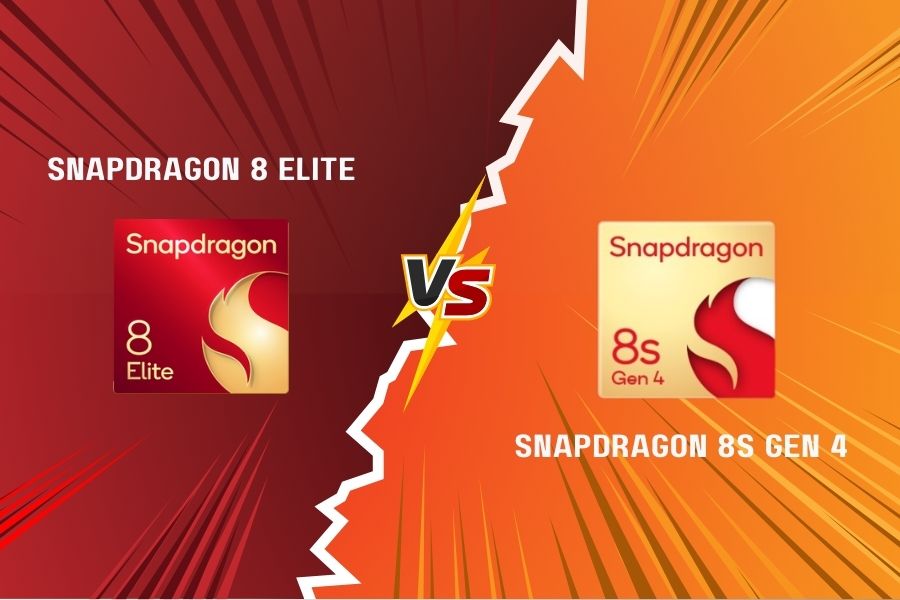
Snapdragon 8 Elite vs Snapdragon 8s Gen 4: How Qualcomm’s New Chips Stack Up

The Snapdragon 8 Elite and the Snapdragon 8s Gen 4 share a name lineage but aim at very different slices of the mobile market. On paper, the 8 Elite is a showstopper. It’s Qualcomm’s most advanced SoC that’s pulling out all the stops with raw performance, AI smarts, and multimedia power. 

The 8s Gen 4, meanwhile, is a leaner, more affordable chip that borrows elements from its more powerful sibling while making a few strategic trade-offs.

Qualcomm Snapdragon 8 Elite vs Snapdragon 8s Gen 4

If you’re trying to decide whether the 8s Gen 4 will be “good enough” or whether you need to stick with the full-fat 8 Elite, it helps to look at how these two chipsets compare beyond just the marketing headlines.

1. CPU and Performance

At the heart of this comparison is custom silicon—and that’s where the 8 Elite pulls away. Qualcomm’s decision to go with its own Oryon CPU cores in the 8 Elite is a big move. These aren’t just tweaks to off-the-shelf ARM designs; they’re purpose-built, high-frequency (up to 4.47 GHz) powerhouses that deliver up to 45% more CPU performance and 44% better efficiency than the previous generation.

The 8s Gen 4, on the other hand, uses the familiar Kryo cores, which are essentially optimized ARM cores. It has a Cortex-X4 prime core clocked at 3.2GHz along with seven Cortex-A720 cores—three running at 3.0GHz, two at 2.80GHz, and two at 2.02GHz. 

Qualcomm claims that this setup delivers 31% better performance than its predecessor while using 39% less power. But it shouldn’t come as a surprise that it’s not in the same league as the 8 Elite. 
2. AI and On-Device Intelligence

Both chips are built with AI in mind, but again, there’s a divide in scale. The Snapdragon 8 Elite uses a Hexagon NPU with improved performance per watt and support for a wider range of operations (INT4 to FP16). It also includes on-device personalization, multimodal AI processing, and the Sensing Hub for better context-aware features.

The 8s Gen 4 also has a Hexagon NPU, and it’s no slouch. It gets a 2x memory boost, which helps with memory bandwidth and efficiency. But it’s missing some of the more advanced AI processing features found in the Elite, including higher-precision data support and some of the more advanced Gen AI integrations for things like on-device assistants or real-time personalization.

3. Graphics and Gaming

The 8 Elite is built for high-end mobile gaming. Its Adreno GPU claims up to 40% improved performance and 40% better power efficiency, thanks to a revised “sliced architecture” that balances heat and battery drain. 

It supports real-time hardware-accelerated ray tracing, Snapdragon Game Super Resolution 2.0, and Adreno Frame Motion Engine 2.0, which doubles frame rates with minimal power impact. You also get support for Unreal Engine 5.3 with Nanite which allows developers to push console-quality visuals onto a handheld. 

The 8s Gen 4 supports many of these same features including ray tracing, Game Super Resolution, and Adaptive Performance Engine. But it doesn’t get the full Unreal 5.3 support or Frame Motion Engine. 

The GPU in the 8s Gen 4 also has the same sliced architecture as the 8 Elite. It’s just that the former has two slices versus the Elite chip’s three which makes the difference in performance.
4. Connectivity

The 8 Elite features Qualcomm’s top-tier Snapdragon X80 modem with peak download speeds of 10Gbps and support for 6x carrier aggregation, dual SIM, and even UWB and Wi-Fi 7 via FastConnect 7900. It’s also backed by Qualcomm’s 5G AI Suite Gen 3 which dynamically adjusts connection parameters to save power and reduce latency.

The 8s Gen 4 makes do with a lower-tier Snapdragon 5G Modem-RF System. Its peak download speed caps at 4.2 Gbps, and has a more limited 4×4 MIMO setup. Still, it includes Wi-Fi 7 and Bluetooth 6.0 via Qualcomm FastConnect, along with support for Snapdragon Seamless for cross-device connectivity.

5. Imaging and Multimedia

Both chips use Qualcomm’s Spectra AI ISP, but the 8 Elite leans harder into real-time AI features. It supports real-time semantic segmentation, AI-based relighting, and ultra-low-light video. 

The silicon is also compliant with Truepic’s C2PA standard. It is a way to verify the source and history (provenance) of digital content like images, videos, and audio.

The 8s Gen 4 offers a lighter version of these tools—Night Vision 2.0, up to 250 segmentation layers, and similar HDR support—but lacks some of the Elite’s real-time visual processing capabilities. You still get 8K video and impressive low-light results, but professional-grade creators will get more headroom with the Elite.

6. Display, Audio, and Charging

The 8 Elite supports QHD+ displays at 240Hz, 8K external displays, and HDR10+, Dolby Vision, and HDR Vivid formats. It also includes Snapdragon Sound, aptX Lossless, and Quick Charge 5 for fast charging.

The 8s Gen 4 covers most of these areas including Snapdragon Sound, HDR video formats, Wi-Fi audio (XPAN), and Quick Charge 5 support, but it lacks support for external 8K displays. 

7. Final Thoughts

At the end of the day, the Snapdragon 8 Elite is a no-compromise SoC built for devices that aim to be the best at everything. Whether it’s gaming, camera, connectivity, or AI features. 

The 8s Gen 4, meanwhile, takes many of those premium experiences and trims the fat. It’ll power more affordable high-end devices (think $500–$800 phones) while keeping gaming, AI, and camera capabilities competitive enough for most users.

In short, the 8 Elite is the chip you get when you want everything. The 8s Gen 4 is the one you get when you want just enough. Which one makes more sense? That depends entirely on your priorities, and how much you’re willing to pay for them.

8. Qualcomm Snapdragon 8 Elite vs 8s Gen 4

SpecSnapdragon 8 EliteSnapdragon 8s Gen 4
Architecture3nm4nm
CPU Core Configuration– Custom Oryon CPU @ up to 4.47GHz
– 64-bit architecture
– Kryo CPU
– 64-bit architecture– Clock speed up to 3.2GHz
GPUAdreno 830Adreno 825
NPU (AI Engine)– Hexagon NPU
– Supports INT4, INT8, INT16, FP16
– On-device personalization, fused AI, Micro Tile Inferencing
– Hexagon NPU
– Supports INT4, INT8
– 2x larger shared memory for bandwidth boosts
Memory TypeLPDDR5X @ 5.3GHzLPDDR5X @ 4800 MHz
ModemSnapdragon X80 5G Modem-RF System
– Up to 10 Gbps download
– 3.5 Gbps upload
– 8-carrier mmWave, 4×6 MIMO Sub-6
Snapdragon 5G Modem-RF System
– Up to 4.2 Gbps download
– Likely 3.5 Gbps upload
– 4×4 MIMO Sub-6
Connectivity– Wi-Fi 7 (FastConnect 7900)
– Bluetooth 6.0
– UWB
– AI-optimized Wi-Fi, XPAN, HBS Multi-Link
– Wi-Fi 7 (FastConnect platform)
– Bluetooth 6.0
– UWB
– XPAN, HBS Multi-Link
ISPSpectra 18-bit Triple AI ISP
– Real-time AI Relighting
– Ultra Low-Light video
– Truepic capture with C2PA
– Video Object Eraser
Spectra 18-bit Triple AI ISP
– Night Vision 2.0 (4K@30fps)
– Real-time skin/sky tone correction
– Always-sensing camera
Display SupportUp to QHD+ @ 240Hz (on-device)
8K @ 30Hz (external)
HDR10+, Dolby Vision, 10-bit Rec. 2020
Up to WQHD+ @ 144Hz (on-device)
4K @ 60Hz (external)
HDR10+, Dolby Vision, 10-bit Rec. 2020
Video Playback8K @ 60fps
Supports Dolby Vision, HDR10+, AV1, H.265
8K @ 60fps
Supports Dolby Vision, HDR10+, AV1, H.265
Camera Support– Up to 320MP single camera
– 48+48+48 MP triple (ZSL)
– 8K video capture @ 30fps
– Video Super Resolution
– Up to 320MP single camera
– 36 MP triple (ZSL)
– 4K video capture @ 60fps
– Motion Compensated Temporal Filtering
ChargingQuick Charge 5Quick Charge 5
Security– Qualcomm SPU
– 3D Sonic Sensor Max
– Face, Fingerprint, Iris, Voice
– Type-1 Hypervisor
– Qualcomm TEE
– 3D Sonic Sensor Max
– Face & Fingerprint
– Type-1 Hypervisor
StorageUFS 4.0UFS 4.0
USBUSB 3.1 Gen2 (USB-C)USB 3.1 Gen2 (USB-C)

Tech enthusiast? Get the latest news first! Follow our Telegram channel and subscribe to our free newsletter for your daily tech fix!

For more daily updates, please visit our News Section.

Alleged Tecno Pova Curve could be launching soon, hints leaked teaser video

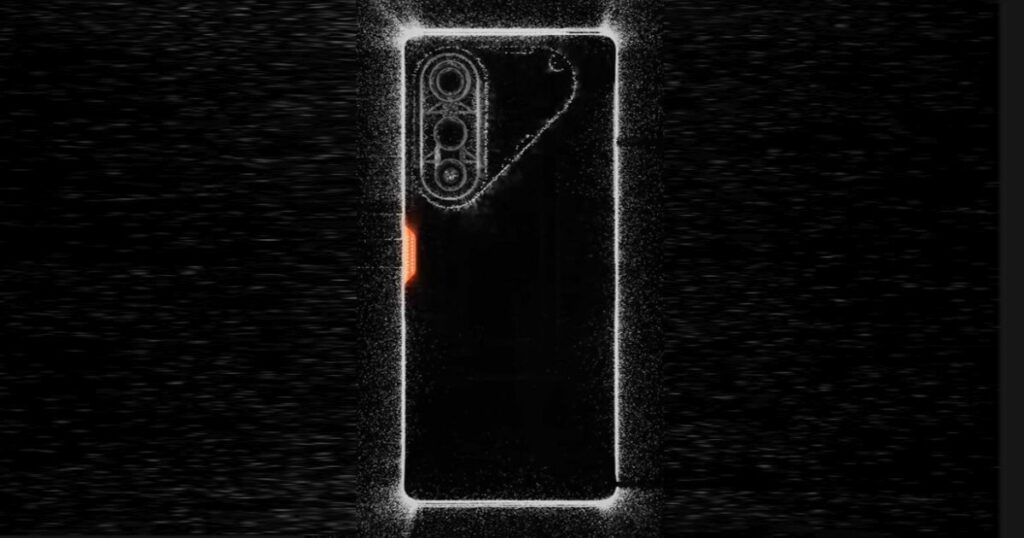
Tecno first teased a mystery Pova phone back in February, showcasing a bold new design with a triangular camera module and LED accents. While no official details followed at the time, it now appears the brand is finally gearing up to launch the Pova 7 series in India this month. While the brand has yet to confirm the phone officially, a teaser video obtained by 91mobiles via industry sources offers a closer look at the handset’s design. The video also appears to be linked to an earlier teaser that Tecno shared back in January this year.

Triangular camera layout and LED interface teased

Tecno Pova Curve teaser
Alleged Tecno Pova Curve teaser video’s screengrab | Source: 91mobiles

The teaser video reveals the upcoming Pova phone with a striking triangular-shaped rear camera island. At least two camera sensors are arranged vertically alongside an LED flash. The camera module appears to sit above an orange-colored strip, which might house the power button on the side frame.

The back panel is flat, with a boxy overall silhouette and sharp edges, aligning with recent design trends. The video is accompanied by the tagline “A portal to the supreme”, suggesting a performance-focused phone.

Interestingly, the design shown in this clip closely resembles what Tecno had teased in January and February — particularly the LED-lit triangular module seen in earlier promotional visuals. This rear LED layout could function similarly to the RGB Arc Interface seen on previous Pova devices such as the Pova 5 Pro and Pova 6 Pro.

Although Tecno hasn’t confirmed the name, the teaser’s lyrics hint at the moniker “Tecno Pova Curve.” This could indicate a fresh identity within the Pova 7 lineup. If aligned with its predecessors, the new Pova model is likely to bring upgrades over the Pova 6 Pro and Pova 6 Neo 5G, both of which launched last year in India. These earlier phones offered large batteries, MediaTek Dimensity chipsets, and high-resolution cameras.

For more daily updates, please visit our News Section.

Stay ahead in tech! Join our Telegram community and sign up for our daily newsletter of top stories!

(source)

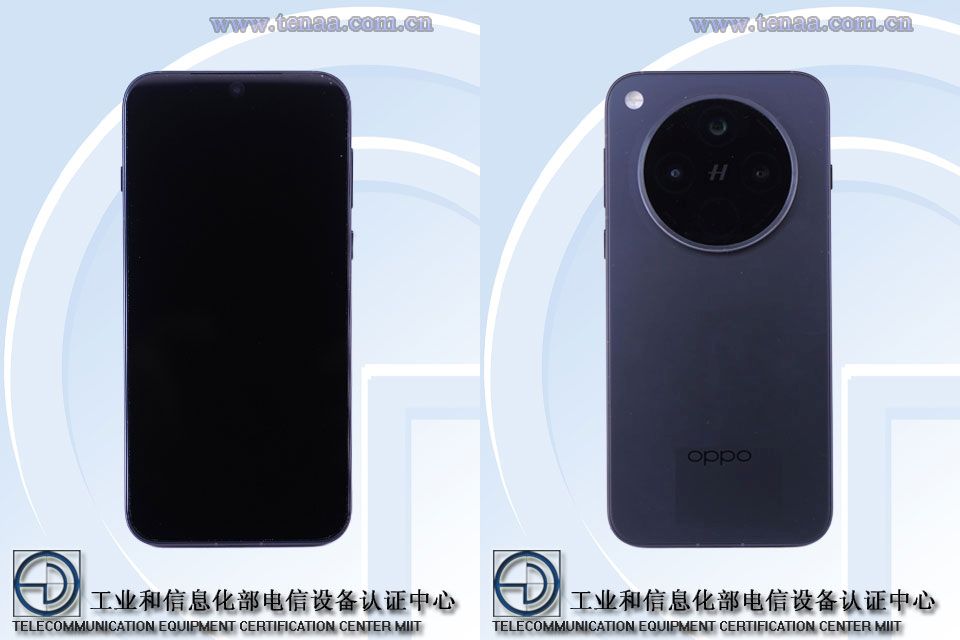
Oppo Find X8s Plus appears on TENAA, reveals specifications, images

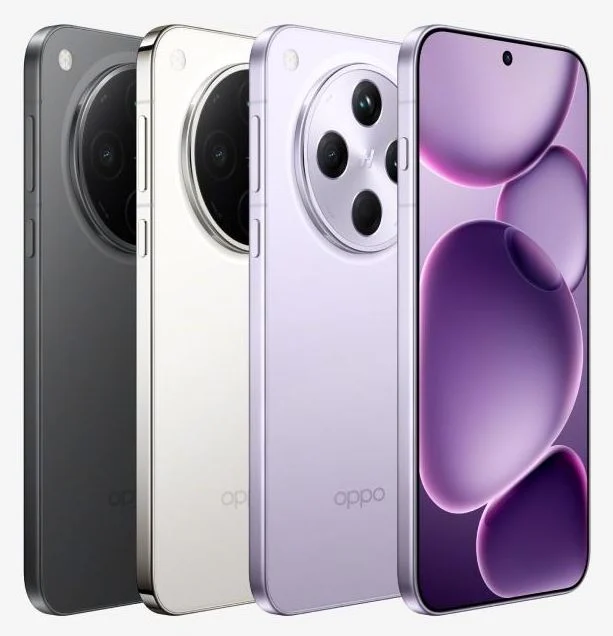
Oppo is all set to launch its next-gen flagship lineup in China on April 10, which includes the Find X8s, X8s Plus, and the high-end X8 Ultra. While the X8 Ultra’s specifications and images have already shown up on TENAA, the Find X8s and X8s Plus have now joined the list. This post mainly focuses on the Plus variant’s specifications and images. To read about the Find X8s, readers can view this post.

Oppo Find X8s Plus key specifications (rumored)

Oppo Find X8s Plus TENAA images

The Oppo Find X8s Plus (model number PLB110) has been spotted with a 6.59-inch AMOLED display, offering a 1.5K resolution of 2760 x 1256 pixels. Under the hood, the device is powered by a 3.73GHz chipset, confirmed to be the Dimensity 9400 Plus, the same SoC that will also power the Find X8s. The listing mentions a rated battery capacity of 5,850mAh, though the typical value could reach 6,000mAh.

The phone will come in multiple memory and storage variants: 8GB, 12GB, and 16GB of RAM paired with 256GB, 512GB, or 1TB of internal storage. For photography, users can expect a 32-megapixel front-facing camera and a triple 50-megapixel camera system on the rear. The phone runs on ColorOS 15 based on Android 15 and includes features like an in-display fingerprint scanner and an IR blaster. It measures 157.53 x 74.51 x 7.95mm and weighs 198 grams.

Oppo Find X8s

According to recent reports, the Find X8s Plus will be equipped with a versatile rear camera setup comprising a 50-megapixel Sony LYT-700 sensor with OIS, a 50-megapixel Samsung S5KJN5 ultra-wide-angle lens, and a 50-megapixel LYT-600 periscope telephoto camera that supports 3x optical zoom and OIS. It is also expected to come with other features, such as 80W wired charging, 50W wireless charging, a 0809 vibration motor, a newly designed push-type button that replaces the traditional Alert Slider, and IP68/69 dust and water resistance certification.

The Find X8s Plus has already been confirmed by the brand to come in four memory options: 12GB+256GB, 12GB+512GB, 16GB+512GB, and 16GB+1TB. The phone will be available in Moonlight White, Hyacinth Purple, and Starry Black finishes.

For more daily updates, please visit our News Section.

Stay ahead in tech! Join our Telegram community and sign up for our daily newsletter of top stories!

Galaxy S25 Edge pricing revealed, and it could be hard to swallow

The Galaxy S25 Edge has been in the conversation for quite a while, which was rescheduled to launch on May 13. Now, thanks to a new leak, we have the expected pricing of the phone, and it could be a bit difficult to swallow.

Specification wise, the phone includes only two cameras on the back. And while the slick form factor may convince you to accept the smaller battery capacity, a significant proportion of recently launched Android devices already pack massive battery capacity thanks to the high density Si/C battery tech, which Samsung could use for this slim phone for a little bit of extra cost.

Galaxy S25 Edge is more expensive than the almost perfect S25+

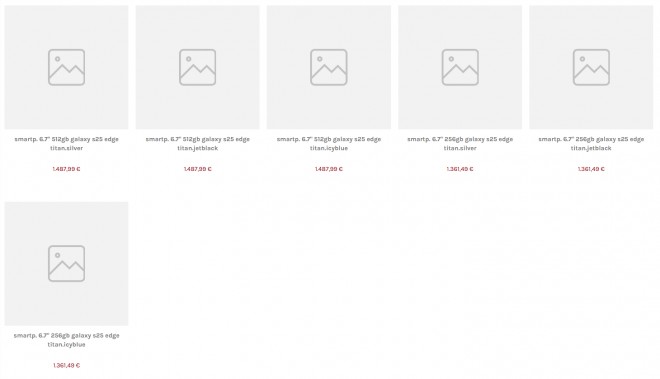
The Galaxy S25 Edge has been spotted on Italian online store Zanetti, and the 256GB and 512GB models are priced at €1,362 and €1,488 respectively. This is higher than the initially expected pricing for the European markets. For comparison, the 256GB and 512GB variants of the S25+ are sold for €1,247 and €1,372 in the region. So the S25 Edge will cost over a €100 more than the S25+—as far as this listing is to be believed.

Notably, prices can vary in different markets, so you cannot really convert the pricing for your region to get to know how much you need to save. But it at least offers us an idea of the price tag relative to the other models.

The raw performance capability of this phone has improved over time: it scored 2969 and 9486 in single and multi-core Geekbench CPU tests. However, it doesn’t really reflect sustained performance under a heavy workload. The phone is slimmer, and the cooling system is likely inferior to the one on the S25+. So we will have to wait for the real-life tests. On the software side, the phone is expected co pre-installed with One UI 7, the stable version of which is finally rolling out to some older flagships starting today.

Stay ahead in tech! Join our Telegram community and sign up for our daily newsletter of top stories!

For more daily updates, please visit our News Section.

(Source)

Oppo Find X8s specifications, images revealed via TENAA certification ahead of April 10 launch

On April 10, Oppo will unveil three new flagship phones in China. These include the Find X8s, X8s+, and X8 Ultra. The Ultra edition has already appeared in the database of China’s TENAA certification platform with all its key specifications and ID images. Now, the Find X8s and X8s Plus have also emerged in TENAA’s database, revealing their major specs and images. Continue reading ahead to know about the X8s, and click here to know the details about the X8s Plus.

Oppo Find X8s specifications (rumored)

Oppo Find X8s TENAA images

As per the TENAA listing, the Oppo Find X8s, which bears the model number PKT110, will arrive with a 6.32-inch OLED screen with 1.5K resolution of 2640 x 1216 pixels. A 2.36GHz octa-core processor and a 5,060mAh (rated value) battery will power the device. It is officially confirmed that the phone will feature the 3.73GHz Dimensity 9400 Plus chip and a 5,700mAh battery. It is expected to arrive with 80W wired and 50W wireless charging support.

The Find X8s will be available in various RAM and storage configurations, including options of 8GB, 12GB, and 16GB of RAM, as well as 256GB, 512GB, and 1TB of internal storage. In terms of photography, the X8s will come with a 32-megapixel front camera and triple 50-megapixel cameras on the back. Its additional features include an in-screen fingerprint sensor and an IR blaster. It is expected to run on ColorOS 15-based Android 15. The phone’s dimensions are 150.59 x 71.82 x 7.73mm, weighing 179 grams.

Oppo Find X8s
Oppo Find X8s

According to the other reports, the Find X8s’ rear camera setup will include a 50-megapixel Sony LYT-700 primary camera with OIS support, a 50-megapixel Samsung S5KJN5 ultra-wide lens, and a 50-megapixel S5KJN5 periscope telephoto camera with 3.5x optical zoom and OIS support. It is also expected to come with other features, such as 80W wired charging, 50W wireless charging, an 0809 vibration motor, a new push-type hardware button instead of an Alert Slider, and an IP68/69-rated body.

Oppo has already confirmed that the Find X8s will be available in multiple configurations: 12GB+256GB, 12GB+512GB, 16GB+256GB, 16GB+512GB, and 16GB+1TB. It will be come in shades like Moonlight White, Island Blue, Cherry Blossom Pink, and Starry Black.

For more daily updates, please visit our News Section.

Stay ahead in tech! Join our Telegram community and sign up for our daily newsletter of top stories!

Samsung announces Real-Time Visual AI: rolling out to Galaxy S25 series starting today

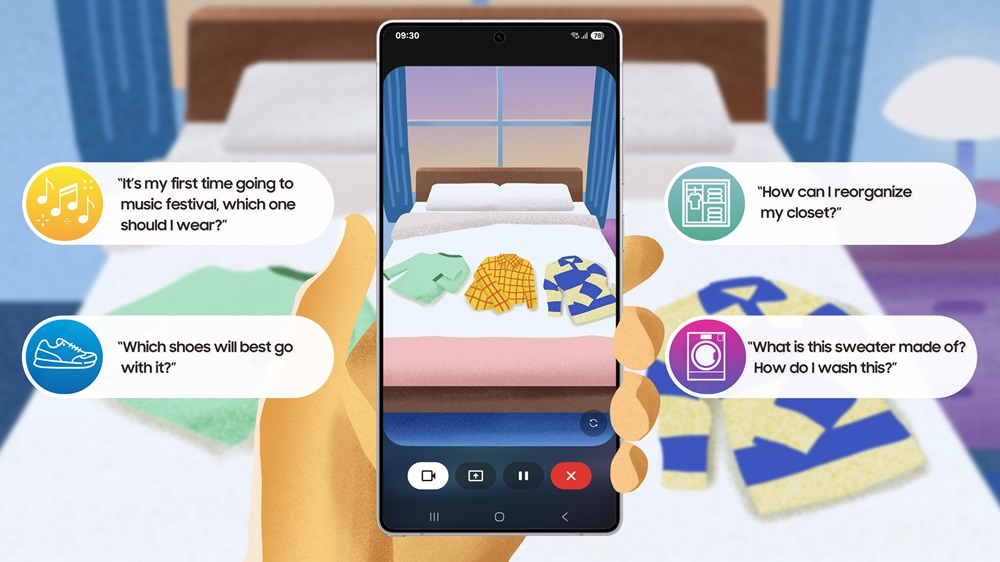
Samsung just announced a new AI upgrade for the Galaxy S25 series, and it’s rolling out today, April 7, 2025. They’re calling it Visual AI, and it’s bringing real-time visual chats to your phone—for free. Yes, now all S25 users can show the AI what they see and engage in conversation about it—without any extra charge, at least for now.

Galaxy-S25-series-Gemini-Live-Update

This visual capability is really convenient for getting suggestions quickly

You press and hold the side button—Gemini pops up. You can share the view from your camera and ask questions about what you see. Wanna pick an outfit? Point your phone and ask your Galaxy S25 for suggestions. Gemini Live may respond with something like, “Hey, that shirt’s a vibe—pair it with these jeans.” It’s very helpful if you’re confused between a number of options, and it can, indeed, save a lot of time and make things a lot easier for you. Or you can ask it for suggestions on how to sort out your closet to save space.

Gemini Live can also access the screen in real time, and as the company noted, users can also “share their screen while browsing online retailers to receive personalized style advice.”

It’s like having a friend who’s always ready to help and is able to see exactly what you’re stuck with. Unlike the previous text-based chat feature, this visual interaction makes it a lot easier for both users and the AI to communicate effectively and efficiently.

This is “a bold step” with Google, making your phone smarter about how you roll day-to-day, says Jay Kim, the Exec VP over at Mobile eXperience. Starting today, every S25 user gets this visual AI boost, and honestly, it’s setting the bar high for what phones can do. For those using Galaxy S24 series or the 6th generation foldables, One UI 7 is finally rolling out starting today.

Tech enthusiast? Get the latest news first! Follow our Telegram channel and subscribe to our free newsletter for your daily tech fix!

For more daily updates, please visit our News Section.

Xiaomi Mijia Vacuum 3 Base Station Edition Arrives with Auto-Clean Base and HyperOS Support

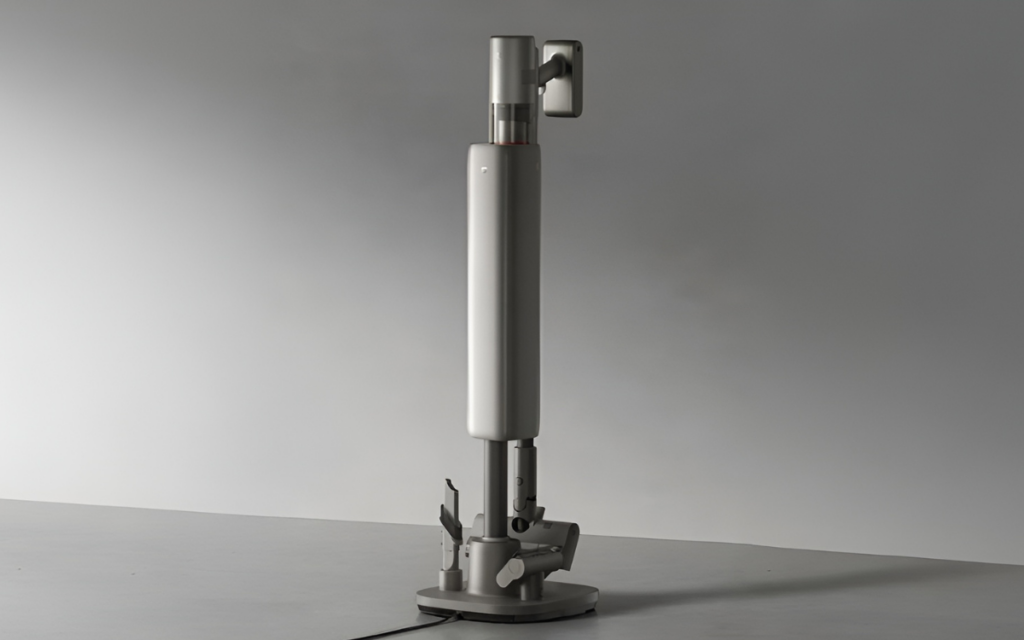
Xiaomi is back with another smart home gadget, and this one’s trying to do it all. The new Mijia Wireless Vacuum Cleaner 3 Base Station Edition has just landed on JD.com for 1999 yuan ($274). At first glance, it looks like your average cordless vacuum. But dig a little deeper, and it’s clear Xiaomi’s packed in the brains of a cleaning robot.

Xiaomi Mijia Wireless Vacuum Cleaner 3

Xiaomi Mijia Wireless Vacuum Cleaner 3 Specifications

The real magic happens at the base station. It’s more than just a charging dock—it automatically empties the vacuum’s dustbin in just 11 seconds, compresses the debris, stores accessories, and keeps everything neatly organized. There’s even a 2.5L antibacterial dust bag inside that you’ll only need to empty once every three months.

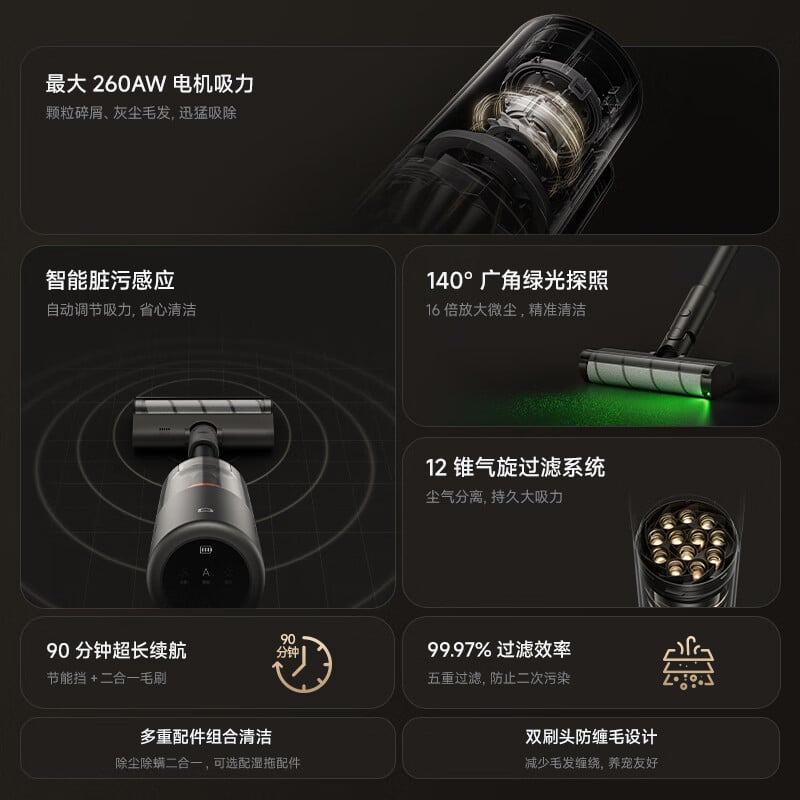
Xiaomi claims this is its most powerful vacuum yet. The motor spins at 110,000 RPM and delivers 260AW of suction—plenty of muscle to suck up fine dust, crumbs, and whatever else is lurking on your floors. The 12-cone cyclonic system keeps the filters cleaner for longer, while the five-stage filtration captures 99.97% of particles as small as 0.3 microns. Oh, and if you’ve got pets, Xiaomi’s anti-tangle brush might finally save you from the usual clogged-hair nightmare.

Xiaomi Mijia Wireless Vacuum Cleaner 3

One of the coolest features is the green LED light built into the cleaning head. It casts a wide 140° beam to reveal dust you’d normally miss, and the vacuum’s smart dirt detection tech can automatically adjust suction power based on how dirty the floor is. So you’re not wasting battery on clean spots but still getting full power where it counts.

Battery life? You get up to 90 minutes in Eco mode, thanks to an 8-cell 2500mAh battery—enough for a full sweep of a small home or apartment. And because it’s a Xiaomi product, smart home integration is built right in.

The vacuum plays nice with Xiaomi’s HyperOS and the Mi Home app, so you can track battery life, get alerts, or start a cleaning session remotely. You can even link it with other smart devices—like starting your air purifier when the vacuum finishes or having the base kick into action the moment you lock your smart door and head out.

Design-wise, it’s lightweight, ergonomic, and easy to handle. You don’t need to hold down a trigger while vacuuming, and the LED display makes everything easy to monitor. Toss in washable filters and optional mop attachments, and you’ve got a seriously convenient cleaning tool—especially if you’re already in the Xiaomi ecosystem or just want something that takes the hassle out of housework.

In related news, Xiaomi has introduced the Mijia Pro 508L smart refrigerator, featuring dual cooling technology, a deep freeze capability down to -30°C, and support for HyperOS. Alongside it, the company also unveiled a new smart gas water heater that promises quiet operation, intelligent features, and a surprisingly budget-friendly price tag.

For more daily updates, please visit our News Section.

Stay ahead in tech! Join our Telegram community and sign up for our daily newsletter of top stories! 💡

(JD)

Why You Don’t Need Screen Protectors for Smartphones

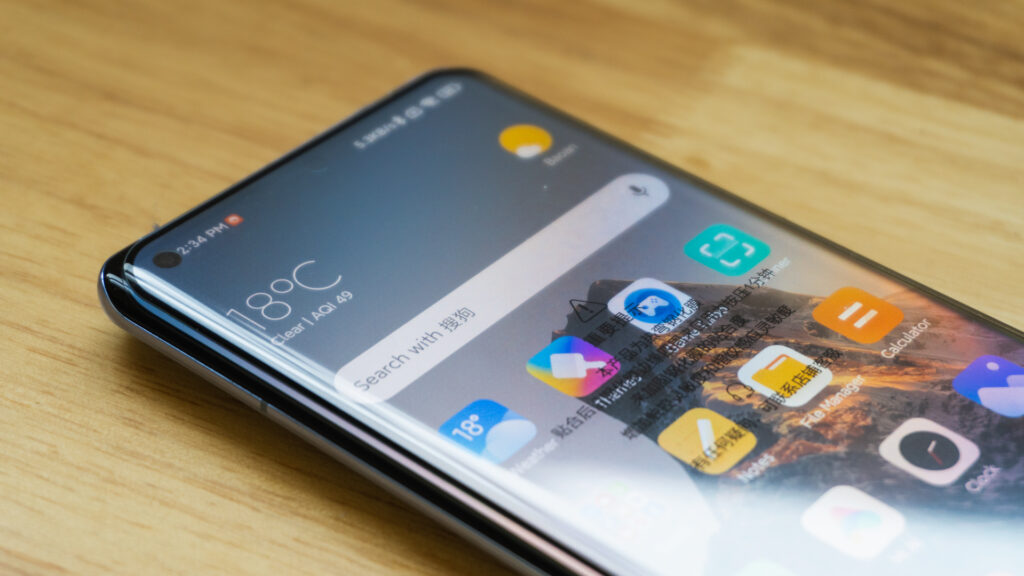
Screen protectors have been considered essential for protecting your smartphone display for years now. Ever since their inception, people have been using them to help prevent scratches and cracks. However, these are basically obsolete in the current age thanks to advancements in technology. So here are all the reasons, you don’t need screen protectors anymore.

xiaomi 12 pro screen protector

1. Advanced Glass Technology

Modern smartphones often come equipped with toughened glass, such as Gorilla Glass, Ceramic Shield, or other glass technology, which offers high resistance to scratches and impact. If you’re buying a premium device, the display and glass layer are more durable as well. These materials are specially engineered to withstand everyday wear and tear, reducing the need for an additional layer of protection.

2. Improved Drop Protection

In the past, display endurance wasn’t an immediate priority. People were always using a screen protector and cover to keep their smartphones safe from drops. But the build quality overall is a lot more robust in this day and age. You can even find models with military grade durability as well.

Most screen protectors use a slim plastic layer, which offers negligible protection against drops. Since display tech has become more advanced, the only thing that they protected against, which is scratches, isn’t as much of a problem anymore. So unless you are regularly exposing your phone to abrasive materials, the risk of scratching is minimal. Keys and coins just lying in your pocket aren’t typically hard enough to scratch advanced glass screens.

3. Better Display Clarity

Screen protectors can interfere with the visual quality of your smartphone display. Since these protectors aren’t as good as the actual smartphone display, over time wear and tear makes scratches more visible. This, in turn, reduces the image quality. So if you’re just concerned about drops, a rugged case with raised sides (bezels) is a better option. But even those aren’t quite necessary nowadays.

4. Manufacturers’ Warranties and Repairs

Smartphone brands now offer comprehensive warranties or affordable repair programs. For example, Apple’s AppleCare+ or Samsung’s repair services make fixing a damaged screen more convenient, further reducing the need for a screen protector.

5. Conclusion

While screen protectors can add an extra layer of security, they’re no longer essential for most modern smartphones. With advanced glass and durable designs, your phone is built to handle daily challenges. Rather, you can consider investing in a quality phone case to add protection against the display getting cracked by following on the corners or sides without compromising your screen’s performance or appearance.

Don’t miss a thing! Join our Telegram community for instant updates and grab our free daily newsletter for the best tech stories!

Poco F7 gets green flag for launch in India, no word on F7 Pro or Ultra yet

Xiaomi’s sub-brand Poco recently introduced the F7 Pro and F7 Ultra on the global stage. But the lineup still feels incomplete without the standard F7. The company chose not to mention the vanilla model during the recent launch event, but signs now point to an imminent debut in India.

A new listing on the Bureau of Indian Standards (BIS) website confirms that the Poco F7 has cleared regulatory approval for launch in the country. That’s typically one of the final steps before release.

The phone appears under the model number 25053PC47I—an identifier that doesn’t reveal much on its own. However, the model code closely resembles that of the upcoming Redmi Turbo 4 Pro, hinting that the F7 could be a rebranded version of this device.

If the connection holds, we’re likely looking at a device with a flat 6.83-inch OLED LTPS screen that offers a 1.5k resolution. Underneath, it will have Qualcomm’s new Snapdragon 8s Gen 4 chip along with a 7,500mAh battery with support for 90W fast charging. 

As for the cameras, the phone might feature a 50MP main and an 8MP ultrawide setup on the rear. The device is also expected to have a metal middle frame, an optical in-screen fingerprint scanner, and an IP68 / IP69 dust and water resistance design. 

No F7 Pro or Ultra for India?

While the vanilla F7 has now surfaced on the BIS database, there’s still no sign of the Pro or Ultra models. An earlier report suggested that only the base model would launch in India—and with the latest developments, that scenario is starting to look more likely. It’s still unclear though why Poco might be skipping the Indian market for the F7 Pro and Ultra.

Anyway, the vanilla model is expected to launch in late April or early May and reportedly the company is also planning a special edition model exclusive to the Indian market

For more daily updates, please visit our News Section.

Stay ahead in tech! Join our Telegram community and sign up for our daily newsletter of top stories! 

(Source)

iPhone 17 Pro’s Two-Tone Design May Not Happen After All

The iPhone 17 Pro and Pro Max are expected to bring the first major design overhaul to the Pro lineup in almost seven years. Early renders suggest a revamped camera module that stretches edge to edge and a two-tone finish on the back. Even dummy units of the upcoming iPhones show this redesigned camera setup.

iPhone 17 Pro will not have two tone design

But while the camera layout might stick, the rumored two-tone finish may not make the cut. According to Bloomberg’s Mark Gurman, Apple currently has no plans to go with a dual-tone design for the back.

No dual-tone design for iPhone 17 Pro

In his latest Power On newsletter, Gurman writes that the renders circulating online of the 17 Pro with a dark-black camera block on top of a silver iPhone are “not an accurate representation of what’s to come.” He adds that the “iPhone 17 Pro won’t have a two-toned back,” and instead, the camera module will match the rest of the back panel.

Still, the camera layout itself seems more likely to stick. Gurman didn’t comment on the design change directly, which could suggest Apple’s unusual module design is in play for next year’s Pro iPhones.

Beyond design, Apple may be planning a bigger shift in its lineup. The iPhone 17 Plus could be replaced by a new model called the iPhone 17 Air. It’s a slimmer version that will prioritize thinness over top-end specs.

Apple is still expected to launch four models in total. And all of them will feature the new camera control button on the right side.

These are still early leaks, and with the iPhone 17 lineup not expected until September, there’s plenty of time for things to change. We’ll keep an eye out and update you if anything new surfaces.

Don’t miss a thing! Join our Telegram community for instant updates and grab our free daily newsletter for the best tech stories!

For more daily updates, please visit our News Section.

OnePlus Rolls Out V60P01 Update with Weather, Clock, Notes, and System Changes to OnePlus Devices

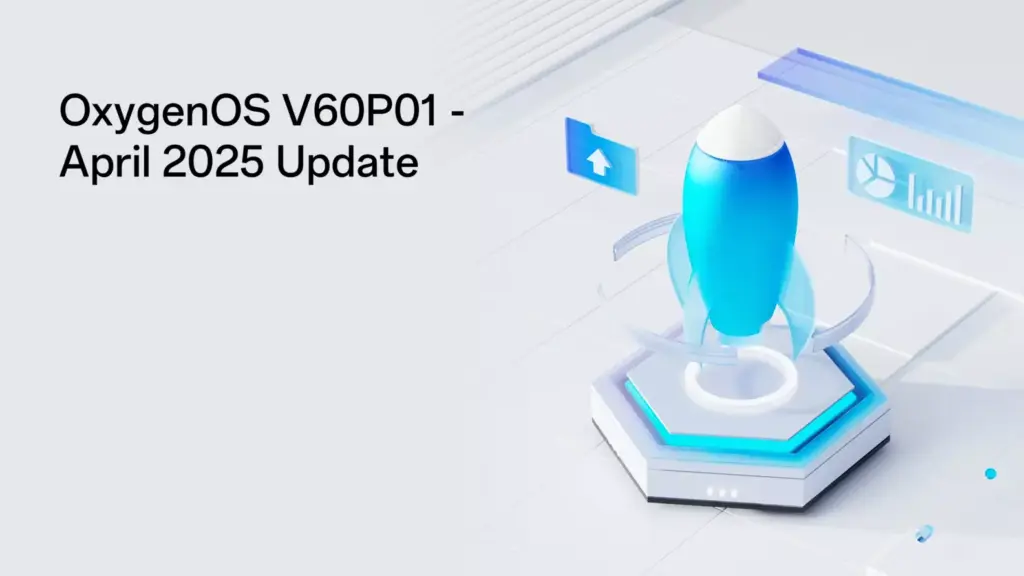
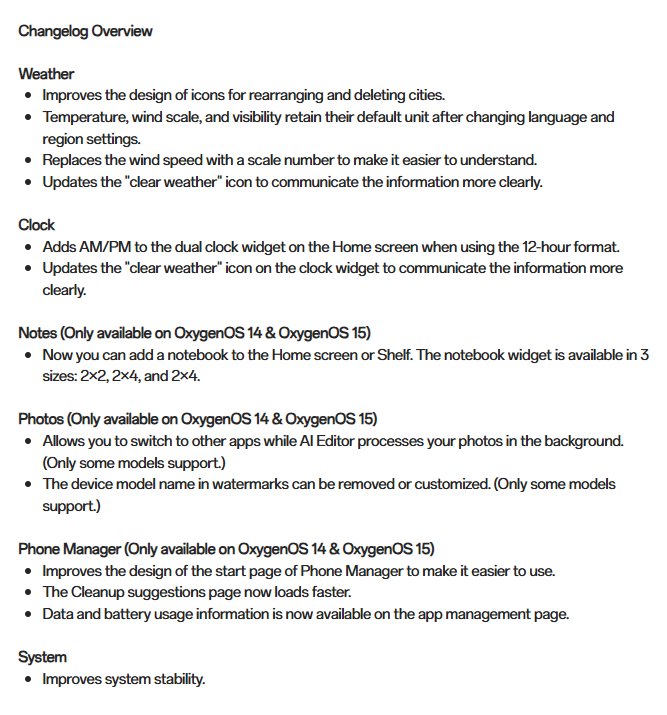
OnePlus has started rolling out the V60P01 system update from March 28, 2025. The update is being released in phases and is expected to reach all users by April 28. It applies to devices running OxygenOS 13.0, 13.1, 14, and 15. Supported models include the OnePlus 8 to 13 series, the Nord series, and OnePlus Pad devices.

The update brings changes across system apps. In the Weather app, the icons for rearranging and deleting cities have been updated. Wind speed is now shown as a scale number, and the “clear weather” icon has been changed for better visibility. After changing the language or region, temperature, wind scale, and visibility units will now stay in their default format.

In the Clock app, the dual clock widget on the Home screen now shows AM and PM when using the 12-hour format. The weather icon in the clock widget has also been updated.

On OxygenOS 14 and 15, a notebook widget can now be added to the Home screen or Shelf. It comes in three sizes: 2×2, 2×4, and 2×4. In the Photos app, also on OxygenOS 14 and 15, users can switch to other apps while the AI Editor processes photos in the background. Some models also support editing or removing the device name in watermarks.

The Phone Manager app has a new start page layout. The Cleanup suggestions page loads faster, and app management now shows data and battery usage. System stability has been improved.

OxygenOS V60P01 - April 2025 Update
OxygenOS V60P01 – April 2025 Update Changelog

The rollout plan has already begun, and as with previous updates, it will be released in stages and will reach all listed devices by around April 28, 2025.

OxygenOS 14 & 15 (Staged Rollout):

  • OnePlus Open
  • OnePlus 13 series
  • OnePlus 12 series
  • OnePlus 11 series
  • OnePlus 10 series
  • OnePlus Nord 4 5G
  • OnePlus Nord CE4 series
  • OnePlus Nord 3 5G
  • OnePlus Nord CE3 series
  • OnePlus Pad / OnePlus Pad 2

OxygenOS 14:

  • OnePlus 9 series
  • OnePlus 8T
  • OnePlus Nord 2T 5G
  • OnePlus Nord CE 2 Lite 5G
  • OnePlus Nord N30 SE 5G
  • OnePlus Nord N20 SE
  • OnePlus Pad Go

OxygenOS 13.1.0:

  • OnePlus 8 / OnePlus 8 Pro

OxygenOS 13.0.0:

  • OnePlus Nord 2 5G
  • OnePlus Nord CE 2 5G
  • OnePlus Nord CE 5G

The version numbers are V60P01(BRB1EX01) for phones and V60P01(BRB3EX01) for tablets. Users can check for the update manually in Settings > System > System Updates. Some features depend on hardware, so they may not be available on all models. Users can report issues through the OnePlus Community App or by dialing *#800#.

(Source)

This 27-inch Thunderobot monitor flips between 4K 160Hz and 1080p 320Hz — for just $235

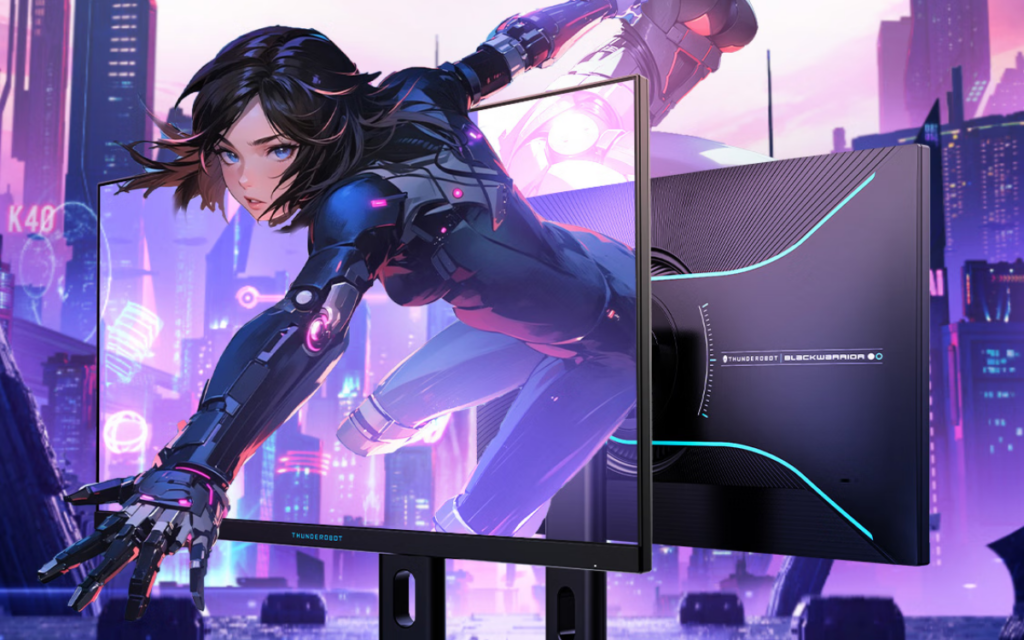
Thunderobot has just launched a surprisingly versatile monitor that’s clearly aimed at both hardcore gamers and creative professionals. The new ZU27F160L-D is a 27-inch display that can switch between two very different modes: ultra-sharp 4K at 160Hz or ultra-fast Full HD at 320Hz — and it’s priced at just 1,699 yuan (around $235), which makes it a pretty compelling deal.

Thunderobot ZU27F160L-D

Thunderobot ZU27F160L-D Specifications

The gaming monitor features a Fast IPS panel designed for speed and clarity. It supports sharp 4K visuals at 160Hz or ultra-smooth 1080p gameplay at 320Hz, with a 1ms response time to minimize motion blur whether you’re editing or playing fast-paced titles like Valorant.

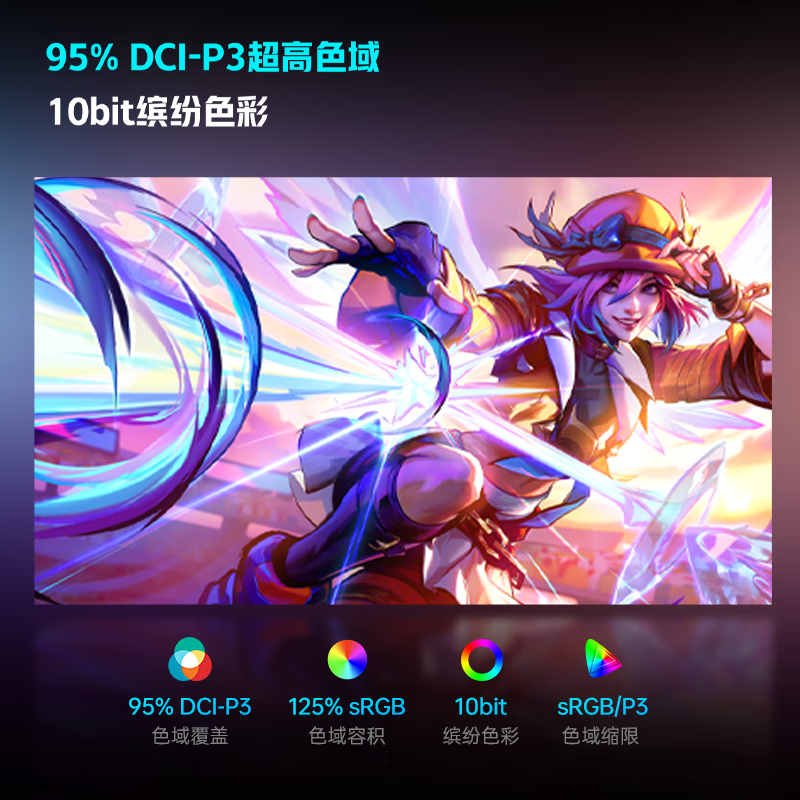
In terms of color accuracy, it covers 95% of the DCI-P3 color space and 99% of sRGB, with 10-bit color depth and factory calibration that’s accurate to a Delta E of 2 or less. There are also options to lock the display into sRGB or DCI-P3 modes, depending on your workflow.

Brightness tops out at 400 nits, and while HDR support is included, it’s more of a bonus feature rather than true HDR performance. The 1000:1 contrast ratio and wide 178° viewing angles are typical for an IPS panel. To make long sessions easier on the eyes, the monitor includes DC dimming and TÜV-certified low blue light filtering.

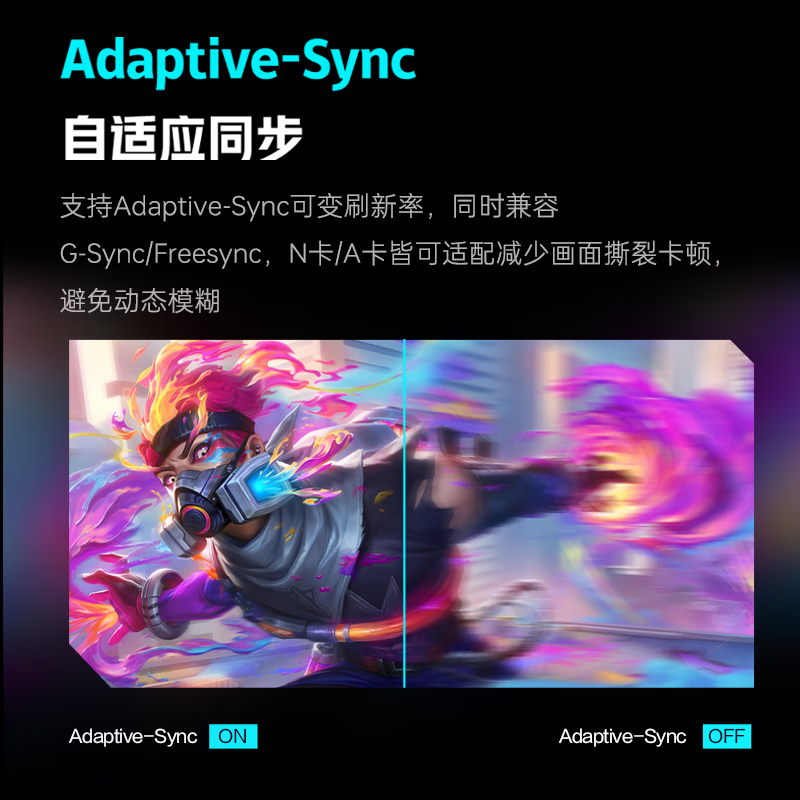
On the gaming side, the ZU27F160L-D checks all the right boxes. It supports Adaptive Sync with both FreeSync and G-Sync, and it includes built-in features like a black equalizer, crosshair overlay, FPS counter, and a timer — all handy tools for competitive play. It also supports PIP (picture-in-picture) and PBP (picture-by-picture), which is great for multitasking or stream setups.

As for ports, you get two HDMI 2.1, one DisplayPort 1.4, and a 3.5mm audio jack. The stand is fully ergonomic — you can adjust height by up to 110mm, tilt from -5° to 20°, swivel ±30°, and even pivot the screen 90° for vertical use. It’s also VESA-compatible (75x75mm), so you’ve got mounting flexibility too.

In related news, AOC has launched a 23.8-inch IPS monitor with 120Hz overclocking for just $55, while KTC introduced a new display designed for MacBook users, offering iMac-level detail and clarity.

For more daily updates, please visit our News Section.

Stay ahead in tech! Join our Telegram community and sign up for our daily newsletter of top stories! 💡

OxygenOS 15.0.0.700 Hits OnePlus 11R: Smoother UI, Privacy Tweaks Roll Out

OnePlus has started rolling out the OxygenOS 15.0.0.700 update for the OnePlus 11R in India. The build number is CPH2487_15.0.0.700(EX01). The update is being released in phases. A small group of users will get it first. A wider rollout will happen soon.

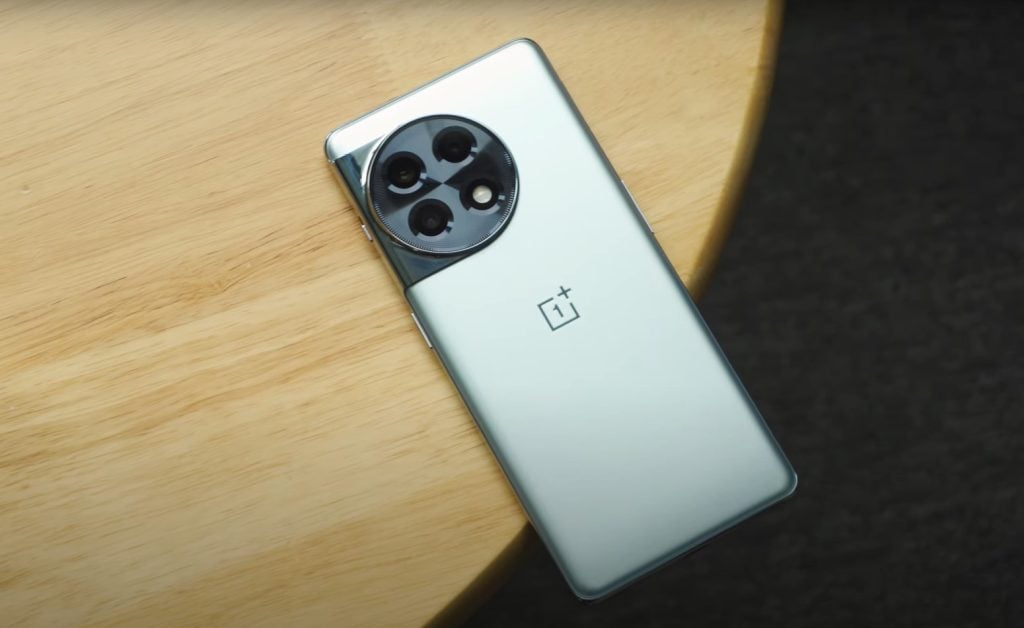
OnePlus-11R

OnePlus 11R OxygenOS 15.0.0.700 update features

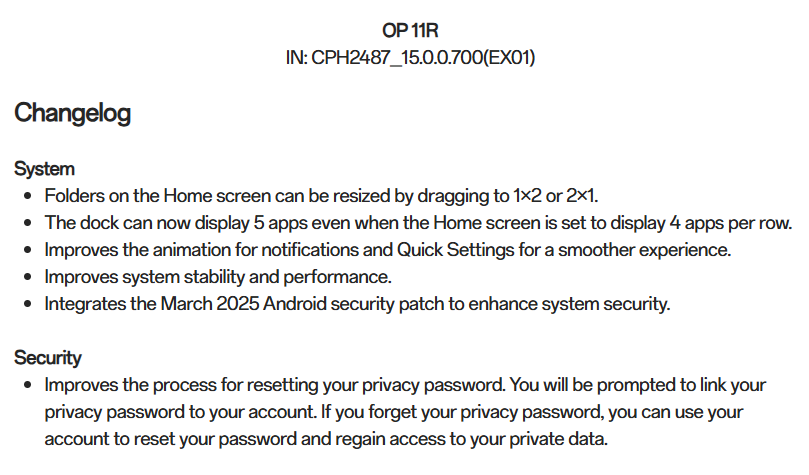
The update adds new features and improves performance. Users can now resize home screen folders to 1×2 or 2×1 grids. The dock can show five apps, even if the home screen is set to four rows. Animations for notifications and Quick Settings are now smoother. The system is also more stable and performs better. The update also includes the March 2025 Android security patch.

A new privacy feature lets users link their privacy password to their OnePlus account. If the password is forgotten, users can reset it by verifying their account. This helps recover access to private data.

OnePlus 11R OxygenOS 15.0.0.700 official update changelog

Users can report bugs in the OnePlus Community App under the “Bug Report” section. They can also use the dial code *#800#. To check for the update manually, go to Settings > System > System Updates.

In other news, the compact OnePlus 13T is set to launch in April in China. It will feature a flat 6.31-inch 1.5K OLED display, Snapdragon 8 Elite chip, 16GB RAM, 512GB storage, and Android 15. It will introduce a new customizable physical shortcut key replacing the Alert Slider. Despite its small size, it will feature a 6,200mAh battery with 80W fast charging.

For more daily updates, please visit our News Section.

Don’t miss a thing! Join our Telegram community for instant updates and grab our free daily newsletter for the best tech stories!

(Source)

GTA 6 Roundup: Setting, Story, Launch & More

Rockstar’s Grand Theft Auto 6 (Or GTA 6) is easily one of the most hyped video games of all time. Just like Cyberpunk 2077, it already has a core fan base dedicated to finding every piece of information regarding the next gen GTA title. So now, here’s a quick roundup of every major detail that has been leaked or revealed so far.

GTA 6
Grand Theft Auto 6

1. The setting for GTA 6

GTA

One of the biggest reveal regarding GTA 6 was its setting in the fictional state of Leonida. An imaginary state isn’t uncommon in games but the most anticipated aspect was the return of an iconic town, which is Vice City. The coastal region isn’t the only highlight of the setting as the game will include a bunch of other new locations and is said to be the biggest and most immersive game in the Grand Theft Auto franchise.

The narrative will reportedly include both North and South America, bringing in different geographies. Rockstar might make the world dynamic and update the game with new locations or more cities later down the road as well. Another notable aspect of the entire setting is that it isn’t a modern GTA title like GTA 5. Rather, we are going back to the 1980s with this one.

2. What’s the plot?

Based on the first trailer of GTA 6, there appear to be two playable characters that are also a couple like Bonnie and Clyde. Lucia is the first character, who was also spotted in some of the earliest leaks. The two are a criminal duo that are pursuing greater scores. There might be a section of the game that involves one of the playable characters getting incarcerated but details are still sketchy. Very little is actually known about the story, but it could involve these Lucia and her partner growing from street level thugs to some kind of mafia bosses.

3. Gameplay

Rockstar is likely bringing back the third person perspective and many of the mechanics from its previous entry. However, we can expect to see refinements in certain aspects like shooting, switching to first person, and much more. The Grand Theft Auto series from inception has also revolved around stealing cars, planes, and different vehicles and driving them, so there might be more depth added to that aspect as well.

4. GTA 6 Launch Date

GTA 6 is set to make its official debut on the Xbox Series X, Series S, and PlayStation 5 series in the fall of 2025. While an official launch date is still unclear, the H2 2025 release has been announced. Unfortunately, the launch date for the PC port has yet to be revealed and it won’t be arriving on the platform at launch.

For more daily updates, please visit our News Section.

Tech enthusiast? Get the latest news first! Follow our Telegram channel and subscribe to our free newsletter for your daily tech fix! ⚡

Stable One UI 7 update is rolling out to Galaxy Z Flip 6, Z Flip 6, and Z Fold SE

Galaxy Z Fold 6 One UI 7 stable update

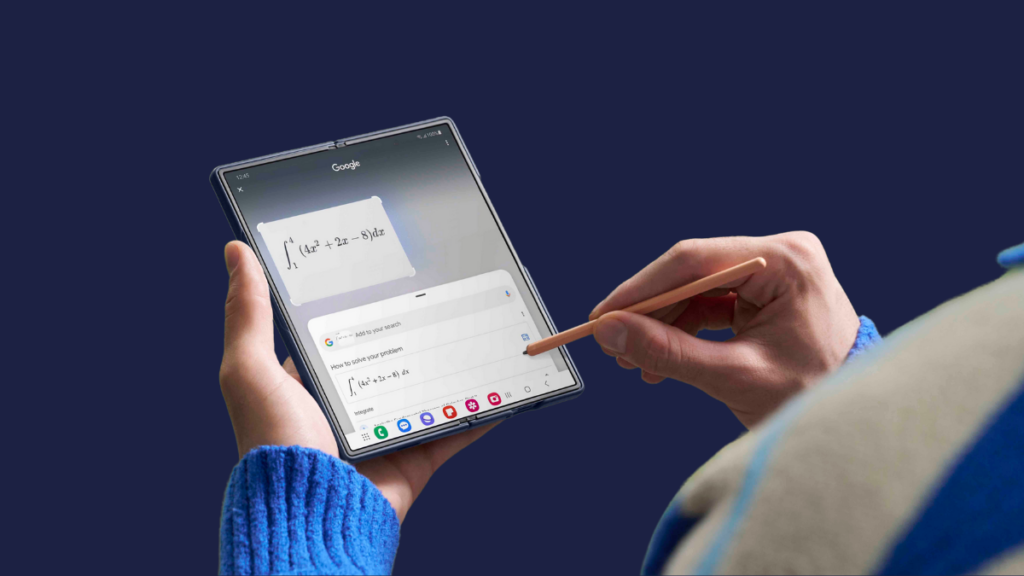
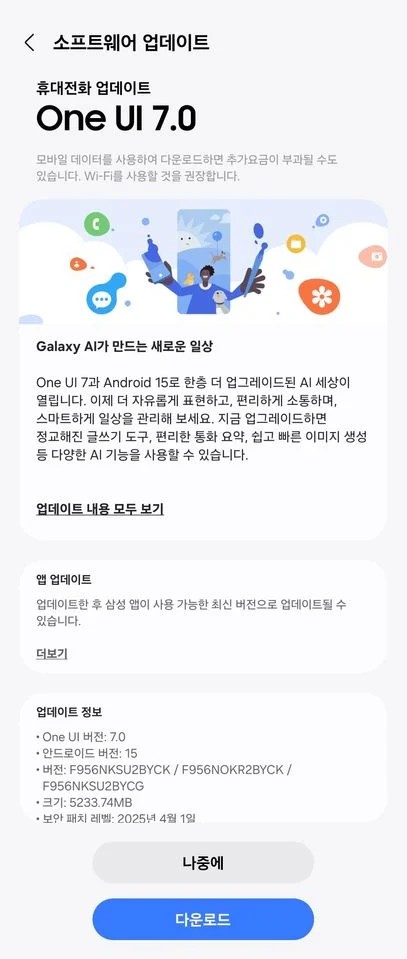
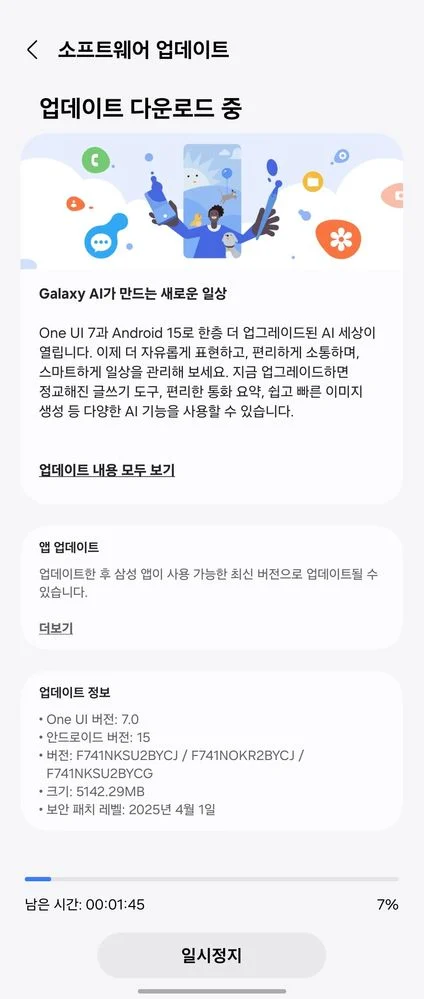
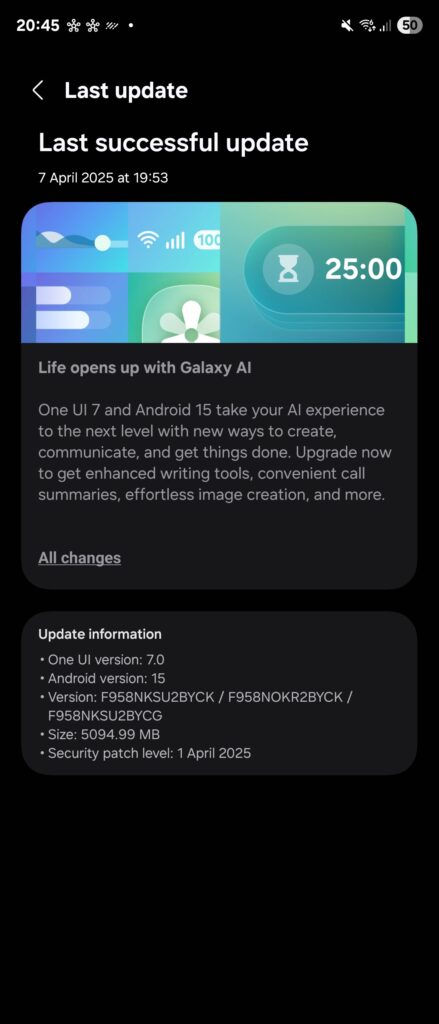
Samsung has finally started rolling out the One UI 7 update. The Galaxy S24 series got the first bite, but that’s not the only device getting the treat today. The update is also rolling out to some Galaxy foldables, including the Galaxy Z Fold 6, Galaxy Z Flip 6, and Galaxy Z Fold Special Edition (also known as Galaxy Z Fold SE).

Galaxy Z Fold 6 One UI 7 update details

Samsung is rolling out the stable One UI 7 update to Galaxy Z Fold 6 in Korea. However, it won’t be long before it expands to other parts of the world. Users in Korea can identify the update by the firmware version F956NKSU2BYCK.

Galaxy Z Fold 6 One UI 7 stable update

The update is rolling out to both beta and non-beta users. For non-beta users, the update has a download size of around 5.2GB. However, beta users only need to download a 400MB update package. That’s because they have already received major changes and new features. The update changes the beta state to stable and might include minor improvements and some fixes.

Galaxy Z Flip 6 getting One UI 7 update details

The Galaxy Z Flip 6 is also getting the One UI 7 update in Korea. The update is tagged with firmware version F741NKSU2BYCJ and has a download size of around 5.1GB. Since it’s a pretty big update package,  I recommend downloading it over a stable and fast Wi-Fi connection instead of using mobile data. For beta users, the update only weighs around 400MB.

Samsung Galaxy Z Flip 6 One UI 7 updatee

Galaxy Z Fold SE One UI 7 update details

Surprisingly, the Galaxy Z Fold Special Edition is also getting the stable One UI 7 update today. Samsung had already announced the One UI 7 release date for the Galaxy Z Fold 6 and Galaxy Z Flip 6, but the Galaxy Z Fold SE was not a part of the announcement. It’s good to see such surprises from Samsung, but not the kind of surprises it has given in the last few months.

Like the other Galaxy foldables, the Galaxy Z Fold SE, too, is getting the update in Korea. It comes with the firmware version F958NKSU2BYCK and has a download size of around 5GB. Besides a major UI overhaul, new features, smoother animations, new icons, and plenty of customizations, the latest brings the April 2025 security patch for additional protection against dozens of vulnerabilities found in the previous software version.

Galaxy Z Fold Special Edition One UI 7 update

If you have a Galaxy Z Fold 6, Galaxy Z Flip 6, or Galaxy Z Fold SE in Korea, the One UI 7 update should be ready for installation. Simply go to Settings > Software updates and hit the Download and install button. Even if you live outside Korea, the wait shouldn’t be too long as Samsung is usually quick to expand the update’s availability to more markets. Before installing the update, follow these five steps for a smooth transition to One UI 7.

Also read:
1. 5 One UI 7 features that are making me impatient for this major upgrade
2. One UI 7 will be the last major upgrade for these Galaxy devices
3. One UI 7 might not bring this awesome Galaxy AI feature on older devices