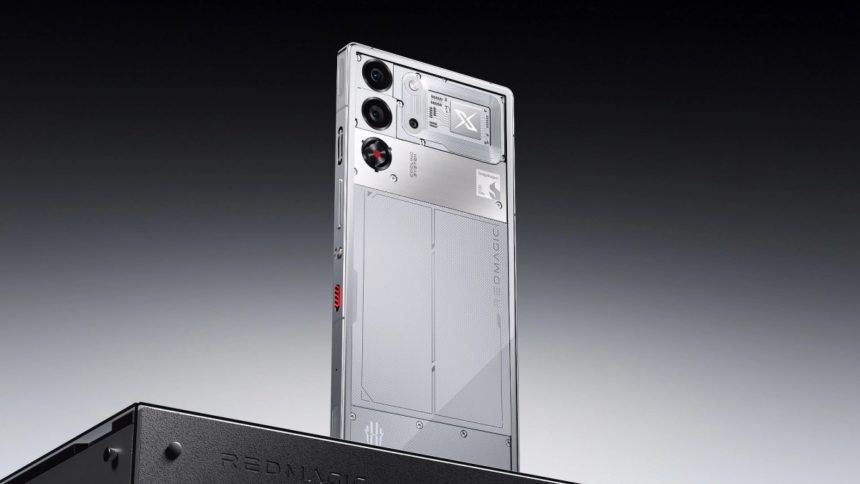
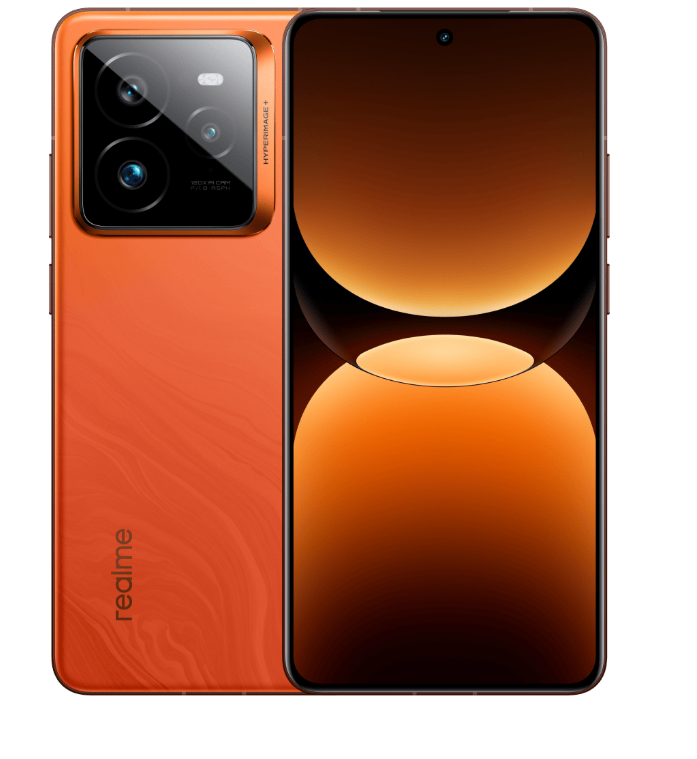
Despite the launch of the Red Magic 10 Pro, the Red Magic 8 Pro continues to draw attention from mobile gaming enthusiasts. But does it still hold up in 2025, or is the Red Magic 10 Pro a clear-cut upgrade worth the jump? Let’s break it down.
At first glance, the Red Magic 8 Pro and 10 Pro look cut from the same DNA—flat edges, industrial finish, and that signature gaming vibe. But look closer, and you’ll see that the 10 Pro refines the formula. It features a slightly larger 6.85-inch 1.5K OLED BOE Q9+ panel compared to the 8 Pro’s 6.8-inch FHD+ OLED screen. That’s not just about size—the 10 Pro offers a higher resolution, a 144Hz refresh rate (up from 120Hz), and a peak brightness of 2000 nits, nearly 700 nits more than the 8 Pro.
More importantly for gamers, the 10 Pro pushes PWM dimming to a whopping 2592Hz, compared to 1440Hz on the 8 Pro. The screen is gentler on your eyes during long sessions while delivering crisper visuals, faster response, and better color accuracy.
2. Performance: The Numbers Don’t Lie
The 8 Pro is powered by Qualcomm’s Snapdragon 8 Gen 2, which, at launch, was a beast. But the Red Magic 10 Pro steps into the ring with the newer Snapdragon 8 Elite—a 3nm chip boasting an Adreno 830 GPU and a staggering 3.29 million AnTuTu score, compared to 1.34 million on the 8 Pro. It’s not just hype. Games load faster, frames stay locked, and multitasking is seamless.
Red Magic also upped the ante with memory options—up to 24GB of LPDDR5X RAM (9600Mbps) and 1TB of UFS 4.0 PRO storage on the 10 Pro. The 8 Pro tops out at 16GB RAM and the standard UFS 4.0. While most users won’t max out 24GB, it future-proofs the device in a way the 8 Pro simply doesn’t.
3. Cooling and Gaming Features: Turbocharged Everything
Cooling is the unsung hero of gaming phones, and both phones bring serious tech. The 8 Pro’s ICE 11.0 system was already impressive with its 10-layer structure and built-in fan. But the 10 Pro takes it further, using composite liquid metal cooling—13x more thermally conductive than traditional gel. With a revamped 3D VC system and 23,000 rpm fan, it’s built for marathon gaming.
Both devices have 520Hz shoulder triggers, in-game lighting effects, and stereo speakers. But the 10 Pro’s new Red Core R3 chip enhances game rendering with support for 2K+120FPS super-resolution and better concurrency. It’s a big win for competitive players.
4. Cameras and Battery: Marginal Gains
The cameras aren’t the focus here, but the Red Magic 10 Pro does introduce a new 50MP OmniVision OV50E40 main sensor with OIS, paired with a better ultra-wide. It’s still not flagship-level photography, but it’s a step up from the 8 Pro’s Samsung GN5 sensor setup.
Battery-wise, the 10 Pro packs a 7050mAh silicon-carbon cell with 100W fast charging (global version), compared to the 6000mAh + 65W on the 8 Pro. It’s more juice, faster top-ups, and better long-term health—especially handy when you’re running 144Hz all day.
5. Verdict: Red Magic 10 Pro Is the Gamer’s Pick
The Red Magic 8 Pro still holds up remarkably well for a 2023 release—it’s got raw power, a bold design, and solid cooling. But the Red Magic 10 Pro makes a strong case for an upgrade. With a brighter, faster screen, bleeding-edge silicon, next-gen cooling, and more RAM than most laptops, it’s easily one of the most forward-looking gaming phones in 2025.
So why are people still looking up the 8 Pro? Simple: it’s more affordable now and still packs enough punch for most users. But if you want the absolute best gaming experience today—and a phone built to last well into the next few years—the 10 Pro is a no-brainer.
For more daily updates, please visit our News Section.
Galaxy S25 Edge was previously expected to launch on May 13. According to a recent leak from reliable tipster Ice Universe, the phone will be released towards the end of the month, and the initial availability will be limited to only two countries: China and South Korea. According to a previous leak, there won’t even be a separate launch event, at least for the initial release in the two countries.
Observing the market response?
A possible reason behind this limited launch could be to test the waters and observe the market response as this flagship is quire different and does not include the kind of specification you’d expect from one.
For those unfamiliar, it does not include a telephoto—only main and ultrawide—and the battery is also expected to be smaller, and it’s reportedly based on the traditional Li-ion battery tech (not the high-density Si/C battery tech). There’s not much attention-grabbing element other than the ~5.8mm thickness and possibly a titanium middle frame. There have been reports of a ceramic back panel, but details about the specific material used or its benefits remain scarce.
According to a comment on the post, Samsung is expecting significant sales volume from China, which could be a reason to include it for the initial release alongside the home country, South Korea. The company actually followed a similar strategy last year with the Galaxy Z Fold SE. While the foldable never made its way to the global market, the S25 Edge is expected to do so. In fact, European pricing for the S25 Edge has already been revealed, thanks to Italian online store Zanetti. The 256GB and 512GB models were listed with price tags of €1,362 and €1,488, respectively.
This phone is positioned between the S25+ and the S25 Ultra, and it’s also expected to benefit from all the AI features the other S25 models have. Samsung has rolled out the Gemini Live-based real-time visual AI feature, which will also likely be a part of the S25 Edge.
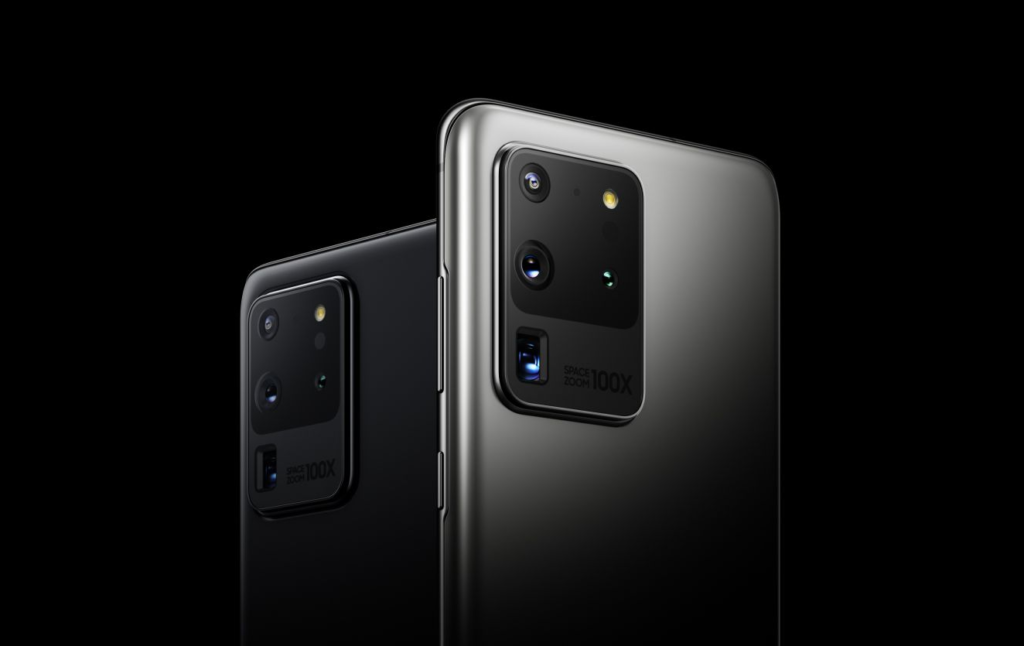
Samsung has finally released the One UI 7 stable version for last year’s flagships—the S24 series and 6th-generation foldables. But there’s also bad news: six Galaxy devices—including the Galaxy S20 series—are reaching their end of support. So if you’re using one of these models, it’s probably time for an upgrade, at least if you want a device that’s up to date with the latest security patch.
Galaxy S20 Ultra
Other than the flagship S20 series, the list includes:
Galaxy A52 5G Enterprise Edition (2021)
Galaxy A72 (2021)
Galaxy A32 (2021)
The regular Galaxy A52 5G, A52, and A52s have already reached their end of support. The enterprise editions of the A52 and A52s will reportedly continue to get updates.
For those using the S20 series and considering an upgrade with the reliable handsets finally reaching their end of support, the S25 series is a really good option, and there are two big reasons alongside One UI: a much-improved battery life and the AI features.
While many of the older flagships, such as the S24 and S23 series, will get some AI features with One UI 7, some of them will remain exclusive to the S25 series. On April 7, the company started rolling out the One UI 7 update to the S24 users. But on the same day, the S25 series got a new Gemini Live-based AI feature dubbed as “Real-Time Visual AI” which, during the launch in January, was introduced as one of the prowess of the S25 series.
The battery life has also seen a noticeable improvement over the predecessor, thanks to the more efficient Snapdragon 8 Elite chipset. For those curious, here’s what sets the best of 2025 from the S24 Ultra.
And if you’re looking for a midrange, the Galaxy A56 has a decently capable chipset, respectively good battery life, and also some Galaxy AI features such as Circle to Search and AI Select.
Google Search has long been known for its quirky Easter eggs, and now, it’s tapped into the nostalgia of millions with a delightful Pokédex integration. By simply searching for any Pokémon name, users get access to a detailed information panel, effectively transforming Google Search into a handy digital Pokédex.
Google Search Pokédex Easter Egg
The integration of the Pokémon easter egg is seamless and intuitive. Just like a Pokédex, the information panel appears at the top of the search results, making it easy to access without navigating through multiple websites. The information offered also makes it appear similar to the classic Pokédex entries from the Pokémon games, offering a comprehensive overview for both casual fans and dedicated trainers.
Google Pokédex Easter Egg
The key stats revealed on the search include data like the Pokémon’s type, evolution stages, abilities, and even height and weight. This feature is particularly useful for quickly referencing Pokémon details during discussions, gameplay, or simply to satisfy a nostalgic curiosity. That’s not all, the feature is available for mobile users can also find a Poké Ball button that they can tap to catch that Pokémon. Those logged in can keep track of all the Pokémons that caught on their Google Pokédex.
In total, there are only the 151 original Pokémons available with this easter egg. Google has also added that there are Legendary and Mythical Pokémons as well that will require a Master Ball to capture. You can get these by earning points by catching regular Pokémons. So go catch them all and see what reward is in store for dedicated trainers.
For more daily updates, please visit our News Section.
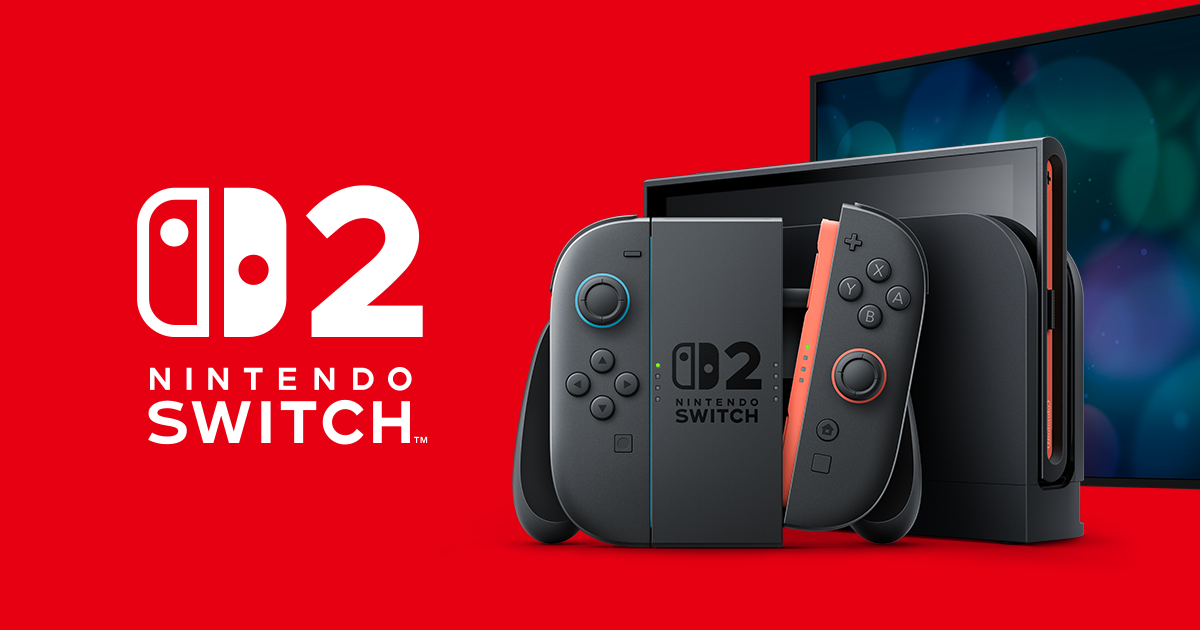
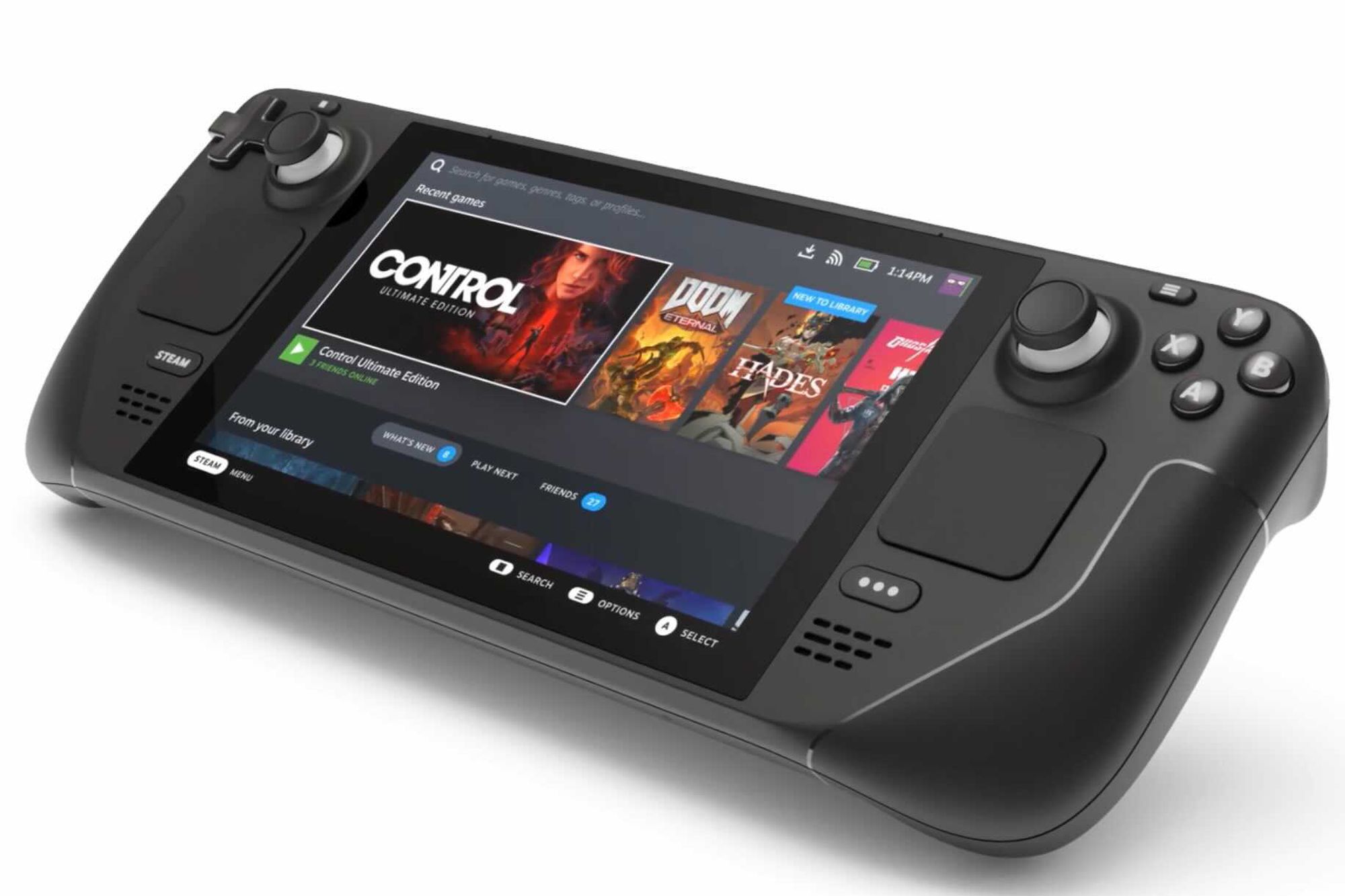
With the recent unveiling of the Nintendo Switch 2, gamers were excited about finally getting a successor to the most popular handheld console. But over the last couple of years, there’s a lot more competition in the market like the Steam Deck. So here’s a quick comparison between the two gaming handhelds to see how they compare.
Valve’s Steam Deck is basically a portable PC, but unlike most handhelds, it is not powered by Windows. It packs some beefy specs and a bulky design to accommodate the powerful hardware. The console arrives with a standard gaming controller layout with two thumbsticks, a D-pad, and an array of buttons. It weighs 640 grams and is powered by a 50Wh battery pack.
But the Nintendo Switch 2 continues the unique design that the original Switch offered with removable JoyCon controllers. The gaming handheld has a hybrid design that allows gamers to play on the Switch 2 in handheld or docked mode. The docked mode allows for improved performance and better thermals as well. But thanks to the removable controllers, users get easier access to split screen co-op for multiplayer games like Mario Kart. The Switch houses a sizeable 5,220mAh battery pack and has a lighter 534 grams body.
Please Note: When you buy something using the links in our articles, we may earn a small commission at no cost to you.
2. Hardware
Steam Deck OLED
The Steam Deck utilizes a custom AMD APU, combining a Zen 2 CPU and RDNA 2 GPU, allowing it to run a wide range of PC games smoothly. It does support 4K gaming at up to 120fps, although finding a title that can hit this figure is a bit more challenging. The Steam Deck has a 7-inch IPS LCD panel with 1280x800p resolution and 60Hz refresh rate. There is also an OLED variant as well that costs slightly more. The Steam Deck can offer a full fledged PC experience, allowing tasks beyond gaming like web browsing and media consumption.
Meanwhile, Nintendo’s new Switch 2 has a 7.9-inch 1080p display with 120Hz refresh rate support. Under the hood, the Nintendo Switch 2 packs a new custom Nvidia processor that offers greater GPU and CPU performance. The exact make of this chip is still unknown but it promises to offer a great performance overall when compared to the first gen model. However, one of the biggest upgrades is VRR support (variable refresh rate) and Nvidia’s DLSS tech. So the Switch 2 can push for higher resolution games at playable frame rates despite the limited hardware on a portable console.
3. Price and Verdict
Set to launch on June 5, 2025, the Switch 2 is priced at $449.99. However, recent tariffs have complicated the pricing strategy, potentially leading to adjustments. On the other hand, the Steam Deck has been available since 2022 and comes in multiple storage configurations, with prices starting at $399 for the base model.
Choosing between the Nintendo Switch 2 and the Steam Deck boils down to personal preference and gaming priorities. If you’re deeply invested in Nintendo’s exclusive titles and prefer a hybrid gaming system, the Switch 2 is an attractive option. But if you want a more open platform with access to a vast PC game library, then the Steam Deck stands out.
For more daily updates, please visit our News Section.
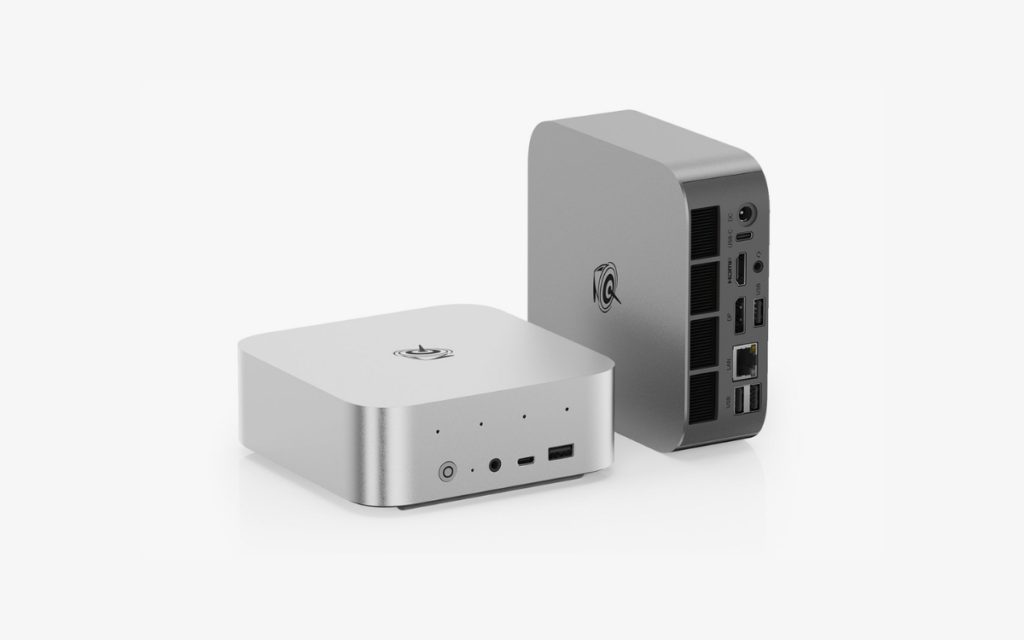
Beelink has launched the SEi13 Pro, a mini PC that proves you don’t need a big box to get serious performance. This palm-sized desktop is now available globally and packs Intel’s Core i9-13900HK along with some genuinely premium extras — including built-in speakers, a smart mic system, and a sleek all-metal design that weighs under a kilo.
Beelink SEi13 Pro Specifications
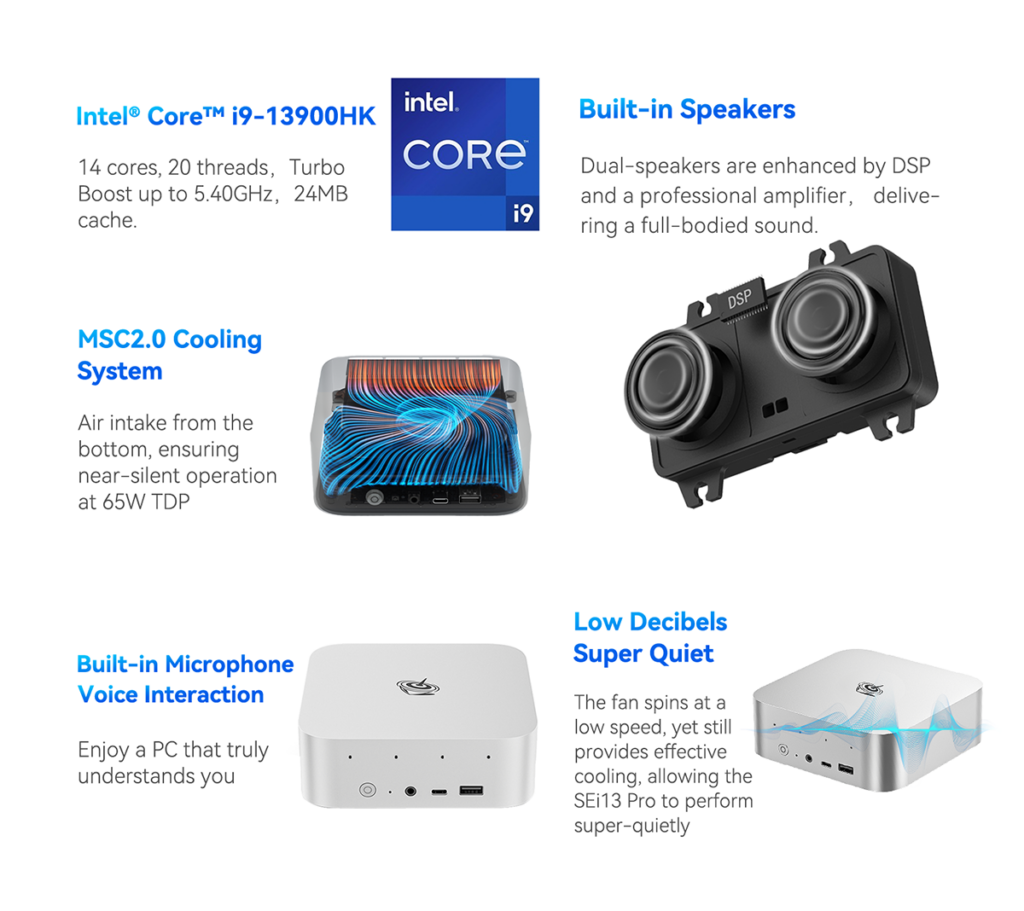
Inside, you’re getting a 14-core, 20-thread chip that can boost up to 5.4GHz — the kind of muscle you’d usually find in high-end laptops. Built on Intel’s hybrid architecture, it smartly juggles power and efficiency cores to handle everything from intense multitasking to low-power background tasks. Beelink claims it outperforms the previous-gen i9-12900HK by around 16%, which is impressive for a device that weighs less than a kilogram.
Graphics are handled by Intel Iris Xe, with support for up to three displays via HDMI, DisplayPort 1.4, and USB-C. You’ll get crisp 4K at 144Hz, making it great for media work or just a slick multi-monitor setup. It also comes with 32GB of LPDDR5 RAM (6000MHz, dual-channel) and a fast 1TB PCIe 4.0 SSD, with room to expand up to 8TB using two M.2 slots.
Thermal performance is handled by Beelink’s custom MSC 2.0 cooling system, which uses a vapor chamber, quiet fan, and SSD heatsink to keep things cool. Even under load, it reportedly stays whisper-quiet — around 32 decibels, softer than your average fridge hum.
But the real surprise? This mini PC has its own built-in speaker and mic system. We’re talking dual speakers powered by a DSP chip and amplifier, which should sound a lot better than the usual tinny audio most mini PCs deliver. On top of that, there’s a 360-degree microphone array with its own AI chip for noise cancellation and voice pickup — it can hear you clearly from up to 5 meters away. Perfect for hands-free calls or smart assistant setups.
You also get the full connectivity suite: Wi-Fi 6, Bluetooth 5.2, 2.5 Gbps Ethernet, plus plenty of USB ports, display outputs, and even a 3.5mm headphone jack. It supports Wake-on-LAN and Auto Power On too. Available in Frost Silver or Space Grey, the SEi13 Pro measures just 135 x 135 x 44.7mm and weighs 780 grams.
Pricing and Availability
The Beelink SEi13 Pro is priced at $539 and is now available in the US, UK, EU, Australia, and Japan through Beelink’s global store.
In related news, Beelink introduced a compact mini PC powered by the Ryzen 7 8845HS earlier this year, featuring 32GB of LPDDR5X RAM and support for up to three displays.
For more daily updates, please visit our News Section.
With mid-range smartphones getting increasingly powerful and feature-packed, choosing the right one has become tougher than ever. The Nothing Phone 3a Pro and the iQOO Neo 10R both aim to deliver flagship-level experiences without breaking the bank, but they approach it very differently.
This comparison matters because it pits unique design and camera versatility against raw performance and battery dominance, helping you decide which phone truly fits your lifestyle
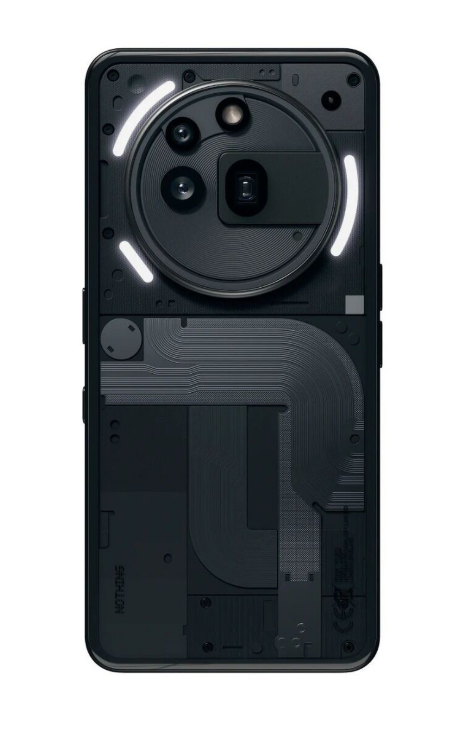
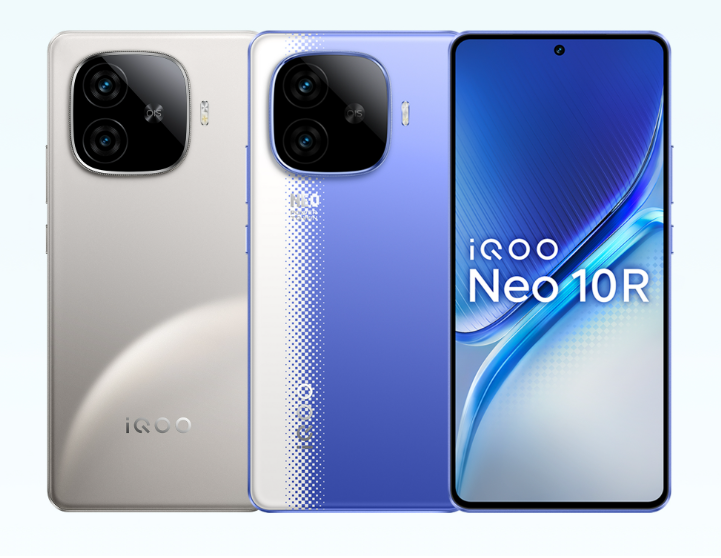
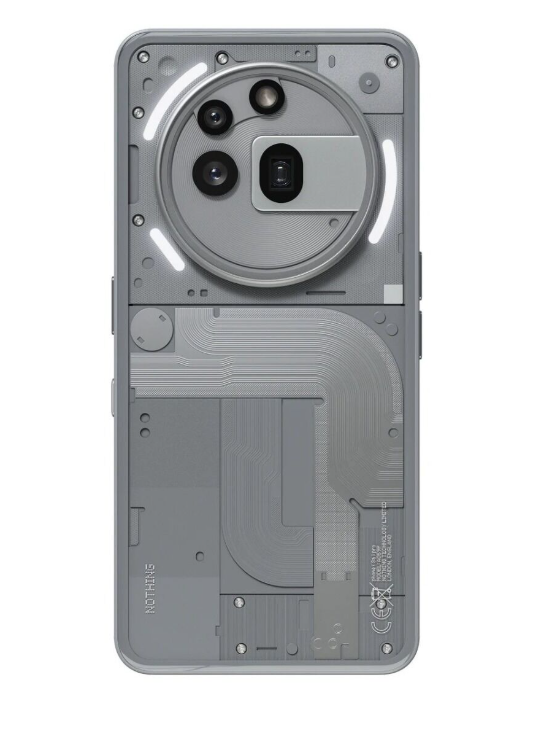
Both the Nothing Phone 3a Pro and the iQOO Neo 10R sport modern aesthetics, but with very different design philosophies. The Nothing Phone 3a Pro leans into its signature transparent design with the Glyph Interface, three customizable LED light strips that serve as visual notifications, camera fill lighting, and personalized alerts. This design is not only eye-catching but also functional in ways the iQOO can’t match. Meanwhile, the iQOO Neo 10R opts for a more traditional look with a matte back and curved edges, aiming for a sleek, performance-focused vibe.
When it comes to displays, the iQOO edges ahead with a 144Hz AMOLED panel and a sharper resolution (1260 x 2800 pixels), providing better clarity and smoother visuals, especially noticeable in gaming or fast scrolling. The Nothing Phone 3a Pro’s 120Hz AMOLED display still looks fantastic and supports Ultra HDR, but its slightly lower resolution and refresh rate make a difference in direct comparison.
If style and a unique identity matter, Nothing wins with its standout design. But for raw display performance and visual sharpness, the iQOO Neo 10R takes the lead, making it better for gamers or media-heavy users.
Please Note: When you buy something using the links in our articles, we may earn a small commission at no cost to you.
2. Specifications
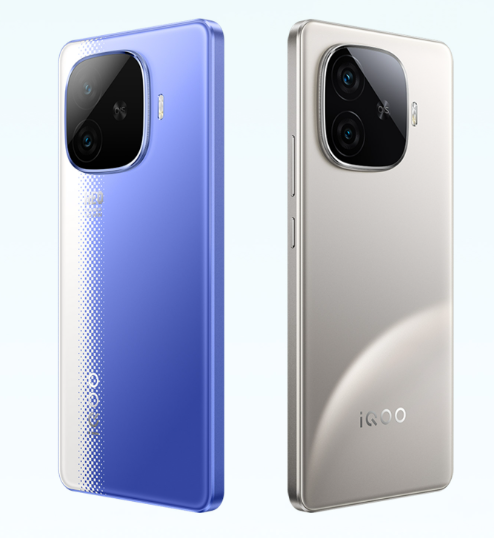
iQOO Neo 10R
In terms of raw power, the iQOO Neo 10R is clearly positioned as the performance beast. It runs on the newer Snapdragon 8s Gen 3 chipset with a more advanced CPU-GPU combo (Adreno 735), which significantly outperforms the mid-range Snapdragon 7s Gen 3 found in the Nothing Phone 3a Pro. Multitasking, gaming, and future-proofing are noticeably better with iQOO’s flagship-grade internals.
The battery situation also favors the iQOO. With a massive 6400 mAh Si/C battery and 80W fast charging, it not only lasts longer but also charges faster. Nothing’s 5000 mAh battery is still solid and supports 50W charging, but it’s a step behind in both capacity and versatility, lacking bypass charging and reverse wired charging, which the iQOO includes.
iQOO Neo 10R wins in this category. It’s more powerful, longer-lasting, and feature-rich in terms of battery tech. For anyone prioritizing speed, gaming, or longevity, this is the better pick.
3. Camera
iQOO Neo 10R
The camera department is where the Nothing Phone 3a Pro claws back some ground. It features a triple camera setup with a 50MP main sensor, a 50MP 3x periscope telephoto lens, and an 8MP ultrawide shooter. This variety gives users more flexibility for different photography scenarios, zoom, landscape, and everyday shots all get covered well. On the selfie side, a 50MP front cam stands out for sharpness and detail.
The iQOO Neo 10R keeps it simpler with a dual setup: 50MP wide and 8MP ultrawide. While the image quality is respectable, it lacks optical zoom and the depth versatility of the Nothing phone. However, it does offer 4K video at 60fps, higher than Nothing’s 30fps max on the main cam, which may appeal to vloggers or video enthusiasts. Selfies, at 32MP, are good but less detailed than Nothing’s output.
For photography fans, the Nothing Phone 3a Pro is the better option. The telephoto lens and high-res front cam offer more creative potential. But if you care more about video frame rates, iQOO might suit your needs.
4. Pricing
The Nothing Phone 3a Pro is priced at around $370 USD, while the iQOO Neo 10R comes in at roughly $325 USD. That $45 difference may seem small, but it becomes significant depending on your priorities.
The Nothing justifies its slightly higher cost with premium features like the Glyph interface, periscope zoom camera, and a unique design language. Meanwhile, the iQOO Neo 10R delivers much better raw performance, a higher refresh rate display, and a significantly larger battery, all at a lower price.
In terms of value for money, the iQOO Neo 10R offers more. It undercuts the Nothing on price while still providing flagship-level specs. Unless you specifically want the Glyph lights or telephoto camera, iQOO is the smarter buy here.
Each phone brings something unique to the table. The Nothing Phone 3a Pro stands out with its Glyph Interface, offering a playful and practical way to interact with notifications and alerts. It also supports Circle to Search, an AI-enhanced feature that makes everyday browsing more intuitive. The periscope zoom is rare in this price range and boosts camera appeal significantly.
The iQOO Neo 10R, on the other hand, has bypass charging, letting you power the phone without heating the battery during gaming. It also boasts UFS 4.1 storage (on the 256GB variant), which is significantly faster than the UFS 3.1 on the Nothing. Audio is another win with support for aptX Lossless and Hi-Res audio, making it ideal for audiophiles.
The Nothing Phone 3a Pro wins on innovation and design quirks. But the iQOO Neo 10R has more useful, performance-oriented extras. If you value flair and visual appeal, go with Nothing. For tech-savvy power users, iQOO is the clear highlight.
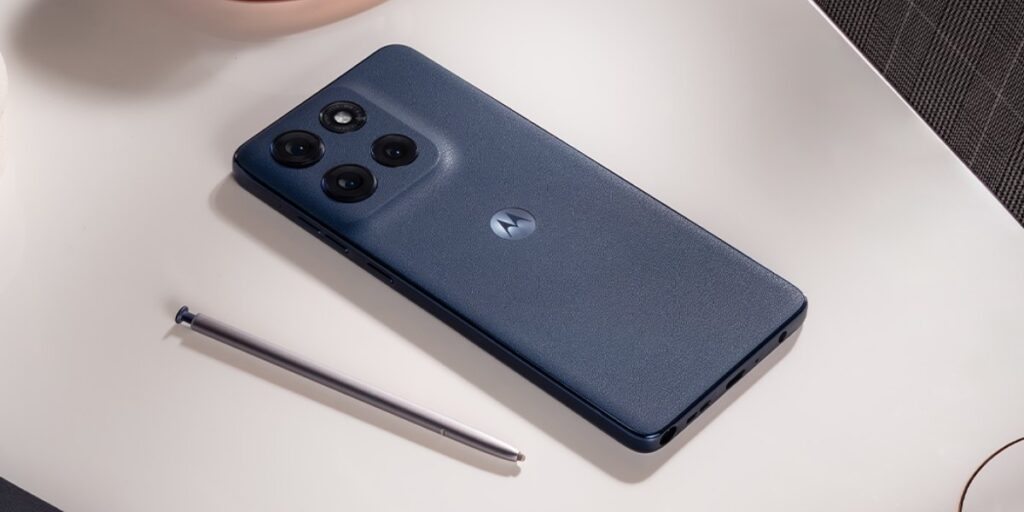
A brief leak last month suggested that Motorola might be working on a stylus-equipped phone in its Edge 60 series. That rumor now appears to be accurate. The phone in question is expected to launch as the Edge 60 Stylus in India on April 17.
The details come from X tipster Abhishek Yadav, who shared images, specifications, and pricing information in a series of posts earlier today.
A familiar design with a new addition
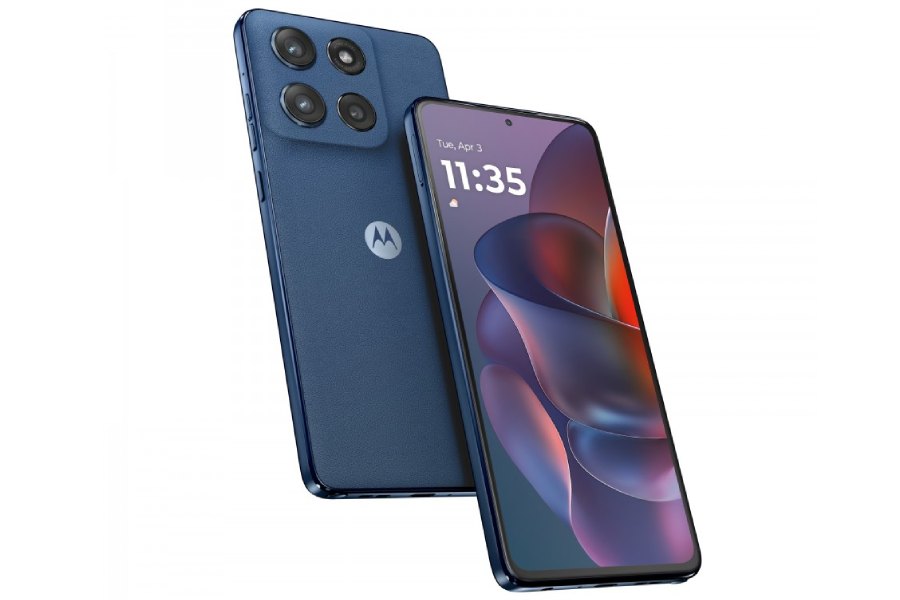
At first glance, the Edge 60 Stylus doesn’t look too different from the recently launched Edge 60 Fusion. It sports the same rear camera layout, flat edges, and a hole-punch cutout on the front. What’s new, of course, is the stylus — which should slot into the bottom frame like Galaxy S25 Ultra.
While this would be the first stylus-supported phone in Motorola’s Edge lineup, the company has released stylus-equipped phones before. Just today, it introduced the Moto G Stylus (2025), a mid-range option with similar pen input.
The Edge 60 Stylus will likely share the stylus features like Google’s Circle to Search and Motorola’s Sketch to Image integration in Moto Note.
Motorola Edge 60 Stylus specs and pricing (rumored)
According to the leak, the Edge 60 Stylus will feature a 6.7-inch pOLED display with a 120Hz refresh rate. Powering the phone is a Snapdragon 7s Gen 2 chipset, and it’s expected to ship with Android 15 out of the box.
On the back, the device will include a 50MP main camera and a 13MP ultrawide lens. The front-facing camera will be a 32MP sensor. Rounding out the hardware is a 5,000mAh battery with support for 68W wired and 15W wireless charging.
As for pricing, the 8GB RAM and 256GB storage variant is said to be priced at ₹22,999 (roughly $267 USD).
For more daily updates, please visit our News Section.
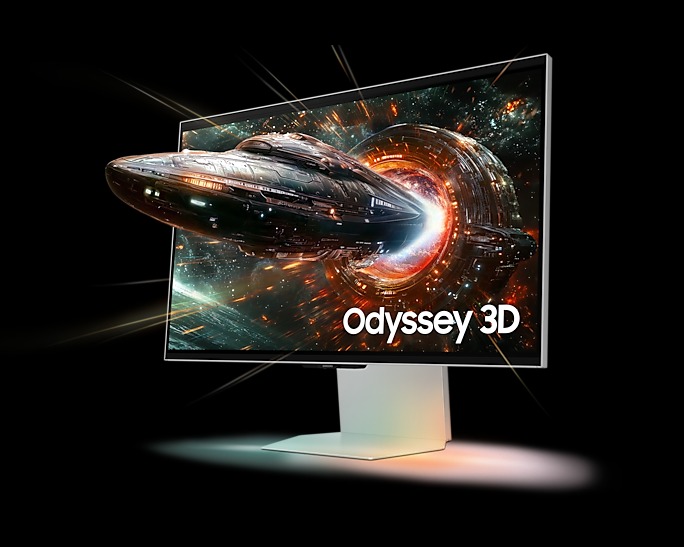
Samsung has launched three new gaming monitors in India: Odyssey 3D 4K, Odyssey OLED G8 4K, and Odyssey G9 DQHD. All three models are available from April 8, 2025, on Samsung’s official website. The 3D 4K model is also available on Amazon India.
This 27-inch monitor features a flat IPS display with 4K UHD resolution (3840×2160), a 165Hz refresh rate, and a 1ms Gray-to-Gray response time. It has a 16:9 aspect ratio, supports HDR10 and HDR10+ Gaming, and offers 350 nits of brightness. The screen covers 99% of the sRGB color gamut, displays up to 1 billion colors, and has a wide 178° viewing angle.
It supports AMD FreeSync Premium and is NVIDIA G-SYNC Compatible. The monitor has built-in dual 5W speakers (2 channels) for audio. It offers a glasses-free 3D experience using eye-tracking and view mapping, with AI-powered 3D conversion that adds depth to 2D videos. These features can be accessed through the Reality Hub app available on Samsung.com and the Microsoft Store.
Gaming features include Black Equalizer, Virtual Aim Point, Ultrawide Game View, and Auto Source Switch+. Display features include Eye Saver Mode, Flicker-Free technology, Picture-in-Picture, and Image Size Adjustment.
Connectivity options include 2 HDMI 2.1 ports, 1 DisplayPort 1.4, 2 USB 3.1 ports, and 1 USB-B upstream port. It does not have a USB-C port or headphone jack.
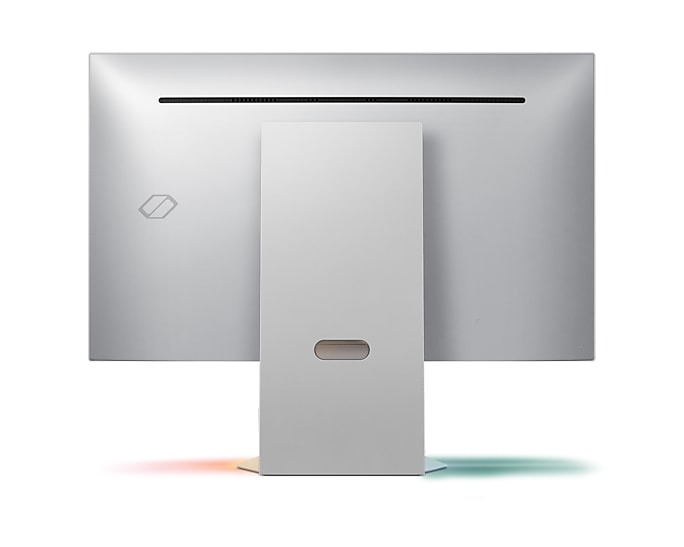
The stand supports up to 12cm height adjustment, tilt from -3° to 15°, and ±92° pivot. It is VESA mount compatible (100×100 mm). With the stand, the monitor measures 61.41 x 54.15 x 20.33 cm and weighs 7.5 kg. Without the stand, it measures 61.41 x 37.22 x 4.6 cm and weighs 4.7 kg. The box includes a 1.5m power cable, HDMI cable, DisplayPort cable, and USB 3.0 cable.
Please Note: When you buy something using the links in our articles, we may earn a small commission at no cost to you.
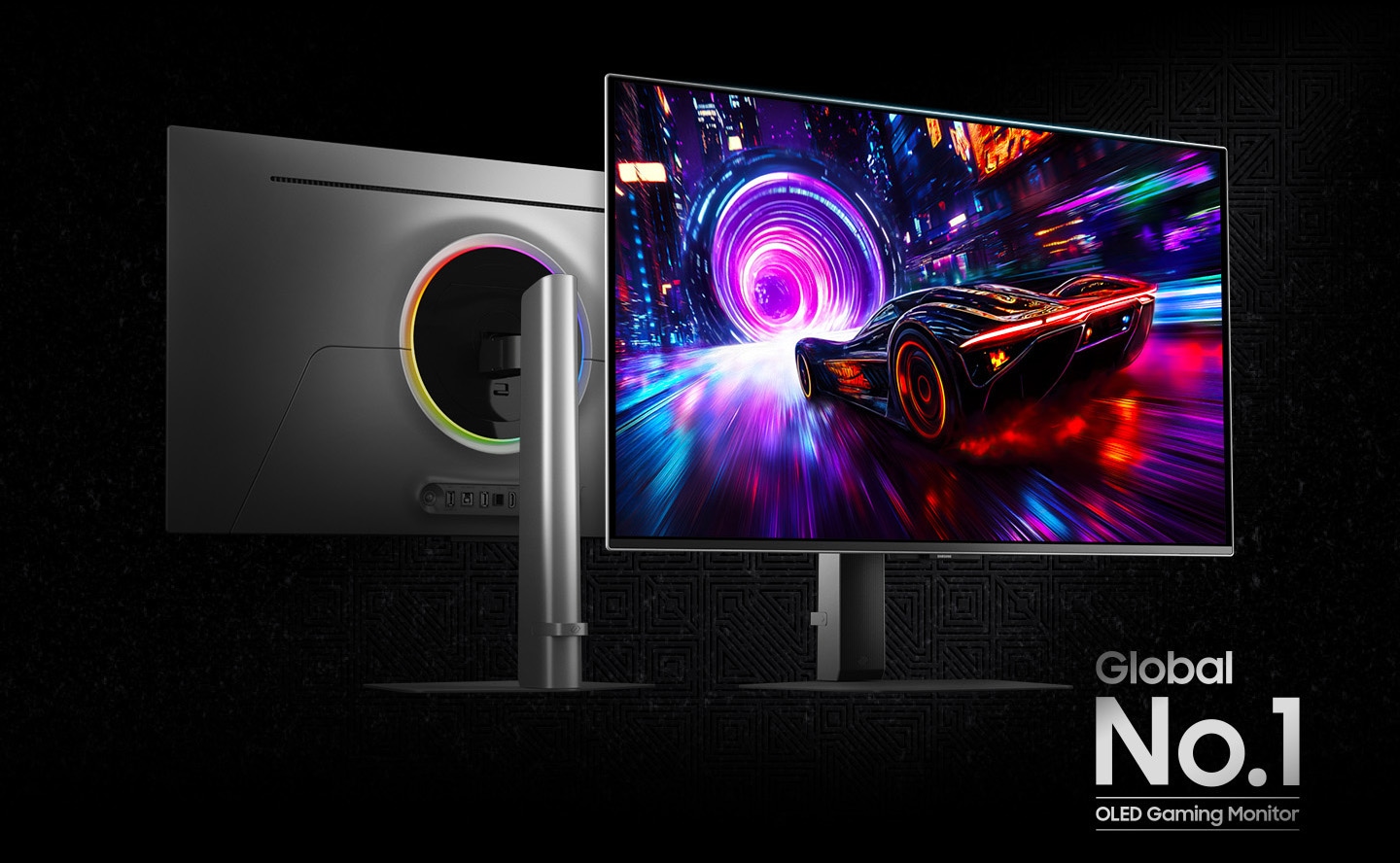
2. Odyssey OLED G8 4K (LS27FG810SW / LS32FG810SW)
This monitor is available in 27-inch and 32-inch sizes. Both use flat OLED QD panels with 4K resolution (3840×2160), a 240Hz refresh rate, and a 0.03ms Gray-to-Gray response time. They have a 16:9 aspect ratio, support HDR10+, and are certified with VESA DisplayHDR True Black 400. Brightness is 250 nits for the 27-inch model and 260 nits for the 32-inch. Both have a 1,000,000:1 contrast ratio.
Color coverage is 99% DCI-P3 (CIE1976), with support for 1 billion colors and a 178° viewing angle. They support AMD FreeSync Premium Pro but do not mention supporting NVIDIA G-SYNC. They also do not feature built-in speakers. Samsung’s OLED Safeguard+ technology is onboard to prevent burn-in using a Dynamic Cooling System and Pulsating Heat Pipe.
Gaming features include Black Equalizer, Virtual Aim Point, Auto Source Switch+, Ultrawide Game View, Core Sync, and Super Arena Gaming UX. Display features include Eye Saver Mode, Flicker-Free, Picture-in-Picture, Quantum Dot Color, and Image Size Adjustment. Ports include 2 HDMI 2.1, 1 DisplayPort 1.4, 1 USB-B, 2 USB-A (3.2 Gen1), and a headphone jack.
The stand allows for flexible positioning with up to 12 cm of height adjustment, a tilt range from -2° to 25°, swivel of ±30°, and pivot of ±92°. It is compatible with VESA mounts (100×100 mm), making it suitable for various setups. The 27-inch model measures 61.17 x 55.42 x 26.35 cm with the stand and 61.17 x 35.38 x 4.92 cm without it, weighing 6.9 kg and 3.8 kg respectively. The larger 32-inch model has dimensions of 71.97 x 58.46 x 26.35 cm with the stand and 71.97 x 41.47 x 4.92 cm without, with a corresponding weight of 8.4 kg with the stand and 5.3 kg without. Both models are packaged with a 1.5-meter power cable, an HDMI cable, and a DisplayPort cable for easy connectivity.
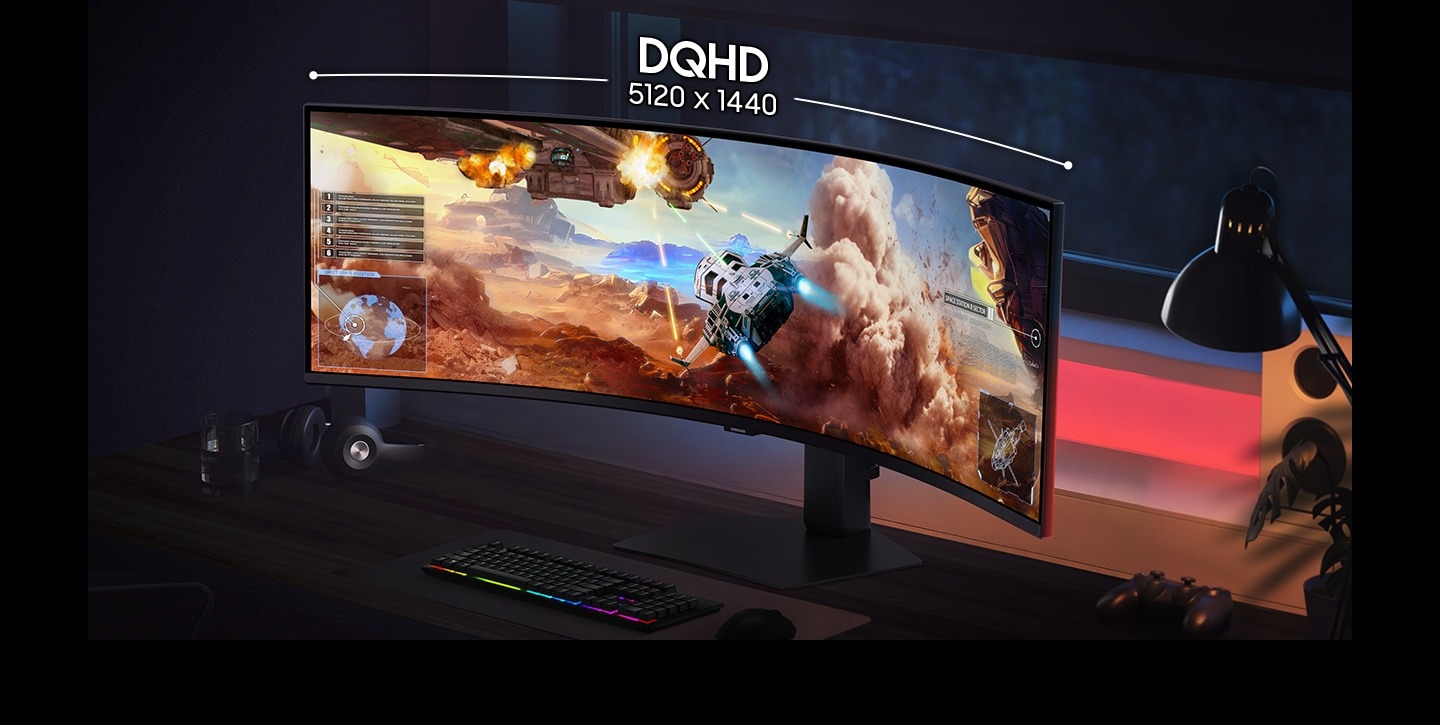
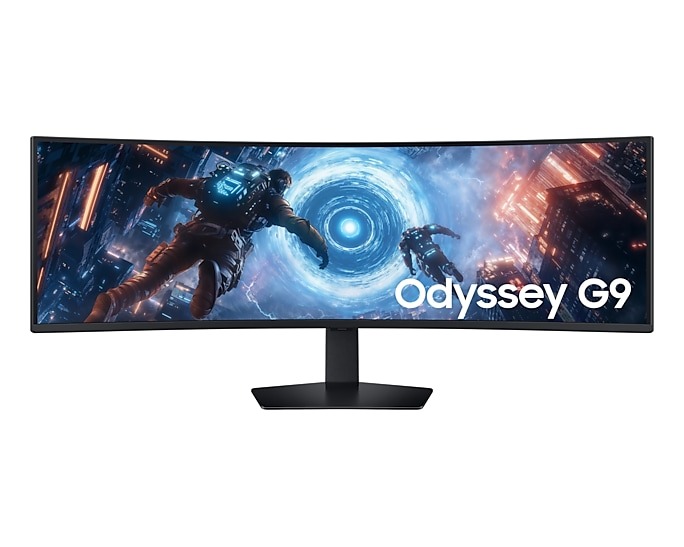
This 49-inch monitor has a curved VA panel with a 1000R curve and Dual QHD resolution (5120×1440). It has a 32:9 aspect ratio, a 144Hz refresh rate, and a 1ms Gray-to-Gray response time. Brightness is 350 nits, and the contrast ratio is 2500:1. It supports HDR10+ GAMING and is certified with VESA DisplayHDR 600. The monitor covers 92% of the DCI-P3 color space (CIE1976), supports 1.07 billion colors, and offers a 178° viewing angle.
Gaming features include support for AMD FreeSync Premium Pro, Picture-in-Picture, Picture-by-Picture, Black Equalizer, Virtual Aim Point, Auto Source Switch+, Adaptive Picture, and Super Arena Gaming UX. Display features include Eye Saver Mode, Flicker-Free technology, and Image Size Adjustment.
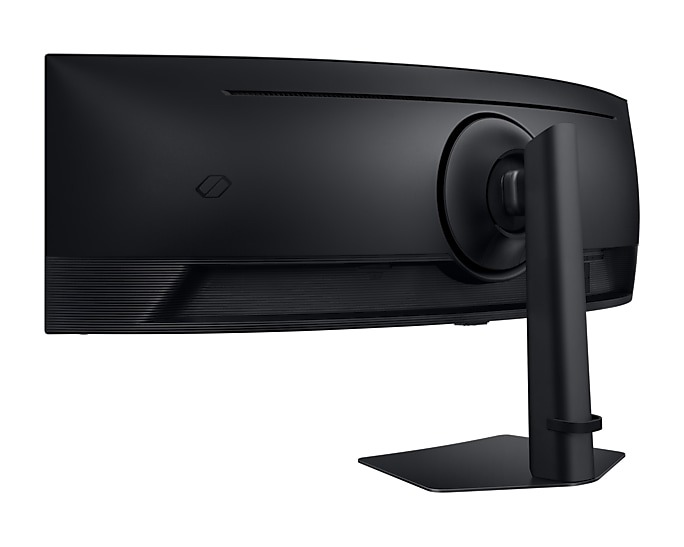
Port options include 2 HDMI 2.1, 1 DisplayPort 1.4, 1 USB-B upstream, 2 USB-A (3.2 Gen1), and a headphone jack. The stand supports up to 12cm height adjustment, tilts from -2° to +11°, and swivels ±15°. It is VESA mount compatible (100×100 mm). The color is Black. With the stand, the monitor measures 114.76 x 56.84 x 42.05 cm and weighs 15.6 kg. Without the stand, it measures 114.76 x 36.35 x 29.38 cm and weighs 10.6 kg. The box includes a 1.5m power cable and a DisplayPort cable.
Please Note: When you buy something using the links in our articles, we may earn a small commission at no cost to you.
4. Pricing & availability
The Odyssey monitor lineup is now available for purchase starting today (April 8, 2025), via Samsung’s official website. The Odyssey 3D 4K (27-inch) is priced at Rs. 1,27,299 and comes in Silver, with additional availability on Amazon.in. The Odyssey OLED G8 is offered in two sizes—27-inch for Rs. 91,299 and 32-inch for Rs. 1,18,999—both in Silver. The Odyssey G9 DQHD (49-inch) is available in Black for Rs. 94,099.
Motorola has officially unveiled the Moto G Stylus (2025), its latest mid-range phone built around stylus support. The new phone keeps things grounded with practical upgrades and a familiar design. Let’s walk through its specs, features, and price here.
Moto G Stlyus (2025) Specifications
At its core, the new Moto G Stylus features a 6.7-inch 1220p pOLED display which refreshes at 120Hz and hits 3,000 nits of peak brightness. The screen is paired with stereo speakers and Dolby Atmos audio.
The device includes both IP68 water and dust resistance and MIL-STD-810H durability certification. That means it should hold up to occasional spills, dust, and even short drops or submersion.
The built-in stylus is still the main draw of this phone. And Motorola says it’s over six times more responsive than the one on its predecessor. The stylus is compatible with tools like Google’s Circle to Search and a new “Sketch to Image” feature in Moto Note. There’s no silo redesign or gesture overhaul, but the company is leaning more into stylus software than before.
Performance is handled by Qualcomm’s Snapdragon 6 Gen 3 chip; paired with 8GB of RAM and up to 256GB of internal storage. It ships with Android 15 and includes Motorola’s usual customizations like Moto Secure, Hello UX, and audio sharing.
The device’s camera system also gets an upgrade with a 50MP main sensor featuring Sony’s Lytia LYT-700C sensor and Optical Image Stabilization (OIS). This is joined by a 13MP ultrawide camera while the front gets a 32MP lens for selfies.
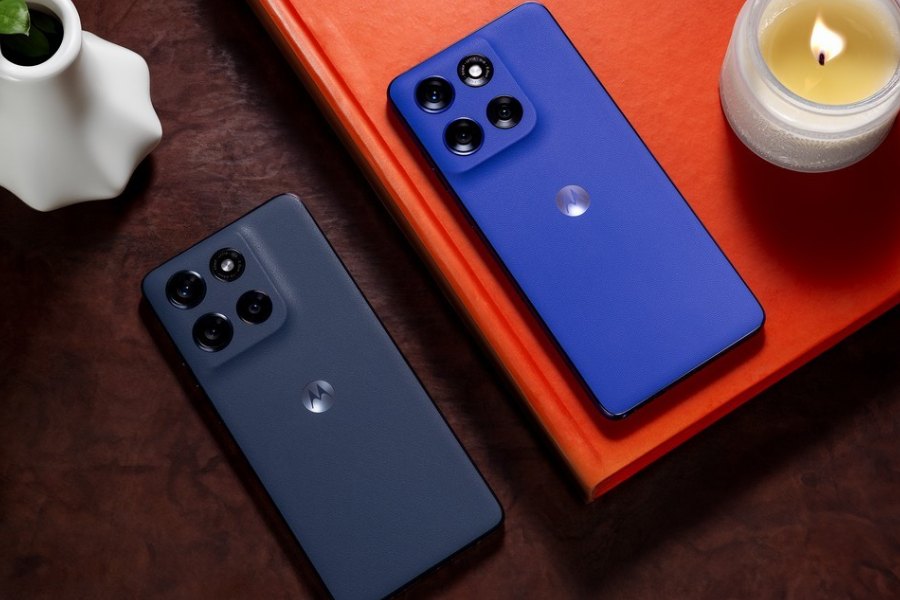
Moto G Stylus (2025) comes in two shades of blue.
Keeping the lights on is a 5,000 mAh battery which Motorola claims delivers over 40 hours of use on a single charge. It supports 68W TurboPower wired and 15W wireless charging.
Pricing and Availability
The Moto G Stylus (2025) will be available in two colors—Gibraltar Sea and Surf the Web—both with a premium leather-like finish. It will launch on April 17 in the US for $399.99 and will be available in Canada starting May 13.
For more daily updates, please visit our News Section.
Xiaomi is taking another big step into the smart home space with its latest release — the Mijia Central Air Conditioner Pro (Ducted 4 HP Ultra-Level 1 Energy Efficiency). It’s now available for pre-order on Xiaomi Youpin for 7,999 yuan (around $1,100), and it’s clearly aimed at people who want a sleek, modern air conditioning solution that doesn’t compromise on performance or smarts.
Xiaomi Mijia Central Air Conditioner Pro Specs
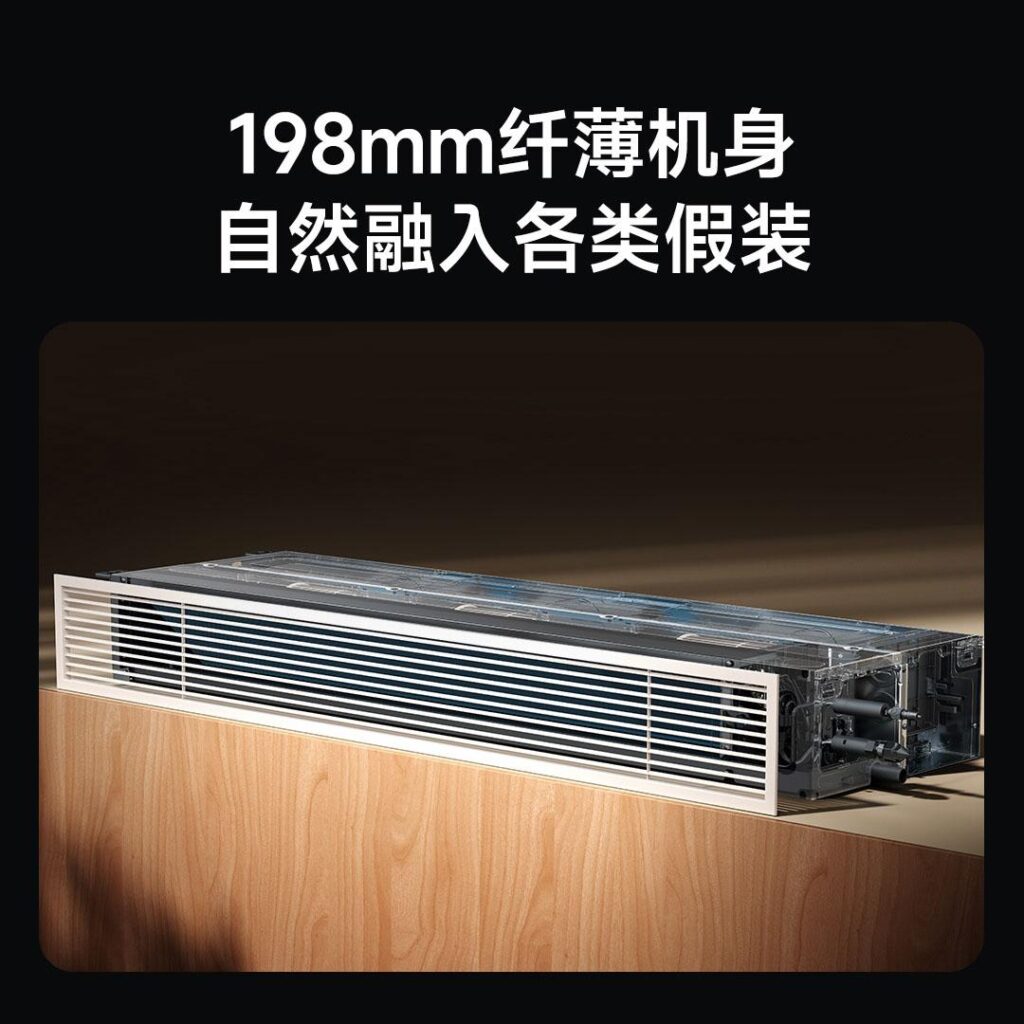
Built for mid-sized homes or apartments (roughly 40–50 square meters), this ducted system is designed to disappear into your ceiling with a slim 198mm profile. It fits cleanly into most layouts, so there’s no bulky hardware messing with your interior design.
But the Mijia AC Pro isn’t just about looking good — it’s also seriously efficient. It’s rated at the top-tier energy efficiency level (APF 4.35), which Xiaomi says could save you up to 2,389 kWh a year, translating to about 1,195 yuan ($164) in reduced electricity bills. Inside, it’s got a dual-cylinder compressor for better reliability over time, along with a dual-row condenser and three-row evaporator system designed for faster, more effective cooling and heating. Heat exchange is handled by 7mm copper tubes and aluminum fins — the kind of stuff you’d expect from higher-end units.
Naturally, it’s fully integrated into Xiaomi’s smart home ecosystem. Powered by the in-house Lingyun Smart Control Engine, the AC learns your routines and adapts in real-time — changing settings based on your location, habits, and even the weather. It cools your space in 30 seconds, heats in 60, and can anticipate what you’ll want before you even touch the app.
And yes, it knows where you are — in a non-creepy way. Thanks to dual mmWave radar sensors, the unit can detect your position within a 7-meter radius and direct airflow accordingly. You can choose between seven fan speeds and three airflow styles: direct, avoid, or soft breeze, so you’re always comfortable without having to constantly adjust things.
Since it’s part of the broader Xiaomi ecosystem, it works with HyperOS Connect and the Mi Home app. You can control it remotely, issue voice commands through XiaoAI, and get over-the-air updates that add new features over time. Xiaomi is also positioning it as a key part of a more complete indoor air management system — regulating temperature, humidity, oxygen levels, cleanliness, airflow, and purity. With the optional smart air panel, you can even link it to purifiers, humidifiers, and more.
For cleaner air, there’s support for Ion Purification (you’ll need the optional panel), which targets everything from PM2.5 particles to germs and viruses. And to keep maintenance low-effort, it has a built-in self-cleaning function that heats up to 56°C to sanitize both the indoor and outdoor units. There’s also a float switch that automatically shuts things down and sends an alert if a leak is detected.
Samsung’s One UI 7 major update is already rolling out to multiple Galaxy devices, including the Galaxy S24 series, Galaxy Z Fold 6, Galaxy Z Flip 6, and Galaxy Z Fold SE. The update, currently available in South Korea, will gradually expand to more devices, and to the rest of the world. In the meantime, Samsung has shared more details on the One UI 7 rollout that may disappoint mid-range Galaxy users.
According to the latest timeline published on Samsung Members, the wait for One UI 7 update will be longer than expected for mid-range phones. Samsung hasn’t included any Galaxy A, M, or F series phones in April’s rollout plan. Even the Galaxy A55, which already has access to the One UI 7 beta, is missing from the list.
Samsung’s One UI 7 stable update timeline
Samsung has shared (via) the official One UI 7 rollout plan for dozens of Galaxy devices, which is as follows:
April 2025:
Galaxy S24/S24+/S24 Ultra
Galaxy Z Fold 6, Z Flip 6
Galaxy Z Fold Special Edition
Galaxy Z Fold 5, Z Flip 5
Galaxy Tab S10/S10+/S10 Ultra
Galaxy S23/S23+/S23 Ultra
Galaxy S24 FE
May 2025:
Galaxy Z Fold 4, Z Flip 4
Galaxy Tab S9/S9+/S9 Ultra
Galaxy S23 FE
Galaxy Z Fold 3, Z Flip 3
Galaxy A34
Galaxy A35
Galaxy S22/S22+/S22 Ultra
Galaxy Tab S8/S8+/S8 Ultra
Galaxy S21/S21+/S21 Ultra
Galaxy A16
Galaxy Quantum 5
Galaxy Quantum 4
June 2025:
Galaxy Tab S9 FE/S9 FE+
Galaxy A53
Galaxy A33
Galaxy A25
Galaxy A24
Galaxy A15
Galaxy Quantum 3
Galaxy Jump 3, Jump 2
Galaxy Buddy 3
Galaxy Tab A9/A9+
Galaxy Tab Active 5
Galaxy Tab Active 4 Pro
Galaxy Wide 7
This timeline has been published by Samsung Korea. Samsung hasn’t announced a rollout timeline for other regions. However, based on past rollouts, the company is likely to follow a similar timeline for other regions.
It takes no time to realize that many Galaxy devices are missing from the list, including Galaxy S21 FE, many Galaxy A-series models, and more. That’s because this timeline is for Korea, and hence only includes devices that were released in the country.
Based on past patterns, Samsung is likely to follow a similar timeline globally. The entire rollout is expected to wrap up by the end of June 2025. Hopefully, Samsung won’t delay it any further, especially with Android 16 expected to launch around the same time.
Interestingly, Samsung is reportedly planning to skip incremental updates like One UI 7.1 and One UI 7.1.1. Instead, the company will focus directly on One UI 8, which could help restore its reputation for fast software rollouts it has built over the years.
Xiaomi has added yet another smart home essential to its growing Mijia lineup — this time, it’s a space-saving three-door refrigerator priced at just 899 yuan (around $125). The Mijia 215L Three-Door Refrigerator is now available on JD.com and brings a blend of minimalist design, smart efficiency, and compact form factor that’s clearly targeted at small households and apartment dwellers.
Xiaomi Mijia 215L Refrigerator Specifications
Despite its slim footprint — just 505mm wide and taking up about 0.28 square meters of floor space — this fridge squeezes in a surprisingly spacious 215-liter capacity. The layout is split across three temperature zones: a 128L fridge compartment, a 30L soft-freeze middle section, and a 57L freezer. That’s more than enough room for two people’s weekly groceries, without eating into kitchen real estate.
Where it gets interesting is the control and cooling tech. The Mijia fridge offers five levels of electronic temperature adjustment — from 2°C to 8°C — giving users finer control over how their food is stored. Xiaomi’s energy-efficient compressor keeps the operation nearly silent, topping out at just 37dB, well below the national standard.
On the outside, the design is what you’d expect from Xiaomi — clean lines, subtle details. The one-piece molded body and seamless door panel help it blend in with modern interiors, while the hidden handles and top-mounted LED lighting add a touch of functionality without any visual clutter. The door opens a full 90 degrees, making it easier to load and clean, and the removable door seal is another nod to hygienic convenience.
Power consumption is modest too — about 0.66 kWh per day — earning it a Level 3 energy efficiency rating in China. That’s not cutting-edge, but definitely respectable for the price. It’s a fridge that quietly does the job without asking for much in return.
In related news, Xiaomi also recently launched the Mijia Refrigerator Pro 508L, a smart four-door fridge with dual cooling, -30°C deep freeze, and HyperOS support.
For more daily updates, please visit our News Section.
Krafton, the studio behind BGMI (Battlegrounds Mobile India) and PUBG Mobile, is facing legal action in India. The company has had a rocky relationship with the Indian government, and now, it is facing an FIR over user privacy concerns.
FIR filed against Krafton
Krafton Inc: The creators of PUBG Mobile/BGMI
The FIR against Krafton was filed by Santosh Torane, marking a legal dispute over digital privacy in India. TalkEsport managed to get the legal document related to the case which accuses Krafton India and four of its executives of violating an online service agreement. This agreement includes strict confidentiality clauses that allowed Torane to use Krafton’s game services. However, the FIR states that Krafton has violated these terms by disclosing his personal information and monetizing it.
Simply put, Krafton is basically facing action for illegally selling user information. The complainant alleges that confidential data was leaked and shared with external parties. This data was reportedly sold for a around 2,000 INR per subscriber. So Krafton was charged with criminal conspiracy (IPC 120-B), cheating (IPC 420), and violations under Sections 72, 72A, and 85 of the Information Technology Act, 2000. The court has now ordered the police to start investigation against these claims.
In response, Krafton India has filed two writ petitions in the Bombay High Court, which challenges the FIR and seeks to put a stop to this investigation. The studio is fighting for relief against these allegations and is contesting the legal proceedings. TalkEsport had reached out to Krafton officials and their PR for an official statement, but haven’t received any word from them so far.
For more daily updates, please visit our News Section.
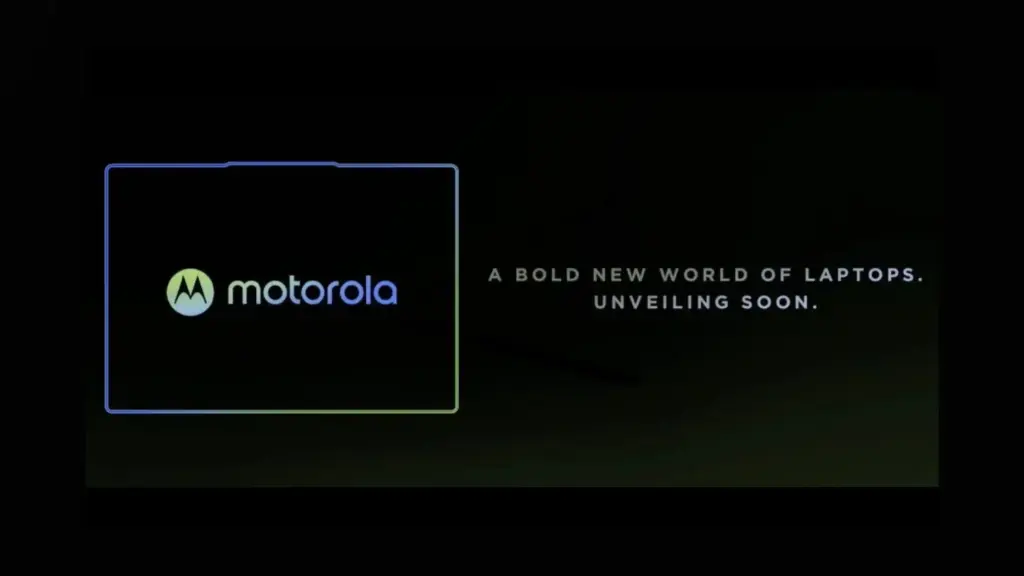
Motorola is known for its flip foldable and mid range smartphones. But the company might soon be planning on releasing its first ever laptop model in the Indian market. The Motorola laptop was officially teased, so here’s what we know.
Everything we know about Motorola’s first laptop
The Lenovo owned brand has just teased the new Motorola laptop on Flipkart, which is a popular e-retailer in India and confirms its availability on the platform. Unfortunately, this teaser doesn’t share any details like its specs, pricing, design, or other details. However, this quiet teaser was shared with the Motorola logo along with the words “A Bold New World Of Laptops. Unveiling Soon.”
In other words, we can expect the smartphone maker to reveal more details in upcoming teasers. Since the brand is known for its affordable smartphones, the laptop could target the entry level segment as well. Entering the PC segment, Motorola will compete with the likes of ASUS, Acer, Dell, and others, which are well established brands. But apart from the Flipkart availability and a small teaser image, there is no information regarding this laptop.
In related news, the Motorola Razr 60 and Razr 60 Ultra had their complete design and color options revealed via renders. The Edge 60 and Edge 60 Pro also had their design, specs, and other finer details revealed via a TENAA listing. So Motorola is working on next gen mid range and flip phones as well as a new laptop.
For more daily updates, please visit our News Section.
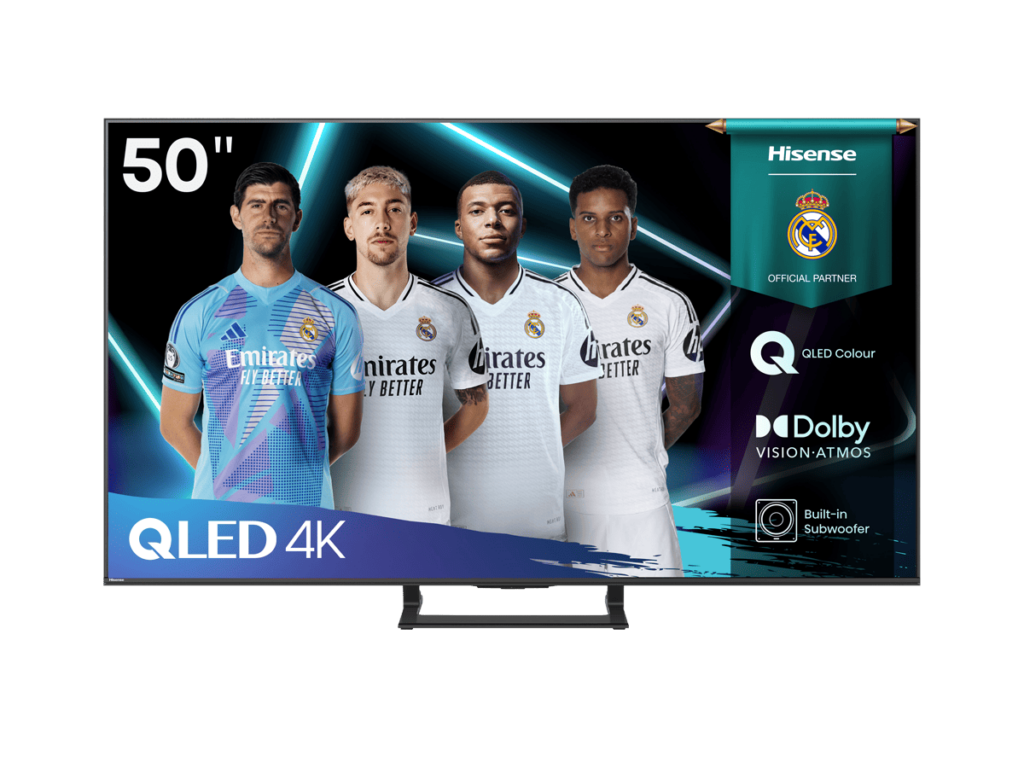
Hisense has announced the 2025 A7Q QLED Smart TV for Europe. It’s a budget 4K LCD TV available in 50, 55, 65, and 75 inches. Prices start at €569. It will launch in Spain on June 30 through Amazon. U.S. availability is not confirmed.
Hisense A7Q QLED TV features
The A7Q uses a VA panel with Direct LED backlighting. It has a 3,800:1 contrast ratio and 400 nits peak brightness. It supports Dolby Vision, HDR10+, and Filmmaker Mode. Quantum dot technology improves color. A built-in 4K AI upscaling improves lower-resolution content, and an ambient light sensor adjusts screen brightness based on room lighting.
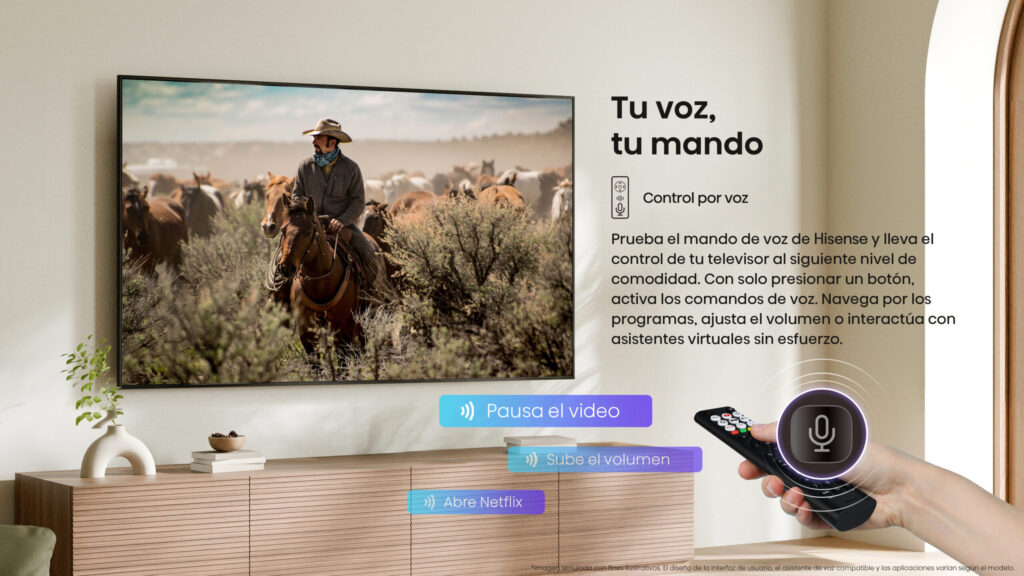
The TV runs at 60Hz and includes a Game Mode with VRR and ALLM. A Game Bar gives quick access to settings. AI motion smoothing reduces blur during fast scenes. It runs on Vidaa OS U9. It supports streaming apps and voice control through Alexa, Vidaa Voice, and Apple Home. AirPlay 2 is included for iOS device casting. It has built-in 2.0-channel speakers tuned by Devialet with Dolby Atmos support.
The TVs come with three HDMI 2.0 ports, two USB 2.0 ports, a LAN port, a 3.5mm AV input, an optical audio output, a headphone jack, a CI+ slot, a satellite input, and an RF antenna input. For wireless connectivity, they support Bluetooth 5.0 and Wi-Fi 5 (802.11ac).
Pricing and Availability
50″ – €569
55″ – €629
65″ – €829
75″ – €1,169
Preorders are open on Hisense’s Amazon Spain store. A US release has not been confirmed.
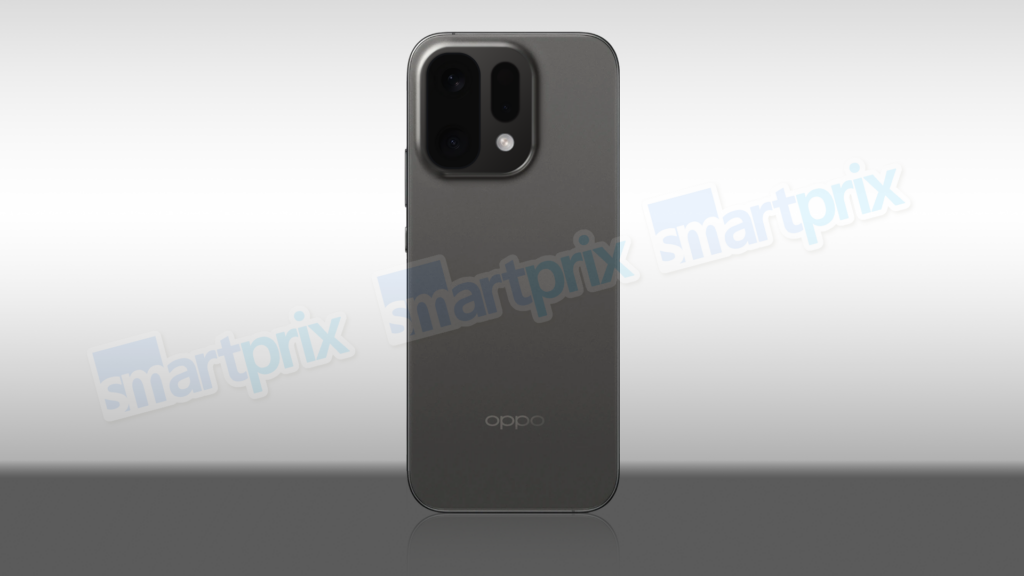
Oppo is gearing up to unveil the new Reno 14 series of smartphones in China soon. There have already been reports regarding the Reno 14 and Reno 14 Pro, and now, a fresh leak from a known tipster has revealed key details regarding their display, battery, and design. So let’s check it out.
Oppo Reno 14 Pro, Reno 14 Leak: What do they offer?
The latest information arrives from Digital Chat Station who shared the details on Weibo (a Chinese microblogging website). Looking at the online post, the tipster claims that the Reno 14 series will be powered by massive battery packs that are over 6,000mAh capacities. The base Reno 14 may sport a 6.59-inch LTPS OLED display with a 1.5K resolution, while the higher end Reno 14 Pro could feature a taller 6.83-inch LTPS OLED screen with a 1.5K resolution.
Oppo Reno 14 Pro
DCS states that the display will have rounded corners with narrow bezels. Even the camera system is getting an upgrade over its predecessors to offer an “iPhone-like” experience. The rumor also claims that the Reno 14 series will launch with a thin and light design and offer top notch water and dust resistance thanks to the IP68 + IP69 rating. Oppo’s Reno 14 Pro recently had its renders leaked that showcased a redesigned camera module on the rear.
In a previous leak, the Digital Chat Station shared some design elements and camera details as well. Oppo might be introducing a periscope telephoto camera on the Reno 14 Pro. Based on what we know so far, the Reno 14 Pro may pack a MediaTek Dimensity 8350 SoC, a 120Hz refresh rate display on the front, a 50MP triple cameras on the rear, 80W wired fast charging, and 50W wireless fast charging.
For more daily updates, please visit our News Section.
Samsung, as promised, began rolling out the One UI 7 update to Galaxy devices on April 7. The Galaxy S24 series, Galaxy Z Fold 6, Galaxy Z Flip 6, and Galaxy Z Fold Special Edition got the treat yesterday. However, many countries will have to wait a little more to get the Android 15-based update.
The brand has already announced which countries will get the One UI 7 update and when. According to the plan, most countries will start receiving the update on April 7. Sadly, only users in Korea received the update on that day, but other promised regions should also start receiving it anytime now. Some regions will receive the update from April 10, and a few will get it from April 14.
Review the list below to know if your country is included in the first wave.
Samsung will initially bring One UI 7 update to these countries
The company has promised to rollout One UI 7 update in these regions from April 7:
Korea
India
Japan
Thailand
Indonesia
Philippines
Taiwan
Vietnam
Algeria
Morocco
Tunisia
Egypt
South Africa
Austria
France
Italy
Kazakhstan
Spain
Romania
Switzerland
Turkey
U.K.
Germany
Poland
Russia
Ukraine
Argentina
Chile
Costa Rica
Ecuador
Guatemala
Mexico
Panama
Peru
Uruguay
Brazil
Colombia
Dominican Republic
El Salvador
Honduras
Nicaragua
Paraguay
Puerto Rico
Venezuela
Iraq
Kuwait
UAE
Jordan
Saudi Arabia
If you live in any of these regions, the One UI 7 rollout may have begun already, or it might go live anytime now. Other countries will start receiving the update later in April.
Samsung has announced that the update will initially roll out to the Galaxy S24 series, Galaxy Z Fold 6, and Galaxy Z Flip 6, which are already live in Korea (with more countries to follow soon). In the following weeks, the update will expand to more devices, including the Galaxy S24 FE, Galaxy S23 series, Galaxy Z Fold 5, Galaxy Z Flip 5, Galaxy Tab S10 series, and Galaxy Tab S9 series. You can have a look at the detailed One UI 7 rollout plan here.
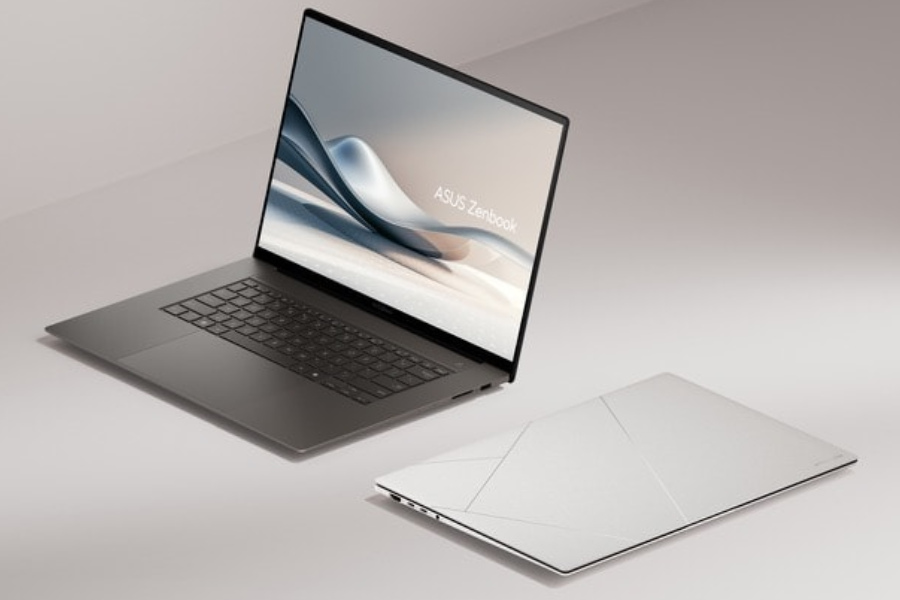
Asus has expanded its AI PC lineup in India with the launch of two new laptops—the Zenbook S16 and the Vivobook 16. Both devices are powered by AMD’s latest Ryzen AI 7 350 processor and are designed to deliver AI-enhanced productivity and next-generation Copilot+ PC features. Let’s walk through the details here.
Asus Zenbook S16
The Zenbook S16 (UM5606KA) is the premium offering of the two. It features a 16-inch 3K OLED touchscreen with a 16:10 aspect ratio, a 120Hz refresh rate, 100% DCI-P3 gamut, and Dolby Vision support with 500 nits of HDR brightness. Despite its large screen, the laptop maintains a slim 1.1cm profile and a lightweight 1.5kg chassis, made out of CNC-machined C-part and a Ceraluminum lid.
Inside, the device runs on AMD’s Ryzen AI 7 350 processor with 8 cores and 16 threads, paired with a 50 TOPS-capable XDNA 2 NPU for AI-accelerated tasks. The Ryzen 7 350 is baked with AMD Radeon 860M iGPU while the memory option includes 24GB of LPDDR5X RAM and a 1TB PCIe 4.0 SSD.
The S16 has two USB4 Type-C ports, one HDMI 2.1 port, a USB 3.2 Type-A port, an SD card reader, and a 3.5mm audio jack for connectivity. Fueling the device is a 78Wh battery with support for fast Type-C charging.
Other features of the laptop include Dolby Atmos-enabled six-speaker audio, and IR facial recognition with Microsoft Pluton hardware security. As an AI-first laptop, it also has a dedicated Copilot key below which sits a large ErgoSense touchpad.
Vivobook 16
The Vivobook 16 (M1607KA) is a more affordable variant, but it brings the same Ryzen AI 7 350 processor and support for Copilot+ features. This is paired with 16GB of DDR5 RAM and a 512GB PCIe 4.0 SSD.
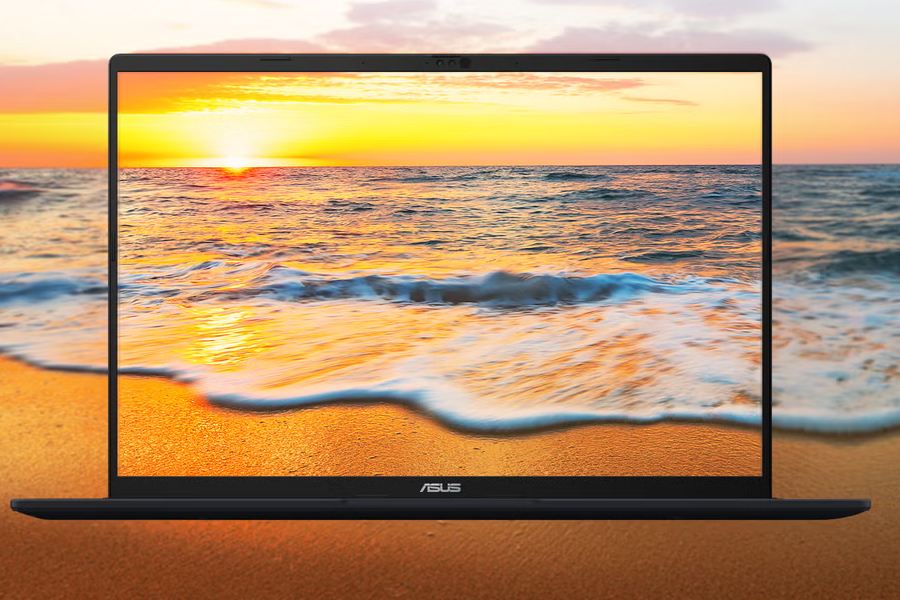
The affordability shows up in the rest of the hardware. You get a 16-inch IPS display with a 1920 x 1200 resolution, a 16:10 aspect ratio, 300 nits of peak brightness, and an anti-glare coating. It’s not as flashy as the OLED on the Zenbook, but it gets the basics right.
The chassis is designed for military-grade durability, and the device weighs 1.88 kg while measuring 1.79 cm thick. An added advantage here is that the hinge opens flat to 180 degrees, giving you a bit more flexibility in how you use it.
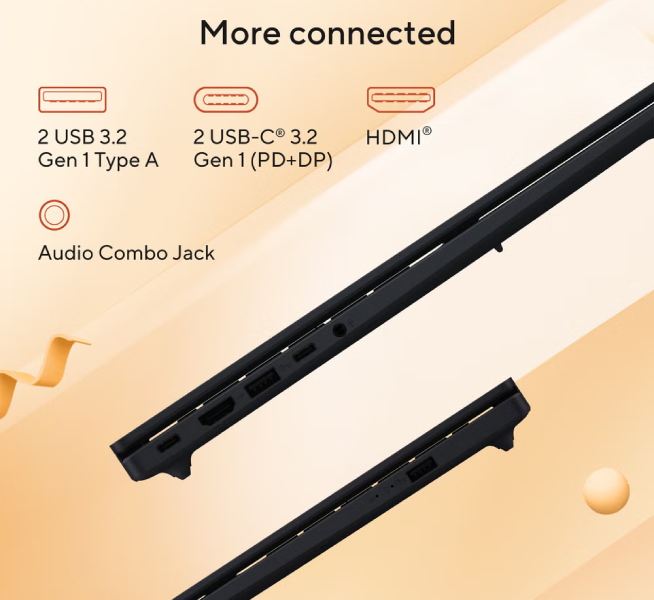
Asus hasn’t skimped on ports, either. There are two USB 3.2 Gen 1 Type-A ports, two USB 3.2 Gen 1 Type-C ports (with Power Delivery and display output support), an HDMI 2.1 port, and a 3.5mm headphone jack.
For audio, it features a stereo speaker setup with Dirac sound and SonicMaster tuning. All of this is powered by a 42Wh battery with 65W fast charging support.
Price and Availability
The ASUS Zenbook S16 is priced at ₹1,49,990 in India, while the Vivobook 16 is available for ₹75,990. Both laptops are available for purchase via Asus Exclusive Stores, Amazon, Flipkart, and select offline retailers.
From May 2025, your next smartphone from China could cost 10–54% more, all thanks to a new wave of U.S. tariffs and taxes targeting imported tech. If you’ve been eyeing a high-performance smartphone from brands like Xiaomi, OnePlus, OPPO, or Realme, the clock is ticking fast.
Under the Trump administration’s new trade enforcement measures, a second 10% tariff on Chinese goods will take effect, stacking on top of the initial 10% rate introduced back in February. That means a total of 20% tariffs on all Chinese electronics, including smartphones, tablets, and wearables.
A $1200 device today could quickly shoot up by $1540 or more in added fees once the new rate kicks in.
But that’s not all. The real price crunch comes on May 2, when the T86 customs clearance policy ends. This policy currently allows quick, tax-free shipping for orders under $800. When it expires, buyers could face a 34% import tax on top of tariffs, customs fees, and shipping delays. That’s a potential 54% total tax, making even mid-range phones more expensive overnight.
While the temporary reinstatement of the $800 De Minimis exemption (as of February 8) gives buyers a short window of relief, it’s just that, short. Customs is already preparing a stricter system to process and tax low-value shipments, and the grace period won’t last much longer.
So here’s the deal: Buy now, while stock lasts and duty-free rules are still in effect. Retailers like Giztop have many of these phones in warehouses, ready to ship, meaning you can lock in current prices and avoid the upcoming tax increase.
We’ve curated the list of top smartphones you can still grab at pre-tariff prices, perfect picks to lock in now before costs climb and inventories tighten.
1. Xiaomi 15 Ultra
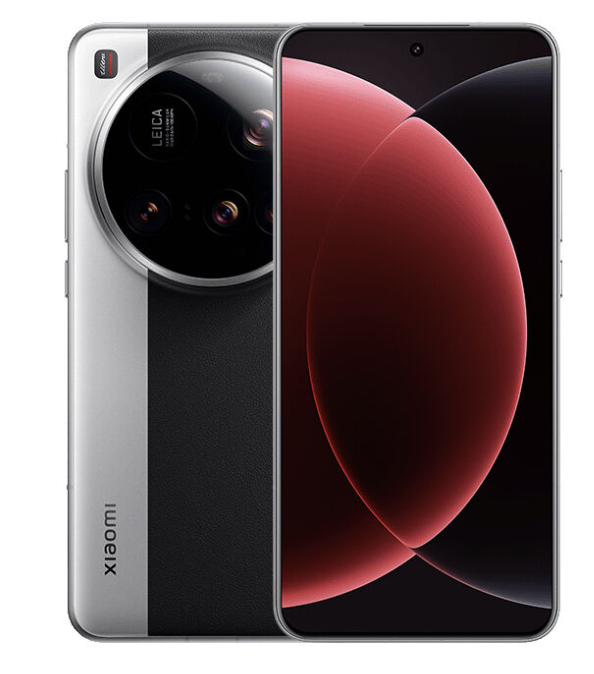
Xiaomi 15 Ultra is a flagship for those who won’t settle for anything less than excellence. Whether you’re a mobile photographer, a content creator constantly on the move, or a power user who pushes every device to its limits, this phone is built for you. With a Leica-engineered quad-camera system, a razor-sharp 2K AMOLED display, and the latest Snapdragon 8 Elite processor, it delivers pro-level tools and peak performance in a sleek, pocketable design.
Why It’s Great: Xiaomi went all-in with the 200MP Leica Quad Camera featuring a massive 1-inch sensor for studio-grade shots. The Snapdragon 8 Elite chip ensures seamless speed and multitasking, while the 6.73” 2K AMOLED 120Hz display offers vivid colors and buttery-smooth visuals. It’s a no-compromise device from top to bottom.
Please Note: When you buy something using the links in our articles, we may earn a small commission at no cost to you.
Price: At $899, it’s an incredible value — especially now. With new tariffs looming after May 2, this is your last chance to score it at this price before import costs drive it up.
Huawei Pura 70 X is a futuristic foldable designed for professionals, power users, and anyone who values both form and function. With its new-generation design, book-style OLED display, and powerful Kirin 9020 processor, it delivers a seamless experience for multitasking, content consumption, and creativity on the go. Whether you’re managing work, editing on a large screen, or just enjoying the novelty of a premium foldable, this device brings top-tier performance and unique design together.
Why It’s Great: Stunning foldable OLED display, Kirin 9020 5nm processor, and a 50MP UltraVision camera system with up to 100x zoom.
Price: $1,699 — Grab it before the tariffs hit! Foldables won’t stay this affordable once the new import taxes land.
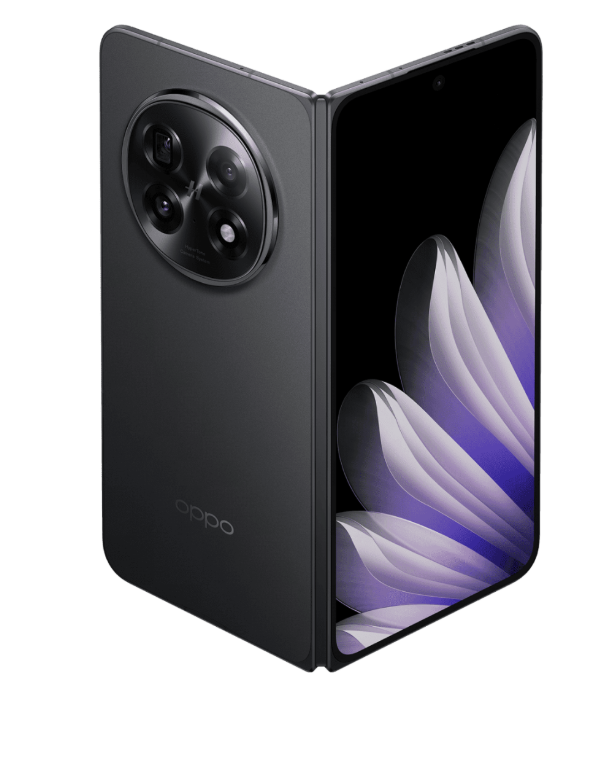
OPPO Find N5 is a sleek, next-gen foldable built for multitaskers, tech enthusiasts, and anyone craving the cutting edge of mobile design. Its expansive 8.12-inch AMOLED foldable screen turns productivity and media into a tablet-like experience—without the bulk. Combined with the powerful Snapdragon 8 Elite processor and a pro-grade triple 50MP camera system, the Find N5 delivers the full flagship package in a foldable format that’s compact when closed and immersive when open.
Why It’s Great: Gorgeous 8.12” foldable AMOLED display, Snapdragon 8 Elite chip, and triple 50MP camera system with 3x optical zoom.
Price: $1,599 — Pre-tariff bargain! Foldables will surge in price soon, this deal won’t last once new taxes kick in.
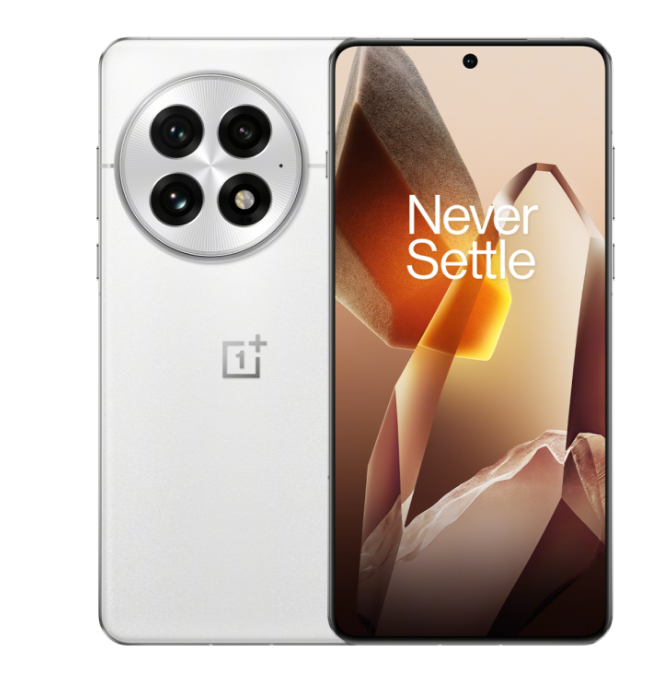
OnePlus 13 delivers flagship-level performance and features at a price that undercuts most of its competition. Designed for power users, mobile photographers, and those who push their phone to the limit daily, it boasts a massive 6000mAh battery with ultra-fast 100W charging, the Snapdragon 8 Elite processor, and a versatile triple 50MP camera system with Sony optics and periscope zoom. Whether you’re editing photos, gaming, or juggling apps, this device is built to keep up.
Why It’s Great: Massive 6000mAh battery with 100W SuperVOOC charging, Snapdragon 8 Elite, and a triple 50MP camera setup with periscope zoom and Sony optics.
Price: $649 now or $849+ after May. Import tax and tariff changes are coming, buy now.
Nubia Z70 Ultra is built for bold users who demand raw power, premium visuals, and next-level photography without breaking the bank. Ideal for hardcore gamers, mobile photographers craving DSLR-like clarity, and anyone who wants a no-compromise flagship experience at a more grounded price. Its 144Hz BOE OLED display keeps visuals ultra-smooth, while the Snapdragon 8 Elite chip powers through demanding tasks. Add to that a 50+50+64MP pro-grade camera system, and you’ve got a powerhouse that punches way above its price point.
Why It’s Great: 144Hz BOE OLED display, Snapdragon 8 Elite, and a professional-grade 50+50+64MP camera setup that excels in both speed and clarity.
Price: Just $729 — flagship specs at a mid-range price! Grab it before the global markup lands.
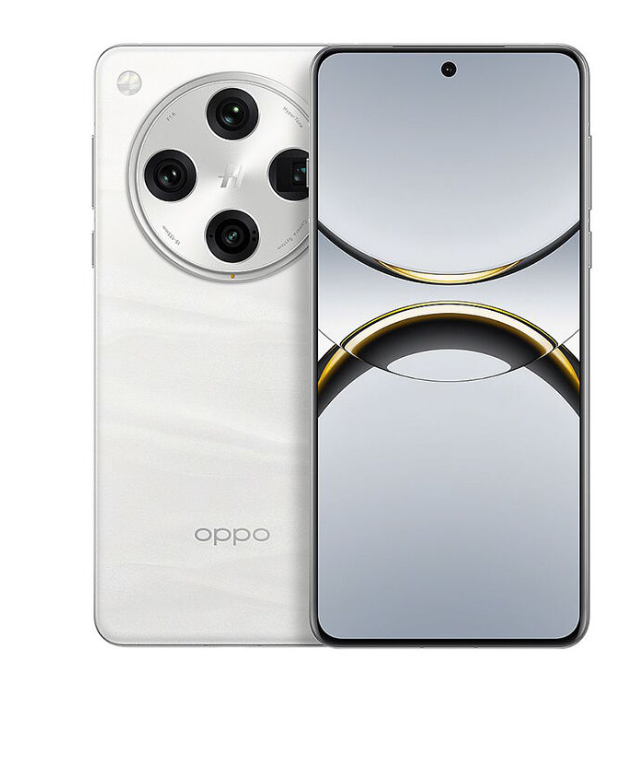
OPPO Find X8 Pro is a true luxury flagship made for photography perfectionists, creative professionals, and style-conscious users who want elegance backed by beastly power. Whether you’re shooting with Hasselblad-enhanced cameras or multitasking across demanding apps, this phone delivers top-tier results. Its 2K LTPO AMOLED display offers silky-smooth visuals, while the Dimensity 9400 chip and long-lasting battery make sure you’re never left waiting. If you’re a visual-first user who refuses to compromise, this is your next daily driver.
Why It’s Great: Stunning 2K LTPO AMOLED display, MediaTek Dimensity 9400 processor, and a Hasselblad-tuned quad 50MP camera system for studio-quality photography and zoom versatility.
Price: Just $799 — a flagship beast with quad zoom for under a grand.
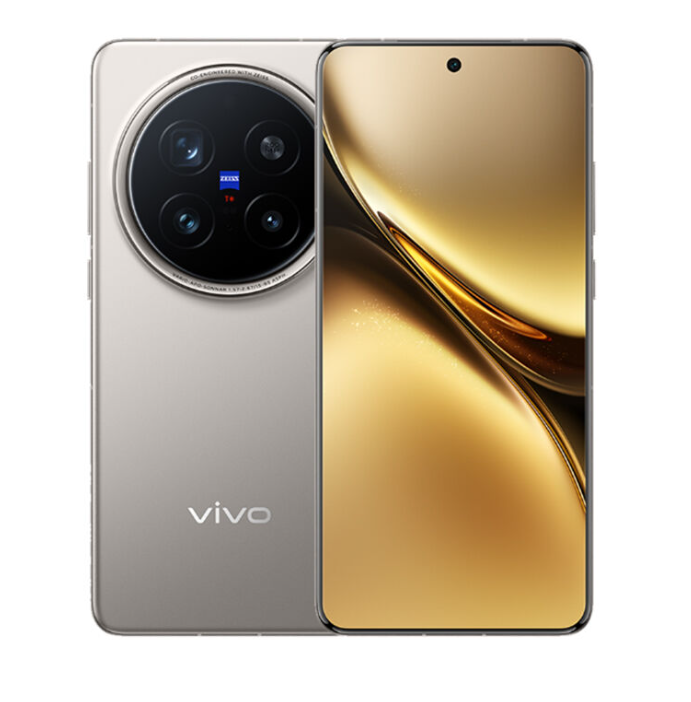
Vivo X200 Pro is tailor-made for photography fanatics, mobile gamers, and speed-driven users who demand flagship power with a cinematic visual experience. Its 200MP main camera pushes the limits of smartphone photography, delivering DSLR-like clarity right from your pocket. The MediaTek Dimensity 9400 chip ensures buttery-smooth performance, while the massive 6000mAh battery and 120Hz AMOLED display keep you productive and entertained all day. If you live fast, shoot sharp, and game hard, the X200 Pro keeps up with your lifestyle.
Why It’s Great: Monster 200MP camera, ultra-fast Dimensity 9400, and a 6000mAh battery that goes all day. Built for power, precision, and premium content creation.
Price: Yours for just $749 — 200MP of pocket-sized power, no DSLR needed.
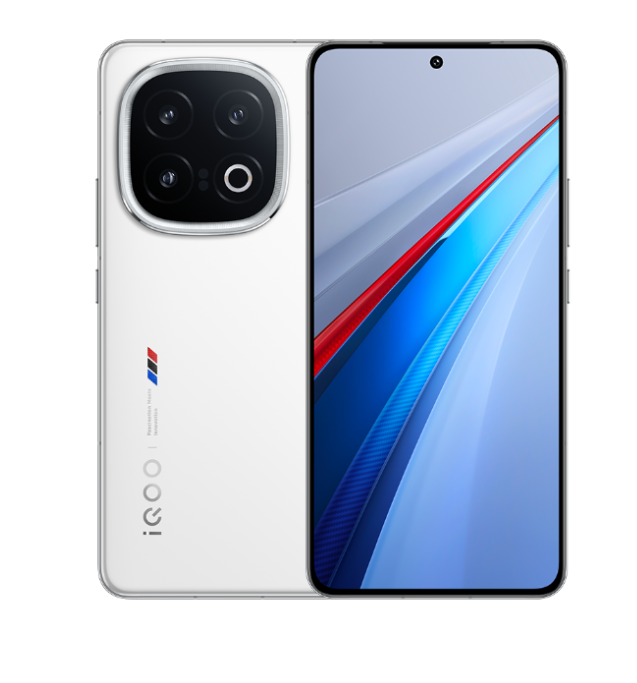
iQOO 13 is purpose-built for mobile gamers, high-performance users, and minimalists who demand speed and stamina without extra fluff. With a blazing 144Hz LTPO display, the Snapdragon 8 Elite processor, and a dedicated Q2 gaming chip, it delivers pro-tier fluidity and frame-rate stability in even the most demanding games. Pair that with ultra-fast 120W charging and a massive 6150mAh battery, and you’ve got a device that won’t slow down — no matter how hard you push it.
Why It’s Great: Blazing-fast 144Hz gaming screen, Snapdragon 8 Elite + Q2 gaming chip combo, and 120W fast charging — this one’s built to win.
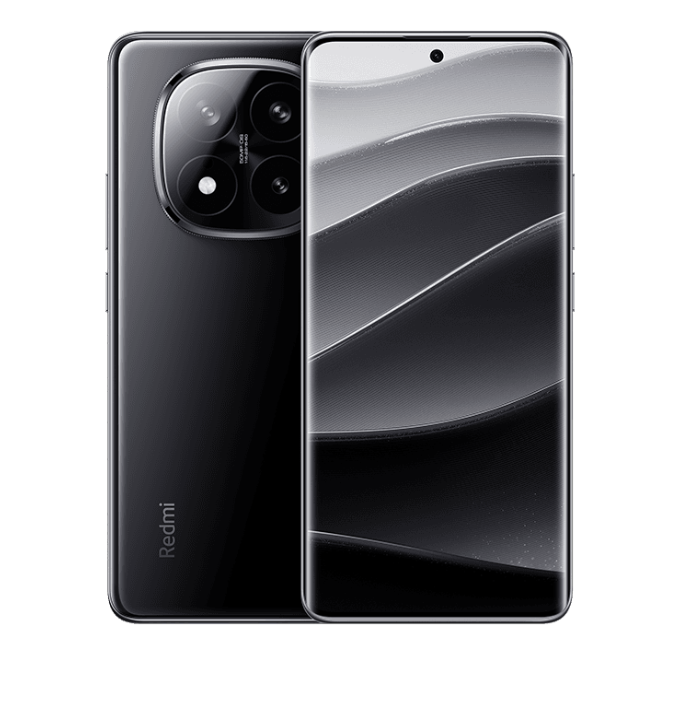
Redmi Note 14 Pro Plus is a budget-friendly powerhouse built for students, casual users, and travelers who need reliability without compromise. With its vivid 3K-nit OLED display, huge 6200mAh battery, and efficient Snapdragon 7s Gen 3 AI chip, it handles daily tasks, video streaming, and even light gaming with ease. From Dolby Vision visuals to optical image stabilization in its 50MP camera setup, it delivers premium touches at an entry-level price.
Why It’s Great: 3K-nit OLED display, 6200mAh battery, Snapdragon AI chip — all under $300.
Price: Just $299 — flagship-style features at budget pricing.
Realme GT 7 Pro is crafted for gamers, screen lovers, and performance enthusiasts who demand top-tier specs without top-tier prices. Featuring a stunning 6.78″ AMOLED display with 6000 nits of peak brightness, powered by the beastly Snapdragon 8 Elite chip and cooled by aerospace-grade thermal tech, it’s a performance-first flagship. With a massive 6500mAh battery and 120W SuperVOOC charging, you can game, stream, and multitask for hours without slowdowns or heat. This phone doesn’t just perform, it lasts.
OnePlus Ace 5 Pro is built for multitaskers, gamers, and media junkies who want ultra-smooth performance, a stunning curved display, and next-gen charging speed—all without the typical flagship cost. With a powerful Snapdragon 8 Elite chip, up to 1TB of storage, and a silky 6.78-inch 1.5K OLED screen, it balances speed and beauty effortlessly. The HyperBoost game stabilization engine keeps gaming sessions smooth, while a massive 6100mAh battery with 100W SuperVOOC charging makes power anxiety a thing of the past.
We use cookies on our website to give you the most relevant experience by remembering your preferences and repeat visits. By clicking “Accept”, you consent to the use of ALL the cookies.
This website uses cookies to improve your experience while you navigate through the website. Out of these, the cookies that are categorized as necessary are stored on your browser as they are essential for the working of basic functionalities of the website. We also use third-party cookies that help us analyze and understand how you use this website. These cookies will be stored in your browser only with your consent. You also have the option to opt-out of these cookies. But opting out of some of these cookies may affect your browsing experience.
Necessary cookies are absolutely essential for the website to function properly. This category only includes cookies that ensures basic functionalities and security features of the website. These cookies do not store any personal information.
Any cookies that may not be particularly necessary for the website to function and is used specifically to collect user personal data via analytics, ads, other embedded contents are termed as non-necessary cookies. It is mandatory to procure user consent prior to running these cookies on your website.