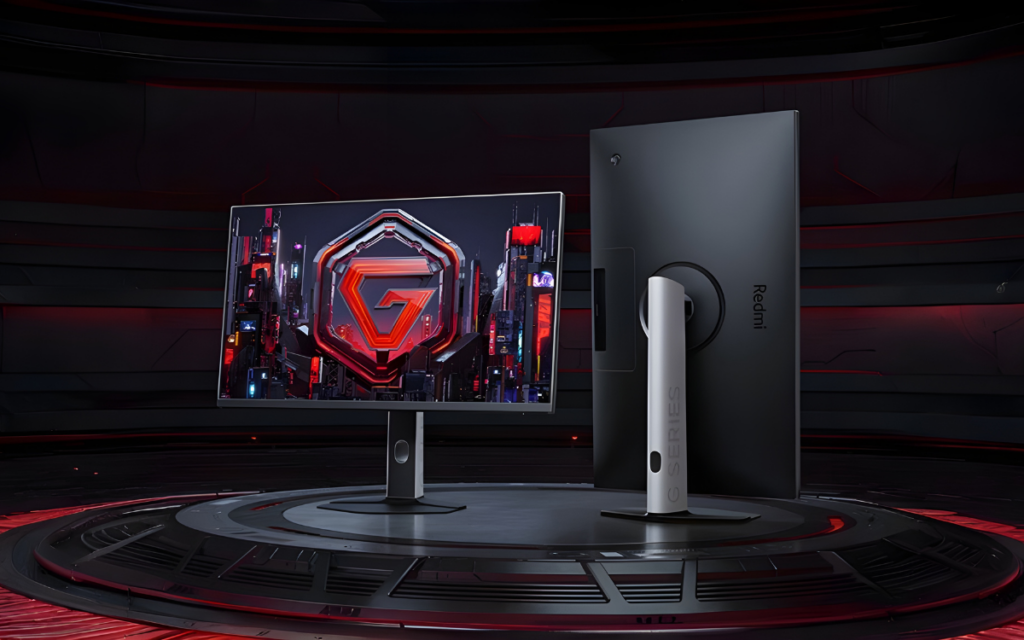
Xiaomi is expanding its gaming monitor lineup with the launch of the Redmi G27Q 240Hz, now up for pre-order in China. It builds on last year’s 180Hz model, bringing a faster 240Hz refresh rate and a sharper focus on competitive gaming. The monitor is priced at 1,499 yuan ($206), but early buyers can grab it for 1,199 yuan ($165).
Redmi G27Q 240Hz Monitor Specifications
The Redmi G27Q 240Hz packs a 27-inch Fast IPS panel with a 2560 x 1440 resolution. Xiaomi says it’s designed to handle fast-paced action with minimal motion blur, thanks to a 1ms GTG response time and AMD FreeSync Premium support. The ultra-high refresh rate, paired with low latency, makes it a clear play for gamers chasing smoother visuals and fewer distractions.
Brightness and contrast also get a boost here, with HDR400 certification and peak brightness hitting 400 nits. Colors should look vivid and accurate, with the monitor covering 95 percent of the DCI-P3 color space and 100 percent of sRGB. Content creators might appreciate that it supports 10-bit color depth (via 8-bit + FRC), which helps deliver smoother color transitions and more natural gradients.
Xiaomi hasn’t forgotten about eye comfort, either. The G27Q 240Hz features the company’s QingShan eye protection system, with DC dimming and TÜV Rheinland low blue light certification aimed at reducing eye strain during long sessions.
The stand is fully adjustable — you get height, tilt, swivel, and pivot adjustments, along with support for 90-degree rotation if you prefer a portrait setup. The monitor also plays well with existing setups, thanks to dual DisplayPort 1.4 ports, two HDMI 2.0 ports, and a 3.5mm audio jack. Power consumption is rated at 48W, and it supports VESA mounting if you’d rather clear up desk space.
In other news, Lenovo has introduced a 24.5-inch office monitor featuring a 1080p resolution, 100Hz refresh rate, and a 4ms response time. Meanwhile, TCL has unveiled a 31.5-inch 4K Mini LED monitor with a 165Hz refresh rate, designed to meet the needs of both gamers and content creators.
For more daily updates, please visit our News Section.
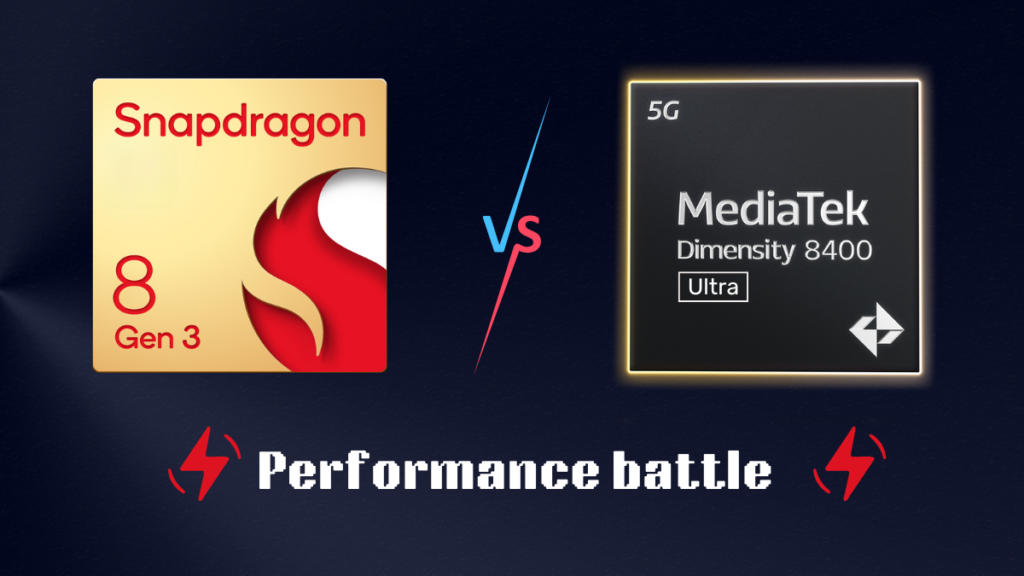
The Snapdragon 8 Gen 3 is a flagship smartphone chipset announced in October 2023. It features a robust CPU with a maximum frequency of 3.3GHz and a powerful GPU that delivers smooth gaming performance.
The Dimensity 8400 Ultra isn’t without its advantages. It’s the first upper mid-range chipset to feature all big CPU cores for a performance boost. The GPU also performs well. Announced in December 2024, it boasts eight big CPU cores with up to 3.25GHz frequency. But how does this chip stack up against the Snapdragon 8 Gen 3? We’ll examine benchmark results and key differences to find out.
[Note: The following benchmark tests were conducted on the OnePlus 12 (powered by Snapdragon 8 Gen 3) and Poco X7 Pro (powered by Dimensity 8400 Ultra).]
Snapdragon 8 Gen 3 vs Dimensity 8400 Ultra: AnTuTu, Geekbench Scores
AnTuTu Score
AnTuTu is a widely used benchmarking tool that measures a device’s overall performance, evaluating processing power, graphics rendering, multitasking efficiency, and system responsiveness.
The OnePlus 12, powered by the Snapdragon 8 Gen 3, scored around 1.75 million on AnTuTu, while the Dimensity 8400 Ultra-powered Poco X7 Pro achieved 1.58 million points on the AnTuTu (v10) benchmark. That’s an 11% uplift for the Snapdragon 8 Gen 3.
If you look at the breakdown below, the CPU score are almost equal. The key difference lies in the Snapdragon 8 Gen 3’s GPU, which delivers a 33% better score. The memory performance is also slightly faster on the Snapdragon 8 Gen 3, whereas the UX score favors the Dimensity chip.
SD 8 Gen 3
D-8400 Ultra
AnTuTu score
1,753,326
1,582,194
CPU
370,873
369,247
GPU
750,494
564,682
Memory
350,215
327,943
UX
281,744
320,322
Geekbench Score
Geekbench measures CPU performance, providing single-core and multi-core scores. The single-core score reflects performance when a single CPU core is active, while the multi-core score measures overall processing power.
According to Geekbench, both chipsets have similar multi-core performance. However, the Snapdragon 8 Gen 3 outperforms the Dimensity 8400 Ultra in single-core performance by 35%.
SD 8 Gen 3
D-8400 Ultra
Single core
2,130
1,579
Multi core
6,175
6,238
Why does the Snapdragon 8 Gen 3 lead in benchmarks? And beyond performance, what key differences should you know? Let’s break it down.
Snapdragon 8 Gen 3 vs Dimensity 8400 Ultra: Key Differences
CPU
While both chipsets have eight CPU cores, the Snapdragon 8 Gen 3 has a slightly higher peak frequency. Here’s how the CPU clusters look like:
Snapdragon 8 Gen 3:
1 prime core (Cortex-X4 @ 3.3GHz)
5 performance cores (3 x Cortex-A720 @ 3.15GHz, 2 x Cortex-A720 @ 2.96GHz)
2 efficiency cores (2 x Cortex-A520 @ 2.27GHz)
Dimensity 8400 Ultra:
8 performance cores (1 x Cortex-A725 @ 3.25GHz, 3 x Cortex-A725 @ 3GHz, 4 x Cortex-A725 @ 2.1GHz)
The 8 Gen 3 has a balanced mix of high-performance and efficiency cores, providing a good balance between performance and power efficiency. The Dimensity 8400 Ultra, despite featuring all big cores, achieves up to 44% reduction in peak power use over its predecessor.
The Snapdragon chip also has a 12MB L3 cache, while the Dimensity chip has a smaller 6MB L3 cache, resulting in an additional performance boost.
Overall, the Snapdragon 8 Gen 3 has a slightly better CPU configuration, though the Dimensity 8400 Ultra isn’t far behind, as seen in the AnTuTu scores.
GPU
The Snapdragon 8 Gen 3 features the Adreno 750 GPU, designed for high-end gaming. It supports real-time hardware ray tracing with global illuminationfor more accurate and realistic lighting effects, detailed shadows and reflections, and more realistic gameplay. It also offers Unreal Engine 5 support for advanced character rendering.
The Dimensity 8400 Ultra has the Mali-G720 MP7 GPU, which is less powerful than the Adreno 750 but still performs well. It can run games smoothly, though the lack of advanced gaming features makes the Snapdragon 8 Gen 3 the better choice for immersive gameplay.
Camera
The Snapdragon 8 Gen 3 supports up to 200MP single camera, lower than 300MP on the Dimensity 8400 Ultra. However, the Snapdragon 8 Gen 3 supports 8K video recording, whereas the Dimensity 8400 Ultra is limited to 4K.
Additionally, the Snapdragon chip features real-time semantic segmentation for enhanced image details and AI-powered auto-focus, auto-exposure, and auto-white balance. Its ISP is more advanced than that of the Dimensity 8400 Ultra.
Connectivity
Both chipsets feature 5G modems, but the Snapdragon 8 Gen 3 supports a 10Gbps peak download speed, compared to 5.17Gbps on the Dimensity chip. The Snapdragon chip has a 3.5Gbps peak upload speed, while MediaTek has not specified this detail.
The Snapdragon 8 Gen 3 also supports Wi-Fi 7, whereas the Dimensity 8400 Ultra is limited to Wi-Fi 6E. While the Snapdragon chip offers superior connectivity features, the Dimensity 8400 Ultra is still a good choice for most users.
Snapdragon 8 Gen 3 vs Dimensity 8400 Ultra: Conclusion
The Snapdragon 8 Gen 3 is the clear winner. It boasts superior CPU, GPU, and connectivity features. The Dimensity 8400 Ultra, however, remains a strong option for mid-range devices. According to benchmarks, its CPU performance is nearly on par with the Snapdragon 8 Gen 3, but the latter has a significant lead in GPU performance.
If you seek top-tier performance, the Snapdragon 8 Gen 3 is the best choice. However, for those looking for a more affordable yet capable alternative, the Dimensity 8400 Ultra is a great option.
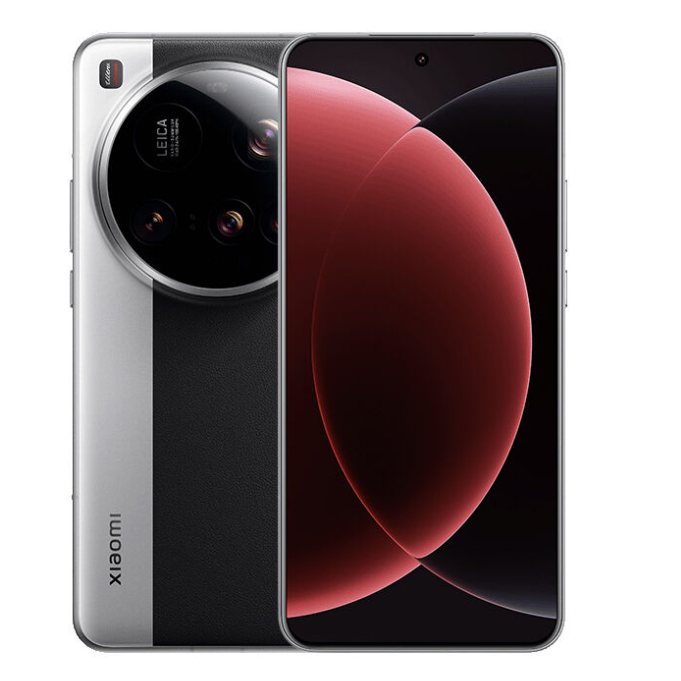
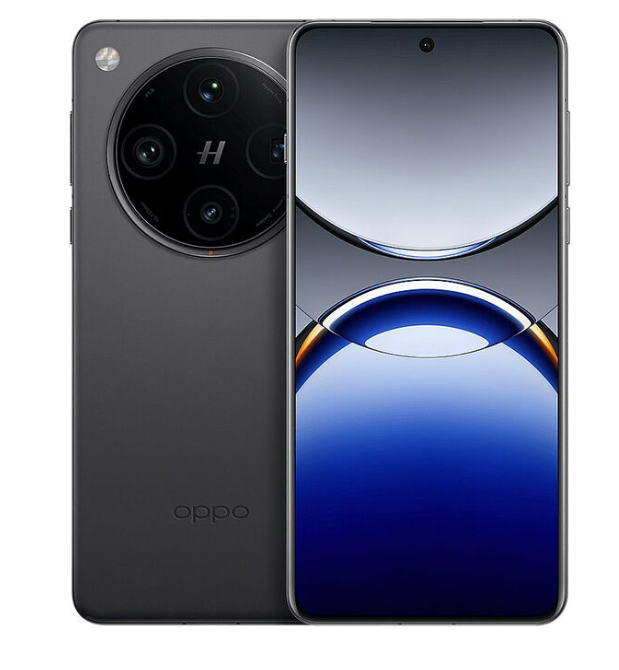
Choosing between the Xiaomi 15 Ultra and Oppo Find X8 Pro is a tough decision for smartphone enthusiasts. Both are top-tier flagships offering cutting-edge features, but they take different approaches in design, display, performance, and camera capabilities. With Xiaomi focusing on pro-level photography and high-end performance, and Oppo delivering exceptional value with a bright display and versatile zoom setup, each has its own appeal.
This comparison will break down their key differences to help you decide which flagship best suits your needs, whether you prioritize camera technology, performance, or overall value for money.
Both devices showcase durability with IP68 ratings for dust and water resistance, but the Oppo Find X8 Pro goes a step further with an IP69 rating, making it resistant to high-pressure water jets.
Xiaomi 15 Ultra features a 6.73-inch LTPO AMOLED display with a peak brightness of 3200 nits and a sharper 1440 x 3200 resolution, ensuring crisp visuals. Meanwhile, the Oppo Find X8 Pro offers a slightly larger 6.78-inch LTPO AMOLED display with a record-breaking 4500 nits peak brightness, making it ideal for outdoor visibility. However, its 1264 x 2780 resolution results in a lower pixel density compared to Xiaomi.
Both support Dolby Vision and HDR10+, ensuring vibrant colors and contrast. While Oppo’s superior brightness enhances HDR content, Xiaomi’s higher resolution gives a sharper viewing experience.
Please Note: When you buy something using the links in our articles, we may earn a small commission at no cost to you.
2. Specifications
OPPO Find X8 Pro
Xiaomi 15 Ultra is powered by the Snapdragon 8 Elite chipset, paired with up to 16GB of RAM and 1TB of UFS 4.1 storage, delivering exceptional performance for intensive tasks. It houses a 5410 mAh battery with 90W wired and 80W wireless charging, ensuring quick power replenishment.
The Oppo Find X8 Pro runs on the Mediatek Dimensity 9400, also offering up to 16GB RAM and 1TB of UFS 4.0 storage. It comes with a larger 5910 mAh battery, but its 80W wired and 50W wireless charging are slightly slower.
While both provide flagship-level performance, Xiaomi’s superior chipset and faster wireless charging give it an edge, whereas the Oppo’s larger battery promises longer usage.
3. Camera
Xiaomi 15 Ultra
Both smartphones offer powerful quad-camera setups. The Xiaomi 15 Ultra features a 50 MP wide sensor with a massive 1.0-inch type sensor for excellent low-light photography, along with a unique 200 MP periscope lens offering 4.3x optical zoom.
Oppo Find X8 Pro counters with a 50 MP wide sensor and dual telephoto lenses, one at 3x and another at 6x optical zoom, providing more versatility in zoomed shots. Both support 4K video recording with advanced stabilization.
While Oppo’s dual zoom lenses allow for varied framing, Xiaomi’s high-resolution periscope camera delivers exceptional detail, making it the better choice for zoom photography enthusiasts.
4. Pricing
The Xiaomi 15 Ultra is priced at approximately $1,100, while the Oppo Find X8 Pro comes in at a significantly lower price of around $899. This makes the Oppo a more budget-friendly option while still offering flagship-level features. Xiaomi 15 Ultra justifies its higher price with its advanced zoom lens, faster wireless charging, and Leica-tuned camera system.
However, for users looking for a premium device without crossing the $1,000 mark, the Oppo Find X8 Pro presents an excellent value proposition.
5. Conclusion
Xiaomi 15 Ultra
Both the Xiaomi 15 Ultra and Oppo Find X8 Pro are top-tier flagships with their individual strengths. Xiaomi stands out with its superior zoom capabilities, faster wireless charging, and two-way satellite communication, making it ideal for power users and photography enthusiasts.
On the other hand, the Oppo Find X8 Pro offers remarkable display brightness, a versatile zoom setup, and a significantly lower price, making it a great choice for users who want a premium experience without spending over $1,000.
If budget is a concern, the Oppo provides excellent value, but if you want the absolute best camera and processing power, the Xiaomi 15 Ultra is worth the extra cost.
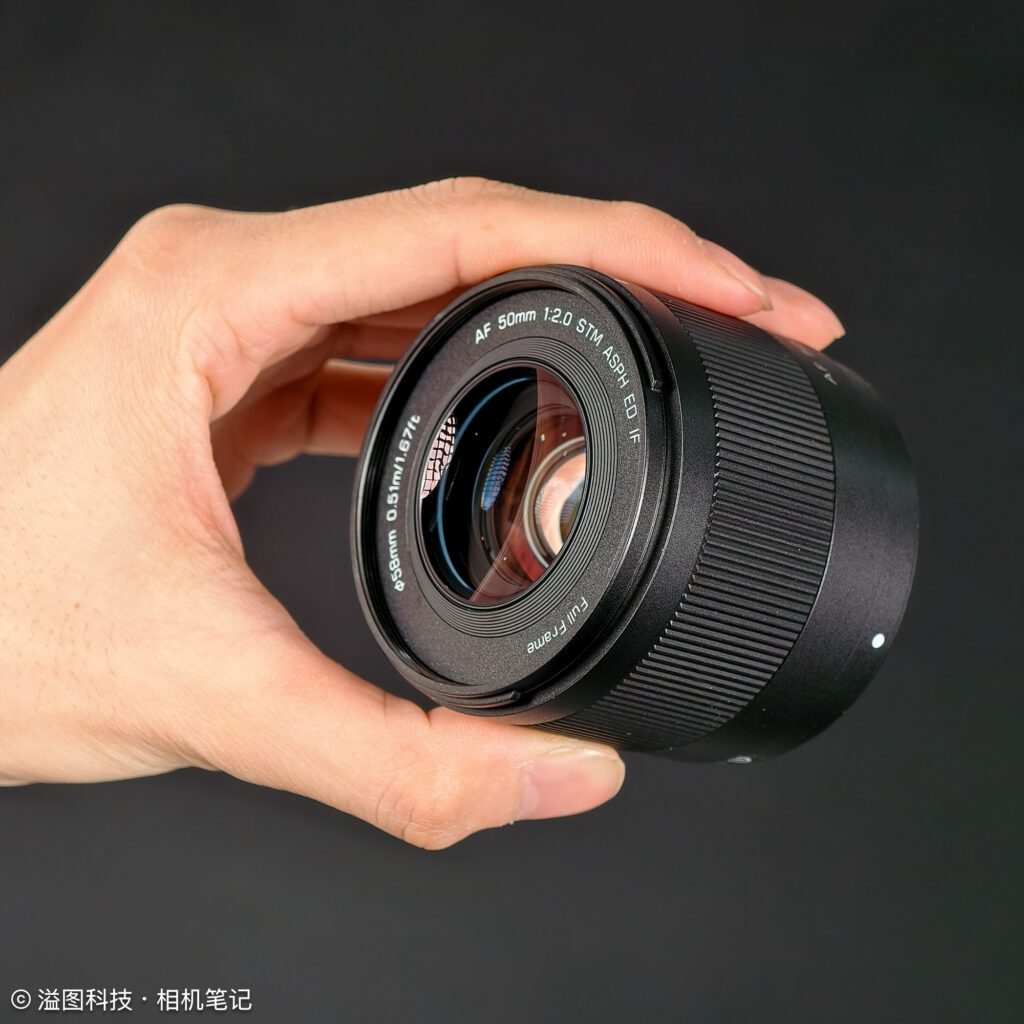
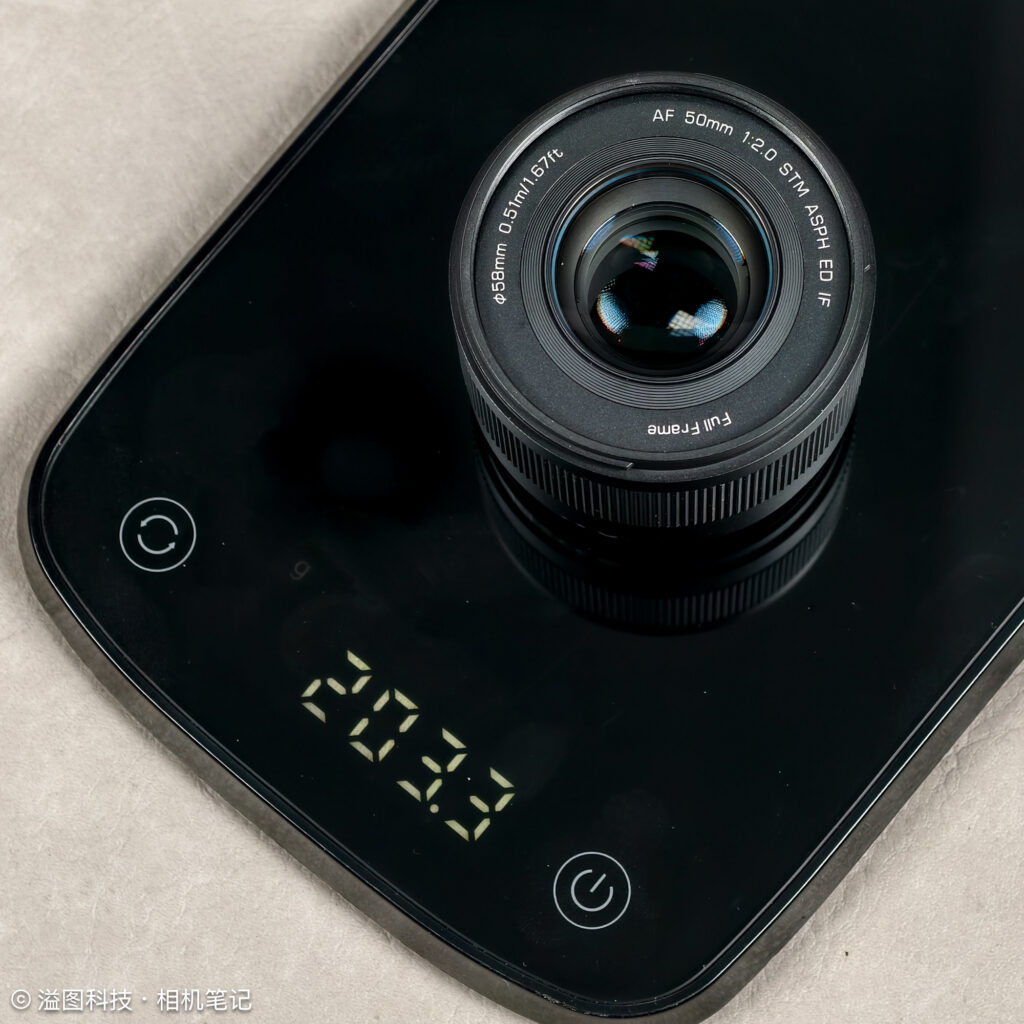
Viltrox is gearing up to unveil a new camera lens in the Chinese market in April, teasing photography enthusiasts with the promise of something fresh under its Air product lineup. While the company has remained tight-lipped about specifics, early leaks suggest that the upcoming release will likely be the AF 50mm F2.0 Air — a lightweight, full-frame autofocus lens.
What the leaks are telling us
According to images shared by a well-known Weibo tipster, the suspected lens sports a sleek, compact design and weighs just 203.3 grams, making it a highly portable choice for photographers who prioritize both quality and convenience. The lens will reportedly come in both Sony E-mount and Nikon Z-mount versions, catering to a wide user base.
The tipster also revealed that the lens offers a minimum focusing distance of 0.51 meters, allowing for decent close-up shots, particularly useful for portraits and still-life photography. It is equipped with an STM (stepping motor) autofocus system, designed to deliver quiet, smooth, and precise focusing — ideal for both photography and video recording. Additionally, the optical construction includes ED (Extra-low Dispersion) elements, which help reduce chromatic aberration and contribute to sharp, clear images with accurate color rendering.
This potential launch follows Viltrox’s recent global debut of the AF 25mm F1.7 Air earlier this month. The AF 25mm F1.7 Air is designed for APS-C mirrorless cameras and is available in Sony E, Fujifilm X, and Nikon Z mounts. Weighing just 170 grams, it’s one of the most compact lenses in its class, featuring a durable metal mount and a clean design with aperture settings controlled via the camera body.
The lens offers a full-frame equivalent focal length of 38mm and a bright F1.7 aperture, delivering impressive low-light performance and smooth, pleasing bokeh. Autofocus is handled by an STM motor, ensuring accuracy and silent operation with support for eye and face detection. Priced at $176 globally, the lens has been well-received for its balance of performance, portability, and affordability.
For more daily updates, please visit our News Section.
The Xiaomi 15 Ultra vs. Vivo X200 Pro isn’t just a fight over specs but it is a clash of distinct design philosophies. Xiaomi pushes boundaries with cutting-edge camera tech and premium materials, while Vivo aims for sheer practicality with an ultra-bright display and rugged durability.
Both promise top-tier performance, but which one truly delivers the best mix of power, innovation, and everyday usability? Whether you’re after photography excellence, all-day battery life, or the ultimate display, this comparison will reveal which device is best suited for your needs.
The Xiaomi 15 Ultra and Vivo X200 Pro both offer premium designs with glass and metal builds, but Xiaomi stands out with its aerospace-grade glass fiber back, making it more durable. Both phones have IP68 water resistance, but the Vivo X200 Pro goes a step further with an IP69 rating, offering better protection against high-pressure water jets. In terms of displays, the Xiaomi 15 Ultra has a 6.73-inch LTPO AMOLED panel with a 3200-nit peak brightness, while the Vivo X200 Pro features a slightly larger 6.78-inch display with an even higher 4500-nit peak brightness. However, Xiaomi has a sharper 1440p resolution, whereas Vivo settles for 1260p.
While Vivo’s higher brightness is a plus for outdoor visibility, Xiaomi’s sharper resolution makes it a better display overall.
2. Specifications
Vivo X200 Pro
Xiaomi is powered by the Snapdragon 8 Elite, whereas the Vivo X200 Pro runs on the MediaTek Dimensity 9400. Both are high-end chips, but Qualcomm has historically had better GPU optimization, making Xiaomi the better choice for gaming. The Vivo X200 Pro has a 6000mAh battery (except in some regions where it’s 5200mAh), while Xiaomi offers 6000mAh in China and 5410mAh globally. Both charge at 90W wired, but Xiaomi’s 80W wireless charging is much faster than Vivo’s 30W.
The Xiaomi 15 Ultra wins in terms of battery flexibility, as its faster wireless charging and Qualcomm chipset make for a better overall experience.
3. Camera
Xiaomi 15 Ultra
Xiaomi and Vivo both focus on high-end camera setups, but Xiaomi has an edge in versatility. Xiaomi offers a quad-camera system with a massive 1-inch 50MP sensor and two telephoto lenses, including a 200MP periscope with 4.3x optical zoom. Meanwhile, Vivo offers a 50MP main sensor and a 200MP periscope lens but only reaches 3.7x optical zoom. Xiaomi’s Leica-tuned lenses and superior zoom capabilities make it a more capable phone for photography, particularly in telephoto and wide-angle shots.
Both devices can record 8K video, but Xiaomi offers more frame rate options, and Dolby Vision HDR recording can be done at 4K60fps. Xiaomi’s camera system is the more well-rounded choice.
4. Pricing
Xiaomi 15 Ultra starts at $1,099, while the Vivo X200 Pro is priced at $749, making Vivo the more affordable option. Xiaomi justifies its higher price with a sharper display, superior camera hardware, and faster wireless charging. Meanwhile, Vivo offers great value with a bright display, solid performance, and a competitive camera system. If budget is a priority, the Vivo X200 Pro delivers flagship features at a lower price.
However, if you’re looking for the best hardware and camera experience, the Xiaomi 15 Ultra is worth the extra cost.
Both phones bring flagship-level performance, but Xiaomi 15 Ultra is the better choice for power users, photographers, and those who want the best overall package. It has a sharper display, superior cameras, and faster wireless charging. However, the Vivo X200 Pro stands out for its affordability, extreme brightness, and rugged build, making it an excellent choice for those who want a high-end experience without the premium price tag.
If you want the absolute best, then go for Xiaomi. If you prefer great value for money, Vivo is the smarter pick.
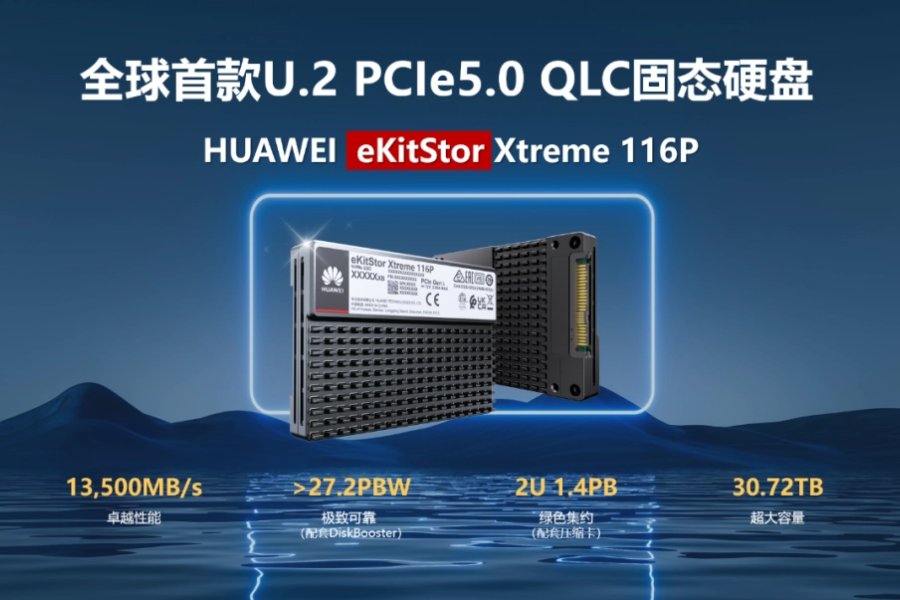
Huawei has a brand new storage solution for data centers called the eKitStor Xtreme 116P. It’s a 62TB U.2 PCIe 5.0 QLC SSD that boasts some seriously impressive specs.
The 116P is built around the U.2 form factor which is a 2.5-inch drive design commonly used in enterprise servers and data centers. This allows for high-density storage in a relatively compact space.
It leverages the PCIe 5.0 interface, the latest generation of the Peripheral Component Interconnect Express standard, which offers significantly faster data transfer speeds compared to PCIe 4.0. Huawei claims the 116P can achieve sequential read speeds of up to 13.5GB/s.
Huawei is positioning the 116P as a replacement for traditional hard disk drives (HDDs) in all-flash storage arrays and is promising a 2.4x performance improvement, double the capacity, and a 50% space saving at the same total cost of ownership (TCO).
Moving on, Huawei says the 116P is the “world’s first” U.2 PCIe 5.0 QLC SSD, but it’s not actually alone in the space. SK Hynix’s Solidigm brand launched the PS1012 U.2 SSD late last year with PCIe 5.0 and QLC NAND and a max capacity of 61TB. It now directly competes with Huawei’s new entry.
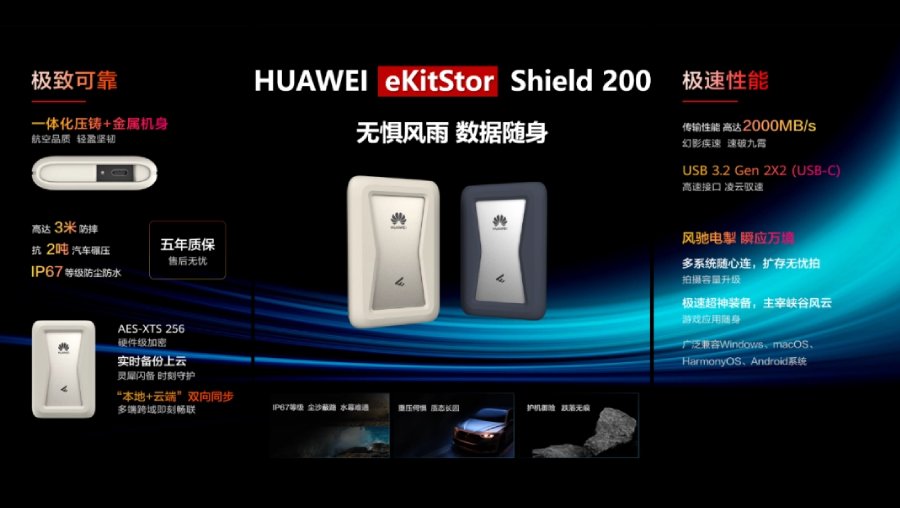
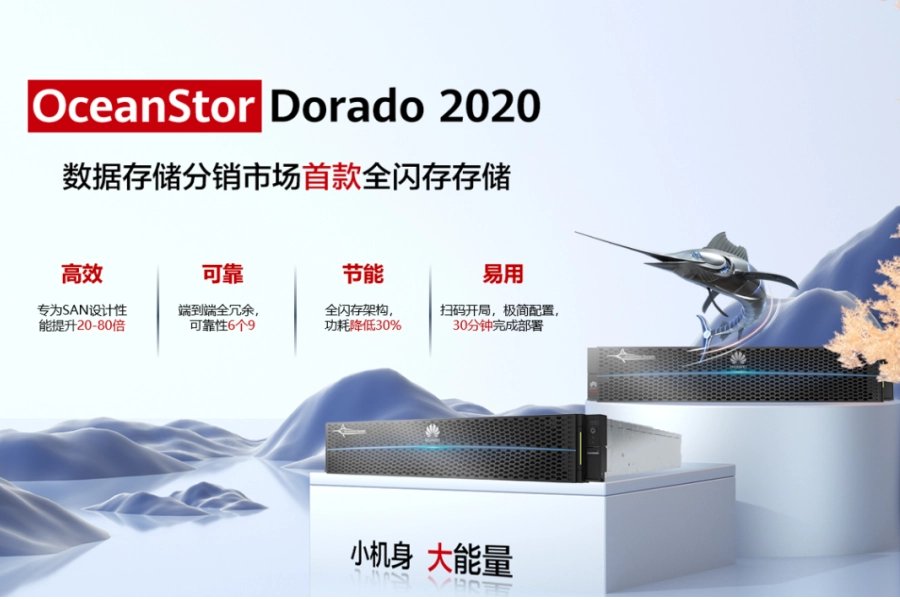
Huawei Shield 200 and OceanStor Dorado 2020
Aside from the 116P, Huawei has unveiled two more storage products. The first is eKitStor Sheild 200, a rugged, high-protection mobile SSD built for on-the-go professionals, photographers, and home data backups. It features an aviation-grade aluminum chassis, military-grade durability, and sequential read speeds up to 2,000MB/s.
And for small and medium-sized businesses, Huawei announced the OceanStor Dorado 2020. It’s an all-flash storage array designed for demanding applications.
Huawei claims it delivers 20-80x better performance than similarly priced hybrid flash storage while being 30% efficient and 99.9999% reliable. It can be deployed within 30 minutes and is said to be useful for ERP or smart healthcare systems.
For more daily updates, please visit our News Section.
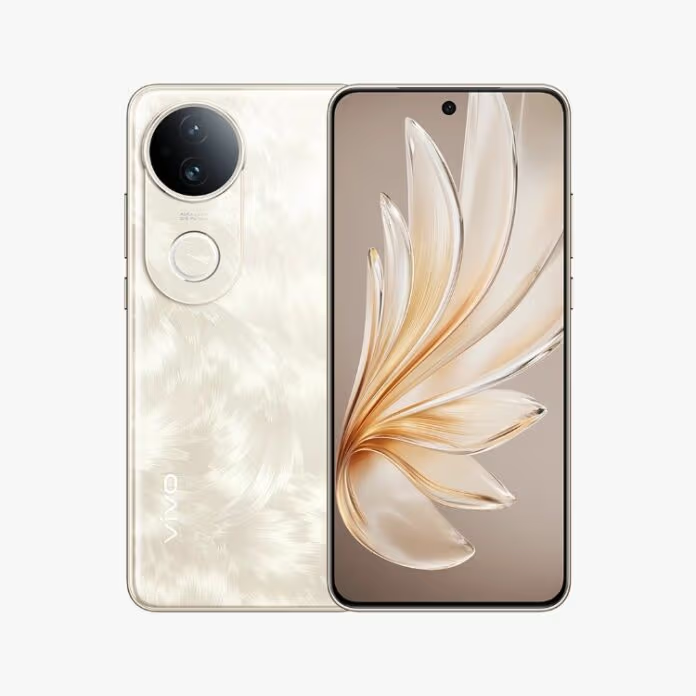
Vivo is working on another V50 series model for the Indian market. While we have covered various rumors and reports regarding the Vivo V50e, a fresh leak has confirmed some interesting India exclusive features of this upcoming phone. So let’s check it out.
Vivo V50e getting an India exclusive camera feature
The news arrives from industry sources who shared the information with MySmartPrice. The V50 lineup continues to focus on the photography experience and the V50e is no exception. Vivo’s new V50e will reportedly feature a 50MP main camera, which is a Sony IMX882 sensor that supports OIS (Optical Image Stabilization). This camera offers Sony Multifocal Portraits with 1x, 1.5x, and 2x focal lengths as well.
Vivo V50e
But one of the most notable details revealed in the report is an India exclusive Wedding Portrait Studio mode. As the name suggests, this is likely a custom shooting mode that allows users to capture portraits that matches the wedding aesthetic with styles like Processor, Neo Retro, and Pastel. Based on our previous reports, the V50e model retains the pill shaped camera module on the rear and may sport a 6.77-inch quad curved AMOLED display with a 1.5K resolution and a 120Hz refresh rate.
A large 5,600mAh battery pack powers the Vivo V50e, which supports 90W wired fast charging. Under the hood, this phone is expected to feature the MediaTek Dimensity 7300 SoC that will be paired with 8GB of RAM and up to 256GB of internal storage. Other notable features include a 50MP selfie shooter, IP68 + IP69 rating for water and dust resistance, and an in-display fingerprint scanner.
For more daily updates, please visit our News Section.
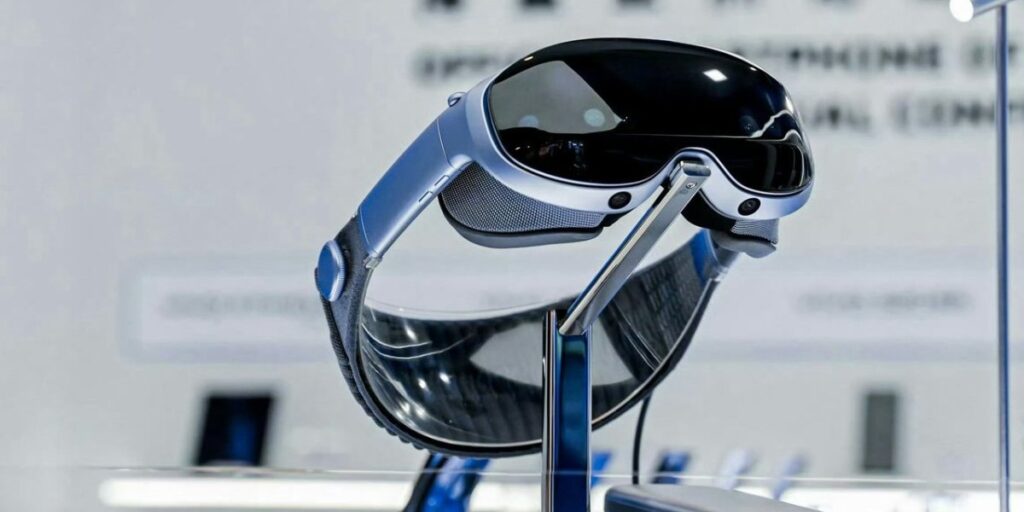
After months of speculation, Vivo has finally unveiled its mixed reality (MR) headset at the Boao Forum for Asia. It’s called the Vision. If the name rings a bell, just wait until you see the device itself.
At first glance, the Vivo Vision looks strikingly similar to Apple’s headset. It features the same ski goggle-style design with a sleek, black glass front covering its front.
We can also see a bunch of cameras inside the front glass and within the body of the headset. These will likely be used for motion tracking and hand gesture recognition — a standard fare for this type of device.
But the similarities with Vision Pro don’t end there. Like it, Vivo’s MR headset also comes with a separate battery pack that needs to be carried while in use. Even the magnetic connector that links the battery to the headset appears to have the same knob-like design as Apple’s.
It’s just a glimpse
For now, this is just a first look. Vivo hasn’t shared full specifications or software details about the headset, but the company says the prototype will be officially unveiled in mid-2025.
Vivo is positioning the Vision headset as part of a larger push toward real-time spatial computing. A move it says will play a key role in future consumer robotics applications.
Alongside the headset, Vivo also announced the establishment of a new robotics lab in China. The lab will focus on developing AI-driven imaging and large model learning, which the company hopes will contribute to building the “brain” and “eyes” of future robots.
While Vivo remains tight-lipped about its headset, the company did confirm the launch of the Vivo X200 Ultra in April. The company might share more details about Vivo Vision around that time, so we’ll have to wait and see what’s next.
For more daily updates, please visit our News Section.
Qualcomm launched the Snapdragon 8s Gen 3 last year as a more affordable alternative to its flagship Snapdragon 8 Gen 3. Now, the company is gearing up for its successor, and thanks to a major leak, we might already have all the key details.
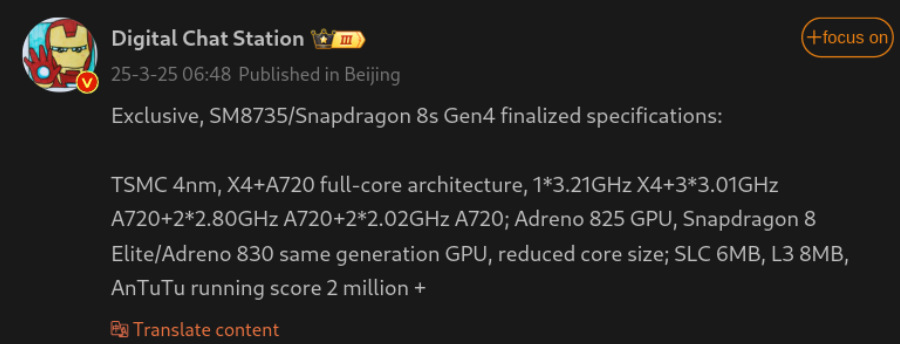
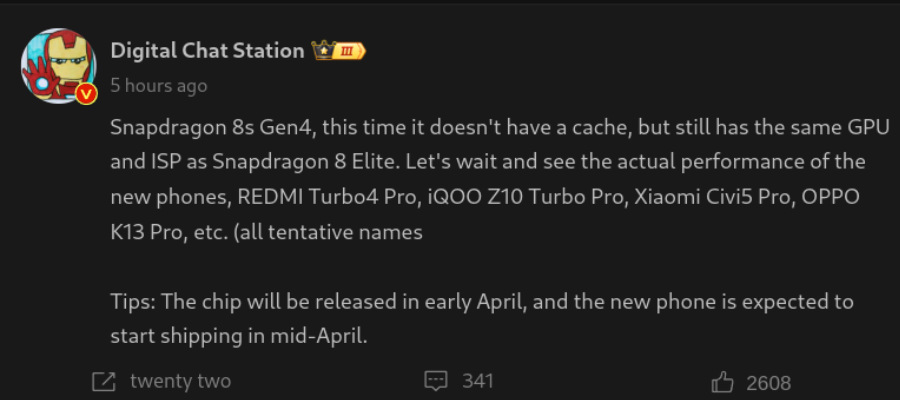
The leak comes from the reliable Digital Chat Station who revealed an interesting detail about the upcoming chip. According to their latest post, Qualcomm might not call it the Snapdragon 8s Elite as we are expecting it to. Instead, it could be named Snapdragon 8s Gen 4.
The reason? Unlike the Snapdragon 8 Elite, which features Qualcomm’s custom Oryon cores, the 8s Gen 4 will stick to standard ARM cores.
What’s inside the Snapdragon 8s Gen 4?
According to the leak, Qualcomm is keeping the TSMC 4nm process from last year’s model but tweaking the core layout. The CPU stack will feature:
1x Cortex-X4 prime core at 3.21GHz
3x Cortex-A720 cores at 3.01GHz
2x Cortex-A720 cores at 2.80GHz
2x efficiency-focused A720 cores at 2.02GHz
For graphics, the chipset is said to include the Adreno 825 GPU, which sits in the same generation as the Adreno 830 found in the Snapdragon 8 Gen 3. However, the leak suggests it will have a reduced core size, which could mean slightly lower graphical performance compared to its flagship counterpart.
On the memory side, the Snapdragon 8s Gen 4 will have 6MB of system-level cache (SLC) and 8MB of L3 cache. Combined with the new core setup, these changes have reportedly pushed the AnTuTu benchmark score past 2 million.
Phones with the Snapdragon 8s Gen 4 are already in the works
In another post, the tipster confirmed that the Snapdragon 8s Elite will share the same ISP as the Snapdragon 8 Elite. And several phones are already being developed with the chip. According to the leak, at least four devices are in the pipeline. The list includes Redmi Turbo 4 Pro, iQOO Z10 Turbo Pro, Xiaomi Civi 5 Pro, and Oppo K13 Pro.
Qualcomm is rumored to unveil the Snapdragon 8s Gen 4 in April while the first batch of phones powered by the chip could launch by mid-April.
For more daily updates, please visit our News Section.
The Realme P3 Ultra was announced in the Indian market last week. Now, the brand’s latest mid range smartphone has finally gone on sale in the region. The first sale has finally kicked off, so here are its specs, features, pricing, and more.
Realme P3 Ultra Pricing and Availability
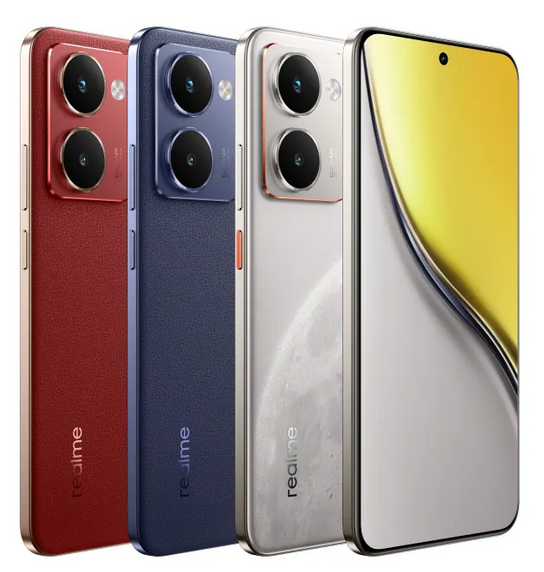
The Chinese smartphone maker has announced the Realme P3 Ultra in multiple storage and color options. It is available in Glowing Lunar White, Neptune Blue and Orion Red. The Blue and Red versions feature a vegan leather panel on the back. You can purchase this model in 8GB + 128GHB, 8GB + 256GB, and 12GB + 256GB variants. It has a starting price tag of 26,999 INR for the base model, while the higher-end options cost 27,999 INR and 29,999 INR respectively.
Realme P3 Ultra
The Realme P3 Ultra can be purchased from the brand’s official online store, Flipkart, and retail stores. You can avail a 3,000 INR instant bank discount for this device, along with a 1,000 INR exchange bonus and 6 month no cost EMI options. Talking about the smartphone itself, the Realme P3 Ultra sports a tall 6.83-inch AMOLED display with a 1,5K resolution, a 120Hz refresh rate, 1400 nits of peak brightness, and Gorilla Glass 7i for protection.
For photography, there is a 50MP (Main) + 8MP (Ultra Wide) dual camera setup on the rear, with the front featuring a 16MP selfie shooter. Under the hood, this model is equipped with the Diemsntiy 8350 SoC. A large 6,000mAh battery pack powers the P3 Ultra, which supports 80W wired fast charging. Other table features include, Bluetooth 5.4, an IP68 + IP69 rating, an in display fingerprint scanner, and stereo speakers.
For more daily updates, please visit our News Section.
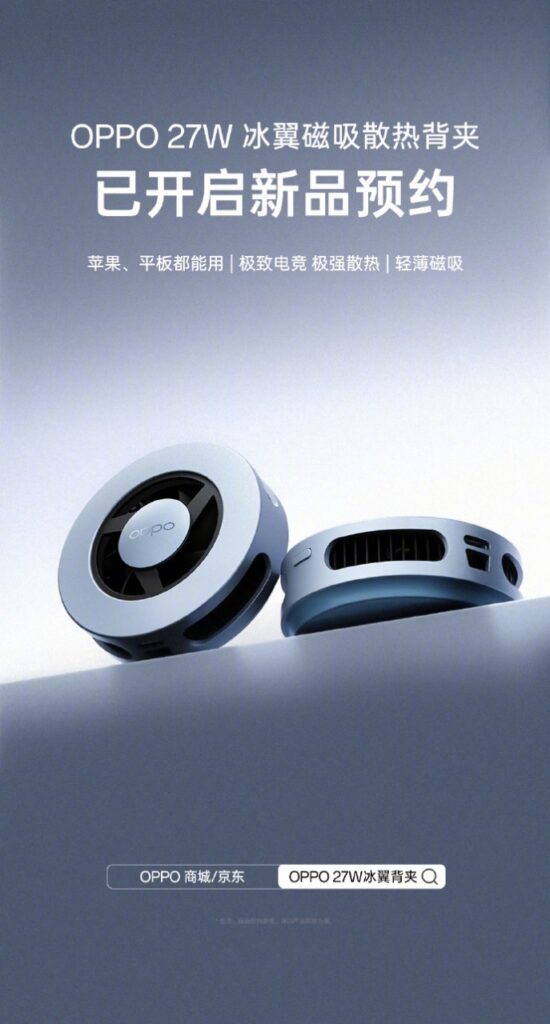
Oppo is gearing up for a major launch event in China where it will debut a bunch of new highly anticipated gadgets. This will include the Find X8 Ultra, Find X8s, Find X8s+, Pad 4 Pro, and Watch X2 Mini. Although it seems that the company is also working on some peripherals as well like the Oppo 27W Ice Wing Magnetic Cooling Back Clip that just got teased.
Oppo 27W Ice Wing Magnetic Back Clip arriving in China soon
The Chinese tech giant is set to unveil all of these products on 10th April 2025 at 7 PM local time in China. While we have already covered most of the major products like the Oppo Pad 4 Pro, the Oppo 27W Ice Wing Magnetic Cooling Back Clip was only now teased. As the name suggests, this is a 27W back clip that houses a fan and clip design that allows it to attach to the back of your smartphone.
However, this clip isn’t needed if you’re using a smartphone that has magnetic wireless charging support. This includes devices like the Oppo Find X8 series or the OnePlus 13. As of right now, this magnetic cooling back clip is currently available for pre-orders from the Oppo Mall and JD.com. Unfortunately, this is all the information we have at the moment and finer details like pricing are still unknown.
Oppo is gearing up to launch a bunch of new products in its home market of China later this month. But ahead of the official announcement, a fresh teaser has confirmed some key display specs of the Oppo Pad 4 Pro. This is a flagship tablet model from the company, so here’s what we know.
Oppo Pad 4 Pro Teased
The Chinese tech giant just shared an image teaser poster that showcased various display specs of the upcoming Oppo Pad 4 Pro. It will sport a tall 13.2-inch display that offers 3.4K resolution and 900 nits of peak brightness. Oppo is also promising low blue light emission and no flickers from this panel. To recall, the Oppo Pad 4 Pro is expected to debut alongside the Find X8 Ultra, Find X8s, Find X8s+, and Watch X2 Mini in China on 10th April 2025.
We also have details regarding this new premium tablet’s color and storage configurations as well. Oppo’s flagship tablet will arrive in three color options, namely Morning Light, Galaxy Silver, and Space Gray. The Pad 4 Pro even arrives in four storage variants, which include 8GB + 256GB, 12GB + 256GB, 12GB + 512GB, and 16GB + 512GB. Looking at the images, we also get a look at the front with the display being surrounded by slim bezels.
Earlier this month, the Oppo Pad 4 Pro had surfaced on the GeekBench platform as well. This revealed that it will run on the Android 15 OS out of the box and feature Qualcomm’s latest and greatest Snapdragon 8 Elite with 16GB of RAM. Based on our previous reports, the Oppo Pad 4 Pro will have an LCD panel, a massive 12,000mAh battery pack, and 80W wired fast charging support.
For more daily updates, please visit our News Section.
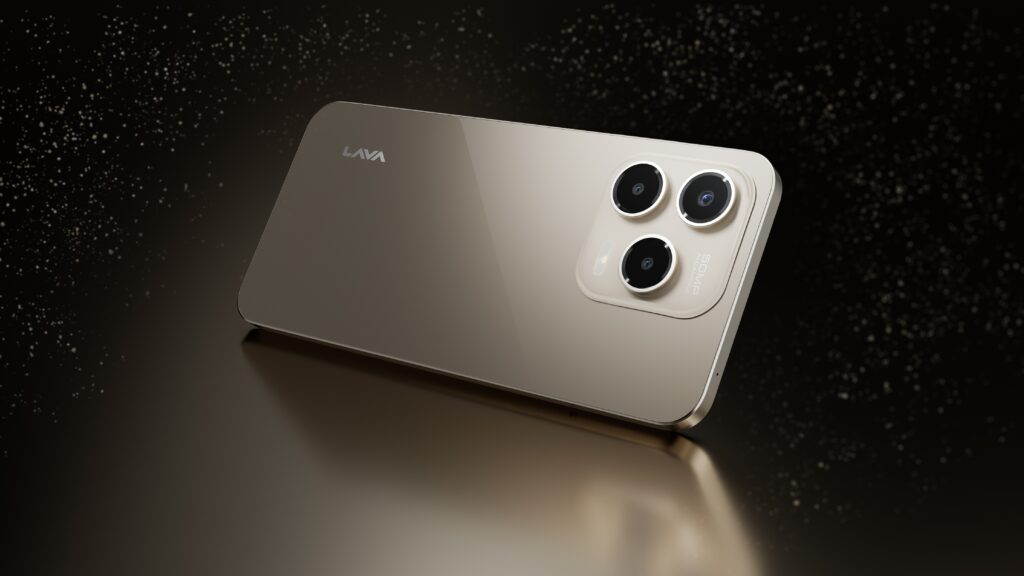
Lava India has introduced a new entry-level smartphone series, Shark, as part of its strategy to expand its portfolio in the sub-Rs 9,000 segment. Designed for first-time smartphone users, the Lava Shark aims to deliver a solid balance of design, performance, and durability.
Lava Shark specifications and features
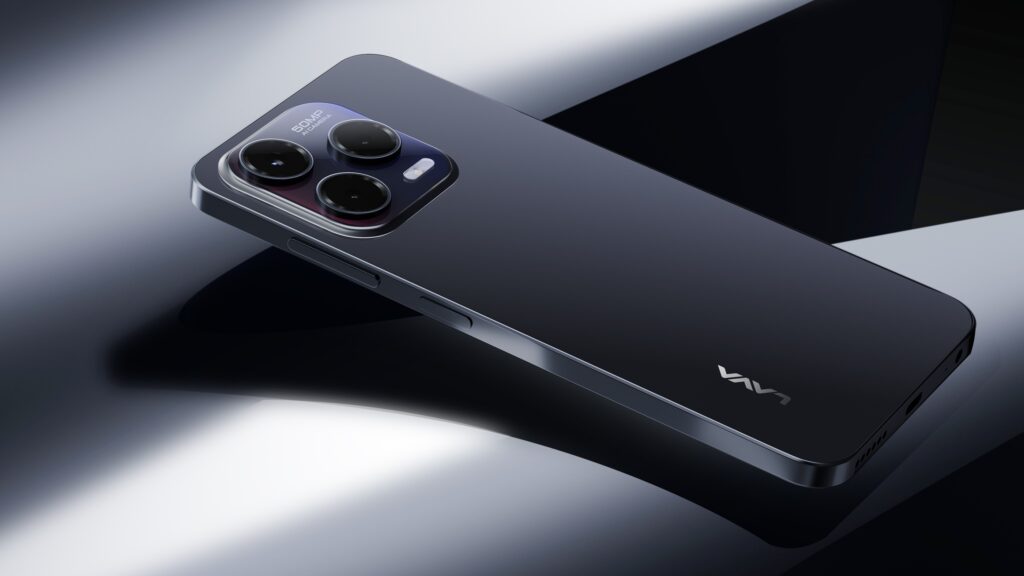
Lava Shark – Stealth Black
The Lava Shark features a 6.67-inch LCD HD+ punch-hole display with a 120Hz refresh rate, ensuring a smooth scrolling and viewing experience. For security, it features a side-facing fingerprint sensor with a response time of 028 seconds. The device is built to withstand daily use with an IP54 rating for dust and water resistance.
Powered by the Unisoc T606 octa-core processor, the Lava Shark comes with 4 GB of RAM and an additional 4GB of virtual RAM for enhanced multitasking. It includes 64GB of internal storage, expandable up to 256GB via microSD.
Lava Shark – Titanium Gold
The smartphone runs on Android 14, ensuring an optimized and responsive software experience. The device houses a 5,000mAh battery with 18W fast charging support, offering up to 45 hours of talk time, 376 hours of standby, and 550 minutes of YouTube playback.
For photography, the Lava Shark is equipped with a 50-megapixel AI rear camera and an 8-megapixel front camera with screen flash. Connectivity options include Dual 4G VoLTE, Bluetooth 5.0, and Wi-Fi 802.11 b/g/n/ac.
Lava Shark price in India, availability
The Lava Shark is priced at Rs 6,999 and will be available in Titanium Gold and Stealth Black colour options. It can be purchased from offline retail outlets across India this month. Additionally, the brand offers a 1-year warranty and free ‘Service at Home’ for added convenience.
For more daily updates, please visit our News Section.
Samsung is expanding its mid-range smartphone lineup with two new models – the Galaxy M56 and Galaxy F56. Support pages for both devices have gone live on the company’s official websites in India and Bangladesh.
Samsung Galaxy M55
The devices, carrying model numbers SM-M566B/DS (Galaxy M56) and SM-E566B/DS (Galaxy F56), were spotted on Samsung’s support pages, hinting at an impending launch. As per the model numbers, both models will support dual-SIM. As of now, the F56 is confirmed for India, and the M56 is certainly appearing on both Indian and Bangladeshi markets.
Galaxy F56 and M56 will likely share some specifications with the already-launched Galaxy A56
Based on Samsung’s track records, these new phones are expected to share specifications with the recently launched Galaxy A56. This likely means they will feature:
The Exynos 1580 processor
8GB or 12GB RAM options
128GB or 256GB storage variants
A triple camera setup on the rear
Either a 5,000mAh or 6,000mAh battery
However, Samsung may compromise on certain features like build quality and IP ratings for these M and F series models, in order to achieve a lower price tag without sacrificing on its margin. The company has followed this strategy with many of the previous M and F series devices.
With support pages already live, an official announcement is expected within the next quarter. For context, the Galaxy M55 and F55 launched back on March 28 and May 17, 2024, respectively. The initial launch is expected to focus on India and possibly other markets in the Indian subcontinent.
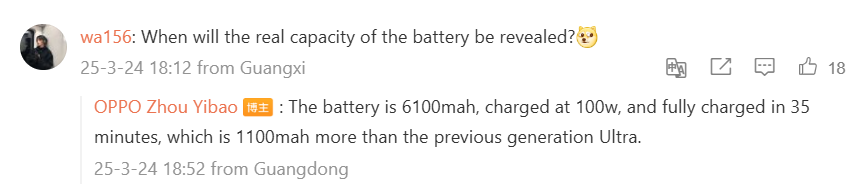
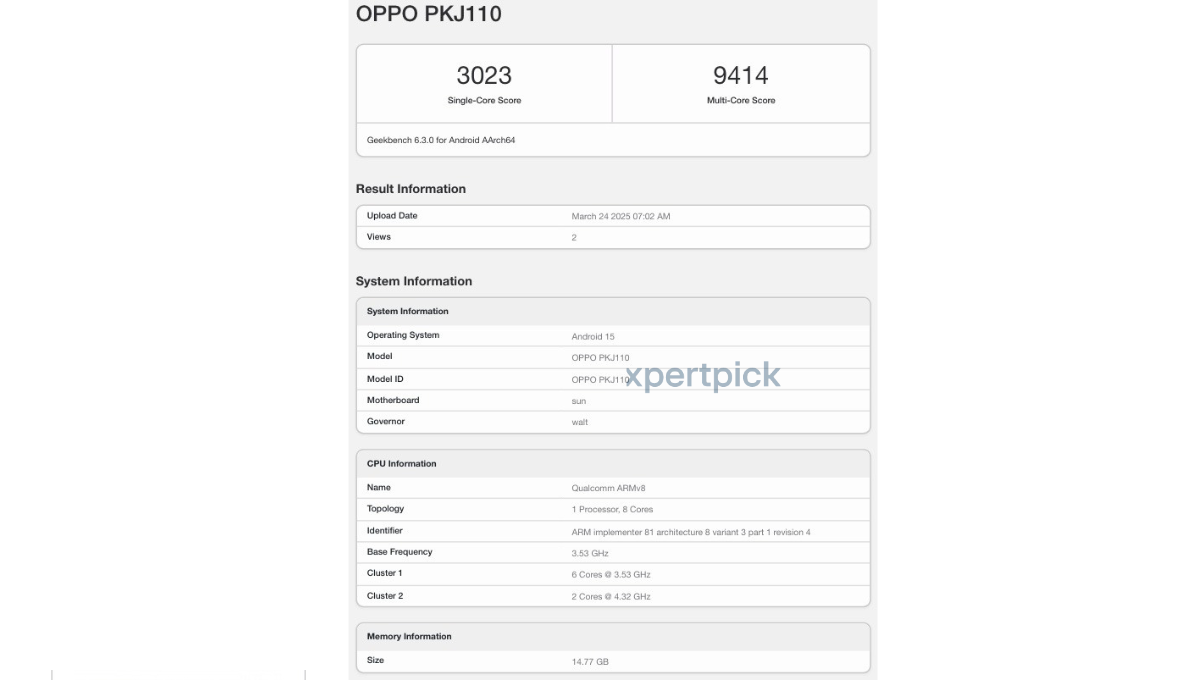
Oppo is all set to unveil the Find X8 Ultra on April 10 in China. Ahead of the launch, the smartphone appeared on Geekbench under the model number PKJ110. For those who don’t know, it has a satellite communication-supported variant that carries the model number PKU110. In addition, Oppo Find-series Product Manager Zhao Yibao has confirmed the battery capacity of the Find X8 Ultra, adding to the growing list of revealed specifications.
Oppo Find X8 Ultra’s battery size revealed
Yibao revealed that the Oppo Find X8 Ultra will feature a substantial 6,100mAh battery, which is a significant increase over its predecessor. It supports 100W wired charging, enabling a full charge in just 35 minutes. Additionally, the device will have support for 50W wireless charging.
Oppo Find X8 Ultra Geekbench listing
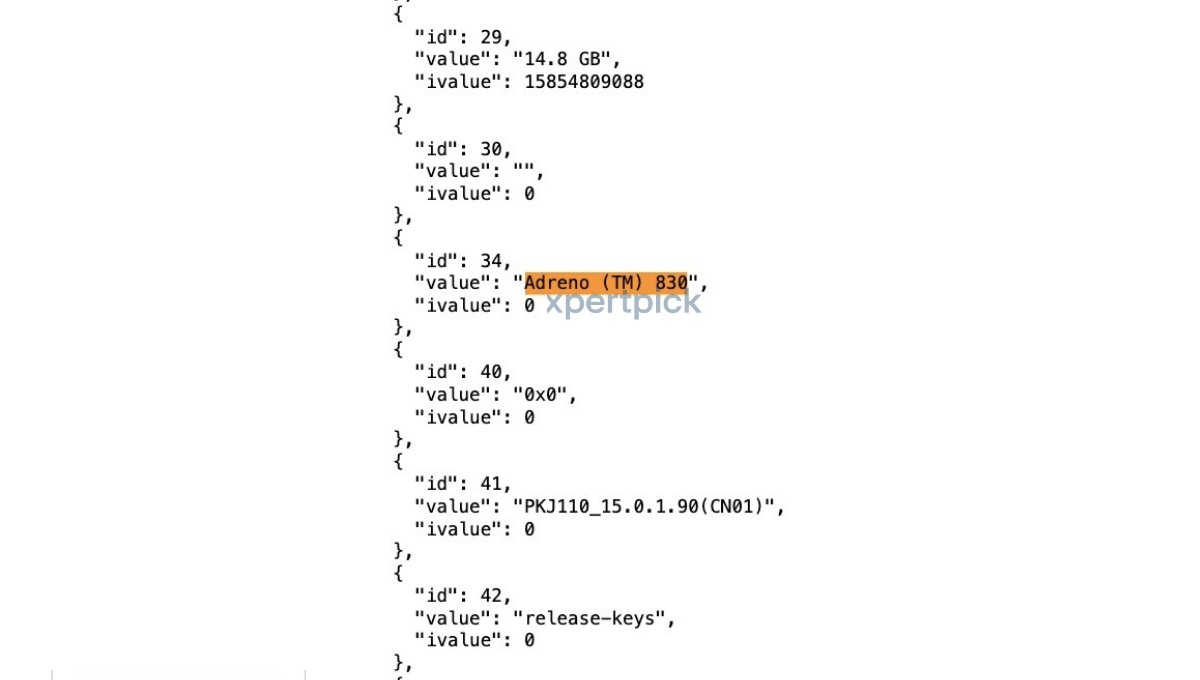
The Geekbench listing (via. XpertPick) for the Find X8 Ultra confirms it will be powered by the Snapdragon 8 Elite chipset. The processor consists of two high-performance cores clocked at 4.32GHz and six efficiency cores running at 3.53GHz. Paired with the Adreno 830 GPU (mentioned in source code of the listing), the device achieves a single-core score of 3023 and a multi-core score of 9414, indicating flagship-level performance.
Reports have revealed that the Find X8 Ultra will sport a 6.82-inch 2K AMOLED display with a 120Hz refresh rate. The device will incorporate an under-display ultrasonic fingerprint sensor and maintain a thickness of under 9mm despite its large battery. The brand has revealed that it will be available in variants, such as 12GB+512GB, 16GB+512GB, and 16GB+1TB, which has support for satellite connectivity.
In terms of imaging, the Find X8 Ultra will house a 32-megapixel front camera and a quad-camera setup on the rear. This includes a 50-megapixel Sony LYT-900 primary sensor with OIS, a 50-megapixel IMX882 ultra-wide camera, a 50-megapixel IMX906 periscope telephoto lens with 3x optical zoom, and another 50-megapixel IMX882 periscope telephoto lens with 6x optical zoom. The X8 Ultra will also feature a new pressable push-type hardware button instead of the Alert Slider.
For more daily updates, please visit our News Section.
Hisense has introduced the 116-inch UX RGB-MiniLED TV (116UX) in China, following its global unveiling at CES 2025. The TV features an RGB MiniLED panel with a peak brightness of 10,000 nits and is powered by Hisense’s Hi-View AI Engine X chipset. This chipset uses AI-driven RGB Local Dimming to adjust contrast, color, and brightness in real time.
The Hisense 116UX RGB-MiniLED TV
The display supports Dolby Vision, Dolby Vision IQ, and IMAX Enhanced formats, offering refined HDR performance for cinematic viewing. It is equipped with a 6.2.2-channel CineStage X audio system that supports Dolby Atmos and DTS Virtual:X, along with AI Sound Optimization that adjusts audio output based on content type—from dialogue-heavy shows to action scenes.
The TV has an anti-glare, low-reflection screen for well-lit environments and a 178° viewing angle that maintains consistent color. It measures less than 40mm thick and runs on Google TV (in markets outside of China), offering access to over 800 live channels and 700,000+ on-demand titles. Connectivity features include HDMI eARC, Wi-Fi 6E, and support for Alexa, Google Assistant, and Apple HomeKit. A North American version of the TV is expected later in 2025, though pricing for that model has yet to be announced.
Currently priced at CNY 99,999 (approximately $13,794), the 116UX is targeted at a niche premium market.
For more daily updates, please visit our News Section.
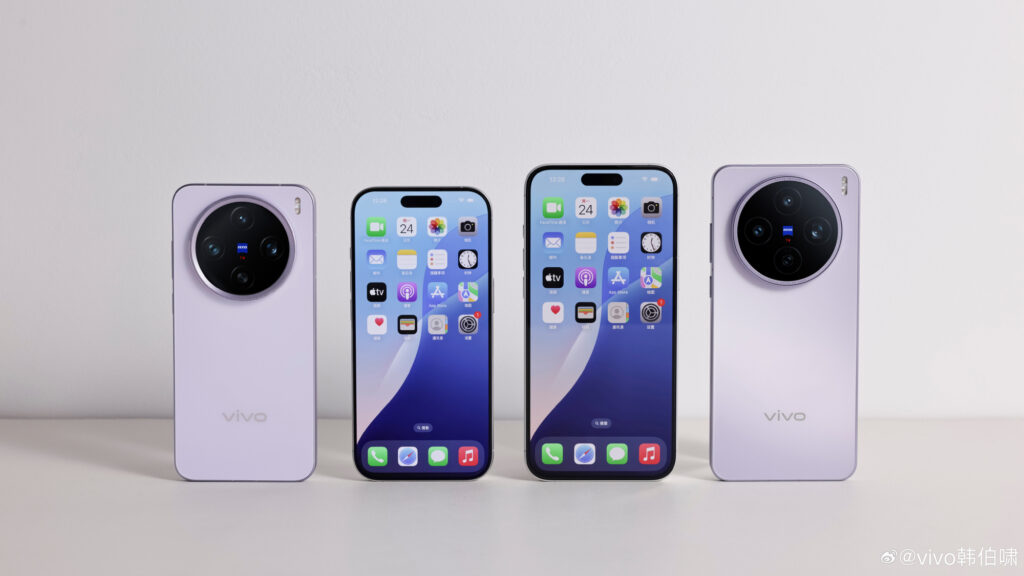
Vivo’s product manager, Han Boxiao, has shared a new teaser for the upcoming Vivo X200S, revealing a fresh purple colour variant. Alongside, the X200 Pro Mini will also introduce this new colour option. These smartphones are set to launch in the second half of April in China, accompanied by the Vivo X200 Ultra and other new devices.
Vivo X200S design revealed
Vivo X200 Pro Mini (left) and Vivo X200S (right)
Han Boxiao’s latest teaser image showcases two handsets in purple shade. There is the Vivo X200 Pro Mini on the left and the upcoming Vivo X200S on the right. The latter features a flat 6.67-inch LTPS display with symmetrical bezels and curved edges for a premium feel. Notably, it will integrate an ultrasonic in-screen fingerprint sensor and support wireless charging, both of which are key upgrades over last year’s Vivo X200, which features a micro-quad-screen equipped with an optical-type fingerprint sensor.
The Vivo X200 Pro Mini’s upcoming purple edition will have no upgrades in terms of specifications and design. Vivo is expected to hold a launch event in the second half of April in China to unveil the Vivo X200S along with the X200 Pro Mini’s new color variant, X200 Ultra, Vivo Pad 4 Pro tablet, and Watch 5.
Vivo X200S specifications (rumored)
According to leaks, the Vivo X200S will sport a 6.67-inch OLED LTPS panel with 1.5K resolution and 120Hz refresh rate. The device will likely come with IP68/69 water and dust resistance and run on Android 15 with OriginOS 5. For imaging, the X200S is said to feature a 50-megapixel Sony IMX921 primary sensor with OIS, a 50-megapixel Samsung JN1 ultra-wide lens, and a 50-megapixel LYT-600 periscope telephoto camera with 3x optical zoom
Powering the device will be MediaTek’s upcoming Dimensity 9400 Plus chipset, paired with up to 16GB of RAM and 1TB of storage. The phone is expected to pack a 6,000mAh single-cell battery with support for 90W wired and 50W wireless charging. It is expected to arrive in purple, black, and silver shades.
For more daily updates, please visit our News Section.
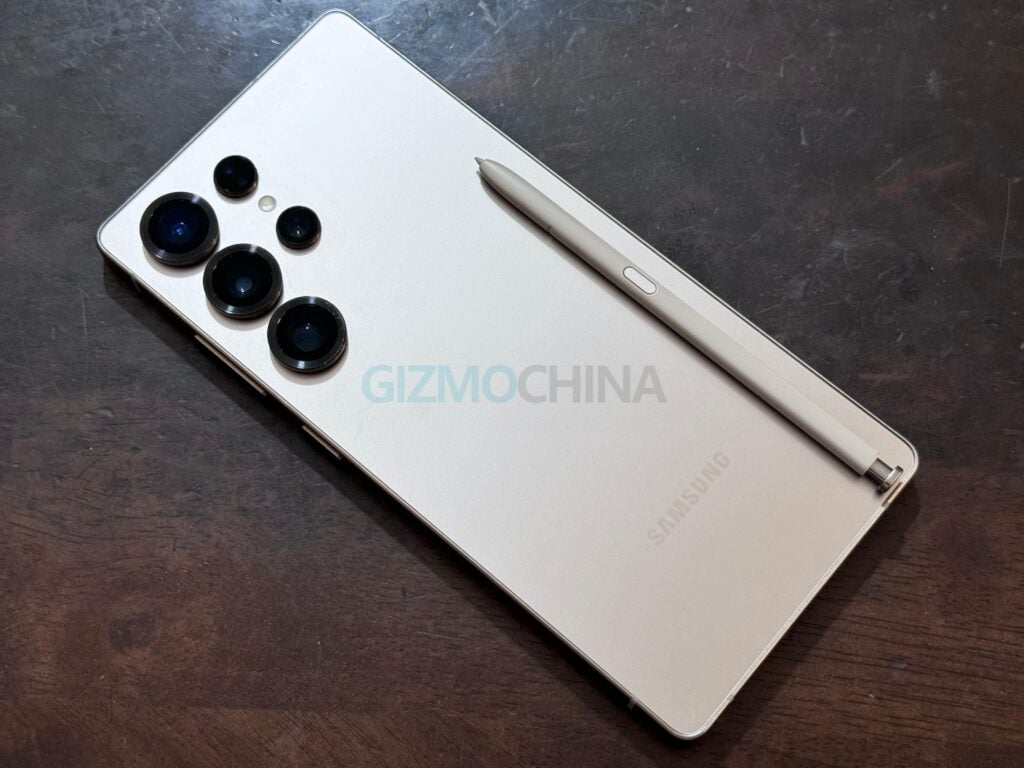
The Galaxy S26 Ultra will launch early next year, but it has already made headlines several times. According to the latest rumor, the phone will lose one telephoto camera but pack a larger battery. The Galaxy S25 Ultra is basically the same phone as its predecessor with rounded corners, a new chip, and ultrawide. But, according to this latest rumor, the S26 Ultra will stand out from the last few generations of S Ultra flagships in a couple of aspects.
Samsung Galaxy S25 Ultra – S Pen
A single 200MP telephoto
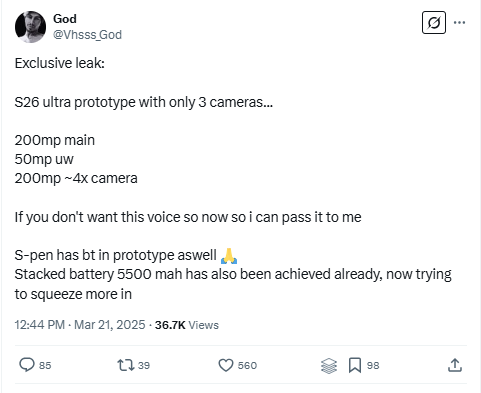
As per X tipster @Vhsss_God, the current prototype of the S26 Ultra includes a 200MP 4x telephoto, paired with a 200MP main camera and a 50MP ultrawide. Seems familiar? Well, before switching to the dual-telephoto setup, Samsung included a 48MP 4x telephoto in the Galaxy S20 Ultra.
Now the resolution of the telephoto is higher, which means the phone will be able to crop into the telephoto further compared to the S20 Ultra without losing much detail. Also, AI will likely play a crucial role in improving details, all of which combined, will surely make it stand out from the S20 Ultra. It will be interesting to see how the Galaxy S26 Ultra stacks up against this year’s model which has a 50MP 5X telephoto and AI for upscaling.
Notably, there is no information available about the 200MP telephoto or other sensors apart from the resolution. Given Samsung uses the same 1/1.3″ 200MP sensor on the telephoto, the longer focal length may also increase the camera bump.
The tipster also claims that the current prototype packs a 5,500mAh stacked battery, an improvement over the 5,000mAh capacity of the S25 Ultra. This year’s model already offers noticeably longer battery life than the S24 Ultra despite having the same capacity, so the S26 Ultra is expected to offer an even bigger jump in battery life.
The S-Pen for the current prototype also reportedly supports Bluetooth, which hints at a possible return of the feature with the S26 Ultra. All in all, this leak suggests that the upcoming Ultra flagship will finally stand out from the last few generations.
A new leak from tipster Digital Chat Station has hinted at an upcoming compact smartphone with a 6.3-inch display and a massive battery. While the tipster did not explicitly name the device, speculation suggests that this could be the OnePlus 13T. The leak also mentions its launch timeframe.
OnePlus 13T battery size and launch details
OnePlus 13T battery size tipped
According to the leak, the OnePlus 13T could pack a 6,200mAh battery, making it one of the largest battery capacities seen in a compact phone. In comparison, the standard OnePlus 13, which features a larger 6.82-inch display, is expected to come with a 6,000mAh battery.
Additionally, the 13T is said to support 80W wired charging, slightly lower than the 100W charging seen on its bigger sibling. It is also expected to support 50W wireless charging. The new leak states that it will break cover in April in China.
The OnePlus 13T is likely to be powered by the Snapdragon 8 Elite chipset, bringing flagship-level performance in a smaller form factor. Its 6.3-inch LTPO OLED display is said to support a 1.5K resolution, a 120Hz refresh rate, and an optical in-display fingerprint sensor. The phone is also expected to sport a premium design with a metal frame and a glass back.
Leaks indicate that the OnePlus 13T may come with a dual-camera setup, consisting of a 50-megapixel primary sensor with OIS and a 50-megapixel telephoto lens offering 2x optical zoom. However, some reports suggest the possibility of a triple-camera system with an additional 8-megapixel ultra-wide lens.
While OnePlus has not officially confirmed any details, the OnePlus 13T is expected to launch in April, possibly after the Oppo Find X8 series debut on April 10. Its global availability remains uncertain at this stage. In China, the 13T is expected to arrive as the most affordable Snapdragon 8 Elite phone.
For more daily updates, please visit our News Section.
Samsung has launched an attractive promotion in the UK, offering significant savings on its latest flip-style foldable. The Galaxy Z Flip 6 is now available with a £150 discount across both 256GB and 512GB storage variants—no trade-in required. Additionally, customers can save 20% on Samsung wearables like the Galaxy Buds 3, Watch 7, and Galaxy Ring when purchased as part of a bundle deal before March 31.
A perfect time to grab the Galaxy Z Flip 6
The 256GB model now costs £899 (down from £1,049), while the 512GB version is priced at £999 (originally £1,149). First-time buyers using the Samsung Shop App can stack an extra 5% discount by applying the code APP5 at checkout. The Z Flip 6 comes in seven color options, though some may currently be out of stock.
The device combines features a 6.7-inch Dynamic LTPO AMOLED 2X display that reaches an impressive 2,600 nits peak brightness. On the inside, it packs the Qualcomm Snapdragon 8 Gen 3 chipset, which delivers flagship-level performance even though it’s just a compact foldable.
The surface of the phone includes an Armor Aluminum middle frame and Gorilla Glass Victus 2 on the cover screen, complemented by an IP48 rating for dust and water resistance. Even though the camera hardware remains largely similar to the predecessors, imaging performance has been improved thanks to improvements in computational photography.
The 4,000mAh battery supports 25W wired and 15W wireless charging. This phone also comes with AI-powered features like Live Translate. It’s also among the first devices slated to receive Samsung’s upcoming One UI 7 update based on Android 15. The limited-time wearable discount makes this an ideal opportunity to bundle the Z Flip 6 with accessories like the Galaxy Buds 3 or Watch 7 at a reduced price.
We use cookies on our website to give you the most relevant experience by remembering your preferences and repeat visits. By clicking “Accept”, you consent to the use of ALL the cookies.
This website uses cookies to improve your experience while you navigate through the website. Out of these, the cookies that are categorized as necessary are stored on your browser as they are essential for the working of basic functionalities of the website. We also use third-party cookies that help us analyze and understand how you use this website. These cookies will be stored in your browser only with your consent. You also have the option to opt-out of these cookies. But opting out of some of these cookies may affect your browsing experience.
Necessary cookies are absolutely essential for the website to function properly. This category only includes cookies that ensures basic functionalities and security features of the website. These cookies do not store any personal information.
Any cookies that may not be particularly necessary for the website to function and is used specifically to collect user personal data via analytics, ads, other embedded contents are termed as non-necessary cookies. It is mandatory to procure user consent prior to running these cookies on your website.