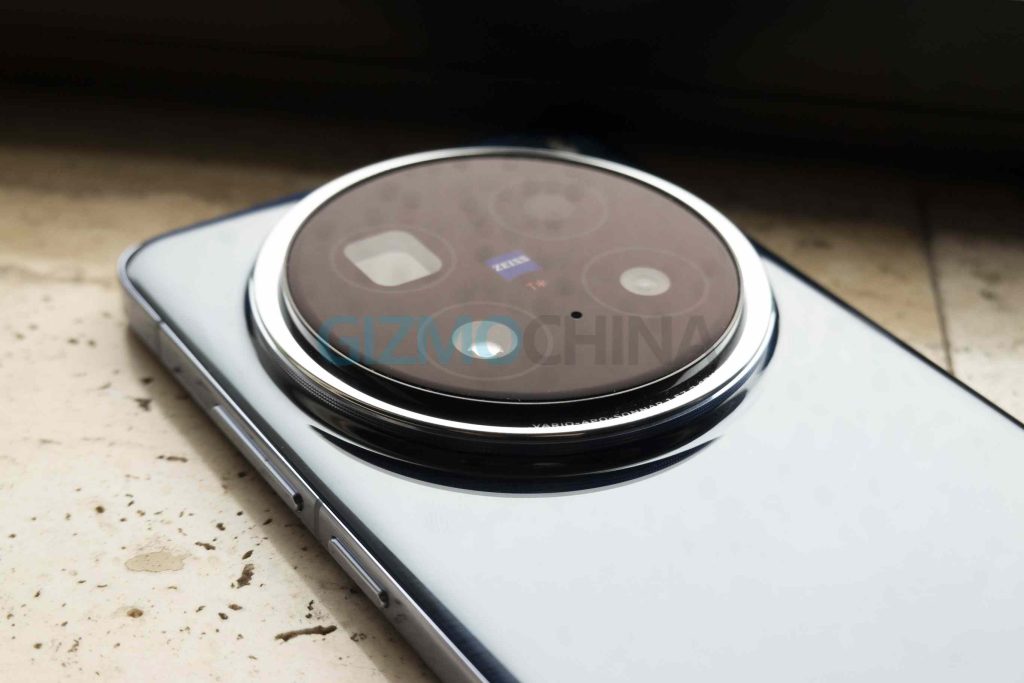
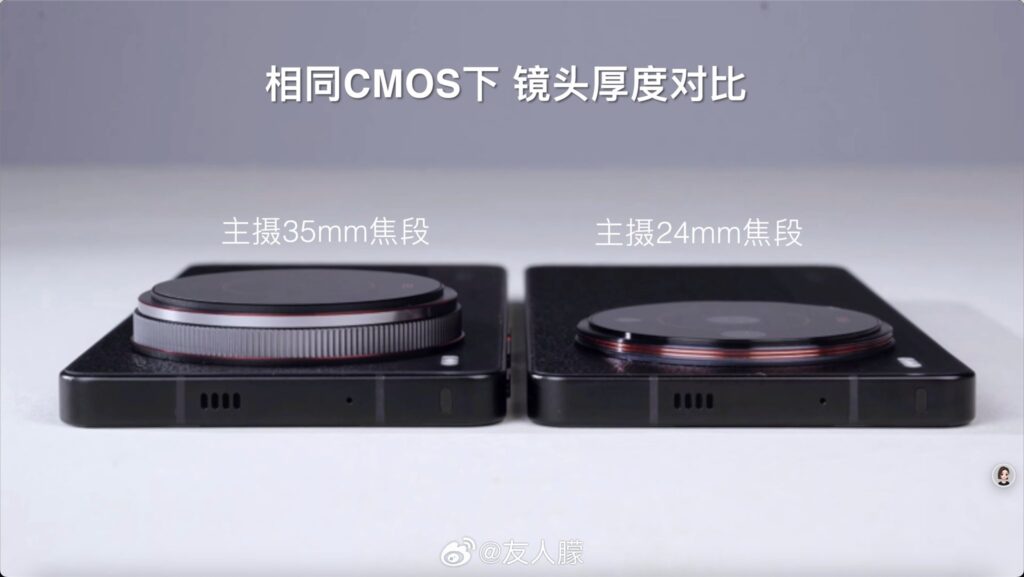
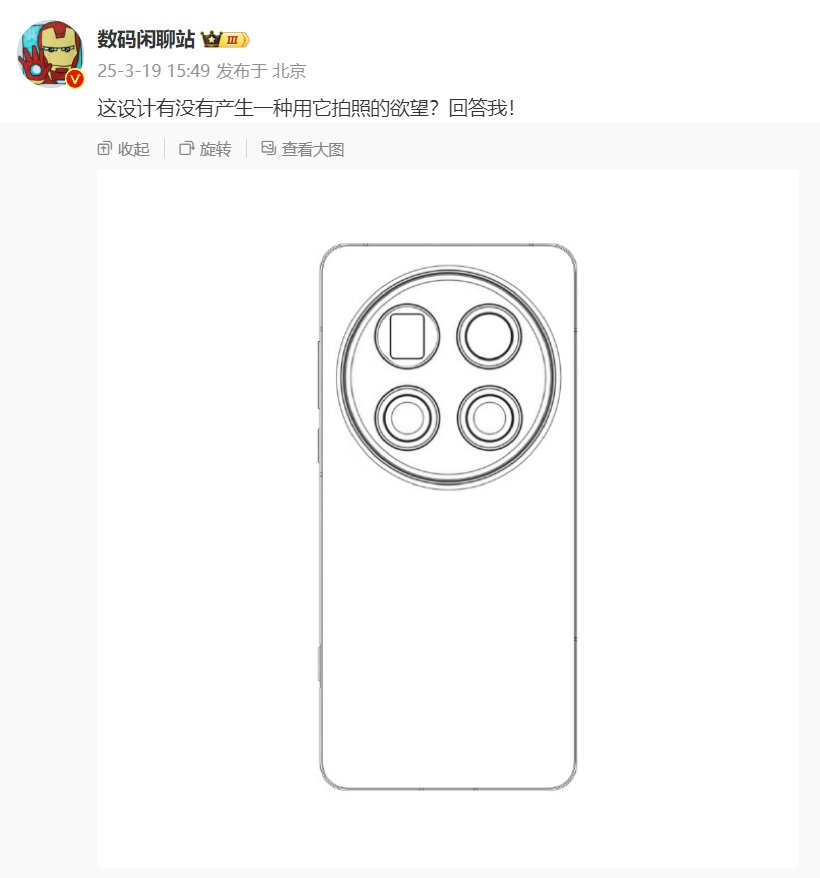
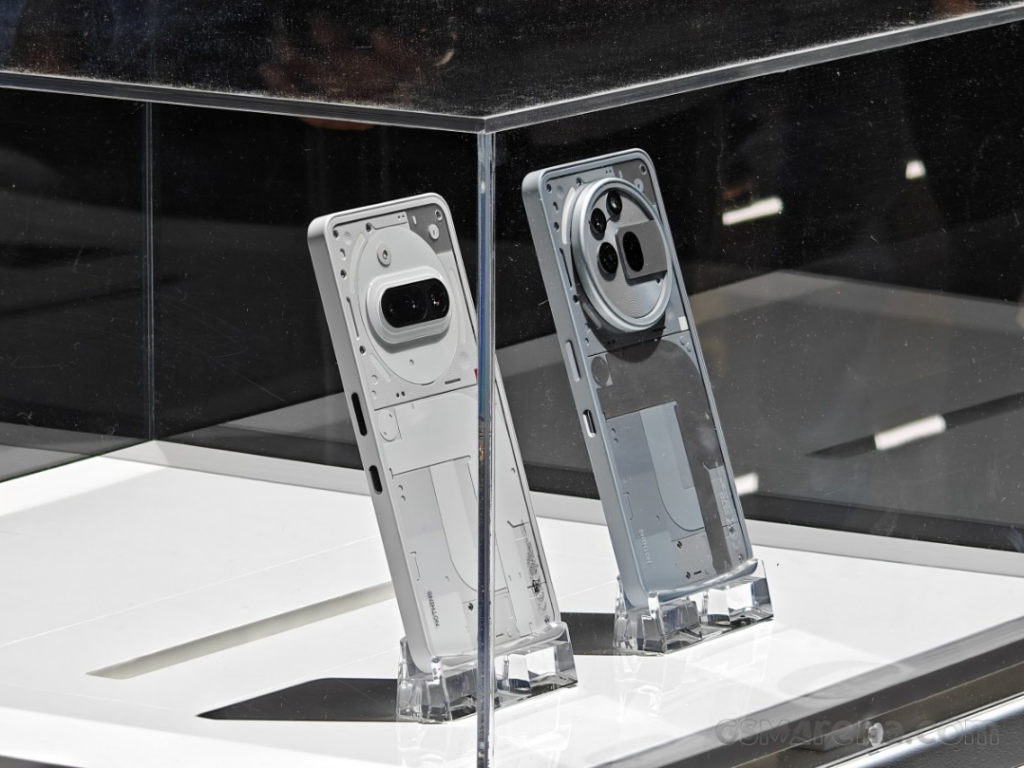
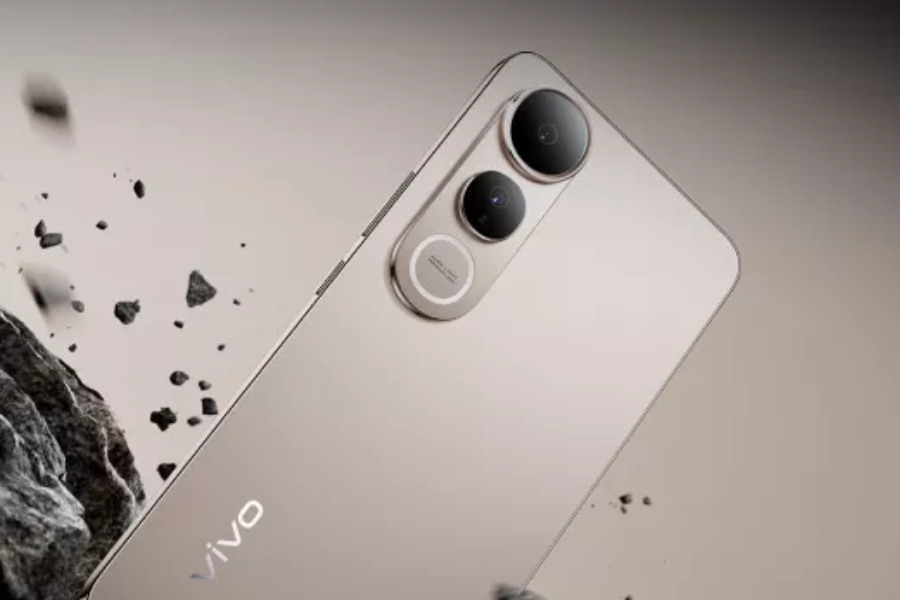
The upcoming vivo X200 Ultra may have been inadvertently revealed through live images circulating online. These images, shared alongside a sketch from Weibo tipster Digital Chat Station, suggest a design heavily inspired by digital cameras. The post suggests, “be prepared for something huge in the smartphone photography”.
Alleged vivo X200 Ultra
The device features a prominent circular camera island that is both large in diameter and protrusion. In fact, the protrusion is one of the highest the smartphone industry has ever seen. Not to mention, it suggests the inclusion of some advanced optical equipment.
Vivo X200 Pro
The vivo X200 Pro already packs a huge periscope telephoto module, which packs the 1/1.4″ 200MP ISOCELL HP9 sensor and has increased the protrusion by quite a bit compared to the X100 Pro, and Vivo is seemingly taking mobile photography to the next level with the Ultra model.
Three high-end sensors are expected for the main, UW, and telephoto
According to leaks, the X200 Ultra will boast three high-end sensors for its main, ultrawide, and periscope telephoto cameras. The 35mm main camera and ultrawide camera are rumored to share the same sensor, while the telephoto sensor is expected to remain unchanged. This setup promises exceptional image quality across the entire focal length.
Notably, the live images also reveal a new button on the lower right side of the device, strategically placed for easy access during photography. The Pro model is one of the best in the market in terms of imaging capability and there’s no doubt the Ultra model will also be positioned as a camera-centric flagship.
The vivo X200 Pro has been well received by people despite its huge camera bump, but it remains to be seen how much sacrifice people are willing to make for better imaging capabilities.
Infinix is gearing up to introduce the Note 50x 5G in India on March 27. The brand has already unveiled key details about the phone, including its chipset, gaming performance, and battery. Now, Infinix has confirmed that the device will be priced under Rs 12,000, positioning it as a budget-friendly 5G offering.
Infinix Note 50x 5G price, key specifications
Infinix Note 50x 5G price
The Infinix Note 50x 5G is officially set to launch in the sub-Rs 12,000 price bracket, making it an affordable competitor in its segment. The device will be powered by the MediaTek Dimensity 7300 Ultimate chipset, which is claimed to offer smooth performance and support for 90fps gaming. Infinix highlights that this feature is rarely seen in this price range. Readers should be aware of the fact that price hint released by the brand could be inclusive of launch offers.
The smartphone will pack a 5,500mAh battery with 45W fast charging and 10W reverse wired charging support. Infinix claims the battery is designed for longevity, offering 2,300 charge cycles—well above industry standards. It will also support bypass charging, a feature typically found in higher-end devices, allowing power to be drawn directly from the charger while gaming, bypassing the battery.
Infinix Note 50x 5G
On the camera front, the Note 50x 5G will sport a 50-megapixel primary sensor with 4K video recording capabilities. It is also confirmed to feature MIL-STD-810H certification and an IP64 rating for durability. In terms of design, the smartphone will come in three color options: Sea Breeze Green (vegan leather finish), Enchanted Purple, and Titanium Grey (metallic finish).
Additionally, the device will run on XOS 15, which brings AI-powered features such as Folax Voice Assistant, AI Note (a sketch-to-image tool), and AIGC Portrait for AI-generated avatars. The software will also feature a collapsible Dynamic Bar, similar to Apple’s Dynamic Island.
For more daily updates, please visit our News Section.
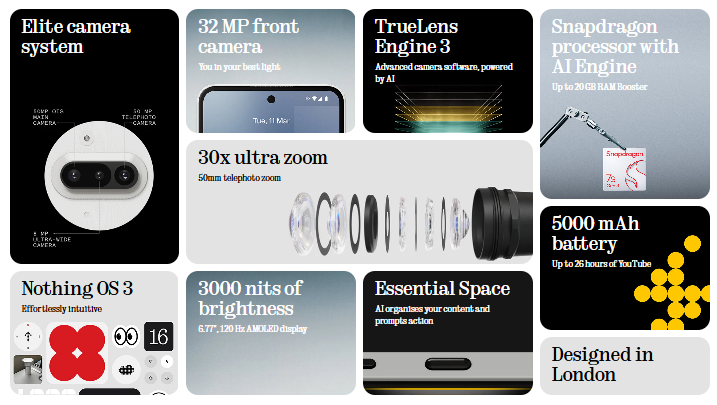
Nothing has addressed criticism surrounding its decision to equip the Phone (3a) and Phone (3a) Pro with UFS 2.2 storage instead of the faster UFS 3.0 or UFS 3.1 standards. In a detailed post on its official community page, the company explained that the choice was not about cutting costs but about prioritizing resources where they matter most for the overall user experience.
Real-world performance depends on a combination of factors rather than storage speed alone
The Phone (3a) series, which has been available for over a week, has attracted praise for many aspects including its design. Unfortunately, the storage choice isn’t one of them.
Many expected the devices to feature at least UFS 3.0, given its faster read and write speeds. However, Nothing argued that real-world performance depends on a combination of factors, including software optimization, RAM, CPU performance, and battery life, rather than storage speed alone.
Nothing Phone (3a) highlights
Nothing emphasized that while UFS 3.1 may sound impressive on paper, its benefits in daily use are minimal compared to a well-optimized device. The company also highlighted that the Phone (3a) Pro demonstrates 50% faster random read and write speeds than the standard model, despite both using UFS 2.2, thanks to better software optimization.
Source: Nothing
To further support its case, Nothing shared benchmark results showing the Phone (3a) performing competitively against the Realme 11 Pro Plus, which uses UFS 3.1 storage. The post concluded by assuring users that the Phone (3a) series will remain reliable over time, thanks to ongoing Nothing OS updates that will continue to bring performance optimizations.
While the decision to use UFS 2.2 may disappoint some, Nothing’s focus on software optimization aims to deliver a smooth and consistent user experience. As we move forward, the Phone (3a) series’ long-term performance will ultimately determine whether Nothing’s storage choice was justified.
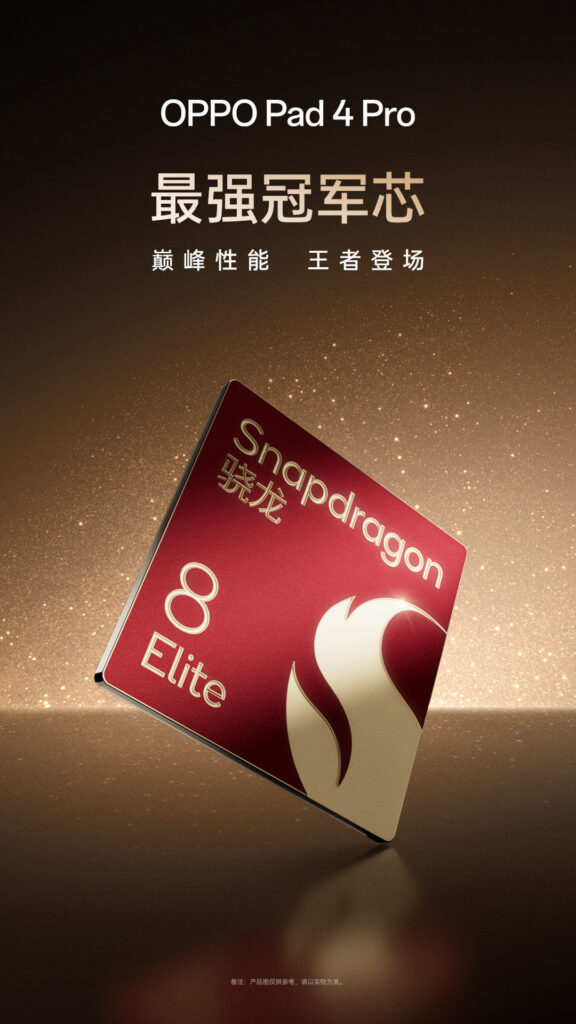
Oppo has officially confirmed the upcoming launch of two new devices—the Oppo Watch X2 Mini and the Oppo Pad 4 Pro. While details on the smartwatch remain limited, the tablet is set to be the first in its category to feature Qualcomm’s latest Snapdragon 8 Elite chipset.
Oppo Pad 4 Pro: World’s first Snapdragon 8 Elite tablet
Oppo Pad 4 Pro teaser
Oppo’s Pad 4 Pro is set to debut as the world’s first tablet powered by the Snapdragon 8 Elite SoC. The tablet recently appeared on Geekbench with impressive scores, and its pricing is expected to exceed 3,000 Yuan (~$415), similar to its predecessor. Reports have revealed that it will feature a 13.2-inch LCD panel that offers a 3.4K resolution and a 12,000mAh battery with 80W fast charging support.
Oppo Watch X2 Mini: a compact and elegant smartwatch
Oppo Watch X2 Mini
The Oppo Watch X2 Mini is expected to be a stylish addition to the brand’s smartwatch lineup. Official renders reveal a gold-colored body with a uniquely chamfered crown, giving it a refined look. According to reports, the device will be equipped with a 42mm dial.
While Oppo has not yet disclosed its specifications, it may share similarities with the recently unveiled Oppo Watch X2, which features a Snapdragon W5 and BES2800BP dual-chip system, a 1.5-inch OLED display with LTPO technology, and a peak brightness of 2200 nits. The X2 also offers up to 16 days of battery life.
The Oppo Pad 4 Pro and Watch X2 Mini are expected to debut in April in China. The same event will see the arrival of other devices, such as the Find X8 Ultra, Find X8S, Find X8S+, Oppo Mag 2.0 accessories, and Enco Free 4 TWS earbuds.
For more daily updates, please visit our News Section.
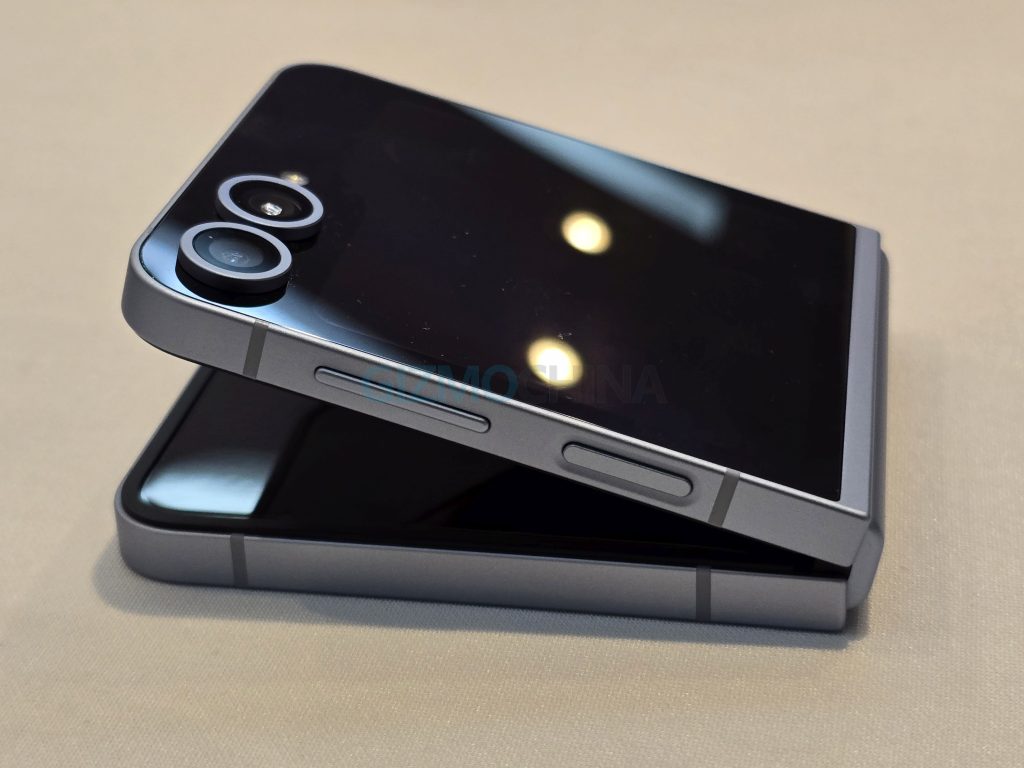
Samsung’s upcoming Galaxy Z Flip FE, an affordable addition to its foldable lineup, has been spotted on the 3C certification database. The device is expected to launch alongside the Galaxy Z Flip 7 and Z Fold 7 later this year, and it aims to make foldable technology more accessible to a broader audience.
Samsung Galaxy Z Flip 6
Galaxy Z Flip FE with the same 25W charging
The Galaxy Z Flip FE, identified by the model number SM-F7610, has been listed on the 3C database, confirming its 5G connectivity and 25W charging speed. While the charging speed is not groundbreaking, it aligns with Samsung’s current offerings for mid-range devices. The certification also mentions the EP-TA800 travel adapter. Nonetheless, Samsung is unlikely to include a free charging brick in the retail box.
According to previous reports, the Galaxy Z Flip FE could launch in July 2025 along with the 7th generation foldables with the Exynos 2500 chipset, and the display is speculated to be similar to last year’s Galaxy Z Flip 6. It’s expected to start from $700 in the US, and is positioned as a more budget-friendly alternative to the Z Flip 7.
For those wondering, there’s no confirmed information about the chipset of the Z Flip 7, which could pack either the same Exynos 2500 as the Flip FE or the Snapdragon 8 Elite as the latest S series flagships. While Samsung has been putting significant effort lately to improve Exynos, the company has powered all of its foldable devices with Qualcomm chips so far. Check out the list of all the Snapdragon 8 Elite powered devices here.
While the Z Flip FE may not match the high-end specifications of its counterparts, it represents a significant step toward making foldable smartphones more mainstream.
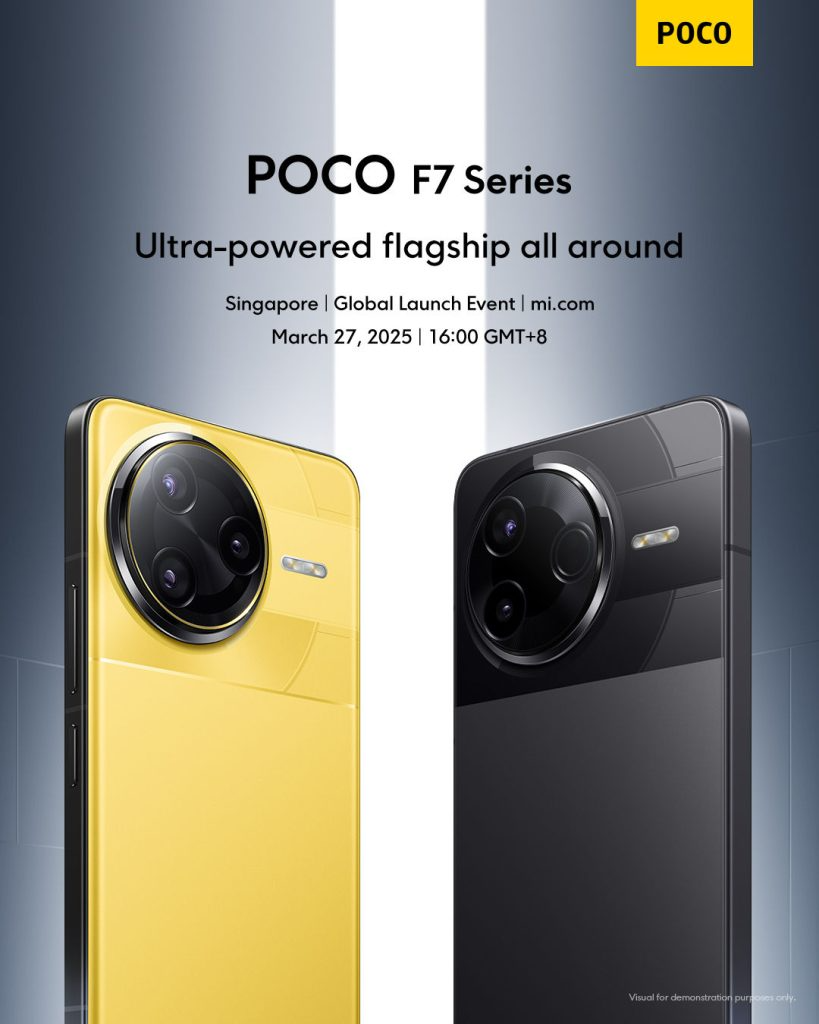
Poco has officially announced the launch of its F7 series, confirming that the Poco F7 Pro and Poco F7 Ultra will be unveiled at an event in Singapore on March 27. The announcement comes via Poco Global’s social media channels, and while details of the upcoming smartphones have already surfaced through leaks, the event will provide a full picture of what to expect. The image shared below seemingly reveals the yellow and black color variants of the F7 Ultra.
Poco F7 Pro and F7 Ultra specifications (rumored)
Poco F7 series launch date
According to reports, the Poco F7 Pro is expected to be a tweaked version of the Redmi K80, powered by the Snapdragon 8 Gen 3 chipset. Meanwhile, the Poco F7 Ultra is anticipated to be a slightly modified edition of the Redmi K80 Pro, featuring the Snapdragon 8 Elite processor. Both smartphones will sport a 6.67-inch AMOLED display with a 2K resolution (3200 x 1440 pixels) and a 120Hz refresh rate, offering peak brightness of up to 3200 nits.
Battery capacities are slightly different from their Redmi counterparts. The F7 Pro is expected to house a 6000mAh battery, while the F7 Ultra may come with a 5300mAh unit. Charging speeds remain impressive, with 90W fast charging support on the Pro model and 120W wired + 50W wireless charging on the Ultra variant. The devices will run HyperOS 2 based on Android 15 out of the box.
The F7 Pro is said to feature a triple-camera system, comprising a 50MP Light Fusion 800 main sensor with OIS, an 8MP ultra-wide lens, and a 20MP front-facing camera. The Ultra model is tipped to include a 50MP main camera with OIS, a 50MP telephoto lens, a 32MP ultra-wide sensor, and a 32MP selfie shooter. Both phones will come with IP68 ratings for dust and water resistance and will be available in multiple colour options. More details will be revealed at the official launch event.
The Poco F7 series also includes the Poco F7 equipped with the upcoming Snapdragon 8s Elite chip. This device, believed to be a rebranded version of the upcoming Redmi Turbo 4 Pro for China, is expected to launch in Q2 in India.
For more daily updates, please visit our News Section.
Xiaomi’s story in India was once one of unbeatable value and overwhelming popularity. The brand’s success was built on solid hardware, extremely competitive pricing, and crowd-pleasing devices like the Redmi Note series, Poco F1, and K20 Pro. These phones became benchmarks in their segments, building an enormous community of loyal “Mi fans.”
But by 2025, that landscape has shifted dramatically. Xiaomi India is no longer the default recommendation it once was. In fact, Realme — once seen as the challenger — has caught up and, in some areas, overtaken Xiaomi’s market share and mindshare in India. The decline didn’t happen overnight; it was a combination of strategic missteps, missed opportunities, and ignoring consumer frustrations.
Realme GT 7 Pro
Recent IDC data highlight this change. Vivo currently leads the Indian smartphone market with a 16.6% share, followed by Samsung at 13.2%. Realme and Xiaomi are closely matched, each holding around 11-12%. But Realme’s momentum stands out — the brand recorded a 69% year-on-year growth in Q4 2023 and is ambitiously aiming for an 18% market share in 2025. This rapid growth has cemented Realme’s position on par with Xiaomi in India’s competitive smartphone market.
Realme’s Clean Software
One of Xiaomi India’s biggest downfalls has been its software. MIUI — and even the newer HyperOS — remains riddled with bloatware, intrusive ads, and spammy notifications. Consumers increasingly found themselves spending time disabling unwanted features or dealing with constant interruptions. Even premium devices weren’t spared, leaving a sour aftertaste for users who paid top rupees but got an ad-heavy experience.
In contrast, Realme quietly focused on delivering what users wanted. Realme UI, built on Oppo’s ColorOS foundation, is lighter, smoother, and less cluttered. System apps don’t aggressively push ads. The interface feels more premium and intuitive right out of the box. Realme also introduced practical AI features like smart page summaries, photo object removal, and privacy enhancements — all promoted effectively to India’s younger audience. This is where Xiaomi lagged: even though HyperOS brought similar features, they failed to connect with consumers the same way.
Balanced Product Portfolio vs. Xiaomi’s Confusion
Realme’s steady rise is also the result of its smart, balanced product portfolio. The brand has devices for every price point — from the affordable C-series and Narzo models to the stylish Number series, and the flagship-grade GT lineup with features like 150W–240W fast charging and top-tier processors. Whether you’re a first-time buyer or an enthusiast looking for flagship performance on a budget, Realme has something for you.
Xiaomi, on the other hand, has struggled to maintain this balance. The company’s pivot toward premium devices under the Xiaomi branding hasn’t resonated well. Attempts to sell flagship phones at ₹50,000 or more have been met with skepticism in India, where Xiaomi is still largely perceived as a budget brand. While Xiaomi’s premium devices perform well on paper, they fail to generate excitement — and more importantly, sales — in a market that remembers the brand for affordable performance champions like the Poco F1 and Redmi K20 Pro.
Losing the Enthusiasts
Xiaomi’s failure to follow up on its most iconic midrange hits created a vacuum. The Poco F1 and K20 Pro weren’t just phones — they were moments in India’s smartphone history. After 2019, Xiaomi India never really delivered successors that captured the same magic. Instead, the focus shifted toward expensive flagships and camera-centric devices.
Realme, iQOO, and Samsung’s M and A series quickly moved in. Realme’s GT Neo series, in particular, became the go-to option for performance enthusiasts, offering flagship-grade processors at aggressive prices — the very formula Xiaomi once owned. This shift left Xiaomi’s core fanbase disenchanted, pushing them toward brands that understood their needs better.
Realme’s Clever Marketing and Gaming Focus
In India, gaming is a massive driver for smartphone purchases, with titles like BGMI and Free Fire enjoying enormous popularity. Realme understood this and actively marketed features like 90fps and 120fps gaming support, gaming modes, and performance optimizations across its midrange devices. They launched campaigns focused on the gaming community, offering devices that catered directly to their needs.
Xiaomi, by contrast, seems to be focusing primarily on camera performance and premium design. While there’s nothing wrong with that, it leaves the gaming-focused midrange audience to competitors. The result? Realme is reaping the benefits of a large, young, gaming-obsessed market that Xiaomi once served but no longer prioritizes.
Pricing Strategy
Realme isn’t afraid of aggressive pricing, even at the risk of thin margins. Their goal is simple — flood the market with devices that deliver top-tier features at every budget level. Whether it’s ultra-fast charging, higher refresh-rate displays, or stylish designs, Realme makes sure its phones offer standout specs.
Xiaomi, however, has become more conservative. Pricing strategies that once defined the brand — like offering flagship chipsets in midrange phones — have largely disappeared. The boldness of the Poco F1 era is missing, replaced by safer, more premium-focused pricing that hasn’t worked in India. Consumers who once flocked to Xiaomi for unbeatable value now find that Realme is the brand delivering that punch.
The Consumer Sentiment Shift
If you ask an average Indian smartphone buyer in 2025 where they’d invest their money, the answer is more likely to be Samsung or Realme than Xiaomi. The reason is simple: Realme feels fresh, exciting, and attuned to user needs. Xiaomi India phones, despite being capable, often leave consumers feeling that something’s missing — whether it’s clean software, aggressive pricing, or innovative features.
Realme phones feel complete out of the box. They’ve built an identity around style, performance, and affordability — the same qualities that once made Xiaomi India unbeatable.
Can Xiaomi India Make a Comeback?
Xiaomi isn’t down and out. The company still holds strong positions in the budget and midrange segment, and devices like the Xiaomi 15 series have been well-received among tech enthusiasts. But to truly bounce back, Xiaomi needs to rediscover its roots. The brand must launch India-exclusive devices that revive the excitement of the Poco F1 and K20 Pro era. Phones that thrill users not just with camera prowess but with flagship-level performance, gaming optimizations, and ultra-fast charging — all at aggressive prices.
India’s smartphone market is all about timing, listening, and delivering. Xiaomi’s Chinese arm continues to innovate with incredible products, but Xiaomi India needs to reflect that same energy in devices tailored to Indian consumers.
For more daily updates, please visit our News Section.
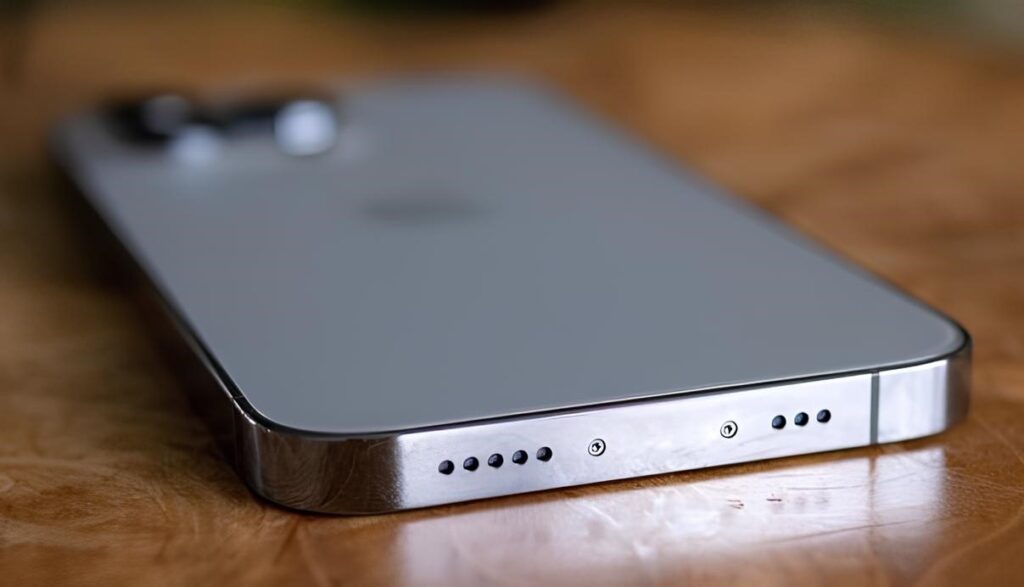
Apple’s adoption of USB-C on iPhones could be short-lived, as the European Union (EU) has clarified that a portless iPhone would comply with its regulations. According to Bloomberg’s Mark Gurman, Apple initially considered making the iPhone 17 Air its first portless device but opted to retain USB-C due to concerns about EU rules.
USB-C is mandatory only for devices that support wired charging
However, European Commission press officer Federica Miccoli confirmed to 9to5Mac that devices relying solely on wireless charging are fully compliant with EU laws. As long as there’s no wired charging, there’s no need for a Type-C port, as Apple’s AirDrop is already pretty good at data transfer
The EU’s regulations mandate USB-C only for devices that support wired charging. Since a portless iPhone would charge exclusively wirelessly, it would not require a USB-C port. It opens the door for Apple to pursue a fully wireless future for its devices. The EU’s goal was to eliminate incompatible wired charging standards, and it is now pushing for the harmonization of wireless charging technologies to prevent market fragmentation.
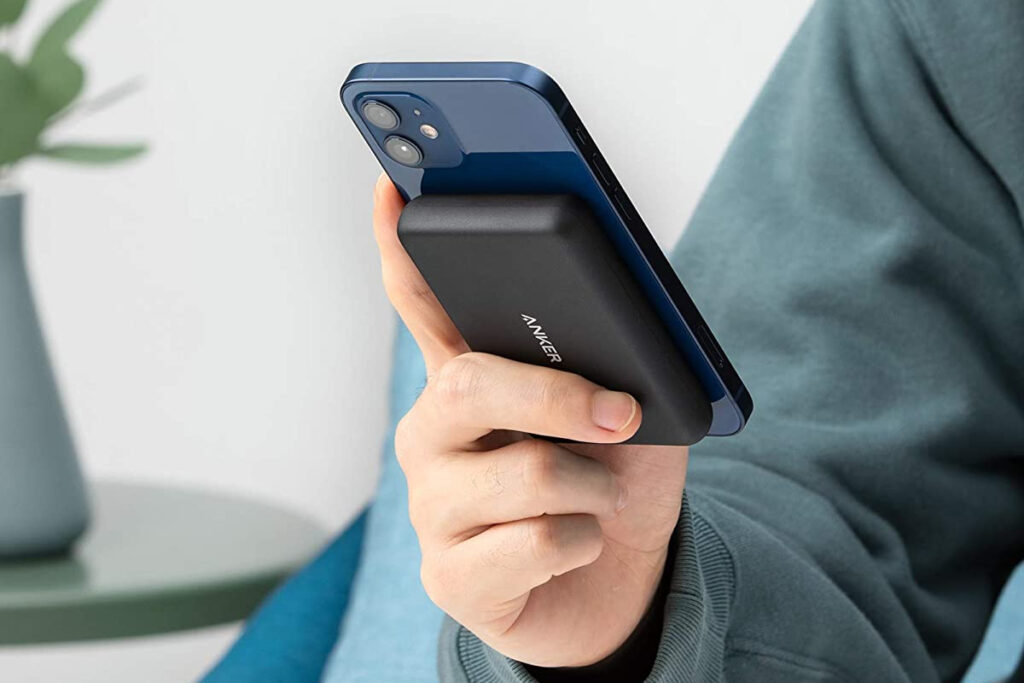
The Wireless Power Consortium’s Qi2 standard, which is backward-compatible with the original Qi and inspired by Apple’s MagSafe, is likely to become the universal wireless charging standard. This development aligns with the EU’s vision of promoting interoperability in wireless charging.
While the iPhone 17 Air will likely feature a USB-C port, we may see completely portless iPhones in the near future. While Apple has yet to improve the charging speeds of iPhones, this possible switch to portless design and complete reliance on wireless charging will likely influence the Android world as well.
Some of the Android OEMs are already working on MagSafe-like charging systems, but most of the devices do not come with built-in magnets. While official cases with magnets get the job done, it’s far from the seamless experience that Apple’s MagSafe offers. Perhaps you want to charge the phone without the case to improve heat dissipation, and you suddenly lose a key functionality. Meanwhile, majority of the Android devices lack wireless charging altogether.
iQOO has officially launched the search for its next Chief Gaming Officer (CGO) as part of its CGO 2.0 program. This initiative is designed to identify passionate young gamers who can contribute to the brand’s vision of enhancing mobile gaming experiences. The selected candidate will work closely with iQOO’s leadership team, engage with gaming communities, and bring innovative ideas to shape the future of eSports in India.
What does the CGO role involve?
iQOO is looking for a new Chief Gaming Officer in India
This is a six-month, full-time position running from July to December 2025. The selected CGO will be based in iQOO’s Gurugram office and will be actively involved in various gaming-related activities, including product development insights, community engagement, and eSports strategies. The role requires complete dedication, meaning candidates cannot take up any other employment during this period.
Eligibility criteria
To apply, candidates must meet the following requirements:
Be between 18 and 25 years old.
Have no affiliations with competing smartphone brands.
No prior professional experience is needed, but a strong passion for gaming, creativity, and knowledge of the industry are key.
Salary and selection process
The role comes with a total payout of Rs 10 lakh, distributed equally over six months, subject to the terms of engagement and applicable tax laws. The selection process will be rigorous, involving multiple elimination rounds:
Registration form – Candidates must first register by filling out the application form.
Detailed entry submission – Applicants will submit details about their gaming experience, achievements, and industry insights.
Gaming round – This stage will test gaming skills, reaction speed, and strategy.
Group discussion – Participants will engage in discussions to assess teamwork, communication, and industry knowledge.
Final audition – The shortlisted candidates will face iQOO’s jury, who will evaluate their overall potential.
How to apply?
Interested candidates can apply by visiting iQOO’s official website and completing the application form by visiting this page: https://www.iqoo.com/in/activity/cgo. Once submitted, it is recommended to save a snapshot of the form for future reference.
For more daily updates, please visit our News Section.
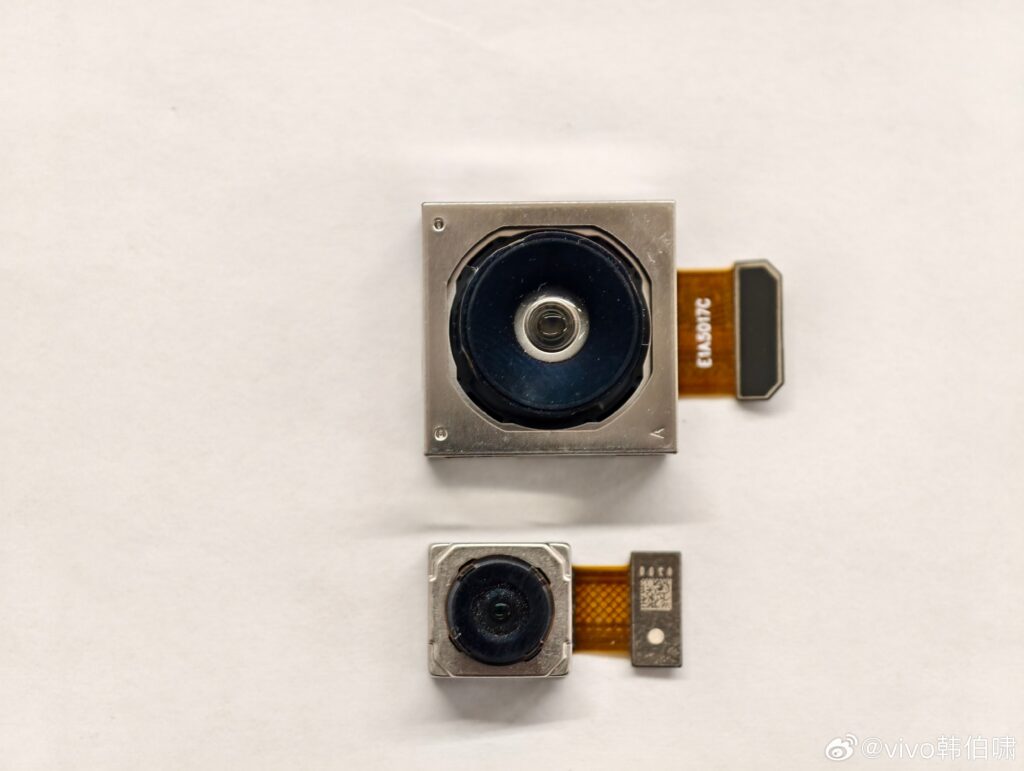
Vivo is expected to launch the X200 Ultra in China next month, and fresh leaks have detailed its display, camera, and battery features. Tipster Digital Chat Station has revealed key specifications, while Vivo’s product manager, Han Boxiao, has hinted at a major leap in camera technology. With a powerful combination of hardware, the X200 Ultra could be a game-changer in the flagship smartphone segment.
Vivo X200 Ultra specifications (rumored)
Vivo X200 Ultra specs leak by DCS
According to the leak, the Vivo X200 Ultra will feature a 6.82-inch LTPO OLED panel with a micro-quad-curved design. The BOE-supplied display will produce 2K+ resolution, a 120Hz refresh rate, and incorporate a single-point ultrasonic fingerprint scanner. On the durability front, the phone is tipped to have an IP68/69 rating, offering strong resistance against water and dust.
One of the biggest highlights of the X200 Ultra is its triple-camera setup, which includes a 50-megapixel primary sensor, a 50-megapixel ultra-wide lens, and a massive 200-megapixel periscope telephoto camera. According to other reports, these sensors are likely to be backed by camera sensors, such as a pair of Sony LYT-818 for main and ultra-wide snappers and a Samsung HP9 with a larger aperture than the previous generation for periscope cameras.
Vivo’s product manager Han Boxiao has officially confirmed that the X200 Ultra’s camera setup covers native focal lengths of 14mm, 35mm, and 85mm, offering a versatile photography experience. He also added that the periscope lens is the largest ever used in a smartphone, surpassing even the X100 Ultra. With an f/2.27 aperture, it is expected to capture 38 percent more light, improving low-light performance and overall clarity. Additionally, new lens coatings, prism enhancements, and advanced autofocus and stabilisation features will help deliver high-quality images across different zoom levels.
The X200 Ultra is said to be powered by Qualcomm’s Snapdragon 8 Elite chipset, ensuring top-tier performance. It is also expected to house a 6,000mAh (±) battery with support for 90W wired and 50W wireless charging, offering extended battery life and fast refuelling. Additionally, the phone may support satellite connectivity via Beidou-3 short message communication, enhancing connectivity in areas with limited network coverage. Earlier this week, the tipster revealed that the X200 Ultra will be available in wine red, black, and white shades.
For more daily updates, please visit our News Section.
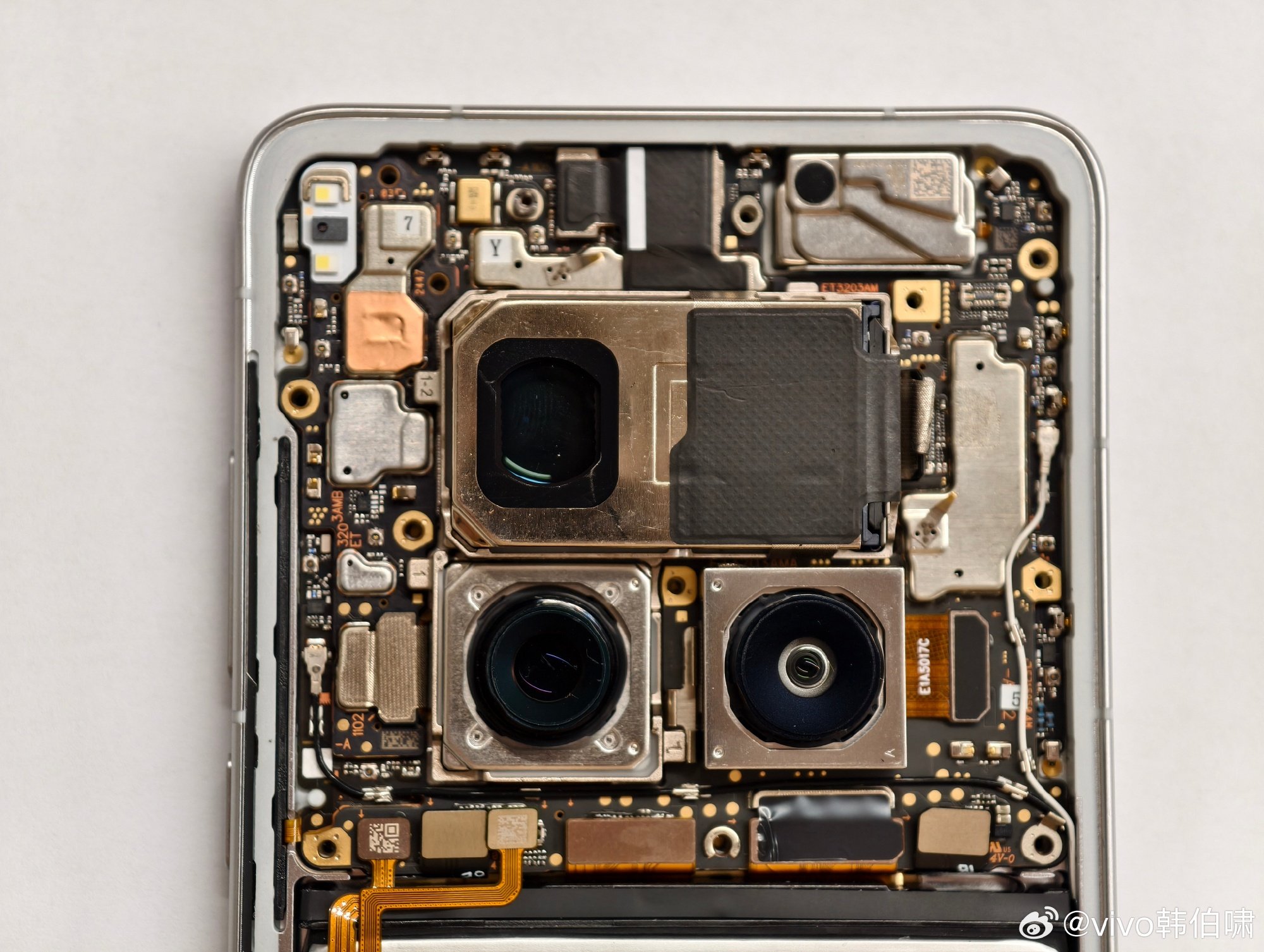
Vivo is expected to unveil the highly anticipated Vivo X200 Ultra in China next month (April), promising to elevate smartphone photography to the next level. Today, Vivo’s product manager, Han Boxiao, shared insights into what appears to be a test unit of the upcoming device. His latest Weibo post highlights a significant leap in camera hardware, focusing on an advanced telephoto system and an upgraded ultra-wide lens. While the full specifications remain undisclosed, these early revelations suggest a major breakthrough in mobile photography.
A powerful triple-camera system
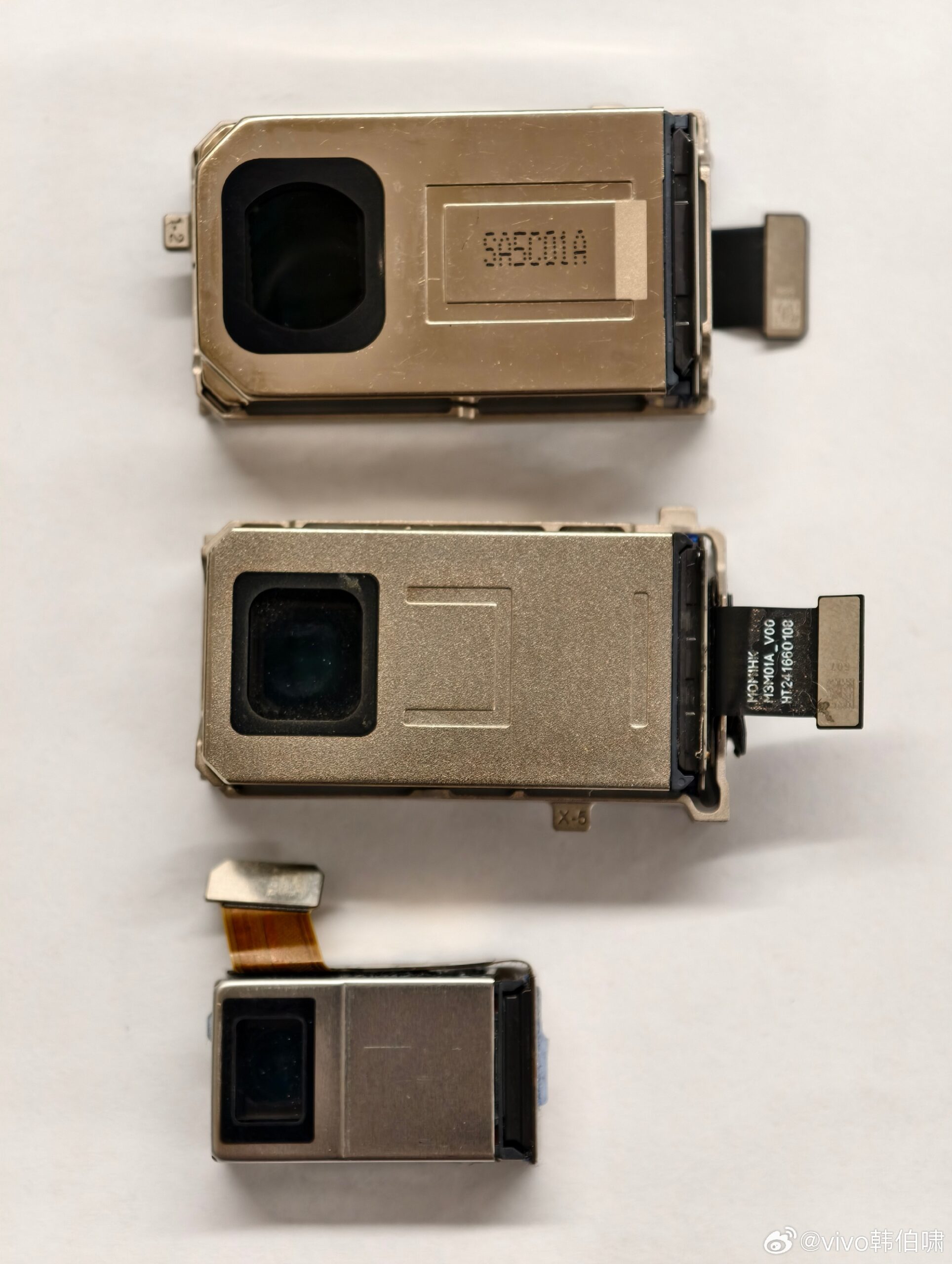
Vivo X200 UltraVivo X200 Ultra camera sensors
The Vivo X200 Ultra is expected to feature a triple-camera setup with focal lengths covering 14mm, 35mm, and 85mm. Each of these sensors will reportedly have a large sensor size and high-end optics, ensuring optimal performance in various lighting conditions. The new camera system aims to eliminate the need to choose between lenses for different shots, as all three will deliver top-tier image quality across photography and video.
The largest periscope telephoto lens yet?
Vivo X200 Ultra’s periscope camera is bigger than the previous generation
One of the major highlights of the X200 Ultra’s camera setup is the inclusion of a 200-megapixel periscope telephoto camera, which is said to be larger than the one used in the X100 Ultra. This new module has a 38 percent increase in light intake due to a wider aperture, promising improved low-light performance and sharper long-range shots.
Vivo has also incorporated advanced optical technologies, including special lenses, prism enhancements, and a new coating that enhances night photography, autofocus, stabilisation, and detail at extreme zoom levels. Additionally, the ultra-wide-angle camera is set to be significantly larger than industry standards, making it ideal for capturing landscapes, architectural shots, and stable wide-angle videos. These improvements indicate that Vivo is focusing on delivering a versatile and powerful imaging experience with the X200 Ultra.
For more daily updates, please visit our News Section.
Vivo has launched the Y19e in India, a budget 4G smartphone that serves as the successor to the Y18e, featuring a 90Hz display, a large battery, and a durable design.
Vivo Y19e features
The Y19e comes with a 6.74-inch HD+ LCD screen with a 90Hz refresh rate and runs on the Unisoc T7225 12nm octa-core processor, which includes a 2GHz dual Cortex-A75 and a hexa Cortex-A55 setup. It has 4GB of LPDDR4X RAM and 64GB of internal storage, which can be expanded up to 2 TB. Running on Funtouch OS 14 based on Android 14, the phone includes a side-mounted fingerprint sensor and weighs 199g.
Durability is a key aspect, with the Y19e featuring MIL-STD-810H shock resistance and an IP64 rating for dust and water resistance. It is powered by a 5500mAh battery that supports 15W charging, though fast-charging technology is not included. The phone has a 13MP rear camera and a 5MP front camera. For connectivity, the Y19e supports dual 4G VoLTE, Wi-Fi 5, Bluetooth 5.2, and USB-C.
Pricing & launch offers
Available in Titanium Silver and Majestic Green, the Y19e is now on sale through Amazon, Flipkart, Vivo’s online store, and retail outlets. It is priced at ₹7,999 ($93), and buyers can avail a ₹449 Jio prepaid plan, which includes 84GB of data, unlimited calls, and vouchers worth ₹5,000 for EaseMyTrip, Ajio, and Netmeds.
HUAWEI has released its FreeBuds 6 wireless earbuds in China, alongside the Pura X foldable phone. The FreeBuds 6 has a new, lighter design, with each earbud weighing 4.9 grams and the charging case 40.3 grams. The earbuds are designed to fit comfortably, based on data from many ear shapes.
These earbuds use an 11mm dynamic driver and a micro-flat tweeter for sound. They can produce sounds from 14 Hz to 48 kHz. HUAWEI says this is the first semi-open earbud design with two sound units, supporting high-quality audio at 48 kHz/24-bit. The earbuds adjust sound based on how they fit in your ears.
Tuned by the Central Conservatory of Music, the FreeBuds 6 offer classical and balanced sound modes, plus head-tracking spatial audio. Bone conduction microphones and noise reduction handle 95 dB noise and 8m/s wind. Semi-open noise reduction minimizes background sounds.
Battery life reaches 36 hours with the charging case. A 5-minute charge provides 2.5 hours of playback. Smart charging extends battery life by 37%. Touch controls manage playback, calls, and volume. AI assistant Celia provides 21-language translation and real-time interpretation. Features include long-distance tracking and 50-meter precision finding. Bluetooth 5.2 ensures low-latency gaming and multi-device pairing. The FreeBuds 6 are IP54 water-resistant.
Pricing & availability
Priced at 999 yuan (US$138), the FreeBuds 6 will be available for pre-sale on VMall.com starting March 20, 2025, with full sales commencing on March 28, 2025.
Xiaomi has just unveiled its latest home appliance in the Chinese market, the Mijia Gentle Breeze Floor-Standing Air Conditioner 3HP. It’s set to hit store shelves on March 25, priced at 5,599 yuan ($772), with pre-orders already open on JD.com.
Mijia Gentle Breeze 3HP AC Specifications
The new model (72LW-NA10/R1A1) sticks to a clean, minimalist design, finished in white and built for large living spaces. It’s a split floor-standing unit that handles both cooling and heating, promising year-round comfort with energy efficiency front and center.
The system runs on an advanced inverter setup and boasts a first-level energy efficiency rating, with an APF of 4.75, meaning it’s designed to keep both your room and your power bill in check.
Under the hood, Xiaomi is pushing serious numbers. Cooling power hits 7,360W and can ramp up to 9,700W when needed, while heating goes all the way up to 12,800W. Power consumption adjusts dynamically depending on the task, ranging between 200W and 3,600W for cooling, and 200W to 4,390W for heating. There’s also a built-in PTC electric heater with a rated power of 2,300W to give the system an extra boost on cold days.
The Mijia AC isn’t just about raw power, it’s built to move air across big spaces. It delivers 1,752 cubic meters of airflow per hour, with a wide 115-degree air supply angle and a reach of up to 13 meters. The oversized air outlets, measuring a combined 2,600 square centimeters, are nearly double the size of standard outlets, spreading air more evenly and gently. Plus, it offers both horizontal and vertical air sweeps to avoid direct blasts and create a more comfortable flow.
As expected from a Xiaomi product, smart features are baked in. The air conditioner supports HyperOS Connect and can be controlled remotely through the Mi Home app or by voice with Xiao Ai.
Xiaomi also promises durability and reliability. The outdoor unit is designed to handle extreme conditions, operating in temperatures from -32°C to 60°C. Self-cleaning is built into the system, running through condensation, frost, defrost, and a final high-temp drying cycle at 56°C to keep things fresh inside. Filters are antibacterial and anti-mold, rated for 99 percent efficiency against common bacteria.
The indoor unit stands at 1863mm tall, 346mm wide, and 434mm deep, weighing 33.5kg, while the outdoor unit weighs 39kg. Xiaomi ships it with all the expected extras: remote control, piping, wall brackets, drainage hose, batteries, and mounting hardware.
In other news, Xiaomi recently introduced a high-speed hair dryer that claims to dry hair in just one minute. The company also launched a smart air conditioner, which reduces energy consumption by 40% and can cool a room in just 30 seconds, even in extreme temperatures ranging from -35°C to 65°C.
For more daily updates, please visit our News Section.
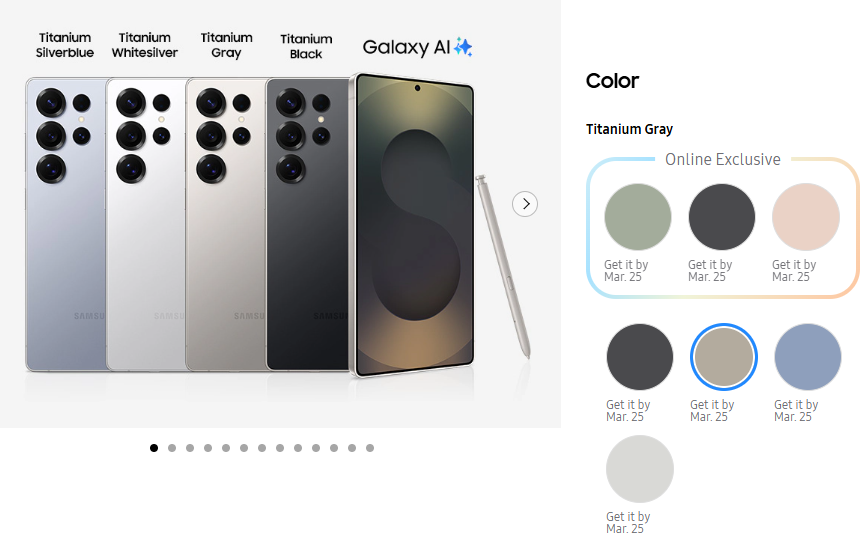
Samsung India recently sparked speculation about a new color option for the Galaxy S25 Ultra with a teaser image captioned “Dark. Bold. Ultra.” However, the post has since been deleted, confirming that no new color variant is in the works—at least not anytime soon. This means the Galaxy S25 Ultra’s current color lineup remains unchanged for now.
Galaxy S25 Ultra available color options
The device currently offers seven color options, with four available globally: Titanium Black, Titanium Gray, Titanium Silverblue, and Titanium Whitesilver. The remaining three—Titanium Jadegreen, Titanium Jetblack, and Titanium Pinkgold—are exclusive to Samsung’s online store. The teaser image hinted at another dark hue, but with two black variants already available, the addition seemed redundant.
Last year, Samsung introduced a Titanium Yellow variant for the Galaxy S24 Ultra in June, several months after its initial launch. However, this color was announced at the same time as the other options and simply took longer to hit the market. In contrast, there is no delayed color option planned for the Galaxy S25 Ultra.
While the teaser initially raised hopes for a fresh color choice, Samsung’s decision to remove the post suggests that they are, indeed, sticking to the currently available color options. For now, Galaxy S25 Ultra buyers will have to choose from the existing seven colors, which cater to a wide range of preferences.
Samsung is also offering a trade-in credit of up to $900 (in the US) with this phone as of writing, and for those interested, check out the product page here.
Apart from the new color options, and the rounded corners, the raw performance and power efficiency of the S25 Ultra have also improved as compared to last year’s Ultra model. While the battery capacity is still the same – 5000 mAh – the battery life has seen a decent improvement, due to increased efficiency and better performance optimization of One UI 7.
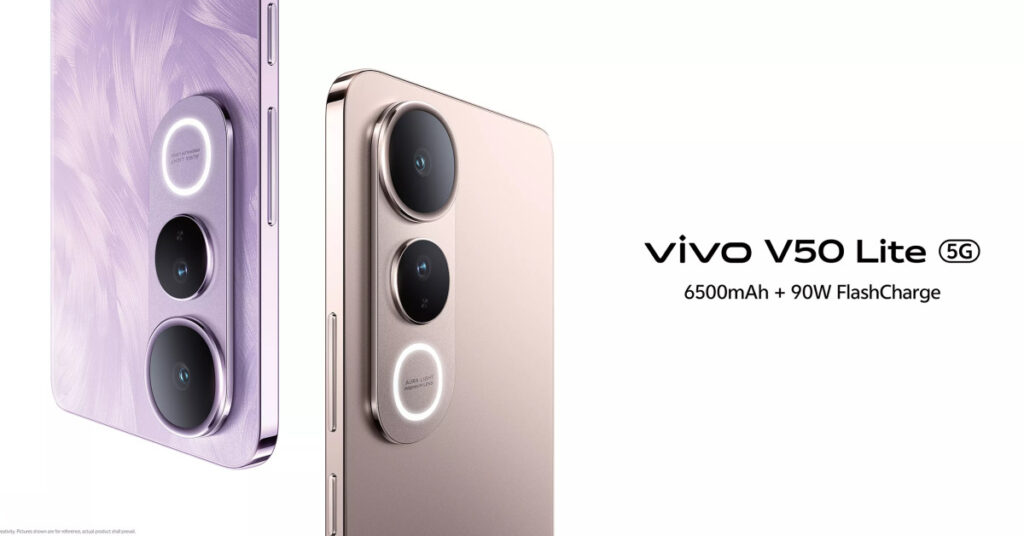
Vivo recently introduced the V50 Lite 4G, and now the company is following it up with the 5G variant. As expected, the two models share plenty in common, with the key differences mostly coming down to the chipset.
Vivo V50 Lite 5G Specifications
The V50 Lite 5G retains the same design as its 4G sibling with a pill-shaped camera module on the back, flat frames, and a hole-punch display up front.
The color options get a slight refresh; while Black and Gold remain, Vivo has added two new shades: Fantasy Purple, which sports a feathery pattern, and Silk Green with a wavy design.
Up front, there’s a 6.77-inch OLED display with a 120Hz refresh rate. The FHD+ panel boasts 1300 nits of HBM brightness and peaks at 1800 nits. It’s also SGS-certified for low blue light.
The notch up top houses a 32MP selfie camera, while the rear sports a 50MP Sony IMX882 main sensor alongside an 8MP ultrawide lens.
Powering the device is the same sizable 6500mAh battery found in the V50 Lite 4G, complete with 90W fast charging.
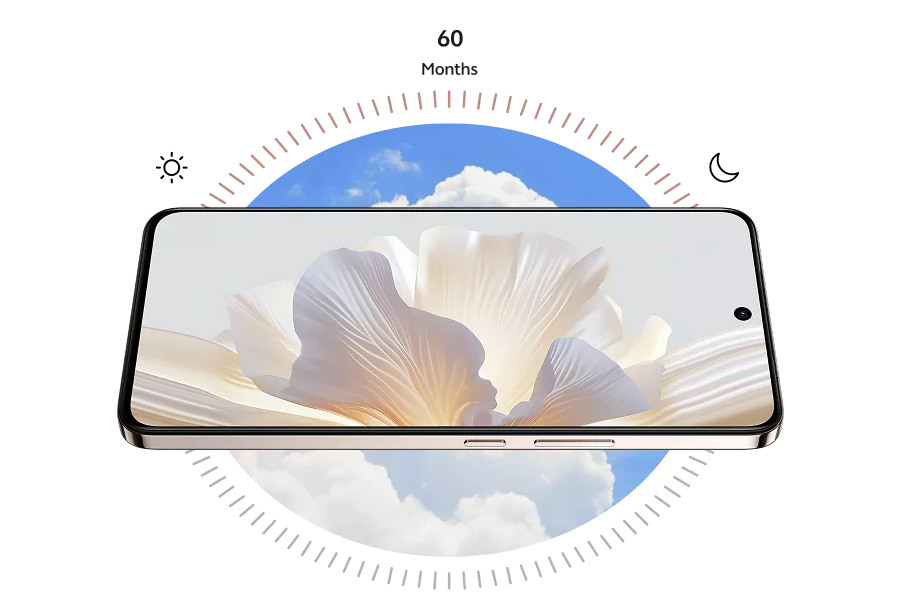
Despite the large battery, the phone remains impressively slim at just 7.79mm. And Vivo claims the battery will retain 80% of its capacity even after five years of use.
The most obvious difference between the two is the chipset. Vivo has swapped the Snapdragon 685 from the 4G variant with MediaTek’s Dimensity 6300 for the 5G version.
It’s paired with 8GB or 12GB of LPDDR4X RAM and offers 256GB or 512GB of UFS 2.2 storage.
On the software front, the V50 Lite 5G runs FunTouch OS 15 based on Android 15. It comes with AI features that can enhance or erase objects in photos alongside support for Google’s Circle to Search.
The device also boasts military-grade durability certification and has an IP65 rating for dust and water resistance.
Price and Availability
The Vivo V50 Lite 5G is available in Spain for €399 for the 12GB/512GB variant.
Don’t forget to visit our One UI 7 section for the latest news and updates.
Last week, Samsung confirmed that it would start rolling out the One UI 7 update to its 2023 and newer flagship phones and tablets in April. That’s good news, but it left owners of older flagships wondering if they’d be left behind, especially since Samsung is already late in delivering this year’s platform upgrade.
Well, there’s good news for them too. Samsung has now confirmed that previous flagships, including the Galaxy S21 series and third-generation foldable, will also get the One UI 7 update in April.
One UI 7 update list
Here’s a breakdown of the devices confirmed to receive the Android 15-based One UI 7 update so far:
Galaxy S Series
Galaxy S24 Series
Galaxy S24 FE
Galaxy S23 Series
Galaxy S23 FE
Galaxy S22 Series
Galaxy S21 Series
Galaxy S21 FE
Galaxy Z Series
· Galaxy Z Fold 6 and Galaxy Z Flip 6
· Galaxy Z Fold 5 and Galaxy Z Flip 5
· Galaxy Z Fold 4 and Galaxy Z Flip 4
· Galaxy Z Fold 3 and Galaxy Z Flip 3
Galaxy Tab
· Galaxy Tab S10 Series
· Galaxy Tab S9 Series
· Galaxy Tab S9 FE Series
· Galaxy Tab S8 Series
· Galaxy Tab S6 Lite
Samsung’s latest update is set to roll out starting April 14 in Singapore on April 14, starting with the Galaxy S24 series before expanding to other devices. Globally, though, the update kicks off earlier on April 7 for the S24 series, so there seems to be some regional rollout differences.
As is pretty evident, the company is prioritizing its flagship lineup first. Its mid-range and budget devices from the Galaxy A, M, and F series are next in line for the update, but users might have to wait a little longer before the update reaches their phones.
Don’t forget to visit our One UI 7 section for the latest news and updates.
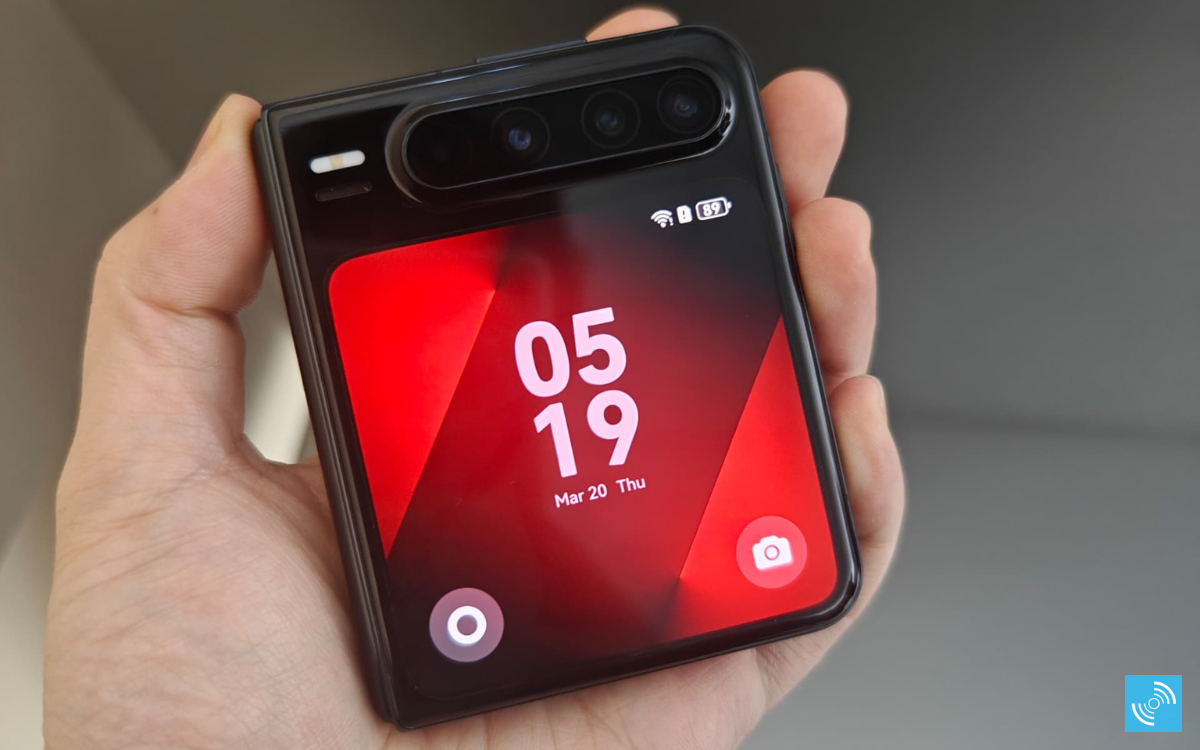
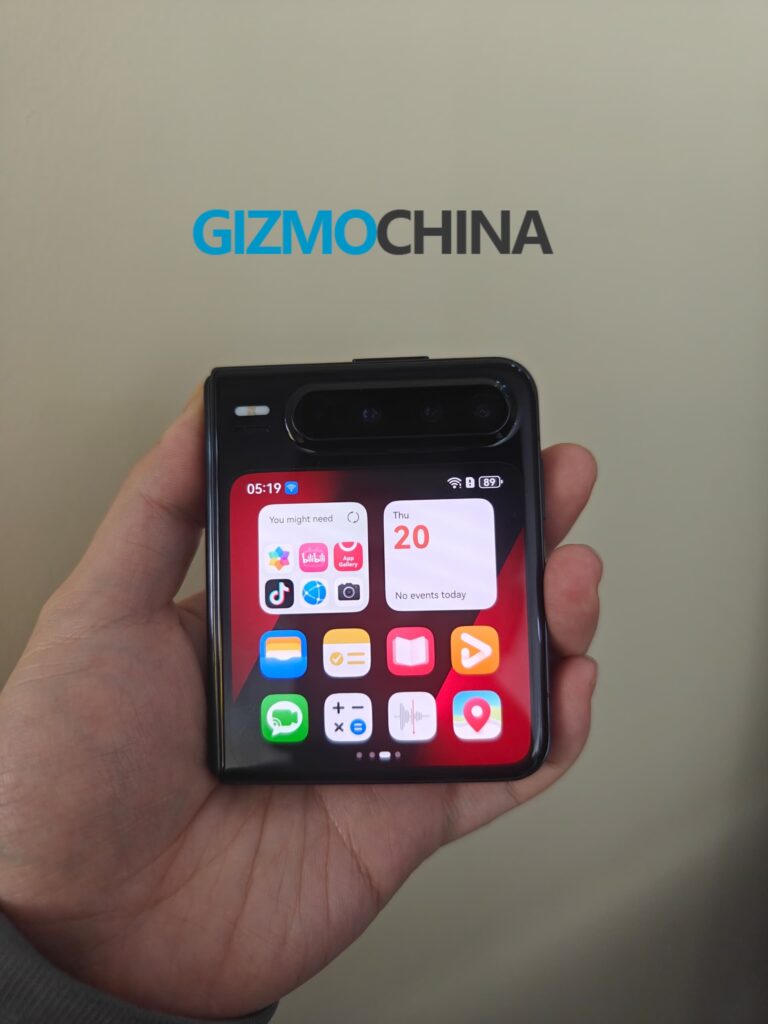
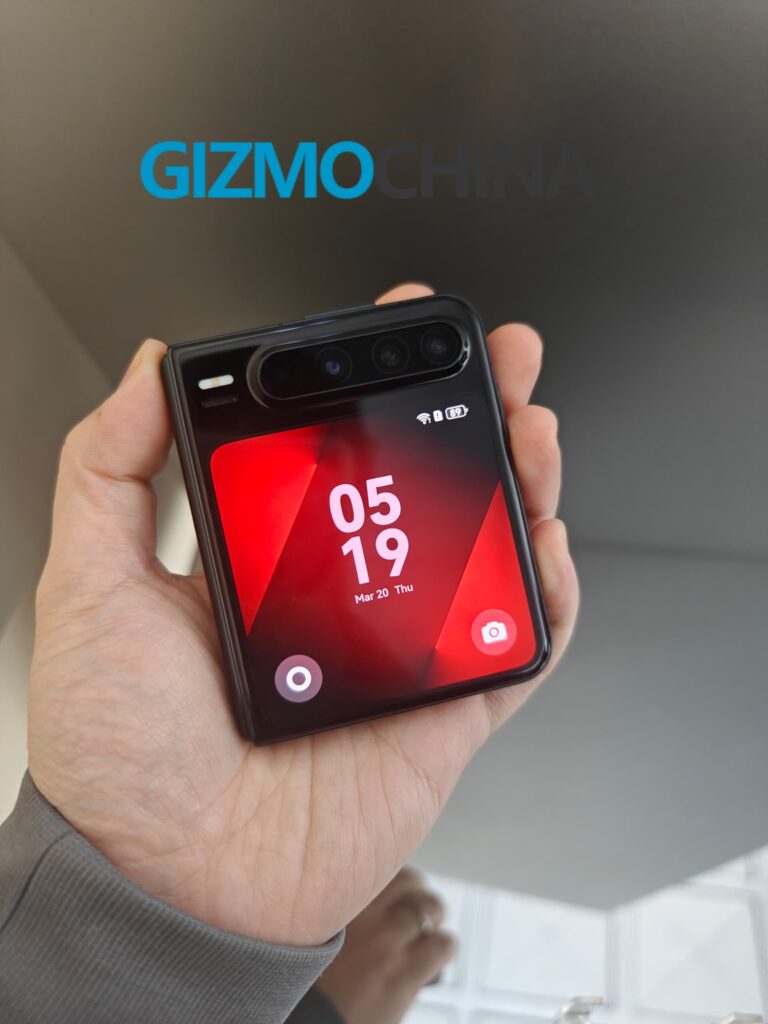
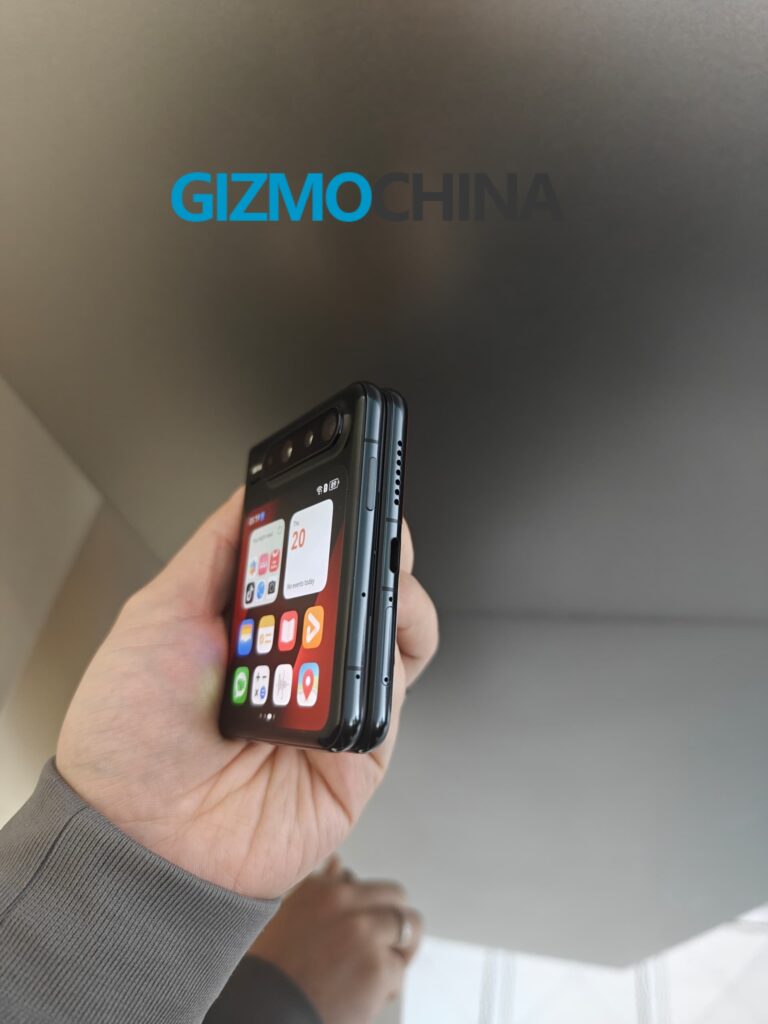
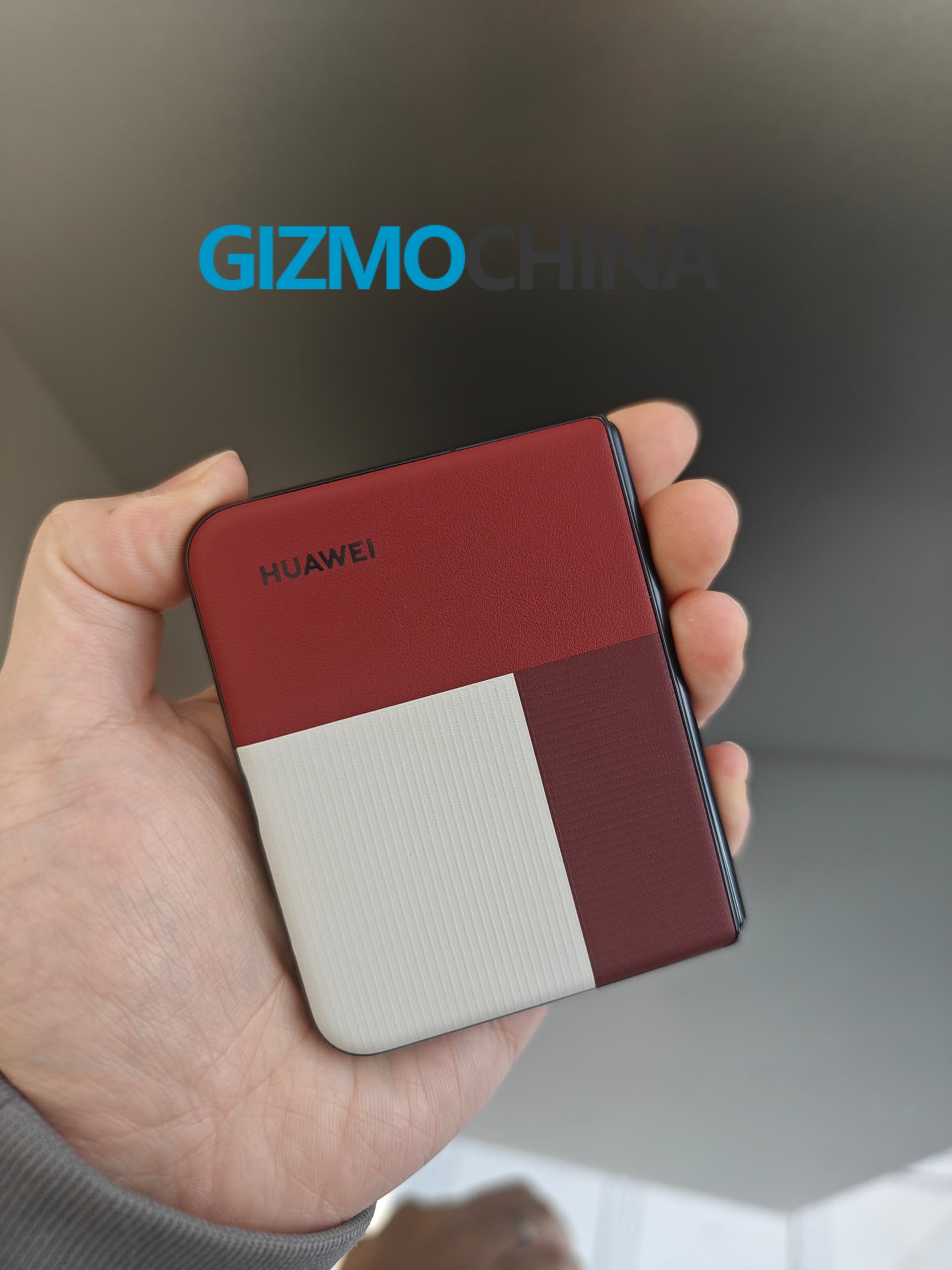
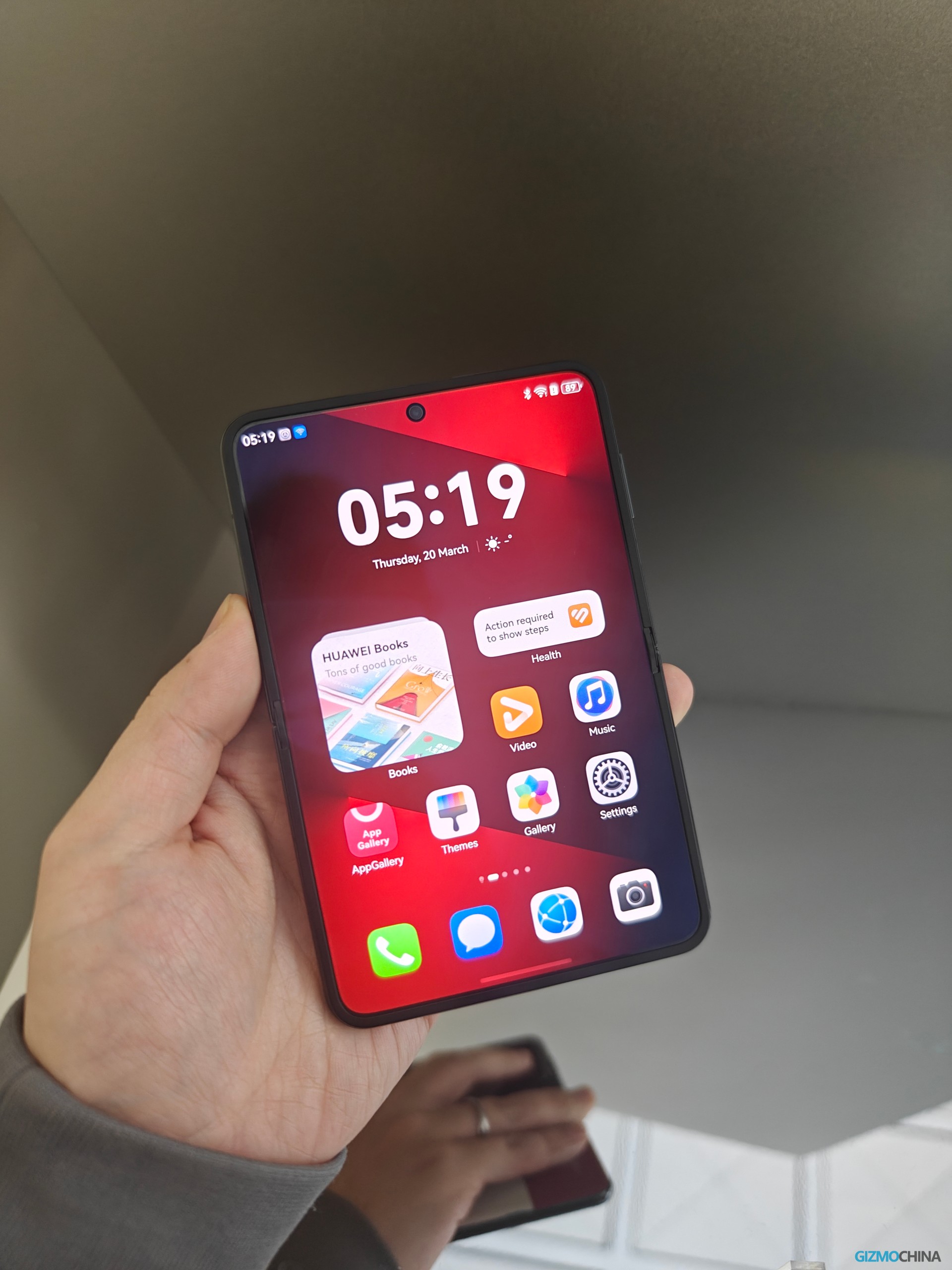
Huawei has just introduced its latest flip phone with a brilliant design — the Pura X — and our team managed to get an early look at the device.
We’ve captured some hands-on photos, and while we’re still exploring all its features, a detailed hands-on video and review will follow soon. But here’s a quick first impression of what makes the Pura X stand out.
But before we dive into the specs, take a look at our hands-on photos of the device.
The Pura X comes with a unique 6.3-inch foldable OLED display featuring a 16:10 aspect ratio. It feels noticeably taller and more spacious than most flip phones we’ve handled. The outer screen measures 3.5 inches with a square 1:1 aspect ratio — great for quick notifications and mirror selfies. Both displays support an adaptive refresh rate from 1Hz to 120Hz and 1440Hz PWM dimming, making scrolling and animations appear smooth and easy on the eyes.
Huawei has paid special attention to design and durability. The phone uses a composite super-tough laminated structure, a titanium alloy support layer, and a basalt waterdrop hinge. It feels sturdy yet elegant in hand, and the IPX8 water resistance rating is reassuring for daily use.
On the camera front, the Pura X packs serious hardware. There’s a 50MP main sensor with an f/1.6 aperture, a 40MP ultra-wide camera, and an 8MP 3.5x telephoto lens. Huawei also added a 1.5MP multi-spectral red maple primary color camera. We’ve started testing some of its AI imaging features and will dive deeper in our review.
Under the hood, reports suggest the phone is powered by the Kirin 9020 chip paired with up to 16GB of RAM and 1TB of storage. The 4720mAh silicon-carbon battery supports 66W wired and 40W wireless charging, which should keep it running easily through the day.
The Pura X ships with HarmonyOS 5, with Huawei promising smoother performance and enhanced privacy features. We’ll be putting that to the test as well.
The device is available in Moon Shadow Grey, Zero White, and Magic Night Black, with stylish red and green leather-backed collector’s editions. Pricing starts at 7,499 yuan ($1,034) in China, with sales beginning March 30th.
Stay tuned for our complete hands-on impressions and detailed review soon.
For more daily updates, please visit our News Section.
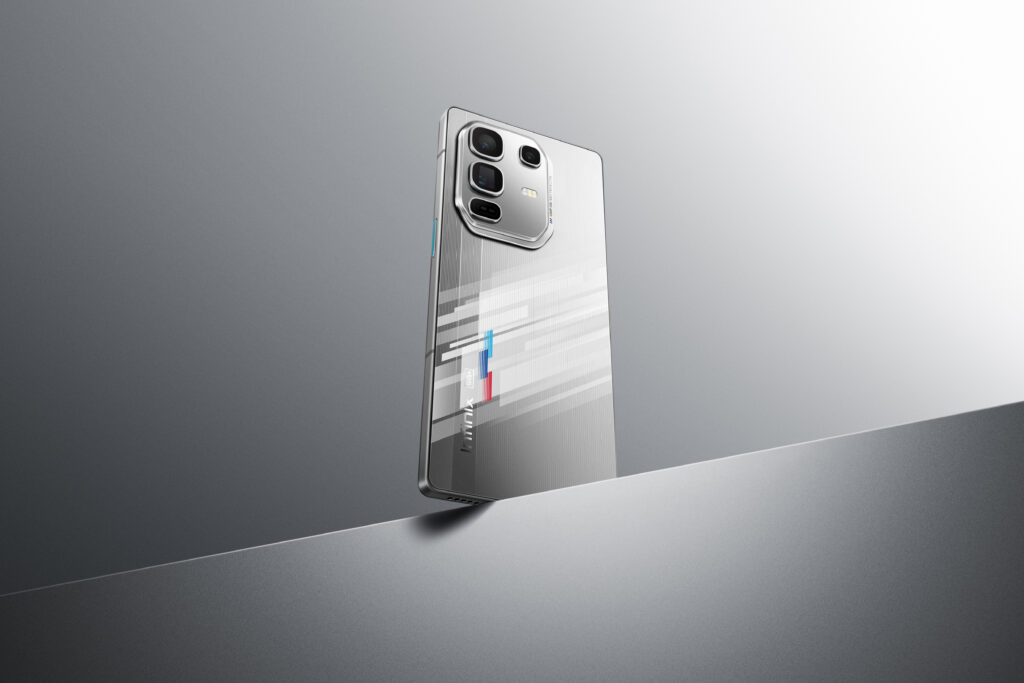
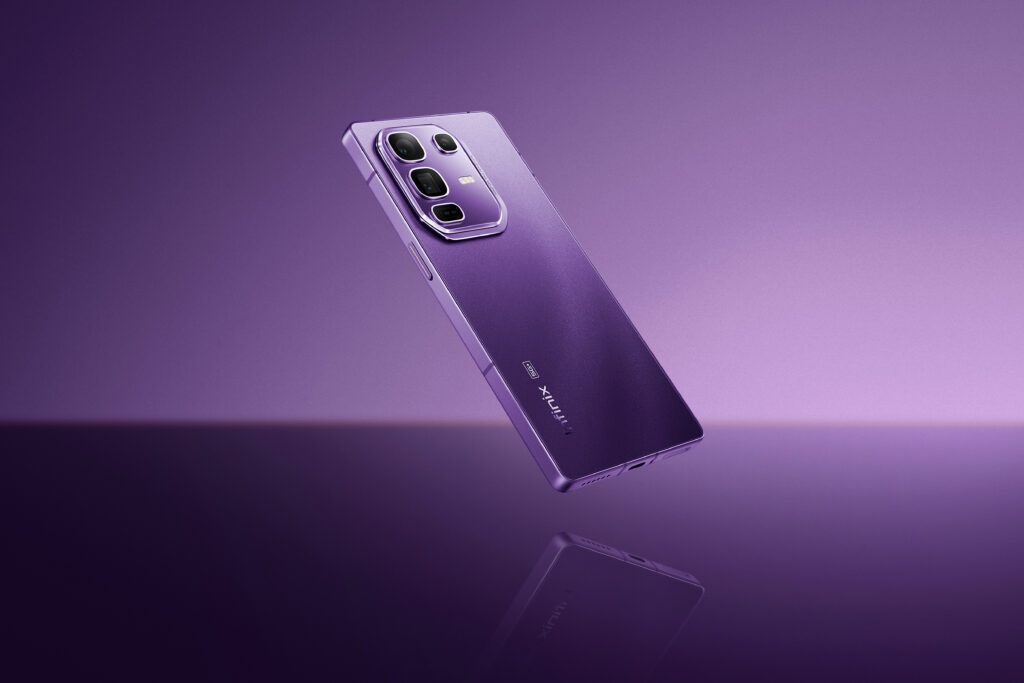
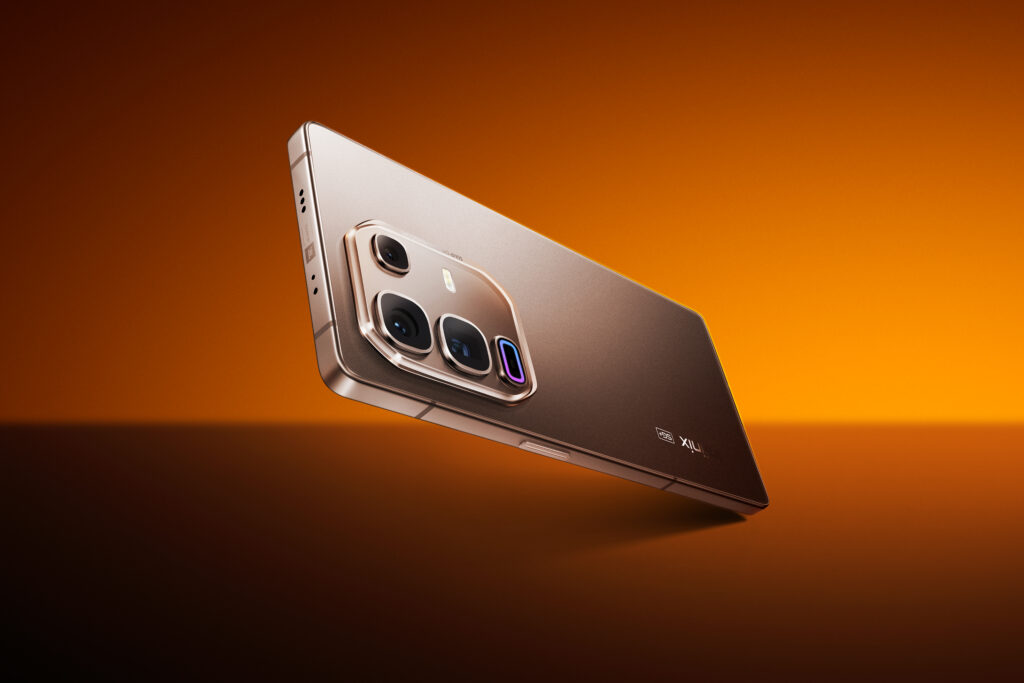
Infinix has officially introduced the Note 50 Pro+ 5G, adding a high-end variant to its Note 50 series, which includes the Note 50 (4G) and Note 50 Pro (4G). This new release, confirmed by official sources, brings several flagship-grade features, including an advanced display, a powerful chipset, and an improved camera system equipped with a periscope telephoto camera. With a focus on design, charging speed, and imaging capabilities, the Note 50 Pro+ 5G positions itself as a compelling choice in the premium mid-range category.
Infinix Note 50 Pro+ 5G specifications and features
Infinix Note 50 Pro+ 5G – Racing Edition
The Infinix Note 50 Pro+ 5G sports a 6.78-inch AMOLED curved-edge display with FHD+ resolution, a 144Hz refresh rate, 1300 nits brightness, and 2304Hz PWM dimming, ensuring a smooth and vibrant viewing experience. Powering the device is the Dimensity 8350 Ultimate processor, paired with 12GB LPDDR5x RAM and 256GB UFS 4.0 storage, along with up to 12GB virtual RAM for enhanced multitasking.
Battery performance is a standout feature, thanks to the Cheetah X2 power management chip, which optimizes the 5200mAh battery. The device supports 100W wired charging, 50W wireless charging, and 10W reverse wireless charging, making it one of the fastest-charging phones in its category.
Infinix Note 50 Pro+ 5G – Enchanted Purple
For photography, the Note 50 Pro+ 5G features a 50-megapixel Sony IMX896 primary camera with OIS, an 8-megapixel ultra-wide lens, and a 50MP periscope telephoto lens with 6x optical zoom and 100x digital zoom. The front-facing 32-megapixel camera ensures high-quality selfies.
The Bio-Active Halo AI Lighting on the Infinix Note 50 series enhances various functions with real-time lighting effects. For photography and recording, it provides a visual indicator for the camera timer and video recording. In terms of health monitoring, it displays status updates for heart rate and SpO2 tracking. The feature also improves charging notifications by indicating the charging status with a glowing effect. Additionally, it alerts users to smart notifications, such as incoming messages and alerts. Lastly, the lighting system integrates with Folax Assistant, offering visual feedback to enhance smart assistant interactions.
Infinix Note 50 Pro+ 5G – Titanium Grey
The Infinix Note 50 series runs on XOS 15-based Android 15, which brings along Infinix AI∞, a smart assistant designed to enhance productivity and efficiency. With a single tap on the power button, users can get instant answers, refine photos, edit text, and explore AI-generated content. The AI also helps with daily tasks like navigation, searching for forgotten photos, and summarizing text instantly. For communication, features like real-time call translation, auto-call answering, and noise reduction ensure seamless and clear conversations.
The smartphone also includes an in-display fingerprint scanner, JBL dual speakers, and an x-axis linear motor. Connectivity features include Wi-Fi 802.11ac, Bluetooth 5.4, NFC, an IR blaster, and a USB-C port. The device also offers an IP64 rating for dust and water resistance. Lastly, the phone measures 163.36 x 74.53 x 7.99mm and weighs 209 grams.
Infinix Note 50 Pro+ 5G price and availability
The Infinix Note 50 Pro+ 5G is priced at $370 for the 12GB+256GB variant. It is available in three color options: Titanium Grey, Enchanted Purple, and Racing Edition. The latter comes with a phygital design inspired by racing cars, featuring bold tri-color stripes and a sapphire crystal-embedded power button.
Alongside the Note 50 Pro+ 5G, Infinix also introduced the Note 50 (4G) and Note 40 Pro (4G), priced at $180 and $210 globally. Readers can click here to learn more about these smartphones.
The Note 50 lineup also includes the Note 50 (5G) and Note 50 Pro (5G), which are slated to go official at a later date. Meanwhile, the brand is gearing up to unveil the Note 50x 5G in India on March 27.
For more daily updates, please visit our News Section.
Infinix has introduced its “Infinix AI∞ Beta Plan,” marking a significant leap into AI-powered innovation. The announcement, made during a vertical-format launch event, highlights the brand’s vision for integrating AI seamlessly into everyday life. The initiative, called “Gen Beta,” aims to create a future where AI is not just an assistant but a central part of creativity, gaming, and communication. This launch aligns with the debut of the Note 50 series, which further integrates AI-driven features.
Infinix AI∞ Beta Plan: AI-driven innovation for the new generation
Infinix AI∞ Beta Plan
The “Infinix AI∞ Beta Plan” is designed to enhance user experiences by introducing AI capabilities that evolve through continuous upgrades and early access innovations. This initiative goes beyond conventional AI applications by making AI an integral part of entertainment, gaming, and daily tasks. Infinix AI∞ Lab is at the core of this transformation, ensuring AI adapts to user needs and enriches experiences in real-time.
A key highlight is the integration of AI-driven gaming enhancements. The XBoost AI gaming engine refines gameplay with intelligent optimizations, while the AI Magic Box enables automated in-game actions. Features like One-Tap Infinix AI∞ provide instant access to gaming tools, ensuring an uninterrupted and immersive experience. ZoneTouch Master fine-tunes controls for precision, and the Magic Voice Changer adds an element of fun by modifying voices during gameplay.
Infinix AI∞ Beta Plan
Infinix AI∞ aims to redefine user interactions by offering a seamless AI-powered experience across multiple applications. With a single tap, users can activate Folax to access over 1,000 smart features, including real-time translations, object identification, and deep-learning conversations. The AI∞ creative assistant further enhances usability with tools like AI Eraser, AI Cutout, and AI Wallpaper Generator, making creative processes intuitive and efficient.
Communication is also a focus area, with AI∞ enabling real-time call translation, noise reduction, and AI-powered call summaries. These features ensure smoother interactions across different languages and environments, making AI an essential tool in both professional and personal settings.
Infinix AIoT ecosystem: Expanding AI beyond smartphones
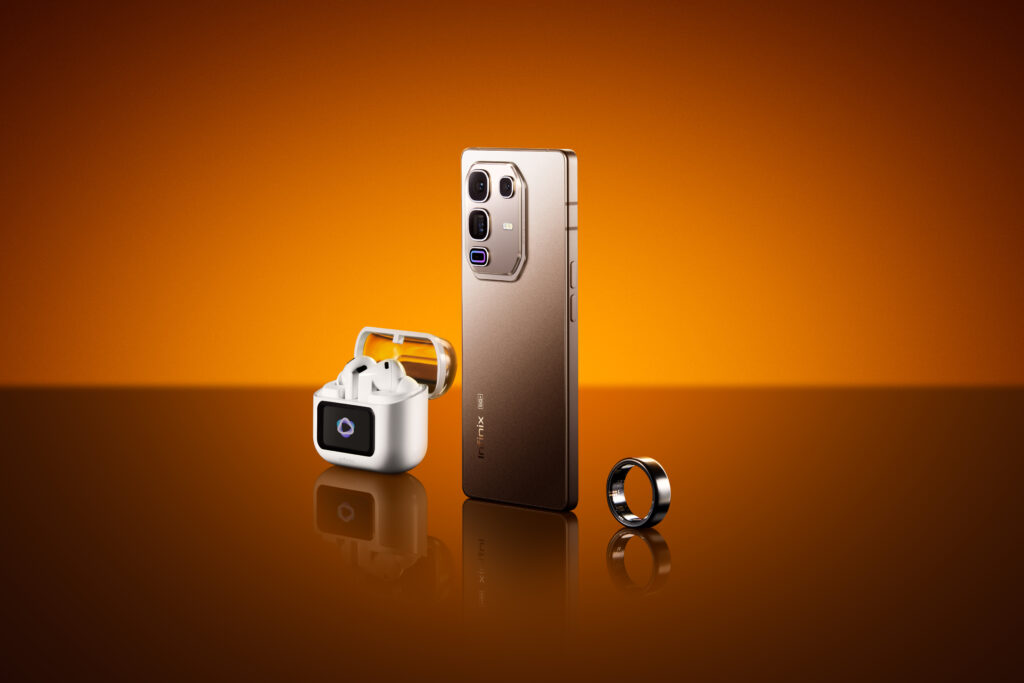
Infinix AIoT ecosystem
Infinix’s AI evolution extends beyond mobile devices with the introduction of an AI-powered ecosystem, including AI Buds, AI Ring, and AI Glasses. These devices leverage AI for real-time translation, smart health tracking, and enhanced user convenience.
The AI Buds offer hybrid ANC and a touchscreen charging case, while the AI Ring blends technology with fashion, offering all-week battery life and AI-assisted fitness tracking.
AI Glasses and AI Glasses Pro introduce smart assistance, scene recognition, and instant translation, further expanding the AI experience.
Additionally, Infinix has introduced AI Blind Box Figures—collectible AI-powered figures with distinct personalities and interactive features, merging technology with entertainment. The Note 50 series is also part of this AI-driven transformation, incorporating advanced AI enhancements for a superior user experience.
For more daily updates, please visit our News Section.
We use cookies on our website to give you the most relevant experience by remembering your preferences and repeat visits. By clicking “Accept”, you consent to the use of ALL the cookies.
This website uses cookies to improve your experience while you navigate through the website. Out of these, the cookies that are categorized as necessary are stored on your browser as they are essential for the working of basic functionalities of the website. We also use third-party cookies that help us analyze and understand how you use this website. These cookies will be stored in your browser only with your consent. You also have the option to opt-out of these cookies. But opting out of some of these cookies may affect your browsing experience.
Necessary cookies are absolutely essential for the website to function properly. This category only includes cookies that ensures basic functionalities and security features of the website. These cookies do not store any personal information.
Any cookies that may not be particularly necessary for the website to function and is used specifically to collect user personal data via analytics, ads, other embedded contents are termed as non-necessary cookies. It is mandatory to procure user consent prior to running these cookies on your website.