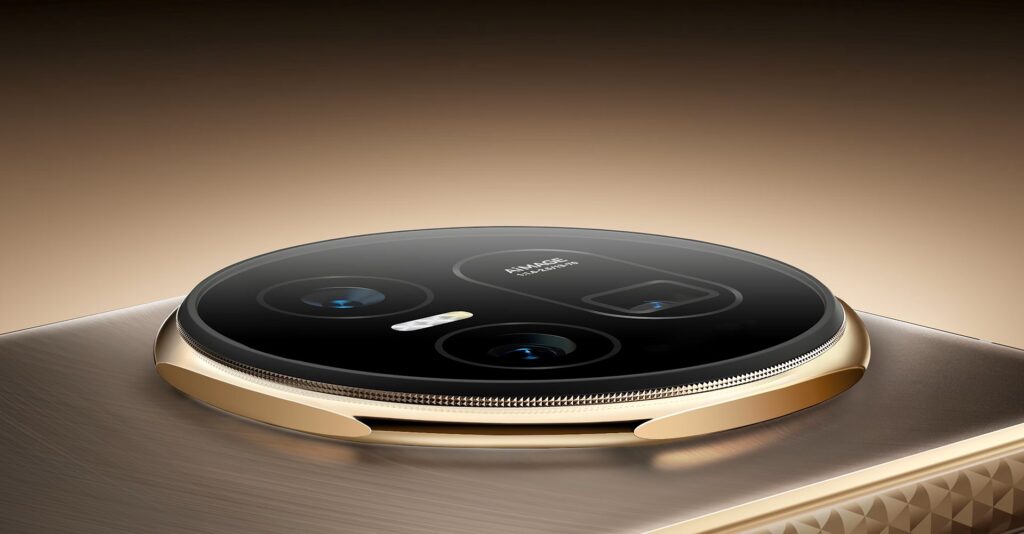
Honor has officially launched the Magic V5 foldable smartphone at its AI Ecosystem event in China, positioning it as the world’s thinnest and lightest foldable flagship. The device folds to just 8.8mm in thickness and weighs as little as 217 grams, a remarkable engineering feat in the foldable segment.
Honor Magic V5 Specifications
The Honor Magic V5 features a 7.95-inch inner OLED display with a 2352×2172 resolution and a 6.43-inch external OLED display at 2376×1060. Both panels offer 120Hz LTPO refresh rates, 10.7 billion colors, DCI-P3 color gamut, and up to 5000 nits peak brightness for HDR content.
Honor also includes 4320Hz PWM dimming for eye comfort, AI-driven motion sickness reduction, and real-time color consistency across screens. The outer screen uses next-generation Giant Rhinoceros glass for better durability.
When folded, the Honor Magic V5 stands 156.8mm tall and 74.3mm wide, with the White model measuring 8.8mm thick and other variants slightly thicker at 9.0mm. Unfolded, the device expands to 145.9mm in width and measures just 4.1mm thick for the White version or 4.2mm for the others. The weight starts at 217 grams for the White model and goes up to 222 grams for the remaining color options.
The phone runs on the Snapdragon 8 Elite processor and includes the Adreno 830 GPU for graphics. It comes in three memory variants: 12GB RAM with 256GB storage, 16GB RAM with 512GB storage, and a premium option with 16GB RAM and 1TB storage.
The foldable runs MagicOS 9.0.1 based on Android 15 and comes with Honor’s YOYO AI assistant, which includes a personal knowledge base. It supports AI document parsing, content summarization, real-time photo editing, and seamless interconnectivity across Android, iOS, HarmonyOS, Windows, and macOS.
For photography, the Magic V5 sports a triple rear camera setup: a 50MP wide-angle (f/1.6), a 50MP ultra-wide (f/2.0), and a 64MP periscope telephoto (f/2.5) with up to 3x optical zoom and 100x digital zoom. It supports 4K video recording, laser focus, optical and electronic image stabilization, and advanced AI photo modes like AI object removal, reflection reduction, and face repair. The front features dual 20MP cameras on both inner and outer screens, each capable of recording up to 4K.
The phone packs a 5820mAh battery in most configurations, while the 1TB model includes a larger 6100mAh version. Both use Honor’s new Qinghai Lake Blade battery, the industry’s first with 15-25% silicon content, reaching 901Wh/L energy density. Fast charging is supported via 66W wired SuperCharge and 50W wireless SuperCharge, with wireless reverse charging also included.
The Magic V5 includes dual stereo speakers, face unlock, an under-display fingerprint sensor, NFC, and support for Wi-Fi 7 and Bluetooth 6.0. It also supports DisplayPort 1.2 through USB 3.1 Gen1 Type-C.
The device is rated IP58 and IP59 for water and dust resistance. It uses Honor’s Luban AI manufacturing model to achieve micron-level precision in its hinge mechanism. The rear cover is made from aerospace-grade composite fiber with a diameter of just 0.014mm, delivering 40 times the impact resistance of steel while remaining lighter than paper.
Pricing and Availability
The Honor Magic V5 is available in China in the following configurations:
12GB RAM + 256GB storage: 8999 yuan (~$1255)
16GB RAM + 512GB storage: 9999 yuan (~$1,395)
16GB RAM + 1TB storage: 10,999 yuan (~$1,535)
Buyers also receive Honor’s “Inner Screen Care” service free for one year, valued at 1399 yuan (~$195). The foldable comes in four color options: Ivory White, Black, Dawn Gold, and Reddish Brown.
For more daily updates, please visit ourNews Section.
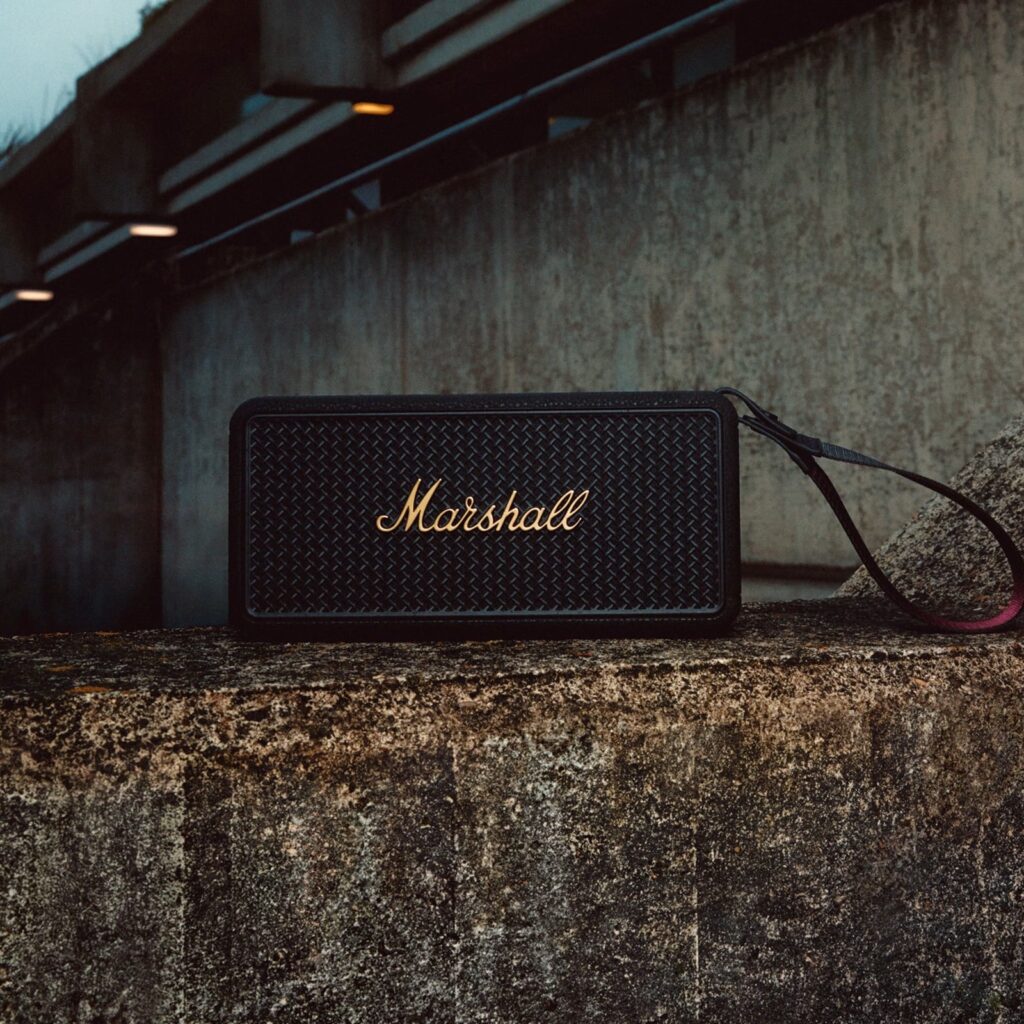
Marshall has launched the Middleton II, a portable speaker with stronger bass and clearer sound, even at high volume. It utilizes two 30W Class D amplifiers for the woofers and two 10W amplifiers for the tweeters. The speaker supports 360° True Stereophonic sound and delivers audio in the 45Hz to 20kHz range, with a maximum volume of 91 dB.
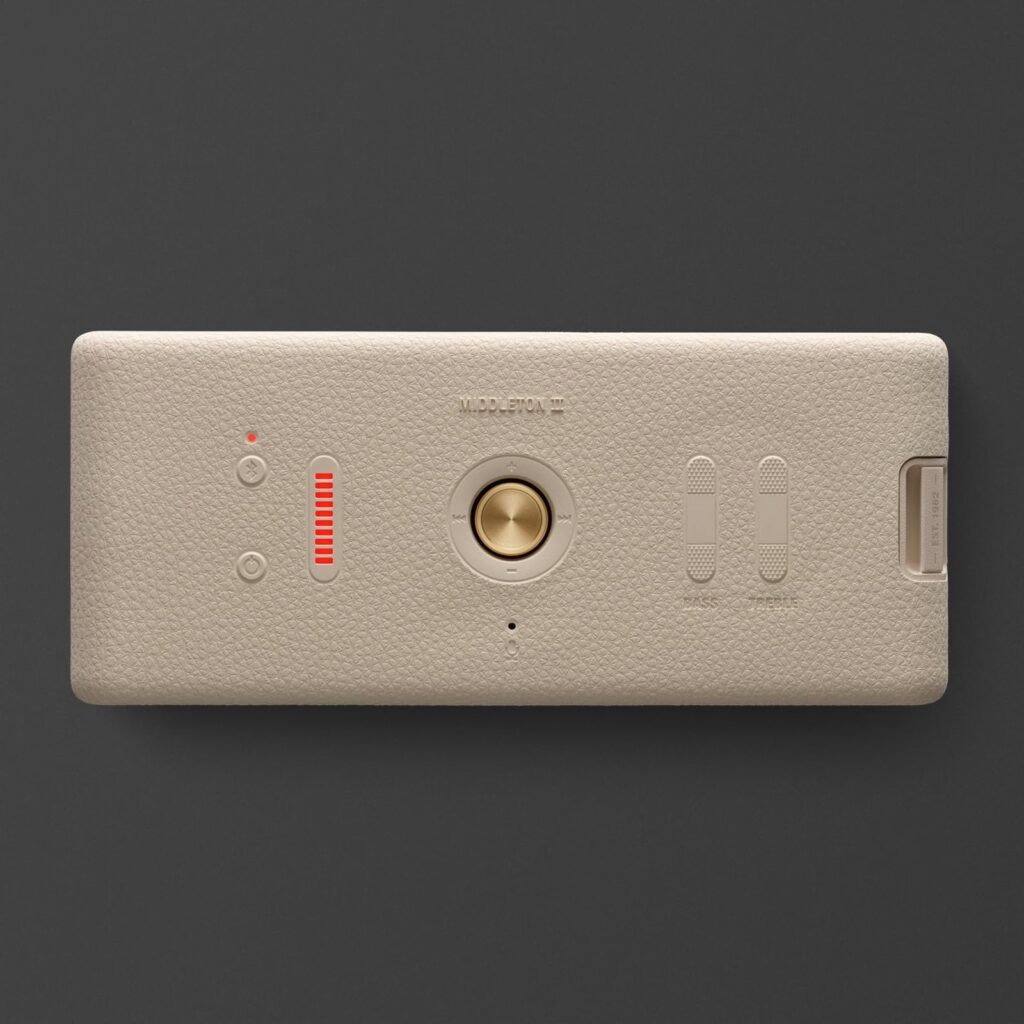
It is IP67 rated, which means it’s fully dustproof and can stay underwater at a depth of one meter for up to 30 minutes. You can control music, adjust volume, skip tracks, and take calls directly from the built-in multi-directional knob without using your phone. The speaker also includes a built-in mic for hands-free calling.
The Middleton II offers over 30 hours of playback on a full charge. A 20-minute quick charge gives about 5 hours of playtime. It can also act as a power bank, letting you charge your phone while you’re on the move.
Connectivity includes Bluetooth 5.3 for wireless use and a 3.5mm AUX port for wired playback. The speaker also works with the Marshall Bluetooth app, which lets users update firmware and customize sound settings.
It has two 3-inch woofers and two 0.6-inch tweeters, weighs 1.8 kg, and measures 230 by 98 by 110 mm. The speaker comes in Black and Brass and Cream color options and includes a one-year warranty.
Pricing & availability
The price remains the same as the previous version, at EUR 299 or around USD 352. In India, it is listed for Rs. 31,999 on Marshall.com and will be available from July 15.
For more daily updates, please visit our News Section.
Xiaomi’s new flagship Pad 7S Pro finally made its debut a week ago. It debuted alongside other premium tablets, but this one stood out from the rest. Not only does it offer the brand’s latest in-house chipset, the Pad 7S Pro also came with high-end specs for under $500. So here’s why this tablet is worth your attention.
Xiaomi Pad 7S Pro: Self-Developed, High Performance
To recall, the Chinese tech giant announced the Xiaomi 15S Pro with the new XRing O1 processor back in May 2025. This chip was based on the advanced 3nm process and arrived as the brand’s first custom flagship chipset with impressive performance. In a Geekbench listing, the tablet was seen beating the Dimensity 9300+ powered Samsung Galaxy Tab S10 Ultra, despite having an underclocked XRing O1 under the hood.
Xiaomi XRing O1
So even with its very first high-end priorietary chipset, Xiaomi managed to offer capable performance that can rival other flagship chips. The XRing O1 being based on the 3nm helps it be more power efficient as well, with a massive 10,610mAh cell further ensuring a long battery life. The fast charging rate doesn’t disappoint either, with support for 120W charging speeds.
Big Gorgeous display & a Premium Build
The Xiaomi Pad 7S Pro sports a tall 12.5-inch LCD panel that offers a 3.2K resolution, which makes the visual experience better on such a large display. Xiaomi is catering to gaming enthusiasts as well with an ultra high refresh rate of 144Hz.
You also get slim bezels around the screen, a 3:2 aspect ratio for a better multitasking experience, HDR10, Dolby Vision, and 1000 nits of peak brightness. Xiaomi built the Pad 7S Pro with an all-metal aluminum chassis that measures just 5.8mm in thickness and weighs 576 grams in weight.
Dolby Atmos Audio & Productivity Focus
Unlike smartphones, tablets have more internal real estate, which allows them to pack bigger and louder speakers for better audio. With the Xiaomi Pad 7S Pro, you get a quad speaker setup with tuning from Dolby Atmos. So be it gaming or movies, you won’t always need headphones with this tablet.
Xiaomi Pad 7S Pro
Other handy and noteworthy features include an IR blaster that is quite useful, a side mounted fingerprint scanner, WiFi 7, USB 3.2 Gen 1, and the latest Android 15 OS based HyperOS 2 custom skin out of the box. Since the Pad 7S Pro was also built with productivity in mind, users get support for s “Remote Control PC” functions, Windows/macOS file transfers, and PC-grade software like WPS Office, CAJ Viewer, and ZWCAD.
For more daily updates, please visit our News Section.
Sony has introduced two new home cinema projectors in India under its Bravia lineup: the Bravia Projector 7 and Bravia Projector 9. Both models deliver a premium native 4K HDR experience using the company’s advanced XR Processor. These projectors are designed for home theater setups and media rooms and come with support for gaming at 4K 120fps, smart home integration, and optimized image clarity.
Bravia Projector 7 Specifications
The Bravia Projector 7 features Sony’s 0.61-inch SXRD panels with native 4K resolution (3840 x 2160) and a brightness output of 2,200 lumens. It uses a laser diode light source and supports HDR10 and HLG formats for high dynamic range playback. The projector is powered by Sony’s XR Processor for Projector, which enables technologies like XR Dynamic Tone Mapping, XR Deep Black, XR TRILUMINOS Pro, and XR Clear Image.
The projector includes manual lens shift with a vertical range of ±71% and horizontal range of ±25%, along with a throw ratio of 1.38–2.21. It supports two HDMI 2.1 ports with 4K/120fps and Auto Low Latency Mode (ALLM) for gaming, along with input lag as low as 12ms. Other features include digital keystone correction, anamorphic compatibility, and a newly added Aspect Ratio Scaling mode for switching between 2.35:1 and 16:9 content without lens adjustments.
The Bravia Projector 7 supports integration with home automation systems such as Control4, Crestron, Savant, and AMX, and is compatible with remote maintenance services like OvrC and Domotz.
Bravia Projector 9 Specifications
The Bravia Projector 9 is the higher-end model in this series, offering 3,400 lumens of brightness and a wider powered zoom ratio of 2.1x. It uses the same 0.61-inch SXRD panels with native 4K resolution and a laser diode light source. The projector also runs on the XR Processor and supports HDR10 and HLG, with the same core image enhancement technologies found in the Bravia 7.
The Bravia Projector 9 includes Live Colour Enhancer, which improves vibrancy without over-saturation, making it more suitable for brighter rooms. It is equipped with an Advanced Crisp-Focused (ACF) lens featuring a 70mm aspherical element and a floating focus system. This setup ensures edge-to-edge clarity and minimizes distortion.
The lens shift range is wider here, with vertical adjustment of ±85% and horizontal shift of ±36%, along with a flexible throw ratio of 1.35–2.84. It supports the same gaming specs as the Bravia 7: 4K at 120fps, ALLM, and 12ms input lag, along with smart home compatibility and eco-friendly features like mercury-free laser technology and power-efficient laser dimming.
Pricing and Availability
Sony will begin sales of the new projectors in India from July 15, 2025, through its authorized distributors. The Bravia Projector 7 (VPL-XW5100ES) is priced at Rs. 6,50,000 ($7,585), while the Bravia Projector 9 (VPL-XW8100ES) will retail at Rs. 17,00,000 ($19,839).
Both models come with a standard three-year warranty on the main unit and three years or 5,000 hours on the laser light source, whichever comes earlier.
For more daily updates, please visit ourNews Section.
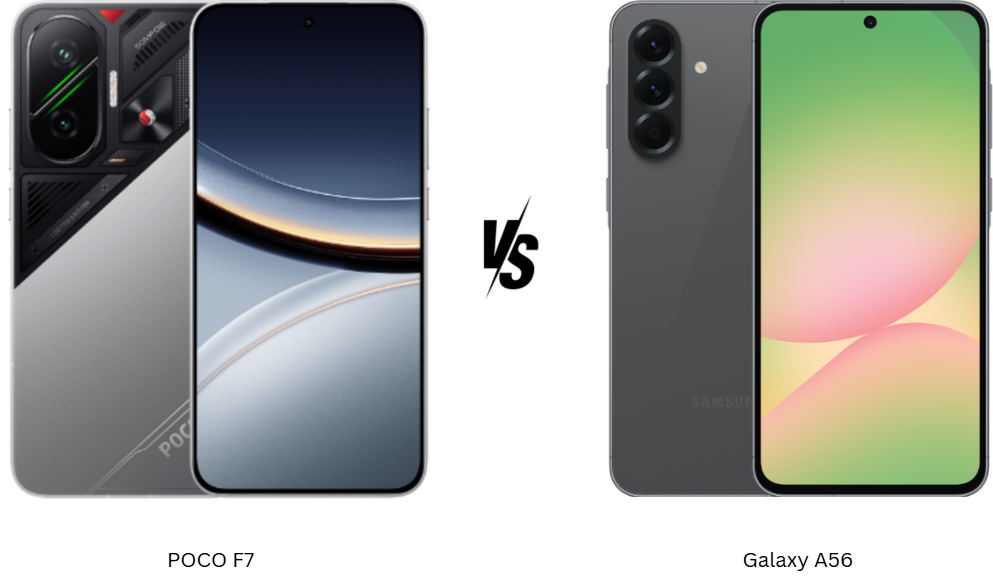
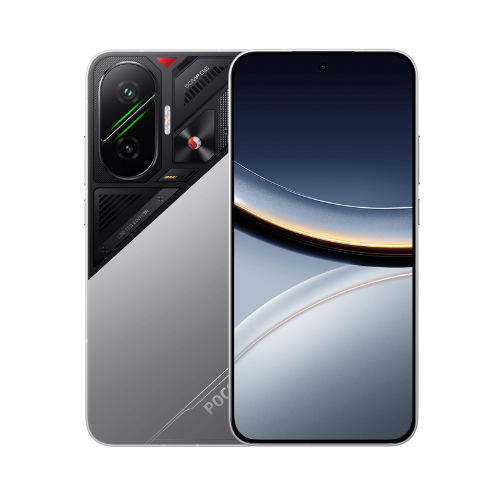
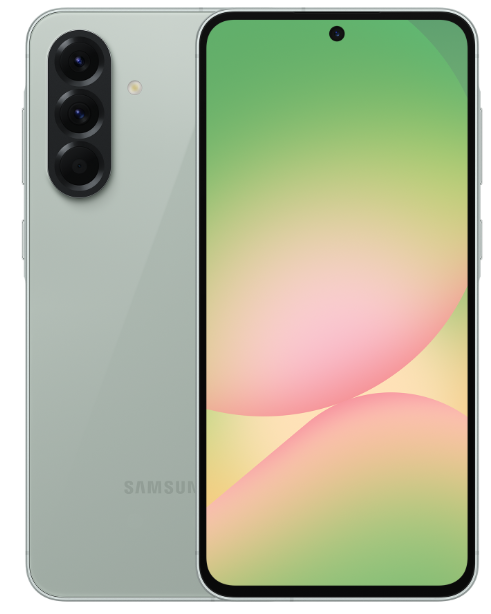
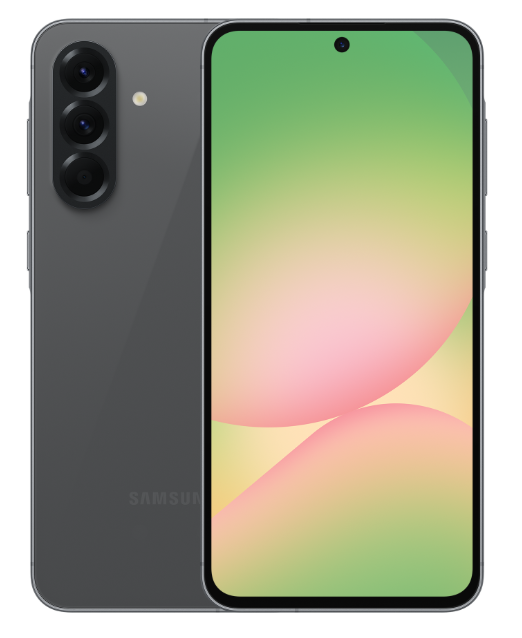
The Poco F7 and Samsung Galaxy A56 are two of the most talked-about mid-range phones of 2025, offering impressive features at competitive prices. With Poco pushing flagship-grade performance and Samsung focusing on camera versatility and long-term software support, this comparison becomes crucial for buyers deciding between power and practicality. Both cater to different user needs, making it important to understand which one delivers better value for your priorities.
Build and Feel: The Poco F7 features a more robust build with Gorilla Glass 7i and an aluminum frame, offering IP68 certification for better dust and water resistance. It feels premium in hand, particularly for its price. In contrast, the Galaxy A56 also uses premium Gorilla Glass Victus+ on both sides and has an aluminum frame, but it only carries IP67 certification. While both phones feel sturdy, the Poco F7 offers slightly more durability due to the higher ingress protection rating.
Verdict: Poco F7 has a more rugged and durable build.
Display Quality: The Poco F7 boasts a larger and sharper AMOLED display with a resolution of 2772 x 1280 pixels, 3840Hz PWM dimming, Dolby Vision, and a peak brightness of 3200 nits. This makes it ideal for HDR content and extended use without eye strain. The Galaxy A56’s Super AMOLED panel is still impressive with HDR10+ support and 1900 nits peak brightness but falls short in sharpness and brightness. The Poco F7 offers a better multimedia experience with higher resolution and color depth.
Verdict: Poco F7 delivers a superior viewing experience overall.
Verdict: While both phones have strong build quality and AMOLED displays, the Poco F7 stands out with its IP68 rating, brighter screen, Dolby Vision support, and sharper resolution, making it the better pick for display enthusiasts.
Please Note: When you buy something using the links in our articles, we may earn a small commission at no cost to you.
2. Specifications
Galaxy A56
Performance: The Poco F7 runs on the Snapdragon 8s Gen 4 chipset with the Adreno 825 GPU, offering flagship-level performance and future-proofing. It is significantly faster and more efficient than the Galaxy A56’s Exynos 1580, which performs adequately for daily tasks but is not on the same level. RAM and storage options also favor the Poco, which uses faster UFS 4.1. For gaming, multitasking, and longevity, the Poco F7 takes the lead.
Verdict: Poco F7 is the superior performer with a more powerful and efficient chipset.
Battery and Charging: Poco offers a massive battery, 7550 mAh for India and 6500 mAh globally, with 90W wired charging and 22.5W reverse wired charging. This dwarfs the Galaxy A56’s 5000 mAh cell and 45W wired charging. While the A56 charges decently fast, the F7 delivers longer screen time and quicker top-ups, especially important for power users.
Verdict: Poco F7 dominates in battery life and charging speed, offering more endurance and flexibility.
Verdict: From performance to battery capacity and charging, the Poco F7 outclasses the Galaxy A56 in nearly every metric, making it the better choice for heavy users and gamers.
3. Camera
Galaxy A56
Main and Secondary Lenses: The Galaxy A56 comes with a triple-lens setup including a 50 MP main, 12 MP ultrawide, and a 5 MP macro. The macro lens adds some versatility, while the main sensor captures sharp and stable shots. The Poco F7 uses a dual camera setup with a 50 MP main and 8 MP ultrawide. While the Poco’s main sensor has a wider aperture for better low-light performance, it lacks a macro sensor and secondary versatility.
Verdict: Galaxy A56 offers more camera features with an extra macro lens, slightly edging out the Poco.
Selfie Camera: The Poco F7 features a 20 MP front camera with HDR support and 1080p@60fps video. The Galaxy A56 has a 12 MP selfie shooter but supports 4K@30fps video and 10-bit HDR, which gives it an advantage in video detail. While Poco wins on resolution, the Galaxy delivers better selfie video performance and dynamic range.
Verdict: Galaxy A56 provides a more balanced selfie experience with better video quality.
Verdict: The Galaxy A56 takes the lead in camera versatility and video performance. Though the Poco F7 holds strong in low light and photo clarity, the A56 offers more features and higher video capabilities.
4. Pricing
The Poco F7 is priced at approximately $400, while the Galaxy A56 starts at around $350. For $50 more, the Poco F7 delivers flagship-grade performance, a much larger battery, and a significantly brighter and higher-resolution display. However, the Galaxy A56 still offers a solid mid-range package with a good camera system, a lighter build, and Samsung’s long-term update commitment.
Verdict: Poco F7 provides better value for power users, while Galaxy A56 is a better pick for casual users prioritizing camera and long-term software support.
5. Conclusion
Poco F7 brings standout features like Dolby Vision, 3840Hz PWM dimming, a massive battery (especially in the Indian model), reverse wired charging, and the latest Snapdragon 8s Gen 4 chipset, all at a very competitive price. Galaxy A56 counters with more camera lenses, 4K selfie video, and Samsung’s guarantee of 6 major Android updates, which is valuable for users who hold onto their phones longer.
Verdict: Choose the Poco F7 for raw power, a superior display, and unbeatable battery life. Go with the Galaxy A56 if you prioritize camera variety, lighter design, and long-term software updates.
The hype behind the next generation of OnePlus Nord devices is building. But ahead of the official announcement, the company has just confirmed some battery and charging specs of the budget focused Nord CE 5 model. It will pack the largest battery on any OnePlus smartphone and offer flagship level fast charging as well. So let’s check it out.
OnePlus Nord CE 5 with the Biggest Battery Yet
To recall, the OnePlus Nord CE 5 is set to debut with the MediaTek Dimensity 8350 Apex SoC. While it appears similar to the China exclusive Ace 5 Racing Edition, there are some differences in specs on the global version like its chipset. But one notable feature retained across both variants is the humongous battery capacity. OnePlus confirmed that the Nord CE 5 also packs a 7,100mAh battery.
OnePlus Nord CE 5
To put things into perspective, the iPhone 16 Pro is believed to house a 3,582mAh cell. So the OnePlus Nord CE 5 nearly doubles its capacity. Just like the OnePlus 13s, the Nord CE 5 supports 80W wired fast charging (SuperVOOC). An impressive claim from the Chinese brand is that you can get over 6 hours of content consumption on YouTube with just 10 minutes of charging.
That’s not all, the device comes with the Bypass Charging technology, which is a feature that allows the phone to draw power directly from the charger instead of the battery while gaming. This allows the smartphone to run significantly cooler and generate less heat, which in turn, preserves battery health. For more details regarding this phone, you can check out our Nord CE 5 roundup.
For more daily updates, please visit our News Section.
TCL has launched the Nxtpaper 11 Plus tablet in the United States. The device is priced at $249 and is available exclusively through Walmart. TCL says the tablet features a flicker-free Nxtpaper 4.0 display that offers a paper-like viewing experience while reducing glare and blue light.
TCL Nxtpaper 11 Plus Specifications
The Nxtpaper 11 Plus features an 11.5-inch IPS LCD with a 2.2K resolution and a 120Hz refresh rate. The screen has a 3:2 aspect ratio and supports a touch sampling rate of 120Hz. TCL uses a nano-etched layer on the panel to create an anti-glare surface that also resists fingerprints. The display supports adaptive brightness and color temperature adjustment without affecting contrast or color accuracy.
The tablet runs on Android 15 and is powered by a MediaTek Helio G100 processor. It features an octa-core CPU clocked up to 2.2GHz, paired with 8GB of RAM and 256GB of internal storage. There is no support for microSD card expansion. TCL has included a dedicated Nxtpaper key that allows users to switch between display modes.
The Nxtpaper 11 Plus houses an 8000mAh battery that supports 33W fast charging, although the fast charger is sold separately. TCL claims a full charge takes around 1 hour and 50 minutes. The tablet supports OTG charging and features a USB Type-C port.
The rear camera has an 8MP sensor with autofocus and LED flash. The front camera also has an 8MP resolution and supports 1080p video capture. The device includes two microphones with noise cancellation and a quad-speaker system enhanced by DTS 3D Boom Sound.
In terms of connectivity, the tablet includes Wi-Fi 5, Bluetooth 5.3, and mobile hotspot support for up to 10 devices. The Nxtpaper 11 Plus does not support cellular connectivity or NFC. It weighs 490 grams and measures 6.55mm thick. It comes in a single Onyx Black color.
In related news, TCL has launched the D2 Pro smart lock with palm-recognition and offline AI security, alongside a massive 57-inch dual 4K curved monitor featuring a 1ms response time, 120Hz refresh rate, and USB-C docking support.
For more daily updates, please visit ourNews Section.
Xiaomi has launched a new Mijia 550L Side-by-Side Refrigerator in China. The appliance is now available on JD.com, priced at 1899 yuan (approximately $265). It doesn’t come with a screen. But what it does promise is clean cooling, clever efficiency, and more than enough room to feed a small family for weeks.
Xiaomi Mijia 550L Refrigerator Specifications
The Mijia refrigerator features a total capacity of 550 liters, divided into a 332L refrigeration section and a 218L freezer compartment. Xiaomi says the unit can hold enough food to serve a family of three for up to two weeks. The refrigerator includes four large direct-access drawers and six extra-wide bottle racks, offering a practical storage layout for daily use.
Xiaomi has equipped the fridge with a silver ion antibacterial and deodorization module. This system is built into the refrigeration chamber and claims a 99.99% antibacterial rate, along with over 90% deodorization efficiency. The technology is designed to prevent bacterial growth and reduce food odors.
The freezer compartment supports a freezing capacity of 7 kilograms per 12 hours. Xiaomi states that this is enough to freeze 14 kilograms or 31 pounds of meat in a single day. The appliance uses dual inverter technology for precise temperature control in both the refrigeration and freezer zones.
The refrigerator is rated as a Level 1 energy-efficient product under Chinese standards. Xiaomi claims it can reduce power consumption by around 8.3% annually, which could save about one month’s worth of electricity bills each year. The unit also features a frost-free air cooling system and a flat air duct design to help maintain food freshness and prevent frost buildup.
In terms of design, the Mijia 550L refrigerator adopts a matte slate-like exterior with a flat-surface layout. Xiaomi says this look aligns well with modern interiors and allows the fridge to blend seamlessly into kitchen cabinetry. The refrigerator also operates quietly, making it suitable for open-plan living spaces.
Google released the stable version of Android 16 last month, and soon, other Android brands will start rolling out the update to their devices. Most brands remain silent on this, but Realme has taken the first step to share initial details about the rollout. In a recent press release, Realme promised to be among the first brands to deliver Android 16 to its flagship devices.
The most recent flagship lineup, the GT 7 series, will be Realme’s first phones to get the latest software upgrade. More specifically, the Realme GT 7 Pro, powered by the Snapdragon 8 Elite, will be the first phone to get the Realme UI 7 update based on Android 16. The rollout will then quickly expand to Realme GT 7 and Realme GT 7T, which are powered by the Dimensity 9400e and Dimensity 8400, respectively.
Once the rollout for the Realme GT 7 series is completed, the brand will focus on the GT 6 lineup, starting with the GT 6 and GT 6T.
The brand hasn’t revealed the exact date for the Realme UI 7 rollout. However, it has promised to share the release schedule sometime this fall.
Realme didn’t announce the update’s eligibility for its devices, either. However, we managed to create one using the current update policy and a bit of guesswork, as listed below.
Realme devices eligible for Android 16 update (expected)
Realme GT series
Realme GT 7
Realme GT 7 Pro
Realme GT7 Pro Racing
Realme GT 7T
Realme GT 6
Realme GT 6T
Realme GT Neo6
Realme GT Neo6 SE
Realme GT5
Realme GT5 240W
Realme GT5 Pro
Realme number series
Realme 14
Realme 14 Pro
Realme 14 Pro+
Realme 14T
Realme 14x
Realme 13
Realme 13+
Realme 13 Pro
Realme 13 Pro+
Realme 12 4G
Realme 12
Realme 12+
Realme 12 Lite
Realme 12+
Realme 12 Pro
Realme 12 Pro+
Realme Narzo series
Realme Narzo 80 Pro
Realme Narzo 80x
Realme Narzo 70
Realme Narzo 70 Turbo
Realme Narzo 70 Pro
Realme Narzo 70x
Realme Neo series
Realme Neo7
Realme Neo7 SE
Realme Neo7 Turbo
Realme Neo7x
Realme P series
Realme P3
Realme P3 Pro
Realme P3 Ultra
Realme P3x
Realme P2 Pro
Realme P1
Realme P1 Pro
Realme P1 Speed
Realme C series
Realme C75 4G
Realme C75
Realme C73
Realme C71
While this list is mostly accurate, there may be some changes. If your Realme device isn’t on the list, wait for an official announcement regarding this matter.
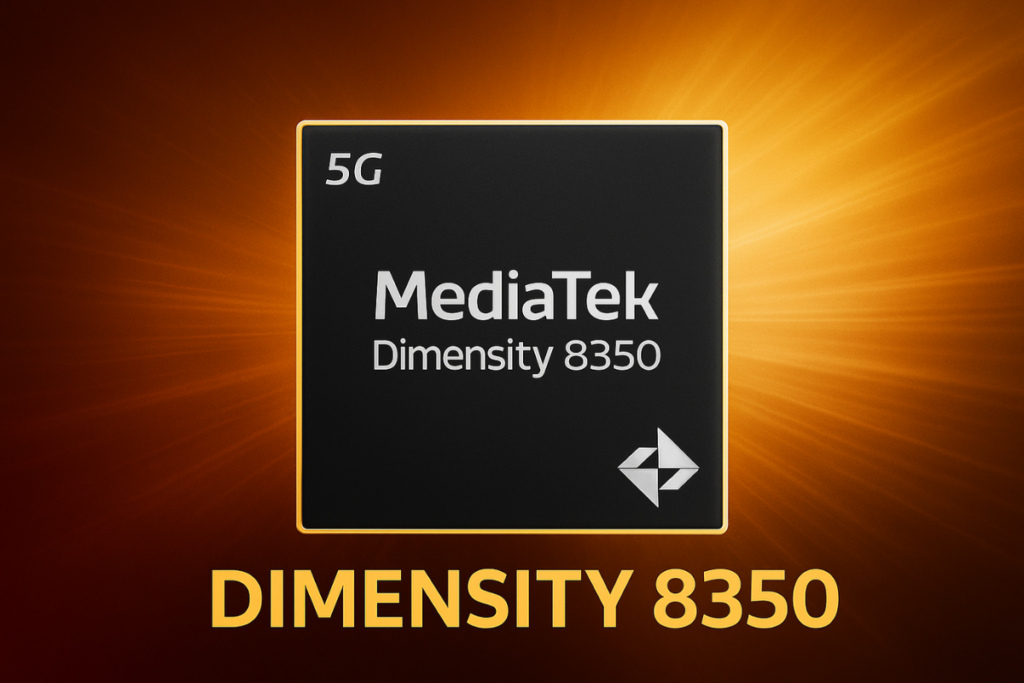
The Dimensity 8350 is a high-performance mid-range chipset, featuring an octa-core CPU that peaks at 3.35 GHz and a Mali-G615 MP6 GPU for solid visual rendering. It has been manufactured by TSMC using its highly-efficient 4nm process and was announced in November 2024. Here, we’ll examine the benchmark scores of the Dimensity 8350 to see how it stacks up against the competition.
MediaTek Dimensity 8350 benchmark scores
Note: The following benchmark tests were conducted on the Oppo Reno 13 (powered by MediaTek Dimensity 8350).
AnTuTu performance
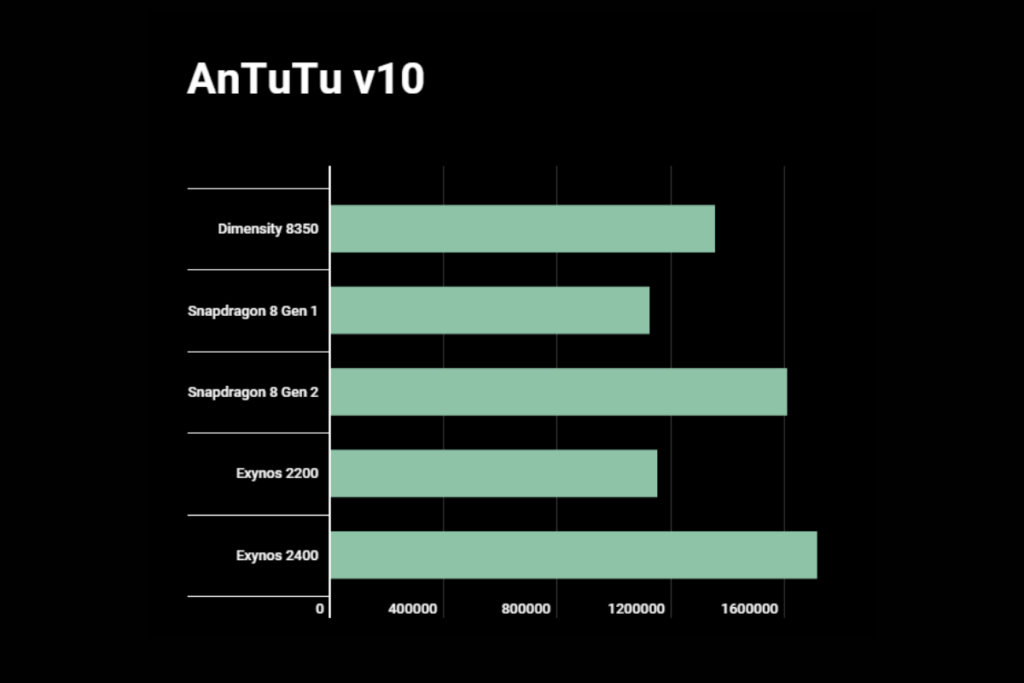
The Dimensity 8350 puts up a solid performance on AnTuTu, scoring 1,352,732 points overall — placing it comfortably between the Snapdragon 8 Gen 1 and 8 Gen 2 in terms of raw power. Breaking it down, the chip clocks 289,855 points in CPU, 513,784 points in GPU, 278,071 points in memory, and 271,022 points in UX. The GPU score is particularly noteworthy, suggesting MediaTek has tuned this chip well for gaming and graphic-intensive tasks.
It outperforms the Snapdragon 8 Gen 1 and Exynos 2200 but falls short of the Snapdragon 8 Gen 2 and Exynos 2400, both of which post significantly higher scores. Still, the Dimensity 8350 delivers a compelling balance between performance and efficiency.
Dimensity 8350
AnTuTu score
1,352,732
CPU
289,855
GPU
513,784
Memory
278,071
UX
271,022
Geekbench performance
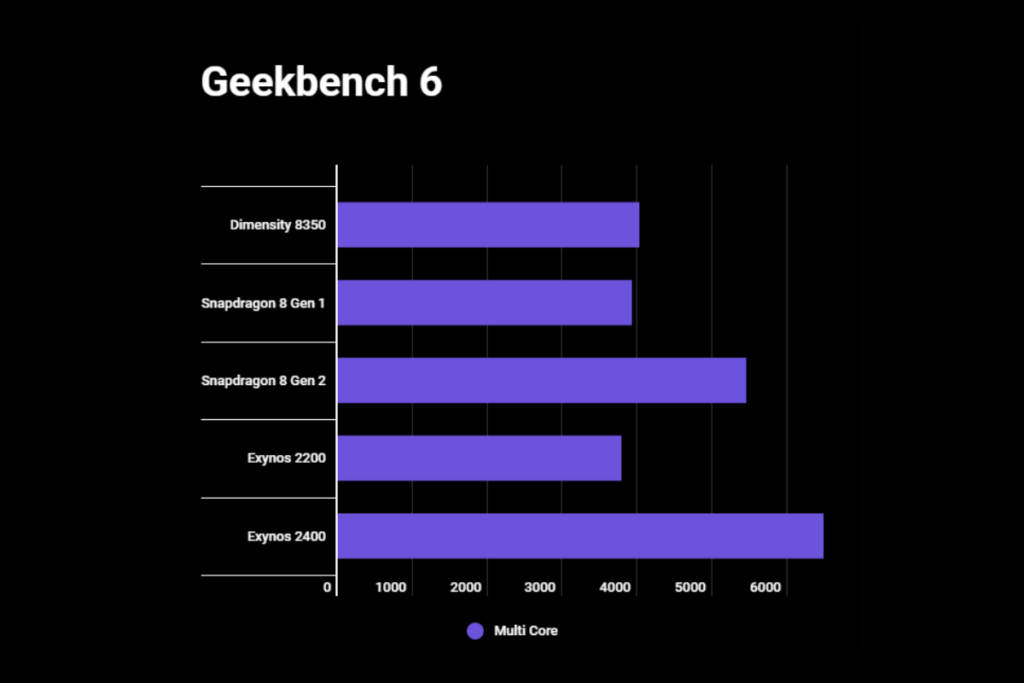
In Geekbench testing, the Dimensity 8350 delivers a single-core score of 1,342 and a multi-core score of 4,028, positioning it as a capable performer for day-to-day and multi-threaded workloads.
In comparison, it slightly outperforms the Exynos 2200 and Snapdragon 8 Gen 1 in multi-core performance but lags in single-core performance. However, the Snapdragon 8 Gen 2 and Exynos 2400 remain in a different league altogether, commanding significantly higher scores.
Still, considering its positioning, the Dimensity 8350 delivers a respectable balance between performance and efficiency — more than enough for average users and well-suited for gaming and multitasking.
Dimensity 8350
Single core
1,342
Multi core
4,028
MediaTek Dimensity 8350: Key things you should know
CPU, GPU, & NPU
The Dimensity 8350 is built using TSMC’s 4nm process, featuring an eight-core CPU comprising four Cortex-A715 performance cores and four Cortex-A510 efficiency cores. The CPU utilizes an ARMv9-A instruction set and operates at a peak frequency of 3.35 GHz.
There’s the Mali-G615 MP6 GPU that runs at up to 1400 MHz, with 768 total shaders and 2150 FLOPS. This makes it well-suited for moderate gaming. MediaTek’s HyperEngine Adaptive Gaming Technology further boosts gameplay smoothness, reduces jitter, and optimizes performance.
For AI tasks, the chipset includes the MediaTek NPU 780, which supports up to 10 billion parameter LLMs. Compared to its predecessor, it brings 8x faster transformer-based generative AI, a 3.3x boost in AI performance, and 2x faster integer and floating-point processing.
Camera and imaging
The MediaTek chip features a 14-bit HDR ISP, enabling true-to-life 4K/60fps HDR video capture with up to 10% better power efficiency. It’s also 6% faster in video rendering and supports a maximum of 320MP camera resolution. The chipset includes a range of camera features, including Video HDR, Video Bokeh, Video EIS, Video NR, AI Color for Capture, and AI-driven enhancements for exposure, focus, white balance, and face detection.
Connectivity
The Dimensity 8350 chip is equipped with a 5G modem offering up to 5.17 Gbps of peak download speed. It also supports Wi-Fi 6E and Bluetooth 5.4, ensuring fast and stable wireless connectivity. Additionally, the chip features the MediaTek 5G UltraSave 3.0+ technology for improved power efficiency on 5G connections.
Display, memory, and storage
The Dimensity 8350 supports up to WQHD+ resolution at 120Hz or FHD+ at 180Hz. It also offers UFS 4.0 storage and LPDDR5x RAM running at up to 4.2 GHz for snappy app performance and fast data access.
With just days to go until Samsung’s big Galaxy Unpacked event on July 9, fresh leaks are offering a closer look at what to expect from the company’s next-gen foldables—the Galaxy Z Fold7 and Galaxy Z Flip7. If the leaks are accurate, both phones are getting major design refinements, with the Fold7 in particular vying for the title of the world’s slimmest book-style foldable.
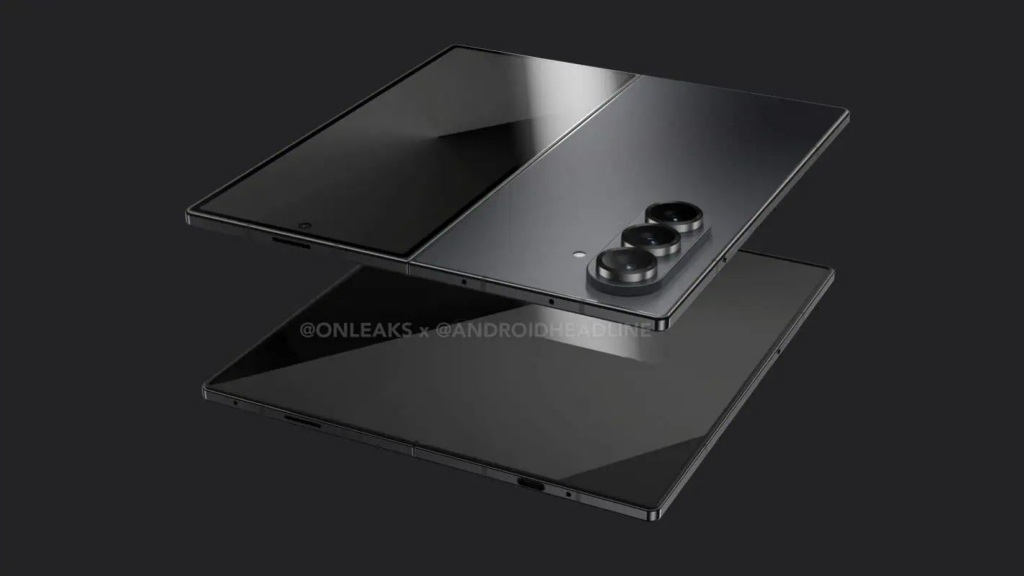
Samsung Galaxy Z Fold 7 CAD renders by OnLeaks and AndroidHeadlines
According to Weibo tipster Setsuna Digital, the Galaxy Z Fold7 measures just 8.9mm when folded and an impressively thin 4.2mm when opened, matching the thickness of the Oppo Find N5, the slimmest Android foldable to date. Honor’s upcoming book-style foldable, the Magic V5, isn’t any slimmer than the Z Fold7 either.
The Z Fold7 weighs 215g, down from the 239g predecessor. It also features Samsung’s updated Armor Aluminum frame and a new glass-ceramic back. It’s expected to include a 6.5-inch cover screen and an 8-inch foldable AMOLED inside, both with 120Hz refresh rates.
Under the hood, it runs on the Snapdragon 8 Elite for Galaxy chip (unlike the Flip7 and Flip7 FE that use Exynos chips) and offers a powerful camera setup: a 200MP main sensor, 12MP ultrawide, 10MP 3x telephoto, and a 10MP front camera with a 100-degree field of view. It ships with Android 16 and One UI 8.0 and will reportedly get seven years of software support.
The Galaxy Z Flip7 is getting slimmer, too. It’s said to be 13.7mm when folded and 6.5mm unfolded—thinner than the 14.9 mm Flip6—despite packing a bigger 4,300mAh battery and a larger 4.1-inch cover display. The main 6.9-inch screen offers a 21:9 aspect ratio, slim 1.25mm bezels, and up to 2,600 nits of brightness.
Pre-orders are already live on Samsung’s website, with savings of up to $1,150 and a $50 store credit for early reservations.
Nothing is entering the over-ear headphone game—and it’s doing so in style. At its July 1 launch event in London, the company unveiled the Headphone (1), a transparent, feature-packed pair of wireless headphones priced at $299 (or ₹19,999 in India with early discounts). Launched alongside the Nothing Phone (3), this marks the company’s first foray into the full-sized audio space.
Co-developed with British audio specialist KEF, the Headphone (1) combines Nothing’s signature transparent design with a lightweight aluminum frame and squircle-shaped earcups that reveal some of the internals. At 329g, they’re a tad heavier than Sony’s WH-1000XM6, but the use of memory foam and oil-resistant PU leather should keep them comfortable—though early impressions suggest they might slide around a bit during movement.
On the audio front, the headphones are powered by 40mm dynamic drivers and support adaptive bass tuning, spatial audio with dynamic head tracking, and strong active noise cancellation (ANC). According to early reviews, ANC and transparency mode perform reliably, while battery life stretches up to 80 hours (or around 35 hours with ANC on). A quick 5-minute charge gets you about 2.4 hours of playback with ANC on and 5 hours of playback with ANC off.
Controls are also a standout. A tactile roller on the earcup adjusts volume and playback, while a separate button gives quick access to AI assistants via the Nothing X app. There’s also an 8-band EQ for tuning the sound to your liking. Early impressions suggest the headphones are bass-forward.
Pre-orders open July 4, with full sales starting July 15 through Flipkart and select retail stores in India.
With bold aesthetics, KEF-tuned audio, and a long-lasting battery, the Headphone (1) is clearly aiming to take on the likes of the Sony WH-1000XM6 and AirPods Max. Whether it can truly compete will depend on real-world performance, but there’s no denying that Nothing’s first over-ear effort makes a strong first impression.
After months of leaks and speculation, the Nothing Phone (3) is finally here. And yes, those renders were real. The phone features a misaligned camera on top, which may take a minute to get used to. Then again, design is subjective, and Nothing has never been afraid to be polarizing.
Glyph Matrix is a playground on Phone (3)
The big new feature on the Phone (3) is the Glyph Matrix, a screen at the top left corner of the back. It is a 25-by-25 pixel dot matrix display composed of 489 individually lit LEDs. And Nothing is doing something genuinely different with it. They’ve introduced what they call Glyph Toys, a small, playful programs designed to run directly on this rear display.
You’ll find mini experiences like Spin the Bottle, Glyph Mirror, Rock Paper Scissors, and even a digital clock. According to the company, these are “mini-programs with constrained functionality and simple interaction models.” And of course, the Glyph Matrix will also show things like caller ID, app-specific messages, system status info, and more.
Developers will also get access to the Glyph SDK, which means third-party Glyph Toys could start showing up, assuming there’s interest. Interestingly, there’s also a dedicated Glyph Button on the back that lets you cycle through these toys without waking the main display. It’s the center left white round-thingy you see in the image below.
Another new physical control is the Essential Key, a customizable side button which was first introduced with the Phone (3a) and (3a) Pro. A single tap on it takes a screenshot, while a long press starts an audio recording.
Not to anyone’s surprise, Nothing’s semi-transparent aesthetic isn’t going anywhere as well. The Phone (3) once again offers a peek at its internals, though it’s mostly cosmetic. It’s more design language than functional transparency, but it remains one of the brand’s defining traits.
This time, though, the circular outline that used to indicate the wireless charging coil is missing. But be sure that it supports wireless charging.
A brighter screen, better cameras, and three 50MP lenses
On the front, you get a 6.67-inch LTPO AMOLED display with symmetrical bezels. It pushes a resolution of 1,280 × 2,800 pixels and supports a dynamic refresh rate from 60Hz to 120Hz (up to 1,000Hz for touch input).
Nothing claims a peak brightness of 4,500 nits, and there’s an ultrasonic fingerprint reader under the screen and a 50MP front-facing camera tucked into the top center.
Flip it over, and you’ll see three standalone camera modules:
50MP main camera (24mm, f/1.7, OIS)
50MP ultra-wide (15mm, f/2.2)
50MP telephoto (70mm, f/2.7, OIS)
All three rear sensors can shoot 4K video at 60fps.
Snapdragon 8s Gen 4 and a promise of longevity
Under the hood, the Phone (3) runs on Qualcomm’s Snapdragon 8s Gen 4. Nothing claims the chip delivers a 125% increase in processing speed over the Phone (2).
It ships with Nothing OS 3.5 based on Android 15, with Android 16 and Nothing OS 4.0 arriving later in Q3. The company is promising five major Android updates and seven years of security patches for the device.
It is powered by a 5,150mAh battery and supports 65W wired charging, which Nothing says can get you from 1% to 50% in under 20 minutes. Wireless charging is supported up to 15W, and there’s also reverse wireless charging at 5W.
Pricing and availability
The Nothing Phone (3) will be available in White and Black, with two storage variants:
12GB RAM / 256GB storage: ₹79,999
16GB RAM / 512GB storage: ₹89,999
Pre-order starts on July 4 via Flipkart, and sales will start from July 15.
With the Nord CE 5 launching being right around the corner, OnePlus is betting big on a budget-friendly phone that delivers major specs. Here’s a breakdown of what’s new, improved, and worth considering.
OnePlus Nord CE 5: Design & Display
The OnePlus Nord CE 5 is basically a rebranded version of the China exclusive Ace 5 Racing Edition with some internal changes. So the overall design is practically identical. On the rear, you get a slight redesign from its predecessor. In our previous report, we also covered leaked renders of the Nord CE 5, which confirmed that it will be releasing in India in at least 2 color variants. This includes a white and black option (Marble Mist and Black Infinity).
OnePlus Nord CE 5
Meanwhile, the front sports a tall 6.77-inch AMOLED display. Based on the earlier Ace 5 Racing Edition release, the screen likely offerings FHD+ resolution and a 120Hz refresh rate.
Hardware
For a budget phone, OnePlus is packing some capable specifications under the hood. The Nord CE 5 makes a significant shift from Qualcomm to MediaTek. It will be equipped with the new Dimensity 8350 Apex SoC, which is a 4nm based chip. A recent GeekBench sighting listed the device with 8GB of LPDDR5X RAM, achieving a score of 1321 points in the single core test and 4082 points in the multi core test. The benchmark also confirmed that the budget Nord will run on the OxygenOS 15 based Android 15 OS out of the box.
While the specs overall makes the performance side punch above its weight class, the real standout feature is the battery. OnePlus is packing a mammoth 7,100mAh battery pack on its latest budget phone. You also get impressive fast charging rates of 80W. The brand claims that the device can hit 100 percent in 59 minutes, with a quick 10 minute charge offering up to 6 hours of video playback on YouTube. Nord CE 5 even supports bypass charging that is useful for gamers, who can preserve their battery health with this feature.
Camera
While the photography department was still unconfirmed, the company has dropped a few teasers that have revealed more details regarding the camera specs. The rear features a 50MP Sony LYT600 primary sensor that has a a 1/1.95-inch size and OIS support (Optical Image Stabilization).
OnePlus Nord CE 5
This main camera also gets RAW HDR and Real Tone technology from the flagship OnePlus 13 series as well. Along with this, the back is expected to have an 8MP ultra wide angle lens, while the front may house a 16MP shooter for selfies and video calls.
Launch Date
OnePlus’ big Nord 5 series launch includes the upper mid-range Nord 5 as well. There’s even the new OnePlus Buds 4 that alongside the duo. The official launch date is set for 8th July 2025, which is next week. All three products will be announced during the OnePlus Summer Launch Event at 2PM IST. We will be covering the launch event, so stay tuned for more.
For more daily updates, please visit our News Section.
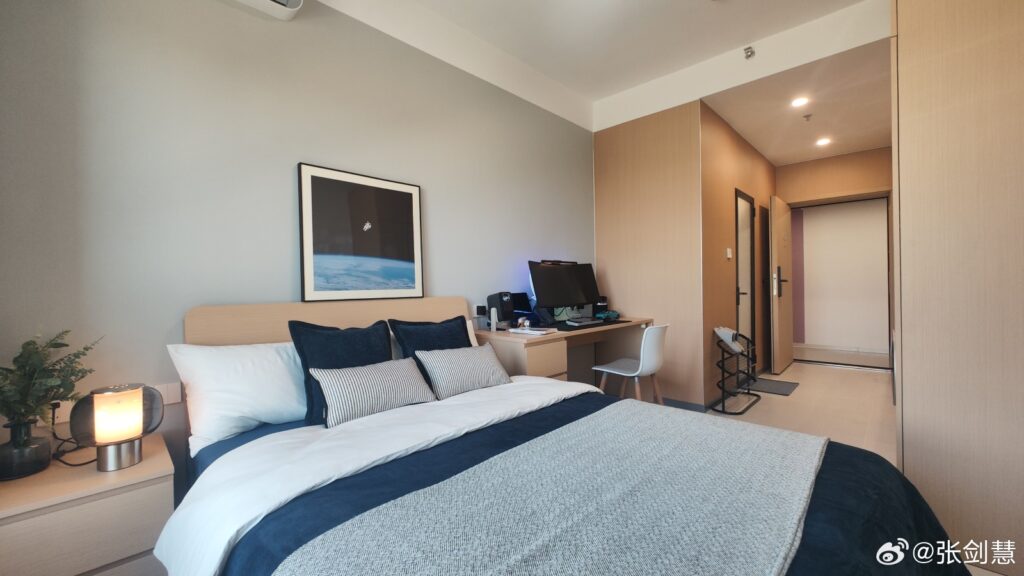
Xiaomi has officially launched a new employee housing initiative, introducing “Xiaomi Youth Apartments” in Beijing and Nanjing. The project aims to support fresh graduates by offering affordable housing near key Xiaomi campuses. The company has set the monthly rent at 1999 yuan ($280) after multiple rounds of internal discussion, according to Xiaomi Group President Lu Weibing.
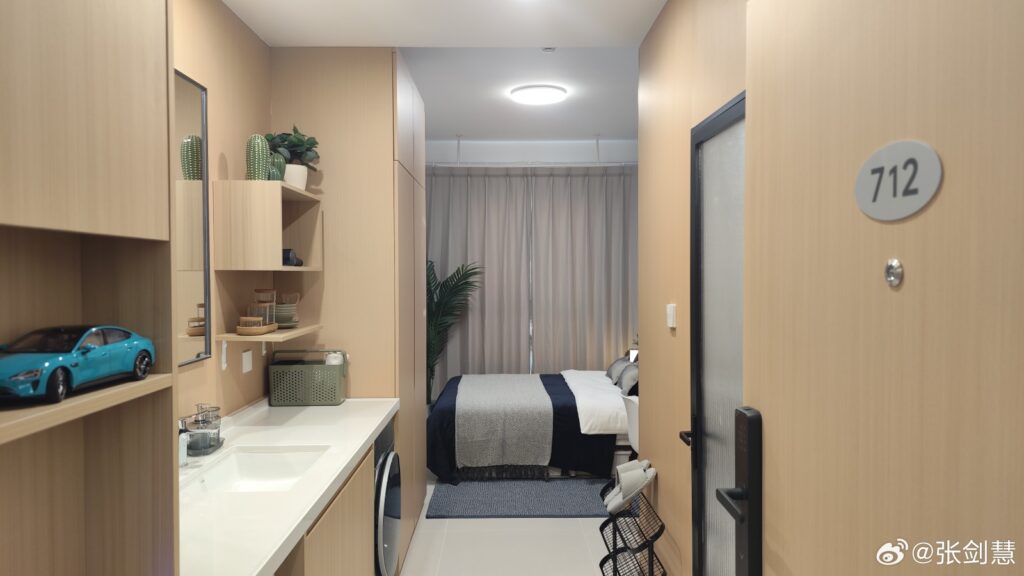
The Beijing complex is located on Dingsi Road in Changping District. It consists of seven buildings with a total of 2,658 units. Each unit is a 29-square-meter studio featuring a private bathroom and integrated Xiaomi smart home devices. The apartments are fully furnished and move-in ready. Residents will have access to shared kitchens, a gym, a media room, and landscaped green areas with lawns and trees.
Xiaomi has positioned these apartments about 10 kilometers from its main tech park and only 3 kilometers from the Xiaomi Smart Industrial Park. The company will provide shuttle buses between the apartment complex and its offices to support daily commuting. The apartments also feature 24/7 concierge service and mobile app access for reporting maintenance issues, moving services, and package handling.
Xiaomi will prioritize recent graduates for the Beijing units. Applications opened on June 29 for 2025 graduates. Graduates from 2024 can apply starting July 13, and 2023 graduates can apply from July 20. The company will offer remaining units to eligible recruits who graduated within the last three years, including those from 2022.
In Nanjing, Xiaomi has introduced a separate set of 566 units in the Hexi South CBD, located about 100 meters from the Xiaomi Nanjing Tech Park. These apartments include 55-square-meter studios and two-bedroom layouts. Applications will remain open from July 1 to July 30 on a first-come, first-served basis. Unlike the Beijing complex, the Nanjing apartments are available to all Xiaomi employees.
Xiaomi Founder and CEO Lei Jun shared the news on social media, stating that the company built these apartments to improve the quality of life for young engineers. Xiaomi Vice President Zhang Jianhui confirmed that a residential zone is also in development for workers at the Xiaomi Automobile Factory.
The Youth Apartment program is part of Xiaomi’s broader plan to recruit over 5,000 fresh graduates across China in 2025.
In related news, Xiaomi recently launched the Mijia Kettle 3 with a 1.7L capacity, 1800W fast heating, and four-level temperature control. The company has also introduced a new 400L refrigerator featuring a slim design, HyperOS integration, and low-noise operation.
For more daily updates, please visit our News Section.
Realme is preparing to launch the Realme 15 5G and Realme 15 Pro 5G in India, as confirmed through new promotional material. While the company has yet to provide a concrete launch date, the devices are expected to arrive in July.
These new models will follow the Realme 14 Pro and 14 Pro+, which launched earlier this year. Notably, the standard Realme 14 5G never made it to the Indian market.
In its announcement, Realme referred to the upcoming 15 Pro as its “most advanced AI party phone.” The company hasn’t disclosed specific hardware details yet, but it hinted that the device will include features previously limited to its higher-end Pro+ models.
One of the main highlights of the Realme 15 series is expected to be the camera system. Realme has teased what it calls “party-inspired” imaging capabilities that use AI to tweak parameters like shutter speed, saturation, and contrast in real time.
What can you expect?
Leaks around the Realme 15 Pro 5G suggest it may be offered in multiple configurations, including 8GB or 12GB of RAM and up to 512GB of storage. It could be released in flowing silver, silk purple, and velvet green finishes. Meanwhile, the standard Realme 15 5G might feature similar storage options and launch in shades like silk pink and velvet green.
As for other hardware, the Realme 15 5G is expected to be powered by a Snapdragon 7 Gen 4 chipset, paired with a 6,300mAh battery supporting 45W fast charging. The phone may also feature a 50MP triple camera setup on the back and a 32MP selfie camera, along with a flat AMOLED display that supports a 120Hz refresh rate.
If early pricing predictions hold, the Realme 15 5G could land between ₹18,000 and ₹20,000 in India. While the Pro model’s pricing hasn’t been outlined, it’s likely to sit above this range.
We expect to get more concrete information, including the official launch date, in the coming weeks.
For more daily updates, please visit ourNews Section.
Red Magic has officially launched the Red Magic Astra Gaming Tablet for global markets, following its debut in China as the Red Magic Gaming Tablet 3 Pro earlier this month. Targeted at gamers and power users, the tablet arrives with flagship hardware and features purpose-built for immersive gaming. It will be available in multiple configurations and regions, with early bird deals starting mid-July.
Red Magic Astra Gaming Tablet Specifications
The Red Magic Astra comes with a 9.06-inch OLED display offering a sharp 2400×1504 resolution and a smooth 165Hz refresh rate. It reaches up to 1600 nits of peak brightness and features ultra-slim 4.9mm bezels, resulting in a 90.1% screen-to-body ratio. For eye comfort, the panel supports 5280Hz PWM dimming and is TÜV Rheinland certified for low blue light and flicker-free viewing.
The tablet is powered by the Snapdragon 8 Elite chipset, built on TSMC’s second-gen 3nm process. It works alongside the Red Core R3 Pro co-processor, which manages frame rate optimization, AI gaming enhancements, and super-resolution rendering. The tablet uses ultra-fast LPDDR5T RAM, offering up to 24GB at 9600Mbps, and UFS 4.1 Pro storage with options up to 1TB.
The Red Magic Astra runs on Redmagic OS 10.5 based on Android 15. The OS is customized for gamers and includes the Cube Game Engine, which manages performance, thermal output, and power optimization. It also brings PC emulator support, a Super Workbench productivity suite, and the Magic Companion 2.0 AI assistant.
On the imaging front, the tablet includes a 13MP rear camera for casual photography and scanning documents. On the front is an 8MP camera for video calls, livestreaming, and content creation, offering decent clarity and sharpness for its segment.
The tablet packs an 8200mAh battery with 80W fast charging support. According to Red Magic, it can reach 50% charge in just 22 minutes. It also supports bypass charging, which keeps temperatures in check during long gaming sessions by powering the tablet directly without stressing the battery.
The Red Magic Astra features dual symmetrical 1620 super-linear speakers with DTS:X Ultra tuning for rich, spatial audio. It also integrates dual X-axis linear motors to deliver responsive haptic feedback during gameplay. For precise touch input, the tablet uses a Synaptics S3930 controller with a 2000Hz touch sampling rate.
On the connectivity front, it supports Wi-Fi 7, Bluetooth 5.4, and USB Type-C 3.2 Gen 2, along with a fingerprint sensor embedded in the power button for secure access.
Pricing and Availability
The Red Magic Astra is available in three configurations globally:
12GB + 256GB: $549/€499/£439
16GB + 512GB: $699/€649/£559
24GB + 1TB: $899/€849/£739
It comes in Eclipse Black and Starfrost Silver colorways, while the 24GB version is offered in Eclipse Black only. The tablet will be available in regions including North America, Europe, the UK, Asia-Pacific, GCC, Latin America, and select others.
Early Bird Access starts July 15 via the Red Magic website, with open sales from July 16. Buyers who grab a $/€1 voucher between July 10-15 get a $/€30 discount, gaming finger sleeves, and a free 80W charger.
For more daily updates, please visit ourNews Section.
From affordable options like the Motorola Edge 60 and Infinix GT 30 Pro to premium contenders like the Poco F7 and Vivo T4 Ultra, and even a compact flagship phone, the OnePlus 13s, June brought a wide range of new smartphones across various price segments. July 2025 is shaping up to be even more jam-packed for smartphone enthusiasts.
We will see many mid-range phones, including OnePlus Nord 5, Nord CE 5, Nothing Phone 3, and Oppo Reno 14 series, launching this month, alongside the latest foldables from Samsung, the Galaxy Z Fold 7 and Z Flip 7. There’s also a new Ai+ smartphone brand releasing in July 2025.
If you’re looking to upgrade to a new smartphone, the wait might be worth it. To give you a clearer picture of what’s to come, we’ve listed all the upcoming devices, along with all the details we know so far.
The Nothing Phone (3) is launching later today. It’s expected to introduce rather significant changes to its rear design. Official-looking renders appeared recently, showing an awkward placement of the rear cameras. While Nothing hasn’t confirmed Phone (3)’s camera setup, it has confirmed that one of the three is a 50MP periscope telephoto unit.
The black circle on the right is for the Glyph Matrix. There’s no iconic Glyph Interface that we are used to seeing in Nothing phones. The brand will likely use the new Glyph Matrix in upcoming high-end phones as well.
The Phone (3) is expected to feature a 6.7-inch LTPO OLED screen with a 1.5K resolution and a 5,150mAh battery with 100W wired and 15W wireless charging support. It’s confirmed to pack the powerful Snapdragon 8s Gen 4 chipset for smooth performance. The phone will receive Android updates for five years and security updates for seven years.
2. AI+ Smartphones
Launch date: July 8, 2025 (official)
The new AI+ smartphone brand, led by Realme India’s former CEO, Madhav Sheth, is all set to launch its first smartphones next week. The upcoming phones — AI+ Nova 5G and AI+ — Pulse are designed and built in India and will be exclusively sold through Flipkart.
The smartphones have a starting price of INR 5,000, but this likely includes card discounts as well. We’ll have better clarity about the pricing at the launch. As for the key specs, the phones have a 5,000mAh battery and dual rear cameras led by a 50MP sensor. The phones also feature a microSD slot for up to 1TB of additional storage.
According to a recent leak, the Nova 5G will use a 6nm Unisoc T8200 chipset, while the Pulse 4G will feature a 12nm Unisoc T7250 chipset. Privacy is another key focus of the brand, as it claims all the users’ data stays in India on Google Cloud servers approved by the Ministry of Electronics and Information Technology (MEITY).
3. OnePlus Nord 5 and Nord CE 5
OnePlus Nord 5
Launch date: July 8, 2025
OnePlus is also on this month’s list for the launch of Nord 5 and Nord CE 5. The former will be a premium mid-range phone, while the latter is going to be a toned-down version of it.
The brand has confirmed that the Nord 5 will be powered by the Snapdragon 8s Gen 3 and will feature a 7,300mm² vapor chamber. It features a vertical camera array on the rear side, housing two sensors. According to recent leaks, it may include a 50MP Sony LYT-700 primary sensor and an 8MP ultrawide sensor. The front side could come with a 50MP Samsung JN5 sensor.
Other leaked specs include a 5,200mAh battery with 80W fast charging and a 1.5K AMOLED screen with a 144Hz refresh rate.
OnePlus Nord CE 5
The more affordable OnePlus Nord CE 5, on the other hand, is expected to feature a 120Hz AMOLED screen, Dimensity 8350 chipset, 50MP dual rear cameras, a 16MP selfie camera, and a massive 7,100mAh battery with support for 80W wired charging.
4. Samsung Galaxy Z Fold 7 and Galaxy Z Flip 7
Galaxy Z Fold 7 render
Launch date: July 9, 2025
The next-generation Galaxy foldables will be unveiled at the Galaxy Unpacked 2025 event scheduled for July 9. The Galaxy Z Fold 7 and Galaxy Z Flip 7 will be the showstopper. However, reports say Samsung could also unveil a cheaper Galaxy Z Flip 7 FE.
The Galaxy Z Fold 7 may come with an 8-inch inner screen and a 6.5-inch cover screen. It’s expected to be powered by the Snapdragon 8 Elite for Galaxy chipset, paired with up to 12GB RAM and up to 1TB storage. The device is said to feature a triple camera setup, led by a 200MP sensor, and a 4,400mAh battery with 25W charging support.
Galaxy Z Flip 7 render
As for the Galaxy Z Flip 7, it’s likely to sport a 6.8-inch inner screen and a 4-inch cover screen. Samsung is expected to ship the device with two chipsets, either with an Exynos 2500 or a Snapdragon 8 Elite for Galaxy, depending on the market. The device could be equipped with a dual rear camera setup, including a 50MP primary camera and a 12MP ultrawide sensor. It’s said to have a 4,300mAh battery and 25W fast charging support.
Both foldable phones will likely ship with Android 16-based One UI 8 software out of the box, promising seven years of Android and security updates.
This week, Oppo will announce the Reno 14 series in India. There will be two smartphones: Reno 14 5G and Reno 14 Pro 5G. The Reno series targets the mid-range segment, offering a good blend of performance, price, and features, and the Reno 14 series will be no different.
As for the specs, the Reno 14 Pro is confirmed to have the Dimensity 8450 chipset. It will feature a triple camera setup, comprising a 50MP (OmniVision OV50E) primary camera, a 50MP (Samsung ISOCELL JN5) ultrawide camera with a 116° field of view, and a 50MP (OmniVision OV50D) telephoto camera with 3.5x optical zoom. The selfie camera also has a 50MP resolution, featuring the Samsung ISOCELL JN5 sensor. The Reno 14 Pro is said to have a 6,200mAh battery with 80W wired charging support.
The Reno 14 will have the same selfie camera but a different rear camera setup, which includes a 50MP (Sony IMX882) primary camera, a 50MP telephoto camera, and an 8MP ultrawide sensor. Other key specs include an AMOLED screen, Dimensity 8350 chipset, and a 6,000mAh battery with support for 80W wired charging.
6. Realme 15 series
Launch date: mid-July (unofficial)
The Realme 15 series is confirmed to launch soon in India. Although there’s no exact launch date yet, it will most likely be unveiled later this month.
The official teaser reveals that the brand will soon launch the Realme 15 5G and Realme 15 Pro 5G. There will likely be a “Pro+” variant at a later stage. Most of the things about the Realme 14 series are under covers.
The Realme 15 Pro is being positioned as an “AI Party Phone,” suggesting that the device will come with loads of AI features. The official poster also hints at flagship features for the Pro model that were previously exclusive to the Plus line of Realme smartphones.
6. Vivo X Fold 5 and X200 FE
Launch date: mid-July (unofficial)
Vivo X Fold 5 and Vivo X200 FE are officially confirmed to launch soon, most likely this month.
The Vivo X Fold 5 may feature an 8.03-inch LTPO inner screen and a 6.53-inch cover screen, both supporting a 120Hz refresh rate. It’s said to be powered by the flagship Snapdragon 8 Gen 3 chipset, paired with up to 16GB RAM and 512GB of internal storage.
The foldable phone could feature a triple camera setup on the rear side, including a 50MP (Sony IMX921) primary camera, a 50MP ultrawide lens, and a 50MP (Sony IMX882) periscope telephoto unit. It’s expected to house a 6,000mAh battery with support for 80W wired and 40W wireless charging speeds.
The Vivo X200 FE will likely launch alongside the X Fold 5 sometime this month. Key specs include an LTPO AMOLED panel, Dimensity 9300+ chipset, and a 6,500mAh battery with 90W fast charging support. The device may feature a triple camera setup, including a 50MP primary camera, a 50MP telephoto lens, and an 8MP ultrawide camera. For selfies, it will have a 50MP camera.
7. Motorola Moto G96
Launch date: July 9, 2025
The Moto G96 launch is also due for this month. The device features a stylish design and will be offered in four colors: Ashleigh Blue, Greener Pastures, Cattleya Orchid, and Dresden Blue, all with a vegan leather finish.
The Motorola smartphone will feature a 6.67-inch 3D curved pOLED screen with 144Hz refresh rate and Corning Gorilla Glass 5 protection. It will be powered by the Snapdragon 7s Gen 2 chipset. The device is rated IP68 for dust and water resistance.
According to earlier reports, the Moto G96 will feature a 50MP main camera and an 8MP ultrawide secondary camera on the rear, as well as a 32MP front-facing camera. It could be equipped with a 5,500mAh battery with support for 68W fast charging.
8. Tecno Pova 7 series
Launch date: July 7, 2025
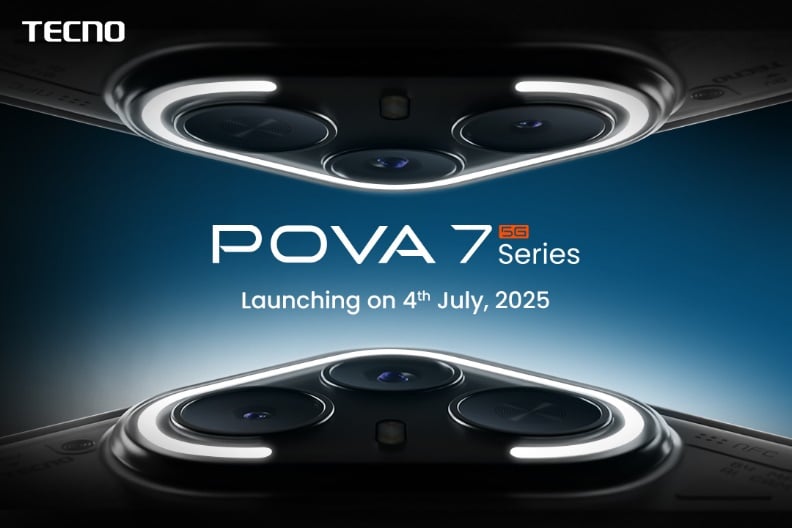
Tecno will also unveil a new smartphone series, Pova 7, in the first week of July. According to the official teasers, the smartphones will feature a delta-inspired camera design. Most of the details are under wraps, so we’ll have to wait until the launch for more info.
The Honor X9c 5G is teased to launch soon in India, most likely during the Prime Day sale, which is scheduled to go live on July 12. A dedicated page is already live on Amazon, revealing key details, including a curved screen with a 1.5K resolution, a 120Hz refresh rate, and a peak brightness of 4000 nits.
The smartphone features IP65M water resistance and Honor Ultra-Bounce Anti-Drop Technology 2.0 with 2m drop resistance. It weighs 189g and has a thickness of 7.98mm. The Honor X9c 5G features a dual-camera setup led by a 108MP primary shooter with OIS support. The brand claims a 3x zoom without any loss of detail. Additionally, the device offers a range of AI-assisted camera features, including AI Eraser, AI OIS Motion Sensing, and AI Night Mode.
The Honor X9c 5G packs a 6,600mAh silicon-carbon battery with support for 66W fast charging. It has dual stereo speakers and boots MagicOS 9.0, based on Android 15.
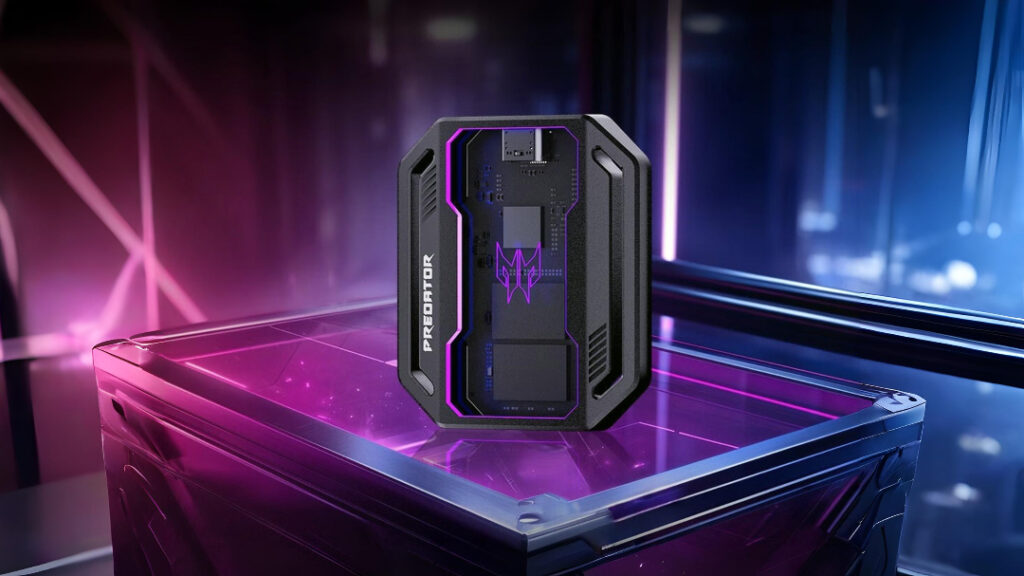
Acer‘s Predator brand has officially launched the GP30 RGB gaming portable SSD. The new solid-state drive features a compact aluminum alloy body and a transparent front window that displays dynamic lighting effects. The drive glows purple when idle and switches to a seven-color RGB cycle during read and write operations.
Acer Predator GP30 SSD Specifications
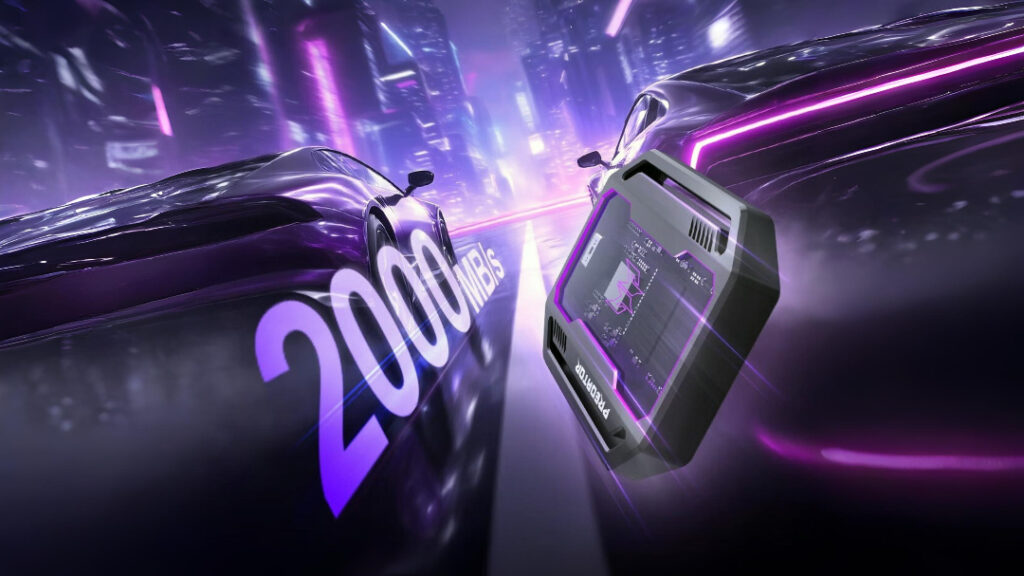
The GP30 RGB is built for high-speed data transfer and multi-platform compatibility. It uses a USB 3.2 Gen2x2 Type-C interface with up to 20Gbps bandwidth and supports sequential read and write speeds of up to 2000MB/s. Predator claims this is the most compact SSD in its speed category.
The drive works with USB-C and USB-A connections using the included dual-interface cable, ensuring compatibility with desktops, laptops, gaming consoles, and smartphones.
Acer has designed the GP30 RGB for users who need fast and reliable external storage across a range of tasks. It can handle large 4K and 8K video files, high-resolution game libraries, and professional-grade media workflows. The drive supports ProRes 4K video capture at 60 or 120fps, making it suitable for creators working with high-bitrate footage.
The SSD is available in four storage capacities: 1TB, 2TB, 4TB, and 8TB. Its compact body measures 61.2 × 71.8 × 11.5 mm and weighs about 66.5 grams. The aluminum build offers both durability and portability, making it convenient for users who travel frequently or work across multiple locations.
Acer includes a licensed copy of Acronis True Image software with the GP30 RGB. The software supports system backups and secure data migration, adding utility for professionals managing sensitive files. The SSD also comes with a 5-year warranty.
Pricing and Availability
The GP30 RGB is currently available in China. Pricing starts at 799 yuan (approx. $110) for the 1TB model, 1499 yuan (approx. $205) for the 2TB version, and 2499 yuan (approx. $340) for the 4TB model. Acer has not yet revealed the price of the 8TB variant.
Xiaomi has officially launched the Mijia Pro Energy-Saving Standing Air Conditioner (2HP) in China. The new model is now available for pre-order on Xiaomi Mall. It is priced at 4599 yuan (approximately $640) and is targeted at users seeking high-performance cooling with advanced energy-saving and smart home capabilities.
Xiaomi Mijia Pro Standing Air Conditioner Specifications
The Mijia Pro AC supports a powerful airflow output of up to 1560m³/h. It uses an expanded air outlet design that increases the surface area by 117%, enabling it to distribute air across a wide 115° angle. Xiaomi claims this setup allows the unit to cool rooms up to 30 square meters efficiently and evenly.
The air conditioner features a high-performance dual-cylinder compressor. Xiaomi says this compressor provides improved low-frequency stability and better performance during long periods of continuous use. According to internal tests, the compressor enhances low-frequency output stability by 30%.
Xiaomi has equipped the unit with its in-house Lingyun AI system. The company says this system intelligently adjusts cooling and heating cycles based on real-time conditions in the room. As a result, it achieves up to 40% energy savings and qualifies for China’s top-rated “Super Level 1” energy efficiency certification.
The Mijia Pro AC also supports OTA firmware updates. This ensures that the unit can receive future improvements related to intelligent features, performance, and energy management. It supports Xiaomi’s HyperOS Connect for full integration into the Xiaomi smart home ecosystem. The unit can be controlled remotely through the Mi Home app or by using voice commands via XiaoAI.
Xiaomi has included a self-cleaning mechanism that covers both the evaporator and condenser. This feature helps prevent internal mold buildup and keeps the air output cleaner over time. The system is designed to enhance long-term reliability and reduce maintenance effort.
The unit also includes an intuitive LED panel and operates with low noise to maintain ambient comfort. Xiaomi says the internal structure is optimized for durability, with every component designed from the ground up to deliver consistent performance.
In related news, Xiaomi has launched the Mijia Kettle 3 with a 1.7L capacity, 1800W fast heating, and four-level temperature control. The company has also introduced a new 400L refrigerator featuring a slim design, HyperOS integration, and low-noise operation.
For more daily updates, please visit our News Section.
We use cookies on our website to give you the most relevant experience by remembering your preferences and repeat visits. By clicking “Accept”, you consent to the use of ALL the cookies.
This website uses cookies to improve your experience while you navigate through the website. Out of these, the cookies that are categorized as necessary are stored on your browser as they are essential for the working of basic functionalities of the website. We also use third-party cookies that help us analyze and understand how you use this website. These cookies will be stored in your browser only with your consent. You also have the option to opt-out of these cookies. But opting out of some of these cookies may affect your browsing experience.
Necessary cookies are absolutely essential for the website to function properly. This category only includes cookies that ensures basic functionalities and security features of the website. These cookies do not store any personal information.
Any cookies that may not be particularly necessary for the website to function and is used specifically to collect user personal data via analytics, ads, other embedded contents are termed as non-necessary cookies. It is mandatory to procure user consent prior to running these cookies on your website.