After teasing the arrival of the Realme Neo 7 Turbo for the past few weeks, Realme has finally revealed its design today. The brand released an image of the Neo 7 Turbo’s Transparent Gray variant via its Weibo handle to showcase its design for the first time. The device is confirmed to launch on May 29 in China.
According to the brand, the Transparent Gray edition of the Neo 7 Turbo features a nearly 1:1 representation of the phone’s internal layout, displayed beneath a clear rear panel. Realme has applied laser engraving and multi-texture craftsmanship to simulate the internal coil layout and structural components, giving it a distinct high-tech aesthetic. The NFC coil has been deliberately outlined for added visual impact, and a green section near the lens hints at a potential charging indicator.
Realme Neo 7 Turbo specifications (rumored)
Rumours suggest the Realme Neo 7 Turbo will feature a 1.5K flat display and a 7,000mAh battery with support for 100W wired charging. Powering the phone will be MediaTek’s Dimensity 9400e chipset.
The device is expected to come with LPDDR5X RAM and UFS 4.0 storage, with configurations up to 16GB RAM and 1TB storage. It will come preinstalled with Realme UI 6-based Android 15. I
The camera setup might include a 50-megapixel Sony IMX882 sensor with OIS, an 8-megapixel ultra-wide lens, and a 50-megapixel telephoto camera. It’s also rumored that this device could be a global version of the upcoming Realme GT 7.
The device will rival the likes of the OnePlus Ace 5 Racing Edition (Dimensity 9400e), iQOO Z10 Turbo Pro (Snapdragon 8s Gen 4), and Redmi Turbo 4 Pro (Snapdragon 8s Gen 4) smartphones in the Chinese market. The device will be between 2,500 Yuan (~$340) and 3,000 Yuan (~$415).
For more daily updates, please visit our News Section.
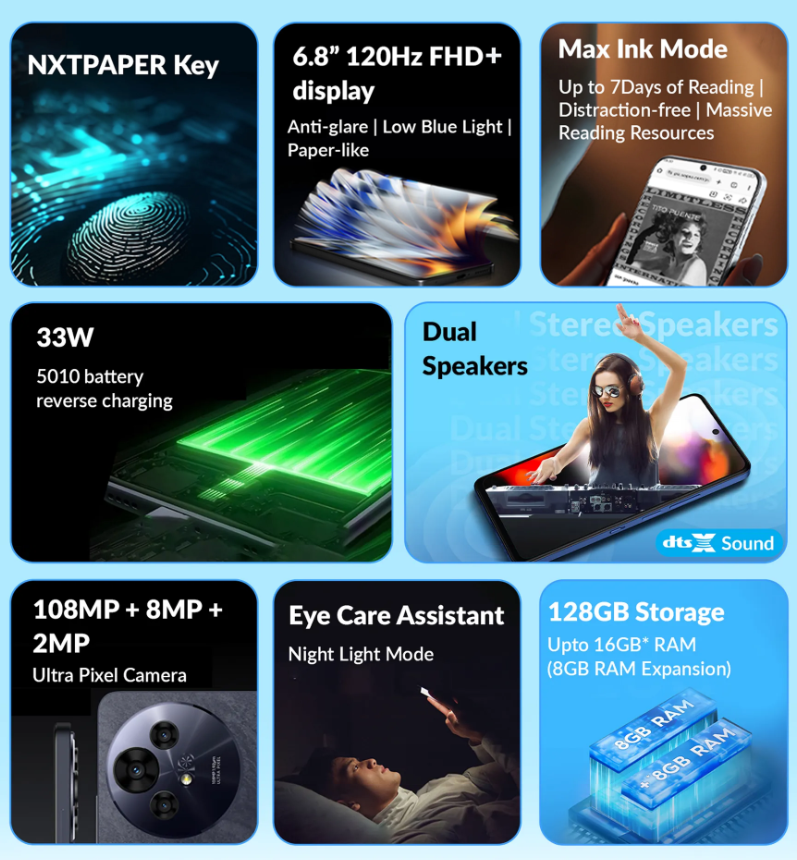
On May 27, Alcatel is set to make its return to the Indian smartphone market with the launch of the Alcatel V3 Ultra, V3 Pro, and V3 Classic. These smartphones, all priced under Rs 30,000, will be the first in India to feature Alcatel’s patented 4-in-1 NXTPAPER display technology. Flipkart listings are now live for each model, offering early insights into their specifications and design ahead of the launch.
Alcatel V3 series’ NXTPAPER display tech
Alcatel NXTPAPER display tech
The NXTPAPER display is Alcatel’s new innovation combining a paper-like viewing feel with vivid colors, suitable for both daytime and night-time use. The screen includes four modes: Regular Mode for daily use, Max Ink Mode with up to 168 hours of display time, Ink Paper Mode designed for e-reading, and a fourth mode that offers standard viewing. A dedicated NXTPAPER Key allows seamless switching between these modes.
Alcatel V3 Ultra, V3 Pro, V3 Classic series key specifications
Alcatel V3 Ultra key specs
The Alcatel V3 Ultra comes with a 6.8-inch FHD+ LCD panel with 120Hz refresh rate, Dimensity 6300 chipset, 8GB RAM with 8GB virtual RAM, and 128GB storage. It features a triple rear camera system (108-megapixel + 8-megapixel + 2-megapixel), an 8-megapixel front camera, dual speakers with DTS X Sound, stylus support, and a 5,010mAh battery with 33W charging. It will be available in blue, purple, and champagne.
Alcatel V3 Classic key specs
The V3 Pro features a slightly smaller 6.7-inch 120Hz display, 8GB RAM with 10GB virtual RAM, and a 50-megapixel rear camera. It packs a 5,200mAh battery with 18W charging and includes a built-in Gemini AI assistant. The V3 Classic shares the same chipset and battery, offers 128GB storage with microSD expansion, NFC support, and a 50-megapixel main camera. All three include a case, charging adapter, and USB-A to USB-C cable in the box.
For more daily updates, please visit our News Section.
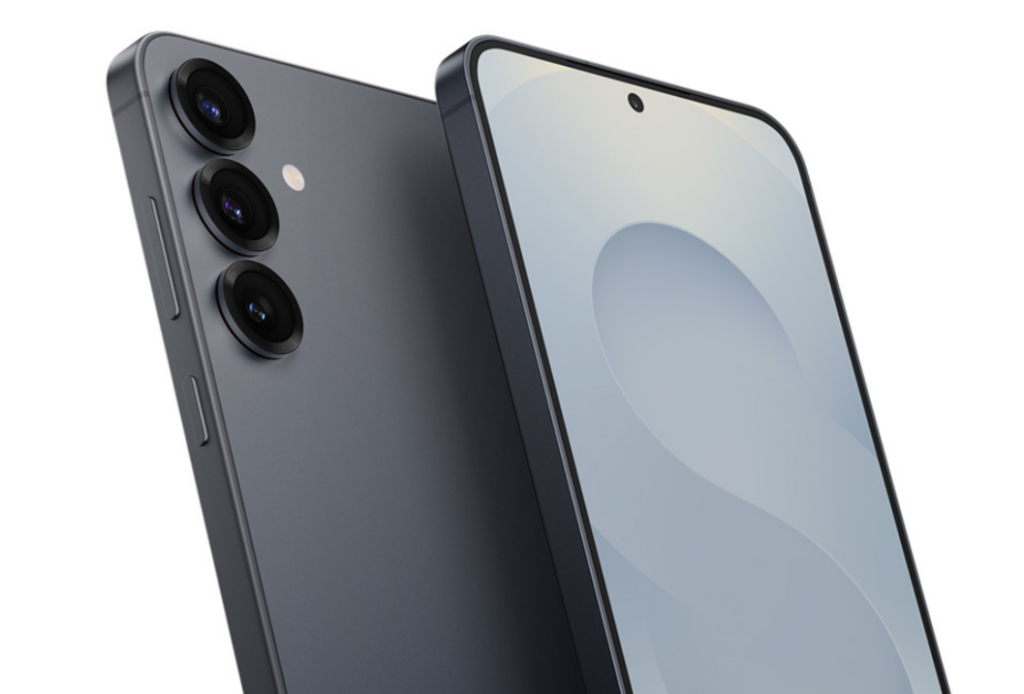
The Galaxy S26 series was previously rumored to feature a revamped telephoto setup—either a combination of 3.5x and 8x lenses or a single 200MP telephoto capable of handling longer zoom ranges through digital cropping (thanks to its high resolution). Now, the latest update points to an upgrade for the base model’s main sensor as well: a new 50MP unit. But don’t get too excited just yet.
The Galaxy S26 will reportedly introduce a fresh ISOCELL GN series sensor, marking the first sensor refresh in three years. While specific details about this new sensor remain scarce, it’s expected to have larger pixels, leading to crisper photos and better low-light performance.
Why you shouldn’t get to excited
The sensor size in the ISOCELL GN series hasn’t seen much growth over the years. In fact, the GN3 and GN5 are noticeably smaller than the GN1 and GN2, which makes the idea of a new GN sensor with larger pixels seem unlikely.
GN1: 1/1.31″
GN2: 1/1.12″
GN3: 1/1.57″
GN5: 1/1.57″
GNK: 1/1.3″
GNJ: 1/1.56″
(Source: Samsung Semiconductor)
Interestingly, the source made no mention of a Plus model—further supporting an earlier rumor that the S26 Edge (likely to feature a 200MP sensor, like its predecessor) will replace the S26 Plus in Samsung’s upcoming lineup.
With an Exynos 2600 or Snapdragon 8 Elite 2 chipset and One UI 8 on Android 16, the S26 possibly aims to balance incremental upgrades with competitive pricing. Will the new sensor elevate the S26’s photography to rival Chinese flagships? More leaks in the coming months will clarify its potential.
Hisense has launched two new Laser TVs in China: the Discovery X1 and the Discovery X1 Ultra. Both models are based on the L9Q TriChroma Laser projector that was first shown at CES 2025. The L9Q is already available for pre-order in the US at $5,999.99.
The Hisense Laser TV Discovery X1 comes in 92-inch and 100-inch sizes. It uses the MCL39 laser light source, which delivers up to 600 nits brightness. The 4K DLP projector supports 110 percent of the BT.2020 color space and includes IMAX Enhanced and Filmmaker Mode. It also features a built-in 7.1.2-channel Harman Kardon sound system with Dolby Atmos support.
The Discovery X1 Ultra is available in 100-inch and 120-inch sizes. Hisense plans to add 139-inch and 150-inch versions in China by September. The X1 Ultra uses the same MCL39 laser light source but offers higher brightness at 1,000 nits. It includes most of the same features as the regular X1 but has an upgraded 9.1.4-channel Harman Kardon sound system, also with Dolby Atmos.
Pricing & availability
In China, the Discovery X1 starts at CNY 21,999, which is about 3,051 US dollars. The Discovery X1 Ultra starts at CNY 49,999, or roughly 6,935 US dollars.
In other news, Hisense has launched the Vidda C3 Pro, a premium home theater laser projector priced at 9499 yuan (~$1,318) in China. It features the MCL39 tri-color laser light source with 2800 CVIA lumens of true brightness and a 14,000:1 dynamic contrast ratio, supporting Dolby Vision and HDR10+.
Sony is discontinuing its PlayStation Stars loyalty program, launched in 2022, with point earning ending July 23, 2025, and the program going offline on November 2, 2026. While no replacement is confirmed, Sony plans to evolve its loyalty efforts.
Sony has announced the closure of PlayStation Stars, a rewards program that let players earn points through digital store purchases, trophy achievements, and campaign completions since its 2022 debut, per PlayStation Blog. Points could be redeemed for store credit or digital collectibles, with higher tiers unlocking perks. The program, available on PS5, PS4, and the PlayStation App, will stop accepting new members immediately, and cancellations forfeit all points with no rejoining option.
Players can earn points and rewards until July 23
Players can earn points and rewards until July 23, 2025, after which no new campaigns or rewards will be offered. The program will fully shut down on November 2, 2026, though earned points remain redeemable until then, and digital collectibles will stay accessible post-closure. Sony’s statement hints at future loyalty initiatives, with plans to “build upon key findings” from Stars, but no concrete replacement has been detailed.
The decision follows a turbulent history, including a month-long outage in 2024 after a glitch, and mixed fan reactions, with some on X like @PlayStationSize praising collectibles and others like @Genki_JPN criticizing limited rewards. Sony’s focus may shift to community activities, such as PSN events or PlayStation Plus enhancements.
With 55 million PS5 units sold by March 2025, Stars’ end could redirect resources to broader engagement, like PS6 loyalty programs. Will Sony’s next loyalty venture recapture Stars’ charm, or leave fans wanting? The coming years will tell.
The Computex 2025 event is live right now, and we’ve already seen a bunch of innovative new launches. But one of the coolest announcements included laptops this year, which showed off bold designs, experimental form factors, and impressive features. These laptops push the boundaries of portable computing, so here are some of the most unique models that were showcased during the major tech event.
Huawei MateBook Fold Ultimate Design
While foldable laptops aren’t a new concept, they are still not a dime a dozen. But the new MateBook Fold Ultimate Design from Huawei is the latest foldable notebook on the block. It sports a tall 18-inch LTPO OLED display that offers 3.3K resolution, a 4:3 aspect ratio, and a compact form that matches a 13-inch laptop when folded. This model is a thin and light notebook, which measures just 7.3mm thick and weighs 1.16 kilograms.
Huawei MateBook Fold Ultimate Design
The MateBook Fold Ultimate Design is a premium model with a leather finish. Huawei claims that this laptop has the largest folding hinge, measuring 285mm. It is also one of the first HarmonyOS powered laptops that promise to deliver a seamless ecosystem with other HarmonyOS devices.
Razer Blade 14
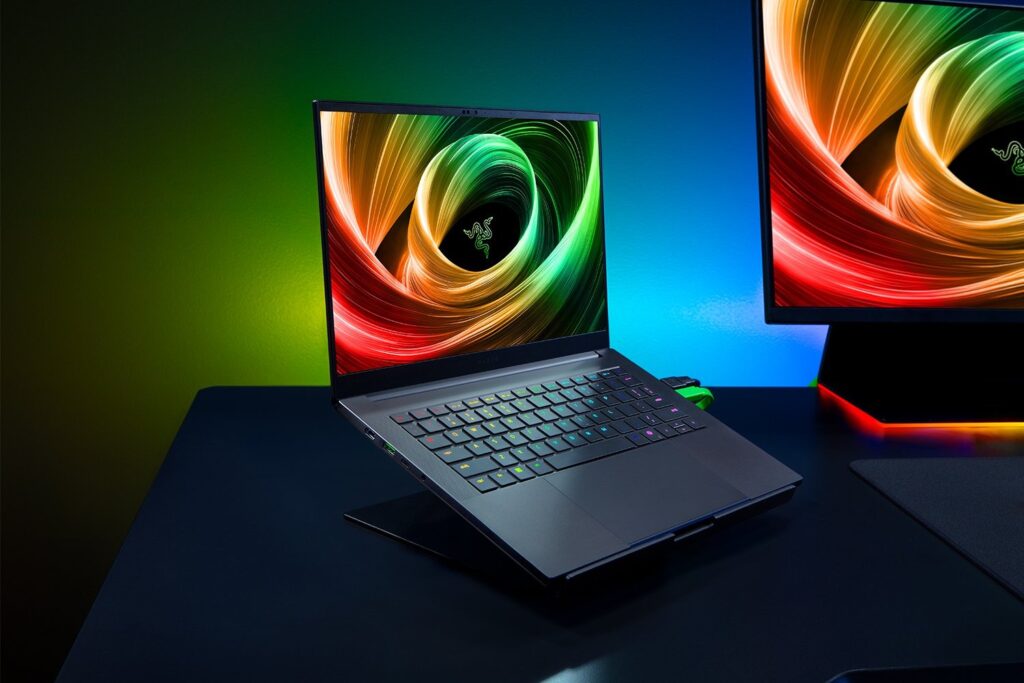
Unlike the MateBook Fold Ultimate Design, the Razer Blade 14 has a more conventional design. However, its build is still one of the most notable aspects. Razer’s Blade series is known for offering powerful specs at a compact build, and the 2025 Blade 14 doesn’t disappoint. It measures just 15.7mm at its slimmest point and weighs 1.63 kilograms. This makes it the thinnest 14-inch gaming laptop on the market.
As the name suggests, it sports a 14-inch OLED display with a 2.8K resolution, a 120Hz refresh rate, and 100 percent DCI P3 color gamut. But what really impresses is the fact that it packs an AMD Ryzen AI 9 365 CPU and the Nvidia GeForce RTX 5070 GPU under the hood. The CPU also offers up to 50 TOPS of AI performance and can be paired with up to 64GB of RAM. Considering how the RTX 5070 is also one of Nvidia’s latest graphics cards, this is a beast of a machine in such a slim body.
Lenovo Yoga Book 9i (2025)
Lenovo Yoga Book 9i 2025
Lenovo’s Yoga Book 9i is a next gen dual-display laptop that was unveiled at the tech expo. The 2025 edition brings upgrades with taller 14-inch dual OLED screens with a 120Hz variable refresh rate support. Combining this with a 360 degree hinge, wide color coverage, and more, the Lenovo Yoga Book 9i (2025) has even been touted as one of the best content creation laptops. It is even powered by the Intel Core Ultra 7 255H that packs enough horsepower and AI capabilities.
During the Computex 2025 event, MSI announced a bunch of new products, with one of the highlights being the MSI Claw A8 gaming handheld. Even the laptop lineup got some notable announcements, but the latest collaborations stood out the most. The first is the Prestige 13 AI+ Ukiyo-e Edition that features Hokusai’s “The Great Wave off Kanagawa” on the top lid, which even received the COMPUTEX Best Choice Award for blending classical art with modern computing.
MSI Prestige 13 AI+ Ukiyo-e Edition
The second collaboration is with a racing brand, which is the Stealth A16 AI+ Mercedes-AMD Motorsport. This carries the iconic Mercedes AMG branding on the top lid with the MSI logo. Both models pack cutting edge specs like the Intel Core Ultra 9 288V and AMD Ryzen AI 9 HX 370 processors. While the Prestige 13 is a thin and light model, the Stealth 16 is a powerful laptop with up to an RTX 5070 GPU.
For more daily updates, please visit our News Section.
Xiaomi has officially listed the Smart Camera C100 on its global website, signaling a worldwide rollout of its latest indoor surveillance device. The camera targets users who want smart home security with a strong emphasis on privacy, AI features, and ease of use.
Xiaomi Smart Camera C100 Specifications
The Smart Camera C100 comes with a 3MP sensor capable of recording at 2304×1296 resolution. It uses H.265 video compression to reduce storage needs and ensure smoother video playback. Xiaomi has equipped the camera with a 128° wide-angle lens and an f/1.6 large aperture, which allows it to deliver full-color video even in low-light conditions. The camera also features invisible 940nm infrared LEDs for night vision, avoiding the red glow that some cameras emit in the dark.
Xiaomi has integrated several AI-powered features into the C100. These include human detection, crying baby detection, loud noise alerts, and virtual fence monitoring. The camera can detect movement and send real-time alerts if someone enters or leaves a designated area. Users can also communicate with people near the camera via two-way voice calls through the Xiaomi Home app. The voice system uses algorithms like Acoustic Echo Cancellation and Noise Suppression to ensure clarity.
To protect user privacy, Xiaomi has included a physical lens shield that can be manually slid into place. When enabled, it stops the camera from recording. The C100 also supports privacy masking zones, letting users block out specific areas from surveillance. Xiaomi says all AI processing is done locally to improve performance and reduce reliance on the cloud.
The Smart Camera C100 supports Wi-Fi 6 and Bluetooth 5.2 for improved connectivity. It works with Android 8.0 and iOS 12.0 or later and supports integration with Google Assistant and Amazon Alexa. Users can store footage using a microSD card (up to 256GB), on NAS devices, or through paid cloud storage.
The camera weighs approximately 170 grams and measures 69 x 68 x 115 mm. It requires a 5V⎓1A power source. Xiaomi has not yet revealed pricing or exact availability, but the global website listing suggests an international launch is imminent.
In related news, Xiaomi recently launched a new washing machine featuring HyperOS integration, Blue Oxygen cleaning technology, and a slim design. The company also introduced a 20L smart microwave with a minimalist aesthetic and efficient performance.
For more daily updates, please visit our News Section.
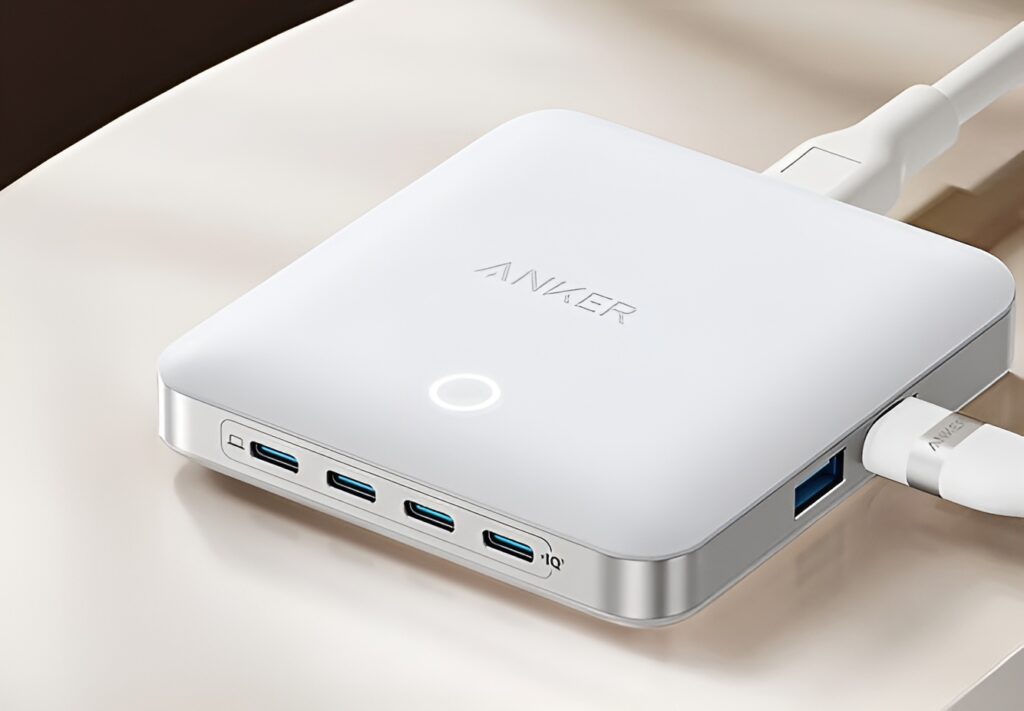
Anker is set to release a new 6-port Nano desktop charger, succeeding the 65W 543 PowerPort Atom III, with a 130W maximum power output. Featuring four USB-C and two USB-A ports, a sleek metal-framed design, and ActiveShield 2.0 tech, it’s expected to launch in late Spring or Summer 2025, priced between $50-$80 in the US.
It supports a total output of 130W across six ports: two USB-A ports at 12W each, two USB-C ports at 20W each, one USB-C at 65W, and one at 100W, which makes it ideal for charging laptops, tablets, and smartphones simultaneously. This configuration, leveraging GaNPrime technology, ensures efficient power distribution, with the 100W port capable of charging a MacBook Pro 14” to 50% in under 30 minutes, per Anker’s GaN benchmarks.
Design-wise, the charger retains the slim profile of its predecessor but upgrades to a metal mid-frame, replacing the plastic one, for enhanced durability and heat dissipation. It measures 9.3 × 9.8 × 1.9 cm and weighs 320g, making it portable yet robust, per @AnkerInsider.
The inclusion of ActiveShield 2.0 technology, with 35 temperature checks per second, ensures safe and stable charging, preventing overheating during high loads. A 1.5m power cable is also bundled for added convenience. Priced at $50-$80, a jump from the $29.99 predecessor, it reflects the enhanced capabilities and premium build.
Available in Black and White, it’s reportedly slated for release between late Spring and Summer 2025. Will this charger redefine multi-device charging with its compact power? Stay tuned for official confirmation.
Summer 2025 is finally here, and Samsung is offering some exciting discounts on consumer electronics products. The Discover Samsung Summer Sale will go live on June 2 and commence on June 8. During the sale, you can score big deals on mobile devices, including the latest flagship Galaxy S25 series and other home appliances.
Apart from direct discounts on the respective products, Samsung is also offering curated bundles and other offers to complement the savings. There will be special daily deals along with all-time discounted items at exceptional prices.
Shoppers can also take advantage of Samsung’s trade-in offers, where exchanging eligible older devices can yield additional discounts on new purchases. Whether upgrading your smartphone, refreshing your home entertainment system, or adding smart appliances to your kitchen, the Discover Samsung Summer Sale provides multiple ways to save more.
Samsung Galaxy S25 Ultra is up for grabs at the discount price of $300. Meanwhile, the new Galaxy Buds 3 Pro are on sale with a $60 discount. Furthermore, major discounts are applicable on the Samsung TV’s. An over $500 discount is applicable on the Q Series soundbars.
For home users, the major discounts are now applicable on the Samsung Bespoke 4-Door French Door with AI refrigerator. Samsung is set to maximise your savings by offering discounts on most of its consumer electronics and home applicances.
EarFun has released the new Tune Pro wireless headphones, built for everyday use with a focus on long battery life, strong sound quality, and reliable noise cancellation.
The Tune Pro features Hi-Res Audio certification and a dual-driver system. A 40mm PET composite film driver delivers deep bass and clear mids, while a 10mm LCP polymer driver adds sharpness to the high-end. The headphones also include a Theater Mode for enhanced stereo and spatial sound, ideal for gaming and streaming.
Noise cancellation is handled by a hybrid ANC system that blocks up to 45dB of ambient noise. ANC can be turned on quickly with a simple toggle. For wired listening, users can use the AUX port while still keeping ANC active.
The Tune Pro offers up to 120 hours of playback on a full charge. A quick 15-minute charge gives 10 hours of listening time. This removes the need to recharge frequently, even with heavy use. Call quality is improved with a five-mic AI system that reduces background noise and isolates your voice. This makes the headphones useful for video calls, voice chats, and meetings.
Bluetooth 5.4 provides a stable connection with support for multipoint pairing, allowing users to switch between two devices. A dedicated Game Mode offers low-latency performance, which can be activated through the EarFun Audio app. The app also includes features like a multi-band equalizer, ANC control, and sound profile adjustments. The Tune Pro is lightweight, with soft, breathable ear cups for all-day comfort. It folds down for easy storage and portability, making it suitable for travel or daily use.
Pricing & availability
The EarFun Tune Pro is available now through EarFun’s website and Amazon store for $69.99.
Xiaomi’s in-house Xring O1 SoC, debuting in the Xiaomi 15S Pro, has narrowly surpassed the Snapdragon 8 Elite in an early AnTuTu benchmark, scoring 2,535,163 against 2,515,259. Set for a May 22 launch, it signals Xiaomi’s bold step into flagship chipset competition.
A lead over the Snapdragon 8 Elite is impressive for a first-gen chip
Xiaomi is gearing up to unveil its first self-developed SoC, the Xring O1, powering the Xiaomi 15S Pro and Pad 7 Ultra at its May 22, 2025, event in China, alongside the Xiaomi YU7 SUV. A leaked review video by Chinese creator 阿文鉴机, which was later removed, revealed the Xring O1’s AnTuTu performance, edging out the Snapdragon 8 Elite in the Xiaomi 15 Pro with a score of 2,535,163 to 2,515,259. This 0.79% lead, while modest, is notable for a first-generation chipset from a smartphone manufacturer.
The Xring O1’s 10-core CPU (2x Cortex-X925 at 3.9GHz, 4x Cortex-A725 at 3.4GHz, 2x Cortex-A725 at 1.89GHz, 2x Cortex-A520 at 1.8GHz) and Mali-G925 Immortalis GPU deliver robust performance, per Geekbench listings scoring 3,119 single-core and 9,673 multi-core, closely trailing the Snapdragon 8 Elite’s 3,089 and 9,405. However, the Snapdragon 8 Elite shines brighter in some devices, like the RedMagic 10S Pro+, which hits over 3.15 million on AnTuTu.
While the Xring O1’s benchmark parity with Qualcomm’s flagship is impressive, questions linger about its efficiency and thermal performance, critical for real-world use. With 16GB RAM, a rumored 6.7-inch 2K OLED, 6,500mAh battery, and 90W charging, the 15S Pro is shaping up to be a premium contender. Will Xiaomi’s chip challenge Qualcomm’s dominance, or will thermals hold it back? We’re pumped to find out!
DOOGEE has sent the team another crazy rugged phone. What makes it so interesting? I can summarize its features in one sentence: it’s a power bank that can glow on the back and also make calls. Yes, the DOOGEE V Max S is a rugged phone designed for camping. It helps you reduce the weight and space of your backpack. Making your camping trip lighter is the ultimate mission of the V Max S.
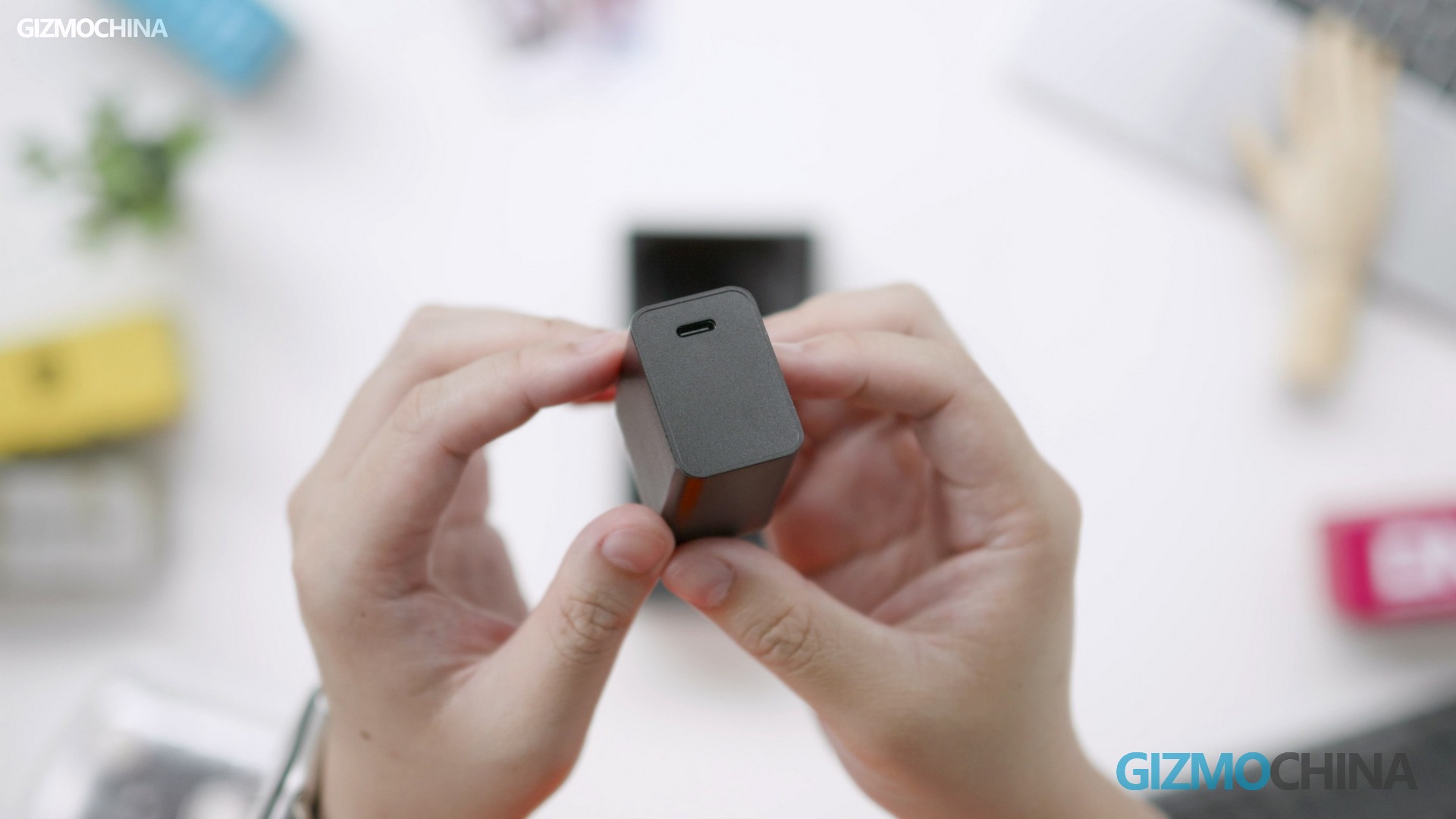
Let’s start with the unboxing. The V Max S doesn’t come with many accessories. Aside from the usual items like the manual, charger, and charging cable, there’s also a spare screen protector. The charger also has a USB-C port and supports up to 33W PPS fast charging, so you don’t need to bring an extra USB-A cable with you. These have always been DOOGEE’s traditional strengths, and I’m glad the V Max S has kept these advantages.
Camping Light
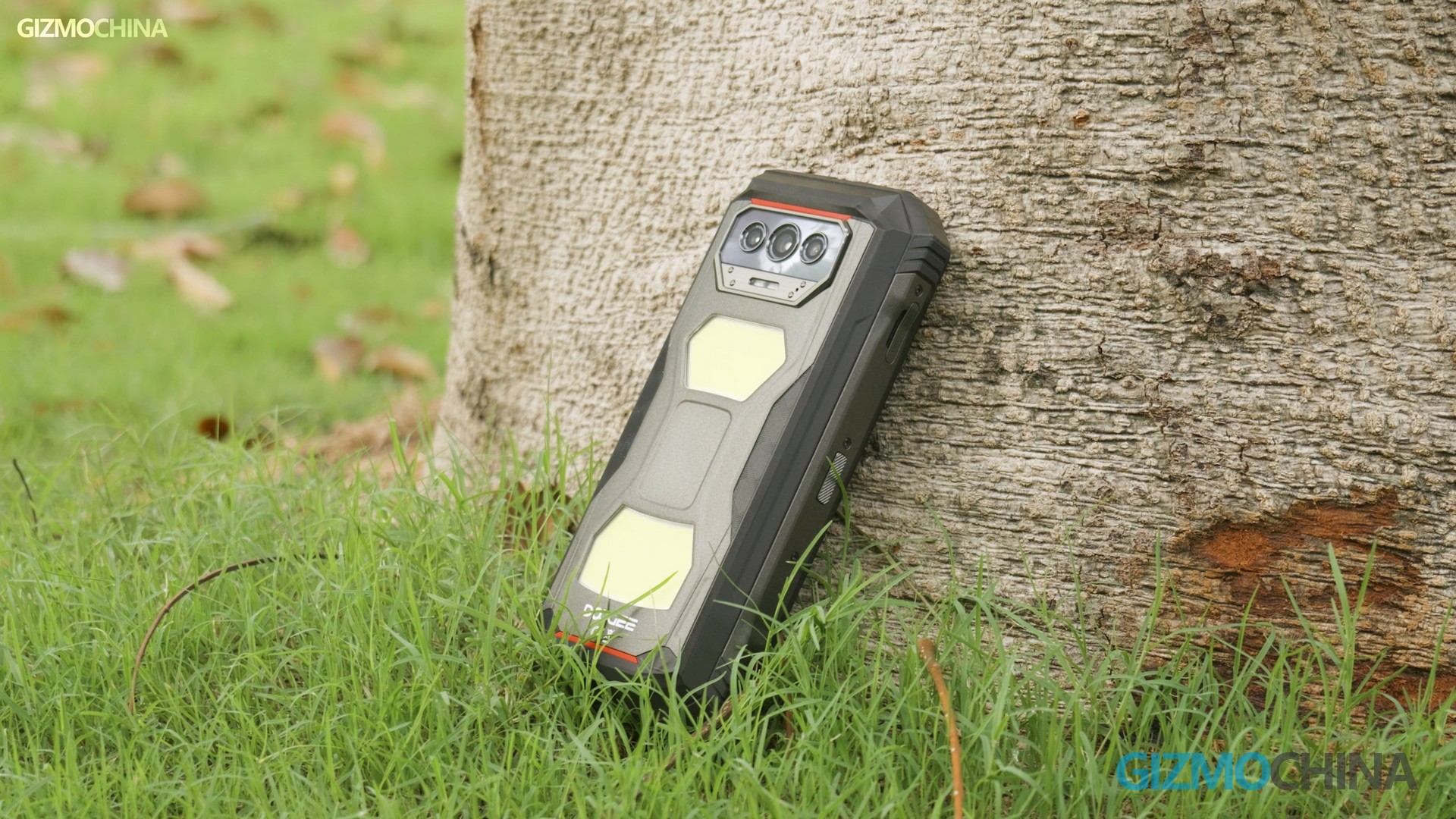
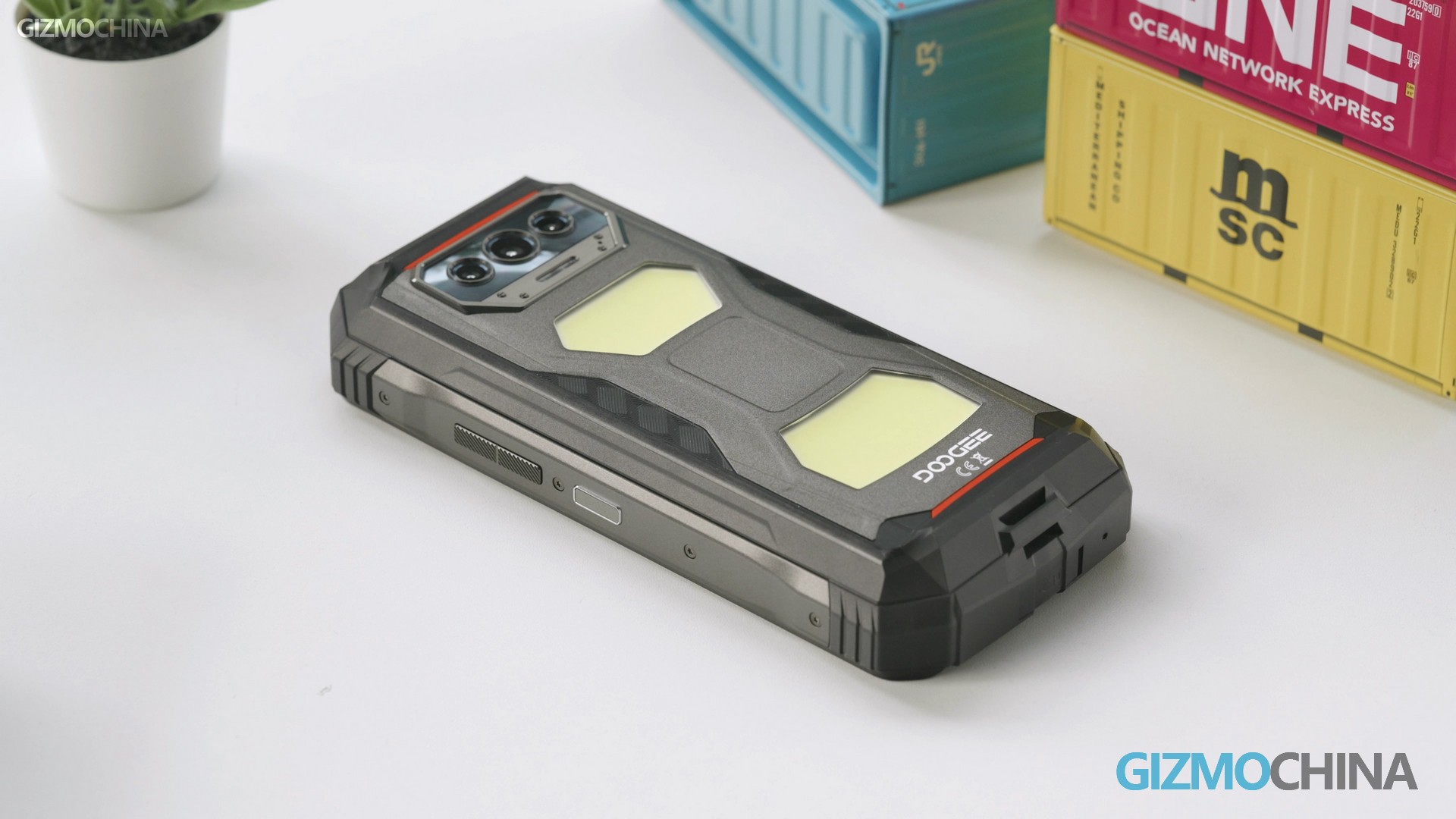
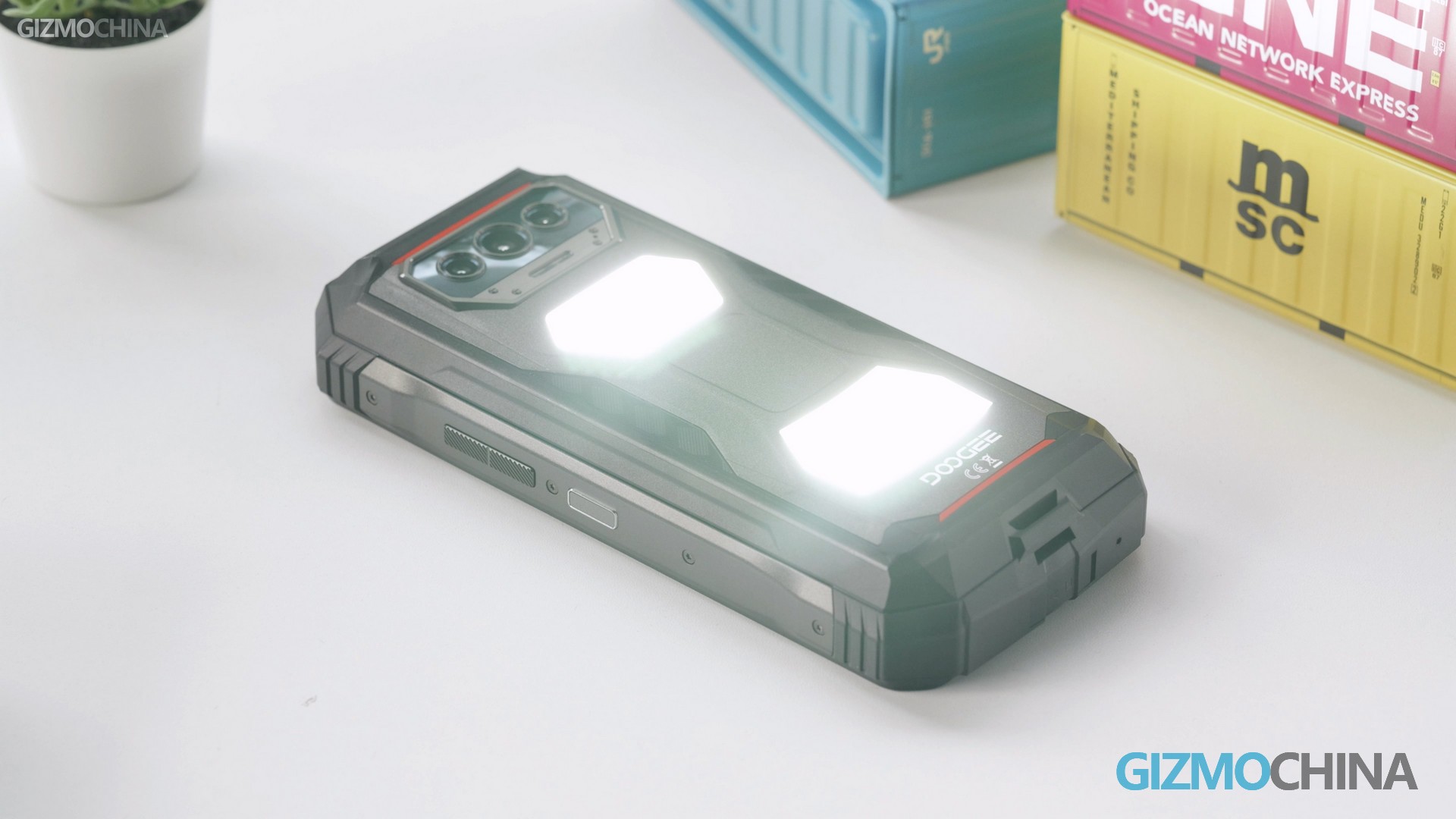
The most eye-catching feature of the V Max S—and the one you’re most curious about—must be these two huge glowing panels on the back, right? While this isn’t the first time we’ve reviewed a rugged phone with LED lights on the back, it is the first time we’ve seen a phone with two LED panels.
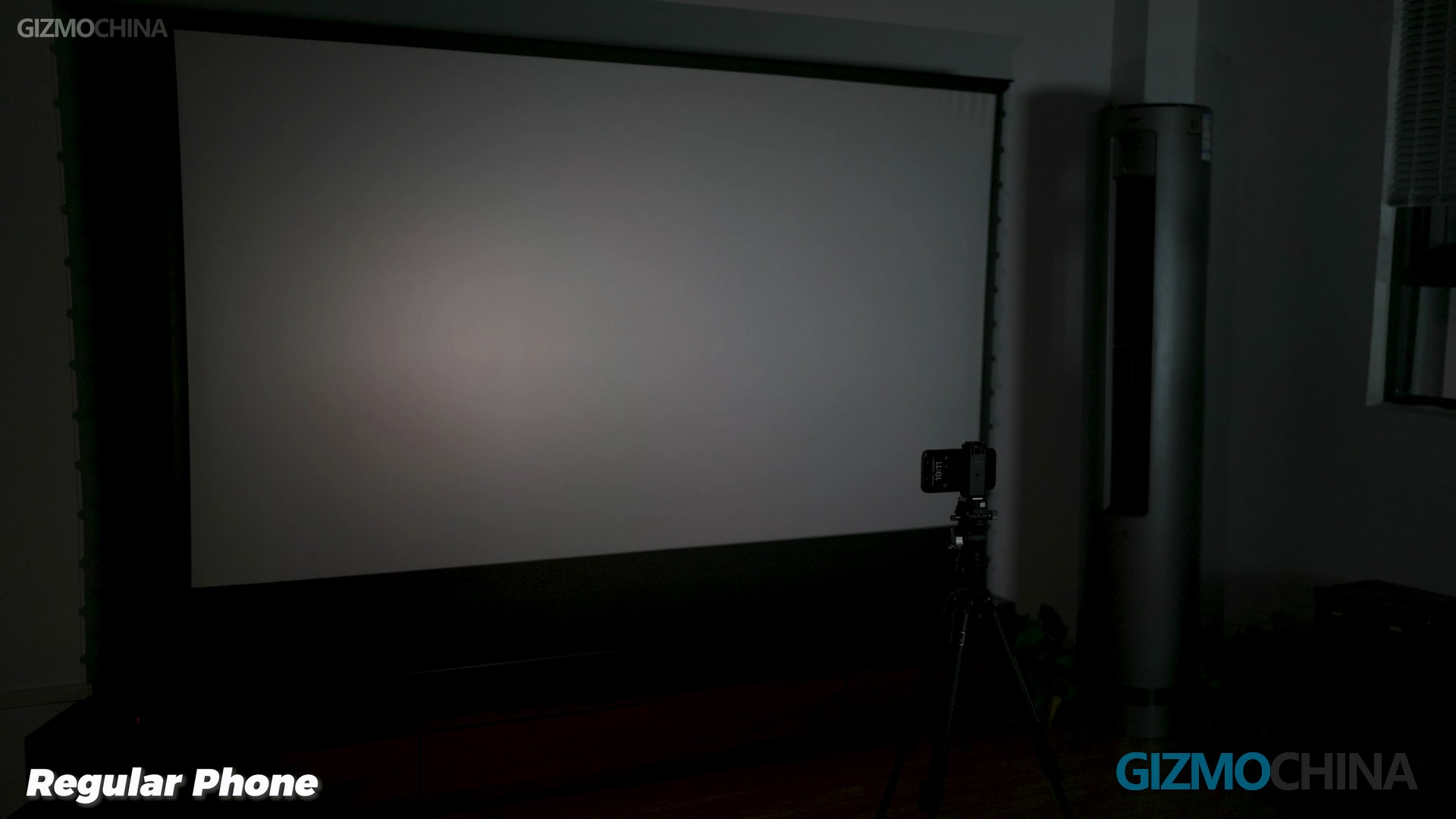
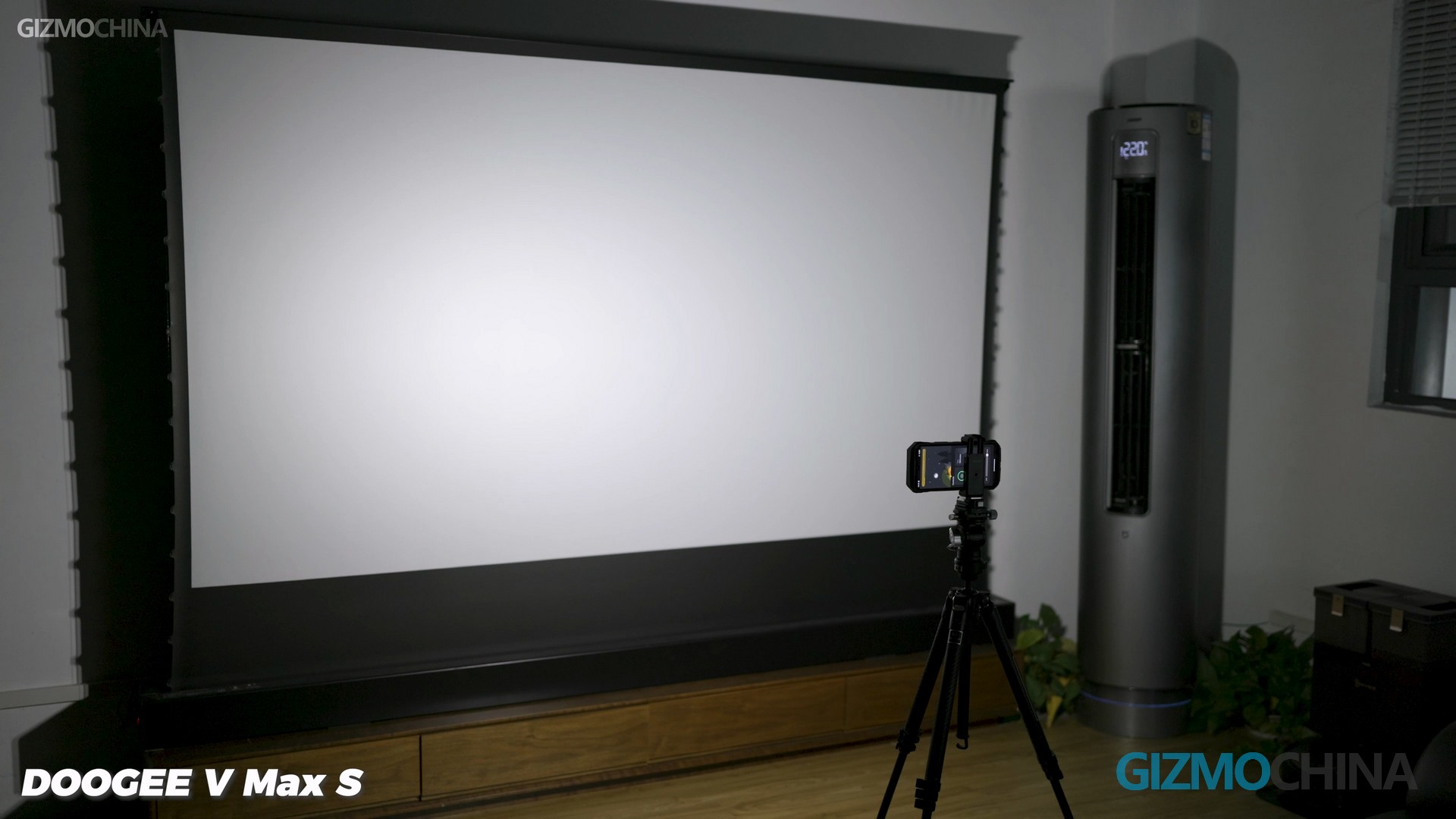
To ensure campers have clear visibility at night, the V Max S delivers an impressive 1,200 lumens of brightness, making it the brightest phone we’ve ever tested. Numbers alone might not do it justice, so let’s do a quick comparison.
With these two images, you can clearly see how strong 1200 lumens is.
Of course, if you don’t need that much brightness, there are five adjustable levels to choose from, plus three lighting modes, so you can customize it for any use case. In short, if you don’t want to carry a camping lamp or flashlight, the V Max S can easily replace them.
And if you don’t even want to bring a **power bank**? Well, the V Max S might just handle that too.
Battery MAX
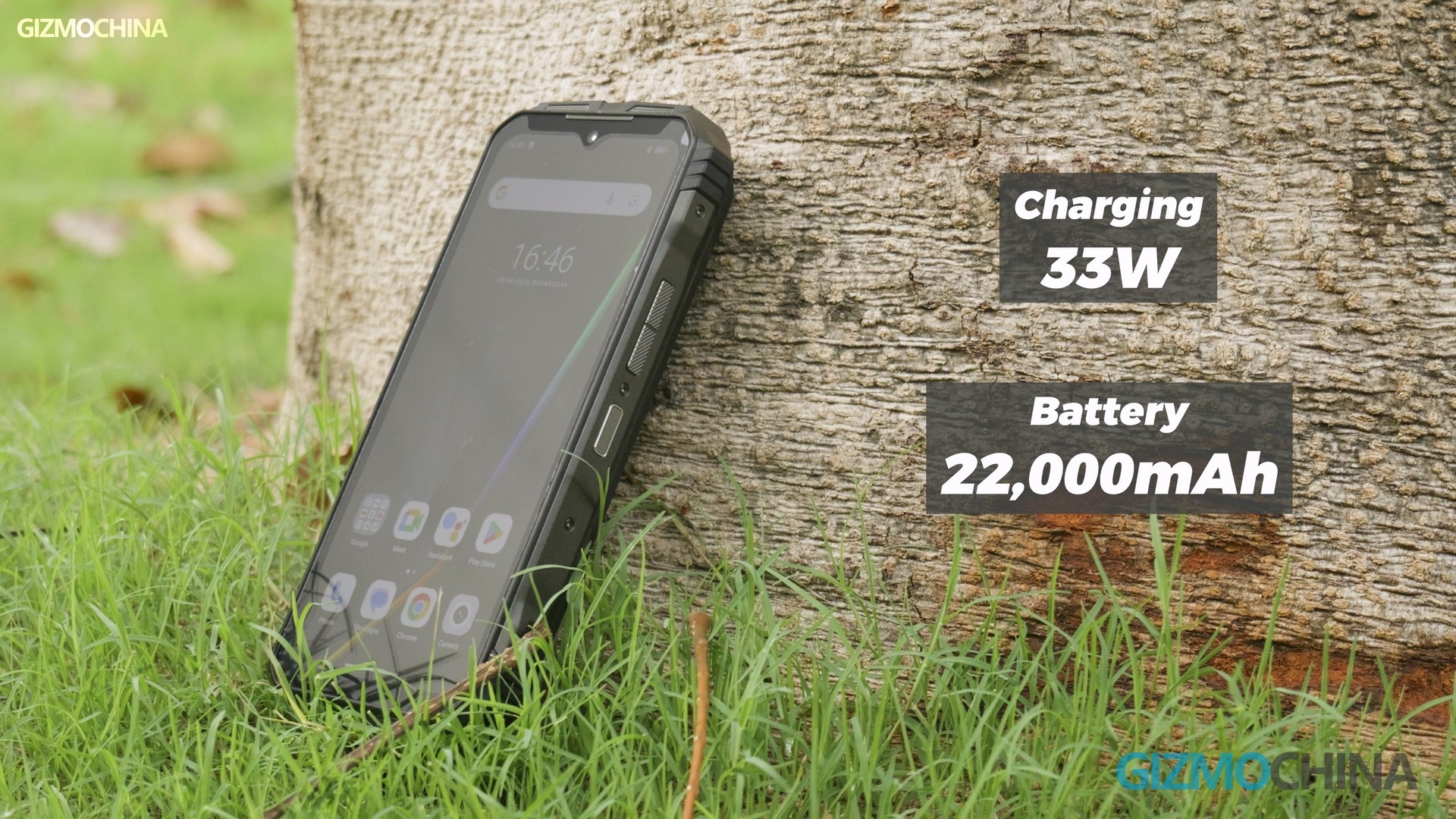
Just by looking at the thickness of this device, you can probably guess it packs a massive battery. And you’re right—to prevent those ultra-bright LEDs from draining your phone dry, the V Max S comes with a 22,000mAh battery, supporting charging speeds of up to 33W.
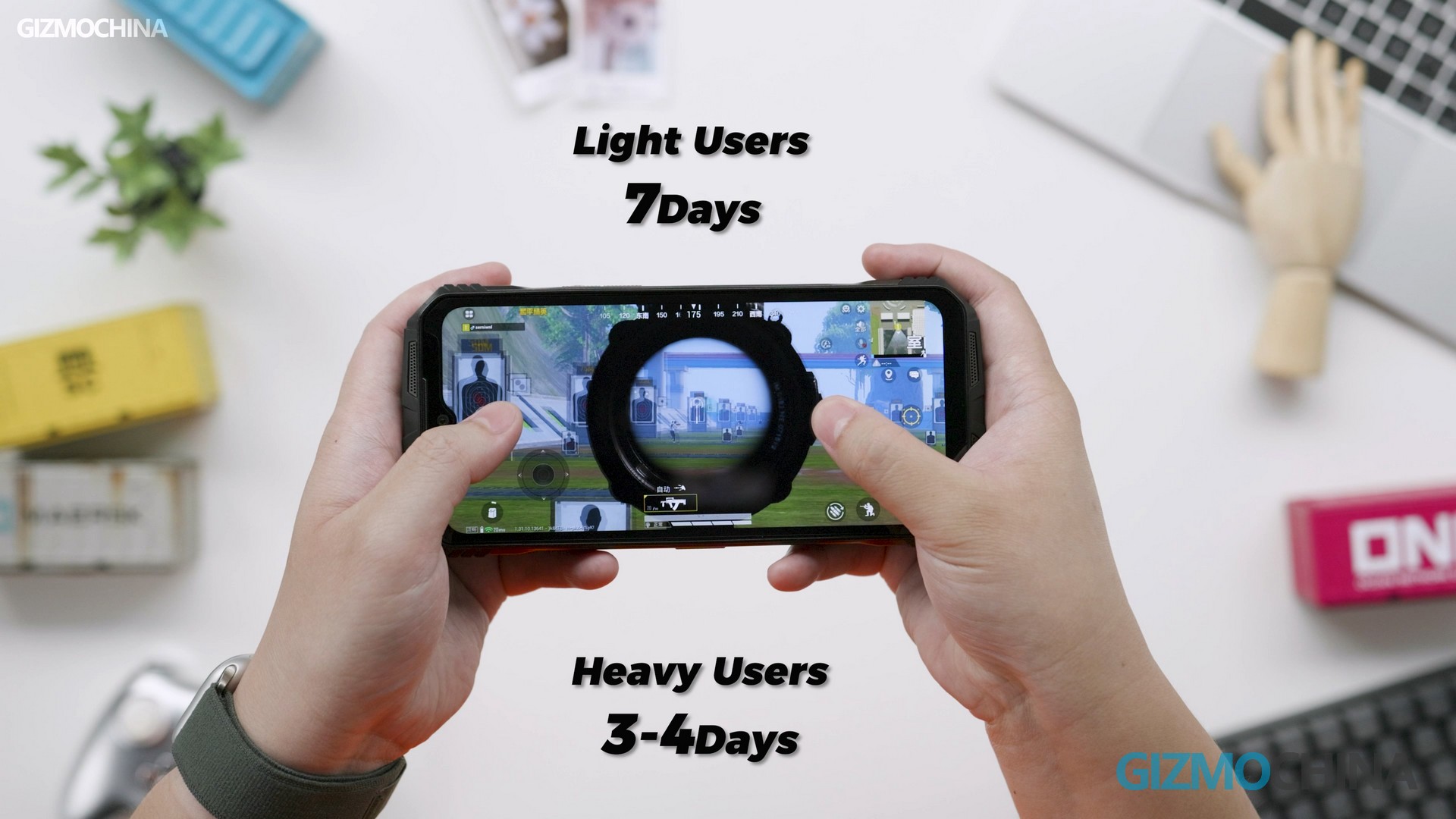
According to DOOGEE’s lab tests, this battery enables nearly a week of continuous calls and over two months of standby time. Light users can go a full week without charging, while heavy users will still get three to four days of runtime.
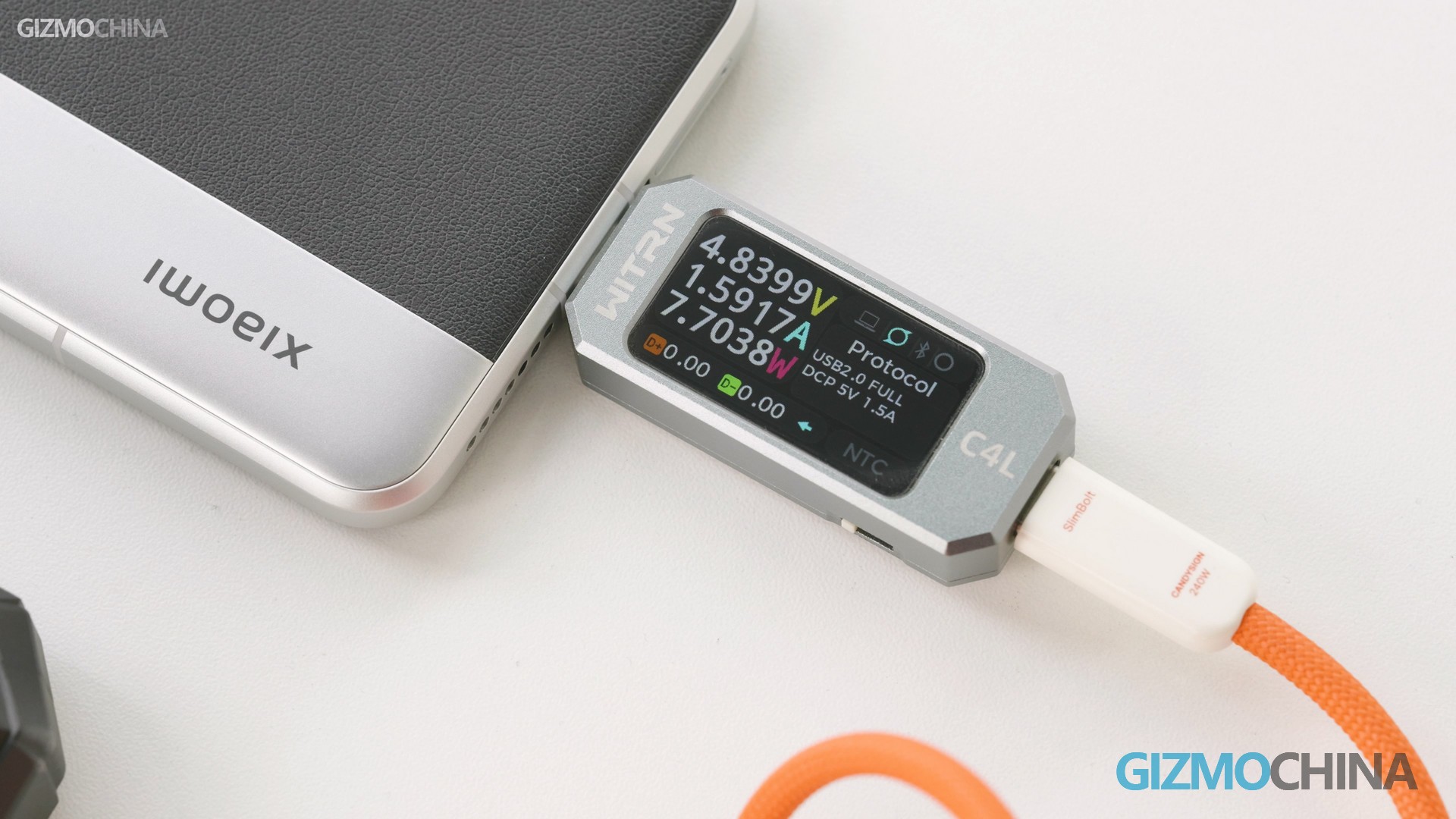
If your V Max S has a spare battery, you can even use it to charge other devices. It tops out at around 7W—handy for emergencies.
Other Features
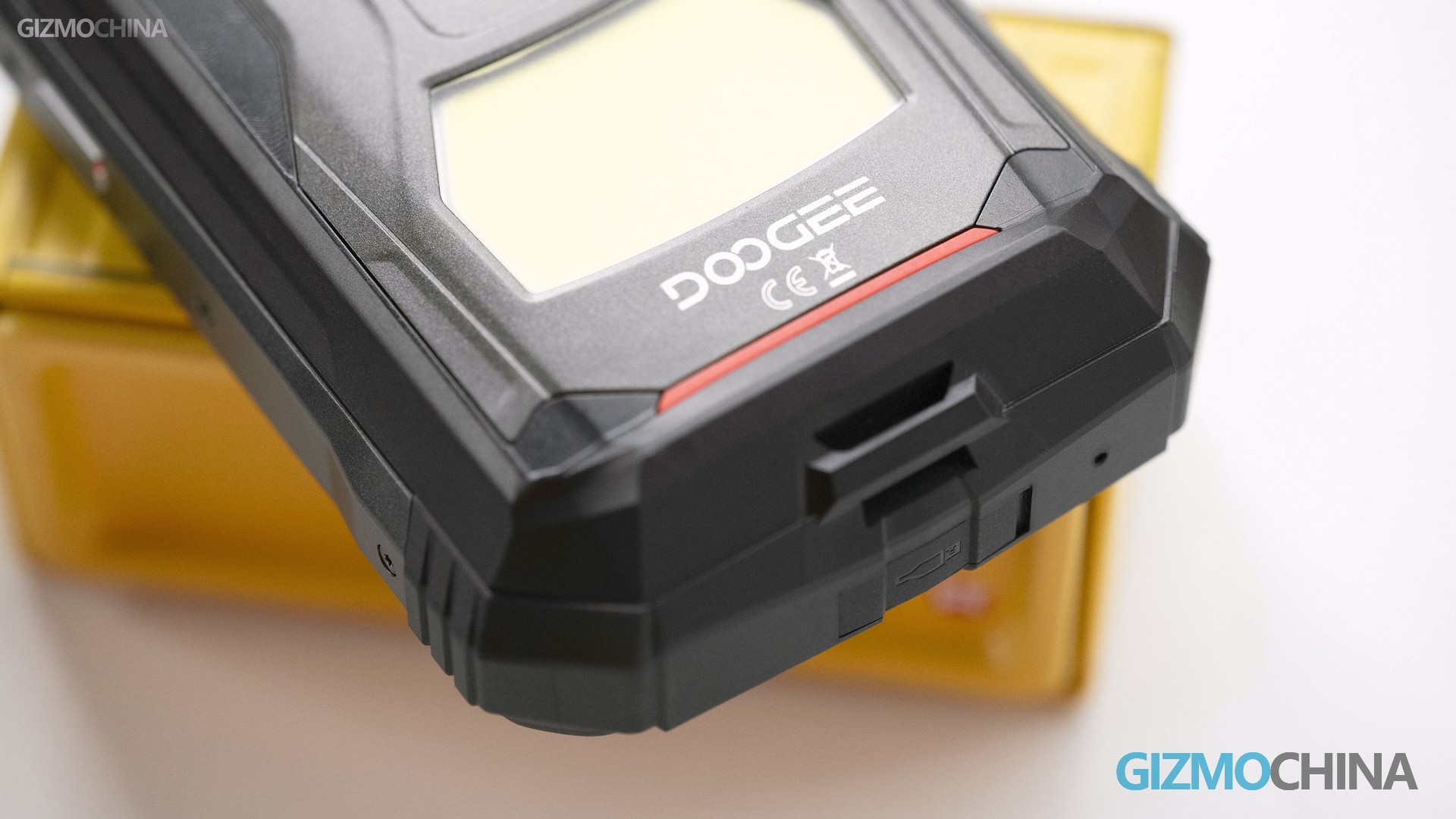
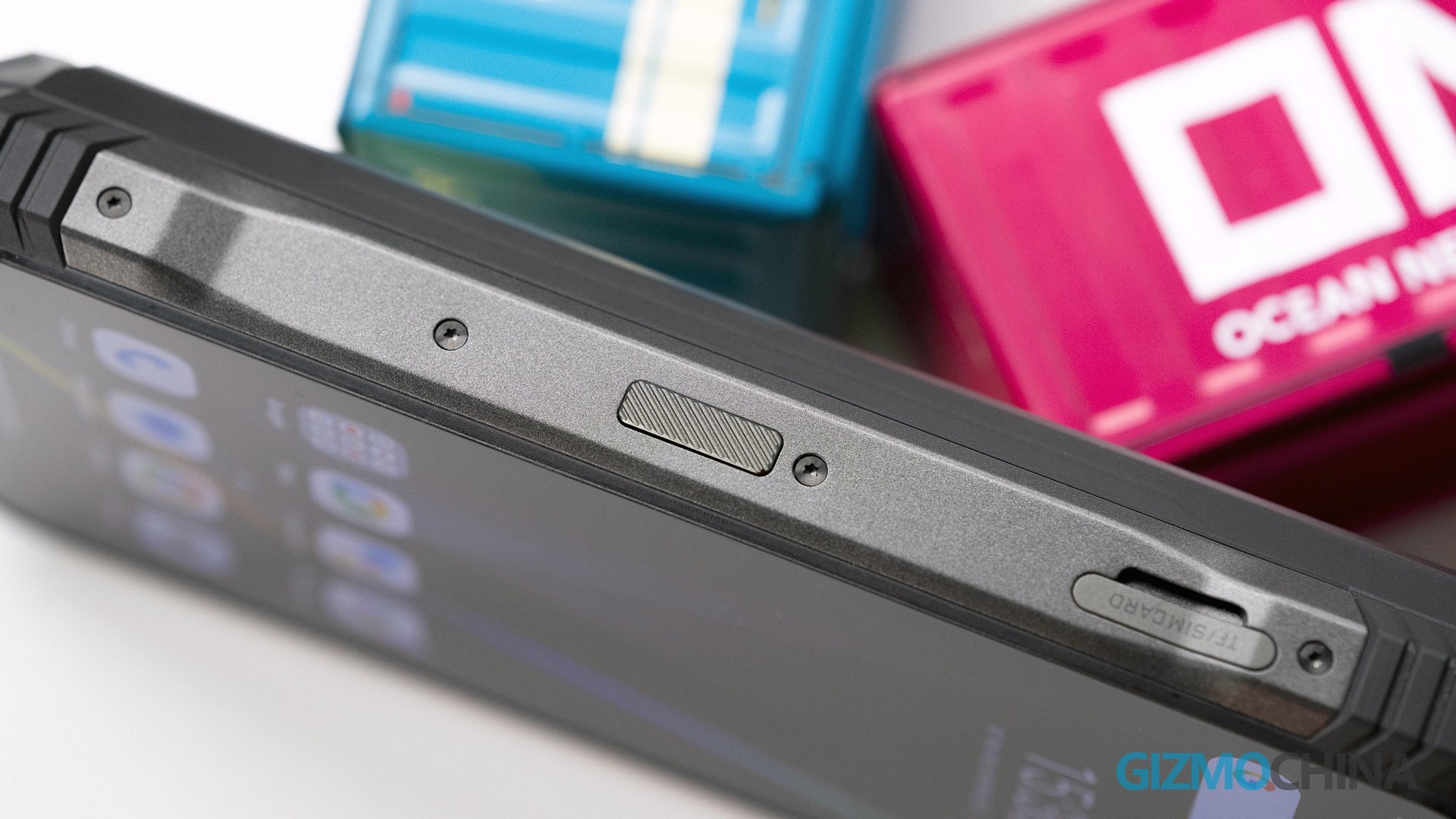
Let’s take a look at the other functions of the V Max S. As a rugged phone, it comes with rubberized edges and waterproof port designs—classic rugged phone styling. Another signature rugged phone feature is the customizable side button that can be programmed for various functions.
Then there’s the SIM card tray, which supports hot-swapping without a pin tool, and can accommodate either dual SIM cards or one SIM plus one TF card simultaneously. Of course, the V Max S also comes with all the standard water and dropproof certifications. It works up to 60 degrees Celsius and down to -20 degrees Celsius.
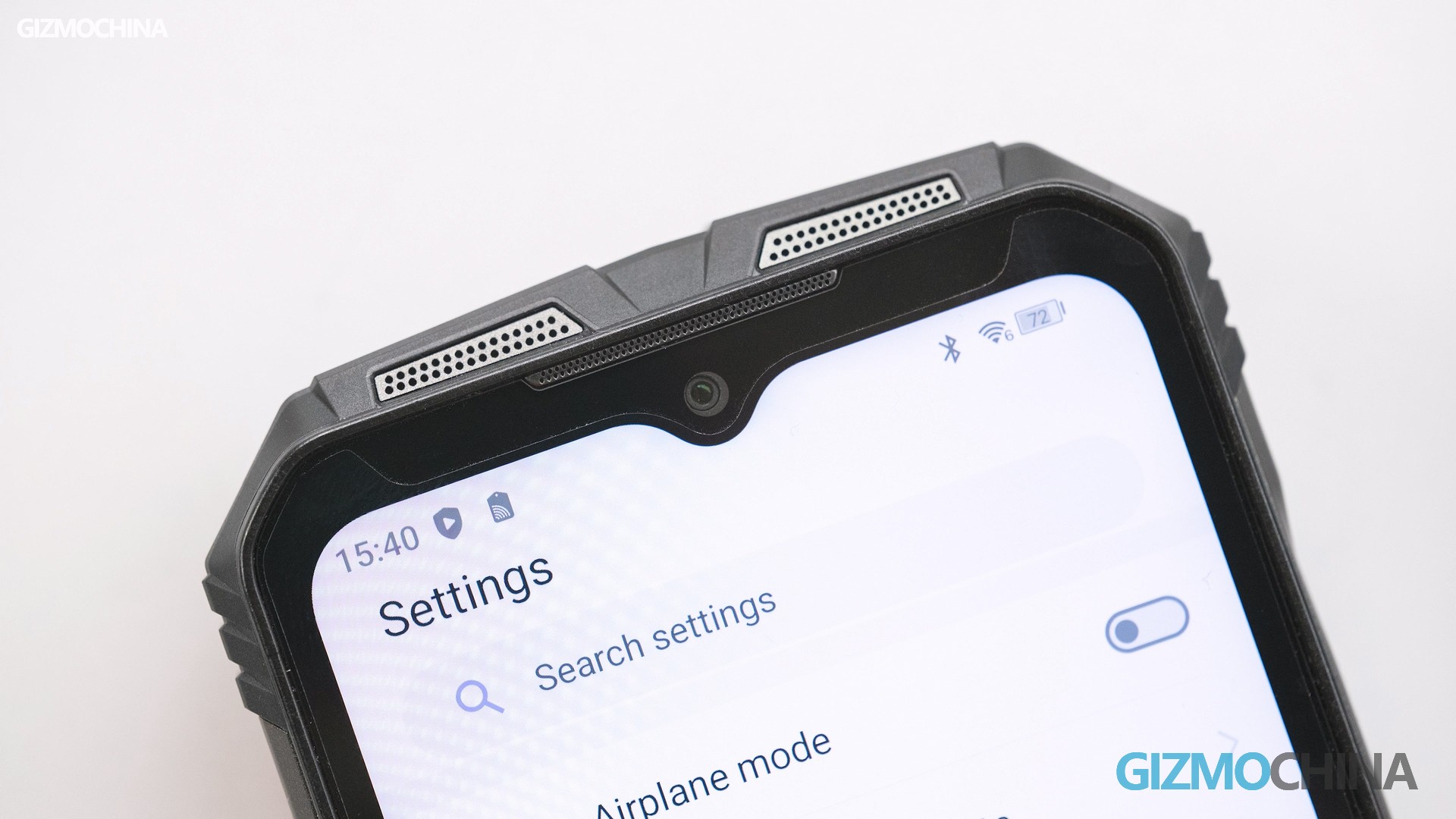
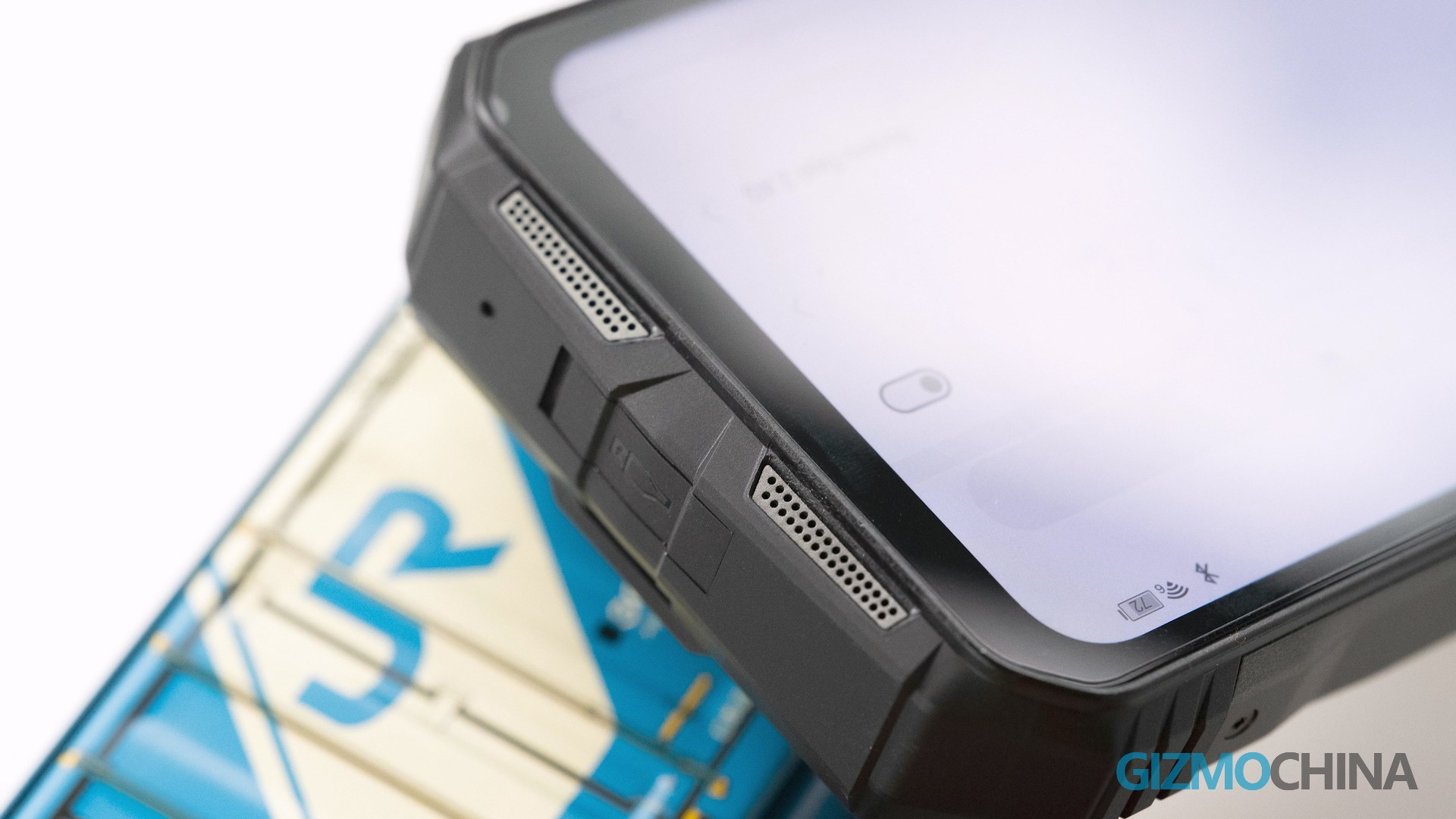
The V Max S has perfectly positioned speakers—both fire directly toward your face, with balanced left/right channel volume.
The phone sports a 6.58-inch LCD display with a 120Hz refresh rate. One thing to note: The V Max S ships with its display set to 60Hz by default—don’t forget to manually switch it to 120Hz in the settings for smoother visuals.
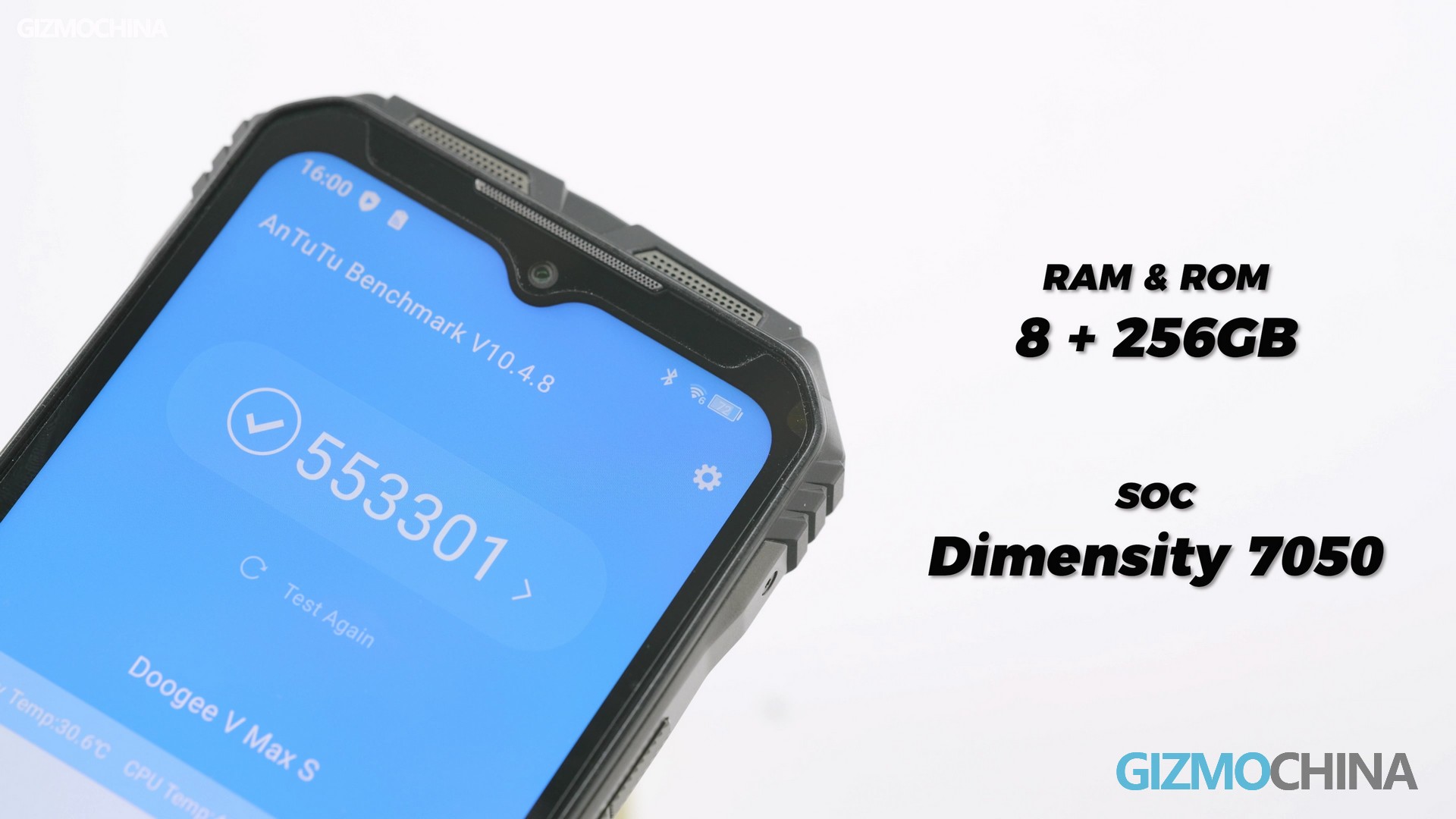
Under the hood, it’s powered by a MediaTek Dimensity 7050 chipset paired with 8GB of RAM and 256GB of storage. While its raw performance isn’t groundbreaking, this makes sense—the V Max series has always prioritized extreme battery life over sheer power. And let’s be honest, who’d want to game on a phone this thick anyway? This processor is more than capable of web browsing or light gaming—no complaints about the price.
Camera
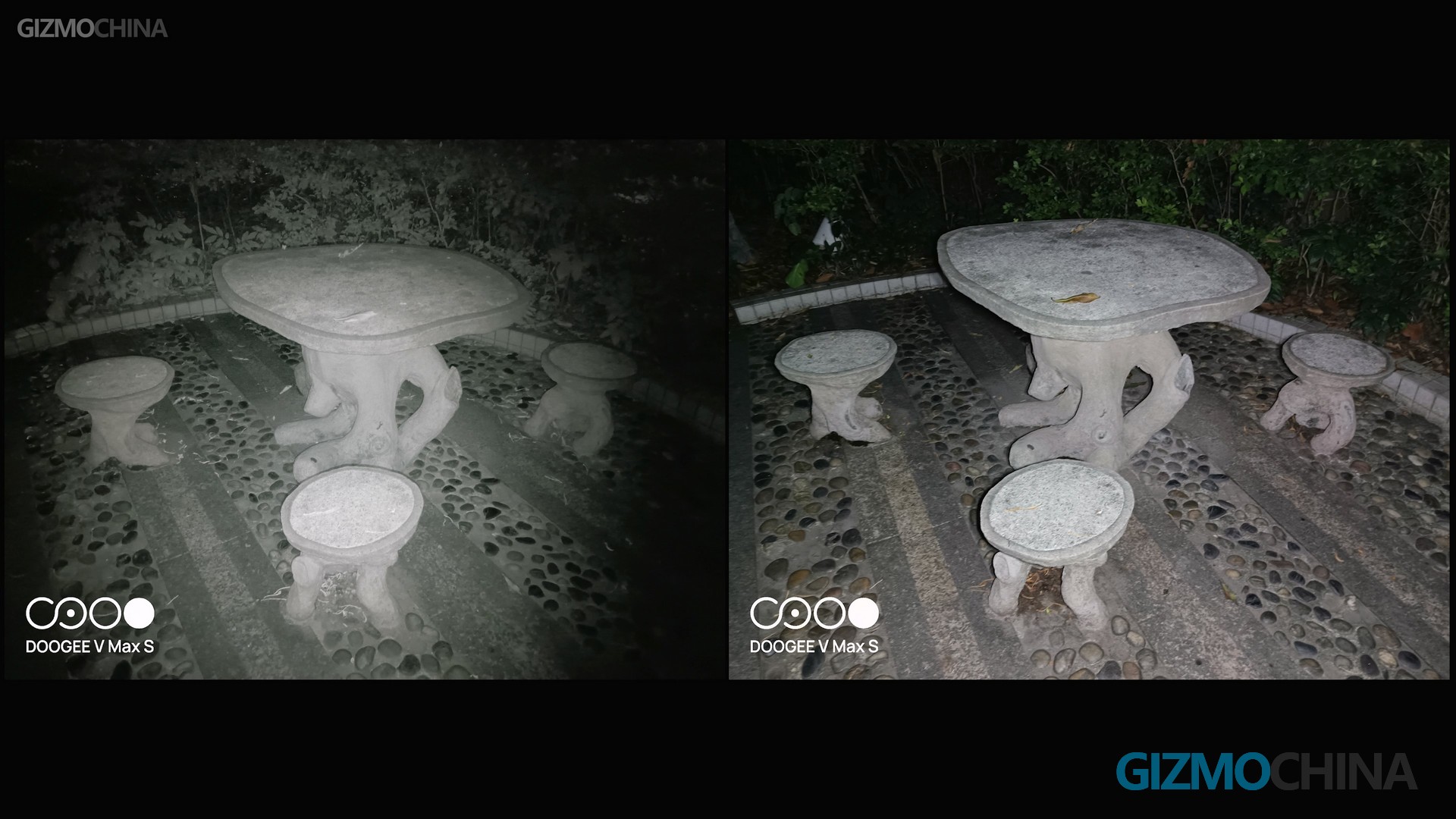
The V Max S features a triple-camera setup: a 108MP main camera, a macro camera, and a night vision camera. These are all familiar components, performing just as well as those on other flagship rugged phones. Here’s a pro tip: If you’re not photographing animals, turning on the LED camp lamp while shooting with the main camera actually delivers better image quality.
Verdict
The V Max S has a clear target: campers who hate carrying extra gear. They need a camping light, a power bank, and a tough, reliable communication device—and the V Max S delivers all three in one. This phone was made for them. Yet it’s priced affordably, delivering a flagship rugged phone experience in its price range—a key selling point of the V Max series. And this “S” model is the best value-for-money variant in the lineup. “Flagship experience, starter price”— that’s what V Max S delivers.
Logitech G has announced the launch of the G522 Lightspeed wireless gaming headset. The new model features a more rounded and minimalist design. Logitech has positioned the G522 as a more comfortable and versatile option for extended gaming sessions.
Logitech G522 Lightspeed Specifications
The G522 features a redesigned chassis that supports a softer and more durable finish. The earcups use wider openings and dual-layer memory foam for added cushioning. Logitech has added a suspension-style headband with improved airflow and even weight distribution. The entire headset weighs 290 grams.
Logitech uses new Pro-G drivers in the G522 that are optimized for better spatial accuracy and multi-layered audio. These drivers support synchronized audio processing to reduce distortion and improve directional awareness. The headset supports 48 kHz / 24-bit digital audio processing, enabling clear reproduction of ambient sounds and in-game effects.
The G522 includes a 48 kHz / 16-bit microphone that supports BLUE VO!CE technology. Logitech has added advanced voice tuning options such as EQ, gain control, and noise filtering. The mic is removable and features an LED mute indicator at the tip.
The headset supports tri-mode wireless connectivity. It includes Logitech’s Lightspeed wireless protocol for low-latency PC gaming, Bluetooth for wider device support, and USB-C wired mode for audio and data passthrough. The G522 is compatible with both Logitech G Hub for PC and G Mobile for smartphones.
Logitech has used 27% post-consumer recycled plastic in the construction of the headset. The packaging uses paper-based materials as part of Logitech’s sustainability goals for 2030.
Pricing and Availability
The Logitech G522 Lightspeed is now available globally. The headset is priced at $159.99 in the US. It targets users who need reliable performance, long-session comfort, and flexible connectivity without compromising on audio quality.
In related news, Anker has introduced the Soundcore Liberty 5 earbuds featuring ANC 3.0, LDAC support, and up to 12 hours of playback. Realme has also launched the Buds Air 7 Pro with 53dB noise cancellation, real-time AI translation, and a 48-hour battery life.
For more daily updates, please visit our News Section.
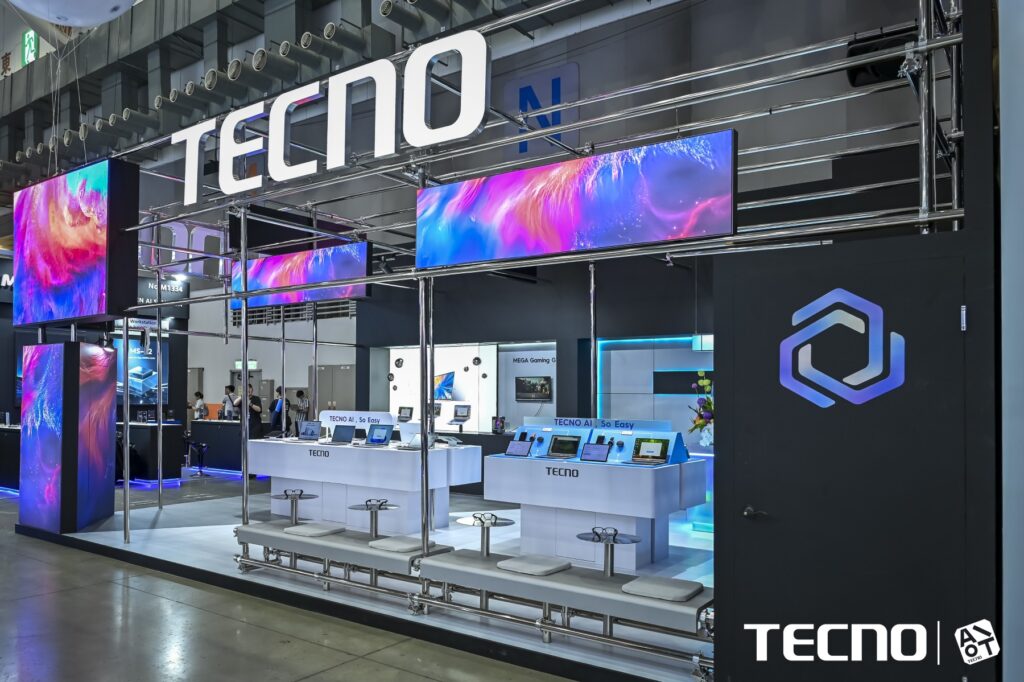
Computex 2025 is turning out to be the year Tecno stops being “just a smartphone brand” and starts sounding like a full-blown AI hardware player. Under the bold tagline “Mega Leap with AI,” Tecno took over the show floor in Taipei this week with a sweeping lineup of AI-driven devices, from high-performance laptops and TWS earbuds to smart glasses and wearables. But the star of the booth? The Megabook S16, Tecno’s most powerful AI PC yet.
The Megabook S16 isn’t just a specs monster. Sure, it packs a 14-core Intel Core i9-13900HK, Arc graphics, and Tecno’s custom-built edge AI model that works even offline. But what Tecno really wants you to notice is how tightly this machine plugs into its larger AI ecosystem. The laptop effortlessly syncs with Tecno phones, tablets, and wearables using the company’s OneLeap system, promising fluid file sharing, screen mirroring, and true cross-device multitasking.
And it doesn’t stop there. Tecno has built a suite of AI features into the S16 and the wider Megabook lineup, including a personal GPT assistant powered by DeepSeek-V3, real-time meeting transcriptions, localized AI-powered slide creation, and even an AI image gallery that syncs with your phone to help organize and search your media library.
The S16 isn’t going solo either. Tecno also showed off the featherweight Megabook S14 OLED (just 898g!), the ultraportable T14 Air, and two entry-level models in the K series, all of which tap into the same AI playbook. Meanwhile, the company’s AI wearables like the Watch GT and True 2 earbuds layer even more functionality into the experience, complete with voice assistants, spatial audio, and dual-mode Bluetooth calling.
Tecno also showcased its new AI glasses, featuring real-time translation, object recognition, and notification summaries. The glasses integrate smoothly with Tecno smartphones, earbuds, and watches, and include voice control.
Tecno’s AI-focused approach isn’t just about smart features. It’s about building a connected experience that works across devices. Computex 2025 might not shift the industry overnight, but it marks Tecno’s most cohesive and serious push into AI hardware yet.
HONOR has confirmed that the upcoming HONOR 400 Series will get 6 years of Android updates, starting with Android 14 and moving to Android 16 in 2025. The announcement comes just a day after Google I/O 2025 and highlights HONOR’s long-term software support strategy. The launch of the HONOR 400 Series is scheduled for May 22.
The HONOR 400 Series will include new AI features developed in partnership with Google. One key feature is image-to-video generation, which uses Google’s Veo 2 video model running on Google Cloud’s Vertex AI. Users will be able to turn still images into 5-second videos or moving photos. The tool works with real-life photos, AI-generated images, and old pictures. It also supports sharing across both Android and iOS.
HONOR says its close work with Google gives it early access to new Android releases. This helps its developers roll out updates faster and keep devices secure and up to date. For comparison, the HONOR 200 Pro previously received 4 major Android upgrades and 5 years of security patches.
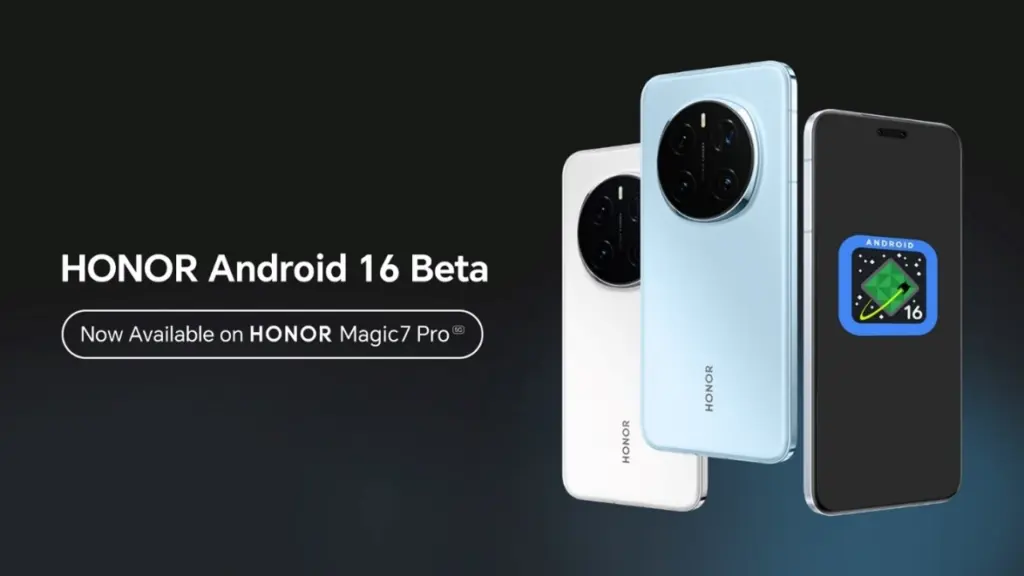
HONOR also rolled out Android 16 Beta 3 to developers on the HONOR Magic 7 Pro starting May 7. Both the Magic 7 Pro and the Magic V3 will get Android 16-based MagicOS updates in 2025, along with the new HONOR 400 Series.
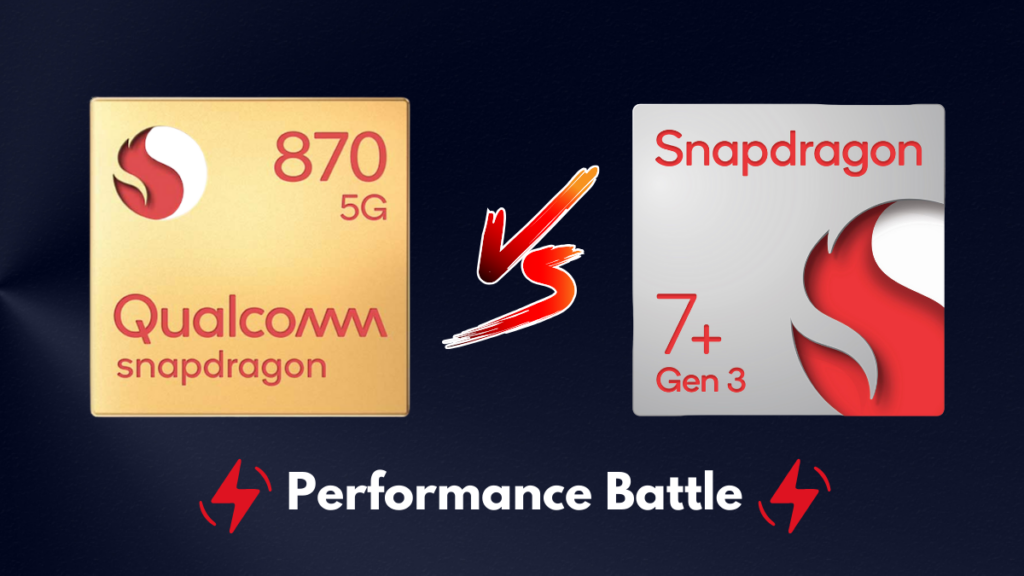
The Snapdragon 7 Gen 3 was announced in November 2023 as a mid-range chipset with a high-performance CPU and GPU. It’s a popular chip that is already powering many smartphones from different brands, such as Vivo, OnePlus, Motorola, Honor, and more.
The Snapdragon 870, on the other hand, is a relatively older chip, announced back in January 2021. It was a high-end chip then, but thanks to chip advancements over the years, modern mid-range chips perform better than older flagships. The Snapdragon 7 Gen 3 also puts a tough show against the Snapdragon 870. Let’s look at the benchmark and key differences to find out how they stack up against each other.
Snapdragon 7 Gen 3 vs Snapdragon 870: Benchmark comparison
Note: The tests were conducted on the OnePlus Nord CE 4 (powered by Snapdragon 7 Gen 3) and Poco F4 (powered by Snapdragon 870).
AnTuTu comparison
SD 7 Gen 3
SD 870
AnTuTu score
819,655
796,504
CPU
269,334
241,986
GPU
256,584
219,756
Memory
129,961
144,545
UX
163,776
190,218
The Snapdragon 7 Gen 3 edges out the Snapdragon 870 in overall AnTuTu performance, scoring 819,655 vs. 796,504. It delivers better CPU (269,334 vs. 241,986) and GPU (256,584 vs. 219,756) scores, making it slightly more capable for gaming and heavy tasks.
That said, the Snapdragon 870 pulls ahead in memory and UX performance, which could mean smoother day-to-day usage in some areas. Overall, the 7 Gen 3 offers a modest performance boost, especially in raw processing and graphics power.
Geekbench comparison
SD 7 Gen 3
SD 870
Single core
1,154
1,274
Multi core
3,018
3,386
In Geekbench tests, the Snapdragon 870 maintains a lead over the 7 Gen 3, scoring 1,274 in single-core and 3,386 in multi-core tests. In comparison, the 7 Gen 3 achieves 1,154 (single-core) and 3,018 (multi-core).
While the Snapdragon 7 Gen 3 is more efficient and newer, the Snapdragon 870 still delivers strong raw CPU performance, especially in multitasking scenarios.
Snapdragon 7 Gen 3 vs Snapdragon 870: Key differences that matter!
CPU
The Snapdragon 7 Gen 3 uses newer ARM Cortex-A715 and Cortex-A510 cores, which are more efficient and offer better performance per watt compared to the older Cortex-A77 and Cortex-A55 cores in the Snapdragon 870. Its peak clock speed is 2.63GHz, slightly lower than the Snapdragon 870’s 3.2GHz.
The Snapdragon 7 Gen 3 also benefits from the newer ARMv8.6-A instruction set (vs. ARMv8.2-A), which improves efficiency. Additionally, the 7 Gen 3 is built using more advanced TSMC’s 4nm node (vs. 7nm), offering improved efficiency and thermal performance.
GPU
The Snapdragon 7 Gen 3 has an Adreno 720 GPU built on a newer architecture than the Adreno 650 on the Snapdragon 870. Additionally, the Adreno 720 runs at a higher frequency of 975MHz (vs 670MHz). However, the Adreno 650 GPU brings more total shaders, pipelines, and FLOPS, which might edge out the other GPU in some games.
Camera
The Snapdragon 7 Gen 3 features 12-bit triple ISPs, whereas the Snapdragon 870 has 14-bit dual ISPs. Theoretically, the Snapdragon 870’s 14-bit ISP can capture and process with finer tonal details than the 7 Gen 3’s 12-bit ISP, but the difference is very subtle to notice. The dual ISPs and triple ISPs mean that the chip enables simultaneous processing from two or three cameras, respectively.
Both Qualcomm chips support a maximum of 200MP single camera sensor. With zero shutter lag, the maximum resolution is supported up to 64MP. Being a newer chip, the Snapdragon 7 Gen 3 comes with more camera features, such as Real-time object classification and low-light photography architecture. It also brings additional video formats such as Adaptive HDR10 and H.265 (High Efficiency Video Coding (HEVC)).
Connectivity
The two chips also have many differences in terms of connectivity. For instance, the Snapdragon 7 Gen 3 has a newer X65 modem with a peak download speed of 5GHz. On the other hand, the Snapdragon 870 features an older X55 modem but with a higher peak download speed of 7.5Gbps.
The Snapdragon 7 Gen 3, however, has a higher peak speed over a Wi-Fi connection (2.9Gbps vs. 1.774Gbps). It also brings Wi-Fi 6E support, which is lacking on the other chip.
Both chips also offer a bundle of connectivity improvement features, such as Qualcomm Wideband Envelope Tracking, Qualcomm Smart Transmit technology, Qualcomm 5G PowerSave, and Qualcomm Signal Boost adaptive antenna tuning. The Snapdragon 7 Gen 3, being a newer chip, offers an upgraded version of these features.
Snapdragon 7 Gen 3 vs Snapdragon 870: Conclusion
The Snapdragon 7 Gen 3 and Snapdragon 870 trade blows in different areas, but it’s clear that Qualcomm’s newer mid-range chip holds its own against the older flagship.
The Snapdragon 7 Gen 3 delivers better overall AnTuTu performance, improved CPU and GPU efficiency, newer camera capabilities, and faster connectivity options like Wi-Fi 6E. It’s built on a much smaller 4nm process, which helps with thermal efficiency and battery life.
However, the Snapdragon 870 still puts up a strong fight in raw CPU performance, especially in Geekbench scores, and offers slightly better memory and UX performance in AnTuTu, which could translate to smoother daily usage in some cases.
If you’re choosing between phones powered by these chips, the Snapdragon 7 Gen 3 is clearly the more future-ready and balanced option, while the Snapdragon 870 remains a solid performer with proven power — even years after its release.
SD 7 Gen 3
SD 870
Announced
November 2023
January 2021
Manufacturing
4nm (TSMC)
7nm (TSMC)
CPU
1 x 2.63GHz — Cortex-A715 3 x 2.4GHz — Cortex-A715 4 x 1.8GHz — Cortex-A510
1 x 3.2GHz — Cortex-A77 3 x 2.42GHz — Cortex-A77 4 x 1.8GHz — Cortex-A55
GPU
Adreno 720
Adreno 650
NPU
Hexagon NPU
Hexagon 698
Memory
LPDDR5, up to 3.2GHz
LPDDR5, up to 2.75GHz
Camera
Spectra triple ISP (12-bit) Up to 200MP single camera Up to 4K video recording
Spectra dual ISP (14-bit) Up to 200MP single camera Up to 8K video recording
Connectivity
Snapdragon X63 5G modem Downlink: 5Gbps Qualcomm FastConnect 6700 Wi-Fi 6E (peak speed: 2.9Gbps) Bluetooth 5.4
At COMPUTEX 2025 in Taipei, TECNO introduced its latest AI-powered laptop lineup, led by the new MEGABOOK S16. The launch took place under the theme “Mega Leap with AI” and focused on how TECNO’s self-developed edge-side AI model is being used to improve productivity and performance across devices.
Tecno Megabook S16
The MEGABOOK S16 is TECNO’s first 16-inch flagship laptop. It comes with a Full HD display, weighs 1.3 kg, and measures just 14.9 mm in thickness. It is powered by an Intel Core i9-13900HK processor with 14 cores, 20 threads, and a turbo boost up to 5.4 GHz. The laptop includes NPU AI acceleration and Arc graphics, making it suitable for demanding tasks like video editing, design work, and gaming. Its edge-side AI model allows smooth offline functionality and quick task switching.
The device connects easily with TECNO smartphones and tablets through OneLeap, enabling screen sharing, file transfer, and real-time collaboration. The AI model runs without needing the internet, supporting fast response and low latency across work, entertainment, and creative use.
TECNO has also added its updated DeepSeek-V3 model to the MEGABOOK range. With this, users get features like Personal GPT for AI search, and five built-in tools: AI Gallery, AI Meeting Assistant, Ella AI Assistant, AI PPT, and AI Drawing. AI Gallery backs up photos wirelessly and helps manage them across devices. The meeting assistant transcribes and summarizes discussions. Ella AI handles scheduling and reminders. AI PPT generates presentation slides based on content and structure. AI Drawing supports creative tasks.
Alongside the MEGABOOK S16, TECNO also launched the MEGABOOK S14, the world’s lightest 14-inch OLED laptop at 898 grams. It has a 2.8K display and supports an external NVIDIA graphics card. The MEGABOOK T14 Air offers a lightweight design with extended battery life. The MEGABOOK K15S and K14S are new additions to the entry-level K series, built for basic tasks with AI support.
Price and availability
Tecno has yet to announce the official pricing or release date for the new Megabuck S16.
Compact smartphones have been growing in popularity, and Vivo is expected to bring another model in the Indian market soon. The Vivo X200 FE has recently been making the rounds online, and a fresh leak confirms details regarding its color and storage options.
Vivo X200 FE Colors and Storage Revealed
To recall, the Vivo X200 FE is expected to be a rebranded Vivo S30 Pro Mini for the global market. The company recently teased the bright colors options, RAM, storage, and design elements of the Vivo S30 Pro Mini that is set to debut in China on 29th May 2025. But now, known tipster Abhishek Yadav revealed similar details for the Vivo X200 FE. He claimed that the X200 FE will be arriving in Yellow and Gray color variants in the Indian market.
It will reportedly be available in two storage configurations, which includes a 12GB + 256GB and 16GB + 512GB. Earlier today (21st May 2025), the Vivo X200 FE was spotted on the NBTC certification, which hints at its imminent release, while the TUV certification confirmed support for 90W wired fast charging. For those unaware, the Vivo X200 FE is expected to sport a 6.31-inch LTPO OLED display with a 1.5K resolution and a 120Hz refresh rate.
Under the hood, it is equipped with the MediaTek Dimensity 9400e that is paired with LPDDR5X RAM and UFS 4.0 storage. A massive 6,500mAh battery pack is expected to power the X200 FE. For photography, the rear is rumored to feature a 50MP main + 50MP telephoto + 8MP ultra wide angle camera system, while the front could house a 50MP sensor for selfies and video calls. The X200 FE might debut in India sometime in July, so stick around for more.
For more daily updates, please visit our News Section.
OnePlus is gearing up to launch new smartphones from its popular Nord 5 series soon. But ahead of any official announcement, a fresh leak has revealed details regarding its design elements. So here are all the details that surfaced online.
OnePlus Nord 5, Nord CE 5 design leaked: Here’s what we know
The latest information arrives from a report from TheTechOutlook. It seems like the Nord 5 and Nord CE 5 will have a design that mirrors certain Ace 5 series models. The OnePlus Nord 5 borrows the same design language as the Ace 5 Ultra, while the Ace 5 Racing Edition‘s design may be reflected in the Nord CE 5 model. So we can expect an oval shaped camera module on the rear with an LED flash module.
OnePlus Ace 5 Ultra and Ace 5 Racing Edition
While the overall design resembles the previous generation model, the Nord 5 and Nord CE 5 may have a more refined look. Among the other changes, the Nord 5 series could also include an action button and an IR blaster. OnePlus may announce the Nord 5 sometime around July 2025, and you can click here to read our detailed rumor roundup. For those unaware, the Ace 5 Ultra and Ace 5 Racing Edition are upcoming mid range devices that will launch in China on 27th May 2025.
In a recent leak, the RAM, storage, official renders, and color options of the Ace 5 Ultra and Ace 5 Racing Edition had also surfaced online. So the Nord 5 could also debut with up to 16GB + 1TB configuration and in Breeze Blue, Titanium, and Phantom Black color options. Meanwhile, the Nord CE 5 could arrive with up to 16GB + 512GB configuration and Wilderness Green, White, and Rock Black versions.
For more daily updates, please visit our News Section.
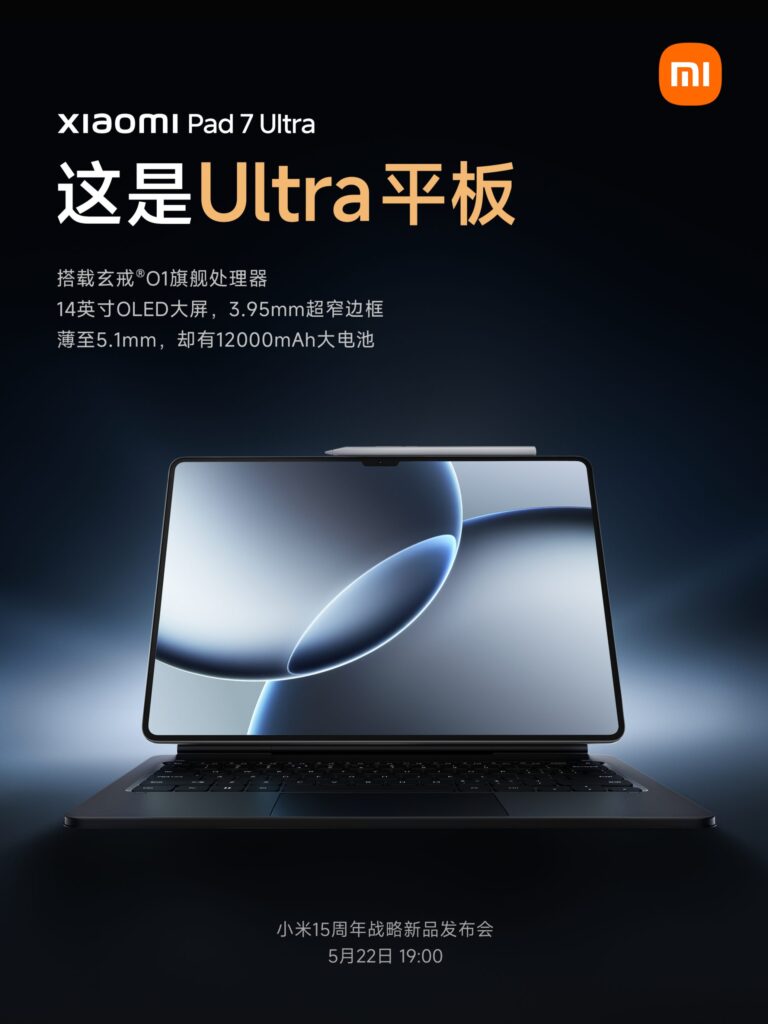
Xiaomi is gearing up to announce a bunch of new products tomorrow (22nd May 2025), including the Xiaomi 15S Pro and Xiaomi Pad 7 Ultra. But ahead of the official launch, the brand has shared a fresh teaser confirming a series of key specs and features of the premium tablet. So here are all the details.
Xiaomi Pad 7 Ultra Teased with OLED display, 5.1mm body, & More
Xiaomi Pad 7 Ultra
The Chinese tech giant just shared a series of teasers from its official Weibo account. Earlier today (21st May 2025), the Xiaomi Pad 7 Ultra was spotted on the GeekBench platform with the self developed XRing O1 chipset. This has also been confirmed on the latest teaser. But apart from this, a lot more details ghave been confirmed in these image posters.
On the front, the Xiaomi Pad 7 Utlra sports a 14-inch OLED display that has a slim 3.95mm bezels. Under the hood, the premium tablet packs a massive 12,000mAh battery pack, which supports 120W wired fast charging. Despite the huge battery capacity, the Xiaomi Pad 7 Ultra features measures an ultra slim 5.1mm body that weighs 609 grams. It also comes with reinforced metal structure for improved durability and a premium design along with a new magnesium alloy keyboard.
Xiaomi Pad 7 Ultra
The Xiaomi Pad 7 Ultra is confirmed to arrive in at least two color options, which includes a Black and a Light Blue color option. The Black variant was seen with a Black keyboard, while the Light Blue option is paired with a White keyboard. At the moment, this is all the information we have at the moment so stick around as we will be covering the launch event tomorrow.
For more daily updates, please visit our News Section.
We use cookies on our website to give you the most relevant experience by remembering your preferences and repeat visits. By clicking “Accept”, you consent to the use of ALL the cookies.
This website uses cookies to improve your experience while you navigate through the website. Out of these, the cookies that are categorized as necessary are stored on your browser as they are essential for the working of basic functionalities of the website. We also use third-party cookies that help us analyze and understand how you use this website. These cookies will be stored in your browser only with your consent. You also have the option to opt-out of these cookies. But opting out of some of these cookies may affect your browsing experience.
Necessary cookies are absolutely essential for the website to function properly. This category only includes cookies that ensures basic functionalities and security features of the website. These cookies do not store any personal information.
Any cookies that may not be particularly necessary for the website to function and is used specifically to collect user personal data via analytics, ads, other embedded contents are termed as non-necessary cookies. It is mandatory to procure user consent prior to running these cookies on your website.